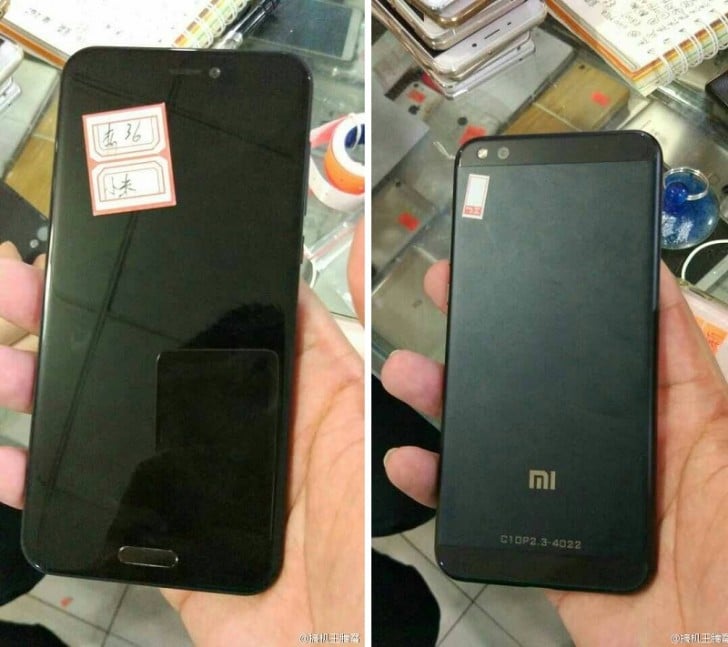
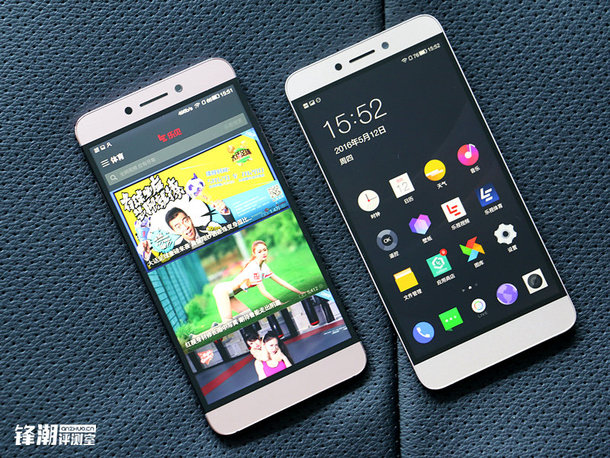
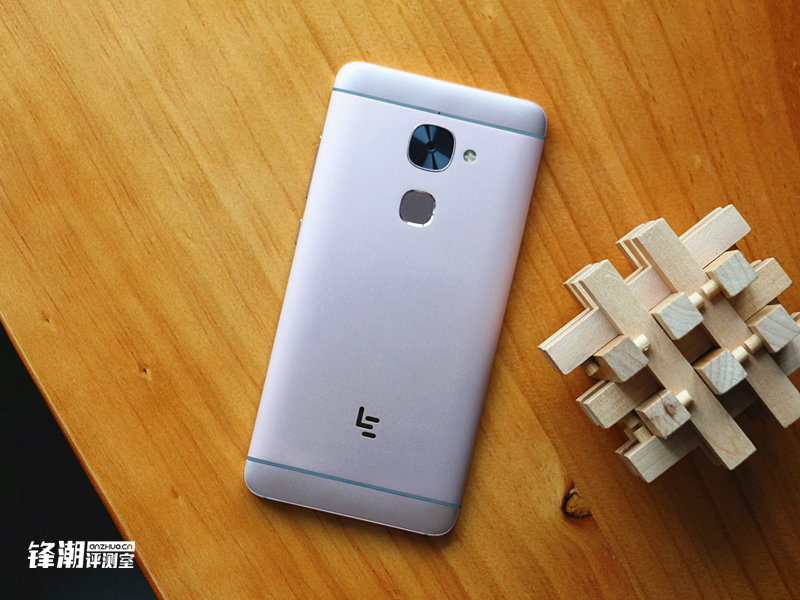
The Xiaomi Mi 6 is the expected “next big thing” from China’s Apple – Xiaomi, so it is not much of a surprise that the device has continued to be in the front burner of late. The likely render of the device had leaked earlier in October with a unique curved display.
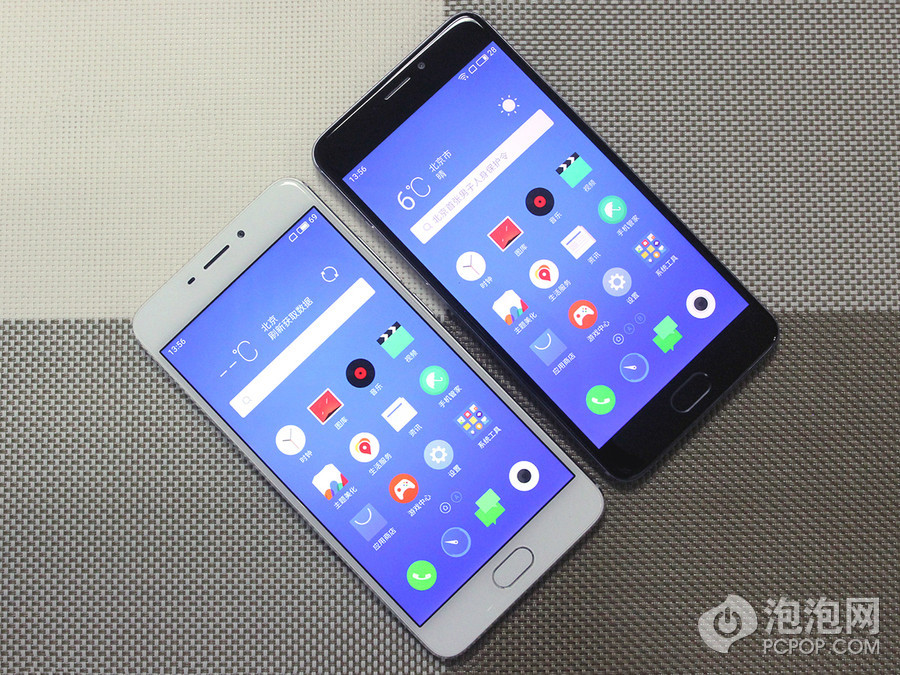
We actually didn’t see the resemblance back then, but right now a recent leak hints that the Mi 6 would adopt the same design as the Mi Note 2 bit with a scaled down size. And really on close scrutiny, the Mi 6 and Mi Note 2 actually look similar, just that the Mi 6 would be a bit smaller in size.
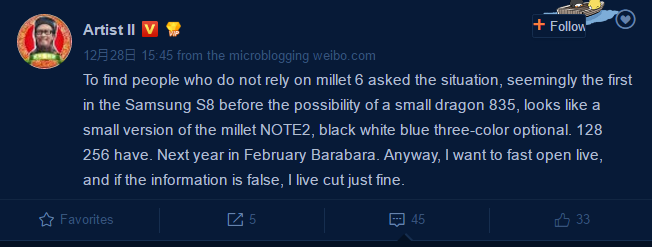
Once again, another tipster has come out to reaffirm earlier rumors that the Mi 6 would feature a Snapdragon 835 chip onboard and would be launched in February just like we have heard in the past. Another information revealed by the tipster is that the flagship would pack a 128GB and 256GB storage options and would come in black, white and blue color variants.
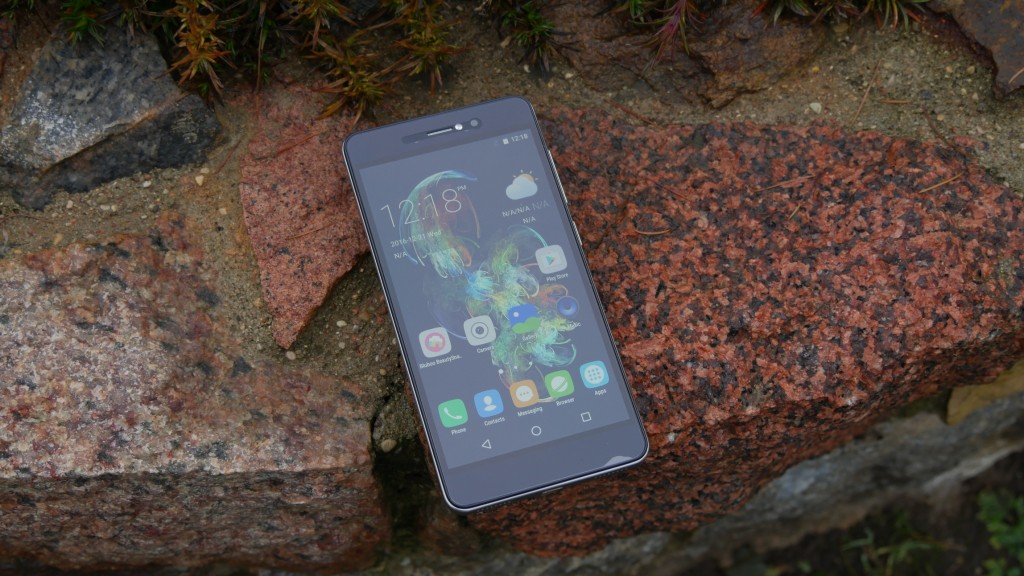
We have a lot of cheap smartphones from China and I just came across a cheap Bluboo Picasso 4G device that gets most of the basics right for the low price of just below $80. Learn more in the full review.
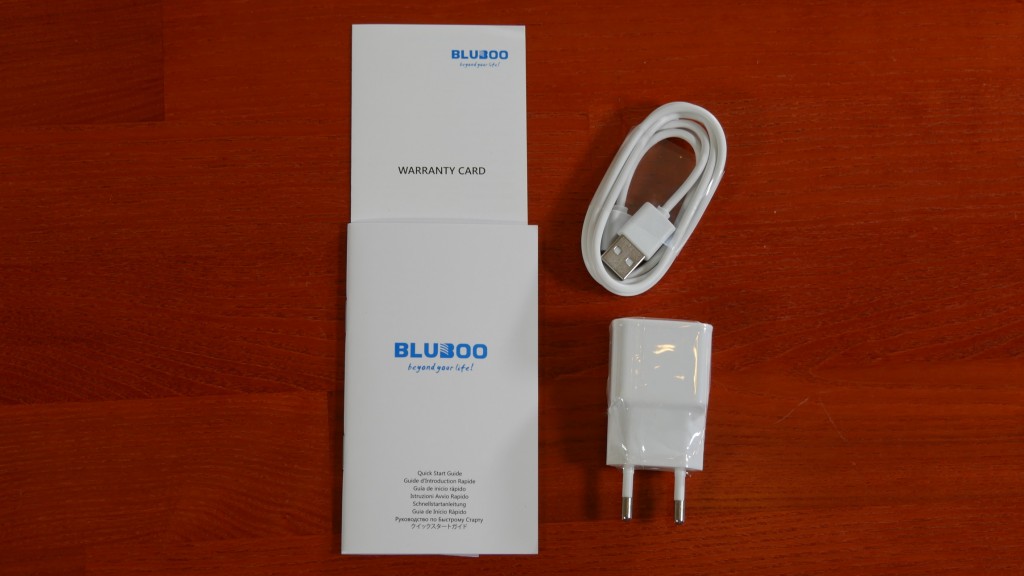
The phone ships with all the usual stuff. No extras included.
DESIGN
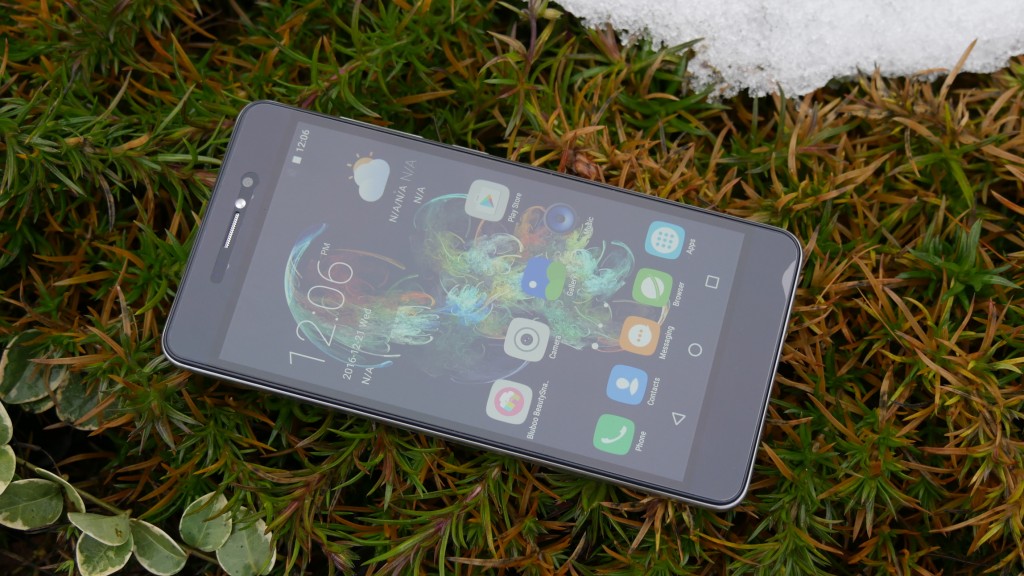
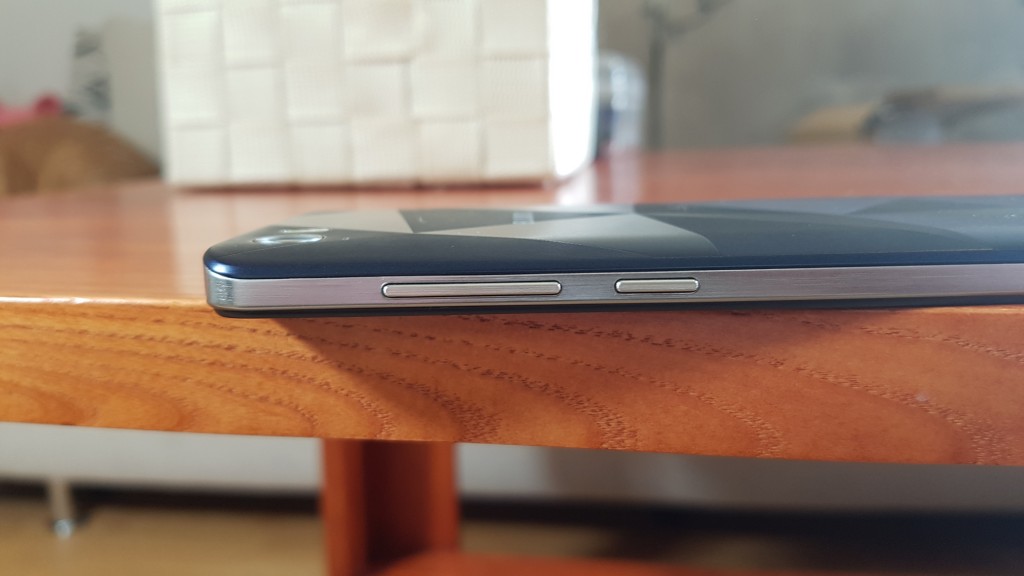
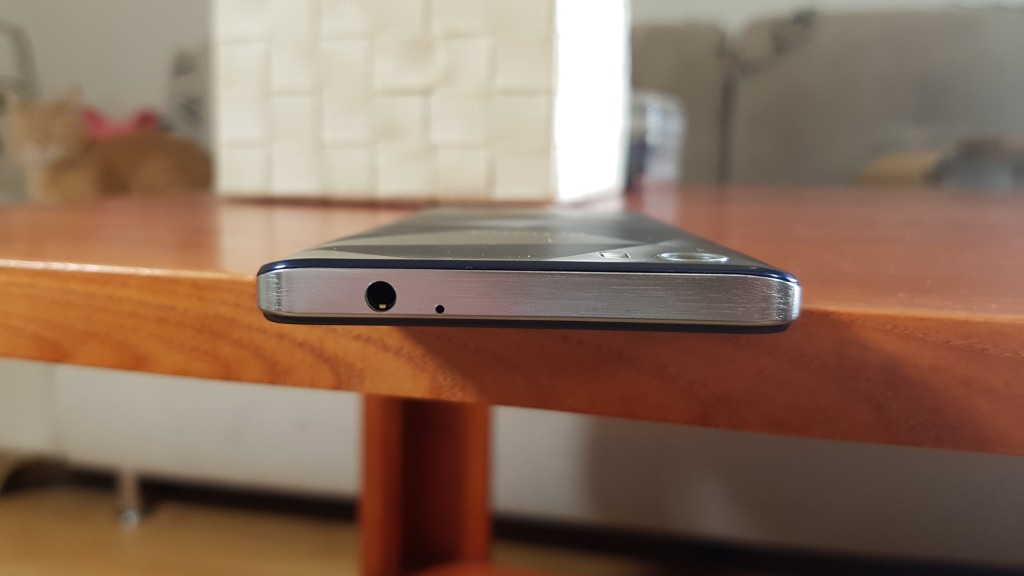
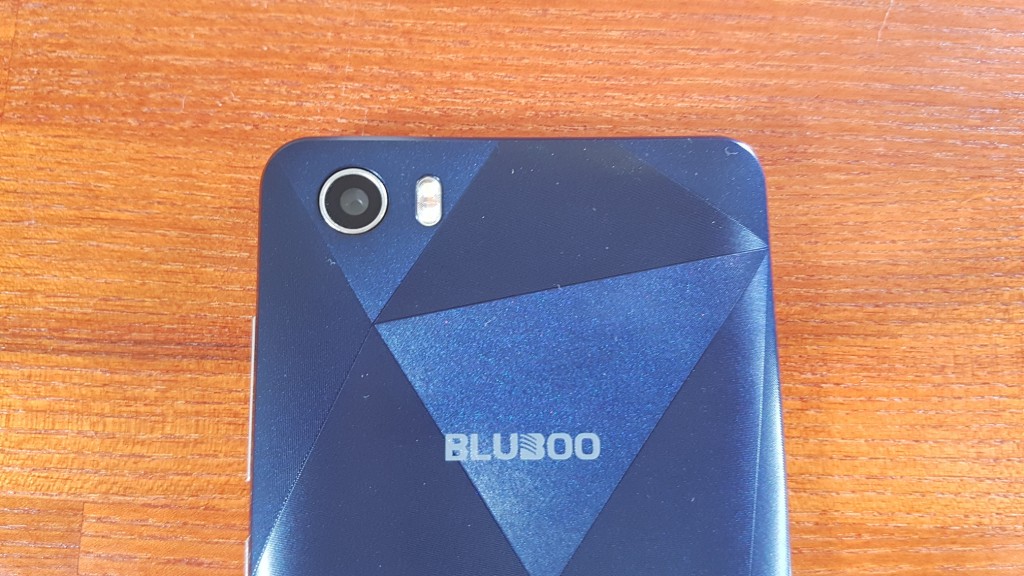
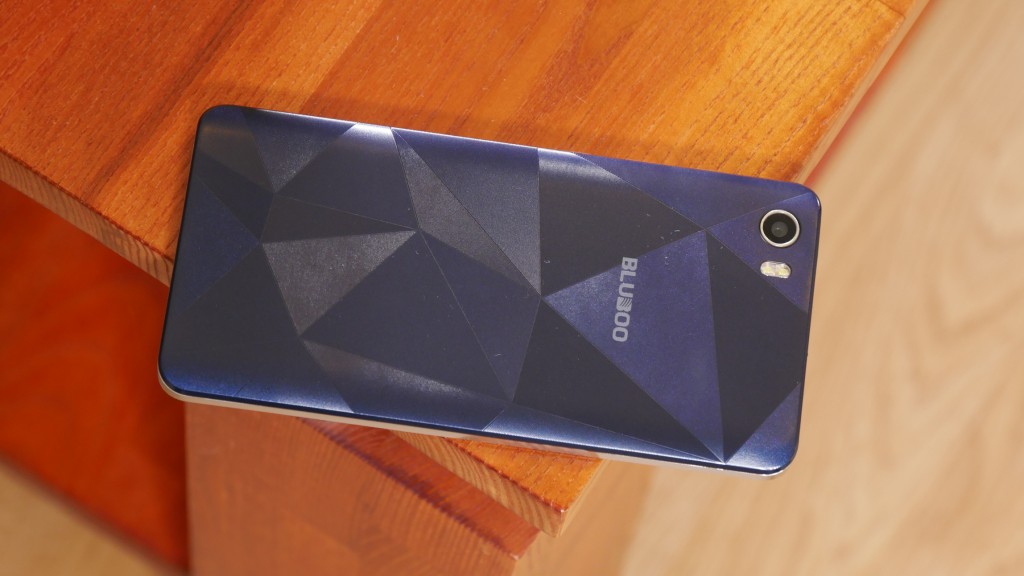
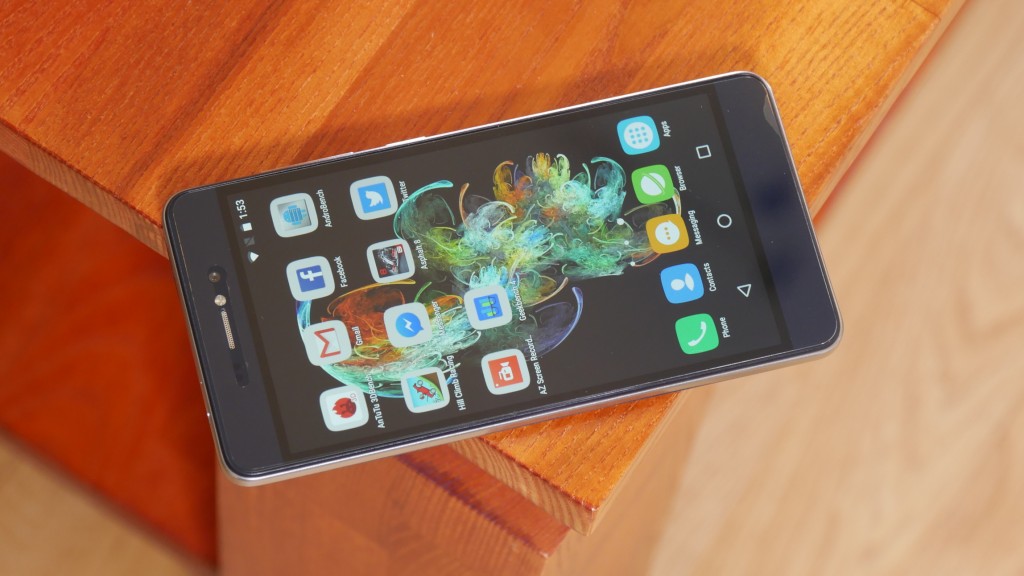
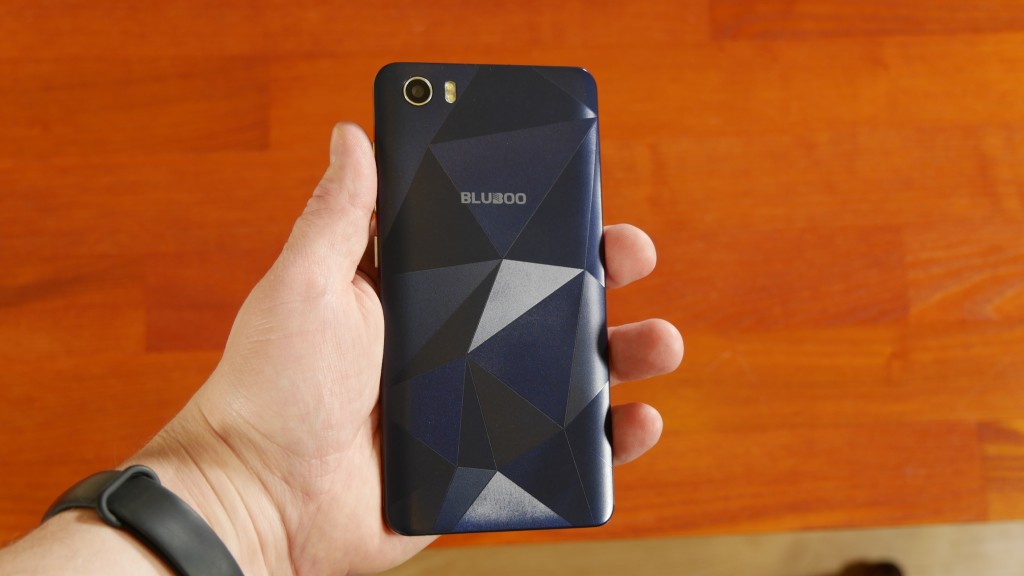
The Bluboo Picasso 4G does not sport exceptional looks but it is a quite well-made phone. However, it sports neither a metal trim nor metal buttons.
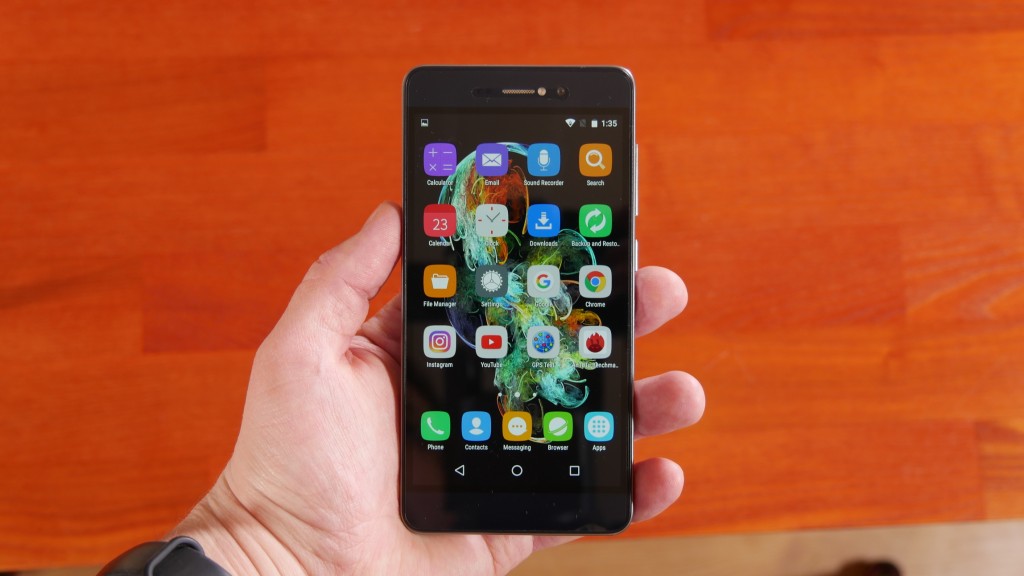
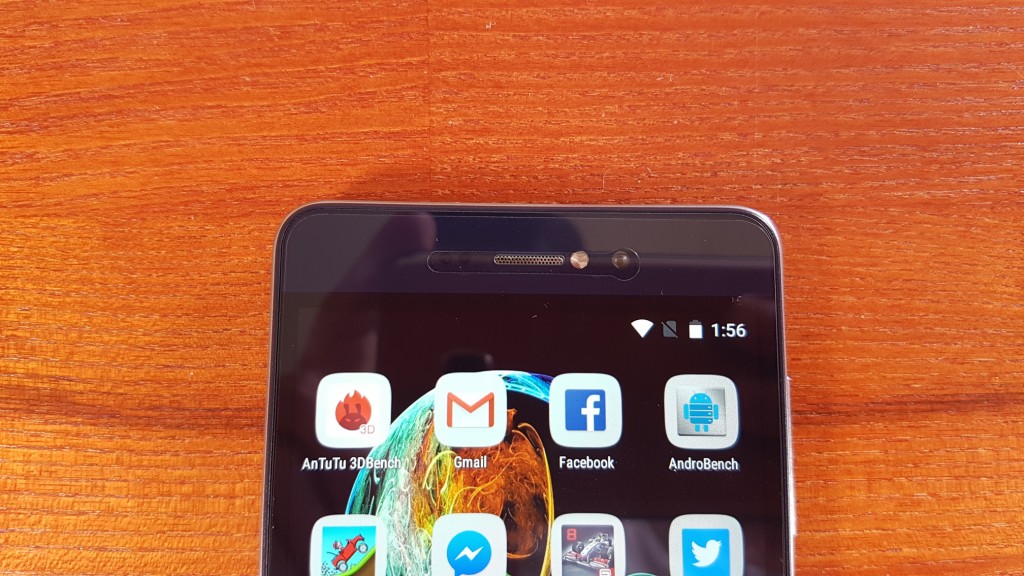
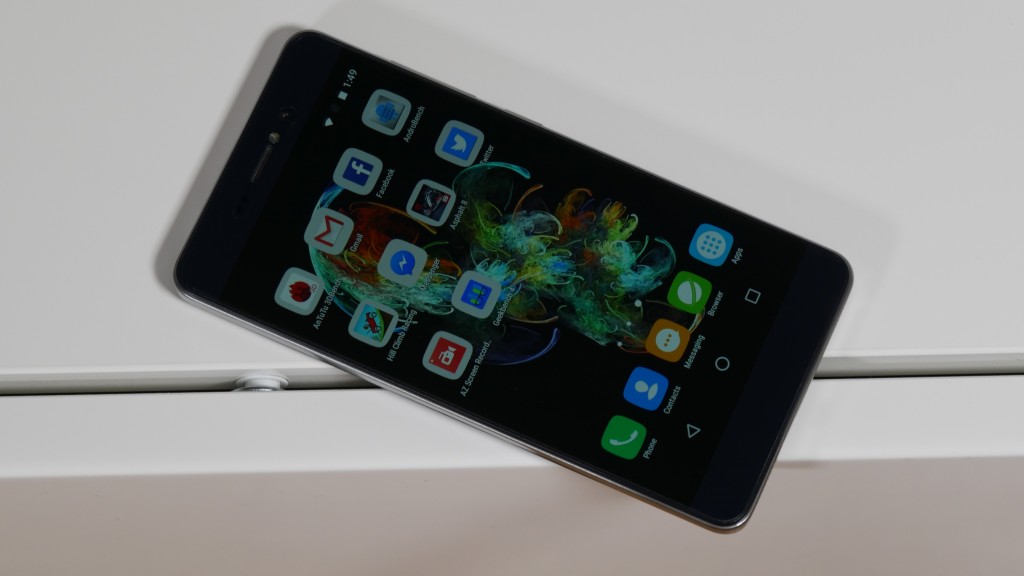
Speaking of the display, the 5” 720p panel is pretty sharp and bright for a cheap phone but we have those visible bezels on each side.
It’s great that we have a 5MP front facing camera but there is no LED notification light.
As for the main camera, there is a 13MP shooter.
The loudspeaker quality is kind of mediocre like on most of the cheap phones.
HARDWARE
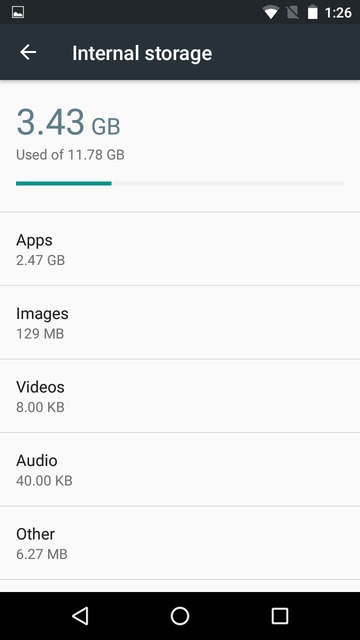
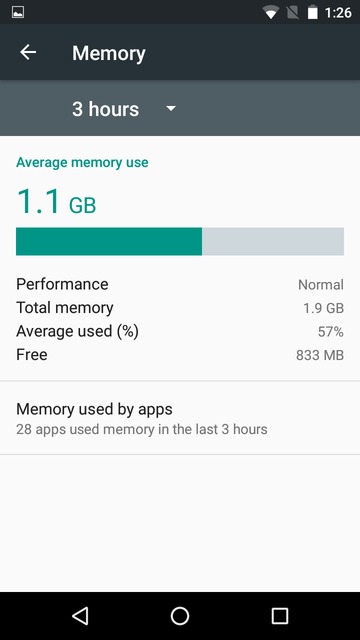
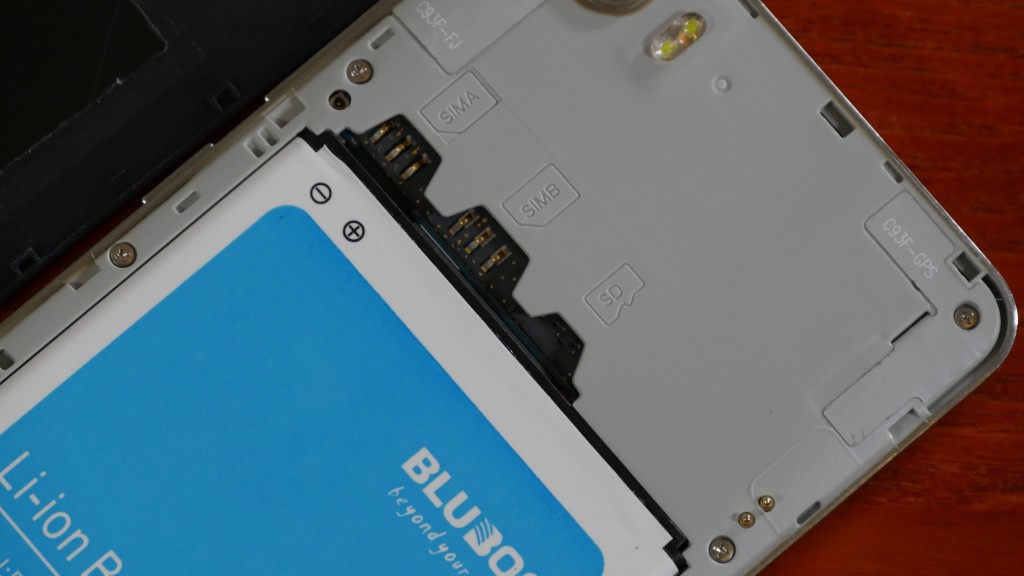
The Bluboo Picasso 4G runs on a little outdated Mediatek 6735 chip with the clock speeds of 1.0GHz. Also, the phone has 2GB of RAM and 16GB of expandable storage.
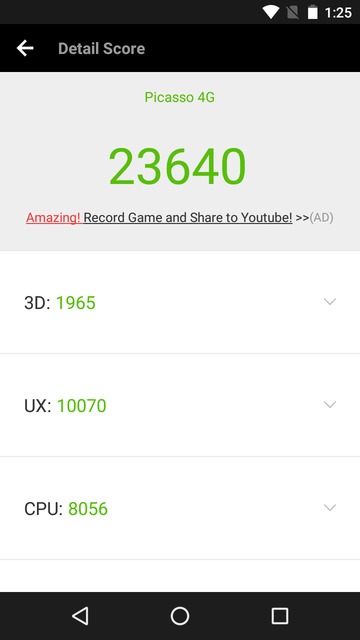
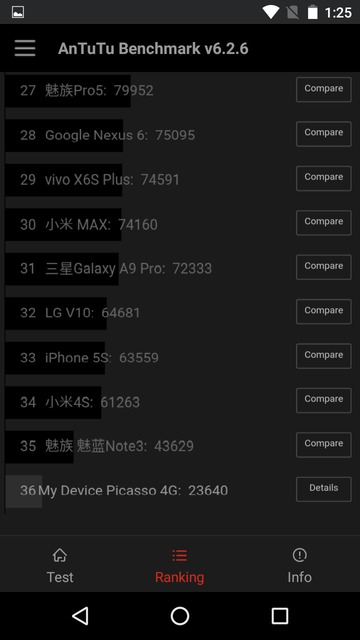
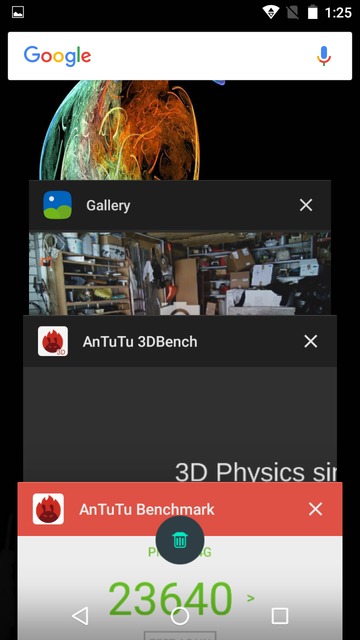
Honestly, the spec sheet does not really impress and that translates to a mediocre gaming performance. You should expect quite a few skipped frames even if you play games like Asphalt 8 on medium graphics.
BENCHMARKS
USER INTERFACE
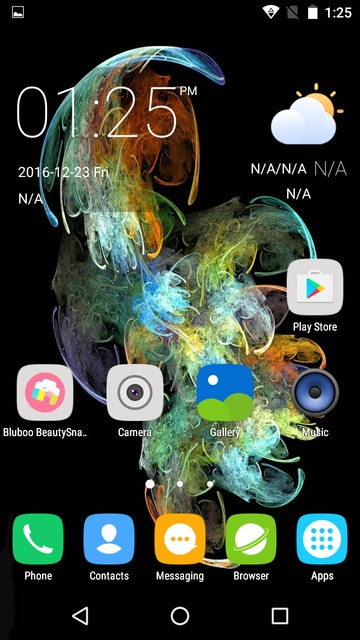
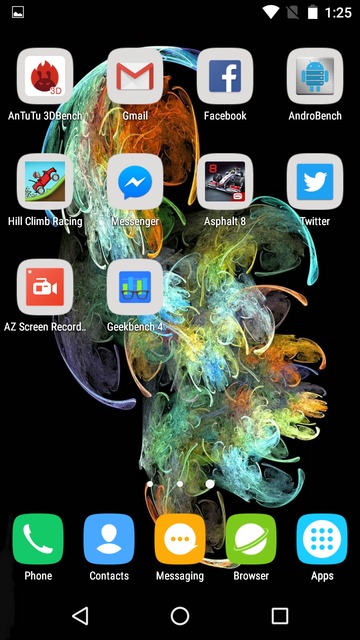
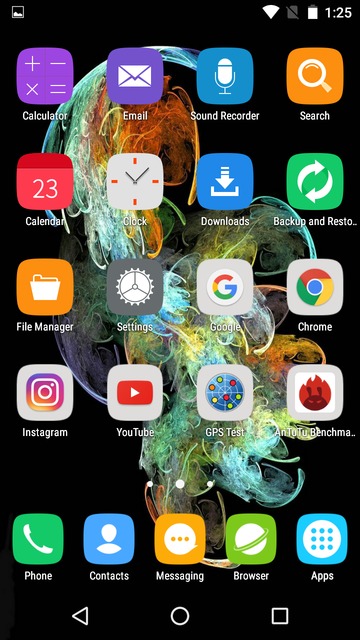
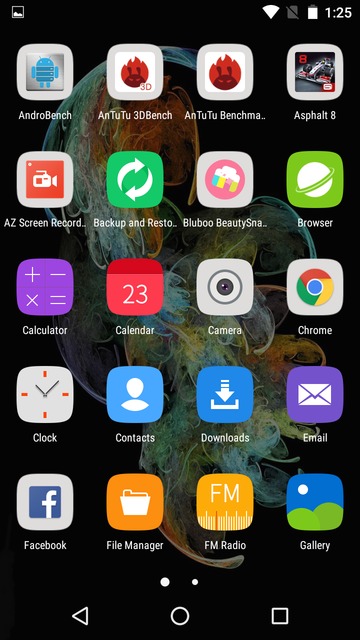
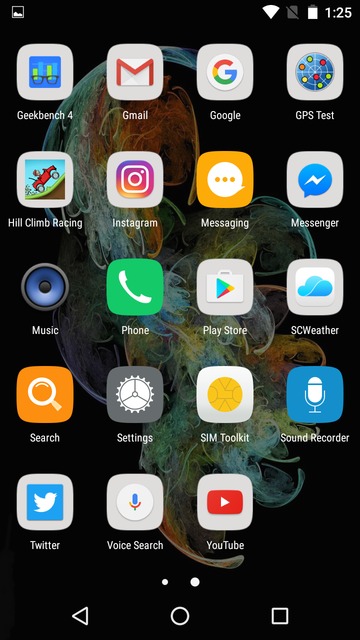
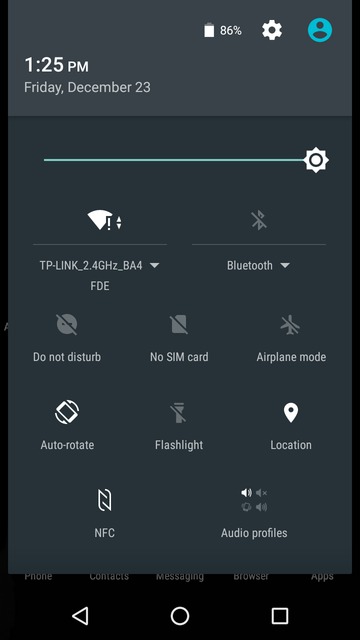
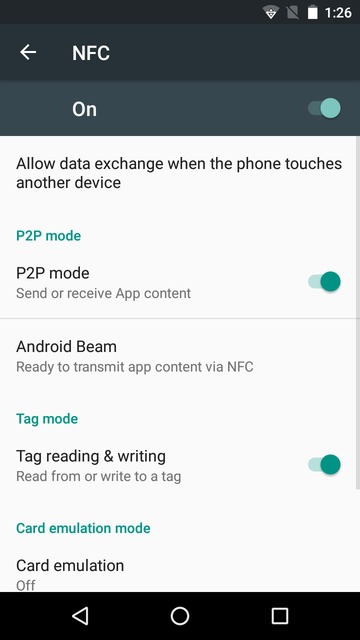
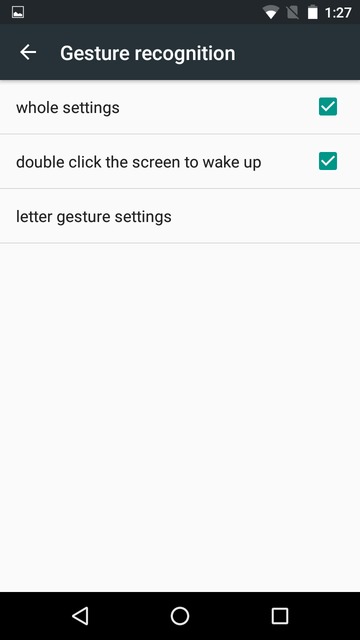
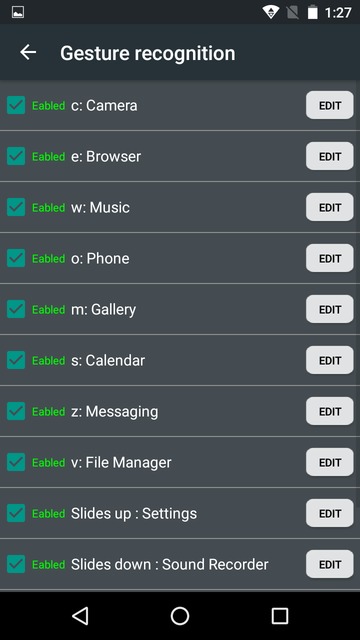
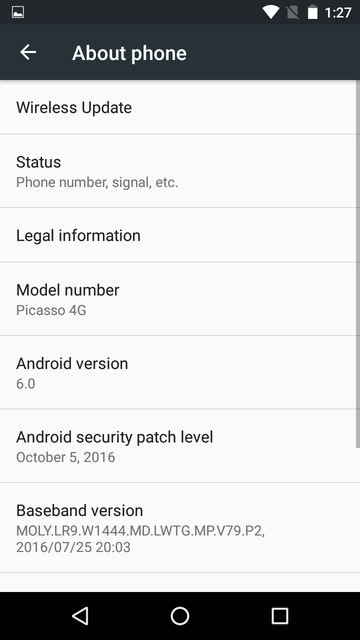
The phone ships with the Android 6.0 but we have a few added features by Bluboo. For example, the app tray has been removed. On a positive note, we have the NFC feature. Some of the extra features include a variety of gesture and motion controls. Some of them work well but others are very slow to respond.
In general, the UI performance is okay. I didn’t have any lag but if you have install a lot of apps like I did, you should expect a little bit of stutter from time to time.
IMAGE QUALITY
You should never expect any miracles from the cameras of budget phones and the Bluboo Picasso is no exception. Most of the images will do the trick for social media but they could definitely have more detail and sharpness.
Obviously, the quality decreases in lower-lit situations as on all cheap phones.
The selfies won’t look as sharp as you may expect but it may be enough for social media.
As for video, the quality of footage is kind of poor like on most of the cheap phones.
CONNECTIVITY
When it comes to connectivity, the phone does everything quite well. The GPS lock speeds are fast but it could be more accurate when you use it with navigation apps.
BATTERY LIFE
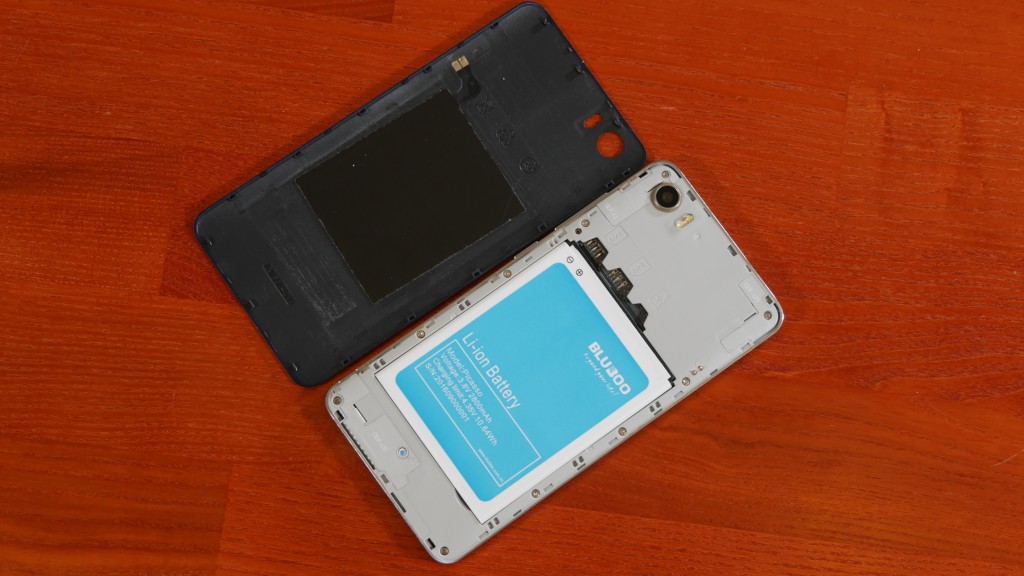
The 2800mAh battery performs quite well. I could get about a full day of moderate usage out of this phone, which is a good result.
CONCLUSIONS
Bluboo Picasso 4G is not going to be your next powerhouse device but it gets the basics right.
We don’t have any exceptional looks but the phone is well made, it is compact to carry around and the user interface has some cool extra features.
You can also take some okay looking photos and the battery life is pretty good thanks to quite a large capacity.
However, the processor is a little outdated if you are a spec head, the capacitive buttons are not backlit and the phone lacks premium materials in the construction.
At the end of the day, Bluboo Picasso 4G may not be the only cheap device out there but it gets all the basics right. However, you have to consider if the previously mentioned shortcomings are important to you or not.
For a while now, Meizu has been stuck with using MediaTek chip on its smartphones and of late, the Meizu Pro 6 Plus featured a Samsung Exynos 8890 flagship SoC. Unfortunately to the disappointment of not a few persons, Meizu has failed to pack Qualcomm’s chip on its latest gadgets.
A recent Qualcomm press release had stated among other things that China’s top ten phone brands have all got Qualcomm’s patent license. If you talk about the top ten brands in China, Meizu is definite among them.
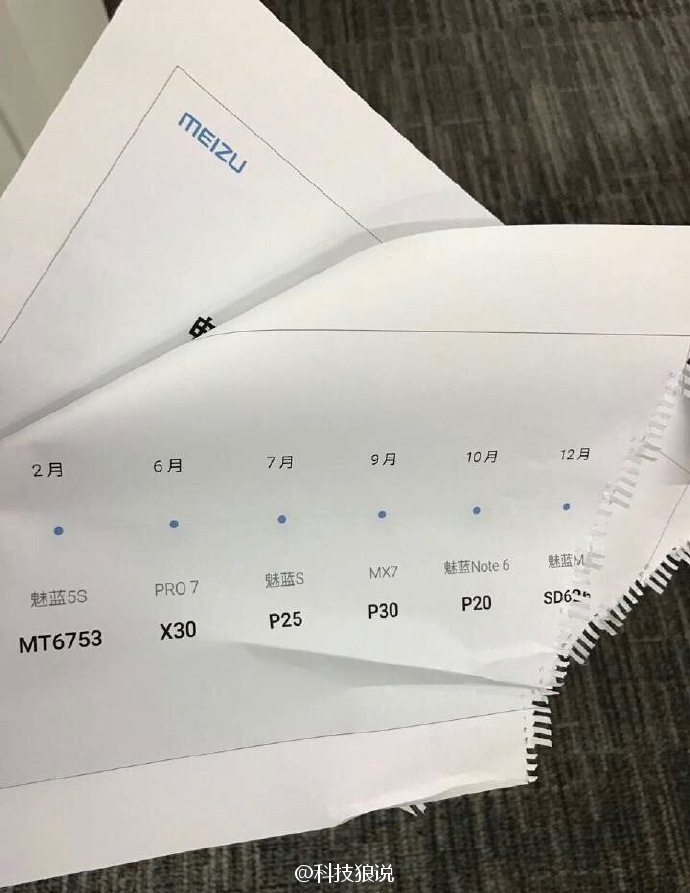
More revealing is the recent leaked product schedule said to be Meizu’s lineup for 2017. The product schedule outlines the different Meizu smartphones that are likely to be released in 2017 and the month they would drop. According to the poster, Meizu should release the M5S in February using a MT6753, the Meizu Pro 7 uses a Helio X30 chip launching in June. In addition, the Meizu S using an Helio P25 chip is expected in July, while the MX7 with an Helio P30 chip will drop in September. October would see the Meizu Note 6 powered by an Helio P20 SoC.
One notable information outlined on the leaked calendar is the processor the devices would carry on launch date. That would not have gotten us excited if not for the Qualcomm chipset which is listed against a device whose name is obscured on the sheet, perhaps a Meizu M derivative. However, we could see what looks like a Snapdragon 626 chipset listed as featuring on the device.
Well, don’t get too excited because even if the product schedule turns out to be true, you won’t be seeing the Snapdragon-powered Meizu flagship anytime soon. The device is listed for release in December 2017, one year from now.
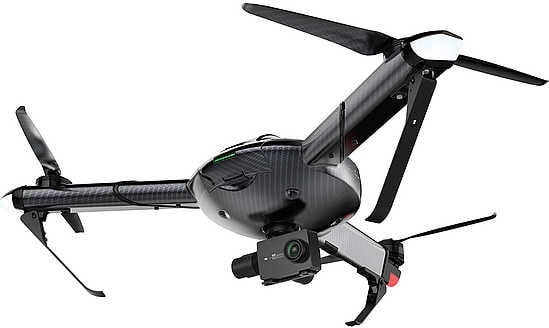
Xiaomi already announced it’s making its first appearance at CES next year, but the announcement didn’t end there. The phone manufacturer also added that they plan to launch a new product at the event. We don’t know what the product is but it seems there will be more than one device making an appearance at the event seeing as Xiaomi just announced that it will be launching the Yi Erida drone and Yi 4K+ action camera.
Apart from phones, Xiaomi makes a bunch of other stuffs, part of which includes smart bikes, a smart electric scooter, a drone and action cameras. Earlier this year, Xiaomi launched the Mi Drone, a first from the company. Less than a year later, the company will be adding the Yi Erida drone to the line-up.
The Yi Erida will be equipped with a Yi 4K action camera that can record for 2 hours on a single charge, and will also have a tri-rotor design. The drone will be able to fly at speeds of up to 75mph (120km/h) and have a flying time of 40 minutes. It will also be fitted with a gimbal system that lets you record steady videos while flying. The Yi Erida will have advanced radar and sensor systems, manual camera controls, and can be controlled via a mobile app which Xiaomi says will make remotes obsolete.
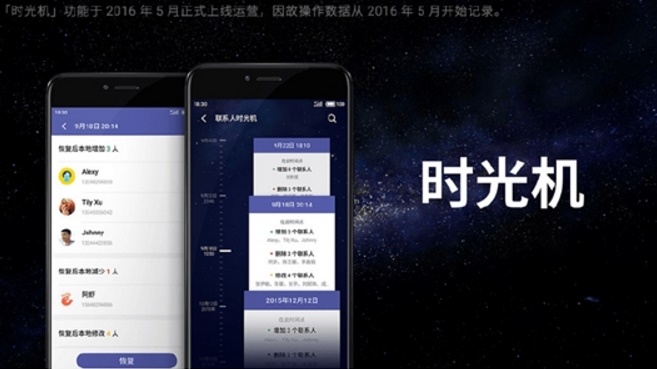
Meizu announced a new version of its own android based OS during the launch of the Meizu M5 Note. The new OS called Flyme 6 will be coming out of closed beta tomorrow and in addition to the numerous new features already listed, a new feature called Time Machine will be making its way to the OS.
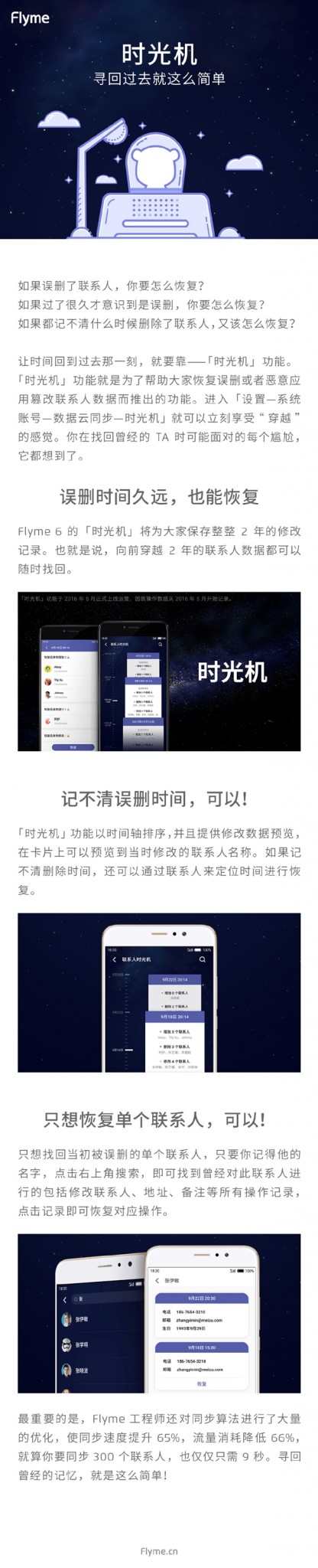
According to Meizu, Time Machine will let users retrieve accidentally deleted contacts. The feature will let you access deleted contacts data as far back as two years (the data starts recording from the day you start using the feature). So two years from now, you should still be able to access contacts deleted between now and December, 2018. To make use of the feature, users will have to got to Settings > Data Cloud Sync > Time Machine.
Meizu also says they have optimized the contacts synchronization speed by up to 65% and reduced traffic consumption by up to 66%. So a 300 contact phone-book should synchronize in about 9 seconds.
Flyme 6 will be available for the following phones as a public beta starting tomorrow: PRO 6 Plus, PRO 6s, PRO 6, MX5, Pro 5, MX5, MX4 Pro, MX4, U20, U10, Meizu Max, Meizu E, Meizu Metal, Meizu M3 Note, Meizu M3s, Meizu M3, Meizu M2 Note, and Meziu M1 Note.
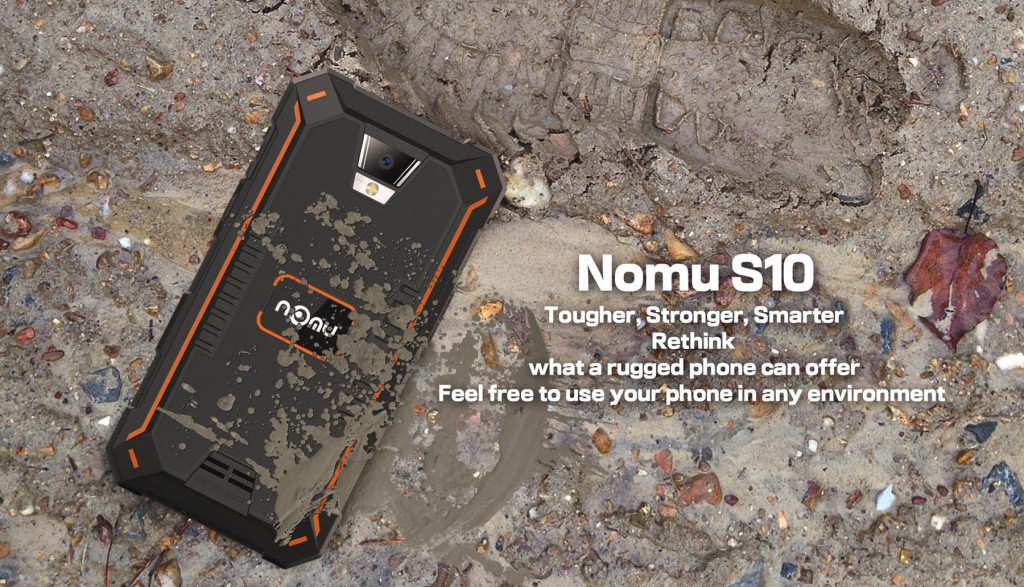
Most of us have smartphones these days but some people either tend to break their phones quite often or they work in the environment that is full of dust, humidity etc. Therefore, we have rugged smartphones and if you want to still be using your device even after severe drops on concrete or into the pool, the Nomu rugged phones are currently on sale at Gearbest.com.
In fact, we have already reviewed the Nomu S30 and we were mostly positive about it.
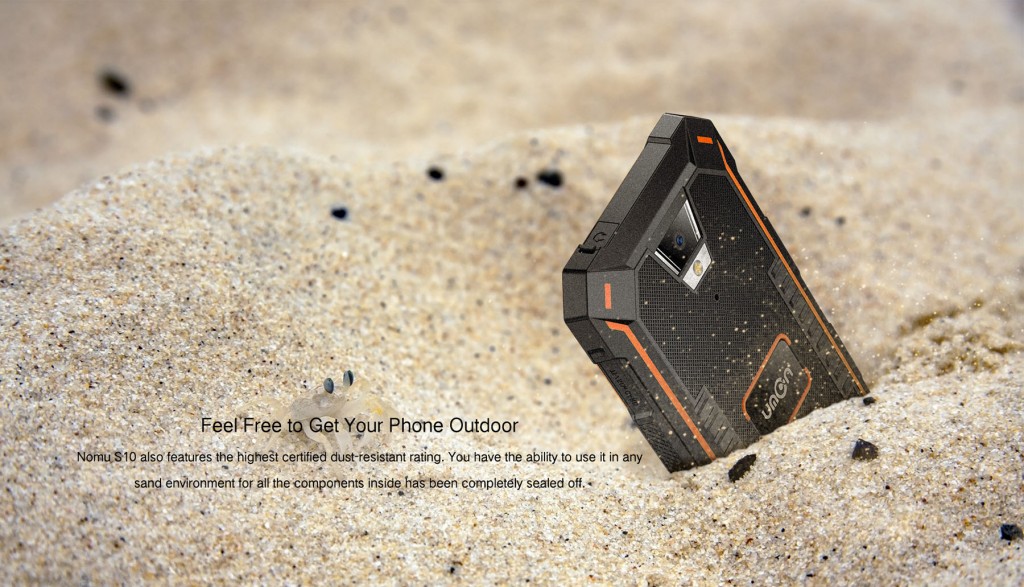
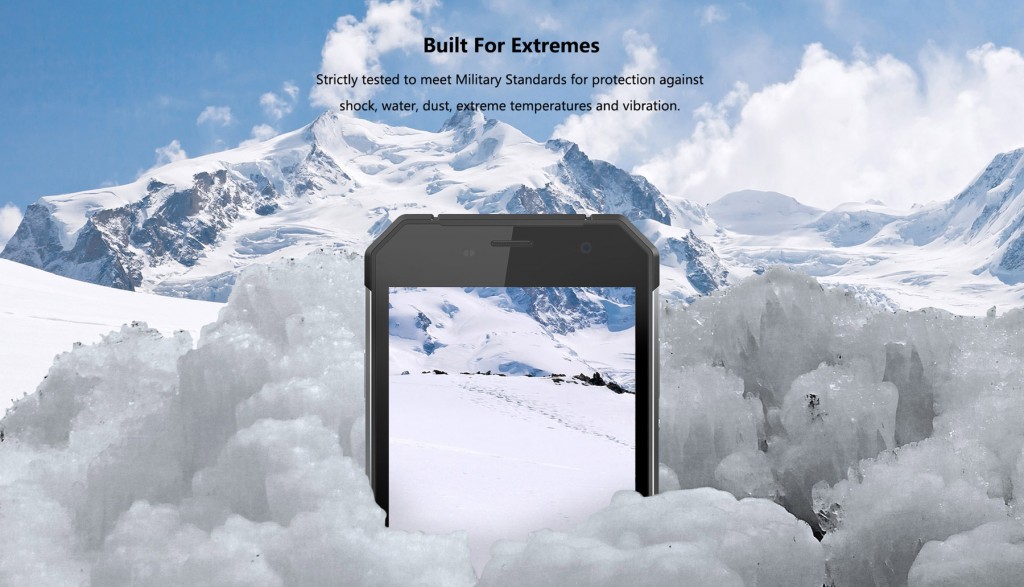
The Nomu S10 is the cheapest out of the pack but the phone still has quite a lot to offer for the price of just below $120. Obviously, the phone is designed to withstand the punishment of dust, humidity and severe temperature changes.
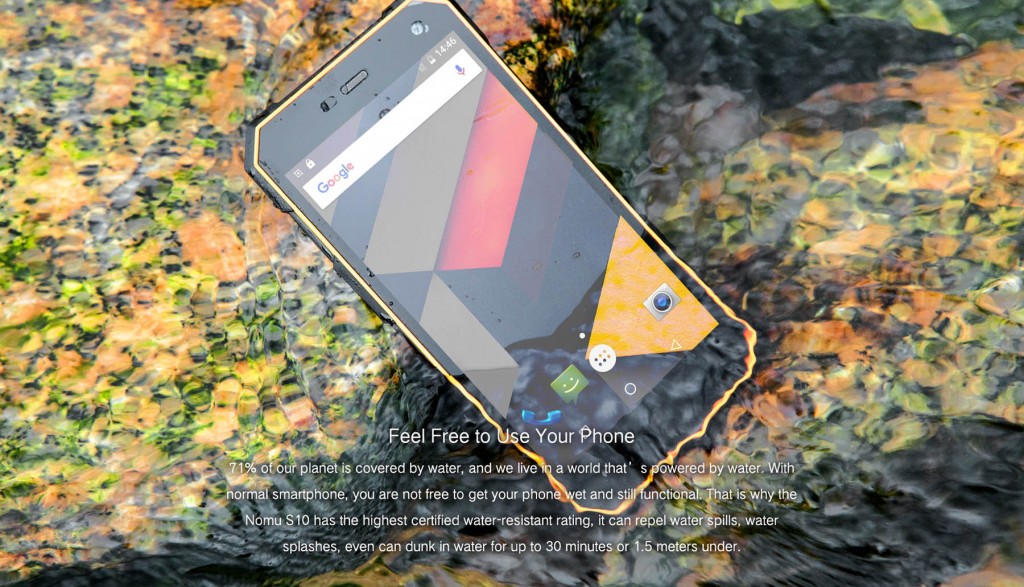
Also, the IP-68 certification assures the water-resistance, so you can use the phone under water for 30 mins.
Finally, the phone sports some decent specs for the price that include a quad-core MTK6737 chip (1.5GHz), 2GB of RAM and 16GB of storage.
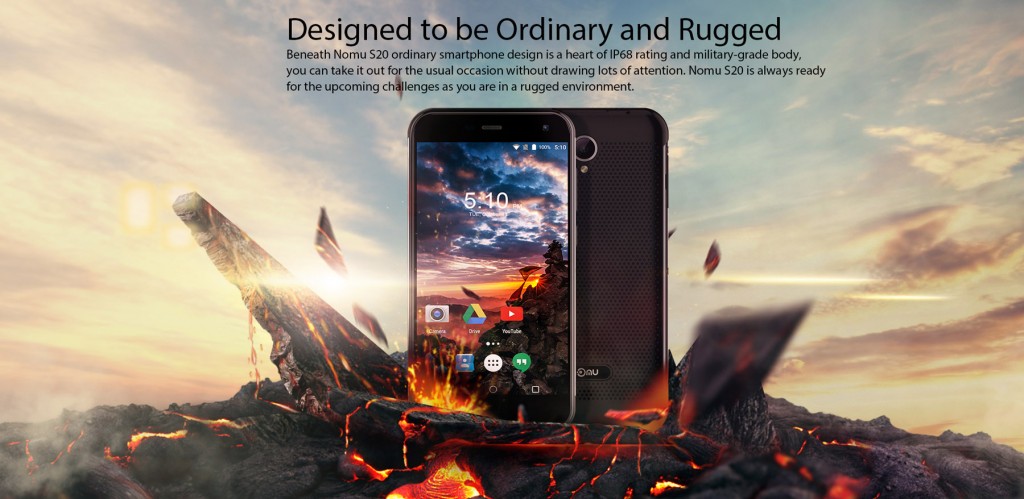
The Nomu S20 is a slightly more expensive ($150) phone but it has a much larger 6.0 display that assures a better multimedia experience.
In addition, the phone has the Gorilla Glass 3 protective glass and it is shatter-resistant (up to 1.5m), which is a great feature if you work in some dangerous environments like construction sites.
Obviously, the S20 keeps the same IP-68 rating that allows this phone to take a beating. Finally, the phone is more powerful as it has the same quad-core MTK6737 chip (1.5GHz) but it sports 3GB of RAM and 32GB of storage.
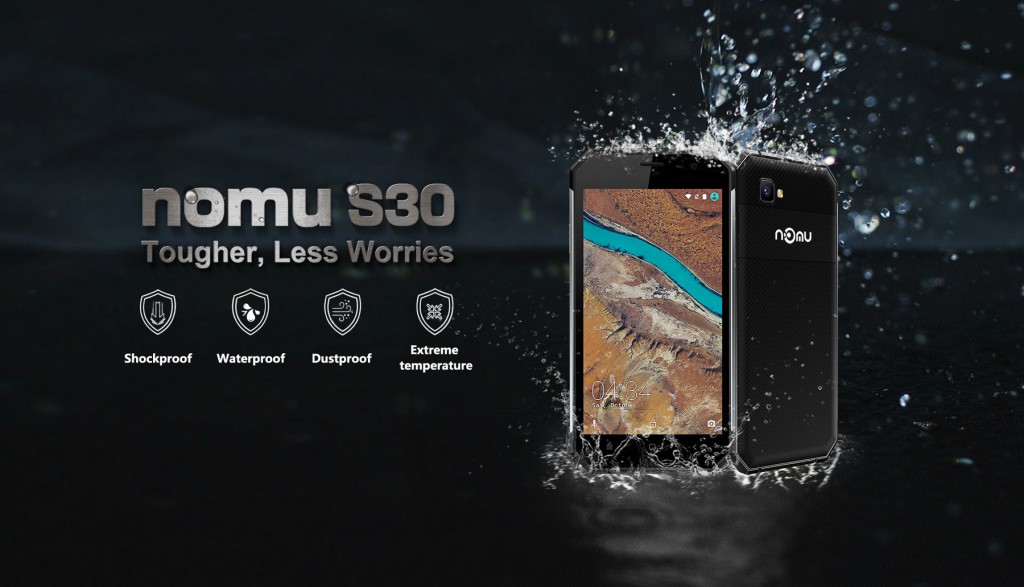
Finally, the Nomu S30 is one of the most powerful budget rugged phones you can buy at the moment. Even though the phone is pretty expensive ($230), it has some great specs. The phone ships with an octa-core Mediatek Helio P10 chip with the clock speeds of 2.0GHz, 4GB of RAM and 64GB of expandable storage.
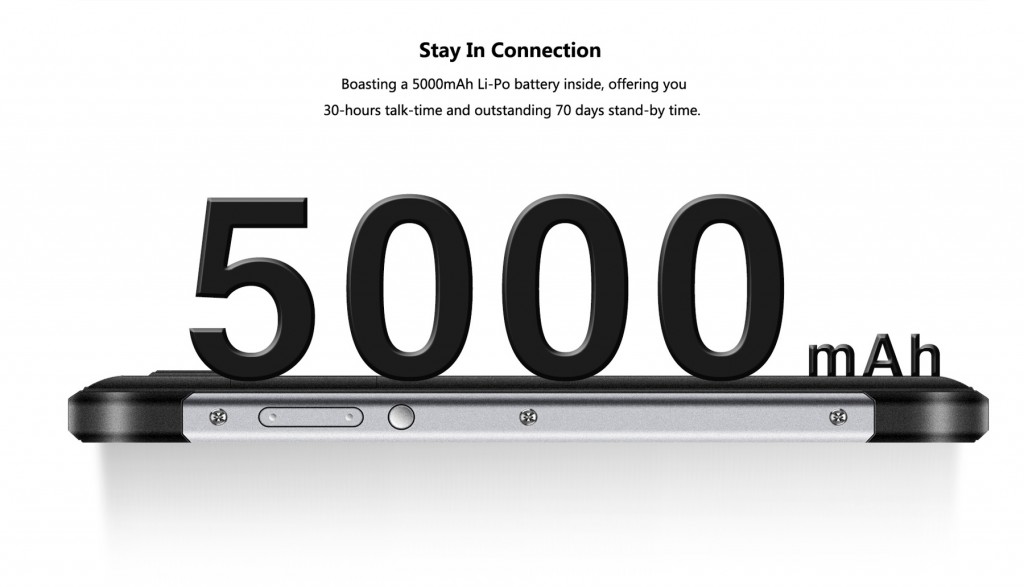
One of the key selling points is a huge 5000mAh battery that will allow you to use the phone for at least a few days.
The Nomu S30 has the IP-68 rating and it is water, dust, shock and temperature-resistant. Naturally, all the ports are covered with flaps to avoid any water damage.
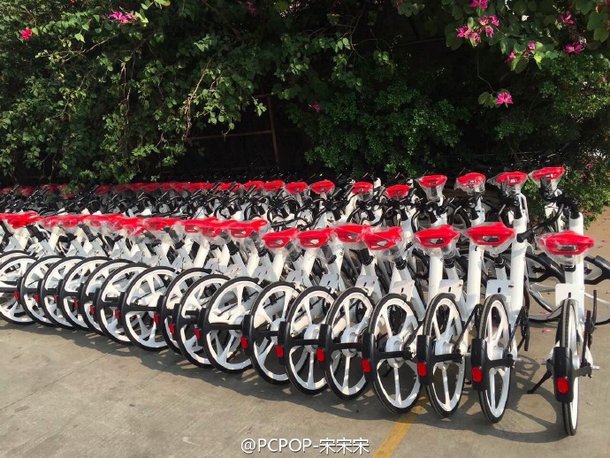
Xiaomi has announced that it would officially launch its White bicycle on January 1, 2017. The bicycle is one of Xiaomi’s ecological chain product manufactured by Hutchison Technology Co., Ltd and as usual, if it isn’t innovative, it isn’t Xiaomi. The bike comes with some innovative features.
A shared photo of the bicycle shows it comes in white colors and the company also teased that the bicycle would not have metal chains as well as its attendant need for oiling. Instead, the white bicycle would come with carbon fibre drive belt, thus effectively putting an end to drive chain problems. Companies such as BMW, Harley Davidson, Bombardier and other giants in the bike industry are already adopting this technology.
Xiaomi is reported as planning to release the first 100,000 units of the bike in Cities such as Guangzhou, Shenzhen and Xiamen, while other cities will get it later. The bike is likely going to be available for use on rental basis where users will just make a deposit of 199 yuan and then they can rent the bike at a fee of 1 yuan per half hour.
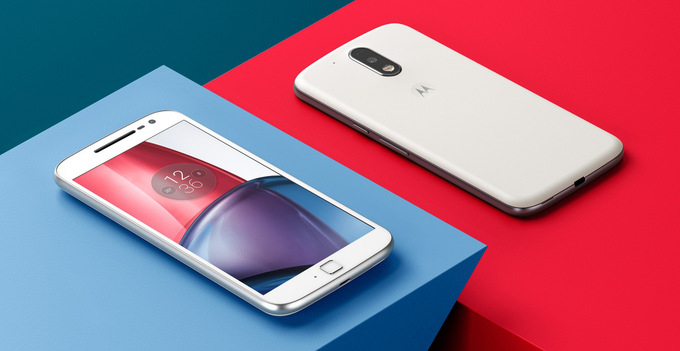
Lenovo-owned Motorolo is finally rolling out an Android Nougat update to the Moto G4 Plus. This is not the first time the Moto G4 Plus is getting the Android Nougat update as Motorola carried out a soak test back in October.
The new update brings a ton of new features to the phone such as split-screen multi-tasking, quick switching between apps, and work mode. You can also reply to notifications directly from the status bar without opening the app, and even control the notification settings for an app by pressing and holding down on the notification.
Motorola has also added new Moto experiences like the Moto action which lets you swipe to shrink the screen and a setting to disable or enable the feature that locks the screen when the screen is on and you touch the fingerprint scanner.
The update is starting in India and will gradually roll out to other owners. You may receive a notification telling you abut the update or you can manually check by going to Settings>About Phone>Software Update. Make sure you have at least 50% of charge left on your phone before downloading the update.
MGCOOL Cam 360 is a sports camera with a difference as it adopts dual fish-eye ultra-wide angle lens which is reputed as being able to capture the entire 360 degree screen, thus bringing better panoramic views. The camera lens literally works like fish eyes, hence the name fish-eye lens. Each of the lens is close to or equal to 180 degree wide angle and both work together to give a wide angle view.
There are some fish-eye camera which uses just one lens but the MGCOOL Cam 360 comes with dual lenses and this makes it possible to avoid the shooting effect caused by conversion of the lens. It prides itself as having the same setup as Samsung’s own 360 camera as well as Ricoh, and LG Panoramic camera. They all use dual fish-eye lens design in order to achieve better panoramic effect.
We are not going to bore you with the optical principle behind the workings of the MGCOOL Cam 360’s fish-eye camera but suffice it to say that the production quality speaks for itself. What you get is high impact video and phot shoot.
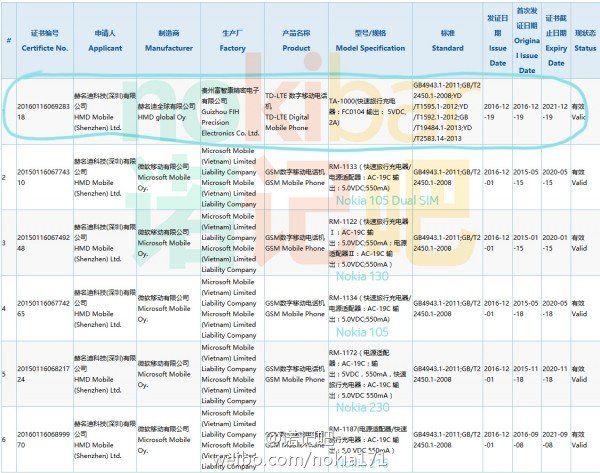
It seems we might be getting one of the new Nokia smartphones soon as it is presumed that the device that just got its 3C certification is the Nokia E1.
The device whose model number is stated as TA-1000 has its charging specification as 5V/2A and its manufacturer as HMD Global Oy. The factory is also listed as FIH Precision Electronics Co. Ltd which is the Foxconn subsidiary serving as production partner.
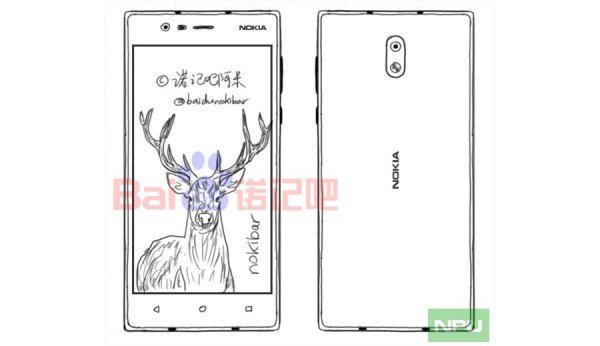
The Nokia E1 is said to have a 5.5-inch display, 1GB of RAM, a Snapdragon 200 SoC, and runs Android 7.0.1 Nougat. A sketch of the phone leaked online recently shows the phone sporting capacitive keys, a front facing camera positioned at the top left and a Nokia logo at the top right corner. Volume rocker and power button are on the right hand side and the camera and LED flash are positioned in the middle of the phone.
Its seems that the rumored Xiaomi Redmi Note 4X is going to release soon. Its specifications have been revealed as it has received TENAA certification in China.
Earlier this week, first rumors of Xiaomi Redmi Note 4X had surfaced. It revealed key specs like Snapdragon 653 chipset, 4 GB RAM and 64 GB native storage. A leaked imaged of what seems to be a real Redmi Note 4X handset has surfaced.
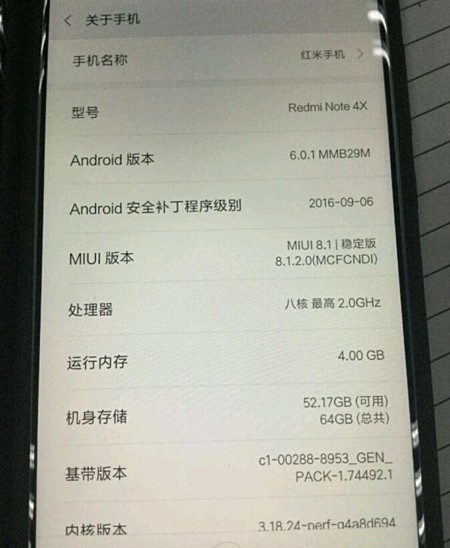
The leaked image shows ‘About Phone’ screen of the purported Redmi Note 4X that once again key specs like 2.0 GHz Snapdragon 653 chipset and 4 GB of RAM. Out of 64 GB native storage, 52.17 GB storage is available to the user. The handset runs on Android 6.0.1 Marshmallow OS along with MIUI 8.1 skin.
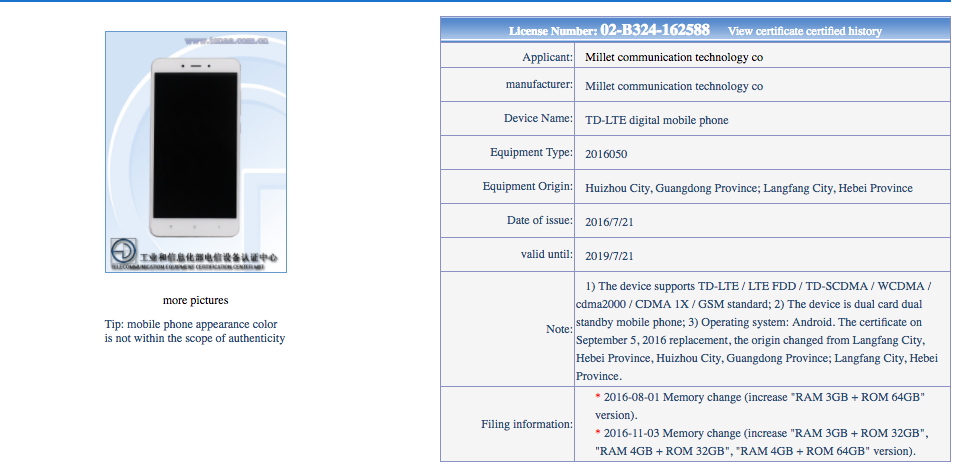
Its listing on TENAA certification body has revealed additional specifications of Redmi Note 4X. Apart from 64 GB variant, the smartphone is also expected to launch in 32 GB model.
Even though recent rumors have stated that the Note 4X will feature Snapdragon 653 SoC, TENAA listing has revealed a MediaTek Helio X20 chipset variant of the smartphone. Its main camera will be of 13-megapixel and it is expected to house a massive 4,100 mAh battery.
The TENAA agency photos of Redmi Note 4X suggests that the appearance of the smartphone is quite like Redmi Note 4. The leaked photo of a live Redmi Note 4X handset suggests that it sports a curved display along with slim bezels.
It is expected to feature a 5.5-inch full HD screen. It may come with a 5-megapixel selfie camera and a rear-facing fingerprint scanner. Since Redmi Note 4 lacks NFC, rumors indicate that Note 4X may feature it. It may continue to feature a microUSB port, but some rumors claim that it may arrive with a USB Type-C port.
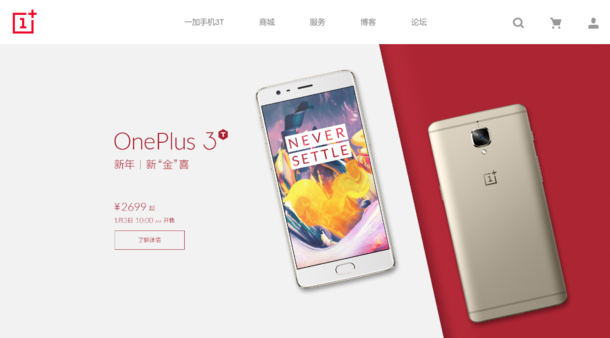
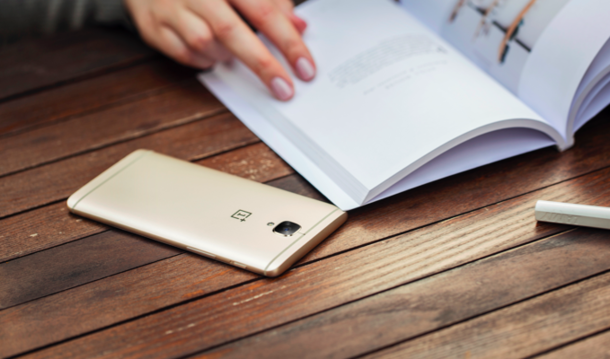
Just like it did for the OnePlus 3, OnePlus is set to release a Soft Gold color version of its latest OnePlus 3T flagship. The new variant will be unveiled on January 3, 2017 at 3.00 and would go on sale immediately on OnePlus’ official website and on Jingdong (JD.com) simultaneously. The new soft Gold variant still starts at 2699 yuan ($392).
The OnePlus 3T was launched about a month ago in China after its initial unveiling in Europe and was touted as available in two variants, Gunmetal and Soft Gold. However, the OnePlus 3T Soft gold variant wasn’t available when it launched but OnePlus has released a poster announcing the variant will now be available next week.
The OnePlus 3T Soft gold variant add some bit of class and extra sleekness to an already beautiful device. The device retains the design of the OnePlus 3 and aside the new color, the specs remain the same with the Gunmetal version of the OP3T. Recall that the OnePlus 3T features the flagship Snapdragon 821 processor clocked at 2.35GHz, a larger 3400mAh battery, a 16MP front facing camera, a new storage variant, and the rear camera now has EIS and is covered by sapphire glass.
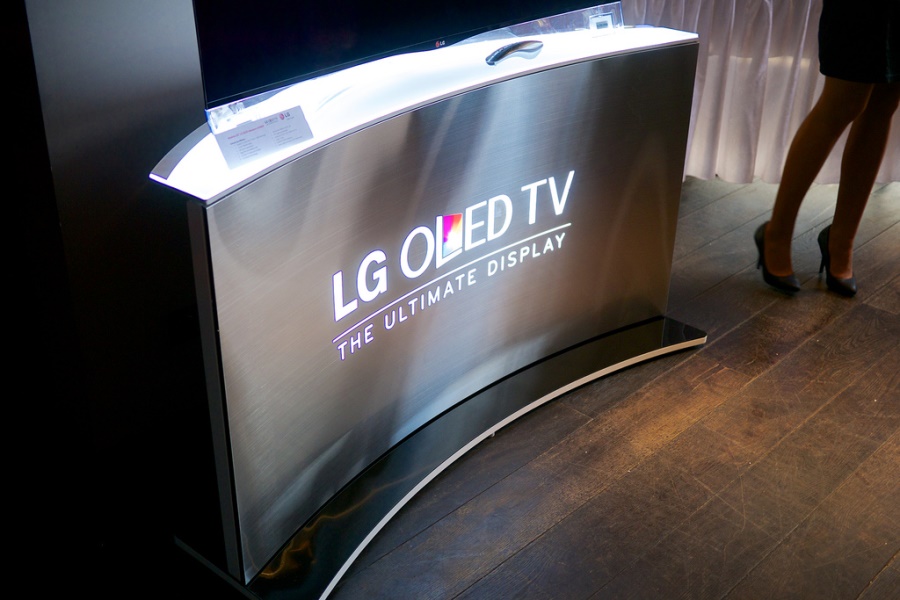
Seems OLED panels are now replacing LCDs in most gadgets as demand for OLED panels is said to be on the rise. According to a recent report by the Photonics Industry Technology Development Association (PIDA), worldwide purchases of OLED panels have increase. The association which is a nonprofit organization gathering technology and market analysis worldwide for Taiwanese optoelectronic industries, also projected that the market share in high-end televisions is expected to reach 68% in 2020.
This is an indication that OLED panels are gradually replacing all other types of display panels on modern television display. A report by South Korea-based UBI Resear reveals that last year alone, international vendors shipped approximately 260 million OLED panels estimated to be worth $11.7 billion USD. That figure is expected to peak at 370 million units by the end of this year, 2016 thus taking the industry’s value to $16. billion. That figure could rise to 1.25 billion units valued at $61.4 billion by 2020.
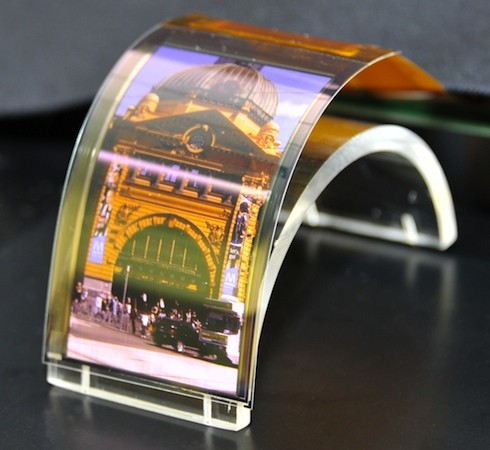
PIDA also highlighted the fact that three notable advancements in OLED displays, namely Micro LEDs, Quantum Dot LEDs and printing displays (flexible OLED panels) are currently being used by leading international vendors along side OLEDs. All three are recent technologies but are gradually finding their way into devices. LG is reported to have started supplying flexible OLEDs panels while Micro LED could be used by Apple in its iPhones in the near future.
Samsung is rumored to be working on a 6-inch Galaxy S8 Plus phablet. Speculations indicate that it may get an external S-Pen accessory.
Samsung had reserved the S-Pen stylus feature to its Galaxy Note series. However, according to a Chinese leakster, the Galaxy S8 Plus phablet is now speculated to be the first Galaxy S series device to come with a stylus.
Samsung is rumored to be release Galaxy S8 in two sizes next year. The Galaxy S8 is expected to house a 5.1-inch display whereas its larger sibling with 6-inch display is expected to launch as Galaxy S8 Plus. Both the smartphones are rumored to house dual-edge curved displays.
The Galaxy Note series always featured an integrated S-Pen stylus whereas Samsung has never provided a stylus for its Galaxy S series phones. Even though a Galaxy S8 prototype was reportedly spotted with integrated stylus, it seems that the South Korean firm has decided against it.
Speculations suggest that the S-Pen stylus for Galaxy S8 Plus would be available as an external accessory. As of this writing, there is no speculation on the pricing of the Galaxy S8 Plus and its S-Pen accessory.
There have been conflicting rumors about Galaxy S8 mainly because the South Korean company is testing multiple prototypes of its upcoming flagship. However, a clearer picture on the specifications of Galaxy S8 and S8 Plus are expected surface in the coming weeks.
Samsung has been announcing its Galaxy S series smartphones in February since 2014. However, rumors suggest that the company has allegedly pushed the Galaxy S8 launch date to April 2017. Its major rivals like LG G6, HTC 11 and Xiaomi Mi 6 are all expected to launch earlier than Galaxy S8.
No Galaxy Note 8 Release in 2017?
Adding a stylus support to Galaxy S8 Plus does indicate that Samsung may discontinue the Galaxy Note series. However, the company has hinted in the recent past that the Galaxy Note 8 would be releasing in 2017.
Will Samsung discontinue Galaxy Note lineup? Would you like to see Galaxy Note 8 in 2017? Share your views by posting comments below.
LeEco‘s financial troubles are far from over, instead they seem to be on the increase. The innovative company is said to have defaulted in payment for the rights to broadcast English Premier League matches in China, the Financial Times reports.
LeEco’s LeSport subsidiary purchased the rights from the current owner of the broadcast right in China – Super Sports Media Group but failed to meet up with it payment of $30 million which was due on December 20. Super Sports Media group had threatened to cut off LeEco’s braodcast of the highly packed Boxing day matches, a situation which forced LeSport to pay a fraction of the amount owed thus bringing them temporary respite.
However, both parties have agreed on a repayment plan that would end on China’s Lunar New Year on January 28. The agreement seems to guarantee LeSports can broadcast EPL matches until next Tuesday except the company meets up with its payment agreement. As it stands, Super Sorts Media Group can cut off LeSports’ signal at any time, according to an unnamed spokeswoman. But LeSports has assured that there won’t be any problem with its English Premier League broadcasts.
LeEco is currently enmeshed in deep financial crisis which is threatening the foundation of the internet giant. Her current financial travails may be unconnected to huge investments in US-based Faraday Future electric car and its own LeSee Electric car projects, coupled with investments in trying to make in-roads into the US market, including purchasing a vast expanse of land from Yahoo in Silicon Valley for $250 million. LeEco has gifted us some of the finest smartphones around and the it seems to have lots more to offer, so we only just wish the company can come out of this, and soon.
Qualcomm, the smartphone chipset maker has been asked to pay a huge fine of 1.03 trillion (around $853 million) by the South Korea’s Fair Trade Commission (KFTC) for violating antitrust laws.
In summer this year, KFTC had carried out an investigation on the U.S. based chipset maker in South Korea over unfair business practices. Hence, Qualcomm has been fined a massive sum of $853 approximately. It is the highest ever fine imposed fine by KFTC.
Qualcomm has multiple patents in CDMA and LTE cellular network standards. It charges royalties from various smartphone makers and chipmakers for using its patents. A recent report has revealed that it generated $6.5 billion in the most recent fiscal year.
It collects royalties based on the cost of a mobile device. This indicates the company earns huge revenue through royalty licenses. According to KFTC, Qualcomm has not only denied to share patent rights with chipset manufacturing companies but also made them to sign unfavorable agreements and it did not pay anything for their patents.
It stated that, “The accusation also includes restricting competition by limiting licensing of its standard essential patents to rivals such as Intel, Samsung Electronics and MediaTek.” The regulatory body has ordered the chip maker to renegotiate with rival companies on patents and supply contracts.
It indicates that Qualcomm will be required resign its contracts with companies like Apple, Samsung and Huawei. The chipset maker has said that it will challenge the verdict in the Seoul High Court. However, the company is required to pay the fine within 60 days of the announcement of the verdict.
However, one should know that KFTC’s decision will not be implemented until it issues a written notice to Qualcomm. It can around four to six months for the regulatory body to issue a written order.
It isn’t the first case levied upon Qualcomm on unfair business practices. Qualcomm had to pay $975 million as fine in China when it violated the antitrust regulatory laws of the country. It has also paid fine in EU for similar issue and for the same matter it is under investigation in Taiwan and the U.S.
HTC might not be doing so well in the smartphone market but their HTC Vive VR headset is currently the best device you can get if you are considering getting into PC-connected virtual reality.
HTC first announced the Vive at 2015 edition of MWC, but it wasn’t available for purchase until April of this year. Now it appears that the Taiwanese company might announce the Vive 2 at next year’s Consumer Electronics Show in Las Vegas.
Reports from local media in Taiwan, the HTC Vive 2 will be able to sync wirelessly with compatible PCs out of the box. It will also have its refresh rate bumped from 90Hz to 120Hz and its resolution raised from 1080 x 1200 for each eye to 4K per eye.
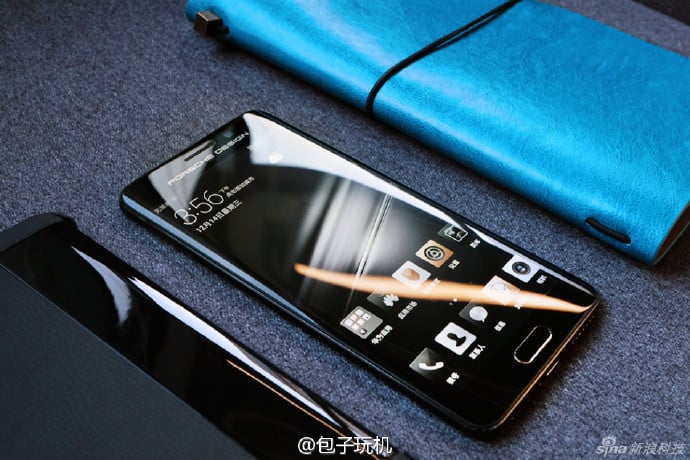
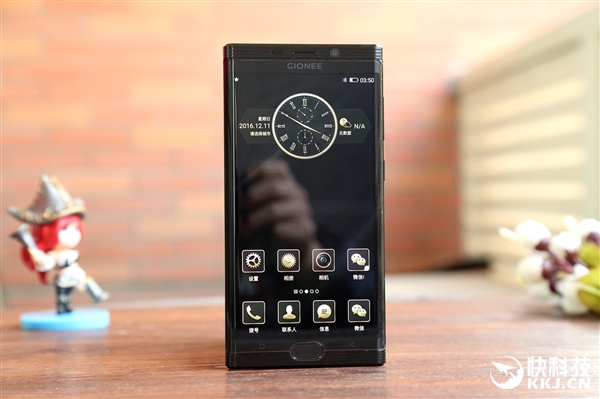
Planning to get a new phone and don’t want to settle for any of the ”cheap phones” in the market like the OnePlus 3T, the Samsung S7 Edge, or even the Google Pixel because any phone less than $1000 is ”cheap” right? Then you might want to narrow down your options to the Huawei Mate 9 Porsche Design or Gionee M2017. We want to help you spend your money decide which one of these two phones is worth your hard-earned money.
Huawei Mate 9 Porsche DesignGionee M2017
Display
We know you’ve got a fat account, so a phone with a large display is what you need to show the world that you like big things.
The Mate 9 Porsche Design has a 5.5-inch 2K AMOLED display which is big enough but if you want bigger, the Gionee M2017 take the display size up to 5.7-inches with the same display type and resolution. Both displays are curved on both sides and should let you see your account balance in bright and vivid colors.
RAM, ROM, and Processor
The Gionee M2017 and Mate 9 Porsche Design both come with 6GB of RAM which is the highest you can get on any phone right now. The difference is in the storage option. Gionee let’s you choose either a 128GB model or a 256GB model, but Huawei on the other hand says its 256GB or nothing. But you want to know what we think? Go big or go home because 128GB is for cheapskates.
The processor is another important specification that we feel you should consider. The Gionee M2017 sports Qualcomm’s new mid-range king, the Snapdragon 653. This chip is synonymous to the Snapdragon 652 just the way the Snapdragon 821 is to the Snapdragon 820. The octa-core processor clocked at 1.95GHz should handle most tasks you throw at it but to be honest, it can’t hold a candle to the Kirin 960 present in the Mate 9. The Kirin 960 apart from having a higher clock speed (2.4GHz) also uses the newer Cortex-A73 CPU core which is more powerful than the Cortex-A72 present in the Gionee.
Camera and Battery
We know you have the money and we believe you should flaunt it. You need to show your friends that your pre-ordered Faraday Future SUV has arrived and you need a good camera that captures the beauty.
Both phones have dual cameras but right now Huawei seems to be the boss when it comes to dual camera phones. The Mate 9 Porsche Design sports a 20MP+12MP combo at the back of the device. The sensors are made in collaboration with German camera manufacturer, Leica. The setup has got OIS, 2x optical zoom, and laser autofocus. Up front is an 8MP shooter for selfies. You can check out camera samples here.
The Gionee M2017 uses a combination of a 12MP and 13MP sensor with 2x optical zoom and you also get an 8MP sensor up front for selfies. The Gionee M2017 just launched a few days ago and there are no sample pictures yet but we doubt if it can measure up to that of the Mate 9.
The M2017 is the champ here even before the fight starts. It packs a 7000mAh battery which dwarfs the 4000mAh battery inside the Huawei. Gionee’s phone has Quick charge 3.0 support while Huawei has equipped the Mate 9 Porsche Design with its own Supercharge feature.
Design and Extra Features
They are both luxury phones and their appearance reflects that. The Gionee sports a mixture of glass, aluminium and leather. The curved display meets the metal frame on one side and the leather back does the same on the other. You get calfskin leather for the 128GB model and crocodile leather for the 256GB version.
The Mate 9 Porsche Design on the other hand is a beauty too. It shares design similarities to the Galaxy Note 7 of blessed memory which was known for its stunning looks. There is no leather on the back but the matte black coating looks really nice on it.
The Gionee M2017 has a security chip that encrypts data but lacks NFC. There is a fingerprint scanner up front but there is no earphone jack. It also comes with Amigo OS 3.5 based on Android 6.0.
The Mate 9 Porsche Edition on the other hand doesn’t have a security chip but has NFC and an IR blaster. It ships with Android 7.0 Nougat, has its fingerprint scanner in front, and an audio jack at the bottom.
LeEco‘s flagship Le 2 has emerged as the best-selling thousand yuan smartphone in China for the period running from June to November 2017. According to Sino-Data statistical chart, the LeEco Le 2 sold more that 2.6 million units in the period under review to emerge as the most popular thousand yuan flagship and the topmost selling brand in the thousand yuan category in China.
The latest data reviews smartphones sales in China from June to November and apart from the Le 2, another LeEco flagship, the Le 2 Pro also posted some stunning figures in its price category. The data also reveals that a total of 48.6 million units were sold in November alone, representing an 8.7% increase from the previous month’s figures.
Despite the popularity of online sales channels in China, the data shows a total of 12.9 million units were sold via online channels. On the other hand, offline sales still proves more popular with a record 35.6 million of the total sales coming via offline channels between June and November 2017, with most of the sales coming during the festive periods like double 11 shopping carnival and others.
Gigaset is not the first manufacturer name that comes to your mind when you think of buying a new smartphone but I came across a beautiful and powerful Gigaset ME device. It was designed in Germany, it’s an official partner Munchen Bayern football club and the phone costs just $140. In fact, the Gigaset ME used to cost over $500 when it was just released, which was simply too much. Learn more in the full review.
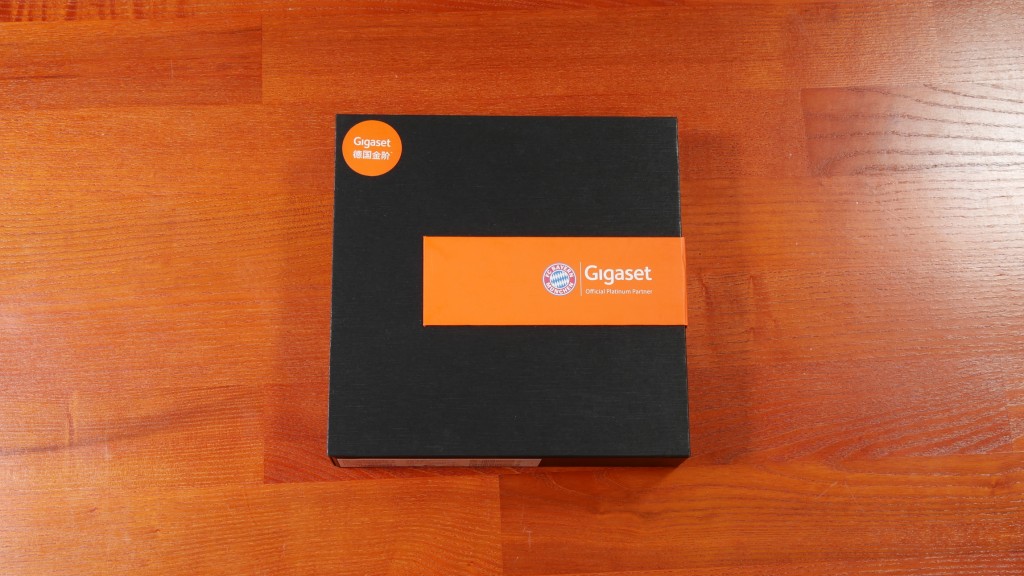
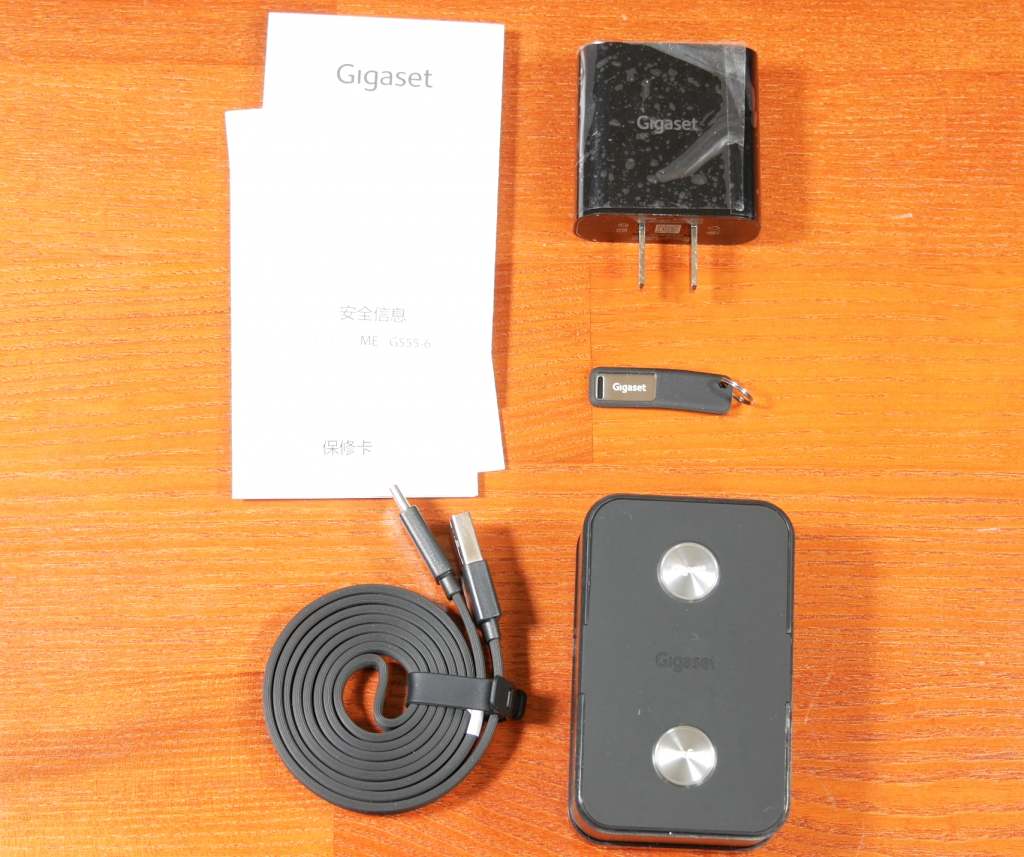
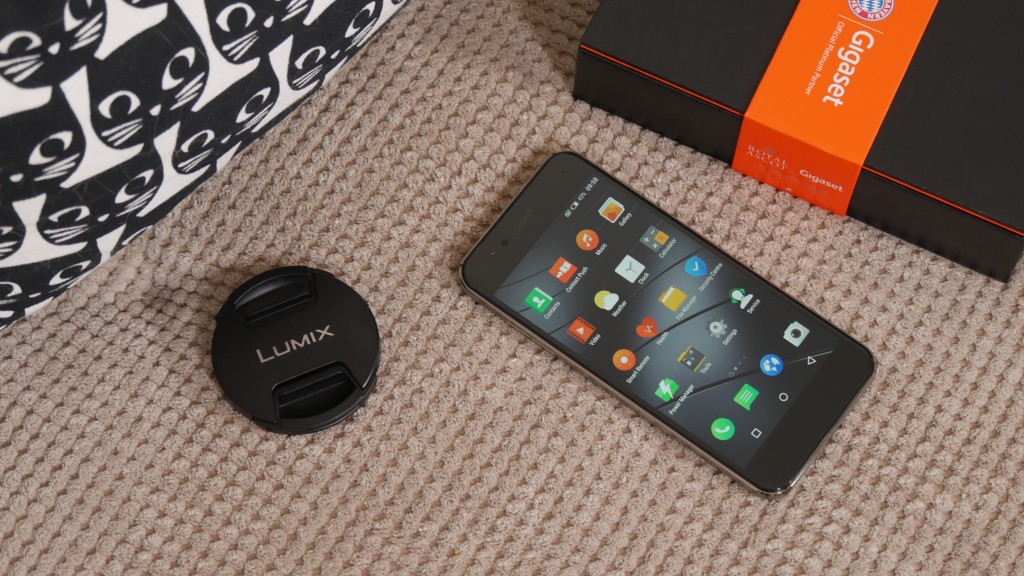
The phone comes in a premium packaging and inside of it, you can find the all the usual stuff. Some extras include a pair of earphones that actually sound pretty good.
Gigaset Me Review: DESIGN and DISPLAY
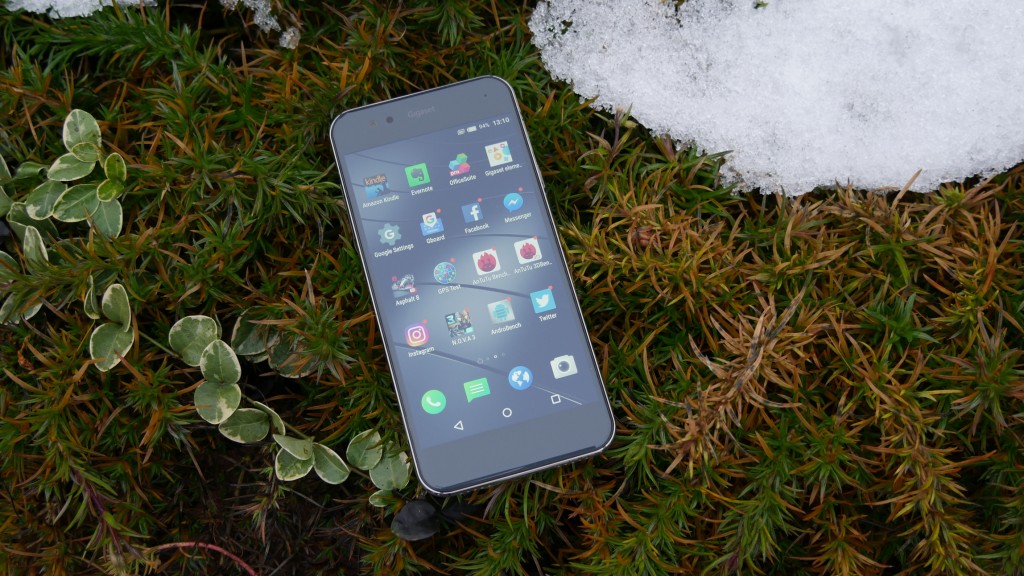
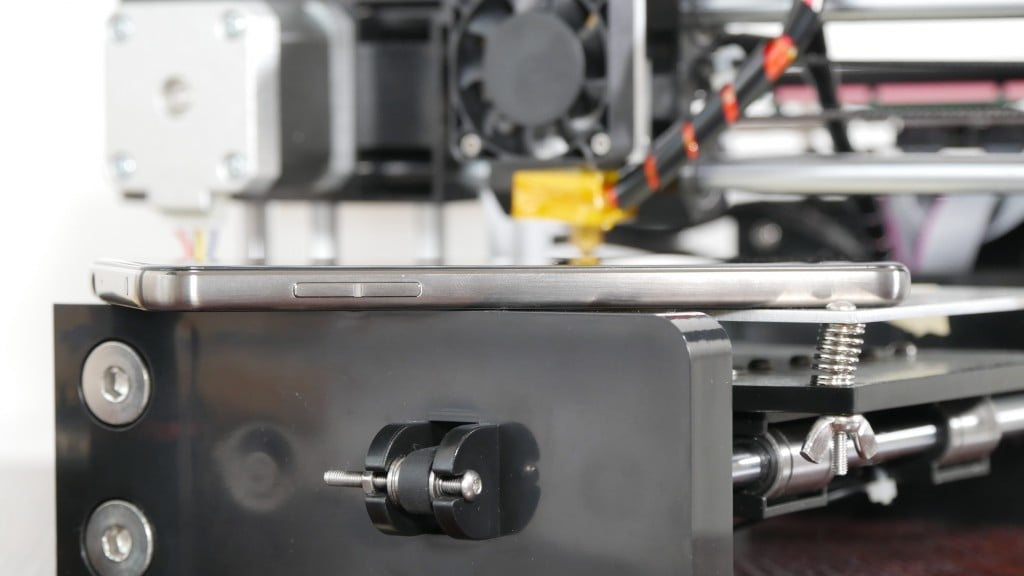
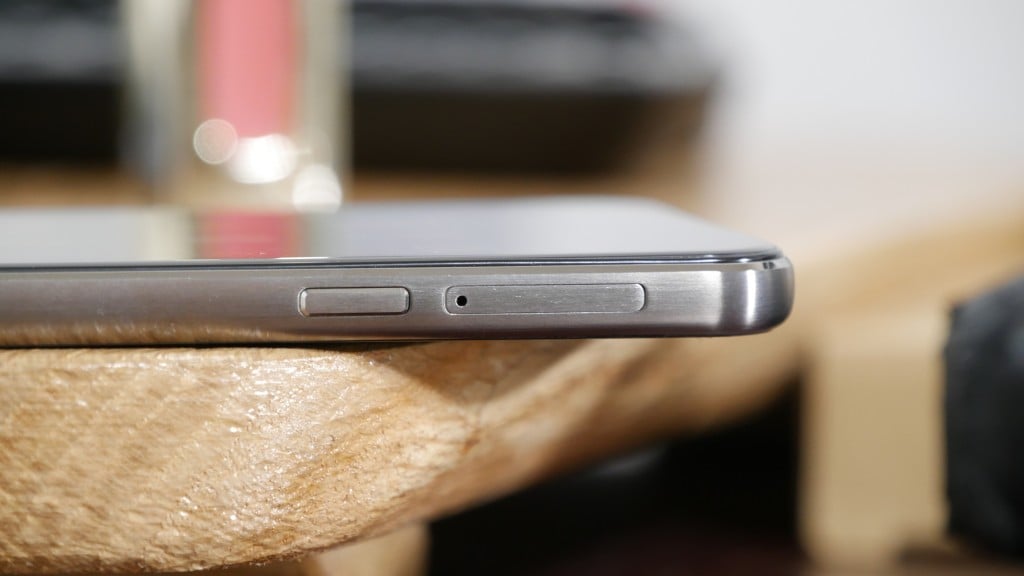
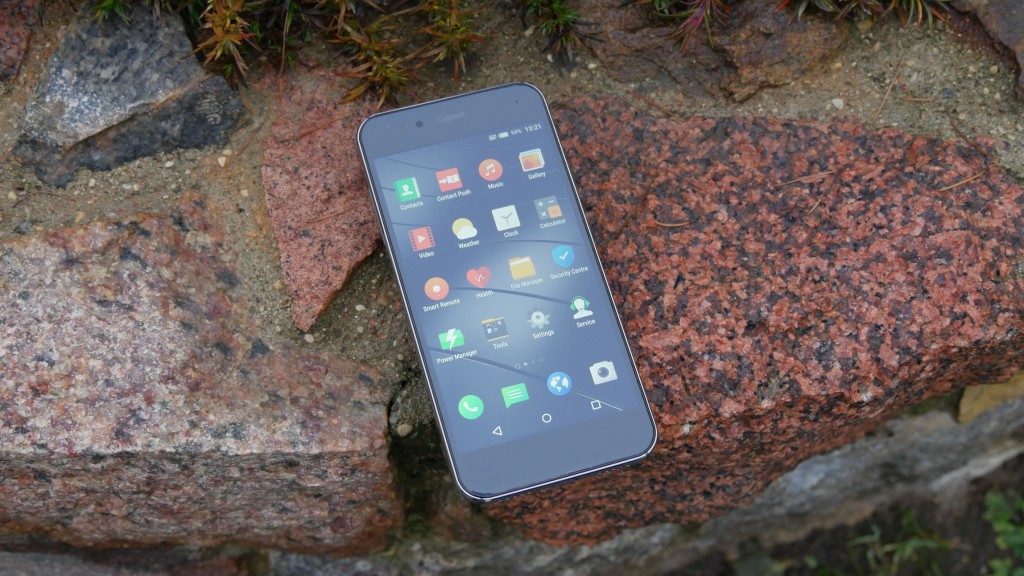
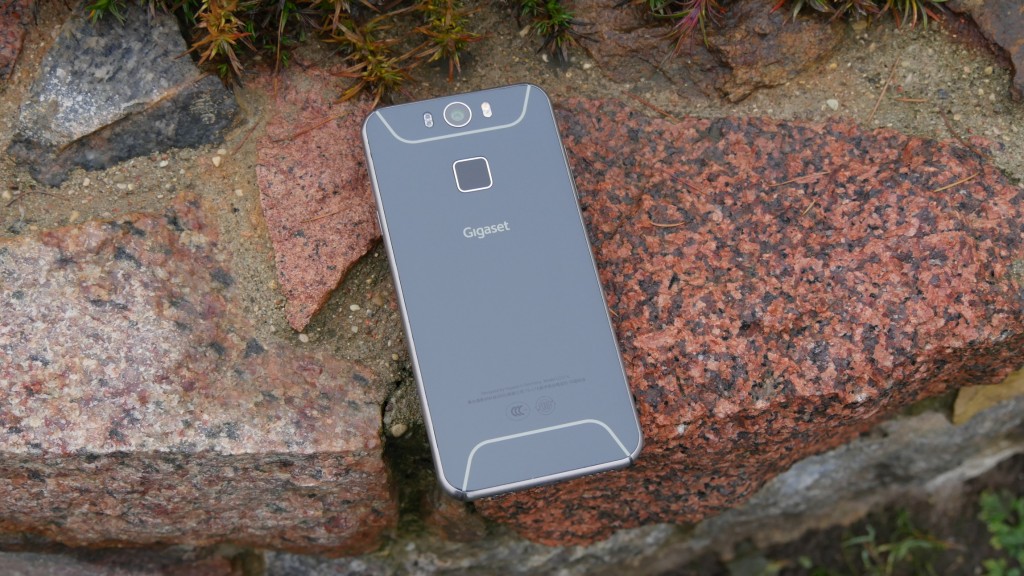
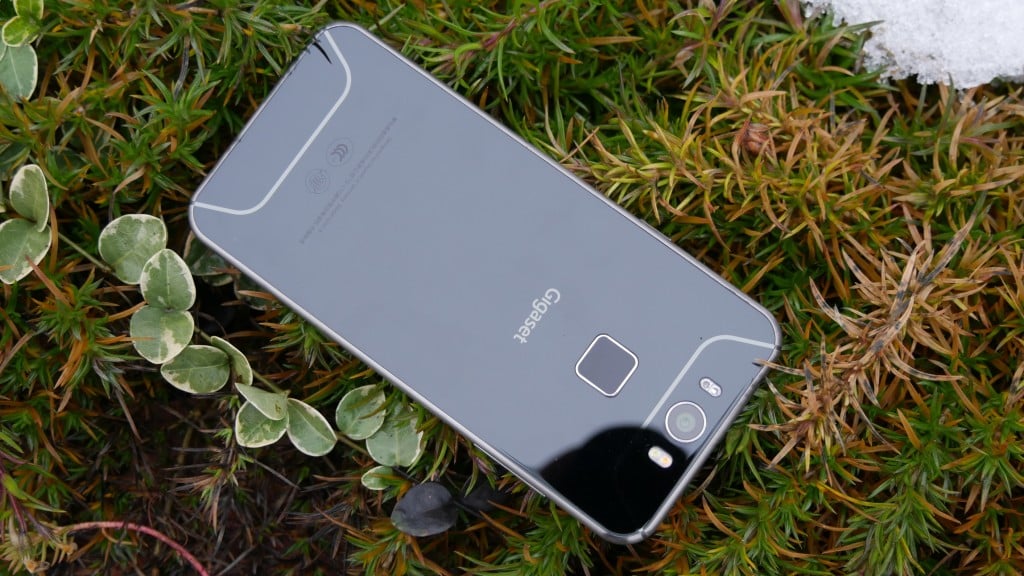
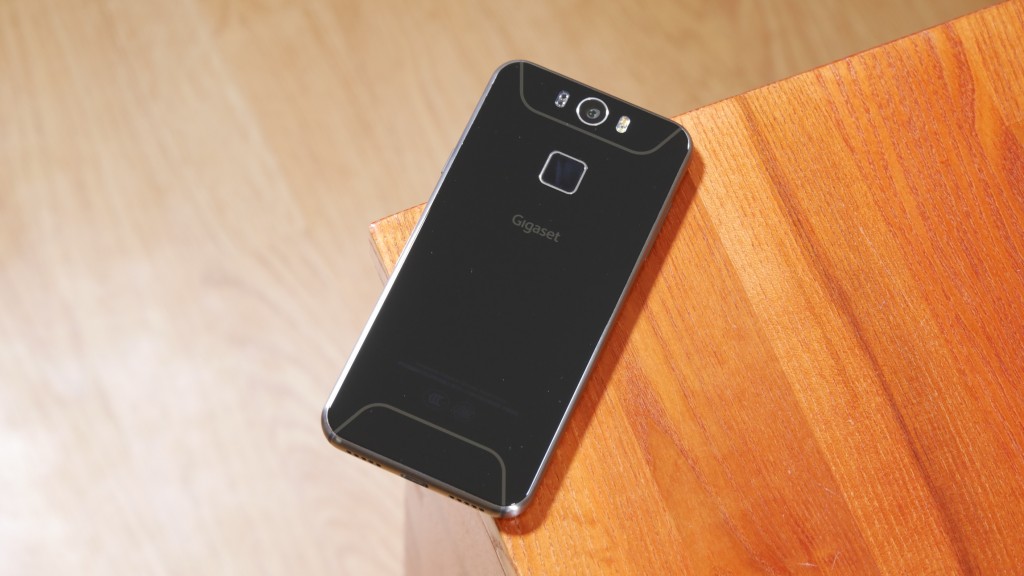
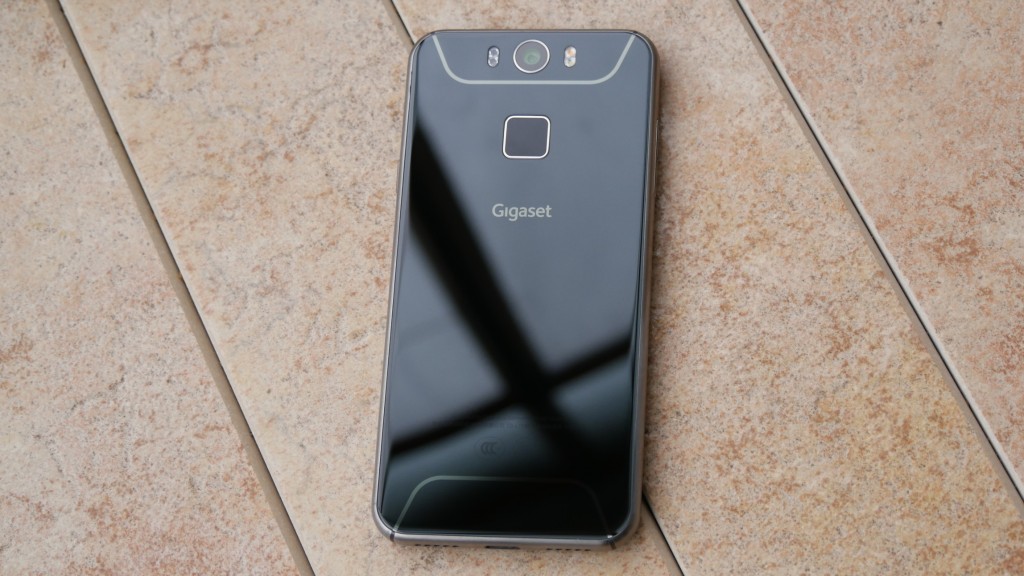
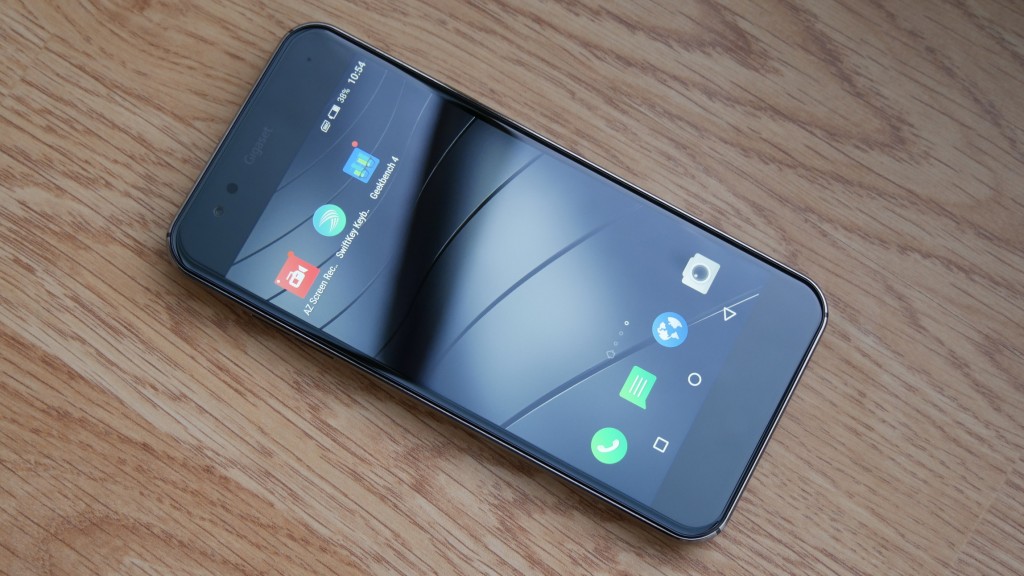
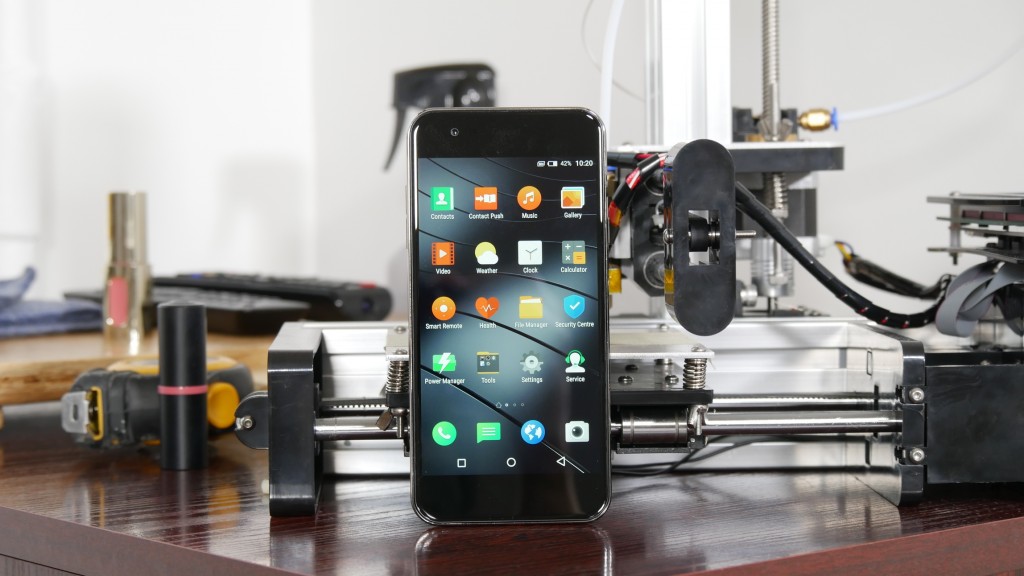
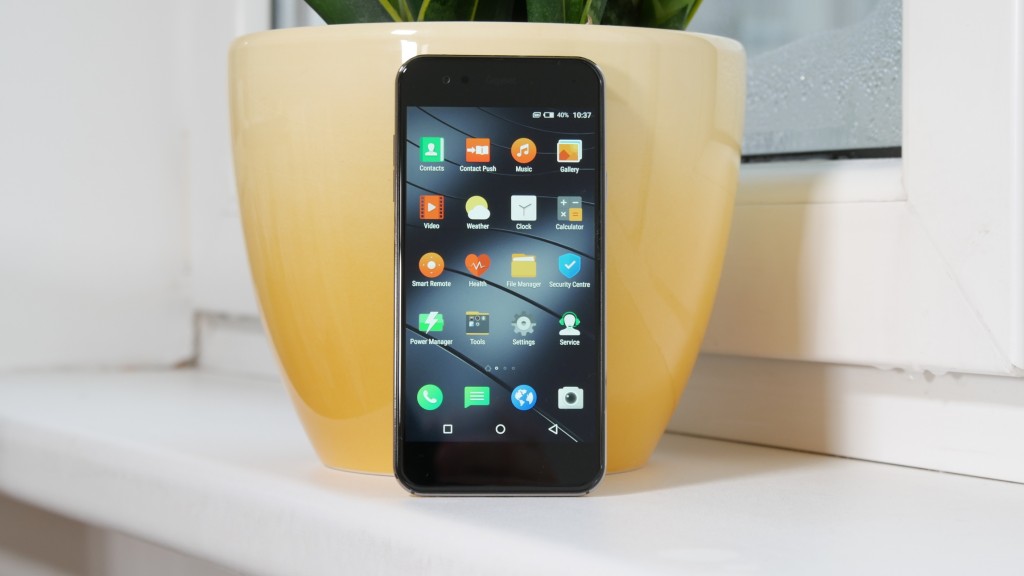
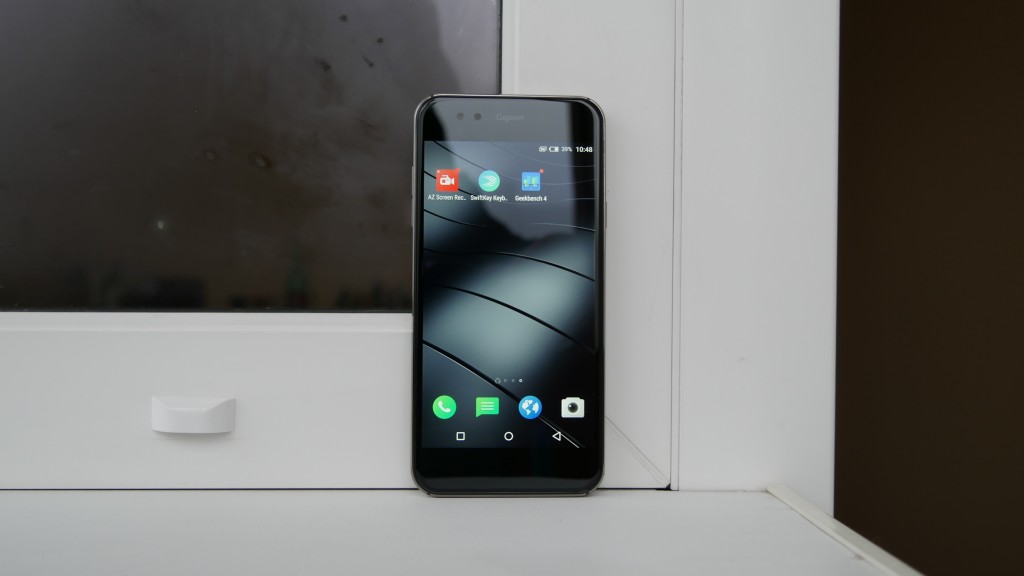
Honestly, the Gigaset Me looks and feels like a much more expensive phone. It uses a high-quality stainless steel chassis, tactile metal buttons and a sheet of Gorilla Glass 3 on the front and rear.
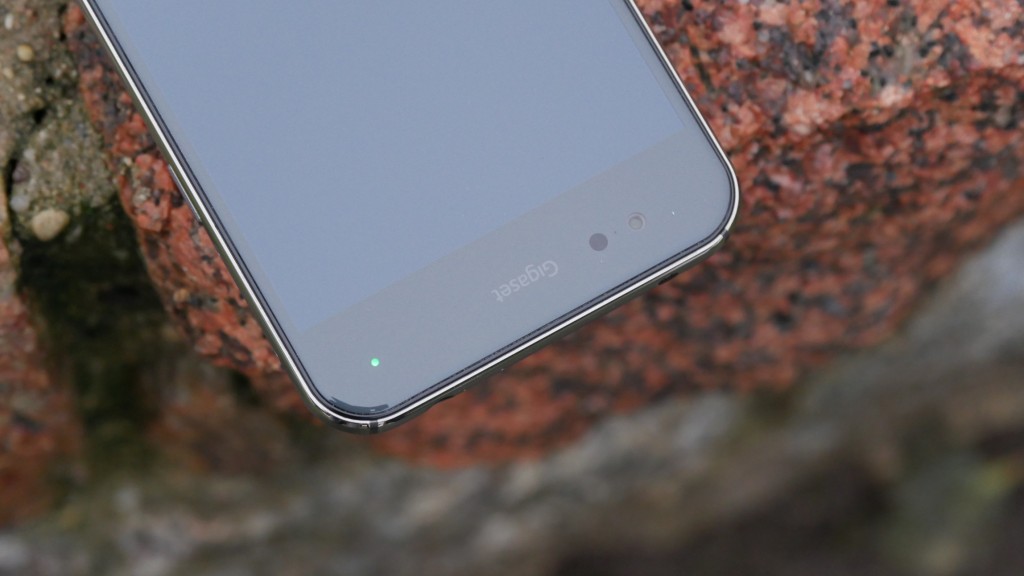
The phone is compact due to it’s 5” 1080p display, which is sharp and vibrant. Just above the display we have an 8MP camera and a notification LED light.
I don’t like the fact that there are only the on-screen navigation keys but at least you can change the position of the buttons.
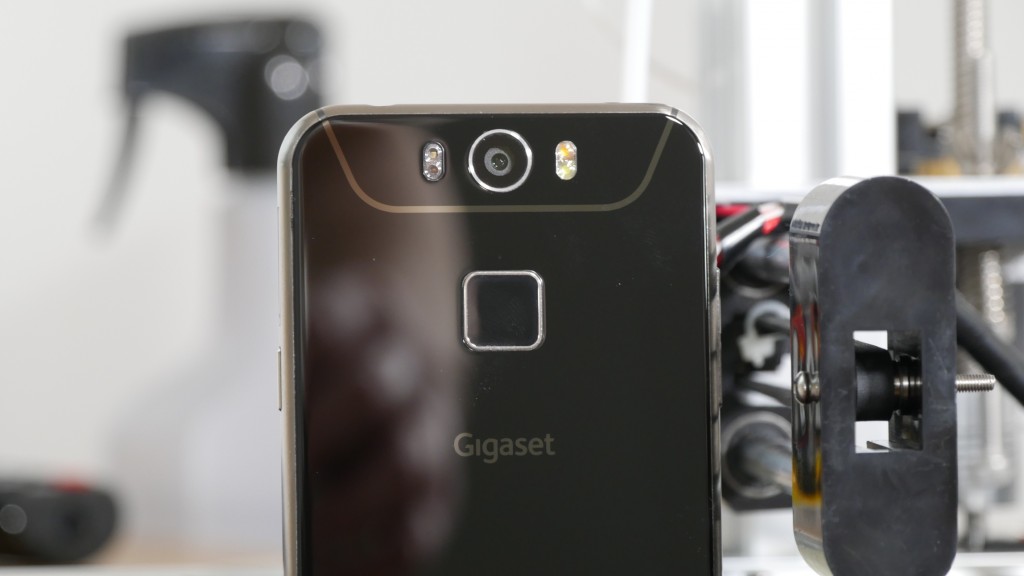
The back looks really nice but obviously, it is a huge fingerprint magnet as most of the glass surfaces, and the phone is quite slippery.
Besides the beefy 16MP camera, dual tone dual-LED flash, you can find some other sensors since the phone has quite a few fitness-oriented features.
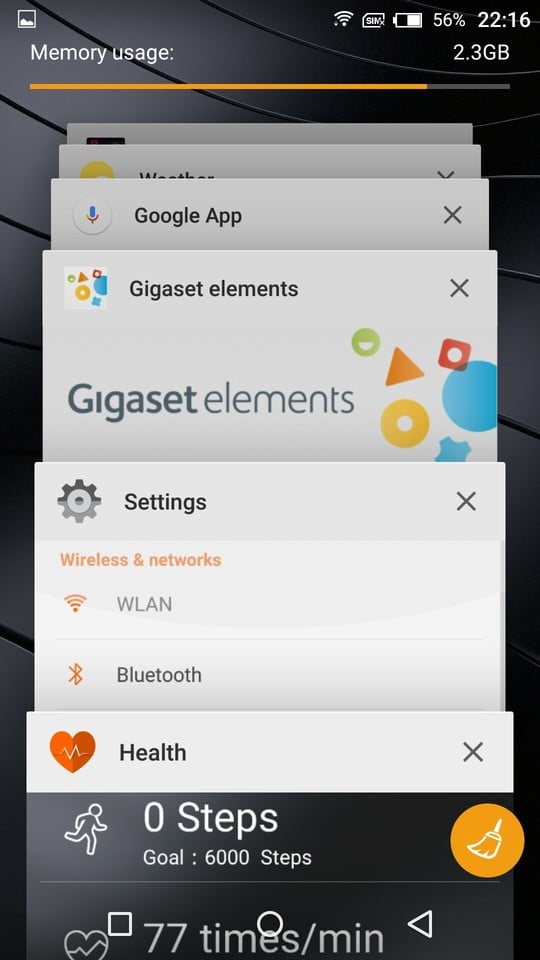
You can track your heart rate, check the UV level using a dedicated sensor if you need to, track your steps with the built-in pedometer and once you finish your workout, control devices like TVs with the help of the IR blaster.
The fingerprint scanner is very accurate and it unlocks the phone straight from the standby mode. However, sometimes the display lights up slower than expected.
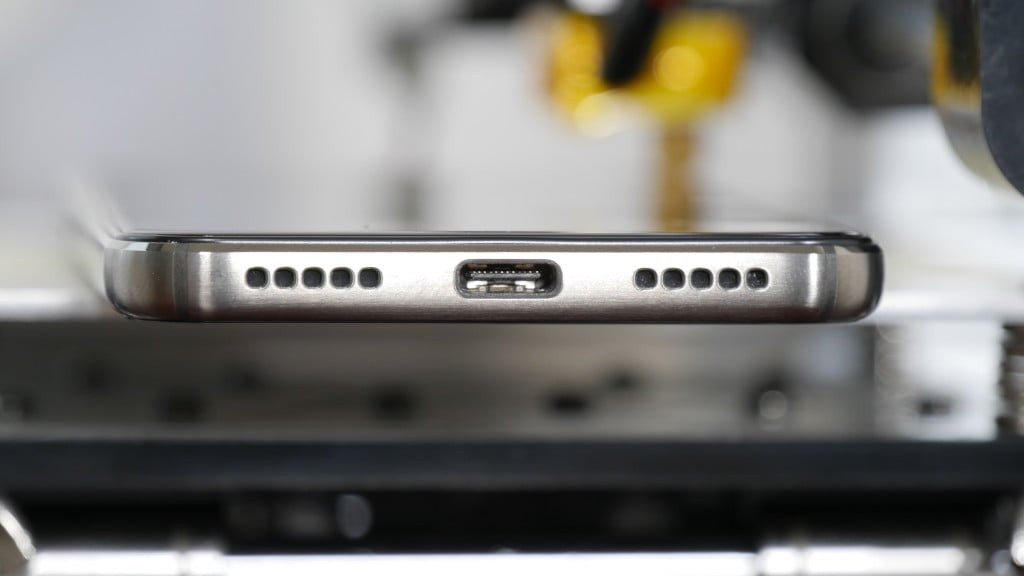
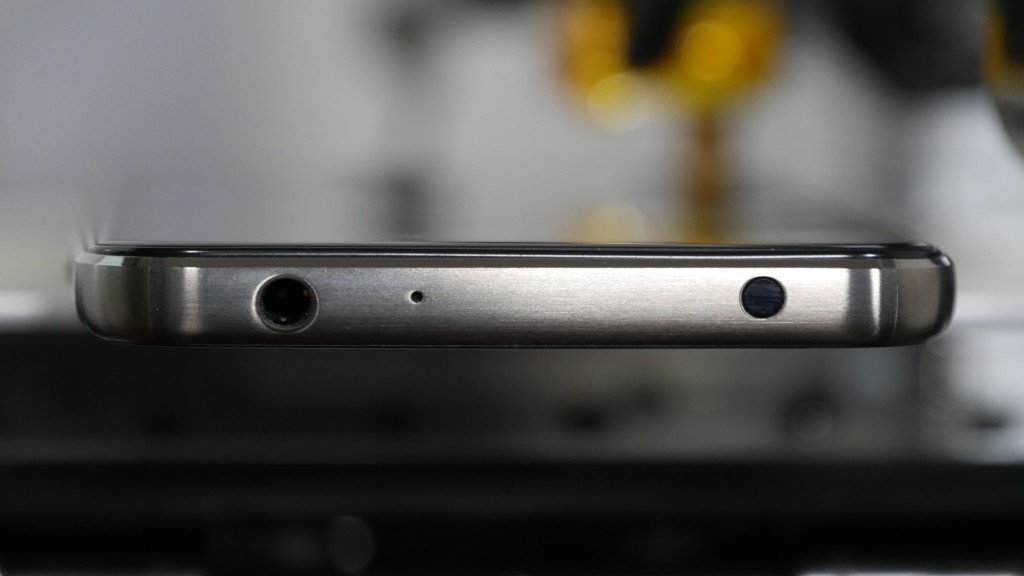
The phone is being advertised for the good sound but I would rate the loudspeaker quality as above average. Also, you will usually end up covering it up if you hold the phone in the landscape mode. The sound via the headset jack is great and I have no complaints here.
Gigaset Me Review: HARDWARE and PERFORMANCE
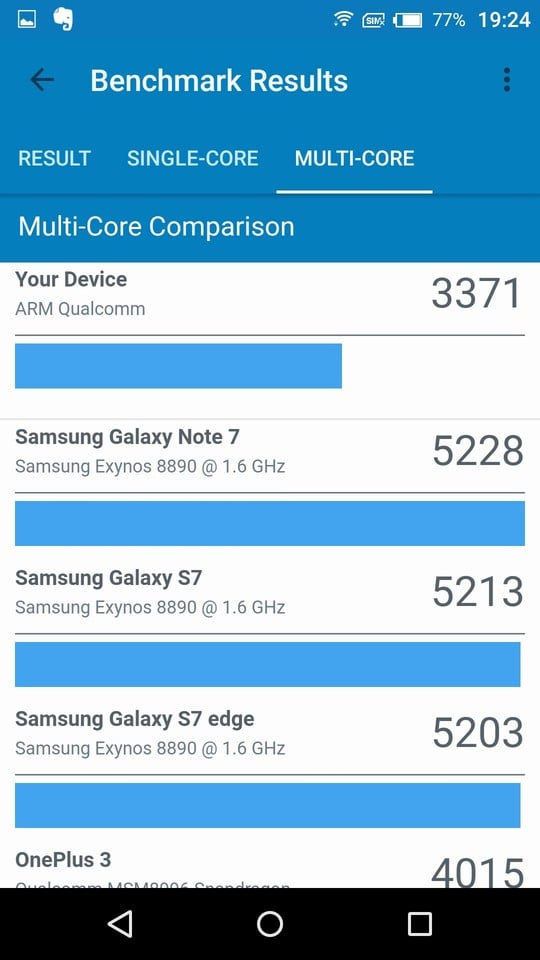
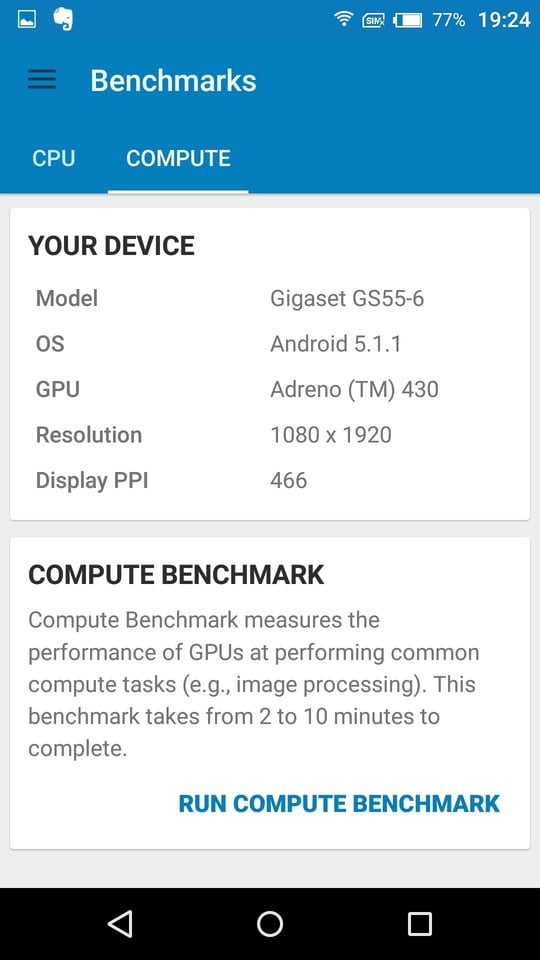
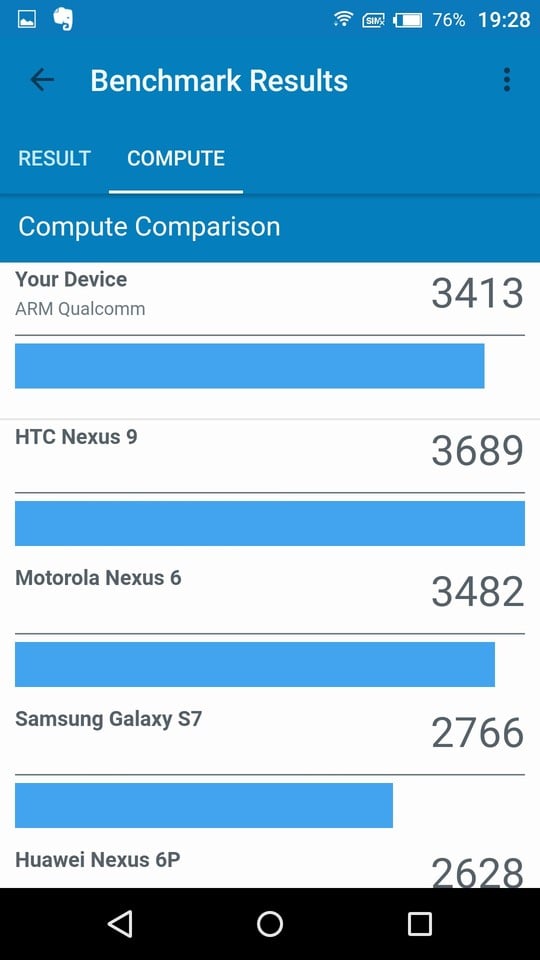
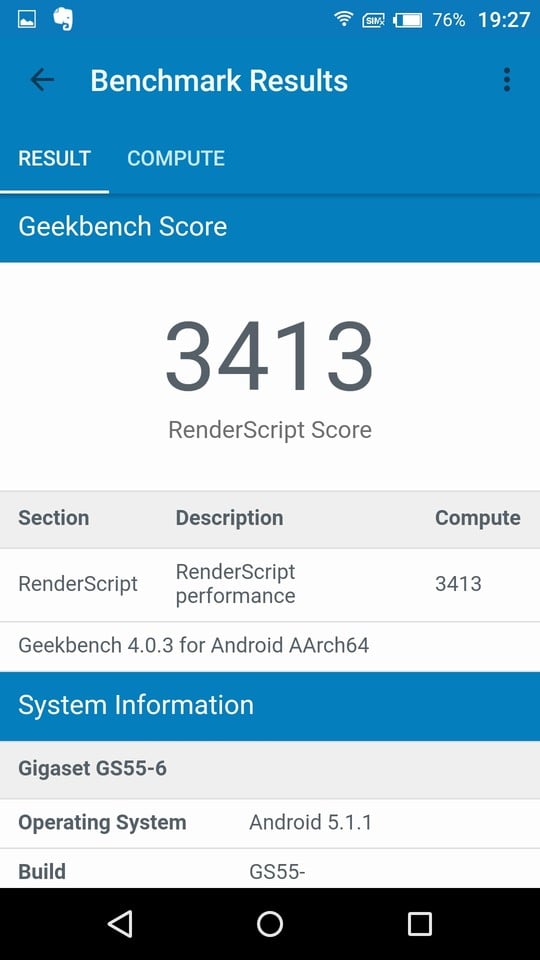
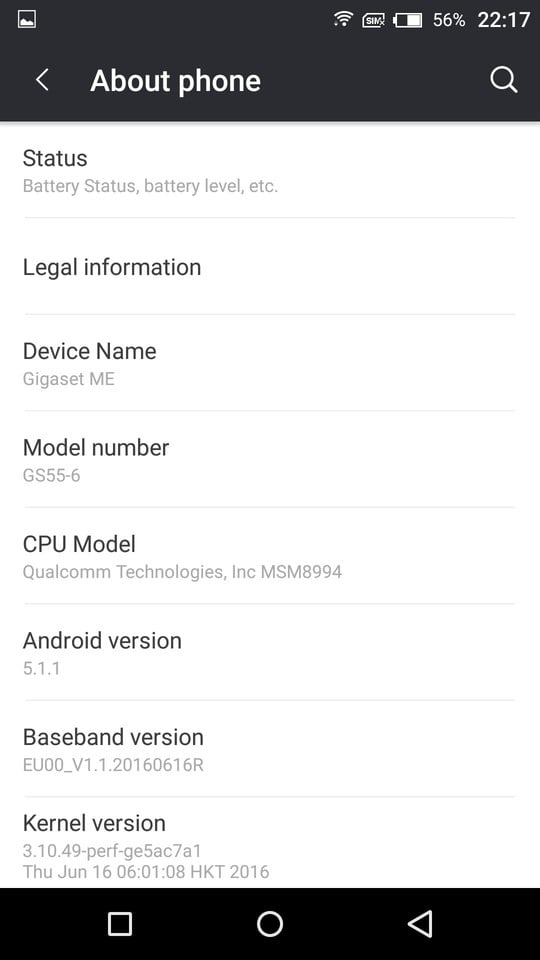
Since the Gigaset ME was released quite while ago, it sports a little outdated but still pretty good specs that include an octa-core Snapdragon 810 chip, 3GB of RAM and 32GB of expandable storage.
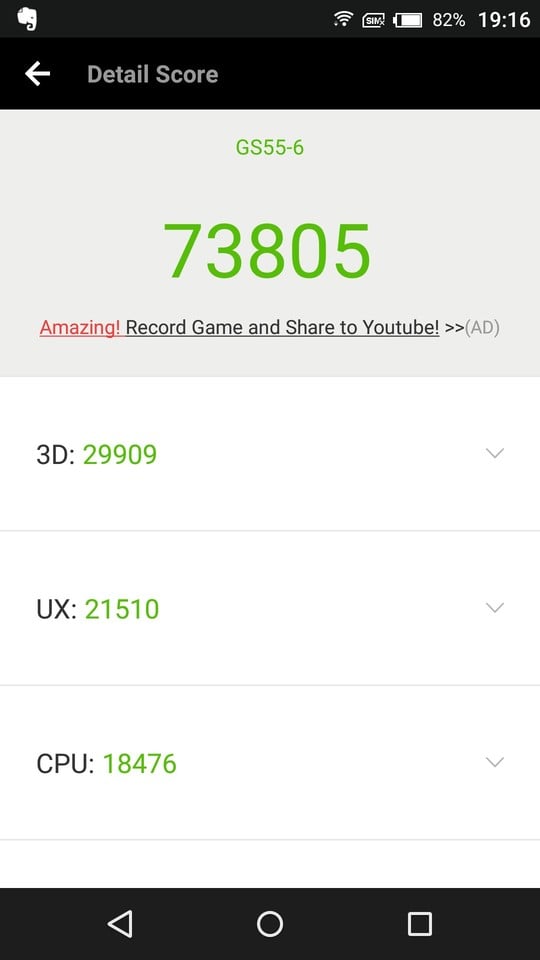
The Snapdragon 810 chip was used in the last year’s flagships for a reason. The phone can handle anything you throw at it without any issues. There is no stutter or skipped frames once you play the most demanding 3D games. Finally, the phone gets quite warm when gaming but it does not overheat.
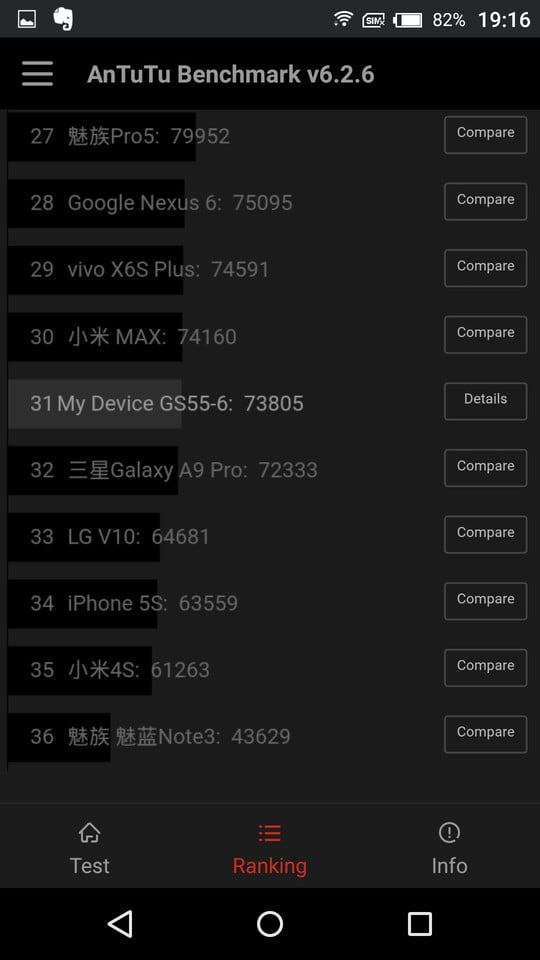
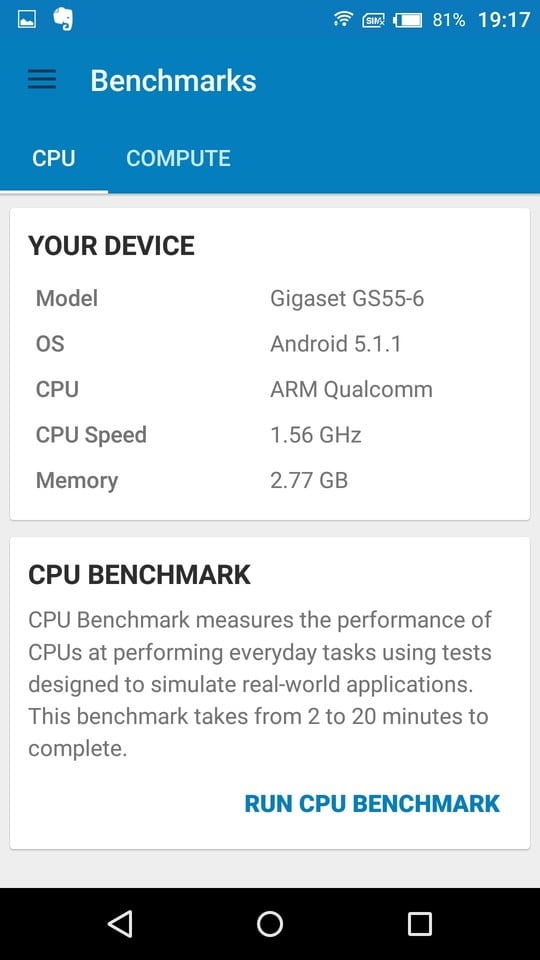
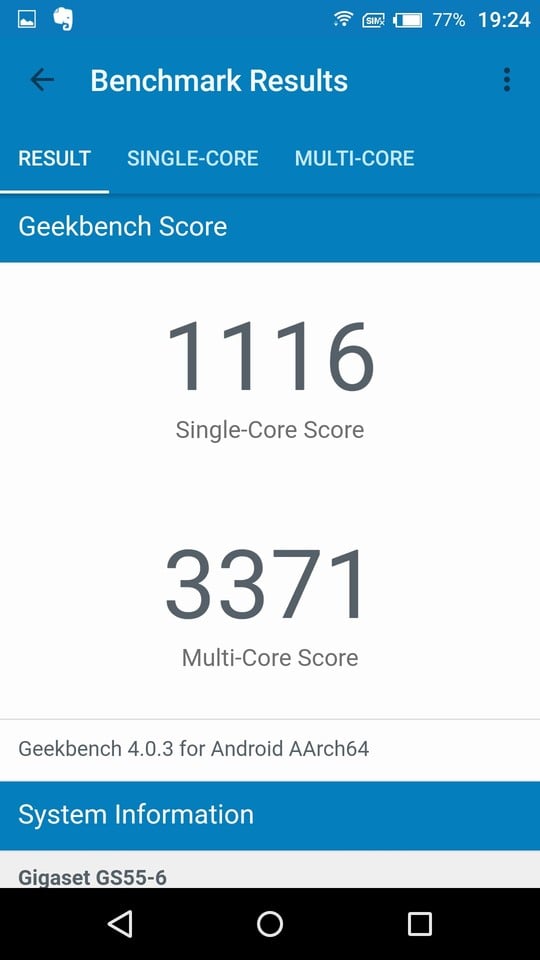
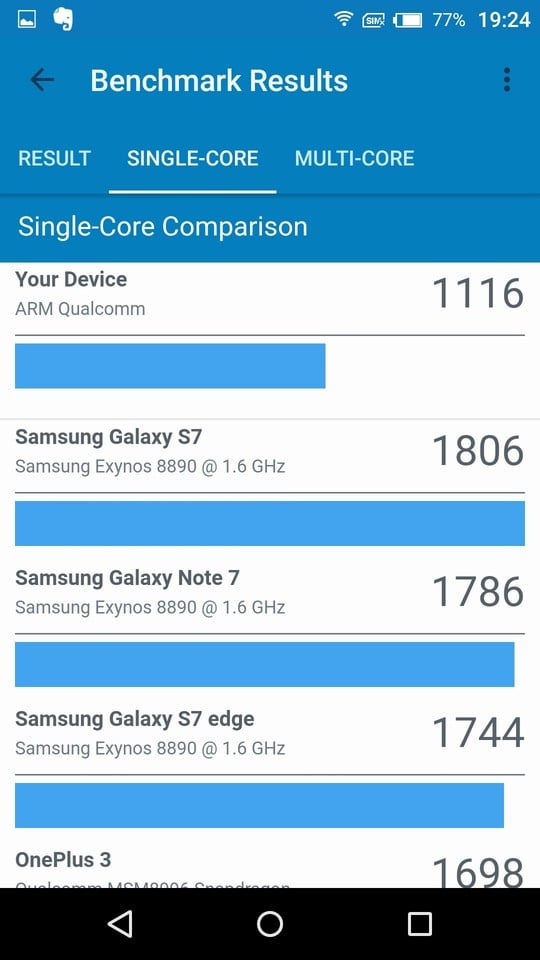
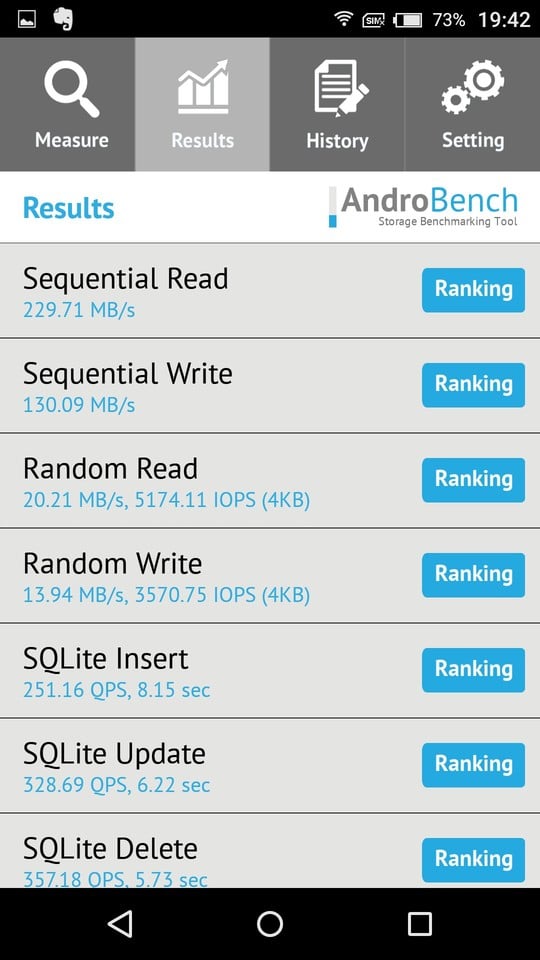
Gigaset Me Review: BENCHMARKS
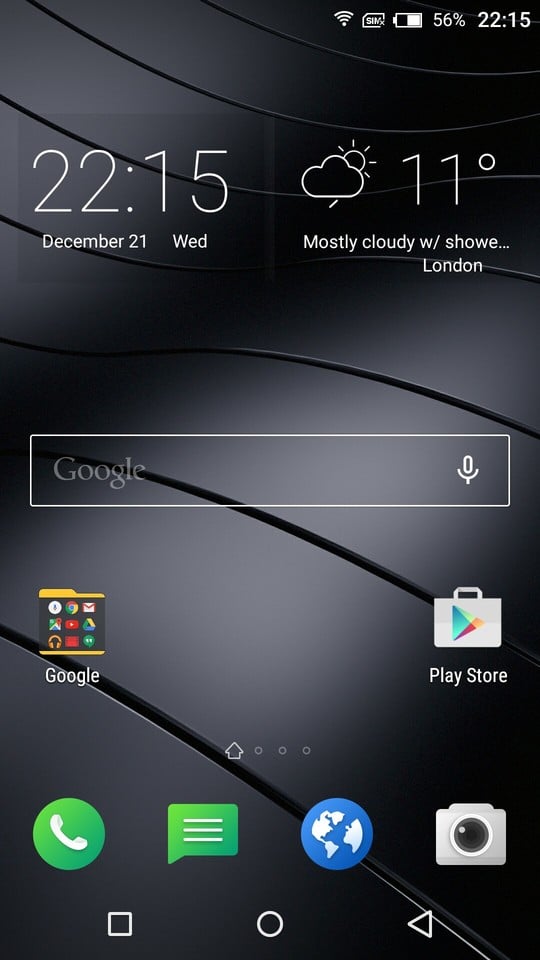
Gigaset Me Review: USER INTERFACE
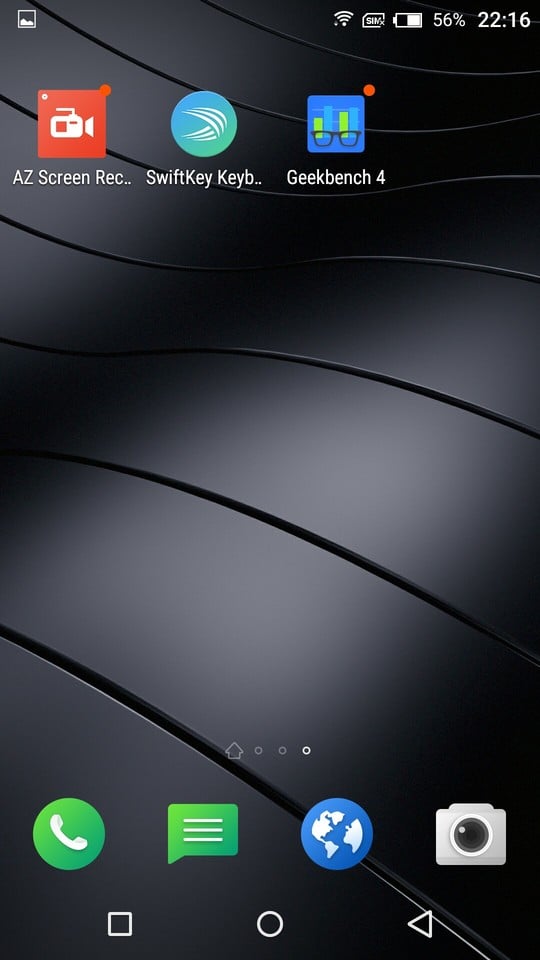
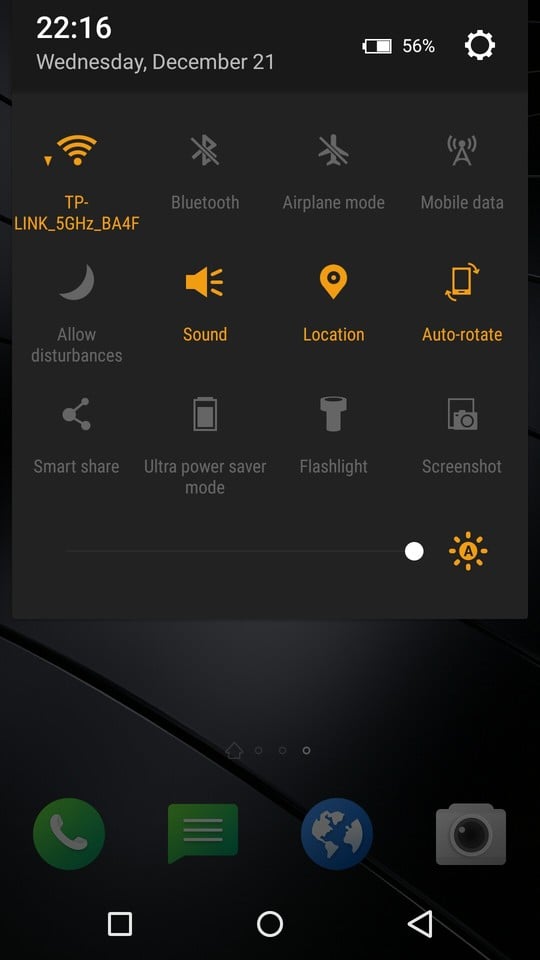
The phone runs on the outdated Android 5.1 with the Gigaset’s skin on top it.
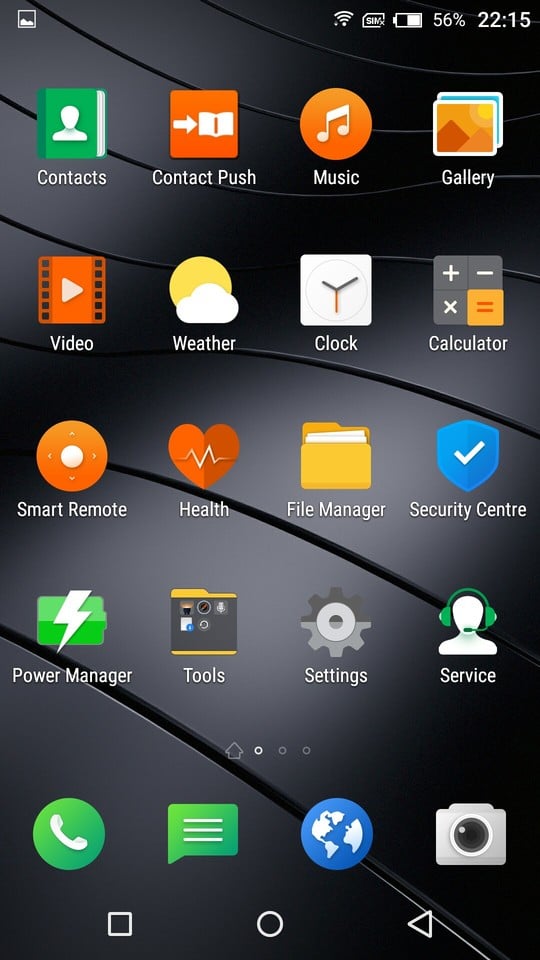
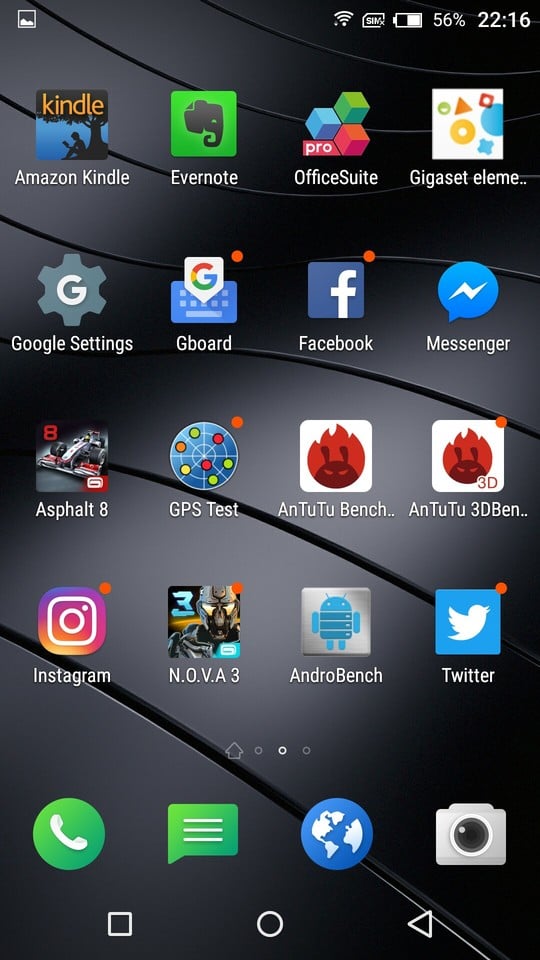
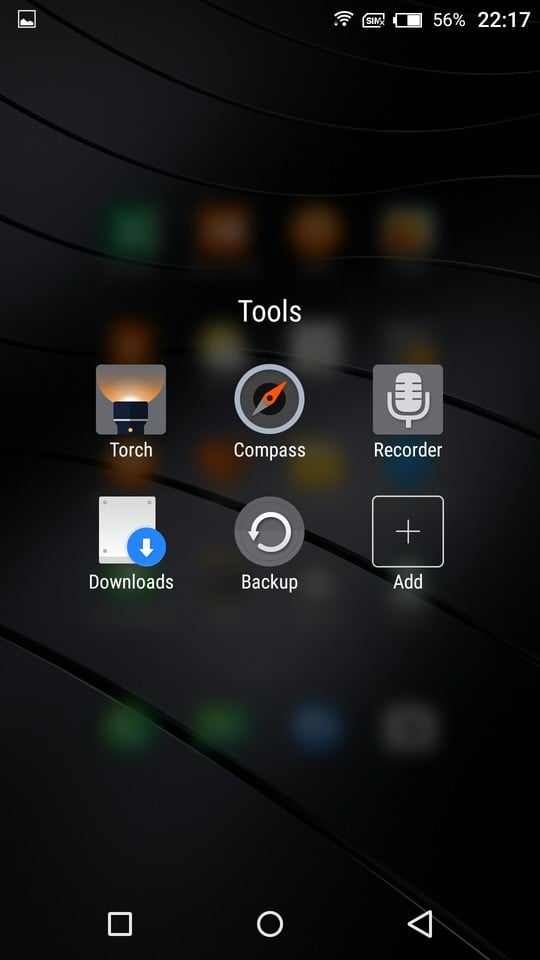
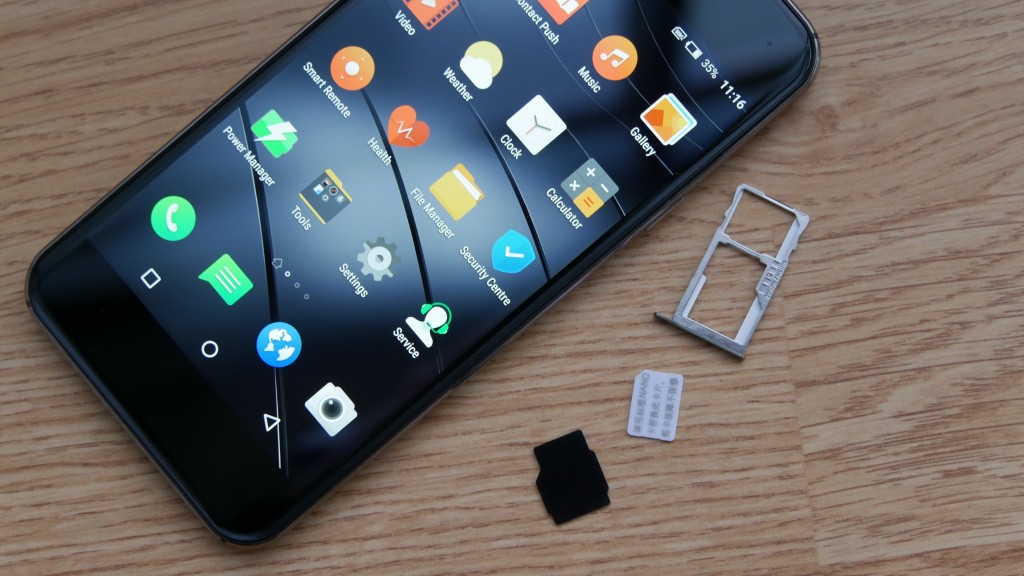
There are not too many features to talk about except for the fact that there are some redesigned icons and the app tray has been removed for some reason.
Most importantly, the UI runs fast and I didn’t have any stutter even after installing quite a few apps.
Gigaset Me Review: IMAGE QUALITY
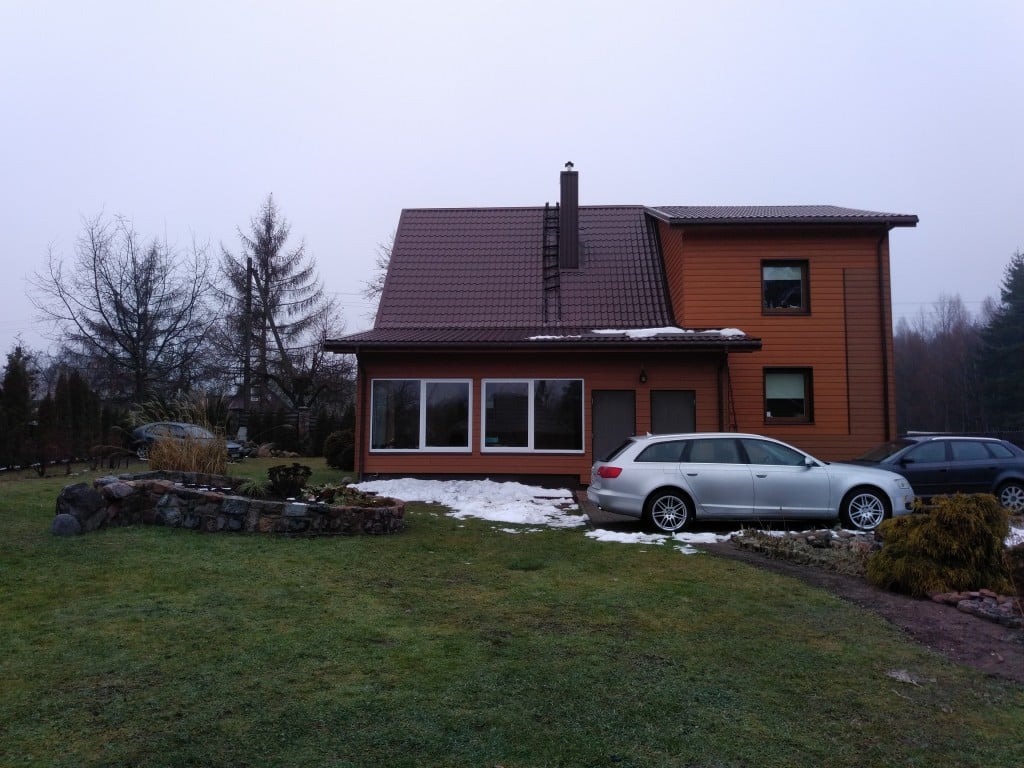
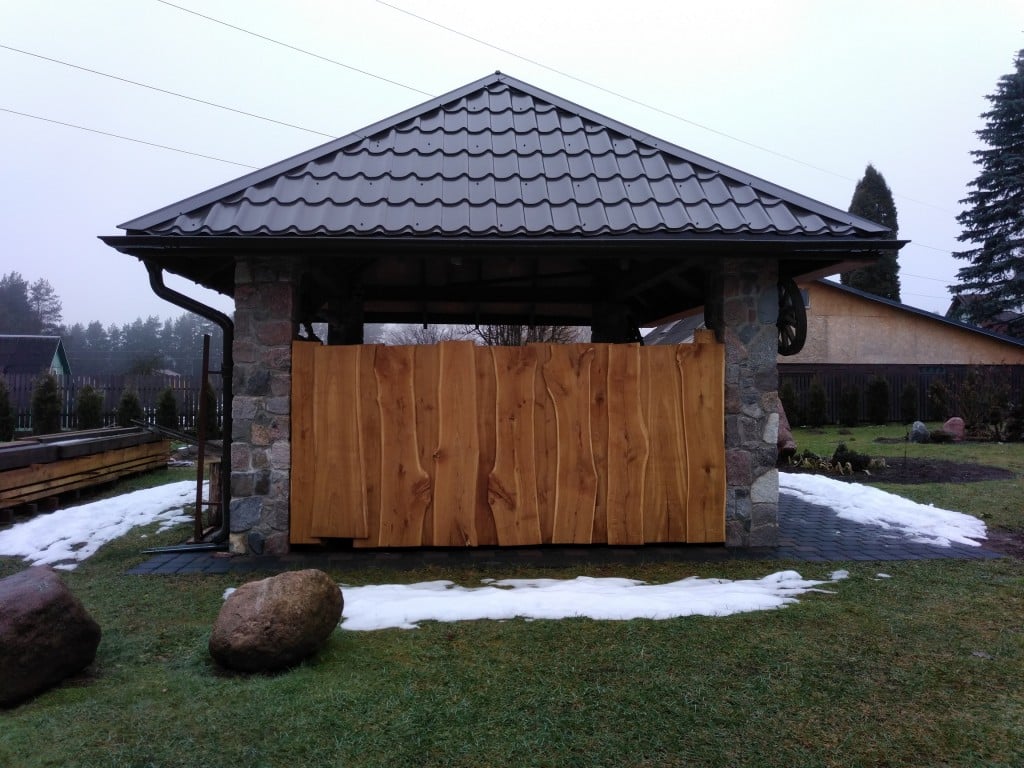
IT IS HIGHLY-RECOMMENDED TO DOWNLOAD FULL RESOLUTION CAMERA SAMPLES TO SEE THE ACTUAL IMAGE QUALITY. THE PICTURES UPLOADED ON THE WEBSITE ARE 50% SMALLER IN RESOLUTION.
When it comes to the image quality, the Gigaset Me is definitely one of the best $150 camera phones you can buy. The images come out sharp, detailed and the color reproduction is accurate even though I took all the daylight pictures during the cloudy and foggy day.
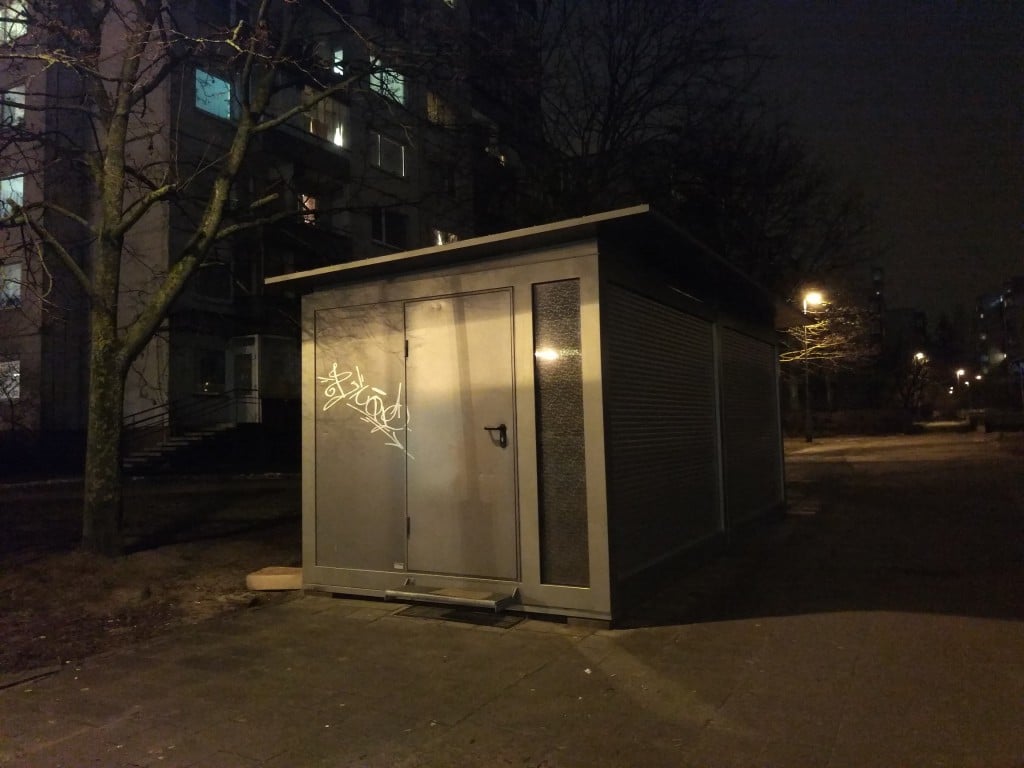
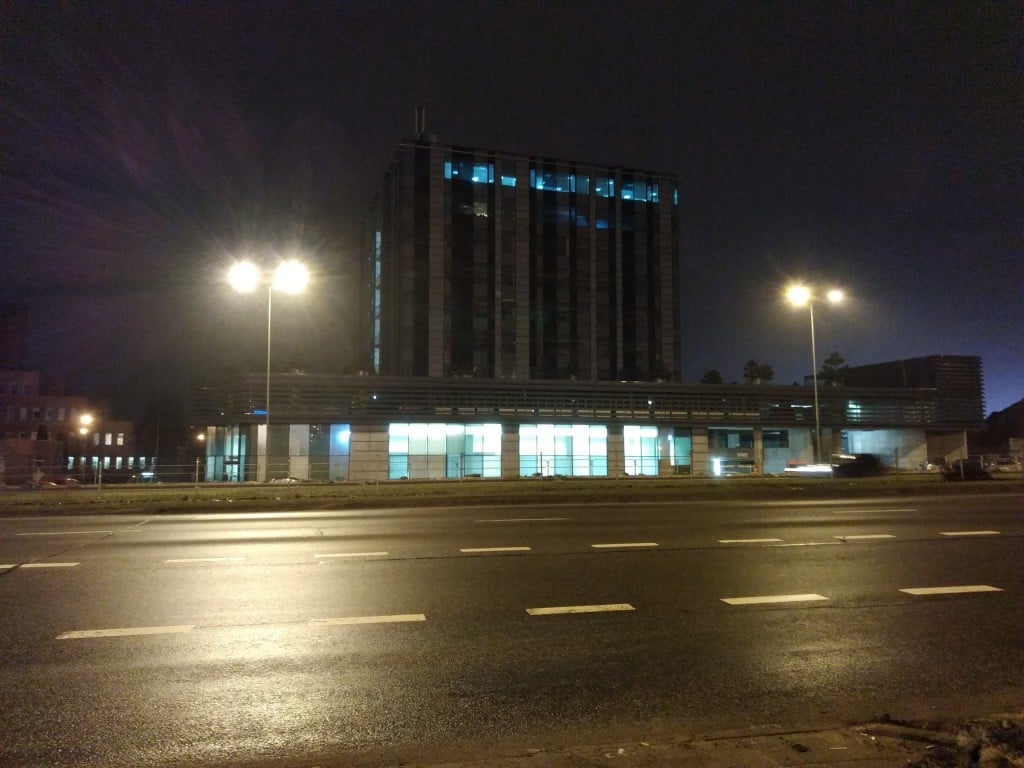
The night photos don’t look that great but you will still be to take some usable images. Obviously, the pictures looks quite grainy buy my biggest complaint is a visible purple tint in most of the shots.
The selfies look kind of mediocre. All the images I took have quite a soft focus.
The phone can shoot videos at the resolution of 2k or 1080p. Either way, the quality of footage is just mediocre. My biggest complaint is a very poor sound recording quality.
The phone ships with the hybrid SIM card tray where you can either put 2 nano SIM cards or a combo of 1 SIM and the microSD card.
I didn’t have any connectivity issues with this phone except for the fact that the sound quality from the earpiece is kind of mediocre.
Gigaset Me Review: BATTERY LIFE
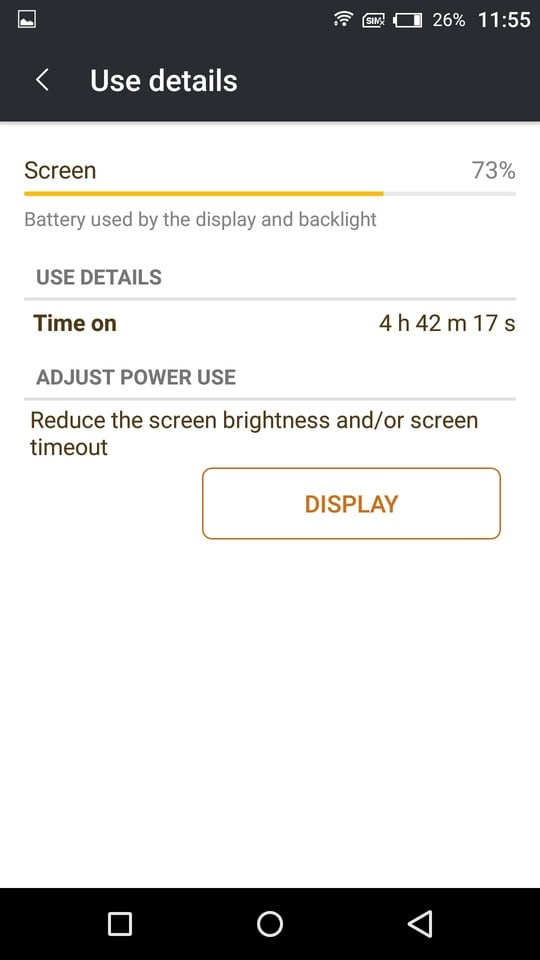
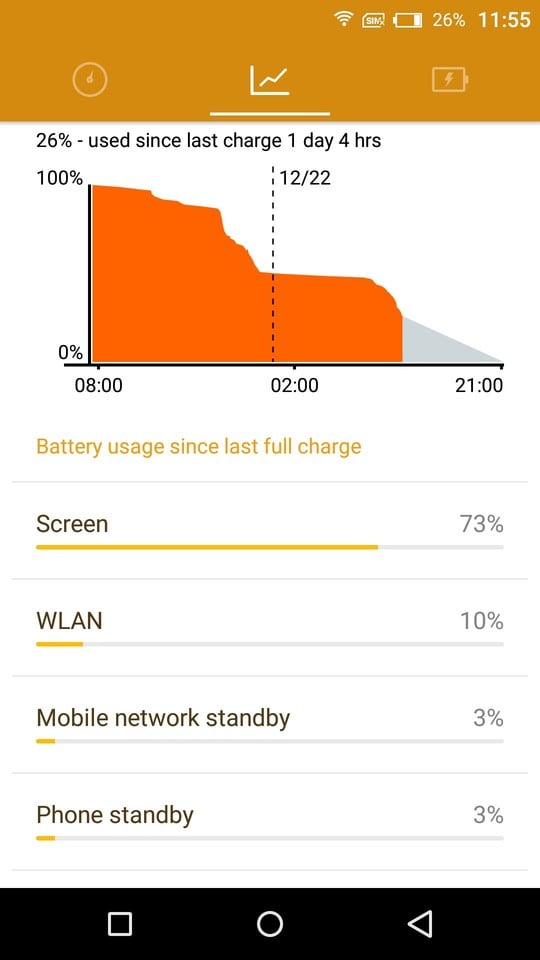
The 3000mAh battery performs great. It will easily get you through the day and that translates to about 5 hours of screen-on time on a mixed use.
Also, the phone supports the Quick Charge 2.0 and you can fully charge the phone in about 1h 30 mins.
Gigaset Me Review: CONCLUSIONS
So, there you have it, the Gigaset ME, the phone you’ve probably never considered buying.
Obviously, it was simply too expensive at the time of the release but for the current price of just $150, I think that it is a pretty good deal.
The phone looks and feels expensive, the display is pretty sharp and vibrant and the Gigaset Me has the specs that can still handle even the most demanding tasks like 3D games.
The camera can take some really nice and sharp pictures in daylight but it struggles in lower-lit situations. Also, the sound quality in the video recording mode is just horrible.
If you decide to buy this phone, you will probably be stuck with the Android 5.1. On the other hand, the day-to-day performance of the UI is good.
Still, the Gigaset ME is definitely worth $140 as it is a solid and nice-looking phone if you don’t mind the previously mentioned shortcomings and the fact that it will attract all the fingerprints and smudges once you use it.
We use cookies on our website to give you the most relevant experience by remembering your preferences and repeat visits. By clicking “Accept”, you consent to the use of ALL the cookies.
This website uses cookies to improve your experience while you navigate through the website. Out of these, the cookies that are categorized as necessary are stored on your browser as they are essential for the working of basic functionalities of the website. We also use third-party cookies that help us analyze and understand how you use this website. These cookies will be stored in your browser only with your consent. You also have the option to opt-out of these cookies. But opting out of some of these cookies may affect your browsing experience.
Necessary cookies are absolutely essential for the website to function properly. This category only includes cookies that ensures basic functionalities and security features of the website. These cookies do not store any personal information.
Any cookies that may not be particularly necessary for the website to function and is used specifically to collect user personal data via analytics, ads, other embedded contents are termed as non-necessary cookies. It is mandatory to procure user consent prior to running these cookies on your website.