ZTE’s recent efforts have been to strengthen the audio on its smartphones and the ZTE Axon 7 made sure that the company’s flagship device featured top-notch audio support. For some, audio is just another feature in a smartphone, but for others, it is one of the most used as well as important features on their phone.
ZTE has now confirmed that we will meet another audio-centric smartphone at the famous IFA Berlin in 2016. The event will be held on September 1, the same day that Huawei unveils its brand new device. From the press release sent to us, it is confirmed that the phone will be a premium device, coming with superior audio quality.
“We’re delighted to be debuting our latest products to the world in Berlin,” says Adam Zeng, CEO of ZTE Mobile Devices. “Our fan community played a huge role in the development of our new smartphones, delivering valuable input that helped inspire and motivate our team. The result is a suite of devices that pack cutting-edge, innovative features and the latest technology.”
The company claims that audio has been a shortcoming on many of the flagship smartphones in recent times and with their advanced research and development, ZTE’s recent phones like the Axon 7 aims to fill these special needs of customers.
Hopefully, we will get to hear more about this audio-centric ZTE smartphone in the coming days.
During this year’s CES show in Las Vegas, a company known as Faraday Future showed off a car called the FF ZERO1 which is a single seat electric concept car designed for the future. While we already know that the car would probably never be released commercially, the California based startup has been working on other vehicles which will probably see a release in the not too distant future.
Spotted Car
One of such vehicles was spotted in the open recently. The car which looks like the Tesla Model X is seen covered in a sort of camouflage car cover. The car in the photo appears not to have a rear exhaust pipe which means it is probably a full electric vehicle.
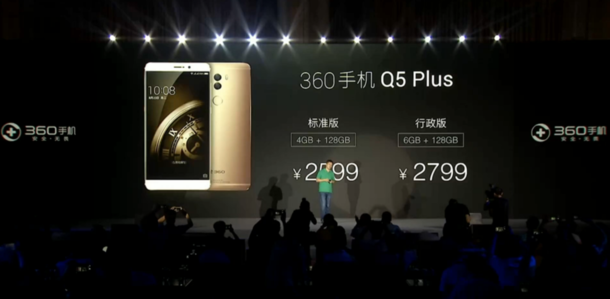
After teasing the phones for a few days, 360 Mobiles, formerly known as QiKu, today, released two brand new phones under its premium Q series lineup, namely the 360 Q5 and the 360 Q5 Plus. Like the name suggests, the Q5 Plus will be the larger model, coming with powerful specs like SD820 on board. On the other hand, the 360 Q5 comes with SD652 along with a bunch of other upper mid-range specifications.
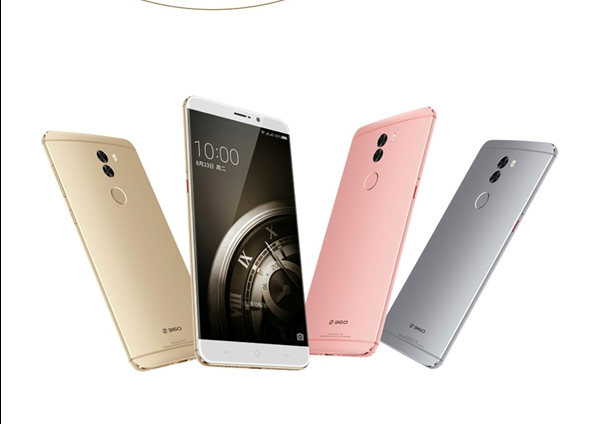
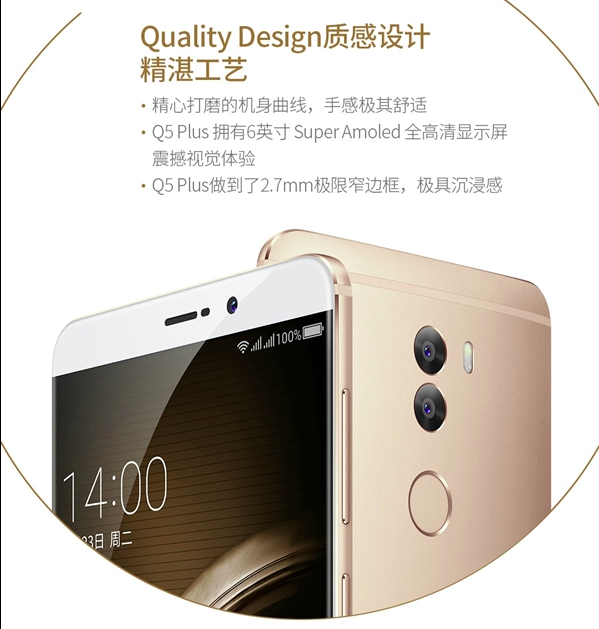
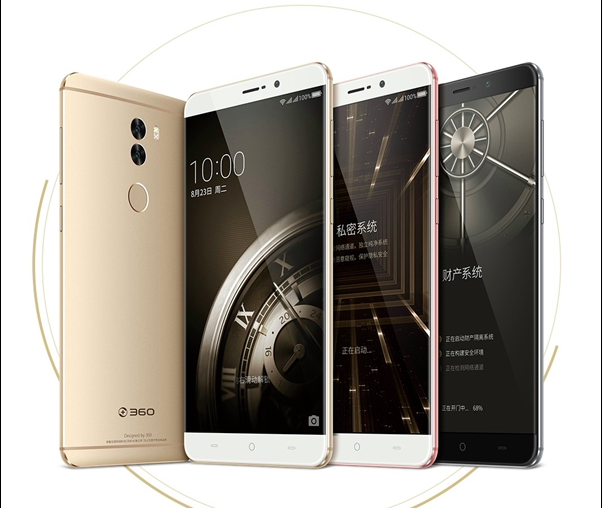
Design wise, 360 didn’t see to make any significant changes as compared to its previous generation devices. The 360 Q5 and Q5 Plus comes with an all metal body with dual cameras at the back and 2.5D glass on top. The overall look of the device is premium and similar to the metal flagships available in the market today. At the bottom, you get a USB Type-C port along with speaker grills.
While the specs of both the devices are pretty good, the security features are something that sets it apart from other phones in the market. Before we take a look at what all security features are inside the device, let’s take a quick look at the specs of the 360 Q5 and the 360 Q5 Plus.
360 Q5 Specs
The 360 Q5 comes with the Qualcomm Snapdragon 652 octa-core chip inside with 4GB of RAM on board. While this may not be the best chip in the market right now, we have seen that it’s good enough for most needs. The phone features a 5.5-inch display with 1080p resolution, which has become the standard among flagships. Surprisingly, you have 128GB eMMC 5.1 storage as standard on the device.
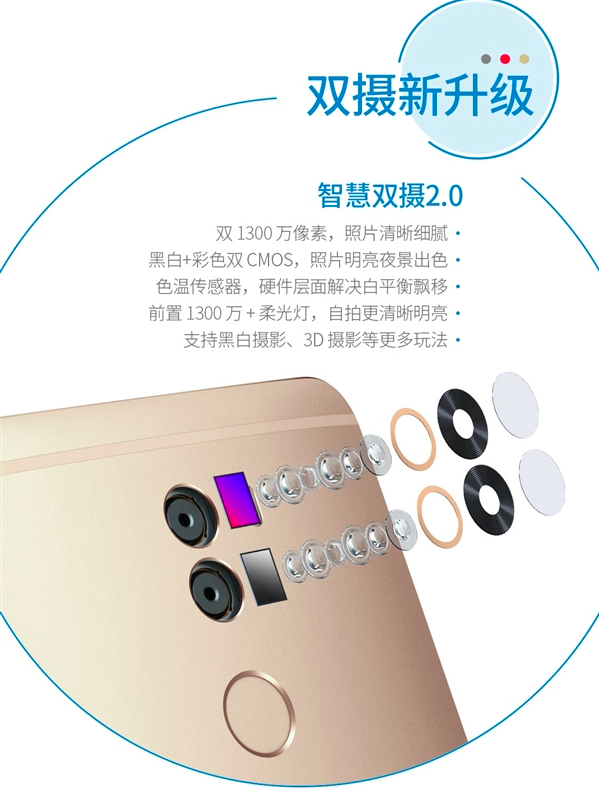
At the back, the 360 Q5 comes with a 13MP dual camera setup. This will be an RGB + monochrome setup and can be used to take 3D videos as well. Up front, the phone features a 13MP camera with flash, which is good for selfies. Inside, there will be a 3200mAh battery with QC 3.0, good for a day’s usage.
360 Q5 Plus Specs
The 360 Q5 Plus comes with much better specifications. It features a larger 6-inch 1080p display and features Snapdragon 820 quad-core chip inside clocked at 2.15GHz. There will be two variants, 4GB RAM and 6GB RAM. Once again, you get 128GB storage as standard and in this model, it will be UFS 2.0. You have the same 13MP dual camera sensor setup at the back as the Q5 Plus. Even up front, you get a 13MP sensor with flash. The battery is much larger on the device, measuring 3700mAh.
Considering the specs of the Q5 Plus, this is indeed flagship worthy. You have SD820, a large 6-inch 1080p display, 6GB RAM and 128GB storage with dual cameras at the back, which is one of the best configurations in a smartphone in the market today.
Security Features
360 Mobiles have made sure that the two new models launched today are secured, all thanks to a dedicated hardware level security chip. This chip is reportedly military grade and is said to be unbreakable. The phone will have a special private space, independent from the normal storage wherein you can add third party apps as well and encrypt all data storage. In addition to that, the Q5 and Q5 Plus features call and text encryption to make sure that your data cannot be taken by hackers. There is also a feature which prohibits recording and it can even destroy recordings already taken. Further, the phone features a function which will photograph the thief who stole your phone. Also, if someone tries to force the data out of the device, the phone will automatically lock.
360 Q5 & Q5 Plus Price
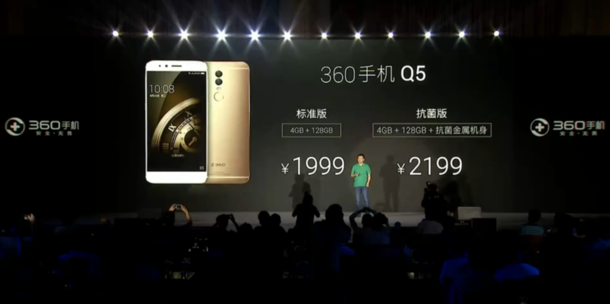
The standard version of the 360 Q5 with 4GB RAM + 128GB storage retails at 1999 Yuan ($300) while the special edition (4GB + 128GB) retails at 2199 Yuan ($331).
The 360 Q5 Plus starts at 2599 Yuan ($391) for the 4GB + 128GB model and 2799 Yuan ($421) for the 6GB + 128GB version.
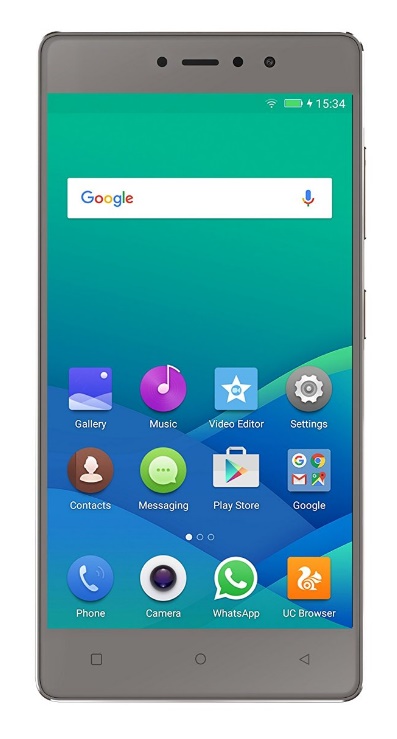
Gionee has released an upgraded version to last years Gionee S6 which is called the Gionee S6s where the s probably stands for selfie seeing as the phone is being marketed as a selfie-focused phone.
Design
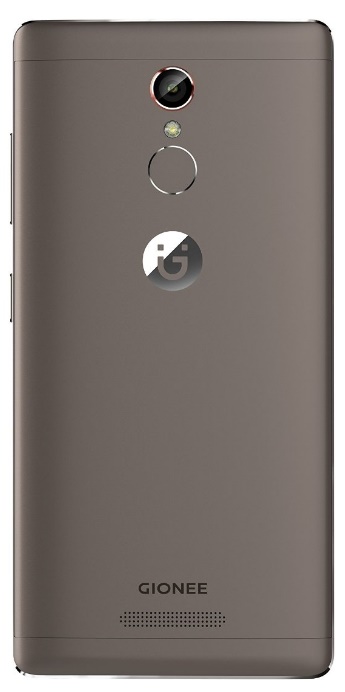
The phone features a metal uni-body with a 2.5D curved display. The volume rocker and power button are placed on the right and it makes use of capacitive buttons which don’t appear to be back-lit. The rear has the camera, LED flash, fingerprint scanner, and Gionee logo stacked on each other. Towards the bottom, you have the manufacturer’s name sitting atop the speaker grille.
Specifications
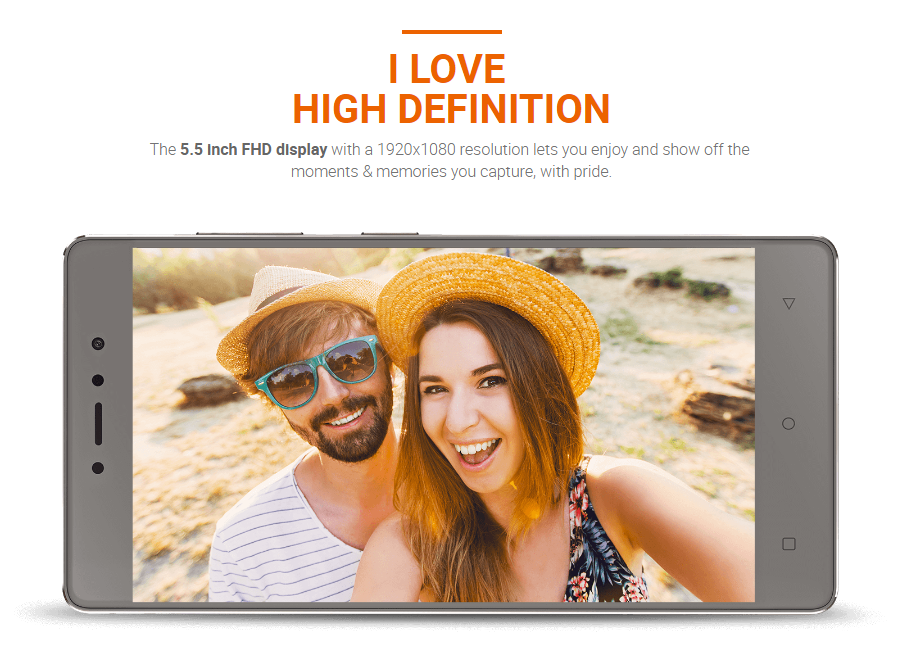
The S6s has a 5.5 inches display like it’s sibling but has its resolution bumped up to 1080p and the AMOLED display dropped in favour of an IPS screen. The screen has a 2.5D curved edge with gorilla glass protection. The RAM and ROM remains the same at 3GB and 32GB respectively, with an option to increase storage to 128GB with a SD card.
The Gionee S6s is powered by a MT6753 processor clocked at 1.3GHz. It comes with Gionee’s own Amigo 3.2 OS based on Android 6.0 Marshmallow out of the box, sports a rear positioned fingerprint scanner and has a 3150 mAh battery.
Camera
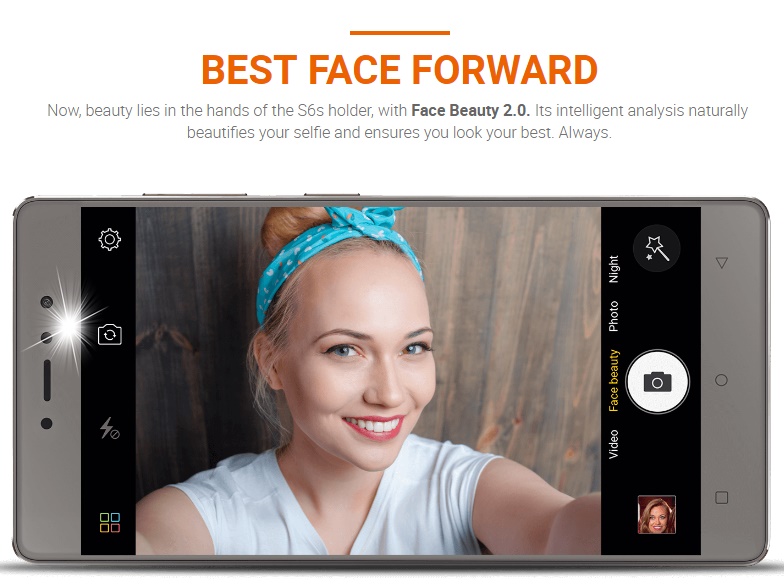
The S6s’ main camera is a 13 MP Sony IMX 258 with a f/2.0 aperture and a LED flash. The front is where the fun is. You get an 8MP camera with f/2.2 aperture and another LED flash, so you can take those selfies in poorly lit places. The phone comes with the usual selection of camera features such as Face Beauty, HDR, night mode, and panorama. You also get time lapse, slow motion, text recognition, GIF, and ultra pixel which allows you stitch multiple photos together into a detailed 120 megapixel photograph.
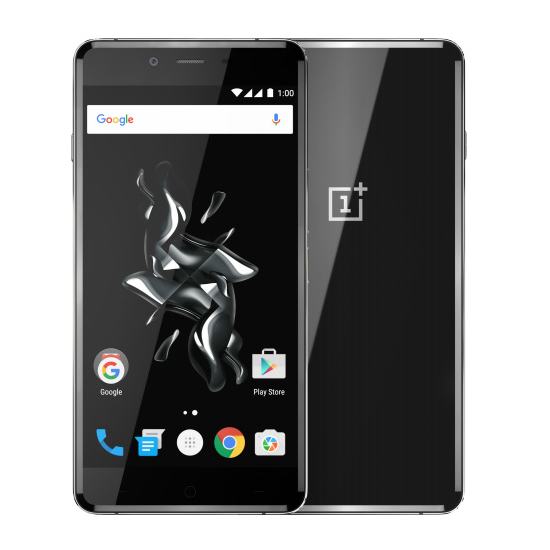
Almost a year after it’s release, OnePlus is breathing new life into the OnePlus X by announcing the release of Oxygen 3.1 Community Build which brings Android 6.0 Marshmallow to the smallest OnePlus phone.
While it may be a little late in coming as Google officially released Android 7.0 Nougat yesterday, the announcement might spur some folks who don’t want something big to pick up the device.
OnePlus community builds are similar to beta releases before the final and official release. As with all beta releases, there are always issues that haven’t been ironed out. OnePlus says users may experience issues like network stability in select regions, third party apps compatibility, and language localisation.
OS 3.1 will bring new features like new icon packs, a new wallpaper picker, new customisation for the alert slider, and changes to Shelf UX, apart from the default marshmallow ones. It will also come with new apps (OnePlus Music and OnePlus Gallery) and August’s security patch.
If you are interested in flashing the community build on your phone, you should check the instructions OnePlus has put together here.
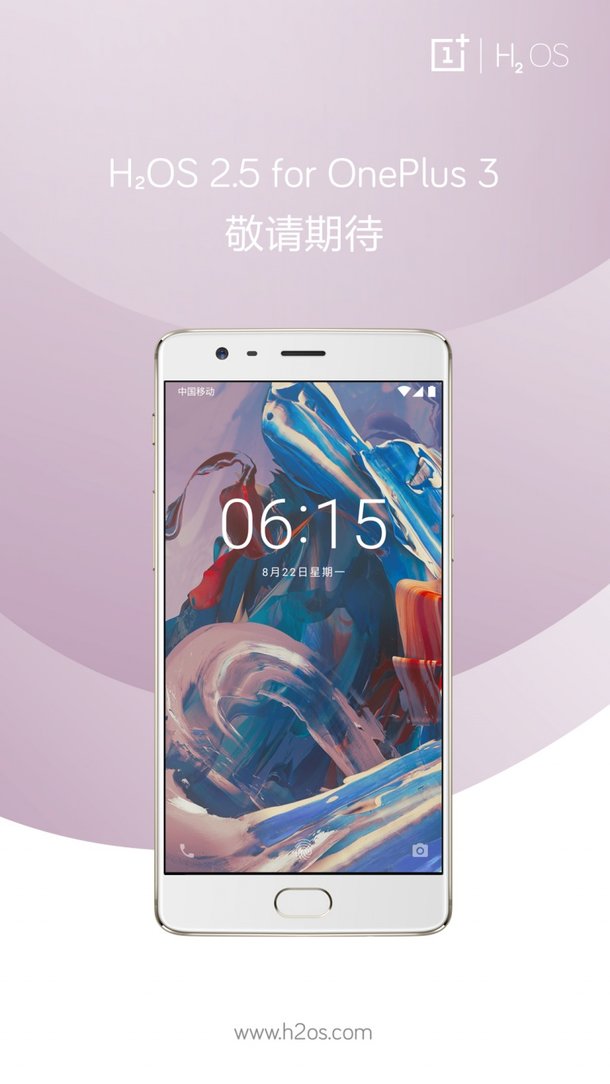
Hydrogen OS 2.5 for OnePlus 3
The OnePlus X isn’t the only phone that will be getting a new update. A Canadian official has announced the upcoming release of Hydrogen OS 2.5 for the OnePlus 3.
If you remember, back when the OnePlus One was released, the company announced that there will be two operating systems for the phone. Hydrogen OS for the Chinese variant and Oxygen OS for the international version.
Xiaomi will start pushing updates that will usher in the MIUI 8 Stable version to about 200 million users worldwide. Smartphones running on MIUI 5, MIUI 6 and MIUI 7 stable version supports straight OTA (Over-The-Air) upgrade. Before now, Xiaomi had between June 1 and June 17 pushed MIUI 8 beta version and MIUI 8 Developer Edition to select users.
The MIUI 8 Stable version will be pushed in batches, first to 15 Xiaomi phone models and thereafter to all other Xiaomi models. The models the update will become available on include Xiaomi Mi 5, Mi Max, Redmi 4s, Mi Note, Redmi 2A, Redmi Note 2, Redmi Note 3, Mi 4 China Unicom version, Redmi 1S, Mi 2/2S, Mi 4i, Redmi Note 3G, Redmi Note 4G and some others.
The second batch of OTA updates that would bring the MIUI 8 Stable version to the Redmi Pro, Mi 4C, Redmi 3S and 3X, Redmi 2, Redmi 1S and other models.
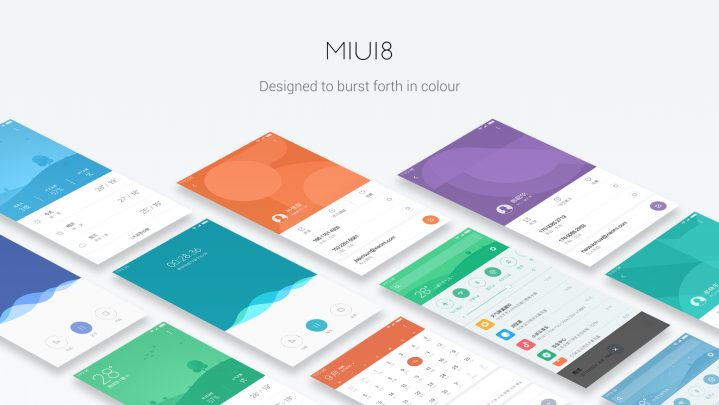
Xiaomi announced the MIUI 8 in China back in May and had made the beta version available on some select Xiaomi smartphones since July. The MIUI 8 is reputed to be the richest MIUI interface till date, bringing in a comprehensive breakthrough in visual design and innovative features.
Some of the features include an easy to use and good looking design, dual user interface, running same application more than once, Mi Bus payment ( available on Mi 5), comprehensive calculator with currency calculator, more fonts for better mobile reading experience, easier short cuts, new photo album, fashionable lock screen, easier text editing, new power saving mode NFC payment security, and lots more.
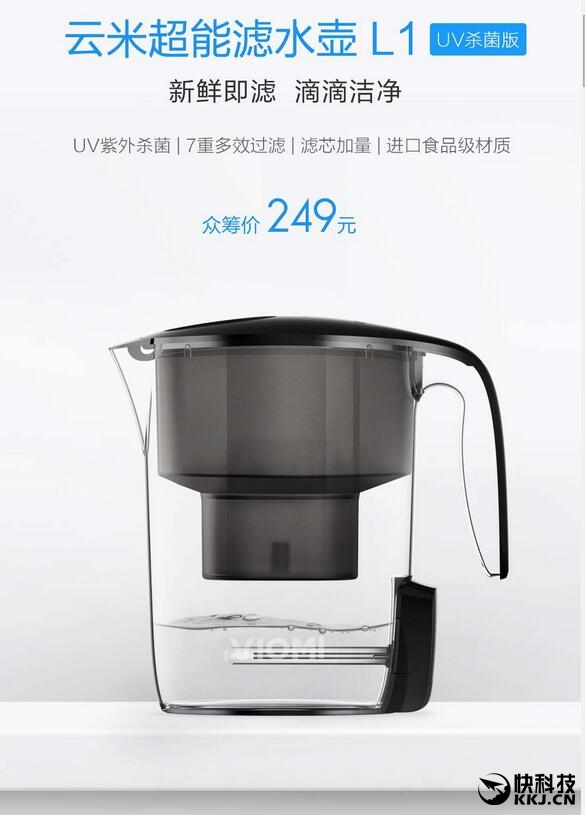
Xiaomi’s latest Crowdfunding product turned out to be a Super Filter kettle and not the steam iron earlier thought. The new product was released today and is dubbed – Viomi super filter kettle L1 (UV germicidal Edition) starts at just 249 Yuan ($38). The water filter kettle is manufactured by Viomi, with Xiomi’s crowdfunding platform acting as sales channel.
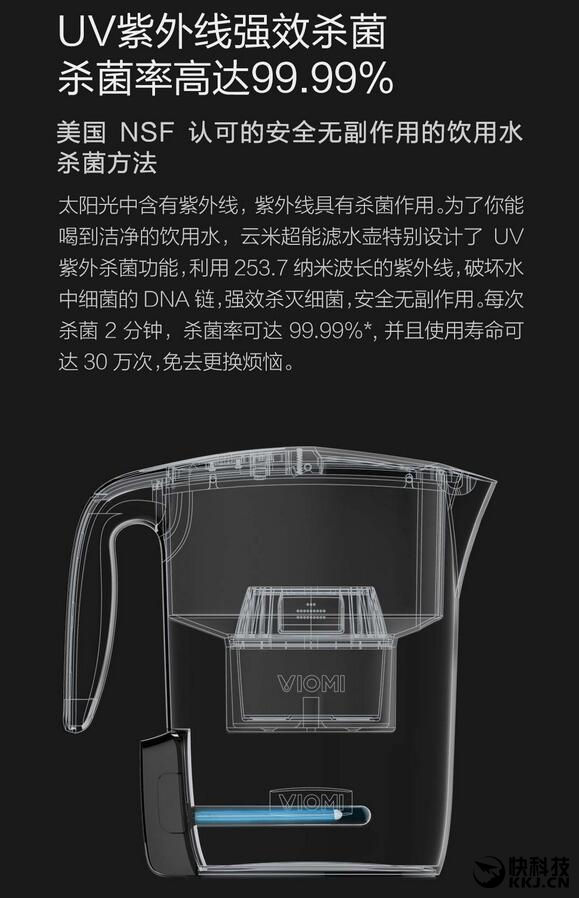
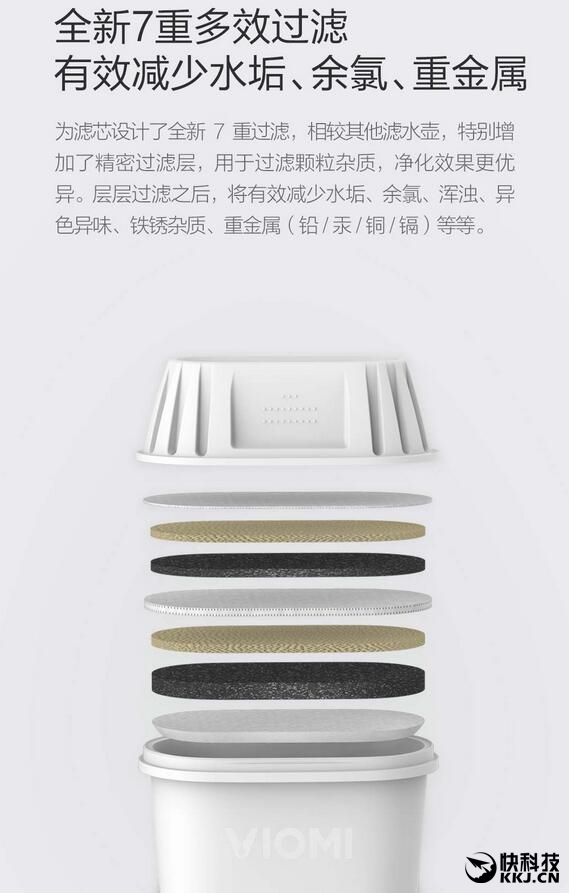
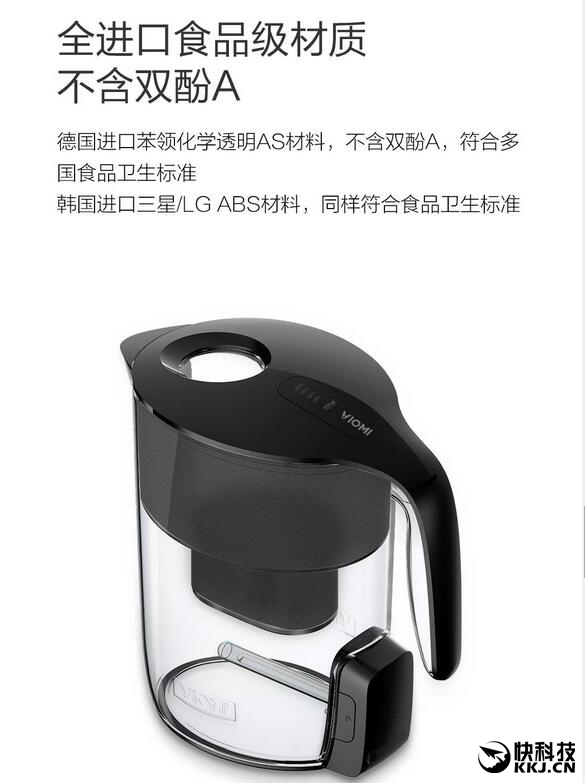
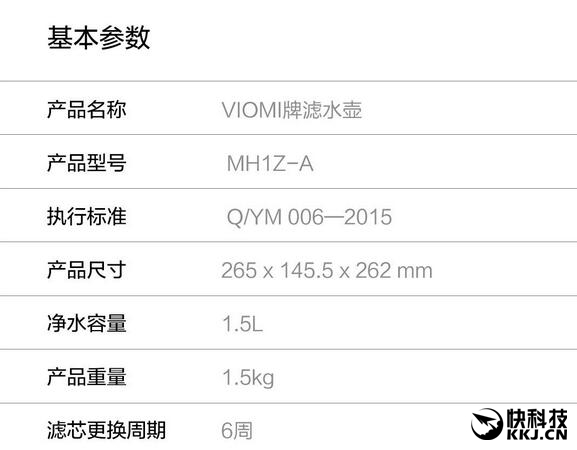
The main selling point of the Viomi super filter kettle is the Ultra-violet (UV) disinfection which it is capable of, and the seven heavy multi-effect filters it comes with. The kettle measures 265 x 145.5 x 262 mm and has a water capacity of 1.5 litres. The kettle provides intelligent filters made of different materials imported from Germany and Korea which meets food grade hygiene standards.
The kettle isn’t an electric kettle but a water purifier using a network of filters and then ultra-violet light to purify the water. Boiling water is known to kill some bacteria but cannot kill all the germs as well as reduce the scale of impurities but the Viomi filter kettle provides filteration and UV sterilization. The kettle’s technology i reputed as having the capability of reducing water impurities more than chlorine and also to remove the smell, kill bacteria and purify the water.
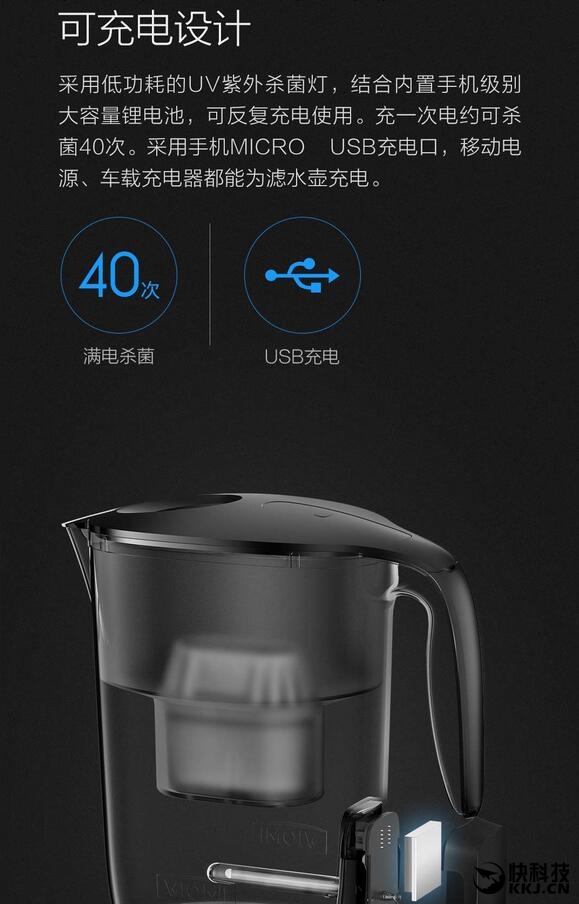
The kettle uses low-power consuming UV lamp and there is a built-in phone-level high capacity lithium battery which can be recharged using a mobile phone, phone charger, and car charger via the filter kettle’s microUSB port. A full charge can be used for sterilization up to 40 times.
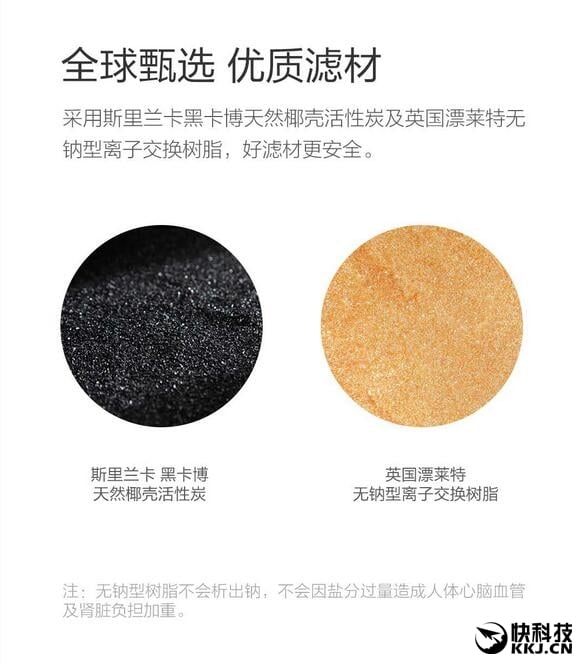
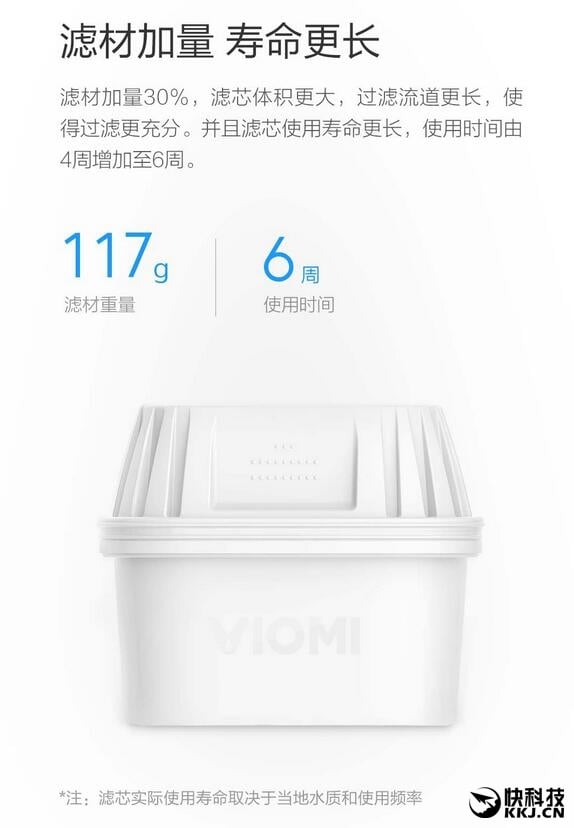
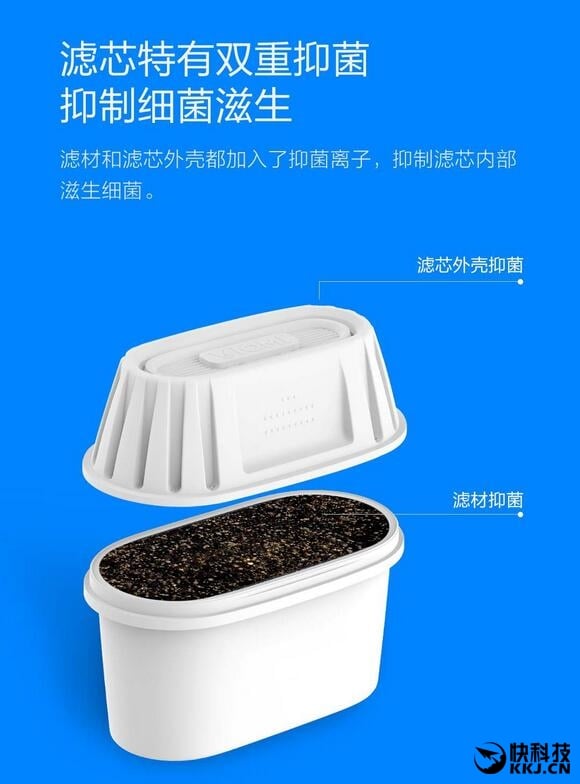
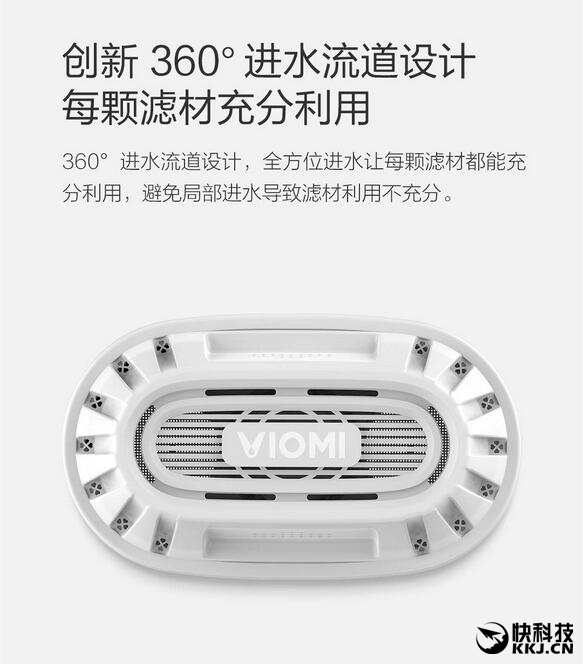
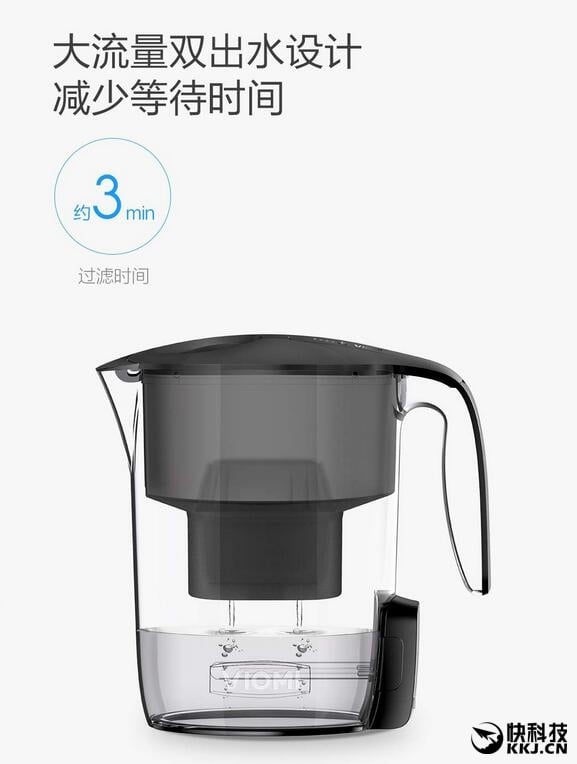
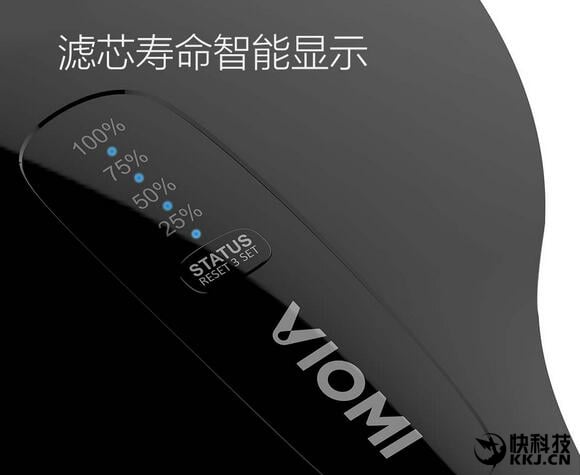
The filters can last six weeks and the Purolite sodium-ion-exchange resins inhibits the growth of bacteria inside the filter. In addition, the kettle has a 360 degree water inlet design which ensures all the water goes through the filter and a large double water flow designed in such a way that you just have to wait for just three (3) minutes for the water to be purified. Some nice gadget worth having, don’t you think so?
The Viomi super filter kettle L1 (UV germicidal Edition) is already available on Xiaomi’s crowdfunding websiteat 249 Yuan ($38). The gadget is expected to start shipping on October 4.
A report by the International Data Corporation (IDC) has revealed that the Redmi Note 3 launched by Xiaomi in India in March this year is the highest shipped smartphone for phone sold via the online channel in India. Now, the IDC report is not specific on a particular month but categorically gave the Redmi Note 3 the top position as the most shipped smartphone in the history of India’s online market in any given quarter.
Xiaomi has sold about 1.75 million units of the Redmi Note 3 in India in just five months of the smartphone’s release in the Indian market. The smartphone carried a budget price tag of Rs 9,999 in India boasting of mid-range specs such as 2GB RAM with 16GB of built-in storage, all-metal body, fingerprint sensors and a massive 4,050mAh battery. The Redmi Note 3 also became the first smartphone in India to feature Qualcomm’s powerful Snapdragon 650 chipset.
According to the IDC report, Xiaomi clocked record-breaking shipments of 880,000 units of the Redmi Note 3 online in the second quarter of 2016 which is almost twice the volume of the second highest shipped smartphone in the online channel in India.
Xiaomi started selling its smartphones in India in July 2014 and since then, the Chinese innovative start-up has shown a steady growth rate of 72% year-on-year from July 2016 to July 2016, with the Redmi Note 4 putting up a stellar performance thereby contributing to the majority of Xiaomi’s total shipments in Q2 2016.
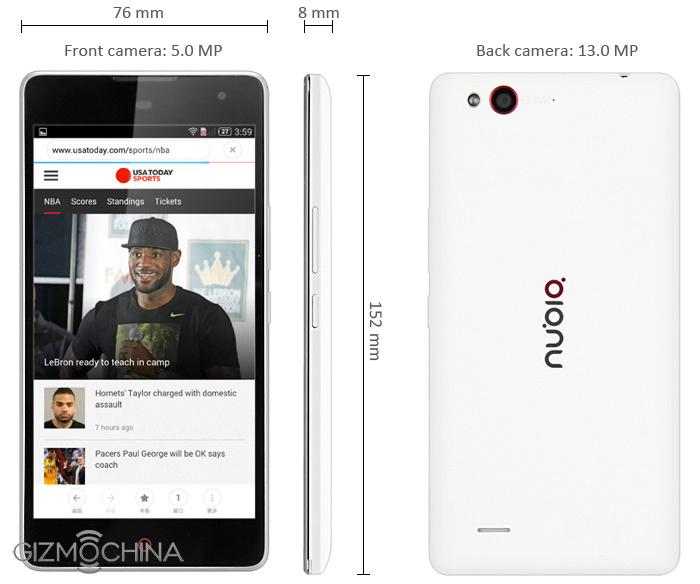
We see new device releases almost every week or so and a lot of them are pretty good. However, a lot of readers in the comment section below our news/reviews articles suggest that some of the older smartphones are much better buying options than some newly released models. ZTE Nubia Z7 Max packs a specs sheet that may sound already dated but it is still very good, considering the fact that you can get it for as low as $116.99 from Everbuying.net using the COUPON CODE that you will find at the end of this article.
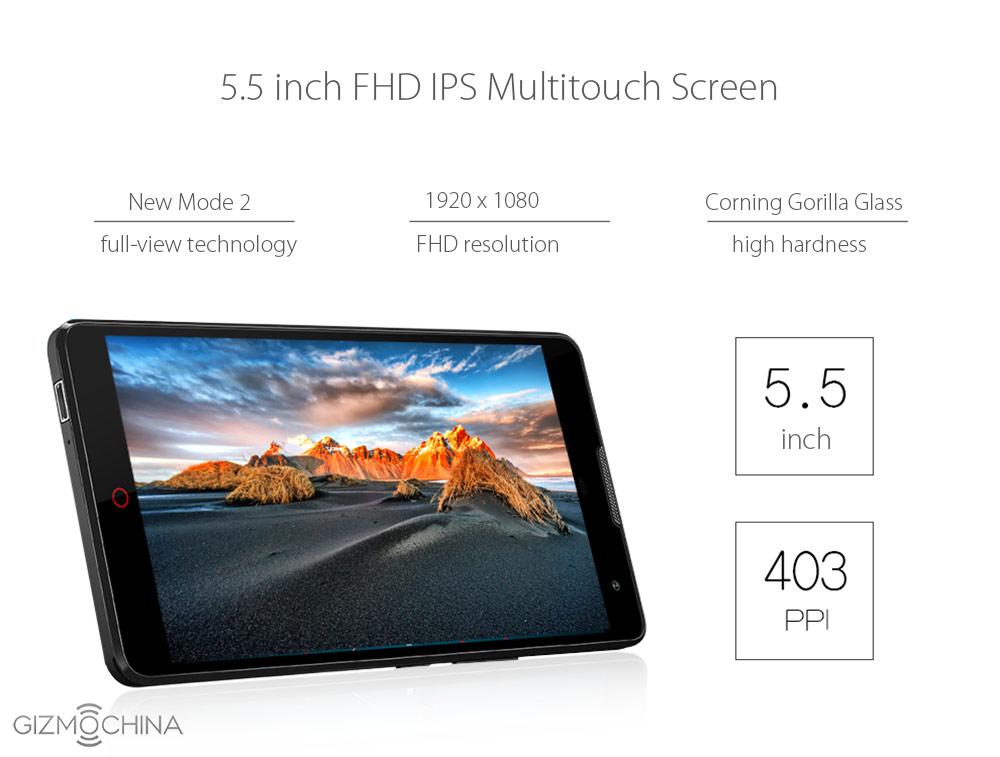
The Z7 Max sports a 5.5″ 1080p display with a pixel density of 403PPI, which is still good according to today’s standards.
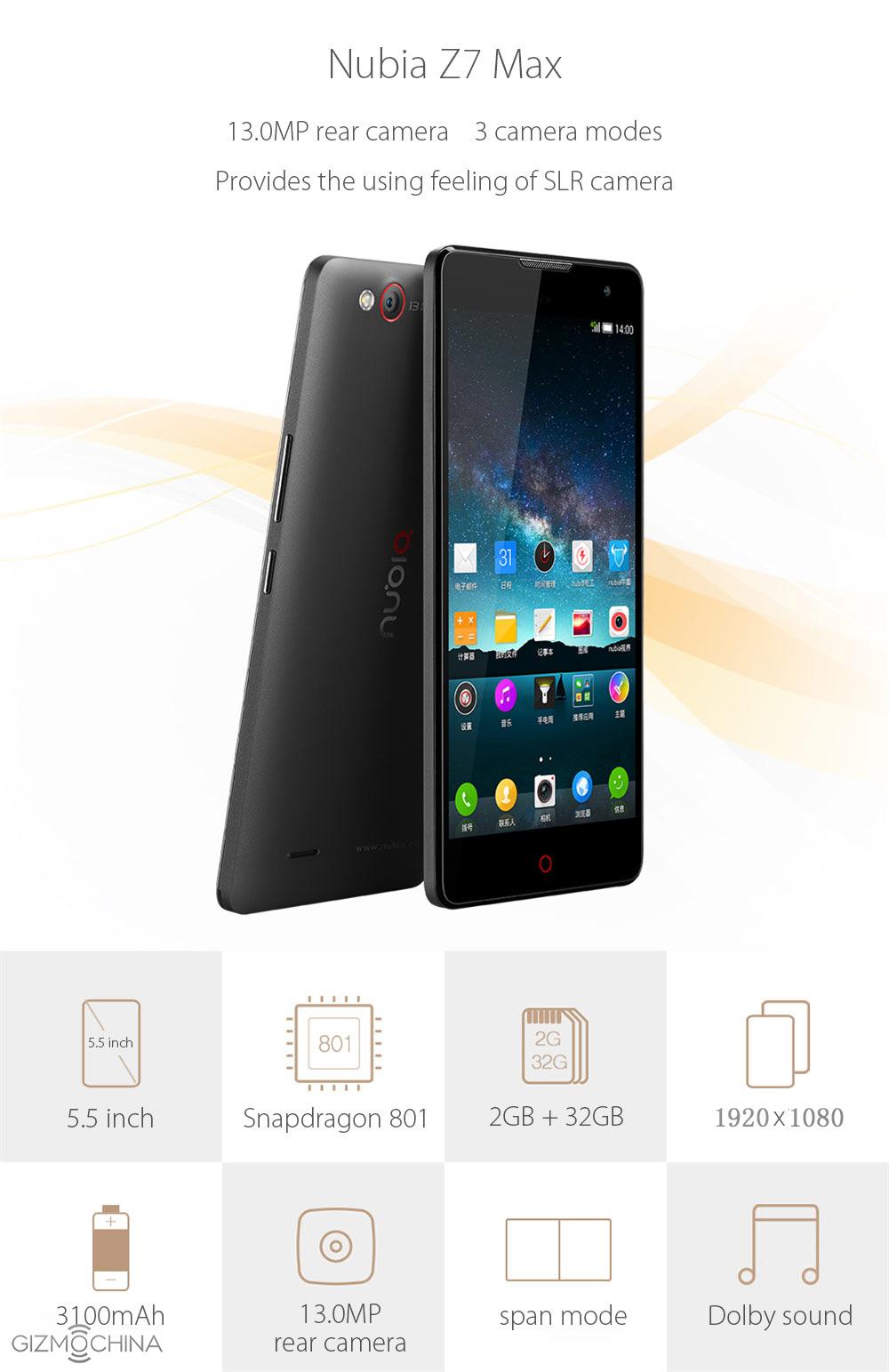
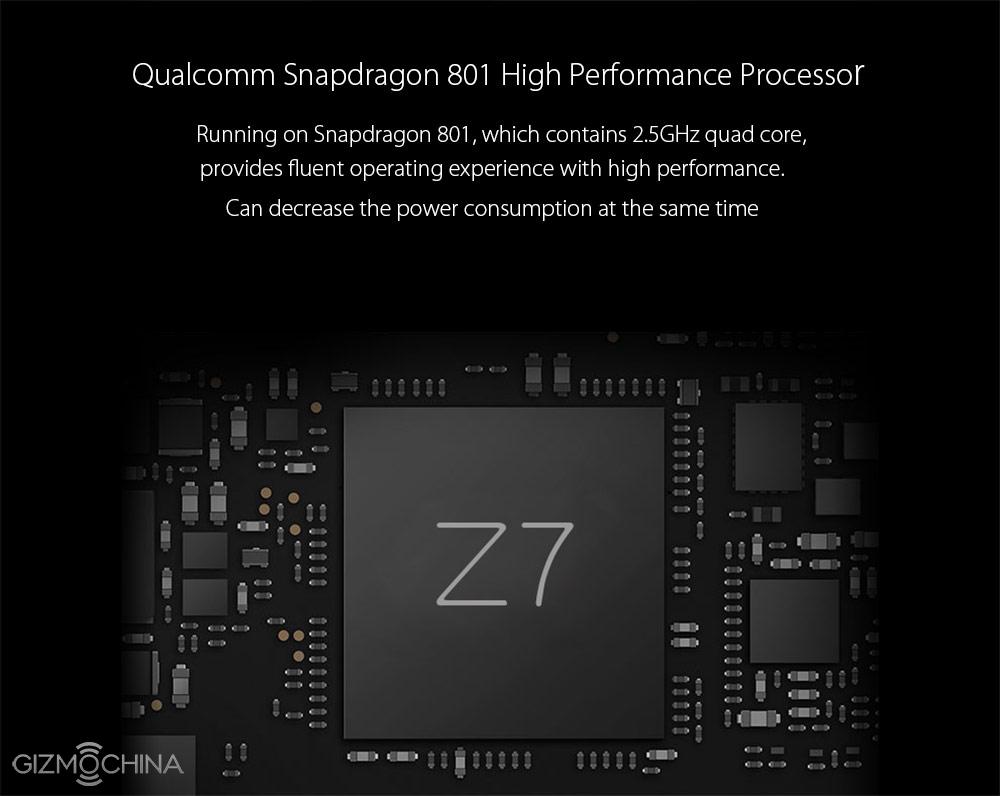
Besides the cameras that can still take some decent daylight images, ZTE Nubia Z7 Max sports some great specs that include the Snapdragon 801 chip (2.5GHz), 2GB of RAM and 32GB of expandable storage.
The only shortcoming is that the Snapdragon 801 chip uses an old 32-bit architecture but it can still handle even some of the most demanding 3D games. Also, there is a lot of processing power to handle most of the daily tasks.
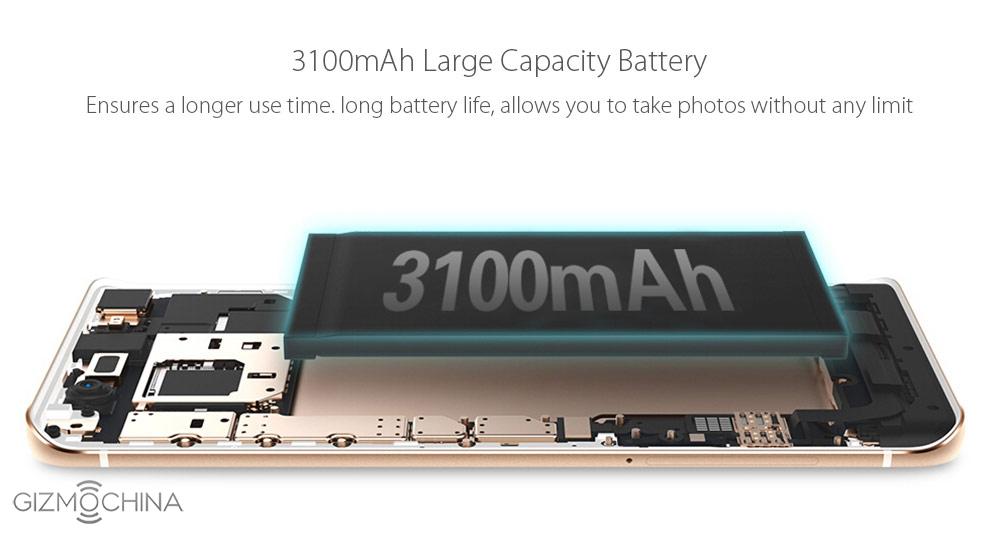
Finally, the phone sports a 3100mAh battery to power the phone up.
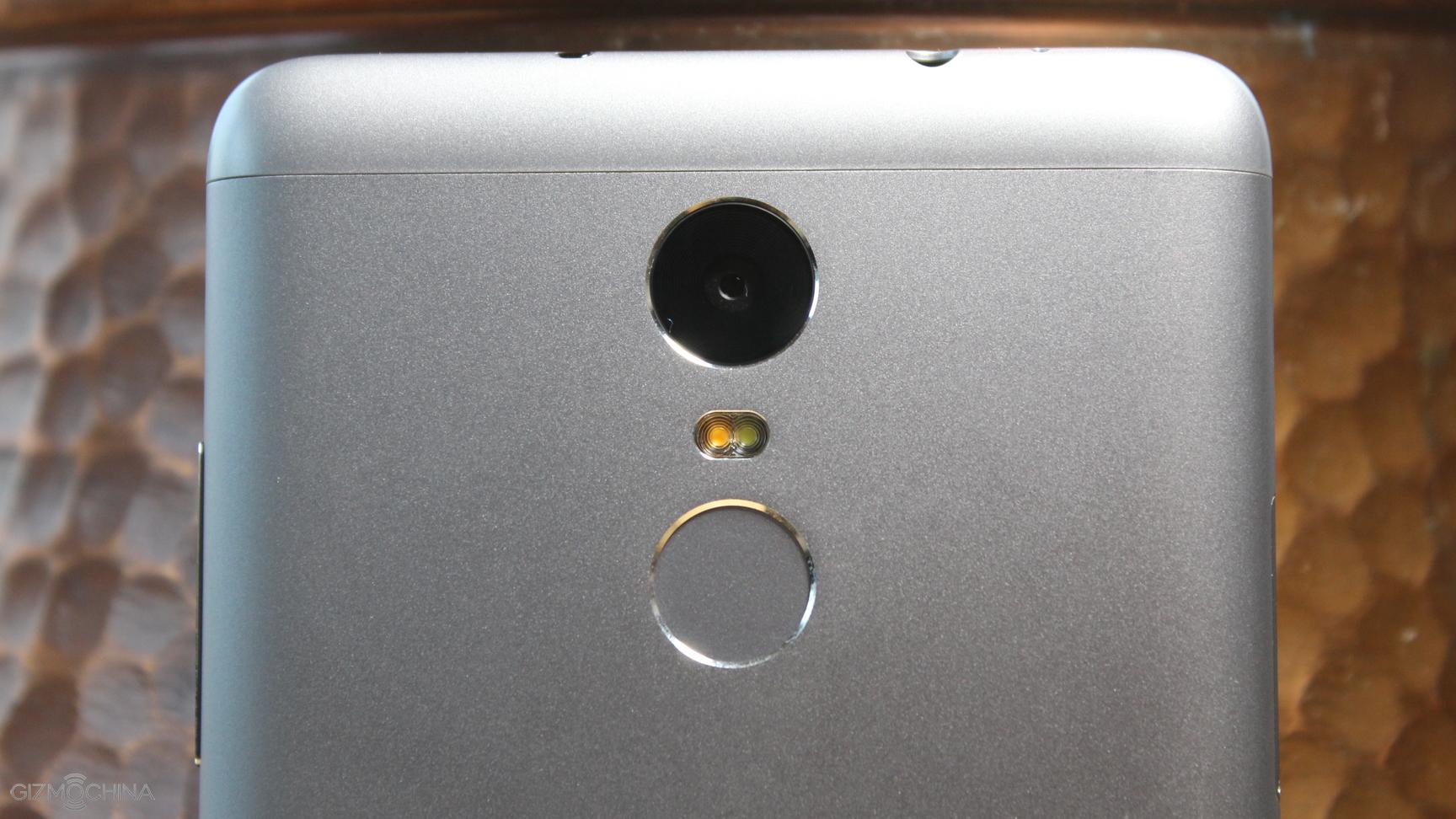
The only shortcoming would be that the phone does not sport any premium materials like metal in its construction. Still, the Z7 Max is a well-built phone and it does not look or feel cheap by any means.
If you think that an older phone that still has some great specs is a better buying option, you can get the ZTE Nubia Z7 Max for for as low as $116.99 from Everbuying.net using the COUPON CODE: EBNUM6A.
Please let us know in the comment section down below what would you rather choose: a newly released cheap phone or an older device that still has some pretty good specs for the price.
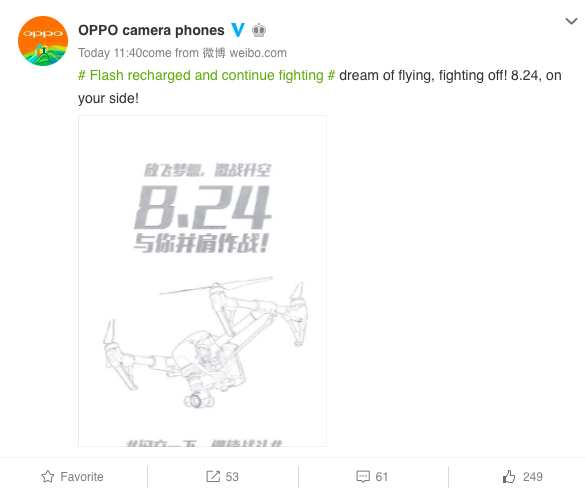
In the past few months, OPPO has increased its market share by a considerable extent, all thanks to the efforts put in by its smartphone department. However, we know companies like to diversify its product portfolio and what better example than Xiaomi, who has products in lots of different segments. Now, OPPO’s Camera Phone account on Weibo has released a brand new teaser, and from the hashtags and the image on the teaser, it looks like the company is planning its entry into the UAV (drone) industry.
Well, we don’t think that OPPO is going to release its own drone, however, what it could do, is license the top-notch technology that it has developed for its phones. This is a possibility because the teaser comes with words like flash charging and we know that OPPO’s Super VOOC low voltage fast charging tech is one of the best in the world. No harm in using VOOC tech in drones right? After all, they also need regular charging and if the time as well as its life is improved with the help of Super VOOC fast charging, we could see much more powerful drones in the market soon.
In case you remember, OPPO also revealed its SmartSensor Image Stabilization tech back at MWC, which possibly could also be used inside products such as drones. And we can see that the drone in the teaser comes with a camera. Plus, given that OPPO’s Camera Phone account released this teaser, it’s possible that OPPO has licensed its technology to drone makers.
August 24 is the date given in the teaser, which is just a couple of days away. So, we expect more details, possibly the first such product launch on that day. Stay tuned for more details.
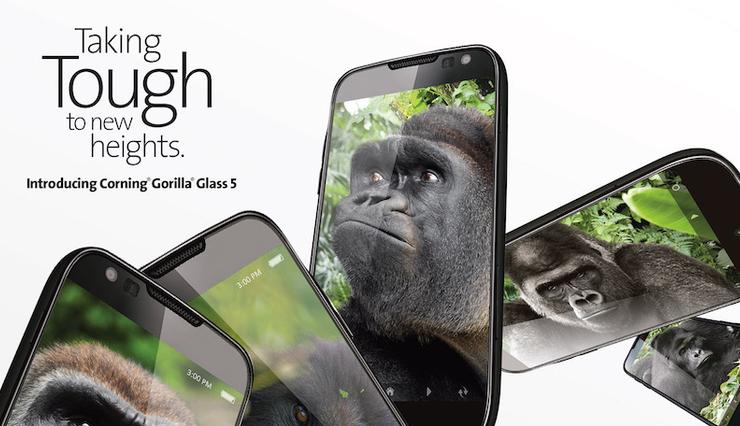
While we are still unsure whether the OPPO Find 9 is in the works, the latest news from China reveals that the OPPO Find 9 flagship could come with the brand new Corning Gorilla Glass 5 protection. This is the latest generation of Gorilla Glass display, which also makes it the best. The glass is strengthened to survive higher drops, making sure that your phone’s display stays intact in your day to day usage.
OPPO’s Find series have always been the top-end lineup from the company, and if the Find 9 is real and in the works, we couldn’t expect anything less than the Gorilla Glass 5 on top of its display. However, apart from this detail, the source did not reveal any other information about the device. News about the Find 9 is not readily available, and it’s been nearly 2.5 years since the company made a significant update in the lineup (Find 7 was released in FEB ’14 ). So, it remains to be seen whether OPPO scraped the lineup in favor of its relatively new OPPO R series flagships.
But we have to consider the fact that the specs of the OPPO R9 and even the R9 Plus would soon be outdated by the end of the second half of 2016. The past few months have been fruitful for OPPO, but if it has to continue the momentum, it would probably need better and powerful flagships in the coming months and what better way to make a mark in H2 2016 than with the OPPO Find 9 flagship!
If you are interested in the Find 9, read our previous coverage (mostly rumors) from down below.
Smartphone screens are one of the most important components of new-age handsets. If we jump up the screen size from 4-inches to 6.44-inches, there would still be a few options for customers and note that we are still talking about phones and not tablets. We all know the massive Xiaomi Mi Max with its 6.44-inch display and some of you may think, who would be crazy enough to buy this giant smartphone. Well, as we revealed before, turns out, quite a lot of people love the large screen size, and the sales of this relatively new phablet could have very well crossed the 1.5 million mark within two months of its launch.
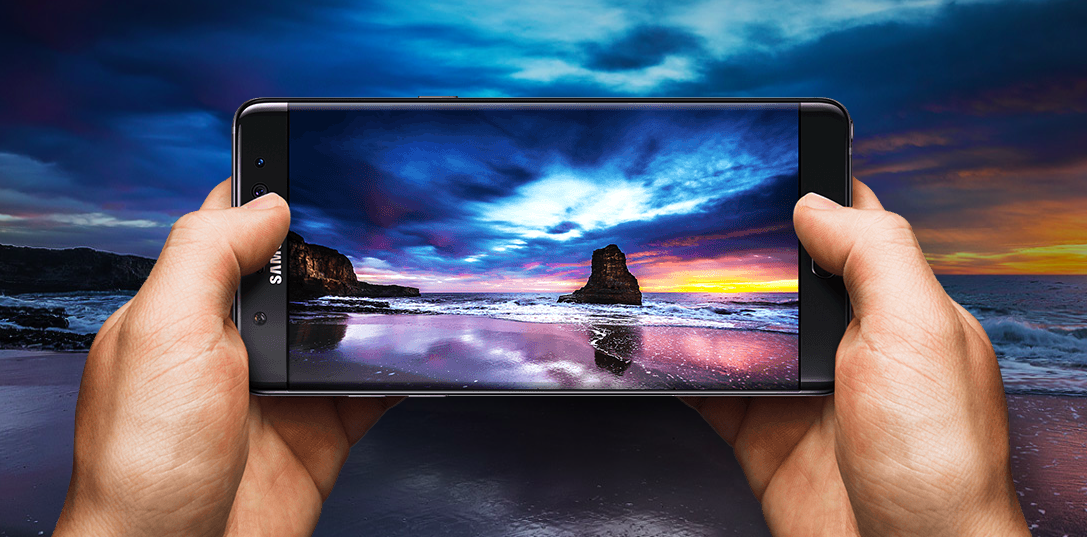
There is no doubt that Samsung dominates the smartphone industry with its super popular Galaxy series. And the latest Galaxy Note 7 is one of the best phablets with an amazing display, probably the best in the market right now. However, the curved edge screen and the waterproofing technology does come at a cost, and if by chance, you happen to break the screen on the Note 7 (which should be less likely considering it comes with the new Gorilla Glass 5 panel), then you are left with two options, replace the screen on your device or just use the same money to buy a brand new Xiaomi Mi5 smartphone.
According to the folks over at PhoneArena, who had a chat with Samsung’s support, replacing the Note 7’s screen would be a costly affair, costing somewhere around $270 for the entire process. This does include the screen replacement, handling, shipping and other related charges. But it would surely make a dent in your pocket.
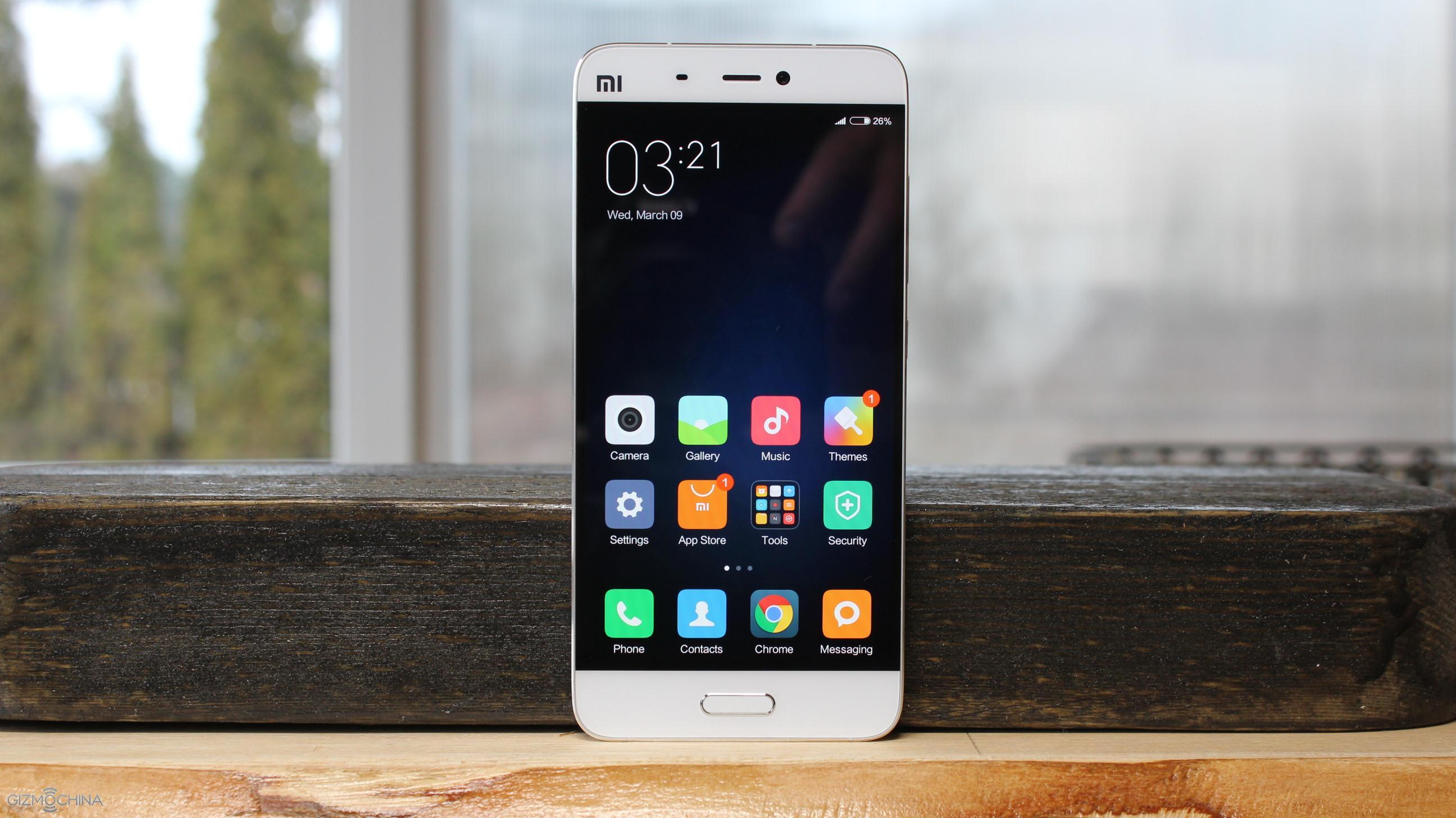
At this price, you would get a brand new Xiaomi Mi5, albeit the standard version. The phone is powered by a Snapdragon 820 chip, 3GB RAM, a 5.2-inch 1080p with Gorilla Glass 4 protection and comes with a decent camera as well.
Now, you would argue that if you were paying this much, you would rather replace the screen than buy the Mi5. I would have agreed, but think what happens if you drop your phone the second time. Buying an insurance would probably be the wiser choice, but even with that, you would be paying around $210 ($129 initially + $79 deductible) for the replacement (Samsung’s Protection Plus cover).
What are your thoughts?
NOTE: I love the Galaxy Note 7 and I know it’s one of the best phablets you can buy right now but after reading the replacement cost of its screen, I realized that you could actually buy a decent flagship for the same price. Hence, this article.
Internationale Funkausstellung Berlin otherwise known as IFA Berlin is one of the major tech events of the year. It is an event that allows exhibitors present their latest innovations and products to the general public.
Quite a number of manufacturers always host their own personal conference right before the official opening to launch a new device or announce a new technology, and Huawei seems to be doing the same this year. The company has sent out invites for an event on September 1 which sources say is for the launch of a new phone.
The company’s senior Vice President, Yu Chengdong has announced that the event will take place at the Velodrom in Berlin at 1630 hrs on September 1. Yu Chengdong, in his own words says that the new release will ”exceed expectations”. Are we surprised? Not really. The company has had an impressive year so far and has exceeded expectations already of so many people most especially folks in the US following the recent release of the Honor 8.
UPDATE (24/08/2016): The Redmi Note 3 (Mediatek Version) will get the MIUI 8 update. I got the update in the early hours of today and so far, everything seems fine. Just head to your updater app and check for the update.
Back in May when Xiaomi announced the new version of their MIUI ROM called MIUI 8 alongside the Mi Max, quite a number of people were excited about the new features it was going to come with.
Weeks later, the company started an open beta program for select devices and announced that the stable version should be released around August 16. Just before the date, they released another statement saying it has been pushed to August 23, which was followed by another statement saying end of August. But it seems the company has gotten their act together as they have confirmed that a stable version of MIUI 8 will start rolling out on August 23.
As with most updates, they usually roll out in batches starting with some devices first and others later. MIUI 8 is no different. The first set of devices to get the update on the first day are the Redmi 1S, Mi 2/2S, Mi 4i, Redmi Note 3G and Redmi Note 4G. Other phones such as the Redmi 2, Redmi 2 Prime, Redmi 3, Redmi 3S/Prime, Redmi Note 2, Redmi Note 3 (Qualcomm version), Redmi Note 3 (Special Edition), Redmi Note Prime, Mi 3, Mi 4, Mi 5, Mi Note, and Mi Max (32GB model) will get the update later.
There’s one device that’s not on the list of phones getting MIUI 8. The Redmi Note 3 (Mediatek Version). I have no idea why Xiaomi left it out. It uses the same processor as the Redmi Note 2 which is getting the update by the way, so there’s no reason why it should not get updated.
Another thing about the MIUI 8 update is the android version. Xiaomi is known to push out newer versions of their ROM but not update the android version.
While we are still waiting for Xiaomi to release its own smartwatch, a company called Huami is releasing its own smartwatch on August 30. Some of you might not be familiar with the company, so we’ll give a brief history lecture.
Xiaomi’s popular Mi Band was the result of a partnership between Xiaomi and Huaheng Electronic Technology. The partnership resulted in Huami Technology (Huaheng + Xiaomi) with Huaheng providing manufacturing expertise and Xiaomi providing financial backing.
Following the success of the Mi Band, Huami launched a new watch called the Amazefit. The ceramic watch was backed by other investors other than Xiaomi like Bayan Capital, Sequoia Capital, and Morningside Capital. Now Huami is releasing a new smartwatch come 30th of August.
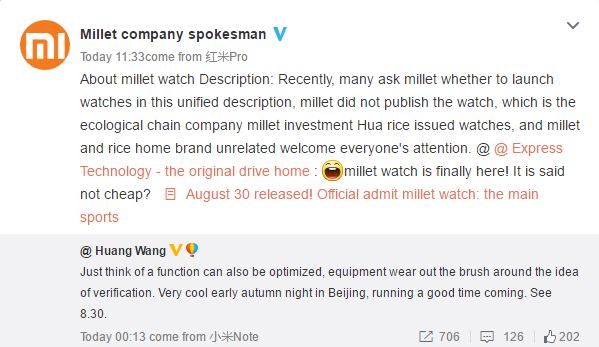
After the CEO, Hua Huang, posted on Weibo about the upcoming smartwatch, Xiaomi’s official spokesman responded to the post by saying that this is not Xiaomi’s watch but a Huami watch. While Xiaomi is truly working on a smartwatch, based on rumours and leaks, it is also said to launch this month as well but won’t have a low price tag.
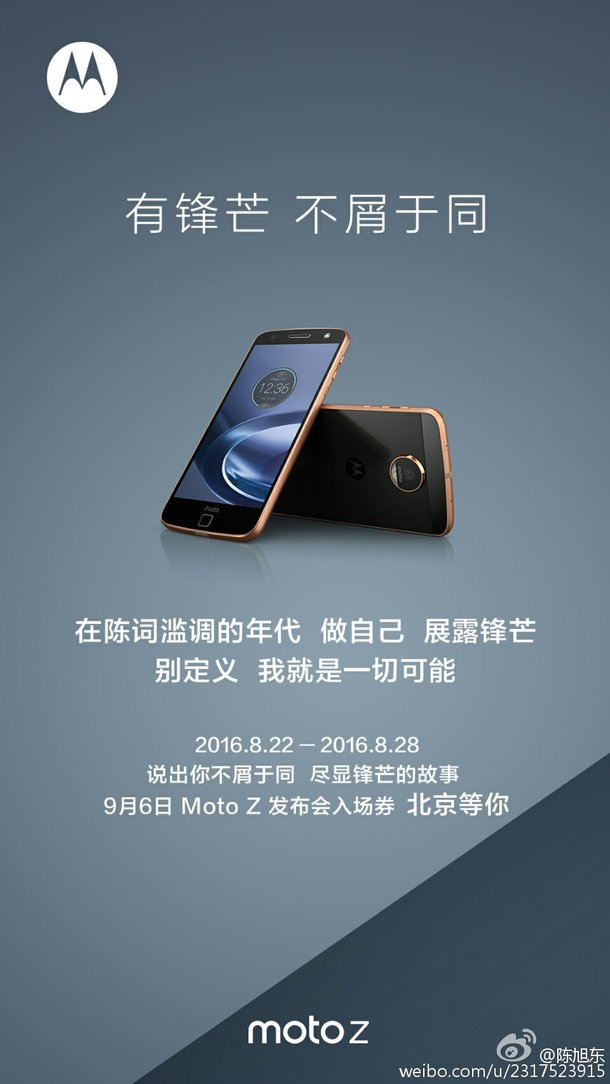
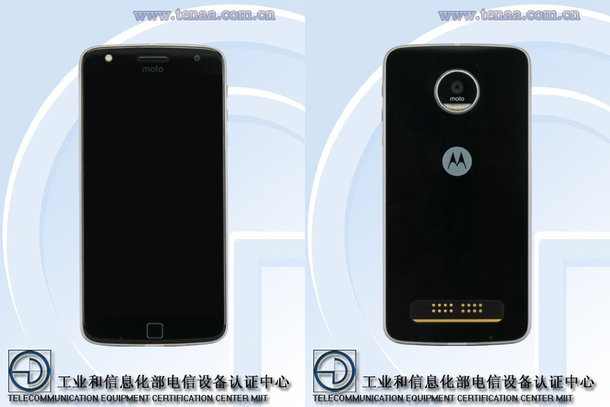
We had reported earlier on that the Moto Z will likely pop in China sometime in Septemberand that is about to happen. Lenovo has sent out invitations to a news conference billed for September 6 where the Chinese edition of the Moto Z will be officially released. This was officially announced today by Lenovo’s Mobile Business Group co-President, Chen Xudong on Weibo.
The potential release of the Moto Z in China is coming two months after the Moto Z and Z Force were released in the international market. The China version of the Moto Z, which may likely be launched alongside the Mot Z Force, is said to comepre-loaded with the One UI which is actually Lenovo’s Vibe UI 3.0 based on Android 6.0 Marshmallow. This interface will be exclusive to devices shipping to China so may not feature the Google Play Store but rather sport what appears to be a Chinese app store on the home screen.
The Moto Z is reputed to be the world’s thinnest flagship with a 5.2mm thickness. The Moto Z and Z Force both come with 5.5-inch AMOLED display with 2k resolution and powered by the Snapdragon 820 chipset. The both devices also feature 4GB RAM and two memory sizes of 32GB and 64GB respectively.
However, the Moto Z and Moto Z Force differ in the camera specs and battery capacity. While the Moto Z comes with a 13MP main camera and 8MP front-facing camera setup, the Z Force features a large 21MP main camera and 8MP camera up front. Both cameras are said to feature OIS and laser focus.
The Moto Z Force will also feature a 3500mAh battery with Turbo fast charge which delivers up to 50% charge is just 15 minutes. The Moto Z on the other hand, comes with a 2600mAh battery. Both versions also come with the MotoMods magnetic technology inside but only the Z Force will feature a Shatter-Shield on top of its display to protect against screen damage.
As for the price of the flagship devices, the Moto Z is said to likely start at 2998 yuan ($448), whereas the Moto Z Force is rumored to carry a price tag of about 5288 yuan ($790).
Teclast has been known for making some pretty good cheap Android Tablets. The X98 Plus II is one of their latest offerings and it brings quite a lot of value to the table for less than $150. Learn more in our full review.
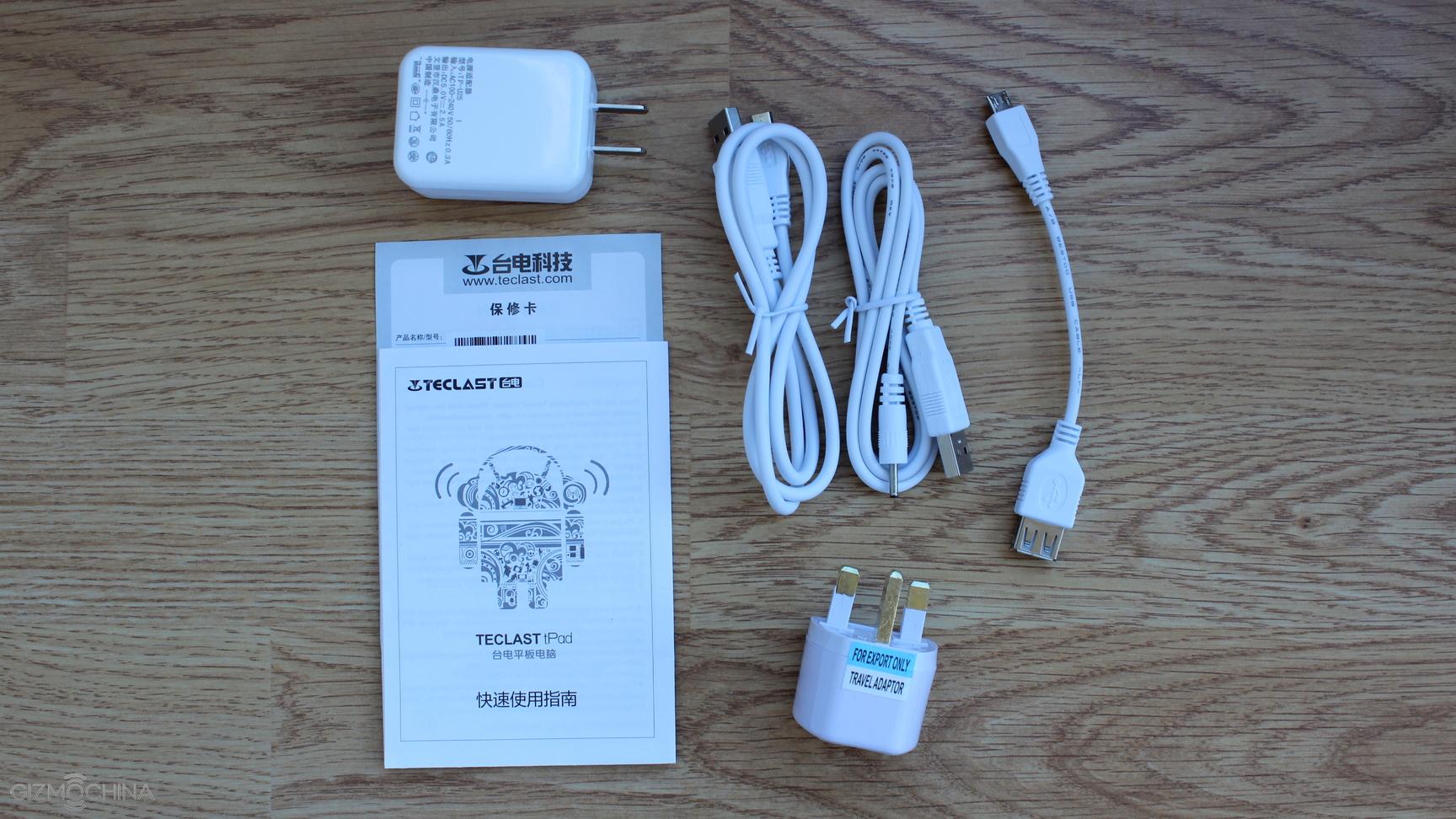
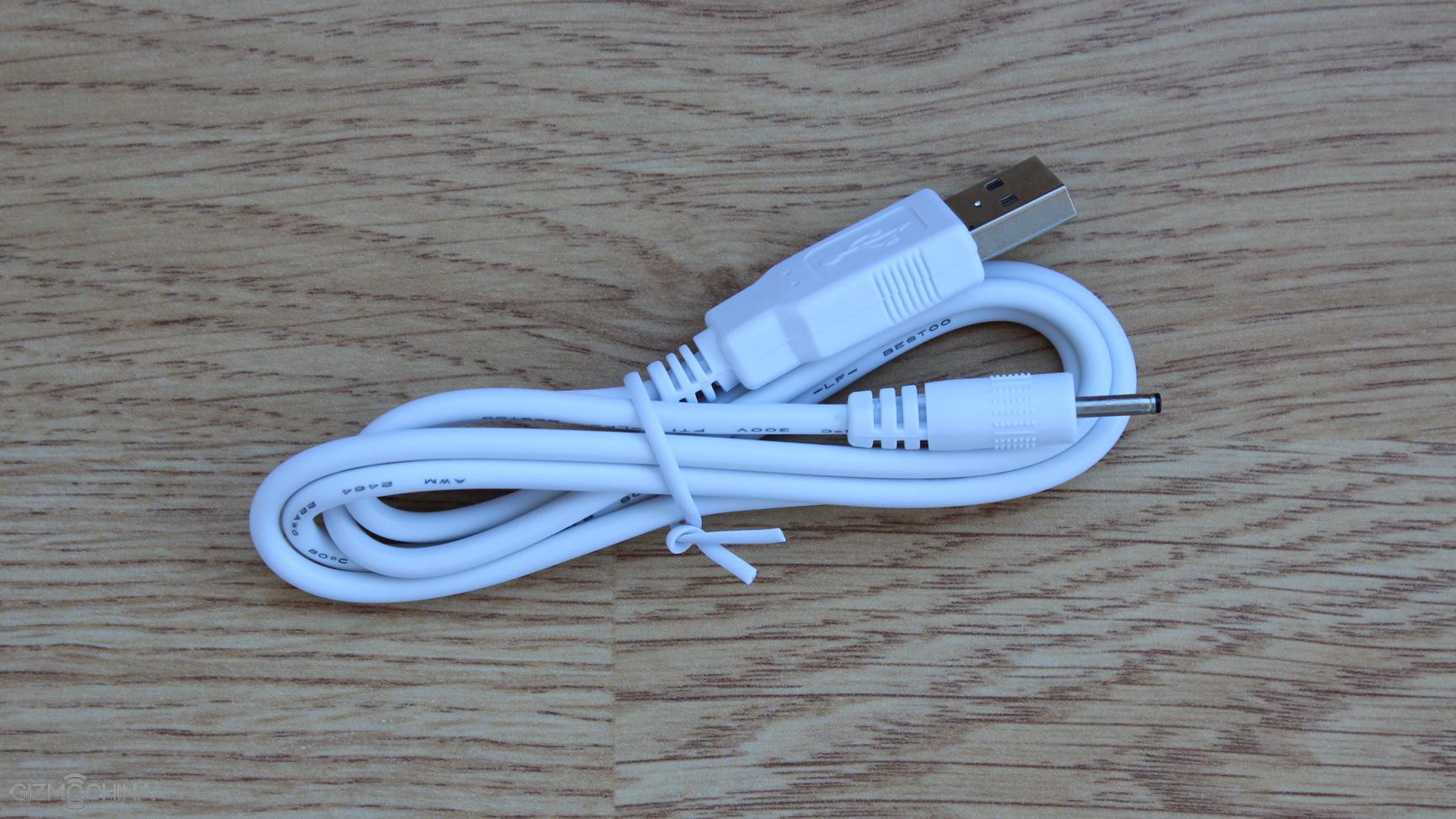
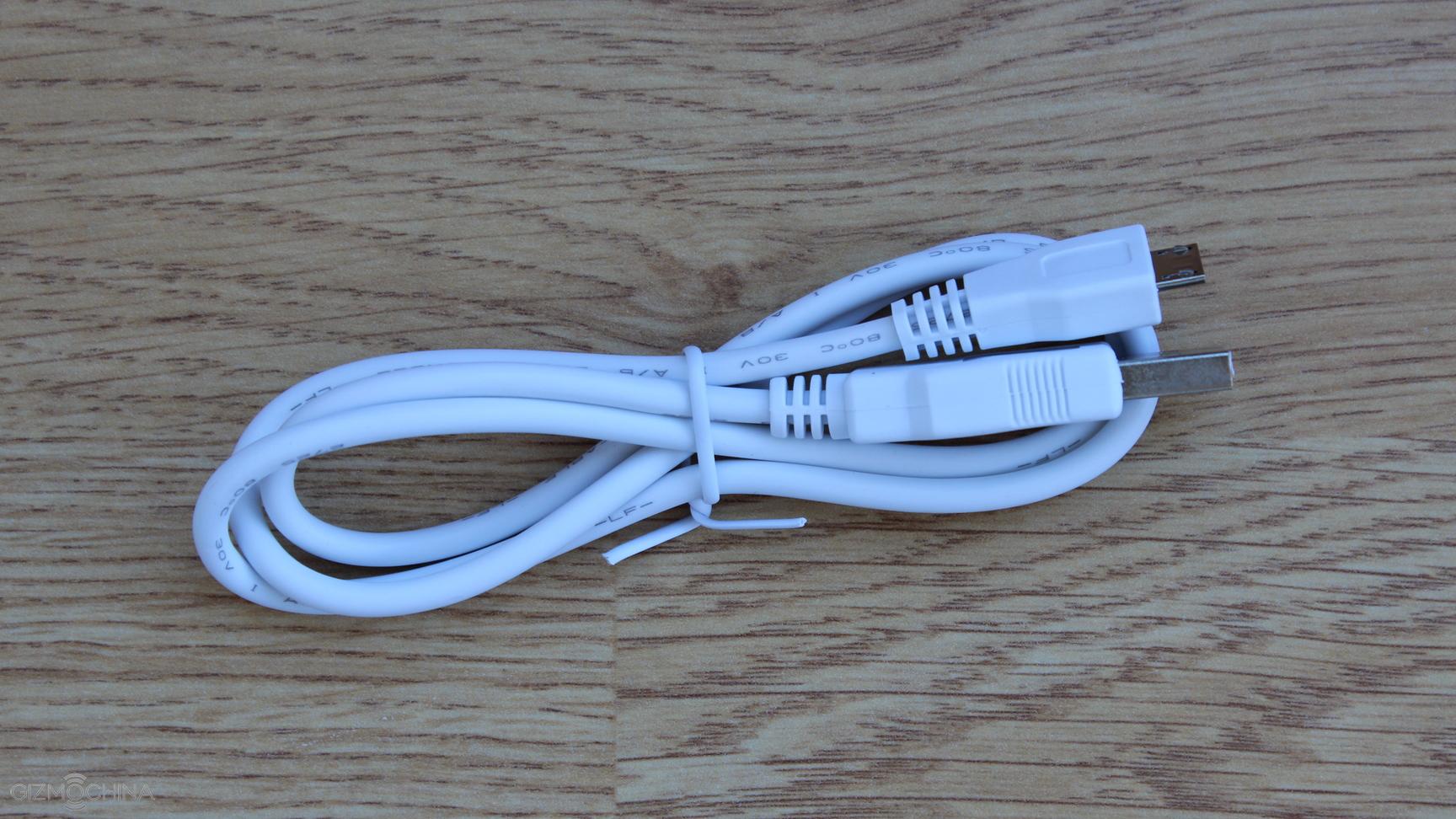
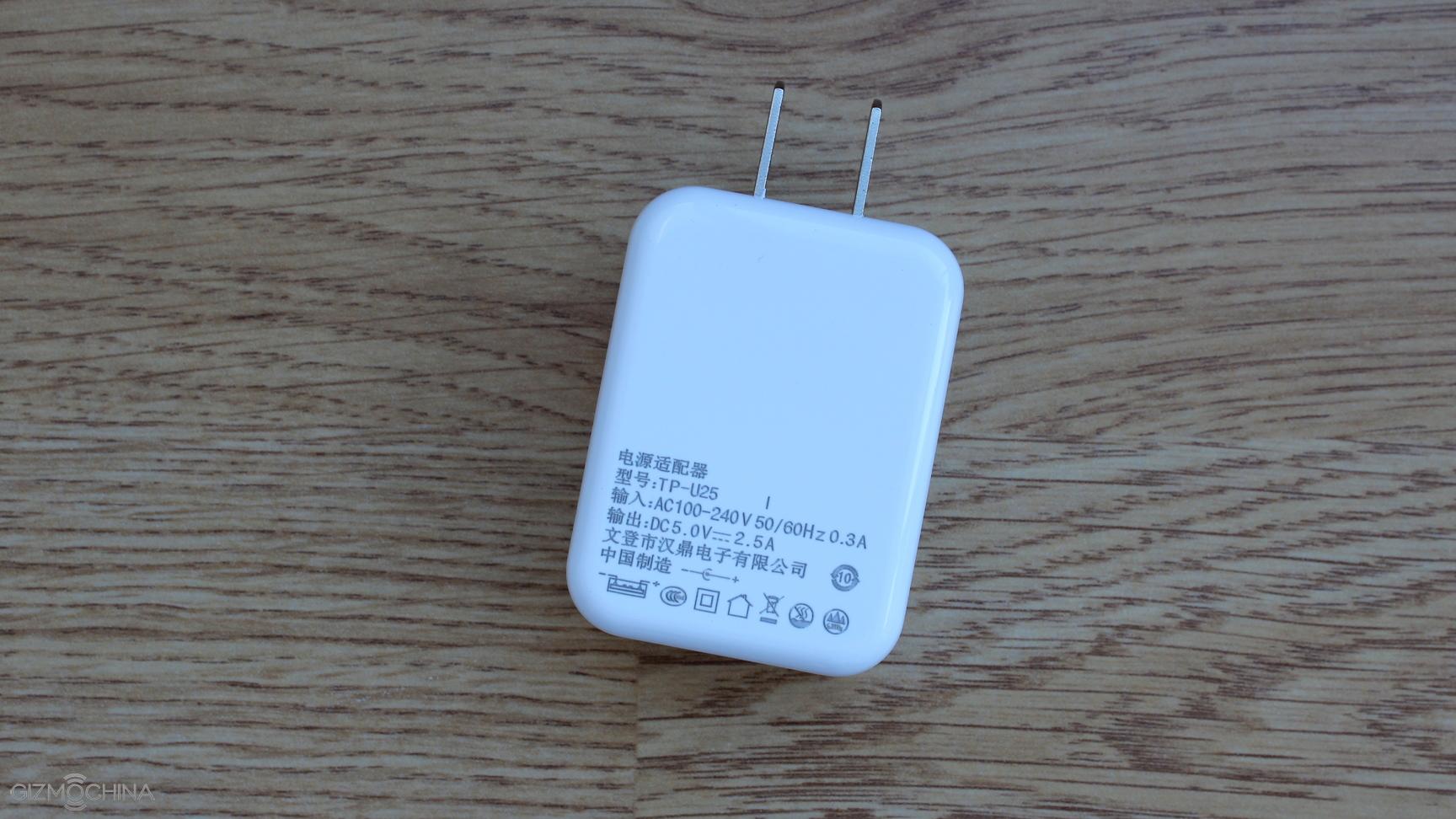
The tablet ships with a charging brick, which has the power output of 2.5A, some paperwork and USB OTG cable. In addition to the regular micro USB cable, Teclast included a proprietary cable for fast charging.
Bluetooth, micro HDMI, DC, micro USB, microSD, 3.5mm headset jack
Battery
7.800 mAh (non-removable)
Dimensions
250x165x8mm / 583g
OS
Android 5.1
Storage
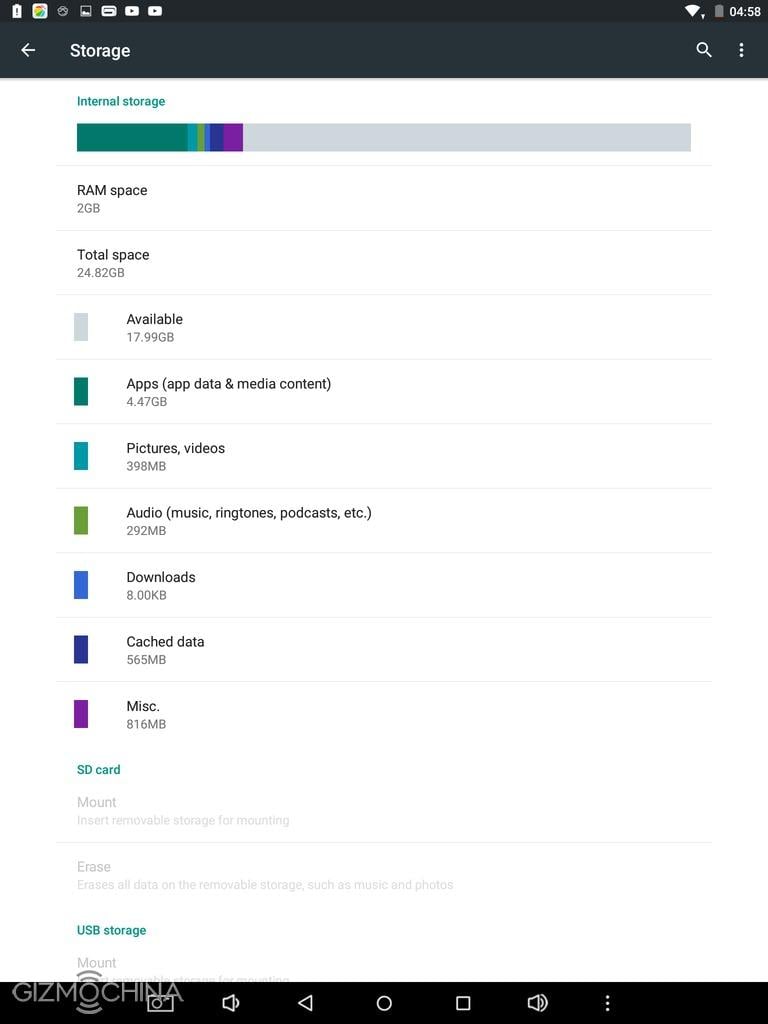
32GB (expandable via microSD card slot up to 64GB)
Teclast X98 Plus II Review: DESIGN and DISPLAY
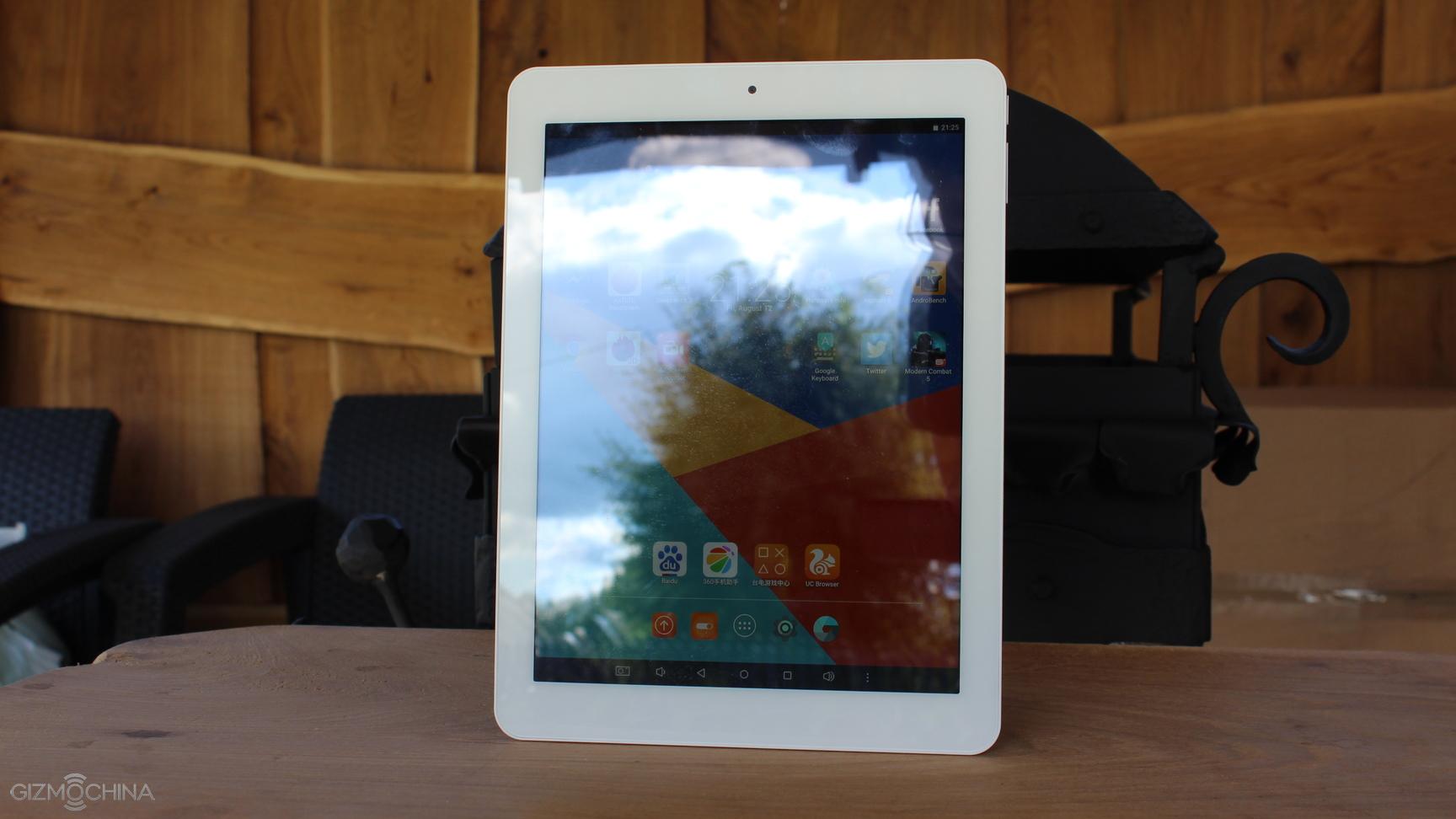
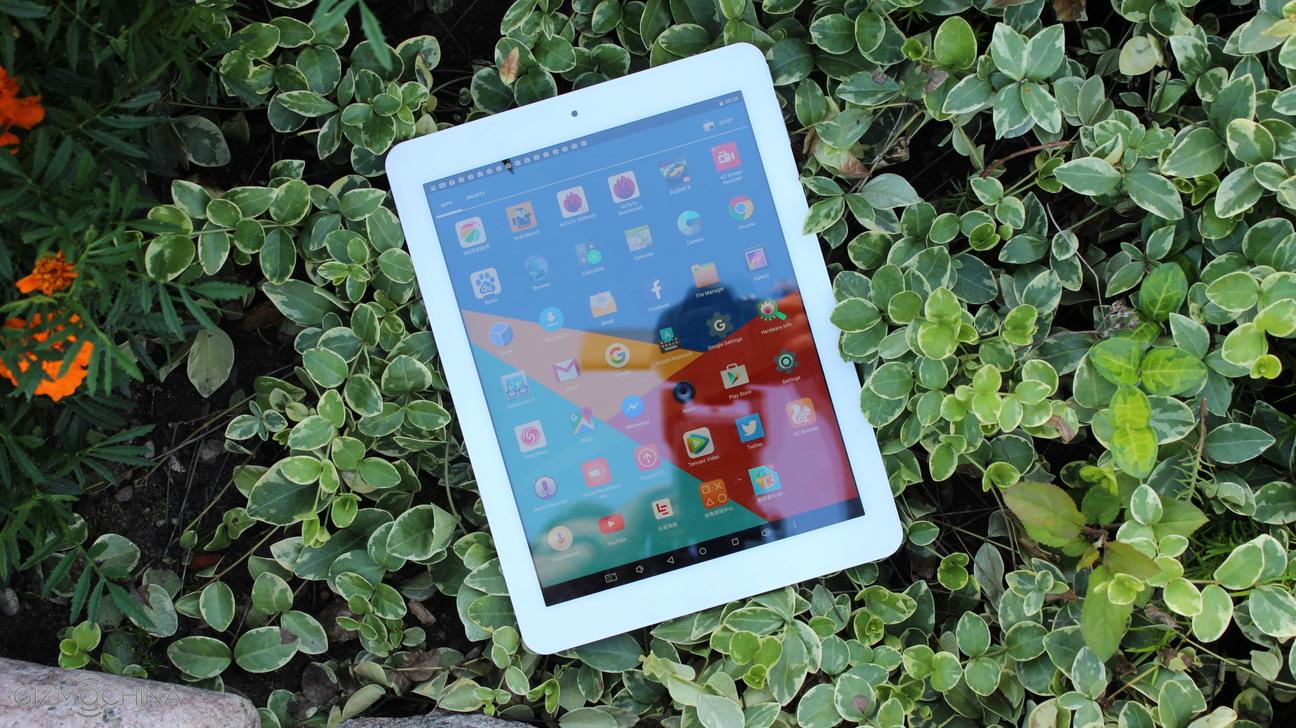
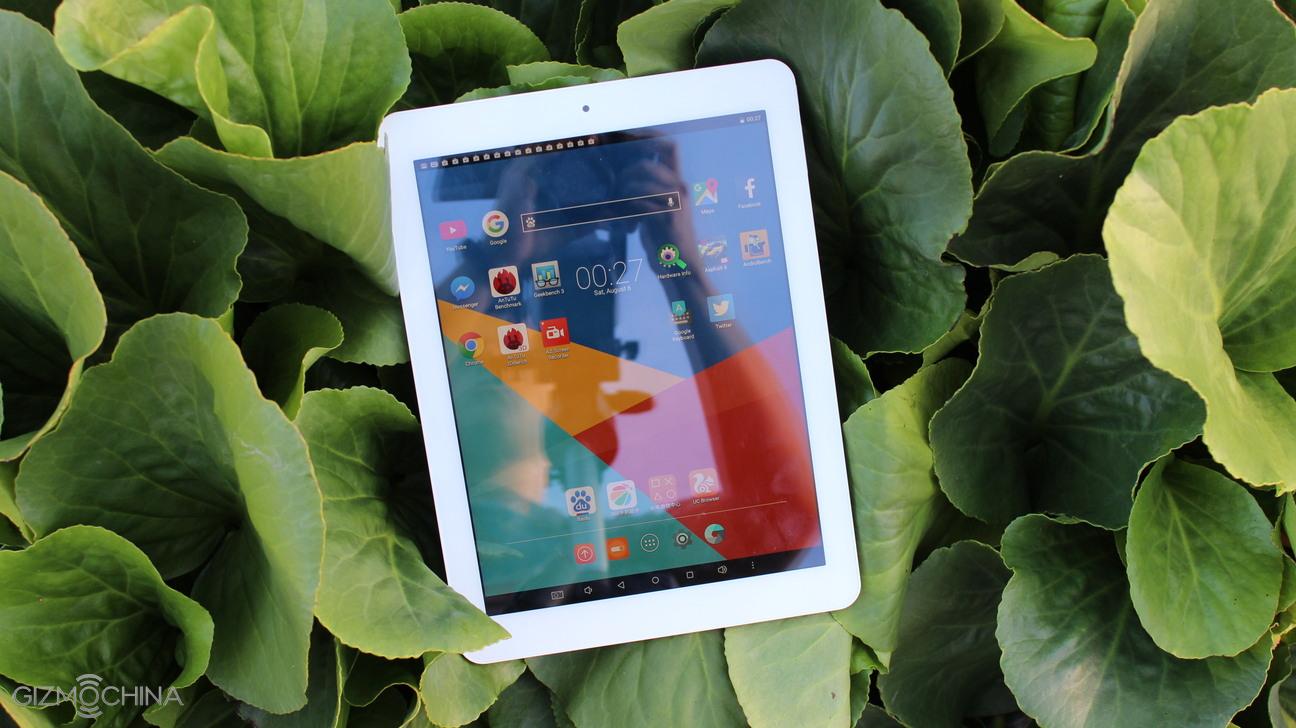
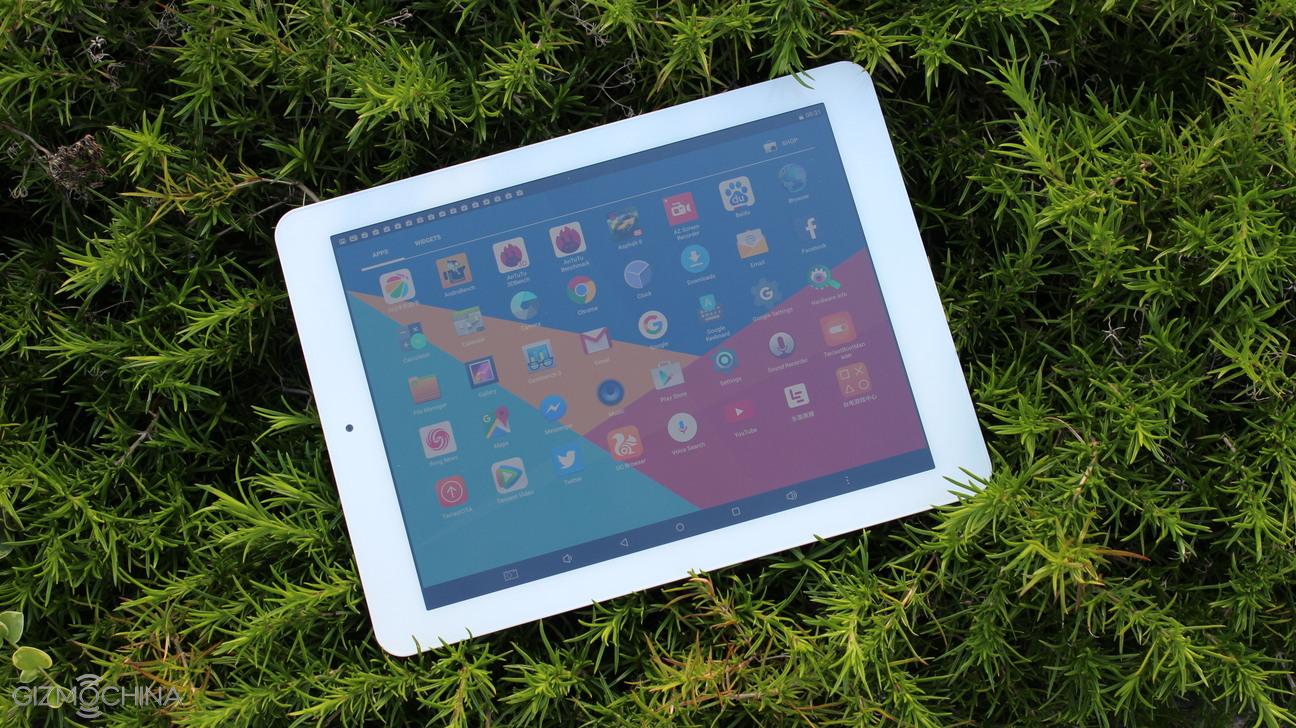
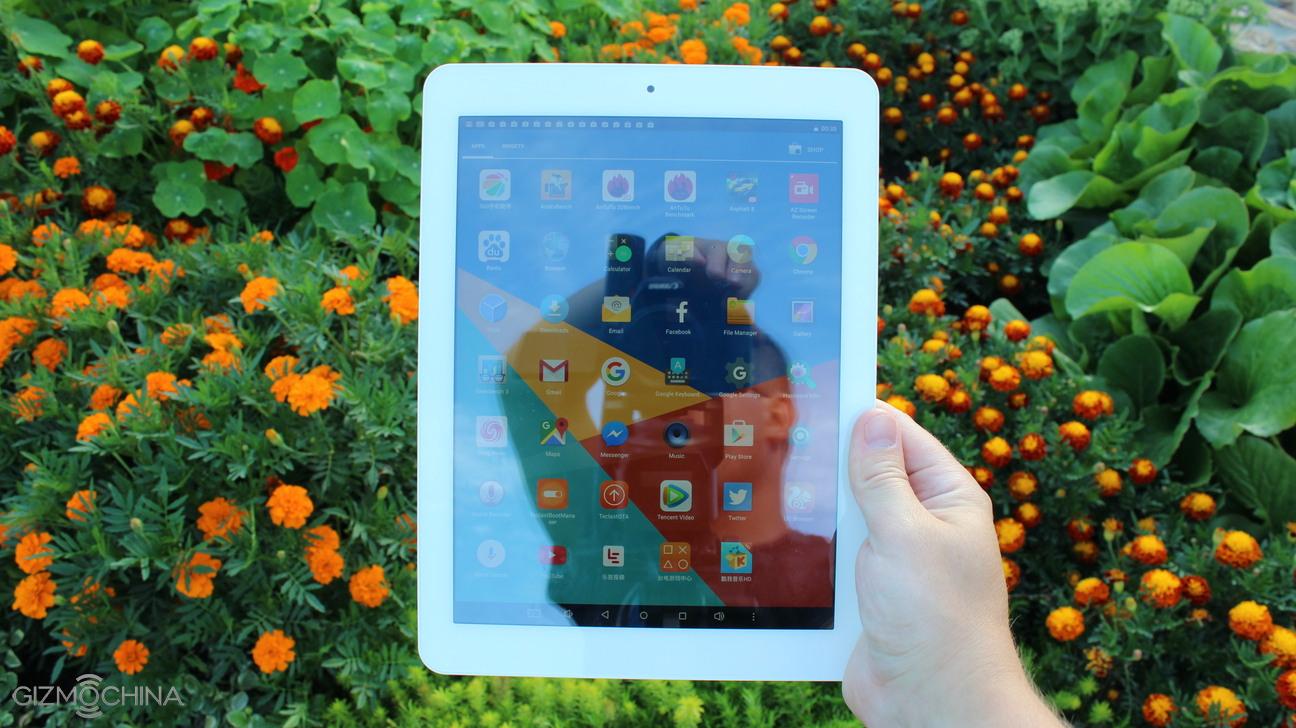
The Teclast tablet sports a 9.7” display, which makes the tablet similar to the iPad Air in terms of the size.
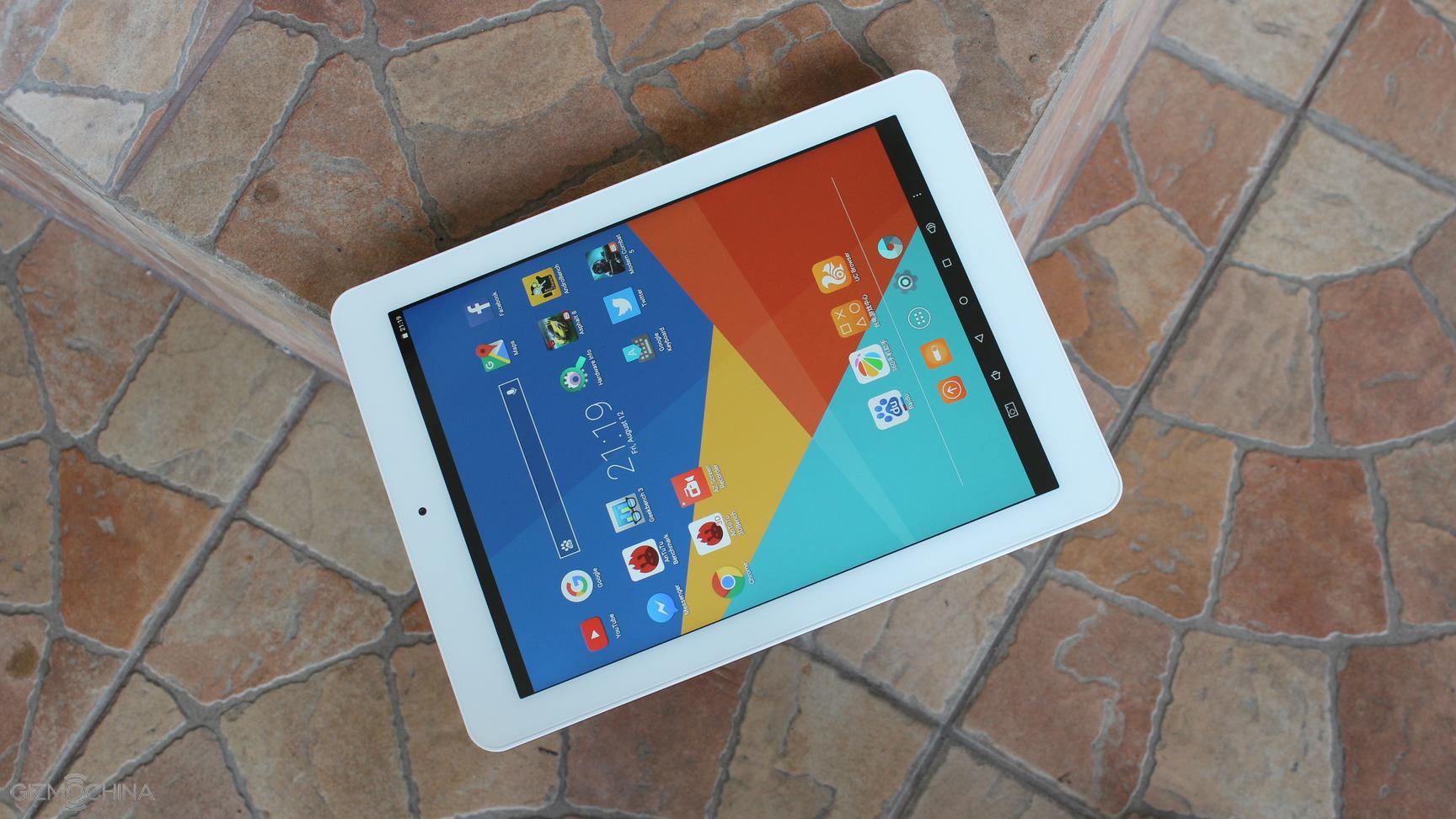
Speaking of the display, we have a 2048×1536 IPS LCD panel, which is sharp and has a decent colour reproduction. However, the display is a little bit reflective if you use the tablet outdoors.
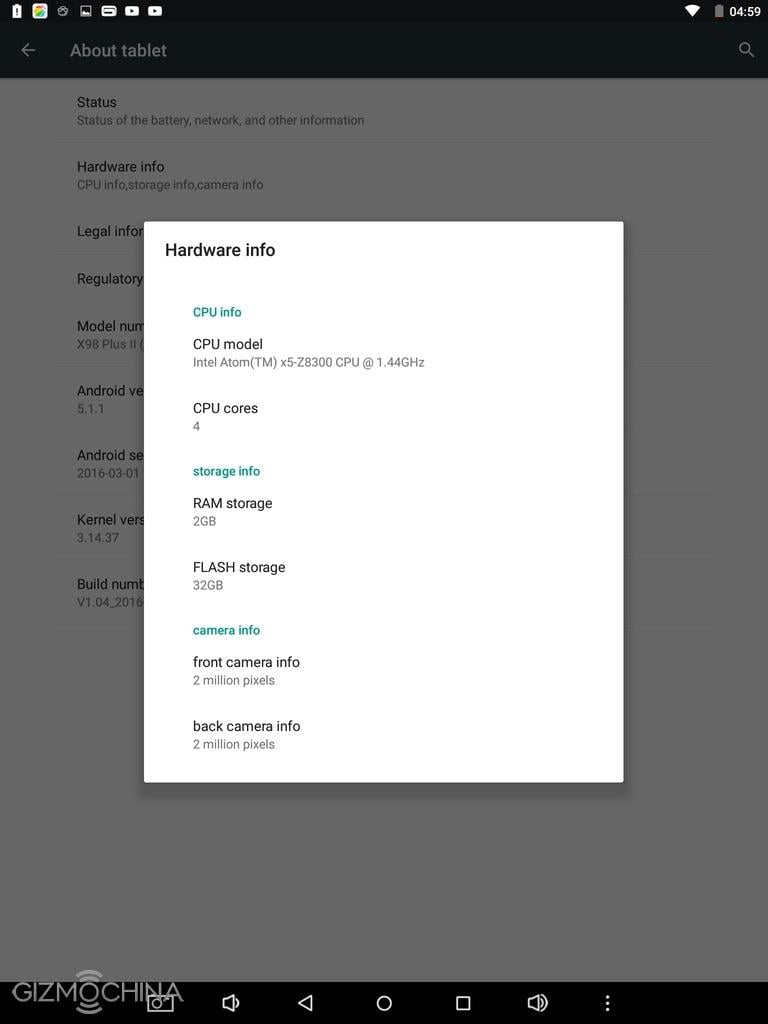
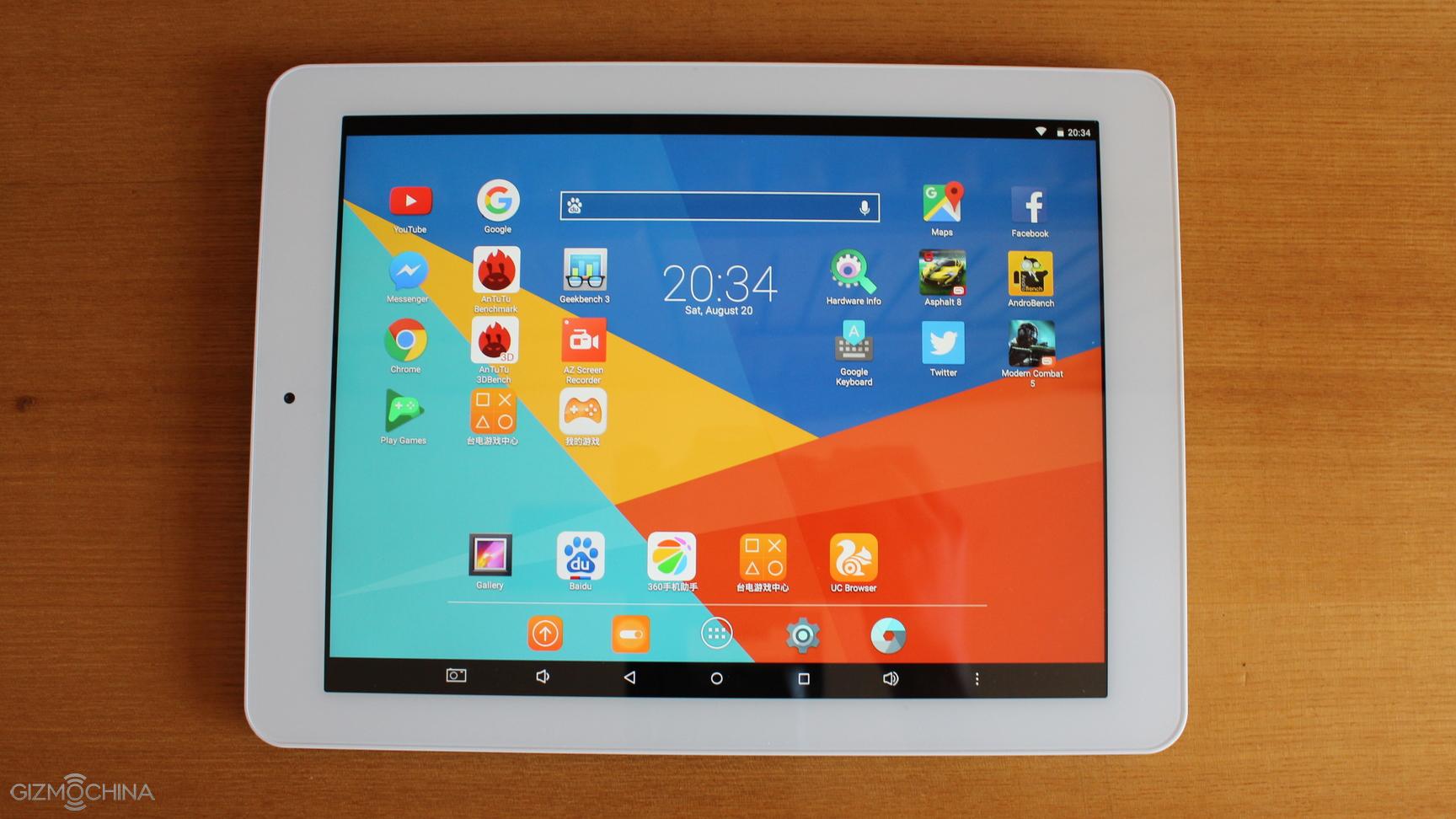
Just above the display, there is a 2MP selfie camera. The tablet has only on-screen navigation buttons like many other cheap tablets.
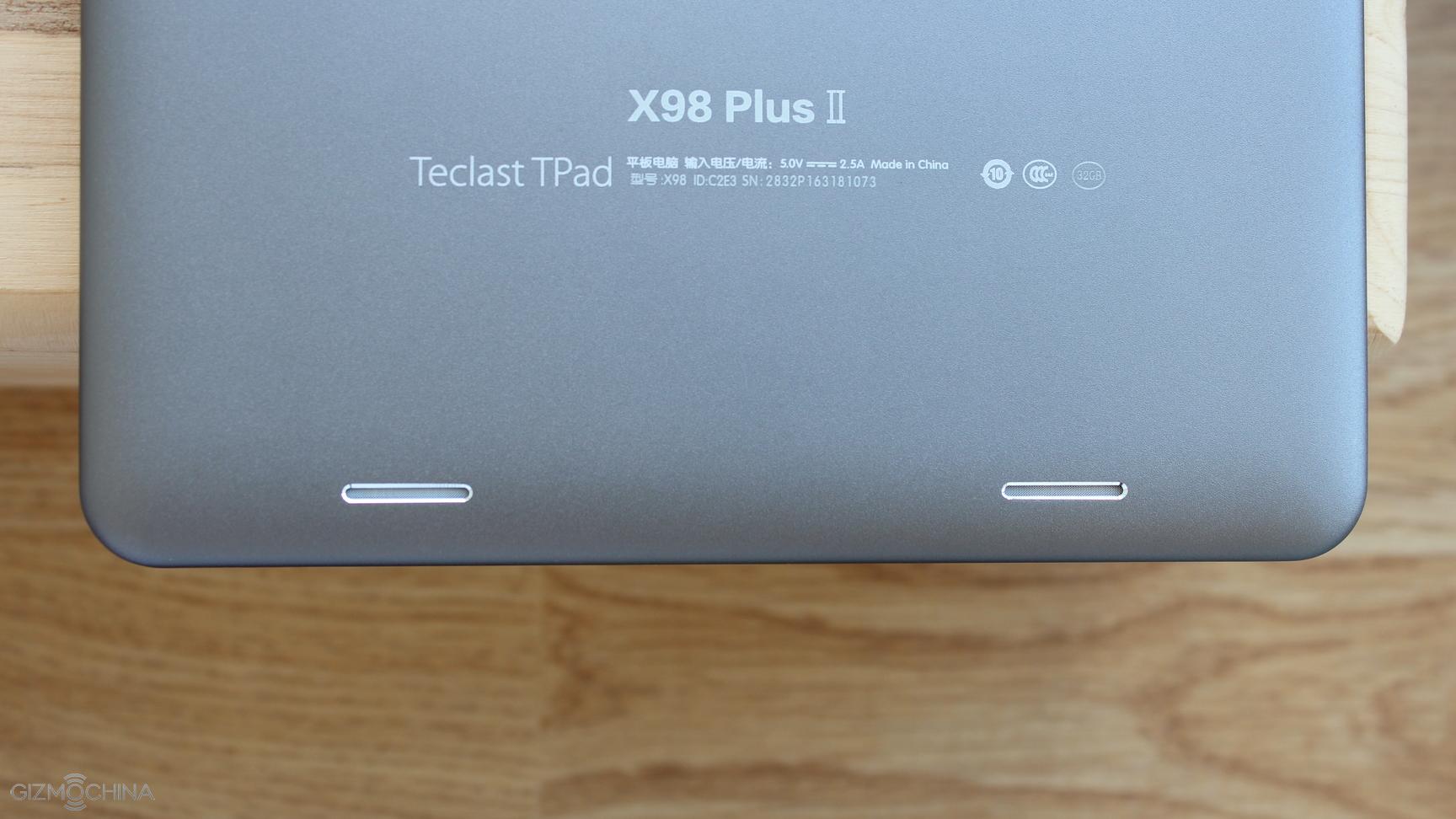
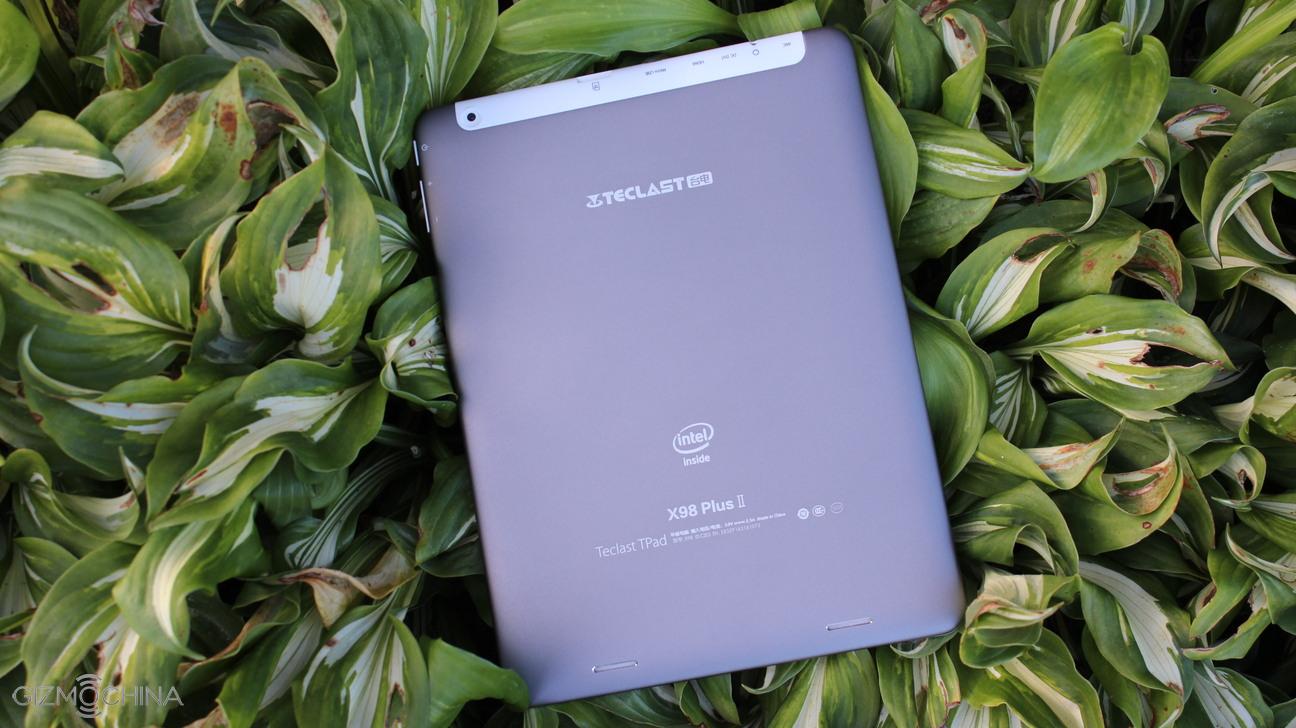
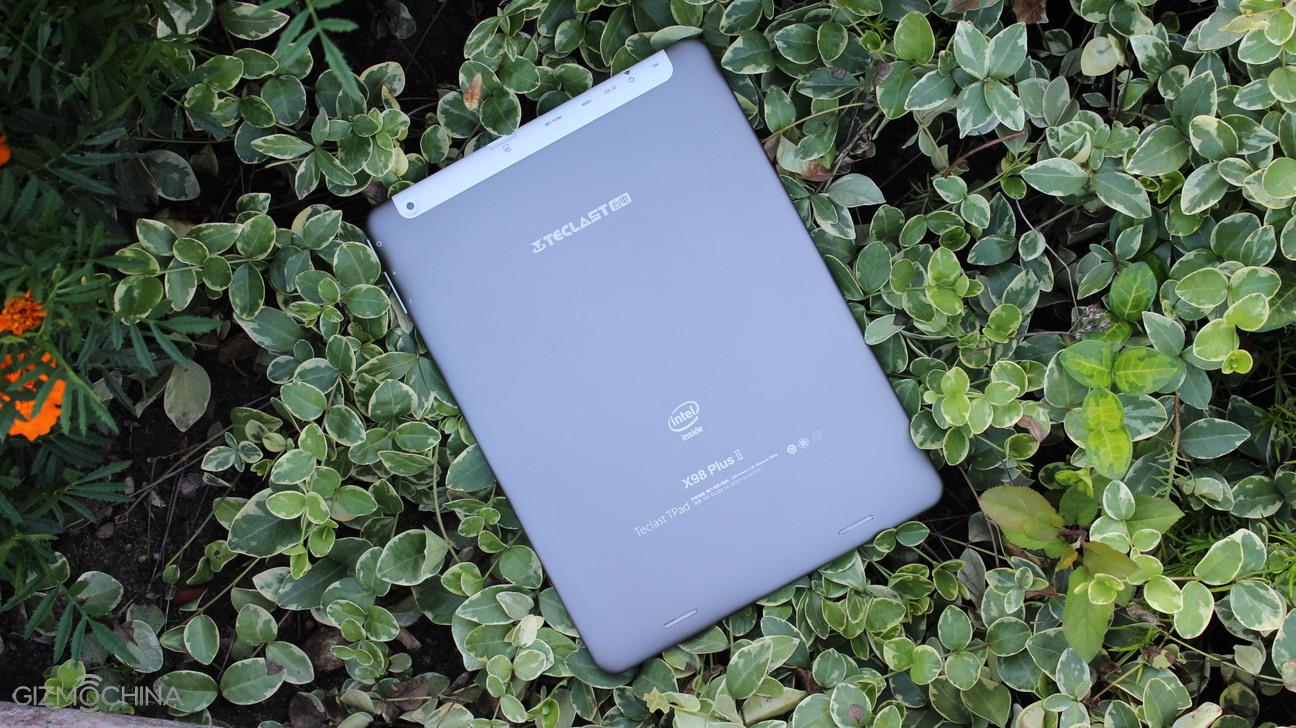
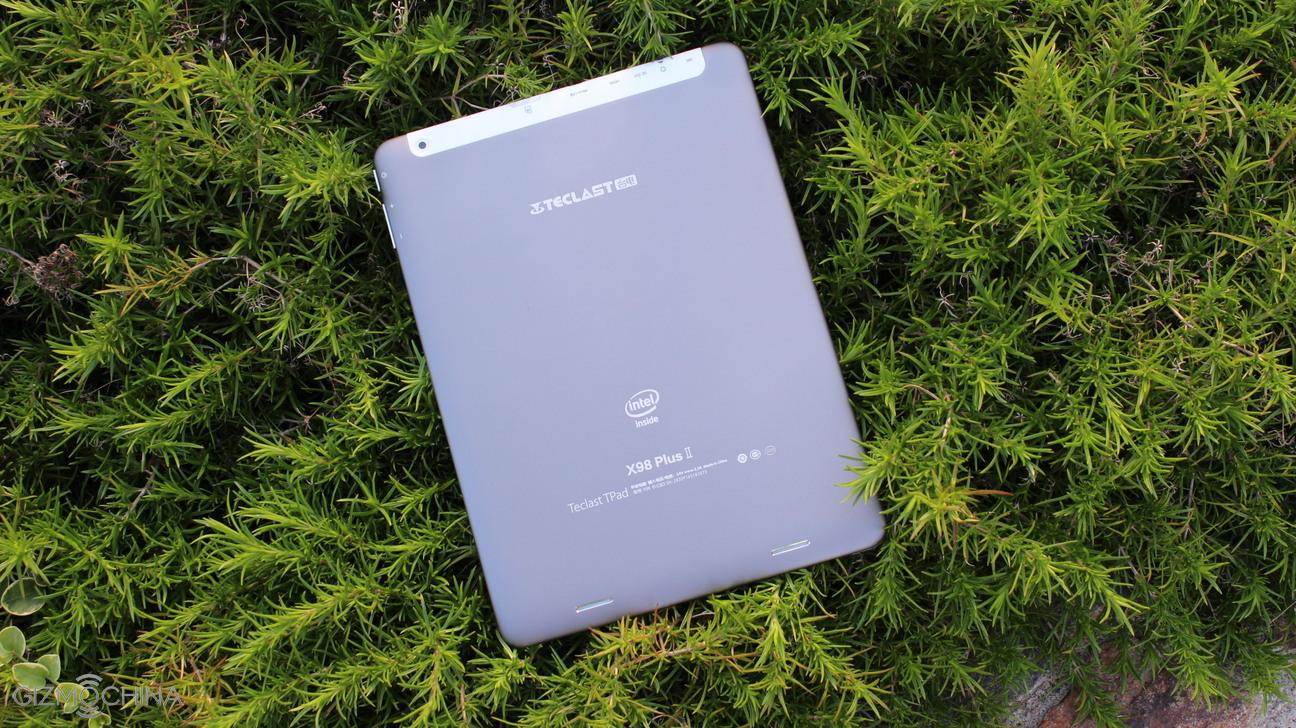
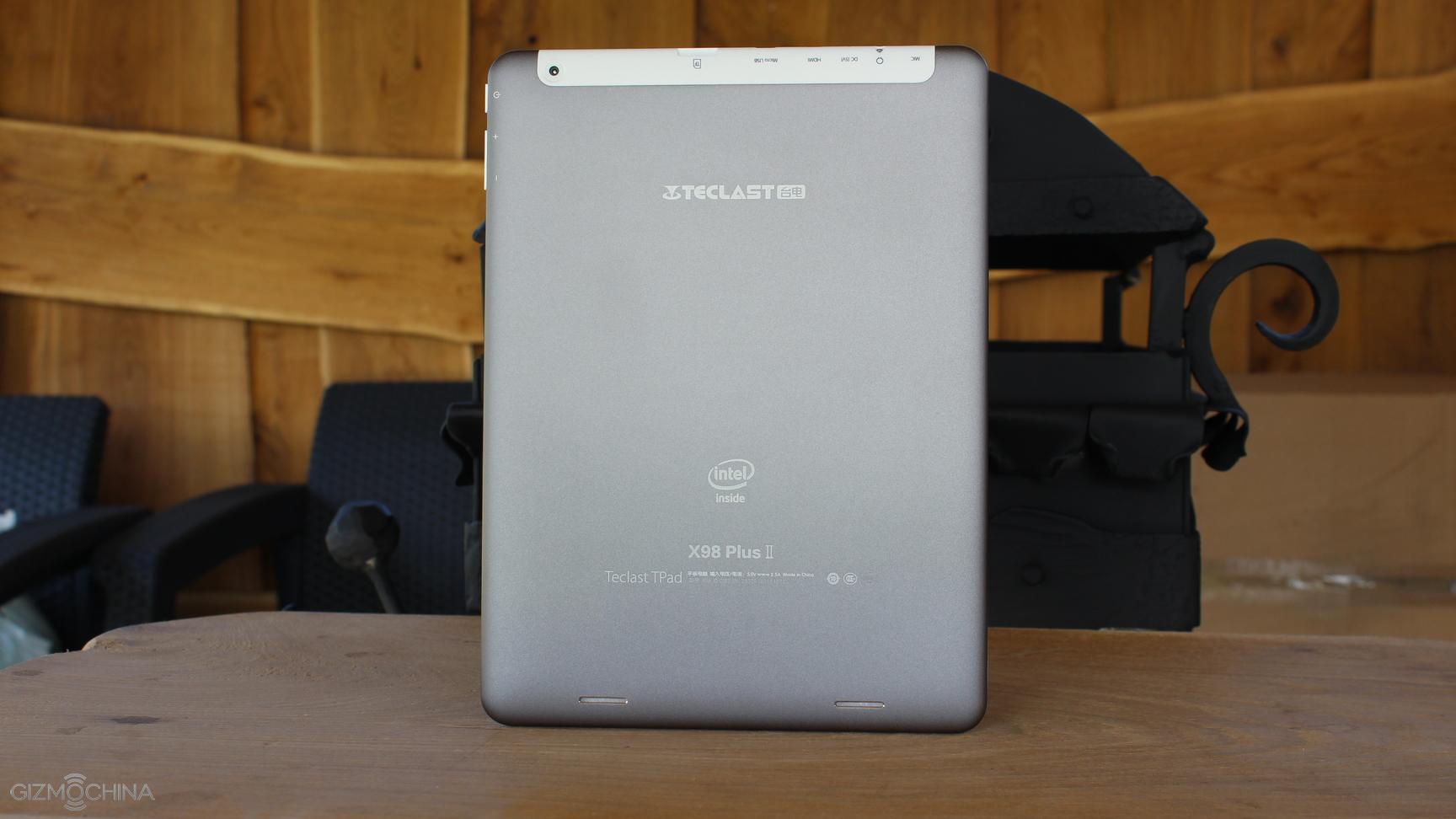
The tablet sports a metal backplate, which adds a little bit of a premium look and feel. It has a somewhat textured coating and thus, it does not attract fingerprints so easily.
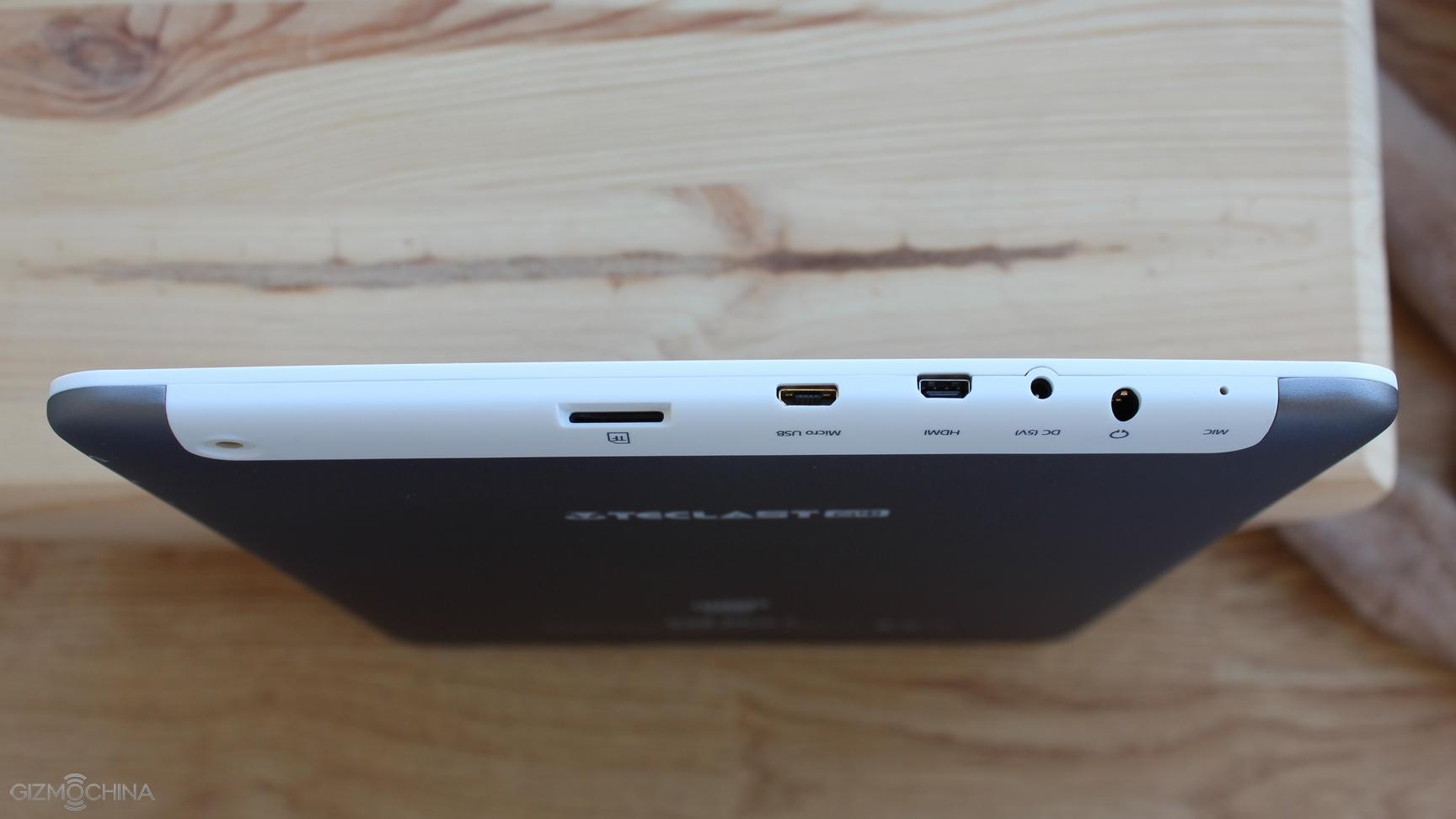
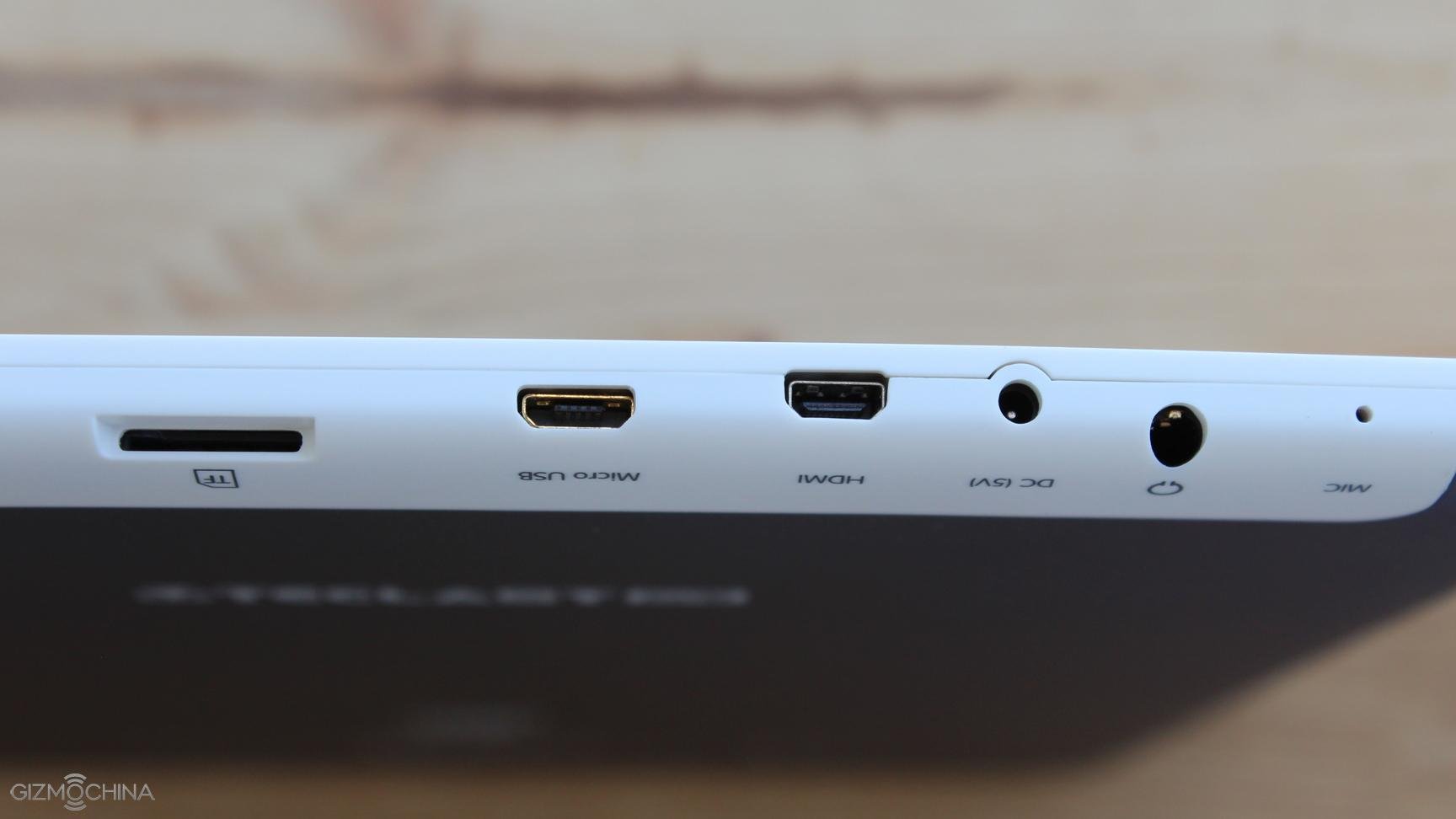
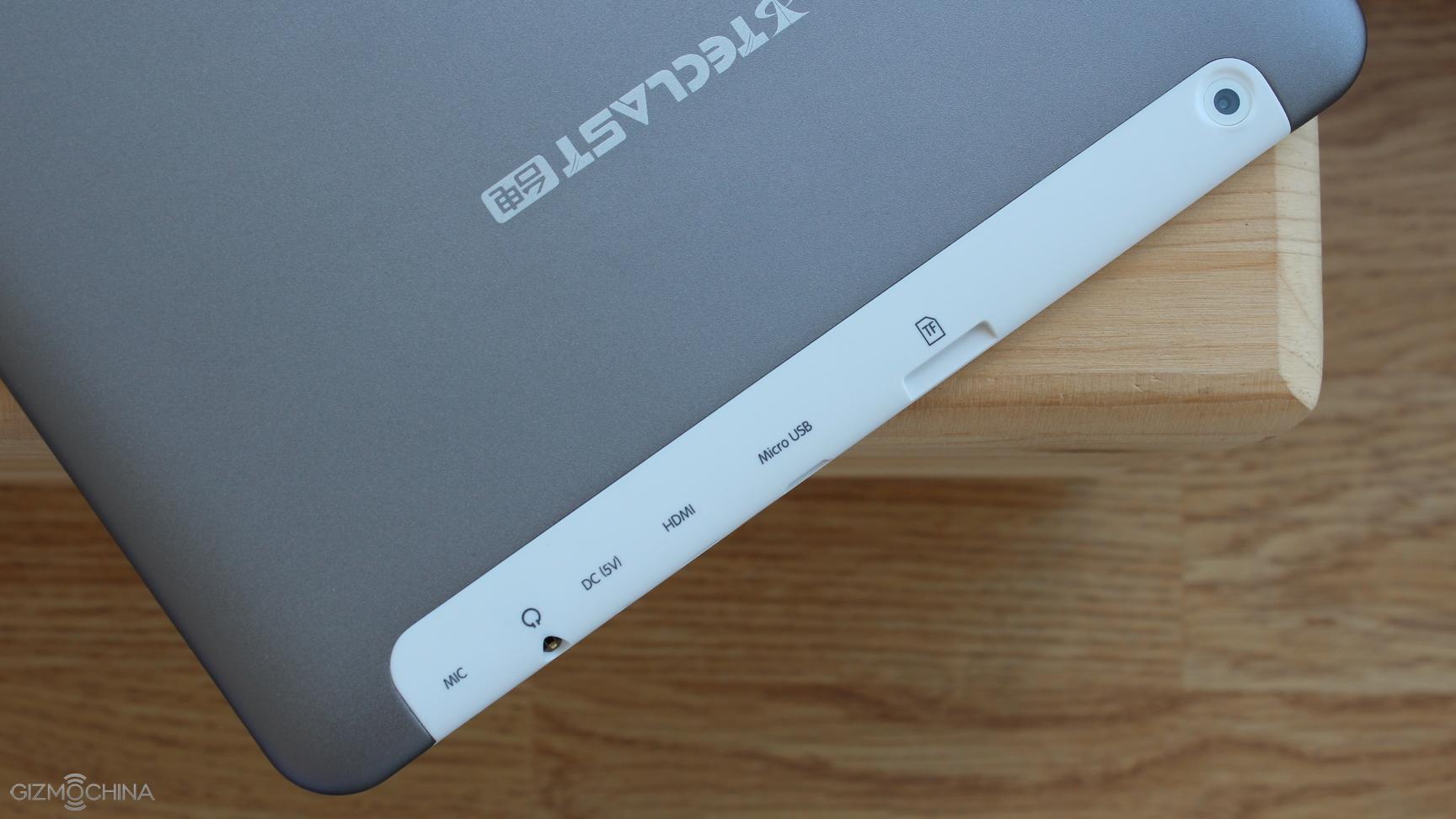
On the top, there are all the ports that include a headset jack, DC power input, HDMI and micro USB ports, and the microSD card slot.
As far as camera, we only have a 2MP shooter.
The loudspeakers sit on the back and I was not blown away be the quality of sound as it lacks depth and balance. On the other hand, most of the cheap tablets have mediocre sounding speakers.
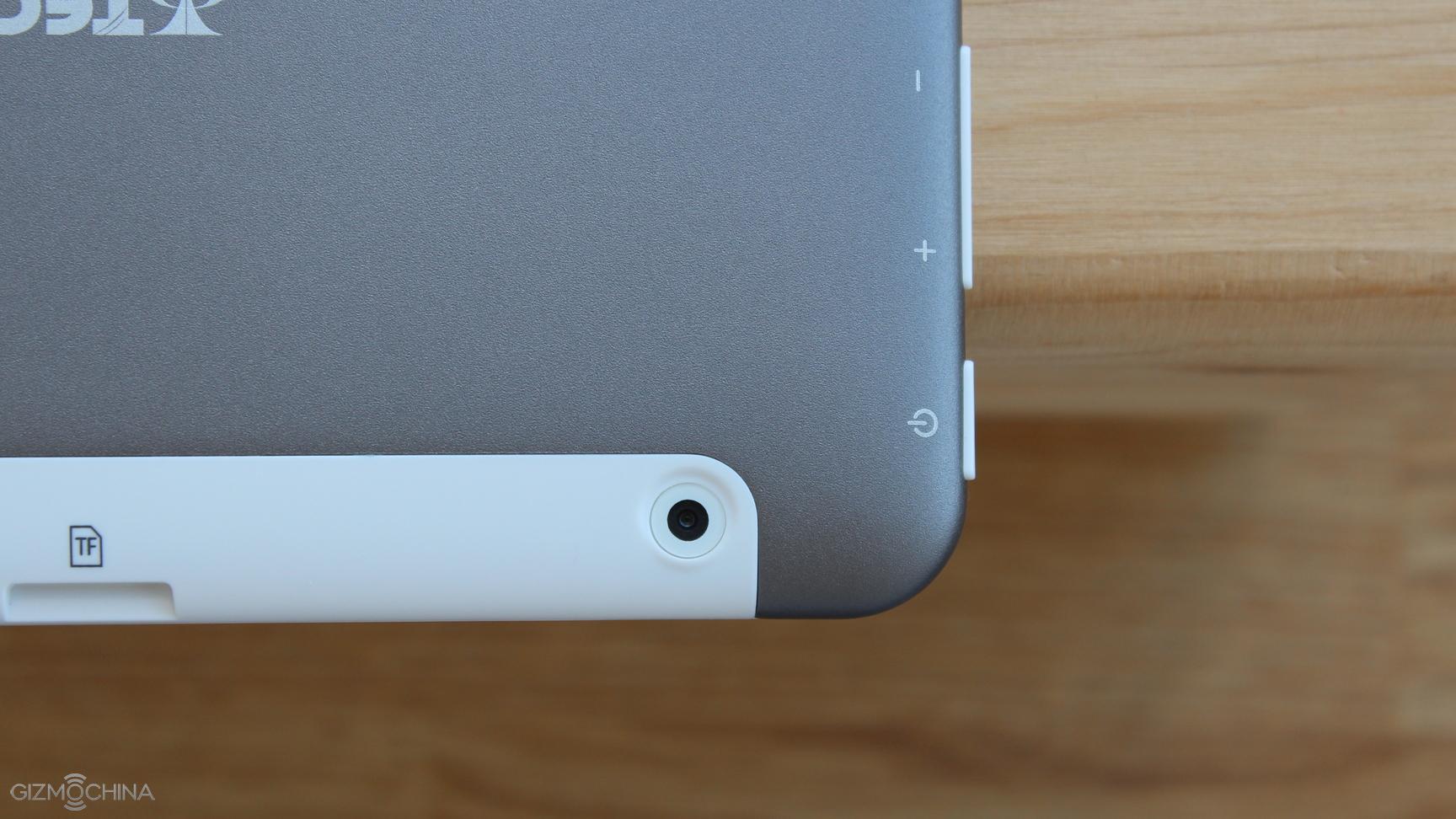
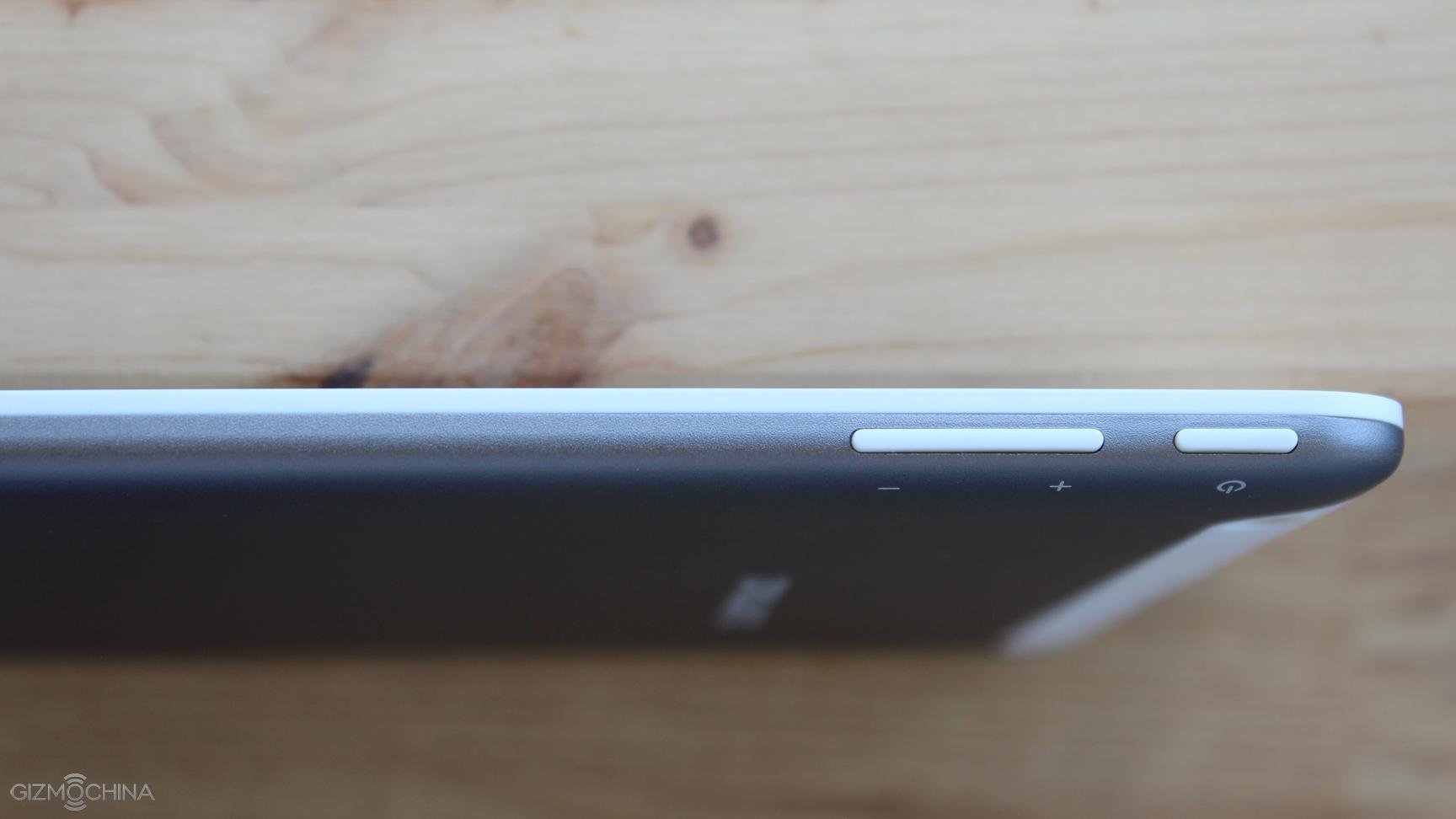
All the buttons are on the right side of the tablet. Although they feel a bit plasticky, the buttons have a good tactile feedback.
Overall, the tablet is well-built and the addition of metal in its construction, makes it look even a bit more expensive than it is.
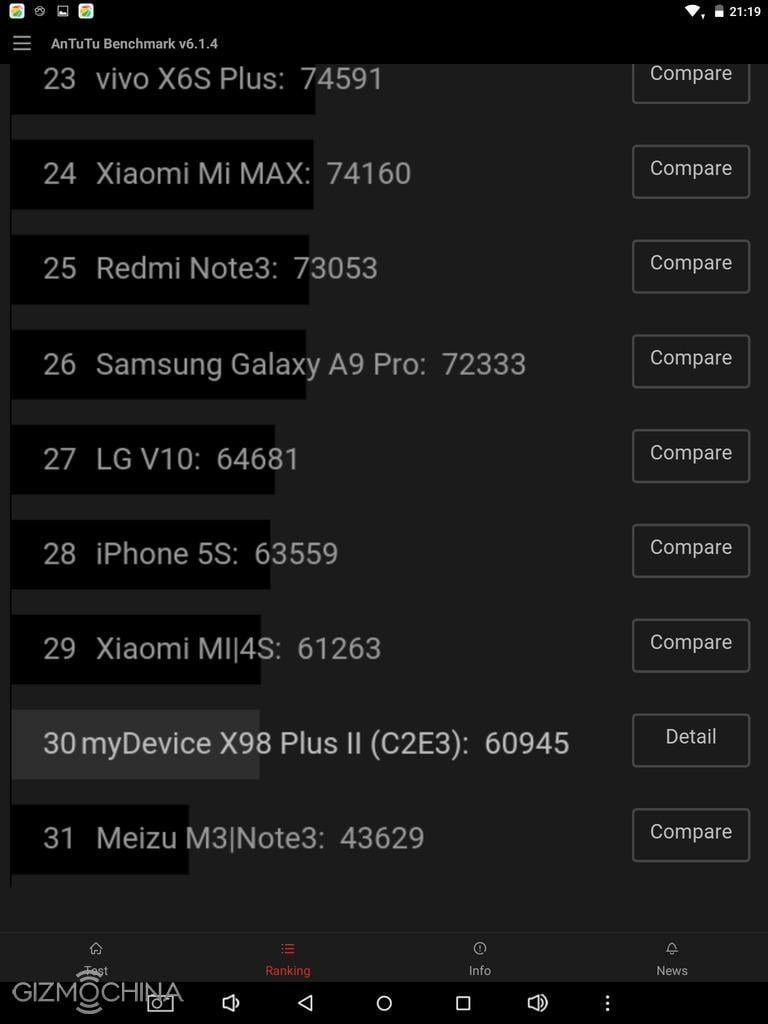
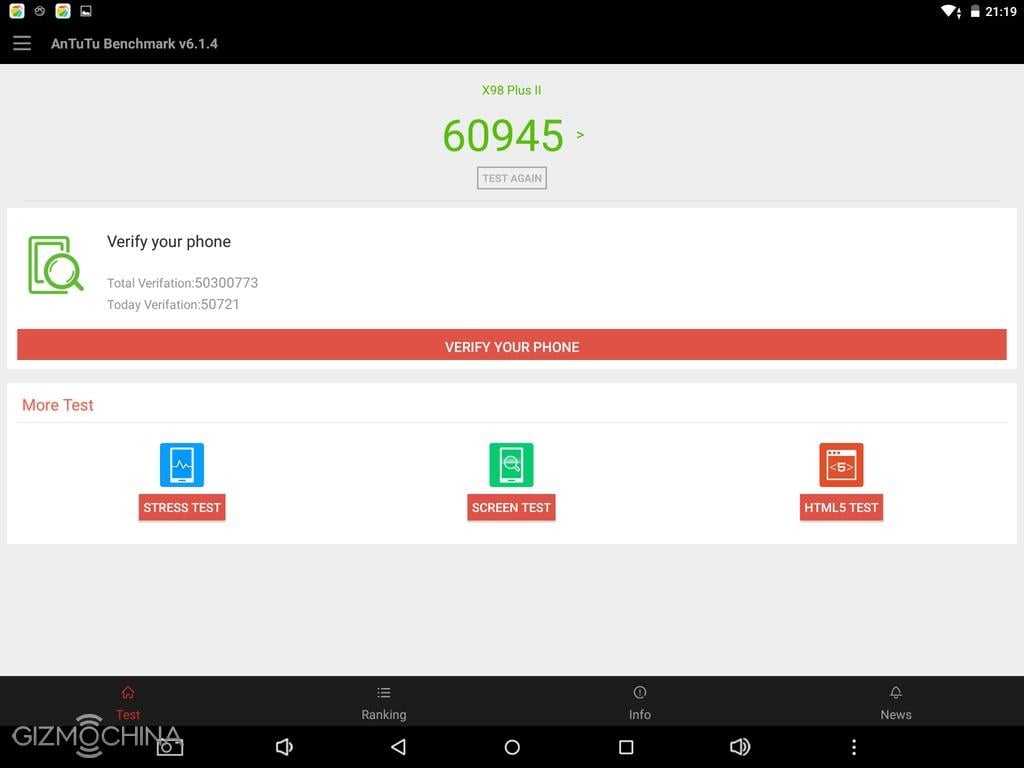
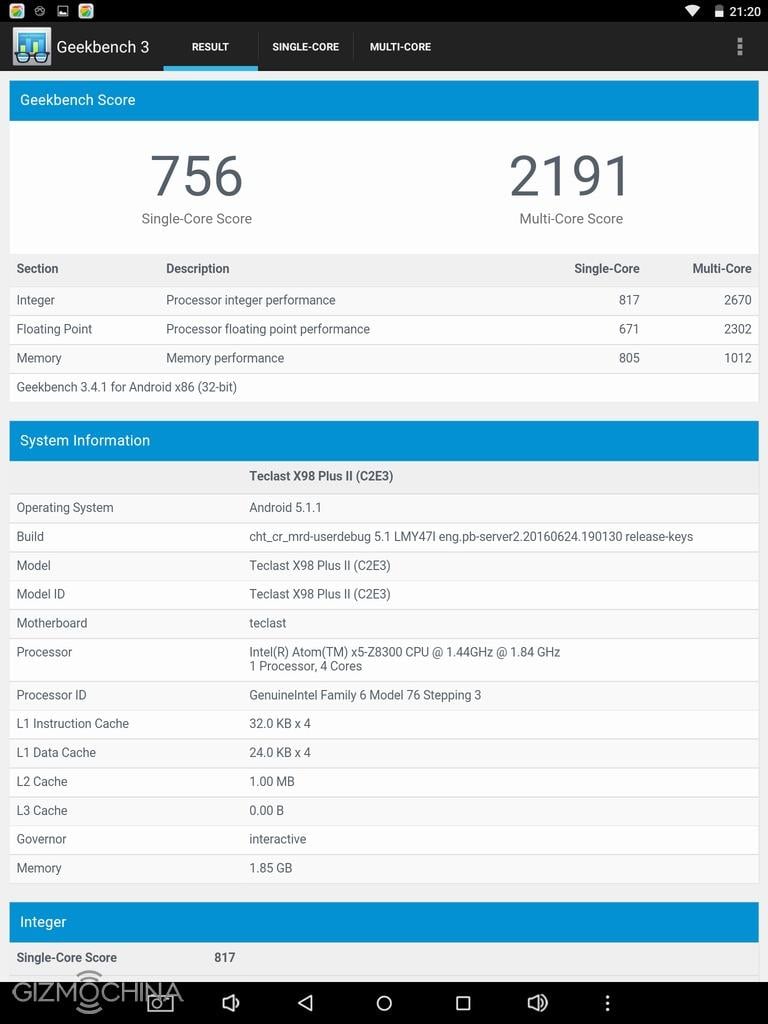
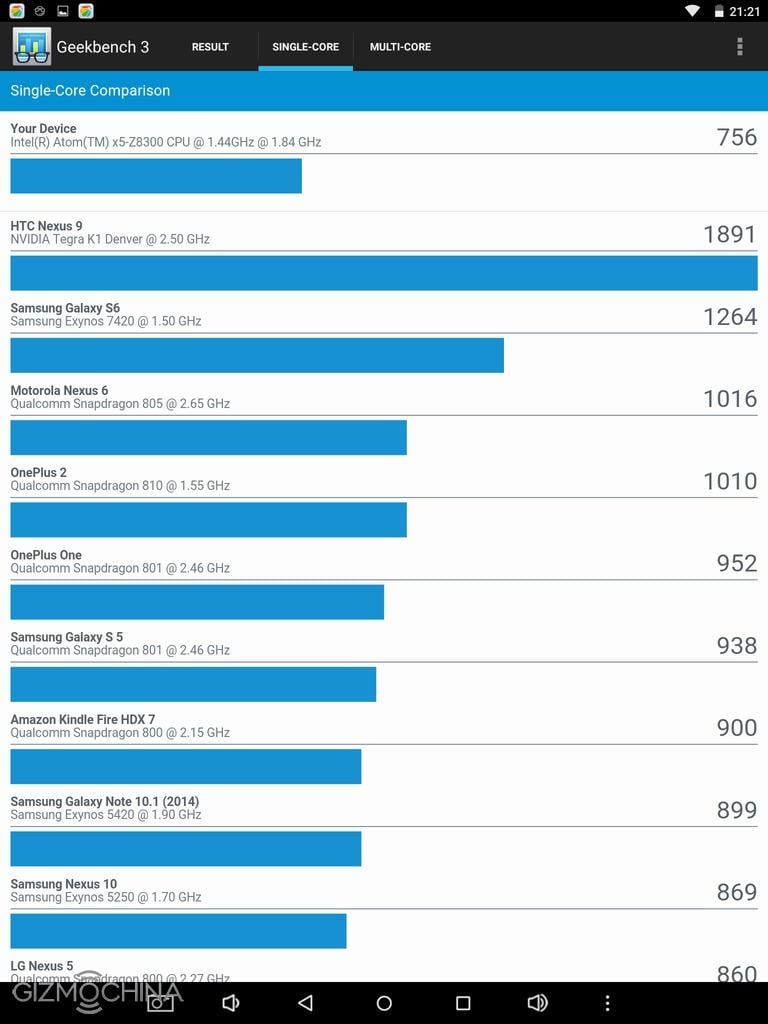
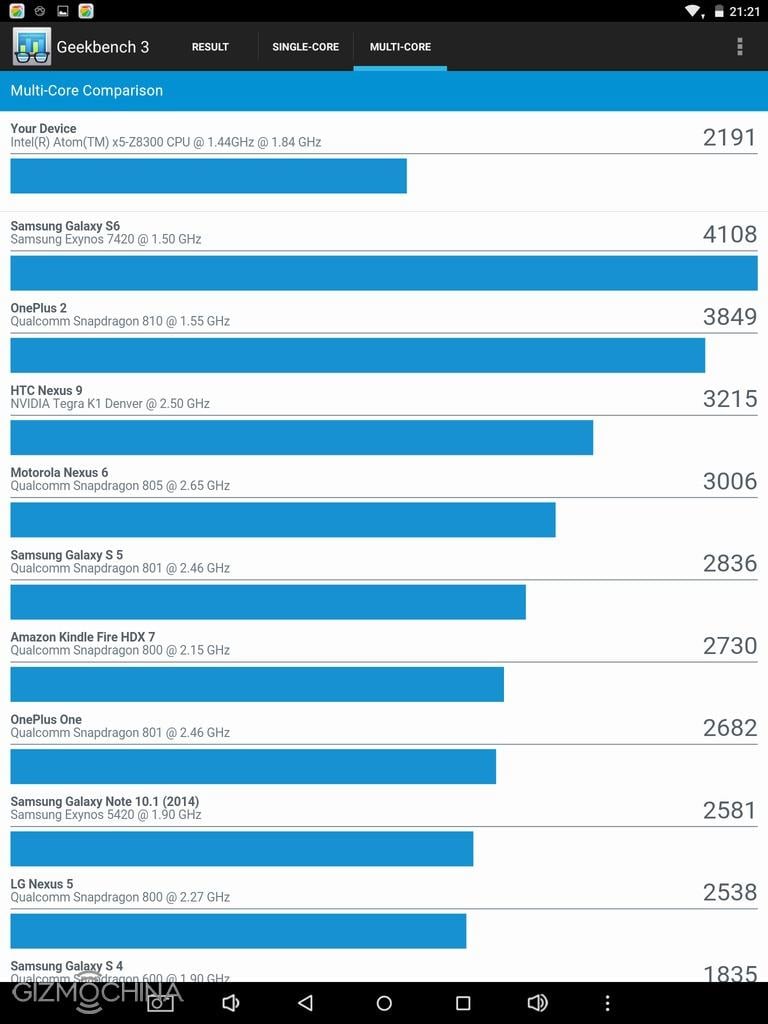
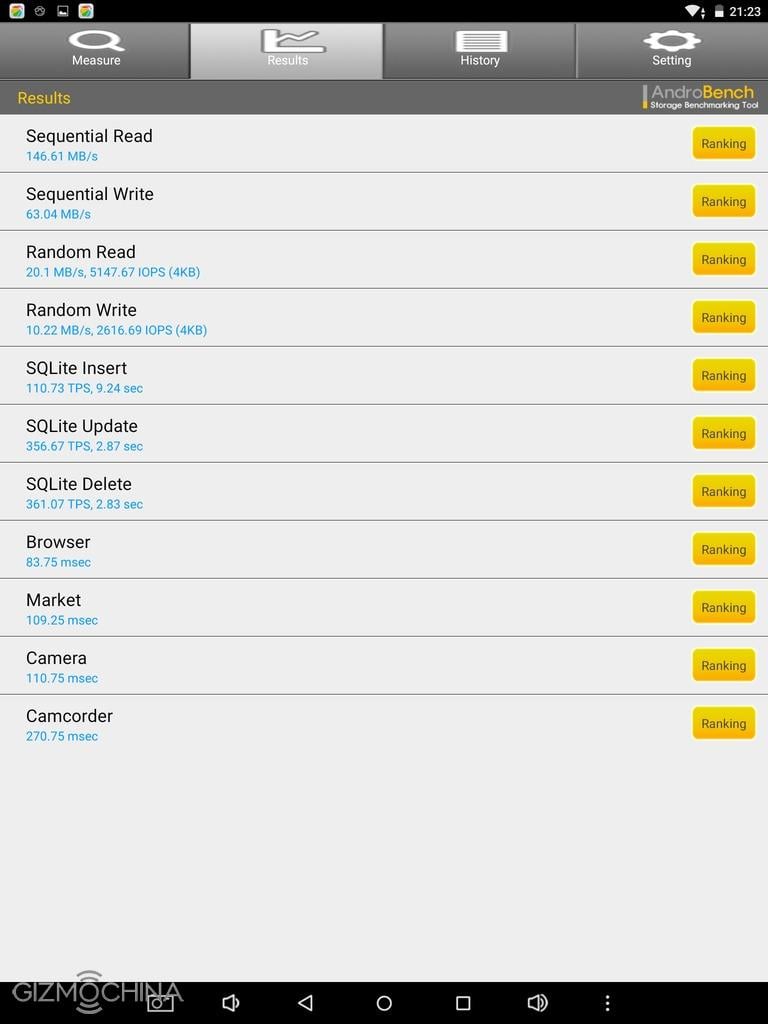
Teclast X98 Plus II Review: BENCHMARKS
Teclast X98 Plus II Review: HARDWARE and PERFORMANCE
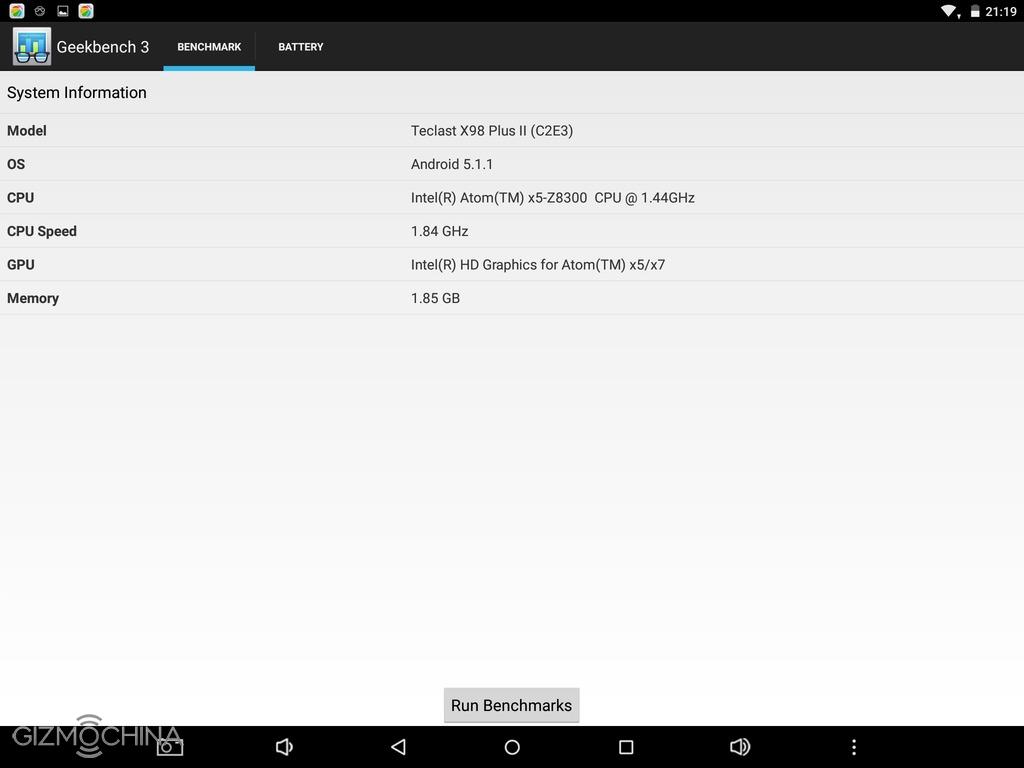
The tablet has really good specs for the price. It sports a quad-core Intel Cherry Trail Z8300 chip with the max. clock speeds of 1.8GHz, 2GB of RAM and 32GB of expandable storage.
I am very impressed with the way this tablet handles 3D games given the fact that the device has to push a lot of pixels.
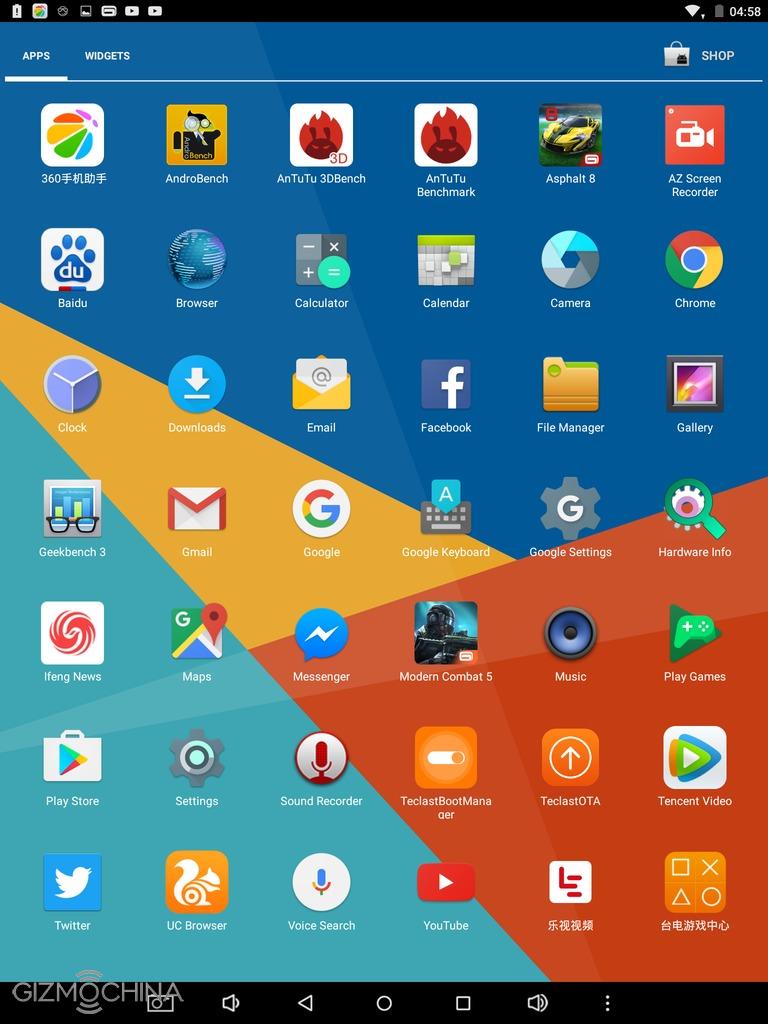
Games like Asphalt 8, Modern Combat 5 run absolutely fine on the highest graphics. The tablet gets just a little warm but this fact does not alter the performance even after 40 mins of intensive gaming.
Teclast X98 Plus II Review: USER INTERFACE
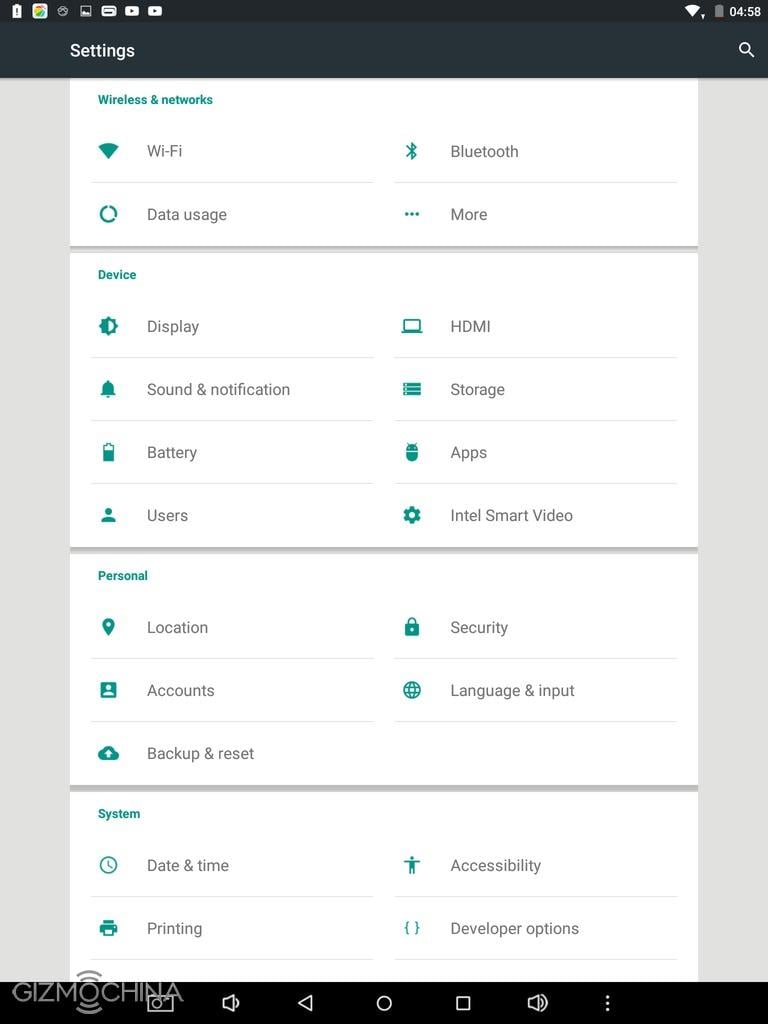
The downside of the Teclast tablet is that it runs on the outdated Android 5.1. On the other hand, the device runs fast and fluid on the daily basis.
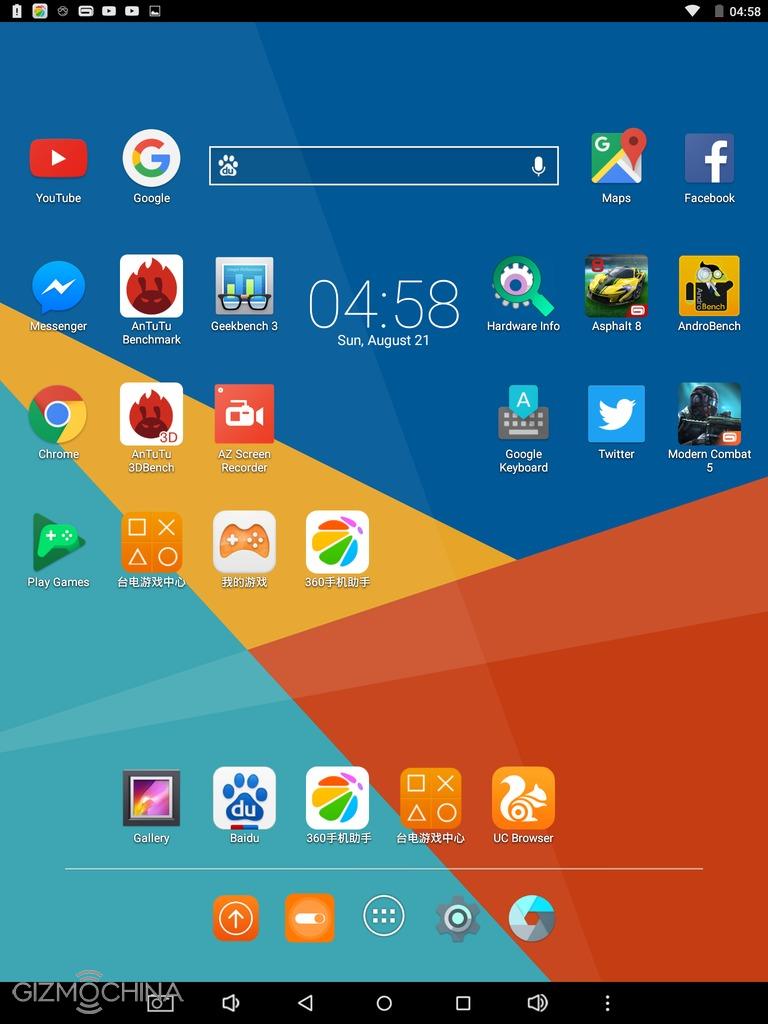
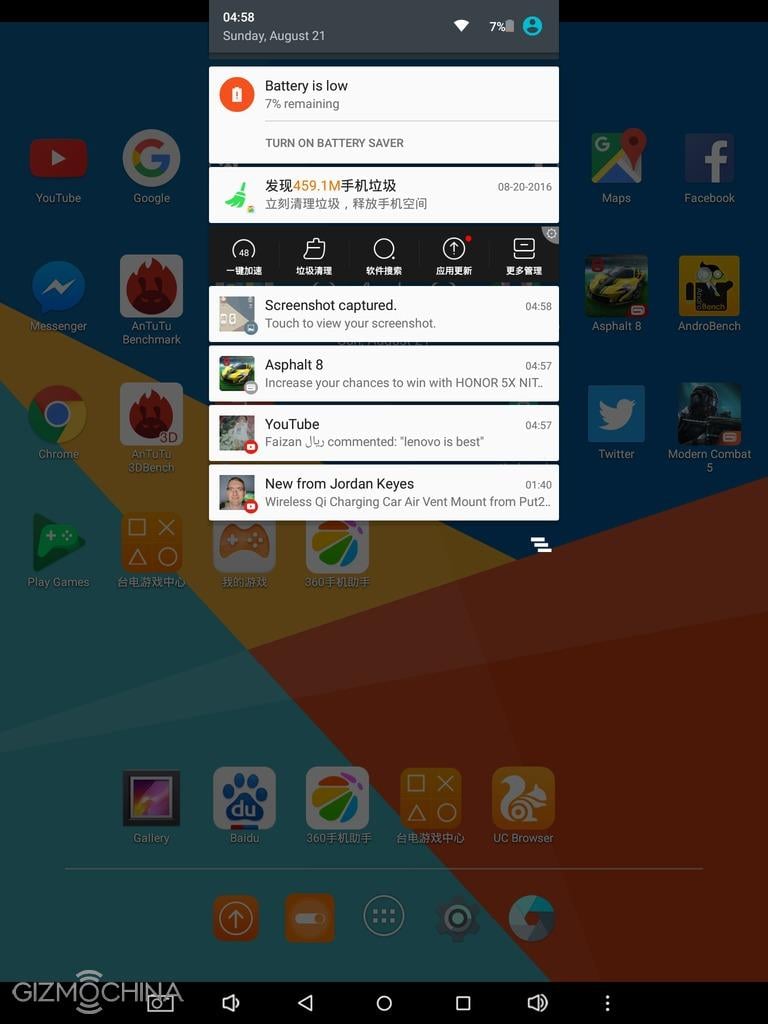
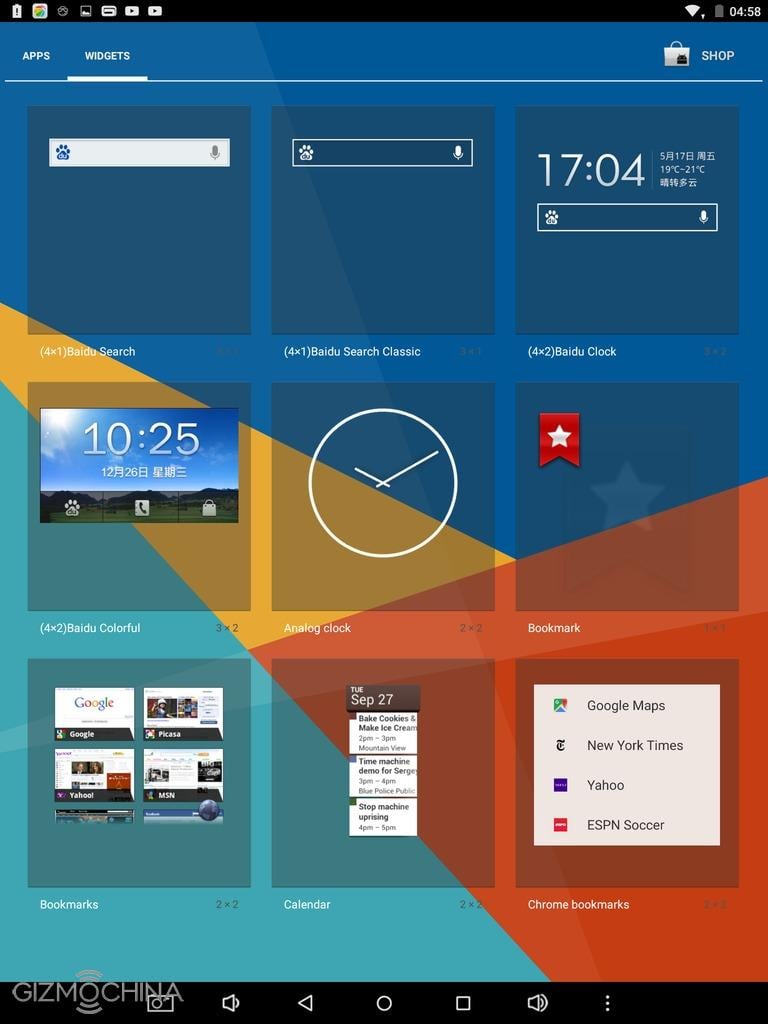
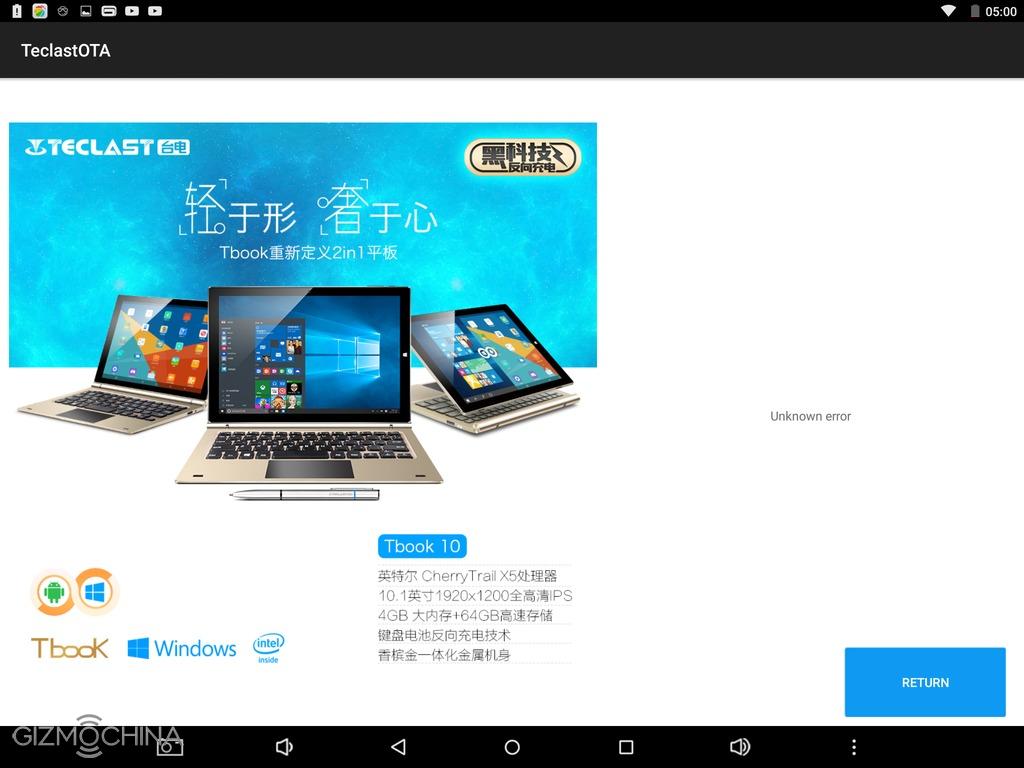
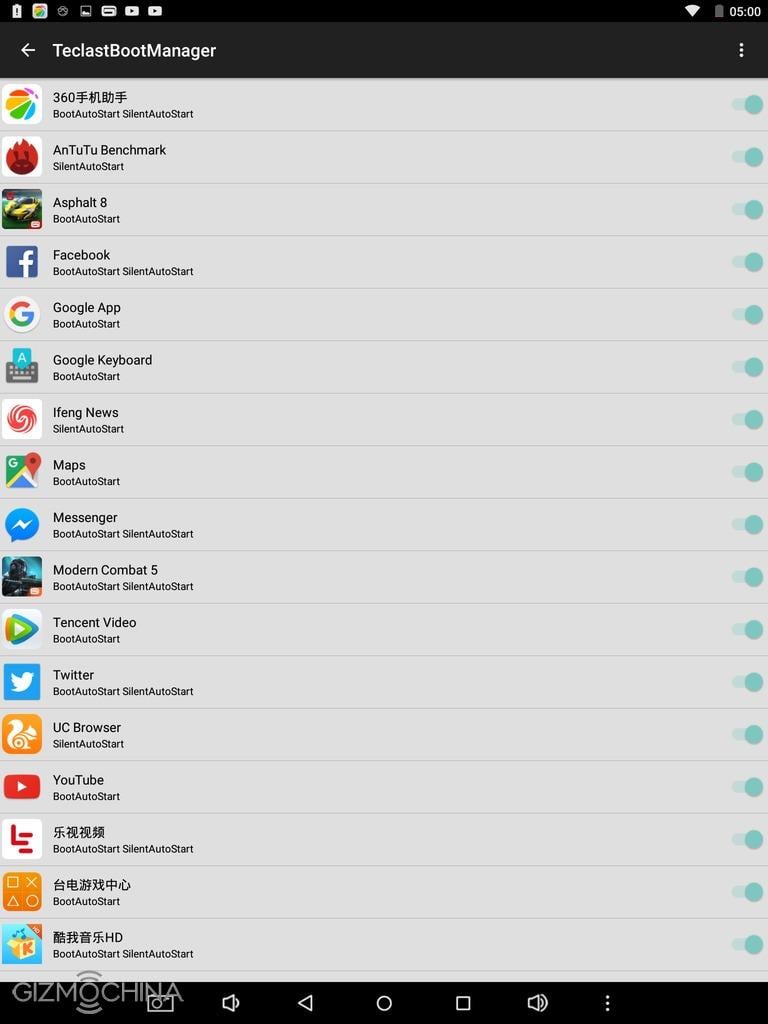
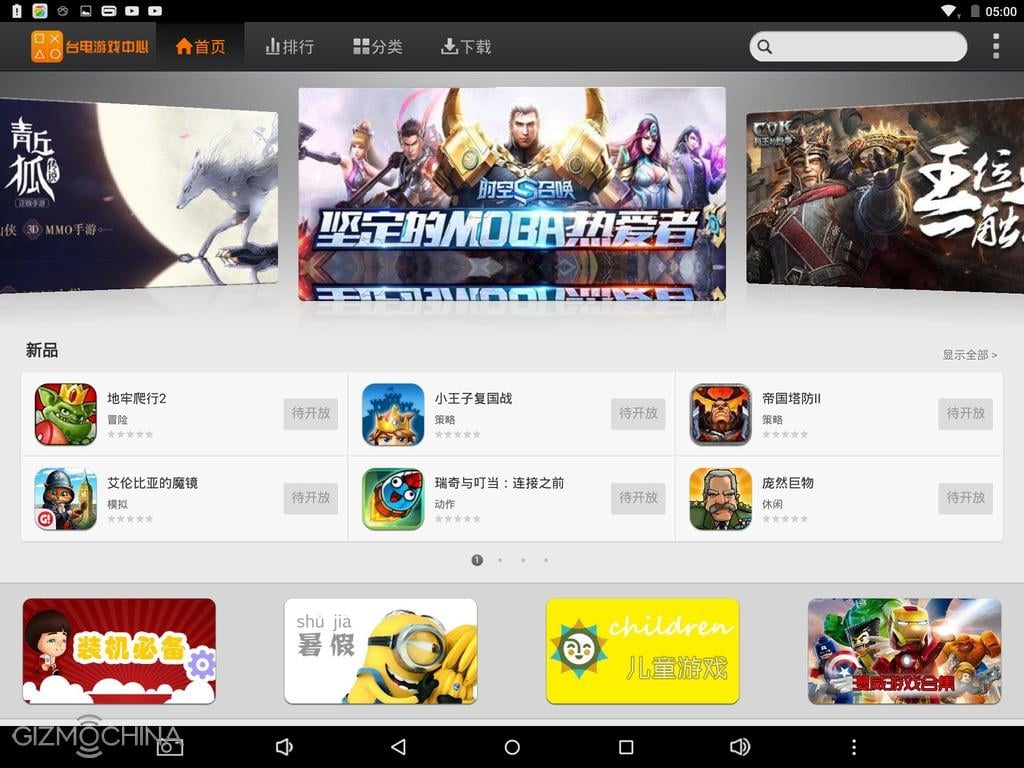
We have a pretty much stock-looking Android interface and there are not many added features to talk about. However, I was disappointed that the tablet ships with some Chinese bloatware. Also, the OTA updater app does not seem to work for some reason.
Teclast X98 Plus II Review: CAMERAS
Both cameras on this tablet are quite terrible. I understand the fact that there aren’t too many people who use their tablets for taking pictures with the back camera but I want to see a better front facing cameras even on the cheapest tablets.
You may get some usable photos with this tablet but the image quality will not impress you.
Teclast X98 Plus II Review: CONNECTIVITY
I have the Wifi-only version of the tablet and I don’t have major complaints about connectivity. However, the Wifi range could be slightly better.
Teclast X98 Plus II Review: BATTERY LIFE
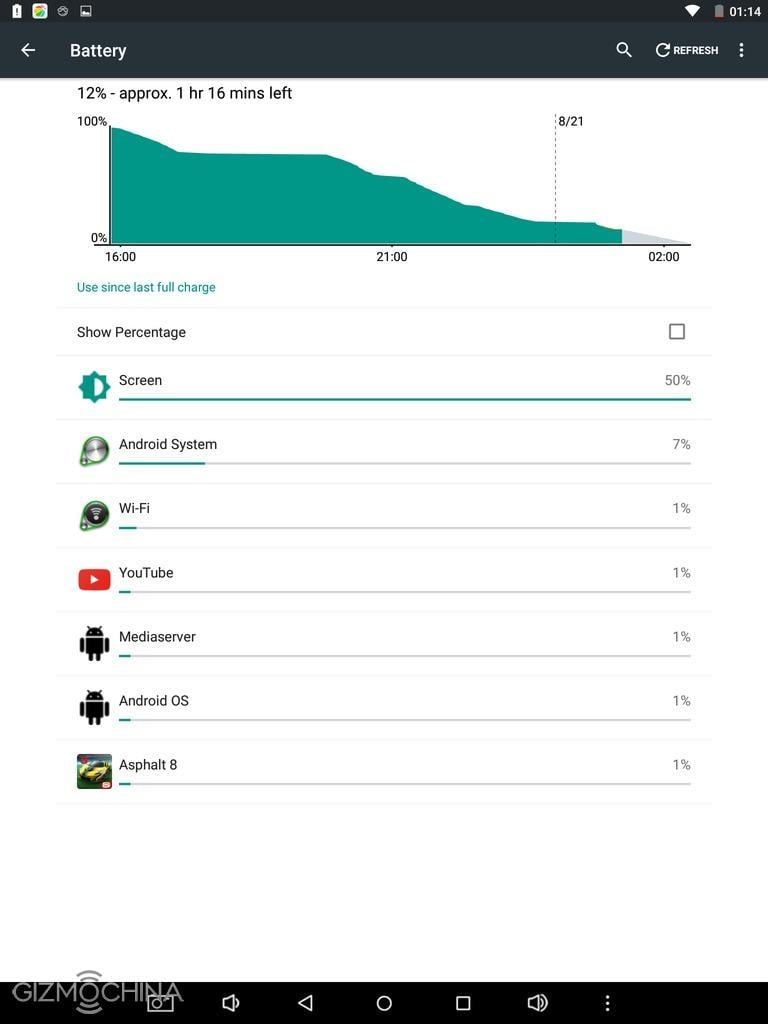
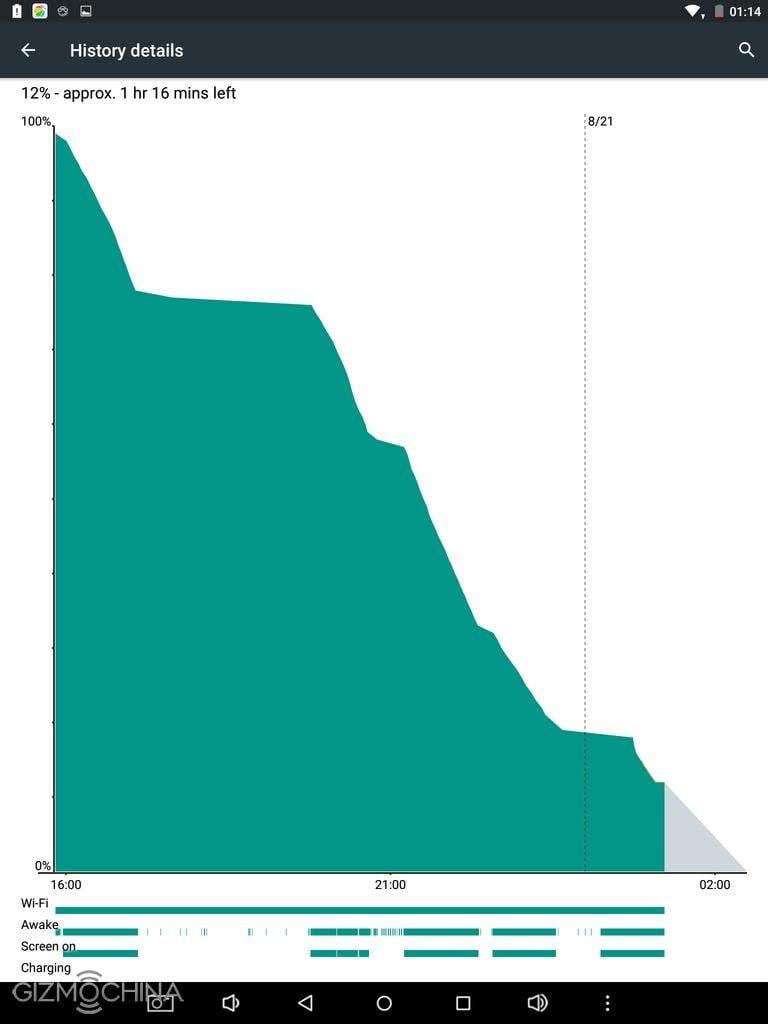
The tablet sports a generous 7800mAh battery that performs quite well.
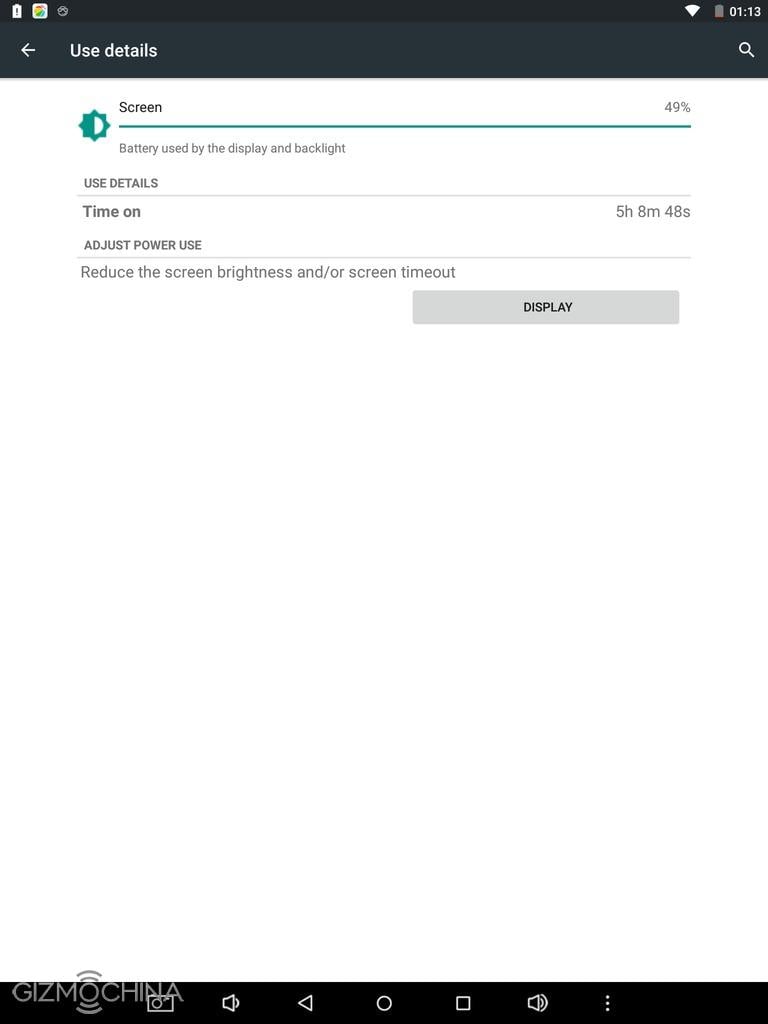
I could get over 5 hours of screen-on time when I used the device for browsing the web, playing a few 3D games and running benchmarks, so I would say that the battery life is pretty good.
Teclast X98 Plus II Review: CONCLUSIONS
The Teclast X98 Plus II is a good tablet for less than $150.
It has a nice and sharp display, although it could be a bit less reflective when using outdoors. Also, the device is fast whether you just browse the web or even play some graphically intensive games. Other great features include a good build quality and great battery life.
However, you have to know that the tablet ships with a few pre-installed Chinese bloatware apps, the loudspeakers are far from the best and the cameras will definitely not impress you (like on any other cheap Chinese tablet).
At the end of the day, the Teclast X98 Plus II is still a great cheap China tablet for the price. Sure, it has some shortcomings that are common to most of these cheap tablets but in general, it definitely has more pros than cons.
Currently, Banggood has a generous $30 OFF Coupon: 82abff, which makes the Teclast X98 Plus II tablet a rather compelling offering at the price of just $120.
Xiaomi is scheduled to launch another product in its crowfunding platform into the market on August 23 at 10am and the product is said to likely be a steam iron.
Xiaomi has not come out to expressly confirm it is releasing a steam iron though. The teasers surrounding the product appears to be somewhat confusing. While the product is said to have the capability killing bacteria on the surface using ultraviolet light, thus giving the impression of an additional product for sterilization against mites.
The likely product may not be produced by Xiaomi but Xiaomi’s crowdfunding platforms act as an avenue for some Chinese manufacturers to sell their products.
Of course, we are not entirely sure what exactly the new crowd-funded product is going to be but whatever product it is, it will be unveiled on August 23.
The expected Meizu Pro 7 flagship has previously been leaked as coming equipped with Samsung Exynos 8890 chipset but latest rumors hint at two versions of the device popping.
The latest rumor is that the new Meizu flagship will have two versions in terms of display type. While one of the versions will come with a curved display screen, the other version will have a flat display screen. This set up is similar to those of Samsung’s Galaxy S7 and Galaxy S7 Edge. The two versions said to have Samsung’s Super AMOLED display with 2K resolution.
Also, in other specs, the two versions of the Meizu Pro 7 flagship are said to differ in the memory configurations. One version is said to have 4GB RAM alongside 32GB of built-in storage space, while the other version has 6GB RAM with 64GB of onboard storage. All versions will have a battery capacity of 3500mAh with wireless charging option available and a 12MP main camera sensor at the rear.
The Meizu Pro 7 flagship is said to drop on September 13 but sources have hinted also of a possible October outing for the smartphone, without giving a specific date in October. As for the price, the 4GB RAM version is rumored to have a price tag of 2799 Yuan($420), while the higher 6GB RAM version costs 3099 Yuan ($465) but the price has not been officially confirmed by Meizu so we wouldn’t know for sure.
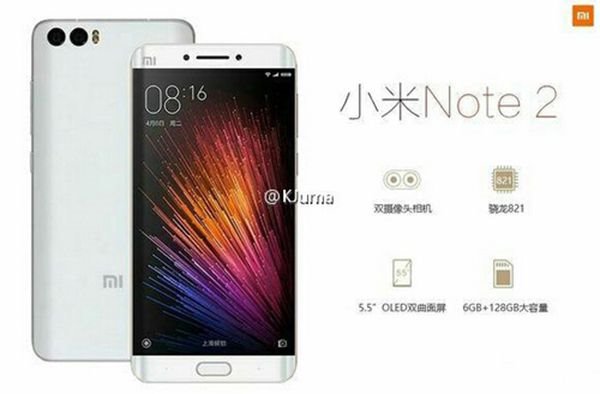
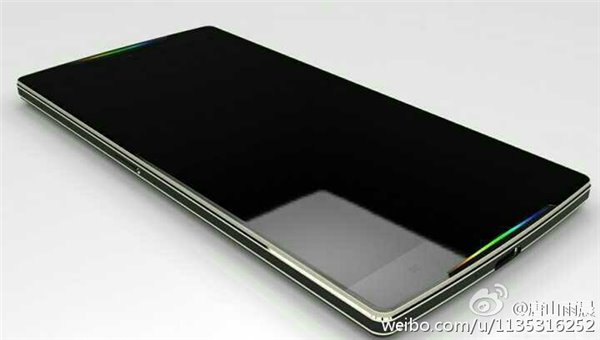
Weibo user @KJuma has posted an image of Mi Note 2 that has dual curved 3D glasses. This version however has 6GB of RAM and 128GB of built-in storage. It also features a Snapdragon 821 SoC, a 5.5” OLED display, a home button/fingerprint scanner and dual cameras.
We use cookies on our website to give you the most relevant experience by remembering your preferences and repeat visits. By clicking “Accept”, you consent to the use of ALL the cookies.
This website uses cookies to improve your experience while you navigate through the website. Out of these, the cookies that are categorized as necessary are stored on your browser as they are essential for the working of basic functionalities of the website. We also use third-party cookies that help us analyze and understand how you use this website. These cookies will be stored in your browser only with your consent. You also have the option to opt-out of these cookies. But opting out of some of these cookies may affect your browsing experience.
Necessary cookies are absolutely essential for the website to function properly. This category only includes cookies that ensures basic functionalities and security features of the website. These cookies do not store any personal information.
Any cookies that may not be particularly necessary for the website to function and is used specifically to collect user personal data via analytics, ads, other embedded contents are termed as non-necessary cookies. It is mandatory to procure user consent prior to running these cookies on your website.









 The tablet sports a metal backplate, which adds a little bit of a premium look and feel. It has a somewhat textured coating and thus, it does not attract fingerprints so easily.