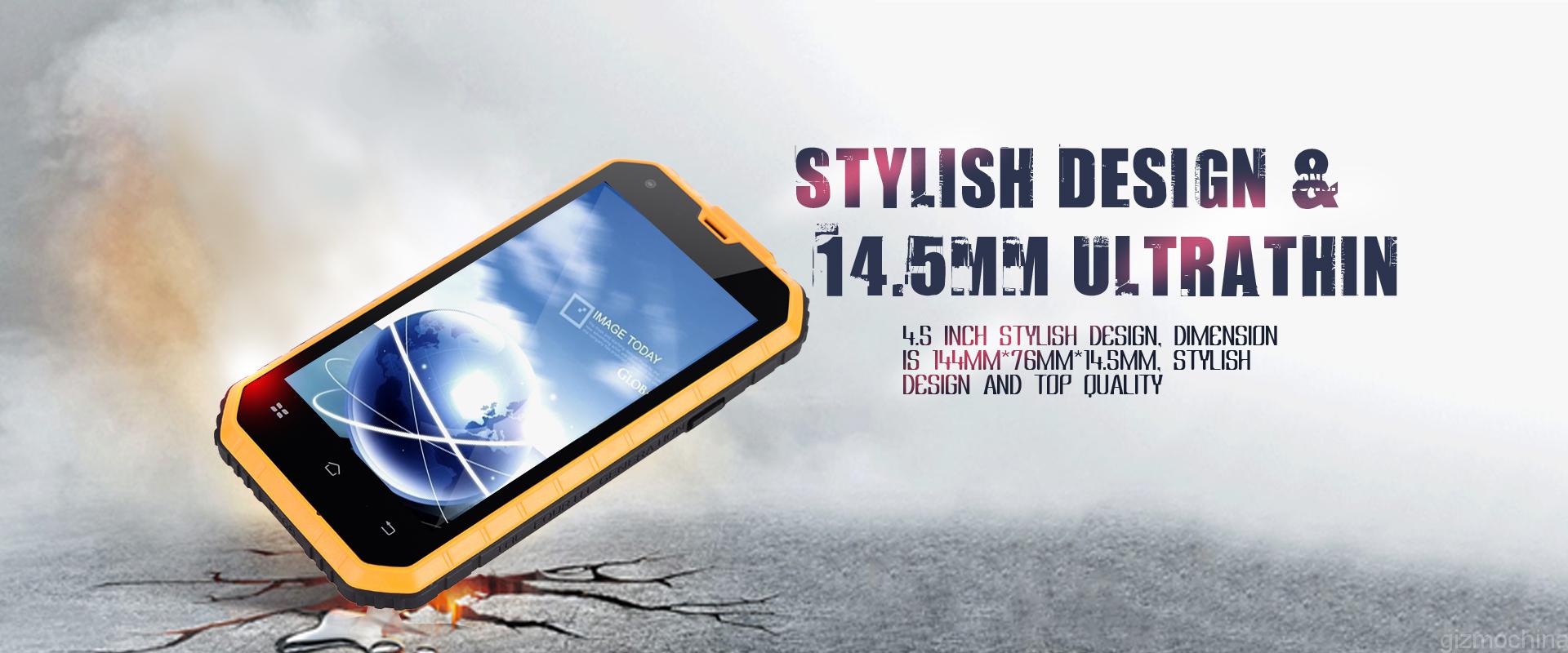
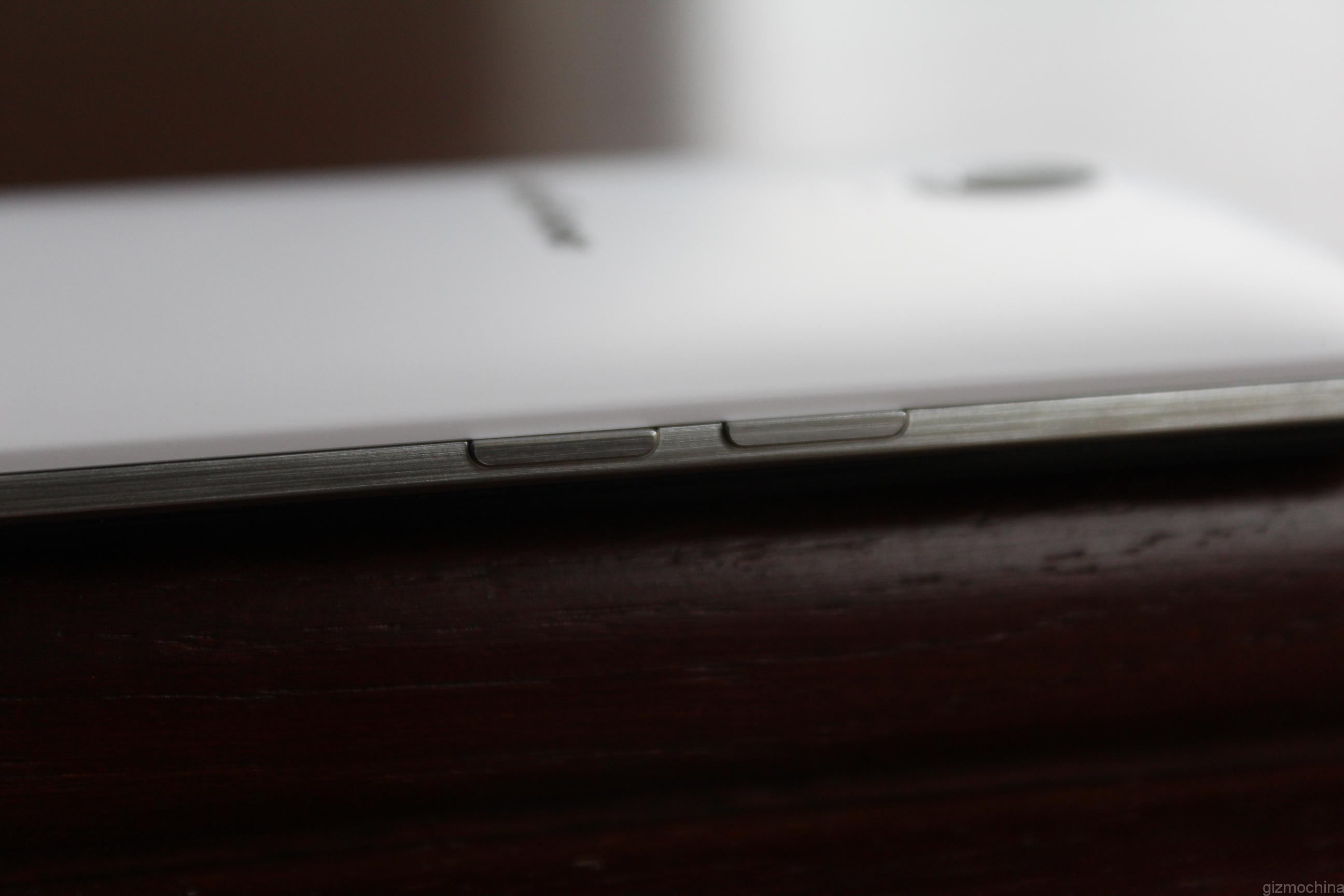
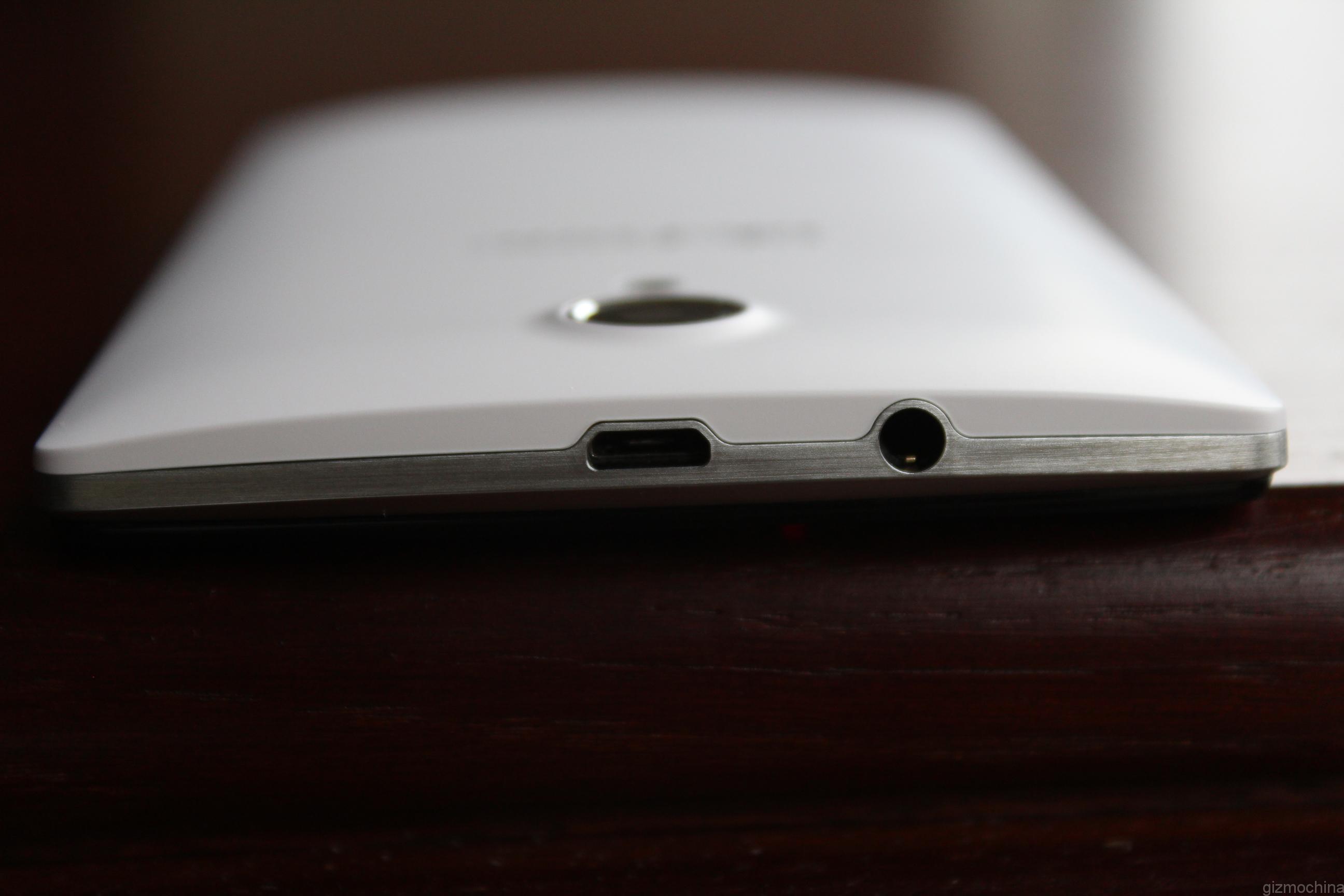
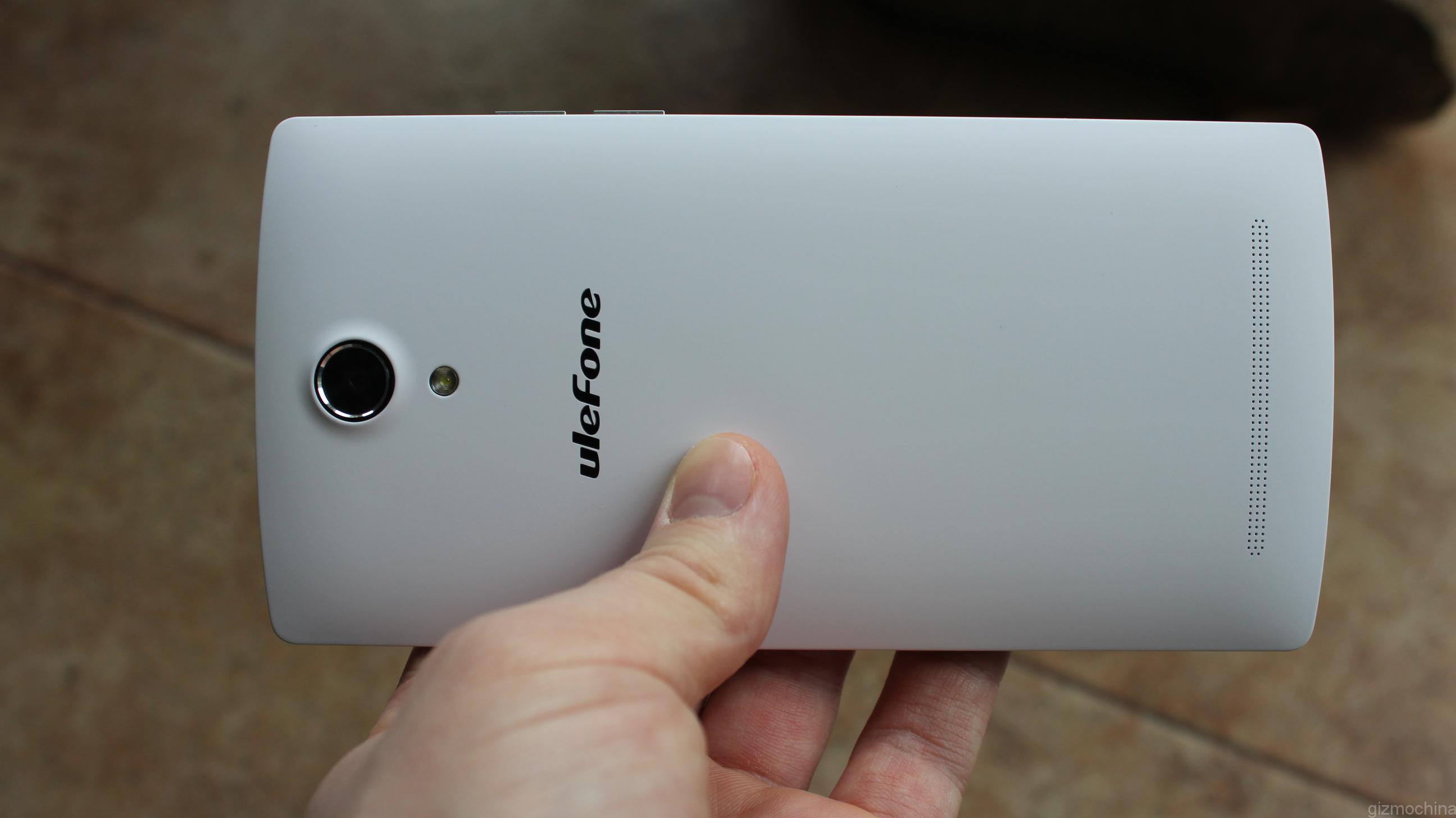
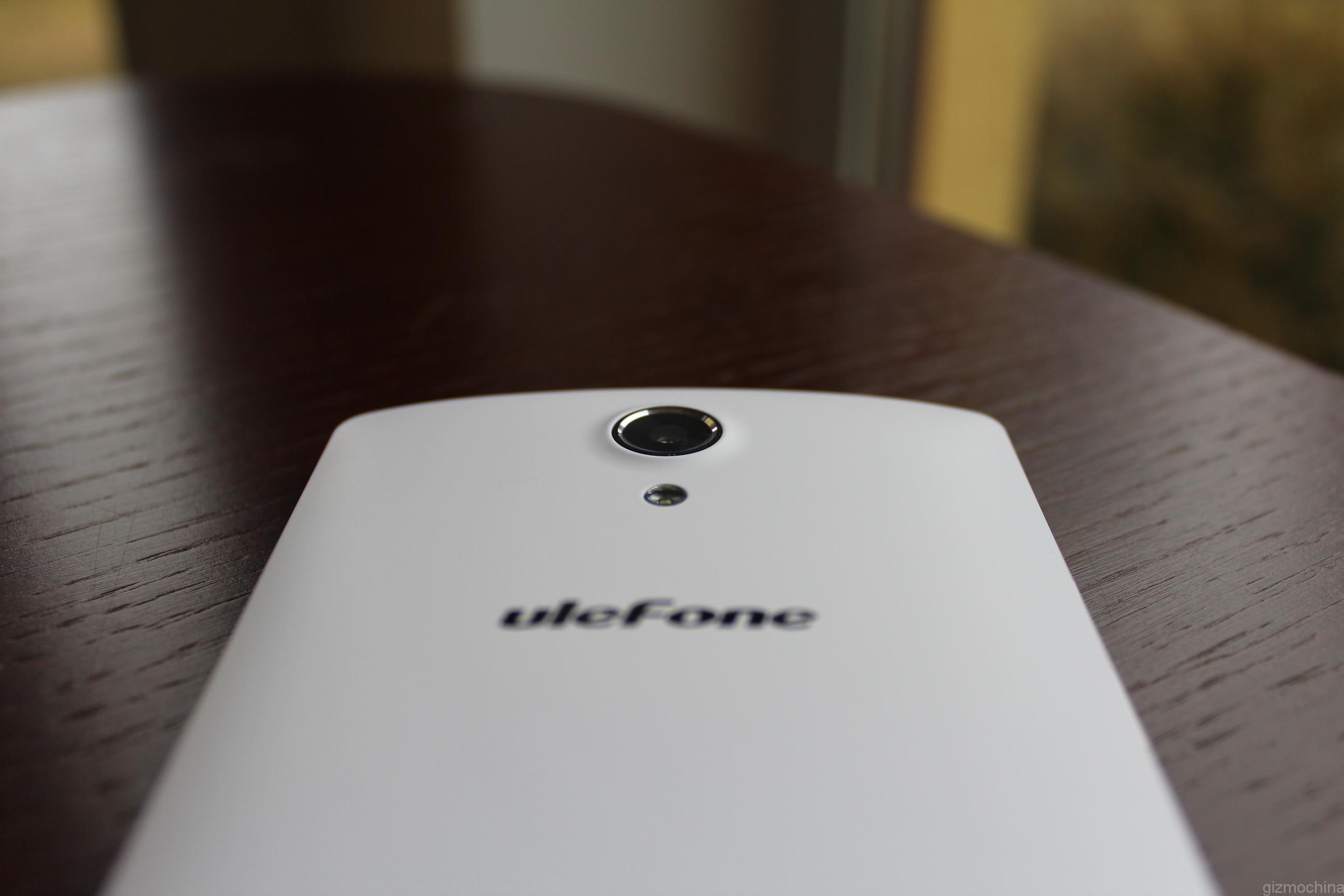
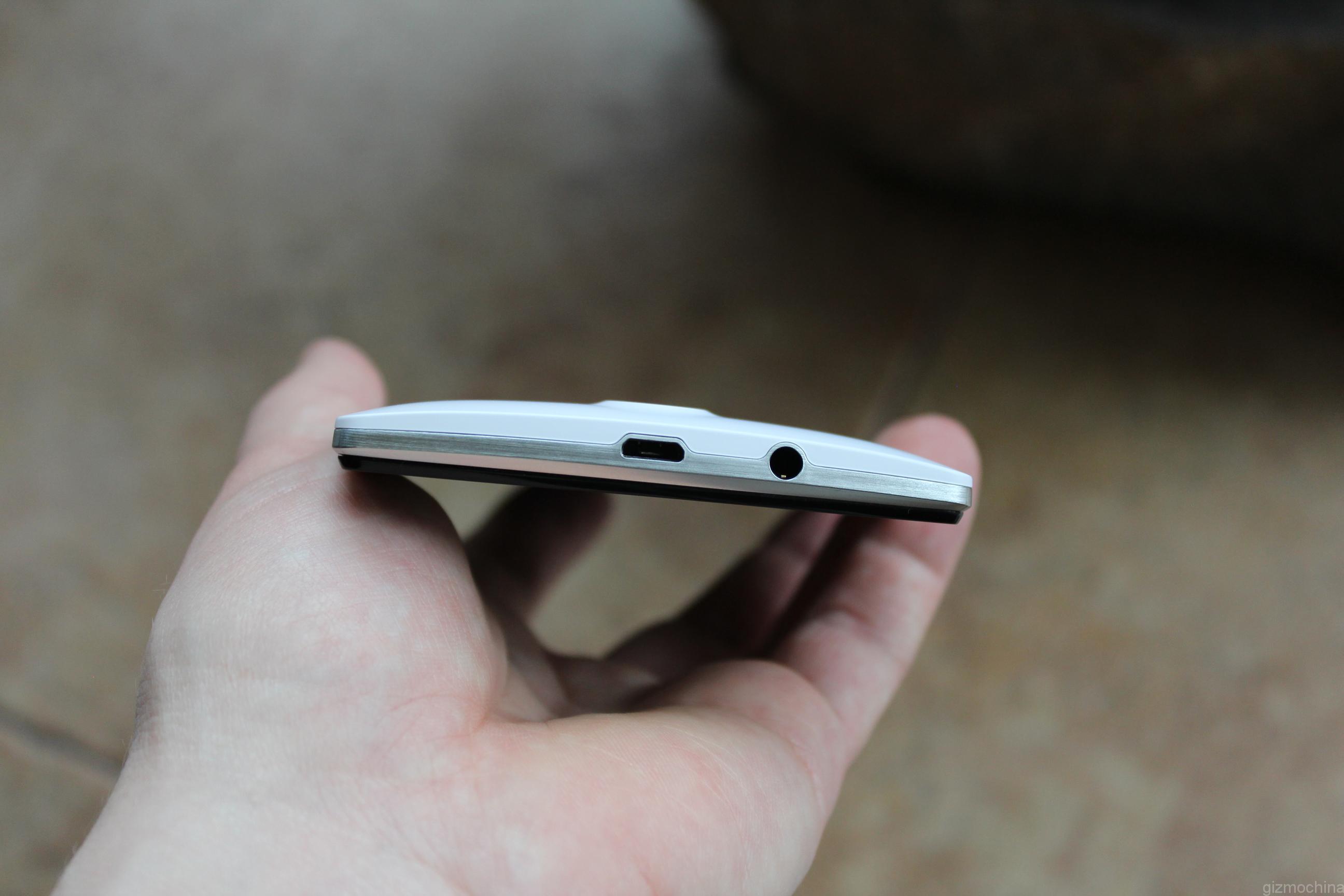
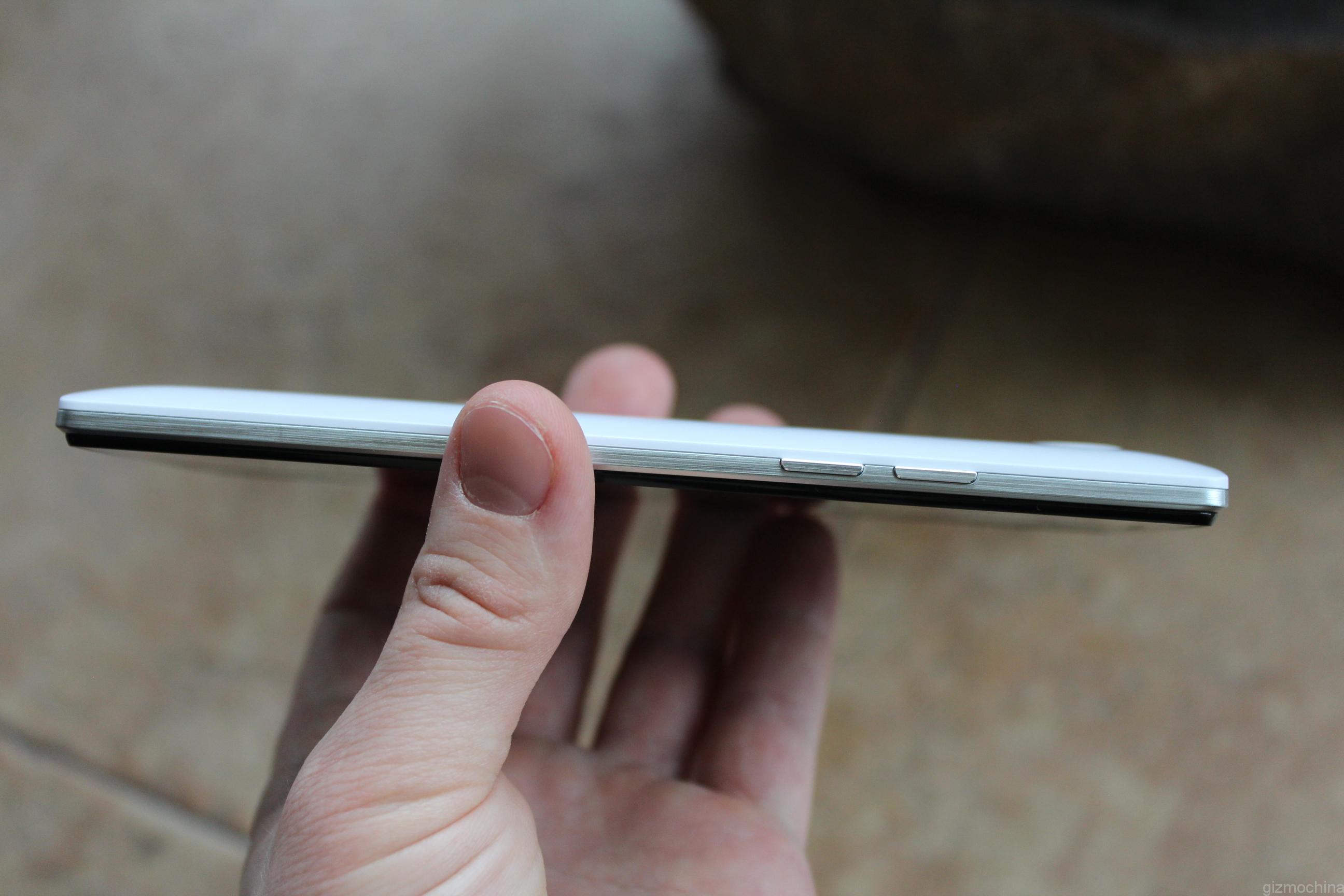
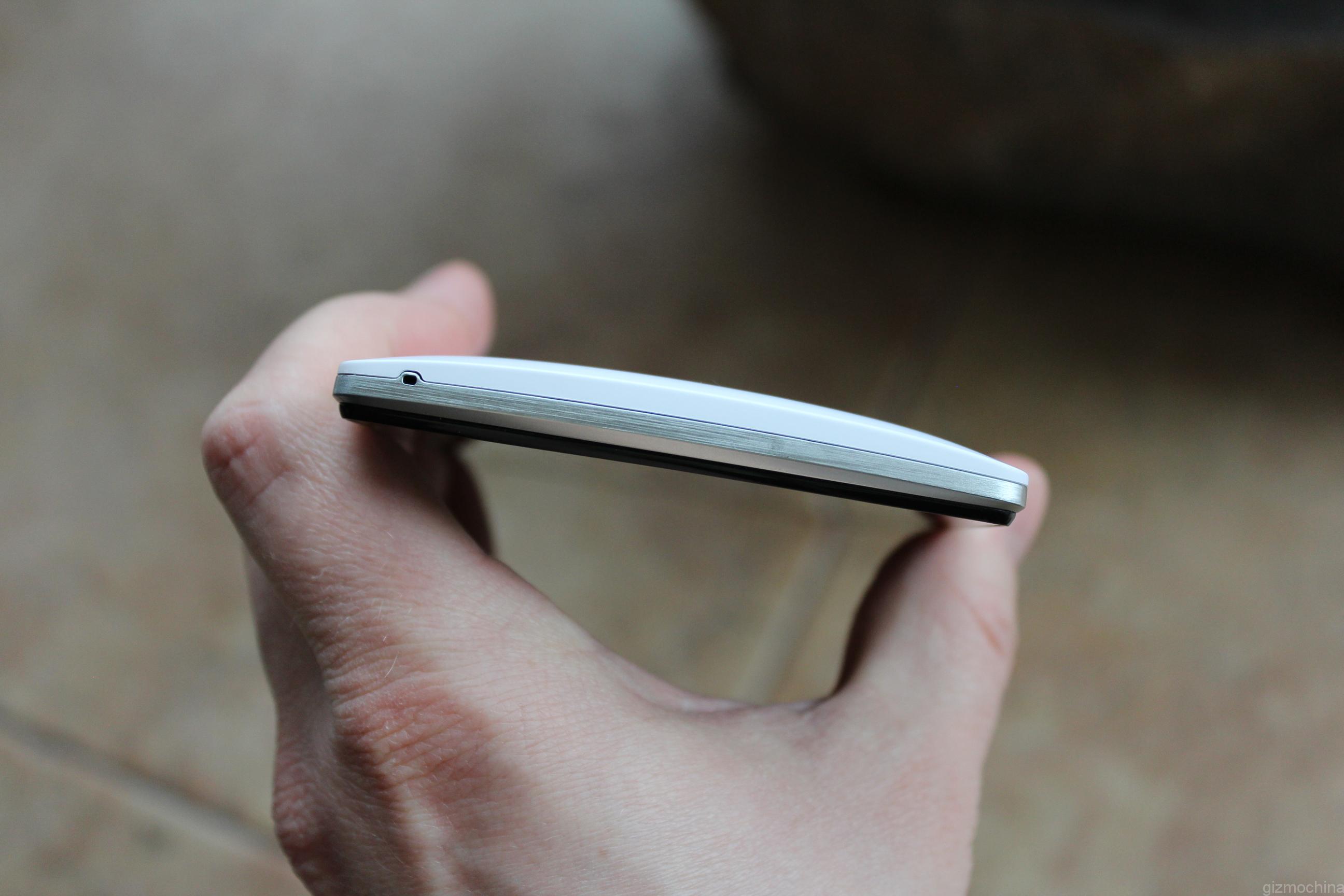
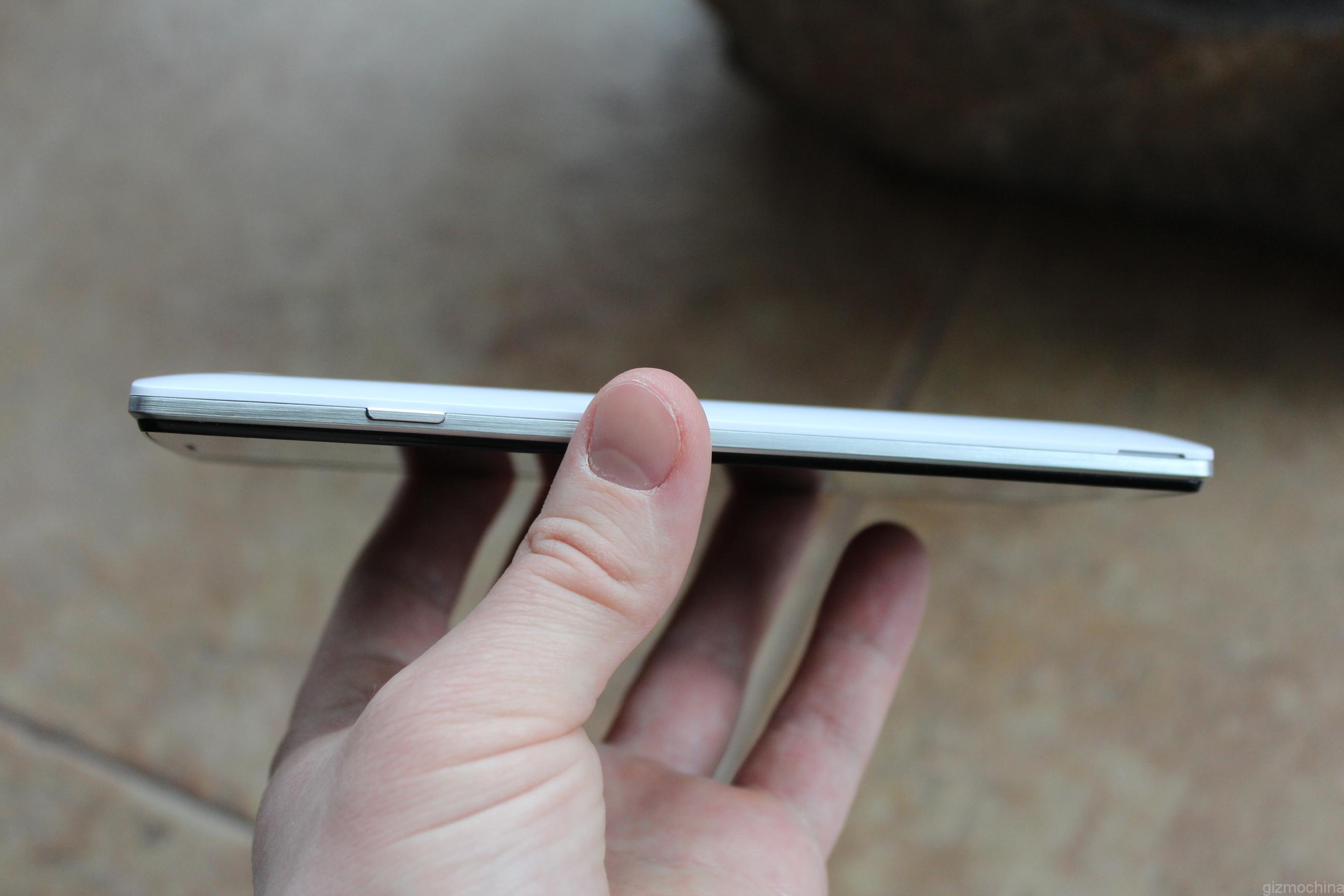
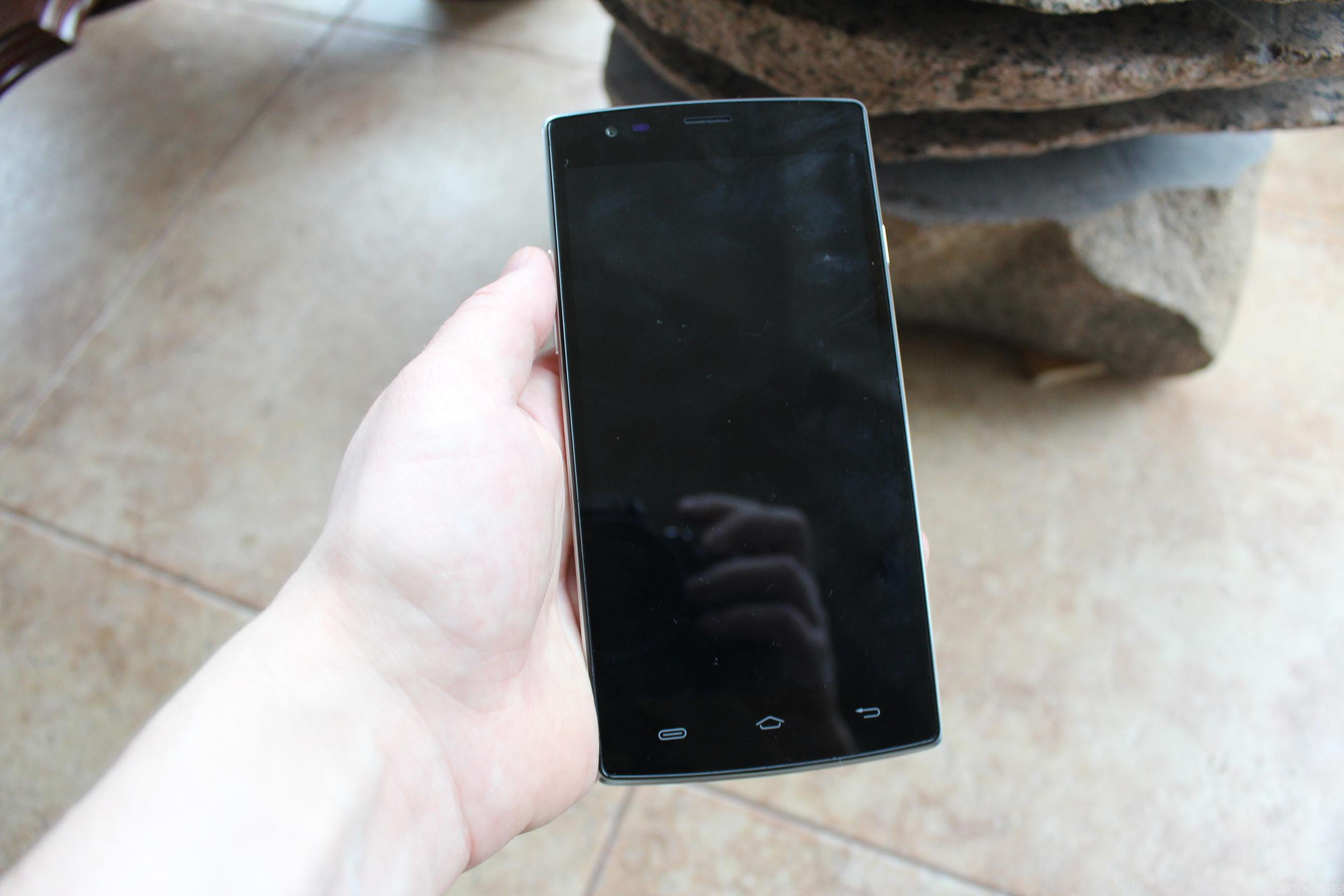
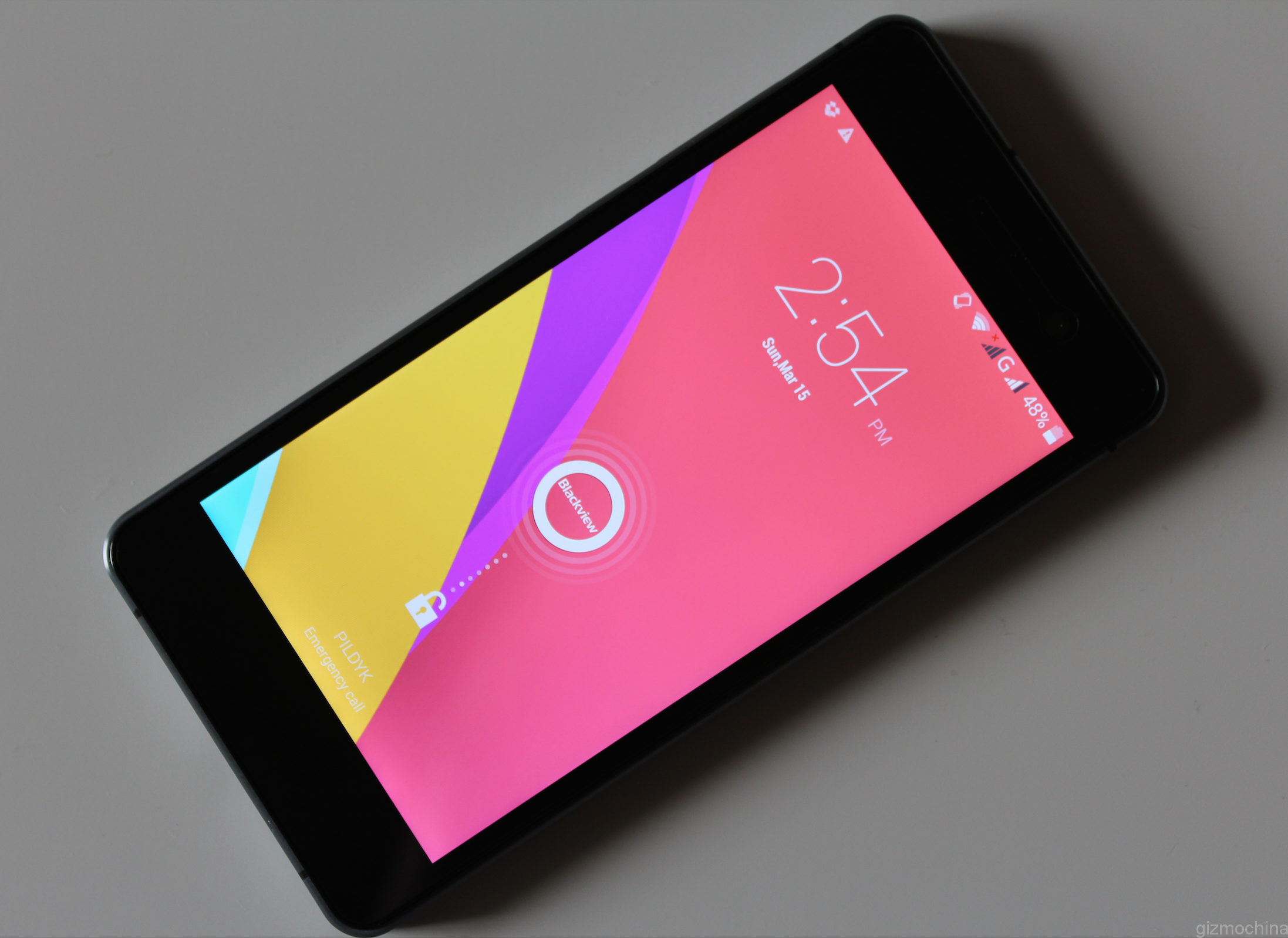
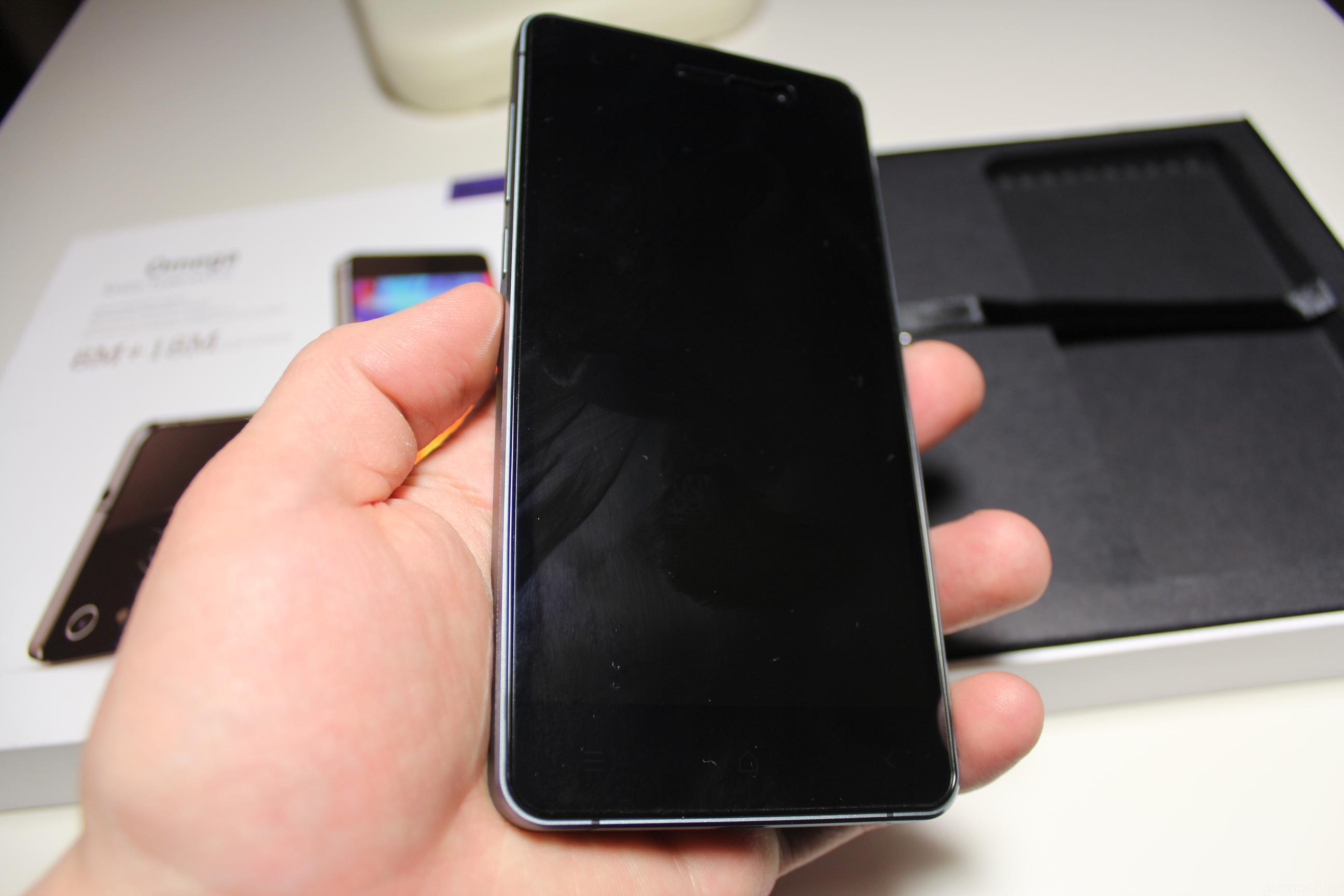
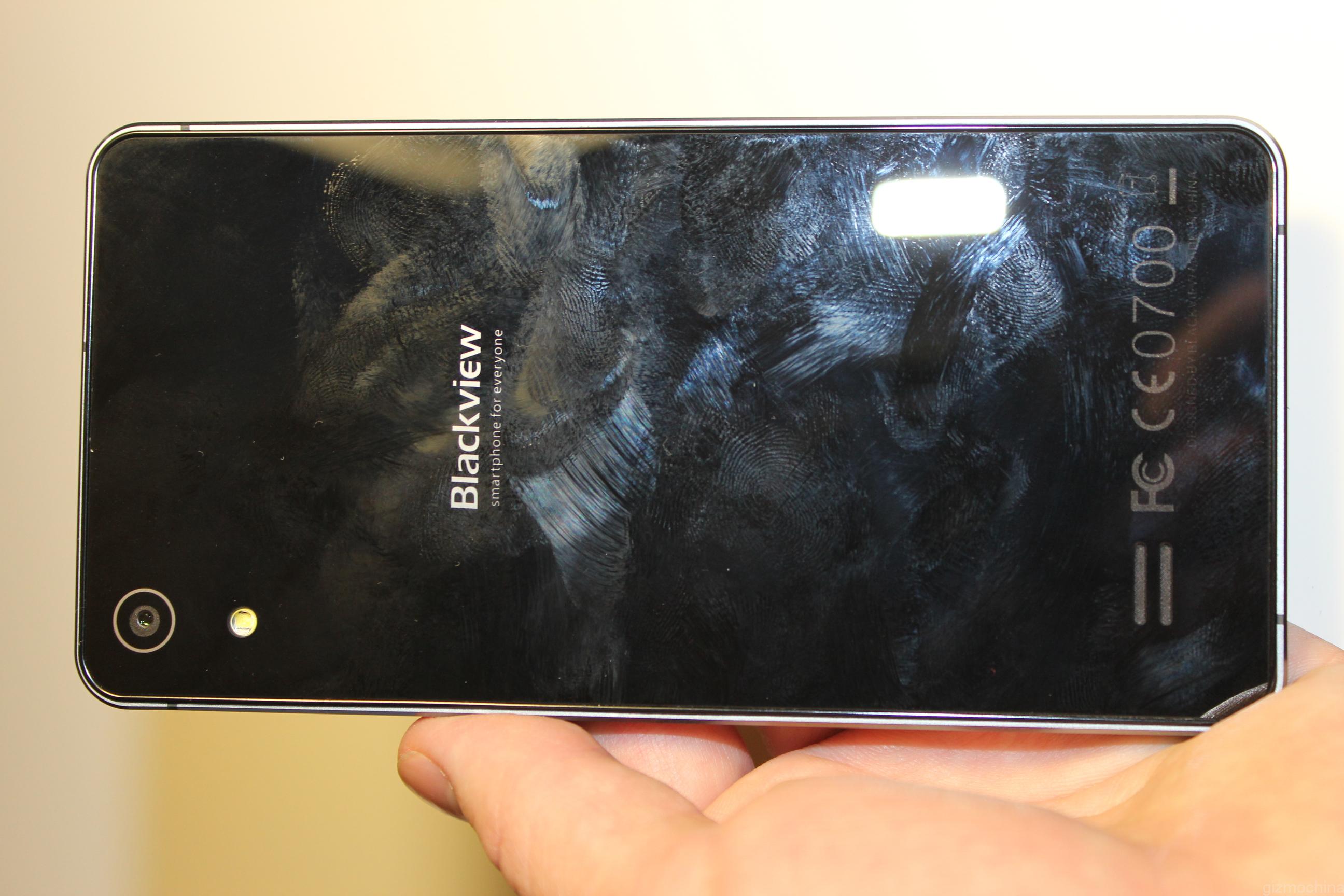
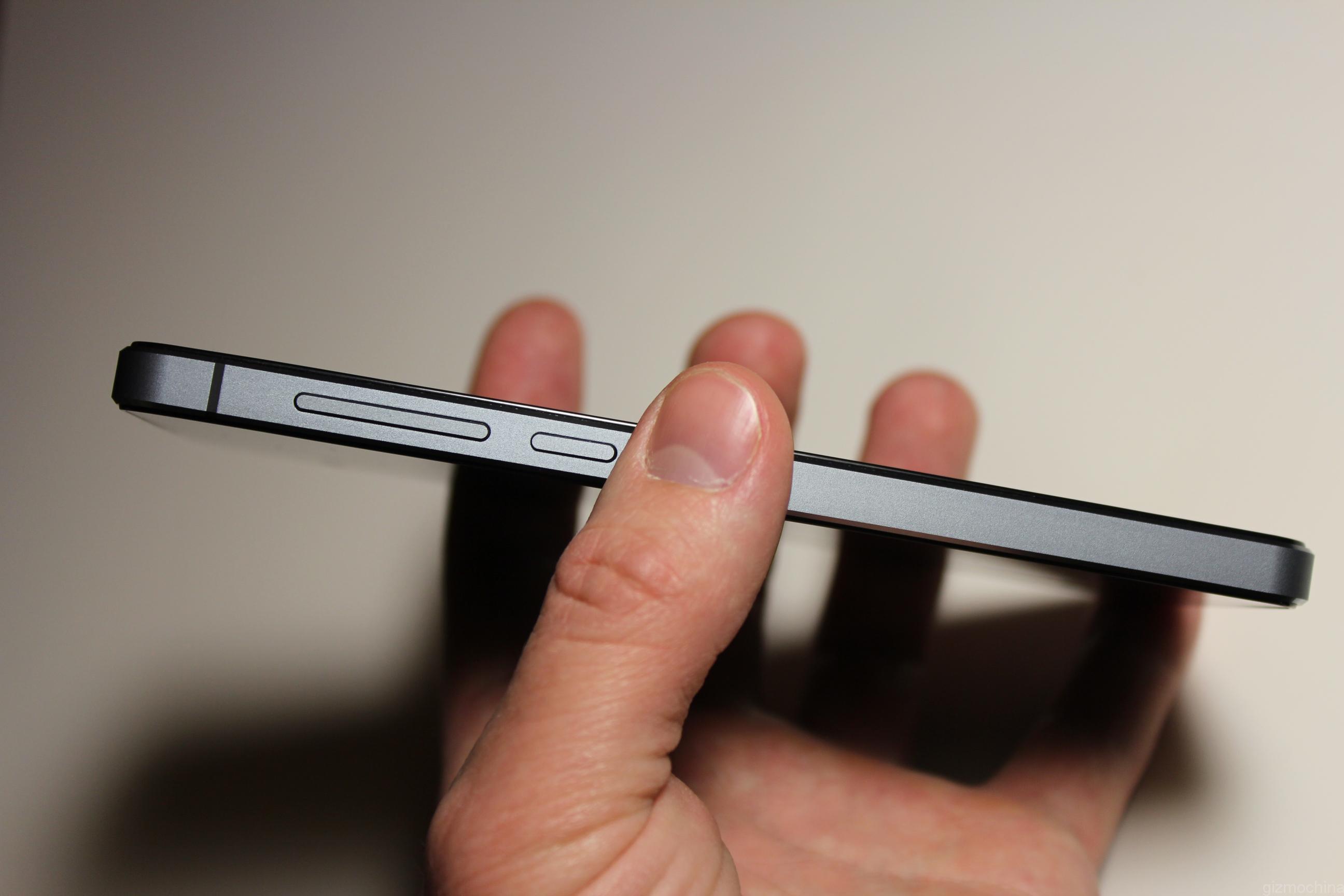
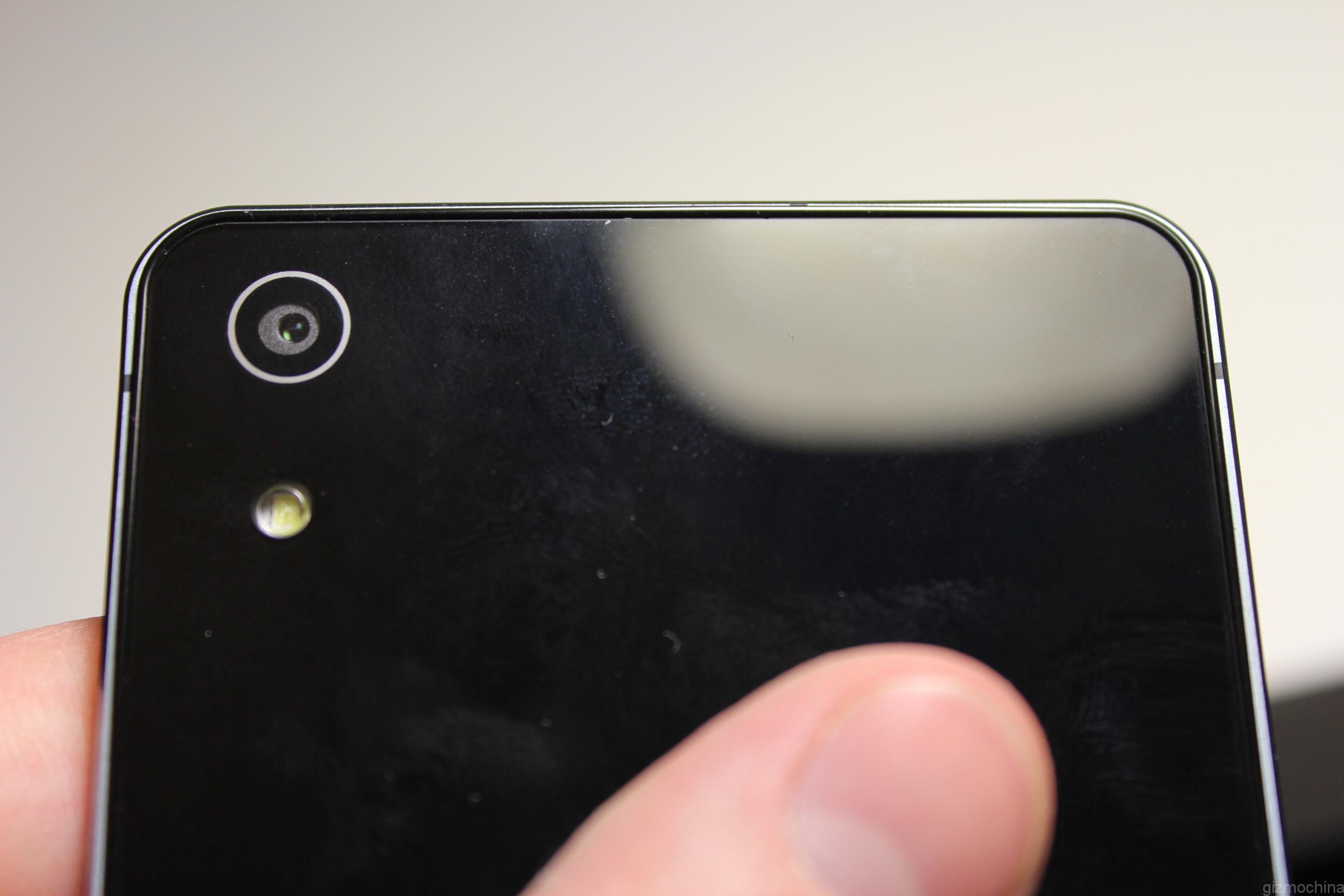
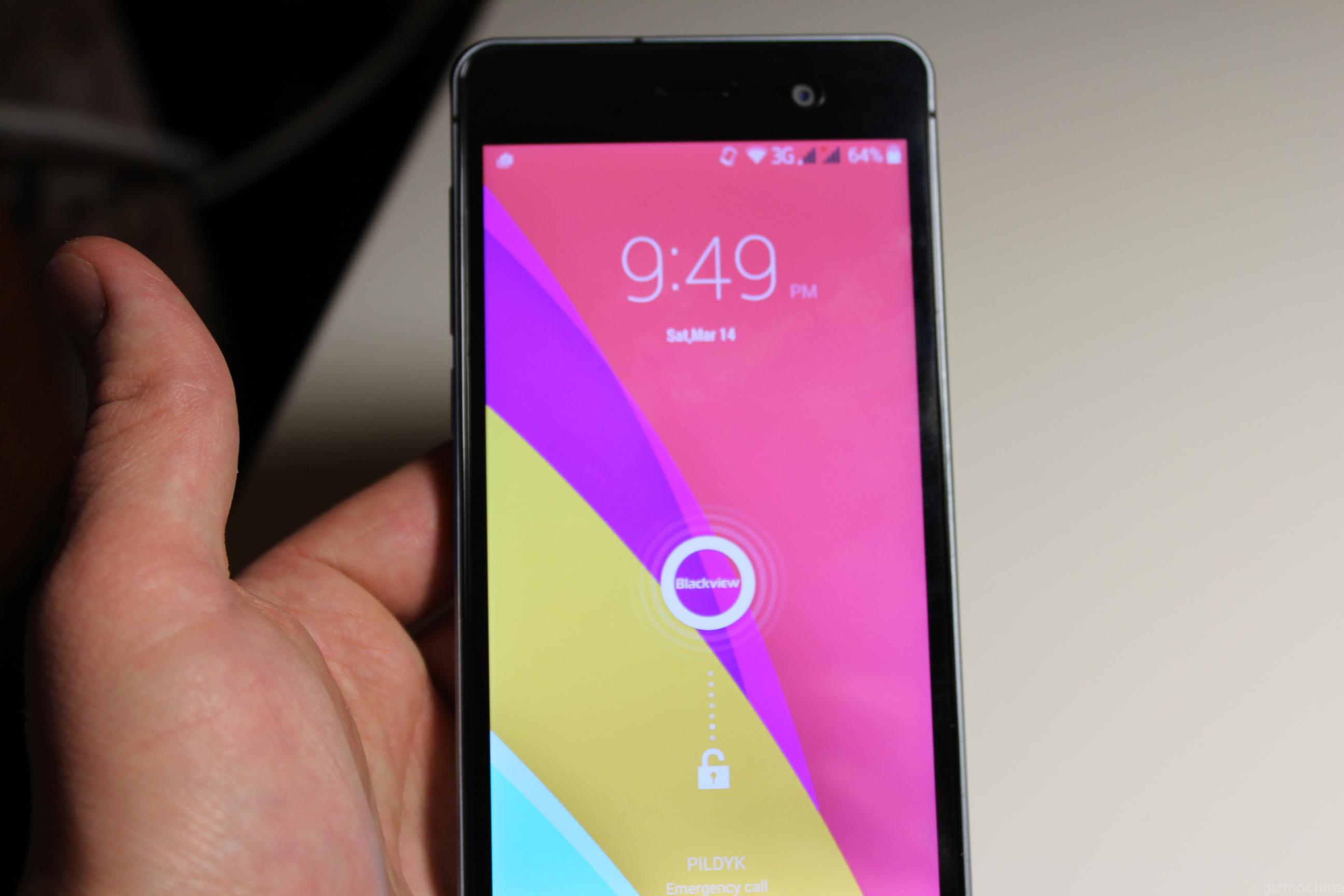
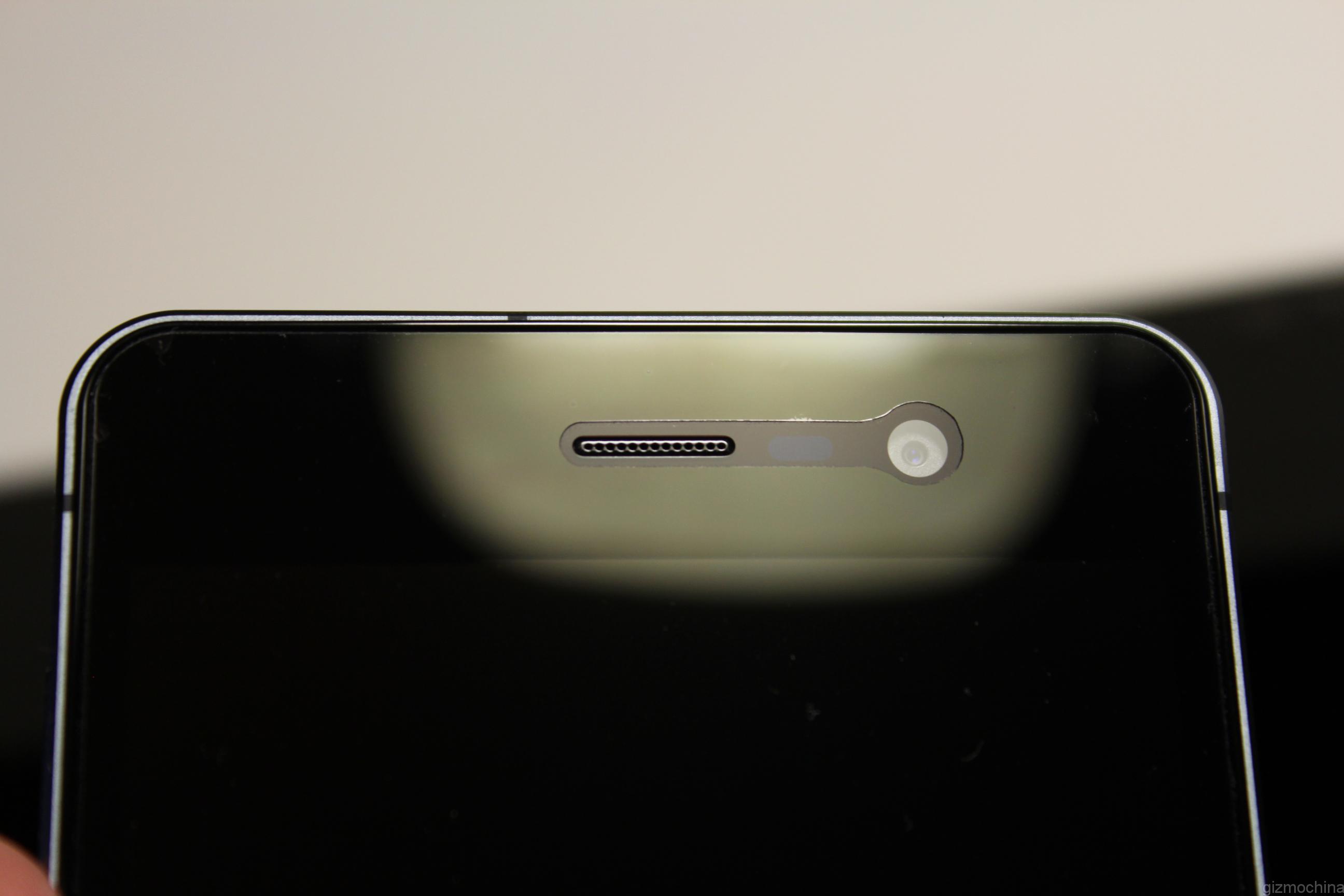
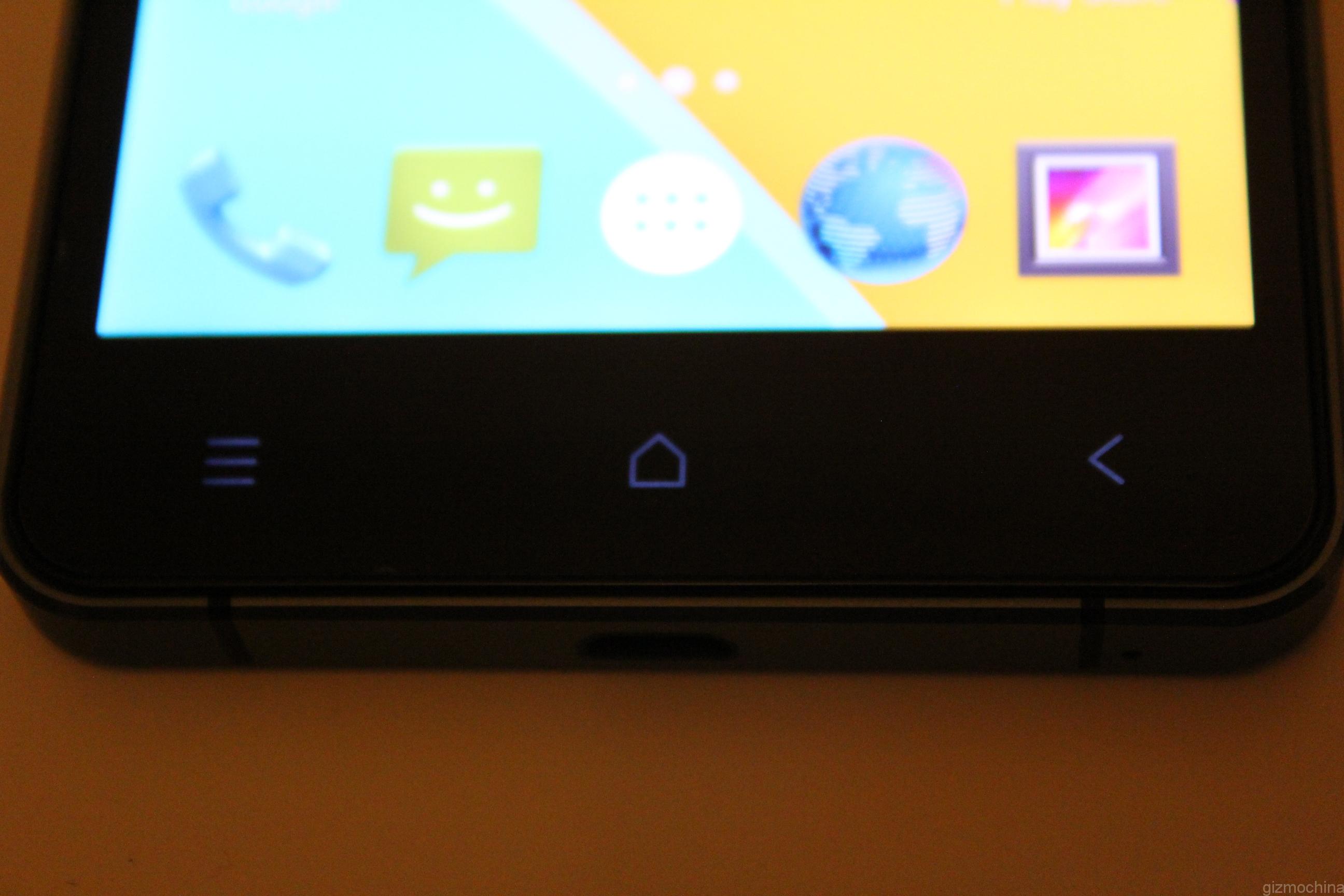
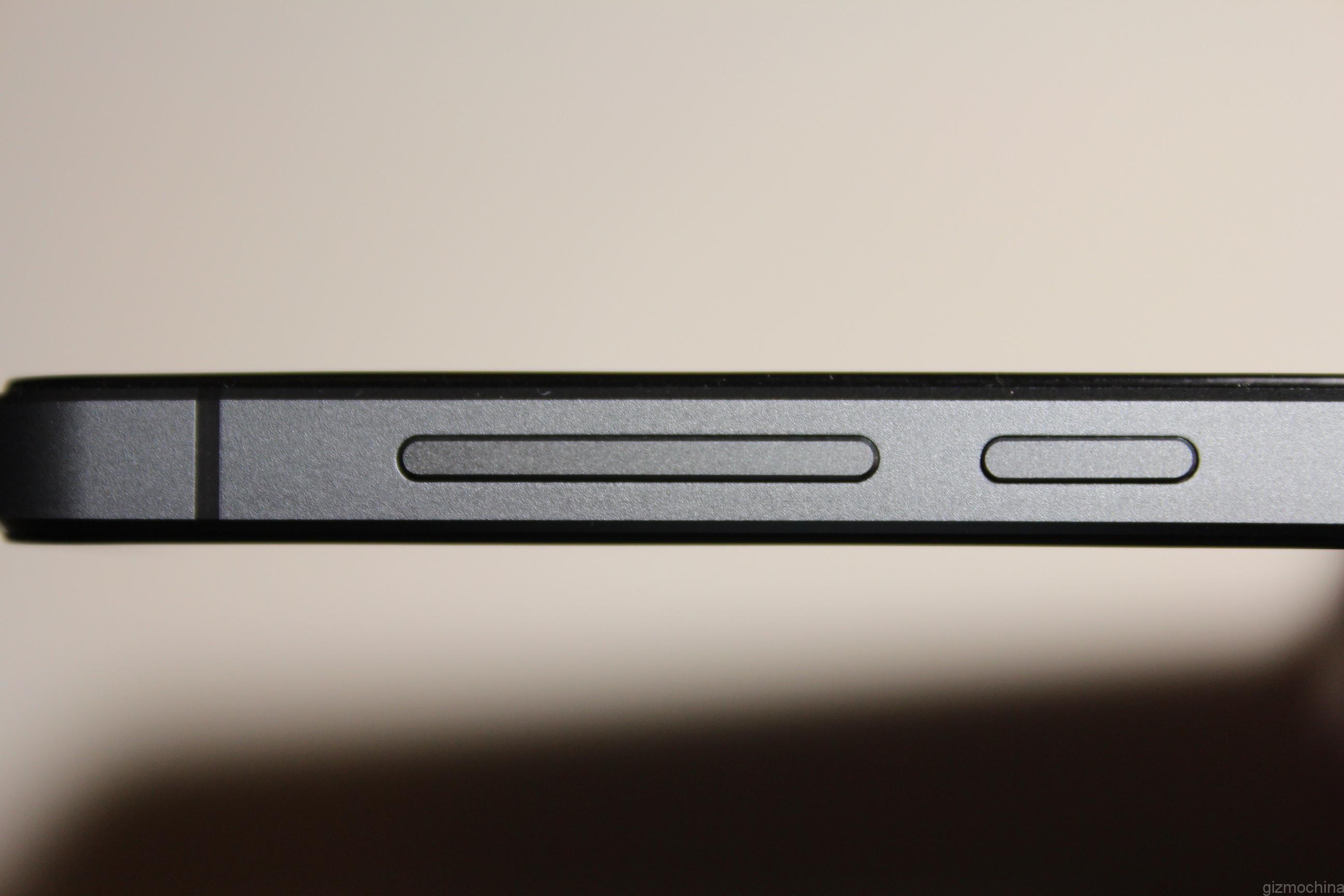
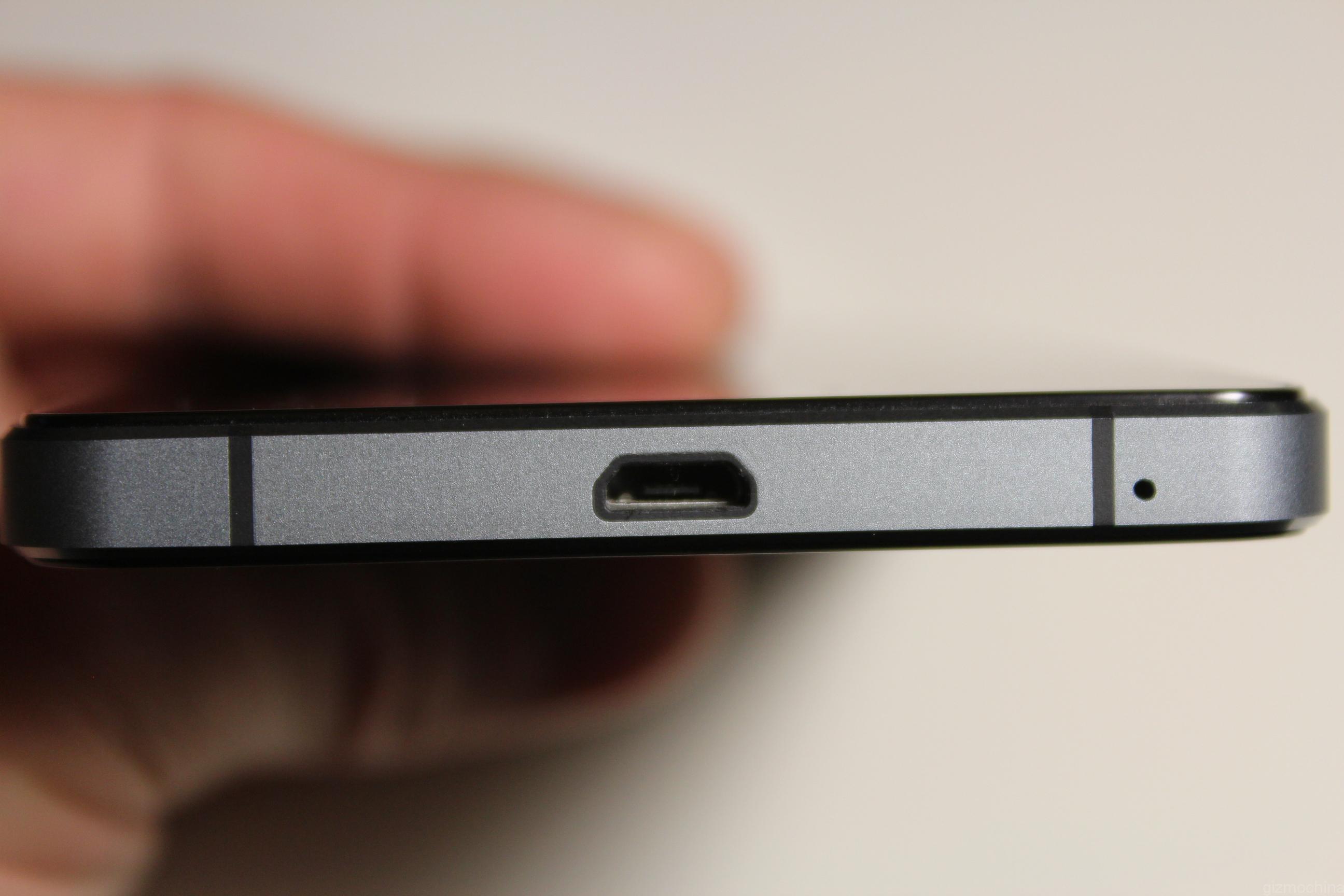
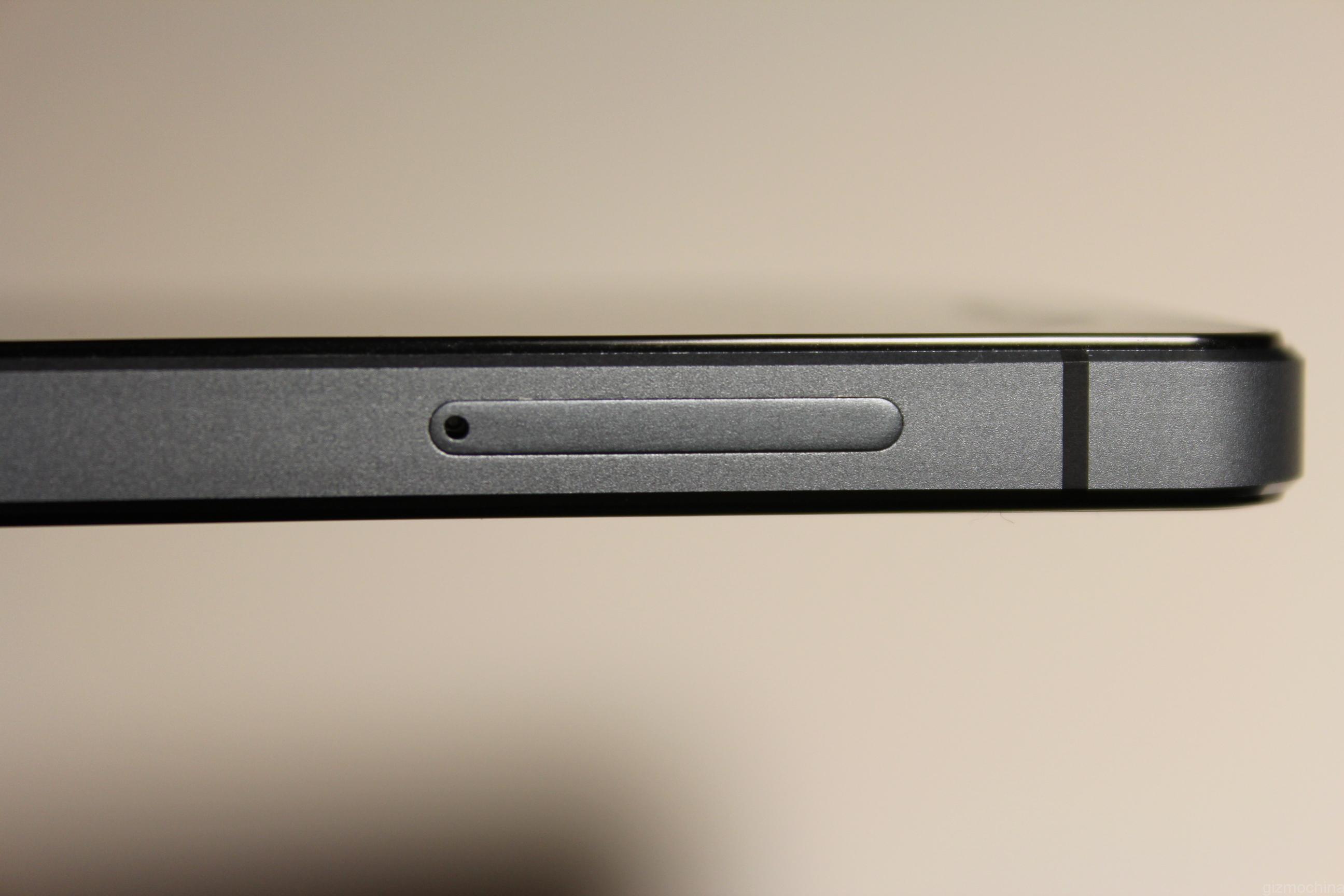
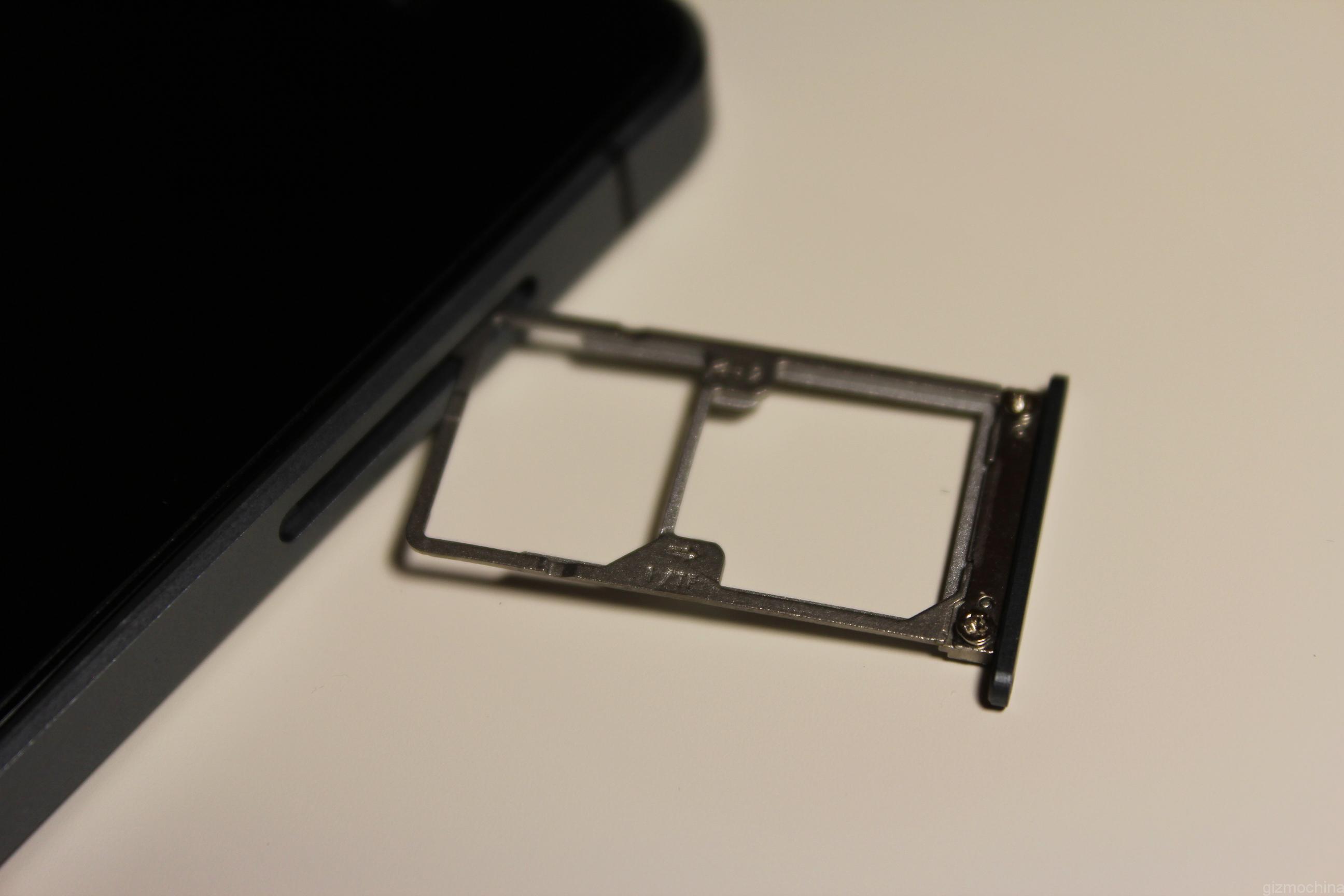
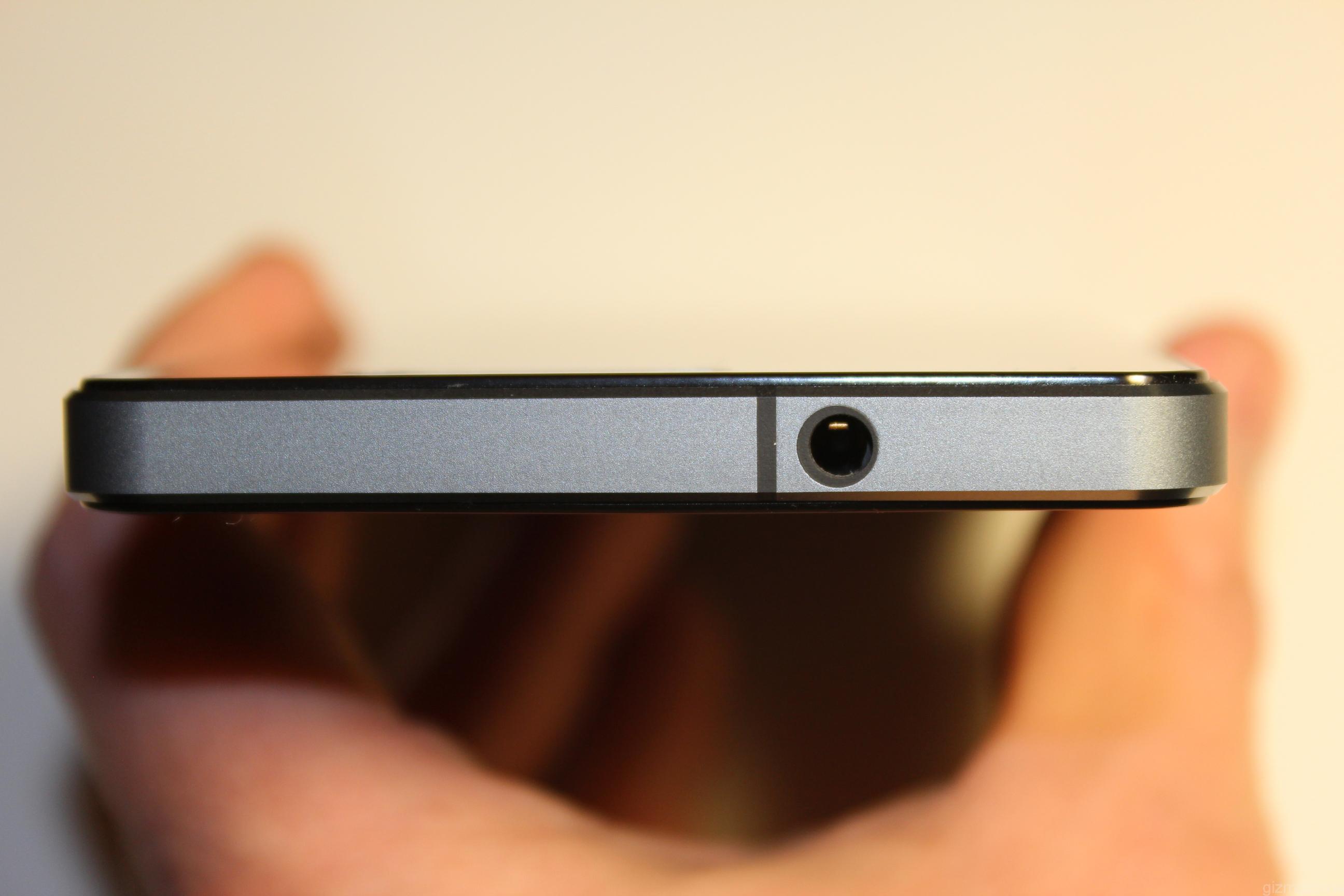
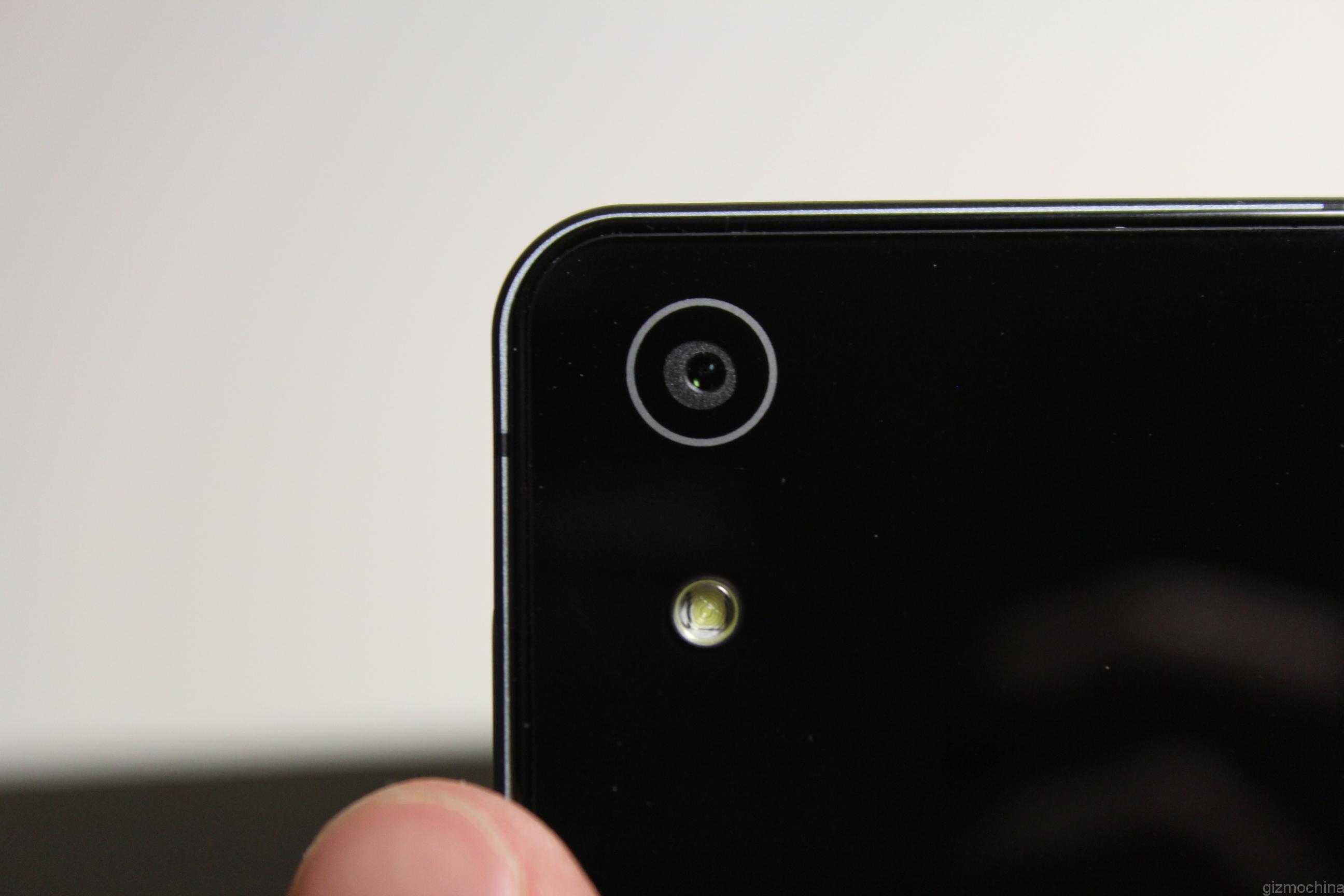
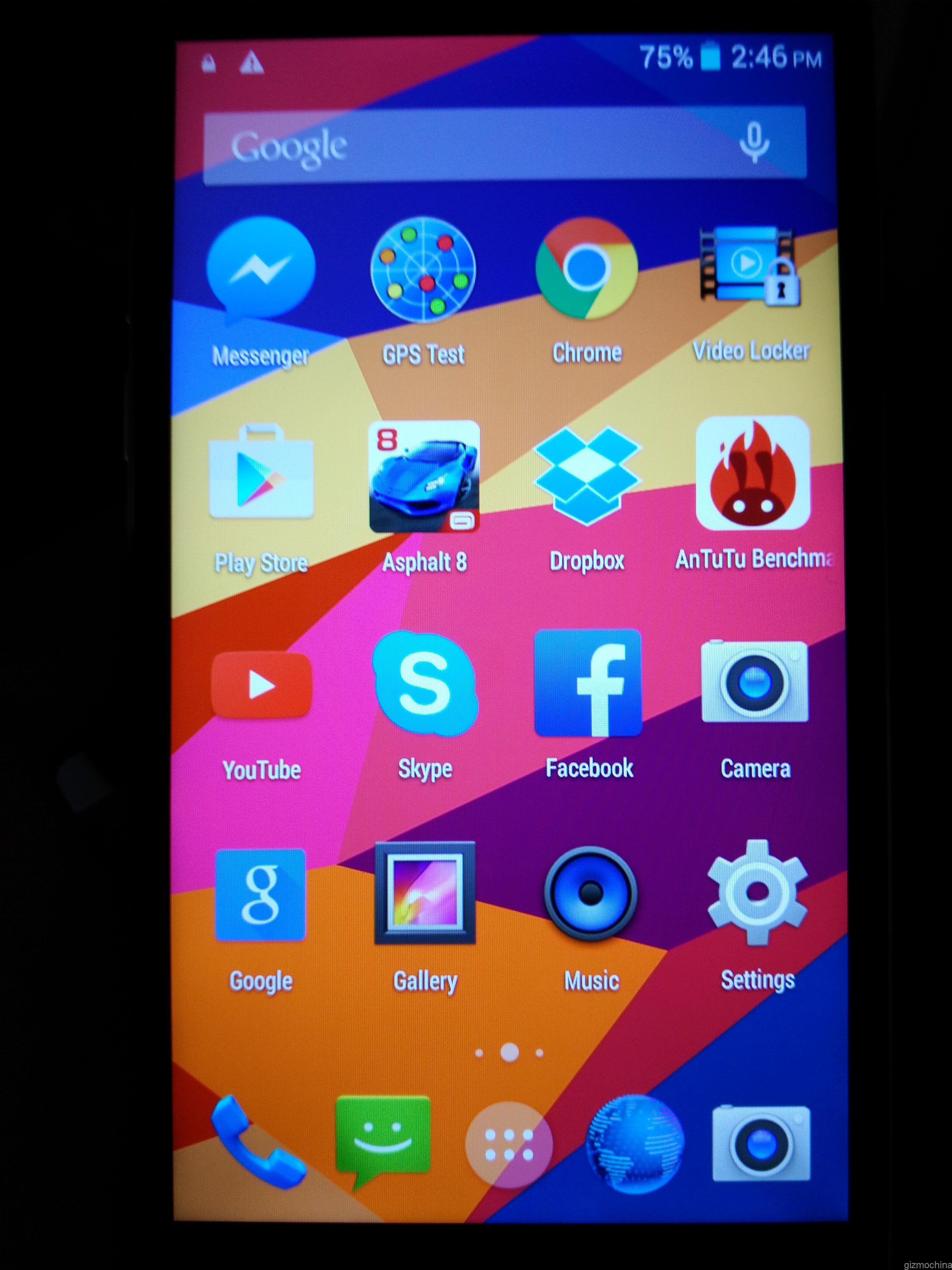
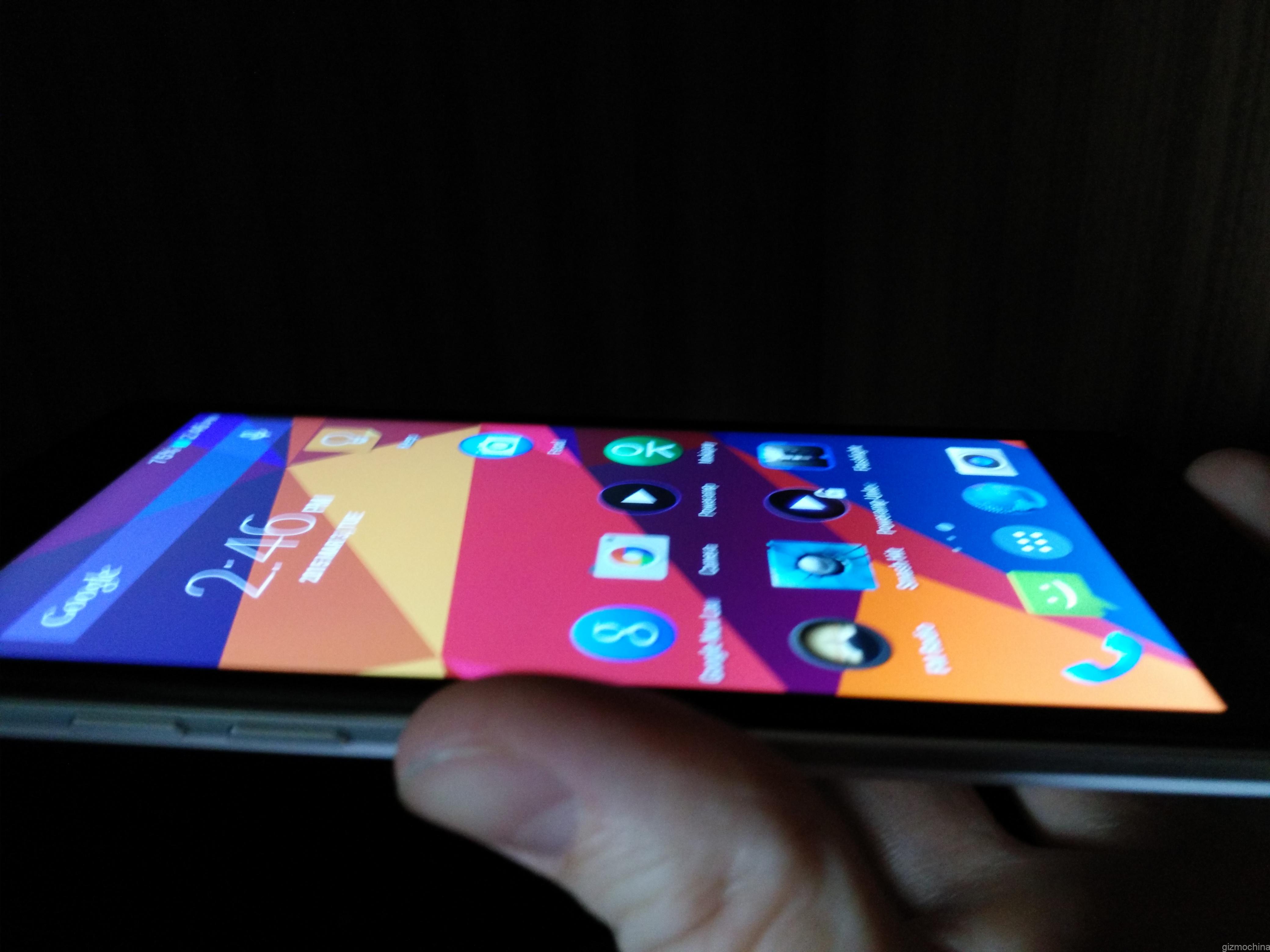
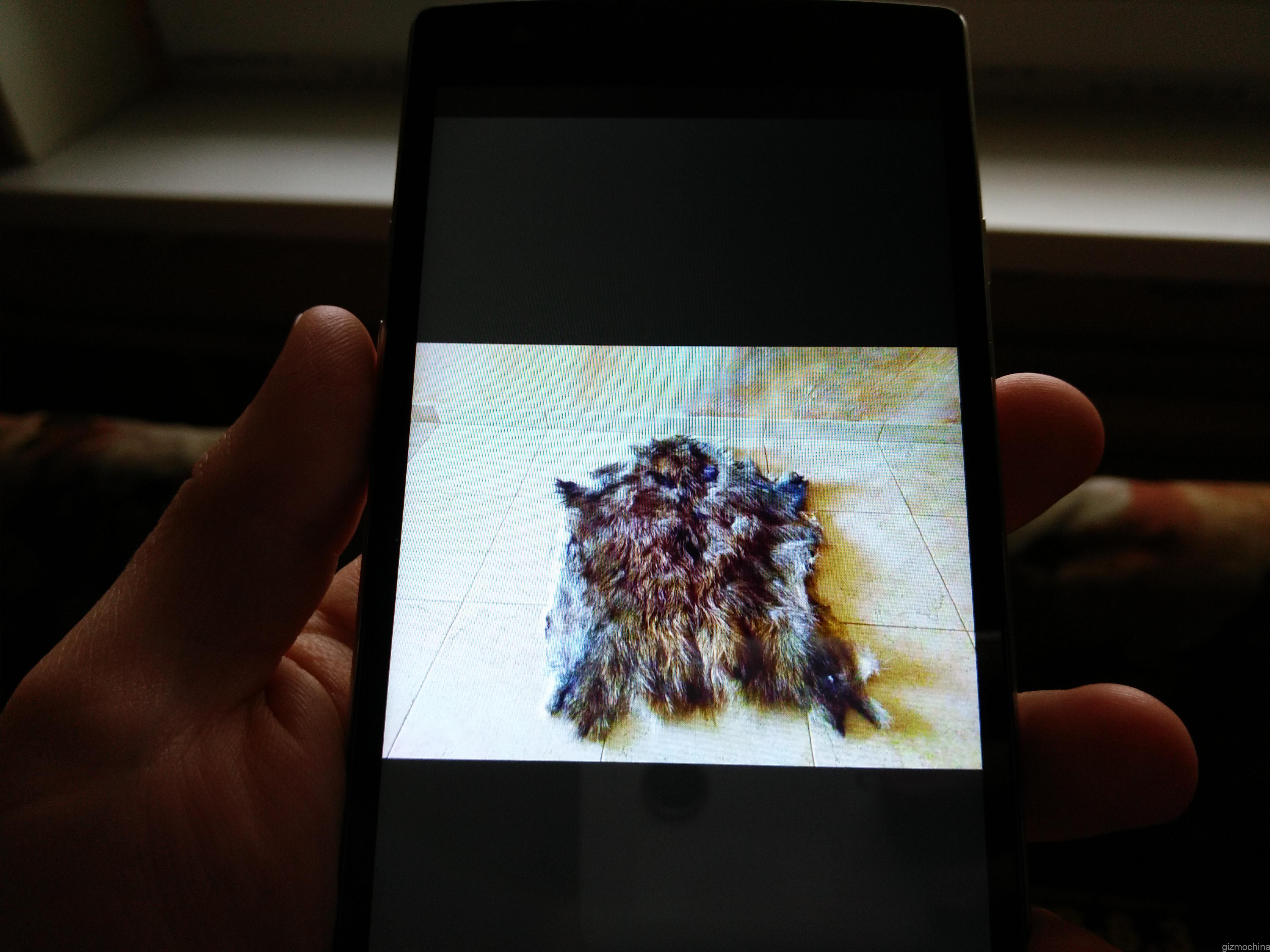
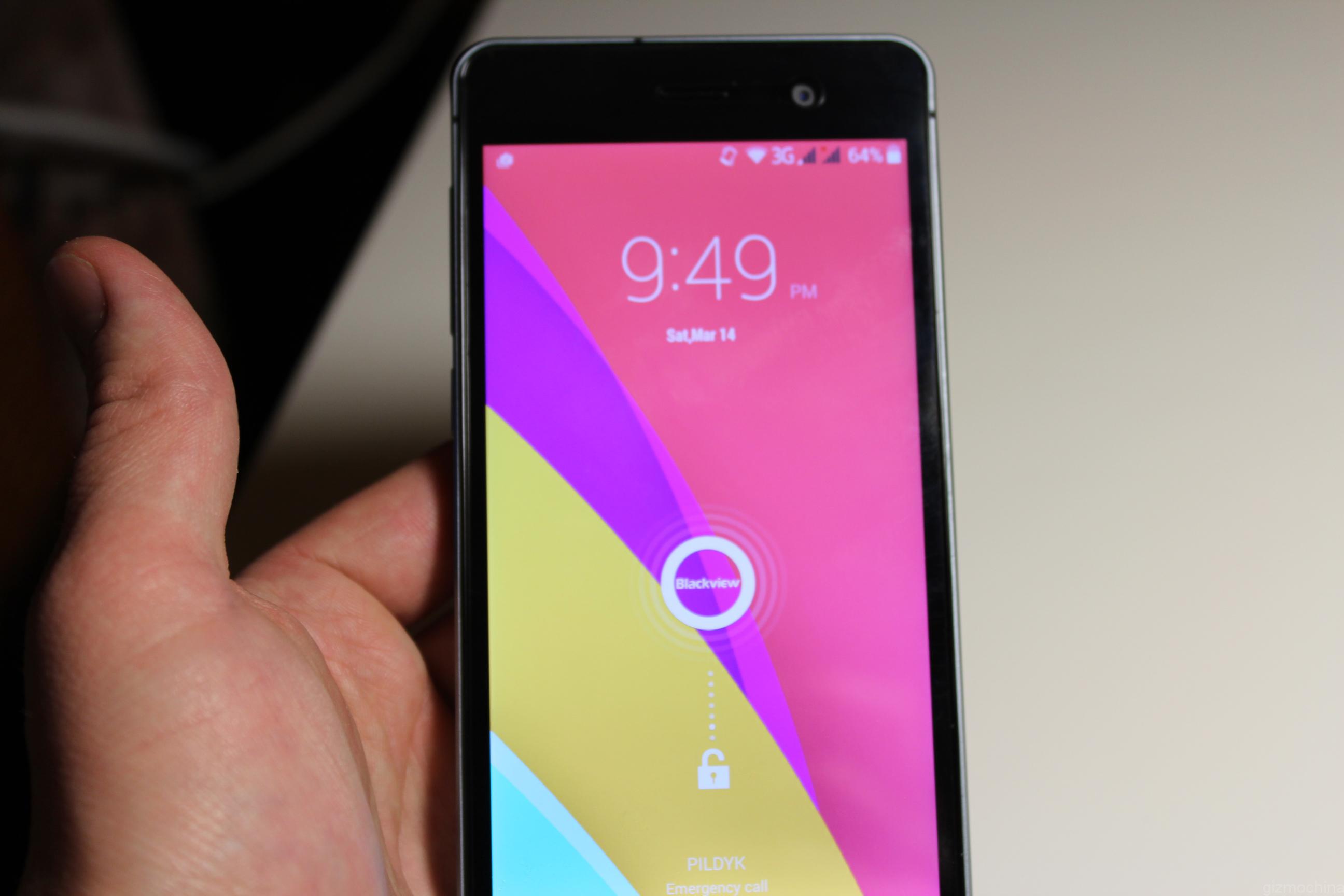
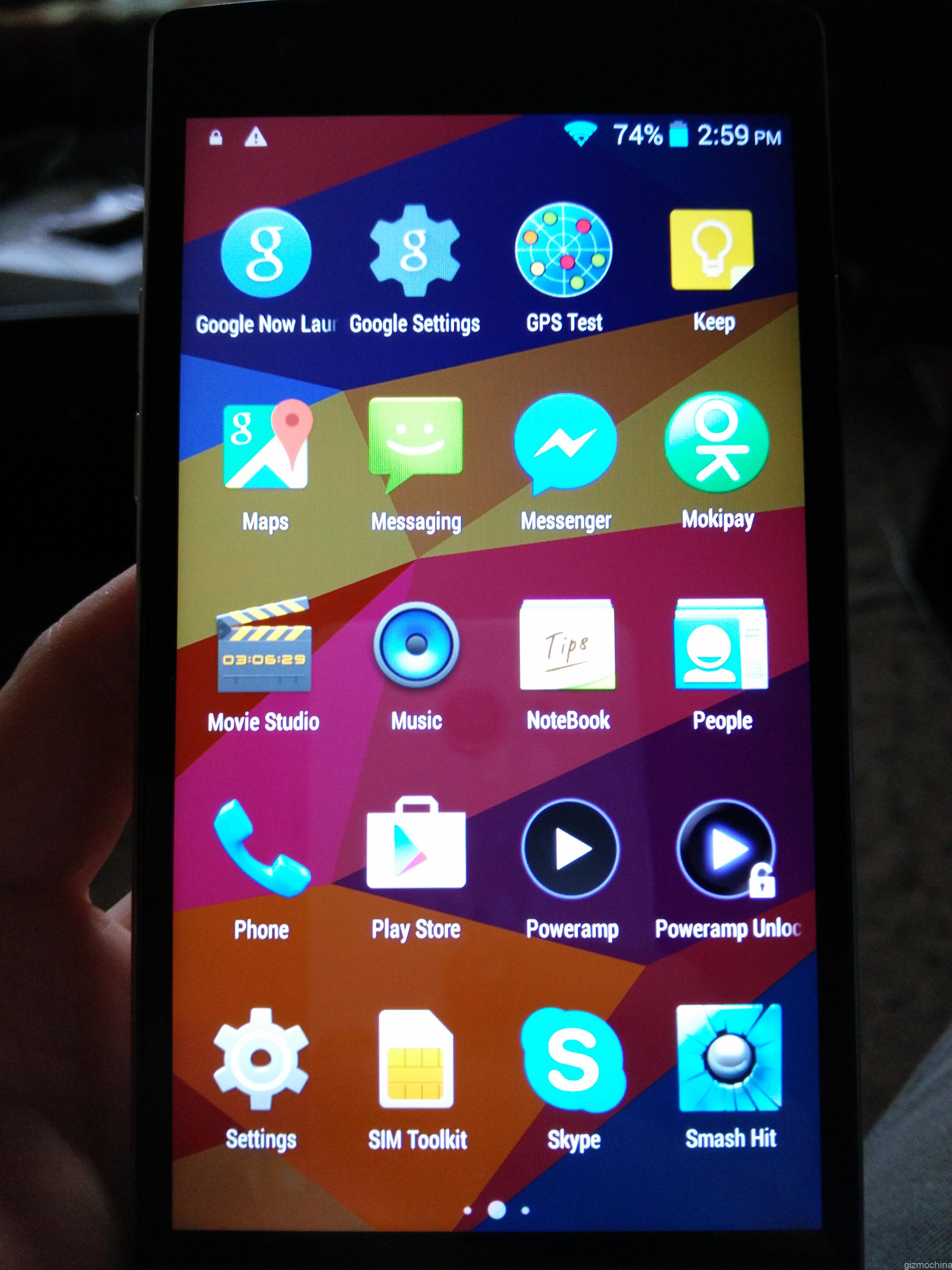
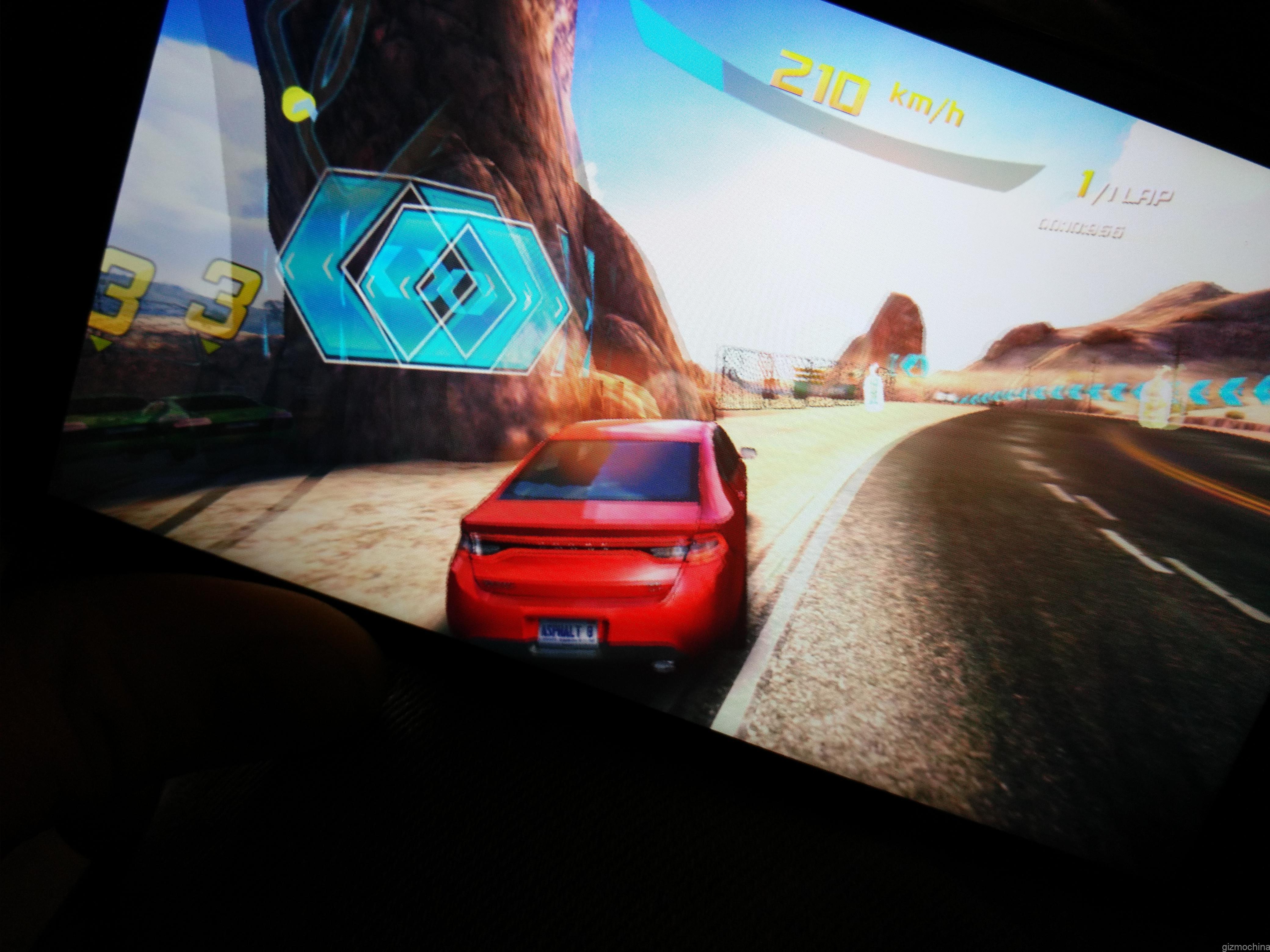
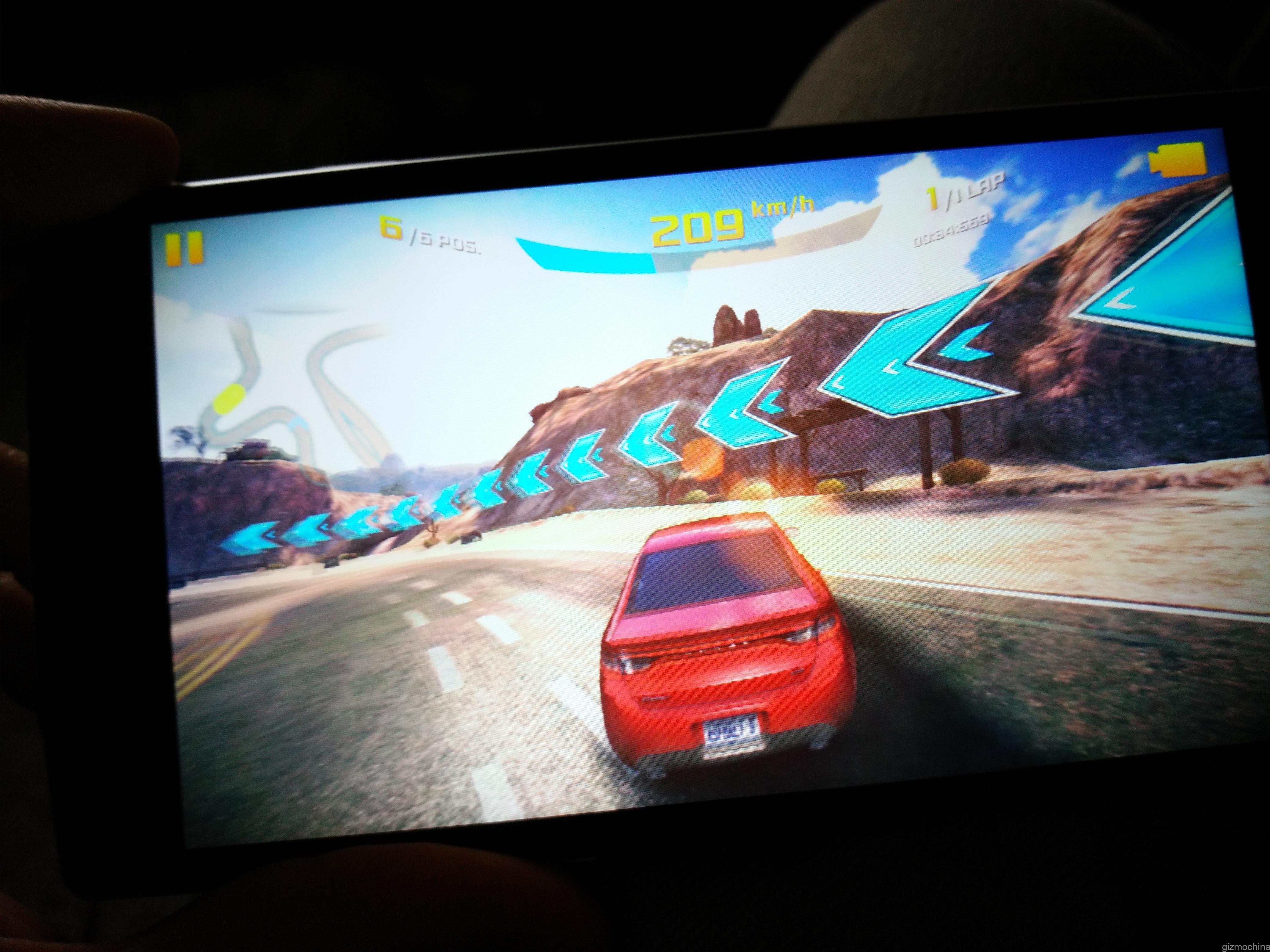
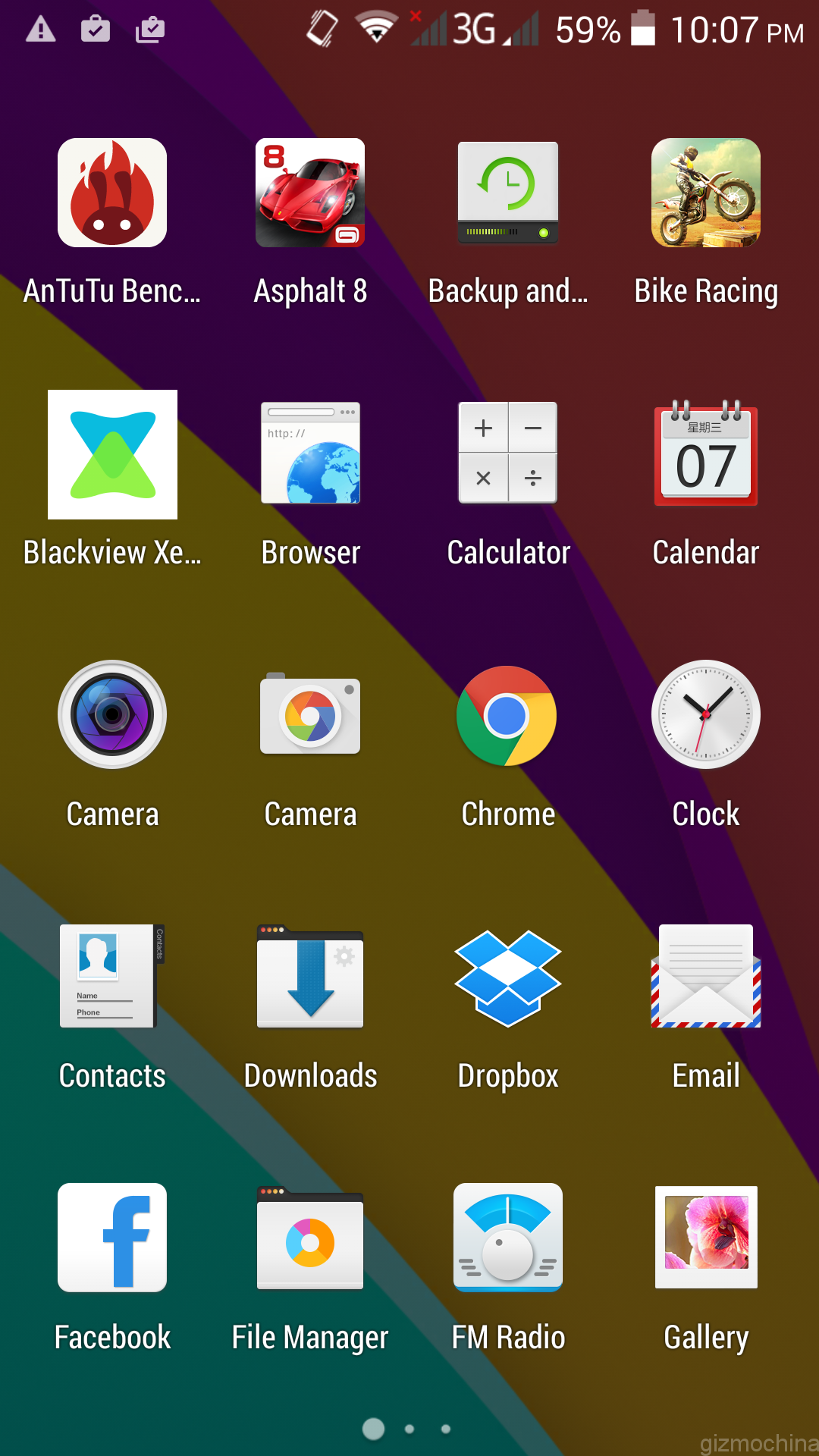
A few days back, we had shown off some pictures of the No.1 M2 smartphone. It was the third rugged device from the smartphone maker No.1 within the past three months and is targeted at those users who are looking for a compact phone that can withstand any harsh environment. At that time, we didn’t have much details about the device, but now, the company has released the tech specs as well as pricing of the M2.
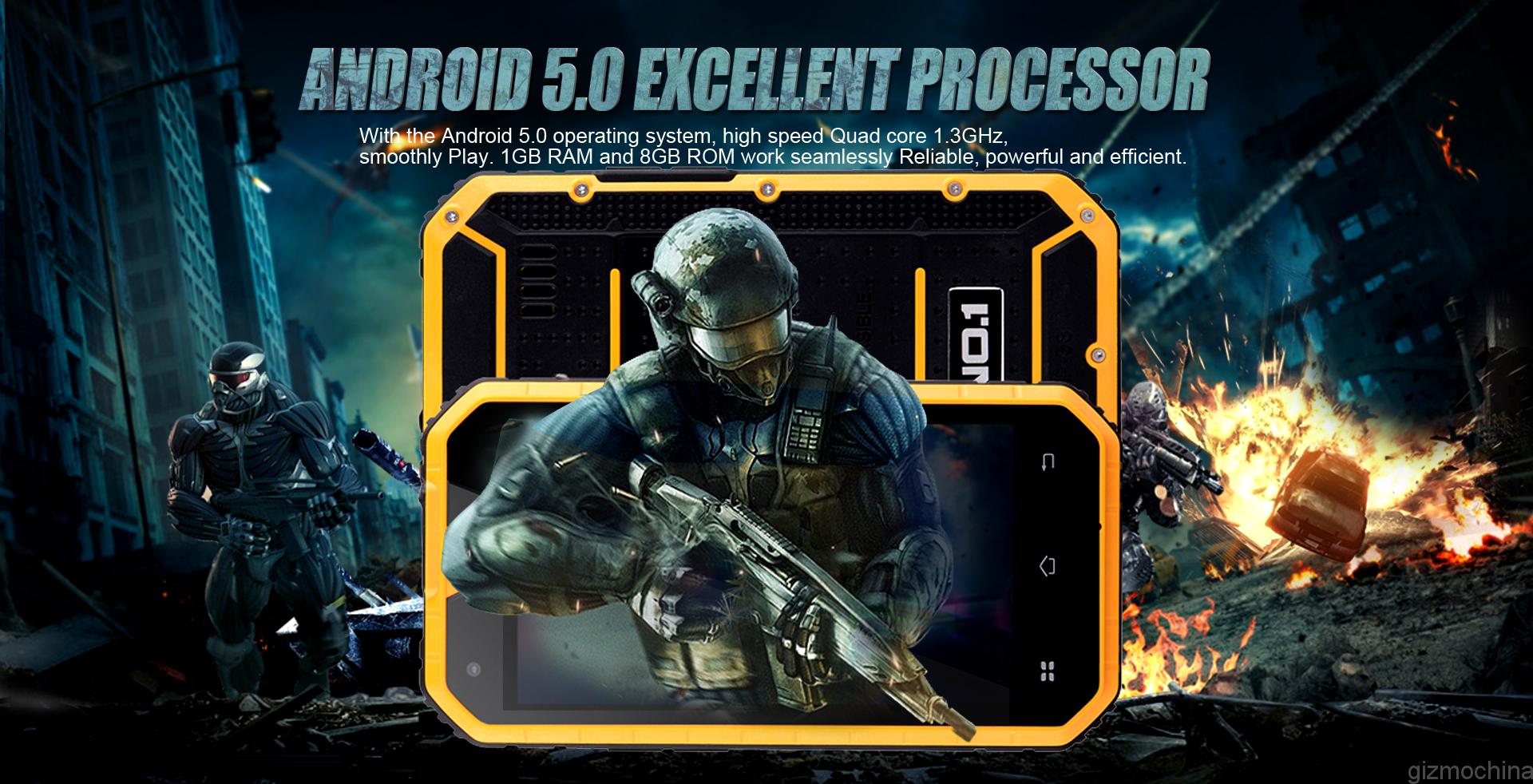
The No.1 M2 features a 64-bit quad-core processor clocked at 1.3Ghz. While we don’t know the processor make, it could be from Mediatek, most likely the MT6732 64-bit SoC. The phone come with 1GB RAM on board and 8GB of internal storage. Given that this is a rugged device, it features a 4.5-inch display with Corning’s Gorilla Glass protection. So, you don’t have to worry about scratches on your screen.
Apart from being scratch proof, the No.1 M2 also boasts of being water proof and shock proof. In fact, to showcase the resistant capacity of the device, the company has released two new videos. The first YouTube video shows the M2 being dropped inside water without any visible damage. The second shows the phone being dropped from the top of the stairs, once again without any damage. The IP68 certification also gives us an idea about the ruggedness of the phone.
No.1 M2 Waterproof Test:
No.1 M2 Shockproof Test:
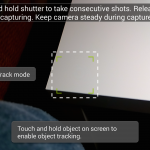
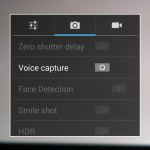
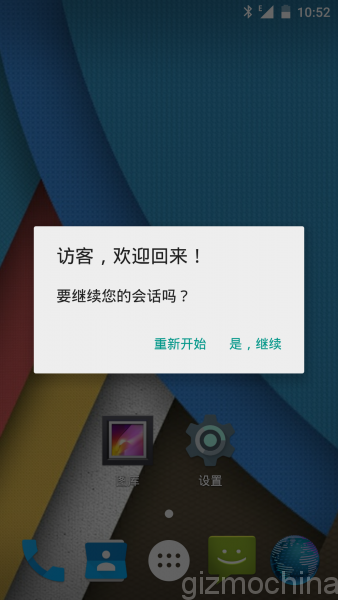
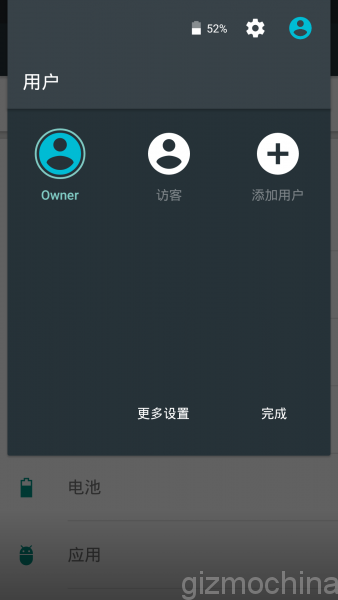
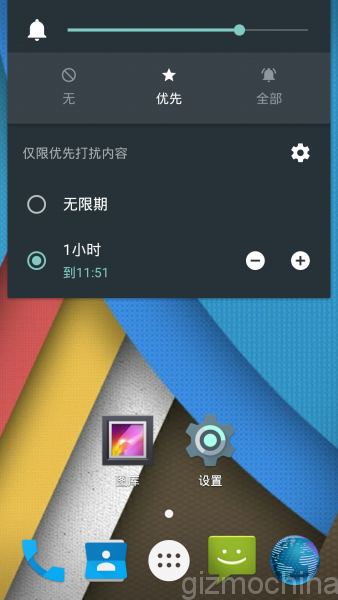
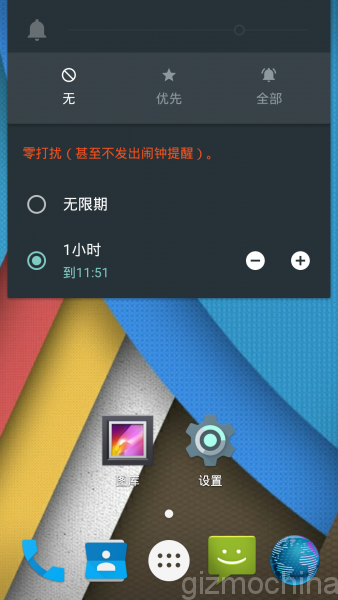
As for the camera, the phone sports a 13MP sensor at the back with LED flash and enhanced face detection and exposure controls. At the front, you get a 5MP camera. One of the highlights of the device is the new Android 5.0 Lollipop version that comes pre-installed on the device out of the box. There are hardly any rugged phones out there that run the new Lollipop OS, so this is definitely its selling point. Further, the bold looks and the 14.1mm thin body makes the device all the more appealing.
Coming to the best part of the device, the company will make the No.1 M2 available for sale by April this year for less than $100! The phone will be available for purchase via AliExpress with DHL shipping available in most countries.
Gree Electric is a well known appliance manufacturer in China. The company specializes in the manufacturing of Air Conditioners and is currently the world’s largest residential Air Conditioner manufacturer.
A few months back, Dong Mingzhu, the president of Gree electric had said that the company may release a smartphone in the market. And today, we have a glimpse of what could be the first Gree smartphone.
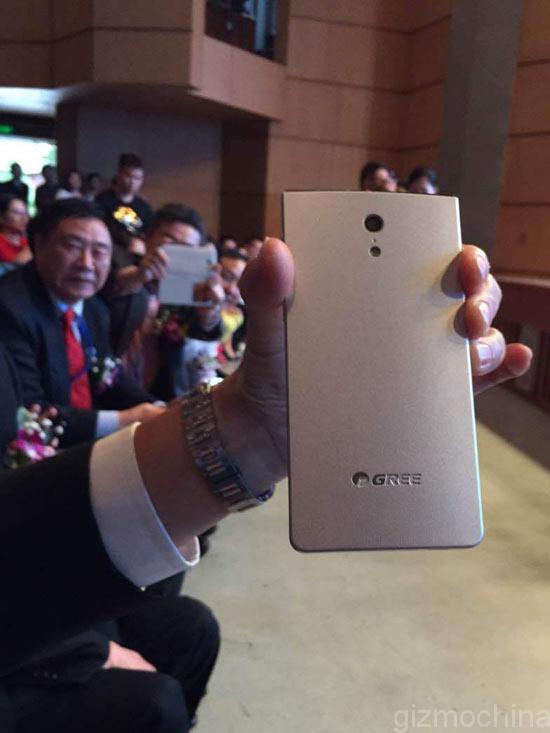
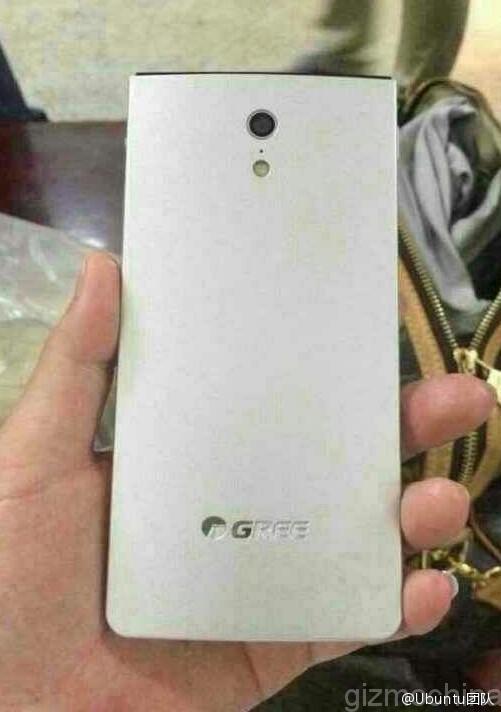
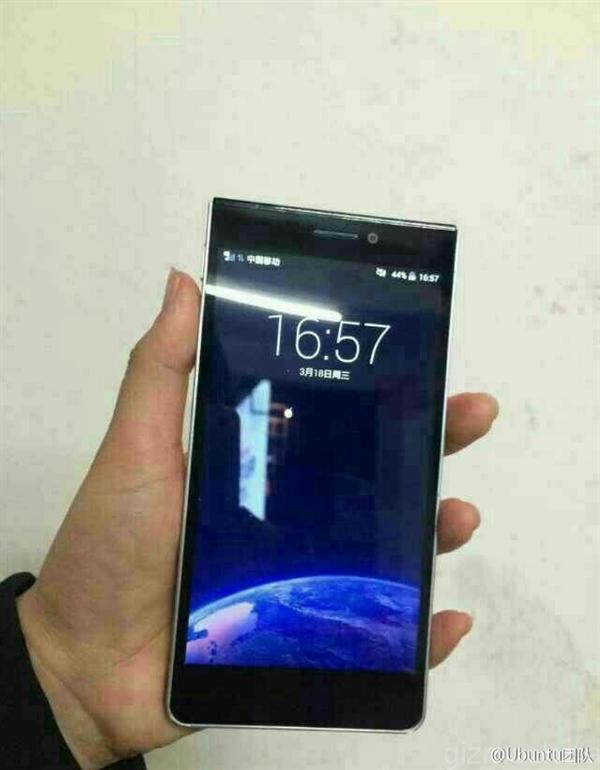
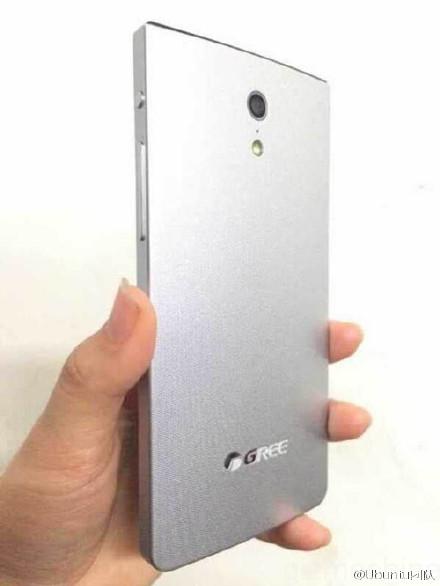
While the leak says nothing about the technical specs running on the new Gree smartphone, it does reveal the overall design of the phone. First of all, we can see that the phone is built from metal, most probably aluminum.
The back features a smooth metal finish with the camera sensor and LED flash on top and the GREE logo engraved near the bottom. The overall size of the phone hints that the display could be more than 5.5-inches diagonally. Up front, the bezels look big and there’s lot of space, both on top as well as the bottom of the display. Finally, on the right, you can see the round power button and the volume up and down keys.
To be honest, this design not even near to the refined flagship phones that we have seen recently like the Mate 7 or even the ZTE Nubia Z9 Max. Still, it could just be a prototype and the company may change a lot of things before finally launching it in the market.
This particular leak further confirms one more electronic company’s entry into the smartphone race. Clearly, they feel that there’s still room for new players in this already crowded Chinese smartphone market.
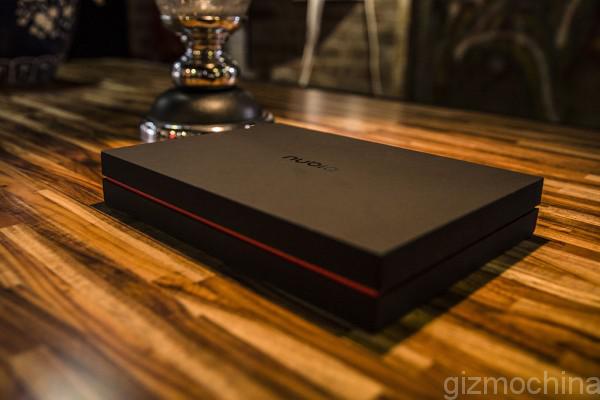
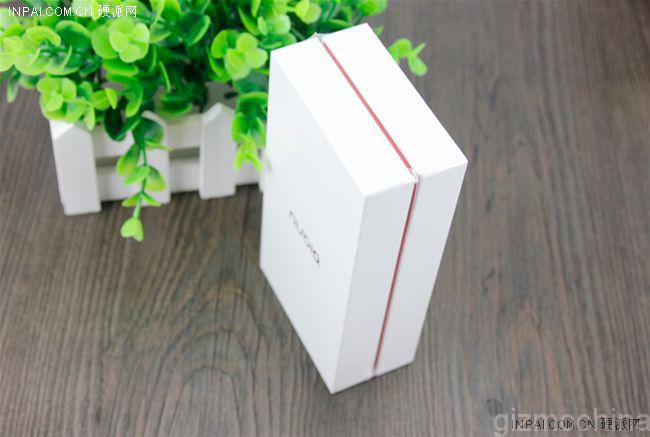
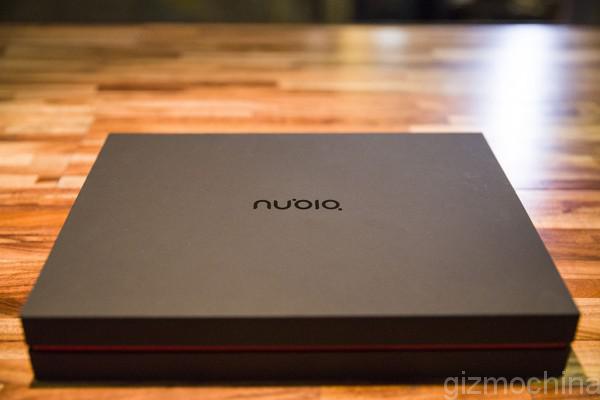
We are just a few days away from the official event by ZTE where it will unveil the new Z series Nubia smartphones. But that doesn’t stop new leaks and rumors from making it online. The latest images leaked on Weibo reveals the product box of the upcoming Nubia smartphone. While the box retains the basic design as its previous generations, there are a few noticeable changes.
First of all, the box is much wider than anything we have seen recently from ZTE. If you take a look at the boxes of the ZTE Nubia Z7 Max or any other Z7 series phone, the box was much narrower than this. Moreover, the new box is extremely slim as compared to previous generations.
Older generation ZTE BOX
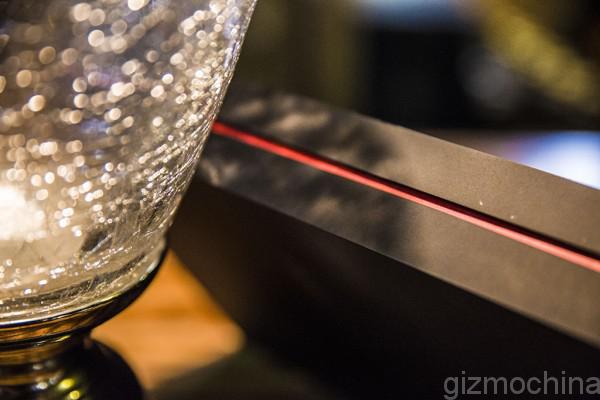
The black looks particularly good which is further adorned by the red color in between. Overall, we see a much more refined and improved packaging by ZTE for their new Z9 series smartphones. However, like always, the front remains clean, with just the Nubia logo on top.
I know we can’t really tell much about the quality of packaging with just a picture of a box, but we like what we see. The recent rumors have shown off an extremely beautiful metal body ZTE Nubia Z9 that’s even slimmer than the iPhone 6, so we expect something good at the event next week.
Apart from the ZTE Nubia Z9 Max, Z9 and Z9 Mini that are expected to debut at the event, we may even see a Windows powered version of the Z9 Max. A few hours back, we were lucky enough to get a glimpse of this ZTE Windows device and the company may announce the model next week.
Anyways, the recent leaks have given us an idea as to what to expect from the upcoming Z9 series phone. Stay tuned for more information in the coming days.
In 2014 the Android market space was shaken by the arrival of the powerful, yet competitively priced OnePlus One. However, the invite system and the insufficient supply made many potential buyers give up hope of ever owning one. The Ulefone Be Pro is a smartphone that takes many design points from the OnePlus One, but offers them to you at a much more affordable price point.
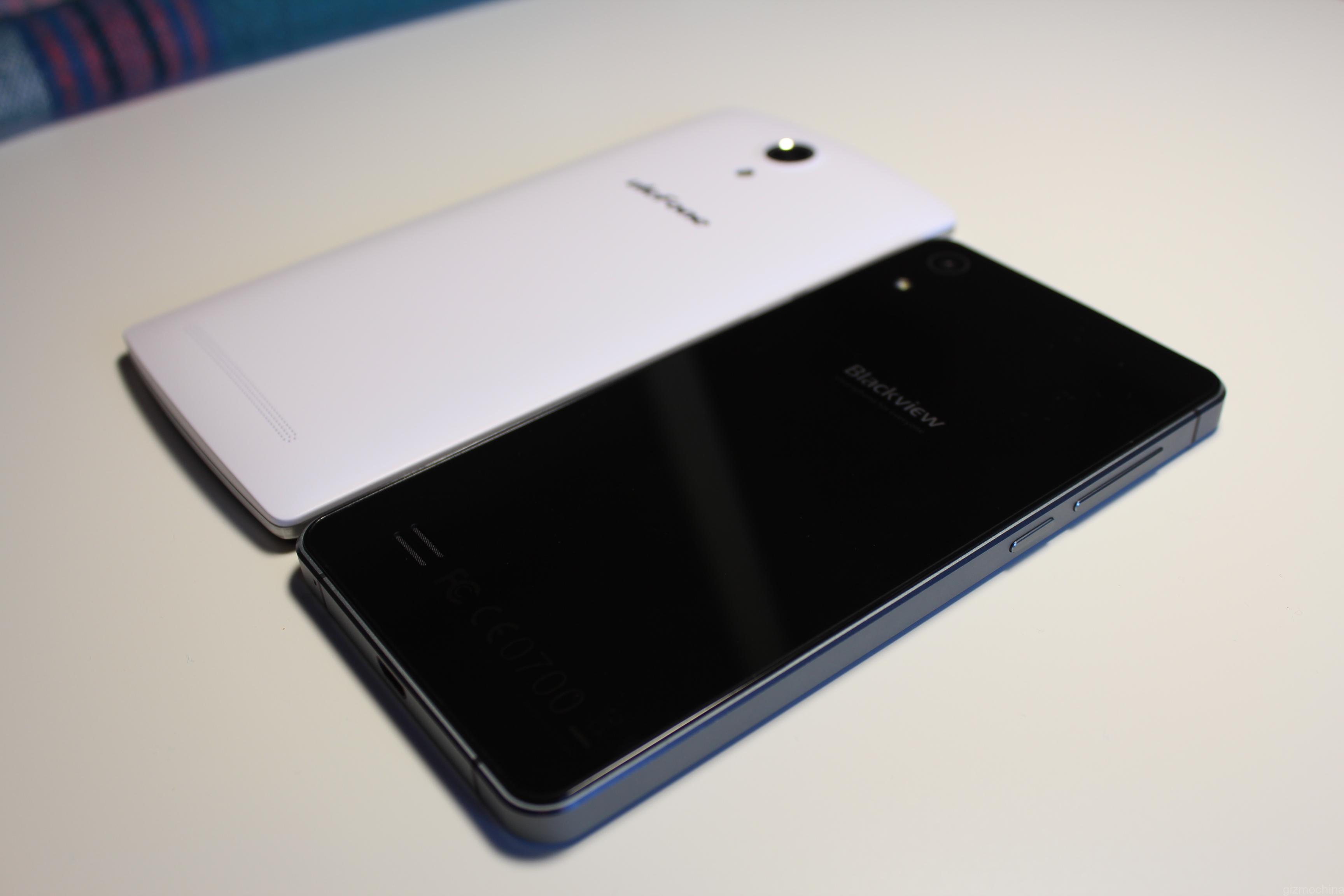
What is more, The Blackview is another Chinese manufacturer, which is not that widely known for its products outside of China as OnePlus is. Also, it does not have a significant market share in its homeland. However, there is one thing that both Ulefone Be Pro and Blackview Omega has in common – its design inspiration from other (yet different) companies.
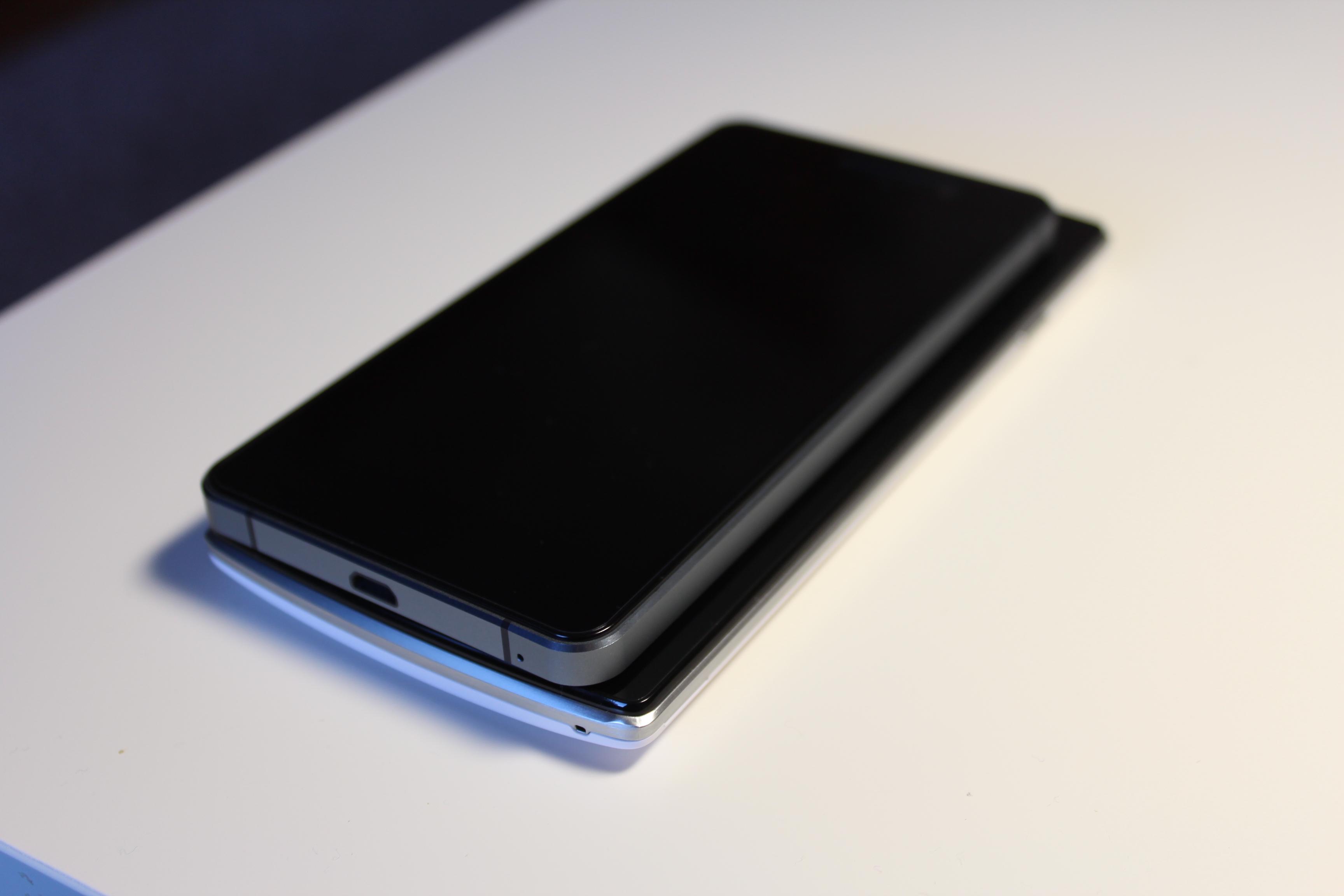
In addition, these our recently reviewed devices fall into similar pricing categories. In this article we will try to make a comparison between two of them, so it may help in case you cannot decide which one to choose.
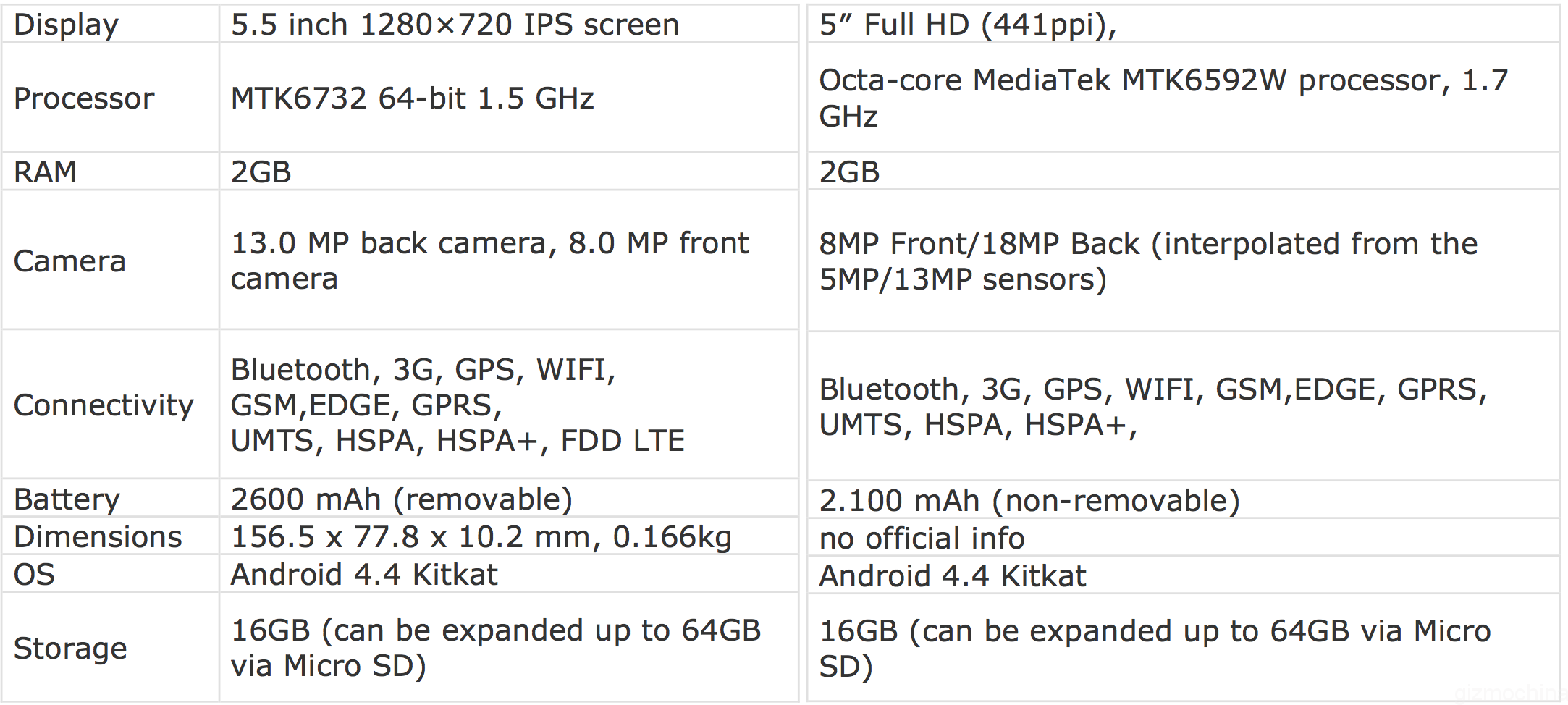
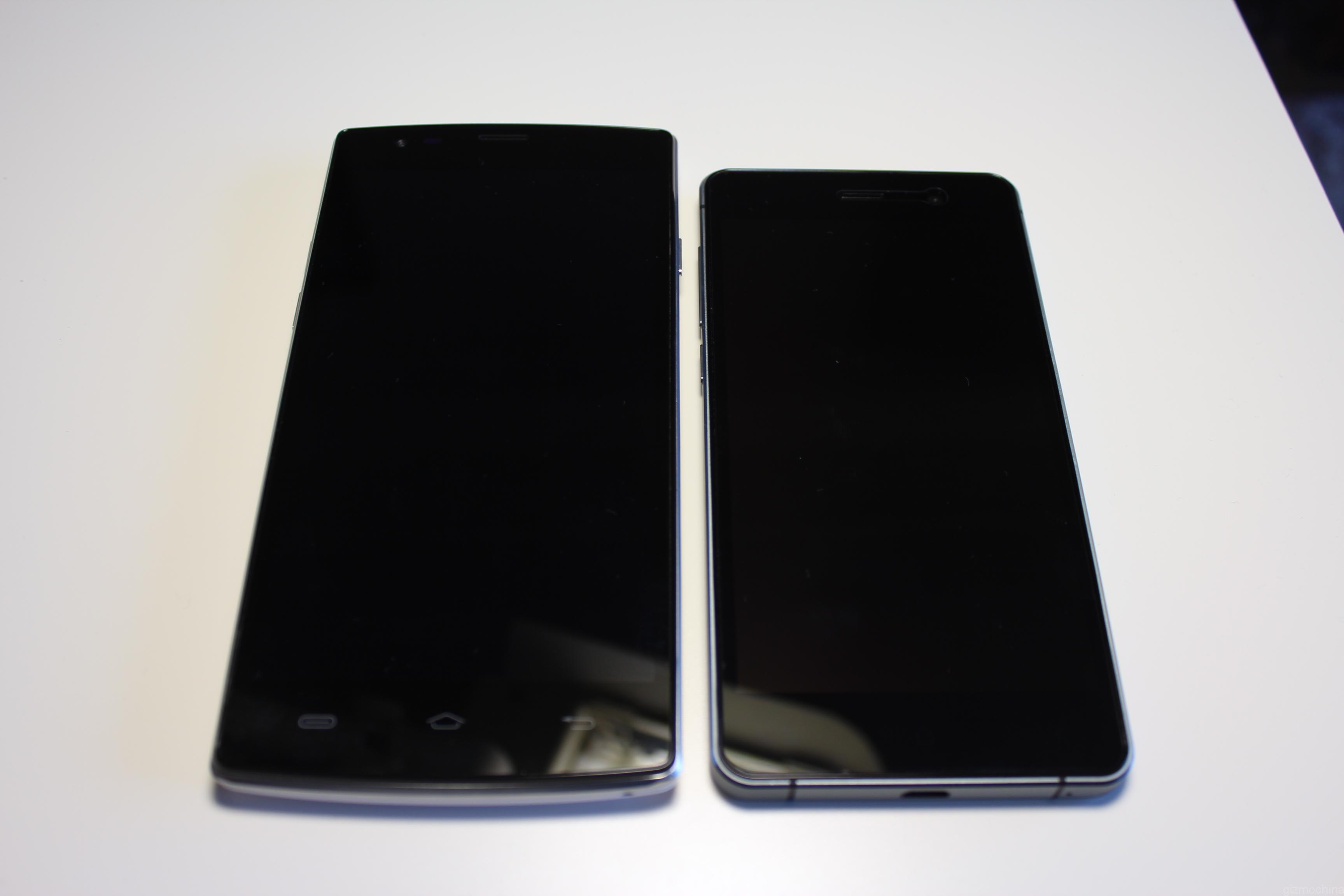
As far as the specs of each device go, the Ulefone manages to excel in certain departments like having a bigger (5.5 over 5″ display), a faster 64-bit Mediatek chip inside, bigger capacity of the battery (2600 mAh over 2100 mAh), the ability to replace the battery, which is a huge plus for some of the users. What is more, it has the 4G connectivity option, which puts the Blackview Omega to shame in this category in this day and age.
On the other hand, some of us may prefer the smaller, but more compact 5″ screen size of Blackview Omega, which makes the whole device more manageable with one hand. Also, the back camera of this device has more pixels (18MP over 13MP). However, you have to consider that both devices use interpolation method of pixels. Ulefone Be Pro has only 8MP shooter, which is bumped up to 13MP (Ulefone has officially admitted it and apologised to their fans); and the Blackview Omega has a 13MP sensor with some software tricks that increase the pixel count to 18MP.
In the end, we never judge any devices by the mere specs, so we need to dive in to its features and real life performance. But before that we must take a look at how the device looks and feels.
DESIGN
1 of 17
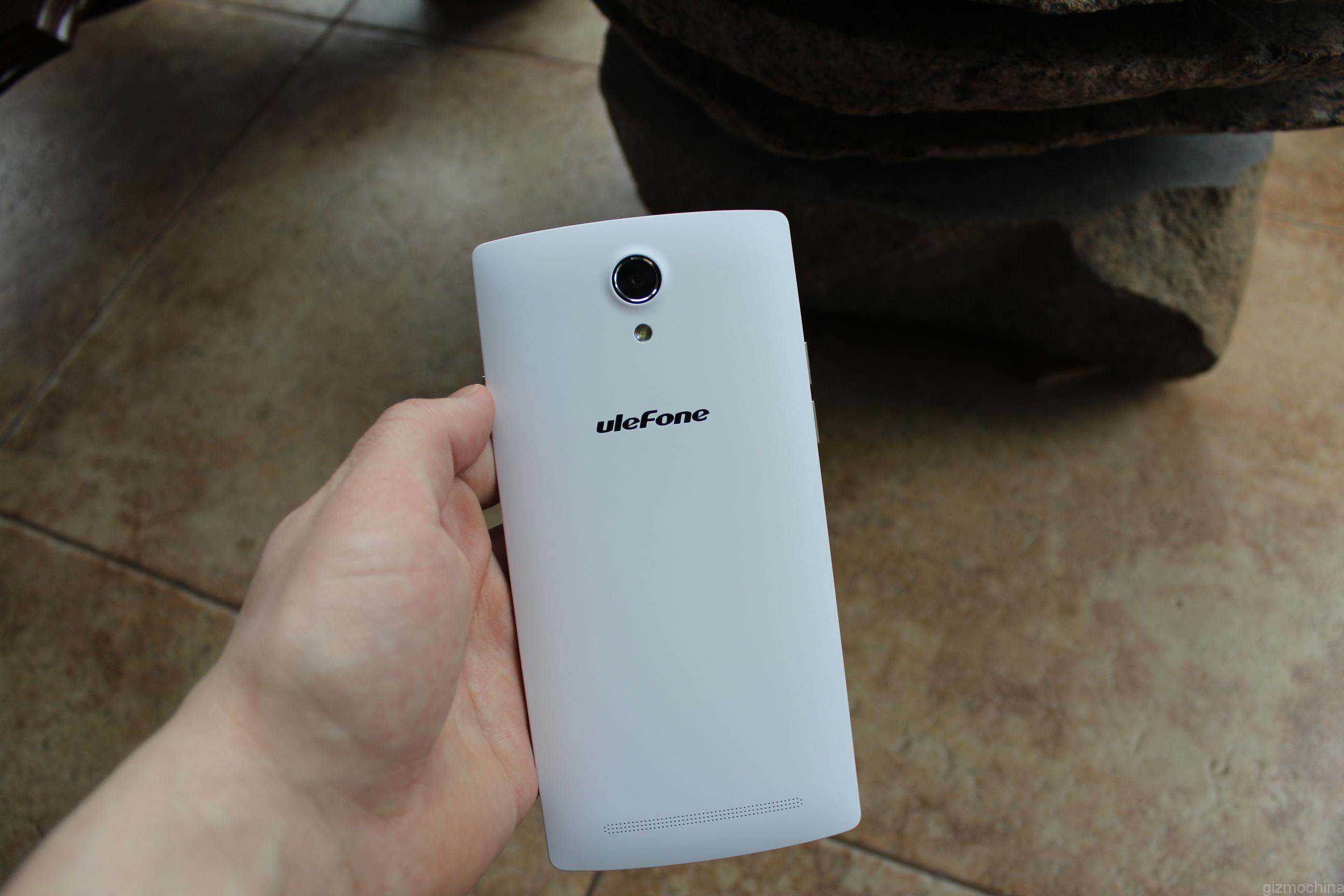
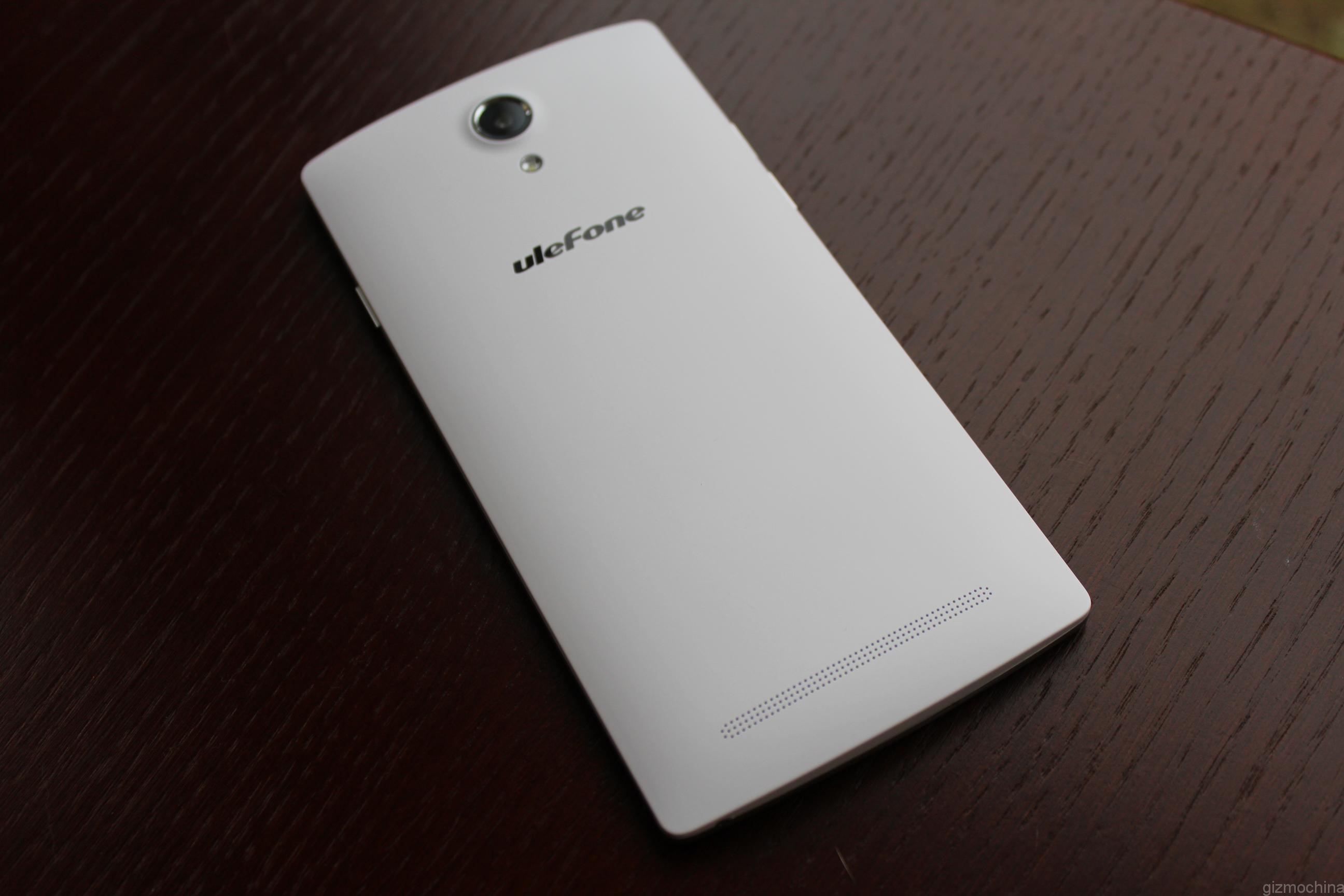
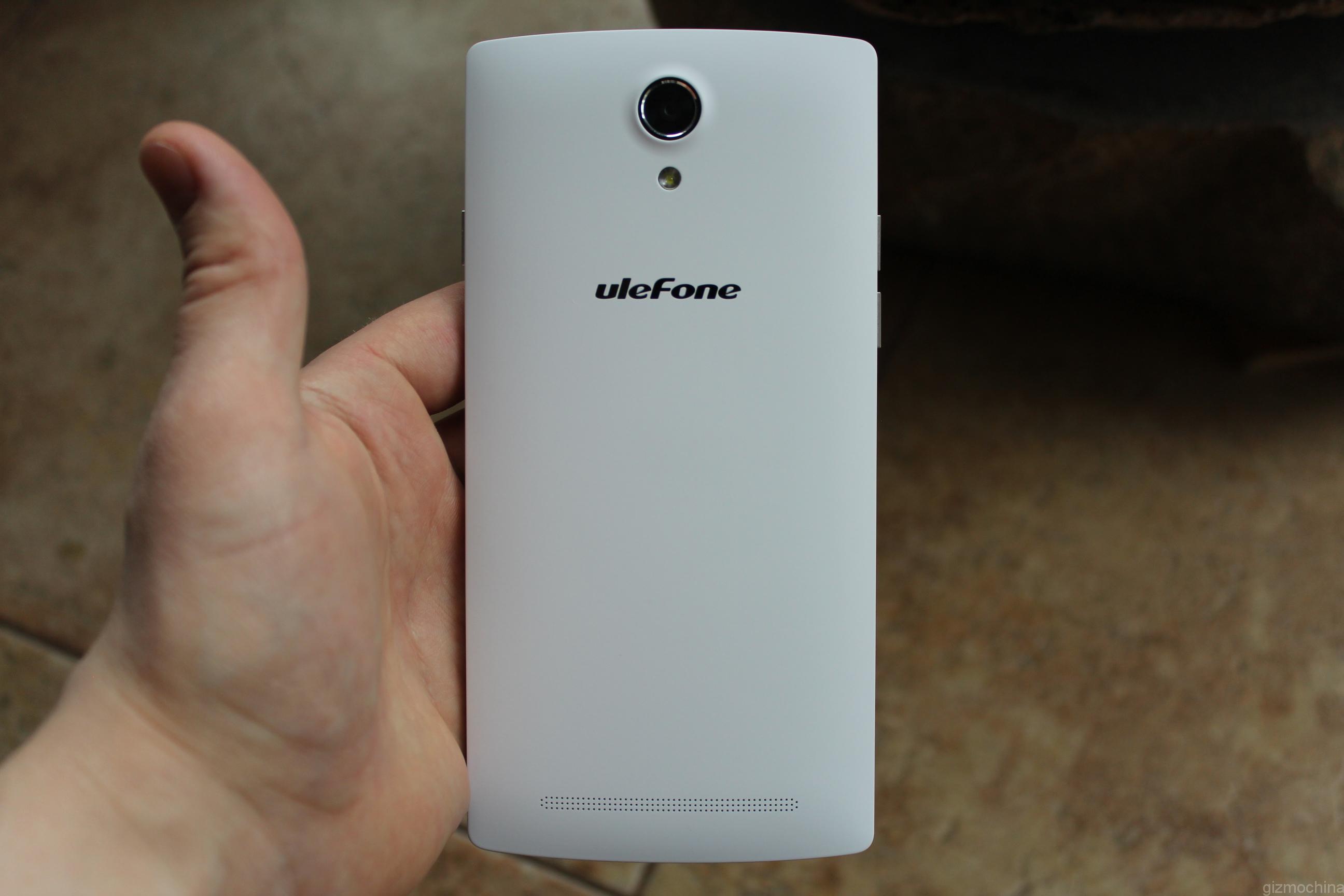
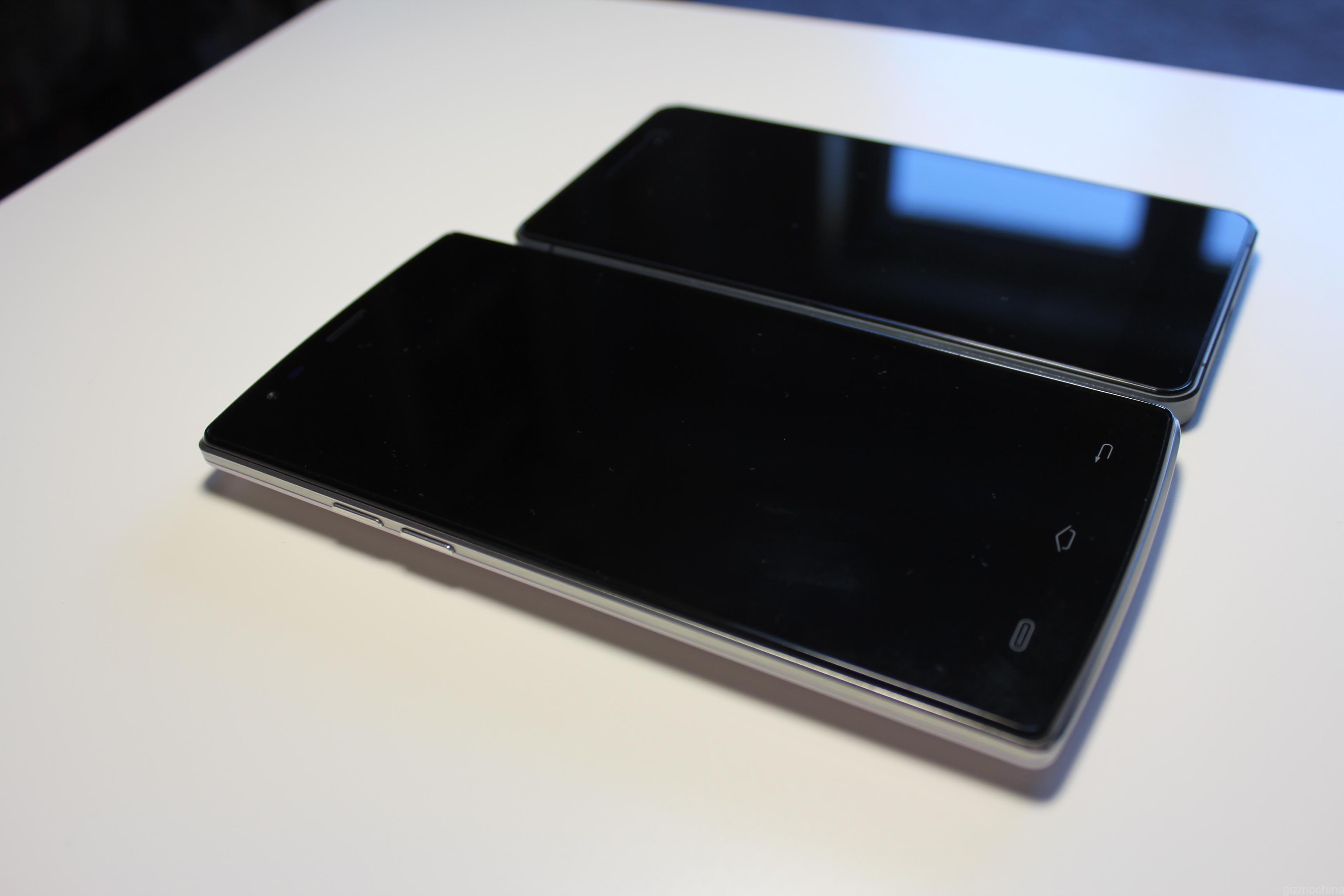
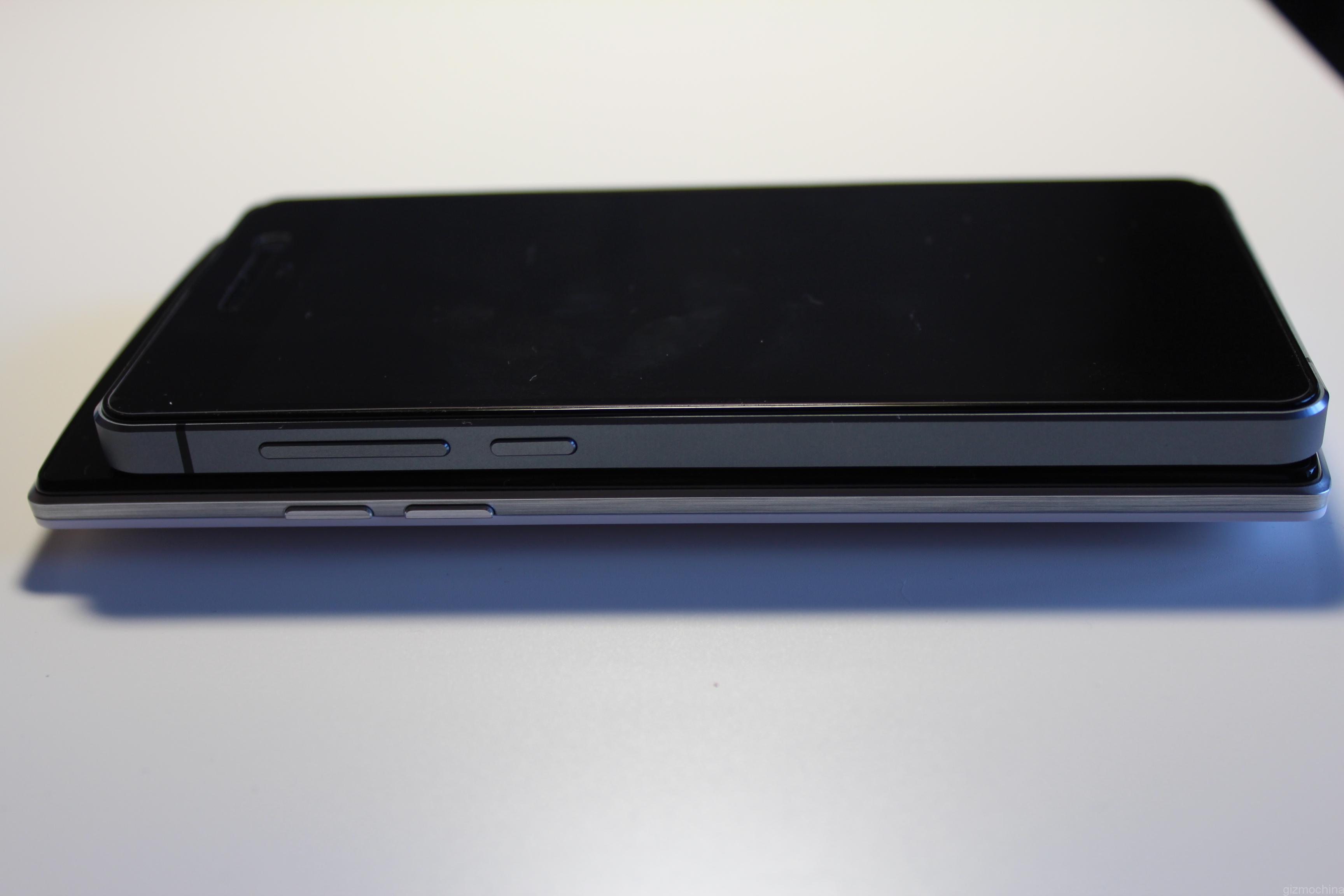
It is quite obvious that Ulefone decided that the Be Pro would be a great seller if it borrowed similar looks from the OnePlus One. It is similar in size and it is built of similar type materials. There is a silver plastic trim around the device with plastic buttons. The back of the white version of the device is somewhat “baby skin” material, which is smooth to the touch. Overall, the Ulefone Be Pro is well built, but lacks premium materials like metal or glass.
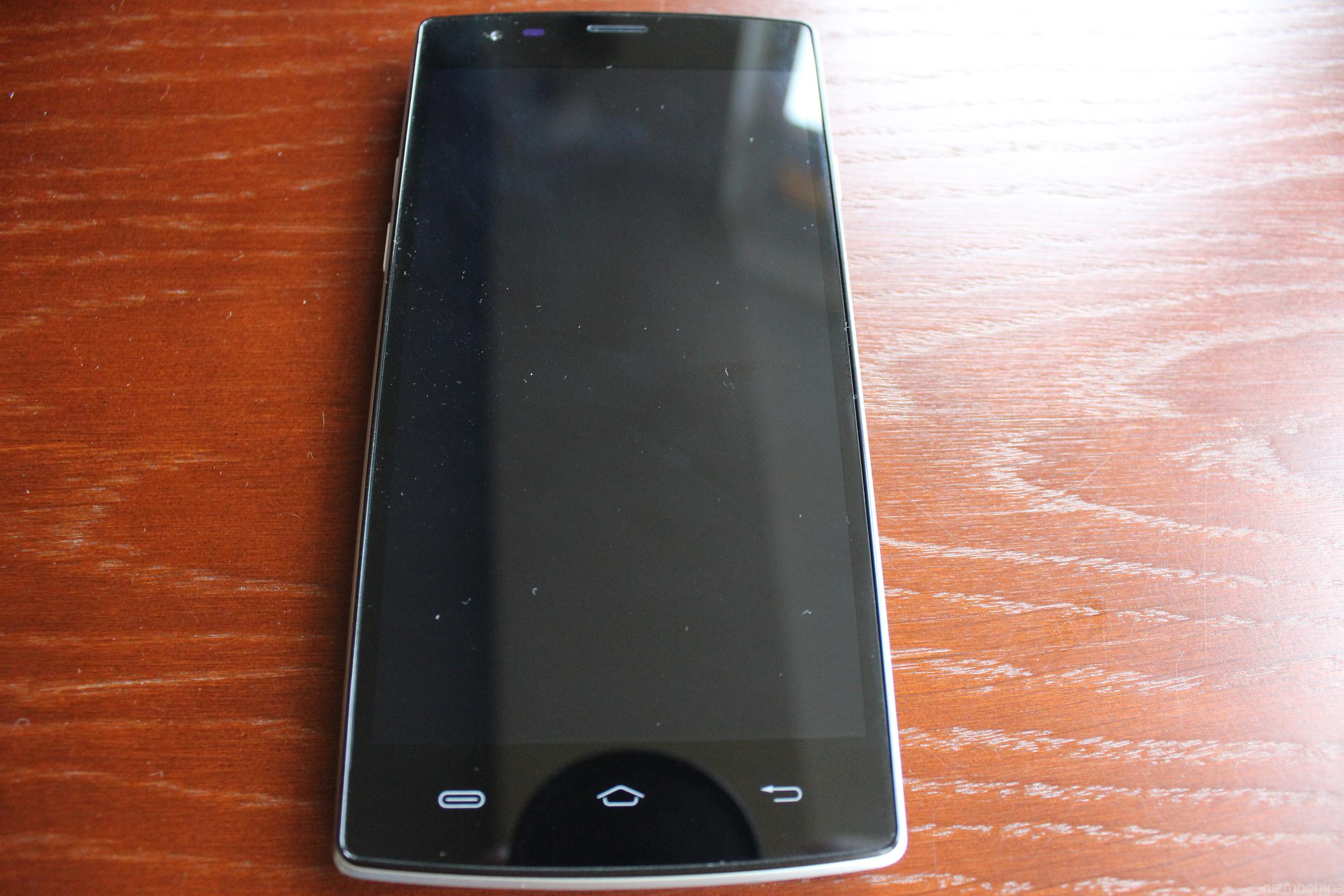
The front side of the smartphone does look very similar to the OnePlus One. On the bottom there are 3 capacitive keys, which, however, don’t have the backlight. On the top side, there is an 8MP shooter along with the proximity sensor, earphone and LED light.
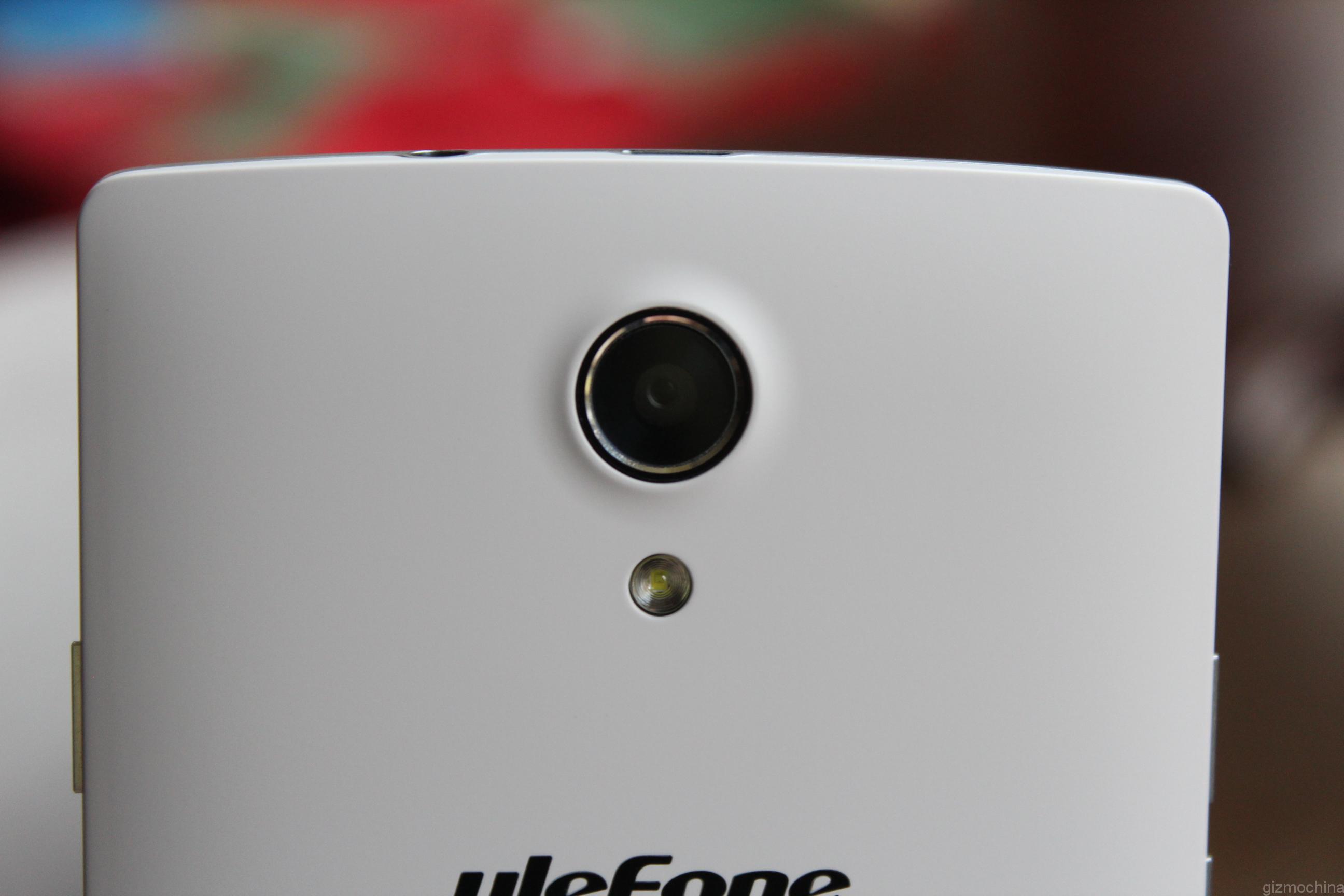
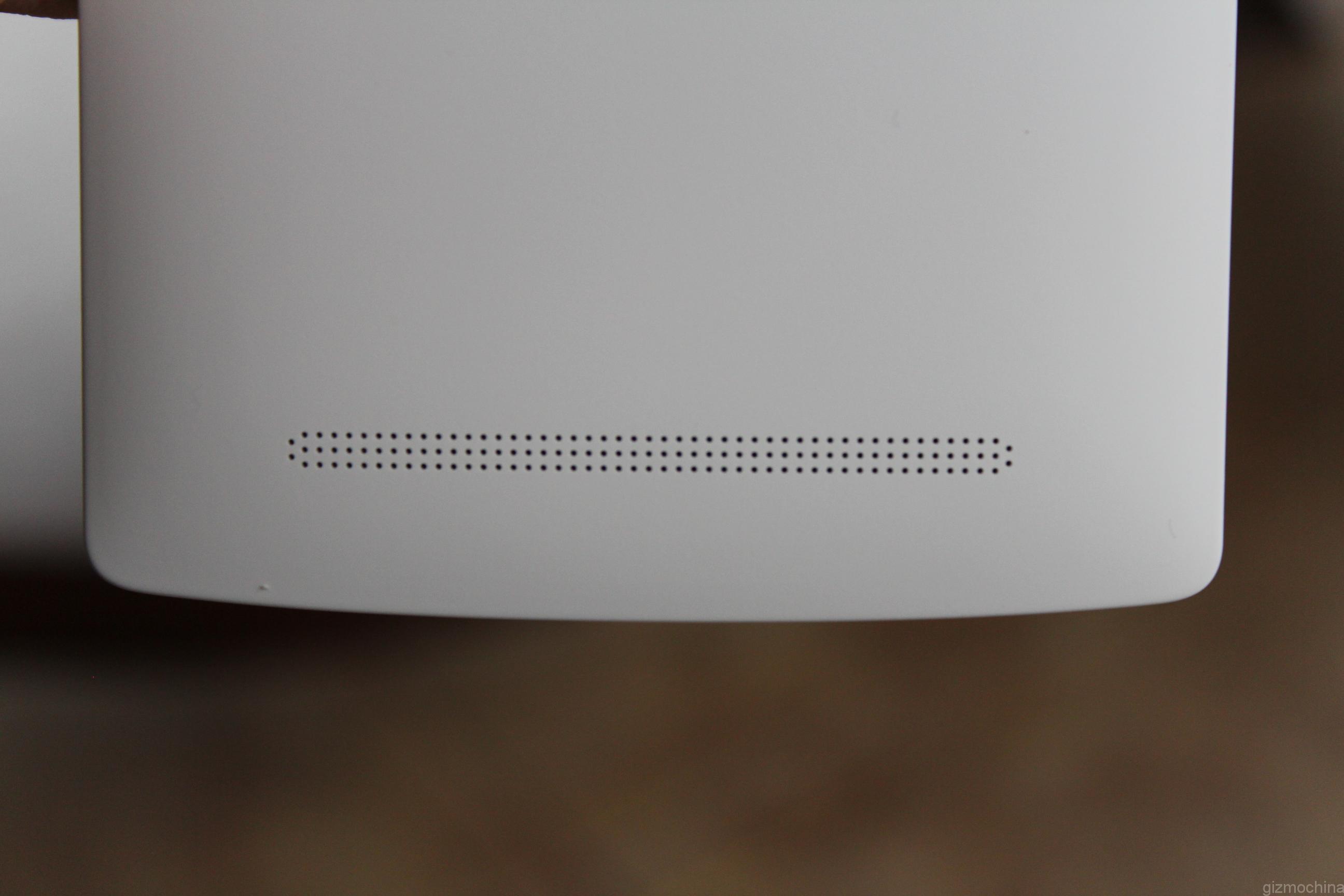
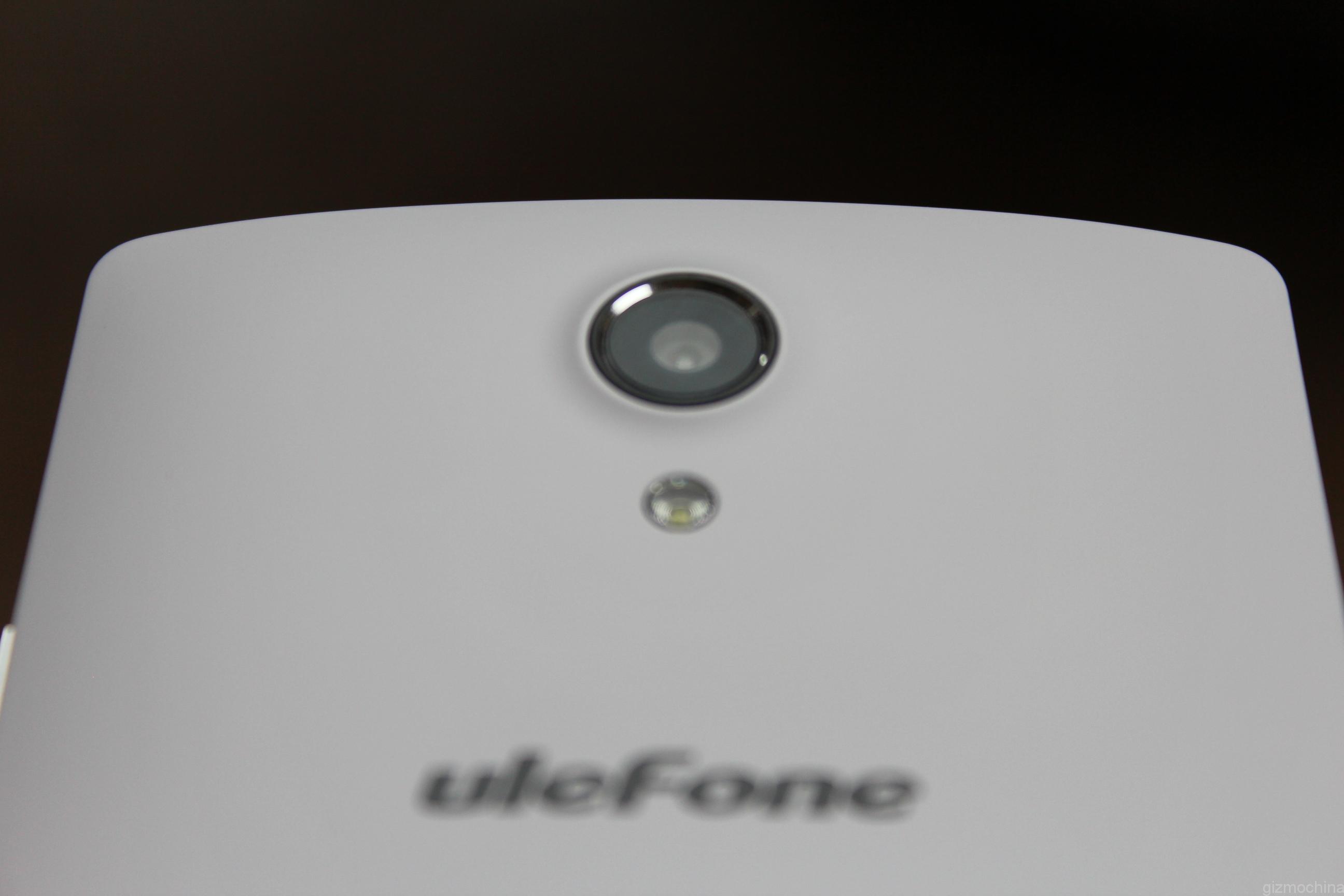
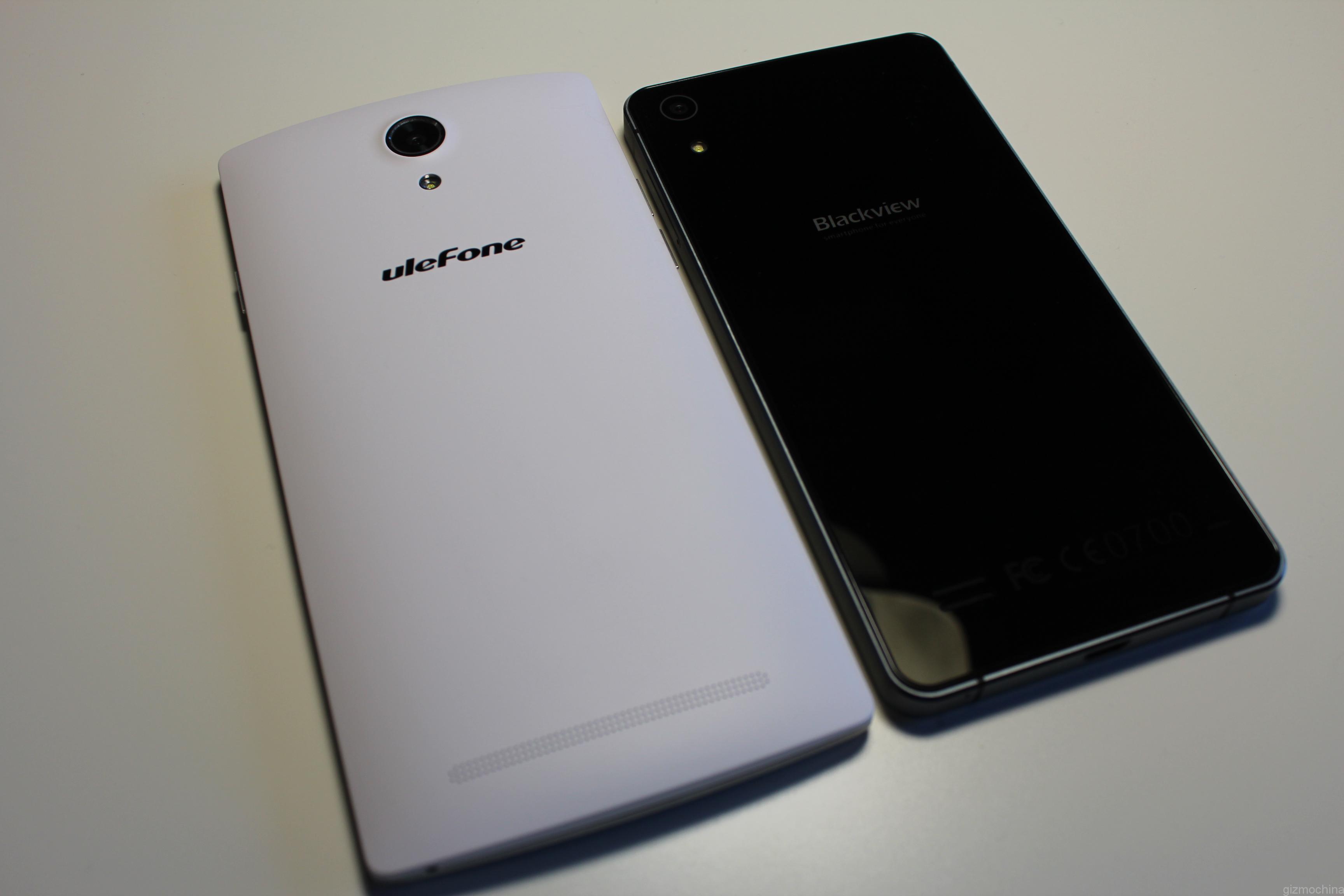
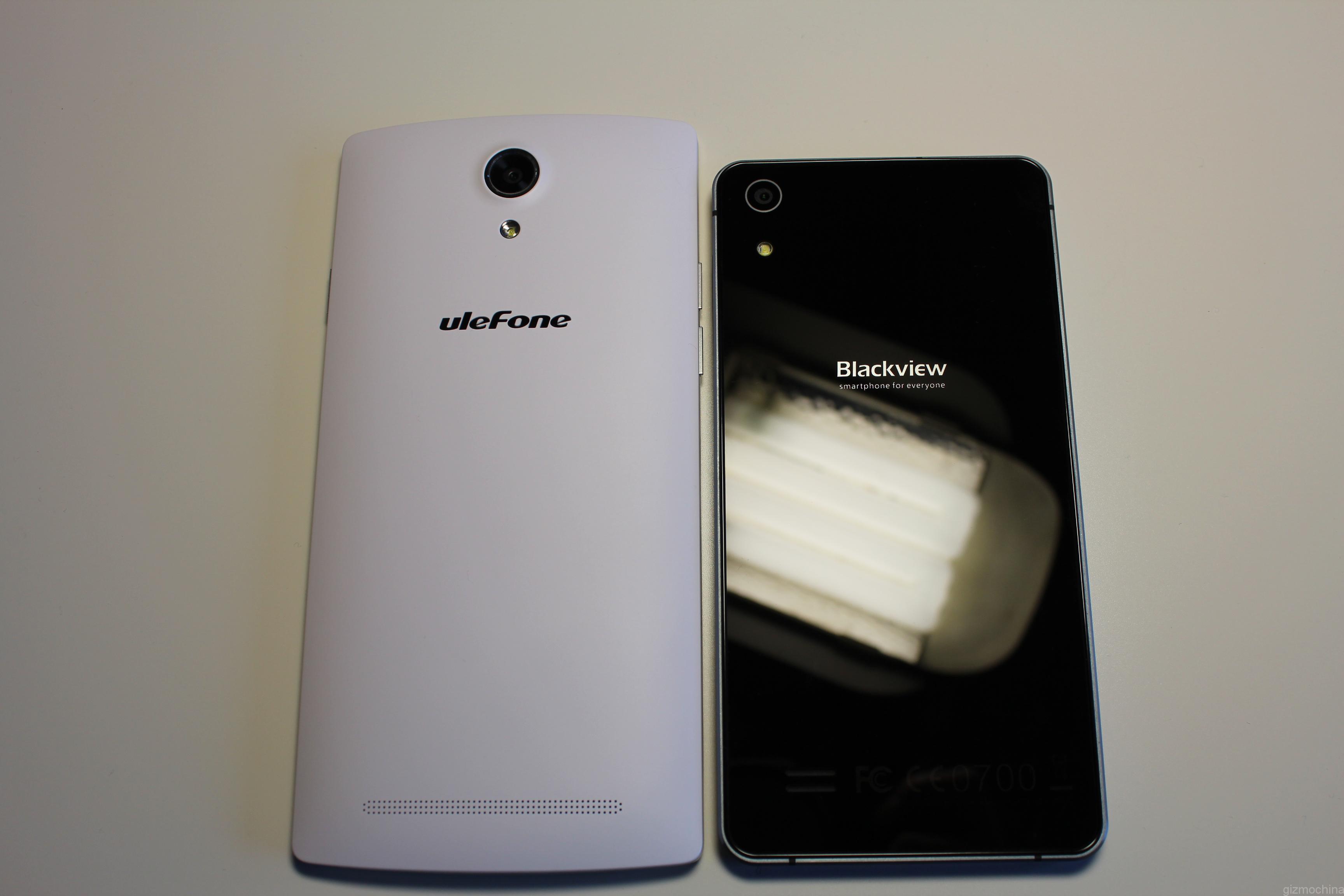
The screen is protected by the Gorilla Glass and I don’t see any scratches on it after one week of use. I will get back to this 5.5 inches screen quality very shortly. The back shell of the device has a very smooth matt surface, which doesn’t attract fingerprints. Also, there is a 13MP snapper along with the single LED flash on the top. What is more, there is a Ulefone logo in the middle and the speaker grill on the bottom. The speaker has an average quality, but is very loud. You can watch our video review to hear the audio sample of it.
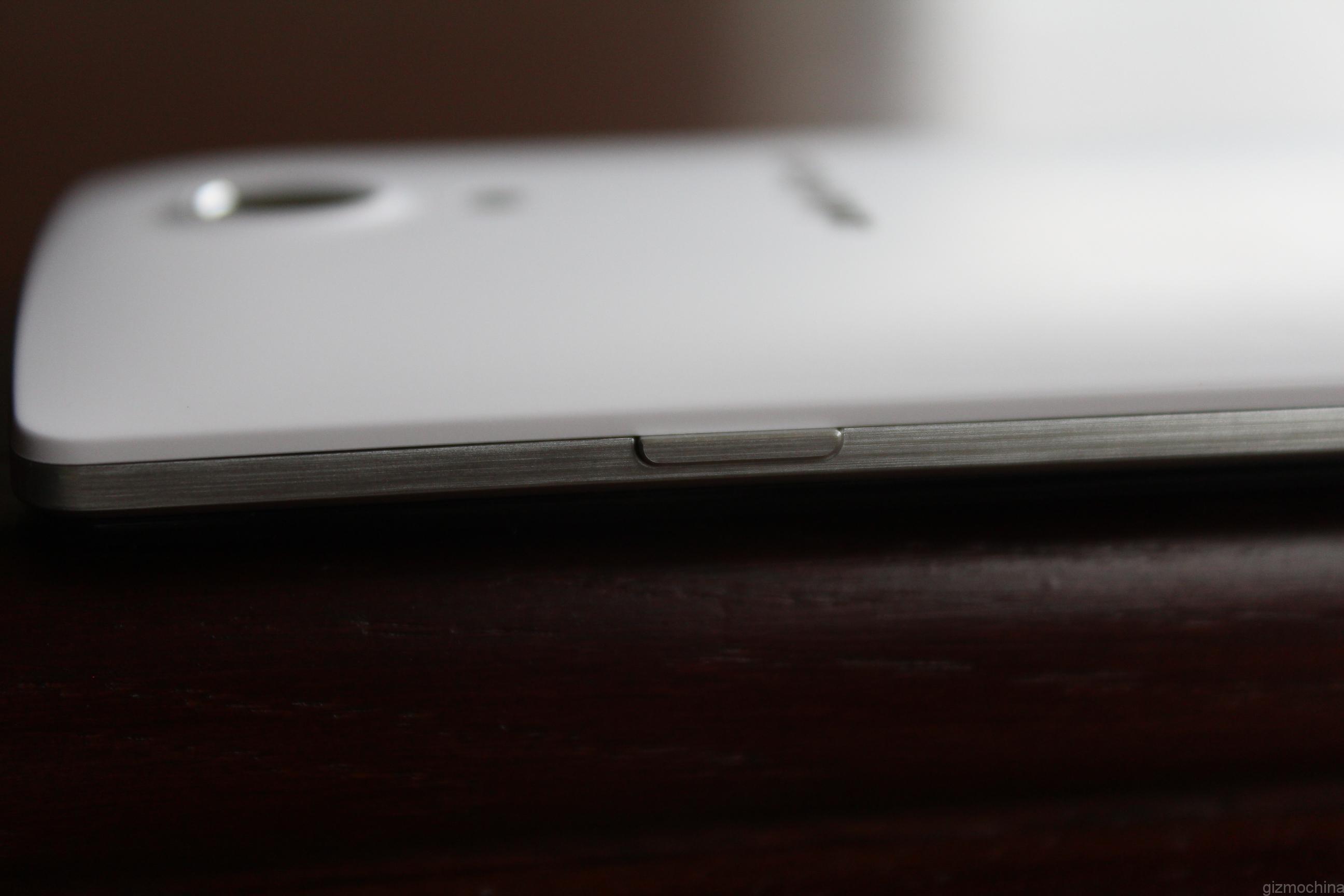
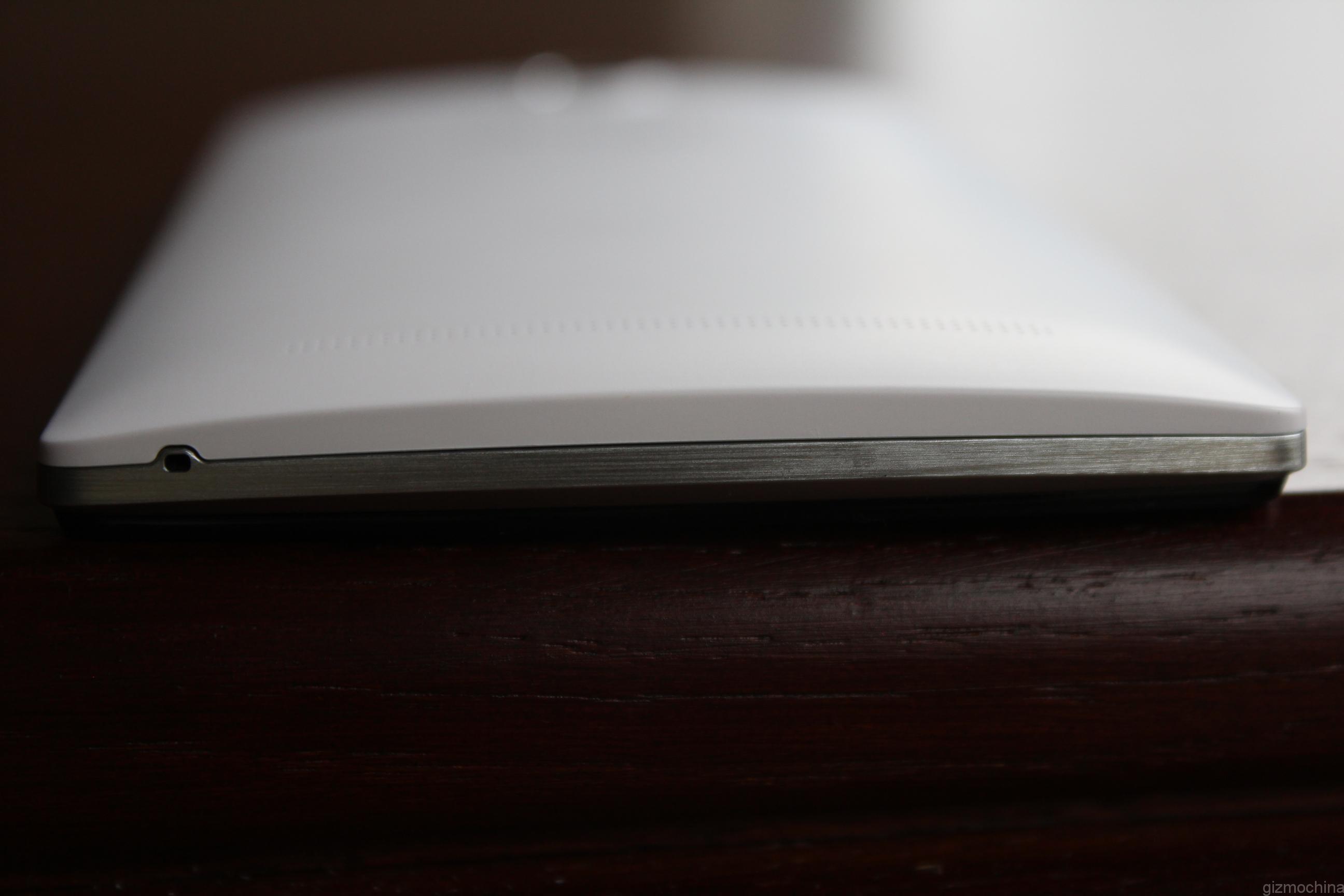
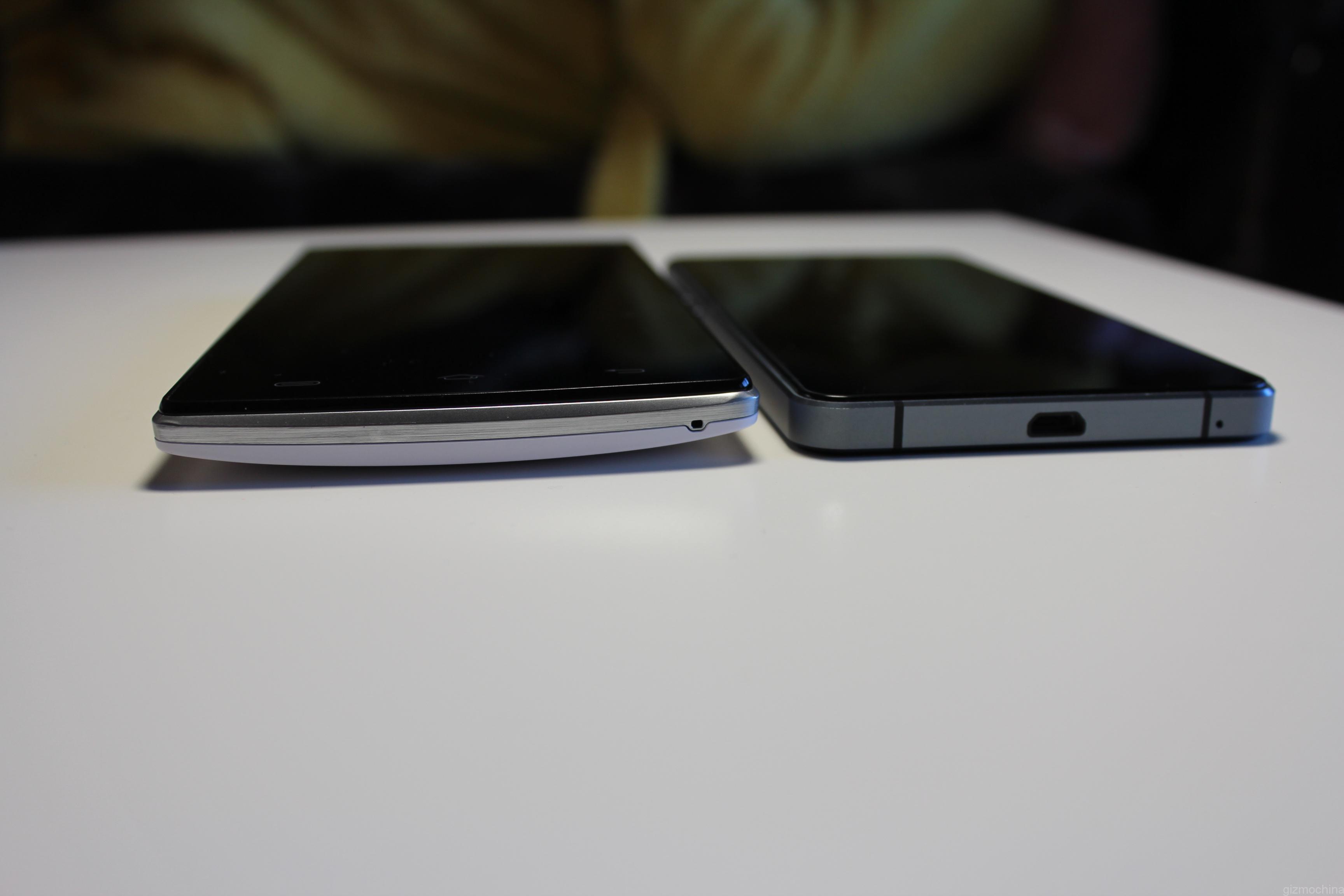
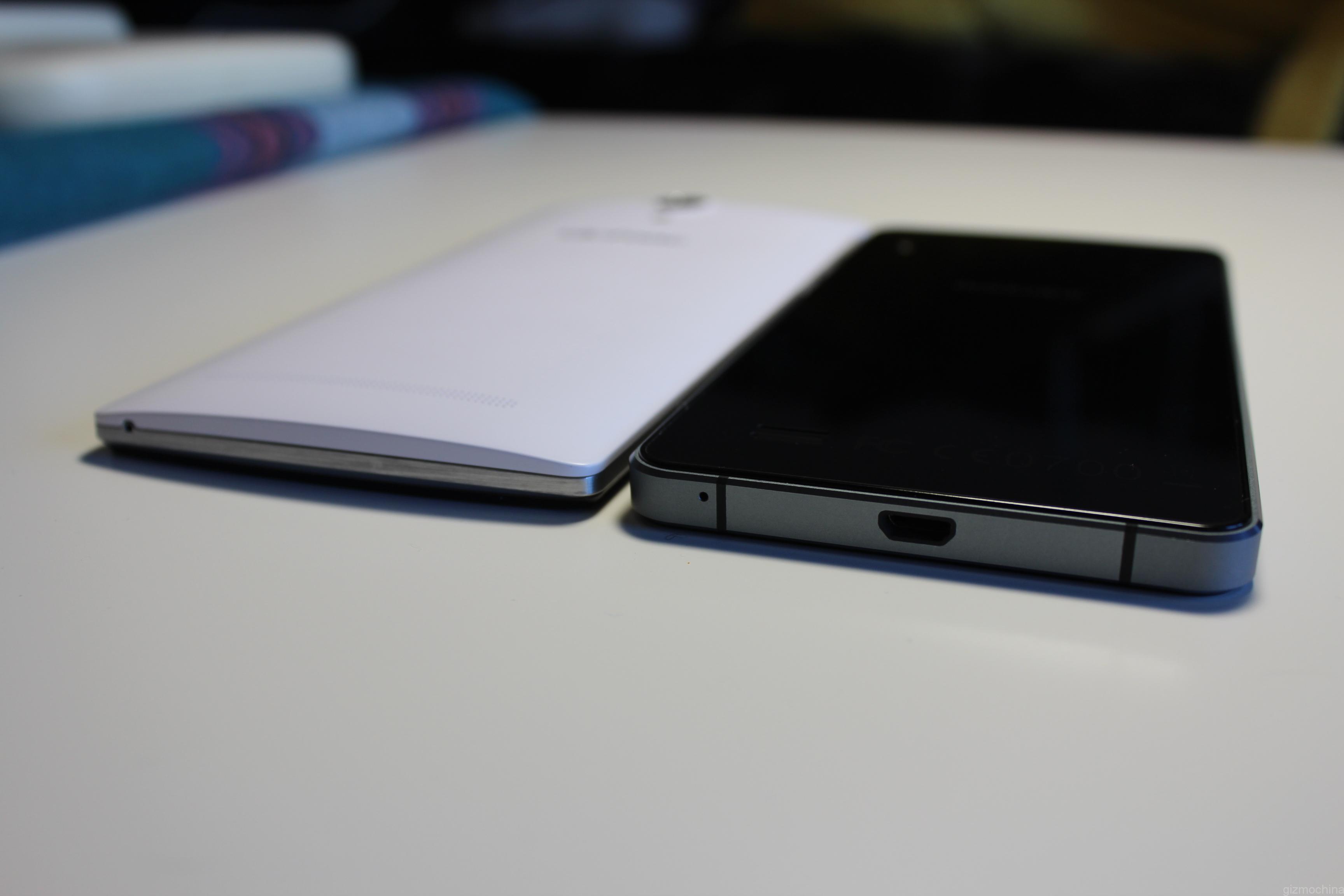
On the right side there is a power key, which, in my opinion, could be placed a bit lower to be able to reach it easier. Also, there is a little spot, where you would need to start opening the back cover. The top side spots a 3.5 mm headphone jack along with the Micro USB charging port. I don’t think that putting the charging port on the top is the best solution, but it’s not a deal breaker. On the left side you can find the volume up and down keys. In general, the buttons feel a bit plasticky, but they are responsive and easy to press. Finally, on the bottom of the smartphone you find only the microphone. That is the only mic installed as I don’t see any noise cancelling mics on the device.
1 of 17
1 of 9
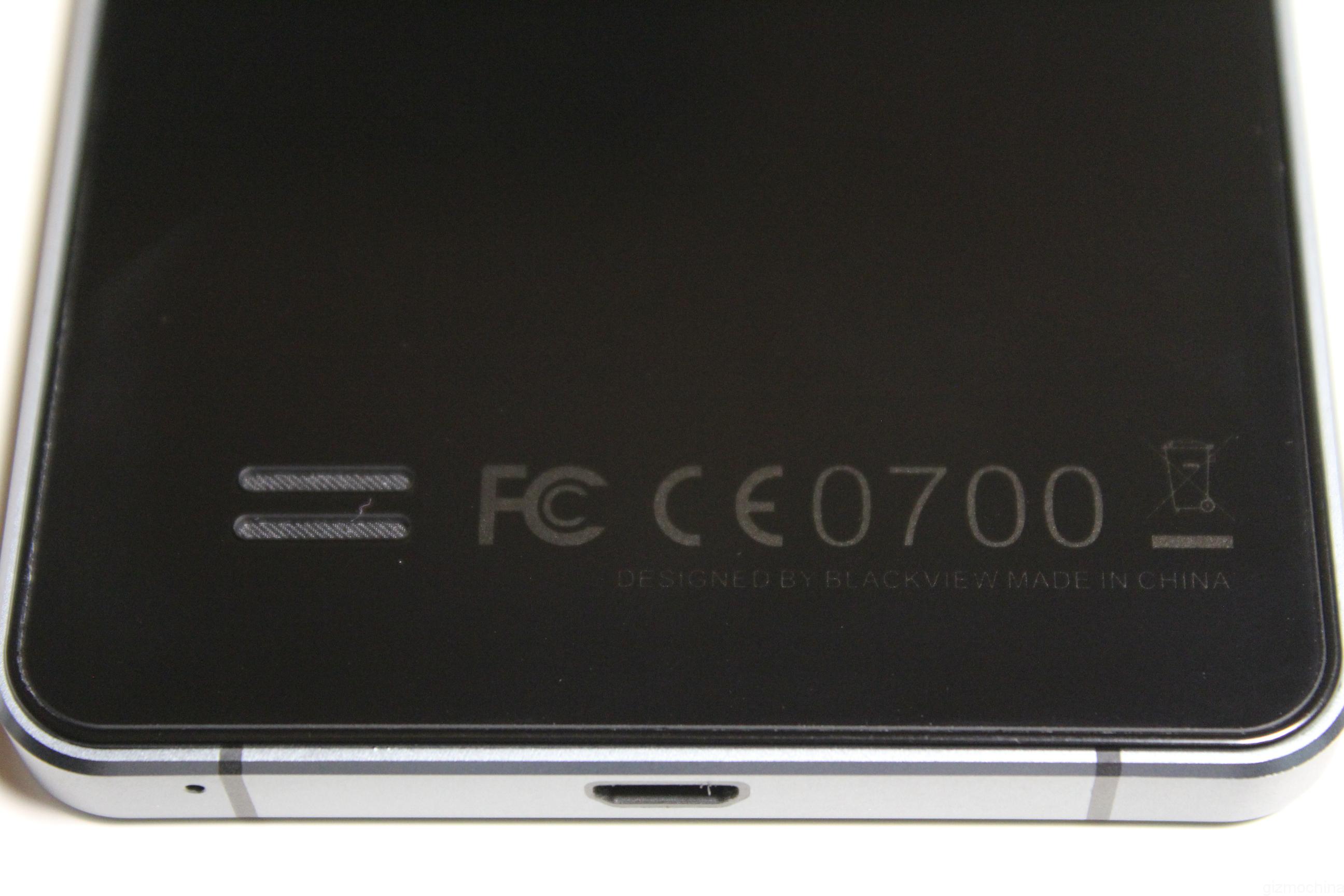
The Blackview Omega is a more compact device since it has a smaller screen of 5 inches. What is more, it can easily win your heart over Ulefone’s choice of materials as it spots a quality metal frame with metal clad buttons. It does look like an iPhone 4/4s with it similar design, though.
On the front side of the device there is an 8mp shooter along with the earpiece on the top. On the bottom there are three capacitive keys, which also have a backlight. The manufacturer chose to put volume up/down keys along with the power button on the left side of the metal frame of the phone. It took a bit of time to get used to it for me, but it is a personal preference. On the bottom, there is a regular Micro USB charging port along with microphone and the plastic infusions for better signal reception.On the right side, there is a dual micro SIM card tray. One slot also doubles as the micro SD slot up to 64 GB of cards for storage expansion. On the top, there is a 3.5mm headphone jack.On the back of the smartphone, there is a 13mp camera sensor, which can shoot up to 18mp pictures due to software interpolations along with the single LED flash. Finally, there is a mono speaker on the bottom, which has an average sound quality.
Our personal preference as far as design goes to the Blackview Omega as it spots more premium materials and very well built.
DISPLAY
1 of 3
The display on the Ulefone Be Pro is 5.5 inches diagonally and comes with a 1280 x 720 resolution and a pixel density of 267 ppi. While it is not the best resolution in its size range, the display is still very pleasant. The colours are vibrant and the viewing angles are quite good as well. The whites looked white while the blacks were black impressive for an IPS panel. Since we are talking about an IPS panel, the screen does get bright so you don’t have to worry too much about sunlight completely washing out your screen. We are also dealing here with an OGS display which helps keep the phone a bit slimmer. The auto brightness on the phone seemed to do its job quite well, however, I guess many people like me will constantly keep it on 80% all of the time.
1 of 5
The Blackview Omega has the 5′ LCD panel, which has great colour reproduction, good contrast levels and decent viewing angles. Also, it can bright, but we’ve seen brighter panels on other devices. Still, it is bright enough to make it viewable outdoors.
All in all, both devices have great displays. We agree that Ulefone Be Pro has only 720p panel, but the difference is not that significant to the eye.
PERFORMANCE
Ulefone Be Pro
1 of 3
The UI is very light and it runs Android 4.4 Kitkat. The Lolipop update should be released very soon. It is almost stock Android version and runs very smooth and fast, without any hiccups so far. The great thing is that I received a few software updates within one week (no Lolipop yet, though), but it sounds very promising as Ulefone seems to care about software upgrades and improvements.
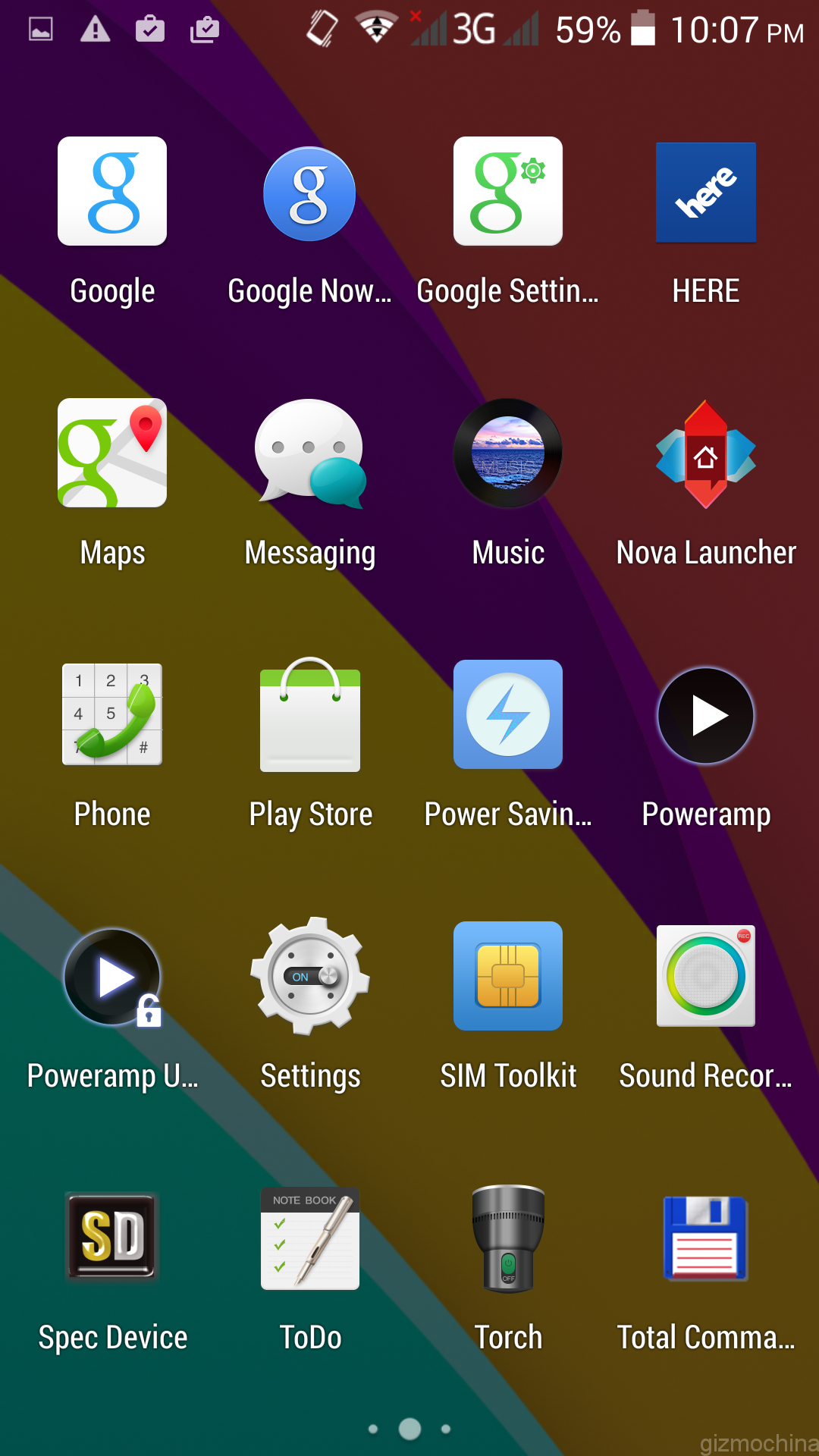
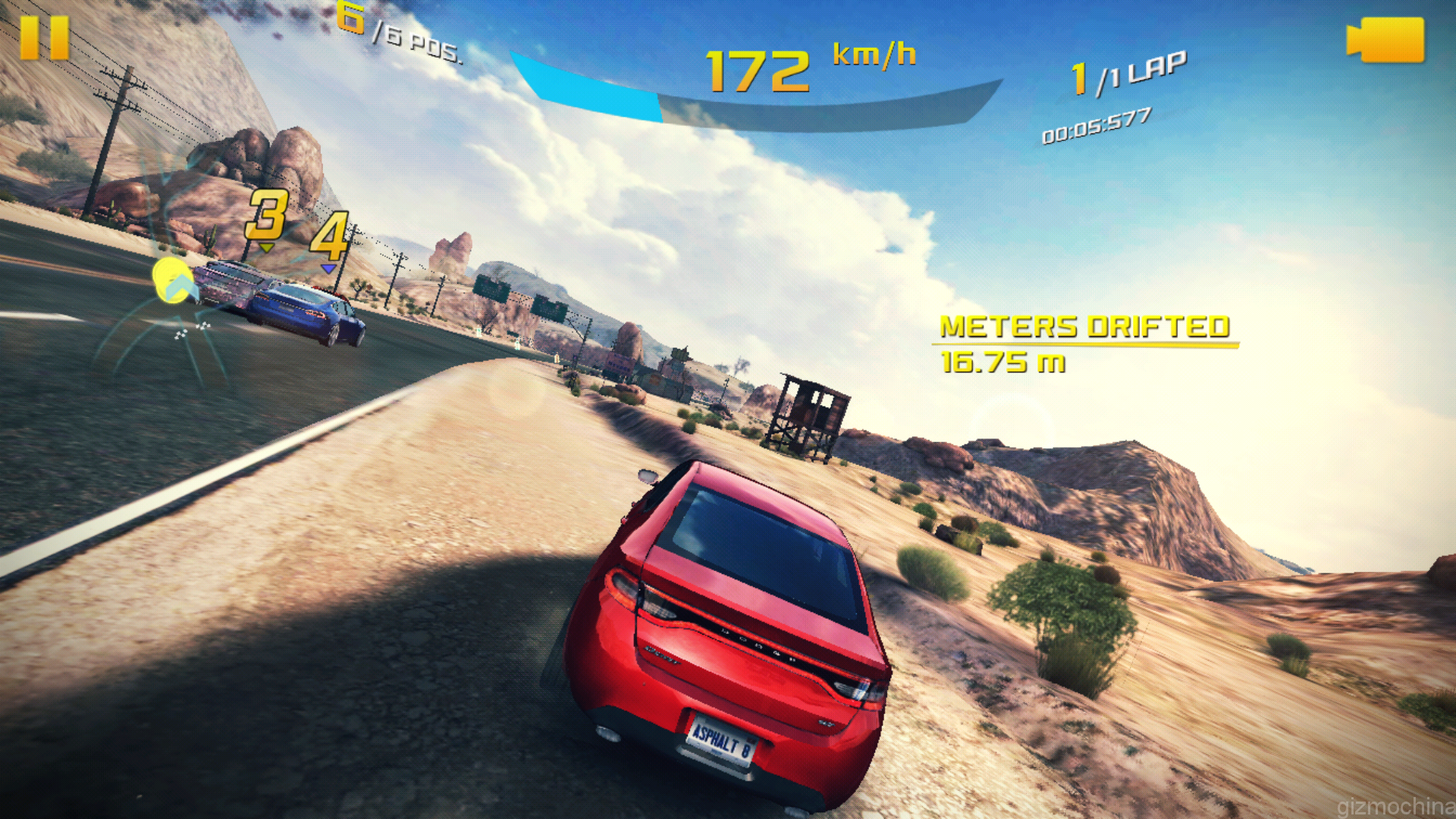
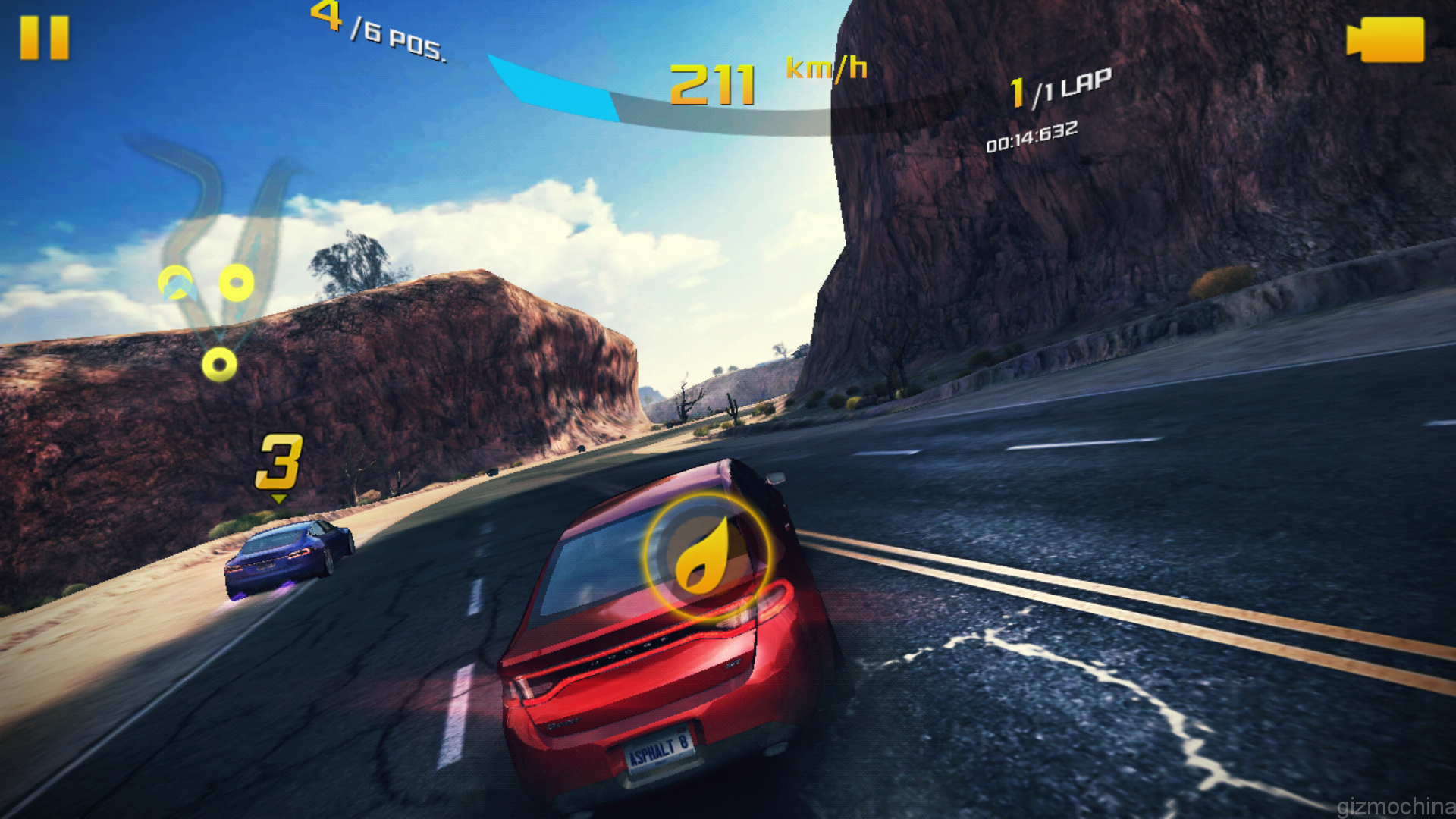
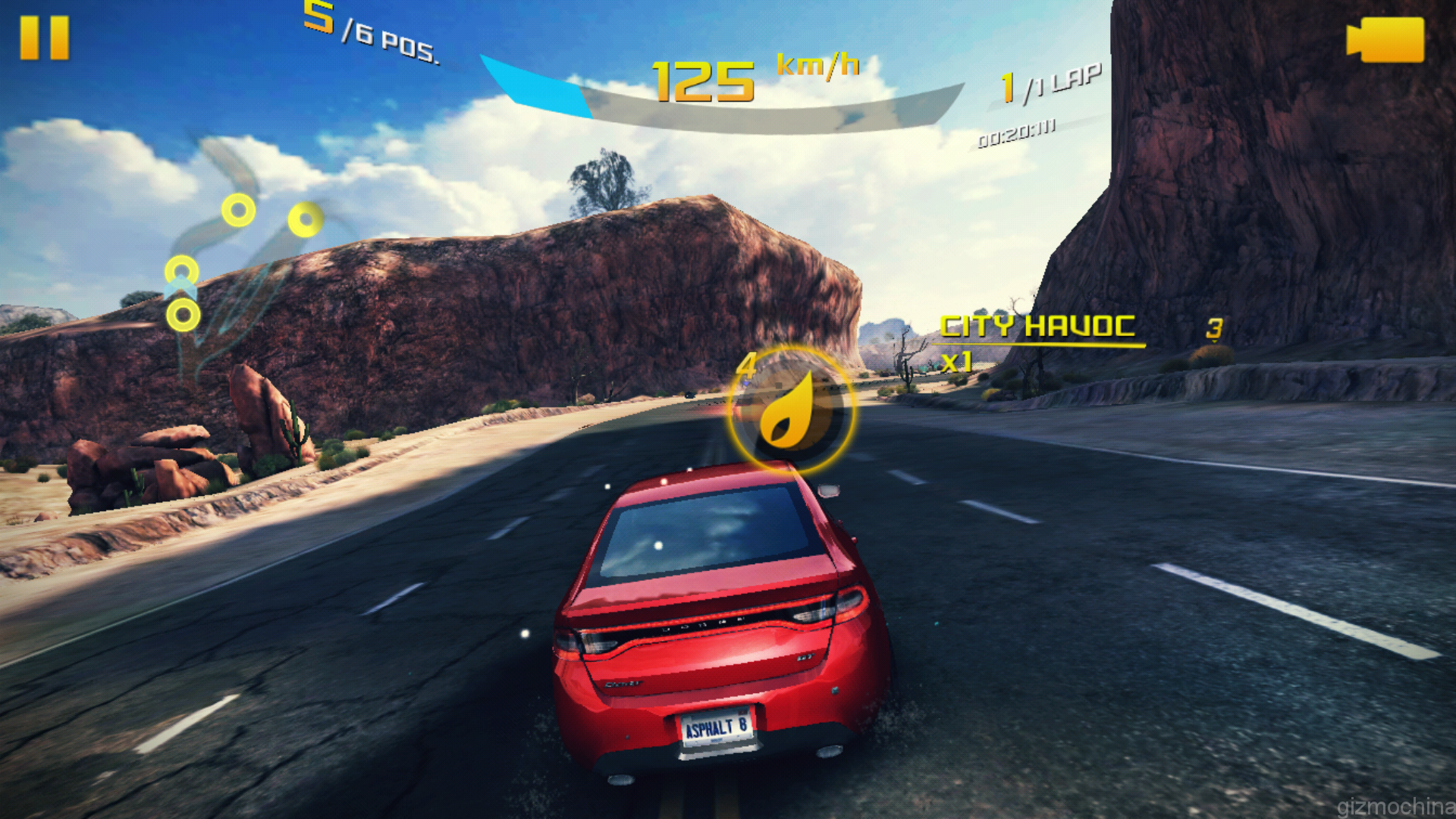
The performance of the Ulefone Be Pro is really solid. The phone is being powered by MTK6732 SoC which has 4 A53 cores clocked at 1.5 GHz and backed by 2GB of RAM. Combine that with an almost stock build of Android and you get a smooth and fast experience. Graphically intensive games seem to work really well thanks to the powerful Mali T760, also having an only 720p display means there aren’t that many pixels to push around. I had no problems playing Asphalt 8 or any game other game I threw at it. Browsing the web seemed smooth and the web pages loaded fast. The GPS performance is very good and it locks on relatively fast and it seems to hold the signal as well.
Blackview Omega
1 of 7
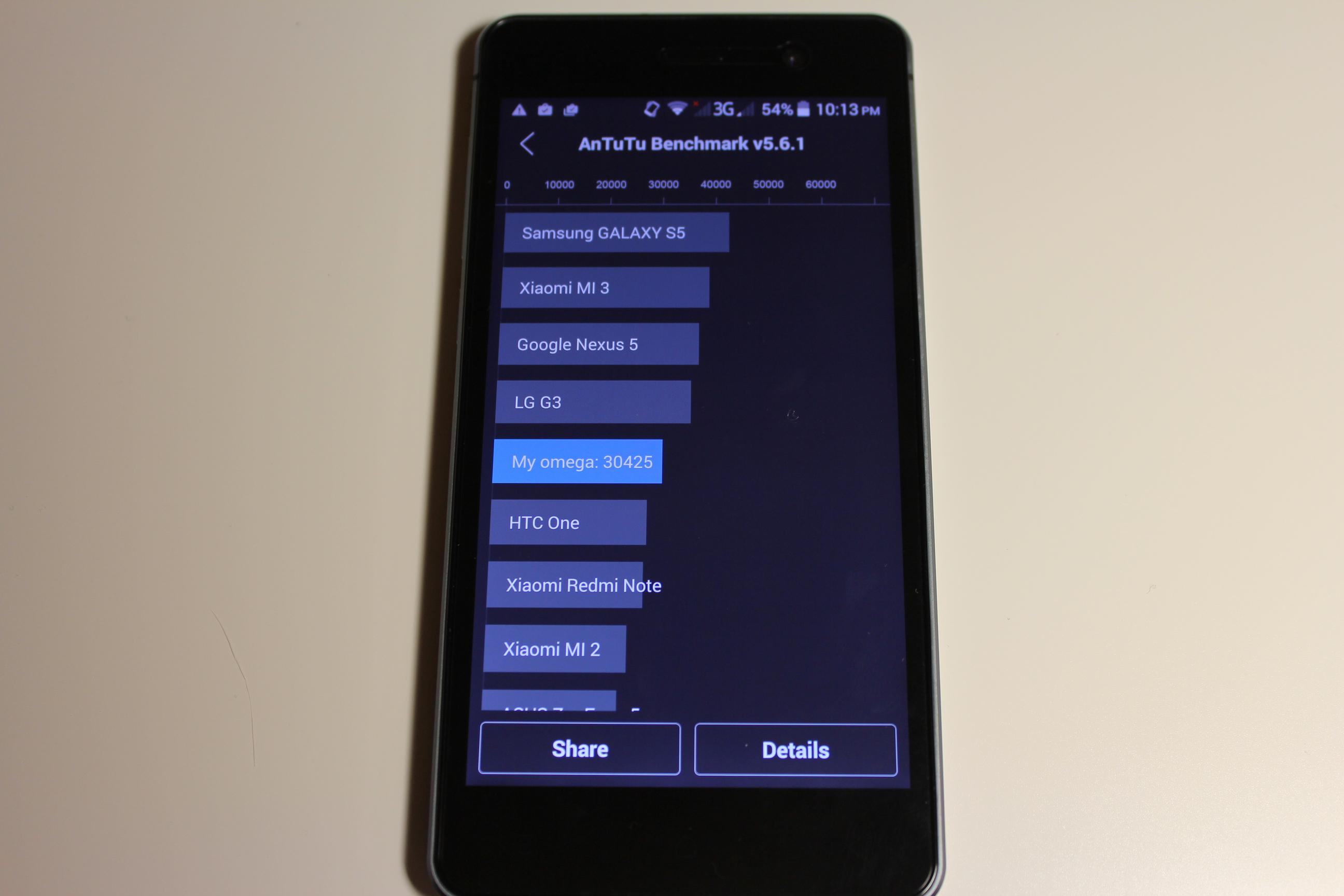
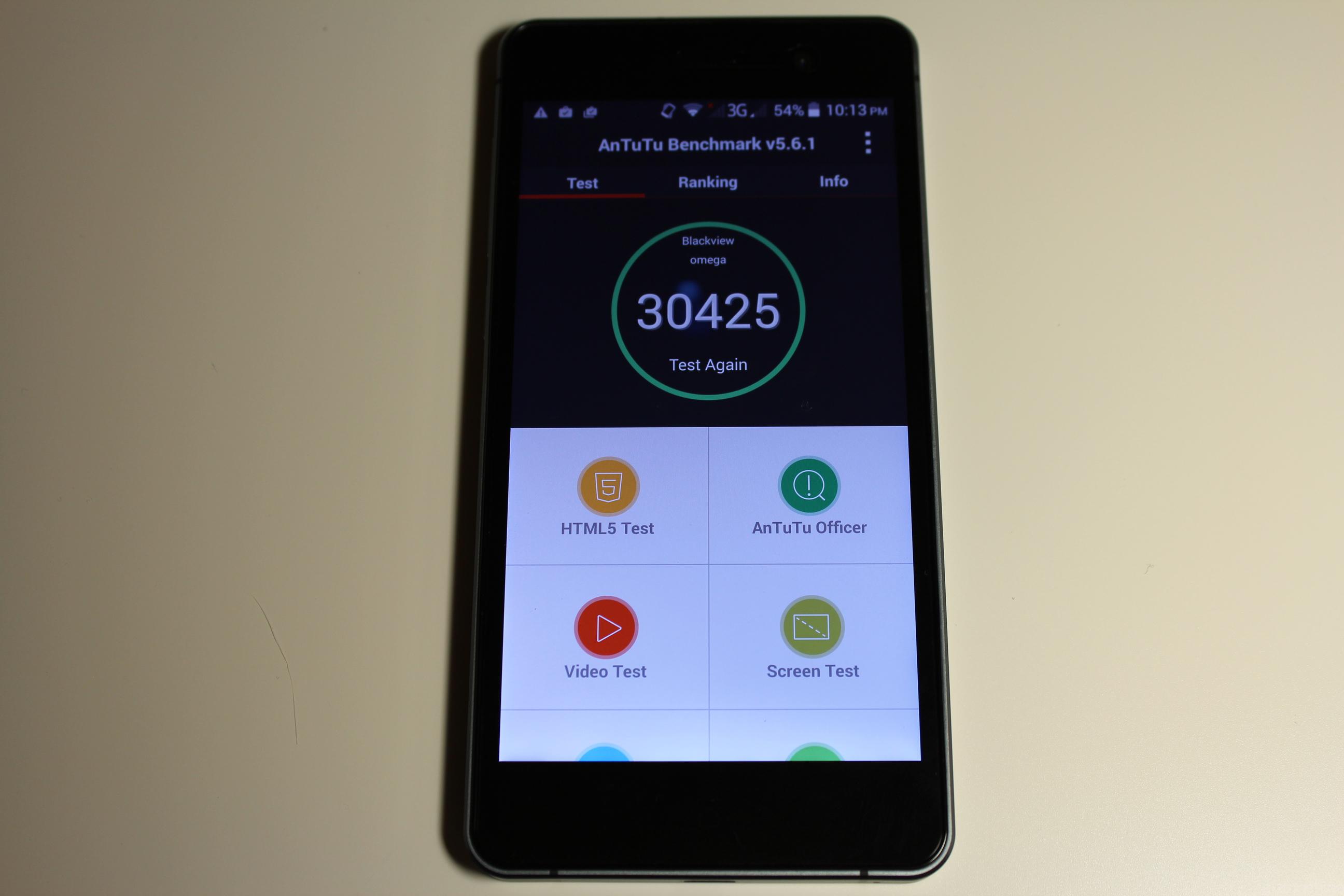
The device spots an MTK6592 Octa Core 1.7GHz chip inside along with the 2GB RAM and 16GB of storage. The graphics are handled by Mali-450MP GPU.
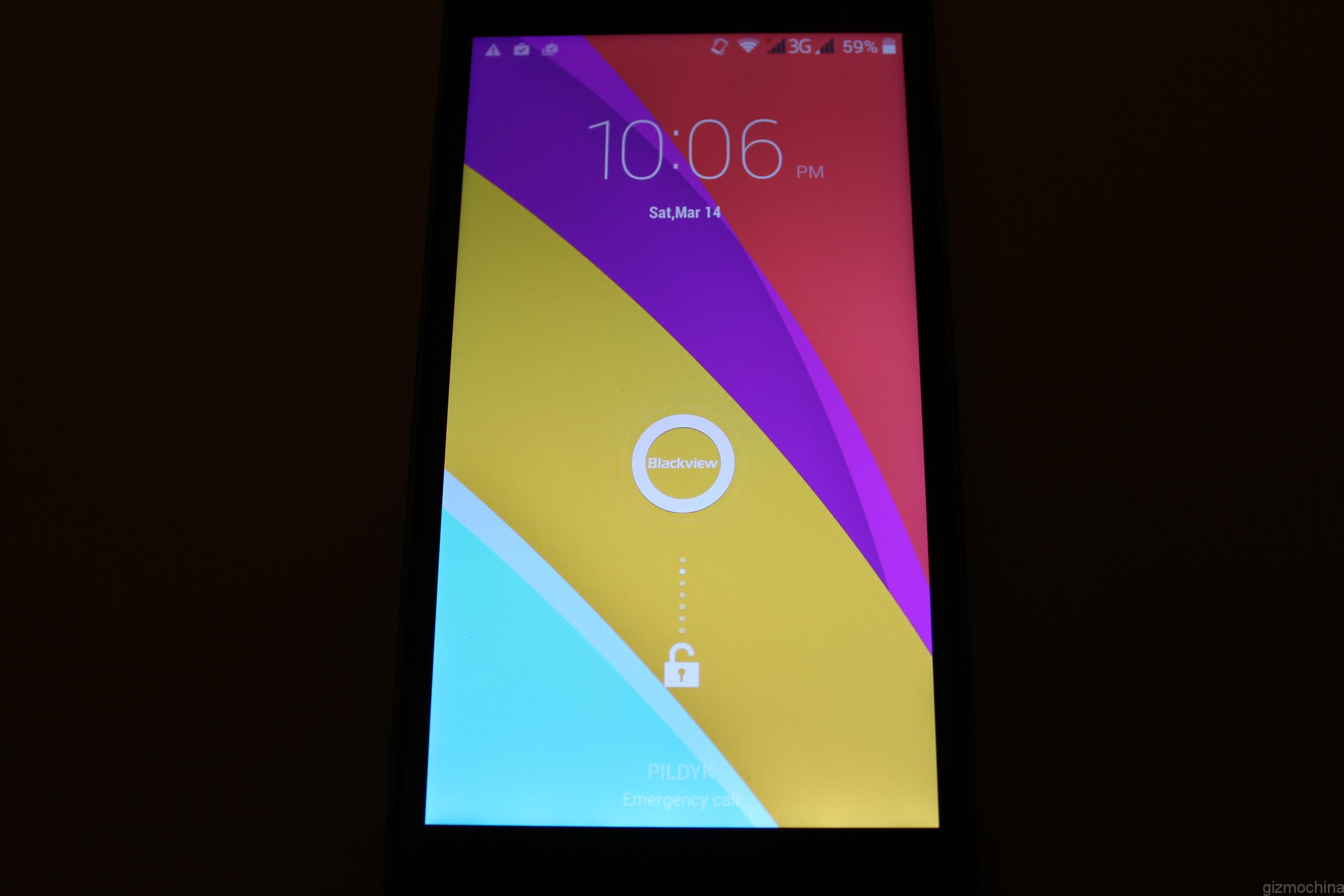
As far as real life experience, the device has nearly stock Android 4.4 Kitakat UI. Everything is running smoothly and I didn’t have any hiccups so far. The Blackview Omega has basic settings menu you would expect.
As far as gaming, the device can handle the graphically intensive games like Asphalt 8 without any lags. What I’ve noticed, however, is that it takes quite a while to load a game in comparison to Snapdragon 801 powered devices. Also, after just a few minutes of gaming you can feel that the phone heats up a little. What is more, gaming drains the battery quite fast. All in all, it may not be the Nr. 1 device for gamers, but still, it can handle it in case you need in those boring situations, when you need to burn the time.
Verdict: although both devices are running almost stock Android UI, the Ulefone Be Pro seems to be running more smoothly through the basic functions. Also, it can load up games faster and the whole performance is a tad better. We don’t say Blackview Omega is laggy or something, just not as smooth as the Be Pro.
As far as the picture quality, it is a bit interesting, because once you take the picture and look at it on the smartphone, it looks that the quality is just about average. However, once you look at the same pictures on the computer screen, their quality is actually very good. First, I didn’t expect much from the camera, but the pictures have plenty of detail, they look sharp and the colour reproduction is very natural.
I have to say that for the device that costs just under $170, the daylight picture quality is indeed very good.
Once you take pictures inside the house, where the camera sensor can’t get so much light, the shutter speed is slower and you have to hold the smartphone steady, so that don’t get any blurriness in the picture. If you are able to do that, you may take some really good looking photos. Taking pictures in the artificial lightning can sometimes be a hit or miss as far as color reproduction goes. The camera tends to capture brighter images. Still, the quality is not bad.
The front facer is perfect for all of you selfie lovers since with the 8MP sensor it will capture probably as much detail as you want and perhaps even more. The camera app does come with a few additional features that aren’t found on a stock Android phone.
Blackview Omega
Camera app has some basic functions you would find on many Android devices. The app is fairly simple and you can adjust some general settings. Taking pictures and shooting videos is fast during the daylight, but it naturally becomes noticeably slower, when doing the same thing in low-light scenarios.
1 of 27
As far as picture quality, the daylight pictures have plenty of detail as they are 18mp in size due to some software tricks the device does out of the 13mp f/2.2 aperture sensor. The colour reproduction seems quite accurate, but it is more on the colder side. The best way to take pictures is to tap to focus. Otherwise, the white balance and colours may not be the way you want. Once you take the device to the low light, you see that the camera starts struggling. It takes much more time to focus and you have to make sure you hold your hands steady not to get blurry pictures. Also, the pictures to have a lot of noise and the colour reproduction is a hit or miss. Again, once you take pictures inside the house, but there is more light, the picture quality becomes quite good.
As far as front facing shooter for selfies, it has 8MP (interpolated from 5MP sensor). The picture quality is actually good. What I’ve noticed is that it takes a lot of time for the shutter in the low light.
VERDICT: both smartphones have decent cameras for the budget smartphones. We have to say that the Blackview Omega produces better results, though. We can definitely see more detail out of the 13MP sensor, which is interpolated to 18MP. Also, the colour reproduction seems to be a tad better, but there is no significant difference here. Both devices struggle in the low light, but Blackview manages to produce a bit better images in our opinion. Talking about the picture quality is always a question of debate, so you be the judge in the comment section below.
BATTERY LIFE
Ulefone Be Pro
As far as the battery life goes, the capacity of just 2600 mah doesn’t sound impressive on paper, but I was surprised by how good the Ulefone Be Pro performs in real life. During my testing time I did a bit of gaming, watched some youtube and hd videos stored on the phone, surfed the web and did all other stuff. My conclusion is that it can get you though the day quite easily in a normal use.
Blackview Omega
1 of 3
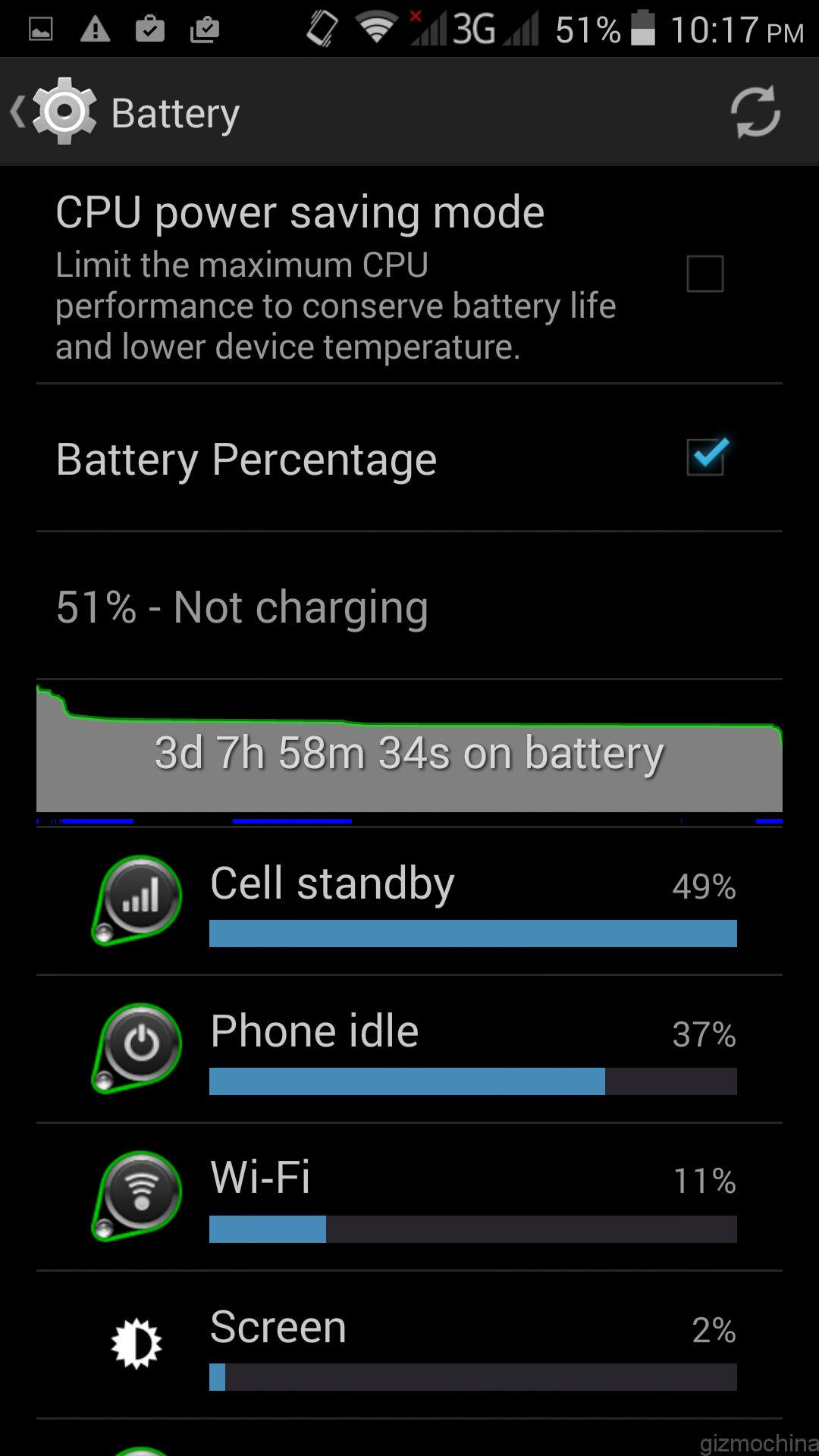
As far as battery life goes, the 2100mAh unit doesn’t sound great on paper, but it can easily get through the day if you won’t keep playing games or watch HD videos all the time, which drain the battery fast.
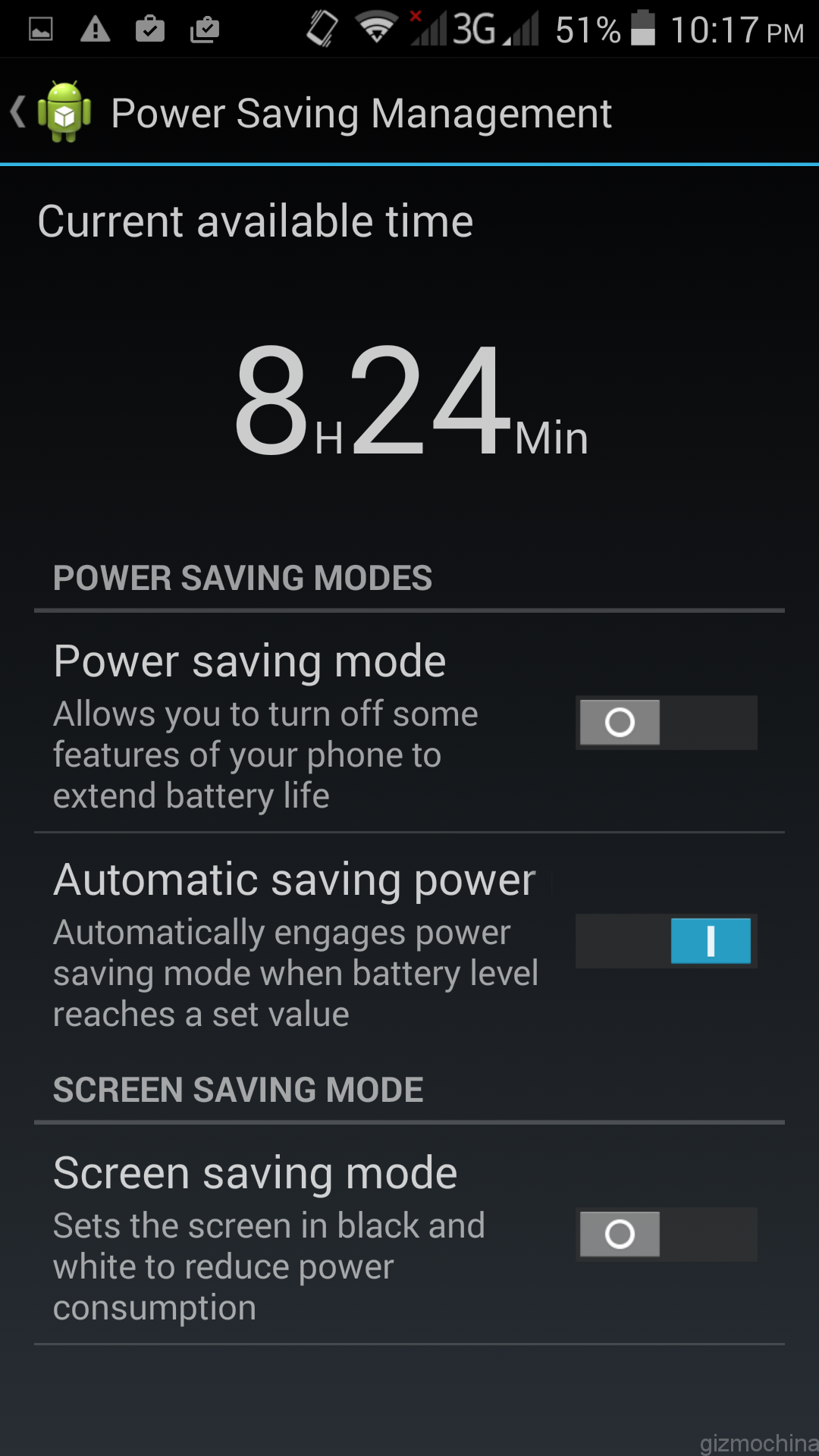
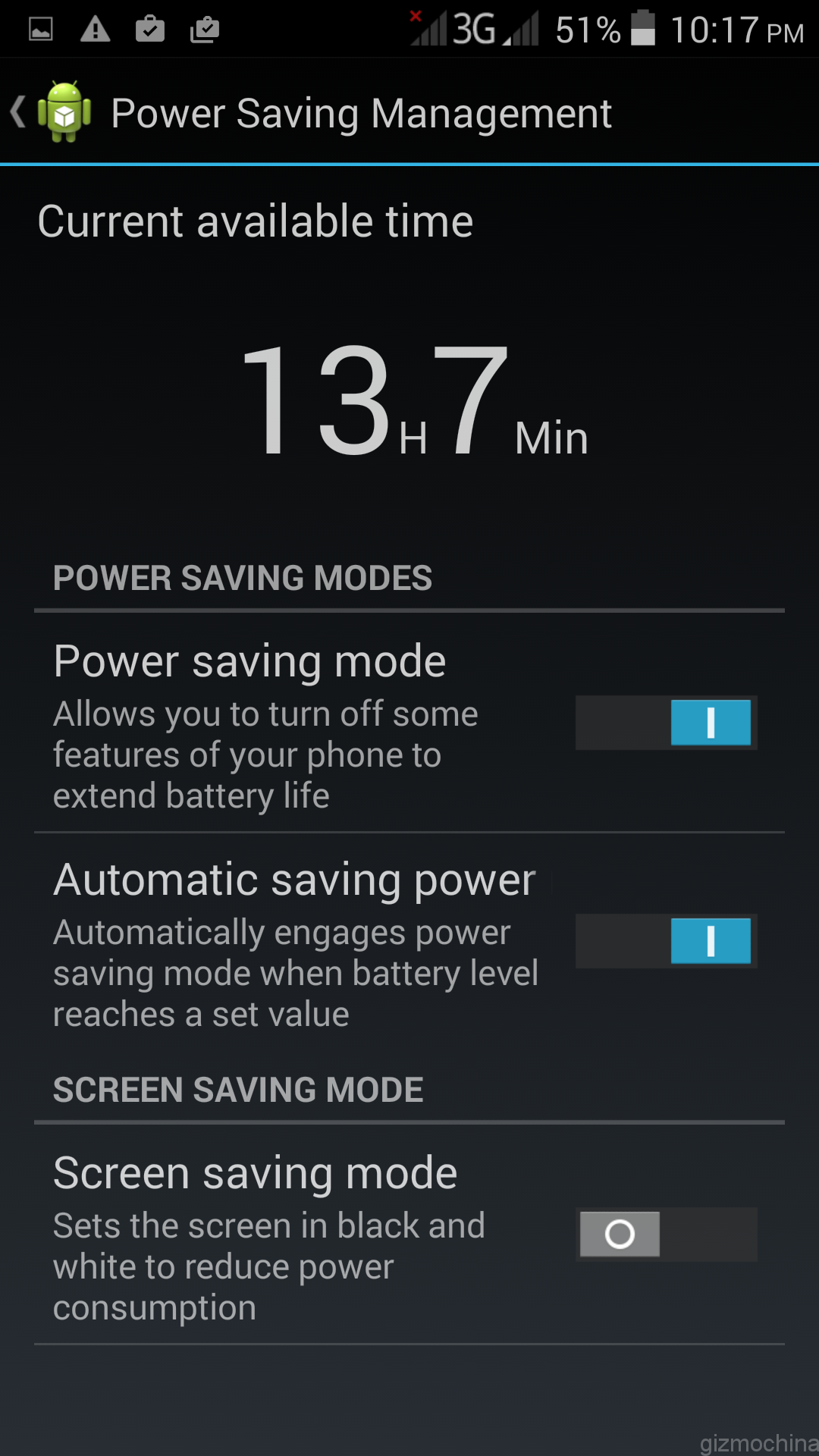
The manufacturer has also thought about the battery life by including a power saving management tool. It has a similar interface to what we’ve seen on Sony devices. It may become handy once you are away from the power source for a while.
VERDICT: The Ulefone Be Pro seemed to be performing better in our tests (which are more or less just approximate). It could stay up longer while the screen was on and thus it is a winner in our opinion. What is more, the Ulefone Be Pro can give you around 1.5 days of average use, while Blackview Omega needs to be recharged every evening after the same type of usage. In the end, both devices achieve today’s “measurement” of the ability to get you though the full day of use.
Our comparison showed that both devices are good choices for the price tag they carry. Each of them can excel in different departments, so you have to keep in mind your personal preference before choosing one.
As far as design goes, we gives kudos to the Blackview Omega as it spots a premium metal frame accompanied with a front and back glass sandwich construction. The device feels very sturdy and well made. It does look like the iPhone 4/4s quite a lot, though. For some users it’s a plus, for other – a minus.
The Ulefone Be Pro uses less premium materials as it is made out of plastic. The silver frame is made to look like metal, but it is definitely plastic. We don’t say that it looks or feels bad, because the device feels sturdy and well made as well. However, it just doesn’t feel that premium as Blackview Omega mainly due to the choice of materials. And yes, Ulefone Be Pro is OnePlus One look-a-like with minor design differences.
As far as the performance goes, the 64-bit chip inside the Ulefone Be Pro seems to be performing faster. It gave as the feeling that scrolling through menus and doing other every day stuff is just more smooth. Also, games loaded faster and the performance was slightly better. We don’t see a deal breaking disadvantage is Blackview’s offering though. The performance was without lags or any issues, but it just seemed that the Be Pro was a bit better.
The camera department is not that easy to judge as both devices are able to produce decent looking photos for budget devices category. However, the Blackview Omega can capture more detail as it uses a sensor with more pixels. Also, the colour reproduction seemed to be a bit better, but not that significantly. Still, we would choose the Omega to take pictures on the trip.
As far as battery life goes, both devices are quite good. However, the Be Pro can give you a bit more of the screen on time.
In the end, it is not that easy to judge which device is better in general as each of the smartphone excels in different categories. Finally, it may be a personal preference as both Ulefone Be Pro and the Blackview Omega are great device for its price range.
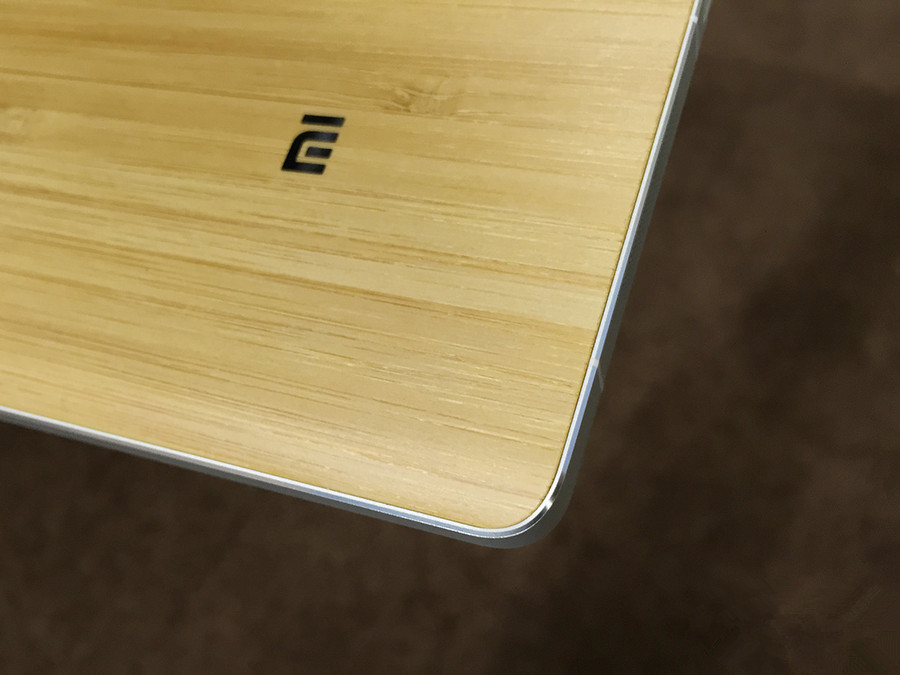
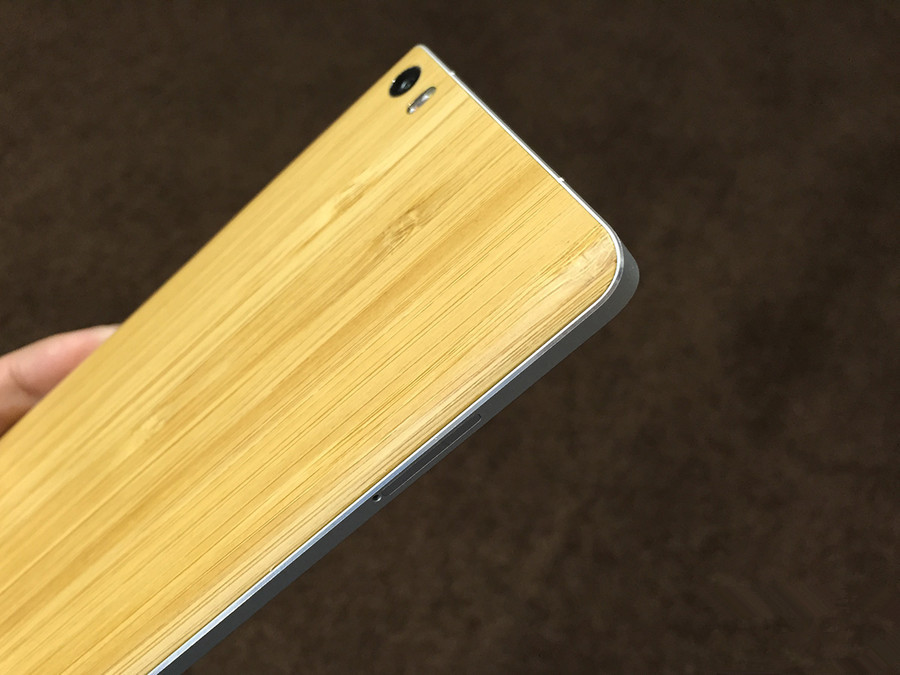
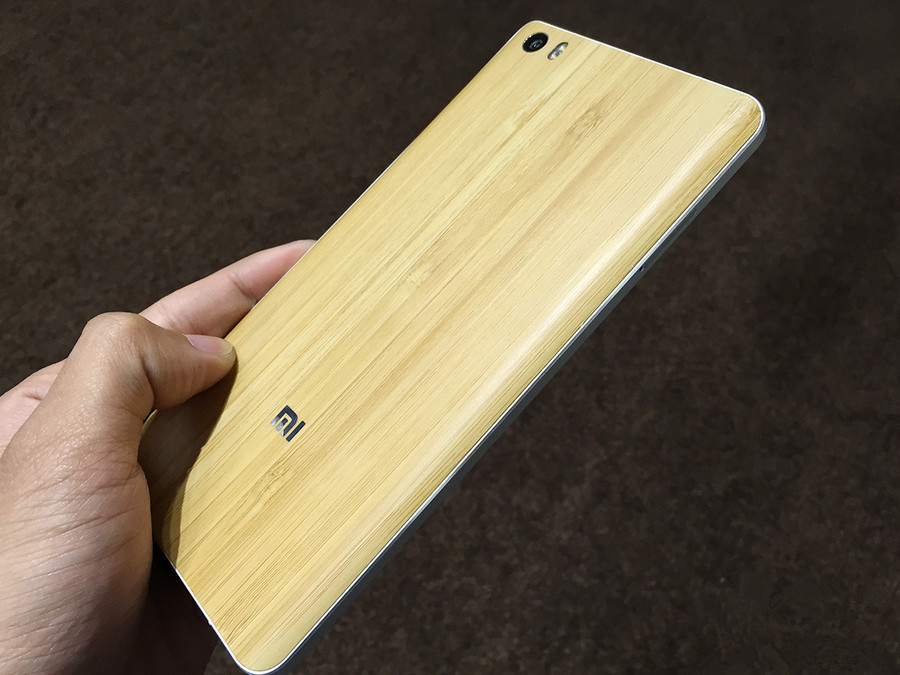
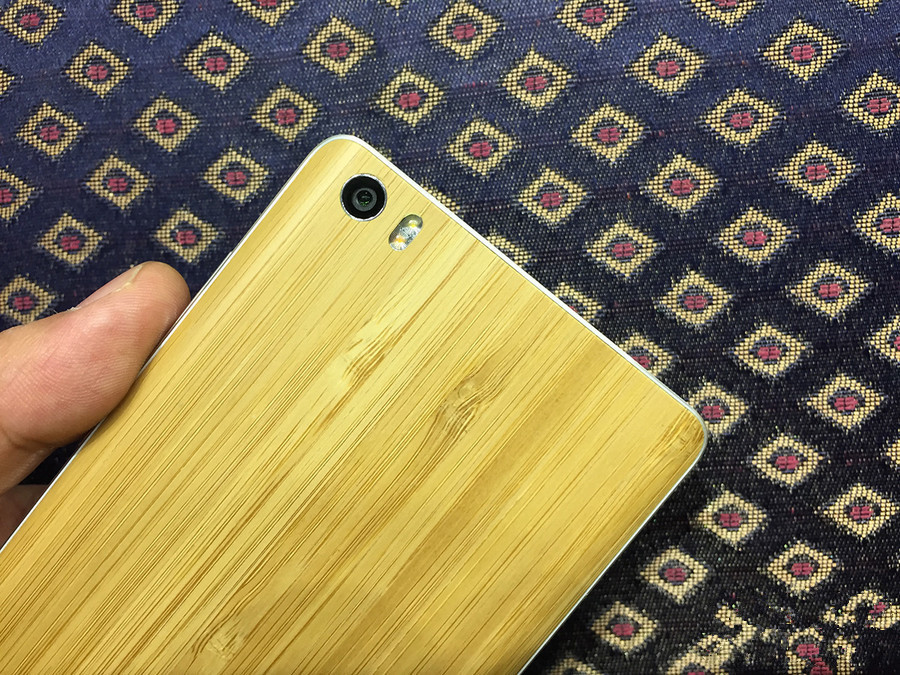
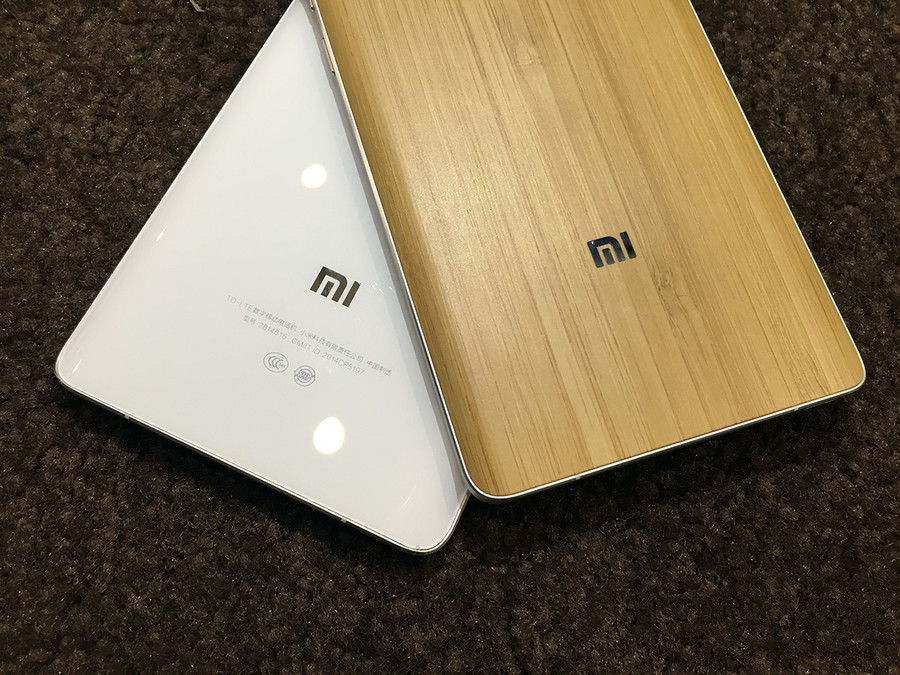
Two days back, Xiaomi’s president, Lin Bin had revealed that the company would release a new Xiaomi Mi Note Bamboo edition the next day. And just as promised, the company unveiled this special edition and its as good as we predicted.
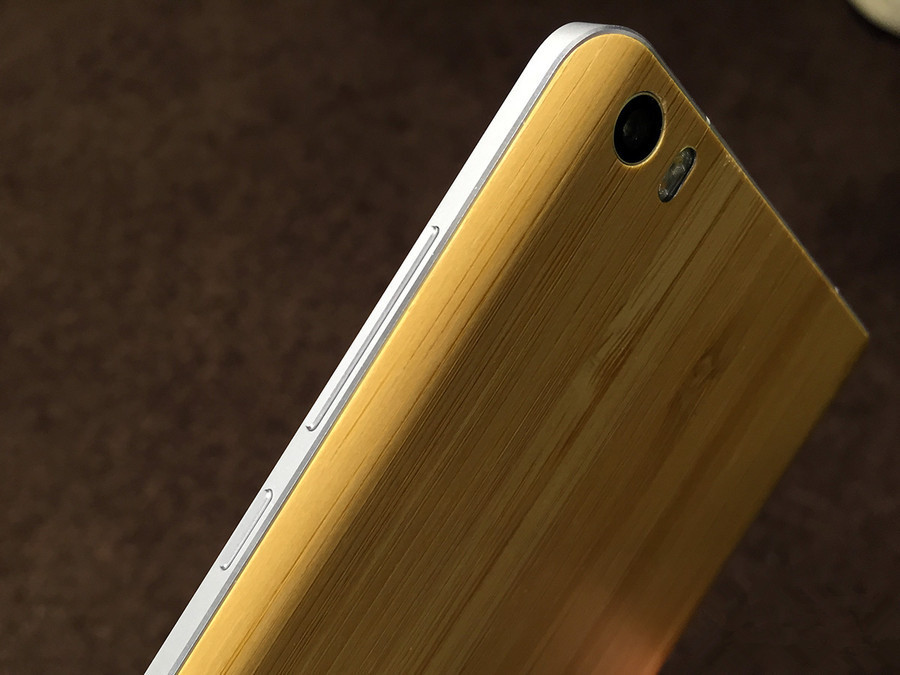
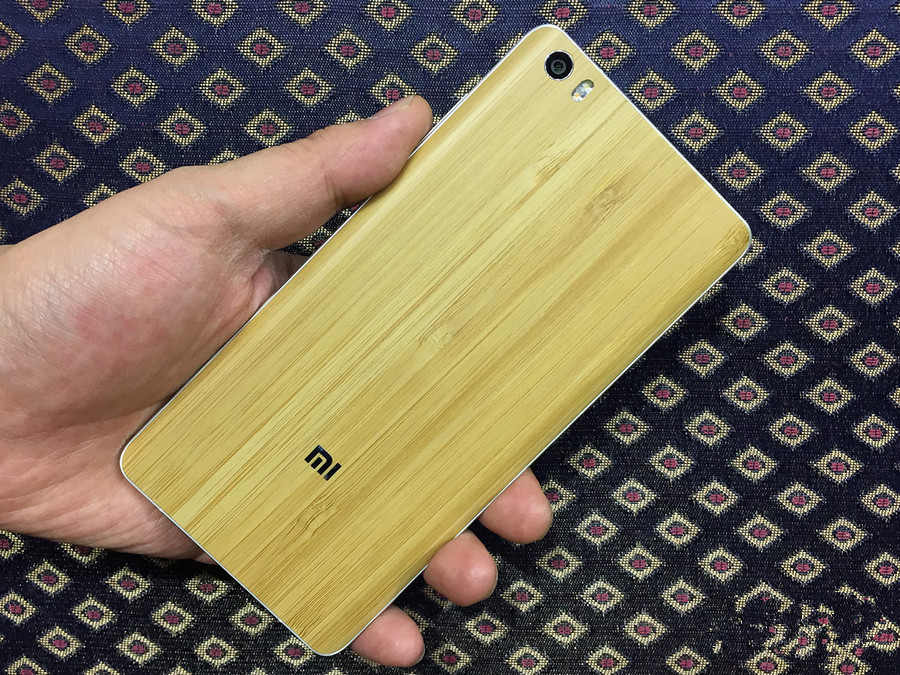
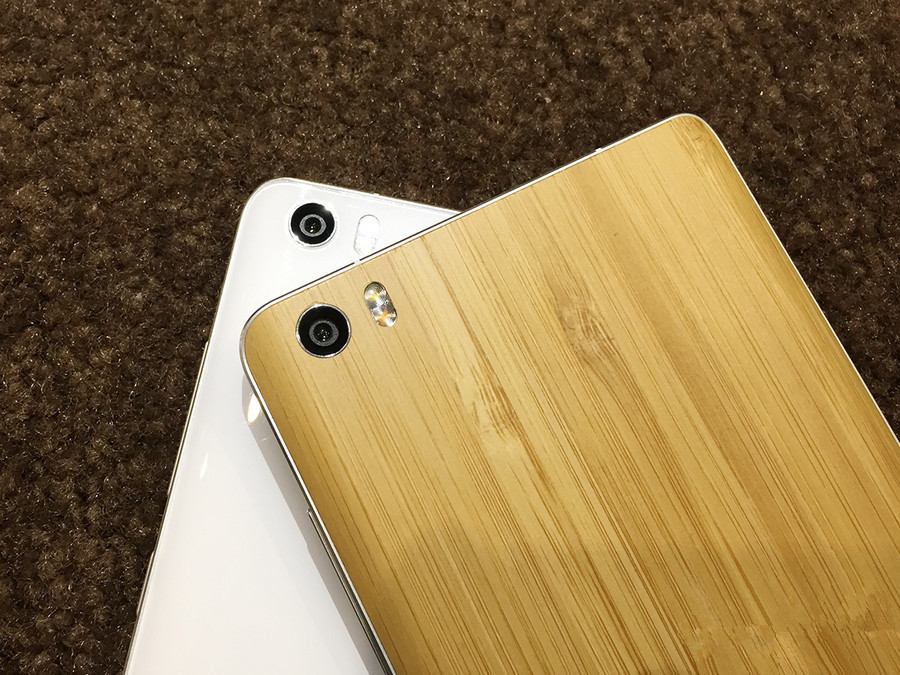
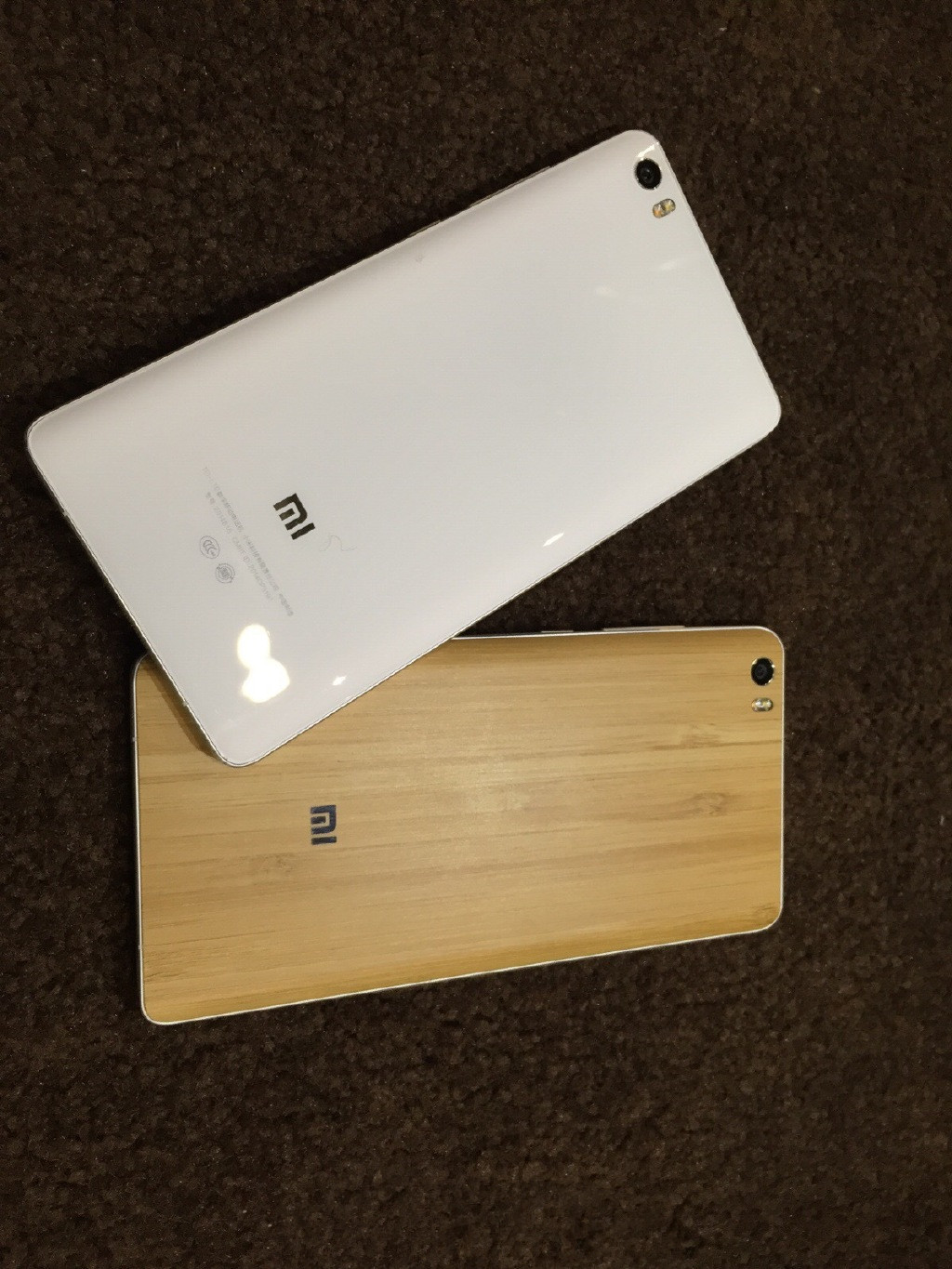
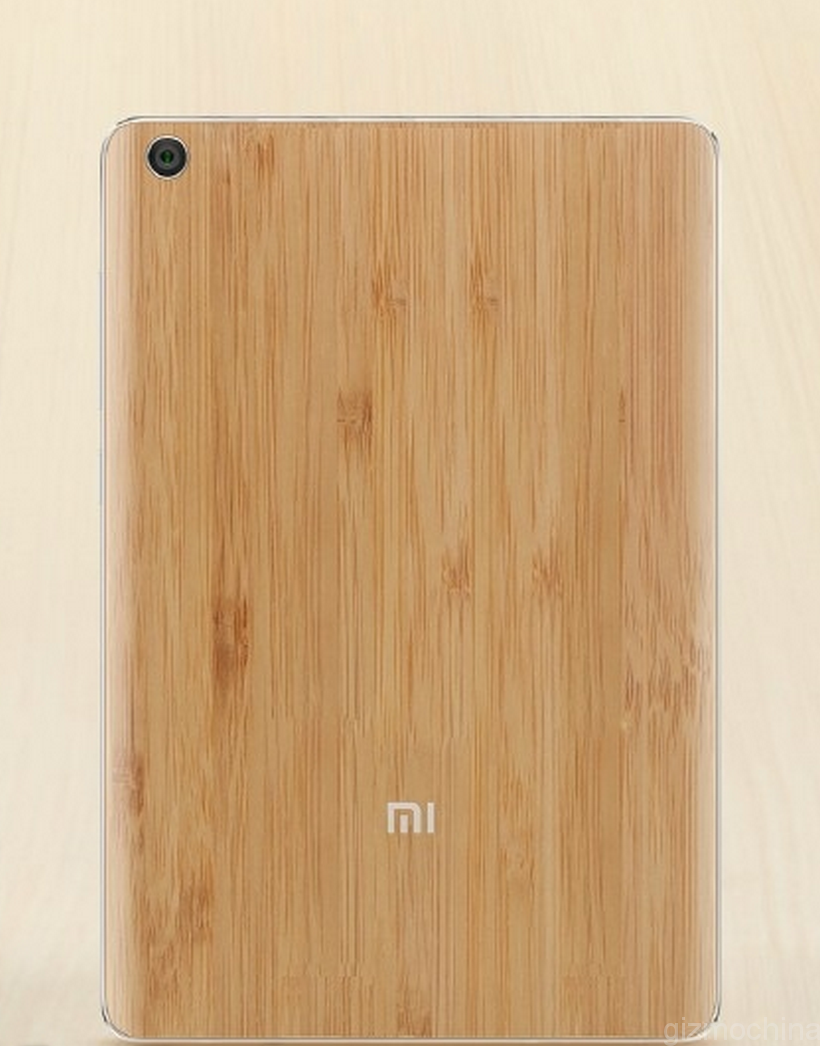
Xiaomi Mi Note is without any doubt a great device, but in this bamboo version, the phone looks all the more good. The bamboo finish at the back gives it a very unique look that helps it stand apart from other traditional offerings.
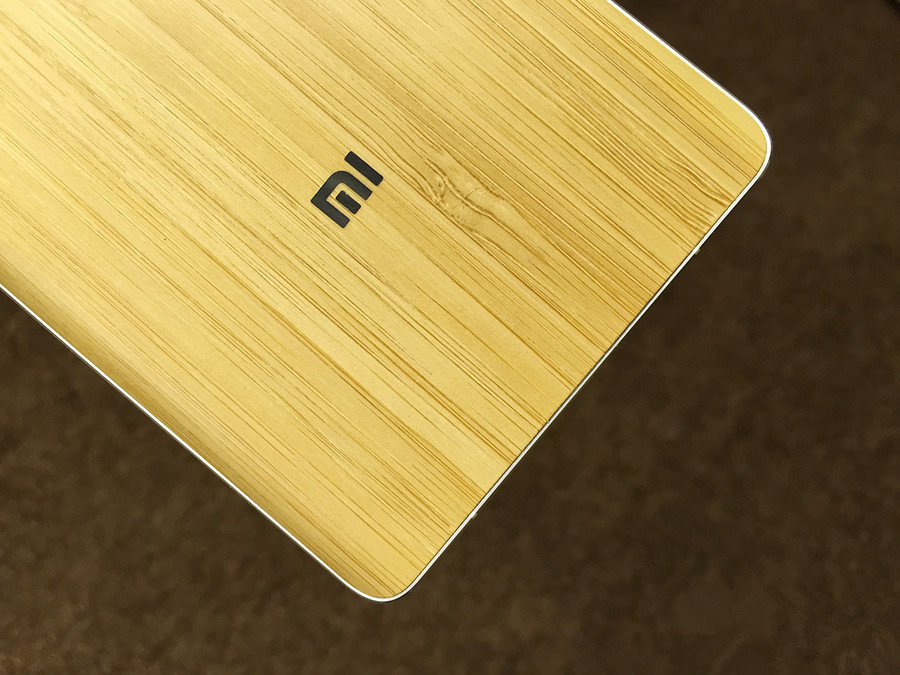
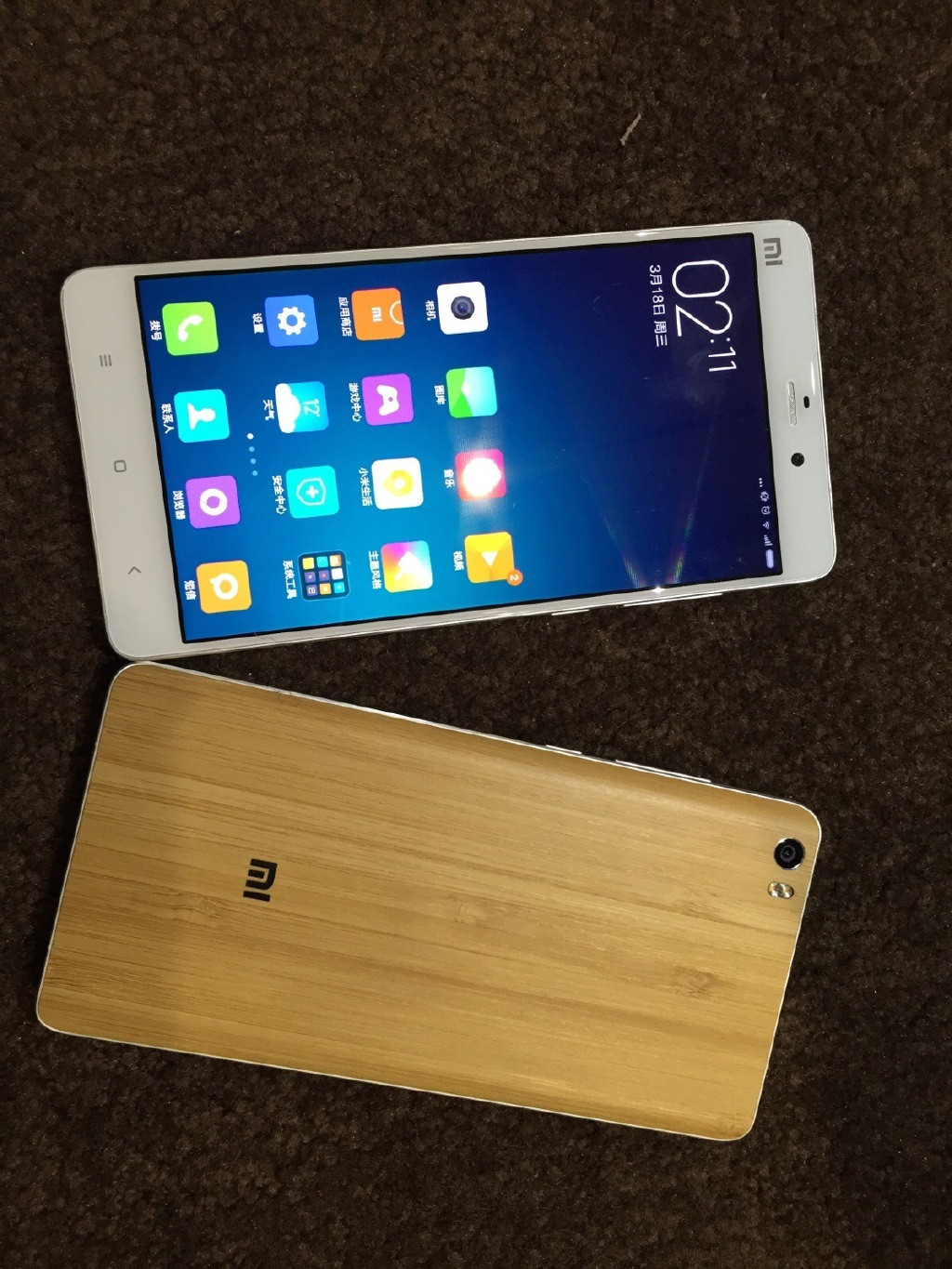
The finish is smooth and fits well with the overall design language of the device. In fact, it retains the curved side design and blends with the metal frame that holds the phone together. Like the regular Mi Note edition, the top left corner features the camera sensors while down at the bottom around the middle, you can see the MI logo.
We always love bamboo editions of famous flagship models (like Oneplus One) and this particular Xiaomi Mi Note Bamboo edition is no exception. Except for the back, the front retains the same looks as the regular white edition.
Also, the company has smartly priced this special Xiaomi Mi Note Bamboo Edition appropriately and you can pre-order it in China for around $370, which is a great price considering its specs.
To recap, the Xiaomi Mi Note comes with the Snapdragon 801 processor and Adreno 330 GPU. The 5.7-inch display up front sports a resolution of 1920 x 1080 full HD translating into a pixel density of 386 ppi. The rear camera is of 13MP with dual tone dual LED flash and is capable of recording 4K videos while front shooter is of 4MP. The phone supports 4G on both its SIM card slots.
Overall, the Xiaomi Mi Note Bamboo Edition looks like a winner. We have added a few hands on pictures of this new device down below for your viewing pleasure.
Over the past few years, smartphones have started to look more or less the same. But every once in a while we come across a concept smartphone which proves that its possible to create something inspiring and beautiful.
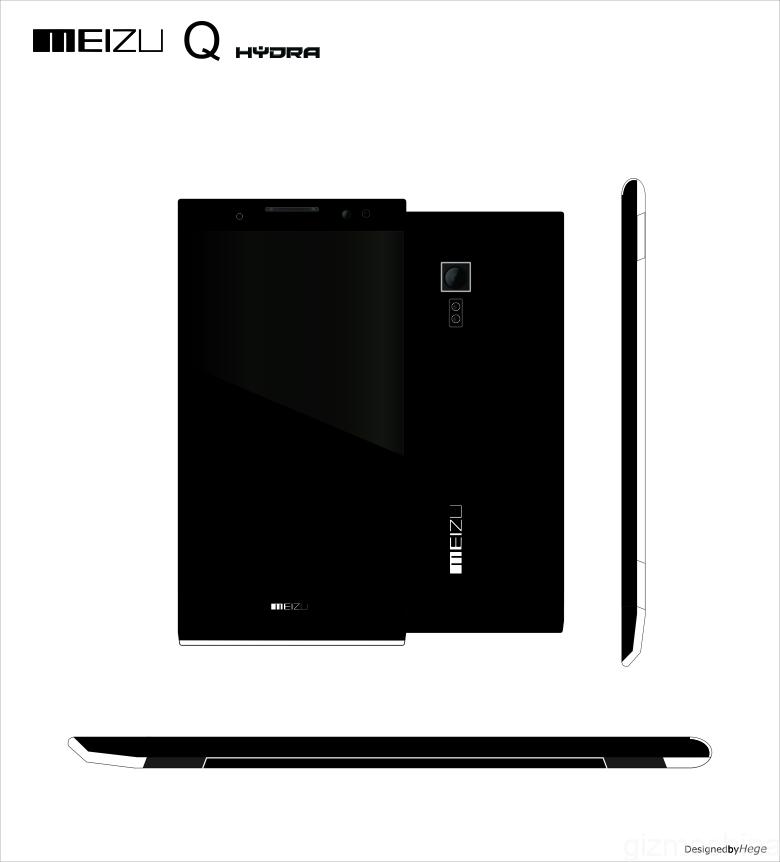
Recently, we came across a concept device called Meizu Hydra. This particular concept phone was designed by hege and looks quite futuristic. Of course, it isn’t the best concept smartphone that we have seen lately, still, the idea is pretty cool and hence, we decided to take a look at this good looking device.
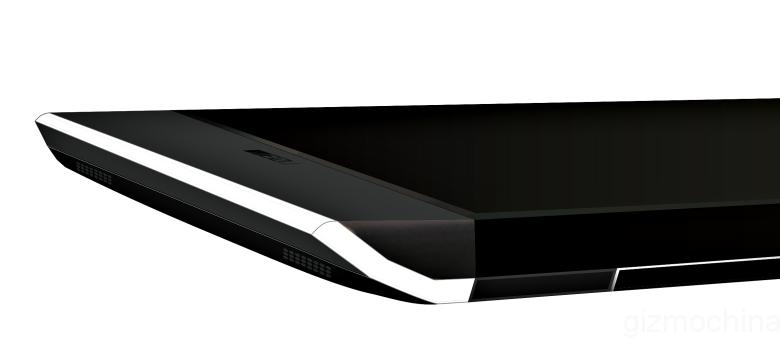
The phone uses a two tone color combination. So, you’ll find shades of black, gray and white with aluminum and chrome finishing details on the back as well as the front. The striking design feature of the device is its curved shape at the bottom. This gives it a distinct look as compared to other phones in the market. Also, it is said that the phone will come in a lot of different color and material variants.
Even though this is just a concept design, the designer also mentioned its dream specifications which are actually quite practically and standard in today’s market. The Meizu Hyrdra will come with a quad-core processor clocked at 2.0 GHz. The phone is designed to sport a 5-inch display up front with Corning’s Gorilla Glass 5 protection.
There will be 4GB RAM onboard too. As for the camera, the phone will feature a 20MP rear camera and a 5MP front shooter. The Meizu Hydra concept smartphone will run on the upcoming Android 6.0 OS and will feature a 3000 mAh battery.
Of course, this is just a basic concept design and we don’t think it will ever materialize into a real device. Still, its good to see that there are enthusiasts in the market who are ready to show off their own creations.
Since last year, we have heard plenty of rumors about a low cost 399 Yuan ($64) smartphone from Xiaomi based on a leadcore processor. However, just recently, Xiaomi CEO Lei Jun explained via Weibo that the company had no plans for such a low cost machine mainly due to the quality constraints at such a price tag. Naturally, we were all disappointed to hear the news.
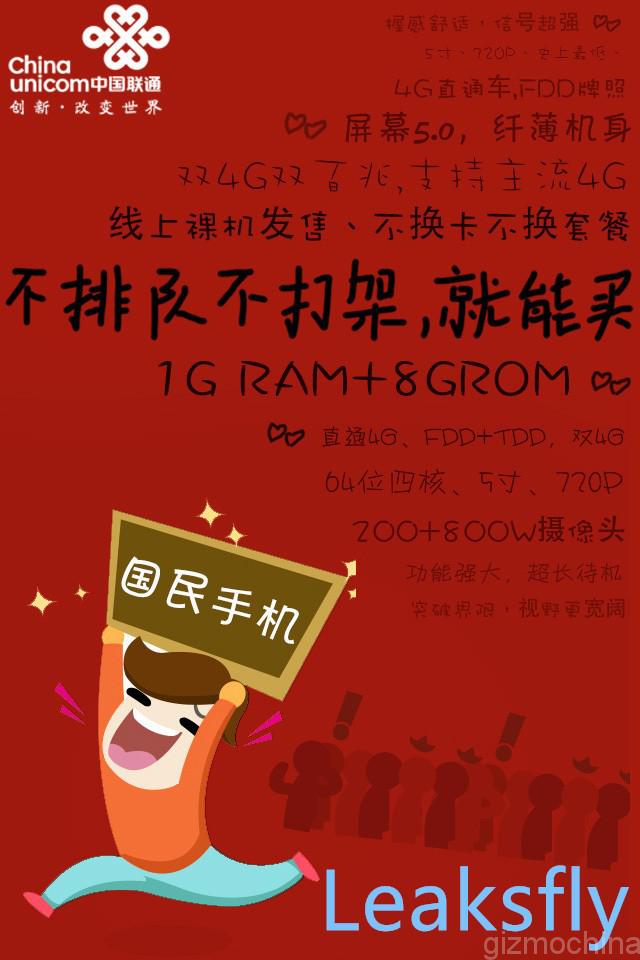
However, looks like China Unicom is developing a low cost smartphone that is said to cost just $64 or 399 Yuan. So, although we may not see a Xiaomi smartphone at this price range, at least we get such a device from a leading carrier from China.
It is said that China Unicom will jointly work with a manufacturer from Shenzen, one of China’s largest cities and leading manufacturing hub. The device will be aimed at budget and first time smartphone users and will cost just 399 yuan.
However, if you are expecting below par specs, then get ready to be surprised. It is said that the phone will feature decent specs such as 1GB RAM, 8GB internal storage (most likely expandable too), a 720p display (expect it to be around 5-inches) and a 64-bit CPU (entry level Mediatek SoC?). And the most promising part is that the phone is already in the final stages and is expected to launch before the end of this month.
This will surely be a great move in bring smart features to the extremely cheap market. However, given its modest specs, expect the performance to be just good enough for basic everyday usage.
Still, its good to see that companies are ready to produce smartphone even at this price range. However, for the time being, don’t expect such low cost phones to make it to the international markets.
We are eagerly waiting for the official announcement of the new ZTE Nubia Z series smartphones on March 26, which is just a week away. Thanks to the numerous leaks, we already have an idea about the upcoming handsets, which includes the recently showcased ZTE Nubia Z9 Max, the leaked ZTE Nubia Z9 Mini and the flagship ZTE Nubia Z9.
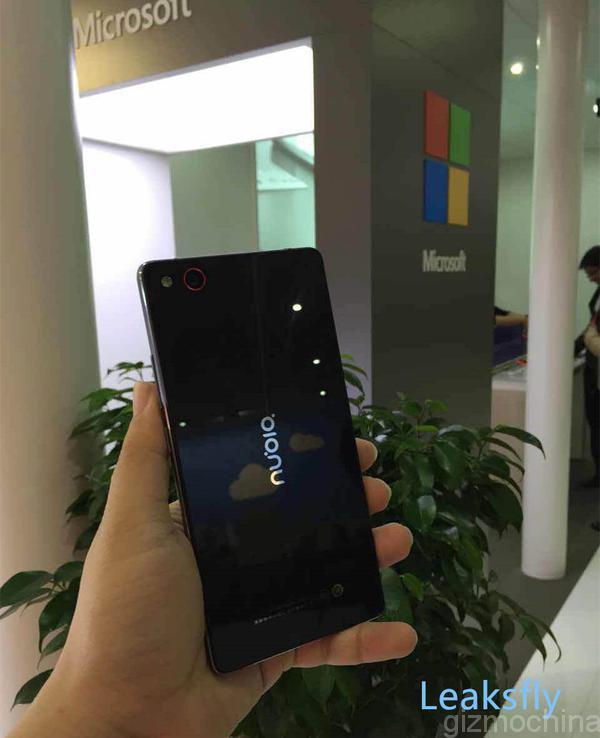
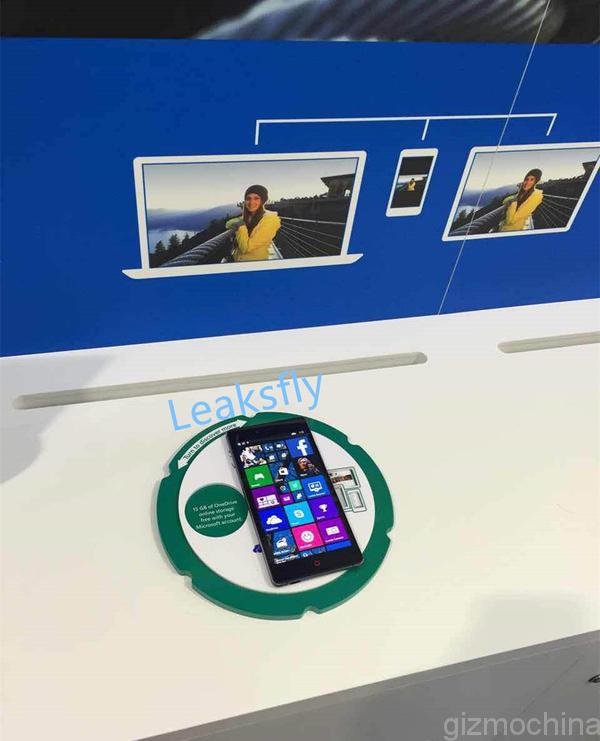
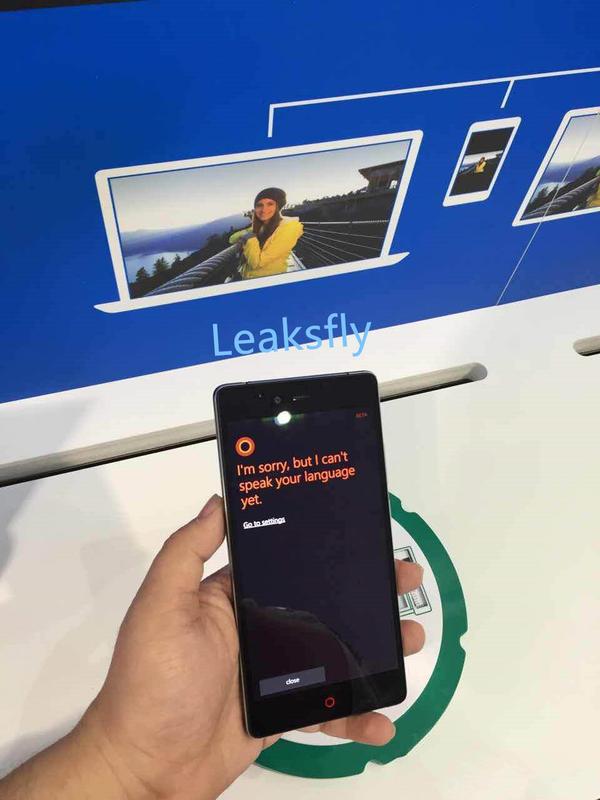
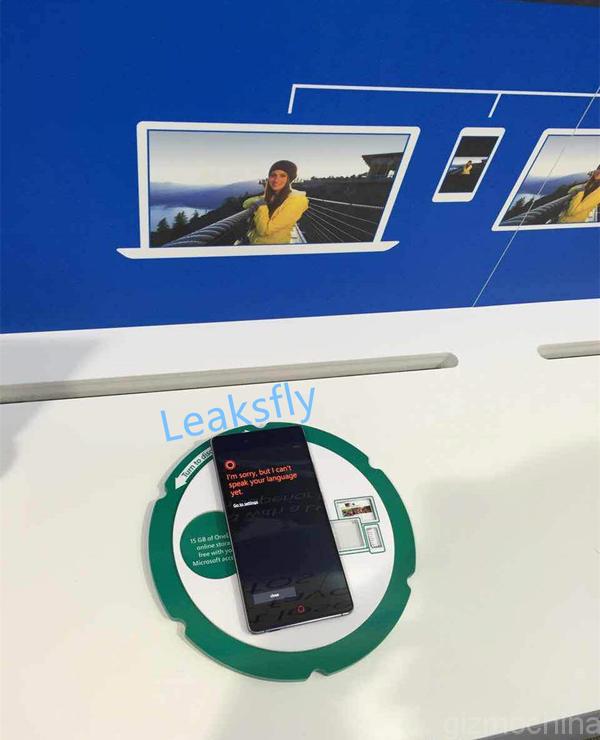
However, earlier today, a series of pictures revealed that the company may have a surprise in store for fans at the event. The leaked pictures showed off a device which looked identical to the ZTE Nubia Z9 Max but was running on a different OS than Android.
Yes, the ZTE Nubia smartphone was running on the Windows Phone OS which is a first for this lineup. The device had a similar design as the Max, with the double glass and metal body. However, the phone was running on the new Windows Phone OS. We even see Cortanan running, but it reports back with the message, “I’m sorry but I can’t speak your language yet”. Naturally, it looks like sometime tried giving commands to Cortana in Chinese.
It looks like the images were taken at Microsoft’s office, probably at an internal event. However, we still don’t know the exact Windows Phone version running on this device nor the specs that it features. But since this looks like Z series Nubia smartphone, expect it to be pretty high end.
So will we be seeing the new ZTE Nubia Z9 running on Windows Phone OS at this month’s event? Or is the phone still in the development stage?
Well, we just have to wait for a week more to clear things out.
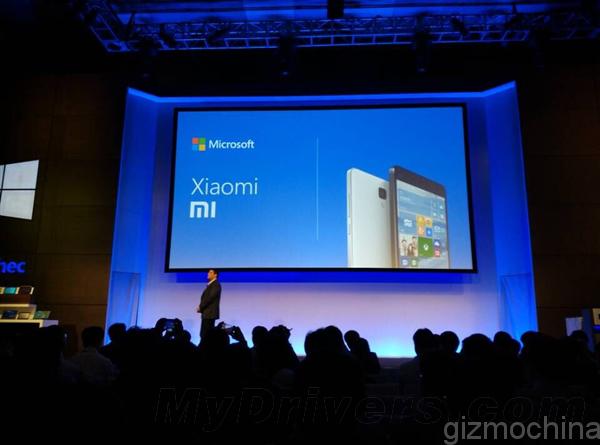
Just a few hours back we reported that Microsoft was partnering up with Xiaomi,Lenovo, Tencent and even Qihoo for expanding its software in the country and this particular leak only confirms that the company has some big plans for its OS in China.
Over the past couple of months, we have seen many new products from Xiaomi. This Chinese smartphone manufacturer has expanded into newer product categories like routers, game controllers, and even air purifiers. Even in the smartphone lineup, the company launched a new Xiaomi Mi Note series which offered top end specs at an affordable price tag.
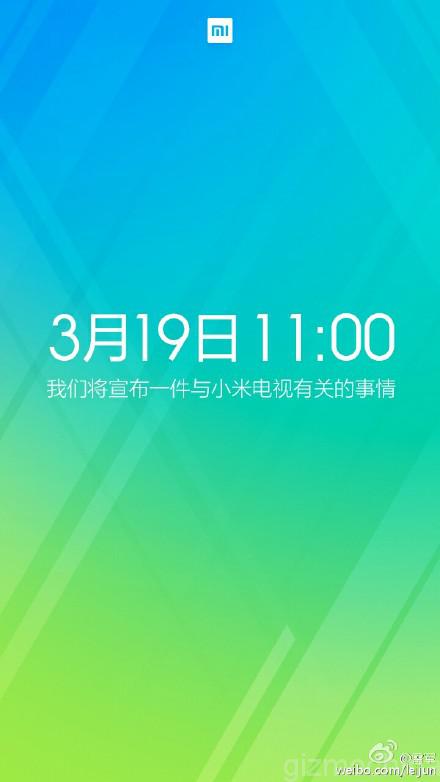
Now, it looks like the company is all set to announce a new Xiaomi TV tomorrow as Lei Jun, the founder and CEO of Xiaomi revealed a new teaser earlier today. He said in a post that Xiaomi will announce something new about its TV range at 11:00 AM on March 19, i.e. tomorrow. He even tagged Wang Chuan in the post, who is the director of Xiaomi smart TV business.
He became the eight core team member of Xiaomi after it acquired Duokan, a company which made apps for e-readers and Apple TV. Apart from the apps, Duokan is also an alternative OS for Amazon’s Kindle devices which brought in a lot of new features to the device. Its CEO, Mr. Chuan has years worth of experience in business, since he entered the entrepreneurship world just two years after graduating.
The company already has its own Xiaomi TV lineup in the market, but its far from perfect. Mr. Chuan had earlier said that the company aimed to make the OS more user friendly so that people from all ages could operate it, from a four year old to an eighty year old.
Unfortunately, neither Lei Jun nor Chuan has revealed any further details about tomorrow’s announcement, but since we are less than 24 hours away, we just have to wait and watch what the company has in store for us.
Microsoft under the leadership of Satya Nadella has undergone a lot of changes. One of the biggest changes in the company’s strategy has been to partner up with new companies to expose its products to newer markets. China, being a market with hundreds of millions of customers has gained a lot of attention from tech companies in recent years and Microsoft is also keen to expand in the country.
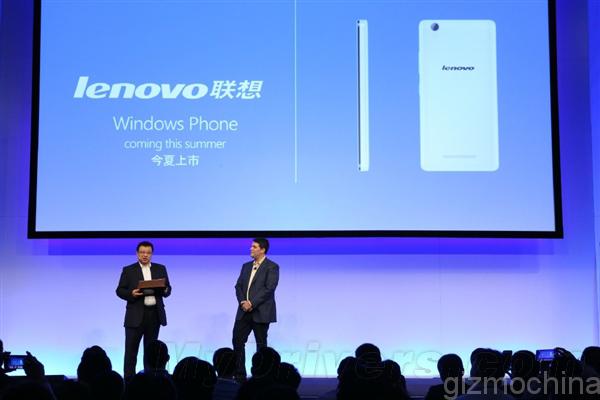
Earlier today, the company announced that it was entering into a program with Xiaomi to test Windows 10 powered Xiaomi Mi4 smartphone and now, the company revealed that Lenovo, one of the biggest PC makers in the world will develop and release Windows 10 powered smartphones later this year.
It is said that the Windows 10 smartphone will feature mid-range specs like Snapdragon 400 and Snapdragon 600 chipsets on a 4.5-5-inch screen. However, this shouldn’t be a big problem since Windows Phone OS work smoothly even on phone with basic hardware.
Lenovo plans to release its first Windows 10 smartphone by mid-2015 via the country’s leading network, China Mobile. Unfortunately, the company is yet to announce any details about a Windows 10 smartphone release outside of China this year.
The company has also agreed to upgrade its Windows 7 and Windows 8.1 powered devices to the new Windows 10 OS for free. The company revealed some more details in a press release earlier today.
“Lenovo, one of the world’s leading PC manufacturers, announced they will offer Windows 10 upgrade services at 2,500 service centers and select retail stores in China when the Windows 10 upgrade is available. This will help customers quickly and easily upgrade their new or existing Windows devices to Windows 10. Lenovo also announced their commitment to build Windows phones, to be available in mid-year 2015 via China Mobile.”
Clearly, Microsoft has set its eyes on China and partnering up with top companies like Lenovo, Tencent and Xiaomi is a sure shot way of expanding its existing user base in China.
China is the world’s biggest smartphone market and hence, its no surprise that most manufacturers want a piece of the market share in the country. While Microsoft has its own Lumia series smartphones running on its Windows Phone OS, it isn’t sufficient to compete with the millions of other phones running on Android and iOS. As a result, Microsoft has just announced that it will be working with Xiaomi to test Windows 10 powered smartphones.
In an official blog post released a few hours ago, Microsoft states that it has entered into a new program with Xiaomi, where a selected group of Mi4 users will be given the chance of downloading and installing the Windows 10 Technical Preview on their Xiaomi Mi4 smartphones. They will be giving direct feedback to the company. The post also says that this will help in the release of the Windows 10 powered smartphones later this year.
Through a new program with Xiaomi, one of the top smartphone distributors in the world, a select group of Xiaomi Mi 4 power users will be invited to help test Windows 10 and contribute to its future release later this year. These power users will have the opportunity to download the Windows 10 Technical Preview – installing it and providing their feedback to Microsoft.
Microsoft is planning to expand aggressively in China as it has partnered up with many other leading tech companies in the country like Lenovo, Qihoo 360 and Tencent. All of them have agreed to release the new Windows 10 OS as a free upgrade to their existing Windows 7 and Windows 8.1 users.
Windows 10 is one of the best upgrades from Microsoft till date. The company has taken feedback from thousands of users to develop and tweak this new OS which will be compatible with devices of all sizes.
Just yesterday we saw the Teclast X98 Air running Windows 10 Pro Technical Preview in a video and some of the features previewed there were quite cool. You can check out the video from this link.
So, what do you think about a Xiaomi powered Windows 10 smartphone? Do you think its a good idea or should Xiaomi stick with Android OS for now?
Just earlier today the Chinese giant Xiaomi released a “Natural Bamboo Special Edition” of its latest flagship Mi Note (the original material of the back is glass). One fact worth mentioning is that the price of 2299 Yuan is said to remain unchanged, which is kind of advantage over other companies like OnePlus or Motorola, which charges quite a lot for bamboo back shell.
However, as the rumours as well as the picture point out, the Apple of China may also release a bamboo edition of the popular iPad alternative Mi Pad. We think it is a pretty good idea as the customers are given some variety of materials to choose from. What is more, the Xiaomi Mi Pad bamboo edition is said to cost as much as the regular version. That shows that other manufacturers just artificially trying to make a big deal out of charging extra for bamboo shells. How much can the wood cost? Is it really that much more expensive than plastic? Anyway, we will keep you posted as soon as Mi Pad bamboo edition is officially released.
ZTE is all set to announce its premium ZTE Nubia Z series lineup at an event on March 26. Even though we are just a few days away from the official unveiling of these devices, new leaks are still coming in, revealing some interesting aspects about the device.
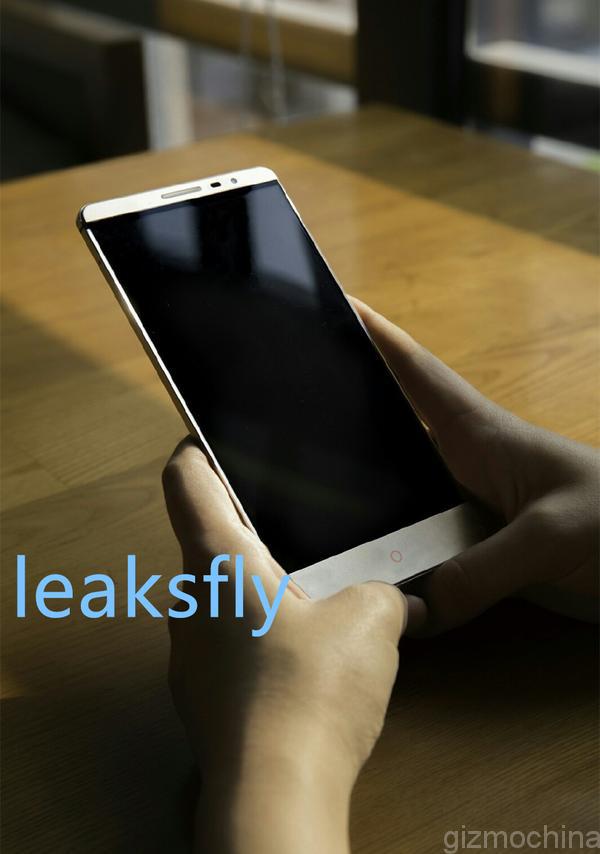
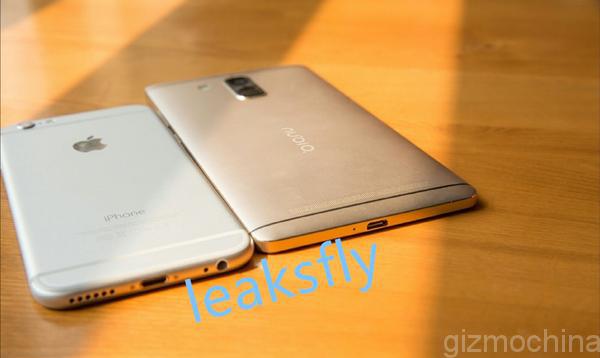
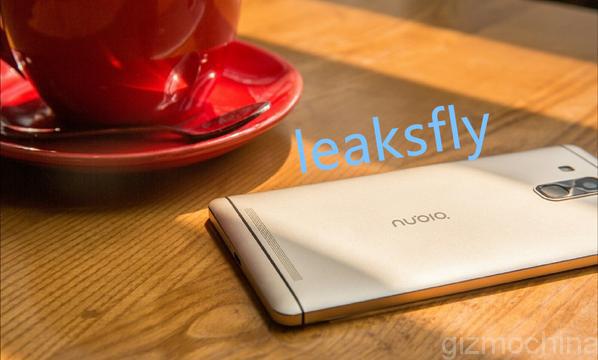
The latest leak from leaksfly reveals that the ZTE Nubia Z9 may have a different design than what we expected. A few days back, the same source leaked a series of pictures claiming to be of the Z9. That device had a similar design as the ZTE Nubia Z9 Max that the company showed off at MWC 2015. However, the latest pictures from leaksfly reveal a totally different design.
The edges are now smoother and the device looks like it may have taken some inspiration from Huawei’s metal Huawei Ascend Mate 7. This is actually a good thing since we all loved Mate 7’s premium design. However, the device in the pictures looks much more thinner and smaller. It is said that the phone will come with a 5-inch+ display, and the image with the iPhone 6 besides the Z9 kind of confirms this rumor. Interestingly, the same image also gives us an idea of the slimness of the device as its almost as thin as the iPhone 6. In fact, if we look closer, it may even be a tad thinner.
The back features a large sensor which is probably the rumored fingerprint sensor. On top, there is the camera unit and the LED flash besides it. At the middle lies the Nubia logo and around the bottom of the back is the speaker grill.
Coming to the front, the bezels are thin, but not as thin we saw in the previous images. The previous leak showed off an almost bezel-less display, but in this case, we can see the bezels clearly. The top portion, above the display is quite clean, however, the bottom part is thick, thanks to the physical capacitive buttons, instead of onscreen ones.
Overall, the device looks like its well built and premium. I personally like this one better than the ones leaked previously, but we are not quite sure which one is real for now.
As for the tech specs, the ZTE Nubia Z9 is expected to come with the fast Snapdragon 810 processor with 3GB RAM, 16MP rear camera and 5.5-inch full HD 1080p display.
So, which design did you like? The previous one without any bezels + glass design or this one with thin bezels but with a premium metal body?
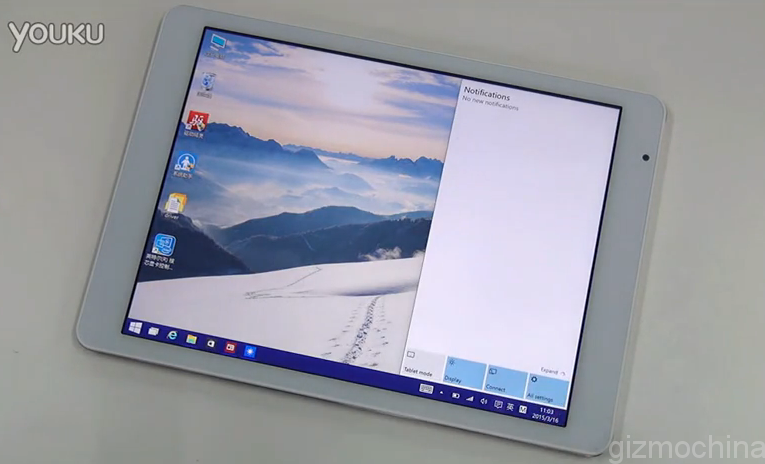
Windows 10 is going to be a revolutionary upgrade. In fact, there were so many changes in this new OS that the company decided to skip the name Win 9, to jump right to Windows 10. While we have already seen the Windows 10 Technical Preview, now the OS was running on the Teclast X98 tablet which gave us an idea of the features of the upcoming Windows version.
The one showed off in the video was the Teclast X98 Air and the reviewer was kind enough to demo some of the features of Windows 10 Pro Technical Preview version on this tablet.
Windows 10 comes with a whole new look. The start button encompasses the Metro UI instead of taking you to a separate screen. So, recent apps, most used apps and the metro UI all come under the start button. And if you liked the Windows 8 look, you can even full screen the start button to give you a similar feel.
Swiping from the right brings you to the notifications and quick settings panel. There were plenty of settings available like tablet mode, display, airplane mode, locations settings and all settings. Swiping from the left brought the task manager with open apps.
The overall UI looks smooth and responsive even though this was just a technical preview version. Unfortunately, the video did not demo Cortana, probably because its still not activated. However, we did see an option in the settings panel for the digital assistant.
The specs of the Teclast X98 Air is not very high end, but still it managed to run everything smoothly. The tablet comes with an Intel Atom Z3736F processor clocked at 1.33GHz with 2GB RAM and 32GB ROM. This is just standard specs, nothing out of the ordinary which hints that the Windows 10 OS for mobile devices could be pretty lightweight enabling smoother UI experience even in mid-range devices.
You can check out the video of Windows 10 Pro technical Preview running on the Teclast tablet down below.
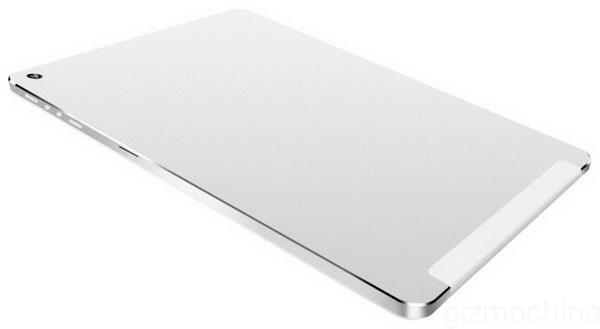
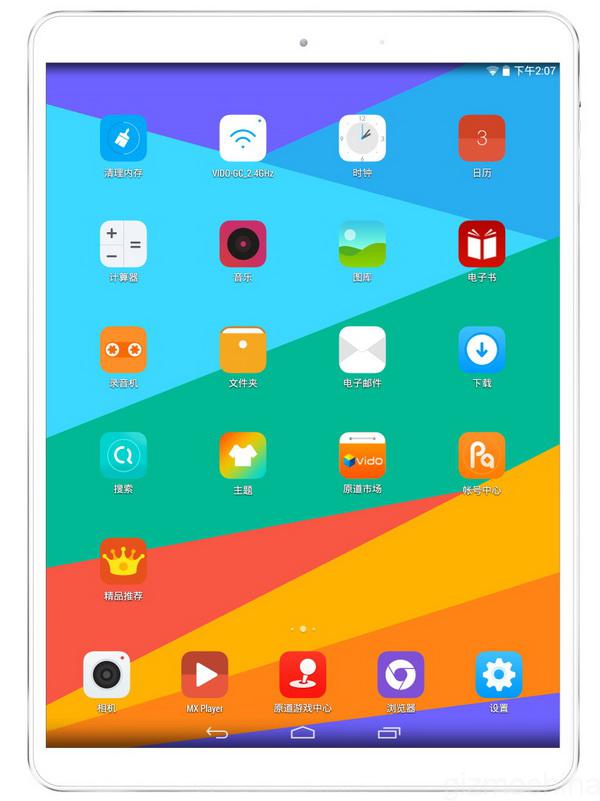
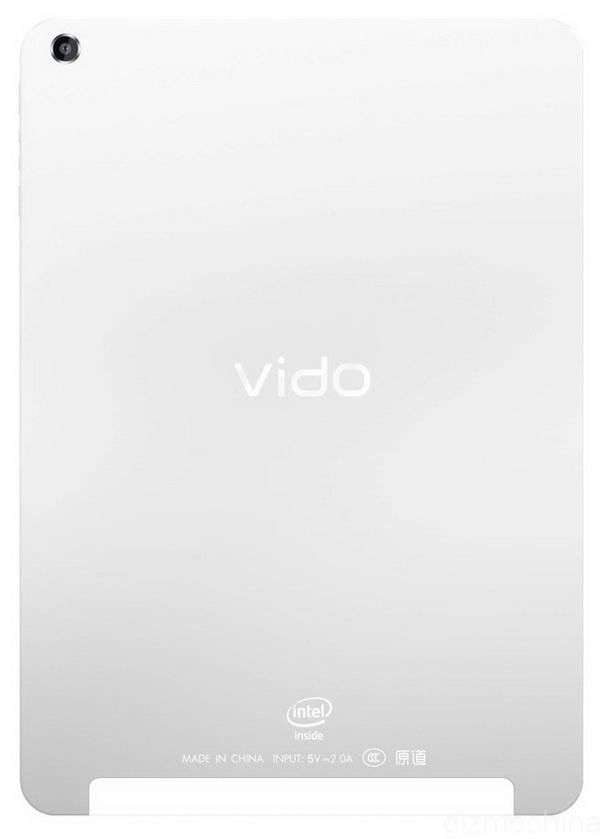
Back in October, Vido had showed off a new tablet with retina class display at the Fall Hong Kong Electronics Fair. Now, it looks like the company is all set to release the device officially as it has revealed some teaser images of the said device.
The new dual OS Vido M9i will feature a slim metal body which to be honest looks quite good. The highlight of this new tablet will be the dual OS compatibility, which means can boot into Windows 8 as well as Android as per your convenience. This is truly a great feature as its always good to have multiple OS options. Android OS brings millions of apps from the Google Play Store with many optimized for large screen tablets, while the Windows 8 OS a familiar desktop like environment ideal for work.
Given its large 9.7-inch display with Retina resolution, the dual OS Vido M9i won’t be as portable as a 7-inch tablet. However, the large screen size makes it a great device for office use.
While the exact specifications of the device have not been revealed, the specs sheet shown off back in October gives us a clue about M9i’s overall tech specs. Like its written at the back, the Vido M9i will be powered by an Intel processor. The Android powered variant came with the Intel Z3735F clocked at a maximum frequency of 1.83GHz. The tablet had 2GB of RAM onboard along with 16GB internal storage. At the back, there was a 5MP shooter along with a 2MP shooter up front. To support the large display, the M9i Android version had a 6000mAh battery.
However, expect the new dual OS Vido M9i to feature better specs than the one mentioned above. The processor, RAM and camera are expected to get an upgrade taking the overall cost to $1500. The tablet will be announced later this month.
Earlier this year, we came to know that LeTV, one of the top video content providers in China was working on a new smartphone. Later we realized that the company may have three new devices in the pipeline all targeted at different users. The three models were expected to be priced as follows: 999 Yuan, 1999 Yuan and 2999 Yuan and the specs and the body differed according to their pricing.
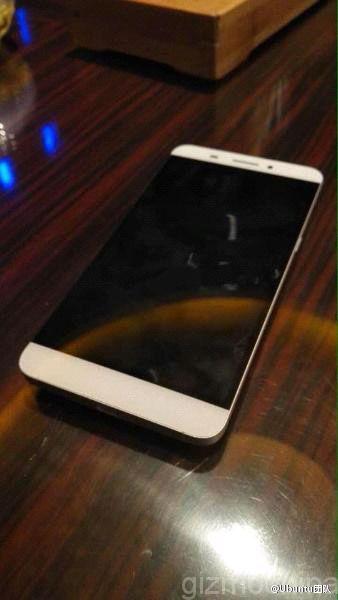
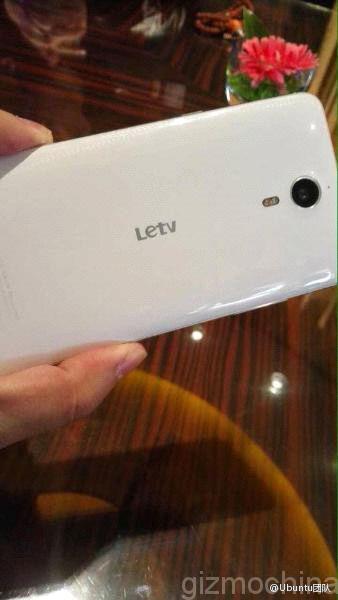
The LeTV X600 model has been spotted a number of times, on TENAA as well as AnTuTu. Now, a new set of images of the LeTV device were leaked by the well known leakster, Ubuntu Team. From the images, it looks like this could be the LeTV X600 that’s been making the rounds online.
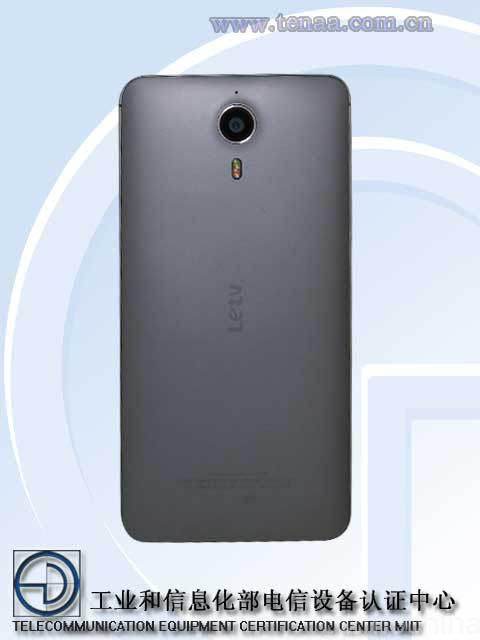
The pictures that were listed on TENAA look a lot similar to the ones leaked today. On TENAA, the device had a model number LeTV X600 and featured an octa-core processor with 2GB RAM and 16GB ROM, 13MP rear camera and 5MP front shooter. The device had a 5.5-inch full HD 1080p display with overall dimension of 147.8 x 74.2 x 9.4mm, making it shorter and even narrower than the iPhone 6 Plus (not thinner though!).
So, it looks like the white version of the LeTV X600 model was leaked today. The device sports a very premium design with curved edges and almost bezel-less display. However, it looks like the black display borders are responsible for this effect and even though we can’t clearly see it, there is a thin border at the sides.
The back cover could be made from polycarbonate material or even shiny plastic like the iPhone 5C. There is a round sensor on the top, most likely the rumored 13MP unit along with dual LED flash and the Letv logo in the middle.
It is still not clear when the company will officially announce the new smartphones, but since we are seeing almost finished models, its likely that the announcement will be made pretty soon.
Back in January, Xiaomi took the wraps off a new premium smartphone lineup, the Xiaomi Mi Note. However, at the time of the announcement, the company had announced only two versions of the device, the Xiaomi Mi Note running Snapdragon 801 and the Xiaomi Mi Note Pro running Snapdragon 810. Interestingly, it looks like the company may have another device in the Note lineup.
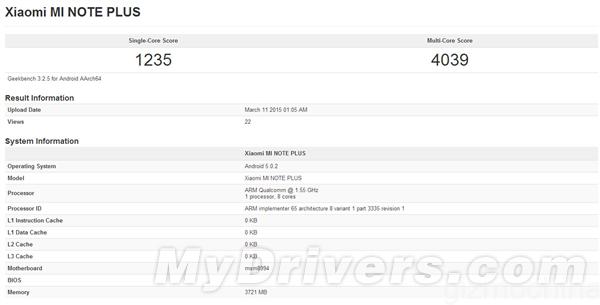
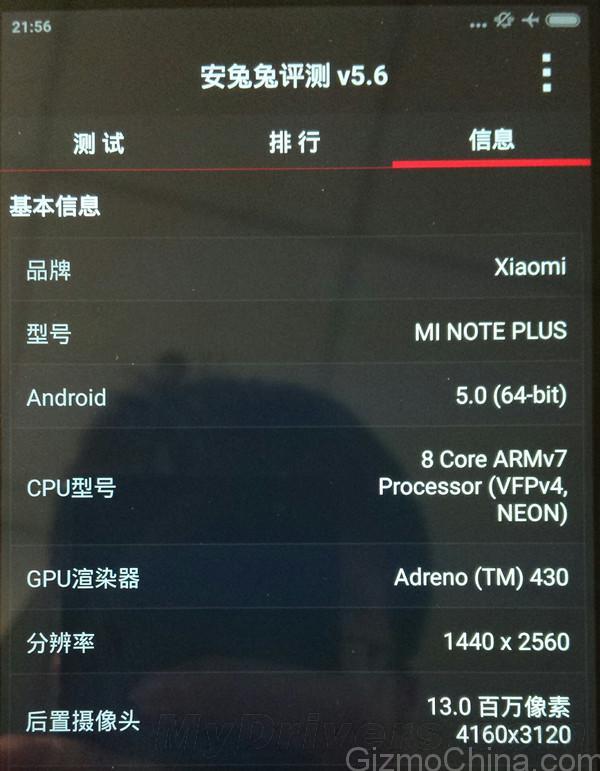
Earlier today, a new Xiaomi Note device was spotted on Geekbench, revealing some of the key specifications and benchmark scores of the device. The new device, called as the Xiaomi Mi Note Plus features the same Qualcomm Snapdragon 810 processor as the Mi Note Pro, and the RAM too is 4GB. The device was running on the Android 5.0.2 Lollipop version. From the name, it looks like the Mi Note Plus could be the top end variant in the company’s Note lineup.
This is not the first time we are hearing about the Xiaomi Mi Note Plus. Just a few days after the announcement of the Mi Note lineup, a device with the same name had popped up on AnTuTu benchmark, revealing identical specs as the Mi Note Pro model. So, at that time, we wondered whether this particular model was the same as the Pro.
In the GeekBench test, the Mi Note Plus scored around the same figure as the HTC One M9. It scored 1235 in the single-core test and 4039 in the multi-core test, which was very close to One M9’s score of 1282 and 3929 in those tests. However, even with the top end hardware, Samsung Galaxy S6 easily outdid these two, thanks to the powerful Exynos 7420 64-bit octa-core chipset underneath. S6 scores an amazing 1501 in the single-core test and 5417 in the multi-score test which clearly shows its power.
Xiaomi’s co-founder and president, Lin Bin revealed yesterday that the company was going to announce a special edition of the Mi Note today. However, we don’t think that the Mi Note Plus will be announced as he said that a better looking special edition Xiaomi Mi Note will be revealed. Still, lets wait and watch what the company has in store for its fans.
In January Xiaomi released their Mi Note and Mi Note Pro. It was the highest Priced phone from Xiaomi and yet it is one of the most premium and Powerfull device. The sad part is that Xiaomi did not had a lot of stocks to sell.
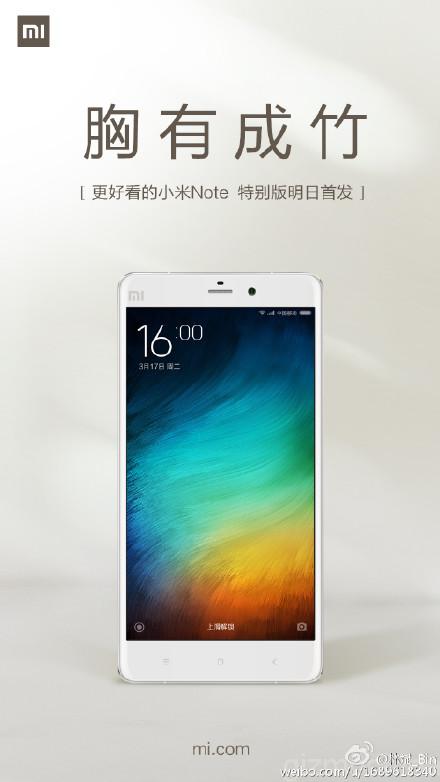
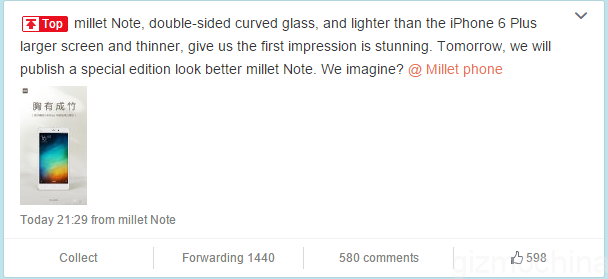
Today, Lin Bin, president of Xiaomi on his weibo said that They will launch better looking special edition Mi Note tomorrow, the tagline in the picture is “Bamboo in the chest”, it means confidence in Chinese.
Here is the screenshot of his post.
Xiaomi Mi Note is the flagship device from Xiaomi and is also one of the best devices one can buy. It has a metal frame and 3D curved glass on both of its sides. The Xiaomi Mi Note packs a quad-core Qualcomm Snapdragon 801 processor, clocked at 2.5 GHz, and backed by the Adreno 330 GPU and 3 GB of RAM. Apart from the amount of RAM, this processing package may seem a little dated given the advances in the last year, but it is still more than capable of easily handling intensive tasks.
Do let us know what you think about the upcoming Mi Note in the comment section below.
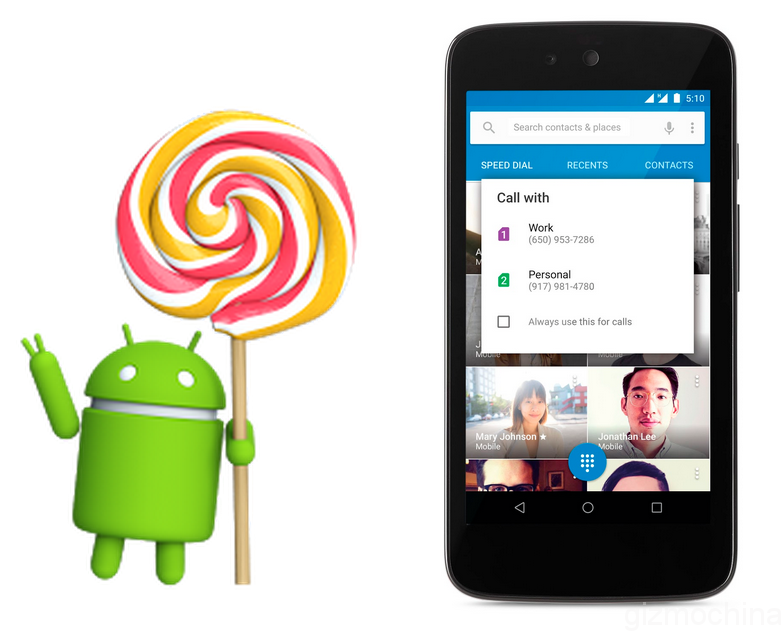
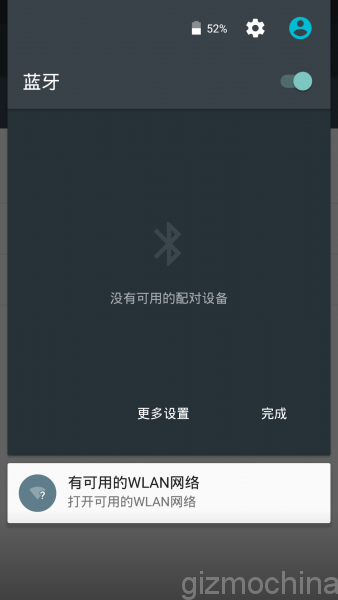
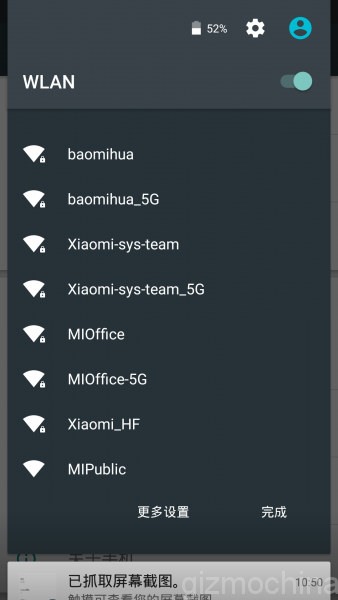
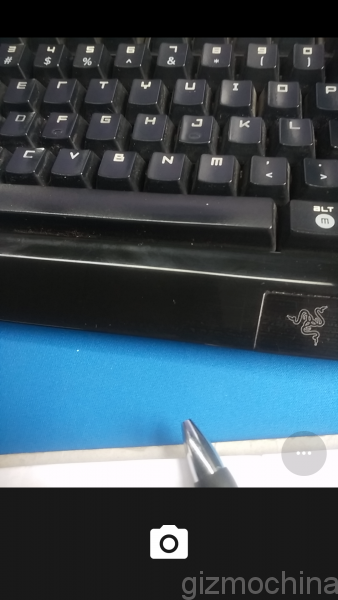
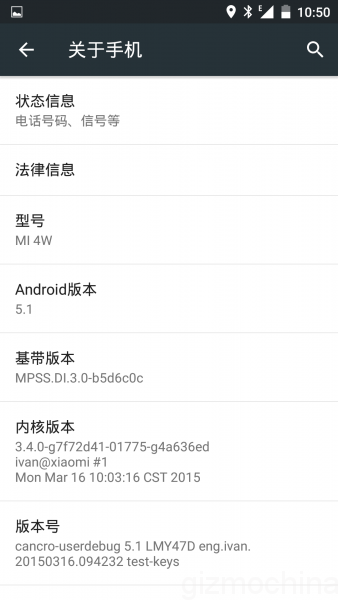
Given the immense popularity of Xiaomi’s flagship devices, most of the Android version updates are already available to download. We recently saw the new Android 5.0.2 ROM for both the Xiaomi Mi3 and the Mi4 from a well known developer back in February, and today, Ivan brings out the latest version of Android 5.1 Lollipop update to these devices.
Android 5.1 is the most recent update from Google for Lollipop and in fact, it was just announced a week back. So, its good to see that the new version made it to Xiaomi Mi3 and Mi4 devices so fast.
Here’s the official list of changelog with the new update.
Changelog:
1. Updated to Android 5.1 codes
2. Removed music player
3. Removed CM file explorer
4. Newly ported, highly prone to bugs
The process of downloading and installing the ROM is pretty straight forward. Most of the Xiaomi Mi3 and Mi4 variants are compatible with the update except for theXiaomi Mi4 CDMA 4G model. So, if you are using that particular edition, don’t try to flash, as it won’t work properly and you may even brick your device.
Here are the known models which successfully ran the new Android 5.1 ROM: Mi4W/C and Mi3W with WCDMA, CDMA and TD SIM cards
Remember to boot your device once you have installed the ROM as otherwise, you may face some network signal issues. Also, if you are using a Chinese CDMA model, there’s apparently some issues that’s still not fixed.
We have already seen plenty of knock offs of popular smartphones in the past two years. The famous clones includes the look alikes of iPhone 6, LG G3, Samsung Galaxy Note 4 etc. Even wearables have clones these days, like the No.1 G2 which takes inspiration from the Samsung Gear smartwatch.
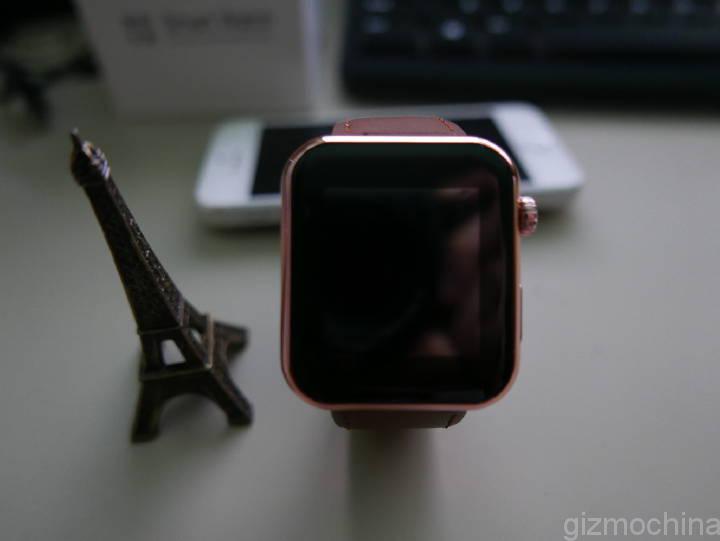
Clones are usually seen after the original device is released in the market, but sometimes, there can be an exception, like in the case of this Apple Watch clone. Recently, we spotted a look a like of the Apple Watch that is expected to hit the markets in April. The device looks exactly like Apple’s first wearable and until you turn on the watch, you’ll probably mistake it as the real one.
Since we were surprised to see the watch even before Apple made the original one available for sale, we decided to take a look at the device to see what it offers to its users.
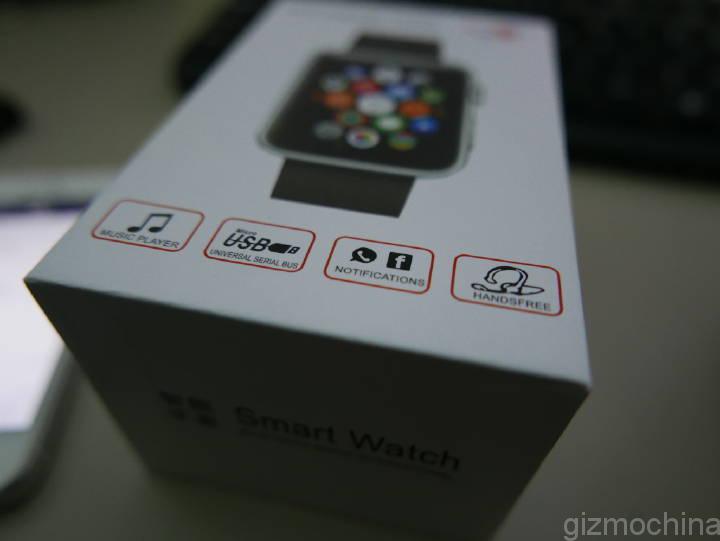
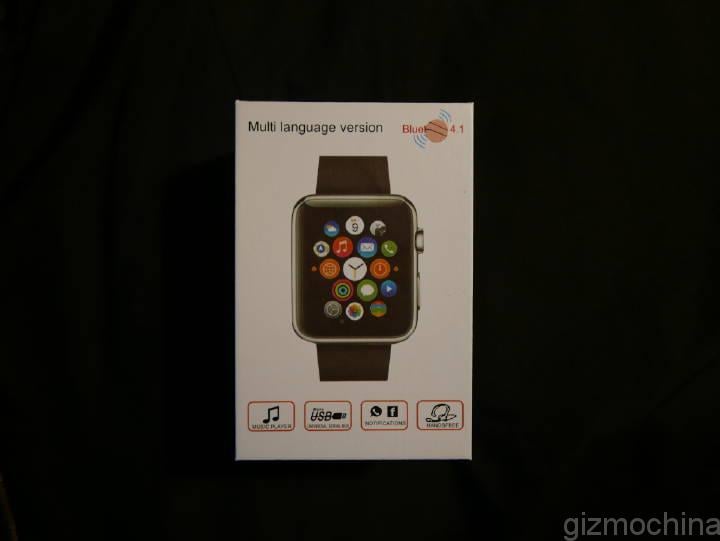
First off, lets take a look at the box. The picture in front may look like the real deal, but remember that this is just a clone. But its not surprising to see that the image on the front with the UI is made to look like the original Apple Watch. On the top left corner, you’ll see the multi-language support feature which means you can also install and use English on the device. Below, you can see some of its features such as notifications, handsfree, USB and music player support.
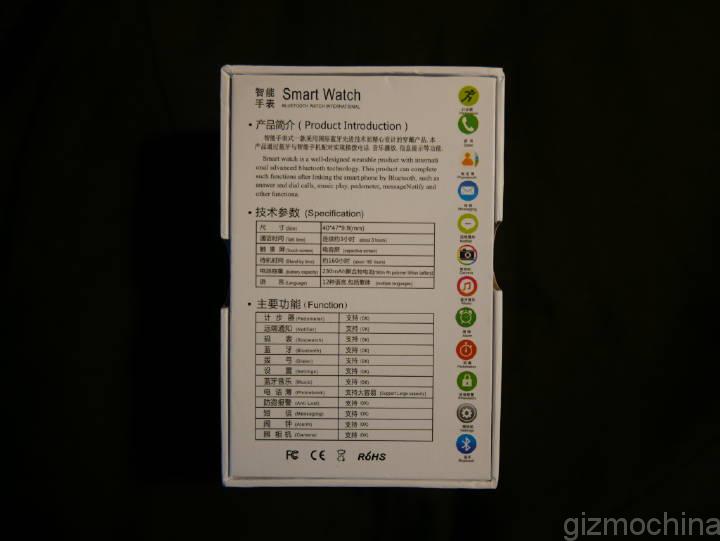
Turning over the box to the back side reveals interesting things. First of all, the device supports pedometer, stop watch, anti-theft alarm, recorder etc. Of course, its not surprising that the English written at the back is bad. Still, you can read and understand most parts. Interestingly, the rear specs list reveals that the device will be available in two battery versions, a 230mAh version which will be only available for Chinese customers and a 190mAh version which will be made available for international users. Unfortunately, we don’t know why the maker of this device decided to do something like this.
Inside, you’ll find a manual too, but written in Chinese. The manual reveals that the Apple Watch clone will only work with Android smartphones and tablets. What an irony!
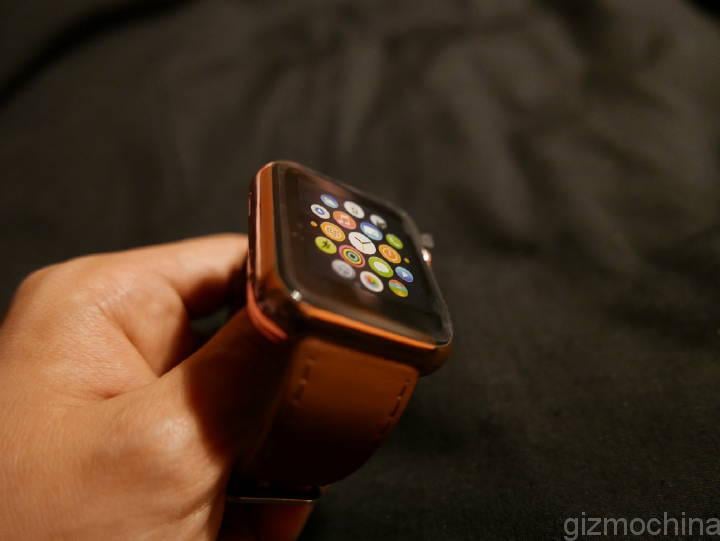
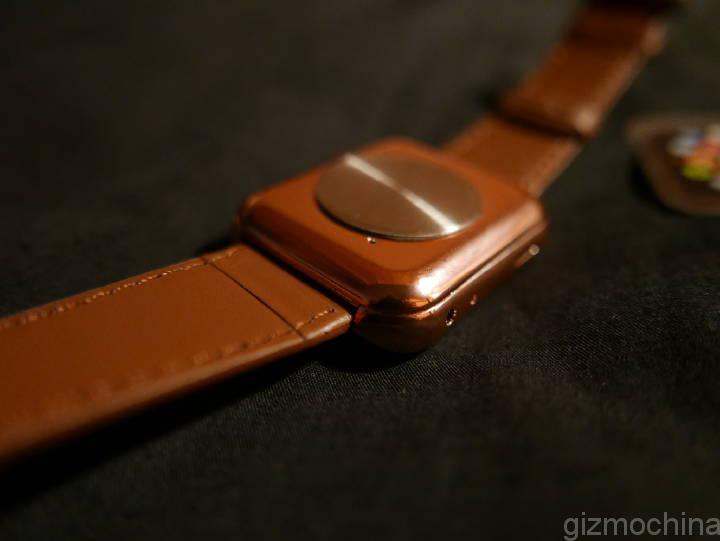
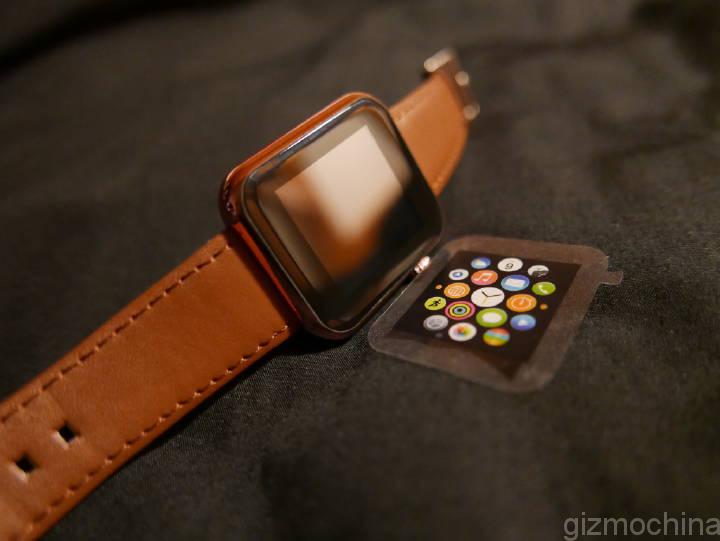
The device that we got from the market had a brown leather color which matched its strap. On top of the display, there’s a sticker which is made to look like the UI on the original Apple Watch.
At the back, you’ll see a round metal circle plate. Its does not blend very well with the design as it protrudes from the body.
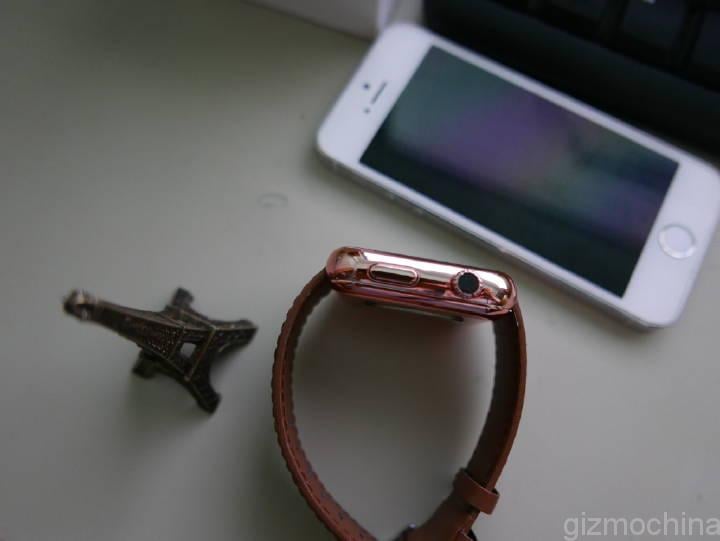
On the right, you’ll see two buttons, which are the only ones on the entire smartwatch. One of them is the Apple’s new digital crown like button. However, we didn’t find any particular function assigned for that button.
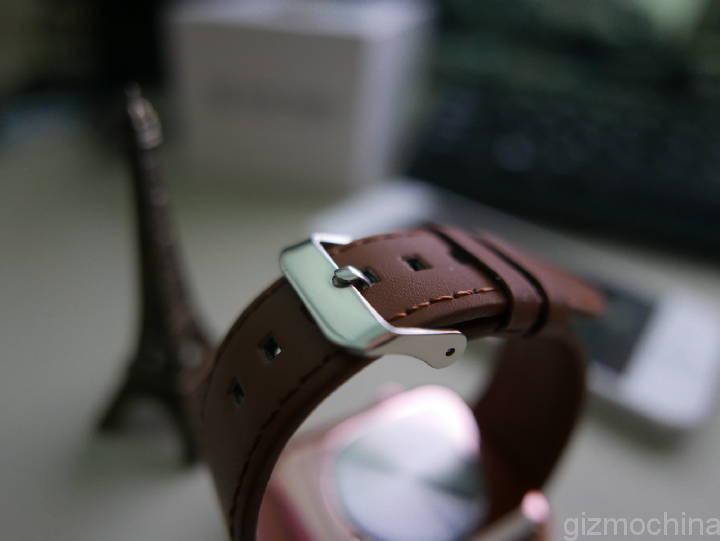
The strap on the device is just standard, nothing out of the ordinary quality wise.
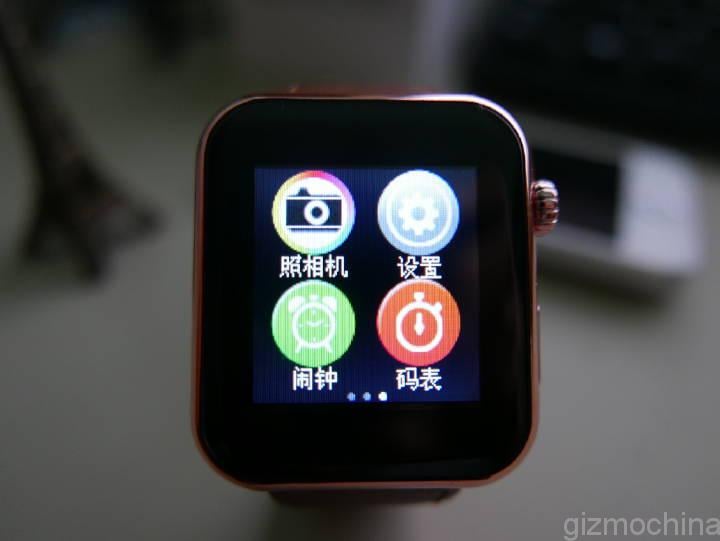
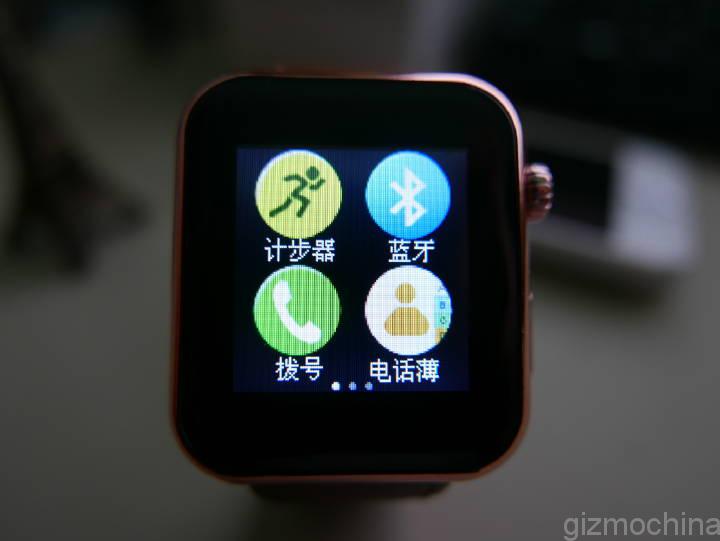
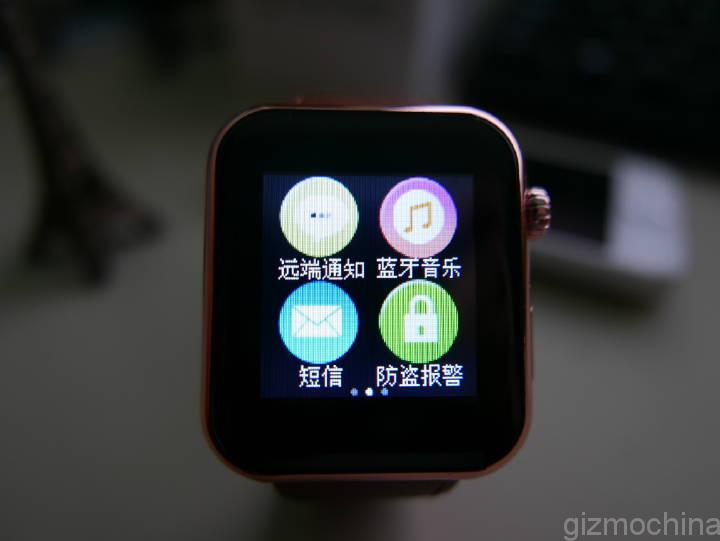
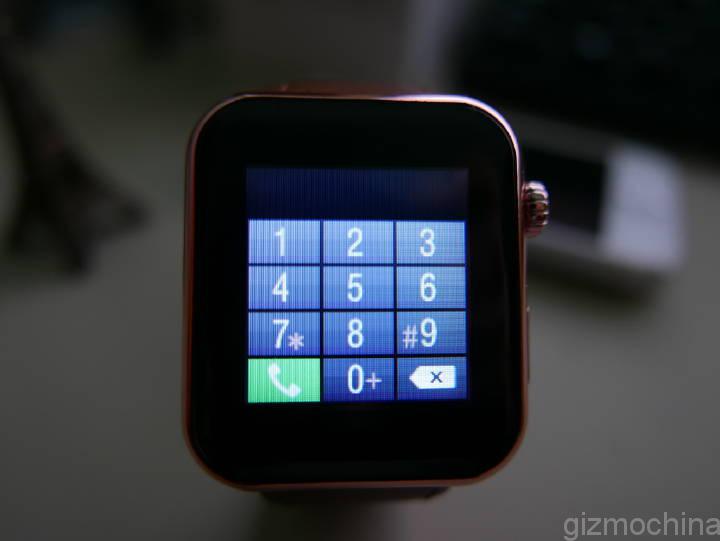
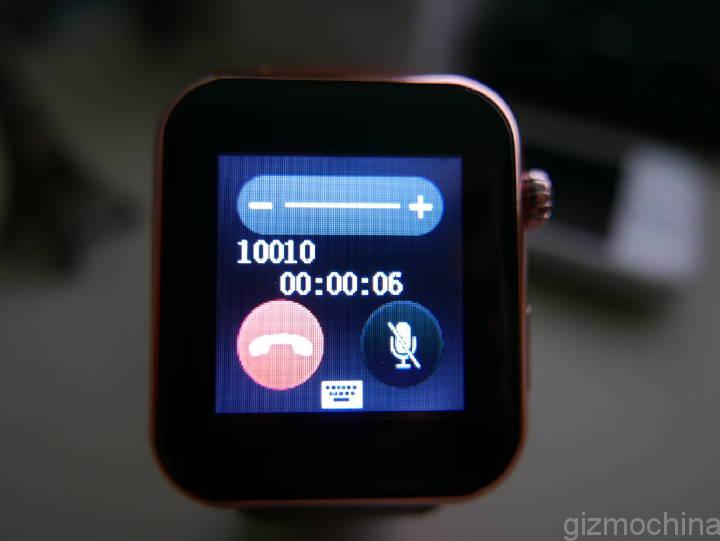
Unsurprisingly, the device is only a Apple Watch clone by design and not by function. You’ll get what I’m saying right when you turn on the device. The touchscreen is highly pixelated, which means the resolution is too low and almost every function needs a companion smartphone to work. However, it did have some good features despite its low price tag.
Naturally the device wasn’t going to be as costly as the Apple Watch. In fact, this Apple Watch clone costs even less than 10% of the value of the standard Apple Watch. Yes, you can get it for as less as 200 Yuan which comes to around $32! That’s the cheapest price you’ll get a device like this.
So, what do you think about the device? Looks good?
We use cookies on our website to give you the most relevant experience by remembering your preferences and repeat visits. By clicking “Accept”, you consent to the use of ALL the cookies.
This website uses cookies to improve your experience while you navigate through the website. Out of these, the cookies that are categorized as necessary are stored on your browser as they are essential for the working of basic functionalities of the website. We also use third-party cookies that help us analyze and understand how you use this website. These cookies will be stored in your browser only with your consent. You also have the option to opt-out of these cookies. But opting out of some of these cookies may affect your browsing experience.
Necessary cookies are absolutely essential for the website to function properly. This category only includes cookies that ensures basic functionalities and security features of the website. These cookies do not store any personal information.
Any cookies that may not be particularly necessary for the website to function and is used specifically to collect user personal data via analytics, ads, other embedded contents are termed as non-necessary cookies. It is mandatory to procure user consent prior to running these cookies on your website.