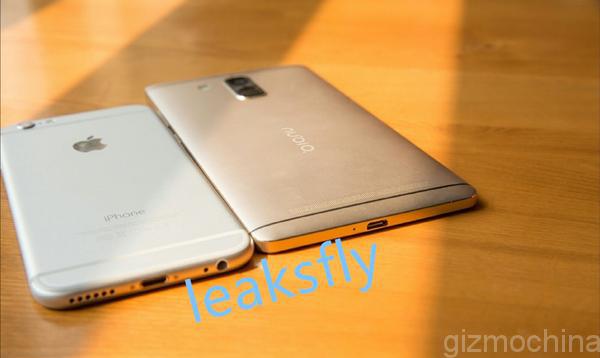
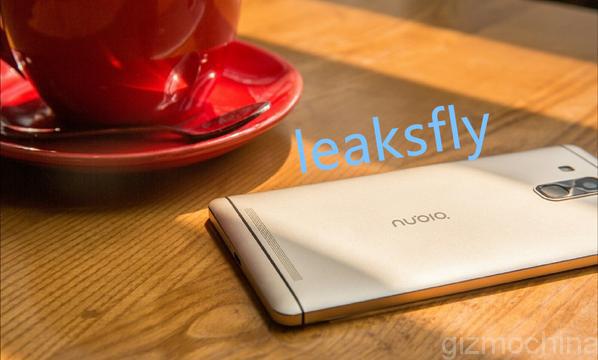
In 2014 the Android market space was shaken by the arrival of the powerful, yet competitively priced OnePlus One. However, the invite system and the insufficient supply made many potential buyers give up hope of ever owning one. The Ulefone Be Pro is a smartphone that takes many design points from the OnePlus One, but offers them to you at a much more affordable price point.
What is more, The Blackview is another Chinese manufacturer, which is not that widely known for its products outside of China as OnePlus is. Also, it does not have a significant market share in its homeland. However, there is one thing that both Ulefone Be Pro and Blackview Omega has in common – its design inspiration from other (yet different) companies.
In addition, these our recently reviewed devices fall into similar pricing categories. In this article we will try to make a comparison between two of them, so it may help in case you cannot decide which one to choose.
In case you prefer a more in depth analysis of each of the device, make sure you check out our full Ulefone Be Pro Review (updated version) and Blackview Omega Review. Both of the latter articles include full written and video reviews.
SPECS
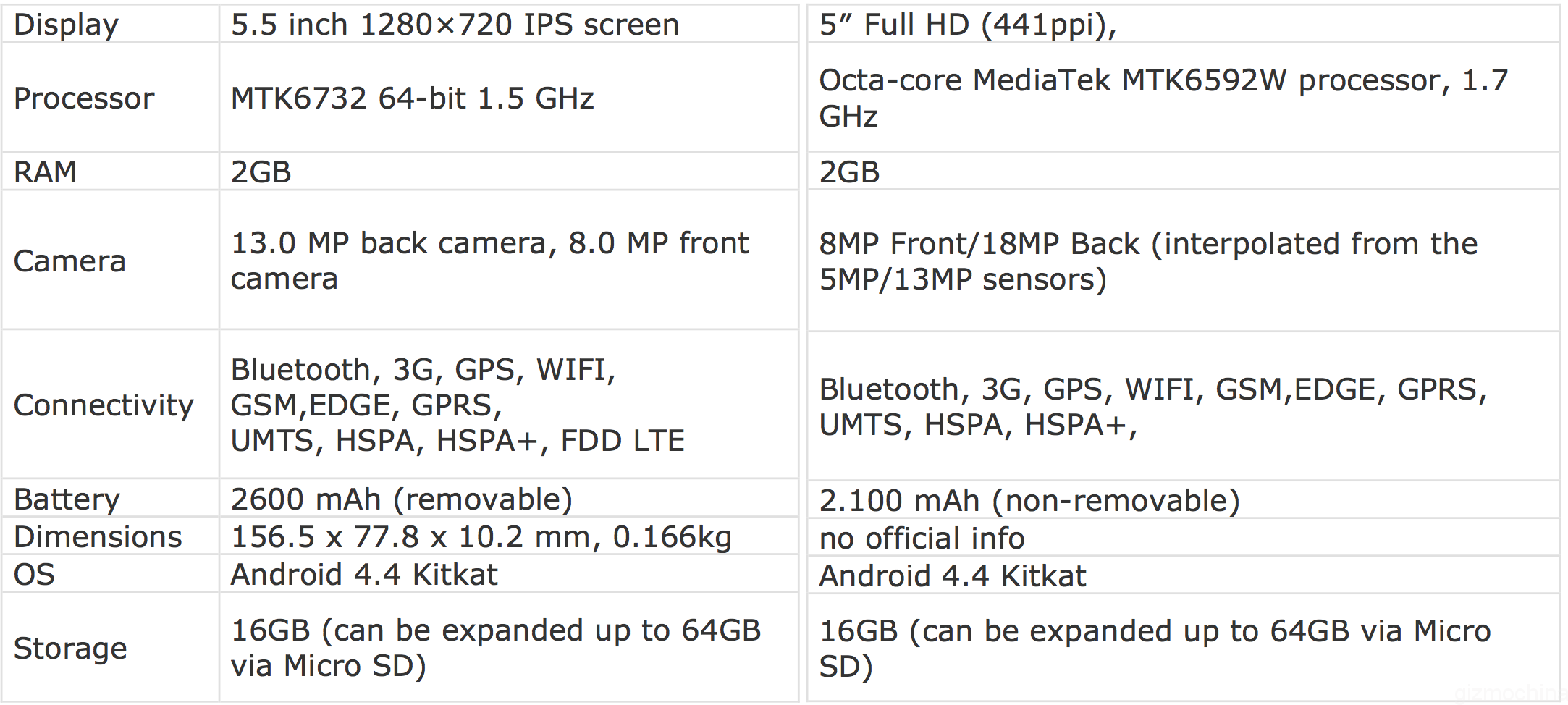
As far as the specs of each device go, the Ulefone manages to excel in certain departments like having a bigger (5.5 over 5″ display), a faster 64-bit Mediatek chip inside, bigger capacity of the battery (2600 mAh over 2100 mAh), the ability to replace the battery, which is a huge plus for some of the users. What is more, it has the 4G connectivity option, which puts the Blackview Omega to shame in this category in this day and age.
On the other hand, some of us may prefer the smaller, but more compact 5″ screen size of Blackview Omega, which makes the whole device more manageable with one hand. Also, the back camera of this device has more pixels (18MP over 13MP). However, you have to consider that both devices use interpolation method of pixels. Ulefone Be Pro has only 8MP shooter, which is bumped up to 13MP (Ulefone has officially admitted it and apologised to their fans); and the Blackview Omega has a 13MP sensor with some software tricks that increase the pixel count to 18MP.
In the end, we never judge any devices by the mere specs, so we need to dive in to its features and real life performance. But before that we must take a look at how the device looks and feels.
DESIGN
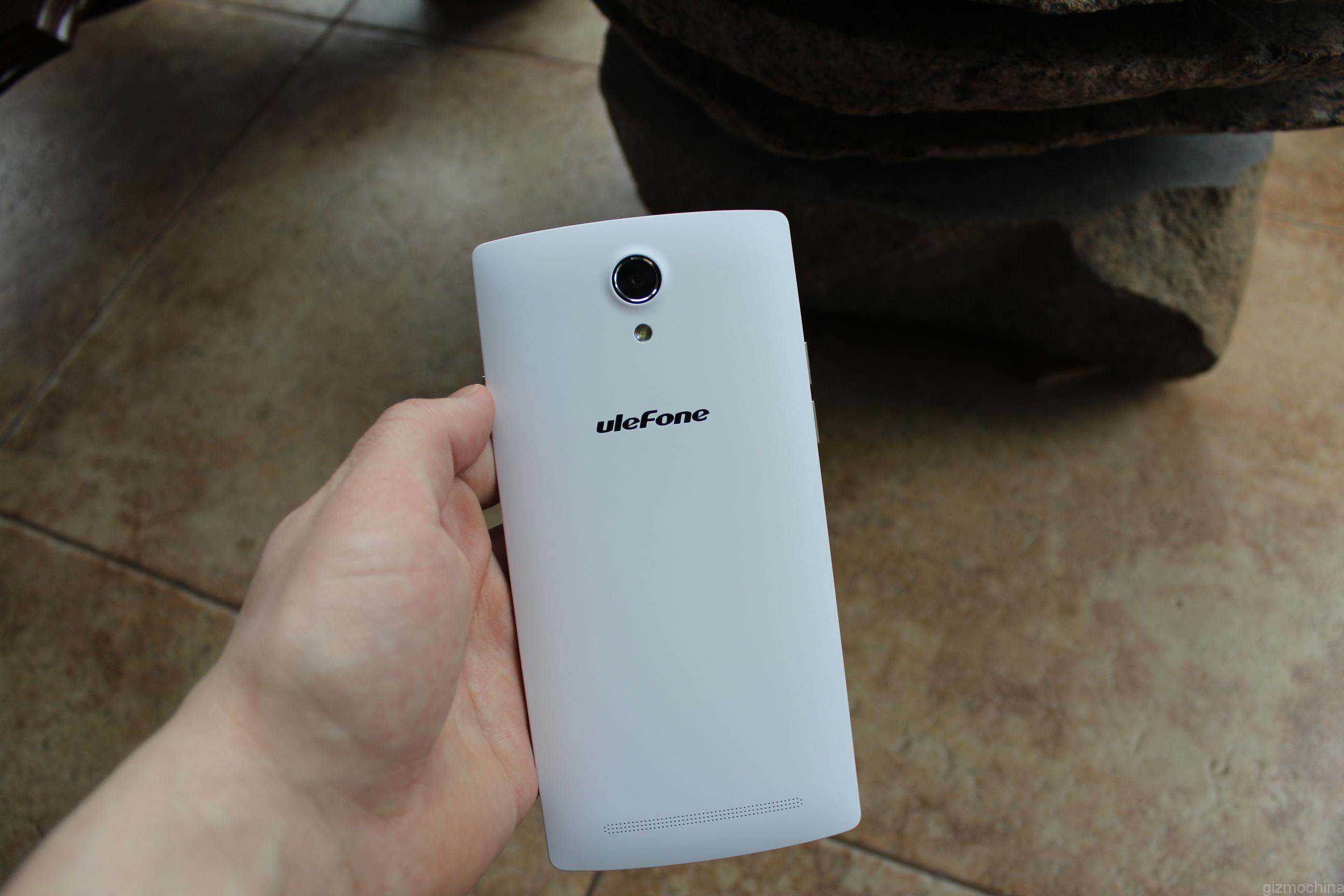
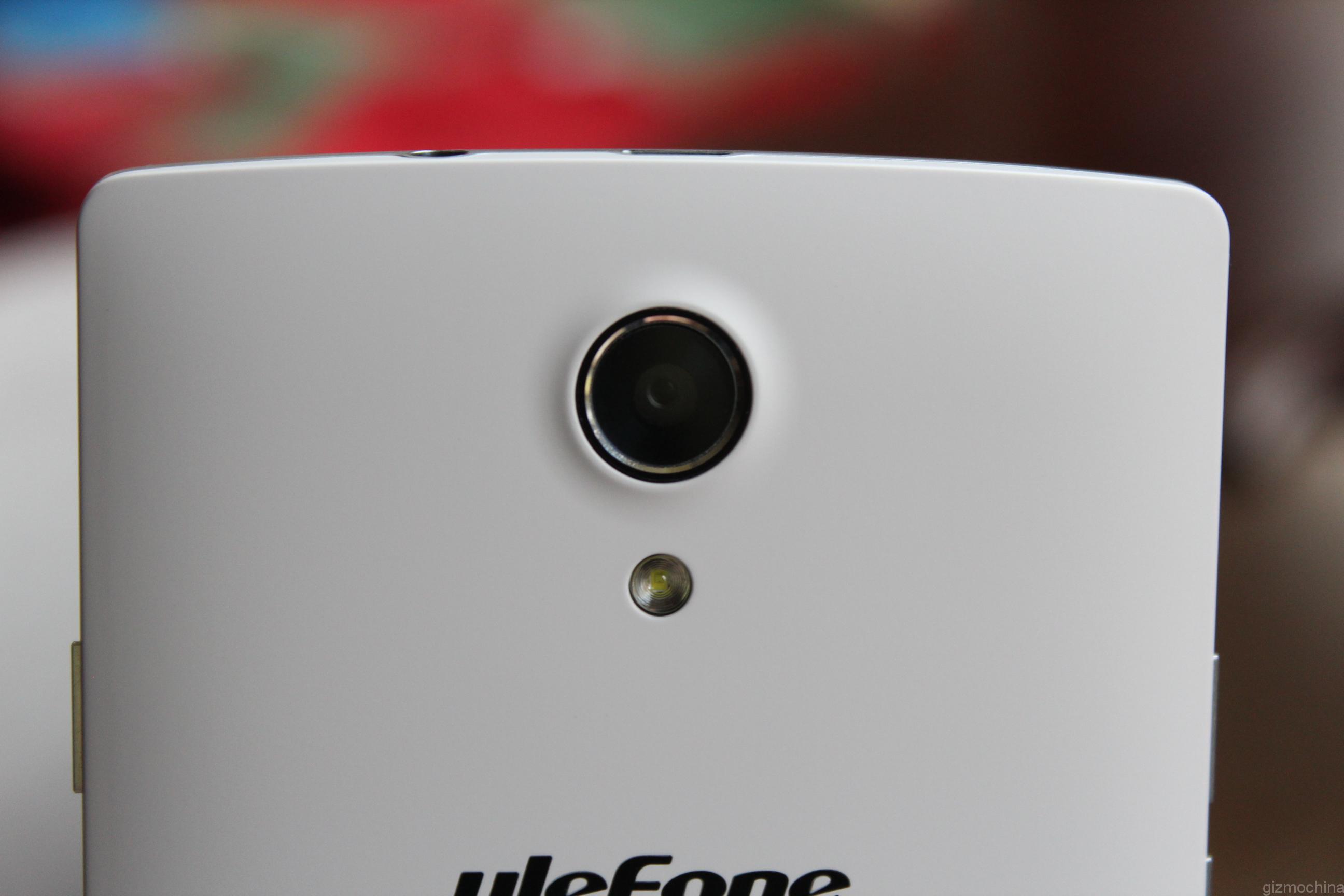
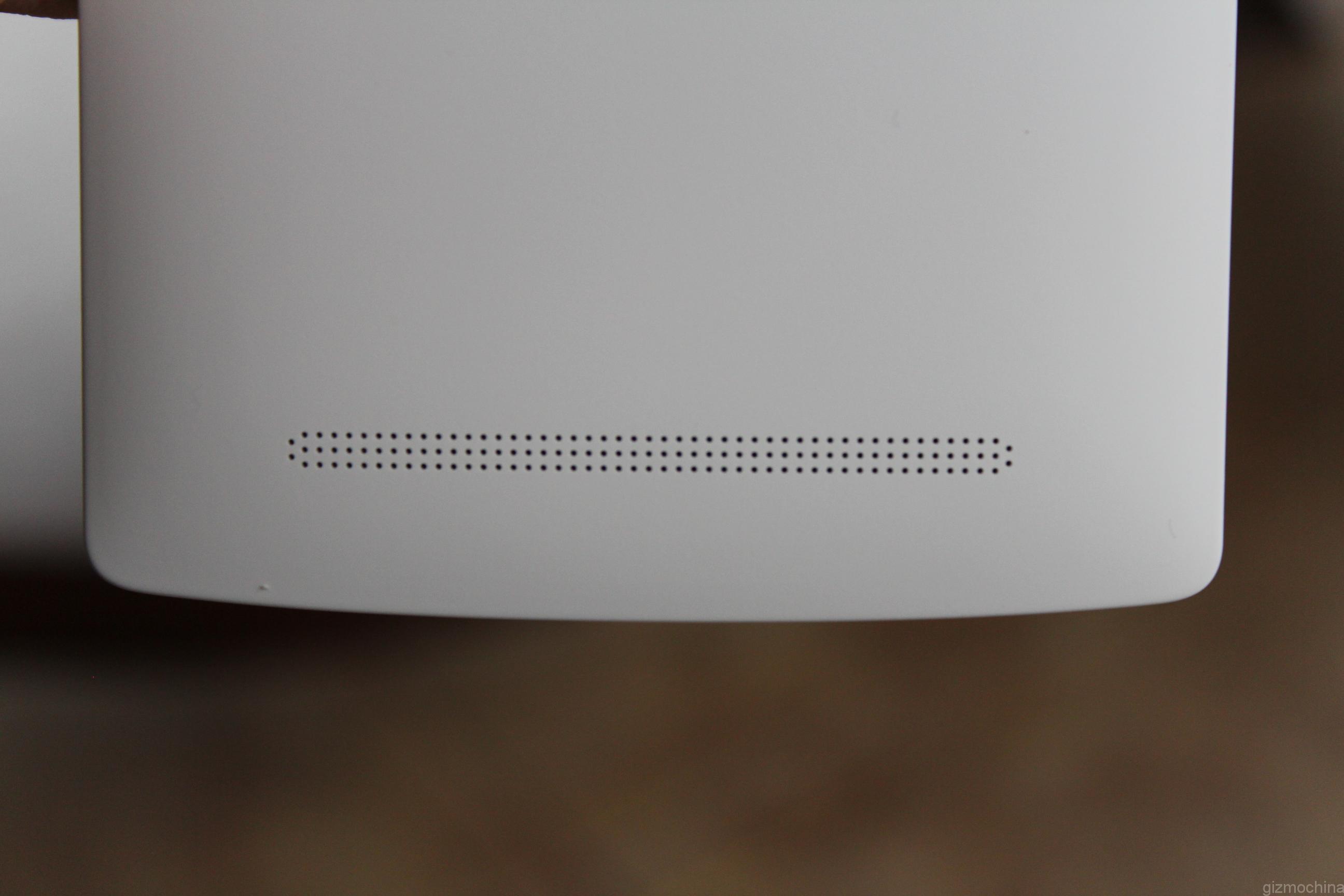
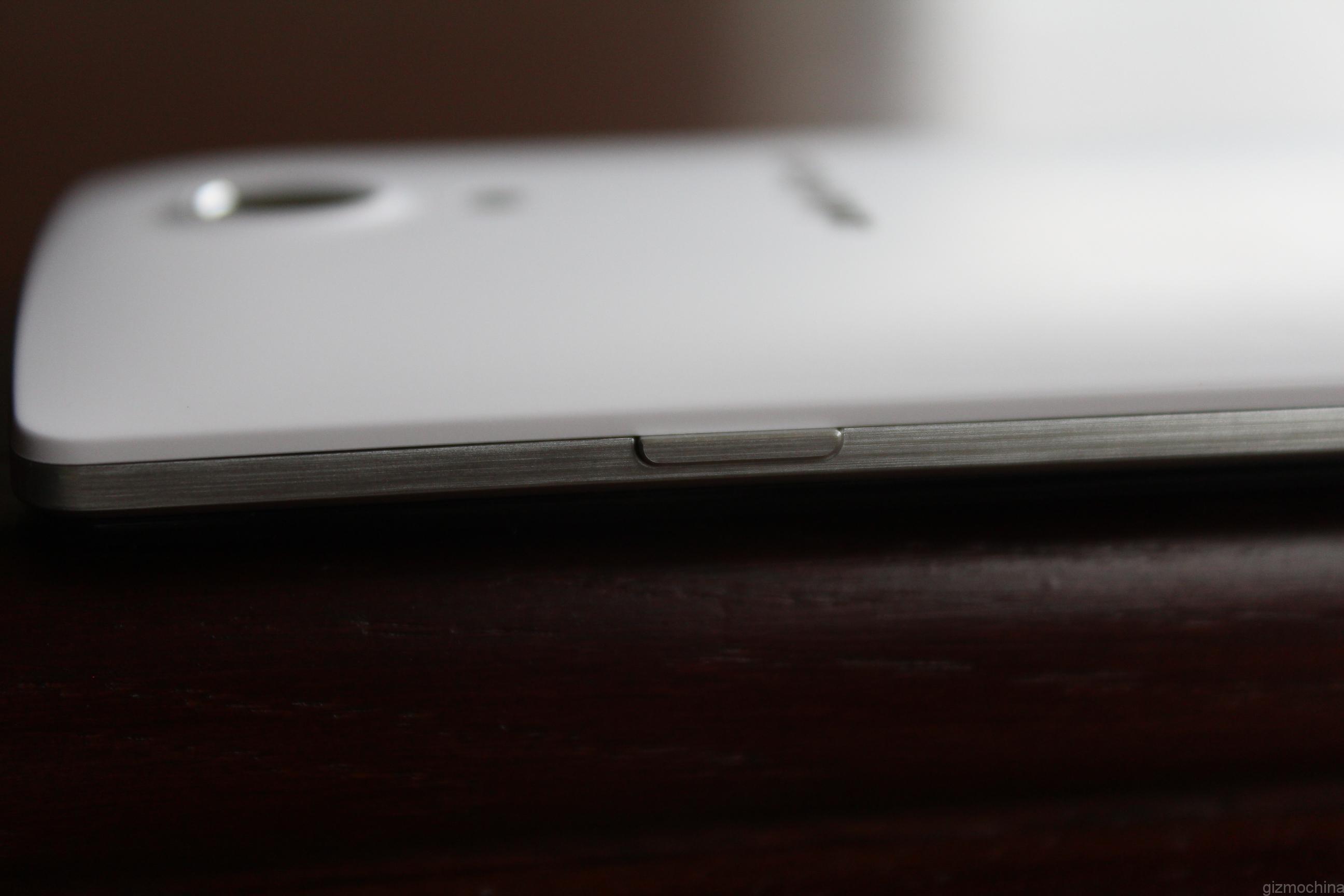
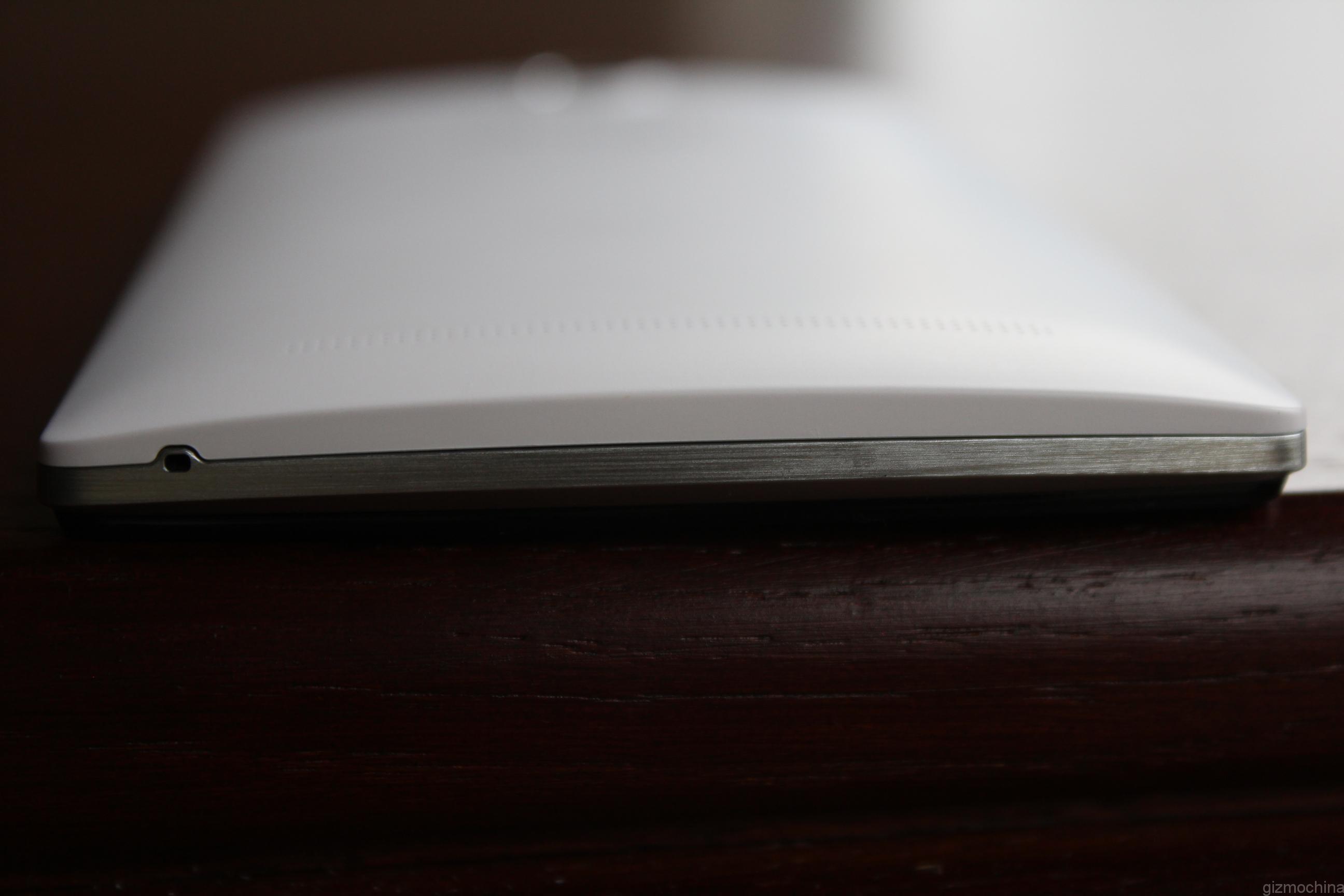
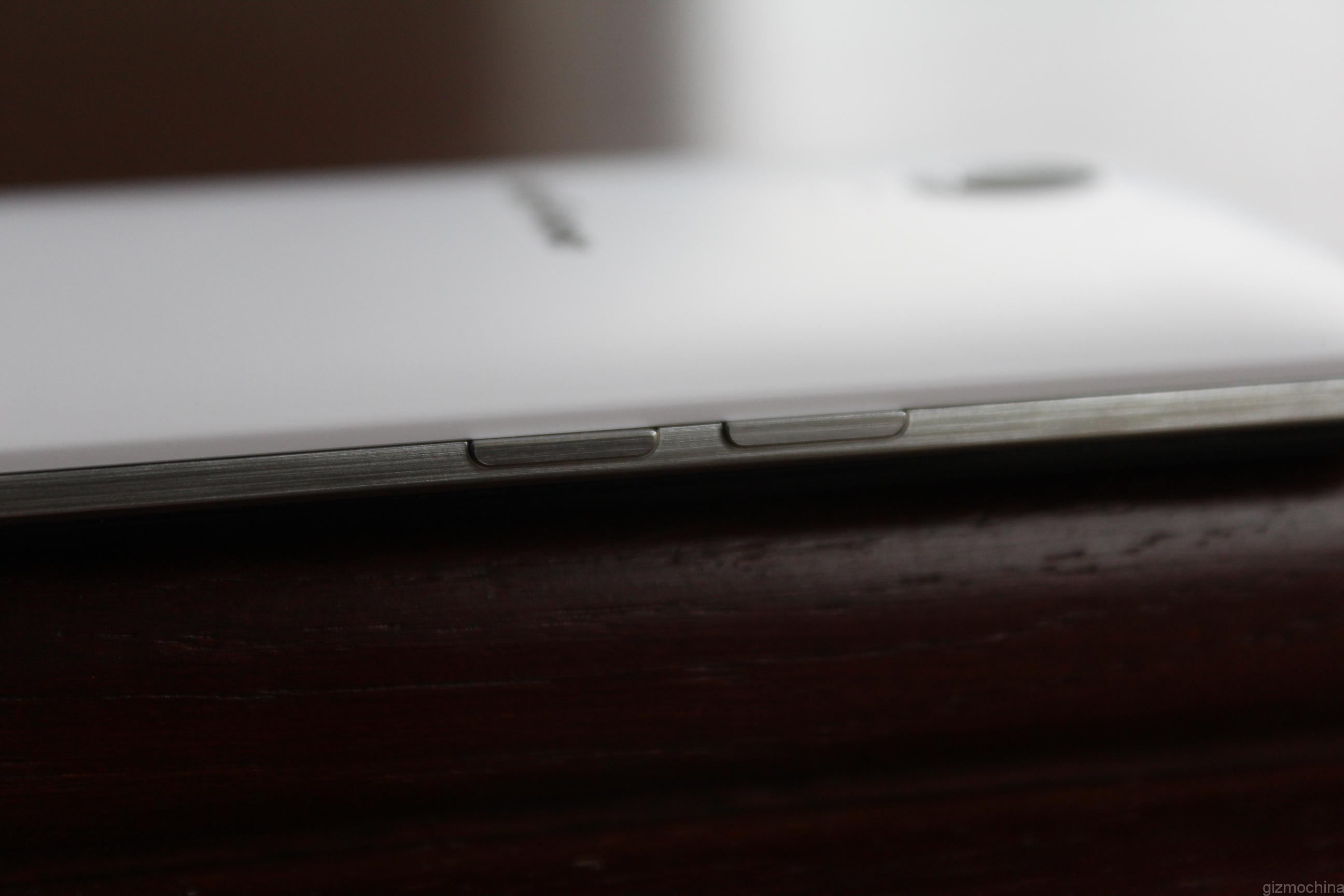
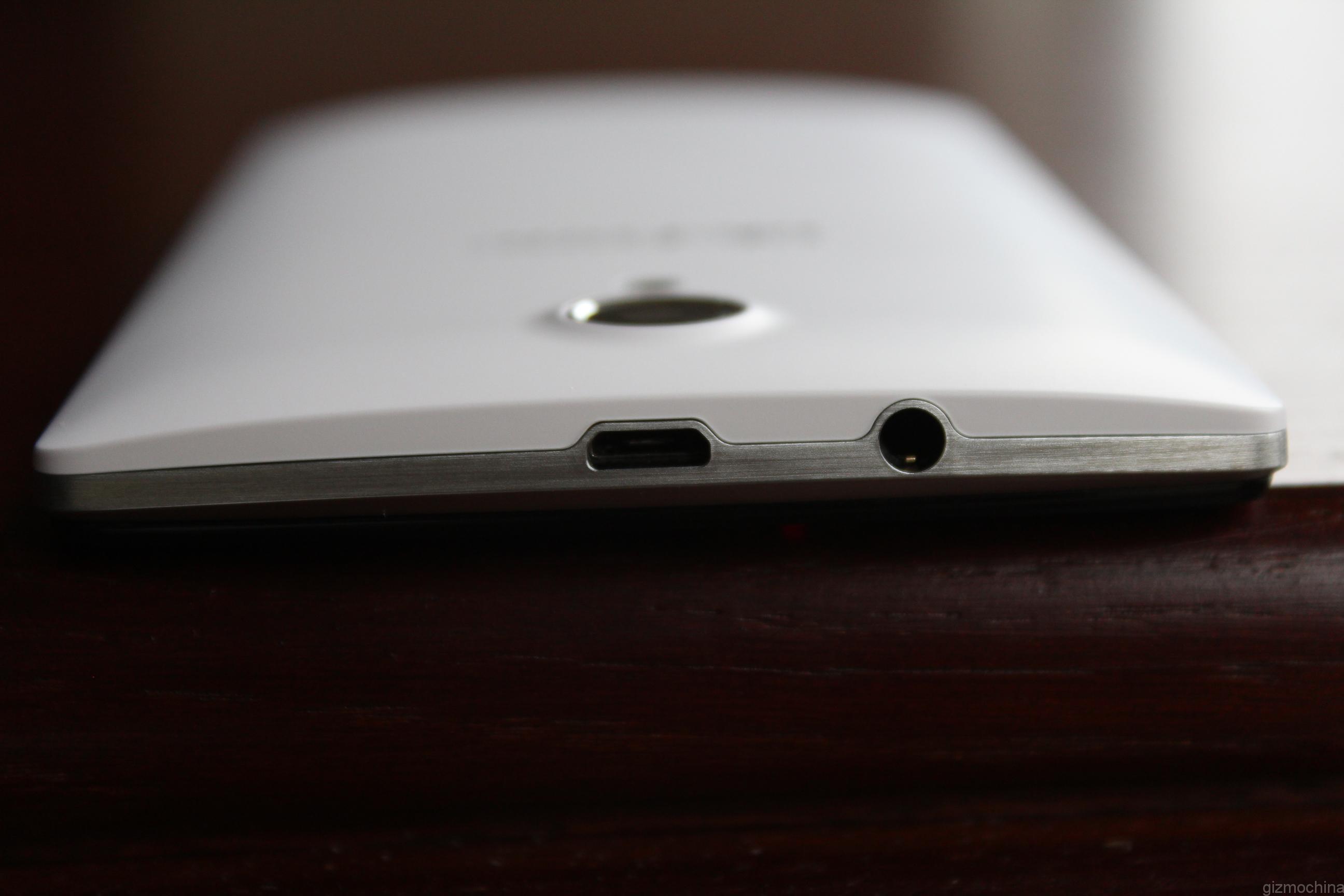
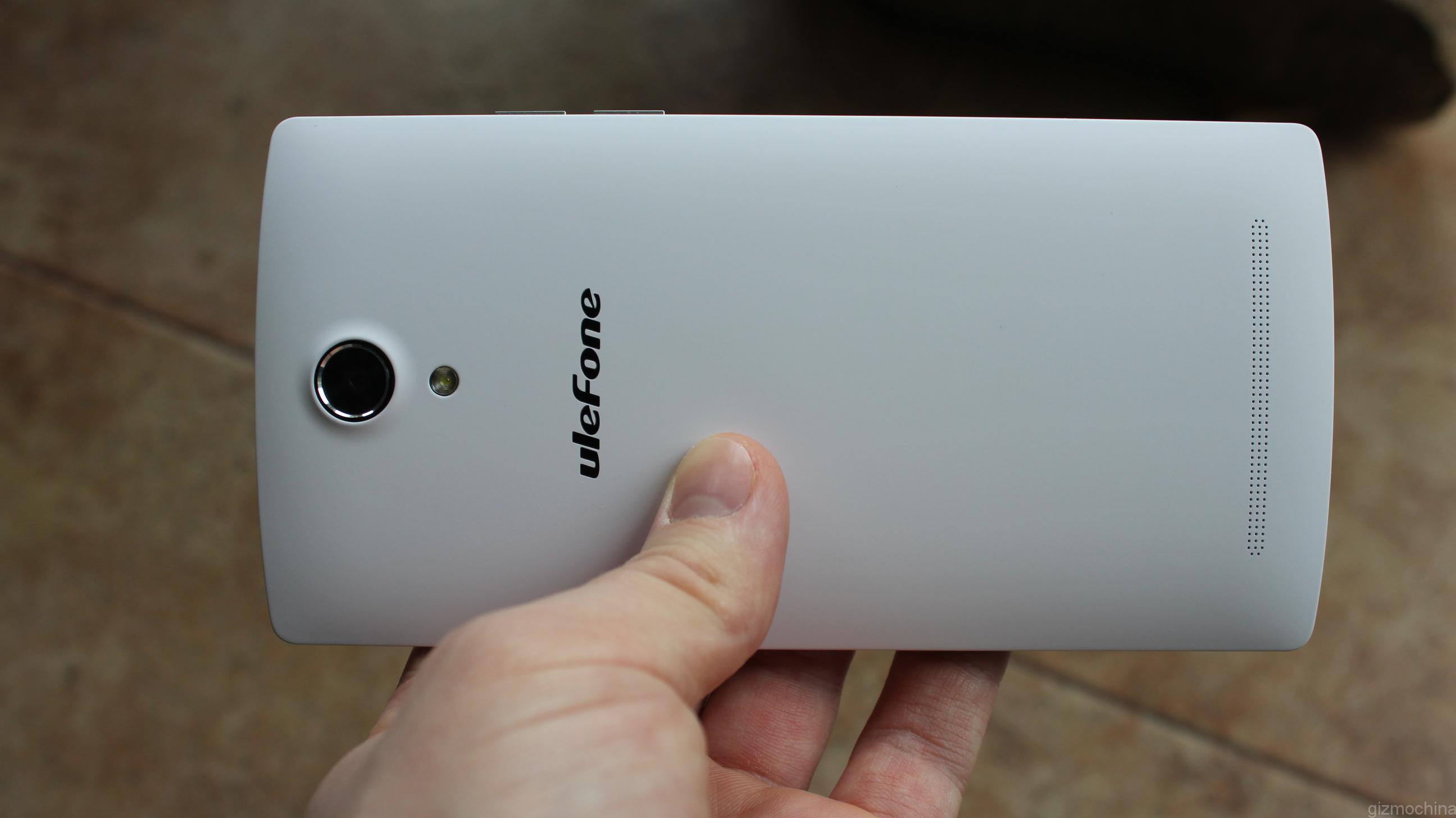
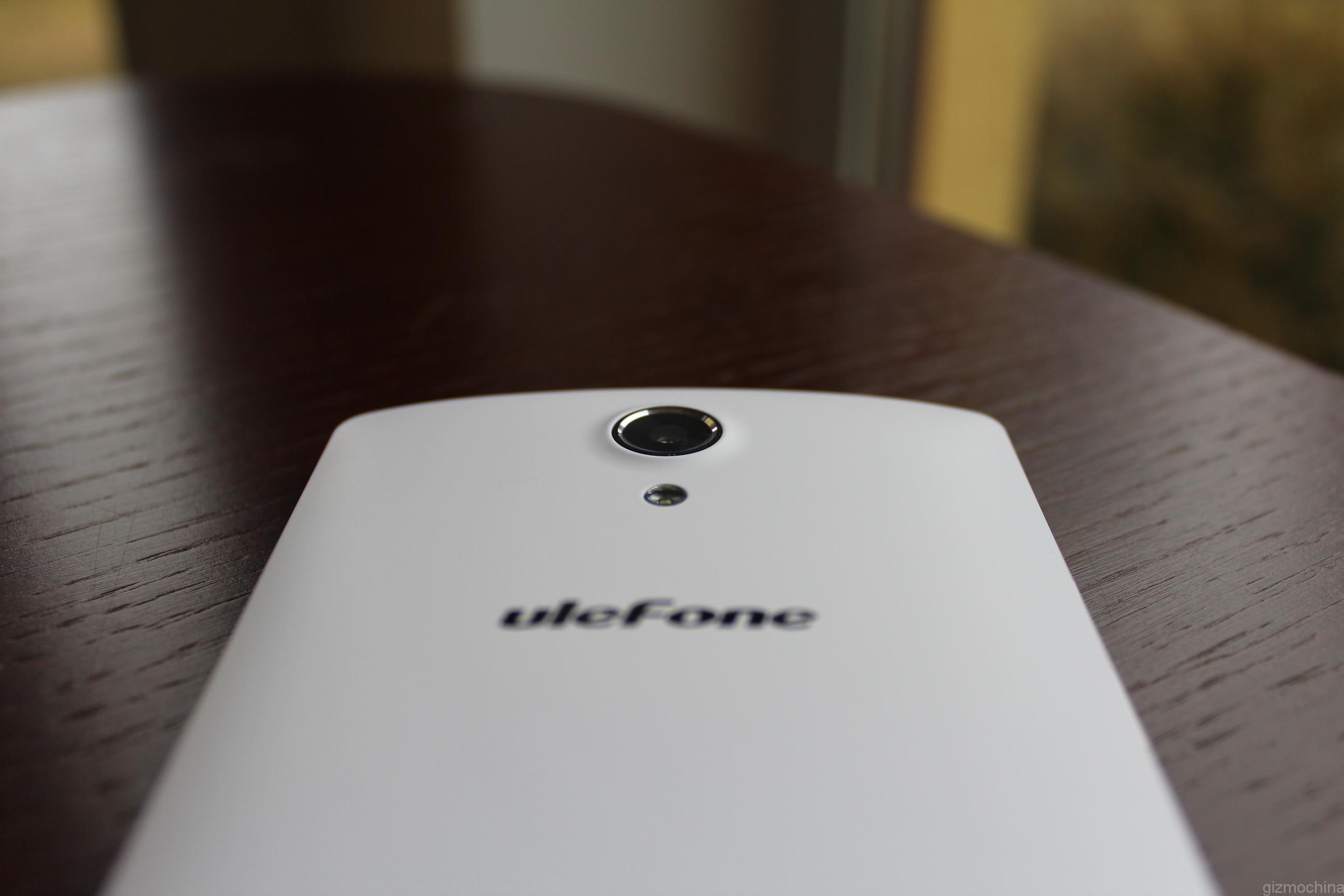
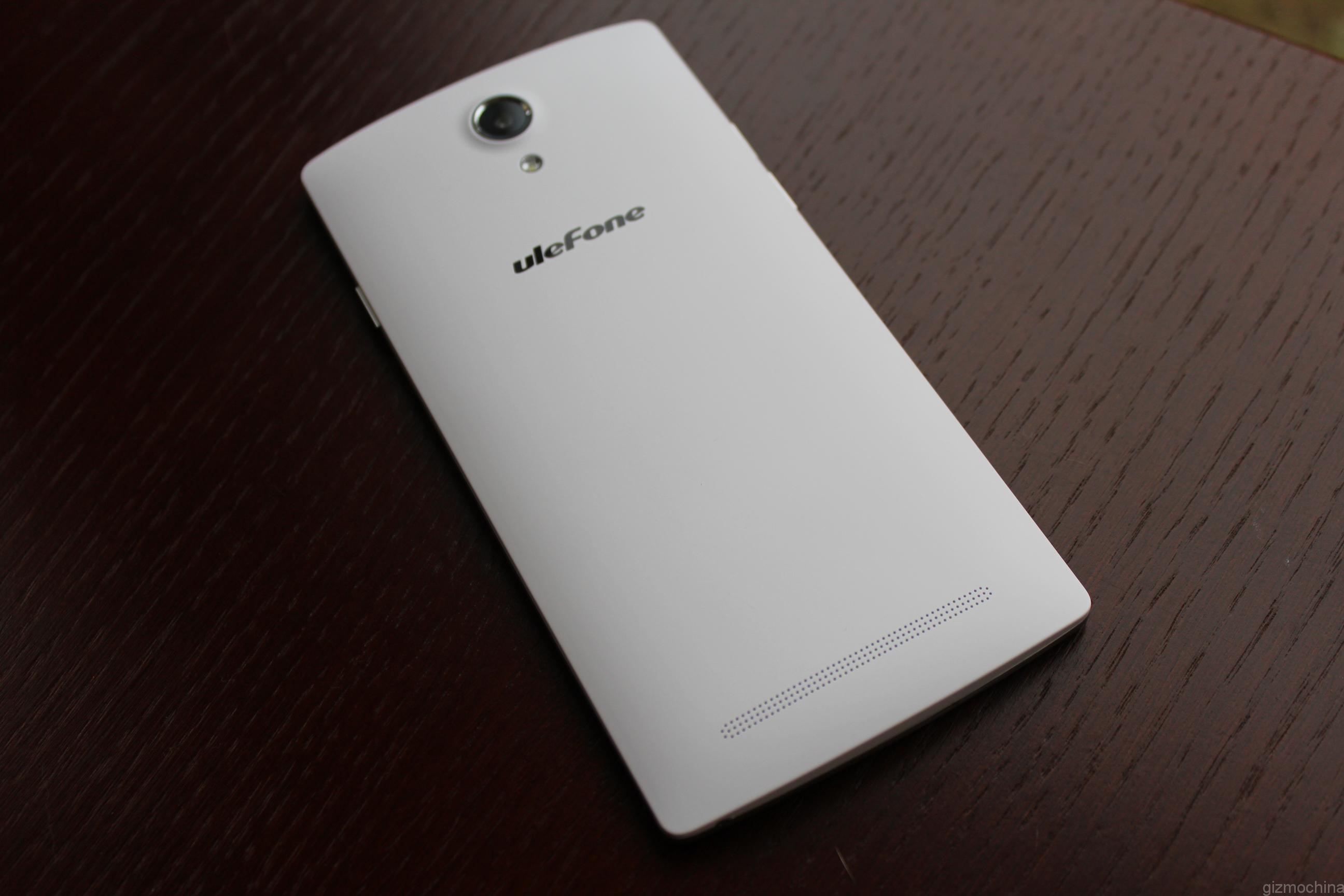
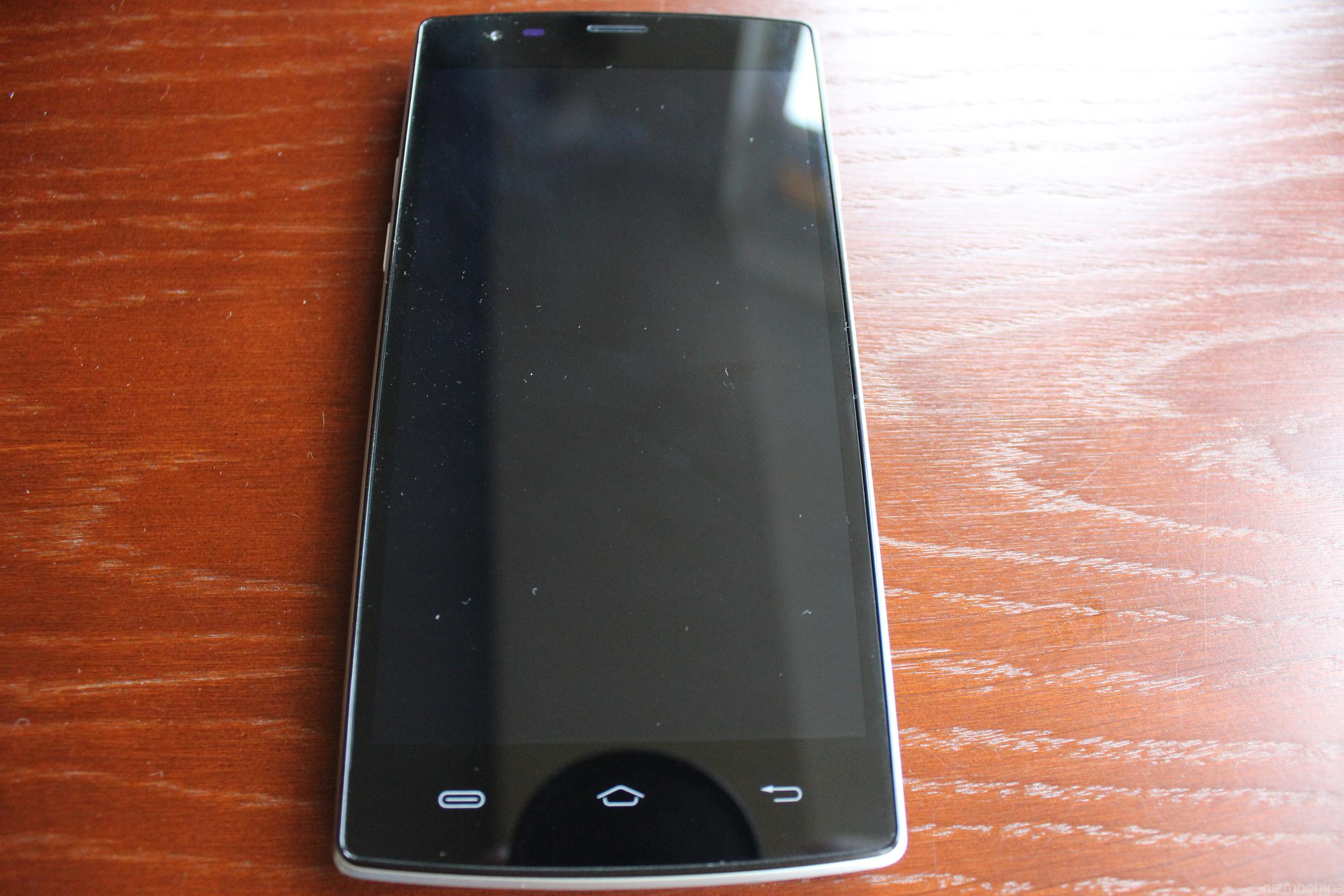
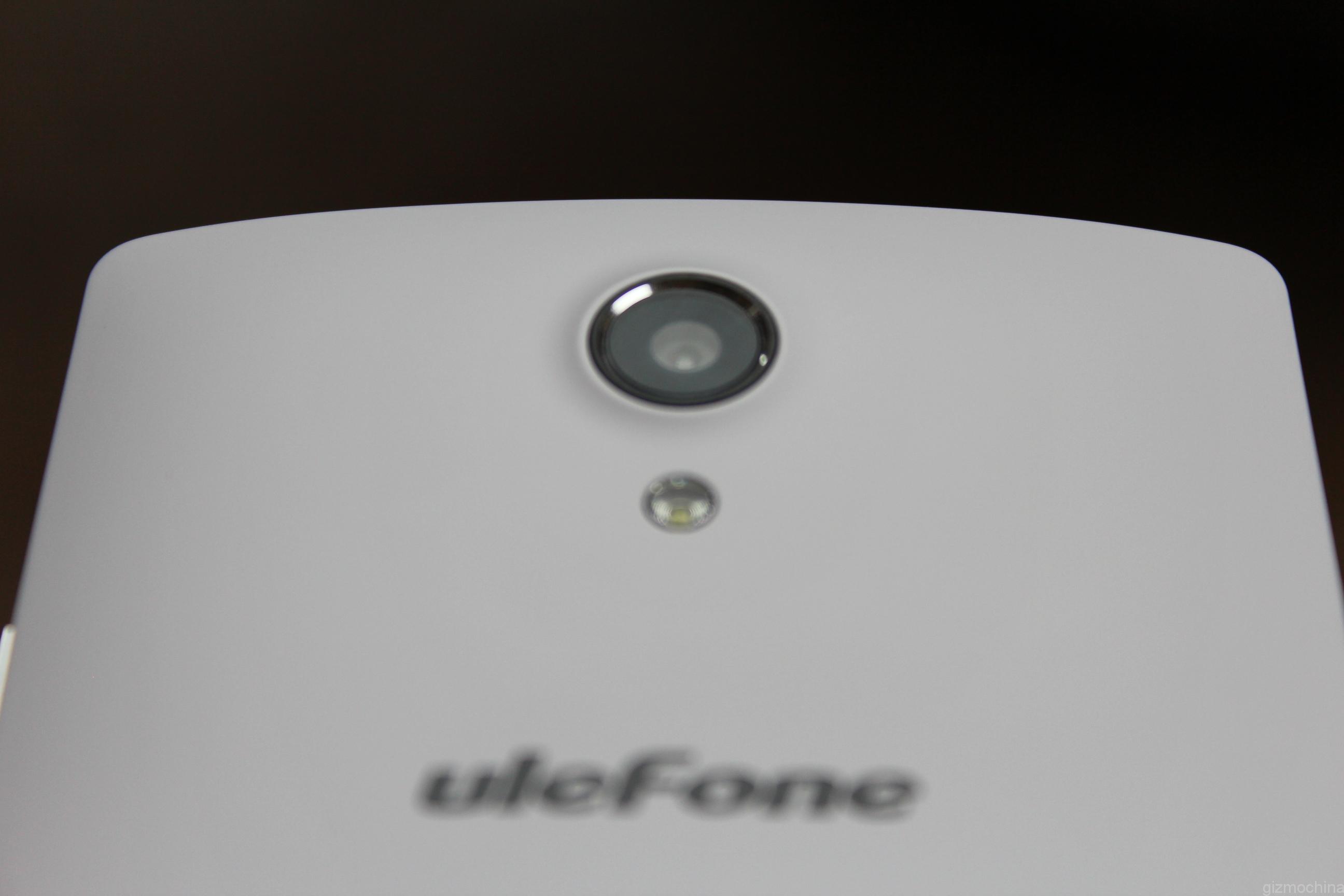
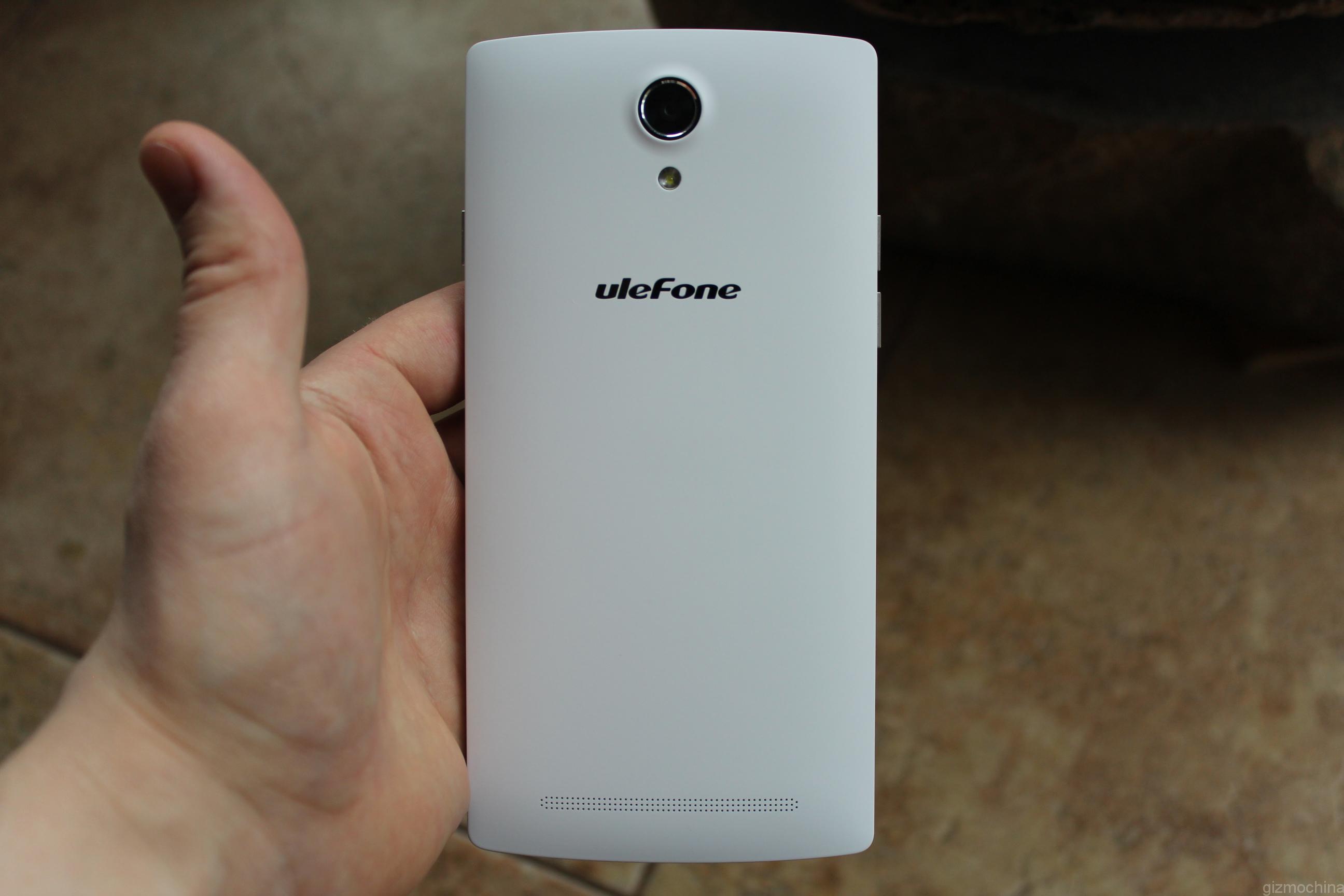
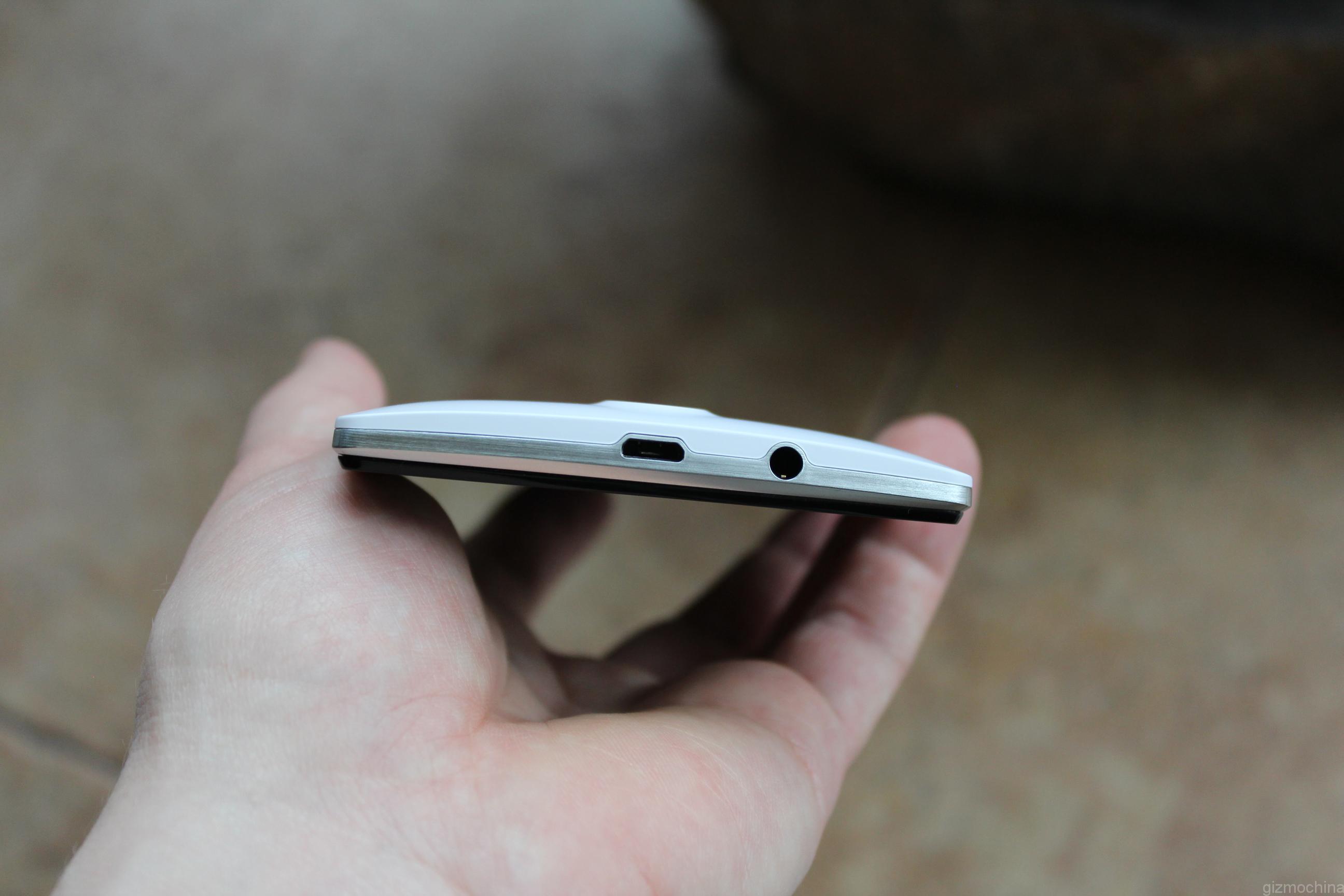
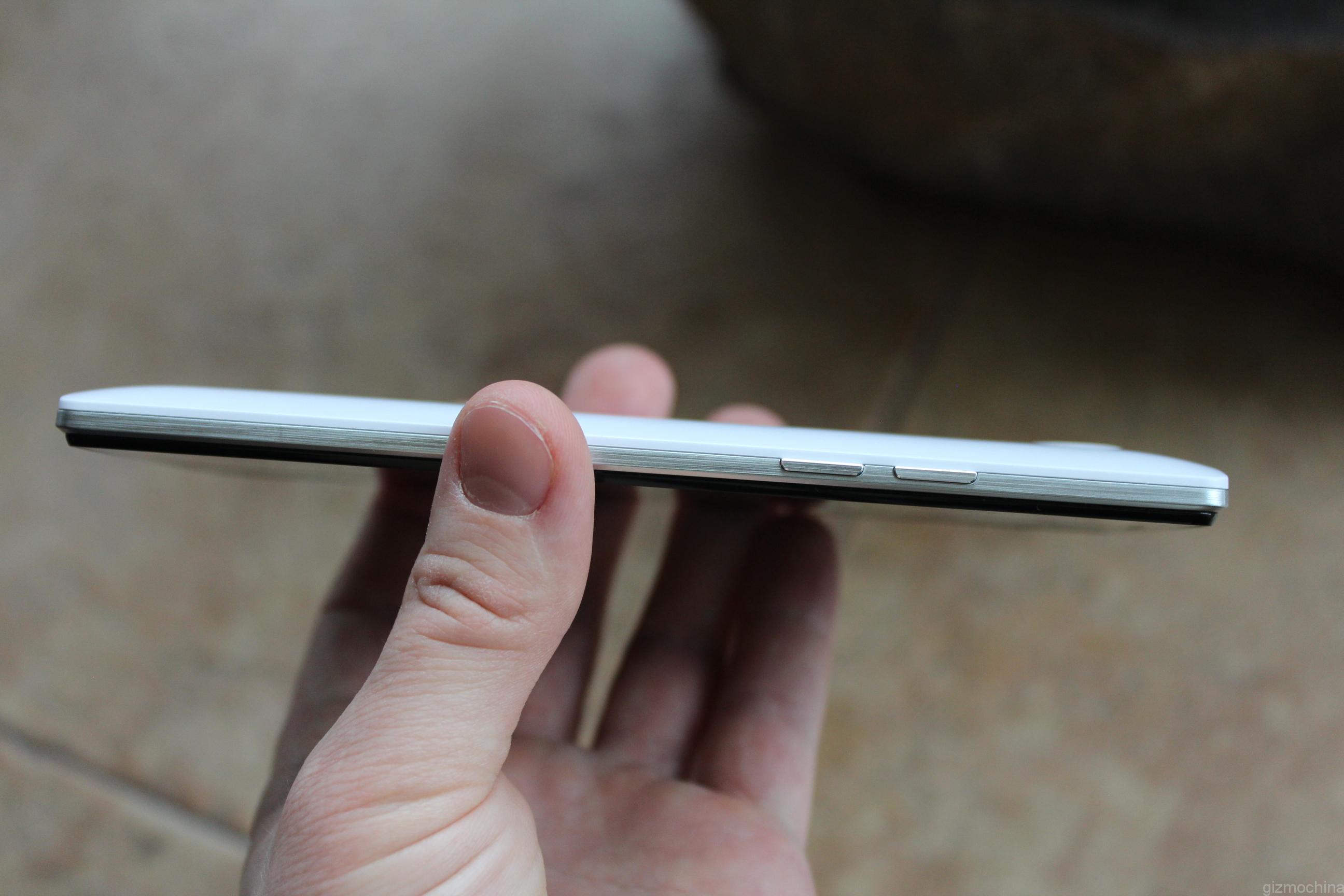
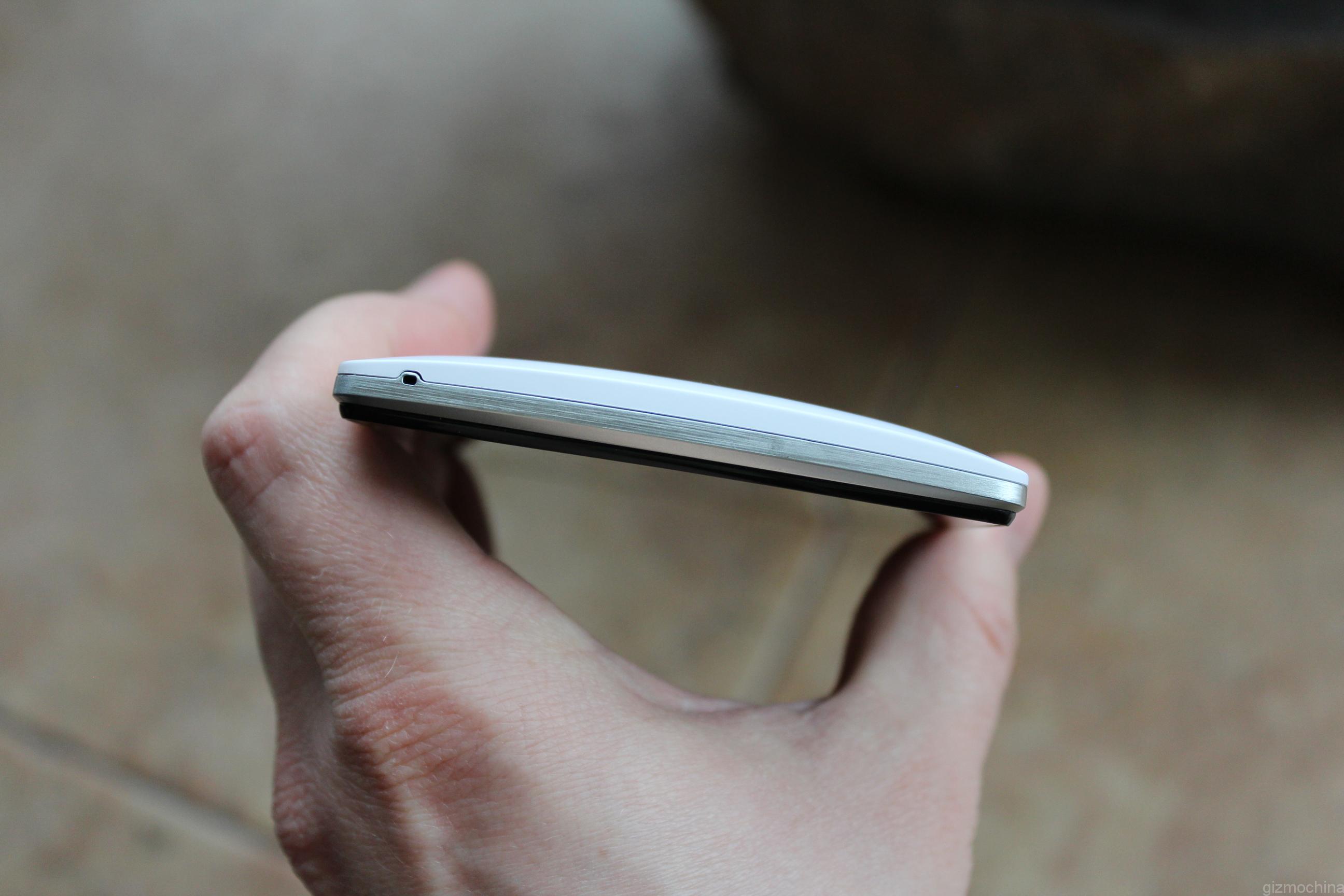
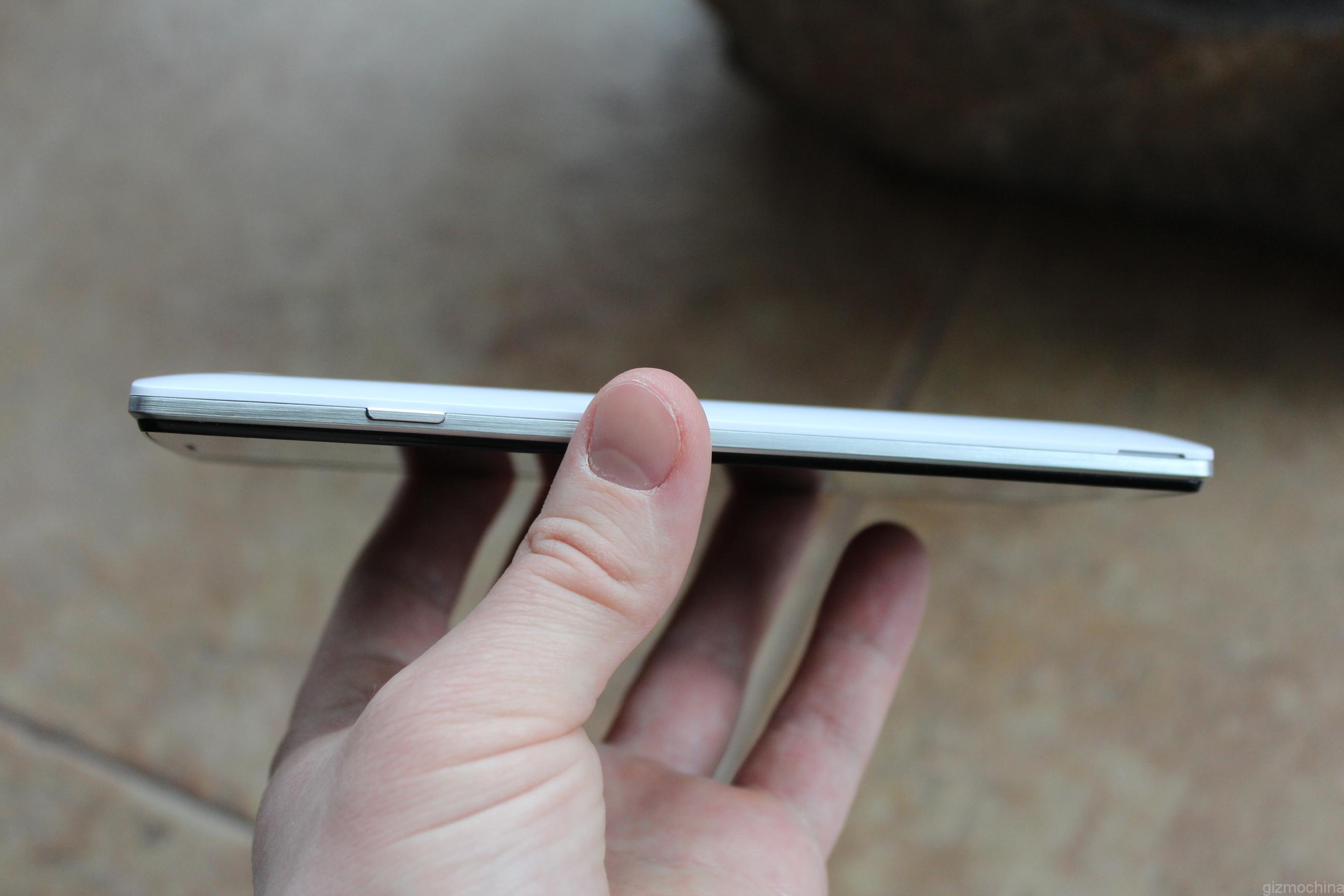
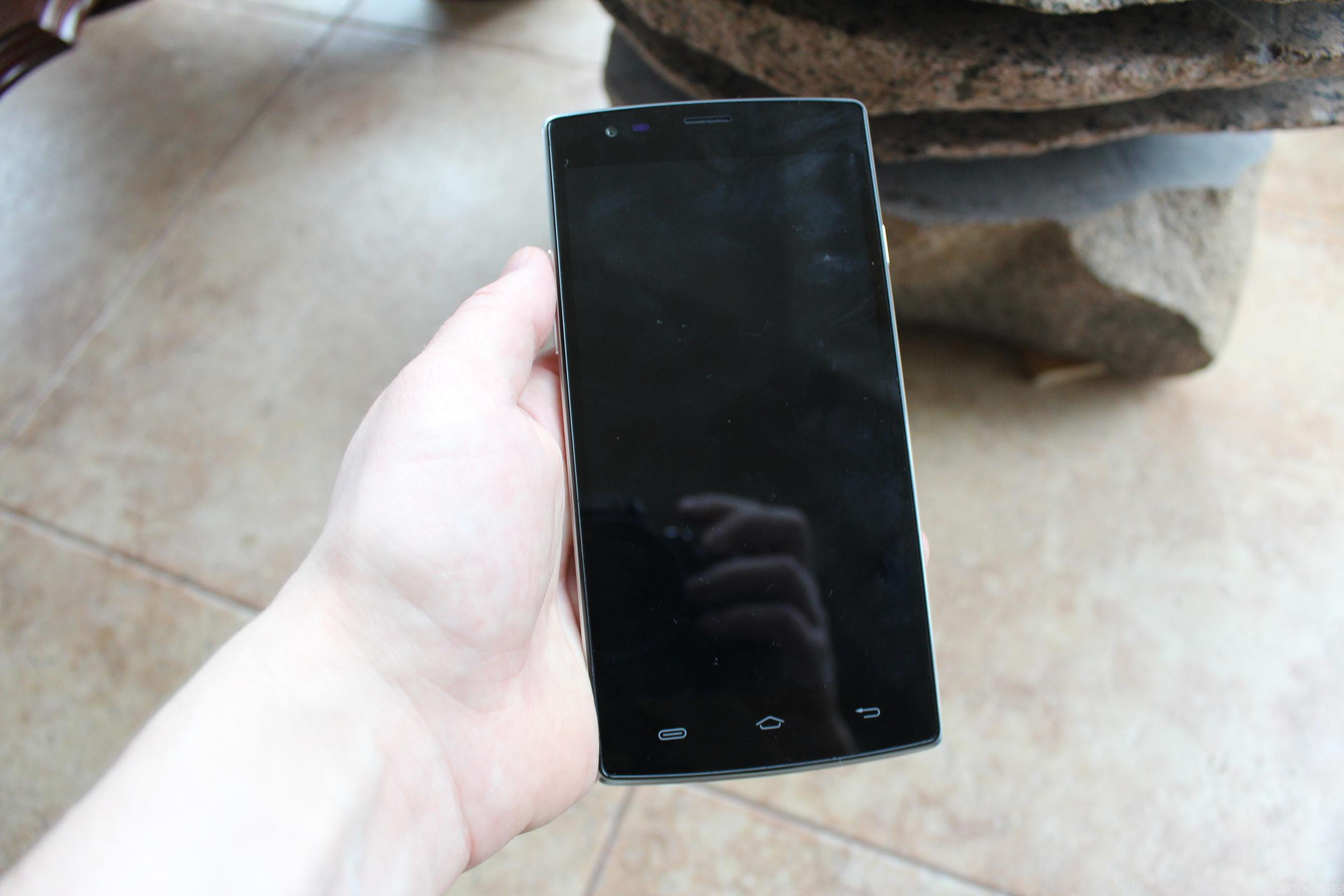
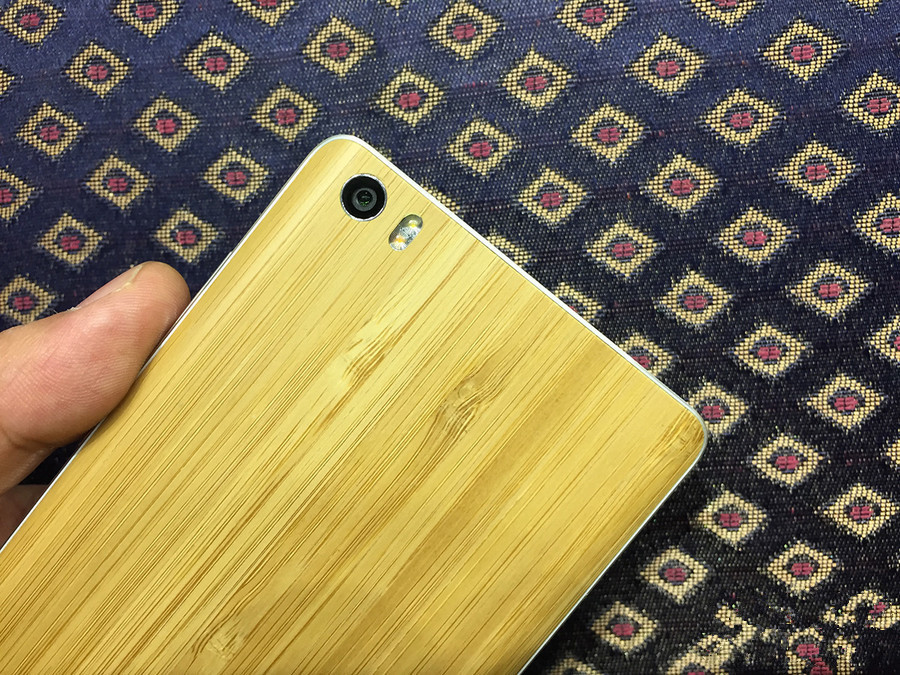
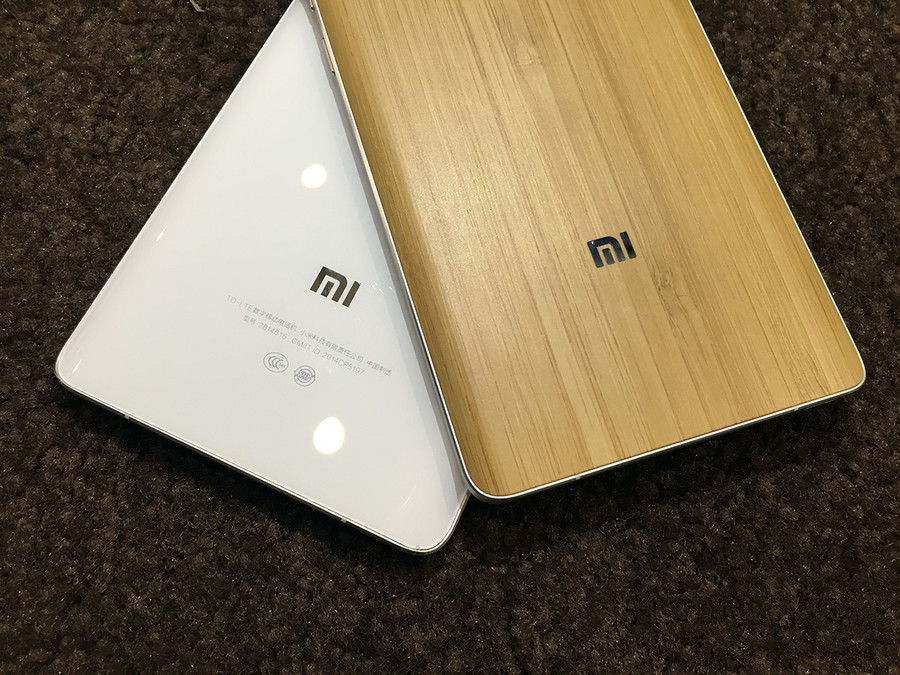
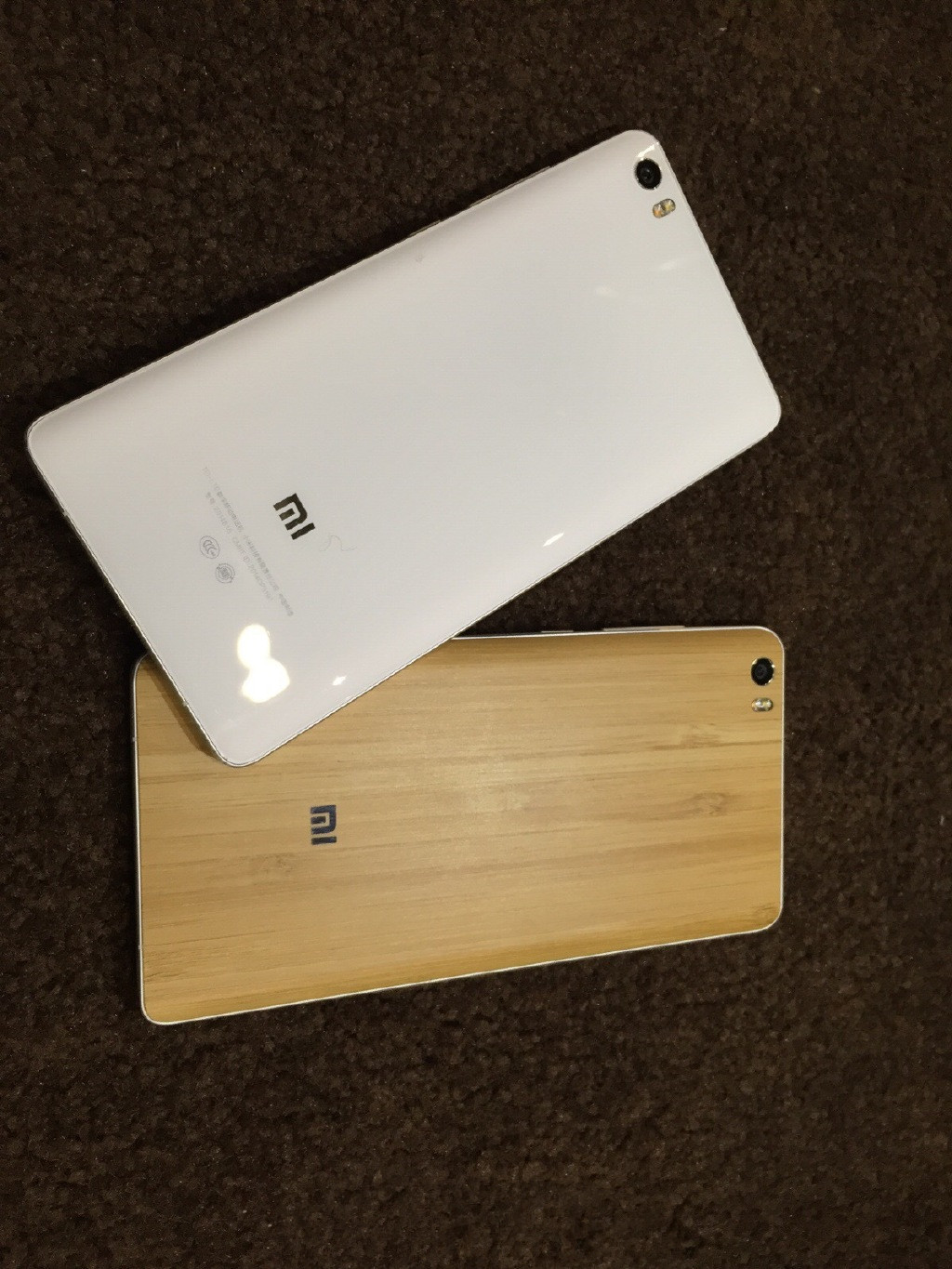
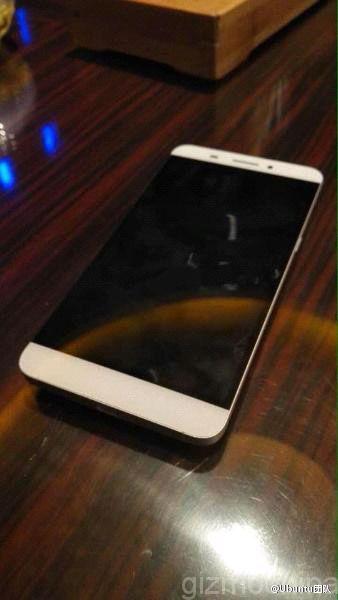
It is quite obvious that Ulefone decided that the Be Pro would be a great seller if it borrowed similar looks from the OnePlus One. It is similar in size and it is built of similar type materials. There is a silver plastic trim around the device with plastic buttons. The back of the white version of the device is somewhat “baby skin” material, which is smooth to the touch. Overall, the Ulefone Be Pro is well built, but lacks premium materials like metal or glass.
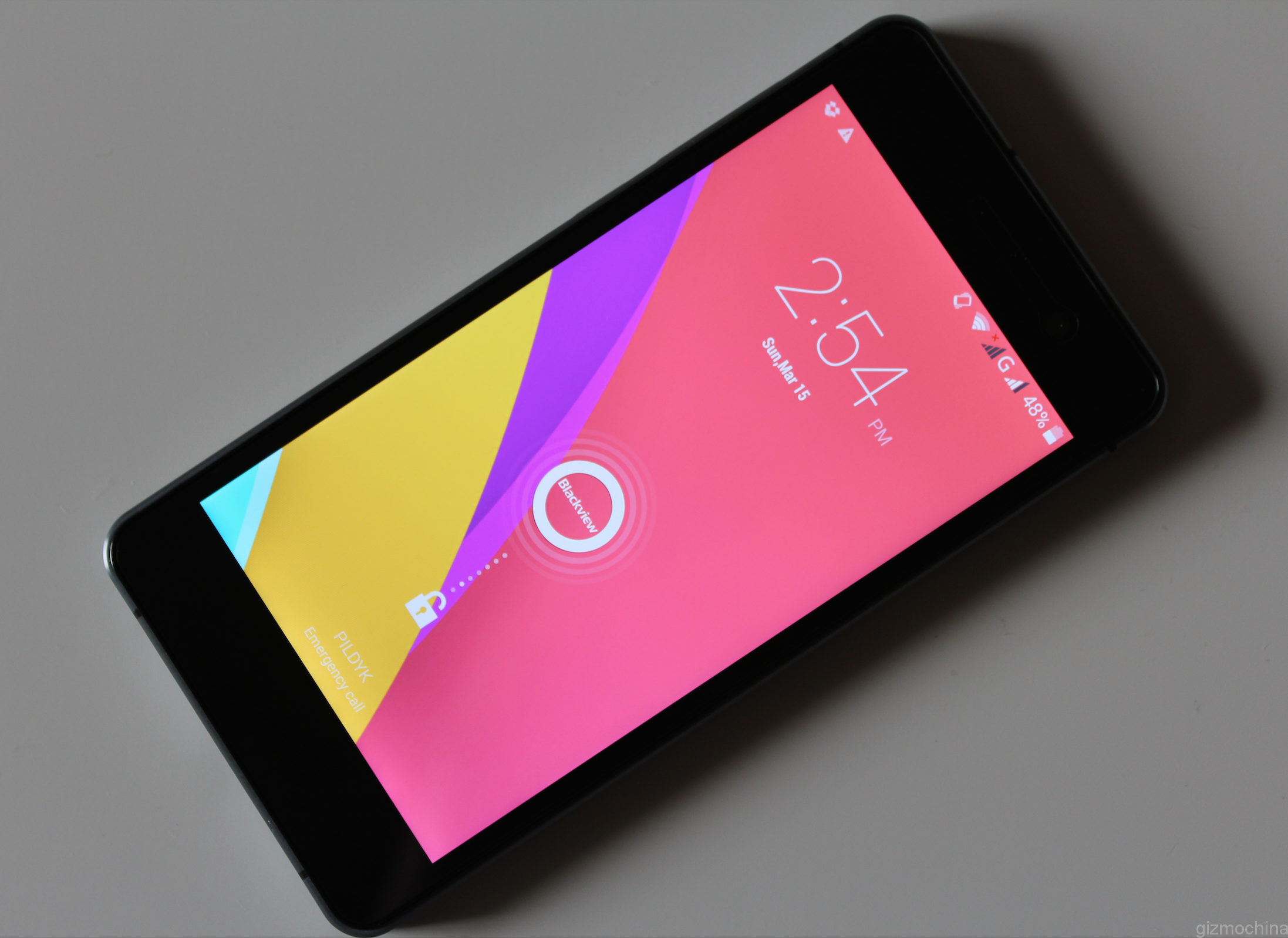
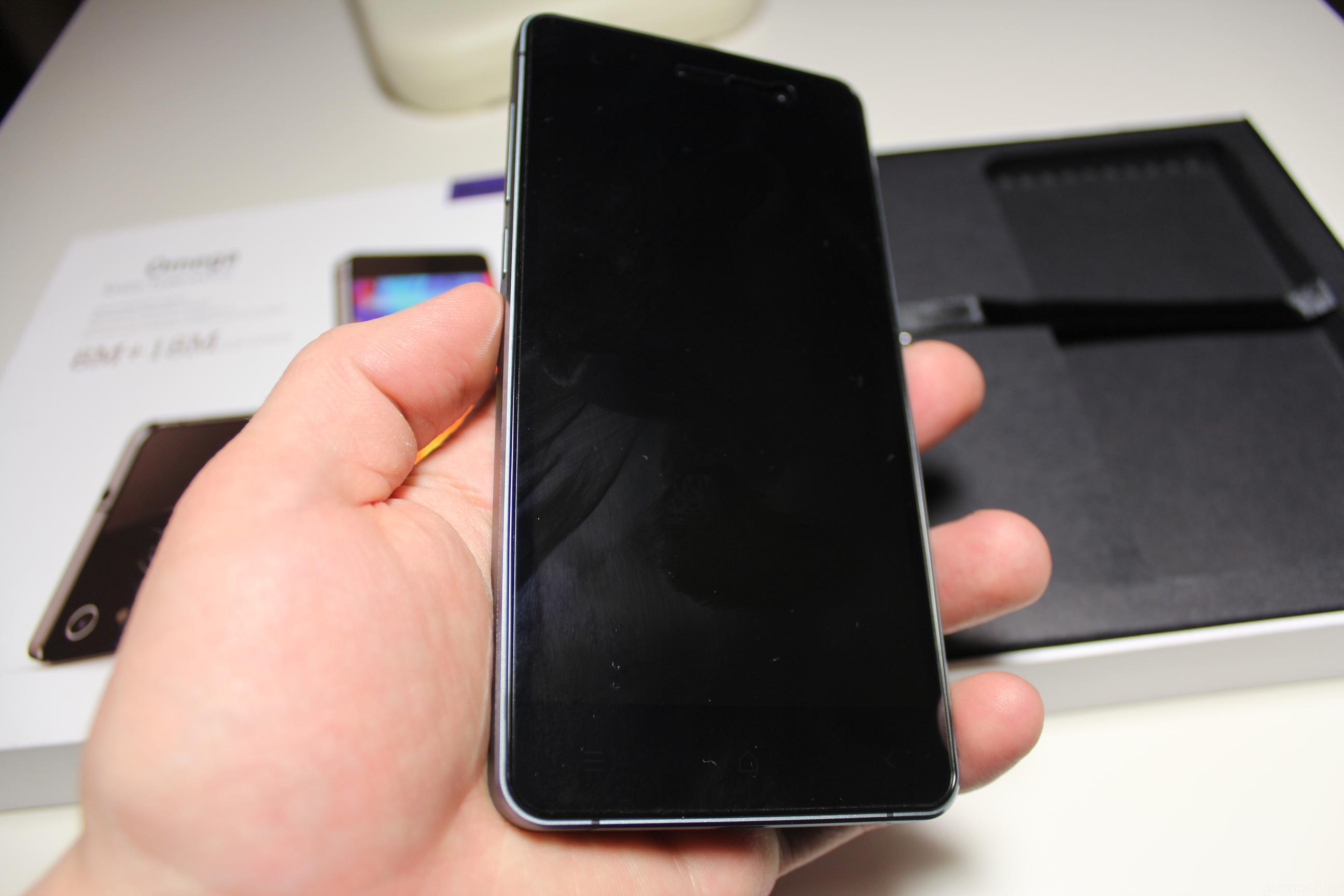
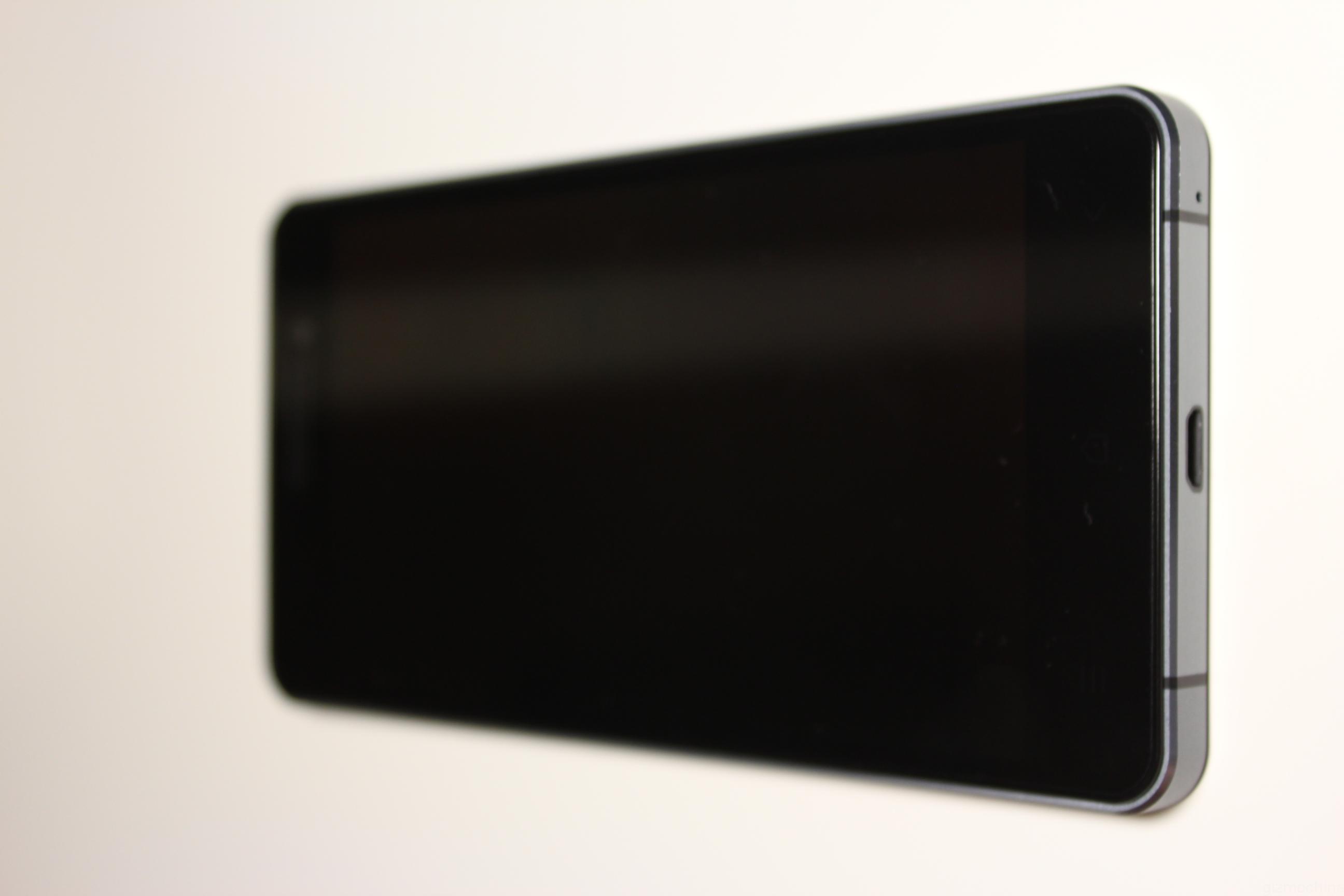
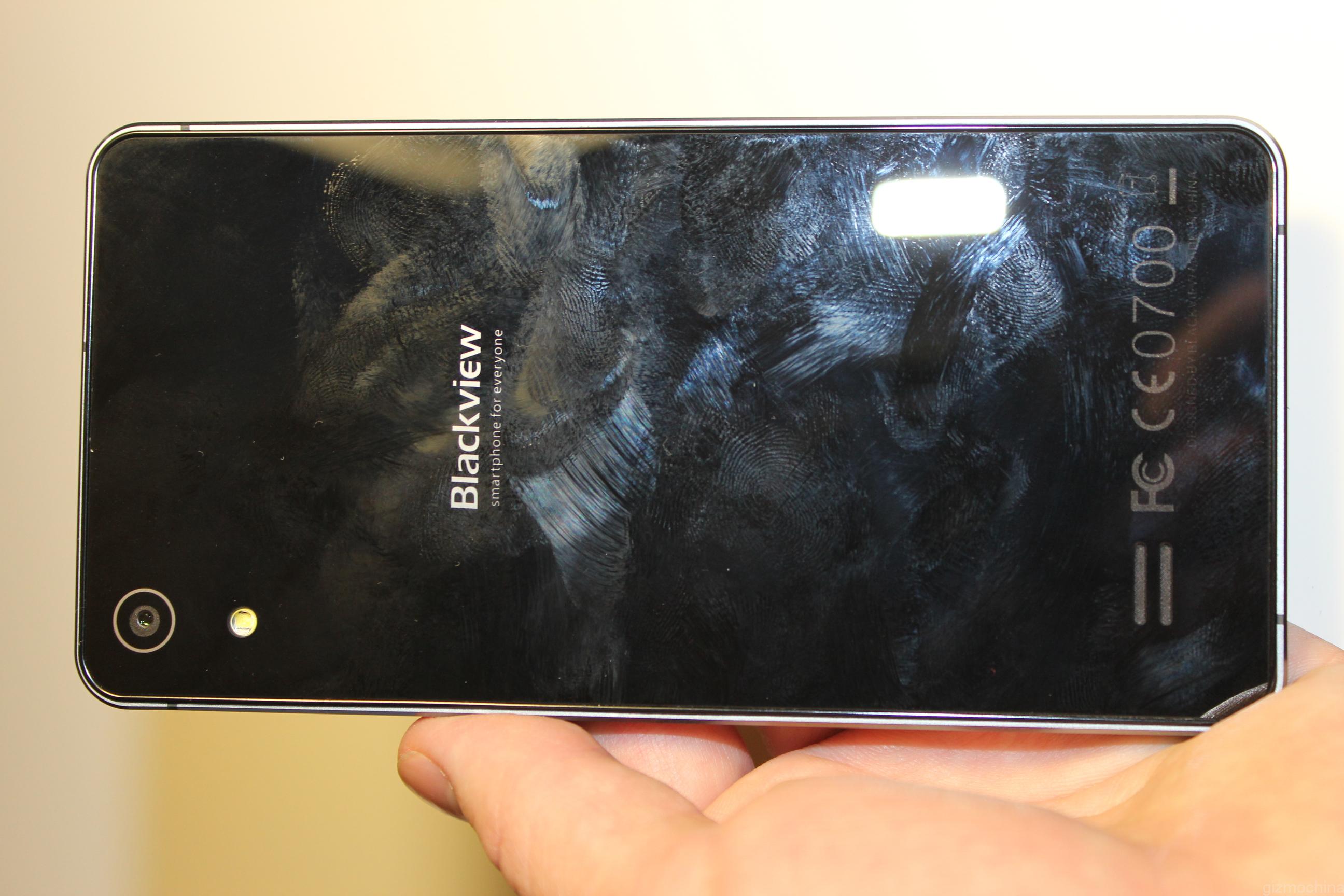
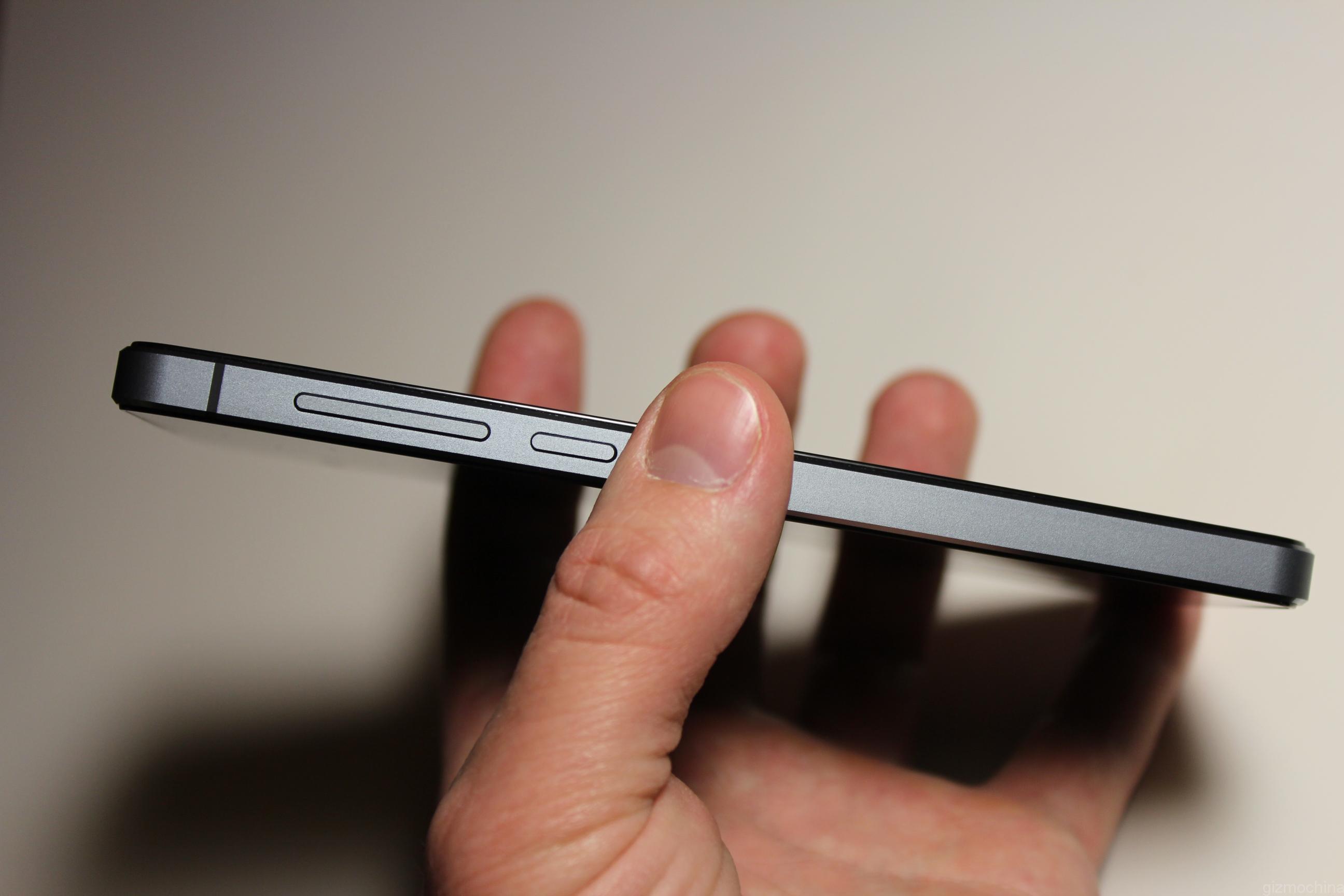
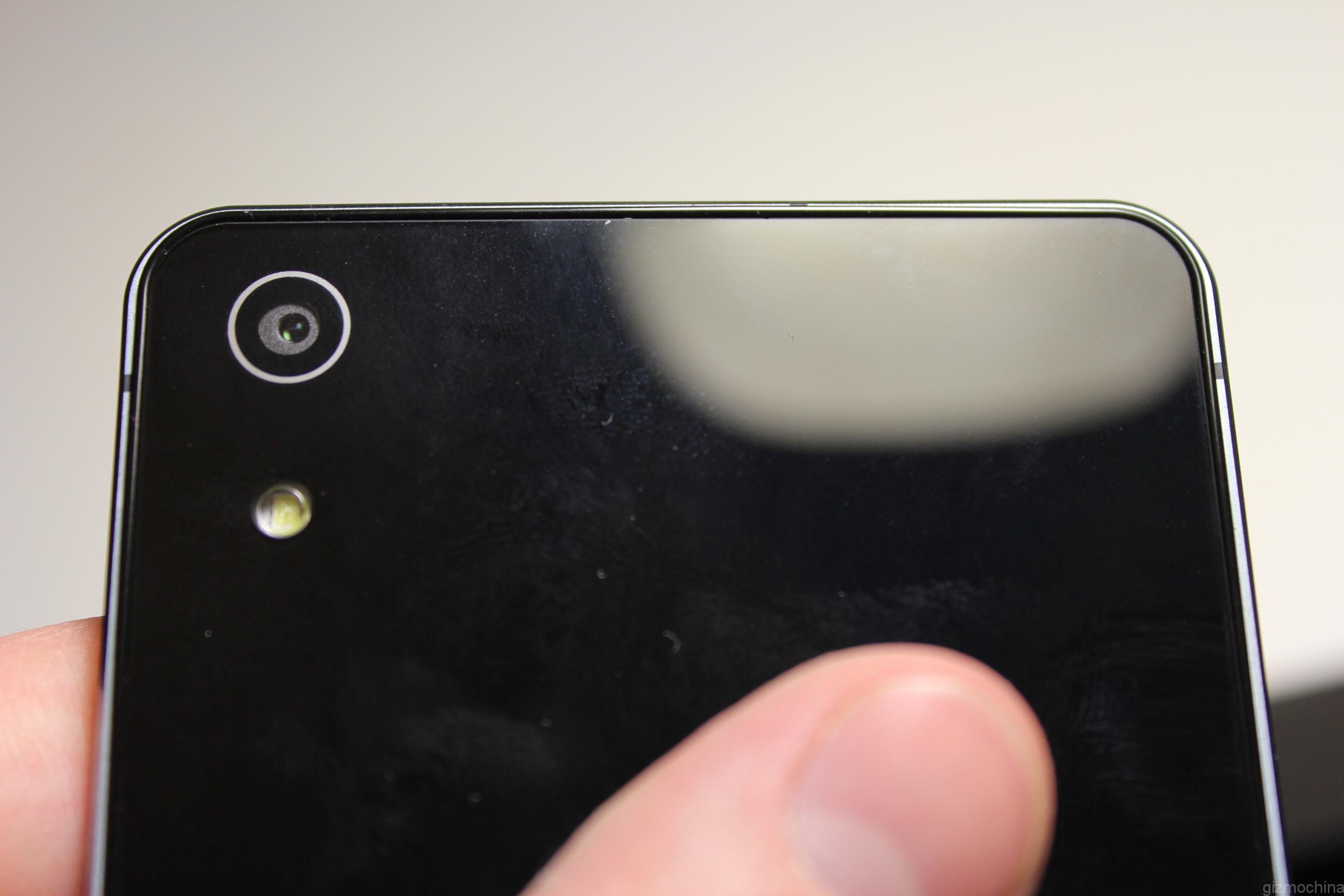
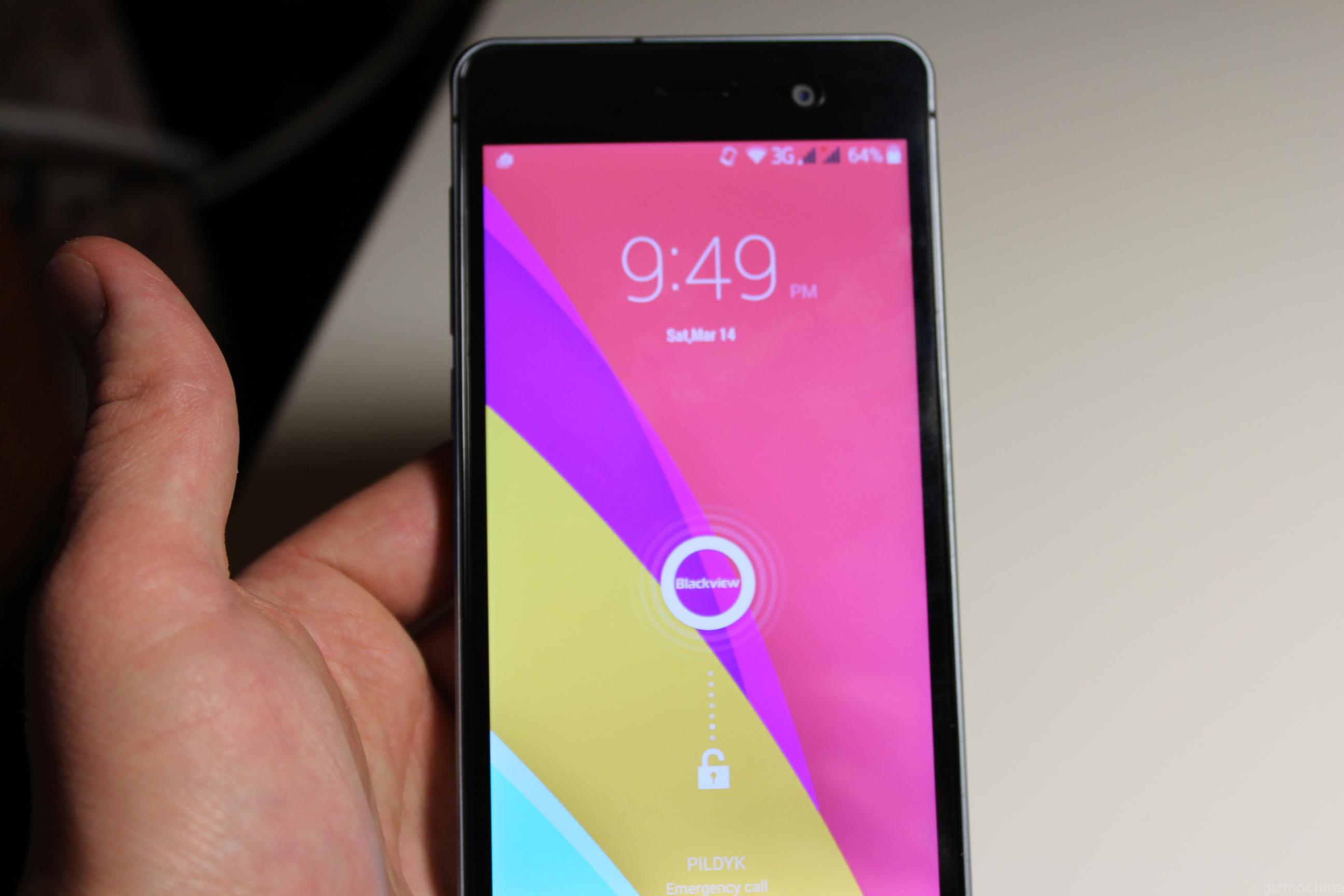
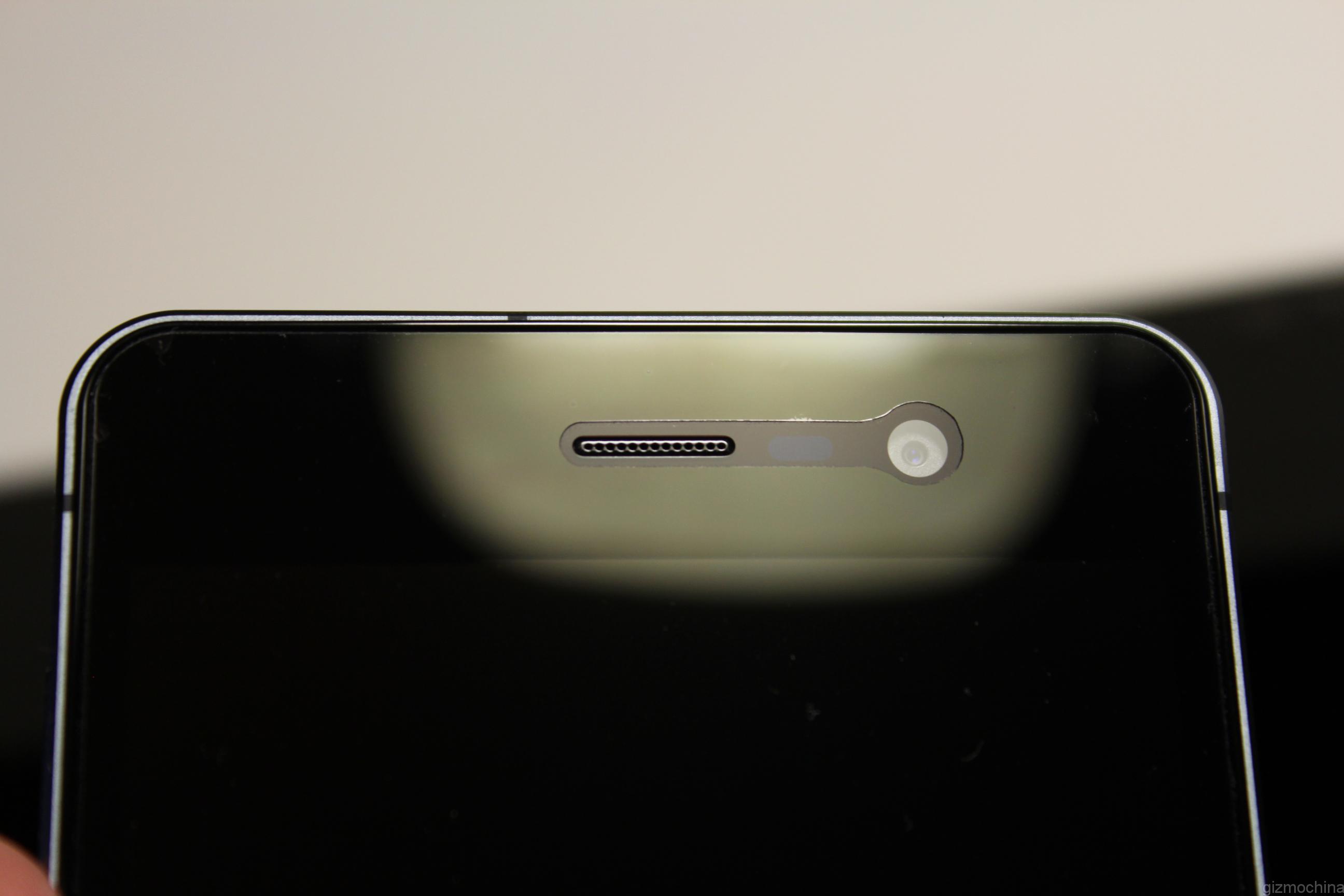
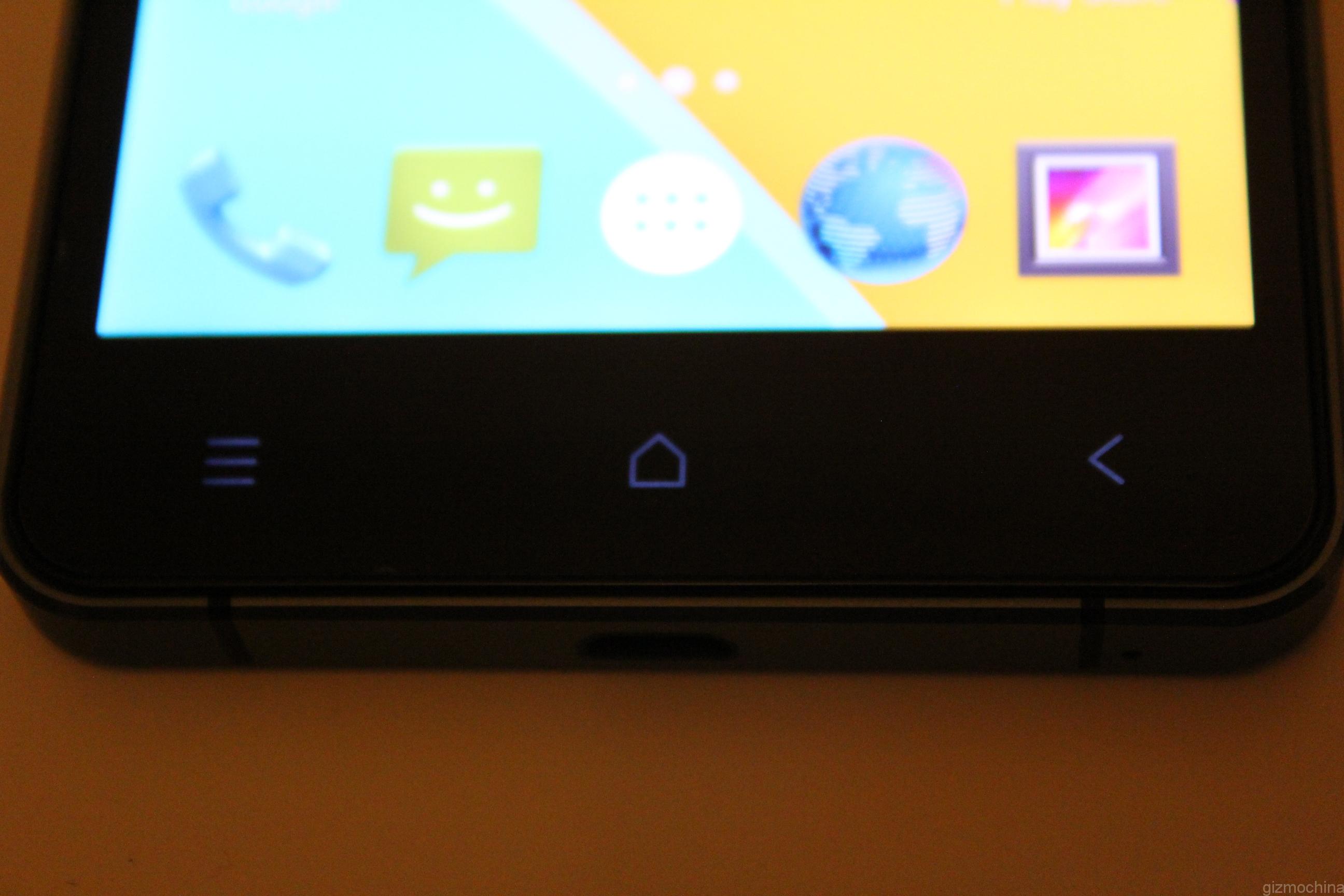
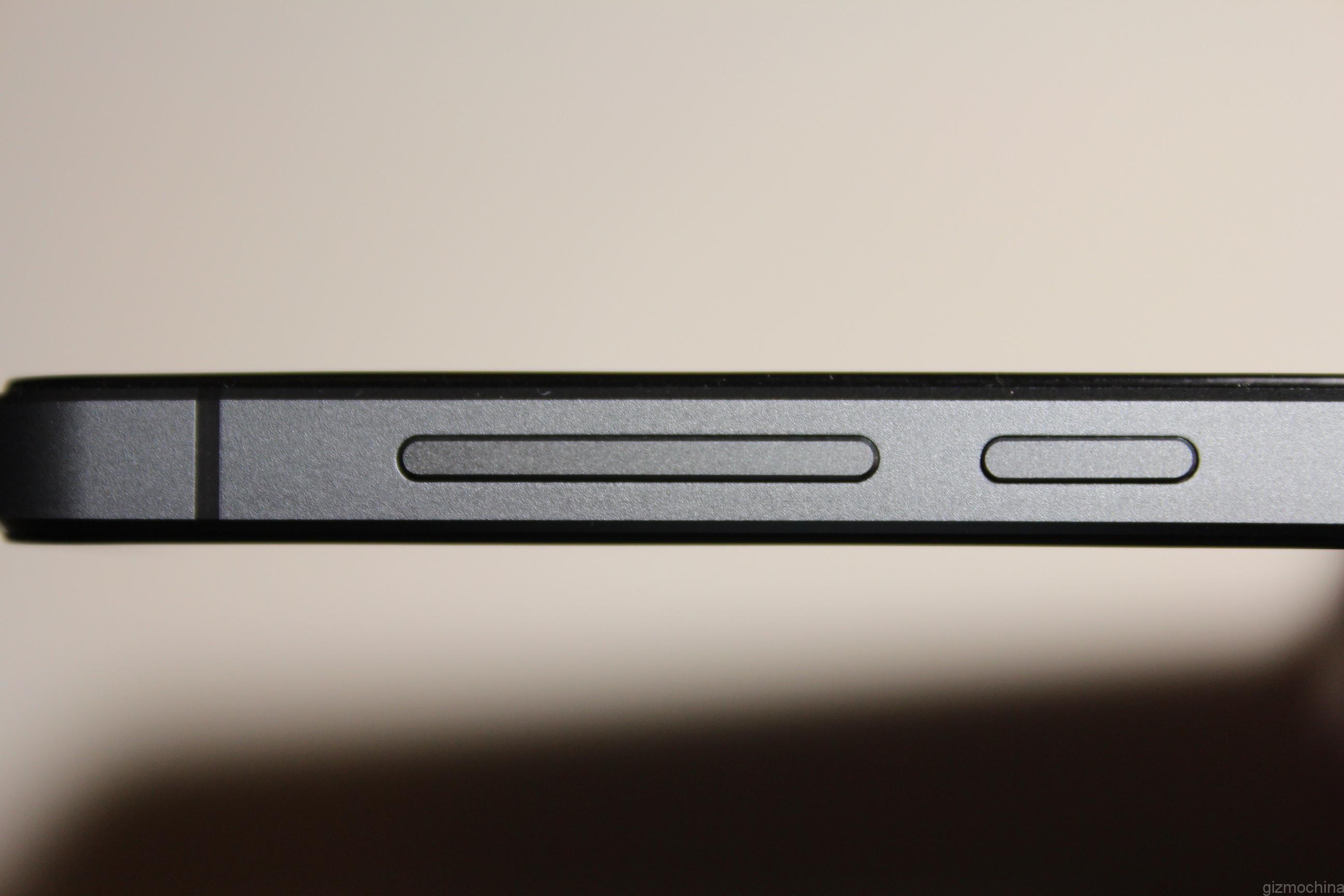
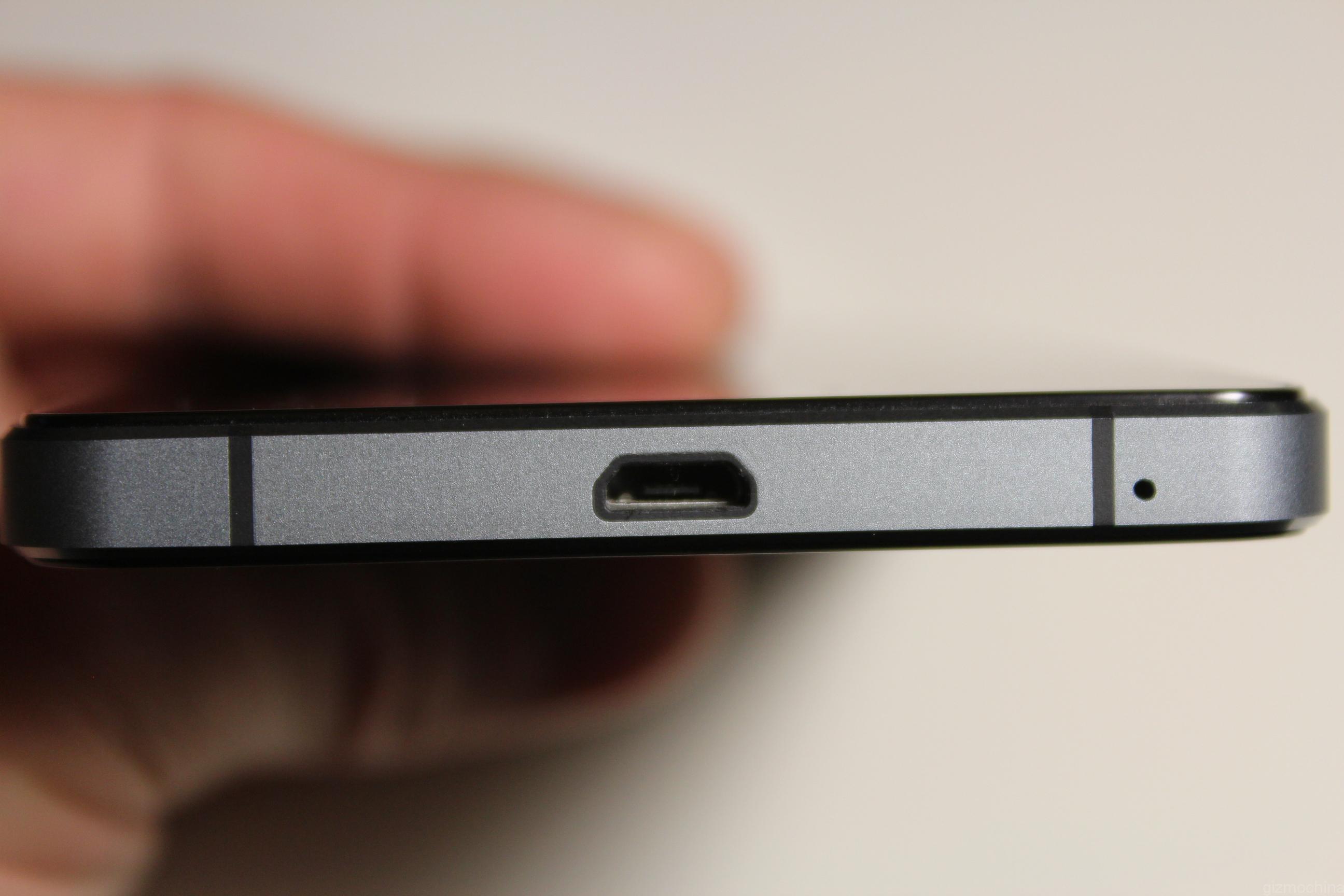
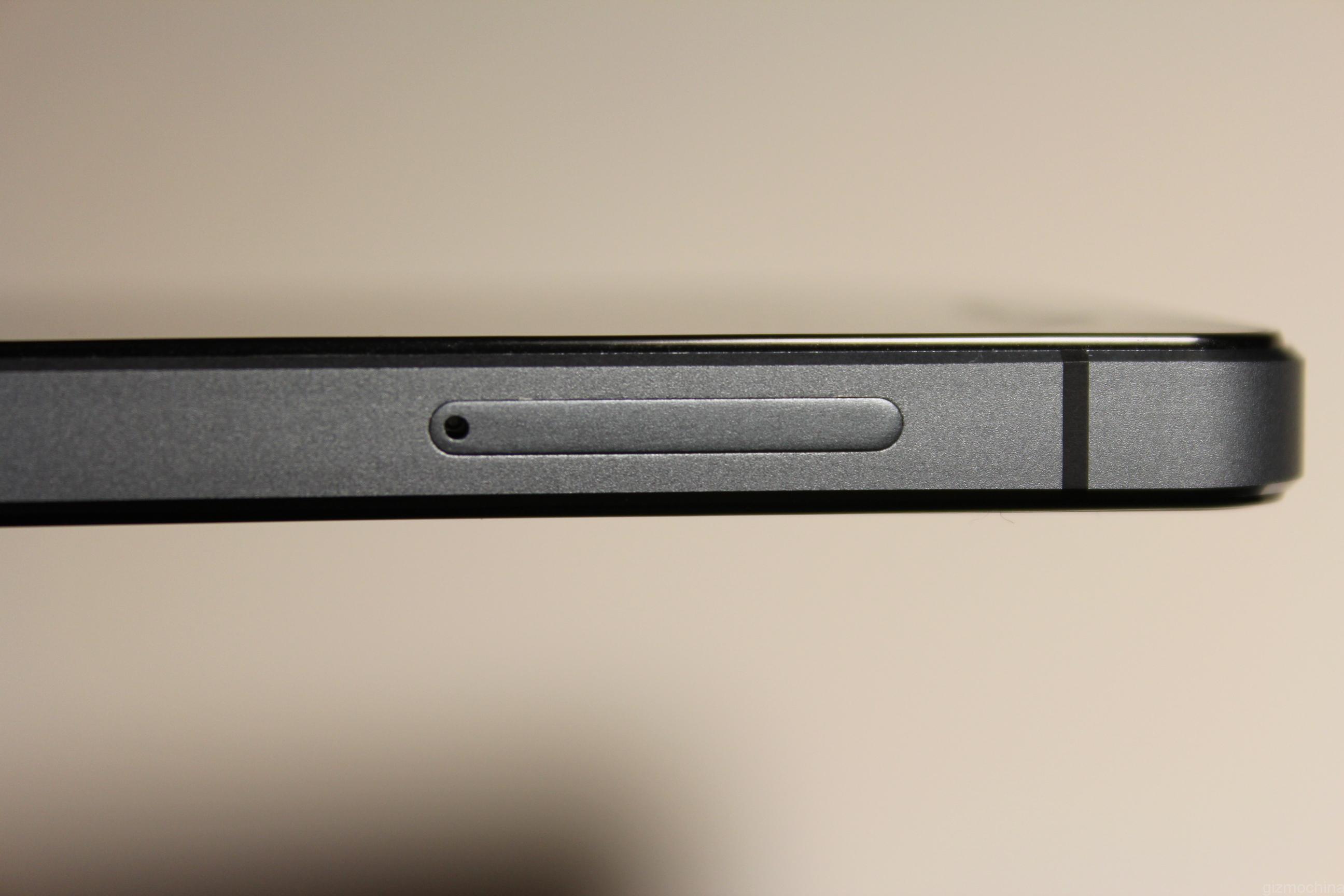
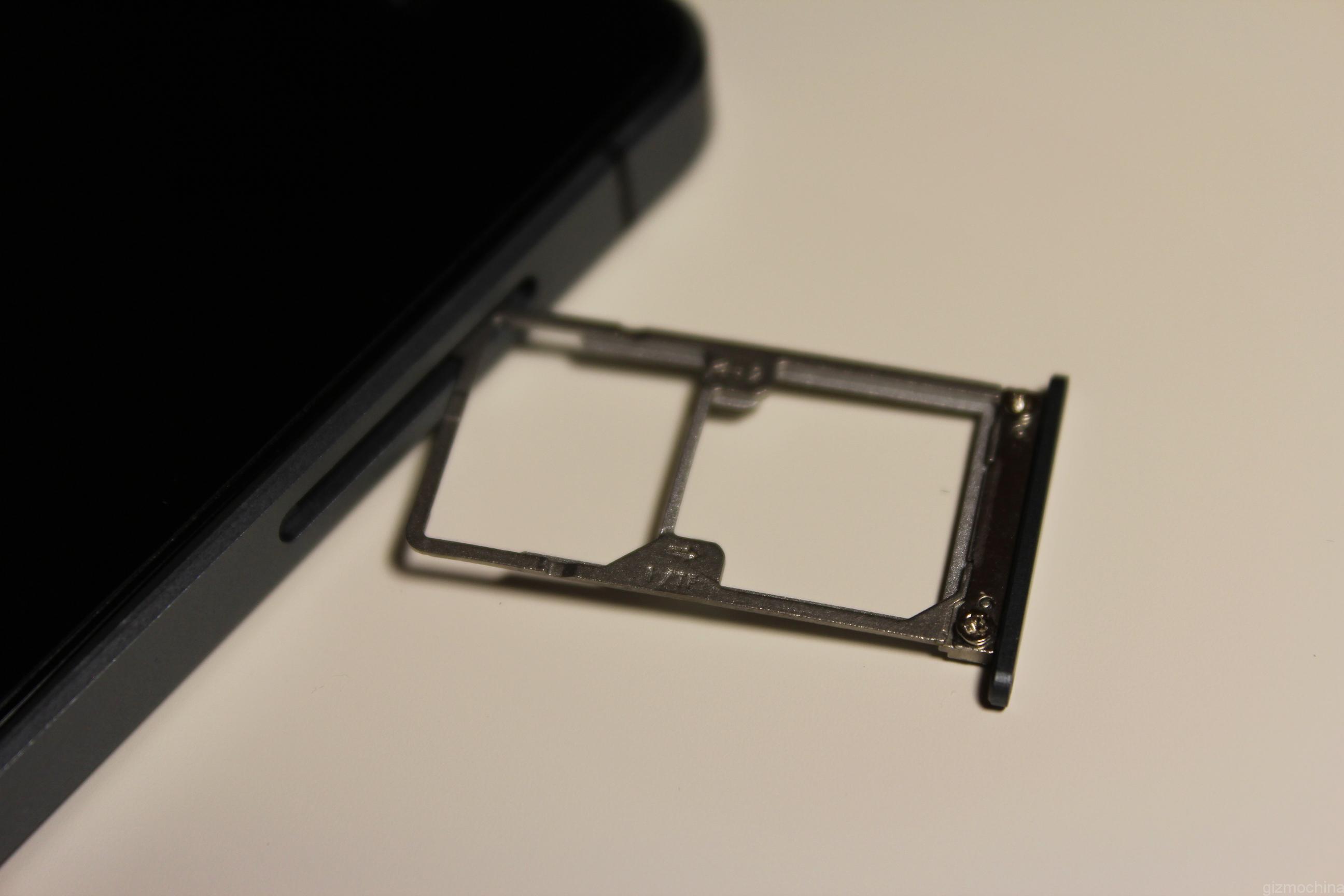
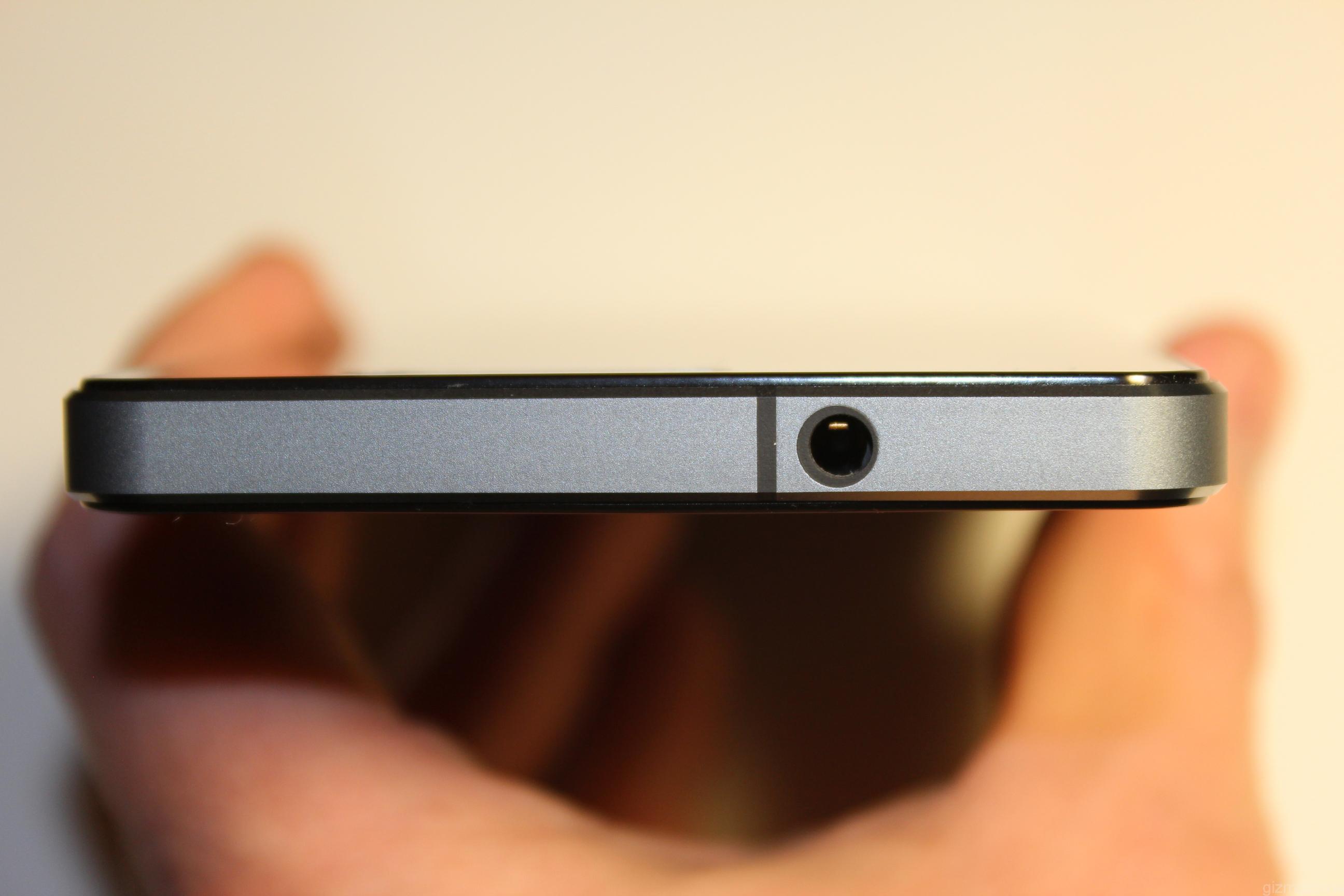
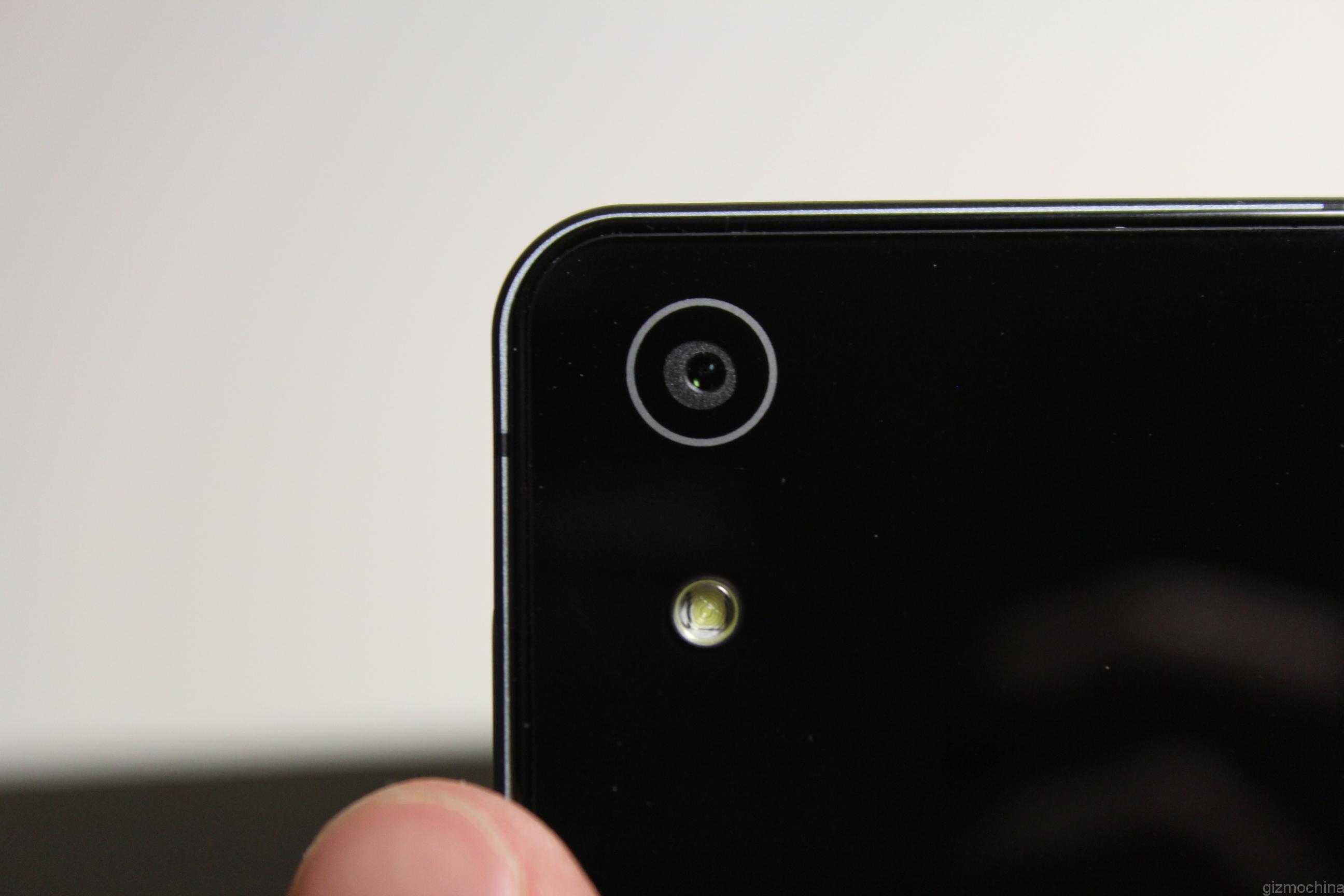
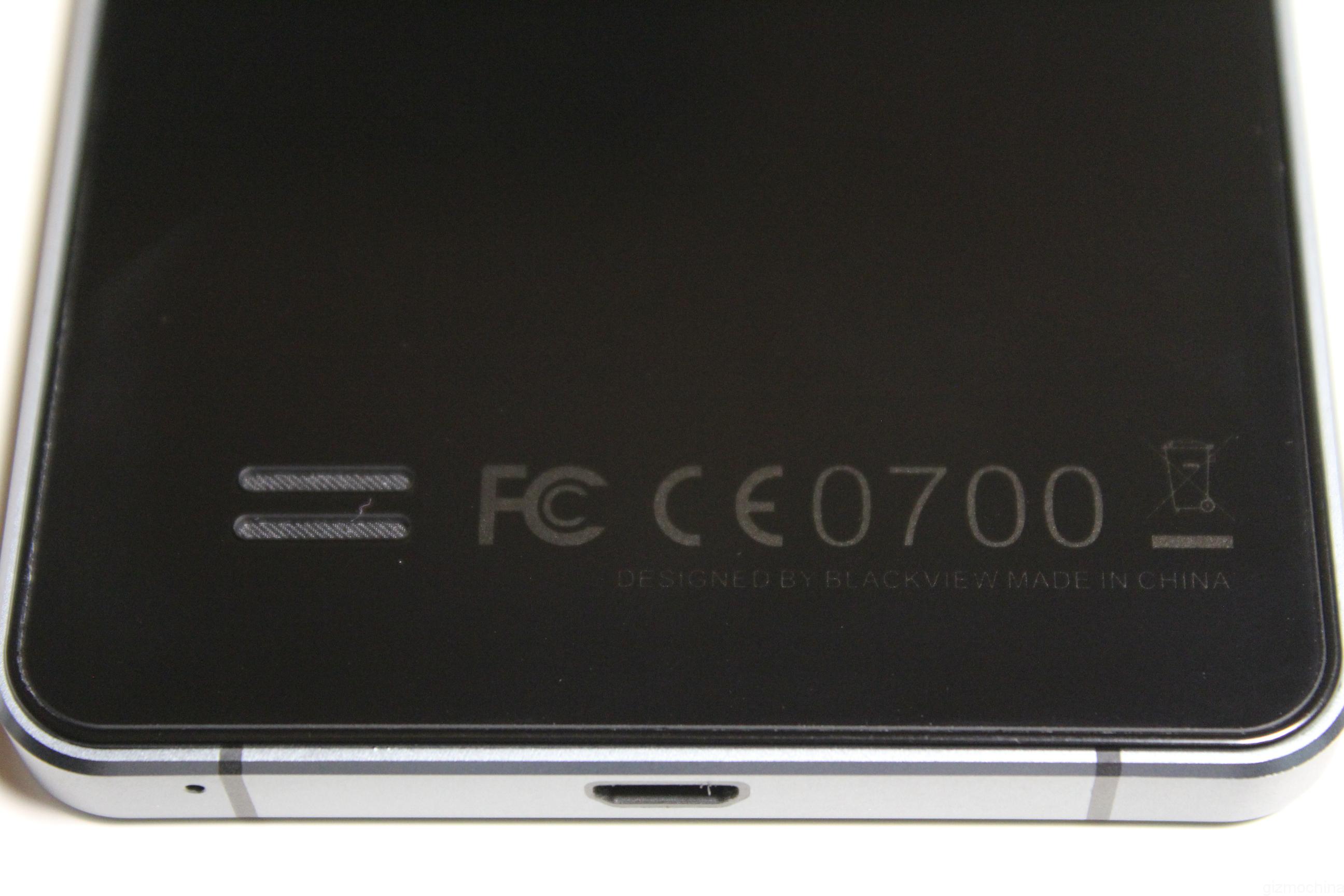
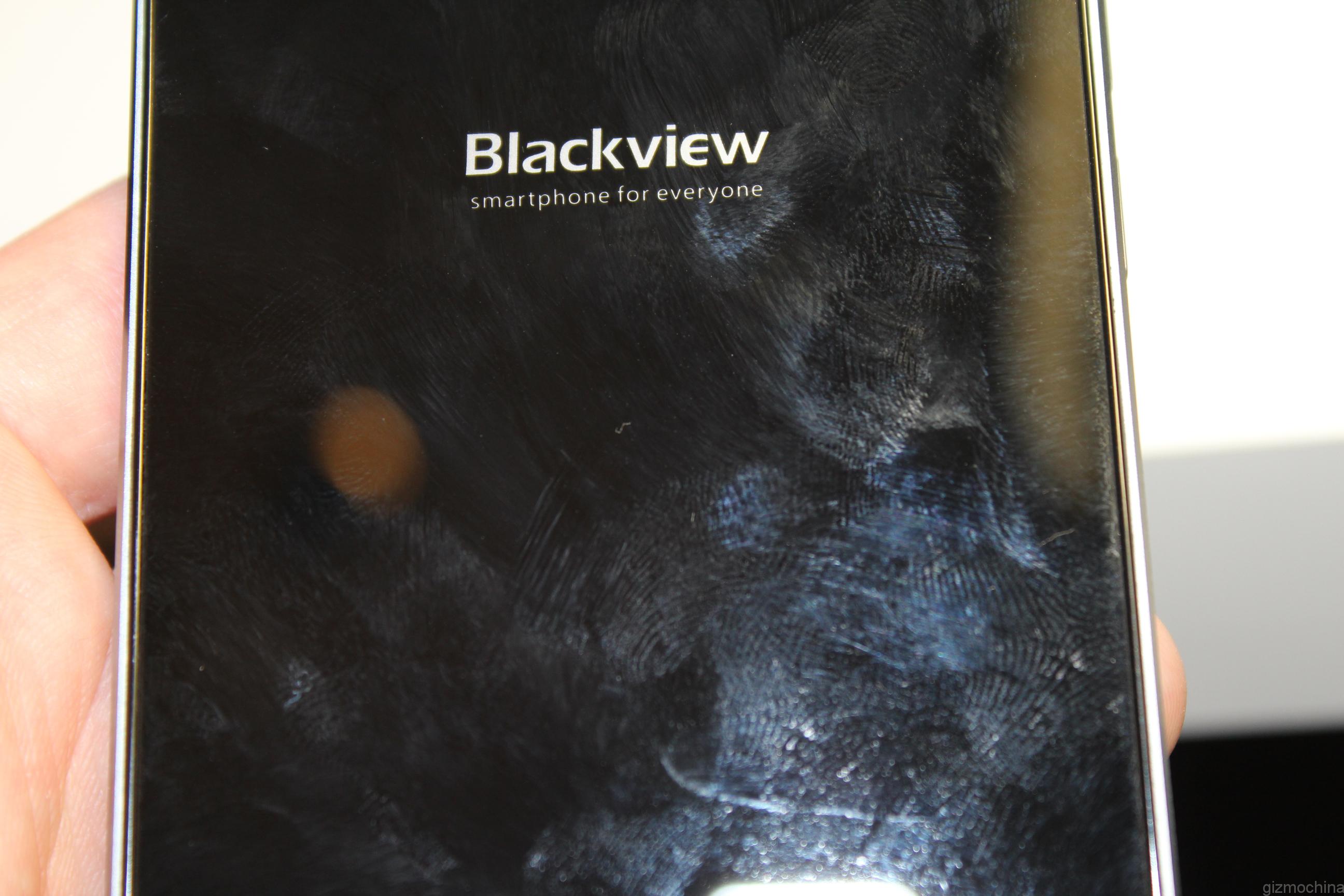
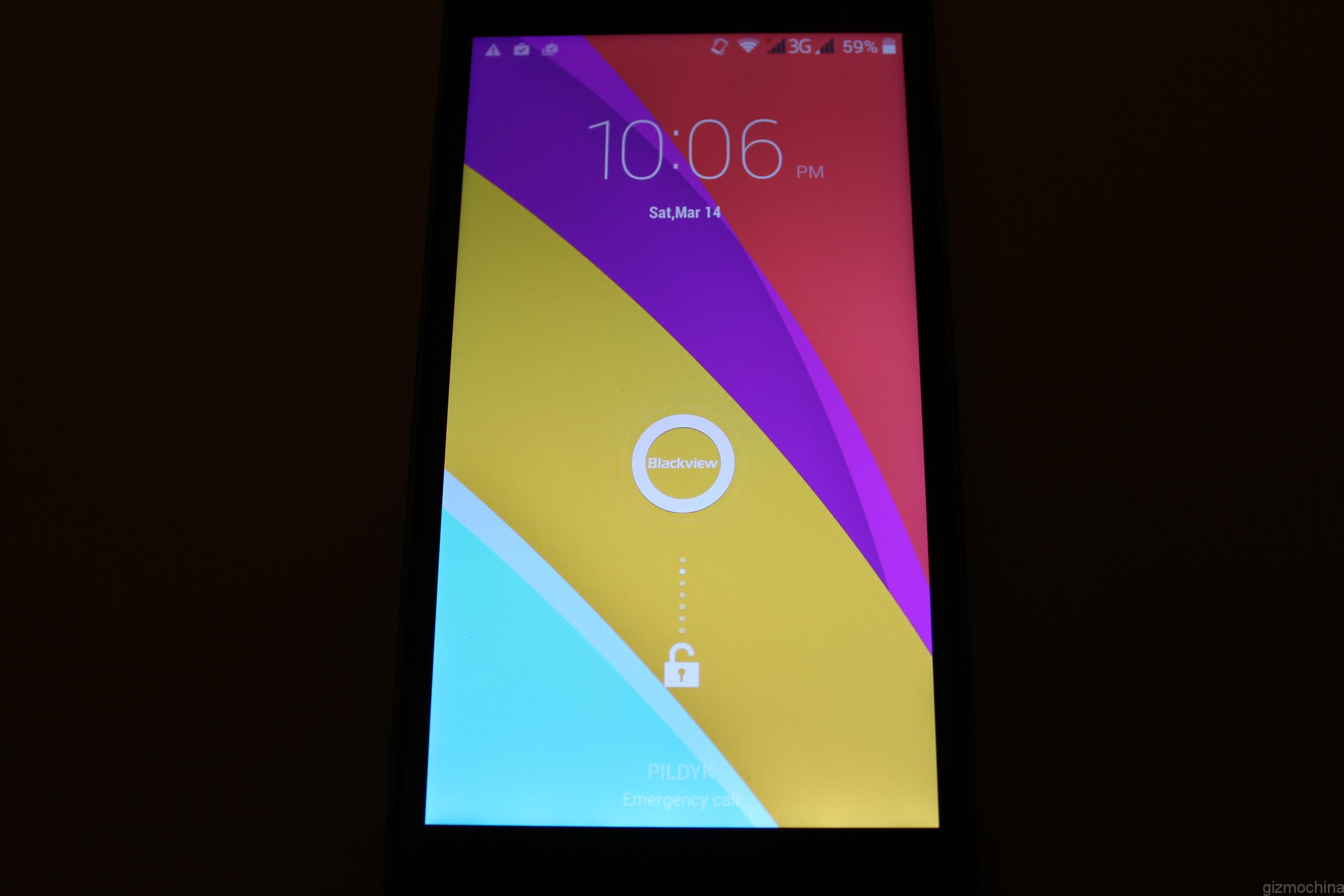
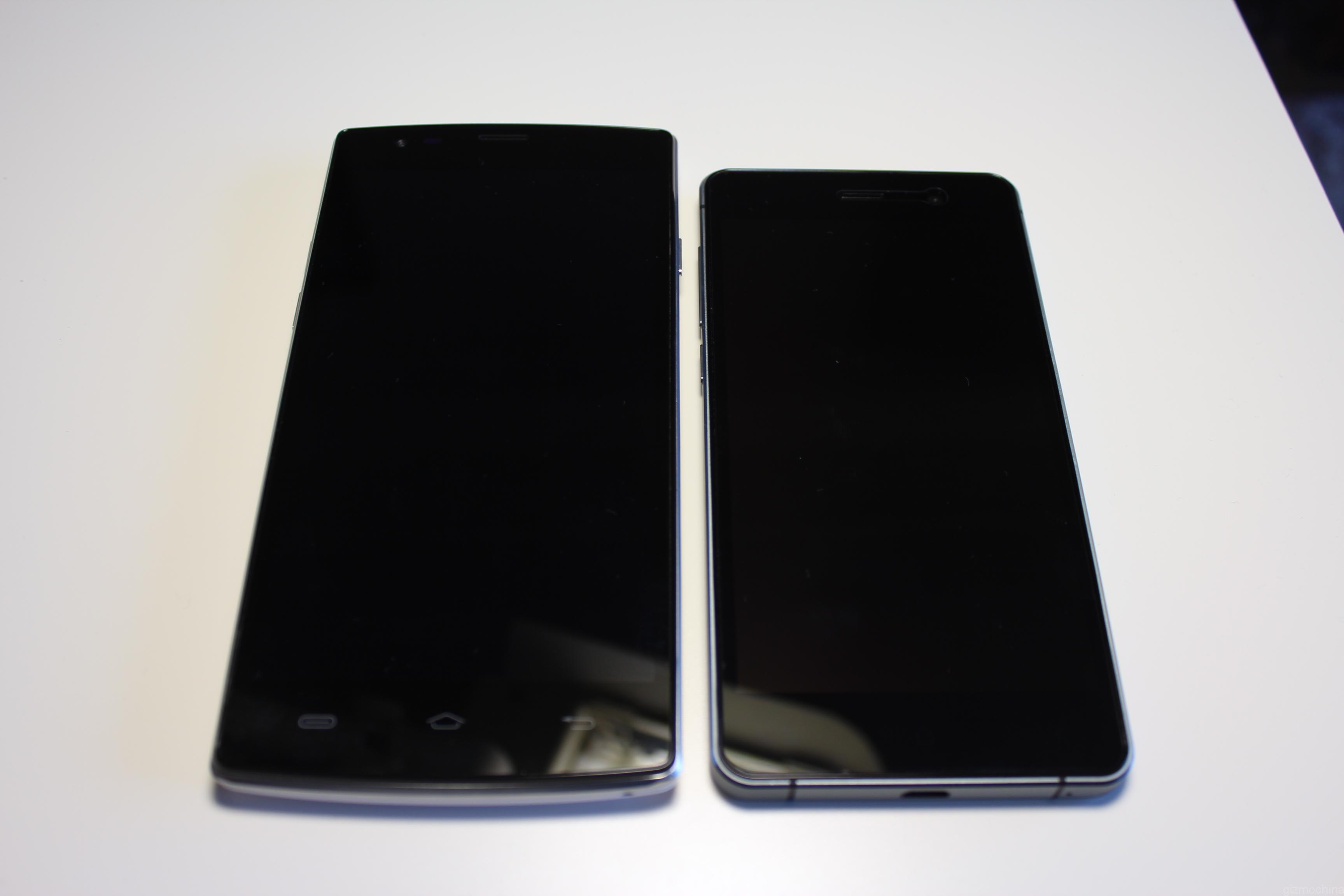
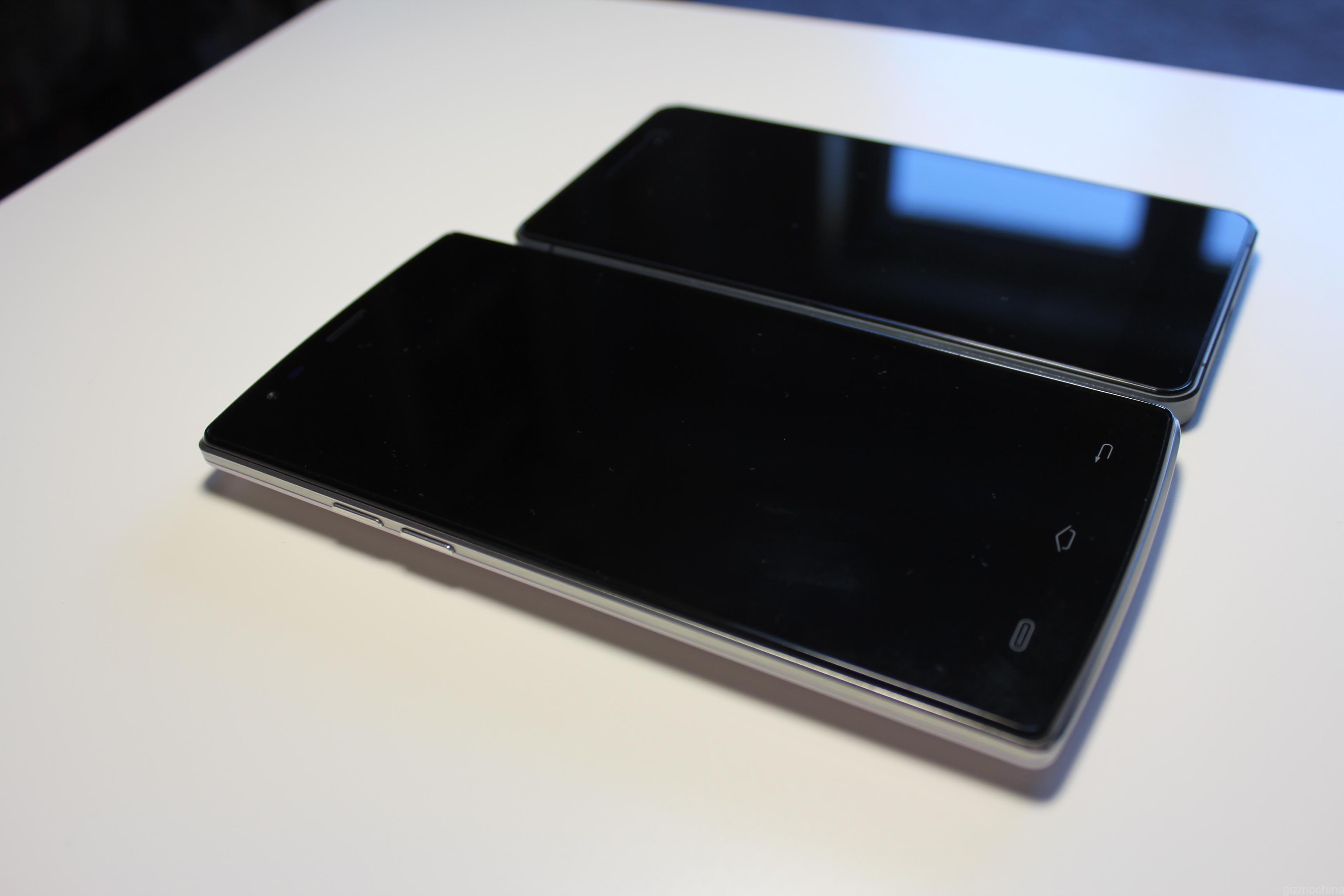
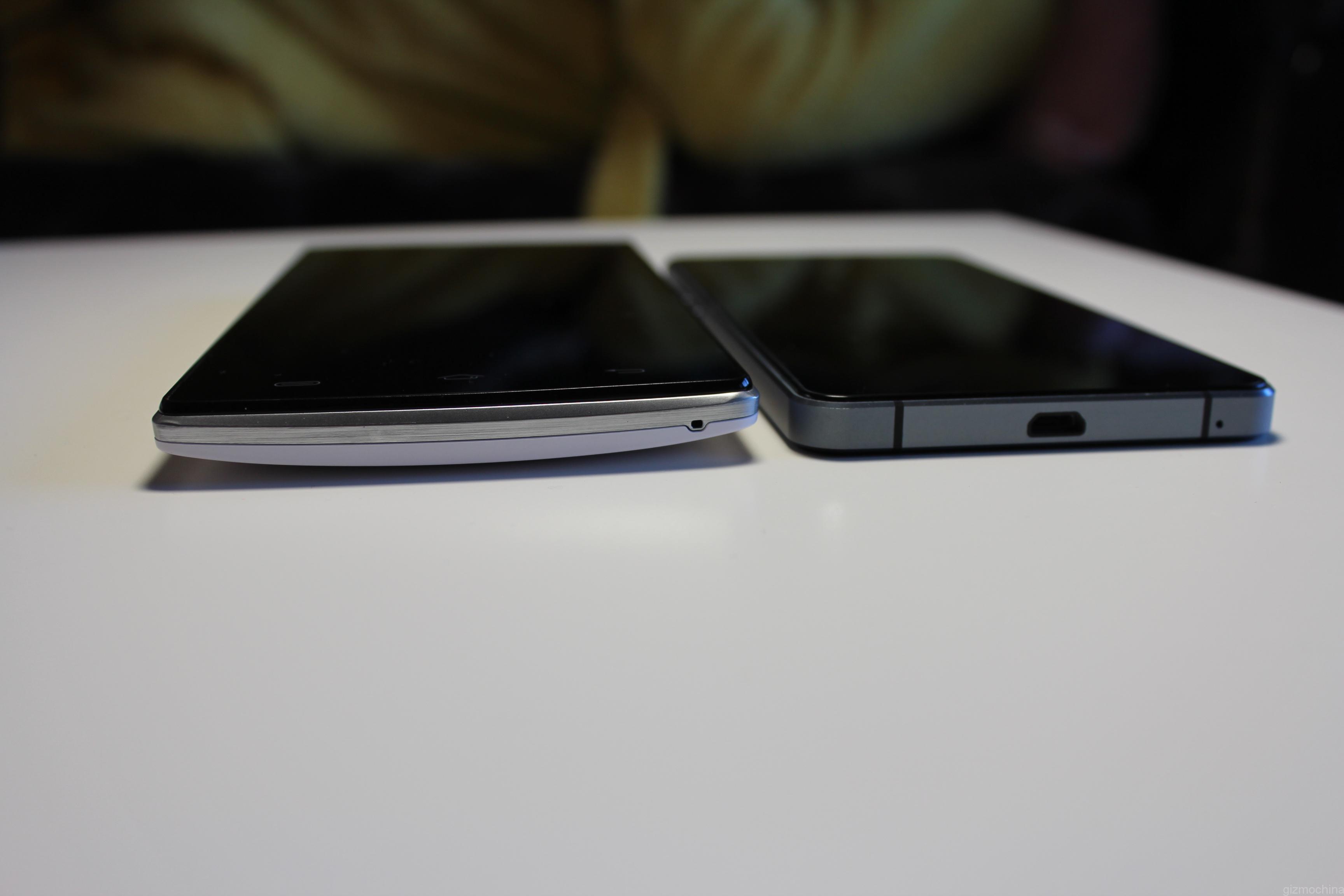
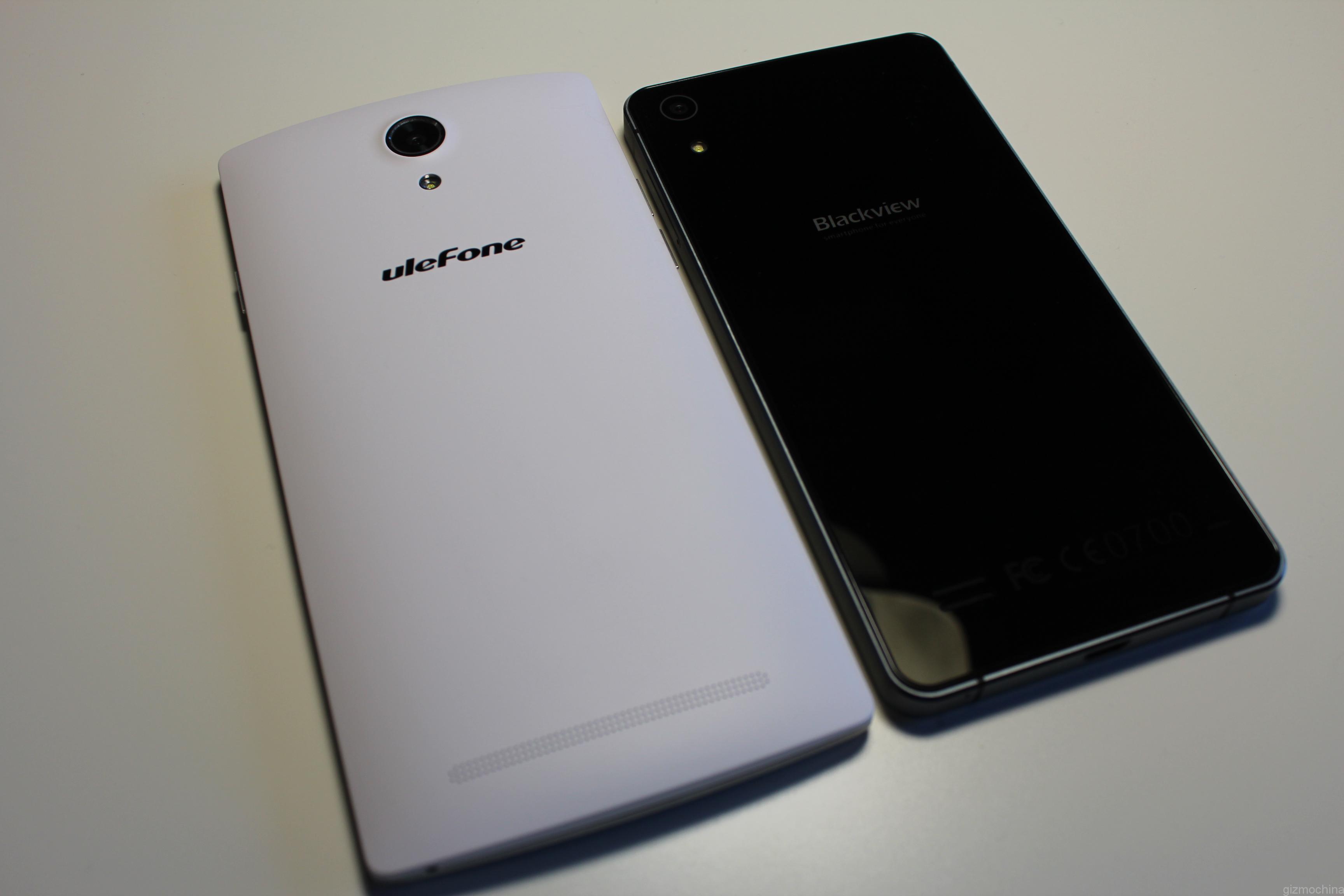
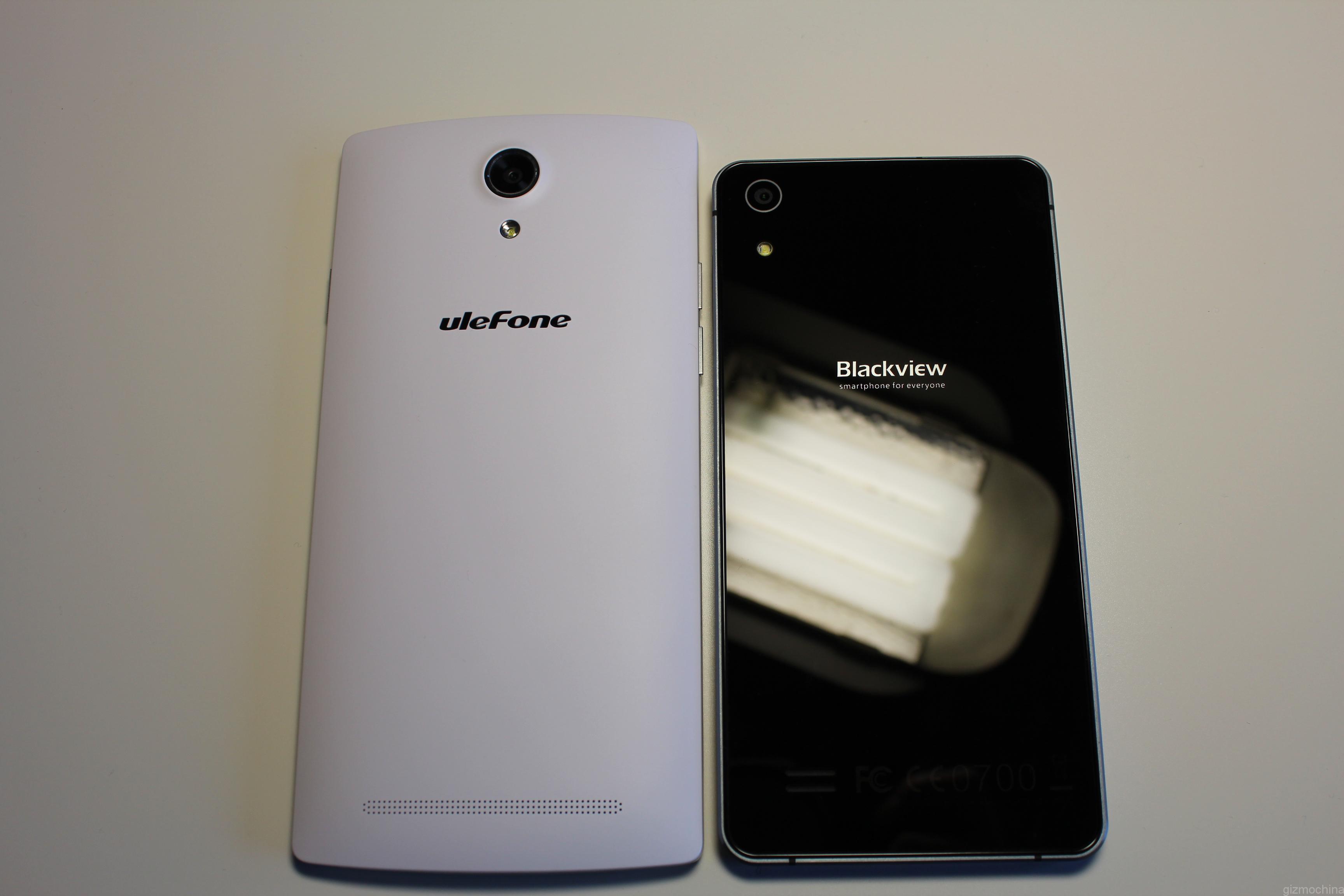
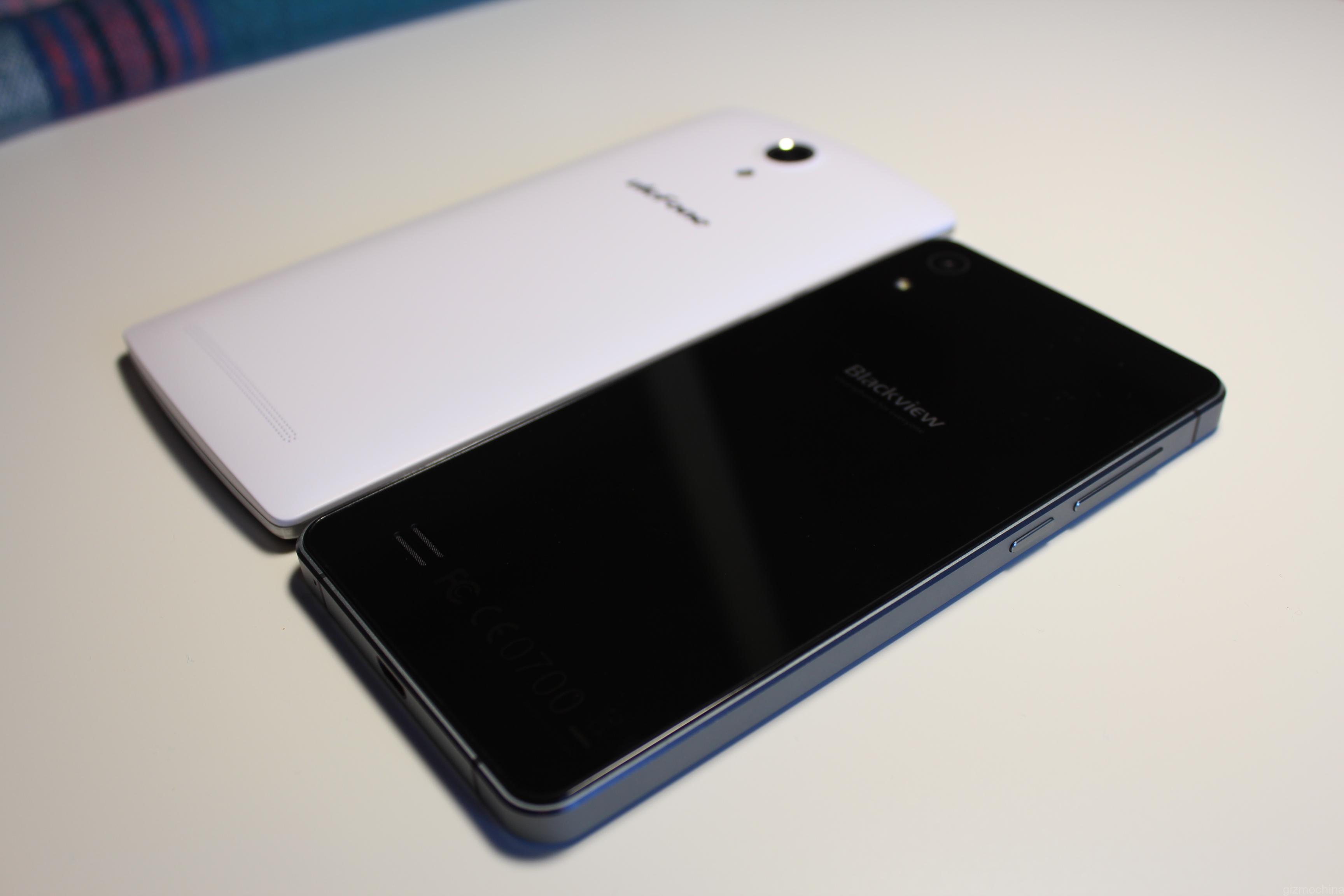
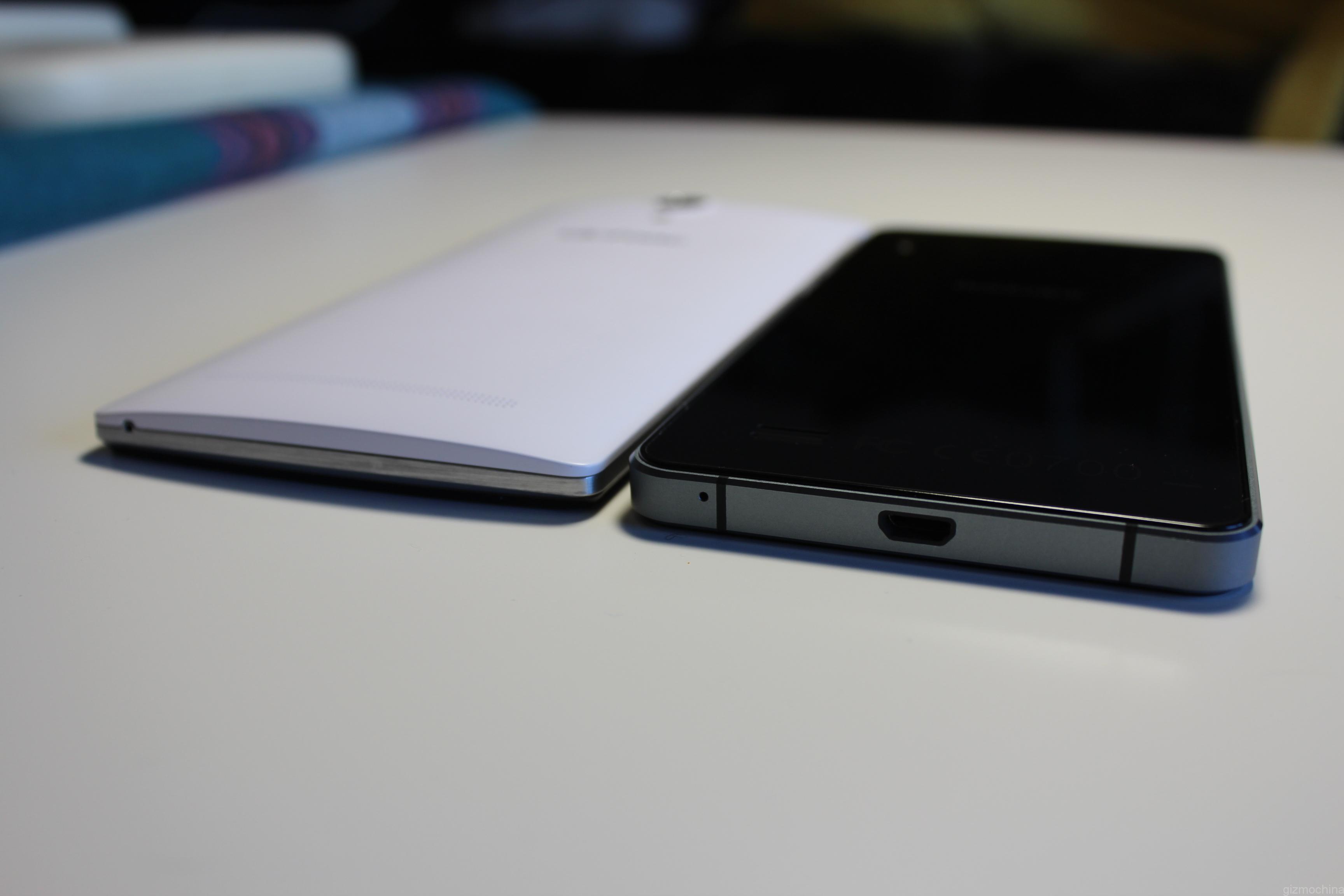
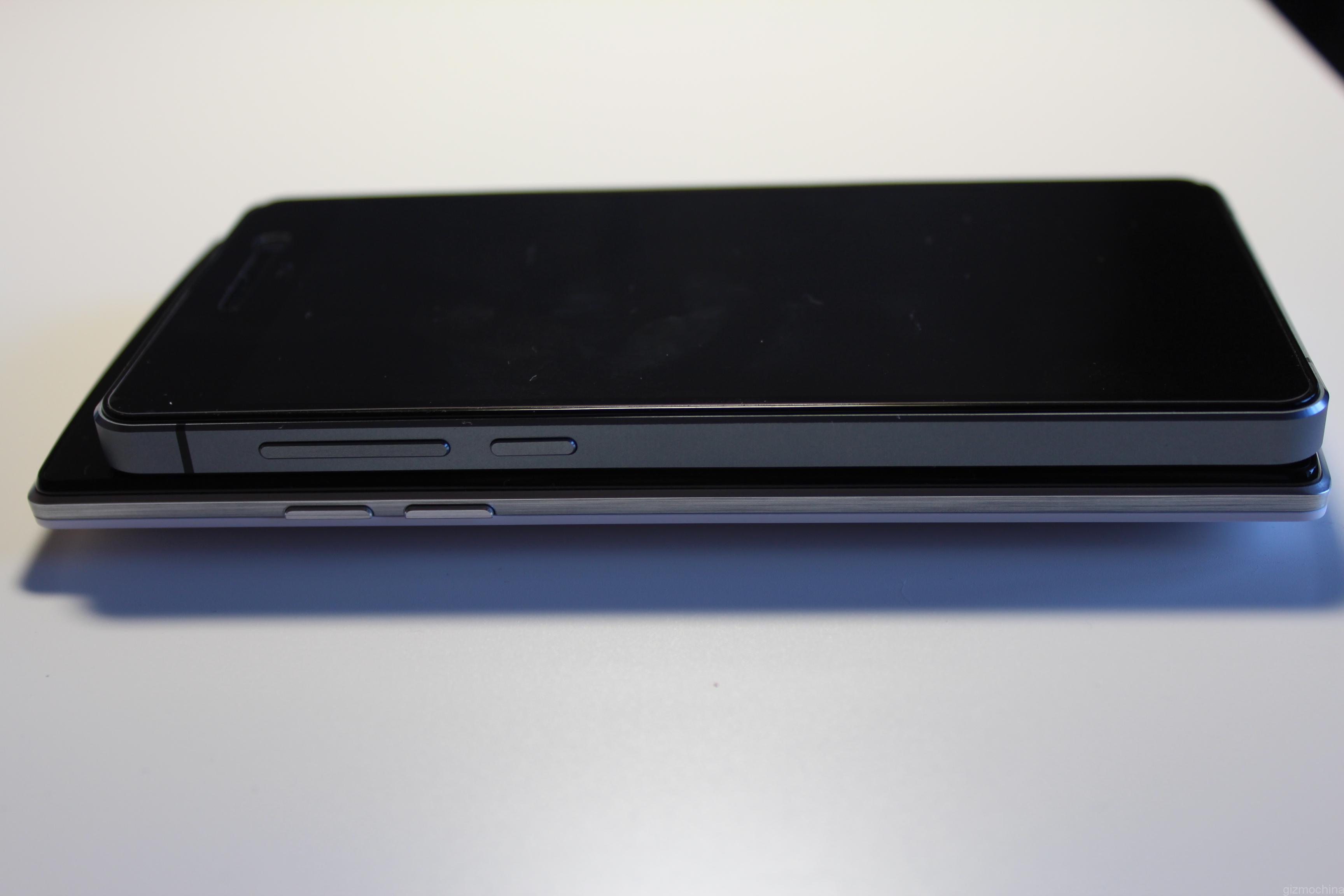
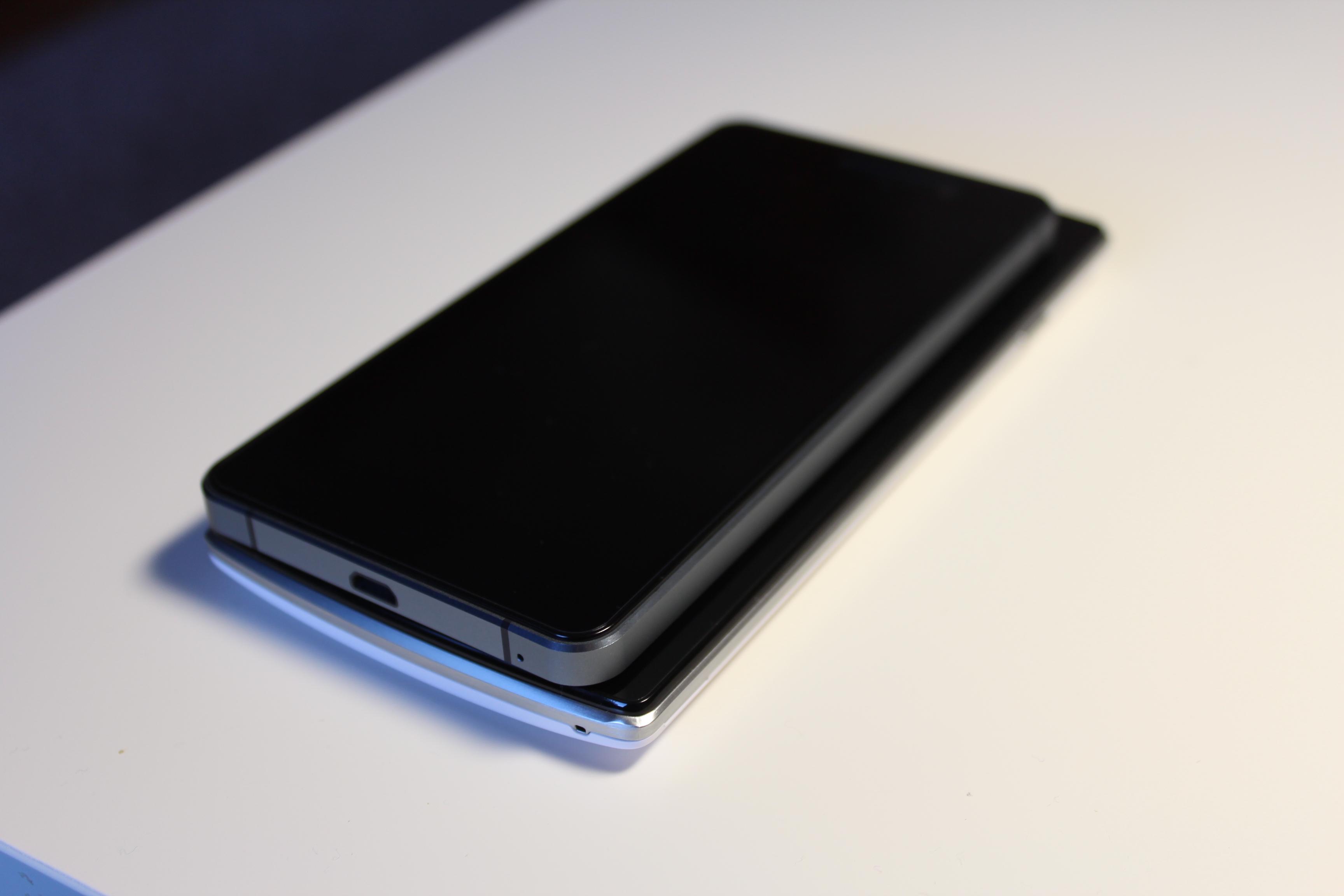
The Blackview Omega is a more compact device since it has a smaller screen of 5 inches. What is more, it can easily win your heart over Ulefone’s choice of materials as it spots a quality metal frame with metal clad buttons. It does look like an iPhone 4/4s with it similar design, though.
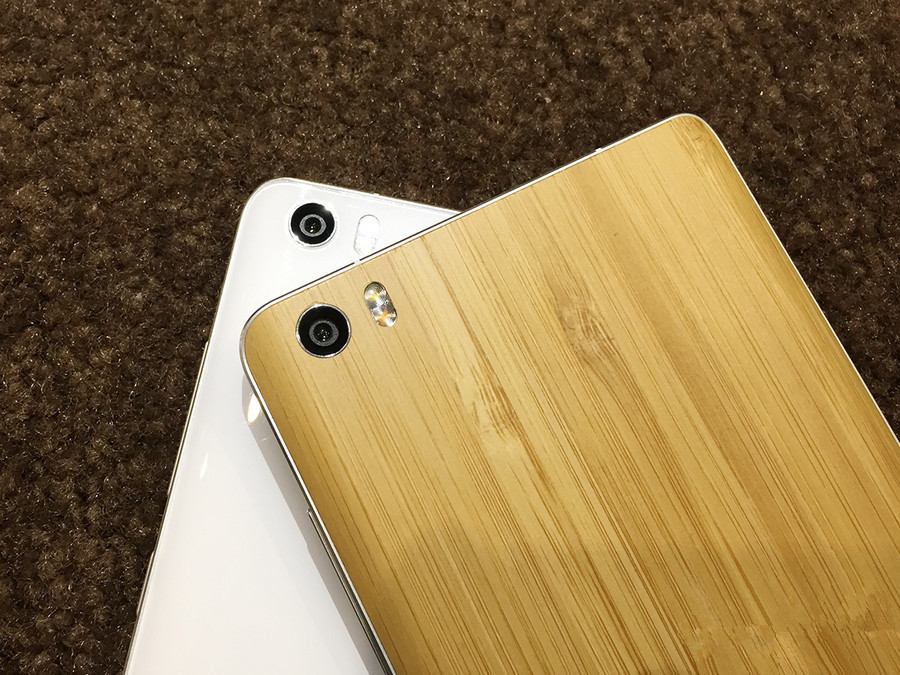
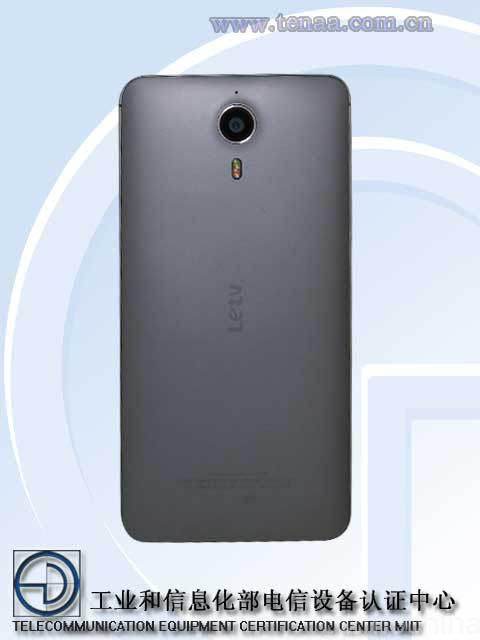
On the front side of the device there is an 8mp shooter along with the earpiece on the top. On the bottom there are three capacitive keys, which also have a backlight. The manufacturer chose to put volume up/down keys along with the power button on the left side of the metal frame of the phone. It took a bit of time to get used to it for me, but it is a personal preference. On the bottom, there is a regular Micro USB charging port along with microphone and the plastic infusions for better signal reception.On the right side, there is a dual micro SIM card tray. One slot also doubles as the micro SD slot up to 64 GB of cards for storage expansion. On the top, there is a 3.5mm headphone jack.On the back of the smartphone, there is a 13mp camera sensor, which can shoot up to 18mp pictures due to software interpolations along with the single LED flash. Finally, there is a mono speaker on the bottom, which has an average sound quality.
Our personal preference as far as design goes to the Blackview Omega as it spots more premium materials and very well built.
DISPLAY
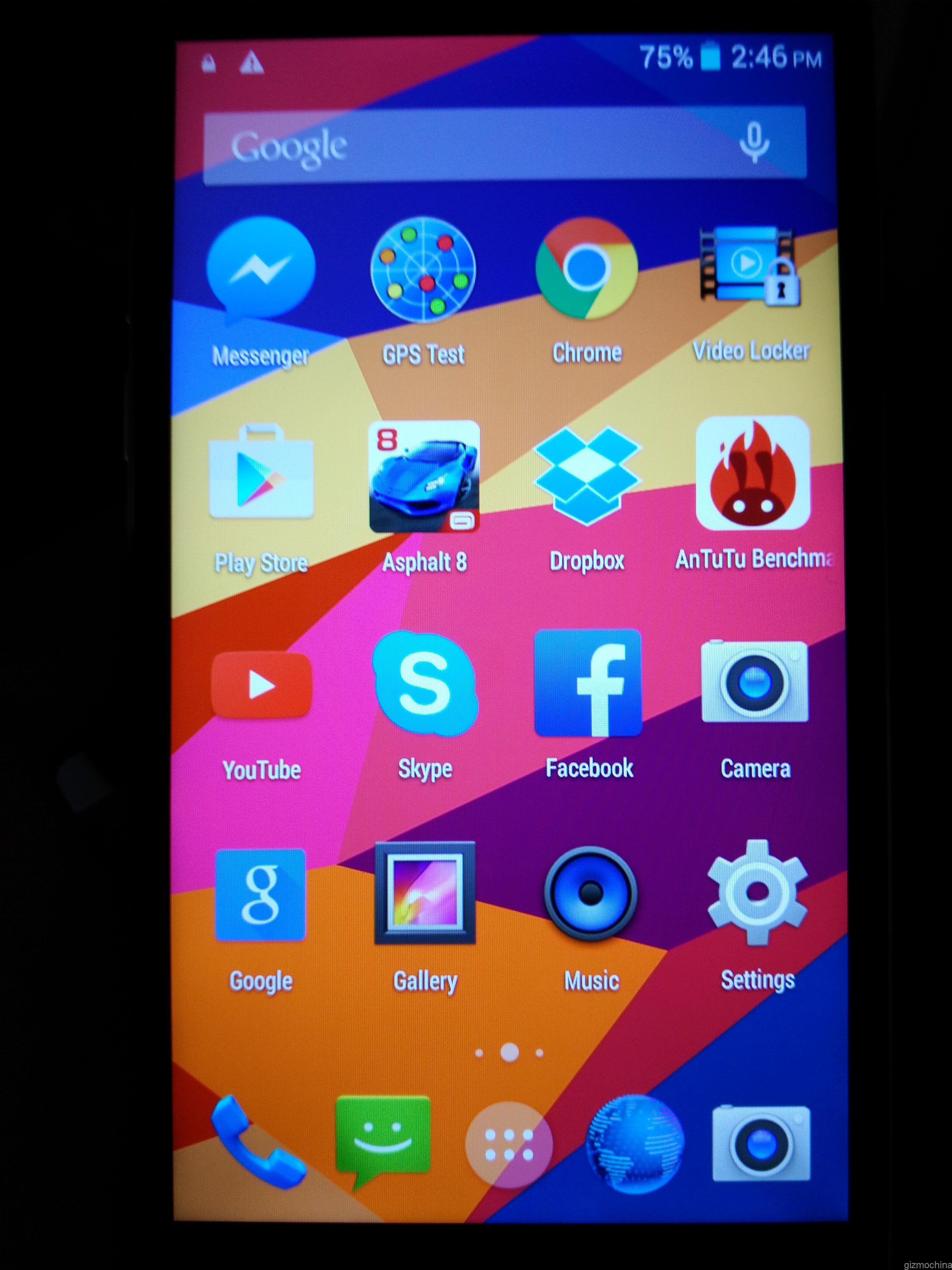
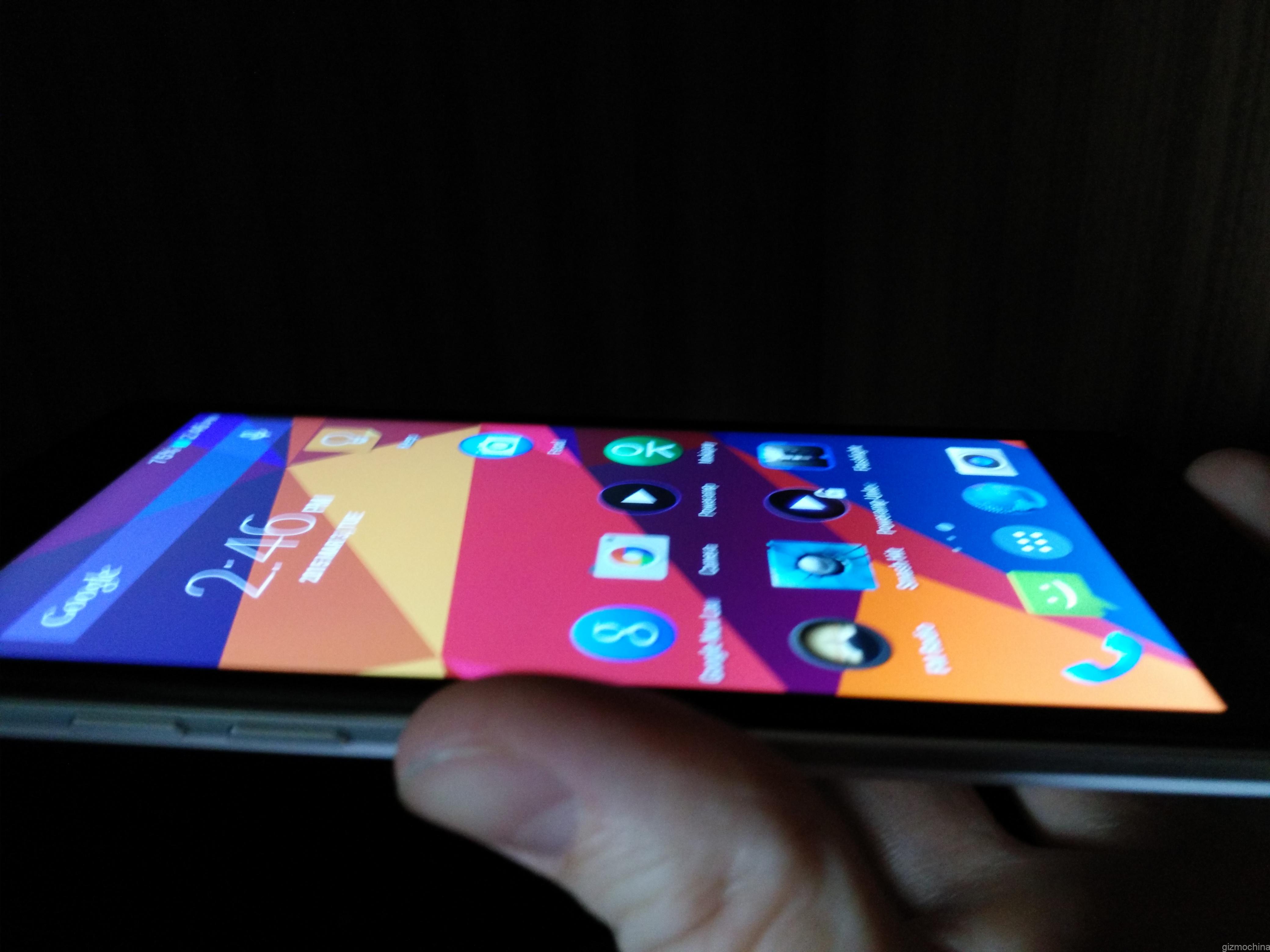
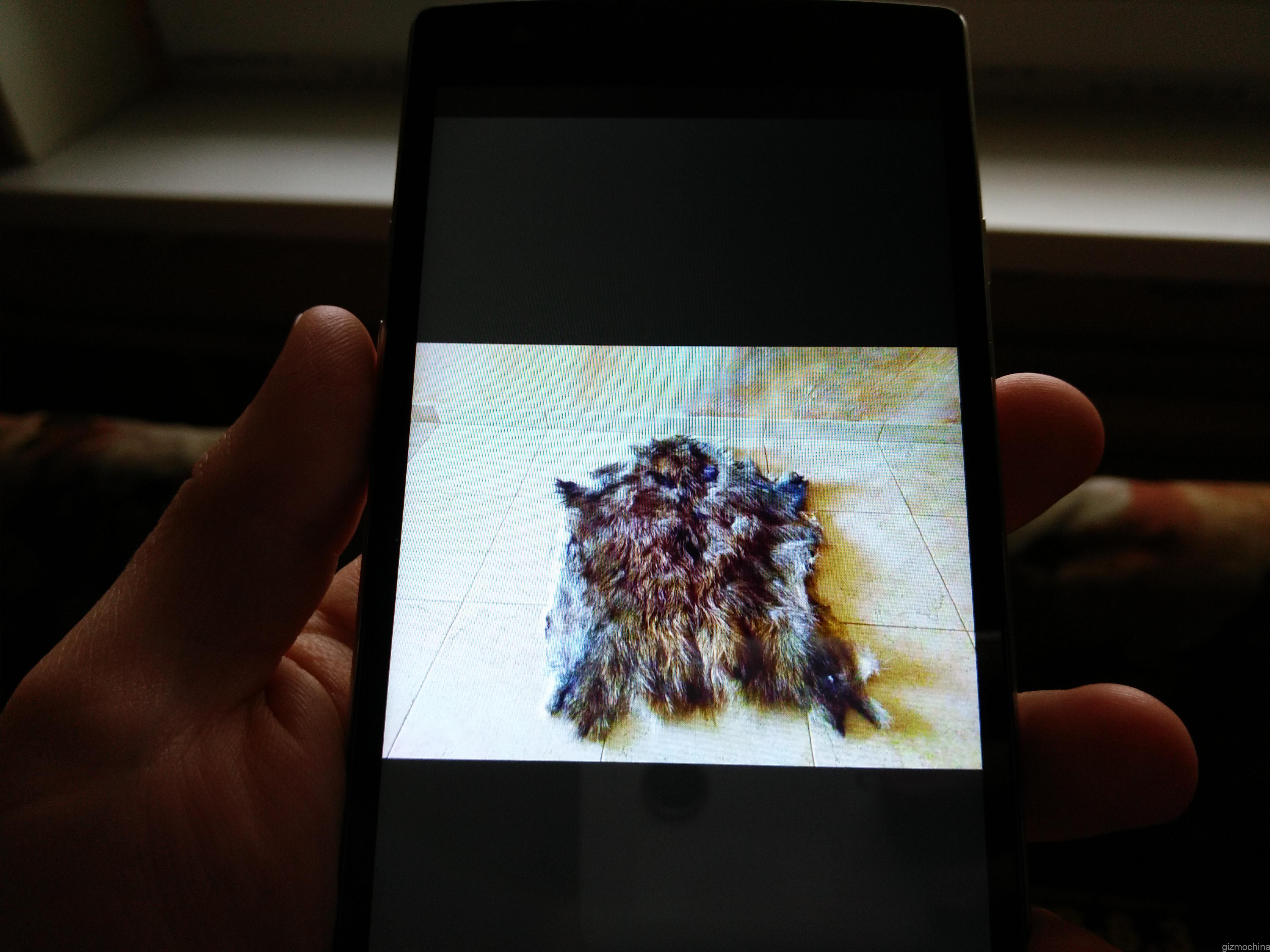
The display on the Ulefone Be Pro is 5.5 inches diagonally and comes with a 1280 x 720 resolution and a pixel density of 267 ppi. While it is not the best resolution in its size range, the display is still very pleasant. The colours are vibrant and the viewing angles are quite good as well. The whites looked white while the blacks were black impressive for an IPS panel. Since we are talking about an IPS panel, the screen does get bright so you don’t have to worry too much about sunlight completely washing out your screen. We are also dealing here with an OGS display which helps keep the phone a bit slimmer. The auto brightness on the phone seemed to do its job quite well, however, I guess many people like me will constantly keep it on 80% all of the time.
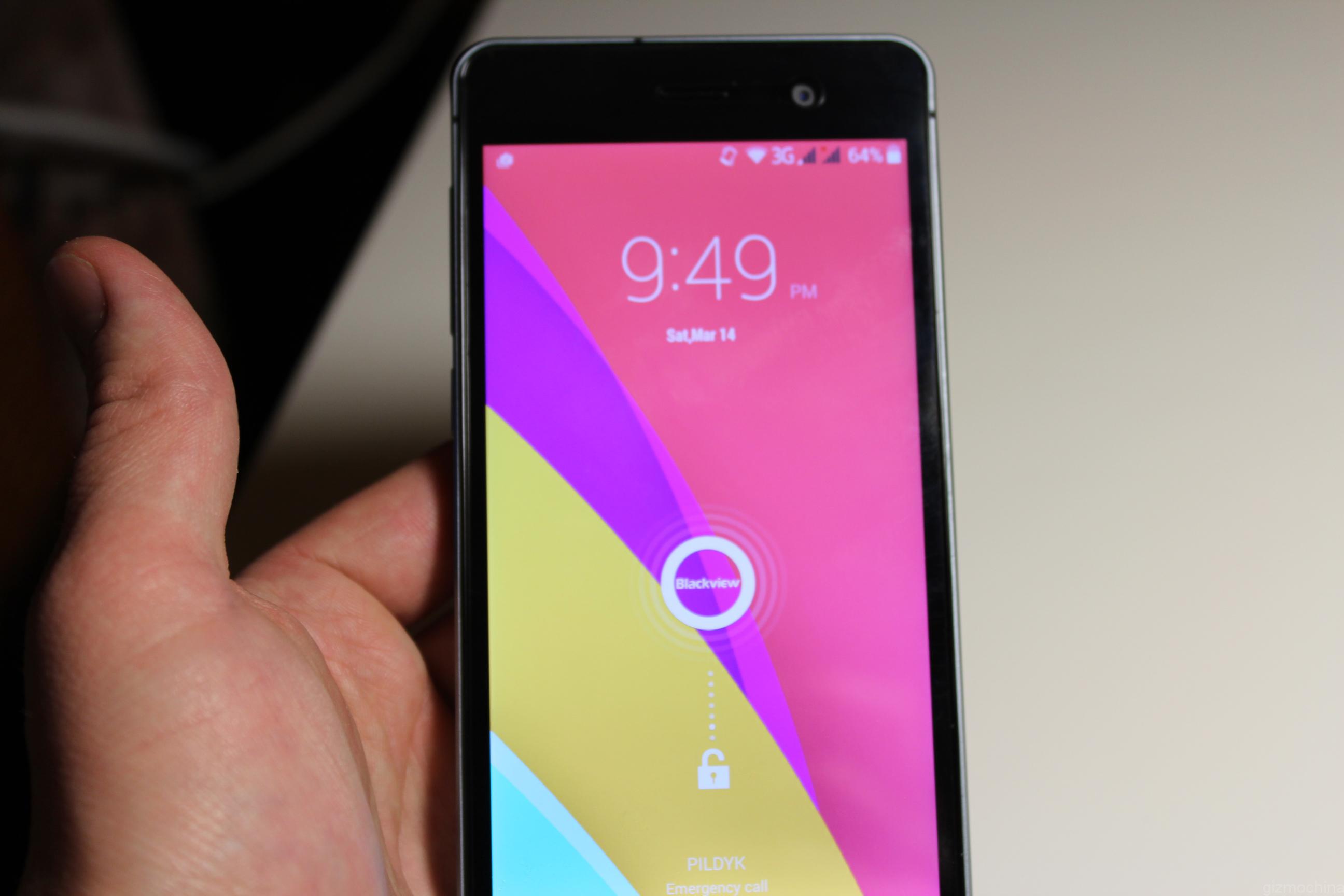
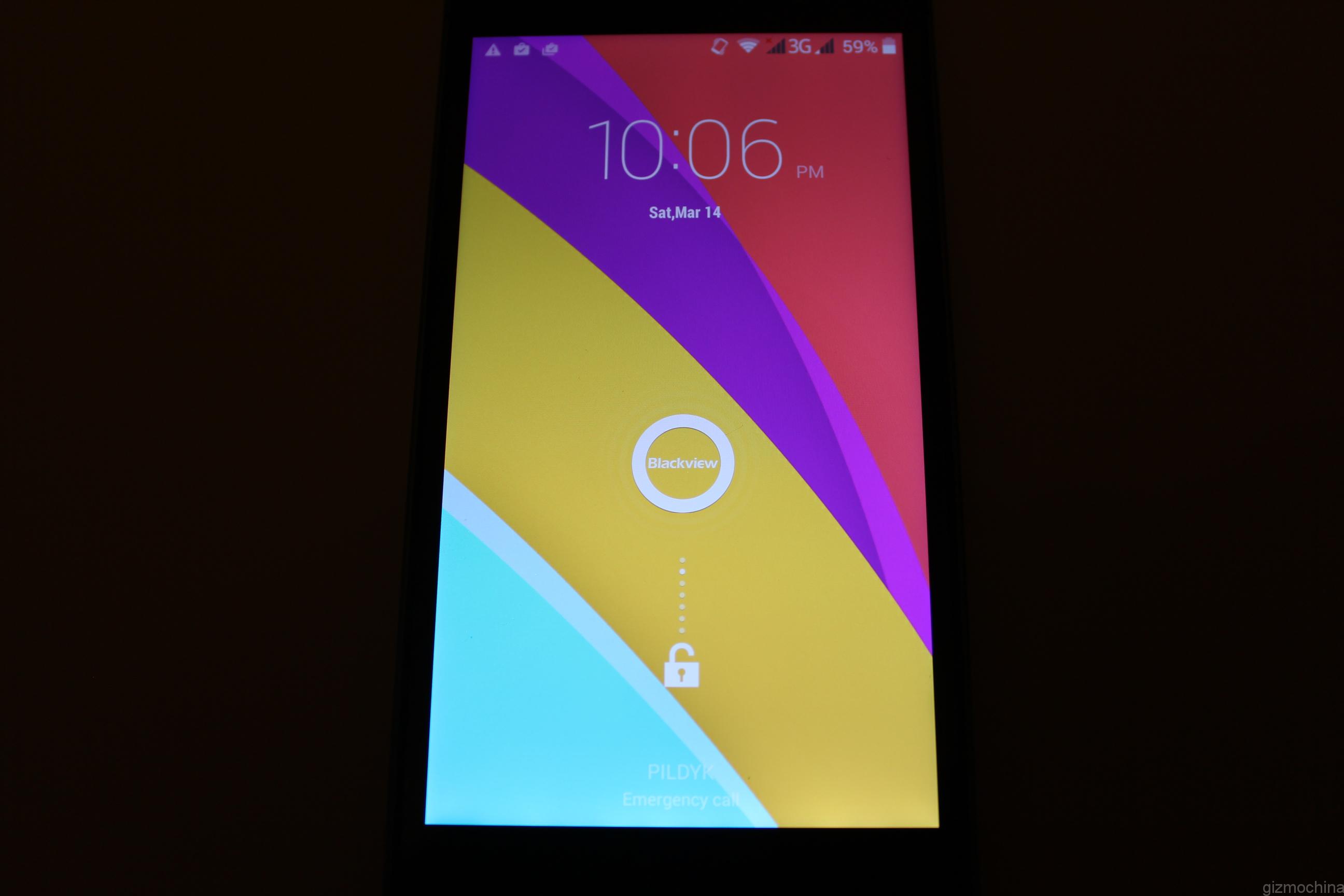
The Blackview Omega has the 5′ LCD panel, which has great colour reproduction, good contrast levels and decent viewing angles. Also, it can bright, but we’ve seen brighter panels on other devices. Still, it is bright enough to make it viewable outdoors.
All in all, both devices have great displays. We agree that Ulefone Be Pro has only 720p panel, but the difference is not that significant to the eye.
PERFORMANCE
Ulefone Be Pro
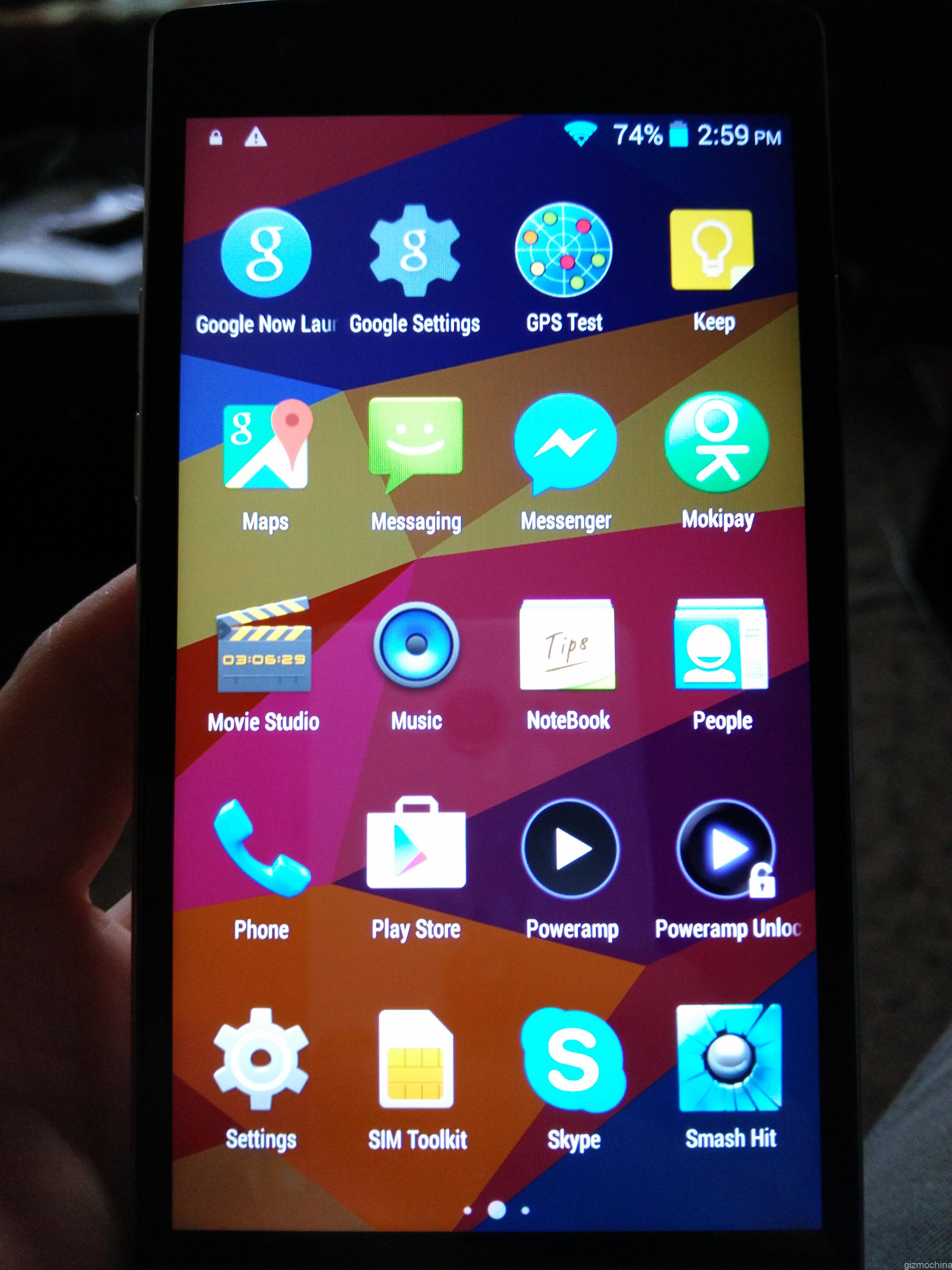
The UI is very light and it runs Android 4.4 Kitkat. The Lolipop update should be released very soon. It is almost stock Android version and runs very smooth and fast, without any hiccups so far. The great thing is that I received a few software updates within one week (no Lolipop yet, though), but it sounds very promising as Ulefone seems to care about software upgrades and improvements.
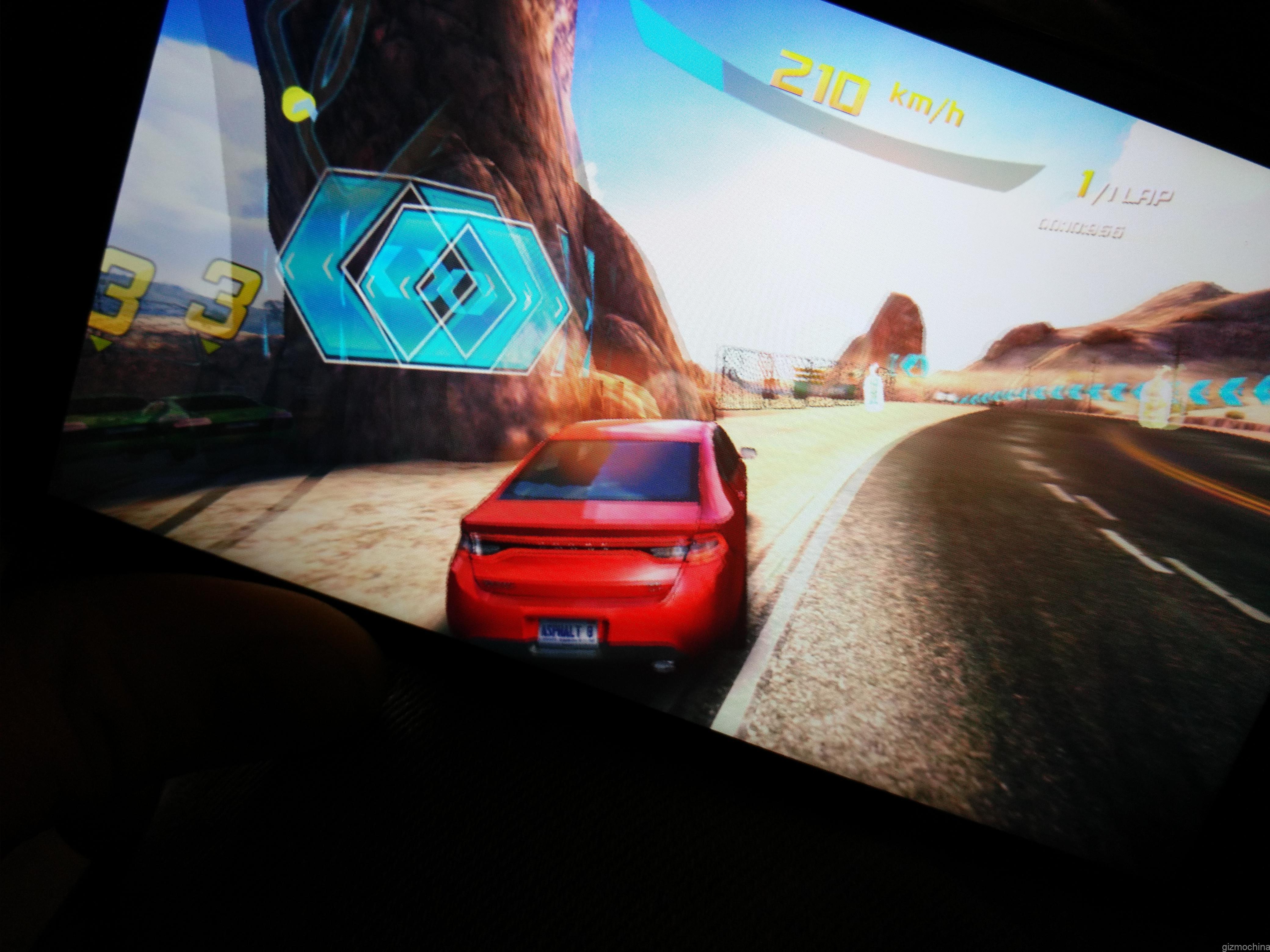
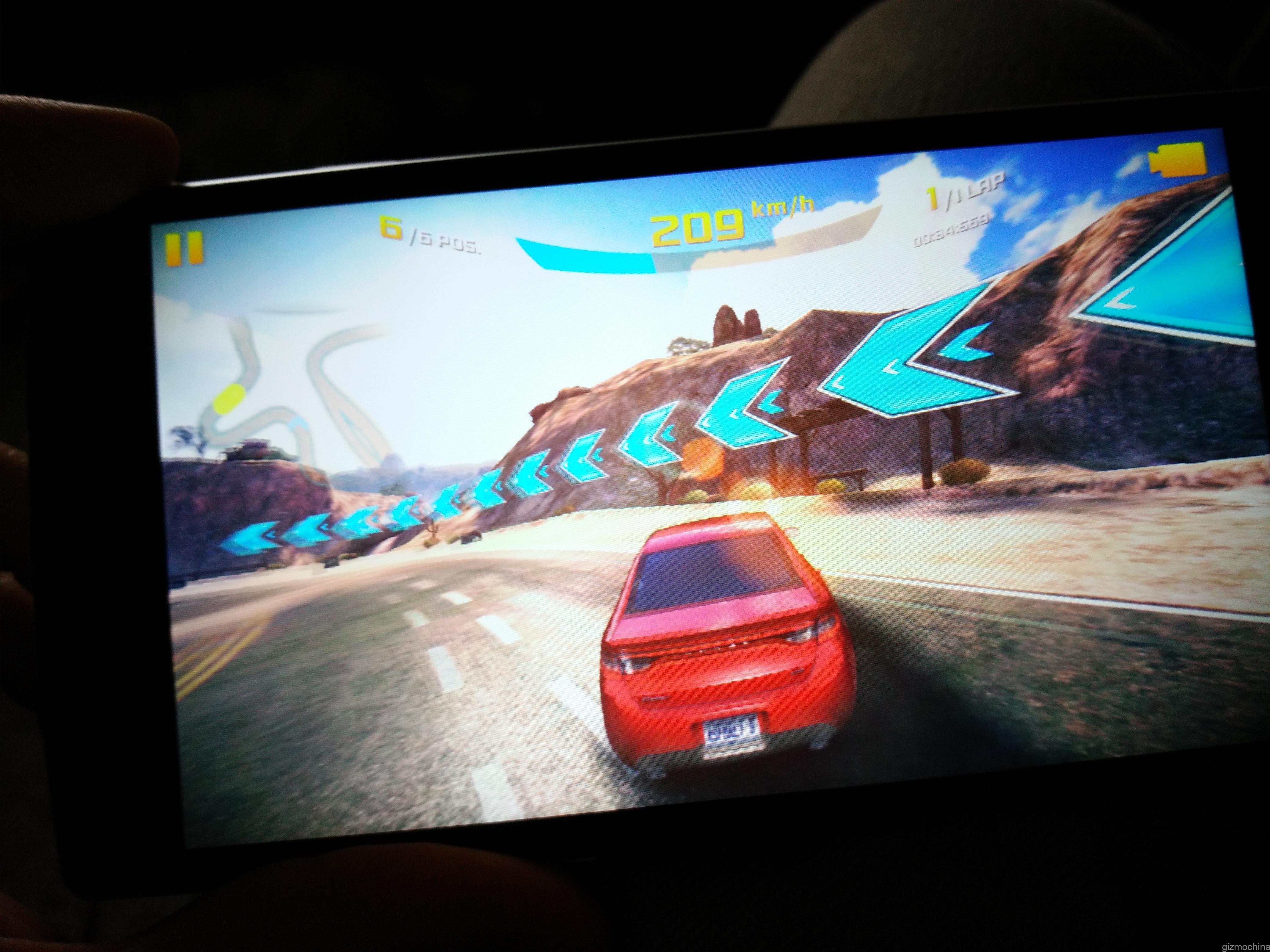
The performance of the Ulefone Be Pro is really solid. The phone is being powered by MTK6732 SoC which has 4 A53 cores clocked at 1.5 GHz and backed by 2GB of RAM. Combine that with an almost stock build of Android and you get a smooth and fast experience. Graphically intensive games seem to work really well thanks to the powerful Mali T760, also having an only 720p display means there aren’t that many pixels to push around. I had no problems playing Asphalt 8 or any game other game I threw at it. Browsing the web seemed smooth and the web pages loaded fast. The GPS performance is very good and it locks on relatively fast and it seems to hold the signal as well.
Blackview Omega
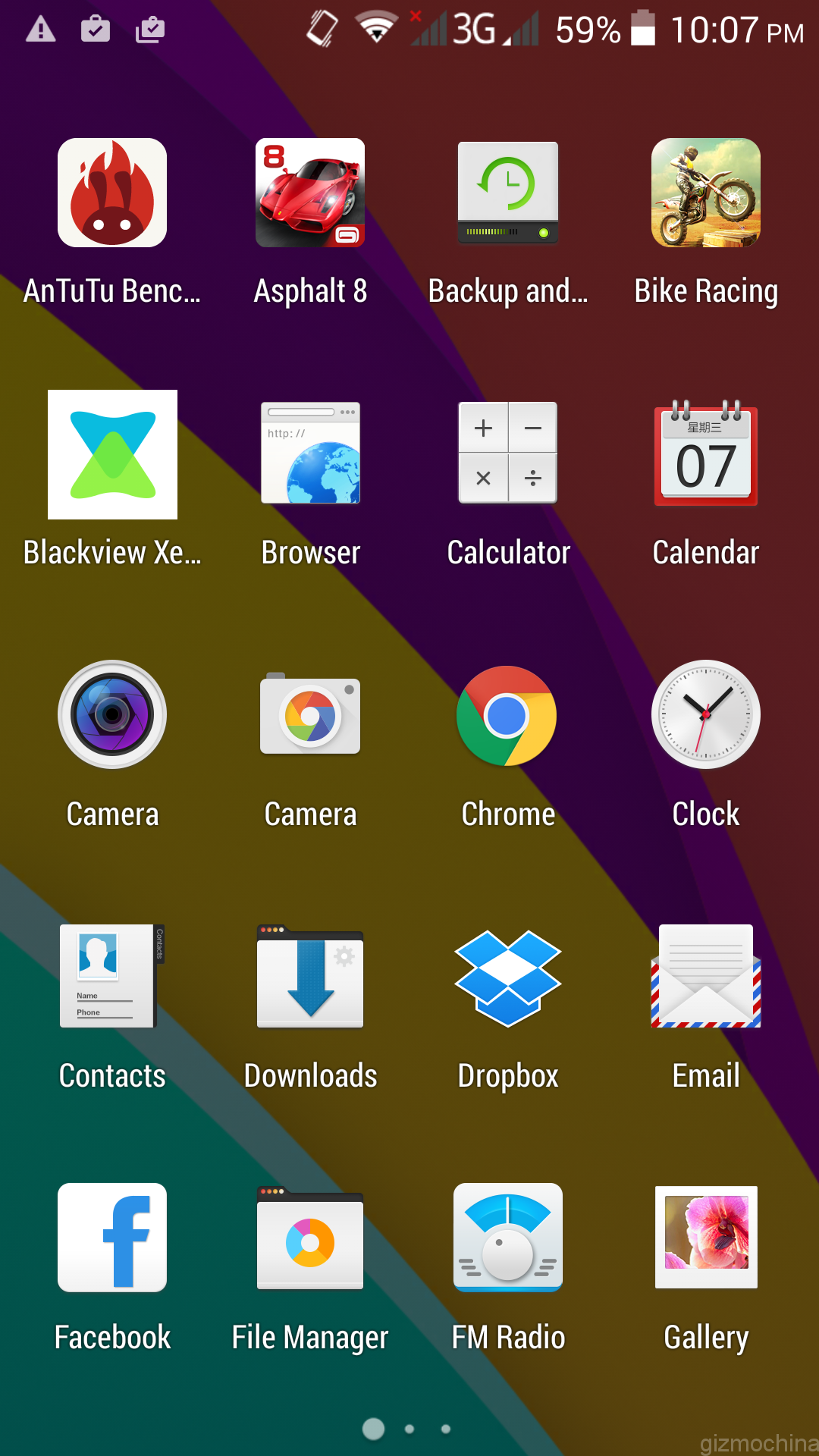
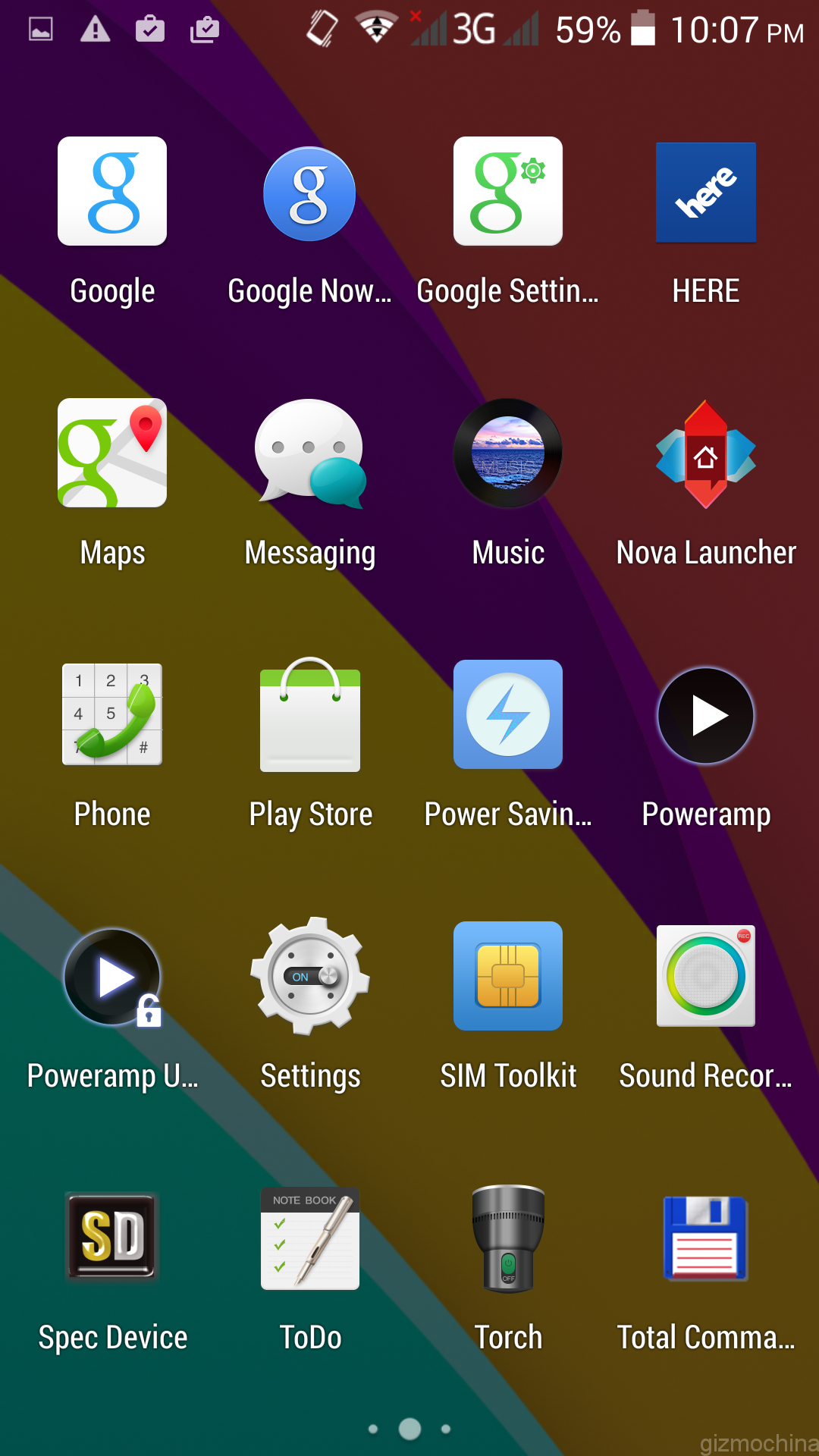
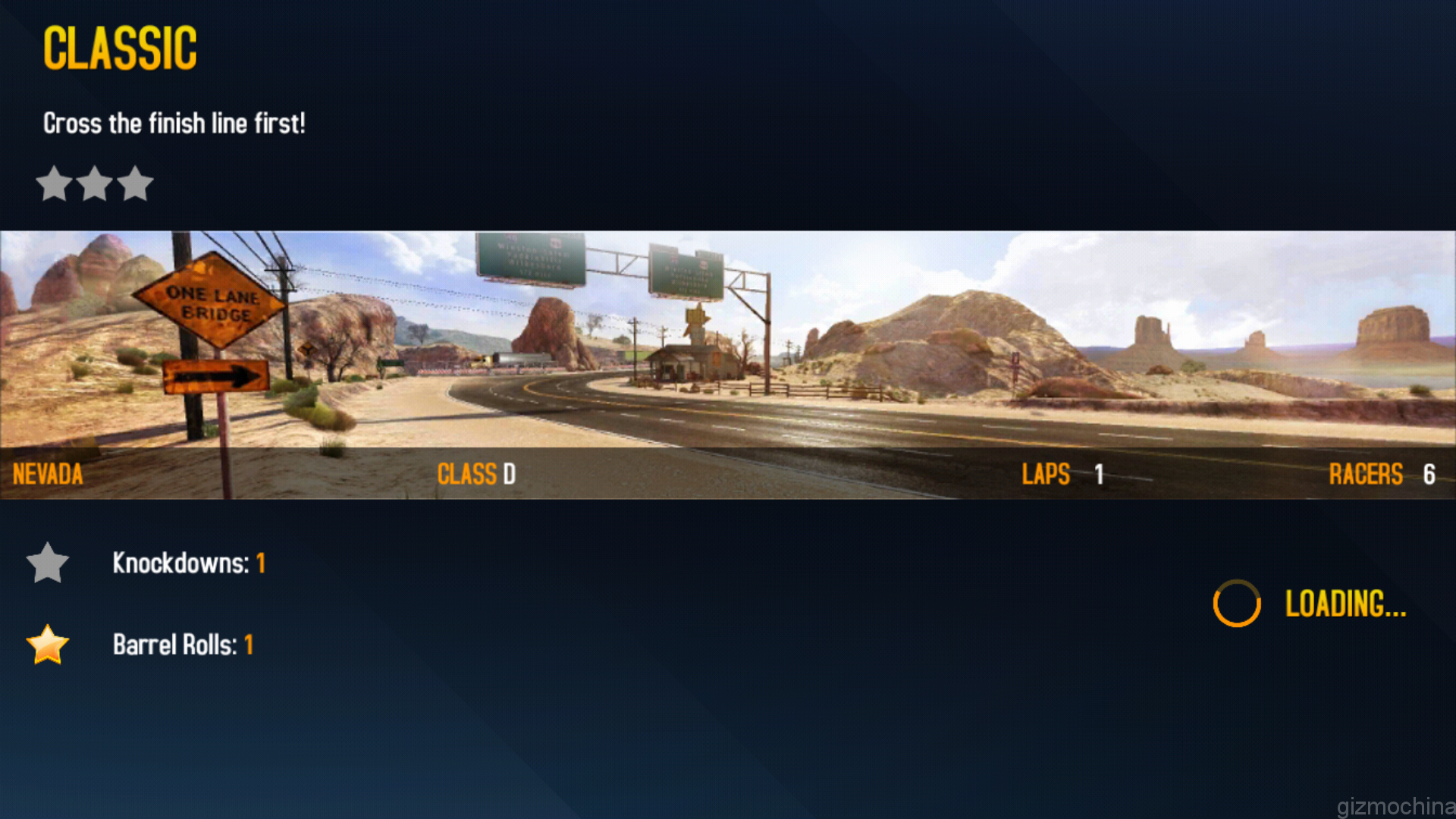
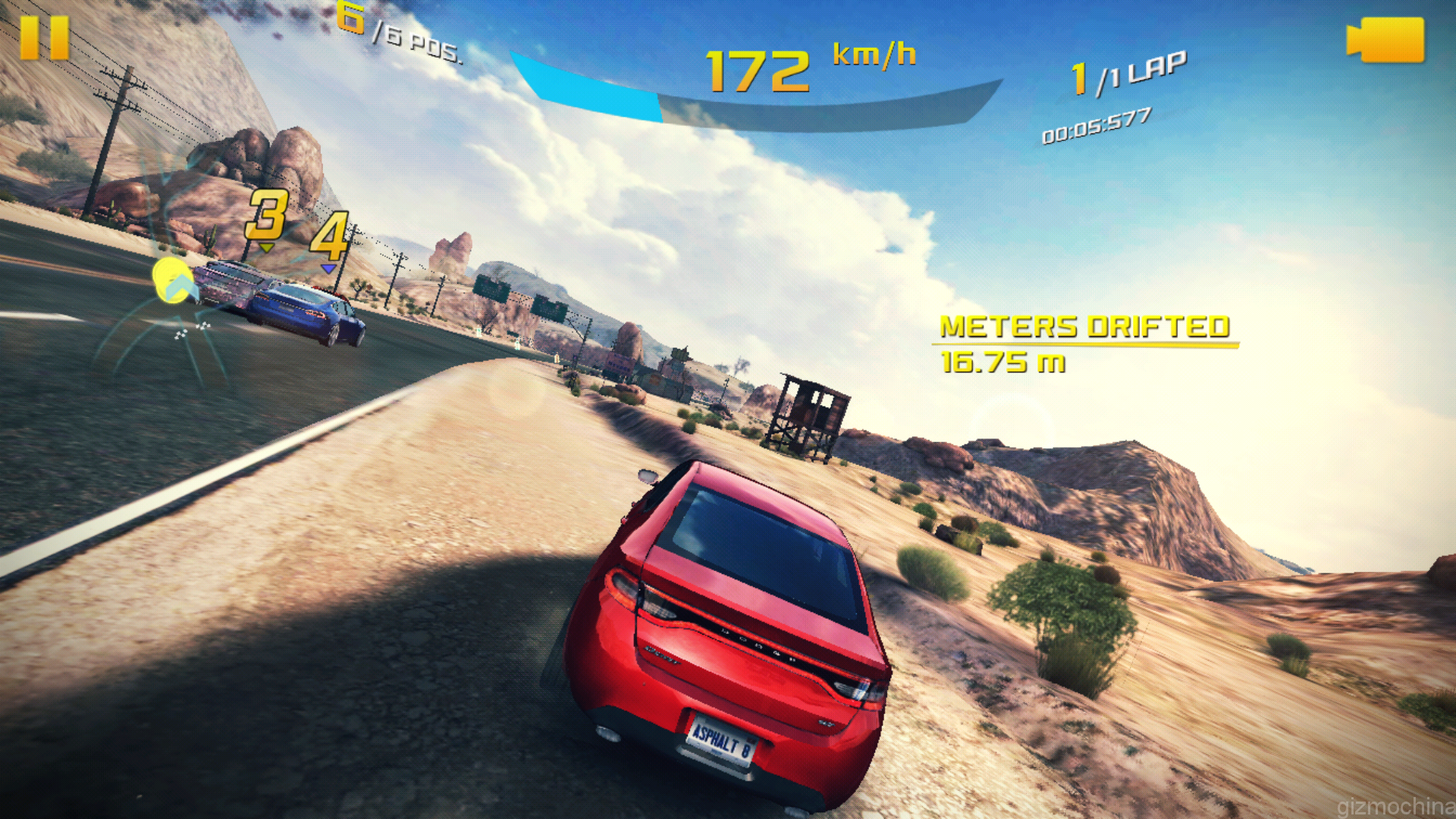
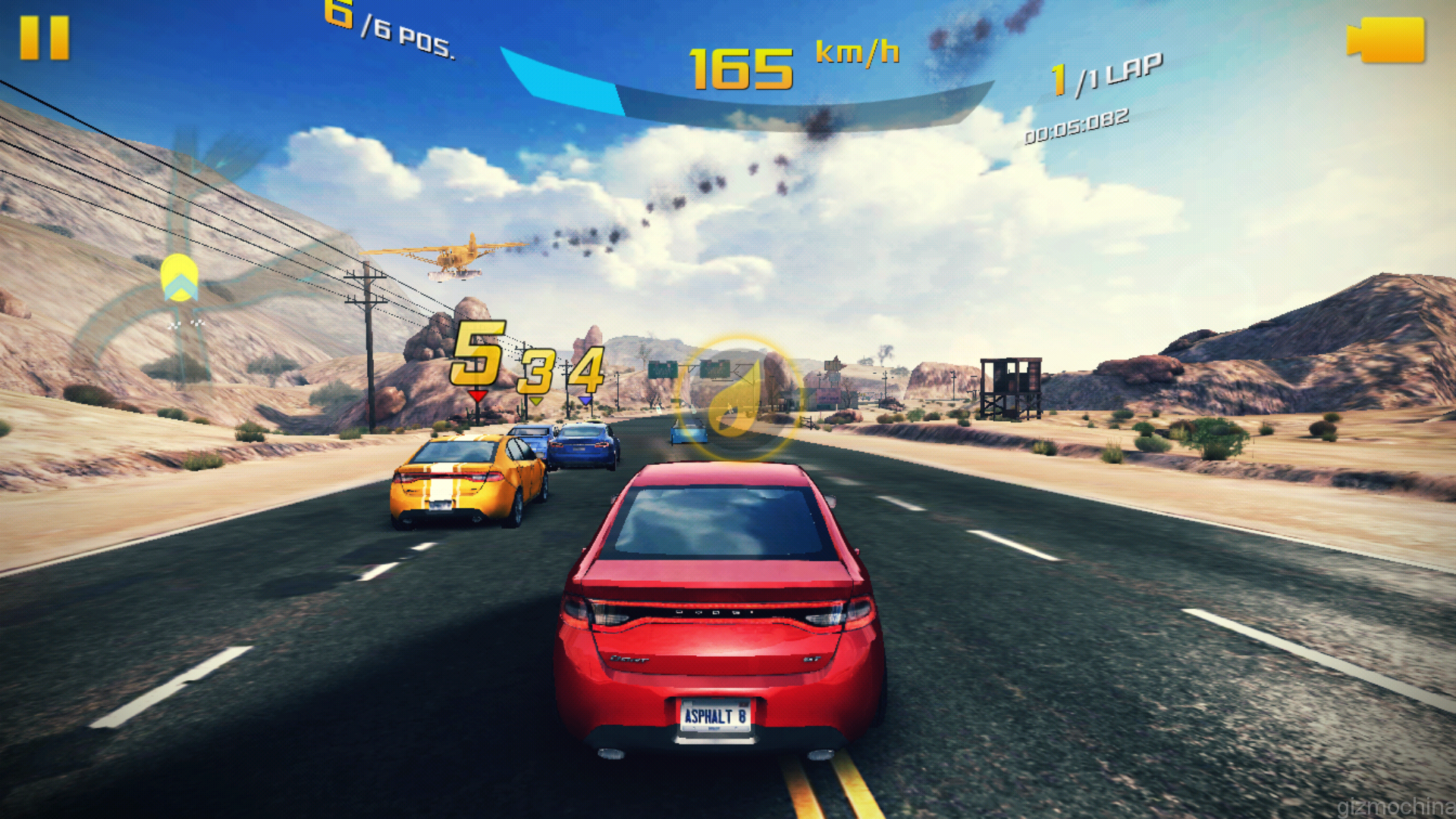
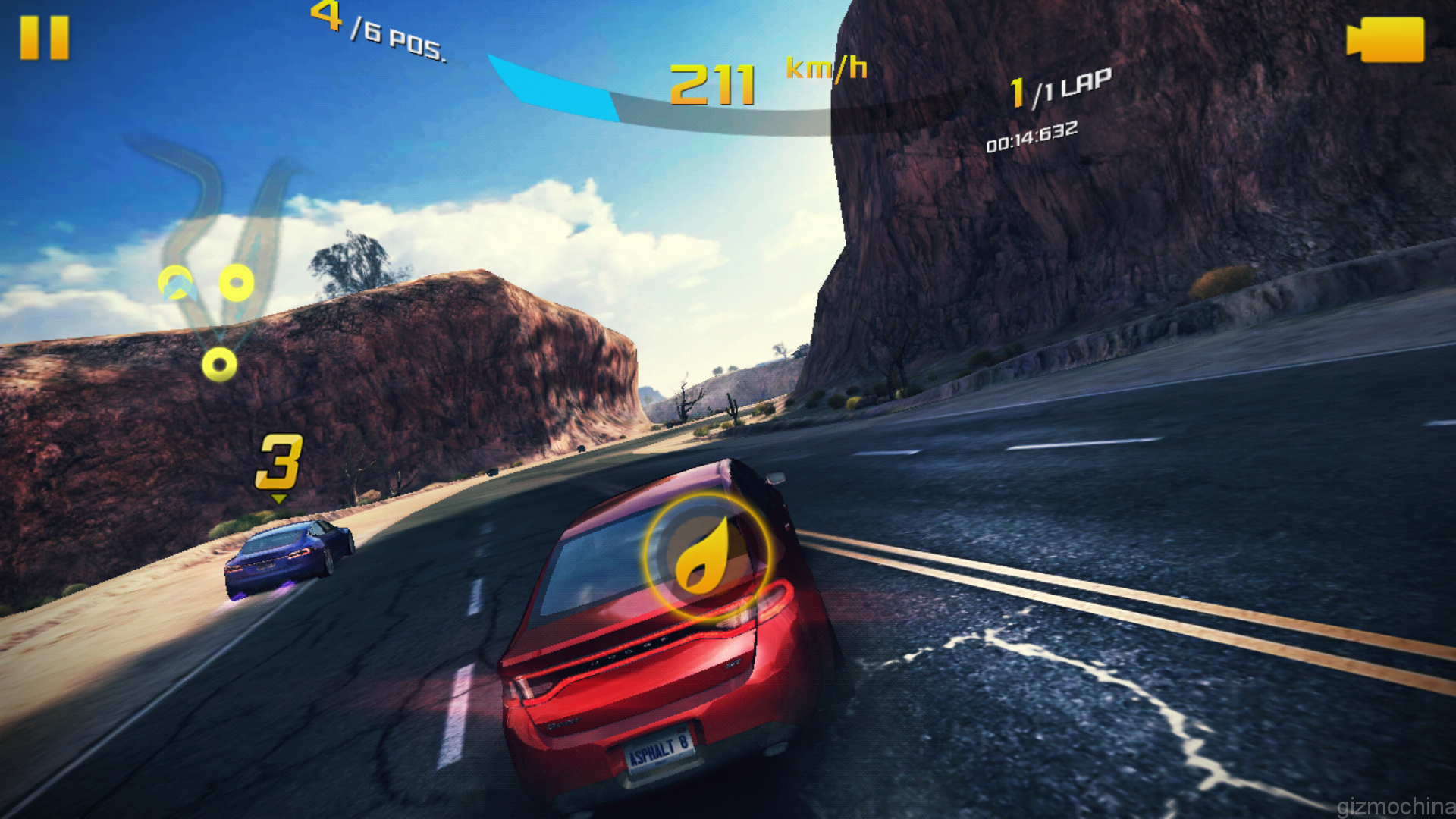
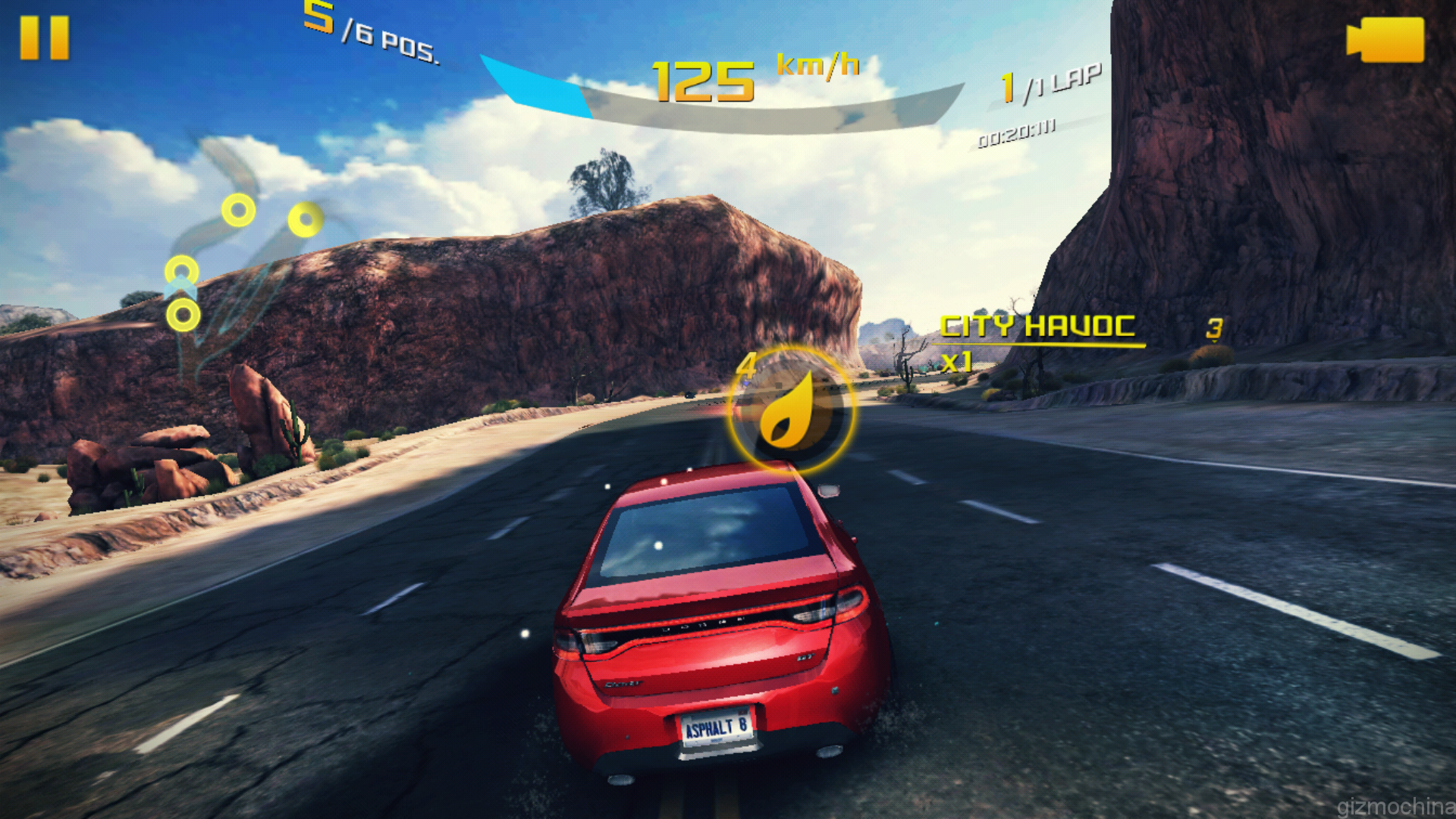
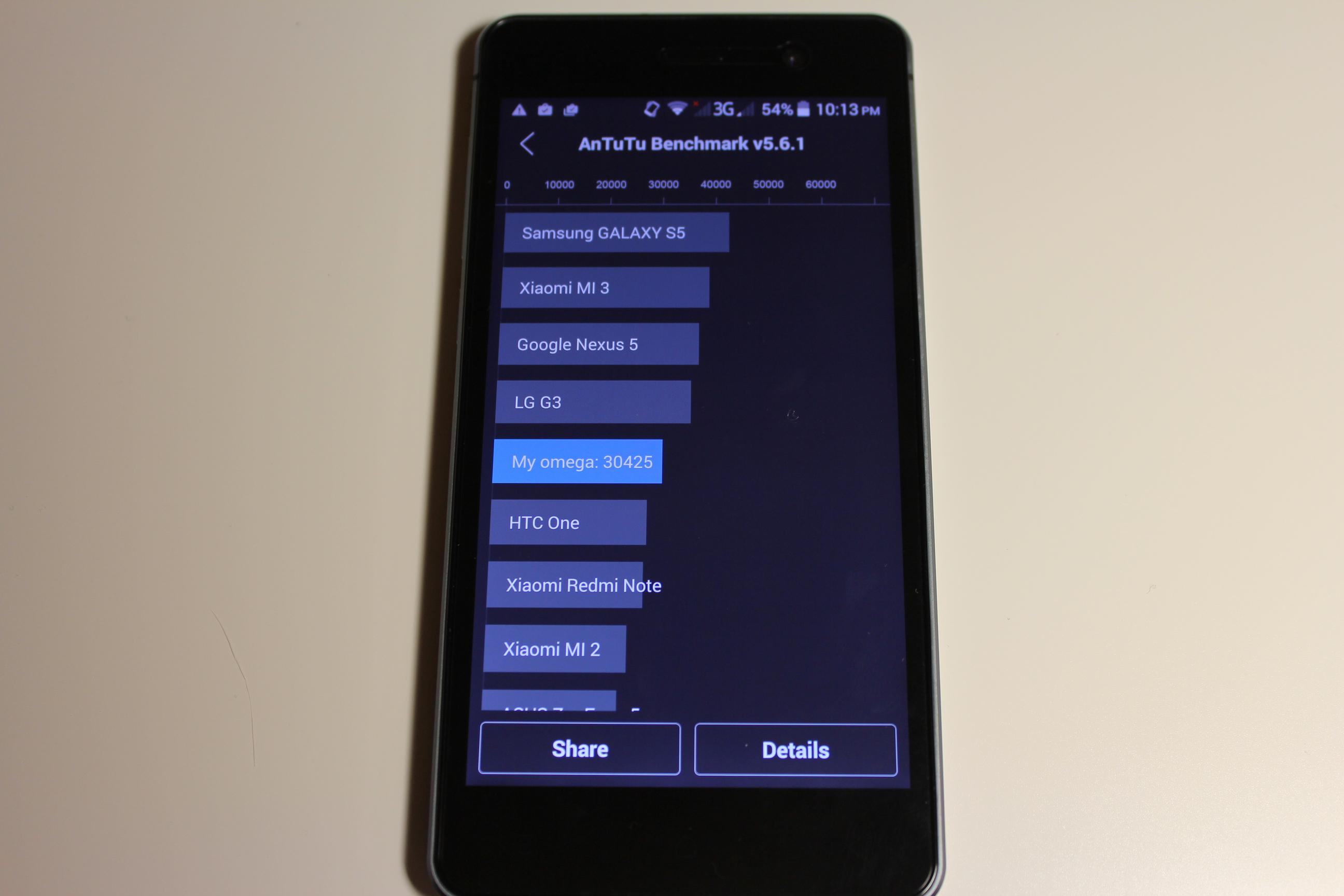
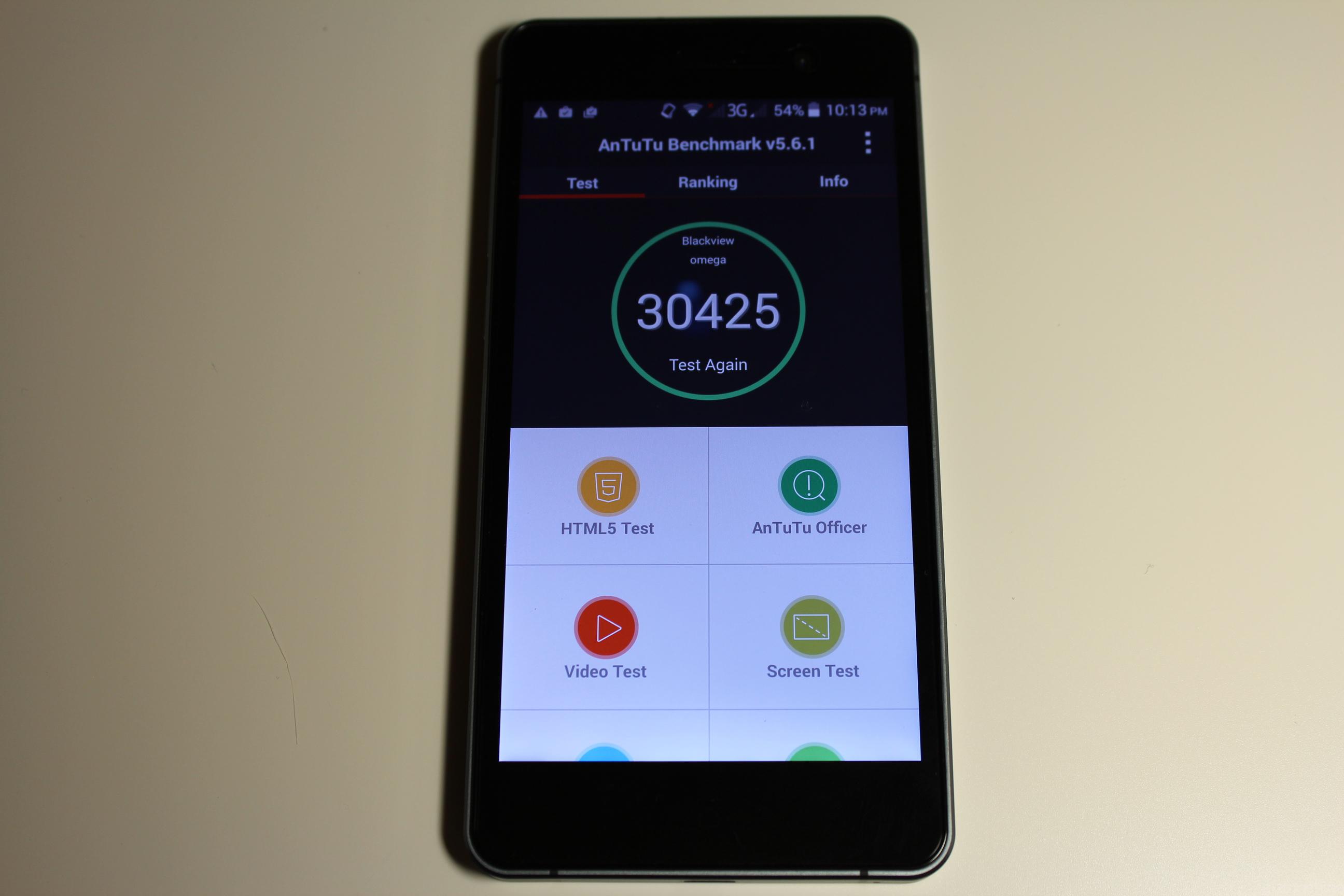
The device spots an MTK6592 Octa Core 1.7GHz chip inside along with the 2GB RAM and 16GB of storage. The graphics are handled by Mali-450MP GPU.
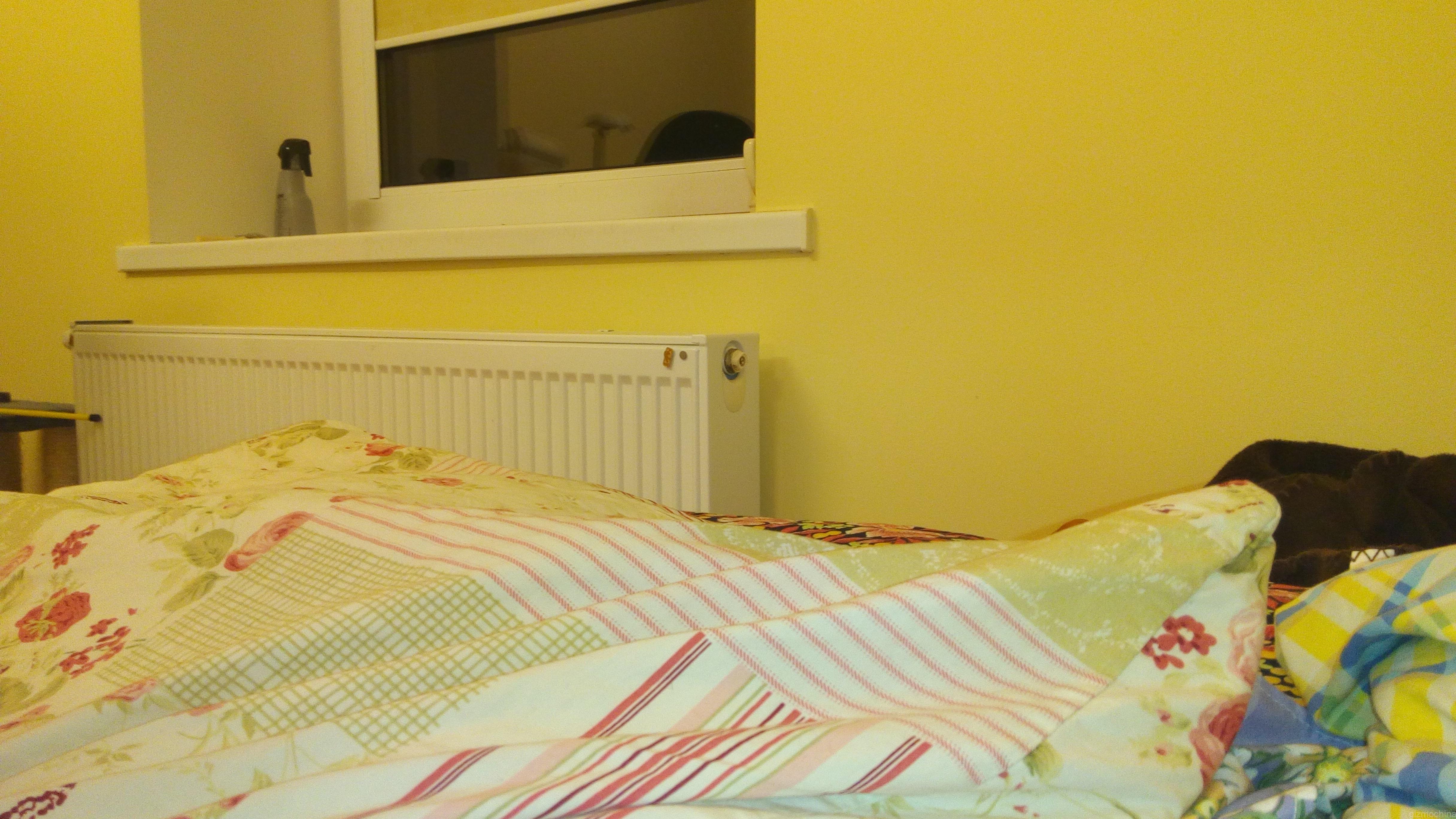

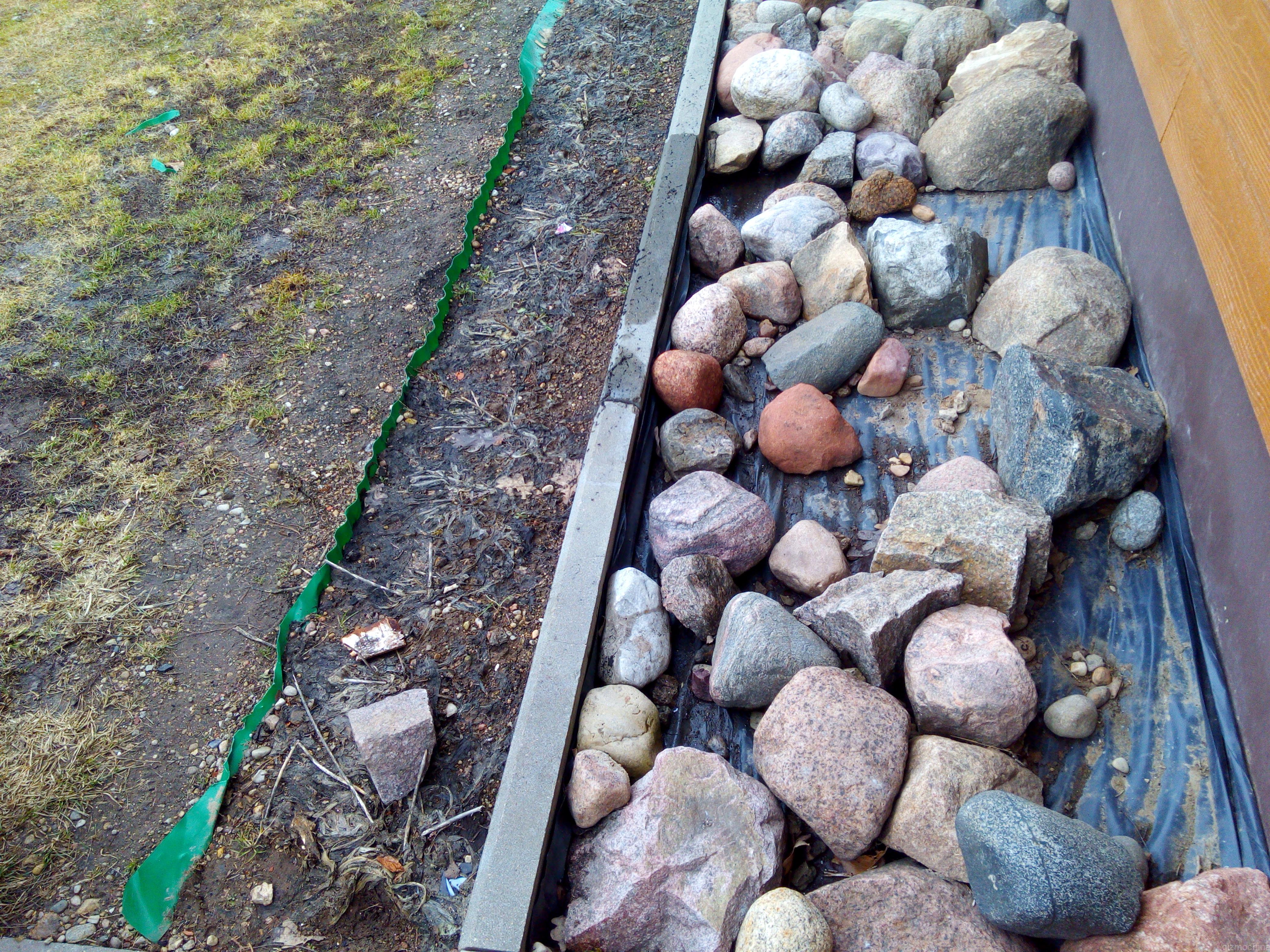
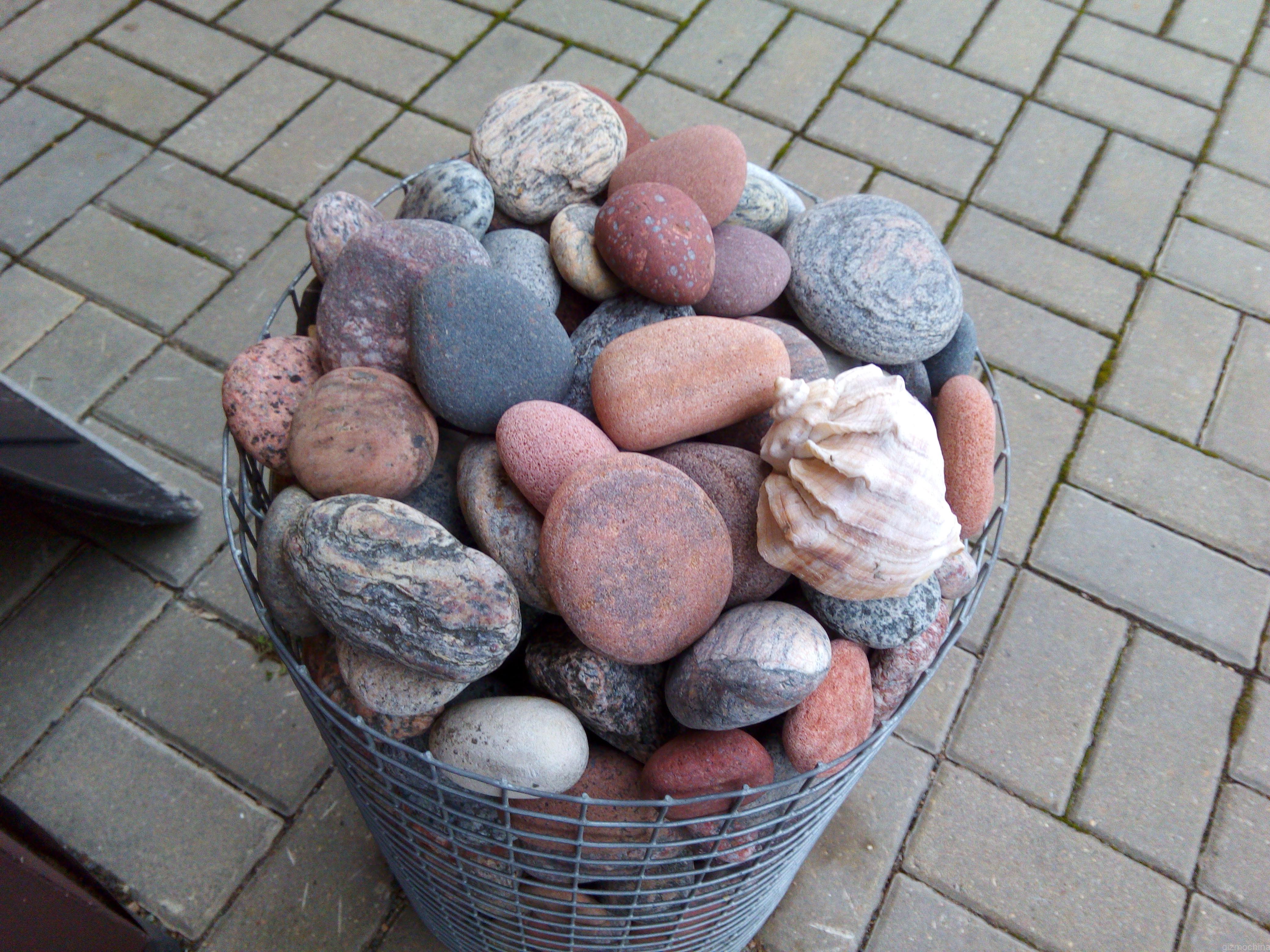




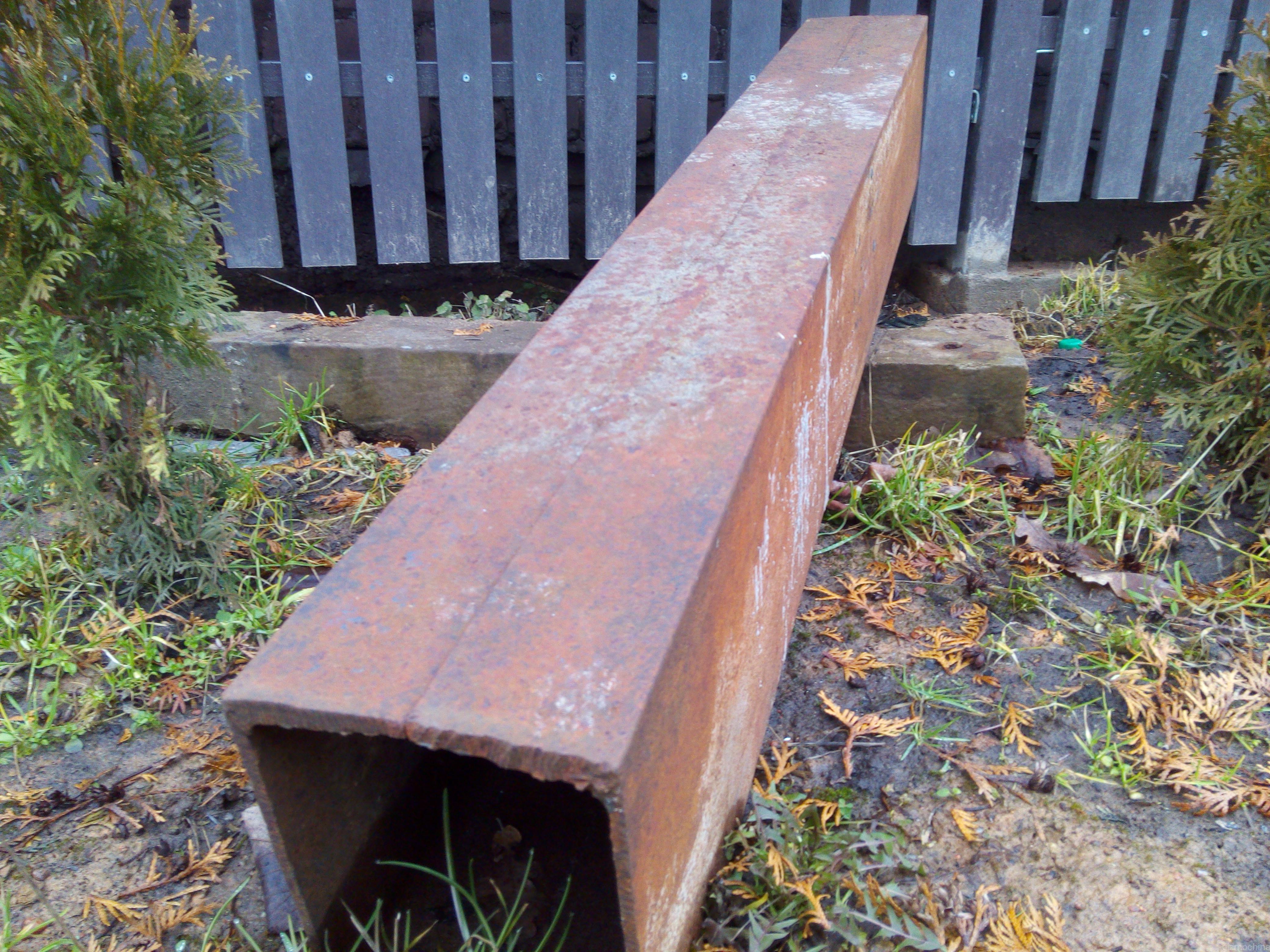

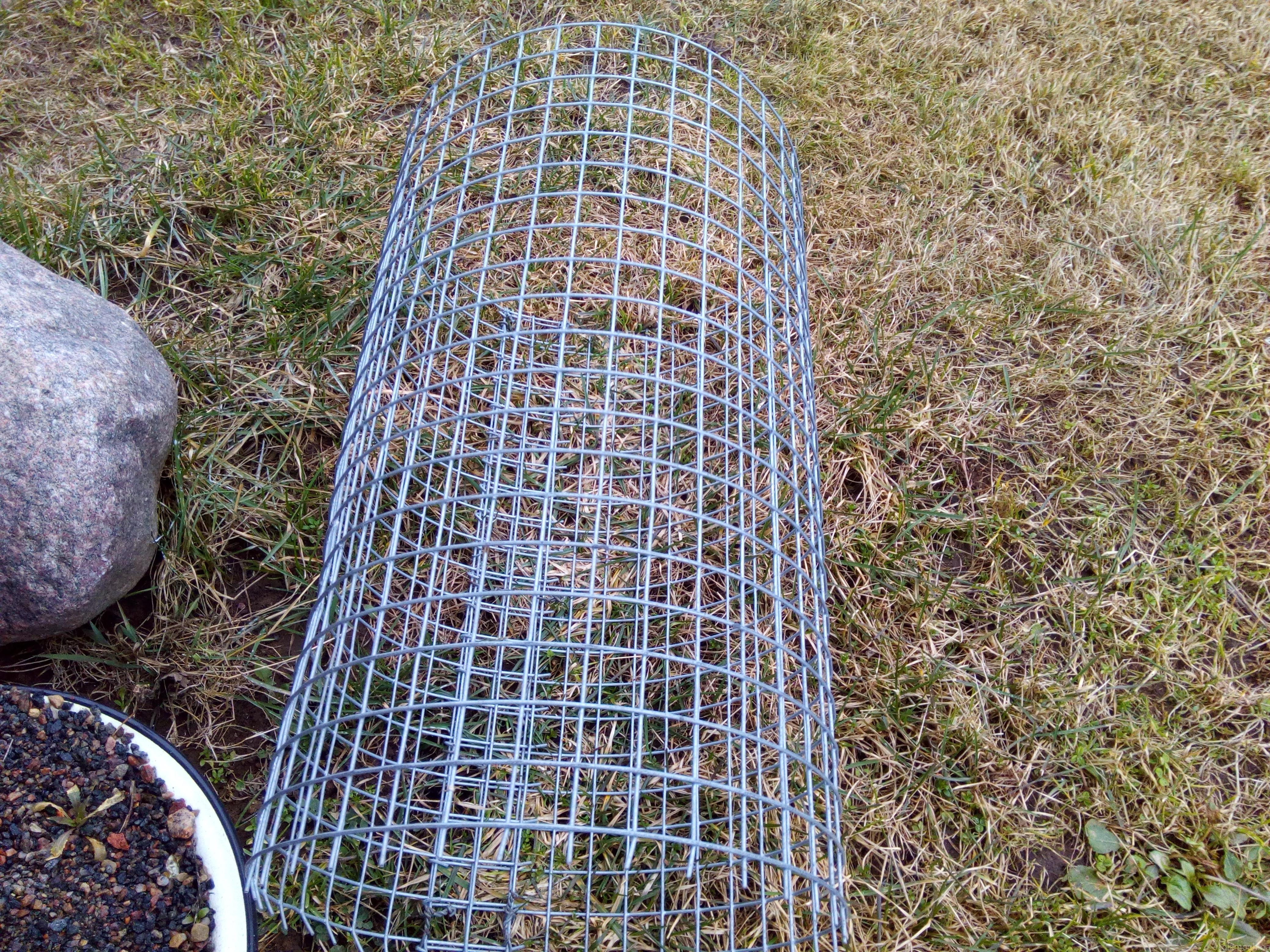
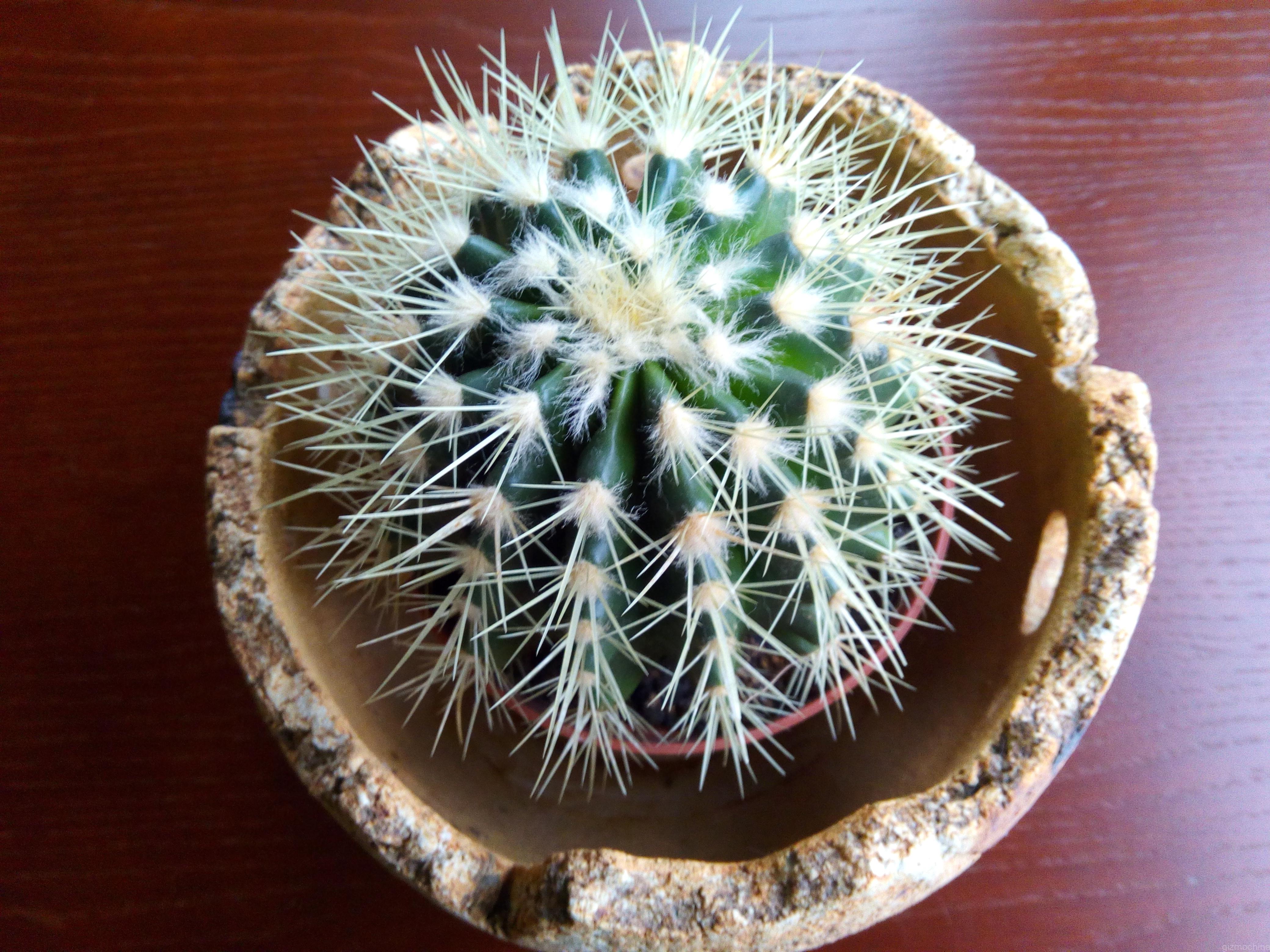
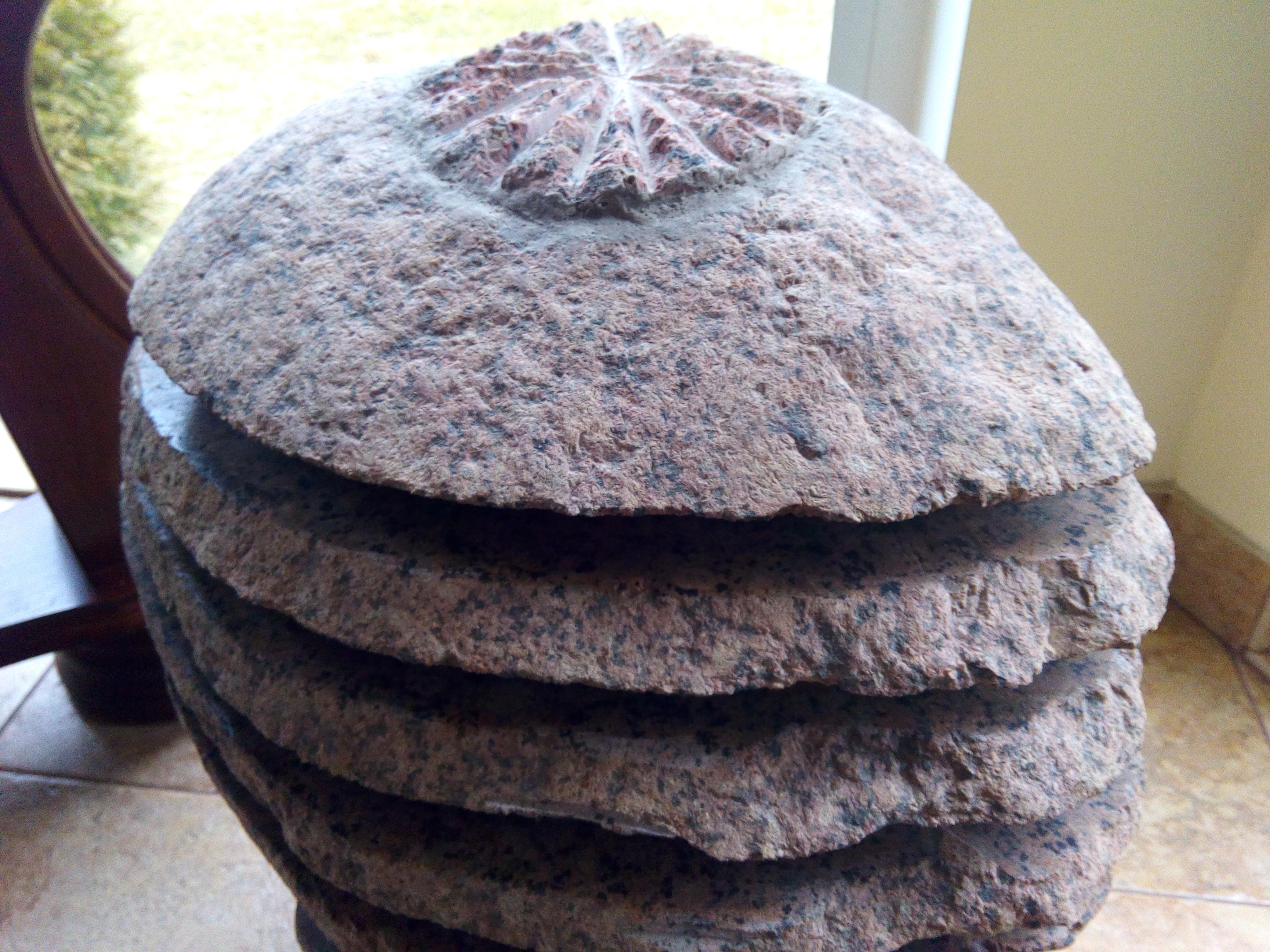



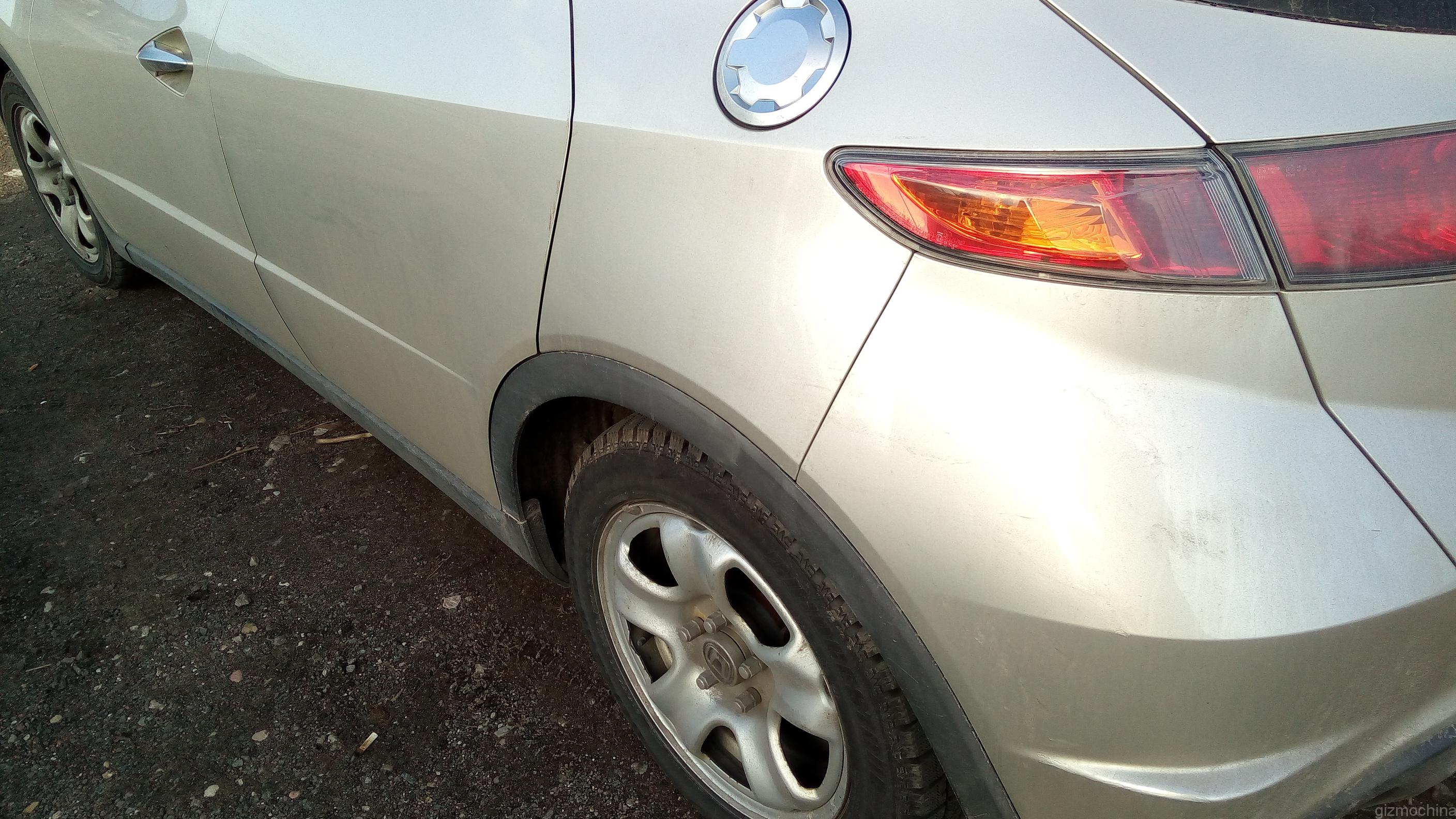
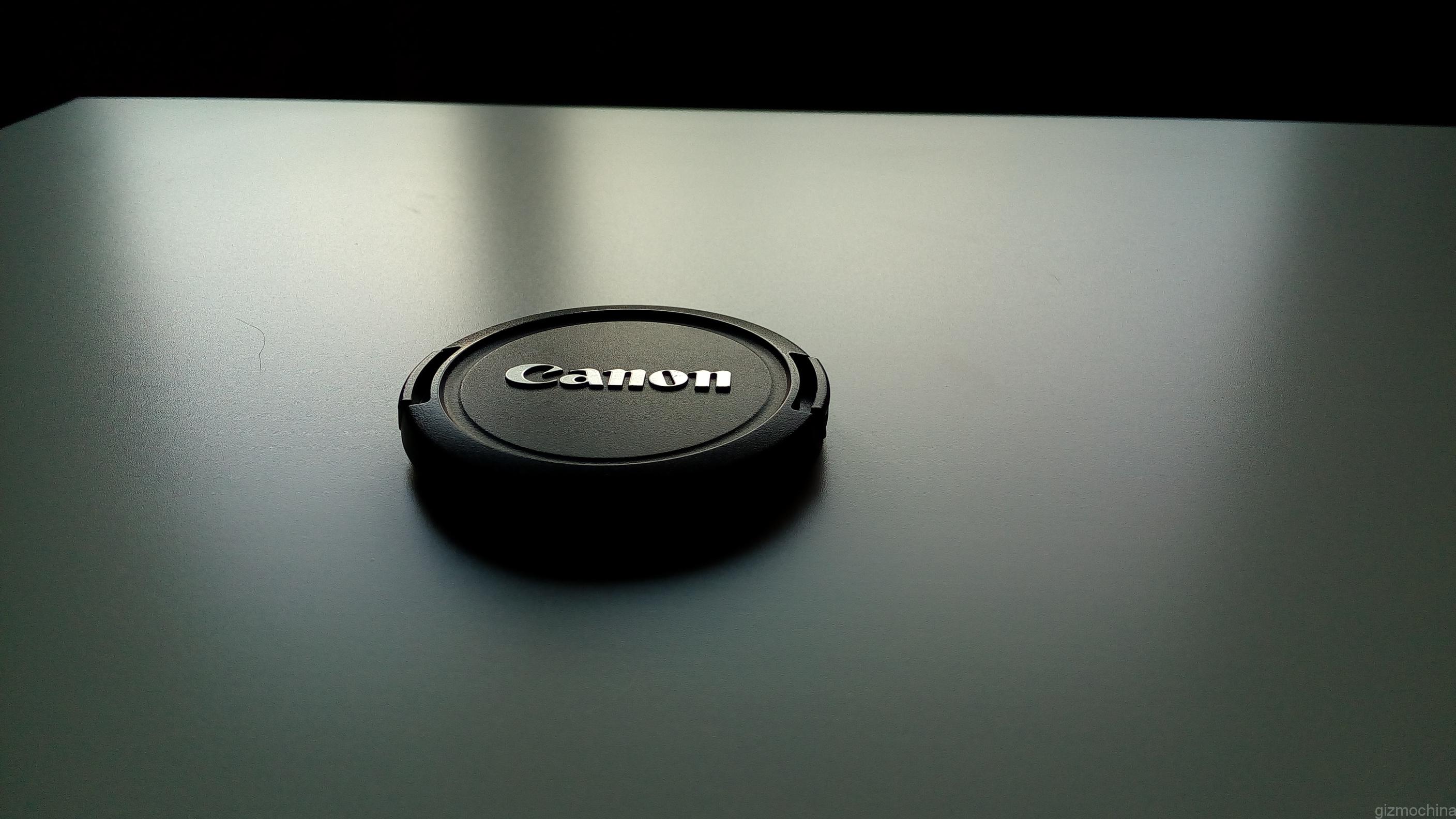
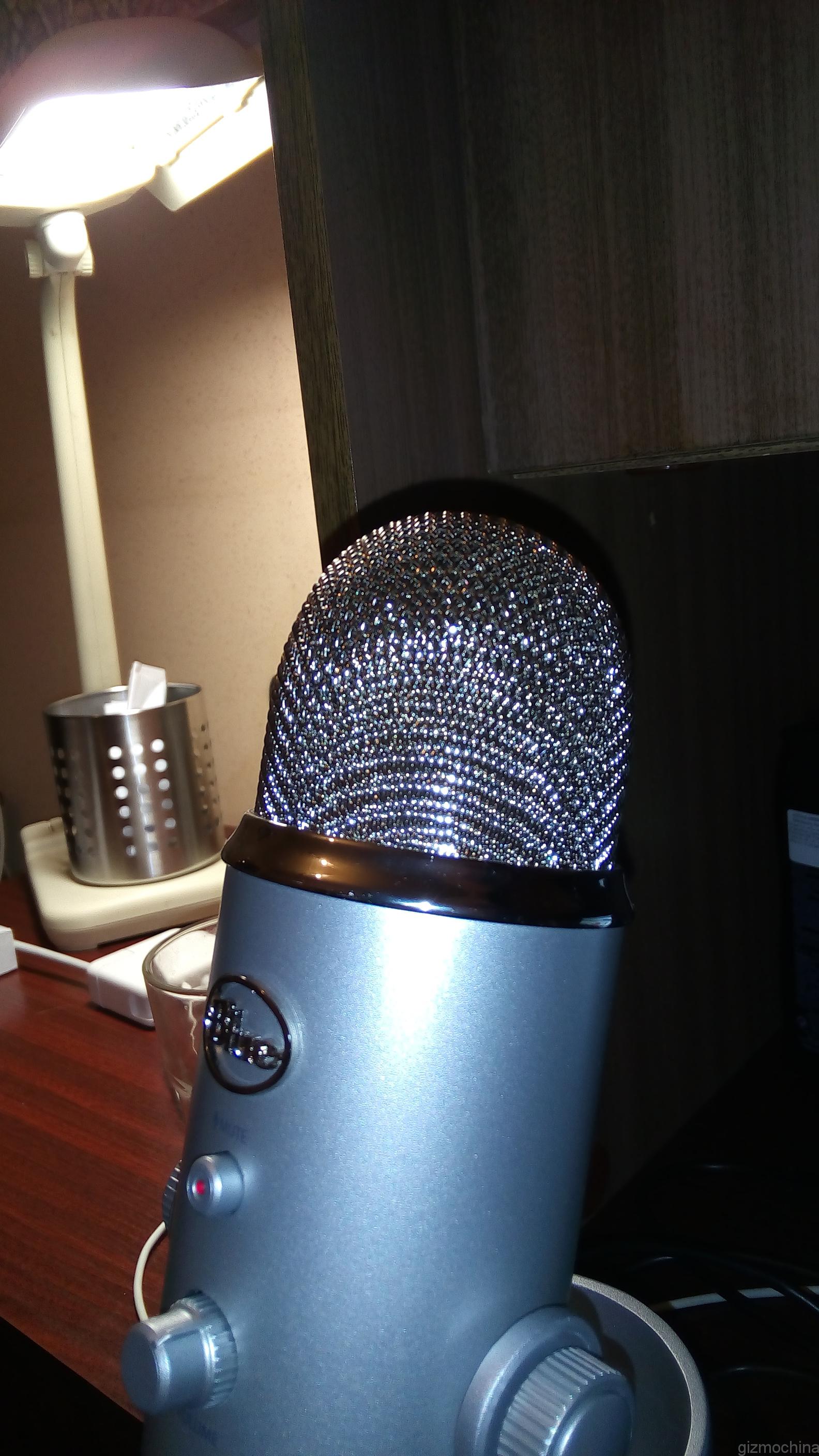
As far as the picture quality, it is a bit interesting, because once you take the picture and look at it on the smartphone, it looks that the quality is just about average. However, once you look at the same pictures on the computer screen, their quality is actually very good. First, I didn’t expect much from the camera, but the pictures have plenty of detail, they look sharp and the colour reproduction is very natural.
The front facer is perfect for all of you selfie lovers since with the 8MP sensor it will capture probably as much detail as you want and perhaps even more. The camera app does come with a few additional features that aren’t found on a stock Android phone.
Blackview Omega

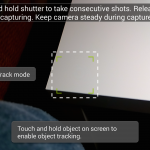
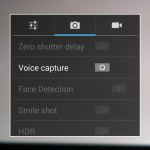
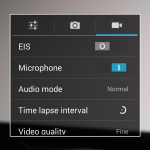
Camera app has some basic functions you would find on many Android devices. The app is fairly simple and you can adjust some general settings. Taking pictures and shooting videos is fast during the daylight, but it naturally becomes noticeably slower, when doing the same thing in low-light scenarios.