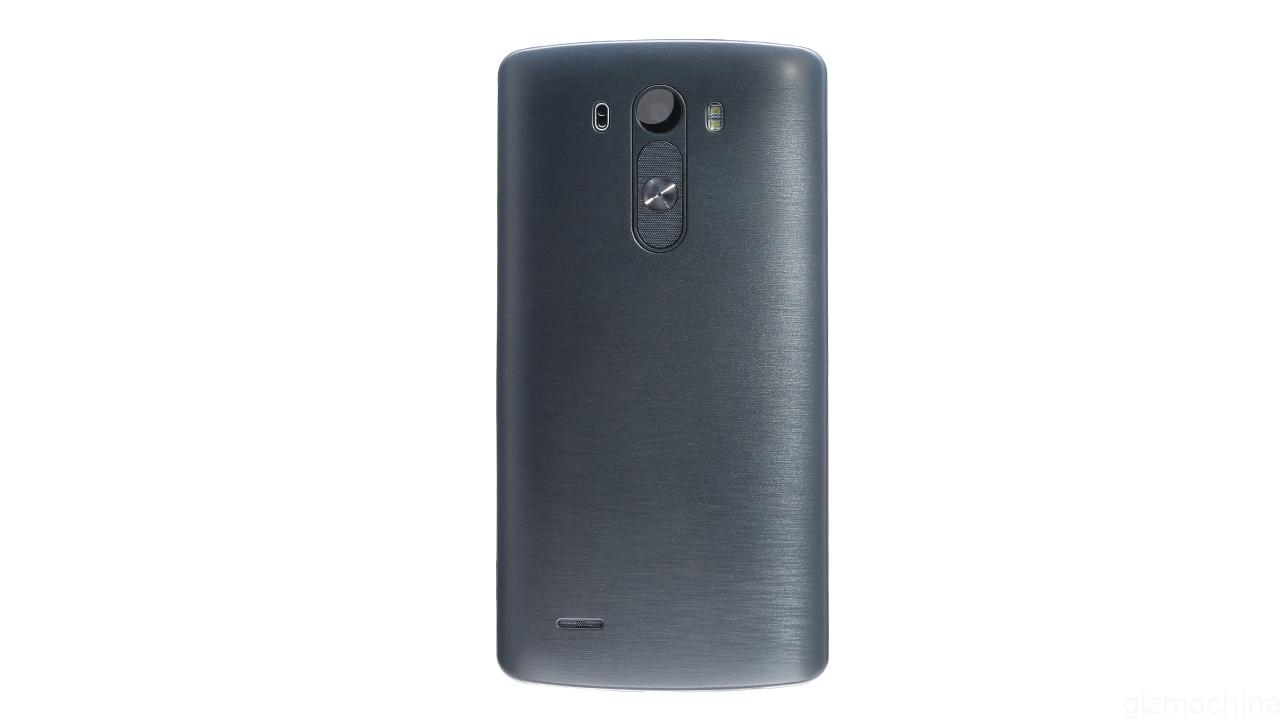
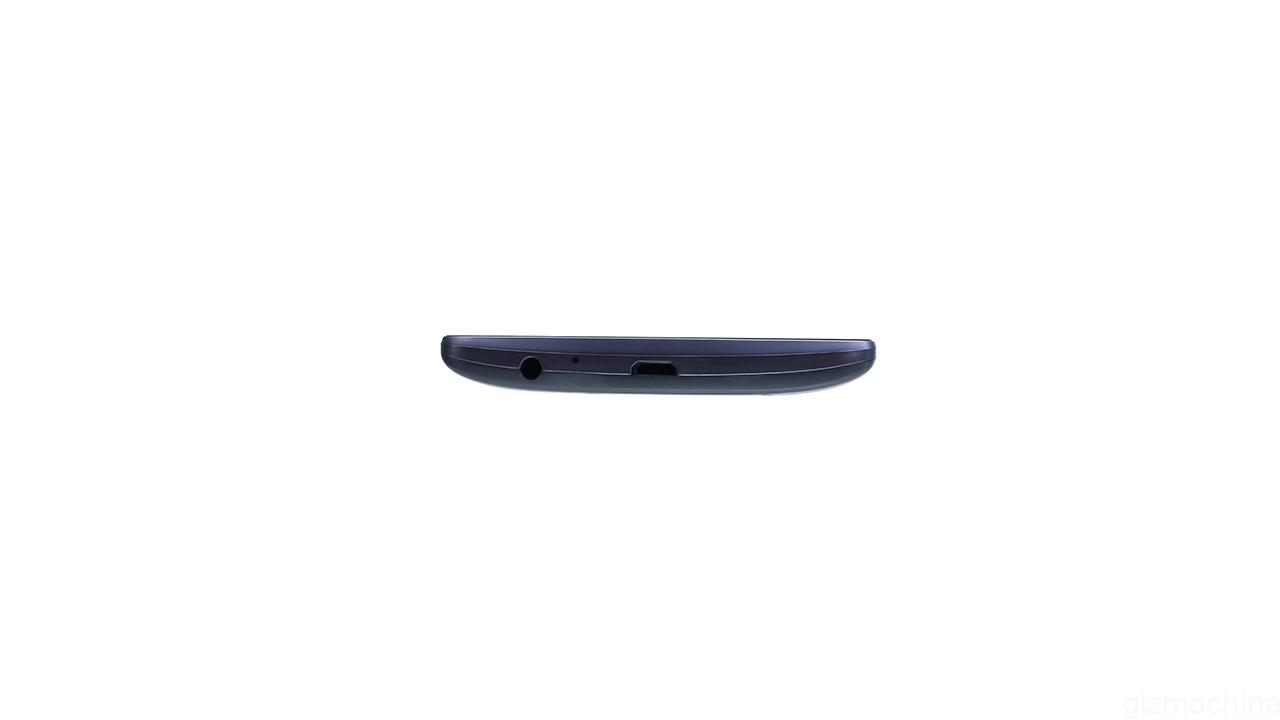
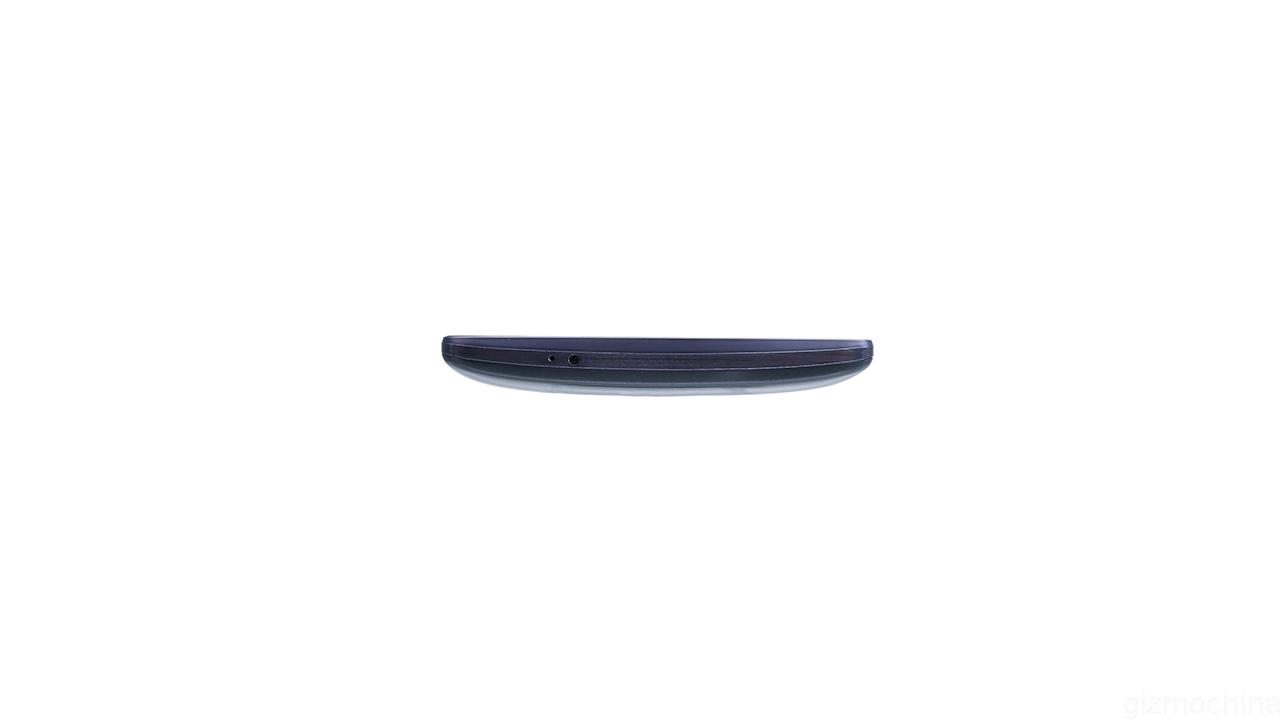
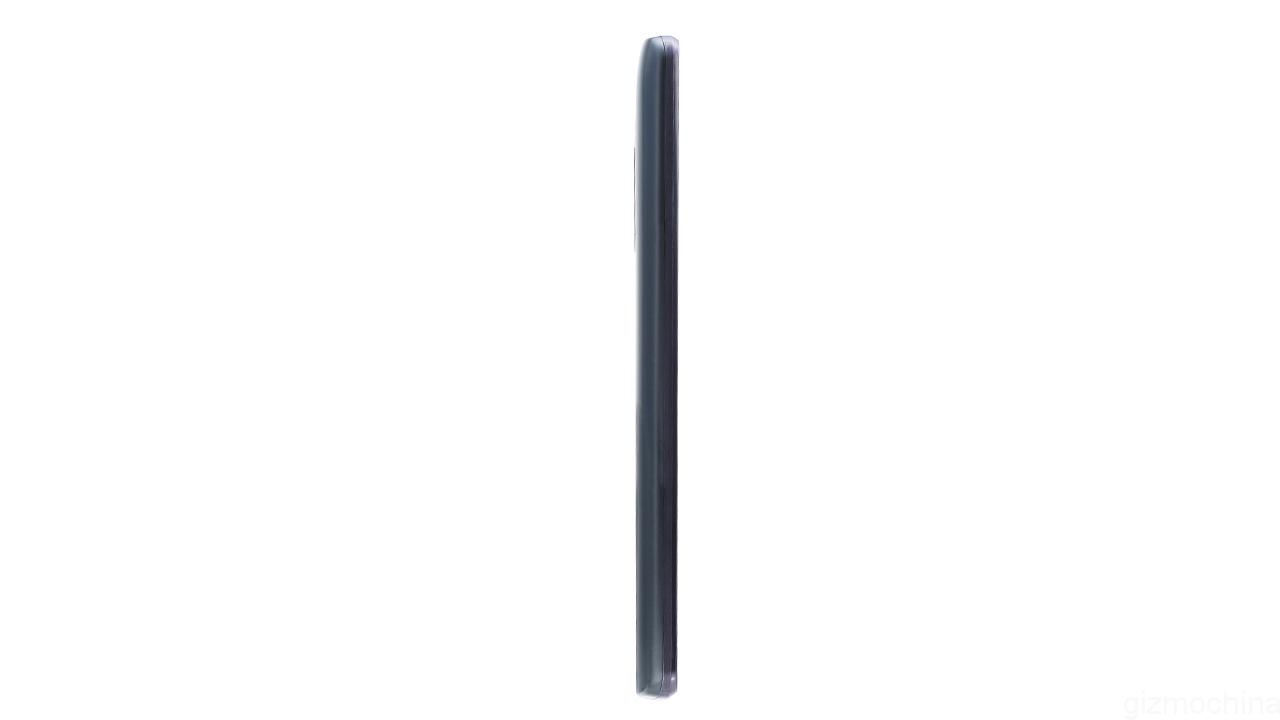
You may have heard of the company, Hasee, which is the second largest personal computer manufacturer in China. Like most tech giants, Hasee too entered the smartphone industry a few years back, but recently we have not heard much about the company’s smartphone releases.
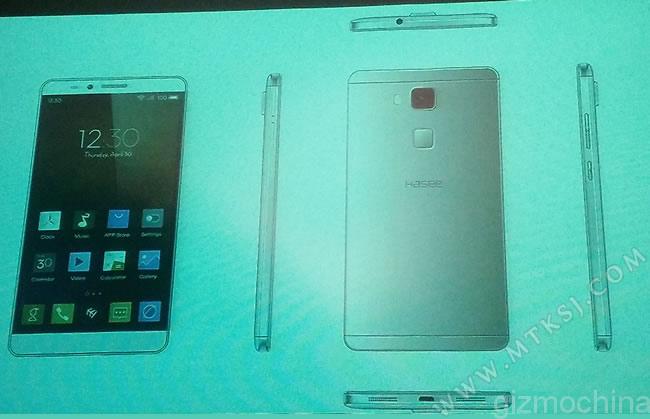
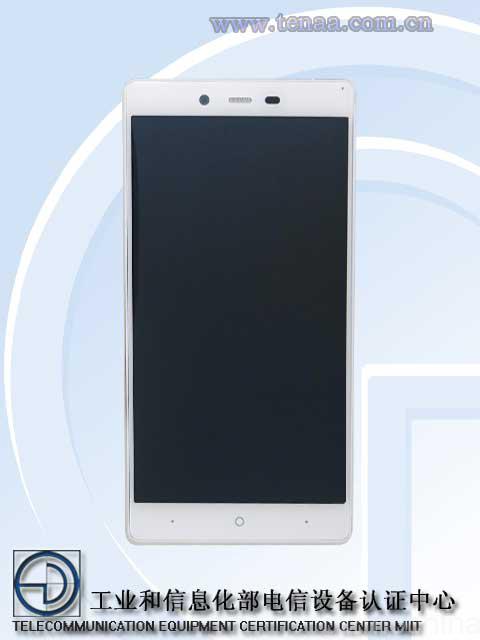
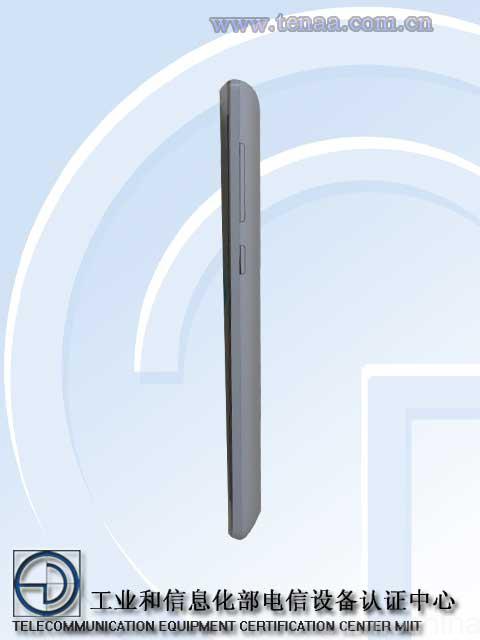
However, earlier today, spy photos of what looks to be a new Hasee device was leaked online. The device takes its design inspiration from Huawei’s Mate 7. In fact, its impressive to see that the screen to body ratio is low, thanks to its slim bezels. The device looks large, so it could feature a 6-inch display as the Mate 7.
At the back, there is the camera unit, Hasee logo and interestingly a rectangular space which looks like a fingerprint sensor. But we are not quite sure whether its a fingerprint sensor or a rear button. There are no speakers at the back, so it could be at the bottom. The UI on the device looks interesting, and it could be the company’s own custom ROM.
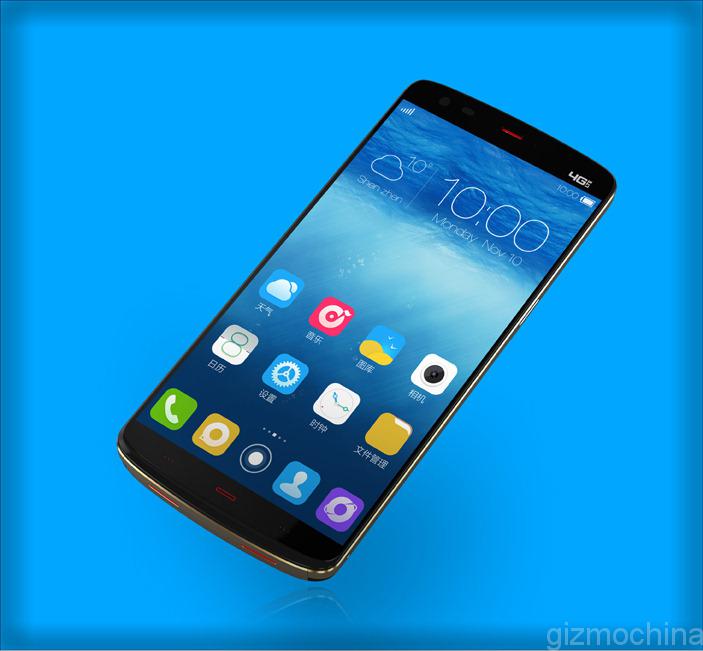
Another Hasee device was leaked today, but its not as good looking as the first one. In fact, from the looks, it could be an entry level device with modest specifications.
Hasee has not yet announced these two devices officially, but it is said that both could run on the new 64-bit Mediatek processors. No details about the RAM, storage, display, camera or battery have been revealed. But stay tuned for more updates.
It seems that sports/action camera’s department is kind of occupied by the industry leader GoPro, which has been in the business for quite a while. However, the Chinese companies do not stay silent and some of them think that action cameras category is the way to go. One the companies is the Xiaomi’s sub-brand YI, which has something interesting to offer.
We have just made a full video review of Xiaomi Yi action Camera, where we discuss the design, main features, pros and cons, and more. Make sure you check out the entire video to make sure if Xiaomi Yi sports camera is good or not.
In case you prefer written reviews, the one is coming soon. Anyway, we have covered mostly everything in our video, so it should be enough for you to know ins and outs of the product.
You may have heard of Kingzone, a small smartphone manufacturer from China who has released plenty of great phones in 2014.
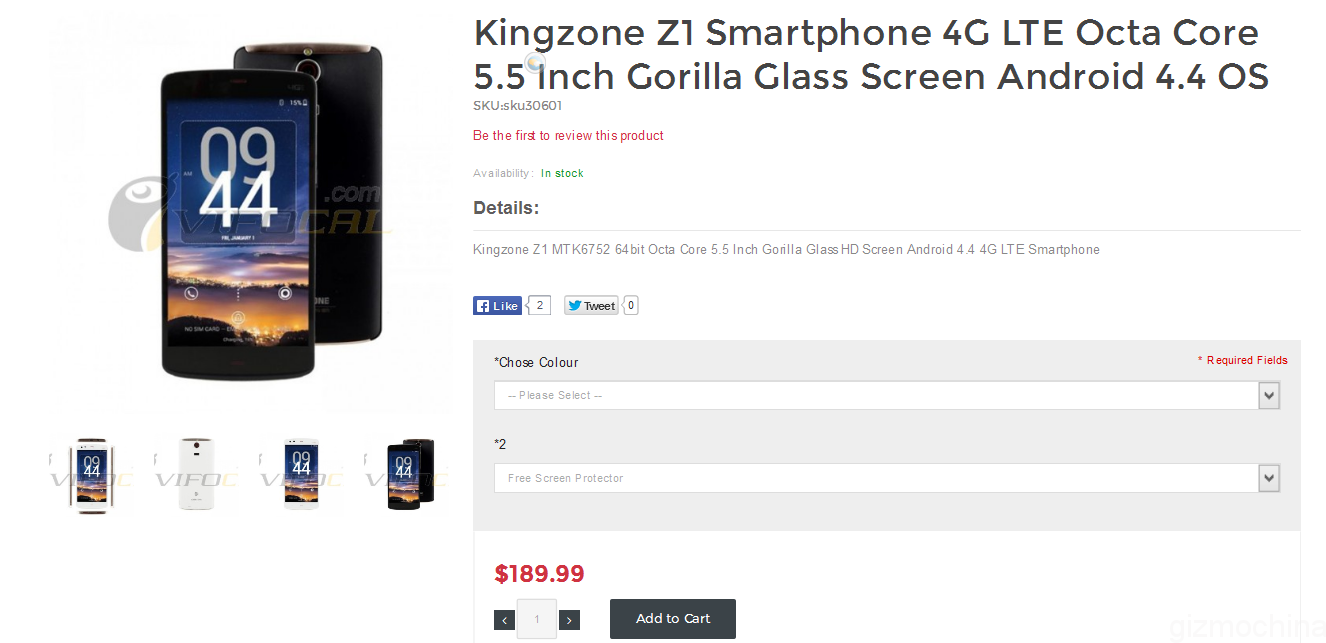
Just recently, the company released a brand new phone, the new Kingzone Z1 which runs on the latest 64-bit MT6752 processor. The phone is targeted at users who want the maximum performance at the cheapest price.
Like mentioned above, the Kingzone Z1 features the new 64-bit octa-core MT6752 processor clocked at 1.7GHz. There will be 2GB RAM on board with 16GB of storage which is further expandable up to 64GB via MicroSD. The phone sports a 5.5-inch 720p display, which makes it an ideal treat for large screen lovers. Further, you don’t have to worry about scratches, thanks to the Gorilla Glass screen protection.
At the back, you get a decent 13MP camera with AF and flash while up front you have a 8MP shooter. Given that this is an upper mid-range device, the Kingzone Z1 supports high speed 4G LTE networks. The supported bands are as follows: WCDMA 850/900/2100MHz, FDD-LTE 800/1800/2100/2600MHz, GSM 850/900/1800/1900MHz.
It comes with dual SIM dual Standby support and has connectivity features such as Wi-Fi, Bluetooth 4.0, and GPS. One of the biggest highlights of the device is its large 3500 mAh battery which should be more than enough for a day’s usage. The phone runs on Android 4.4 KitKat OS out of the box.
While the Kingzone Z1 usually retails for more than $190 via online retailers, you can purchase the device via Vifocal.com for just $179.99. Use the coupon code: KingzoneZ1 to get $10 OFF the listed price. What’s more, you even get a free screen protector for the device with this purchase.
Chinese smartphone manufacturers never manage to surprise us. We have seen many interesting smartphones from small companies in the past few years, and today, we have yet another company which has outed a good looking device.
1 of 9
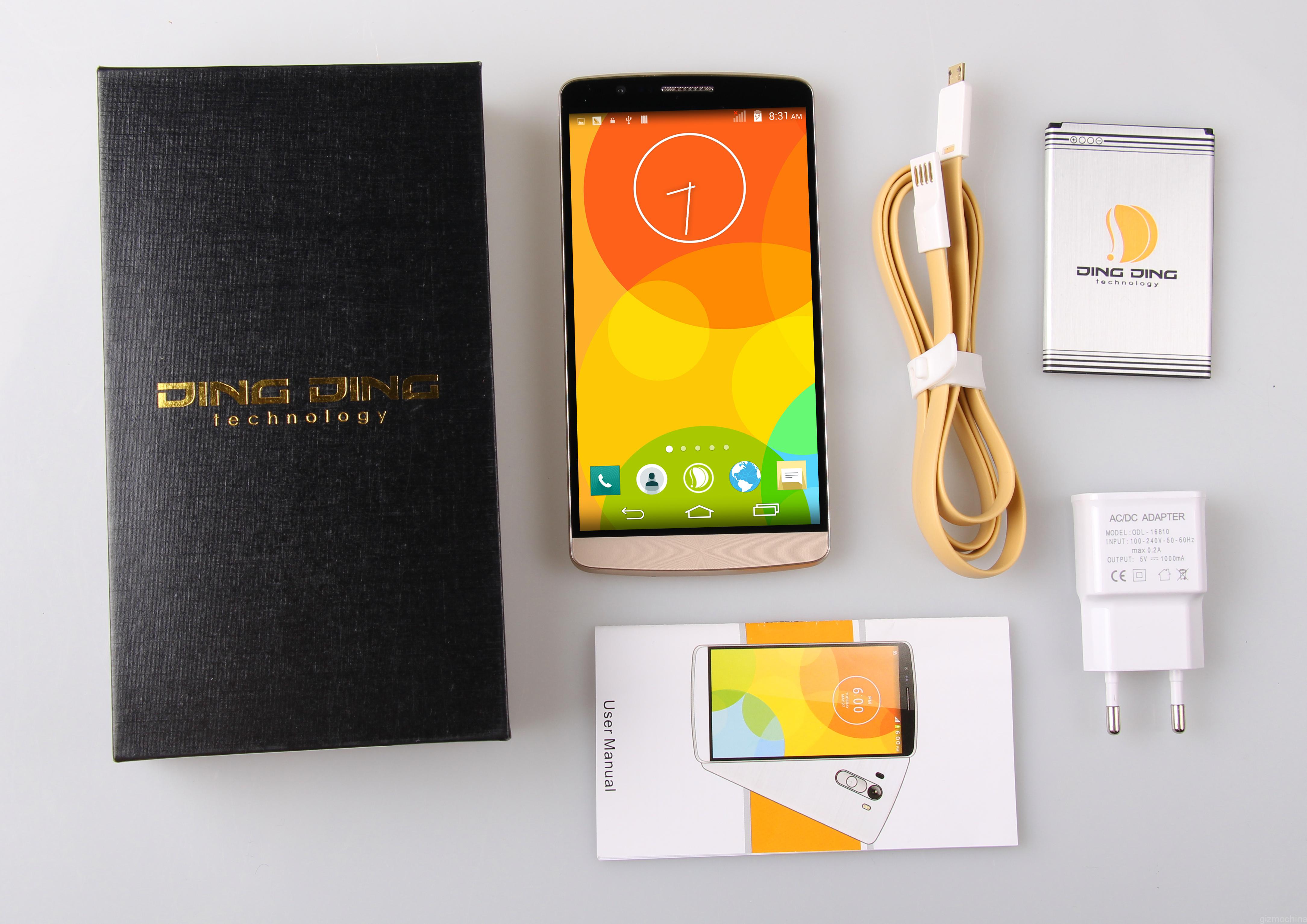
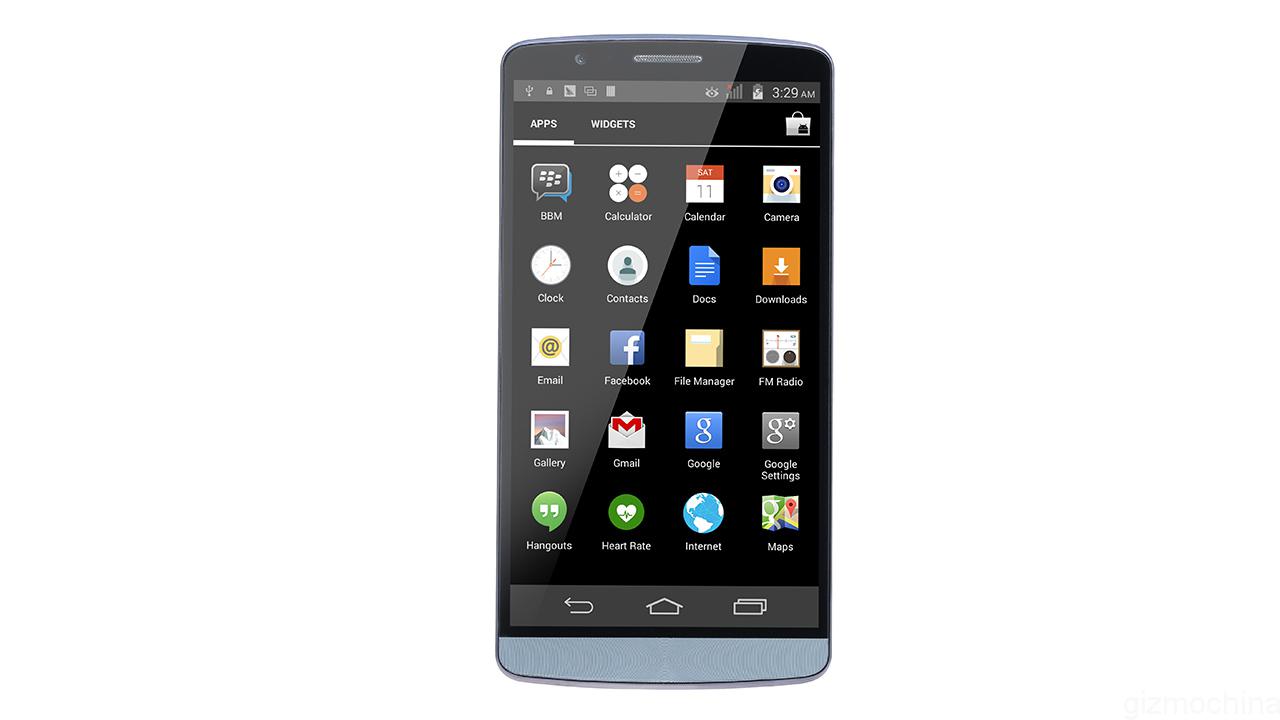
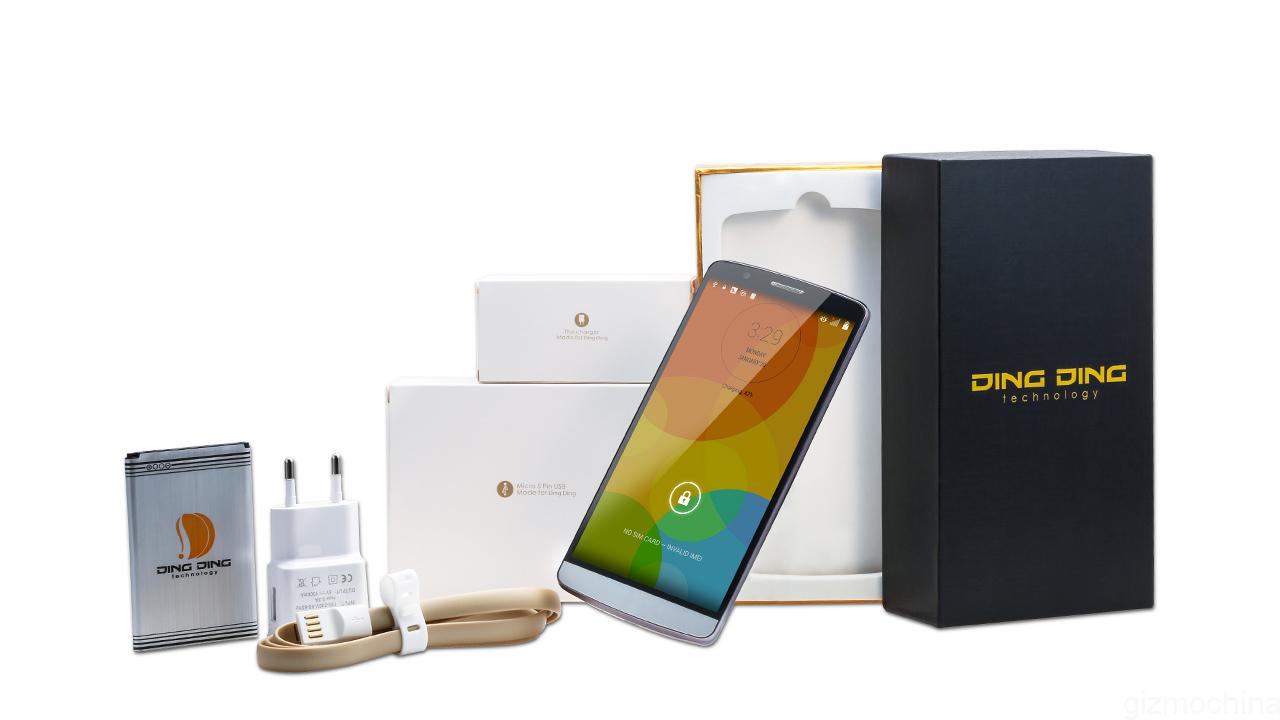
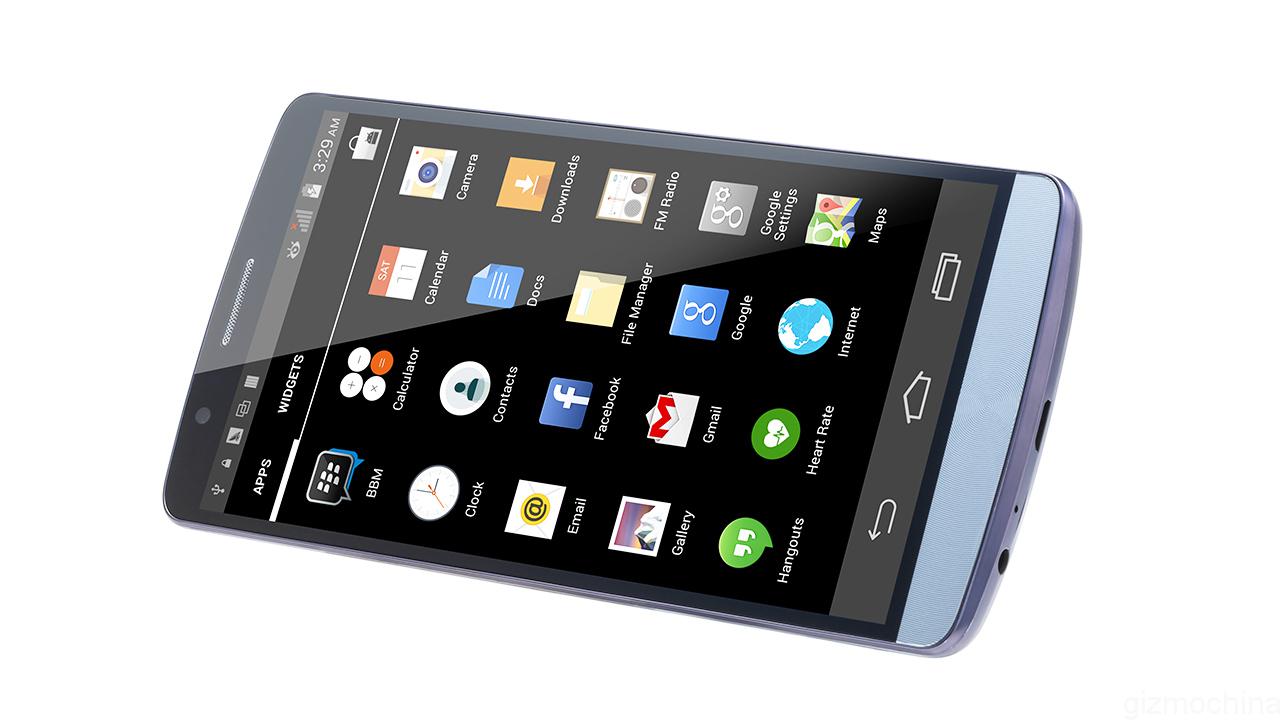
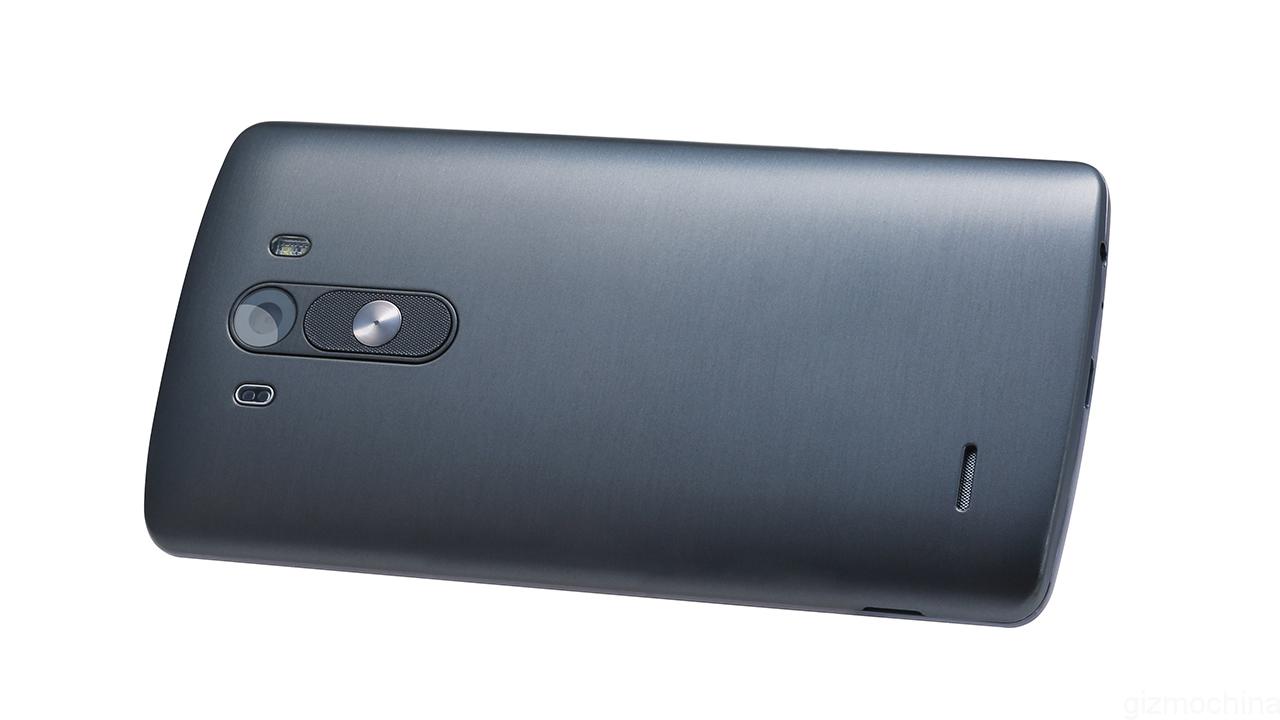
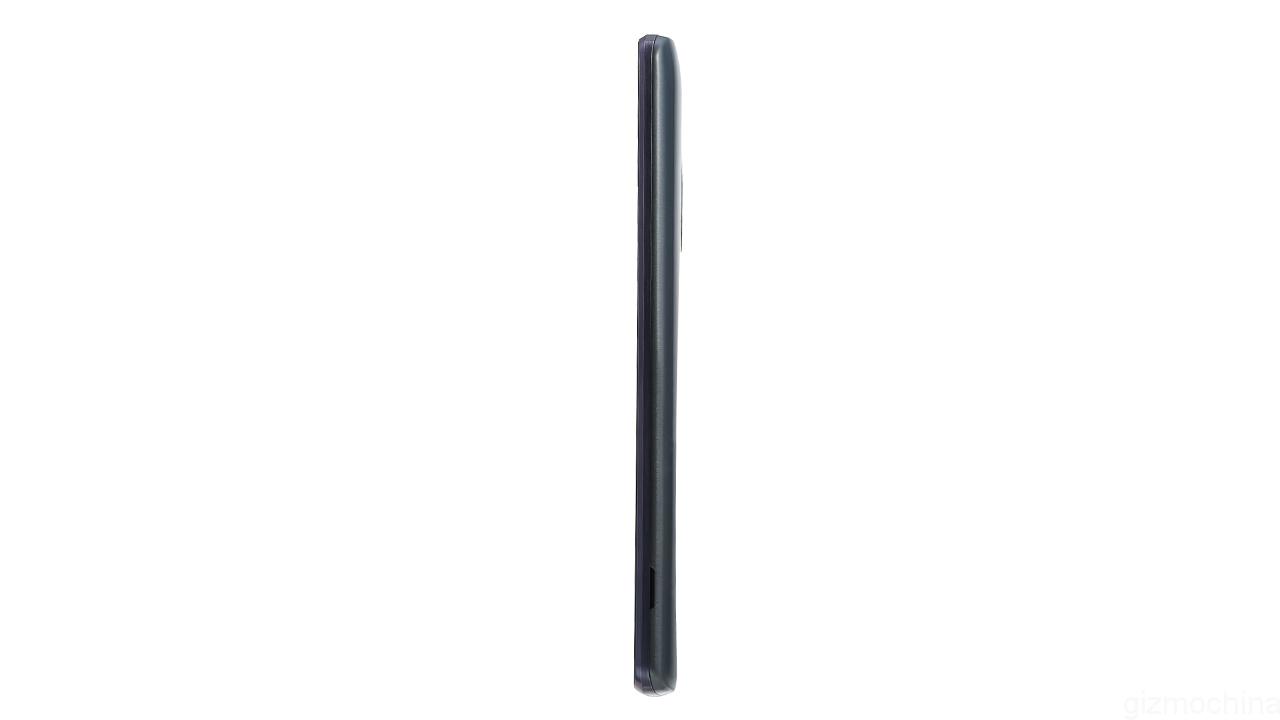
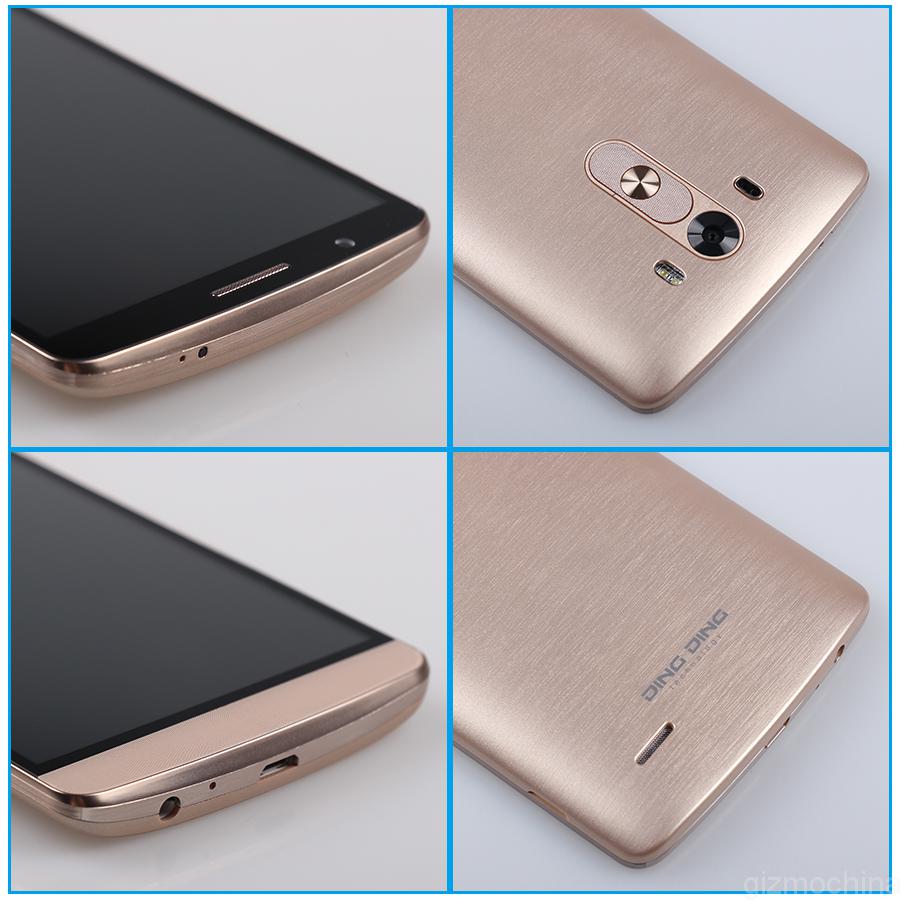
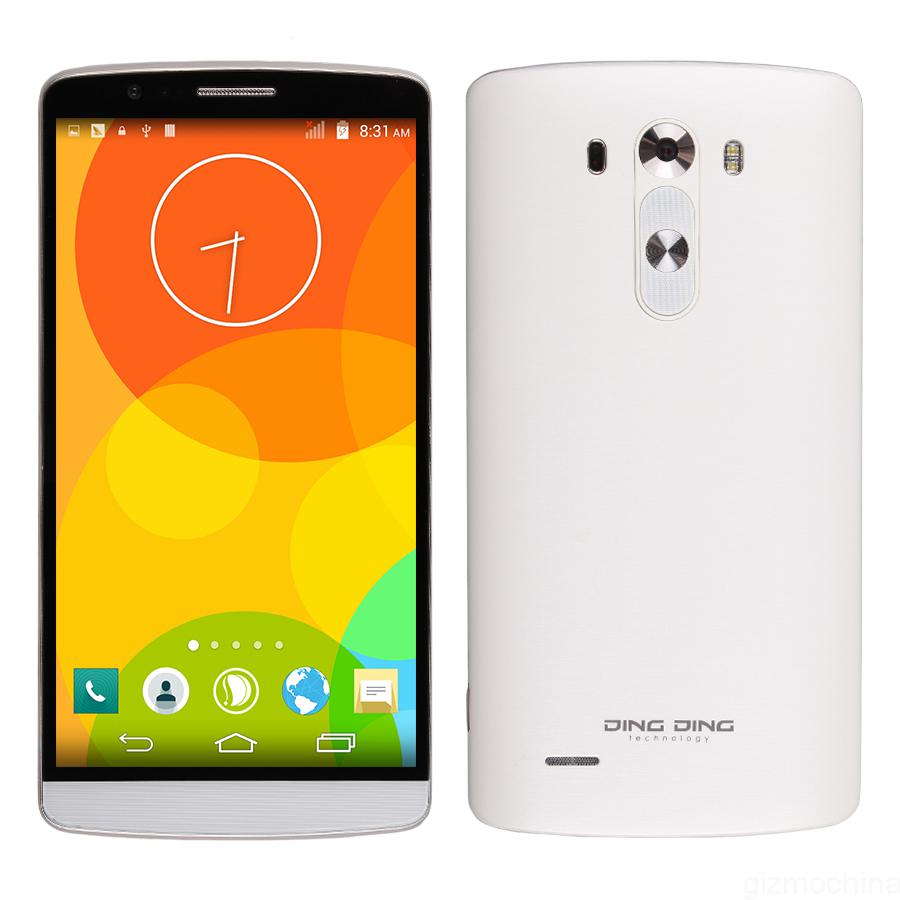
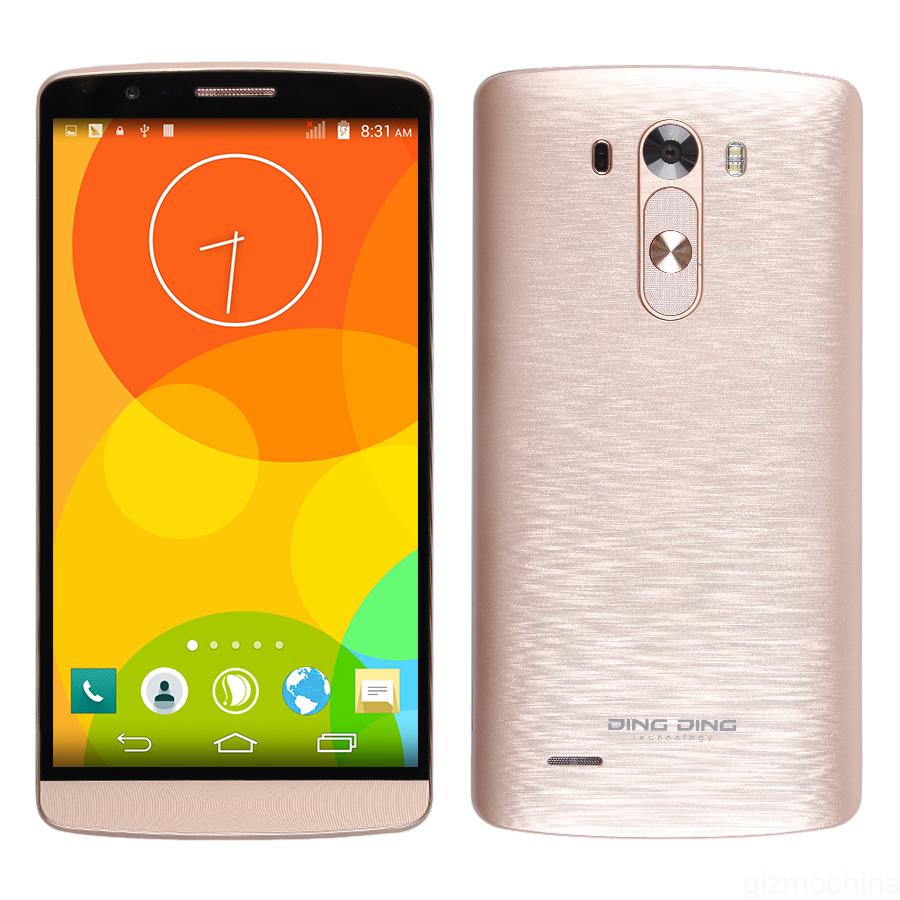
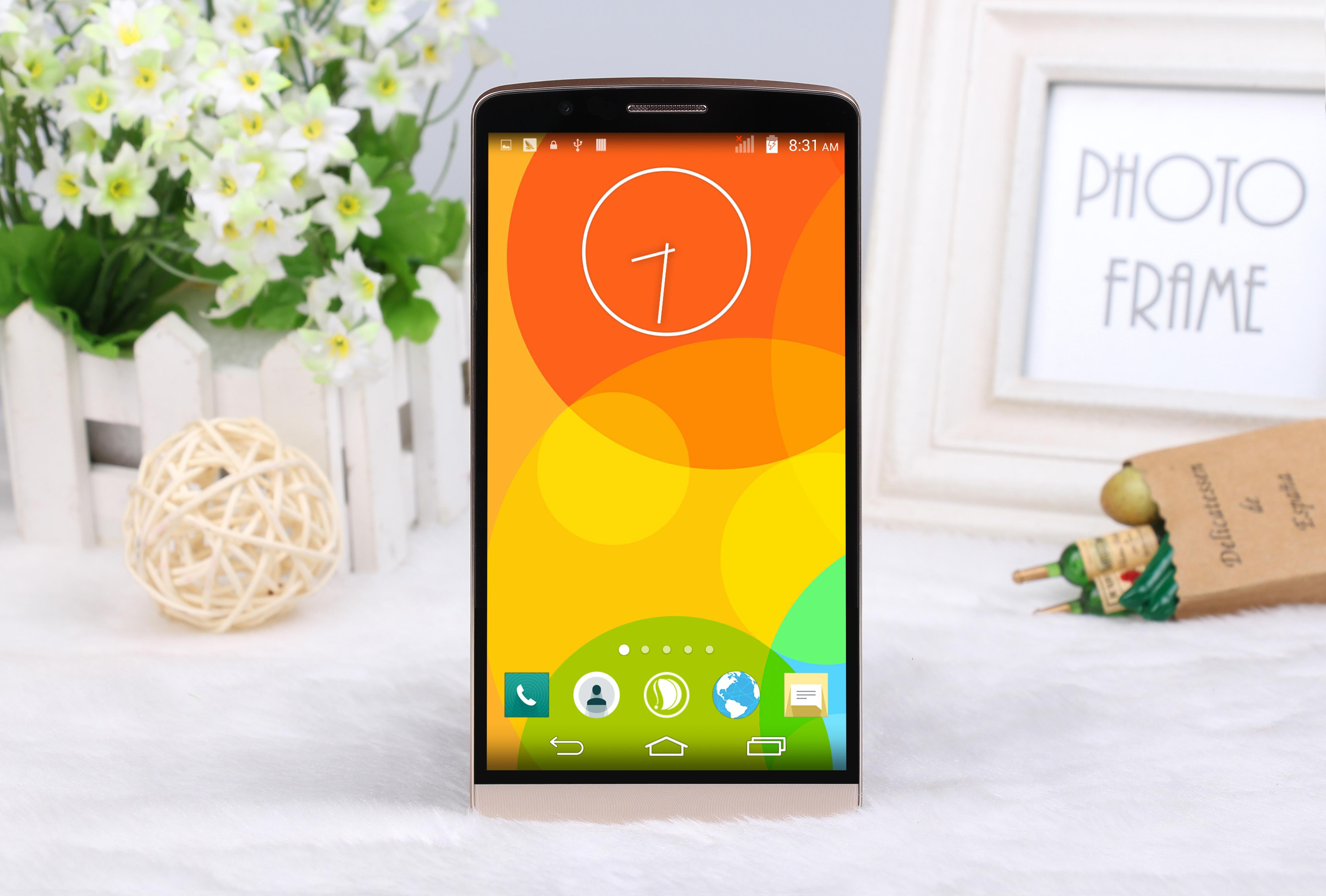
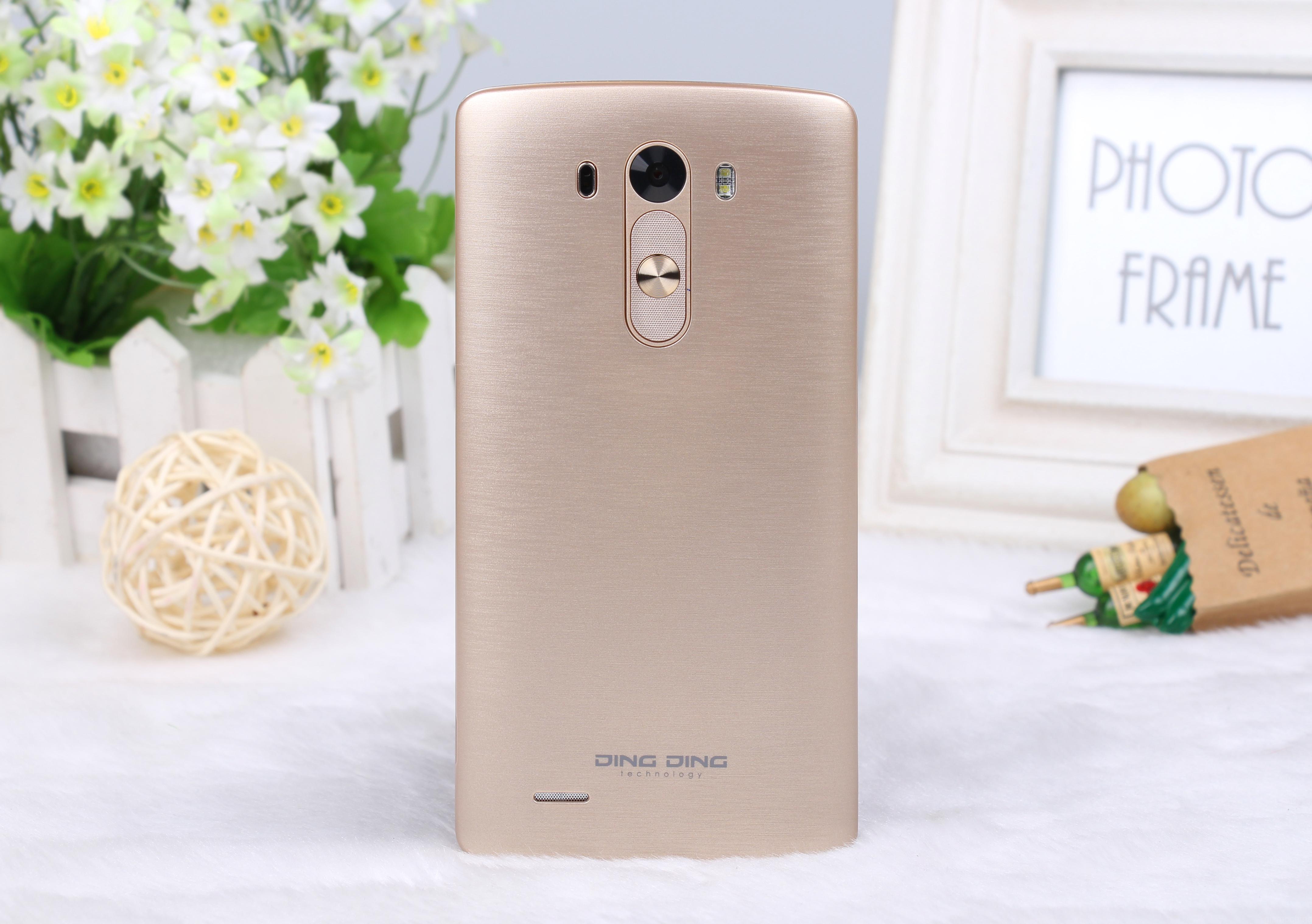
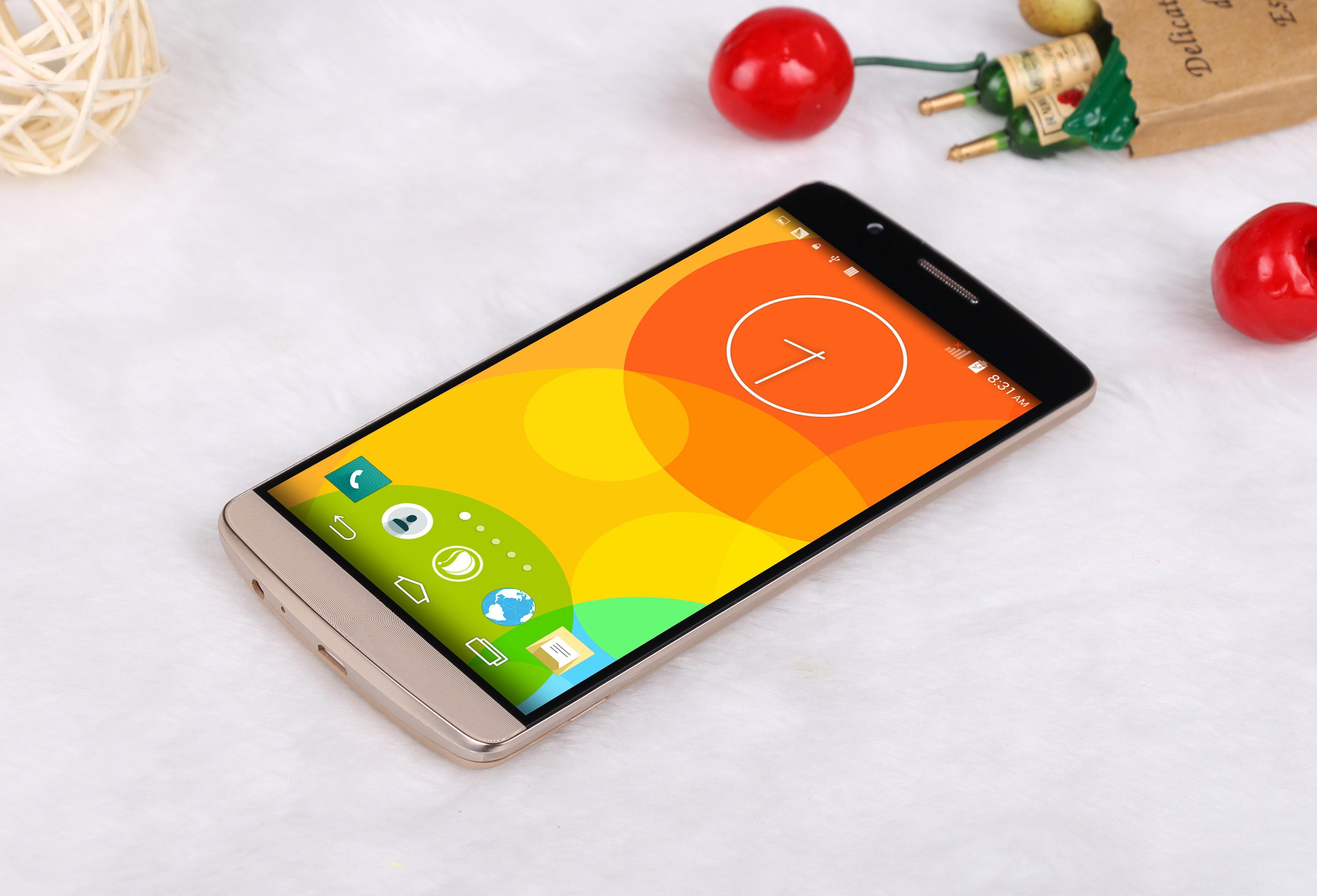
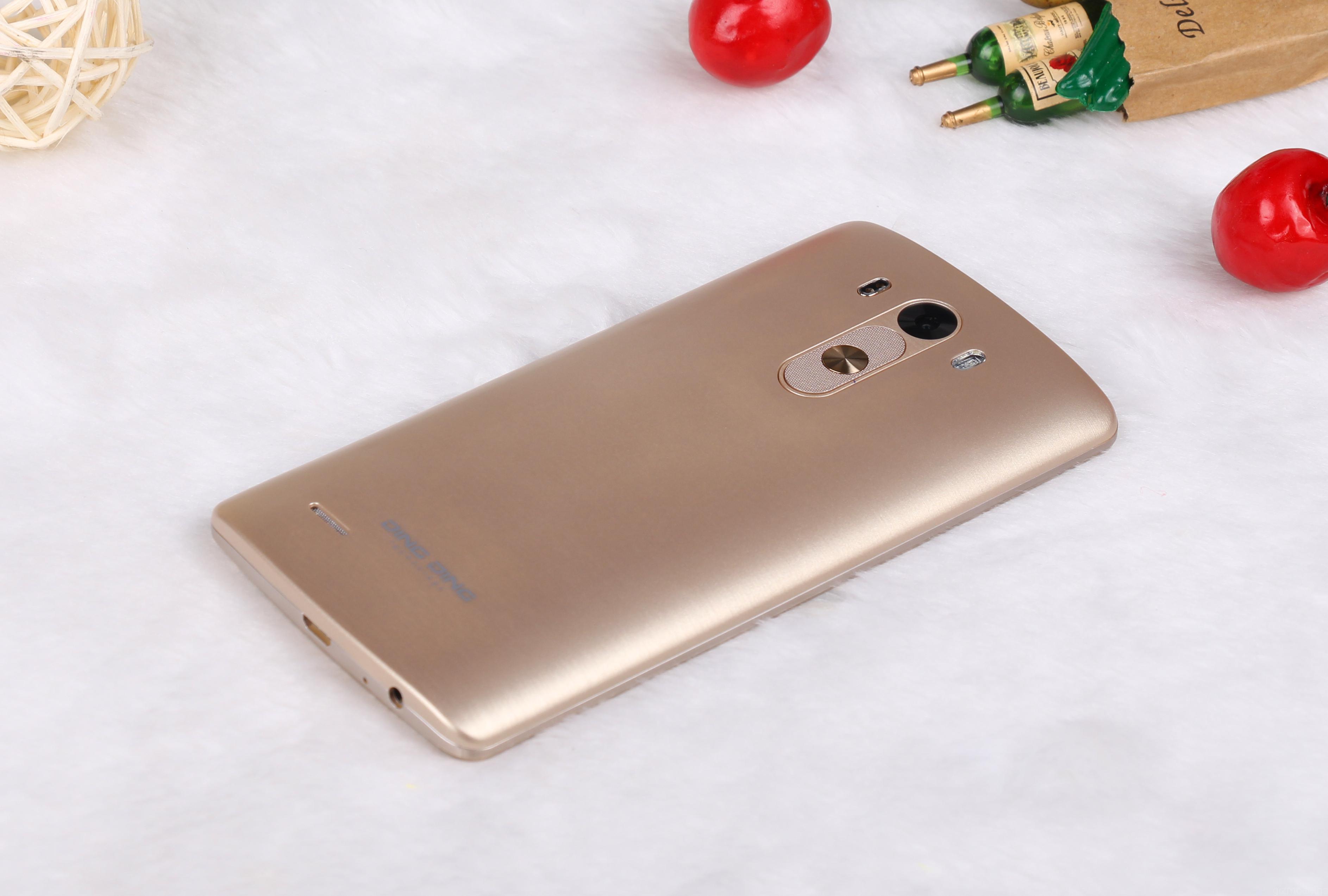
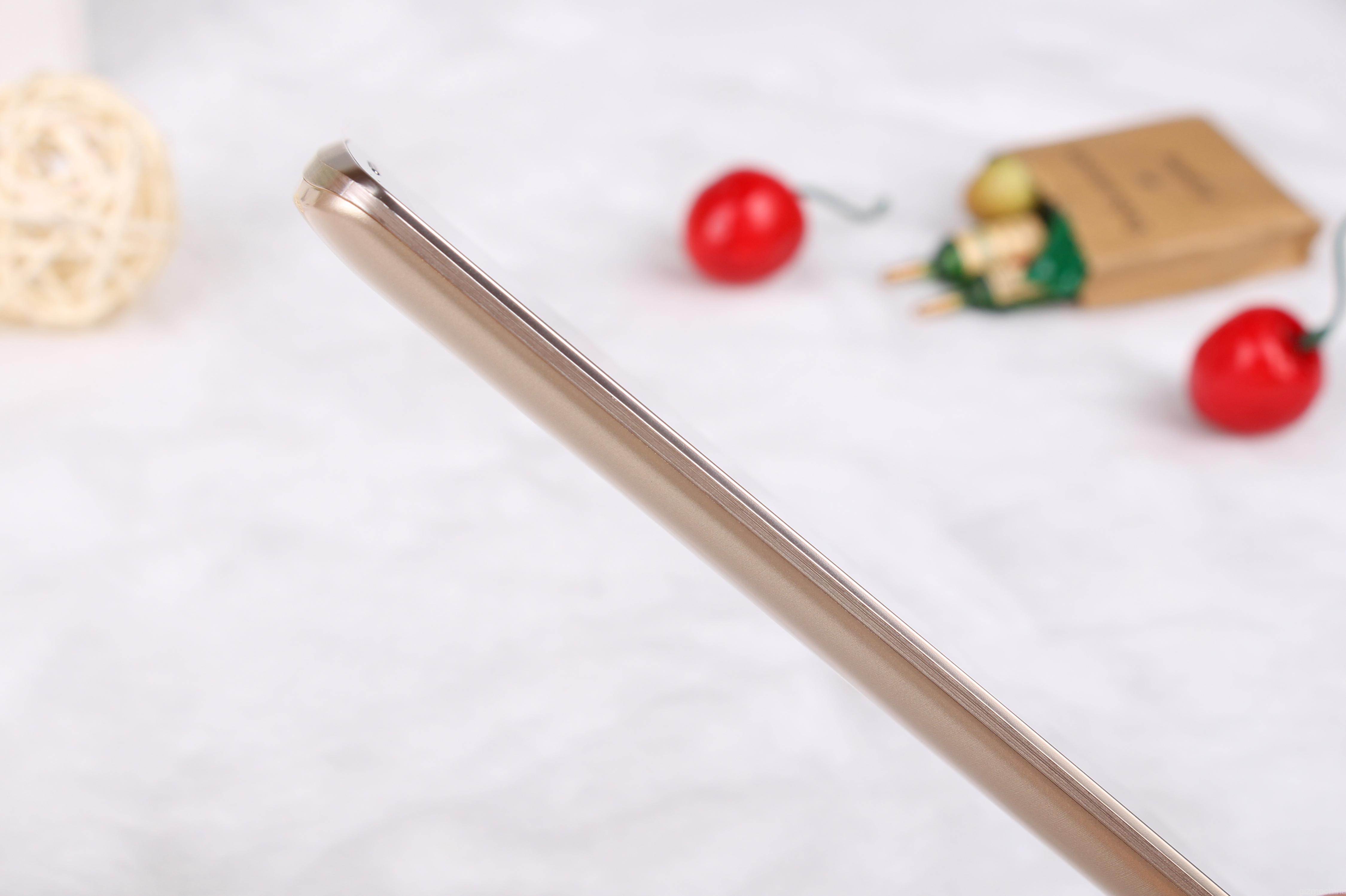
You may have never heard of the company, Dingding, but they have just released a new smartphone in the market, the Dingding SK3 Pro which takes its design inspiration from one of the best looking smartphones of 2014, the LG G3. In fact, you can even say that the phone is a clone, because you get the same good looks of the G3 on this new device.
1 of 10
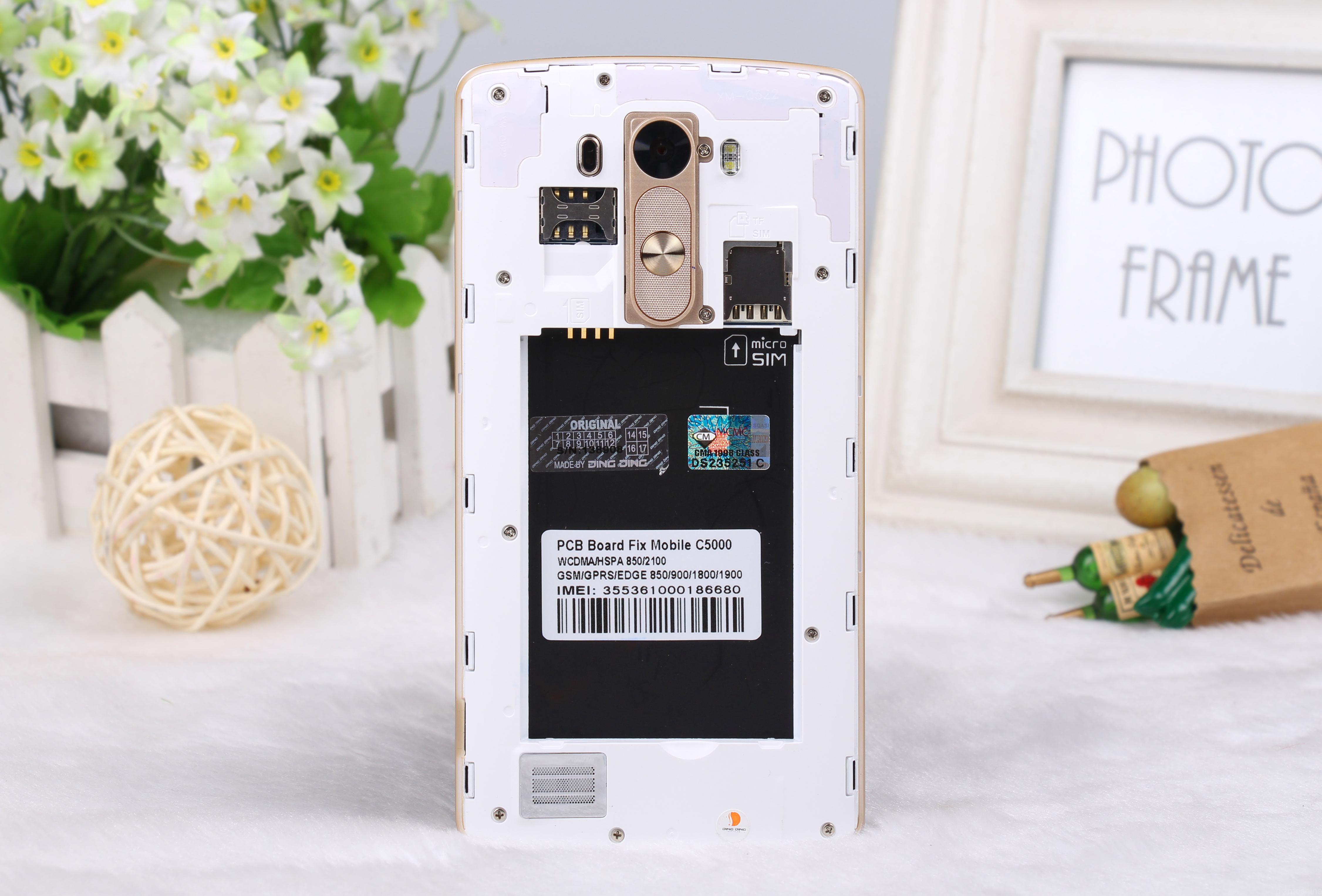
The front features a very clean and minimal look which adorns the large 5.5-inch display up front. At the back, you get the same rear volume rockers and power button as the G3. Even the camera and speaker placement is inspired from the LG flagship.
Inside, the phone features modest specifications. You get the standard MT6582 quad-core processor clocked at 1.3GHz on the device. But there’s an option for MT6572 too, which is an even slower processor (dual-core clocked at 1.2GHz) most likely retailing for a lesser price tag.
There’s 1GB RAM onboard along with 8GB internal storage. It is said that you can opt for a 2GB RAM + 16GB storage version as well. Moreover, you can expand storage via MicroSD up to 32GB on both the models.
The large 5.5-inch display features a resolution of 1280 x 720p. For the low-end edition, you get the same 5.5-inch display but with a lower qHD resolution. As for the camera, there is an 8MP shooter at the back along with a 5MP shooter up front. In the better version, the rear camera produces 13MP resolution pictures and the front camera takes 8MP pictures with software interpolation.
Despite its modest specifications, one of the best features of the device is the large 3000 mAh battery onboard. Usually, to cut down the cost, manufacturers tend to sacrifice in this important area, but its good to see that Dingding SK3 Pro packs in a battery which can last for a day easily. And if you have the lower-end MT6572 dual core edition, you will definitely get more than a day’s usage, thanks to its power efficient feature.
Given its entry level placement, the phone does not support LTE networks. It will run on the Android 4.4.4 KitKat OS out of the box.
The device is expected to hit the markets soon in black, white and gold colors. We still don’t know the pricing of the SK3 Pro, but will keep you guys updated if we receive any information.
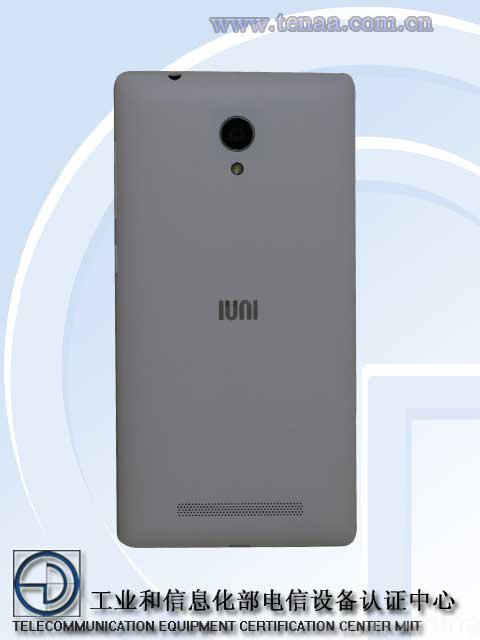
It looks like IUNI has a new device in the pipeline, as a new model has just hit TENAA. The IUNI 830 features similar specifications as the IUNI U3, yet there are some subtle changes which makes us believe that this could be the rumored IUNI U3 Mini smartphone.
In the processor department, the IUNI U830 features the same Snapdragon 801 quad-core processor as the IUNI U3 but is clocked at a lower speed, 2.3GHz instead of 2.5Ghz. The new model comes with 2GB RAM as opposed to 3GB on the U3 and 32GB internal storage which unfortunately is not expandable.
Up front, the IUNI U3 Mini features a beautiful 5.15-inch display with Full HD 1080p resolution. On the other hand, the U3 had a 5.5-inch 2K display. As for the camera, the phone features a 13MP rear shooter and a 8MP front camera.
The company has managed to reduce its thickness to 9.3mm, but the battery is not drastically reduced. Instead of the 3000mAh one on the U3, this upcoming model features a 2900 mAh battery. This should give a similar battery life as the U3 since it features a smaller screen and slightly lower specs.
As for the connectivity features, the IUNI U3 Mini will support GSM, TD-SCDMA, TD-LTE, LTE FDD, WCDMA networks. Naturally, like all IUNI devices, this particular model will run on Android 4.4.4 based IUNI OS. The phone will come in black, white and green colors.
While the official price tag of the device is not yet announced, it is said that the phone will be available for around 1999 Yuan, which comes to $320. This is almost the same price as the IUNI U3.
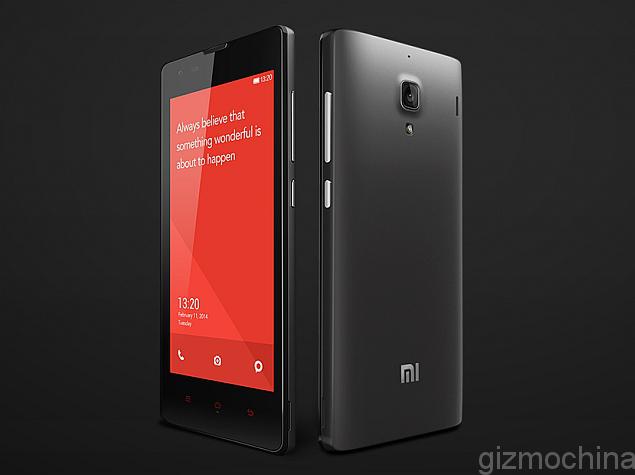
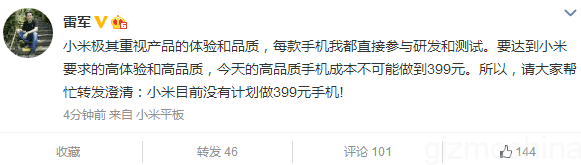
While we were waiting for an official announcement of this super cheap LTE enabled device, earlier today, Xiaomi CEO Lei Jun said that the company has no plans for a 399 Yuan Redmi phone.
He added that Xiaomi gives a lot of importance to the quality of products and user experience. In fact, he said that he is directly involved in the development and testing of all of the company’s products and as of now, its practically impossible to create a good phone within 399 Yuan. As a result, he posted on Weibo to clarify that the company had no plans for a super cheap Redmi device.
But if the company does not have a cheap Redmi in the pipeline, then we wonder which device hit TENAA in December. That particular model was running the Leadcore 1860 processor with 1GB RAM and a 720p OGS display.
So, Xiaomi may have had plans a few months back for such a device, but looks like those plans are now scrapped. Even at that time, we thought it was practically impossible to incorporate such specs with GSM / TD-SCDMA / TD-LTE network capabilities in a $65 phone and today’s post on Weibo only confirms that its further impossible without sacrificing on quality.
Being one of the top Chinese mobile manufacturers, Huawei has been slowly and surely taking its place on the worldwide mobile market. With the help of its HiSilicon Kirin processors, the Huawei Ascend Mate smartphone line has been recognized as a proper competitor to most high end devices on the mobile market today.
A number of rumors and speculation have hit the web in the recent months, regarding the successor of the Huawei phablet, the Ascend Mate 8. While it is currently unknown whether the device will feature a Quad HD display, as Huawei chief Yu Changedong recently dissed the idea, it is certain that the Mate 8 will harness the power of the newest HiSilicon Kirin 940/950 processor series. That being said, what are the stats of the two new OctaCore processors and how good of performance can they achieve?
The New A72 Super Kernel
Huawei HiSilicon Kirin 940/950 OctaCore processors will both be equipped A72 with ARMv8 64-bit cores. Using the new 16 nm technology, the processors are said to be as much as 3.5 times faster than the Cortex-A15 and have almost doubled speed compared to the A57 architecture. Furthermore, the new A72 architecture will reduce power consumption with as much as 75 percent.
Better Compatibility and a Stronger GPU
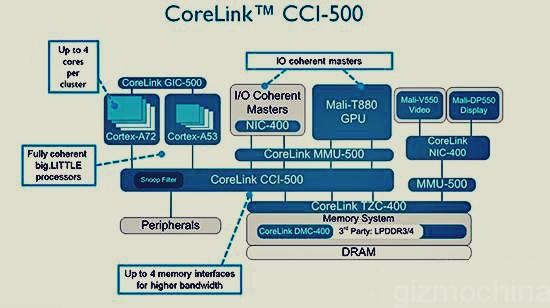
Having improved compatibility, the HiSilicon Kirin 940/950 processors will come with onboard graphics core from the Mali GPU series. According to officials the new Mali-T880/T860 graphics processors are 1.8 times better than the current generation Mali-T760, which will further improve upon the loading power possibilities, reducing it by as much as 40 percent. Furthermore the Kirin 940/950 processors will be compatable with the existing Mali-V550 video and Mali-DP550 display processors, which both support the TrustZone 4K media file protection.
Improved Memory Performance
The Huawei HiScilicon Kirin 940/950 processors will also help the Mate 8 and other device achieve an improved media performance. The OctaCore CPUs will feature the latest link structure. The A72 cores upgrade will feature a CoreLink CCI-550, which is a vast improvement from the current three year old CCI-400 link structure used in current processors. This will lead further improve the energy efficiency of devices, releasing more memory bandwidth, thus improving memory performance with as much as 30 percent.
Latest TSMC 16NM Technology to Lower Power Consumption
Based on the current information regarding the Kirin 940/950 processors, they have a significantly lower power consumption compared to its predecessors. This will be made possible by the latest TSMC 16NM manufacturing technology, which improves on the overall performance, while lowering the needed power consumption. This also reduces heat problems in devices, delivering a better everyday mobile experience.
USB 3.0 Support
Supporing USB 3.0 and Cat.7, Cat.10 the new OctaCore processors from Huawei will be able to improve the data transfer and network speed of smart devices.
Reaching the current top-end technology, the Huawei HiScilicon Kirin 940/950 processors are harnessing the power provided by the latest innovations in mobile hardware. Scheduled for release in Q2 and Q3 respectively, they are expected to be featured in the latest Huawei devices, including the upcoming Huawei Ascend Mate 8, which is rumored to be released sometime in 2015.
Constant innovation can be seen in the ever growing mobile market with huge manufacturers, such as Qualcomm and Samsung being on the forefront with their powerful OctaCore chipsets. However, MediaTek is aiming at the high-end mobile marketplace, releasing their own OctaCore devices and by launching the MT6795 high-performance processor. While former MTK chipsets, including the MT6595 and the MT6752 are already featured on a number of 3000 mid level models, the new MT6795 will help MTK reach the high end mobile market once again.
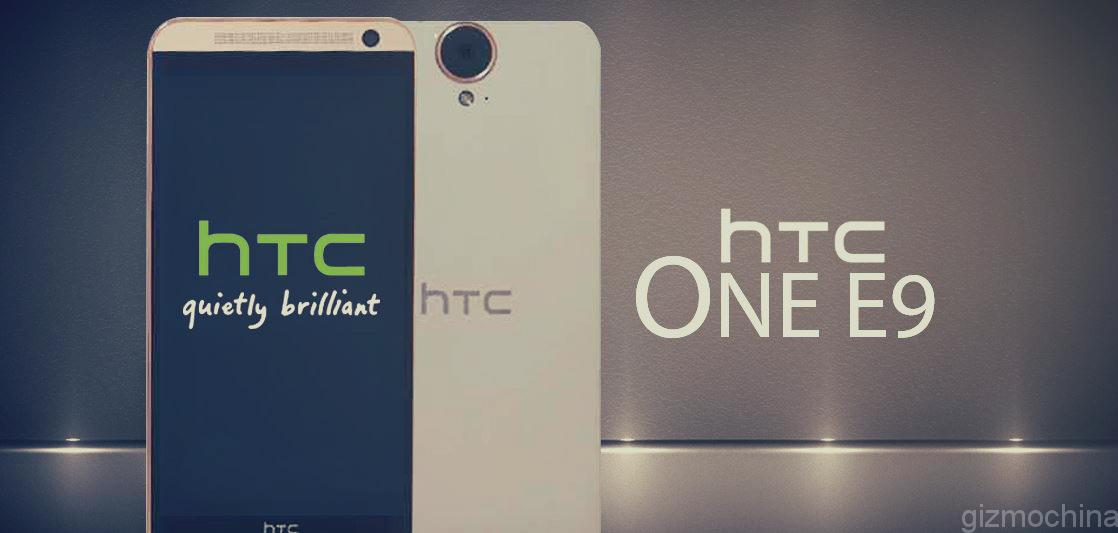
HTC E9
One of the first MT6795 phones to feature the OctaCore processor that will hit both the worldwide and the Chinese mobile markets is the HTC E9. Featuring a QuadHD 5.5 inch screen, the device will harness the power of the processor with the help of 3GB of RAM. Delivering a seamless end-user experience, HTC E9 will have as much as 32 GB of internal memory and will be running the latest Android 5.0 Lollipop mobile operating system. Compared to its cheaper sibling, the HTC M9, the device holds up pretty good and being priced at 2999 yuan it has quite the competitive edge.
LeTV X600
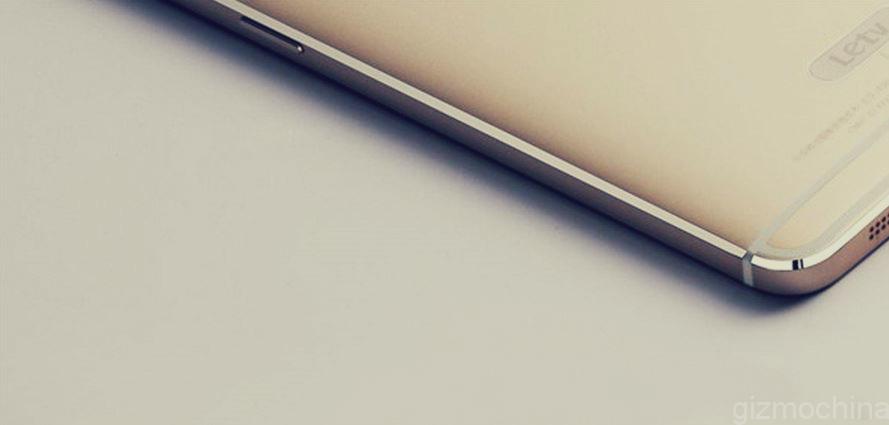
Another one of the MT6795 phones that will feature the 2.2GHz OctaCore processor is the LeTV X600. Running Android 5.0 Lollipop, the smartphone will feature a 5.5 Full HD 1080p screen, 16 GB of internal storage and as much as 2GB of RAM. Supporting 4G, the price is currently unknown. However, according to speculation, the LeTV X600 will hit the market anywhere between 999 and 1999 yuan.
Vivo X7
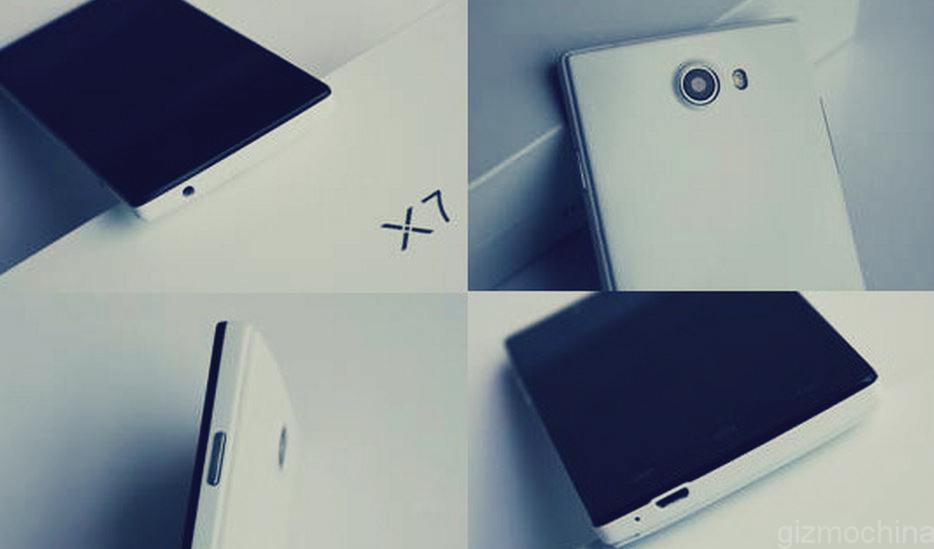
A number of rumors have hit the web, regarding the upcoming successor of the Vivo X5. While little is currently certain, regarding the Vivo X7, the device is said to feature the latest MTK OctaCore MT6795 processor. According to insiders, the new high-performance chip will result in a faster device that is able to compete on the high-end mobile market.
OPPO R7
Quite infamous on the Chinese mobile market, OPPO is becoming a staple of Chinese mobile manufacturers. According to industry sources, the latest flagship from the company, the OPPO R7, will feature a 20.7 MP camera and the device will be a MT6795 Phone, featuring the OctaCore processor, resulting in a powerful multimedia smartphone.
Meizu MX4
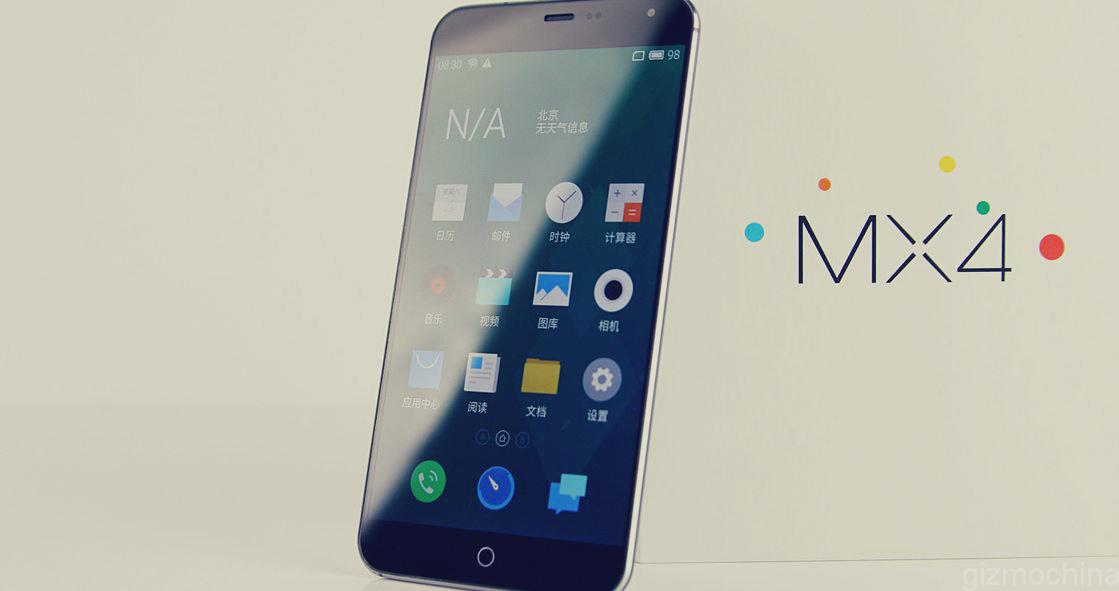
During the Mobile World Congress, the MT6795 OctaCore processor was unveiled to the public via an upgraded version of the Meizu MX4. Breaking the late launch tradition of Meizu, the new MX4 is said to be released in the second quarter of this year, transitioning to a full 64-bit architecture with the help of the MT6795 and Xiaolong 810. This will result in a faster Meizu MX4 flagship, not only delivering better photos, but an overall greater mobile multimedia experience. Furthemore, running the latest version of Android 5.0 Lollipop, the new Meizu MX4 will be able to fully take advantage of its hardware, resulting in an amazing mid-range 64-bit flagship.
The Blackview is a Chinese manufacturer, which is not widely known for its products outside of China. Also, it does not have a significant market share in its homeland. However, we love checking out the devices from all the manufacturers and this time around we have a Blackview Omega.
We’ve spent some quality time with it and made an in-depth video review, which you can check out here:
https://www.youtube.com/watch?v=tZl0KxUA_2E
In case you prefer reading to watching videos, the written review is coming soon!
Also, we checked out for the lowest price to buy Blackview Omega from reliable online resellers in case you want to purchase the device. We will always update the link to buy Blackview Omega smartphone if we find anywhere cheaper on the market.
DJI is without any doubt the world leader in camera drones and quadcopters. We have seen many great drones from this Chinese giant, which are much more precise and advanced than competitors.
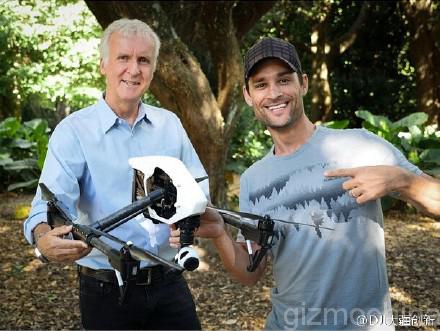
Recently, DJI decided to gift a brand new DJI Inspire One to a great director, James Cameron. He is one of the best directors in Hollywood right now, having directed popular movies such as the Terminator, the Titanic and Avatar.
DJI posted a picture on their Weibo page, which showed James Cameron with the new DJI Inspire One. The post said that the company was looking forward to the director’s new work.
Camera equipped drones are increasingly becoming a part of the movie industry, as they can take aerial shots from angles that’s not even possible with helicopters. Before the advent of quadcopters, the only option for shooting an aerial action shot was with the help of an helicopter, but that brought a lot of issues such as safety, angle limitations etc.
Directors are increasingly relying on drones for such shots, as it brings down the cost and makes the movie set safer. In fact, many of the aerial action shots in the movie Expendables were filmed using drones.
While we have yet to see the widespread use of drones in film making mainly due to the legal limitations, UAVs such as the DJI Inspire One clearly shows that such drones can be powerful enough for professional shoots.
Back in January, Coolpad unveiled a brand new flagship device which showed off the workmanship and design philosophy of the company. The Dazen X7 featured a beautiful design with double sided glass and an aluminum frame.
Looks like the company is all set to announce another Dazen device in the market. While we have very little information about this upcoming device, it is said that the phone will have long lasting battery.
The existing Dazen X7 features a 2700 mAh battery inside a 6.5mm which is an impressive feat. However, given its 5.2-inch Super AMOLED display, the battery life on the device won’t be so good. Hence, Coolpad could be looking to work on this area with this upcoming device.
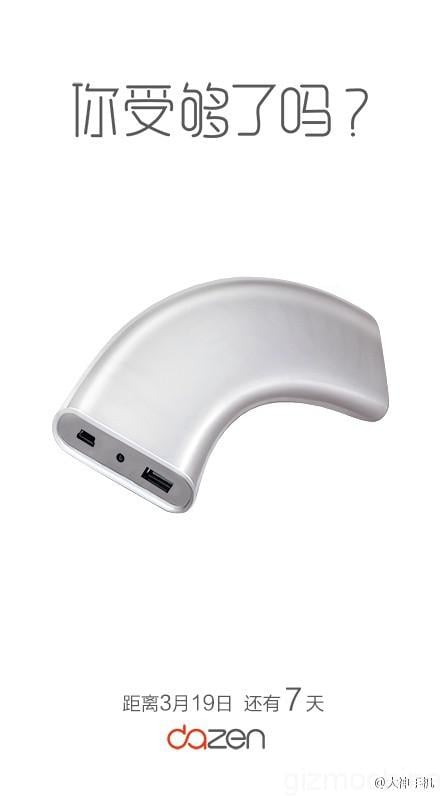
The teaser released by the company says that the device will be announced on 19th March 2015. The picture in the teaser looks like a powerbank with two microUSB ports. While its possible that the company may announce a new power bank, it could also represent the long lasting battery on the device. Also, its possible that the large battery on the phone helps it to act as a power bank to other devices.
As you can see, not much is clear about the upcoming smartphone, so its best to wait for the official launch which isn’t too far off.
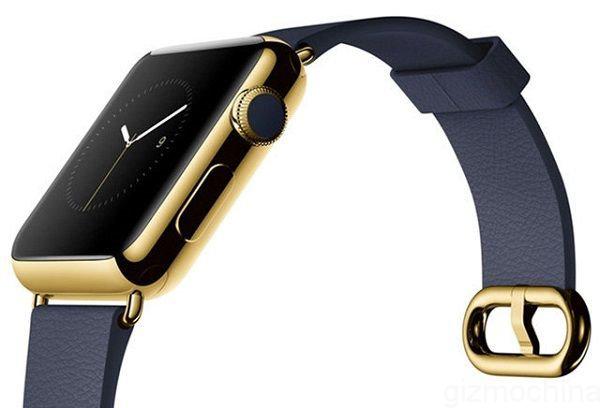
Last year, Apple announced its first wearable in the market, the Apple Watch. And if the company is to follow its regular schedule, it will release a new edition of the Apple Watch by fall 2015.
Ming-Chi Kuo, a well-known analysts at KGI securities recently said that Apple may release as many as three new casing for its new watch this year. These new materials are expected to go into mass production in Q4 2015 and may even be announced by the holiday season this year.
Unfortunately, Kuo didn’t specify what could be the new materials. But according to a recent report, Apple experimented with a platinum casing for its new watch. Platinum is much more premium than gold, which may translate into even higher price tag than the existing Apple Watch editions which start at $10,000.
Other possible materials include titanium, white gold, ceramic or even carbon fiber. There are even custom options like Rolex’s “Rolesor” and Hublot’s “Magic Gold”, but that’s not likely to end up in the next generation Apple wearable.
Kuo further adds in a report that Apple could sell anywhere between 15 million to 20 million units of its new watch this year. The shipments are expected to grow at a much higher rate for its second and third generation models.
Kuo has built up a reputation of predicting accurate information about Apple in the past. So, this report about new materials for the Apple Watch may come true.
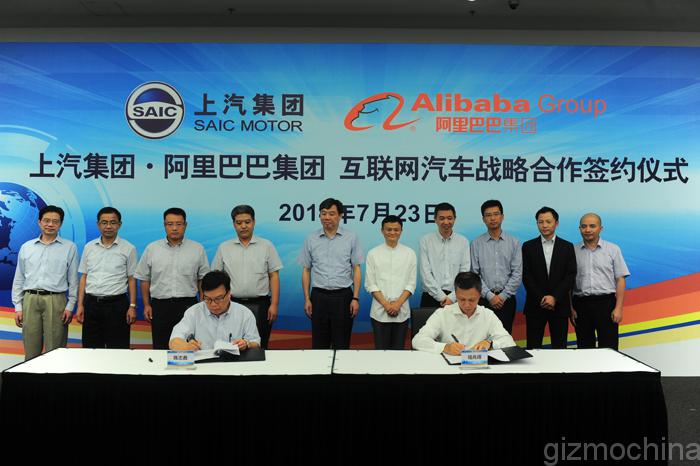
Last year, SAIC, China’s leading automobile company entered into a partnership with Alibaba to develop internet enabled smart cars. Earlier today, both the companies jointly set up an Internet Car Fund of $1 billion to further speed up its research and development. This is an open capital fund which means other companies too are encouraged to invest and participate in the development of Internet cars.
The companies are said to be focusing on the needs of the user while developing such a car. SAIC Chief Engineer Cheng said that Internet will become an important aspect of a user’s car and travel plans. Wang Jian, Alibaba’s CTO also said that internet enabled cars will not only help people communicate effectively with their vehicles but also enable other cars to communicate with each other. This will further help in the development of unmanned vehicles in the future.
The partnership also aims to develop a new automobile ecosystem with relevant applications.
Last year’s press release gave us some idea about the plans of the company.
“Targeting end-user experience, the two companies will integrate Alibaba’s Yun operating system, big data, Ali communication, Autonavi navigation technology, Aliyun cloud computing and Xiami music with SAIC Motor’s resources in car and parts R&D and auto service trade, open and merge Internet and big data services. They will also provide users with smart travel solutions through combining and optimizing the two companies’ online and offline resources.”
The first internet car as a result of this partnership is expected to hit the markets by 2016.
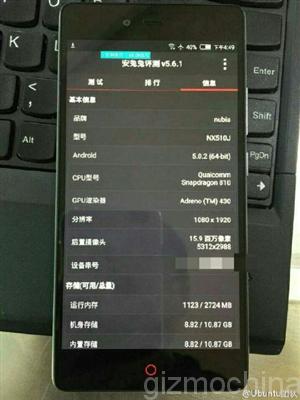
ZTE has an official event on March 26 where it will unveil a number of devices in the Z series lineup like the ZTE Nubia Z9 and the Z9 Max. While we patiently wait for the official announcement, the device was recently spotted on the AnTuTu benchmark test which revealed most of the important specs of the device.
The ZTE Nubia Z9 with the model number NX510J will reportedly feature a Qualcomm Snapdragon 810 processor with 3GB RAM. There will be a 5.2-inch display with a full HD 1080p resolution. The rear camera will be of 16MP while the front shooter of 5MP. Finally, the listing reveals that the phone will run on the latest Android 5.0.2 Lollipop update.
While the specs look high end, the older flagship model, i.e. the ZTE Nubia Z7 featured a 5.5-inch 2K display panel. So, it would make no sense for ZTE to bring down the size as well as the resolution on its successor.
Also, according to the picture leaked on Weibo by the Ubuntu team, the device which ran this test had thick bezels, which is the exact opposite of what recent leaks and rumors say about the ZTE Nubia Z9. Several images claiming to be the Z9 flagship revealed a bezel-less design. So, its very likely that this is a new model in the Z9 lineup, which could end up as the ZTE Nubia Z9 mini.
The company usually announces three different variants in the Z series and the specs is probably of the smaller Mini version.
Anyways, we will have to wait only for a few more days to get full details about the upcoming ZTE devices. So stay tuned.
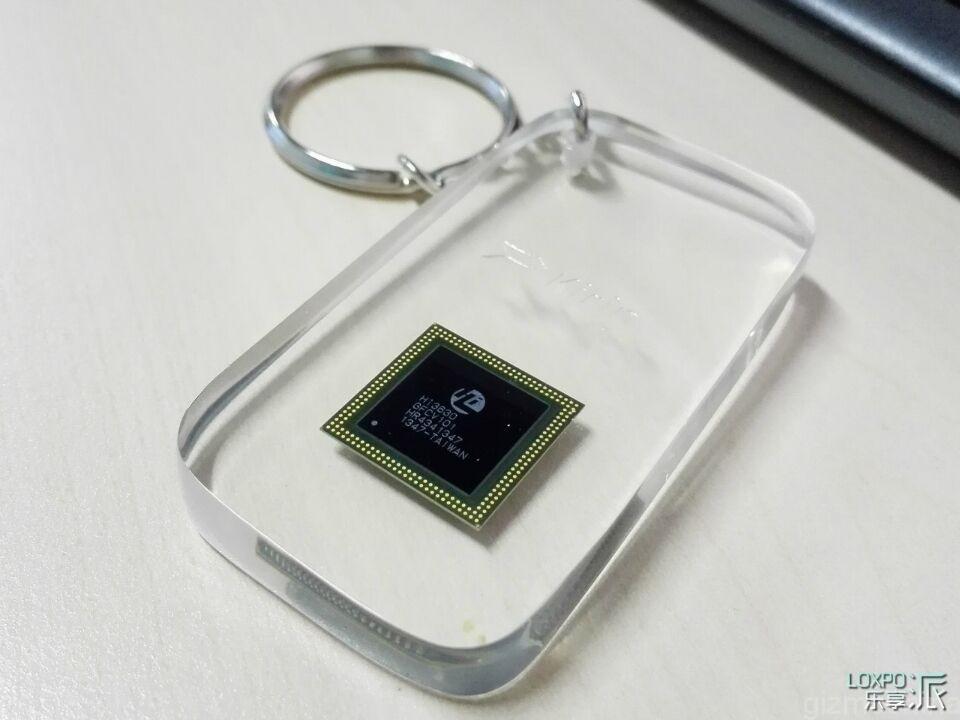
Ever since the news about a possible Huawei made Nexus made the headlines, the company’s Hisilicon Kirin processors have suddenly entered into the spotlight. Before this news, not many cared about Huawei’s processors, but since it could make it to the next Nexus, everyone wants to know the true capability of its Kirin processor lineup.
This year, the company is expected to announce the upgrade to the Kirin 930, possibly Kirin 940 and Kirin 950 SoCs. However, as of now, we only know details about the existing Kirin 930. The processor is based on four Cortex A53 cores and four Cortex A57 cores clocked up to 2.0GHz. It comes with ARM’s Mali T628 GPU and dual-channel LPDDR3 RAM.
eMMC 4.51 / SD 3.0 (UHS-I)
BT 4.0 Low Energy
Dual-band a/b/g/n Wi-Fi
USB 2.0
UFS 2.0 / eMMC 5.1 / SD 4.1 (UHS-II)
MU-MIMO ac Wi-Fi
BT 4.2 Smart
USB 3.0
NFC
UFS 2.0 / eMMC 5.1 / SD 4.1 (UHS-II)
MU-MIMO ac Wi-Fi
BT 4.2 Smart
USB 3.0
NFC
Release
Q2 2015
Q3 2015
Q4 2015
The SoC has a built in Tensilica HiFi 3 DSP and an ISP which supports sensors up to 32MP. Like the Kirin 925, the new Kirin 930 too features the i3 co-processor. Other features include support for LTE Cat.6, Bluetooth 4.0 LE, Dual Band Wi-Fi, USB 2.0. The processor was expected to hit the markets by Q2 2015 and will most likely end up on the upcoming Huawei P8 flagship.
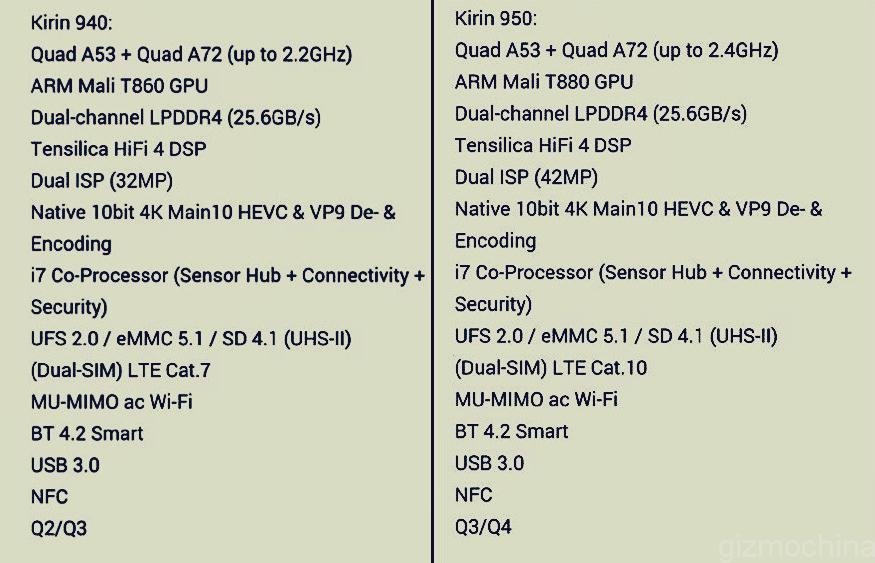
Luckily, we have some details about the upcoming Kirin 940 and 950 processors too. Our source tells us that the Kirin 940 which is expected to be announced by Q3 2015 will feature four Cortex A53 and four Cortex A72 cores clocked up to 2.2GHz. If you remember, the Cortex A72 is the latest launch from ARM which is very powerful yet power efficient. The GPU will be upgraded to Mali T860 and it will support dual-channel LPDDR4 RAM. The HiFi DSP gets upgraded to Tensilica HiFi 4 and the processor will have dual ISP which supports up to 32MP sensor. Kirin 940 is expected to bring native 10bit 4K Main 10 HEVC VP9 Encoding and Decoding. It will feature the new i7 co-processor and will support dual SIM cards with LTE Cat. 7 connectivity. The processor will support the new MU-MIMO Wi-Fi ac standard, Bluetooth 4.2 Smart, NFC and USB 3.0.
Unlike the Kirin 940 which is expected to be a big upgrade to the Kirin 930, the Kirin 950 will only have slight modifications. Our source tells us that the SoC will use the same Cortex A53 + Cortex A72 combination but will bump up the clock speed to 2.4GHz. Other important upgrades include a newer Mali T880 GPU, support for Cat. 10 LTE networks and Dual ISPs which now support up to 42MP sensors. Most of the remaining specs of the processor are expected to be the same as the Kirin 940.
Remember that this news comes via a new source, so it may happen that some of the details of the upcoming SoCs turn out different. Hence, make sure that you take this news with a pinch of salt. Still it looks like Huawei is all set to strengthen its processor lineup this year with faster and power efficient chips.
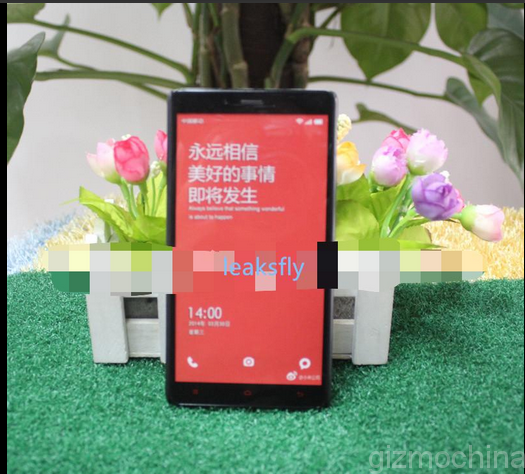
A twitter handle, leaksfly has revealed off some images of Redmi Note 2, It looks very similar to Redmi Note. The pictures show that the phone has very thin bezels and a big screen. We asume it to be 5.7″.
The specs rumured of the phone is also great, It has a Snapdragon 615 with 2GB of RAM . It is running MIUI6 based on Android 4.4.4. It will have a 5.7″ IPS LCD display protected with OGS Glass (Similar to Corning gorilla glass 3). As for connectivity options, the phone is said to feature dual microSIM slots and will support GSM: 850/900/1800/1900MHz; WCDMA: 850/900/1900/2100MHz, FDD LTE: 1800/2100/2600MHz. Yes, it is rumored to have FDD-LTE support which it compatible with a lot of country’s 4G network band.
As this version is a 4G version, we may see a 3G version with a MediaTek processor but for now, there is no information on that. Redmi Note is one of the top selling phones in china in the phablet category and with Redmi Note 2, Xiaomi may set a new benchmark. If the size of the phone increase, the size of battery will also increase, Hence we can expect a battery of around 4000mAh, which could make phone easily last for 2 days. There are also some rumors going on that it may have NFC and Finger Print Scanner.
Do let us know what you think about it in the comment section below.
This job is very specific, so only apply if you meet the below criteria:
– You are passionate about technology, drones, phones, and tablets
– You are technical minded
– You are very creative
– You are excellent at keyword research & SEO and can use YOAST SEO plugin in WordPress
– Your English writing skills are exceptional
– You can write interesting and persuasive and engaging copy
– You put 100% effort and pride into everything you write and you’re only happy when you’ve done your best job and work.
It seems that Xiaomi’s CEO Lei Jun is quite happy about its company’s products and he is sure that the so called Apple of China is producing very high quality products.
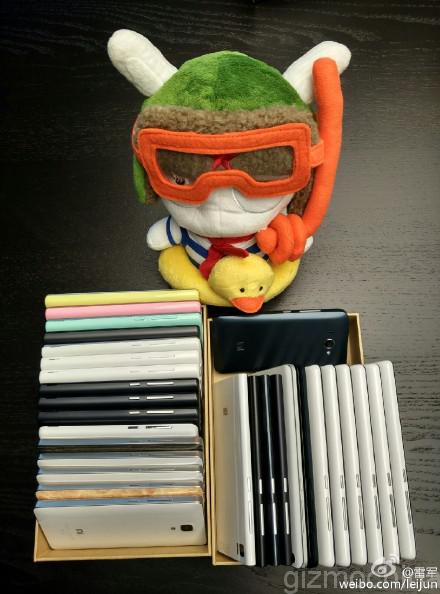
Lei Jun said that Xiaomi is very concerned about the experience and the quality of each model, so the company usually makes at least 5 or 6 prototype devices until they reach the perfection.
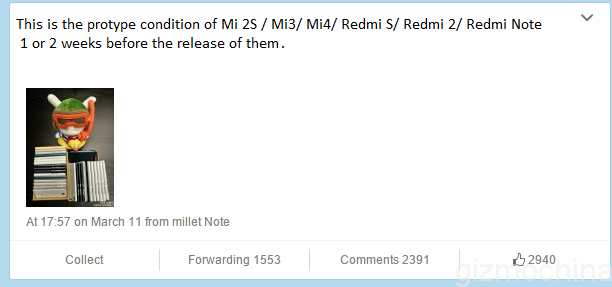
Lei Jun posted on his Weibo about the Research and Development for the MI5, he posted a picture with Xiaomi phones, Mi2S / Mi3 / Mi4 / Mi Note and all the Redmi Series in their prototype state. He Posted-
Lei Jun said that they are very concerned for the user experience and the quality of each model they produce, a model tend to have five or six versions of the project to verify the perfect machine.
At the Mi4 conference, Lei Jun has said that its R & D process up to 18 months, the project has gone through six generations machine .
According to the time inference, Mi5 design is almost finalized at present, but there is a long distance from the official release time. Previously, analysts @ Pan Jiutang just broke the news on the Weibo that Mi5 will be released in fourth quarter of this year in order to meet us .
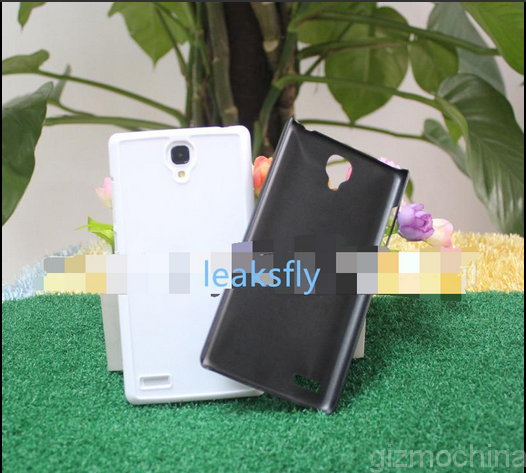
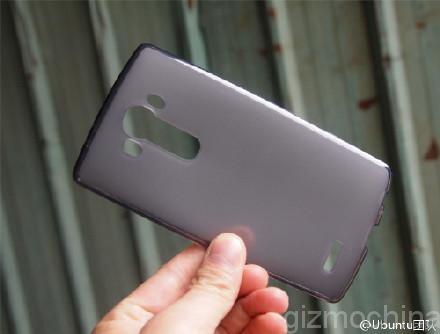
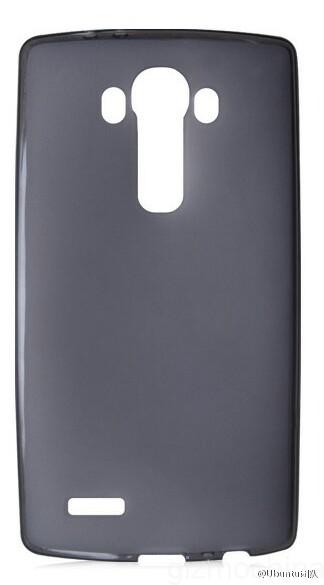
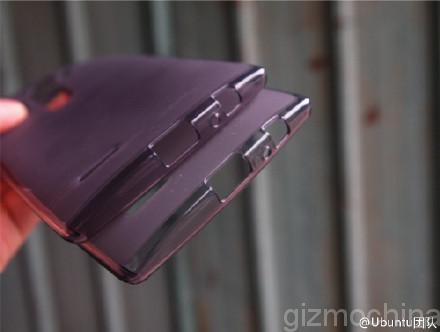
LG G4’s Case leaked before the launch of the phone. The picture was leaked by a weibo page, looking at the case, the LG G4 looks very similar to G3, though not the exact same. It has a protruding camera and a bigger and taller button known as Key Plus on the back, with flashes on either of the sides. Yesterday there were some rumurs about the LG G4 and today after the release of the cover, It seems LG has confirmed the design. Following the G series, it would have a shiiny back and a great build.
It is also rumoured that the phone will have a little curve that is it will have a little bend. LG G3 also had a little curve on the back side but lets see what LG does with LG G4.
The rumors point that the innards of G4 will include Qualcomm Snapdragon 810 SoC, 16MP rear camera, QHD display and a massive front camera. These leaks are early stage press renders, so the actual product might look different when it launches.
Do let us know what you think about it in the comment section below.
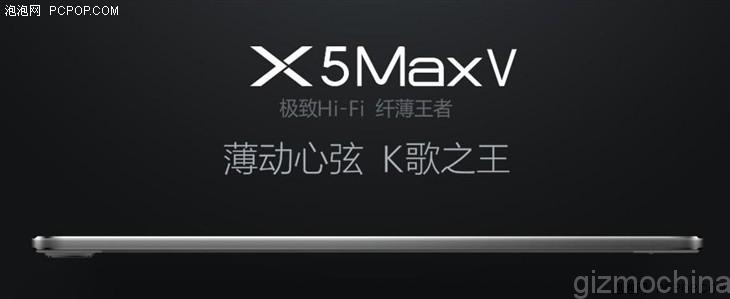
Vivo surprised everyone last year by releasing the world’s thinnest smartphone at that time, the Vivo X5Max. The phone featured a ultra slim 4.8mm body. Now, the company has just announced the Vivo X5Max CDMA edition in China, that brings small changes in the device.
First of all, the CDMA edition is not as thin as the regular version. This particular model will feature a 5.1mm body, which is still extremely thin as compared to most phones in the market. The increase in the thickness is due to the additional battery capacity on the device. The phone will have a 2300mAh battery which is slightly bigger than the 2000mAh found on the regular version.
Apart from the increased thickness and additional CDMA network support, the tech specs of the Vivo X5Max CDMA Edition is the same as the regular version. It will come with a 5.5-inch full HD 1080p resolution display and Snapdragon 615 64-bit octa-core processor underneath. There will be 2GB RAM onboard and 16GB internal storage. Despite its super thin design profile, the phone has a MicroSD slot which can take up to 128GB size cards.
The phone will feature a 13MP rear camera unit along with a 5MP front shooter. It will support 4G LTE networks and will run Android 4.4 KitKat OS with FunTouch 2.0 UI on top.
The Vivo X5Max CDMA Edition will be available for a price tag of 2998 Yuan which comes to around $480.
We use cookies on our website to give you the most relevant experience by remembering your preferences and repeat visits. By clicking “Accept”, you consent to the use of ALL the cookies.
This website uses cookies to improve your experience while you navigate through the website. Out of these, the cookies that are categorized as necessary are stored on your browser as they are essential for the working of basic functionalities of the website. We also use third-party cookies that help us analyze and understand how you use this website. These cookies will be stored in your browser only with your consent. You also have the option to opt-out of these cookies. But opting out of some of these cookies may affect your browsing experience.
Necessary cookies are absolutely essential for the website to function properly. This category only includes cookies that ensures basic functionalities and security features of the website. These cookies do not store any personal information.
Any cookies that may not be particularly necessary for the website to function and is used specifically to collect user personal data via analytics, ads, other embedded contents are termed as non-necessary cookies. It is mandatory to procure user consent prior to running these cookies on your website.