Advertisement

Vivo X5 Max is strikingly similar to the OPPO R5


Smartphones are becoming thinner and thinner everyday. Today’s release of the Vivo X5 Max, currently the world’s thinnest smartphone proves exactly this. But back when Oppo announced its R5 flagship which was just 4.85mm thick, we almost thought that it would be impossible to slim down a phone further. So, we were wondering how did Vivo make its X5 Max even slimmer than the R5.

Well, the answer lies in X5 Max’s design. If you look at the device carefully, you’ll realize that you have seen this design before. If you still don’t get what we are saying, look at the images below.

Left - Vivo X5 Max & Right - Oppo R5
Left – Vivo X5 Max & Right – Oppo R5


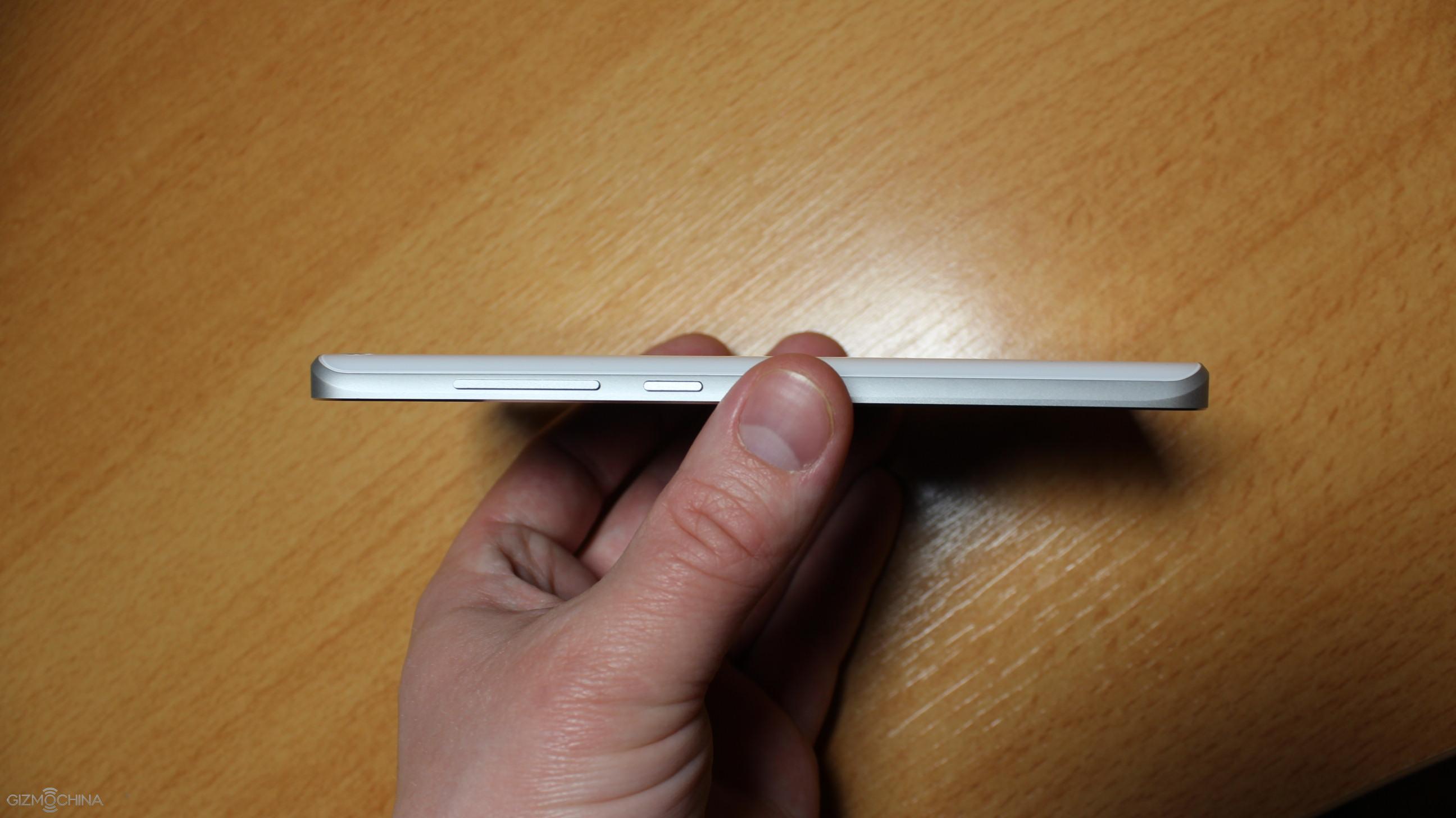
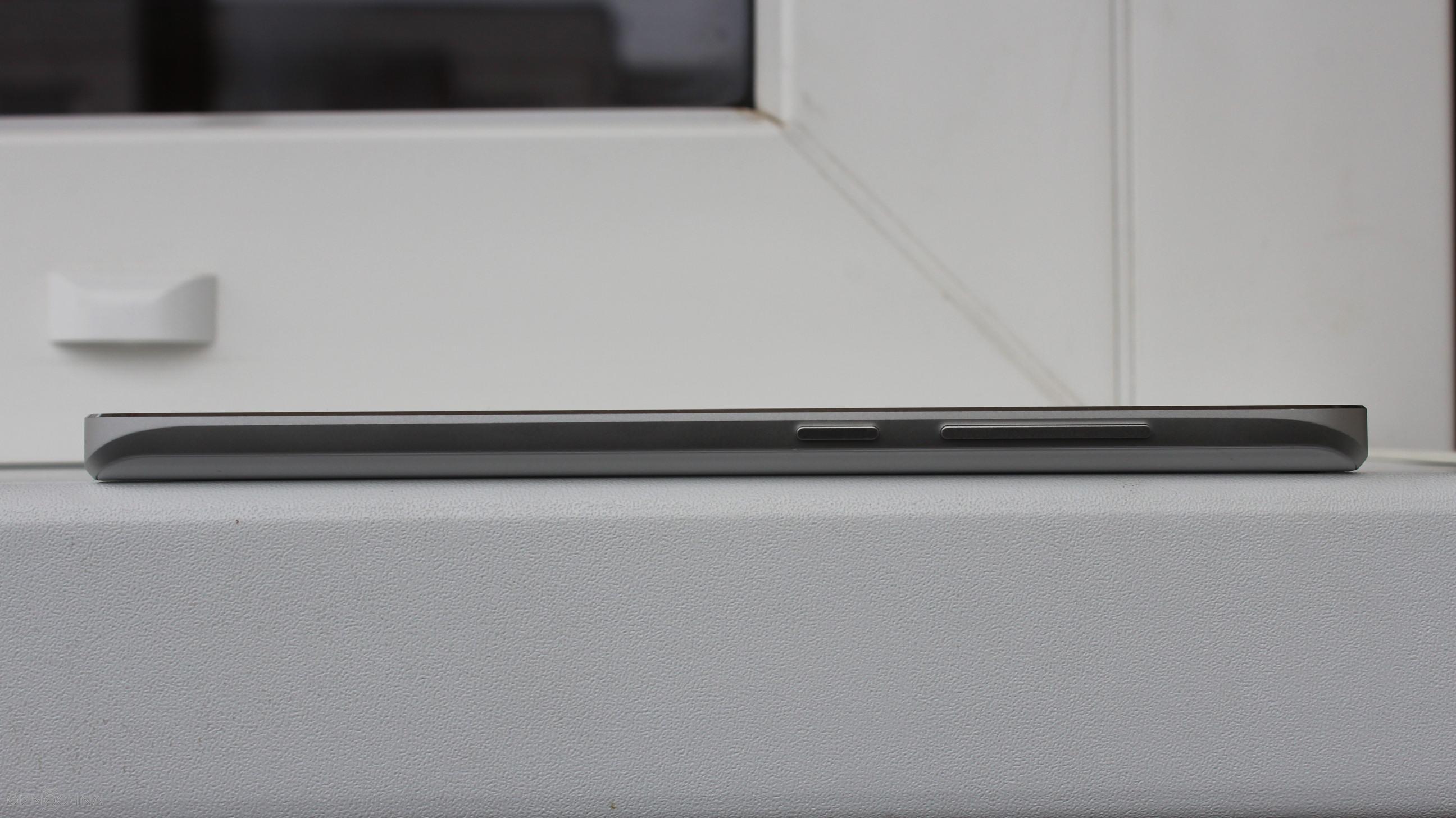
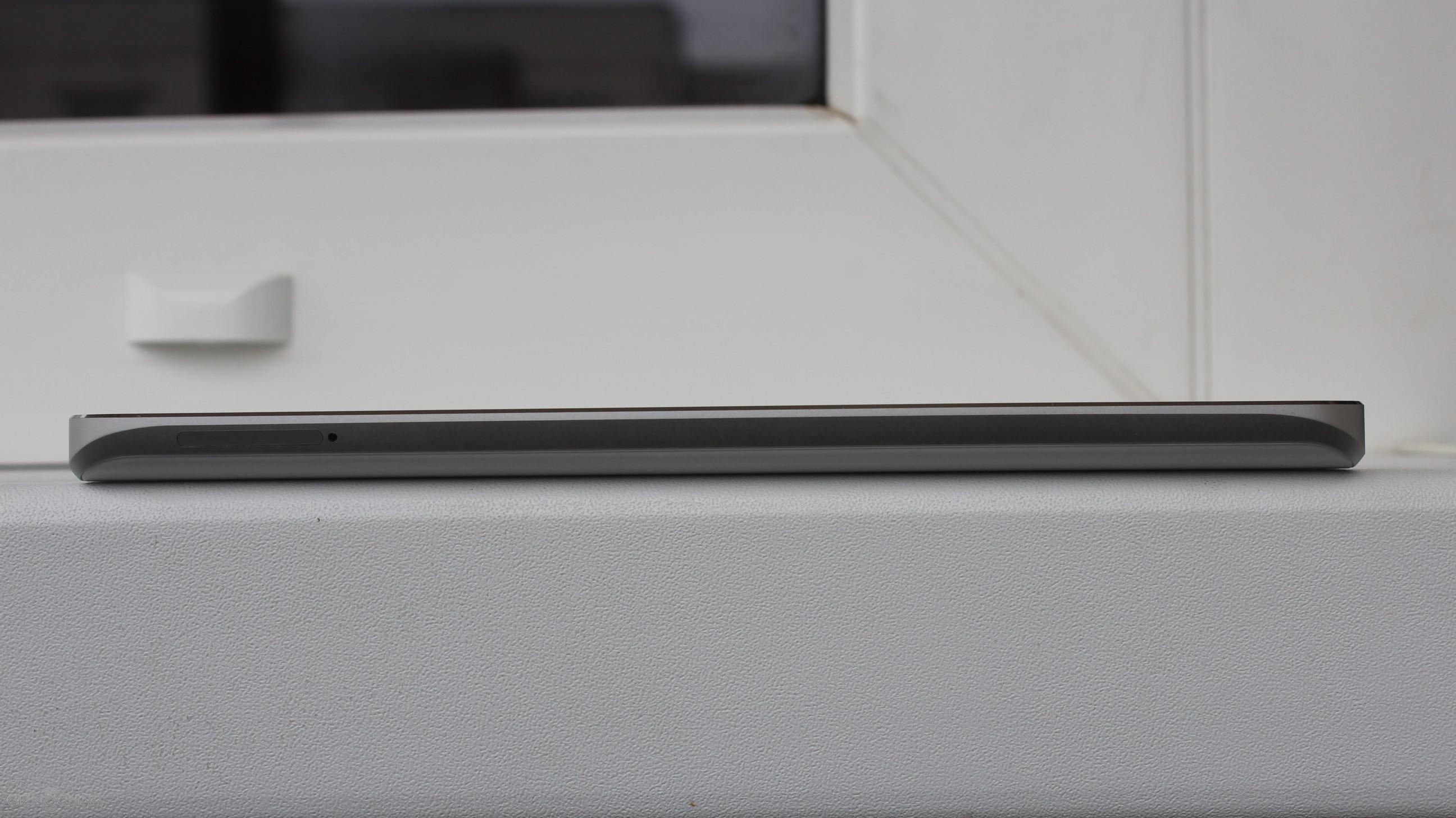
Vivo X5 Max has borrowed most of the its design from the OPPO’s R5 smartphone. The overall design, button and camera placement, and finish seems all too familiar.

While there are a few differences like the 3.5mm headphone jack on top as well as the speaker grill at the back of the Vivo X5 Max, rest of the design seems to be borrowed from R5.
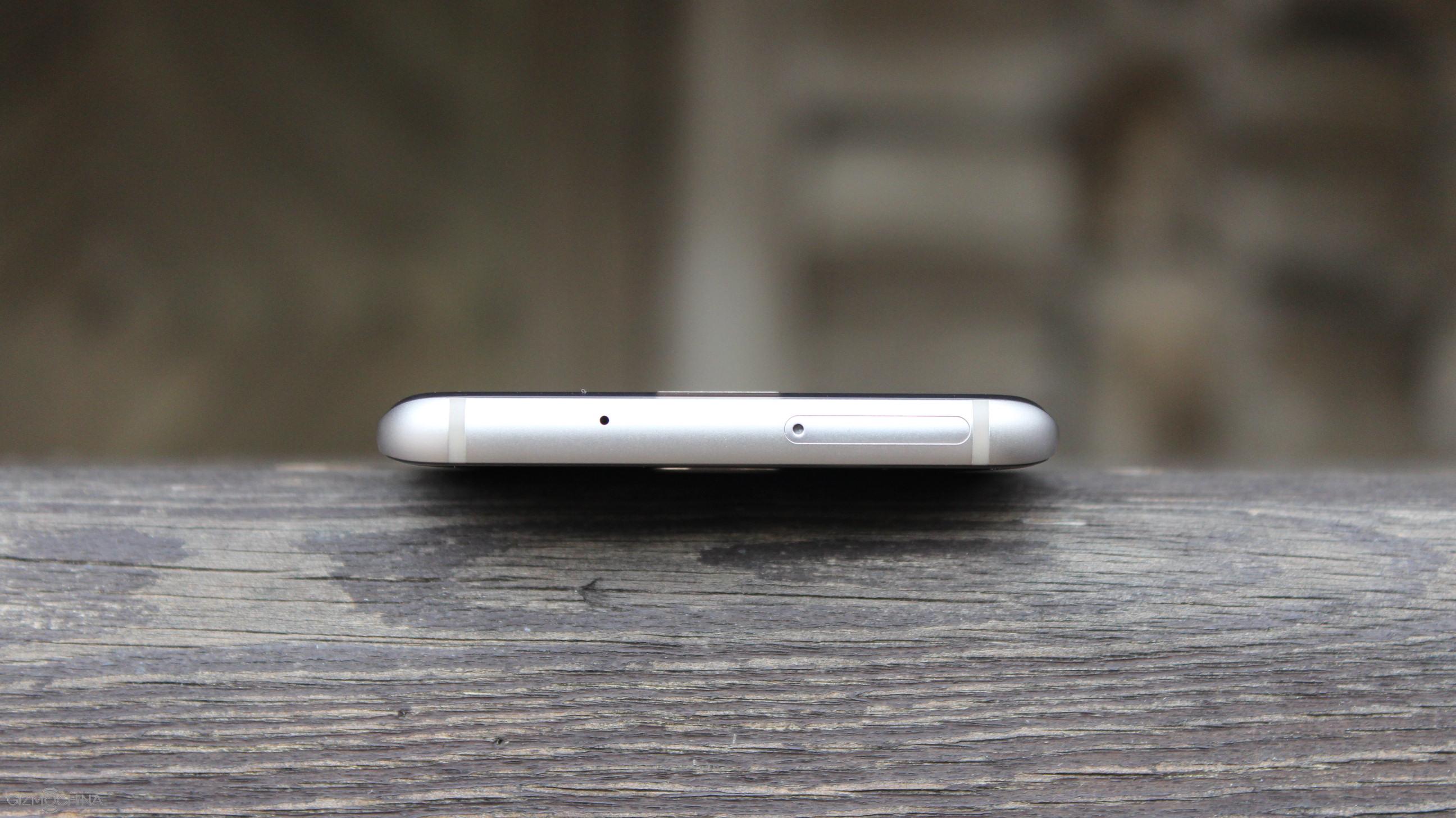
see the similarities in camera and buttons?

For example, the protruding camera lies on top of both the devices along with an LED flash besides it. Both have a dual color tone back design with a similar looking power and volume buttons (as well as their placements). Even the front looks similar, but we are not counting that since most smartphones these days have the same frontal design.
 

So, it looks like Vivo may have taken design inspiration from its direct competitor, OPPO R5.

What do you think?

[socialpoll id=”2236450″]

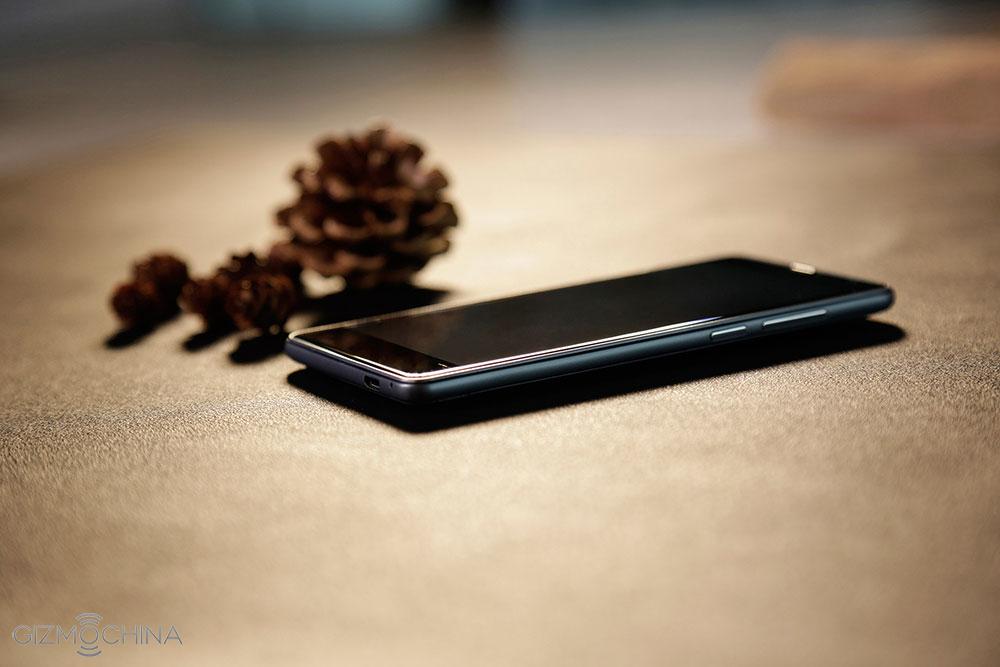
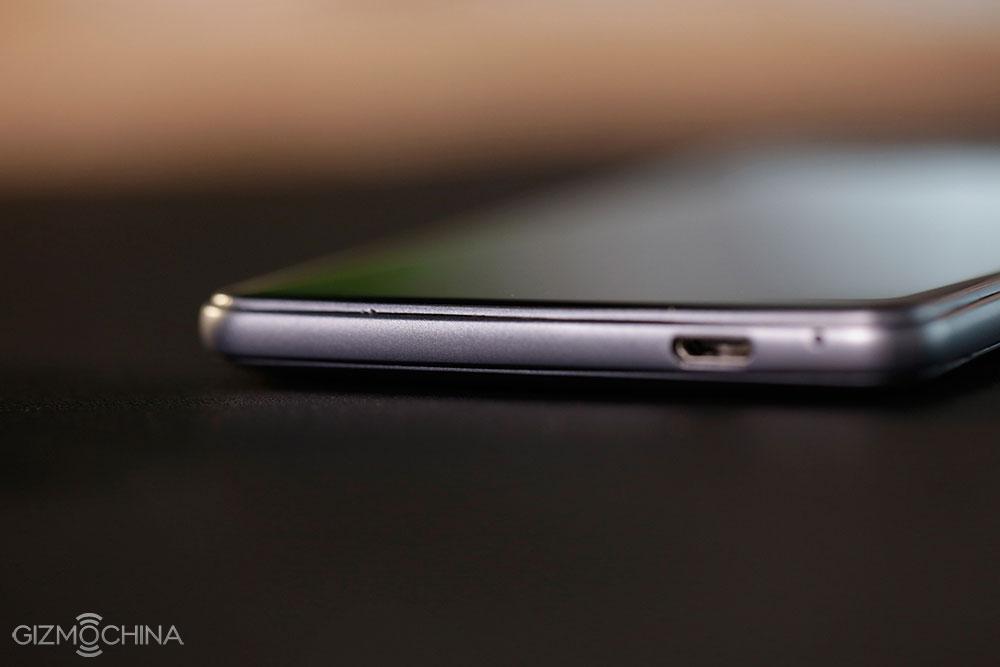
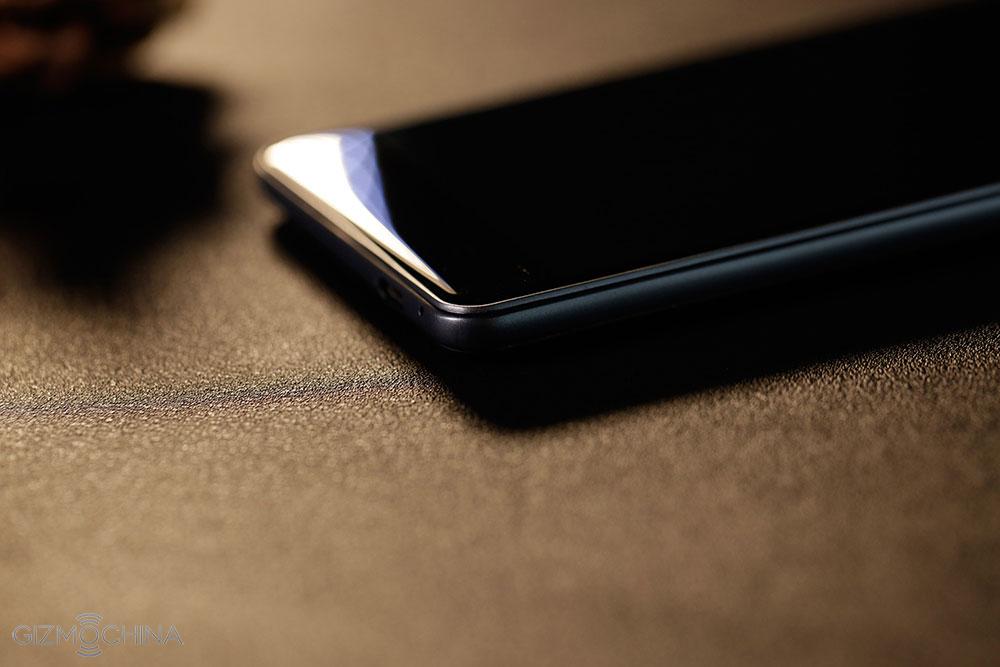
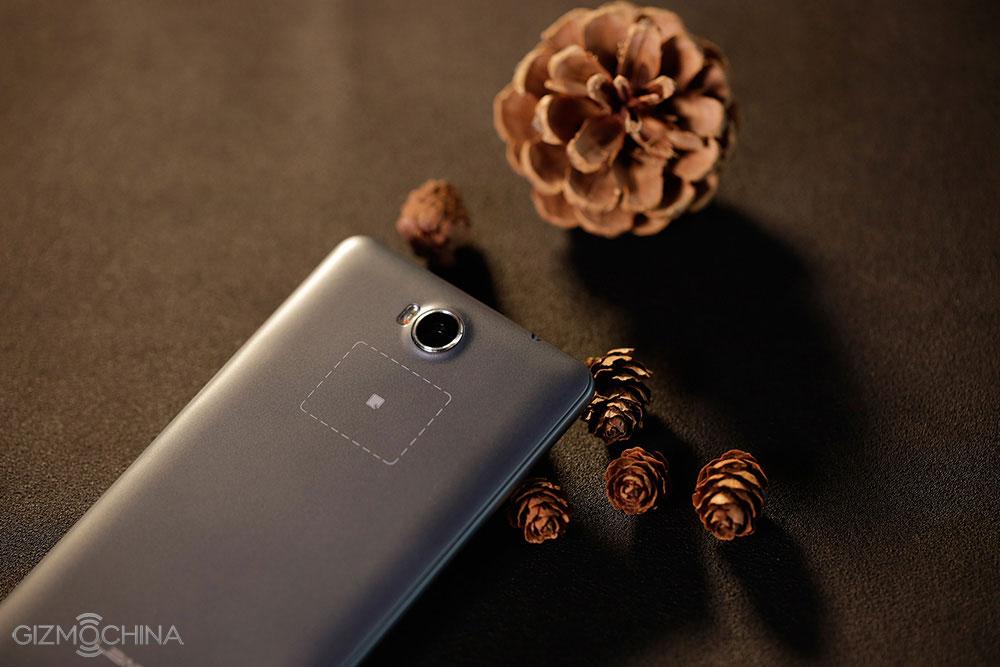
Meanwhile, check out some additional pictures of the newly launched Vivo X5 Max.


If you are still not convinced, take a look at our hands on review of the Oppo R5 flagship here.  There are lots of pictures of the Oppo device in the post.
Vivo X5 Max Is Finally Official , Snapdragon 615 CPU, 4.75mm thin,dual SIM 4G LTE and “Hi-Fi 2.0”

Vivo X5 Max

Today, Vivo introduced what is now the world’s slimmest cell phone at 4.75mm—the Vivo X5 Max 4G smart phone. The company took great steps to make a phone as slim such as them. For example, they created a motherboard for the Vivo X5Max that is only 1.7mm.

In addition, it uses a 3.98mm chassis which is the thinnest in the industry right now. As for the screen, the Vivo X5 Max sports a 5.5-inch 1080p super AMOLED display screen and is also the world’s thinnest screen with a thickness of only 1.36mm.

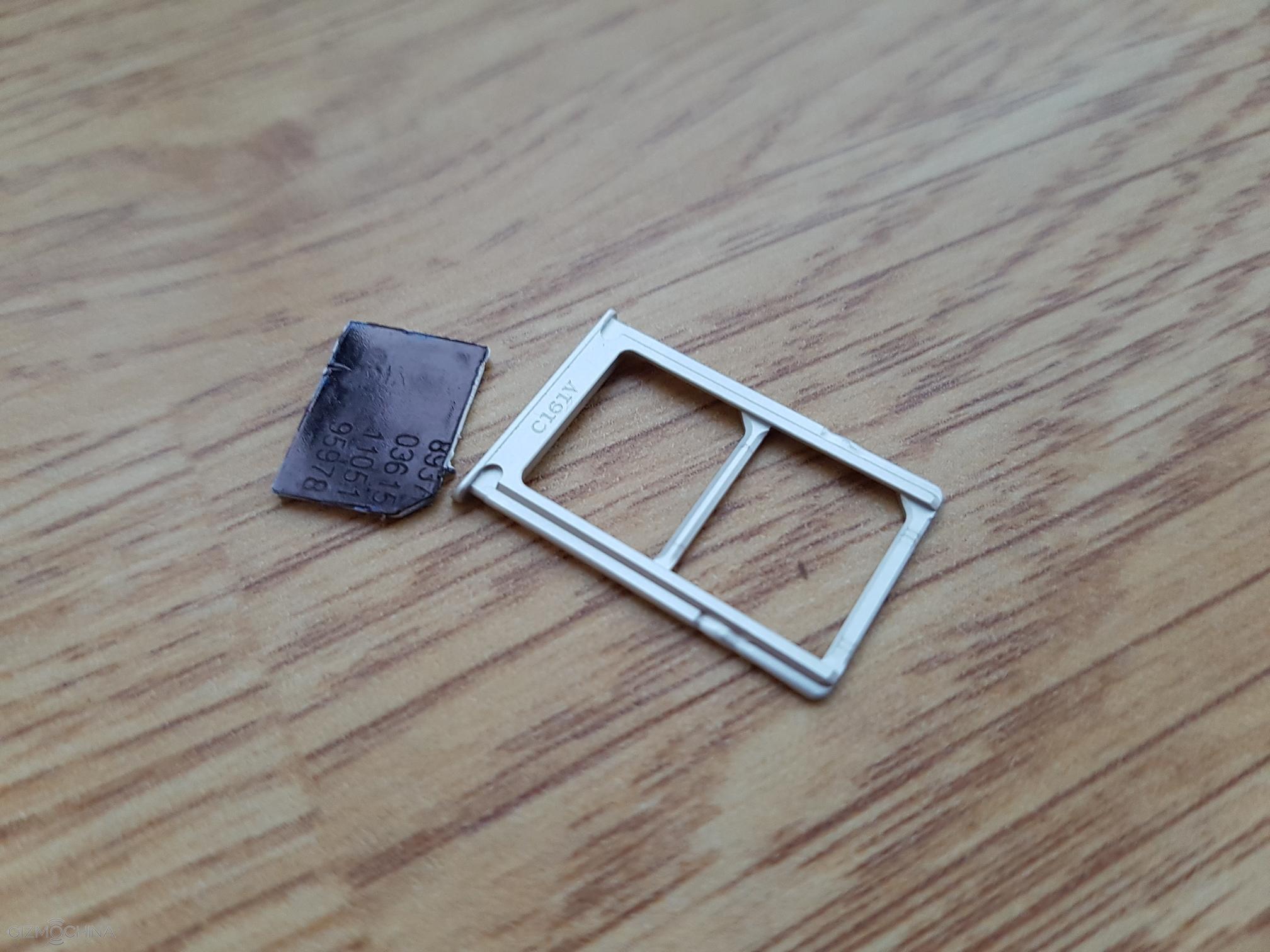
It also uses the world’s thinnest speaker box (2.45mm) and has excellent sound quality. It has a dual SIM slots. One is for a Micro-SIM card while the other is for a nano-SIM card or TF card. Users can just decide for themselves which card to put in. It is also worth pointing out that this phone sports a 3.5mm earphone jack.

Next, let us move our attention to the Vivo X5 Max’s core specifications. Its CPU is the 1.7GHz 64-bit Qualcomm Snapdragon 615 octa-core processor. As for memory, it has 2GB RAM and 16GB ROM which can be expanded to 128GB with an expansion card. You can also take photos using the Vivo X5 Max’s dual cameras. It sports a 5mp front-facing camera and 13mp rear-facing camera which has the Sony IMX214 sensor.

Furthermore, KTV fanatics should be happy with this phone. This phone has a Karaoke function and uses the YAMAHA YSS-205X CHIP. This phone supports all kinds of Apps that can give you a great karaoke experience. It also supports Hi-Fi 2.0.

Let us not forget its operating system. The Vivo X5 Max comes pre-installed with the Android 4.4.4-based Funtouch OS 2.0. This phone goes on sale on December 22 for 2998 RMB (485.64 USD).

Here’s our exclusive hands on video of the device.


Huawei Honor 4X (Kirin 620) real photos leaked

Huawei Honor 4X

Although the Huawei Honor 4X (Kirin 620) has yet to be formally launched, it looks like we will see it soon as not only have pre-sales for this phone have already started, but photos of a gold version were released online. Also, reports say that there will be a high-end version and low-end version which will cost at least 999 RMB (161.70 USD).

As said before, this phone uses the Kirin 620 CPU from Huawei subsidiary, HiSilicon. This 28nm processor’s main feature is its use of 8 ARM A53 cores. It is also a 64-bit processor. It has a frequency of 1.2Ghz and its GPU is the Mali-450 MP4. As for connectivity, it supports TD-LTE, FDD-LTE, TD-SCDMA, WCDMA, and GSM networks.

Other than that, the Huawei Honor 4X’s specifications are the same as other versions. It sports a 5.5-inch OGS display screen, has a 5mp front-facing camera, a 13mp rear-facing camera, and GPS. It is powered by a 3000mAh battery which can last for 72 hours.

It is important to point out that Huawei will release a high-end version and low-end version of the Huawei Honor 4X. The biggest difference between the two is the memory. The high-end version will has 2GB RAM while the low-end version will have 1GB RAM. Of course, their prices will also be different. Reports say that the low-end version will only cost 799 RMB (129.31 USD), while the high-end version will cost 999 RMB (161.68 USD). It looks like Huawei is trying to have them compete with Xiaomi’s Red Mi Note.

However, someone in an internet forum said that pre-sales for other versions of the Huawei Honor 4X have already begun in Huawei’s official website. These versions use the Snapdragon 410 and cost 999 RMB, while the so-called high-end versions may use the Kirin 620 but actually cost 1299 RMB (210.23 USD).

[socialpoll id=”2236408″]

Huawei Honor 4X Huawei Honor 4X Huawei Honor 4X

Meizu: We will not make 799 RMB cellphones (129.34 USD); too cheap and poor quality

meizu-logo

Recently, two new phones from Meizu were introduced online. One is the Meizu K52 which has a 4.6-inch display screen. The other is the Meizu Blue Charm Note which has a 5.5-inch display screen.

The Chinese cell phone industry has been undergoing a price war for some time now. More cell phone companies are trying to outdo each other in selling high quality phones at relatively low price. There are reports that say that the Meizu Blue Charm Note and K52 are set to cost 799 RMB (129.34 USD).

Regarding their price, early this morning, Meizu vice-CEO Li Nan said in his Weibo account, “Meizu cannot make 799 RMB cell phones. The price is too low which means that the quality cannot be that good.” In addition, Li Nan also said, “In a price war, there is no going back. It is more important to make higher quality devices, regardless of how expensive it can be.” Based on this statement, we can say that whether it is the Meizu K52 or Blue Charm Note, the price cannot be 799 RMB. They are more likely to cost between 1100 RMB (178.01 USD) and 1300 RMB (210.38 USD) as analyst Bo Jiutang said.

However, we cannot help but be sceptical about his comments about Meizu’s new devices given his previous comments on how much the Meizu MX4 Pro would cost and what its true price actually was. Still, we have no problem with what he said about the quality of the products. Li Nan soon deleted his Weibo post.

Recently, Meizu announced that something big will happen on December 11. Also, there are rumors that say that it is related to the Meizu Blue Charm Note, while some say that it is related to the release of the Meizu K52. We will just have to wait and see.

[socialpoll id=”2236401″]

ZTE Grand S3 renders and camera shots leaked

Back at CES 2014, ZTE unveiled its latest flagship, the ZTE Grand S2. Although the device is yet to hit many developed and developing markets, we already have new information about its next generation device, the ZTE Grand S3.

ZTE Grand S3?
ZTE Grand S3?


Today, we have two renders of a ZTE device which will most likely replace the existing Grand S2 as the company flagship. The device will be called as the ZTE Grand S3 and will feature a similar design profile as the existing flagship.

ZTE Grand S ext?
ZTE Grand S ext?

As you can see from the given renders, the new flagship will feature a clean unibody design with a thick metal frame supporting the chassis. Both the power button and the volume rockers are situated on the right side, while on the left, you just have a SIM card tray. The back is almost as curved as the ZTE Grand S2, however it looks like the company is adopting the ‘band aid’ design for its camera module like its first generation Grand S.


The leaked renders which claim to be the next ZTE flagship look exactly like the ZTE Grand S ext model that we saw a few months back. If you zoom into the picture, you’ll even notice the letters ‘Grand S ext’ on the device. So, this probably means that the renders that we are seeing today are the same as the ones from 8 months back or atleast from the same batch. However, even that doesn’t rule out the possibility of this device being the flagship, as at that time, it was said that the upcoming ‘ext’ model would be the next ZTE flagship. So, what we are seeing today could very well be the Grand S3 aka Grand ext.

The Grand ext was said to feature a unique Nano molding technology (NMT) which would fuse in metal and plastic together to make it extremely durable and lightweight. Also, it was rumored that the phone features wireless charging. So, if this is the next ZTE flagship, its more than likely that these features end up in the upcoming device.

Apart from the possible renders of the next ZTE flagship, we also have some alleged camera shots from the device’s 16MP rear camera sensor. Check out the gallery below for the camera shots.


The Grand S3 will also reportedly feature the same voice recognition technology as its previous generation which allowed users to unlock their devices, open up apps like camera and perform other functions with the help of simple voice commands. You’ll also get the My-Drive feature which helps reduce driving distractions by enabling clearer voice calls, messaging and other voice operated controls.

Unfortunately, we don’t have any information on the phone’s hardware as of now, but we are very positive that ZTE will announce this new device at the upcoming CES 2015 to be held in Las Vegas.

Stay tuned for more exclusive updates.


Huawei Honor 6 plus leaked with Metal Frame

The rumored Huawei Honor6 plus finally got leaked images, and I’m sure it’s 100% real, the reasons are in the following leaked pictures.

5349973420

1 From the picture we can see it’s using the same white, glittery back cover like the material been used on Huawei Honor6.

5386611646

2 We see the white editon from this picture, will it have the gold edition?

7211117703


3 The metallic curve of the phone shows Huawei Honor6 will have metal frame.

5301501803


4 From the picture we think it might be a 5.5 inch device, and we can see Huawei Honor6 plus will have thin bezel design in this picture.

QQ图片20141209231540


We can also check the poster from the Huawei’s Official Weibo to see it has a extremely thin bezel.

5394181071


5 We see the “Honor” logo at the back of the phone, we still can’t see the dual camera.

5308468495 5309569778


6 The last pictures might be the cell phone case of Huawei Honor6 plus.


Xiaomi‘s Air Purifier”borrowing” Design From Balmuda AirEngine

xiaomi-bamuda

Xiaomi has recently introduced a home air purifier. The purifier can be controlled by a smartphone and alerts users when its filter needs to be replaced.
In a press conference at the company’s Beijing headquarters, Chief Executive Officer Lei Jun demonstrated that the product can be easily managed through a cellphone. Xiaomi’s air purifier has the capacity to produce 406 cubic meters (14,000 cubic feet) of clean air an hour whereas users are regularly informed when the filter is exhausted. Its available at a cheap price of 899 yuan ($145).

Xiaomi just can not stop on their way to borrow design from other companies, from the Mi2 borrow design from Meizu, Mi3 borrow design from Nokia, Mi4 borrowing deisgn from Apple, Mi5 borrowing design from HTC. And they shift their eye on Air Purifier market and Balmuda— A Japan’s Technology company established in 2003 in Tokyo

 

Balmuda AirEngine  has been awarded the “red dot award: product design 2013” in Germany, took Gold at this year’s IF Awards. But Balmuda Airengine is priced at $892.49 on Amazon while Xiaomi‘s Air Purifier is priced at  899 yuan ($145)  in China right now.


[socialpoll id=”2236257″]

[socialpoll id=”2236258″]

Could this be the rumored Meizu Blue Charm Note and Meizu K52?


Back when Meizu announced the MX4 flagship, the company said that it had three more products for 2014. A few weeks later, we saw the MX4 Pro, which essentially means we will see two more devices from the company this December.

One of the these two could be the long rumored Meizu Blue Charm Note. Today, we have a leaked image of the alleged device. As you can see in the picture above, this Orange colored Meizu handset is most likely the Blue Charm Note. It resembles the images that we saw back in March, except for the color (the earlier phone leaked was blue in color, hence the name). At that time, it was said that the device would come in a number of different colors and will target younger generations.

blue-iphone-5c
Blue-iPhone-5C

If you look closely, you see that the phone has taken some design inspiration form iPhone 5C. The glossy plastic back and the round corners resemble the 5C to some extent. Of course, this looks much bigger and wider than the Apple device but still you can see some similarities.

Apart from the picture, we don’t have much details. However, judging from the earlier rumors the Blue Charm Note will be a direct competitor to Xiaomi’s Redmi Note. So, we expect similar specifications and pricing on the upcoming Meizu device.

Here’s a list of possible specifications:

  • 5.5 inch 1080p display
  • MT6752 64-bit Octa Core SoC
  • 2GB RAM
  • 16GB ROM

The white colored device that you see in the picture besides the Orange Meizu phone could be the recently leaked Meizu K52. The device is much smaller in size and is rumored to feature a 4.6 inch display. It is also said that the K52 will have an aspect ratio of 15:9 while the Blue Charm Note will have an aspect ratio of 16:9.

If Meizu was to keep its promise, then we may see both these device within the next two weeks. However, when the company said by the end of the year, they could have meant the Chinese new year, which means they still have two months to release them.

Anyways, one things for sure, Meizu is cooking something for the masses. If the alleged Blue Charm Note turns out to be even nearly as good as the Redmi Note, then we have one more affordable option to choose.

Stay tuned for more updates.

[socialpoll id=”2236262″]


Huawei Honor 6 Plus vs. iPhone 6 Plus, HTC M8, and Samsung Galaxy S5: night photo comparison

Huawei-Logo-Stage


Well, folks. There is only one week left until we are introduced to Huawei’s new flagship phone, the Huawei Honor 6 Plus, which is set for release around December 17 or 18.

The overall specifications of the Huawei Honor 6 Play, which was originally named the Huawei Honor 6X, are almost the same as the original Huawei Honor 6, except that it packs a 5.5-inch 1080p display screen, as well as a 1.8GHz CPU processor, 3GB RAM, and 32GB ROM. As for connectivity, the Huawei Honor 6 Plus also has support for FDD LTE, TD LTE, WCDMA, TD SCDMA, and GSM networks as well as dual SIM cards. It is also 7.5 mm thick. The most important feature of this new phone is perhaps its dual camera.

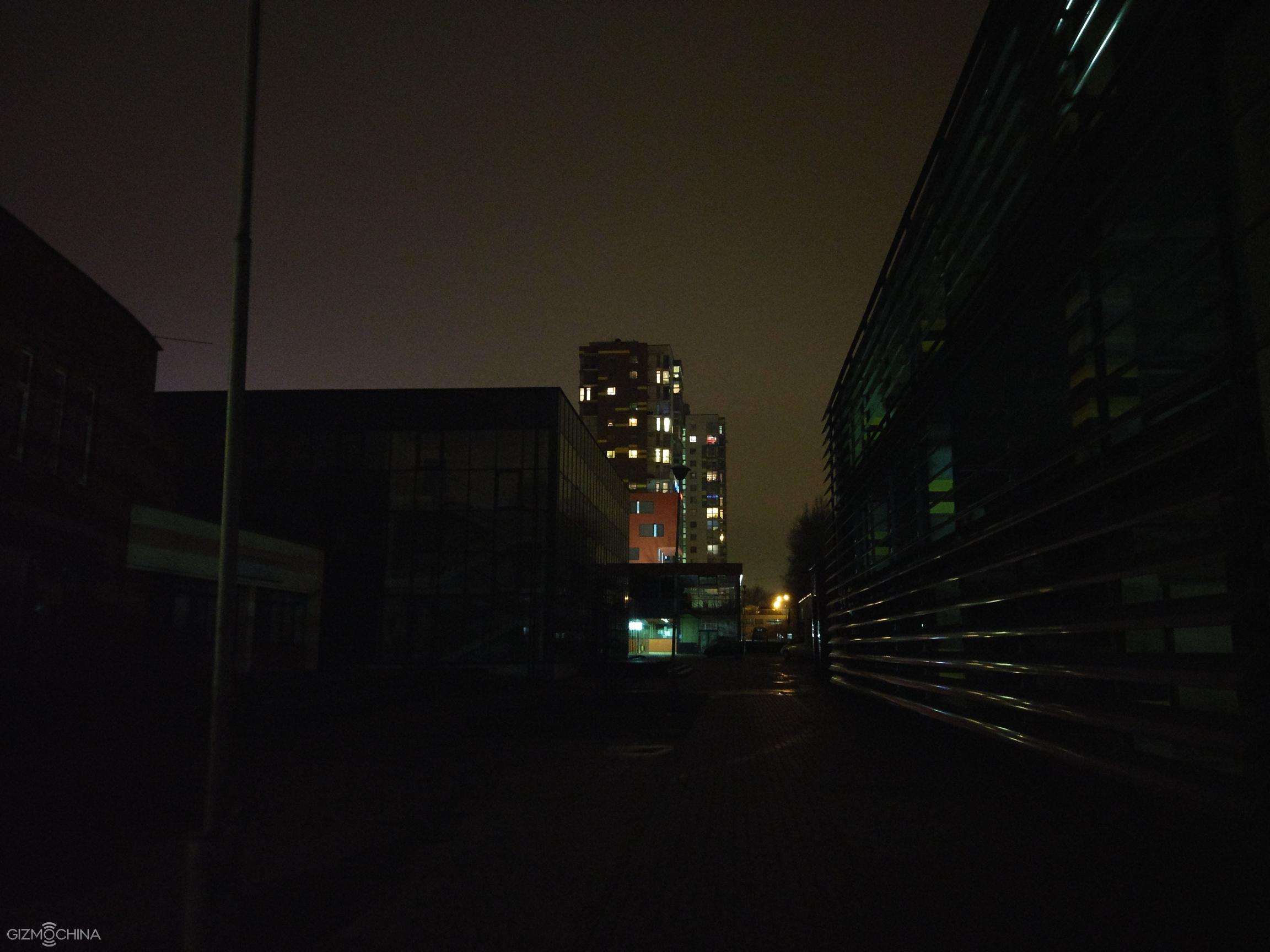
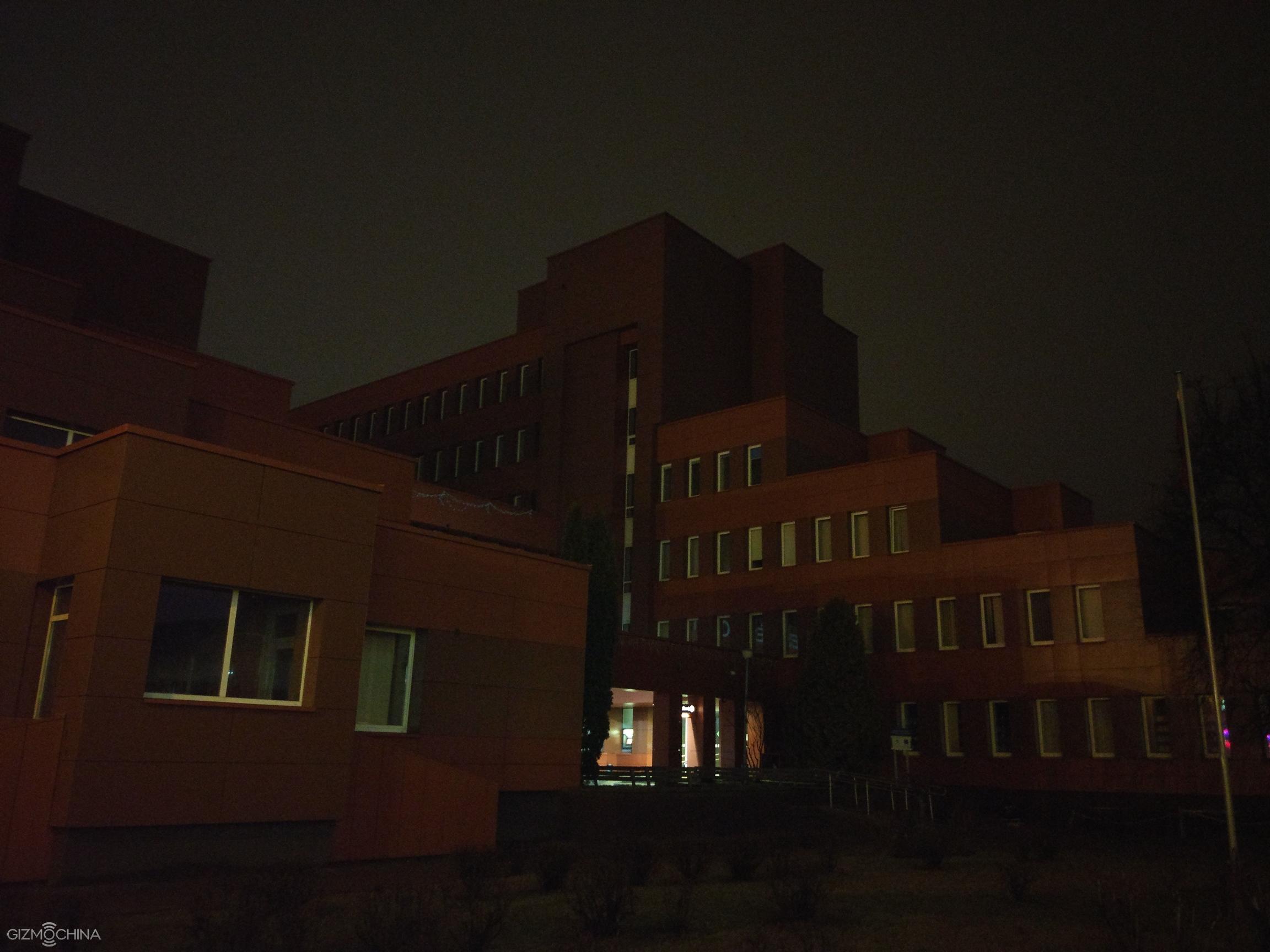
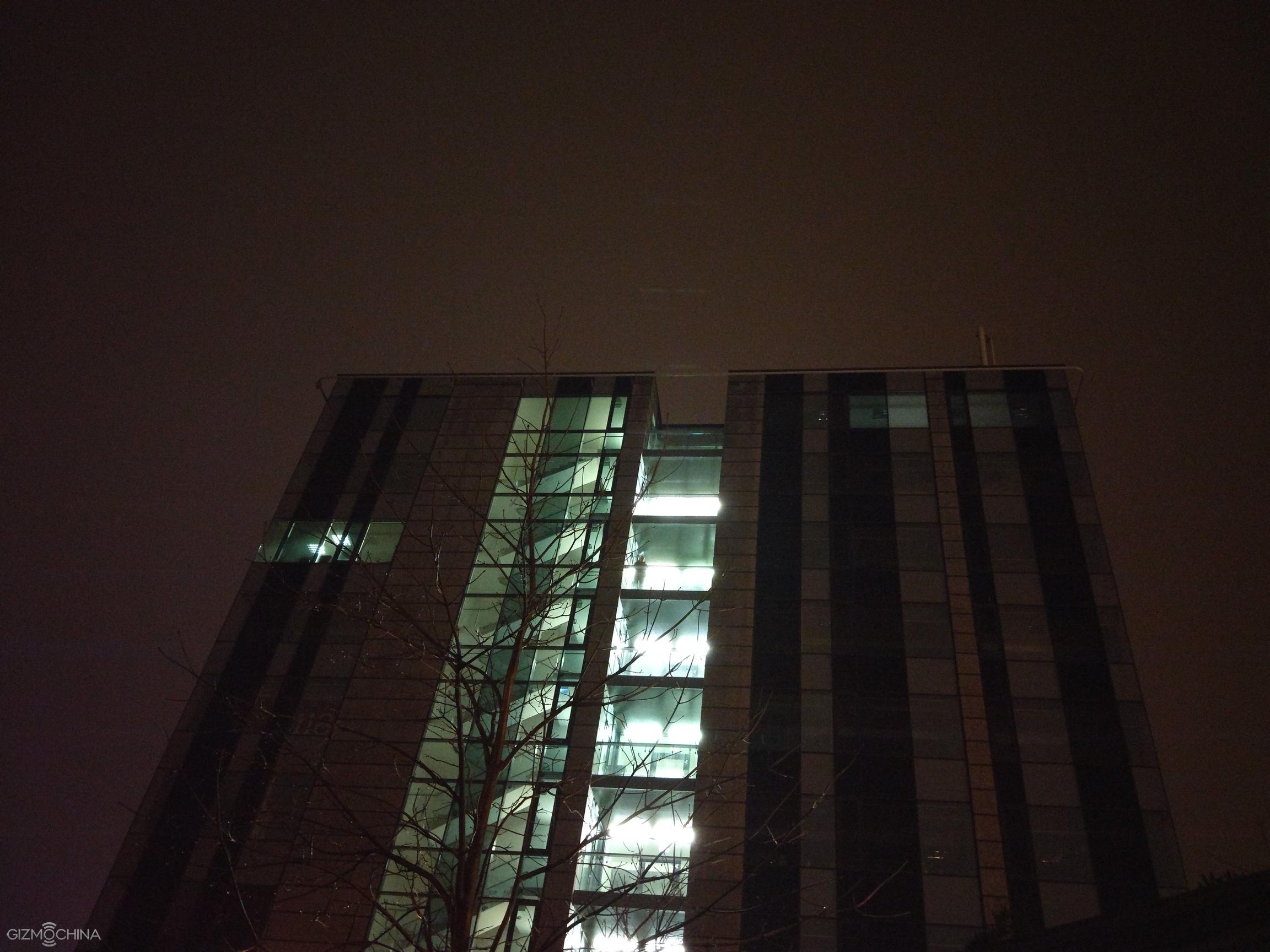
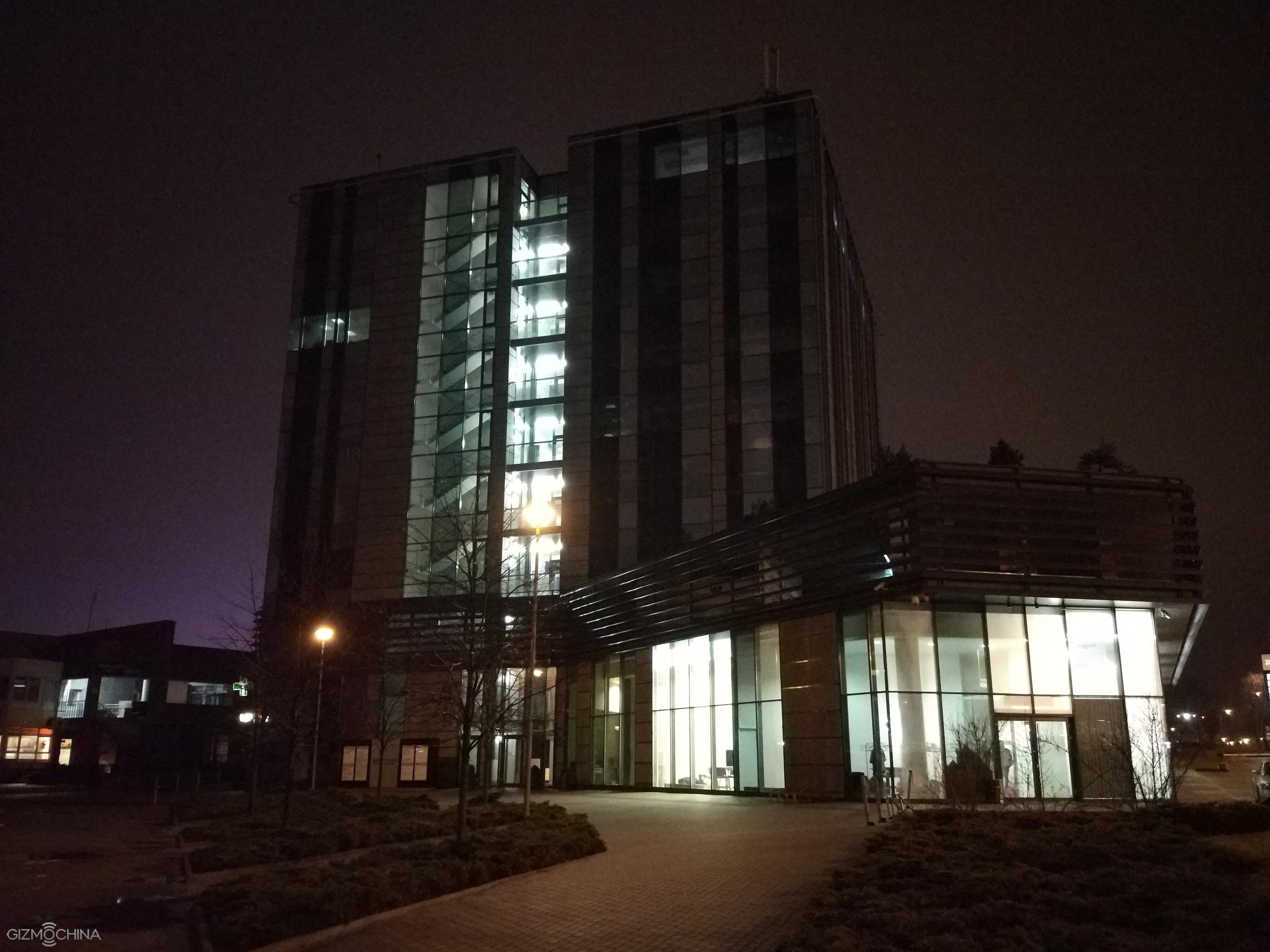
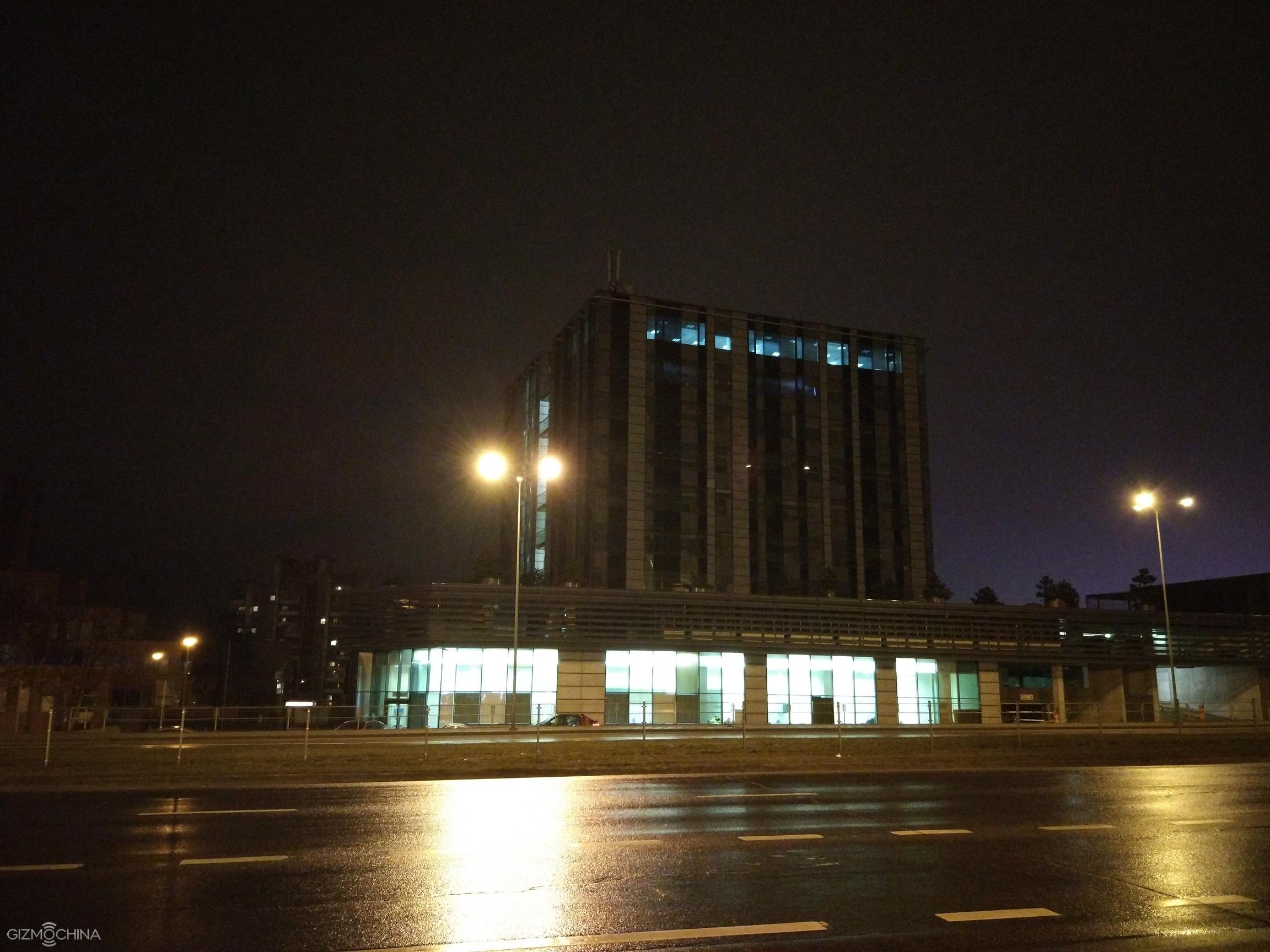
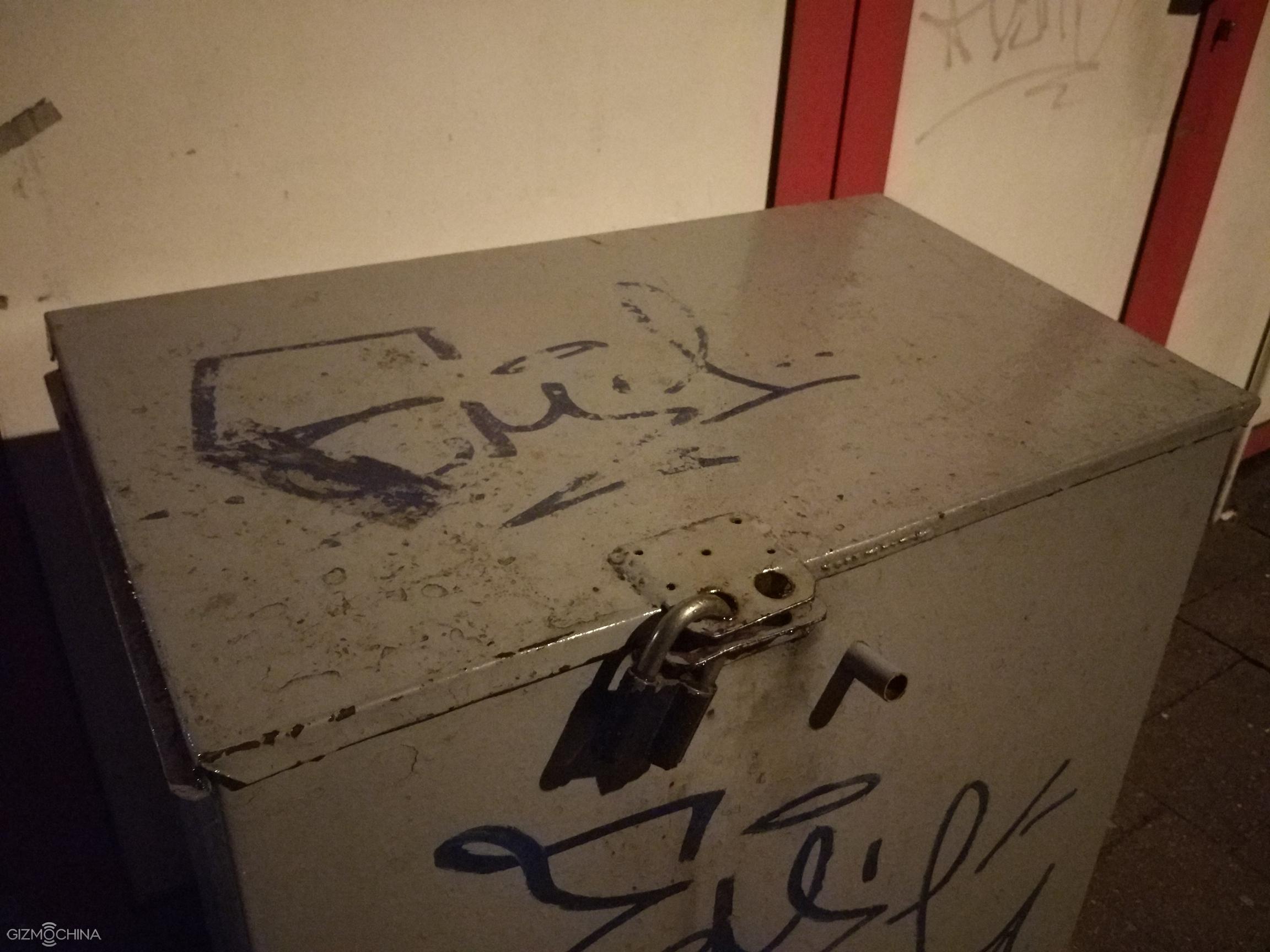
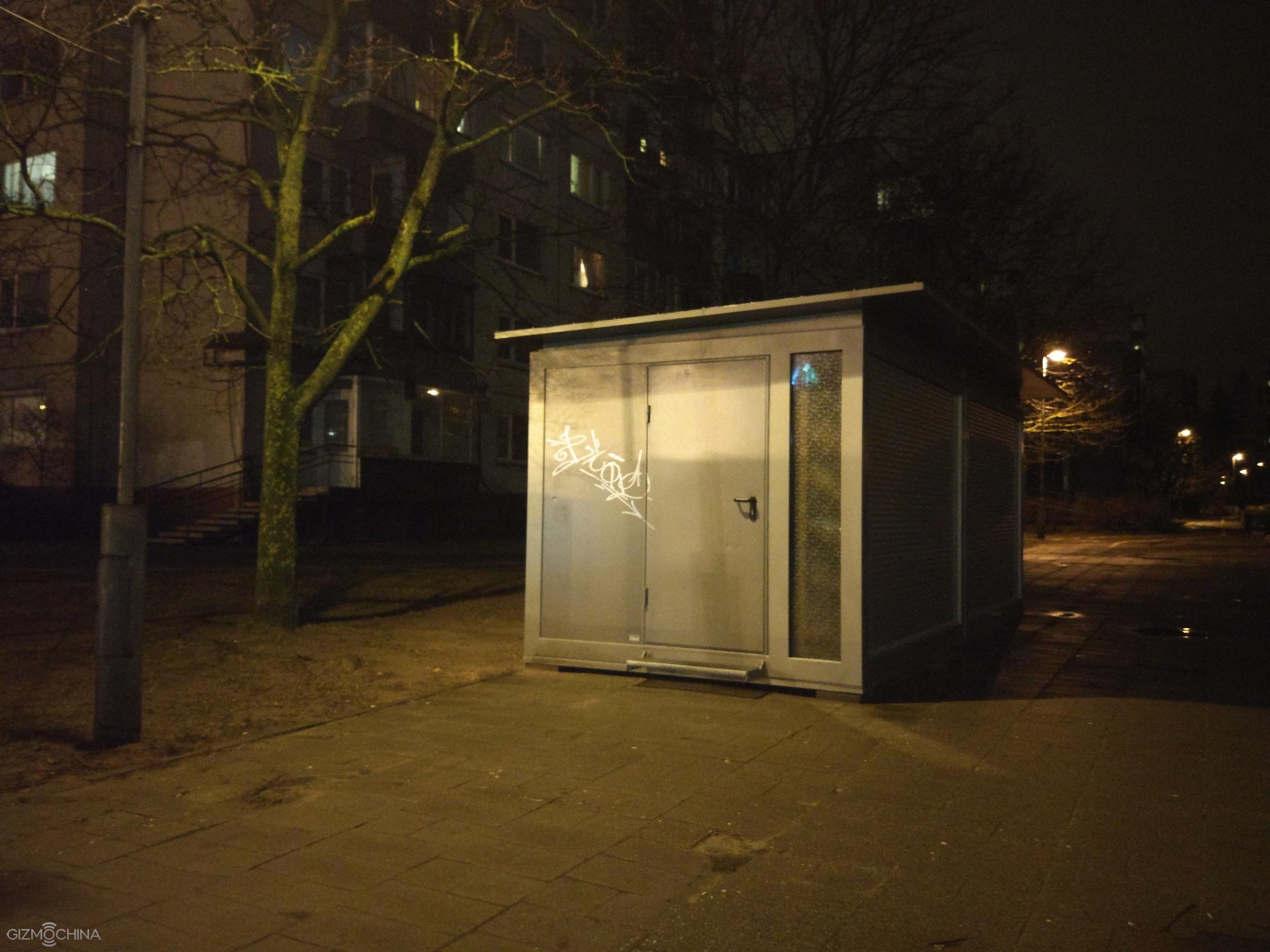
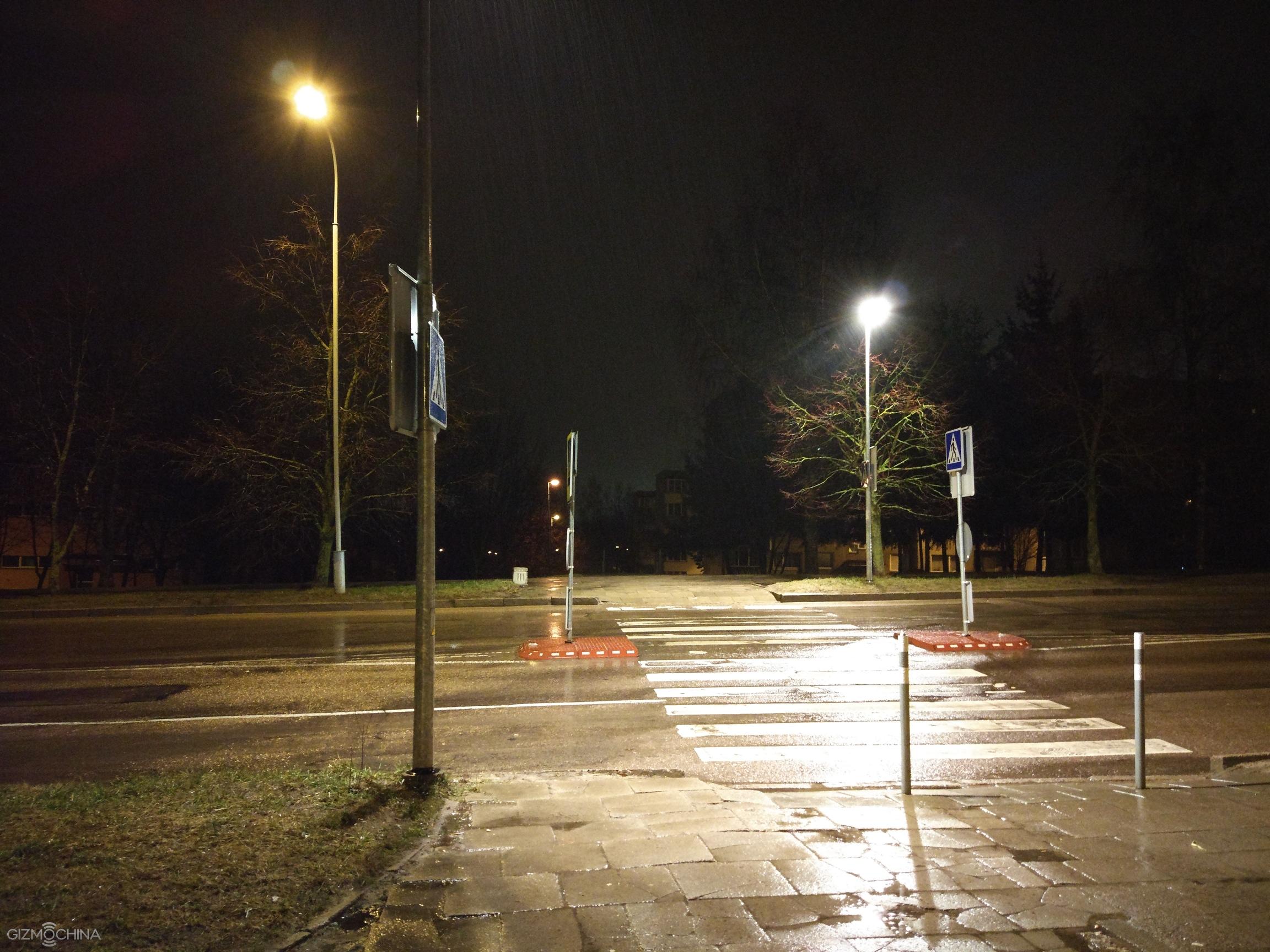
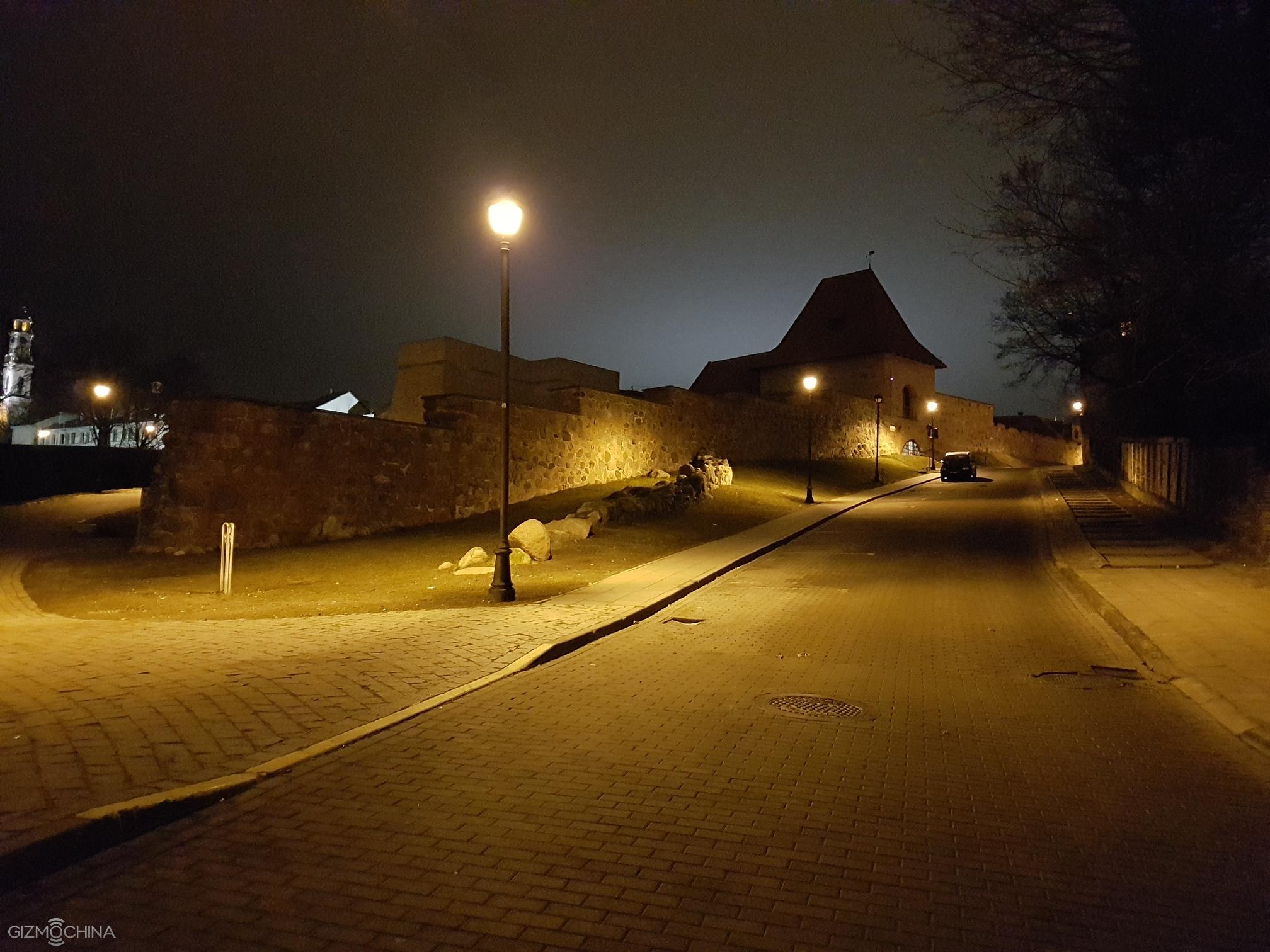
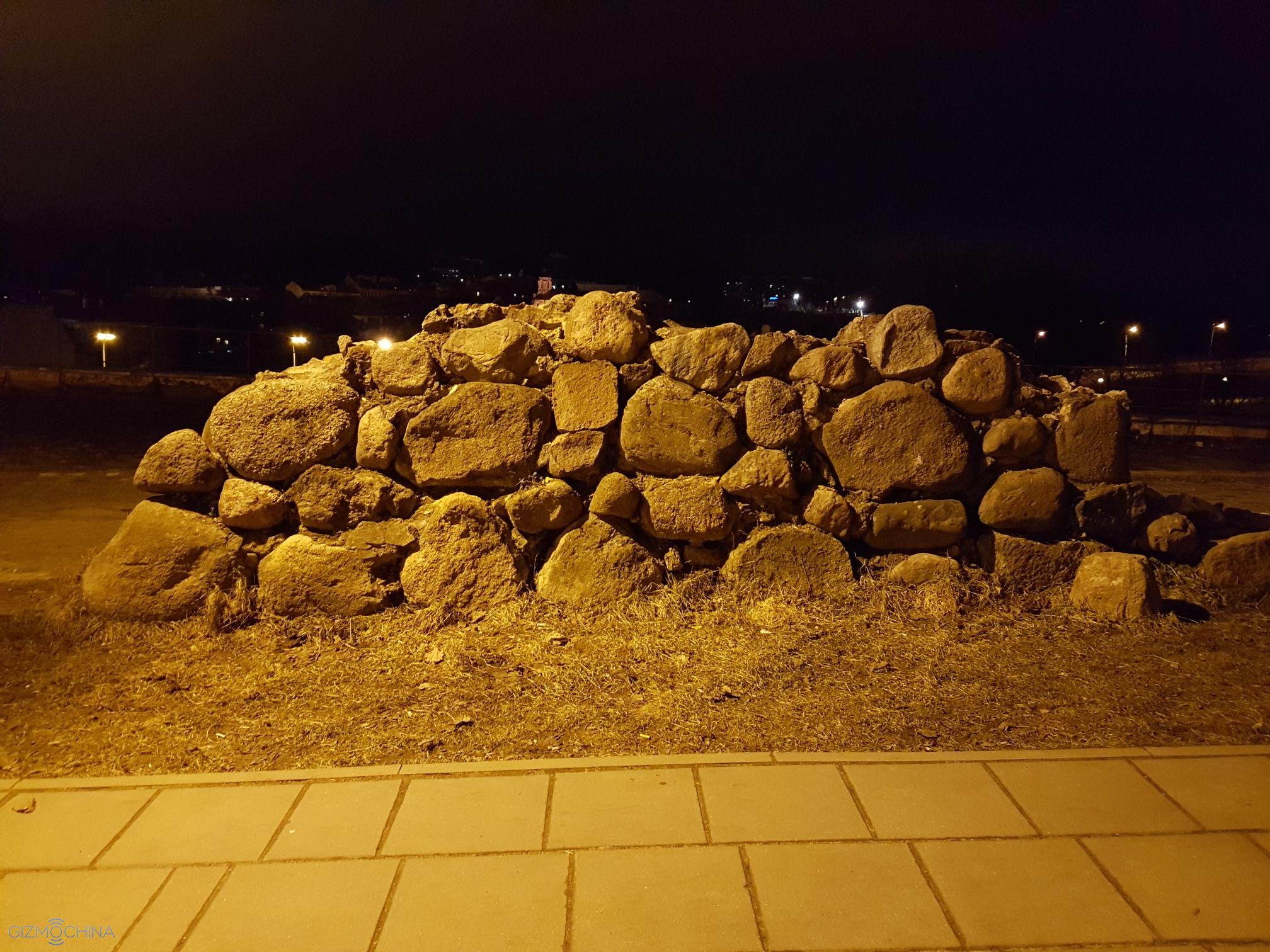
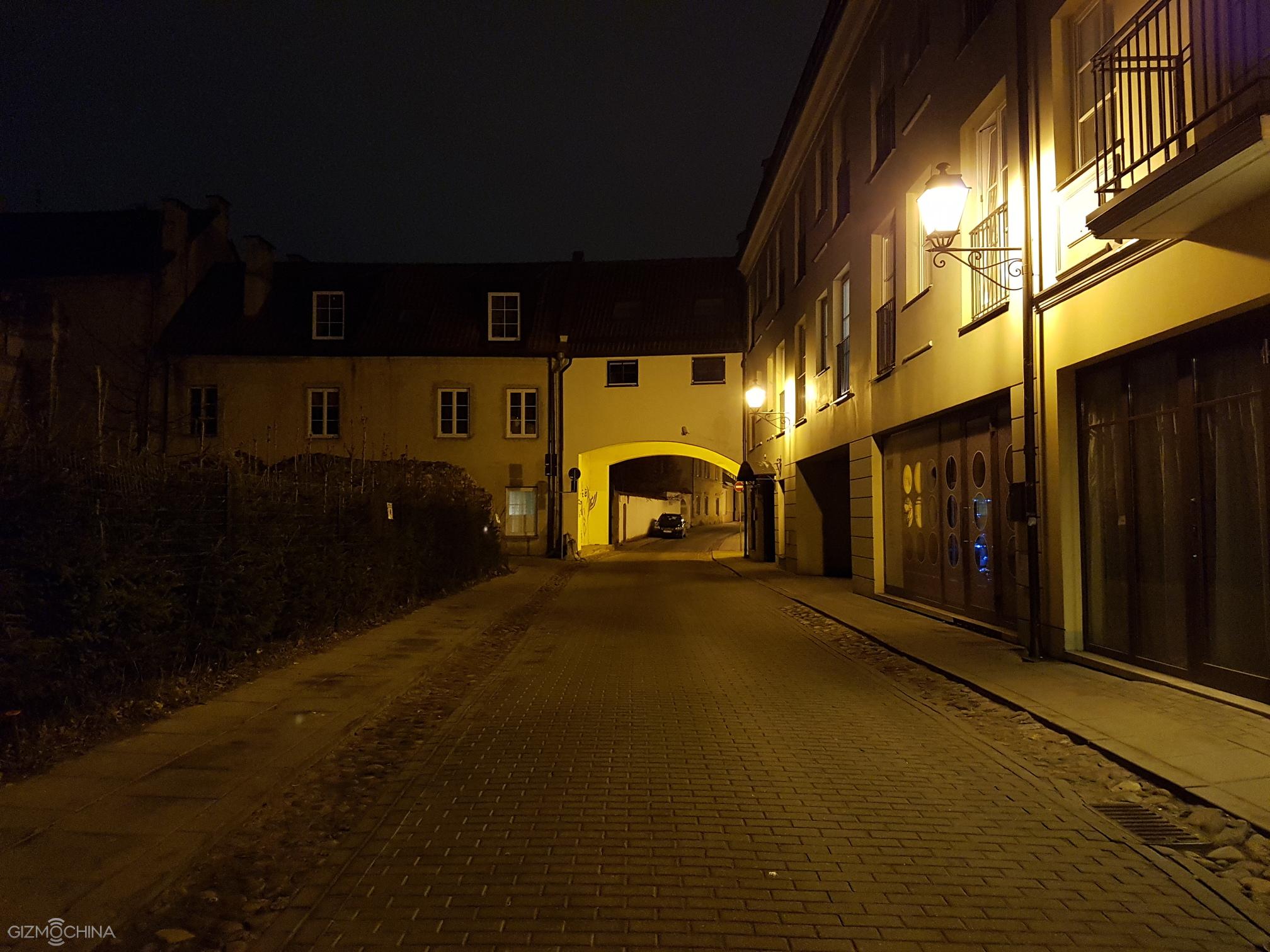
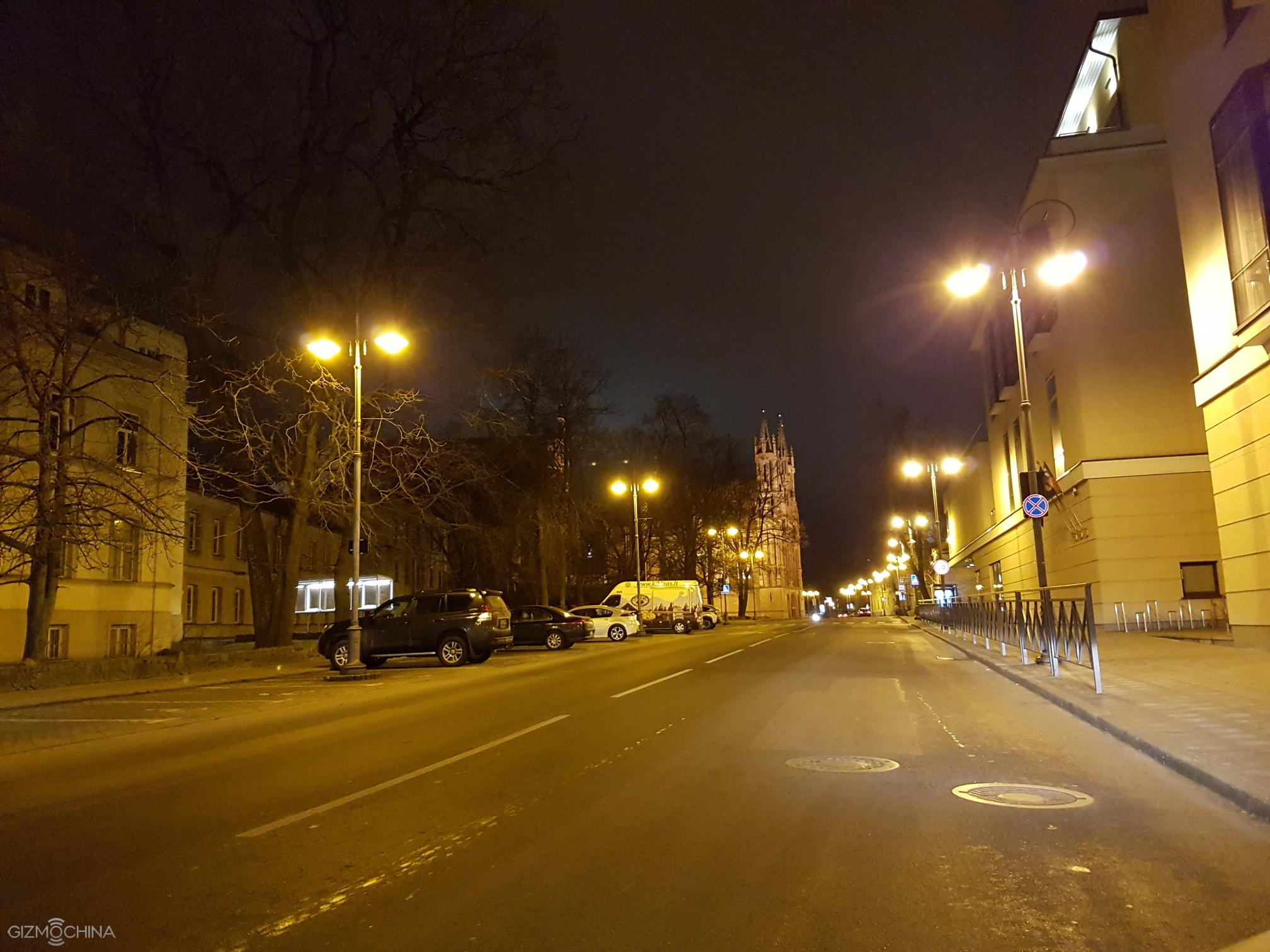
A few days ago, Huawei release several photos that were taken using the Huawei Honor 6 Plus. Some internet users have said that they almost look like they were taken using a single-lens camera. Some even say that it could beat Apple’s iPhone 6 Plus which is quite a bold claim. Now, here are some other photos that were taken using Huawei’s new flagship phone. Specifically, they were taken at night outside in the city. Along with it are the same shots taken using other high profile flagship phones such as the HTC M8, Samsung Galaxy S5, and the Apple iPhone 6 Plus.

Compared with the other phones, the Huawei Honor 6 Plus seems to have a longer exposure time and the image resolution looks more dynamic. As for whether or not it could beat the iPhone 6 Plus, we will not give our opinion on that. Instead, we will just let readers vote on it.

[socialpoll id=”2236256″]

Huawei Honor 6 Plus, iPhone 6 Plus, HTC M8, and Samsung Galaxy S5

The first HUAWEI Kirin 620 device started to presale in China

Huawei Honor Play 4X


Huawei is ready to take their cellphones to the 64-bit 4G era with its newest device. Although they will not hold a launch event for its new products until December 16, they have already started pre-sales for one of their newest products, the Huawei Honor Play 4X which is the first device to use the Kirin 620. It is said to cost X99 RMB.

The Kirin 620 is a high-speed 64-bit octa-core processor from HiSilicon, a Shenzhen-based company that produces CPU processors. It is completely owned by Huawei. The Kirin 620 processor uses 8 A53 cores and offers powerful performance. Its graphics processing unit (GPU) is the Mali 450. With this processor, the GPU performance for the device that uses it increases by 20%.

The new Huawei Honor Play 4X’s overall specifications are basically the same as the original except for the processor. It sports a 5.5-inch 720p display screen, has a 5mp front-facing camera and 13mp rear-facing camera, and runs the Android 4.4 operating system. It is powered by a 3000mAh battery. The low-end version will have 1GB RAM while the high-end version will have 2GB RAM. Users can buy gold versions of this phone.

In addition, regarding the price, some reports say that the low-end edition will cost 799 RMB ($128.83) while the high-end edition will cost 999 RMB ($161.08). Of course we cannot rule out the possibility that it will be cheaper.

Anyway, as said earlier, this is just one of Huawei’s new devices that will be launched on December 16. You cannot help but wonder what else the company has in store for us. Could it be another cell phone or a tablet? Maybe a power bank? We have no choice but to wait until then.

[socialpoll id=”2236250″]

Huawei Honor Play 4X Kirin 620


The Best Chinese Smartphones, which support 4G LTE network

Today we all want to have a mobile device, which is able to serve our business and leisure needs on the go. And yes, we all want to get the things done as quickly as possible. That is why we may want to have a smartphone with the 4G LTE (Long-Term Evolution) capability, which lets us download the online content up to 10x faster than using the 3G network. That is even more important if you love watching online videos, listening online radio and use other services, because they are all data-speed hungry.

More and more Chinese manufacturers understand that and produce the devices that support 4G LTE network. However, there are quite many of them and it may not be easy to choose from.

More and more manufacturers try to include as many 4G LTE compatibility bands in the devices, but it may still happen that the smartphone is not able to connect to the lightning fast network, because it may have been designed for a particular region. For example, if the device is designed for Chinese market only, it will most likely work with Chinese LTE frequency bands (TD-LTE). However, if the device is designed for international audience, it will most likely be capable of 4G LTE network in your area.

In general, LTE has its band number (from 1 to 40) and frequencies (from 700 MHz to 2600 MHz).

To be sure, here is some information regarding 4G LTE compatibility in your region:

Asia – 1800, 2600 MHz (band numbers 1, 3, 5, 7, 8, 11, 13, 40);

Europe – 700, 800, 900, 1800, 2600 MHz (band numbers 3, 7, 20);

North America – 700, 750, 800, 850, 1900, 1700/2100, 2500 and 2600 MHz (band numbers 4, 7, 12, 13, 17, 25, 26, 41);

South America – 1800, 1900, 2500 MHz (band numbers 3, 7, 20);

Australia, New Zeland – 1800, 2300 MHz (bands 3, 40).

NOTE: since the 4G LTE network is still under development in some countries, the carriers may start using different bands. Also, different network carriers in your country may operate on different frequencies and bands. Moreover, make sure if the area you live is covered by the 4G LTE. Finally, please make sure the exact carrier you are going to use in your country. It may sound a bit complicated will all these different bands and frequencies, but keep in mind that one smartphone is usually capable of many different 4G LTE bands: the international model will most likely work in your area, Chinese models will work for sure in China, BUT YOU HAVE ALWAYS NEED TO CHECK BEFORE BUYING!

So which devices are worth your attention? Let’s take a look (we do not stress the particular order of the devices).

MEIZU MX4 PRO


quicktouch_w_600Meizu launched this beast of the phone very recently – November 19th.  The bigger brother of the MX4 has a juicy pack of specs in a beautifully designed shell. It starts with the screen, which is 5.5 inches in size and is covered by Gorilla Glass 3. But more importantly, it boasts a whopping 2,560×1,536 resolution with an amazing 546 PPI. Moreover, it replaces MX4’s Mediatek chip with the Exynos 5430 one, which works on big.LITTLE architecture, where 4 A15 cores are clocked at 2.0 GHz and another 4 A7 cores at 1.4 GHz. The Meizu also manages to step into the big guys game by adding 3 GB of Ram, Hi-Fi audio hardware (which is controversially called “Retina Sound” (are they able to see the sound?), fingerprint scanner, increased the battery capacity to 3350mAh, kept the same 20.7mpx resolution Sony camera, but increased the resolution of the front facing camera to 5mpx.

Detailed 4G info:

1800, 2100, 2600 MHz (band numbers 1, 3, 7);

TD-LTE 1900, 2300, 2500, 2600 MHz (band numbers 38, 39, 40, 41).

The smartphone will come in gray, white and gold colors. Meizu will start selling the MX4 Pro soon (December 6) in China. The price is amazing for what you get: $410 (2499 Yuan) for the 16GB model and increase if you choose 32GB or 64GB variants. International pricing starts at $499 and you can buy it from Oppomart.

MEIZU MX4

1-2

It is a little brother of the abovementioned MX4 Pro. The regular MX4 has almost identical, but a bit smaller body, which is beautifully crafted and has a premium look. With the screen size of somewhat extra-ordinary size of 5.36 inches, Meizu managed to keep the device compact by cutting down the side, top and bottom bezels to the extreme. We can also add that the bezels add some killer looks to the design. If we continue with the specs, we should always keep in mind that “little brother” thing, but it still has a lot to offer like a Mediatek MT6595 chipset (with the 4 A17 cores clocked at 2.2GHz and 4 another A7 cores clocked at 1.7GHz), which manages to run even the most graphic intense games without a sweat, 2GB of Ram, the same Sony 20.7mpx IMX220 Exmor RS sensor at the back, Sony 2mpx IMX208 sensor at the front, 3100 mAh battery, great audio performance, the same dual 4G connectivity and more.


The device was released earlier and it is available to purchase at the moment both in China and internationally. The smartphone comes in gray, white and gold colors.

Detailed 4G info:

1800, 2100, 2600 MHz (band numbers 1, 3, 7);

TD-LTE 1900, 2300, 2500, 2600 MHz (band numbers 38, 39, 40, 41).

The lowest storage option of 16GB starts selling at 1799 Yuan in China. However, as usual for the international market, the MX4 same model starts at $449 (it includes shipping and taxes) if you buy it at the official online store of Meizumart. The good news is that the Oppomart currently has it on sale, so you can grab it for as low as $389!

Xiaomi MI4

xiaomi-mi4-e

The company like Xiaomi does not need any further introduction as it has become well-known both in China and internationally. This device is once again a proof how Chinese manufactures manage to squeeze in the best hardware into a beautifully designed and reasonably priced package. It starts with the Full-HD display, which has “only” 5 inches of size, making the Mi4 one of the most pocket friendly devices. The main accent of the design is the metal frame, which goes all around the phone. It definitely adds a premium look and feel to the device. The Xiaomi continues to impress to add one of top of the line chips – Snapdragon 801, with the 4 cores clocked at 2.5 GHz, 3 GB of Ram, Adreno 330 GPU, a juicy non-removable 3080 mAh battery, Sony 13mpx IMX214 camera with very fast F/1.8 aperture at the back and very good front facing 8mpx Sony shooter at the front. In addition, it has all the basic connectivity as you would expect from any flagship device like Bluetooth 4.0, Wi-Fi 802.11 a/b/g/n/ac, GPS, Glonass and more. The same like both Meizu MX4 Pro and MX4, however, it lacks the MicroSD card slot and removable battery.

4G info:

On the contrary to the mentioned Meizu products, the Mi4 does not have a dual 4G connectivity. It has different models, one being only 3G version, another being capable of 4G TD-LTE 2570-2620/1880-1920/2300-2400MHz (which works in China only). International customers wanting a 4G Xiaomi Mi4 will want to wait until a China Unicom LTE version is released later this year.

The Xiaomi Mi4 comes in white and black colors, 16GB and 64GB storage flavors. It is available to buy now and it is selling like the hot cakes. The cheapest is the “Youth” version of the Mi4 (with 2GB of Ram, 16GB storage and TD-LTE connectivity only) costs 1799 Yuan in China. The regular Mi4 starts at 1999 Yuan in China and at about 360 USD internationally through the third-party resellers. You can buy a regular Xiaomi Mi4 for $369 at Oppomart.

VIVO XSHOT

Vivo-1

Vivo is one of the most premium smartphone makers in China, which also talks about itself to international arena with the things like the first 2K display on the smartphone or the thinnest device in the world. Also, the world is yet to see the thinnest smartphone in the market, which is due to launch on December 10th.

This time Vivo with its Xshot flagship, which was announced back in May, touts its amazing camera performance. It does include an impressive camera pack: 13mpx Sony IMX214 camera sensor with the F/1.8 aperture, OIS, 6 element lens, dual-tone dual LED flash, dedicated camera button, professional camera software, which is specifically tailored to the Xshot. The amazing package does not end on the back, as the front shooter has a 8mpx wide angle lens with the flash, which makes night selfies a reality for those selfie fans!

As a camera centric device, the Xshot does not lack any of the specs to be called a flagship device. Vivo’s camera oriented device has two variants: one being a lower version, which has Snapdragon 801 chip with 4 cores clocked at 2.3 GHz, 2GB of RAM and 16GB of storage. The “Ultimate” or the flagship version bumps up the specs a bit: the Snapdragon 801 chip is clocked at 2.5 GHz, extra gig makes it total 3 gigs of RAM and storage increases to 32 GB. It should be noted that both variant have an expandable MicroSD storage option, which we should consider an advantage in the world of sealed smartphones.

What is more, the Xshot packs 5.2 inches Full-HD display and it makes the device manageable in one hand. Also, as usual to Vivo, it adds it Hi-Fi goodies like Maxim MAX97220 to amplify the headphones, Cirrus CS4398 DAC and Texas Instrument TLV320 chip to further improve audio experience. Similarly to Xiaomi’s Mi4, it misses NFC connectivity.

4G info: It should be mentioned that only flagship version supports dual 4G LTE networks (1800/2600MHz for FDD-LTE and TD-LTE for Chinese networks) as elite version only works with TD-LTE Chinese 4G networks.

The Vivo Xshot, however, comes with a premium price tag, which is 3,498 Yuan (about $560) for the flagship version and the 2,998 Yuan (about $480) for the elite version in China. International customers can get it through the third-party resellers, but the price may be a bit higher. If you are considering to get a serious camera smartphone, you can make it yours by buying it at Oppomart starting at $599.

ZTE NUBIA Z7

182635-ztenubiaz7on

It is the long-awaited flagship from the Nubia family, which is a big brother of the Z7 Max and Z7 Mini. It has almost everything you could wish for a top of the line device including 5.5 inches 2K display stuffed in a beautiful metal frame, Snapdragon 801 Quad Core 2.5GHz chip, 3 GB of Ram, 32 GB of storage, dual 4G LTE connectivity, 3000mAh battery (non-removable), Sony 13mpx IMX214 camera with OIS and F/2.0 aperture, dual tone dual LED flash, dedicated camera button, the 5pmx front facing shooter. In addition, it comes with dual SIM support (one working on 3G, other on 4G networks). All other things like Wifi, Bluetooth 4.0, GPS etc. comes as expected from a flagship device.

Despite the fact that it was announced in July, the Z7 was made available to purchase just recently. The Nubia Z7 is priced at around $550 in China and at about $699 internationally through the resellers like Oppomart.

4G LTE Info: 1800, 2100, 2600 MHz frequencies.

However, Nubia has something more budget-friendly to offer: the Nubia Z7 Mini and the Nubia Z7 Max. The former comes with a 5 inches Full-HD display, Snapdragon 801 chip, 2GB of RAM, and 16GB of storage. The latter features a 5.5 inches Full-HD display, Snapdragon 801 chip, and 2GB of RAM.   The Nubia Z7 Mini is priced at about $240 and the Nubia Z7 Max at around $320 in China and a bit more internationally. If you are interested in buying great devices with awesome specs for a budget-friendly price, you can get it from Oppomart for $369 (Nubia Z7 Max) and for $289 (Nubia Z7 Mini).

ONEPLUS ONE

oneplus-one-frandroid

OnePlus has made known itself by introducing a “flagship killer” device, the controversial invite system and marketing campaign. It does pack some serious punch for a killer price tag. That includes Snapdragon 5.5 inches Full-HD JDI display, 801 chip, clocked at 2.5 GHz, 3 GB of Ram, Adreno 330 GPU, a great non-removable 3100 mAh battery, Sony 13mpx IMX214 Camera with a good F/2.0 aperture at the back and great front facing 5mpx Sony shooter at the front. In addition, it has all the basic connectivity as you would expect from any flagship device like Bluetooth 4.0, Wi-Fi 802.11 a/b/g/n/ac, GPS, Glonass and more.

4G info: LTE 700, 1700, 1800, 2100, 2300, 2600 MHz frequencies.

It is still not easy to get through the official website for international customers as you would need to have an invite to purchase one. However, it can be purchased in Silk White and Sandstone Black colours at the moment for the official prices of $299 for 16 GB model and $349 for the 64 GB model in China. International customers should either participate in contests to receive an invite, be in time for open sale like Black Friday by OnePlus or pay a bit extra and just simply buy it through the third-partyresellers like Oppomart starting at $349.

OPPO FIND 7/7A

Oppo-Find-7 

Oppo has been known for its great design and great specs. It is starting to receive more and more recognition outside of China, especially with the devices like Find 7 or a bit lower end version – 7a.

As far as design, it is similar to the OnePlus One. Also, it packs very similar specs and it includes 5.5 inches (but better resolution at 2K) display, Snapdragon 801 chip, clocked at 2.5 GHz, 3 GB of Ram, 32 GB of storage, Adreno 330 GPU, Sony 13mpx IMX 214 Camera with a good F/2.0 aperture at the back and great front facing 5mpx Sony shooter at the front. On the other hand, it exceeds over the OnePlus with the removable battery (2800 mAh), super fast charging capability and Micro SD support.

The lower end 7a version can still be called a flagship as the only differences are the downgrades in display (Full-HD), Ram (2 GB), clock speed of the chip (2.3 GHz), storage (16 GB).

4G info: international variant: 800, 1800, 2100, 2600 MHz frequencies; Mexico and U.S. variant: 700, 1700, 2100 MHz frequencies.

Find 7/7a can be easily purchased for international customers for $549 and $499 respectively. If you really want to have a true flagship from Oppo, we recommend buying the Find 7 version from Oppomart at $549. However, the Find 7a is also a perfect choice, especially if you want to save a little bit of money and get just a bit downgraded specs. You can get the 7a for $499 from Oppomart.

Conclusion

Each mentioned smartphone really deserves its flagship name. They may differ in size, design, colour and things on the outside. They may also differ with the things like the user interface on the inside. All this leads to your personal preference. So what would you choose as a top Chinese 4G LTE flagship device for 2014? Let us know in the poll.

[socialpoll id=”2236199″]

Poll: Meizu K52 Leaks Out in New Photos and guess the price

meizu

Meizu is a rising star in the smartphone universe. The Chinese company released Meizu MX4 pro to be one of the best phones in the smartphone industry in 2014 , and today we’re getting a first look at Meizu’s Upcoming Low-Cost Handset.

The production line photos of the new Meizu device and one front panel glass were posted to Weibo, the popular Chinese social network, on Monday. We can’t verify that these photos are real, but if they are, it looks like Meizu’s next budget device which will be priced at 799 yuan.

Meizu has a reputation for copying Apple’s devices and who doesn’t? But this handset actually reminds us more of the iPhone 5c, but with 4.6 inches screen it must be easier to use it one handed than the other budget phablets. It also uses the 1.7GHz MT6752 64-bit octa-core chipset. It uses eight Cortex A53 cores and its GPU is the Mali-T760 MP2. It also has 2GB RAM and 16GB ROM. As for connectivity, it has support for dual-SIM cards.

Hopefully we’ll get an official look at the Meizu K52 in the near future, though we’re not expecting the Chinese phone-maker to start selling in the U.S. anytime soon.


meizu meizu


[socialpoll id=”2236189″]

No.1 Mi4 vs Doogee DG850: War of the Xiaomi Mi4 Clones

no.1 mi4 vs dg850


If you love Xiaomi Mi4’s design but don’t want to spend over $350 on a phone, you have a few options in the Chinese market. Recently, we have seen almost five to six Xiaomi Mi4 clones from Chinese manufacturers like Doogee, Elephone, No.1, Zeaplus etc. These phones are an exact replica of the Mi4 except for the specifications and some of the features. But the best part is that most of these devices retail for less than $150, which is almost $200-$250 less than the original Xiaomi Mi4.

Today we look at the two hot Mi4 clones available to buy online, i.e. the No.1 Mi4 and the Doogee DG850. We have already reviewed these two phones in detail earlier, so you may want to check that out after you decide which one to buy among these two. Both the models feature a premium design much like the Xiaomi Mi4 even though it costs less than half its price and also comes with features that you don’t normally get in phones below $150.

With its solid built and customization options, both the models give tough competition to other rivals available in the market.

Since, most of the features of the two devices that we are comparing today are more or less the same, we know it would be hard to decide which one’s the best among these two. But still, when you have to make a purchase decision, its best to analyze the similarities and the differences between two models with utmost care.

No.1 Mi4 vs Doogee DG850

DESIGN


As both the models have taken inspiration from Xiaomi Mi4, you know exactly how they look. The front camera, speaker grill, rear camera and logo etc are all placed exactly as seen on the Mi4. In fact, both feature the glossy back panel found on the original model as well as the metal frame that makes the phone look much more premium than it actually is.

Since both models have exactly the same design, we’ll talk about it together. On top of the 5 inch display of both the devices is a sensor, ear piece and the front camera. Below the display lies the three capacitive keys, namely the menu, home and back. Surprisingly, these cheap Chinese manufacturers have successfully managed to minimize even the bezels on the phone. As you can see in the pictures given below, these phones feature very thin bezels, which makes it look even more solid and premium.


On the right side, you have the volume keys and the power button below it. The placement of these buttons are as comfortable as the original Mi4, especially since the power button lies near the middle which makes it easier to power on/ off the display while operating the 5 inch phone with just one hand. The rear panel features the same glossy plastic as seen on the Xiaomi flagship. You have the camera sensor at the top, followed by a single LED flash. One small difference that we saw between these two devices was that the Doogee model had a small company logo just below the LED flash, unlike the No.1 Mi4. However, other than that, both the models look exactly the same. In fact, you would never be able to distinguish between both the devices, had it not been for the company name printed at the bottom.

On the right lies the SIM card tray, while at the bottom, you have the speaker grill and the MicroUSB port used for charging. The placement of the speaker grill at the bottom is a very smart move since their output (even though its a single speaker grill) is much better than other phones which come with the speaker at the back. Once again, Mi4’s great design makes these phones stand out from the other rivals in this price range. Finally, on top, you have a 3.5mm headphone jack along with the IR blaster originally seen on the Xiaomi Mi4. So like we pointed out earlier, these phones even bring some of the special features of the Xiaomi flagship.

Both No.1 and Doogee have taken serious efforts to make their devices look like the Xiaomi Mi4. In fact, when we check the dimension of these devices, they are EXACTLY the same as the Xiaomi flagship.

Here are the dimension of the three phones under consideration:

No.1 Mi4 139.2 x 68.5 x 8.9mm

DOOGEE DG850 139.3 x 68.5 x 8.8mm

Xiaomi Mi4 – 139.2 x 68.5 x 8.9 mm

So if you ignore the company logos printed on the back, you won’t be able to differentiate between the three models based on their looks.

DISPLAY

doogee dg850

Although the No.1 Mi4 and Doogee DG850 have a much smaller resolution display as compared to the Xiaomi Mi4, the difference isn’t that significant. We say this because, we didn’t expect these cheap clones to come with a decent display. However, for your everyday use, these 720p IPS panels are more than enough. They may not come with the FULL HD 1080p display like the Mi4 and you may even see some pixel on the screen, but we were pretty much satisfied with their overall quality. The images and the videos on the device were rich in colors and vibrant, which we feel is enough for your daily use.

Let me remind you that just a few years back, 720p resolution was the standard on most high end/ flagship smartphones. In fact, the mid range models came with qHD or 960 x 540 pixel resolution screens which looked good even with the large 4.7 inch displays that came with those phones.

So, a 1280 x 720 pixel resolution on a 5 inch phone which translates in a pixel density of 326PPI won’t look that bad as long as you don’t take them near a Quad HD 2K or a 1080p display.

No.1 Mi4 display
No.1 Mi4 5.0 inch display

Since both the models have exactly the same IPS panel with One Glass Solution (OGS), you get the same results from both the displays. The quality is good and viewing angles are decent, in short, you won’t be disappointed with both the models.

HARDWARE & PERFORMANCE

This is where the two Clones differ significantly from the Xiaomi Mi4 flagship. To start with, lets look at the specifications of the original Mi4. It comes with a Snapdragon 801 SoC clocked at 2.5GHz with Adreno 330 GPU.

On the other hand, the No.1 Mi4 comes with a Mediatek MT6582 Quad Core processor clocked at 1.3GHz. Even the Doogee DG850 features the same processor, which actually isn’t that surprising given that most budget phones, even the ones below $100 (that we covered recently in this article) came with the same Quad Core Mediatek processor.

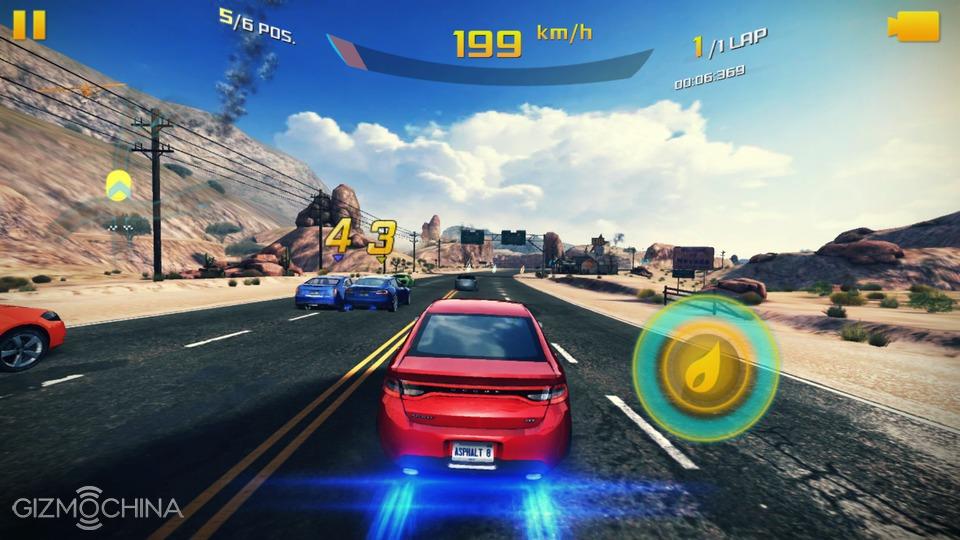
However, from the Mediatek phones that we have tested recently, this MT6582 Quad core SoC isn’t bad at all. It may not pack the punch as a 2.5Ghz Quad Core Snapdragon 801 processor, but it performs well even when we threw a lot of heavy apps and games at it. On both the devices, gaming was excellent. Games like Asphalt 8 ran pretty smoothly on these devices, with the No.1 Mi4 experiencing the least amount of lag.

You get 1GB RAM on both the devices, which you may feel is a bit less. While most of the times you won’t experience any lag, these cheap clones does struggle to multi-task. Its not really the fault of the processor, but of the 1GB RAM module, which doesn’t allow more than 2-3 apps to run simultaneously.

Inside, you get 16GB storage which unfortunately is not expandable. As a result, you may not have enough storage to save all your favorite songs,videos and images on both the devices.

Given that they have the same internals, the performance is almost the same. We did feel that the No.1 Mi4 struggled a bit more than the Doogee model, especially when you tried powering on the display. The phone took around a second more to power on when compared to the Doogee model. But that’s just a minor issue and hence, we feel both perform well enough for your everyday usage.


 No.1 Mi4 Doogee DG850 Hitman
Display 5 inch 720p (326PPI) 5 inch 720p (326PPI)
Processor 1.3GHz MediaTek MT6582 quad-core chipset 1.3GHz MediaTek MT6582 quad-core chipset
Memory 1GB RAM + 16GB Internal storage (MicroSD: NO) 1GB RAM + 16GB Internal storage (MicroSD: NO)
Cameras REAR: 13MP(8MP interpolated) REAR: 13MP(8MP interpolated)
FRONT: 8MP (5MP interpolated) FRONT: 8MP (5MP interpolated)
Battery 2,250 mAh 2,500 mAh
Size 139.2 x 68.5 x 8.9mm 139.3 x 68.5 x 8.8mm
OS Android 4.4 Kitkat + MIUI Launcher Android 4.4 Kitkat
Price $139.99 $144


CAMERA

Camera is yet another category where Xiaomi Mi4 is miles ahead of these two clones. But you may be wondering why, especially when all the three models claim to come with a 13MP sensor.

Xiaomi was right in saying that the Mi4 featured a 13MP camera sensor, however for both the other clones, the 13MP that the company claim is inside their phones is actually only 8MP sensors. This is because the MT6582 chipset that power these devices can support only camera sensors of up to 8MP. But then these companies are not lying also as in the end, the pictures captured do have a 13MP resolution. So, how do they achieve this feat?

Well, both the devices have 8MP sensors which use software interpolation techniques to create an image with a 13MP end resolution. This of course is not as good as the real 13MP sensor found on the Mi4, but it is still good enough for capturing decent pictures in well lit conditions.


Color reproduction was especially good on the No.1 Mi4 and noise was minimum. We were especially impressed by the device’s Night Mode, which brought in a lot of light when shooting indoors.


Doogee DG850 too comes with a decent camera, but its not as good as the No.1 model. Noise was prevalent in most images, especially when the lights were a bit dim. Low light performance is also not as good as the No.1 Mi4. So, its no surprise that we like the No.1 model better.

On the front, you have an 8MP sensor on both the models, which clicked decent selfies.

BATTERY

Another difference between these two models is their battery. The Doogee DG850 Hitman model came with a larger 2,500mAh Lithium-ion Polymer battery as compared to the 2,250mAh capacity one found on the No.1 Mi4. This does create a slight difference in the talktimes, but its not as significant as you may think.

While we didn’t get the time to test both the batteries thoroughly, from the initial tests, they lasted throughout the day with moderate usage pretty easily. This could be due to the power efficient quad core MT6582 processor inside.

However, don’t expect extra-ordinary results with this battery pack. If you were to play graphic intensive games or even HD videos on the device, the battery would drop rapidly and you would soon have to find a power outlet for your device. But for moderate use, which is how these devices are meant to be used, the 2500mAh and 2250mAh batteries on DG850 and No.1 Mi4 should be more than enough.

So, we would say the battery life on both the models is around the same as other phones in this price range.

SOFTWARE & CONNECTIVITY

Both the models come with Android 4.4 Kikat OS out of the box, however the No.1 Mi4 runs MIUI launcher on top. This brings a lot of customization and visual options that you don’t normally get in a traditional Android UI. MIUI 5.0 is one of the best custom OS built on the Android platform and its good to see that you get this rich UI on a cheap phone like the No.1 Mi4. The settings, notifications panel and camera UI are more or less identical to MIUI in both the devices.

Coming to the Doogee DG850, it comes with a traditional Android 4.4.2 KitKat OS out of the box with a little Doogee customized UI on top. If you have ever used or seen Doogee smartphones in the past, then you know exactly how it looks. The icons are not stock Android but customized by Doogee and there are some additional features like wake gestures, air shuffle and remote apps in additional to the full list of Google apps that comes pre-installed.

Let me remind you, unlike most Chinese smartphones in the market, the No.1 Mi4 comes with just ONE SIM CARD SLOT.  On the other hand, the DG580 has a DUAL SIM CARD slot. So, the lack of a second SIM card option may affect your purchase decision.

Other connectivity options are more or less the same. So you have Wi-Fi b/g/n, Bluetooth 4.0, GPS/ AGPS, FM Radio, Compass, IR Blaster and a bunch of sensor on both the devices. You can also wake up the screen with double tap in these clones.

The  No.1 Mi4 comes with a Wireless Display feature which allows you to connect your smartphone to an HDTV using the in-house Wi-Fi. All you have to do is turn on the Wireless Display feature and pair your HDTV. Once paired, your phone will project everything that is on its screen on to the large screen TV. This feature is particularly useful when you have to show some high resolution pictures or videos to a large audience such as in a family gathering. Even playing games is made possible with this innovative feature.

There are a lot of gesture features also available on both the devices. For example in the DG850 model, you can draw characters on the screen which is turned off to directly open up a selected app. So, when you draw I on the screen, the phone will open up the camera. Similarly, M will open up music player and there are many other letters which open specific apps. Luckily, Doogee allows you to edit these assigned letters with your favorite apps, so that the shortcut helps you to access your most favorite apps instantly.


VERDICT

It wasn’t an easy decision to pick out a winner in the No.1 Mi4 vs Doogee DG850 comparison because of their vast similarities. But we managed to find out a few differences. While the DG850 was slightly better when it came to the battery life, the camera performance and the Software features on the No.1 Mi4 was much better than the former. This is why we decided to go with the No.1 Mi4 in this comparison.

Moreover, Doogee announced their DG850 device much before it even went into production. As a result, customers had to wait almost two months to get their hands on the device. If they would have released it a few weeks earlier, you could have easily got the device much before Christmas holidays making it a great gift to your friend or family.

On the other hand, No.1 managed to release their device just a few weeks after the announcement. They announced it around late November, and you can already purchase it from leading online stores. Also, we feel the No.1 model offers much more features and customization options than most other smartphones in this price range, which is why we No.1 Mi4 comes out as the winner.

Also with the available coupons, the No.1 Mi4 is much cheaper than the DG850. Which is another reason to buy this new device.

Usually you have to pay more than $170 for the phone but now, you can get the No.1 Mi4 from GearBest for $139.99. If you like the Doogee DG850 Hitman model, you can get that too for around $150 from GearBest.

Buy No.1 Mi4 for just $139.99


Buy Doogee DG850 for 129.99


[socialpoll id=”2236085″]


Lenovo Launches iPhone 5c-Lookalike, the Lenovo S60-t

 Lenovo S60-t

When Lenovo released the ultra slim Lenovo S90, it received an online backlash over its huge resemblance to Apple’s iPhone 6. Many people accused Lenovo of plagiarism, but it seemed that Lenovo did not really care.

Despite the complaints by many netizens, this has not stopped Lenovo from continuing its plagiarism. Now, another new cell phone from Lenovo received its network license at TENAA. It has the model number “Lenovo S60-t.” Its plastic outer case has round edges, and looks every bit like the iPhone 5C. It also comes in cherry blossom pink, white, lemon yellow and other colors. Although the iPhone 5C will soon go out of production, we can still see many cellphones that look just like it.

The design of its appearance aside, the Lenovo S60-t’s specifications are about average. It sports a 5-inch 720p display screen and has a 1.2GHz quad-core processor, 1GB RAM, and 8GB ROM. It also sports a 5mp front-facing camera and 13mp rear-facing camera. Its operating system is none other than the Android 4.4.4.

Try comparing the Lenovo S60-t to the iPhone 5C in the pictures below.


Lenovo S60-t Lenovo S60-t Lenovo S60-t Lenovo S60-t

Meizu K52 may cost 799 RMB (129.80 USD)

Meizu K52

It has been quite a year so far for Chinese electronics company, Meizu. This year saw the release of the Pro version of the successful Meizu MX4, the Meizu MX4 Pro. A lot of news was made of this device for its great specifications and interesting design (it has a fingerprint scanner on the front instead of a Home button). But it is not over yet. Meizu recently announced the release of another phone, the Meizu K52.

Today, they released more information about the Meizu K52, particularly about its cost. According to reports, this device could rival Xiaomi’s Red Mi. It is said to have a very affordable price which is said to be 799 RMB. Although previous reports have stated that it would cost somewhere between 1000 RMB (162.46 USD) and 1300 RMB (211.20 USD), this year, Meizu has been pricing their products very differently. So, nobody should be surprised if it will really cost 799 RMB.

In addition, someone online leaked a photo of what appears to be a Meizu device’s Home button. It looks like Meizu’s classic round Home button, but it glows with a blue light. It looks pretty interesting. What do you all think?

Previous reports have stated that one of this device’s strengths is its slimness. It is said to be easy to handle with one hand. Furthermore, the Meizu K52 will sport a 4.6-inch 1080p display screen. It also uses the MT6752 64-bit octa-core chipset which has a frequency of 1.7GHz. It uses eight Cortex A53 cores and its GPU is the Mali-T760 MP2. It also has 2GB RAM and 16GB ROM. As for connectivity, it has support for dual-SIM cards.

It sounds like a pretty interesting phone. It might make a nice Christmas present.

Poll: What had we known about Xiaomi Mi5 so far

Xiaomi had confirmed that Xiaomi Mi5 may be introduced at CES 2015, there are a lot of leaks and rumors about the Xiaomi Mi5 spreading on the internet. Let me collect them into a list.

1, Screen:  China’s Weibo user @ 包子玩机 leaked that Mi5 will have a 2.5D curved glass screen like iPhone6, Samsung Galaxy Note4, Nokia Lumia and IUNI U3, so 2.5D screen must be 2015’s trend like Snapdragon 801 in 2014. Xiaomi Mi5 And there are rumors said Mi5 will have 5.7 inch display with 2K resolution. Since more and more smartphones will reach to 2K resolution, 2K resolution might become the basic feature of a flagship. And even Dakele is applying sapphire screen and promote the Dakele 3 with this feature, so will Xiaomi Mi5 have  sapphire screen?

2 CPU: From what we had know Xiaomi will be powered with the latest 64 bit Snapdragon 810,2.0Ghz, Qualcomm said Snapdragon 810 will be shipped at January of 2015. So there must be several phones with Snapdragon 810 be released together with Mi5. 20141207_111043_4823, RAM: 3GB RAM had been applied as the basic specification of 2014’s Android flagships. With the 64 bit CPU Xiaomi may use 4 GB RAM on their flagship of 2015.

4, Fingerprint scanner:  Since Huawei and Meizu are showing off how close their their Fingerprint scanner with iPhone’s, how can Mi5 have no Fingerprint scanner? And there is rumor said Mi5 has Fingerprint scanner.

5, Camera: Snapdragon does support 5500 megapixel camera, so whether Mi5 will use 16 megapixel or 20 megapixel camera is still unknown.

6, Others: From what we can see, Xiaomi is no longer keen on a price war, they began to focus on user experience and the over all design language. We are believing Mi5 will be designed more beautiful than Mi4, ang there might be a Mi5 and Mi5 plus.

7, Price: If Mi5 is really powered with Snapdragon 801 and 2K display, it must be priced above RMB1999($325).

8, Real phone’s pictures: xiaomi mi5   I really doubt this is the real Xiaomi Mi5 cause it really looks like Huawei Mate7.

From what I said above: Xiaomi Mi5 will have 5.7inch 2K  2.5D curved glass screen display protected by sapphire, snapdragon 810, 16 megapixel or 20 megapixel camera, and maybe Android 5.0 based MIUI? It will have fingerprint scanner and a much greater design? If that is true, Mi5 must be the best Xiaomi Phone from then.

[socialpoll id=”2235952″]


Xiaomi Mi5 may be introduced at CES 2015

Xiaomi Mi5


Taiwan based Economic Daily News reports that Xiaomi plans to launch the next Xiaomi phone in January next year at the CES 2015. The report says that the Xiaomi Mi5 may use a quad-core CPU chipset from Qualcomm and sport a 5.7-inch 2K display screen and fingerprint scanner.

Economic Daily News also says that if Xiaomi continues to sell its new devices at around 1999 RMB (324.89 USD), it may pose a threat to Samsung and HTC’s 2015 flagship phone releases.

One wonders what kind of phone they will release after the Xiaomi Mi4. Many are especially worried about its design, hoping that it will not be another clone. Will it have an original design for once, a design that will say, “This is a Xiaomi phone.” Some internet commentators worry that it will be a clone of another bestselling smartphone. Here are what some netizens have to say:

“The Xiaomi Mi3 is basically a Nokia clone. The Xiaomi Mi4 is an iPhone clone. The Xiaomi Mi5 will be an HTC clone.”

“I also forgot. The Xiaomi Mi2 will be a Meizu clone.”

“Xiaomi has never had a truly original design.”

It is hard not to imagine why many would think this. Perhaps, it is time for Lei Jun and Xiaomi to take design ideas from other smartphone companies, and start coming up with their own. If people want an iPhone, they will get an iPhone. If people want a Meizu phone, they will get a Meizu phone. Xiaomi needs to come up with their own design for once.

The report also says that CES 2015 will also see the debut of many other flagship devices such as the LG G Flex 2 and Sony Xperia Z4. The 2015 International Consumer Electronics Show will be held between January 6 and 9, 2015 in Las Vegas, USA.

Lenovo Lemon K3 (Snapdragon 410) launched, to cost 599 RMB (97.35 USD) in China

Lenovo Lemon K3

Today, Lenovo launched the Lenovo Lemon K3 cell phone for the low-end market. This phone costs only 599 RMB.

From the pictures, we can see that this phone sports a bright yellow rear cover, which explains how this phone got its name. Its front side, on the other hand, is black. The following images below show the phone’s design as well as the user interface.

As for its specifications, let us take a look. First of all, its CPU is the Qualcomm Snapdragon 410 quadcore processor, which according to Qualcomm themselves, can be used for both 32-bit and 64-bit devices. It is mainly used for entry level 4G phones. As for memory, the Lenovo Lemon K3 has 1GB RAM and 16GB ROM. Its screen is a 5-inch 720p IPS display screen. Regarding connectivity, it supports 2G, 3G, and 4G, as well as dual SIM cards. It also uses Waves MaxxAudio and has dual speakers. As of now, it can be pre-ordered at the online Chinese store, JD.

Ever since the release of the Xiaomi RedMi, more famous Chinese electronics companies such as ZTE, Huawei, and Coolpad have expressed interest in conquering the market for 1000 RMB (162.52 USD) cell phones. Meizu, which has just launched the Meizu MX4 Pro has also laid its eyes on this market and wants to take over it as well. We can expect these big players to make more frequent appearances in the entry level market. The Lenovo Lemon K3’s overall specifications are pretty close to the ZTE V5S, which had just been released some time ago, and the Huawei Honor Play 4 (China Mobile Edition), but its 16GB ROM and dual speakers design gives the Lenovo Lemon K3 a big edge over them. What do you think?

Lenovo Lemon K3

THL 4000 vs THL 5000 : Which one should you buy?

Battery life is one of the most important factors that a user looks for when purchasing a new smartphone. But when it comes to Chinese value for money devices, this is one area where most phones slack. Many phones have Quad core and even Octa Core processors, but they feature less than 2500mAh battery, which gives only a few hours of usage available to the user.

However, there are some manufacturers who have taken special care in this regard. For example, we have seen multiple launches from the Chinese smartphone maker THL which came with a large battery. Today, we look at the two smartphones with a large battery from THL, the THL 4000 and the THL 5000.

While both feature a 4000mAh+ battery, their specifications are totally different. THL 4000 is aimed at the budget crowd who long for a better battery life, while the THL 5000 offers much more than a large battery as it comes with many of the premium features usually found only in flagships these days.

So, here’s the comparison between THL 4000 and THL 5000 in detail.

THL 4000 vs THL 5000

DESIGN

Like always, we start off with the design.


THL 4000, being a budget device comes with a 4.7 inch screen as opposed to the 5 inch display found on the THL 5000. However, there isn’t much difference between the two devices when it comes to design and dimensions.

THL 4000 measures 140 x 68 x 11.2mm while THL 5000 measures 145 x 72.3 x 8.9mm. As you can see, the length and the width are almost the same. But the 5000mAh battery does increase the thickness of the device by around 1.2mm.

On top of the display of both the devices lies the ear piece, sensors as well as a camera. Similar at the bottom lies the three capacitive buttons namely menu, home and back. You’ll also notice the small microphone opening at the bottom.


Like the front, the back too looks the same on both the devices. You have the camera sensor and LED flash at the top, followed by the THL logo just below it. At the bottom, you have the official THL slogan, technology-happy-life along with the speaker grill.


Inside, you have the large 4000mAh battery and 5000mAh battery on THL 4000 and THL respectively. Once the back cover is removed, you’ll see the two SIM card slots along with the MicroSD card slot.


THL 4000 has no buttons on the left but THL 5000 has the power button on the top left corner.

Both the power and the volume buttons lie on the right of THL 4000. However, the 5000 model only has the volume rockers on this side.

On both the models, the MicroUSB port and the headphone jack is situated on top.

Finally, at the bottom, you have the microphone hole on both the devices.

HARDWARE

While the design was similar on these devices, their hardware specifications differ significantly.

THL 4000 comes with MT6582 Quad Core processor clocked at 1.2Ghz with 1GB RAM and 8GB internal memory. On the other hand, THL 5000 comes with a much powerful MT6592T Octa Core processor clocked at 2.0Ghz with 2GB RAM and 16GB/ 32GB internal storage options. Both the models feature a MicroSD card slot which support cards up to 32GB in size.

While the THL 4000 features a 4.7 inch display with just qHD 960 x 540 pixel resolution, the THL 5000 sports a 5 inch screen with 1080p resolution. As a result, you will clearly see the difference between the display quality on both the devices.

As for the camera, the THL 4000 has a 5 MP rear sensor along with a 2MP front camera sensor. This is much smaller than the 13MP Sony IMX135 sensor and a 88 degrees 5MP wide angle camera found at the back and the front respectively of the THL 5000. So the image quality will be much better on the latter.

Even in the battery department, THL 5000 outdoes THL 4000. Just like their names suggest, the former comes with a much larger 5000 mAh removable Li-Polymer battery as opposed to the 4000mAh removable battery found on the latter. Moreover the 5000mAh battery can be used to charge other devices too, so the THL 5000 can also act as a powerbank, which we feel is a very neat feature, especially when you have a lot of gadgets around with much smaller batteries.

Both support dual SIMs as well as the following network bands: 2G:GSM 850/900/1800/1900MHz & 3G: WCDMA 850/900/1900/2100MHz. As you can see, even with the higher price THL 5000 lacks 4G LTE, which is a bit of a disappointment for those who were looking to take advantage of high speed LTE networks.

Other connectivity features are common on both the devices like Bluetooth 4.0, Wi-Fi, GPS/ AGPS, FM Radio etc. However, for the additional price, you do get NFC on THL 5000.

PRICE

While we have seen that the THL 5000 outdoes the THL 4000 in almost every aspect, the purchase decision will totally depend upon the difference in their price tags.

At present, THL 5000 is available for $239 at Coolicool. So, you have to pay a premium of exactly $150 for the better features as compared to $99.99 price tag for THL 4000.

Personally, we feel the upgrades are enough to pay the extra $150, however if you are short on cash, THL 4000 can be a great alternative. You don’t get such a large battery on a device of this price, so even it features a sloppy camera sensor or a less powerful processor, it will easily last you for more than 2 days.


Buy THL4000 for $99.99 (NO IMPORT DUTY IN EUROPE)


If you are looking for a reason not to buy the pricier THL 5000, then the lack of 4G LTE support should be on top. THL 5000 could easily have been one of the best value for money devices in the market if it supported LTE. Moreover, the larger 5000mAh battery would have been a much needed feature for a battery sucking tech like LTE. But if you are happy with 3G speeds, the device looks like a good buy.

Buy THL5000 for $239.99 (No IMPORT DUTY IN EUROPE)


So which THL device would you choose if you wanted a large battery?