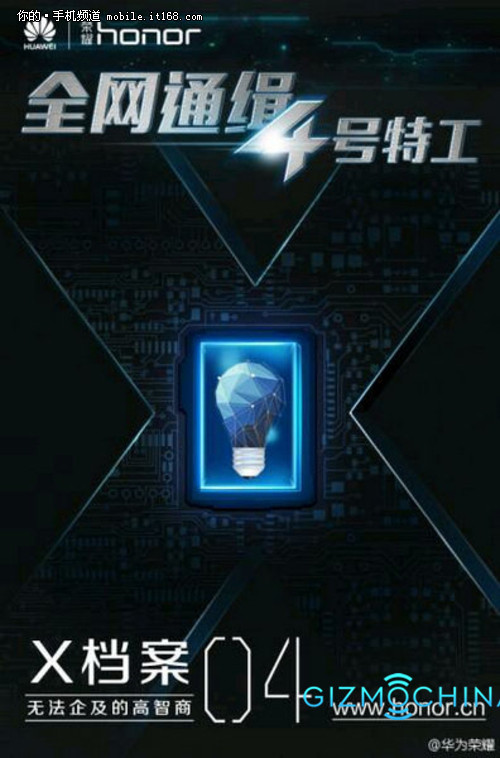
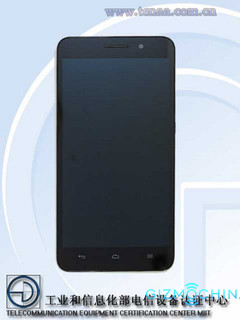
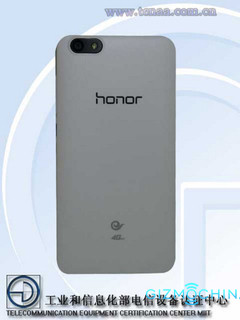
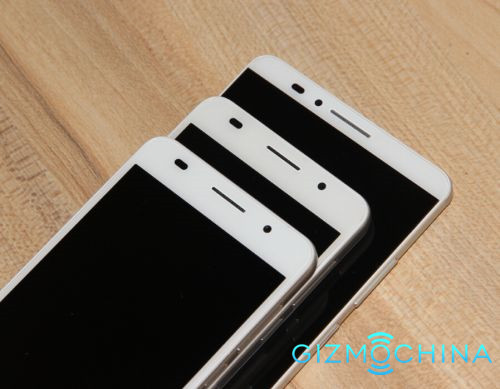
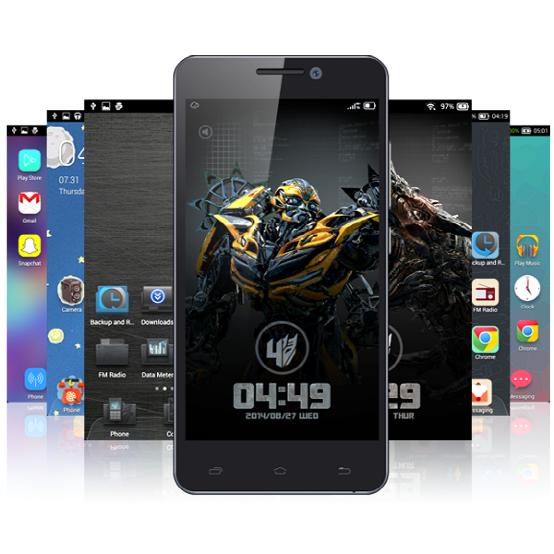
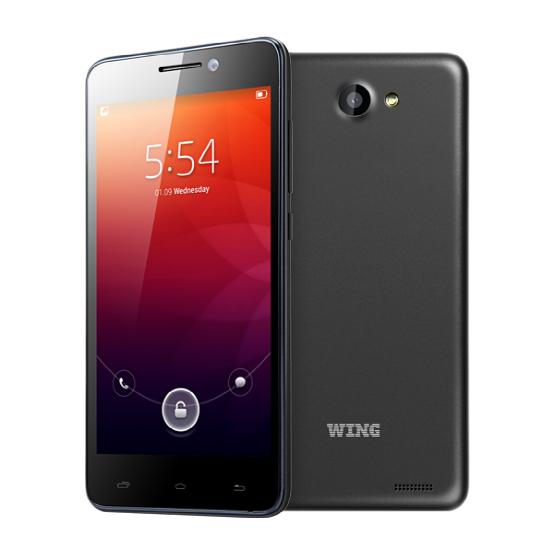
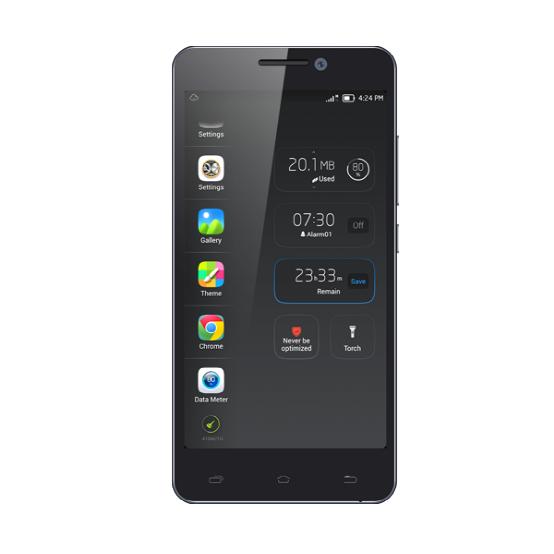
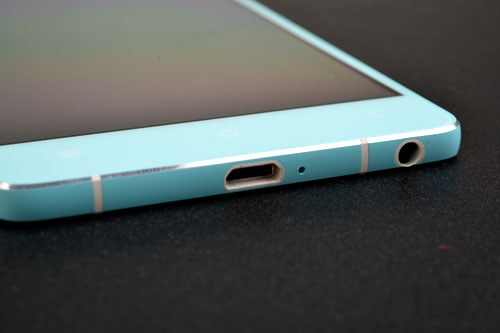
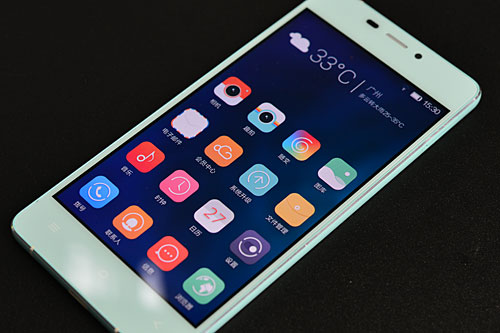
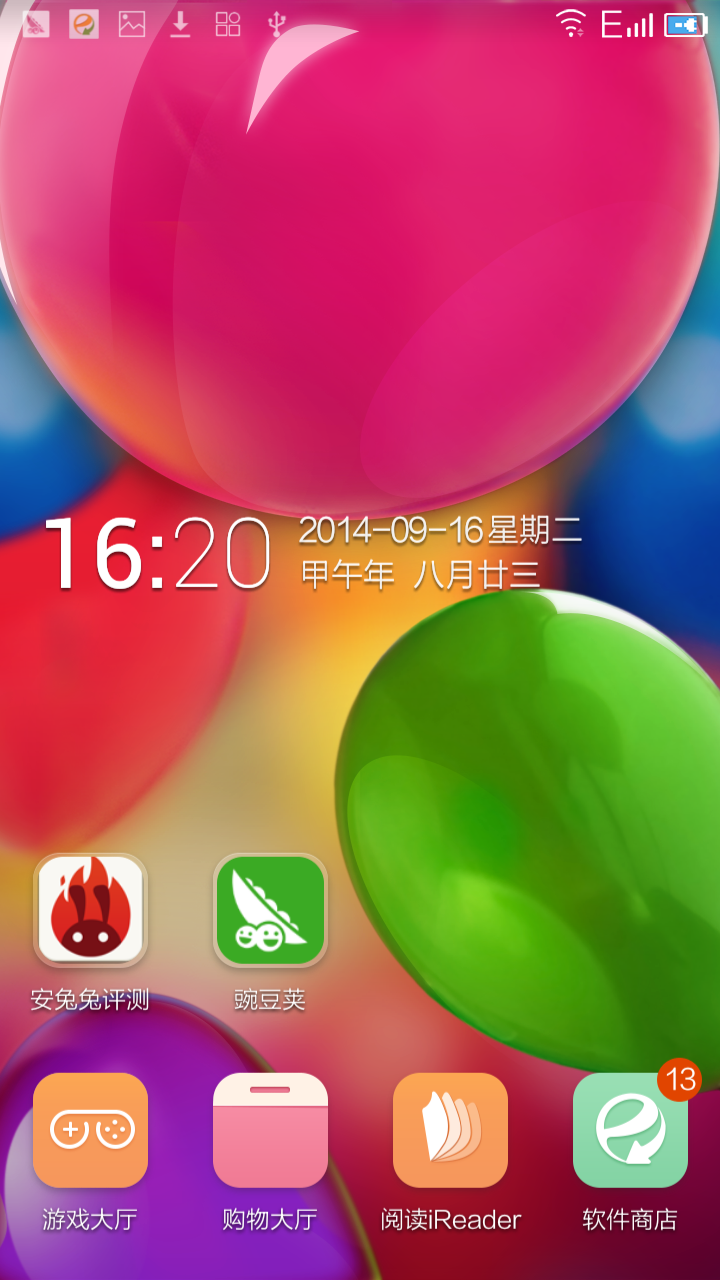
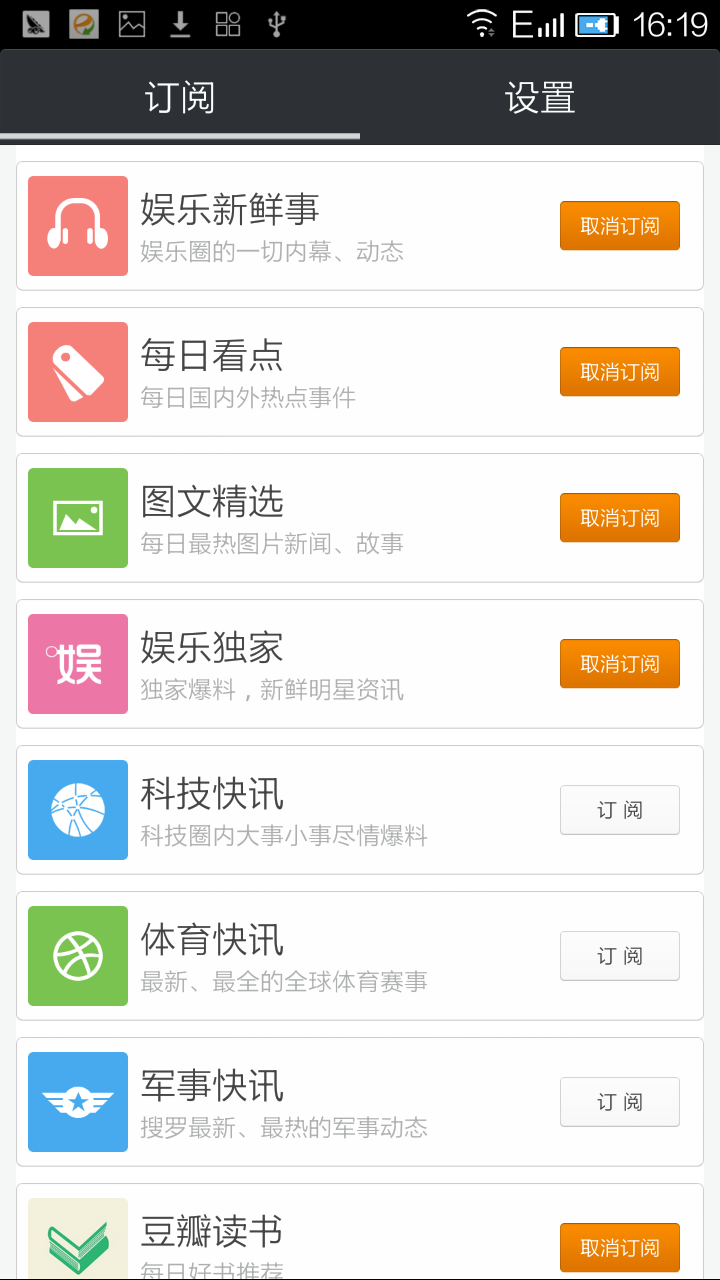
Huawei’s Honor subsidiary recently posted four posters in their Weibo account showing the number “4” and the letter “X.” They are obviously promoting the upcoming Huawei Honor 4X. They also have slogans such as “Transparency that cannot be found anywhere else”, “Irresistible”, “Very affordable”, and even “highly intelligent.”
The “transparency” must refer to how this phone supports all bands and that the user can surf the web everywhere. The “irresistibility” probably means that this phone has a very beautiful and exquisite appearance, as well as support for dual-SIM and powerful camera specifications. The “very affordable” obviously refers to the price, while the “intelligent” part implies that it will use a powerful processor. Many believe that the Huawei Honor 4X is the recently-leaked Honor Che1-CL20 which supports a 6-mode network, and TD-LTE, LTE-FDD, TD-SCDMA, WCDMA, CDMA (1x, EVDO), and GSM.
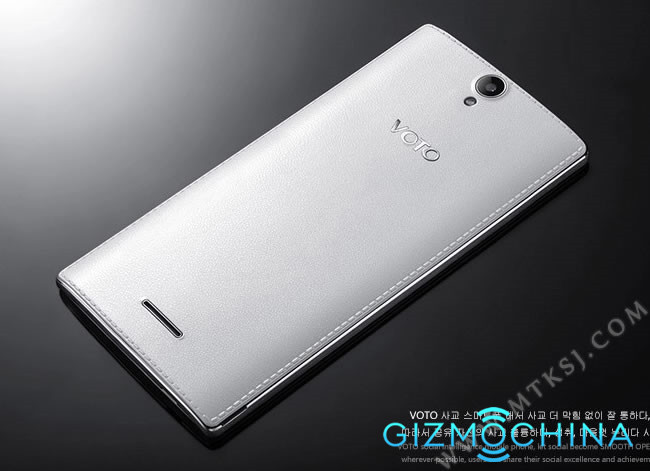
A low-end version of the Voto X6 octa-core cellphone is soon to hit the market, called the Voto X6 Youth. Not surprisingly, its core specs are weaker than the original’s. Its RAM and ROM have been lowered from 2G and 32G, respectively, to 1G and 8G. Its rear-facing camera (OV CMOS) still has 8mp but its front-facing camera’s pixels were lowered from 13mp to 2mp.
Other than that, the other specifications are the same. The Voto X6 Youth still has a 5.5-inch 1080p screen, 2300mAh battery, the 1.7GHz MTK6592 octa-core chipset, and support for WCDMA and GSM dual-SIM.
The design of the Voto X6 Youth is like the original, and is available in black and white. This version goes on sale on October 23 and is 500 RMB cheaper than the original, costing 999 RMB.
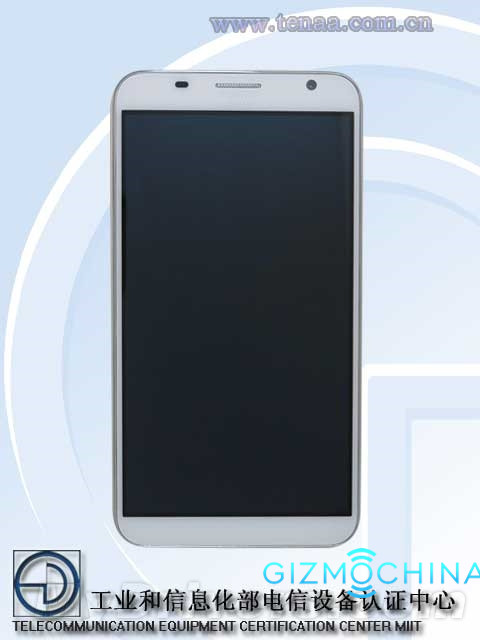
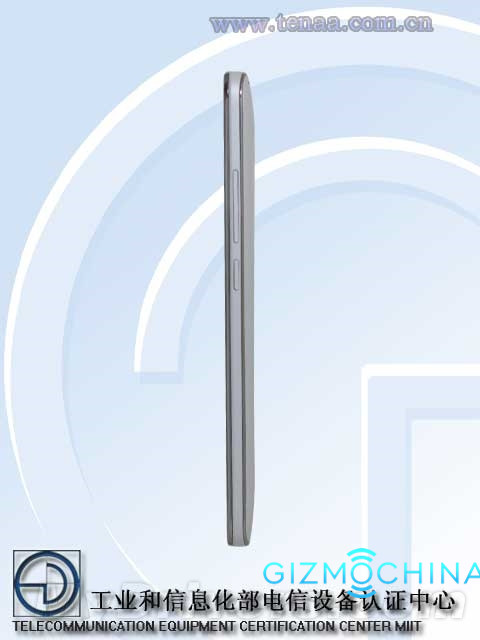
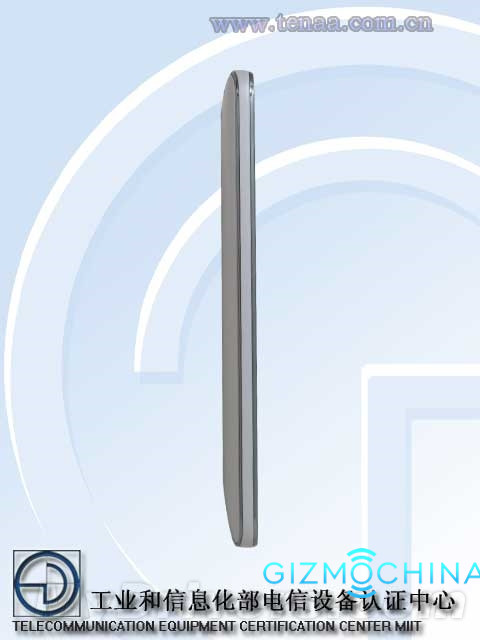
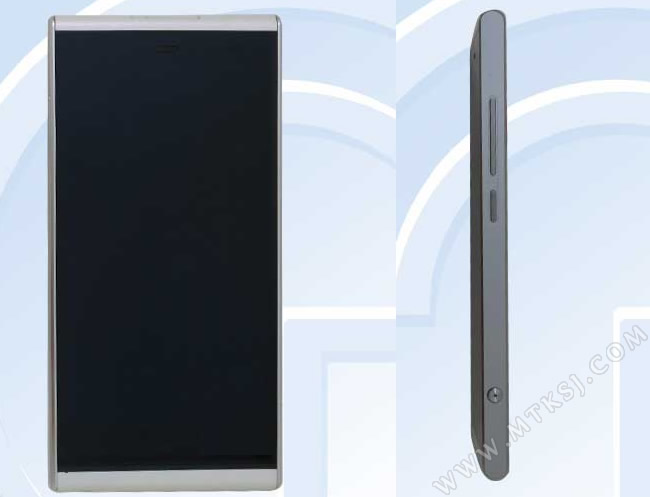
It looks like Huawei has gotten hooked on big-screen devices since the release of the Huawei Mate 7. Recently, the Ministry of Information and Industry Technology website release information on a new device from Huawei.
This device has the model number Huawei SC-CL00 and received its network license on October 15. It is said to have support for GSM, CDMA 1X, CDMA 2000, FDD LTE, TD-LTE dual-SIM. This is most likely the China Telecom version.
A further look at its MIIT entry shows that its dimensions are 161 x 84.5 x 9.5mm and that it weight 173g. As for its specifications, it has a 6-inch screen with 1280 x 720 resolution, a 1.4GHz quad-core processor, 1GB RAM, 8GB ROM, 2mp/8mp dual-camera and support for micro-SD expansion cards. It runs on the Android 4.4.2 OS.
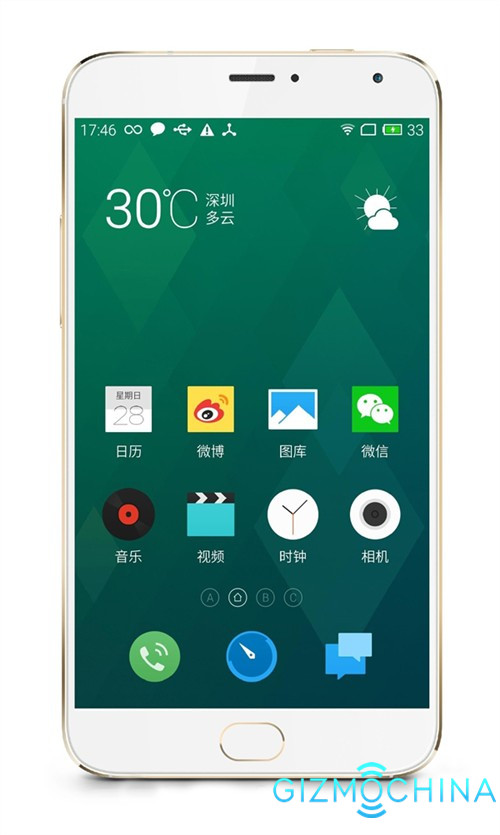
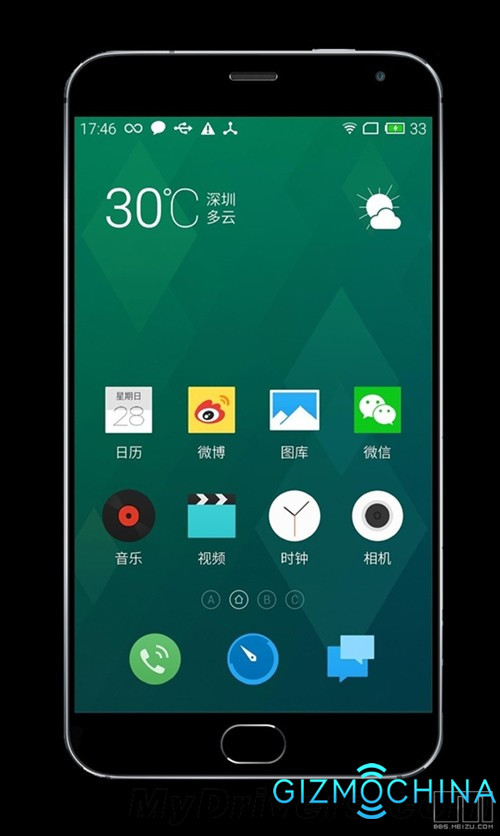
Everyone knows that the Meizu MX4 Pro will have a fingerprint scanner. Now, some reports say that it will continue to use the oval Home button that was sported by the Meizu M8. A rendering of the phone was recently posted online seemingly confirming this. The rendering also shows that it has a gold frame that looks exquisitely made.
According to Meizu, the Meizu MX4 Pro’s fingerprint scanner will not be located at the back but, as many leaked photos show, on the front and will be integrated with the Home button. It is not known what solution they will use as of now.
The launch of the Meizu MX4 Pro was still postponed, but nevertheless, it looks a phone that is worth waiting for.
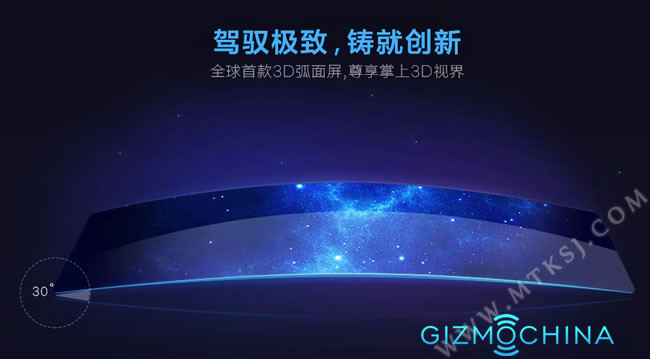
It was recently reported that the first cellphone to use the new YunOS 3.0 OS will use a curved 3D display. Many cellphones in China use curved 2.5D screens, but this is the first Chinese phone to use a 3D one. It will also have a fingerprint scanner that is compatible with the YunOS 3.0’s security features. It will also have support for payment by fingerprint recognition, as well as 5 modes and 13 bands. It will also use a more powerful charger.
What could this phone be? It is none other than the Philips Aurora I966. This phone also sports a 5.5-inch 2K screen and a 20.7mp main camera. It also has 3GB RAM, and its processor is said to be either the MTK6595 or the Snapdragon 801.
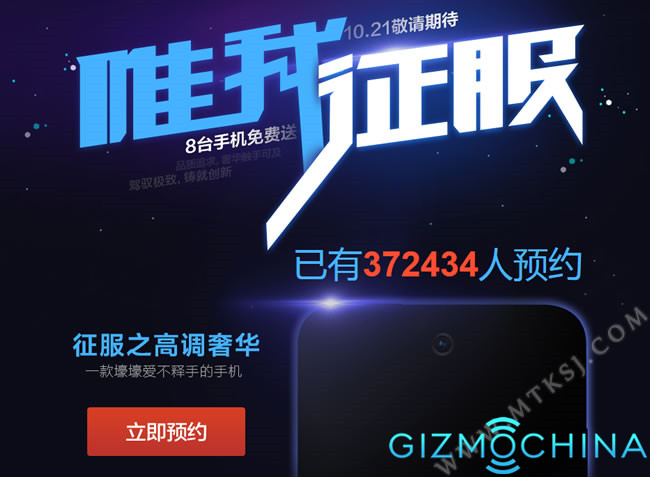
The Philips I966 will make its debut at the YunOS 3.0’s launch and will go on sale on October 21.
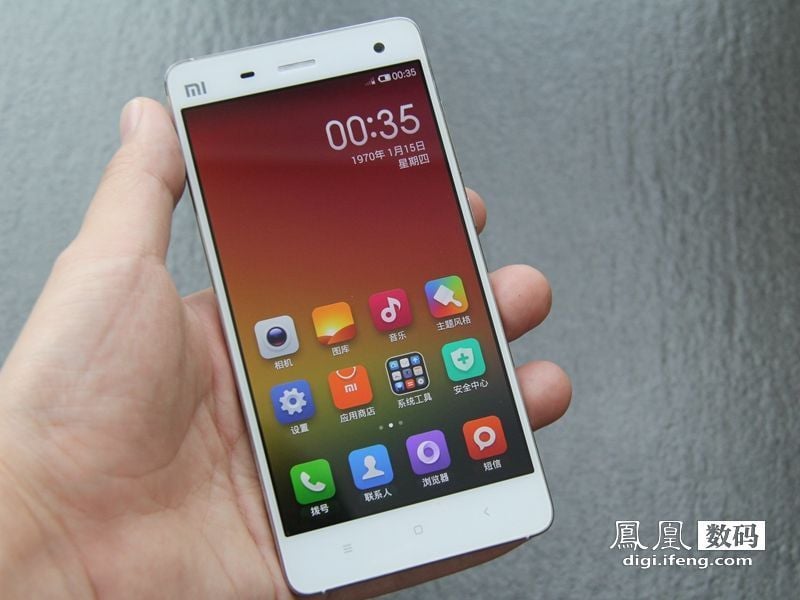
It has been a while since the launch of the new MIUI 6. Now, most of Xiaomi’s devices, except for the MI 1 and Red Mi series, use it.
Recently, Xiaomi did some changes with its OS. Besides changing the design, they also made some changes with the ringtones. A netizen recently revealed the new default ringtones, which sound similar to the previous ones, but with better quality.
The Xiaomi Mi4 was launched back in July and has always been the biggest-selling Chinese Smartphone until Meizu MX4 came to the market. To compete with the Meizu MX4 the company has announced a new product and its price, which are considerably cheaper than before.
The new Xiaomi Mi4 is the low-cost edition of the Xiaomi Mi4. The difference between this low-end version and the original is that the low-cost edition has 2GB RAM while the original has 3GB RAM.
Besides the low-cost edition, Xiaomi is getting reader for their huge sale at 11th November by lowering the prices of their products in Chinese electronic shopping website, Tmall. These products are the Mi4, Red Mi 1S, Red Mi Note 4G Enhanced Version, Mi TV 2, Mi Pad, Mi Mobile Battery, Mi Box, Mi Router, and Mi Band.
It is interesting to note that in Xiaomi’s promotion page, the Mi 4 is tagged with “1?99 RMB,” implying that we may see a decrease in the Mi 4’s cost from 1799 RMB (293.75 USD). Merry Christmas to us indeed! Just how much Xiaomi will lower it, we do not know. We will just have to wait.
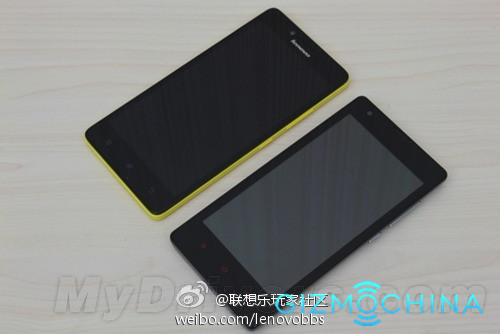
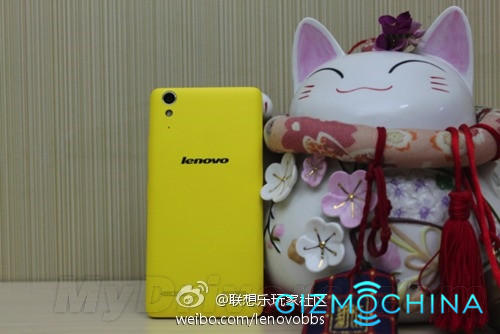
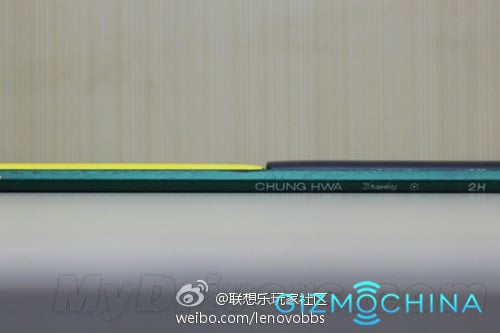
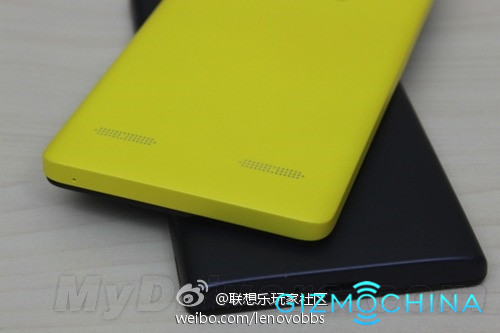
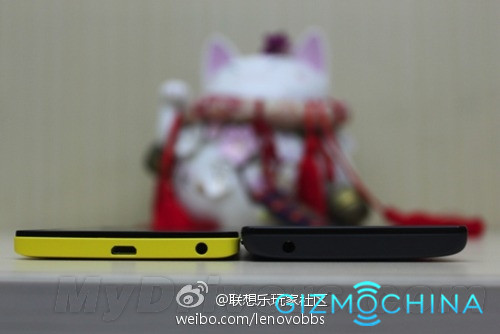
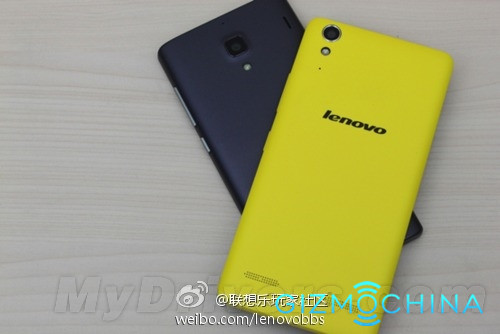
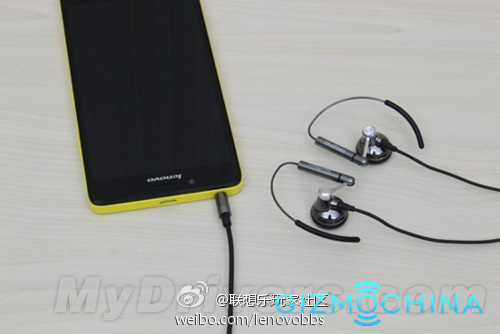
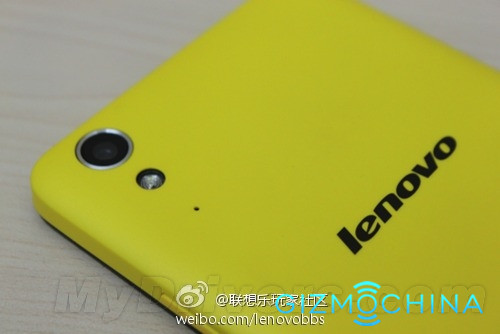
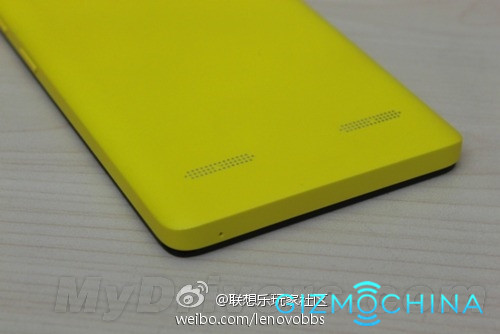
Lenovo recently announced that they would start a new subsidiary that would provide services for terminal-end smart devices. This subsidiary would open on April 1, 2015. Not long after, photos of what is purportedly the first internet cellphone from Lenovo’s new subsidiary was released. It is called the Lenovo K3.
Do not misunderstand. It is not related to Lenovo’s K900 and K920. This one is more of a low-cost phone based on the photo comparisons with the Xiaomi Red Mi 1S. It sports a yellow back with no discernible features. The Lenovo K3’s screen seems to be as big as the Xiaomi Red Mi’s. We will just have to wait for more updates, so stay tuned.
Two months since it was first announced, new details about famous Chinese video streaming website, Tudou, and DOOV Mobile’s collaboration project, the Ni Ke Phone, have finally emerged.
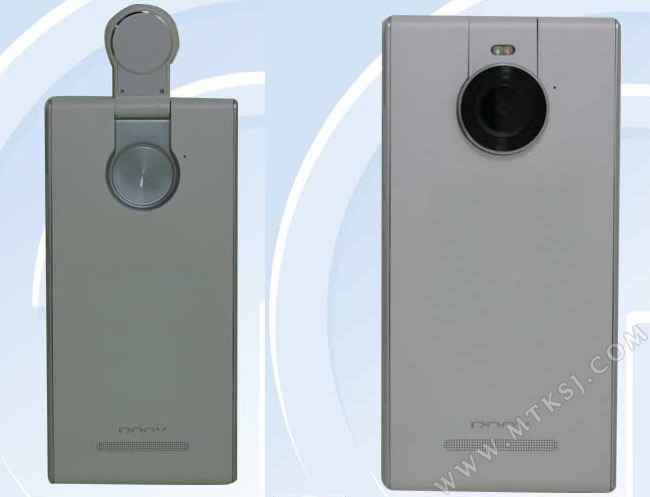
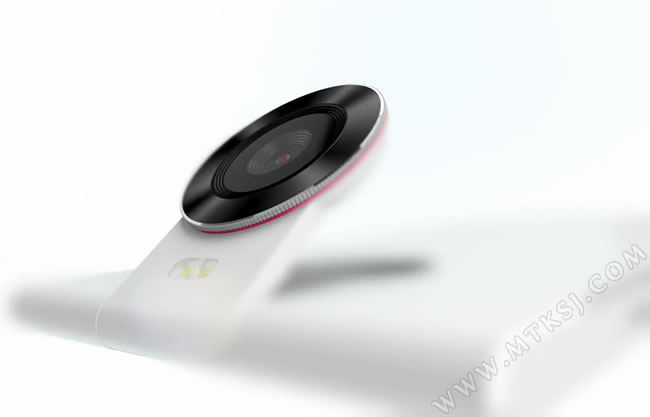
Recently, a new cellphone from DOOV received its network license from the Ministry of Information and Industry Technology’s website. Its model number is the DOOV V1. This phone comes with a rotating camera and which is exactly the same as the design of the upcoming DOOV Ni Ke phone which was leaked a while back, confirming that the DOOV V1 and the DOOV Ni Ke are one and the same.
You can see how the design of the camera in the MIIT photo of the V1 looks similar to the Ni Ke phone’s design. Usually, the surface of the phone is aligned with the camera (the V1 has a thickness of 8.5mm). This camera can turn at 180 degrees which makes it easier for users to take selfies. Only the Tudou phone can have this design in China. According to the MIIT’s website, it only has 13mp, but as a phone that specializes on taking videos and photos, it should have a better resolution. Could this be a special version? This also has dual-color LED lights.
As for its other specifications, the DOOV V1 as a 1.5GHz quad-processor (probably the MTK MT6732), 2G RAM, 16G ROM, a 5-inch HD screen, and support for TD-LTE, TD-SCDMA, and GSM.
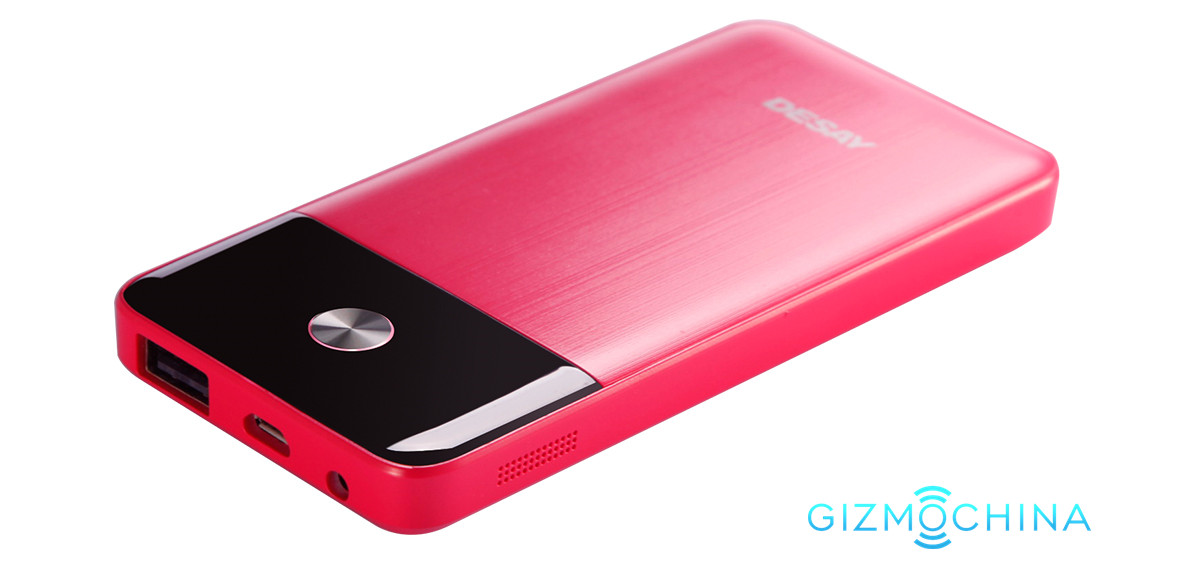
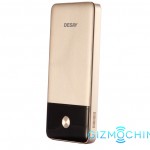
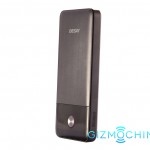
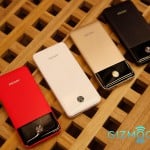
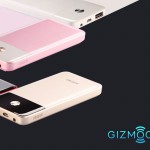
Looking for a good power bank for your mobile phone? Don’t worry as the famous mobile phone brand Desay is here with their newest product, the Desay DS18 Power Bank. This powerful power bank has an input of 19v 2.1A and output of 5V 2A at maximum. It is equipped with a 5000mAh Li-Polymer battery. Just charge it for 40 minutes and take it out with you. When your cellphone loses power and you do not have a charger, just take out the Desay DS18 and give it some juice.
Its dimensions are 123 x 59 x 12.5mm and con work at -10 to 60 degrees Celsius. It also enjoys a conversion rate of over 90%. It is available in black, gold, white, red, and pink. The entire package includes a QSG, USB cable, and AC/DC adapter.
So, when your iPhone needs some extra juice, and you left your charger at home, why not bring the Desay DS18 Power Bank?
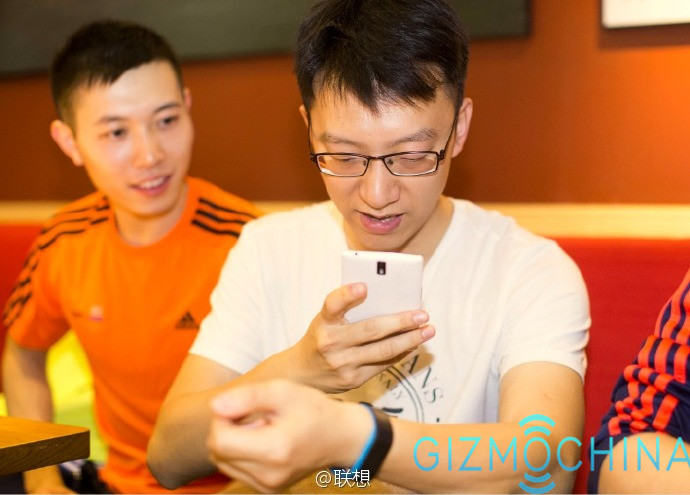
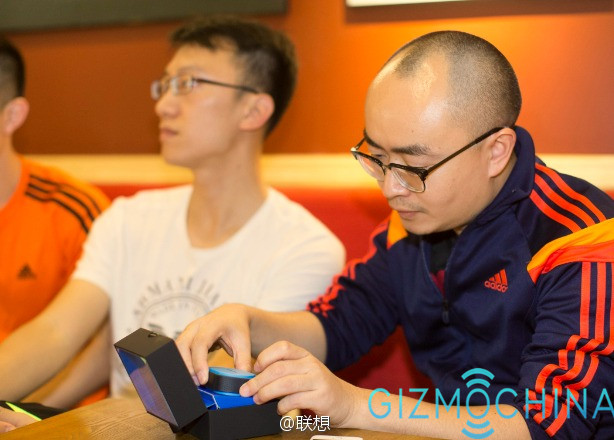
From the leaked pictures on China’s Weibo, we can see the Lenovo’s smartband wearing by the guy is a lot wider than Xiaomi Mi Band and Huawei Honor Newest Smart Band. Lenovo Smartband SW-B100 can track your heart rate and got IP67 Rating For Waterproof and battery can last for 7 days.
The leaked smartband is still the beta version, but it will be lauched soon. We all know Lenovo’s new products’ price would normally drop by at least 30% in 3 months, so can you guess how much will they price Lenovo Smartband SW-B100?
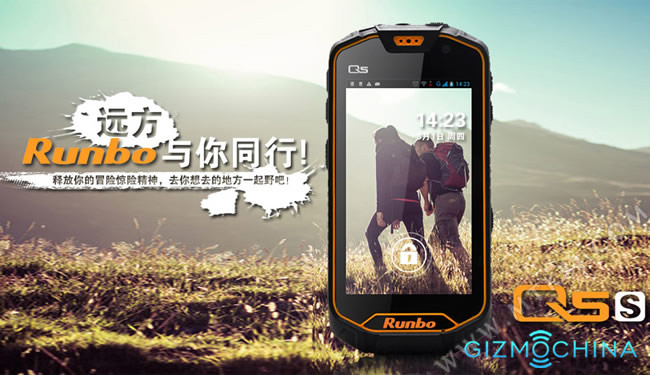
Runbo is one of those companies that produces waterproof smartphone. Their latest is the Runbo Q5S which is the successor of the Runbo Q5. It may seem that it is an upgrade of the original, but it actually isn’t.
The Runbo Q5S sports a rubber case and its screen is protected by Corning Gorilla glass. Every hole is protected from water coming in and the strength of the rubber ensures that this phone can run under a temperature between 20 and 60 degrees below zero. This is an IP67 phone which means that it can last 30 minutes against water for a depth of 1m.
As for why the Runbo Q5S is not an upgraded version of the Runbo Q5 is because it has lower specifications than the original. Its processor is the MT6589 which has 1.2GHz. It has a 4.5-inch OGS screen with HD resolution (1280 x 720), 1G RAM, 8G ROM, a 2mp/8mp dual-camera, 4200mAh battery, and the Android 4.2. It also has support for GPS, a thermometer, speedometer, etc.
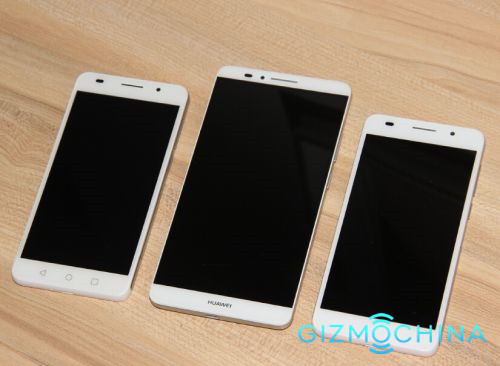
From left to right: The Huawei Honor 6, Mate 7, and Honor 6 Extreme Edition
Here we have three cellphones from Huawei: the Huawei Honor 6, Huawei Mate 7, and the Huawei Honor 6 Extreme Edition. These three phones were just launched this year and are all aimed at the high-end market. Their processors are from Huawei’s own Kirin series: Kirin 920, Kirin 925, Kirin 928 respectively. How do they compare to each other? Let’s find out.
First, let’s start by describing the differences between their processors.
Kirin 920: It’s built on the the octa-core big.LITTLE GTS (Global Task Scheduling). It integrates four 1.7GHz ARM Cortex-A15 processors and four 1.3GHz Cortex-A7 processors into one using 28nm technology. It also boasts an I3 smart sensor processor that can lower power consumption, and let’s features like a gyroscope and accelerator run even when the phone is on standby. The Kirin 920 also comes with Huawei’s LTE Advanced communication module which supports the LTE Cat6 standard as well as TD-LTE, LTE-FDD, TD-SCDMA, WCDMA, GSM, etc. Its GPU is the ARM Mali T628MP4 which supports H.265 and 4K videos.
Kirin 925: This is not that much of an upgrade from the Kirin 920, except that its frequency has increased to 1.8Ghz. Also, some smaller improvements were made such as adding the TrustZone which can protect the chip for the fingerprint scanner.
Kirin 928: The frequency has been upgraded to 2.0GHz.
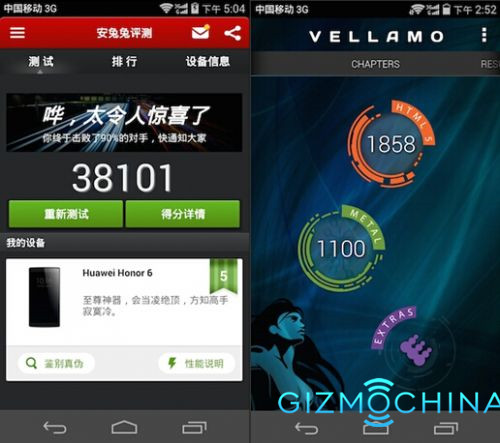
Huawei Honor 6 benchmark
Above are the Antutu and Vellamo benchmark scores for the Huawei Honor 6. It received a 38101 in the Antutu benchmark test which is pretty high.
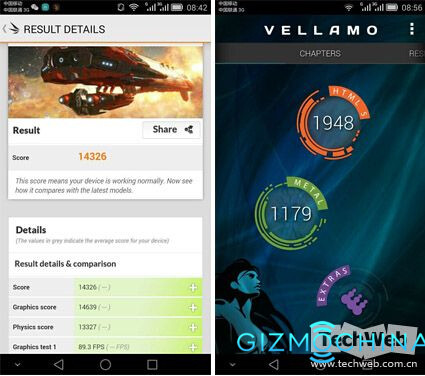
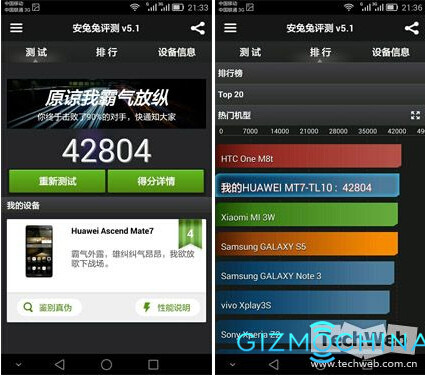
Huawei Mate 7
These are the benchmark scores for the Huawei Mate 7. It received a 42804 score in the Antutu test. Although the Kirin 925 isn’t the strongest of the three processors, this phone still has powerful specs, so it is no surprise that it has a high score.
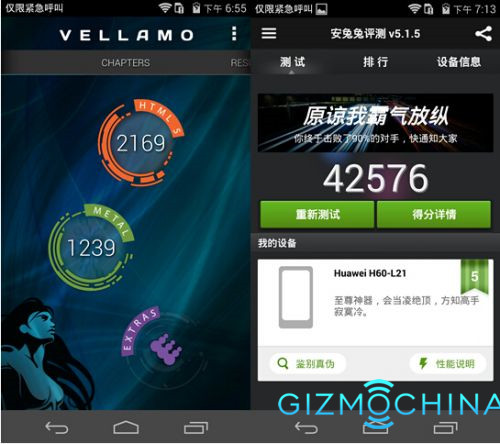
Honor 6 Extreme Edition
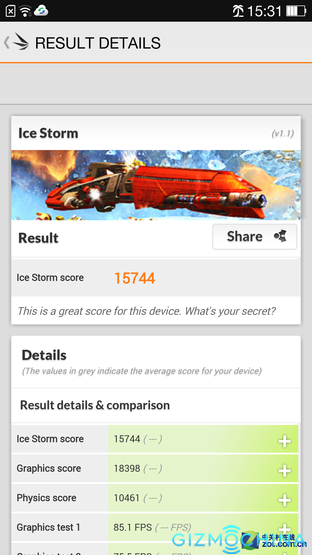
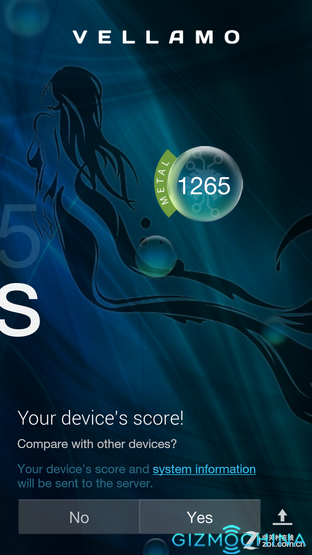
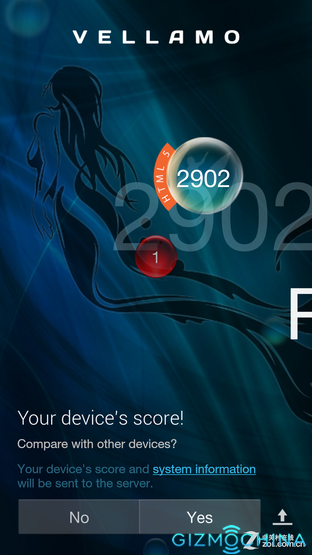
Here are the scores for the Huawei Honor 6 Extreme Edition. It scored 42576 in the Antutu test.
Product
Huawei Honor 6
Huawei Mate 7
Huawei Honor 6 Extreme Edition
Antutu
38101
42804
42576
HTML5
1858
1948
2169
Metal
1100
1179
1239
Analysis
Why does the Kirin Mate 7 have a higher score than the Huawei Honor 6 Supreme Edition even though it uses the Kirin 925? First, because as a series, the difference between the two of them is not that great. Second, the Huawei Mate 7 is a high-end product, so it should definitely have the edge in other parameters.
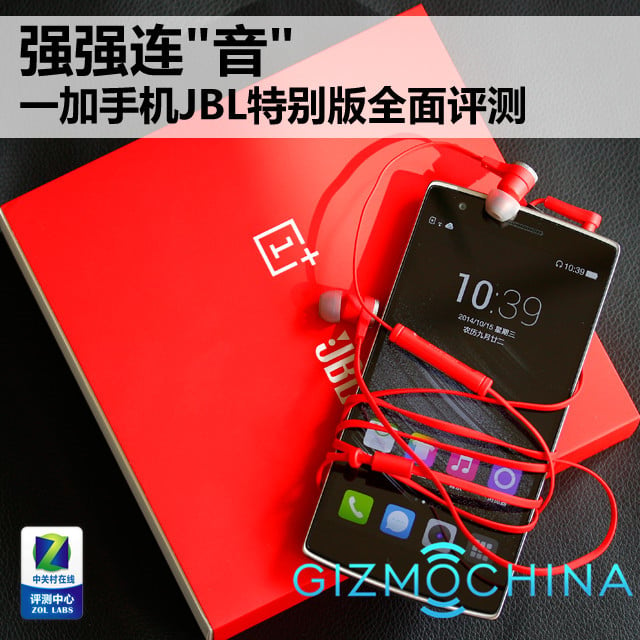
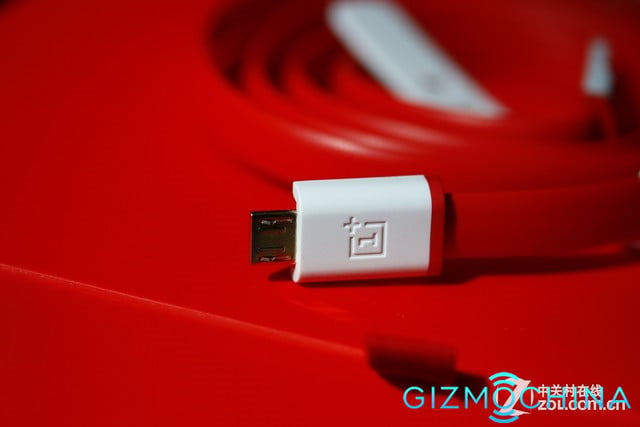
Several months since the release of the OnePlus One, the company released a special edition with new speakers designed by American audio electronics giant, JBL. The OnePlus One JBL Special Edition has a 5.5-inch 1920 x 1080 screen, a thickness of 8.9mm, support for TD-LTE and FDD-LTE dual-4G networks, a 5mp/13mp dual-camera, and the Snapdragon MSM8974AC chipset with Adreno 330 GPU. Here’s our review.
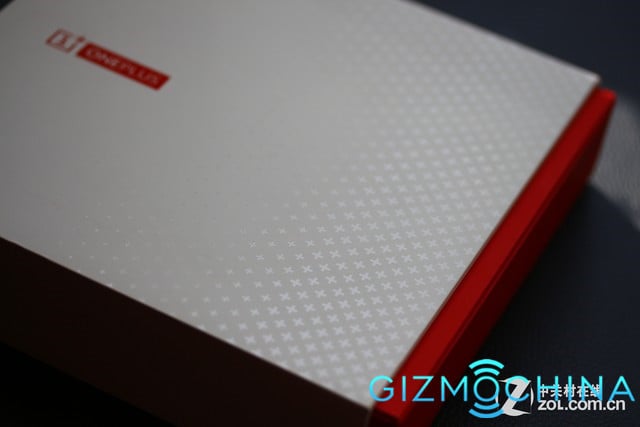
The OnePlus One JBL Special Edition’s package
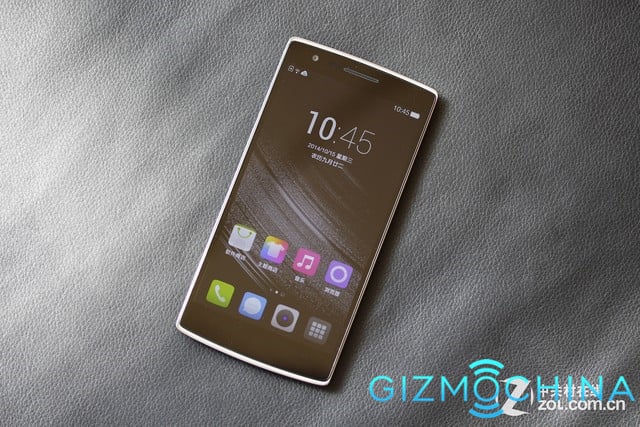
The Front and display screen
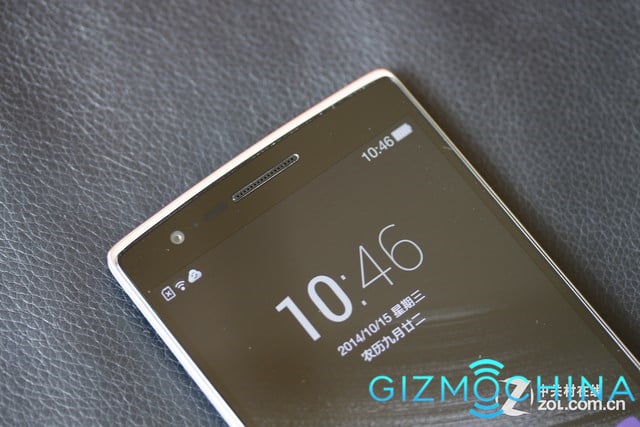
Perhaps it is because Liu Zuohu used to work for OPPO, but the OnePlus One JBL Special Edition looks similar to the OPPO Find series. The top and bottom ends are curved, and it also has a round back. Although it is comfortable, it’s a bit hard to handle a 5.5-inchphone like this with one hand.The front side of the OnePlus One JBL special edition
The phone’s front-facing 5mp camera
Notice how the phone’s screen looks like it is “floating” on the silver chassis. This design probably serves to protect the screen as, if it falls onto the ground, the corner will be the first to hit the ground. This may prevent the glass from shattering. The screen’s size and resolution have also been upgraded to 5.5 in and 1080p respectively.
Above the screen is the 5mp front-facing camera. An LED flash is located on the right beside it. There are three Android virtual buttons at the bottom of the screen with a background light. Even though it’s not very bright, it should work alright when you use the phone at night.
The back
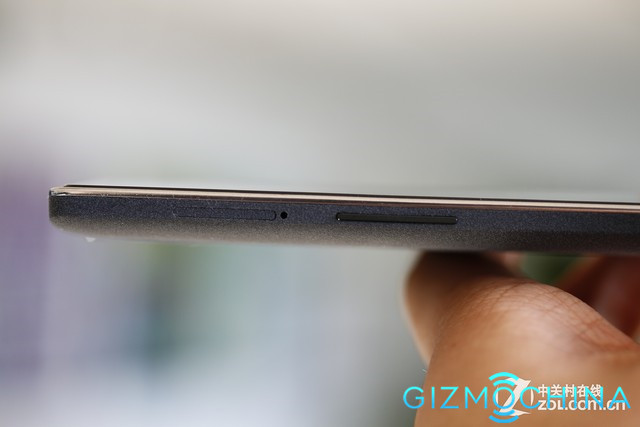
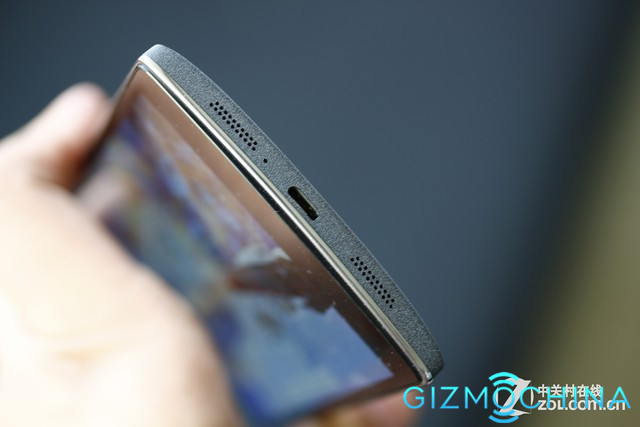
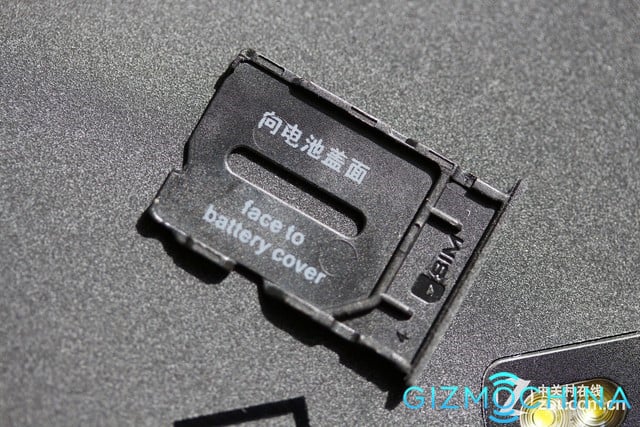
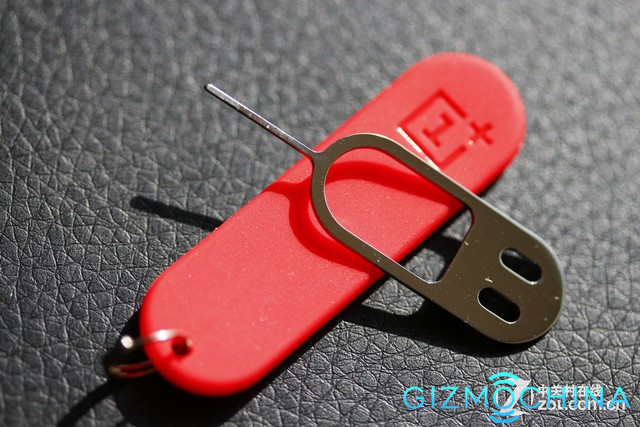
It looks like OnePlus did a lot of work on the chassis as there are ports and buttons on all sides. The dual-speakers are located at the bottom. Try not to hold onto the phone too tight or you may end up covering them. This phone comes with a micro SIM tray. Regarding internet connectivity, this phone has support for TD-LTE, FDD-LTE, TD-SCDMA, WCDMA, and GSM. The FDD-LTE and WCDMA networks only work abroad.
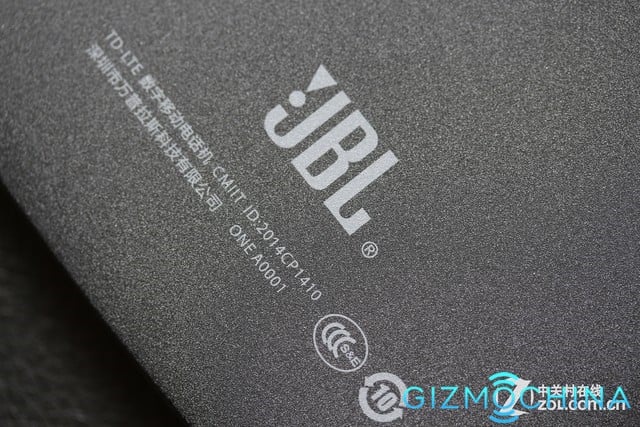
Unlike the original OnePlus One, this version has the JBL logo at the top in the back. Its rear-facing camera is still 13mp and has dual-LED.
Color OS 1.2
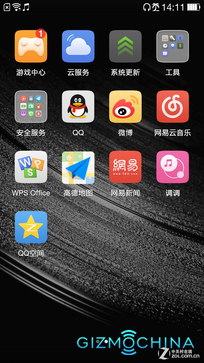
The OnePlus One JBL Special Edition uses the Android 4.3-based Color OS 1.2 which is a very simple user interface. Even though there is a secondary menu, there are only two pages of icons to see which is not bad. They are all flat.
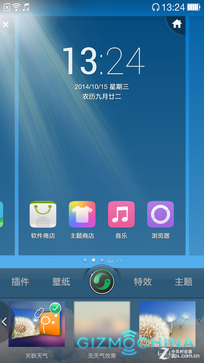
Desktop/Weather wallpaper
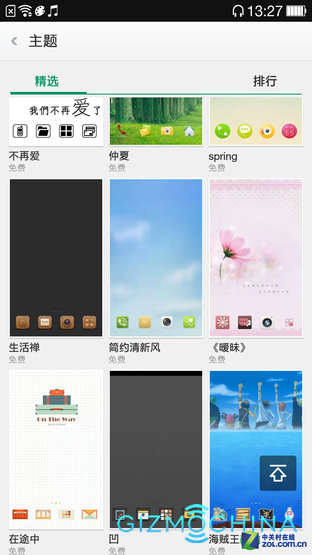
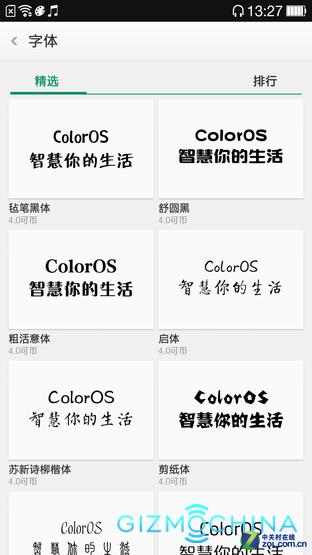
There are so many themes and wallpaper available.
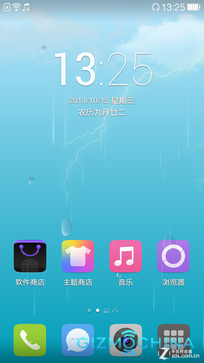
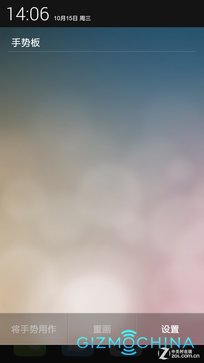
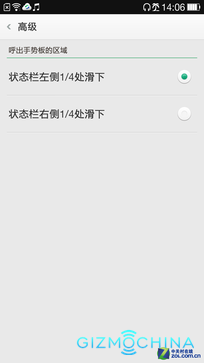
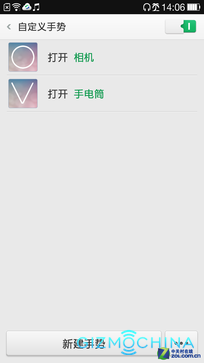
This year, several products have already used weather wallpaper. This time, OnePlus went a step further by making these animated images look lifelike, even to the point that you feel like it’s actually raining on your screen. There are a lot of lock screen wallpaper and in the theme store, most of which are free. There is also the hand gesture menu where you can designate certain finger movements to different functions. For example you can make it so when you circle your finger on the screen, you can open the camera app.
Hand gesture feature
Software store/third-party apps
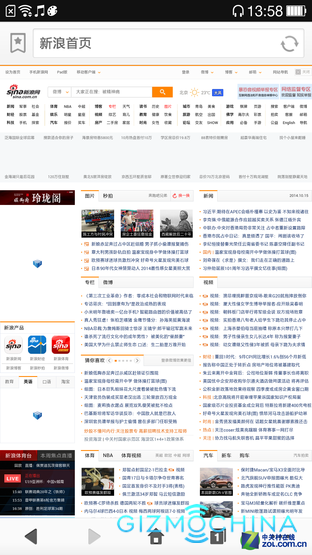
Web browsing experience
Anti-virus/battery conservation
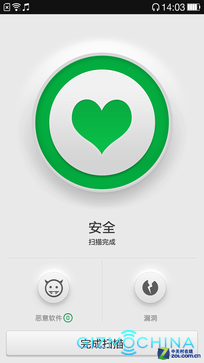
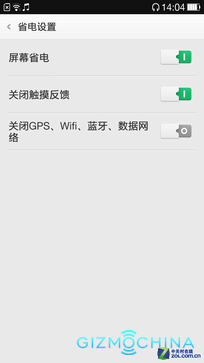
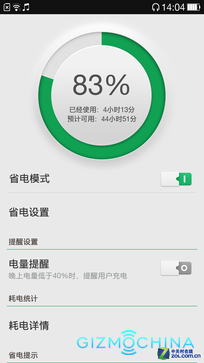
Safety features like the anti-virus and battery consumption programs are very practical, and not a lot of third-party apps were pre-installed, making it less of a hassle for users to download them.
13mp camera
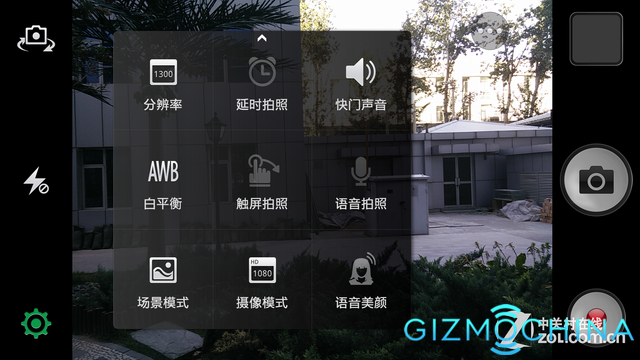
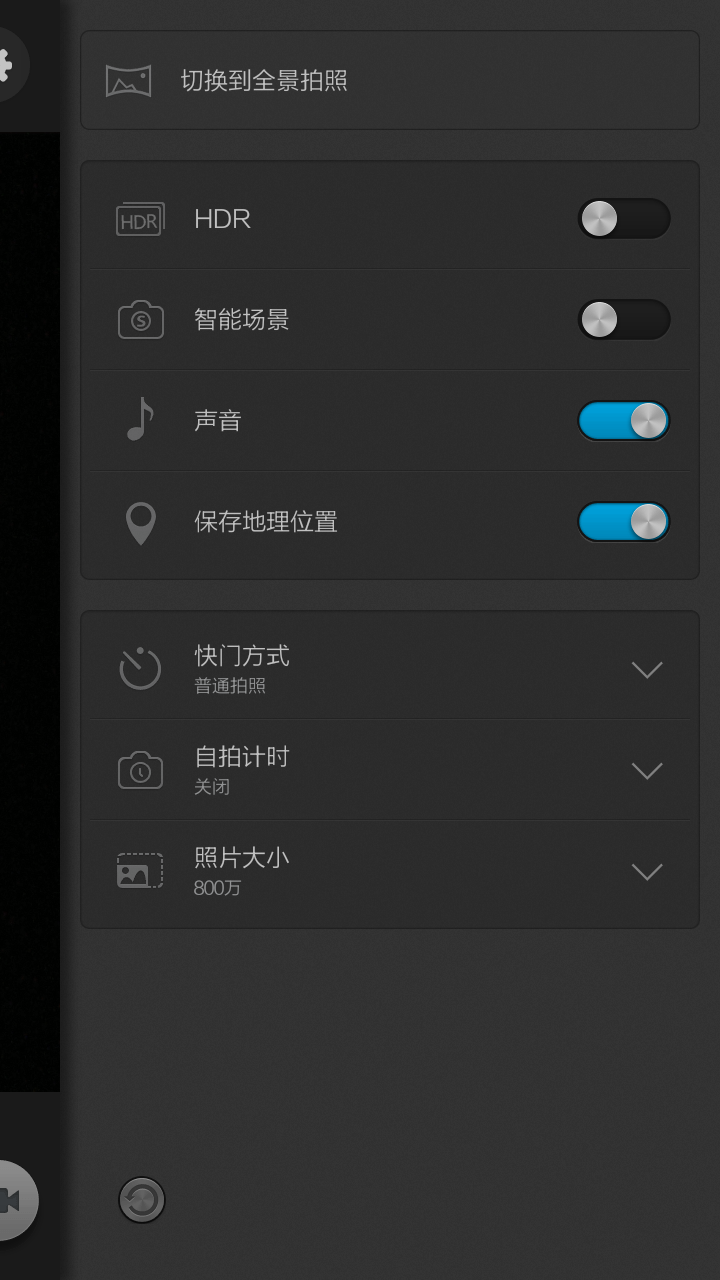
Let’s now take a look at the OnePlus One JBL Special Edition’s camera. It does not have a lot of features but the features that it does have are very practical. These include panoramic, beauty enhancement, etc.
Camera interface
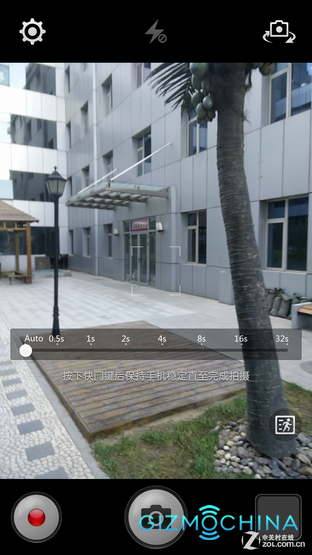
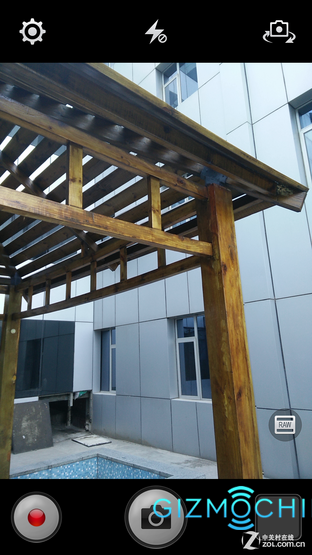
A slow shutter/Raw-supported
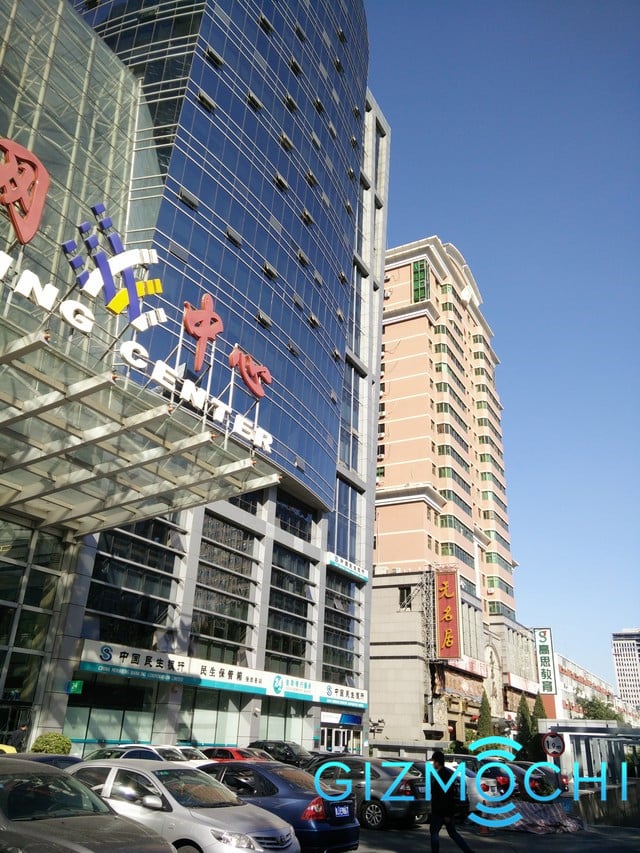
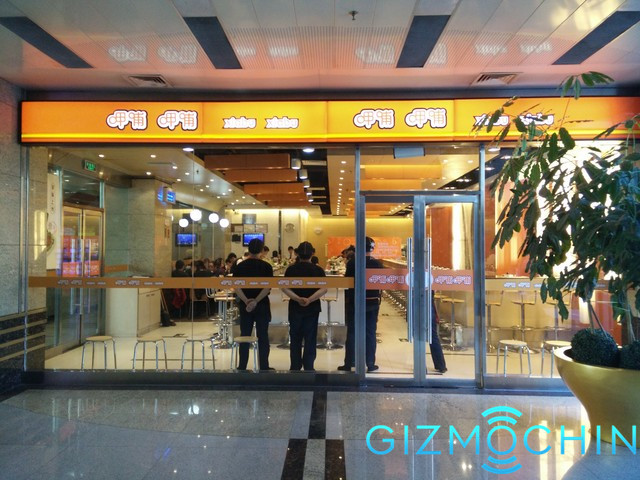
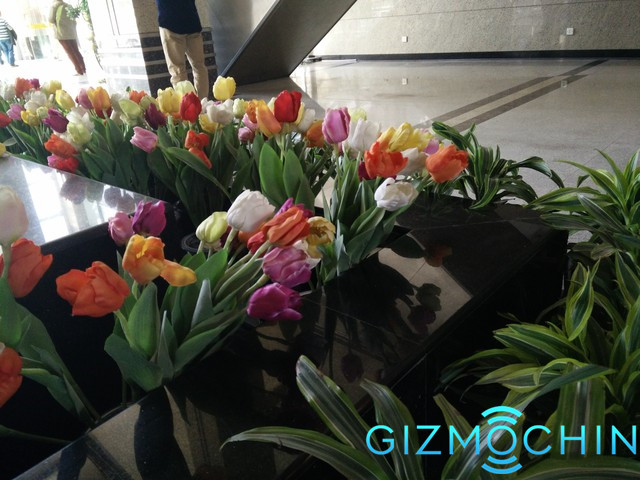
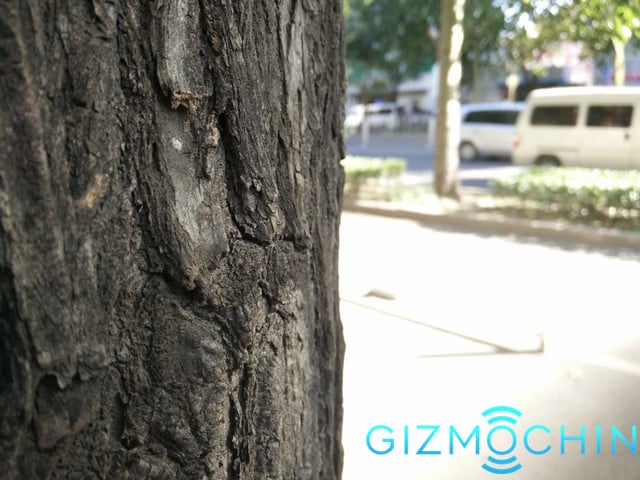
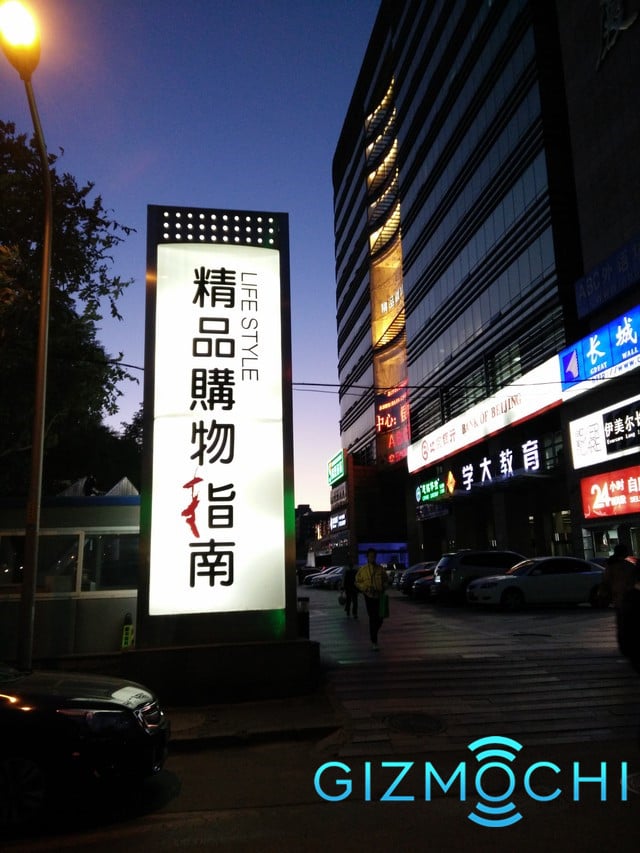
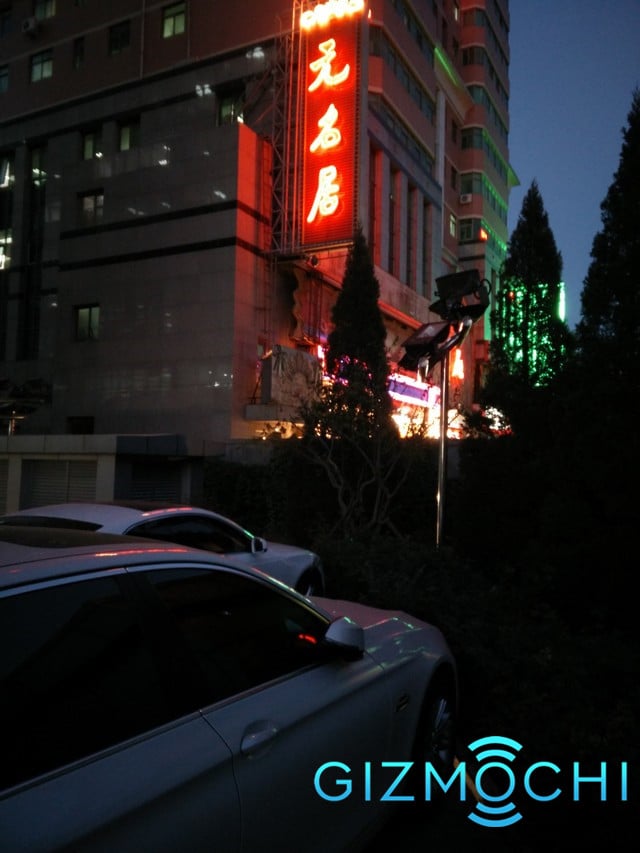
Below are photos taken by the OnePlus One JBL Special edition in regular camera mode with no alterations.
Focal length: 4mm Aperture: f/2.0 ISO: 200 Time of exposure: 1/50 Exposure compensation: EV White balance: automatic
Focal length: 4mm Aperture: f/2.0 ISO: 100 Time of exposure: 1/913 Exposure compensation: EV White balance: automatic
Focal length: 4mm Aperture: f/2.0 ISO: 400 Time of exposure: 1/30 Exposure compensation: EV White balance: automatic
Focal length: 4mm Aperture: f/2.0 ISO: 500 Time of exposure: 1/30 Exposure compensation: EV White balance: automatic
Focal length: 4mm Aperture: f/2.0 ISO: 100 Time of exposure: 1/120 Exposure compensation: EV White balance: automatic
Focal length: 4mm Aperture: f/2.0 ISO: 200 Time of exposure: 1/100 Exposure compensation: EV White balance: automatic
Focal length: 4mm Aperture: f/2.0 ISO: 300 Time of exposure: 1/33 Exposure compensation: EV White balance: automatic
Focal length: 4mm Aperture: f/2.0 ISO: 800 Time of exposure: 1/11 Exposure compensation: EV White balance: automatic
Overall, the quality of the photos taken by this phone is great. For the most part, the night shots are clean with a little bit of noise.
JBL E1+ earphones
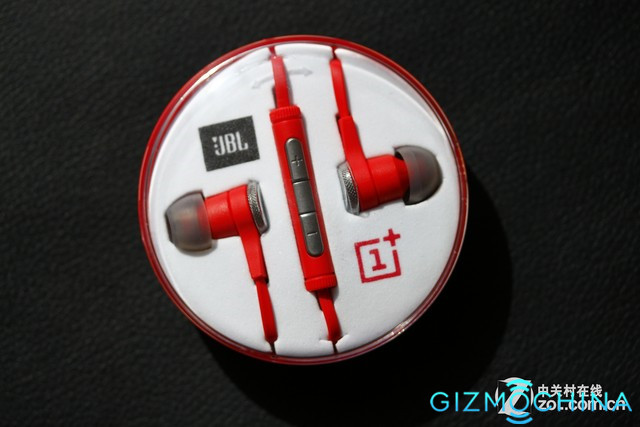
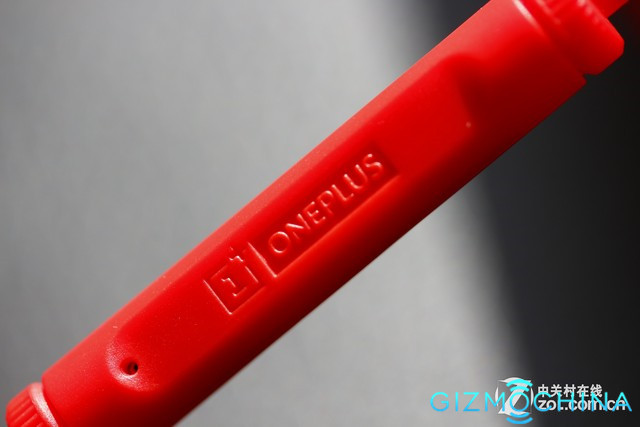
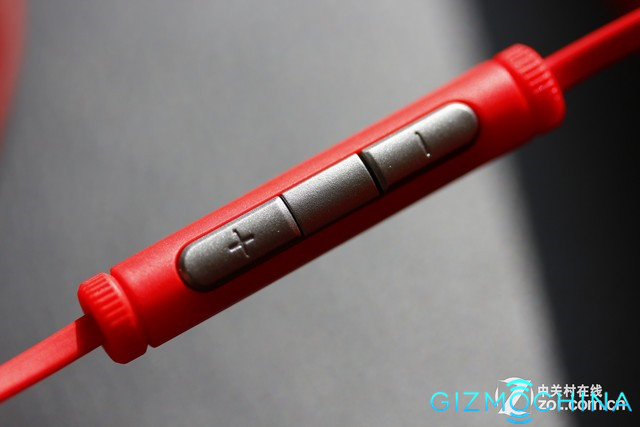
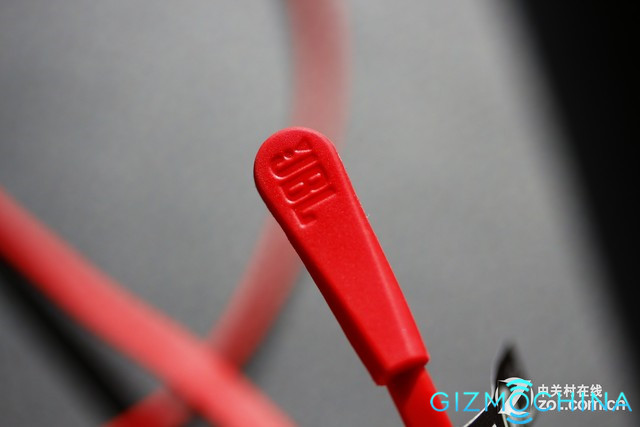
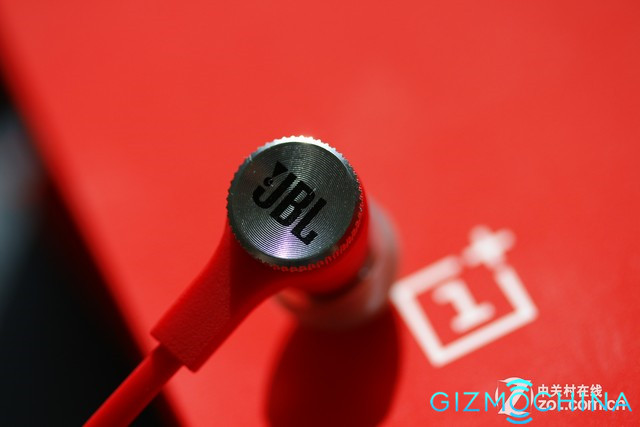
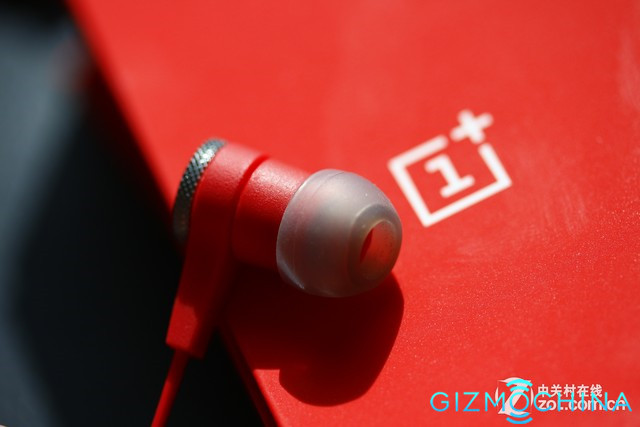
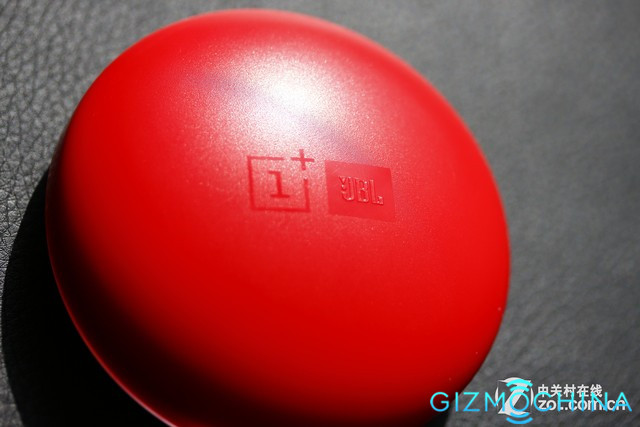
Since this is the JBL special edition, it is no surprise if it comes with a pair of JBL E1+ earphones which are pretty good.
Music and audio
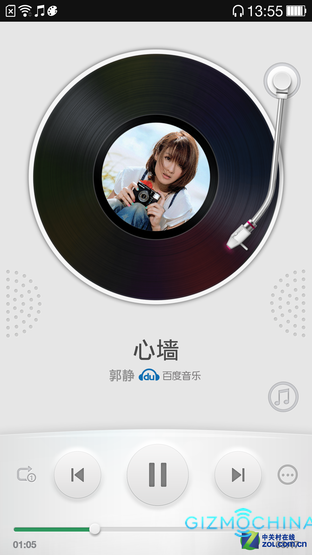
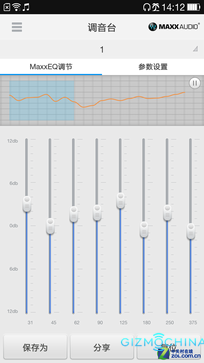
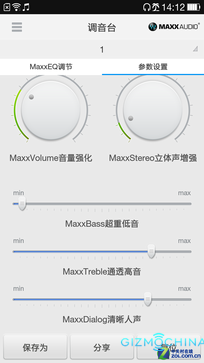
Among other things, users can listen to any music online with their phone’s music player via WIFI connection. The interface resembles a vinyl record being played. It also comes with a mixer which is practical for adjusting the sound quality.
Besides an online music player, it also has a video streaming program.
We tested out the video player using 15 1080p videos. Other than the fact that two videos do not have sound and one has a slight pause, overall, they mostly worked well.
Benchmark scores/Conclusion
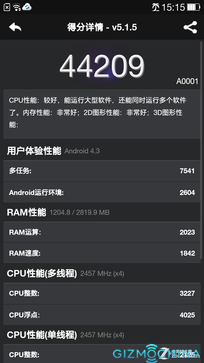
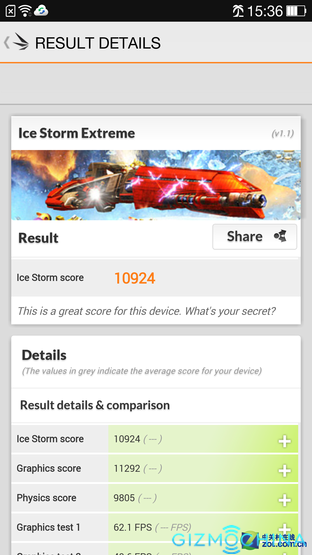
Here, we talk about the phone’s processor, the Snapdragon 8974AC which has 2.5GHz, as well as the phone’s Adreno 330 GPU, 3GB RAM, and 16GB ROM. Here are the benchmark scores.
Antutu
3D Mark
Vellamo
Although there were no great improvements made on the OnePlus One JBL Special Edition’s hardware the Color OS 1.2 is very easy to use. Furthermore, the sound quality has improved with the inclusion of the JBL E1+ earphones. The OnePlus One JBL Special Edition goes on sale today.
The Huawei Honor 6 Extreme Edition with one of its cases
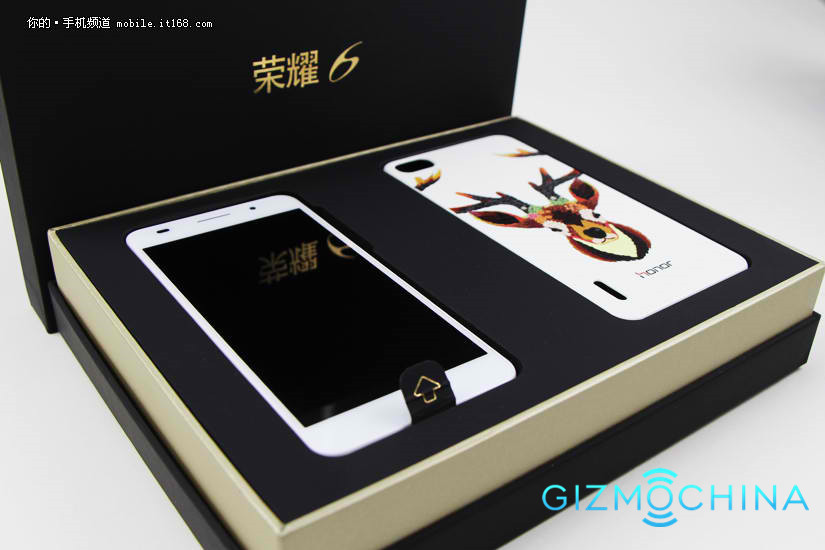
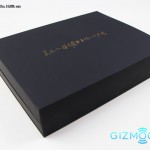
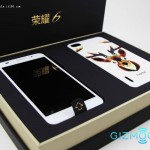
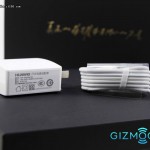
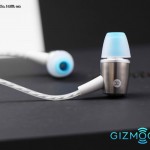
The Huawei Honor 6 Extreme Edition, which made its debut two days ago, comes in a beautiful package. Besides the phone itself, the package also comes with a cellphone protective case, white protective case, NFC tags, a glass film, and Huawei Engine Earphones. The flagship phone, itself, costs 2999 RMB (489.34 USD) while the rest of the package altogether costs 1460 RMB (238.36 USD). There are only 999 packages of this limited edition on stock and will go on sale on October 21. As for its specifications, its processor has been upgraded to the Kirin 928 chipset, increasing its frequency to 2GHz. Other than that, there is no difference between this and the original version. Here are pictures of the unboxing of the Huawei Honor 6 Extreme Edition.
The Huawei Honor 6 Extreme Edition with one of its cases
Cellphone maker Axgio presently offers a huge coupon worth 30 US dollars for its product Wing W2 on Amazon, enabling consumers to get the phone at only 74.99 US dollars.
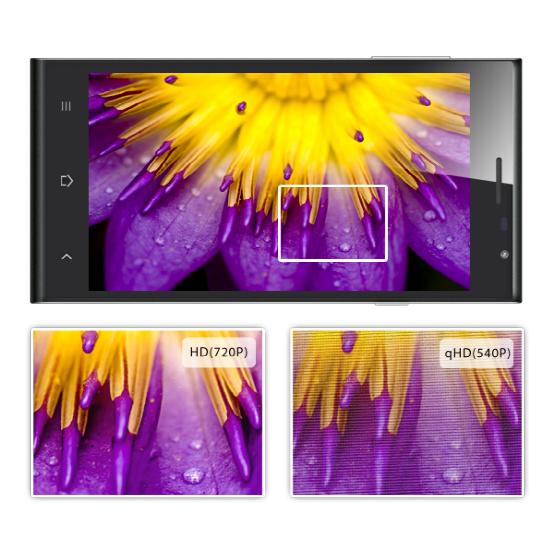
The final price is very attractive for it is the lowest available for a smartphone with 5-inch HD display and MTK6582 4-core CPU. Other preferences of Axgio Wing W2 include 1GB RAM, 4GB ROM, 8MP and 2MP cameras, and 2000mAh battery. Other smartphones with the same components are usually sold at around USD100, and according to the writer’s survey, similar budget phones with lower display resolution, such as qHD, can be priced as high as USD85.
Lately starting business at Amazon, Axgio US wants to have as many transactions and customer reviews as possible within a short period of time, in the hope of spreading its brand name among Amazon users swiftly. “Discount is an old tool, but not outdated”, said a manager of the phone maker.
The USD30 coupon can be copied from the Wing W2’s product detail page for any US customer, who does not need to pay extra money for shipping.
In addition, another Axgio mobile phone named Neon N1 is now provided with a USD10 coupon, which helps decrease the sale price to USD99.99. Sharing most preferences with the Wing W2, the Neon N1 has an 8GB ROM and a 5MP front camera.
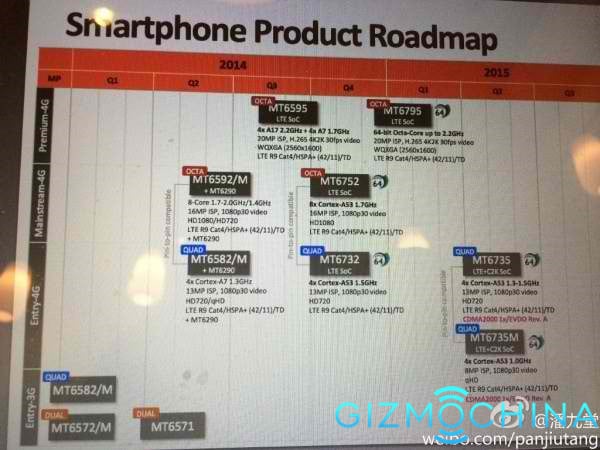
Early this year, MediaTek formed a partnership with Via Telecom which granted it access to its CDMA2000 technology. This allowed MTK to produce processors that cover all four frequency bands. Now, their first 4G chip with VIA has made its debut. It is called the MT6735.
This processor uses a 64-bit Cortex-A53 with a frequency range of 1.3-1.5GHz. As of now, we do not know much about its GPU, but it is bound to be advanced.
Without a doubt, the MT6735’s biggest rival is Qualcomm’s MSM8909. Both of them will be manufactured early next year and their costs may go below 10 USD. Both processors support all networks, but when it comes to integration and familiarity, MTK still has a lot to do to catch up to Qualcomm, although they have already made a name for themselves at the low-end market.
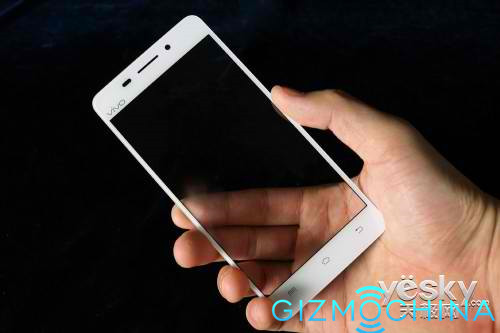
Recently, Apple’s “partner” company, GT Advanced Technologies, which manufactures sapphire screen panels, filed for bankruptcy claiming that Apple did not use any of their sapphire screen panels. Actually, there really isn’t any reason for GTAT to worry as there are other companies out there that are interested in producing sapphire screens—like Vivo.
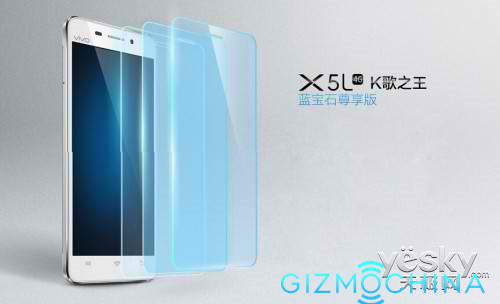
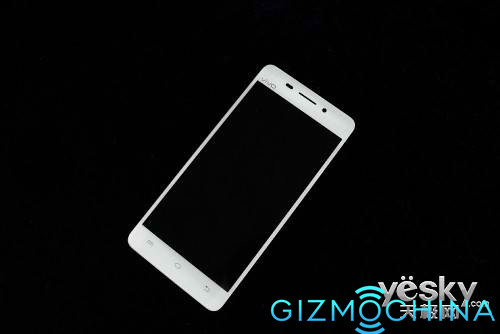
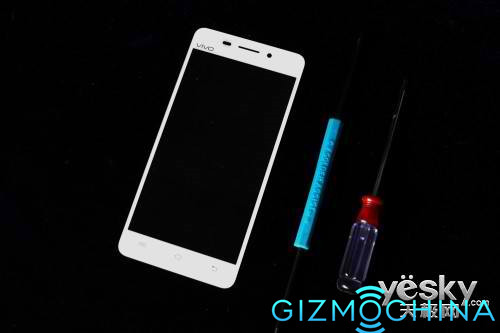
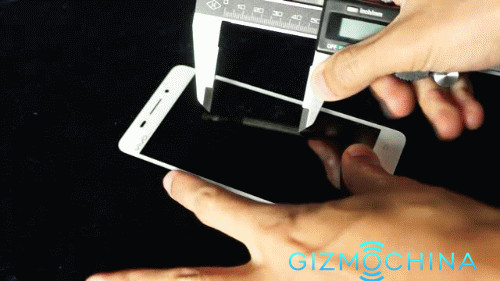
Vivo had announced that they will release Vivo X5L sapphire version on the 15th. Although, the provider of the sapphire screens has already been confirmed, Vivo may have considered looking at previous sapphire editions for inspiration for future models. So, GTAT should later consider a partnership with Vivo, especially considering the latter’s sales in China. If they had a partnership, then, GTAT would not have to file for bankruptcy.
Of course, this is just the writer rambling, but Vivo is doing what Apple didn’t (release a sapphire screen) do, which is depressing as it is doing it just as GTAT is filing for bankruptcy.
Back to the topic, the reason why Vivo wants to add a sapphire screen to the Vivo X5L is because of its durability. A sapphire screen is the second hardest material (It has a 9 in the Moh scale of hardness, with 10 being the highest). Second to diamond, it is one of the most durable materials on earth right now.
Theoretically, the harder the material, the stronger it is and unlikely to break. The only think that can even leave a dent on sapphire screen is a diamond. Most of the things we use in real life cannot possibly damage it.
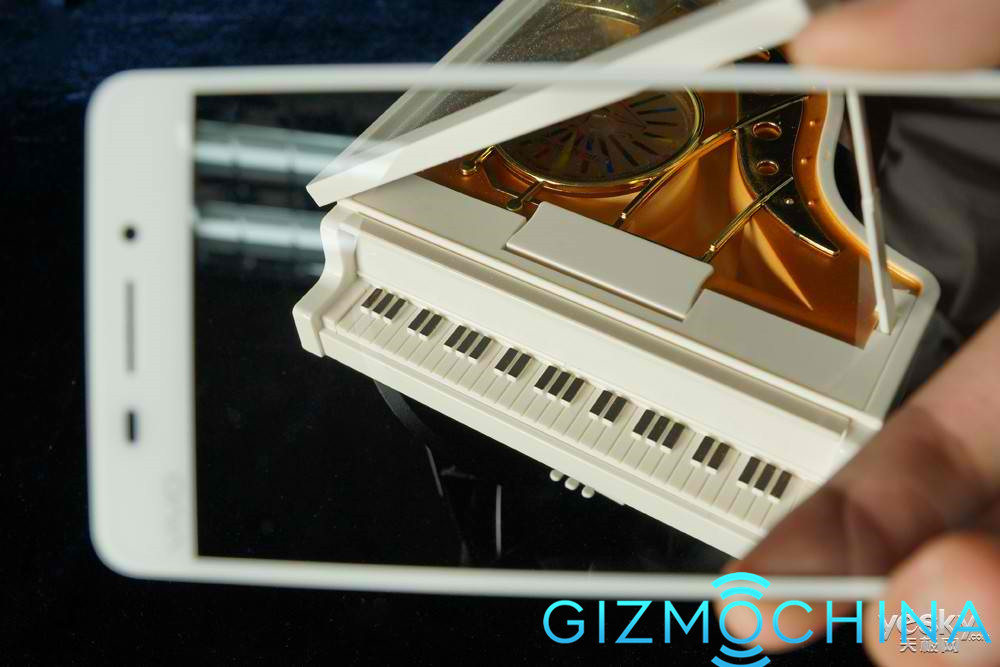
Also, the transparency of sapphire screens is impressive. It is almost impossible to tell if there is a screen or not with the sapphire screen. Of course, producing such a screen is not cheap, so don’t be surprised if it is more expensive than the regular version.
About the Vivo X5L sapphire edition:
This version of the Vivo “Karaoke King” X5 is the first Chinese smartphone to use a sapphire screen. Its specs are pretty much the same as the original. It has Hi-FI, the CS4398 audio chip, as well as the Yamaha YSS205X-CZE2. It also has a 1.7GHz octa-core processor from MTK, 2GB RAM, 16GB ROM, the Android 4.4, a 5mp/13mp dual-camera, and 4G LTE internet.
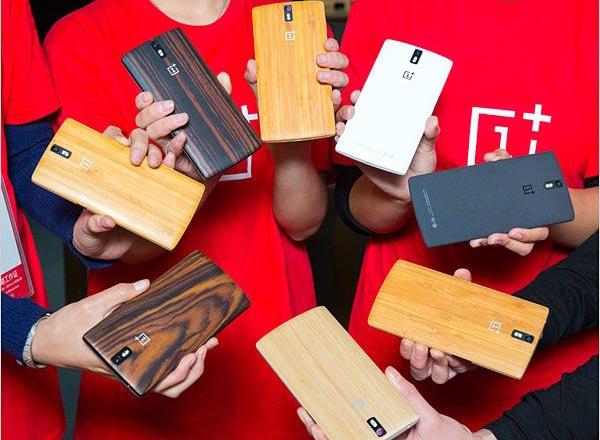
After OnePlus One JBL version announced along with specialized JBL E1+ earphones, Oneplus’s CEO Pete Lau said Oneplus two is under designing, will be released at second season in 2015, and they just started to develop Oneplus’ ROM. ROM development is a new field for Oneplus, current target is to make unique features, can not compete with the other ROMs in every aspect.
Pete also said the reason he left Oppo and set up Oneplus is because he found the cellphones in the market are far away from beatiful and laggy UI, or poor crafted. Oneplus can do better in this feilds. Collaboration with JBL can enhance Oneplus’ global beand awareness. After reaching 17 countries with its only device, it is now aiming to gain more markets.
With the revolution of the Manufacturing Technology of cell phones, smartphones are becoming thinner and thinner. There are several super slim smartphones emerging on the market nowadays. But Gionee Elife S5.1, with a super-slim 5.1mm profile, smashing the world record of the thickness of the smartphones.
ELIFE S5.1 Specifications
Operating system
Amigo2.0(Based on Android4.3)
Network
TD-LTE/TDSCDMA/GSM
Dimensions
139.8×67.4×5.15mm
Weight
100g
Display
4.8 inch SuperAMOLED 1280×720
Camera
800 megapixel+500 megapixel
Processor
Qualcomm MSM8926 quad-core 1.2GHz
Internal storage
RAM:1GB ROM:16G
The Gionee Elife S5.1 is powered by Qualcomm MSM8926 quad-core processor for lag-free performance in web browsing, gaming, and general usage, along with 1GB of RAM 16GB of non-expandable storage.
The Elife S5.1 comes with an 8-megapixel rear camera with LED flash for high-quality imaging, and a 5-megapixel shooter on the front for sharp selfies and video calls. It features a 4.8-inch display with a resolution of 1280×720 pixels; The display’s Super AMOLED technology means you can enjoy any type of content with vivid and lively colours for an immersive viewing experience.
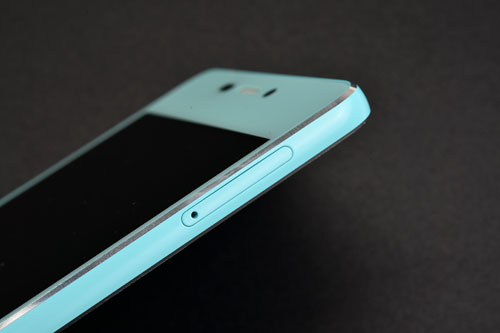
Priced 1999RMB, it is taking preorders now. A 2100 mAh battery provides long usage times, and Android 4.3 Jelly Bean with Gionee’s Amigo 2.0 UX offers an intuitive software experience, with access to popular Google services and thousands of third-party apps.Produced using metal and Gorilla Glass, the S5.1 has curvier edges for a more comfortable grip, its back also covers with 0.4mm Gorilla Glass, which makes it look more eye catching.
Appearance
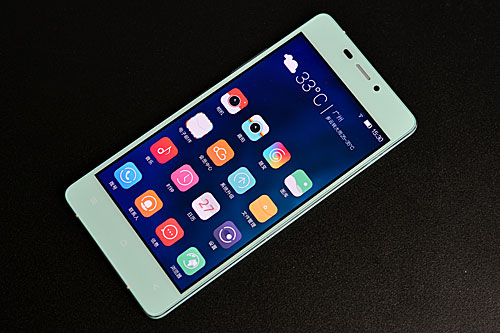
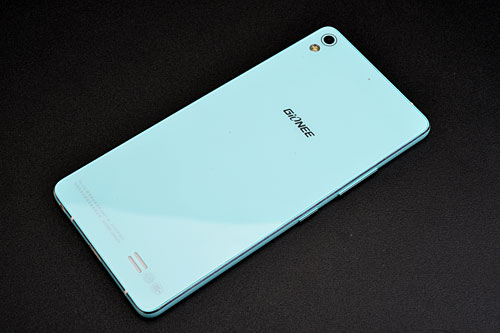
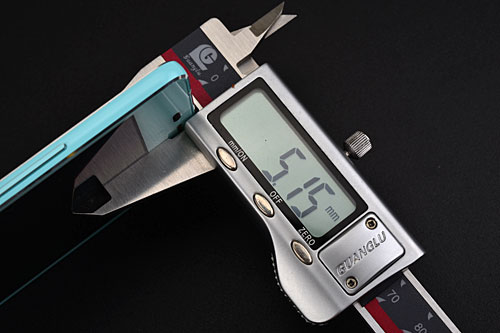
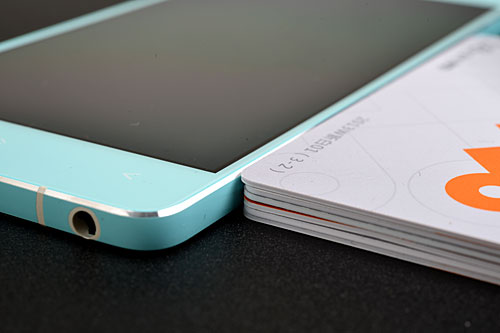
What is thickness of 5.15mm look like? As below pictures shown, it equaled the thickness of 6 pieces of SIM cards. It has been recognised by Guinness Book of World Records as the slimmest smartphone in the world. ELIFE S5.1 offers Black, White, Pink and Mint Green colors for customers.
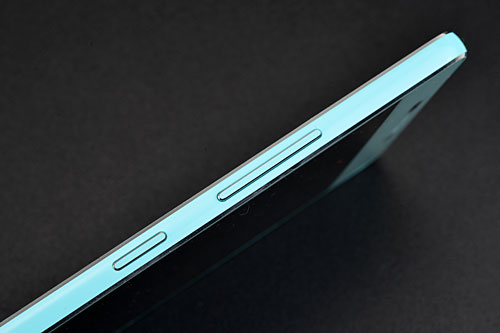
Mirco SIM card slot is layout on the right of the model. Along with LTE connectivity, it boasts 100Mbps high speed Internet access.Its volume rokers and power button are on the left, which using same materials with its well designed body, it looks really appealing and excellent.
ELIFE S5.1 still remains 3.5mm ear phone jack .
It features a customized Super AMOLED screen with advantages of bright color, low power consumption, high contrast, ultra slim panel etc. In fact, Super AMOLED is fit for ELIFE S5.1 perfectly.
Amigo OS
Amigo OS is based on Android4.3, it runs more smoothly than the older Amigo OS. Simple style, flat icon design, all the apps are shown in the desktop.
Camera
Because of restriction of this thickness, ELIFE S5.1 features moderate specs with 800MP rear camera and 500MP front facing camera. The default shortcuts are front/rear camera switch, selective focus, HDR mode and the menu. You can also change the order of items within the settings menu. Here you’ve got access to ISO, video mode or other parameters.
Performance
It is powered by a Qualcomm quad-core 1.2 GHz MSM8926 processor and 1GB of RAM. Images can be stored on 16 GB of internal memory. Though the model is very slim but its hardware specs are still very outstanding.
Summary
ELIFE S5.1, with the thickness of 5.15mm, is the slimmest smartphone in the world, is also a challenge for Gionee to make a breakthrough for such a super slim device. In addition, Amigo OS has been optimized, it will run smoothly with more user friendly experience.
We use cookies on our website to give you the most relevant experience by remembering your preferences and repeat visits. By clicking “Accept”, you consent to the use of ALL the cookies.
This website uses cookies to improve your experience while you navigate through the website. Out of these, the cookies that are categorized as necessary are stored on your browser as they are essential for the working of basic functionalities of the website. We also use third-party cookies that help us analyze and understand how you use this website. These cookies will be stored in your browser only with your consent. You also have the option to opt-out of these cookies. But opting out of some of these cookies may affect your browsing experience.
Necessary cookies are absolutely essential for the website to function properly. This category only includes cookies that ensures basic functionalities and security features of the website. These cookies do not store any personal information.
Any cookies that may not be particularly necessary for the website to function and is used specifically to collect user personal data via analytics, ads, other embedded contents are termed as non-necessary cookies. It is mandatory to procure user consent prior to running these cookies on your website.