Advertisement

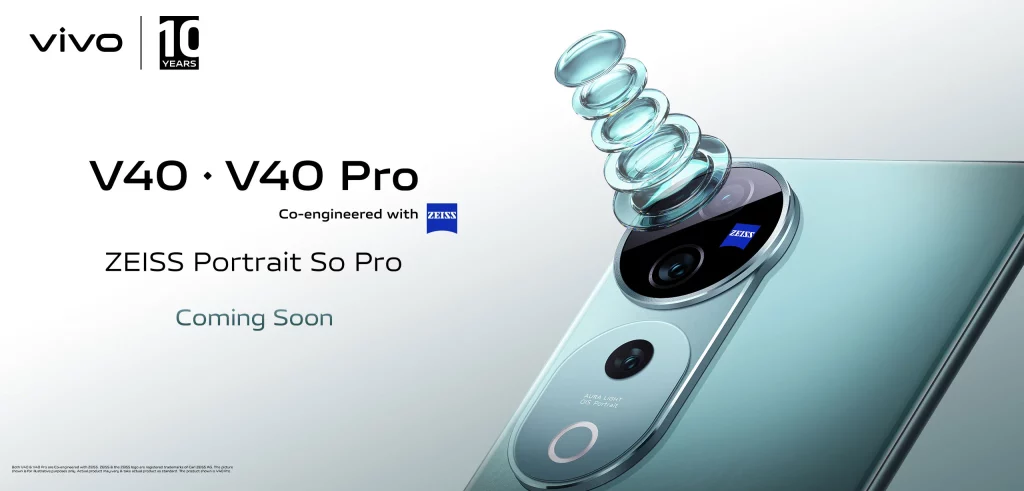
Vivo S19 and S19 Pro display, processor, camera specs detailed in new leak

Vivo is gearing up to launch its latest S series smartphones, the S19 and S19 Pro on May 30. While official details are still under wraps, a recent leak by insider Digital Chat Station (DCS) has shed light on the key specifications of both phones ahead of launch.

Vivo S19

Starting with vanilla S19, it will feature a 6.78-inch flat OLED panel with 1.5K resolution and a peak brightness of 4500 nits. Powering the device will be a Qualcomm Snapdragon 7 Gen 3 processor which is backed by a hefty 6000mAh battery with support for 80W fast charging.

Vivo S19 Specifications

The S19’s camera system opts for a simpler setup with a 50MP GNJ 1/1.56-inch main sensor with OIS for improved low-light performance. It’s accompanied by an 8MP ultra-wide sensor and a “soft light ring” which is a dedicated flash for better close-up shots.

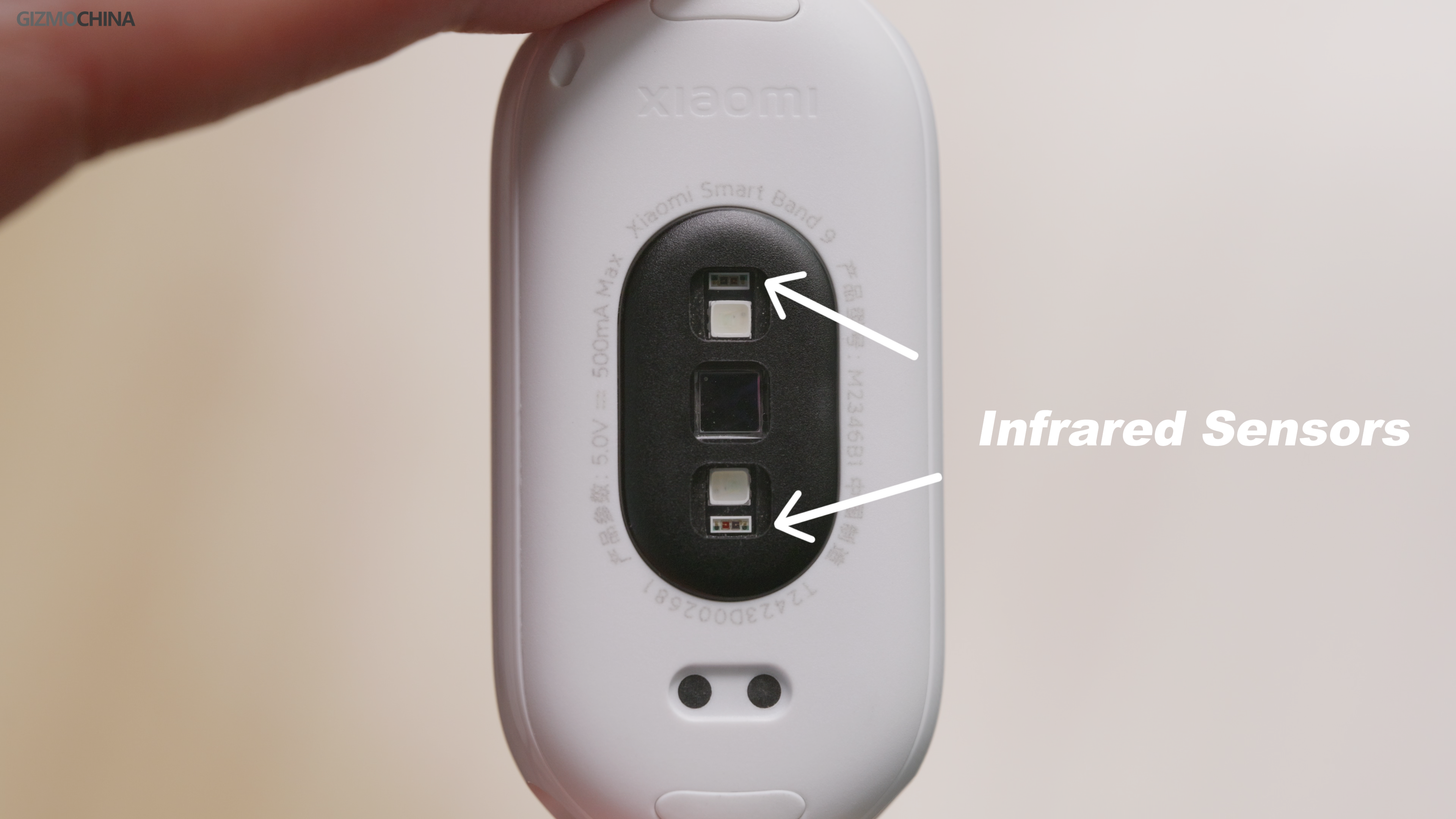
Other standard features of the device include infrared sensors, NFC for contactless payments, and IP64 dust and water resistance.

Vivo S19 Pro

The S19 Pro will also have the same display size and resolution as the standard model but with a curved panel. It will focus on performance with the flagship MediaTek Dimensity 9200+ processor.

VIvo S19 Pro Specifications

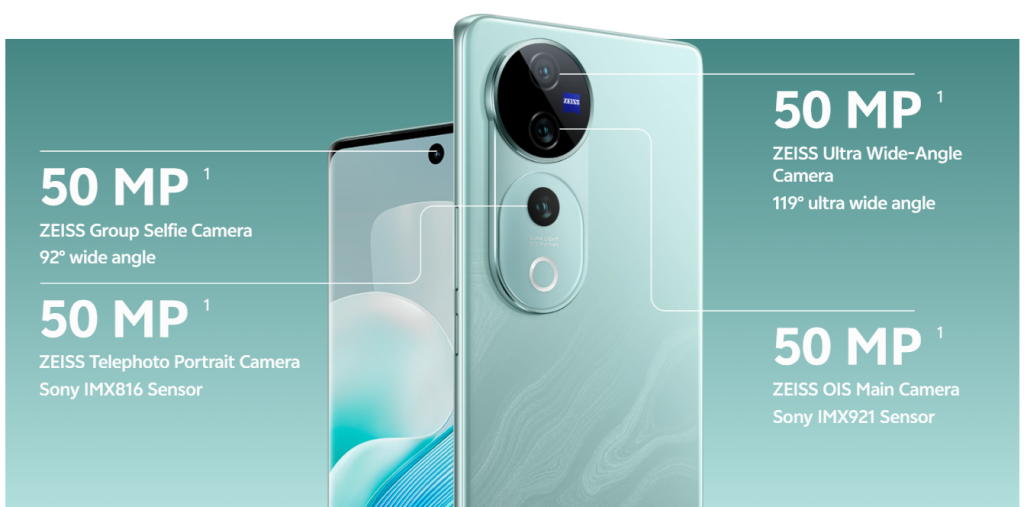
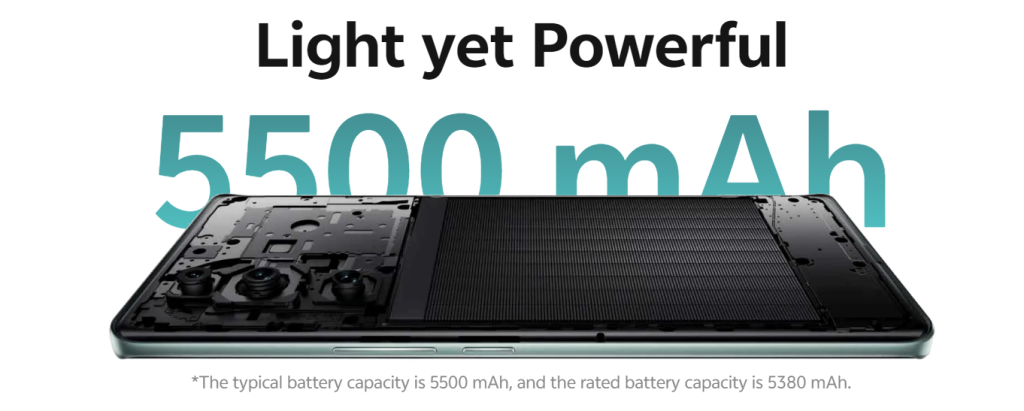
The S19 Pro will have a slightly smaller 5500mAh battery but will maintain the 80W fast charging support. Its camera system will include a 50MP Sony IMX921 sensor with OIS, an 8MP ultra-wide sensor, and a 50MP IMX816 sensor with OIS for telephoto capabilities. 

The telephoto lens is said to support 50x digital zoom and the S19 Pro will also feature a soft light ring on the back.

For durability, the S19 Pro will have superior IP68 and IP69 ratings, making it resistant to water submersion, high-pressure, and high-temperature water jets.

Related:

Redmi A3x smartphone with Unisoc T603, 90Hz display launched

Redmi has officially launched the Redmi A3x in international markets, starting with Pakistan. The smartphone offers a similar design to the Redmi A3, however, it replaces the MediaTek Helio G36 processor with a Unisoc T603.
Redmi A3x

Specs & features:

Design-wise, the Redmi A3x showcases a glass back with a circular camera setup, accented with a golden ring on the Black and Green models, and a silver ring on the White model.
On the front, it has a 6.71-inch IPS LCD HD+ display with a 90Hz refresh rate and includes DC Dimming technology to reduce eye strain. Both the front and back of the device are protected by Corning Gorilla Glass 3. As mentioned above, it features a Unisoc T603 processor under the hood, paired with 3GB RAM and 64GB storage, which is expandable up to 1TB using a MicroSD card.


For optics, it features an 8MP dual AI camera with an auxiliary lens and a 5MP front-facing camera. Software-wise, it comes with an Android 14-based operating system. It is equipped with a 5000 mAh battery that supports 15W fast charging. It also features a side-mounted fingerprint sensor for security and a 3.5mm audio jack.

Pricing & availability

The Redmi A3x 3GB RAM + 64GB storage variant has a price tag of PKR 18,999, which converts to around $68. The model is expected to launch soon in India and the UAE as well.

RELATED:

(Source, via)

Honor Magic 6 Pro Amazon India listing reveals Gift Bundle details ahead of launch

Honor is set to release the Magic 6 Pro soon in India. As per reports by tipster Paras Guglani, the launch could take place in July 2024. While the exact price has yet to be revealed, Amazon India has already leaked some key details about the device with an accidental listing.

Honor Magic 6 Pro Amazon India listing

As per the Amazon listing, the Honor Magic 6 Pro will come with a gift bundle containing the Watch GS3, Honor Choice X5 Pro earbuds, Honor premium phone cover, and VIP care plus service. The listing does not reveal any details about the pricing or launch date. However, it confirms that the device will come with 12GB RAM and 512GB storage, as well as a 50MP + 50 MP + 180MP triple camera setup. The rest of the specifications are expected to be the same as the Magic 6 Pro global model.

Honor Magic 6 Pro (global model) specs:

The Magic 6 Pro will come with a 6.8-inch OLED screen that refreshes at 120Hz. The device has a Snapdragon 8 Gen 3 processor under the hood, paired with a security chip.

For optics, the Magic 6 Pro has a high-resolution 180MP periscope lens with 2.5x optical and 100x digital zoom. It also sports a 50MP wide-angle and a 50MP ultra-wide-angle lens, alongside a 50MP front camera.

The phone is equipped with a 5,600mAh battery, supporting both 80W fast wired charging and 66W wireless charging.

RELATED:

(via)

Oppo Reno 12 Pro vs Reno 11 Pro: The differences are few & far between

Oppo has recently launched the Reno 12 series premium-midrange smartphones in China. The series consists of two devices: the Reno 12 and the Reno 12 Pro. We have discussed the differences between the Reno 12 and the Reno 11 from last year in a separate article. In this one, we will go over all of the differences between the Reno 12 Pro and the Reno 11 Pro (China model).

Oppo Reno 12 Pro vs Reno 11 Pro
Reno 12 Pro (left) vs Reno 11 Pro (right)

1. Design & display

Oppo has done a major revamp of the design of the Reno 12 Pro when compared to the Reno 11 Pro. While the Reno 11 Pro came with an overall curved design, the 12 Pro has adopted an interesting design, fuzing flat sides and a flat back with a new “Four-curved soft-edge” screen that is basically a flat display with curved edges. This display reminds us of the “2.5D” displays usually featured on smartwatches.

The camera island now has a simpler rectangular shape instead of last year’s unique pill-shaped design. The Reno 12 Pro phone is also thinner (7.55 mm vs. 8.19 mm) and lighter (183 grams vs. 190 grams) than the previous model.

The display specifications are pretty much the same, except for the new Four-curved soft-edge design, a slight reduction in size, and a bit lower peak brightness compared to last year. The display on this year’s model measures 6.7 inches, with a resolution of 2772 x 1240 pixels, 120Hz refresh rate, and a peak brightness of 1200 nits. The brand has provided Corning Gorilla Glass Victus 2 protection on both the front and back sides of the device, replacing the Asahi glass AGC from last year.

2. Performance

In performance, the Reno 12 Pro has a clear lead over the 11 Pro due to its Dimensity 9200 Plus chipset. This octa-core chip comes with a 3.35 GHz peak clock speed as well as a vastly superior GPU compared to the Snapdragon 8+ Gen 1 on the 11 Pro.

The 12 Pro has an average AnTuTu score of 1,543,000 points, compared to 1,238,000 points of last year’s model. Both devices use the same LPDDR5X RAM and UFS 3.1 storage, however, with Reno 12 Pro, users get the option of up to 16GB of RAM instead of just 12GB. All that said, the performance on both of these devices is quite smooth, and users won’t notice a difference in daily use.

3. Optics

The Reno 12 Pro has retained the OIS-assisted 50MP Sony IMX890 primary camera sensor, as well as the 8MP 112º ultra-wide camera with ƒ/2.2 aperture from last year. However, the telephoto as well as the front cameras have both been upgraded.

The 32MP Sony IMX709 2x telephoto camera has been replaced with a 50MP Samsung JN5 2x telephoto sensor, which is capable of 2x hybrid optical zoom and up to 20x digital zoom. The front camera also has a 50MP Samsung JN5 sensor, replacing the 32MP selfie camera on the older model. This upgrade enables the front camera to record videos at 60FPS in both 1080p and 4K, compared to the earlier 30FPS limit.

4. Battery & software

The battery capacity has been increased from 4,700mAh to 5,000mAh, with fast charging staying the same at 80W. Both the Reno 11 Pro and 12 Pro come with Android 14-based operating systems and will receive updates up to Android 17, plus an extra year of security updates.

Apart from the update plan, the Reno 12 Pro has Color OS 14.1 onboard which comes with a boatload of AI features. These include the ability to remove objects from your photo background as well as move them around with AI cutout, etc.

5. Conclusion

The Reno 12 Pro is essentially a redesign of the Reno 11 Pro, featuring enough hardware upgrades to be considered its successor. The main improvements include the Dimensity 9200 Plus processor and the improved selfie camera. While design preferences are subjective, the simpler design of the Reno 12 Pro may appeal more to general consumers than its predecessor.

RELATED:

Call of Duty: Black Ops 6 will Likely Feature a Campaign Mission set During the 9/11 Terrorist Attacks in 2001

Call of Duty fans, there is more news for you. If you are still recovering from the launch of the Black Ops 6, hear this. As per a prominent gaming source on Twitter, @dom_lucrea, there will be a single-player campaign mission set against the backdrop of the horrific 9/11 terrorist attacks in 2001. This aligns with the game’s cryptic tagline, “The Truth Lies.” ! Details are still under wraps, but this is a bold move by the publisher.

June 10 is when the covers will be taken off the game

Activision dropped a surprise announcement for the new Black Ops game, leaving the release date, platforms, and gameplay specifics shrouded in secrecy. However, we do have a date to mark on our calendars: June 10th’s Xbox conference, where the game will be officially unveiled.

Call of Duty Black Ops 2

Previous rumors suggested the game, developed by Treyarch Studios, would delve into the Gulf War of the 1990s (approximately ten years before 9/11). With the official reveal on the horizon, it seems the true story behind Black Ops 6 might stray from those initial speculations.
The game will also be bundled with the Xbox Game Pass from day 1, which will be exciting as well, as this would be the first time Activision Blizzard does something like this. Well, Microsoft is at the helm now, so we can expect similar changes in the future as well.

RELATED:

(Via)

Researchers in China Develop New Electronic Skin for Robotic Hands to Withstand Extreme Cold

Chinese researchers have made a breakthrough in robotic technology, developing a new electronic skin for robotic hands that can withstand the brutal coldness of polar exploration. This innovation promises to significantly enhance the capabilities of robots operating in these extreme environments.

This technology will greatly help polar explorations

The new e-skin boasts an impressive tolerance for extreme cold, functioning effectively even at temperatures as low as minus 78 degrees Celsius. This makes it a perfect fit for polar exploration robots, allowing them to operate in harsh conditions that would normally render traditional electronics useless.

China Polar

Beyond simply surviving the cold, the e-skin offers enhanced dexterity for robots. It grants them a sense of touch, enabling them to feel pressure and accurately recognize the shapes of objects and even specific symbols. This tactile feedback significantly improves a robot’s ability to interact with its environment and complete tasks more effectively.

The e-skin also possesses self-healing capabilities. Even if it sustains damage in the extreme cold, its transmission capabilities can be fully restored. This ensures that robots can continue their missions without being sidelined by minor tears or malfunctions.

This achievement builds upon the research team’s previous success in developing an all-weather self-healing electronic skin in 2020. The new version represents a significant upgrade specifically designed to conquer the frigid challenges of polar exploration. The researchers are optimistic about the technology’s potential, envisioning its applications extending beyond polar exploration and benefiting various scientific research fields.

RELATED:

(Via)

Samsung Galaxy F55 5G Indian price leaks ahead of May 27 launch

Samsung was supposed to launch the Galaxy F55 5G smartphone in India on May 16, however, the brand postponed it to May 27 due to undisclosed reasons. Ahead of the launch, the pricing of the device has leaked online.

As per a screenshot shared by tipster Abhishek Yadav, the Galaxy A55 5G will be available in three configurations:

  • 8GB+128GB for ₹26,999
  • 8GB+256GB for ₹29,999
  • 12GB+256GB for ₹32,999

It was previously reported that all three models would get a bank card discount, dropping their prices by ₹2,000.

Samsung Galaxy F55 5G specs:

The Samsung Galaxy F55 5G is expected to have a 6.7-inch Super AMOLED Plus display with a 120Hz refresh rate, FHD+ resolution, and a peak brightness of 1,000 nits. It will likely be powered by the Qualcomm Snapdragon 7 Gen 1 chipset.

The camera setup might include a 50MP main camera with Optical Image Stabilization (OIS), an 8MP ultrawide camera, and a 2MP macro camera. For selfies, a 50MP front-facing camera is expected. The Galaxy F55 5G is anticipated to have a 5,000mAh battery with 45W fast charging. It will probably run on One UI 6.0 based on Android 14.

RELATED:

(via)

Get Samsung Galaxy Tab S9 for ₹47,999 ($578); Here’s how

Last year, Samsung unveiled the Galaxy Tab S9 debuted in India with a ₹72,999 ($879) starting price tag. However, the brand is currently offering the tablet for much cheaper on Amazon, and buyers can get it for as low as ₹47,999 ($578). Here’s how.

Samsung Galaxy Tab S9 offer

Samsung Galaxy Tab S9

The Galaxy Tab S9 8GB + 128GB WiFi Only model’s price has been slashed down to ₹56,999 on Amazon India. In addition to that, customers can also an additional discount of ₹9,000 for making the purchase with an HDFC Bank Credit Card. This brings down the effective price of the tablet to ₹47,999.

Samsung Galaxy Tab S9 specs:

Samsung Galaxy Tab S9

The Galaxy Tab S9 features an 11-inch AMOLED display with a 120Hz refresh rate and a 2K+ resolution. It is powered by the Qualcomm Snapdragon 8 Gen 2 SoC, complemented by up to 12GB of RAM and 256GB of internal storage. The device boasts a 13-megapixel rear camera and a 12-megapixel front-facing camera.

An impressive 8,400mAh battery supports 45W wired fast charging, ensuring prolonged usage. Additional features include Bluetooth 5.3, USB Type C 3.2, an under-display optical fingerprint scanner, Samsung DeX, and a microSDXC card slot for expandable memory.

RELATED:

TikTok is testing 60-minute video uploads, already available to selected users in some markets

TikTok says it is testing 60-minute video uploads on its platform, after testing 30-minute video uploads in January this year. The 60-minute video upload feature is currently available to a group of TikTok users in some selected markets. The company however says that it doesn’t have any immediate plans to make this available to all users.

The new moves mark a shift from TikTok’s original strategy in which it created a niche for short video uploads. Originally, the app only allowed users to upload 15-second videos, with the threshold being increased severally. It is quite evident that TikTok has slowly embraced the option of a longer content upload. This duration restriction is not there on the foremost media content platform YouTube.

TikTok says that its creators have continued to yearn for greater width to allow them to tell their messages more poignantly if needed. Some content such as cooking demos, educational lesson plans, comedy, and much more, may require more than the current limit to pass the message. The arrangement will also allow full-episode TV shows to be uploaded on the platform.

While TikTok had encouraged its content creators to tell the viewers to go to the next part of the story, it is not always the case that the viewer gets the second part. In such scenarios, the overall message is lost because of seemingly incomplete content. The increased time limit therefore allows creators the opportunity to experiment with new or expanded types of content with greater flexibility. TikTok may be hoping to draw creators to post their longer content on YouTube to also post it on TikTok.

TikTok has also been tinkering with other features to enhance the user experience on the app. It has been reportedly testing a horizontal full-screen mode and video scrubbing thumbnails. It currently features the fast-forwarding function on the app, allowing the user to fast-forward a video by holding down the right side of the video. There are no specifics on how the sample of users with the new 60-minute upload feature was selected. It is also unclear how long the testing will be.

Related:

(via)

itel T31 Pro with ANC & Buds Ace 2 with over 50hr playback launched in India

itel has launched the T31 Pro and itel Buds Ace 2 true wireless (TWS) earbuds in India. The two new TWS earbuds come with some decent features and functionality. The T31 Pro achieves noise cancellation up to 32dB while the Buds Ace 2 delivers up to 50 hours of playback overall.

itel T31 Pro

Features

The itel T31 Pro and Buds Ace 2 are aesthetically designed with 13mm and 10mm bass boost drivers. The T31 Pro features Active Noise Cancellation (ANC) up to 32 decibels. Apart from their solid bass boost drivers, the earbuds offer 45ms low latency for gaming and music. The AI-ENC (Environmental Noise Cancellation) capability of the earbuds allows them to reduce external noise for clear calls. The T31 Pro has a 37mAh battery in each earbud and a 500mAh charging case. The itel Buds Ace 2 has a 30mAh battery in each earbud together with a 500mAh charging case.

itel T31 Pro

The itel T31 Pro delivers up to 45 hours of playtime and the Buds Ace 2 offers up to 50 hours of continuous activity. Both TWS earbuds can be recharged quickly via USB-C with 10 minutes of charge giving 3 hours of playtime. Both models support Bluetooth 5.3 connectivity for stable playback. They are also IPX5 water-resistant and come in a few color options. There are four microphones on both the T31 Pro and Buds Ace 2 for enhanced noise cancellation and call clarity. Touch controls are also present in both models.

Pricing & Availability

The itel T31 Pro is priced at Rs. 1,499 ($18) while the Buds Ace 2 retails at Rs. 1,199 ($15). They are both available from several retail platforms across the sub-continent.

RELATED:

Panasonic LUMIX S9 compact full-frame mirrorless camera released in China for 10,999 yuan ($1,520)

The Panasonic LUMIX S9 camera has been unveiled. It is the smallest and lightest mirrorless camera in the LUMIX S series. It is a camera that allows the professional to explore and enhance his creative potential. The petite LUMIX S9 weighs just 403 grams and comes with a flexible shooting setup – thanks to its free-flip screen. Apart from being compact, the LUMIX S9 has a stylish design and comes in several color variants.

Panasonic LUMIX S9

The LUMIX S9 is equipped with a 24.2MP full-frame CMOS sensor with support for dual native ISO, 6K OpenGate, and 4K 60p output. It offers approximately 1.5x crop functionality. The camera allows the user to easily generate high-quality original photos and videos that can be shared as-is without editing them on a PC.

Panasonic LUMIX S9

It features 5-axis body stabilization and phase focus functions. These features help to significantly reduce camera blur due to shaking when shooting handheld. This allows the user to shoot stably in various scenarios. The camera body has a new LUT dedicated button for quickly utilizing the real-time LUT filter function. There are several LUT filters to choose from in the camera.

Panasonic LUMIX S9

Pricing & Availability

The color options available for the LUMIX S9 camera are Extraordinary Deep Red, Deep Olive Green, Textured Black, Mechanical Gray Silver, and Quiet Night Blue. The Panasonic LUMIX S9 full-frame mirrorless camera is currently selling in China for 10,999 yuan ($1,520).

There are no global availability details yet for the model but it is expected to subsequently berth in a sprinkling of overseas markets. The fact that the LUMIX S9 is the smallest and lightest in LUMIX S lineup, coupled with its impressive features, could spur demand for the camera.

RELATED:

SMIC is now the world’s third-largest chip foundry, thanks to Huawei

Chinese chipmaker Semiconductor Manufacturing International Corporation (SMIC) has secured the number three position in the global foundry market, based on sales figures for the first quarter of 2024. The achievement comes despite ongoing trade restrictions imposed by the US government.

According to a report by tech research firm Counterpoint, SMIC captured 6% of global chip foundry revenue in Q1. That places them behind industry leader Taiwan Semiconductor Manufacturing Company (TSMC) with a dominant 62% market share, and South Korea’s Samsung Electronics at 13%.

SMIC’s growth can be attributed to its strategic shift towards focusing on its domestic client base like Huawei. The company’s financial results show that for the first quarter, 82% of its $1.75 billion revenue came from mainland clients. That’s a steady rise compared to 75.5% in Q1 2023 and 80% in Q4 2023.

The growth for SMIC isn’t without any hurdles. A teardown of Huawei’s Mate 60 Pro 5G smartphone last year revealed that the phone has an advanced Kirin 9000s processor allegedly manufactured by SMIC. 

It sparked concerns in Washington, prompting calls for an investigation into how such a chip could be produced in China given existing US restrictions. 

Both SMIC and Huawei have remained tight-lipped on the matter, while the processor itself became a symbol of China’s defiance against US sanctions on social media.

The broader foundry market, as reported by Counterpoint, experienced a 5% decline in revenue for Q1. This slowdown is attributed to a sluggish recovery in demand for non-AI semiconductors used in smartphones, IoT devices, and automotive applications.

On the other hand, the demand for AI chips continues to surge. Counterpoint analyst Adam Chang highlights a rise in capital expenditure by cloud service providers and enterprises, further solidifying the trend. This robust demand for AI chips is expected to extend through 2025, contrasting with the sluggishness in other sectors.

Nvidia, a leading player in the AI chip market, exemplifies this trend. Their latest financial report reveals a staggering 400% increase in revenue from the sale of graphics processing units (GPUs) to data centers in the quarter ending April 28th, 2024.

Related:

(Via)

First Redmi Note 14 Pro detail surfaces

Xiaomi refreshes its Redmi Note line of smartphones every year. Following the launch of the Redmi Note 13 phones in September 2023, it’s no surprise that the company is already working on its successor, the Redmi Note 14 series.

We now have some early details about these upcoming smartphones. According to a leak by tipster Digital Chat Station on Weibo, a Chinese social media platform, the focus for the Redmi Note 14 series might be on camera capabilities and a sleek design. 

Redmi Note 14 Pro leka

Digital Chat Station suggests that one phone in the lineup will feature a high-resolution 1.5K AMOLED display with a high refresh rate. And it will be powered by the Qualcomm SM7635 chip, commercially known as the Snapdragon 7s Gen 3.

Although the tipster didn’t explicitly name the device, based on specifications, it could be the Redmi Note 14 Pro which will be the successor to the Snapdragon 7s Gen 2-powered Redmi Note 13 Pro. The leak also hints at a long-lasting battery likely with a capacity of 5000mAh or even higher.

While the official launch date remains unclear, considering Xiaomi’s past release strategies, the Redmi Note 14 Pro along with another model in the series could see a Chinese launch sometime in fall 2024. Global markets might have to wait until early 2025 for these devices.

It’s important to remember that this is just a leak, and Xiaomi has not confirmed any details about the Redmi Note 14 series. We’ll have to wait for official announcements or further leaks to get a clearer picture of the upcoming smartphones.

Related:

Here’s how Samsung intends to deliver Galaxy Ring to buyers

Those eager to get their hands on the Samsung Galaxy Ring on launch day might need to take an extra step according to a recent leak. 

Tipster Evan Blass on his latest SubStack post shared an image that appears to be from Samsung‘s online ordering page for the Galaxy Ring. It reveals a two-tiered purchase process for the fitness ring.

As you might know, the Galaxy Ring is expected to be available in nine sizes. However, if you’re unsure about the perfect fit for your finger, Samsung might send you a sizing kit before finalizing your order as per the leaked material.

The kit presumably includes sample rings in standard US sizes, allowing you to determine which one fits your finger best. The leak though doesn’t clarify whether the Galaxy Ring is designed for specific fingers like the ring finger, or if it can be worn comfortably on other fingers too. 

Once you’ve determined your ideal size, you’ll need to confirm it on the order page before receiving an email confirmation and shipment of the Galaxy Ring.

For those who already know their ring size, the process seems more straightforward. You can apparently bypass the entire sizing step and directly order your preferred size without needing the kit.

So if you’re preparing to purchase the Ring, early preparation could be key for a smooth launch day purchase. Samsung hasn’t revealed the launch date of Galaxy Ring yet but it is expected to launch during the Unpacked event which is rumored on July 10. 

Related:

(Via)

Google is Investing $350 Million in Flipkart, Will Also Provide Cloud Services to Indian E-commerce Giant

E-commerce giant Flipkart, owned by Walmart in India, is set to receive a fresh injection of capital with Google joining the investment party. Google is expected to invest nearly US$350 million (around RMB 2.54 billion) in Flipkart, acquiring a minority stake. This investment is part of a larger funding round led by Walmart. However, the deal awaits regulatory approval and finalization of terms between both companies.

Walmart already invested $600 million last year in the company

Looking beyond the investment itself, Google will also provide cloud services to Flipkart. This cloud partnership will strengthen Flipkart’s digital infrastructure and fuel its expansion plans. Flipkart sees this collaboration as a strategic move to “scale its business and modernize” its operations.

Flipkart

Reports indicate that this investment is part of Flipkart’s nearly $1 billion funding round launched in 2023. Walmart has already played a leading role, investing $600 million last year.

Currently, Flipkart holds a dominant position in the Indian e-commerce market, with competitors like Amazon and Meesho lagging behind. Google’s investment highlights its commitment to the Indian market, following its previous pledge of $10 billion (around RMB 72.5 billion) in Indian companies back in 2020. This commitment is further solidified by Google’s prior investments in Jio Platforms ($4.5 billion) and Airtel ($1 billion).

RELATED:

(Via)

Acer Unveils Eco-friendly Vero HL6810 and HL6810ATV Projectors, Features 4K UHD Resolution, Android TV

Acer has launched a sustainable home entertainment powerhouse with its new eco-friendly Vero projectors, the Acer Vero HL6810 and HL6810ATV. Users can experience crystal-clear images and vibrant colors with the projector’s 4K UHD resolution (3840 x 2160) and a powerful 4,000 ANSI lumen laser/LED hybrid light source. A 50,000:1 dynamic contrast ratio and 105% Rec. 709 color gamut coverage ensure deep contrasts and true-to-life colors, while HDR10/HLG compatibility delivers exceptional detail and brightness with preset modes for various content. Sports fans will love the special Football mode that optimizes visuals for an immersive and realistic viewing experience.

The projector also has Blu-ray 3D support

Access popular streaming services like Netflix and YouTube directly on the projector with the embedded Android TV dongle, eliminating the need for external devices. Voice-activated controls via remote or smartphone offer a convenient way to navigate the interface.

Acer Vero Projector

A 1.3x zoom allows for easy image adjustments in various spaces, while HV keystone and 4 corner correction ensure a perfect picture every time. The projector boasts IP5X dust protection for peace of mind, and Acer BlueLight Shield technology reduces eye strain during extended viewing sessions. Connect external speakers or amplifiers via the HDMI 2.0 (audio return) port to create a complete home theater experience. Blu-ray 3D support lets you enjoy 3D movies from the comfort of your couch.

Acer Vero Projector

The projectors utilize a highly efficient laser/LED hybrid light source, consuming up to 48% less power than traditional lamp-based models. This translates to a longer lifespan (up to 30,000 hours) and lower total cost of ownership. Power-saving modes and instant-on-off features further reduce energy consumption. Acer’s commitment to sustainability goes beyond energy efficiency. The projector’s light source is mercury-free, the chassis is made from post-consumer recycled plastic, and the fully recyclable paper packaging minimizes the projector’s environmental impact.

The Acer Vero HL6810ATV will be available in EMEA in June, starting at EUR 1,699. The Acer Vero HL6810 will be available in EMEA in August, starting at EUR 1,599. (Pricing and availability may vary by region.)

RELATED:

Upcoming Smartphones: Vivo S19, Honor 200, and more

Four smartphone launch events are scheduled for the next few days. Two of them will take place in India and the remaining two will be held in China.

The Indian events will be headed by Samsung and Realme. The former will unveil a mid-ranger, while the latter will debut a budget model.

On the other hand, the Chinese events will be held by Honor and Vivo. Both of them will take wraps off new mid-rangers.

With that out of the way, let’s take a look at these forthcoming handsets one by one.

Upcoming Smartphones Next Week

1. Samsung Galaxy F55

Samsung Galaxy F55 5G

Samsung was supposed to launch the Galaxy F55 in India on May 17. However, the company postponed the event to May 27 (Monday).

According to teasers and leaks, the phone will be a rebranded Galaxy C55, which was released recently in China. The device will share most of its core specs with the Galaxy M55.

The handset will come with a vegan leather back, a 6.7-inch 120Hz AMOLED display, a Qualcomm Snapdragon 7 Gen 1 chip, a 50MP main camera, a 50MP selfie camera, a 5,000mAh battery, and 45W charging support.

2. Honor 200 Series

Honor 200 Series

The Honor 200 series is scheduled to launch in China on May 27 (Monday). The lineup will include two devices, namely Honor 200 and Honor 200 Pro.

The vanilla model will arrive with a 6.7-inch quad-curved OLED display, a Qualcomm Snapdragon 7 Gen 3 Enhanced Version chipset, a 50MP Sony IMX906 primary camera, a 5,200mAh battery, and 100W wired charging support.

Whereas the pro variant will come with a Qualcomm Snapdragon 8s Gen 3 SoC, a 6.78-inch quad-curved OLED display, 50MP OmniVision OV50H rear camera, a 5,200mAh battery, and 100W wired as well as 66W wireless charging support.

3. Realme Narzo N65 5G

Realme Narzo N65

The Realme Narzo N65 5G is set to launch in India on May 28 (Tuesday). It will be announced at 12 PM IST.

As per teasers, the product seems like a rebranded Realme C65 5G. It will feature a flat frame and circular camera module.

The phone is expected to arrive with a MediaTek Dimensity 6300 SoC, a 6.67-inch HD+ 120Hz display (LCD), a 50MP rear camera, an 8MP selfie camera, a 5,000mAh battery, and 15W charging support.

4. Vivo S19 Series

Vivo S19 Series

The Vivo S19 series will be unveiled on May 30 (Thursday) in China. The lineup will consist of Vvio S19 and Vivo S19 Pro.

The Vivo S19 Pro is said to come with a MediaTek Dimensity 9200 Plus chipset, a 6.78-inch curved OLED display, a 50MP Sony IMX921 main camera, an IP69 rating, a 5,500mAh battery, and 80W wired charging support.

On the other hand, the Vivo S19 will arrive with a Qualcomm Snapdragon 7 Gen 3 SoC, a 6.78-inch flat OLED display, a 50MP rear camera, a 6,000mAh battery, and 80W wired charging support.

RELATED:

Moto G85 5G renders leak revealing curved display & dual camera setup

Motorola is gearing up to launch a new mid-range smartphone in the global market called the Moto G85 5G. Earlier this month, the device was spotted on Geekbench as well as a European retail site revealing some of its key details and pricing. Now, Tooljunction has leaked renders of the device.

Moto G85 5G

The renders reveal that the Moto G85 has a curved-edge display with thin top and bottom bezels. In contrast, its predecessor, the Moto G84 has a flat display. The sides of the G85 are also curved with the back featuring a dual-camera setup on a uni-body style camera bump. It also has a flash module on the back. Additionally, the camera bump has 50MP + OIS written on it, which confirms that it will have a 50MP primary camera with optical image stabilization.

Moving over to specifications, previous reports indicate that the Moto G85 will come with an unannounced Qualcomm processor that has the Adreno 619 GPU. The Adreno 619 GPU is present in the Snapdragon 695 and Snapdragon 480. Geekbench has revealed that this new processor has a base clock speed of 2.02GHz and a peak clock speed of 2.30GHz. We expect this processor to be the Snapdragon 4 Gen 3.

The device will have an 8GB RAM model, as well as a 12GB RAM model with 256GB storage, which is expected to cost €300. More details are expected to be revealed soon, so stay tuned.

RELATED:

POCO F6 vs POCO F6 Pro: How different are they?

The POCO F6 and POCO F6 Pro were just unveiled in the global market. While they are a part of the same series, these are also rebranded versions of different Redmi models (Redmi Turbo 3 & Redmi K70 Pro respectively), which launched in China. So how are they different from one another? Let’s find out.

POCO F6 vs POCO F6 Pro
POCO F6 Pro (L) & POCO F6 (R)

1. POCO F6 vs POCO F6 Pro: Different Flagship Chips

The POCO F6 was announced in India with a Snapdragon 8s Gen 3 chipset. This is one of the latest high-end chips from Qualcomm and was built for affordable flagship devices. On the other hand, the POCO F6 Pro is equipped with the Snapdragon 8 Gen 2 SoC. While the latter is a year older, it should offer similar performance (at least on paper). Although, the users will be hard-pressed to notice any difference between the two.

2. Design & Display

The Chinese brand unveiled the base model with a sleek flat design on the rear with three rings for the camera sensors. Meanwhile, the Pro variant houses a large camera island for the three image sensors. This is one area where you can see that the devices were originally from different series from Redmi.

Moving to the front, both models sport a 6.67-inch OLED display integrated with a fingerprint scanner and a 120Hz refresh rate. The POCO F6 offers a 1.5K resolution and 2,400 nits of peak brightness and the F6 Pro comes with a higher 2K resolution and an impressive 4,000 nits of peak brightness. It is a flat panel on the F6 duo with Gorilla Glass Victus protection.

3. Cameras: Dual vs Triple

A noticeable difference between the two is the rear camera setup. The vanilla F6 offers a 50-megapixel primary and an 8-megapixel ultra wide angle lens. Its more expensive sibling offers three image sensors at the back, which consist of a 50-megapixel main, a 12-megapixel ultra wide angle, and a 2-megapixel macro sensor. For videos calls and selfies, the front houses a 20-megapixel shooter on the F6 and a 16-megapixel camera on the F6 Pro.

4. Storage Option & Charging Speeds

The POCO F6 offers up to 12GB of RAM and 512GB of internal storage as its top variant. But the F6 Pro maxes out with 16GB of RAM and 1TB of internal storage. These differences are also present in the charging rates as well. While both models are powered by a large 5,000mAh battery pack, the F6 maxes out at 90W wired charging whereas the Pro variant offers 120W wired fast charging.

5. Pricing & Availability

POCO has announced the F6 series globally, but both models aren’t universally available in every region. For example, the POCO F6 Pro skipped the Indian market. Looking at their pricing, the POCO F6 starts from 379 US Dollars, while the POCO F6 Pro starts from 499 US Dollars. The former comes in Titanium Glow, Classic Black, and Everland Green colors, and the latter is available in simple Black and White options.

RELATED:

Samsung Galaxy Watch 7 Ultra Leaked Renders: Is This The Apple Watch Ultra Rival With Confusing Dial Design?

Samsung’s Galaxy Unpacked event is rumoured to take place in early July. As usual, the South Korean brand is expected to unveil the next-generation foldable phones, smartwatches, hearables, and the much-awaited Galaxy Ring. Now, we have got a first look at the Samsung Galaxy Watch 7 Ultra in leaked renders shared by reliable tipster Steve Hemmerstoffer (aka onleaks). It is expected to be the top-most model in the Watch 7 series. 

Samsung Galaxy Watch 7 Ultra leaked renders

The first thing that anybody would notice is the unique but also confusing design on the Samsung Galaxy Watch 7 Ultra. It’s hard to know if the dial is square or circle. It feels like a circle on the top of a squarish base. Samsung could be differentiating the Watch 7 Ultra from other models in the lineup with this new design that is away from the traditional all-circular design. 

The Galaxy Watch 7 Ultra will feature the iconic glossy rotating bezels with grooves instead of numbers. On the right side of the smartwatch, there are two physical buttons that are found on previous Galaxy Watches. However, there is also an additional crown-like button between the two. This could be similar to the Action button on the Apple Watch Ultra. The other side of the Watch 7 Ultra has larger cutouts for speaker grilles. 

The Samsung Galaxy Watch 7 Ultra has wider straps and the fitting mechanism seems to be different. There are a lot of sensors in circular and square shapes on the back of the wearable device. It is confirmed to retain the temperature sensor. The upcoming Watch 7 series is rumoured to come with blood sugar monitoring.

The Samsung Galaxy Watch 7 Ultra will have the same 1.5-inch display as the Watch 6 Classic. The circular screen means that the company won’t have to rework the UI on the upcoming offering which would have been the case if it was a square dial. Dimension-wise, the Galaxy Watch 7 Ultra measures 47 x 47.4 x 16.4 mm which is larger than the Watch 6 Classic. It’s no doubt that the smartwatch will be bulkier. 

Samsung seems to be taking on the Apple Watch Ultra with the Galaxy Watch 7 Ultra. We will learn more in less than two month’s time.  

Related:

Source