Advertisement

Addmotor CityTri E-310 trike launched with an affordable price tag

The Addmotor CityTri E-310 trike has been launched. The new Addmotor electric trike comes with a design that is a sharp departure from its previous three-wheelers. It however bears a close semblance with the Lectric XP Trike.

Addmotor previously released the M-340 trike priced at $2,999. The new CityTri E-310 will be offered at a significantly lower price. It is a folding electric trike and features higher performance specs than its predecessor. The CityTri E-310 trike has a top speed of 32km/h and is 10km/h faster than the Lectric XP Trike. At such a speed, however, the E-310 requires greater care and control from the rider. The trike has a 750W hub motor mounted similar to the Lectric XP’s drivetrain. The motor offers a more centralized weight balance and allows for the use of a rear differential for two-wheel drive.

The CityTri E-310 trike has a 20Ah battery that delivers up to 960Wh of power and has a range of 145km. Addmotor says that the battery of the E-310 is UL-listed although this could actually mean that the Samsung cells are UL-listed. The trike has a larger front tire than its rear tires. Two variants of the model are available based on their wheel sizes. The larger model comes with a 20-inch front tire and 18-inch rear tires. The smaller model has an 18-inch front tire and 16-inch rear tires. The e-trike features triple-disc brakes as well as a fender set, parking brake, front suspension, a horn, and a bell.

Addmotor CityTri E-310 trike Pricing & Availability

The Addmotor CityTri E-310 trike is available on pre-order in five color options via the Addmotor website. It is priced at $1,999 and is offered with some additional accessories during the pre-order period. The pre-order period for the E-310 ends on August 15.

RELATED:

(via)

Samsung Galaxy S24 Series Tipped To Come With Bumped Up Base Variant, M13 OLED Panels

Recently, the Samsung Galaxy S24 series was spotted on the IMEI database. The devices in the next-generation lineup have been appearing in leaks and rumors for the past few months. Now a new report from a South Korean publication Chosun citing an industry source reveals new information about the S24 lineup. Samsung is expected to follow its tradition of launching the Galaxy S flagships in February next year. 

Samsung Galaxy S24 display and base variant details surface

Samsung Galaxy S23

The Samsung Galaxy S24 series will comprise standard, plus, and ultra variants. These will arrive as the successors to the current-generation S23 models. The Galaxy S23 and S23 Plus start at an 8GB base RAM configuration whereas the base option of the S23 Ultra packs 12GB RAM.  

The report reveals that the base models of the next-generation Samsung Galaxy S24 and S24 Plus will feature a bumped-up RAM and storage capacity. They will now pack 12GB RAM and 256GB onboard storage. This will also be a standard base configuration across all Galaxy S24 series devices. It is good news for Samsung fans as the base variant gets a hardware upgrade at a slightly increased price tag. 

As per the report, the Samsung Galaxy S24 series is tipped to feature the latest display tech from Samsung. All devices in the lineup will get the company’s latest M13 series OLED display panels. It is said to be lighter and more power efficient than the previous generation M12 panels that are found on the latest Galaxy Z Fold 5 and Z Flip 5. The upcoming iPhone 15 series is also expected to feature M12 panels which means that Samsung’s Galaxy S24 series would get an edge over Apple’s next-generation iPhones. 

Related: 

Via

No Consumer Content will be used to Train AI Models, Zoom States

Zoom is a video calling app that got super popular during the COVID-19 pandemic. People used it for work meetings, school classes, and catching up with friends when they couldn’t see each other in person. But recently, Zoom made some changes to its rules that got people worried about their privacy. Here’s what happened and how Zoom fixed it.

Privacy is an important parameter in this day and age, and Zoom is treading a very thin line

First, Zoom updated its terms of service in a way that looked like they could use customer data for artificial intelligence (AI) without asking first. People got upset because it seemed like a sneaky way to take their information. They also felt like they didn’t have a choice, especially if they had to use Zoom for work.

Zoom

Zoom realized they made a mistake and quickly changed their rules again. They made it clear that they won’t use any customer’s audio, video, chat, or other content to help train Zoom’s or any other company’s AI models. They even updated a specific part of their rules, section 10, to remove any confusion.

Hashim, a person speaking for Zoom, confirmed these changes. He said that Zoom won’t use any customer content for AI, and they have also updated notices within the app to let people know about this change.

So what does all this mean? Zoom is showing that they listen to people’s concerns and are willing to make changes to keep trust. By being clear about how they use data, Zoom is working to make sure people feel safe using their app.

In a time when many of us rely on video calls to stay connected, knowing that a company like Zoom is quick to fix mistakes and protect privacy is a big deal. It’s a good reminder to always be aware of how our information is being used and to speak up if something doesn’t feel right.

RELATED:

(Via)

General Motors Teases Sketches of Upcoming Cadillac Escalade IQ Electric SUV

General Motors (GM) is making big moves in the electric vehicle world. One of their newest offerings is the Cadillac Escalade IQ. It’s an electric version of the much-loved gas-powered V8 Escalade. Recently, GM showed off the new SUV in New York City and then shared drawings of it on Instagram.

The SUV has a travel range of 450 miles on a single charge

The drawings give us a look at how GM first imagined the Escalade IQ and what it turned into. The front looks like the sketches with its LED lights, grille, and air intake. The lines along the sides match up too.

Cadillac Escalade

But there were some noticeable changes as well. The back end of the SUV is not as boxy as in the drawings. The rear windshield is tilted more, and the backlights are different. One sketch showed L-shaped lights, another had vertical ones. The sporty back bumper in the drawings turned into a more regular one in the real car.

Even with these changes, the Escalade IQ looks strong. It’s a nod to the old models but with a fresh, green twist. It shares parts with other electric cars from GM, like the Cadillac Celestiq and Chevrolet Equinox EV.

The new SUV has a big battery that can go for 450 miles. It will be made at GM’s Factory Zero in Detroit. The price hasn’t been shared yet, but it’ll be around $130,000. That’s more than the $80,795 V8 Escalade.

Production starts next summer, and people will start getting them by the end of 2024. It’s an exciting time for electric vehicles, and the Cadillac Escalade IQ is right in the mix.

RELATED:

(Via)

Bosch’s eBike Flow App Lets you Use your Bike LED Display as a Key

Bosch is widely considered as a pioneer and innovator when it comes to electric bicycle technology. For years now, the German brand has impressed with its robust and dependable e-bike systems, as well as the impressive array of supplementing tech such as its smartphone integration and display systems.

The security feature will be quite useful in a security-affected area

One of the most recent tech developments from Bosch comes in the form of an update to the eBike Flow application. For those of you with Bosch-powered e-bikes, you’d be familiar with just how important the eBike Flow app is when it comes to toggling individual settings to your liking. When paired with a Kiox display, it makes for an even more seamless riding experience. Now, Bosch has just released an update meant to boost the security of your e-bike, by making the Kiosk screen work as a key.

Bosch

Bosch’s eBike Lock function allows users to electronically lock the motor with their smartphone. The newest update now includes a feature where the lock can be activated simply by removing the screen – a very easy procedure, as the screen is simply clipped in place. Compatible with both Kiox 300 and Kiox 500 displays, the new feature makes it easier and quicker for riders to lock their bikes. Nevertheless, it’s still recommended that you use a physical bike lock for added safety, as would-be thieves could still ride the bike like a normal bike, or simply carry it and load it into the back of a van.

Nevertheless, for folks who share e-bikes – say, a family with several members who each ride the same bike – it’s now possible to have individual Kiox screens to unlock the bike, and subsequently load the individual’s preferred settings automatically. Nevertheless, riders will have to spend an additional $135 USD for a new Kiox 300 screen – but that sure beats spending thousands of dollars more for an additional electric bicycle

When time comes to unlock the bike, all you have to do is reinstall the Kiox display onto its cradle, ensure the bike is paired with their smartphone, and they’re good to go. Over the course of recent months, Bosch has been rolling out updates designed to make its bikes safer and more user-friendly. Previously, the Bosch Kiox 300 was given advanced navigation capabilities. It seems that Bosch is building the features list of the Kiox 300 display, making it so much more than a simple screen to monitor your ride data with.

RELATED:

(Via)

Veo launches the Cosmo X e-scooter as its first retail seated scooter

Shared micromobility firm Veo is entering the retail scooter market with the launch of the Veo Cosmo X. The Veo Cosmo X is a seated, pedal-less e-scooter and it will be available in the US. Previously, a couple of shared micromobility firms have attempted selling their e-scooters with measured success. Veo hopes to deliver the Cosmo X in batches with the first batch of 1,000 units planned to be released this year.

Veo Cosmo X

Veo secured New York City’s e-scooter permit that allowed it to operate its shared micromobility service. Veo’s competitor, Bird had previously attempted to sell its own e-bike with little success. Veo is adopting a sequential approach due to the high failure rate of such a venture. It hopes to gauge customer interest before plunging into the full-scale rollout of the Cosmo X.

According to Candice Xie, Veo CEO and co-founder, the reason why the brand was unveiling the Cosmo X was because it felt the timing is right. Veo currently has millions of users on its shared micromobility platform, with tens of millions of trips already completed. The Cosmo X is one of Veo’s most popular vehicle types in all markets. The Veo shared micromobility service uses e-bikes, pedal bikes, and electric kick scooters, and is available in 50 markets across the US. The company has had positive feedback and requests from its customers about purchasing the Cosmo X. Veo is therefore confident that the new shift in its operation will be viable.

Veo Cosmo X

The Cosmo X is the same scooter that is used for its shared micromobility service. Therefore, Veo says it has avoided the pitfalls that consumed the Bird VanMoof model. VanMoof’s mistakes were due partly to quality issues. Candice Xie further stated that Veo will use its extensive network of service and distribution centers across the US for the Cosmo X. The company also plans to expand its network and offer more form factors apart from e-scooters.

The Veo Cosmo X starts at $3,499 and its lead time is about three months. The cheaper version, the Cosmo S costs $2,899 and will be out by September. Veo is offering a free detachable basket and helmet for buyers who purchase during the pre-order period.

RELATED:

Four new Wacom One drawing tablets offering creative flexibility and affordability announced

Wacom has added four new drawing tablets to its Wacom One family. The new tablets deliver creative flexibility and come with affordable price tags. The new lineup supports third-party styluses and connects via USB-C.

Wacom One drawing tablet

The Wacom One is an affordable range of drawing tablets and the four new models are also affordable. The Wacom One series is designed as an entry-level platform for students, teachers, and new users of creative drawing hardware. The new models provide choice and customization to support different needs. The four tablets come in two categories namely with built-in screens and traditional pen tablets. The Wacom One 12 and Wacom One 13 touch have built-in screens, while the Wacom One S and Wacom One M are traditional pen tablets. Both the Wacom One S and M models do not feature a display.

Wacom One drawing tablet

The new Wacom One 12 and 13 touch look similar to the existing Wacom One tablet. They are equipped with 11.6-inch and 13.3-inch screens respectively. The glass screens are specially bonded to reduce parallax and they have a 1920 x 1080p resolution. The 13-touch supports Wacom’s 10-finger multitouch gestures. It also has a side button to disable touch sensitivity when needed. The Wacom One S and M are entry-level pen tablets and both feature 4K pressure sensitivity and tilt support.

Wacom One drawing tablet

Wacom’s customizable stylus is included in the packages for all four models. The stylus is available in several colors and features two side buttons for customizing keyboard shortcuts. A selection of third-party styluses is also compatible with the new Wacom One models. The four models support Windows, macOS, Android, and ChromeOS. They can be used with a USB-C cable or HDMI connector. A secondary USB-C cable can be connected to the tablet if additional power is required. Bluetooth connectivity is available for the Wacom One S and M versions of the drawing tablet.

Wacom One drawing tablet

The new Wacom drawing tablets come with much of sustainable materials. Recycled plastic components make up between 30-65% of each tablet. Bioplastics have also replaced petroleum-based plastics in the materials of the new Wacom One models. The Wacom One 12 and 13 touch are priced at $399.99 and $599.99 respectively. On the other hand, the Wacom One S and M models cost $99.99 and $149.99 respectively.

RELATED:

Ather 450S e-scooter with DeepView Display Launched in India

Ather Energy unveiled the 450S electric scooter – two months after it was first announced. The Ather 450S is a revised version of the Ather 450X but has the same 90km/h top speed. It also has a lower Certified Range of 115km compared to the 450X at 146km.

Ather 450S e-scooter

The Ather 450S features Turn by Turn Navigation instead of Google Maps featured in its predecessor. It has an LCD screen with an auto-brightness option, unlike the touchscreen in the 450X. The 450S display is called DeepView Display and Ather says it is the industry’s first 18-segment display with exceptional clarity and high contrast. The DeepView Display is clearly visible even in bright or low light conditions.

Ather 450S e-scooter

The TrueRange of the Ather 450S is 90km and 70km in Smart Eco and Sports modes respectively. Using the Ather Grid, the 450S, and 450X have the same fast charging rate. You can charge the e-scooter from 0-50% at 1.5km/min and from 50-80% at 1km/min. It also retains Bluetooth connectivity for music controls. The bike also features a new switchgear on the left to switch riding modes and access smart features.

Ather 450S e-scooter

Ather Energy also included a park assist button on the bike. Safety and security features on the 450S include Fall Safe, Emergency Stop Signal, Push Navigation from WhatsApp, and Theft and Tow, among others. The scooter also provides Optimized Charging 2.0 to choose an optimal time to fully charge your bike overnight.

Ather 450S e-scooter

The Ather 450S has a starting price of Rs. 137,950 (~$19,058). Ather is also offering the new 450X 3.7kWh battery version later this year starting at Rs. 144,871 (~$20,015). There are no indications yet of the availability of the new e-scooter in other markets.

RELATED:

Fire-Boltt Visionary Ultra/Pro smartwatches with 1.78″ AMOLED display & 5-day battery life launched in India

After launching the Fire-Boltt Emerand smartwatch earlier this week, the brand has now debuted another smartwatch in India called the Fire-Boltt Visionary Ultra. The smartwatch features a large AMOLED display along with a rotating crown button. It has a stainless steel strap giving it a classic look. The smartwatch also comes with a leather strap option which is called the Fire-Boltt Visionary Pro. You can check out the detailed specs below.

Fire-Boltt Visionary Ultra/Pro specs

The Fire-Boltt Visionary Ultra and Visionary Pro smartwatches come with a clear 1.78-inch always-on AMOLED screen which supports the Always-on display feature. The Visionary Ultra has a tough metal strap, while the Visionary Pro has a nice magnetic leather strap. Both have a rotating crown and a button for easy navigation.

Fire-Boltt Visionary Ultra

You can make calls using Bluetooth, see your call history, and even sync your contacts. These smartwatches have a mic and speaker for handling calls. They’re great for sports too, with over 110 sports modes. You can also talk to a voice assistant for help. They keep an eye on your health by tracking sleep, SpO2, heart rate, and women’s health. There’s even training to help you breathe better.

These smartwatches can handle water and dust, so you can use them without worries. They can also connect wirelessly to earbuds. They come with a flashlight, show notifications, weather updates, and even let you control your phone’s camera and music. You can use them as a timer, alarm, or stopwatch too. The battery lasts up to 5 days, so you don’t have to charge them all the time.

Price & specs

Priced at a special introductory rate of Rs. 3,499, the Fire-Boltt Visionary Ultra is offered in Gold, Black, and Silver colors. On the other hand, the Visionary Pro model, available in Grey, Black, Blue, and Orange, can also be purchased at the same price. Both smartwatch models are accessible for purchase through the company’s website and Amazon.in, with sales commencing from August 15th.

RELATED:

Boult Audio X1 Pro wired earphones launched with 10mm drivers, In-line controls

Boult has become increasingly popular in India, thanks to its affordable audio products. The brand’s portfolio includes a large number of earphones (both wired and wireless), Bluetooth speakers, and smartwatches. Today, the company has unveiled new wired earphones in India, dubbed Boult Audio X1 Pro with a Type-C connector and 10mm Dual Dynamic AL-grade drivers. These earphones cost less than Rs. 500. Here are the details.

Boult Audio X1 Pro features and Price

With lots of smartphones ditching the headphone jack, Type-C earphones are where it’s at. The Boult Audio X1 Pro seems like a solid choice if wireless earbuds aren’t your jam. These earphones pack 10mm Dual Dynamic AL-grade drivers that use Boult’s cool BoomX Rich Bass tech. The hearables are not gonna weigh you down either. They are pretty light at around 30g and are designed to fit snugly and comfy.

Boult-Audio-X1-Pro

These earbuds have L-shaped connectors and a durable Kevlar cable. The Boult Audio X1 Pro also has inline controls that let you play, pause, adjust the volume, change tracks, and answer calls. There’s also a built-in mic that keeps your conversations clear, and you can use it to summon voice assistants. And if you’re worried about getting caught in the rain or sweating, don’t worry – the X1 Pro is water-resistant to IPX5 standards.

Boult is offering the Audio X1 Pro Type-C wired earphones with a price tag of Rs. 449. These earphones can be purchased in either Blue and Black. You can order them online through Amazon or Flipkart.

RELATED:

(Via)

Teclast T40 Air tablet launched with 2K display, Android 13

Teclast recently launched the T50 Pro tablet in the global market with the MediaTek Helio G99 processor. And today the company has introduced another slate, dubbed Teclast T40 Air. The tablet brings a 10.4-inch IPS display with 2K resolution, a Unisoc Tiger T616 processor, and a dual rear camera setup. It looks like a good option for those looking for a budget-friendly tablet. Here are the details.

Teclast T40 Air featured

Teclast T40 Air Specifications and Pricing

Teclast T40 Air debuts as a compact tablet, featuring a sleek build and dual camera rings on the back. It gets even bezels on the fully-laminated display. The tablet comes with a thickness of 7.5 mm and weighs 450g. The 10.4-inch IPS LCD panel on the tablet outputs a 2,000 x 1,200 pixels resolution with a 60 Hz refresh rate, a 120 Hz touch sampling rate, and 350 nits peak brightness.

The Teclast tablet comes powered by a Unisoc T616 Octa-core Processor paired with Mali-G57 GPU at 750MHz. It offers 8GB RAM + 8GB Expansion and 256GB onboard storage that is expandable to 1TB via Micro SD. Teclast T40 Air packs a 7,200 mAh battery with support for 18 W wired charging.

Teclast T40 Air

For photography, the slate features a 13 MP AI dual rear camera with 8 MP front-facing cameras. However, you get optical image stabilization on either of the cameras. The tablet supports face unlock and comes with a proximity and light sensor. You can pair the device with a keyboard to make it more functional. On the software front, the Teclast T40 Air runs Android 13 out of the box.

Teclast is offering the tablet in a single grey finish. The T40 Air is available for €212.95 on the official website.

RELATED:

(Source) (Via)

Zebronics ZEB-EA122 22-inch LED monitor with 1680×1050 resolution launched in India for ₹4,699

Zebronics has introduced a new affordable HD+ monitor in the Indian market called the Zebronics ZEB-EA122. This is a 22-inch LED monitor under the brand’s Pixel Pure series.

Zebronics ZEB-EA122

The main attraction of this monitor is the bang for the buck you get. It is priced below Rs. 5000 and comes with a 22-inch LED screen with a native resolution of 1680×1050, making it sharper than the usual 1366 x 768 resolution monitors you find in this price range.

Zebronics ZEB-EA122

It also has 16:10 aspect ratio, which is preferred for office work, as well as a decent 250 nits maximum brightness. The monitor boasts a dynamic contrast ratio of 2000000:1 for better visual depth. It has a horizontal viewing angle of 140° and a vertical viewing angle of 110°. The monitor can show 16.7 million colors, so the colors are vibrant and accurate. With a response time of 5 ms, you can use it for casual gaming.

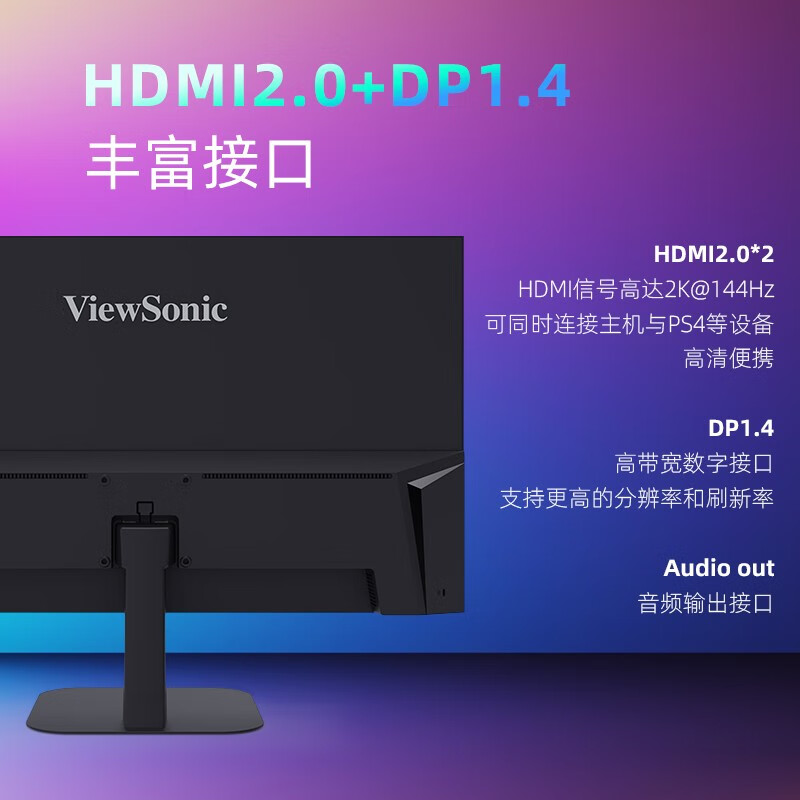
Connecting devices is simple with HDMI and VGA inputs. The monitor uses a maximum of 22 Watts of power. It has dimensions of 556 x 102 x 460 mm (With Base) and weighs 45 kg (with stand). You get a HDMI cable, and power cord in the package along with the base of the monitor.

Pricing & availability

Starting August 14th, you can buy the ZEBRONICS ZEB-EA122 monitor on Flipkart. During the initial period, it will be offered at a special launch price of Rs. 4,699, reduced from its regular price of Rs. 12,799.

RELATED:

Epic Showdown: Elon Musk vs. Mark Zuckerberg cage fight takes an ancient turn in Italy

In a surprising turn of events, the long-awaited cage fight between tech magnates Elon Musk and Mark Zuckerberg is set to unfold in the historic land of Italy. Musk, the maverick behind Tesla and SpaceX, and Zuckerberg, the brainchild behind Meta (formerly Facebook), have taken their feud to new heights, with an ancient twist that pays homage to the glory of Rome’s past.

The two tech moguls, known for their unrelenting ambition and audacious endeavors, have chosen Italy as the backdrop for their ultimate showdown. Conversations between Musk and Italy’s Prime Minister and Minister of Culture led to this unprecedented decision.

Musk took to his preferred platform, X (formerly Twitter), to share the monumental announcement. “The fight will be managed by my and Zuck’s foundations (not UFC). Livestream will be on this platform and Meta. Everything in the camera frame will be ancient Rome, so nothing modern at all,” Musk’s tweet declared.

The spectacle promises to be a blend of past and present, with the earnings from the event dedicated to supporting veterans. Both Musk and Zuckerberg have committed to preserving the heritage of Italy while settling their differences in the most unconventional manner.

However, the news doesn’t stop at the location and theme. Musk revealed details about his physical condition, hinting at possible delays. “Recovery will only take a few months,” he assured, shedding light on an unforeseen minor surgery he needs due to a shoulder issue.

As for Zuckerberg, his eagerness to step into the ring remains unshaken. Zuckerberg shared his anticipation on his own platform, Threads, stating, “I’m ready today. I suggested Aug 26 when he first challenged, but he hasn’t confirmed. Not holding my breath.”

The world watches with bated breath as these modern gladiators prepare for a battle of wits, strength, and determination, set against the majestic backdrop of Italy’s rich history.

Related:

(via)

TSMC led $3.8 billion venture strengthens European semiconductor industry, bolsters Taiwan-Europe ties

Taiwan’s strategic move to deepen ties with Europe comes in the form of a €3.5 billion (US$3.83 billion) investment by chip giant TSMC in Germany, aimed at fostering stronger engagement between the island nation and the European Union (EU). Amid mounting pressure from Beijing regarding its sovereignty, Taiwan seeks to bolster its diplomatic standing by cultivating relationships beyond its borders.

The TSMC investment not only underscores Taiwan’s commitment to Europe but also signifies goodwill in the face of diplomatic challenges. While the EU’s reluctance to pursue a Bilateral Investment Agreement (BIA) has been evident, Taiwan’s Economy Minister, Wang Mei-Hua, emphasized the potential for enhanced cooperation between the two entities.

Minister Wang drew parallels to the flourishing collaboration between Taiwan and the United States, citing recent agreements such as the ’21st Century’ trade initiative and measures to prevent double taxation. This TSMC venture, focusing on manufacturing less advanced chips for the automotive sector, is poised to further fortify bilateral relations with Europe.

Although the proposed German plant awaits Taiwan’s approval, its strategic alignment with Europe’s technological ambitions is anticipated to surmount any potential obstacles. This investment not only underscores Taiwan’s commitment to global economic partnerships but also signals its resilience in the face of geopolitical challenges.

source: TSMC

Amid TSMC’s autonomous investment choices, Taiwanese authorities have underlined the necessity for European nations to fortify relations with Taiwan to ensure sustained semiconductor collaboration. Taiwan’s persistent call for advancement on a Bilateral Investment Agreement (BIA) with the European Union (EU) remains unchanged.

What is the $3.83 Billion TSMC venture?

Technology giants TSMC, Bosch, Infineon, and NXP are collaborating to establish a groundbreaking joint venture aimed at advancing semiconductor manufacturing in Europe. The venture’s centerpiece is an ambitious fabrication facility (fab) projected to boast a monthly output of 40,000 300mm (12-inch) wafers.

Leveraging TSMC’s cutting-edge 28/22 nanometer planar CMOS and 16/12 nanometer FinFET process technology, this initiative is poised to bolster Europe’s semiconductor ecosystem while generating approximately 2,000 high-tech jobs. Construction is slated to commence in the latter half of 2024, with production anticipated to launch by the close of 2027.

TSMC’s commanding 70% ownership stake in the joint venture underscores its pivotal role, with Bosch, Infineon, and NXP each holding 10% equity (subject to regulatory nods). The substantial investment, exceeding 10 billion euros, will be sourced from equity injection, debt financing, and robust backing from the European Union and the German government. Operational reins will be in TSMC’s capable hands, propelling Europe’s technological prowess and fostering economic resilience.

Related:

(via)

Jabra Elite 8 Active, Elite 10 TWS Earbuds Renders And Key Features Leaked

Yesterday renders of the Bose QuietComfort Ultra and Ultra TWS surfaced online. Now, renders and key features of two new TWS earphones from Jabra have leaked giving us a look at the upcoming offerings. The TWS earbuds from the Danish brand are Elite 8 Active and Elite 10 Active. The former will likely succeed the Elite 7 Active. 

Jabra Elite 8 Active, Elite 10 renders and key features surface

Both the Jabra Elite 8 Active and Elite 10 are in-ear TWS earphones with silicon ear tips. Since the earbuds lack a stem, users will be able to perform various functions by tapping on the surface of the device. Both TWS earphones will come in various sizes of silicon ear tips. The leaked retail box of the Elite 8 Active reveal that the earbuds will be IP68-certified whereas the case will have an IP54 rating. It will also offer a secure-in-ear fit with Jabra ShakeGrip. 

The retail boxes of the Jabra Elite 8 Active and Elite 10 reveal that they will have hybrid active noise cancellation (ANC) and active noise cancellation support. The TWS earphones will feature voice assistant, Spotify Tap playback, and Google fast pairing. The Elite 10 is also tipped to pack Dolby Atmos support. The retail boxes also reveal that both earphones are made for iPhone.

As per the leaked renders, the Jabra Elite 8 Active will be offered in Black and Navy Blue colors whereas the Elite 10 will come in Black and Beige hues. 

The rest of the specifications of the Jabra Elite 8 Active and Elite 10 remain a mystery. We can expect the brand to announce the TWS earphones in the near future. 

Related: 

Via

MSI Titan GP68 HX With 240Hz Display, 13th Gen Intel Core Processor Launched In China

MSI has expanded its range of laptops in China. The latest offering from the Taiwanese brand is the MSI Titan GP68 HX. It is aimed at gamers who need a smooth and fast usage performance. The laptop is equipped with top-of-the-line hardware specifications along with other features like display and more. Read on to know the technical specifications of the Titan GP68 HX below. 

MSI Titan GP68 HX specifications and features

The MSI Titan GP68 HX boasts a large 16-inch display bearing a 2.5K resolution. It features a high 240Hz refresh rate for a smooth and blur-free gaming experience. There is also a 100 percent DCI-P3 color gamut. The laptop features a SteelSeries backlit keyboard with customizable RGB lighting and transparent WASD keys. 

The MSI Titan GP68 HX laptop features dual 2W stereo speakers and a 720p IR webcam. 

Under the hood, the MSI Titan GP68 HX is offered in two configurations – one with a 13th generation Intel Core i9 paired with 12GB NVIDIA GeForce RTX4060 GPU whereas the other variant has a 13th gen Core i7 coupled with 12GB RTX 4080. There is up to 16GB DDR5 RAM and 1T SSD storage. The machine is equipped with dual fans and six heat pipes for heat dissipation. 

The MSI Titan GP68 HX is backed by a 4-cell 90Wh battery with support for 330W charging. Connectivity options on the laptop include two USB 3.2 Gen2 Type-C ports, two USB-A ports, HDMI 2.1 port, WiFi, Bluetooth, and an Ethernet port. 

The MSI Titan GP68 HX starts at CNY 9,699 (~$1,340) for the Core i9 variant whereas the Core i7 model is priced at CNY 13,498 (~$1,865). Both variants are available for purchase from the brand’s website, JD.com, and TMall.

Related: 

Biden signs executive order restricting U.S. investments in High-Tech sectors in China

In a significant move aimed at safeguarding national security, U.S. President Joe Biden signed an executive order on Wednesday imposing restrictions on American investments in mainland China, Hong Kong, and Macao. The order, which targets high-tech sectors including artificial intelligence (AI), semiconductors, and quantum technology, has drawn criticism from China.

Under the executive order, U.S. individuals and entities are barred from engaging in “certain transactions” within the semiconductors and microelectronics, quantum information technologies, and AI sectors. The Treasury Department must be notified of such transactions. President Biden also declared a national emergency in response to the rapid technological advancements of “countries of concern,” which pose potential threats to U.S. national security.

The executive order permits the U.S. Treasury secretary to impose restrictions or outright prohibit American investments in Chinese entities operating in semiconductors and microelectronics, quantum information technologies, and specific artificial intelligence systems. This move reflects growing concerns about the strategic implications of sensitive technology transfer to potentially adversarial nations.

The primary objective of the order is to prevent American capital and expertise from inadvertently bolstering China’s military capabilities and undermining U.S. national security. Private equity, venture capital, joint ventures, and greenfield investments are all targeted under this measure.

China responded swiftly, expressing “grave concern” about the executive order and asserting its right to take countermeasures. The Chinese Commerce Ministry stated that the order disrupts normal business operations and decision-making processes of enterprises, thereby affecting the international economic and trade order.

While China has criticized the order, citing its negative impact on international economic cooperation, proponents argue that the action is necessary to prevent the unauthorized acquisition of critical technologies that could compromise U.S. security interests.

The signing of this executive order fulfills a long-awaited measure to address the challenges posed by the rapid development of high-tech sectors in countries deemed potential adversaries. It underscores the Biden administration’s commitment to safeguarding national security while navigating complex global technological dynamics.

The Treasury Department, in collaboration with other agencies including the Commerce Department, will oversee the implementation of the order. Public feedback is being sought to ensure a well-informed execution.

The Treasury Department clarified that the order aims to protect national security while upholding the U.S.’s commitment to open investment. Certain transactions, such as those involving publicly traded instruments and intra-company transfers from U.S. parents to subsidiaries, may be exempted.

This executive order represents a pivotal step in reshaping the U.S. approach to international technology investments and signals the administration’s determination to maintain its technological edge in strategic sectors.

Related:

(via)

Noise leads India’s smartwatch market with over a quarter market share

Popular wearables maker, Noise, is continuing to lead the smartwatch market in India. A new report found that the company holds over a quarter of the market share and saw sizeable growth in the second quarter of this year.

Noise saw a massive 90% YoY growth in Q2 2023

According to an IDC report, Noise has managed to regain the throne in India’s smartwatch market. The company had a sizeable market share of 27.6 percent, marking a huge 90 percent growth year on year. It saw a sizeable rise thanks to the robust growth of its smart wearable segment. Some of the notable products that helped include the Noise Colorfit Icon 2, Colorfit Icon Buzz, and Colorfit Pulse Go Buzz.

Noise

These models alone accounted for 39 percent of its total shipments. The report states that Noise saw a rise of 53.3 percent year on year in the first half of this year. During this time, it shipped 57.8 million units thanks to new launches, attractive designs, and innovative features. All of these contributed to an impressive 128.9 percent year on year growth within this category.

As per IDC, Noise is a great example of successful collaboration between Indian brands and ODMs (Original Design Manufacturers). Furthermore, the company was a notable player that contributed to the “Made in India” initiative. The company will likely see a successful second half this year as well as we get close to the holiday season.

RELATED:

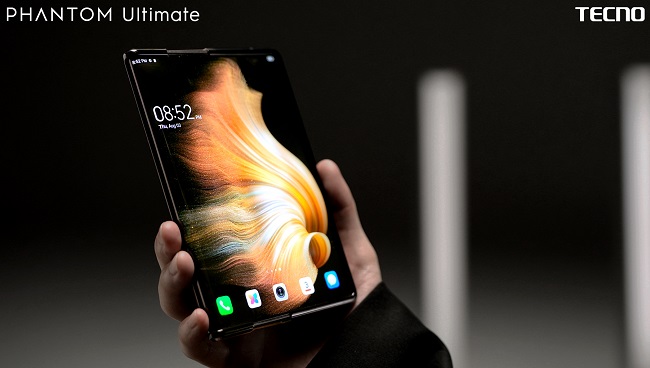
Foldable Phones May Be Required To Comply With Google’s Specific Hardware Requirements

Samsung was the first to announce a foldable phone way back in 2019. In the last year, we have seen many foldable devices from brands like  OPPO, Motorola, and Huawei. Xiaomi also offers foldable devices but only limited to China. Foldable phones come with their advantages as well as drawbacks and brands have been improving these devices every year. The phones are expensive too making it a long-term investment for buyers and nobody wants them to get damaged. Now a new development seems to be a shining light for foldable phone enthusiasts. 

Foldable phones may have to comply with hardware requirements

At the heart of foldable phones, is a hinge mechanism. It allows the device to be opened and folded. The hinge is quite durable but like most things, it loses rigidity over a two to five-year period of time assuming that the user keeps using the device daily. 

Now coming to the main topic, Mishal Rahman revealed on his Patreon account (paywalled content) that Google will require hardware quality standards for the foldable phones. The search giant is planning to launch a foldable quality review process for brands. OEMs will have to complete a Google questionnaire and send sample devices to the platform holder for closer scrutiny. 

Brands often rate the number of folds for their devices. Google will require all foldable phones to last at least 200,000 folds and unfolds. This is in line with what Samsung claims for their Galaxy Z foldable. However, some brands like OPPO tout a larger hinge life for devices with 400,000 folds. This is quite high considering that 200,000 folds and unfolds would probably last for five years considering it is used 100 times a day. Rahman also added that foldable devices with a ‘torque hinge’ will require friction torque equal to at least 80% of the original torque after 200,000 folds/unfolds.

Google will also require OEMs to deliver two major OS updates and three years of security patches for foldable phones. This is kind of a letdown since the devices are quite expensive. 

There are no other major requirements like the usage of ultra-thin glass for foldable. Mandating the hinge and fold’s lifespan is a step in the right direction to ensure quality and that the foldable phones last for a long period.  

Related: 

Via