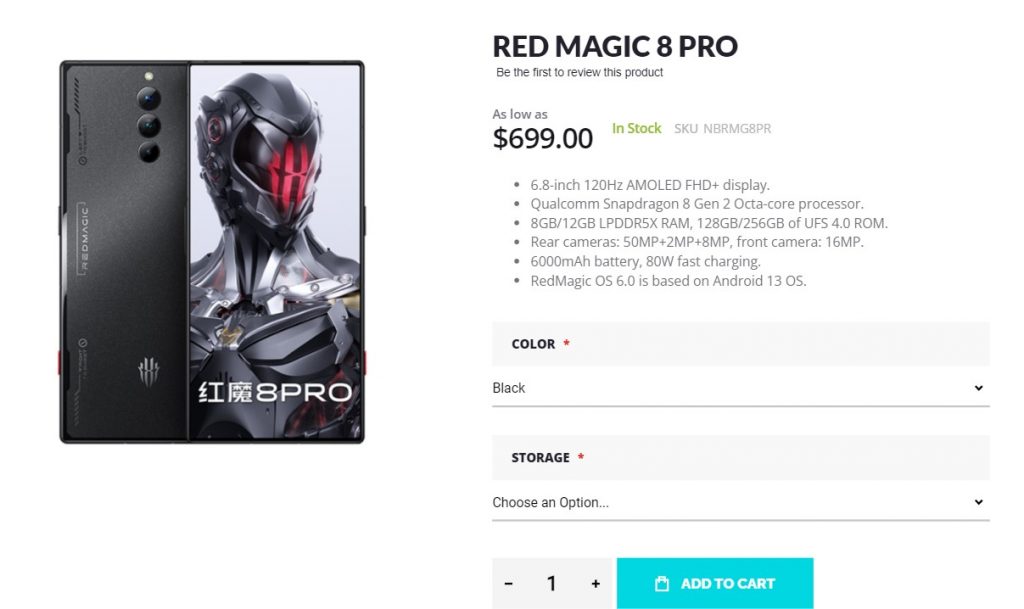
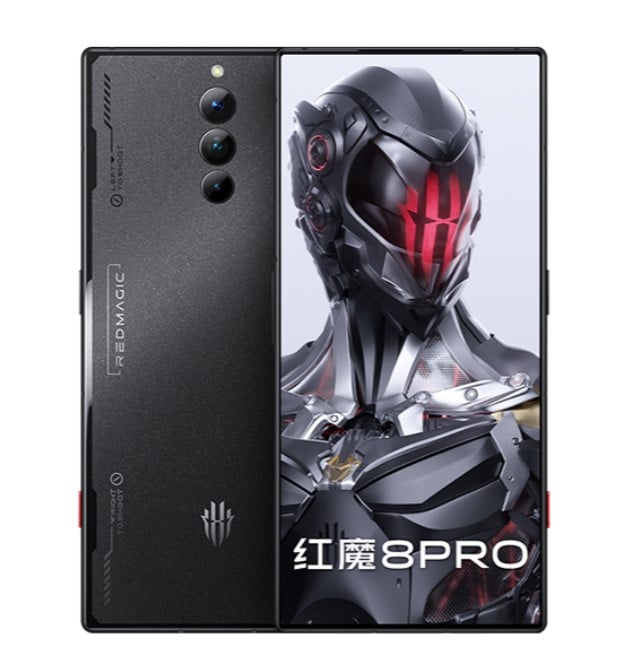
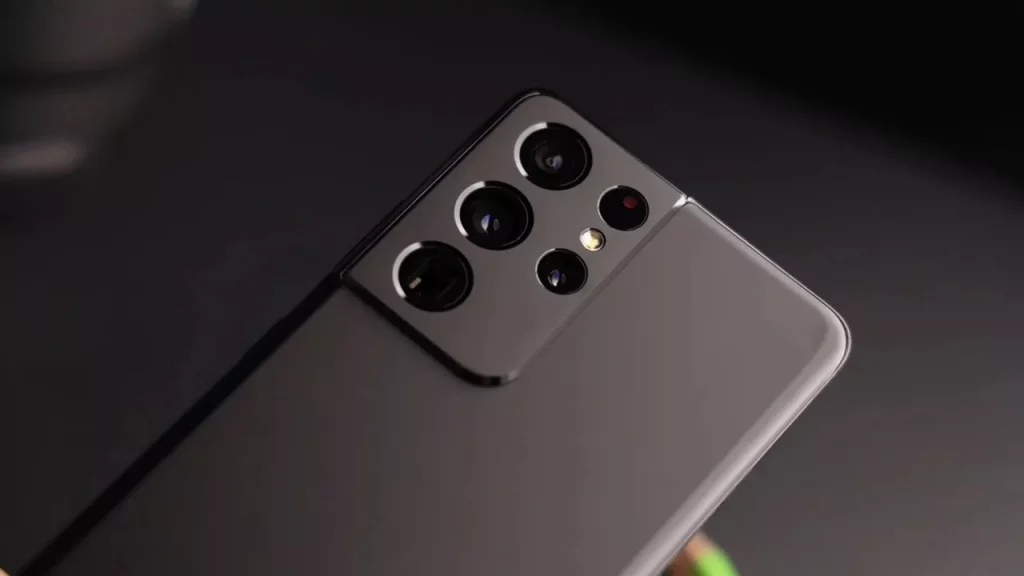
The Red Magic 8 Pro gaming phone is now available for a starting price of $699 at Giztop.
Red Magic 8 Pro features a 6.8-inch AMOLED FHD+ display and supports a 120Hz refresh rate. Powered by the latest Snapdragon 8 Gen 2 octa-core processor, the gaming phone comes with 8GB / 12GB LPDDR5X RAM and 128GB / 256GB UFS 4.0 internal storage.
At the back, you have a triple camera setup with a 50MP main camera and 8MP + 2MP secondary cameras. For your selfies, you have a 16MP sensor in the front. The smartphone is fueled by a 6000mAh battery and supports 80W fast charging and runs on the latest Android 13 OS-based RedMagic OS 6.0.
Red Magic 8 Pro is tailor-made for gaming enthusiasts. It comes with the ICE 11.0 Liquid cooling technology, which gives you a 9-layer multi-dimensional cooling system that keeps your thermals low during high-action-packed gameplay. Other interesting features include ultra-linear dual stereo speakers that support Snapdragon sound, 96kHz lossless audio, 48ms low latency, dual IC touch gaming shoulder keys, 4D game shock, etc.
You can now buy the Red Magic 8 Pro Gaming Phone for $699 only on Giztop. Please note that this is a Chinese edition phone but supports full GMS, Google Play Store, and OTA updates.
For more information on such exciting deals and offers check out our deals hub.
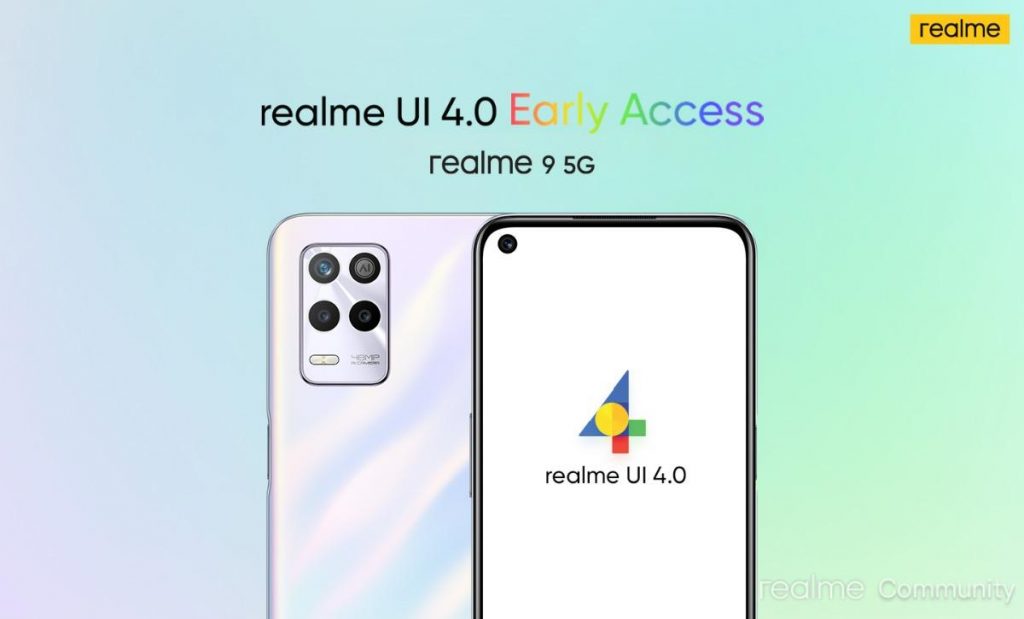
Ever since the launch of Android 13, Realme has been actively rolling out the new software to its devices in all ranges. Back in September, Realme 9 5G got its official Realme UI 3.0 update based on Android 12. Now, a few months later, the device is getting its Android 13 x Realme UI 4.0 Early Access build, indicating that the stable update will arrive soon.
For Realme 9 5G users that are interested, Realme is currently providing the Android 13 upgrade based on Realme UI 4.0 Early Access build. This will serve as the newly developed software’s test run before the company releases the stable update in the future.
The official community post made by Realme mentions that as it is an early access program, only a limited number of seats are available. The application is now open, and applications will be accepted in batches. Additionally, it is important to note that since this is an early edition, there may be issues and some apps may not function properly. Installing the Early Access software on your primary phone might not be advised.
If you wish to apply for the Realme 9 5G’s Early Access program, you need to make sure that your device’s firmware is running on the RMX3388_11.C.06/ RMX3388_11.C.05 version. Also, make sure that your device has more than 60% battery.
To apply, you can navigate to Settings > Software Update > Tap on the three bars in the top right corner > Tap on Trial Version > Select Apply Now > Fill out the form and submit your details and finish the quiz.
You will receive a notification once the application has been submitted. However, not everyone who joins the program will receive the upgrade due to a lack of seats. It is advised to back up your personal data beforehand in order to prevent data loss during the update process.
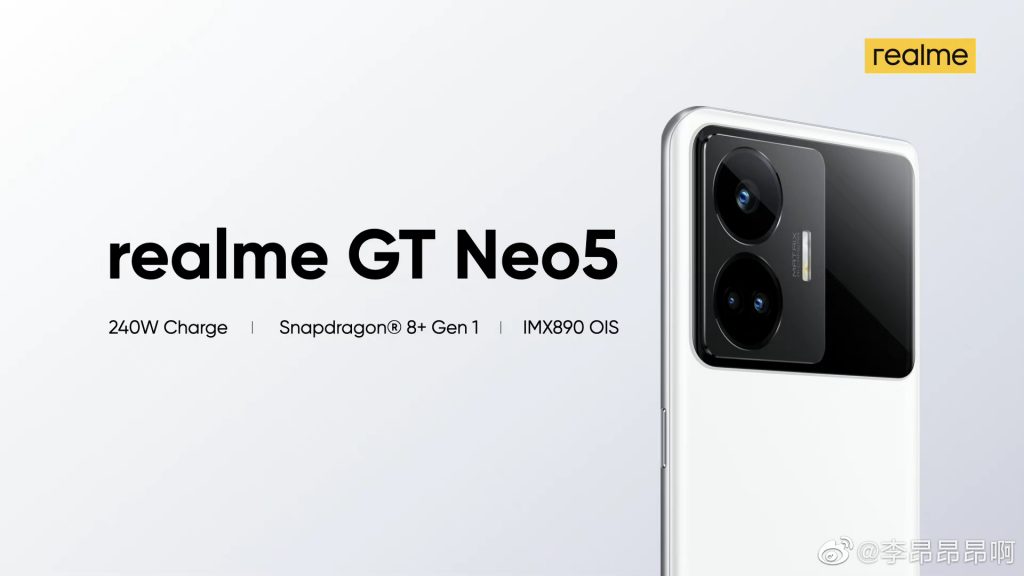
Realme is expected to launch an affordable flagship phone called the Realme GT Neo 5 in January 2023. It is expected to come equipped with the company’s 240W charging technology, which is scheduled to launch on Jan. 5 in China. A poster mentioning the key specifications of the GT Neo 5 is now being circulated on Weibo. Before going ahead, readers should be aware that the authenticity of the poster could be confirmed.
As can be seen in the poster, it states that the Realme GT Neo 5 will support 240W charging. With the 240W charger, it’s likely that the phone will be fully charged in less than 10 minutes.
Realme GT Neo 5 poster
As per the poster, the GT Neo 5 will be powered by the Snapdragon 8 Plus Gen 1 chipset. For photography, it will be equipped with a Sony IMX890 primary camera with OIS support. The image of the phone that can be seen on the poster is the same one that appeared earlier this month.
The device can be seen sporting a large block with two camera rings inside. The top one seems to house a primary camera, while the second one has two camera sensors in it. A vertical LED strip can be seen alongside the triple camera unit.
Rumors are rife that the GT Neo 5 will come in two battery variants. The one packing a 4,600mAh battery is likely to support 240W fast charging, whereas the other model with a 5,000mAh battery may offer 150W fast charging.
It is likely to feature a 6.7-inch OLED display that offers a 1.5K resolution, a 144Hz refresh rate, a 2160Hz PWM dimming, and an under-display fingerprint scanner. It is expected to come preloaded with the Realme UI 4.0-based Android 13 OS.
The device is likely to feature a 16-megapixel front camera. The main snapper on the back is likely to be coupled with an 8-megapixel ultra-wide lens and a 2-megapixel macro camera. It may come equipped with up to 16 GB of LPDDR5 RAM. In terms of storage, its highest variant may offer 256 GB of UFS 3.1 storage. It is also expected to feature RGB lights.
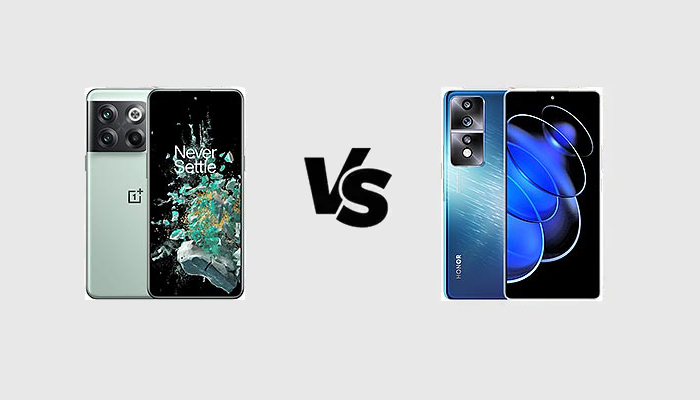
Honor surprised everyone at the end of this year by launching another brand new flagship killer: the Honor 80 GT. Just like most of the GT phones out there, it is a device with a high-end hardware department sold at a very affordable price if compared to most of the Android flagships. Among all the GT handsets, there is a non-GT one representing a perfect rival for the newly-announced device. We are talking about the OnePlus Ace Pro, also known in the global market as the OnePlus 10T. Are you curious to discover which of these phones comes with the most advanced specifications? If so, go ahead and read this comparison between the main specifications of the OnePlus Ace Pro (10T) and the Honor 80 GT.
OnePlus Ace Pro (10T) vs Honor 80 GT
OnePlus 10T (Ace Pro)
Honor 80 GT
DIMENSIONS AND WEIGHT
163 x 75.4 x 8.8 mm,
203 g
162.5 x 75.3 x 7.9 mm,
187 g
DISPLAY
6.7 inches, 1080 x 2412 pixels (Full HD+), AMOLED
6.67 inches, 1080 x 2400 pixels (Full HD+), AMOLED
Triple 50 + 8 + 2 MP, f/1.8 + f/2.2 + f/2.4
16 MP f/2.4 front camera
Triple 54 + 8 + 2 MP, f/1.9 + f/2.2 + f/2.4
16 MP f/2.4 front camera
BATTERY
4800 mAh, fast charging 150W
4800 mAh, Fast Charging 66W
ADDITIONAL FEATURES
5G, dual SIM
5G, dual SIM, reverse charging 5W
Design
The Honor 80 GT has a very original design. Its rear side is made with a very attractive texture never seen before and at the same time, it has an aggressive design very good for gamers. Even the design of the camera module is very original. However, the phone is made of polycarbonate, so you should not expect premium materials. The OnePlus Ace Pro comes with a glass back and it has an original design as well, but less impressive than its rival. It is also bigger and thicker, so not the best to use with one hand or to keep in a pocket. At the end of the day, these are not among the best phones in terms of design, but they are acceptable.
Display
The displays of these two handsets are more or less at the same level if we consider their quality. With the Honor 80 GT, you get an AMOLED display able to show up to one billion colors with a diagonal of 6.67 inches, a Full HD+ resolution of 1080 x 2400 pixels, a 120 Hz refresh rate, and HDR10 certification, as well as an in-display fingerprint reader. The OnePlus Ace Pro is another device with an AMOLED display with up to one billion colors, as well as a Full HD+ resolution, a 120 Hz refresh rate, HDR10+ certification, and an in-display fingerprint reader. But the panel is slightly wider, with a diagonal of 6.7 inches.
Specs & Software
If we talk about the hardware, it is essentially a draw. These handsets are powered by the same chipset: the Snapdragon 8+ Gen 1 mobile platform built with a 4 nm production process and sporting an octa-core architecture composed of three clusters: a Cortex X2 core running at 3.19 GHz as the performance core, as well as the Adreno 730 GPU. Note that the Snapdragon 8+ Gen 1 found on the Honor 80 GT is underclocked, with a max frequency of 3 GHz. Both phones feature up to 16 GB of RAM and up to 256 GB of native storage, and they run Android 12 out of the box, with highly customized user interfaces on top.
Camera
The OnePlus Ace Pro or 10T has a better main rear camera, so it wins the camera comparison: we are talking about a Sony IMX766 sensor with a 50 MP resolution and OIS, while the Honor 80 GT has a 54 MP main sensor without OIS. The secondary sensors are the same on both phones: an 8 MP ultrawide shooter and a 2 MP macro lens, as well as a 16 MP selfie snapper on the front.
These two flagship killers are equipped with the same battery capacity: 4800 mAh. It is a good battery capacity, but not the best if we consider all the batteries of 2022. However, it should guarantee a good battery life for everyone. While the battery capacities are the same and even the battery life is similar, there is an important difference in charging speeds. The Honor 80 GT supports 66W fast charging, while the OnePlus Ace Pro supports 150W fast charging!
Price
The starting price of the Honor 80 GT in the Chinese market roughly translates into $479/€450 at the actual change, while you need at least $532/€500 in order to purchase the base variant of the OnePlus Ace Pro in China. The OnePlus Ace Pro wins the comparison thanks to a better rear camera, stereo speakers, and faster charging.
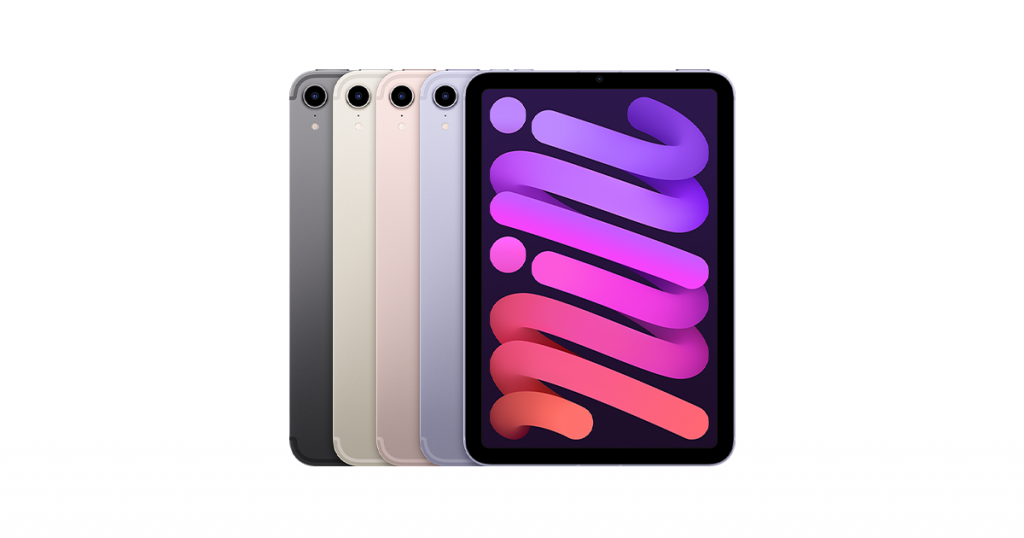
It’s been more than a year since Apple launched a new iPad mini and there’s no official confirmation on the follow-up. However, according to the TF International Securities analyst Ming-Chi Kuo, the Cupertino company is working on a new version of the iPad mini and it will be launched by the end of 2023 or in the first half of 2024.
Kuo said in his latest tweet today that the new iPad mini’s main selling point would be its processor, which suggests that only the specs will be updated and there will be no cosmetic changes. Additionally, he said Apple is unlikely to replace the Mini with a foldable iPad in 2025 because a foldable device would cost much more, making it an unattractive replacement.
Kuo is a reputed analyst who focuses on the manufacturing supply chain of Apple Inc. His reports often turn out to be true. Apple’s recent patents prove the company at least considers some form of foldable device, but the analyst did not share any other news about it.
Foldable devices are becoming more common day by day since the major Android manufacturers, including Samsung, Oppo, Huawei, and Xiaomi have already launched at least one device in the segment. Apple enthusiasts are eagerly waiting for the brand to launch its own foldable device, but it seems the wait won’t be over anytime soon.
To recall, the current iPad mini was released back in September 2021 and features an 8.3-inch display and an A15 Bionic chip. It comes with a USB-C port, Touch ID power button, 5G support on cellular models, and more. Its price starts at $499 in the U.S. with 64GB of storage.
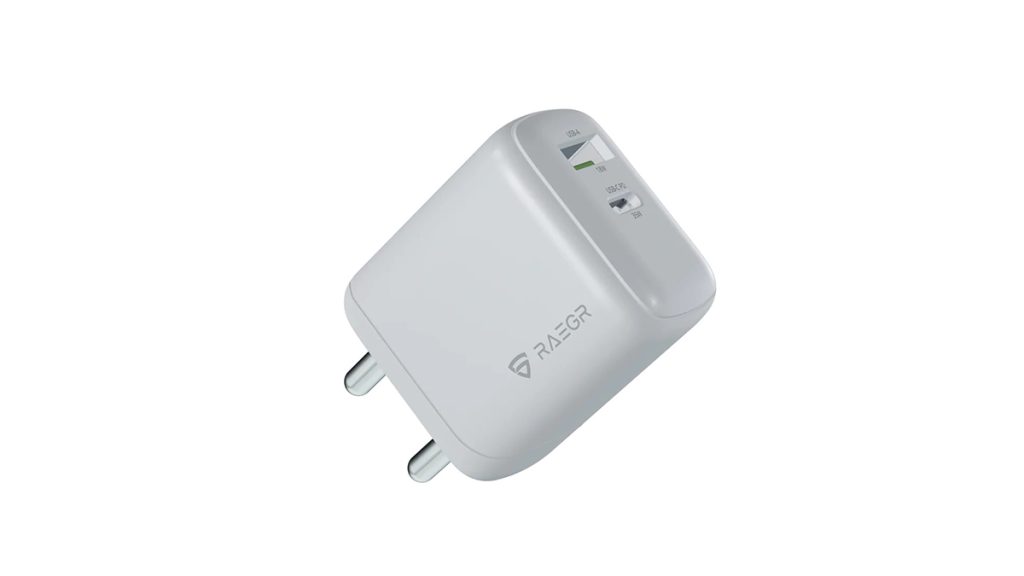
RAGER has launched a new 35W GaN fast Charger in India, dubbed RapidLink 600. It comes with an affordable price and can charge two devices simultaneously. The charger is compatible with all USB-based devices, irrespective of their USB interface type. The new accessory comes with a lightweight design and is manufactured locally in India. Here are the details.
RAEGR RapidLink 600 debuts as a compact wall adapter cum travel charger. It uses TAGORE Technology’s (USA) GaN chipsets. With GaN technology, the charger is not only smaller and lighter, but also generates less heat, reduces power consumption, and improves charging efficiency. It is claimed to be 40% smaller and 200% faster than other similar products available in the market.
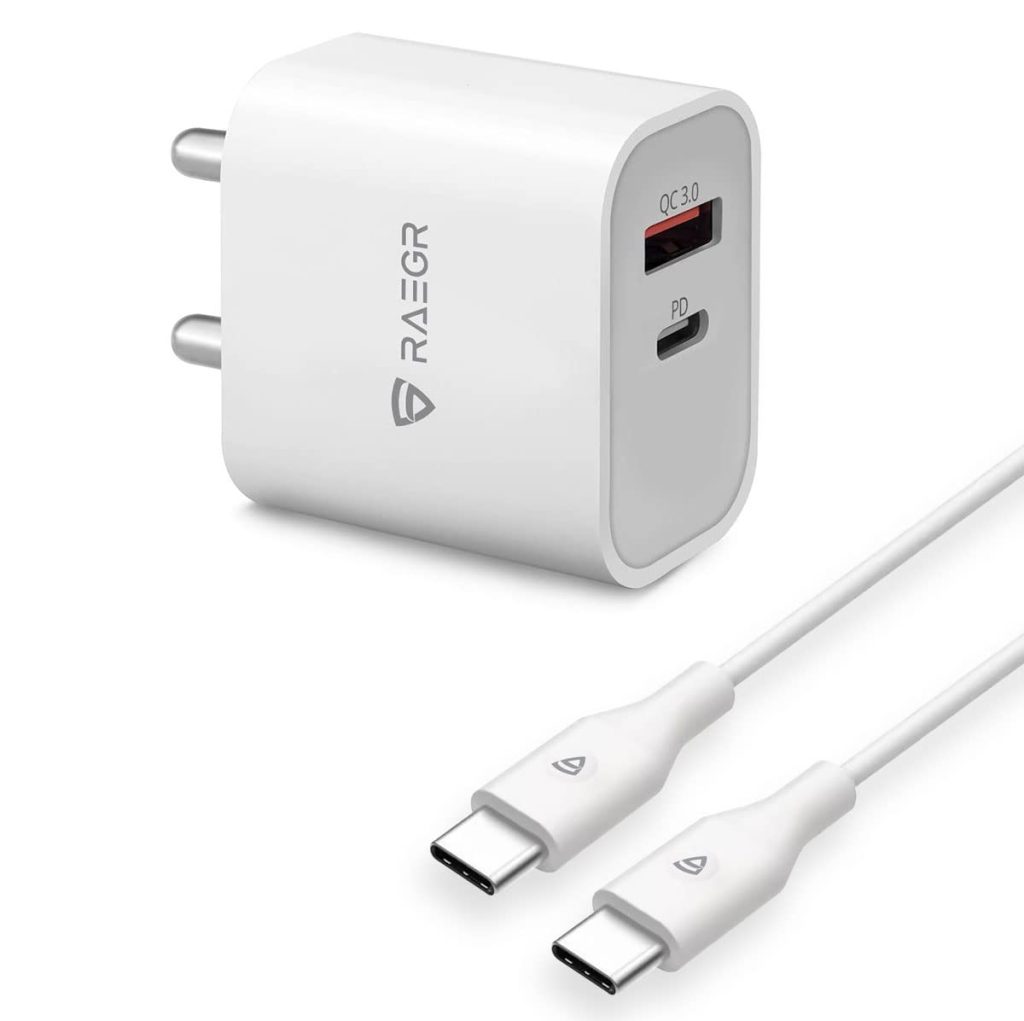
The RapidLink 600 comes with USB-C (PD) and USB-A (v3.0) connectors that can simultaneously charge two devices. With USB-C PD, one device can receive 35 watts of power, while USB-A (QC3.0) is limited to 18 watts. When both USB ports are used simultaneously, they can supply 15 W each.
Apparently, the RAEGR charger is developed with smart and safe technology that enables it to protect connected devices. It is precisely designed for Indian power outlets and can prevent overvoltage, overcurrent, overheating, and overcharging.
RapidLink 600 is compatible with most Android and IOS devices. It works with MacBooks, iPads, and Galaxy Notes as well. While the iPhones receive 18W QC3.0, PD18W fast charging, the Galaxy flagships, MacBook Air, Type-C Ultrabooks, and Type-C Charging Laptops receive 27W PPS charging.
The RAEGR RapidLink 600 35W GaN Fast Charger’s price in India is set at Rs. 1,799. The charger comes with up to 1.5 years of warranty. Starting today, the accessory will be available for purchase through Raegr.com and Amazon.
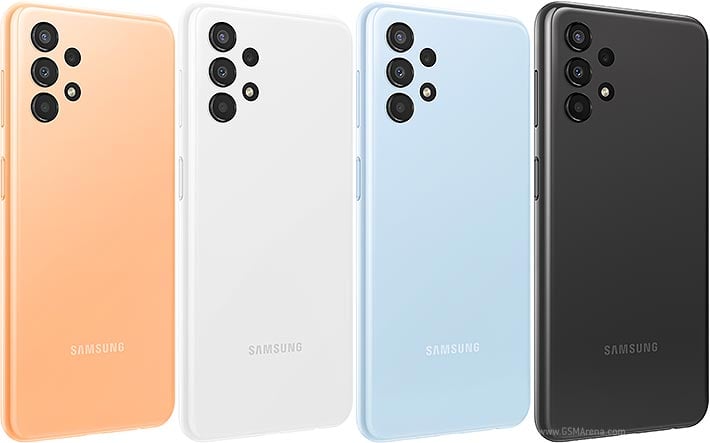
Samsung is busy updating its vast portfolio of smartphones and tablets to Android 13. The brand has already released a stable version of Android-based One UI 5 to a sizable number of its mid-range, flagship, and budget devices. In the latest development, the Korean OEM is extending the Android 13 update to the Galaxy A13. This will be the first major software update for the affordable smartphone. Let’s look at the details.
The One UI 5 update for the Galaxy A13 is rolling out with the firmware version A135FXXU2BVL2. It includes all the new Android 13 features as well as the November 2022 patch that fixes many security vulnerabilities. As of writing this, the software is being seeded in multiple Asian and European countries, including Armenia, Azerbaijan, Croatia, France, Georgia, Germany, Ireland, Italy, Kazakhstan, Poland, Portugal, Serbia, Slovenia, Ukraine, the Czech Republic, and the UK.
As usual, Samsung is pushing the updates in batches, so it might take a couple of days before the update reaches every unit. If you own the Galaxy A13 and reside in the above-mentioned countries, you can manually check for the update by going to Settings, and selecting Software Update.
The Android 13-based update brings loads of new features and improvements with itself. There are some minor changes to the UI, including an expanded color Palette feature, bigger notifications icons, and better blur effects in the notifications area. The software also includes more quick setting toggles, Stacked Widgets, and improved lock screen customization.
To recall, the Galaxy A13 was launched earlier this year in March with an octa-core Exynos 850 processor. It sports a 6.6-inch LCD display with Corning Gorilla glass 5 protection. The handset features a quad camera setup on the back with a 50MP primary sensor, 5MP ultrawide lens, and 2MP macro and depth sensors.
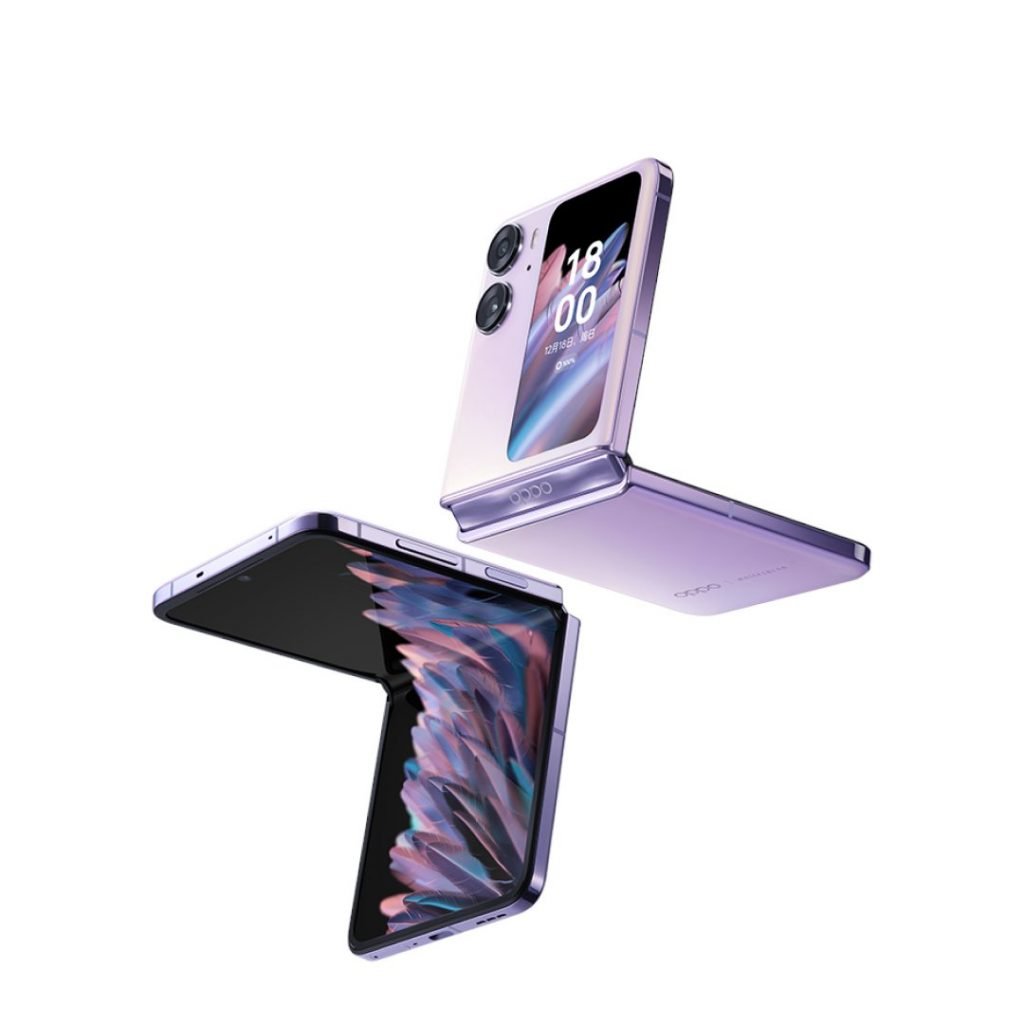
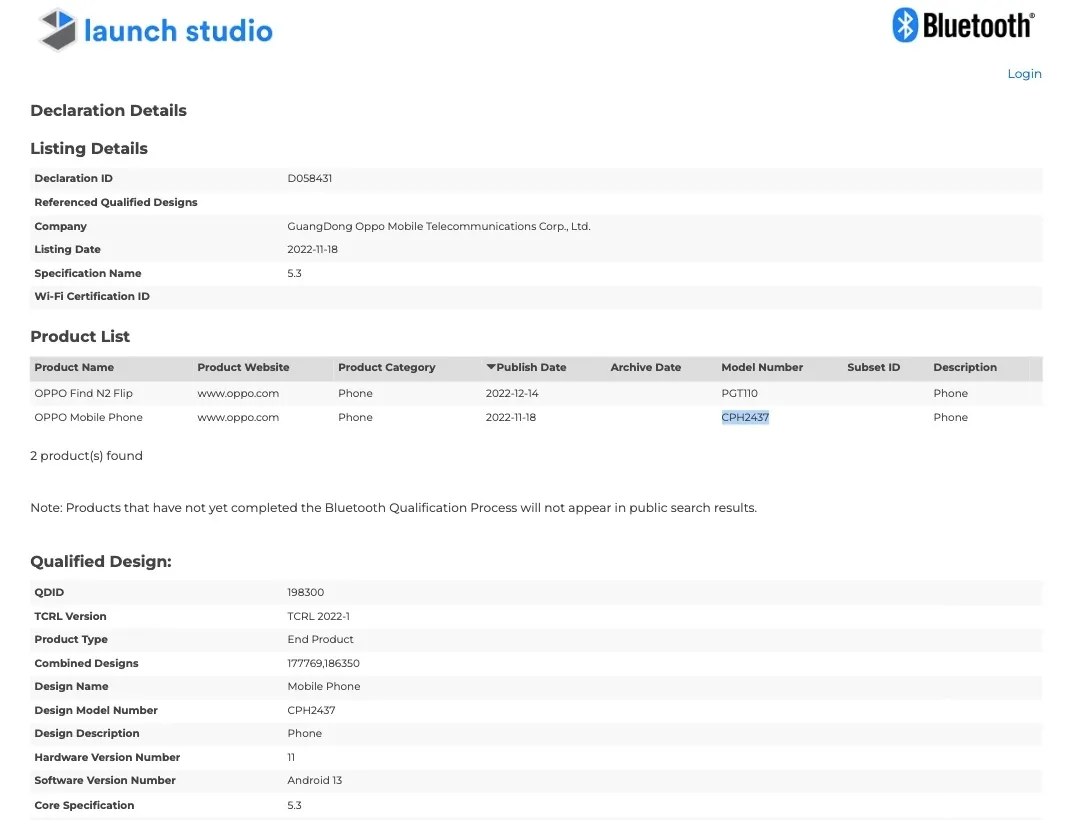
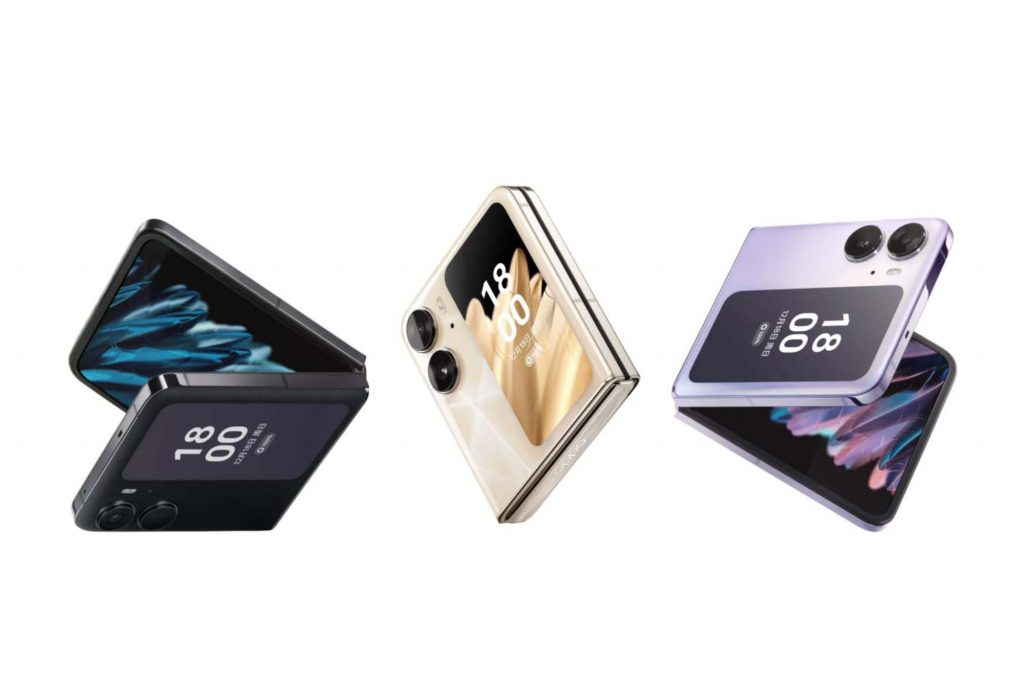
Oppo recently launched the Find N2 Flip smartphone in China. The device is a direct competitor to the Samsung Galaxy Z Flip 4, which is the reigning king of flip smartphones. Many customers outside China have been wondering if the smartphone will be launched in the global markets. Now, these doubts have been put to rest as the smartphone has finally visited multiple certification websites like FCC, BIS, and Bluetooth SIG.
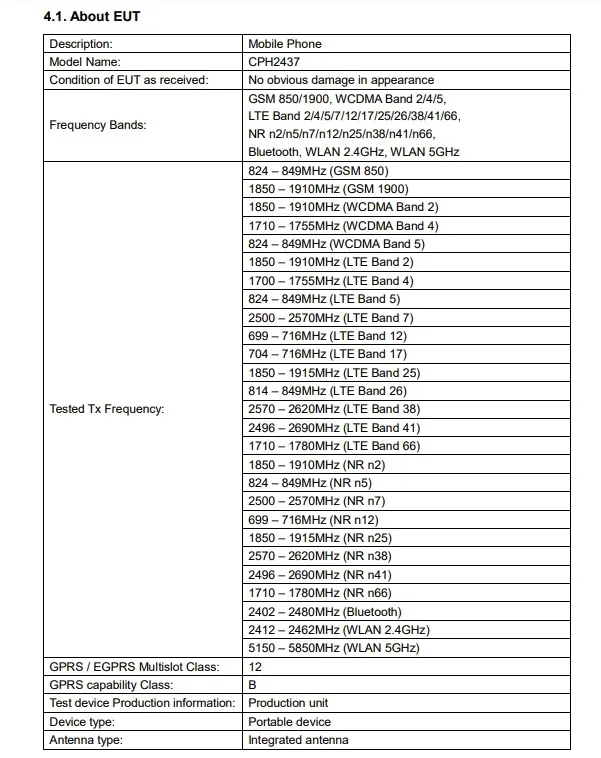
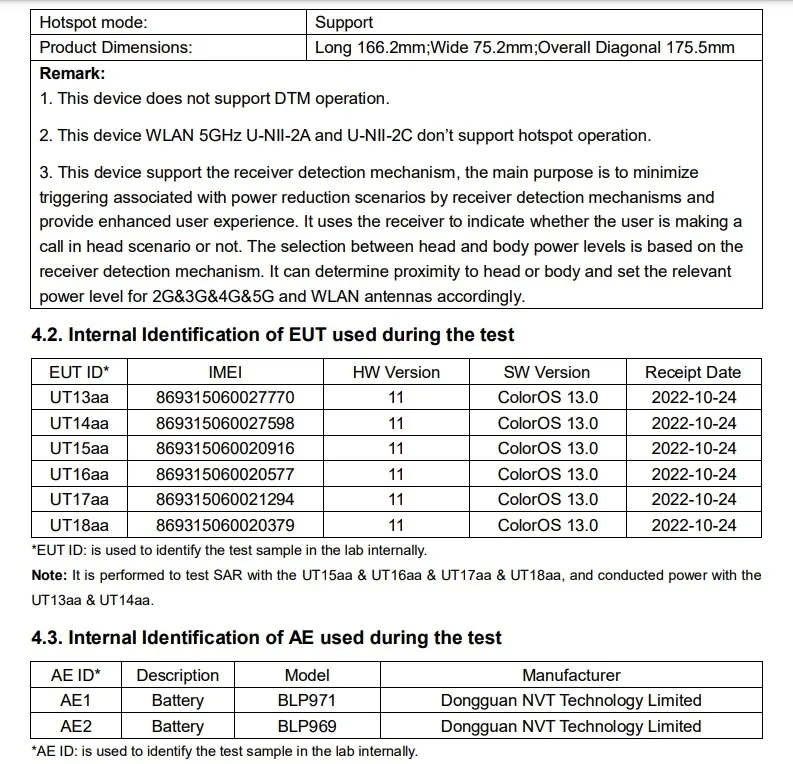
The OPPO Find N2 Flip global launch may happen shortly, according to the listings on the two certification websites. The OPPO smartphone’s model number is CPH2437, according to the FCC listing. The listing indicates the dimensions of the gadget (166.2×75.2mm), which are comparable to the Find N2 Flip when it is folded.
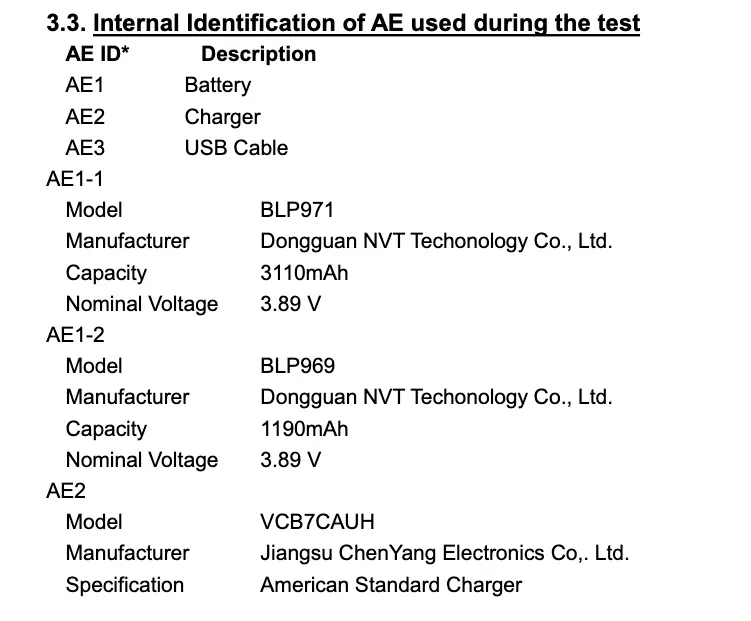
The FCC listing also discloses that the OPPO phone comes pre-installed with ColorOS 13. Its foundation will be Android 13. Batteries with the model numbers BLP971 and BLP969 are used in the device.
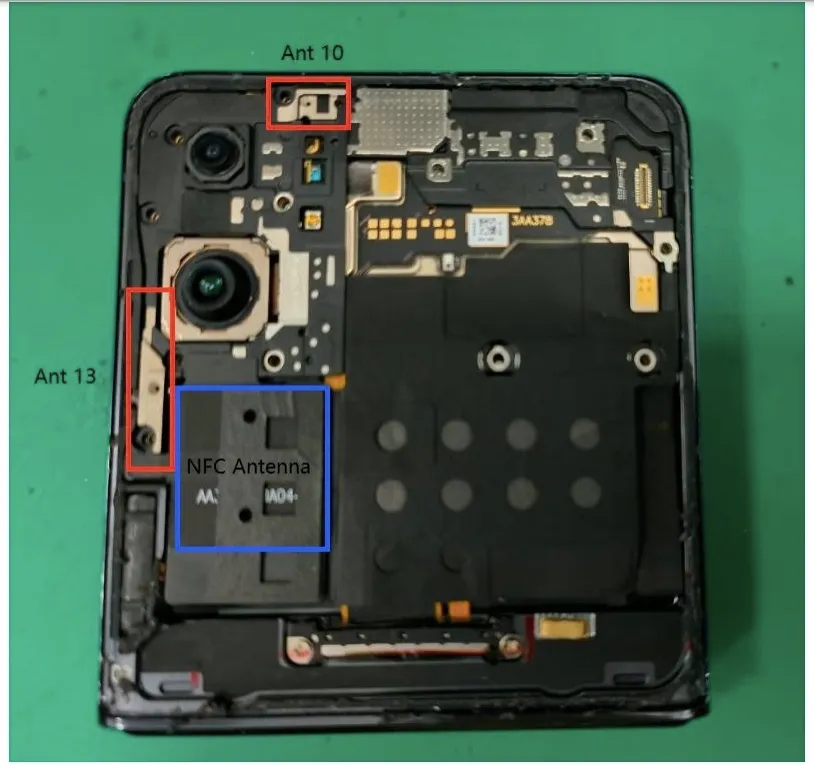
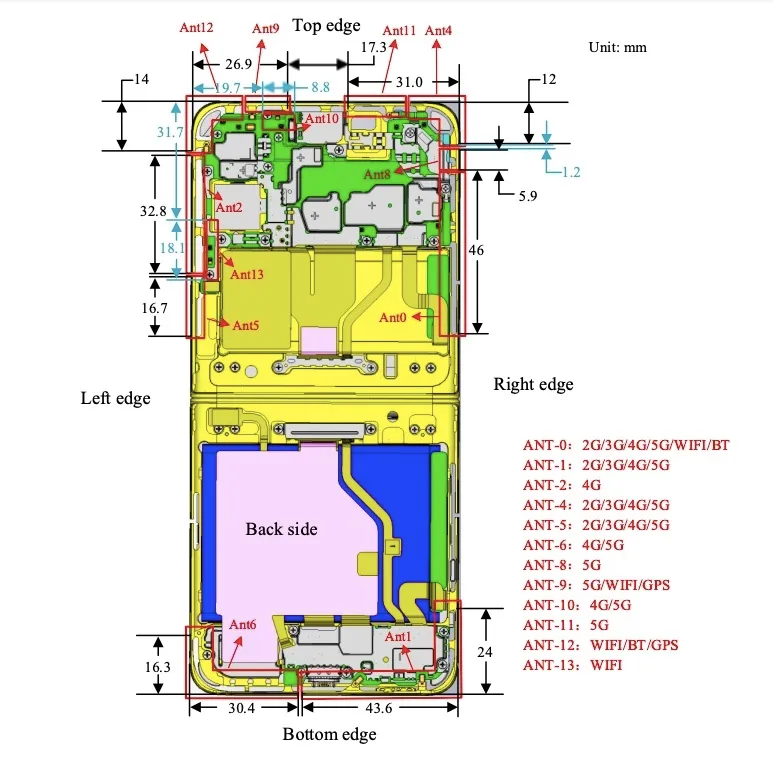
The live image and schematics of the OPPO phone are also included in the listing, further indicating that it is the Find N2 Flip. The BLP971 battery has a capacity of 3110mAh, whereas the BLP969 battery, which is the alternate battery, has a capacity of 1190mAh. The phone will have a total battery capacity of 4300mAh. The listing also discloses that a charger with the model number VCB7CAUH and 67W rapid charging capabilities was used to test the phone.
Oppo Find N2 Flip specs
The Oppo Find N2 Flip features two displays. The outer one measures 3.26 inches and features 382 x 720 pixels. The primary display on the other hand measures a 6.8-inch Full HD+ AMOLED display with 120Hz refresh rate.
Two circular cutouts for the 50MP main camera and the 8MP ultra-wide camera are located next to the cover display. On the inside, it has a 32MP camera for video calls. A Dimensity 9000+ SoC provides electricity to the foldable phone. It has 256GB of internal storage and up to 12GB of RAM. The foldable phone is equipped with a 4300mAh battery and 44W rapid charging.
Redmi Note 12 Pro Speed Edition has launched in China. It is the fourth device in the Note 12 lineup that consists of Pro, Pro+, and Discovery Edition variants. The latest offering is positioned between the Pro and Pro+ models. Read on to know what the smartphone offers out of the box.
The Redmi Note 12 Pro Speed Edition features a centre-aligned punch-hole AMOLED display measuring 6.67 inches. It offers an FHD+ resolution, a 120Hz refresh rate, 900 nits peak brightness, and HDR10+ support. There is a side-mounted fingerprint scanner and a rectangular camera module on the back panel. The smartphone packs dual stereo speakers tuned by Dolby Atmos.
The Redmi Note 12 Pro Speed Edition features triple rear cameras. The setup comprises a 108MP Samsung HM2 main sensor, 8MP ultra-wide-angle lens, and a 2MP macro unit. There is a 16MP front-facing selfie snapper.
Under the hood, the Redmi Note 12 Pro Speed Edition is equipped with a Snapdragon 778G processor. It packs up to 12GB RAM and 256GB onboard storage. There is a twelve-layer cooling system for heat dissipation. The device is backed by a 5,000mAh battery unit with support for 67W fast charging. It runs on MIUI 14-based Android 12 out of the box.
Other features on the Redmi Note 12 Pro Speed Edition include USB-C port, 3.5mm jack, WiFi-6, Bluetooth 5.2, X-Axis Linear Motor etc.
The Redmi Note 12 Pro Speed Edition is offered in Shimmer Green, Time Blue, and Midnight Black colours. The smartphone starts at RMB 1,699 (~$243) for the 6GB + 128GB option. The 8GB + 256GB and 12GB + 256GB configurations are priced at RMB 1,799 (~$258) and RMB 1,999 (~$287) respectively. The device is up for purchase starting today.
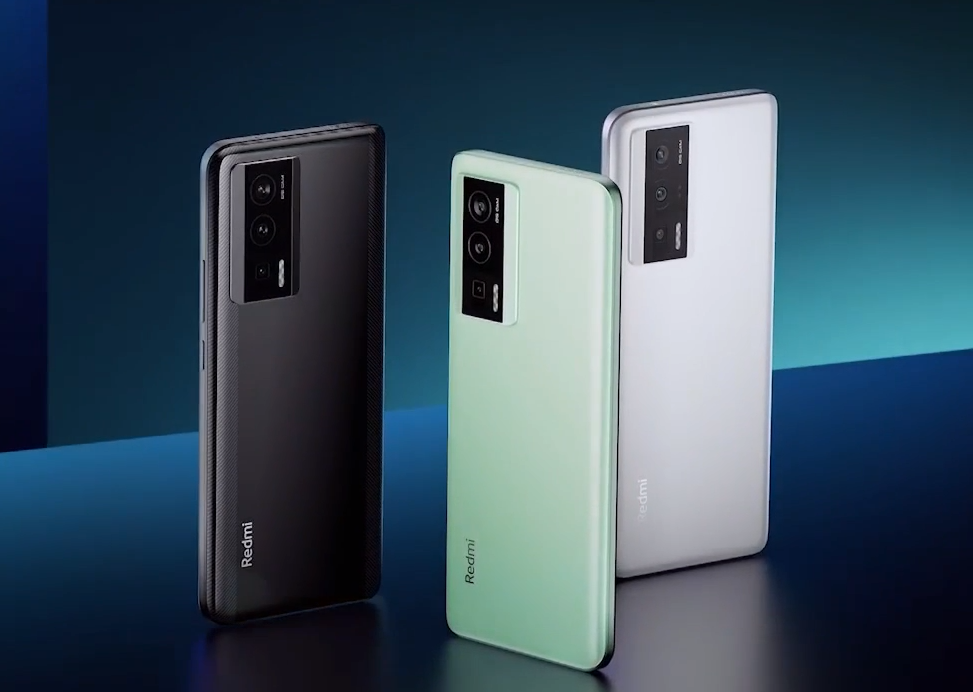
After a series of teasers, Xiaomi’s spin-off brand Redmi finally announced its latest premium Redmi K60 series. The lineup includes the vanilla Redmi K60 and K60 Pro. The brand also launched the Redmi K60E, which is the lower-end model in the series. It brings a Dimensity 8200 chipset, a 120Hz AMOLED display, and a lot more. Let’s have a closer look at the specifications and pricing of the newly launched smartphone.
Redmi K60E Design and Specifications
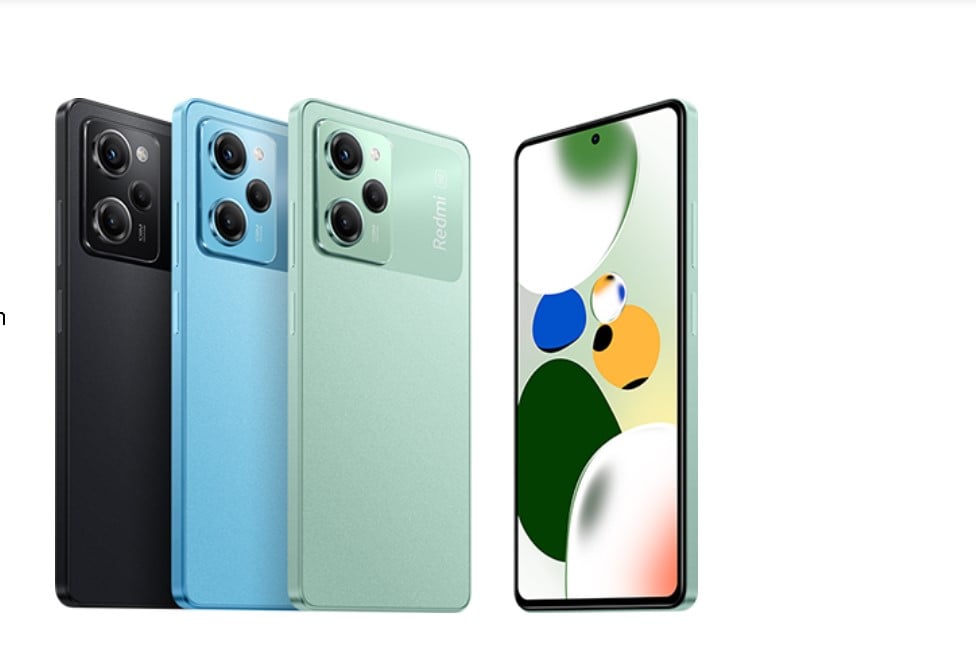
The Redmi K60E arrives with a design different than the other two models in the series. It features a rectangular camera module with three cameras aligned in a triangular form. The primary sensor looks larger than the rest two. The front panel of the device has a punch hole cutout in the center, which nests the selfie camera.
Moving to the specs, the device comes with a 6.67-inch Samsung OLED screen bearing a 2K resolution and a 120Hz refresh rate. It has a 480Hz touch sampling rate, 8-bit color depth, and a peak brightness of 1200nit. The smartphone is equipped with a side-mounted fingerprint scanner. Under the hood, the K60E is powered by the Dimensity 8200 SoC.
The chipset debuted recently with the iQOO Neo 7 SE and it has one CPU core at 3.1 GHz, three at 3.0 GHz for performance, and four Cortex-A55 cores at 2.0 GHz. The processor is paired with up to 16GB of LPDDR5 RAM, and up to 512GB of UFS 3.1 storage.
For photography, the handset features a 48MP main sensor with OIS support, an 8MP ultra-wide lens, and a 2MP macro camera. There’s a 20-megapixel selfie snapper on the front. Fueled by a 5,500mAh battery, the Redmi K60E supports 67W fast charging.
It comes preloaded with the Android 13 OS, which is overlaid with MIUI 14. The device is equipped with other common features like dual SIM, 5G, WiFi 6, Bluetooth 5.3, GPS, NFC, IR blaster, and a USB Type-C port.
Redmi K60E Price and Availability
Redmi K60E is currently available in China. The smartphone is offered in three colors, namely Black, White, and Cyan. Its pricing is:
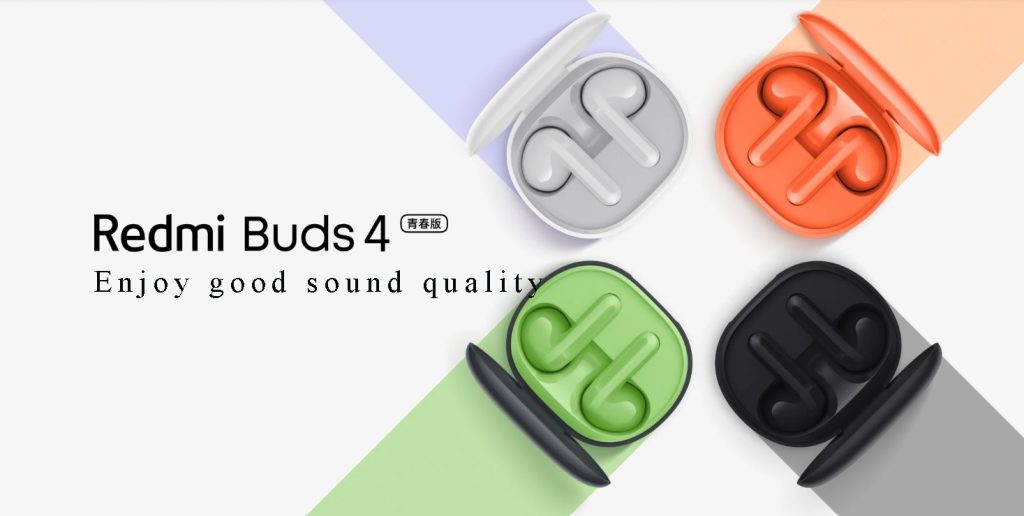
Xiaomi sub-brand Redmi launched five new devices today. These include the Redmi K60 series, Redmi Watch 3, Band 2, and Buds 4 Youth Edition. The Redmi Buds 4 Youth Edition is the third device after the Buds 4 and Buds 4 Pro that debuted earlier this year. As the name suggests, the latest TWS earphone comes with toned-down specifications and is the base model in the Buds 4 lineup. Read on to know more about it below.
The Redmi Buds 4 Youth Edition look similar to the Apple AirPods. The TWS earphones feature a half stem and slightly curved ear tips. They are IP54-rated dust and splash-proof. Users can perform various tasks by tapping on the stem of the earbuds.
The Redmi Buds 4 Youth Edition is equipped with a 12mm dynamic driver for clear bass and treble. It has environmental noise cancellation for clear quality on calls. The TWS earphones feature Bluetooth 5.3 connectivity and low latency mode. They support fast pairing as well.
The Redmi Buds 4 Youth Edition is backed by a 20-hour battery life with a charging case. Each earbud is claimed to offer 5 hours of usage. The audio device can be topped up via USB-C port.
The Redmi Buds 4 Lite carry a price tag of RMB 139 (~$20). They are offered in Sunny White, Midnight Black, Sunset Orange, and Trendy Green colours. The TWS earphones are available for purchase in China.
There have been strong rumours on the internet that the Samsung Galaxy S23 series will launch officially on February 1st, 2023. The lineup will include three different smartphones; the Galaxy S23, Galaxy S23+ and Galaxy S23 Ultra. The promotional images of two of the devices from the lineup were previously leaked. Well, out of nowhere, sudden news has started appearing online that claims that the brand could also their the OneUI 5.1 alongside the S23 lineup in the same event.
According to reports, Samsung is internally testing the One UI 5.1 update for the Galaxy S22, S22+, and S22 Ultra with firmware version S90xEXXU2CVL7. The test firmware was discovered on Samsung’s servers and could be issued to the Galaxy S22 series a few days after the Galaxy S23 series is released. According to Samsung’s usual strategy, One UI 5.1 will be released first on the Galaxy S23 series. The latest software skin is expected to bring some minor changes as we are not really expecting some major changes in the software as of now.
While it is unclear what features One UI 5.1 may provide. However, a few months ago, the company revealed that it has reserved some lock screen customization capabilities for One UI 5.1, which will be based on Android 13. We’d like to see the company implement Android 13’s new media player widget design in the notifications area, as well as the predictive back gesture, partial screen mirroring, and taskbar improvements. The brand may also do some under-the-hood changes to bring a smoother and more user-friendly experience.
Redmi Watch 3 and Redmi Band 2 have been launched in China today. The wearable devices have debuted alongside the Redmi K60 series smartphones. The Watch 3 arrives as the successor to the last year’s Watch 2 whereas the Band 2 follows the original Band that debuted back in 2020. Read on to know what the latest devices offer out of the box.
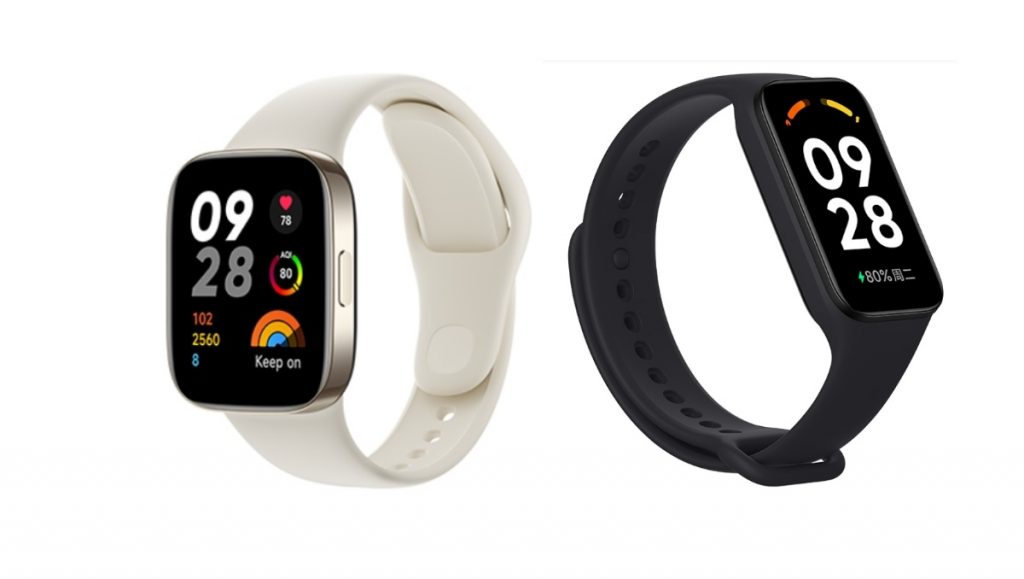
Redmi Watch 3 on the left and Band 2 on the right
Beginning with the Redmi Watch 3, it features a square dial with a 1.75-inch AMOLED display bearing an HD resolution and a 60Hz refresh rate. It offers a 14.8 percent large screen compared to its predecessor and 600 nits peak brightness. There is a button on the right side and the device is waterproof up to 50 meters.
The Redmi Watch 3 is equipped with a heart-rate monitor, SpO2 sensor, sleep and stress tracker, breather exercise, and women’s menstrual cycle monitor. The wearable device packs support for more than 120 exercises. It also features a built-in GPS for tracking outdoor activities.
The Redmi Watch 3 comes with Bluetooth voice calling, emergency SOS mode, and other convenient features. It is powered by a 289mAh battery unit that is claimed to deliver 12 days of usage.
As for the Redmi Band 2, it sports a 1.47-inch large display which is said to be 76 percent larger compared to the previous generation. It is 9.99mm thin and there are no buttons. The device is waterproof up to 5 ATM. The fitness band packs the same health-tracking sensors as the Redmi Watch 3. However, it comes with support for 30 sports modes. The Redmi Band 2 is backed by a 210mAh cell that is claimed to offer 14 days of usage.
The Redmi Watch 3 comes in Elegant Black and Ivory White. It is priced at RMB 499 (~$72). The Redmi Band 2 cost RMB 159 (~$22) and is offered in Midnight Black and Dream White colours. Both devices are available for purchase starting today.
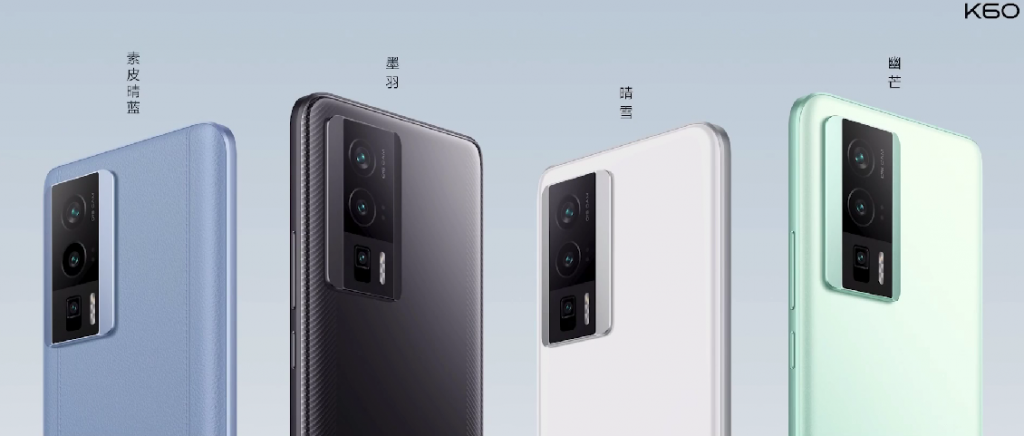
Redmi has finally launched the new Redmi K60 series in China. The new lineup includes the Redmi K60, Redmi K60 Pro, and Redmi K60E. In this post, we’ll stick to the standard and the pro model. The former brings a Snapdragon 8+ Gen 1 SoC while the latter packs the latest Snapdragon 8 Gen 2 chip. Both models offer a similarly amazing screen, battery, and camera setup. Continue on to find out their detailed specs and pricing.
Redmi K60 Pro Specifications
The higher-end Redmi K60 Pro flaunts a 6.67-inch 2K display with a 120Hz refresh rate, a peak brightness reaches 1400nit, 68.7 billion colors, and a P3 color gamut. The handset will draw power from Qualcomm’s latest Snapdragon 8 Gen 2 processor, paired with LPDDR5 RAM and UFS 4.0 storage. It is also equipped with a 5000mm² super large VC heat dissipation system.
The handset sports a triple camera system on the rear comprising a 50MP Sony IMX800 primary sensor with OIS and EIS. There’s also an 8MP ultra-wide unit and a 2MP depth sensor. On the front, it has a 16MP snapper.
The device boots MIUI 14 based on Android 13. It comes with the usual connectivity options, such as dual SIM, 5G, dual-band WiFi, Bluetooth 5.3, GNSS, NFC, and USB Type-C. The Redmi K60 Pro packs a 5000mAh battery with 120W fast charging and 30W wireless charging. It gets an under-display fingerprint scanner.
Redmi K60 Specifications
The vanilla model brings the same amazing display as the pro model, meaning it has a 6.67-inch panel with a peak brightness of 1400nit, 68.7 billion colors, a P3 color gamut, and 1920Hz PWM high-frequency Dimming. The screen also sports an under-display fingerprint sensor.
Under the hood, the Redmi K60 is powered by the older but capable Snapdragon 8+ Gen 1 Soc, paired with LPDDR5 RAM and UFS 3.1 storage. It boasts a massive 5500mAh battery with 67W wired fast charging and 30W wireless charging.
In the camera department, the smartphone features a 60MP primary camera with OIS, an 8MP ultrawide lens, and a 2MP macro lens. The handset runs MIUI 14 based on Android 13 out of the box.
Redmi K60 and K60 Pro Price and Availability
Redmi K60 and K60 Pro have been launched in China and will go for sale in the country on December 31. The K series smartphones usually debut as rebranded Xiaomi and Poco phones in the global market.
The vanilla K60 is offered in 4 colors— Black, White, Cyan, and Blue. Its price is:
8GB + 128GB: 2499 Yuan ($358)
8GB + 256GB: 2699 Yuan ($387)
12GB + 256GB: 2999 Yuan ($430)
12GB + 512GB: 3299 Yuan ($473)
16GB + 512GB: 3599 Yuan ($516)
The higher-end Redmi K60 Pro will be available in Black, Cyan, and White color. It will be sold at:
8GB + 128GB: 3299 yuan ($473)
8GB + 256GB: 3599 yuan ($516)
12GB + 256GB: 3899 yuan ($559)
12GB + 512GB: 4299 yuan ($616)
16GB + 512GB: 4599 yuan ($660)
RELATED: Redmi K60 series unboxing and hands-on video:
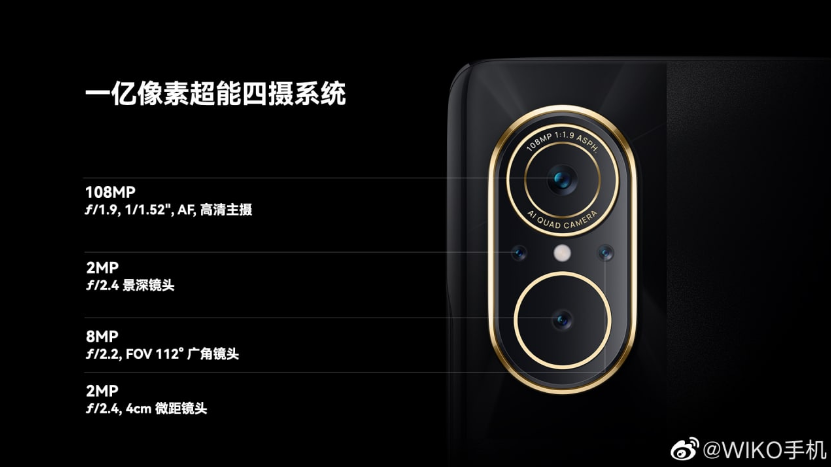
WIKO is a French smartphone manufacturer that has officially licensed to use the smartphone developed by Huawei. The brand has now officially launched the Huawei Nova 9 SE 5G with its branding and name – WIKO 5G. It’s literally the same Nova 9 SE smartphone but with a different branding and marketing name. The device offers a decent set of specifications such as a 108-megapixel primary rear camera and Qualcomm Snapdragon 695 5G chipset.
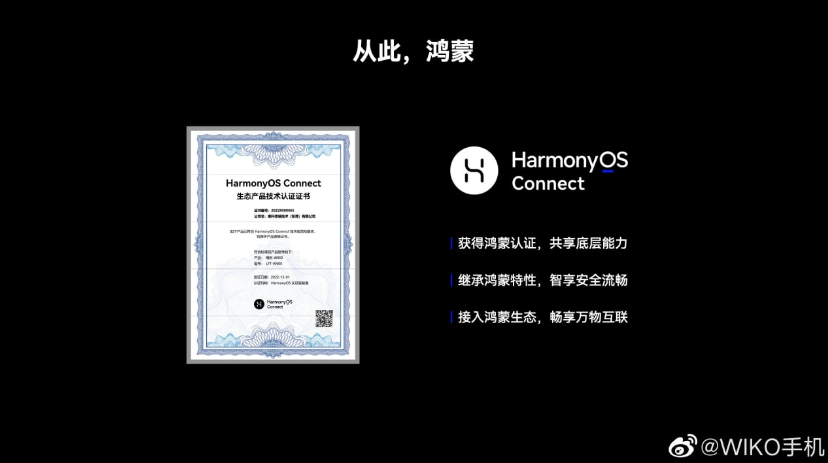
The 6.78-inch IPS LCD display on the WIKO 5G smartphone supports up to 120Hz high refresh rate, 270Hz touch sampling rate, up to 16.7 million colours, and FHD+ 2300*1080 pixel resolution. The panel has a pixel density of 378PPI and a screen-to-body ratio of 94.85%. The Qualcomm Snapdragon 695 5G chipset with Adreno 619 GPU powers it. Interestingly, the phone is the first to be approved with the HarmonoyOS Connect software ecosystem and runs the Huawei HarmonyOS operating system.
In terms of cameras, the smartphone has a 108-megapixel Samsung HM2 primary camera, an 8-megapixel secondary ultrawide camera, a 2-megapixel macro camera, and a 2-megapixel depth-of-field camera. On the front, a 16-megapixel selfie camera is housed inside a punch-hole cutout in the centre. The smartphone comes with a 4000mAh battery and supports up to 66W fast wired charging. The company says that it can move from 0 to 60% in 15 minutes and from 0 to 100% in 35 minutes.
Talking about its dimensions, the phone is 164.64mm tall, 75.55mm wide, and 7.94mm thick. It will weigh 191 grams overall. Coming down to the pricing and variants, the Wiko 5G device comes in two different variants – one with 128GB of storage and another one with 256GB of storage. The smartphone will be available in Silver and Black colour variants. The 128GB variant of the device is priced at CNY 1999 (~$287) and the 256GB one is priced at CNY 2199 (~$315).
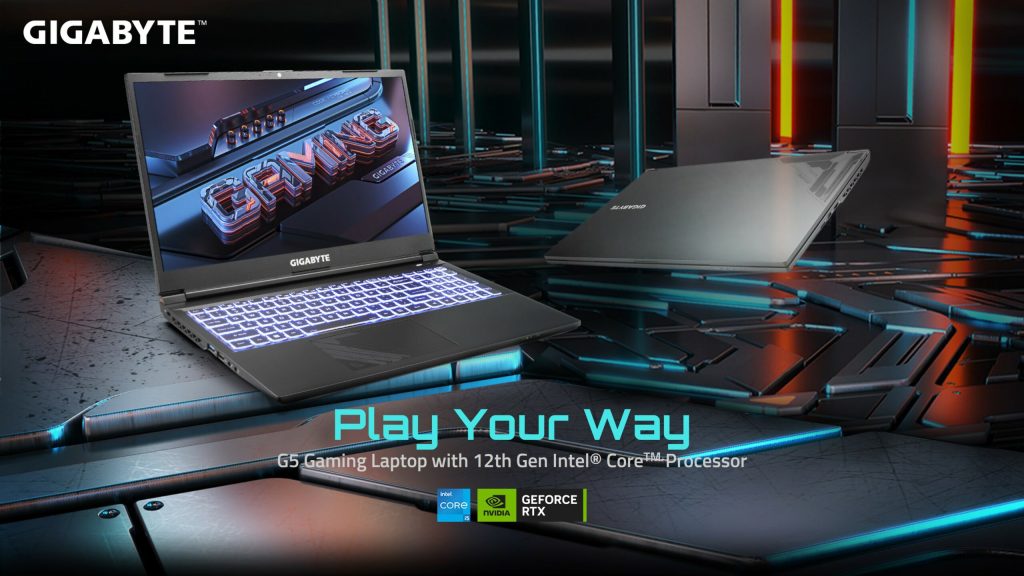
In October this year, GIGABYTE launched G5 series gaming laptops in India. These included the GD, MD, and KD models powered by 11th-generation Intel Core processors. Now the brand has updated the G5 series laptops with 12th-generation Core chipsets. It’s worth noting that the latest offerings have different model numbers i.e. GE, ME, and KE compared to the 11th-generation Core variants.
The GIGABYTE G5 series laptops feature a 15.6-inch IPS LCD display bearing an FHD+ resolution. It offers a 144Hz refresh rate and 300 nits peak brightness. The laptops feature a backlit keyboard along with a number pad. They are equipped with dual 2W speakers, dual-array microphones, and DTS:X Ultra.
Under the hood, the GIGABYTE G5 series is equipped with a 12th-generation Intel Core i5 processor. The GE, ME, and KE variants come with NVIDIA RTX 3050, RTX 3050Ti, and RTX 3060 GPUs onboard respectively. The laptops pack 16GB RAM and 512GB NVMe SSD storage. There are also two M.2 slots and a swappable bay which can provide up to 6TB of storage. The laptops feature WINDFORCE cooling technology that comprises dual fans, 5 heat pipes, and four exhaust vents.
The GIGABYTE G5 series laptops are backed by a 54WHrs battery unit with support for 150W charging on GE and ME models. The KE variant supports 180W charging speed. Connectivity options on the laptops include WiFi 6, Bluetooth 5.2, three USB Type-A ports, a USB-C port, HDMI, an SD card reader, and a 3.5mm headphone jack
The GIGABYTE G5 series gaming laptops start at Rs 77,887. They are available for purchase from Flipkart and offline retail stores across the country.
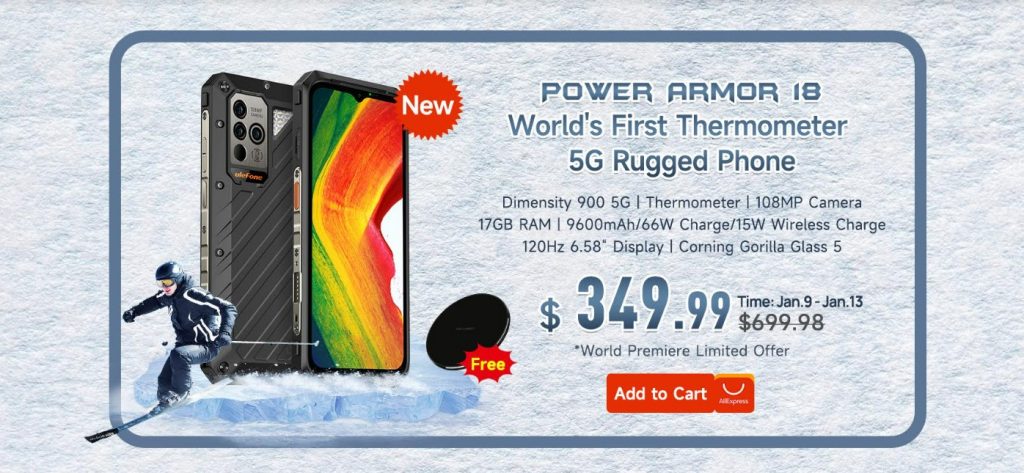
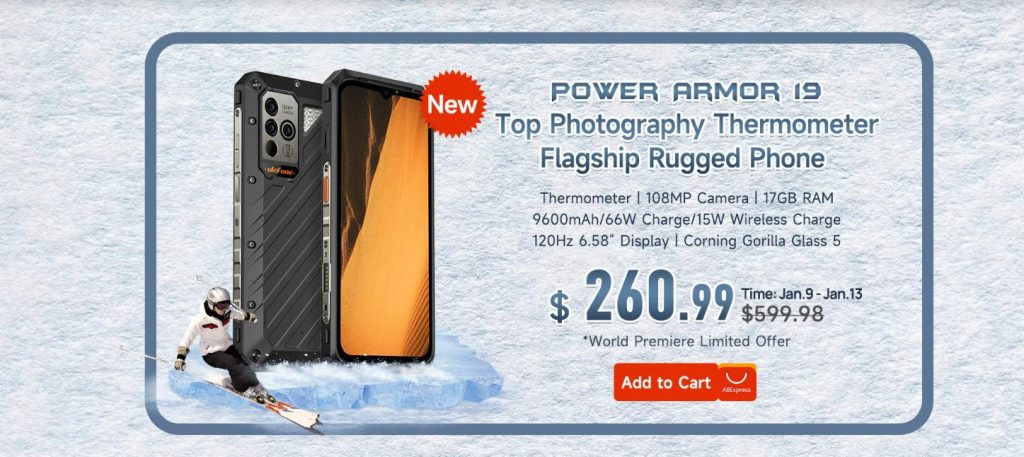
Ulefone is all set to launch its latest Power Armor 18 and 19 rugged phones globally on AliExpress. Ulefone Power Armor 18 which comes with a price tag of $699.98 will be available at a heavily discounted price of $349.99 and Power Armor 19 which retails for $599.98 will be available for $260.99 only. This world premiere offer starts on January 9 to January 13, 2022.
Ulefone Power Armor 18 features a 6.58” IPS LCD display with a 120Hz refresh rate. It is powered by MediaTek Dimensity 900 5G chipset and comes with 12GB RAM (up to 5GB virtual RAM expansion) and 2565GB internal storage expandable up to 2TB using a microSD card. The highlighting feature of Power Armor 18 is the instant temperature measurement function that helps you to measure the temperature of your body, object, and environment.
Unlike other generic rugged phones that compromise on camera features for ruggedness, Ulefone Power Armor 18 comes with one of the best camera combinations available on a rugged smartphone. The device features a triple rear camera set up with a 108MP main camera that comes with AI image stabilization, a 5MP super microlens, and an 8MP ultra-wide sensor. For your selfies, you have a 32MP sensor in the front.
The phone is fueled by a massive 9600mAh battery and supports 66W wired charging and 15W wireless charging. It is IP68/IP69K and MIL-STD-810H certified which makes it waterproof, dustproof, and shockproof. This means you can use your Power Armor 18 in extreme and harsh conditions without worrying about damaging your phone.
Other interesting features include L1+L5 GPS, GLONASS, BeiDou, Galileo, QZSS, NavlC GPS, 5G, Wi-Fi 6, Gloves mode, Underwater camera, etc. The phone will run on Android 12 OS.
The Power Armor 19 rugged phone also comes with a 6.58” IPS LCD display with a 120Hz refresh rate. However, unlike power Armor 18, this phone is powered by MediaTek Helio G99 6nm processor. It comes with 12GB RAM (up to 5GB virtual RAM expansion) and 2565GB internal storage expandable up to 2TB using a microSD card. It also features the instant temperature measurement function that helps you to measure the temperature of your body, object, and environment.
The phone is fueled by a massive 9600mAh battery and supports 66W wired charging and 15W wireless charging. It is IP68/IP69K and MIL-STD-810H certified which makes it waterproof, dustproof, and shockproof. This means you can use your Power Armor 19 in extreme and harsh conditions without worrying about damaging your phone.
Other interesting features include GPS, GLONASS, BeiDou, Galileo, Gloves mode, Underwater camera, etc. The phone will run on Android 12 OS.
For more information on such exciting deals and offers check out our deals hub.
The Pokémon Company is filing a lawsuit against a company called the Pokémon Pty Ltd. The company has filed a lawsuit in the Federal Court of Australia. The company is suing the company over an NFT based game that is using its trademark.
The NFT based title is based on the massively popular fictional world of the same name. The Australian based firm is facing the legal dispute since it is completely unrelated to the actual Pokémon Company. For those unaware, Kotiota Studios has advertised that it is gearing up to launch an NFT game that is called the PokéWorld, which features the iconic Pocket Monsters from the Japanese animated series that is worth billions.
Pokémon Pty Ltd has previously claimed that it has worked with the Pokémon Company in the past on certain titles like the Pokémon Scarlet, Pokémon Violet, Pokémon Home, and the unreleased Pokémon Sleep as well. The PokéWorld website is still online, but the original company is asking the court to intervene and prevent the Australian company from infringing on its trademarks that can be found on its websites and social media. In other words, basically blocking the game before its launch.
As per a new report, the company first realized the fraud when Kotiota Studios reached out to several media websites to boost the reach of the yet to be released title. The lawsuit was filed earlier this month and the first hearing was held on December 21. Here, the legal counsel of the original company showed up while there was no one from the Kotiota Studios. Thus, the Pokémon Company is planning on taking additional legal actions.
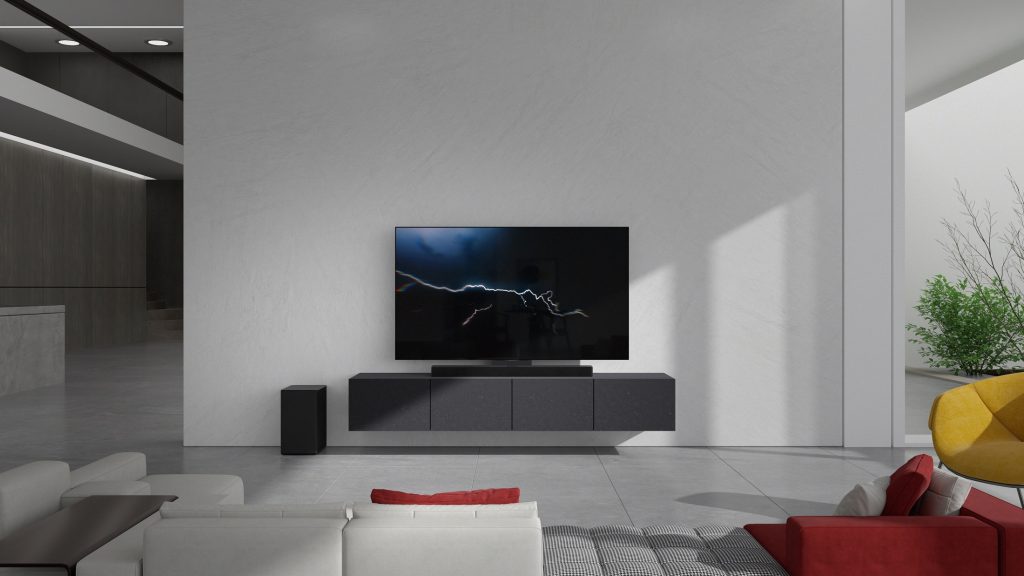
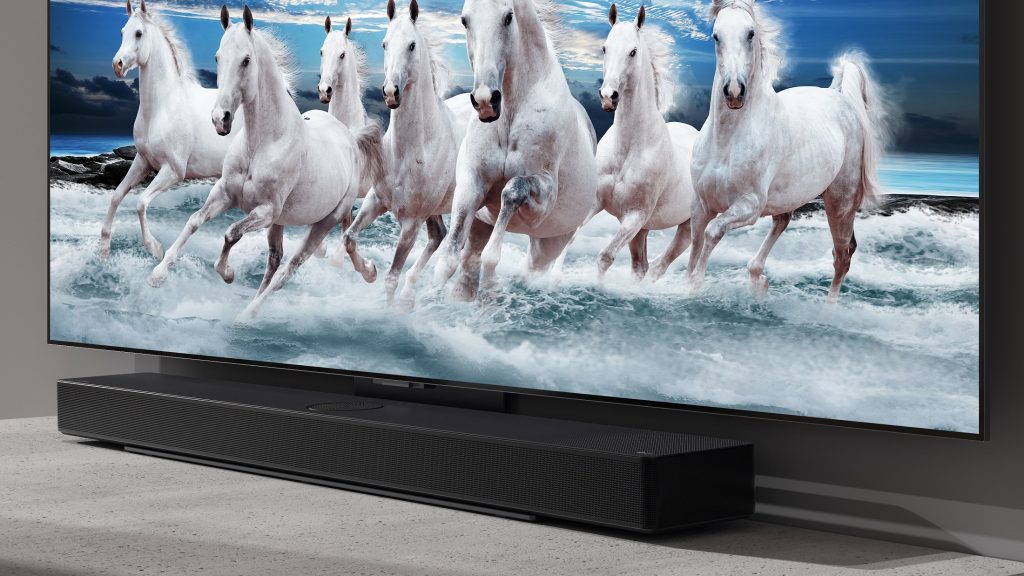
LG Electronics has just unveiled its next generation series of soundbar speakers that will be releasing in 2023. The two new models include the SC9 and SE6 models soundbars, so here are all the key details.
The South Korean brand has announced its latest soundbar lineup just ahead of the CES 2023 event, which will be hosted in Las Vegas in January. The new soundbars from the company aim to integrate seemlessly with its partner television. So when the new soundbars are paired with the LG TV models, they will offer new features like the WOW Orchestra. This basically uses all the product’s audio channels to create an extended soundstage that has greater range.
The company’s 2023 soundbars and TV will also offer synergy for a multi surround sound solution with Dolby Atmos and IMAX powered by DTS:X as per the official notes. From the Home Dashboard on the LG TVs, customers can quickly access and manage soundbar settings and even share sound modes as well. WOWCAST will even enable wireless connectivity that makes the entire experience cable free for better convenience. These also feature the brand’s Triple Sound Technology that consists of a triple up firing speaker system.
The new LG soundbars have an increase overall feature set as well, but still offer an easy to use experience. It also support VRR to decrease screen tearing and ALLM to reduce latency while allowing 4K/120Hz pass through. As of right now, the price tag for these SC9 and SE6 Soundbars is still unclear, although, they will be showcased on the CES convention in Las Vegas.
Samsung’s Galaxy S22 sales may not meet the company’s expectations due to a number of factors, according to recent analysis. One reason for the sluggish sales of Samsung’s flagship model is a software controversy, while the rapid increase in sales of the low-end Galaxy A lineup may also be a factor. In addition, Apple‘s iPhone 14 series has reportedly widened the average selling price (ASP) gap between the two companies.
According to market research firm Counterpoint Research, Samsung’s ASP for smartphones increased by only 2% year-on-year in the third quarter of this year, while Apple’s ASP increased by 7%. This trend is expected to continue in the fourth quarter. Another factor that may be affecting Samsung‘s sales is the company’s brand positioning in the global market. While Samsung is the top seller of smartphones in terms of shipment numbers, most of these are low-end models that are popular in specific regions such as Europe, Southeast Asia, and South America.
In contrast, Apple’s flagship models, including the iPhone 11 to 13, dominate the top 10 list of most-shipped models. Samsung’s foldable phones, such as the Galaxy Z Flip, also have limited influence outside of Korea and Europe. To address these issues, some analysts have suggested that Samsung should consider revising its brand positioning to better compete with Apple in the global market.
The company may also need to put more effort into promoting its products in overseas markets, where the perception of the Galaxy brand may be different than it is in Korea. Samsung launched the Galaxy S22 earlier this year with a focus on 5G technology, but it remains to be seen if this will be enough to boost sales and close the gap with Apple.
We use cookies on our website to give you the most relevant experience by remembering your preferences and repeat visits. By clicking “Accept”, you consent to the use of ALL the cookies.
This website uses cookies to improve your experience while you navigate through the website. Out of these, the cookies that are categorized as necessary are stored on your browser as they are essential for the working of basic functionalities of the website. We also use third-party cookies that help us analyze and understand how you use this website. These cookies will be stored in your browser only with your consent. You also have the option to opt-out of these cookies. But opting out of some of these cookies may affect your browsing experience.
Necessary cookies are absolutely essential for the website to function properly. This category only includes cookies that ensures basic functionalities and security features of the website. These cookies do not store any personal information.
Any cookies that may not be particularly necessary for the website to function and is used specifically to collect user personal data via analytics, ads, other embedded contents are termed as non-necessary cookies. It is mandatory to procure user consent prior to running these cookies on your website.