OnePlus took to Twitter in the early hours of today to announce a new contest. Called “Crackables” and created in partnership with Google, the contest is supposed to begin next week.
According to the tweet which has a short video accompanying it, interested players have to crack a code to win the challenge. There are no details yet about prizes but that should be made public when the challenge opens by next week.
Think you have what it takes to crack the code? Play #Crackables to find out. Starting September 18.
This isn’t OnePlus’ first challenge this year. When it launched the OnePlus 6, it announced a racing challenge in partnership with Gameloft. The challenge had fans compete in the OnePlus Asphalt Cup (a special competition within the Asphalt 8: Airborne racing game) for a grand prize of over $7,000 including a OnePlus 6 and the Bullets Wireless earphones.
When OnePlus announced the OnePlus 6 this year, it also announced its first ever wireless earphones – the Bullets Wireless. The earphones got positive reviews but has been plagued by insufficient stock with OnePlus resorting to flash sales for it.
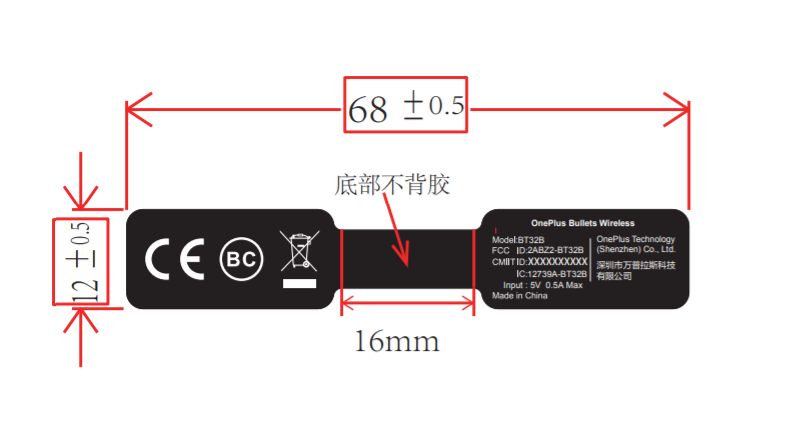
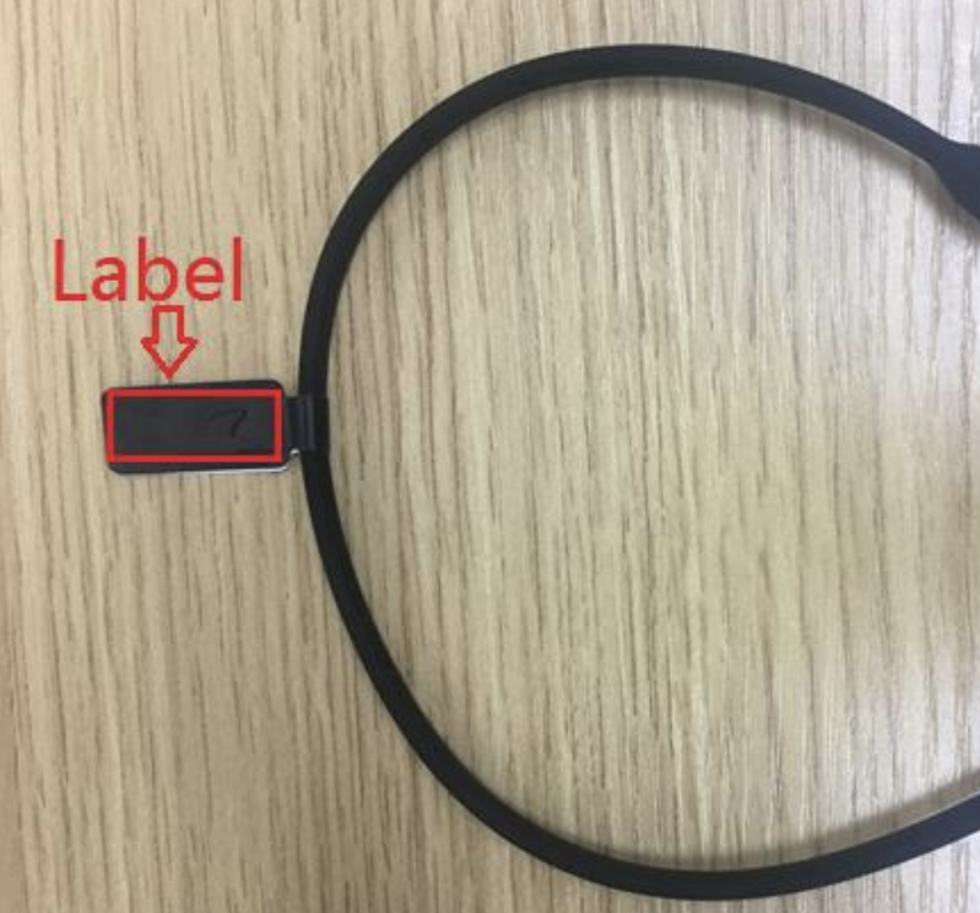
A new report has revealed we may be getting version two of the earphones soon. The new earphones was spotted at the FCC. It has model number BT32B which is similar to that of the original (BT31B). The label is also said to read “OnePlus Bullets Wireless” though we won’t be surprised if it launches as the Bullets Wireless V2.
There is no info on what new features will be coming with the new version but we want to believe OnePlus has improved the audio quality. The design is still the same – sports-like with a cable connecting both earbuds. Just like the original, it should also support Google Assistant and support fast charging although the FCC image shows it supports 5V/0.5A max input.
Since this isn’t a completely wireless pair of earbuds, we do not expect it to come with the Qualcomm QC3026 audio SoC announced a few months ago. if you want that, you may want to look towards OPPO‘s O-Free wireless earbuds.
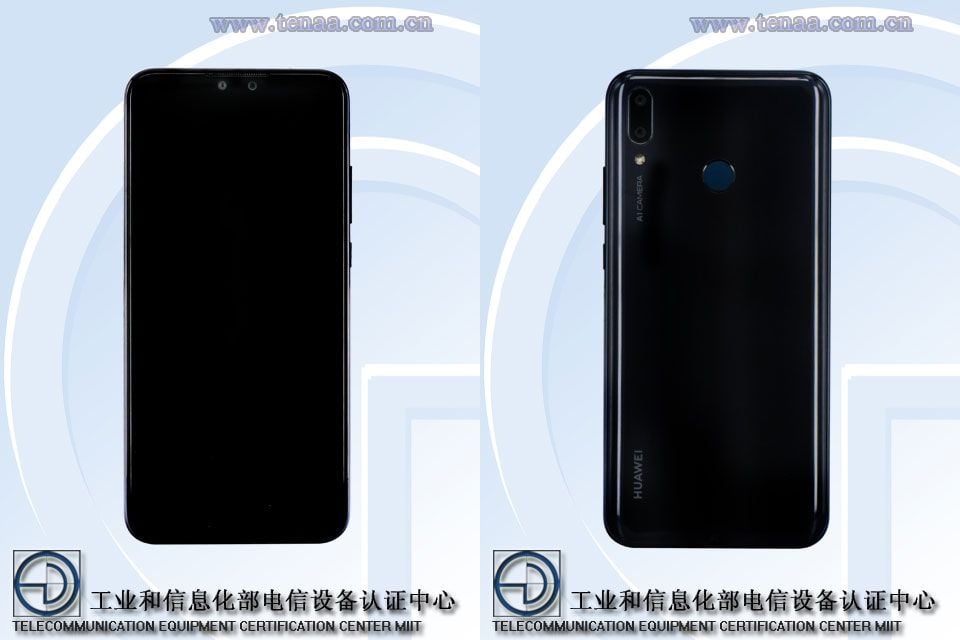
Huawei had launched the Huawei Y9 (2018) smartphone with 18:9 aspect ratio display around six months ago. Huawei JKM-AL00 and JKM-TL00 smartphones have surfaced on the website of TENAA, the regulatory body of China. The listings of these phones feature only their images but do not contain their specifications. In August, the JKM-TL00 handset was spotted with Huawei Y9 (2019) moniker on the website of Eurasian Economic Commission (EEC). Hence, it can be said that the JKM-AL00 device is a variant of the same phone. The same handset has appeared with model number JKM-LX3 with some of its specs at the Federal Communications Commission (FCC) in the U.S.
The TENAA images of the Huawei Y9 (2019) shows that the handset is equipped with a notched screen. The notch seems to be housing a pair of selfie cameras. The back panel of the phone features a vertical dual camera setup and a fingerprint scanner. It could be sporting a metallic body with NCVM coating for the glossy appeal.
According to the FCC listing of the JKM-LX3, it features a 4,000mAh battery like the predecessor Huawei Y9 (2018). The network bands supported by the handset suggests that it can work with GSM networks like AT&T and T-Mobile as well as CDMA networks like Verizon, Sprint and US Cellular. Some of the other features revealed through FCC listing of the phone reveals that it features Bluetooth 4.2, 3.5mm audio jack, hybrid SIM slot which supports a microSD card.
The TENAA listings of the JKM-AL00 and JKM-TL00 are expected to get updated with full specs in the next days. The JKM-TL00 has also bagged 3C certification in China. The recent certifications of the Huawei Y9 (2019) in Russia, China and the U.S. suggests that its arrival may not be far away.
At the IFA 2018, Huawei had launched Kirin 980 chipset as the world’s first 7nm chipset. At that time, it had also confirmed that the Mate 20 and Mate 20 Pro powered by the Kirin 980 will be announced on Oct. 16 through an unveil event in London. Today, the company has released an official invite which confirms that the aforementioned launch date and venue. The first teaser also indicates that the Mate 20 will be offering enhanced AI experience.
The Huawei Mate 10 and Mate 10 Pro that were in Oct. 16 last year were powered by Kirin 970. The 10nm chipset also featured a dedicated NPU unit for handling AI tasks. At the launch event of the Kirin 980, Huawei confirmed that the Kirin 980 is equipped with two NPU units which is 120 percent faster than its predecessor. The image shown below clearly states that Mate 20 will offer better AI.
Mass-produced TMSC, the Kirin 980 is an octa-core SoC with tri-cluster arrangement which includes quad-core Cortex A76 in two sets with one clocking at 2.6 GHz and the other one working at 2.2 GHz. The four cores of power-saving Cortex A55 offer a clocking speed of 1.8 GHz. Compared to its predecessor, the Kirin 980 is 48 percent faster and 178 percent more power-efficient.
Rumors have it that Mate 20 will be feature an LCD panel with waterdrop notch screen with 19.5:9 aspect ratio. It is expected to carry support for FHD+ resolution. The handset is expected to feature a rear-mounted fingerprint scanner. On the other side, the Mate 20 Pro may arrive with an AMOLED screen with a larger notch. It is expected to carry support for Quad HD+ resolution and an aspect ratio of 18.7:9. The Mate 20 Pro is expected to feature an in-display fingerprint reader and 3D structured light module for 3D facial scanning.
Both the smartphones are expected to house triple camera sensors arranged in a square-shaped setup. Both phones are rumored to be powered by 4,200mAh batteries. Also, these handsets are expected to run on EMUI 9 flavored Android 9 Pie.
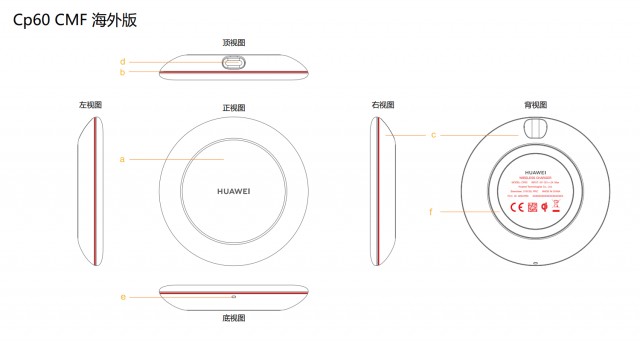
Huawei‘s upcoming Mate 20 flagships may likely come with several new features, both on its design and hardware, that would set it apart from its predecessor. One of such new features is a powerful wired charging technology that is more powerful than SuperCharge. In addition, Huawei will also include support for wireless charging on the Mate 20 Pro. At present, wireless charging is available only on the Mate RS Porsche Design.
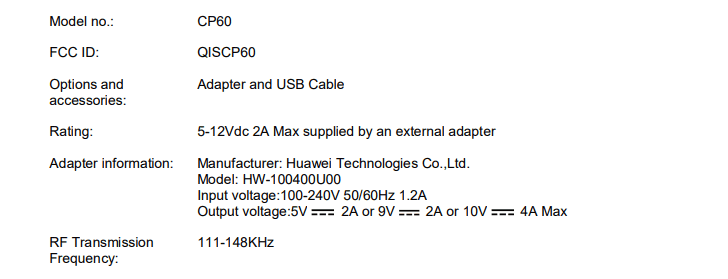
A couple of FCC documents have now revealed the power rating of the wireless and wired chargers. The FCC filing which is believed to be for the Mate 20 chargers shows the wireless charger will have a 15W power rating. The rating matches that of the fastest Qi wireless chargers on the market right now. In addition, the wired charger will be capable of delivering up to 40W of power with a massive 4A/10V output rating. That is obviously a giant leap over the Super VOOC charger released by OPPO which has a 22.5W rating. It is also going to be faster than OnePlus’ DASH charging technology.
While the Mate 20 and Mate 20 Pro may likely come with the wireless charging technology, we can’t say if the 40W wired fast charger will be available on the upcoming flagships. We’ll have to wait until October 16 when Huawei will officially unveil the Mate 20 series.
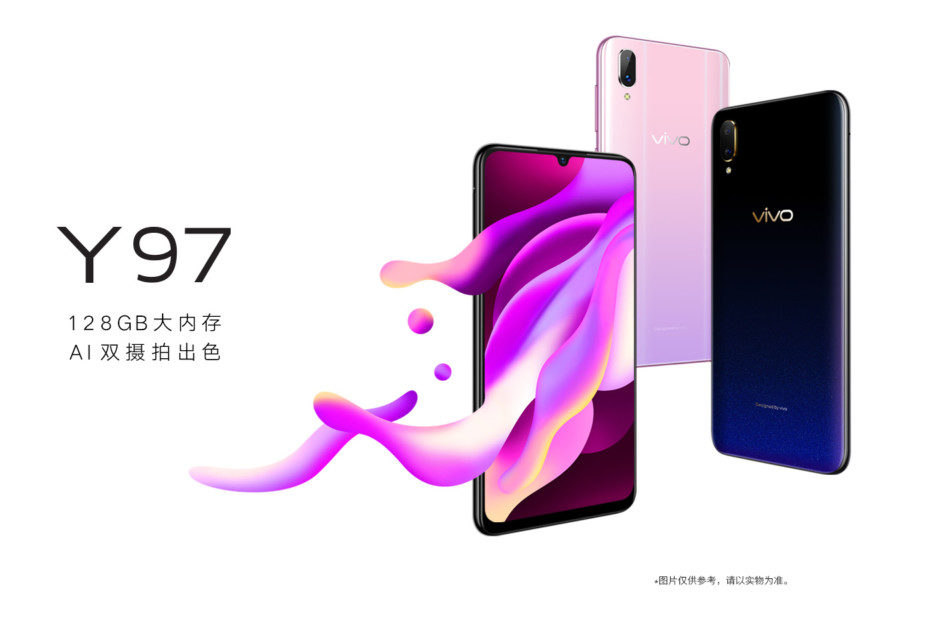
After launching the Vivo X23, the Chinese manufacturer has now launched yet another smartphone — Vivo Y97, which is now available for purchase in China. It is priced at 1,998 Yuan, which roughly converts to $291.
The phone features an all-glass exterior and comes in three color options — Starry Night Black, Dream Powder (Pink), and Aurora Blue. The company says that the back features a 3D micro-arc design with a unique mirror finish that offers better grip to hold the phone.
The phone features a 6.3-inch Full HD+ Super AMOLED display having a waterdrop notch on top. It comes with a screen resolution of 2280 x 1080 pixels screen resolution and 90.3 percent screen-to-body ratio. Under the hood, the device is powered by MediaTek’s Helio P60 octa-core processor.
The device packs 4GB of RAM and 128GB of internal storage, along with a microSD card slot that enables you to further expand the phone’s storage capacity up to 256GB.
For the photography, there’s a 16-megapixel primary camera and a 2-megapixel secondary camera for depth sensing at the back. On the front side, it comes equipped with a 16-megapixel snapper for taking selfies and video calling.
Both the cameras — rear and front, are backed by a power-packed camera interface that includes various modes and dedicated AI-backed features. The phone has facial unlock support and comes with IR sensor so that you can unlock the phone even in low-light conditions.
Connectivity options on the device include Dual SIM, 4G LTE, Bluetooth 5.0, Wi-Fi 802.11 b/g/n/ac, 3.5mm headphone jack, A-GPS and a USB Type C port.
In terms of software, the Vivo Y97 runs on Android Oreo operating system with the company’s own custom interface and Vivo’s AI-powered Jovi smart assistant. The company has also introduced the Game Mode 4.0 that aims to provide immersive gaming experience. The phone is powered by a 3,240mAh battery, which should last you through a day of usage.
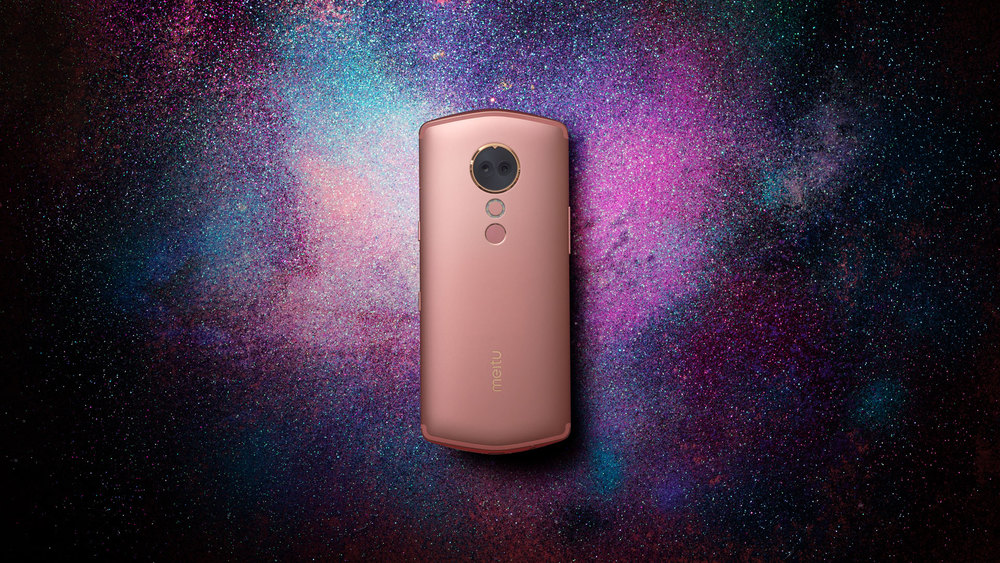
It is a common trend for Chinese smartphone makers to release special edition models of their phones. Some of the special edition models are usually based on pop culture including music groups and TV characters. So it wasn’t a surprise when Meitu announced it was going to release anime-based special edition models of the Meitu T9.
The manufacturer took to Weibo to announce that the Meitu T9 will get six new special edition models. Based on the attached picture, we can tell the special editions will be based on the following animes (or anime characters) – Sailor Moon, Doraemon, Dragon Ball Z, Hello Kitty, Sakura Kinomoto, and Chibi Maruko. The new models should be available starting September 17.
The Meitu T9, like other Meitu phones, is a camera-focused phone. It has dual pixel dual cameras on both sides. Meitu has also packed some new camera technology into the phone such as the Skeletal Point Identification Technology developed by Meitu Imaging Labs. This automatically adjusts body proportions for the best shot.
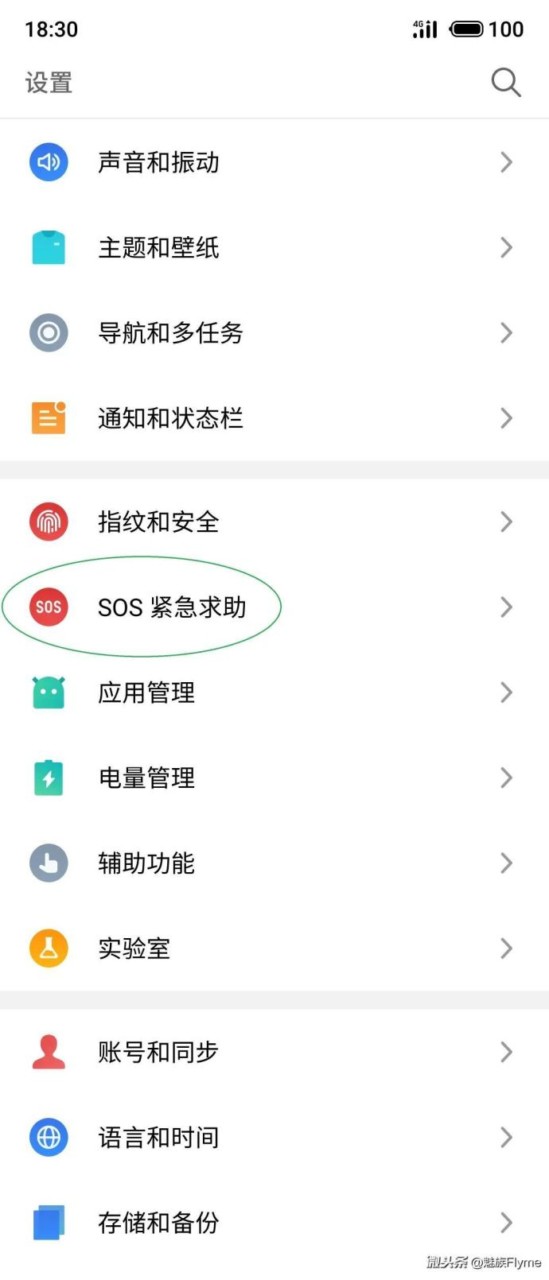
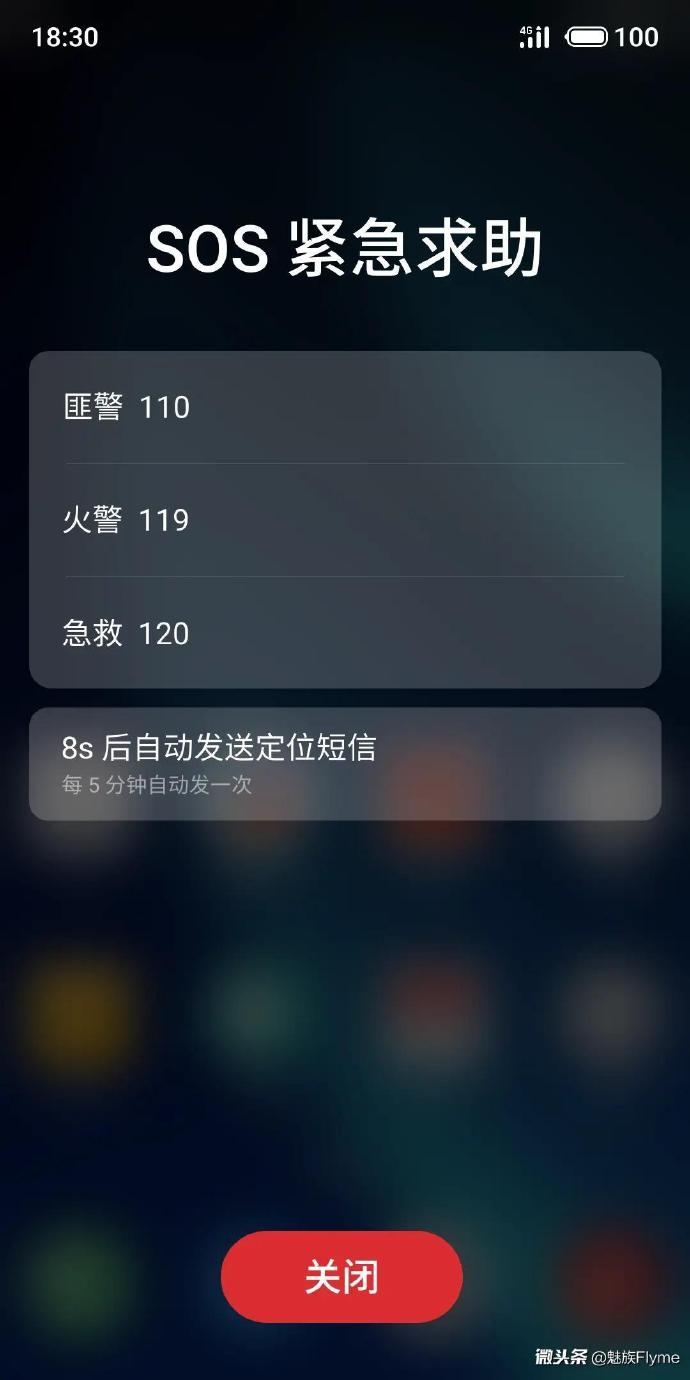
A couple of smartphone manufacturers such as Apple and OnePlus offer inbuilt SOS function for emergency situations. Through the official Meizu Flyme Weibo account, the company has confirmed it will be soon rolling out SOS emergency help feature. The said function can be used to only call emergency number, but also send location details at regular time interval.
Meizu has confirmed that it will be releasing closed beta followed by open beta versions of the SOS emergency help feature. After successfully testing, the stable version of the feature will be rolled out to all the users.
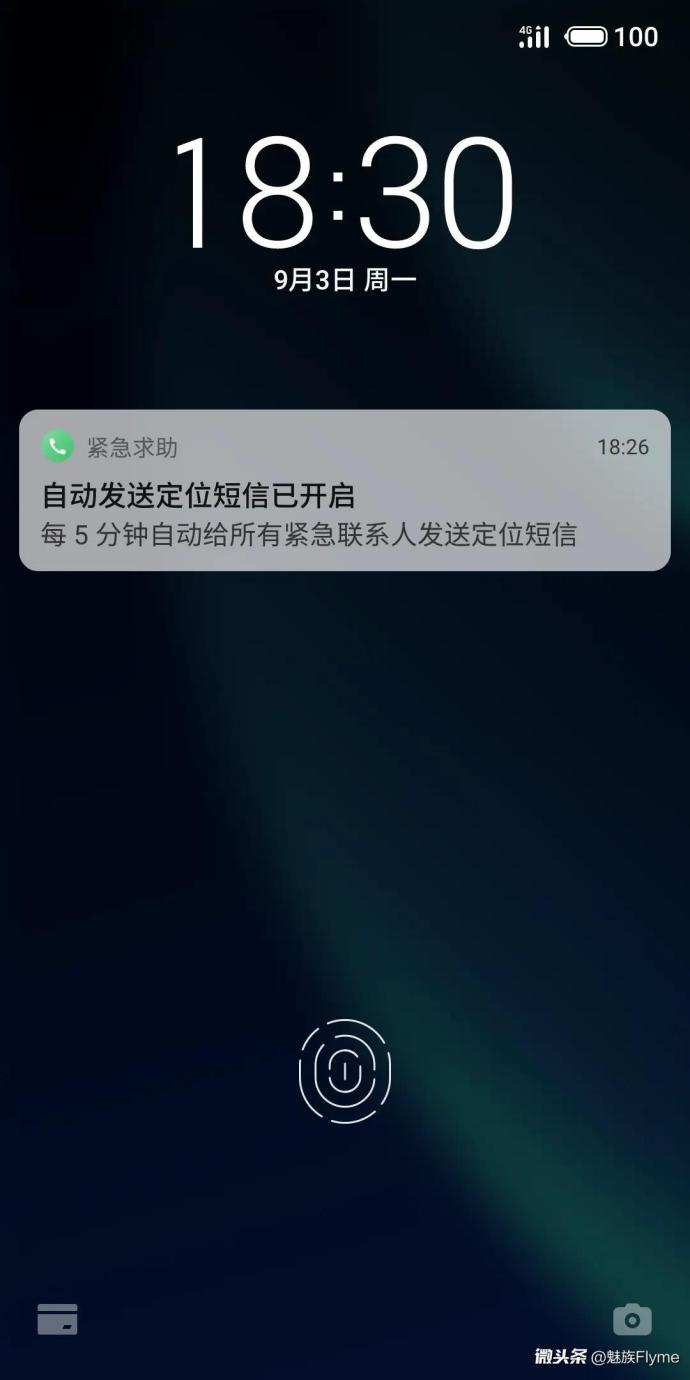
The official screenshots released by Meizu show that the feature will be available as “SOS Emergency Help” section in Settings page. Once activated that the feature will automatically dial 110, 119, 120 and other emergency numbers and it will also send a location message every 5 minutes. Meizu is yet to confirm on the devices that will be treated with the test version of the SOS help feature.
In related news, Xiaomi is beta testing SOS feature on some of its devices such as Xiaomi Mi 8, Mi MIX 2, Mi 6, Mi 5 and Redmi Note 4X. At present, these devices that are running on MIUI 10 developer ROM can try the emergency help function. By pressing the power button 5 times, Xiaomi’s emergency help function will send help information to the pre-defined emergency contact number.
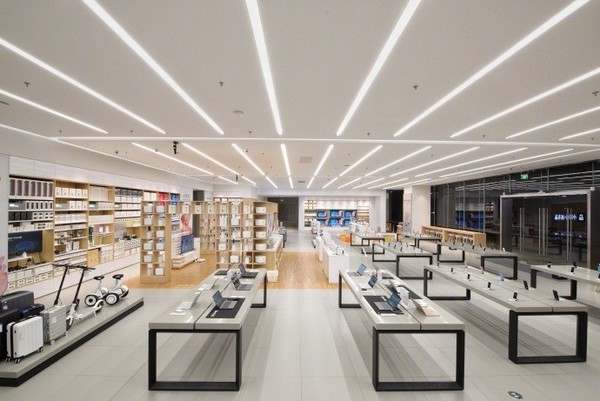
Xiaomi Taiwan has announced the official launch of a new smart home experience store which it calls Xiaomi Base. The base will be home to over 70 different kinds of Xiaomi products including smart home devices. Fans in the country are free to walk into the Xiaomi Base and experience the innovative combination of life and smart family at play there. This is perhaps in a bid to expand its smart home product base in Taiwan.
A market research report by the Inter-Market Research Consultant shows that among Taiwan’s smart home products, Xiaomi (Mijia Smart Home) has become the most popular brand in Taiwan with a 35.1% market share. Thus, the Xiaomi Base is created to show that smartphones cannot only control a single home appliance but also connect more than 30 products in series, allowing each of them to perform its function independently, sort of creating the kind of smart home environment only seen on sci-fi movies. The data also shos that Xaiomi’s dominance in Taiwan isn’t only in the smartphone aspect but also on the smart home products end.
Apart from the Xiaomi Base, the Chinese company is also planning to kickstart a series of advertisement campaign using online videos and offline methods which will allow fans and potential buyers know more about all aspects of the company. This could be Xiaomi’s strategy to create awareness that it isn’t just a smartphone company but a full-fledged internet company with products covering several aspects of the technological space. We may likely see this campaign being replicated in other regions outside China in the near future.
After announcing the Meizu 16 and Meizu 16 Plus flagship smartphones, the Chinese smartphone manufacturer is now all set to launch a new smartphone — Meizu 16X. The company has posted a teaser image on its Weibo page with the text “see you tomorrow”. The image features sixteen ‘x’, clearly hinting that the teaser is related to the upcoming Meizu 16X.
There’s also a big ‘X’ across the image in the background. From the posted teaser image, it seems that the company will reveal more details related to the smartphone’s launch tomorrow.
The Meizu 16X is expected to get launched by the end of this month. Earlier, Meizu’s CEO Jack Wang touted the 16X to be the strongest Snapdragon 710 phone. In addition, he shed light on the display screen parameters of the 16X, revealing that the phone won’t feature a notched display and will instead utilize the same screen as Samsung’s Super AMOLED screen.
The phone was recently certified by TENAA, which revealed that it measures 151.2 x 73.6 x 7.5 mm and weights at 154 grams. It features a 6-inch AMOLED display with a Full HD+ resolution of 2160 x 1080 pixels and an 18:9 aspect ratio. Under the hood, the device is powered by Qualcomm’s recently launched Snapdragon 710 processor coupled with 6GB of RAM and 64GB of internal storage.
There could also be a few other variants based on memory configuration, including the 8GB RAM and 128GB internal storage variant. Recently, the Meizu 16X’s AnTuTu benchmark score surfaced online where it scored 168,247 which is not bad but it’s lower than the score of its direct rival Xiaomi Mi 8 SE.
For the photography, the device will feature a vertically stacked dual camera, consisting of a 20MP sensor and a 12MP sensor with 3x optical zoom. On the front side, it’ll be equipped with a 20 MP snapper for selfies. The phone is said to have a battery capacity of 3,000 mAh with the support of mCharge 4.0 technology.
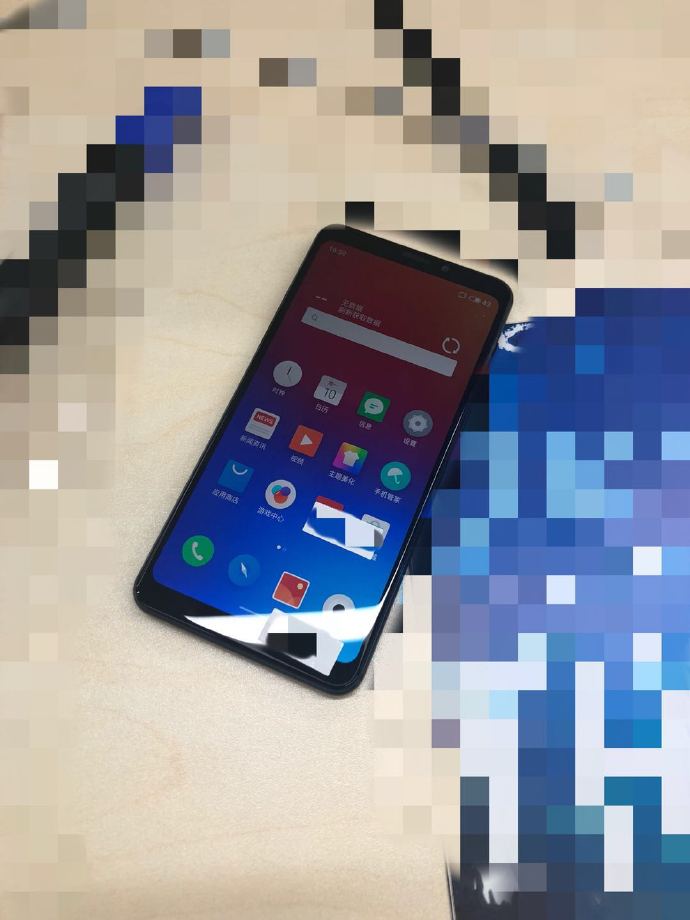
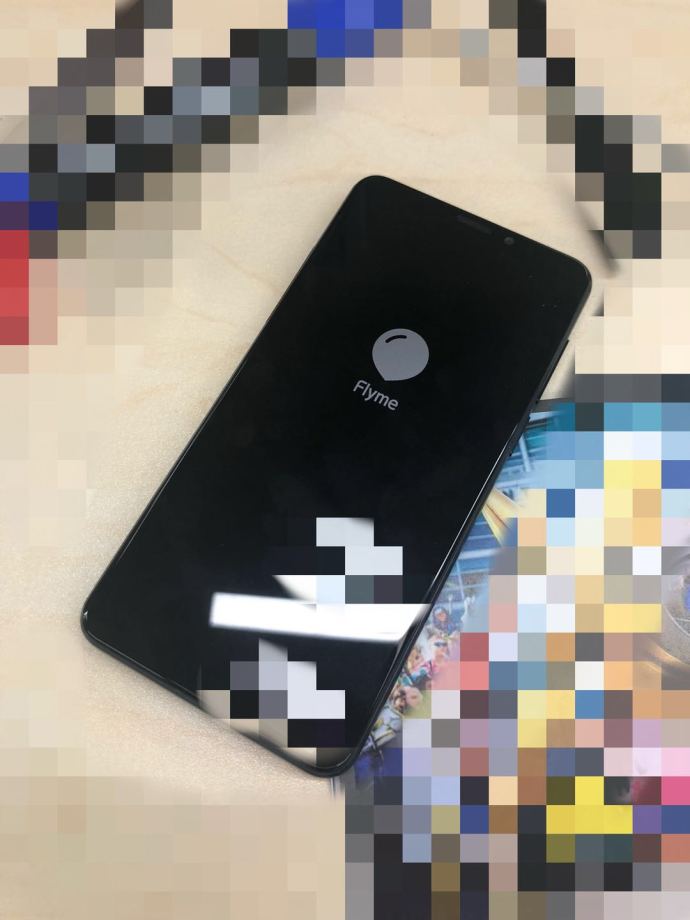
Meizu is expected to announce the Meizu 16X smartphone in this month. Apart from the 16X, the Chinese manufacturer is also working on some budget-friendly phones since M816Q and M813Q handsets were recently spotted at TENAA with modest specs. A tipster from China has shared some images of a new device called Meizu V8. The appearance of the device suggests that it could be a low-budget device. It is speculated that the newly spotted Meizu V8 may also debut in this month, probably alongside the Meizu 16X.
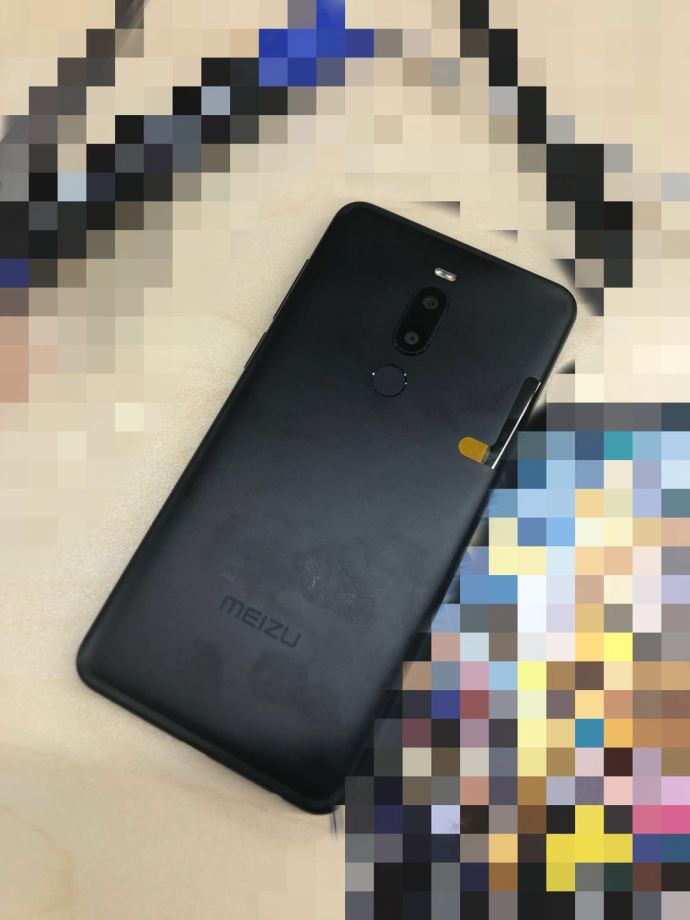
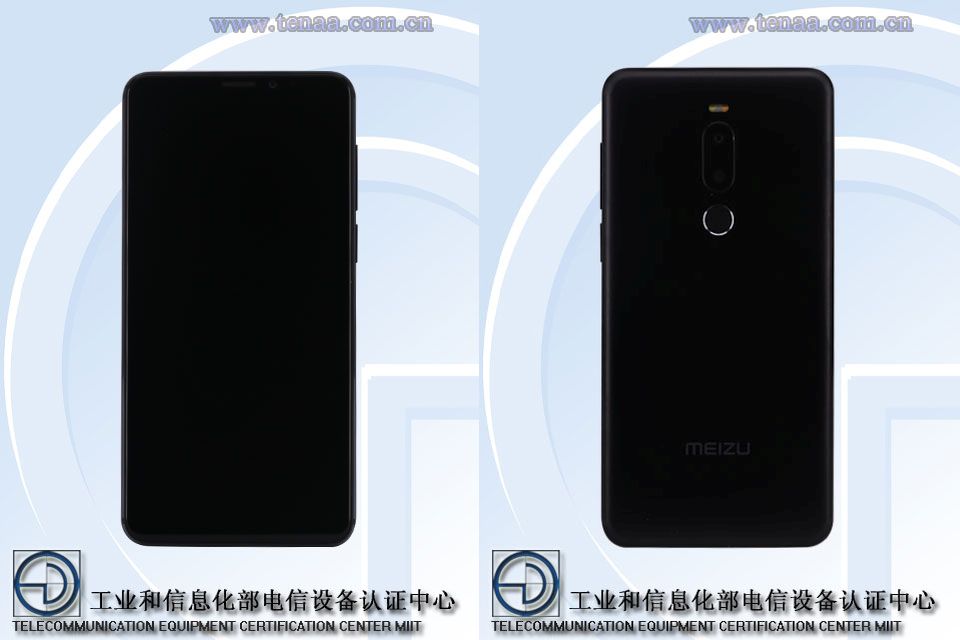
The front view of the alleged Meizu V8 handset suggests that it is equipped with an 18:9 aspect ratio display. It sports a symmetric design like the Meizu 16th flagship phone. Since antenna lines are not visible on the back panel, the handset seems to be equipped with a polycarbonate rear which hints that it is a budget-friendly smartphone. The appearance of the handset is same as the Meizu M813Q phone that was spotted at TENAA in the previous month.
The TENAA certification of the M813Q had revealed that it measures 147.58 x 72.68 x 8.1mm and it weighs 159 grams. The TENAA images show that the rear design of the Meizu 813Q is exactly as that of the alleged Meizu V8. The handset features a pill-shaped dual-tone LED flash, vertical dual camera setup and a fingerprint scanner. Hence, it appears that the Meizu M813Q may release in the market as Meizu V8.
It is fitted with a 5.7-inch LCD display that supports HD+ resolution of 1440 x 720 pixels. The handset is fueled by an octa-core processor that clocks at 2.0 GHz. It is speculated that it could be powered by MediaTek Helio P60. The SoC is supported by 4 GB of RAM.
The Meizu M813Q has an internal storage of 64 GB of RAM. There is a memory card slot on the phone that supports up to 128 GB of microSD card. The rear shell of the phone features 12-megapixel + 5-megapixel dual camera system. At the front is a 5-megapixel selfie camera. It is packed with a 3,000mAh battery. The handset is loaded with Android 8.1 Oreo OS flavored with Flyme OS.
At present, there is no information available on the pricing and launch date of Meizu V8.
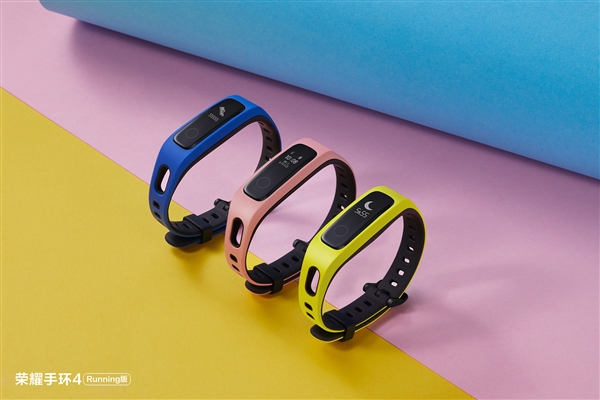
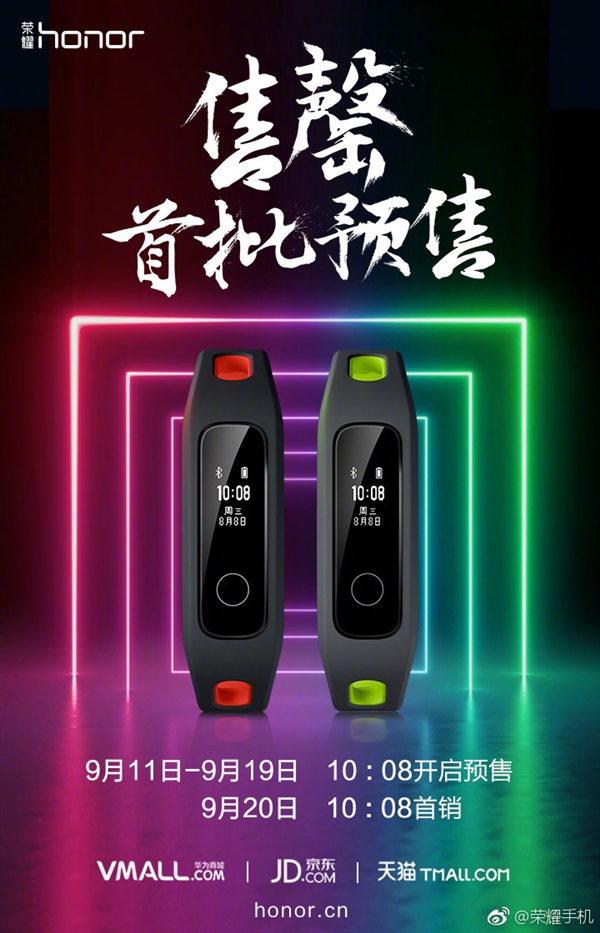
Huawei’s Honor brand launched the Honor Band 4 alongside the trimmed down Band 4 Running Edition last week during the Honor 8X and 8X Max launch event. Both wearable devices went up for pre-orders immediately after their launch and the sales were scheduled for today (September 11). Honor has now announced that the Honor Band 4 Running Version got sold out within two hours after the sales opened.
The Honor Band 4 Running version is cheaper than the Band 4. It adopts a 99 yuan ($14) price tag unlike the Band 4 which has a 199 yuan (~$29) price tag that is twice that of the Running version. The Band 4 Running version comes with a stylish design which Honor says is inspired by the styling characteristics of the sports car inlet, which contains a steady stream of power. The smart band is suitable for footwear and incorporates Honor’s self-developed step counter algorithm to record every step in real-time.
It is equipped with a six-axis sensor and has a stronger sensing capability. Combined with the upgraded running posture algorithm, the running distance accuracy is 97%. More importantly, the Honor Band 4 Running version can detect seven data indicators which include location, landing impact, valgus amplitude, swing angle, stride, step frequency, bottoming time, etc. The smart band can be worn on the wrist as well as on the running shoes. When on the wrist, it has time display, accurate step counting, sleep monitoring, call reminder, message reminder, vibration alarm clock, phone call rejection, Bluetooth disconnect reminder, mute call, calorie consumption, sedentary reminder, find mobile phone, do not disturb mode, target reach reminder and other functions.
The Running version will be on presale at 10.08AM daily China time from September 11 to September 19. The device will be on sale next on September 20.
Fitness-conscious people usually end up spending a lot of money on newfangled fitness gadgets like a smartwatch. If you are in the market for a feature-laden smartwatch or activity tracker, you might want to take a look at the Amazfit series.
Under Xiaomi’s caring wing, the Amazfit series is designed to help its wearer adapt a healthy and more active lifestyle. Taking its skyrocketing demand into consideration, Xiaomi has made a slew of Amazfit-branded smartwatches available to cost-conscious buyers on Banggood.
As if that weren’t enough, the Chinese electronics giant will be offering buyers a chance to win free orders from September 10th to September 16th on Banggood. Let’s head straight to the details without further ado.
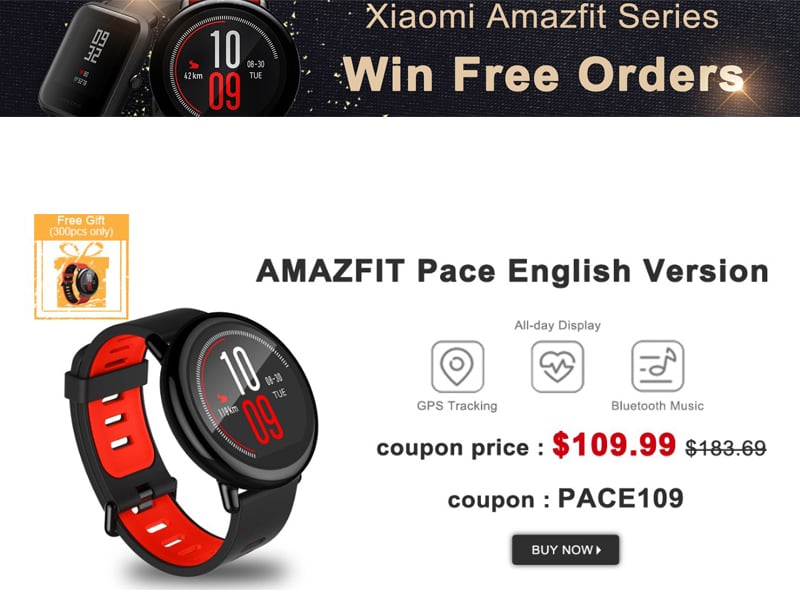
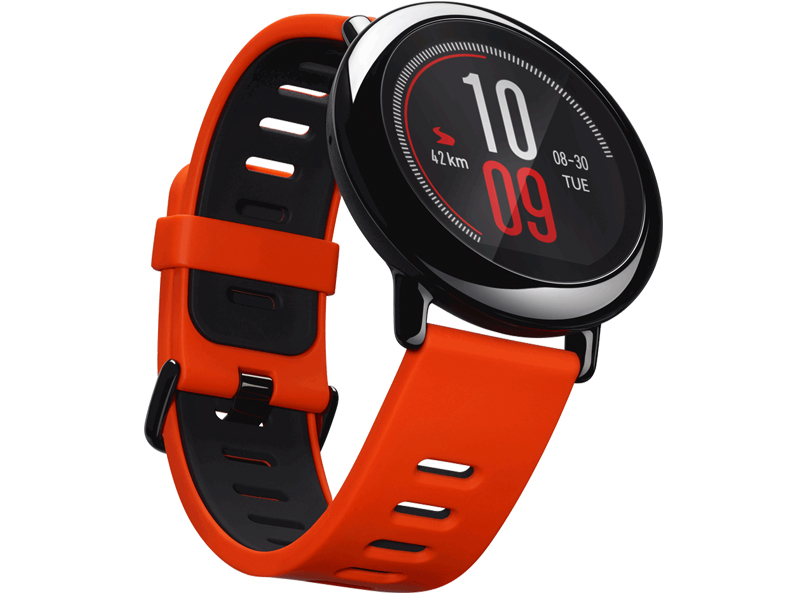
Amazfit Pace
Engineered to meet all your needs, the Amazfit Pace normally sells for $183.69 on Banggood. Thankfully, there’s a 37% discount on the device which brings its retail price down to just $115.99.
Aside from receiving this discount, you can use coupon code PACE109 to get an additional $6.99 off at the time of checking out. This helps you reduce your grand total to just $109. But that’s not all. If you’re lucky, you can win Bakeey 2Pcs Hat Prince 9H anti-shatter tempered glass screen protector film for the Amazfit Pace. This item normally sells for $7.96 but is currently available at a discounted price of $5.26 on Banggood.
Xiaomi Amazfit Bip Pace Youth
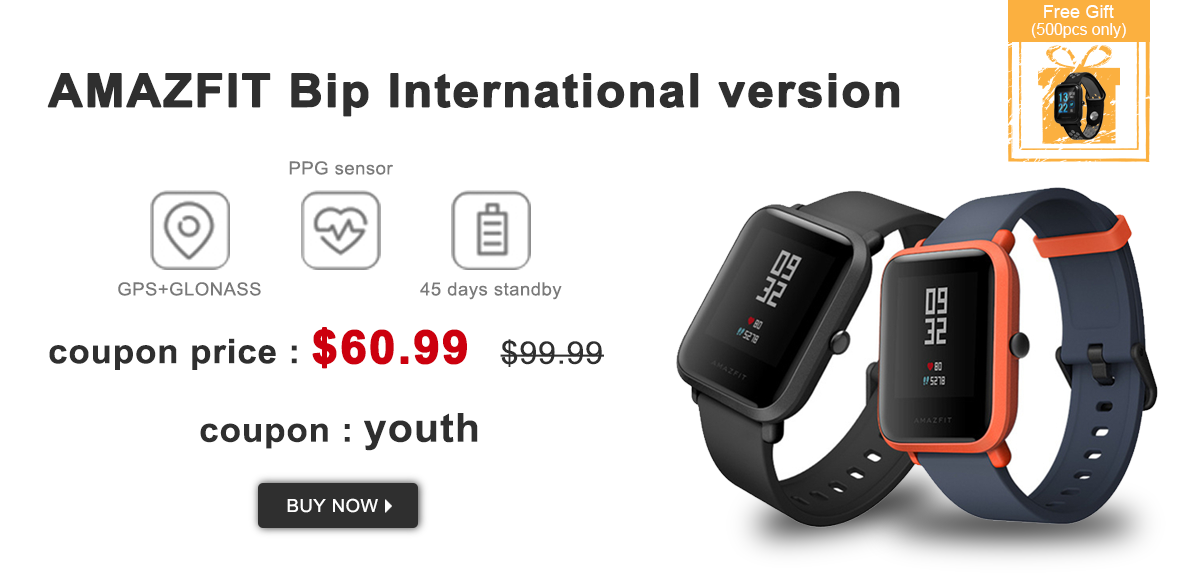
Alternatively, you can get a 38% discount on the Amazfit Bip Pace Youth smartwatch, which carries a $99.99 price tag without the discount. As a result, you can now get it at a lowered price of just $61.99.
You can extend this discount further by applying coupon code youth at the time of checking out. This will help you save $1 and lead your grand total down to just $60.66. On top of that, you can win Bakeey 20mm silicone double color watch band strap replacement for Huami Amazfit Bip smartwatch. It carries a $9.99 price tag without the discount but is now available at a lowered price of just $4.99 as a separate item.
Banggood will be randomly choosing 6 lucky orders to get full price concessions. The full refunds will be received after September 27th.
Original Xiaomi Amazfit Cor MiDong Smart Wristband
You can buy the Cor MiDong smart band at a heavily discounted price of $47.99 on Banggood. This is a significant 47% reduction in the device’s original asking price of $89.99.
With just 148 pieces left at the time of writing, the promotion sale is slated to end on September 17th. You can find a slew of other smartwatches that have been added to the ‘Under $9 Area’ category. You can click here to visit the promotion page and avail these discounts and win free gifts.
In May, Xiaomi had launched the Mi Band 3 with a price tag of 169 Yuan (~$26) in China. During its launch, the company had also promised that it will be debuting Mi Band 3 NFC version in September. Recently, Xiaomi had released a teaser video to hint the arrival of the NFC version of the device. Today, the company has officially confirmed that it will begin the sales of the Mi Band 3 NFC edition starting from Sept. 19 with a price tag of 199 Yuan (~$29). Through the below poster, the Chinese manufacturer has also confirmed that it has shipped 50 million Mi Band wearable devices across the world.
Compared to the regular version of the Mi Band 3, the upcoming NFC edition carries support for contactless payments through Mi Pay, which is the official mobile payments service from Xiaomi. Apart from supporting contactless payment PoS terminals enabled with NFC, the Mi Band 3 NFC version will support city bus card payments in many as 167 cities such as Beijing, Shanghai, Guangzhou, Shenzhen, Wuhan, Tianjin, Shijiazhuang, Suzhou, Hefei, Xi’an, and Jilin among others in China.
The Mi Band 3 features a curved OLED screen of 0.78 inches that carries support for 128 x 80 pixels. The device offers a battery life of up to 20 days with normal usage. The NFC version also offers up to 50 meter of water resistance. It is also equipped with a heart rate sensor. Apart from track sleeping, step count, calories burnt and sedentary reminder it can be also used to checking notifications of incoming calls and messages from the paired smartphone. Other features include weather forecast and alarm clock.
The Mi Band 3 NFC version will be available for buying from Sept. 19 through online Xiaomi Mall and Hi Home outlets in China with a pricing of 199 Yuan (~$29). As of this writing, there is no confirmation on the arrival of Mi Band 3 NFC variant in markets outside of home country.
Within 17 days of Mi Band 3’s launch, Xiaomi had announced that it had sold 1 million units of the fitness tracker. The NFC variant is also expected to receive a tremendous response in the home country.
Realme recently launched its second smartphone in the Indian market — Realme 2. While the initial impression of the phone was not good, given that it’s a downgraded version compared to the Realme 1, the phone has presented impressive numbers in terms of sales.
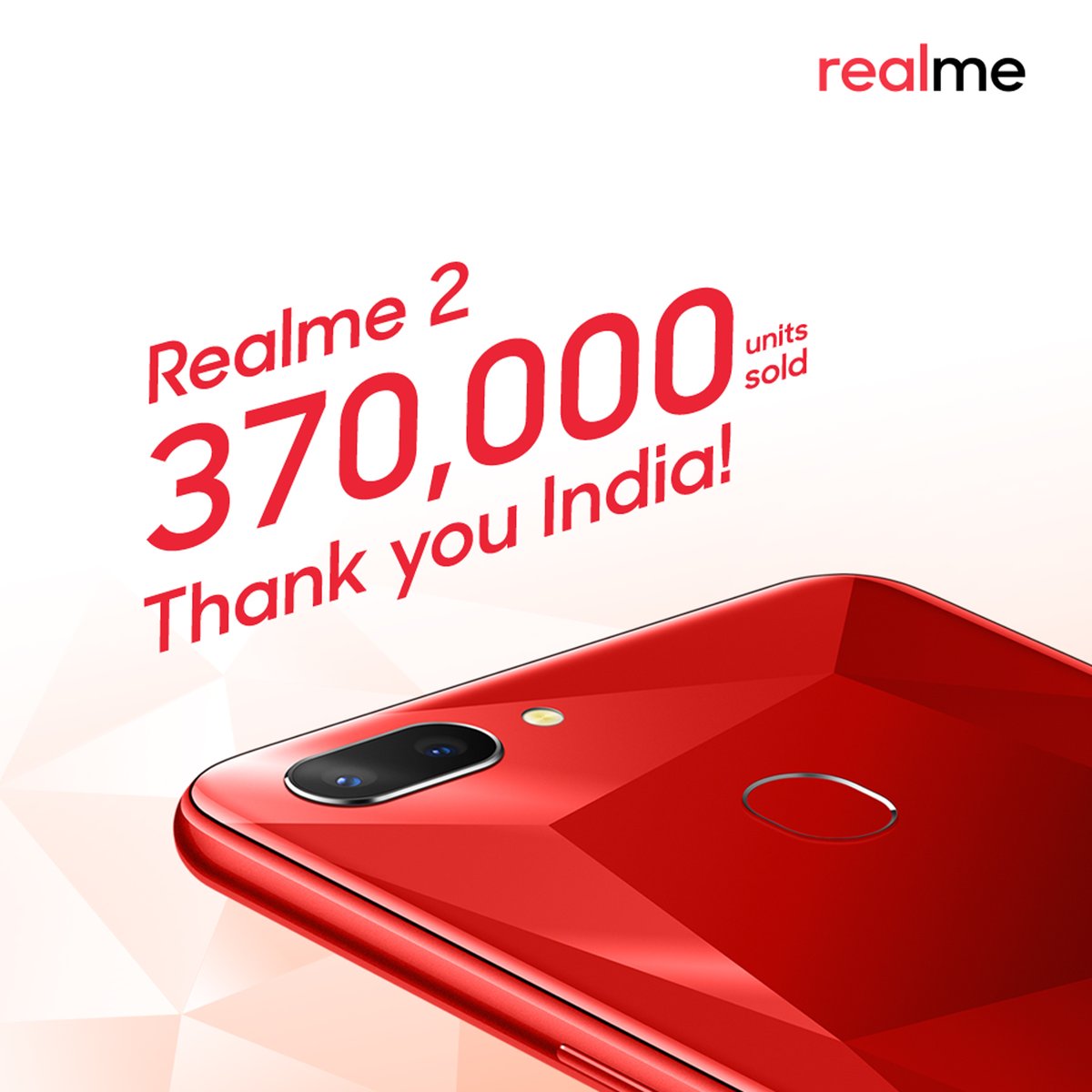
After the first flash sale of the Realme 2 in India last week, the company had announced that it managed to sell 200,000 units within 5 minutes. Now, the company has revealed that so far it has sold 370,000 units of Realme 2 in India.
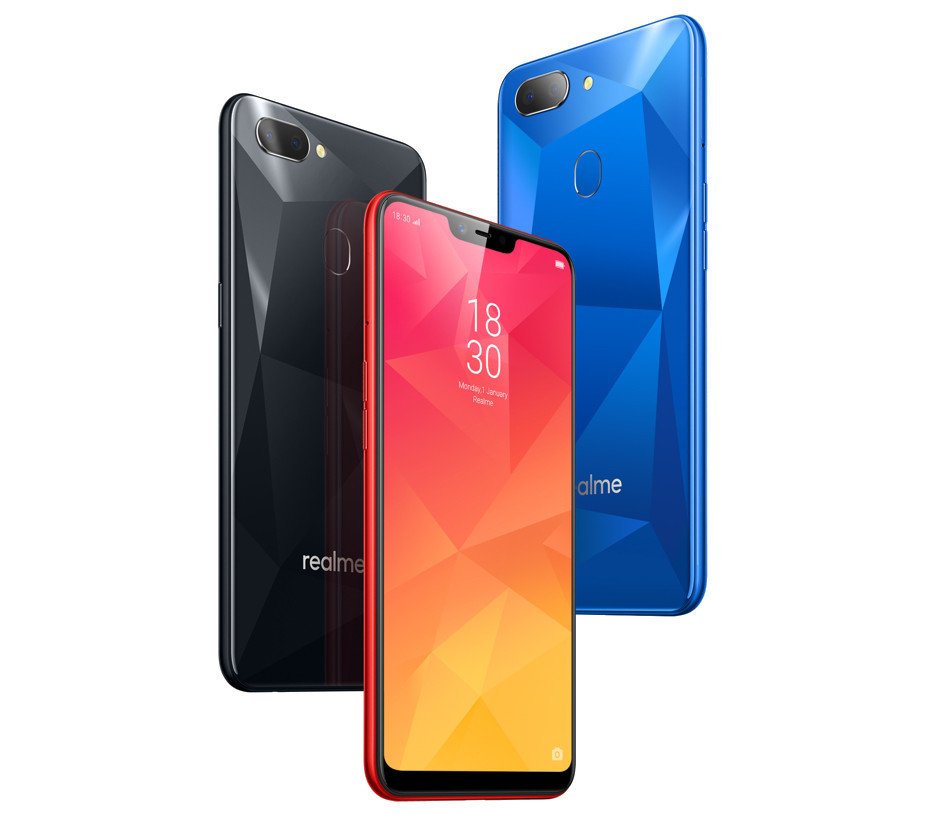
The Realme 2 comes with the diamond-cutting design that we saw on its predecessor. According to the company, this time, it has used the 2nd generation of Diamond-cutting Design with improved reflecting effect and 12-layer nanotech.
As for the specifications, it features a bigger 6.2-inch display but the company has downgraded the screen resolution from Full HD to 720p HD+. The FullView 2.5D curved glass display with 18:9 aspect ratio offers a screen resolution of 1520 x 720 pixels and is protected by Corning Gorilla Glass.
Under the hood, the device is powered by Qualcomm‘s Snapdragon 450 octa-core processor clocked at 1.8GHz, a step backward compared to the MediaTek Helio P60 which powers the Realme 1. The phone has two variants — 3GB RAM with 32GB internal storage and 4GB RAM with 64GB internal storage. There’s also a microSD card slot for expanding the phone’s storage capacity.
The company has upgraded the camera configuration on the Realme 2 as it now comes with dual camera sensors on the back, featuring a 13-megapixel primary sensor paired with a 2-megapixel secondary sensor. On the front side, there’s an 8-megapixel shooter for taking selfies and video calling.
The Realme 2 comes with a fingerprint sensor on the back panel and also carries support for software-based Face Unlock feature. The phone runs on Android 8.1 Oreo operating system out-of-the-box with the company’s own ColorOS 5.1 custom interface. Connectivity options on the device include Dual 4G VoLTE, Wi-Fi 802.11 b/g/n, Bluetooth 4.2, GPS + GLONASS, and USB OTG. The phone is fuelled by a bigger 4,230mAh battery.
The Realme 2 comes in three color options — Diamond Black, Diamond Red, and Diamond Blue. While the Black and Red color variants are now available, the Blue color will be available from October. The phone’s pricing starts at Rs. 8,990, which roughly converts to $124.
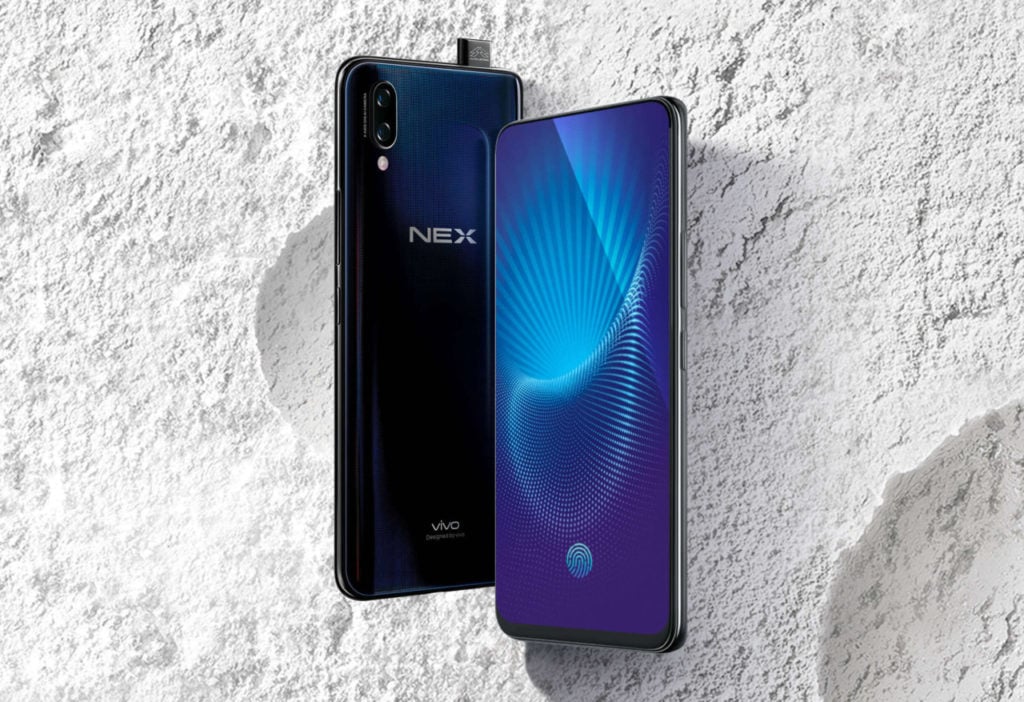
We all know, every major manufacturer is either testing or developing new products which are compatible with the 5G technology. It is expected that by the year 2020 most of the developed markets would upgrade to the 5G networks. In a bid to make 5G enabled smartphones, Vivo has completed successful trial of the 5G technology using a modified version of its latest flagship device, Nex S.
Last week, Oppo did a successful test of 5G protocol on an Oppo R15, and today, another BBK Electronics company has attained the 5G readiness. In a press note, Vivo explained that they did the test on the Nex S by doing some necessary changes and adding the latest Qualcomm X50 modem. During the test, the device included a non-standalone architecture model with both LTE and NR (New Radio) antennas. The test was based on 3GPP Release 12 standards, which is the first phase of the 5G protocol.
Vivo will now start testing and developing the actual 5G phone by examining IODT and using actual 5G network and infrastructure. Vivo is giving a timeline of the year 2020 for the launch of 5G enabled smartphone.
Many giants are signing pacts and agreements with the different companies to attain the 5G technology in their devices. Recently, Xiaomi has partnered with NTT Docomo to rollout the 5G related devices and equipments in Japan. Further, Samsung has developed 7nm foundry process which will be used in Snapdragon 855, a fully supported 5G SoC. Samsung will launch the Galaxy S10 as 5G ready device and later Lenovo, Huawei and many other OEMs will join the race next year.
It seems, Nex S’s powerful specs are ready for the 5G network with some changes. Additionally, it carries 10nm Qualcomm Snapdragon 845 chipset with Adreno 630 GPU for gaming. Vivo Nex S packs 6.59-inch Super AMOLED Ultra Full-View display having a resolution of 1080 x 2316 pixels. It is paired with 8GBof RAM and 128GB on board storage. In camera, there’s 12 megapixel +5 megapixel dual camera setup with OIS. For connectivity, there’s a Wi-Fi 802.11 a/b/g/n/ac dual-band, Bluetooth 5.0, GPS, BeiDou, USB Type-C, and 4G VoLTE.
Currently, we will have to wait for some more time to gets our hands-on a fully 5G compatible smartphone.
A few months ago, Samsung launched the Galaxy A9 Star exclusively in China. Now it seems that the South Korean giant is all set to introduce the new trendy gradient color options for the Galaxy A9 Star.
Currently, the phone is available in two color options — Black and White. Now, another color option with pink and purple gradient color on the back panel will be introduced, as revealed through the leaked images. However, there’s no specific date revealed for the launch.
Since the phone is only available in China, the new color option will be limited to China only. The phone is also available in other regions as Galaxy A8 Star but there’s no indication about a gradient color option for the Galaxy A8 Star.
The Galaxy A9 Star is a premium mid-range device which features a 6.3-inch FHD+ Infinity Display and is powered by a 2.2GHz Snapdragon 660 processor along with 4GB of RAM and 64GB of storage. It has a 24-megapixel + 16-megapixel dual camera system at the back and a 16-megapixel front-facing camera.
It runs on Android Oreo operating system and comes with full Bixby experience, including Bixby Voice, Vision, Reminder, and Home. Just like other Samsung flagship devices, this one too features a dedicated Bixby button. The phone is powered by a 3,700mAh battery.
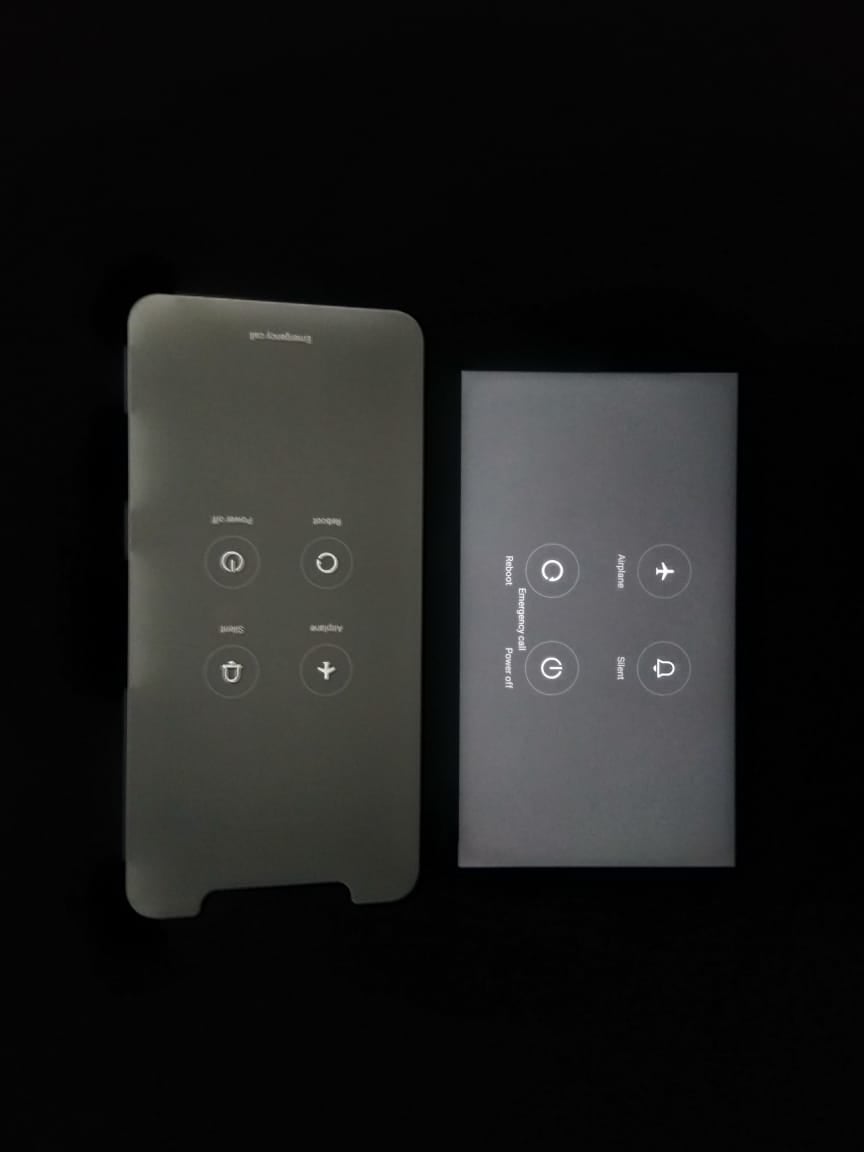
The Poco F1 by Xiaomi was introduced as the cheapest Snapdragon 845 powered flagship phone in August. A couple of software related issues had surfaced soon after its launch, but they were fixed through OTA updates. Several users are now claiming that their Poco F1 units are marred with screen bleeding hardware issue.
On a dedicated thread on XDA Forums, some users have begun posting images of Poco F1 with screen bleed problem. The images reveal that the affected areas on the display of F1 include the bottom and sides of the LCD panel. A review unit of the Poco F1 that was sent to an Indian publication have also claimed to have met with the same issue. However, it appears that not all the F1 units are affected as there are other users who have not faced this screen issue.
A Poco F1 user on XDA Forums who was the first one to spot the problem claimed that he contacted Flipkart asking for a replacement. The replacement request was rejected even though a technician that was sent by Flipkart had confirmed on the issue. The user claims he tired using the Return option with ‘quality issues with product’ as the reason. His request was accepted, and the refund was sent to him.
LCD bleeding issue is a hardware problem that cannot be fixed through a software update. It is mainly caused due to backlight bleeding. An easy way to spot the issue it to switch to the dark theme wherein the affected areas on the LCD panel will appear pale.
The other way to check whether a Poco F1 unit is affected the LCD backlight bleeding problem is by performing a simple display test. This can be done by navigating to Settings > About Phone and then tap four times on Kernel Version and then select Display. The test will display red, blue and green colors. If the screen bleeding is present, the colors will turn pale towards the sides.
The LCD bleeding issue on the Poco F1 does not seem to be a fatal problem since the “bleeding” does not increase. Users can still continue to use the handset normally as the issue cannot be noticed with normal usage.
To say again, the Poco F1 screen bleeding issue that is a wonderful device under Rs. 30,000 (~$415) pricing, but its appearance does suggest quality control negligence on the part of Xiaomi. There is a possibility that the issue could be associated with the initial batch of Poco F1 units. Xiaomi is yet to comment on the issue.
Have you also encountered the same issue on your Poco F1? Let us know by posting your comments below.
If you’re in the market for a fast and easily maneuverable electric skateboard, you’re likely to bump into many awe-inspiring choices. While there’s a wide selection of electric skateboards available on various online as well as offline stores, they don’t come cheap.
Looks like cost-conscious buyers who aren’t willing to spend a lot of money on an electric skateboard are in for a treat. The popular SYL-10 and the equally well-received SYL-12 electric skateboards have gone up for sale on GeekBuying.
Aside from shedding light on the aforesaid discounts, we’ll even show how you can save a considerable amount of extra money before placing your order. Let’s head straight to the details.
SYL-10 Electric Skateboard
Marketed as a newfangled choice of commute, the SYL-10 is an irresistible skateboard that would normally set you back $179.99 on GeekBuying. Much to the relief of those who are on a tight budget, the Chinese online store is giving buyers a chance to get it at a reduced price of just $139.99.
Aside from receiving this 22% discount, you can apply coupon code OZTLFIIC to save an extra $30. This will help you bring your grand total down to just $129.99. In order to avail the discount and to use the coupon, all you need to do is follow this link. Note that the promo is slated to end in just 2 days and the coupon is also likely to expire soon.
SYL-12 Electric Skateboard
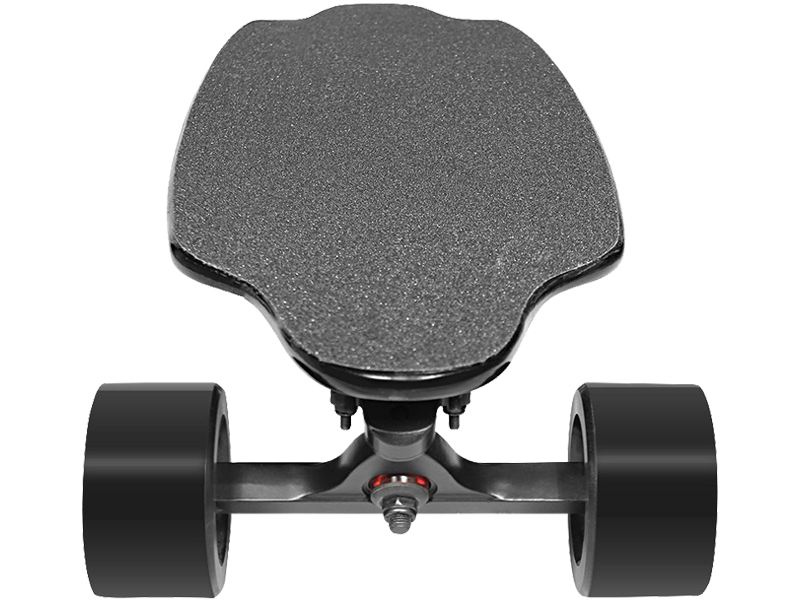
Equipped with gravity control that helps you adjust speed, the SYL-12 draws its juices from a robust motor and large capacity battery that ensure your journey is perfect. While you’d normally need to shell out $399.99 to buy this powerful electric skateboard, it now carries a 26% off on its steep retail price on GeekBuying. As a result, the SYL-12 can be yours at a lowered price of just $295.99. This discount can be extended further by applying coupon code HAHNUBDW which helps you save an additional $60 while placing your order.
In order words, you can reduce your already discounted grand total to just $279.99 with the help of the above-mentioned coupon. If you’re interested in taking advantage of the discount and using the coupon, head straight to this link as the promo is slated to end in just 1 day.
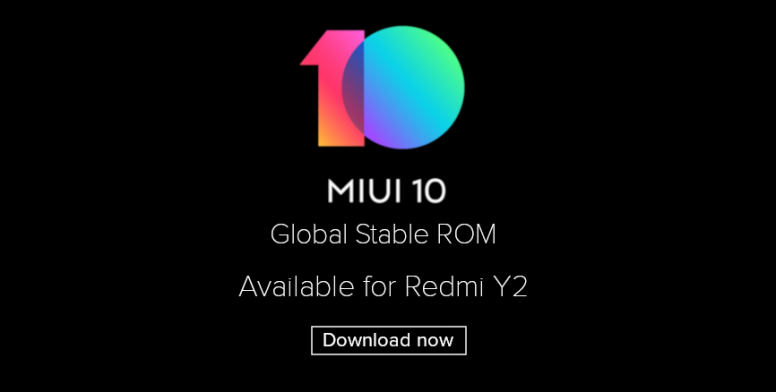
Recently, Xiaomi has launched the Stable MIUI 10 for 12 smartphones in China. Now, Xiaomi has started the rollout of the same MIUI 10 Stable ROM update for Redmi Y2 via OTA in India. It seems Xiaomi has responded quite quickly to the users demands for latest stable ROM update in India. Today, Global VP of Xiaomi, Manu Kumar Jain announced the update via his official Twitter Handle.
Manu Kumar Jain quoted that MIUI 10 stable ROM for Redmi Y2 is now available. He also added that the remaining devices will soon receive the stable update with a jump to the latest MIUI version.
Redmi Y2 MIUI 10 stable update details
The new update is available with firmware version MIUI 10.0.1.0.OEFMIFH having a size of 501 MB. The update also features August security patch with major changes and addition of new features. The MIUI 10 brings features like full-screen gestures, redesigned volume sliders, better multitasking control, new UI, redesigned notification panel, new natural sounds and much more.
Feature of MIUI 10 stable update:
Xiaomi has adjusted all the screen elements for the full-screen display.
Added new full-screen gestures that will change the way you interact with your device.
Allows content to take the front stage by emphasizing more on content rather than the design elements.
New sound system with natural sound presets.
They have added smart filters, so that you can hear the ringtone or other sounds even in the noise.
Ambient sounds like forests, drizzle, birds chirping, fire, water, etc added to the system.
AI based camera to generate “bokeh effect” from single lens camera.
Major UI revamp for apps like Clocks, Notes,etc.
The update is rolling out via OTA (Over the Air) for Redmi Y2. You guys can also download the MIUI 10 Stable ROM build from the source below and can manually flash it.
How to update the Redmi Y2 with MIUI 10 Stable ROM
In order to update, you can either wait for OTA update or can flash ROM manually.
OTA update:
Make sure you are connected to the internet.
You can update the phone by heading to the Settings panel >> About phone >> System update and hit “Check Updates” button.
Download the update and install It
Your device will be restarted and ultimately, Redmi Y2 will be running on MIUI 10 Stable ROM.
Manually Flashing MIUI 10 stable ROM on Redmi Y2:
In order to manually flash the MIUI Stable ROM, you should have the latest build and official latest Recovery. You can download them from the source link below.
Download the MIUI 10 update
Transfer it to the download_roms folder on your device.
Backup your important data.
Goto Settings panel >> About Phone >> System Update >tap 3-dot icon in the top right.
Then select choose update package >> select the MIUI 10 update zip.
System will start installing it and will take 12-20 minutes for completion.
Upon completion, device will be restarted and you will see stable MIUI 10 on your Xiaomi device.
The users who are not into these things, have to wait for the official rollout to reach your unit. Usually, it will take few days to reach out to every single unit of the Redmi Y2 in India. Well, how many of you have already received the update ? Share your views via comments form below.
We use cookies on our website to give you the most relevant experience by remembering your preferences and repeat visits. By clicking “Accept”, you consent to the use of ALL the cookies.
This website uses cookies to improve your experience while you navigate through the website. Out of these, the cookies that are categorized as necessary are stored on your browser as they are essential for the working of basic functionalities of the website. We also use third-party cookies that help us analyze and understand how you use this website. These cookies will be stored in your browser only with your consent. You also have the option to opt-out of these cookies. But opting out of some of these cookies may affect your browsing experience.
Necessary cookies are absolutely essential for the website to function properly. This category only includes cookies that ensures basic functionalities and security features of the website. These cookies do not store any personal information.
Any cookies that may not be particularly necessary for the website to function and is used specifically to collect user personal data via analytics, ads, other embedded contents are termed as non-necessary cookies. It is mandatory to procure user consent prior to running these cookies on your website.






 If you’re lucky, you can win Bakeey 2Pcs Hat Prince 9H anti-shatter tempered glass screen protector film for the Amazfit Pace. This item normally sells for $7.96 but is currently available at a discounted price of $5.26 on Banggood.
 On top of that, you can win Bakeey 20mm silicone double color watch band strap replacement for Huami Amazfit Bip smartwatch. It carries a $9.99 price tag without the discount but is now available at a lowered price of just $4.99 as a separate item.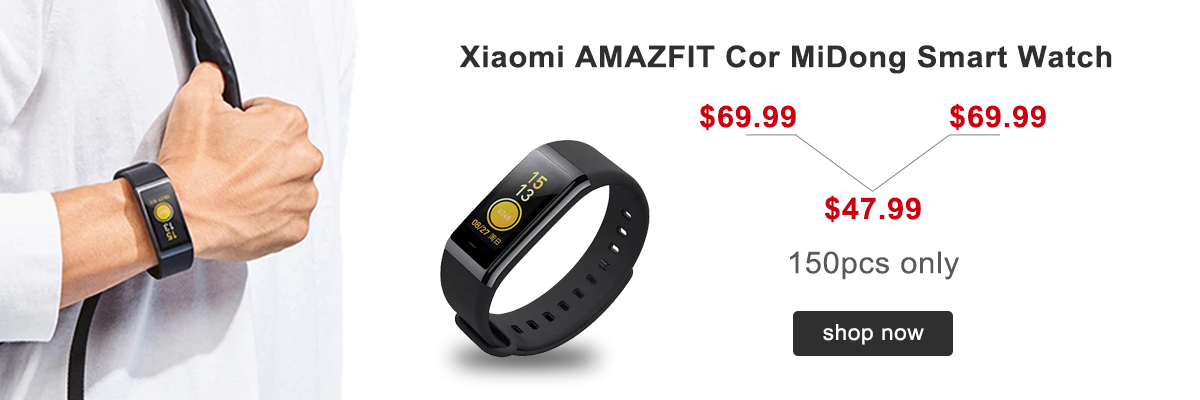




 In order to avail the discount and to use the coupon, all you need to do is follow
  As a result, the SYL-12 can be yours at a lowered price of just $295.99. This discount can be extended further by applying coupon code HAHNUBDW which helps you save an additional $60 while placing your order.