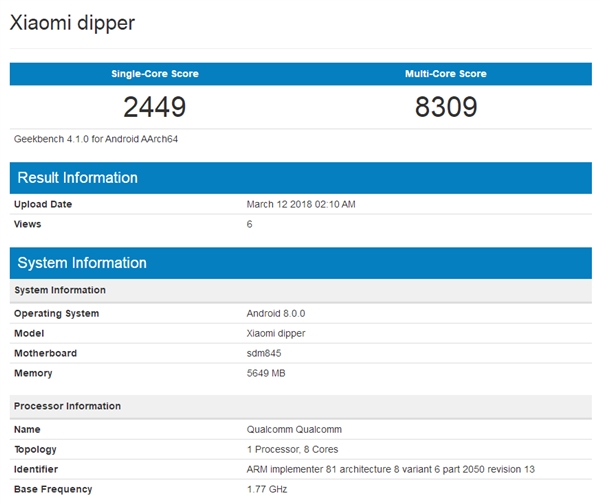
Xiaomi will be announcing the Snapdragon 845 chipset powered Mi MIX 2S flagship phone on March 27. Few months after its launch, the Chinese manufacturer is also expected to unleash the Xiaomi Mi 7 flagship phone. It is also rumored to be fueled by the same Snapdragon 845 chipset A mysterious Xiaomi device labelled as Xiaomi Dipper has appeared on the Geekbench benchmarking platform with SD845. Hence, it is speculated that the Xiaomi Mi 7 may have appeared as Xiaomi Dipper on Geekbench.
Xiaomi is known for using names of constellation for codenaming its Mi series of smartphones. For instance, the Mi 6, Mi 5S Plus, Mi 5S and Mi 5 were respectively codenamed as Sagit, Natrium, Capricorn and Gemini. Hence, the Dipper codename could refer to Big Dipper constellation. This indicates that Dipper phone that has surfaced on Geekbench could be the upcoming Mi 7.
As it can be seen in the screengrab of Xiaomi Dipper’s Geekbench listing, it is driven by Snapdragon 845 chipset along with 6 GB of RAM. It is running on Android 8.0 Oreo. In single-core test, it has scored 2449 whereas in multi-core test, it has reached a score of 8309. Previous reports have revealed that Qualcomm and Xiaomi have collaborated to optimize the performance of SD845 chipset. The Geekbench scores of the alleged Mi 7 suggest that it will be able to deliver monstrous performance.
The alleged firmware files of the Xiaomi Mi 7 have revealed that it may feature an OLED display that will also bring along Always-On Display function. A recent report had claimed that the handset may house a 6.01-inch OLED display by Samsung. It may feature an iPhone X-like notch and may also feature an in-screen fingerprint scanner.
After the arrival of the Apple iPhone X, everyone seems to have caught the notch bug. According to a new report published by NPU even Nokia 9, the most powerful HMD Global flagship of 2018, will feature a notch up front. This obviously hints at the presence of a display with a high screen-to-body ratio and very narrow bezels. Indeed, the notch is used by smartphone manufacturers to minimize the bezels on the upper portion of the display. Given that the phone will have very narrow bezels and there will be no space for a physical Home key with a fingerprint reader on the front, Nokia 9 could include an under-display fingerprint reader.
According to the report, users will just need to touch the display to unlock the phone, thanks to the new chip unveiled by Synaptics. We have already seen such a fingerprint reader on the Vivo X20 Plus UD and it will be also present on its successor Vivo X21. According to NPU, Nokia 9 will be a totally different device from the Nokia 8 Sirocco released at MWC 2018, even though Nokia 8 Sirocco was supposed to be called Nokia 9 before the official announcement. Among other specs, Nokia 9 (2018) is expected to sport a curved edge-to-edge display like the Nokia 8 Sirocco, but it will likely have an 18:9 aspect ratio.
Further, we expect to see a very innovative camera. Previous leaks have suggested that this device will come with a Penta-lens camera co-engineered with Carl Zeiss. Under the hood, there should be the best SoC by Qualcomm. We are referring to the octa-core Snapdragon 845 SoC which can run at a max frequency of 2.9 GHz and includes a dedicated module for artificial intelligence. We still have no info about the launch date of the handset, neither about its availability and its launch price.
The recently debuted ROIDMI 3S Bluetooth car charger is designed to add more comfort to your trip. It comes with a 3.4A output which renders fast charge speed for a slew of electronic devices. You can now get your hands on this highly useful car charger by shelling out just $14.99 on GearBest.
The site is offering a considerable 24% discount on the device’s original asking price of $19.99 for a limited period of time, but that’s not all. First 20 units of the ROIDMI 3S car charger will be sold for just $9.99 daily at 9:00 UTC. This promo is slated to end on March 19.
The ROIDMI 3S car charger boasts an array of awe-inspiring specs and features. For instance, it includes the Bluetooth MP3 player function which allows music lovers to enjoy their favorite music on the way. Moreover, this will not be interrupted even by incoming calls since the device comes with hands-free call option as well. Aside from that, it sports a voltage display which lets you keep track of the battery condition to ensure safer driving.
The Flash Sale discount is valid for the black-tinted, international version of ROIDMI 3S car charger and it is slated to end soon. It is also worth noting that there were only 358 pieces left at the time of writing.
If you want to take advantage of the discount before it comes to an end, head straight to this link. You can also check out the full specification of the ROIDMI 3S Bluetooth music car charger.
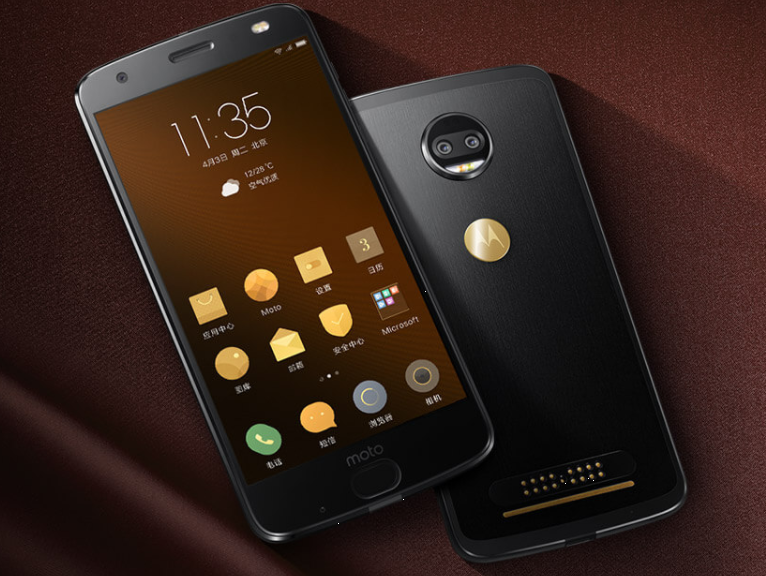
A few days ago, it was reported that Lenovo (Motorola) had laid off a large percentage of its staff in Chicago. According to an employee, the workforce was cut by half. Lenovo has issued a statement saying that the report is false.
In a response to an inquiry by Engadget, Lenovo did admit that there were layoffs but added that it didn’t affect half of its workforce in Chicago. It also that the “Moto Z family will continue”.
Motorola explained that the layoff is due to a “worldwide resource action” it planned last last year which is supposed to be carried out over several quarters and will affect less than 2% of its global workforce.
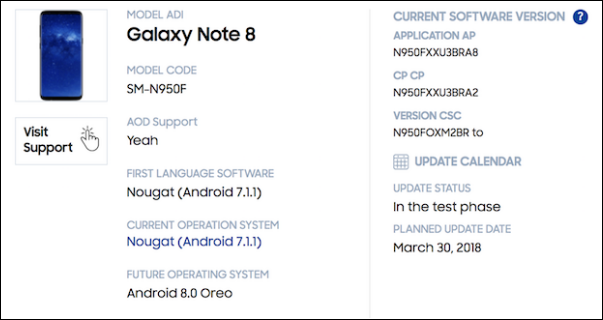
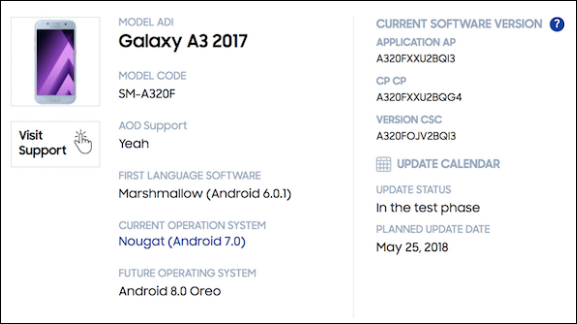
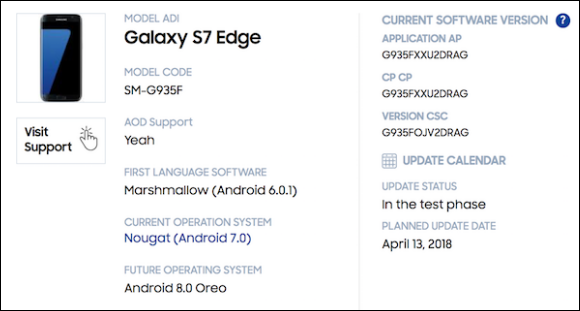
Samsung has already released Android Oreo update for the Galaxy S8 but is yet to confirm the release date of the update for the Galaxy Note 8. Well, not until now. Samsung may have revealed the timetable for its next Oreo roll out for the Note 8 as well as the Galaxy S7 and Galaxy A3. The release details were spotted on the website – Güncelmiyiz which is owned and operated by Samsung Turkey.
The website is known for providing details about upcoming firmware updates for Samsung devices. So it is interesting to observe the latest update which reflects that Android 8.0 Oreo is the next major OS update for the Galaxy Note 8 and the firmware is in the test phase right now with a “planned update date” of March 30. In addition to the Galaxy Note 8 Oreo release date, the website also mentions that Android 8.0 Oreo is in the test phase for the Galaxy S7 and the Galaxy S7 Edge with a planned release date of April 13. Similar information is also given for the Galaxy A3, A5 and A7 (2017) all of which are listed to receive the Oreo update on May 25 this year. In addition, the 9.7-inch Galaxy Tab S3 is scheduled to receive Oreo on May 4.
Although the details seem to be for the models in use in Turkey, we expect the rollout to extend to other markets when they become available in Turkey. But we may want to take this not too seriously as the updates may not arrive n the stipulated dates. However, expect the rollout to happen anything within the time frame revealed on the website.
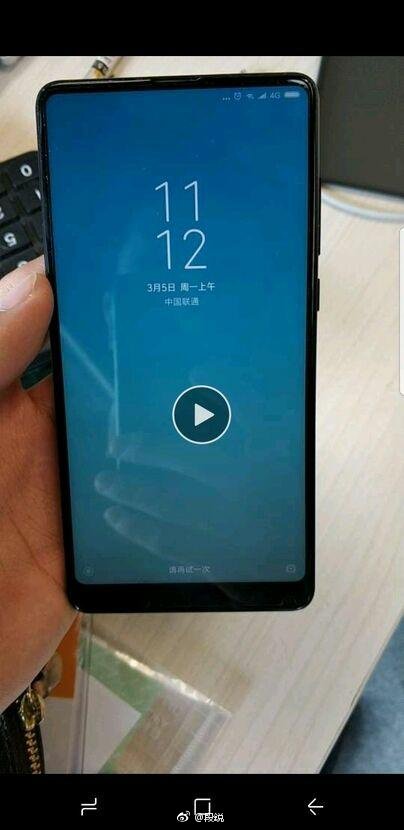
With just over two weeks remaining for the official unveiling of the Mi MIX 2S, more and more fresh images of the upcoming Xiaomi flagship are surfacing on Weibo. New images of the alleged phone that have emerged today reveals its front and rear design.
The front view of the alleged Mi MIX 2S in the new image shows that the upper and side bezels are slimmer than the bottom bezel. Leaked firmware files of the Mi MIX 2S have recently revealed that its selfie camera will be placed on the bottom bezel of the phone.
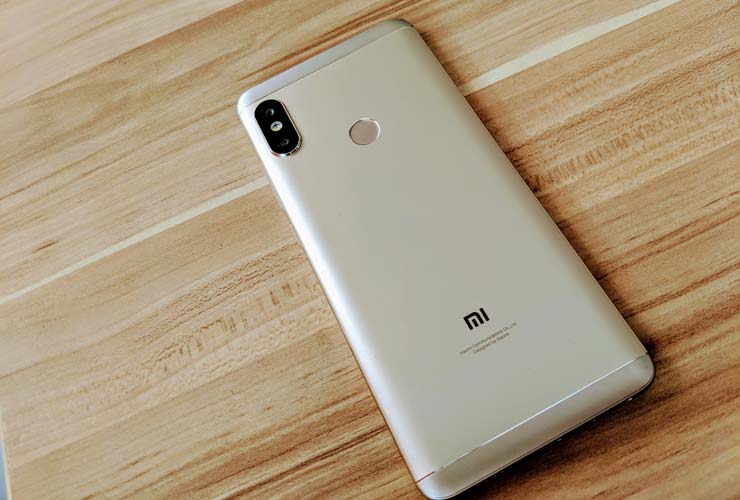
Xiaomi has recently hinted through a teaser that the Mi MIX 2S will be enabled with wireless charging. Since glass rear of the phone has a glossy appeal in the leaked image, it seems that it could be wearing a glass panel that facilities wireless charging.
The black colored rear panel features a fingerprint scanner. However, some of the leaked photos that have appeared in the recent past have hinted that it will be coming with an under-display fingerprint scanner. The top-left corner has a dual camera setup which includes vertically arranged camera sensors separated by an LED flash.
Most of the images of the Mi MIX 2S that have surfaced in the recent past seem to contradict each other. Hence, there is a possibility that the rumor mill could be leaking images of prototype of Mi MIX 2S. Real renders of the forthcoming Xiaomi flagship may appear later this week or in the coming week.
What’s your opinion on the above photos of the Mi MIX 2S? Share us your views by posting your comments below.
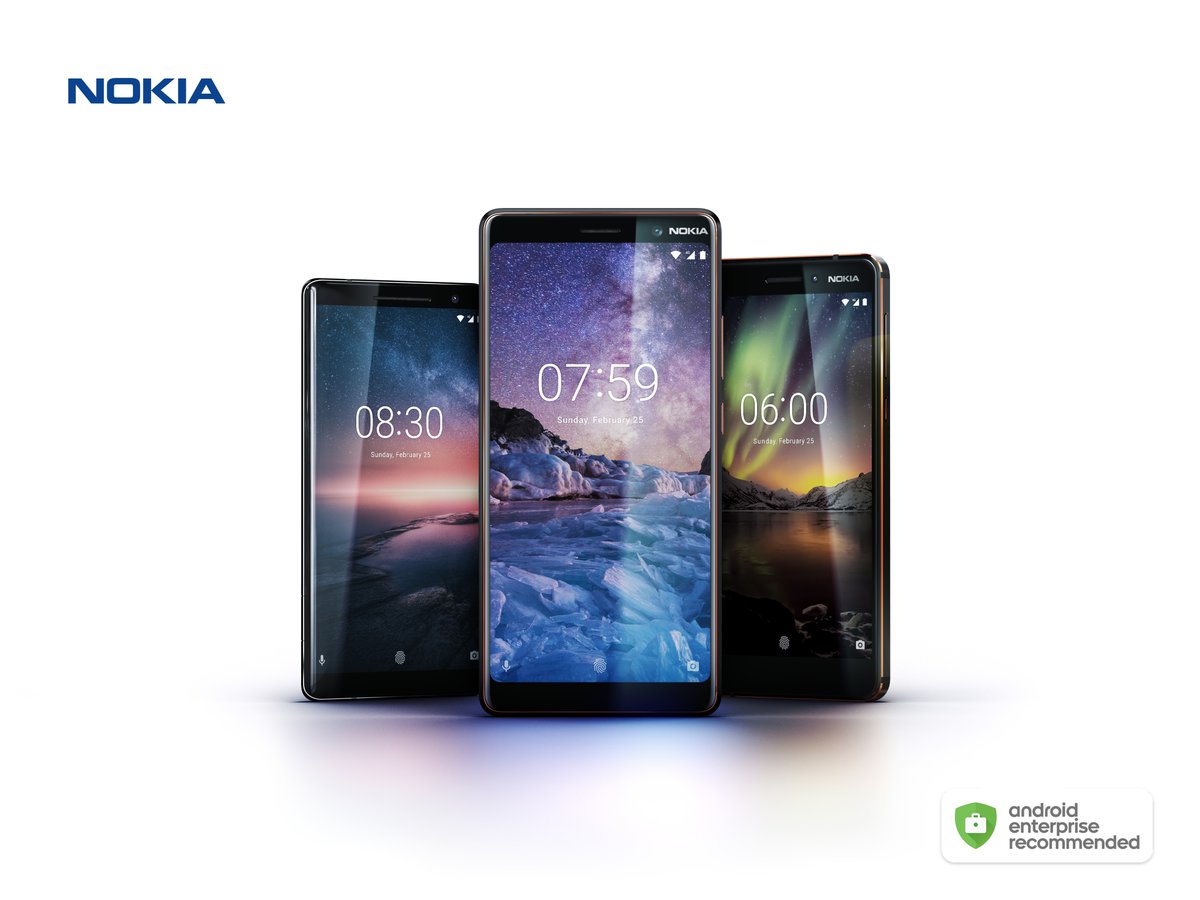
After the official announcement at MWC 2018 later last month, Nokia 8 Sirocco and Nokia 7 Plus have been made available to pre-order in three European countries. The latest high-end devices by HMD Global can now be ordered on Amazon in France, Spain, and Italy. The price slightly changes depending on the country, but it remains close to the official launch price announced by the Finnish giant. Nokia 8 Sirocco which is actually the most powerful flagship by HMD Global has a price of €767 in Italy, €761 in Spain and €755 in France.
The original launch price of the handset is €749. Nokia 7 Plus, the first smartphone with Android One released by Nokia, is up for pre-orders with a price tag of €405 in Spain, €409 in Italy and €402 in France. Just to remind you, Nokia 8 Sirocco offers a premium design with a glass back, a stainless steel frame and IP68 certification which makes it waterproof. Its display has a 5.5-inch size and a classic 16:9 aspect ratio, but its bezels are very narrow, and it has a 2K resolution. Under the hood, the phone has an octa-core Snapdragon 835 chipset by Qualcomm, 6 GB of RAM and 128 GB of internal storage. On the rear side, there is a dual camera setup with resolutions of 12 + 13 MP, while the selfie snapper has a 5 MP resolution.
The battery has a capacity of 3260 mAh. Nokia 7 Plus is an upper midrange device and it is the first phone by the company to sport a display with an 18:9 aspect ratio. The screen has a 6-inch size and a Full HD+ resolution. On the hardware side, it offers an octa-core Qualcomm Snapdragon 660 processor, 4 GB of RAM, and 64 GB of internal storage. Here we got a dual camera setup as well, but both sensors have a 12 MP resolution. The selfie camera has a resolution of 16 MP and the battery has a 3800 mAh capacity. Here are the links to pre-order the handsets:
With the trending borderless 18:9 displays and the absence of virtual and physical keys outside of the display, gestures are becoming useful every day. With its new iPhone X, Apple decided to switch from the physical Home key to gestures in order to make navigation easier. Now, even Xiaomi is replacing the Home key and capacitive key with on-screen gestures which seem like the ones supported by the iPhone X.
After enabling them on Xiaomi Redmi 5 Plus and Mi Mix 2, the Chinese company has rolled out a Beta update in order to enable them on the new Xiaomi Redmi Note 5 Pro as well. We are referring to the MIUI 9.5 Global Beta update, which can only be installed by users who joined the beta testing phase. It is not a stable update, so it is not suitable for daily use as it may contain bugs.
But if you install it, you will be able to use the iPhone X-like gestures on your Xiaomi Redmi Note 5 Pro. There are three basic gestures included in this update. It is possible to swipe up from the bottom of the screen to go Home from apps or other menus. You can swipe up till the center of the screen to open the recent apps tray, and you can swipe from the left edge or right edge of the screen to go back. Each of the Android capacitive keys present on previous Xiaomi midrangers has been replaced by gestures.
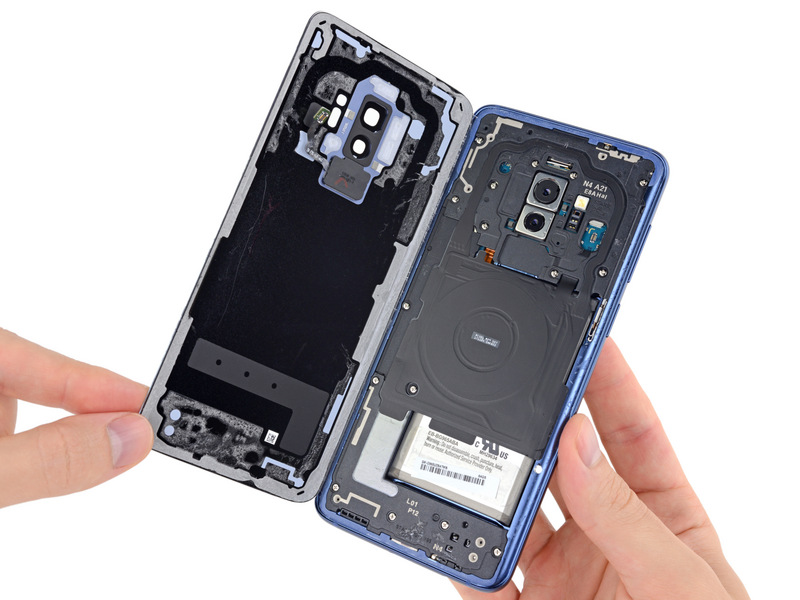
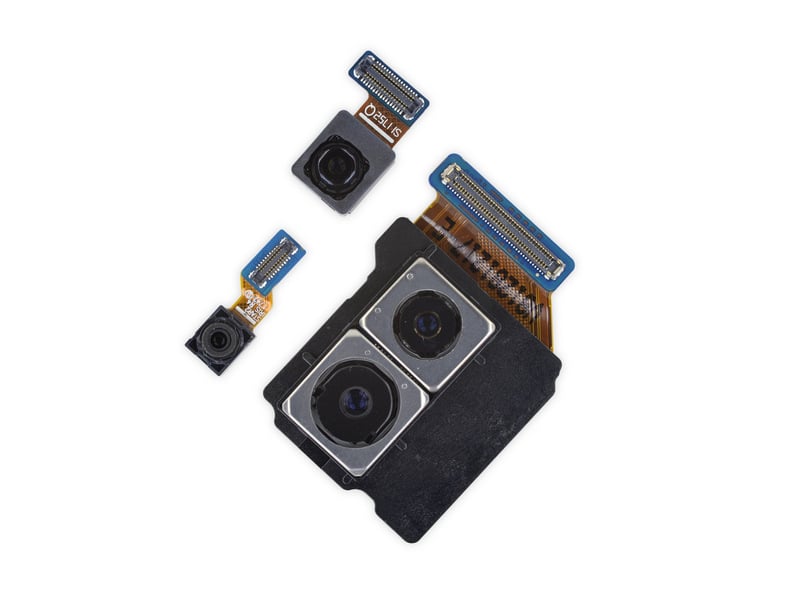
The tagline for the Galaxy S9 and Galaxy S9+is “The Camera. Reimagined”. Although the S9+ comes with dual rear cameras, its main sensor is the same as that of the S9. A teardown of the Galaxy S9+ by iFixit gives us a closer look at what has been “reimagined”.
First, the Galaxy S9+ (and Galaxy S9) are not easy to dismantle. To do so, you’ll need to apply heat to weaken the glue, and a pick and clamp to separate the two halves. It is not as easy as it sounds.
After separating the two halves, the first thing your eyes will most likely get drawn to are the cameras. The top camera is the main one with the adjustable aperture. Unlike DSLRs that have at least five aperture blades, the Galaxy S9+ has two rotating circular blades to switch between f/1.5 and f/2.4.
[envira-gallery id=”178358″]
To get access to the rest of the camera, you need to remove the screws holding the black plastic that covers the components. After removing that, you should be able to separate the camera from the board.
As you can see from the image above, both rear sensors of the Galaxy S9+ is actually a single component sharing the same PCB and connector.
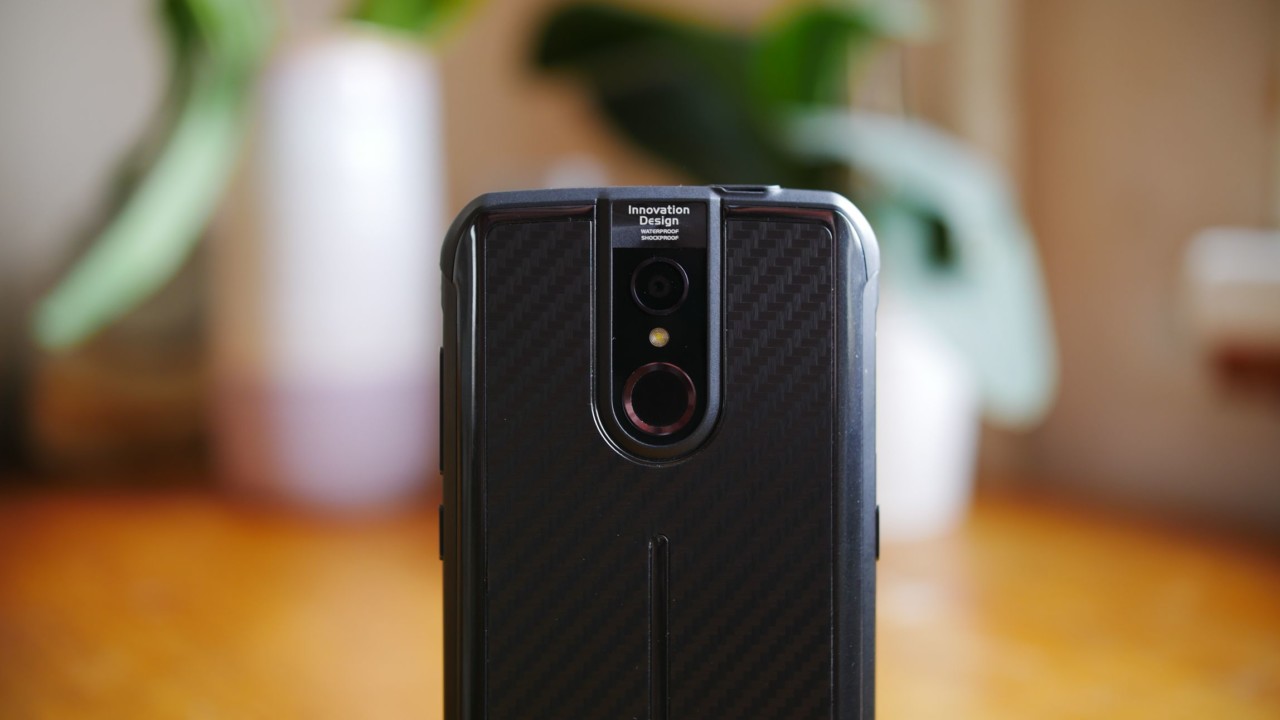
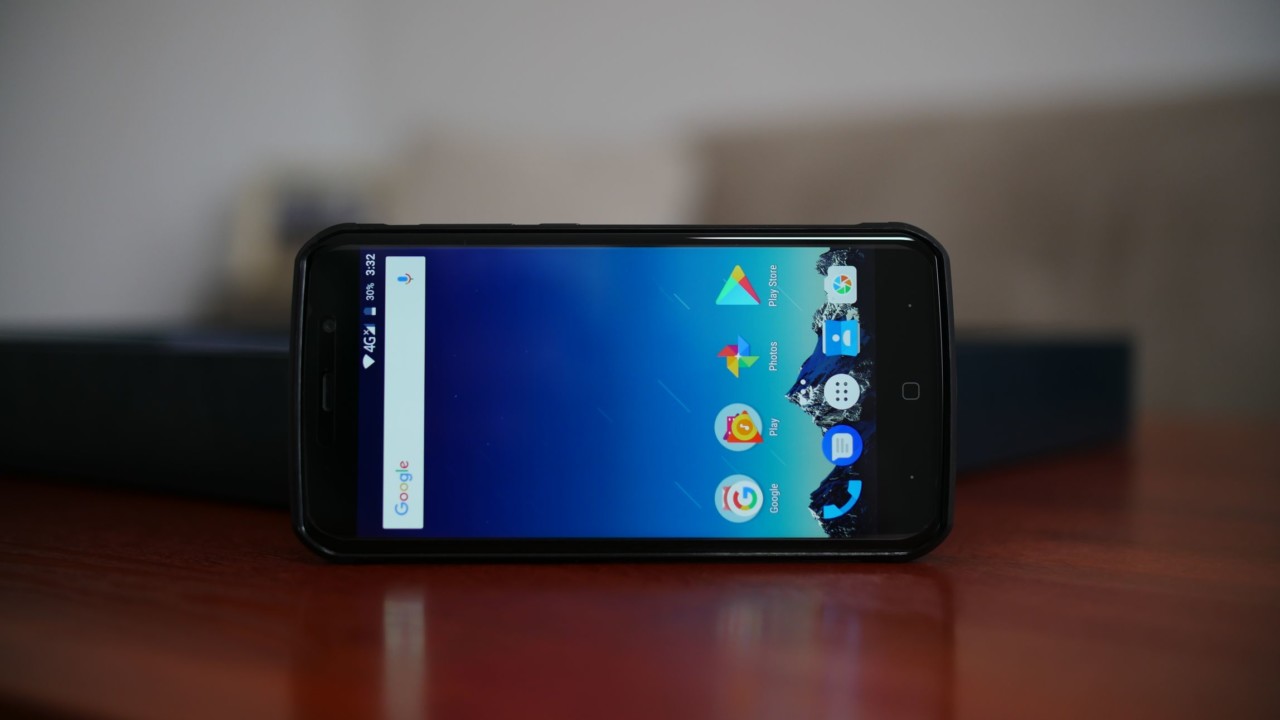
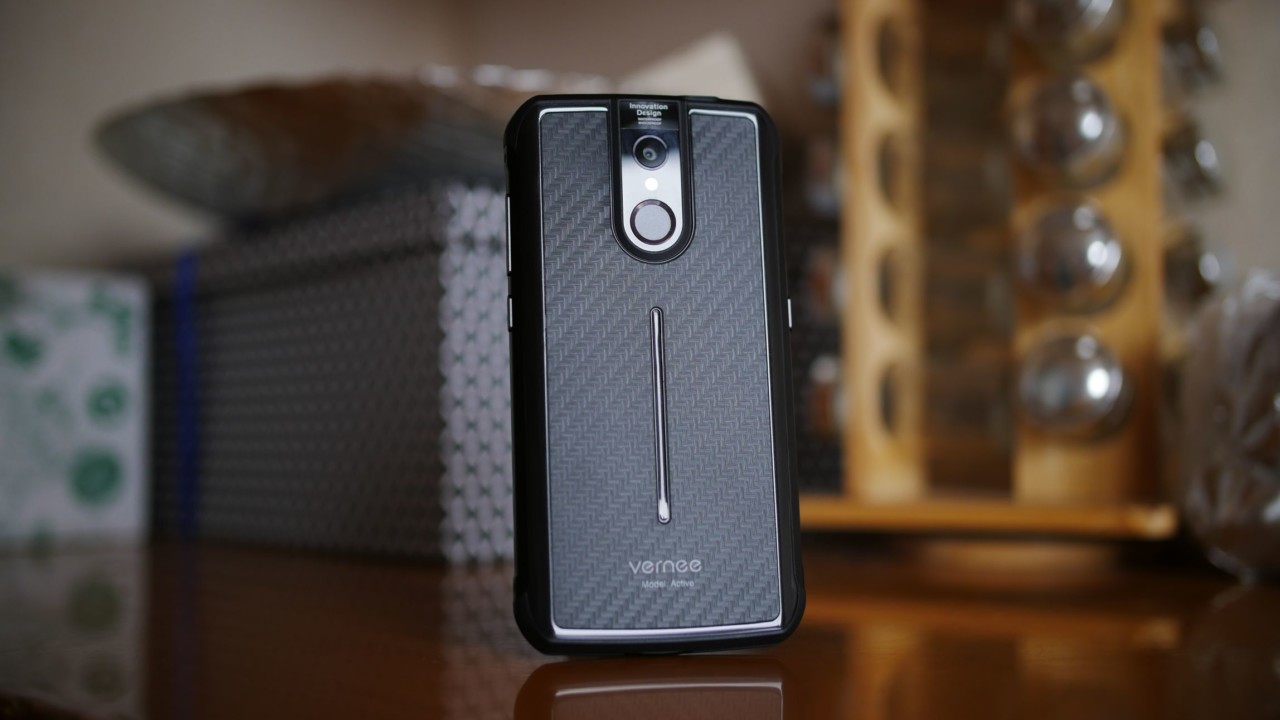
If you are looking for a powerful budget rugged phone, the Vernee Active is one of the options to check out. At the moment, it costs less than $300 but you can get it for a lower price with some discounts and promotions. The highlights of this phone include a rugged IP68 and MIL-810 certified design, 128GB of storage, 6GB of RAM and more. We have spent some time with the device and here is the full Vernee Active review.
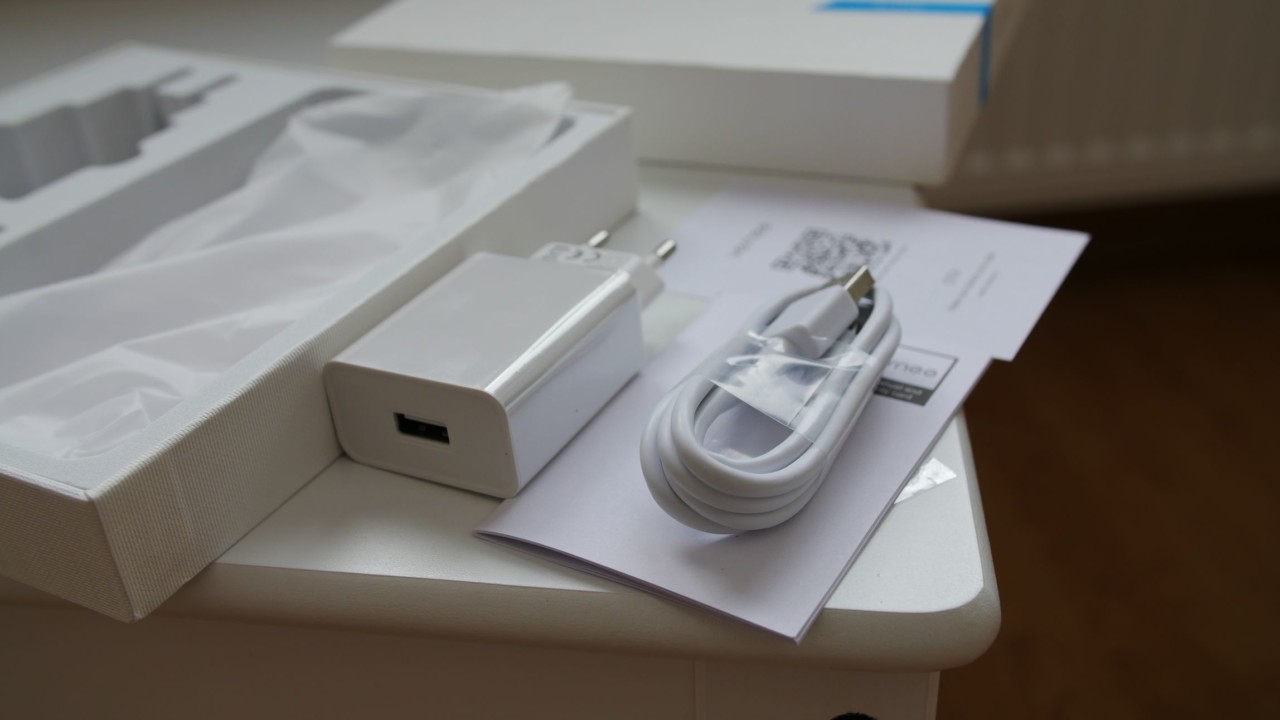
The phone ships with just with a charger and the USB cable, there are no extras included.
DESIGN and DISPLAY
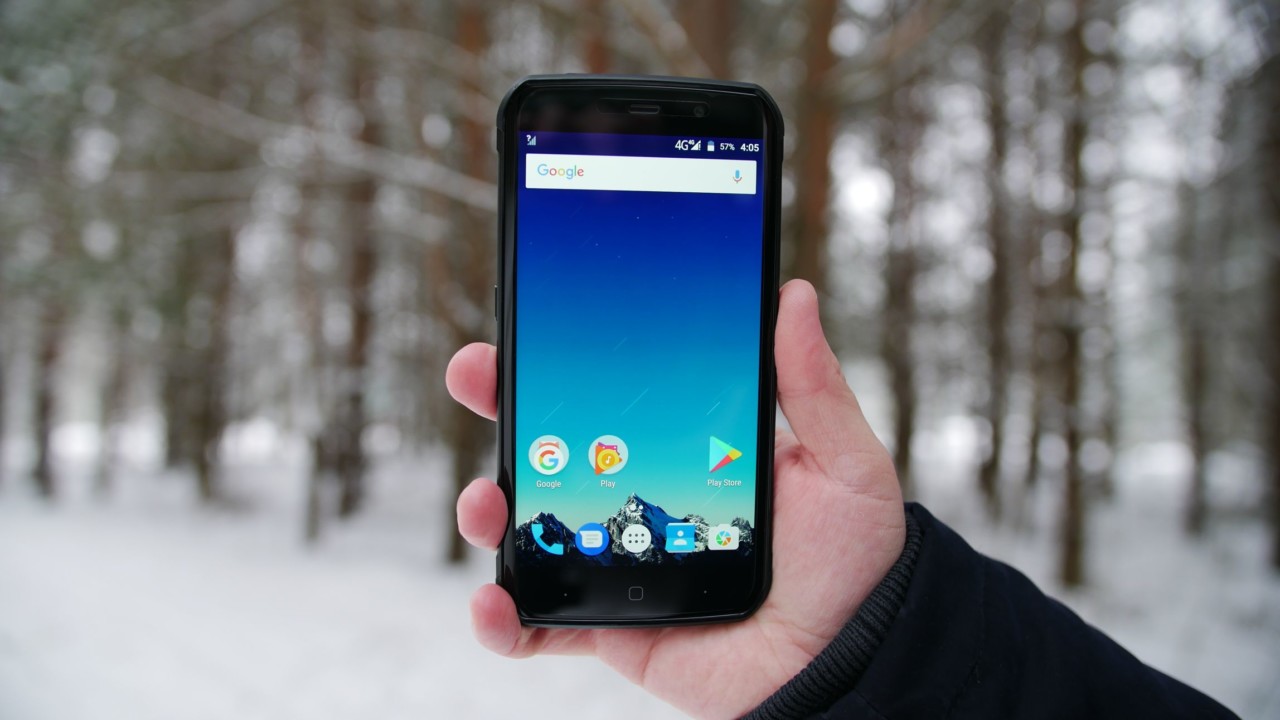
It is obvious that the Vernee Active is a rugged phone since it is a bit thicker and heavier than the usual smartphone. Dimensions of the phone: 15.60 x 8.00 x 1.12 cm / 198g.
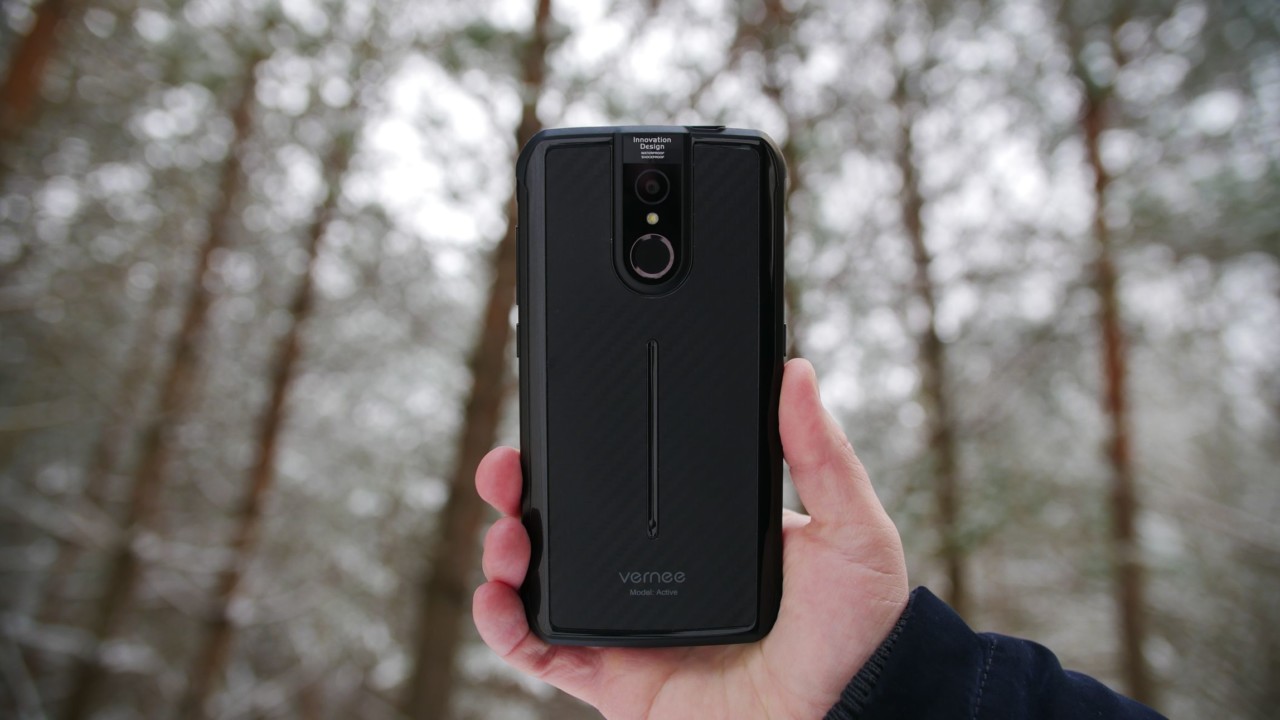
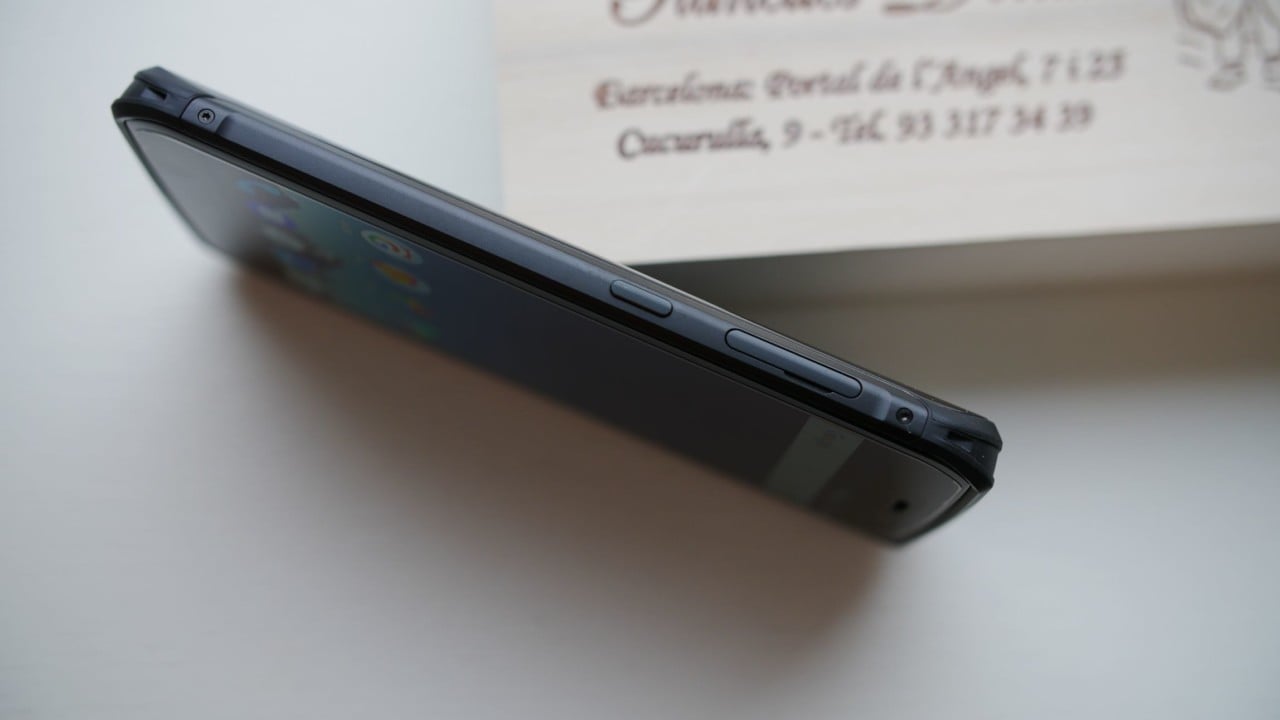
Still, this is not the thickest rugged phone out there and it is fairly compact. I also found the phone to sit comfortably in the hand due to rounded edges on the back. The phone uses a metal frame, quality metal buttons and a carbon fibre-like finish on the back.
The Vernee Active has IP68 rating for water and dust resistance. Also, it has MIL810 rating. That means that the phone is salt, dust, humidity, rain, vibration, solar radiation, transport and thermal shock resistant.
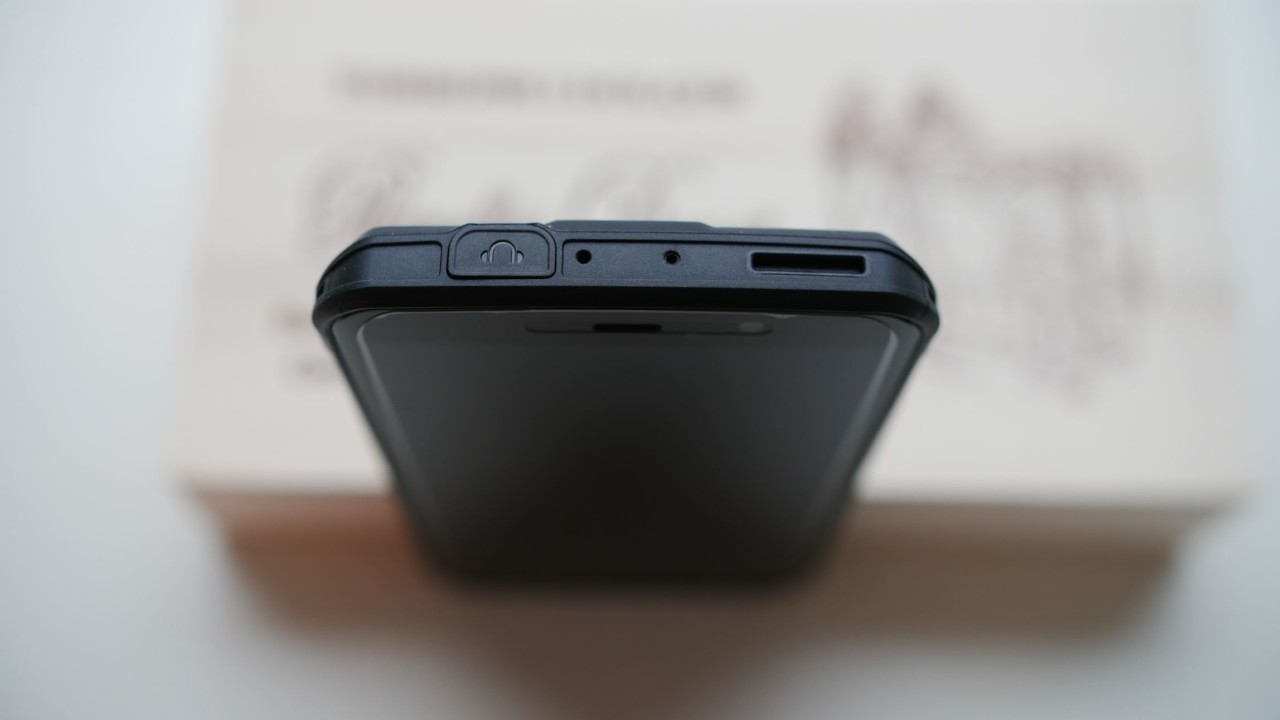
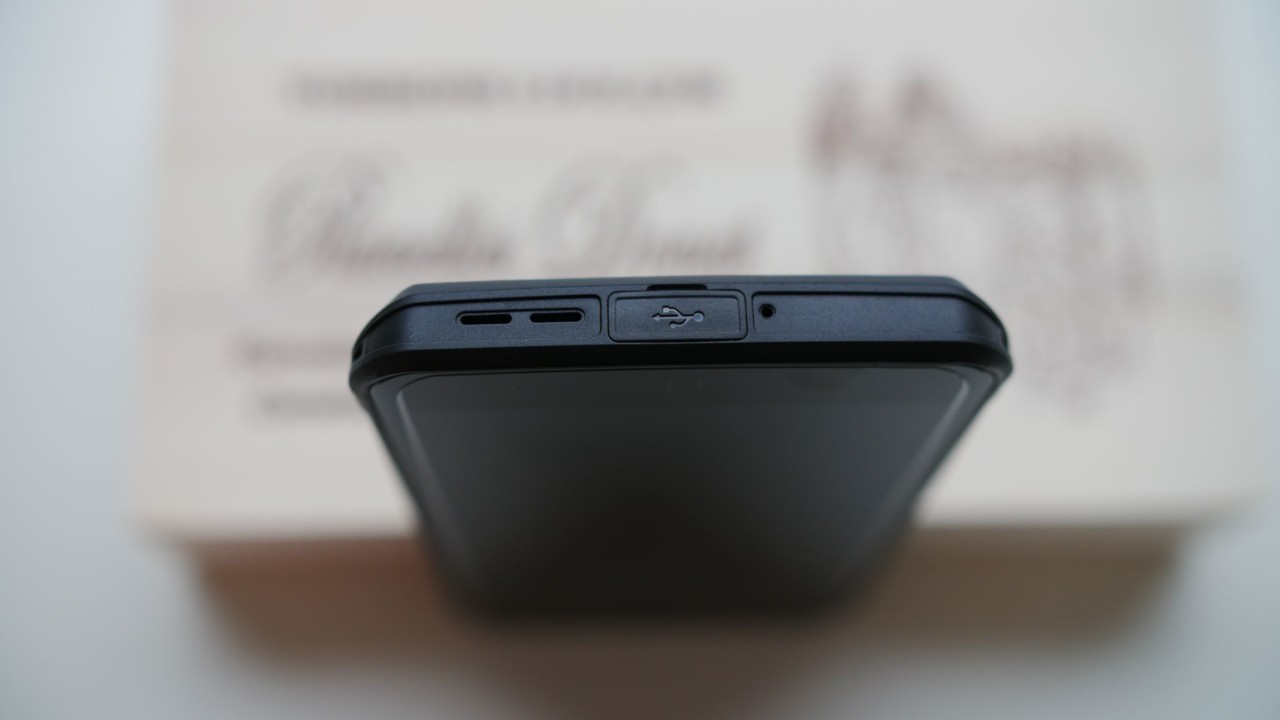
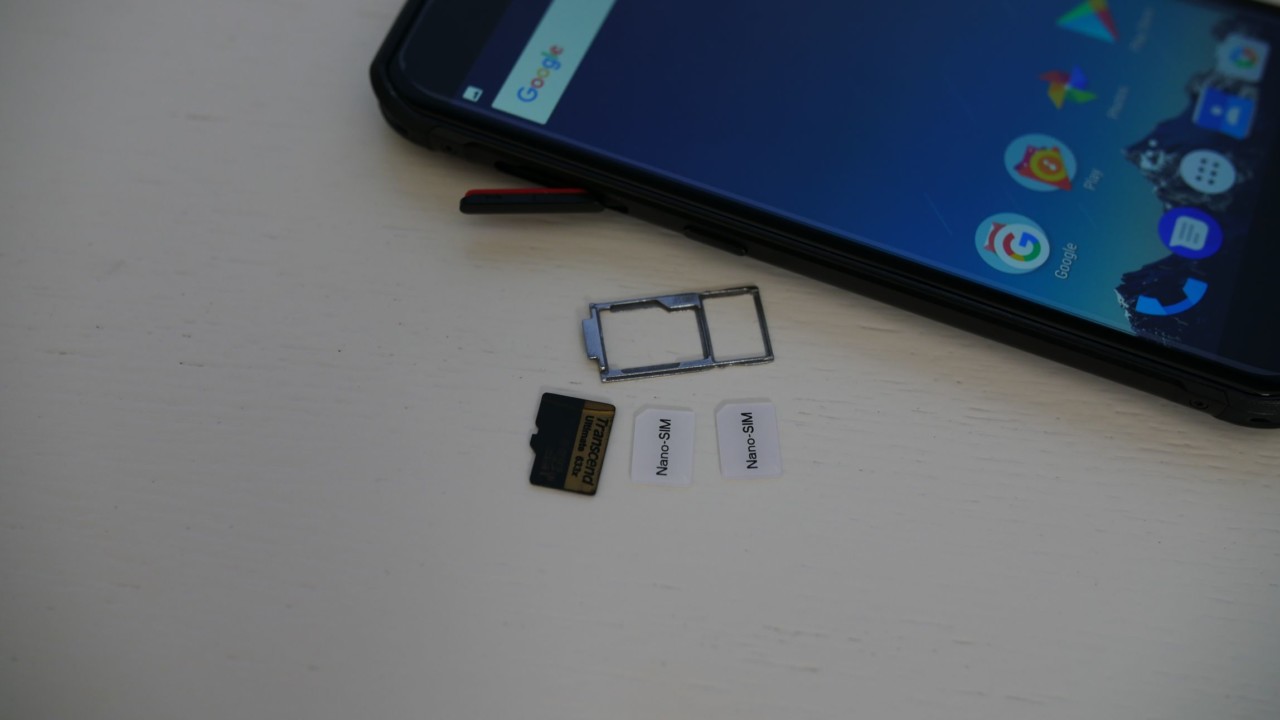
A headset jack, USB-C ports and the hybrid dual-SIM card slot are covered with flaps, which is unsurprising. However, I found that charging port is quite hard to open.
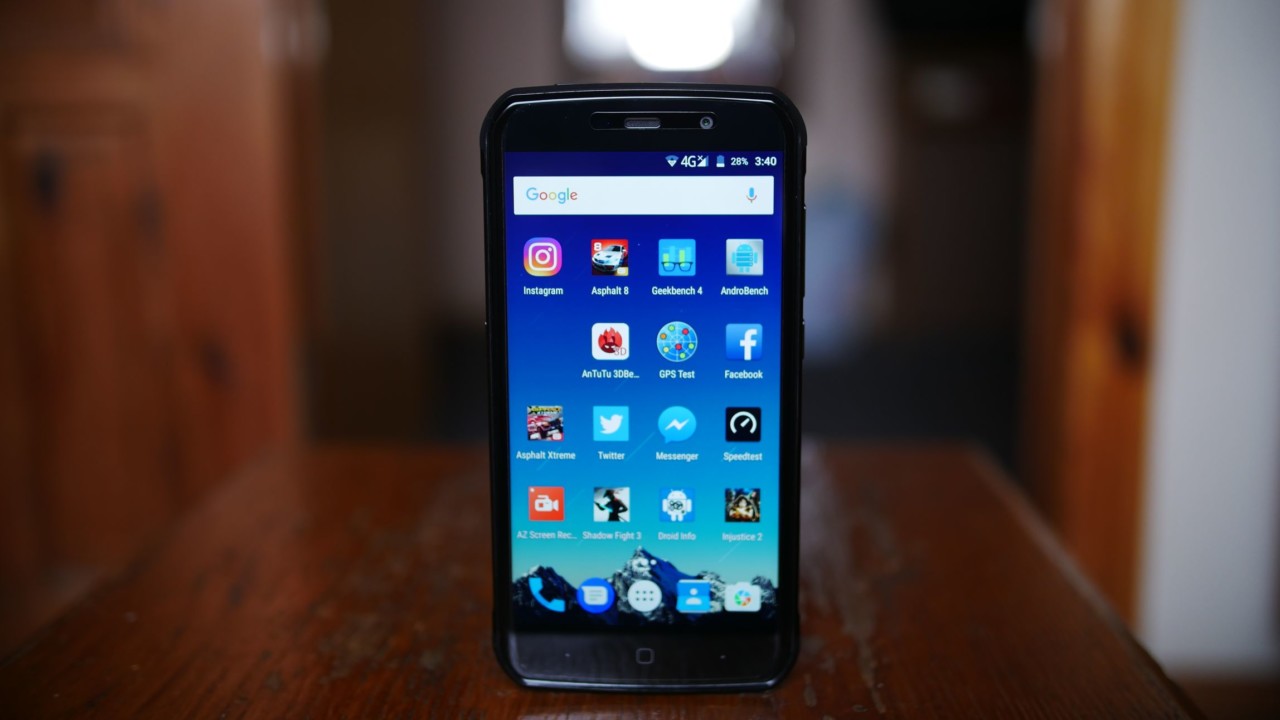
The 5.5” display is covered with the Gorilla Glass and I found it to be pretty nice and sharp but it could be slightly brighter.
You do get an 8MP selfie shooter on the front but I’mdisappointed that there is no LED notification light. This is such a simple feature every phone should have. The capacity buttons are not backlit either.
As far as camera goes, we are looking at a 13MP shooter. I found the fingerprint scanner to be very fast and accurate, one of the fastest scanners in a budget phone.
Finally, the loudspeaker can get really loud and it’s pretty good but definitely not the best I’ve heard.
HARDWARE and PERFORMANCE
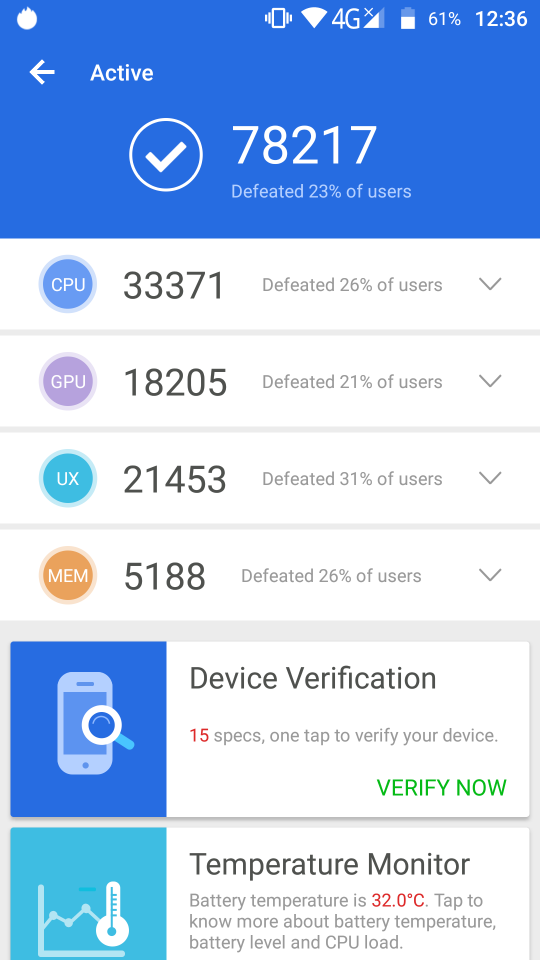
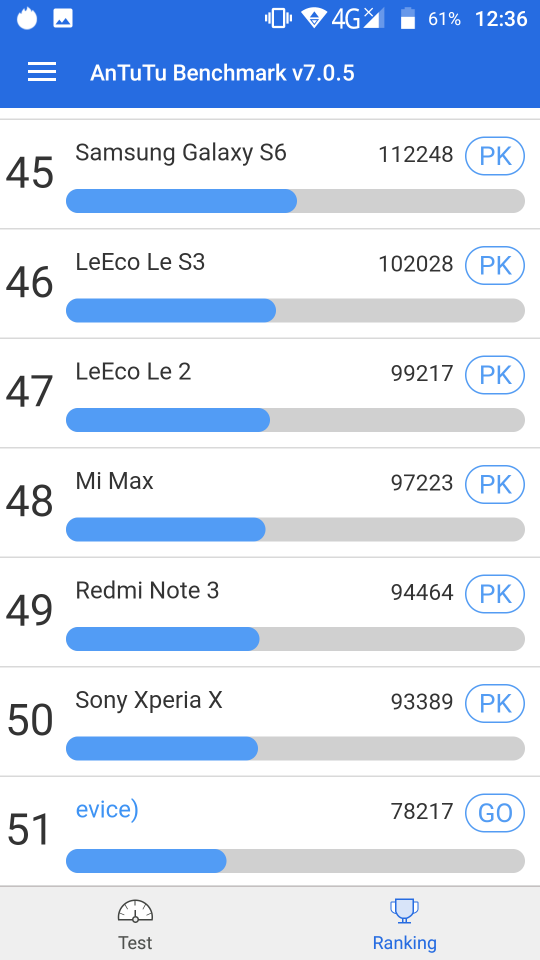
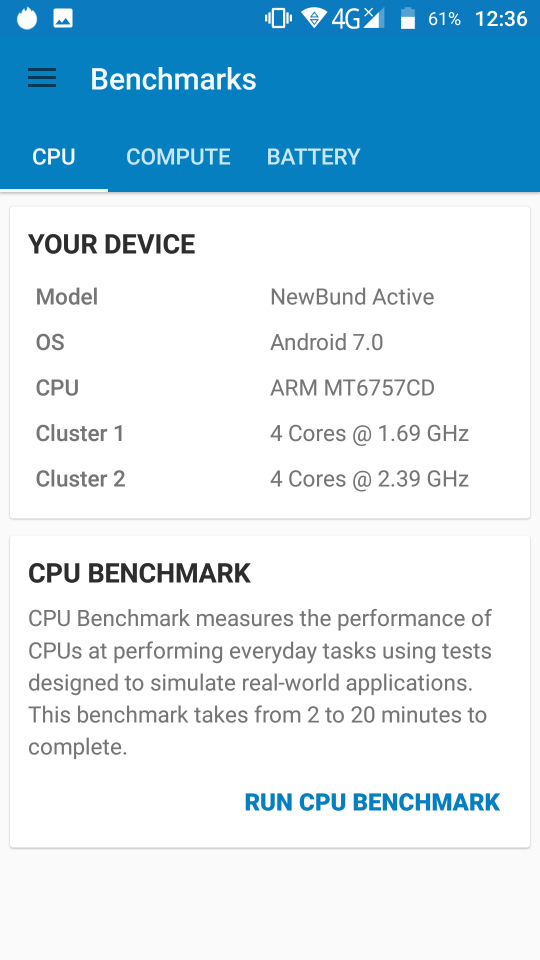
Now, the specs. This phone is really powerful on paper (Hello P25, 6GB of RAM, 128GB of storage) and that translates into a great real-life performance even if you play 3D games that require quite a lot of resources. I found that there were just a few minor skipped frames but I can’t really complain about that. That’s why I can assert that the Vernee Active performs well in gaming department and I didn’t notice any overheating issues.
USER INTERFACE
Same can be said about daily performance since we have stock Android 7 with no bloatware. I like that the phone is smooth and responsive no matter what you do with it.
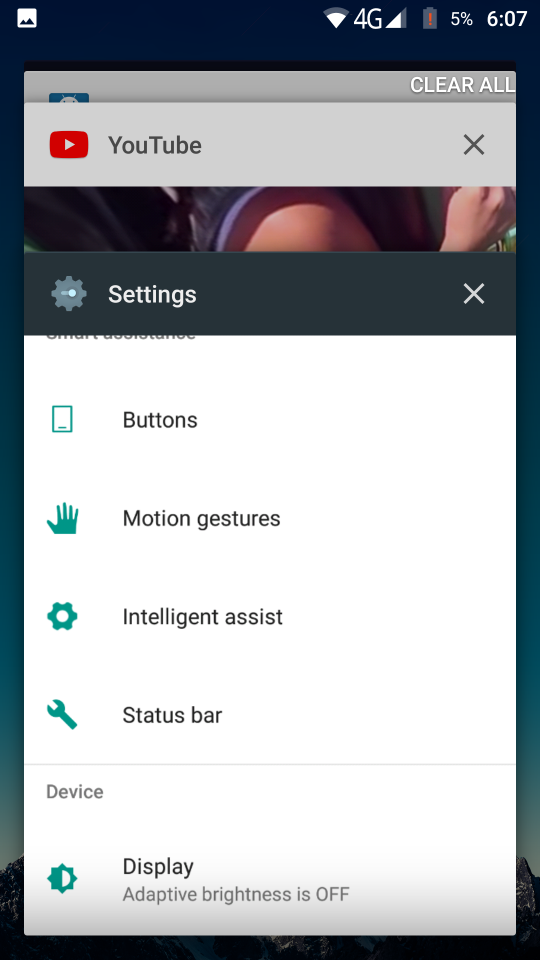
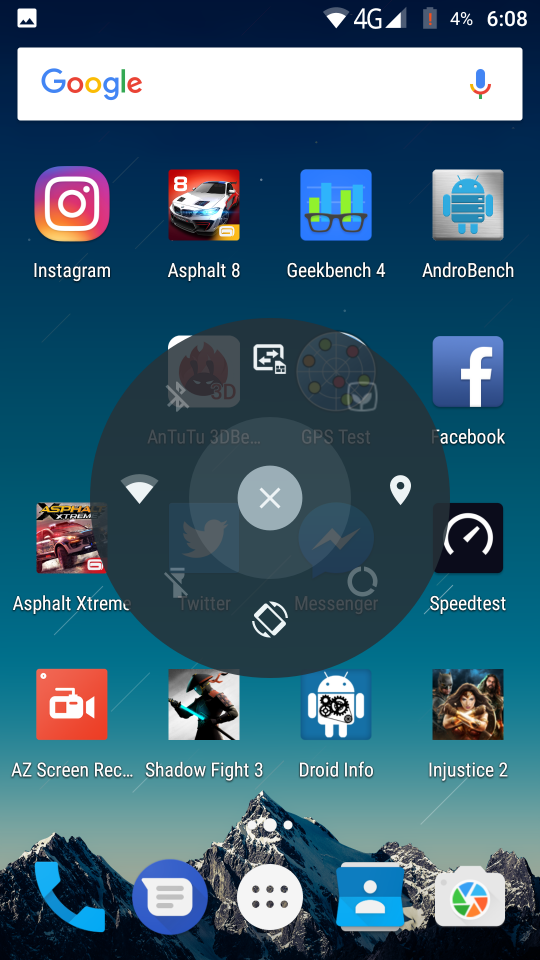
In terms of extra features, you can customize the navigation bar or use a few gesture controls but that’s about it. What I did found useful is a hardware key that triggers quick settings menu. It’s really convenient in practice and I got used to using it in no time. Overall, I like that Vernee didn’t implement many useless features that I would not use anyway but concentrated on making a fast phone for an average user.
IMAGE QUALITY
Daylight image quality is quite good for a budget rugged phone but in general, it could be better for a $300 phone. There could be more detail and sharpness in some of the shots but as always, I could only test the camera on a cloudy day since it’s still winter.
Night image quality does not really impress but my main concern is that the camera app refuses to focus from time to time. This is a software issue that hopefully will be fixed in the future.
Selfies could look a lot sharper and have more detail.
1080p video quality is about average as the footage could look sharper. Also, I found that continuous auto-focus does not always work. My biggest frustration, however, is that sound is being recorded mostly to the left channel. Another frustration is that selfie videos can be recorded at only 480p resolution and the quality of the footage is bad.
Call quality could be slightly better, to be honest but that may be due to water resistant earpiece. Other connectivity options work just fine.
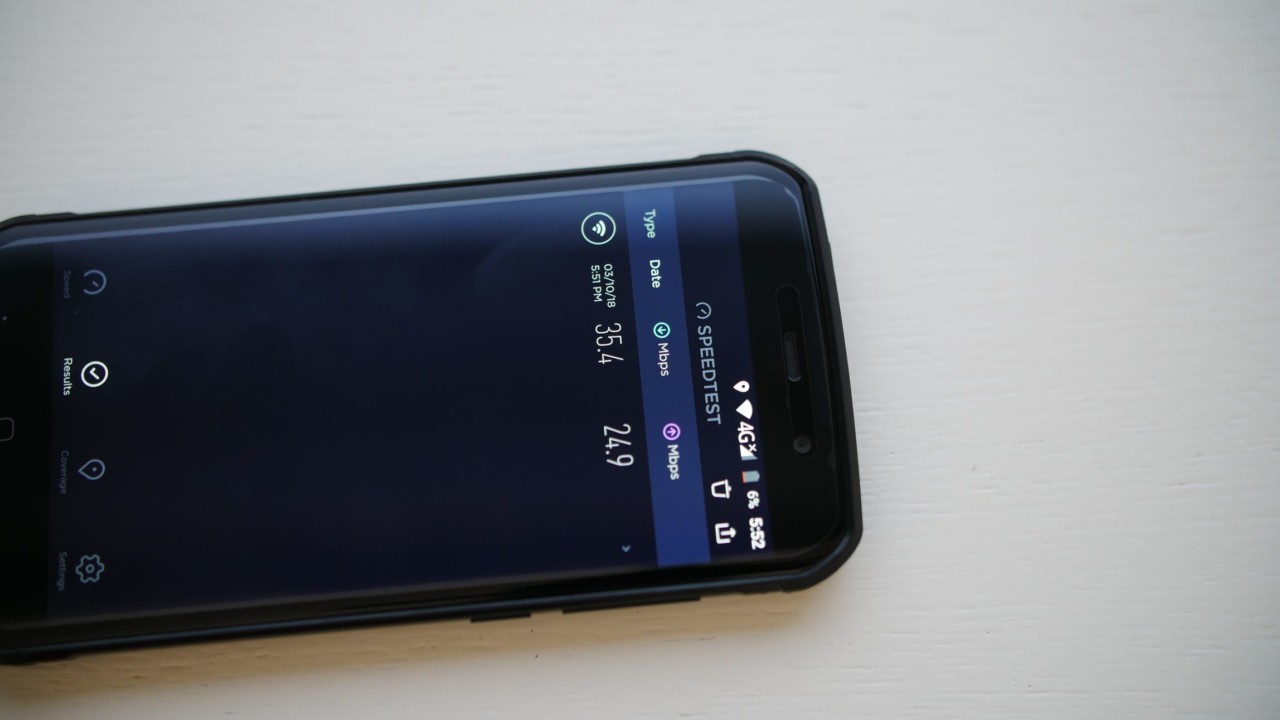
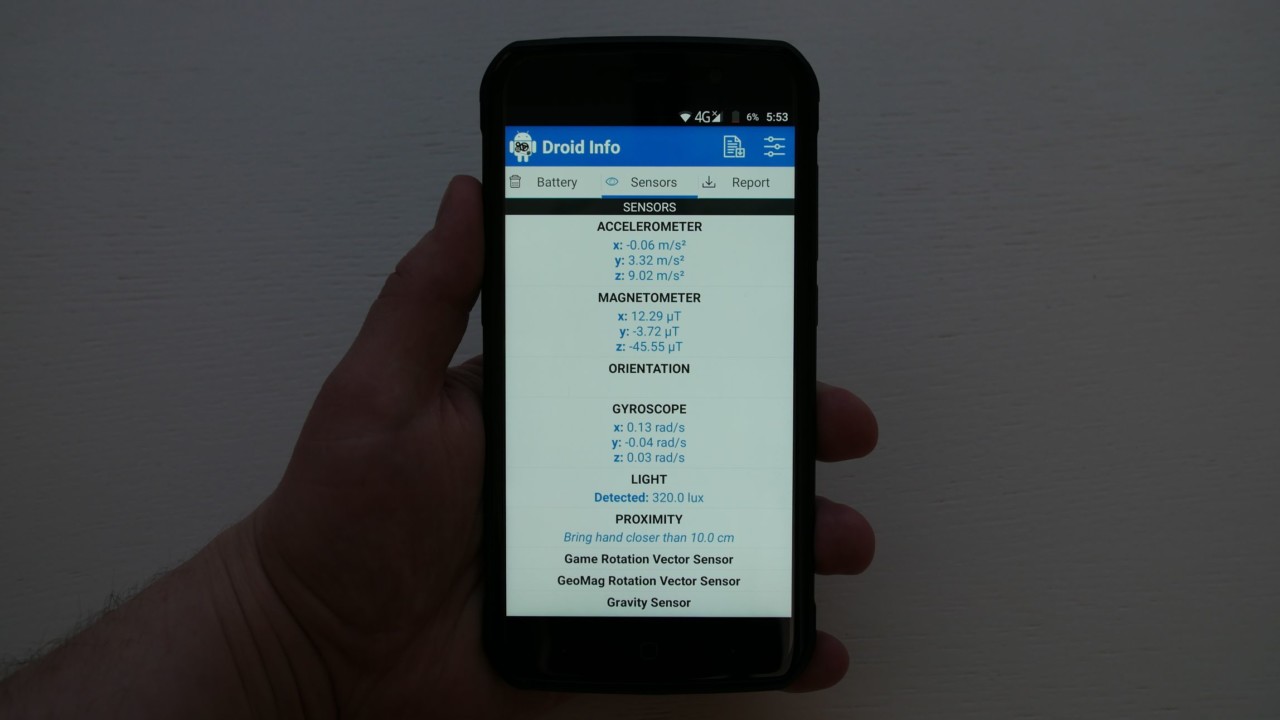
In terms of sensors, you get just a few but the list includes a gyroscope, meaning that the phone is compatible with 360 content.
BATTERY LIFE
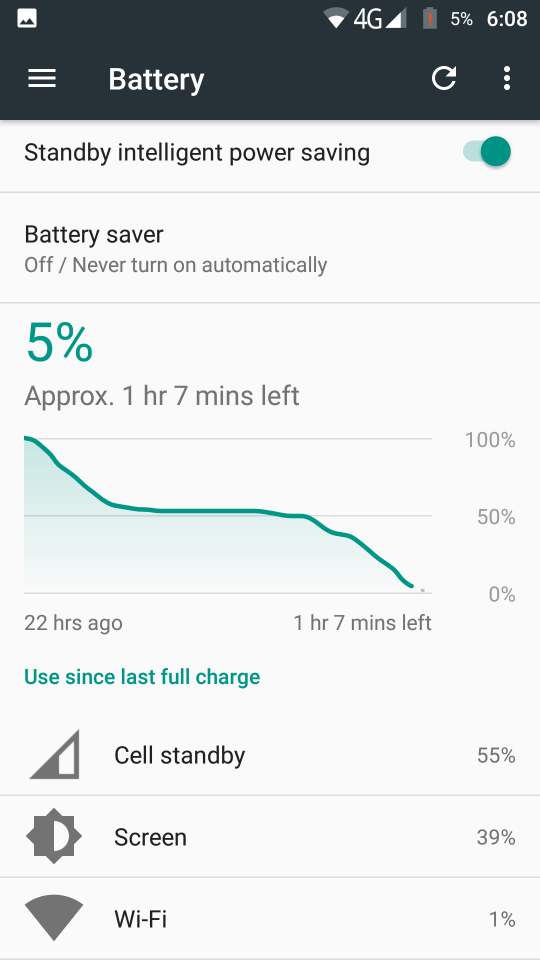
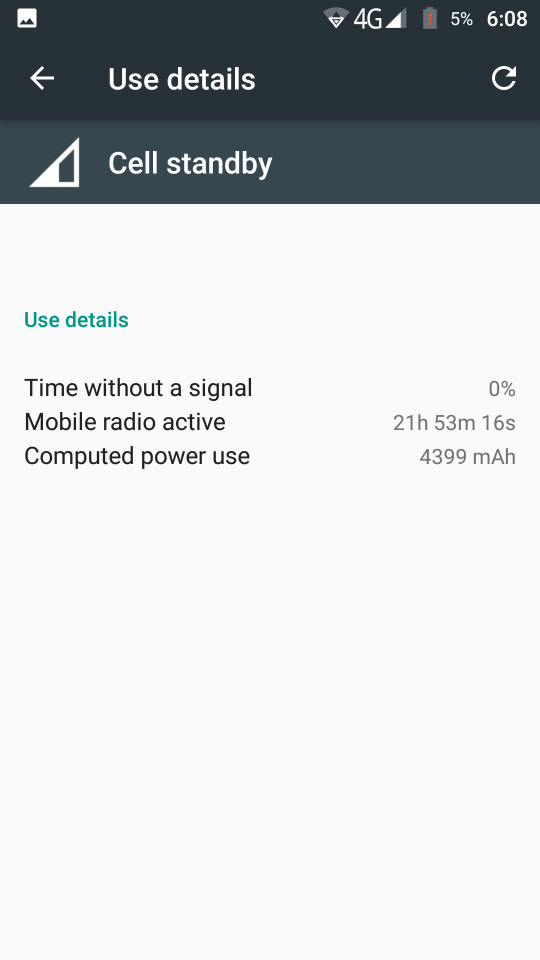
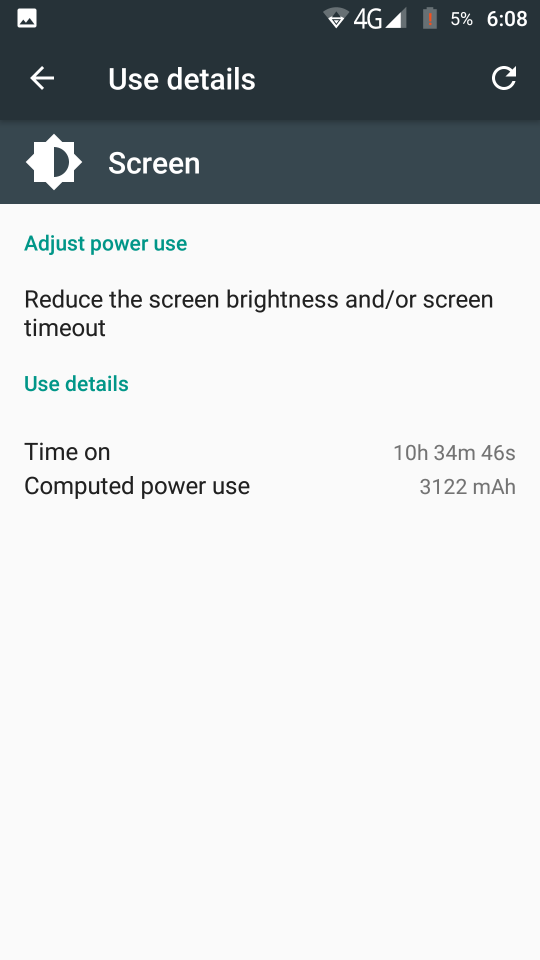
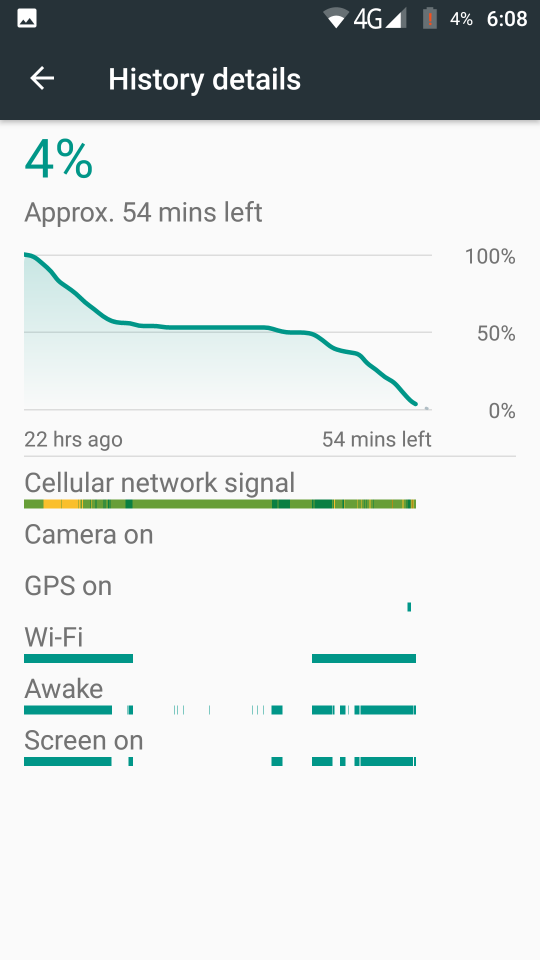
I managed to get over 10 hours of screen-on time on the Vernee Active phone. It is a great result and you will be able to use the phone for a couple of days. However, I noticed that cell standby drains more power than it should, which is a bit frustrating.
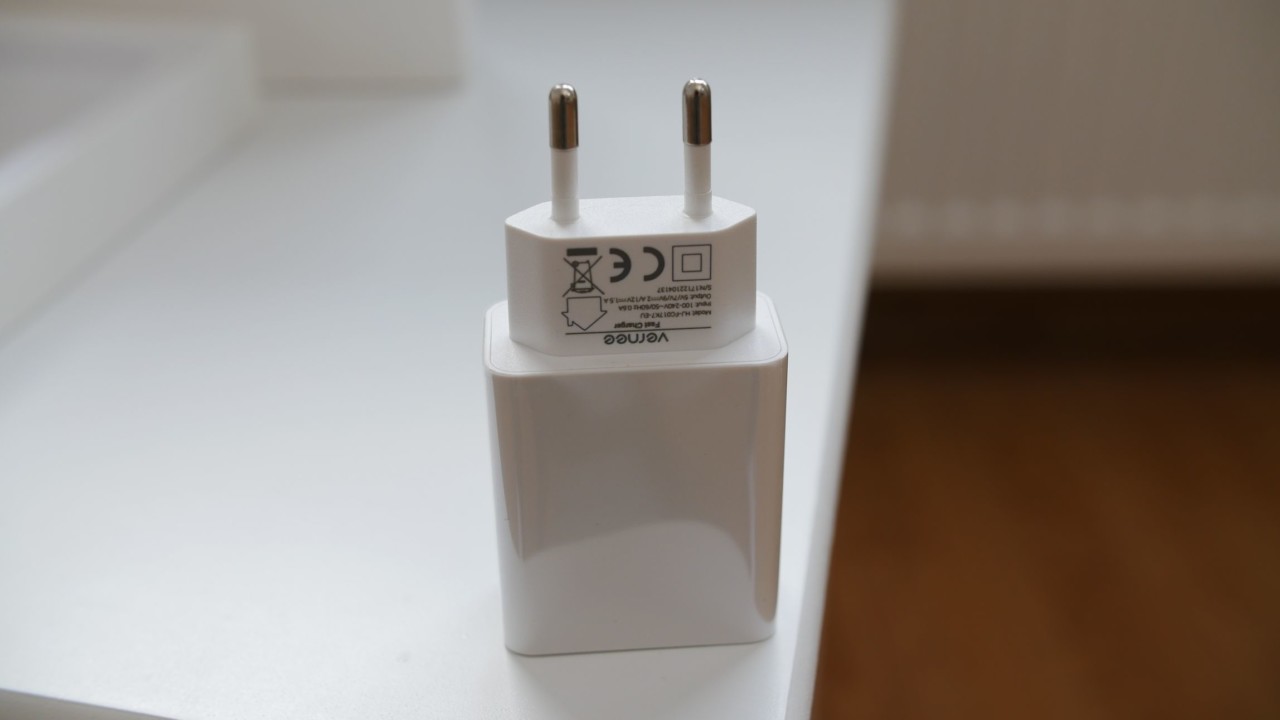
On a positive note, a supplied fast charger works well and it can fully charge the phone in just over 1,5h.
CONCLUSIONS
The Vernee Active is a pretty solid and one of the most powerful budget phones you can get for the price. However, I wish it had a slightly better camera, flaps were a bit easier to open and the display was a bit brighter. I was also disappointed with the sound recording quality in video mode and the call quality is just average. Finally, there is no LED notification light and the capacitive buttons are not backlit.
On the other hand, the Vernee Active offers so much for the price: you get a lot of processing power, including 128GB of storage and 6GB of RAM. Also, the phone handles 3D games well and it is fast on the daily basis thanks to stock Android. I also like the design and build quality, an extensive list of rugged properties of the device, good battery life, and fast charging.
At the end of the day, there are some shortcomings to consider but the Vernee Active is still a good option if you are looking for a powerful rugged budget phone.
Huawei P20 series will be officially announced on March 27 in an event which will be held in Paris, but we do not need to wait for that date to know almost everything about the new lineup. After many leaks regarding their specs, teaser, and renders, the official wallpapers which will be pre-installed on the handsets have just leaked online. Given that these devices will have a display with an 18:9 aspect ratio, these images are perfect for the new age full screen smartphones. Some wallpapers also have a dark upper section which completely hides the notch, in case you hate the notch design.
Digital art, abstract photography, macro shots, and landscape shots are the categories of images that the wallpapers belong to. If you want to download Huawei P20 official wallpapers and try them on your device, just head to the link at the end of this post. The Huawei P20 series will be composed of three different models: P20, P20 Plus, and P20 Lite. The first two will be flagship devices, and they will come with an octa-core Kirin 970 SoC which supports artificial intelligence. There will also be a triple camera on the back side, probably co-engineered with Leica.
We also expect to see a selfie snapper with a resolution of 24 MP. The standard version should come with a front placed Home key that integrates a fingerprint reader, while the fingerprint reader of the Plus or the Lite variant will be placed on the back. The Lite version will be the cheapest version, and it will probably sport an octa-core midrange chipset instead of the flagship Kirin 970. Each of the devices will come with a big 18:9 display, a high screen-to-body ratio and a notch. Prices should start from €679 for the Lite version and reach €899 for the most advanced version.
The OPPO R15 and OPPO R15 Dream Mirror Edition (DME) already appeared on TENAA last week, revealing all the specs. However, as we already know, TENAA doesn’t reveal the exact processor powering the device.
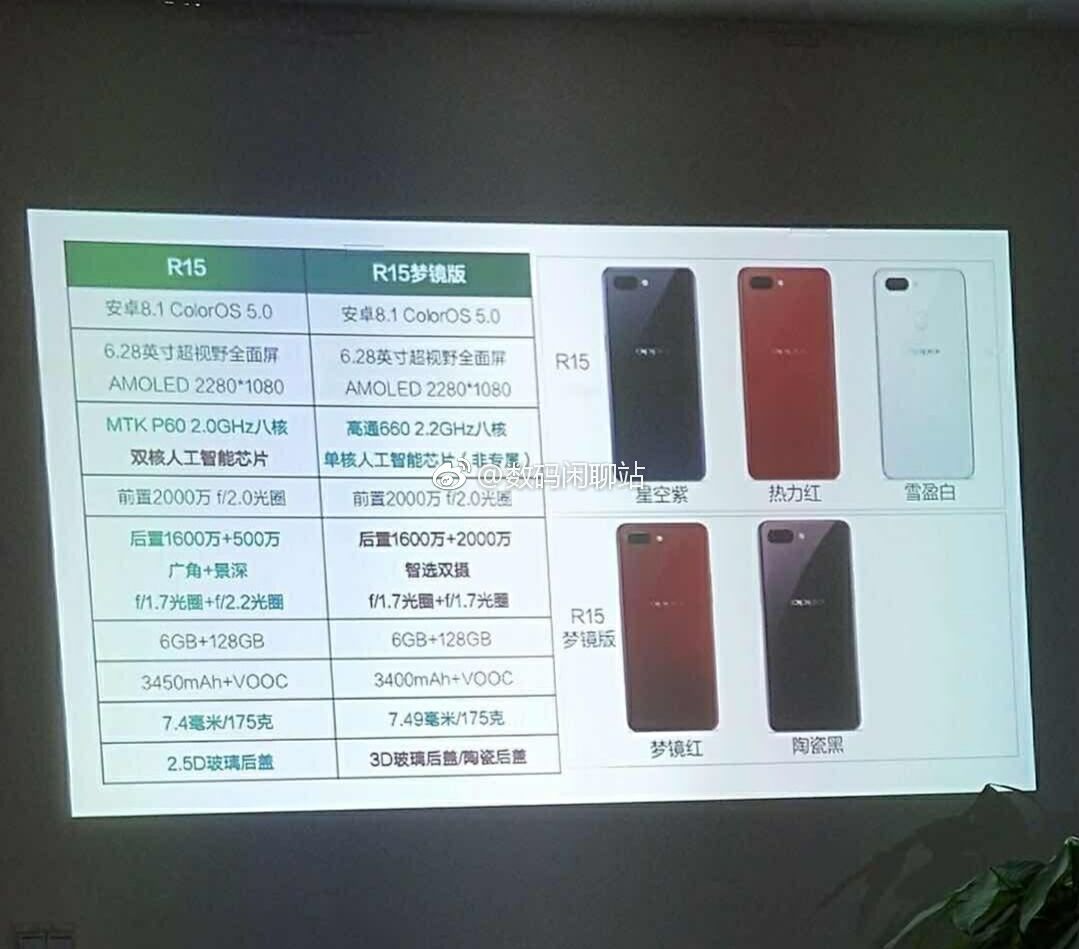
A new leak has surfaced online which discloses the full specs including the processor powering the phones and some other important differences. The leak was posted on Weibo and is a picture from what appears to be an official presentation.
As stated above, OPPO is launching two versions of the OPPO R15 – one will be called the R15 while the other will be called the R15 Dream Mirror Edition (it seems it is ditching the Plus variant this year).
Both will have the same 6.28” 2280 x 1080 AMOLED display, 6GB of RAM, 128GB of storage, and 20MP selfie camera. They will also have nearly the same thickness, have the same weight, and both run ColorOS 5.0 based on Android 8.1 Oreo.
For their differences, the OPPO R15 will be powered by MediaTek’s Helio P60 processor clocked at 2.0GHz with a dual-core AI chip. The OPPO R15 DME will have a Snapdragon 660 processor clocked at 2.2GHz and a single-core AI chip.
They will also have different rear cameras. The OPPO R15 will have a 16MP f/1.7 wide-angle main camera and a 5MP f/2.2 secondary sensor for capturing depth details. The Dream Mirror Edition will have a 16MP f/1.7 sensor and a second 20MP f/1.7 sensor.
The differences also extend to their battery capacities, design, and color variants. OPPO has included a 3450mAh battery in the R15 with support for VOOC fast charge. It also has a 2.5D glass back design and comes in Starry Violet, Thermal Red, and Snow White.
In other to achieve the high screen-to-body ratio of the APEX, Vivo found a workaround to the components housed in the top bezel. For the speaker/earpiece, it uses a technology it calls Screen Sound Casting which vibrates the display causing it to work like a speaker. And for the front camera, it pops up from the top side of the metal frame. Latest report says we may see the pop-up camera show up in the Vivo Xplay7 too.
Leaked render of the Vivo Xplay7 from last year
The Vivo Xplay7 first appeared in the news last year when alleged renders and specs surfaced online. The renders posted then showed the Vivo Xplay7 with a very thin profile and a camera integrated in the display. It appears Vivo is ditching the integrated camera for a pop-up one.
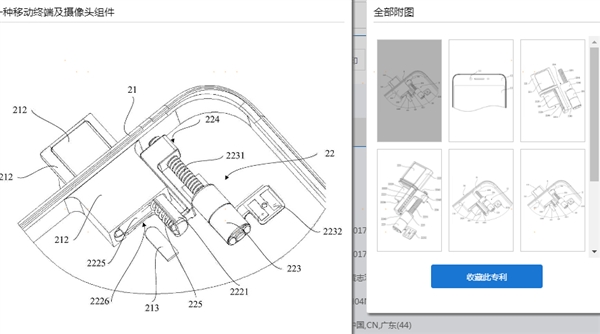
It has also been revealed that Vivo actually filed a patent for the pop-up camera in July 2017, though it is still a year after Essential filed its own. The patent for the pop-up camera describes the setup as a camera with an electric motor that extends or retracts into the phone’s case (body).
There are concerns about the durability of mechanical parts in a phone, but it appears Vivo has found a way to make it work seeing as it will be using it not only the APEX but also the Xplay7.
For a few months now, a major acquisition has been brewing in the semiconductor industry and that is Broadcom’s plan to take over Qualcomm. Latest reports says if Broadcom succeeds, it may itself get acquired by Intel.
Intel is the king of chipmakers for personal computers in the world but it really has no presence in the mobile industry. Its attempt to enter into the mobile space a few years ago failed even after spending a lot of money.
According to the Wall Street Journal “Intel is watching the takeover battle closely and is eager for Broadcom to fail [at acquiring Qualcomm] as the combined company would pose a serious competitive threat, the people said.”
At the moment, Intel will be pulling strings to see that Broadcom doesn’t acquire Qualcomm, and if it doesn’t succeed Intel will then be forced to acquire Broadcom. The initial buy-out price we are looking it at is a whopping $109 billion.
Funny enough, Intel is not the only one that wants the acquisition to fail. The US Govt. also doesn’t want it to succeed. The US has set up a committee on foreign investment whose job is to regulate the acquisitions of American companies by foreign ones.
Broadcom is seen as a foreign company as it is legally considered to be based in Singapore or better put, domiciled in Singapore even though most of its employees and offices are in the US. However, Broadcom is already planning to re-domicile to the US as a result of the tax reform plan.
Apart from that, the committee also thinks that the take-over will cause a “reduction in Qualcomm’s long-term technological competitiveness and influence in standard setting (which) would significantly impact US national security”. The acquisition will weaken Qualcomm’s position as a technological leader and “leave an opening for China to expand its influence on the 5G standard-setting process” the committee said recently.
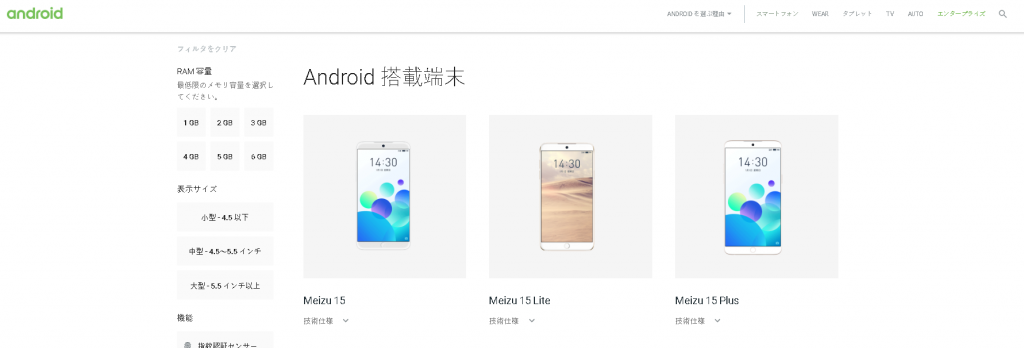
We recently reported on a leaked Meizu 2018 product roadmap which basically talked about the number of models the tech giant would launch this year without much specifics. A newly leaked document has appeared online and it features the specific models that Meizu will release this year.
Interestingly, the flagship Meizu MX series isn’t featured as one of the models that would be launched this year. The last MX series model was the Meizu MX6 which was launched in July 2016 packing an Helio X20 chipset. Despite the refreshing design, Meizu did not launch the MX7 last year and Meizu president Huang Zhang had hinted that we may not see the MX7 this year too. Now, the leaked product document seems to confirm the absence of the MX series which may have been rested.
Meizu E3
The flagship Meizu series models are coloured in Red while the Blue Charm models are colour-coded blue. The Meizu 15 and 15 Plus are both listed as coming in the first quarter and they are expected as Meizu’s flagship models. The product lineup also includeDream 1 and Dream 2 products. The Dream 1 products are likely the Meizu 15,15 Lite and 15 Plus. While the Dream 2 products(3 models) will be launched in Q3 2018.
The Blue Charm series models expected to launch this year incles the M6s, E3, M8 Note, as well as the M8. The tech giant is also expected to launch the Meizu X2 and M8s and M9 Note as well as M9 within the second quarter and third quarters. The price range is also included in the leaked product roadmap. The Blue Charm models fall within the 1500 Yuan category while the flagship models are suspected t come with prices ranging from 2500 Yuan – 3000 Yuan.The Dream 2 models may even be higher than 3000 Yuan, going by the chart. If we are to go by the charts, Meizu is planning to release a lot of models just as it did in 2016. But then, we can’t be so sure about that especially as the company scaled down its operations and staff strength in 2017 in order to cut down on running cost. So, it’s best to take this with a pinch of salt.
Xiaomi first announced a new 32 inches version of its Mi TV 4A in July 2017 and the Smart TV was the cheapest in the company TV product line. Eight months down the road, the tech giant has revealed that 1 million units of the Mi TV 4A 32-inch model have been sold during this period.
The Mi TV 4A 32-inch model was launched clutching a 1,099 Yuan price tag (around $163). That price was later reduced further in October last year to 999 Yuan (~$150) with an offer of free shipping within Mainland China. This price reduction may have contributed to the increased sales that have been recorded.
The Xiaomi Mi TV 4A (32 inches) uses a plastic housing with its entire body coming in black colour. As a result of the plastic body in use, the new Mi TV 4A comes with a highly reduced weight which is just 3.9Kg, making it suitable to be easily carried around. When the base is attached to the TV frame, the weight goes up to 3.94Kg.
On the specifications, the Mi TV 4A features a 32-inch display with a rather disappointing resolution of 1,366 x 768 pixels and refresh rate of 60Hz. The TV has a viewing angle of 178 degrees. It is powered by a Quad-core 1.5GHz processor having four Cortex-A53 cores. The graphic is powered by a Mali-450 MP3 GPU while the processor is supported by 1GB of RAM and there is 4GB of storage space available inside. The Mi TV 4A (32) also comes with two 5W stereo speakers while available interface includes two HDMI, an AV port, an S/PDIF output, DTMB, USB port and a connector. The Mi TV 4A 32-inch version also runs Xiaomi TV PatchWall system meaning it has some smart features such as content recommendation according to user’s habit, seamless streaming of content and others. The 32-inch Mi TV4A version was recently announced in India and we expect some record-breaking sales figures as well.
Vivo has already announced that it is going to launch its new smartphone — Vivo V9 in India at a launch event that is scheduled to take place on 27th March. The phone is said to be the successor of the Vivo V7, which was launched in India in November last year.
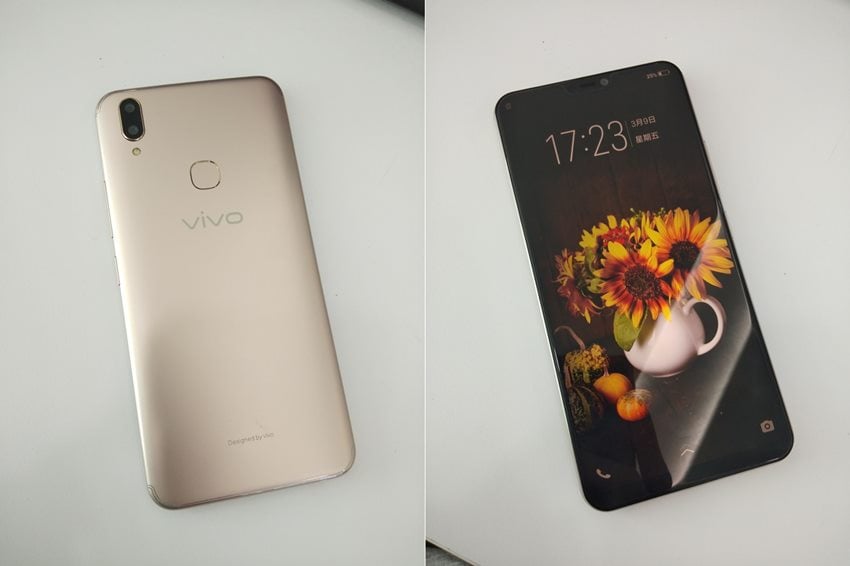
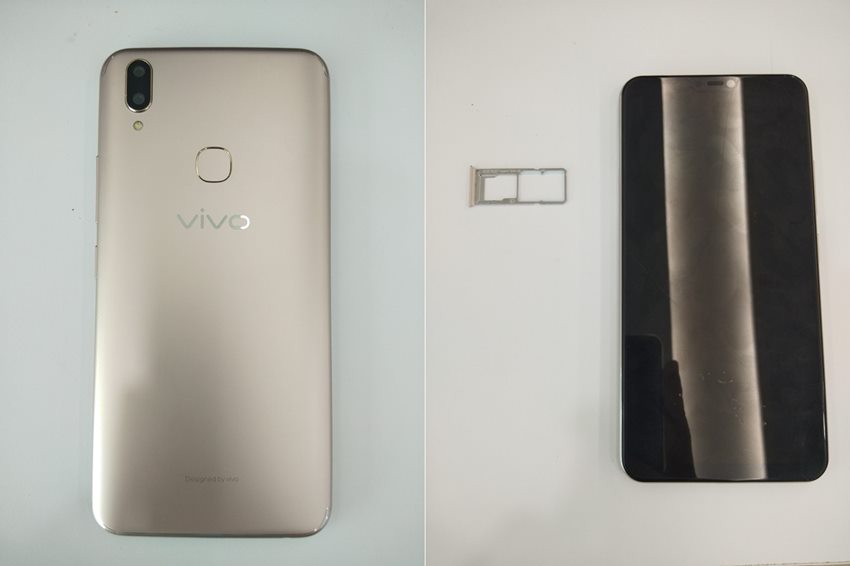
Now, ahead of the official launch, the phone’s live images have leaked online, giving us a clear look at its design. The Vivo V9 will be featuring a full-screen display with 18:9 aspect ratio and a notch on the top — making it the first phone from Vivo to have a notch. However, this was confirmed by the teaser image posted by the company.
Apart from the full-screen display with minimal bezels on the sides, the newly leaked images suggest that the phone will also have a dual camera setup on the back. Because of thin bezels, the fingerprint sensor has also been placed on the back panel in the top-center region.
The dual cameras on the back are aligned vertically in the top-left corner along with an LED flash placed just below the camera sensors. Earlier, while teasing the phone, the company revealed one of the highlights of the Vivo V9 is featuring a 24-megapixel front-facing camera.
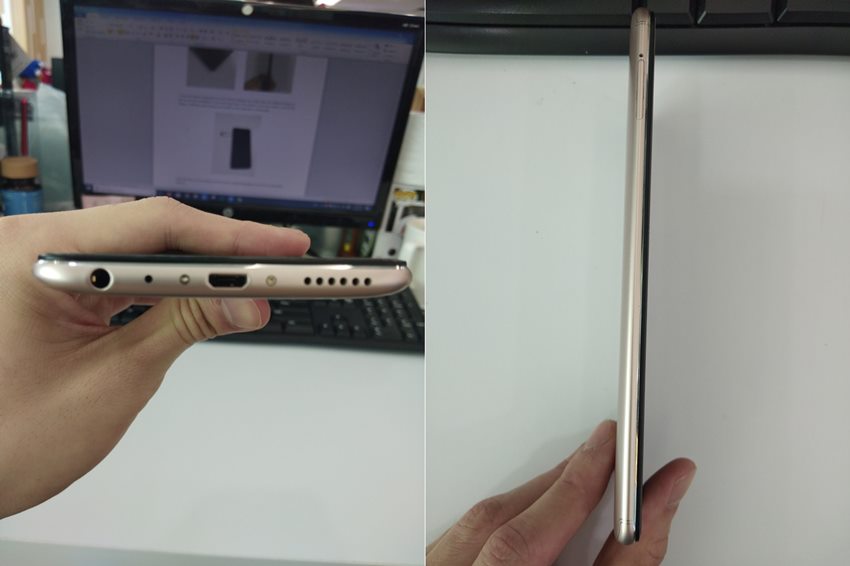
These newly leaked images also reveal that the phone will have a 3.5mm audio jack at the bottom along with a micro USB port. We expect the phone to run on Android Oreo operating system with the company’s own FunTouch user interface on top. Currently, there is no more information available regarding the phone’s specifications.
While the company has confirmed the launch date of the Vivo V9 in India, it is yet to confirm the same for other markets. However, it seems that the Vivo V9 will be soon unveiled in Malaysia soon as the Malaysian Twitter handle of Vivo has been consistently teasing the features of a similar looking phone since the beginning of this month.
As of the pricing of Vivo V9 in India, we expect it to be somewhere around Rs. 25,000, which roughly converts to $385. But, we’ll have to wait for a few more weeks to know the phone’s specifications, pricing and availability details.
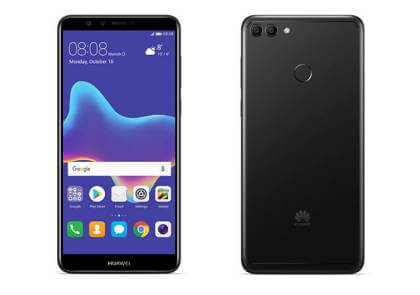
The Huawei Y9 was first seen at the FCC earlier this week. It was then followed by a teaser poster leaked by Evan Blass and a couple of renders. Today, Huawei has officially unveiled the Y9 2018 in Thailand.
Huawei Y9 Design
The Huawei Y9 2018 has a glass front and metal back. It also sports a full-screen display. Though there is still a bit of bezel at the top and bottom, the phone has its fingerprint scanner at the back.
Specs
The phone has a 5.93” FullView display with a 1080 x 2160 resolution. The Kirin 659 is the processor under the hood with 3GB of RAM and 32GB of expandable storage.
The selling point of the phone is its quad cameras – two on both sides. For selfies, there is a 13MP camera that is paired with a 2MP sensor, and on the rear is a 16MP main camera paired with another 2MP sensor.
It also has a 4000mAh battery, a 3.5mm audio jack, and runs EMUI 8.0 based on Android 8.0 Oreo out of the box.
The European Patent Office (EPO) has revealed in a report that China’s Huawei filed the most patent applications in Europe last year.
The EPO says Huawei filed 2,398 patents and is the first Chinese company to top their list. Germany’s Siemens comes in at number two with 2,220 patents while South Korea’s LG grabs third place with 2,056 patents.
Huawei’s Senior Vice President, Song Liuping who spoke to Chinese media, China Daily, said the company values its intellectual property, and patent registration is one way it measures its international competitiveness.
The Munich-based European Patent Office which oversees patents filed from 38 countries in Europe, says Huawei’s high number of patents contributed to the 16.6% growth in patent applications by Chinese companies. This resulted in China occupying the 5th position on the list of nations with filed patents.
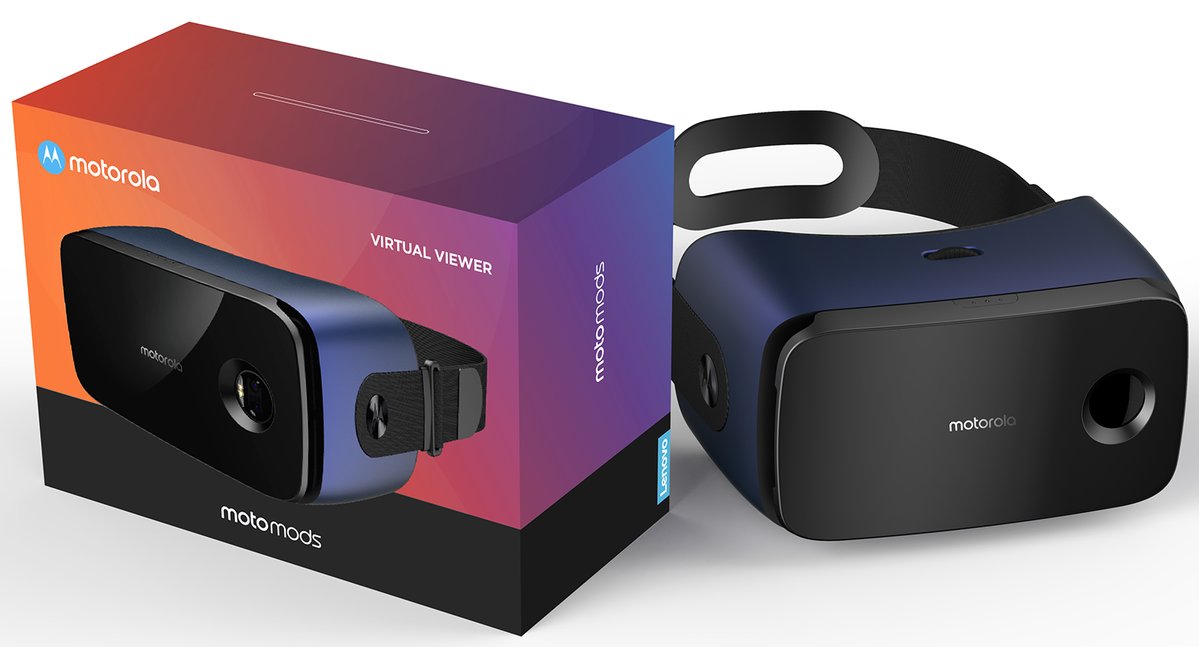
Motorola has announced three new Moto Mods this year. They are the Livermorium Slider Keyboard, the Lenovo Vital Moto Mod, and the Moto Folio Case, though only the case is available for purchase at the moment. A new mod called the Virtual Viewer has been leaked and may be the next mod that hits the market.
Official renders of the Virtual Viewer VR was posted on Twitter by Evan Blass (@evleaks) yesterday and it shows the mod beside its retail box.
The Virtual Viewer looks like your regular VR glasses. It has a polycarbonate body with a cut-out at the front for the cameras. It also has a strap that goes behind the head and a dial at the top, most likely for adjusting the distance between the lens.
It doesn’t have a remote, so we can’t really say this is Motorola’s answer to the Google Daydream View. Plus it does look like it should work with any phone or at least one with a 5.5” display like the Moto Z series.
Nevertheless, we won’t rule out the fact that it may have a special feature that makes it only compatible with the Moto Z series.
We use cookies on our website to give you the most relevant experience by remembering your preferences and repeat visits. By clicking “Accept”, you consent to the use of ALL the cookies.
This website uses cookies to improve your experience while you navigate through the website. Out of these, the cookies that are categorized as necessary are stored on your browser as they are essential for the working of basic functionalities of the website. We also use third-party cookies that help us analyze and understand how you use this website. These cookies will be stored in your browser only with your consent. You also have the option to opt-out of these cookies. But opting out of some of these cookies may affect your browsing experience.
Necessary cookies are absolutely essential for the website to function properly. This category only includes cookies that ensures basic functionalities and security features of the website. These cookies do not store any personal information.
Any cookies that may not be particularly necessary for the website to function and is used specifically to collect user personal data via analytics, ads, other embedded contents are termed as non-necessary cookies. It is mandatory to procure user consent prior to running these cookies on your website.

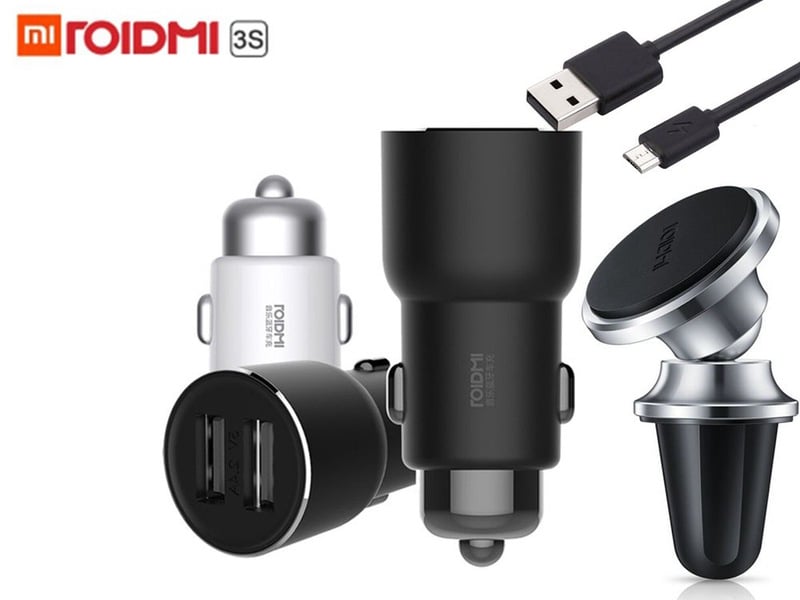 The recently debuted ROIDMI 3S Bluetooth car charger is designed to add more comfort to your trip. It comes with a 3.4A output which renders fast charge speed for a slew of electronic devices. You can now get your hands on this highly useful car charger by shelling out just $14.99 on GearBest.
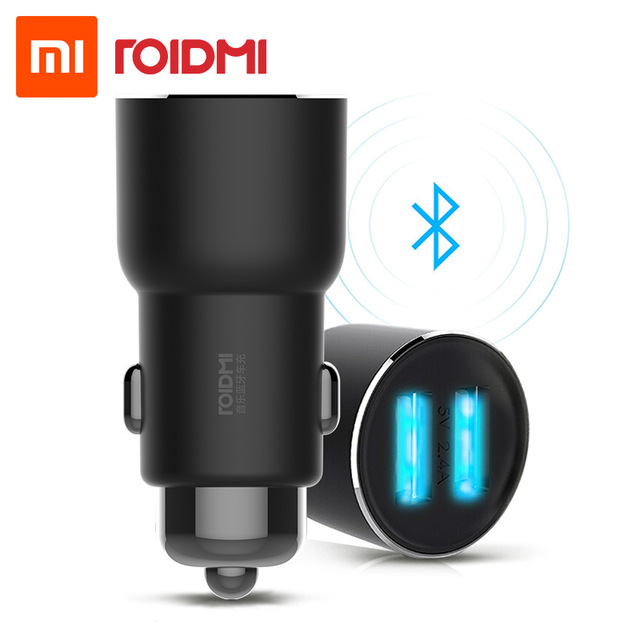 Moreover, this will not be interrupted even by incoming calls since the device comes with hands-free call option as well. Aside from that, it sports a voltage display which lets you keep track of the battery condition to ensure safer driving.