Advertisement

Feelworld F6 Review – My New Favourite Budget Camera Monitor

Feelworld is known for making one of the best budget camera monitors. I’ve used the F7 model for a long time but I wanted something smaller and I went with the F6 model that has a smaller 5.7” display and some other useful features. Learn more in our Feelworld F6 review.

VIDEO REVIEW

[embedyt] https://www.youtube.com/watch?v=_4B6X5Y8IiE[/embedyt]

UNBOXING

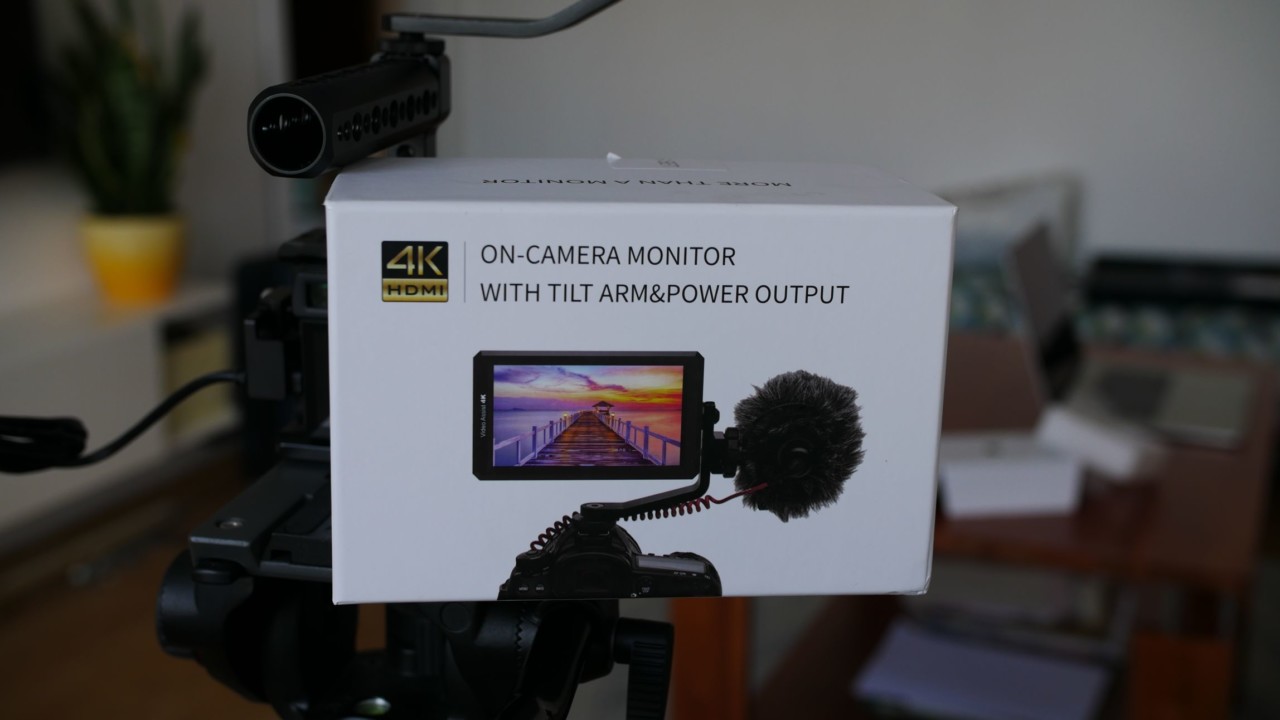
The monitor ships with everything you need to get started.
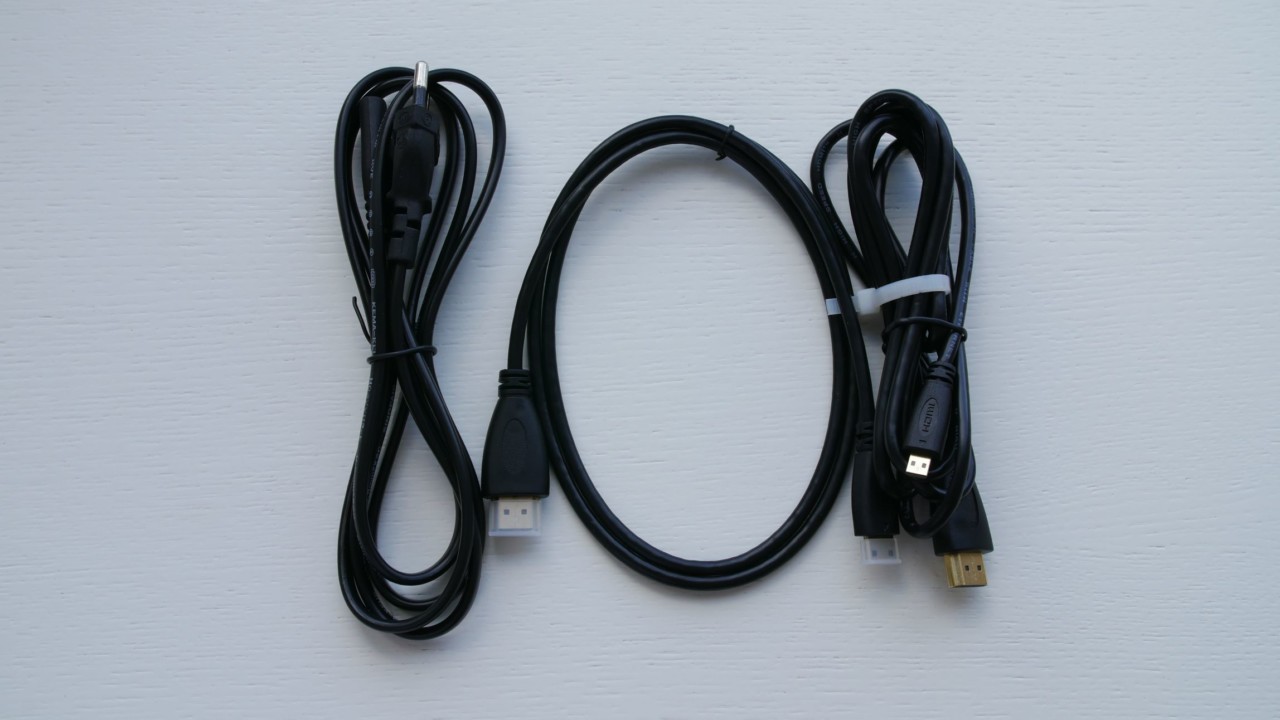
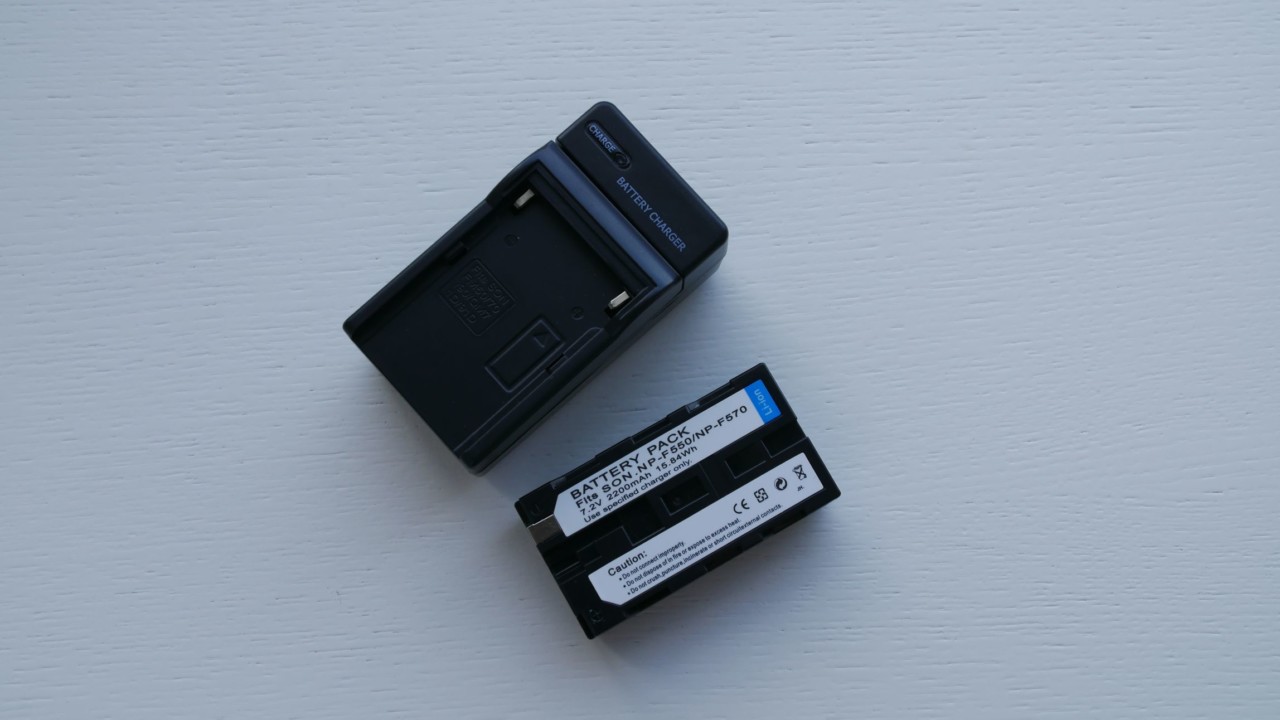
You get instruction manuals, micro and mini HDMI cables, a Sony NP550 battery and a charger, a sunshade and last but not least a rotating tilt arm that I will talk about in a second.

DESIGN and FEATURES
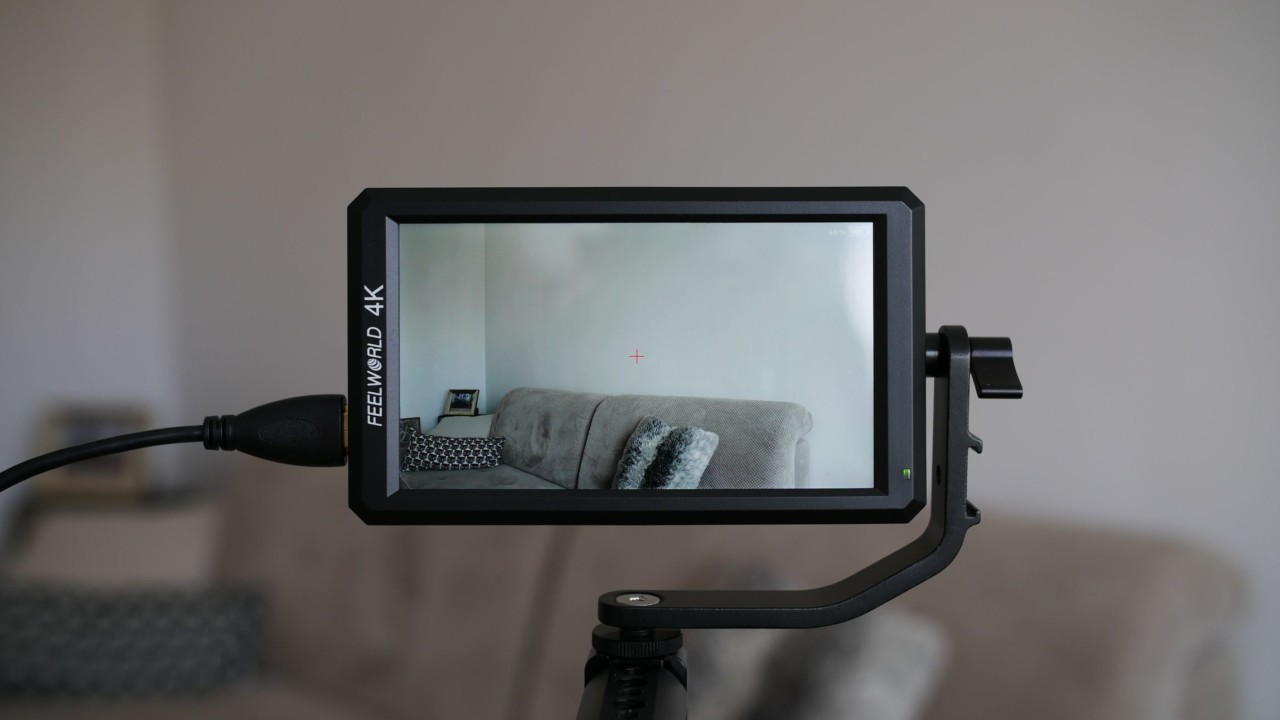
In terms of the design, the Feelworld F6 is made of quality plastic. Even though the difference is not significant, I found the overall build quality to be slightly better than the F7 monitor that I also like using.
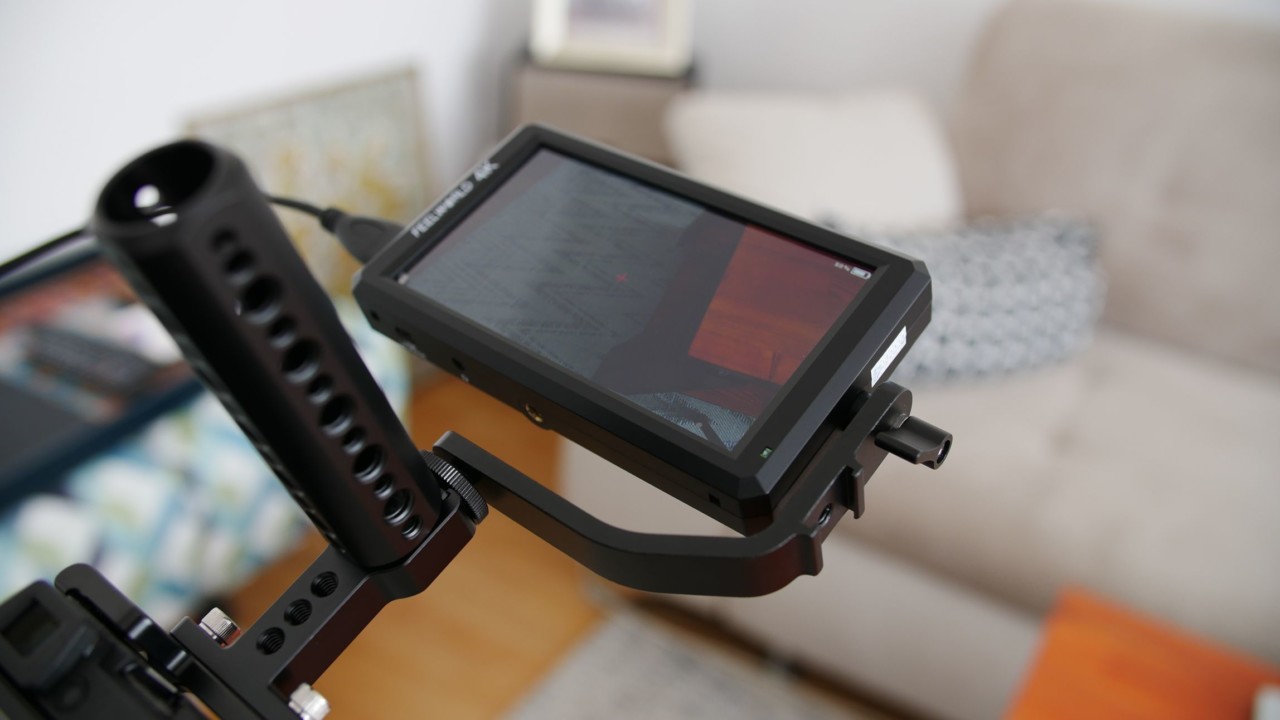
I also like how compact and lightweight it is (200g) since it has a 5.7” 1080p display with a high pixel density of 386, brightness of 460cd/m2 and the viewing angle of 85°/85°(L/R) 85°/85°(U/D). The image quality is superb for a budget camera monitor. Also, color accuracy is pretty good out of the box but you can always, calibrate the monitor to your liking. I found the sunlight legibility to be mediocre but the supplied sunshade really helps.
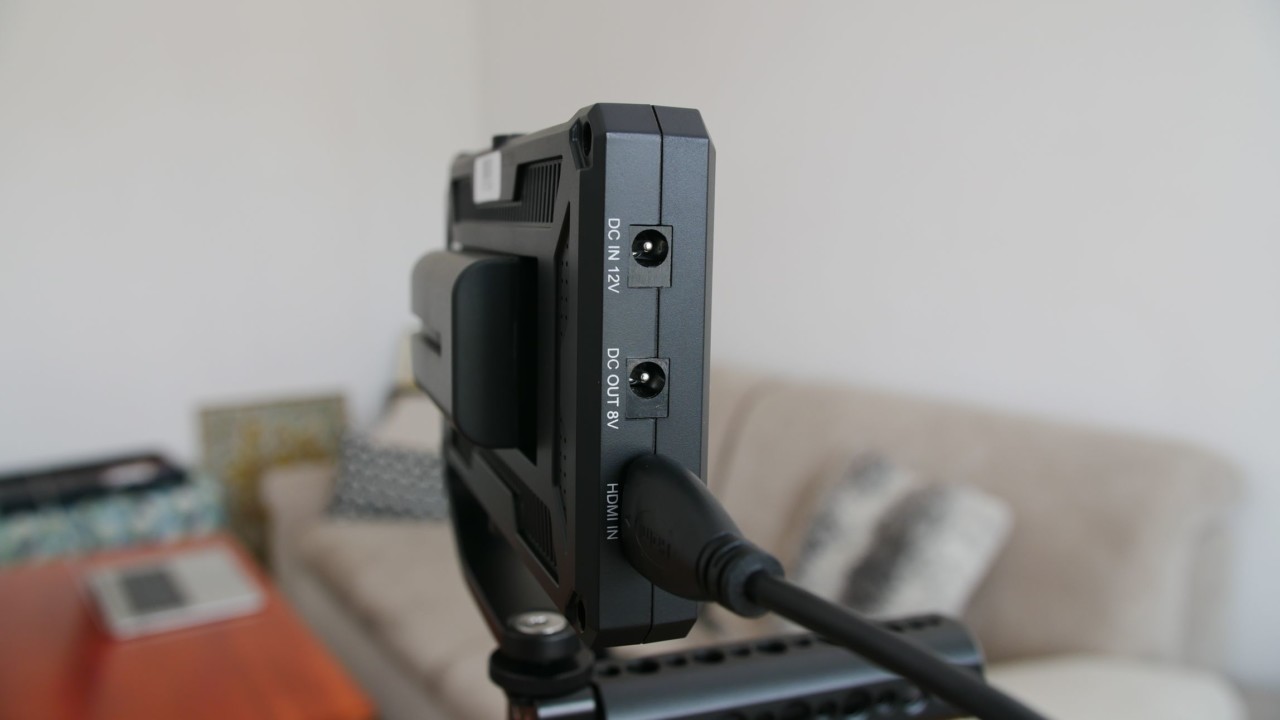
The monitor can support signal input up to 4k resolution and I found it to be working without any issues with my Sony A6300. Also, there is no input lag like on some other budget camera monitors.
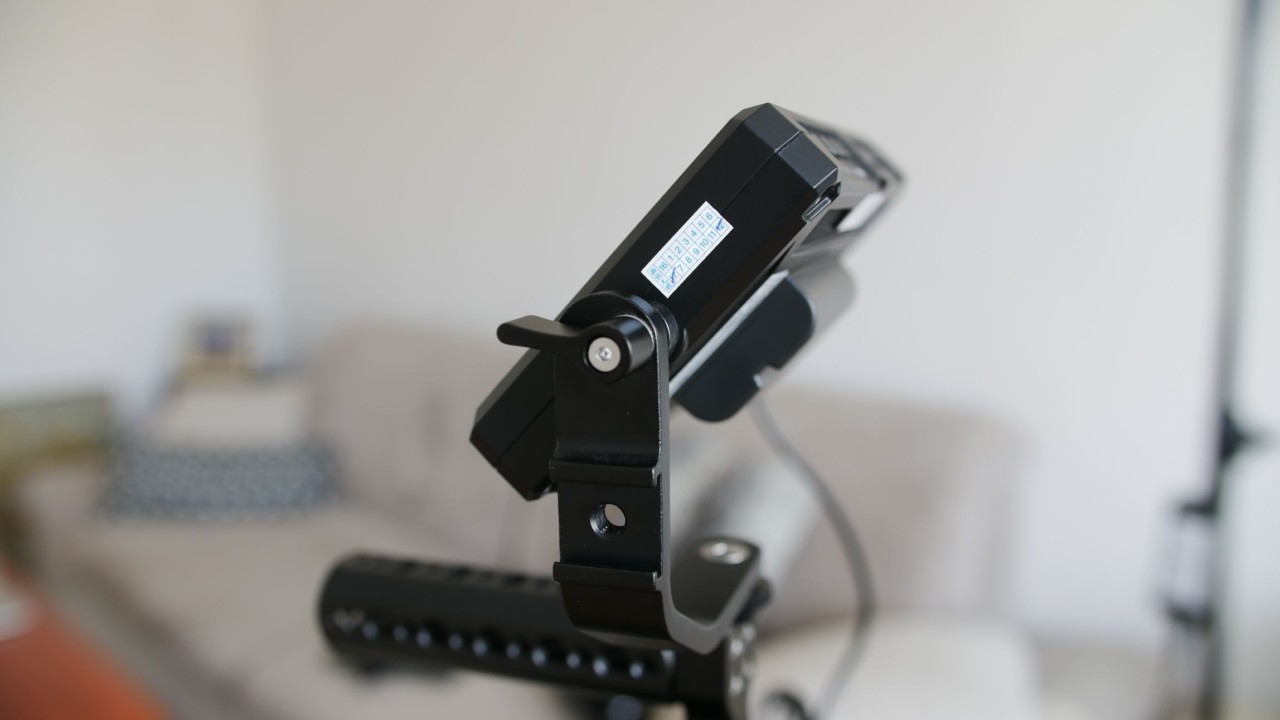
A huge problem with most of the camera monitors is the mounting system. The issue is that you usually need two hands to adjust the angle of the monitor and this is where the supplied tilt arm comes to help.
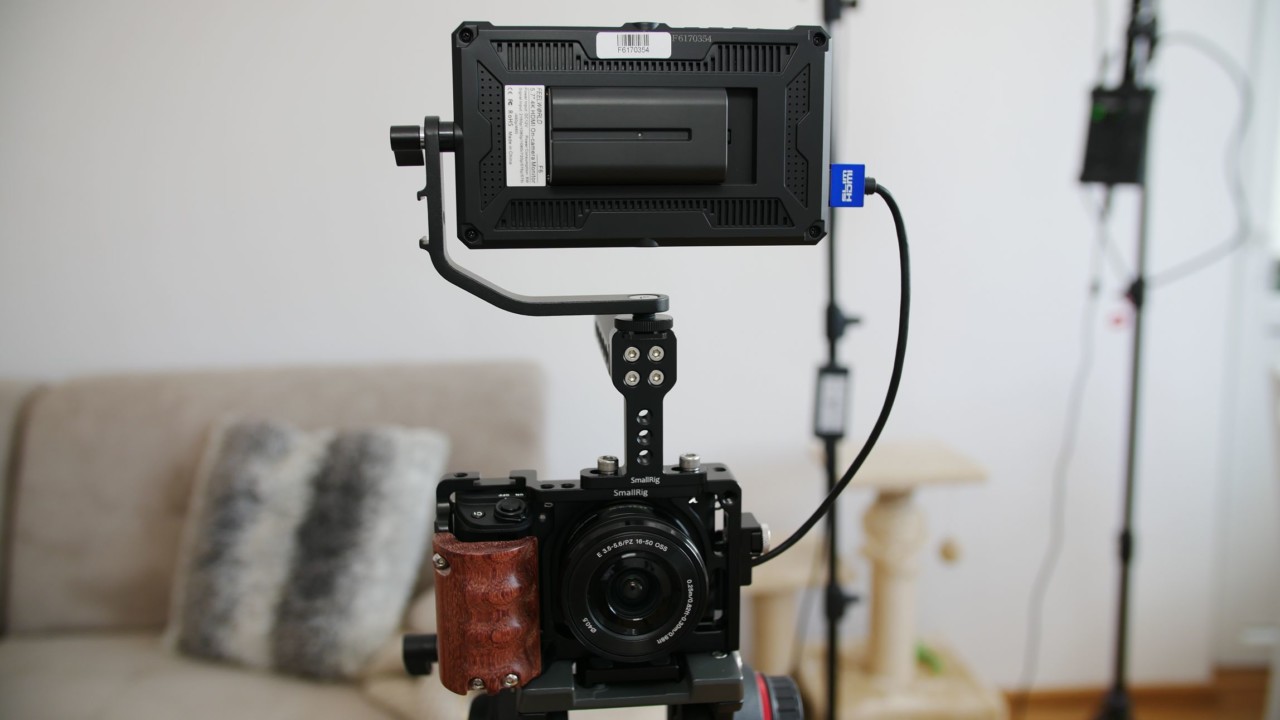
It attaches to the 1/4 thread on the side of the monitor and you can rotate the tilt axis 360 degrees. I found this feature to be really convenient. However, I wish this tilt arm could also rotate horizontally but you can always add third part accessories like a 360-degree rotating baseplate.
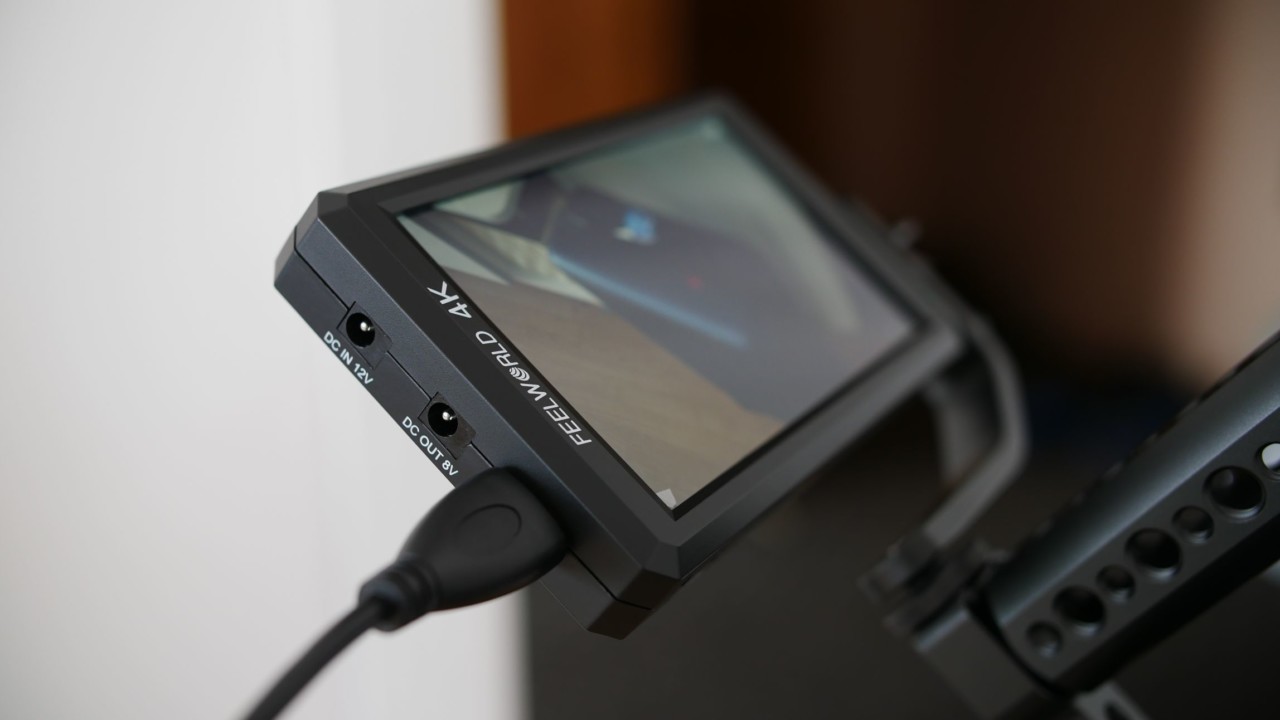
One of the key features is that you can power the monitor via the DC input port and also charge your camera while using it. However, you would need to buy the cable separately, so I could not test this feature out.
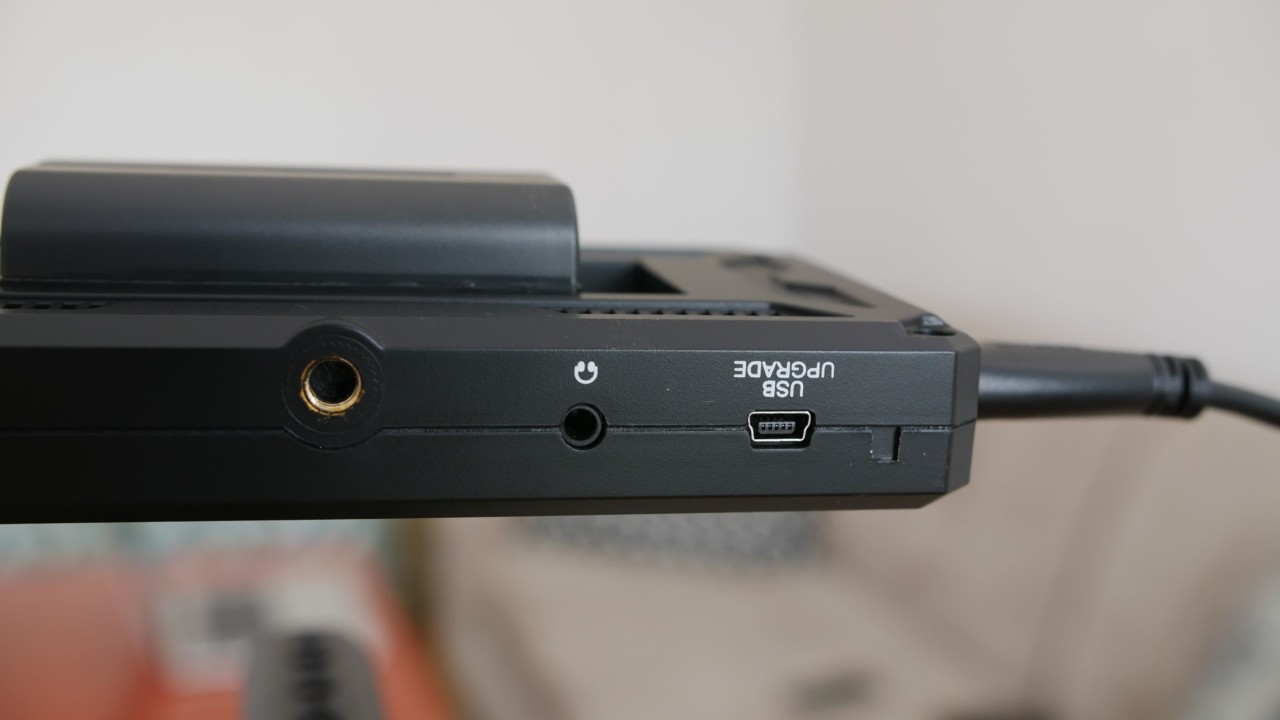
On the bottom of the monitor, you can find the headset jack, another 1/4 thread and the mini USB port for a software upgrade.
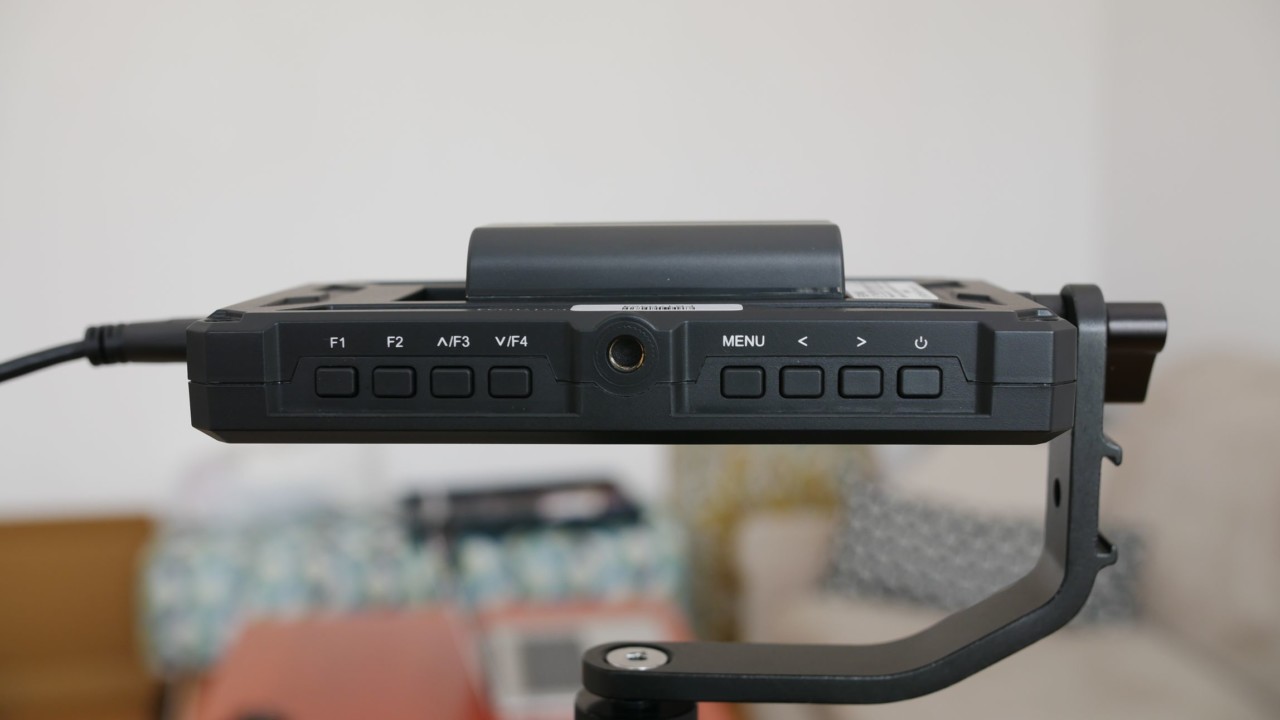
On the top, you can find a bunch of controls including 4 customizable shortcut keys, navigation, menu buttons and a power key. I’m so glad that you need to press and hold the power key to cut off the power, so you won’t accidentally turn off the monitor. I had this issue with the Feelworld F7 and it was really annoying.

USER INTERFACE and FUNCTIONALITY
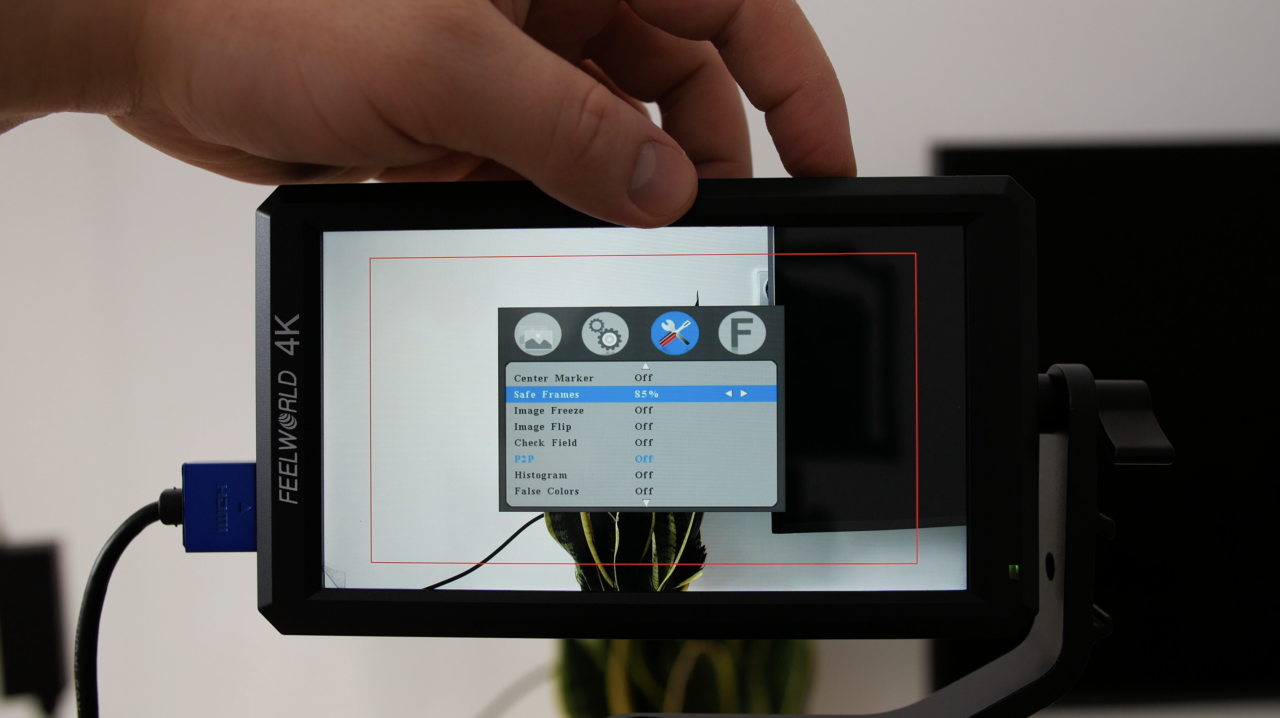
I programmed the customizable keys to quickly turn on or off focus assist feature that I found to be really accurate in practice. I also usually use false colors and image flip features. Every time, I rotate the monitor, I can flip the image quickly.

If you go to the menu, you can choose between a few picture modes or customize every single setting to your liking. I didn’t change any general settings as I like how they are set out of the factory. What is more interesting to me is the third settings column where you can find all the nice features of this tiny budget monitor. You can turn on/off the center marker, choose safe frames, use check field feature or use some advanced features like histogram, false colors, anamorphic, change focus peaking colors, check overexposed areas of the image, use nine grid, ratio maker and so on. The last settings column allows you to customize the programmable keys, which is really awesome.

As you can see, this tiny monitor is just packed with features for such a low price. Please see our video review for the user interface walkthrough.

BATTERY LIFE
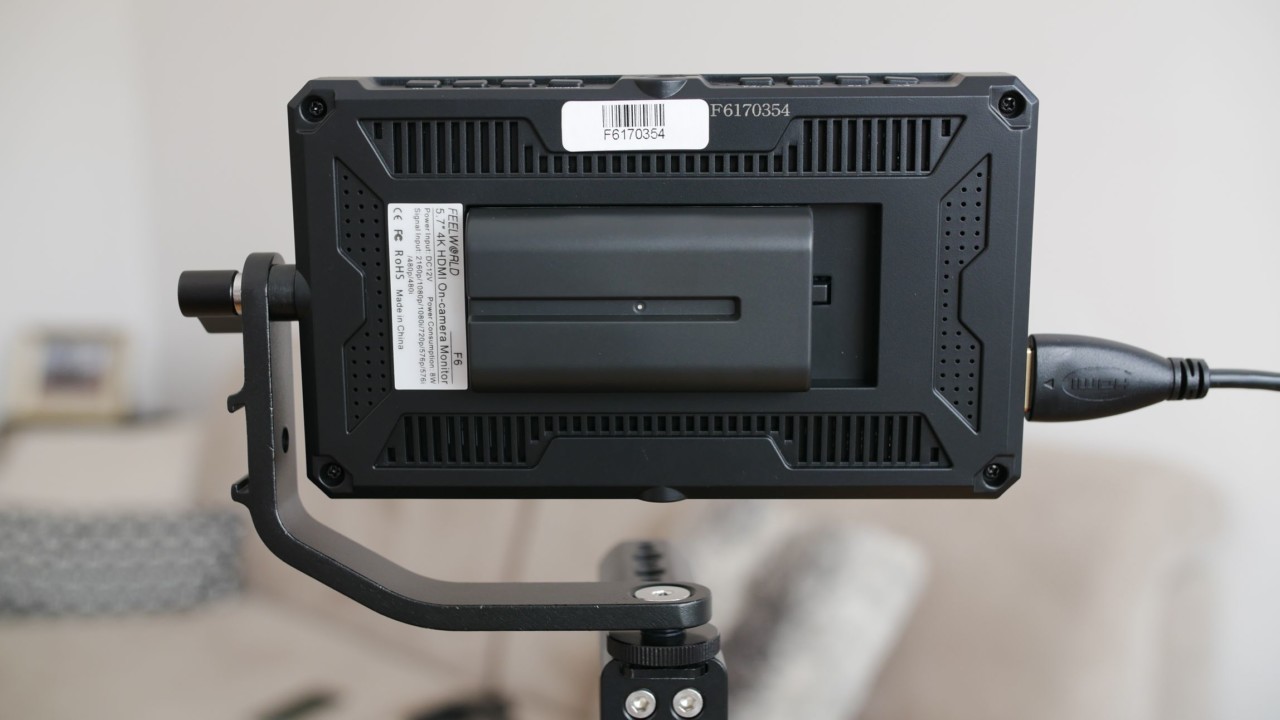
I found the battery life to be quite decent considering a low capacity of the supplied battery. You should expect to get about 40 mins out of it but obviously, this is not enough to assure a good workflow. That’s why I recommend you using higher capacity NP-style batteries that will give you over 3 hours of continuous use.

CONCLUSIONS

I have to say that I was impressed with the Feelworld F6 camera monitor as it has so many features for a low price. In fact, I see a huge improvement over some previous generation models in terms of input lag and menu system.

I love a very good image quality, compact size and build quality, the buttons seem to be in the right place and finally, there are plenty of advanced features that improve the quality of your video. However, I wish that the tilt arm rotated horizontally too and the supplied HDMI cable was shorter but these are just minor complaints.

At the end of the day, the Feelworld F6 is going to stay on top of my A6300 as I just love using it. I think that this is a very solid camera monitor for the price and I can easily recommend it.
Layoffs As HTC Merges Mobile & VR (Vive) Units

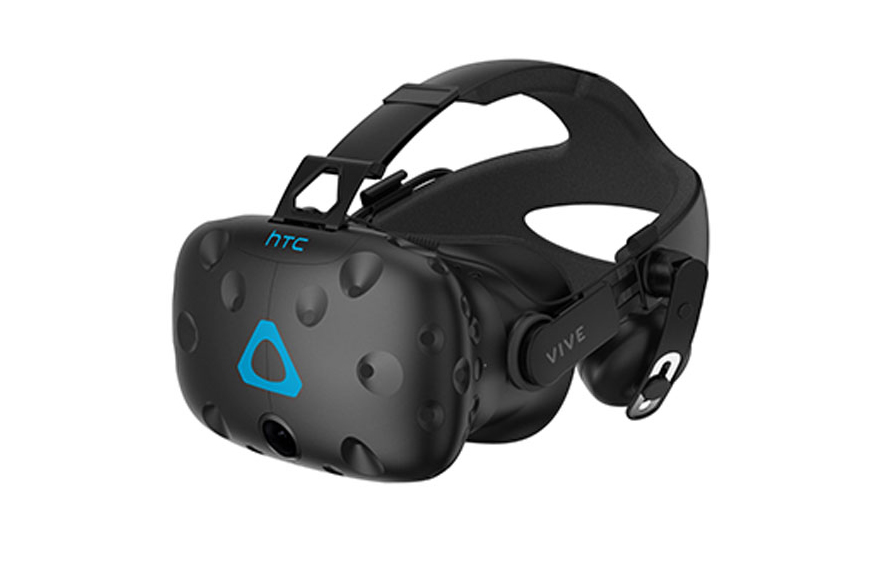
A few days ago, HTC announced a merger of its mobile and VR (Vive) divisions. This comes a few months after Google acquired its “Powered by HTC” R&D division. Sadly, the merger has resulted in loss of jobs at the Taiwanese company.

HTC Vive
HTC Vive

An emailed statement by an HTC employee revealed that the company had combined its VR and smartphone businesses in each region. Both businesses are now reporting to the same leadership.

It also mentions a restructuring of the North American smartphone division which now has a centralized leadership. “In doing so, there have been some employee reductions to align the businesses and empower the teams to share more resources.”

Digital Trends reports that HTC has laid off a chunk of its US workforce, leaving only employees for HTC Global in the US office.

Now that both divisions have been merged, it explains the resignation of the former head of smartphone and connected devices, Chialin Chang.

READ MORE: HTC Vive Business Edition VR System Launched In India

Moto G6 Spotted on GeekBench Packing A Snapdragon 450 Chip, Android Oreo & 3GB RAM

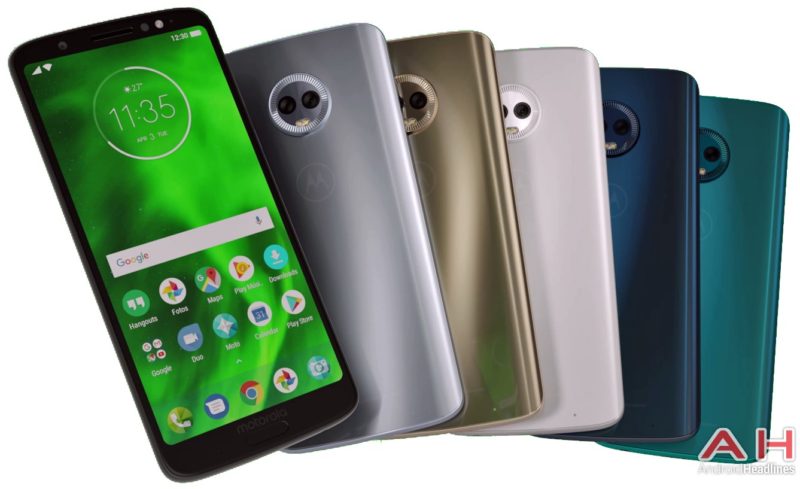
Lenovo’s Motorola brand has got a handful of new models which would be released this year. The models spread across the flagship range to midrange models and even budget phones. The Z17 series caters for the flagship while the G series is Motorola’s midrange army, then there is the budget E series.Moto-G6-Plus-all-colors-leak-1-800x489

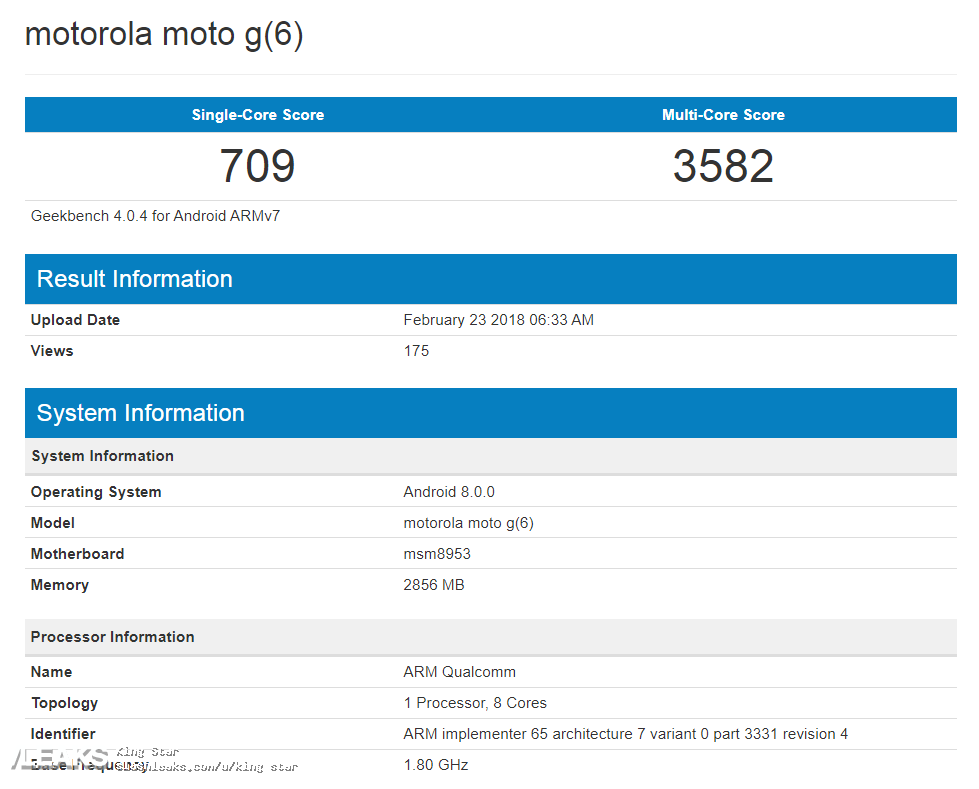
Moto’s 2018 G series models will be called G6 and G6 Play. The Moto G6 has just been benchmarked on Geekbench with some of its key specs revealed. Notable among the specs is the presence of a Qualcomm Snapdragon 450 processor paired with 3GB of RAM. The G6 is also shown to run Android 8.0 Oreo out of the box. The SD 450 Chip was announced last year by Qualcomm. The The SD450 mobile platform uses leading-edge 14 nm technology to power premium experiences in high-tier smartphones without draining the battery. It comes with features like support for real time Bokeh camera effects, integrated X9 LTE, and an Adreno 506 GPU. The chipset is designed to provide fast connectivity, vibrant displays, and performance that’s both powerful and efficient. The benchmark score shows a considerably higher score than the SD430. On the single core test, SD 450 scored 709 points while it’s multi-core test is 3582. The Moto G6 Play was recently spotted on Geekbench confirming the presence of a Snapdragon 430 mobile platform. The single core score of the G6 Play stood at 472 points while the multi-core score is 1801 points.Moto G6

Read More: Moto G6 Plus Leaked Render Reveals 5 Color Variants

The G6 is thus an higher model than the G6 Play. Previous leaks tied the device to also feature NFC, as well as a 3000mAh battery. The device will come with a dual camera setup at the rear with the second sensor likely being a Boehner sensor. The device will be launched sometime in Q2 2018 and it will come with a Rs. 15,000 (~$234) price tag.

(sourcevia)

Xiaomi Mi Mix 2S Specs Rumor Roundup: Everything We Know About The Upcoming Xiaomi Flagship

On February 26, Xiaomi will attend MWC 2018, the best trade show of the year for mobile devices. But the Chinese company will probably not showcase Xiaomi Mi7 as you may have expected. The hi-tech giant which recently re-joined the top 5 best smartphone brands in the world will take advantage of Mobile World Congress to announce the Xiaomi Mi Mix 2S, the first intermediate “S” version of the Mi Mix series. It will be a flagship killer, but it should also have great quality-price ratio just like every other phone released by the company.

Here is everything we know about the upcoming flagship thanks to rumors and leaks surfaced in the last months.


Xiaomi Mi Mix 2S: Design

Xiaomi Mi MIX 2S Render

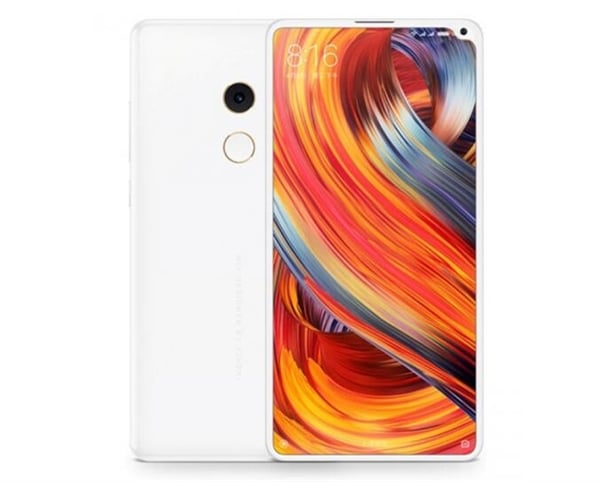
The design will get significant improvements if we are to compare the Mi Mix 2S with its predecessor. The Mi Mix series has always been focused on the screen-to-body ratio, and the STB ratio will be even higher than the Mi Mix 2 on this model. According to leaked images, the bezels will be extremely narrow on each of the sides of the Xiaomi Mi Mix 2S, and there will be a very small notch on the top right corner which will make space for the front camera. Either the whole body or the back cover of the handset should be made of ceramic, and the overall looks should be one of the most interesting things ever seen on a phone.

Xiaomi Mi Mix 2s
Latest Mi Mix 2S Render

We expected to see a fingerprint reader on the rear side, but a recent banner shows that there is no fingerprint reader on the back cover. This makes us think that Xiaomi may have opted for a fingerprint reader embedded in the display thanks to the new chip unveiled by Synaptics. According to the leaked image, it is unlikely that the fingerprint reader will be replaced with a 3D facial recognition technology like Face ID, because there is no space for a sensor like that on the front side. At last, expect to see a dual SIM tray and an IR sensor to use the phone as remote control for your TV.


READ MORE: How Facial Recognition Works On Smartphones!


Display

Xiaomi Mi Mix 2S is expected to come with a 5.99-inch display just like Xiaomi Redmi Note 5 and Note 5 Pro, which should show images with the same Full HD+ resolution of about 1080 x 2160 pixels (we say “about” because, due to the notch, the resolution will not be exactly 1080 x 2160 like other 18:9 displays). The display will obviously have an 18:9 aspect ratio. Xiaomi has never released a device with a 2K display and this decision will probably continue with the Mi Mix 2S as well.


Hardware

Under the hood, Xiaomi Mi Mix 2S will have the best components that you can imagine. The SoC will be the best 2018 chipset by Qualcomm: the octa-core Snapdragon 845 with a max clock frequency of 2.8 GHz. This processor includes a dedicated module for artificial intelligence, so expect several AI features on this handset. The SoC should be paired with 8 GB of RAM and up to 256 GB of internal storage, which is the best configuration ever seen on an Android phone. Unfortunately, we still do not know if the internal storage will have the latest UFS technology to ensure high speeds in data transfer.


Camera

Xiaomi Mi Mix 2S should be better than its predecessor in terms of camera performance. The flagship will sport a dual camera setup in a vertical configuration at the center of the back cover, and the LED flash will be placed between the two sensors. Some firmware files have revealed that there will be a Sony IMX363 sensor. The camera will surely have some AI features like, for example, scene recognition to automatically adjust the colors and other parameters. Automatic HDR, object tracking, and chroma flash should be available as well, given that they are typical MIUI features.


Battery

Talking about the battery, there shouldn’t be significant improvements. Xiaomi Mi Mix 2S should come with a 3400 mAh lithium unit, the same capacity as the Mi Mix 2. But the energy consumption may be optimized better given that there is a better SoC in the internals. Anyway, if the leaks about the battery capacity are to be believed, there shouldn’t be much difference in terms of battery life.


Xiaomi Mi Mix 2S: Price

There is still no information regarding the price of Xiaomi Mi Mix 2S, but Xiaomi has hardly ever disappointed us with its pricing. This handset may be the cheapest flagship phone with the Qualcomm Snapdragon 845 chipset launched at MWC 2018, as Samsung Galaxy S9 and the alleged Sony Xperia XZ Pro should be very far from being affordable. But the price will still be higher than the Mi Mix 2, obviously.


Xiaomi To Release Cortana Smart Speaker Following AI Deal With Microsoft

Xiaomi and Microsoft have signed a new deal. Both companies already have an existing partnership that sees the latter’s office suite of apps pre-loaded on Xiaomi’s phones. The new deal which focuses on AI will bring to market a Cortana-powered Xiaomi smart speaker.

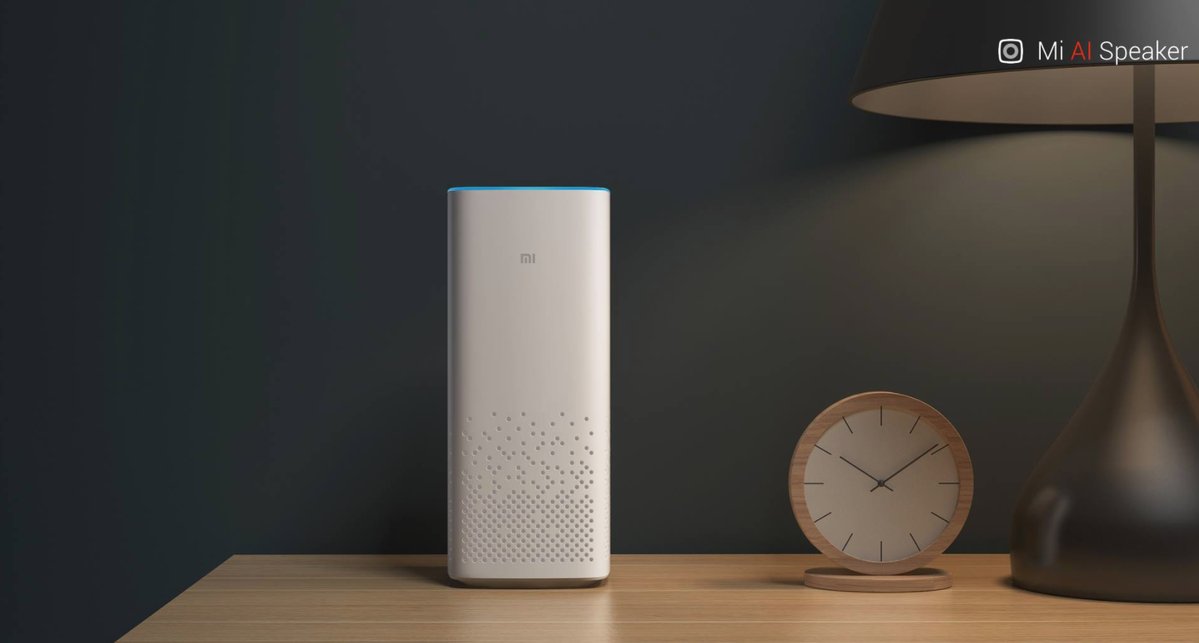
Xiaomi Mi AI Smart Speaker
Xiaomi Mi AI Speaker

Xiaomi already has a smart speaker called the Mi AI speaker. The speaker uses an in-house assistant and only supports Chinese. Cortana currently supports English (Australia, US, UK, Canada), Chinese, French, German, Japanese, Italian, and Spanish.

The Cortana smart speaker will actually be a “port” of Cortana to the Xiaomi Mi AI speaker. Reviews say the speaker does look good and has great audio and build quality. It is also pretty cheap as it sells for just ¥299 (~$50). So this sure looks like a win already.

The agreement between both companies is actually a Strategic Framework Memorandum of Understanding. The agreement will result in a combination of Microsoft’s experience in cloud and AI technology and Xiaomi’s expertise in smart hardware development for achieving select goals. Both companies will leverage on the other’s strength for success.

Xiaomi will also have access to Microsoft’s Azure cloud platform and also get development and marketing insights for its own laptops.

READ MORE: Xiaomi Redmi Note 5 Pro AnTuTu Score vs Mi 5 vs Mi 6 vs Redmi Note 5: SD 636 on Par With SD 820!

Xiaomi Redmi Note 5 Hitting China With Different Camera Configuration

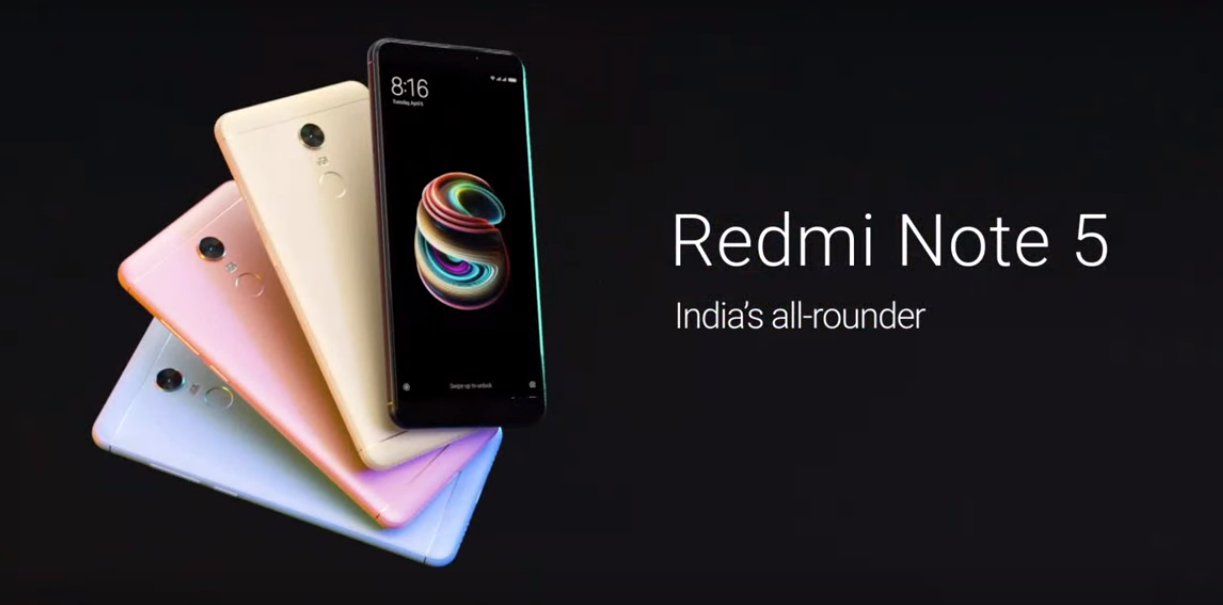
Xiaomi took the wraps off the much-anticipated Redmi Note 5 on February 14 in India. The mid-range model was unveiled alongside the Redmi Note 5 Pro but with a different specification. Although the Redmi Note 5 was highly expected before its launch, the device had to play second fiddle after the Redmi Note 5 Pro was announced with a better configuration, especially the dual rear cameras. The Redmi Note 5 Pro’s camera earned the device the title of India’s camera beast. Well, Xiaomi calls it that. xiaomi-redmi-note-5

As would be expected, Xiaomi will launch both models in China and from the look of things that could be soon. Xiaomi’s head of smartphone product marketing, in a recent Weibo post, hinted that the Redmi Note 5 will hit China soon. He then added an interesting aspect and that is the device is coming with a camera surprise.Redmi Note 5 India's all-rounder

Read More: Xiaomi Redmi Note 5 Goes Official with 18:9 Display, Snapdragon 625, 4000mAh Battery Rs. 9,999 Pricing

We don’t need a soothsayer to be able to grab that the camera of the China version of the Redmi Note 5 may likely take a different configuration from the one announced in India. As a reminder, the Redmi Note 5 features a 12MP rear camera with f/2.2 aperture and an individual pixel size of 1.25μm. It comes with features like fast autofocus and PDAF. At the front, there is an 8MP camera which has been optimized to capture good quality selfie shots in low-light conditions. The front camera is equipped with an LED flash and Beauty 3.0 for snapping enhanced selfie shots. Going by the Xiaomi exec’s statement, we expect the China version of the Redmi Note 5 to come with a different camera specification but what would change is still not known. We expect the model to go official soon in China.  We’ll find out when it does.

(source)

MediaTek Helio P60 Gets Benchmarked, Scores As High As Snapdragon 660

Last year, details of two new MediaTek SoCs scheduled to be announced in 2018 surfaced online. The two chipsets – the Helio P40 and Helio P70 are expected to power upper mid-range and flagship devices. However, there was no mention of a Helio P60.

MediaTek has done a good job keeping the Helio P60 a secret for this long. Today the chip was spotted on Geekbench in a test device that hints that it will be unveiled at MWC 2018.

MediaTek Helio P60

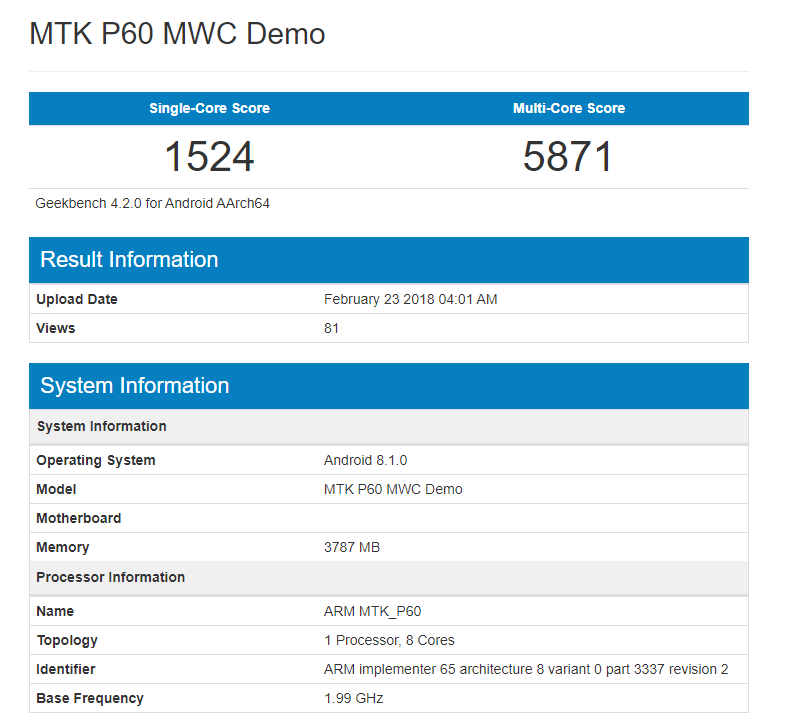
The test device is benchmarked as the MTK P60 MWC Demo, has 4GB of RAM, and runs Android 8.1 Oreo.

MediaTek’s new Helio P60 chip is at the heart of the device. The octa-core chip is clocked at 1.99GHz and records some really impressive scores.

For the single-core test, the Helio P60 scored 1524 points, and for the multi-core test, it scored 5871 points. These scores are similar to those of the Snapdragon 660 which powers phones like the Vivo X20 and the Xiaomi Mi Note 3.

READ MORE: MediaTek Helio P70 Fueled World’s First Smartphone, the Ulefone T2 Pro, Launching at MWC 2018

MIUI 9 Global Beta Testers Required For Redmi 5, Redmi 5 Plus, & Redmi Note 5 Pro

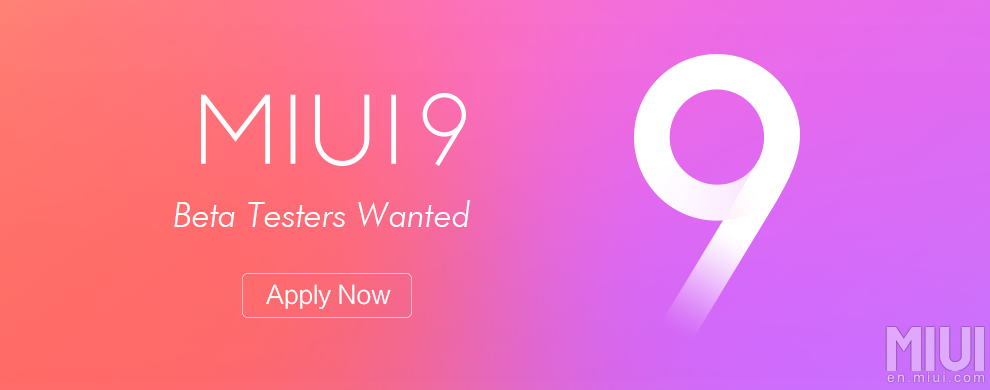
Hey developers! The official Xiaomi MIUI forum is recruiting beta testers for MIUI 9 Global Beta ROM. But before you jump to the forum, you have to satisfy the requirements.

MIUI 9 Global beta

While this is not the first requirement on the forum, it is the most important. For your application to be accepted you must own the Redmi 5, Redmi 5 Plus, or Redmi Note 5 Pro.

If you satisfy the above condition then the rest are as follows:

  • Running the latest MIUI Global Developer ROM
  • Have the QQ app for communication
  • Speak (write) English
  • Know about ROMs
  • Active on the forum

The recruitment is open to users from all regions and application closes 11:59 pm (Beijing Time) on March 1. To apply, download the MIUI forum app from the Play Store and select “recruitment” on the homepage. Fill out the form and submit. Users will be sent a Forum PM to know if they have been selected.

READ MORE: Xiaomi Mi Band 3 On The Way, Gets Bluetooth Certification

Sony Xperia XZ2 And Xperia XZ2 Compact Design And Specs Leak Ahead Of MWC 2018 Launch

Sony is holding a press conference during Mobile World Congress in Barcelona on 26th February, Monday. While the company has not revealed what it plans to launch during the event, Evan Blass suggests that the company will be launching the Xperia XZ2 and the Xperia XZ2 Compact.

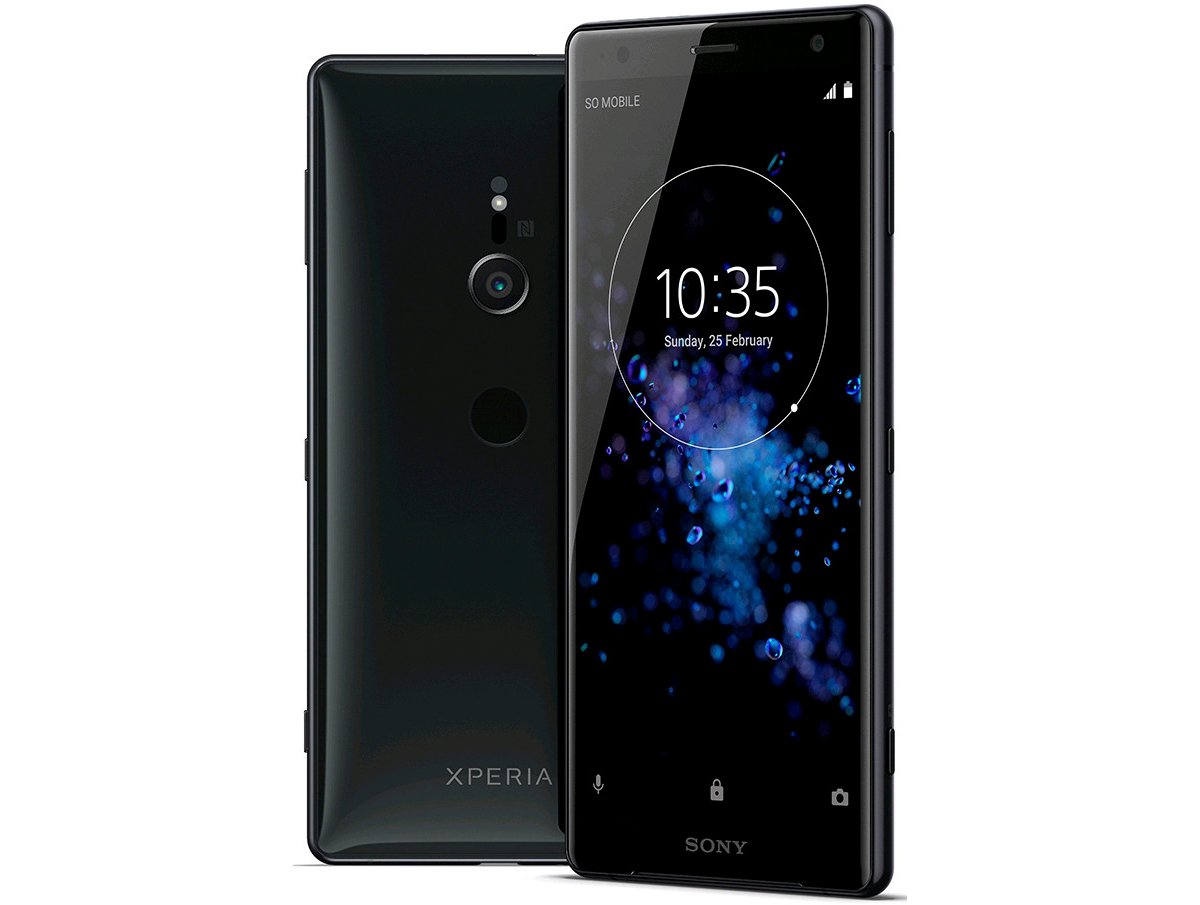
Along with that, he has also leaked the press render of the Sony Xperia XZ2, showing off the new design adopted by the Japan-based company. The Xperia XZ2 comes with a 3D glass on both sides, front as well as back, along with an aluminum frame.

Both the devices will have a larger screen-to-body ratio than any previous Xperia devices, thanks to the adaptation of 18:9 aspect ratio. The phone has a glossy finish and will be available in four different colors — black, silver, green, and pink.

Sony Xperia XZ2 Range

According to the leak, the Xperia XZ2 will feature a 5.7-inch display while the smaller variant, dubbed as Xperia XZ2 Compact, will sport a 5.0-inch display. Both models will have Full HD LCD display with 18:9 aspect ratio and a layer of Corning Gorilla Glass 5 on top for protection.

Under the hood, both phones will be powered by Qualcomm‘s latest Snapdragon 845 processor — the same chipset that is expected to power the upcoming Samsung Galaxy S9 and Galaxy S9+. The company is reportedly ditching the button-based fingerprint sensor and just like its recently launched Xperia XA2 series devices, the fingerprint sensor on the Xperia XZ2 and XZ2 Compact will be placed on the back panel.

Both phones are expected to come equipped with the same 19-megapixel camera sensor with ƒ/1.8 aperture from the XZ Premium. The camera is capable of 4K HDR recording and super-slow motion capture in Full HD resolution. The devices will be running on Android 8.0 Oreo operating system with the company’s own custom skin on top. While the XZ2 features a 3,180mAh battery, the XZ2 Compact has a smaller 2,870mAh battery.

Apart from the display size and battery capacity, there doesn’t seem to be much difference between Xperia XZ2 and Xperia XZ2 Compact. However, there is certainly a difference in build quality, is the latest leak is to be believed. Apparently, the XZ2 will have glass on both sides and will support wireless charging while the XZ2 Compact will feature a polycarbonate case back and won’t be supporting wireless charging.

Read More: Sony Xperia Flagship Device Visits Geekbench, Packs Snapdragon 845 And 4GB RAM

For the pricing and availability details related to Xperia XZ2 and Xperia XZ2 Compact, we’ll have to wait for Sony to officially announces them at Mobile World Congress on Monday.

(Source)


Official Renders of Alcatel 1X, Alcatel 3, and Alcatel 3X Leaked Ahead of MWC

At this year’s edition of MWC, Alcatel is expected to unveil the new phones under its revamped lineup. Official renders of three of the forthcoming phones have surfaced online a few hours ago and they include the Alcatel 1X, Alcatel 3, and Alcatel 3X.

The photos which were leaked by Evan Blass give us a good look at the front and rear of all three phones.

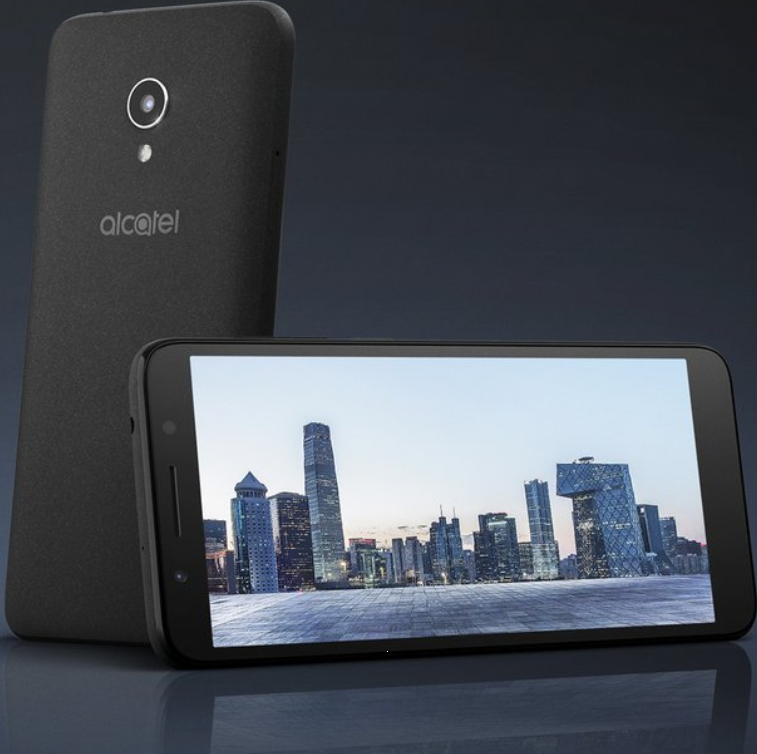
Alcatel 1X

Alcatel 1X

The Alcatel 1X is shown wearing a black coat of paint with a sandstone-like finish. The phone will also likely be available in blue and gray as seen in early leaks.

Even though the 1-series is the lowest, the Alcatel 1X also comes with an 18:9 display. There is a selfie camera on the left of the top bezel and a sensor on the right. The bottom bezel looks bare but we can’t confirm if there are capacitive touch buttons on it or not.

There is no fingerprint scanner at the back but there is a single rear camera with a LED flash. The Alcatel 1X also has a 3.5mm jack at the top.

The specs of the Alcatel 1x are still unknown but since it is said to be an entry-level device, we are not getting our hopes high.

Alcatel 3

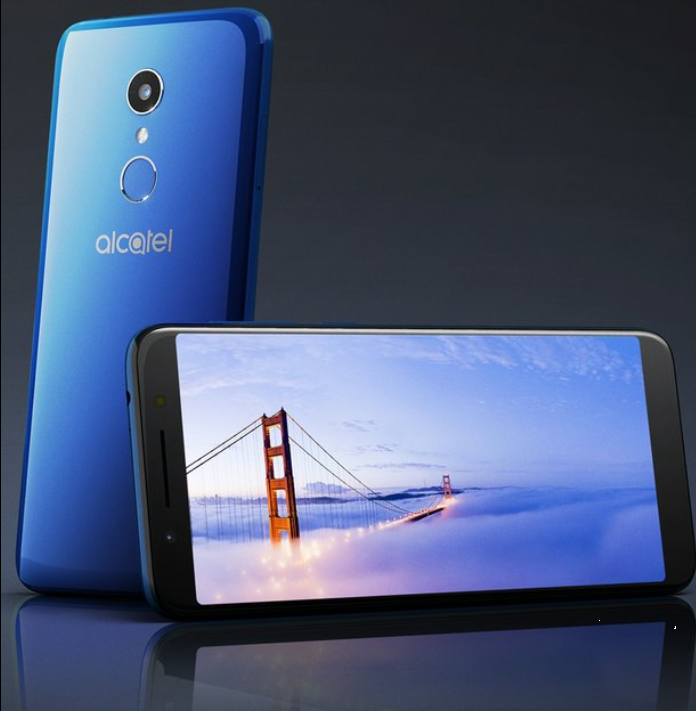
Alcatel 3

The Alcatel 3 is one of the four devices in the 3-series. We already know the Alcatel 3C which was already launched in Italy last month. There is also the Alcatel 3V and the Alcatel 3X (below).

The Alcatel 3 rocks an 18:9 display too. There are still bezels at the top and bottom, and just like the 1x above, the lower bezel is bare while the top one is home to the camera, earpiece and sensor.

The rear has a nice blue reflective coat that looks like glass but is probably polished or coated metal. Unlike the Alcatel 1X, a fingerprint scanner graces its back. There is also an audio jack at the top.

Alcatel 3X

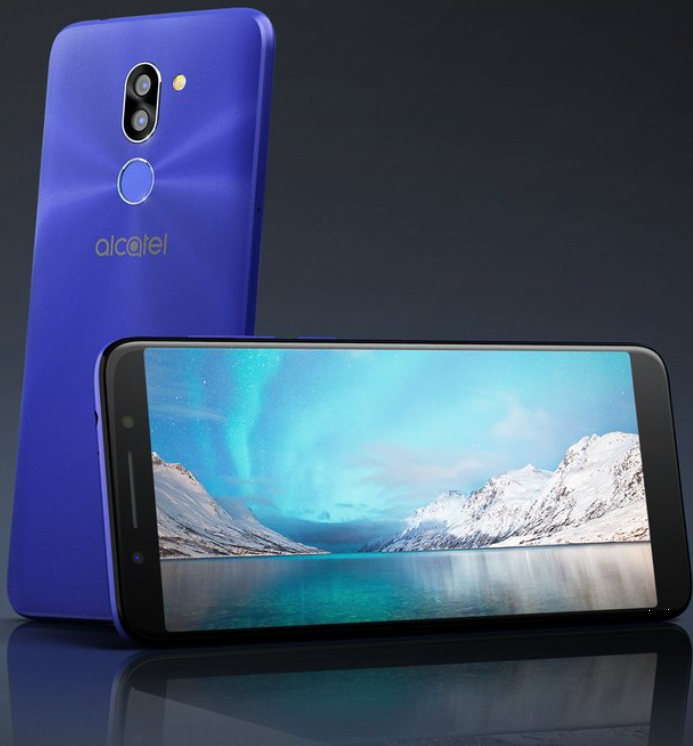
Alcatel 3X

From the render, the Alcatel 3X appears to be a slight upgrade over the Alcatel 3.  It has a full-screen display too which may even be the same size as that of the Alcatel 3.

READ MORE: Alcatel A3 10 Wi-Fi Tablet Launched In India, Priced At Rs. 6,999 ($109)

General Mobile’s GM 8 Go Could Be The First Android Go Smartphone, Images Leaked Online

Google recently confirmed that it will be using the Mobile World Congress platform in Barcelona next week to launch new devices running Android Go — the stripped-down variant of its Android mobile operating system.

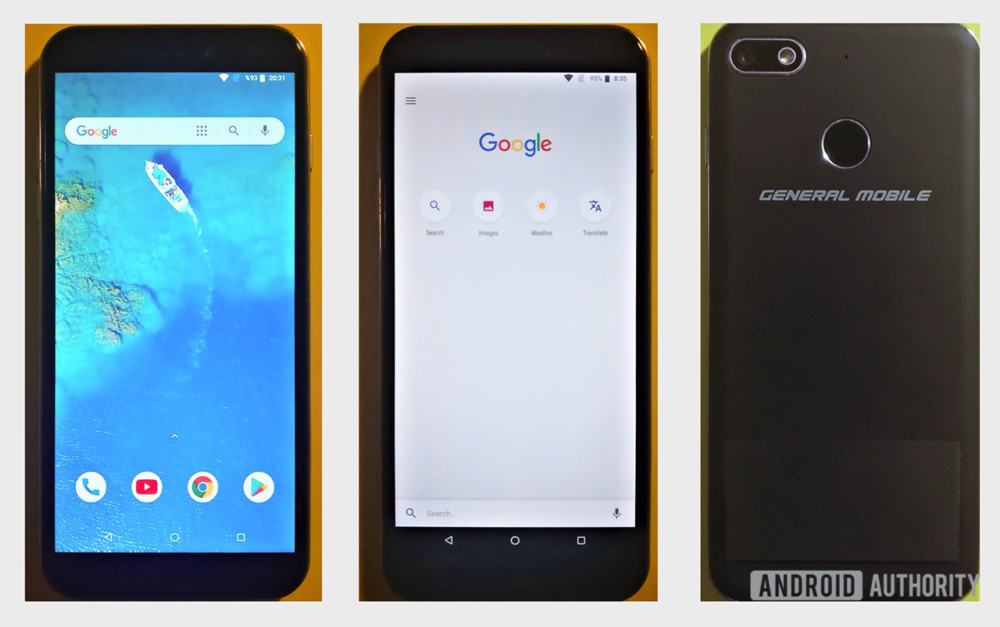
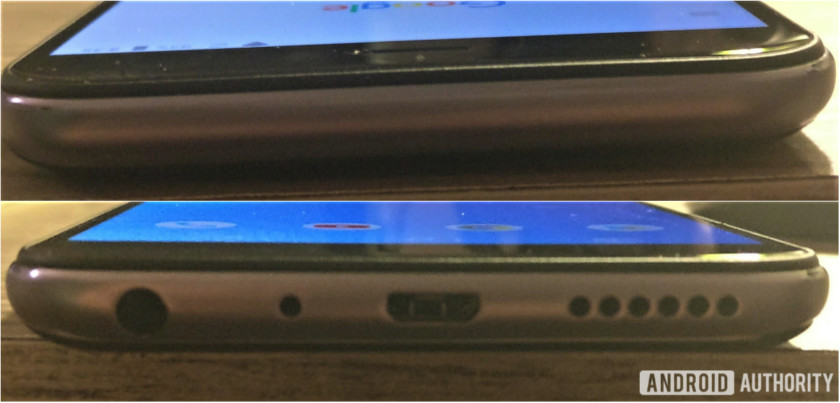
While many manufacturers are said to be working on an Android Go device, the latest leak suggests that the first Android Go device to be unveiled at the Mobile World Congress could be General Mobile’s GM 8 Go. The phone’s images have been leaked online, revealing some of the key specifications.

General Mobile GM 8 Go Android Go Phone

According to the report, the phone, which is said to be made out of plastic, will come with a 5.03-inch HD+ display with screen resolution of 1440 x 720 pixels and 18:9 aspect ratio, which roughly translates to a pixel density of 320ppi.

Under the hood, the device will be powered by MediaTek 6739 processor, along with just 1GB RAM and 16GB of internal storage. It is not yet known if there’s a microSD card slot for allowing users to expand the phone’s storage capacity.

General Mobile's GM 8 Go

The leak also suggests that the phone will come equipped with a 13-megapixel primary camera and a 5-megapixel front-facing camera. In addition, the device will have a capacitive fingerprint sensor on the back panel. It is expected to feature the usual set of connectivity options and will be running on Android 8.1 Oreo (Go edition) operating system. It is powered by a 3,500mAh battery.

Earlier this year, India-based Micromax revealed its first Android Go phone — the Bharat Go. However, the company has not yet revealed the phone’s specifications or images. The phone was supposed to launch in India by the end of January 2018 but it has not been launched yet.

Read More: Google to Unveil First Android Go Smartphones at MWC 2018; Checkout the List of Expected Android Go Phones

Apart from this, Nokia is also expected to launch its Android Oreo (Go Edition) phone at the MWC 2018 — Nokia 1. Recently, the phone’s press renders were leaked, revealing two color variants — Indigo and Bright Red. It is also said to come with 18:9 aspect ratio display, 1GB RAM and 8GB of onboard storage.

(Source)


Microsoft’s New Surface Pro Launched In India For A Starting Price Of Rs 64,999

Microsoft has launched its new Surface Pro in India, which the company claims to be the “most versatile laptop”. This new small-screen 2-in-1 notebook is now available for purchase through online retailers Amazon India and Flipkart as well as through online stores such as Croma, Reliance Digital and Vijay Sales.

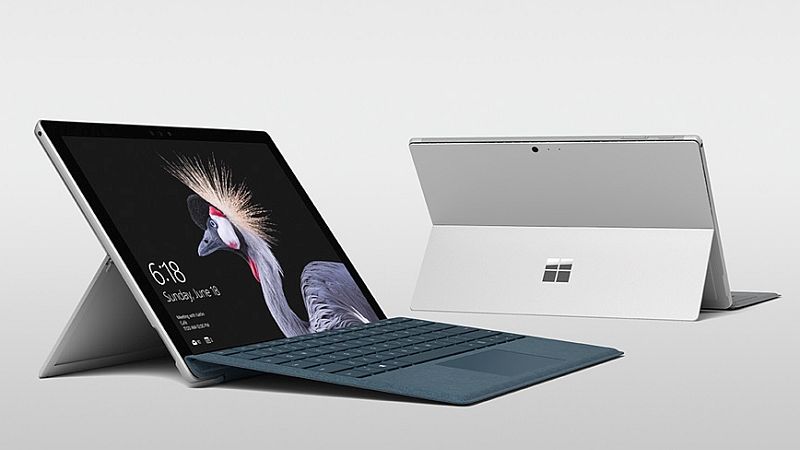
The new Surface Pro was first showcased last year in the United States as the successor to the Surface Pro 4 line-up, which is currently retailing at Rs 49,999 in India. The New Surface Pro sports similar design to its predecessor — the back and the spine are encased in aluminum while the Surface Pro Type Cover is made of soft Alcantara material.

Microsoft Surface Pro

The Microsoft Surface Pro comes with a 12.3-inch PixelSense touch display with screen resolution of 2736 x 1824 pixels. It also comes with Surface Pen that supports 4,096 levels of pressure sensitivity. The base variant, which is powered by Intel Core m3 processor is priced at Rs. 64,999 (approximately $1002), while the Intel Core i5 variant having 4GB RAM with 128GB SSD and another model with 8GB RAM and 256GB SSD costs Rs. 79,999 and Rs. 1,06,999 respectively.

The top-end variant, which packs Intel Core i7 processor, is also available in two models — one with 8GB RAM and 256GB SSD and another with 16GB RAM and 512GB SSD. While the 8GB RAM model costs Rs. 1,33,999, the 16GB RAM model is priced at Rs. 1,82,999. Both the models pack Intel Iris Plus Graphics 640 while the remaining models feature Intel HD Graphics 620.

The Surface Pro runs on Microsoft‘s Windows 10 Pro operating system and has support for Office 365. It comes with an 8-megapixel rear camera with autofocus and a 5-megapixel front-facing camera sensor for video calling.

The device measures about 8.5mm in thickness and its weight vary depending on the variant starts at 767 grams. It also has a hinge that lets users adjust the tablet by up to 165 degrees, letting users operate the Surface Pro in Studio Mode.

Read More: Microsoft Surface Phone With Snapdragon 845 In The Works- Rumour

The company is also planning to bring the Surface Book 2 line-up in India which runs on more powerful Intel’s 8th generation chipsets and offers graphics from Nvidia’s Gdiscrete0 series. The line-up is expected to launch in India in March 2018.


Meizu X2 With Snapdragon 845 Isn’t Finalized Yet: Employee Clarifies

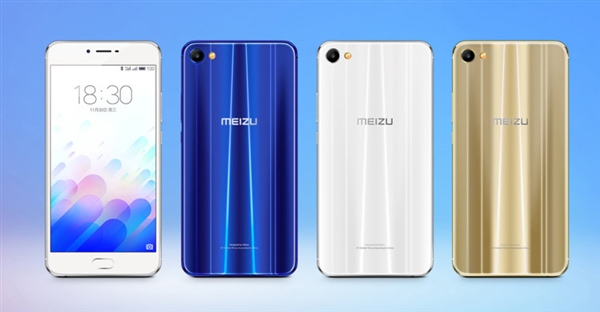
Meizu VP Li Nan was recently quoted as disclosing that the tech giant will launch the Meizu X2 and that it would feature a Snapdragon 845 chip onboard. Now, in case you don’t know much about the smartphone, the X2 is supposed to be the successor to the Meizu X which was launched in 2016. Meizu went on a rampage in 2016, releasing quite a lot of smartphone models but slowed down the pace in 2017. Thus, the Meizu X2 which was supposed to have been launched in 2017 wasn’t.Meizu X2

Indeed, the Meizu X2 will be launched sometime this year but it remains to be seen if the device will indeed pack a flagship Snapdragon 845 chip. Li Nan is credited to have hinted of the presence of Qualcomm’s latest processor on the X2 but a Meizu employee has come out to clarify on Weibo that the presence f a flagship chip on the premium midrange model is yet to be finalized. Sure, the Chinese company has such plans but it is just a tentative one which we hope is finalized soon. It is unlikely though that the Meizu X2 will come with a flagship chip. This could just be some publicity stunt.Meizu X2

Read Also: Renders & Schematics of Likely Meizu X2 Spotted At The Chinese Patent Office

Sure, the statement affirms that the Chinese company has such plans but it is just a tentative one which we hope is finalized soon. It is unlikely though that the Meizu X2 will come with a flagship chip. This could just be some publicity stunt.

(source)

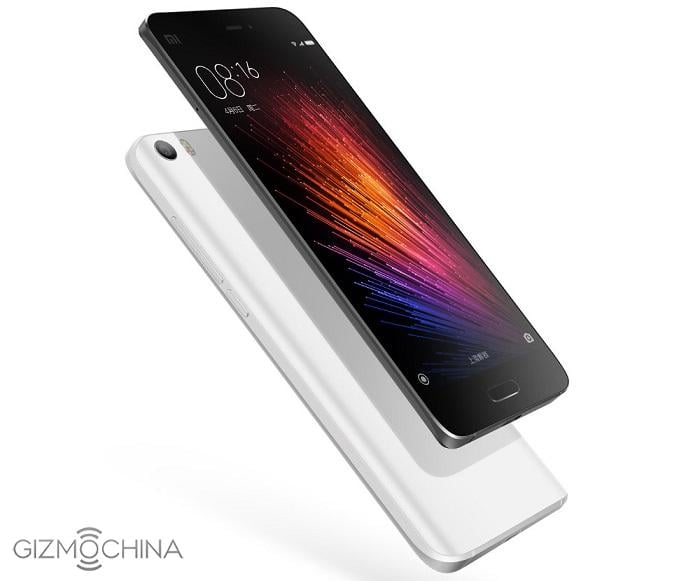
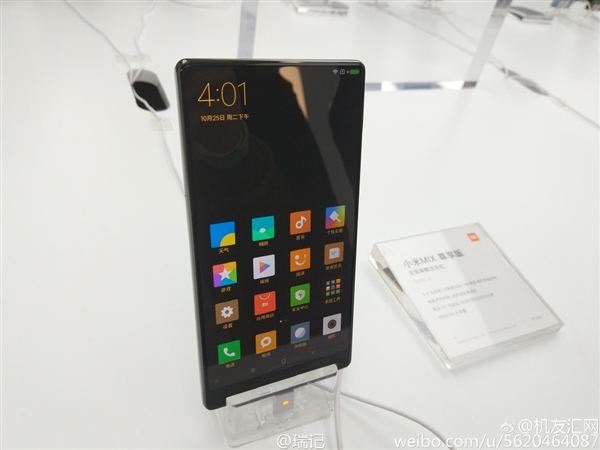
Xiaomi Reportedly Testing Android Oreo on the Xiaomi Mi 5 & Mi Mix

Xiaomi isn’t expected to release MIUI 10 anytime soon but the tech giant has continued to push updates which in some cases usher in Android Oreo to Xiaomi models. For now, only the Mi A1 has got Android Oreo update and that has been plagued by bugs for quite some time and this has hampered the full rollout. The Mi A1 runs Stock Android so it may be easier to do and the company is yet to push Oreo update to any of its MIUI-running phones but there are indications that Xiaomi is shifting the update to other models apart from the Mi 6 and Mi Mix 2 whose beta programs are underway. Xiaomi-Mi-5

A recently leaked firmware file obtained by XDA Developers has reported shown that Xiaomi is testing Android Oreo updates for the Mi 5 and Mi Mix. The information is said to be based on firmware files obtained by @funkyHuawei. XDA Developers claims to have got exclusive access to the files but no pictorial evidence was tendered in this case, unlike in some of its leaks.xiaomi mix hands on

Read More: Xiaomi Redmi Note 5 Pro AnTuTu Score vs Mi 5 vs Mi 6 vs Redmi Note 5: SD 636 on Par With SD 820!

We don’t know when the models listed would get the Oreo update. We still expect the Mi Mix 2s and Mi 7 to be the first Xiaomi models running MIUI custom ROM to run Android Oreo and that would be out of the box. Back to the Android Oreo update for Mi 5 and Mi Mix, the firmware files in question are said to indicate that Xiaomi is testing the Android Oreo update for both of these 2016 flagship smartphones and they go by the code-names Gemini and lithium. Don’t get your hopes high though, as XDA added that the update may never be released, as the company could merely be evaluating the upgrade and later decide not to release it. This makes sense because MIUI 10 or MIUI X, whichever name it finally gets called, will be based on Android Oreo after all. But never say never, just keep your fingers crossed if you are among the Mi 5 and Mi Mix owners anxiously waiting for Android Oreo update.

(source)

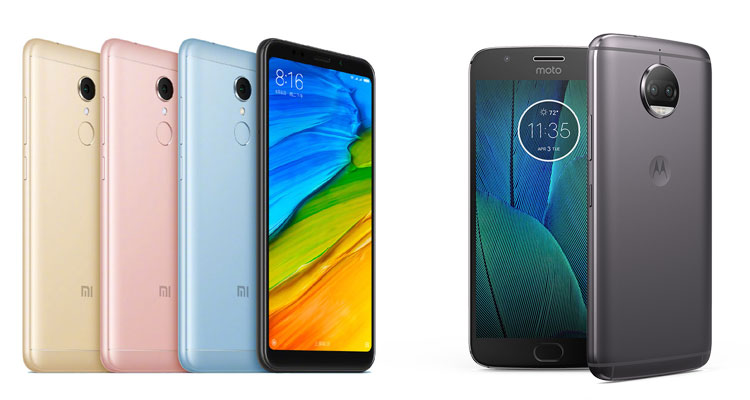
Xiaomi Redmi 5 Plus vs Motorola Moto G5s Plus: Specs Comparison

Xiaomi Redmi 5 Plus and Motorola Moto G5s Plus can be considered two symbols of midranges phones launched in H2 2017. Both are devices which seem almost like high-end phones in daily use, but at the same time they are sold at very affordable prices. While the first is also a borderless and innovative device, the second is more classic and it is focused only on giving the best user experience. Let’s see which one is better with a Xiaomi Redmi 5 Plus vs Motorola Moto G5s Plus specs comparison.

xiaomi redmi 5 plus

Xiaomi Redmi 5 Plus vs Motorola Moto G5s Plus

Xiaomi Redmi 5 Plus Motorola Moto G5s Plus
DIMENSIONS AND WEIGHT 158.5 x 75.5 x 8.1 mm, 180 grams 153.5 x 76.2 x 8 mm, 168 grams
DISPLAY 5,99 inches, 1080 x 2160p (Full HD+), 403 ppi, 18:9 ratio, IPS LCD 5.5 inches, 1080 x 1920p (Full HD), 401 ppi, 16:9 ratio, IPS LCD
PROCESSOR Qualcomm Snapdragon 625, octa-core 2.0 GHz Qualcomm Snapdragon 625, octa-core 2.0 GHz
MEMORY 3 GB RAM, 32 GB – 4 GB RAM, 64 GB, micro SD slot 3 GB RAM, 32 GB – 4 GB RAM, 64 GB, micro SD dedicated slot
SOFTWARE Android 7.1.2 Nougat, MIUI 9 Android 7.1 Nougat, near-stock version
CONNECTIVITY Wi-Fi 802.11 b/g/n, Bluetooth 4.2, GPS Wi-Fi 802.11 a/b/g/n, Bluetooth 4.2, GPS
CAMERA 12 MP f/2.2
5 MP front camera
Dual 13 MP f/2.0
8 MP f/2.0 front camera
BATTERY 4000 mAh
Fast charging 5V / 2A
3000 mAh
ADDITIONAL FEATURES Hybrid Dual SIM slot Dual SIM slot

The display is the most evident difference: while Xiaomi Redmi 5 Plus has an 18:9 panel with a huge size of 5.99 inches, Moto G5s Plus has a classic 16:9 panel with a size of 5.5 inches, that is not so different from the panels of typical midrangers. The hardware side is exactly the same, both have the octa-core Snapdragon 625 SoC (with a good power and an outstanding efficiency) and 3/4 GB of RAM, so you would not see noticeable differences in performances. While Xiaomi Redmi 5 Plus has a way more interesting display, Moto G5s Plus offers a more interesting camera. It is a dual camera setup with a 13 MP resolution that can capture a high level of detail and behaves well even in low light conditions. R5P does not have the best camera in the mid-range sector, so if you are looking for a camera phone you’d better go for the G5s Plus.

Another advantage of Moto G5s Plus is the dedicated micro SD slot: if you want to use a micro SD to expand the memory, you would not be forced to say goodbye to the secondary SIM slot. On the other hand, Xiaomi Redmi 5 Plus has a way bigger battery (4000 mAh vs 3000 mAh), so it also offers a longer battery life. At last, while Moto G5s Plus is a splash resistant phone, Xiaomi Redmi 5 Plus does not offer any protection against the water. These are the main difference between the two handsets. While Xiaomi Redmi 5 Plus can be found in many countries with a price tag of about 200 euros (150 and 195 dollars in China for each variant), Moto G5s Plus costs about 230 euros/dollars. In my personal opinion, Xiaomi Redmi 5 Plus actually has a higher value for money.

Xiaomi Redmi 5 Plus vs Motorola Moto G5s Plus: PROs and CONS

Xiaomi Redmi 5 Plus

PRO

  • Bigger and more interesting display
  • Aggressive price
  • Bigger battery
  • Compact and borderless

CONS

  • Average camera

Motorola Moto G5s Plus

PRO

  • Nice dual camera
  • Splash resistant
  • Front facing LED flash
  • Dedicated micro SD slot

CONS

  • Higher price than its opponent

Huawei FLA-AL00 and Huawei FLA-AL10 Full Specs Revealed on TENAA

A couple of weeks ago, three Huawei devices were seen on TENAA. One of the three devices is said to be the Enjoy 8 whose full specs were released yesterday. Today, the full specs of the other two devices with model numbers FLA-AL00 and FLA-AL10 which are speculated to be the Huawei Nova 3 have surfaced online.

Both phones are nearly identical and differ only in memory and storage configuration.

[envira-gallery id=”175160″]

They both have 5.93” screens with a 2160 x 1080 resolution and are powered by the Kirin 659 processor. (Can Huawei come up with another chip for goodness’ sake?).

The AL00 variant has 3GB of RAM and 32GB of storage while the AL10 model has 4GB of RAM and 64GB of storage. Both are said to support storage expansion by up to an additional 256GB.

For optics, Huawei is going with quad cameras on both models. 16MP + 2MP  sensors on the front and 13MP + 2MP sensors on the rear. There is also a rear mounted fingerprint scanner on each device.

[envira-gallery id=”175169″]

Battery capacity is 3900mAh and there is Android 8.0 Oreo (with EMUI 8.0 overlay) pre-installed. Dimensions are 157.2 × 75.3 × 7.89 mm and weight is 170g.

READ MORE: Huawei Achieves 3 Gbps Speeds in 5G Trials in Italy

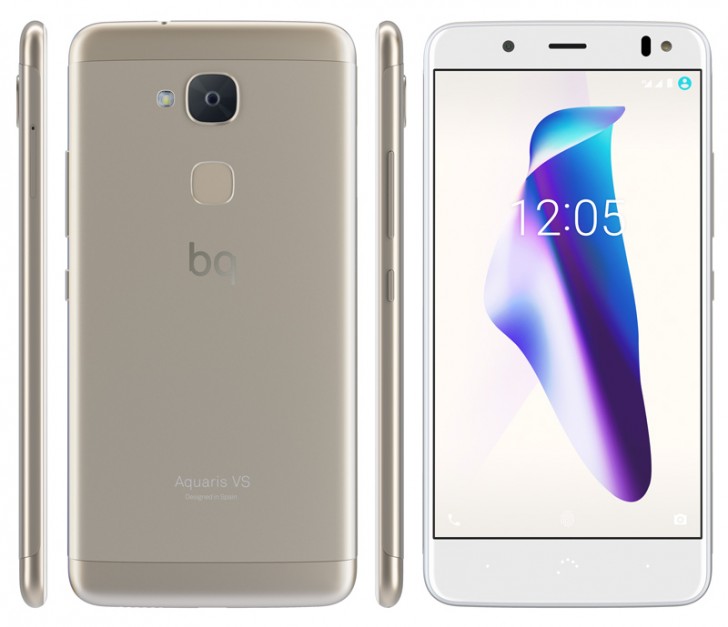
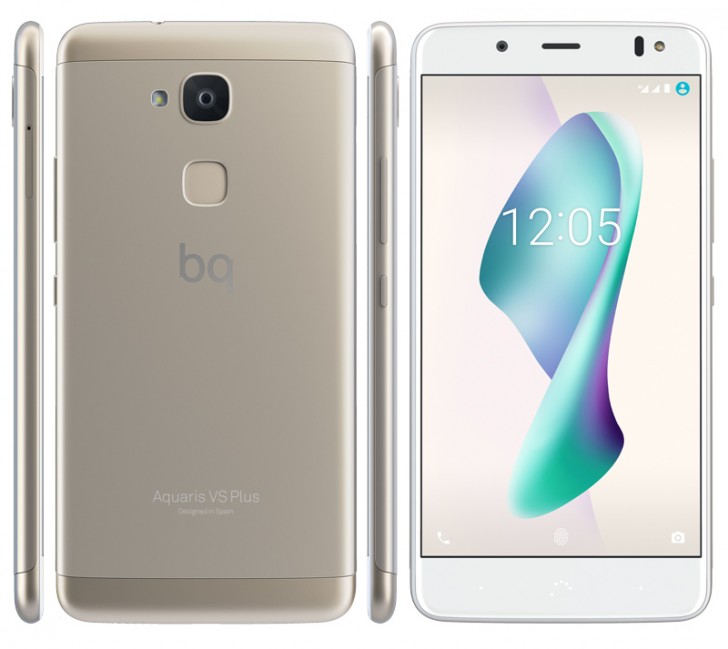
BQ Aquaris VS, VS Plus Officially Unveiled with Snapdragon 430, 4 GB RAM, 12-Megapixel Camera

BQ, a smartphone manufacturer from Spain has unveiled two new mid-range smartphones today namely, BQ Aquaris VS and Aquaris VS Plus. Both the BQ phones share common specs, but the Plus variant is a larger model with some enhanced features.

BQ Aquaris VS Specifications and Pricing

The Aquaris VS is fitted with a 5.2-inch IPS LCD display that supports HD resolution. The screen is tucked under a layer of 2.5D curved glass and it offers a maximum brightness of 520-nits.

BQ Aquaris VS

The Snapdragon 430 chipset powers the Aquaris VS. Its 32 GB and 64 GB models respectively feature 3 GB and 4 GB of RAM. The handset is fueled by a 3,100mAh battery and it carries support for Quick Charge 3.0. The handset is preloaded with Android 7.1.2 Nougat. Its rear side features a fingerprint scanner and a 12-megapixel camera with f/2.0 aperture lens. It features an LED enabled f/2.0 aperture 8-megapxiel selfie camera.

The 32 GB and 64 GB storage variants of the BQ Aquaris VS are respectively priced at 189 euros (~$232) and $209 euros (~$257).

BQ Aquaris VS Plus Specifications and Pricing

The Aquaris VS Plus houses a 5.5-inch IPS LCD display that supports Full HD resolution. It produces 570-nits of brightness and is safely placed under 2.5D curved glass.

BQ Aquaris VS Plus

The VS Plus borrows features like Snapdragon 430, 12-megapixel rear camera, LED-enabled 8-megapixel front camera, rear positioned fingerprint reader and Android 7.1.2 Nougat OS from its smaller sibling. It is powered by a 3,400mAh battery that is enabled with Quick Charge 3.0 support. It comes in a single storage version of 64 GB that includes 4 GB of RAM. It is carries a price tag of 229 euros (~$282).

Read More: Ulefone X will be featuring an iPhone X-like display (video)

BQ has promised to release Android 8.0 Oreo update for the Aquaris VS and VS Plus smartphones. The online store of the Spanish company delivers its smartphones to customers across different countries. However, one should be aware of the fact that the Aquaris VS and VS Plus supports only European LTE bands like 1, 3, 7 and 20. Hence, before placing order for these phones, customers are advised to check whether supports the LTE bands of the country.


Google to Unveil First Android Go Smartphones at MWC 2018; Checkout the List of Expected Android Go Phones

A report from the previous month had claimed that Micromax Bharat Go would be first phone Android Go (Oreo edition) in January. However, it did not come true. Google has now confirmed that it will be using the Mobile World Congress (MWC) 2018 platform in the coming week to debut some Android Go smartphones.

The search engine giant has refrained from revealing the names of the Android Go phones that will be announced next week. However, what is known is that some of those Android Go smartphones will be priced under $50.

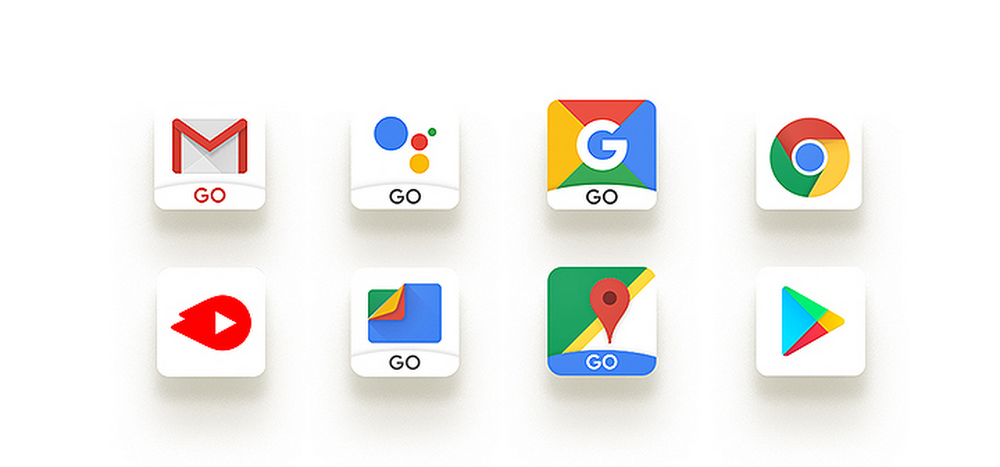
Android Go that was showcased at Google I/O 2017 last year is a customized version of OS that has been designed to run phones with low specs such as 512 MB of RAM and 8 GB of internal storage. It will be running lighter version of Google apps such as toned-down version of apps for Play Store, Google Go, Gmail Go, YouTube Go, Maps Go, Google Assistant Go and so on.

Android Go Apps

Read More: Google Shipped 3.9 Million Pixel Phones in 2017

Android Go phones will be aimed towards emerging markets. The search engine company has promised that the Android Go phones will deliver a high-quality experience. This seems possible since the Android Go project has received support from various smartphone OEMs and chipset makers like Qualcomm and MediaTek.

Android One is other project from Google through which it releases mid-range phones in collaboration with different smartphone OEMs. Xiaomi Mi A1 and Moto X4 Android One are some of the Android One phones that were unveiled in the recent past. At MWC 2018, HMD Global is expected to debut the Nokia 7 Plus Android One smartphone. Moreover, Android One phones will receive faster software updates for two years. These phones will be treated with regular security updates and latest AI innovations from Google for three years.

Previous reports have claimed that Micromax, Intex, Karbonn and Lava branded Android Go phones would be unveiled soon. Recent rumors have claimed that Nokia 1 is an upcoming Android Go phone that will be announced next week. Huawei too is expected to launch an Android Go phone. The ASUS ZenFone Go 2 is also speculated as an upcoming Android Go phone.

(source)


Nubia Reveals It Is Attending MWC 2018, New Models Incoming?

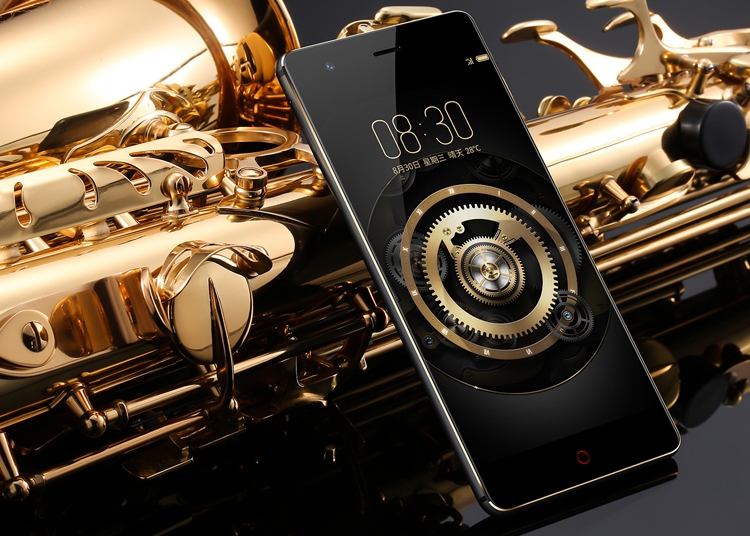
ZTE’s elite brand Nubia has officially hinted that it would be participating in the Mobile World Congress 2018 which commences in Barcelona next week. The brand made this disclosure via a Weibo poster which was posted recently. The poster had the theme “Creating a better future” and is clearly no invitation to a specific launch but an invitation to Nubia’s booth at MWC.

According to the poster, Nubia will be in Barcelona from February 26 to March 1. The poster also had the address of Nubia booth at MWC 2018. We can’t say for sure what products the company will unveil at MWC but it is likely we would be seeing a couple of new Nubia smartphones as well as some of the premium old guards on exhibition. Some fans on Weibo tips the Nubia Z19mini to drop during the event. Some fans even suggest Nubia will launch a car since the poster has the picture of a Ferrari sports car.Nubia MWC 2018

Read More: Nubia Flagship With Essential-like Notch And Amazing Screen To Body Ratio Leaked: Should Be Nubia Z19!

It is our thought that the sports car highlights the possibility of Nubia launching a new smartphone with a beautiful, sporty design but what that model is called is still unknown. A  Nubia model with the codename NX606J was recently spotted on AnTuTu packing a Snapdragon 845 chip and 6GB RAM and believed to be the Nubia Z19 but it is unlikely the device will be unveiled at MWC 2018. So, we can’t certainly say which model(s) Nubia will unveil at MWC but we’ll keep you updated on any new development in this regard.

(source)

Xiaomi Redmi Note 5 Pro Gets Face Unlock Feature

Xiaomi recently launched the Redmi Note 5 and Redmi Note 5 Pro devices in the Indian market. At the time of launch, the company had promised to soon offer the face unlock feature on the Redmi Note 5 Pro.

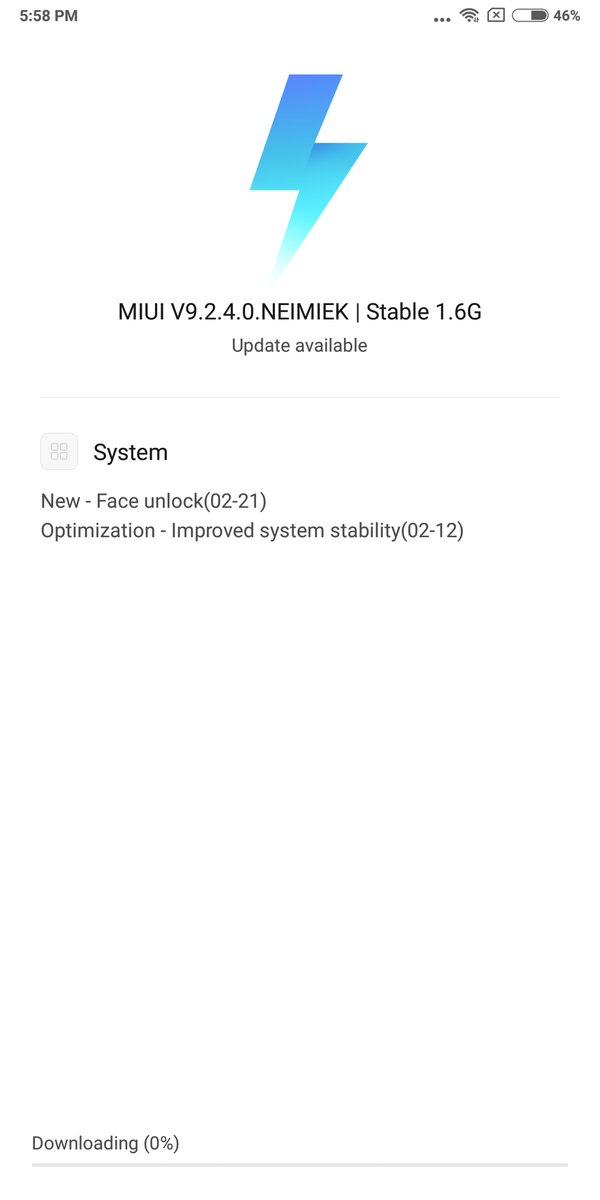
It seems that the company was waiting for the devices to go on sale. Just a day after the devices went on sale, the company has rolled out a new update for the Redmi Note Pro 5, introducing the face unlock feature. This makes it the first device from Xiaomi to have face unlock feature.

The Face Unlock feature has been introduced in the Redmi Note 5 Pro through the MIUI v9.2.4 NEIMIEK update. The over-the-air (OTA) update is about 1.6GB in size and also includes camera improvements and stability optimizations.

Redmi Note 5 Pro Face Unlock Update

The update will be available out of the box for customers who ordered the Redmi Note 5 Pro through its first flash sale earlier this week. Users can also manually check its availability by going to the Settings > System updates option or by using the Updater app.

The Xiaomi Redmi Note 5 is priced at Rs 9,999 for the 3GB RAM and 32GB storage variant and Rs 11,999 for the 4GB RAM and 64GB variant. On the other hand, the Xiaomi Redmi Note 5 Pro costs Rs 13,999 for the 4GB RAM and 64GB variant and Rs 16,999 for the 6GB RAM and 64GB ROM option.

Both the devices feature the trending full-screen display with 18:9 aspect ratio. The devices are running on the latest MIUI 9, based on Android 7.0 Nougat operating system out-of-the-box and are powered by a 4,000mAh non-removable battery.

Read More: Xiaomi Sells Over 300,000 Units Of Redmi Note 5 And Redmi Note 5 Pro In Its First Ever Sale In India

The Redmi Note 5 is powered by Qualcomm‘s Snapdragon 625 processor and features a 12-megapixel rear camera with a f/2.2 aperture along with an 8-megapixel front-facing camera. The Redmi Note 5 Pro packs Snapdragon 636 processor and features dual camera setup of a 12-megapixel Sony IMX486 sensor and a 5-megapixel secondary sensor. On the front side, it features a 20-megapixel Sony IMX376 camera sensor.

(Source)