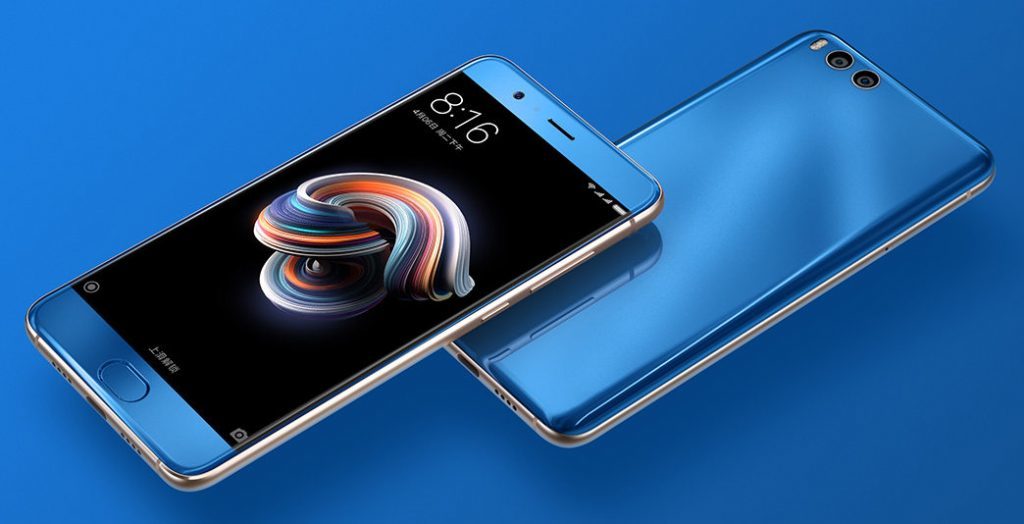
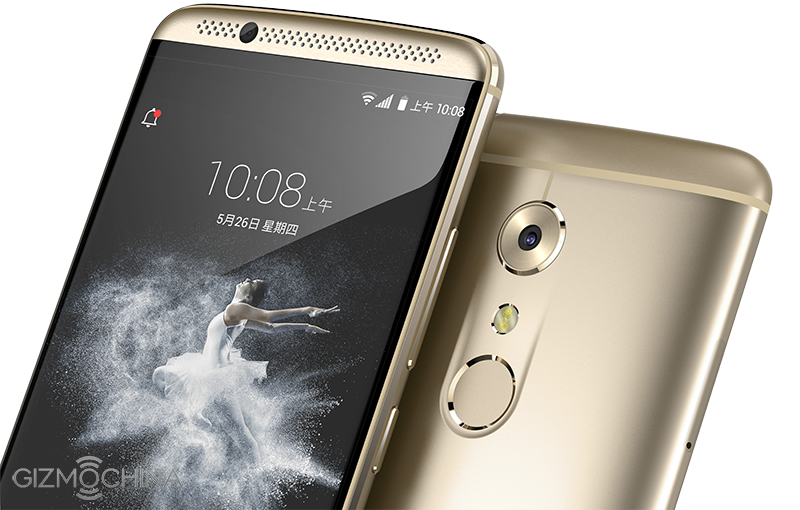
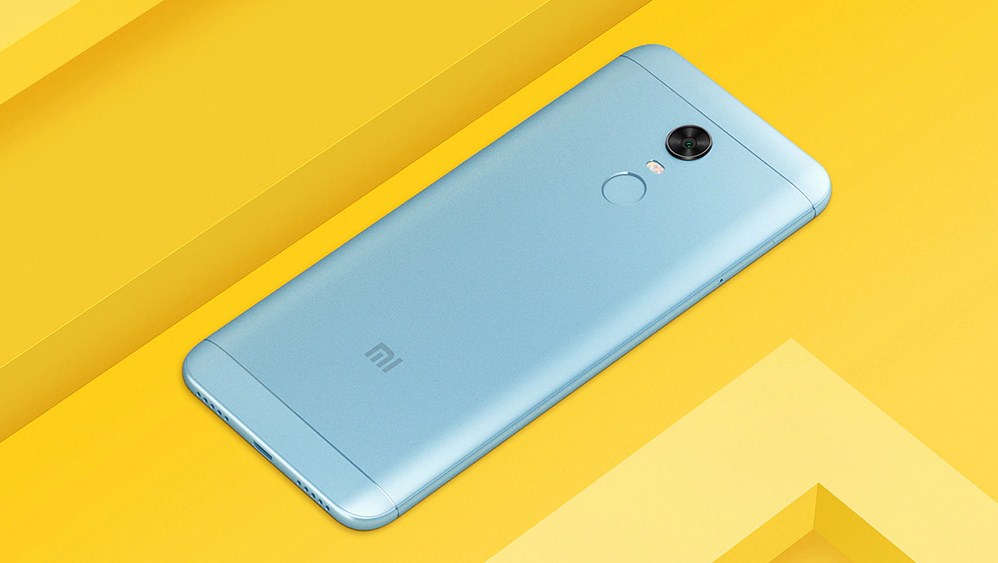
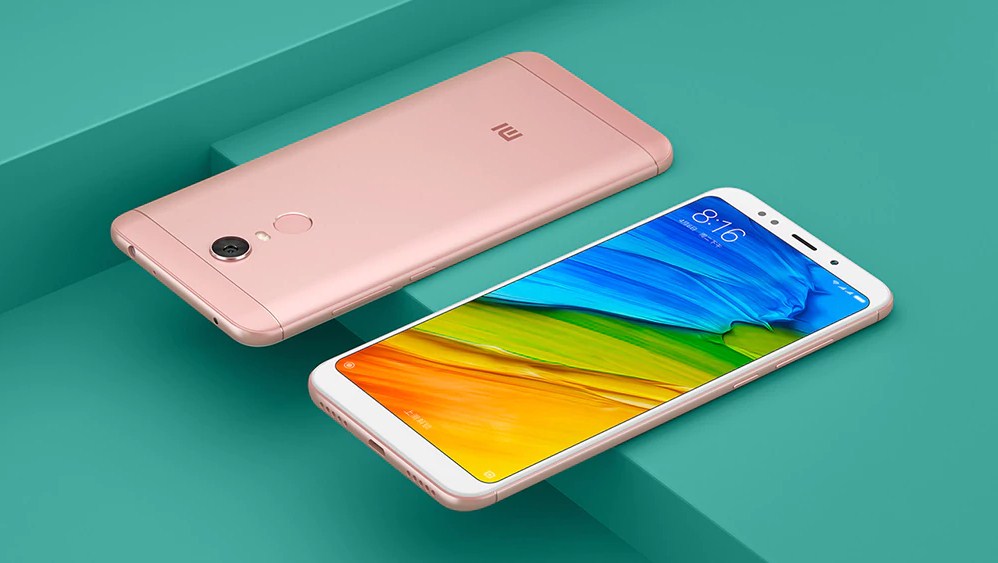
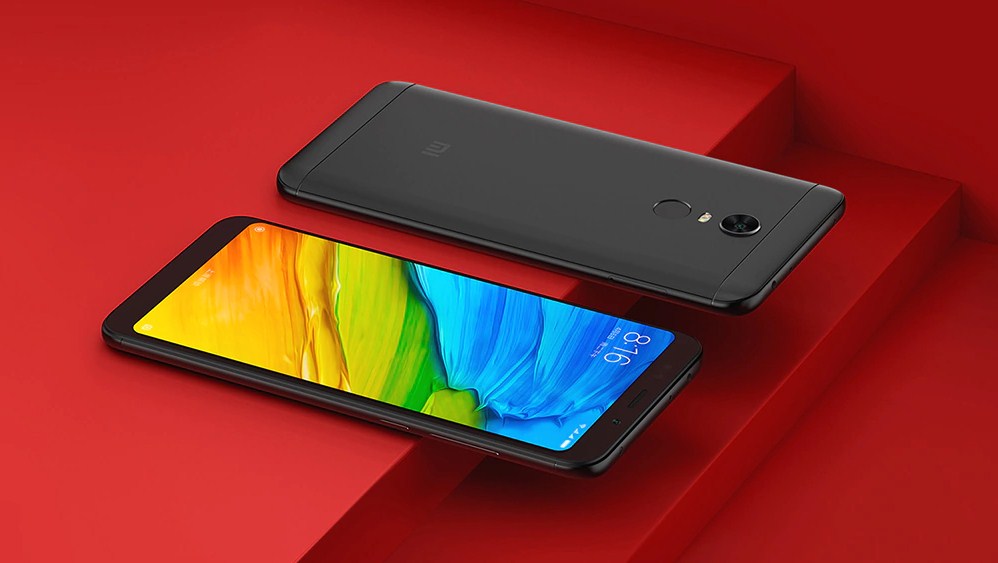
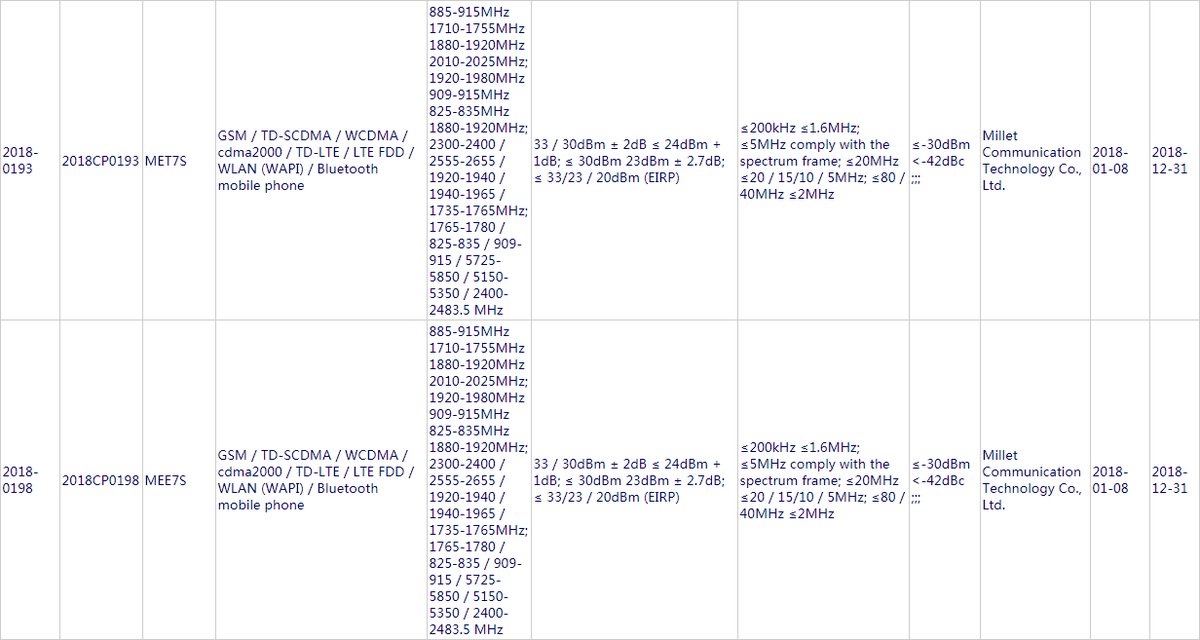
It appears Xiaomi has not cancelled the Redmi Note 5 after all. Two new Xiaomi devices have just gotten 3C certifications and they are said to be variants of the Redmi Note 5.
The phones which have model numbers MET7S and MEE7S were registered by Xiaomi Communications Technology Co. Ltd on 8th of January, 2018. These are the model numbers they’ll definitely have when they show up on TENAA too.
If you remember, the already released Redmi 5 Plus appeared as Xiaomi MEE7 and Xiaomi MET7 while the Redmi 5 was seen with model numbers MDT1 and MDE1.
Based on previous leaks, the Xiaomi Redmi Note 5 is said to come with a Qualcomm Snapdragon 632 processor. Qualcomm itself has not announced this chipset yet, so we advise you take it with a pinch of salt.
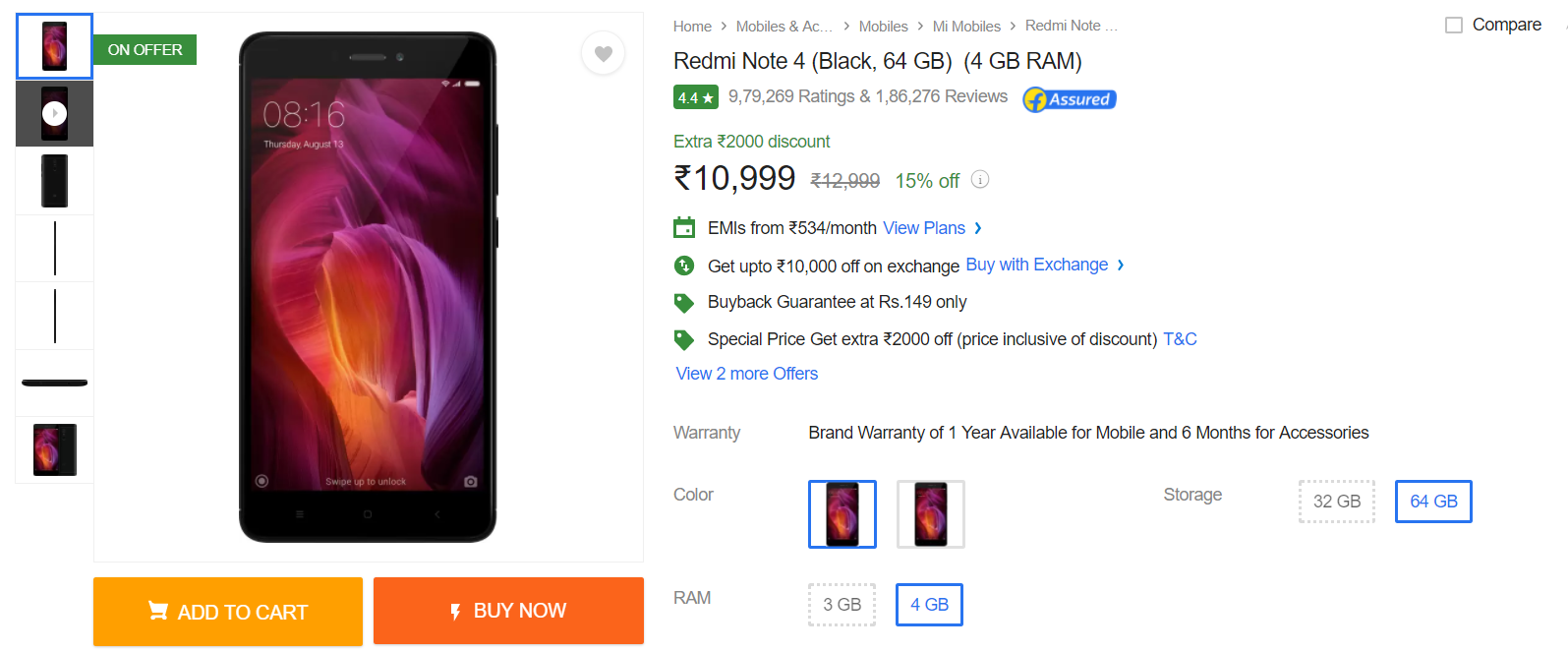
Xiaomi’s Redmi series have been getting price cuts in recent weeks. In India, the Redmi Note 4 (64GB model) has just got a Rs. 1000 price slash bringing the price down to Rs. 10,999 (~$173).
Reports say this is the second time that Xiaomi is reducing the price of the Redmi Note 4. That shouldn’t come as a surprise as a new model is likely to launch soon.
When the phone launched last year, it was priced at Rs. 12,999 (~$204). It also launched in a 2GB RAM + 16GB ROM variant that has been phased out now, and a 3GB RAM + 32GB model that sells for Rs. 9,999 (~$157).
The Redmi Note 4 helped Xiaomi claim the top spot in India. In 45 days after its release, it had sold 1 million units while by the sixth month it had sold 5 million units. Xiaomi even released a limited edition Lake Blue variant as part of its CSR. Proceeds from the sales went into the cleaning of lakes in the country.
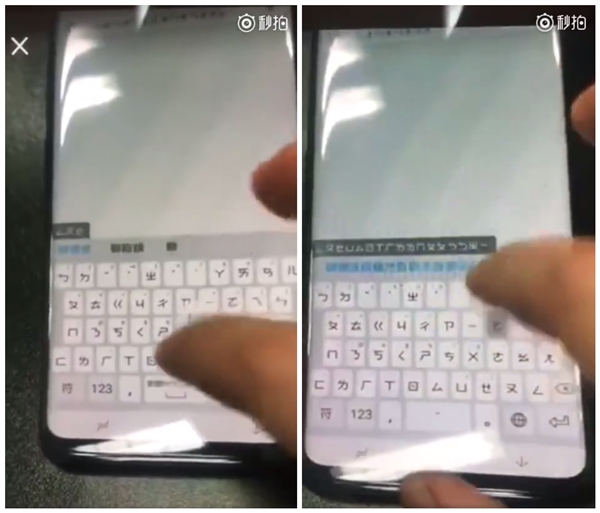
South Korean tech giant Samsung is just a couple of weeks short of launching its 2018 flagship Galaxy S9 and S9+. Both models are already billed to make their grand entrance at the Mobile World Congress (MWC) 2018 holding from February 26 to March 1 in Barcelona. Ahead of its official unveiling, we may just have spotted a real live photo of the Galaxy S9 which appeared in a short video clip recently uploaded on Weibo.
The short clip appears to be a test video and it only shows the on-screen keyboard being tested. The view affords us an opportunity to see the front screen with its much-reduced bezels. The side bezels are almost non-existent while the bottom edge which is visible features an ultra-thin bezel. Same also applies to the top bezels but that isn’t very visible here. We hope to see more leaks as the launch date draws closer.
The Galaxy S9 is expected to feature a 5.8-inch Super AMOLED display while the S9+ will pack a 6.2-inch Super AMOLED screen. Both models will be powered by a Snapdragon 845 chipset as well as an Exynos 9810 chip on some models. The two models are expected to be available in 4GB RAM + 64GB storage variant as well as 6GB RAM + 128GB storage and both are expandable. The Galaxy S9 is expected to sport a single 12MP rear camera with f/1.5 aperture and OIS. On its part, the Galaxy S9+is tipped to come with a dual camera set up comprised of two 12MP sensors with f/2.4 and f/1.5 apertures respectively as well as double OIS. Both models are expected to feature an 8MP selfie camera with f/1.7 aperture. The Galaxy S9 and S9+ recently got 3C certification and the listing confirmed they will both come with 9V /1.67A and 5V / 2A fast charge support similar to those of the Galaxy S8 series. There is also a 3,000mAh battery on the S9 while the S9+ packs a 3,500mAh battery. Follow the source link to watch the test video on Weibo.
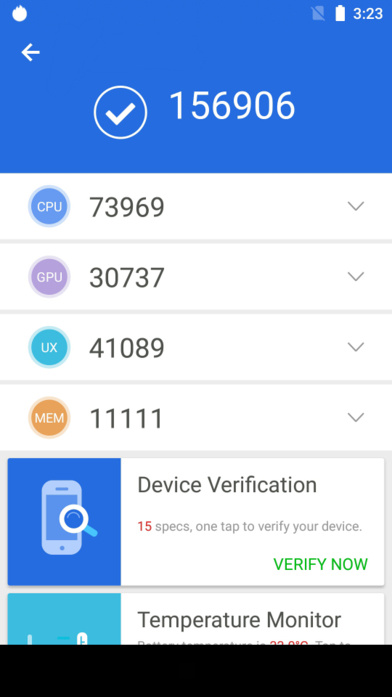
Previous reports have revealed that some of the high-end phones from Xiaomi, OPPO, Vivo and Gionee will be driven by the upcoming MediaTek Helio P70 chipset. The specifications of the Helio P70 have already leaked in the previous month. The chipset has now appeared with an impressive benchmarking score on AnTuTu.
On AnTuTu, the unannounced Helio P70 has recorded a score of 156,906. This score suggests that its score could be on par with the forthcoming Snapdragon 670 chipset from Qualcomm. The Helio P70 is a 12nm chipset whereas the SD 670 is a 10nm chipset.
The octa-core processor of the MediaTek Helio P70 is rumored to include four cores of Corte A73 that works at 2.5 GHz and four cores of Cortex A53 that functions at 2.0 GHz. It is also packed with Mali G72 MP4 (800 MHz) graphics. Smartphones running on the Helio P40 can support up to 8 GB of RAM, eMMC 5.1 or UFS 2.1 storage, 3 ISPs with support for up to 32-megapixel and Cat. 12 LTE modem. It is also rumored to arrive with support for some AI features.
On the other hand, the Snapdragon 670 is speculated to come be composed for 4x Kryo 350 custom cores that clock at 2 GHz and 4x Kryo 385 custom cores that clock at 1.6 GHz and Adreno 620 graphics. It is also rumored to be equipped with Snapdragon X16 Cat. 16 LTE modem.
Rumors have revealed that MediaTek will announce the Helio P70 chipset alongside another rumored SoC, the Helio P40 in the second quarter of this year. The Helio P40 octa-core chipset is expected to feature quad cores of 2.0 GHz Cortex A73 and quad cores of 2.0 GHz Cortex A73. Other rumored specs of P40 include Mali-G72 MP3 graphics (700 MHz), up to 8 GB of RAM, eMMC 5.1 or UFS 2.1, 3 ISPs with support for up to 32-megapixel, Cat. 7 LTE modem and some AI features.
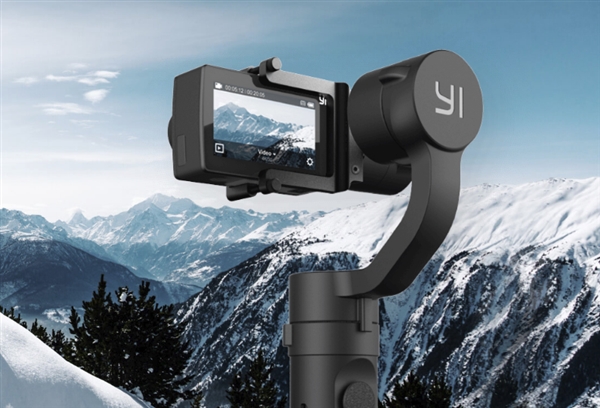
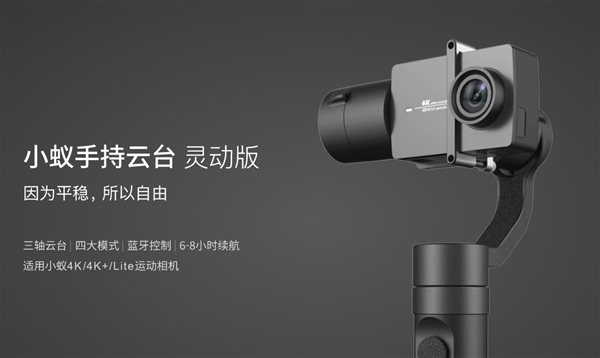
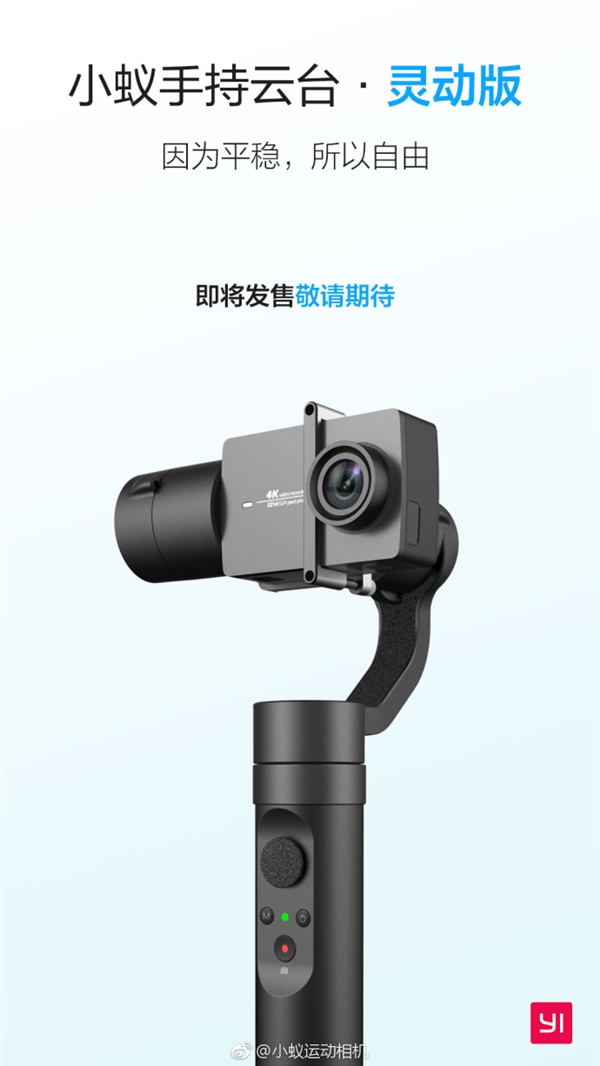
Yi technology recently launched a 180 ° 3D VR camera at CES 2018 and has got a lot of portable cameras under its name. The company has now launched a new handheld stabilizer gimbal smart edition which is compatible with the Yi 4K motion camera, 4K+, Yi Lite and other action cameras.
The camera gimbal is a smart edition and it comes with an ergonomic design which fits well into the palm and allows for good grip.The gimbal weighs just 310g and has a three-axis gimbal head with a rotational angle of up to 320 ° in order for users to be able to get steady footages.It also comes with two 18350 lithium-ion batteries, each having an 850mAh capacity and both can last up to 6-8 hours. The camera gimbal packs a 3-axis gimbal head with an aluminum build. Just like the Gimbal 2, this new edition comes with three operational mode; Pan, Tilt, and Zoom. These models all play different roles in capturing smooth footage of fast moving objects, such as people playing sports, animals, and cars. The Yi Handheld Gimbal also features a cutting-edge technology with built-in high-precision sensor and brushless motor, overcoming the physical bumps and shakes while shooting. The smart edition also comes with a universal ¼-inch thread attachment which allows you to use the Yi Handheld Smart Gimbal with other professional mounts
In case you are interested to know the price, you’ll have to wait a bit longer as Yi technology is yet to reveal the pricing and availability of the new smart camera gimbal. We also can’t seem to distinguish this model with the current version as the features overlap. The difference may lie in the smart feature which we are yet to determine since the details are scanty. However, we’ll bring you further details as soon as they emerge.
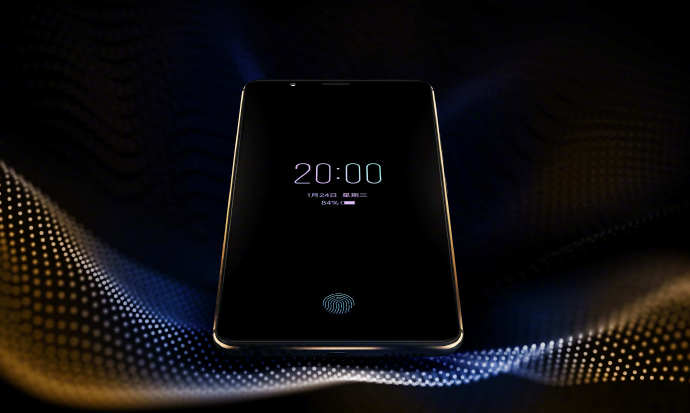
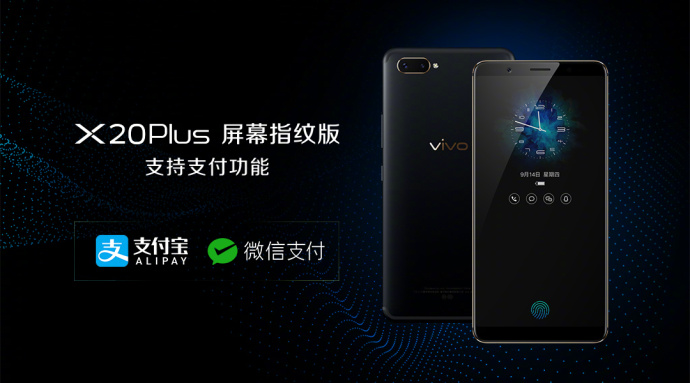
Vivo X20 Plus In-Screen Fingerprint version (also known as Vivo X20 Plus UD) is official. It is the world’s first smartphone to come with a fingerprint scanner that is embedded under the display of the phone. The rest of its specifications and features are same as the regular Vivo X20 Plus phone.
Specifications and Features
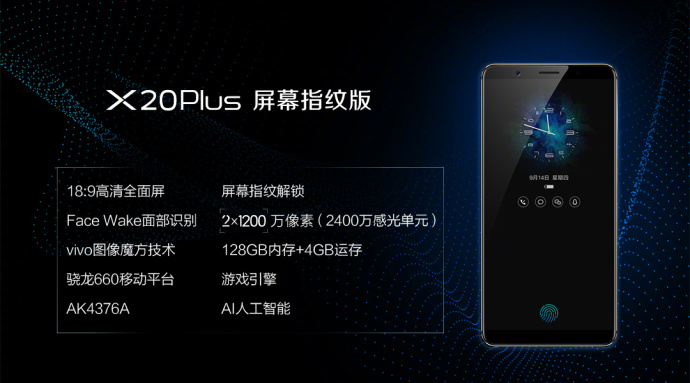
Vivo X20 Plus In-Screen Fingerprint edition measures 165.2 x 80.02 x 7.35 mm and it weighs 183.1 grams. The dimensions of the regular X20 Plus are 165.3 x 80.1 x 7.5mm and its weight is 181.5 grams. The new variant can be availed in single color option of black with gold aesthetics. The X20 Plus In-Screen Fingerprint model houses a 6.43-inch Super-AMOLED display that carries a Full HD+ resolution of 2160 x 1080 pixels. It delivers an aspect ratio of 18:9.
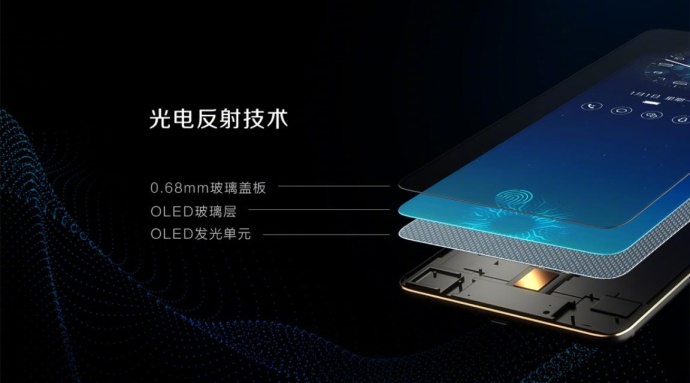
Between the front glass and display panel lies the fingerprint sensor by Synaptics. According to Vivo, by using photoelectric reflection technology, the RGB Pixel that is specially adapted to the OLED panel emits light which penetrates the outer glass that has a thickness of 0.68mm to reach the finger. The company claims that the under-display fingerprint sensor can unlock the phone in around 0.6 to 0.7 seconds.
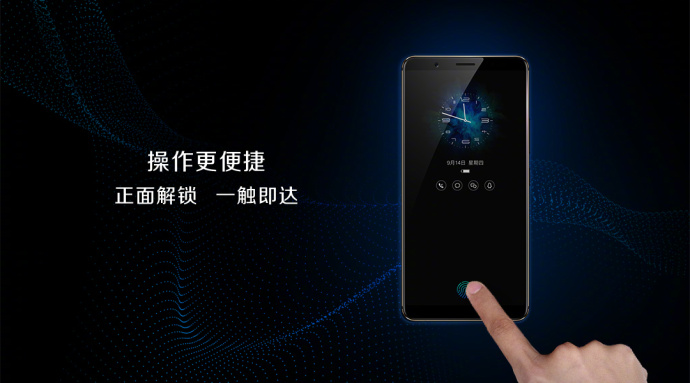
Without lifting the phone, users can conveniently unlock the phone by tapping on the on-screen fingerprint icon. Apart from unlocking the phone, it can be also used for making secure payments through AliPay and WeChat.
The Snapdragon 660 chipset that powers the new X20 Plus is accompanied by 4 GB of RAM. Instead of 64 GB storage found on the regular X20 Plus, the in-screen fingerprint scanner model comes with 128 GB of native storage. It also features a microSD card slot for more storage.
The handset is running on FunTouch OS 3.2 flavored Android 7.1.1 Nougat OS. Like the X20 Plus, it also features Face Wake facial recognition feature, Vivo Game Engine that improves the game-play experience, and it also carries support for dual apps. The phone is also equipped with ES9318 DAC + combo amp Hi-Fi audio and AI.
The X20 Plus In-screen Fingerprint edition features a dual camera setup on its rear side. It includes an f/1.8 aperture 12-megapixel sensor that is coupled with a secondary sensor of 5-megapixel. For snapping selfies, the handset is equipped with f/2.0 aperture 12-megapixel camera. The Vivo Image Cube is the 256 MB image sensor processor that is available on the phone to exclusively handle photography related tasks.
The back panel of the smartphone is devoid of a fingerprint scanner. The regular X20 Plus houses a 3,905 mAh battery whereas the under-display fingerprint scanner variant has a slightly smaller battery of 3,800 mAh capacity. The battery carries support for fast charging. The connectivity features available on the smartphone include dual-SIM support, 4G VoLTE, Wi-Fi, Bluetooth 5.0, microUSB and 3.5mm audio jack.
Pricing and Availability
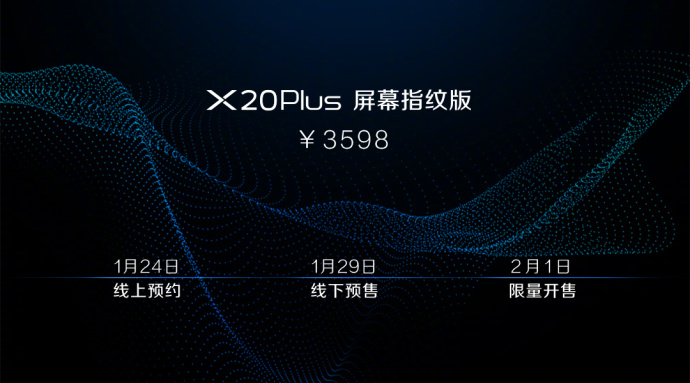
The Vivo X20 Plus In-Screen Fingerprint edition carries a price tag of 3,598 Yuan (~$565). Its online booking will begin on Jan. 24 and it will be available from Jan. 29. The sales of the smartphone will begin on Feb. 1.
As of this writing, there is no confirmation on when Vivo will be releasing the new X20 Plus model outside of the home country.
Xiaomi’s Mi MIX can be said to be the phone that started the bezel-less rave. A few months after its release, a number of manufacturers decided to churn out their own versions. One of them is Chinese manufacturer Doogee. Doogee doesn’t even hide the fact that its own versions are inspired by the Xiaomi Mi MIX as they are called the Doogee Mix and Doogee Mix 2.
For its third generation model, the Doogee MIX 3, the company is going for a new but familiar design for the camera. Unlike the Mix and Mix 2 which have their front cameras on the lower and top bezel respectively, the Doogee Mix 3 ditches both options.
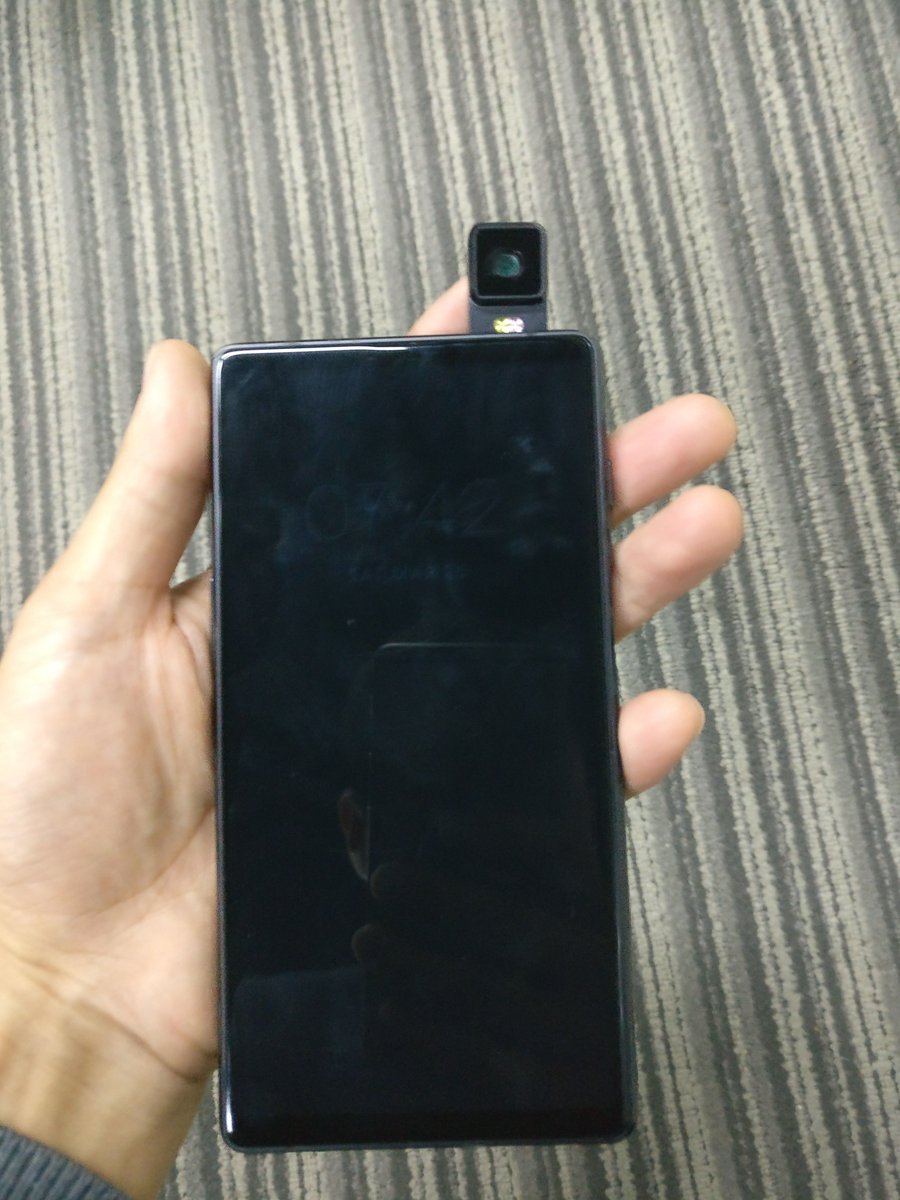
Thanks to photos posted by Evan Blass, Doogee has instead settled for a single rear camera that can be lifted up to double as the selfie camera. This design was first seen in the Honor 7i.
The advantage the new design should bring is a much more higher screen-to-body ratio by eliminating one of the bezels and keeping the other one quite thin. However, Doogee settles for reduced bezels at the top and bottom.
Specification details of the phone are unknown but from the pictures we see it does keep the 3.5mm audio jack. There is also no info as to when the Doogee Mix 3 will be launched as well as pricing details. Seeing as the Mix 2 was released last November, this may take a while before it hits the market.
Microsoft’s new Windows on ARM isn’t its first take on the project. Back in 2011, it announced Windows RT, a version of Windows 8 built to work on devices with 32-bit ARM processors. Unfortunately, Windows RT wasn’t successful and Windows ended support for it in 2016.
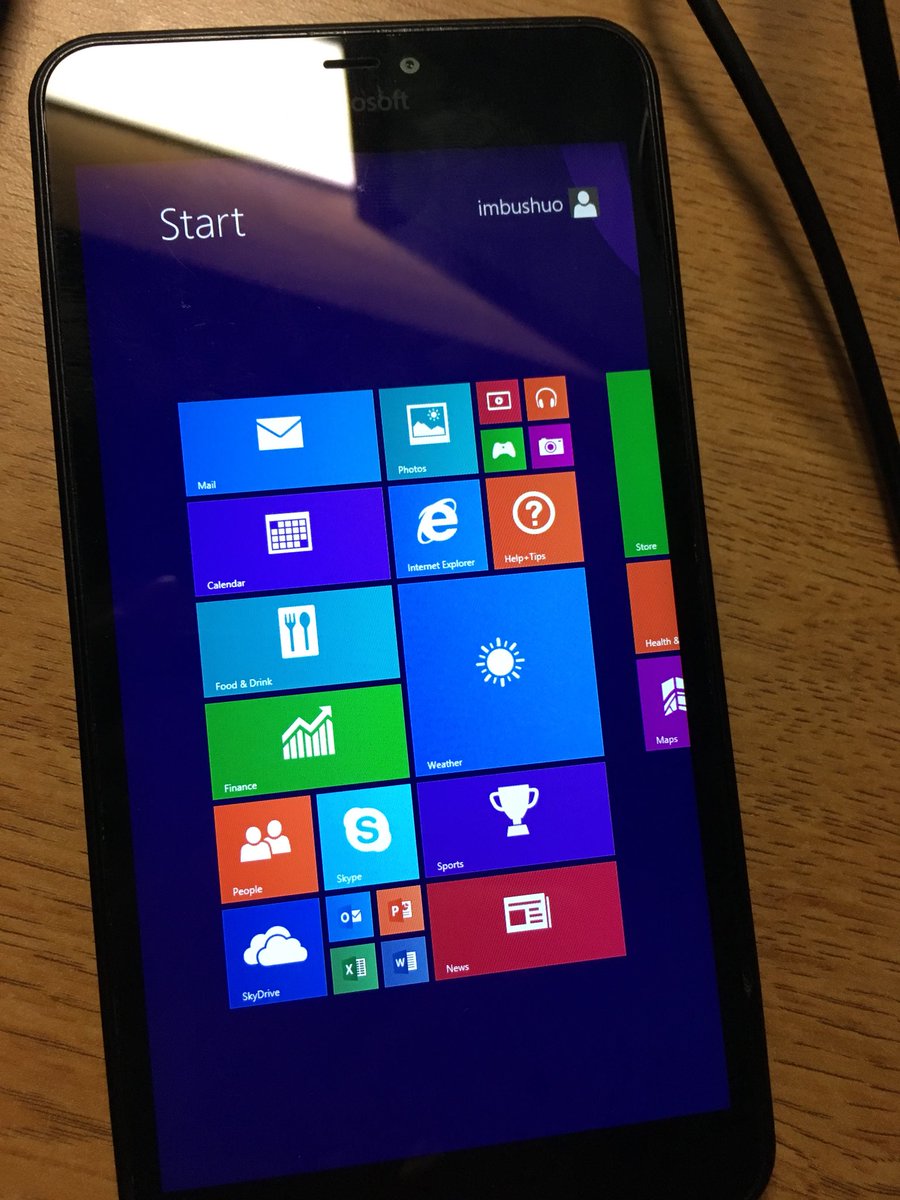
Following the release of Windows 10 ARM, some users have been trying to get it to work on their devices and a few of them have been successful. Someone else decided to install the older Windows RT on his Lumia 640 and he sure got it working.
Twitter user Ben (@imbushuo) was able to get Windows RT 8.1 on the 3-year old Lumia 640. Pictures provided show the phone in Start Screen mode as well as the traditional Start Menu mode with full desktop support.
Ben says to be able to install it, one has to be familiar with Windows Phone Partition, Windows Driver Development, Windows Kernel debugging amongst others. He also says patience is required. A note detailing the process will be made available in a few days according to him.
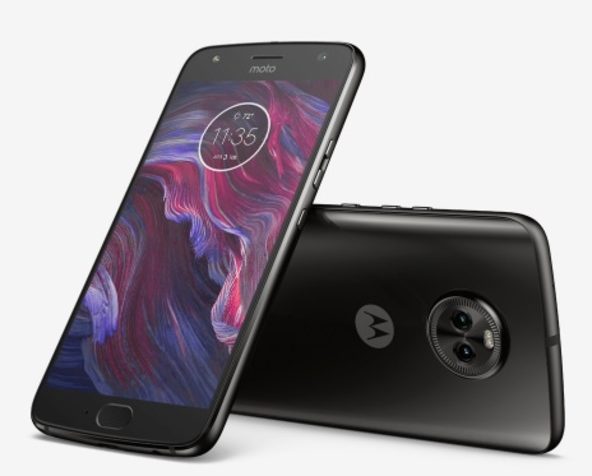
Motorola is one of the few companies that has started rolling out Android 8.0 Oreo update for its smartphones. The Moto X4 Android One edition on Project Fi was updated to Android 8.0 Oreo in the previous month. However, the retail edition of the smartphone in the U.S. has now started to receive the Android 8.0 Oreo update.
Through the official Lenovo forum, a Motorola representative has confirmed that the roll out of Android 8.0 Oreo has stared for Moto X4 users in the U.S. However, all the users won’t be able to see the update at the same time. So, it will take a few days for the OTA update to be available to all users in the U.S.
The Moto Z2 Force users on T-Mobile and Verizon have already received the Oreo update. Motorola has recently started soak test of Oreo update for Moto Z2 Play smartphone in Brazil. Those who are part of Oreo beta program in Brazil have revealed that the size of the update is 1.13 GB and it includes security patch for January.
Few months ago, Motorola had confirmed the Oreo update would be made available to 13 smartphones. The list includes Moto Z, Z Droid, Z Force Droid, Z Play, Z Play Droid, Z2 Play, Z2 Force, X4, G5, G5 Plus, G5S, G5S Plus and Moto G4 Plus.
Has Android 8.0 Oreo update arrived on your Motorola phone? Share us your experience by adding your comments.
Meizu‘s latest smartphone, the Meizu M6S comes with pretty powerful specs and a solid design. The company seems to have partnered heavily with Samsung for this device, as the processor as well as the camera sensors are from the South Korean giant. While we know that the Exynos 7872 does well in performance as compared to the Snapdragon 625 that powers most mid-range phones, we are also interested to see whether the 16MP Samsung CMOS sensor at the back performs well in real life.
Before we take a look at the Meizu M6S camera samples, let’s first take a look at its camera specs. The phone features a 16MP Samsung CMOS sensor at the back with f/2.0 aperture, PDAF, dual tone flash, and 5P lens. Up front, there’s an 8MP f/2.0 CMOS sensor, once again from Samsung, with 4P lens and Arcsoft’s algorithms.
On paper, the setup is pretty good. So, let’s take a look at how Meizu M6S’ rear camera performs in real life.
Camera Sample 01
The phone was quick to take pictures and the quality of the camera samples were also pretty good. The Meizu M6S with its stock camera app was quick to focus and took pictures with good levels of detail and colors.
Camera Sample 2
In bright lighting conditions, the color reproduction is quite good for a $150 phone. Photos were clear and focused and you should be happy with the phone’s performance on most occasions. However, I did find some of the camera samples to be a bit overexposed. Also, the dynamic range isn’t as good as I have seen on other premium budget offerings, like the Redmi 5 Plus. If there was ample sunlight, you could easily overexpose some parts of the photo. However, most of the images in ample lighting conditions turned out to be good and satisfactory.
Low light images also have decent levels of detail. But it may not be the best budget camera that we’ve seen. Colors were dull in low-light photos. I personally would have hoped to see better details on these photos, but some of the low light photos have turned out to be good. So, the M6S manages to do well when there’s decent light and worse in super low-light conditions.
In general, we can say the M6S has a pretty decent camera for a 2018 budget phone. We are going to come up with a Meizu M6S vs Redmi 5 Plus camera comparison very soon. So stay tuned for that!
Another thing that I noticed was the super large file size of the samples. On an average, the Meizu M6S camera samples were of 10-15MB in size, which is quite big for any smartphone camera sample. On the other hand, the Redmi 5 Plus camera samples were anywhere between 3-5MB in size.
[yop_poll id=”12″]
You can check out around 30 Meizu M6S camera samples down below in the gallery (Note that they are compressed).
Today, Xiaomi has started offering discounts under its New Year Festival sale in China. The biggest discount being offered by the company is on its smartphone Mi MIX 2 Ceramic Edition, which has received a price cut of 500 Yuan (approximately $78). It is now available for just 4,199 Yuan which roughly converts to $657.
Apart from Xiaomi MIX 2, a lot of other phones have also received price cut. The Redmi Note 3 with 6GB RAM and 64GB storage has got price cut of 400 Yuan and now costs 2199 Yuan (~$344) while the recently launched Redmi 5 Plus is now available for 999 Yuan (~$156).
The Redmi Note 5A and Redmi 5X have received discount of 100 Yuan while the Mi Max 2 with 4GB RAM and 128GB internal storage now costs 200 Yuan less. Further, the Redmi 5A’s pricing is also slashed by 30 Yuan. The company is also offering discounts on some of its accessories.
Coming to the Mi MIX 2, unlike the aluminium alloy frame model which comes with 6GB RAM and up to 256GB of internal storage, the fully ceramic model comes in just one configuration — 8GB RAM and 128GB internal storage.
It features a 5.9-inch Full HD display with a screen resolution of 1920 x 1080 pixels. The company says that the display has a feel and grip of a 5.5-inch device. Unlike most smartphones which feature narrow bezels, this one is a truly bezel-less smartphone. It is powered by Qualcomm‘s Snapdragon 835 processor along with Adreno 540 GPU.
The phone features a single camera sensor at the back, which is equipped with a 12-megapixel Sony IMX386 lens — the same sensor that was used in Xiaomi Mi 6. It has a dual LED flash, 1.25μm pixel size, f/2.0 aperture and 4-axis optical image stabilization. It also comes with a 5-megapixel front-facing camera that also supports facial recognition.
Connectivity options on the device include Dual SIM, 4G LTE, Wi-Fi, Bluetooth and GPS. It runs on company’s own MIUI 9 based on Android Nougat operating system. The smartphone is fueled by a 3,400mAh battery which also supports Quick Charge 3.0 technology.
This New Year Festive sale from Xiaomi will run from 24th January to 8th February. If you wanted to buy the fully ceramic edition of Xiaomi’s Mi MIX 2, now is a good time.
You can now get up to 50% off on scads of newly-arrived gaming hardware manufactured by the Singaporean-founded gaming company, Razer thanks to GeekBuying’s latest Flash Deals. Let’s delve straight into the details.
Flash Deals
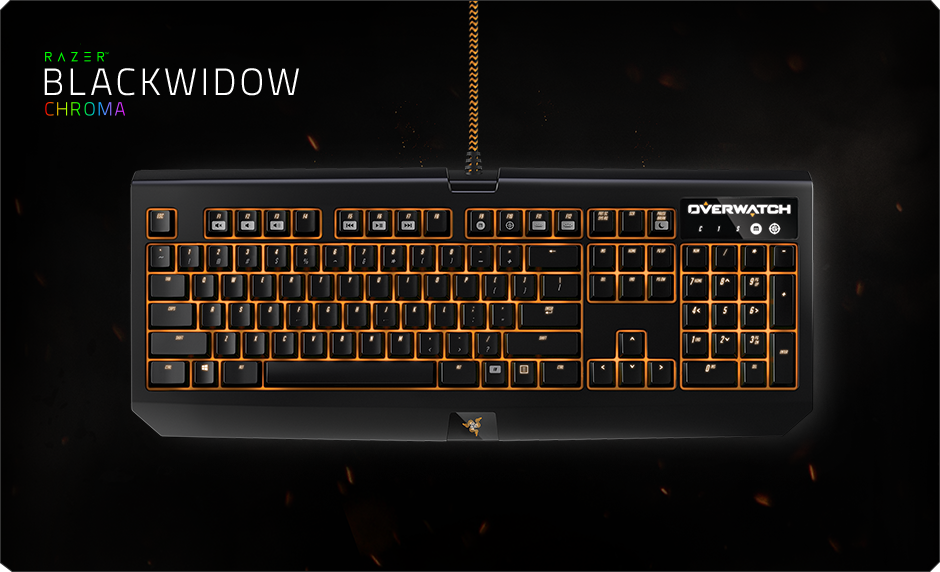
This section allows you to choose from a myriad of Razer-branded computer accessories that are up for grabs on GeekBuying without spending a fortune. Lining with this, there’s a 21% off on the Overwatch BlackWidow mechanical gaming keyboard’s original price of $239.99.
Similarly, there’s a 25% off on the DeathAdder Elite Overwatch gaming mouse, which brings its initial selling price of $99.99 down to just $74.99. You can choose between Chroma Overwatch Edition and Elite Overwatch Edition.
Gaming Gadgets
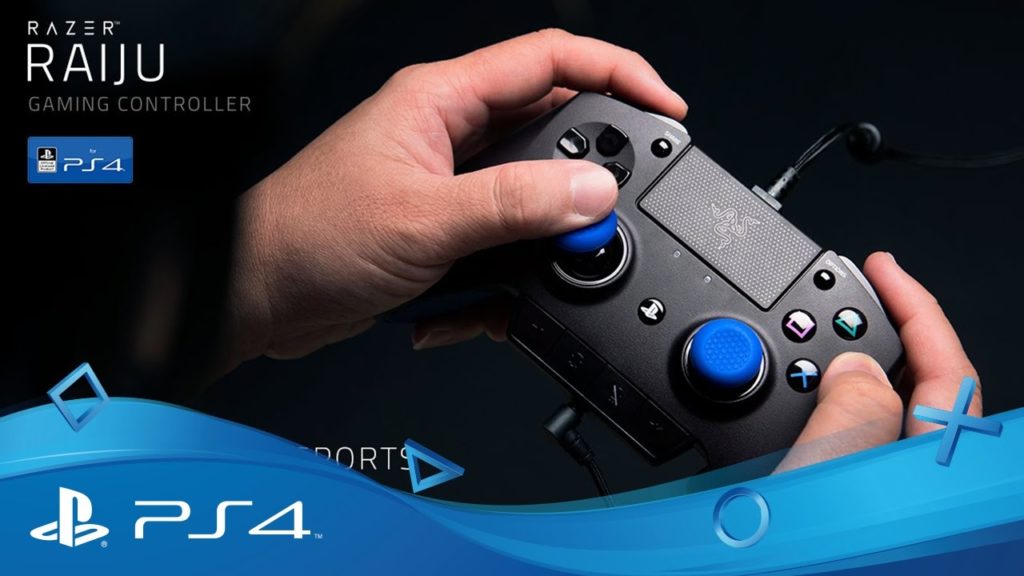
GeekBuying has offered avid gamers a lot to cheer about in this promo. The Raiju Original Playstation 4 wired gaming controller, which carries a price tag of $188.99, is currently available for only $159.99 on the site.
Furthermore, there’s 20% discount on the BlackWidow X Tournament Edition Chroma RGB wired mechanical gaming keyboard’s actual selling price of $149.99. There’s no dearth of items to choose from in this division.
Audio Gadgets
GeekBuying has not neglected music lovers either. That being said, the Leviathan Mini Bluetooth speaker which sells for $189.99 can be now purchased by shelling out just $165.99 on GeekBuying.Aside from that, the site is giving 20% off on the Kraken 7.1 Chroma V2 USB gaming headset’s actual selling price of $119.99. Thanks to this reduction, you only need to pay $95.99 in order to get your hands on this retractable digital microphone.
You can check out rest of the discounted items and take advantage of GeekBuying’s latest promo by clicking here. It’s worth noting the promo is slated to end in just a few days.
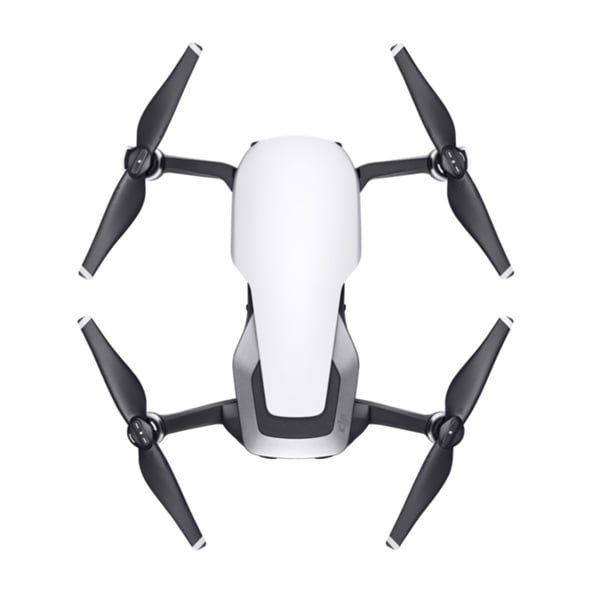
Popular drone manufacturer DJI has launched its latest portable unmanned aerial vehicle (UAV) also known as drone. The gadget dubbed DJI Mavic Air is ultraportable but features high-end flight performance and functionality for limitless exploration.
This is coming after the huge success of its two high-performance drones- the Mavic Pro and Mavic Spark. The new Mavic Air keeps up with its name as it is as light as air, weighing just 430g and it utilizes a 3D folding design where the propellers can be folded in to fuse with the body just like on its predecessors for easy transport. The drone can easily be held with one hand. When expanded it has a dimension of 168 x 164 x 64mm while folding it reduces the dimension slightly to 168 x 83 x 49mm.
In addition, the DJI Mavic Air is mounted with a powerful PTZ camera and has a built-in antenna for enhanced flight communication and efficiency. There is a landing gear under the fuselage to better protect the camera which is also located at the base of the UAV. The camera is housed inside a 3-axis mechanical gimbal which ensures there is stability when shooting videos or pictures during flight. The device integrates a 1/2.3-inch 12MP CMOS sensor with a f/2.8 aperture. The camera supports 4k/30fps video streaming at 100Mbps as well as 1080p slow motion video at 120fps. The camera also supports panoramic shoot.
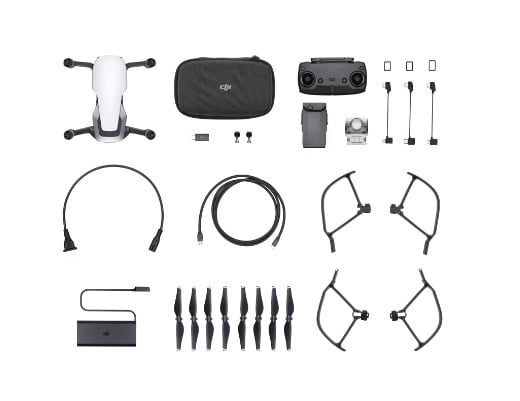
Further, the Mavic Air packs a 2,375mAh battery which is able to sustain steady flight for 21 minutes. The drone is able to achieve a maximum flight speed of 68.4km and has a mileage of 10km.The Mavic Air is reputed to have a good wind resistance and can attain an altitude of 5,000m. The device also packs an 8GB onboard storage which is expandable via storage card. Thus, recorded videos can be stored on the flight and transferred via its USB 3.0 (Type-C) port. The setup also consists of a remote control with a clamp which can be used to hold your smartphone for real-time flight monitoring.
As for the pricing and availability, the DJI Mavic Air is presently available on the DJI Store and it comes with a price tag of $799 with free shipping. There is a combo package which includes two extra batteries for the drone, a travel bag and a couple of other accessories and this cost $999. In China, it carries a 4,999 Yuan price tag while the combo package is priced at 6,399 Yuan. The Mavic Air comes in Onyx Black, Artic White, and Flame Red colours. You can get the new drone from DJI Store. Meanwhile, here are some sample photos captured by the Mavic Air.
If you’re still unsure about what to give to your loved one on Valentine’s Day this year, we have good news for you.
We usually associate Valentine’s Day with all sorts of presents such as teddy bears, chocolates and more but everyone’s likely to run out of ideas sometime. GearBest is offering marvelous gifts deals starting from $0.99 to take care of this problem.
As part of the deal, randomly selected lucky customers will receive free gifts. In order to qualify, you first need to pay for orders on GearBest from January 22.
As if that weren’t enough, you can use PayPal coupon code ‘PAYPALGB8%’ at the time of checking out to get an additional discount. This coupon code is valid site-wide, but specifically for China Warehouse only.
Apart from that, GearBest is offering considerable discounts on various items as part of its Happy Valentine’s Day promo. Let’s check out the details.
Daily Flash Sale
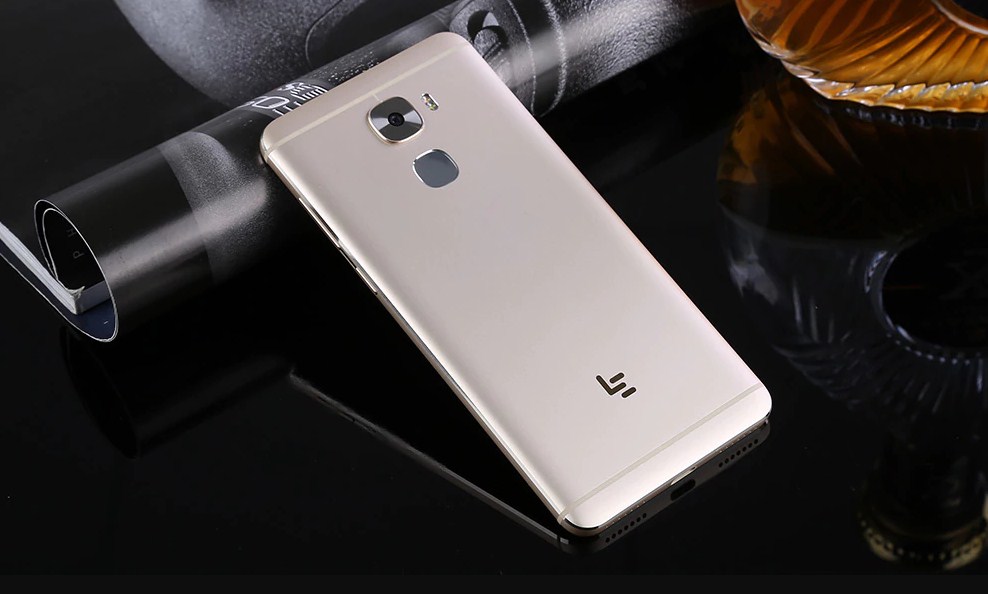
This category is divided into two separate promos. There’s an upcoming promo that features numerous electronic items. It includes LeEco Le Pro3 Elite 4G phablet, which is available for a discounted price of $162.99. This is a considerable 24% reduction in the device’s original selling price.
Among a myriad of other items, the promo also features Aqara Smart Water Sensor, which carries 28% discount. You can get your hands on the smart water sensor by shelling out just $9.99.
Mystery Bags
This section comprises lucky bags with various items bearing massive discounts. For instance, there is a 36% discount on a lucky bag with phone tripod, which is up for grabs for only $1.99.
Likewise, if you’re willing to shell out $7.99, you can go for another lucky bag comprising iPhone X accessories.
Gift Picks Idea
You can now choose from a broad range of gifts for your loved one without burning a hole in your pocket. This category is further classified into 2 sections i.e. ‘Gift for Her’ and ‘Gift for Him.’
In the ‘Gift for Her’ section, you can buy a T400 12131 925 sterling silver butterfly necklace for your soul mate and save a considerable amount of money on GearBest. The site is offering 45% discount on the beautiful necklace bringing its original selling price down to just $13.45.
The ‘Gift for Him’ section includes multiple gifts for men. You can buy S908 GPS sports smart band at a discounted price of $39.01, or go for WLtoys No. 12428 RC off-road car and save 23% on GearBest.
Lovely Brand Store
This segment of GearBest’s promo is likely to sweep tech enthusiasts off their feet. You can choose items from leading brands such as Asling, Jumper, LEMFO, ROSWHEEL, and Tigernu. Each brand showcases a specific product.
For instance, Asling features scads of smartphones accessories including tempered glass film for Xiaomi Mi Note 3 smartphone. You can also buy Jumper EZBOOK 3S Notebook, which available for a discounted price of $279.69 on GearBest.
You can head straight to this link in order to check out rest of the items and take advantage of GearBest’s latest promo.
Apple is rumored to be working on three iPhones for this year. Two of them are expected to feature OLED panels such as iPhone X from 2017. The third iPhone is expected to feature a larger-sized LCD panel. Fresh information claims that this iPhone will be featuring an LCD panel from Japan Display (JDI)
Previous reports have revealed that the one of the 2018 iPhones will house a 6.1-inch LCD screen. It will be an entry-level iPhone that will be priced around $700 to $800. Latest leak reveals that it will be featuring Full Active 6.1-inch LCD panel that was introduced in June 2017 by JDI. The display supports Full HD+ resolution of 2160 x 1080 pixels and it delivers an aspect ratio of 18:9. As shown in the below image, an iPhone featuring the Full Active display from JDI will be able to sport super-slim on all four sides.
Like the other OLED iPhones of 2018, the LCD iPhone is also expected to feature a notch. Also, instead of the stainless-steel frame, the LCD iPhone is rumored to feature an aluminum frame. It may not feature dual camera setup. Also, it is likely to lack 3D Touch.
As far as OLED iPhones for this year are concerned, one of them that will feature a 5.8-inch screen will arrive as a direct successor for the iPhone X. The other OLED iPhone is speculated to be fitted with a 6.5-inch display. These smartphones are expected to feature dual rear cameras and stainless-steel frame.
As of this writing, there is no confirmation on the names of the 2018 iPhones. Recent reports have claimed that the Cupertino company will be launching the second-generation iPhone SE by the first half of this year. The other iPhones are expected to debut in September.
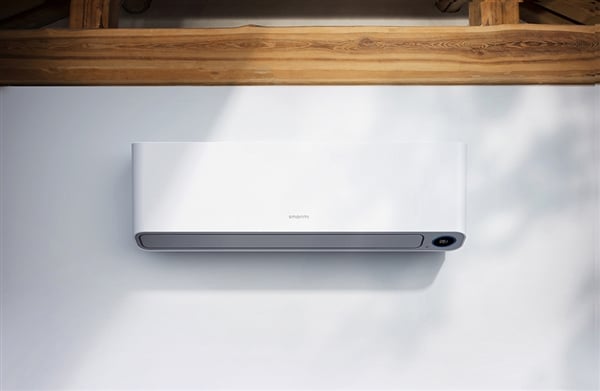
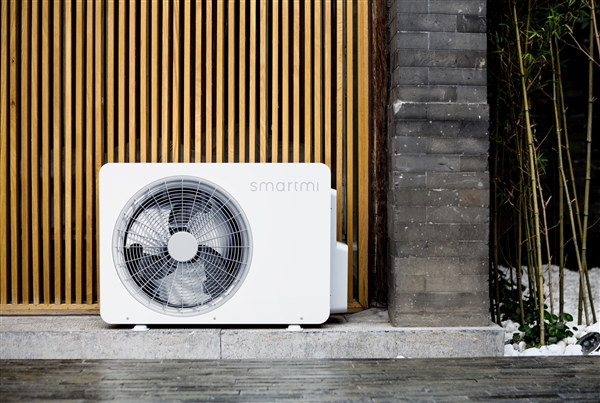
Xiaomi‘s ecological chain company Zhimi Science and Technology company first unveiled the Smartmi DC inverter air conditioner around August last year along with a Smart toilet seat. The device was launched with a price tag of 4399 Yuan (~$660) but had since been available in only about eight cities in China including Beijing, Shanghai, Guangzhou, Shenzhen, Suzhou, Hangzhou, Changzhou, and Wuhan. This has created a lot of difficulties for interested buyers who are resident in several other cities across China.
That supply chain bottleneck has now been bridged as the Smartmi DC Inverter Air conditioner has become available to buy from anywhere in China. The home appliance became available via Suning Tesco from 0.00 hrs on January 24 and is available on the platform for nationwide purchase. Apart from sales, Suning also offers after-sales services as well as installation services for those who are interested to buy. Interestingly, the air conditioner still retains the initial 4399 Yuan price tag it launched with. Unfortunately, this is still a China-only product but with this development, we could see it becoming available on other online retail platforms that ship to buyers outside China like GearBest.
What makes the Smartmi DC Inverter air conditioner unique is the energy efficiency level it brings to the table. The Smartmi Air Conditioner comes with a power rating of 1.5HP. It consists of a DC inverter compressor supplied by Hitachi and which uses less energy than the normal compressor but still provide a strong warm and cold performance. It has a refrigerating capacity of 3500W, a heating capacity of 4500W and an air volume of 700m³/h.
The Smartmi DC Inverter air Conditioner also consists of a low-noise but power-efficient NIDEC DC motor, and a cross-flow fan motor and axial-fan motor supplied by Panasonic. The air conditioner can be controlled via the Smartmi Air app where you can check the energy stats and set a precise temperature level to an accuracy of 0.1°C. It also comes with a remote control. There is also an OLED display similar to that of the Mi Air Purifier Pro.
Samsung has officially confirmed that it will be present at the Mobile World Congress (MWC) 2018 tech exhibition in the coming month to announce the Galaxy S9 and Galaxy S9+ flagship phones. Fresh information suggests that Huawei and LG will not be launching their next-generation flagship phones at MWC 2018 to avoid clashing with Galaxy S9 and Galaxy S9+.
Previous reports have claimed that LG and Huawei would be respectively showcasing G7 and P11 (or P20) flagship phones at MWC 2018. However, instead of the LG G7, the South Korean company is expected to debut an advanced edition of the LG V30. As far as the launch of LG G7 is concerned, it is speculated to debut in March or April.
Huawei is also reportedly skipping the launch of its next-generation flagship at MWC 2018. Rumors have it that it will be holding a dedicated launch in Europe in April to announce the P11 series. At MWC 2018, Huawei is expected to announce tablets and 2-in-1 notebooks. Some other reasons that has reportedly delayed the arrival of P11 are internal and external challenges for selling Huawei phones in the U.S. market, stabilizing the supply and demand for chipsets and enhancing the quality of the triple camera setup.
At MWC 2017, Samsung had unveiled the Galaxy Tab S3, while LG had announced the LG G6 and Huawei had debut the P10 series. Market experts are of the view that Samsung Galaxy S9 and Galaxy S9+ will be the only major smartphones at MWC 2018 as other companies will want to avoid clashing of their flagship phones with the S9 duo.
Recent reports have revealed that the Galaxy S9 and S9 will be unveiled on Feb. 25 and it will be available in the home country in early March. The pre-orders of the Galaxy S9 duo are expected to start on March 1 and their shipments are likely to begin on March 16.
The Galaxy S9 and S9+ will be retaining the Infinity Display design from their predecessor models. The Snapdragon 845 chipset will be powering both the S9 models. Some markets are expected to receive the Exynos 9810 chipset variants. The Galaxy S9 is rumored to feature single rear camera of 12-megapixel whereas the S9+ will arriving with a pair of 12-megapixel cameras. The S9 and S9+ are rumored to respectively house 3,000mAh and 3,500mAh battery.
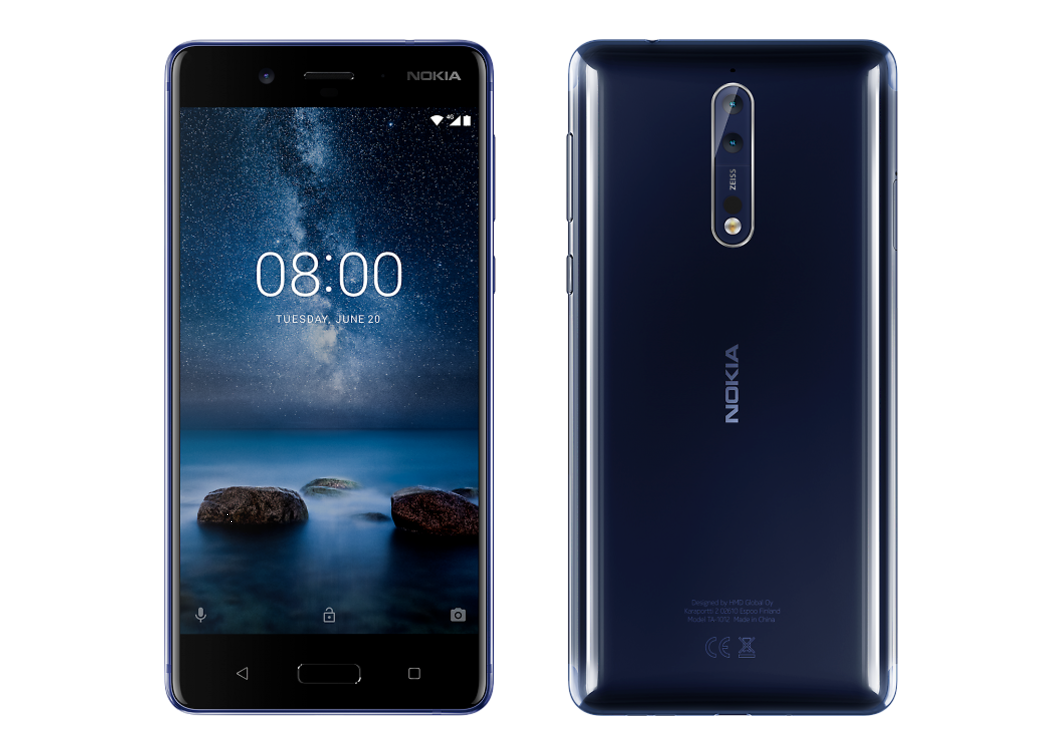
Just a couple of months after releasing the public build of Android 8.0 Oreo update for the Nokia 8, HMD Global has now started rolling out Android 8.1 Oreo beta update to the users of Nokia 8.
Juho Sarvikas, the Chief Product Officer at HMD Global, has announced through Twitter that they would begin testing the Android 8.1 Oreo beta update starting with the Nokia 8. This beta release of Android 8.1 for the Nokia 8 makes HMD Global one of the first OEMs to roll out this Oreo Maintenance Release to the non-Google devices.
This new beta version of the Android update is about 1.55GB in size and can be downloaded through Wi-Fi only. While there are no major changes in this update, it comes with optimized battery performance, Bluetooth battery percentage display, redesigned settings as well as fixed hamburger emoji. Further, the company has also included the latest January Android security patch.
The update is being rolled out through Nokia’s Beta Labs Program — a program which enables users to test public beta version of upcoming Android updates from the company. The program was started with the Nokia 8 with Android 8.0 Oreo beta update which was released as an official update a month later.
Nokia 8, having a 5.3-inch display, is powered by Qualcomm Snapdragon 835 processor, comes with 4GB RAM and packs 64GB of internal storage that can be expanded up to 256GB via a microSD card. As for the cameras, it features a 13-megapixel primary camera on the rear and a 13-megapixel front shooter. The Nokia 8 is powered by a 3090mAh non-removable battery.
While most of the smartphone manufacturers are still struggling to provide Android 8.0 Oreo update, HMD Global has now started releasing beta builds of Android 8.1 Oreo — making it one of the few companies to be at the front when it comes to software updates.
Fans of ZTE Axon 7 have been eagerly waiting for the company to announce a successor flagship phone for it. During the recent launch of the Axon M foldable smartphone in China, ZTE CEO Cheng Lixin announced that the company’s next flagship phone will be called ZTE Axon 9 and not Axon 8 as the rumor mill has been speculating.
In November 2017, the Chinese firm had confirmed that it is no longer making Axon 7 and it had also said that a worthy successor for it is in works. Finally, the company has confirmed that the Axon 9 will be replacing the Axon 7 flagship from 2016 this year. Even though the company has decided to kill the Axon 7, it has just rolled out the Android 8.0 Oreo beta update for it in the U.S. The stable Oreo update for Axon 7 is expected to arrive in Q2 this year.
The Axon 9 will be the company’s weapon to rival with the flagship phones from Samsung and Apple in the U.S. Skipping the Axon 8 moniker for its next flagship will allow it to compete with forthcoming Galaxy S9, Galaxy S9+ and iPhone 9.
Apart from confirming on the Axon 9 moniker, Lixin did not reveal any information on the specifications of the phone. ZTE is currently ranking on the 7th position in the list of top 10 smartphone brands in China. The executive that he would be working on the increasing the popularity ZTE phones in the home market.
In the past week, a mysterious ZTE phone running on Android 8.1 Oreo was certified by Wi-Fi Alliance. Since the smartphone is running on an Android version that is only available on Google and Nexus devices, it seems to be a 2018 flagship device from ZTE. The Axon 9 is expected to appear on Bluetooth SIG, TENAA and the FCC in the near future. As of this writing, it cannot be confirmed whether the Axon 9 will be debuting at the Mobile World Congress (MWC) 2018 tech trade fair.
Looks like good news for Xiaomi fans that have restlessly been waiting to get their hands on the Redmi 5 Plus without shelling out a lot of money. The much sought-after 4G smartphone is currently up for grabs at heavily discounted price on LightInTheBox.
The Beijing-based online retail company is giving a massive 60% discount on the red, black and rose color versions of the Redmi 5 Plus smartphone bringing their steep selling price of $441.73, $443.45 and $466.33 down to just $175.97, $177.38 and $186.53, respectively.
In other words, by paying an additional $1.41, you can buy the black color version of the handset. But if you’re willing to spend an extra $10.56, you can go for the rose-colored version of Redmi 5 Plus 4G smartphone.
In terms of specs, the Redmi 5 Plus packs Qualcomm Snapdragon 625 processor with 4GB of RAM and 64GB of onboard storage, under the hood. On the photography front, it sports a 12MP camera on the back and a 5MP front shooter for selfie addicts. Moreover, the phone sports a 5.99-inch display with a screen resolution of 2160 X 1080 pixels.
To take advantage of this opportunity and get a considerable 60% discount on the Redmi 5 Plus smartphone’s original asking price, head straight to this link before the Lightning Sale comes to an end in 5 hours. Also, there were only 22 pieces remaining at the time of writing.
We use cookies on our website to give you the most relevant experience by remembering your preferences and repeat visits. By clicking “Accept”, you consent to the use of ALL the cookies.
This website uses cookies to improve your experience while you navigate through the website. Out of these, the cookies that are categorized as necessary are stored on your browser as they are essential for the working of basic functionalities of the website. We also use third-party cookies that help us analyze and understand how you use this website. These cookies will be stored in your browser only with your consent. You also have the option to opt-out of these cookies. But opting out of some of these cookies may affect your browsing experience.
Necessary cookies are absolutely essential for the website to function properly. This category only includes cookies that ensures basic functionalities and security features of the website. These cookies do not store any personal information.
Any cookies that may not be particularly necessary for the website to function and is used specifically to collect user personal data via analytics, ads, other embedded contents are termed as non-necessary cookies. It is mandatory to procure user consent prior to running these cookies on your website.



























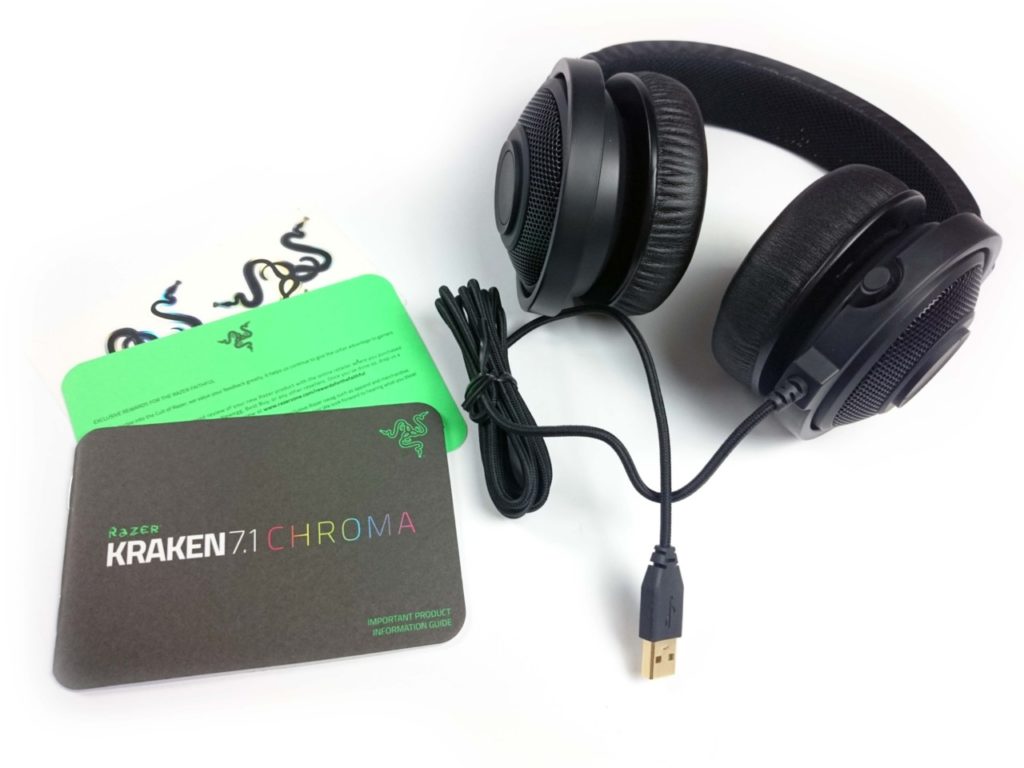 Aside from that, the site is giving 20% off on the Kraken 7.1 Chroma V2 USB gaming headset’s actual selling price of $119.99. Thanks to this reduction, you only need to pay $95.99 in order to get your hands on this retractable digital microphone.