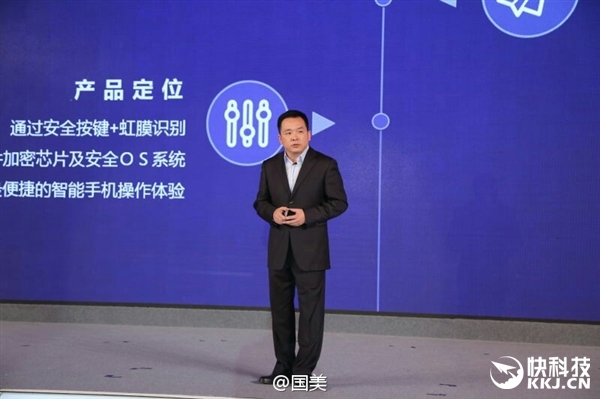
The smartphone market is full of players already but that isn’t deterring new ones from joining. GOME, a private electrical appliance retailer founded back in 1987, thinks there is still space for one more player. The company’s president, at a conference to discuss the company’s 30th anniversary which is next year, announced that they will be launching their first smartphone soon.
The phone which will be released in the first quarter of 2017 will have a dedicated security chip to keep user data private. The GOME phone will also have iris recognition and a fingerprint scanner.
The phone will use a dual OS system consisting of the regular android OS and a smaller OS called Trusted Execution Environment (TEE). The latter will keep all your private data instead of leaving it on the main Android OS that is vulnerable to malware and attackers.
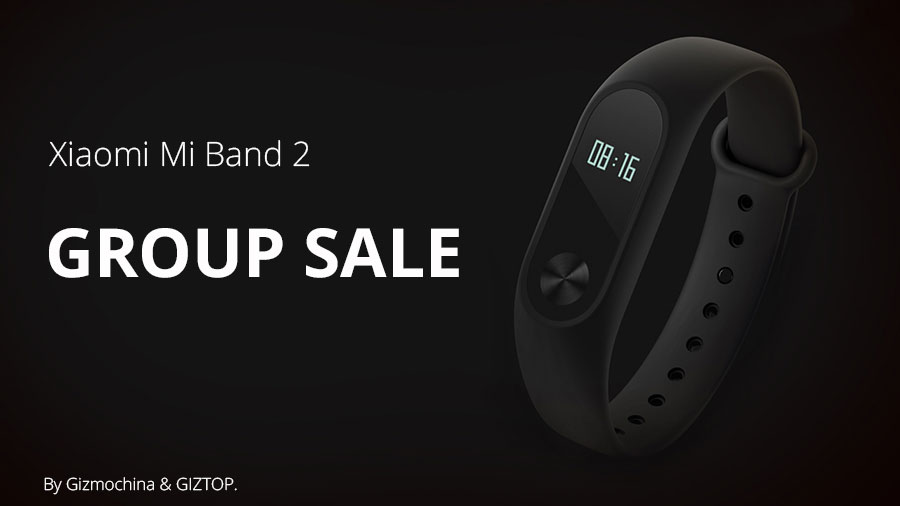
Xiaomi launched the Mi Band 2 a few months back and clearly, it is one of the best cheap smart wearables in the market right now. In case you were planning to purchase the Mi Band 2 wearable, this might be the right time as Giztop has come up with an amazing group sales offer for our readers.
What’s the Offer?
You can get the Xiaomi Mi Band 2 for as low as $19.99, which is one of the cheapest prices for this popular smart wearable right now.
How to avail the Offer?
Simple, share the giztop listing page of the Xiaomi Mi Band 2 (link here) as much as possible. There is an orange share button on the page using which you can share to facebook, twitter or any other prominent social media account. The number of shares is also mentioned besides this button, so you know the number of shares required to unlock the discounted price.
The higher the number of shares at the end of the offer period, the more discount you get on the price.
The pricing will be as follows:
If the page gets 100 shares — Price will be $21.99,
If the page gets 500 shares — Price will be $20.99,
&
If the page gets 1000 shares — Price will drop down to just $19.99
When will the Offer End?
In the next five days i.e. 24th of December.
Is the Mi Band 2 Worth It?
Most Definitely! I have been using the Mi Band 2 as my daily wearable for the past two months, and in this time, I have come used a lot of other wearables and I still rely on this device for my daily fitness tracking. Xiaomi Mi Band 2 review here.
The wearable was announced in China for 149 Yuan ~ $21, so if you are getting it for $19.99, it’s really a good deal.
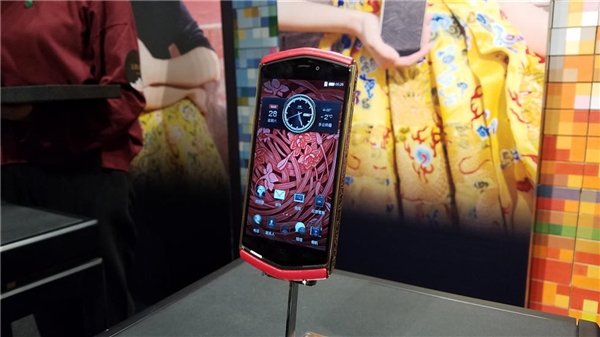
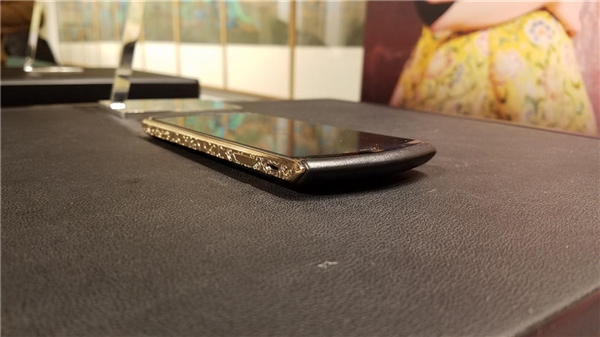
Chinese company 8848 Phones has launched a high-end, customized titanium smartphone with a price tag that can keep our mouth agape. The company makes phones that looks similar in design to those made by London-based company Vertu.
The smartphone is jointly developed by 8848 in partnership with the Palace museum which runs the Imperial Palace housed inside the Forbidden City in China. The phone is said to have been designed by designer Lawrence Hsu and has a dragon design themed around the art works inside the Imperial Palace in China.
The phone does not only adopt a high price tag based on the design alone but more because sophisticated features it pack. There is an 18K gold dragon sculpture engraved at the back and it also feature calf-skin leather at the back. The phone comes in black, gray, pink, and Bright yellow color variants.
Specs wise, the 8848 phone sports a 5-inch FHD display and is powered by an Octa-core Qualcomm chipset. Also, there is a memory combination of 4GB RAM and 128GB of storage on the device. On the camera aspect, there is a large 21MP main camera at the rear and a whopping 30MP front facing selfie snapper. The phone is also a dual SIM card / dual standby phone.
The 8848 Imperial palace themed phone carries a massive $2,880 price tag (around 19,999 Yuan) and would likely be on sale during the ongoing New Year sales.
Meizu is a known brand among Chinese smartphone fans, but many don’t know that the company first started out as an MP3 Player manufacturer. Hence, it does have a few years of experience in this field, and it’s trying to bring this experience on to the Meizu HD50 on ear headphones. It’s been quite a while since this headphone was first announced, but it’s still a popular buy among customers because of its cheap price and quality. So, read on to find out whether the Meizu HD50 is really a great on-ear headphones for just $50. Gearbest is currently running some kind of promotion for the headset which is why the price is discounted to $50 from the usual $55-$60 price tag.
Xiaomi is already working on their flagship for next year which should naturally be called the Xiaomi Mi 6. Xiaomi is known for using Qualcomm processors for their flagships, so its not a surprise to learn that the Mi 6 will launch with the new Snapdragon 835 chip. What is surprising is the fact that it may have variants with different processors.
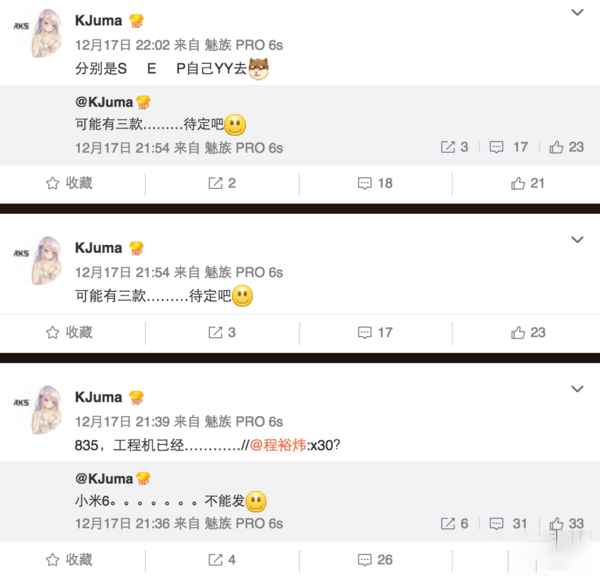
The news comes from leakster @Kjuma who posted on his Weibo page that the Xiaomi Mi 6 will have three variants with different processors and will be named Mi 6S, 6E, and 6P.
While we advice that you take the info with a pinch of salt until it is confirmed, we shouldn’t rule out the possibility. It will be a deviation from what has become the norm but traditions can be broken. We believe one of the Mi 6 variants may sport the Helio X30 processor and the third variant might have Xiaomi’s in-house processor called Pinecone. That looks like the only plausible way it can happen.
Xiaomi 6S(napdragon)
Xiaomi 6P(inecone)
Xiaomi 6hElio X30
It’s a wild guess from me but it makes sense, right? Because I don’t want to believe the E stands for Exynos.
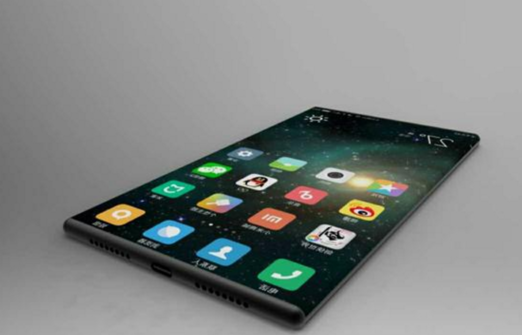
We also get to see a render of the upcoming phone. The display is curved and the bezels are practically non-existent.
The Samsung Galaxy S8 is one of the most anticipated phones of 2017. According to leaks and rumors, the Galaxy S8 will get a new design and be available in two sizes. Both will have dual-curved displays instead of the usual tradition of one flat-screen phone and a curved variant. It will also not feature a physical home button.
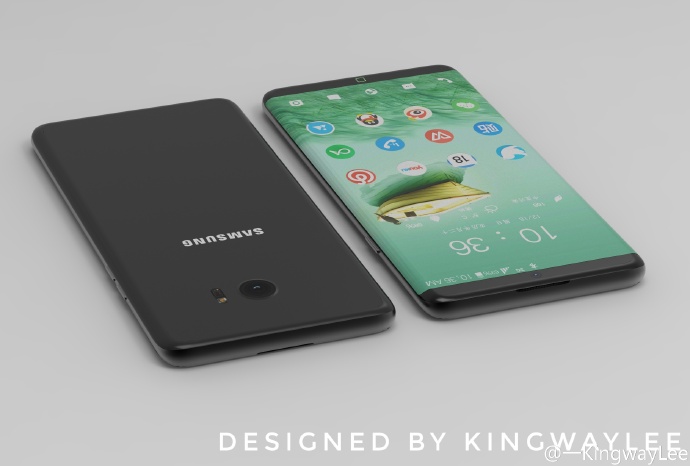
A Weibo user @KingwayLee uploaded renders of what he thinks Samsung’s next flagship will look like. In his renders, the Galaxy S8 looks appears to be a little thinner than the S7 Edge. The lower bezel that should house the home button is now smaller as well and instead has a square capacitive key. But we doubt that a fingerprint scanner, even an under-glass one will be able to fit there.
The render also shows the S8 with a single rear camera. We don’t have a problem with that as the S7 Edge and Google’s Pixel phones which all have single rear cameras take superb shots, but we’d love to see what Samsung’s dual cameras are like.
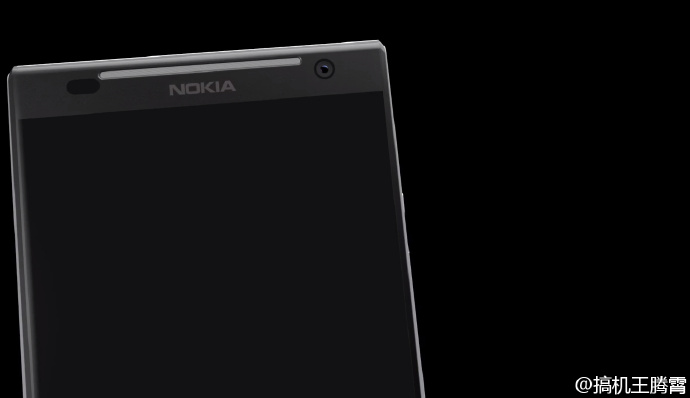
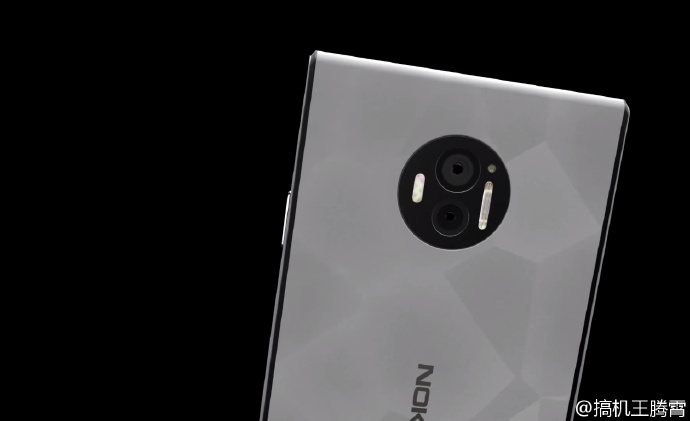
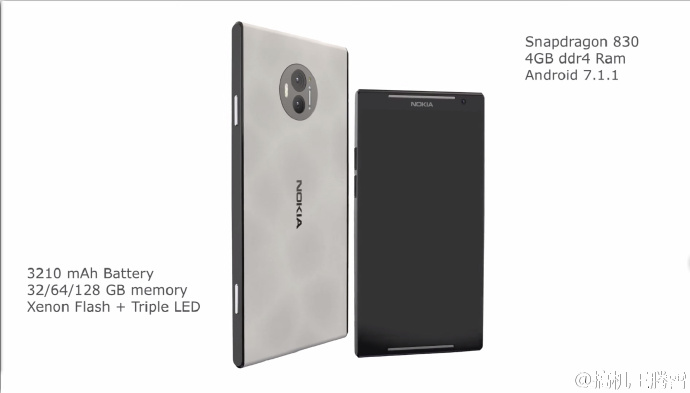
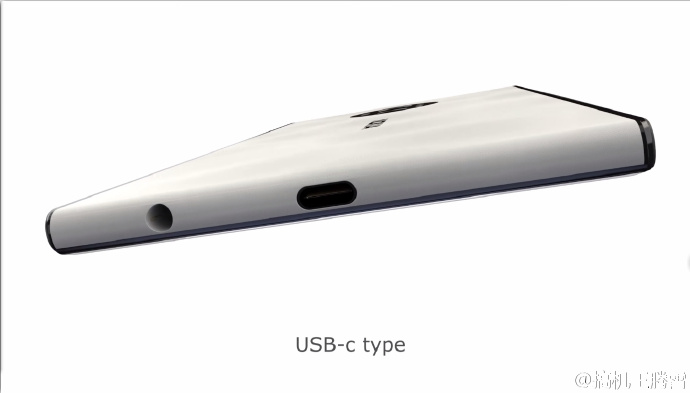
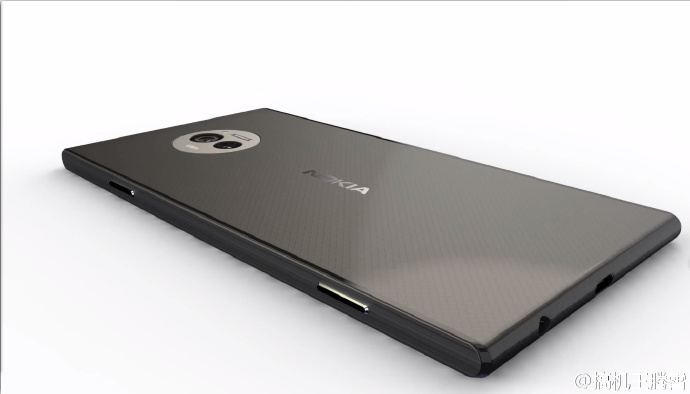
The Nokia C1 isn’t expected until next year as one of the flagships that would mark the return of the Nokia brand under HMD Global to the market. The device has now appeared in a leak showing the renders as well as some of the key specs the device is expected to sport.
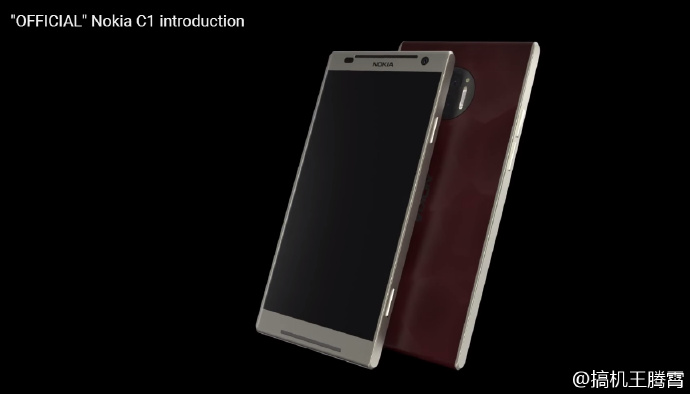
The renders appeared on Weibo and looked more like a concept design than a real smartphone. There is an unusually high screen to body ratio, with the display almost taking the entire screen up front. There is no physical home key while the front camera and another sensor lie at either end of the display’s top with an unusually long speaker aperture at the middle. There is another similar one at the bottom edge as well.
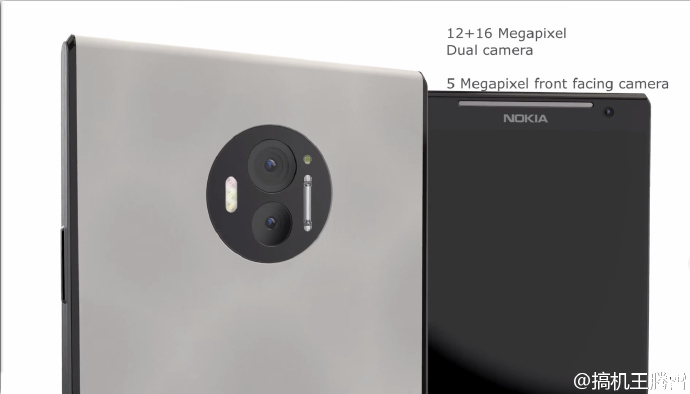
There are capacitive buttons at the side and at the rear, there is a dual camera setup with an LED flash on the left side and another longer LED flash at the right side. The upper camera which is likely the main shooter is bigger than the one lying under it, but both cameras are round.
Also, the image contains a couple of key specs of the Nokia C1 and from the records, the device will be powered by a Snapdragon 830 flagship chip with 4GB RAM onboard. There are three storage versions with 32GB, 64GB and 128GB storage options. The device is also expected to run Android 7.1 Nougat out-of-the-box.
Further, there is a dual camera setup at the rear with a 12 + 16MP sensor combination. The rear camera also contains a Xenon flash with triple LED. Up front, there is a modest 5MP camera for selfies. In addition, there is a 3,210mAh battery crammed inside the device. The Nokia C1 is also expected to feature a USB Type-C port even though there is still what looks like a 3.5mm audio jack.
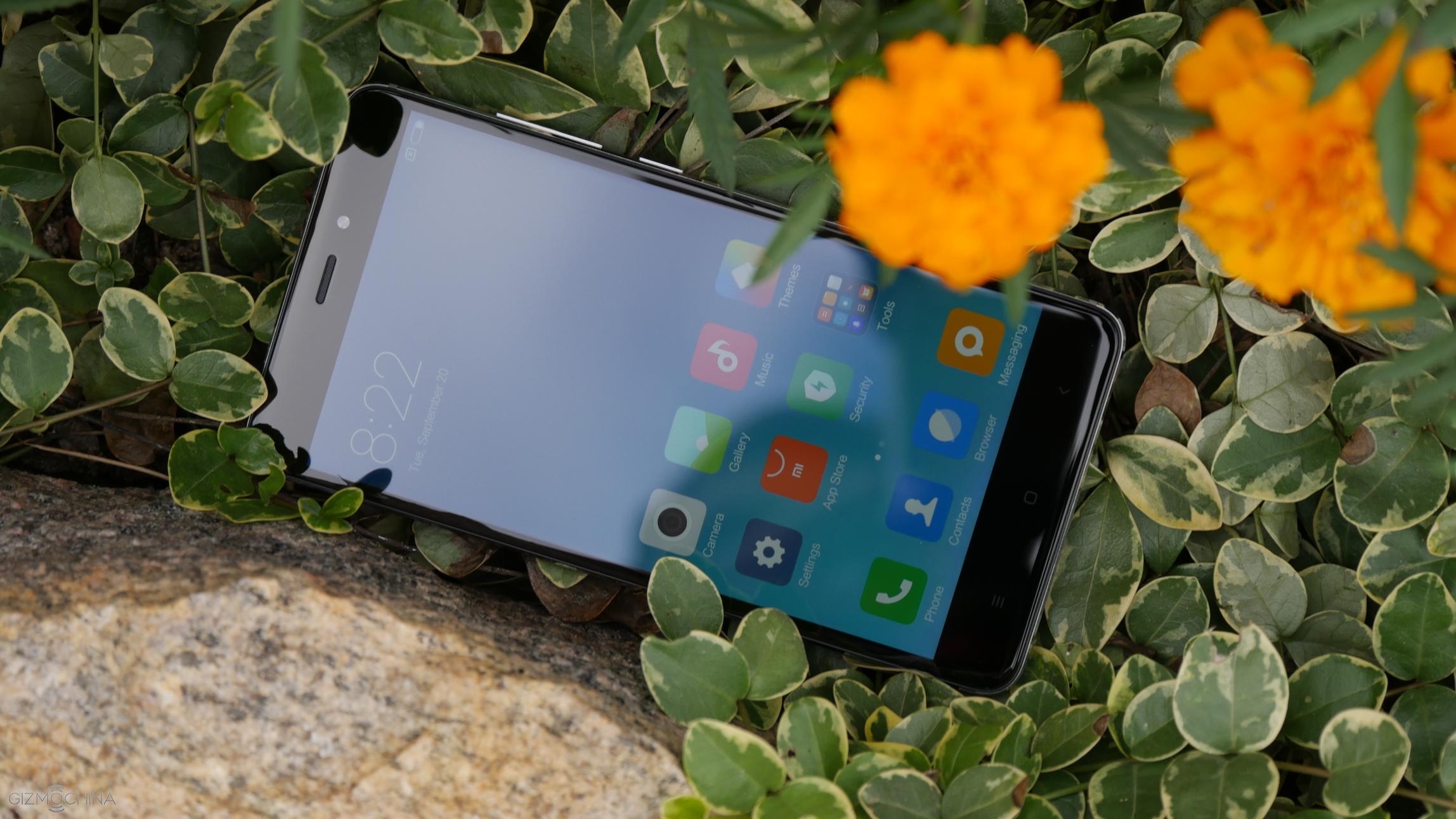
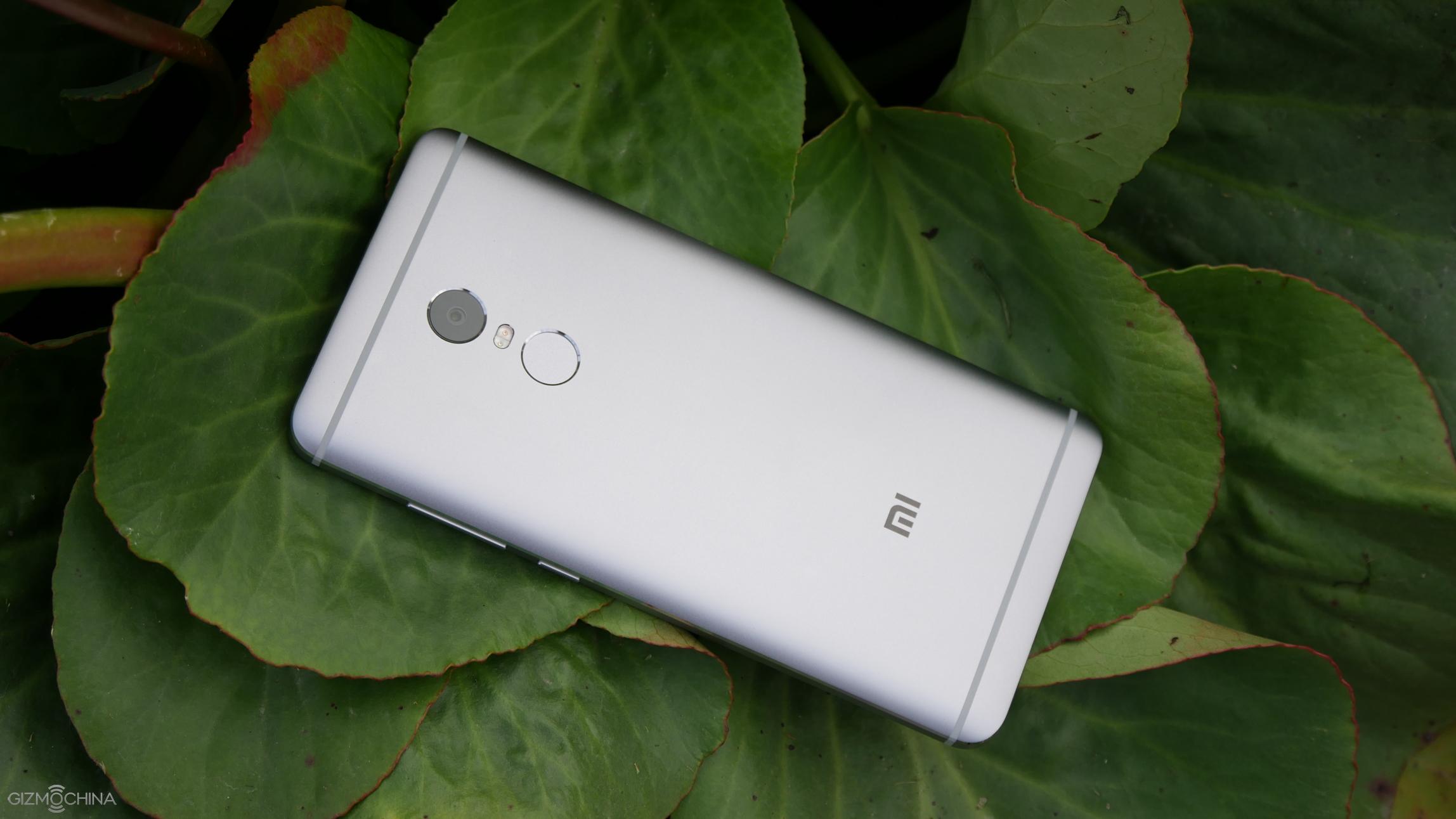
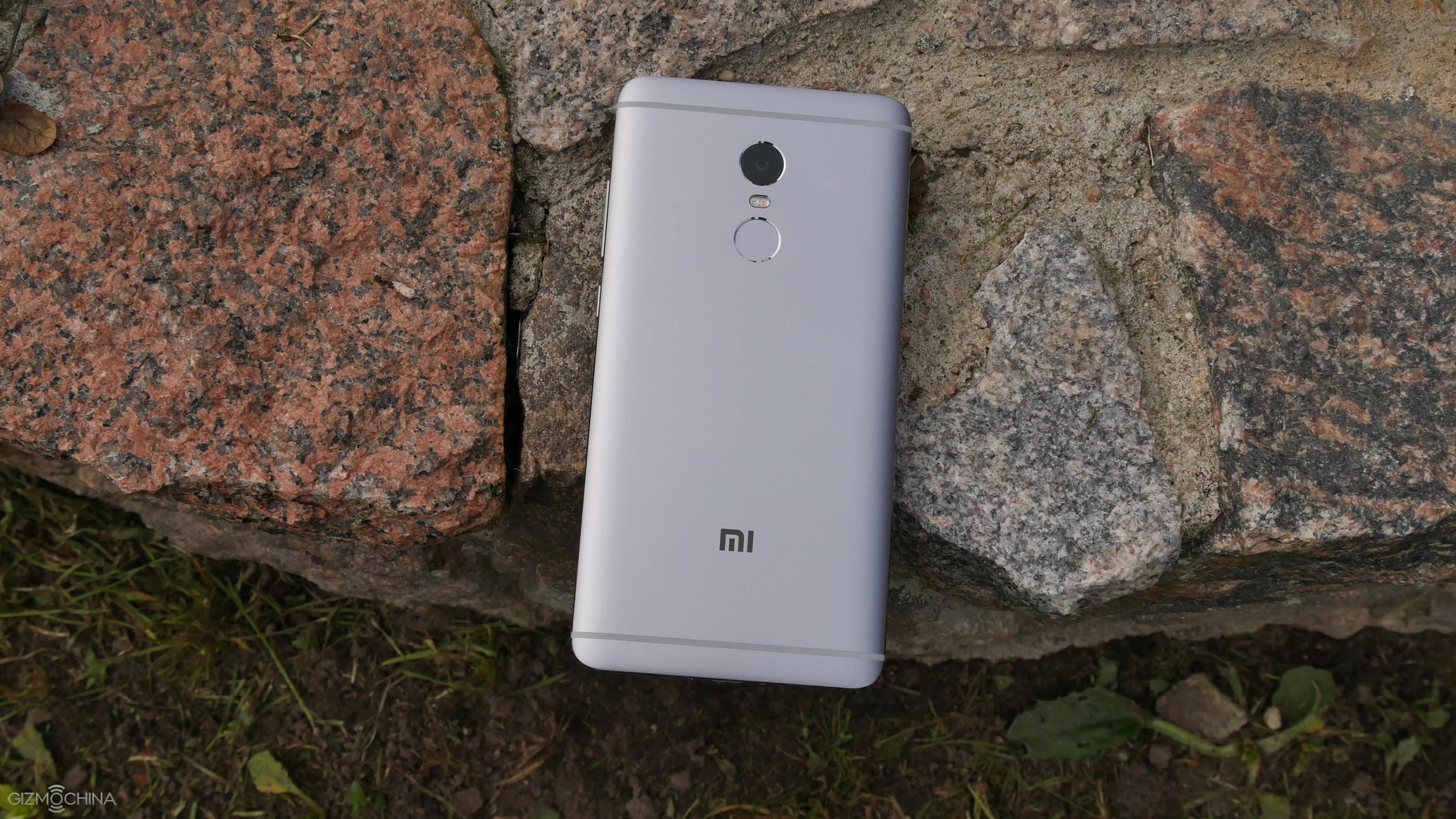
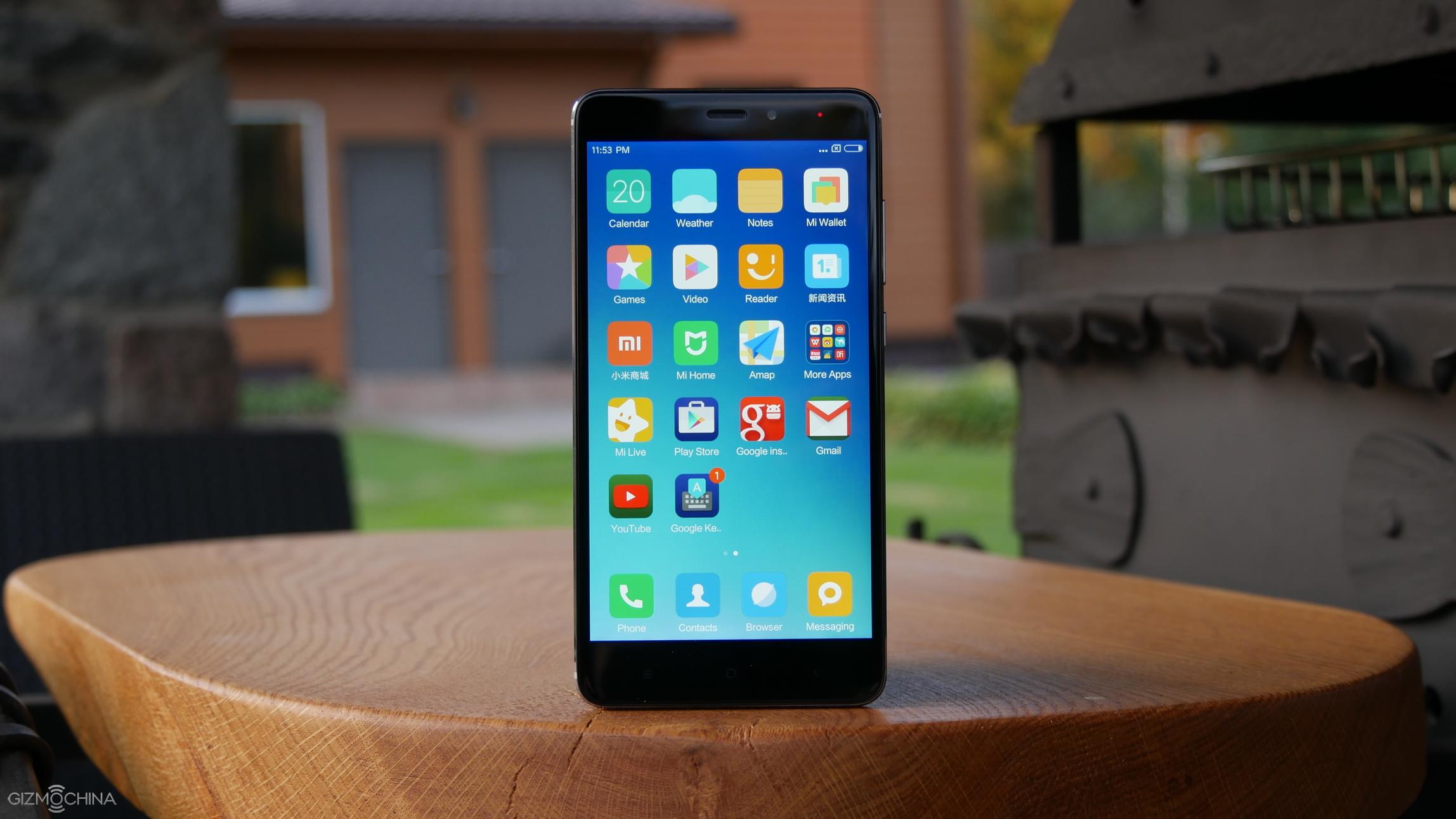
The Xiaomi Redmi Note is the most premium smartphone in the company’s Note lineup. We all know that the Note series is meant to be budget-oriented but once you pick the phone up, it definitely feels like a much more premium device, thanks to its all-aluminum build.
The phone sports some pretty standard features like a 13MP camera, dual-LED flash and a fingerprint sensor.
As far as the specs go, the Xiaomi Redmi Note 4 sports a deca-core Mediatek Helio X20 chip with the max. clock speeds of 2.1GHz, 3GB of RAM and 64GB of storage, which is also expandable via the microSD card slot. This specs sheet is enough to handle almost anything you throw at the phone – everyday tasks or 3D games.
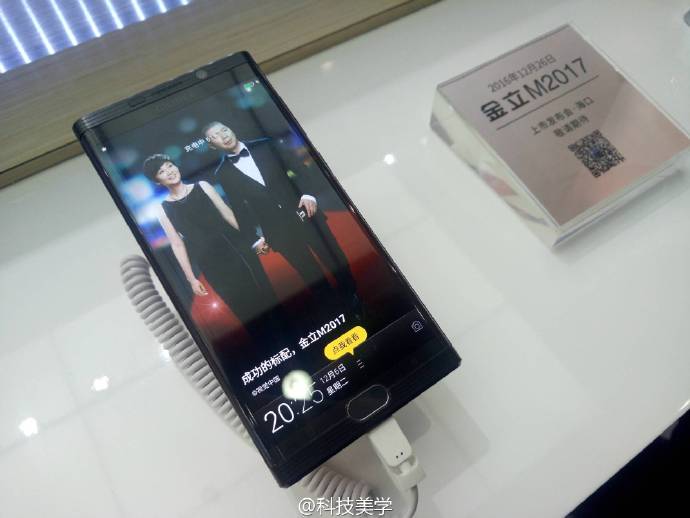
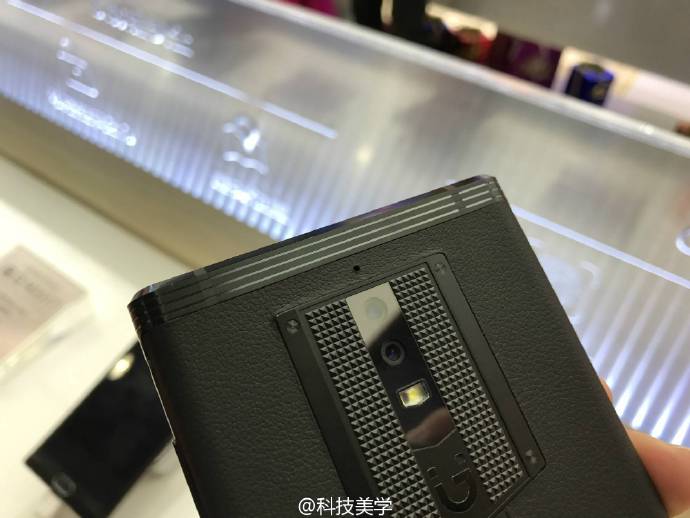
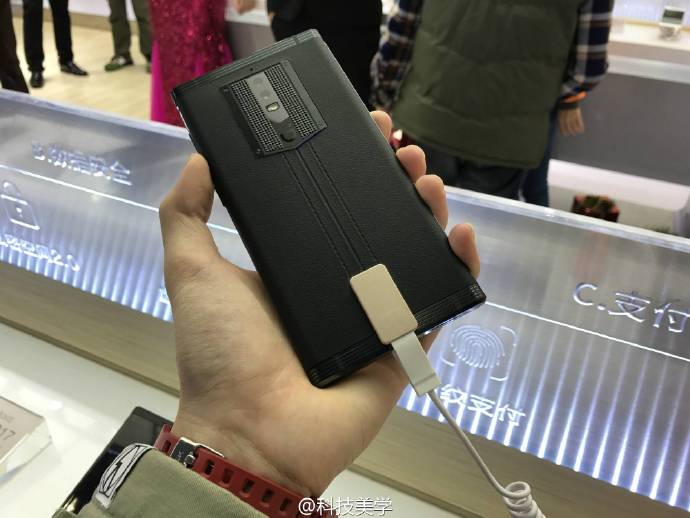
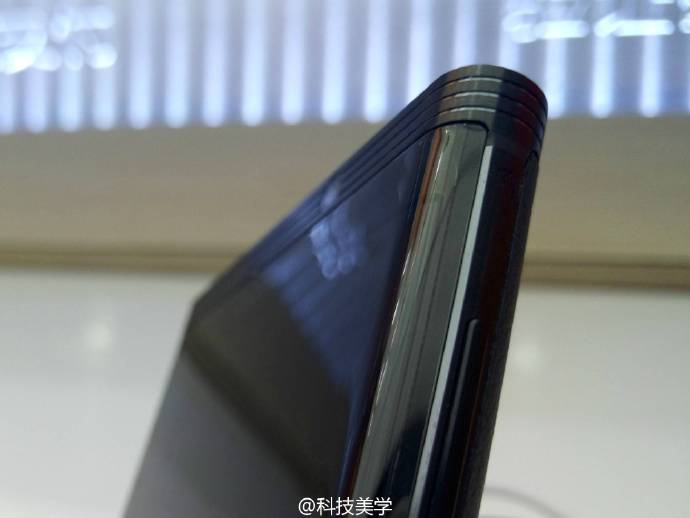
Ahead of its scheduled launch on December 26, live photos of the beautiful Gionee M2017 showcasing its unique design has appeared on Weibo. The M2017 was said to have been featured by Gionee in an exhibition at a partner conference organized by China Mobile held in Guangzhou, China recently. The images feature an all-black variant of the expected flagship with the main highlight being the dual curved display devoid of display bezels.
We had first spotted the Gionee M2017 a couple of weeks back with curved screen, leather-like back and dual rear cameras in a leaked image and later on the device appeared on TENAA where it received certification. A couple of renders of the device accompanied the TENAA listing and they showed the device indeed sporting a leather-like covering at the back with a color combination of black and gold and a curved display. These latest Weibo-leaked renders adorn an all-black setup, though.
There is the physical front button lying just under the display and it houses the fingerprint scanner since there is no sign of one at the rear. The main highlight at the rear is the dual camera setup which sits at the rear. The rear dual camera is a combo of 12MP + 13MP sensors with support for 4X optical zoom. There is also an 8MP front camera on the device.
As a reminder, the Gionee M2017 sports a 5.7-inch AMOLED display with 2K resolution (2560 x 1440 pixels). We’ll reiterate that this is a curved or hyperboloid display and it should be Gionee’s first device with such design. The M2017 is fired up by a 1.958GHz octa-core processor supported by 6GB RAM as well as a massive 128GB of non-expandable storage.
The device also packs a very large 7,000mAh battery with up to 23 days battery life and which features support for reverse charging. The Gionee M2017 is listed as running Android Marshmallow 6.0 operating system and comes with dual SIM/ Dual standby as well as entire network support.
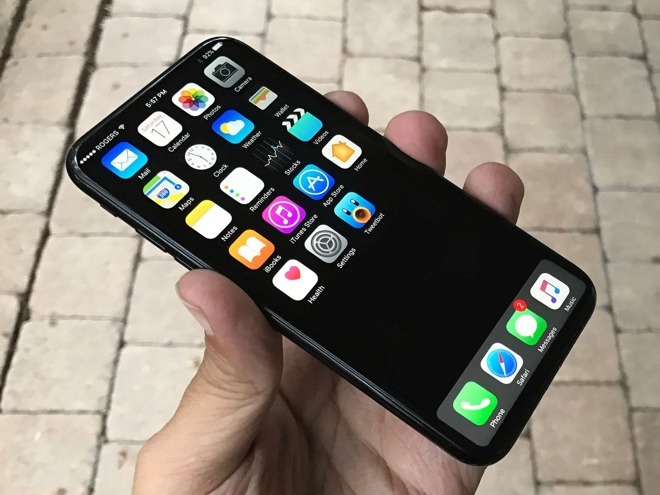
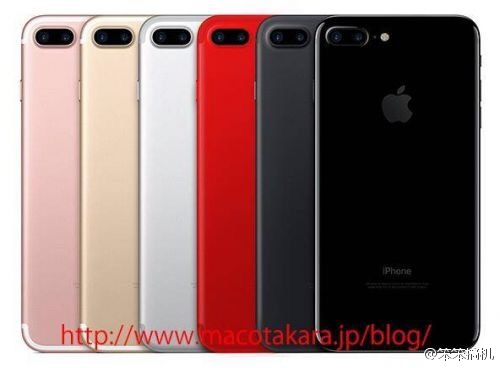
The rumors surrounding Apple‘s 2017 flagship, the iPhone 8 continues to grow wider by the day. Just recently, we got wind that the iPhone 8 will use OLED panels from Samsung, a new red color variant in the mix and that there is likely a China-exclusive version that has dual SIM support. The latest rumor about the Apple iPhone 8 emanating from Korea suggests that the next gen Apple flagship may likely use curved displays on all models.
According to The Korea Herald, Apple’s orders fro OLED panels from Samsung have been exclusively for plastic units and not glass units. What this means, according to the source of the information, is that phone manufacturers use glass for flat panels, while plastic allows for curved screens just as found on the Galaxy S7 Edge.
In adddition, the source also hinted that other iPhone models billed for release next year will use flat LCD panels from LG Display and JDI. This re-echoes earlier rumors that only the iPhone 8 would use OLED display while others expected to be launched next year would use LCD displays. The report went further to reveal that Samsung’s Curved OLED capacity is estimated between 70 to 100 million units in total annually and this figure is less than Apple’s iPhone sales annually, thus lending credence to talks of OLEDs for just one model.
Earlier reports had hinted of Apple working on three iPhone models for next year namely the iPhone 7S and 7S Plus, each having a 4.7-inch and 5.5-inch LCD display respectively. Then, there are rumors of a curved OLED premium model measuring 5.2 inches which is the iPhone 8. There are also talks of the likelihood of edge-to-edge displays being featured on some models which would in turn prompt the inclusion of components like Touch ID sensor.
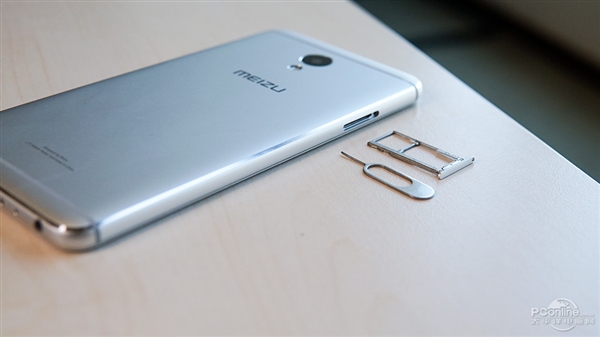
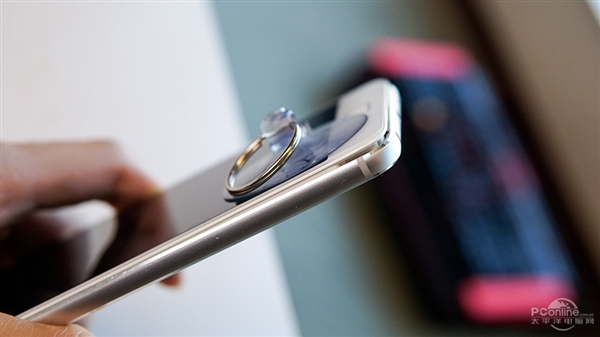
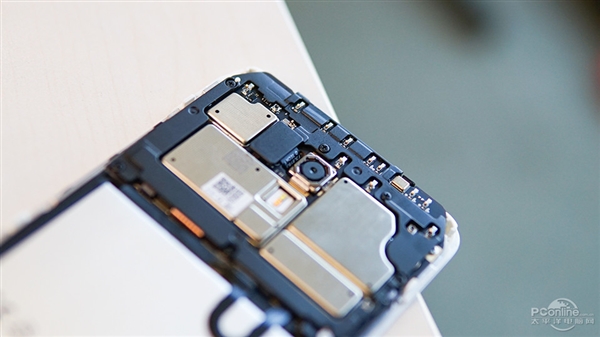
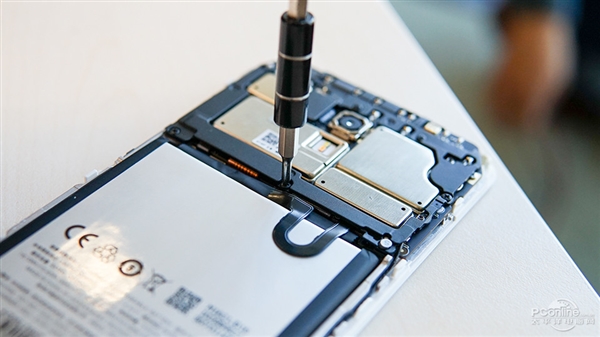
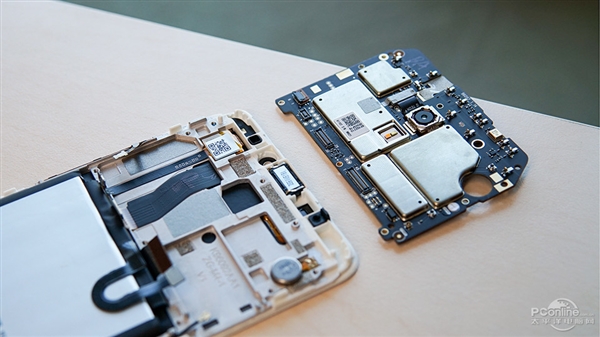
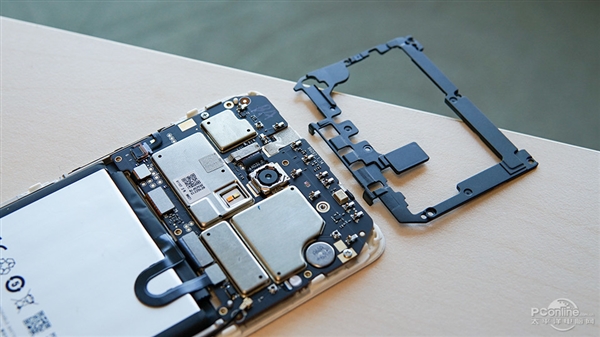
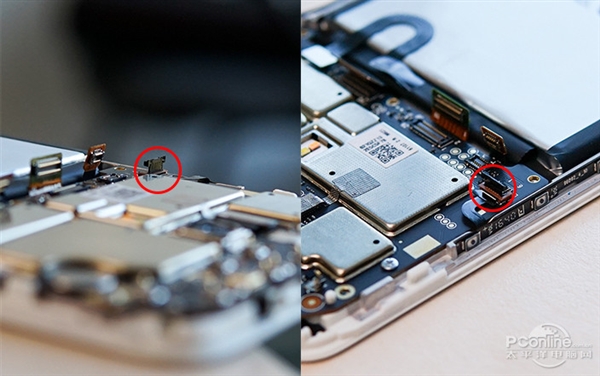
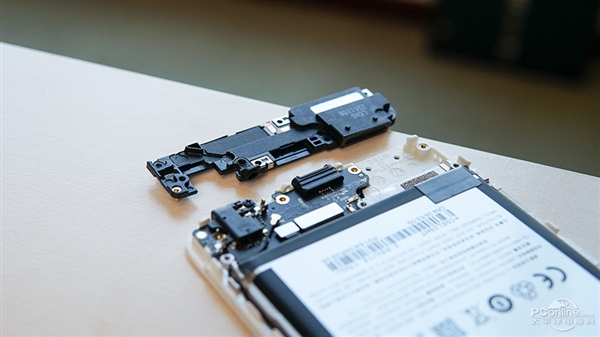
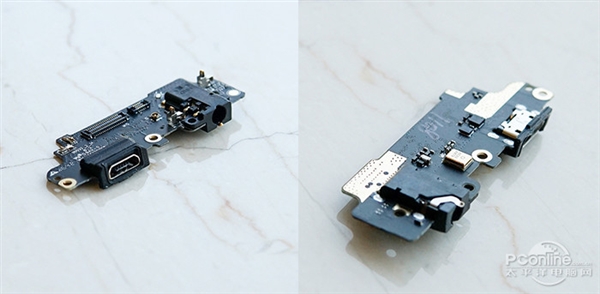
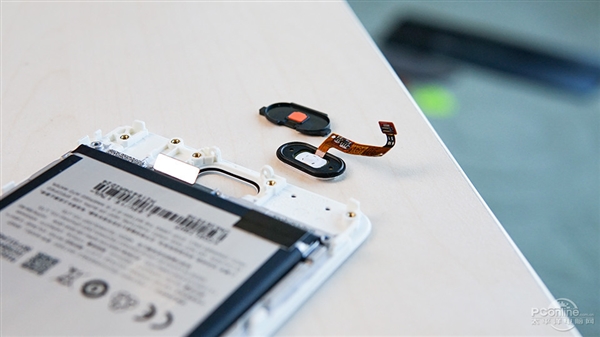
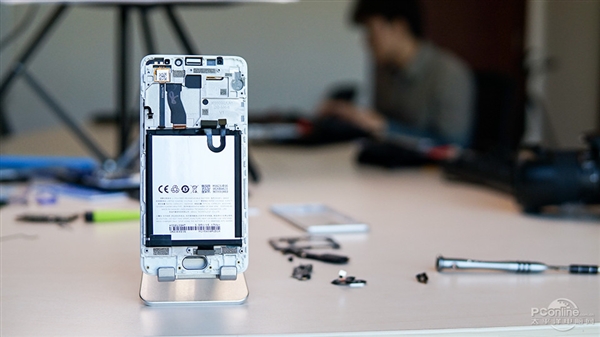
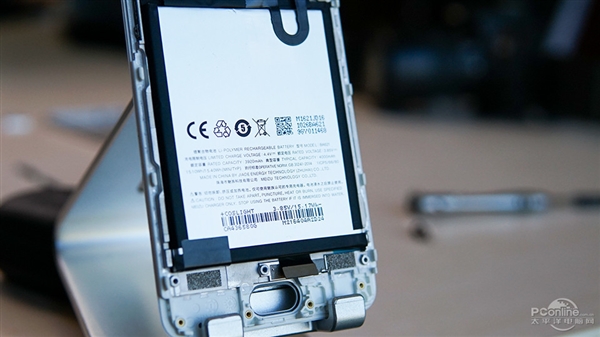
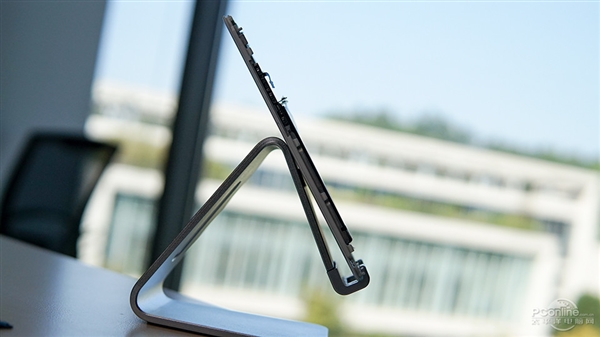
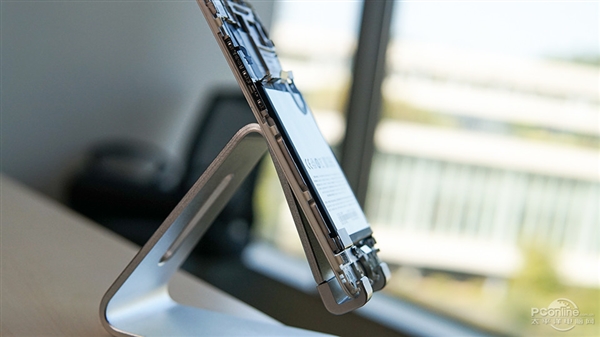
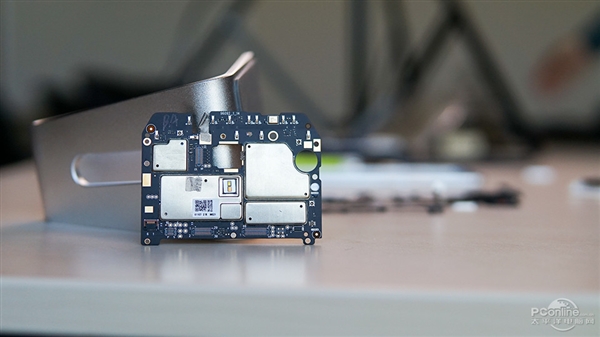
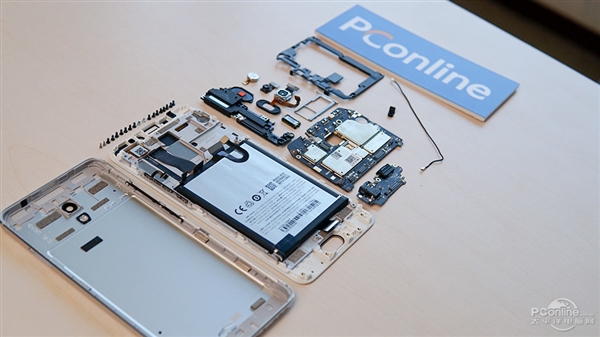
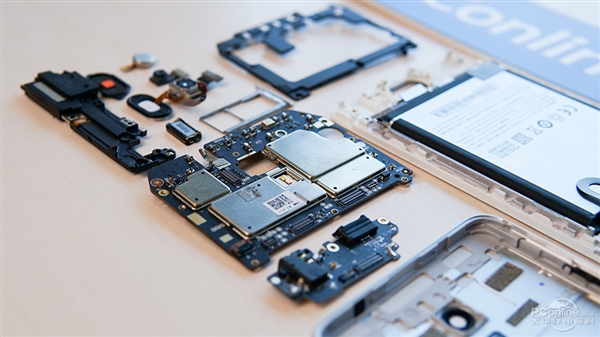
The Meizu Note 5 budget-friendly smartphone was unveiled at the start of this month. Now, PCOnline has revealed the teardown images of Meizu M5 Note
Meizu M5 Note Teardown
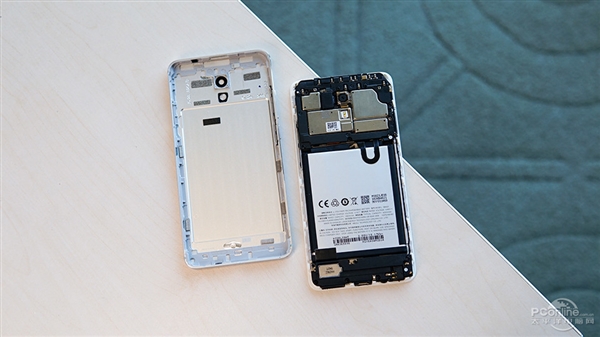
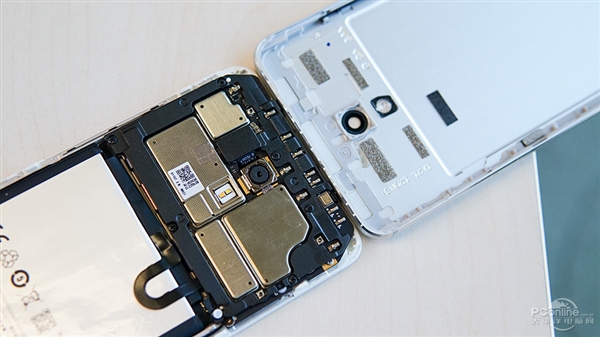
The Meizu M5 Note comes with some attractive features like a huge battery, larger display, and RAM along with beautiful design. After dismantling the device, PCOnline has confirmed that the CNY 899 (~$130) pricing is perfect for a smartphone that comes with better internal components than the Meizu M3 Note.
The teardown was quite wasy and opening the device is not a tough task. Its motherboard is fixed in a plastic bracket to increase its stability. The main components are well-integrated in a metal body using metal snaps and screws.
Meizu M5 Note Specs, Price
The Meizu M5 Note comes with a 5.5-inch full HD display that is guarded by 2.5D curved glass. It measures 153.6 x 75.8 x 8.2 mm and weighs 175 grams. Under its hood is the Helio P10 SoC by MediaTek.
It has a 13-megapixel rear facing snapper and a 5-megapixel selfie camera. The fingerprint reader is present under its display. It houses a 4,000 mAh battery.
It runs Flyme 6.0 flavored Android 6.0 Marshmallow OS. The microSD card slot on the device also doubles up as second SIM card slot.
The 3 GB RAM model of M5 Note comes in two storage editions of 16 GB and 32 GB. Both are respectively priced at CNY 899 ($129) and CNY 999 ($144)
There is a high-end 4 GB RAM model with 64 GB native storage that is priced at CNY 1499 ($216). It comes in color choices of black, gray, blue and silver.
Meizu M5 Note Teardown Images
Here are all the teardown images of Meizu M5 Note:
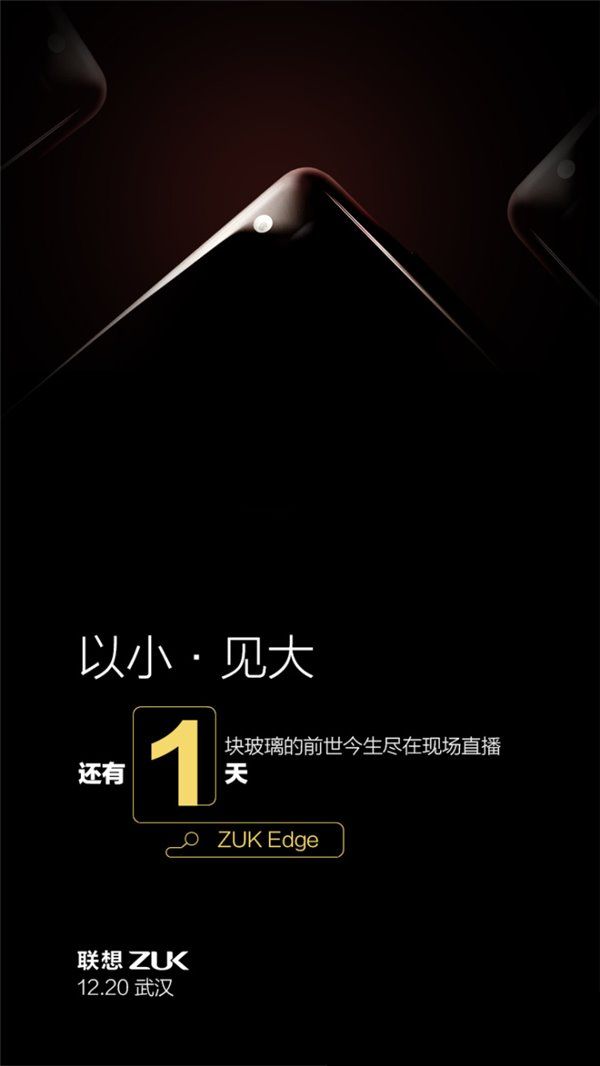
The features of the upcoming Lenovo ZUK Edge is being consistently teased by Lenovo on Weibo. New details suggest that the Lenovo ZUK Edge will be world’s first smartphone to feature under glass Home button enabled with features like fingerprint reader and support for multiple gestures.
Lenovo Group Vice President has now confirmed that ZUK Edge will feature an under-glass U-Touch Home button. The U-Touch Home button will not only support usual features like press & fingerprint scanning, but also add new gesture support.
Through a sliding gesture, users will be able to switch between tasks. This new information on the invisible Home button contradicts the Lenovo ZUK Edge leaked photos that have clearly revealed that it sports a rectangular shaped physical Home button below the display. It is likely that a rectangular shaped Home button may be positioned below the display but may be integrated under the front glass.
In the previous week, Lenovo had teased on its Weibo account that the ZUK Edge would be coming with a screen-to-body ratio of 86.4 percent. The company had also announced that would be powered by Snapdragon 821 chipset.
The Lenovo ZUK Edge is scheduled for unveiling tomorrow. Leaked specs details suggest that the smartphone would be arriving with a 5.5-inch full HD screen flanked with super slim bezels. Its SD 821 processor is expected to be coupled with 6GB of RAM.
Other features of ZUK edge include 64 GB native storage, 13-megapiel and 8-megapixel rear and front cameras, Android 7.0 Nougat OS, USB Type-C and a fast charging enabled 3,000 mAh battery.
Previous leaks have suggested the Lenovo ZUK Edge with 4GB RAM and 32GB storage would be costing CNY 2999 ($431). The 4 GB RAM variant with 64 GB storage would be costing CNY 3299 ($475). Its 6 GB RAM model should be coming with 128 GB of storage and it will be priced at CNY 3699 ($533).
What do you think about the killer features of Lenovo ZUK Edge? Do let us know your thoughts in the comments section.
While some manufacturers release just a few phones per year, there are some who release tens of phones to cover the different categories. Huawei belongs to the latter and it seems its Honor sub-brand, even after just launching the Honor Magic a few days ago already has two new devices codenamed Honor Prague in the works.
Although the two devices go by the codename Prague (PRA-LX1 and PRA-LX3), there is a possibility that they may bear different names when they finally launch as Huawei is not new to using the name of cities as aliases for their devices. If you remember the Mate 9 was codenamed Manhattan.
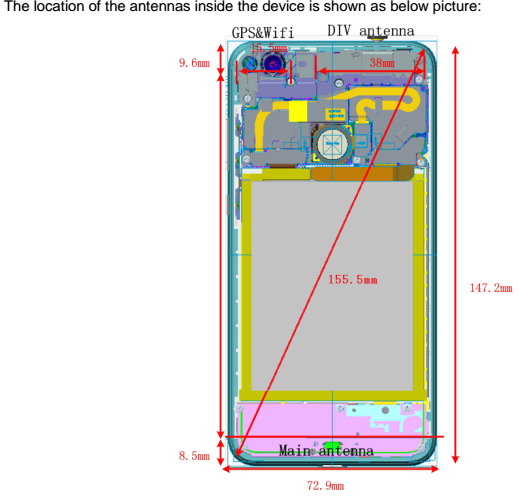
Both devices have made it to the FCC for their certifications. The FCC listing doesn’t reveal much but they are each expected to have 3GB of RAM, a 2900mAh battery, and Bluetooth 4.2. A document seen on the FCC site also says they might launch with Android Nougat.
The FCC listing says the PRA-LX1 model has a length of 147.22mm and width of 72.9mm. The phone will also come with a fingerprint scanner, a single rear camera with the LED flash flanking it on the left.
Do you remember those rendered videos of bezel-less and transparent iPhones that flooded the internet when a new iPhone was close to launching? We still don’t have them yet. Or do we?
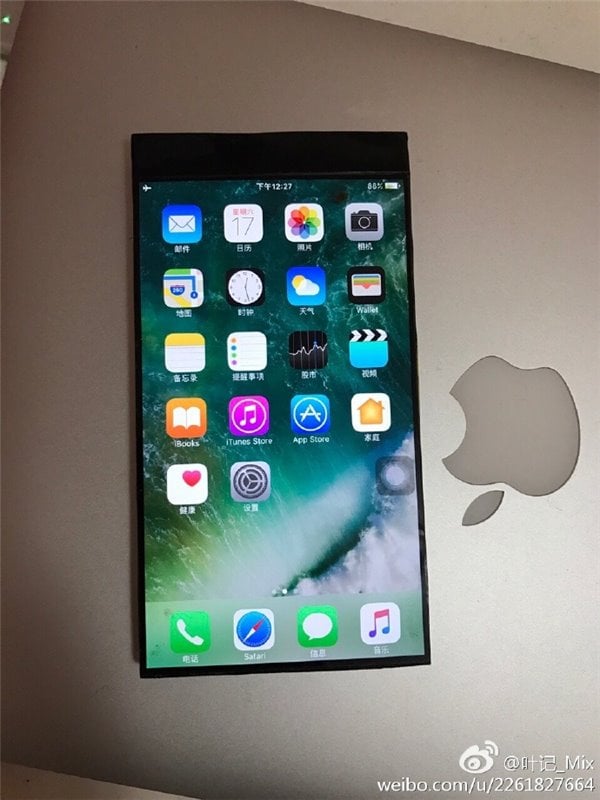
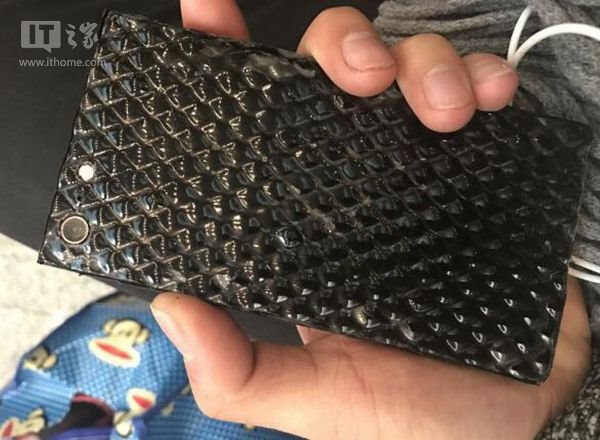
While the leaks of the next iPhone have been pouring in, there has been no mention of it being bezel-less and it seems some Apple fans are not happy about it seeing as you already have bezel-less android phones like the Xiaomi Mi MIX. So what do you do when what you want is not available? You make it yourself, as seen from a video uploaded on YouTube of someone who repurposed his iPhone 6S Plus into a Xiaomi Mi MIX.
The video which shows the procedure was uploaded by Weibo user @Ye Ji-MIX. Although the final product looks a little unrefined we can’t help but praise his skills and ingenuity.
Xiaomi’s crowdfunding platform is where the company releases all of its household items. Known for releasing at least one product every week, this week will be no different as the company’s (Mijia) account on Weibo has teased a new product which appears to be an electric toothbrush judging from the poster.
The accompanying text on the poster loosely translates into how plaque forms on the teeth and how it can only be removed via mechanical means.
This will not be Xiaomi’s first electric toothbrush though. Earlier this year, they launched the Soocare X3 sonic electric toothbrush for 229 yuan ($34). The Soocare comes with a 1000mAh battery and can last for up to 25 days on a single charge. Xiaomi also launched a Soocare mini for toddlers.
Xiaomi entered into the personal computer market this year with its Mi Notebook Air. Available in two sizes: a 12.5-inch model and a 13-inch model, which also sport different internals; the Mi Notebook Air has been praised for its design and build quality. Although we can’t ignore how it shares similarities to Apple’s MacBook Air, something Xiaomi is not even ashamed of hiding as it is evident in even the naming.
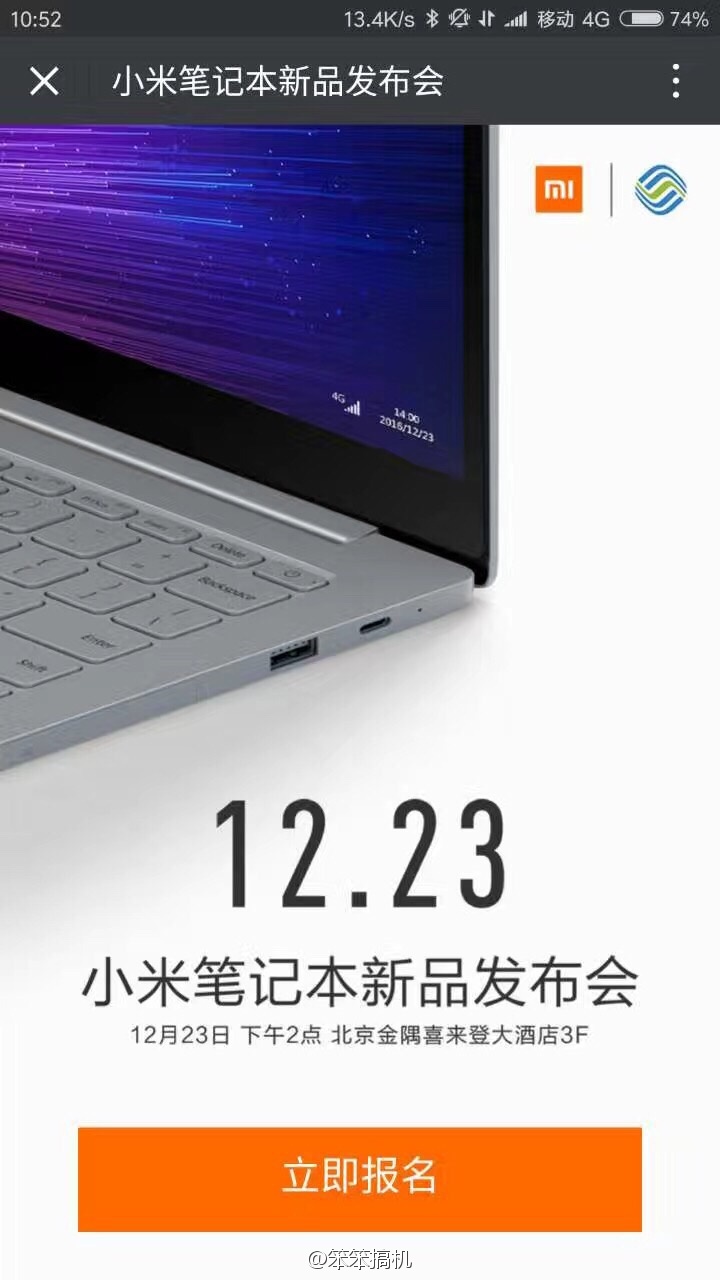
You might have thought we wouldn’t be hearing of a new Mi Notebook Air not until next year, but Xiaomi thinks differently as they have a new model launching in Beijing on Friday, 23rd of December.
Original Xiaomi Mi Notebook Air
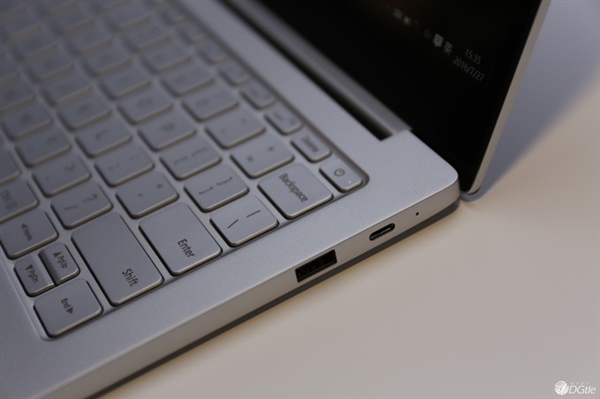
The invitation to the event shows the right side of a computer similar to the Mi Notebook Air, however this one seems to have a 4G module as there is a 4G network signal in the lower right corner of the screen. The invitation also has Xiaomi’s logo and China Mobile’s logo on it. Sources say there is a chance this is just a 4G version of the original Mi Notebook Air and nothing more. We however don’t want to rule out the fact that it might feature some additional changes.
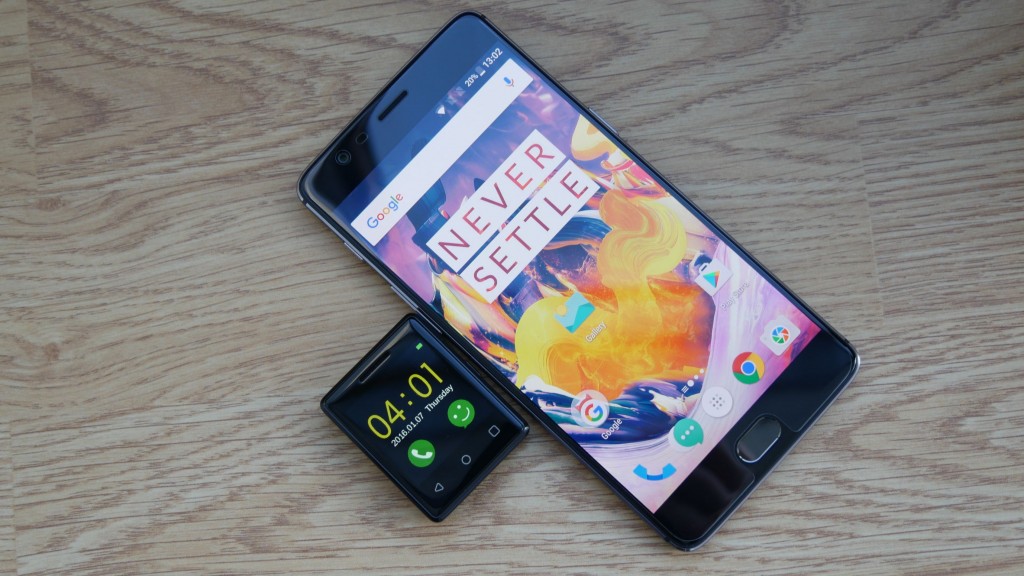
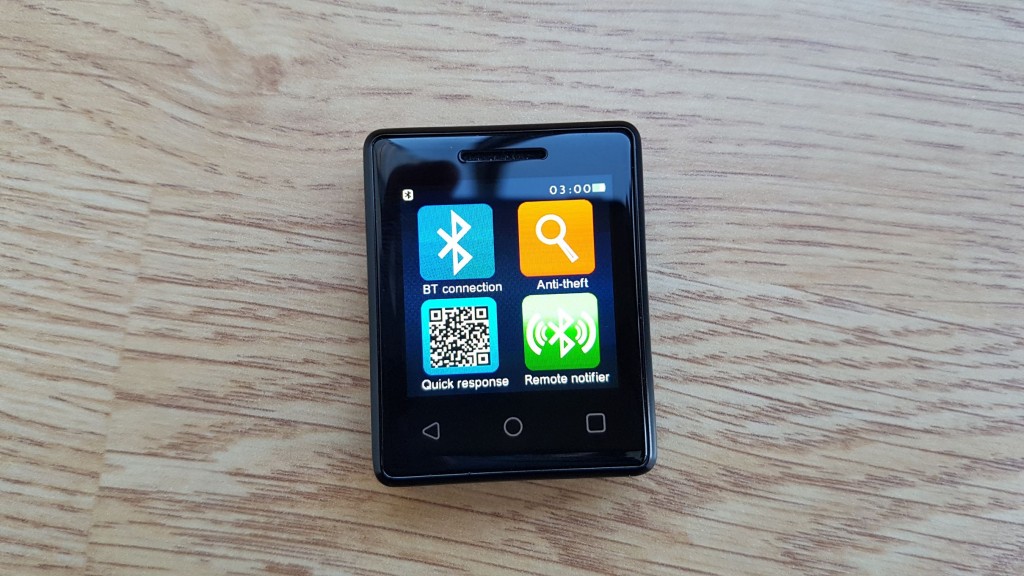
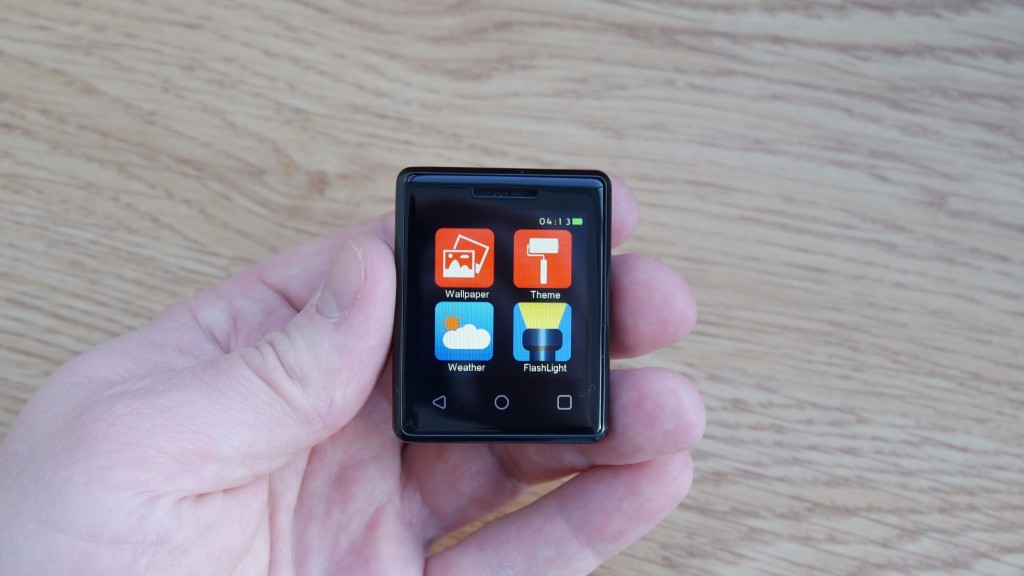
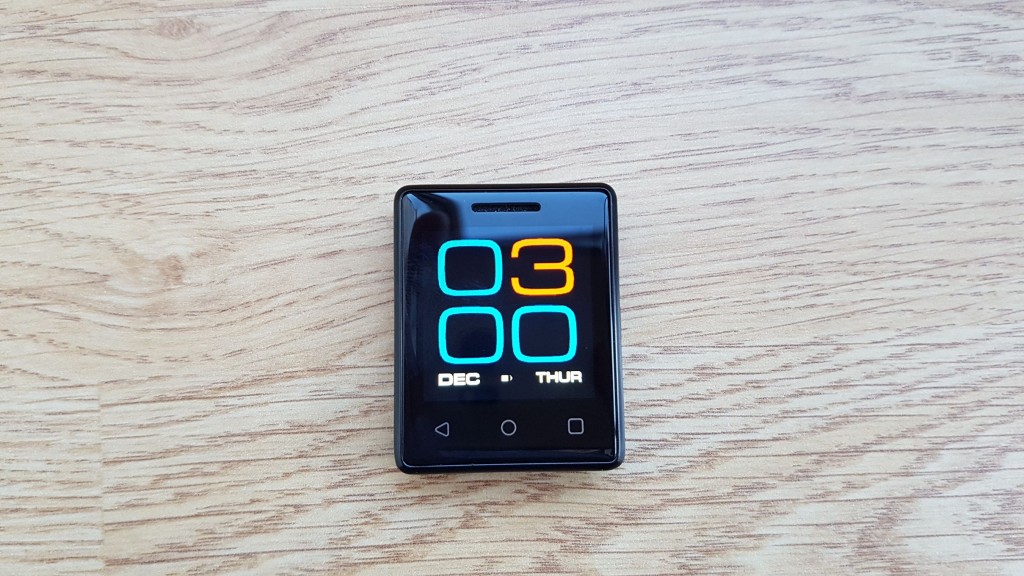
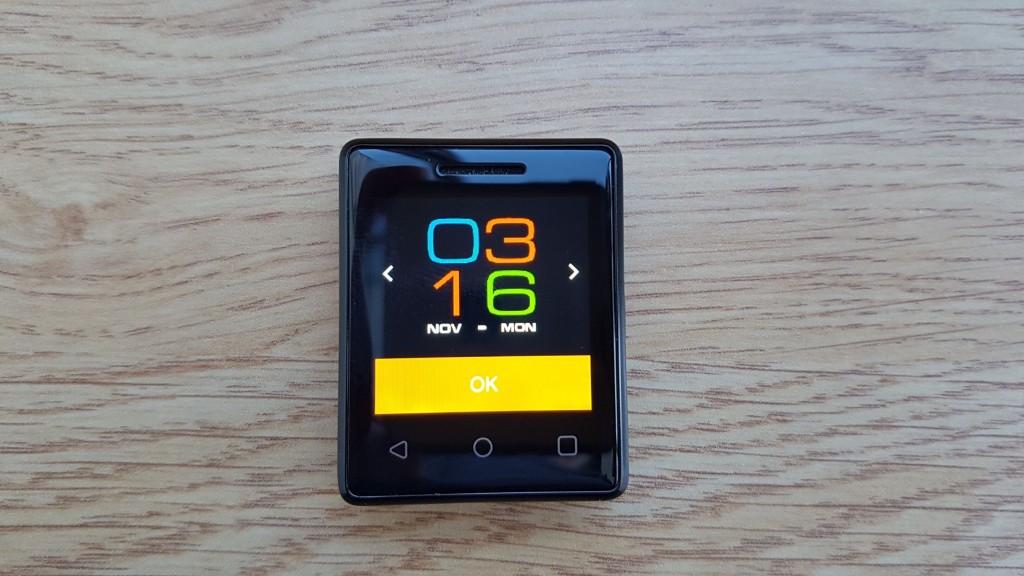
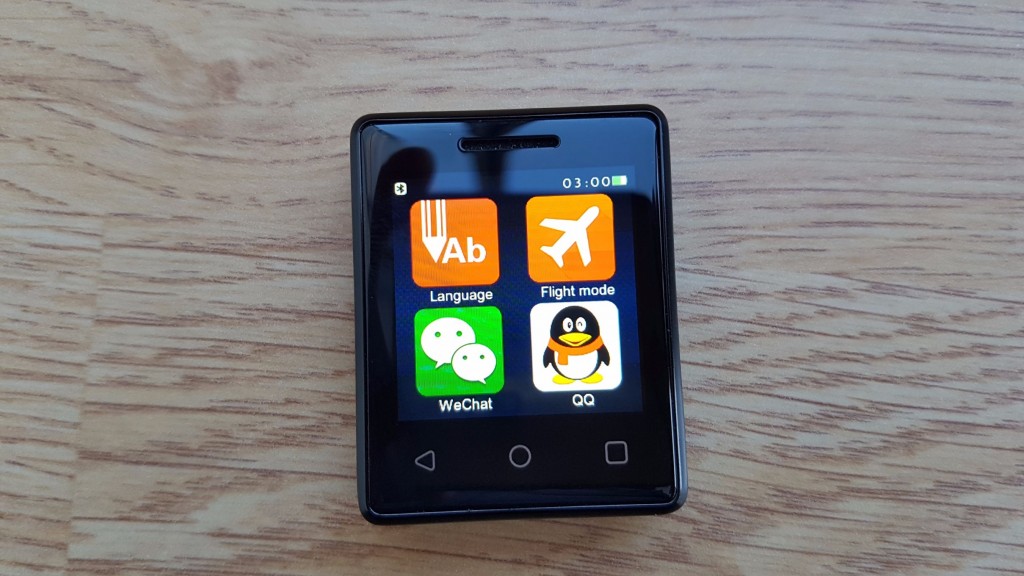
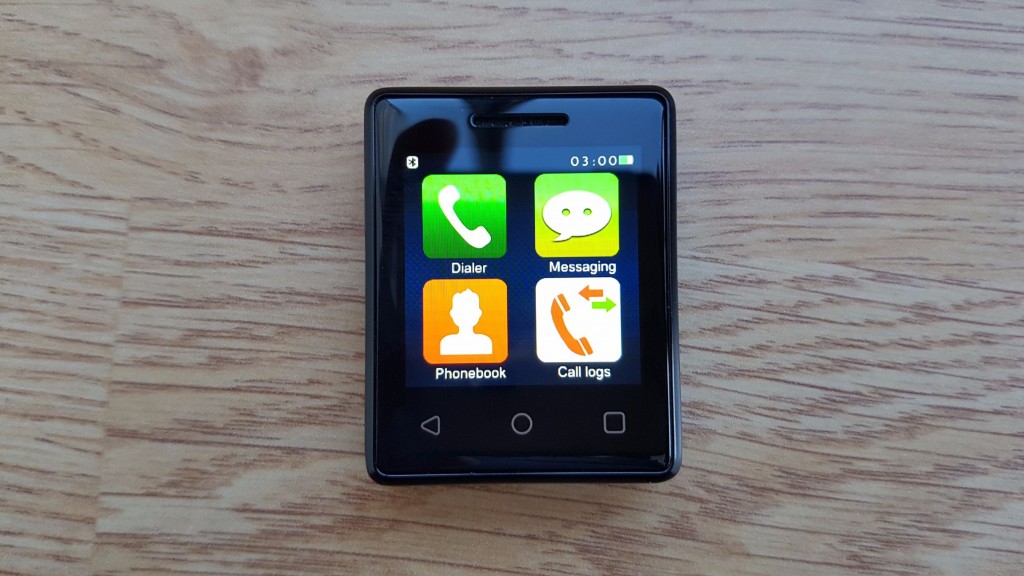
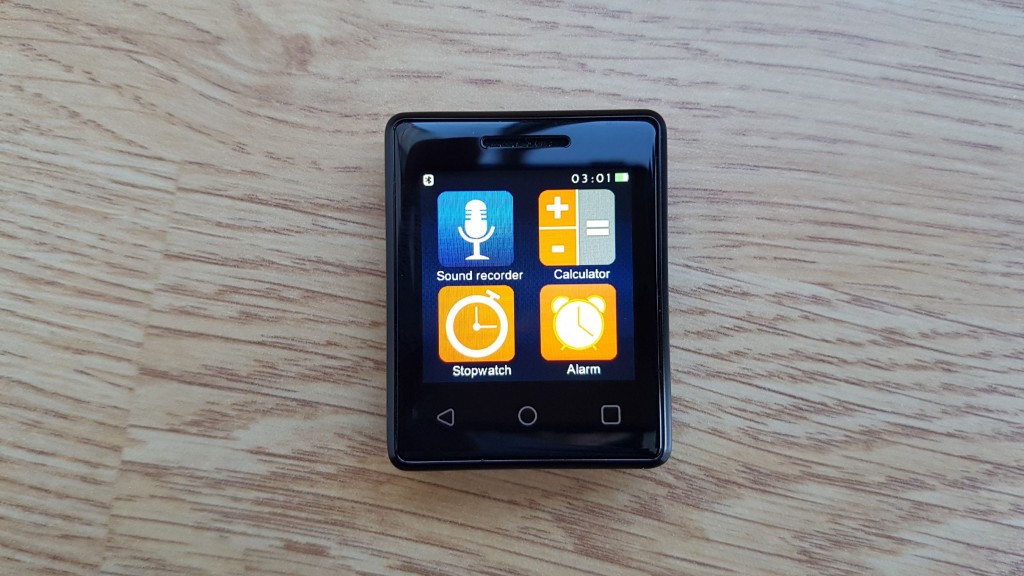
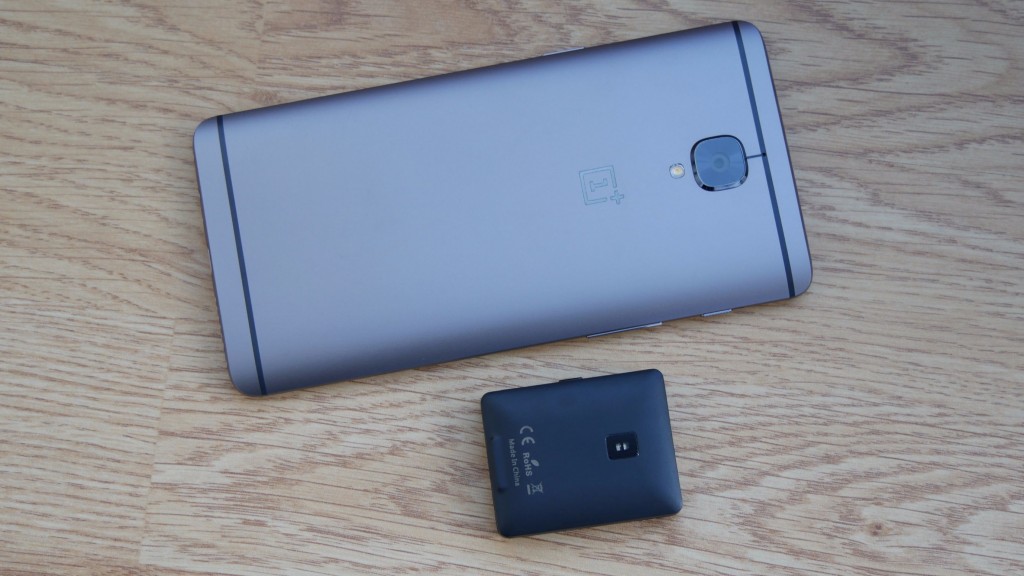
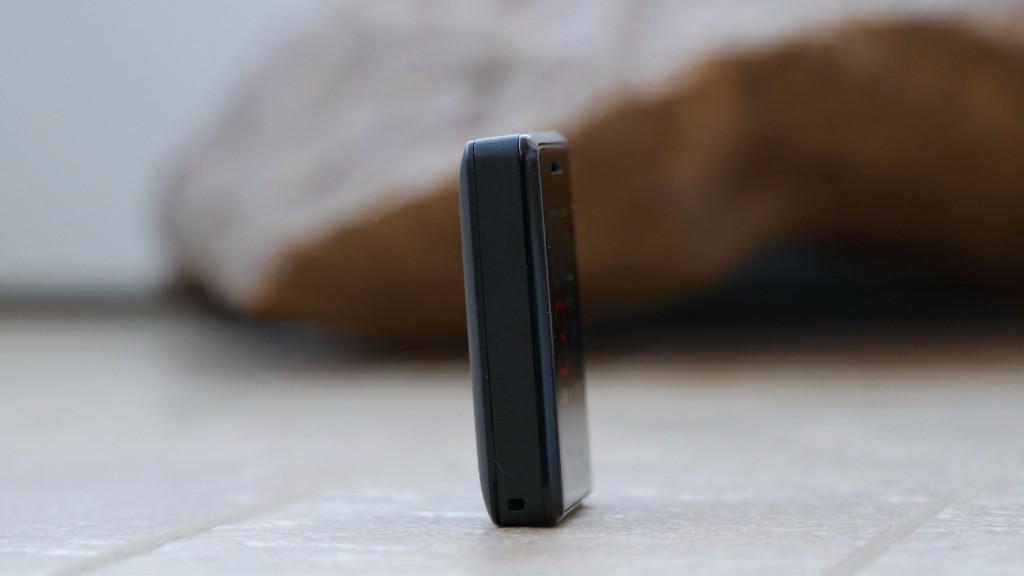
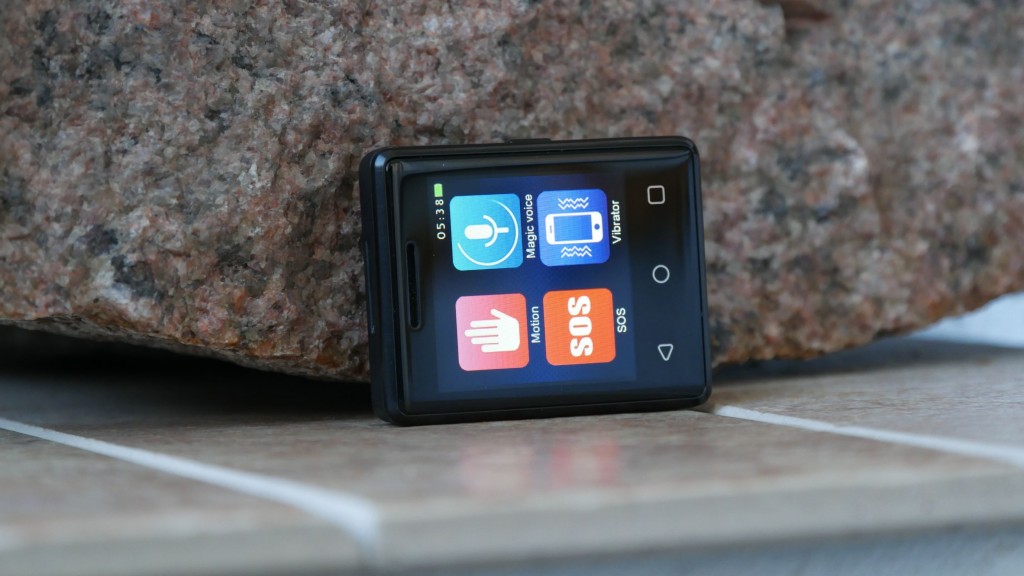
Once we think of smartphones these days, we think of some big and bulky devices with huge displays. Some of those phones can’t even fit into the pocket. Meet the Vphone S8, the smallest smartphone in the world. Is this $28 little device worth your attention? Stay tuned to find out.
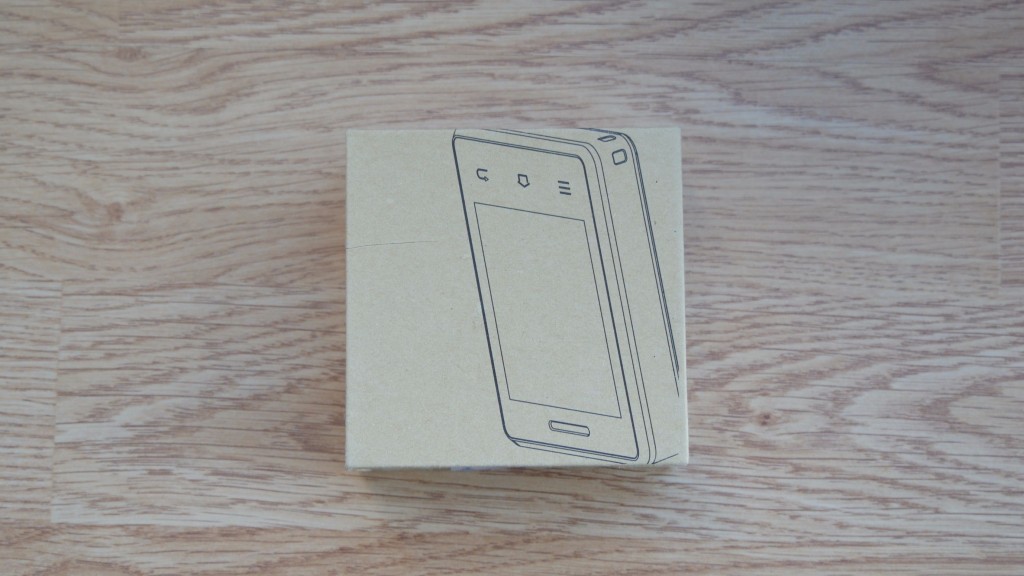
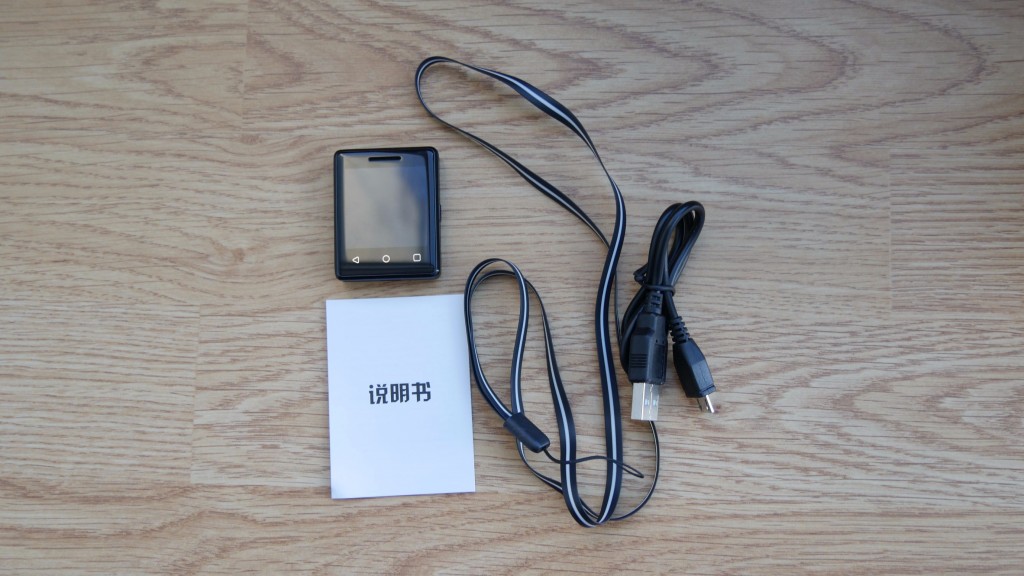
The device ships with the USB cable, a strap and some paperwork.
DESIGN AND FEATURES
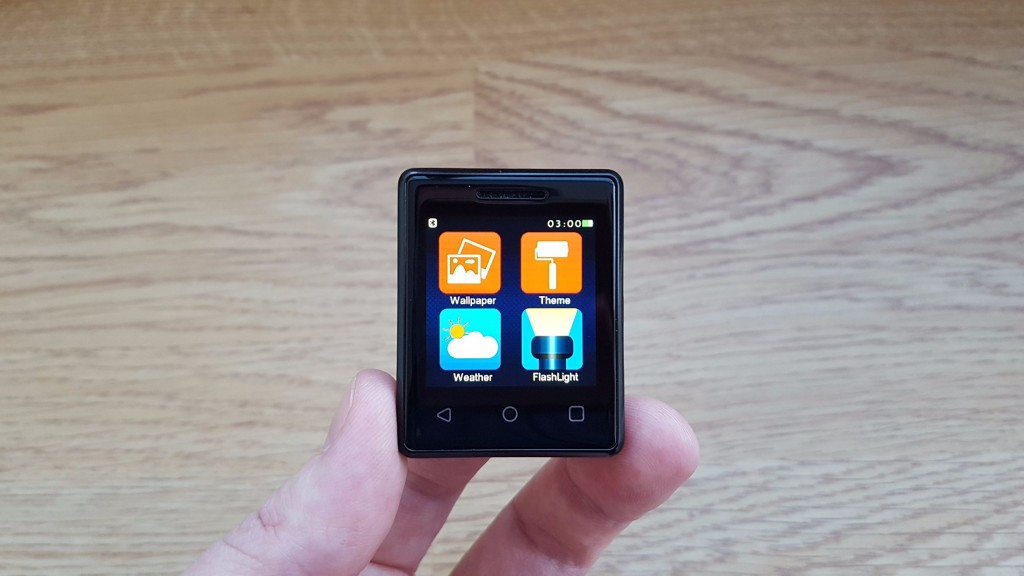
Honestly, this thing doesn’t even look like a smartphone and it reminds me of a smartwatch… without a strap.
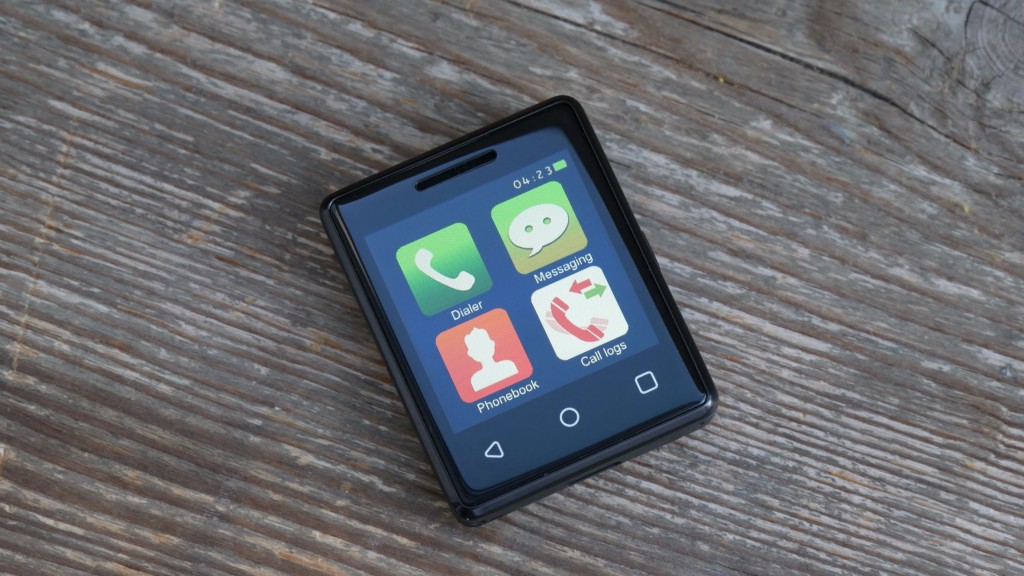
We have a 1.54” display, which does not sport the highest resolution but it is pretty good for a $28 device.
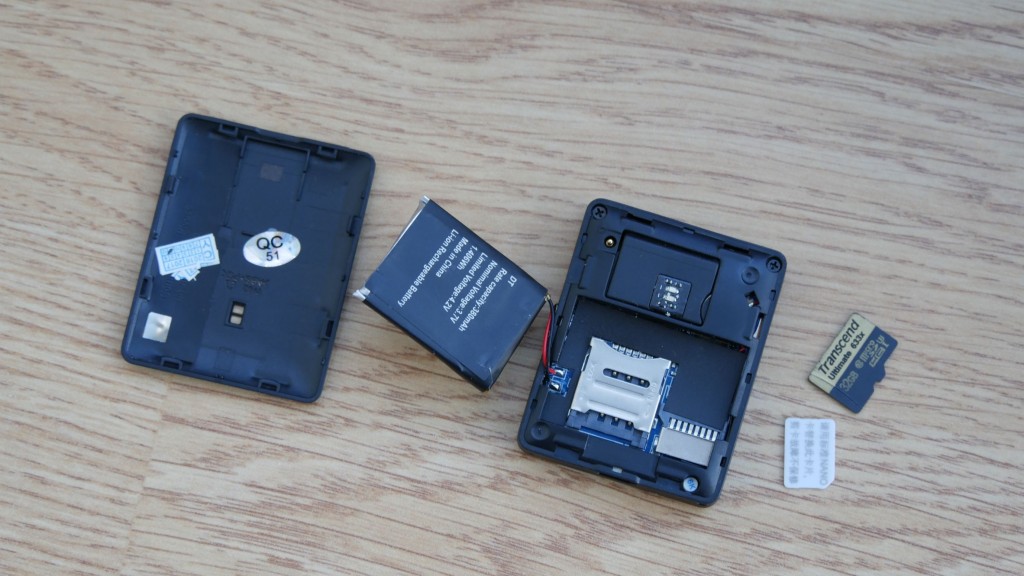
The phone takes 1 SIM card and 1 microSD card for storage expansion as the internal storage is just 128MB.
We have just a power button and non-backlit capacitive keys to control the device.
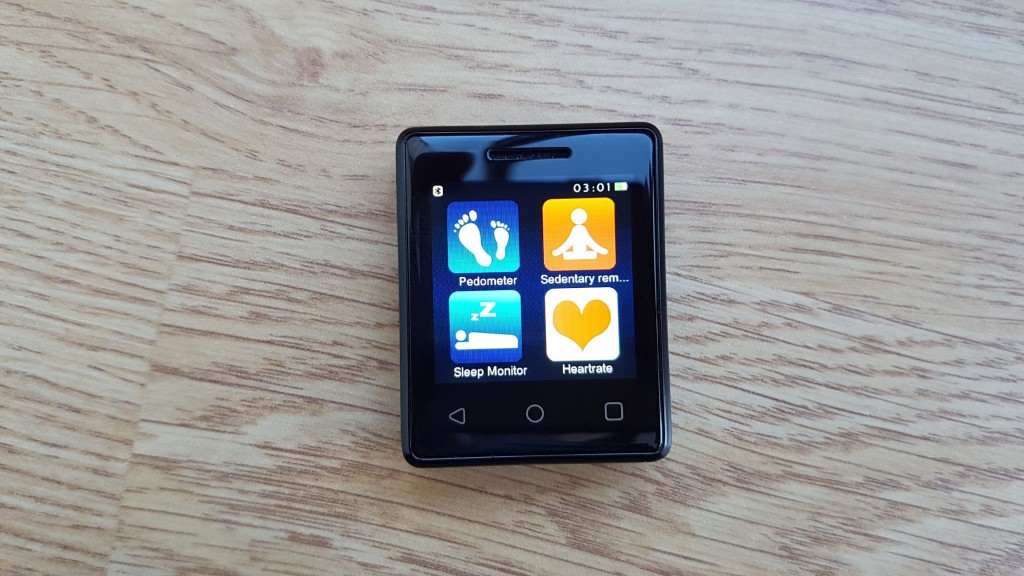
On the back, there is a heart rate monitor, which measures your heart rate pretty accurately. Not sure why I thought I needed to put it on my wrist as it works with the fingertip too.
USER INTERFACE
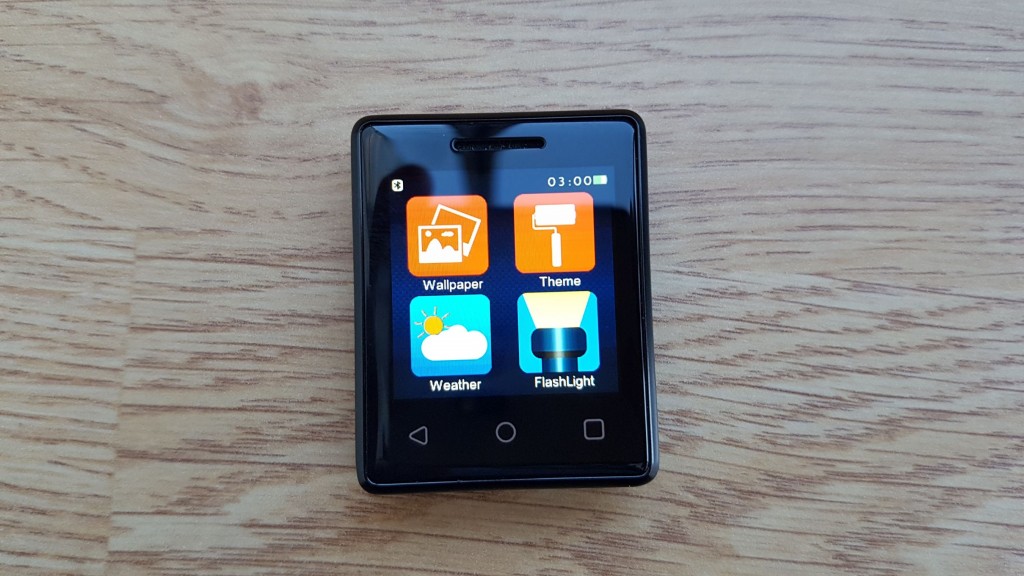
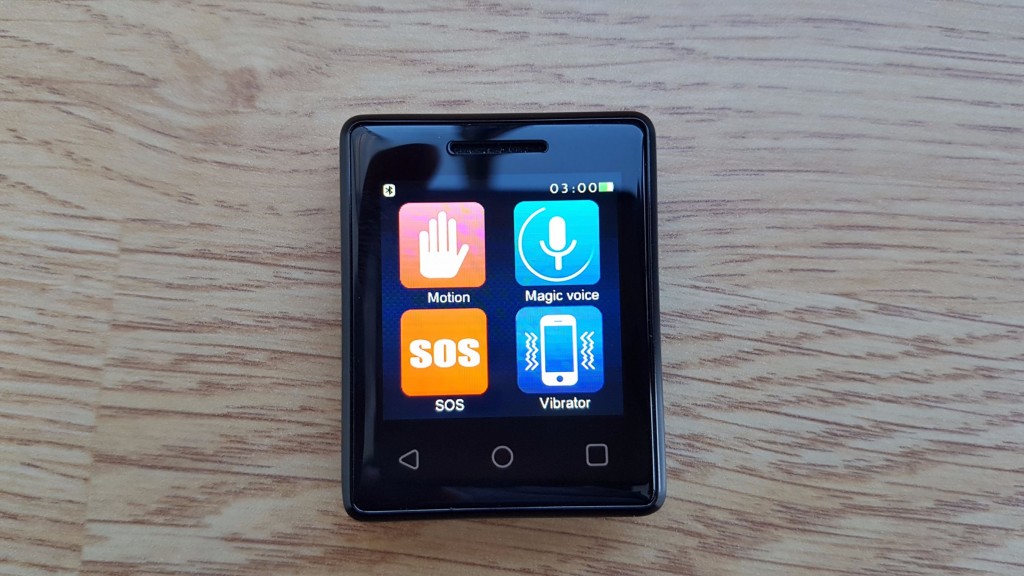
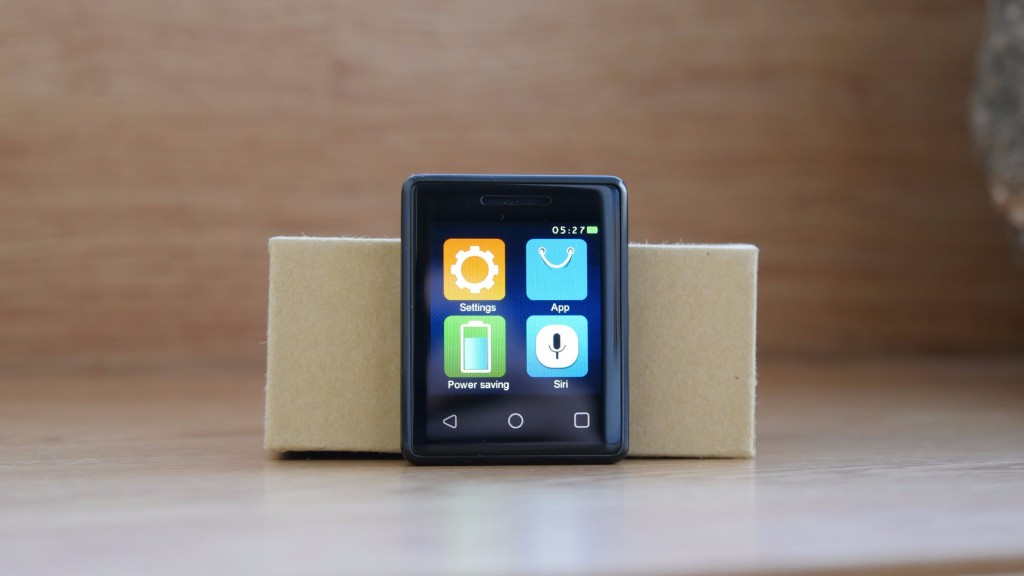
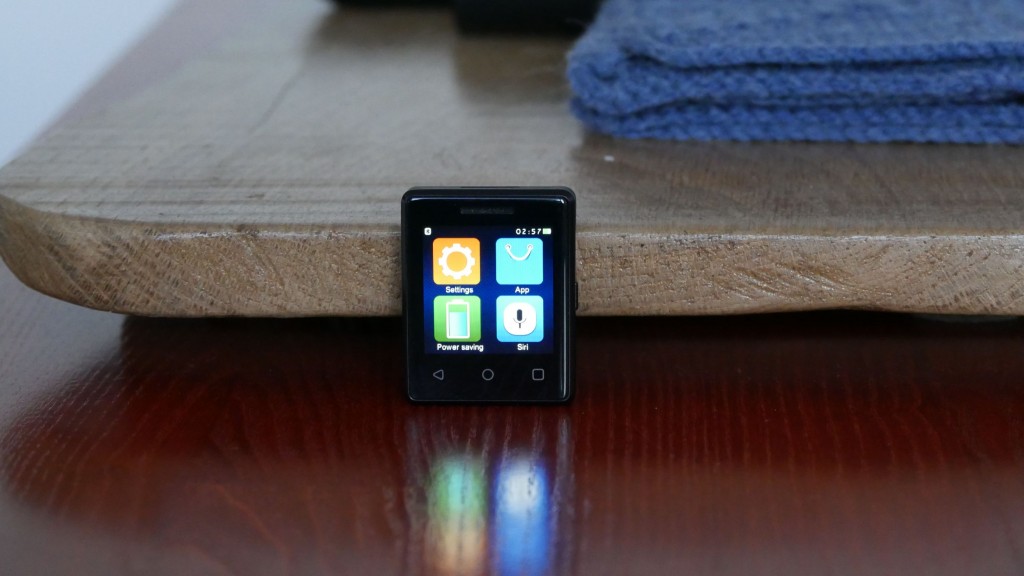
As for user interface, you have your basic phone features. You can call someone, write messages and so on.
The call quality is not very impressive but you can definitely make a clear conversation.
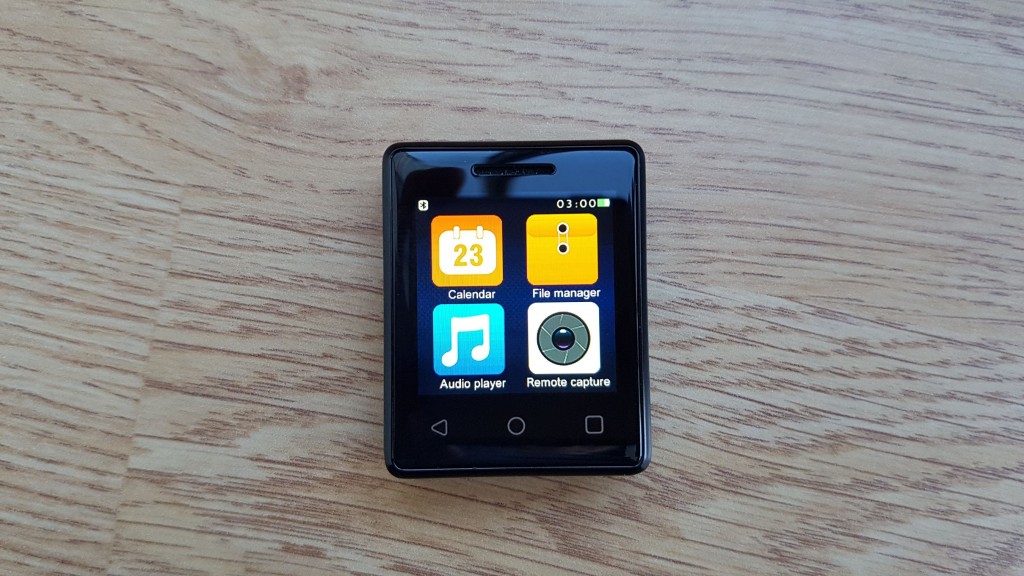
There are also some basic apps like calculator, calendar, stopwatch etc. Besides the heart rate monitor, you can track your fitness routines using the built-in pedometer, which is pretty accurate or use sedentary reminder to reminds you to move a little.
You can also connect the Vphone S8 to your phone using the FundoWear app to track your fitness routines in detail, receive most of the notifications, use this little device as a remote dialer or as a remote controller for your main phone’s camera.
BATTERY LIFE
As for battery life, the Vphone S8 will get you through the day if you use it quite intensively. You may get a few days out of it if you are a light user.
CONCLUSIONS
So, there you have it, the smallest smartphone in the world, that costs just $28.
It’s definitely not the smartest smartphone out there but it’s definitely fun to use it. Also, it comes with all the basic phone and fitness tracker features, and a simple user interface that does not lag.
The phone may come handy if you just need to use another SIM card for calls.
At the end of the day, the Vphone S8 is not something Ireally need for everyday use but it’s definitely a fun little device that works quite well and it is actually very cheap for what it has to offer.
You know how you get presented with interests and location-based ads on social media and the internet at large. Now imagine if you had to see ads related to your personal health staring you in the face when surfing that site or going through your feed or timeline. Not very private anymore right?
It appears that might be happening soon as there is a chance that pharmaceutical companies and advertisers who are interested in data about your personal health will soon have access to it.
According to a report jointly published by the Center for Digital Democracy (CDD) and American University, there is virtually no privacy measure in place to protect consumer health data, and companies who need such data are aware and plan to take advantage of it.
The report first lists the advantage there is to having a connected-health system such as personalized health insurance policies and better emergency services but states the system can also be taken advantage of. It goes on to say that since a lot of the health monitoring devices we wear are already being integrated into a growing Big Data digital health and marketing ecosystem, which is focused on gathering and monetizing personal health data in order to influence consumer behavior. If the system is allowed to grow and evolve without privacy checks in place, the nature and extent of data collected will be unprecedented.
CDD wants actions to be carried out to protect consumer health data abuse. They are requesting for collaborative efforts to develop a comprehensive approach to health privacy and consumer protection, using:
Clear, enforceable standards for both the collection and use of information;
Formal processes for assessing the benefits and risks of data use; and
Stronger regulation of direct-to-consumer marketing by pharmaceutical companies.
While a number of people might not realize it yet, maybe due to the fact that only a small percentage of the world’s population uses a health monitoring device compared to smartphones but the earlier these protective measures are there, the better for the whole lot of us.
Car startup, Faraday Future, has been in the news a number of times over the past year. After boasting of revolutionizing the car industry and failing to launch their game-changing car at this year’s CES, the company started having issues with funding. They also had to deal with top executives and workers leaving and a lawsuit from one of its suppliers.
Amidst all the controversies, the company in a recent announcement, mentioned that their electric vehicle, an unnamed SUV, will finally be unveiled on the 3rd of January at the Consumer Electronics Show. If you head to their website there’s even a countdown timer to the event.
Over the course of the car’s production, the company has teased the vehicle a couple of times and it appears they are not done yet. In a new video, we see the vehicle, cloaked in black with just the windscreen bare, compete in a drag race with Tesla’s Model X and a couple of other super cars.
In the 45-second video, the Faraday car is raced against one of its major competitors when it eventually launches, Tesla’s Model X. Although the Faraday car apparently wins the drag race, its important to mention that the Model X is no slouch either. The Tesla is able to go from o to 60 MPH in just 2.9 seconds which is one of its unique selling points. Now imagine your selling point being challenged, that’s what Faraday Future is doing.
The video also shows the car raced against a Bentley Bentagya and a Ferarri 488 GTB.
The Faraday car is expected to be priced within the $100,000 range. If you have that kind of money sitting in your account and you want to splurge, you can head to the official website and create an account to allow you be notified when reservations start.
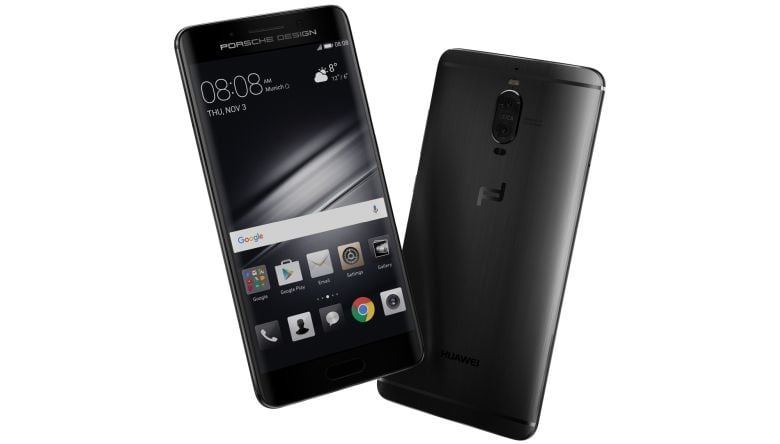
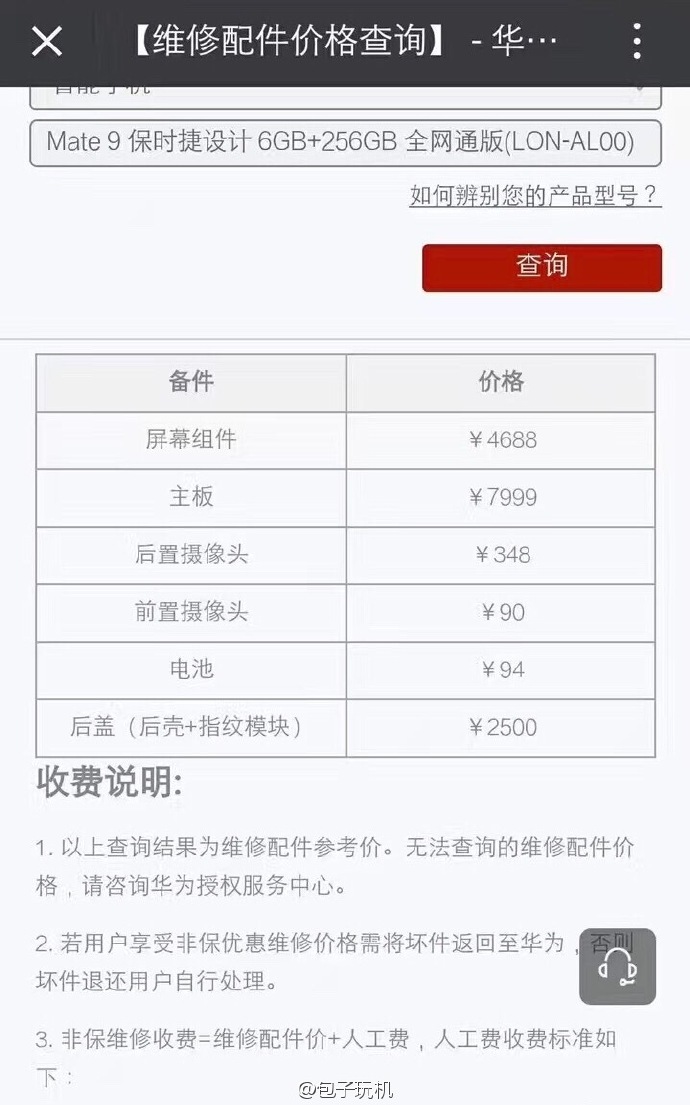
When Huawei released the Mate 9, they announced a premium edition called the Mate 9 Porsche Design which is basically the Mate 9 Pro with a more sophisticated design. That extra design makes the phone cost a lot more than the Mate Pro. And that is not where it ends, if you break your Mate 9 Pro Porsche Design you will be spending a fortune to fix it.
According to a post on Weibo, the parts of the Mate 9 Porsche Design are so expensive with some costing as much as a brand new phone. Below is the price list of the parts and their corresponding equivalent in USD:
Screen = 4688 Yuan ($674)
Motherboard = 7999 Yuan ($1149)
Rear Camera = 348 Yuan ($50)
Front Camera = 90 Yuan ($13)
Battery = 94 Yuan ($14)
Back Plate with Fingerprint Scanner = 2500 Yuan ($359)
We use cookies on our website to give you the most relevant experience by remembering your preferences and repeat visits. By clicking “Accept”, you consent to the use of ALL the cookies.
This website uses cookies to improve your experience while you navigate through the website. Out of these, the cookies that are categorized as necessary are stored on your browser as they are essential for the working of basic functionalities of the website. We also use third-party cookies that help us analyze and understand how you use this website. These cookies will be stored in your browser only with your consent. You also have the option to opt-out of these cookies. But opting out of some of these cookies may affect your browsing experience.
Necessary cookies are absolutely essential for the website to function properly. This category only includes cookies that ensures basic functionalities and security features of the website. These cookies do not store any personal information.
Any cookies that may not be particularly necessary for the website to function and is used specifically to collect user personal data via analytics, ads, other embedded contents are termed as non-necessary cookies. It is mandatory to procure user consent prior to running these cookies on your website.