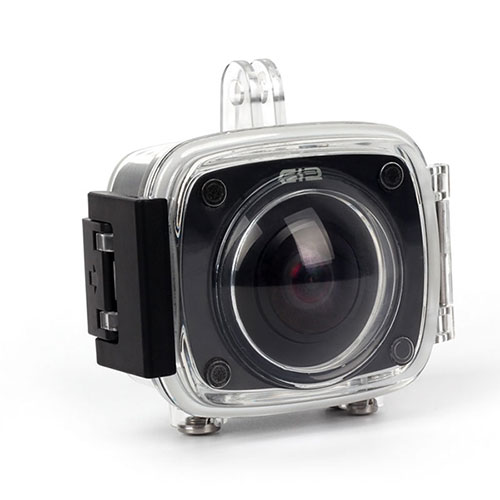
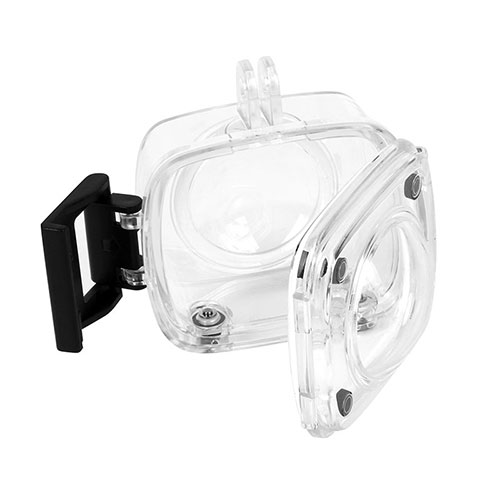
Today, MGCOOL launched their first military-grade waterproof case for their panoramic camera.
Applied with imported high strength PC plastic materials, it is more durable in the case of guaranteed waterproof Shell through the professional design.
With IPx8 waterproof level , it can resist the impact of the 30 – meter diving. But also this waterproof case ensured the low temperature resistance capability, it can easily cope whether it is waterproof and dustproof .
Same with previous generations waterproof case, it uses the white design too.
Use the generalized standard , it supports extensible rich accessories, such as the self-timer lever, tripod ETC.
Users who purchased MGCOOL 360 camera before can buy this quality and cheap waterproof shell on our third-party platform.
With MGCOOL’s first 360-degree panoramic motion camera, allows you to more fun underwater panoramic view of the world.
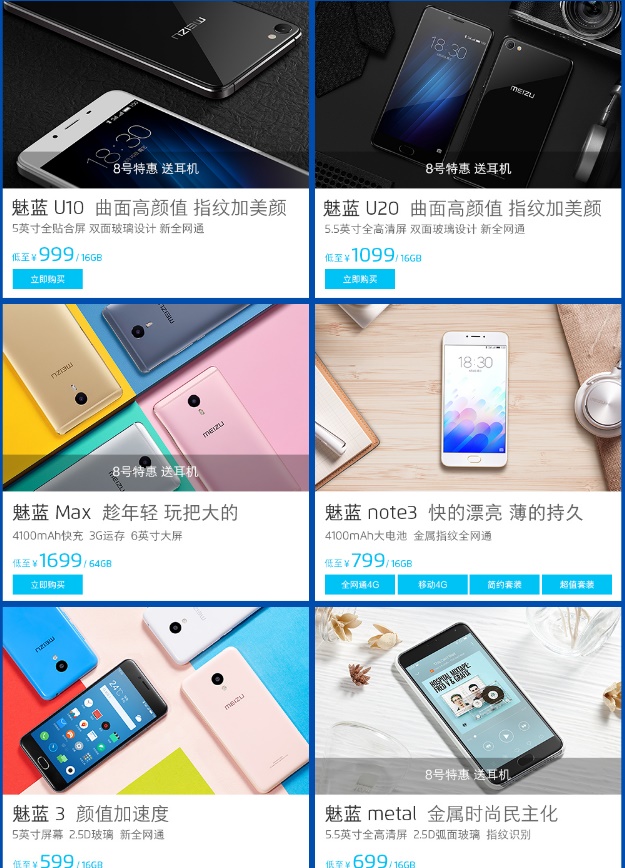
There are rumors that Meizu is planning to split the Meizu brand from the Blue charm brand, turning both into two separate Meizu sub-brands. Just few days back, the company released two smartphones under both sub-brands, the Meizu X also called Charm Blue X, as well as the Meizu Pro 6 Plus. The company is also expected to announce the Blue Charm Note 5 or M5 Note and M5 Metal on December 6.
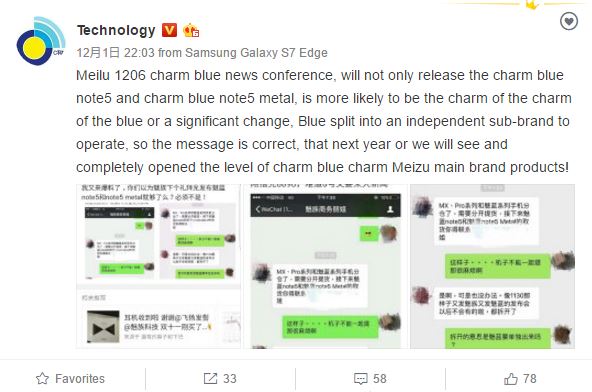
According to several sources, the December 6 conference will not only see the company releasing the M5 Note and M5 Metal, but also announce the splitting of the Blue Charm from the Meizu brand. Both would exist as sub-brands and would be independent of each other just the way Huawei separated its elitist Honor sub-brand from the Huawei brand.
In this regard, what is said to be a conversation on WeChat by some of Meizu’s officials containing statements that seem to disclose the separation of the brand names. W are just four days away from December 6, so we’ll wait to see if there is going to be an official statement or not.
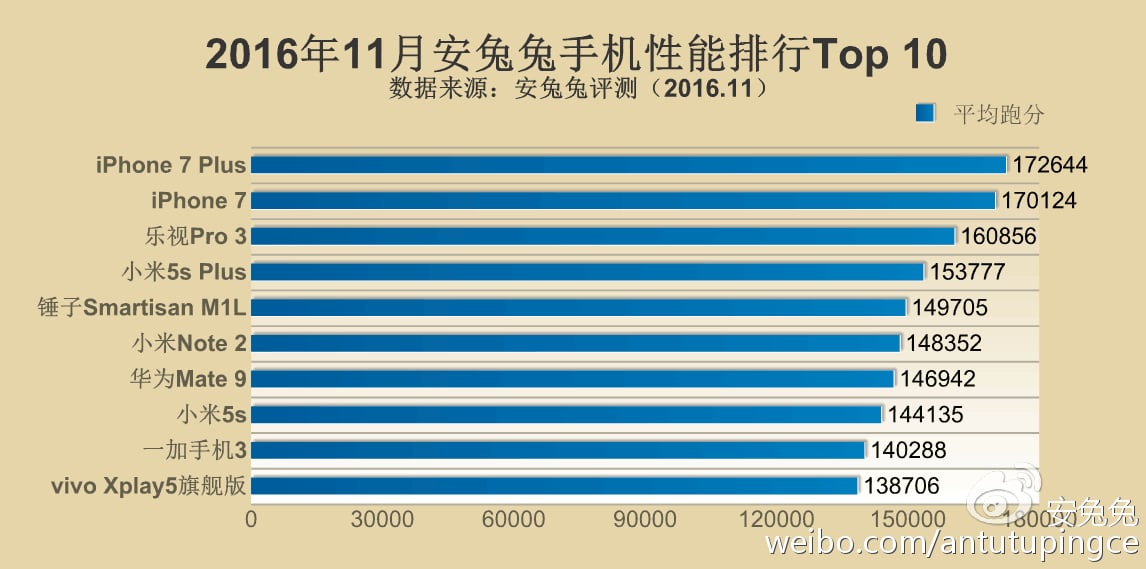
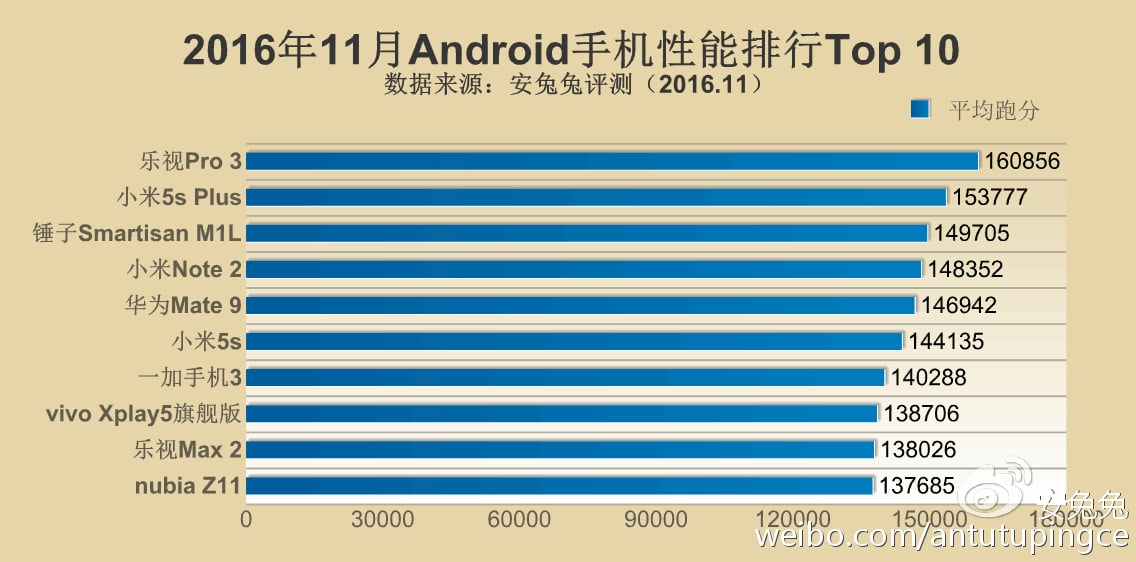
AnTuTu has a tradition of releasing the list of top smartphones benchmarked on its app. We have been covering the top 10 list for the past few months and just now, AnTuTu has released the top 10 flagship smartphones in terms of performance for the month of November. Given that we have seen a couple of new Chinese flagships released in this period, there is no surprise that the list has a few changes.
The Xiaomi Mi Note 2 and the Huawei Mate 9 are the two new additions to the list. Of course, there was the OnePlus 3T launch, as well as the Meizu Pro 6 Plus launch, but we will see them added to this list only in the month of December. This is because this list is compiled by calculating the average scores with data from at least 2000 models. So, despite the Mi Note 2 launching in October, it only made it to the list in November. Similarly, the data for the Xiaomi Mi Mix is still inadequate to be included in this list.
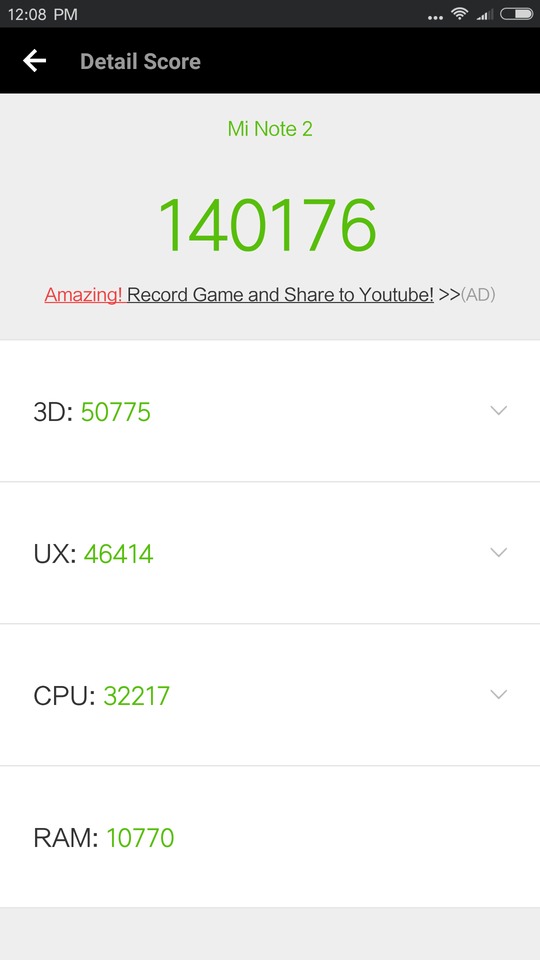
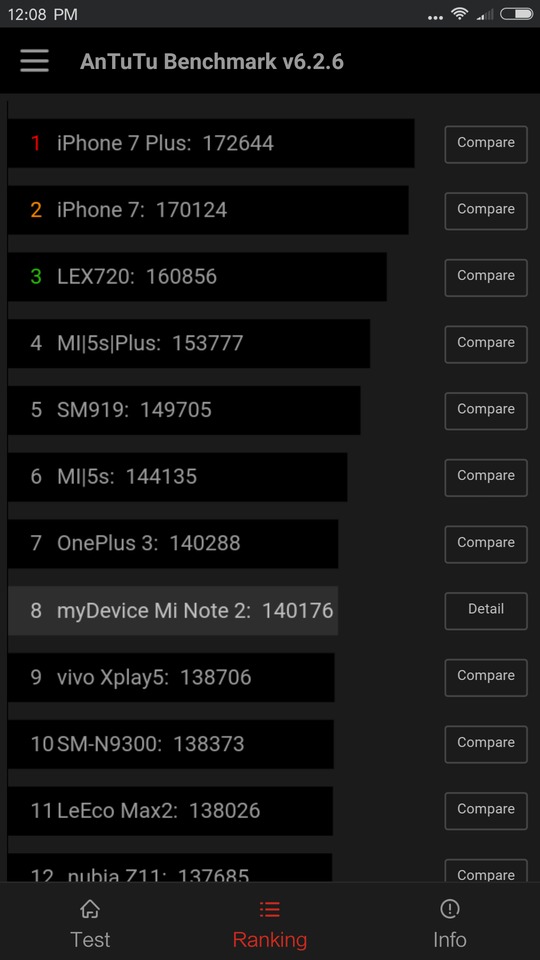
In terms of performance, Apple’s iPhone 7 and iPhone 7 Plus are still on top. The best Android flagship is still the LeEco Le Pro 3, which is a steal at its sub-$350 price tag. The Pro 3 is followed by Mi 5S Plus and Smartisan M1L. The next two in the list are the new additions in November, namely the Xiaomi Mi Note 2 with an average score of 148,352 and the Huawei Mate 9 following close behind with an average score of 146,942. You can read our review of the Xiaomi Mi Note 2 from here.
Android Rankings
Seeing the Mate 9 in this list clearly shows how much Huawei’s Hisilicon chips have progressed in the past couple of years. AnTutu also noted that Huawei recently removed the temperature control restrictions on the Mate 9’s Kirin 960 via a new update which helped the chip inside to unleash its full GPU potential, helping it improve its overall scores.
The list also clearly shows that Qualcomm’s Snapdragon 821 chipset rules the Android flagship market.
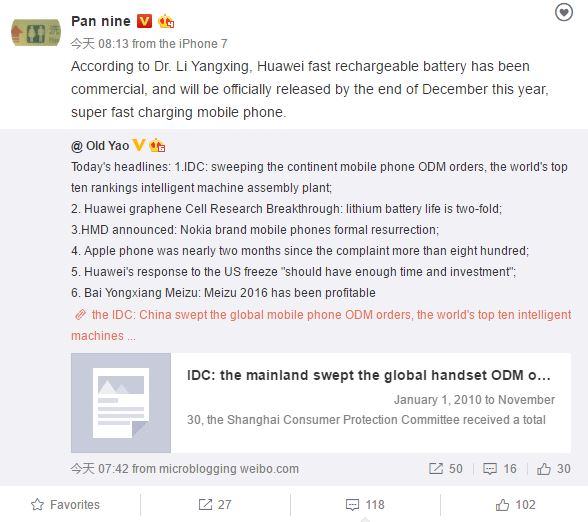
It’s been in the news for a while now that Huawei will release its own concept smartphone sometime this month. That was being treated as a rumor but it seems to have gotten confirmation from a reliable source. Chief Scientist at Huawei-owned Watt Laboratory, Dr Li Yangxing may just have confirmed the existence of the concept machine when he was announcing the breakthrough Huawei has made in Graphene-Assisted battery technology. The scientist added that the battery has been commercialized and Huawei plans to announce a phone with the super-quick charge function by late December.
This stance was re-echoed by analyst Pan Jiutang who also added that the device would feature fast-charging technology. The well-known industry analyst had earlier hinted that the concept phone would feature Samsung’s customized four curved screen and would be equipped with a number of sensors as well as capable of achieving artificial intelligence.
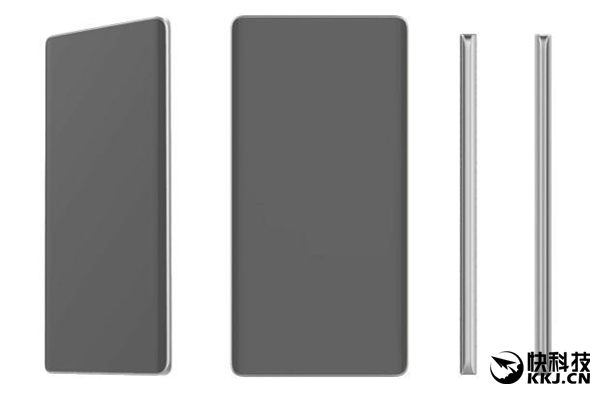
In addition, the Huawei concept phone is said to come without physical cameras at the front and rear, fingerprint sensor, no visible physical capacitive keys, neither is there any visible speakers, headphone jack or any other physical feature except the curved screen. This is likely because the Huawei concept phone would come with a set of peripherals such as headsets, smart band or watch, external camera and even implant device. It is also rumored that Huawei would likely manufacture just the concept phones while the other peripheral devices would be manufactured by third parties.
We can say for sure if these details about external peripherals are true but we now know we should be expecting a spectacular device from Huawei any moment from now. Also that the device would likley have a large curved display as well as a large batter with super fast charging technology.
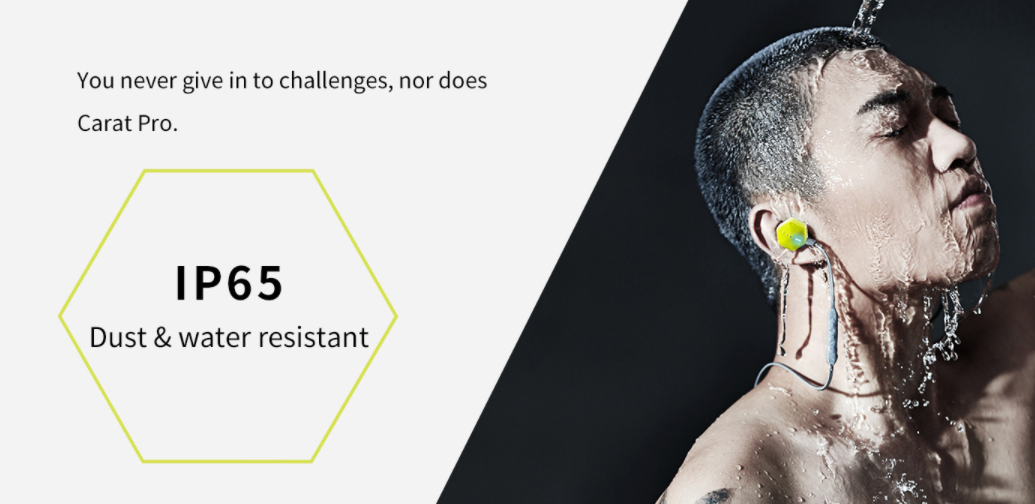
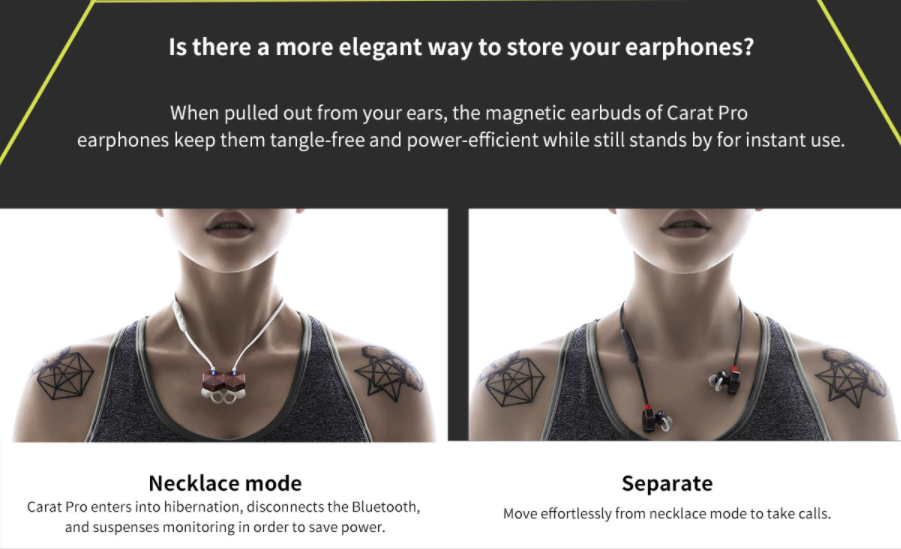
FIIL,a startup backed by the popular Chinese rockstar, Wang Feng has just released a brand new Wireless earbuds for fitness enthusiasts, the FIIL Carat Pro. The earbuds are specially designed for those who would like to maximize their fitness regime with the help of advanced technology. The earbuds will soon be listed on kickstarter and aims to raise $50,000 in the next 40 days.
Today, there are hundreds of good wireless earbuds available in the market, so what makes the FIIL Carat Pro special? Well, it’s the focus on maximizing the user’s fitness goals. There are many features that make these earbuds special. For example, it boasts of real-time audio coaching and heart rate monitoring.
The FIIL Carat Pro earbuds make use of the PerformTek Precision biometrics technology. Hence, the tracking of various data by the device, like heart rate, step count, calories etc should be quite accurate. The one touch sport button is also something that helps organize your workout. A Single press of the button will tell you the exact step count, heart rate, duration, speed and other essential data of your exercise regime. Double press the same sport button and the earbuds will start collecting a new round of data. Just double press the button again to end the workout.
Another highlight of the Carat Pro is that it doesn’t have to rely on a smartphone to play songs. The earbuds can store up to 4GB of songs, which should come to around 1000 tracks in MP3, WAV, FLAC or AAC formats. The earbuds accept voice commands, so just asking it to “play Roar by Katy Perry” will be enough to start the song. Further, you can control the volume as well as tracks via the provided buttons. You can accept calls via the same buttons as well. If you are connected via Bluetooth, you can even stream via apps like Spotify.
Carat Pro’s highlight feature is the patented Speed Dependent Sound Technology (SDS). The tech basically speeds up and slows down the sound effects according to the intensity of your workout. For example, if you are working hard, the Carat Pro will automatically pump up the music and similarly, dial the music down when you are relaxing. There’s a special FIIL+ app as well which helps you to choose between different workout modes like running, yoga, biking etc for accurate tracking.
As for the battery life, the FIIL Carat Pro can run for nine hours in the local mode and up to six hours on Bluetooth mode in a single charge. It takes about an hour and a half to charge it back to 100%.
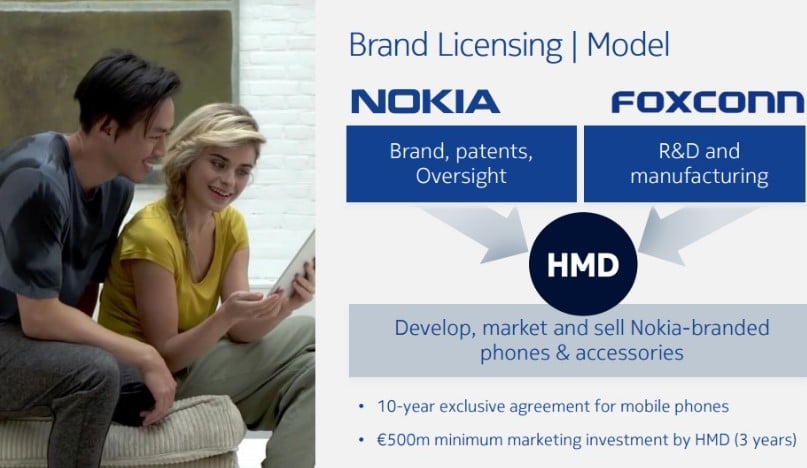
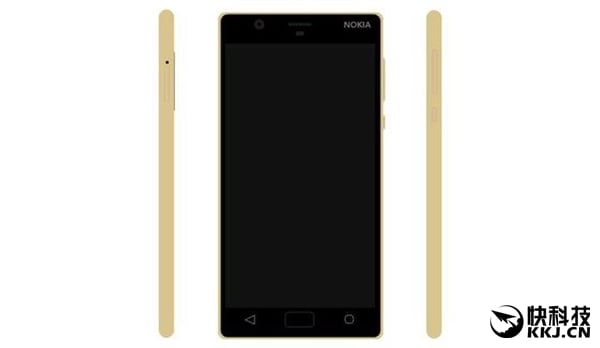
It is official, HMD Global Oy is now the new owner of the Nokia brand name and the company has the license to release Nokia-branded phones for the next ten (10) years. This was contained in a press released made public earlier today by the Finnish company.
According to the release, the license is a global one that spans the entire world with the exception of only Japan. The license gives HMD the exclusive right to use the Nokia brand name on mobile phones and tablets for the period of the license. The press release also disclosed that Nokia will get royalty payments from HMD for every Nokia branded phone and tablet sold and the royalty covers both brand and intellectual property rights.
This announcement is coming less than six months after the Finnish company was revealed to have signed a strategic licensing agreement with Nokia to have the rights to release Nokia branded phones for the next decade. The announcement then, could be an indication that the company is ready to kick-start the release of smartphones and tablets that would signal the grand entry of the Nokia brand into the market under HMD’s leadership.
The company has hired a couple of former Nokia Execs in its bid to re-jig the ailing giant which still has a large follower-ship worldwide. HMD global Oy is expected to unveil its first Nokia-branded phones at MWC 2017. The expected phones have appeared in leaks recently, better recalled as Nokia D1C and latest rumor hints at the existence of two variants of the device. The company is also expected to release feature phones, tablets and a host of other products in due course.
We’ve seen technology evolve at an exponential rate in the last couple of years. Our electronics have better screens, faster and more powerful processors, and larger memories; but one component that has seen little or no growth is the battery. It’s not like they are not working to develop better batteries, it is just that there are quite a number of challenges faced by manufacturers. However things are starting to look good as Huawei has made a breakthrough in making better batteries.
The breakthrough was achieved by Watt Laboratory, an organization under Huawei’s Central Research Institute. The announcement was made at the 57th Battery Symposium which took place in Japan. The lab was able to create a new type of li-ion battery that uses graphene-based heat resistant technologies to remain functional at a temperature of 60°C (10°C higher than previous limits) and also doubles the life-span of the battery.
The Chief Scientist of Watt Laboratory, Dr Yangxing Li said they were able to achieve the above results due to three major technologies:
The use of a special additive in the electrolytes that removes trace water and prevents the electrolyte from evaporating at high temperatures.
The use of modified large-crystal NMC materials for the cathode, hence improving the therma stability of the cathode power.
The use of graphene which allows for more efficient cooling of the Li-ion battery.
In Doctor Li’s words ”We have performed charging and discharging tests in a high-temperature environment. The tests show that when working parameters are the same, the graphene-assisted high-temperature Li-ion battery is 5°C cooler than ordinary Li-ion batteries. Over 70% of the graphene battery’s capacity is left after it is recharged 2,000 times at a temperature of 60°C. Less than 13% of its capacity is lost after being kept in a 60°C environment for 200 days.”
Huawei says the new development will help reshape the storage systems of communication base stations. Outdoor base stations in High temperature regions powered by the new batteries can have their lifespan increased by more than four years. The batteries can also be used by electric vehicles and will provide a higher mileage per charge compared to current technology. They can also be used by drones which often generate heat.
At last year’s battery symposium, the tech giant unveiled its quick charge technology which charged a 3000mAh battery up to 48% in just 5-minutes. Dr. Li says the battery has been commercialized and they plan to announce a phone with the super-quick charge function by late December.
Am I the only one who thinks this might be the Huawei Mate S2?
Xiaomi Mi Note 2 – the latest flagship made by the company and one of the best-looking and powerful phones on the market right now. But are the awesome looks and the bleeding-edge specs make the smartphone great? Learn more in the full Xiaomi Mi Note 2 review.
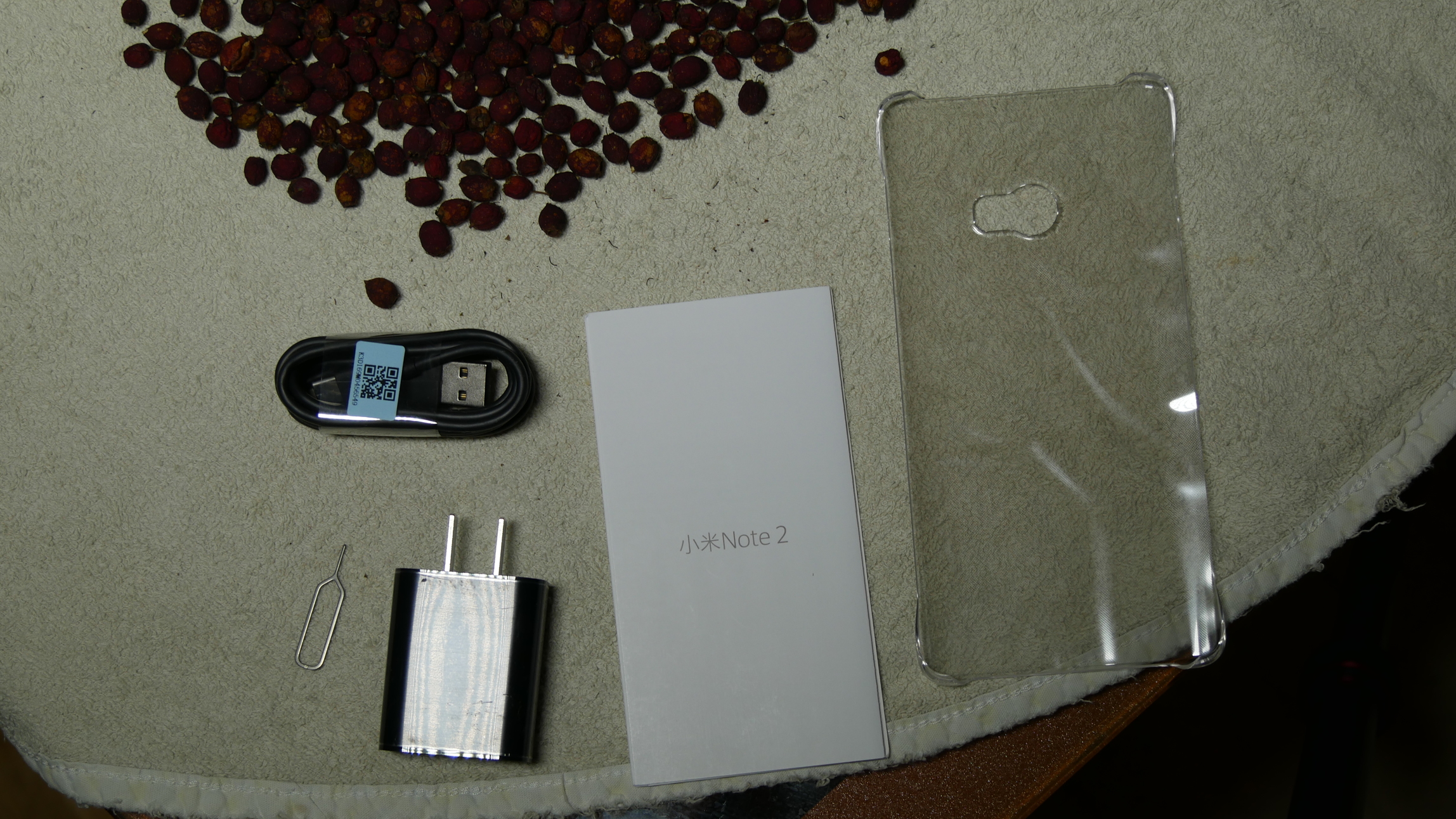
The phone ships in quite a simple box and inside of it, you can find all the usual stuff. No extras included.
Xiaomi Mi Note 2 Review: DESIGN and DISPLAY
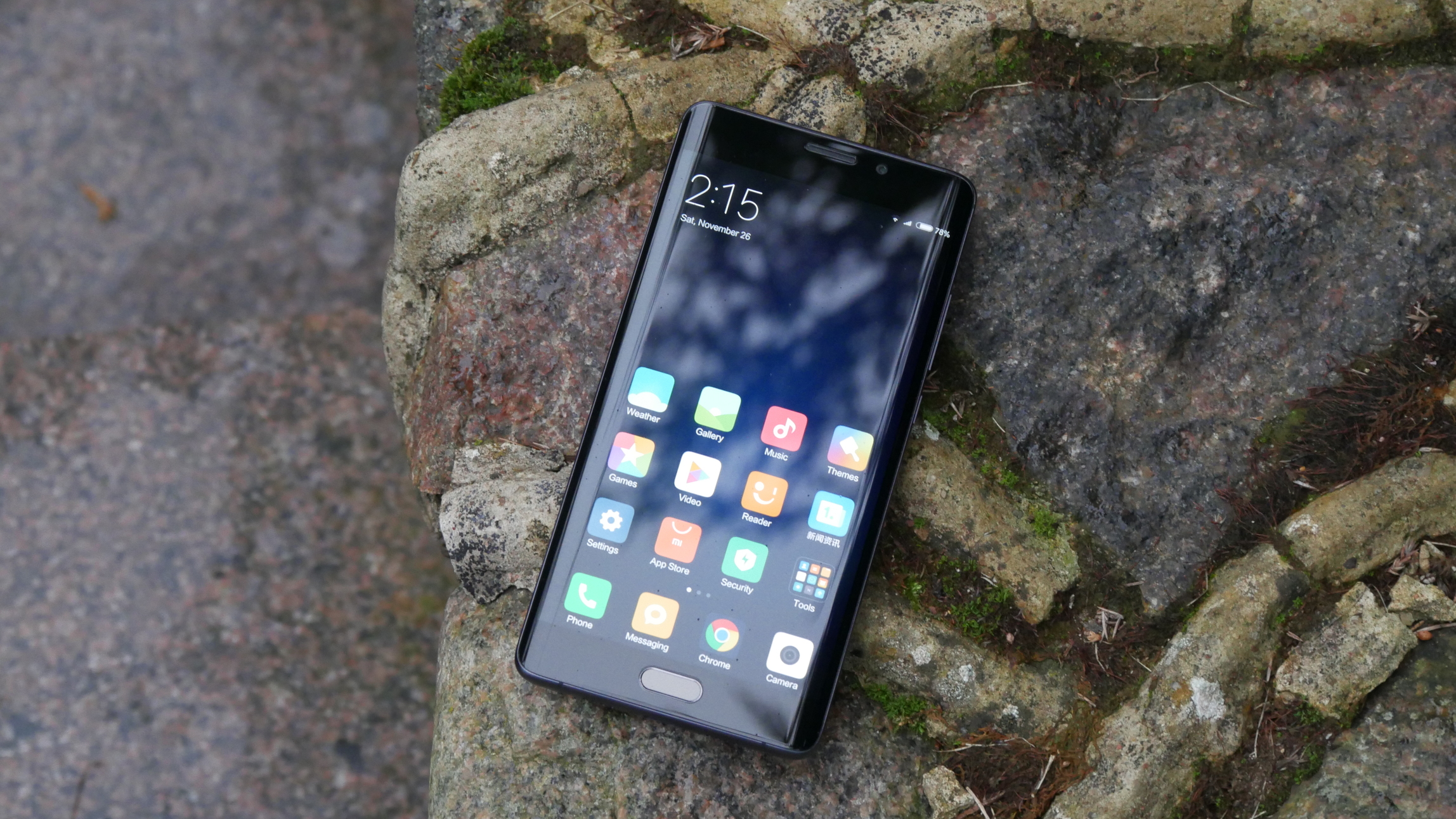
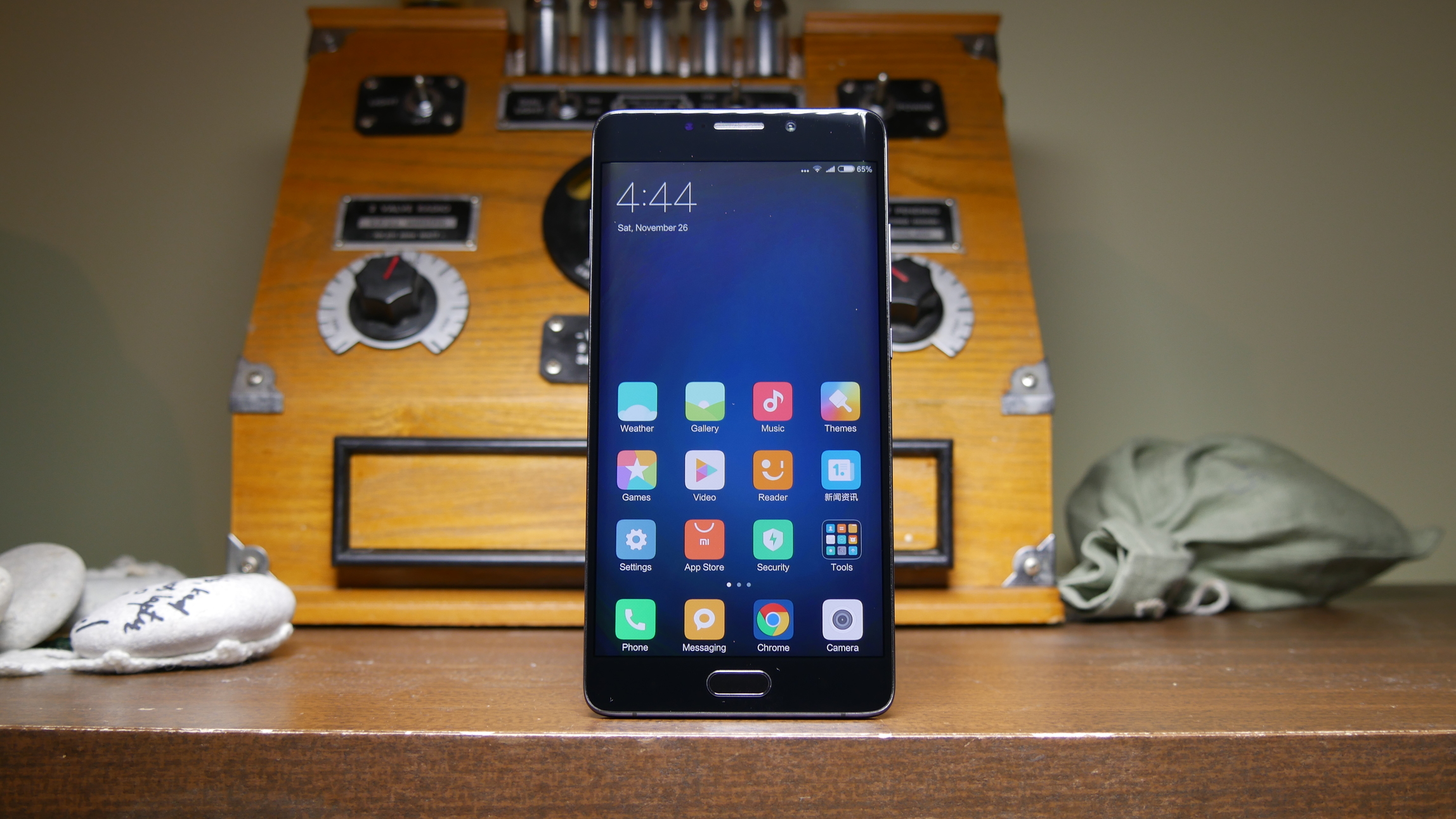
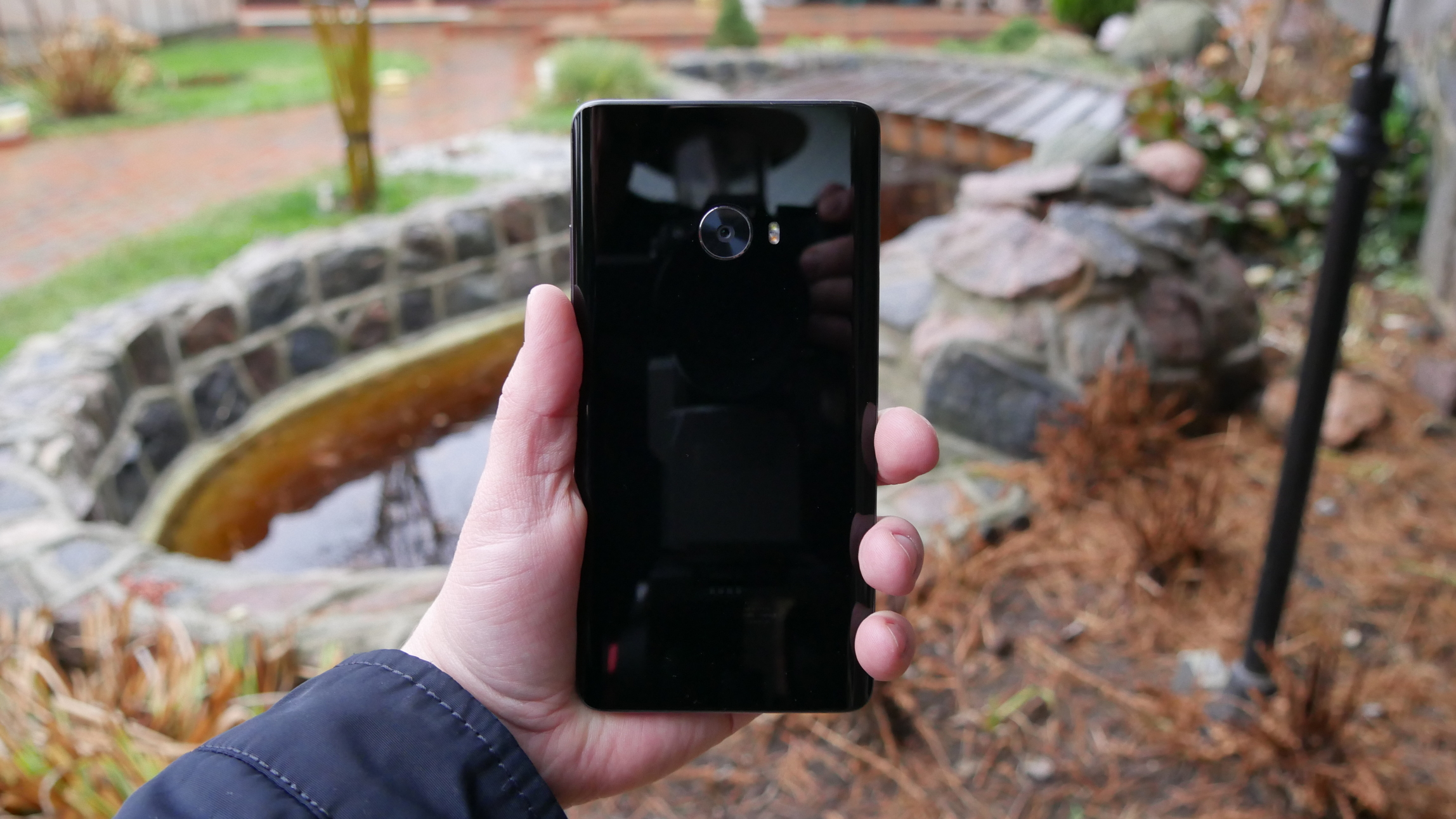
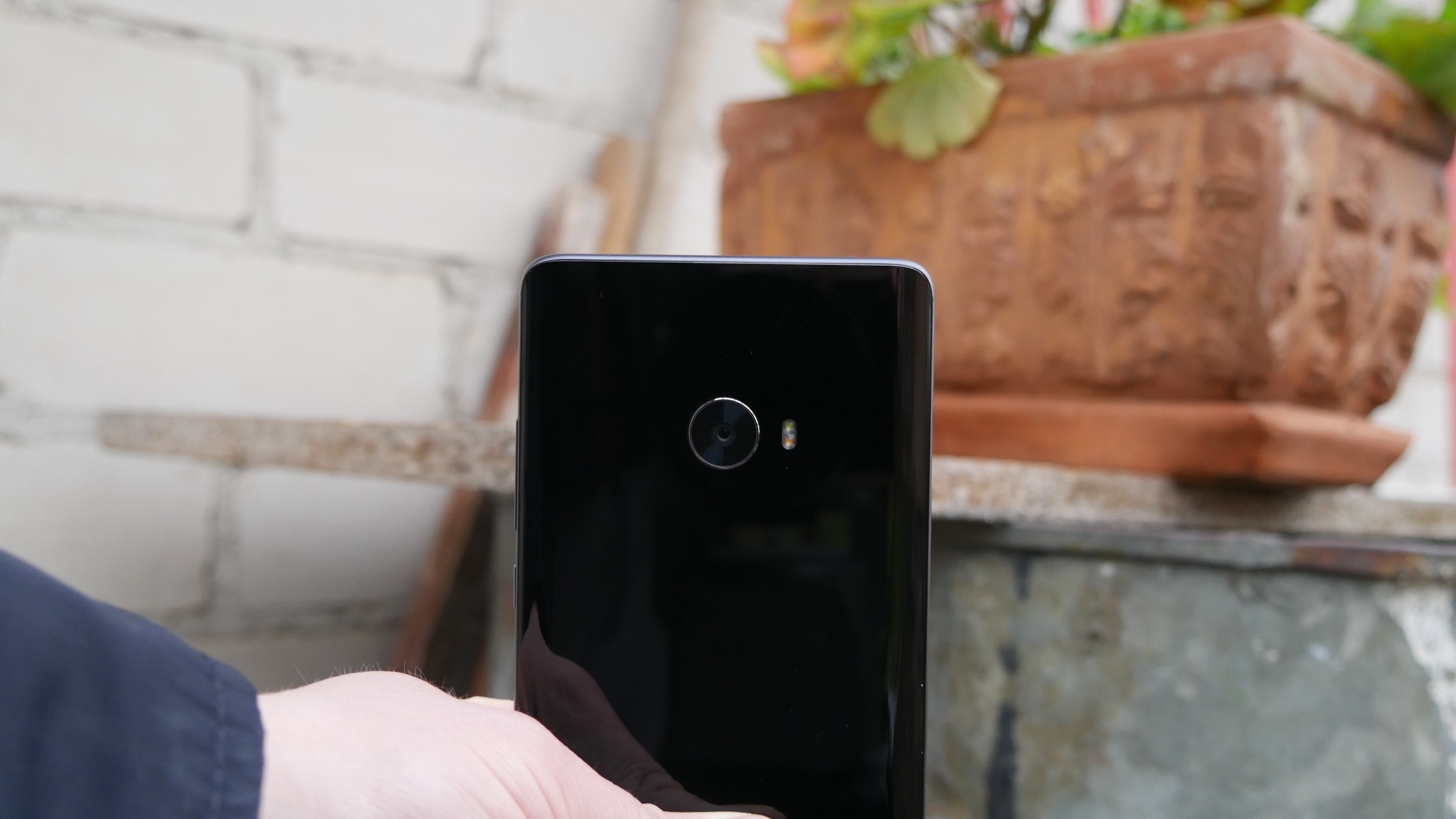
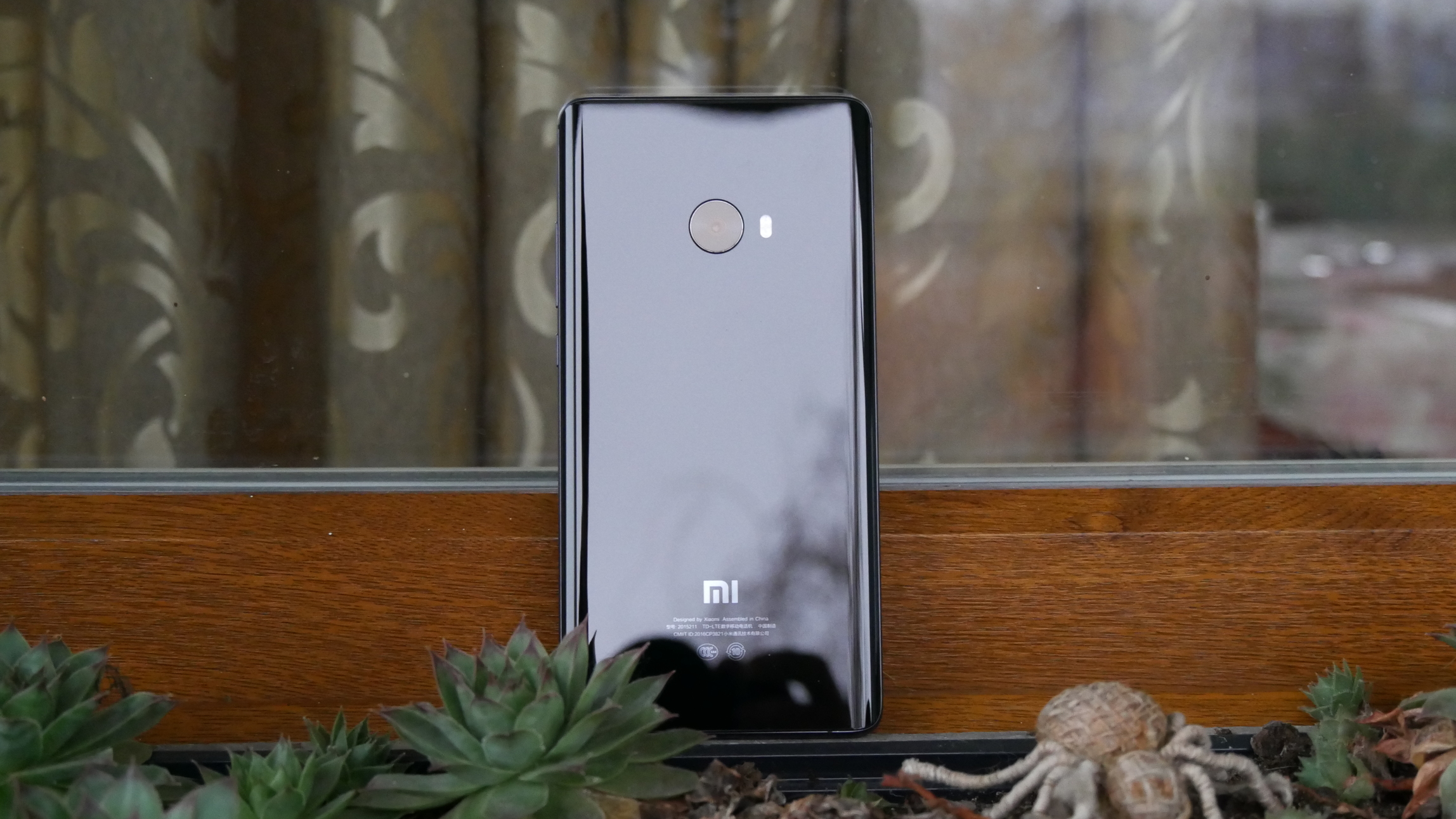
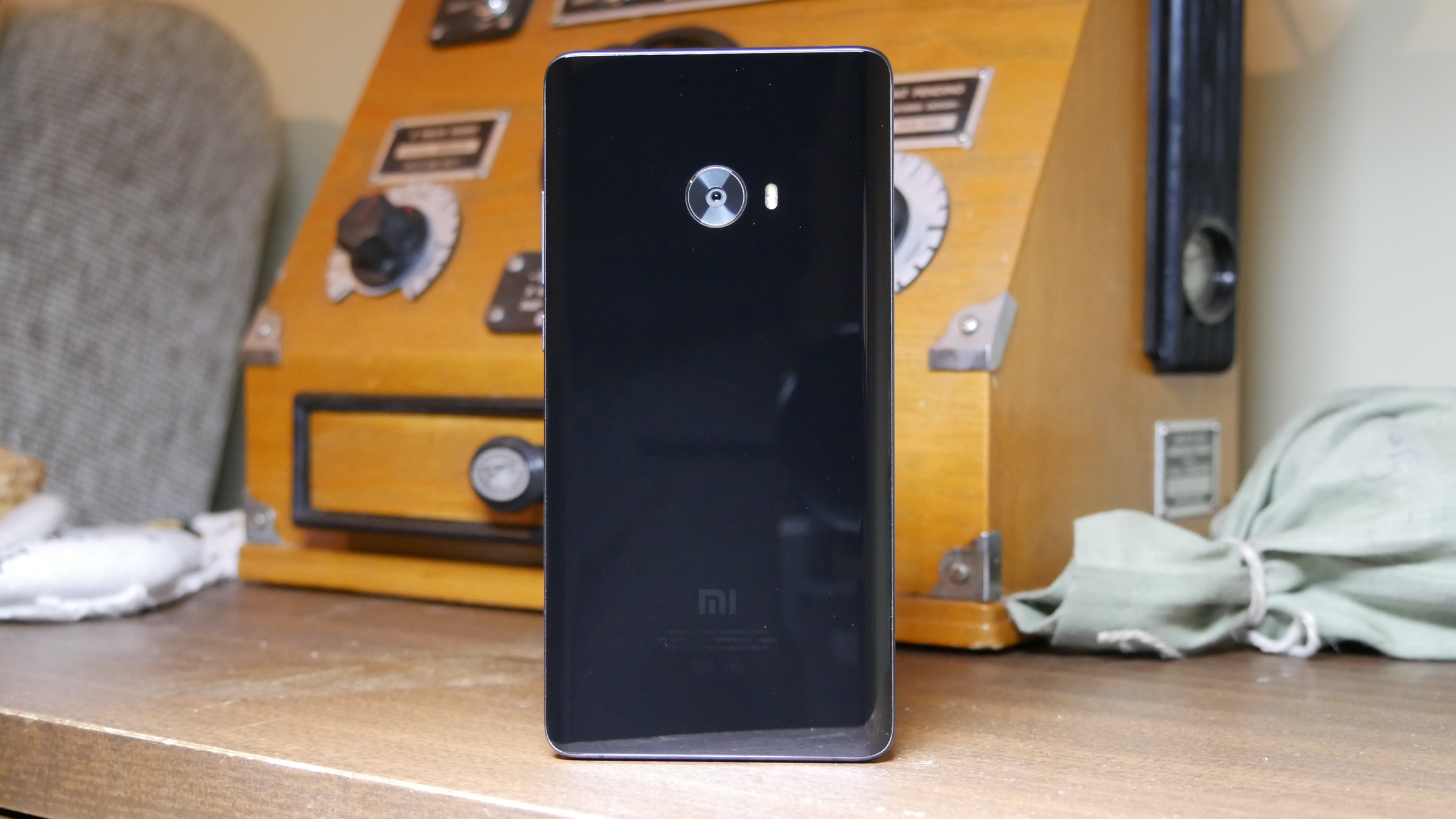
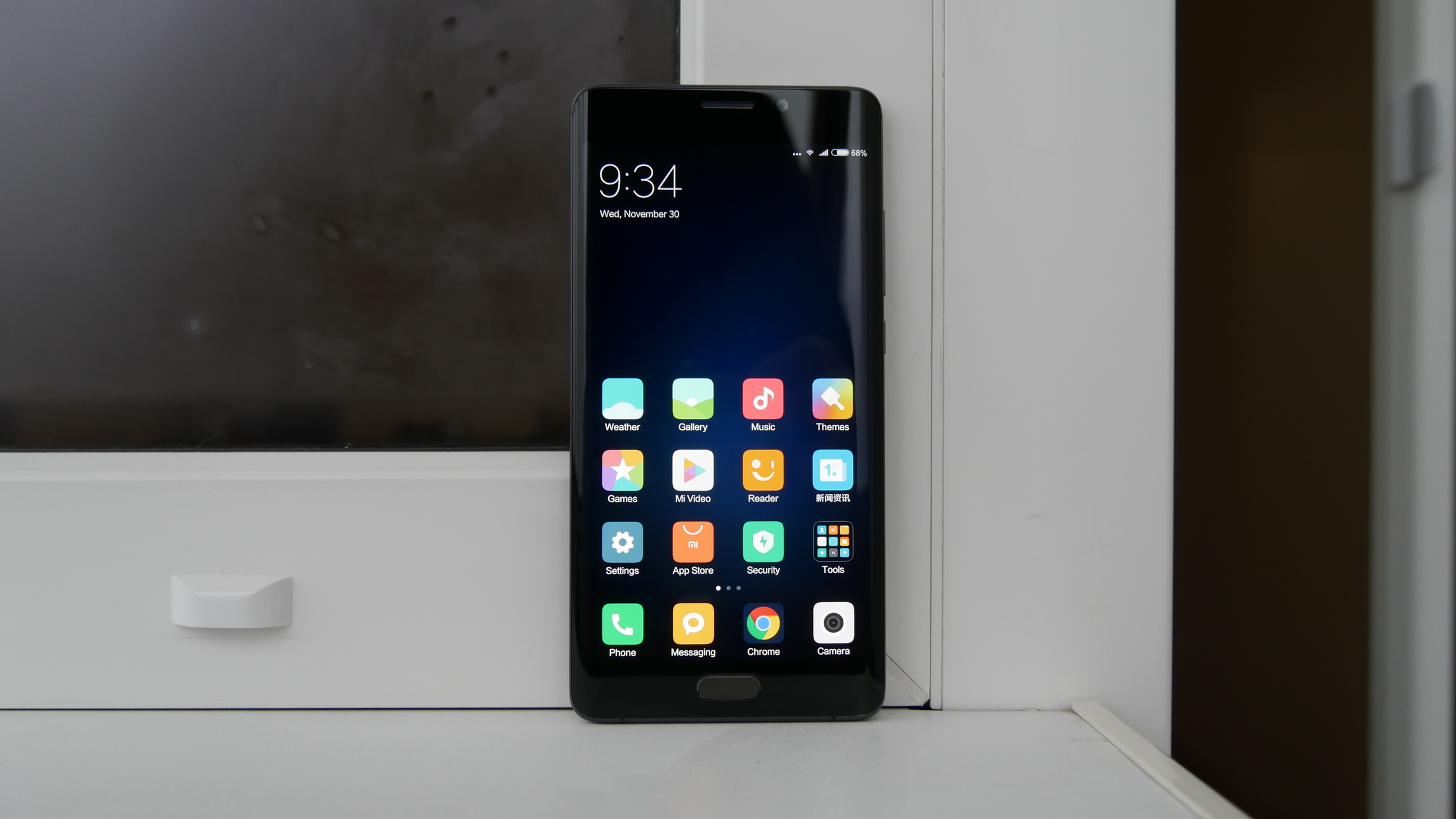
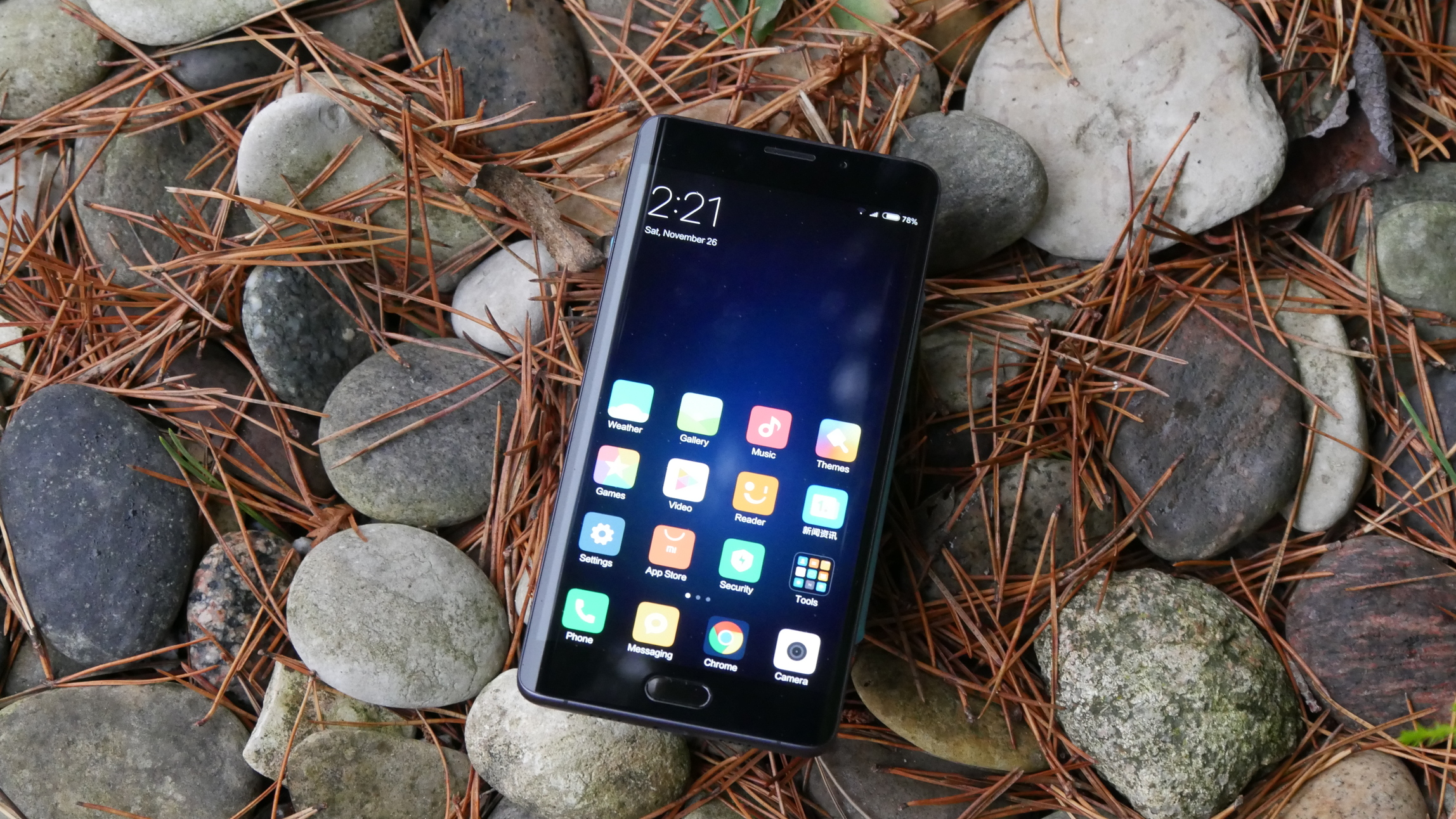
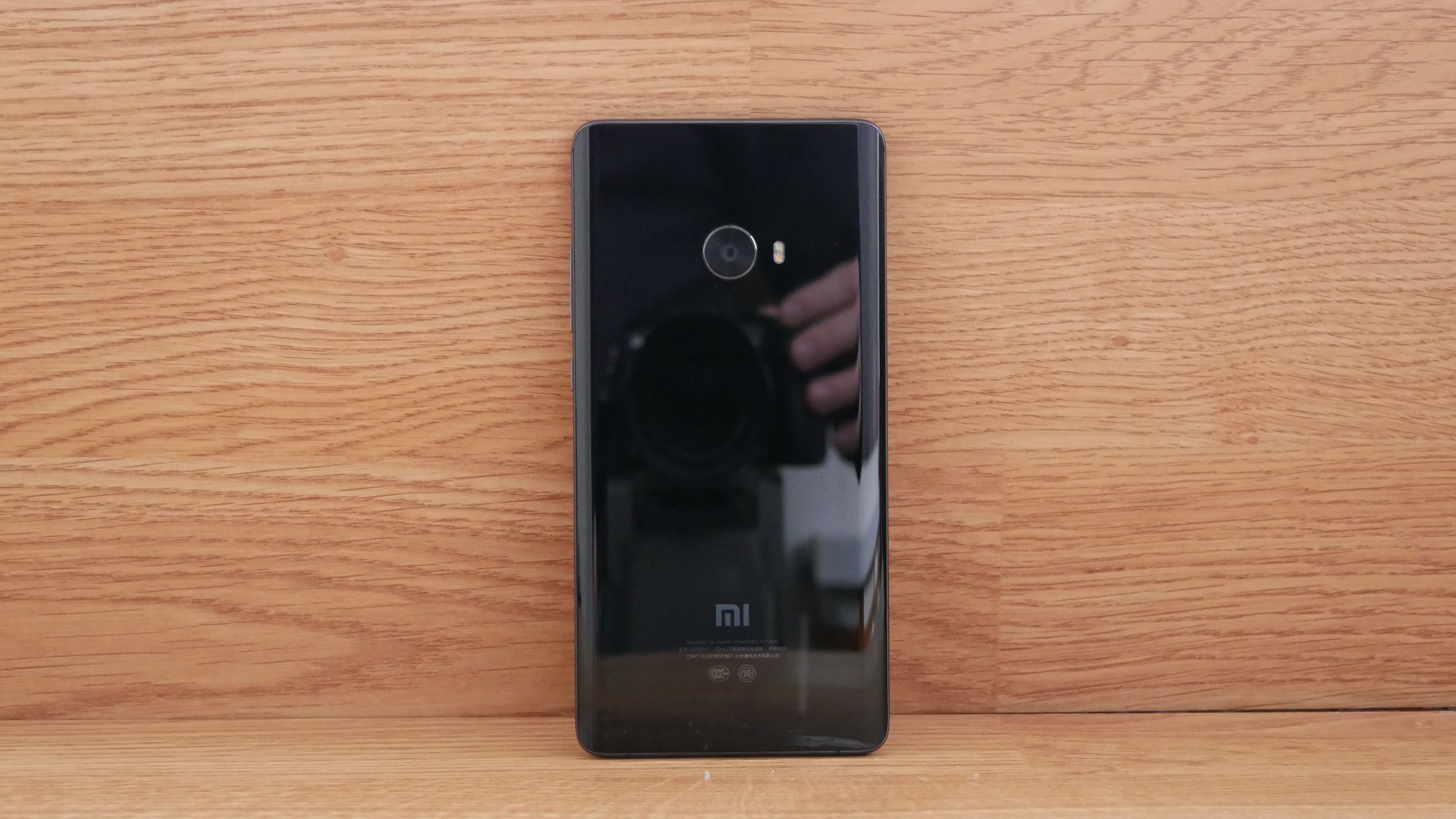
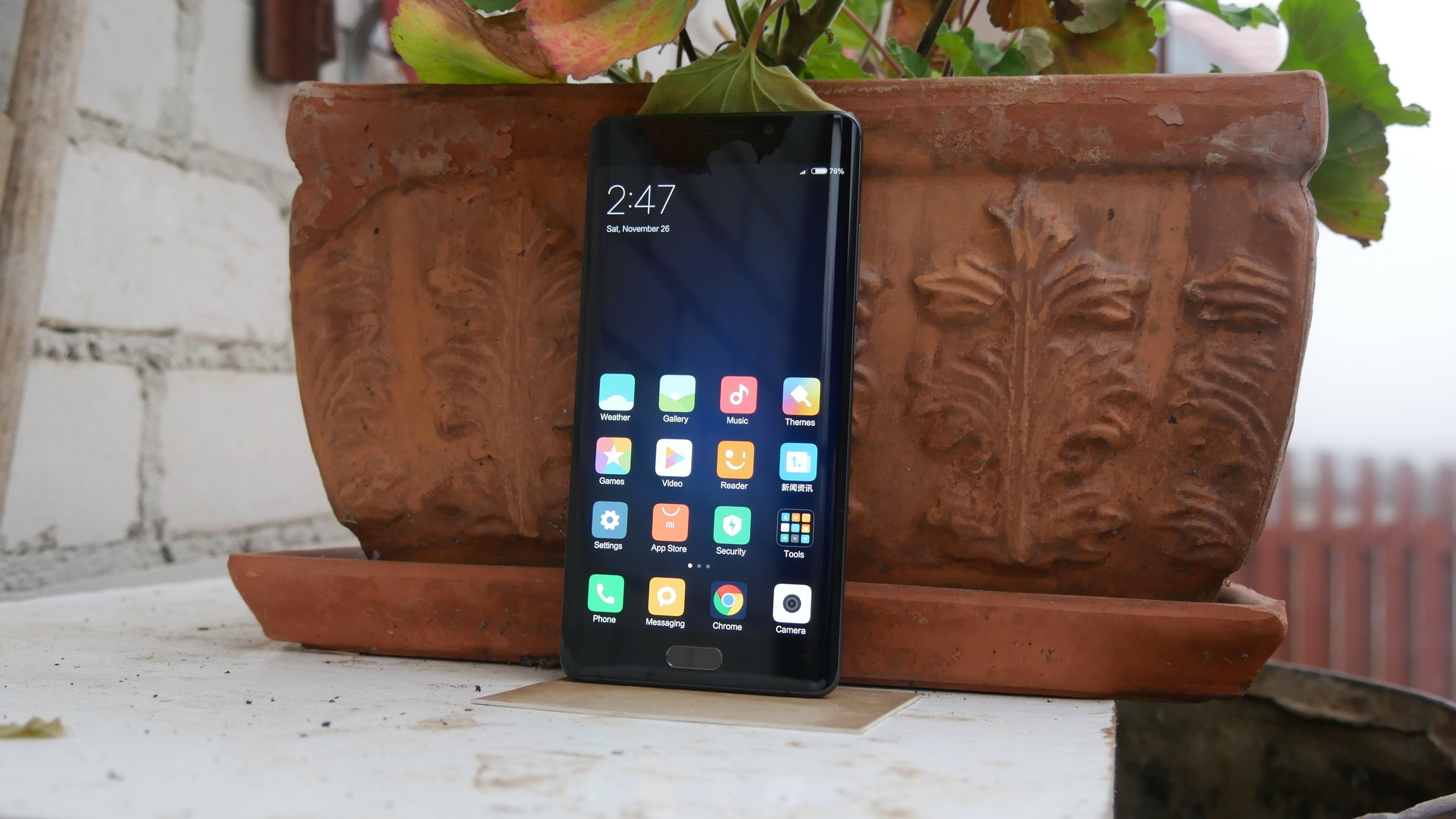
I have to admit that this is one of the most beautiful smartphones Xiaomi has ever made. We have a curved glass on the front and rear, a high-quality metal trim and tactile metal buttons.
We have a gorgeous 5.7” 1080p Amoled panel, which offers deep blacks, punchy colors and it is plenty sharp for everyday use. The bezels are quite visible but I’m okay with that. As usual, Xiaomi did not officially confirm the type of protective glass it used for this phone.
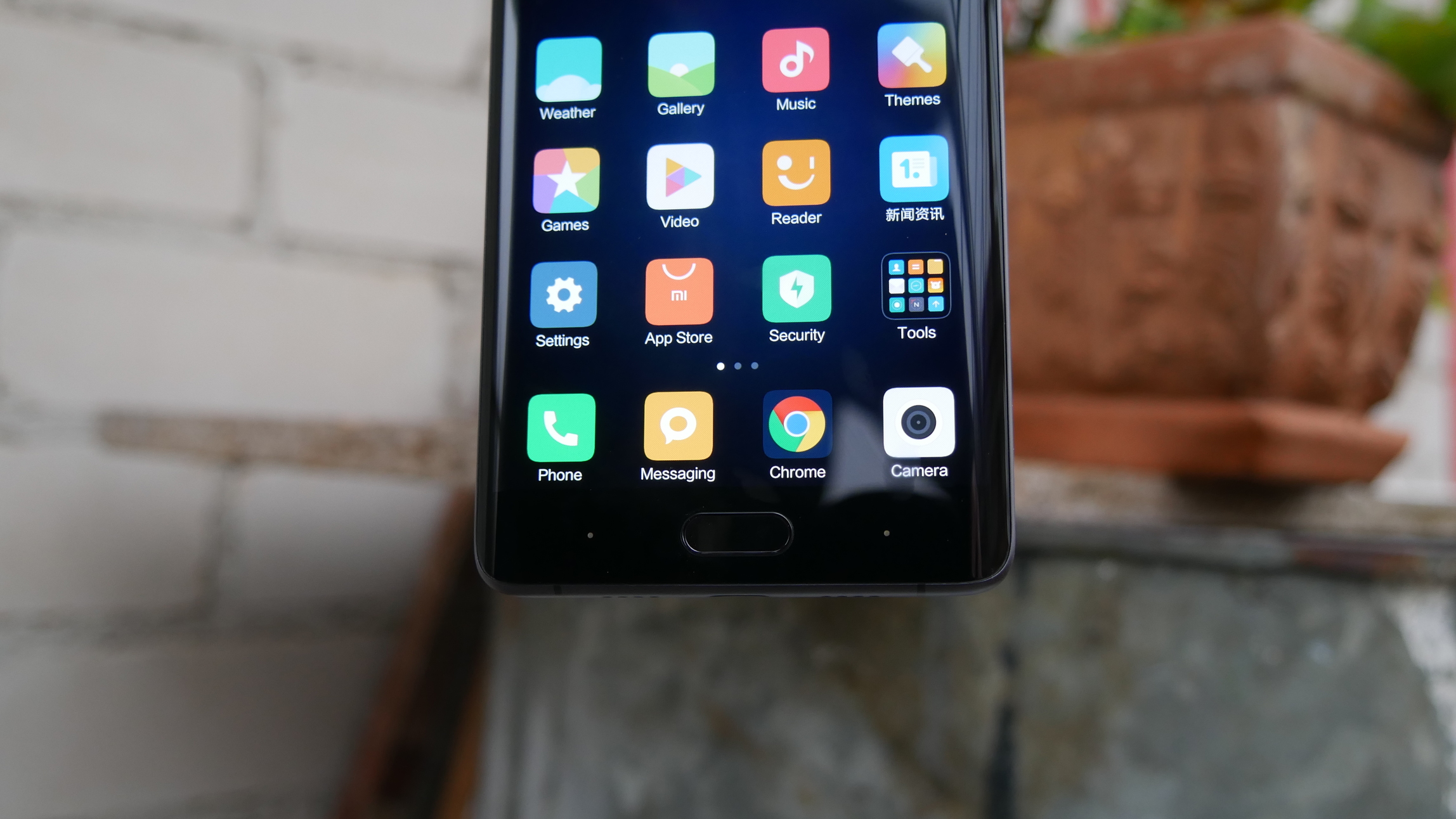
We have the usual highly customizable and backlit capacitive buttons, and a super fast and accurate fingerprint scanner. Keep in mind that you have to physically press the home button to use the fingerprint sensor but the unlocking process is just seamless and it works 10/10 times.
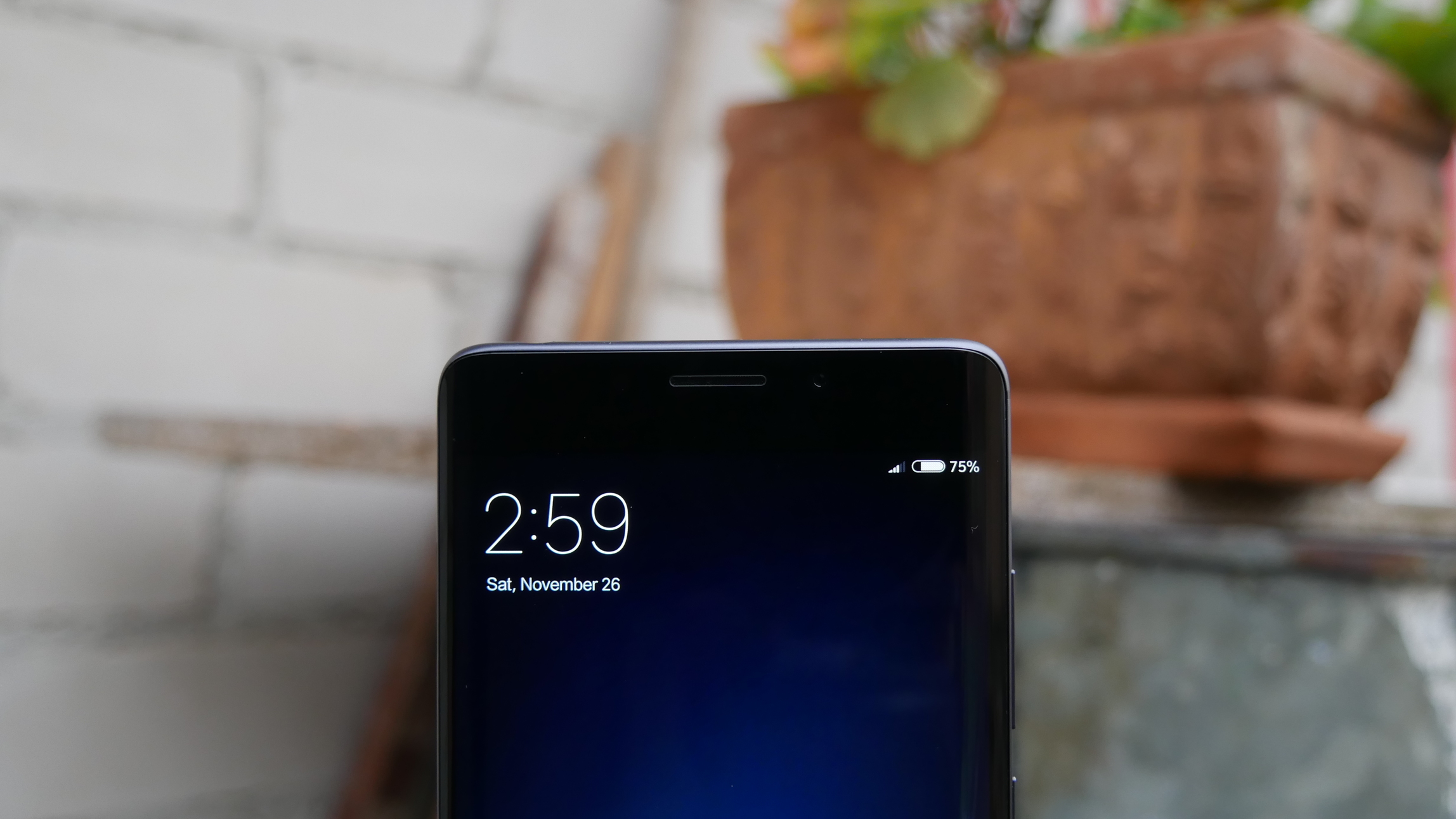
On the top, we have a highly customizable LED notification light and the upgraded 8MP camera with f/2.0 aperture and autofocus.
I’ve never been a huge fan of glass-made phones but I have to say that the Mi Note 2 has a somewhat oleophobic coating that does a pretty good job preventing from fingerprints and smudges.
We have a powerful 22.5MP camera with f/2.0 aperture and a dual tone dual-LED flash but there is no OIS.
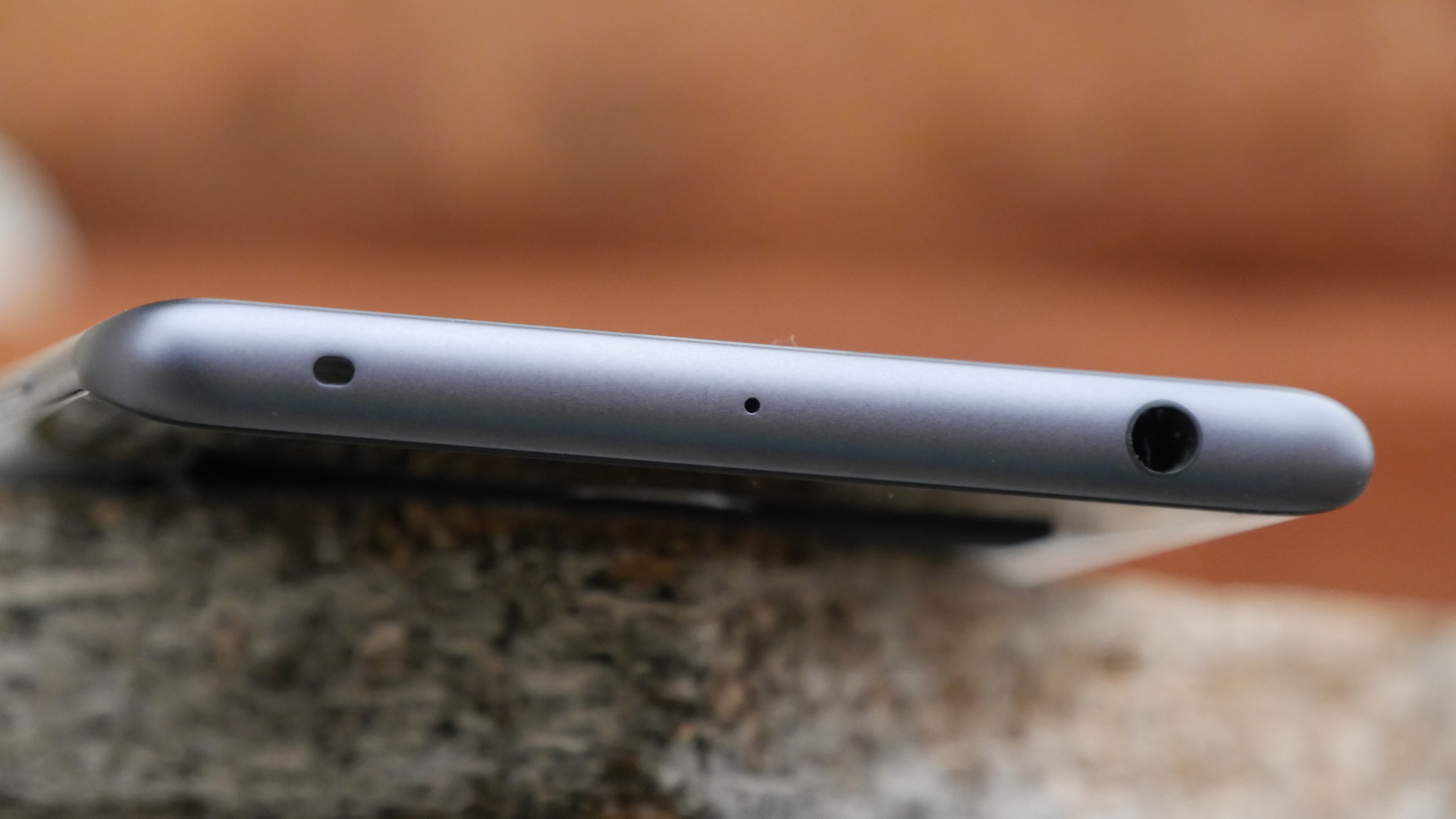
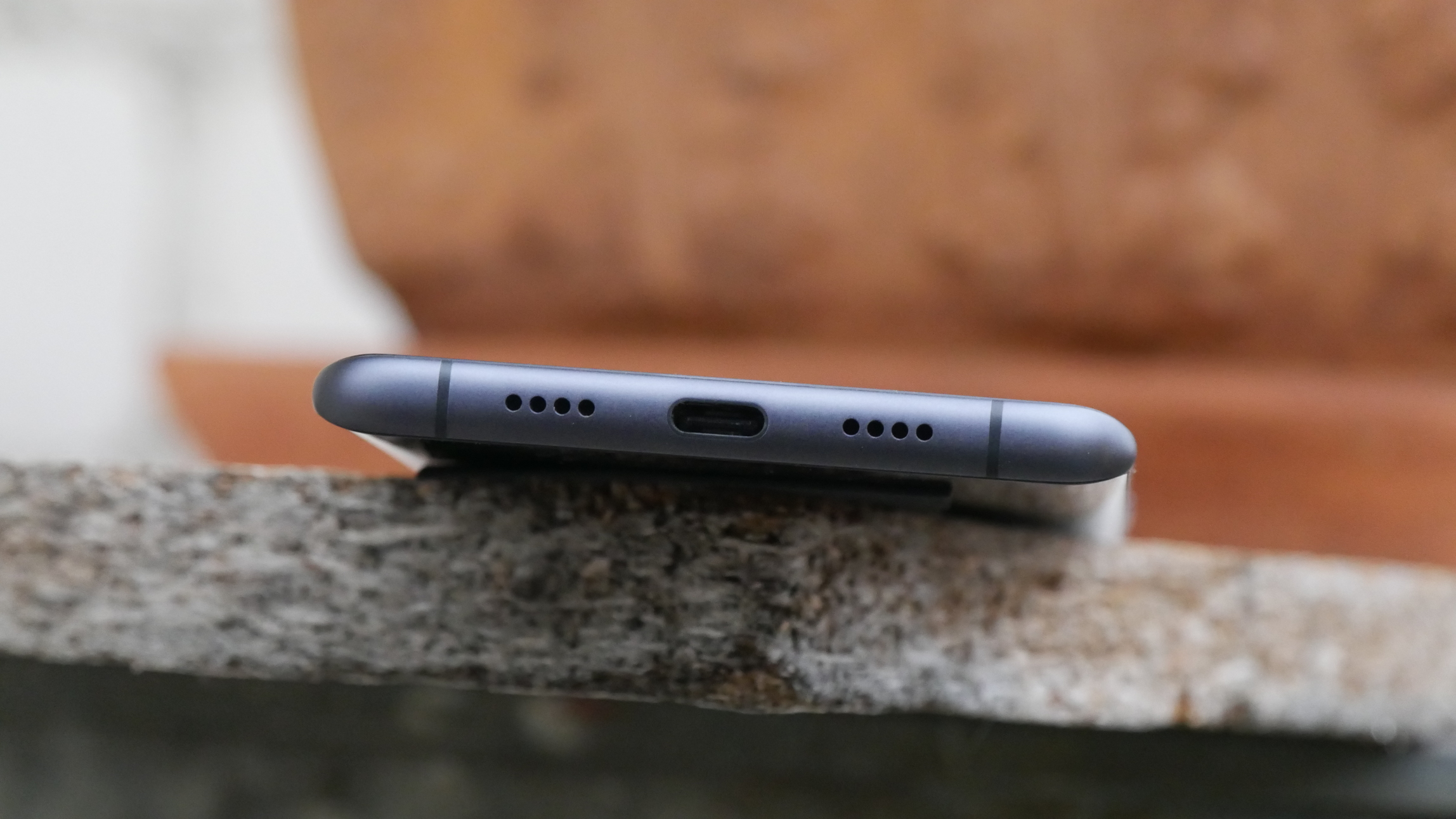
Xiaomi brought the IR blaster back to this phone, which is great, so you can control devices like TVs. The sound quality via the headset jack is just excellent.
Same can be said about the loudspeaker. The sound is balanced, rich and it gives you some sort of surround sound effect that a lot of phones lack.
Xiaomi Mi Note 2 Review: HARDWARE and PERFORMANCE
When it comes to hardware, you can be rest assured that you will have all the latest and greatest specs packed into this phone.
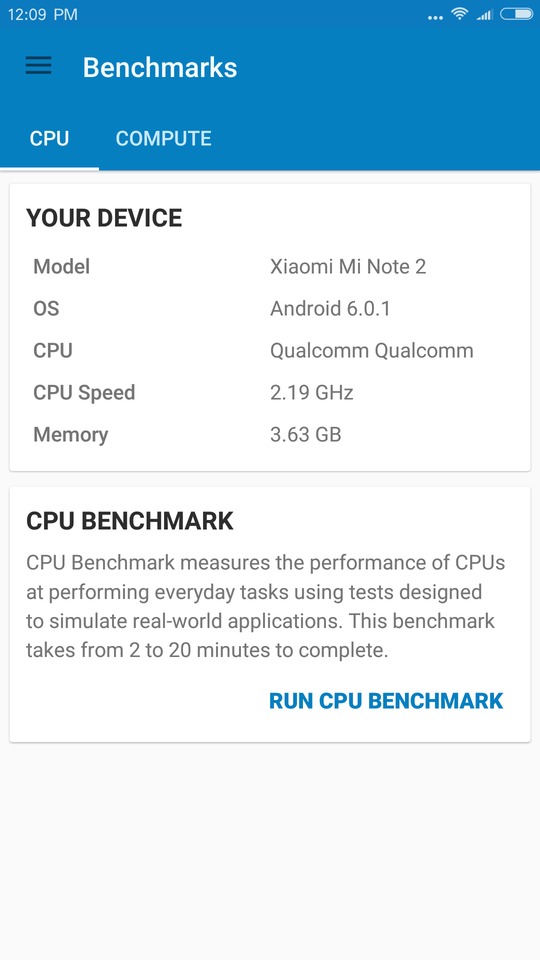
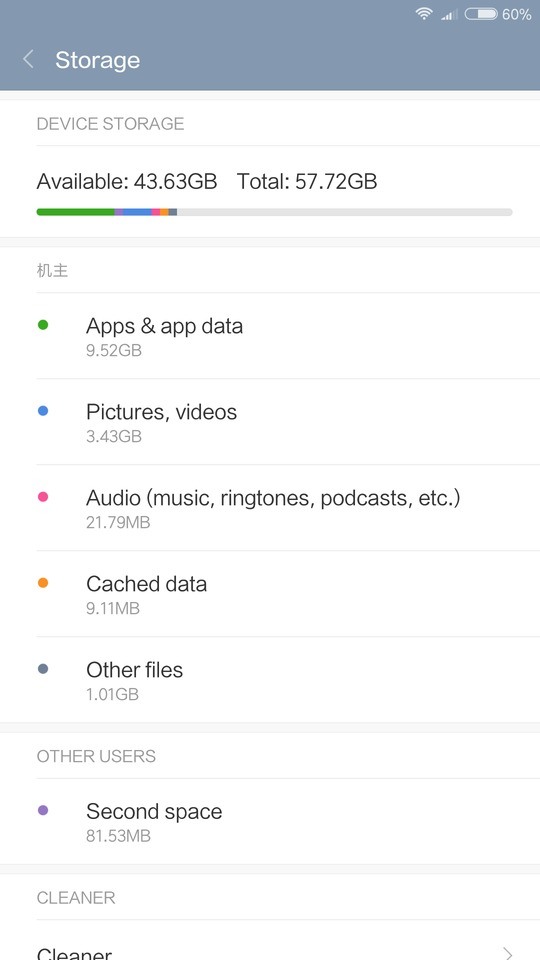
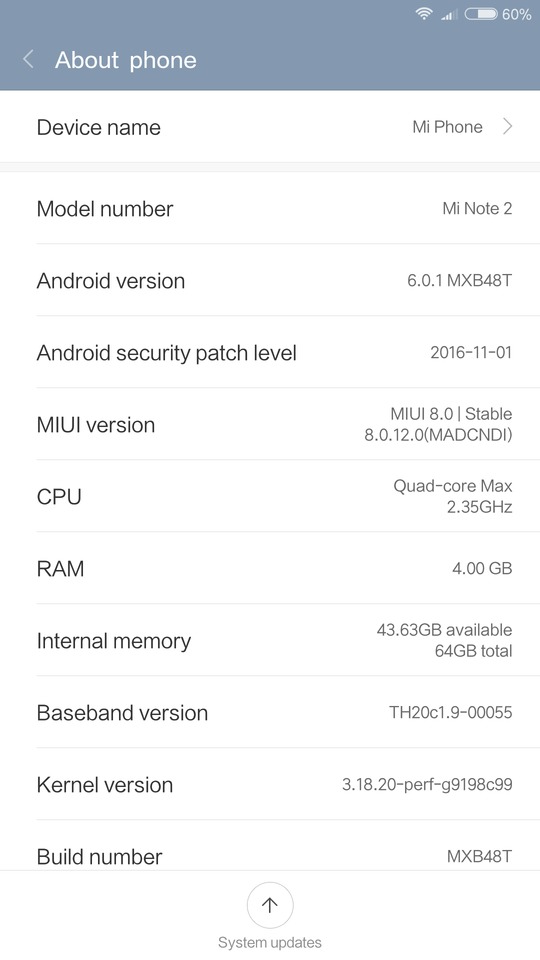
My review unit ships with the Snapdragon 821 chip, 4GB of RAM and 64GB of storage, which is, however, not expandable. If you are willing to pay more, you can go for the high-end model that has 6GB of RAM and 128GB of storage.
As expected, 3D gaming performance is excellent and the whole gaming experience is just great thanks to the large display and a great loudspeaker. Finally, the phone does not have any overheating issues.
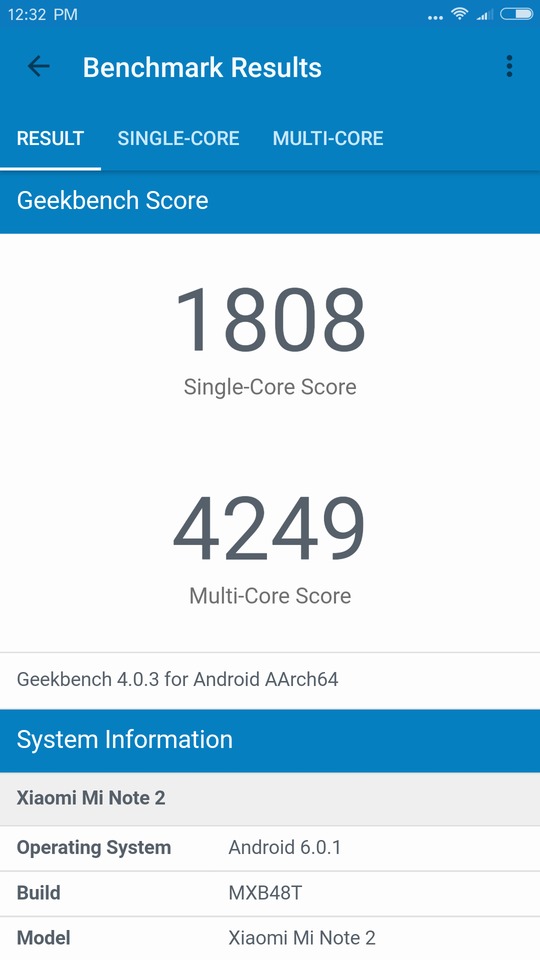
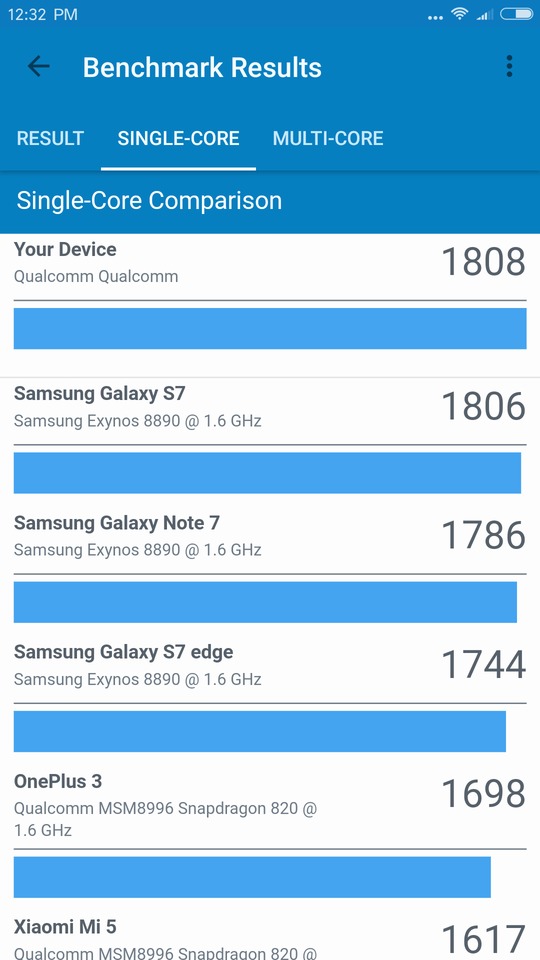
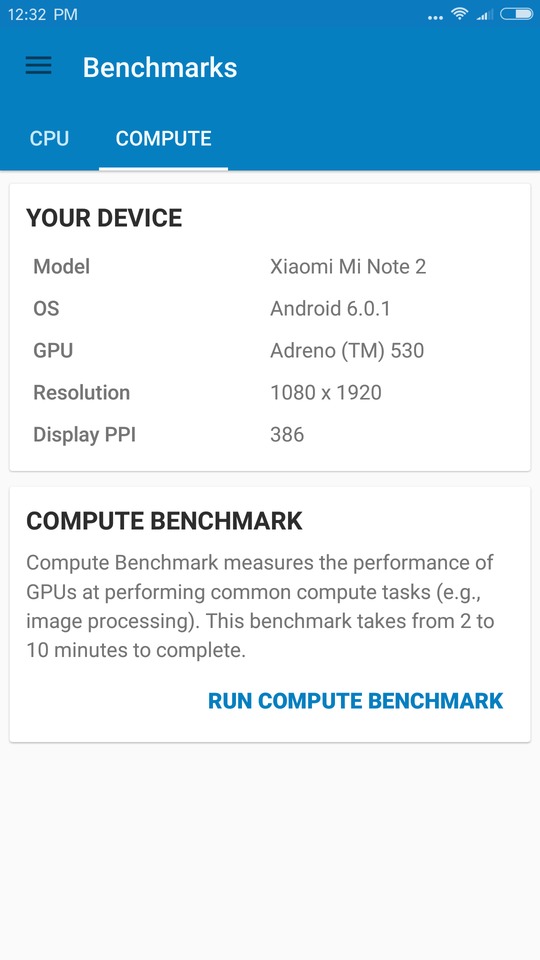
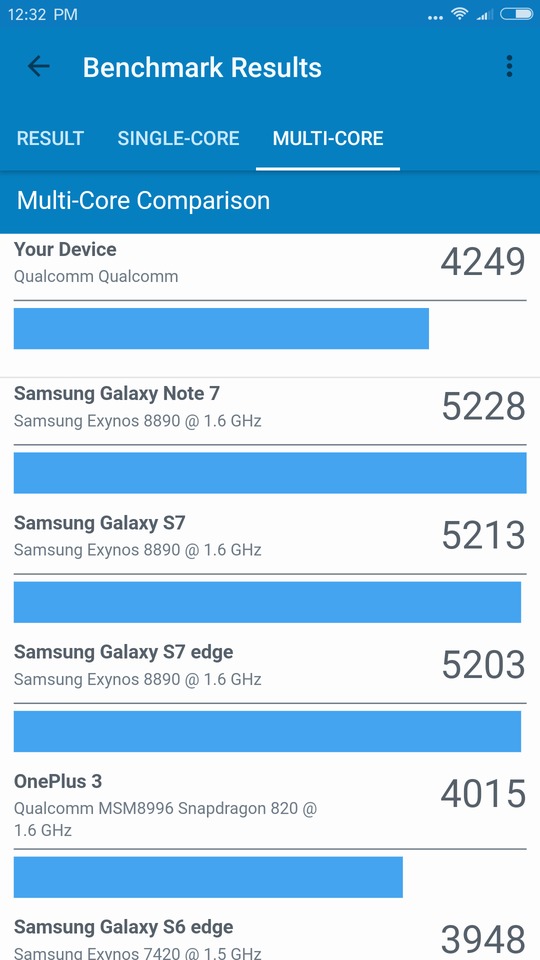
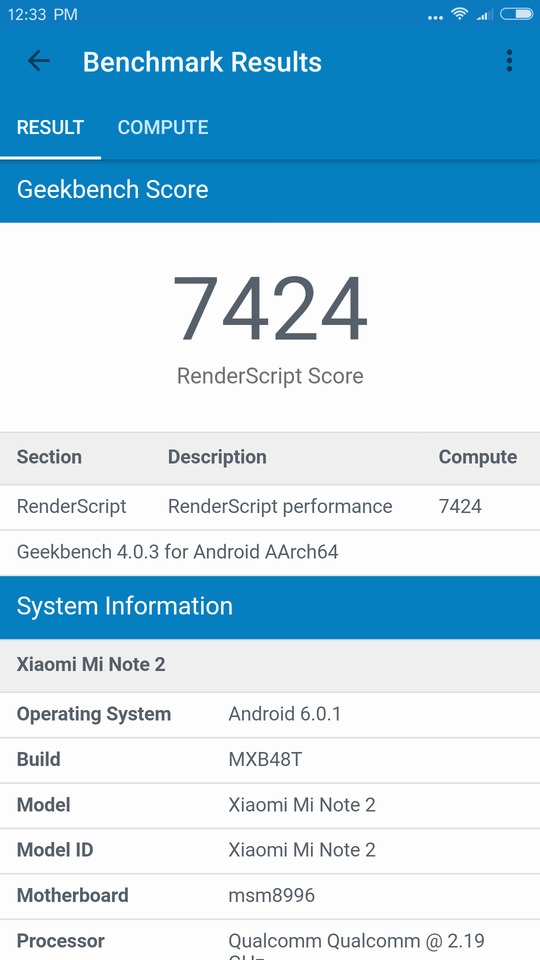
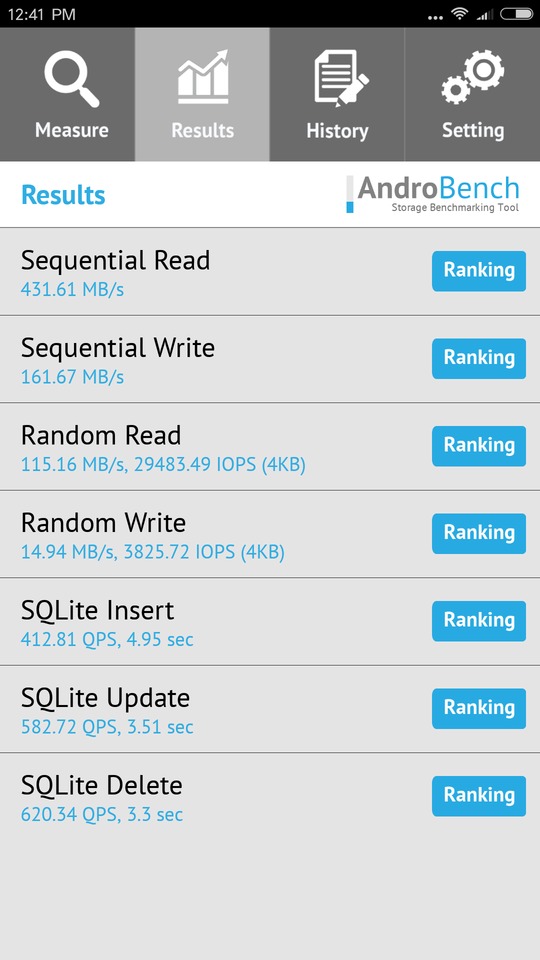
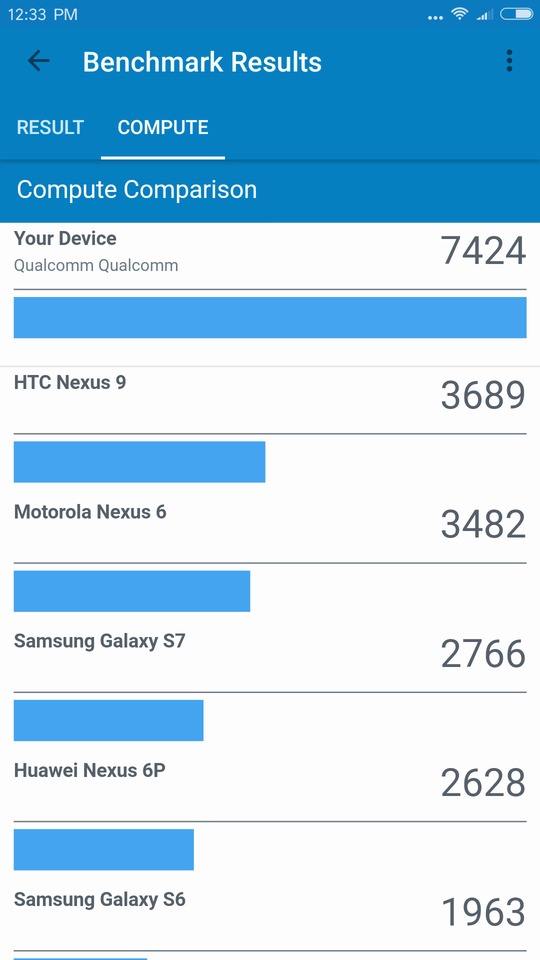
Xiaomi Mi Note 2 Review: BENCHMARKS
Xiaomi Mi Note 2 Review: USER INTERFACE
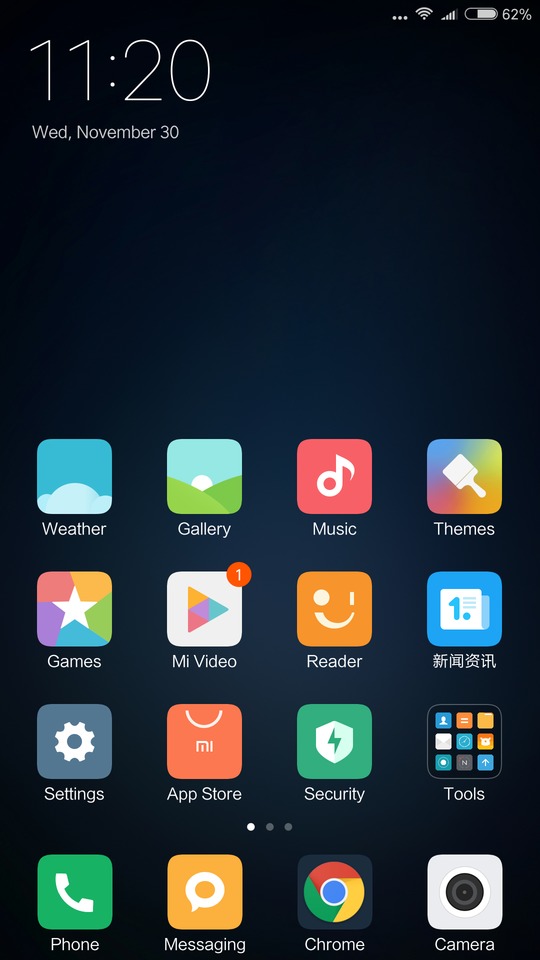
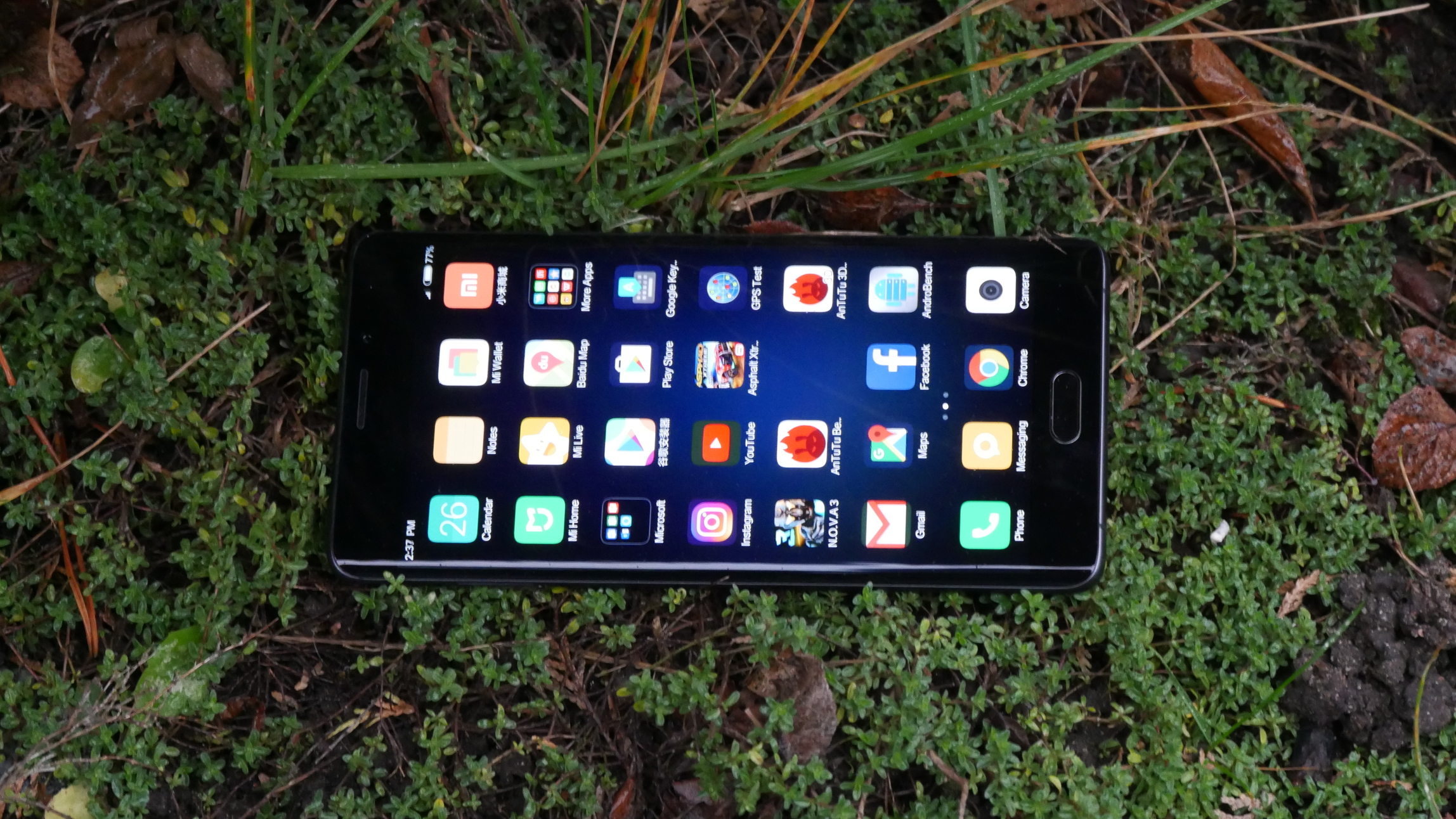
The Xiaomi Mi Note 2 ships with the Android 6.0-based MIUI 8 that we have already seen on other Xiaomi phones.
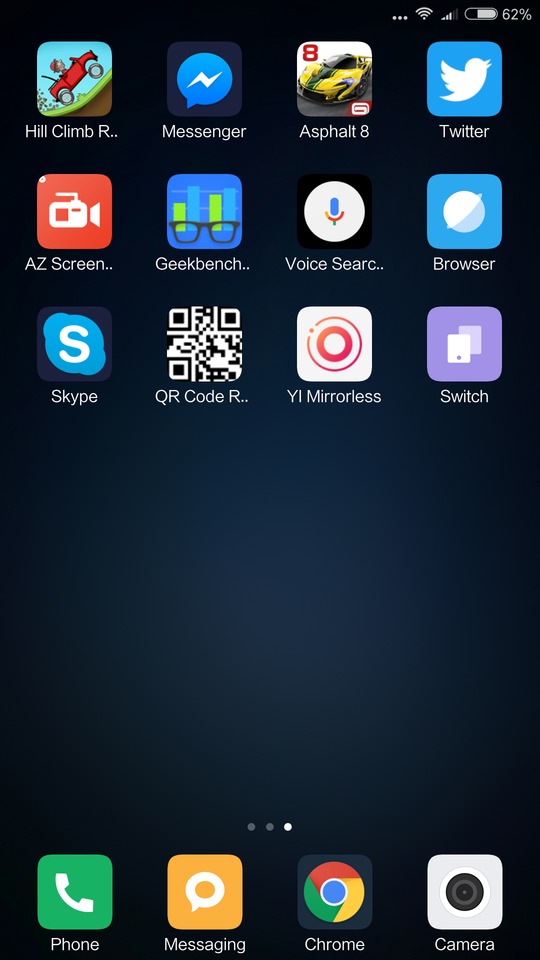
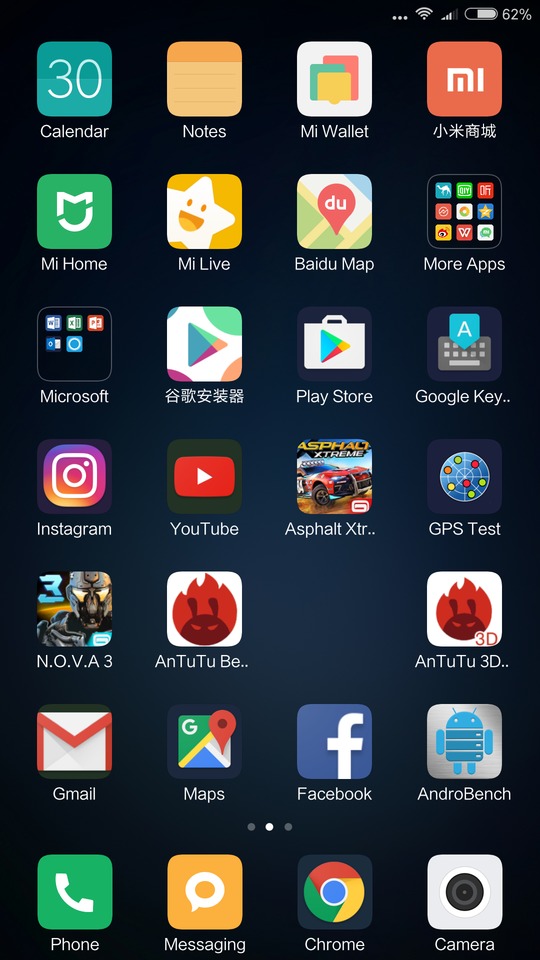
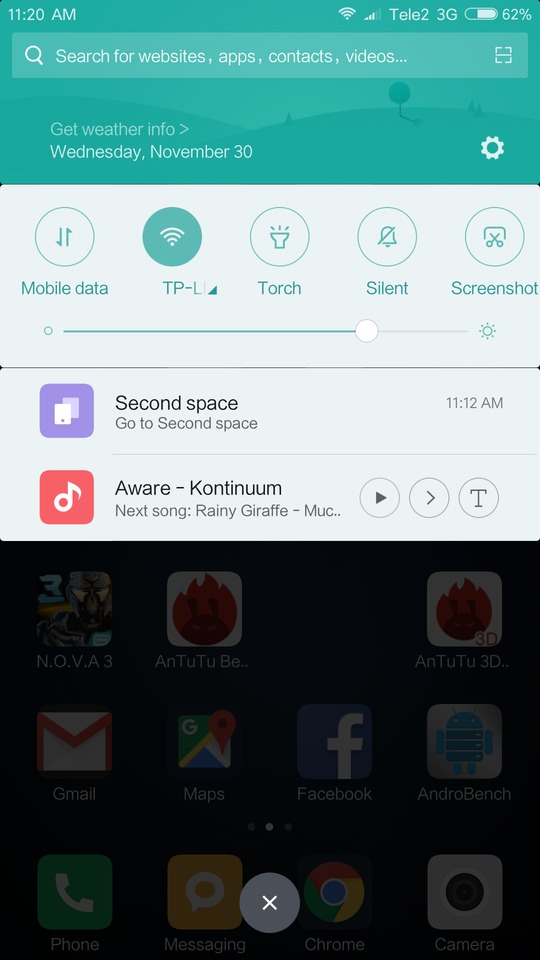
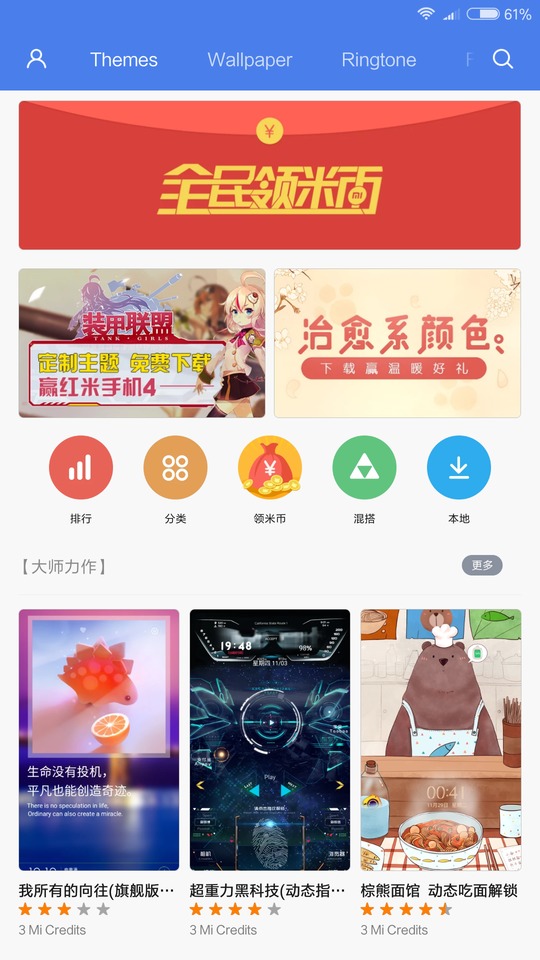
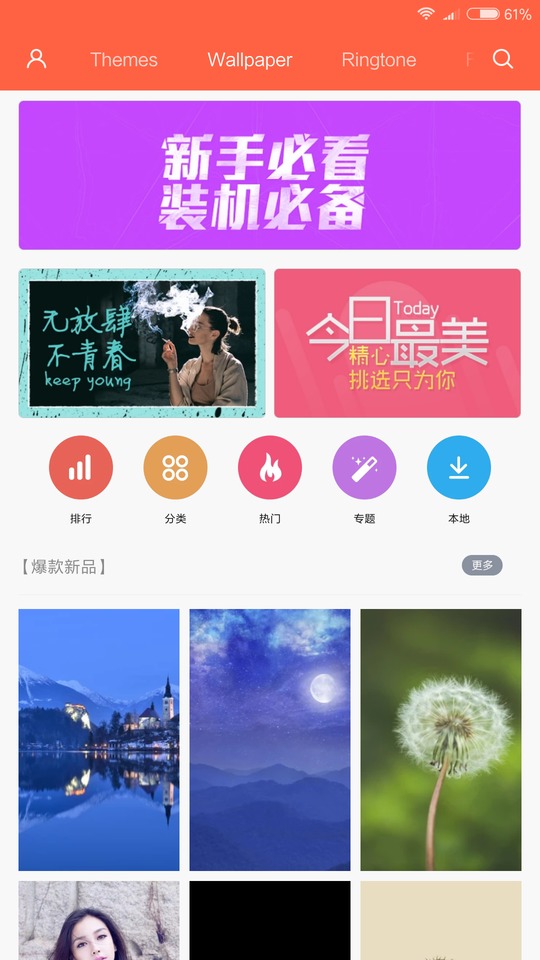
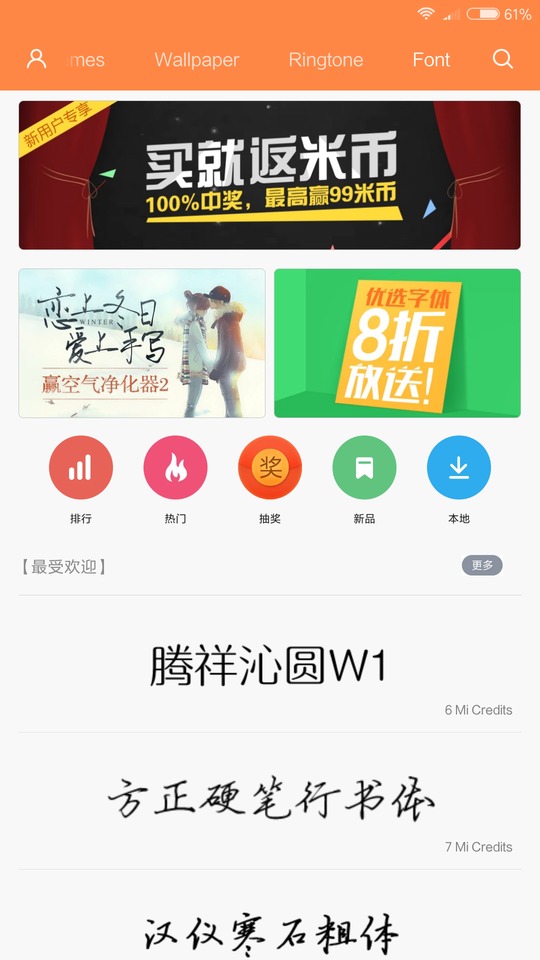
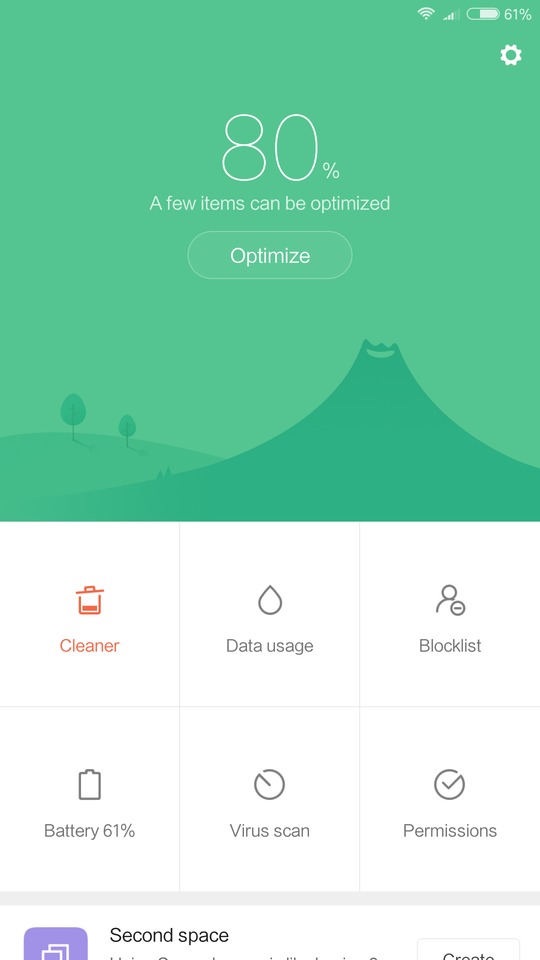
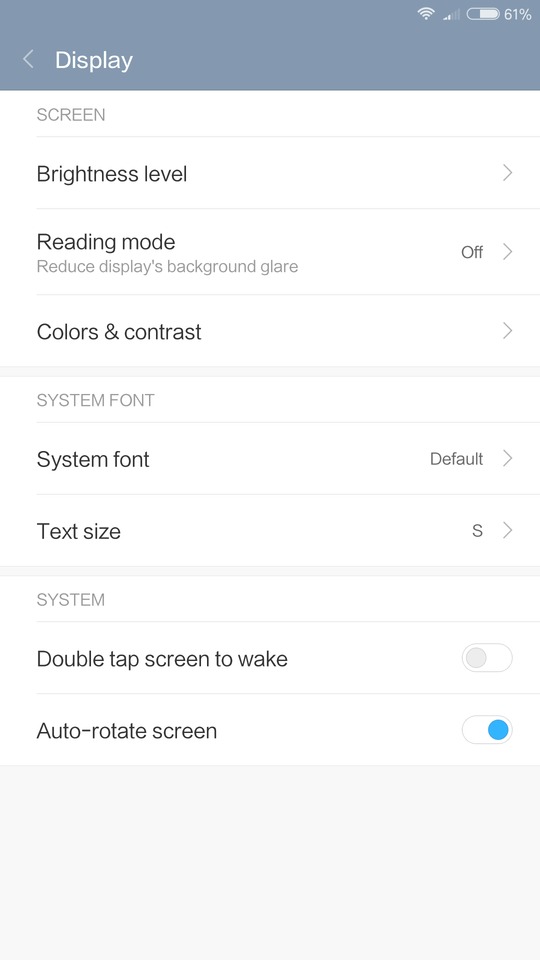
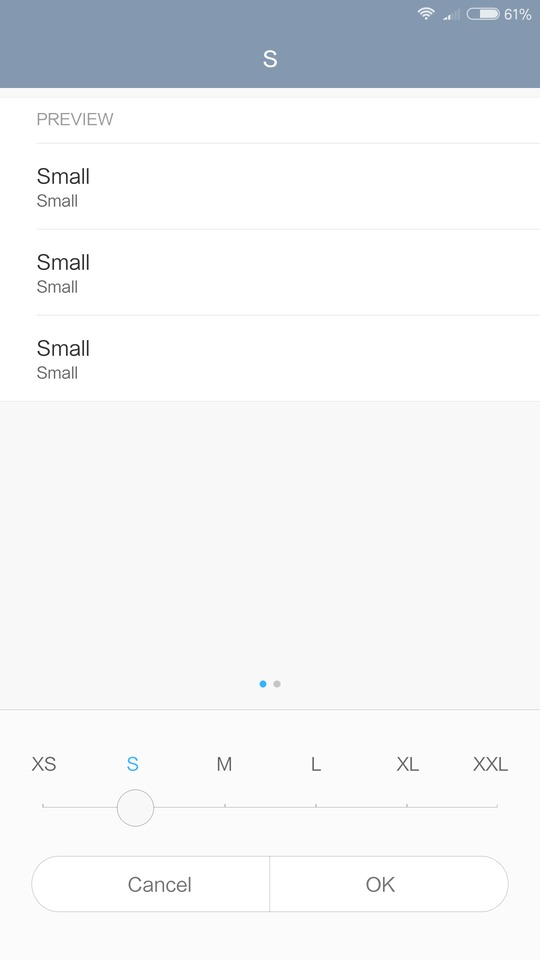
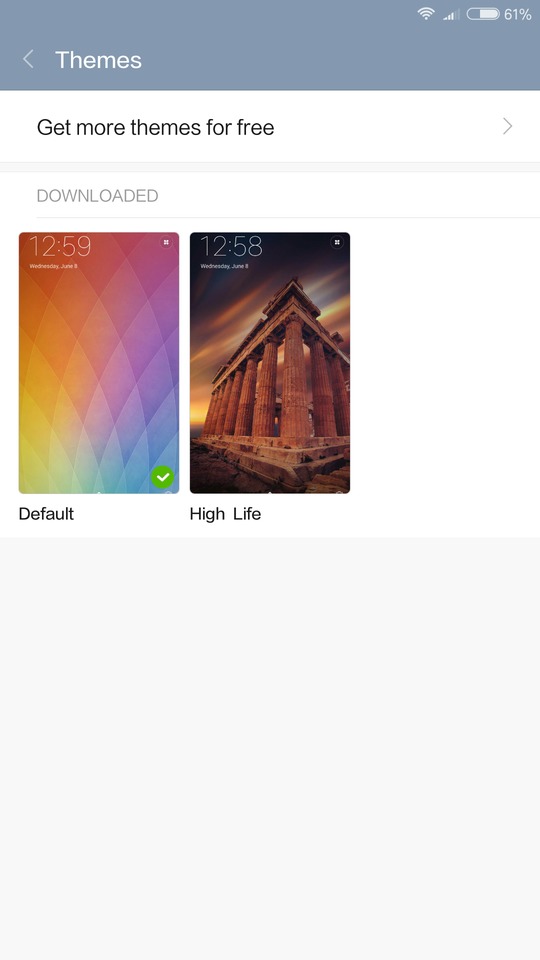
As usual, we have a ton of customization options, various settings, tweaks and little features to make the phone look your own. Some of the cool features include a baked-in theming engine, where you can choose from a lot of themes, fonts, wallpapers and so on. Also, you can go to the so-called second space, which is as Xiaomi says “like having two devices” at the same time. In other words, it is like having two accounts on the same phone.
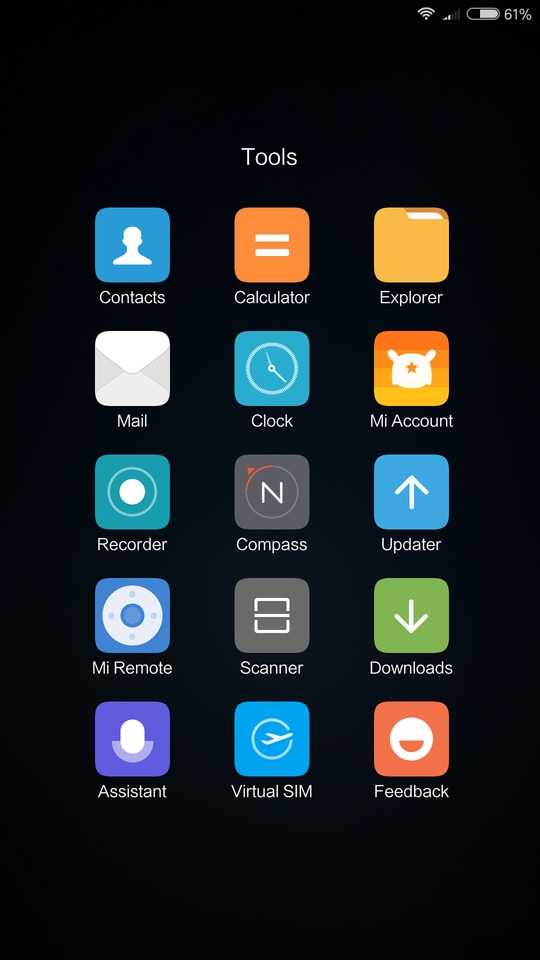
However, you have to know that the Chinese version of the phone comes with quite a few bloatware apps that may be annoying. A great thing is that you can easily remove most of them.
Finally, I’m fairly impressed with how fast the Mi Note 2is despite having all those features. The phone is fast, fluid and I didn’t have any hiccups or lag.
Xiaomi Mi Note 2 Review: CAMERA
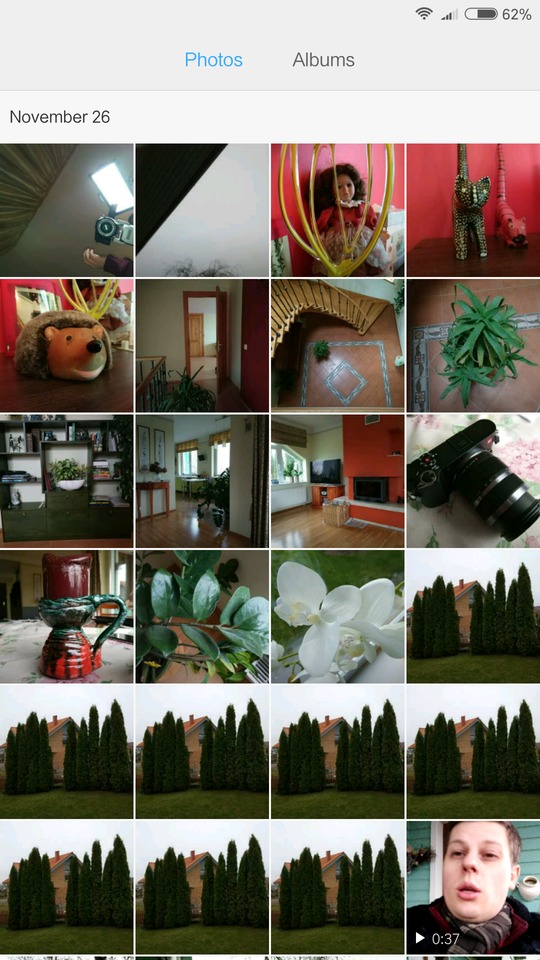
The camera app allows you to take pictures extremely fast. As usual to Xiaomi phones, there are a few shooting modes and settings to play with.
Xiaomi Mi Note 2 Review: IMAGE QUALITY
IT IS HIGHLY-RECOMMENDED TO DOWNLOAD FULL RESOLUTION CAMERA SAMPLES TO SEE THE ACTUAL IMAGE QUALITY. THE PICTURES UPLOADED ON THE WEBSITE ARE 50% SMALLER IN RESOLUTION.
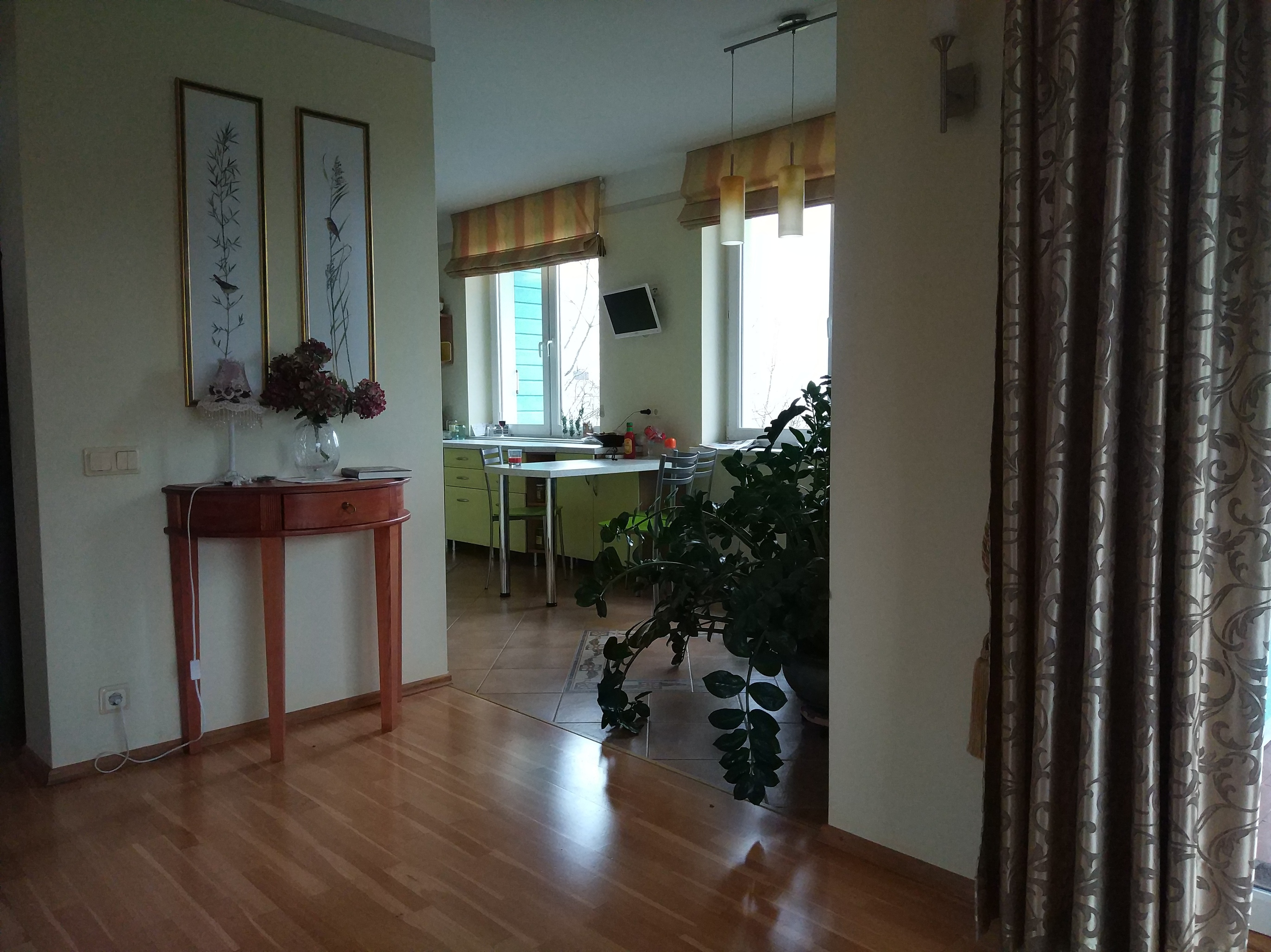
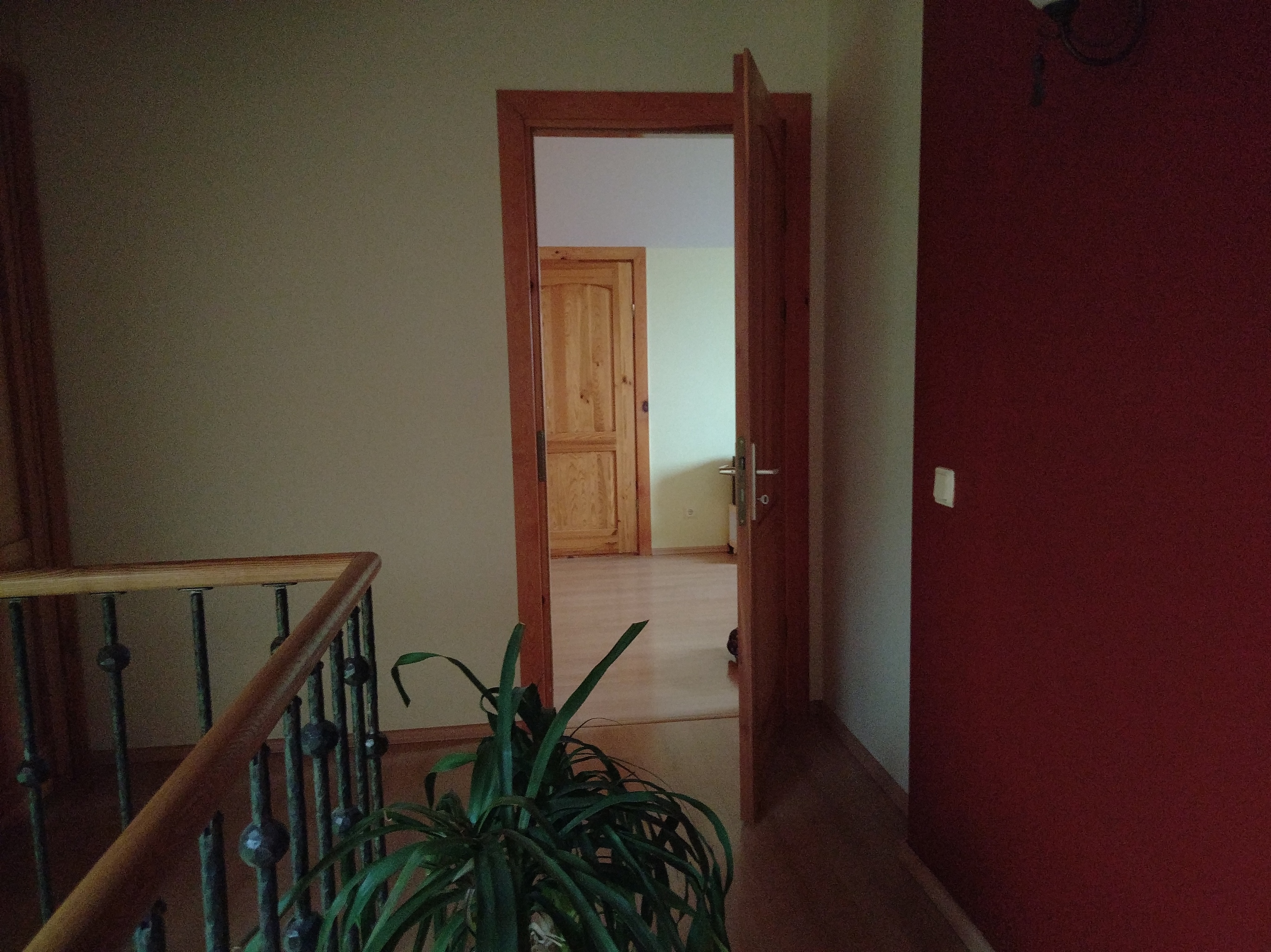
In theory, 22.5MP should give you a lot of detail and the Mi Note 2’s camera does produce very detailed photos that look sharp and the colors are natural. Also, the camera handles the dynamic range and contrast pretty well but it tends to underexpose the scenery more often than not.
Most of the indoor and macro shots were taken in very poor lighting. The phone can take some good-looking photos but as usual, the noise levels get quite high in lower-lit situations.
As for night camera performance, it is just average. Well, it is not bad but I would love the software to kick in to brighten up the scene as right now the images look dark. Also, the level of noise could be a lot lower.
As for selfie shooter, it can take some nice and detailed photos.
The 4K video is good but not great. The footage is quite sharp, the auto-exposure and continuous autofocus work fine and the colors look natural. However, there are quite a few video artefacts going on and overall the footage could look sharper if we compare it to some of the mainstream flagships like the Samsung Galaxy S7 edge. The electronic image stabilization (EIS) uses the gyroscope sensor and this combo does a pretty good job reducing the shakiness.
The 1080p video looks quite good but obviously, there is less detail than in 4k footage. The 1080p selfie video looks pretty good and it will be more than enough for the video chats. See the video review for video samples.
When it comes to connectivity, the Mi Note 2 has you covered. It has an international 4G LTE support that assures a fast internet speed, good signal reception and a great call quality.
Also, Wifi, GPS work absolutely fine. In addition, there is NFC onboard.
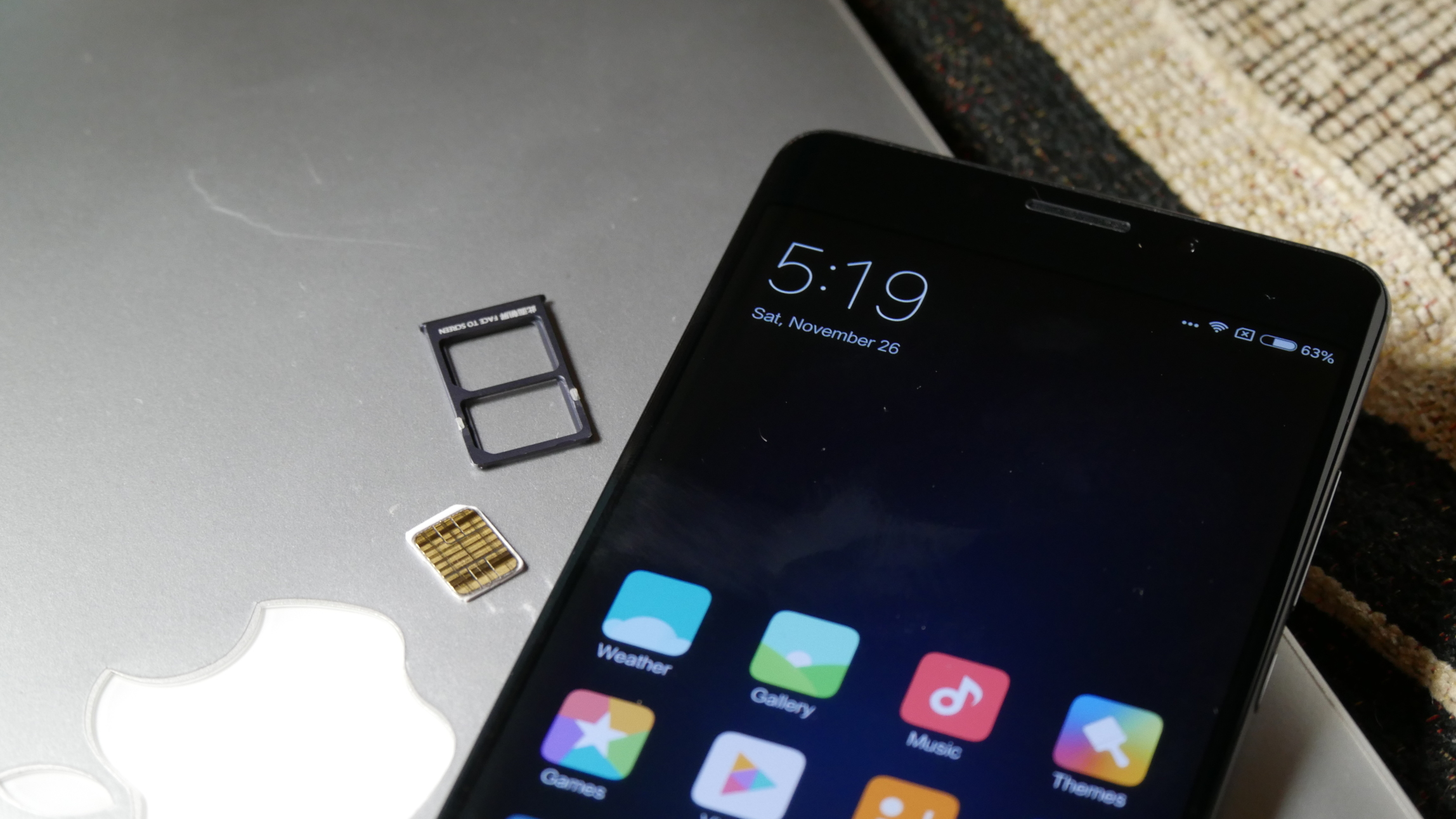
The only complaint would be that there is no microSD card slot but you get 2 SIM card slots as any other Xiaomi phone.
Xiaomi Mi Note 2 Review: BATTERY LIFE
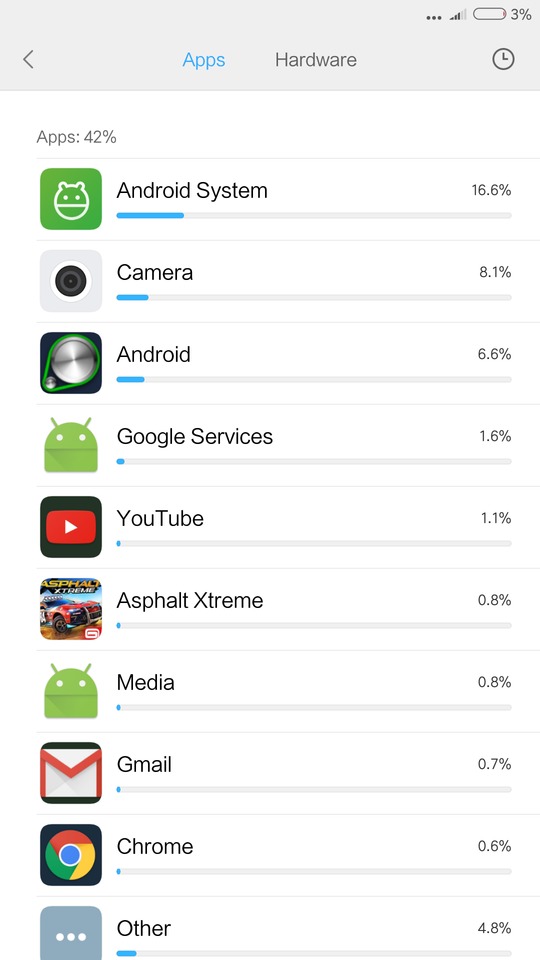
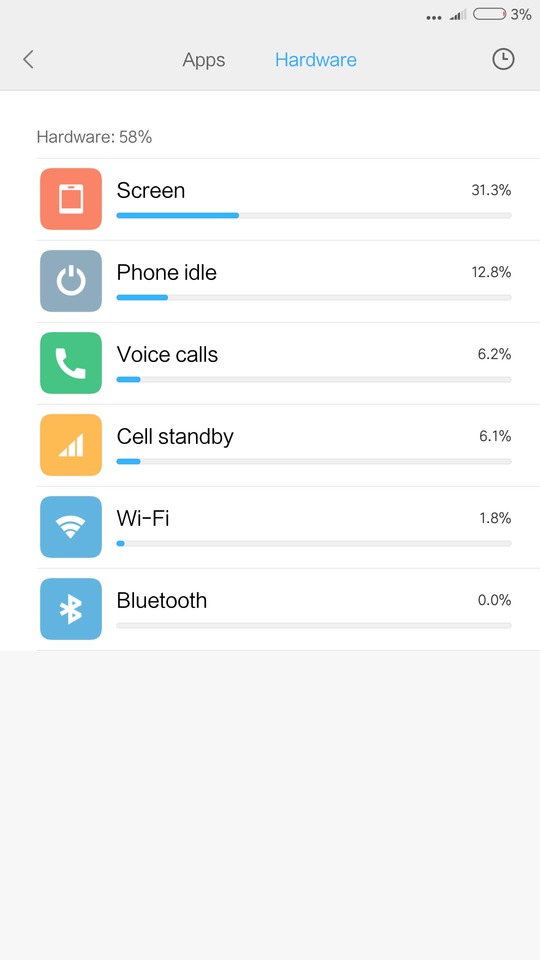
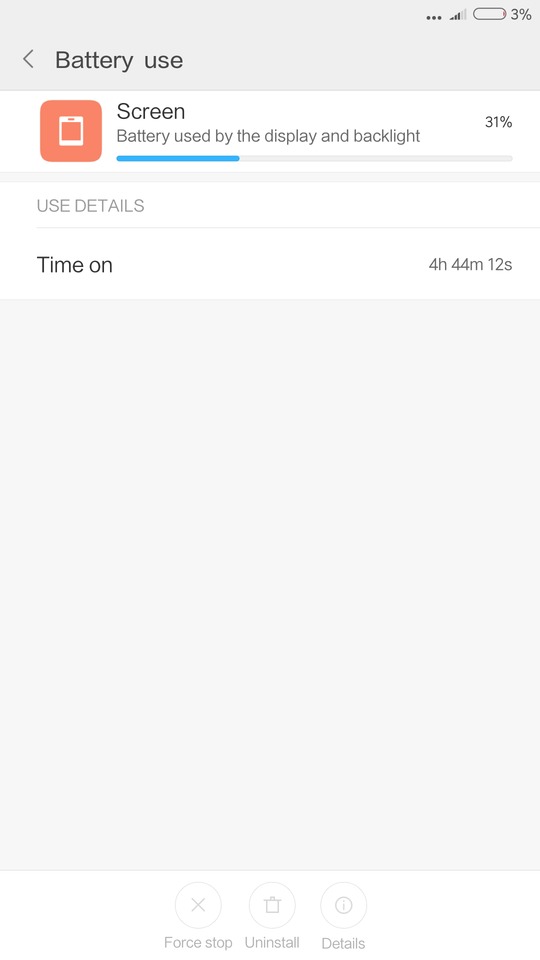
The Mi Note 2 ships with a 4070mAh battery that performs quite well. I was able to get around 5 hours of screen-on time on kind of heavy usage including power penalty of 2 SIM cards, 4 Google accounts, social media accounts and so on.
The phone supports Qualcomm’s Quick Charge 3.0 tech but the supplied charger can fully charge the phone in about 1 h 45 mins, which is not the best result we’ve seen this year.
Xiaomi Mi Note 2 Review: CONCLUSIONS
The Xiaomi Mi Note 2 is a true flagship phone that just looks beautiful but it costs almost $500.
So what are you getting for this amount of money? The phone sports an excellent build quality and that curved glass on the front and rear adds quite a bit of style.
Also, powerful internals assure that the device performs very well no matter what you throw at it. If you add a feature-rich user interface, a good battery life, great sound quality, you are looking at a very compelling offering.
However, you have to know that even at this price point, the Mi Note 2’s camera struggles in low-light, the 4k video quality is not on par with the mainstream flagships and finally, there is no microSD card slot for storage expansion.
At the end of the day, the Xiaomi Mi Note 2 is still a very solid phone as it offers a lot of flagship-grade qualities but as most of the phones, it has some shortcomings that you have to consider.
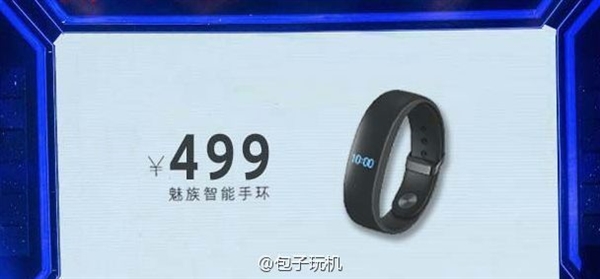
The Meizu H1 Smartband is expected to launch on the 6th of December alongside the Meizu M5 Note which is to be their last phone for the year. It has been reported that the smartband will be available in two versions: a standard edition and a premium edition with a flexible display expected to launch next year.
The standard edition was rumored to be priced at ¥229 ($33) but an image that surfaced online recently shows that Meizu’s smartband will sell at a much higher price of ¥499 (~$72), which is more than double the $33 price tag.
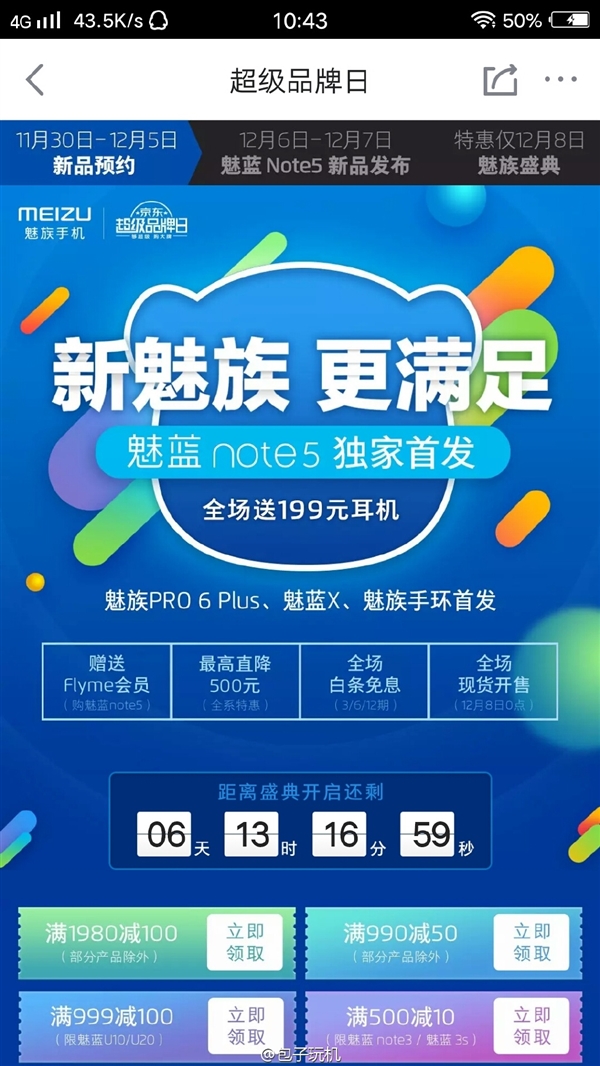
JD Mall will also be holding a Meizu sales day on the 8th of December and have listed the Meizu M5 Note as coming soon. The online shop will be the first to take stock of the new device and you can register to pre-order one.
OnePlus had earlier stated that the OnePlus 3 was going to get an Android Nougat beta update by the end of November, not wanting to break their promise, they released the update shortly before the end of yesterday which was literally the end of November.
The update will bring the OnePlus 3 from Android Marshmallow up to Android Nougat. The official changelog is below:
multi-window view
a new notification design
a new settings menu
custom DPI support
notification direct reply
improved shelf customization,
status bar icon options
and quick launch for 3rd party applications.
There have also been some reported issues, which means if you can’t live with them, you would have to wait till the stable variant comes out later this month. The issues are:
Android pay not working correctly
stability and performance issues
incompatibility with TWRP, so you’ll have to use stock recovery
inability to directly downgrade back to Marshmallow builds, although the customer service team has a special build of Android M that will format your phone when you downgrade.
There is a chance that more bugs will be noticed but if you are willing to serve a greater good by helping to test out the update, please do grab the update so that you can relay your feedback to the team before the stable version is out.
The update will have to be manually downloaded and flashed via adb sideload for those already running open beta releases. Just head to the OnePlus Forum or directly to the download page. File size is 1.3GB.
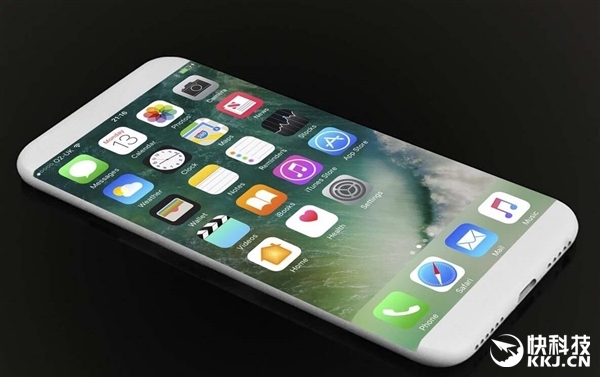
Next year will be the 10th year since the first iPhone was released into the market. The consensus is that, the next iPhone, which is presumed to be called iPhone 8, will be very different as a way to mark the anniversary.
iPhone 8 Concept Design
Rumor has it that the next iPhone will see the return of the glass back which was last seen on the iPhone 5. Earlier today, industry analyst @Kevvin King posted on Weibo that Samsung’s next flagship will also feature a glass back. It appears the number 8 will not be the only thing mutual to both devices.
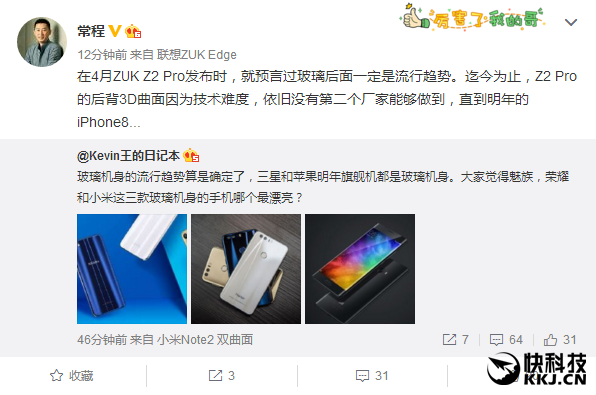
Earlier this year when the ZUK Z2 Pro was released, Lenovo’s Vice President posted on Weibo with the handle @Chang Cheng that 3D curved glass back will be the trend for the year. In a recent follow up post, he said that since no other manufacturer has used a 3D glass back like that of the ZUK Z2 Pro, we’ll have to wait for the iPhone 8 to see the design again.
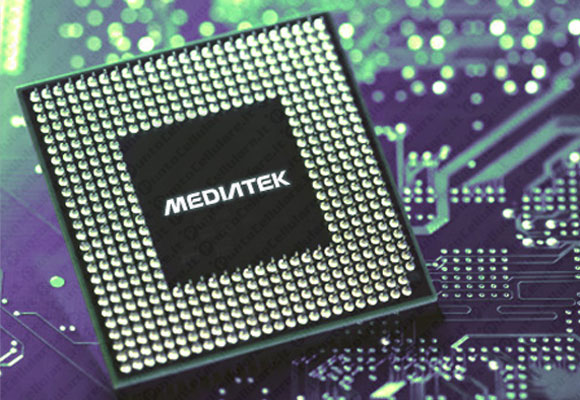
MediaTek has today announced two new high-end chips in its MTK series bringing with them some level of upgrades. The two System-on-chips are upgrades of the Helio X2o chip coming in as Helio X23 and X27.
According to MediaTek’s official website, the Helio X23 and X27 comes with upgrades in thier overall performance, video shooting quality and low power consumption. Both the Helio X23 and X27 chip adopts the deca-core three cluster architecture made up of two 2 ARM Cortex-A72 cores, 4 ARM Cortex-A53 cores and another 4 ARM Cortex -A53 cores. It uses Pilot 3.0 heterogeneous computing technology which brings precision to task scheduling and core allocation and improvement in both processor performance and power consumption.
Thre Helio X27 chip will move to an increasd 2.6GHz frequency when compared with the high-end Helio X25.The GPU is also upgraded to 875MHz. The overall performance is also said to have increased by 20% above the X25. There are also improvements in the web browsing experience and application start-up speed.
Further, the MediaTek Helio X23 and X27 chips are equipped with an upgraded version of the Imagiq image signal processor (ISP), which not only enhance full-pixel dual-core fast focus (Dual PD) function, but also integrates color (Color) and monochrome (Mono) Depth of field camera functions in order to achieve both quality and functionality during the shooting experience. The Imagiq upgraded version brings along picture clarity, saturation, exposure control, character performance and large aperture effects, etc. and significantly provides a colorful “lens” life for smart phone users.
That’s not all, the MediaTek Helio X23 and X27 are both equipped with Envelope Tracking Module, which can dynamically adjust the output voltage according to the strength of the output signal of the power amplifier, thus greatly improving the efficiency of the power amplifier and reducing the power consumption and Heat. The new chips provide maximum power savings of about 15%. The chips also bring along a reduction in the screen power consumption by about 25%.
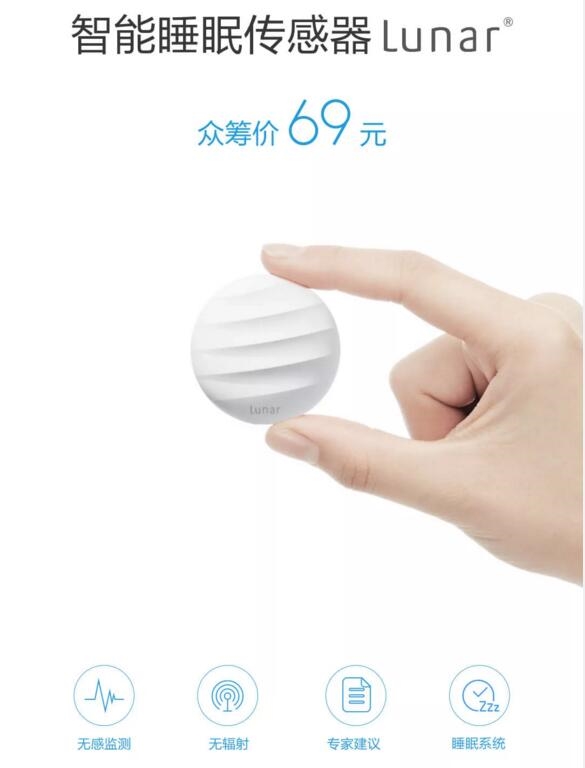
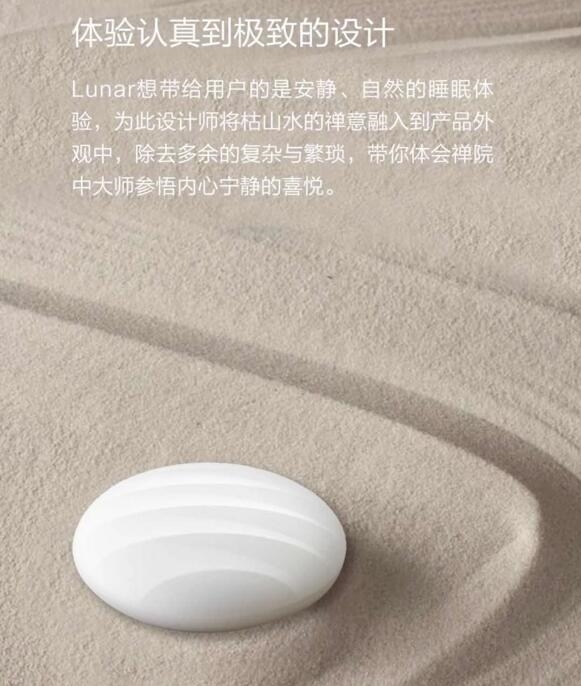
Xiaomi has today launched a new product under its crowdfunding platform and it is dubbed Luna Smart sleep sensor. The latest product is a pebble-size smart sensor device that is said to monitor the sleep pattern of the user.
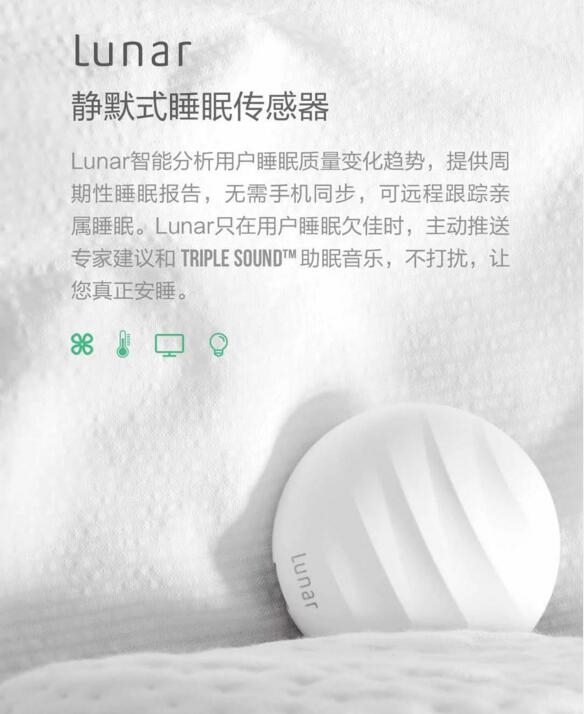
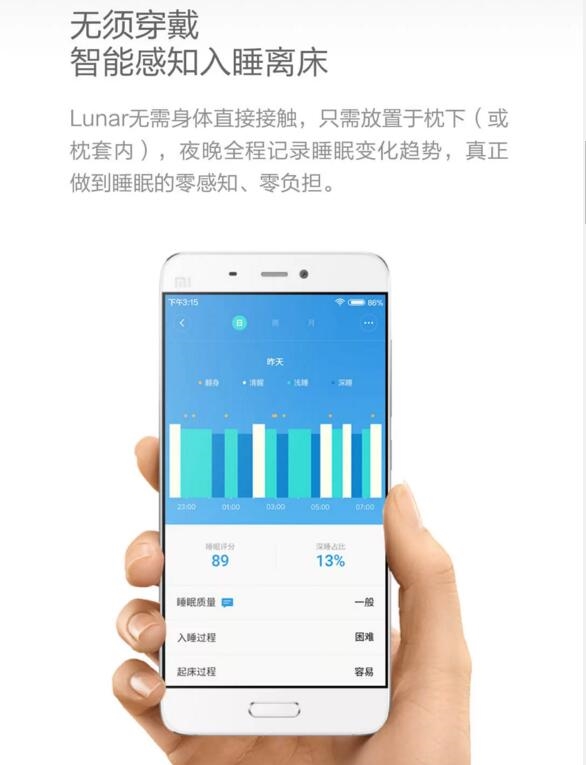
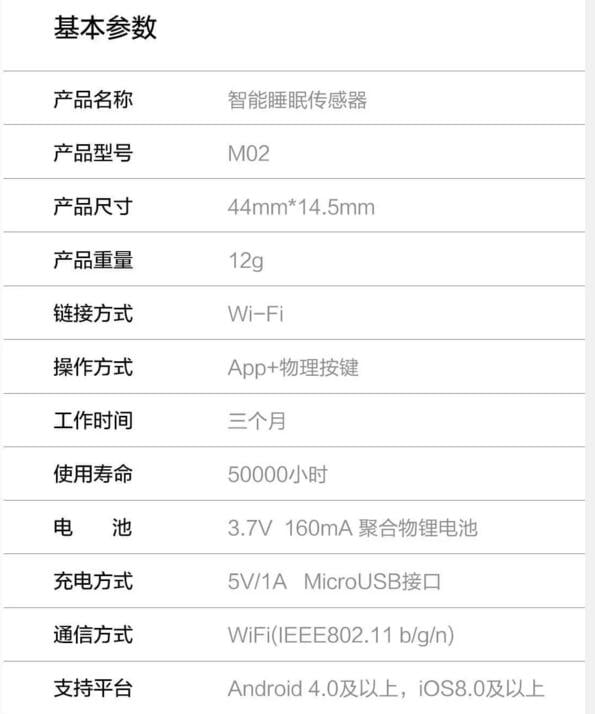
The Lunar smart sleep sensor intelligently analyzes the user’s sleep quality as well as provide periodic sleep reports via the mobile app. Yes, there is a mobile app it can connect to via Wi-Fi and with the app, loved ones can remotely monitor the sleep pattern of their loved ones. The app works on Android phones running Android 4.0 and higher and also on iPhones running iOS 8.0 and higher.
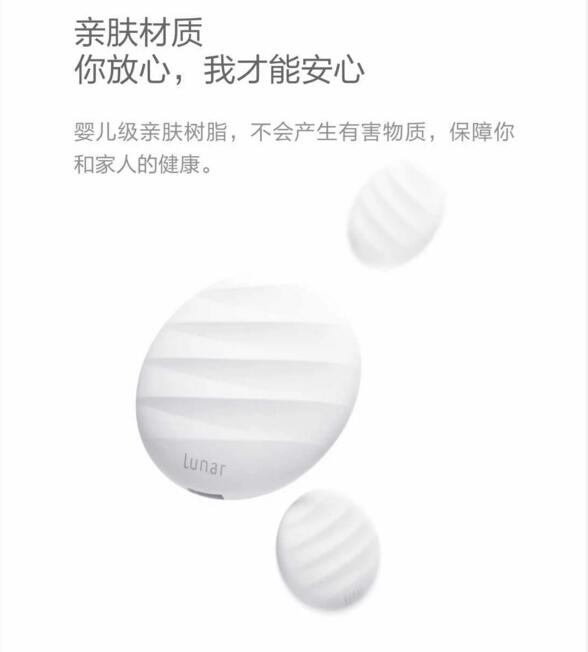
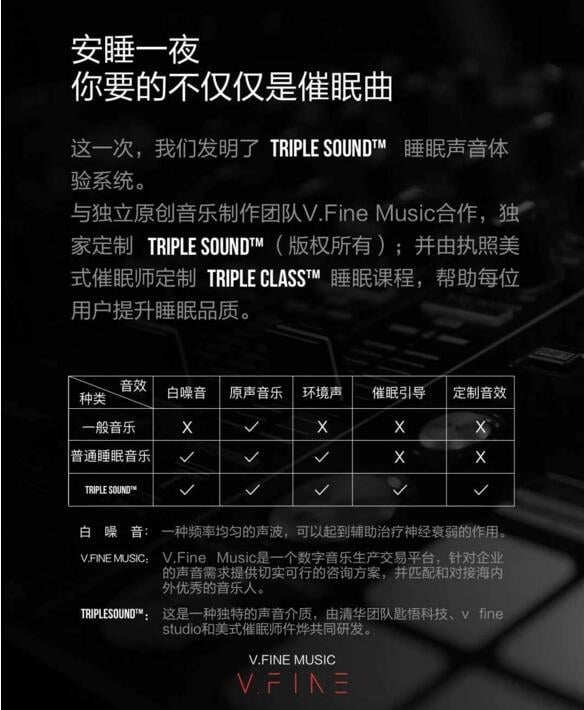
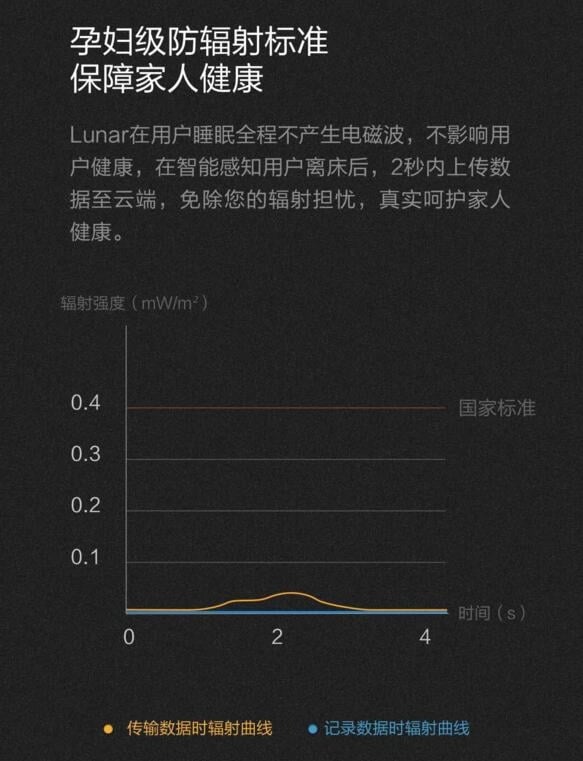
There is also the feature of using the Triple sound button when the user is having inability to sleep. The Triple sound gives expert advice and also plays cool music which aids falling asleep. The device also comes with zero radiation, so users don’t have to be scared of bring it in direct contact with their skin.
The Lunar Smart sleep sensor doesn’t need to be placed directly in contact with their skin, though, to function. The smart gadget just needs to be placed on the pillow or inside the pillowcase. It also does not generate electromagnetic wave while the user is sleeping.
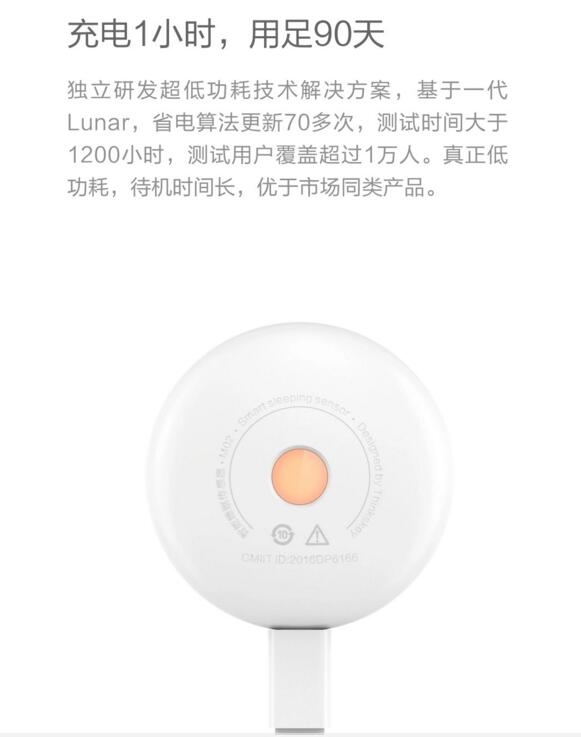
Most importantly, the device uses very low power, such that a one hour charging is enough to last for 90 days. The battery has an entire durability period of 50,000 hours. It costs just 69 Yuan ($10) and is already available on the crowdfunding platform. The device is expected to ship on January 12, 2017.
You can check out the promo video from below as it explains the product further.
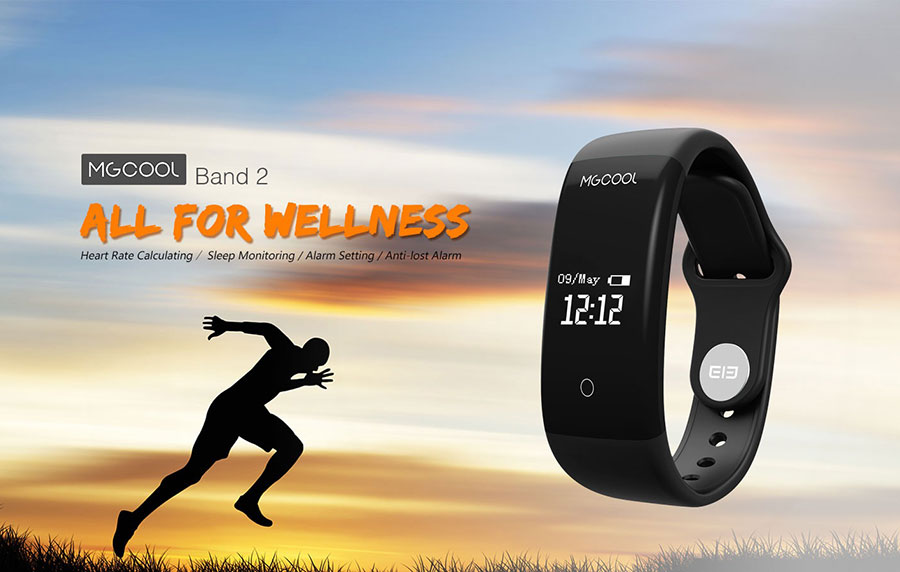
MGCOOL Band 2 is a affordable sport band for your smartphone. Followed the spreading of MGCOOL Band 2, today MGCOOL release its APP for their band. This smart band APP was developed by MGCOOL engineers, the main goal is to bring the best experience for users when they use this smart band. Here is the official video to show you that how to use this app. It’s easy to download and use.
Open the APP, you will see the entire orange interface , full of transport dynamic. The APP is designed to be simple and user-friendly, users just need to open the bluetooth on your phone, click “device” on your APP homepage. And the APP will automatically find your Band, and then click pair, you can easily play it. On the homepage, you will see all data of your walking, running, sleep time and heart rate, all your movement datas will be under control.
Moreover, MGCOOL Band 2 supports taking pictures and video, music control, notification of incoming call, message and whatsapp, etc.
Lear more details about MGCOOL, please visit them on these sites:
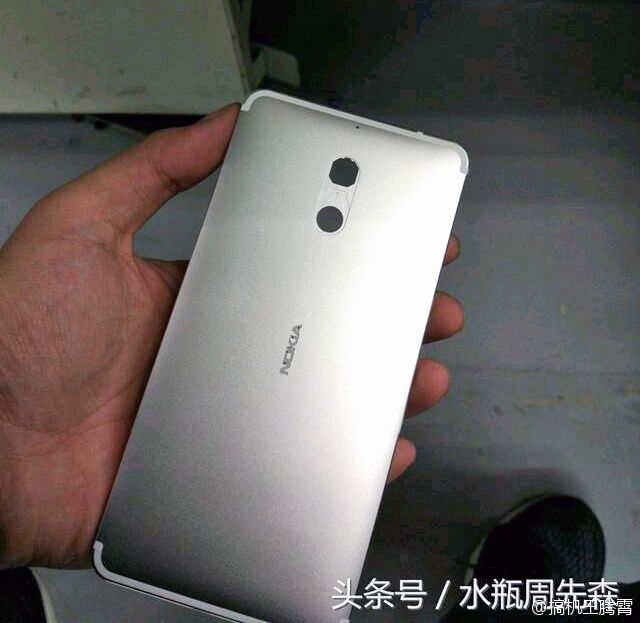
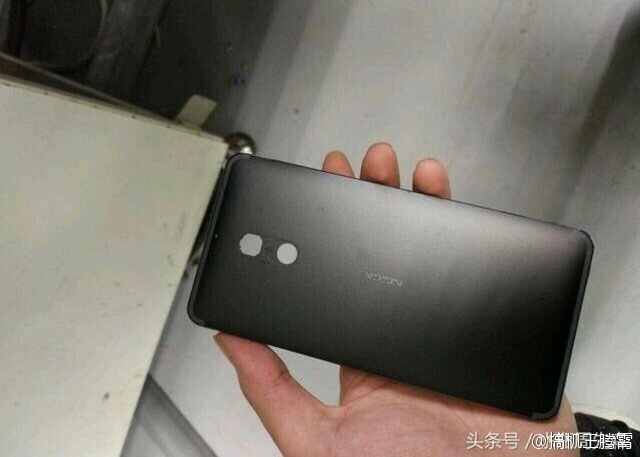
The controversy surrounding the expected Nokia D1C smartphone continues to grow by the day. We had all along thought it was a 5.5-inch device but it appeared on GFXBench as a 13.8-inch tablet creating some sort of confusion. It is very likely, though, that the GFXBench listed screen size was an error. The latest rumor about the Nokia D1C is that the device would come in two versions that would be different from each other in their display sizes, RAM sizes as well as sensor sizes of their cameras.
According to the source, one of the variants would sport a 5-inch display with 1080 pixels resolution. The same variant is said to pack 2GB of RAM as well as a 13MP rear camera sensor. On the other hand, the second version which is the top most is said to come with a 5.5-inch 1080 pixels display and would have a larger 3GB of RAM onboard as well as a huge 16MP rear camera sensor.
Both versions are said to be powered by the same 1.4GHz Snapdragon 430 chip with the Adreno 505 GPU firing up the graphics. Both versions would also run on Android 7.0 Nougat out-of-the-box. They both are said to also share the same 8MP front-facing camera sensor. These specs look similar to the ones with which the D1C ran through Geekbench and AnTuTu.
We don’t expect the Nokia D1C until next year, perhaps during the MWC 2017 but the source also hinted that the Nokia smartphones are already undergoing testing.
Smartwatches are the new fad these days and there are plenty of cheap options available in the market right now. Although this means that there are many options for potential buyers, you will often end up confused and doubtful about most of the cheap watches. To be honest, there is always the question of whether they work as the company claims or will it die in a couple of days. That’s where we come into the picture, bringing you the review of all the latest Chinese gadgets in the market including smartwatches.
Buying a new smartwatch can be tricky, if you don’t know which brands to look out for. Today, I have got my hands on the popular smartwatch brand from China, ‘No.1’ who is slowly building its reputation in this market. In case you remember, the company first specialized in rugged phones, later expanding their portfolio to smartwatches.
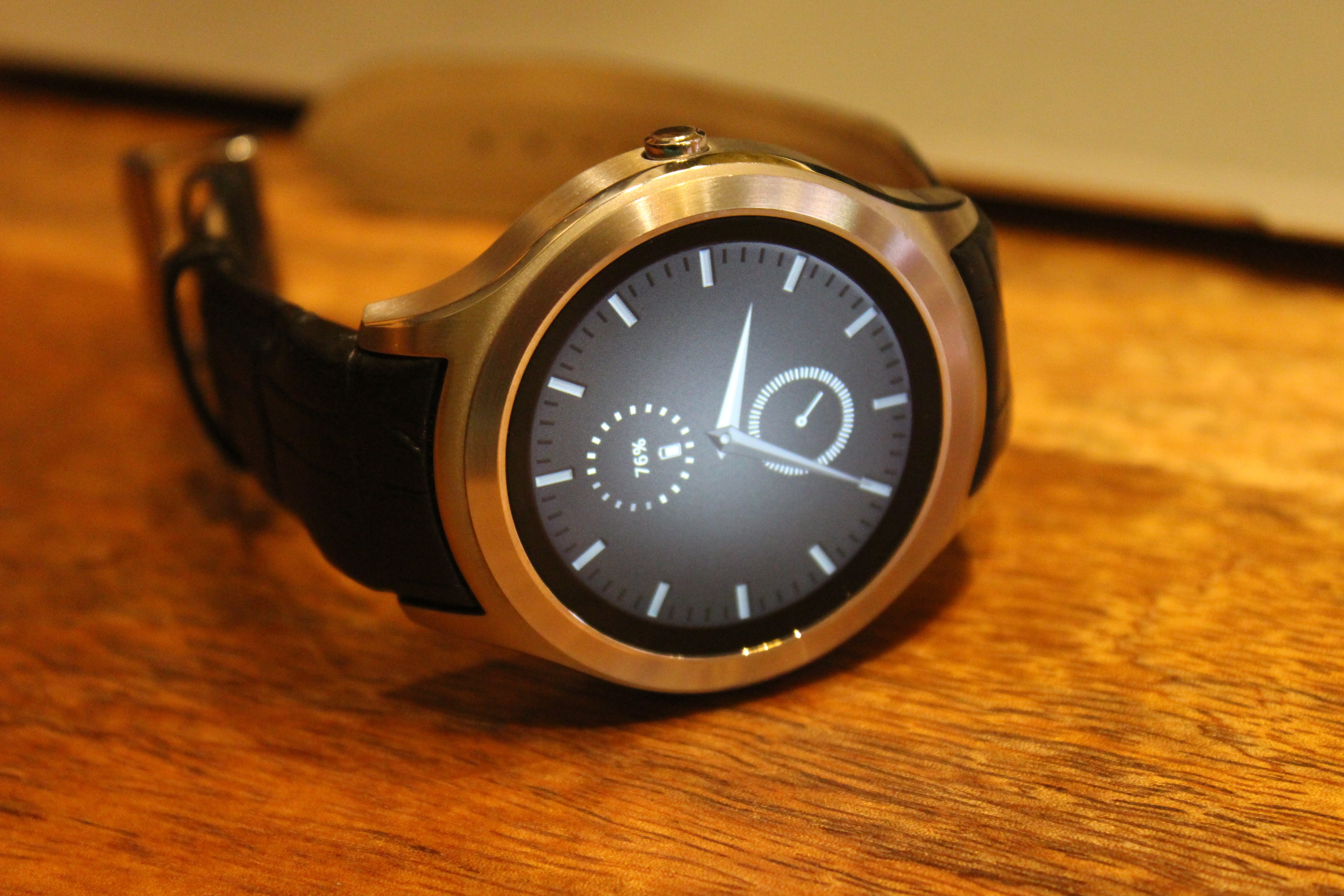
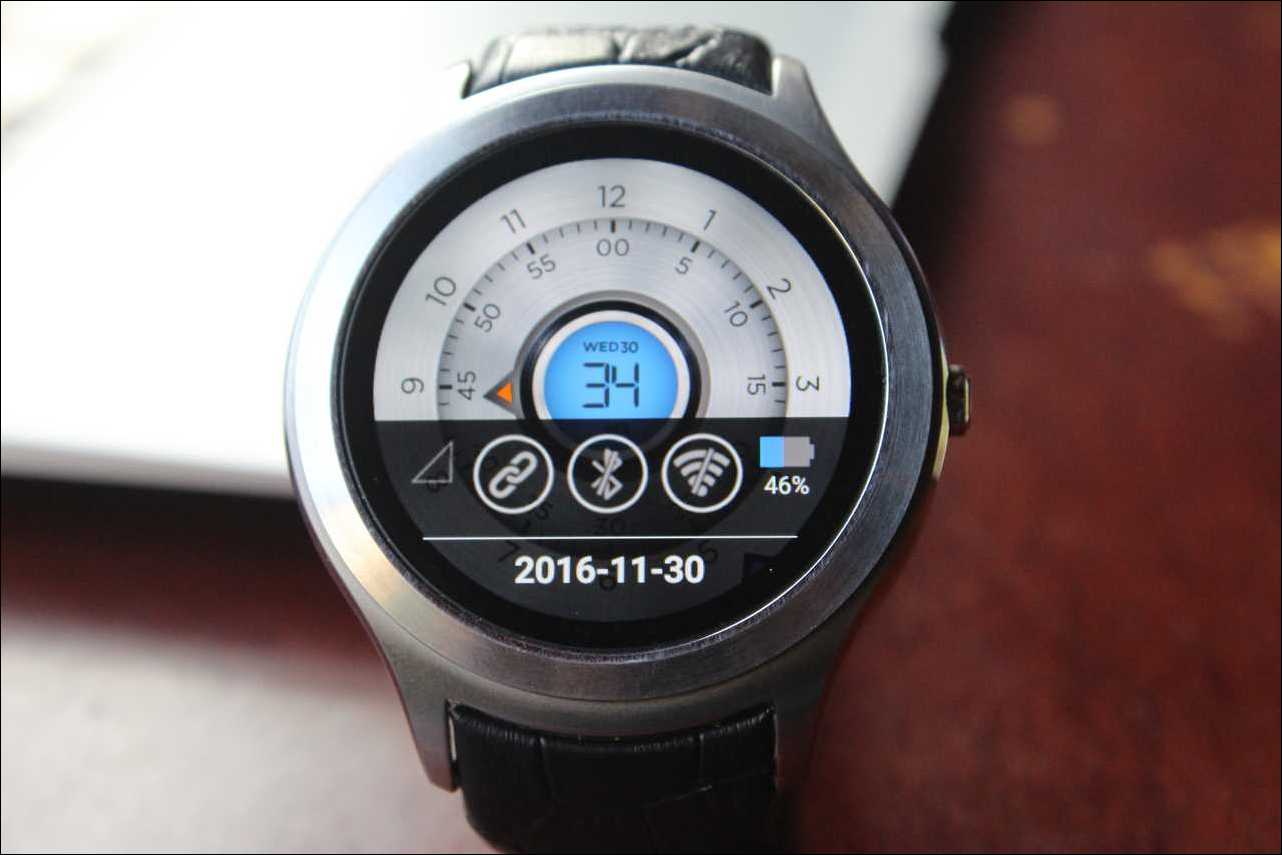
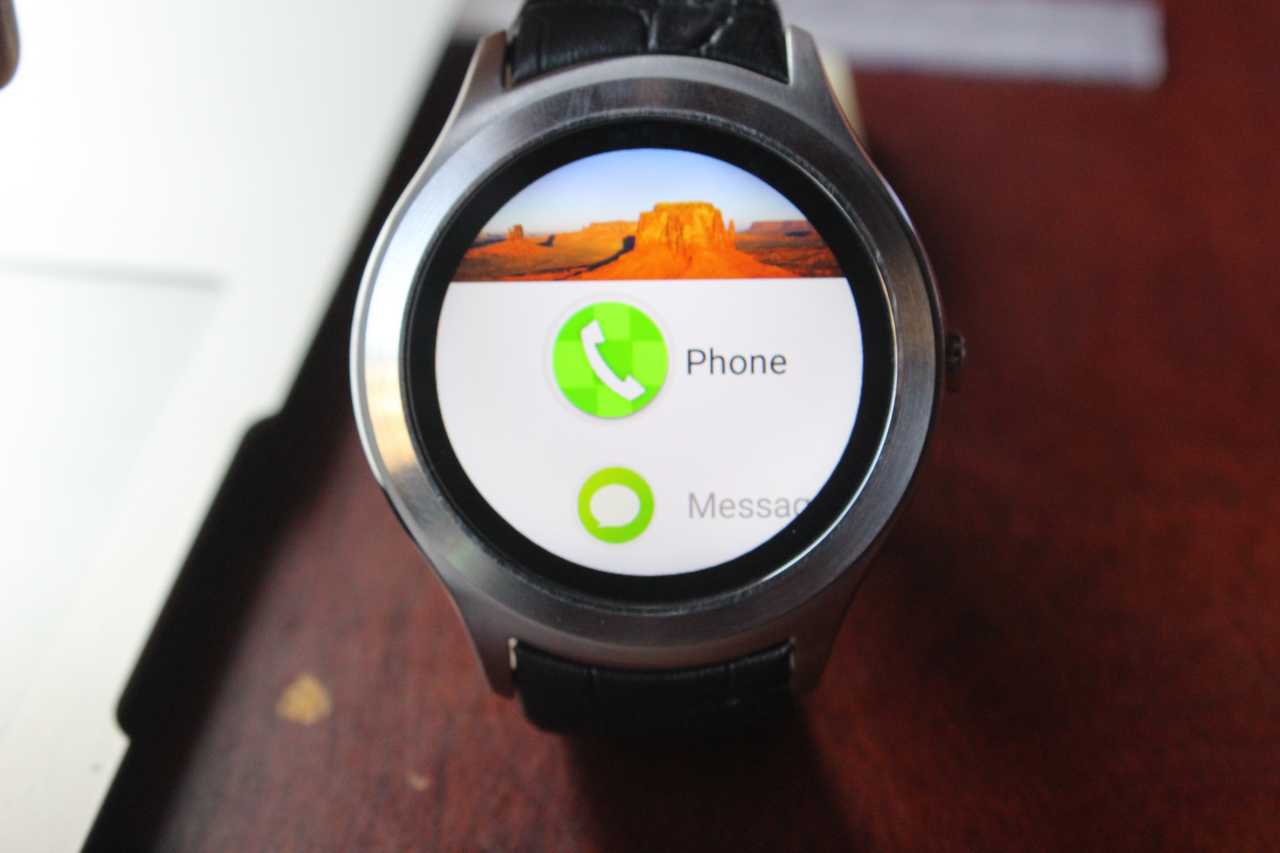
So, today I have the No.1 D5+, which is a classic looking watch, having a very similar design as your regular watch. For me, this is great as the watch blends in well with what you wear, coming with a nice set of features which make it smart. While the No.1 D5+ is costlier than most of the local Chinese smartwatches in the market, from the time I have been using it, it actually makes sense paying a little premium for this watch.
So, enough with the long introduction and let’s move on to things that really matter.
DESIGN
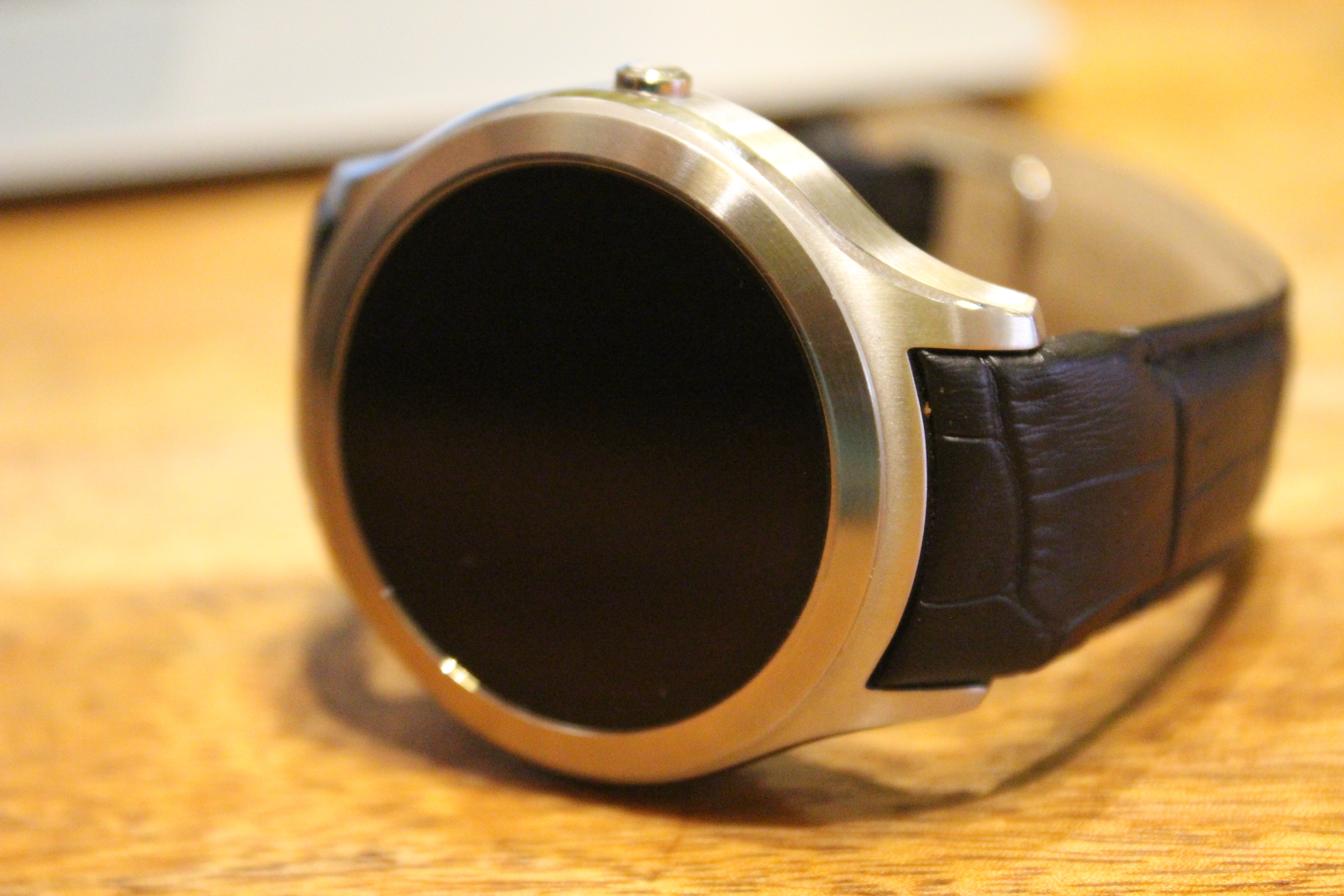
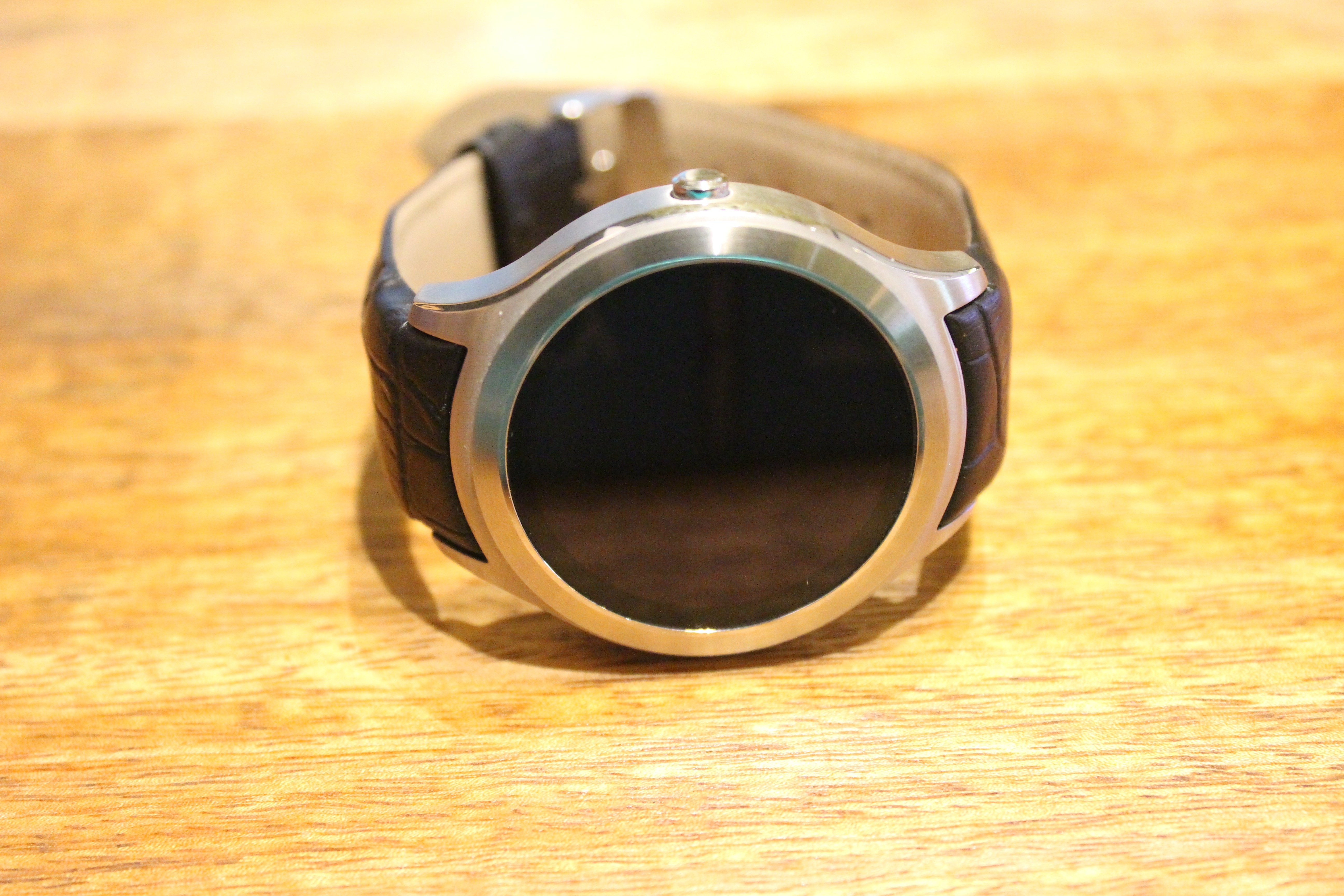
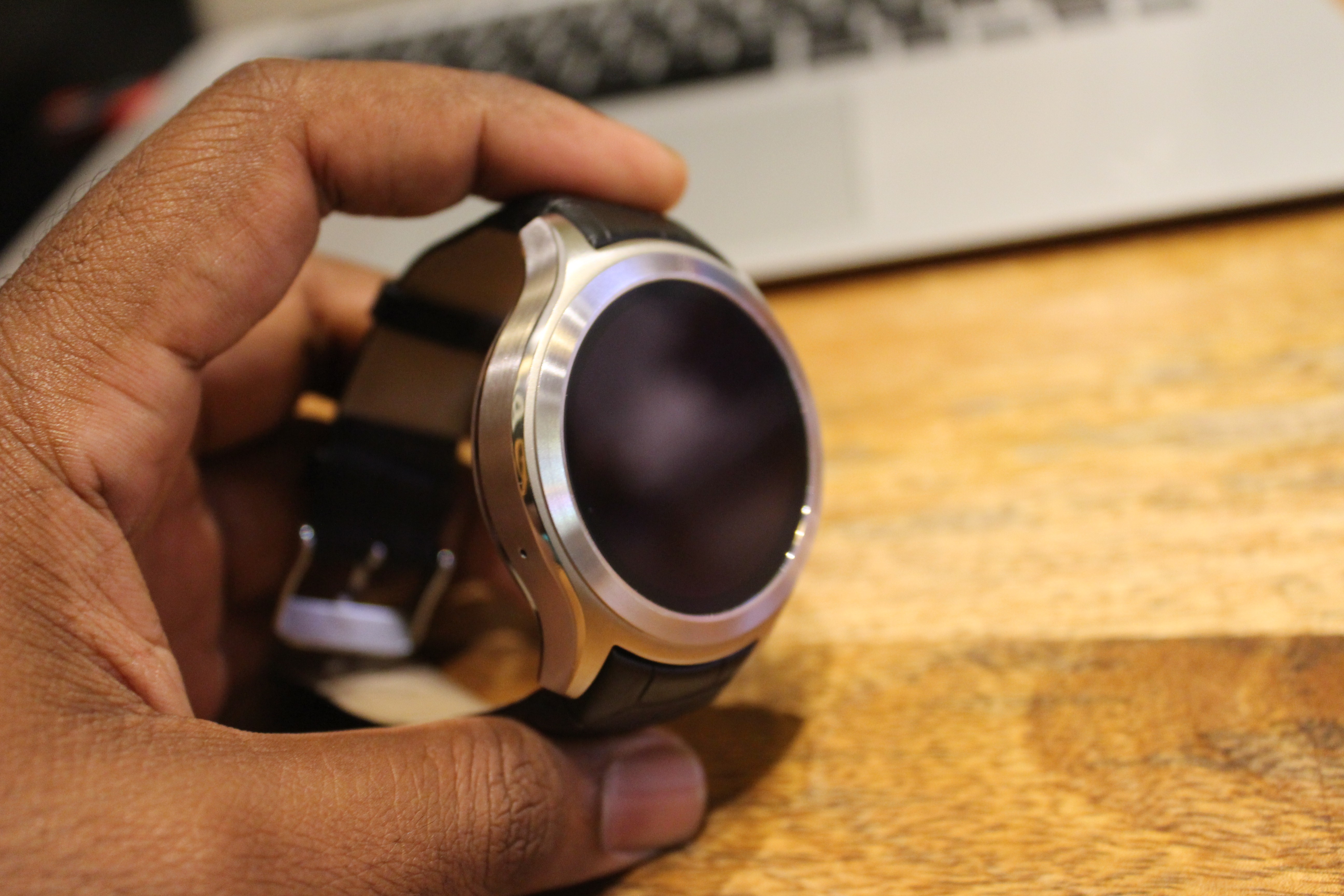
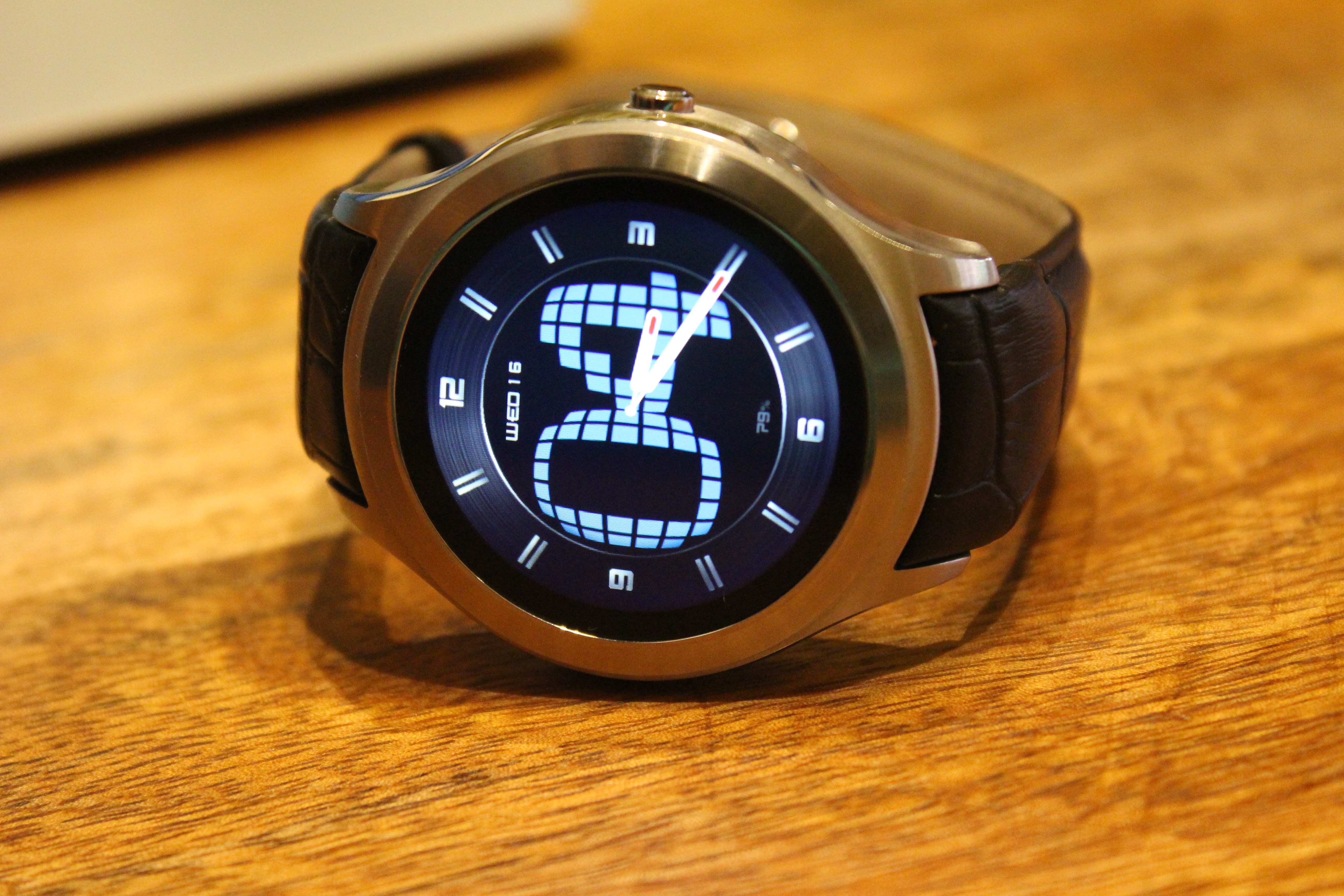
The first thing you notice about the D5+ is it’s classic watch design. In fact, this watch kind of remind me the Huawei Watch, which is said to be one of the best-looking watches in the market right now. Plus, the built quality of the watch is top notch, which adds to its premium looks. So, there’s no doubt that the D5+ is a good looking smartwatch.
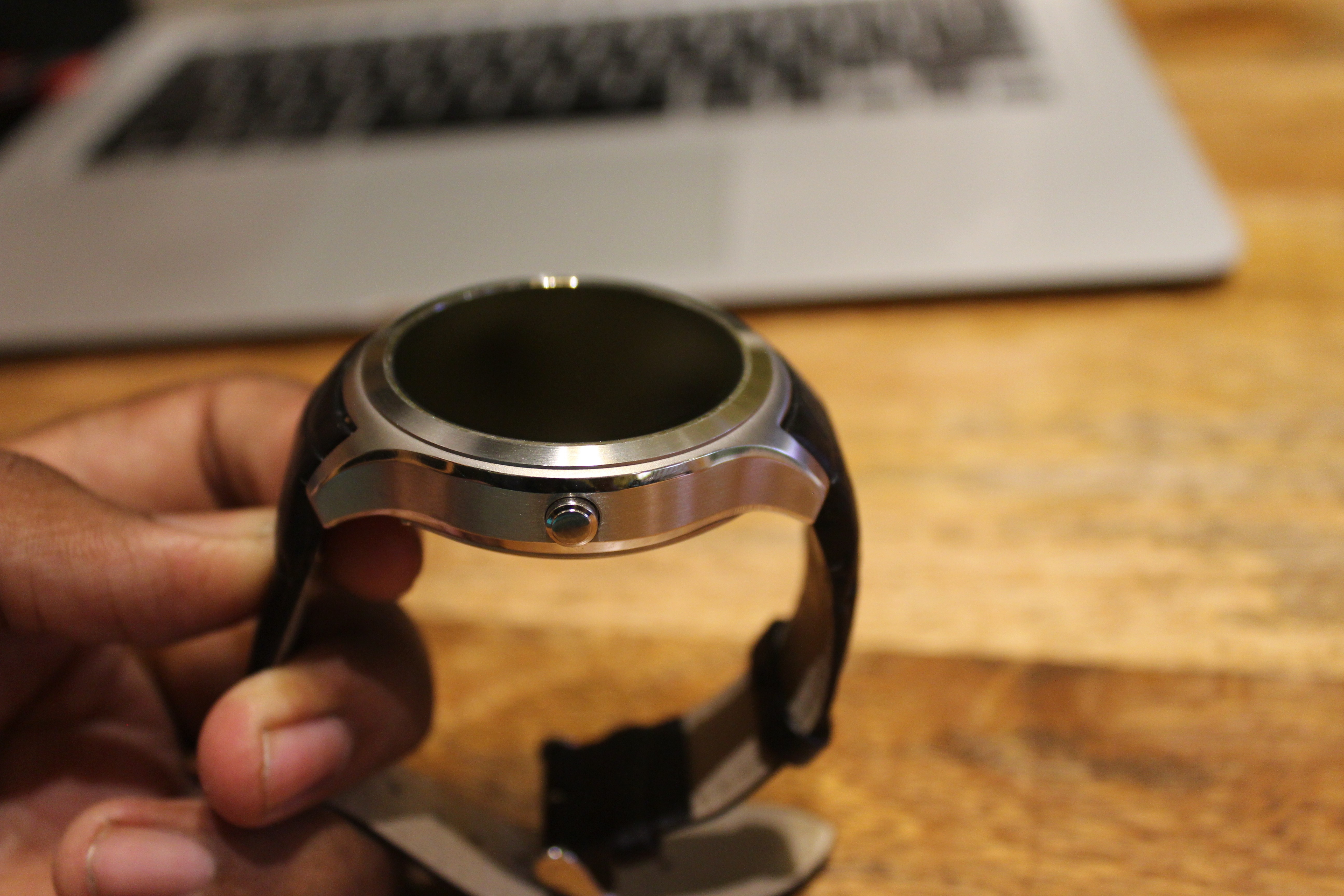
You have just one button on the body — the power button, located on the right, near the center. Personally, I would have liked it to be more towards the top for better ergonomics, but you will get used to the button placement very soon. The body is entirely made out of metal, and I have got my hands on the silver version, which looks great. I like that the bezels around the display has a slightly different texture as compared to the rest of the body, which is smoother.
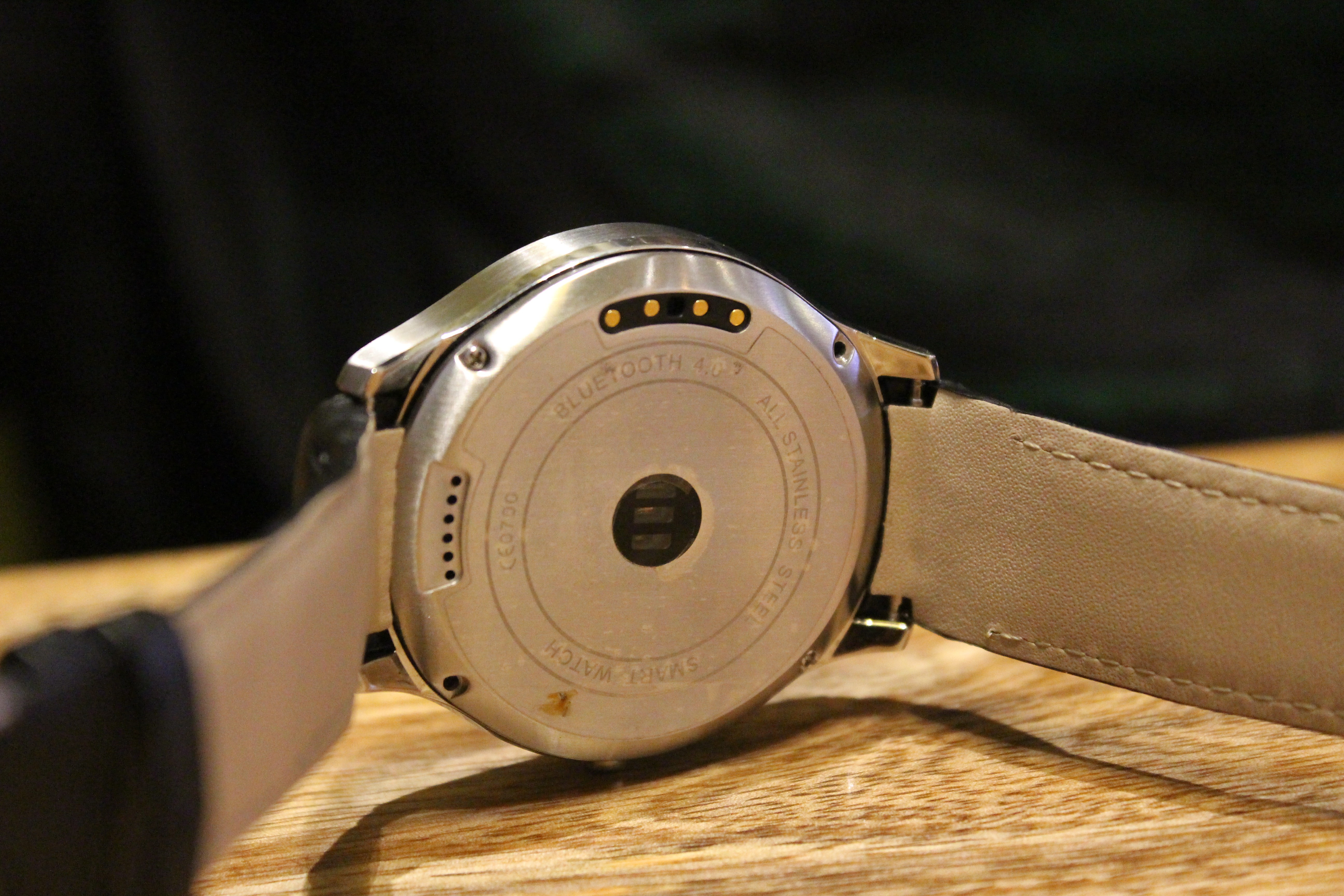
The back is simple and features the heart rate sensor, speakers, and the charging pins. Remove the four screws and the back plate comes off revealing the SIM card slot. Everything is pretty well built and in the design, you will find no complaints. Even the sheepskin leather strap is comfortable and goes well with the overall design.
DISPLAY
The 1.3-inch 360 x 360 display is great on the No.1 D5+. Personally, I have seen better displays on smartwatches, but this one is not too bad either. Sunlight visibility might be a tad low, but other than that the colors come out well. I feel the blacks don’t come out dark enough but if you are keeping any other shade, like silver or even white, you will be able to see what’s on the screen even under bright sunlight.
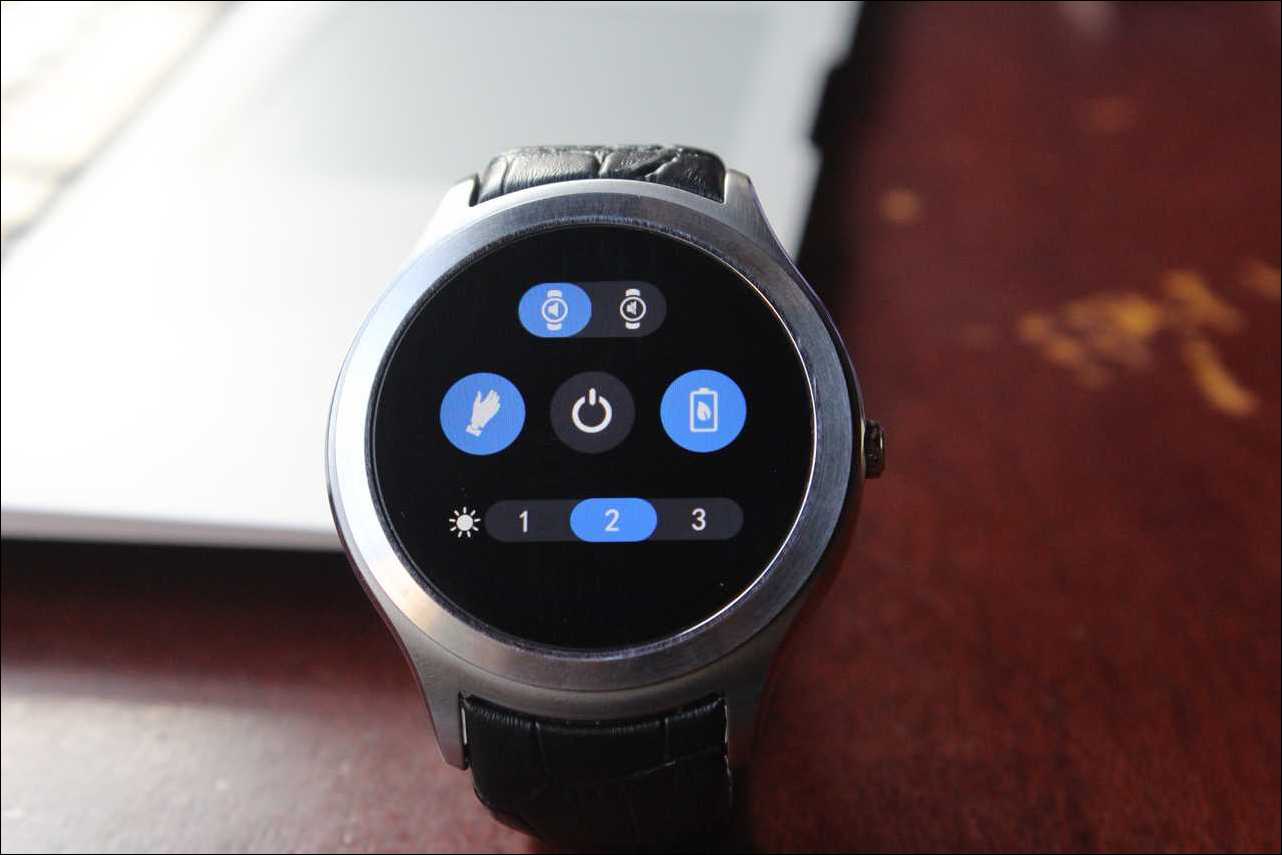
The touch response is great and thanks to the powerful internals, swiping left or right on the watch is smooth. You can adjust the brightness according to your need. There are two ways you can do this — long press the power button and use one of the 3 preset brightness levels or set it any percentage you like directly from the settings menu.
SPECS
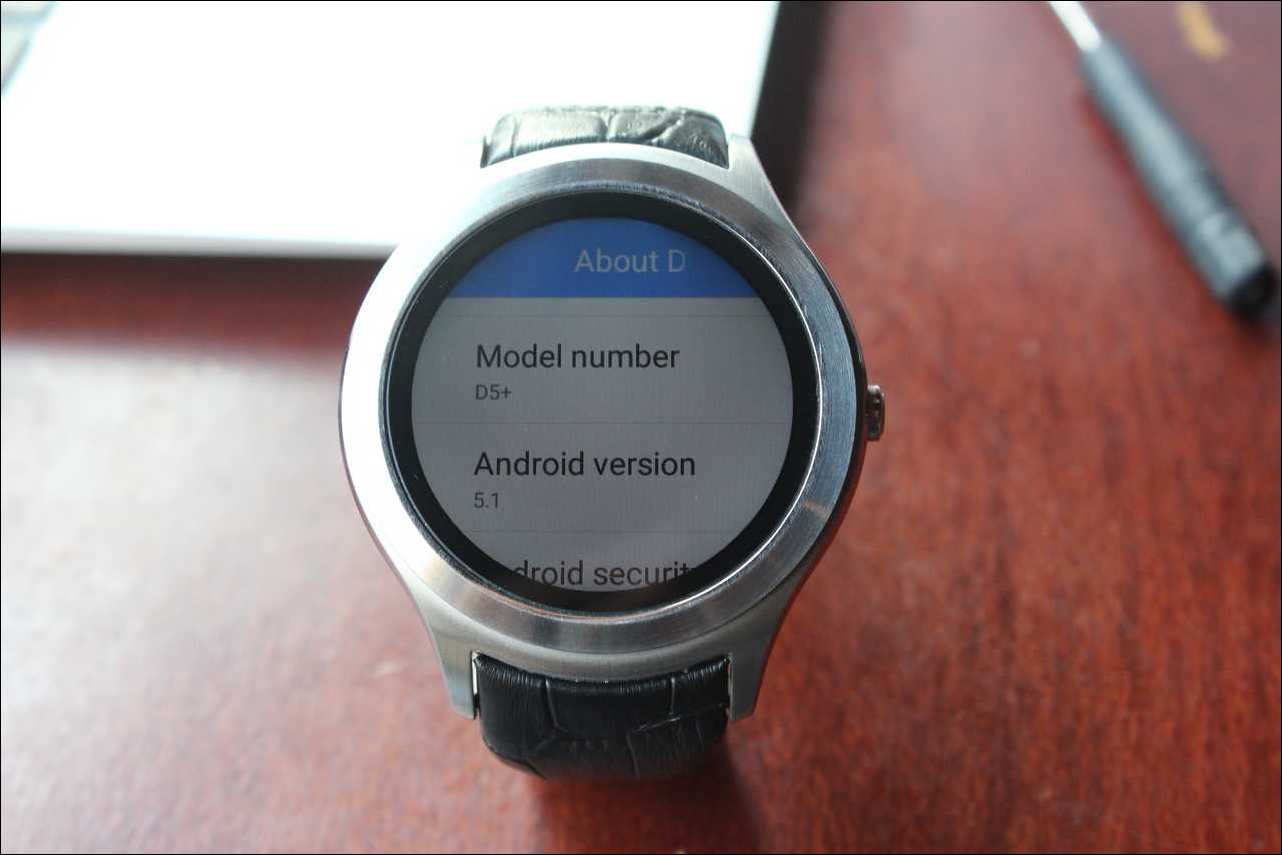
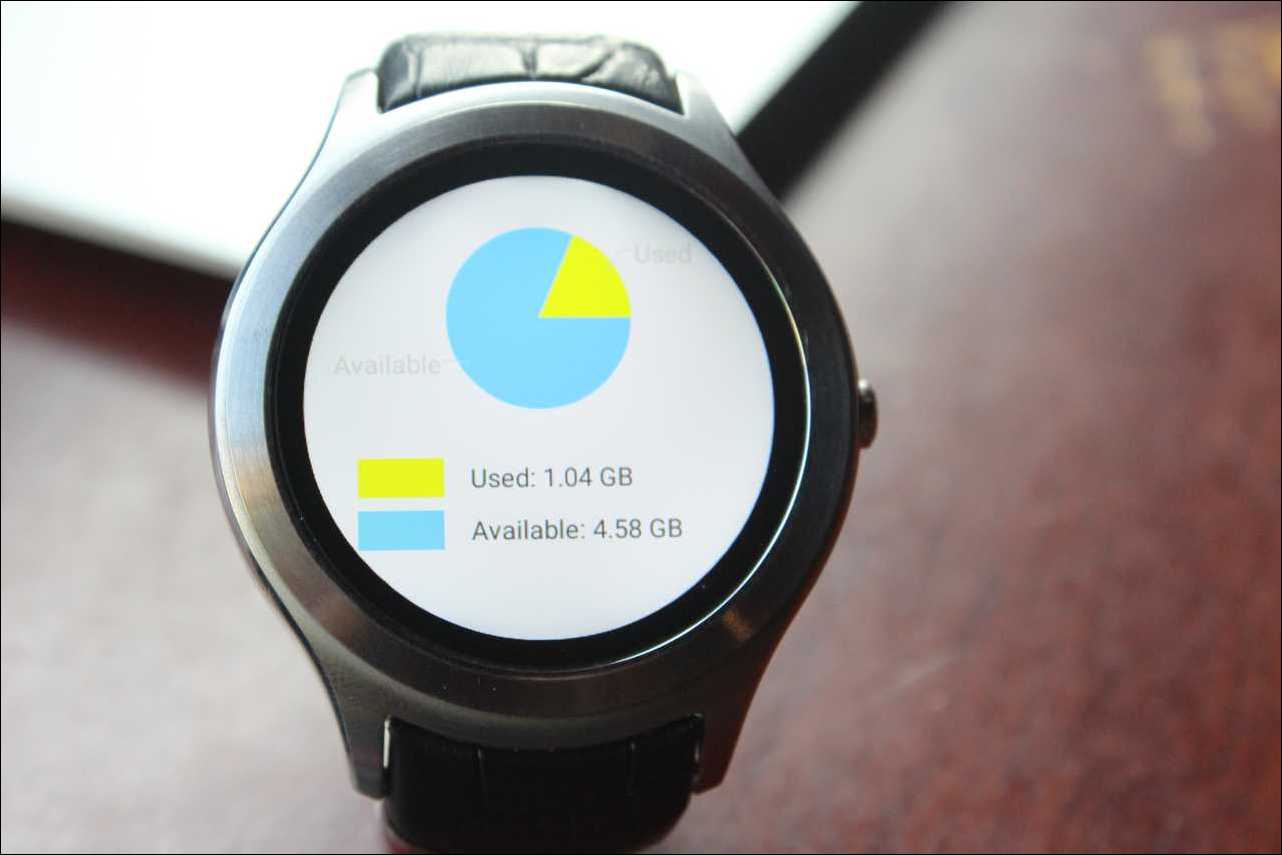
The major highlight of the D5+ is its specs. The watch comes with the internals of an entry level smartphone (which is great) and features MT6580 quad-core chip with 1GB of RAM (yes 1GB!) and 8GB of internal storage. It’s a mini smartphone featuring Android 5.1 Lollipop OS, SIM card slot, Wi-Fi, Bluetooth, heart rate sensor and even a pedometer. Note that there’s no camera on the watch, but I personally feel it’s better not to have a crappy camera onboard just for the sake of it.
Settings>About
The watch is IP65 certified (not IP67), so it can handle a few splashes but don’t go around experimenting with water, as there’s a chance that your smartwatch could be damaged. It’s water resistant, so rains won’t be a big issue for the watch. But stay away from the pool!
INTERFACE
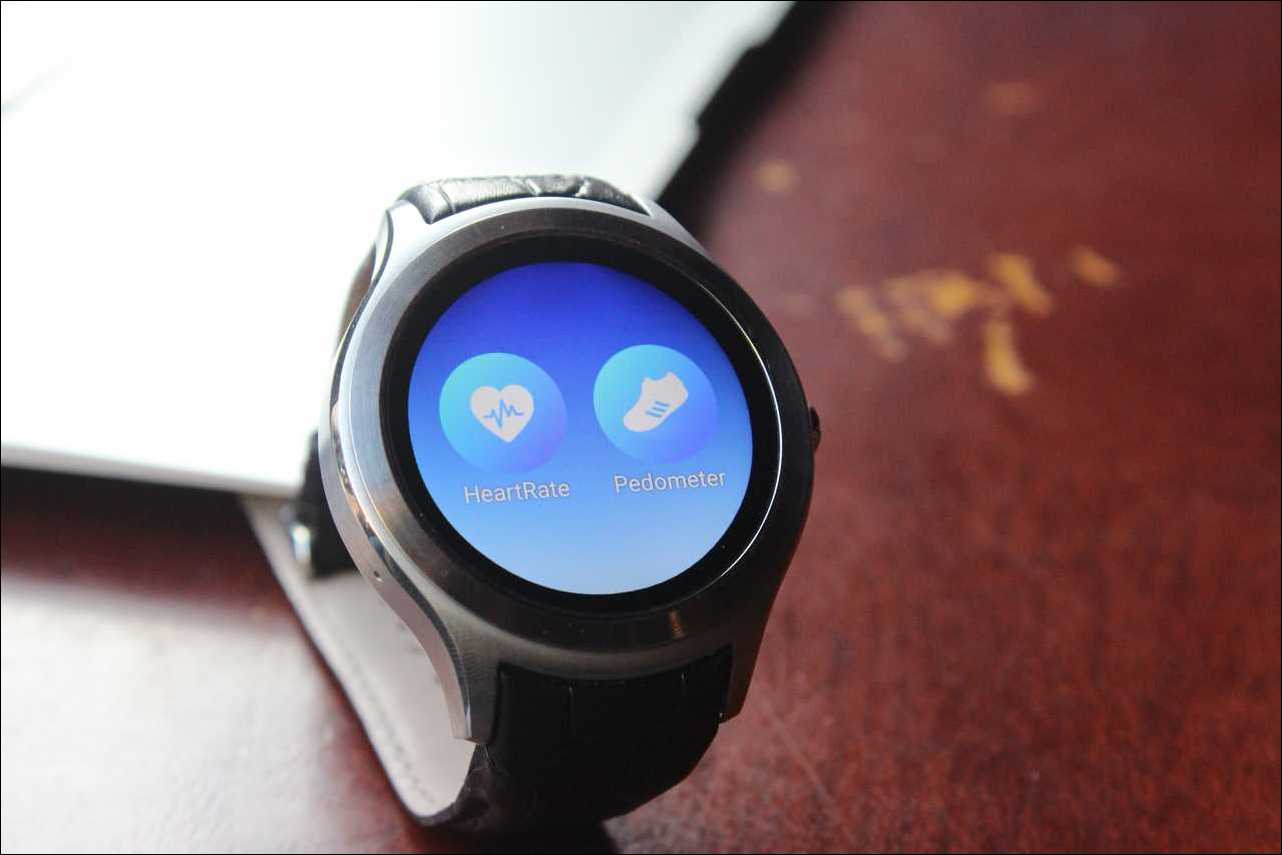
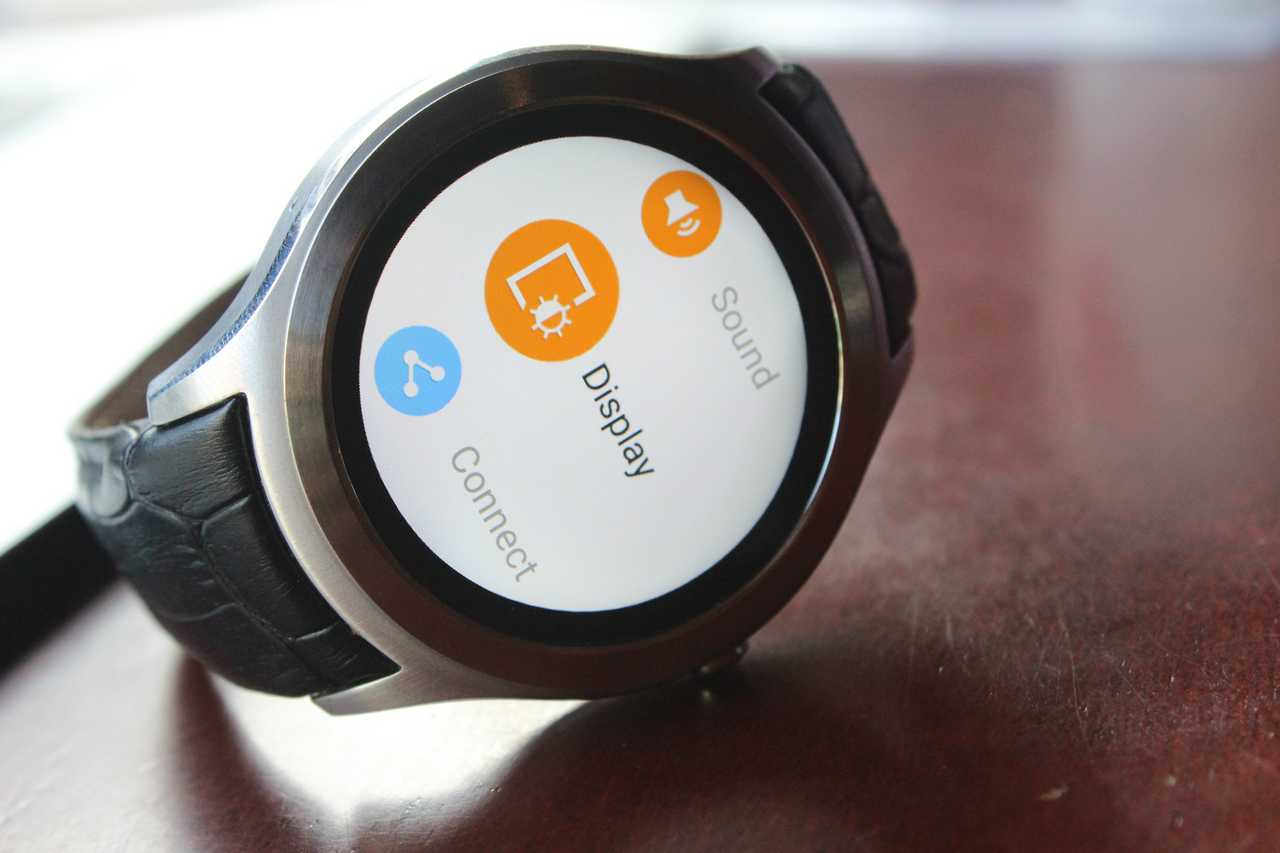
If you have used an Android-powered smartwatch before, then the No.1 D5+’s interface will look familiar. Most of the features can be accessed by swiping to the right or left. Going right from the watch face reveals the music player, health app and the weather app. Going to the left from the watch dial brings you to the notifications panel. Swipe from the bottom of the watch face and you get a quick settings panel giving you the option to turn on Wi-Fi and Bluetooth. To access the app drawer, just tap once on the watch face.
The overall interface is pretty straightforward. I will give a detailed overview of the interface in the video review coming up soon.
FITNESS TRACKING
Fitness tracking has turned out to be an important feature in smartwatches, tracking our step and calorie count, which ideally helps us to remain fit and focused. Some watches claim to be great fitness trackers but fail when it comes to real life performance.
Health App
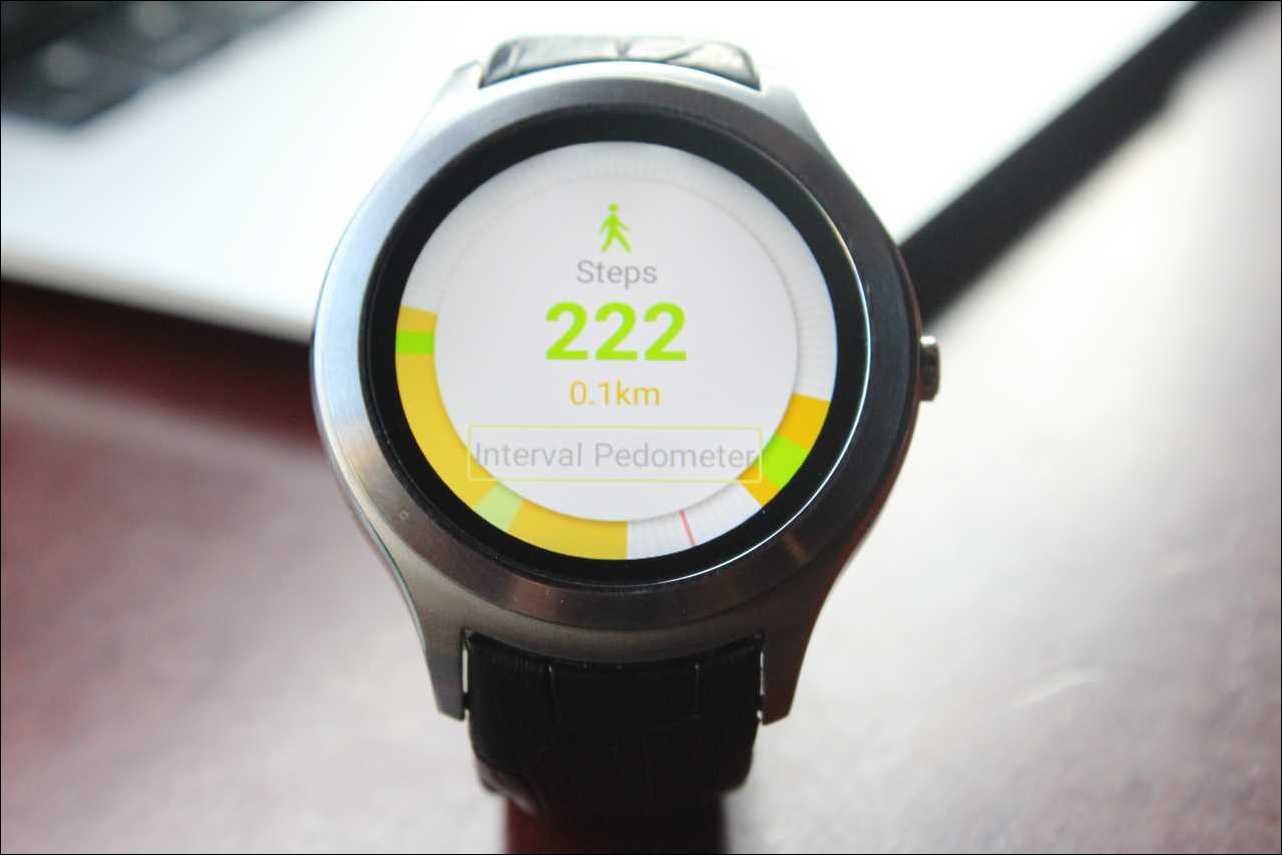
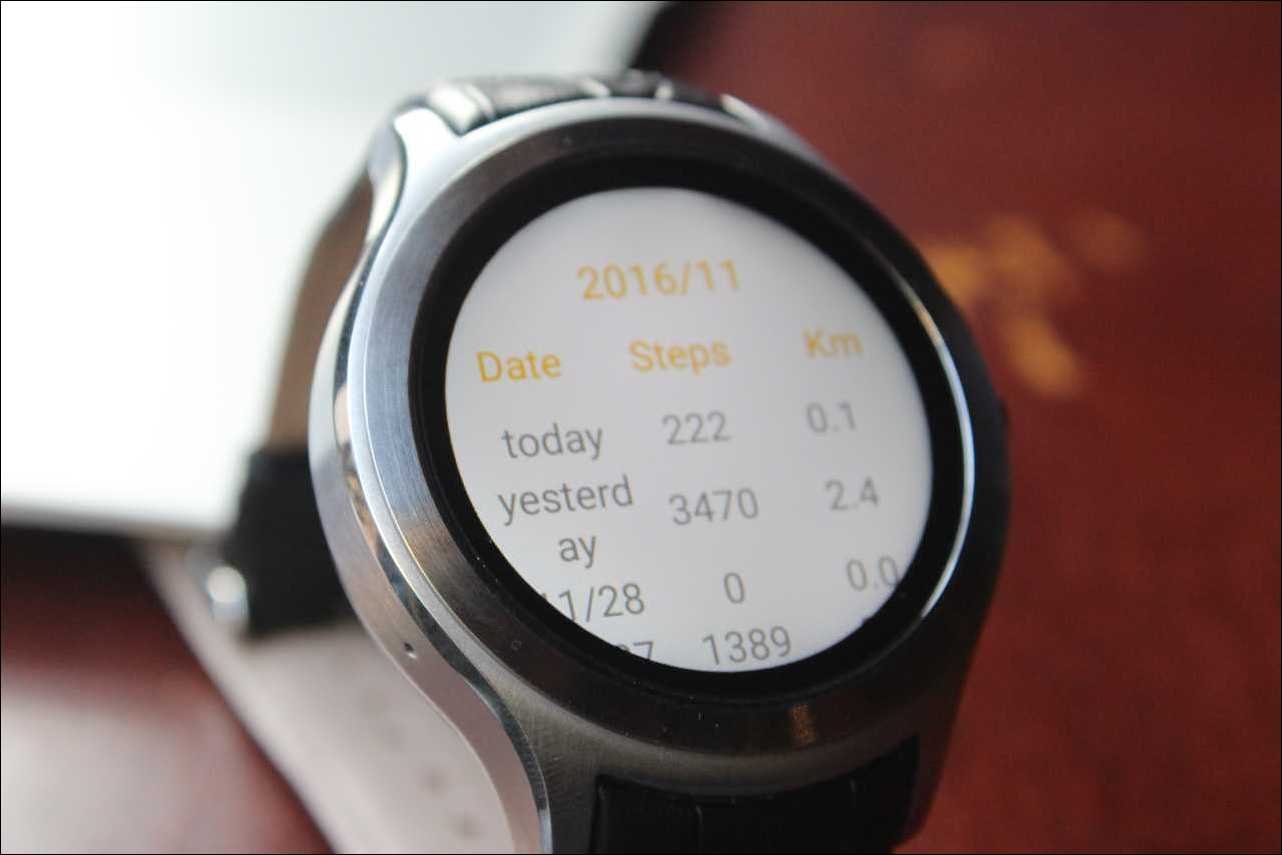
The No.1 D5 + is not one of those watches. Both the pedometer and the heart rate sensor work very well. I was happy with the pedometer tracking my step count, as on most days it was quick accurate. In fact, I tried comparing the step count on the Mi Band 2 and the No.1 D5 + simultaneously and the results were quite close. So, I am happy with its pedometer tracking.
Step Count (Pedometer)
Heart Rate Data
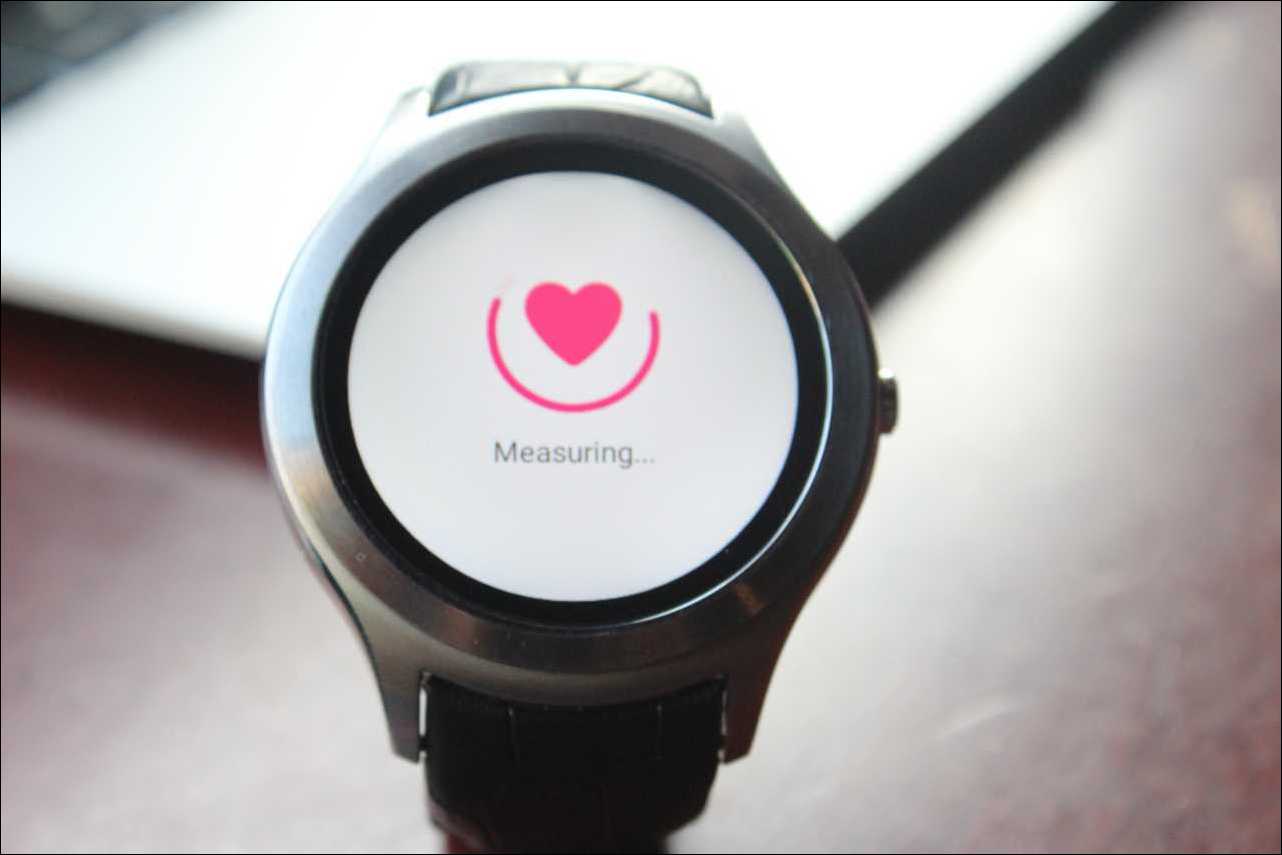
As for the heart rate monitor, it works every time. It might take a few seconds to get your heart rate and sometimes, the rate fluctuates, but other than that, the heart rate monitor seems to be quite accurate. I have tried checking my heart rate while running on the treadmill and it showed me a rate of around 130-140, which is close to the figure that was shown on my machine. My Mi Band 2 also revealed a similar heart rate, so it seems to be the real deal. So, once again, I will say that the heart rate monitor on the D5+ is pretty decent.
Heart Rate Sensing
Sometimes the rate fluctuates quickly within seconds, which seems to be the drawback of the sensor. But the fluctuation is not too much, like 2-7 beats at max.
CALLS
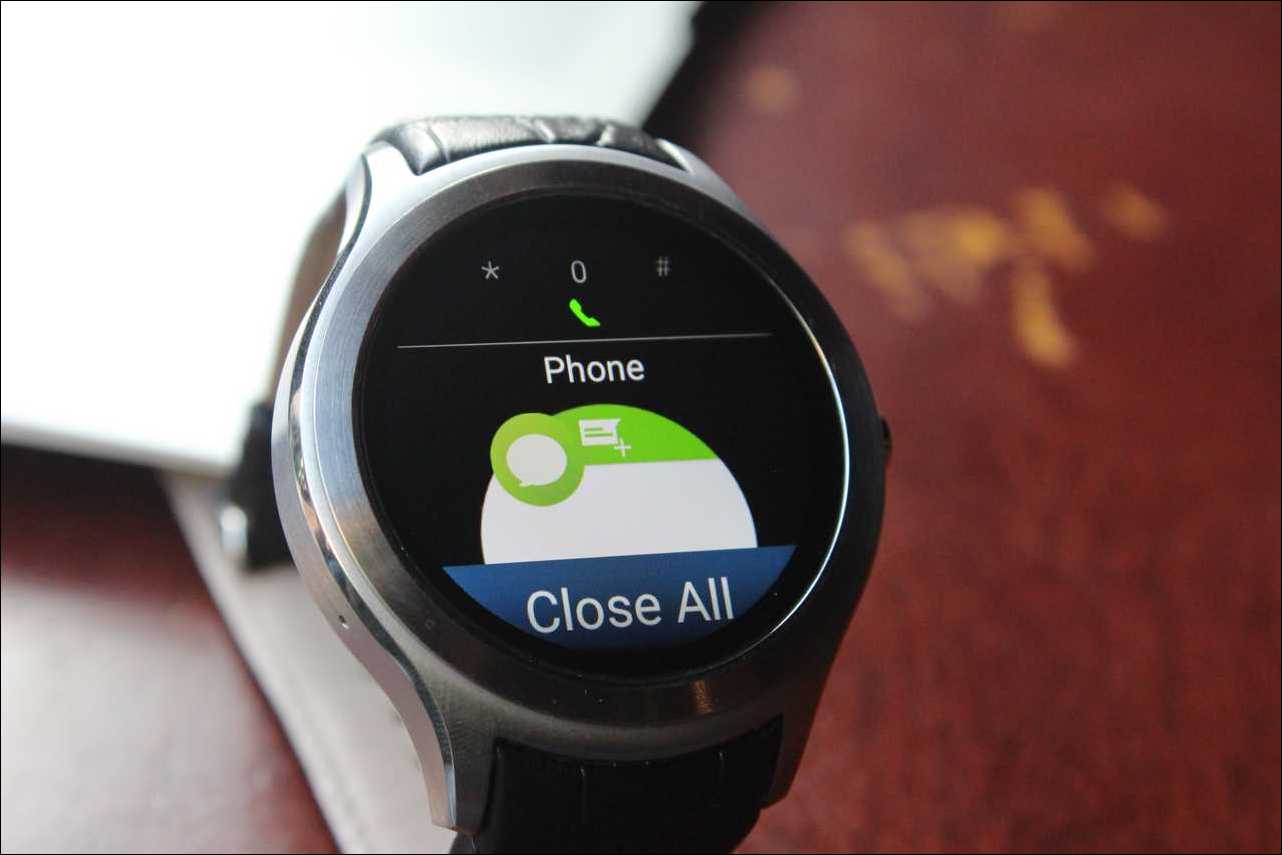
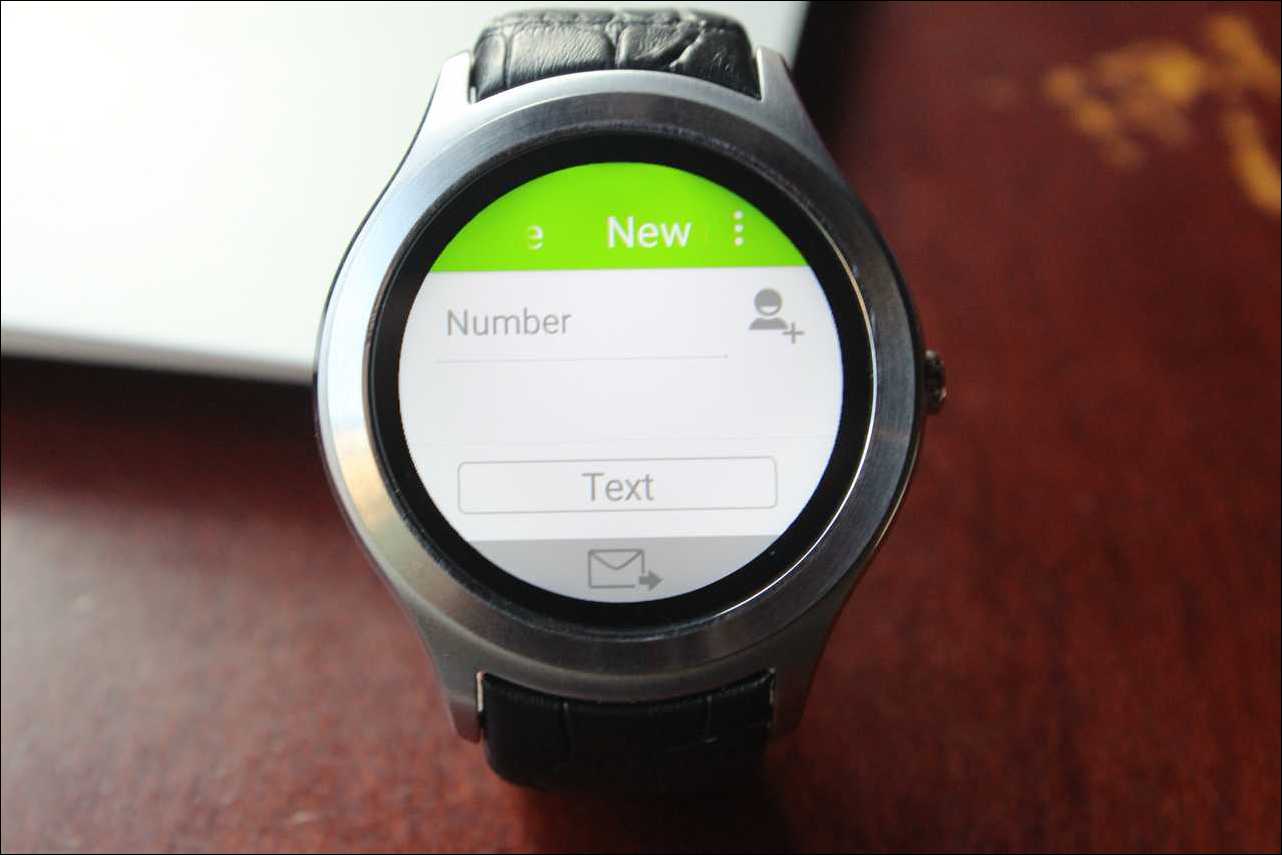
Once you insert the SIM card, the No.1 D5+ will transform into a smartphone. You can make and receive calls on the watch just like a regular smartphone and the entire process is smooth and hassle-free. The clarity of the speaker as well as the microphone is decent for making calls on a regular basis. Even the keypad is better than some of the ones that I have seen on a watch, so you won’t make too many mistakes dialing a number. The inbuilt onscreen keyboard is well spaced which helps in quick typing.
Dialer
The placement of the speaker is not really ideal since it’s on the back plate and most of the time your hand will cover it. But if you are planning to use it in a quiet environment, it is loud enough for basic needs. You can even hear a couple of songs on its speaker but don’t expect it to be too loud.
Write A Message
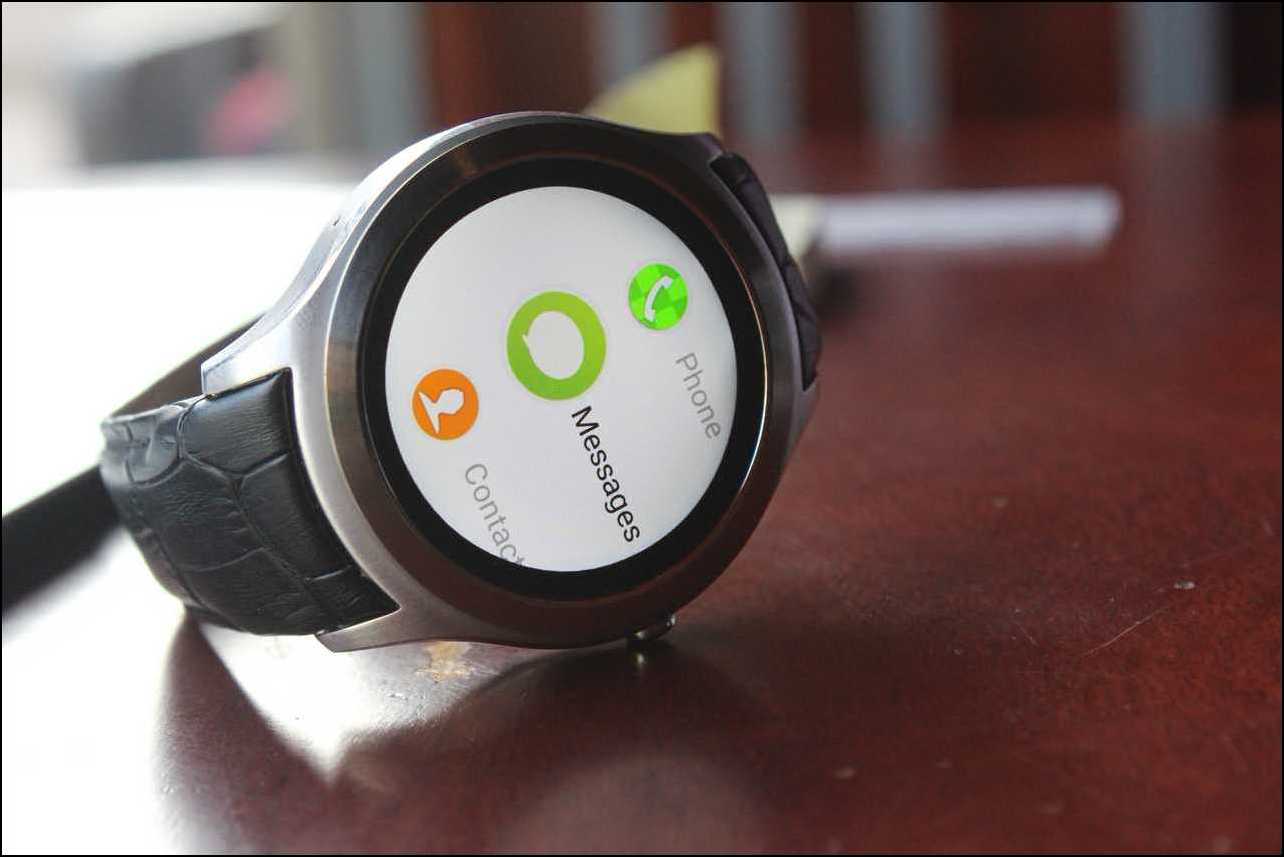
Messages app
COMPANION APP
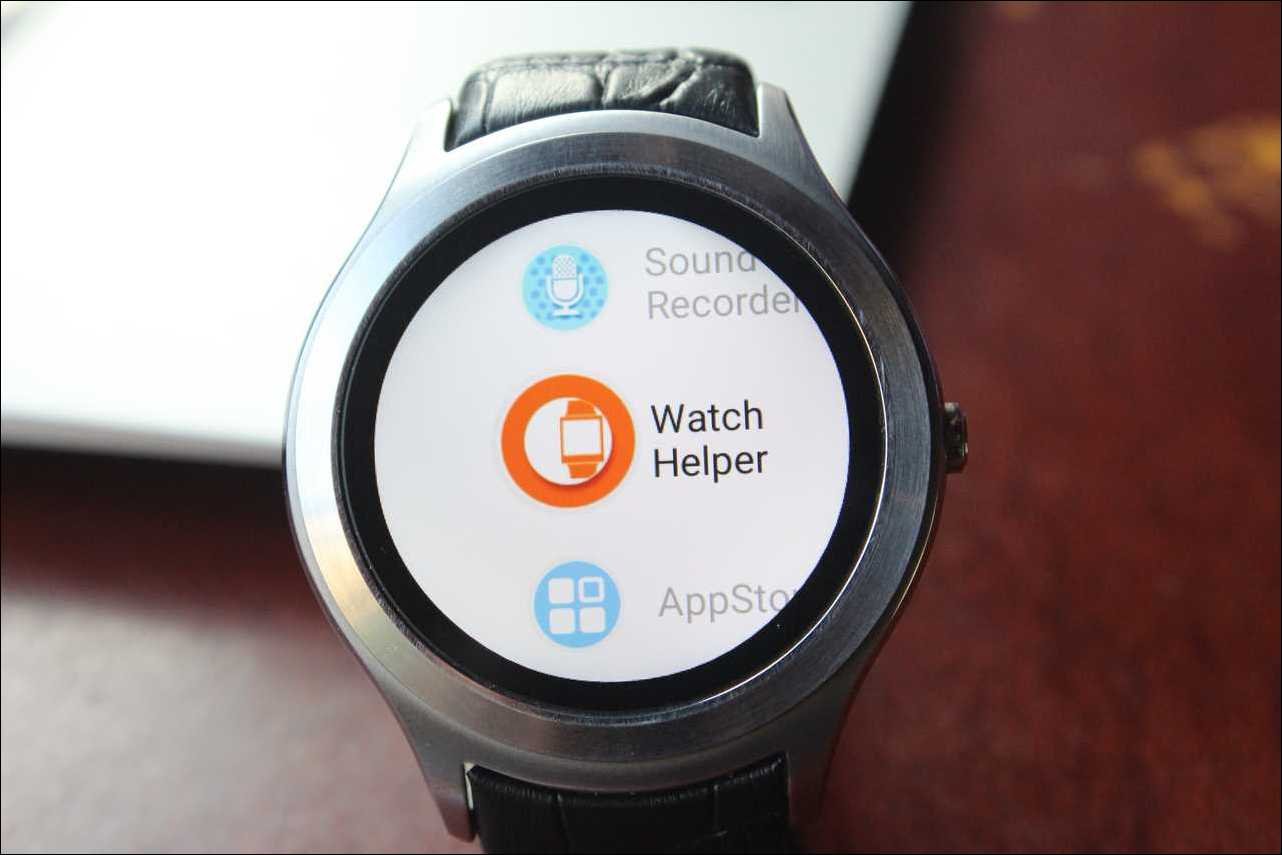
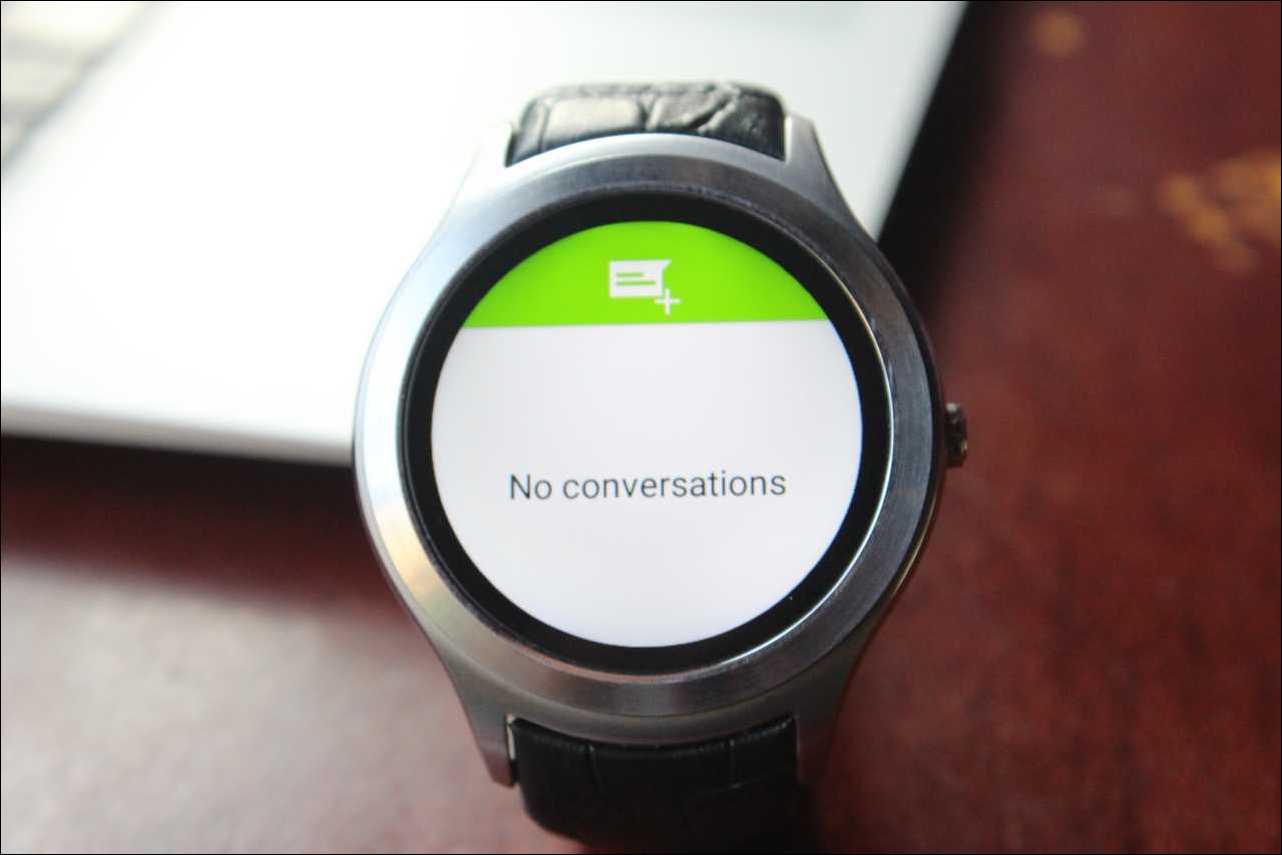
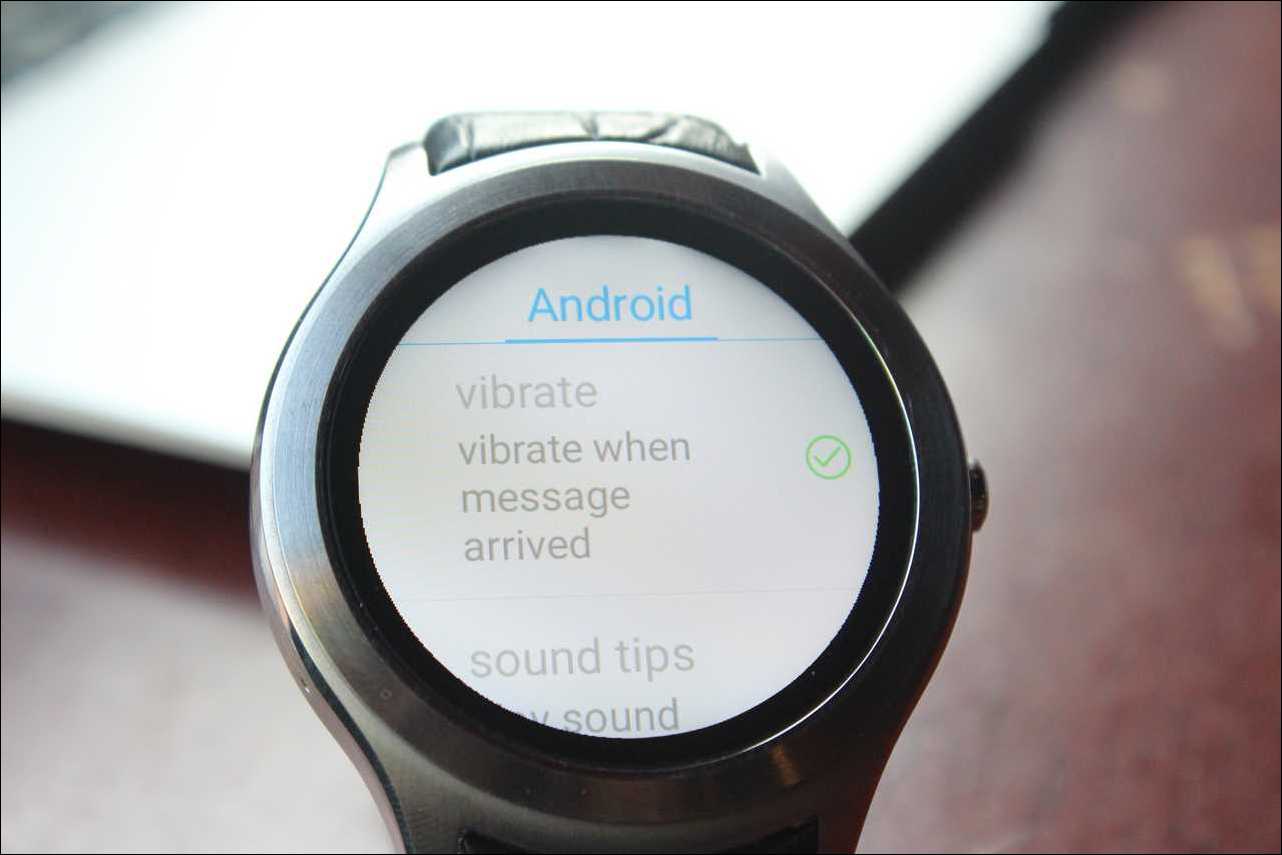
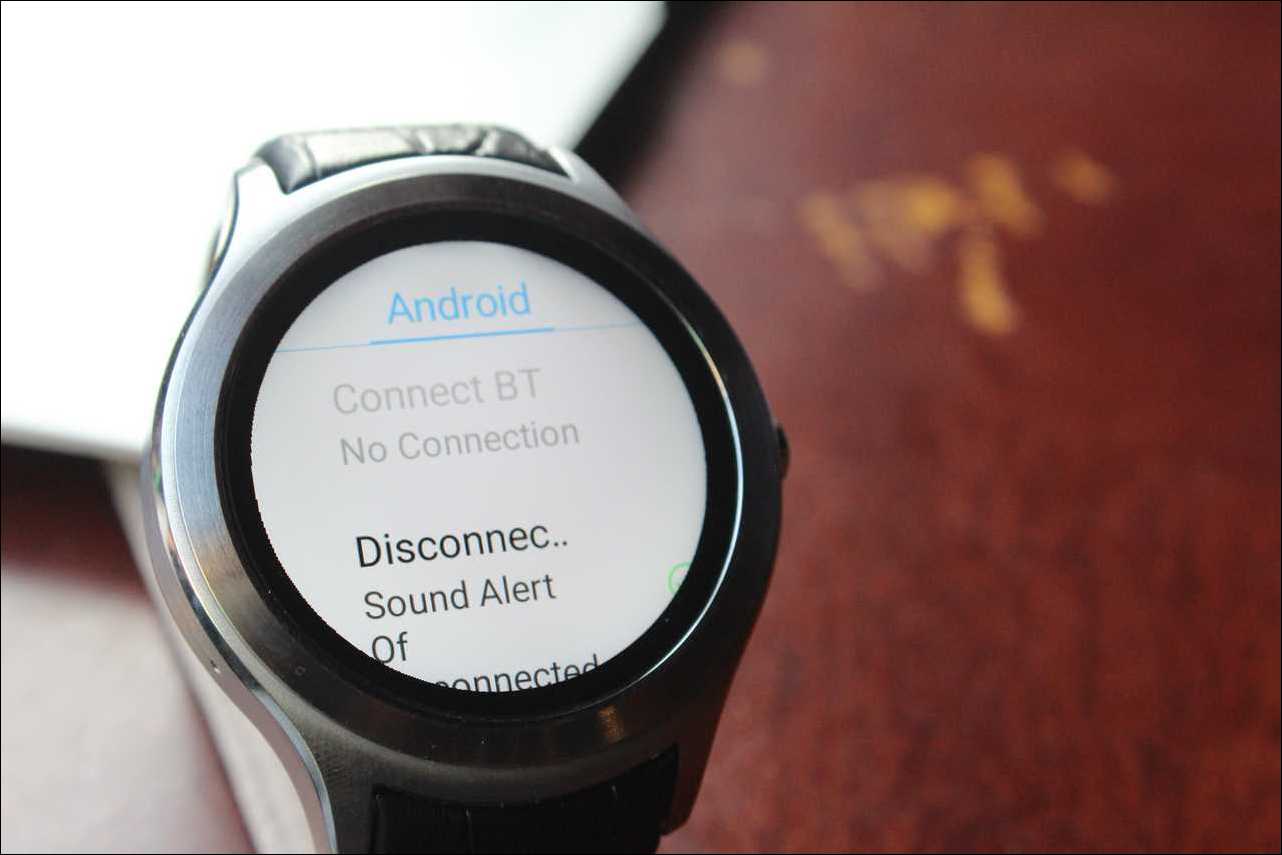
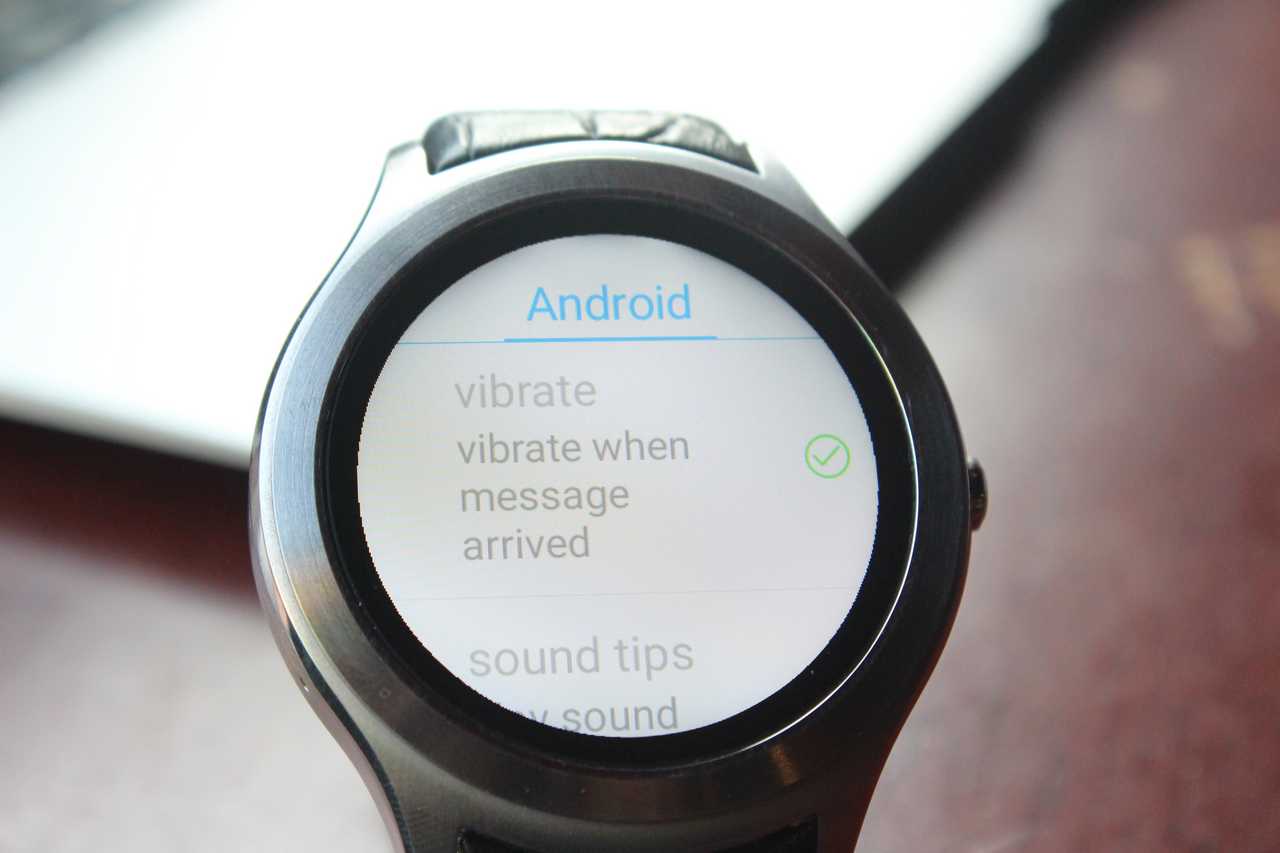
The companion app is just basic and is literally called the “Watch Helper”. It gives you some basic options for notifications along with additional features such as sending files to the watch and “Find My Watch”.
Watch Helper
There’s an app called as the Watch Helper on the watch’s app list as well and in there you will find a QR code which directs you to link to download the companion app for your smartphone. Note that you will have to enable “Install Apps from other sources” to install this app.
Watch Helper OptionsWatch Helper Options
There are a few seconds of delay in getting the notifications, but it’s not really a deal breaker.
GPS
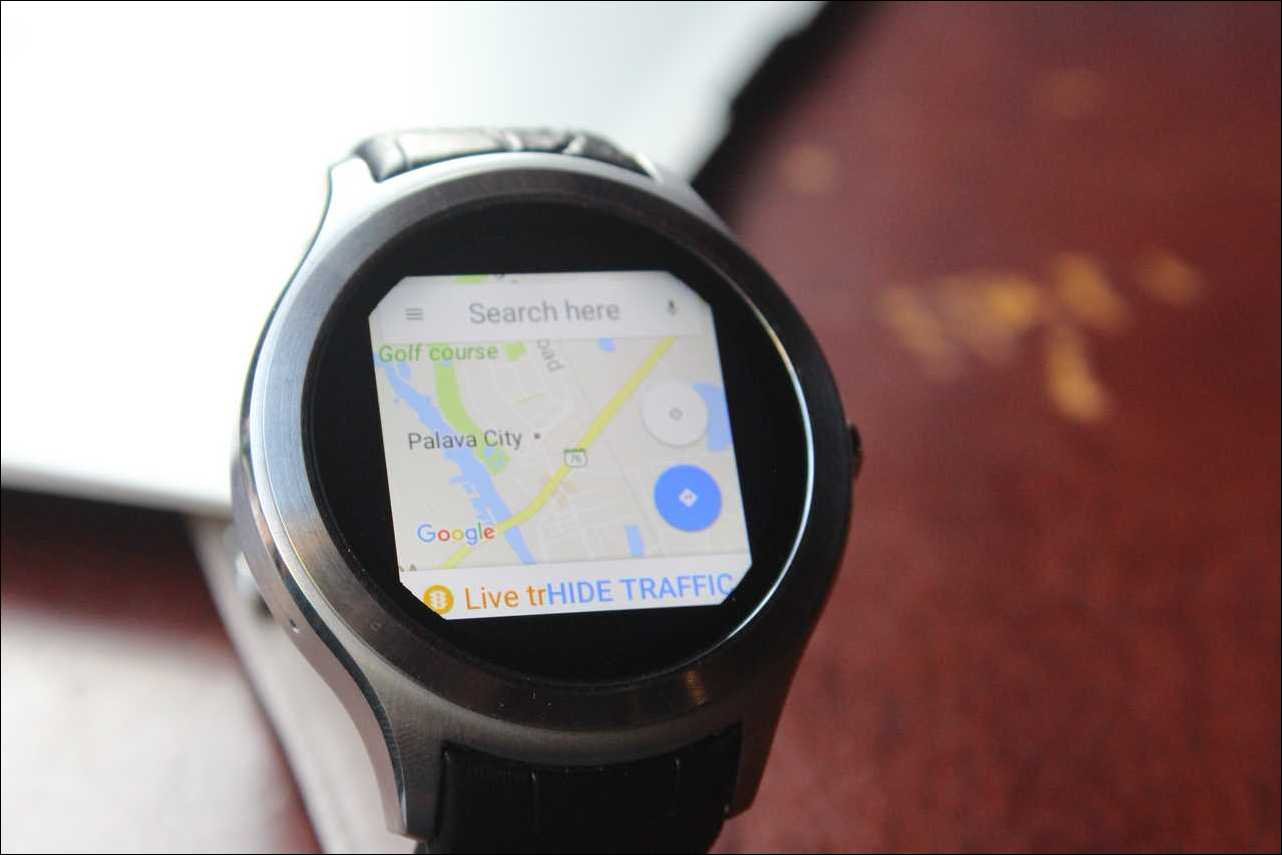
The GPS works great on the watch. It was quick to track my location and I could even turn on navigation with real-time traffic. There were hardly any lags encountered during the process which was definitely a good sign. The small 1.3-inch display is not the ideal platform for GPS navigation, but it’s good to see that if you ever wanted to play around with Maps and Navigation, it’s possible on the D5+.
GPS
BATTERY
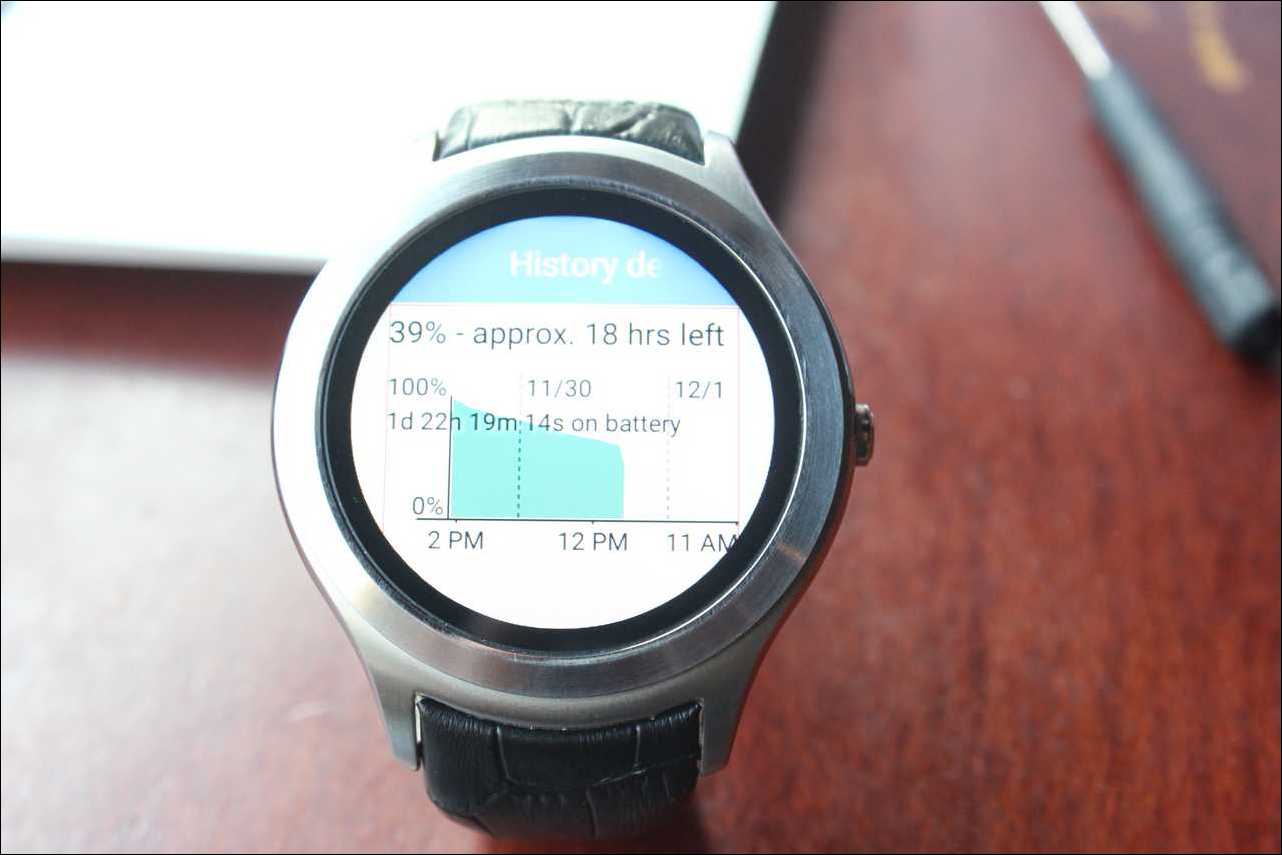
If you are looking for a watch that will easily last an entire day, then the 450mAh battery inside the No.1 D5+ will do the job just fine. In fact, some days where I didn’t use the watch much on the first day, the watch managed to last the entire second day too! But if you are going to play around with the watch like browsing the web, GPS or even heart rate sensor, the battery will drain a bit faster than usual. Still, in my personal usage, I could always get a day with the watch, which I feel is great. Note that the Wi-fi disconnects automatically when the screen is turned off to save the battery. But it turns on automatically in between and also every time you light up the screen.
Battery Stats
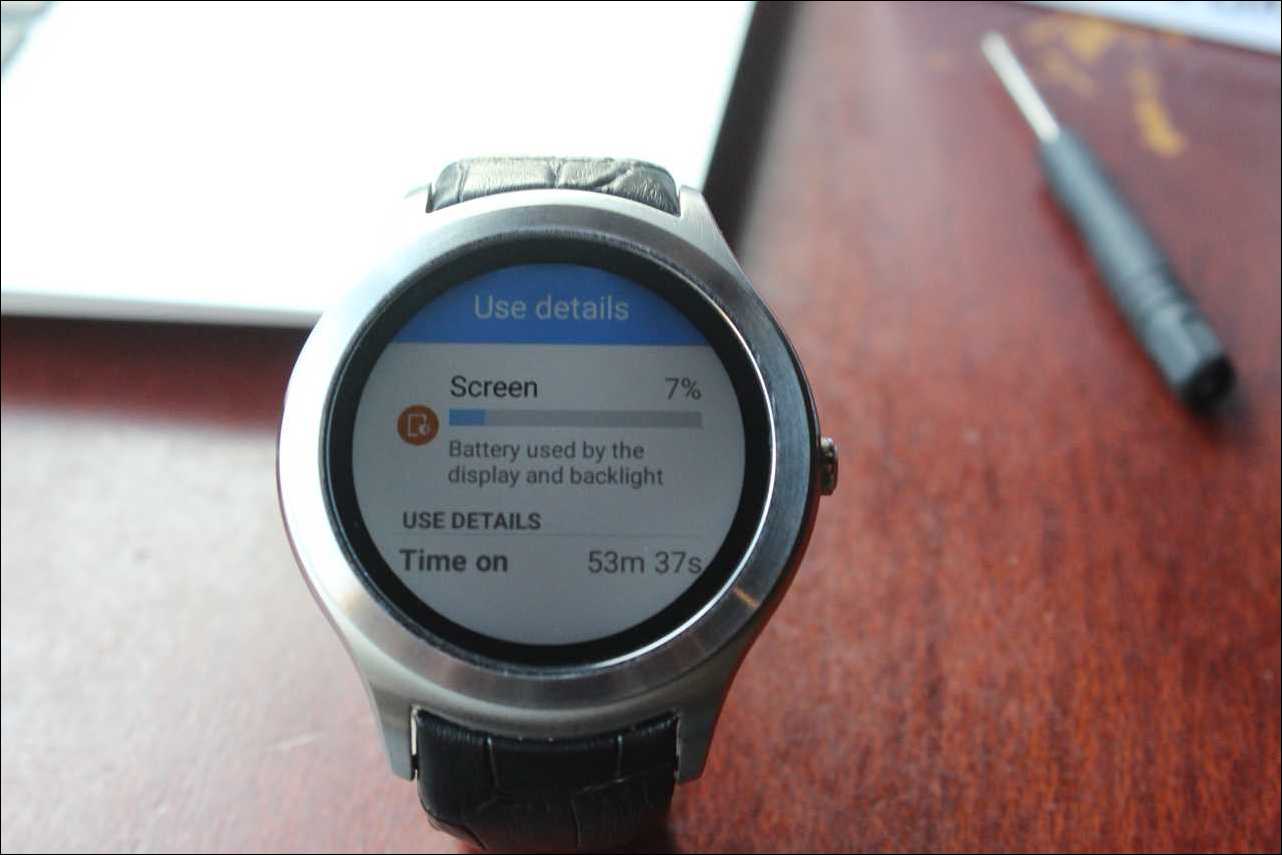
The provided charging dock is of good quality and is magnetic. So, attaching the dock will be an easy process and it will instantly stick to the metal back plate. You can then use a regular Android charger to fill up the juice. It takes more than an hour to fill up the battery to 100% if your battery is below 20%.
Screen On Time
CONCLUSION
Overall, I must say that I am quite happy with the No.1 D5+. The watch ticks all the basic stuff that I would want on a smartwatch to work, which is great, making me a happy customer.
What I am surprised with the D5+ is the quality of workmanship that you get for under $130. I have been using it almost daily for the past two weeks and till now, neither the screen nor the metal body has shown any signs of wear or scratches.
If I had to point out areas where the D5+ could improve, it would probably be the display. If the display was a bit brighter, then it would have made this a killer watch.
So, is this the best smartwatch in the market today? Not really, but at this price, it’s definitely one of the best.
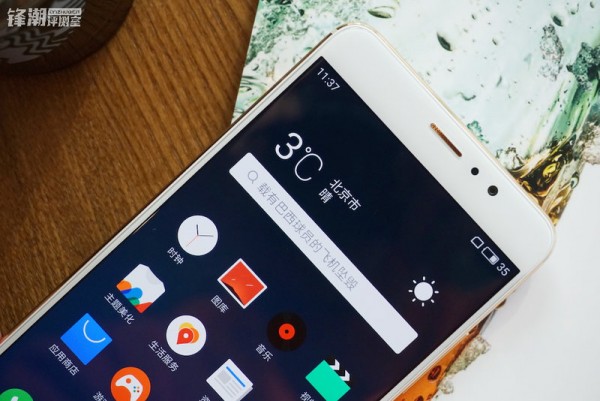
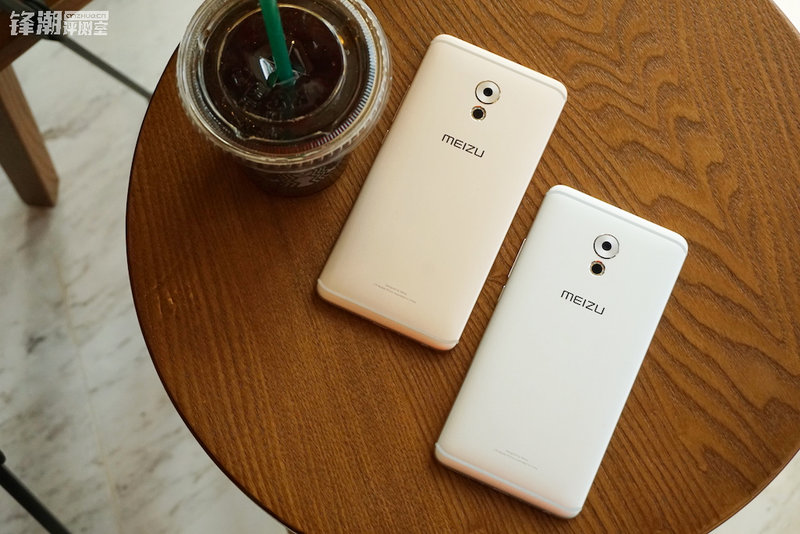
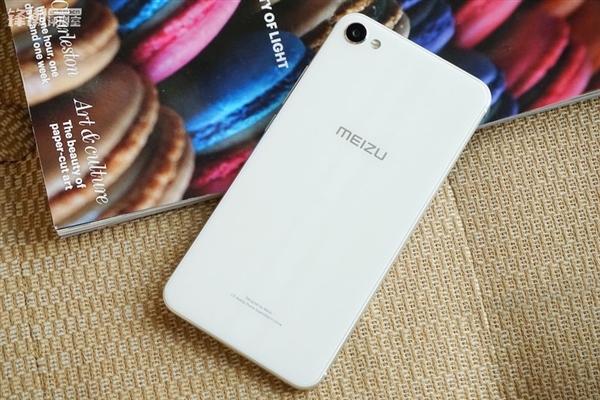
After months of what seemed to be an endless wait, Meizu finally released a phone with an Exynos chip. The Meizu PRO 6 was unveiled after the launch of Meizu’s new Flyme OS 6. Although it does not look much different from the Meizu PRO 6s and PRO 6, Meizu has added one or two design changes to set it apart.
Meizu’s PRO 6 Plus has an all-metal body with U-shaped antenna lines. The camera and LED flash are positioned exactly the way it is on the other PRO 6 models. However, Meizu has changed the camera housing and given it a design that reminds you of a compact disc.
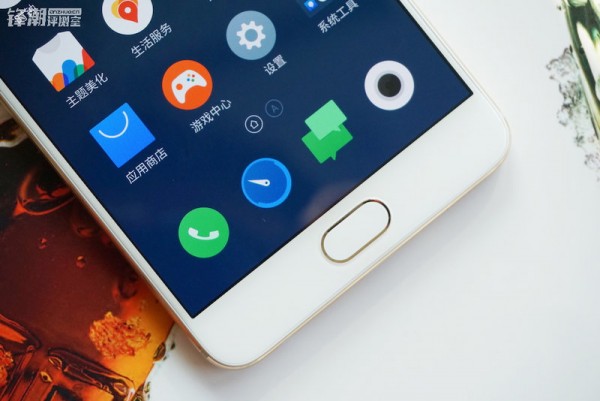
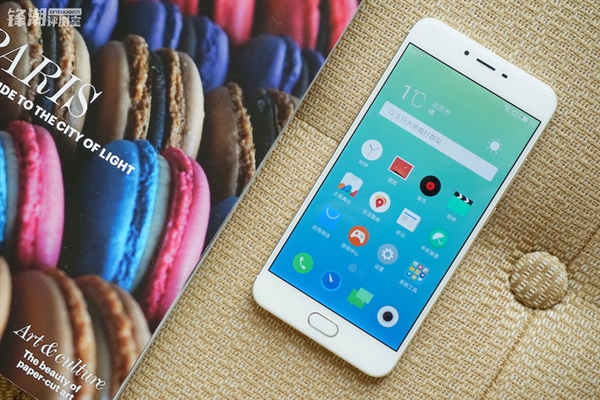
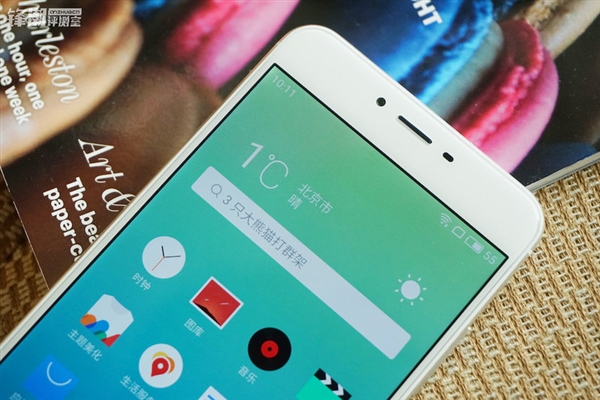
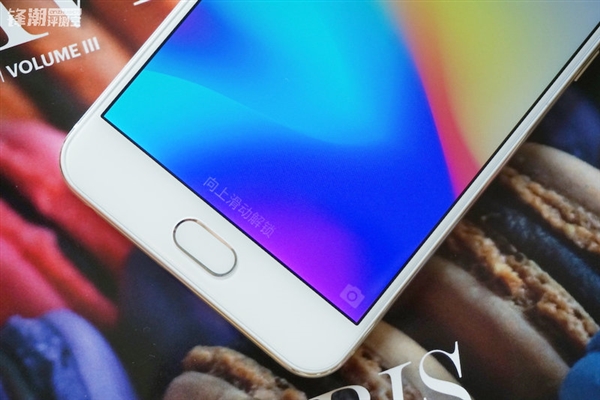
Up front, there is a fingerprint scanner embedded under the mBack button which is the only button you’ll need for navigating the Meizu PRO 6 Plus. In addition to being a bio-metric scanner, the button can also measure your heart rate.
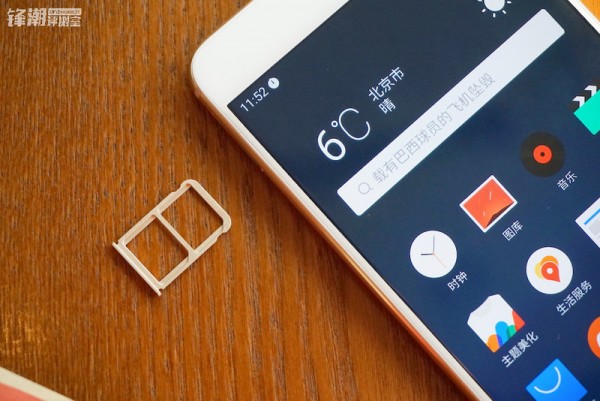
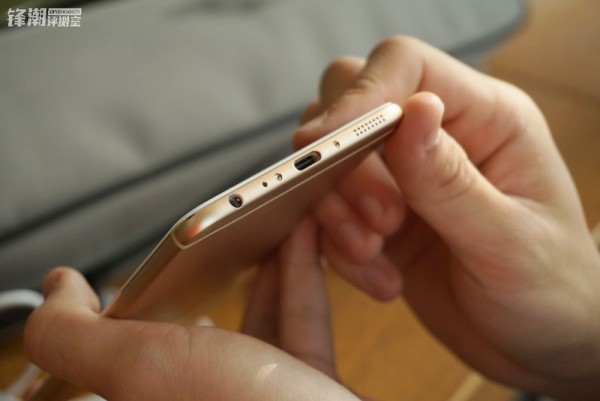
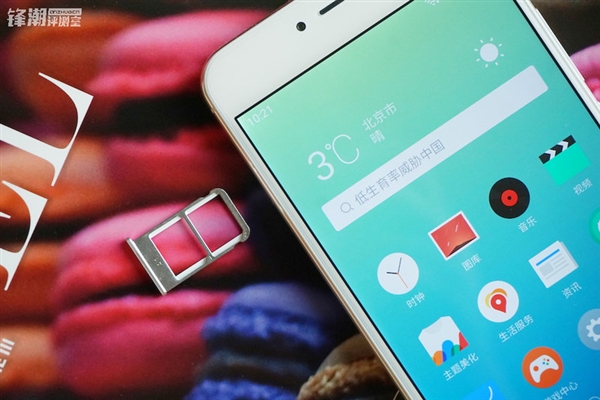
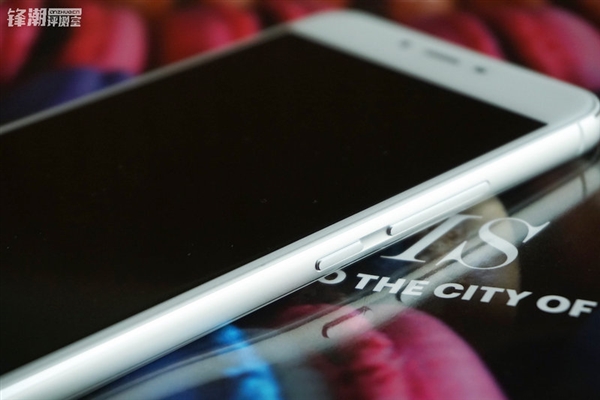
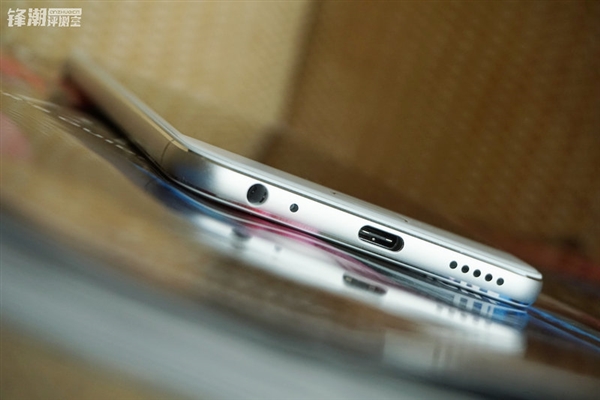
The bottom part of the phone is where you see the earphone jack, USB Type-C port and speaker grille. The dual-nano SIM card tray is on the left and the power and volume rocker is on the right.
Earlier today, Meizu took off the wraps on their new Meizu X phone. The device features a new design that comes as a welcome relief to those who have complained about the old and boring ones of their other phones.
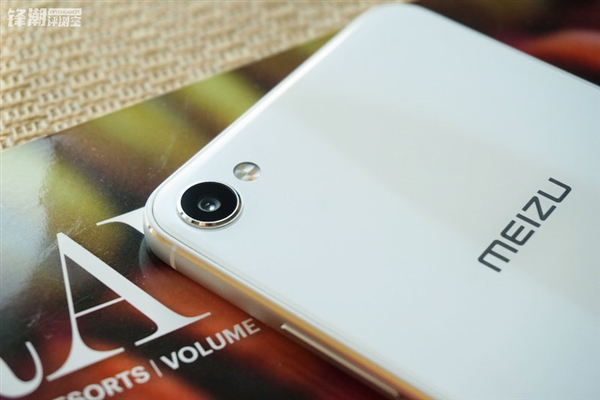
One of the major changes you notice about the design of the Meizu X is the position of the rear camera. Meizu has always been fond of placing their rear cameras in the middle of the phone with the LED flash underneath it. The Meizu X is the first phone to deviate from that design in a long time. Its primary camera is situated in the top left corner with the LED flash flanking it on the right.
The Meizu X also ditches the polycarbonate/metal unibody design but instead has a separate metal frame that runs around it which gives it a premium look.
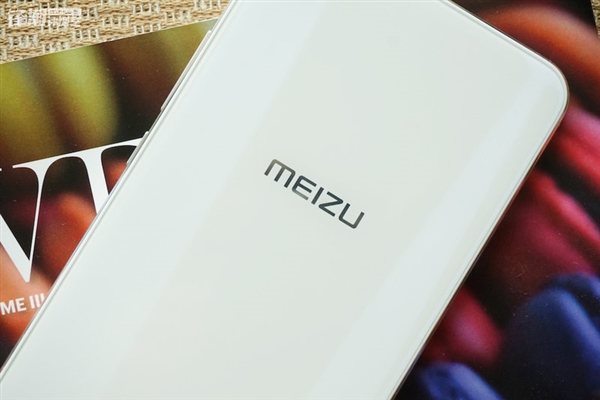
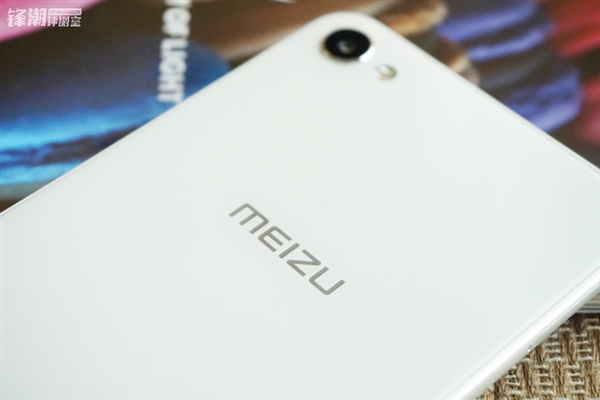
The back plate also appears to have a refractive design like when light passes through glass. And from the looks of it, it seems you can only see it when you are looking at the phone from a certain angle. Meizu has done a good job with the design and they deserve to be commended.
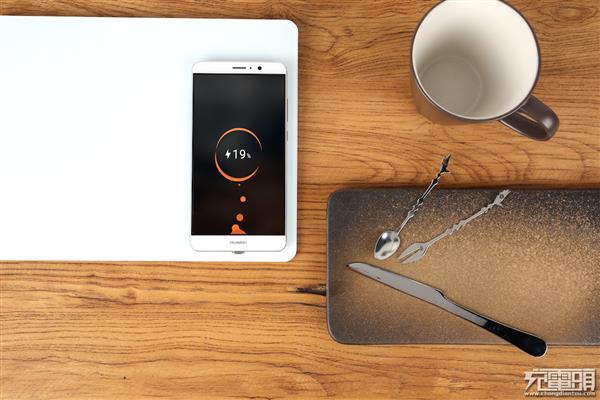
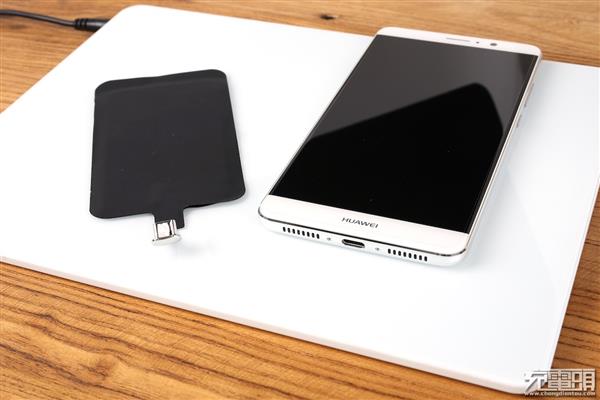
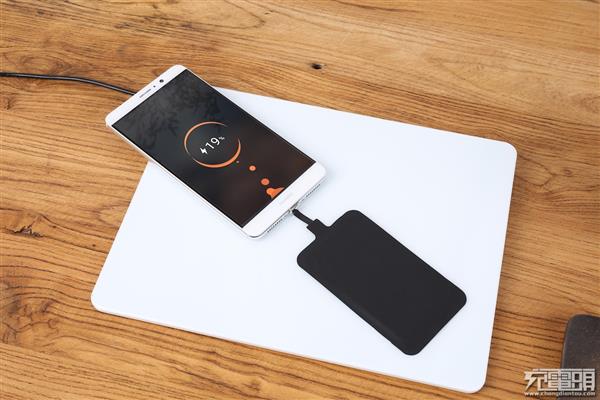
Wireless charging pad isn’t a new technology, Samsung has got that for its smartphones and wearables already but then Samsung devices doesn’t use all-metal body but glass, also the wireless charging power is low and the distance is short. Deploying such technology on smartphones with all-metal body has been a difficult task but that seems to have been achieved now. The Huawei Mate 9 has been spotted while charging on a wireless charging pad developed by Ningbo Goose electronic technology in China.
This discovery is coming as a bit of a surprise because the Huawei Mate 9 does not feature support for wireless charging. This is only a third party accessory for the Mate 9 that lets users access this function. From the pictures, the Mate 9 can be seen to be charging eve though it is not connected via its charging port.
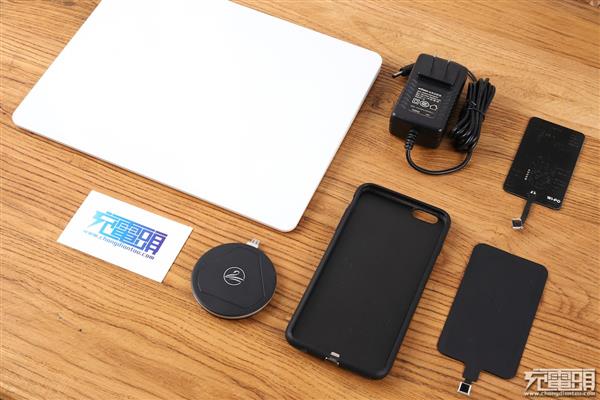
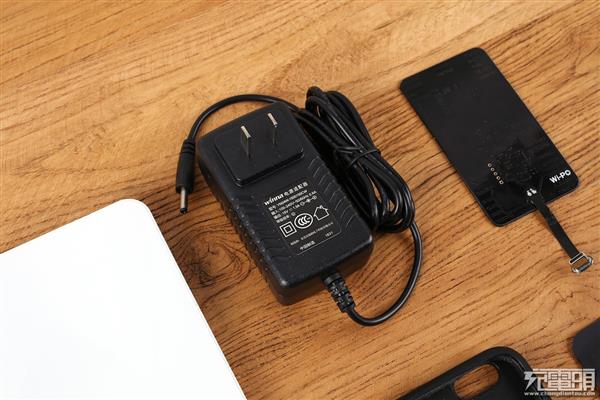
The accessories comprises a flat wireless charging pad, an ultra-thin USB Type-C interface, a wireless charging receiver and a power adapter for the wireless pad. The device works perfectly as long as the wireless charging receiver is attached to the back of the phone and the Type-C interface is attached to the wireless charging pad.
The wireless charging pad deploys Wi-Po magnetic resonance wireless charging technology and can also charge two devices simultaneously within a range of up to 50mm. Whereas the ordinary wireless charger uses magnetic induction technology with low power transmission and within a maximum range of just around 5mm. The range though might be meaningless since you still have to attach the wireless charging receiver to the back of the phone.
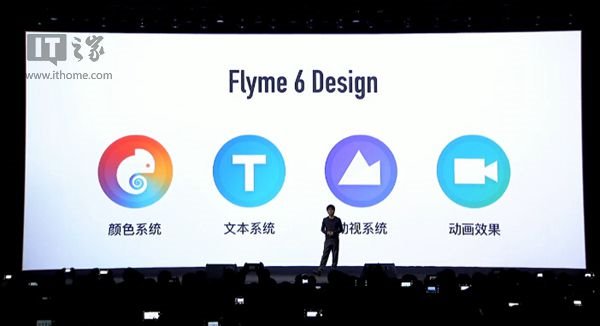
Meizu’s launch event kicked off over an hour ago and the first thing the company introduced was their new OS, Flyme 6. The new OS was unveiled by the head of Flyme, Yang Yan, and it brings a lot of improvements and new features.
Flyme 6 is a completely redesigned OS from the ground up according to Mr. Yan. The OS uses new main colors and maintains a uniform color distribution across its interface. Flyme 6 has more than 200 new animations including a new charging animation and over 1000 performance optimizations.
Meizu says Flyme OS 6 is powered by their own artificial intelligence engine called One Mind but there is no explanation on how it works.
The new OS is focused on security and privacy. First, you can now set up to three different fingerprints to unlock the phone into different modes depending on the finger used to unlock. The three modes available are normal mode, guest mode, and privacy mode. To get a clearer picture, imagine Xiaomi’s Second Space function that launched with MIUI 8 which allows you to have two different modes on the same phone but in this case, the phone unlocks into a particular mode based on the finger used to unlock the device.
We use cookies on our website to give you the most relevant experience by remembering your preferences and repeat visits. By clicking “Accept”, you consent to the use of ALL the cookies.
This website uses cookies to improve your experience while you navigate through the website. Out of these, the cookies that are categorized as necessary are stored on your browser as they are essential for the working of basic functionalities of the website. We also use third-party cookies that help us analyze and understand how you use this website. These cookies will be stored in your browser only with your consent. You also have the option to opt-out of these cookies. But opting out of some of these cookies may affect your browsing experience.
Necessary cookies are absolutely essential for the website to function properly. This category only includes cookies that ensures basic functionalities and security features of the website. These cookies do not store any personal information.
Any cookies that may not be particularly necessary for the website to function and is used specifically to collect user personal data via analytics, ads, other embedded contents are termed as non-necessary cookies. It is mandatory to procure user consent prior to running these cookies on your website.