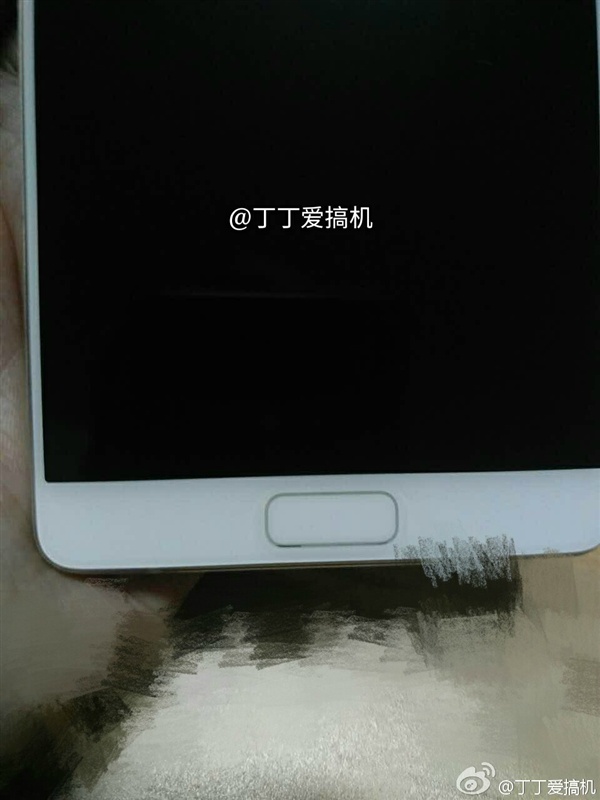
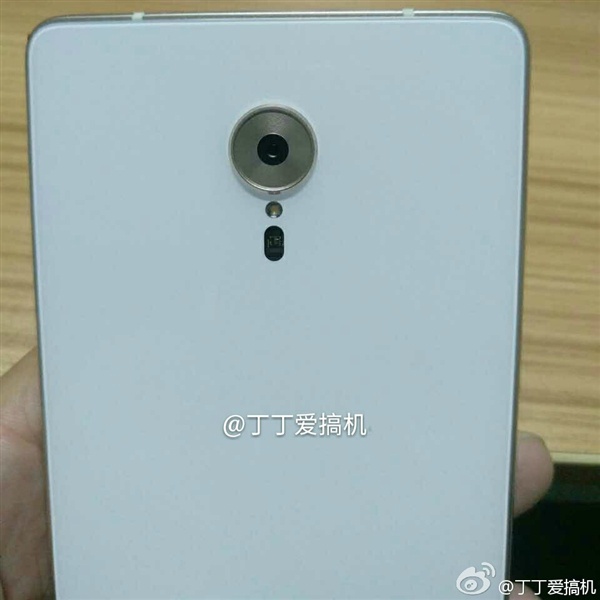
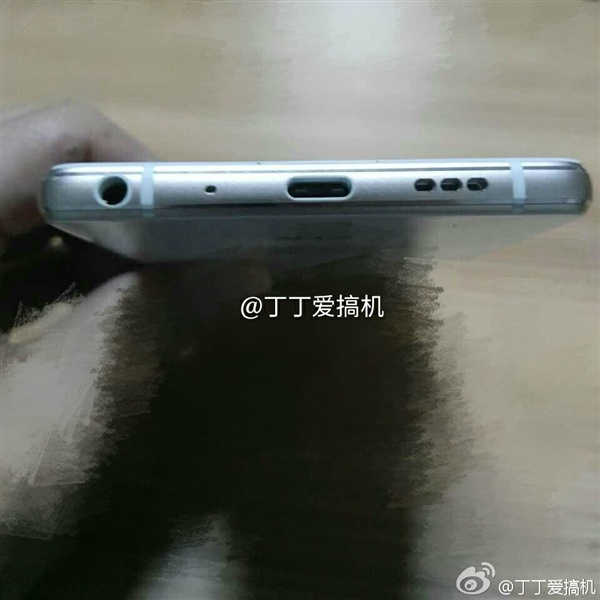
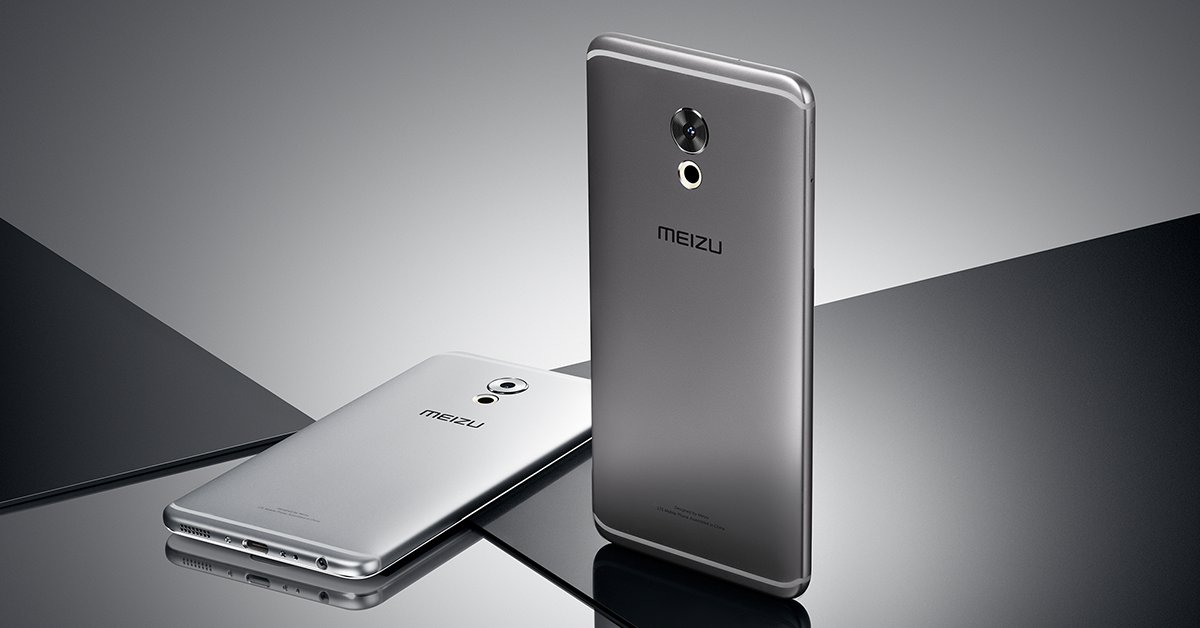
This year, Meizu has been giving us devices which have been good, but not too impressive. This changes with the new Meizu Pro 6 Plus. The company has finally unveiled a flagship worthy of our attention and the new device makes sure that everything we expect from a top flagship phone is taken care of.
It’s actually quite surprising that Meizu managed to keep the Pro 6 Plus under wraps for so long. But our wait for a powerful Meizu flagship in 2016 is now over. Read on to find out why.
The Meizu Pro 6 Plus comes with the powerful Exynos 8890 octa-core chip. Meizu and Samsung have had a very close relationship in the past and the company has renewed its ties this year with its new flagship. We all know how powerful and efficient the Exynos 8890 chip really is and it’s great to see it inside a Meizu device. This powerful chip along with the 12 core Mali-T880 MP12 GPU will make sure that all your graphic needs are met that too without the problem of overheating. In fact, in the conference, Meizu revealed that 30 minutes of NBA2K16 heated up the Pro 6 Plus to just 42.6 degrees celsius, which was much less compared to a Snapdragon 821 powered flagship whose temperature rose up to 47.7 degrees celsius.
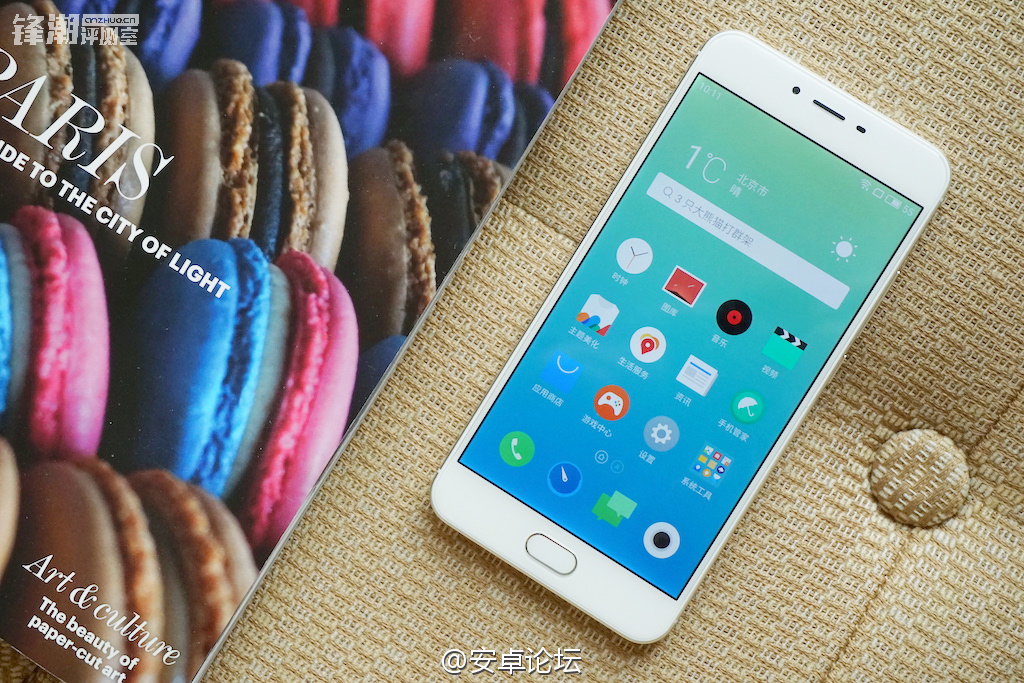
The display on the Meizu Pro 6 Plus beautiful, thanks to the 5.7-inch 2K Super AMOLED panel. It further boasts of AOD (Always On Display) technology which will show essential details without having to physically turn on the screen. The phone also comes with pressure sensitive 3D Touch technology. So, overall, it’s a great display!
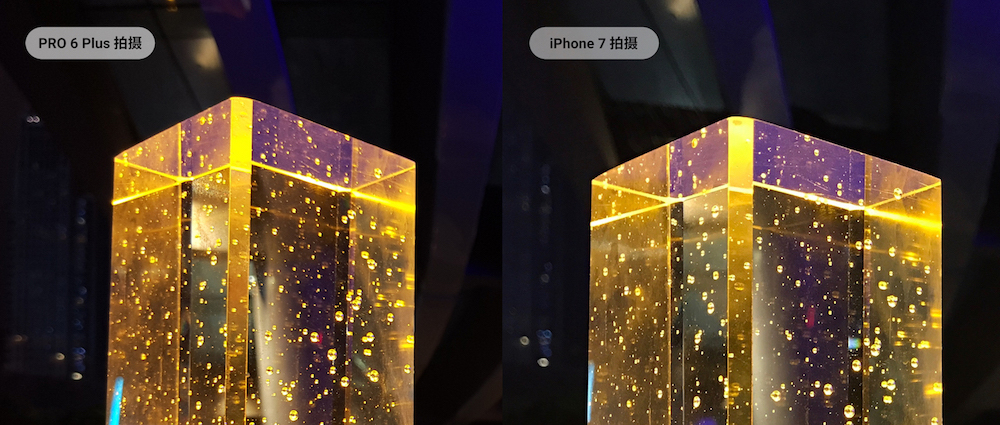
The camera on the Meizu Pro 6 Plus is great, featuring the 12MP Sony IMx386 sensor with 6P lens, laser focus, PDAF, four axis OIS, and ring flash. Further, Meizu reveals that the ISP is from Samsung and both the companies have worked together to debug the camera onboard, which nearly took 203 days. The company even compared the samples on the Pro 6 Plus with the iPhone 7, which you can check out below.
Meizu has always made sure that its home button up front is multi-functional and apart from the great fingerprint sensor embedded in the button which unlocks in 0.15s, it also functions as a heart rate monitor, revealing your heart rate in just 5 seconds.
The phone also features Hi-Fi custom ad45275 op amp chip and upgraded SoLo amp circuit (2nd gen), making sure that you have great quality audio on the device. Other features include Wi-Fi, Bluetooth, GPS and NFC.
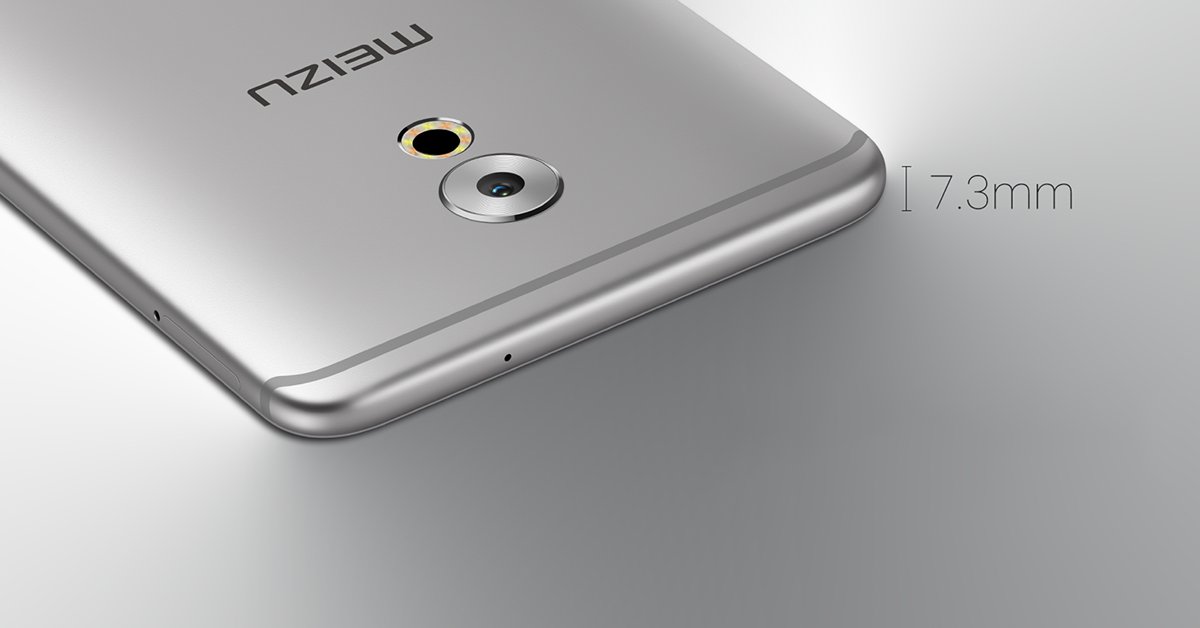
Inside the slim 7.3mm body, the Meizu Pro 6 Plus features a 3400mAh battery. Thanks to the 8V/ 3A charging (24W) the phone can charge this device up to 60% in just 30 minutes, which is amazing.
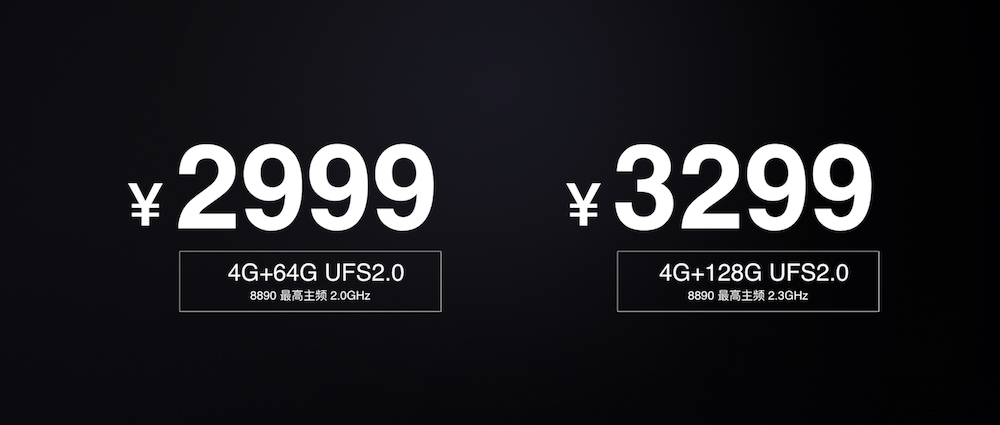
The Meizu Pro 6 Plus starts at 2999 Yuan (~$435) for the 4GB + 64GB model with an underclocked 2.0GHz Exynos 8890. If you want the best variant, you will have to shell out 3299 Yuan (~$480) which features 4GB RAM + 128GB storage and Exynos 8890 clocked at 2.3GHz.
Like the Meizu X, the Pro 6 Plus too will go on sale first on December 8 via JD.com.
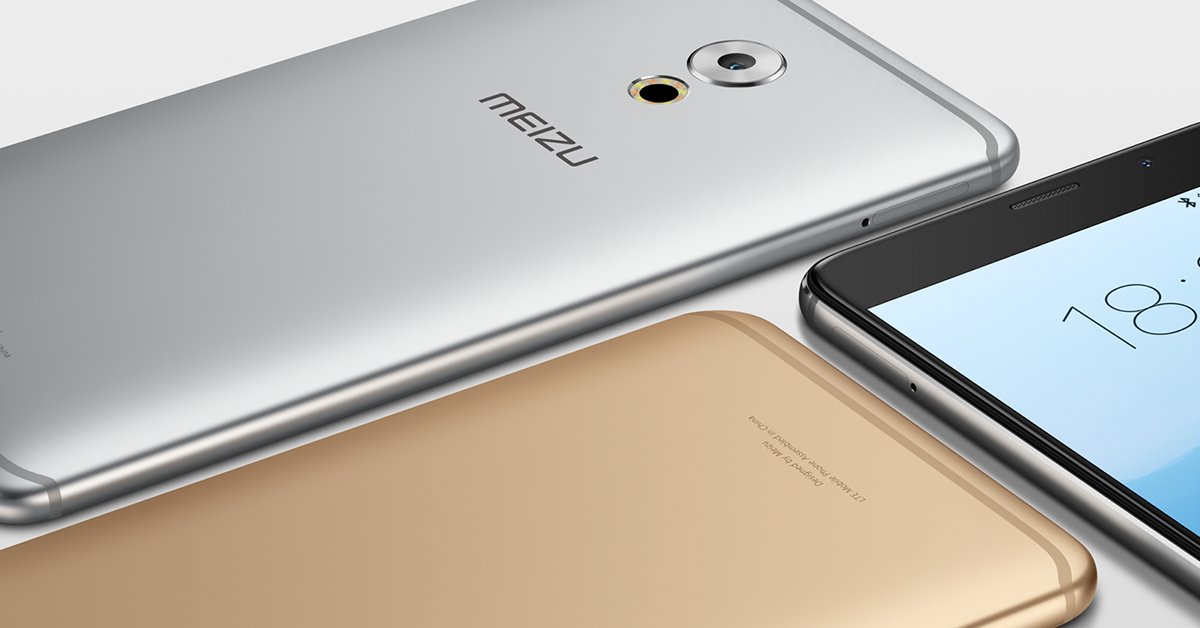
There are three color options for the flagship — Champagne Gold, Deep Space Gray and Moonlight Silver.
Meizu has just taken the wraps off the first product at its big event today, the Meizu X. Meizu’s product portfolio this year has been less than impressive, but the company aims to change that with the Meizu X. The phone comes with a totally different design seen as compared to the previous Meizu devices, which I feel is a welcome change.
We are not yet sure of the name, as ideally, Blue Charm devices have the ‘M’ Prefix and this could end up being called as the Meizu MX. But that would be confusing since there’s already an MX series, so for now, we are calling it the Meizu X.
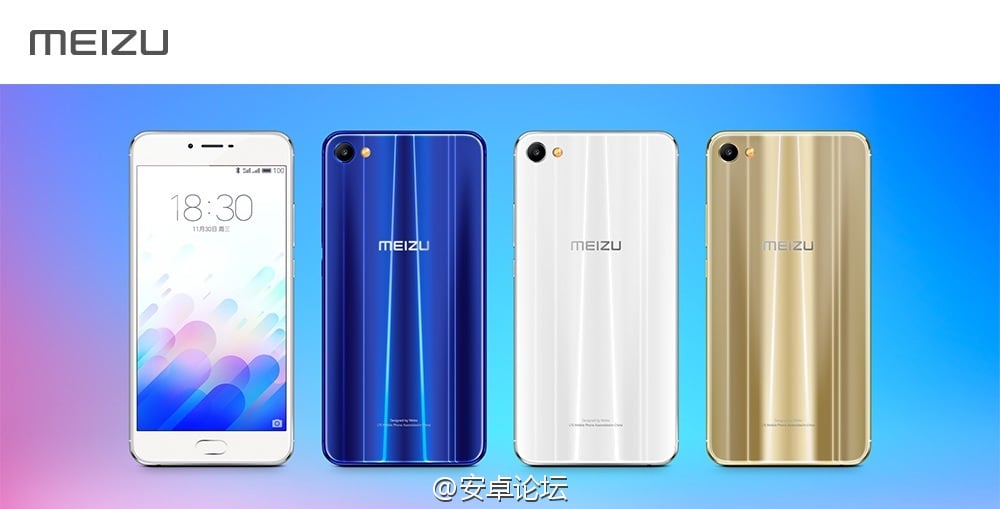
First up, the Meizu X model comes with 2.5D curved glass with double ceramic crystal coating process. This will make the phone look super premium, especially when it comes in four beautiful colors namely Black, Blue, Gold, and White. Meizu’s devices had started to look more or less the same in the past couple of years, so I feel this design will be welcomed by fans.
The Meizu X comes with a 5.5-inch FHD display from Sharp and uses TDDI display touch technology for better touch accuracy. Further, the phone’s display uses full Incell technology which will make sure that the panel is thin and looks great.
In the hardware department, the Meizu X doesn’t disappoint. As expected, the phone comes with the Helio P20 chipset (MT6757), which will make it the first phone from an established international manufacturer using this processor. The chip is manufactured on a 16nm process and comes with octa-core architecture with max clock speed of 2.3GHz. The chip looks promising as MediaTek has claimed that offers 40% more performance and reduces power consumption by 60%. Further, the phone supports LPDDR4X RAM memory. There’s 3GB + 32GB and 4GB + 64GB storage options. As for software, the phone will come with Android 6 with Flyme 5.2 (a future update will upgrade it to Flyme 6). The new Flyme OS is said to come with over 400 feature additions and One Mind AI Engine.
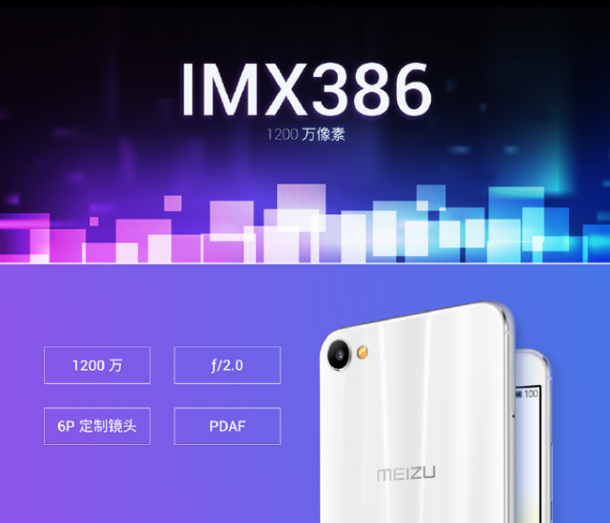
The phone comes with a 12MP Sony IMX386 sensor at the back with f/2.0 aperture, 6P lens, and PDAF. The company is also using the new ArcSoft beauty algorithm for better camera quality. Clearly, this is a level up for the camera in the budget Blue Charm series.Up front, there is a 5MP shooter.
camera sample 02
camera sample 01
There’s a fingerprint sensor up front as well, which unlocks in 0.2s and supports payment platforms like Alipay and WeChat Pay. The battery onboard is decent, measuring 3200mAh and comes with mCharge which fills up the juice up to 40% in 30 minutes, thanks to 18W charging. With the efficient chip on board, the company claims that the phone will last more than a day easily.
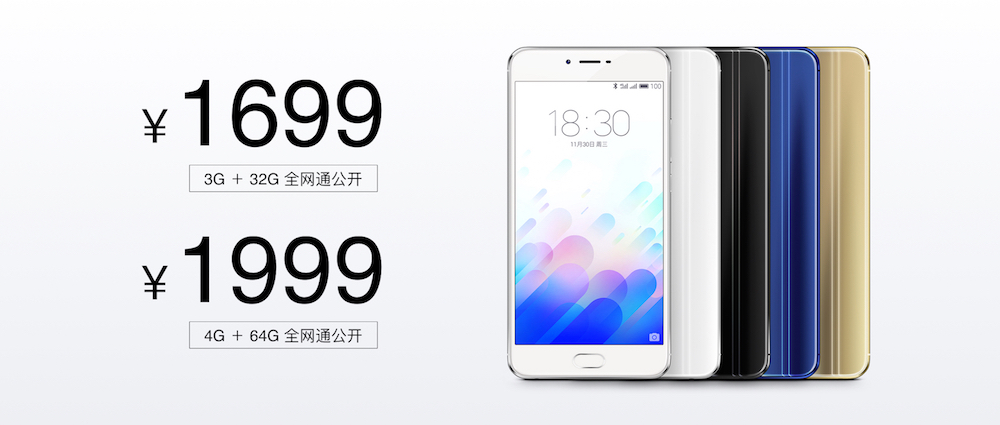
The Meizu X will go on sale for 1699 Yuan~ $246 (3GB + 32GB) and 1999 Yuan ~ $290 (4GB + 64GB). First sale is on December 8.
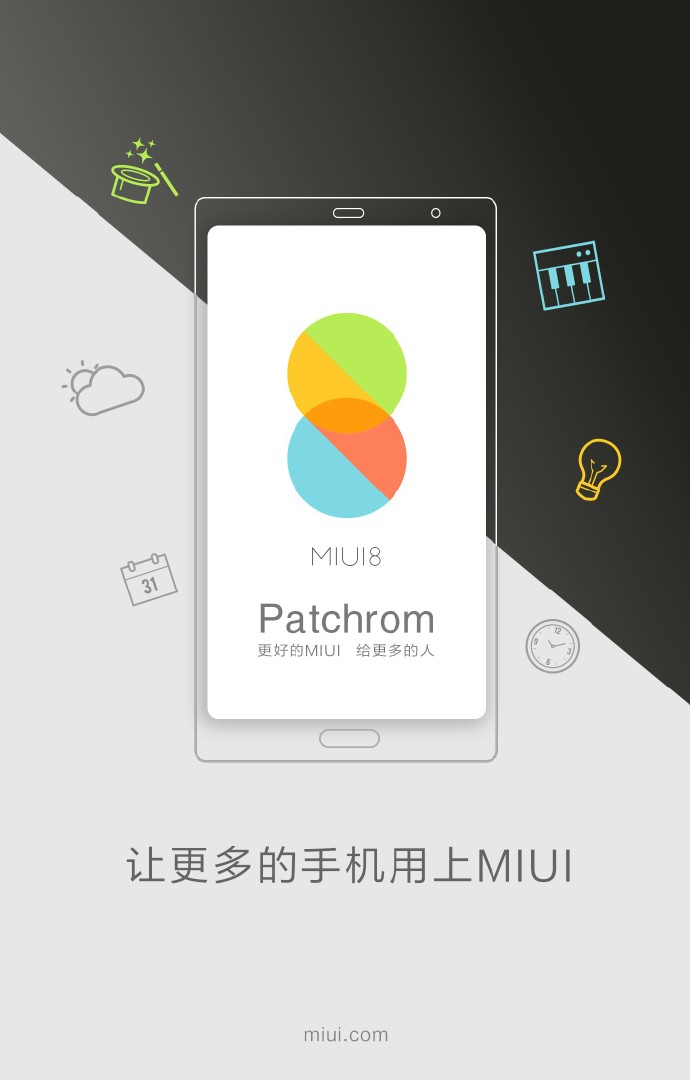
Xiaomi has released the MIUI 8 patch ROM, a third-party adaptation tool for MIUI 8, which brings the latest user interface’s firmware to other smartphone brands aside Xiaomi’s in an adaptable form. Although the earlier MIUI versions can be flashed on other smartphone brands like Samsung, HTC, LG etc, this seems to be the first officially available patch for the latest version of Xiaomi’s custom MIUI 8 ROM.
According to Xiaomi, the patch ROM development tools have been adapted for up to 496 models including about 274 domestic models and 222 phone models outside China. The MIUI 8 itself has been adapted for about 100 brands including those in China and abroad as well as popular brands.
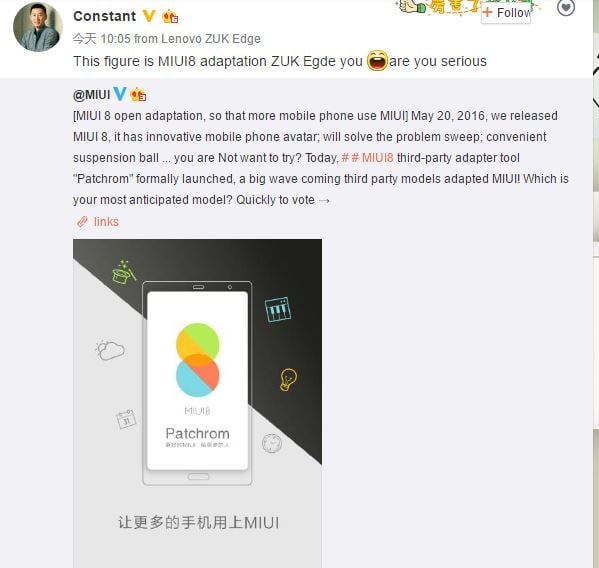
A voting line has also been opened on the Xiaomi Mi community forum for fans to vote which of the models running Android 6.0 Marshmallow should get the MIUI third party ROM first and the options include the Samsung S7 Edge, OPPO R9s, vivo X9, glory 8, Huawei P9, music Pro3 Pro, Meizu Pro6, Nubian Z11 etc. Already Lenovo’s VP has expressed his excitement on Weibo that the expected ZUK Edge can have the MIUI 8 installed on it. The MIUI 8 would likely not feature on the ZUK Edge when launched because the device is rumored for next week but this is an indication of better days ahead for users of other brands who admire the innovative Xiaomi UI.
Xiaomi is set to launch another new product via its crowdfunding app and the launch is scheduled for December 1. This information was contained in a series of teasers posted on the Weibo page of the Mi App, formerly known as Xiaomi smart home app. The series of Weibo posts contained some encoded texts and attached images which all talks about changing the quality of sleep. Perhaps are they referring to a sleeping bed?
From the posts, we can grab that the product will be the 55th crowdfunded product but the teasers didn’t help matters as it is still difficult to grasp what the product really is. One of the teasers contained what looked like a cat’s head, another a young girl, the third was the image of the cartoon version of the Tin man from legendary film, The Wizard of Oz.
We’ll not also forget that the Mi App was formerly known as Xiaomi Smart home app, so it is possible that this would be a smart home product. December 1 is a day away, so its just reasonable that we wait for the new product that go on a wild guessing spree.
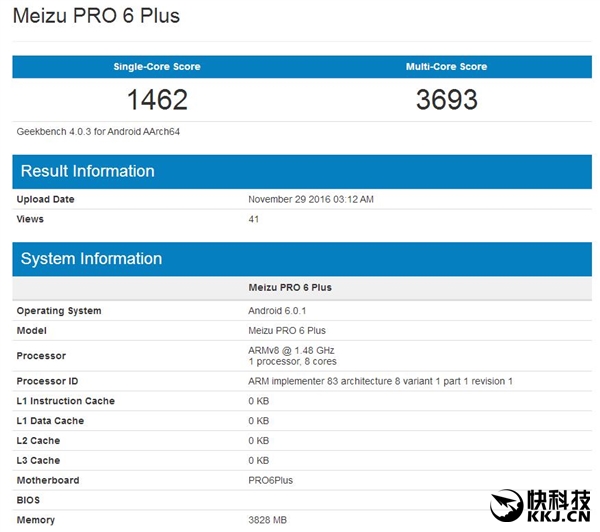
News of a Meizu phone sporting an Exynos processor have been circulating for almost a year now. On multiple occasions did we think that the next Meizu phone to be released would use the Exynos 8890 processor. Just right when our hopes were high, a Meizu official or industry analyst would dash them. However, the Meizu Pro 6 Plus that was rumored to feature an Exynos processor was seen on Geekbench yesterday.
The Meizu Pro 6 Plus first surfaced about 2 months ago when a source said Meizu was working on a new flagship with a 5.7-inch display and an Exynos 8890 SoC. After that article, we didn’t hear anything about the phone, not until yesterday when it was seen on GeekBench.
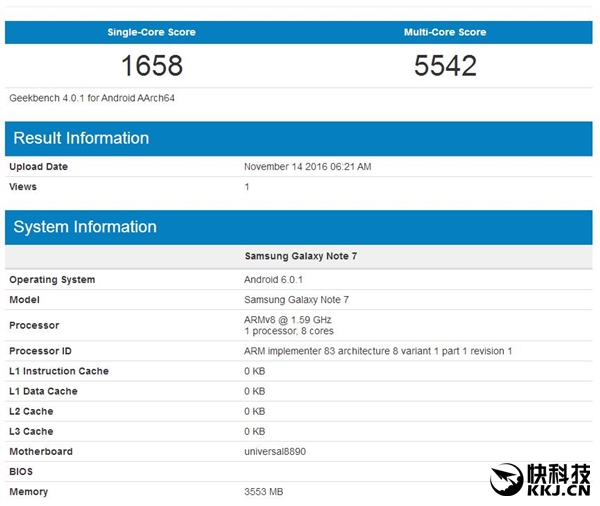
The Meizu Pro 6 Plus is equipped with an octa-core processor clocked at 1.48GHz and scores 1462 points in the single-core test and 3693 points in the multi-core test. Although the processor is not specified to be an Exynos 8890, it is strongly believed to be an under-clocked version of the chip, hence its low scores when compared to the Galaxy Note 7.
As we know, MGCOOL is Elephone’s newly-established sub-brand covering intelligent wearables, mobile electronics.
Its central goal is to bring the customers a more digital way of life with the latest techs. Also, Elephone has announced this good news of MGCOOL’s establishment in the last month.
MGCOOL’s products lines will include Elephone’s action cameras series, quick chare series, mechanical keyboard series, noise-cancellation earphone, mouse, and MGCOOL smart band. Moreover, MGCOOL is developing some cool electronics, and we will release them in the near future.
From now on, the aftersale of these products will be only provided by MGCOOL, Elephone will mainly focus on smartphone business. So welcome Elephone users to contact us if you have issues about these products. MGCOOL always
The following are the products MGCOOL will include:
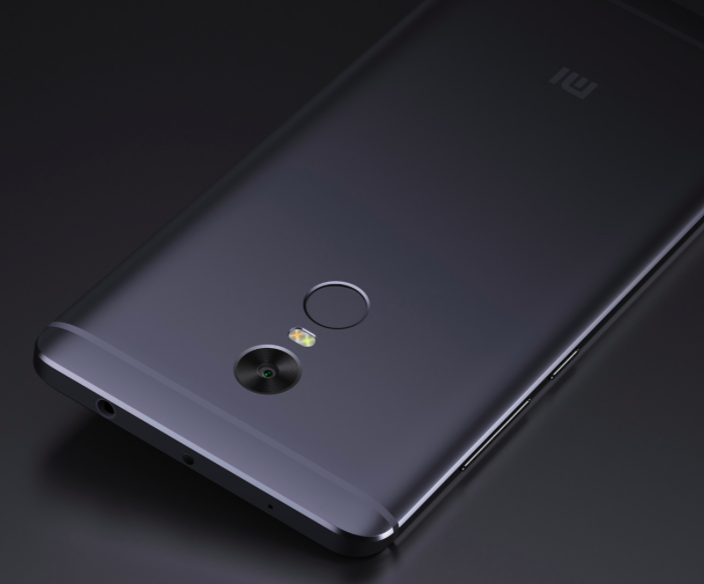
The Redmi Note 4 was released a few months ago as the successor to the still fast selling Redmi Note 3. While there is no data yet on the number of Redmi Note 4 units sold, we believe Xiaomi must have sold a few hundred thousand units already. And even if they haven’t, they are sure to sell more following the announcement of a price cut.
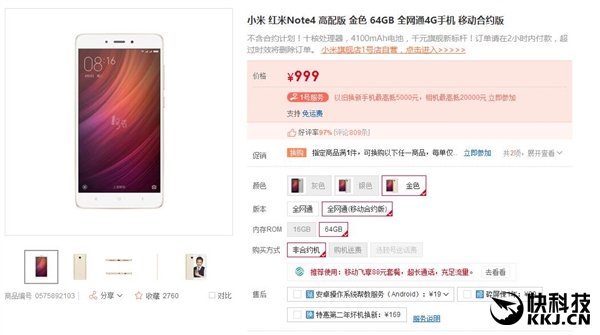
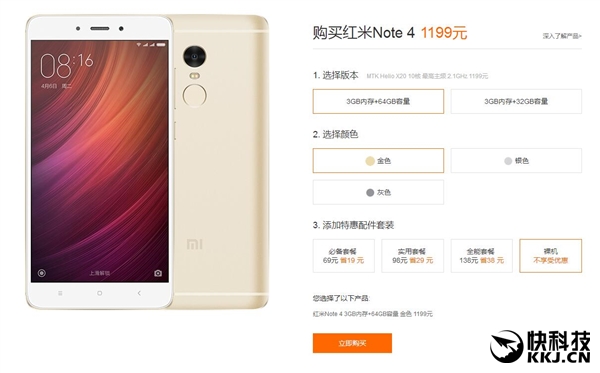
On the official Xiaomi website the Redmi Note 4 with 3GB of RAM and 32GB of storage sells for ¥999 ($145) while the high-end version that has the same RAM but double the storage is priced at ¥1199 ($174). However a third party online store has the high end-version for ¥999 ($145) which is ¥200 ($29) of the official price. The price cut is expected to start showing up on other re-seller sites soon.
The Redmi Note 4 has a more refined design than its older sibling. The screen size is still a 5.5” full HD display but will fit comfortably in your hands due to the curves on the back of the phone. It uses the deca-core Helio X20 processor and is available in multiple RAM and ROM variants. Unlike the Redmi Note 3, the Redmi Note 4 has no snapdragon variant.
There is a 13MP primary camera at the back and a 5MP f/2.0 camera in front. The Redmi Note 4 might be a different in design from the Redmi Note 3 but it still has its fingerprint scanner on the back and gets juice from a 4100mAh battery.
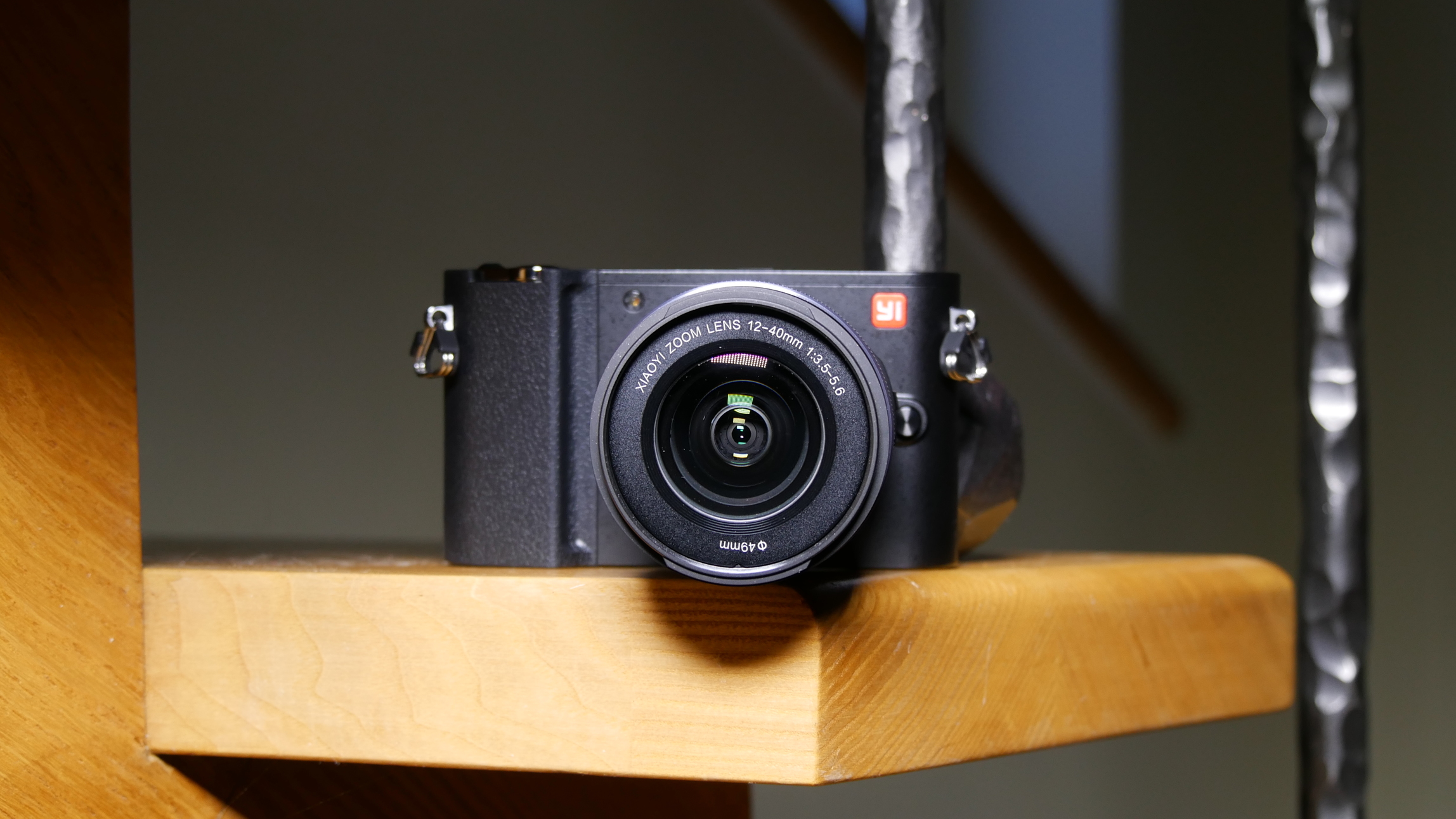
You may better know the XiaoYI for great yet affordable action cameras as we have reviewed them before. This time around we are taking a look at YI M1 mirrorless camera which costs below $400 but it brings a lot of premium features. Learn more in the full review.
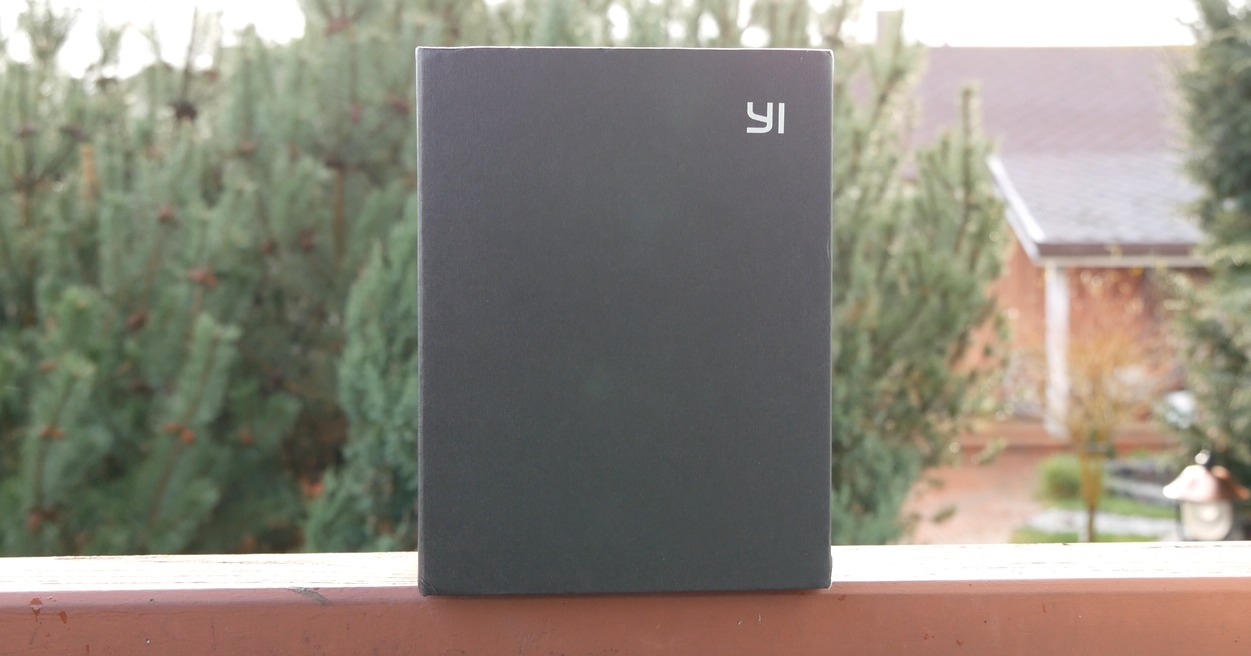
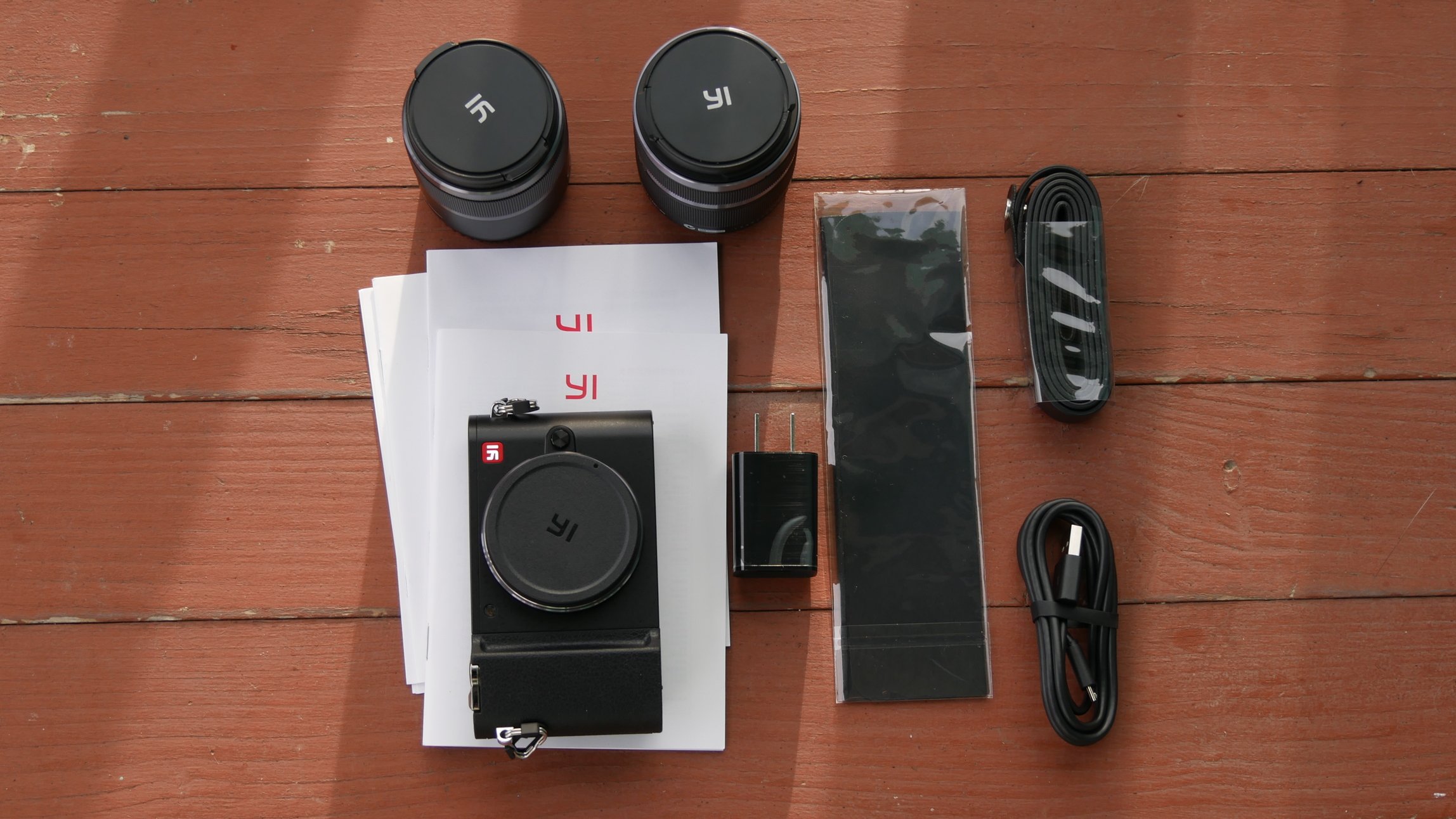
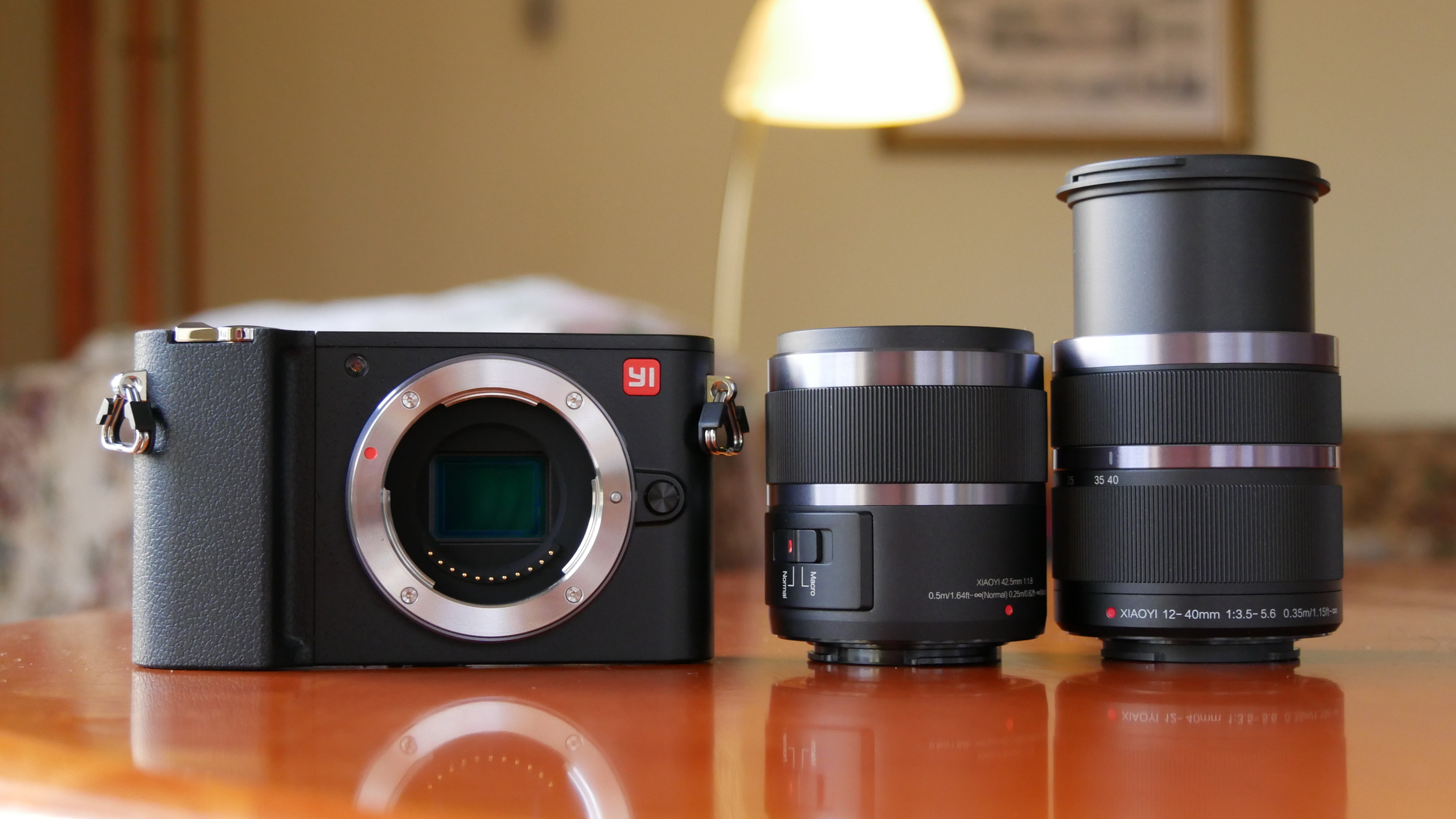
The camera comes in quite a premium box where all the items are packed neatly. My review unit came with two lenses and this kit is more expensive as it costs over $500.
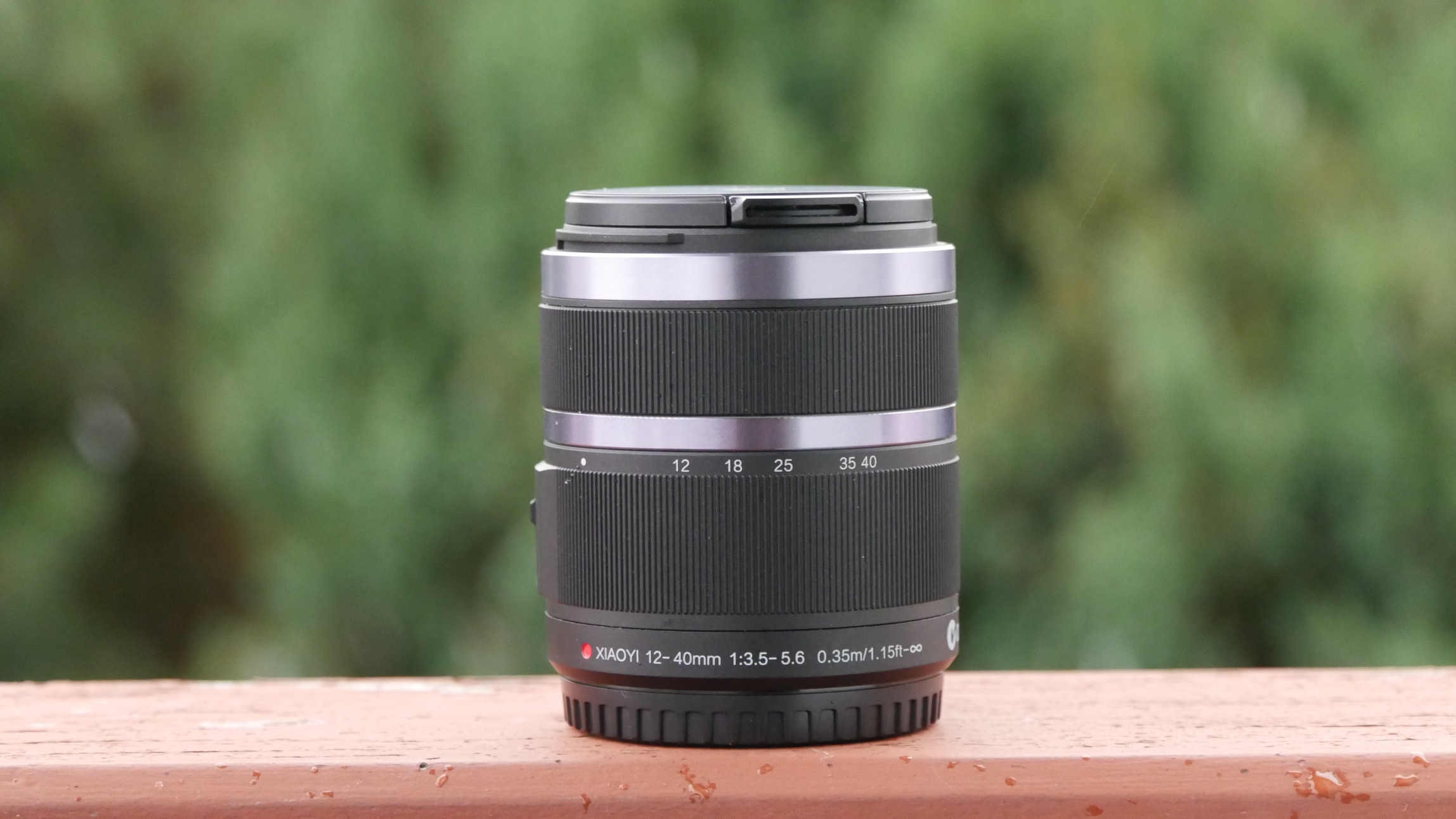
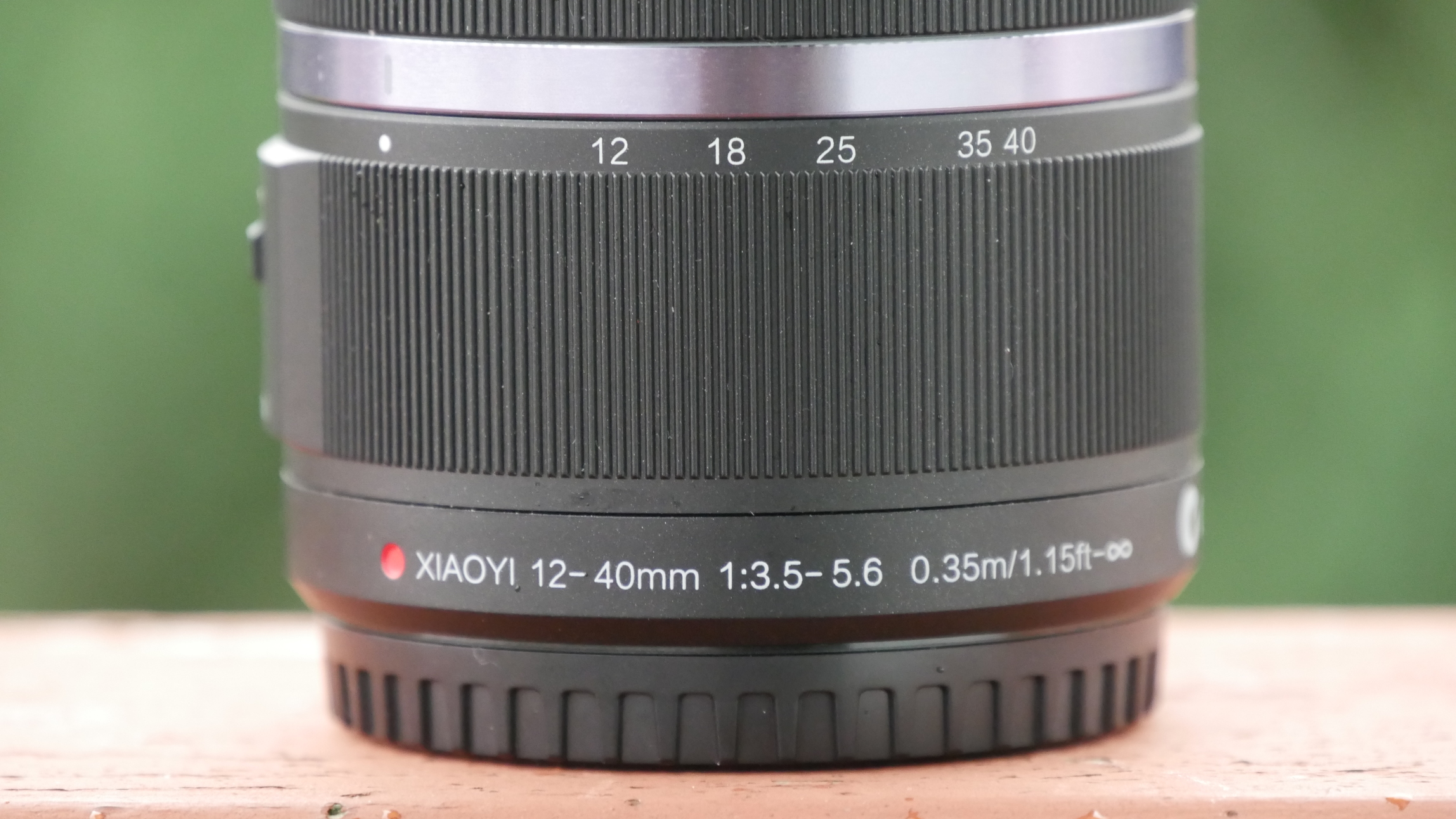
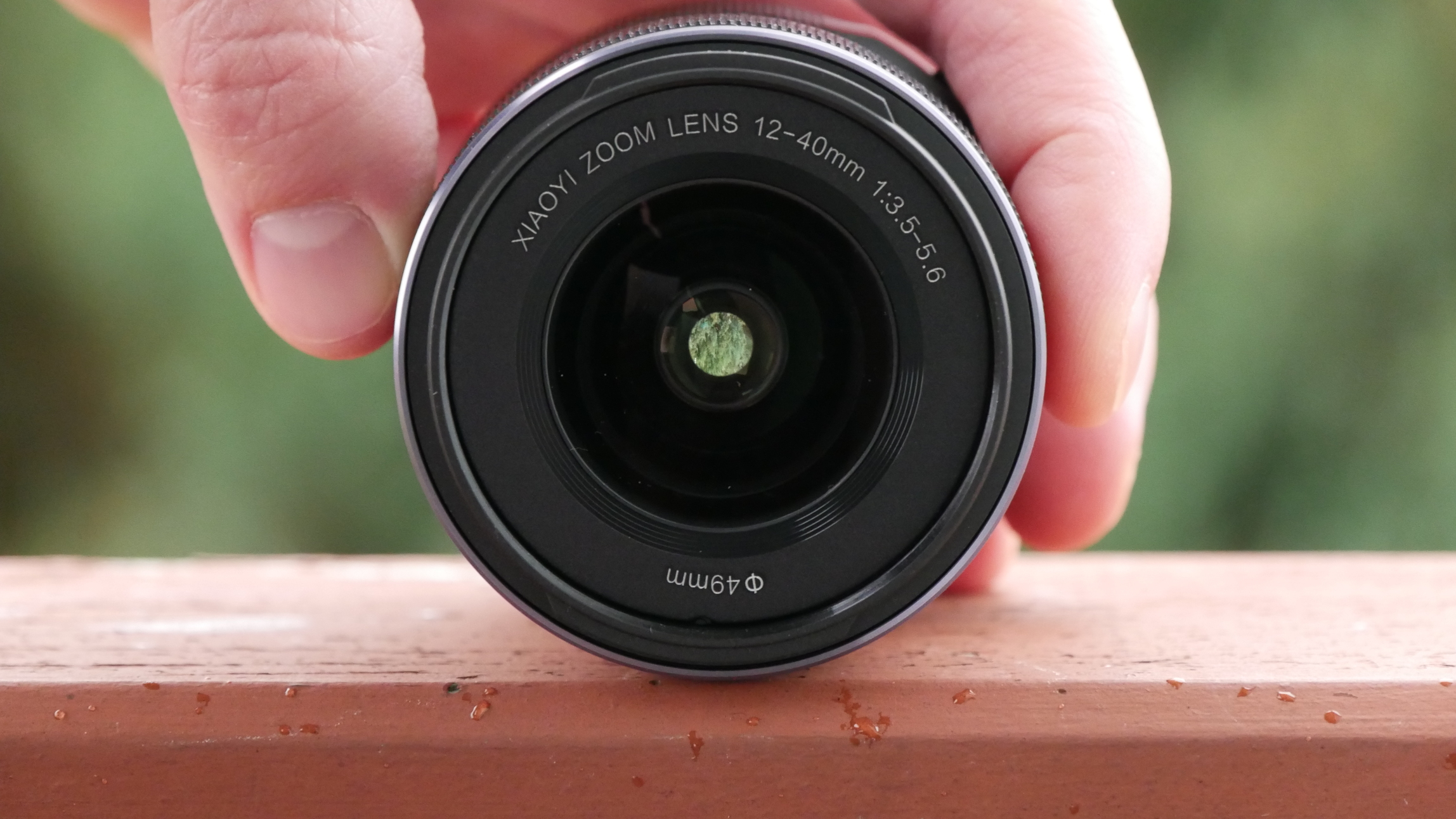
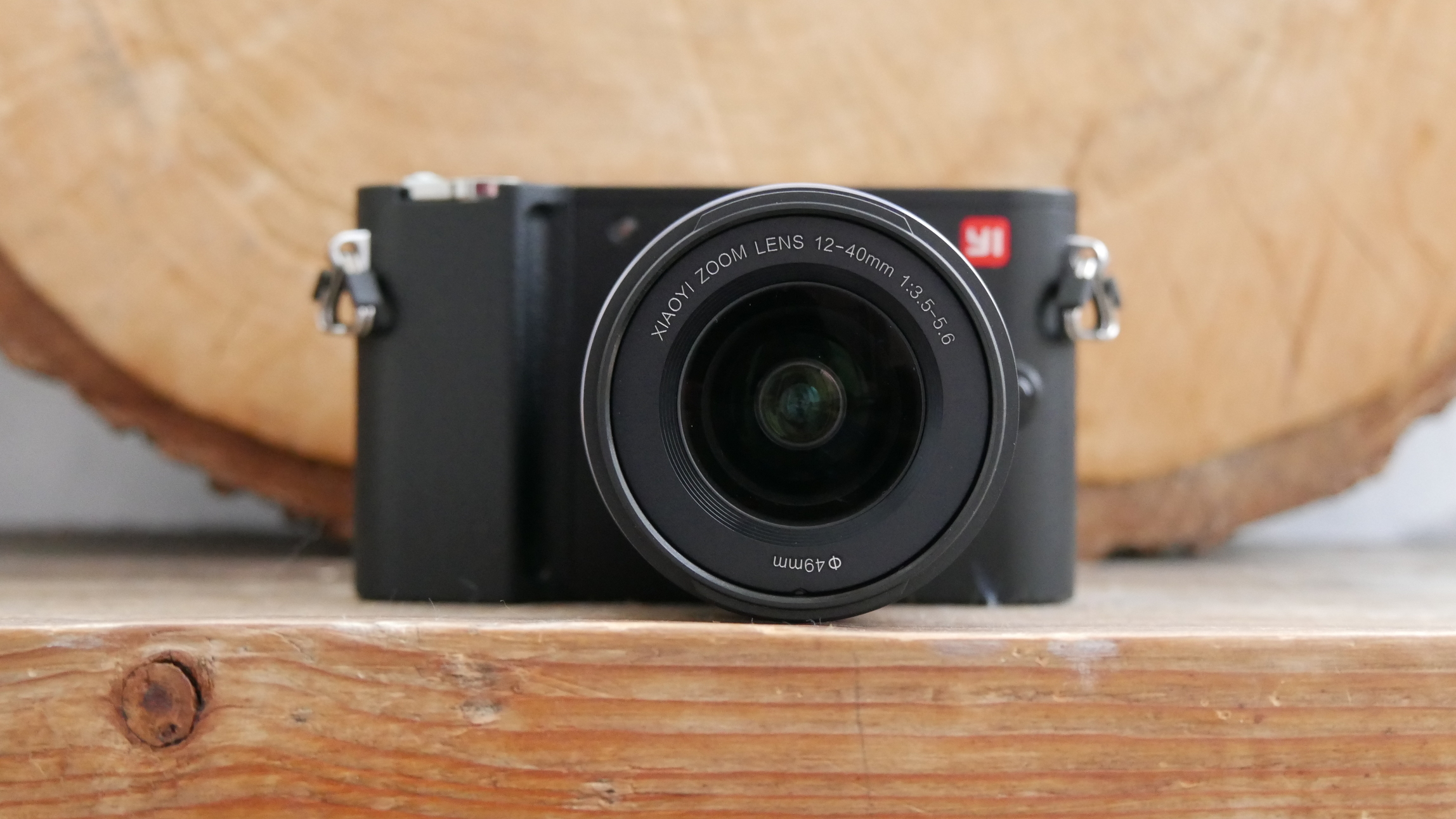
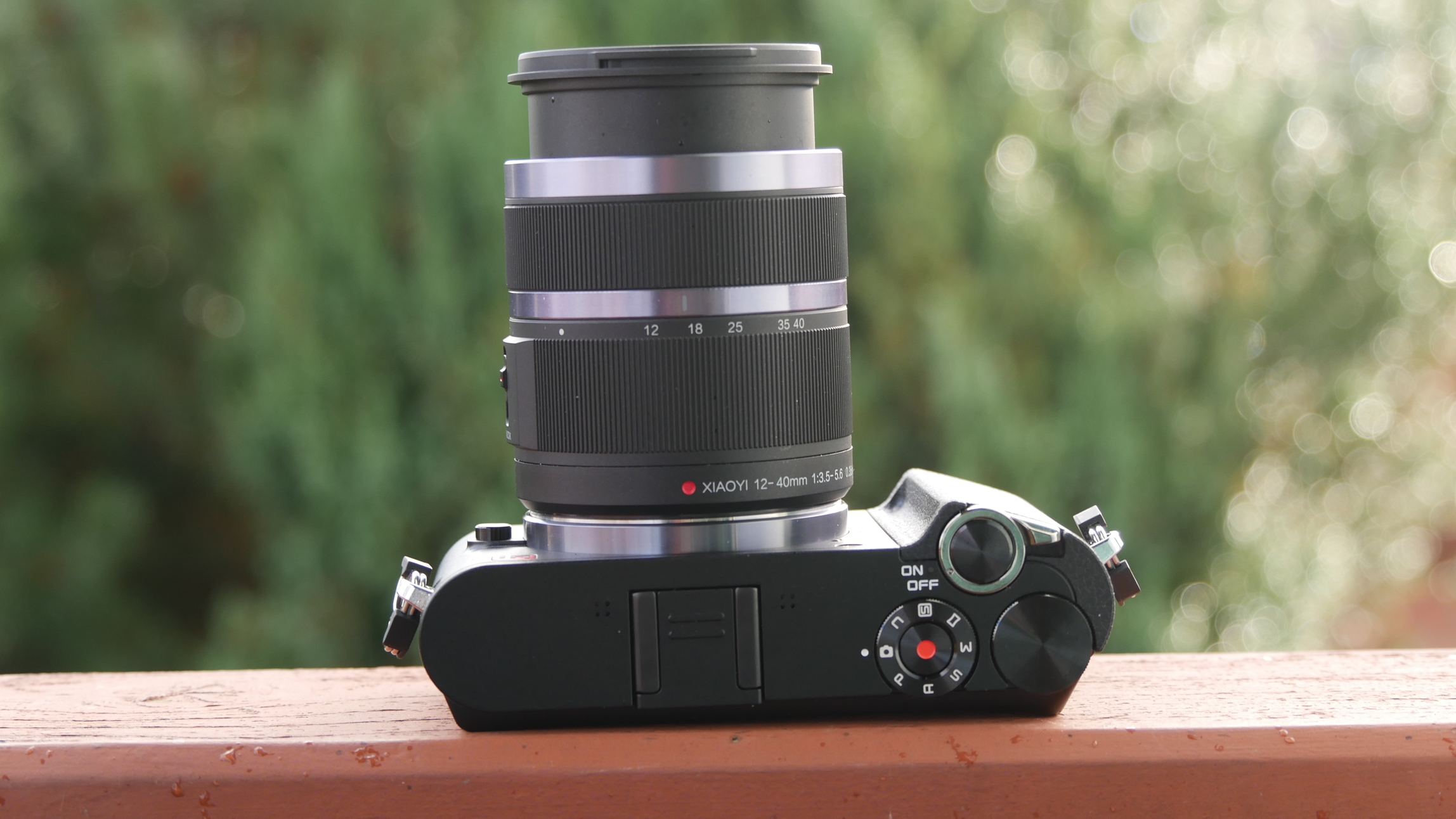
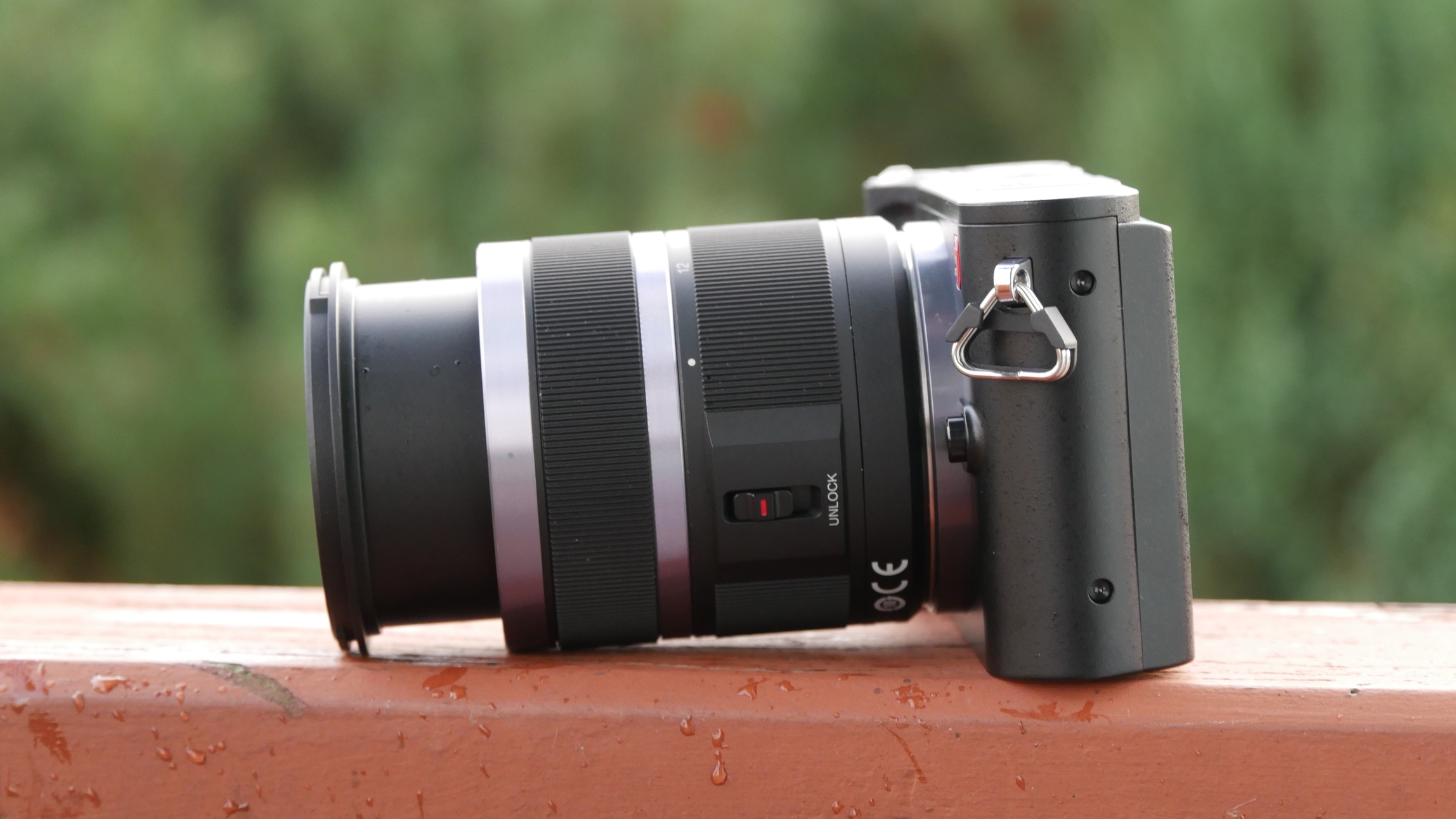
Speaking of the lenses, the first one 12-40mm zoom lens with variable f/3.5-5.6 aperture.
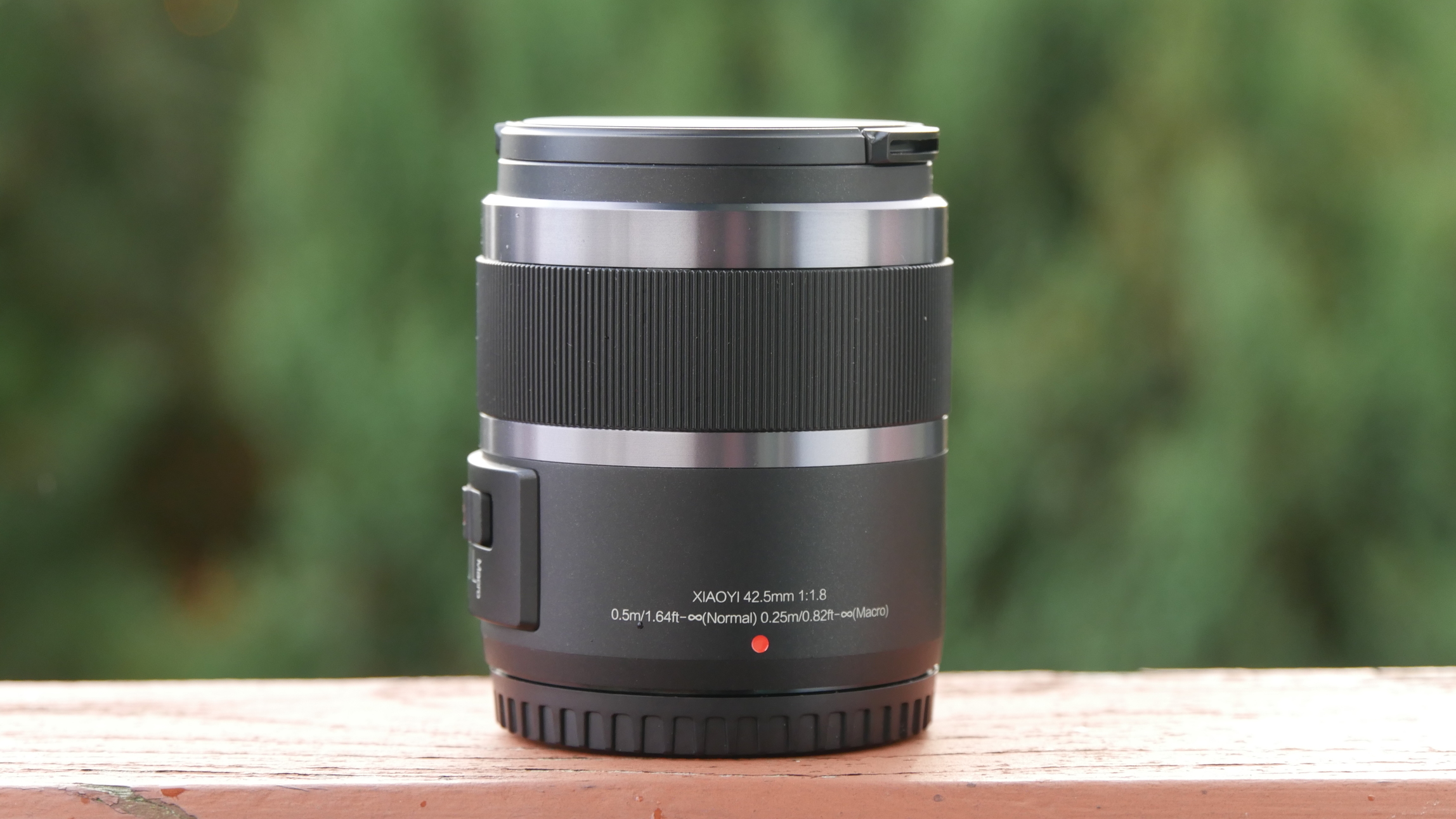
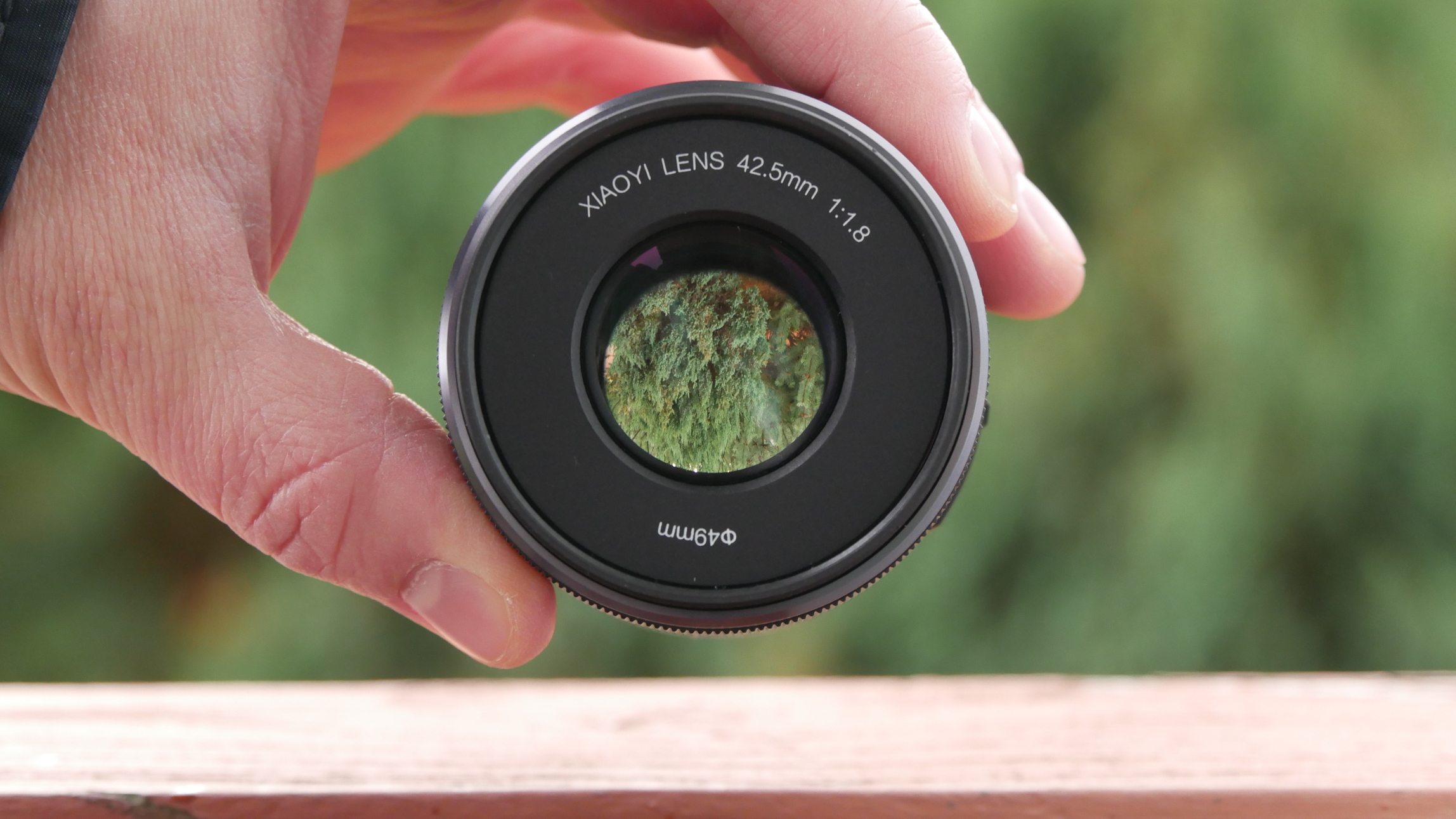
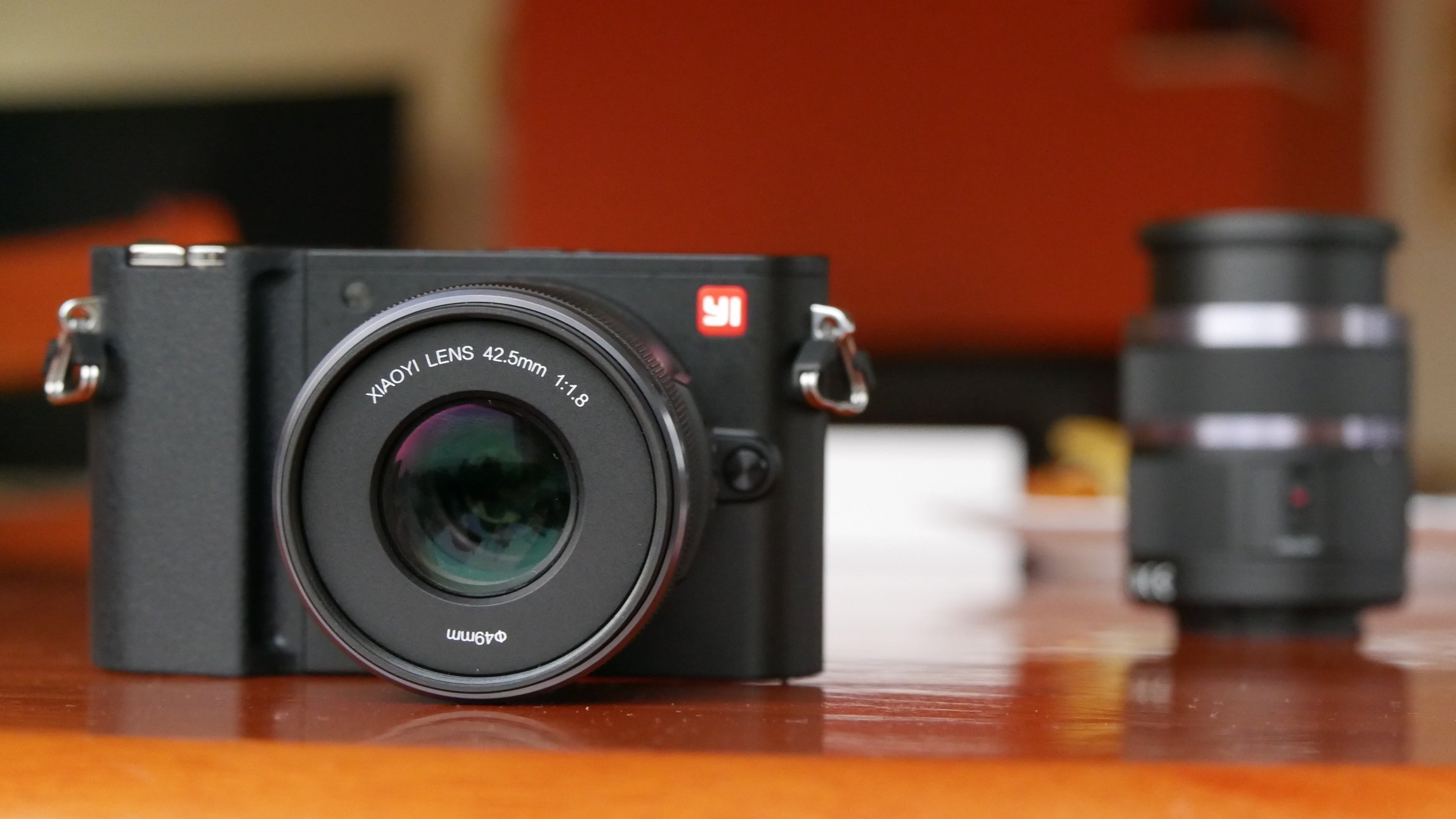
The second one I have is the 42.5mm prime lens with a bright f/1.8 aperture for that great shallow depth of field and better low-light performance. Also, you can switch to the macro mode for sharper close-up images. Both lenses are made of quality plastic and metal, and they do not feel cheap at all.
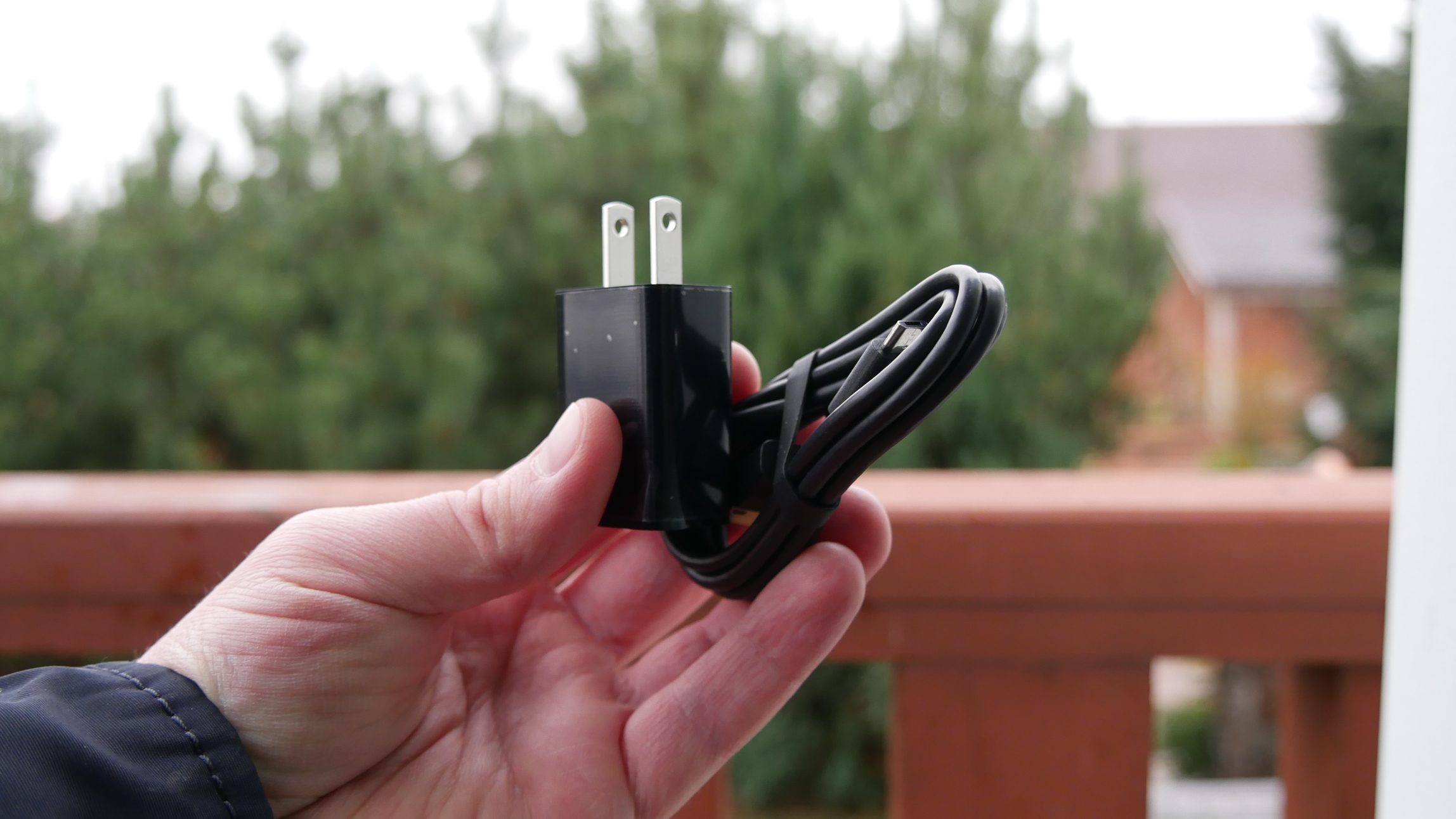
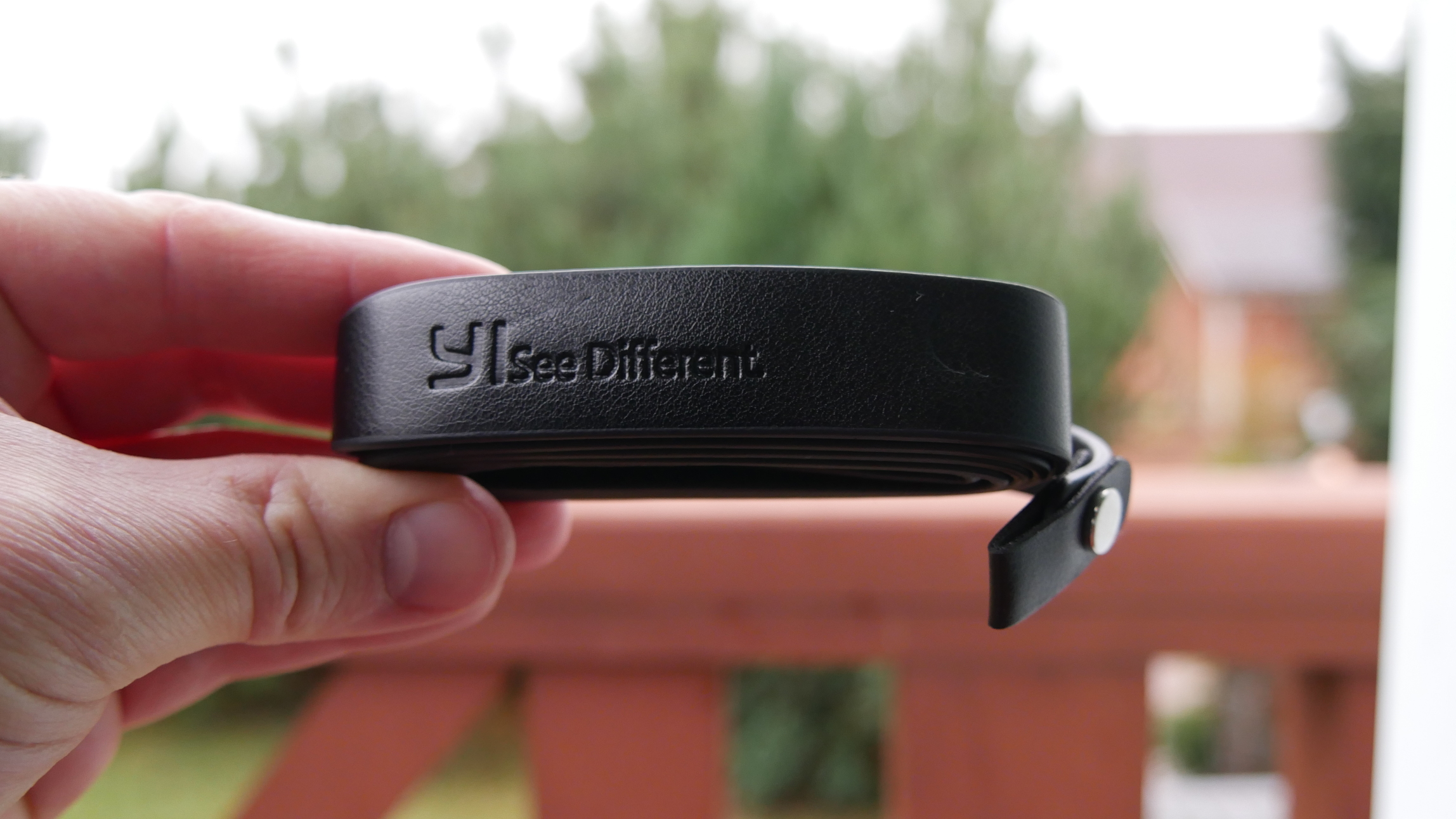
We also have some instruction manuals and warranty cards, USB cable and charging brick, lens cleaning cloth and last but not least ahigh-quality leather strap.
YI M1 Mirrorless Camera Review: DESIGN and FEATURES
Once I fist took the camera out of the box, my initial impressions were that the camera was so compact.
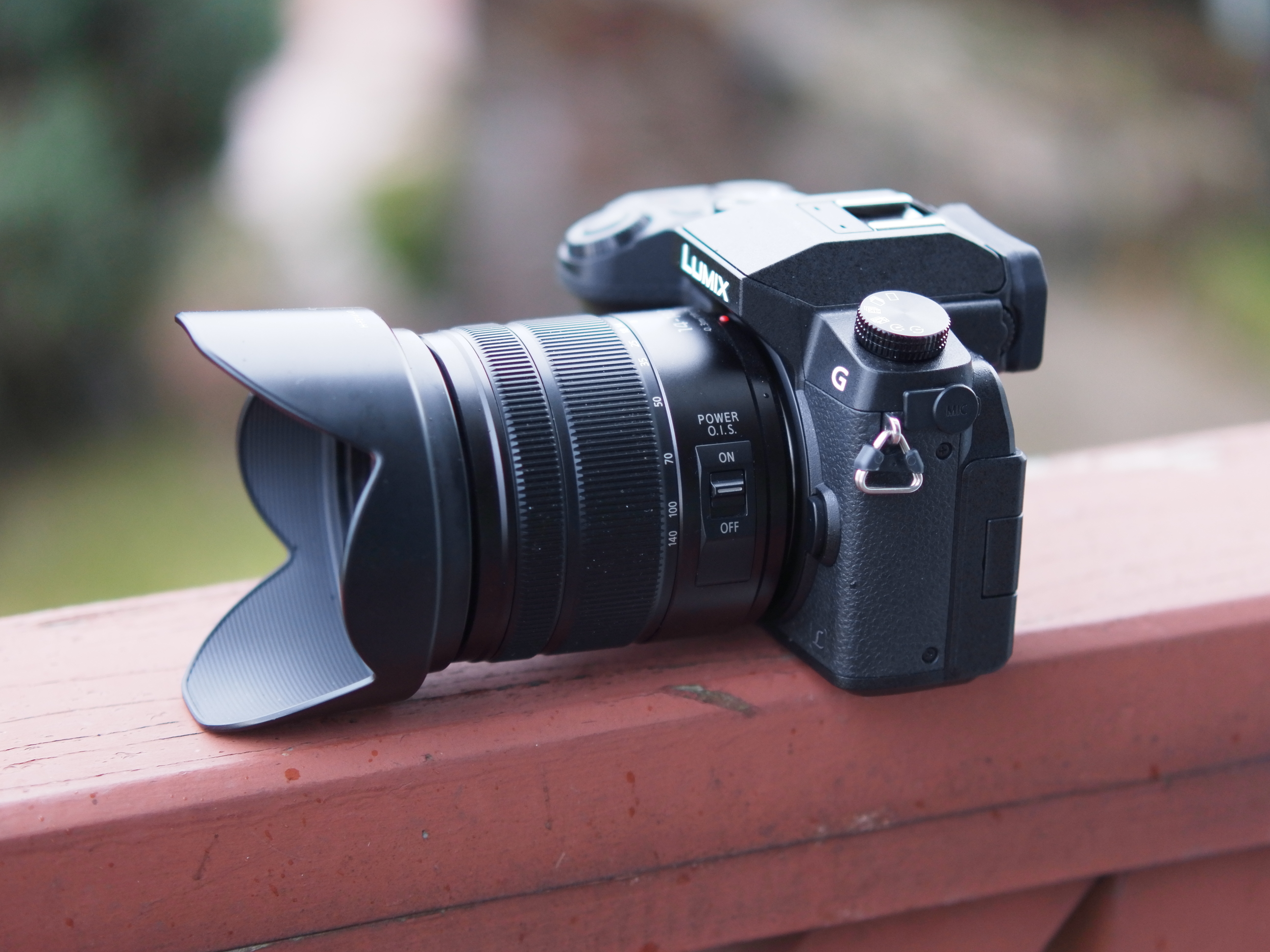
Honestly, it is much more compact and lightweight than the Sony A6300 or Panasonic G7 cameras I work with.
Although the camera does not sport an alloy body, it is very well-made and sturdy.
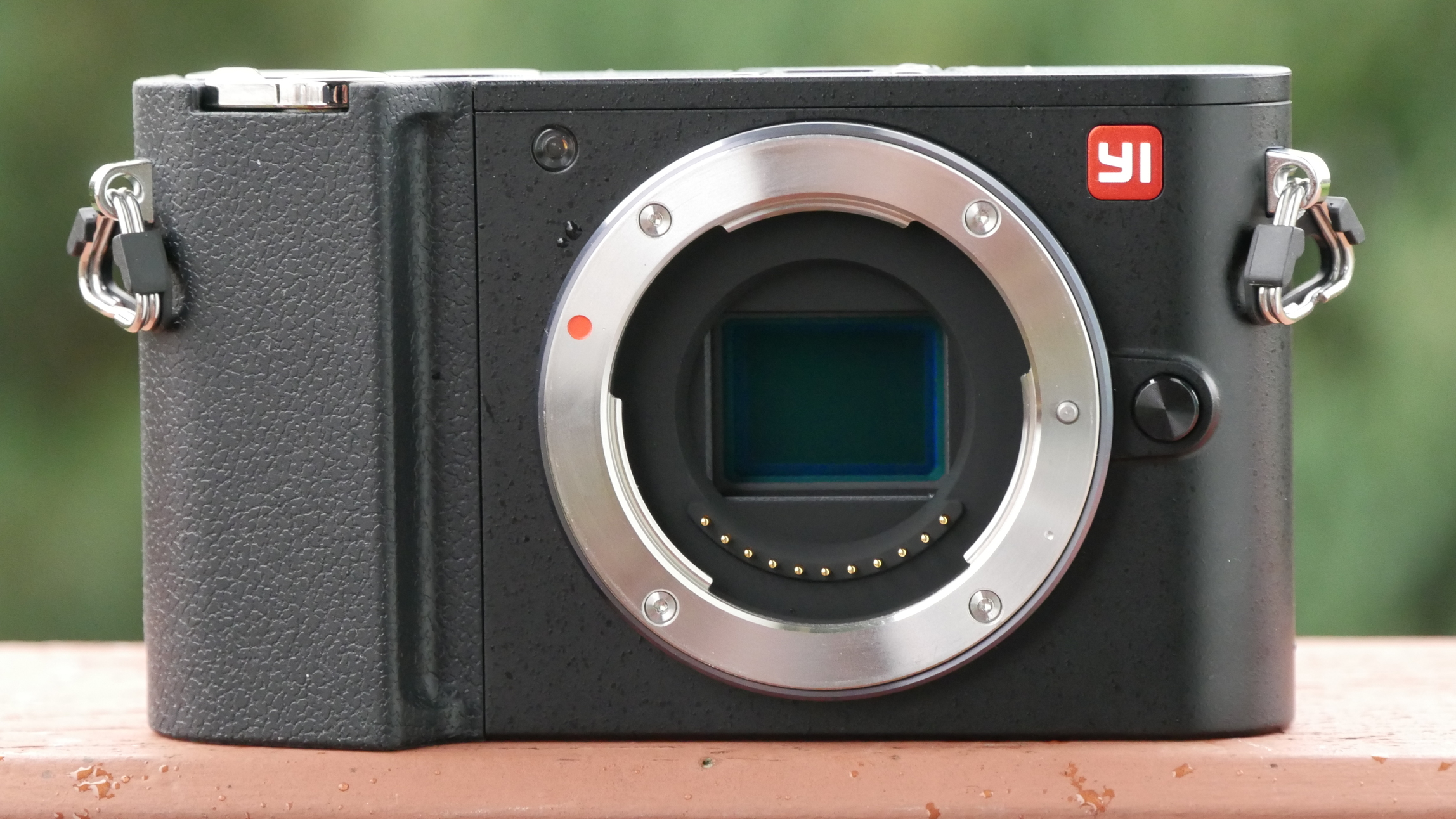
One of the key selling points is a premium 20MP Sony IMX269 Micro Four Thirds sensor, which is usually used in a lot more expensive cameras. The sensor has 81 focusing points but, unfortunately, it has only the contrast detection auto-focus while more expensive cameras use hybrid-focusing technologies. Another bad thing is that there is no OIS neither in the camera body nor in the supplied lenses. A great thing is that there is a huge variety of lenses and my 14-140mm Panasonic lens that has the built-in OIS work just fine.
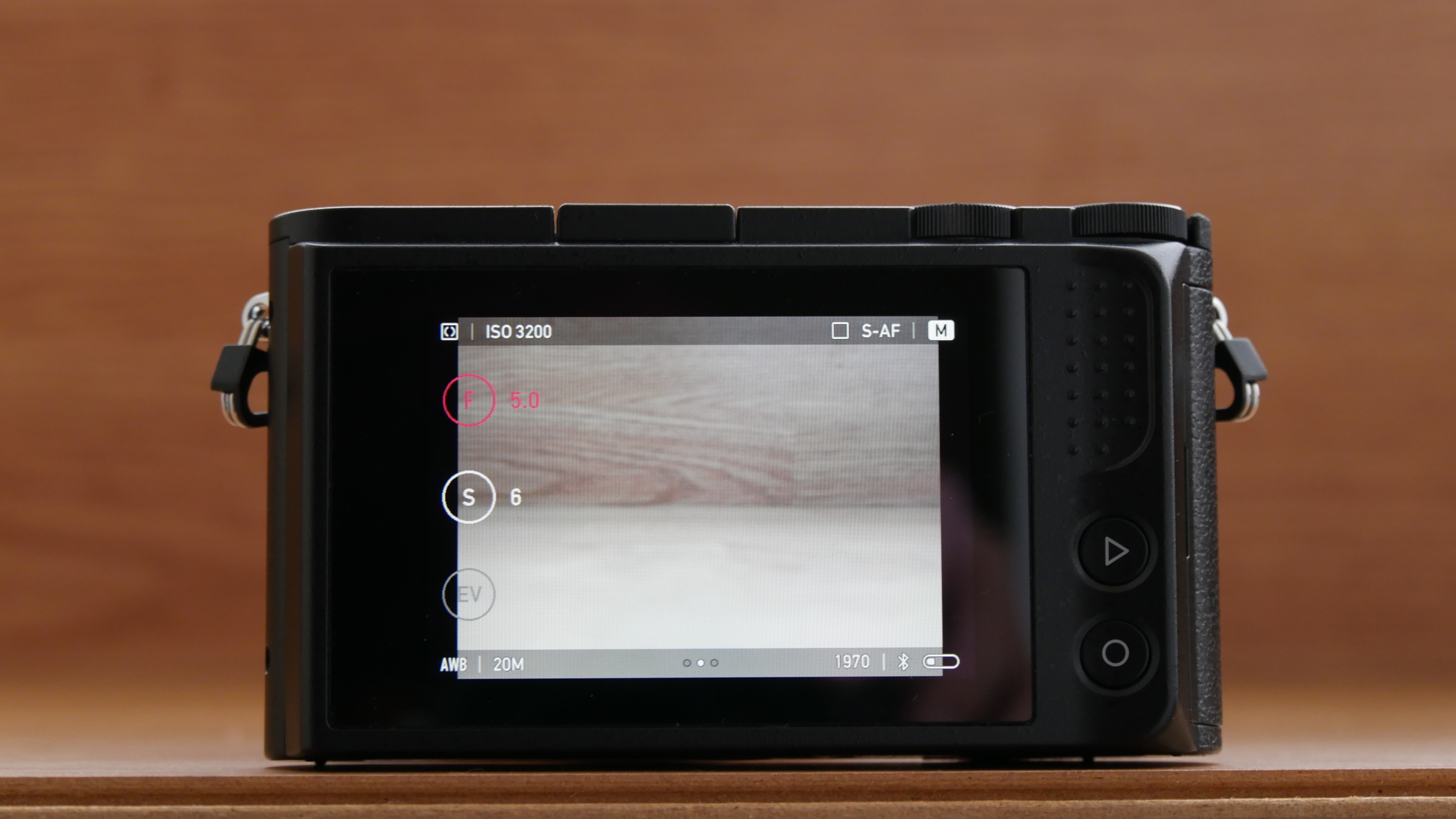
Also, the M1 camera does not have so many buttons as traditional micro four thirds cameras as most of the settings can be adjusted using a touchscreen.
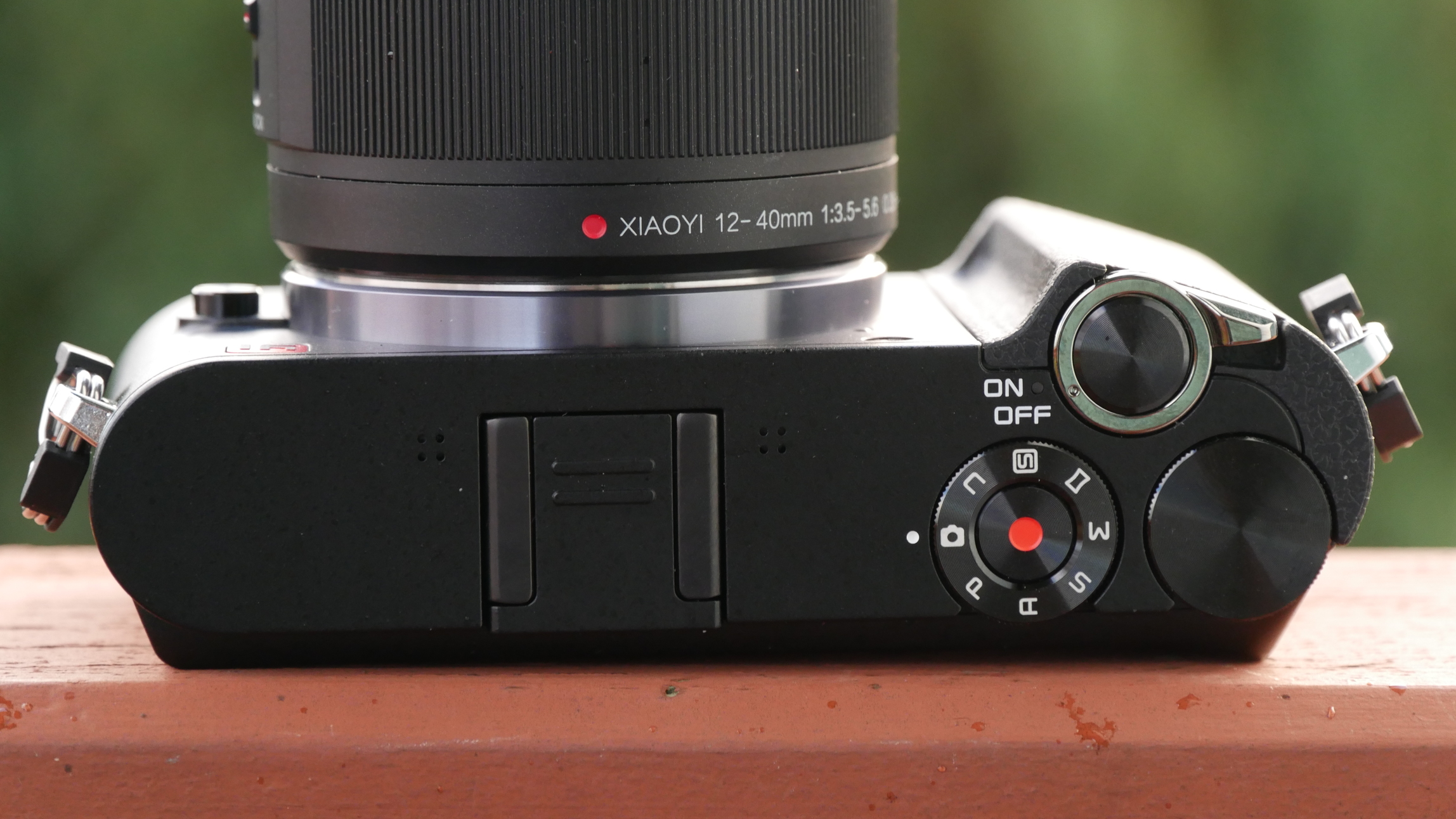
Still, we have two dials that allow you to switch from one mode to another and tweak some settings. We have the traditional modes like Auto, aperture or shutter priority, panorama or manual mode. One of the more interesting is the “Super Professional” mode, which offers quite a few templates that help you takesome professional-looking portrait pictures.
We also have a power button, two-stage shutter key, two mics and the hot-shoe mount on the top.
As for connectivity, there is a micro USB port for charging, micro HDMI port and the SD card slot (up to 512GB). Also, the camera has Bluetooth and Wifi but more on those features later. Unfortunately, there is neither mic input nor the headset jack for audio monitoring.
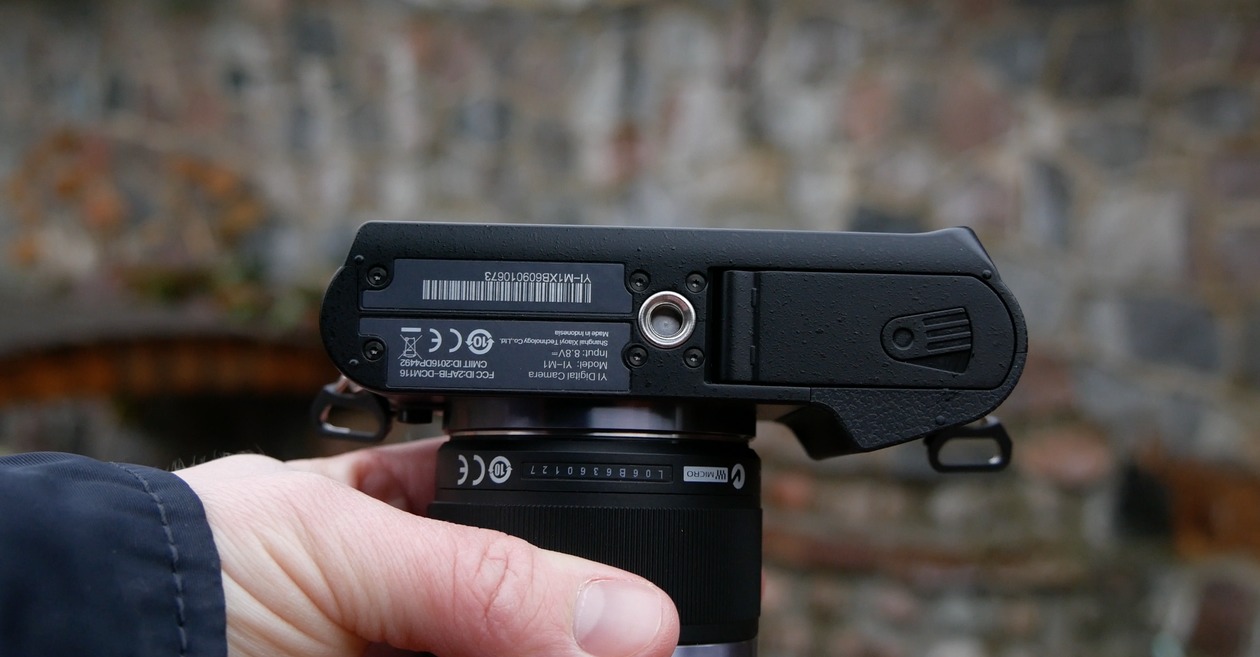
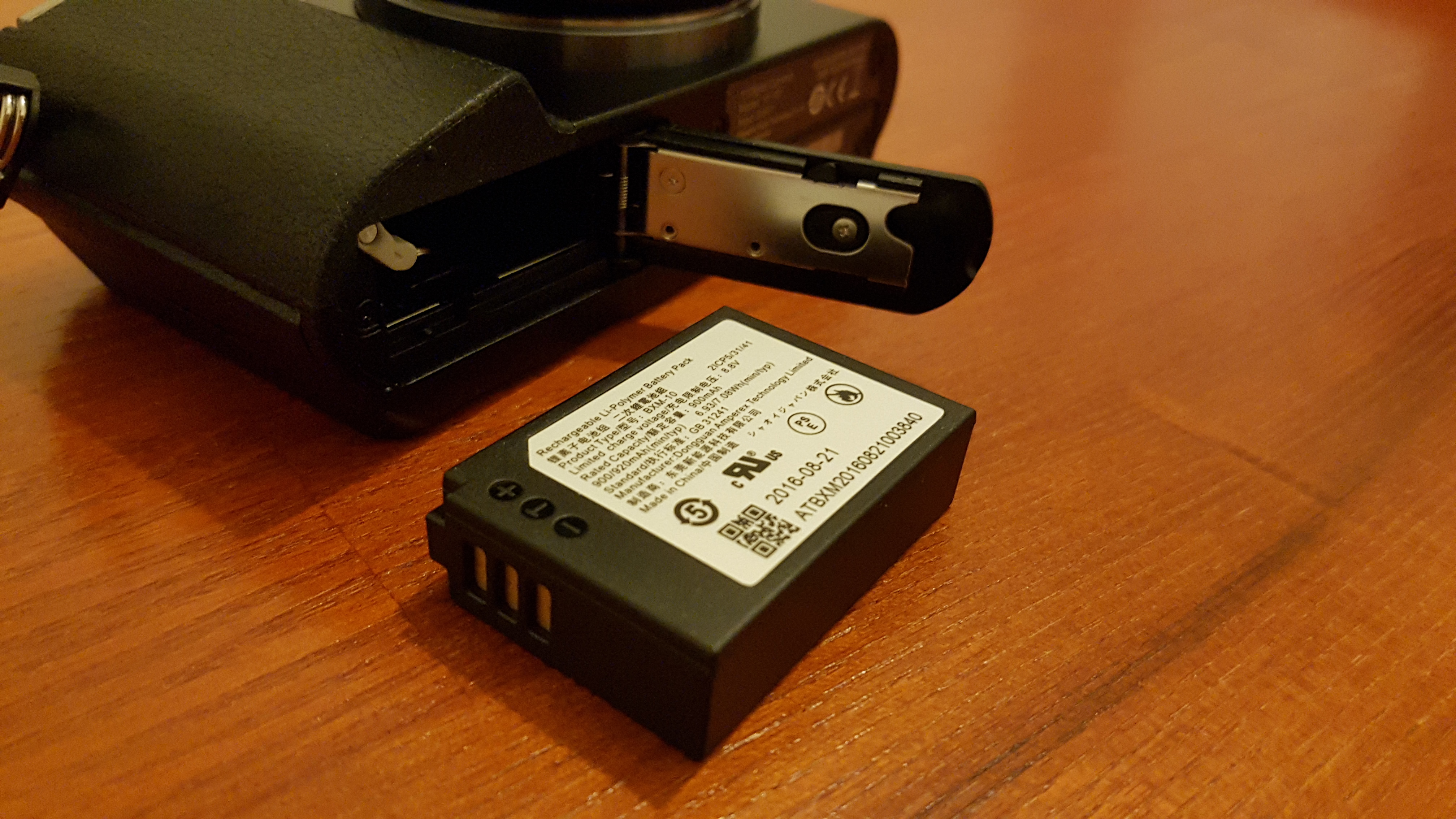
On the bottom, there is a tripod mount and a removable 900mAh battery.
YI M1 Mirrorless Camera Review: DISPLAY
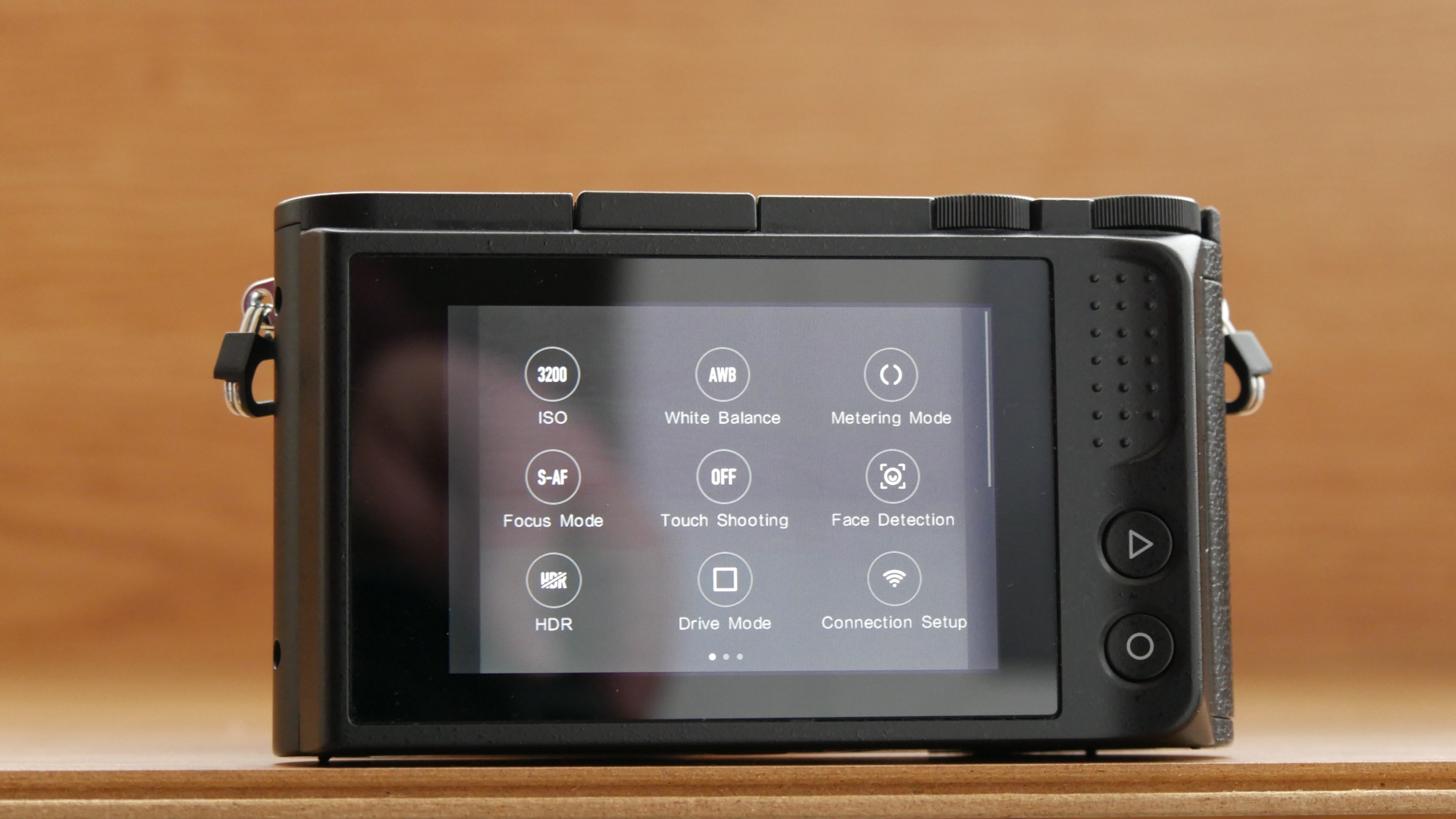
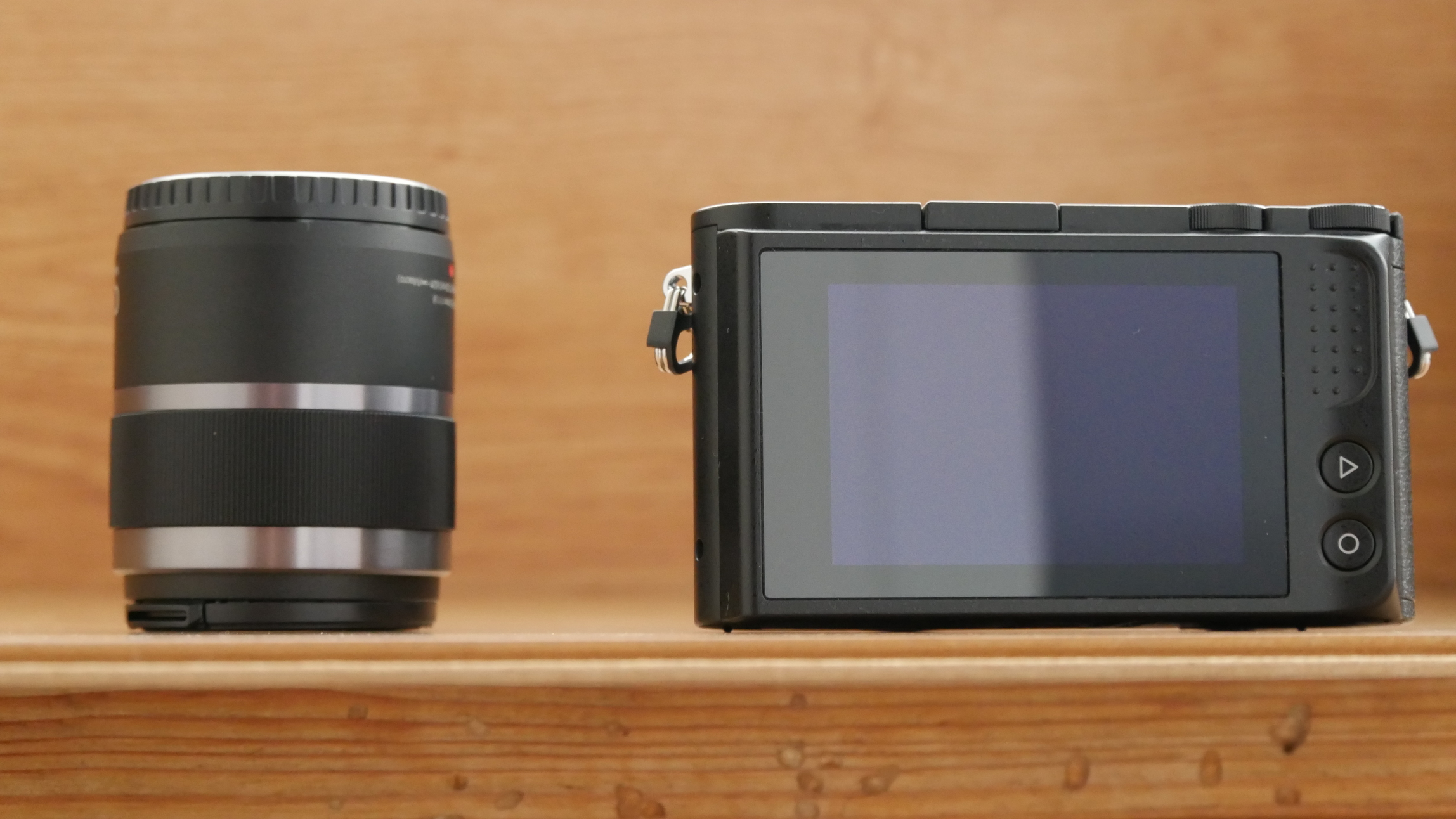
Most of the camera settings can be adjusted using a 3” touchscreen display (720RGBx480), which may not be as good as my Panasonic G7’s screen but it is sharp and bright enough for both indoor and outdoor use. Unfortunately, I could not test it under direct sunlight.
The biggest frustration about the display is that it does not articulate, so if you are a one-man crew like me, consider buying an external monitor for this camera.
YI M1 Mirrorless Camera Review: USER INTERFACE and YI MIRRORLESS APP
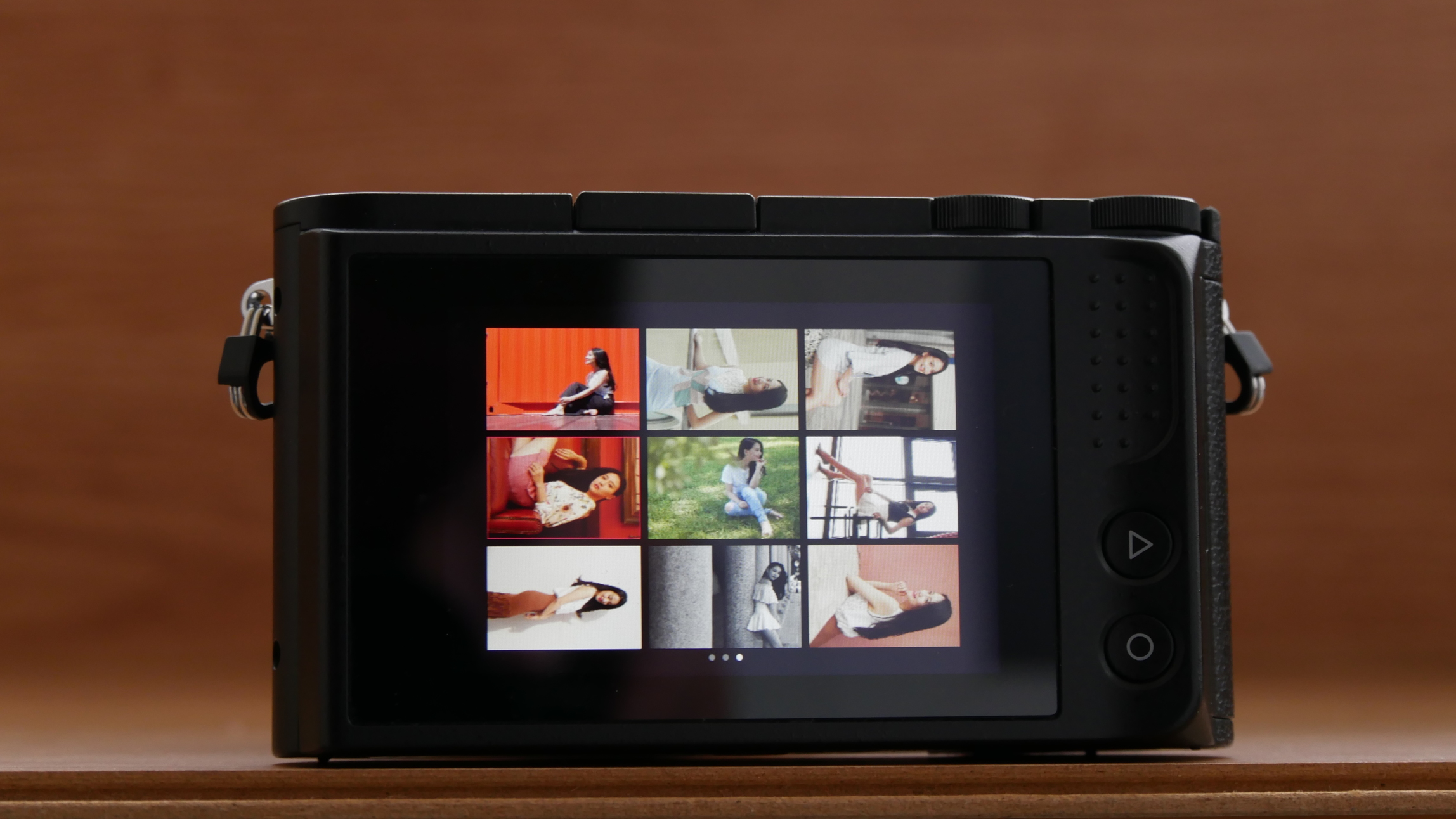
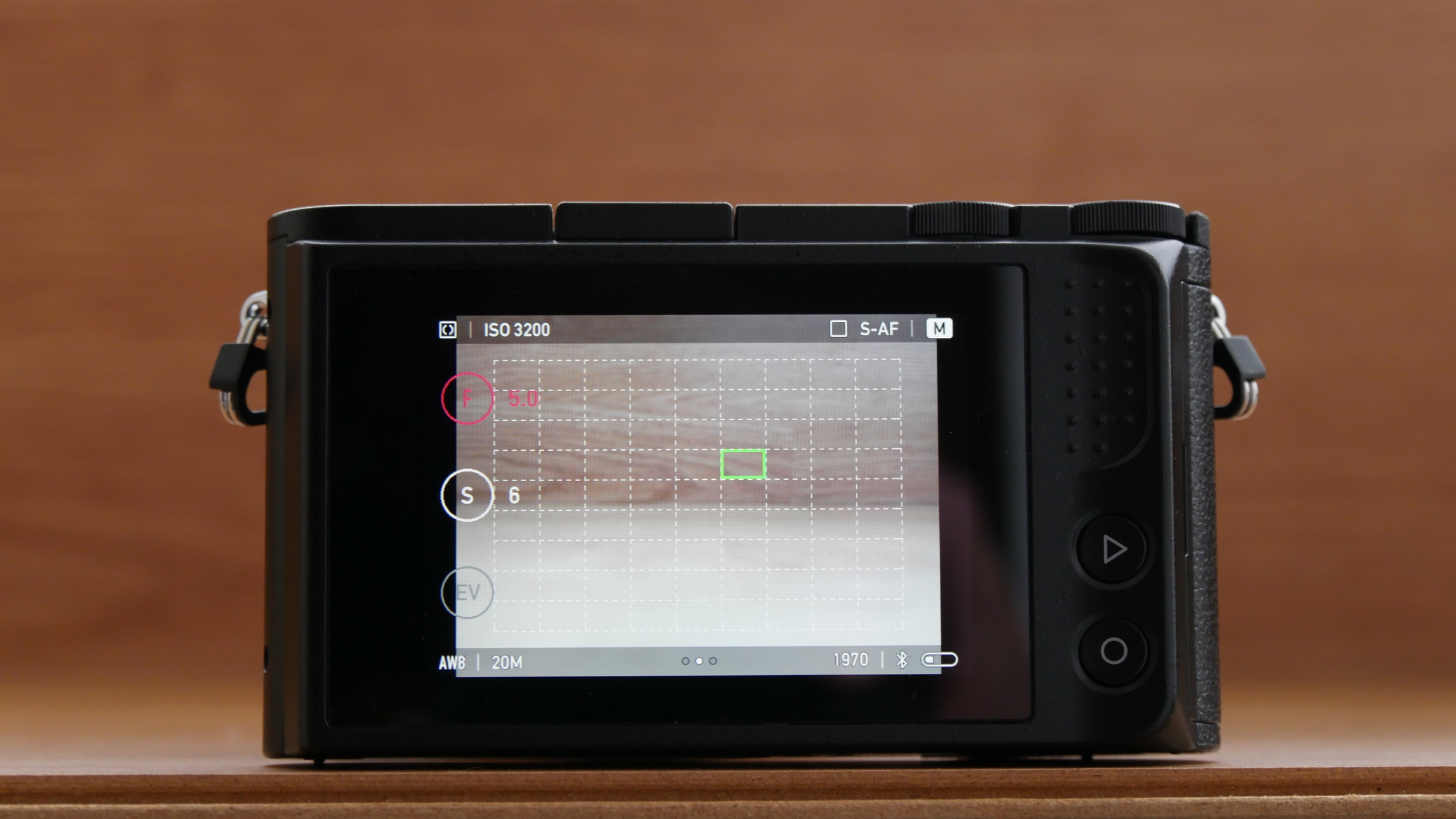
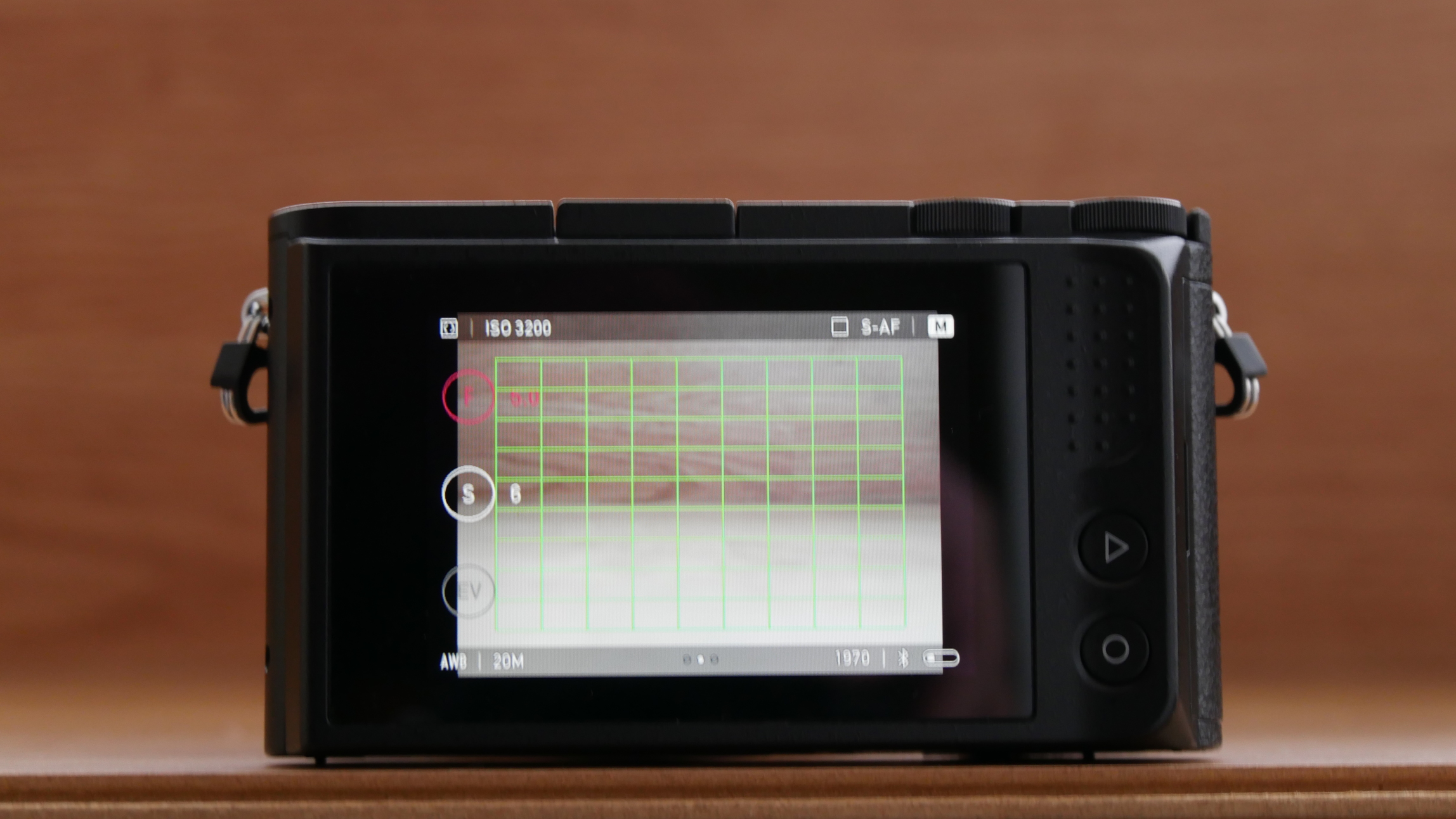
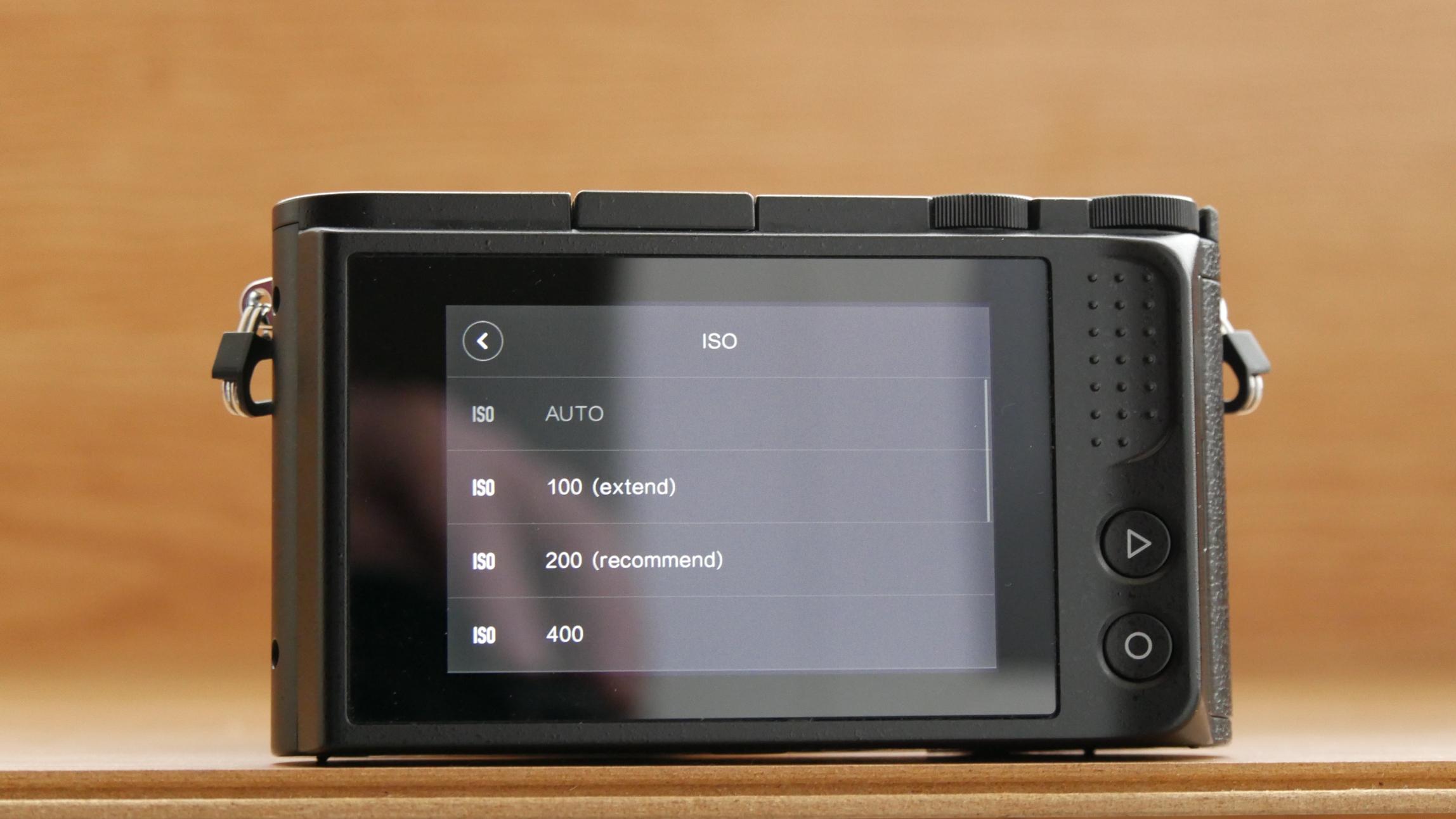
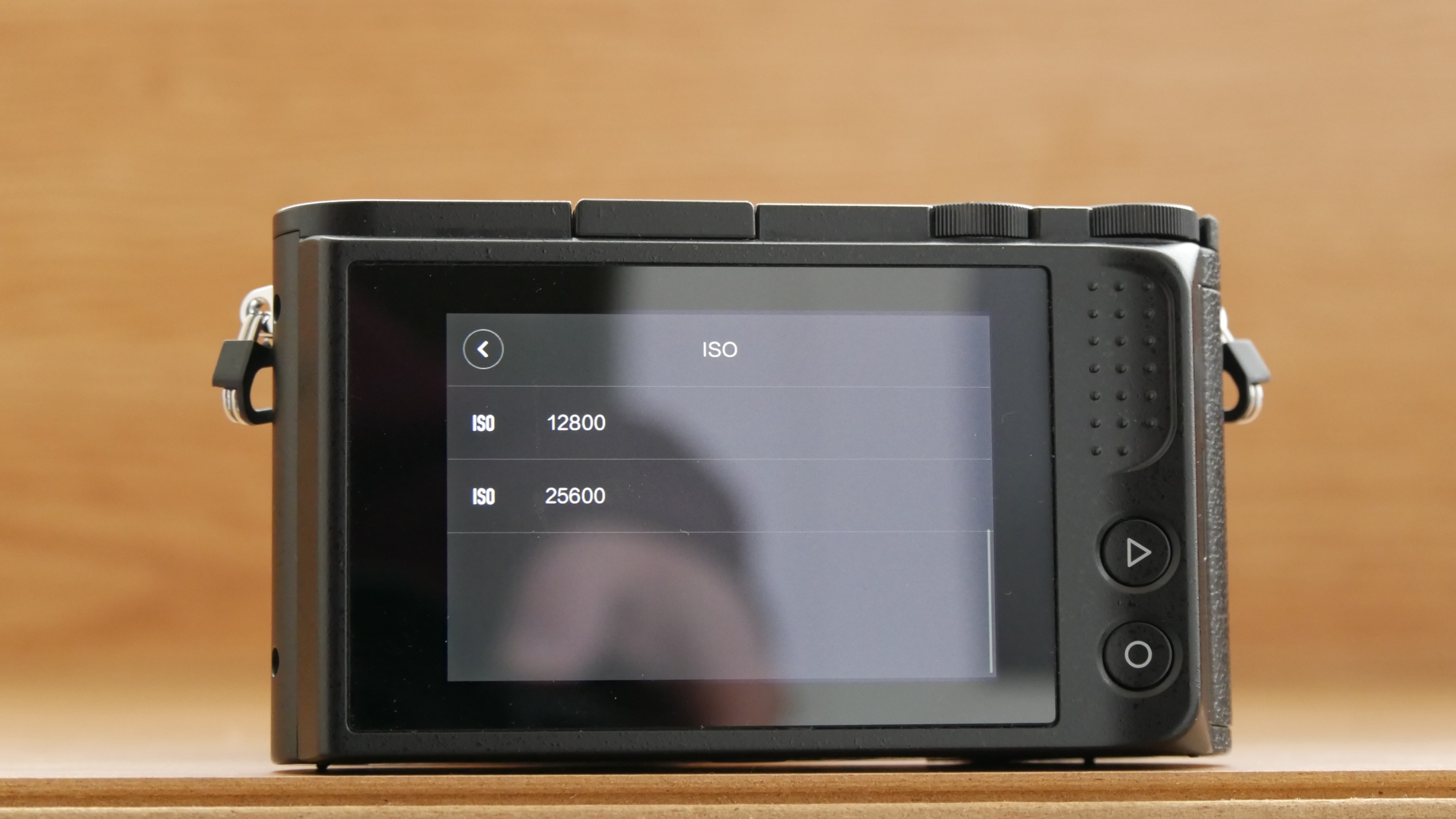
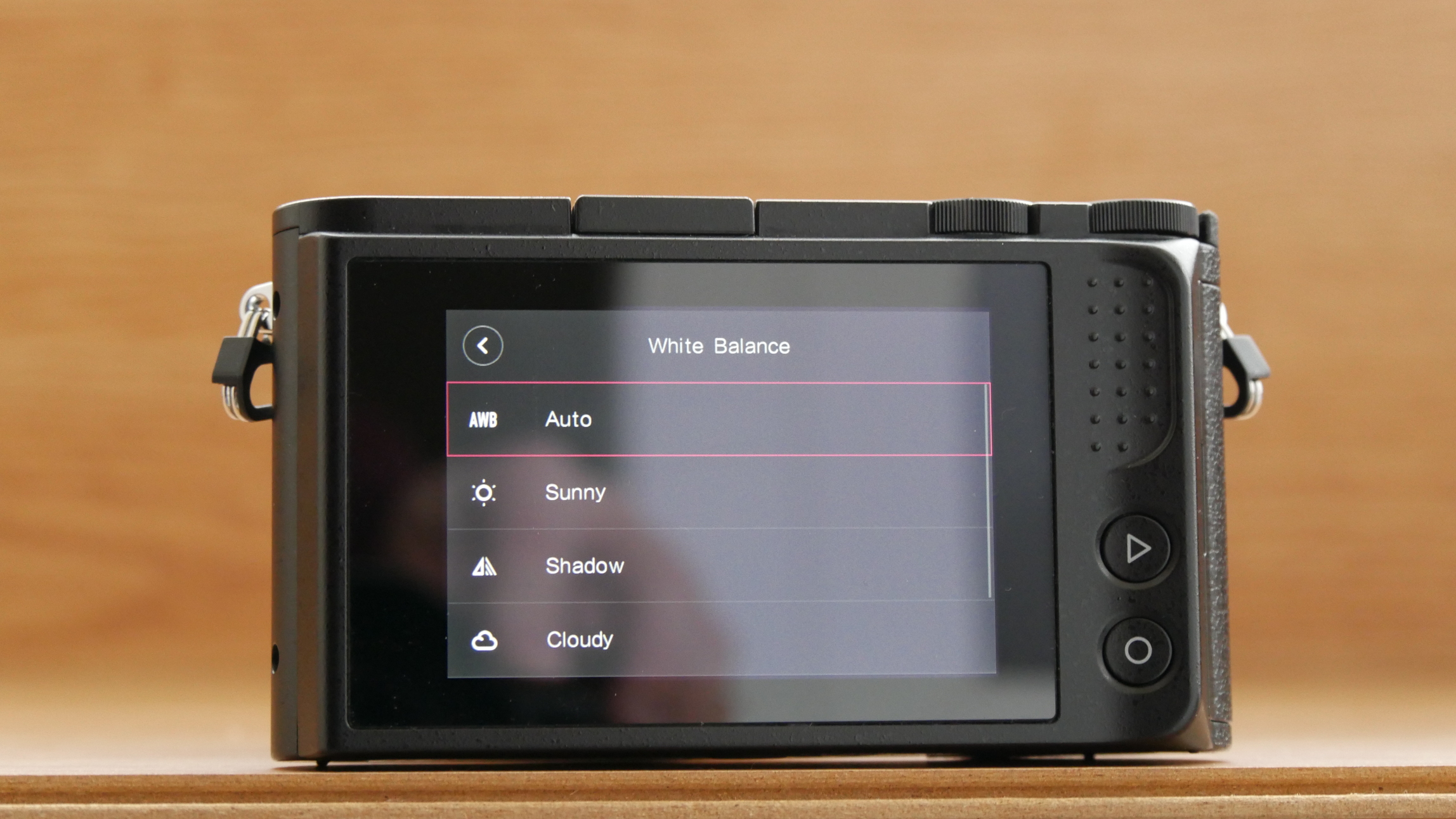
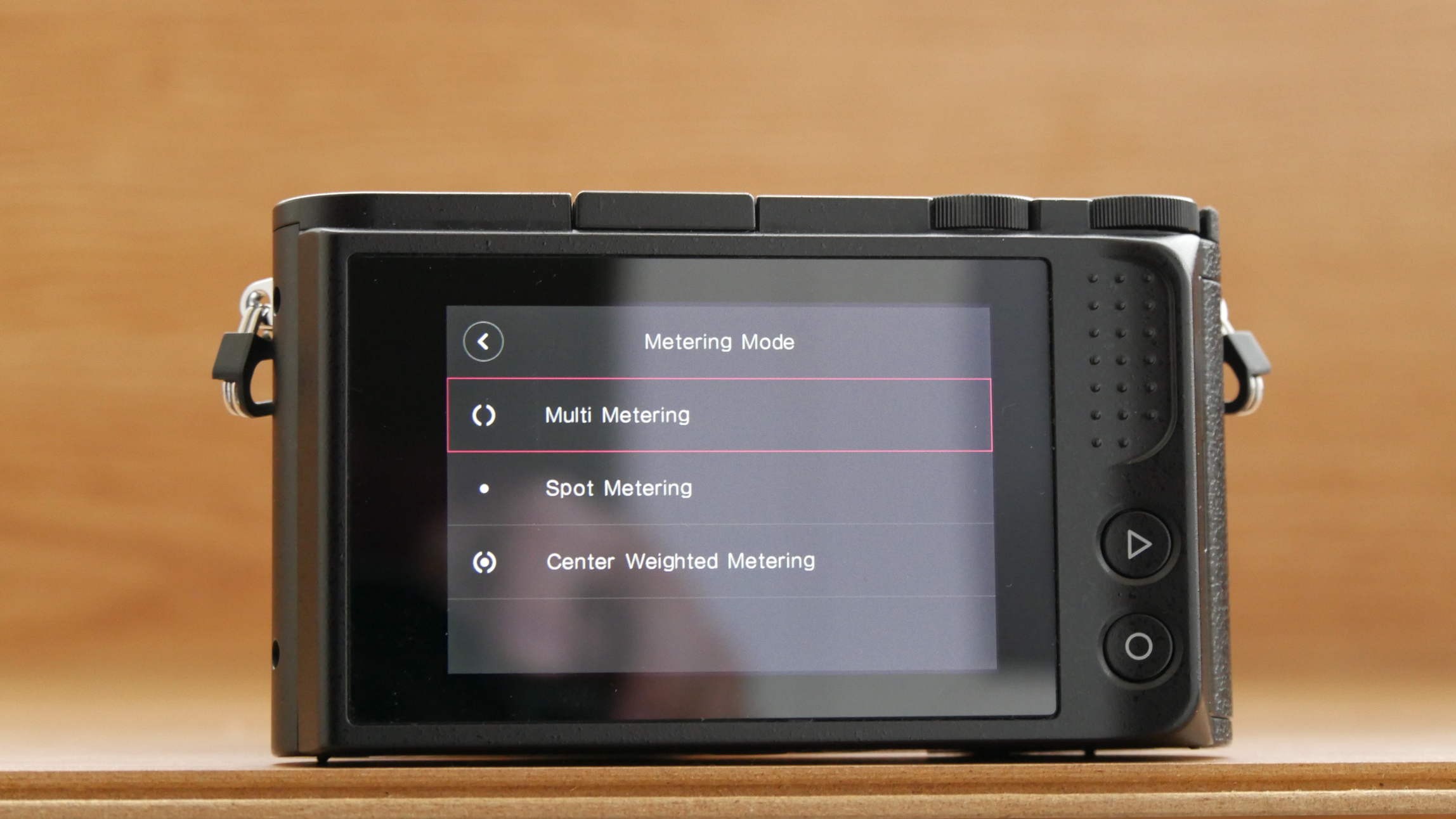
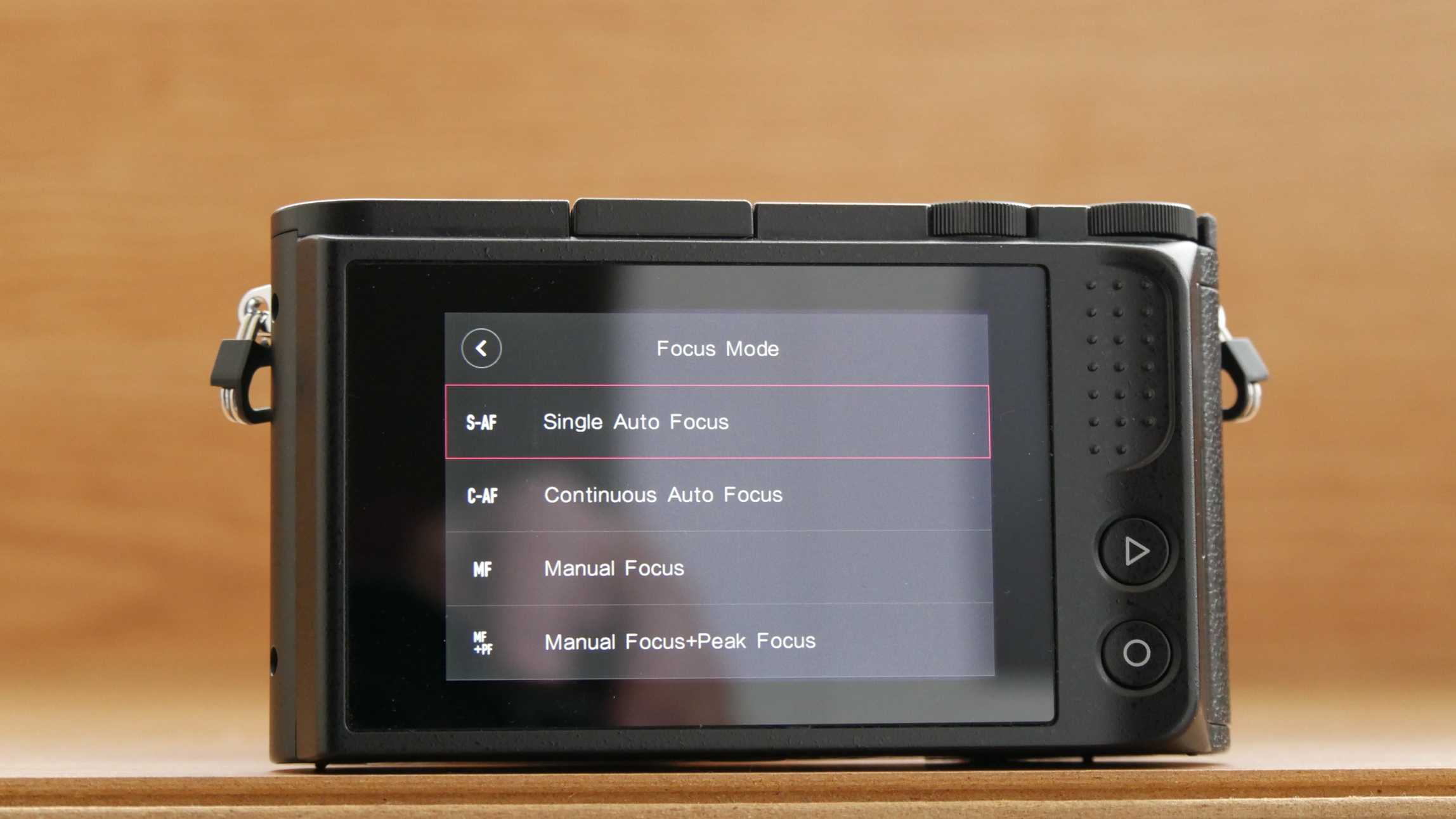
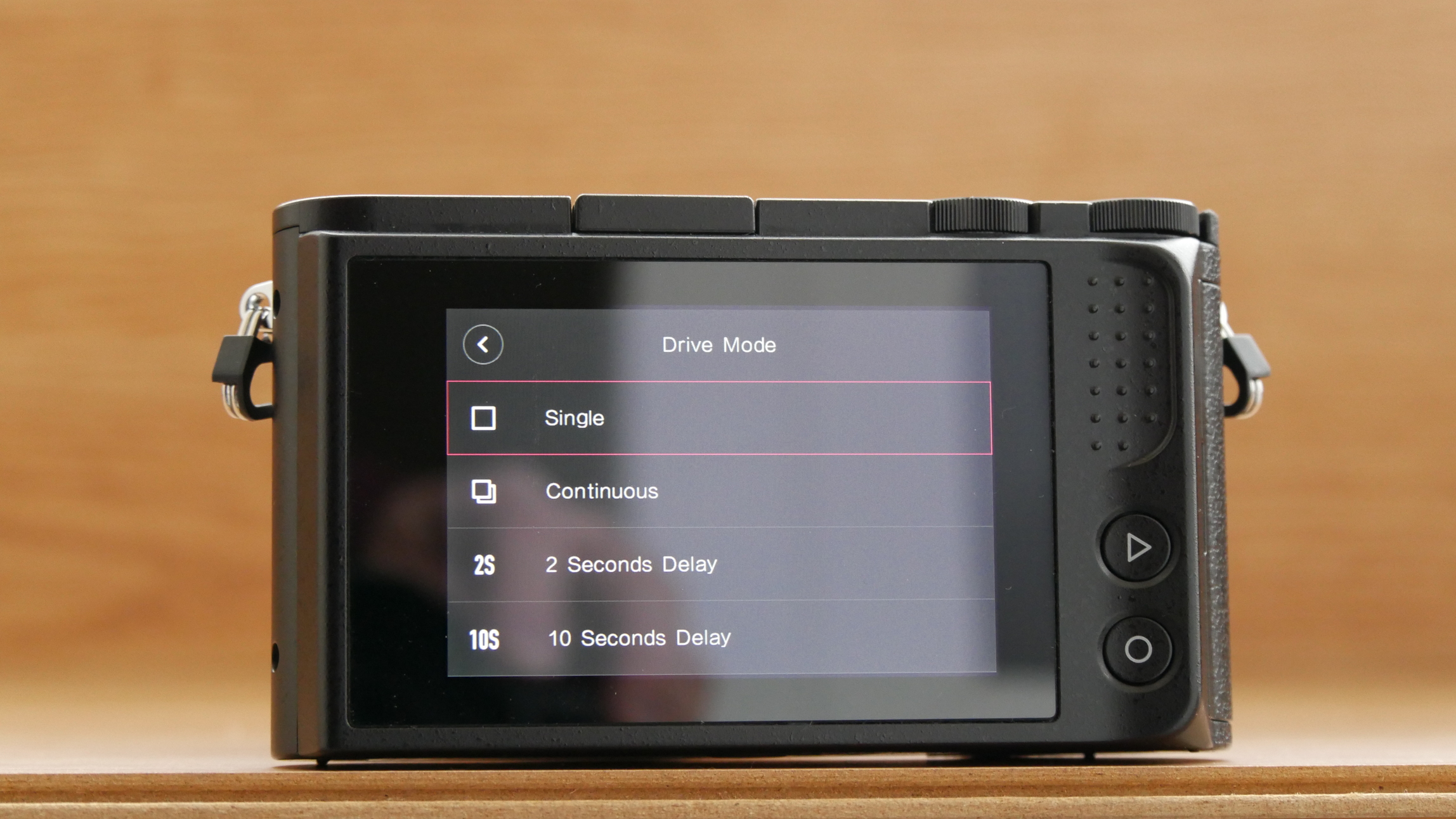
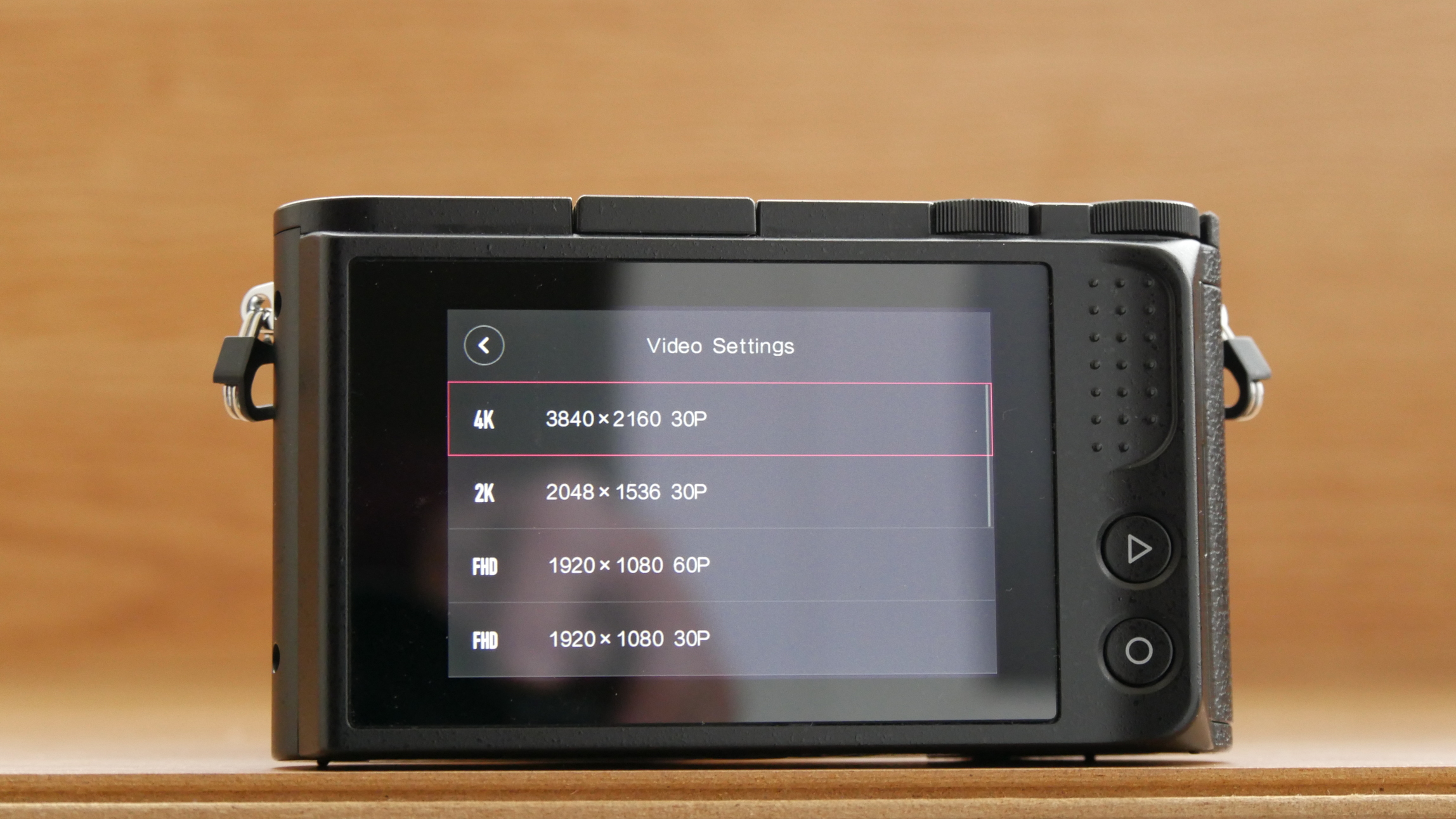
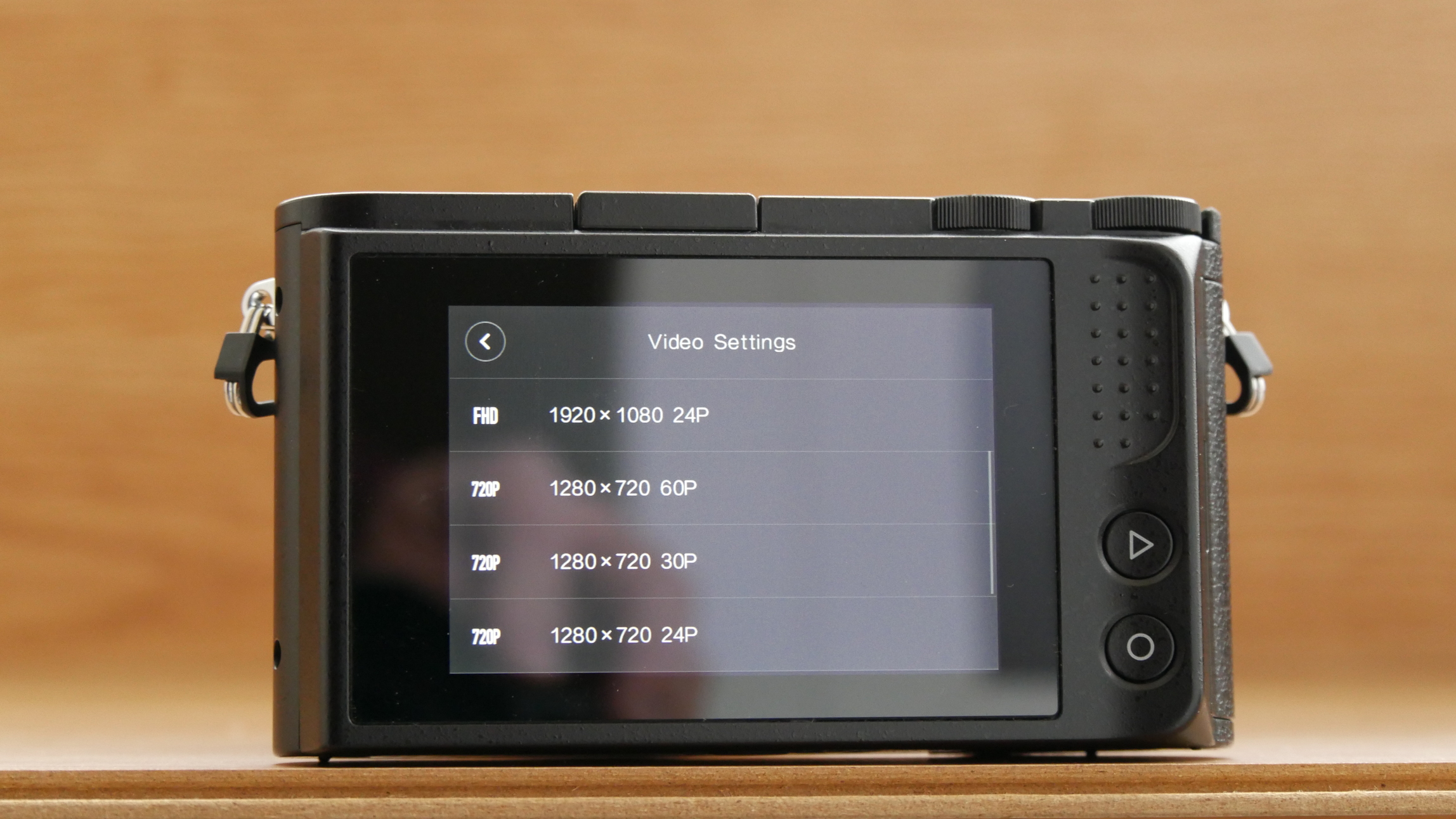
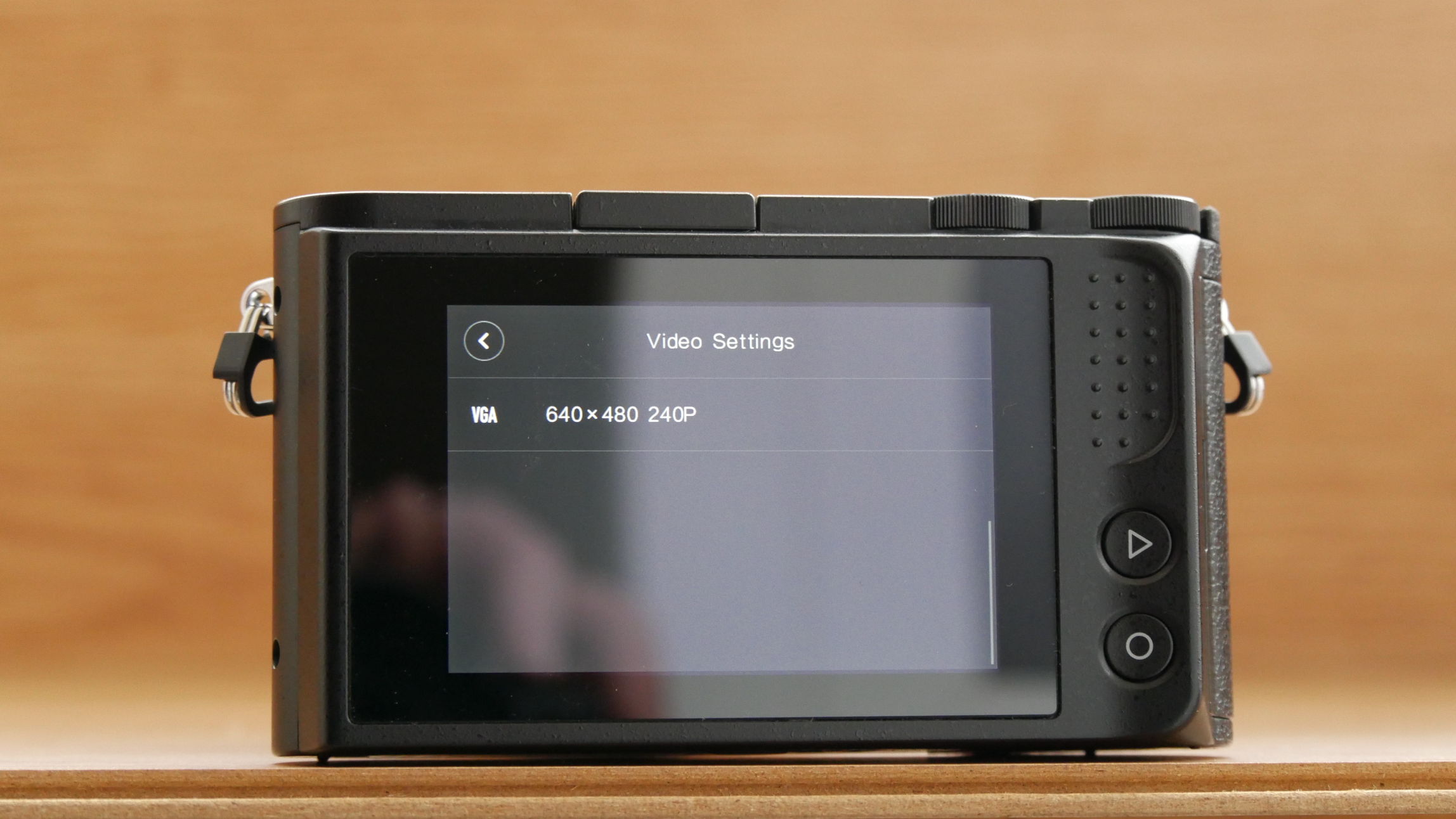
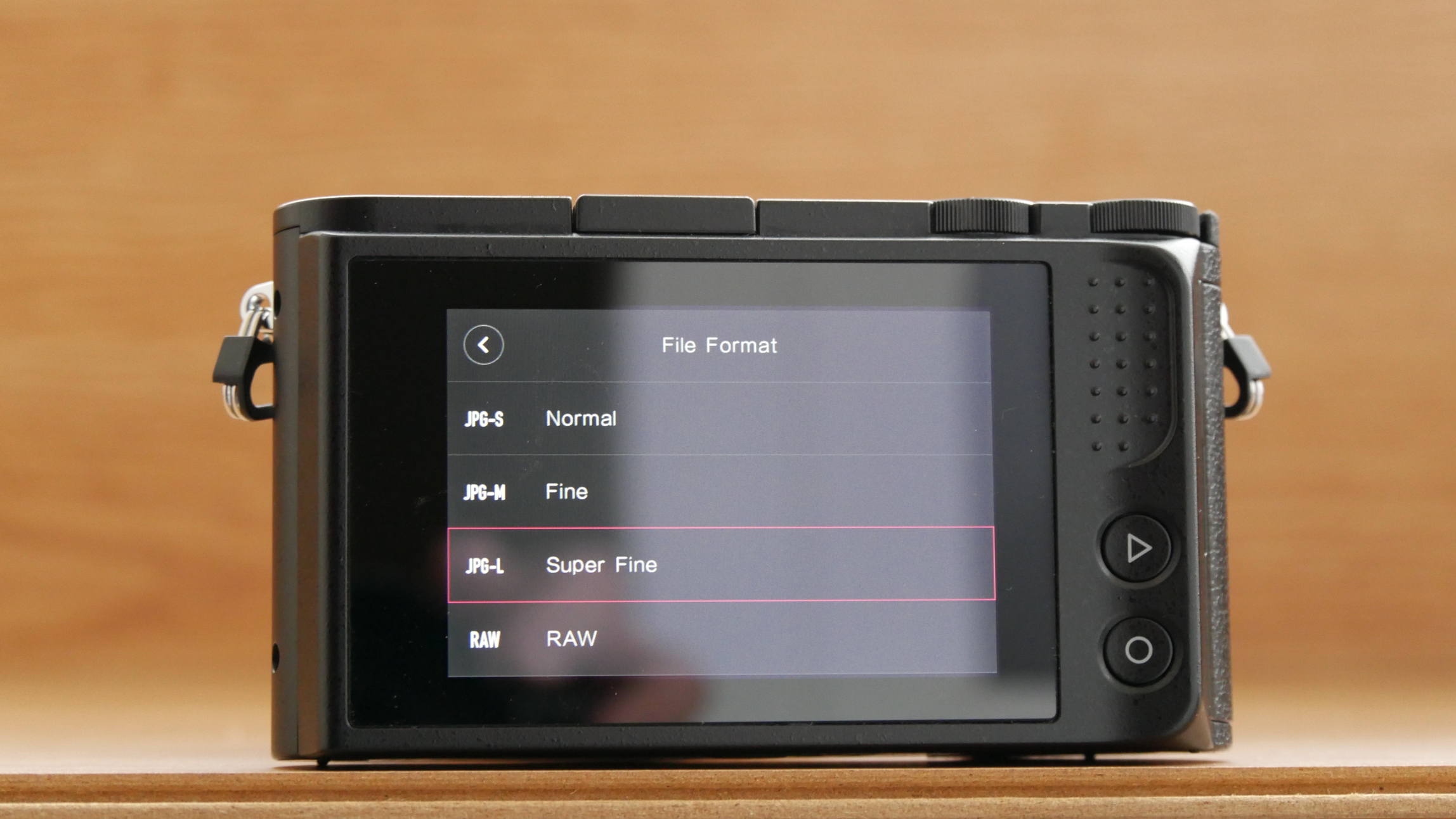
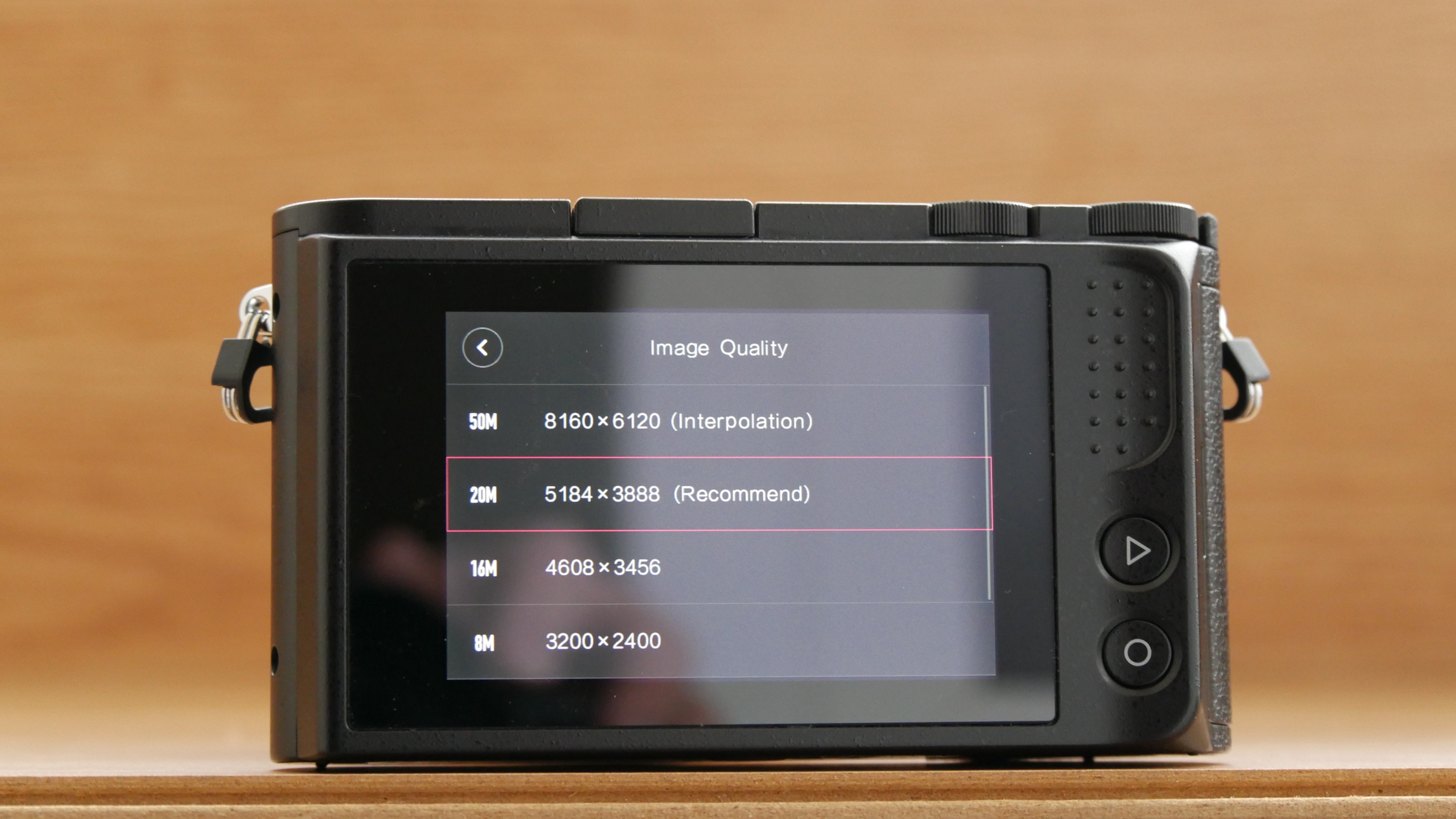
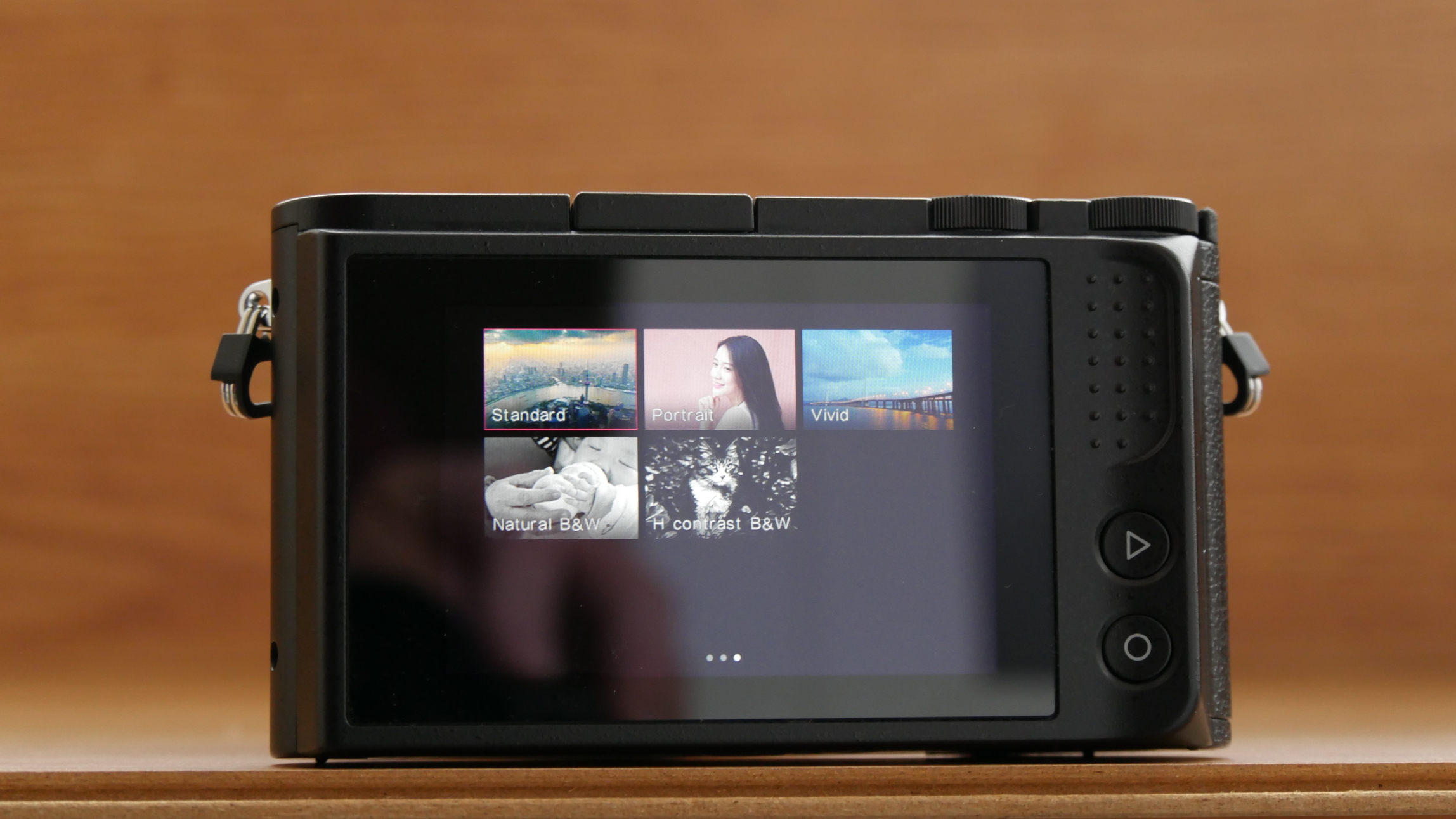
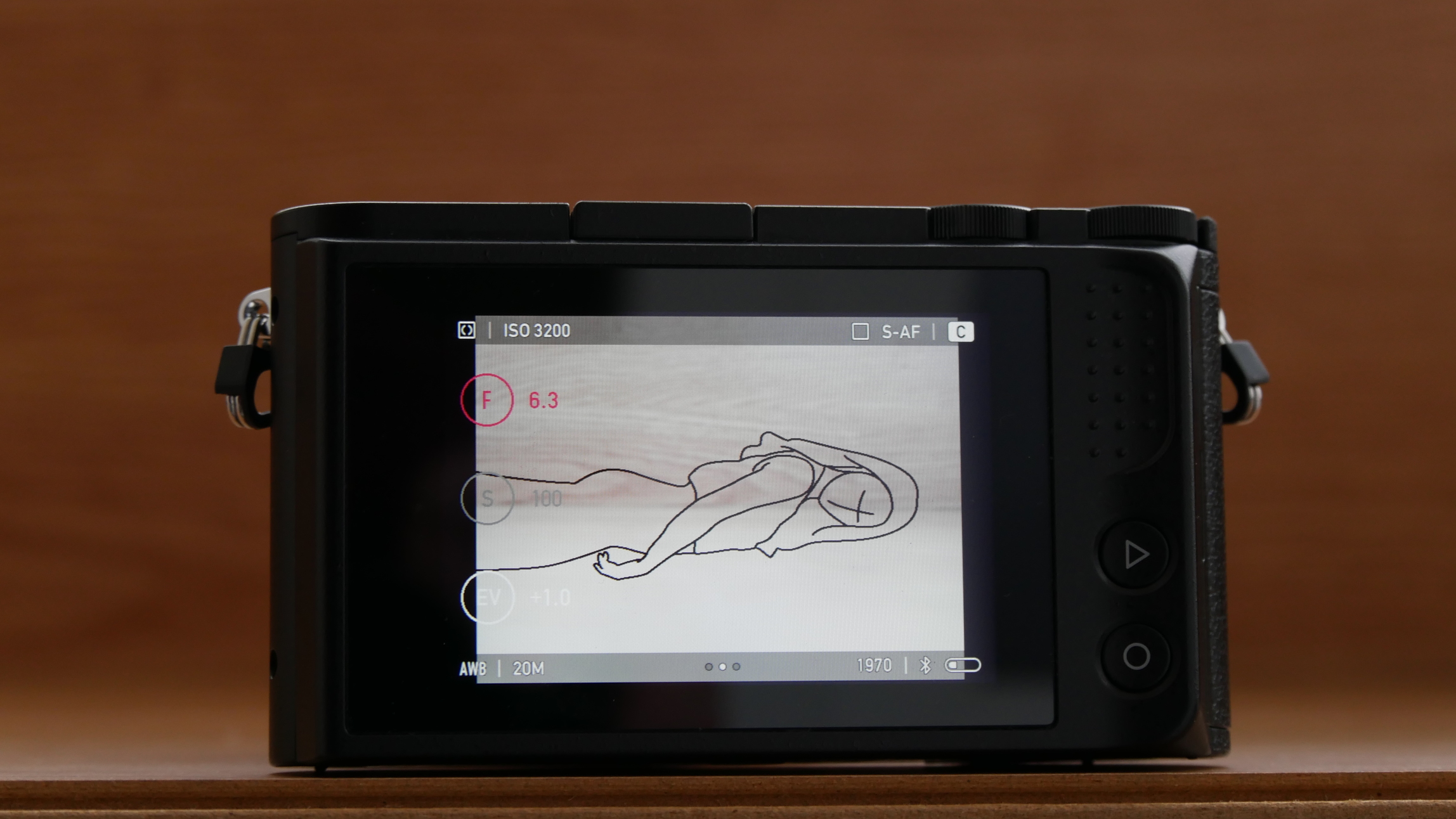
The YI camera is designed with the ease of use in mind. You can navigate through the menus by swiping from left to right as there are only two buttons on the front – playback and function. You can adjust most of the basic settings like ISO, white balance, focus mode, resolution and so on. One of the cool features is the touch shooting mode where you simply tap on the screen and camera takes a picture.
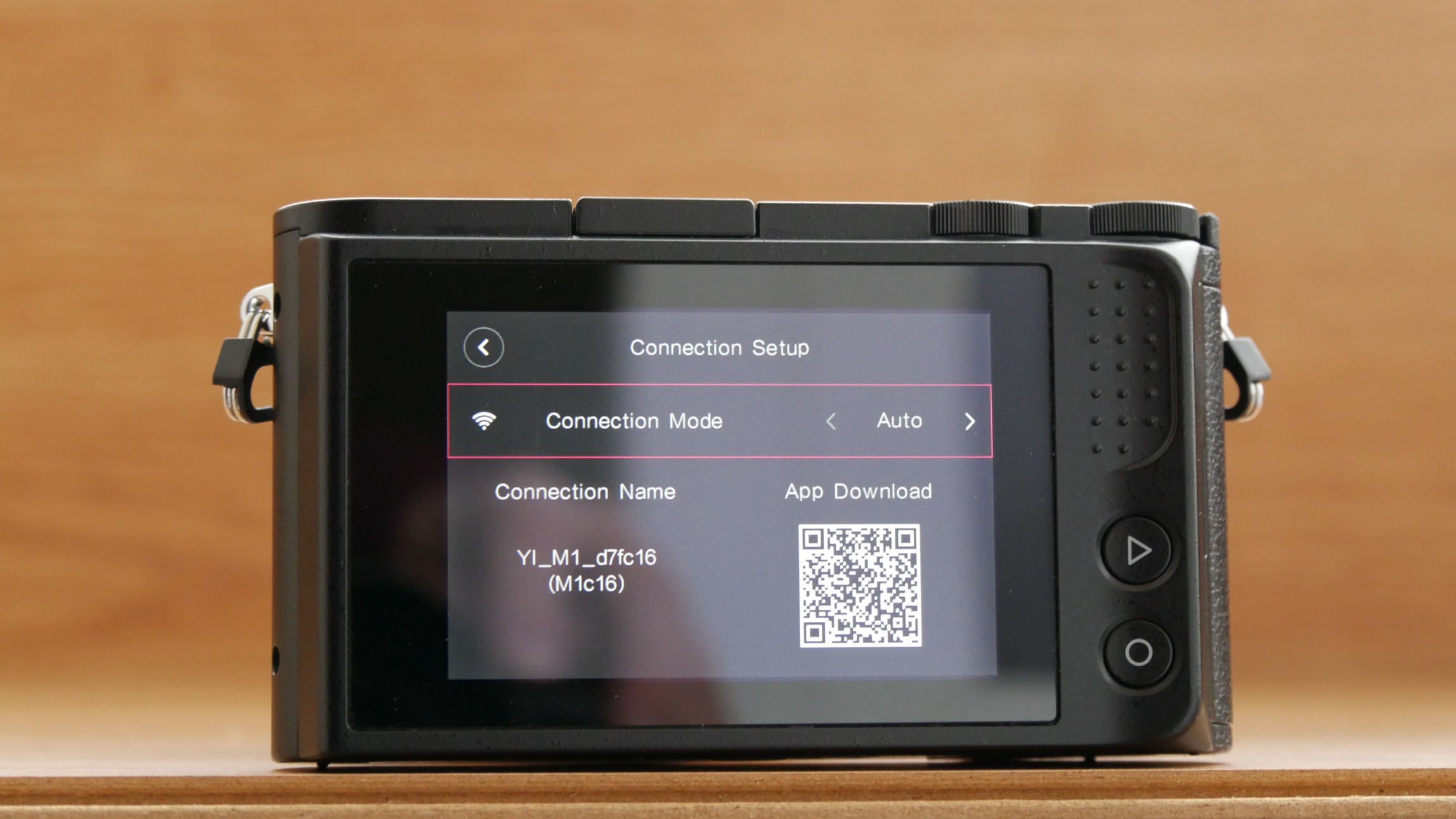
You can also connect the camera to your smartphone using the Bluetooth and Wifi. Unfortunately, you can’t really do much within the app and I presume it is still in the beta stage.
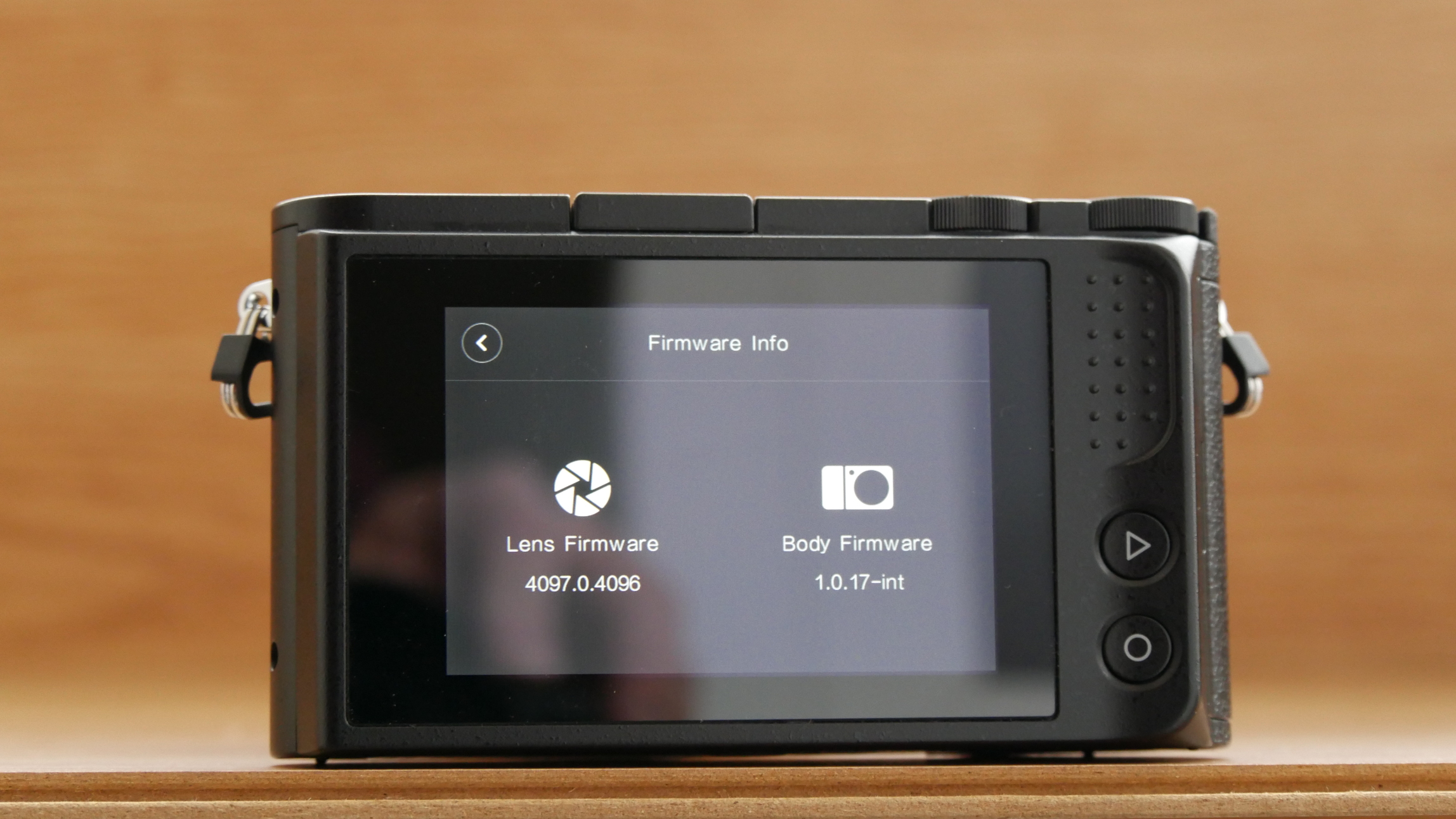
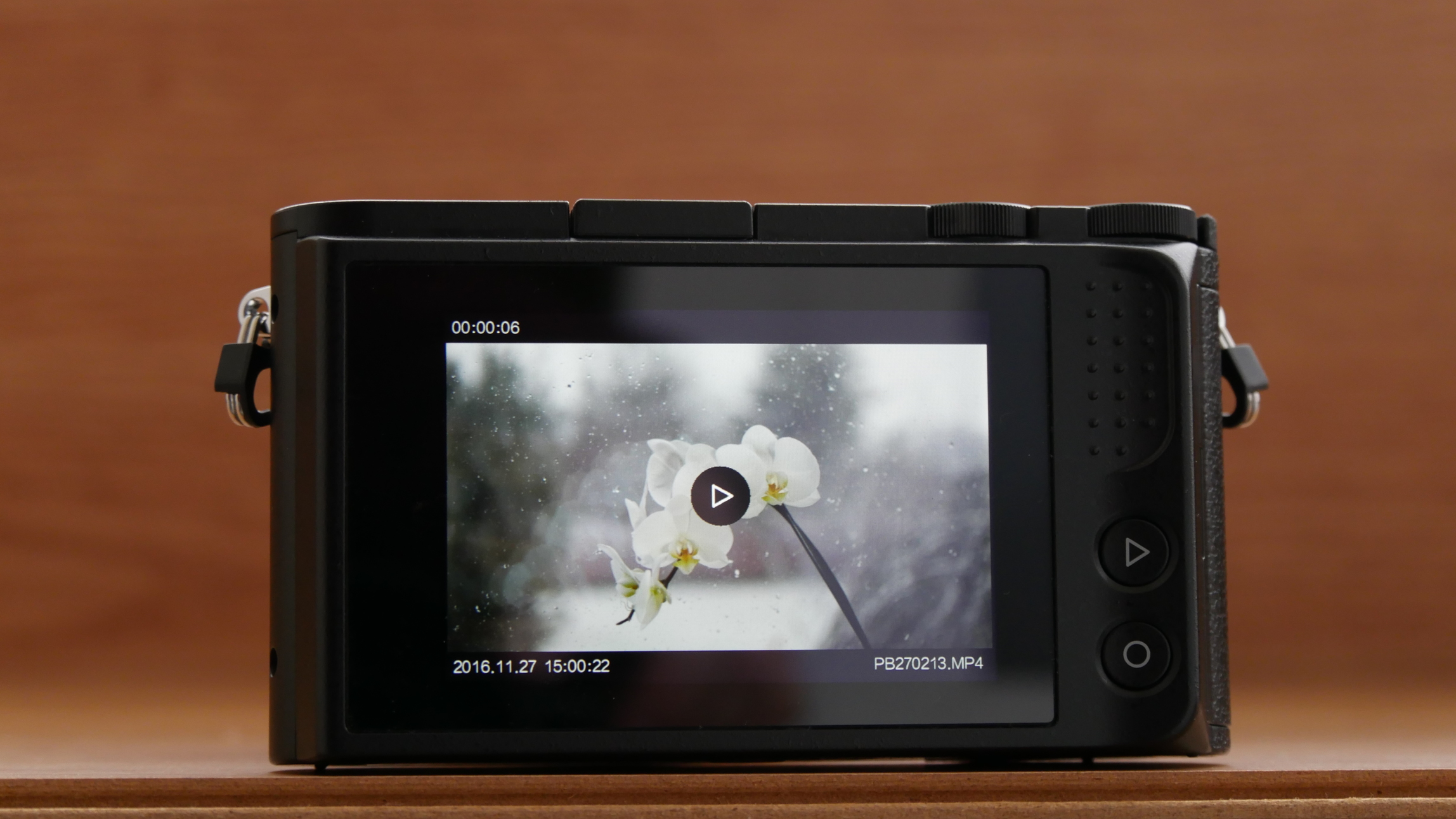
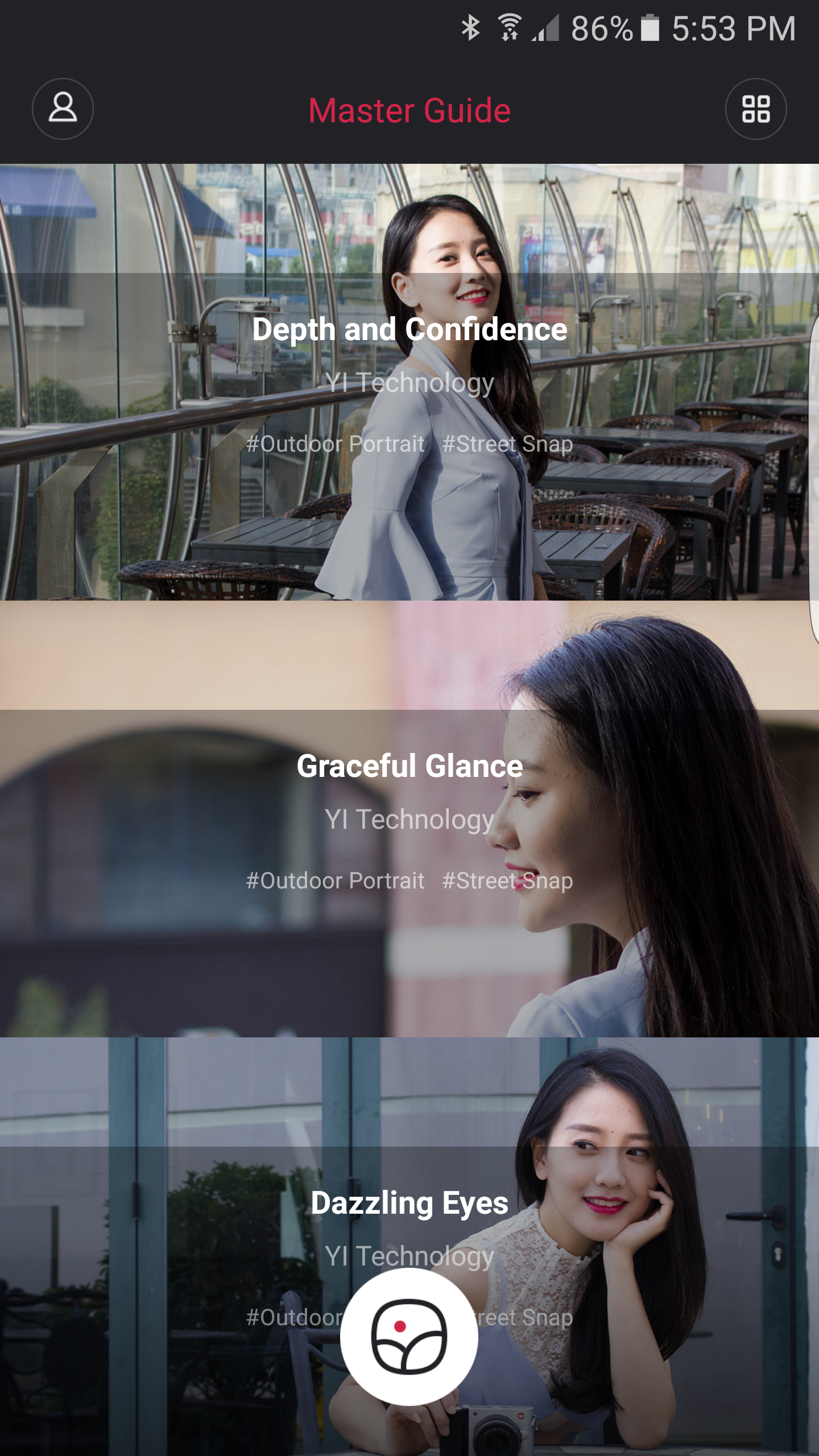
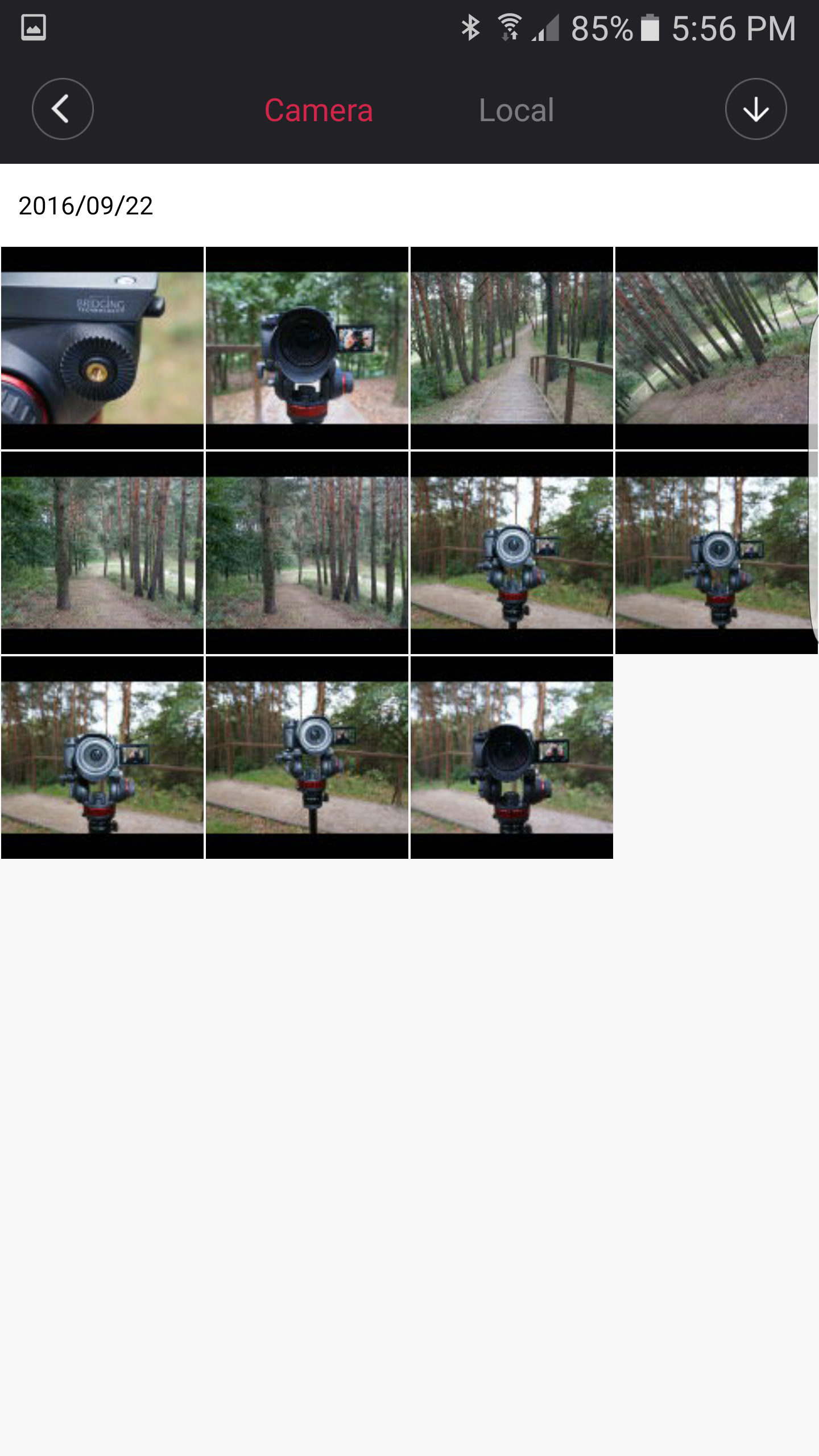
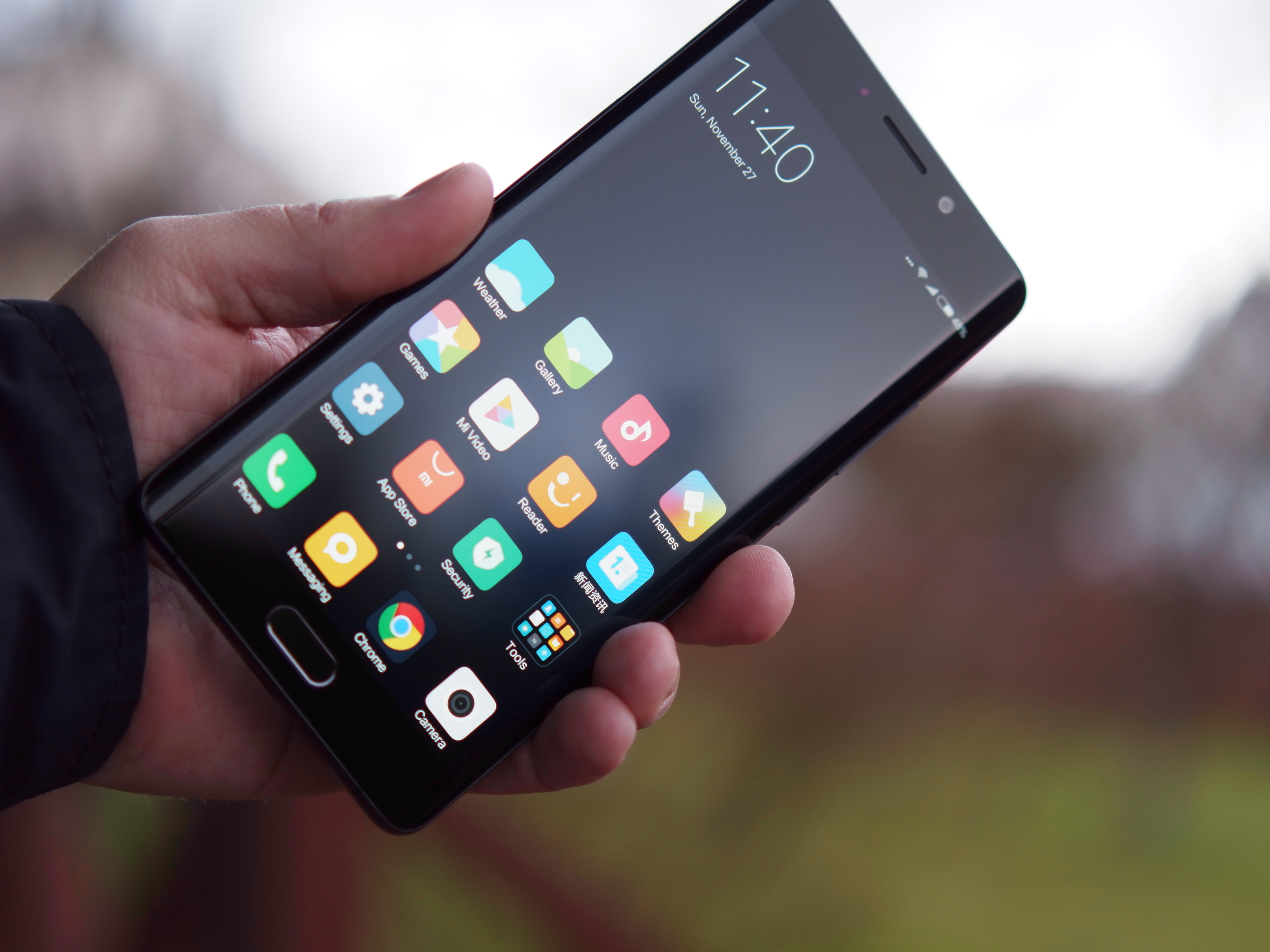
It’s great that you can view and download the images you took, download different “Master Guide” templates or easily upgrade the firmware of the camera but I miss some essential features like a live preview or camera remote control. Also, the camera disconnected from the phone a few times without any reason (tested with the Samsung Galaxy S7 edge and the Xiaomi Mi Note 2). Hopefully, we will see some huge improvements with the future software updates.
YI M1 Mirrorless Camera Review: IMAGE QUALITY
IT IS HIGHLY-RECOMMENDED TO DOWNLOAD FULL RESOLUTION CAMERA SAMPLES TO SEE THE ACTUAL IMAGE QUALITY. THE PICTURES UPLOADED ON THE WEBSITE ARE 50% SMALLER IN RESOLUTION.
I have to admit that I am more of a video shooter than a photographer but I’ve taken quite a few product shots over the years. Still, I will focus more on the video side of things since I shoot videos every single day for years now.
In this section, I will show you just a few camera samples but you will see them all at the end of the video. Also, make sure to check out the video description to download the original camera samples.
First of all, let’s check the 12-40mm lens.
The picture quality is pretty good as the camera has a powerful Sony sensor after all. First of all, the colors look very natural. Also, there is quite a bit of detail and sharpness in most of the shots.
The quality decreases in low-light as more noise kicks in but even in the auto-mode, you can achieve some great results. If you master the manual mode, I’m sure you will make the best of the powerful Sony sensor.
When it comes to the 4K video (if you shoot using a tripod and fluid head like I did), the quality of the footage is very good yet not on par with slightly more expensive cameras like Panasonic G7 I compared with. Still, I really love what I see for such a cheap camera. The footage is sharp, detailed and the colors look nice. When it comes to the low-light video, there is quite a lot of noise and the level of detail is pretty low. The sound recording quality is pretty good too.
Now let’s talk about the shortcomings in the video recording. The lack of OIS is quite visible in the hand-held video. The footage just looks shaky. Another con is the continuous auto-focus (CAF), which is not reliable since the camera only utilizes the contrast detection auto-focus. Sometimes it works very well but other times it is just too slow. In addition, I’ve noticed quite a few video artefacts when using zoom while recording a video. See the video review or download the original camera samples to check out the quality.
Let’s see how different the 42.5mm prime lens are.
First of all, you should know that there is no zoom. Also, you can switch to the macro mode for sharper close-up images.
I have to say that I really like these lenses. The pictures come out very sharp and detailed, and they have a very nice shallow depth of field.
Also, the low-light performance is a lot better than using the zoom lens. Overall, you can achieve some great results with these lenses if you know what you are doing.
When it comes to the 4k video, I really love these lenses for close-up product shots as this is my main style of shooting. The video comes out very sharp and detailed and the bokeh effect is just beautiful. You can also achieve some decent results in low-light, which is awesome for such a cheap camera.
However, there are two major shortcomings when it comes to shooting video on this camera using either lens.
First of all, there is no dedicated video mode, meaning that you enter the “video mode” by simply clicking the record button. Secondly, once you frame your shot and click the record button, the crop factor is so huge that it may ruin quite a few shots before you get used to that.
Finally, the biggest frustration for me, as a video shooter, is that there are no manual controls for video as everything has been done automatically by the camera. The only things you can control is the focus mode and the resolution. Other settings like ISO, white balance, shutter speed etc. can be applied only to the picture taking modes. Well, this shows the entry-level nature of this camera.
YI technology claims that you can take up to 380 images per charge using the 900mAh battery. My usage involved taking some pictures, shooting quite a lot of 4k videos and navigating through the menus. I got about 2 hours of battery life, which is a decent result for such a compact camera.
YI M1 Mirrorless Camera Review: CONCLUSIONS
After spending a good amount of time testing the YI M1 mirrorless camera, I can say that it is a pretty good budget device for starters or for those, who want to achieve great image quality without breaking the bank but don’t mind quite a few shortcomings.
The camera is very light and compact, and it uses a premium 20MP Sony sensor with a huge variety of micro four thirds lens options. Speaking of the lens, the included YI lens are very good for the price.
Also, the image and video quality are great in most cases and you simply can’t ask more at this price point.In addition, the user interface is quite intuitive and it makes the camera easy to use. Finally, the battery life is pretty good.
On the other hand, the YI M1 camera has quite a few shortcomings worth your consideration. First of all, there is no OIS neither in the body nor in the lenses, so if you shoot a lot of handheld video or take lots of low-light pictures, consider buying the optically-stabilized lens.
Also, the continuous auto-focus can be slow at times but I believe this can be improved with firmware upgrades. Speaking of the upgrades, I hope that we will see the upgraded app as right now it seems like it is still in beta version.
Another thing that may be actually a deal breaker for some is the lack of articulating display since you cannot monitor yourself. Also, the camera lacks the mic input and last but not least there are no manual controls in the video recording mode.
All in all, the YI M1 mirrorless camera brings a lot of features and it has a good image quality, and we may see its full potential with some future firmware upgrades. However, you have to consider if the previously mentioned shortcomings are important to you or not.
Samsung just went official with the Galaxy C9 Pro recently but the company is still not relenting in trying to move past the Galaxy Note 7 debacle. This time around, the Samsung Galaxy C7 Pro has been spotted on benchmark website AnTuTu today.
This latest appearance is coming on the heels of the device hitting associate benchmark website Geekbench a couple of days back. As usual Geekbench database doesn’t list a lot of the specs , it just revealed the presence of an octa-core Qualcomm Snapdragon 625 chip clocked at 2GHz, 4GB of RAM and Android Marshmallow OS onboard.
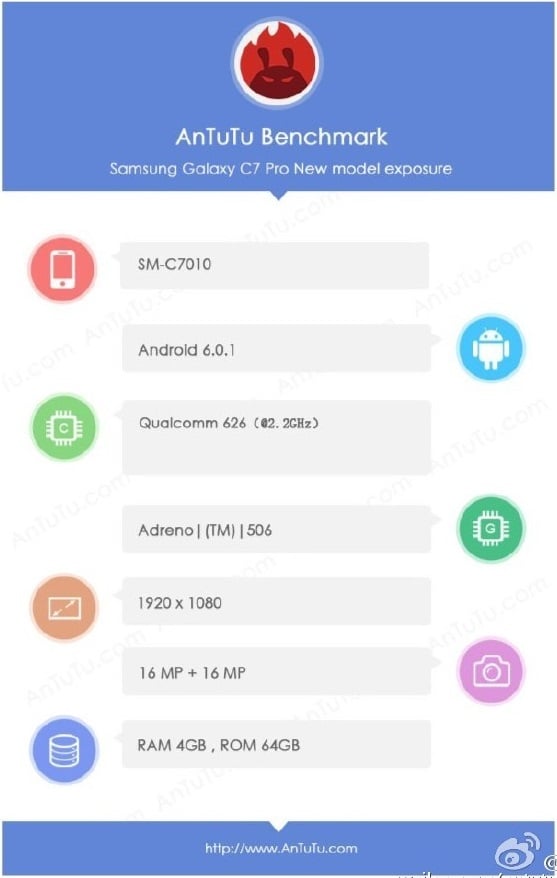
The AnTuTu data takes it a tad higher than that, revealing that the device would sport a display with resolution power of 1920 x 1080 pixels. Well, the display size wasn’t revealed but earlier appearance of the C7 Pro on India’s import/export tracking website Zauba revealed a 5.7-inch display. An Adreno 506 GPU will also be onboard to power the graphics.
One contrasting aspect between both Geekbench and AnTuTu listings is the processor. While Geekbench listed a Snapdragon 625 chip on the device, the AnTuTu data gave the SoC as a 2.2GHz Snapdragon 626 chip, perhaps one is a mistake. The device also features 4GB of RAM as well as 64GB of internal storage. Also listed is a 16MP camera at the rear as well as a 16MP front-facing camera.
The Meizu M5 Note has been in the news a lot these past few days. Earlier today we covered the leak about the phone having multiple variants and their respective prices and just a few hours later more details of the upcoming phone have been leaked.
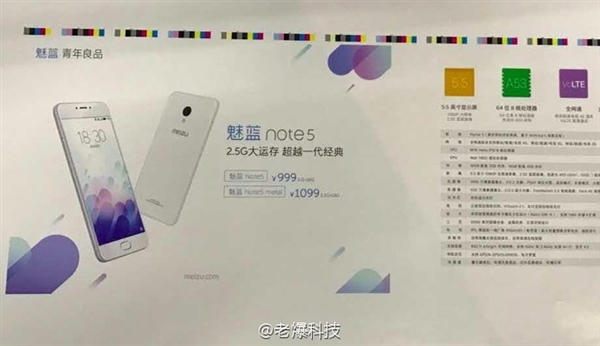
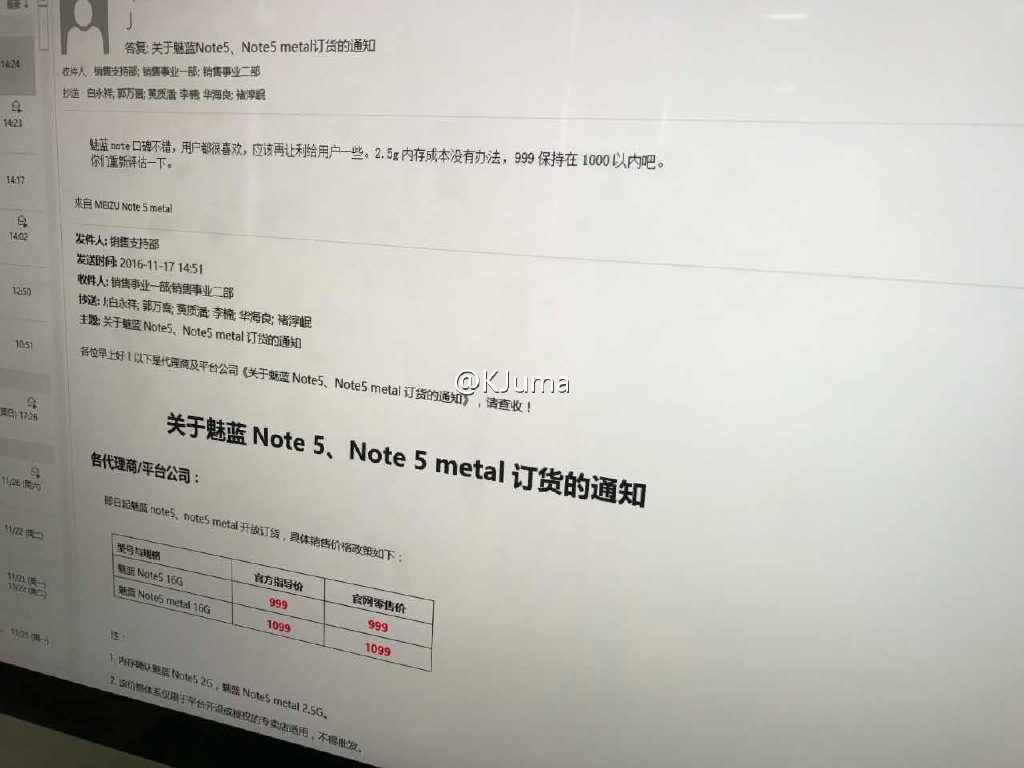
The new leak comes in form of a specification sheet leaked on Weibo. The most important info on the page is the RAM of the new phone which is stated as 2.5GB. Yes, not 2GB or 3GB but 2.5GB!!!
Now this exact RAM size is quite unusual but devices that feature this ”kind of RAM” are common from one manufacturer and that manufacturer is Samsung. Samsung has quite a number of devices especially tablets that have 1.5GB of RAM. I’ve still not been able to get someone explain why they wouldn’t just settle for 2GB of RAM. However for those who wouldn’t buy a device with 1GB of RAM and can’t afford those with 2GB of RAM or higher, I guess 1.5GB is a middle ground for them.
The spec sheet also states the price of the plastic and metal variant of the Meizu M5 Note. The Meizu M5 with a polycarbonate body will sell for ¥999 ($145) and the Meizu M5 Metal will be priced at ¥1099 ($160).
Although both phones are expected to be available in different storage options ranging from 16GB up to 64GB with support for SD card, so expect the price to be higher than the above. The Meizu M5 Note is said to be available in four colors: a grey unit with black bezels, and a white, silver, and blue unit all with white front bezels.
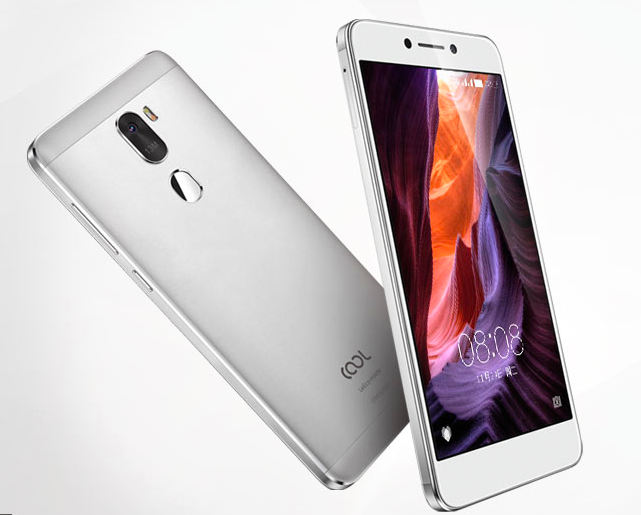
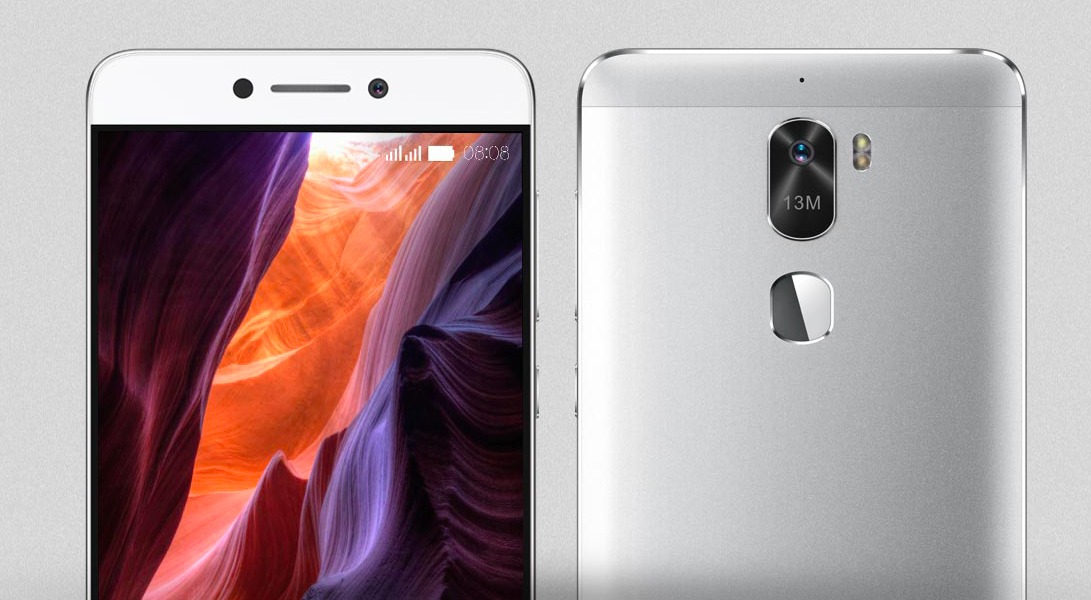
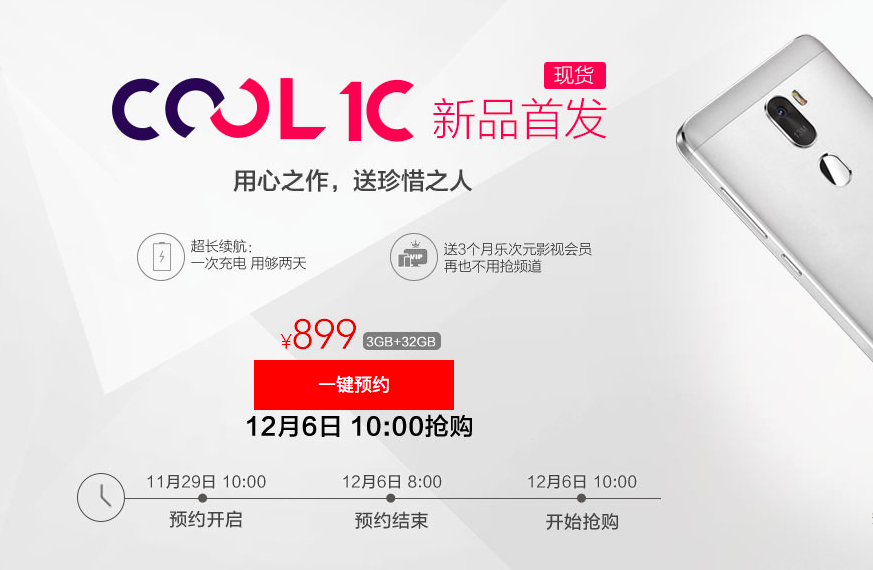
LeEco and Coolpad’s first collaboration resulted in the birth of the Cool1 Dual, a phone with dual rear cameras and mid-range specs but a low price. But it seems the company is not done blowing our minds as they launched a new phone called the Cool1C today which has the same features as the Cool1 Dual save for the double cameras on the back of the latter.
The Cool1C which we guess might be the short form of the phrase ”Cool 1 (Dual) with one Camera” has a 5.5-inch full HD display, a Snapdragon 652 SoC, 3GB of RAM, 32GB of storage, and a 4060mAh battery. It’s main camera is a 13MP sensor with an f/2.0 aperture, 6P lens, and PDAF. It can also shoot 4K videos at 30fps!!! There is an f/2.2 8MP camera in front for selfies.
The Cool1C has dual SIM slots with Full Netcom support. There is Bluetooth 4.1, dual-band WiFi, an IR Blaster, a 3.5mm audio jack, and a fingerprint scanner below the camera.
Design wise, they are identical if you place them side by side facing up. The position of the sensor and front facing camera is the same with that of the Cool1 Dual and it still has that annoying black frame that runs around the screen. If you placed them with their screens flat on the table, you wouldn’t be able to tell them apart from afar as LeEco decided to still use the same camera housing design, tricking your eyes into believing the Cool1C has dual cameras. It’s only when you take a closer look, you’d notice that the second 13MP camera is missing.
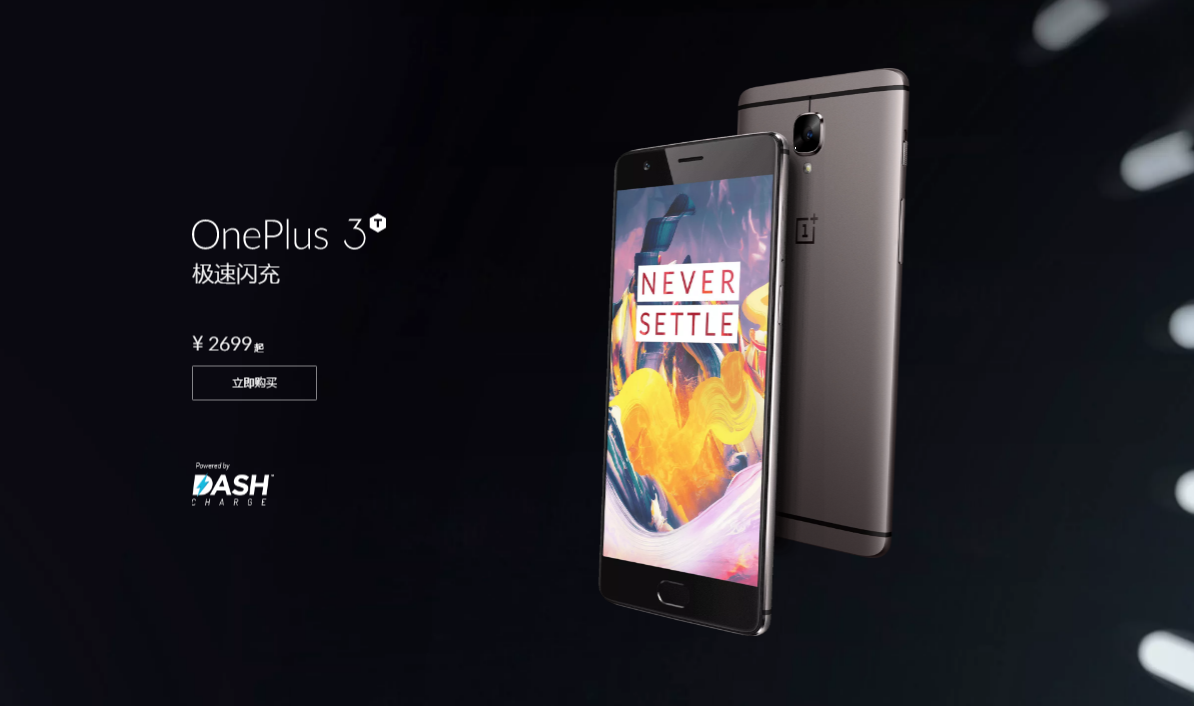
The OnePlus 3T already launched in other regions such as Europe and North America but it just launched today in its home country, China. Before it went on sale in other regions, OnePlus had released the pricing for their new flagship but had kept that of China secret. Now that it has officially launched, the pricing has been revealed.
The OnePlus 3T (OP3T) is sort of a Turbo version of the well received OnePlus 3 (OP3). Its new features include a Snapdragon 821 processor clocked at 2.35GHz, a larger 3400mAh battery, a 16MP front facing camera, a new storage variant, a new color, and the rear camera now has EIS and is covered by sapphire glass.
Every other thing is the same as that of the OnePlus 3. Before its launch, the rumor going round was that the company was releasing a new device because of the low supply of AMOLED displays for the OP3 and would switch to an IPS display instead. However when the OP3T launched, it still featured the optic AMOLED display.
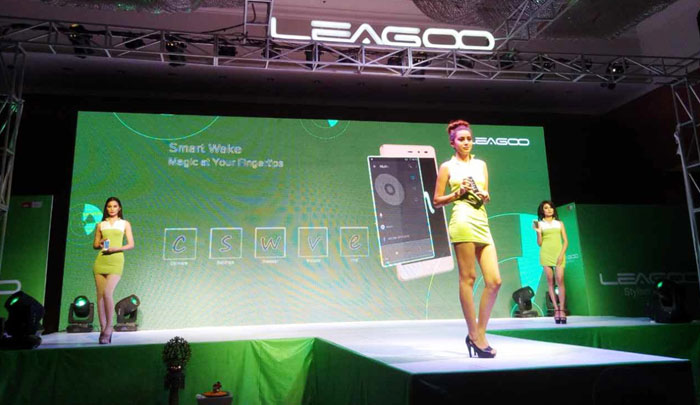
After holding several launching events in Malaysia, Vietnam and Thailand, etc. in sequence, the Southeast Asia Prince, LEAGOO, with its CEO’s leadership, kicked off Nepal market by holding a LEAGOO Nepal Grand Launching Ceremony on November 25th.
With 500 local distributors ,more than 40 journalists from Nepal mainstream media and many admiring LEAGOOers got together in Bouhda, the ceremony was really kicking!
Ms. Nagma Shrestha (MISS NEPAL 2012) was invited to be the emcee of the ceremony, besides, there are hot models show, Brand Opening Ceremony, LEAGOO product shows, fabulous dancing shows and lucky draws were awaiting! Now ,let’s take a glimpse of the fast!
The ceremony was held at Hyatt Regency in Boudha, Kathmandu. At the beginning of the ceremony, three senior executives of JSS GROUP (LEAGOO’s authorized Exclusive Regional Agent) has introduced the history of their group and the current smartphone market situation in Nepal.
Then CEO of LEAGOO Mr. Johnson made an important speech of LEAGOO’s strategy in Nepal and spoke highly of its importance in LEAGOO’s expansion process. He also expressed his confidence to lead LEAGOO to become Top 10 in Nepal market within one year and to be Top 5 within three years. Mr. Johnson indicated, by adopting the strategy of ”Local Operation + Channels Building”, LEAGOO plans to enter into the market by combining with Online and Offline, i.e. to combine online shops with traditional stores, and using the Internet+ business model to meet the demands of local people.
Want to realize LEAGOO more? Please click this link.
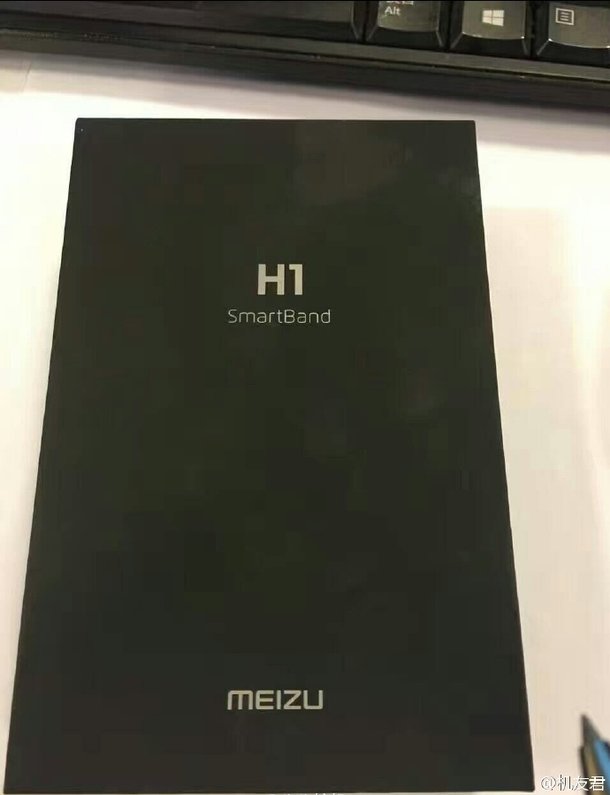
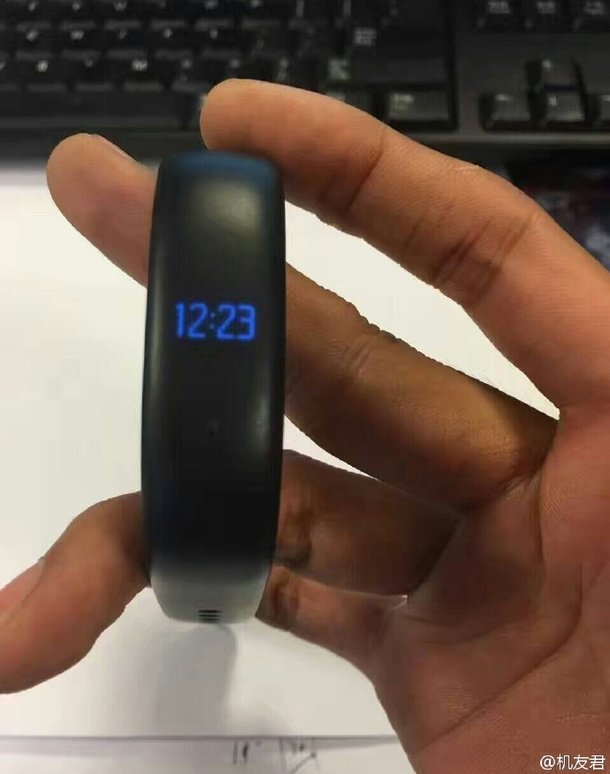
The Meizu H1 Smartband isn’t new, it first leaked before the launch of the Meizu M5 and we thought it would be released along with the M5 but that didn’t happen. Again, several images were spotted online yesterday revealing the box casing as well as the Smartband itself. There is a new twist, though, as image of what is said to be a high-end, premium version of the Meizu H1 Smartband has leaked online.
While the H1 Smartband is expected to launch on December 6 along with the M5 Note, the high-end version may likely come in the first half of next year. The high-end version is also rumored with a huge price tag of 1599 Yuan ($232). That is way above the 299 Yuan ($33) the low-end version is expected to carry on launch day.
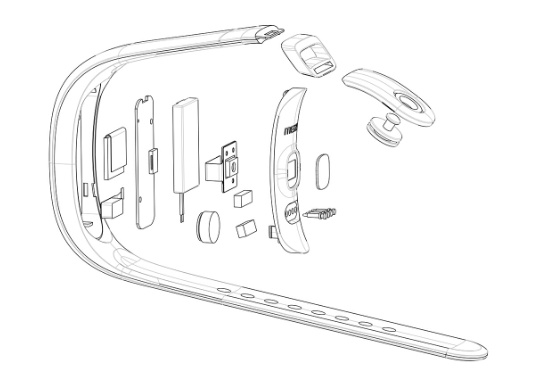
According to the leaked info, the high-end version of the Meizu Smartband uses a flexible screen design. The display is even more unique in that when it is not lit, the screen will be transparent. The high-end version will also feature heart rate monitor, sleep monitor, as well as a variety of sports mode. In addition the gadget is said to emit light of different colors depending on the pace of the user’s motion.
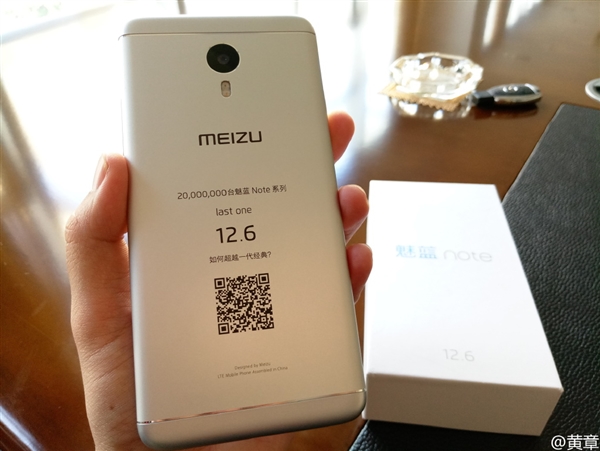
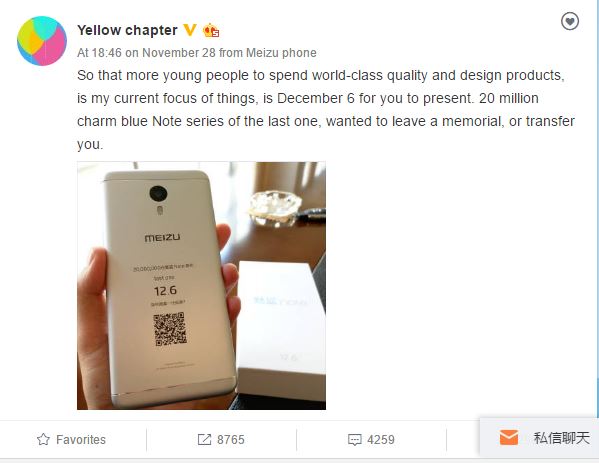
Yesterday, Meizu released some teasers which announced the launch of the M5 Note would take place on December 6. The Meizu M5 Note takes over from the M3 Note and it is just apt that the teasers contained the M3 Note images with the date of the launch and other information written on the back of the device.
Now more details have emerged that the M5 Note would have two versions aside the three different storage sizes revealed on TENAA. There’s likely another model, the Meizu M5 Metal (Remember the Meizu M3 Metal from last year — this could be its successor!). These details were contained in a leaked document with the price list said to be for the expected devices. According to the document, the Meizu M5 Note carries a price tag of 999 Yuan ($145) for the 16GB version while the M5 Metal 16GB storage version comes in at a slightly higher 1099 Yuan ($159).
As a reminder, the Meizu M5 Note features a 5.5-inch display with a resolution of 1080 pixels. The device comes weighing 175g, has a dimension of 153.6 x 75.8 x 8.15 mm and cram a large 4,000mAh battery under its hood. The device packs an Octa-core 1.8GHz Helio P10 chip. The device features 3 different memory versions which include a 2GB RAM + 16GB ROM, 3GB RAM + 32GB ROM, and 4GB RAM + 64GB ROM. All three versions have room for expansion via a microSD card. There is also a 13MP rear and 5MP selfie shooter onboard.
Renders of the Meizu M5 Note have been missing in action all these while. This may be unconnected to the fact that Meizu has put up a world-class, quality design on the device as hinted on Weibo by Meizu’s CEO. We look forward to seeing the real images of the M5 Note soon, we won’t mind a couple of leaked images before the launch date.
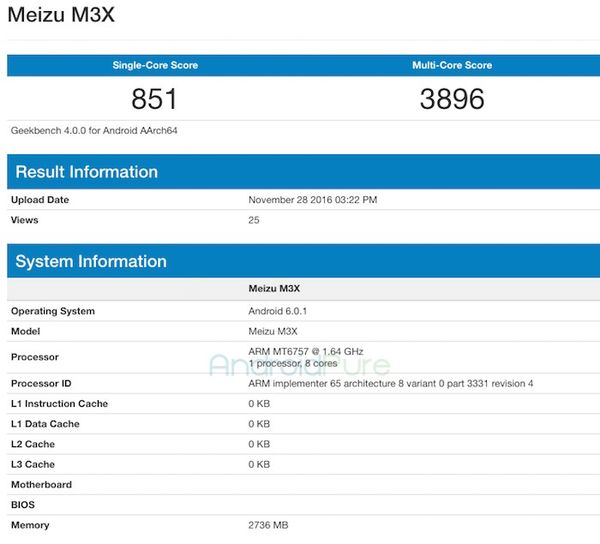
Meizu is expected in the next couple of days released two smartphones, the Meizu X and M5 Note. While the Meizu X is billed for release on November 30, the Meizu M5 Note has got a December 6 launch date. However, a relatively unknown Meizu M3X (not MX3) has appeared on Geekbench database and it was uploaded just yesterday.
The device is listed as packing an MT6757 chip which is the MediaTek Helio P20 chipset and it is clocked at 1.64GHz. The device also features 3GB of RAM and runs Android 6.0 Marshmallow OS which would likely be tweaked with the latest Flyme 6 UI. On the Geekbench test score, the device manages a single core score of 851 points, and on the multi-core test it polled a total of 3896 points.
This specs line-up is similar to the rumored ones of the expected Meizu X but the name just don’t tally. The name sometimes listed on the benchmark database might be incorrect, so the device may end up coming with another name different from Meizu M3X. Although Meizu Blue charm smartphones are named in this pattern, there is already an MX3 so confusion might arise. The phone might end up being called M5X but even at that, there is also an MX5 from last year so that would be confusing as well. It’s a day away from being official so we’ll wait to see how this pans out.
Earlier today, Lenovo‘s vice-President released stunning images of the black variant of the ZUK Edge on Weibo. Again, images of the white colored version of the Edge have also leaked online showing the device without the protective casing that prevented us from seeing the rear aspect properly on the black version.
Indeed the device bears semblance with the Xiaomi Mix with the display occupying almost 90% of the entire screen. The device comes with a similar concept design with very thin bezels at the sides. Whatever is being used at the front like the home button cum fingerprint scanner is pushed to both the upper and lower extremes. But for little differences, the design is said to resemble the Lenovo ZUK Z2 Pro also in looks.
From the enders, the ZUK Edge doesn’t seem to have a curved display but a flat one. The device has been revealed by Lenovo’s VP as launching sometime next week. We are still waiting for official words on the exact date for the launch.
Meizu already has two devices set to launch in the next couple of days but according to an official, we should expect a third device. The device is a smartband called the Meizu H1 and is expected to launch alongside the Meizu M5 Note on the 6th of December.
Images of the smartband already leaked online shows that it will arrive in a black box with the words ”H1 Smartband” engraved at the top. The band doesn’t have a design that stands out from what we’ve already seen from other manufacturers. It has a display, which is probably OLED and it does the same thing you would expect from a regular smartband like tell the time, count steps, and measure your heart rate. What Meizu says is different about their smartband is the battery life which we are eager to confirm when it launches and we get to review it.
Meizu’s closest friend at the moment is probably Mediatek. They have worked together on all the Meizu phones released this year and still have two more set to be released before the end of December. First is the dual-camera Meizu X which will launch on November 30 and the second is the Meizu M5 Note scheduled for December 6. And according to an insider, Meizu’s 2017 flagship will be powered by either a Helio X30 or Helio X35.
The news about Meizu using a Mediatek chip for its next flagship isn’t new as a tech analyst already mentioned it a couple of weeks ago. Now that an insider has confirmed it, all we have to do is wait for the device to launch.
Mediatek’s Helio X30 chip is the first 10nm chip to be announced and should start production early next year. The deca-core chip will consist of a tri-cluster of Cortex-A73, Cortex-A53, and Cortex-A35 cores. The new chip promises a lot of improvement in power consumption and performance.
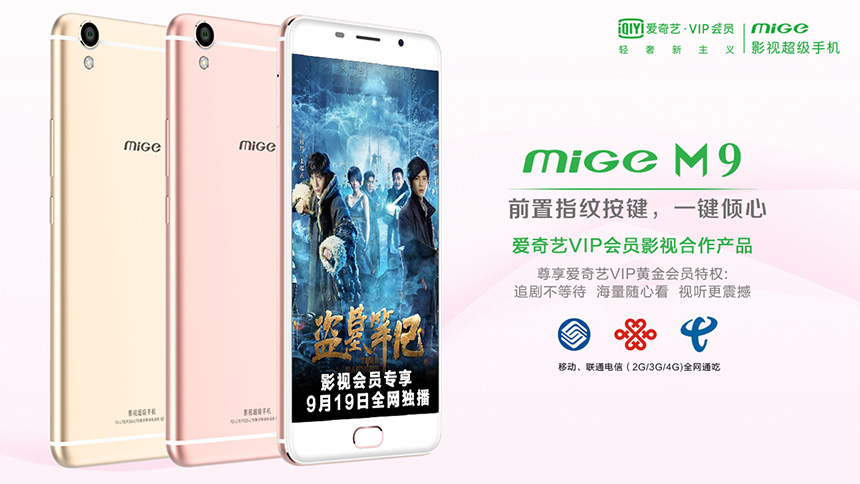
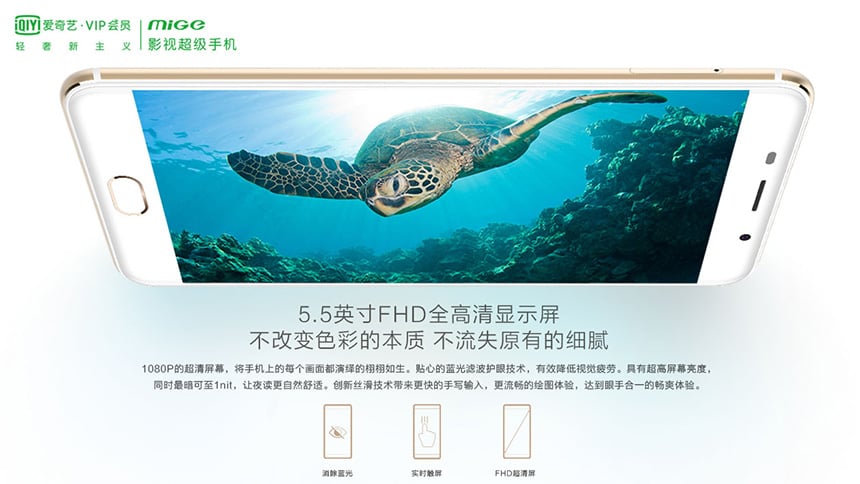
If you do not reside in China, you most certainly haven’t heard of iQiyi. iQiyi is an online video platform owned by Chinese search giant Baidu. To explain it in simple terms, iQiyi is to Baidu as YouTube is to Google. And just like LeTV (now LeEco) released it’s first phone, the LeTV Le 1 over a year ago, iQiyi is set to do the same with the release of its iQiyi MiGe M9.
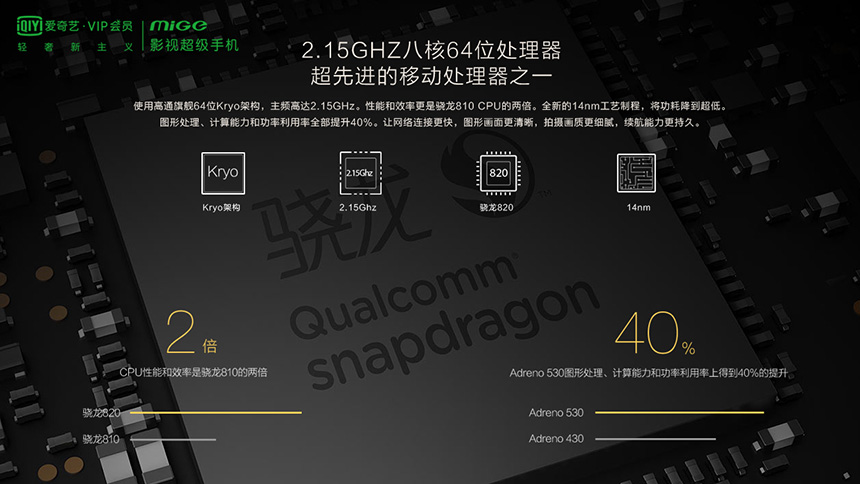
The iQiyi MiGe M9 is said to sport a 5.5” Full HD display with a 2.5D glass, 4GB of RAM, 64GB of built-in storage, a 16MP rear camera, an 8MP front shooter, and a 3100mAh battery. While it is written on the pack that the iQiyi M9 uses an 8-core 2.0GHz 64-bit processor, promotional images say it uses a 2.15GHz octa-core Qualcomm processor which is none other than the Snapdragon 820.
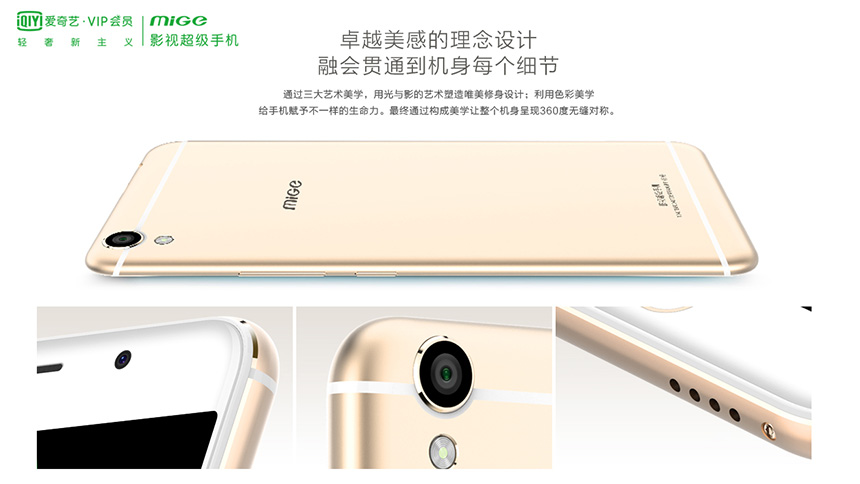
The iQiyi phone shares design similarities to the iPhone 6. It has a thickness of 6.9mm and a front facing fingerprint scanner which unlocks in 0.2s and doubles as a home button. The phone has HiFi Audio and supports Voice over LTE. It runs Android Marshmallow out of the box and is available in Champagne Gold and Rose Gold.
We use cookies on our website to give you the most relevant experience by remembering your preferences and repeat visits. By clicking “Accept”, you consent to the use of ALL the cookies.
This website uses cookies to improve your experience while you navigate through the website. Out of these, the cookies that are categorized as necessary are stored on your browser as they are essential for the working of basic functionalities of the website. We also use third-party cookies that help us analyze and understand how you use this website. These cookies will be stored in your browser only with your consent. You also have the option to opt-out of these cookies. But opting out of some of these cookies may affect your browsing experience.
Necessary cookies are absolutely essential for the website to function properly. This category only includes cookies that ensures basic functionalities and security features of the website. These cookies do not store any personal information.
Any cookies that may not be particularly necessary for the website to function and is used specifically to collect user personal data via analytics, ads, other embedded contents are termed as non-necessary cookies. It is mandatory to procure user consent prior to running these cookies on your website.











 http://www.mgcool.cc/article.php?id=19
 https://www.facebook.com/Mgcool.fans/