Xiaomi has scheduled the launch of its 92nd crowdfunding product on June 20.The product is coming on the heels of the launch of its latest range of products which included the Mini J Retro mini refrigerator announced recently.
The MIJIA product isn’t specified but the teaser shows it has something to do with water. The two posters released so far apparently looks like it is an inflatable floating toy of something similar. Now, we can’t be so sure about that because all we have are clues which could turn out to be something else.
In addition to the smartphone division which is its main preoccupation, Xiaomi also ventures into other lucrative businesses especially smart gadgets but this isn’t likely a smart gadget. Instead, the product falls under Xiaomi’s ecological chain or MIJIA brand where it partners with notable manufacturers in China who rides on Xiaomi’s wave of popularity, and financial prowess to get innovative gadgets out in the market. Xiaomi provides the finance for research and also ensures the products meet its standard in design and quality. The platform will likely aid Xiaomi in boosting its revenue this year.
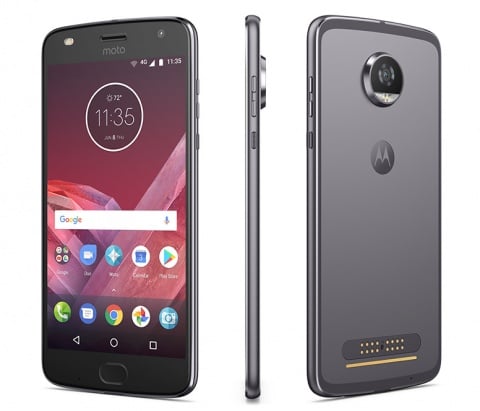
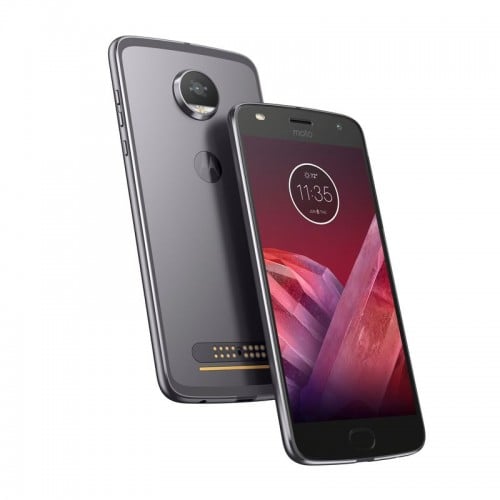
The Moto Z2 Play was announced earlier this month. The successor to the original Z Play comes with a few design changes, spec upgrades (and downgrade) and a $499 price.
Scheduled to be available for purchase this summer, the Moto Z2 will also make its way to Lenovo’s home country, China. According to industry insiders, the Moto Z2 Play will sell for the same price as the original Moto Z Play in China. That is ¥3299 (~$484), which is just $15 less than the international price.
The Moto Z2 Play has a 5.5-inch FHD AMOLED display and is powered by Qualcomm’s Snapdragon 626 SoC. It is available with 4GB of RAM and 64GB of storage and also has a 3GB RAM + 32GB model.
There is a 12MP f/1.7 dual-pixel sensor on the rear and a 5MP f/2.2 shooter with dual LED flash up front. The downgrade comes in the smaller 3000mAh capacity cut down from 3500mAh battery in favor of a thinner body. The Z2 Play comes with Android 7.1.1 and has NFC and a fingerprint scanner. It also supports old and new Moto Mods.
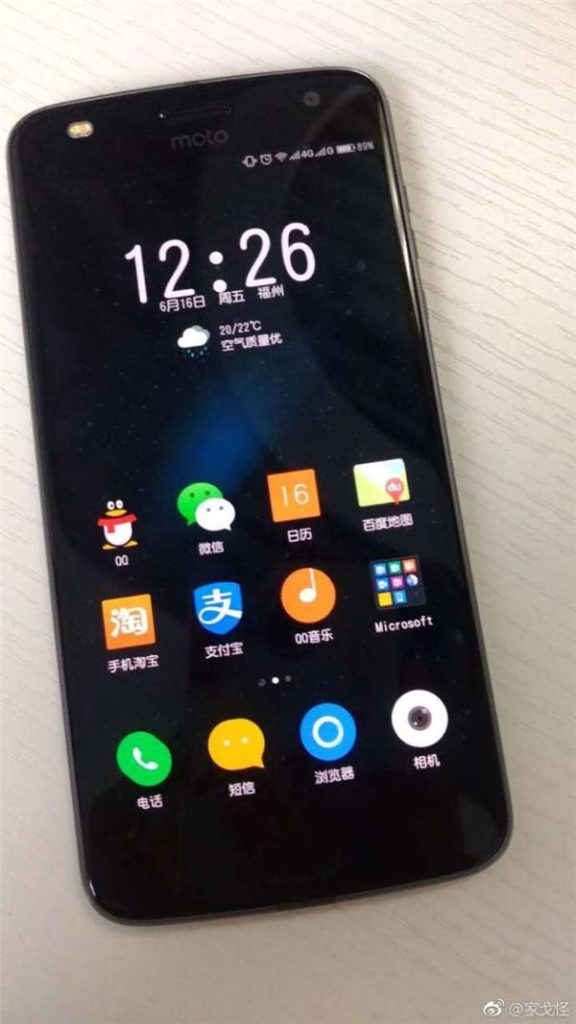
Earlier, we saw an image of a Moto Z2 Play running ZUI. Lenovo has not confirmed if this will be a China exclusive but that is highly likely. If this happens, then we should expect other Motorola devices launching in China to run ZUI.
OnePlus 5 is undoubtedly one of the most anticipated flagship smartphones of 2017. Our wait ends tomorrow, i.e. June 20 when the company will officially launch the smartphone. Just two days later, the OnePlus 5 will be launched in India, which has become an important market for the brand. While OnePlus has revealed quite a lot of details regarding the OnePlus 5 in the past few weeks, we know almost everything about the upcoming flagships, thanks to the numerous leaks and rumors going around the internet. Some of the leaks did contradict at first, but as the release date neared, the leaks became more or less similar and before its official launch, we have a very good idea as to what to expect from the flagship.
OnePlus 5 Design
One of the areas, where you might be disappointed with the new OnePlus 5 is the design. But before we jump on to the design department, it’s worth noting that the OnePlus has skipped the naming, ‘OnePlus 4’ which should have been the logical successor to the OnePlus 3T. The company has confirmed that they are skipping the OP4 name in favor of OnePlus 5, but the exact reason for such a jump is not explained. It is worth noting that ‘4’ is considered as an unlucky number in Chinese, so the brand probably decided to play it safe by going for a more luck friendly number, hence the name OnePlus 5.
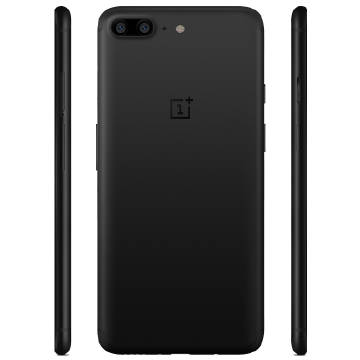
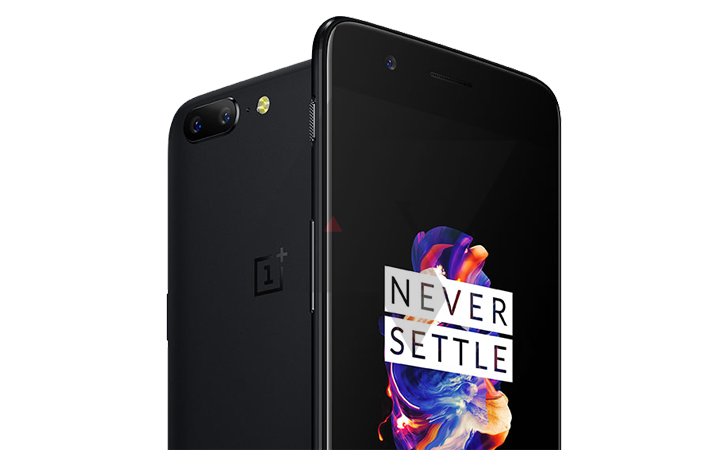
Coming back to the design, you won’t be wrong to say the design resembles the iPhone 7 Plus. Heck, for that matter, the phone looks like the OPPO R11 that was unveiled just recently. To be honest, the design is not at all bad to look at, but the lack of originality is something that could bother some OnePlus fans. Being fair, it’s worth noting that the OnePlus 3T didn’t exactly have a revolutionary design, but it was well accepted by customers worldwide. We could see something similar with the OnePlus 5 as well, especially after hearing the comments from one of the OnePlus’ Product managers.
Metal should be the ideal choice for the body, with the antenna lines hiding near the top and bottom edges. The front features a physical home button that looks bigger than the one on the OP3T. It should also feature the fingerprint scanner.
Overall, the design isn’t revolutionary, but if you can ignore the striking resemblance to other smartphones like the OPPO R11, you should be okay with the phone’s appearance. We haven’t got a confirmation about the headphone jack, but considering OnePlus CEO’s earlier comments, we would be really surprised to see the phone without the traditional 3.5mm jack.
OnePlus 5 Specs
The OnePlus 5 will come with a Snapdragon 835 chipset inside along with at least 6GB and 8GB RAM options. The storage variants are not yet revealed but expect at least 64GB and 128GB editions. No information about a MicroSD card slot, so we’ll have to wait for the official release for this. As for the battery, there are currently two rumors going around — one claiming a large 3600mAh battery inside and another one claiming a decent 3300mAh battery. Dash charging should be of the new generation, which is said to be 25% faster than its previous gen.
A very recent report about the phone’s display revealed that it will support DCI-P3 color space, ensuring amazing display quality. The panel should be Optic AMOLED as the OP3T since Carl Pei recently confirmed continued support for this display type for a foreseeable future.
OnePlus 5 camera
OnePlus will be joining the likes of iPhones 7 Plus, Xiaomi Mi 6, OPPO R11 and others by equipping its newest flagships with a dual camera setup at the back. It won’t likely be a wide angle + telephoto setup as the Mi 6, rather, it should be similar to the Huawei P10’s monochrome + RGB setup. The samples revealed by the company’s CEO look pretty good so far, including a series of images showing off the phone’s HDR prowess. There are actually quite a number of samples taken from the OP5 already revealed to us and you can check them out here. One of the Chinese bloggers with access to the phone even said that the camera is at par with the Samsung Galaxy S8. So, we are all excited to see the real camera performance of the device. While we don’t know the exact camera specs of the setup, expect something like a 23MP + 16MP rear setup and a 16MP front setup.
camera sample from the OP5
OnePlus 5 Pricing, Release & Availability
OnePlus will officially announce the OnePlus 5 on June 20, although a worldwide release date is not yet revealed. But in India, you can get the phone starting June 22, exclusively via Amazon.
Pricing is said to be higher than the previous generation OnePlus flagships, but it should be still within the affordable flagship segment. You can expect the OnePlus 5 to retail for anywhere near $500 (maybe even $520) but the more likely price tag should be $499.
Just one day remain for the OnePlus 5 to be officially announced and all of these details will be confirmed once the phone is launched tomorrow.
There have been rumors floating around about the possible release date of the Galaxy Note 8 lately. Some say it may be released during IFA Berlin which is scheduled for September. We have also heard that it may be announced earlier than that.
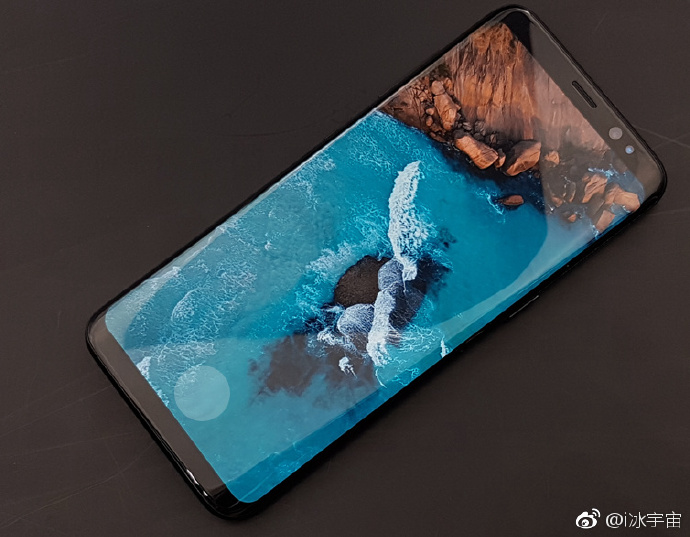
New details regarding the launch date and venue have been leaked by leakster @Ice Universe. According to him, Samsung’s next stylus-toting phablet will be announced in the third week of August. That puts the date anytime between 14th – 20th. He also adds that the launch event will hold in New York.
The date is earlier than that of last year’s Galaxy Note 7 which is believed to have been rushed in order to compete with Apple’s iPhone 7 and iPhone 7 Plus.
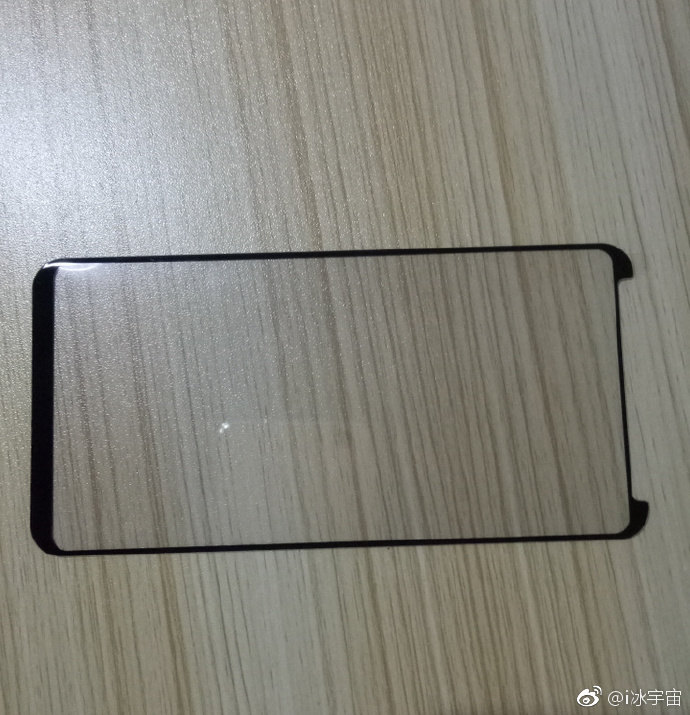
The Galaxy Note 8 is expected to have a similar design to this year’s Galaxy S8 and Galaxy S8+. Its display will be slightly larger than that of the Galaxy S8+, standing tall at 6.3-inches. Ice Universe also provided an image of the front panel of the device.
Other specification details of the Note 8 include dual rear cameras (12MP + 13MP) with 3X optical zoom, an 8MP front facing camera, and an Exynos 8895/Snapdragon 836 processor.
Pete Lau, CEO of OnePlus, has shared a number of sample photos on Saturday, exposing the potential quality the OnePlus 5 can provide.
The photo shown is set on a river or lake outside a Chinese city taken during sunset.
According to the source, there is an indication that the camera setup was taken featuring a relatively high dynamic range, in comparison to OnePlus’ predecessors. This feature is used to correct exposure levels of multiple objects in a single photo.
Smartphone cameras have been known to provide underwhelming low-light reproductions such as sunsets. This happens when a camera senses a great difference between the brightest and darkest levels of the image. The image obtained has had its metadata washed, providing no details about the specifications and settings were used before the picture was taken.
On the other hand, the picture obtained by the source was uncropped or no resized, presenting an original 4608 by 3,456 pixel image. This indicates that the OnePlus 5 will be firing pictures from at least one 16-megapixel shooter.
These suggestions coincide with an OEM’s claims previously reported before OnePlus’ official tweet exposing back of the device and the camera setup. What we cannot confirm currently is the exact specifications on the dual camera setup. Furthermore, unlike other dual camera setups, OnePlus could be opting for a monochrome and RGB sensor. This setup should provide better contrast and more effective high dynamic range photos.
OnePlus have stressed they have been working closely with DxO Labs to develop imaging software that would provide impeccable photo reproduction competing with smartphones such as the Pixel XL, Galaxy S8, P10 etc. What are your thoughts about OnePlus’ latest photo sample? Do you think OnePlus will be able to compete with other flagship phones on HDR photography?
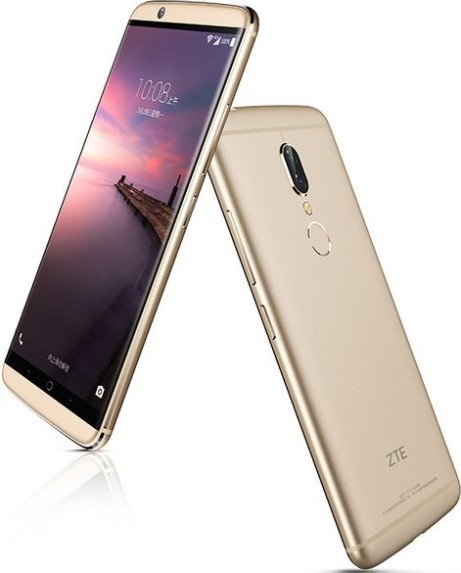
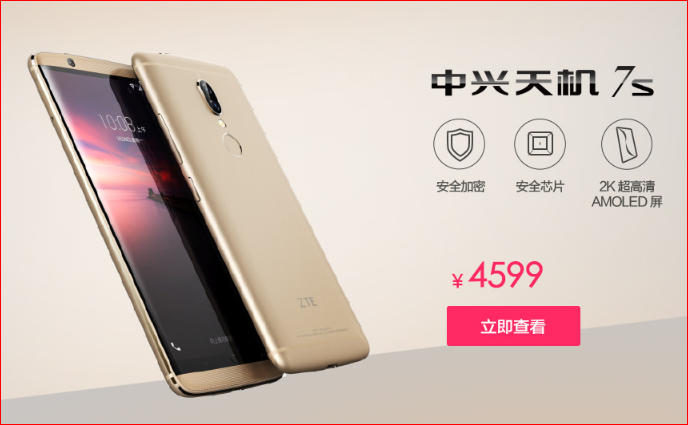
ZTE released the Axon 7 in May last year with the flagship device stunning the industry with its sleek design and amazing specs lineup. The Chinese tech giant went on to announce the Axon 7 Mini and just this year, precisely in April, the Axon 7S was announced. The ZTE Axon 7S comes with some nice upgrade over the Axon 7 and a cleaner design due to the absence of the front speaker grills found on last year’s flagship. Since April when the flagship was announced, there have been no details on pricing and availability but the Axon 7S ha now gone up for sale in China, arriving with a whopping 4599 Yuan ($675) price tag.
The ZTE Axon 7S is powered by a Snapdragon 821 chip, as against the Snapdragon 820 on the Axon 7. The upgrade also includes coming with 6GB of RAM which is higher than the 4GB RAM on its predecessor. The storage also sees an upgrade from 64GB to a massive and roomier 128GB storage. However, the Axon 7S features a similar 5.5-inch Quad HD display that is available on the Axon 7. The new phone also features a microSD card slot and carries support for Google Daydream.
The Axon 7S packs a dual camera setup with a 20MP Sony IMX350 main sensor (1.25µm pixels) and a 12MP Sony IMX368 camera sensor (1µm pixels) from Sony. For selfies, the ZTE Axon 7s continues to sport an 8MP snapper like its predecessor. The device is fuelled by a 3,400 mAh which is larger the 3,250 mAh battery present inside the Axon 7. The Axon 7s carries support for Quick Charge 3.0 fast charging through USB Type-C port.
The ZTE Axon 7S is presently available on Jingdong (JD.com) and carried a massive price tag of 4599 Yuan ($675). The price is way higher than some of the Snapdragon 835-powered flagships we have seen this year so, we are in a fix how ZTE hopes to pull the competition. It is still not known when the Axon 7S will be available outside China.
A bonus with this is that they have kept the overall design the same from the Moto Z Play, with the exception of a thinner chassis at 5.99mm instead of 7mm. This has made the Moto Z2 Play suitable for backward compatibility with earlier modular accessories.
Chinese sources have leaked that Lenovo is looking to introduce a new UI system into the Moto line up for the Mainland market (Chinese Market). These rumors have emerged from insider’s photos.
Moto Z2 Play Running ZUI
The international version of the Moto Z2 Play will expect to remain shipped with the current Stock-Like Android UI, similar to its predecessors.
On the other hand, things may appear different in the home market. Lenovo may be releasing a Moto Z2 Play running a new ZUI version, reviving the recently shelved ZUK brand or at least its UI.
This approach may seem odd for international users for Lenovo to explore this idea of applying a non-stock Android experience on to a Moto device, however, in the Chinese market, it is known that the stock Android experience is not as popular as custom Android experiences.
This has been proven from companies such as OnePlus, who provide an alternative UI to the home market, known as ‘HydrogenOS’; whilst international customers would most likely find their devices running OxygenOS which is very close to stock Android.
If Lenovo does offer Moto devices with a ZUI option, we would expect them to be found mostly in China or other Asian markets, however, we cannot rule out Lenovo’s strategy to introduce an alternative UI for the international market either.
But this leak can also be questionable, there is the possibility that the Moto Z2 Play could have had a ZUI ROM installed after purchase. On the other hand, considering the home market’s trend on custom Android experience, this can be completely genuine and if so, Lenovo is all set to releasing a ZUI Moto smartphone.
Would you be interested in purchasing a Moto Device running ZUI?
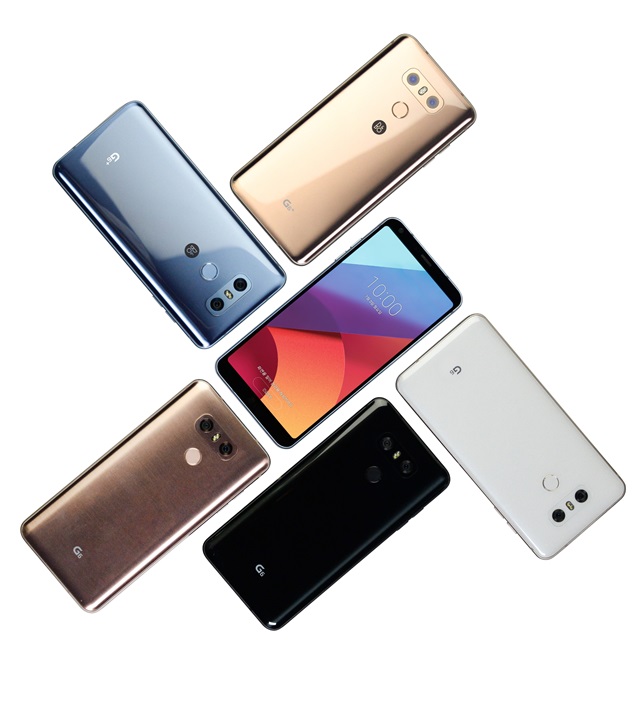
At the start of this month, South Korean media had revealed that two new variants of LG G6 dubbed as LG G6 Plus and LG G6 Pro would be launching at the end of this month in the home market. Both the models were expected to debut on June 27, but LG has today already launched them as LG G6+ and LG G6 32 GB.
It is not known as to why LG didn’t choose to introduce these variants when the LG G6 was officially unveiled at Mobile World Congress (MWC) 2017 event in February this year. LG is selling different variants of the LG G6 in varied markets. Some markets have received LG G6 with wireless charging feature whereas the other markets have received it without the wireless charging feature.
The regular LG G6 model that has been available in South Korea lacks wireless charging. However, the LG G6 available in the U.S. comes enabled with wireless charging. The U.S. variant did not receive Quad DAC feature that is available on the regular LG G6 for South Korean customers.
However, the LG G6+ which is now exclusively available in South Korea includes wireless charging feature as well as a higher storage capacity of 128 GB. So, it seems that the LG G6+ is the best edition of the phone.
The original edition of the LG G6 comes with 64 GB of native storage. The LG G6 32 GB is the other new variant of the LG G6 that was dubbed as the LG G6 Pro by the rumor mill.
The LG G6+ and LG G6 32 GB have something that is unavailable on the regular LG G6. The LG G6+ will be available in choices like Optical Astro Black, Optical Terra Gold, and Optical Marine Blue. On the other side, the LG G6 32 GB will be coming in non-optical Terra Gold and non-optical Marine Blue color options. It will also come in Mystic White which is also available for the original LG G6.
LG has only announced the LG G6+ and G6 32 GB smartphones for South Korea, but has not confirmed on when will it be made available in the country. Also, there is no confirmation on whether the other markets like the U.S. will be receiving the new LG G6 variants. The regular LG G6 was launched in South Korea for 899,000 KRW (~$802) in South Korea. Previous reports have claimed that LG G6+ and LG G6 32 GB will be respectively priced at 999,800 KRW (~$892) and 799,800 KRW (~$710).
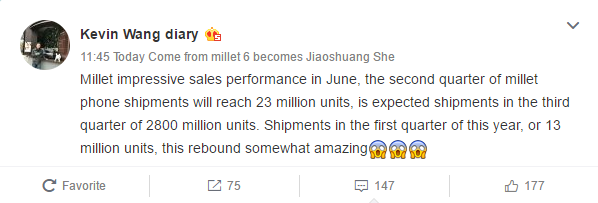
In the previous week, an industry insider, Kevin Wang had claimed that the 2017 second quarter result of Xiaomi appears impressive. In the first quarter of this year, Xiaomi sold 13 million smartphones and in the second quarter, the company is expected to exceed more than 20 million units.
The substantial increase in sales is not only because of the high popularity of Xiaomi Mi 6 flagship phone in the home country of China but also because of the stupendous popularity of mid-range smartphones such as Redmi Note 4, Redmi 4A and Redmi 4 in the Indian market.
Today, Kevin Wang has again claimed that the sales of Xiaomi phones in this month has been even more impressive. He has revised statement on second quarter sales. Previously, he had stated that Xiaomi may sell more than 20 million units in Q2 and his today’s Weibo post states that Xiaomi is expected to sell 23 million units in this quarter. Moreover, he has also forecasted that Xiaomi may sell 28 million smartphones in the third quarter of 2017. Here is the Weibo post:
Considering the fact that Xiaomi recorded a sale of only 13 million units in Q1, the company seems to have rebounded very well in this quarter. Xiaomi is expected to continue to impressive sales till the end of the year as it is rumored to launch couple of “start products” in the remaining half of the year. It seems that it won’t be difficult for the company to cross 80 million units sales mark by the end of 2017.
The Xiaomi Mi Note 3 and Mi MIX 2 are also some of the most awaited smartphones from the Chinese firm this year. Also, before the end of the year, Xiaomi is also pegged to announce the budget-friendly Redmi 5 and Redmi Note 5 smartphones in China.
The renders of Google‘s next-generation Pixel 2 leaked online over the weekend on Reddit, bringing to the forefront discussions about the Pixel 2 and the larger Pixel XL 2. The renders were purely a fan-generated concept design of the Google 2017 flagship. According to the fan, the render is just his expression of what he’d like to see on the Pixel 2. The design is also revealed to take cues from the Essential Phone and especially the LG G6. The resemblance with the G6 has nothing to do with earlier rumours that the Pixel XL 2 codenamed Taimen will be designed by LG but the G6 just happens to be the fan’s favourite 2017 Android phone.
The set of renders did indeed take a number of design cues from the LG’s latest flagship, including the Full Vision display panel with an unconventional 18:9 aspect ratio and rounded screen corners, as well as a nearly bezel-less front. The renders also pack horizontally aligned dual cameras at the rear and an unusual dual LED dual-tone flash design with each of the flash sitting on the left and right side of the camera. There is also a rear-mounted fingerprint sensor. Apart from the camera’s placement and a few other details, the render looks similar to the purported real render of the Pixel 2 which surfaced weeks back.
Google Pixel 2 is still pretty much a mystery at this time but one thing is known for sure, this device will be bigger and a lot better than the Pixel. There would be some improvements in its design, water-resistance, iris eye scanner and it will most likely come with a bigger battery. The Pixel and Pixel XL did not feature dual cameras but Google may just go for dual lens rear cameras on the Pixel 2 in line with the current trend for smartphone manufacturers and that is captured on the concept teaser. In addition, the Pixel 2 is also teased to feature a full-screen design which would make it look more premium. There is also likely going to be an OLED display just like the Pixel had. The Google Pixel 2 is expected to run on Qualcomm’s latest Snapdragon 835 processor, backed by 6GB RAM. At this time, it is best we keep our fingers crossed while we await the unveiling of this amazing device.
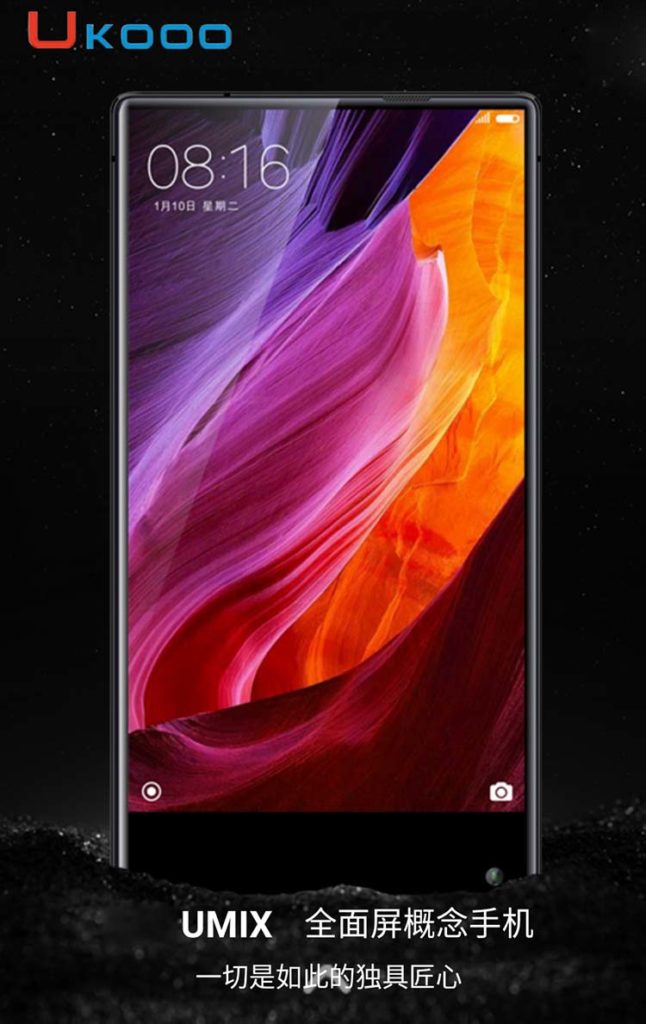
Xiaomi’s Mi Mix is a difficult phone to get hold of, but that hasn’t stopped manufacturers from reverse engineering the Xiaomi Mi Mix and releasing a smaller recreation of the highly-demanded smartphone.
The Mi Mix look-a-like, named ‘Ukooo UMIX’, has been sighted on online retailer Taobao, priced at an eye-catching ¥688 (~$100).
From the pictures shown, the Ukooo UMIX appears to clearly resemble the Mi Mix.
The manufacturer has made a very good effort at reproducing the Xiaomi Mi Mix, especially with the screen. According to the source, the side bezels are three times closer to the edge of the smartphone in comparison to the Mi Mix. However, this claim has not been verified.
In terms of specifications, the smartphone displays a 5.5-inch 1080p screen, powered by a MediaTek MT6737 quad-core processor (+ 8 core graphic processor)1, paired with 4GB RAM and 64GB internal storage. The rear dual-camera setup consists of a 13MP and 8MP camera whilst the selfie shooter will be an 8MP camera.
From the source, the phone will support two nano-SIM cards as well as 4G TD-LTE and FDD-LTE, but no bands have been clarified.
The design of the phone mimics Mi Mix’s ceramic uni-body and 3D glass covering the display.
As mentioned before, the price of the Ukooo UMIX is currently ¥688 (~$100).
Our thoughts: This phone seems very promising in design and if the source is accurate, this phone could provide a high-quality feel.
The source’s details on the internal components are inaccurate. However, what we can make from the provided CPU model the device is aimed at the low end of the market. The RAM count is also sketchy as the MT6737T only officially supports up to 3GB RAM. We expect the internal storage to be running on eMMc speeds.
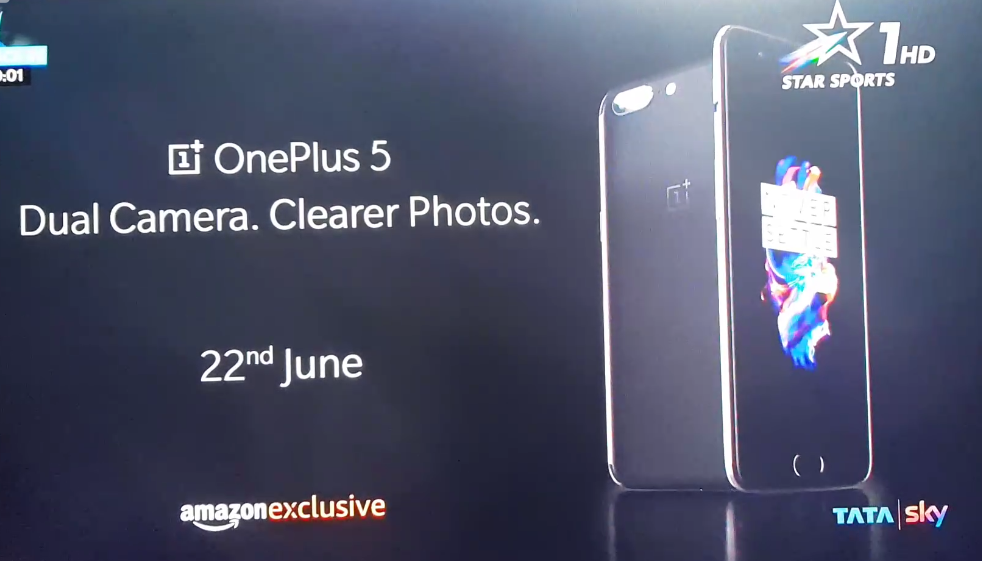
OnePlus has confirmed that OnePlus 5 would be debuting on June 20. In 2016, Amazon India ran a full-page ad of OnePlus 3 before its official launch. Amazon India has done a similar thing with OnePlus 5. The upcoming flagship killer OnePlus has been fully revealed in an official TV advertisement by Amazon India. The ad was shown during ICC Champions Trophy final cricket match between India and Pakistan.
OnePlus is known for building hype before unveiling its flagship phones. The India vs. Pakistan finals was the third most watched game in cricket history and running a teaser of an upcoming phone during the match is OnePlus’s way of showcasing it to a billion people in India. The teaser ad lasts only for about 5 seconds, but does show the entire smartphone in real. Here is the ad that seems to be recorded using a mobile device while the commercial ran on TV:
The teaser ad stars the popular Bollywood superstar, Amitabh Bachchan. The actor can be seen option a box that probably belongs to OnePlus 5. After opening the box, “Superb” is the word coming out of the actor’s mouth by looking at what’s present inside the box.
None of the official teaser images released by the company show the full design of the phone. However, the smartphone is completely revealed in the commercial. The horizontally arranged dual rear cameras are easily noticeable and as previously reported, it seems to resemble the Apple iPhone 7 Plus. The ad also carries the text “Dual Camera. Clearer Photos.” It shows the Home button probably featuring a fingerprint scanner is seen sitting below the screen.
As it can be seen, the OnePlus 5 will be exclusively available through Amazon India in the country. The smartphone will be available in India starting from June 22. Around a week ago, the source code of a landing page of OnePlus 5 revealed that the smartphone would be available in 8 GB RAM variant in India.
OnePlus 5 is speculated to come with a 5.5-inch FHD screen that will carry support for DCP-P3 color space. It will be driven by Snapdragon 835 chipset. Leaked information has revealed that the phone will be coming in two variants namely, 6 GB RAM + 64 GB storage and 8 GB RAM + 128 GB storage. Its dual camera system is rumored to feature a 20-megapixel sensor and a 16-megapixel sensor. Its selfie shooter is speculated as 16-megapixel. A 3,300mAh battery with Dash Charge support is expected to power the flagship phone.
OnePlus 5 will be officially unveiled on June 20. The company has been teasing on its specs and features before its official announcement. Even the rumor mill has disclosed a lot of information on OnePlus 5 specifications and features. Fresh information reveals that the upcoming flagship killer is arriving with a stellar display compared to its predecessors.
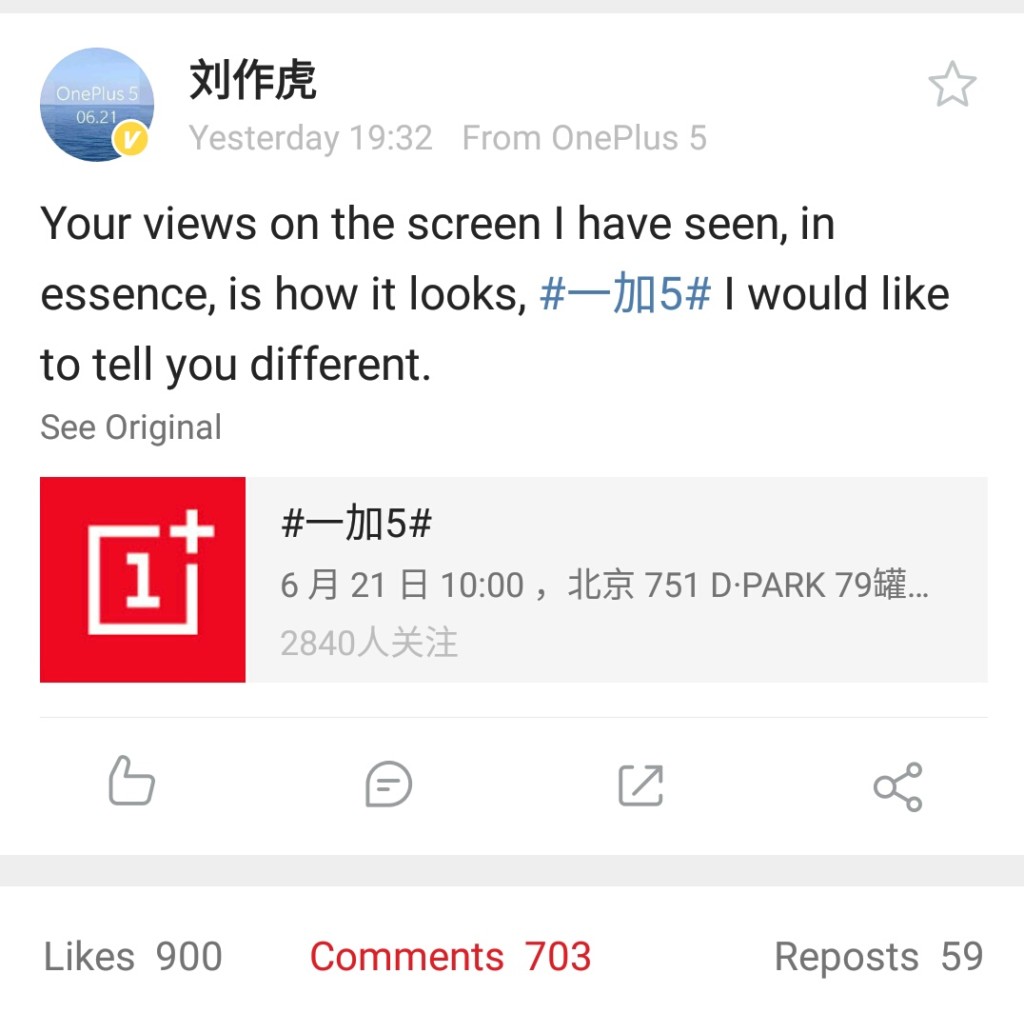
The OnePlus 3 and OnePlus 3T smartphones feature 5.5-inch screens that support full HD resolution of 1,920 x 1,080 pixels. OnePlus fans who have been asking for improvements in the display department would be glad to know that OnePlus 5 will also impress with an enhanced display. Here is the official Weibo post by OnePlus CEO Liz Zuohou:
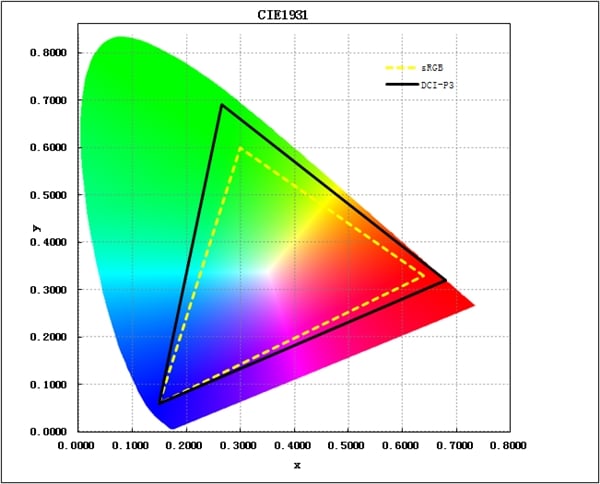
In the previous week, Technoblog, a Portugal website site had leaked the entire specifications and pricing of OnePlus 5. Leaked information has revealed that OnePlus 5 would be sporting a 5.5-inch full HD display and according to the publication, the screen will sport DCI-P3 colors.
The support for DCP-P3 colors on OnePlus 5 ‘s screen indicates that it will be delivering digital cinema like view experience with support for vibrant greens and reds. Compared to traditional digital video, the digital cinema offers a wide range of high quality of color spectrum which exceeds sRGB (standard RGB) color space created by HP and Microsoft. The iPhone 7 and iPhone 7 Plus smartphones already support DCI-P3 color space and Apple calls its “Wide Color.”
As far as other specs are concerned, OnePlus is expected to arrive in two models. One featuring 6 GB of RAM and 64 GB of storage and the other model with 8 GB of RAM and 128 GB of storage. Speculations have it that OnePlus 5 would be using UFS 2.1 storage on OnePlus 5.
Its dual camera system is expected to include a 20-megapixel sensor and a 16-megapixel sensor. Its front-facing camera is rumored as 16-megapixel. It is rumored to launch with a starting price of around 2,799 ($411) to 2,999 Yuan ($440).
Samsung is reported to be working on putting the fingerprint scanner under the display but is having difficulties. The problem actually has to do with the brightness of the display as the area around the scanner is brighter than the rest. The info comes from supply chain insider @Ice Universe and an image showing what the problem looks like was provided. He also adds that Apple is facing the same issue.
Most people are looking forward to seeing the Galaxy Note 8 implement this technology. However, it doesn’t appear to be something easy to accomplish. If Samsung is going to release a phone with an integrated scanner, it is going to want to make sure it perfects the design. You all wouldn’t like a recall again, right?
The Samsung Galaxy S8 and Galaxy S8+ both have their fingerprint scanners at the back of the device. Although people complained about the position being slightly hard to reach since it sits beside the camera instead of beneath it like in other phones that adopt this design. However, reviews of both devices have been positive as well as sales.
Last week we reported a finding that put the number of Pixels sold at about 1 million. The figure was gotten from the number of installs recorded for the Pixel exclusive app, the Pixel Launcher.
A new report from BayStreet Research puts the figure at 1.8 million. BayStreet also says that the Pixels may record a sale of 475,000 units this quarter. These figures pale in comparison to what Apple and Samsung records, but the figure is said to be a step in the right direction for Google.
The Nexus devices didn’t have record breaking sales. Some put their figures at about a million each, with the Nexus 6P being the best selling of them all. So selling up to 2 million units isn’t bad.
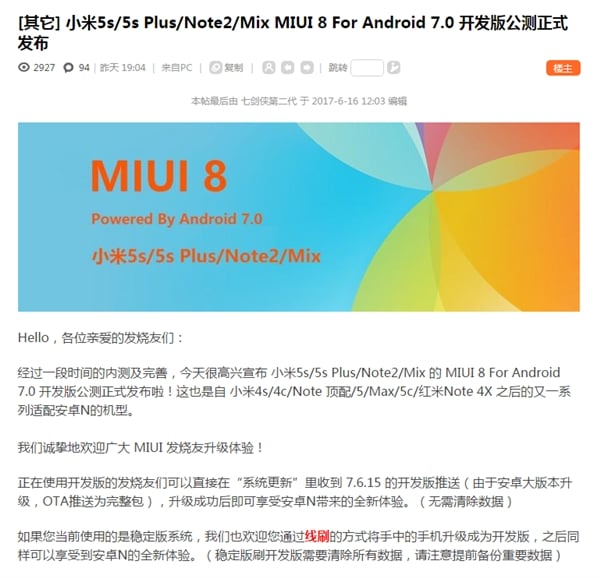
Xiaomi’s MIUI is famous for its heavy customization. That may be a good thing for some but others can’t live with the duration it takes for it to move to a different Android version. And even when it does, most of the new features are buried deep under the UI.
The Mi 5S, 5S Plus, Mi Note 2 and Mi MIX were all launched in the 4th quarter of 2016, a few months after Android Nougat was released. All four devices were Xiaomi’s flagship phones up until the Mi 6 was released. You would expect Xiaomi to focus on getting Nougat out to these devices as quickly as possible but sadly that isn’t the case.
On Friday, Xiaomi finally announced an Android Nougat update for those running the Developer Edition of its ROM. That means there might still be at least a one month wait before it makes it out as a stable release.
There is really nothing to be excited about. Those who run Android Nougat on the Mi 5 know there is little or no difference in the way the device looks after upgrading from Android Marshmallow. The reason is because it is still based on MIUI 8.
One wonders what Xiaomi is really doing with MIUI. It takes it super long to update from one Android Version to another and when it does, most of the new features are not even visible or present. And when it decides to release a new version of MIUI, there is almost a 12-month wait before release and another couple of months before it starts hitting devices.
If you own any of the above devices and run the Developer Edition, you should get the update. Change-log includes an upgrade to Nougat and a number of bug fixes.
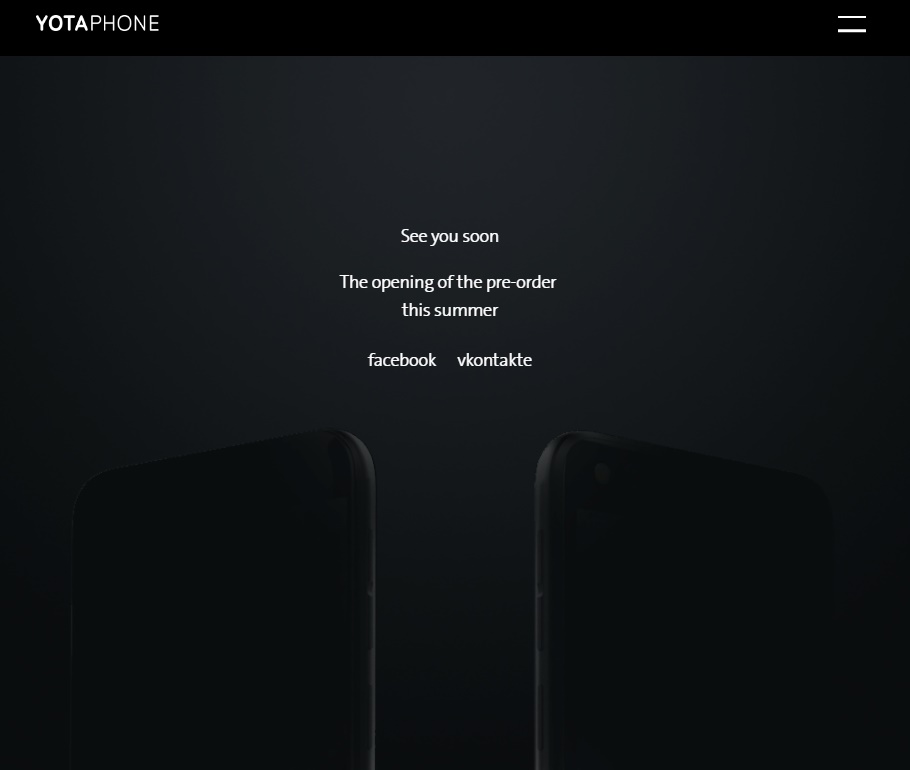
The original YotaPhone was launched in 2013 and is the first android smartphone to sport a secondary e-ink display. It was followed by the YotaPhone 2 in 2014. Last April, the Russian based company announced that the YotaPhone 3 will launch this year with pre-orders beginning this summer. New reports have revealed the pricing of the upcoming device.
According to the General Director of BaoliYota Technology, the YotaPhone 3 will be available in two versions: a 64GB model that will sell for $350 and a 128GB model priced at $450. The announcement was made at the China-Russia Expo on Friday. No other details have been provided about the phone.
We do not know if both versions will only differ in terms of storage or will have other differences like screen size and RAM. However, we know both will have one color display in front and an e-ink display at the back.
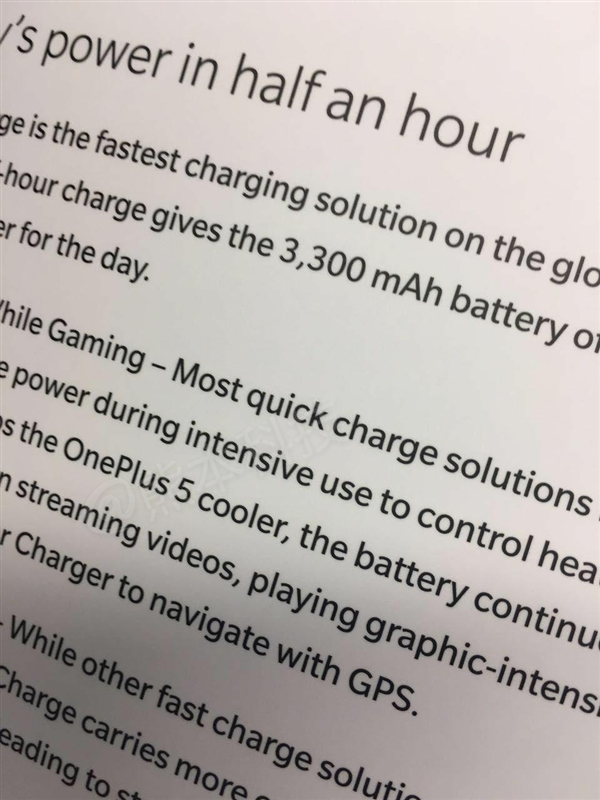
The OnePlus 5 will officially launch on Tuesday, 20th of June. Virtually all the details about the phone have been leaked or revealed by OnePlus itself, save for the battery capacity. A weibo post by Kumamoto technology shows a snapshot of a page revealing the OnePlus 5′ battery and charging technology.
The heading of the page is the slogan that OnePlus used for its Dash Charge Technology. So just like the OnePlus 3 and 3T, a 30-minutes charge will suffice for a day on the OnePlus 5.
The first paragraph reveals the battery capacity to be 3,300mAh. This is 100mAh smaller than that of the OnePlus 3T and shouldn’t come as a surprise since we already know that the OnePlus 5 has a smaller body than the OP3T. Notwithstanding, battery life should be similar on both devices.
The rest of the text just explains how Dash Charge works. Unlike other fast charging technologies that causes the phone to warm up, Dash Charge keeps the phone cool.
According to rumors, the Vivo X11 will be starring a near bezel-less display and expected high screen-to-body ratio. To tease Vivo fans more, this Saturday, an industry leaker has added that the device will be arriving soon.
Vivo X9 Model
It appears that Vivo will be skipping the X10 name, following their trend from the X7 and X9. It is believed that the Vivo X11 will directly replace the Vivo X9 and X9 Plus as the new successor, thus we will be expecting at least two different sizes being released early on under the model name.
Original Equipment Manufacturers (OEMs) have claimed that the X11 will resemble closely to the design language of the each other like it’s X9 predecessor.
Rumored Vivo X11 Specs
Compared to the X9, leaks suggest that the Vivo X11 will present ultra-thin bezels on the top and bottom of the screen side of the smartphone, accompanied with an edge-to-edge display covered in what is most likely 2.5D glass.
In relation to the display, the X line has remained loyal to the 1080p camp. However, according to the same speculators, Vivo may be expected to switch to a higher resolution 1440p “2k” display to reassure that they remain attractive and competitive with other upper mid-range devices.
The Vivo X11 is expected to be powered by the Snapdragon 660, an upgrade from the Vivo X9 Plus’ Snapdragon 653. We would also expect the Vivo X9 to be upgraded with 6GB RAM and the X9 Plus with 8GB RAM; in terms of internal storage, we are less certain whether Vivo will increase the base storage from the current 64GB.
Expandable storage will most likely not be offered on the X11, in consideration to the tradition of its predecessors not including it.
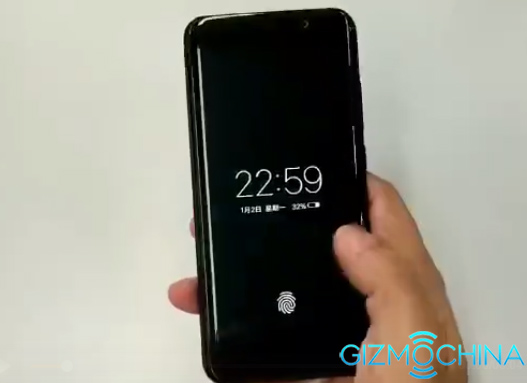
Embedded Optical Fingerprint Sensor?
Rumored Vivo Fingerprint Sensor Prototype
Another rumor that fits into the upcoming X line-up is the possibility of Vivo including an integrated optical fingerprint sensor within the screen. If these claims are true Vivo may be the first company to introduce such a sensor to consumers.
What are your thoughts about the rumors of the X11 line? Do you think there will be new fingerprint sensor? Share your comments down below.
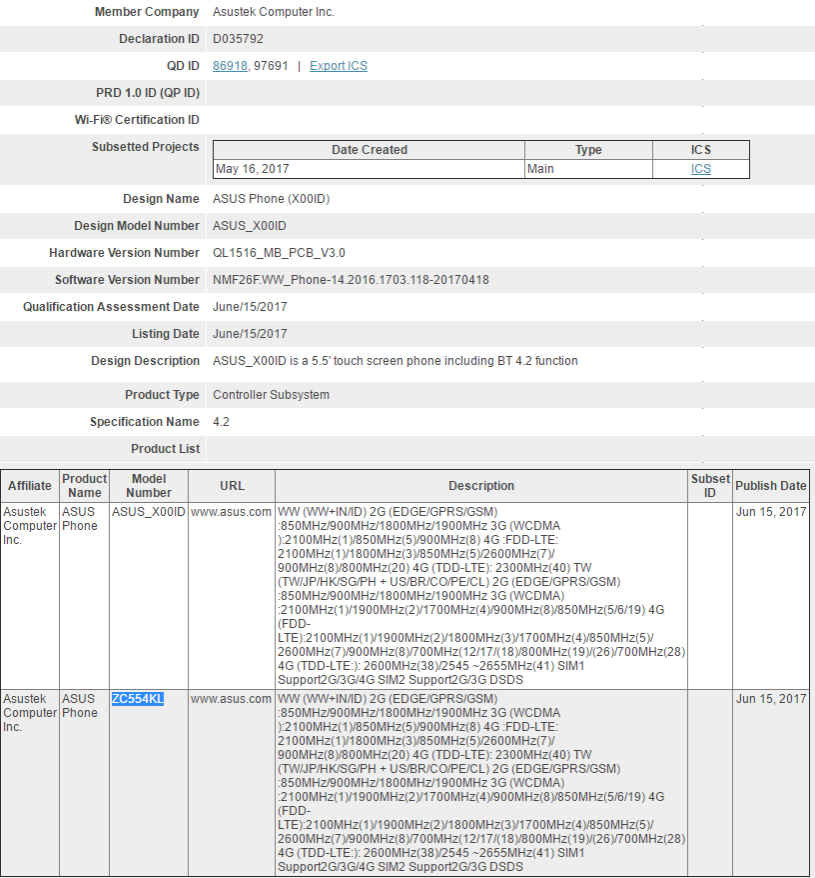
ASUS announced that the Zenfone 4 series will launch in July, months after it was supposed to be announced. While we won’t go into ASUS’ confusing naming scheme (there was a Zenfone 4 released in 2014), a new ASUS phone with model number X00ID recently got certified by the Wi-FI Alliance.
The ASUS X00ID was also seen getting certified by the Bluetooth Special Interest Group on Thursday and was filed along with another ASUS phone with model number ZC554KL. Since the model number is similar to that of the Zenfone 3 Max (ZC553KL), we believe it is the Zenfone 4 Max.
The Zenfone 3 Max launched with a 5.5-inch FHD display, a Snapdragon 430 SoC and 4GB RAM. It also had a 4100mAh battery. This year, the Zenfone 4 Max will feature the same display protected by a 2.5D glass. It will be available with 3GB RAM model, have a 4GB RAM version too and launch with Android 7.1.1.
We use cookies on our website to give you the most relevant experience by remembering your preferences and repeat visits. By clicking “Accept”, you consent to the use of ALL the cookies.
This website uses cookies to improve your experience while you navigate through the website. Out of these, the cookies that are categorized as necessary are stored on your browser as they are essential for the working of basic functionalities of the website. We also use third-party cookies that help us analyze and understand how you use this website. These cookies will be stored in your browser only with your consent. You also have the option to opt-out of these cookies. But opting out of some of these cookies may affect your browsing experience.
Necessary cookies are absolutely essential for the website to function properly. This category only includes cookies that ensures basic functionalities and security features of the website. These cookies do not store any personal information.
Any cookies that may not be particularly necessary for the website to function and is used specifically to collect user personal data via analytics, ads, other embedded contents are termed as non-necessary cookies. It is mandatory to procure user consent prior to running these cookies on your website.