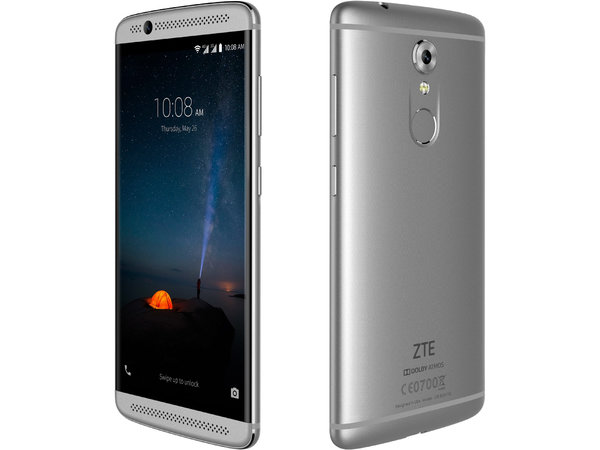
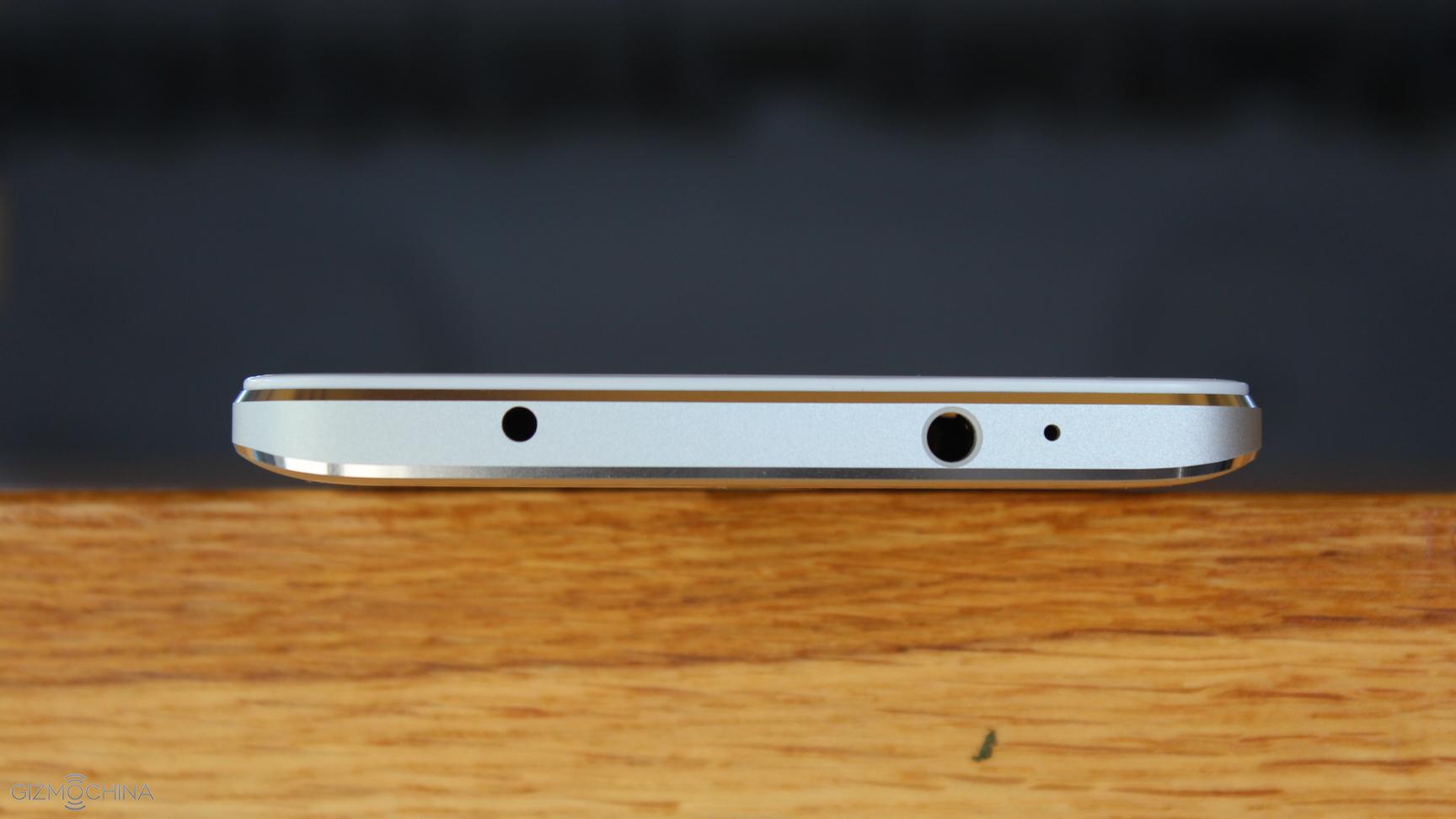
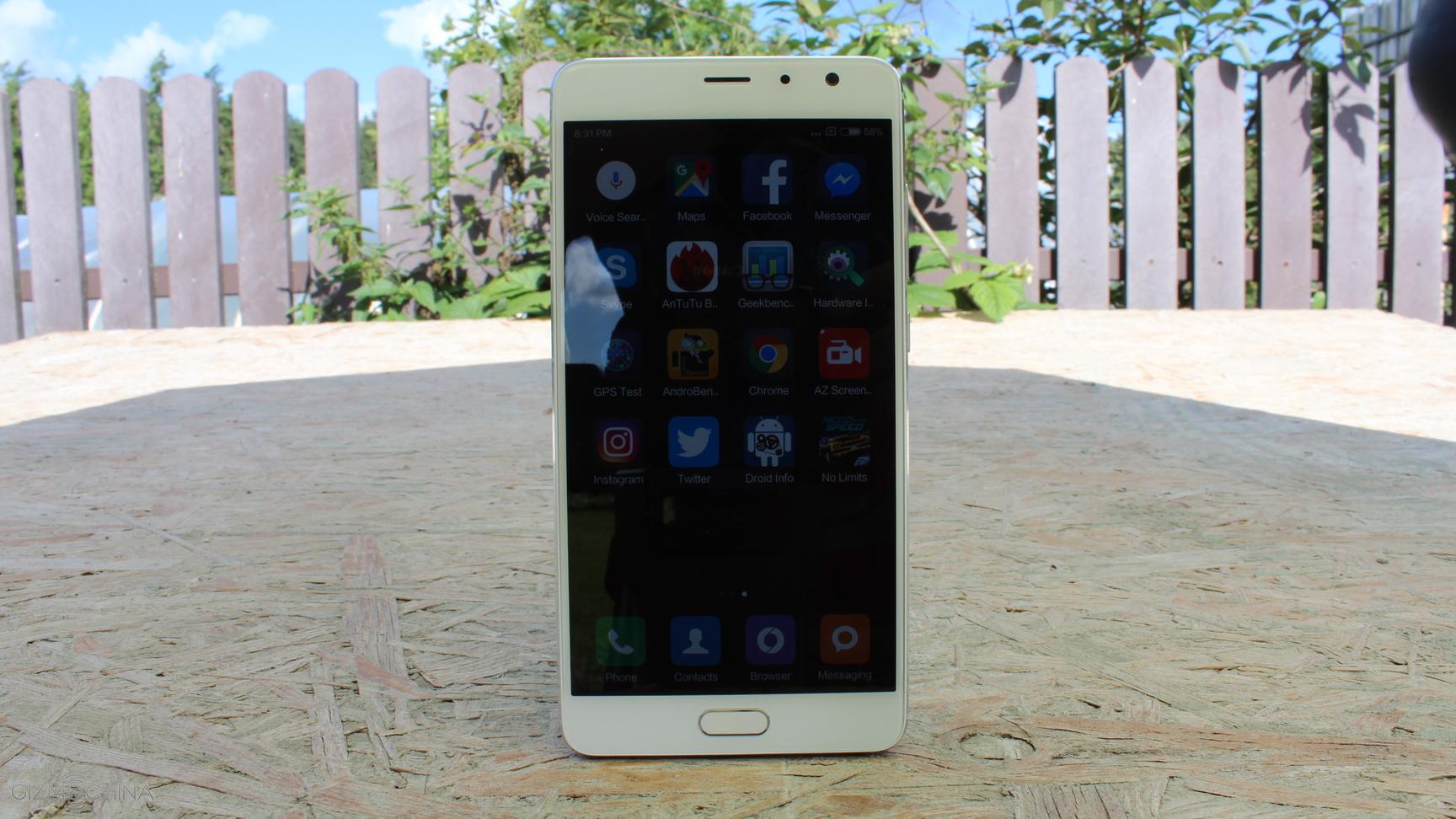
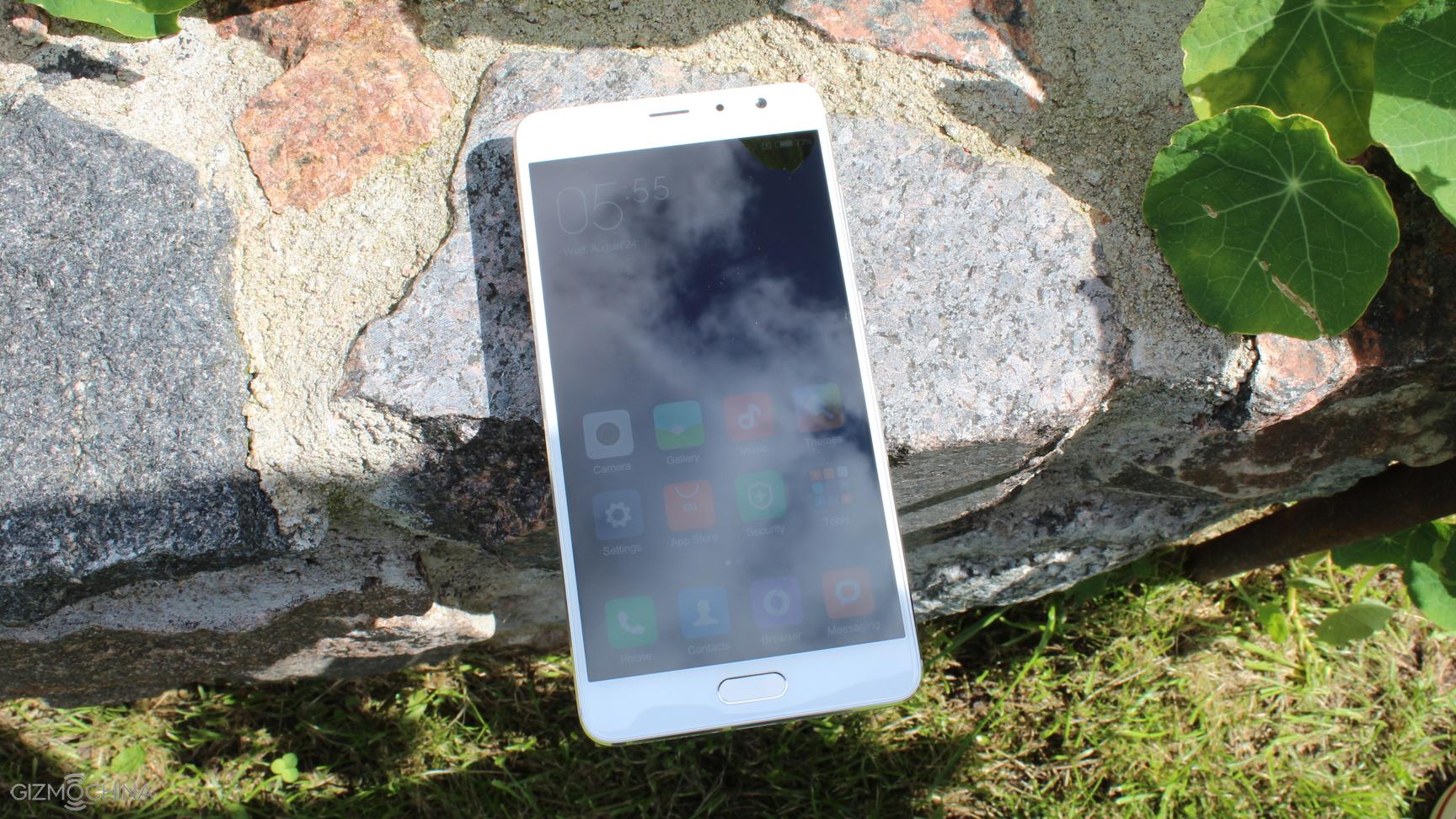
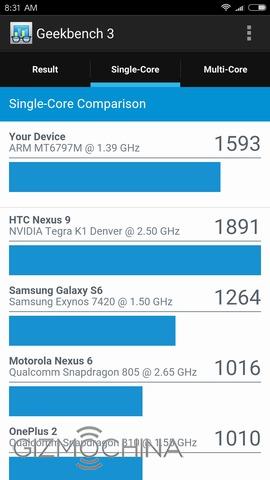
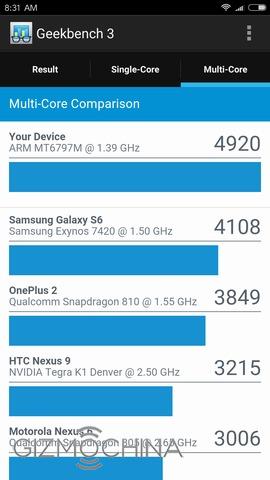
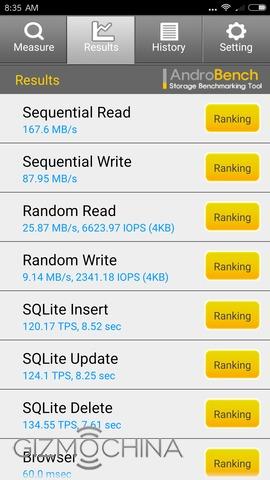
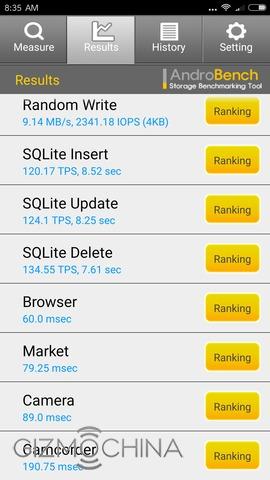
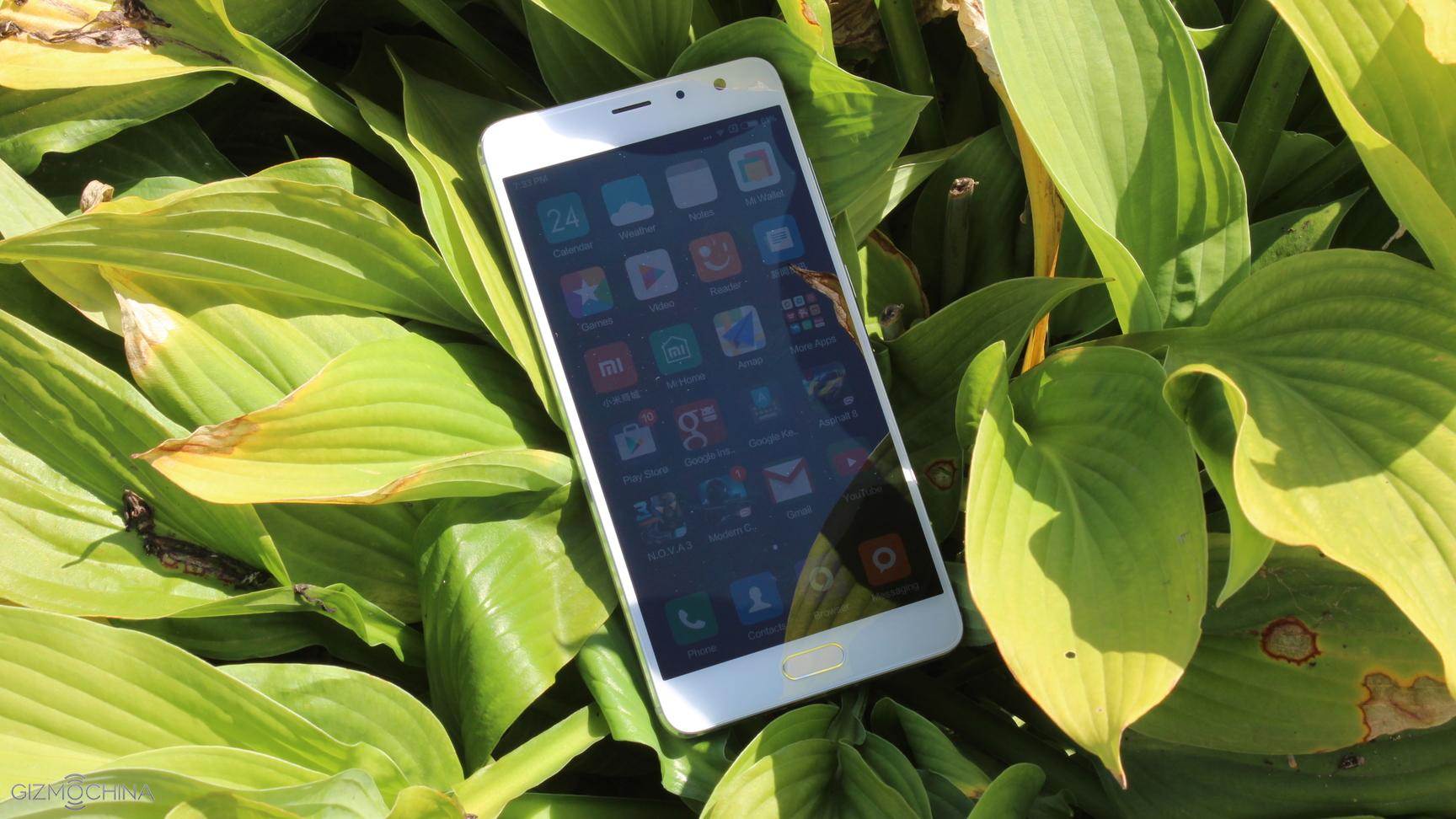
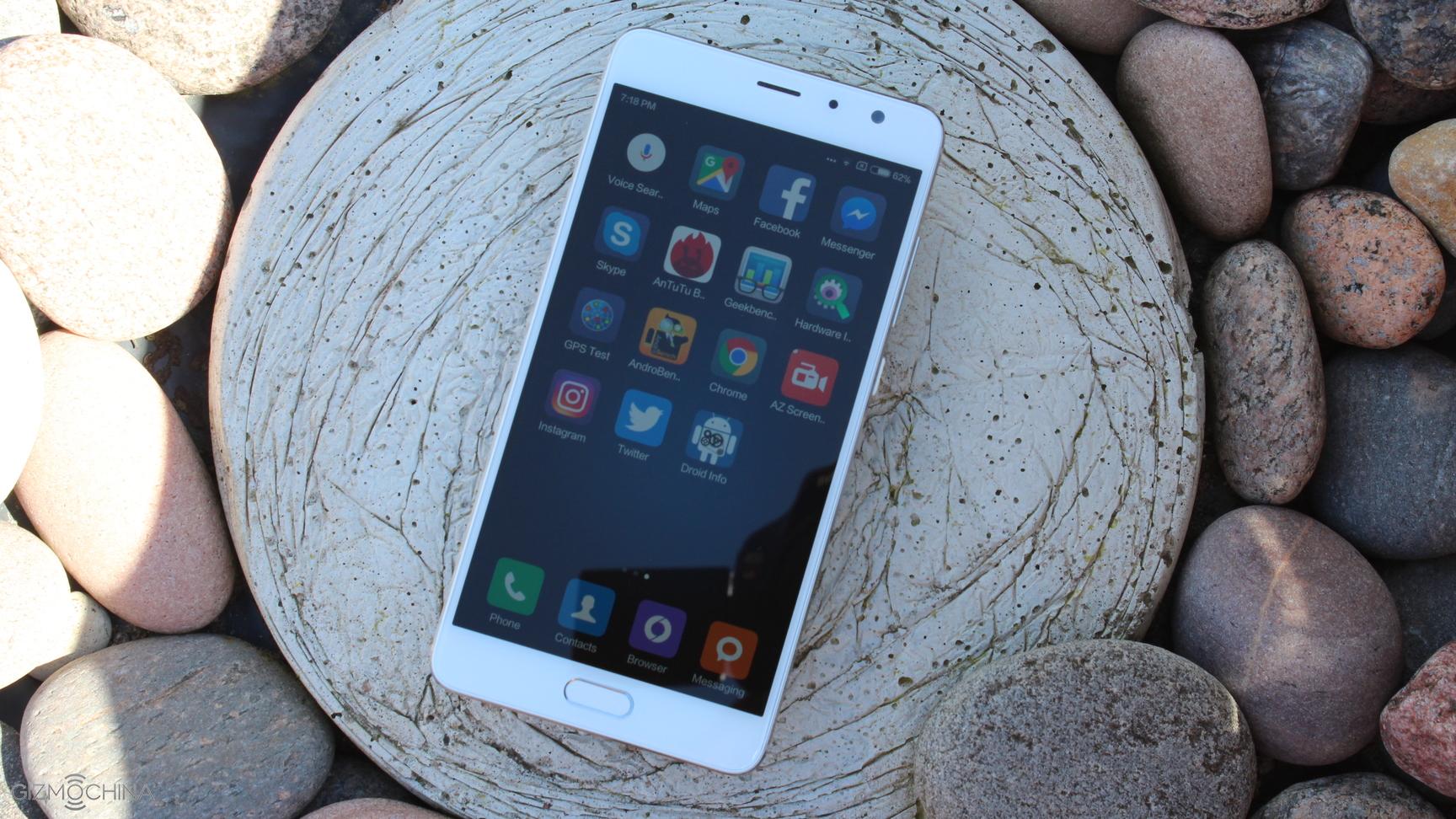
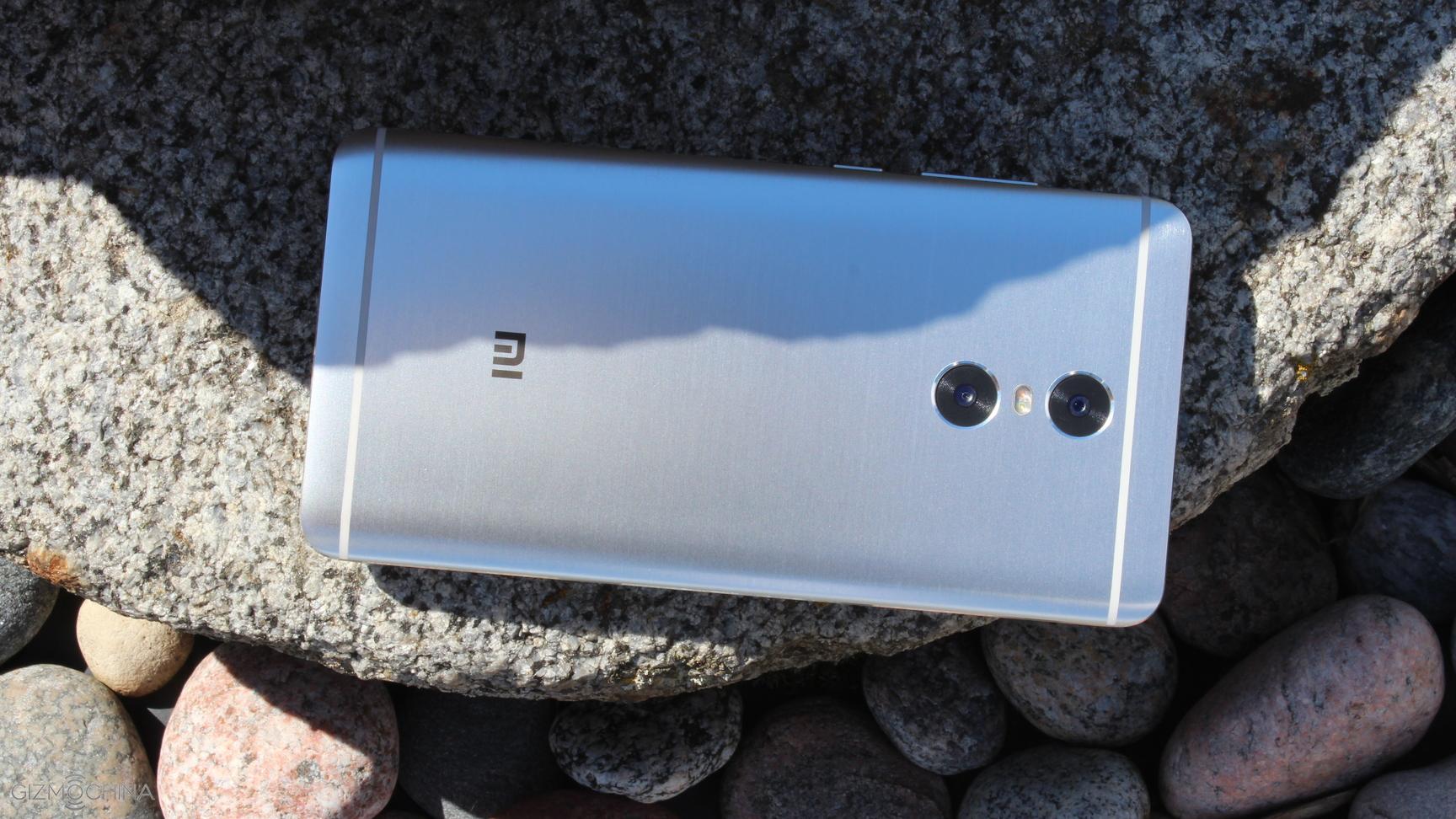
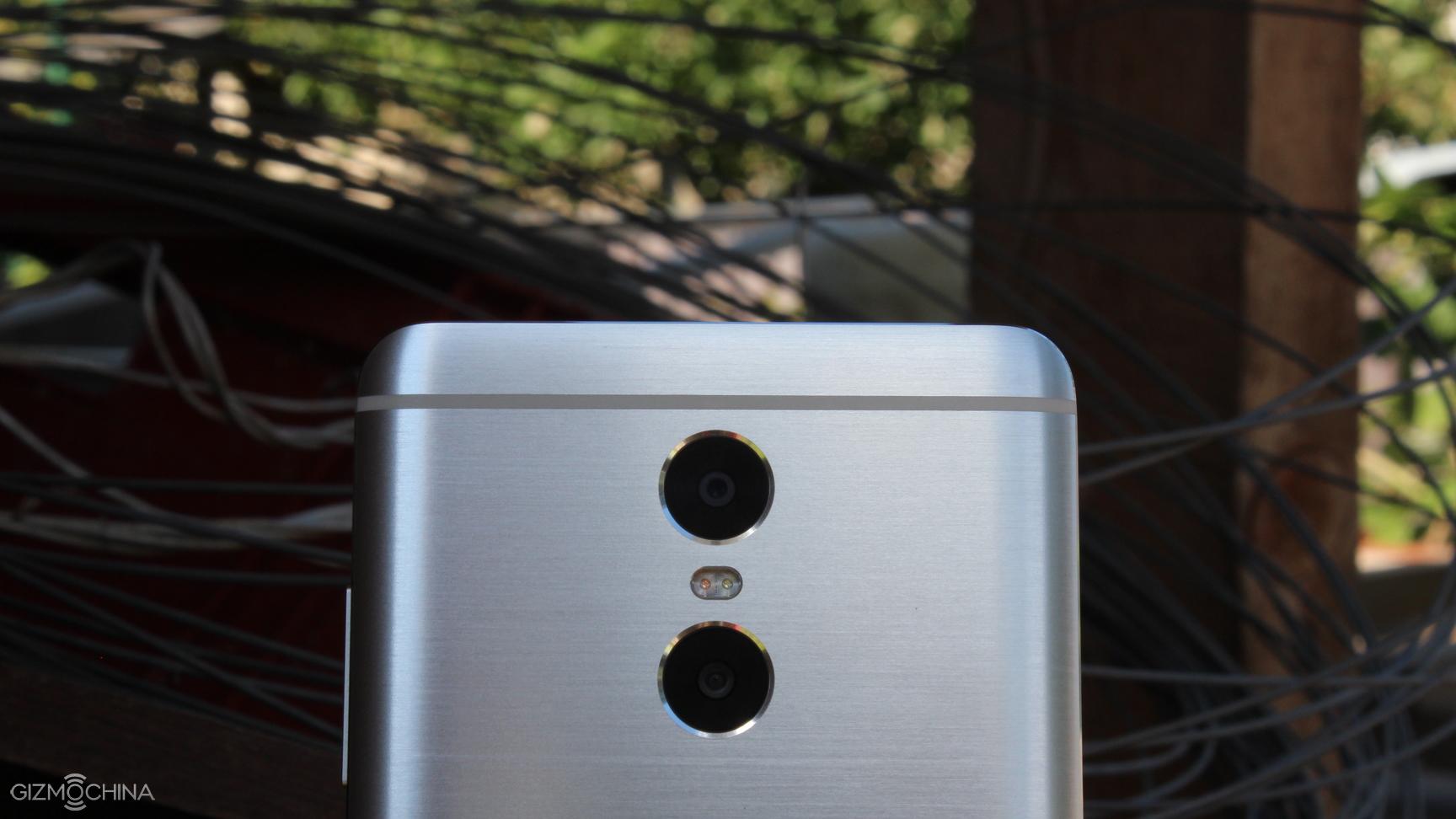
ZTE announced the Axon 7 flagship smartphone sometime in May this year and the smartphone became available in store shelves in June. What looks like a toned down version of the Axon 7, going by the moniker Axon 7 Mini has been released by the Chinese smartphone manufacturer.
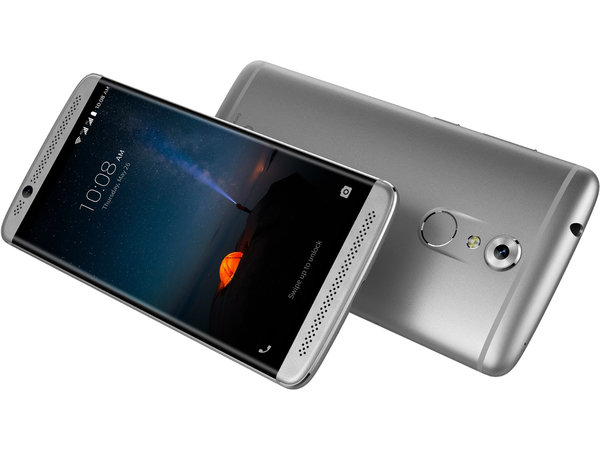
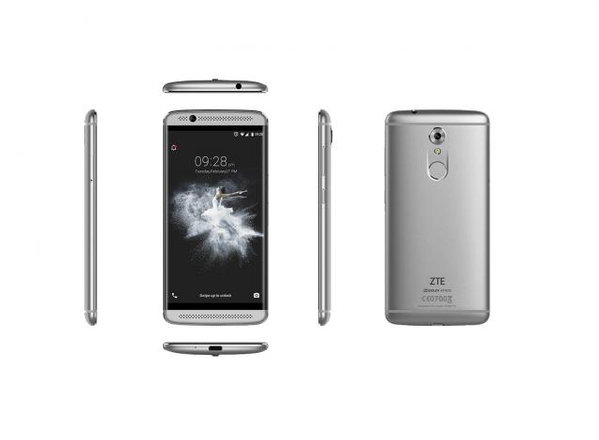
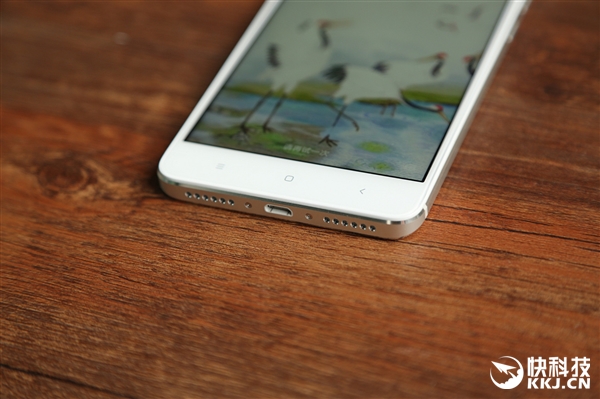
Recall also that the ZTE Axon 7 Mini’s specs was leaked last month, showing us what to expect from ZTE and indeed there is no difference from the leaked specs. The Axon 7 Mini design is very much similar to that of the Axon 7 flagship, although both sport different sizes with the Axon 7 having a 5.5-inch display. The Axon 7 Mini also comes with an all-metal body design, 5.2-inch display with 1080p resolution and 2.5D glass cover. The beautiful dual speaker grills on the Axon 7 is also present here.
The device is powered by a Snapdragon 617 chipset, which is the only thing differentiating the Axon 7 Mini from the Axon Mini released last year. The processor is backed by 3GB RAM and 32GB of internal memory which can be expanded up to 128GB.
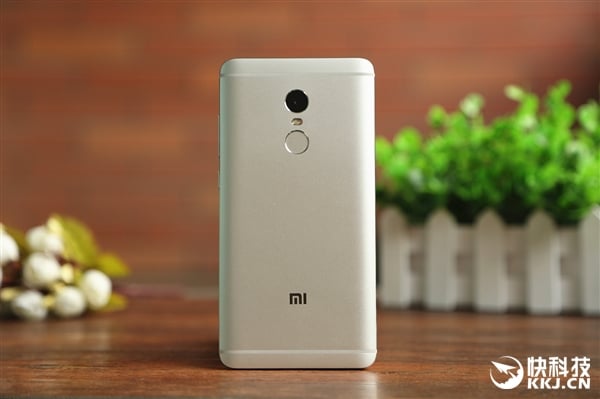
On the camera aspect, the ZTE Axon 7 Mini sports a 13MP rear camera sensor with LED flash and up front, there is an 8MP front facing camera. Also, the Axon 7 Mini boots Android 6.0 Marshmallow OS out-of-the-box and also has a fingerprint sensor at the back.
Coming to the price tag, the ZTE Axon 7 Mini is available in gold and silver color variants and is priced at 299 Euros in Europe, which is about 2,200 Yuan ($330).
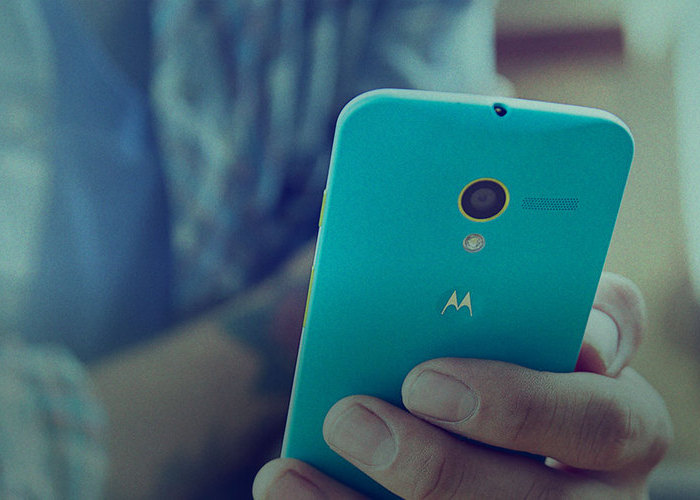
When the Moto X first launched in 2013 it featured a dimple with the motorola bat wing logo on the back, just below the LED flash. The design was well received such that the company decided henceforth to put it on all their phones. It was a perfect position to rest your forefinger while holding the phone.
You’d think when the company decided to make it’s first phone with a fingerprint scanner, they would use the same spot since it was a natural spot for users but instead they came up with the ugly square scanner on the chin of the Moto G4 Plus and Moto Z/ Z Force.
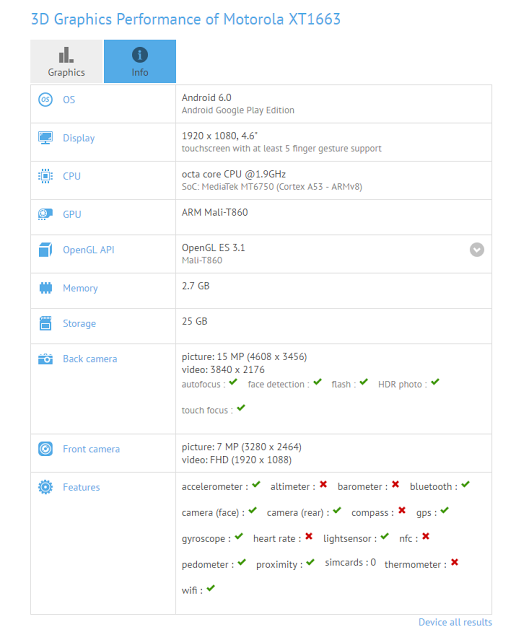
It seems the company has seen the error of its ways. A new phone in the works called the Moto M (Motorola XT1663) will have the moto dimple double as a fingerprint scanner. The device is said to share design similarities to the 2014 Moto G which does not have a single piece of plastic connecting the camera, the LED flash and dimple together like you have on the Moto G 3rd gen.
Apple has started sending out invites for an event on September 7. The invite has teasers such as the date which corresponds to the name of the next iPhone (iPhone 7) and the bokeh effects of the lights which hints at the dual cameras expected on the iPhone 7 Plus.
The launch is expected to be for the new iPhone but rumour has it that Apple will also launch the second generation iWatch.
Over the past couple of months we have covered several details and leaks about Apple’s next device must especially the absence of a 3.5mm audio jack and the use of dual cameras. One of the rumours we shall confirm on the launch day will be the presence of connector pins on the iPhone 7 Plus variant which no one has heard of lately or seen on the prototypes making rounds on the internet and if blue will indeed be amongst the colour variants.
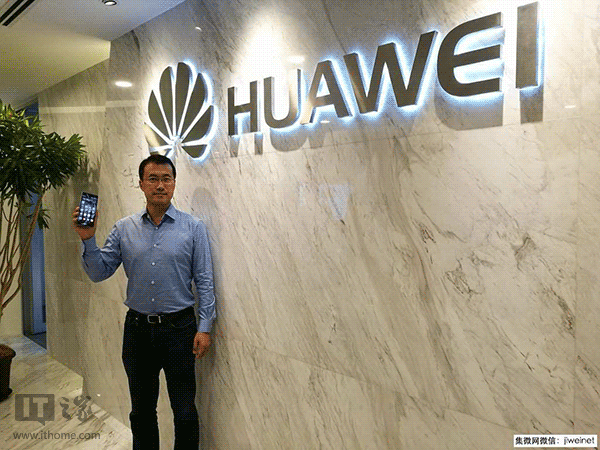
Huawei has scheduled a news conference for September 1 at the IFA 2016 holding in Berlin, where the Chinese phone maker is expected to release a new smartphone. Although we were expecting the Huawei Mate 9, that expectation has been punctured by the President of Huawei’s consumer phone business who hinted that the new smartphone which would be released at IFA Berlin 2016 would not be from the high-end Mate Series but a new series which falls into the mid-range category.
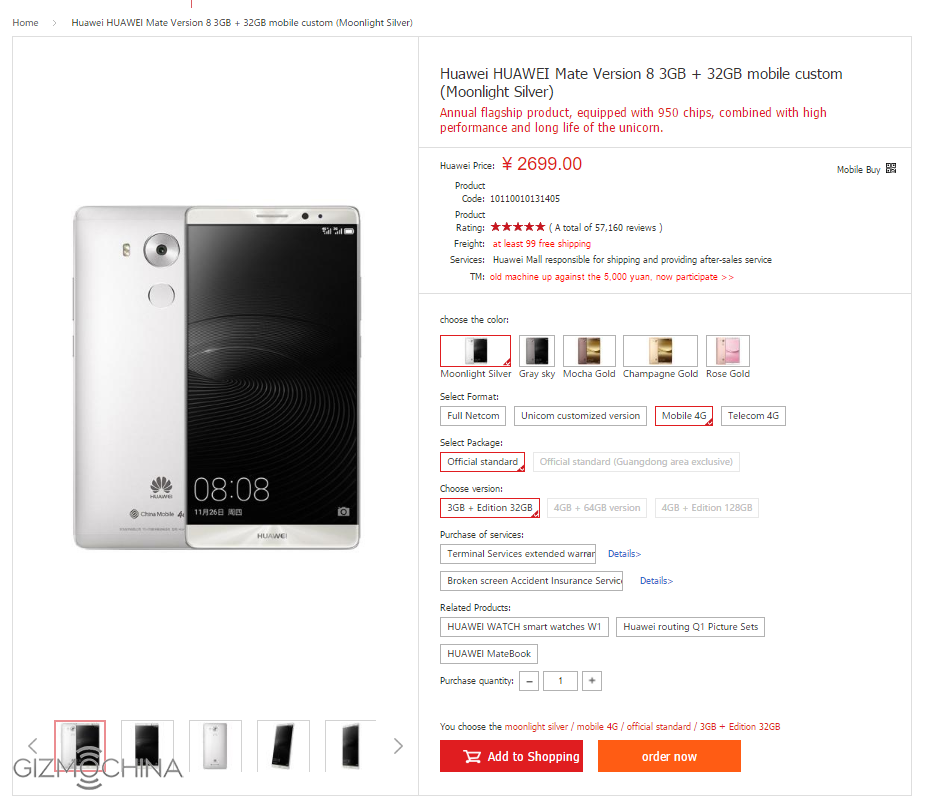
But in a new twist, the Huawei Mate 8 price has been slashed in China from the 2999 Yuan ($470) the device was initially being sold for, to 2,699 Yuan ($404). This could suggest that the Mate 9 may be closer to being released, even if not at IFA 2016 but sometime very soon.
The 2699 Yuan price tag was spotted in China’s online shop Vmall for the silver-colored 3GB RAM and 32GB internal storage version of the Mate 8 and on top of that buyers get a 500 Yuan ($75) coupon to purchase any other product. That means the actual price buyers would be paying for the Mate 8 is 2199 Yuan ($330). Isn’t that an amazing offer? You can also pay on delivery, with free shipping available in China.
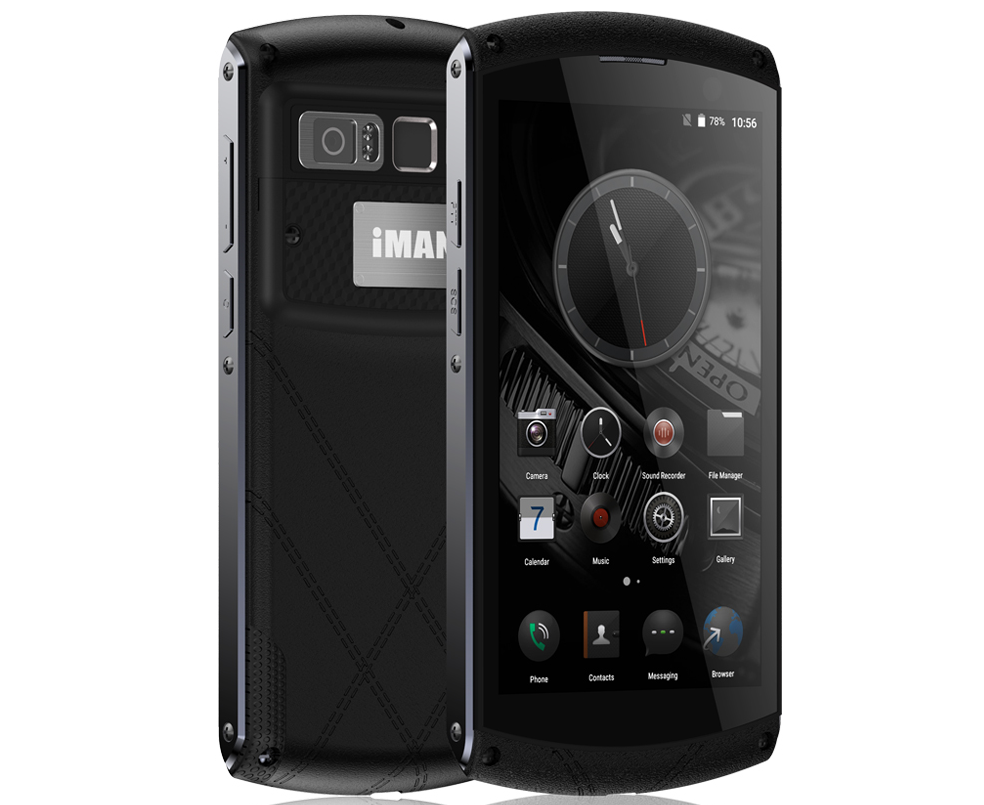
Chinese smartphone manufacturers often come up with something interesting every once in a while. iMan is a company that you may have not heard before, but it’s looking to get your attention with its brand new iMan Victor smartphone. While competing in the regular smartphone segment would have been extremely hard, iMan Victor markets itself as a unique phone, in the affordable Luxury smartphone segment.
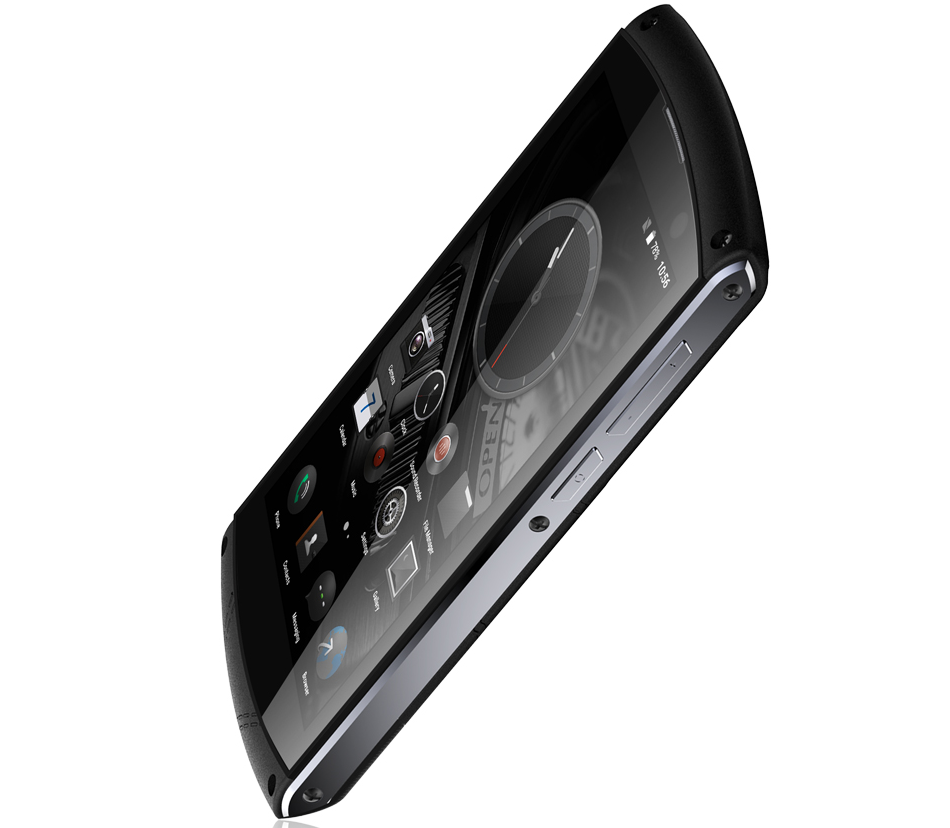
In case you are wondering what makes it so luxurious, then here’s the answer. The iMan Victor comes with a premium Liquid Metal frame, which makes the phone look much more polished than its price. Further, the phone has IP67 Certification which means it’s waterproof as well. So, you don’t have to worry about getting this device wet. The company claims the Victor is the world’s first Luxury phone with Liquid Metal Frame and IP67 Certification.
As for the specs, the manufacturer reveals that the phone will come with the Helio P10 octa-core chipset inside with 3GB RAM and 32GB of internal storage. There will be a 5-inch display with unknown resolution. At the back, the phone comes with a 13MP Sony IMX214 camera. Other features of the phone known to us include NFC support and fingerprint sensor (0.2s unlock). The phone is expected to launch in September for a price tag of $249.99.
For this price, the specs are not the best, but then if you would like to have a smartphone that features liquid metal frame and a unique look, then the Victor could be a decent option.
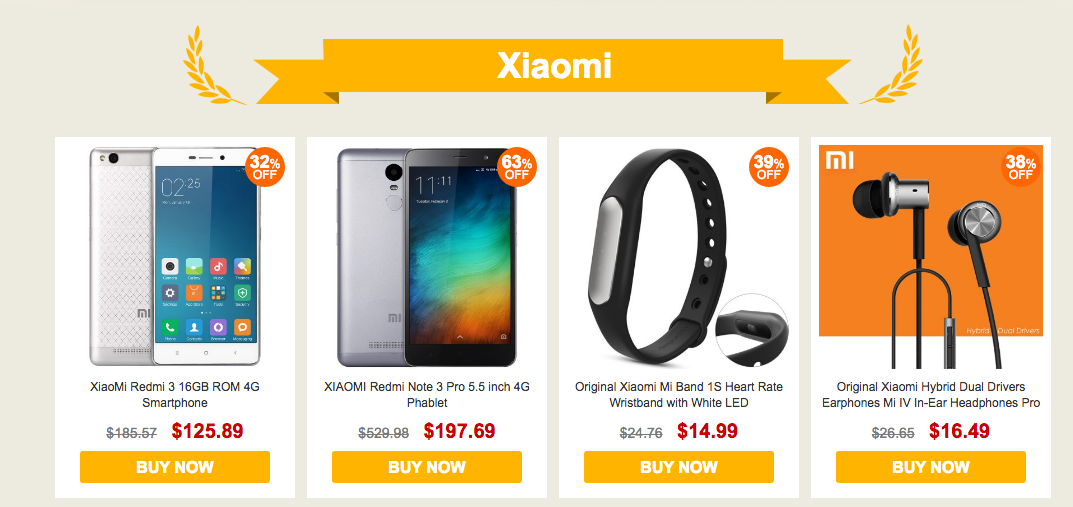
Gearbest has a new top brand sale going on, which kicks off today, wherein products from trusted manufacturers like Xiaomi, ONDA, UMi and other brands are up for sale. The sale which starts today offers products ranging from smartphones, smart bands, earphones to motherboards and robot vacuum cleaners. Xiaomi, Teclast, ILIFE, SHCAM are some of the top known brands that are in the sale. To make things easy, you can select the brand from the hovering menu option on the side as seen on Gearbest’s dedicated sale page.
So, what are some of the top products up for sale?
If you are looking for Xiaomi products, then the Redmi 3 is available at $125, the Redmi Note 3 at $197.69, Original Xiaomi earphones at $16 and even the Chinese version of Mi Router 3 at $29.99. The Mi Band 2 smartband is also listed at $31.59.
Then there are tablets from Teclast with cheap options like the Teclast X80 listed at $80,the X98 2-in-1 listed at $159.99 and the Teclast Tbook 11 at $165.99.
There are robot vacuum cleaners from ILIFE as well, starting at $120. Sports Cameras lik SJCAM SJ4000 and M20 2160p models are listed at $69.99 and $104.69 respectively. Other products include TV Boxes from Beelink, Quadcopters from HUBSAN, IP cameras from Sricam etc.
You can check out the entire products up for sale from the dedicated sales page on Gearbest. Check out the link below for details.
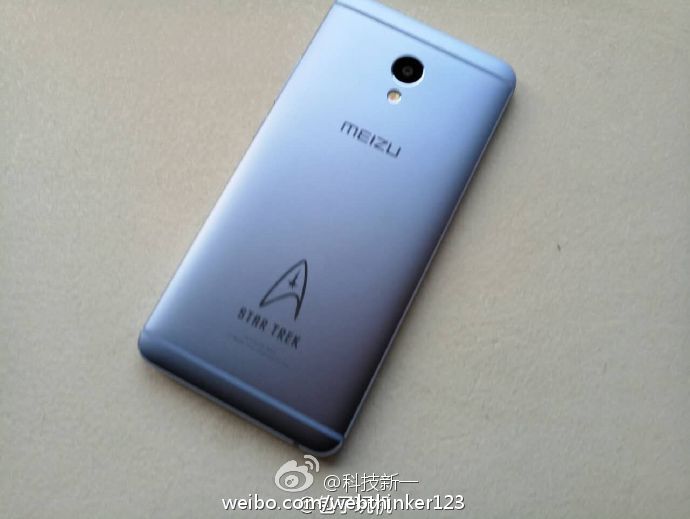
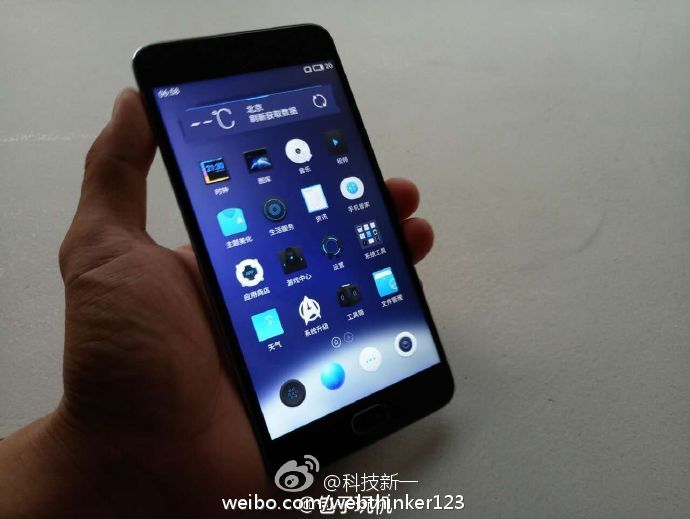
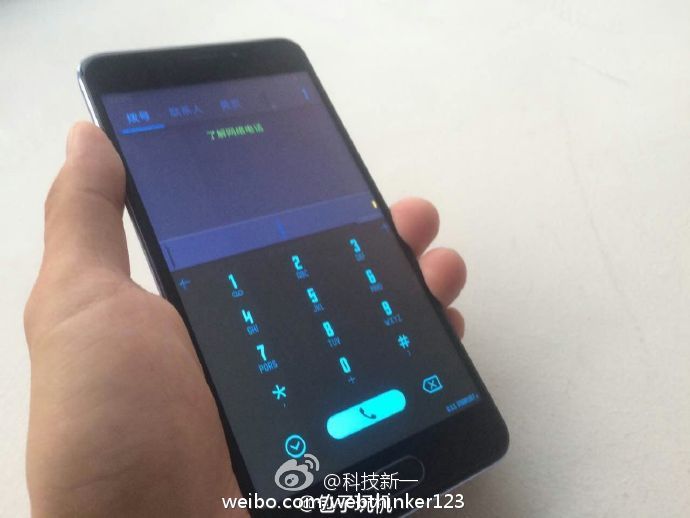
Meizu has a few phones in the pipeline which are going to be unveiled in September. The company released the Meizu M3E mid-ranger earlier this month and looks like there could be a special edition of the model in the works. A few pictures of the Meizu M3E Star Trek Edition were leaked on Weibo earlier today, revealing the existence of this edition.
We can see that the basic design is going to be the same as the M3E, however, there’s the Star Trek logo at the back, indicating that this is a special edition. Further, the other two pictures show that the theme and icons in this M3E Star Trek Edition would also be customized.
It’s not new for companies to release special edition models of their popular smartphones, but it’s usually the top-end models that get such a special treatment. So, it’s surprising to see that Meizu chose the M3E for such a customized version. We have already seen special editions like the OPPO R9 Barcelona Edition, Galaxy Note 7 Edge Injustice Edition and they turned out to be quite popular among fans. So, releasing Meizu M3E Star Trek Edition may not be such a bad idea.
It’s worth noting that although many of us must have already seen the new Star Trek Beyond movie, it will release in China only on September 1. So, the timing could be just perfect for this version’s launch.
We’ve seen phone manufacturers place fingerprint scanners in front or at the back of a phone. We’ve also seen some phones with fingerprint scanners on the side like the Xperia Z5 Compact, Honor 7i and Nextbit Robin. Huawei wants to do things differently by putting the fingerprint under the front glass, that is if the rumour turns out to be true.
A weibo account, @Mocha Socialist Workers, said in a post that he suspects that Huawei is simply not following the bandwagon by placing their fingerprint scanner in front but are working on the first locally produced embedded fingerprint scanner. The technology will see the fingerprint scanner placed at the bottom of the glass covering the screen. While he says the P10 may be the first device to use this design, he says this is still a speculation.
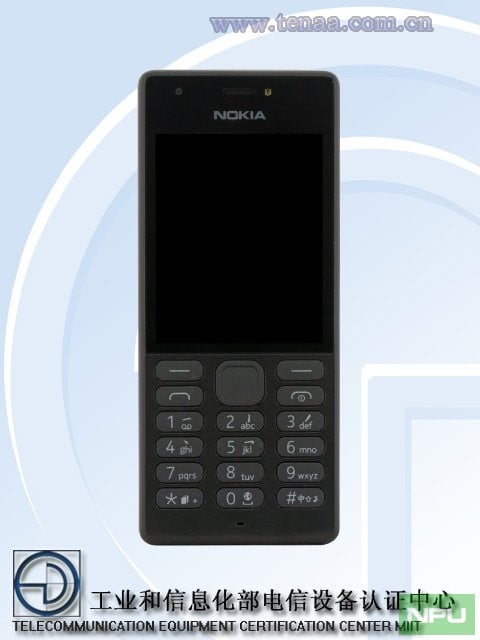
The twists and turns around the expected smartphone from Nokia under the new Nokia/HMD Global Oy partnership has continued to get more confusing by the day. Just last month, we were fed with rumors that two Android-based Nokia smartphones with 2K display, Android 7.0 Nougat, Snapdragon 820 Chipset and more, are in the pipeline. While we were still waiting for the device to pop, what appeared to be Nokia smartphones with a somewhat confusing and outdated specs line-up were spotted on GeekBench.
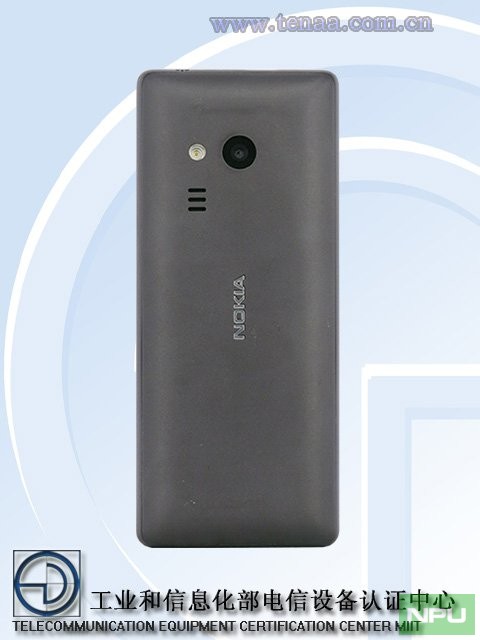
Just today, a Nokia feature phone code-named RM-1187 was listed on China’s telecommunications equipment certification center TENAA’s website as certified by the regulatory agency. According to the listing data, the certification application was from Microsoft (China) Co Ltd., but since Microsoft sold off Nokia’s feature phone business to HMD Global Oy, this may very well be the first HMD Nokia to hit the market.
According to the TENAA listing, the Nokia Feature phone RM-1187 will feature a 2.4-inch display with 240 x 320 resolution. The entire device has a dimension of 118 x 50 x 13.5 mm, weighing just 82.6 g. Also listed is a 16MB RAM, a battery capacity of 1025mAh, 16MB of internal storage, expandable with a microSD card up to 64GB.
In addition, there is a rear main camera on the device with CMOS sensor and LED flash as well as a front facing camera but the pixel size of the sensors were not disclosed. The Nokia RM 1187 feature phone is a dual-SIM enabled device, features 2.5G network connectivity and comes in three color variants, Black, White, and Cyan.
Samsung’s latest flagship is the stylus-toting Galaxy Note 7. Sporting a 5.7” 2K Super AMOLED screen with dual curved edges, 4GB RAM, 64GB ROM, 12MP f/1.7 rear camera, 5MP front camera, a 4096 pressure sensitive S-Pen, iris scanner, fingerprint scanner, and an IP68 certification; the Note 7 does has a lot to offer. But at a price. A price of 6000 Yuan ($900)!!!
Another phone which will probably be having such a high price tag is Apple’s new phone, the iPhone 7. Although it has not been released yet, we already have a fair knowledge of what to expects following months of leaks.
The iPhone 7 (Plus) is said to come with a 5.5” 3D-touch screen, dual 12 MP cameras on the back, a 5MP front facing camera, a fingerprint scanner, and doesn’t come with a 3.5mm jack. It will also be ditching the 16GB storage option.
Smartphones have become a very important part of our lives, helping us in almost every activity. We always carry around our phone wherever we go, may it be our office, parties or even when we are going to sleep. With smartphones becoming smarter and bringing in more functions, we are increasingly hooked to our devices, which means we spend less time with the people we care about.
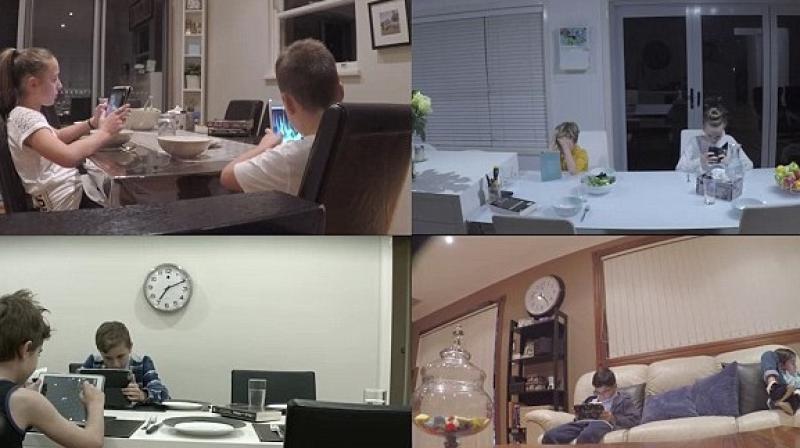
Even at the dinner table, smartphones are a common sight giving us less time to connect. So, Dolmio decided to do an experiment to show how children are often hooked on phones at the dinner table to notice changes around them. Of course, this experiment is actually an advert to promote its “PEPPER HACKER” gadget which blocks Wi-Fi, but it still manages to show how young kids are addicted to gadgets at home.
In the experiment, first, they changed some of the things in the house, like replacing a family portrait. But it wasn’t good enough to get the attention of the kids. Later, the parents and siblings in the experiment were replaced by strangers and it still wasn’t enough, for the kids to notice. Only when the Wi-Fi was turned off did the kids notice the many changes around them! It’s an interesting experiment and shows how addicted we are getting to smartphones these days to care about the things around us.
Do check out the video below to watch the entire experiment.
Xiaomi has been quite busy the past few days, releasing two new phones in the Redmi lineup, the Redmi Pro (Review here) and the Redmi Note 4. However, for those who are looking for a much more powerful smartphone, the company is soon said to release the Mi Note 2 flagship in September this year. Yes, earlier it was said that the Mi Note 2 would debut in August, but now, the latest rumors say that the release will be in September.
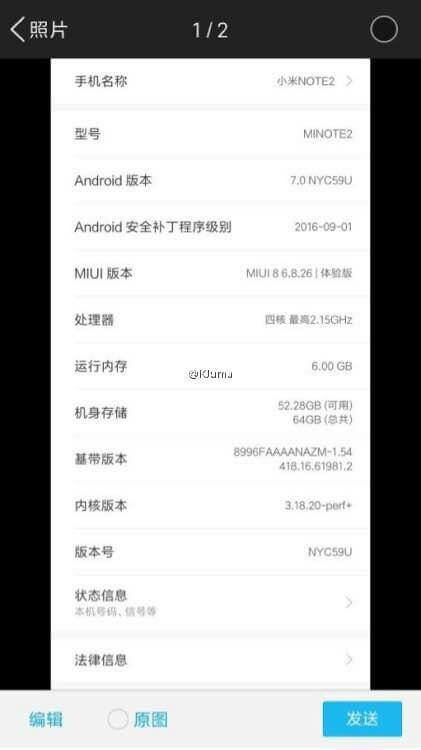
Rumors about the Mi Note 2 have been cropping up in China quite consistently for the past few weeks, and the latest leak related to the phone reveals a few details about the specs of the device. A leaked screenshot of the Mi Note 2 shows that the phone will come with the Snapdragon 820 chipset clocked at 2.15GHz. There were rumors that the Mi Note 2 will also have a SD821 powered version, but we can only be sure after the company confirms it. This screenshot could be of one of the versions of the device.
Apart from the powerful SD820, the phone is also running 6GB RAM inside with 64GB of internal storage. So, this doesn’t look like the standard version. We expect a 4GB RAM version of the device as well. Finally, the screenshot reveals that the Mi Note 2 is running MIUI 8.6 version.
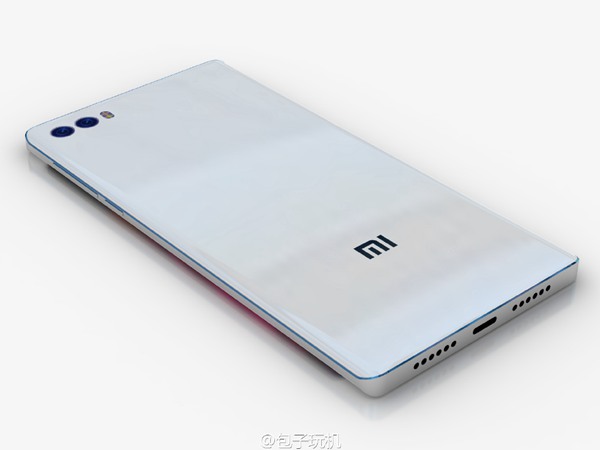
Mi Note 2 render
While we can’t be sure of the authenticity of this screenshot, these specs are just about what every leak have been pointing towards in the past few days. There are also rumors about a dual curved version of the phone, which makes this device even more exciting.
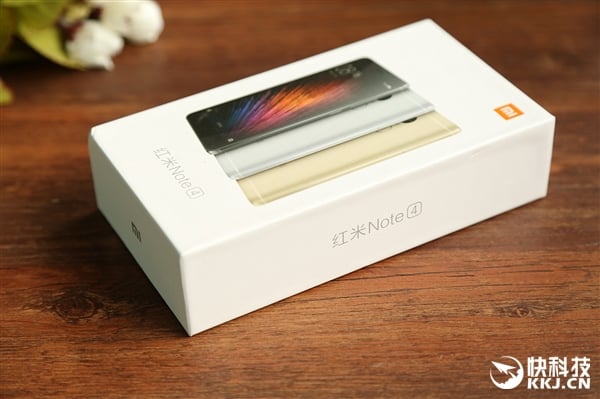
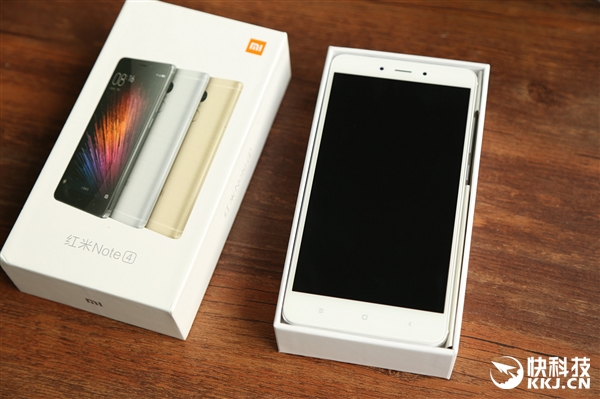
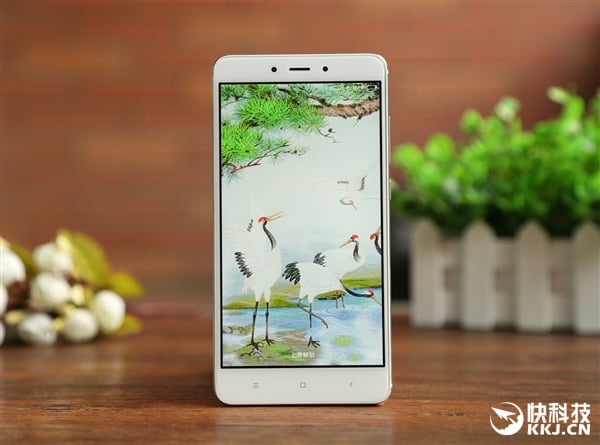
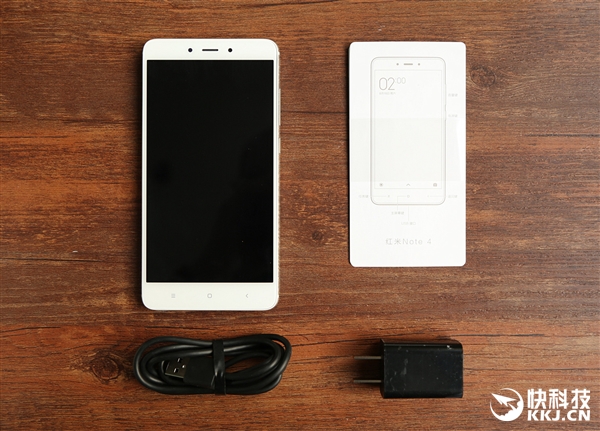
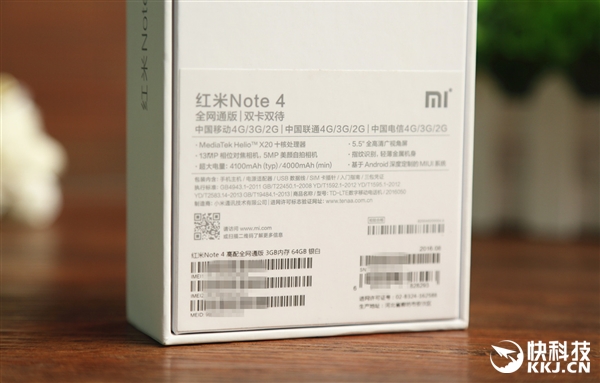
Xiaomi’s Redmi Note 4 launched last week and truth be told it is actually the Redmi Pro (Helio X20) without the dual cameras and OLED screen.
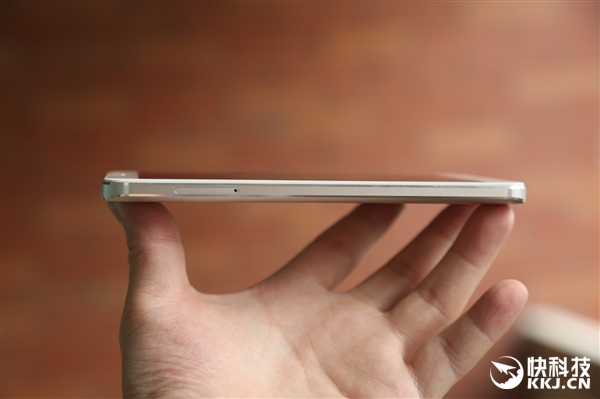
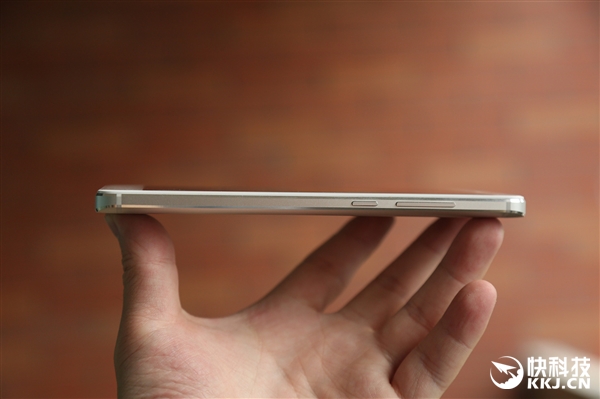
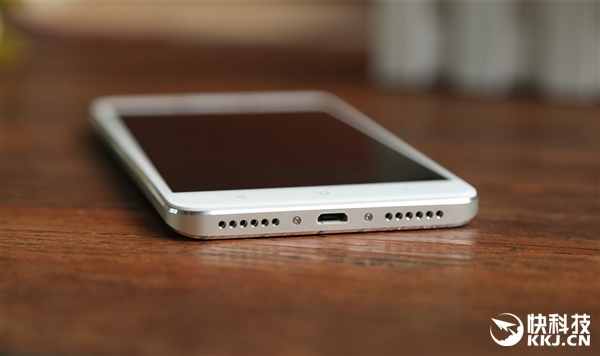
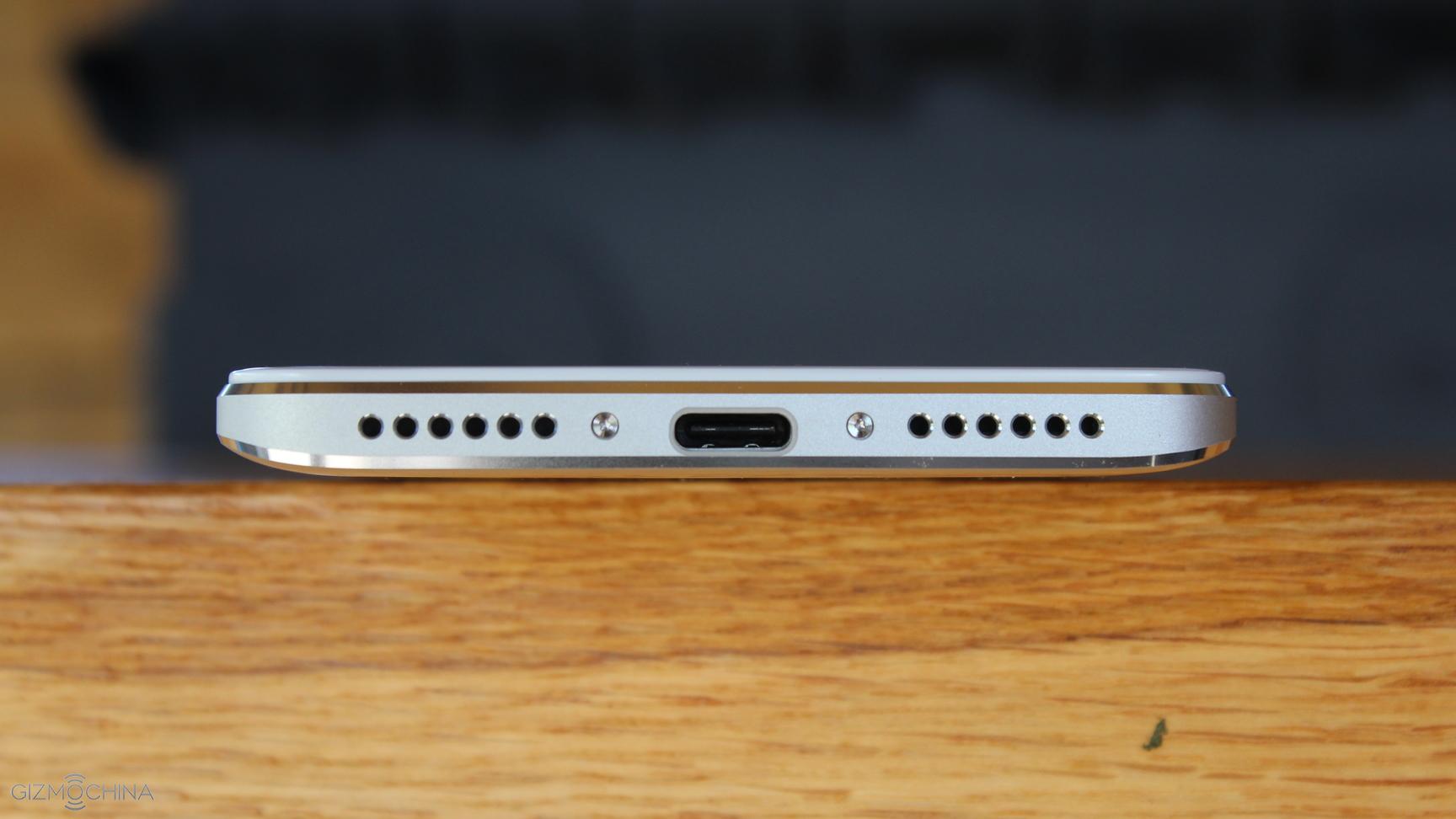
The Redmi Note 4 retains the same screen size and resolution as its older sibling but has a more refined build. The speaker is now positioned beside the charging port (which now sits in the middle). A change from it’s position in the back which sort of muffled the sound when placed on a flat surface. The Redmi Note 4 also has a silver frame that goes all around it.
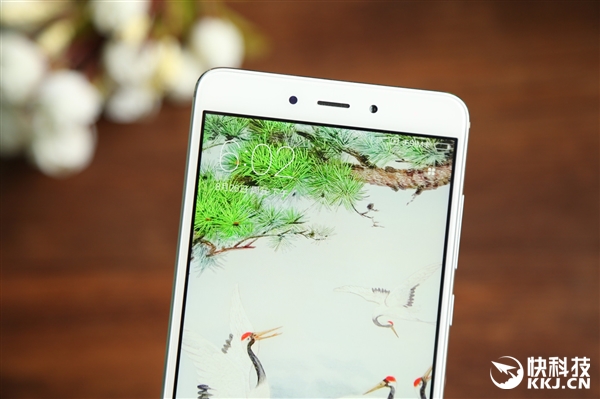
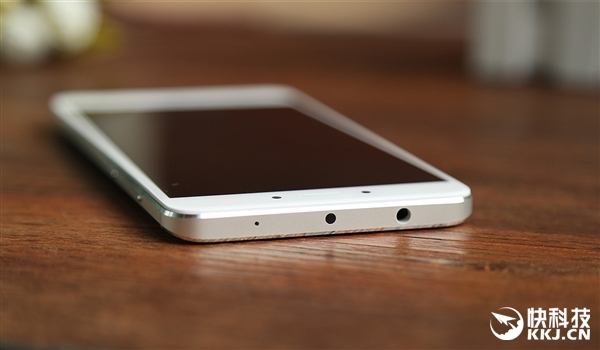
The front facing camera and proximity sensor now flank the speaker at the top and are smaller in size now. The company has made no changes to the placement of the rear camera and fingerprint scanner.
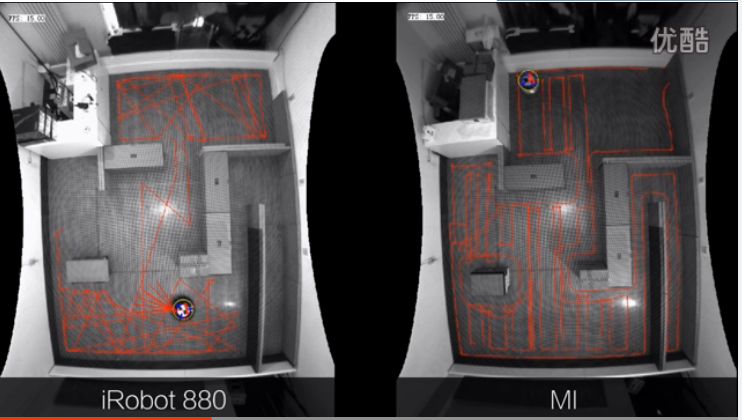
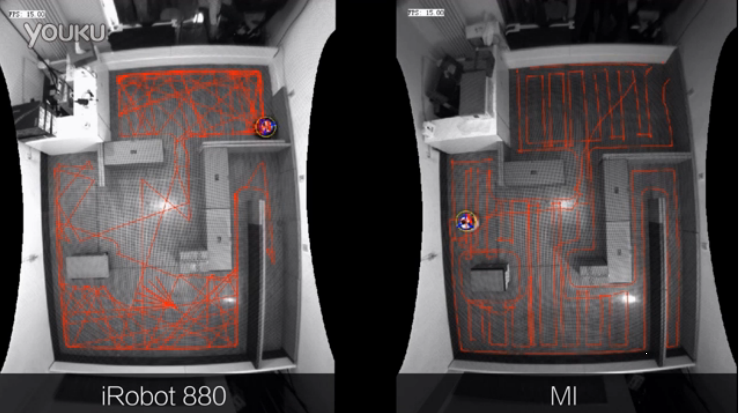
A 30-second time lapse video was released online comparing the yet-to-be released vacuum to the popular iRobot Roomba 880. In the video, the robot vacuums are put in nearly identical rooms. The Mi Robot completes it’s cleaning task in less time than the iRobot 880 and also does it better thanks to its path planning function before returning to it’s original starting position. The iRobot 880 can be seen stuck at one section of the room and doesn’t return to it’s original position till the end of the video.
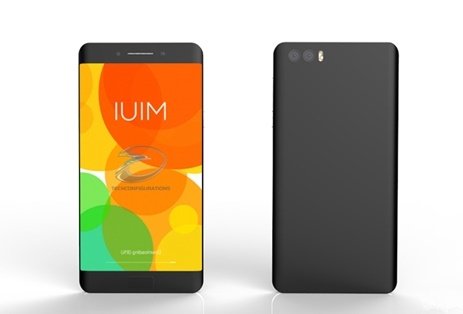
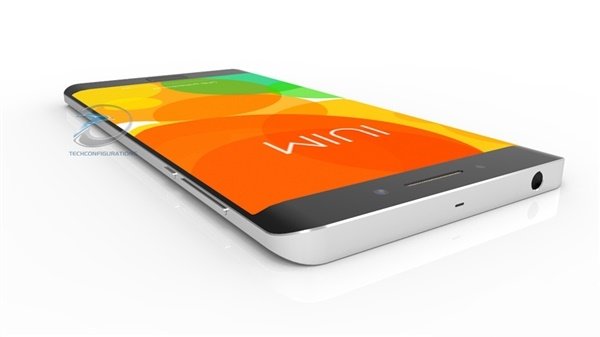
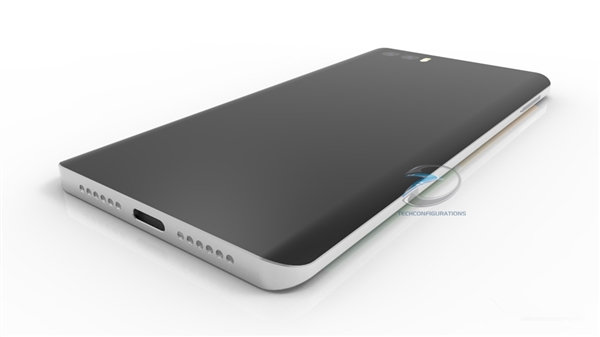
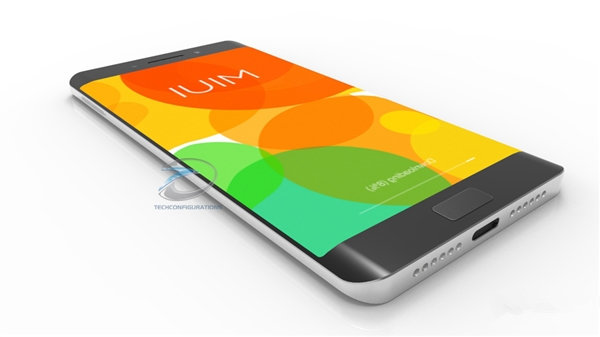
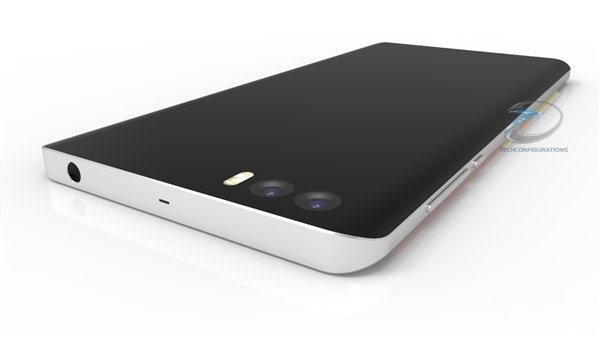
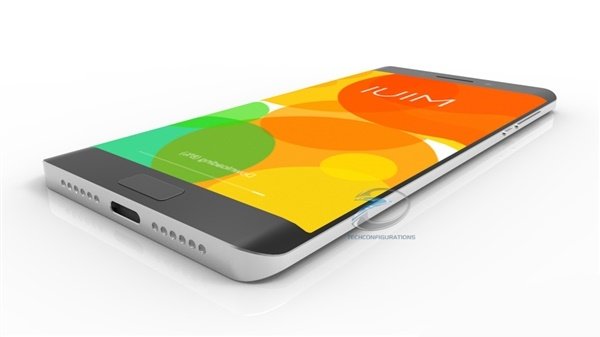
We have had several image renders of the expected Xiaomi Mi Note 2 , detailing the design features as well as the specs of the flagship device. Several more are still surfacing online and thankfully, the designs all look alike, revealing the dual cameras and beautiful body design.
The recently leaked image renders of the Mi Note 2 is that of a sleek black colored variant and it reveals both the design up front and the rear design as well. On the front view, the curved glass display is still very much intact, as well as the positioning of the front facing camera sensor. Nothing really has changed front the previous leaks we have seen so far.
At the back, there is a dual camera set up, with both cameras lying side by side on a horizontal plane and tilted to one edge of the phone. The camera’s LED flash also sits by the side of the second camera. Curiously, the Mi trademark logo is conspicuously missing on the back of the new image renders which makes the authenticity of this render questionable. Apart from that, the images look more like prototype drawings than the real deal.
To refresh your memory, the Xiaomi Mi Note 2 is said to feature a 5.5-inch OLED curved screen, all-metal body, and dual cameras at the rear and will like be powered by Qualcomm’s latest Snapdragon 821 processor or Snapdragon 820 chipset, alongside 6GB RAM and 128GB of internal storage. There is also likely to be a 4GB RAM + 32GB ROM version as well as a 6GB RAM + 64GB ROM version.
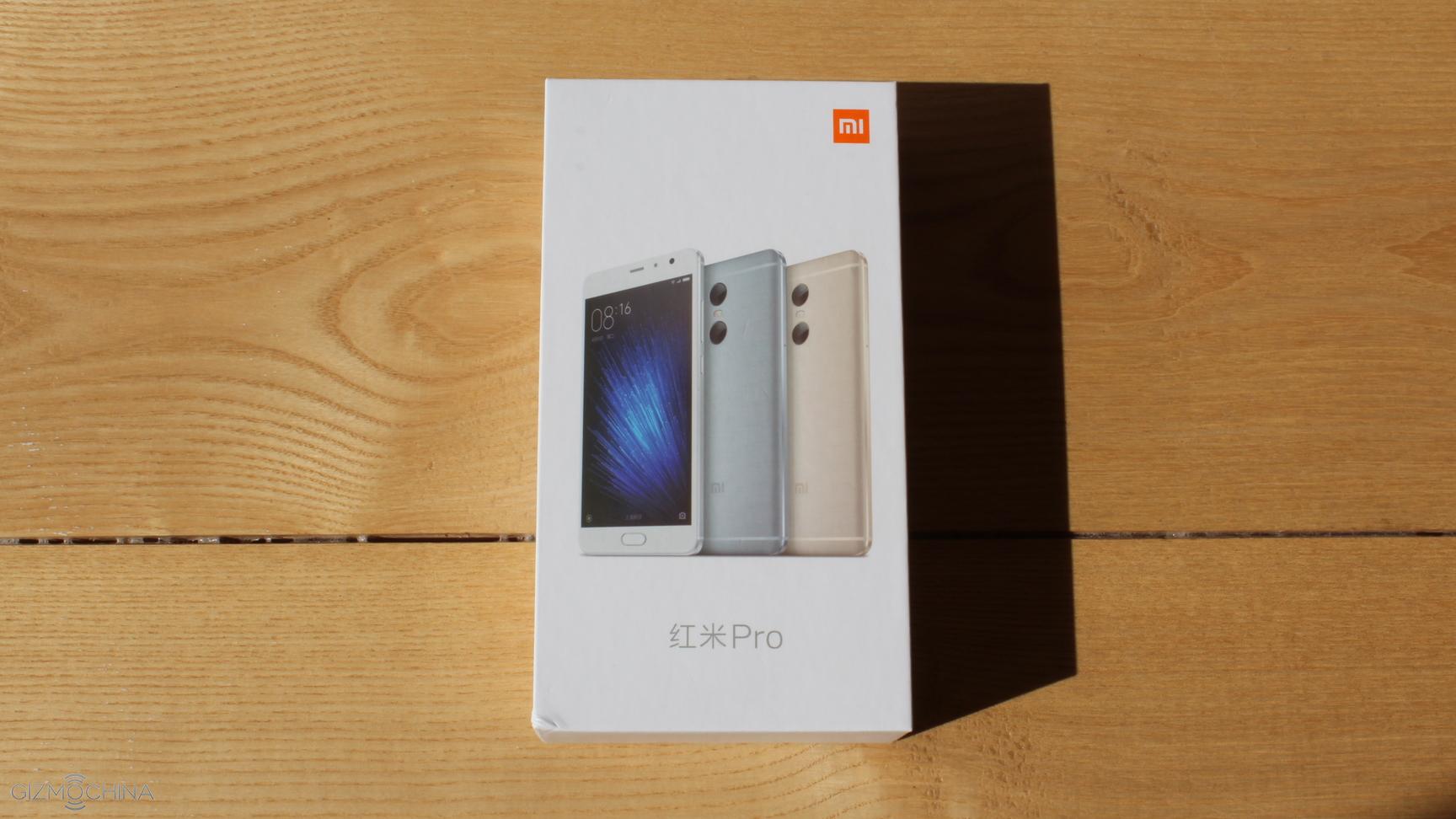
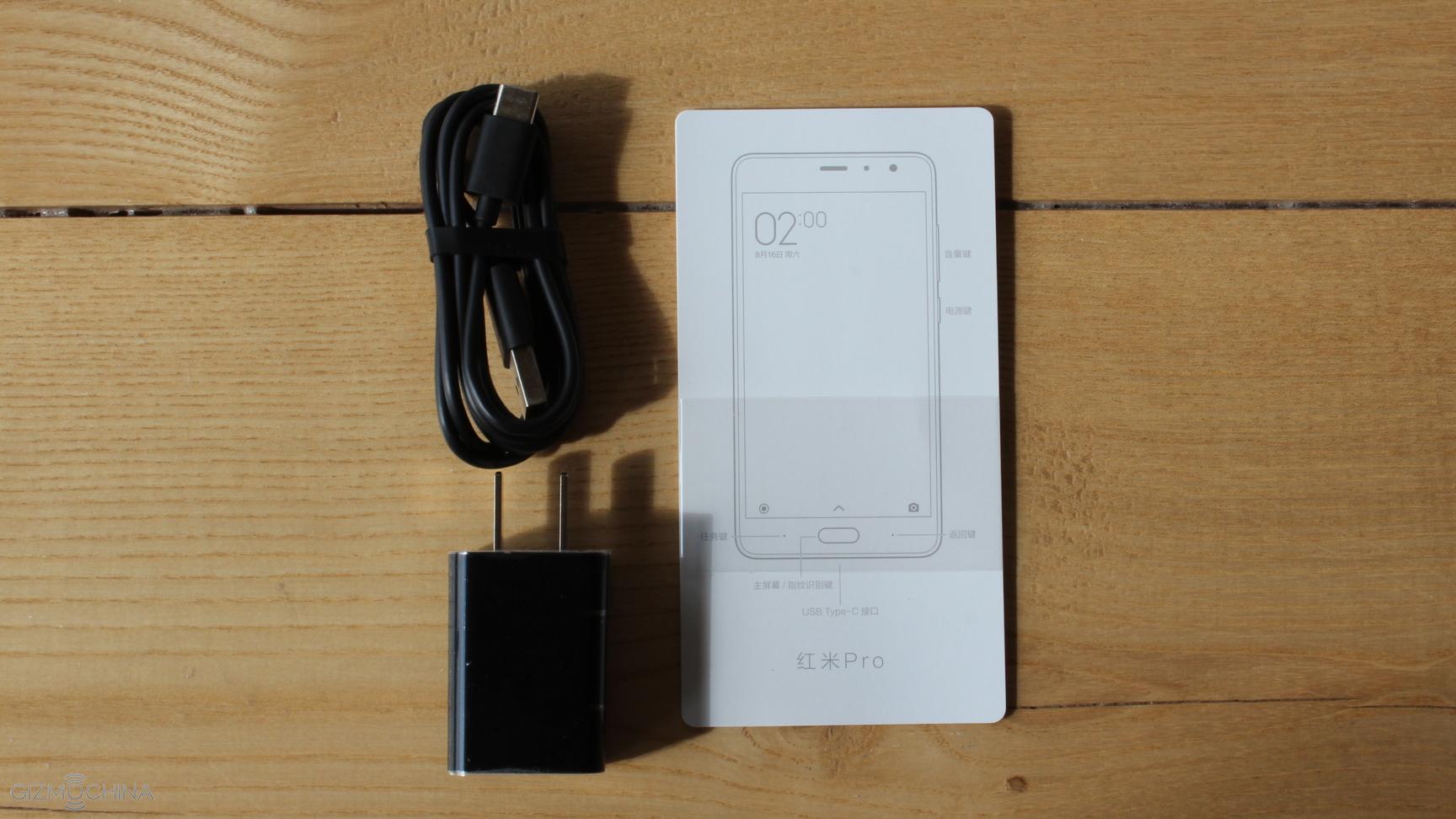
Xiaomi has been on the roll as they have released quite a few devices lately. The Redmi Pro is a phone that costs around $250 via the third party resellers, it has pretty good specs but most importantly, the device has dual camera setup. Learn more in our full review.
32GB (expandable via microSD card slot up to 256GB)
Xiaomi Redmi Pro Review: DESIGN and DISPLAY
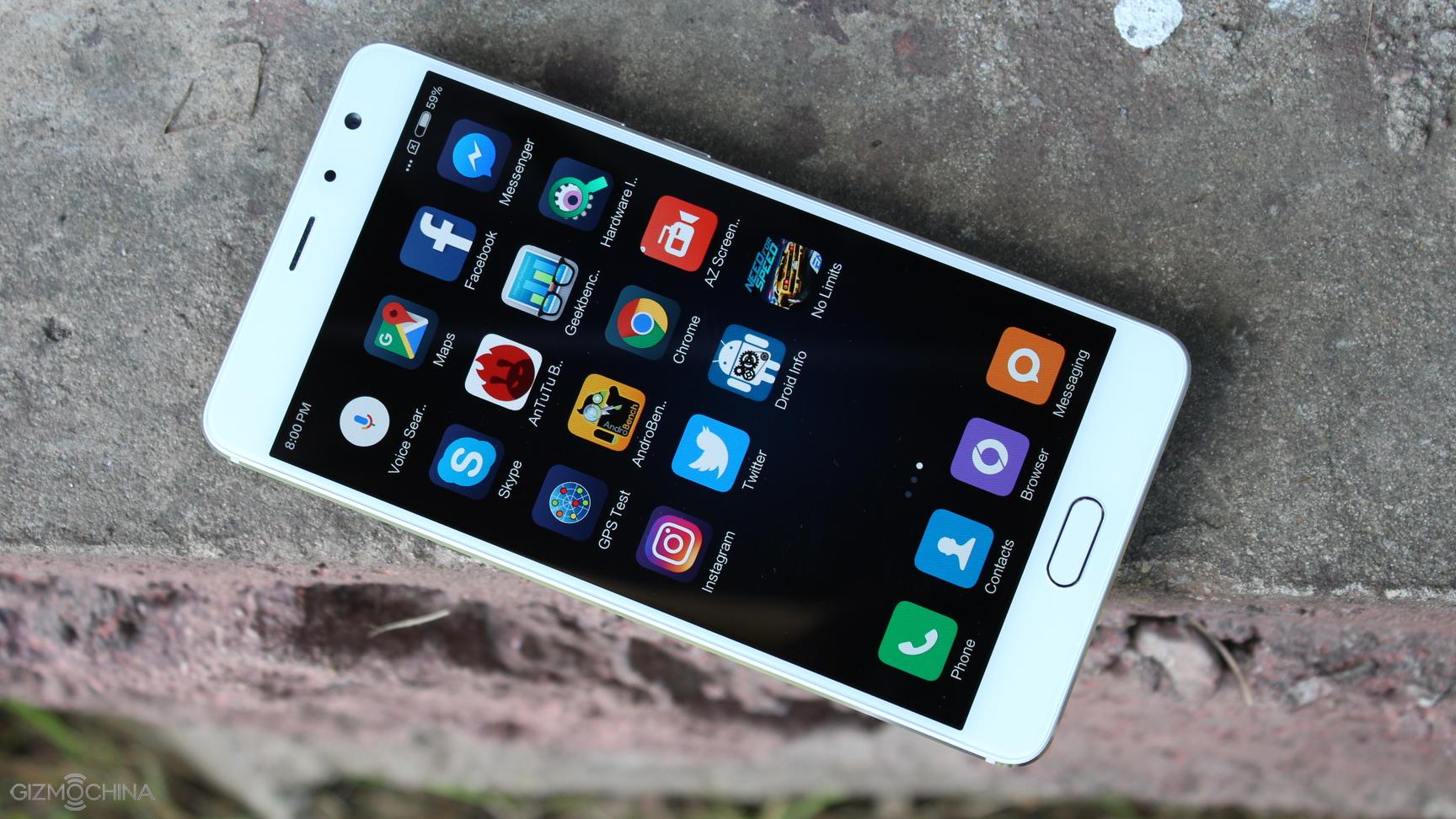
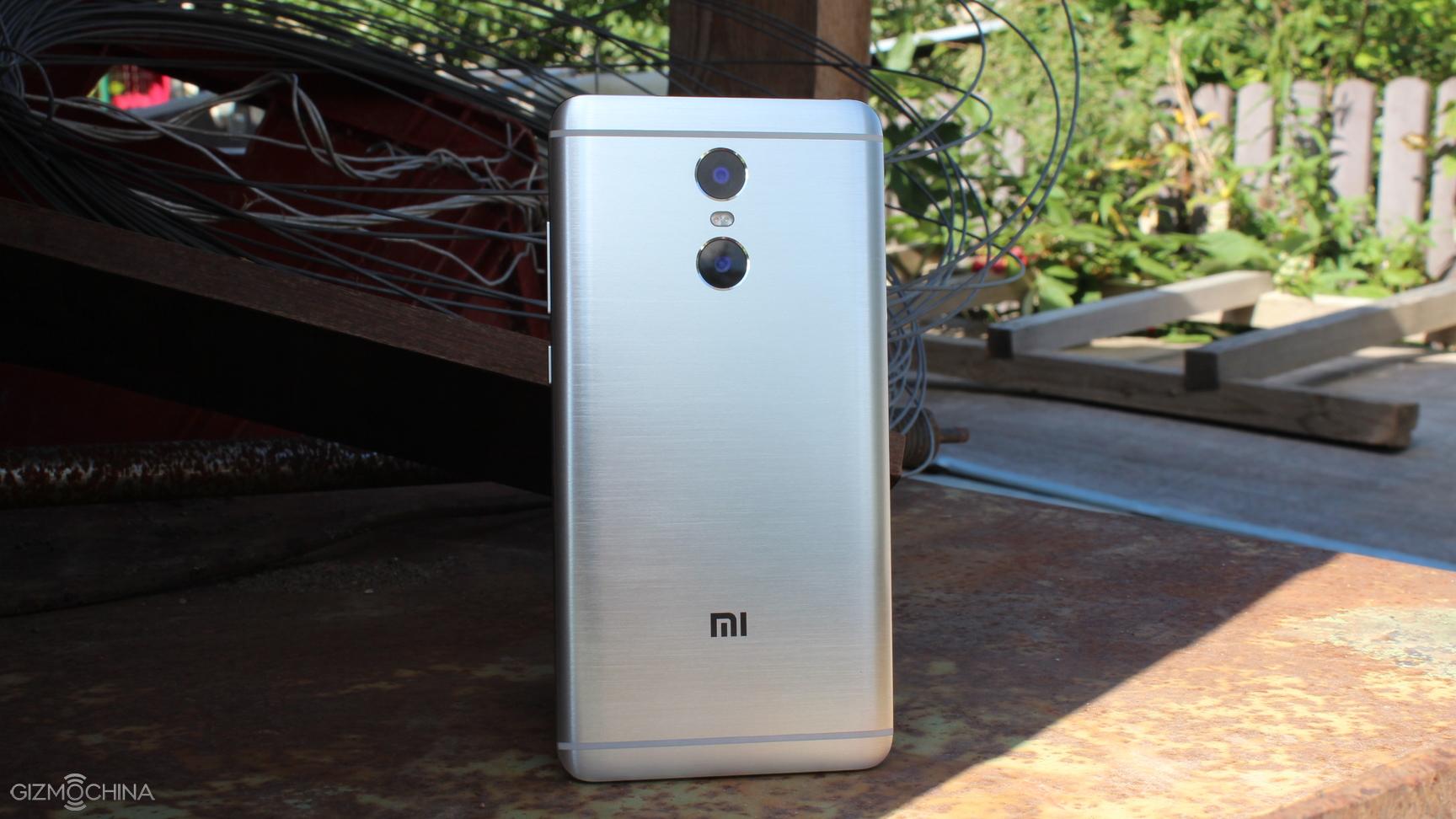
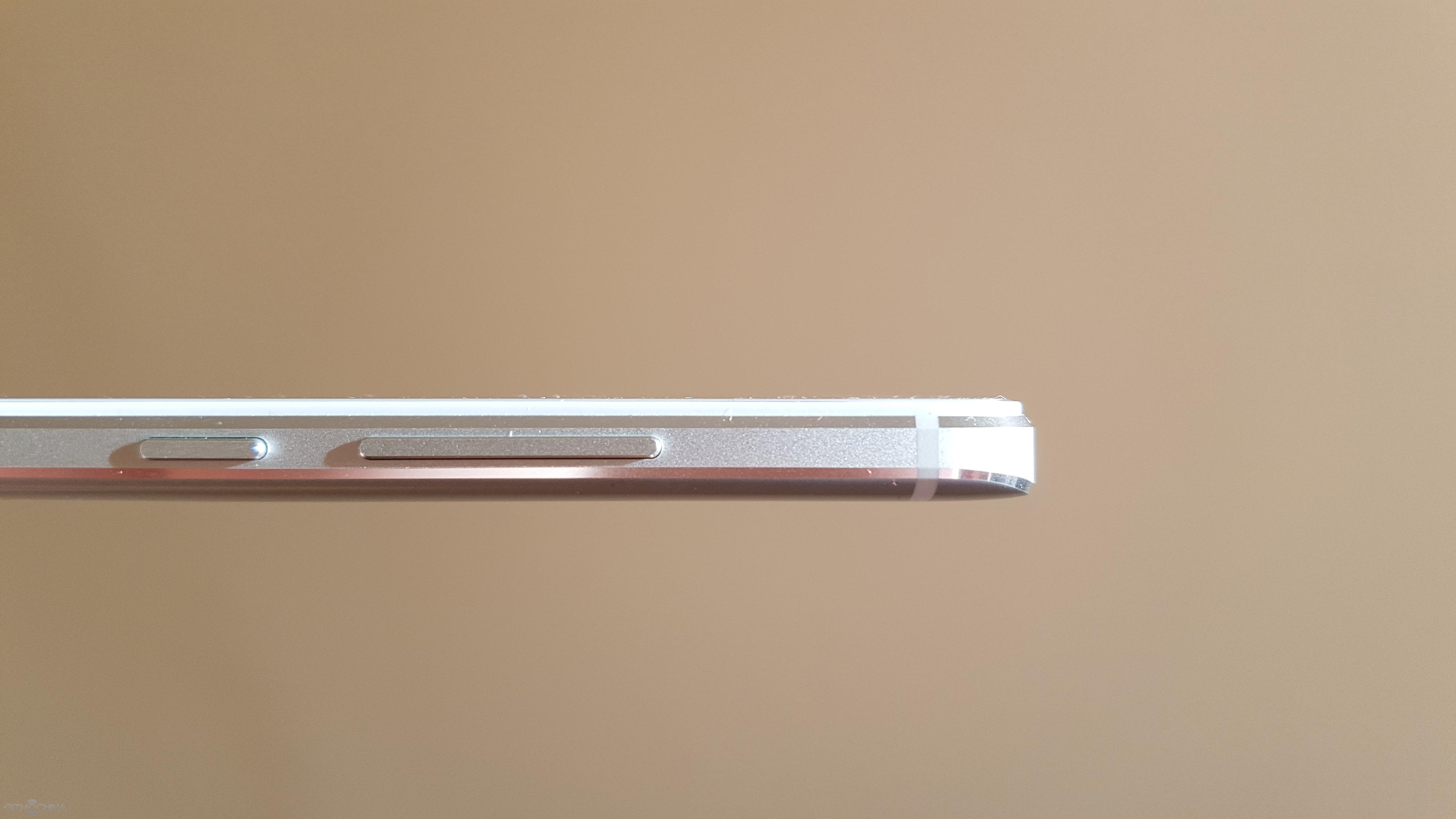
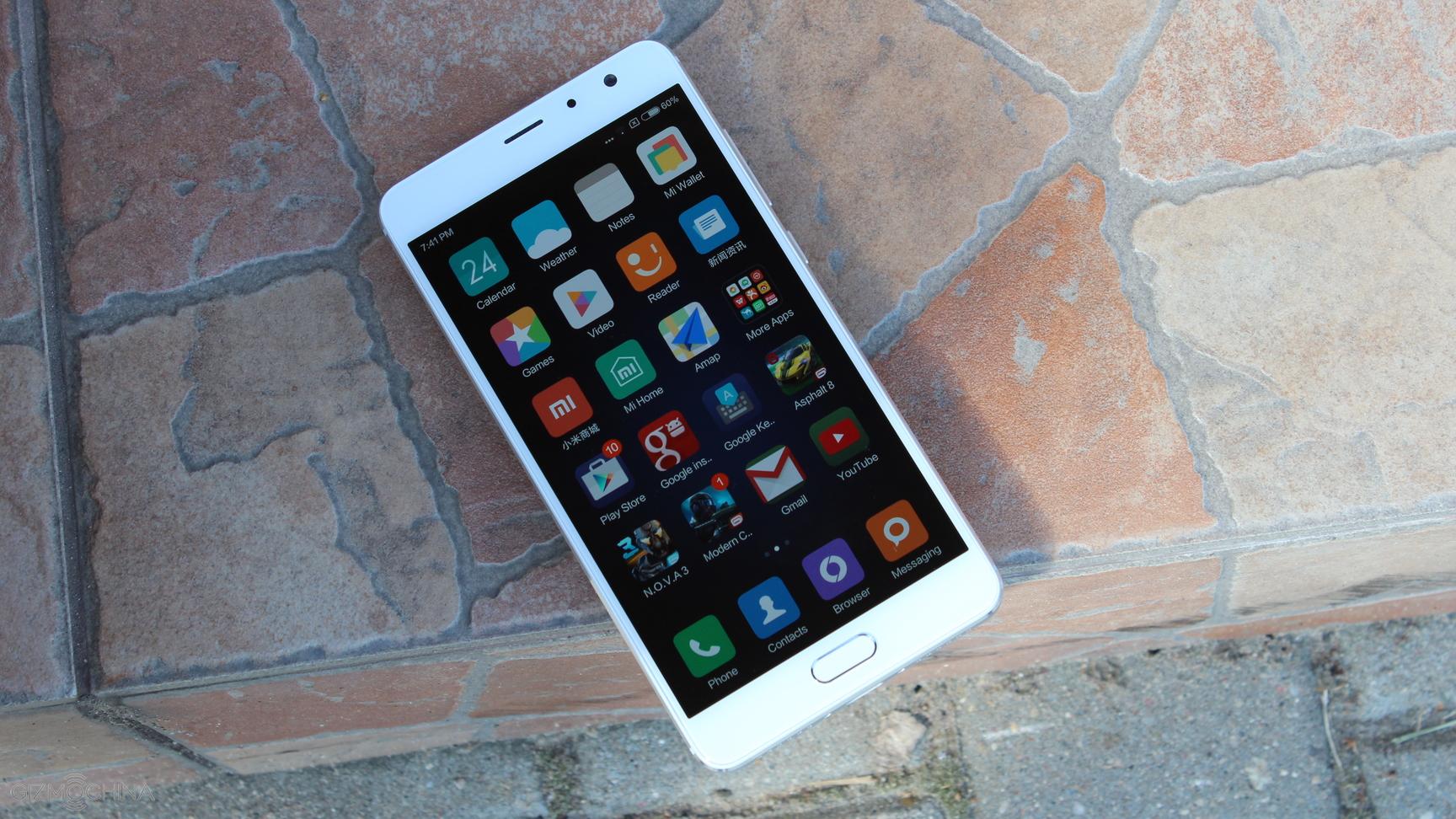
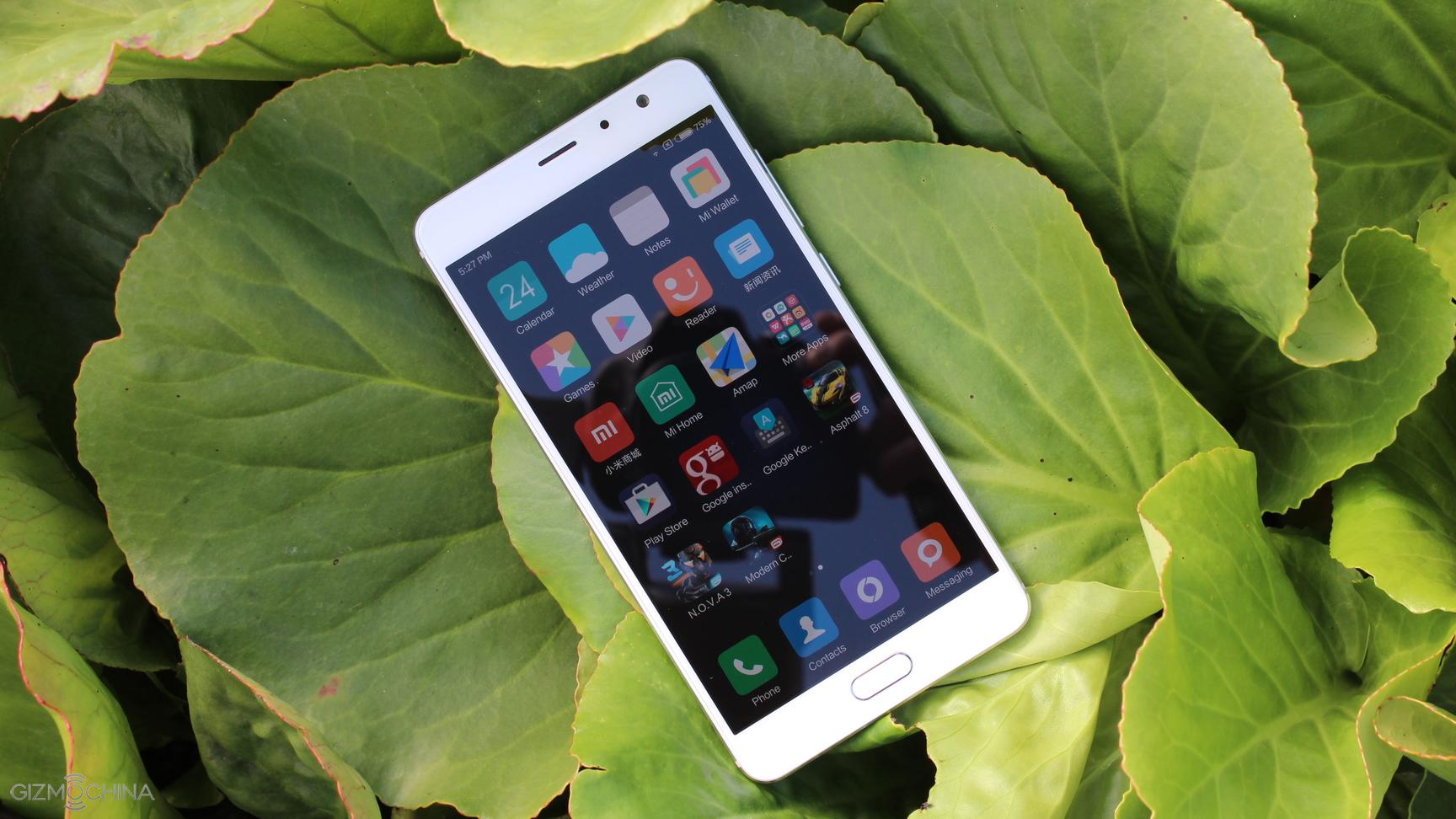
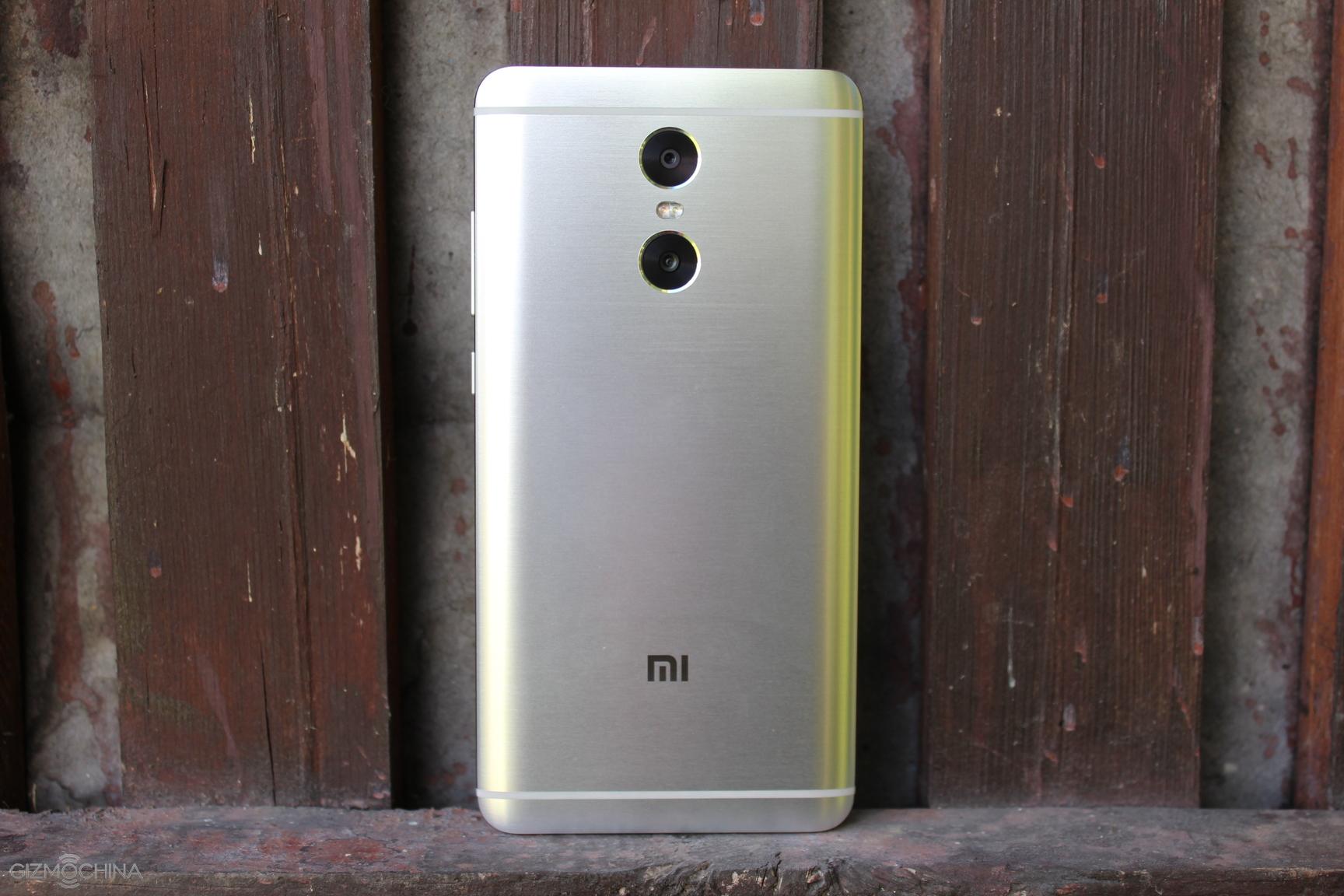
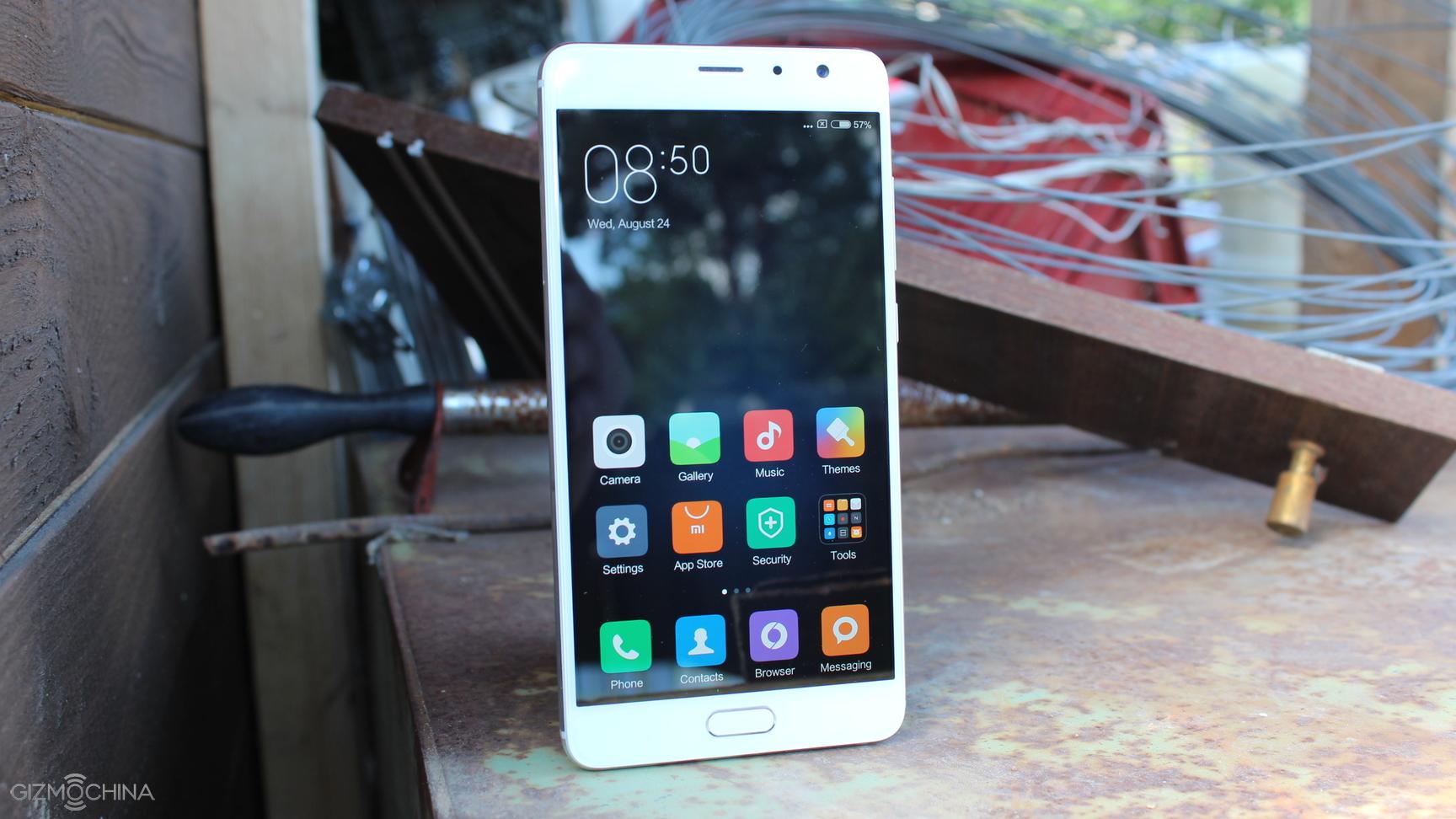
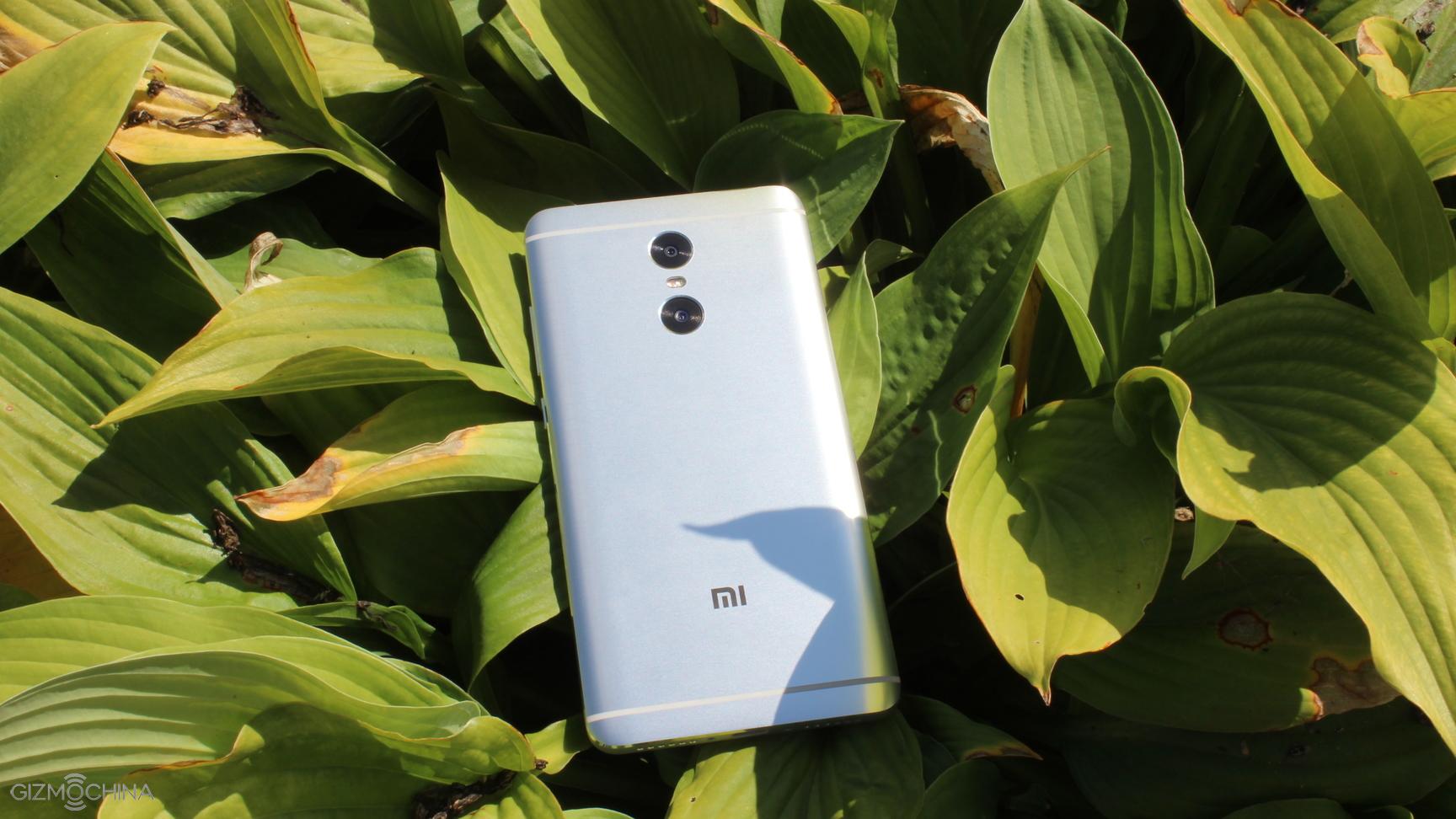
Let me be honest with you, this phone is the most premium Redmi device I’ve ever seen. It’s made entirely of metal (even top and bottom parts are made of metal). I really love the brushed aluminum look. Even though the Redmi Pro may look a bit glossy, it does not attract fingerprints so easily.
We have nice and tactile buttons and I absolutely love the build quality of this phone.
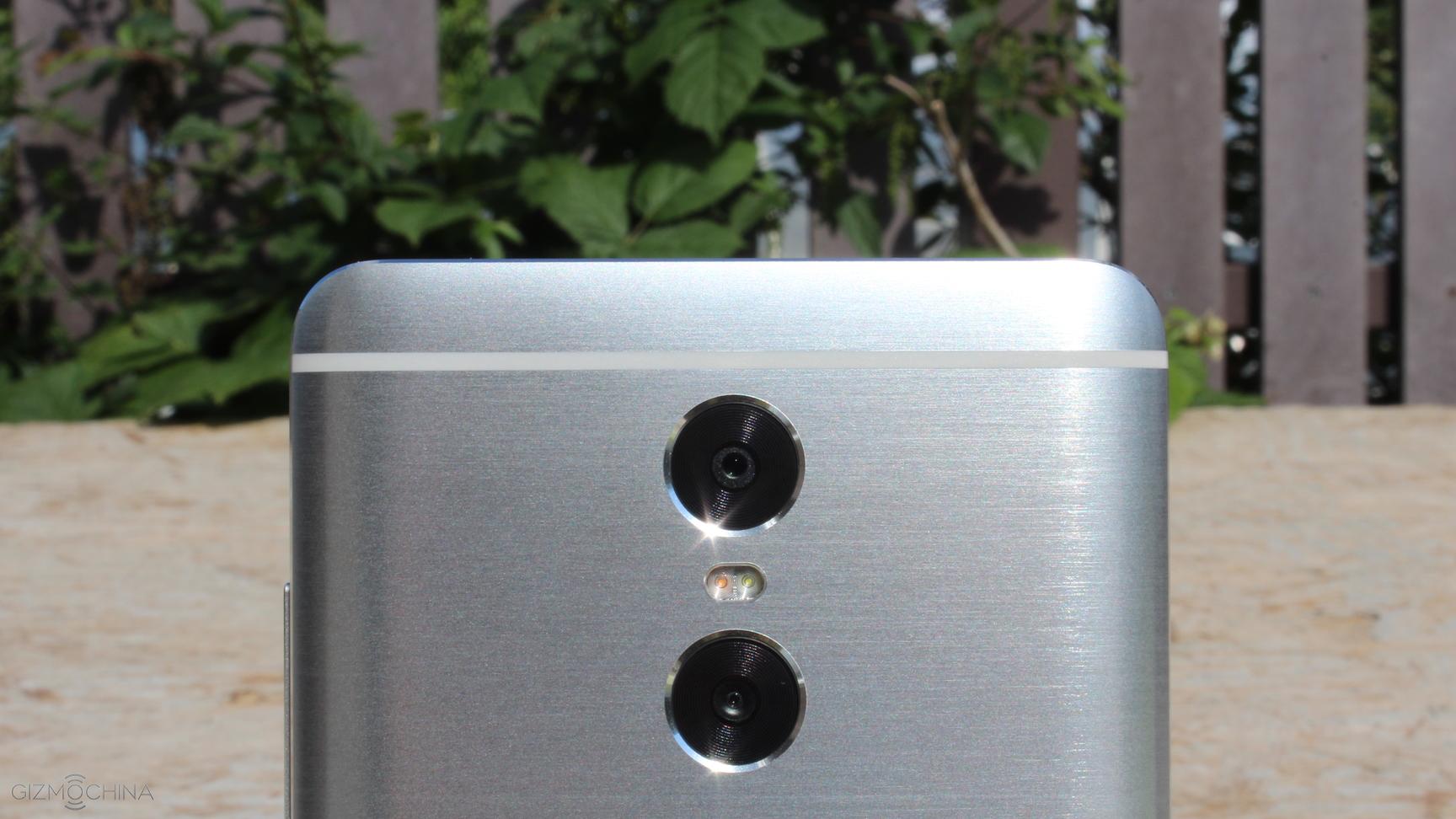
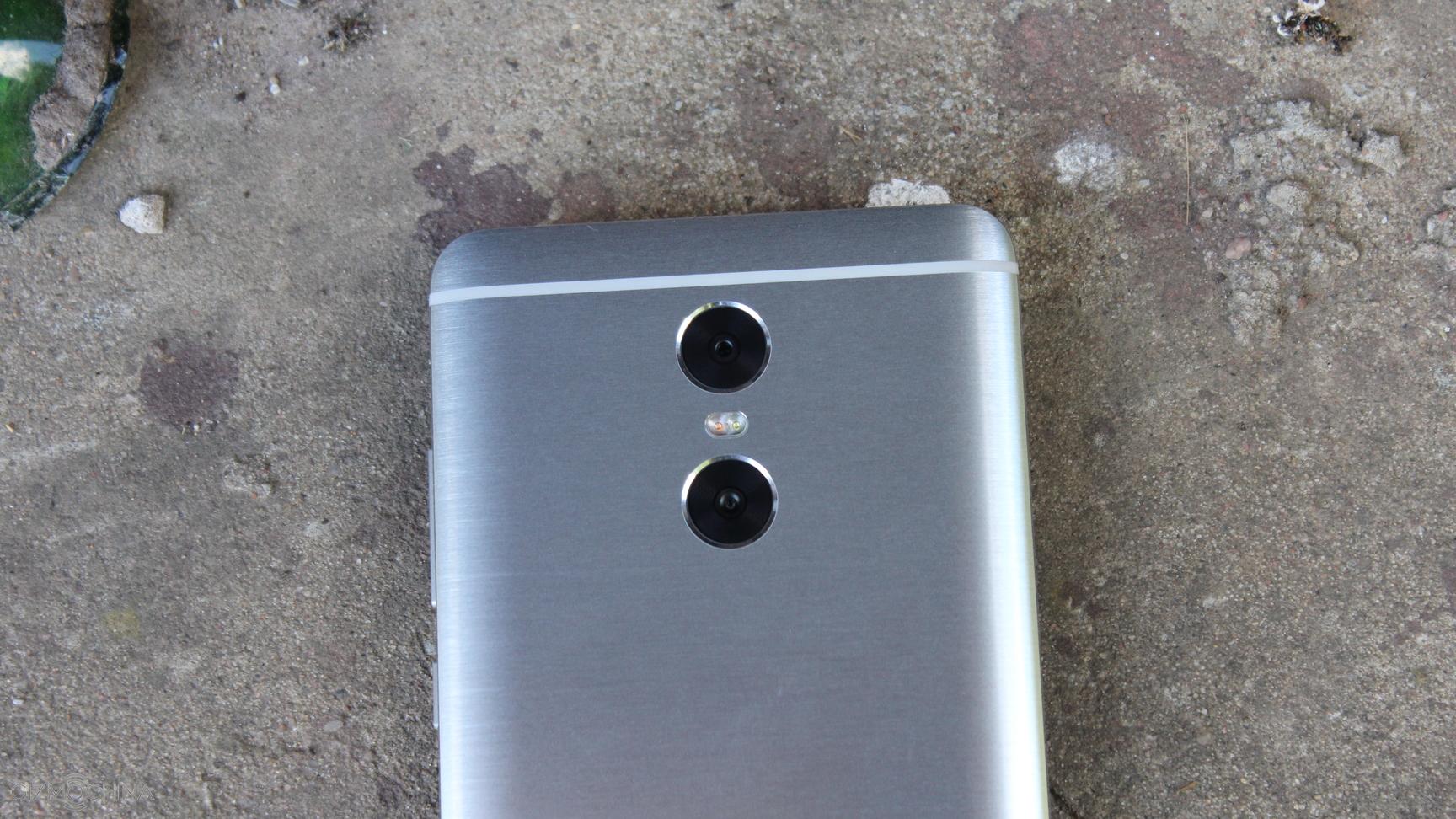
One of the key selling points of this device is of course, its dual camera setup, which is supposed to give you a hardware-based shallow depth of field effect. The main camera has 13MP, f/2.0 aperture and PDAF. The secondary camera has 5MP.
Also, the cameras are accompanied with a dual-tone dual led flash. More on the camera features a bit later in this review.
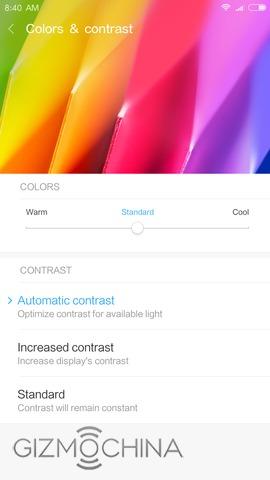
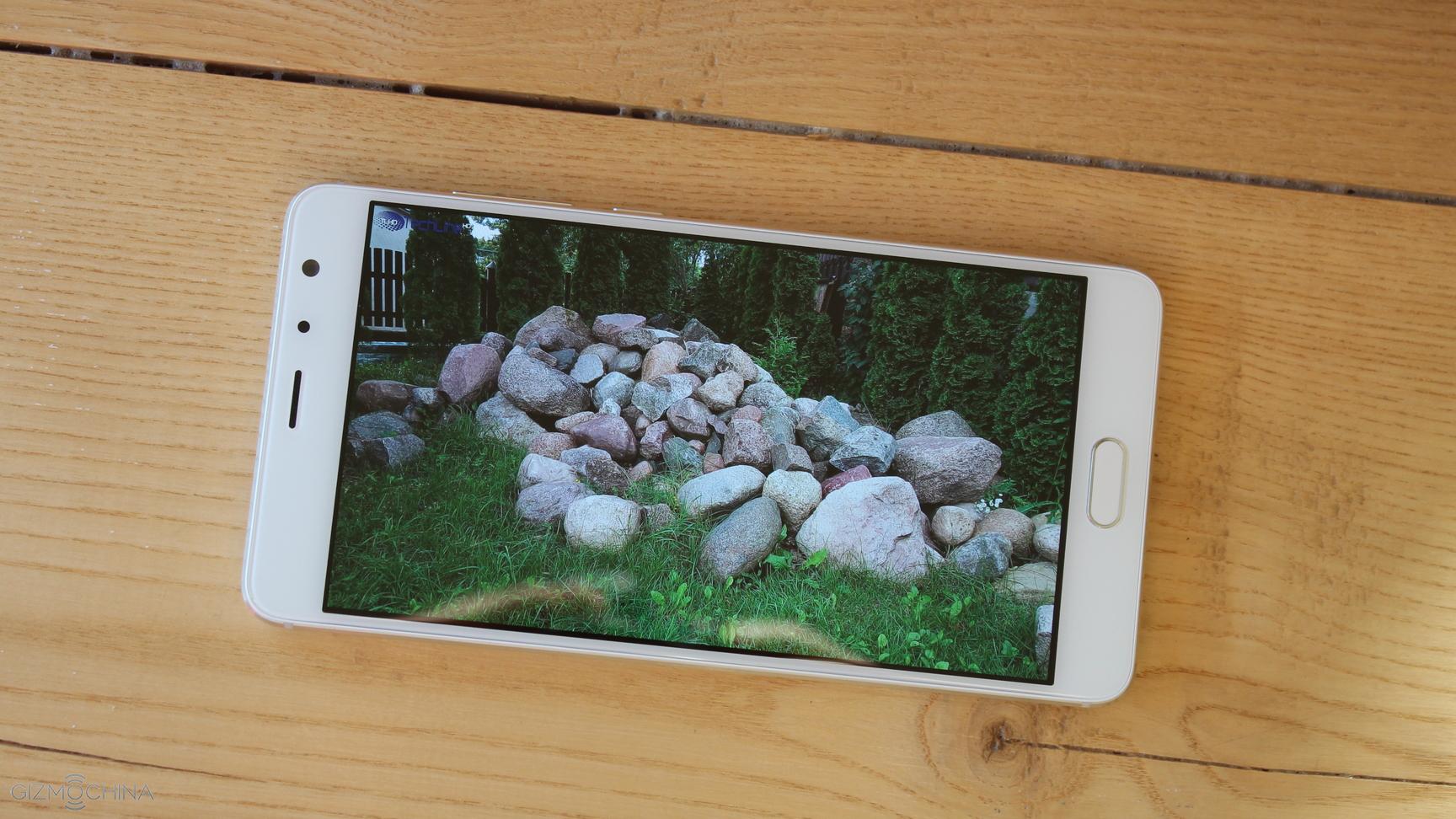
The Redmi Pro sports a 5.5” 1080p display. In fact, this is the first Redmi phone to have the Amoled panel, which is sharp and vibrant. However, the colors may look a bit oversaturated but I’m okay with that. The sunlight legibility is not the best I’ve seen but it is pretty good and I don’t have many complaints in this regard.
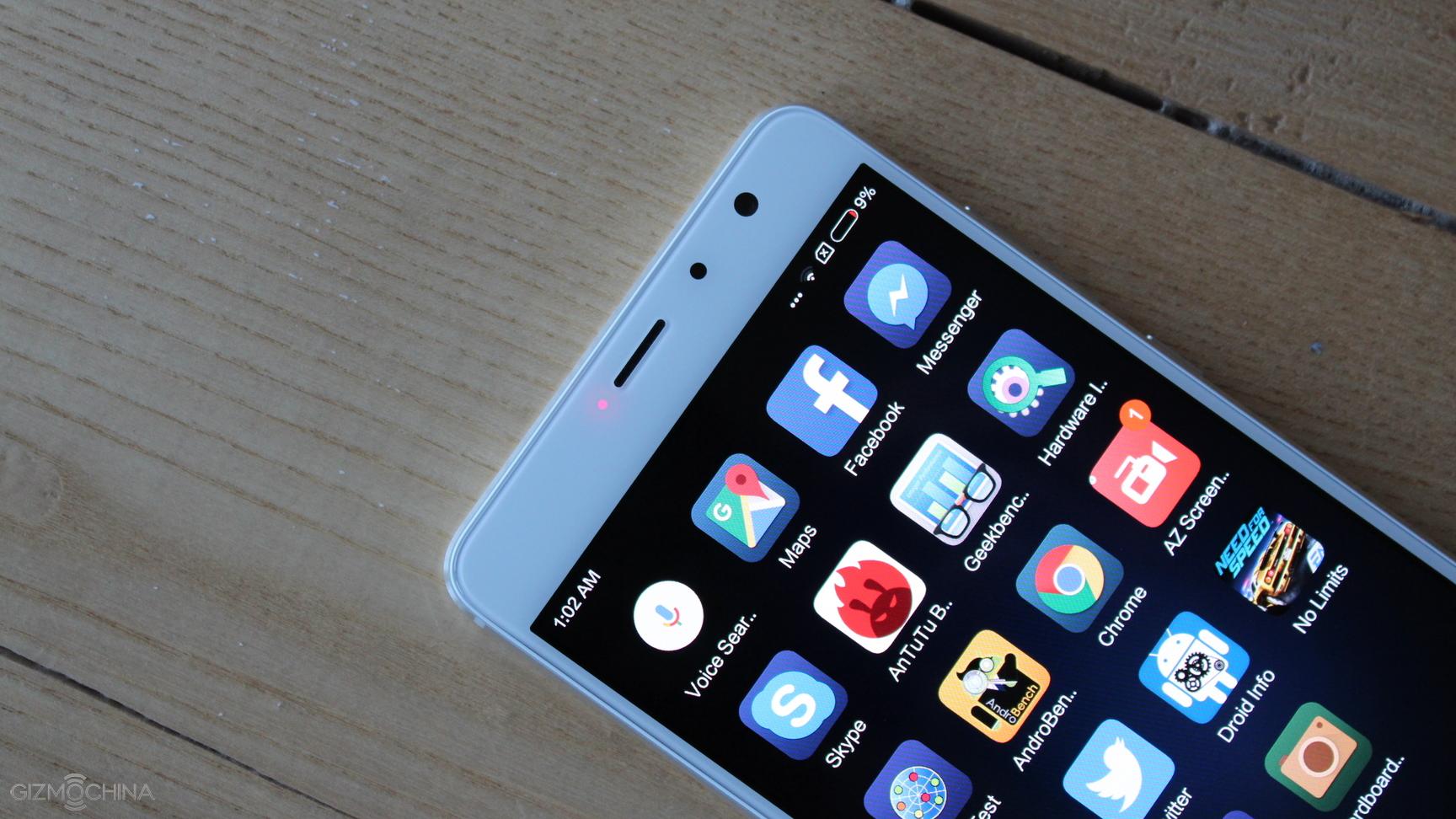
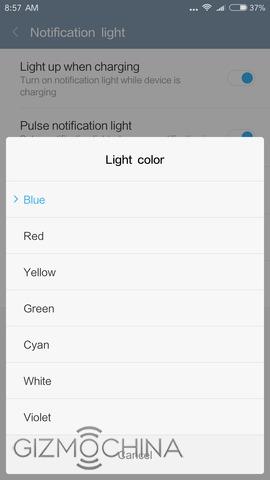
As far as selfie shooter, we have a 5MP camera. Right next to it, there is a highly customizable notification LED light.
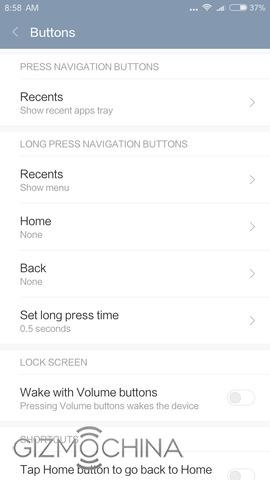
It’s nice to see backlit capacitive buttons, which can be also customized in a lot of different ways. The fingerprint scanner is embedded in a physical home button. It is fast and very accurate but it does not work straight from the standby mode meaning that you have to wake your phone up first.
The loudspeaker quality is pretty good. Sure, it is not perfect but it is definitely one of the best in this price range of phones.
One little extra feature that has started disappearing from a lot of phones is the IR blaster to control devices like TVs.
Xiaomi Redmi Pro Review: HARDWARE and PERFORMANCE
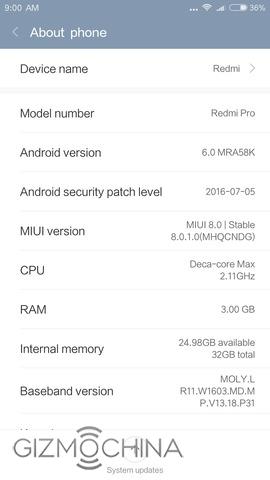
I have a standard edition of the Redmi Pro, which has a deca-core Mediatek Helio X20 chip with the max. clock speeds of 2.1GHz, 3GB of RAM and 32GB of storage, which is also expandable via the microSD card slot.
If you are willing to pay extra, you can get a few model variations and the best one sports a Helio X25 chip with 4GB of RAM and whopping 128GB of storage.
The gaming performance is pretty good yet not ideal. You can enjoy most of the 3D games without any issues but there were a few skipped frames and a bit of stutter while playing Asphalt 8 on the highest graphics. Of course, changing graphics to medium solves this issue.
A great thing is that the phone does not have any overheating issues.
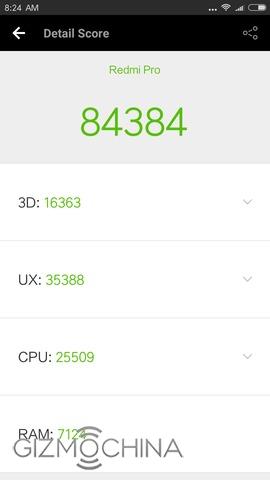
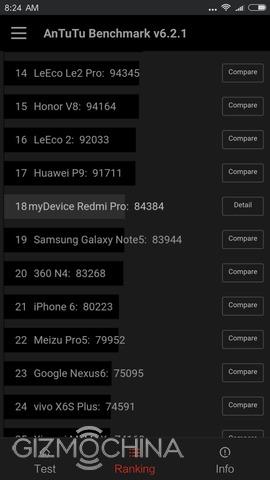
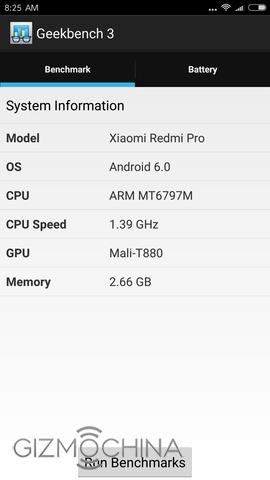
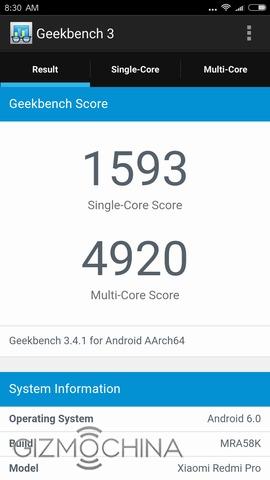
Xiaomi Redmi Pro Review: BENCHMARKS
Xiaomi Redmi Pro Review: USER INTERFACE
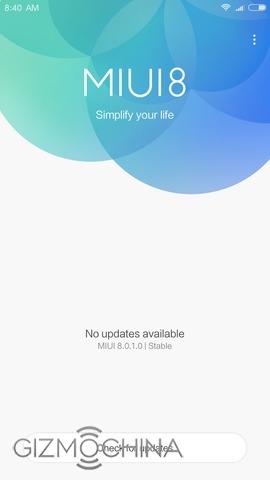
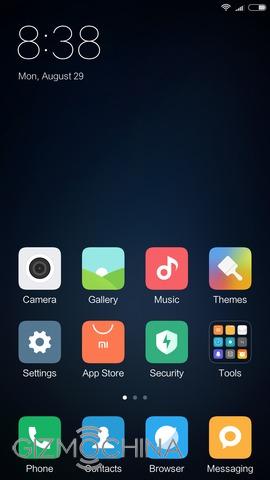
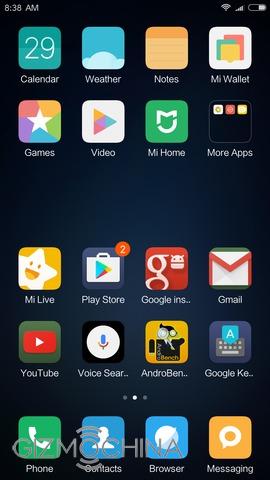
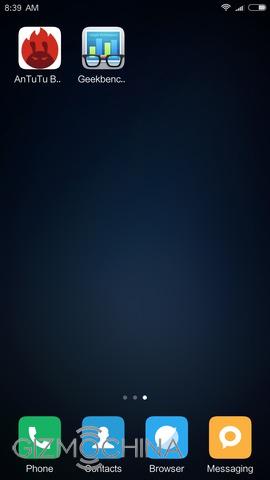
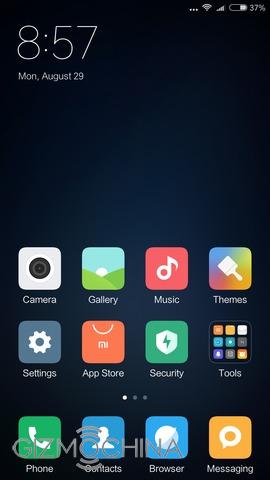
When it comes to user interface, my Redmi Pro has just been updated to MIUI 8, which is built on top of Android 6.0. There are some cool new features and design touches that differ MIUI 8 from the MIUI 7.
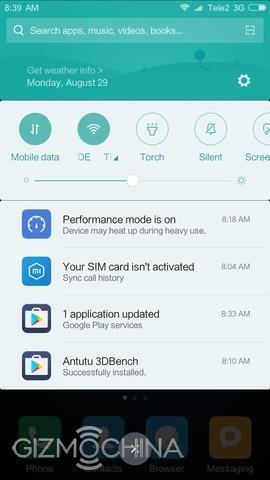
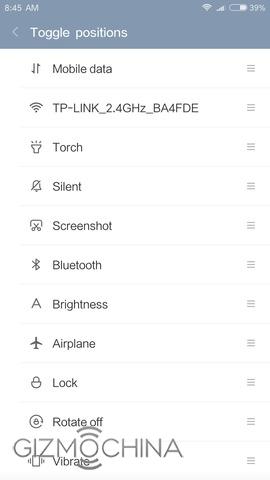
If you swipe down, you will open up a redesigned quick settings menu. There is no separate notification shade like it used to be. Also, the multitasking menu now has a 3D look to give you a better idea of what apps are running in the background.
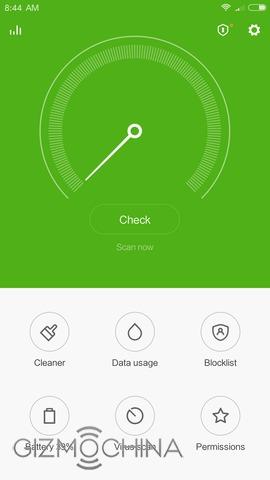
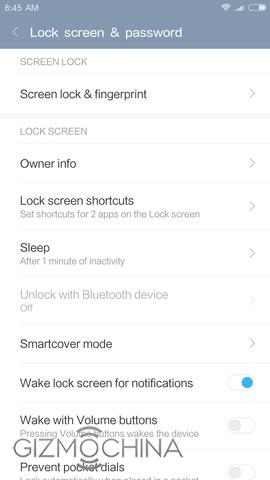
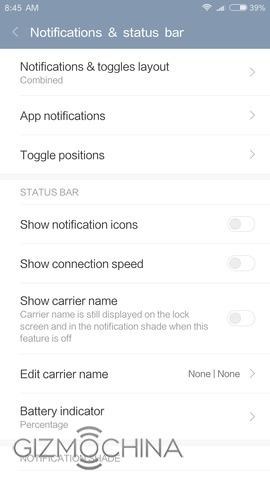
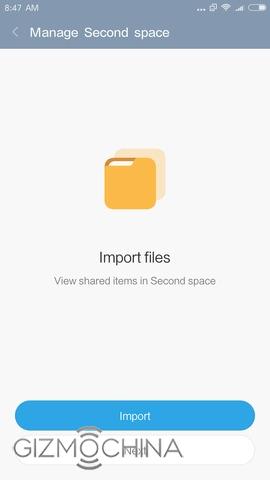
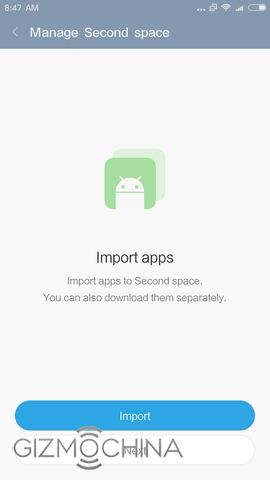
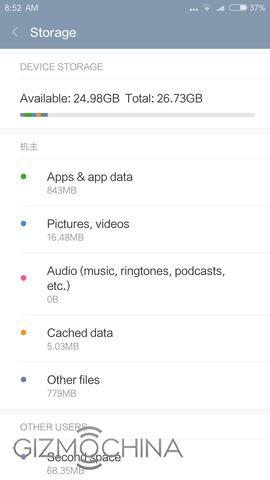
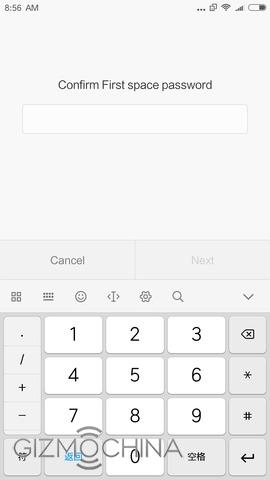
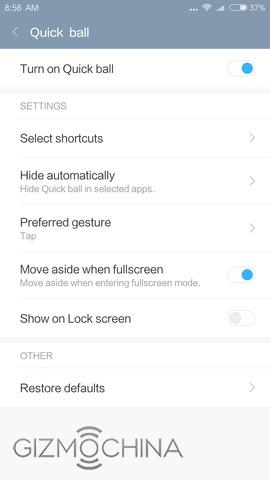
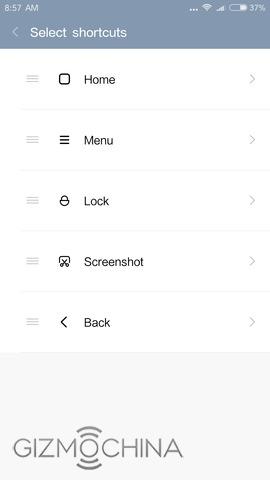
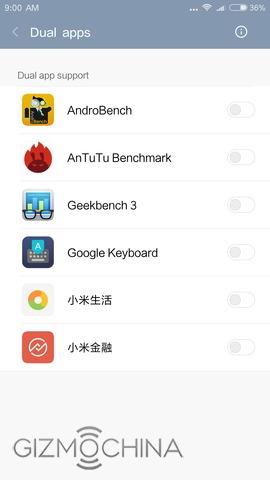
A great thing is that Xiaomi finally re-organized their settings menu and you now can find everything quicker. One of the new features includes the “second space”. You can move apps, files and other information between the “first space” and the “second space” and you can easily switch between these spaces. As Xiaomi claims, this feature is like having 2 phones with different files and settings. Another new feature is the “quick ball”, which is simply a small bubble that has a few customizable shortcuts. However, I’ve never been a huge fan of any floating screens on the display.
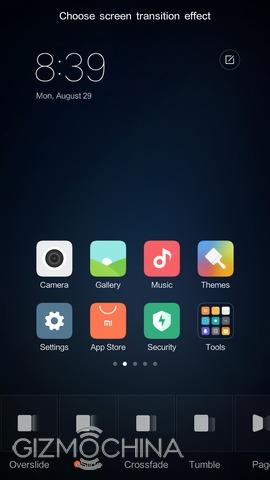
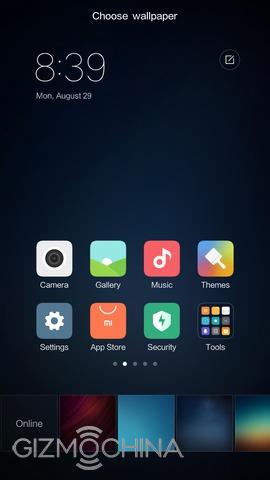
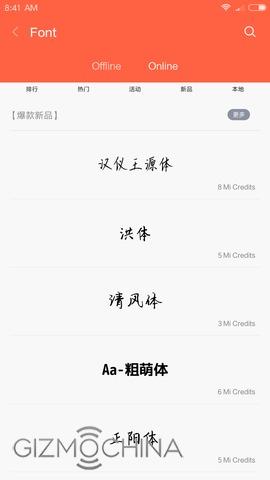
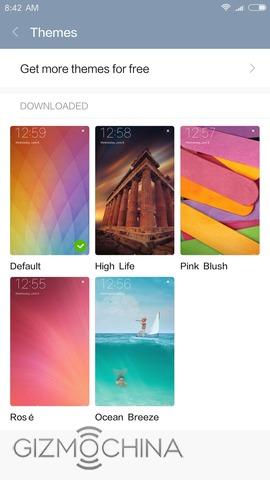
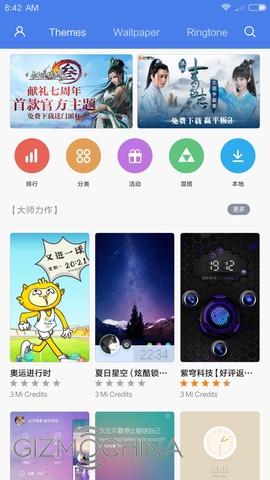
We have some other features, customization options, various tweaks and settings Xiaomi phones are famous for. Just to name a few, you can select from a variety of themes, wallpapers, fonts and so on. Also, you can customize the LED light, assign different tasks to capacitive buttons and so on.
Finally, the MIUI 8 runs fast and fluid and I didn’t have any hiccups or lag.
Xiaomi Redmi Pro Review: CAMERA
Please watch our video review to better understand how dual-camera setup works:
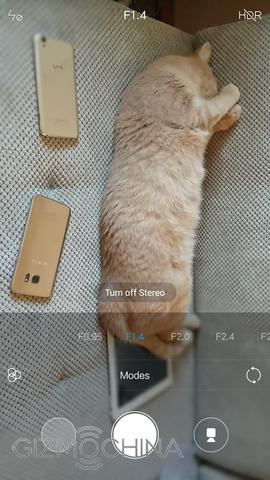
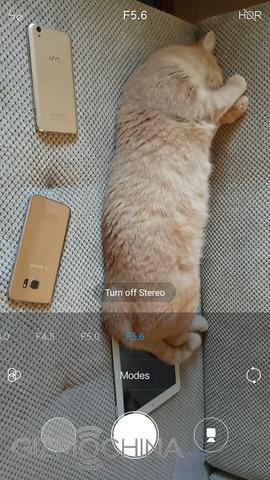
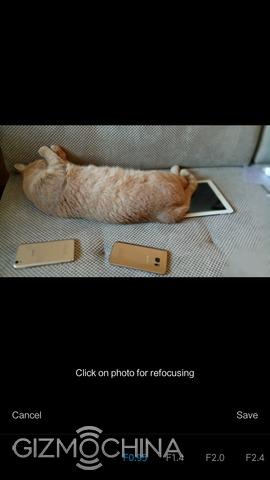
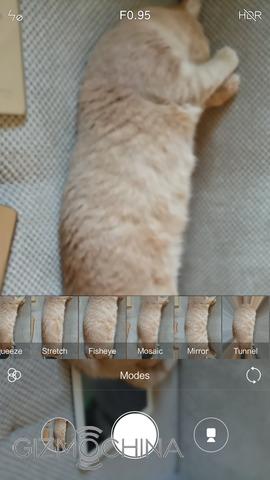
When it comes to the cameras, let’s start by the most interesting part. The dual-camera mode, which is called stereo mode, is simply activated by clicking a small camera button. Here you can play with the aperture number by going all the way to f/5.6 or go down to a super bright f/0.95. Also, you can change the focus area after you take the picture and apply different effects.
If you spend a little bit of time with the camera, you can get some nice photos. Of course, not all pictures will look natural but can definitely achieve some nice results. A very cool thing is that you can also adjust the aperture number during the video recording to get that shallow depth of field effect.
If you tend to take regular photos more often, the auto-mode allows you to do that pretty fast thanks to the baked-in PDAF system. The camera takes some pretty good images in daylight. The pictures tend to have a good amount of detail and sharpness. Also, the colors look natural. However, a few of the shots have a softer focus on the corners but we have to consider that the phone runs on an early software build. The biggest complaint would be the dynamic range adjustment but the HDR mode does a pretty good job.
The macro shots have a good amount of detail and they look sharp most of the time.
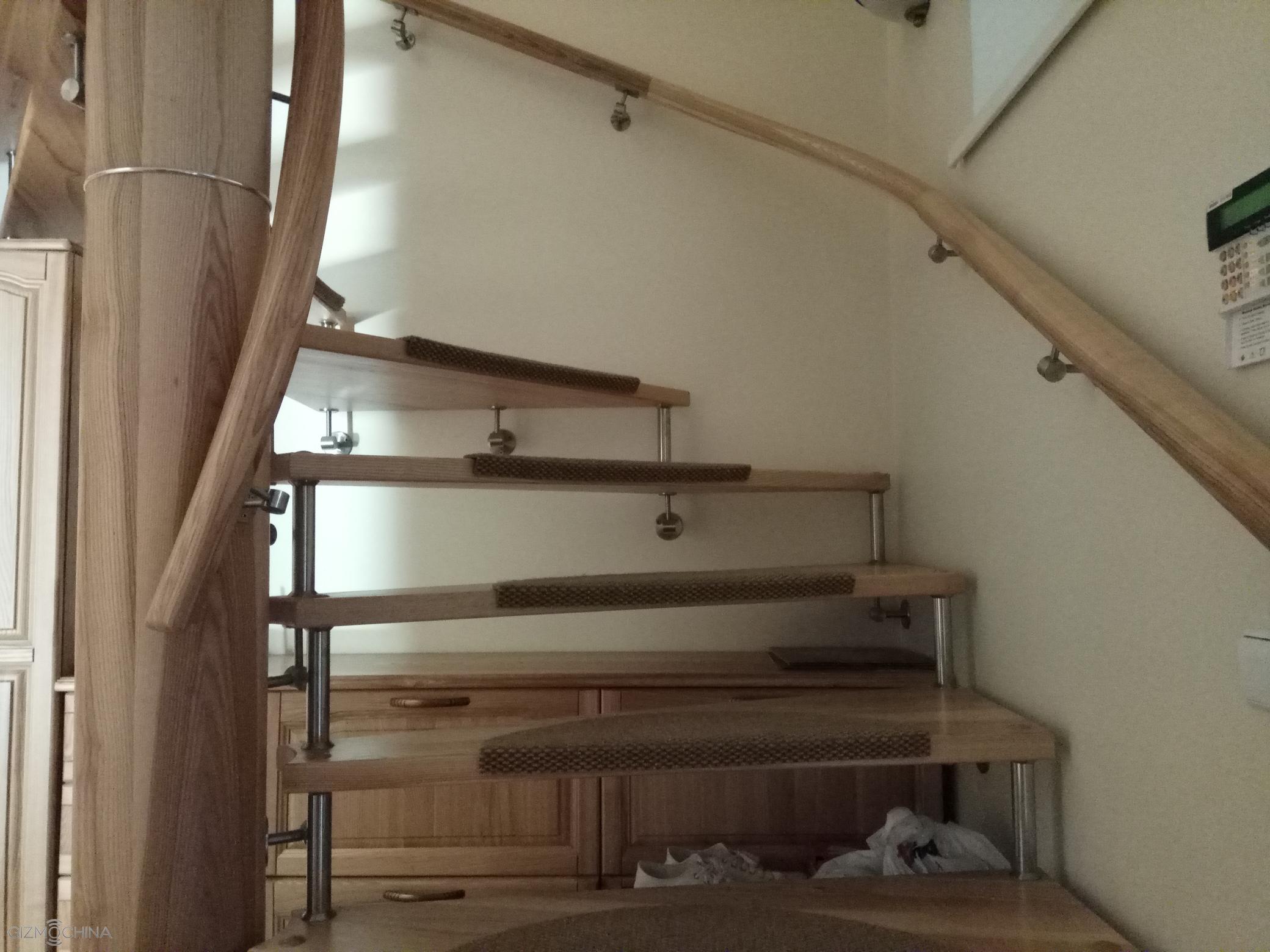
As for indoor photos, you can get some good looking images too. Sure, they will look grainier but the camera does an okay job with noise reduction.
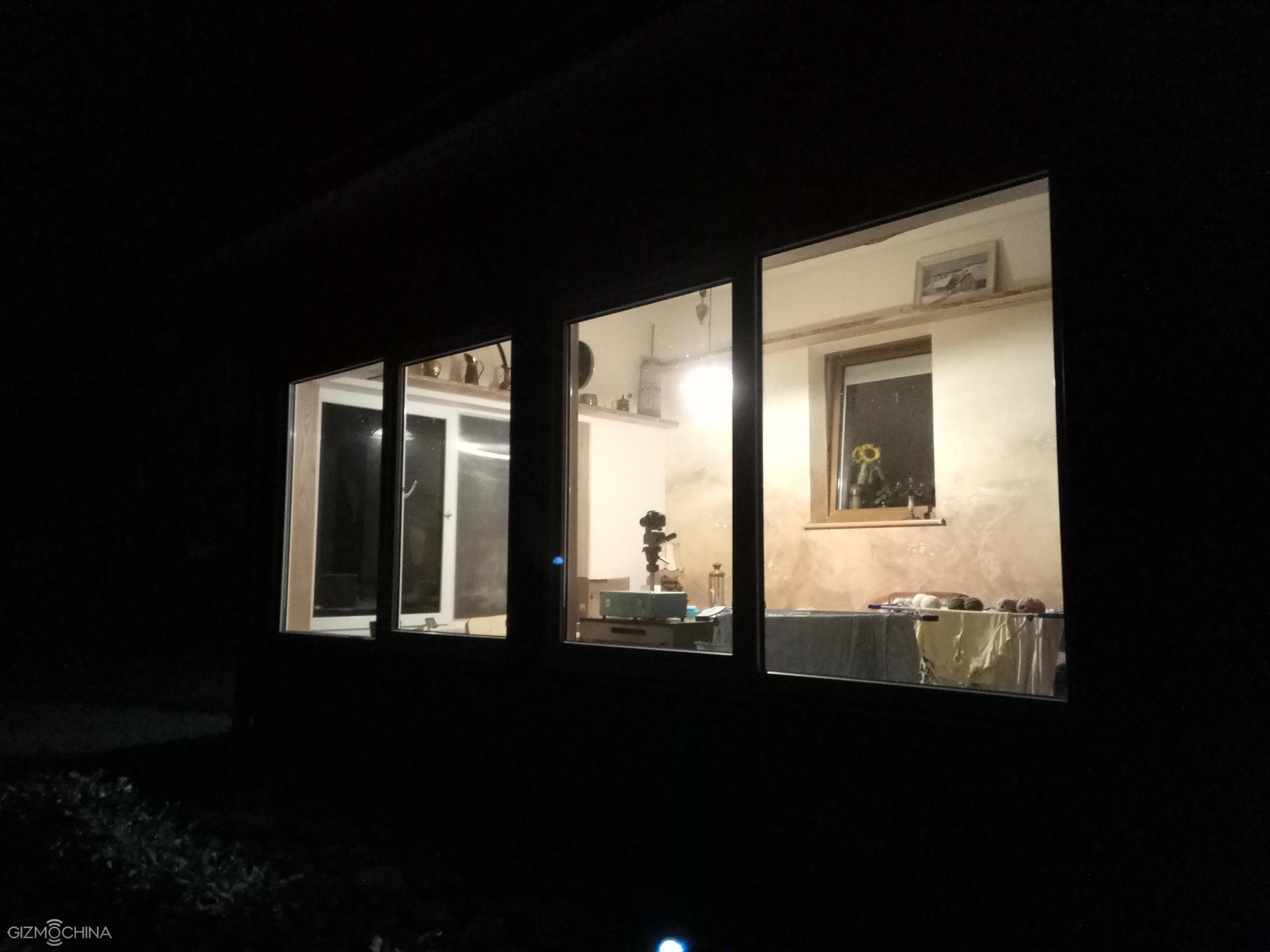
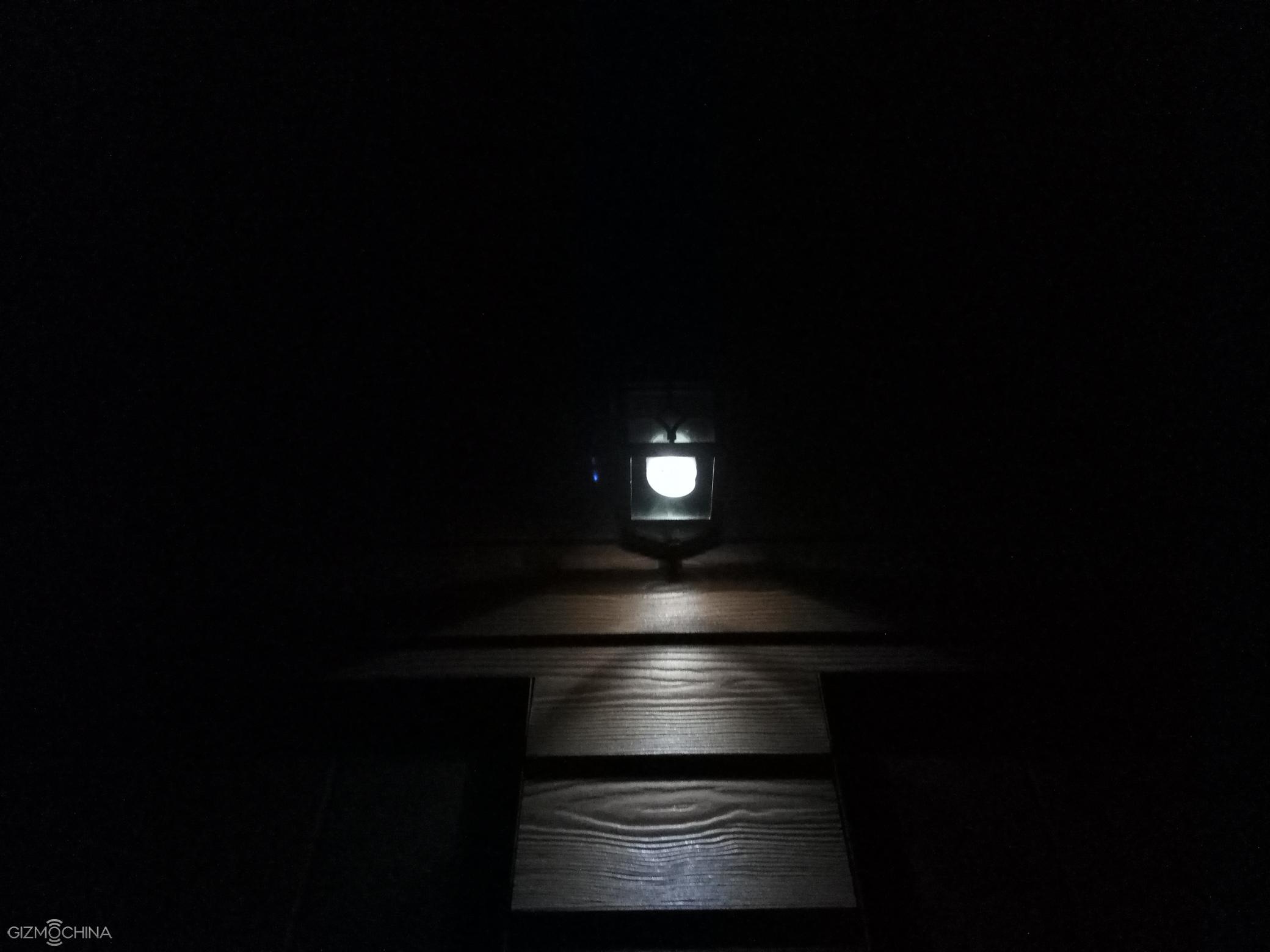
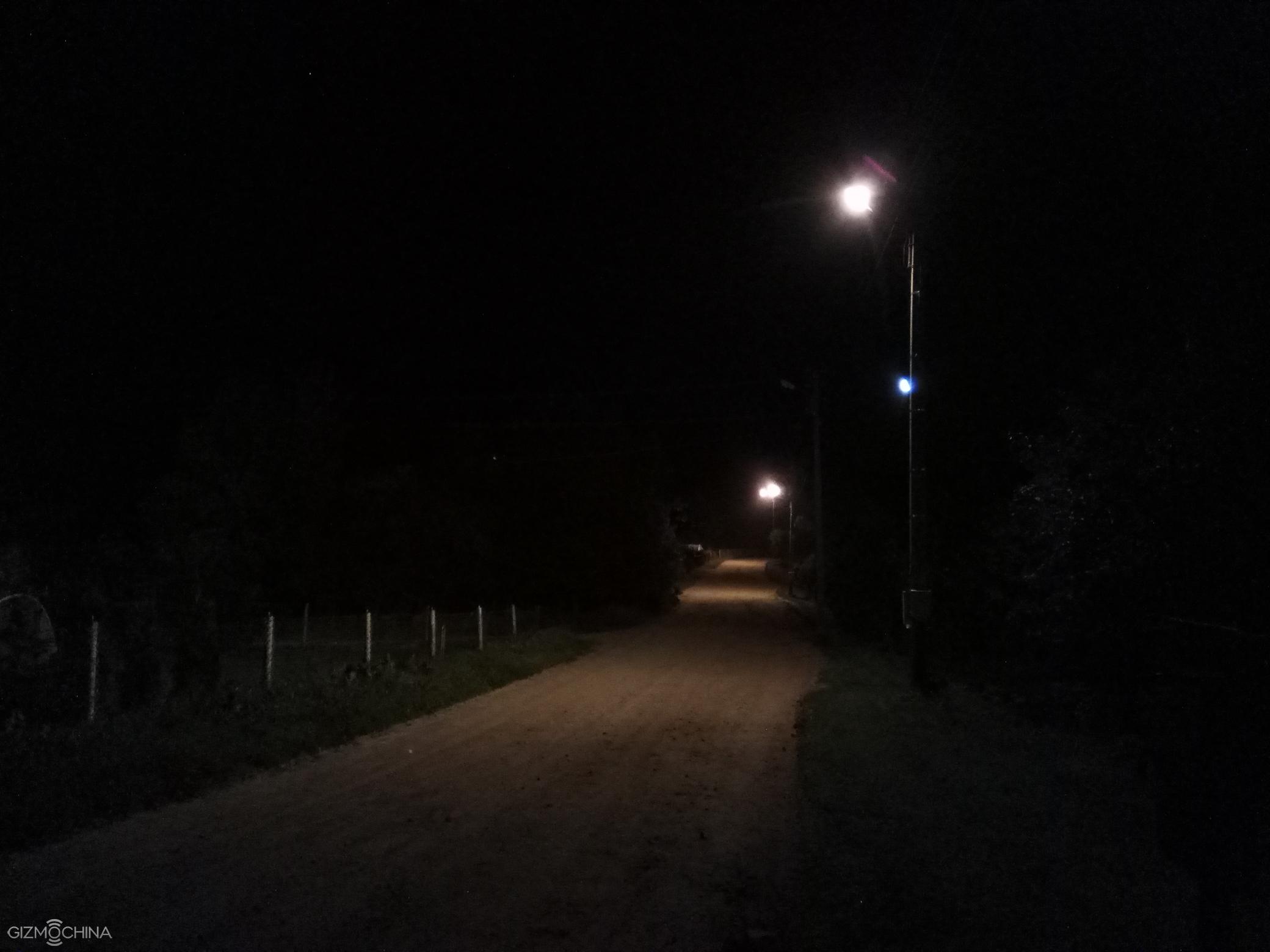
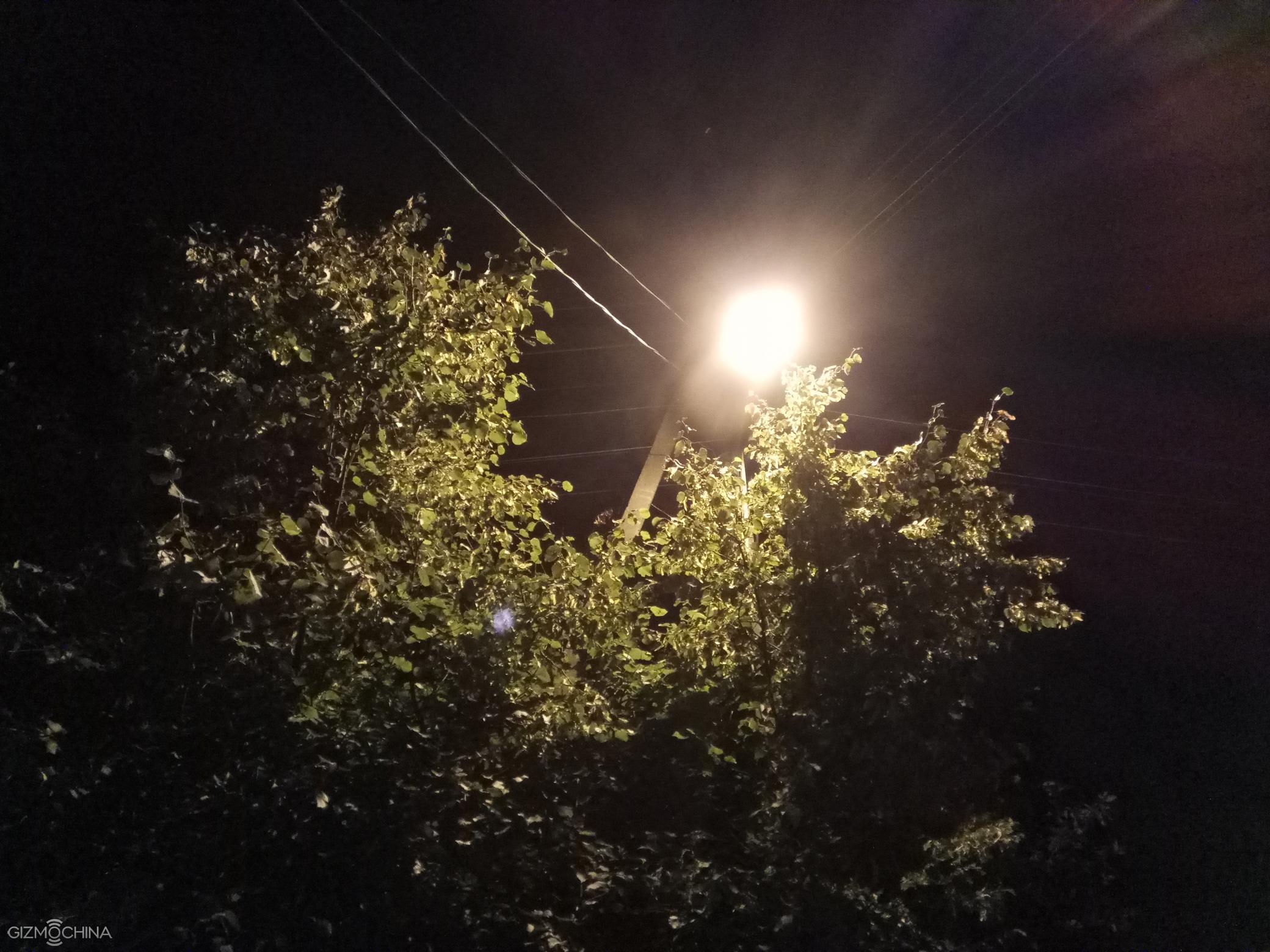
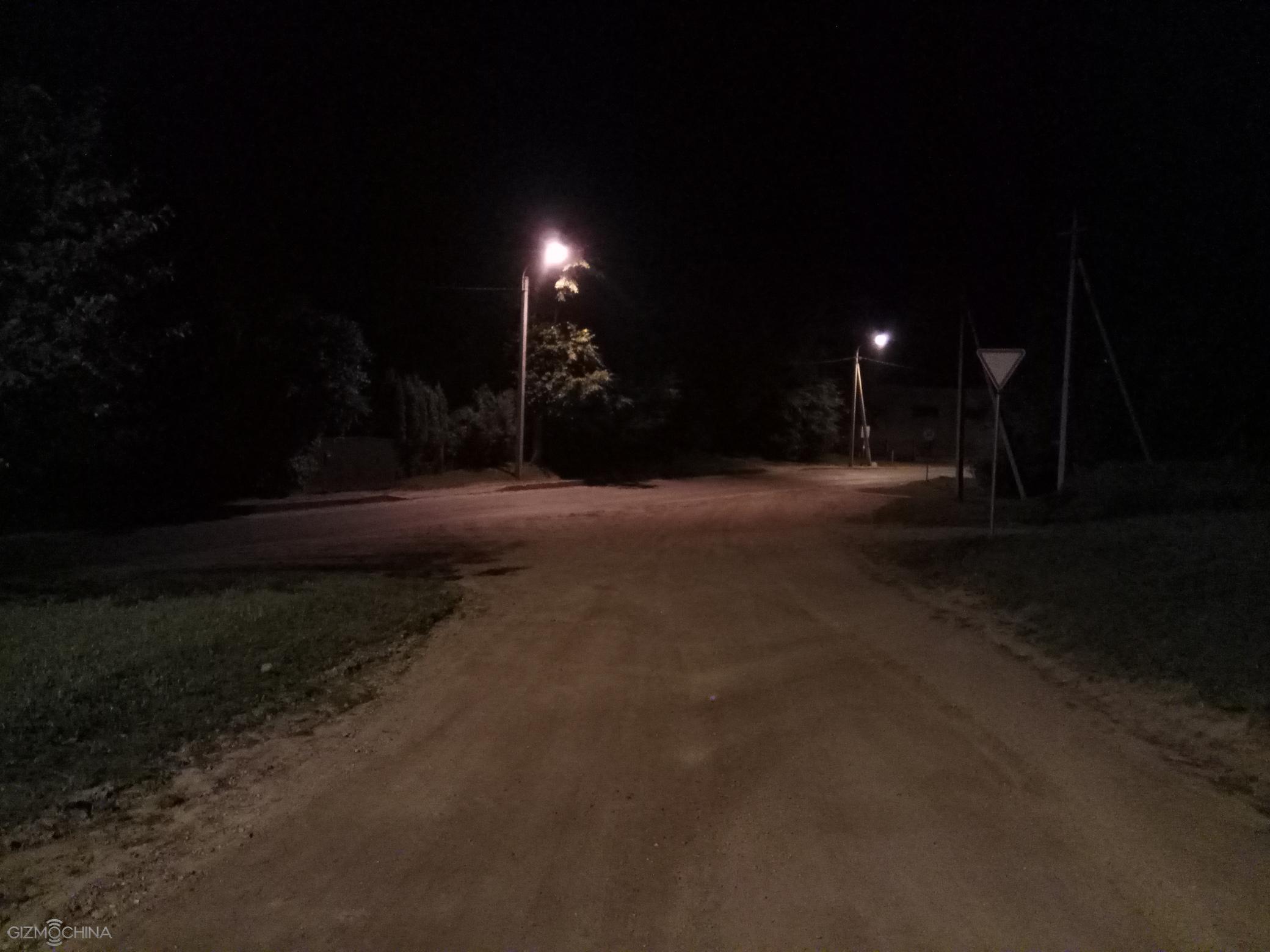
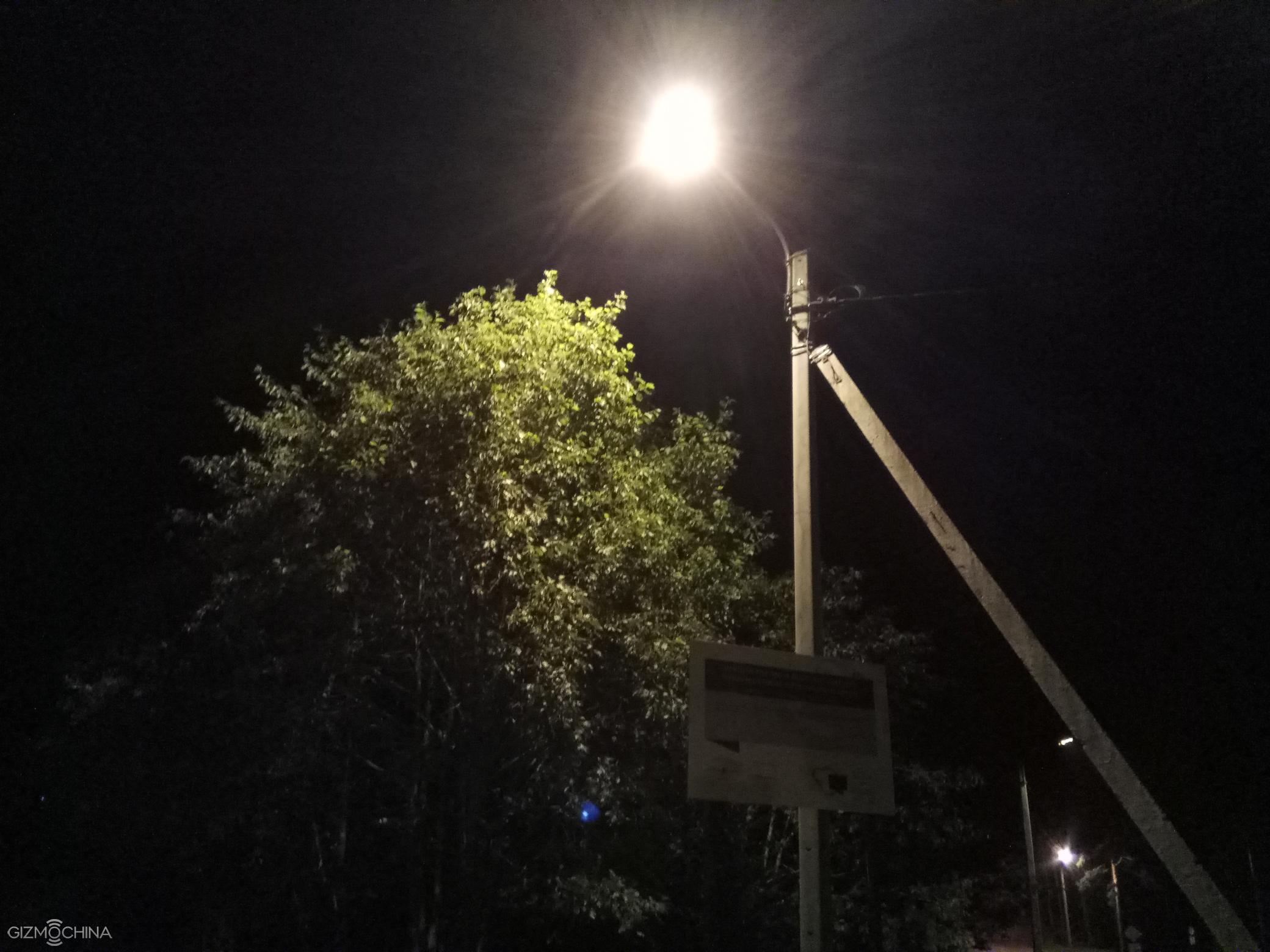
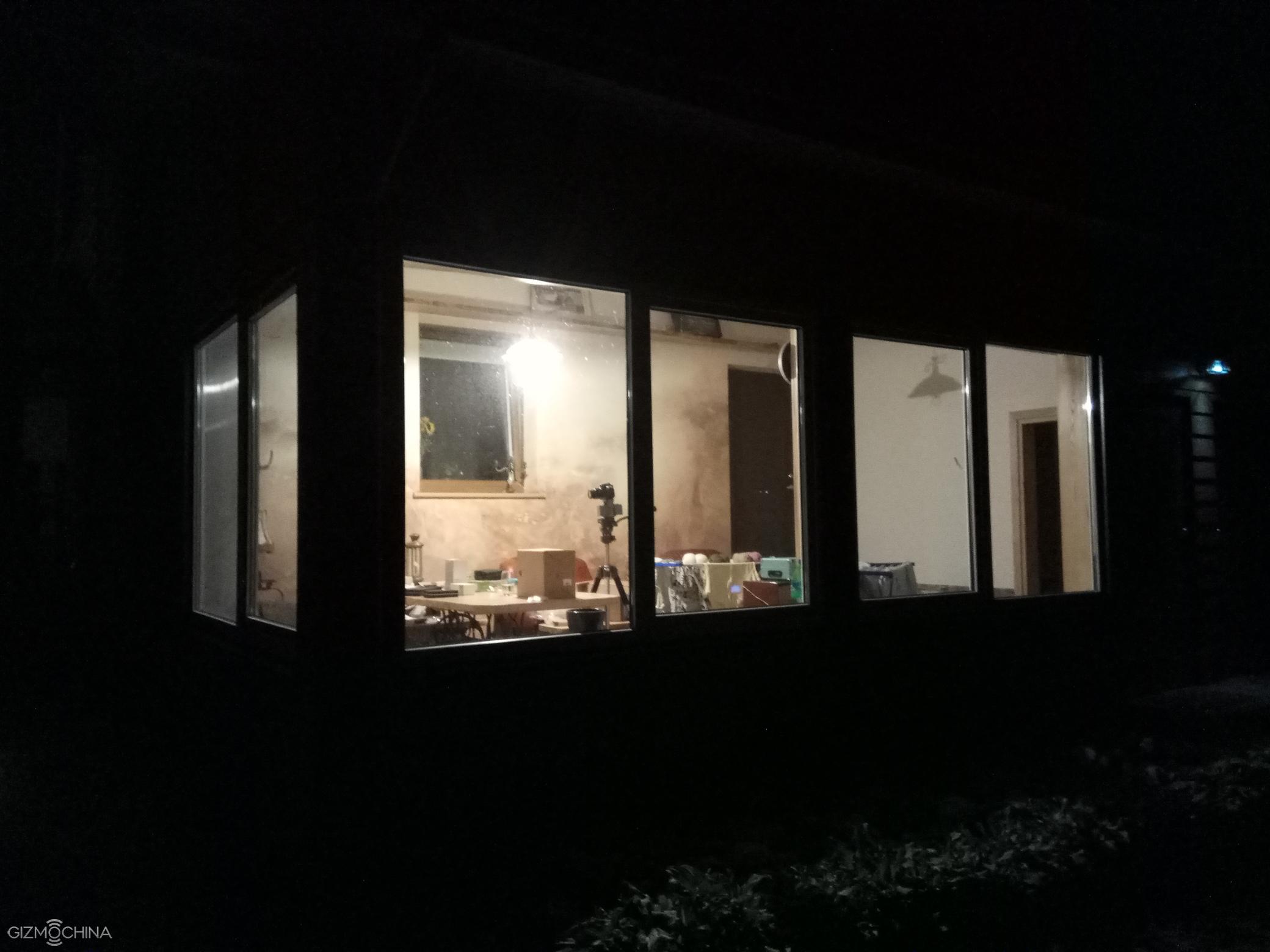
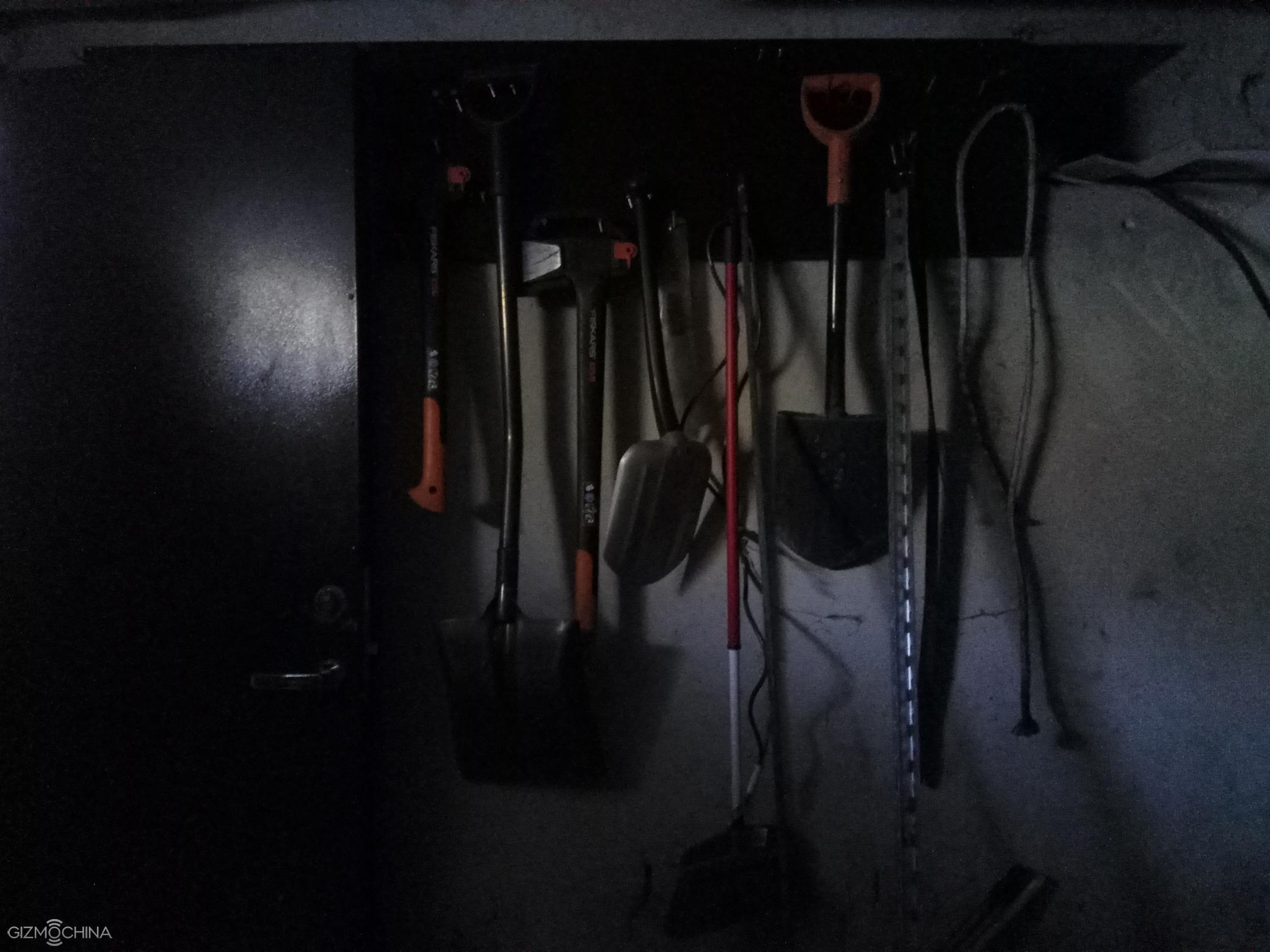
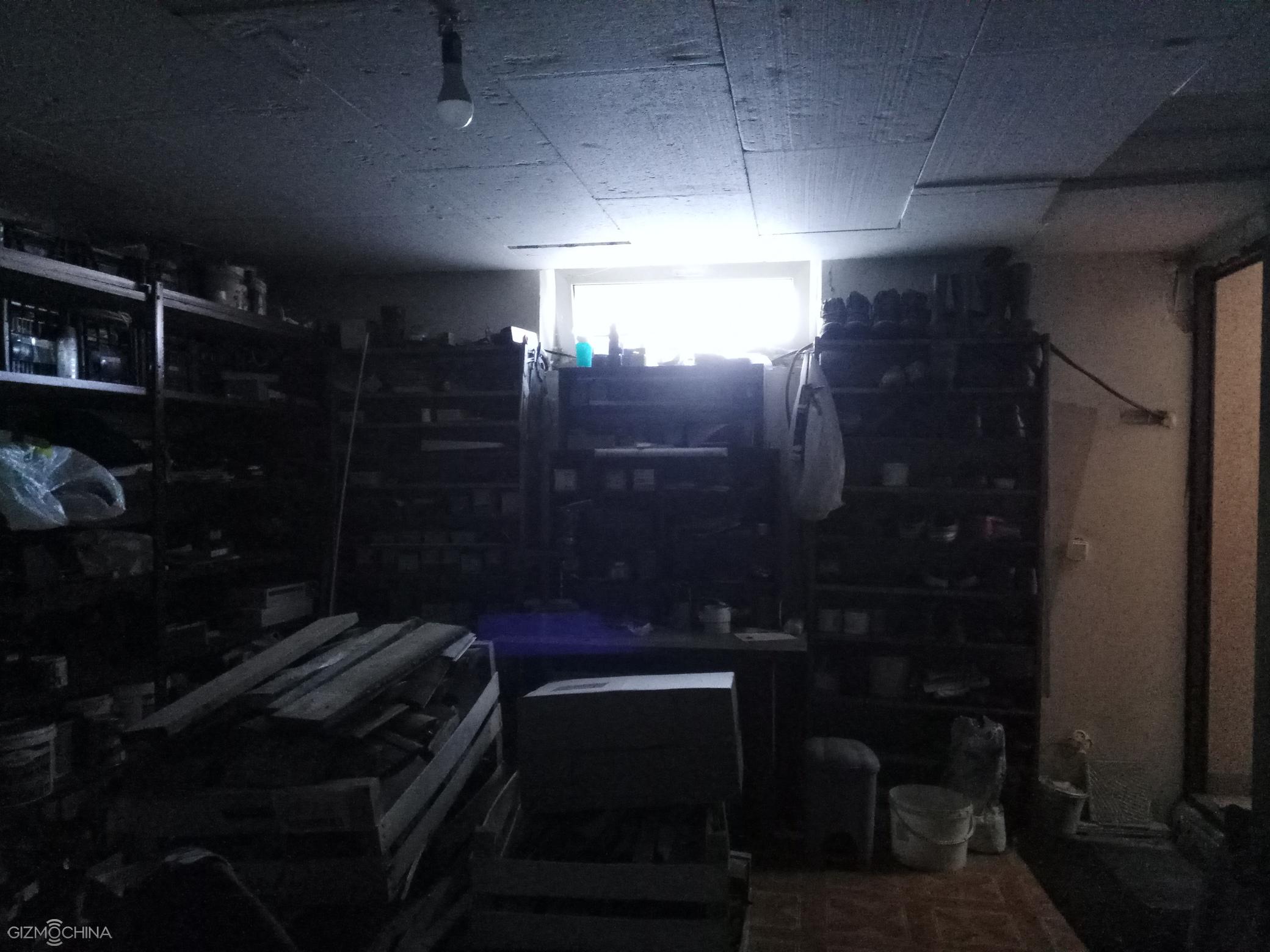
The low-light camera performance is good for the price of the phone but I hope to see some improvements with the future software updates. There is quite a bit of noise and there could be more detail. Also, I noticed that there is a slight red tint if you take pictures close to the light source, e.g. street lamps.
The dual tone LED flash does a pretty good job illuminating the scene in almost pitch dark environments but the flash is a bit too warm for my taste.
Panorama photos look quite terrible due to very low-resolution. On the other hand, the auto-stitching is pretty good.
The phone can shoot videos in Full-HD. The video quality is just above average I would say. The footage could look sharper and have more detail. On the other hand, I’m happy with the way CAF works. You can also shoot slow-motion videos in 720p and the quality is not the best but it is pretty good. See the video review for video samples.
A 5MP selfie camera is able to capture some usable pictures for social media but it does not impress. Most of the images look noisy and grainy, and there is a ton of noise. The situation gets even worse in low-light.
Overall, the Redmi Pro has a pretty solid camera setup for the price of the phone and you can definitely get some great looking images. It is not perfect though but we may see some improvements with the future software updates.
As far as connectivity, I didn’t have any issues with Wifi, Bluetooth, GPS or other options.
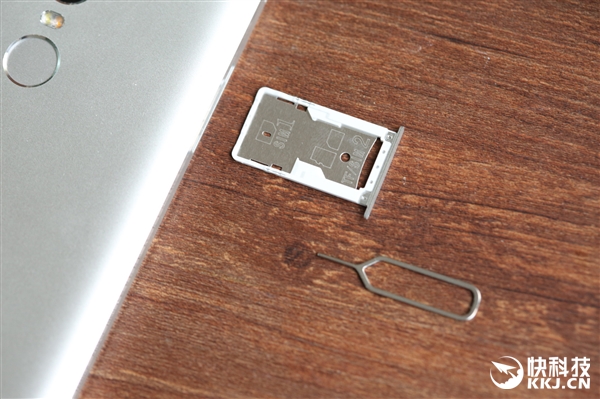
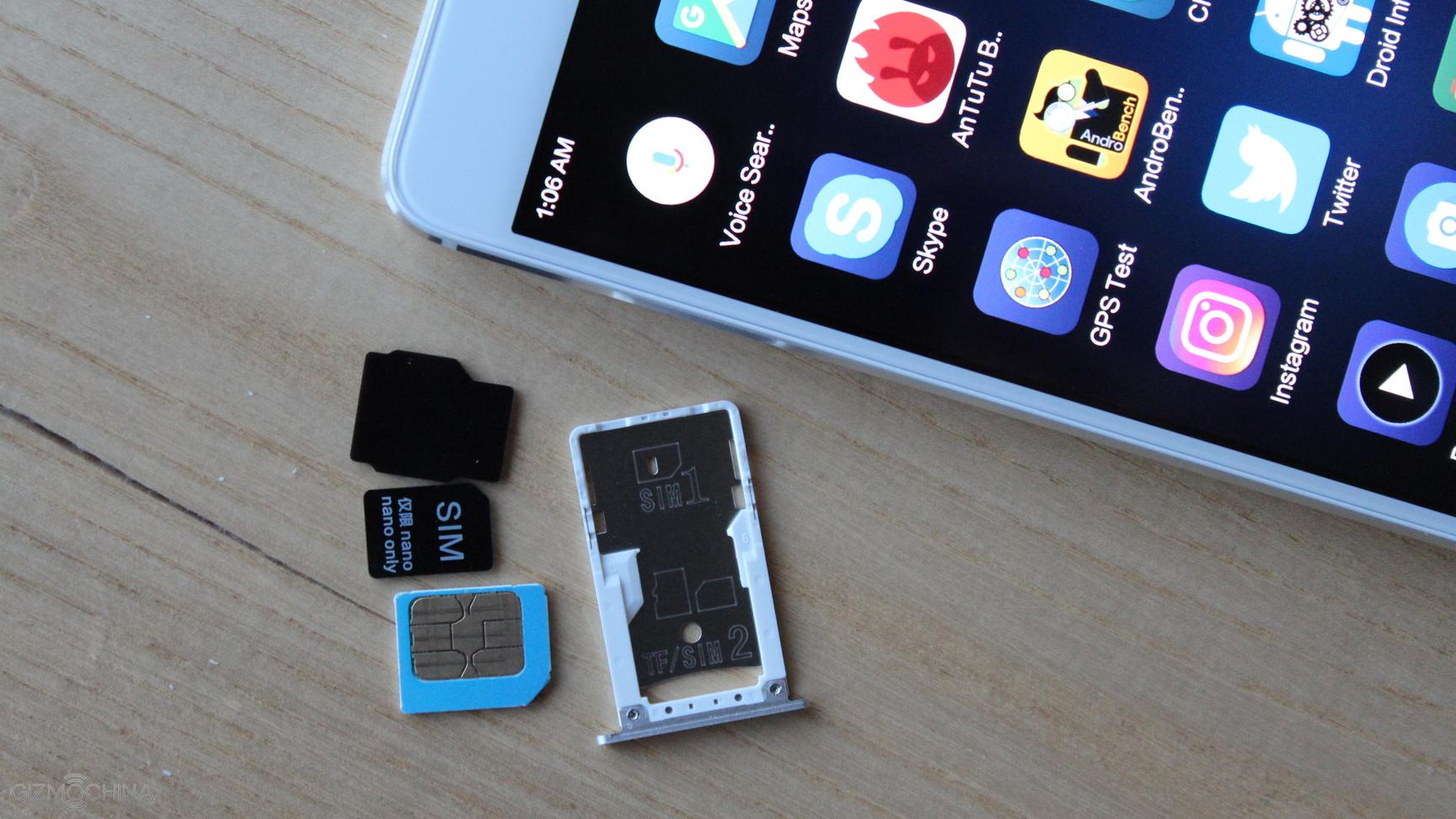
The phone comes with a dual-SIM card tray, which can take either 2 SIMs or 1 SIM and the microSD card.
Xiaomi Redmi Pro Review: BATTERY LIFE
The phone ships with the with a huge 4050mAh battery that performs very well. I could get over 6.5 hours of screen-on time on a mixed use which is a very good result.
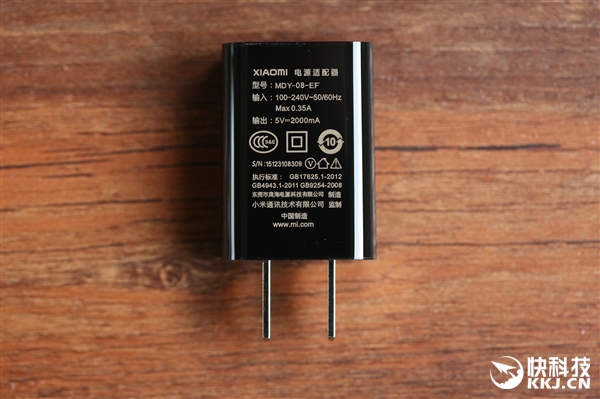
The phone supports a fast charging feature but it does not come with the fast charger, which is a bummer. This section will be updated with the screenshots of the battery use later (currently, we are re-testing the phone’s battery life with the just released MIUI 8).
Xiaomi Redmi Pro Review: CONCLUSIONS
The Xiaomi Redmi Pro is a solid device for the price of around $250.
First of all, it just looks beautiful and the build quality is top-notch. Also, we have a sharp and vibrant display, user interface that has tons of features and a pretty good overall performance.
Also, the dual camera setup is what makes the Redmi Pro standout. Finally, the battery performance is just fantastic.
On the other hand, you have to know that the phone’s camera could be better in video recording and the selfie camera produces images that have quite a bit of noise.
Other complaints would be that the fingerprint scanner does not work straight from the standby mode and you should expect a few skipped frames when playing some 3D games on the highest graphics settings.
Other than that, the Xiaomi Redmi Pro is a great all-around device. Sure, it is not perfect but knowing the fact that Xiaomi usually fixes a lot of things with its software updates, the Redmi Pro is a good phone to buy for less than $250.
Huami’s smartwatch details have been revealed by Huami CEO Huang Wang on Weibo.
Mr Wang disclosed via a Weibo post that the smartwatch will be a complete sports watch with GPS and heart rate monitor and also a very long lasting battery power. According to Wang, the battery still lasted for very long, even after turning on the GPS and heart rate monitor.
Previously, Wang had leaked information about the smartwatch having a water resistant covering and that the smartwatch band can be easily replaced with any standard 22mm third-party watch straps, because of its quick release design that means no tool will be required to remove the straps.
Also, like we mentioned earlier, the smartwatch will not bear the Xiaomi or Mi trademark in its name but Huami’s own brand name.
In addition, Huami’s CEO had previously revealed that the person in charge of manufacturing the watch ROM was a former Google employee and was involved in the development of the Android TV, Android Home, Android Auto and other projects but joined Huami last year.
While he didn’t reveal any other details about the new device (that will spoil the surprise), he did mention that in about 2 months, the company will release new phones for the Mate line and a new Emotion UI.
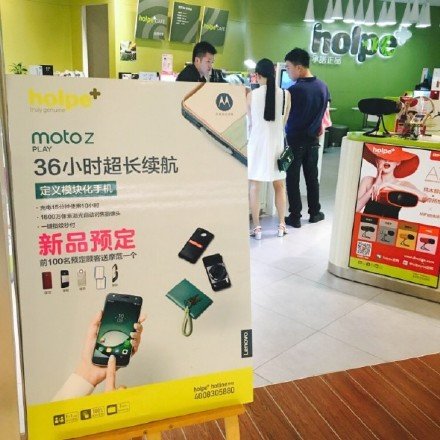
The poster which advertises the phone’s 36-hour (standby) battery life also confirms that it will indeed work with the mods made for the Moto Z (the JBL speaker mod and a camera mod are on the poster).
The Moto Z Play will come with a 5.5” OLED screen like the Moto Z but have a lower resolution (FHD). It will sport Qualcomm’s Snapdragon 625 processor, 3GB of RAM, 64GB eMMC built-in storage, a 16MP rear camera, and a 5MP front facing camera. A 3150mAh battery that supports Motorola’s TurboPower™ fast charge technology will provide juice.
The Moto Z on the other hand has a QHD OLED screen, Snapdragon 820, 4GB of RAM, 64GB UFS built-in storage, a 13MP rear camera, a 5MP front facing camera, and a 2600mAh battery.
Xiaomi refreshed the Redmi Note line on Thursday with the launch of the Redmi Note 4. Some of us expected the company to launch the Redmi 4 alongside it, but that didn’t happen.
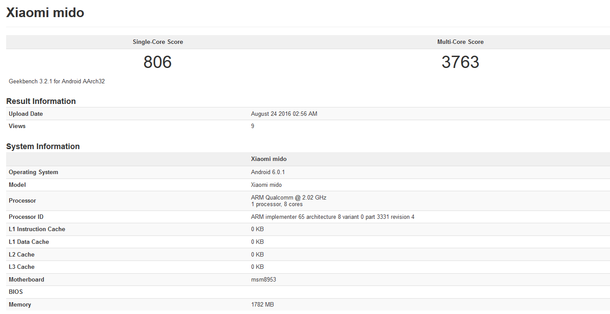
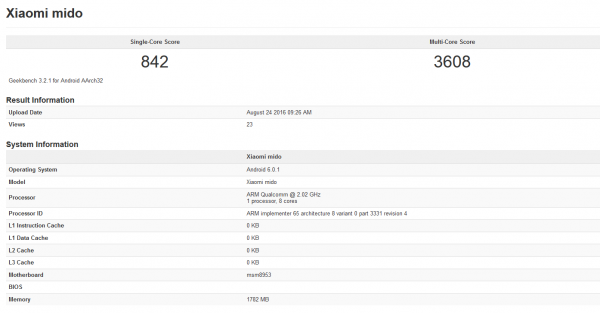
However, an unknown source found a phone on Geekbench with the code name Xiaomi Mido that is suspected to be the Redmi 4. The Xiaomi Mido is powered by a Snapdragon 625 processor clocked at 2.0 GHz, runs Android 6.0.1 and has 2GB of RAM.
The site shows two single core and multi-core tests whose results were uploaded on August 24 but at different times. The first test which was uploaded at 2:56 AM shows the phone scoring 806 on the single-core test and 3763 on the multi-core test. The second test which was a bit later at 9:25 AM shows the phone achieving a single-core score of 842 points and 3608 points for the multi-core test.
We use cookies on our website to give you the most relevant experience by remembering your preferences and repeat visits. By clicking “Accept”, you consent to the use of ALL the cookies.
This website uses cookies to improve your experience while you navigate through the website. Out of these, the cookies that are categorized as necessary are stored on your browser as they are essential for the working of basic functionalities of the website. We also use third-party cookies that help us analyze and understand how you use this website. These cookies will be stored in your browser only with your consent. You also have the option to opt-out of these cookies. But opting out of some of these cookies may affect your browsing experience.
Necessary cookies are absolutely essential for the website to function properly. This category only includes cookies that ensures basic functionalities and security features of the website. These cookies do not store any personal information.
Any cookies that may not be particularly necessary for the website to function and is used specifically to collect user personal data via analytics, ads, other embedded contents are termed as non-necessary cookies. It is mandatory to procure user consent prior to running these cookies on your website.