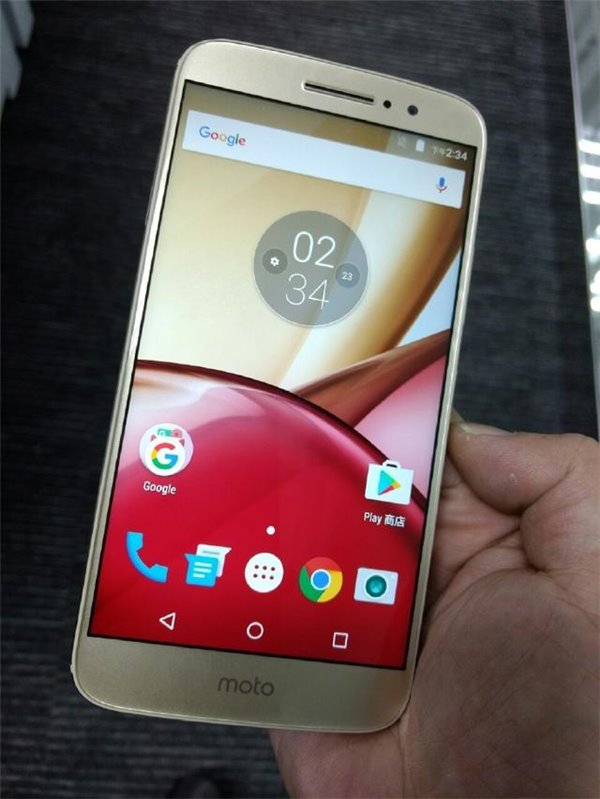
Rumors emanating from China indicate that Lenovo will soon see a change in its name and could use the Moto brand name in near future. This isn’t the first time we are getting this, with rumors first surfacing around September about a cancellation of the Lenovo Mobile brand abut this latest rumor lends credence to the earlier on and comes with some air of credibility.
According to the source, Lenovo Mobile division of the Lenovo group would no longer release any smartphone under that name. From now on, the mobile phone business of Lenovo will now fall under the Moto brand. The source also hint that the Lenovo P2 which is set to be launched in China on November 8 along with the Moto M, would be the last Lenovo branded phone to be released with that brand name.
Although the rumor has not been confirmed, the move may be unconnected to the faltering fortunes of the Lenovo Mobile division that has refused to fly, even after the acquisition of Motorola and integrating the brand under Lenovo.
It is not clear if the announcement about a rename would be one of the highlight of the November 8 conference where the China debut of the Lenovo (Vibe) P2 would take place and the Motorola Moto M would be launched.
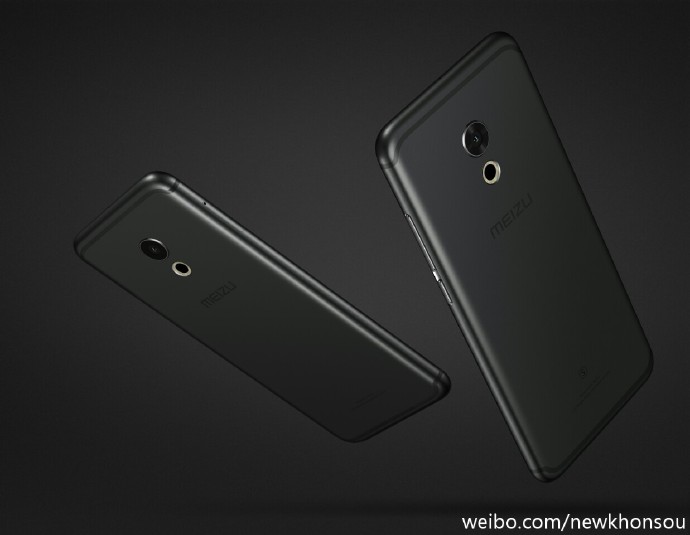
Meizu will finally release the much anticipated Pro 6S smartphone today after up to six months in the works. The Meizu Pro 6S is likely coming with an upgrade just on the camera end and battery life, else the device would be similar to the Pro 6, according to words from Meizu officials.
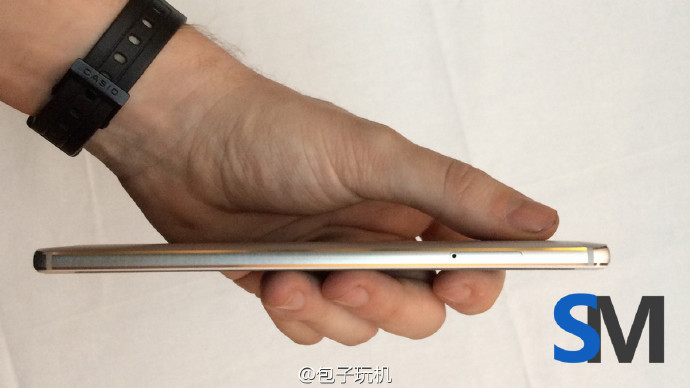
Ahead of the event, the Meizu Pro 6S has already appeared on popular online mall Jingdong (JD.com) where early reservations are already opened for the device. The Pro 6S real image seems to have made its first outing via the reservation poster and it indeed bears a design consistent with the Pro 6. The Pro 6S uses a metal body design with the antenna band on the top and bottom edges. The device is also said to come with entire network support but unfortunately still doesn’t support storage expansion, meaning no microSD slot. The device is also going to be available in various colors.
Since the device will see just a few upgrade from the Pro 6, the price would be the major focus of many. The Jingdong reservation affixed a price tag of 2699 Yuan ($399) on the Pro 6S. The price is for the 4GB RAM + 64GB storage version of the Pro 6S, perhaps the top-end version as there is likely a 32GB ROM version which may likely be cheaper.
On the specs, the Pro 6S features a 5.2-inch display with 1080 pixels resolution and comes equipped with the MediaTek Helio X25 chipset. The phone’s appearance on AnTuTu recently reveals a 21MP rear camera sensor although that may be wrong. The Pro 6S may likely use the same 12MP Sony IMX386 sensor as the Meizu MX6 with support for four axis optical image stabilization. The battery capacity is also increased to 3,060mAh.
The device is said to go on sale on November 7 after today’s launch event. For 2,699 Yuan, would you contemplate buying the Pro 6S?
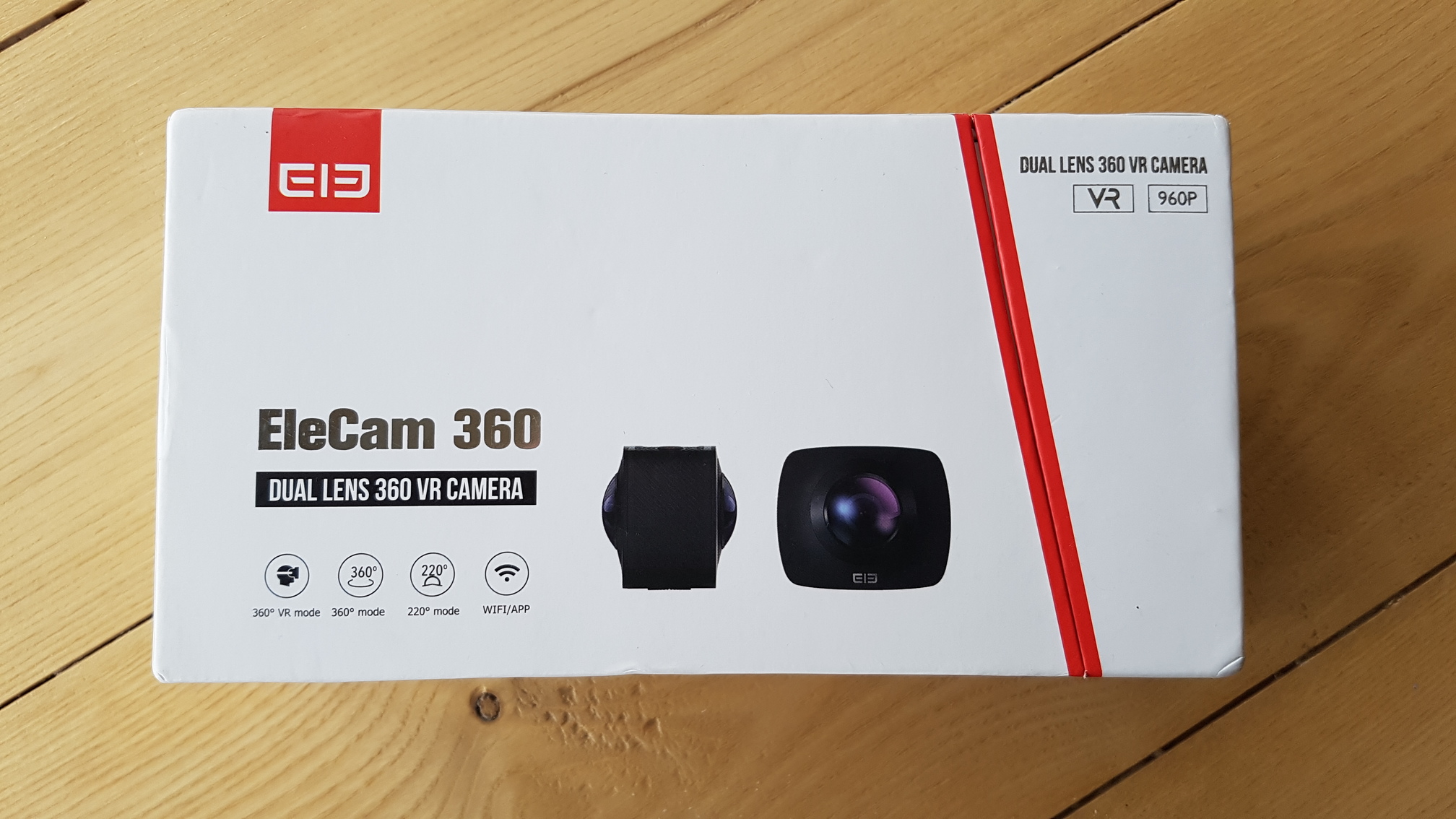
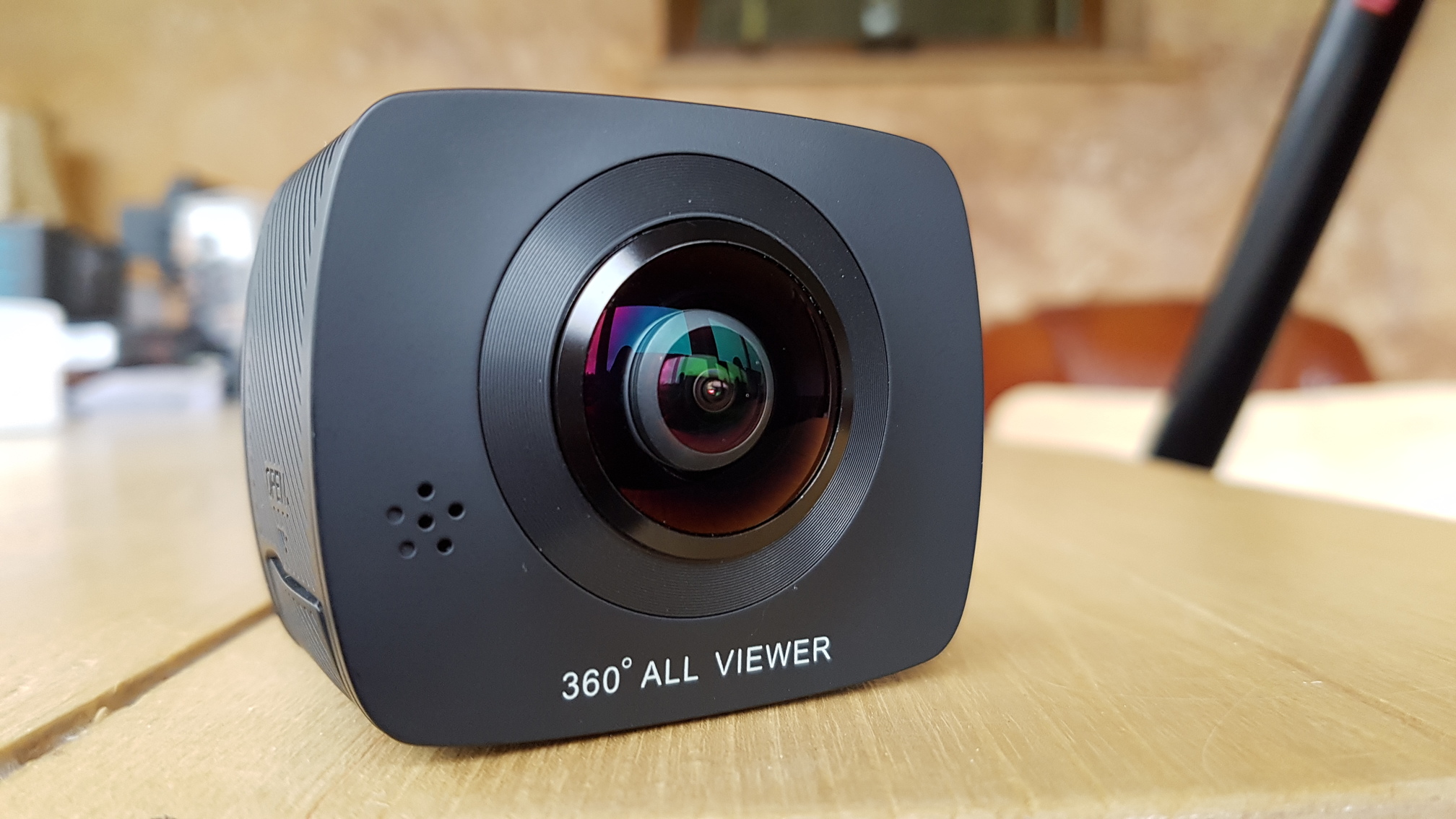
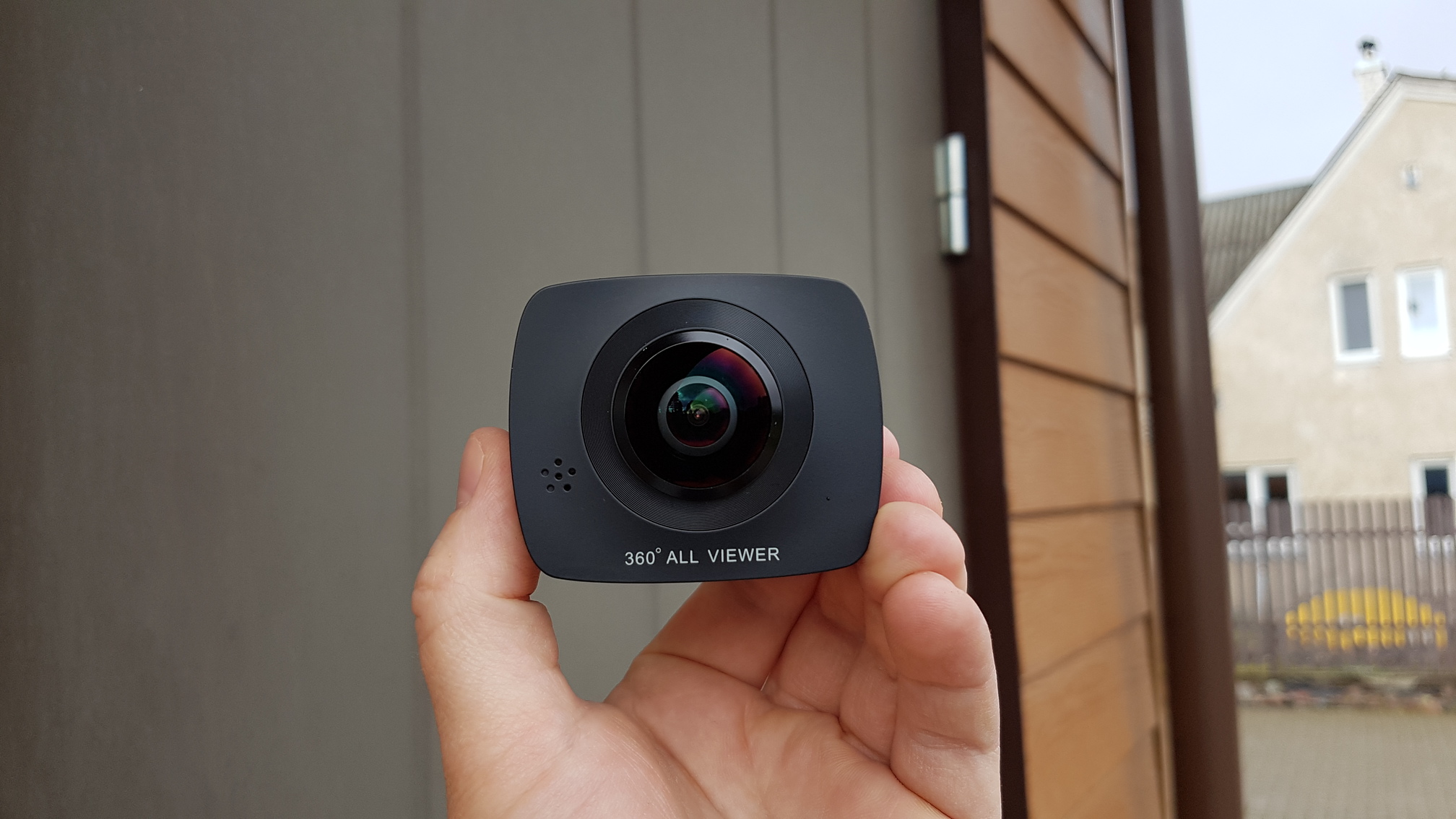
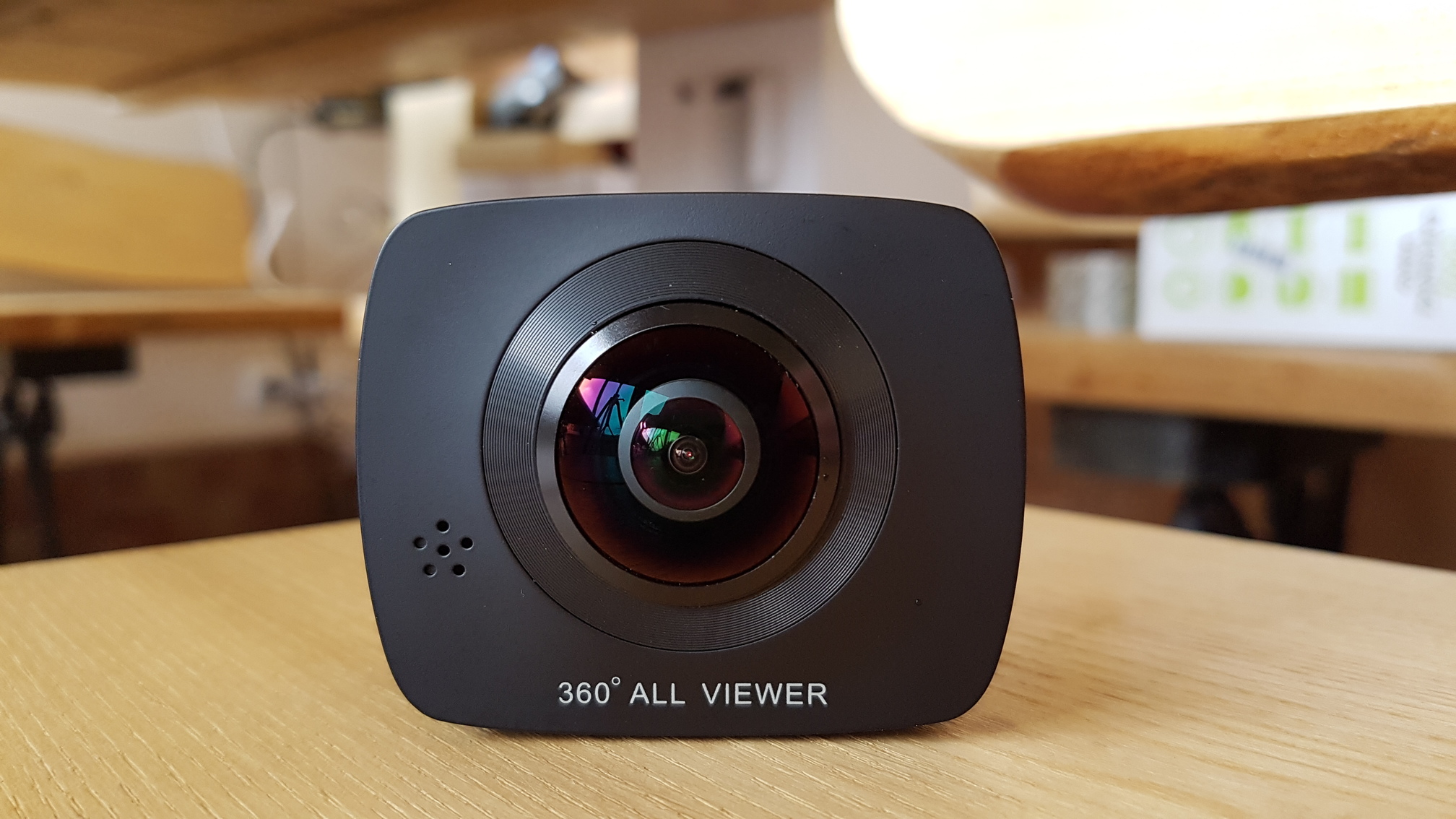
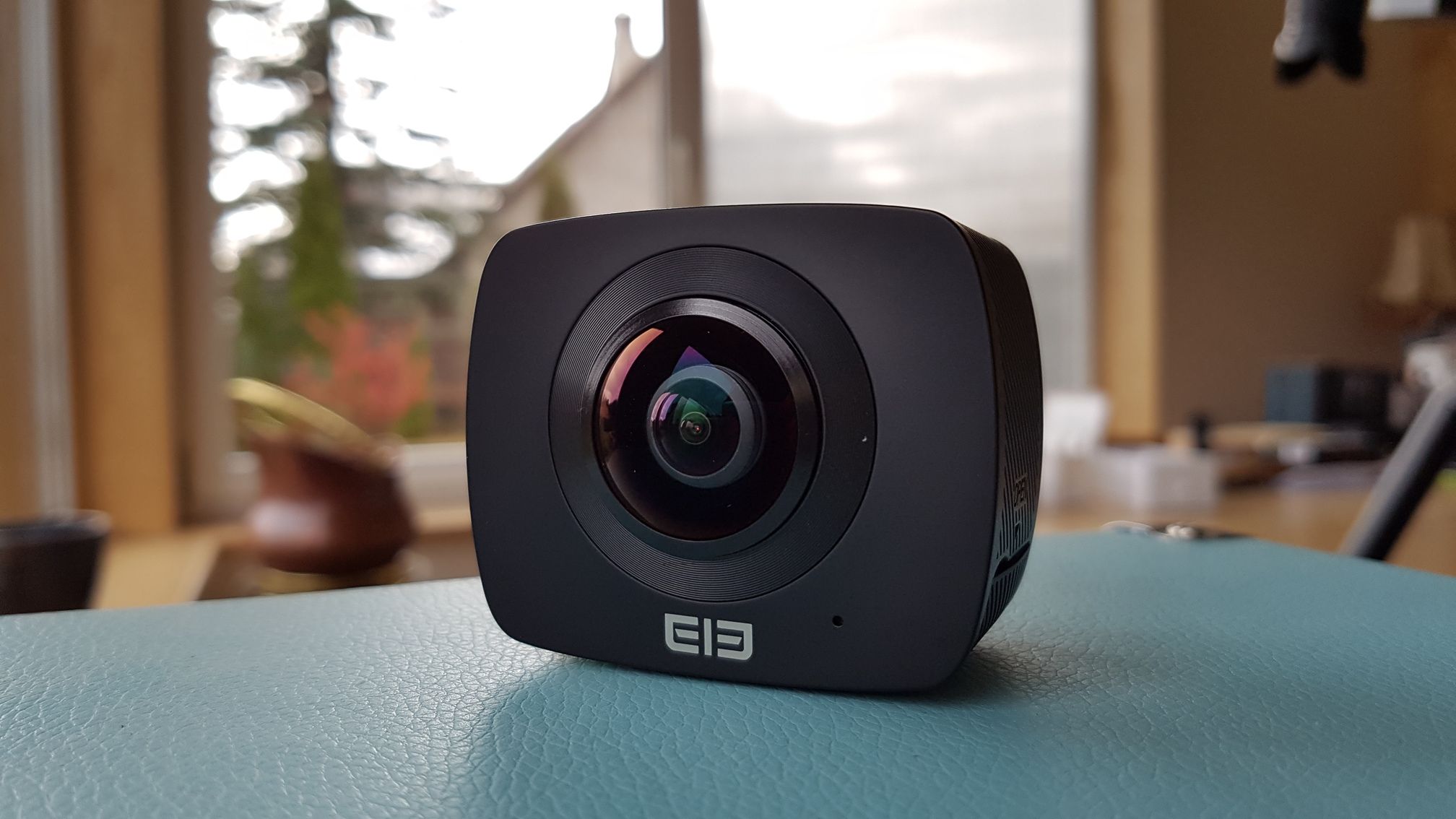
The market of 360 cameras is pretty hectic already as a lot of manufacturers started producing them. I came across the Elephone 360 camera, which offers all the basic features in affordable package that costs just over $140. Learn more in our full review.
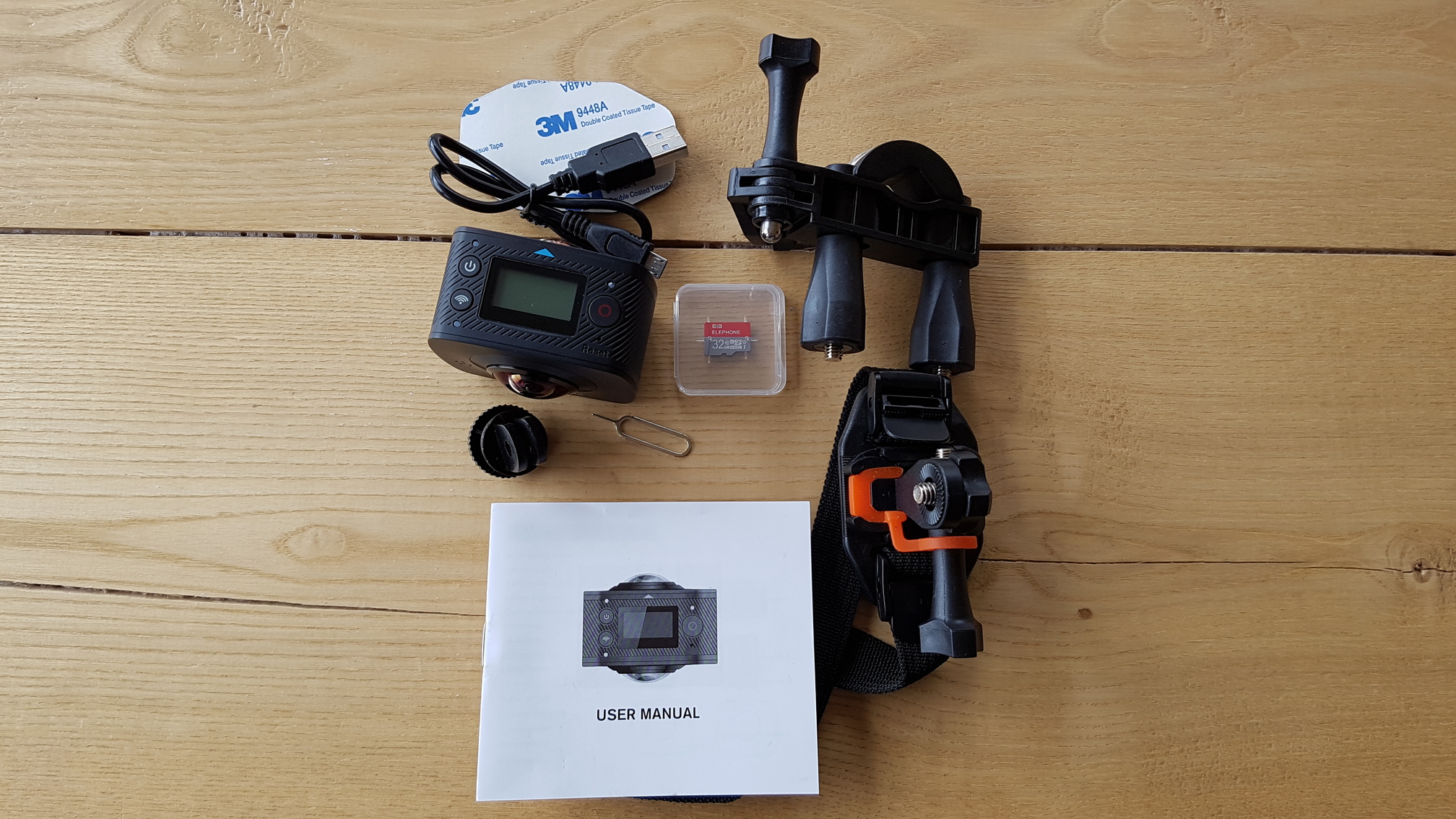
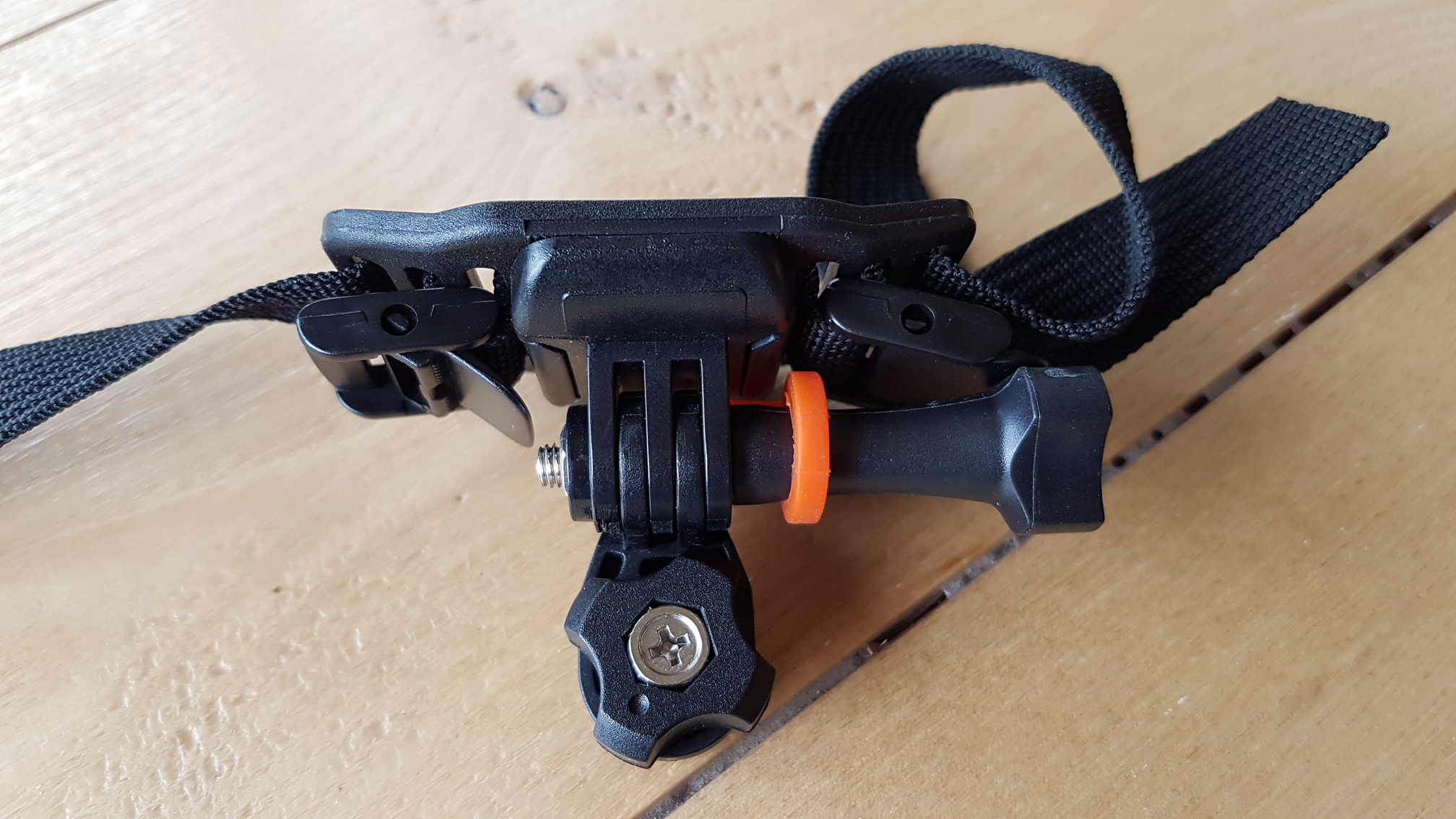
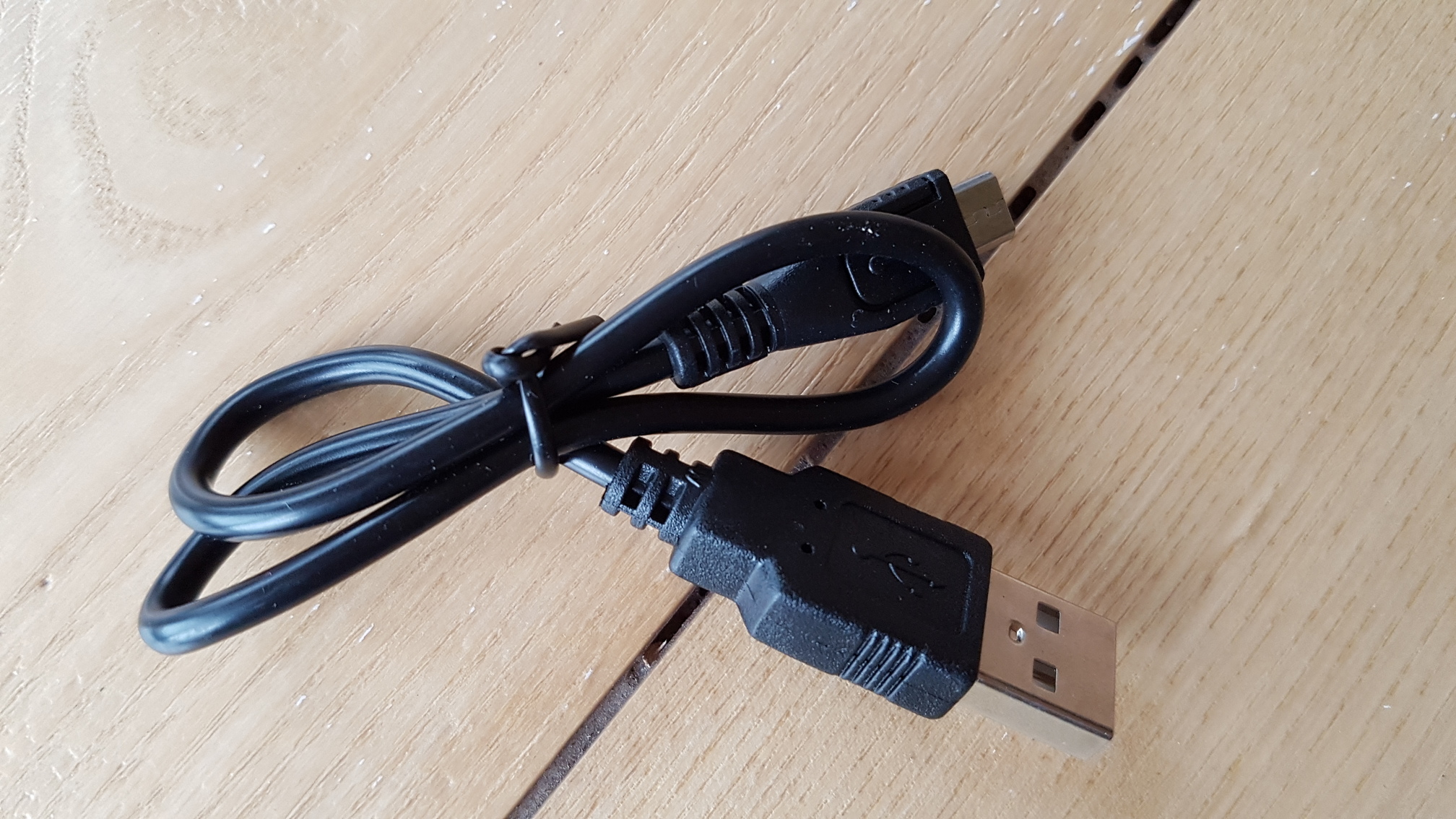
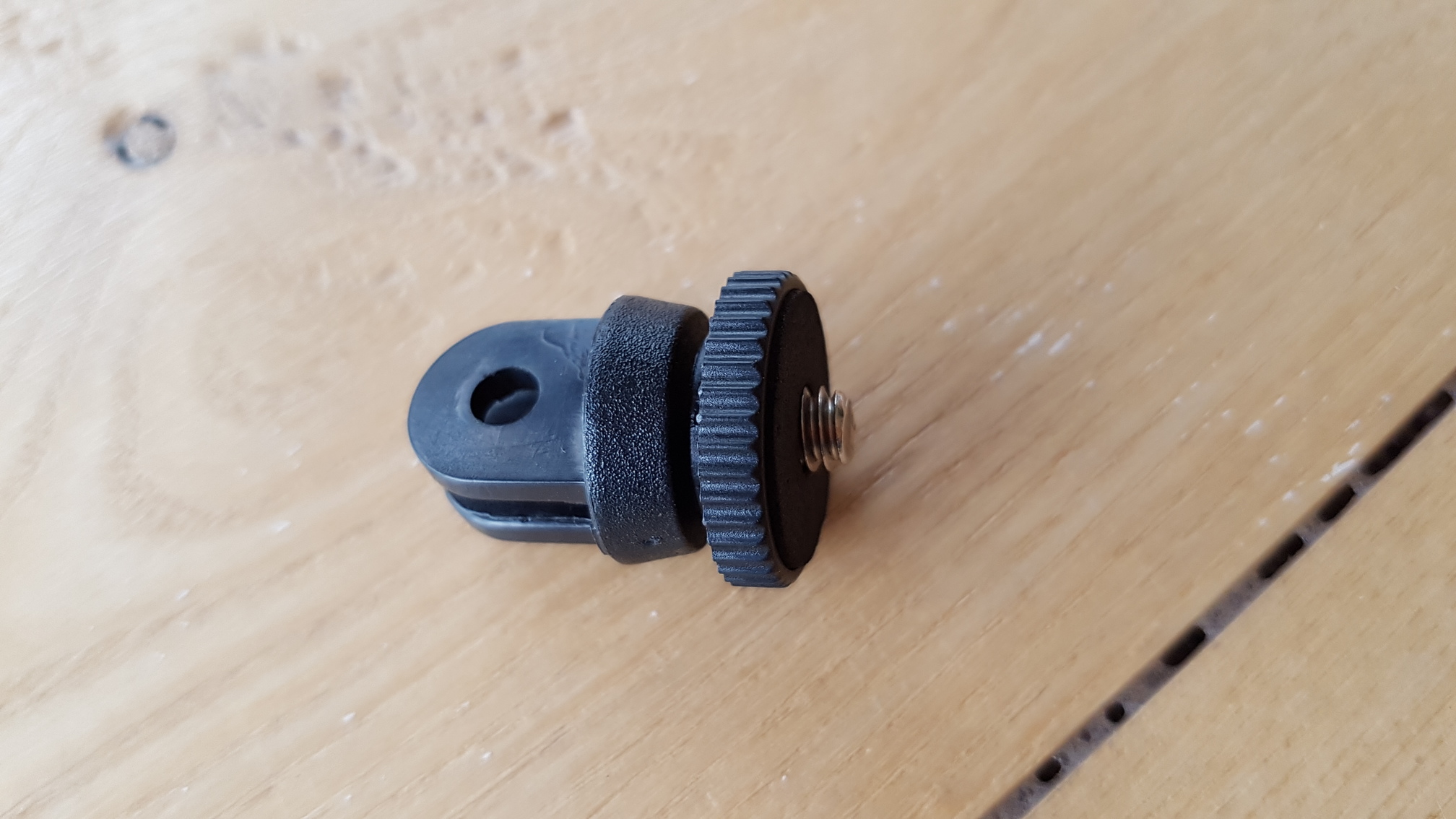
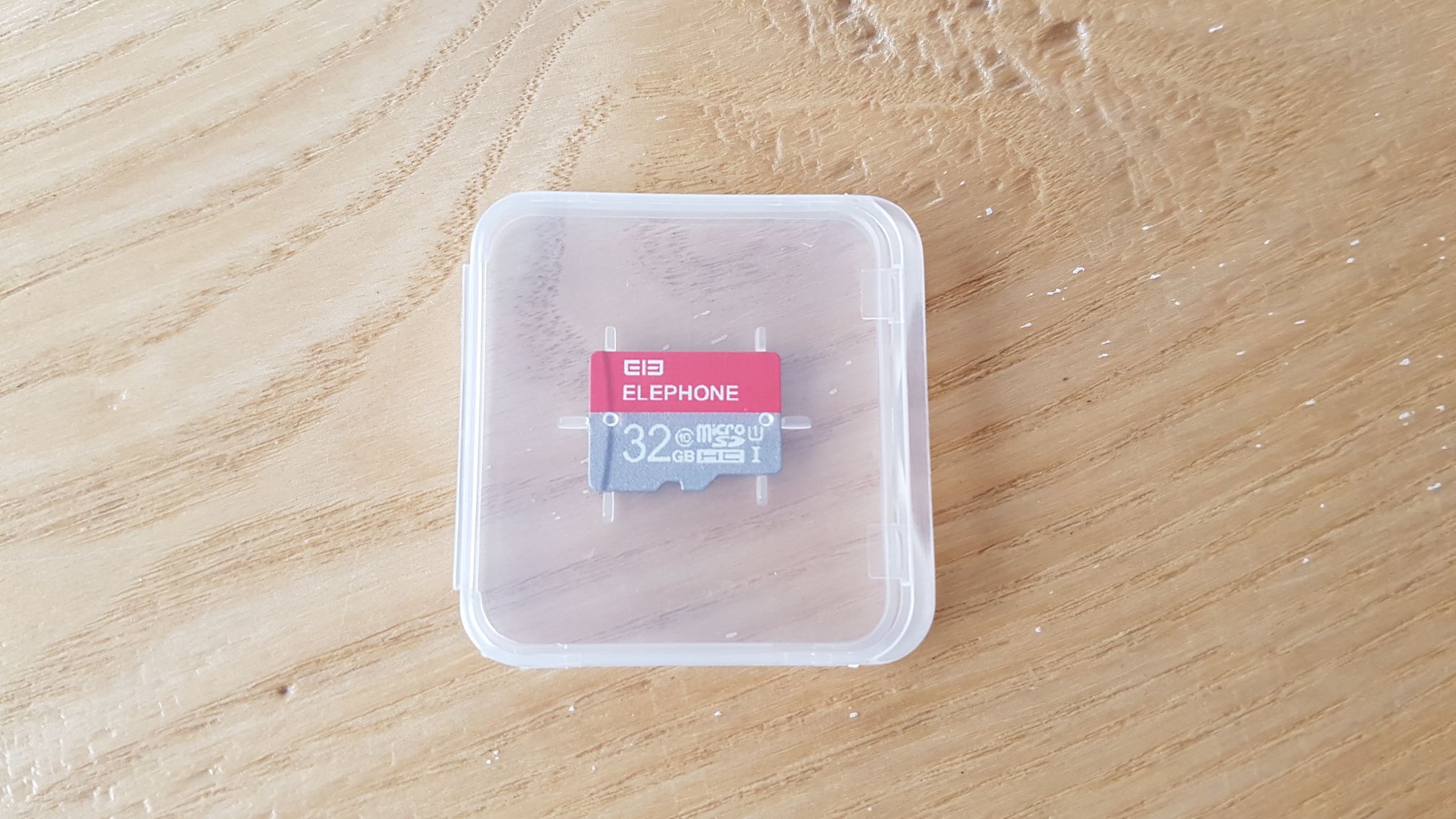
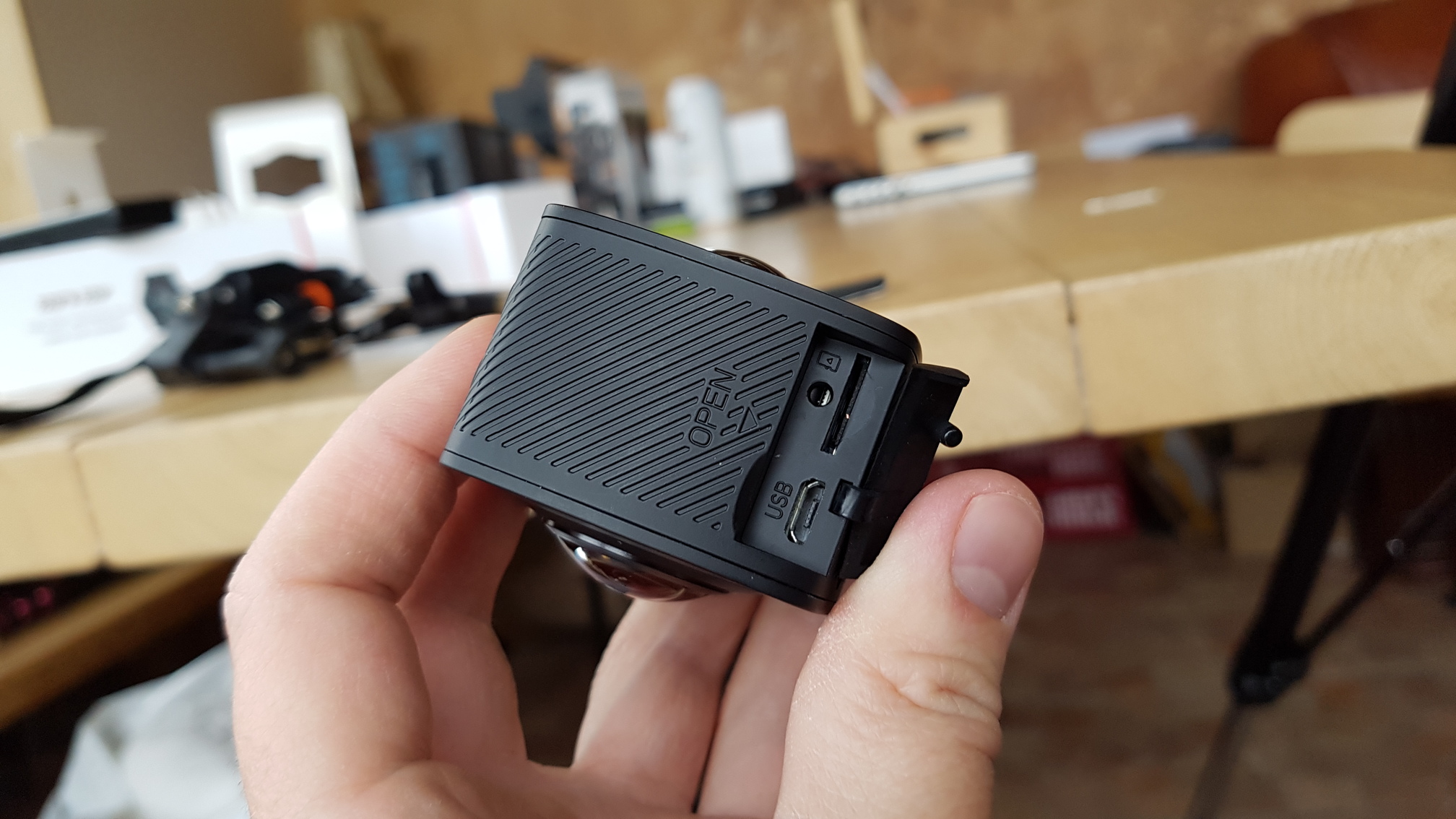
The camera ships with the bike mount and universal mount. Also, there is the USB cable, some adhesive pads and last but not least – a 32GB microSD card.
Elephone 360 Camera Review: DESIGN, FEATURES and FUNCTIONALITY
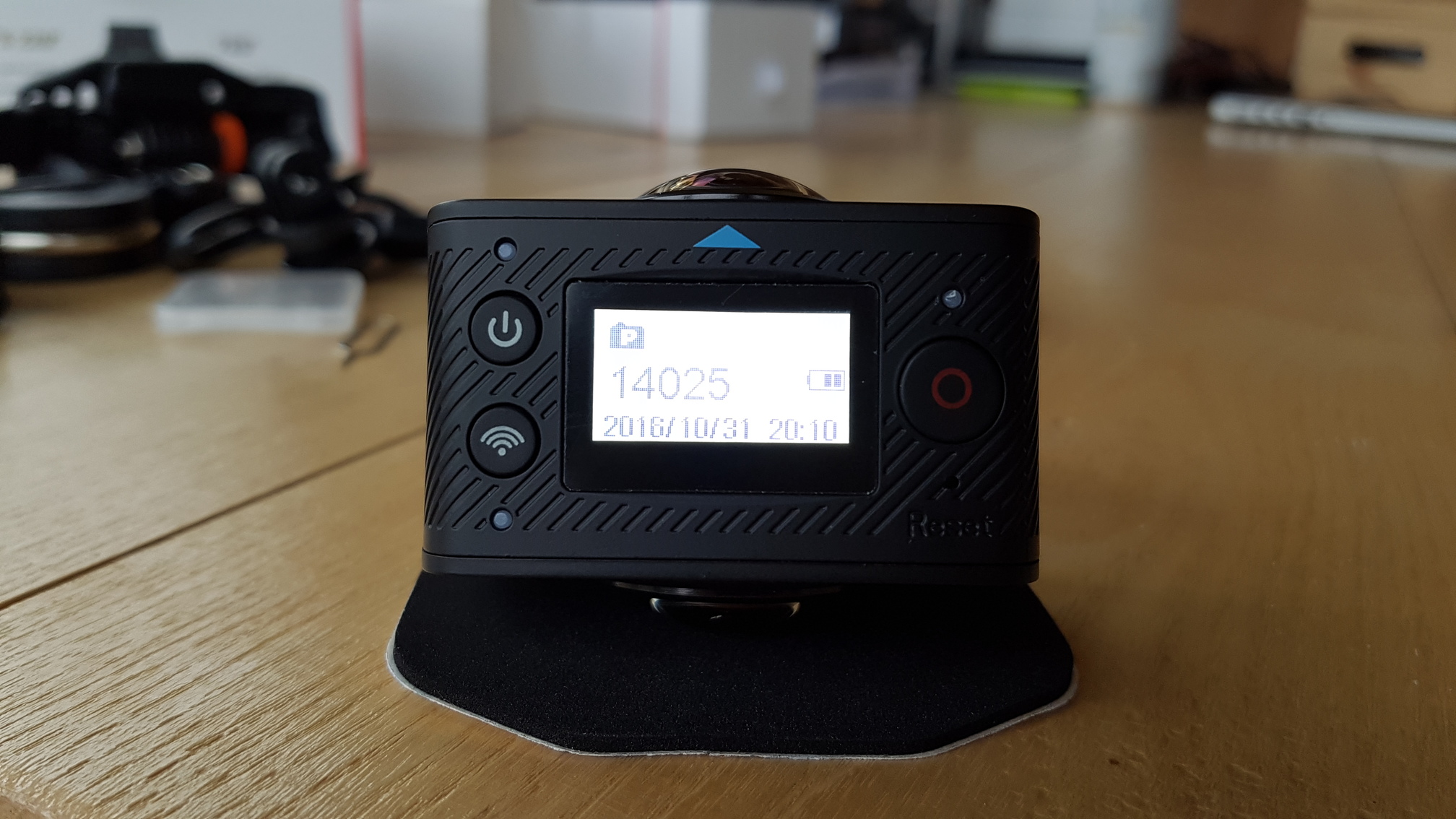
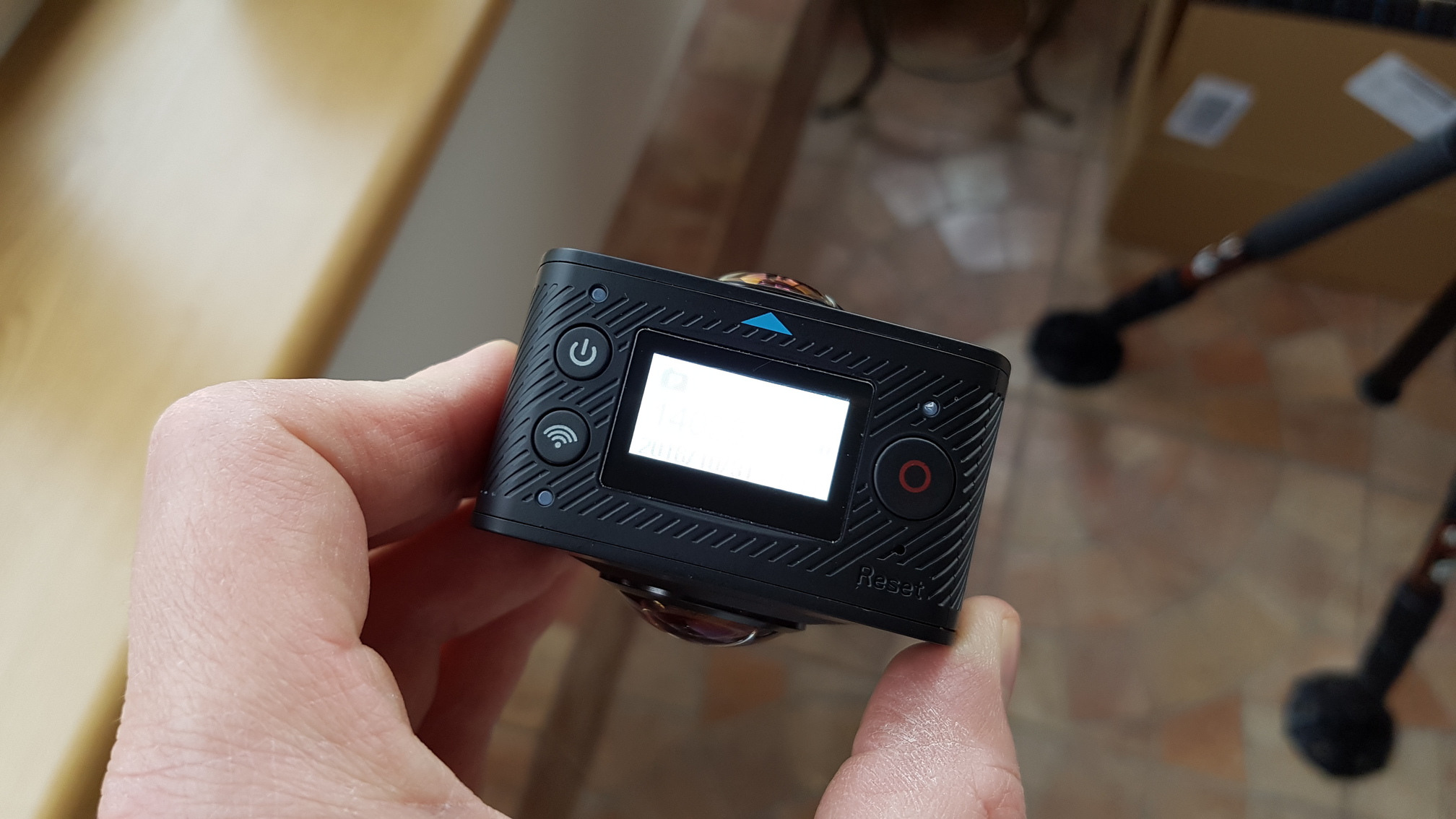
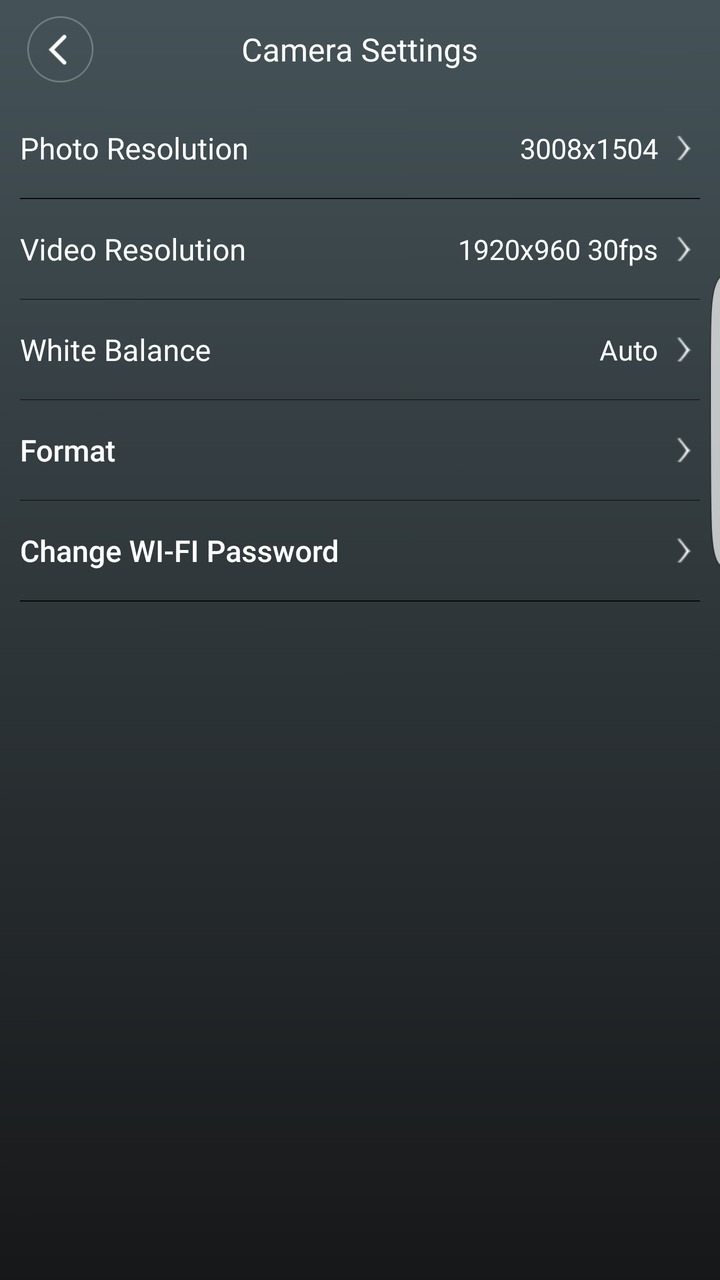
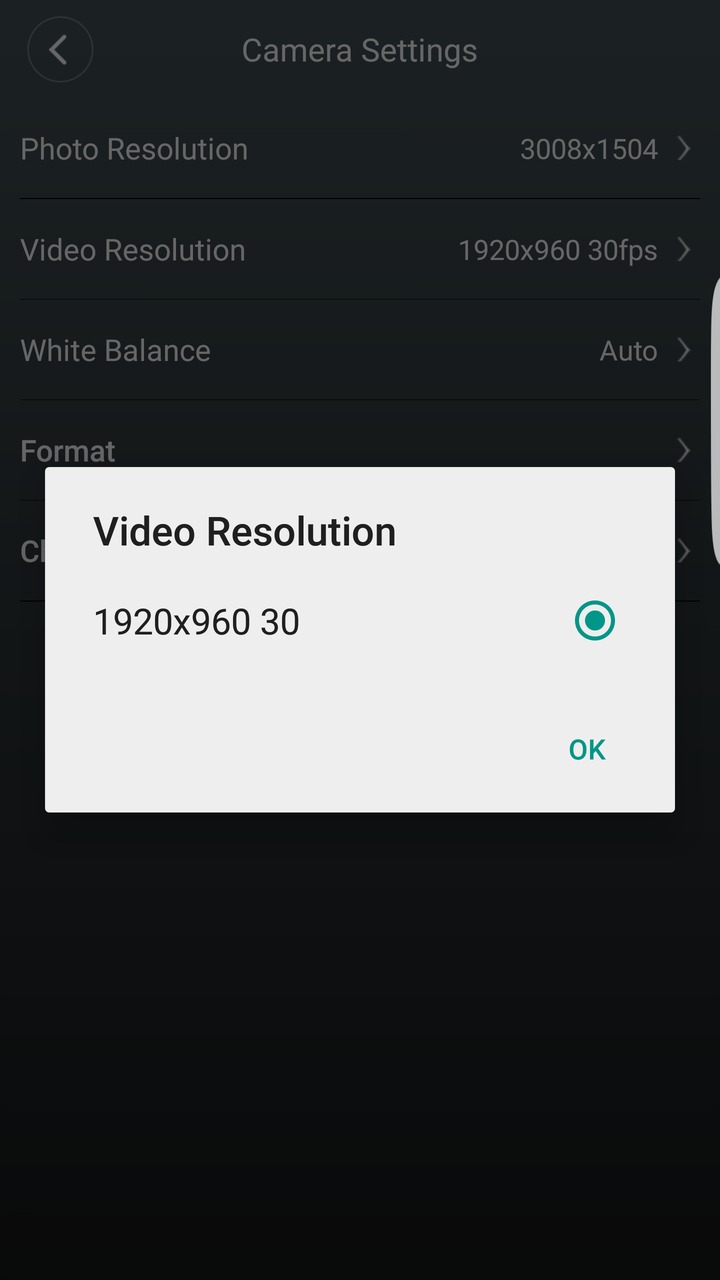
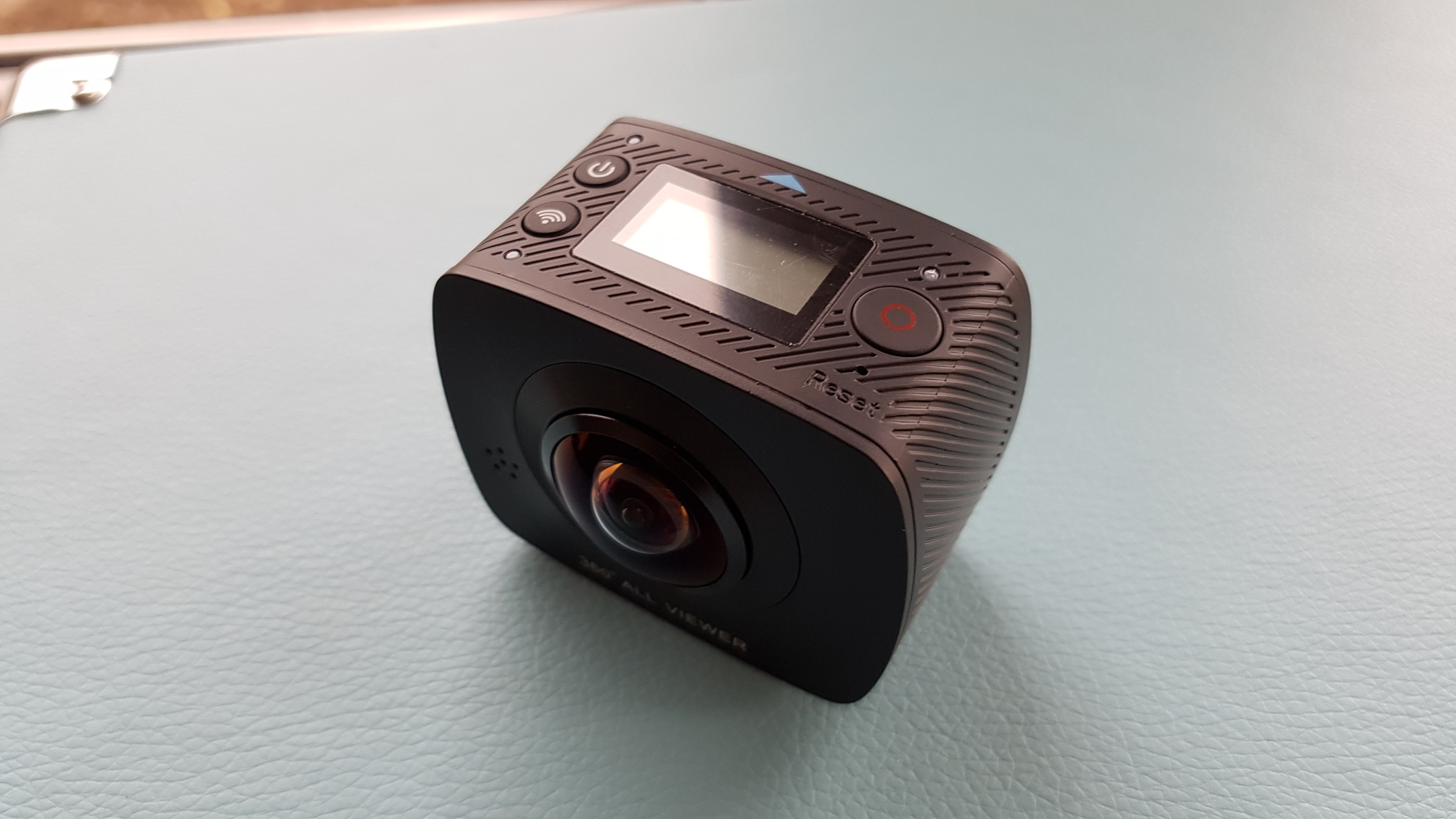
When it comes to the design, we are looking at a nicely-built, sturdy and compact camera that has 2 camera sensors that are capable of producing 960p video, which is just above HD. Also, the camera can take 5MP images.
We have a few control buttons and a little LCD monitor that shows all the basic info you need. You can enter a menu mode by pressing and holding the Wifi button to adjust a few settings.
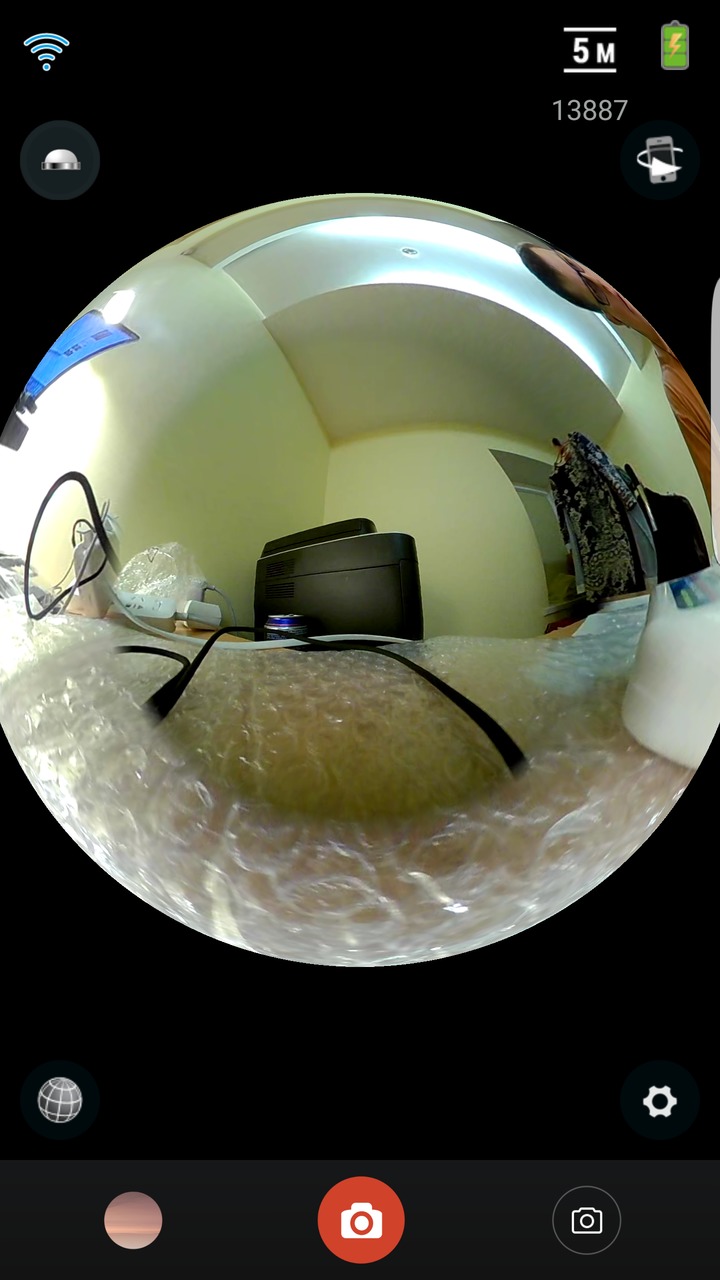
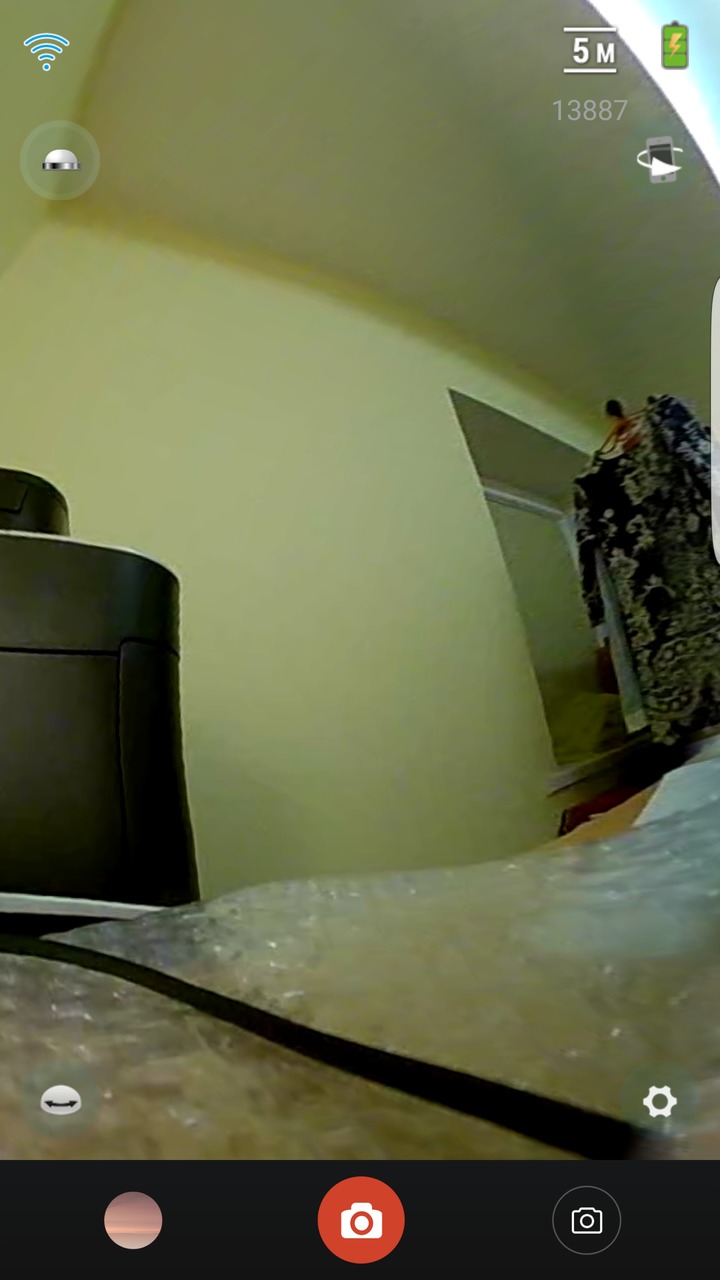
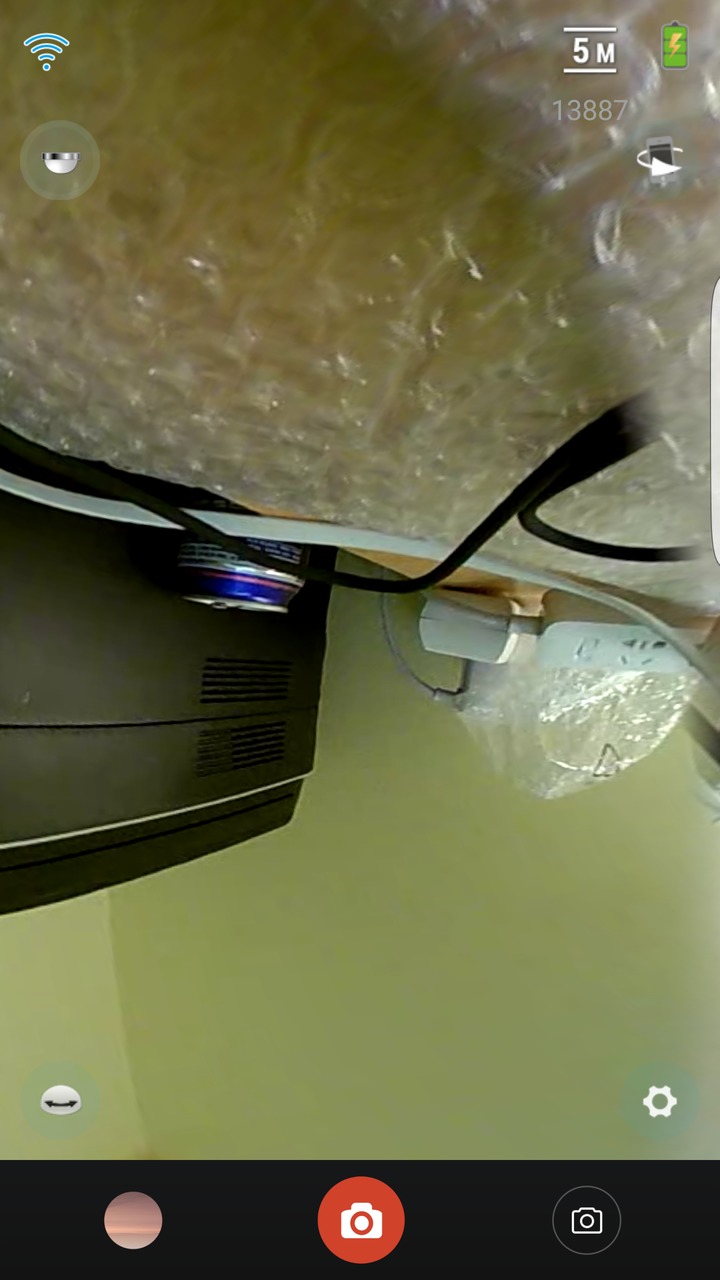
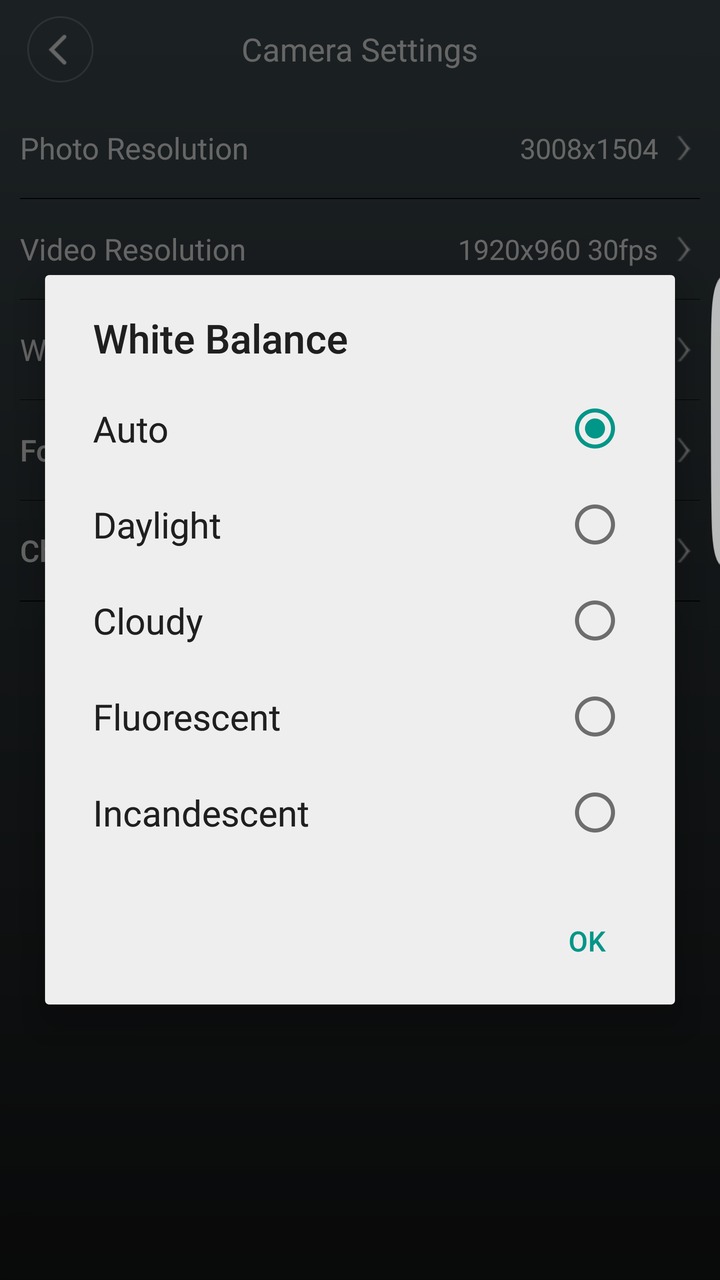
However, if you want to take a full control of the camera, you have to download the EleCam360 app, which is super easy to use. Within the app, you have your shutter button, you can adjust a few settings and view or download the videos you shot straight on your phone. I didn’t have any connectivity issues, so that’s a great thing.
Elephone 360 Camera Review: IMAGE QUALITY
I always prefer watching 360 videos on a mobile device or on a VR headset for the best experience. I have to tell you that the image quality is pretty good when watched on the mobile phone. However, the quality decreases quite significantly if you watch it on a larger display but I would still say that the video looks pretty good for the price of this camera. See the video review for the image quality.
By the way, you would need to download the EleCam 360 Video Converter app to your computer to watch the videos. The 5MP images look worse than videos. Anyway, most of us probably prefer video if we are talking about 360 cameras.
Elephone 360 Camera Review: BATTERY LIFE
The camera sports a 1500mAh Li-ion battery. I was able to get almost 1 hour out of it and I would say it is a pretty good result.
Elephone 360 Camera Review: CONCLUSIONS
In conclusion, Elephone Elecam 360 camera kind of exceeded my expectations as I expected a lot worse results from the camera that costs about $140.
I love how compact and well-made it is, and the fact that the camera comes with a few essential accessories.
The image quality will not blow your mind but you simply can’t expect anything better at this price point.
At the end of the day, the Elephone Elecam 360 may not be the only 360 camera on the market but it is a great starting point for those who want to enter the 360 video world, on a budget.
Vivo is clearly coasting home towards its 75 million phone sales target for the year, and what better way to do that than to release smartphones that cater for all the needs of its customers. The Chinese company released its X7 and X7 Plus flagships a couple of months back and it looks like the company is cooking up another cool looking smartphone right now. The device tagged Vivo Y67 recently got the nod from TENAA and as usual, the TENAA listing gifted us some of the specs and a couple of renders of the device.
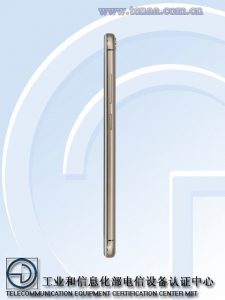
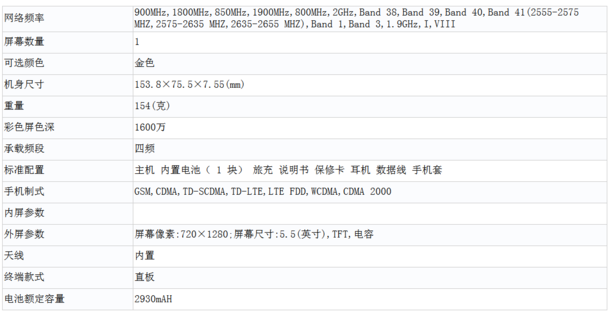
The TENAA renders depict the Vivo Y67with a design that makes it look like a high-end smartphone but is said to be a lower version of the X7 as shown by the processor and other specs listed. The device sports an all-metal body design as well as a thin 7.55mm body. The device is also listed to come with a front fingerprint sensor with fingerprint payment capability and would be available in rose gold, and champagne gold colors.
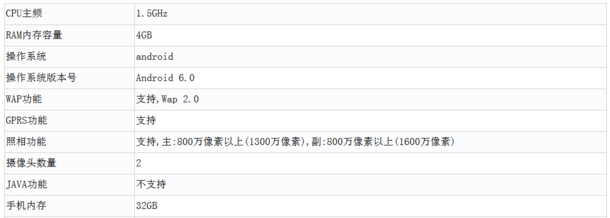
Although a lower version of the X7, the Vivo Y67 also features the same 16MP front-facing cameera sensor with front flash for beautiful selfies. The Vivo Y67 is also listed as packing a 13MP sensor at the rear. Further, the device sports a 5.5-inch TFT HD (720 pixels) display and is powered by an Octa-core MediaTek MTK MT 6750 chipset with a 4GB RAM aiding the processor. The device would run Android 6.0 Marshmallow out-of-the-box.
The device is also listed as having a 32GB storage on board and a 3,000mAh battery to keep the lights on. In addition, the Y67 comes with 4G LTE, entire network support as well as dual SIM/ dual standby support and a host of network options.
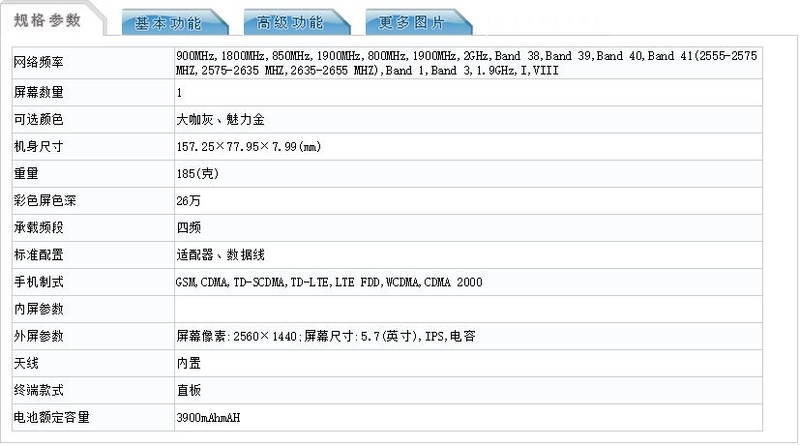
It appears LeEco is not done for the year as a new phone has been spotted online getting its 3C certification. The phone with model number LEX850 sports a 5.7” 2K display, a Snapdragon 821 processor clocked at 2.34GHz, and has dual 13MP rear cameras. There is 4GB of RAM and 64GB of storage on board and a 3900mAh battery to supply power.
Looking at the screen size and the 2K resolution, I won’t be surprised if this is an upgraded version of the Le Max 2 as that is the only phone from LeEco with a 5.7” 2K display.
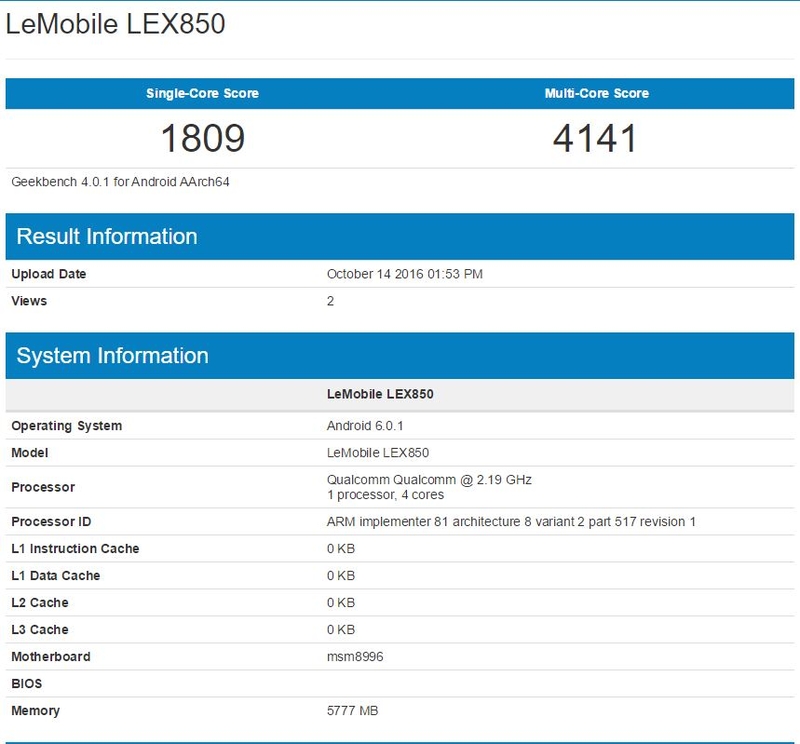
There is also a GeekBench listing of the LeEco LEX850 dated 14th of October showing the phone sporting 6GB of RAM, Android 6.0, and a MSM8996 processor clocked at 2.19GHz. Does it mean there will be a Snapdragon 820 version of this phone? We can not confirm yet.
The certificate from the ministry of information also shows another device with model number LEX950 which is expected to be a more powerful variant of the LEX850.
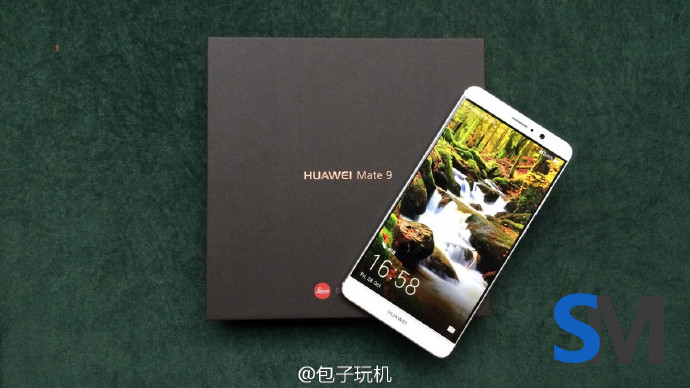
The Huawei Mate 9 will be unveiled in Munich in a little over 24 hours from now, and to whet our appetite sample photos have been released online to give us a glimpse of what Huawei’s second collaboration with Leica can offer.
The Mate 9 is the sixth phone from Huawei this year to sport dual rear cameras. Kicking off the trend with the Huawei P9 (and P9 Plus) which garnered much praise for its wonderful performance, then following it with the Honor V8 and Honor 8. The Mate 9 is expected to be the best of the lot as its rear cameras are a 12MP + 20MP combination, a significant upgrade from the P9 which uses a combination of two 12MP sensors.
The pictures were posted on Weibo by a user with the name @Lee Bruce_Lee and are tagged ”Munich in the morning”. The pictures have gotten positive reviews most especially the first picture.
The wait has been long but I don’t want to believe that the only reason Xiaomi delayed the launch of the Redmi 4 was just so it could coincide with the 4th of November.
Xiaomi has announced on Weibo that the successor to the Redmi 3 and it’s several siblings will be unveiled on the 4th of November, two months after an August 25 release rumour.
The Redmi 4 is expected to sport the same 5” screen size that distinguishes it from the Note series but this time it is said to be getting a Full HD resolution which means it will have a higher pixel density than all the other Redmi phones the company has released.
The phone will also get 3GB of RAM and 32GB of storage as default. A Snapdragon 625 SoC will handle processing and the cameras will remain at 13MP and 5MP for the rear and front, however we can’t tell if they will be entirely different sensors or the same as the Redmi 3. The fingerprint scanner will also remain at the back.
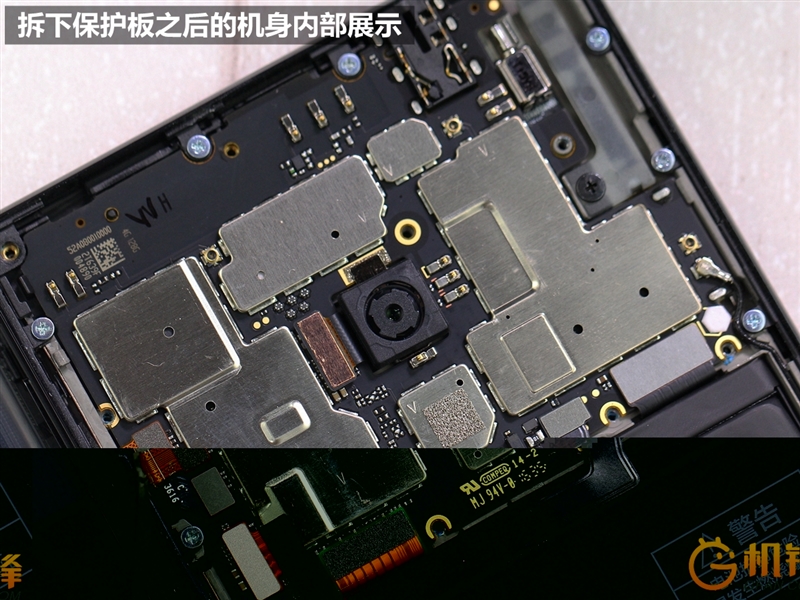
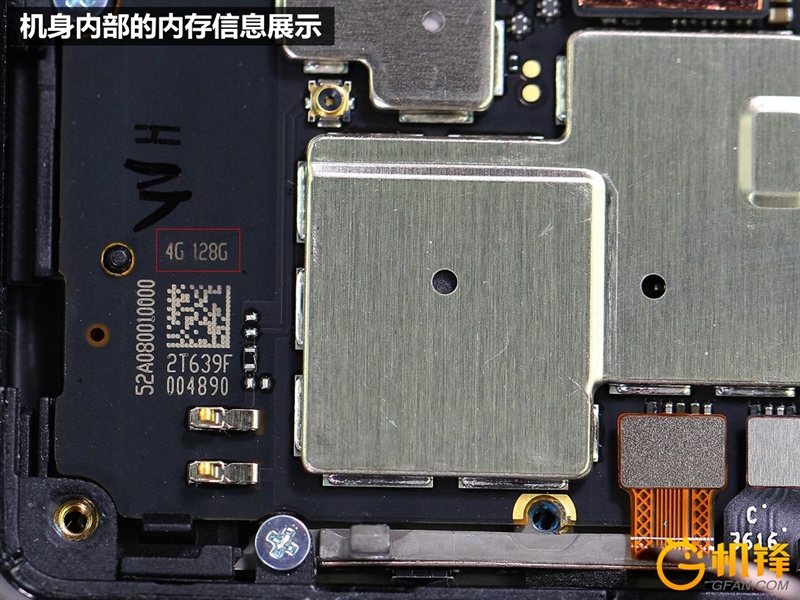
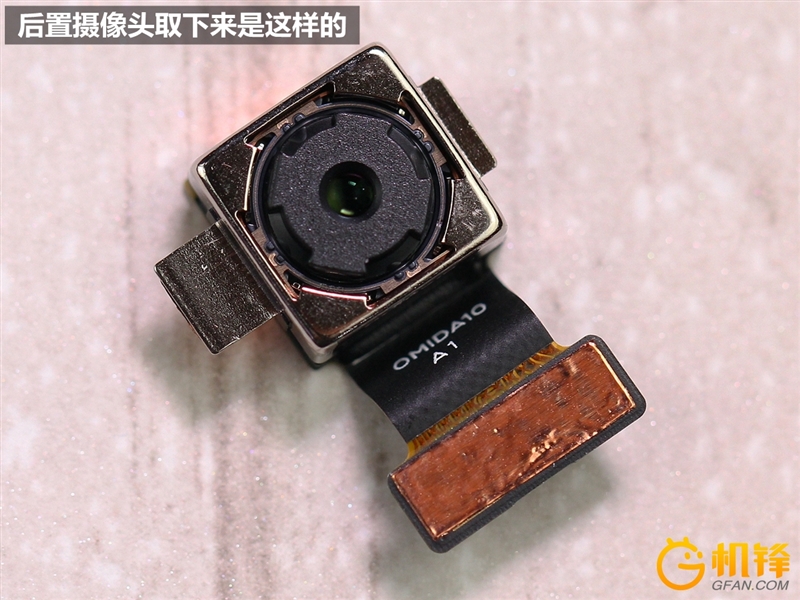
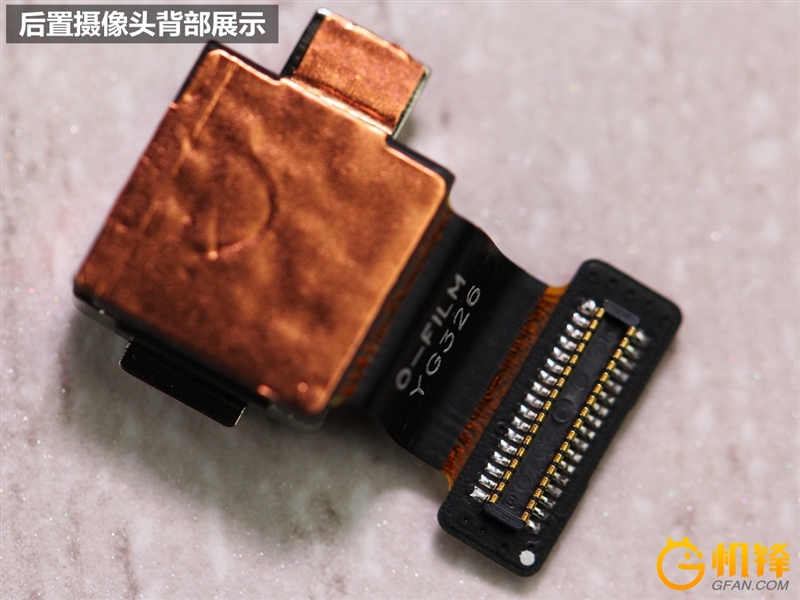
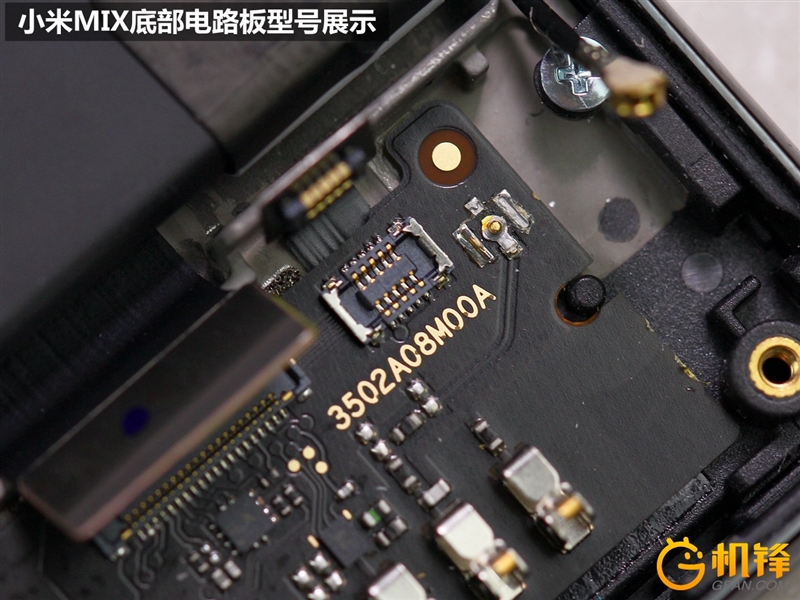
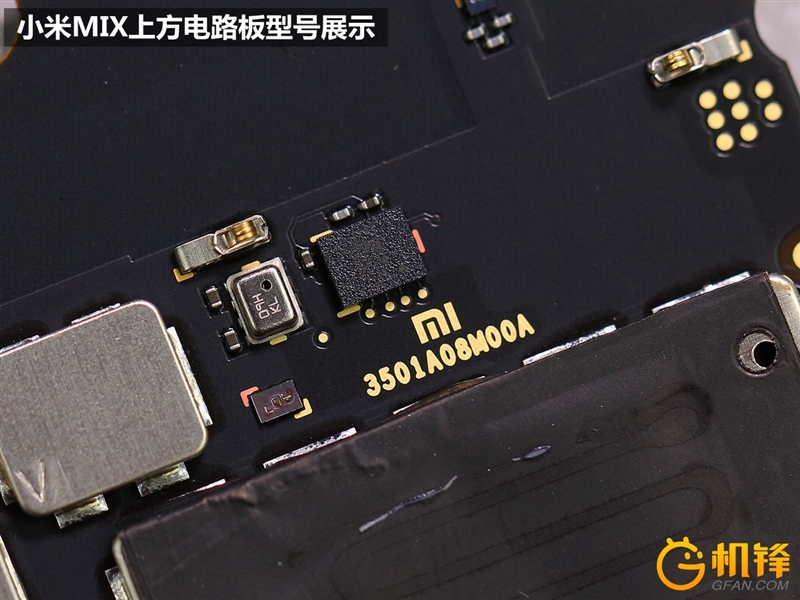
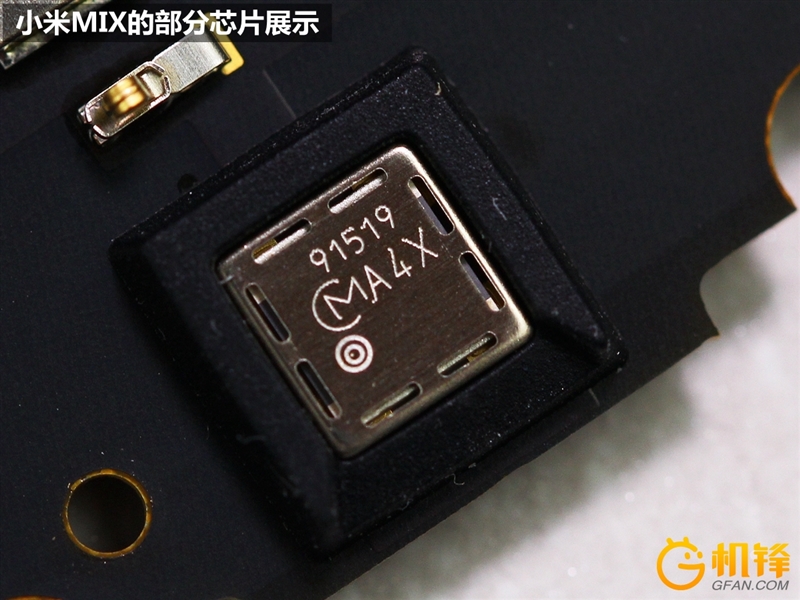
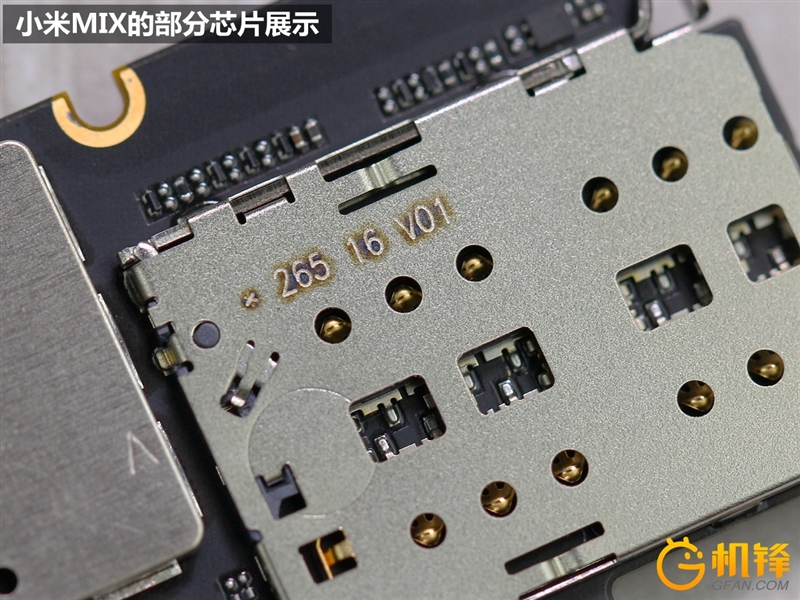
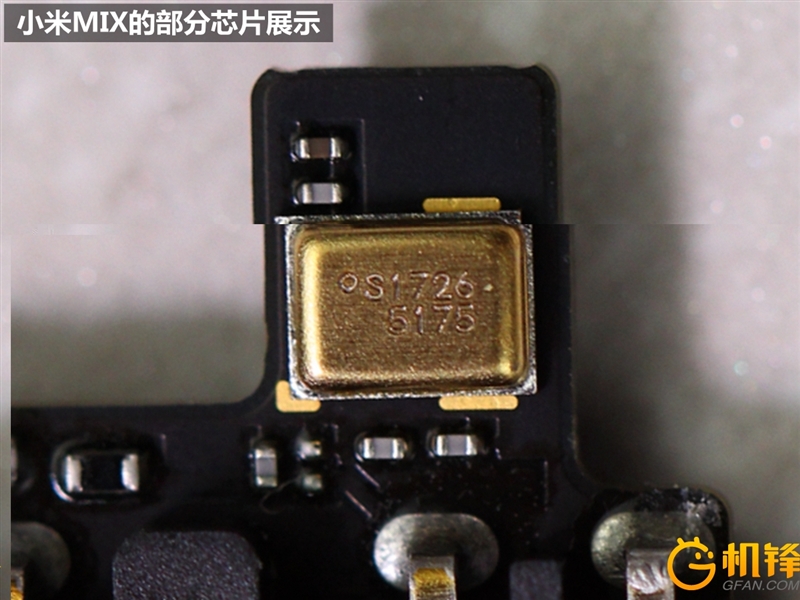
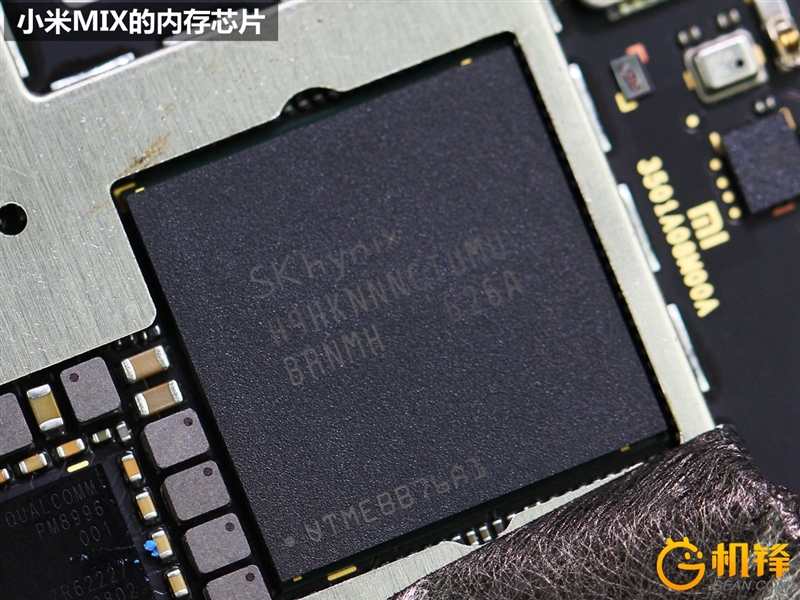
The Xiaomi Mi Mix features a 6.4” 2040 x 1080p display that reaches the edges on three of its sides. It has a Snapdragon 821 chip, 6GB/4GB of RAM, 128GB/256GB of storage, a 16MP primary shooter, a 5MP selfie camera, and a 4400mAh battery.
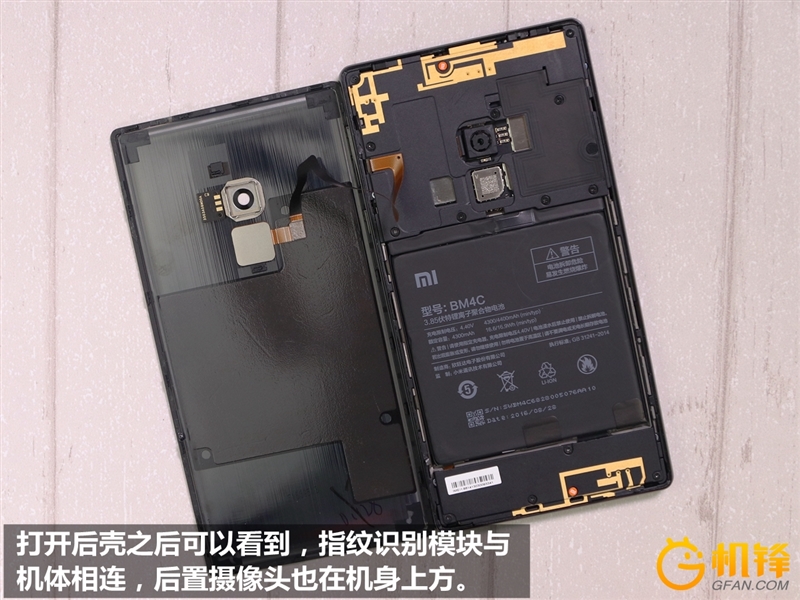
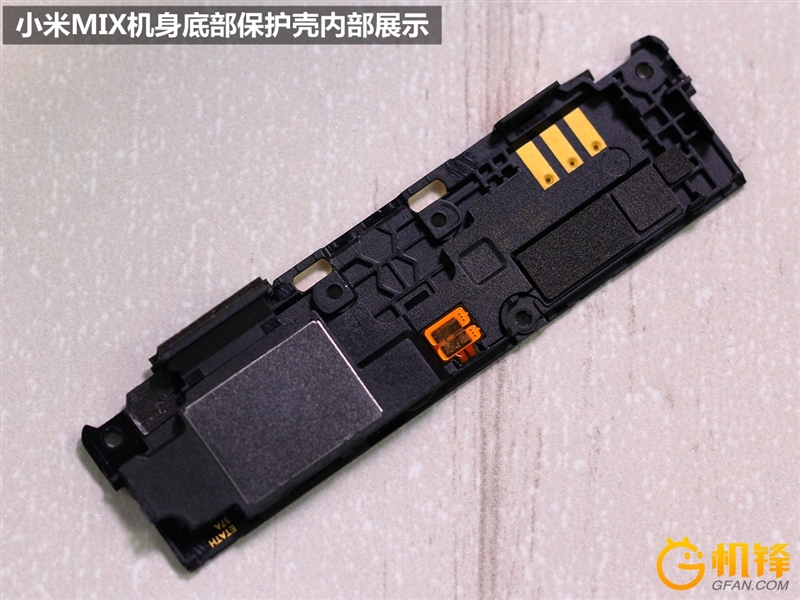
What do you need to dis-assemble such a phone with a display that reaches the edges? A Phillips screwdriver, tweezers, triangle pry opener, suction pads and lots of caution.
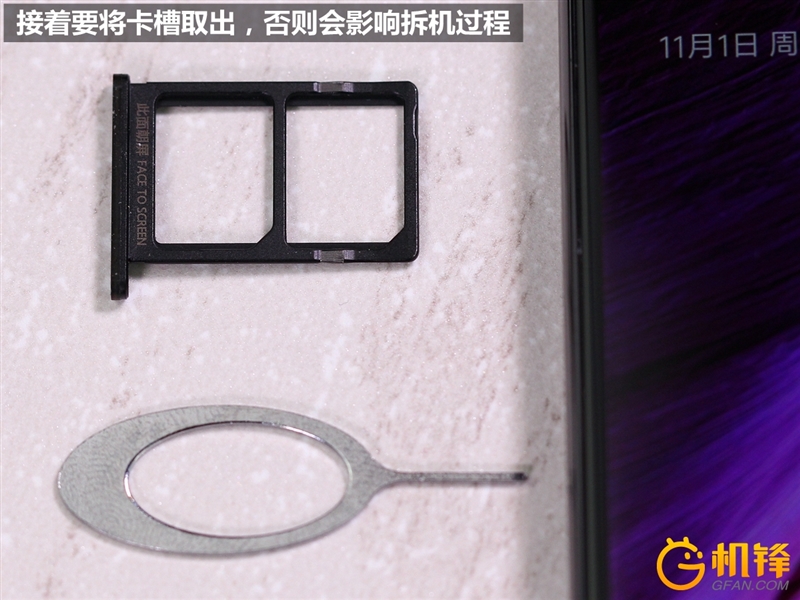
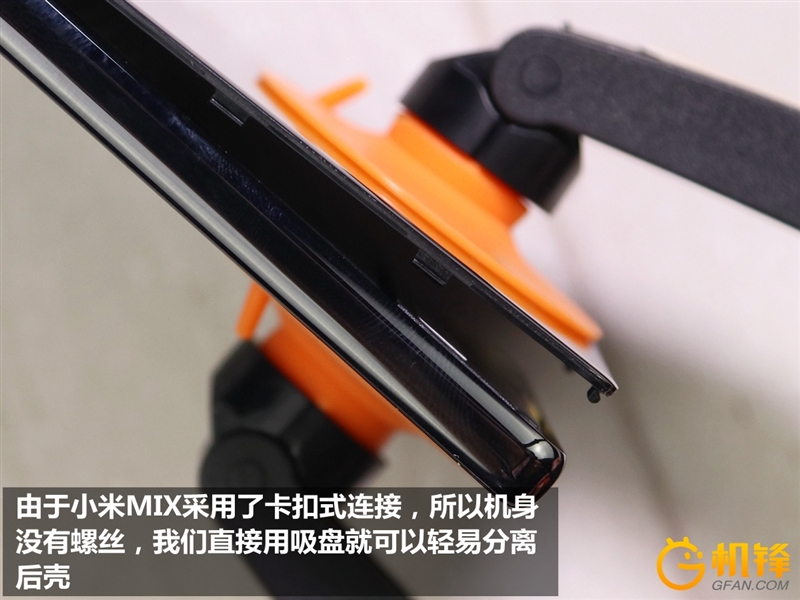
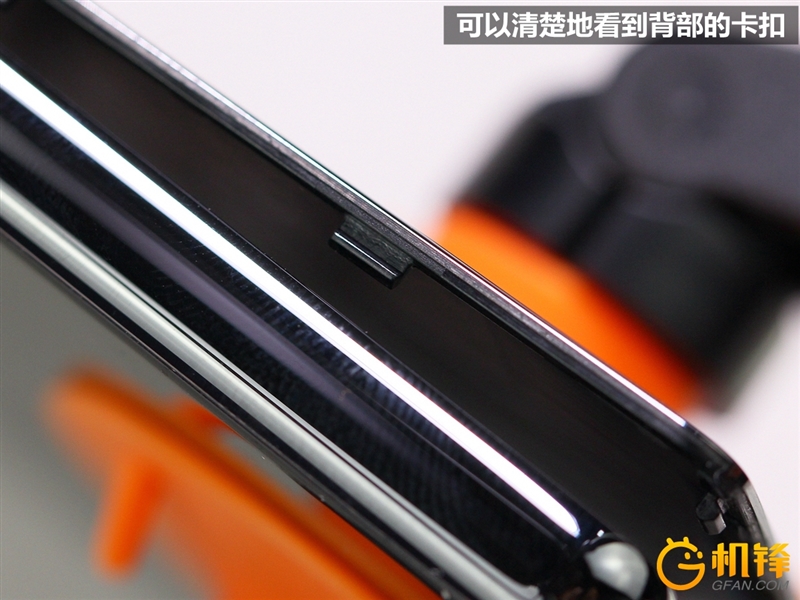
First thing to do is remove the sim tray. Then using a pair of suction pads, separate the ceramic frame from the rest of the body. You have to be really careful when doing that, as applying too much force will probably cause you to rip the cable that connects the fingerprint scanner to the rest of the body and applying too little force will not get it open.
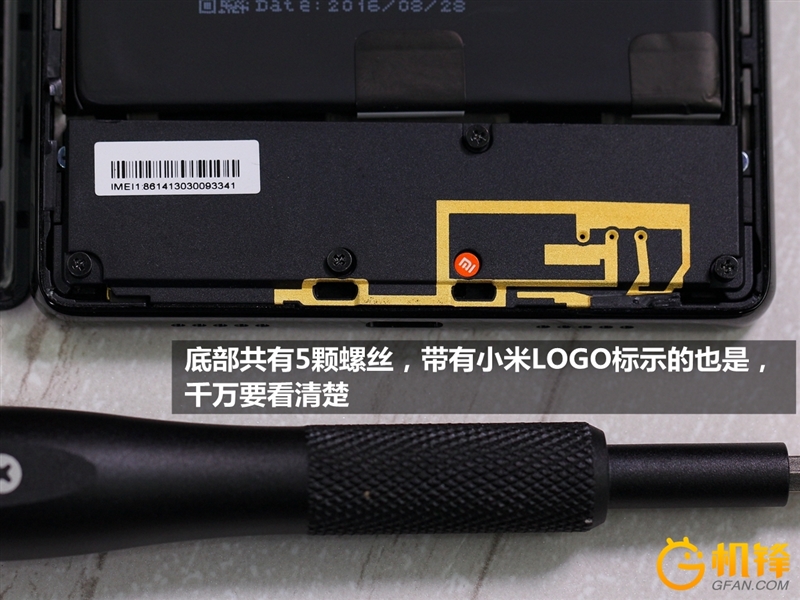
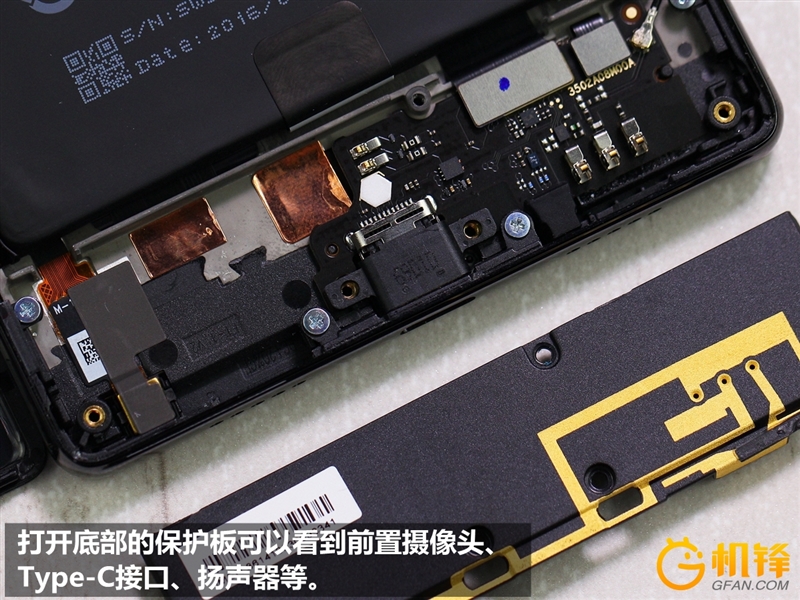
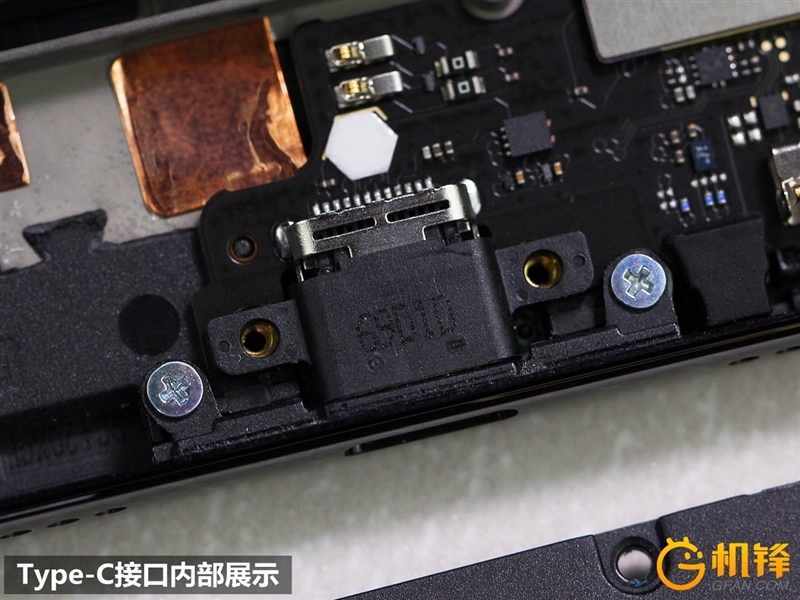
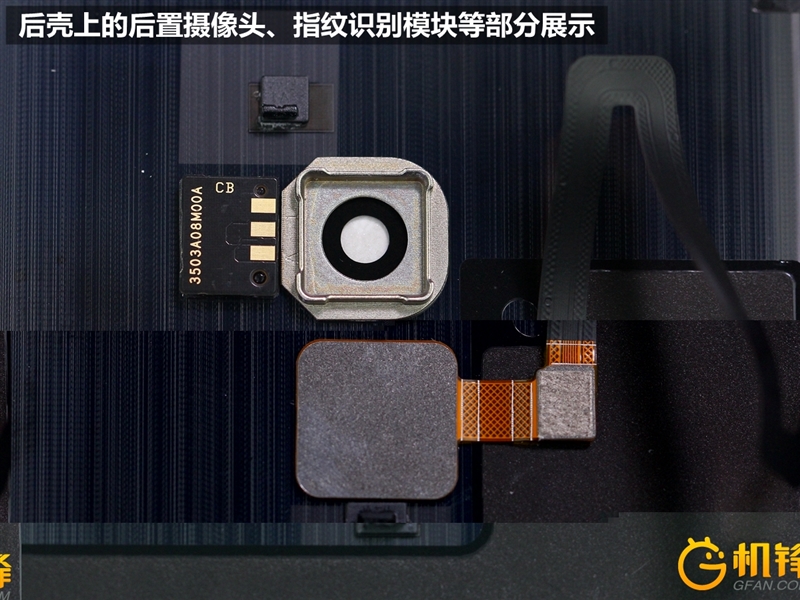
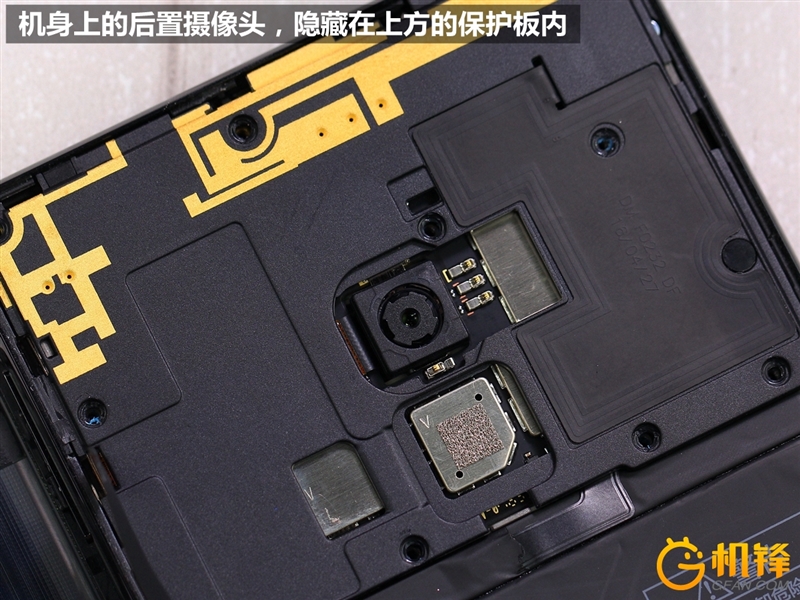
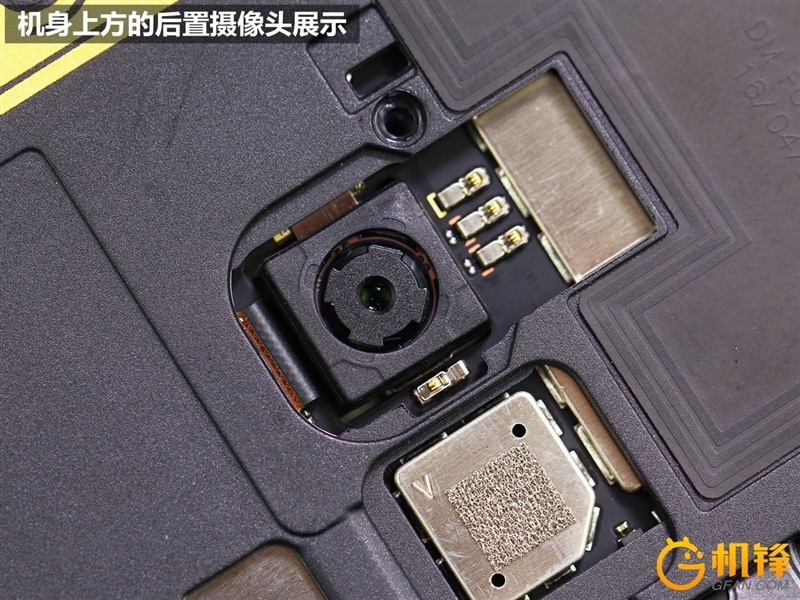
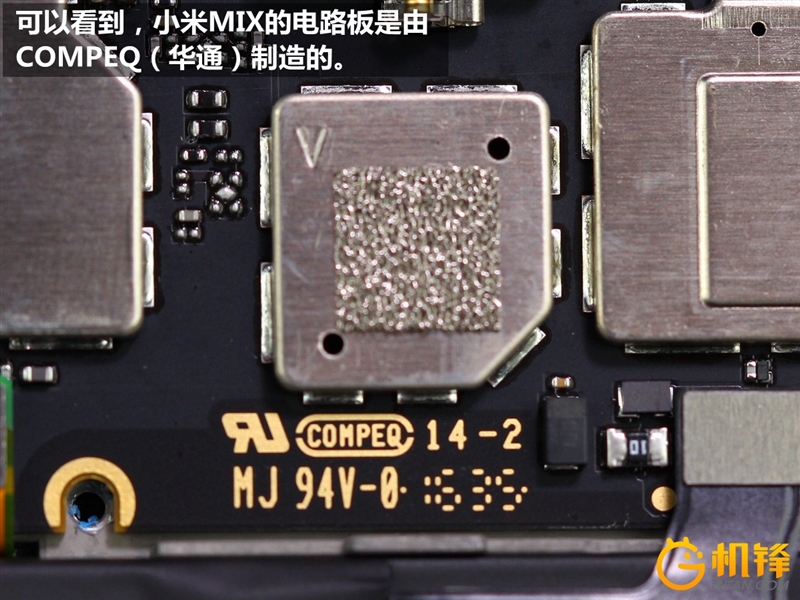
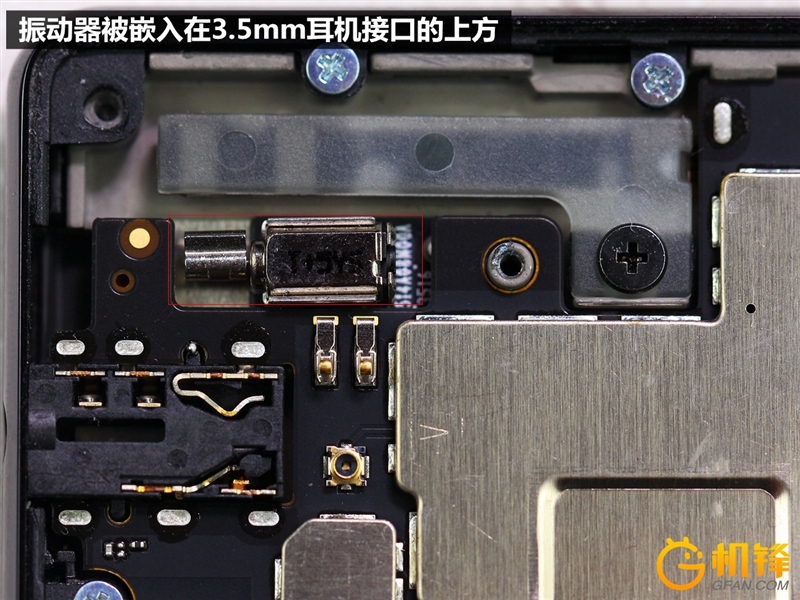
Once you are able to do that, the rest should be pretty easy. A set of screws holds a piece of plastic that covers the USB Type-C port and antennas. They should be easy to unscrew. The other screws too will get you access to the camera modules, the battery, and the memory.
Yesterday, Vivo confirmed that its upcoming Vivo X9 and X9 Plus will feature dual cameras up front. Now, the company has revealed more details about this front dual camera setup and looks like the phone will be able to capture some great looking selfies.
Vivo revealed today in the new teaser that the Vivo X9 and X9 Plus will come with a 20MP Sony IMx376 sensor jointly developed with Sony along with an 8MP secondary camera for depth of field. The company further adds that the front setup will support bokeh effect. This will make definitely make selfie lovers happy as it would enable them to blur out the background, focusing only on the person in the image.
Given that Vivo has been continuously teasing the camera features of the Vivo X9 and X9 Plus, it looks like their cameras are going to be the highlight. We still haven’t got any details about the rear camera setup on both the devices, but there’s still 15 days left for the launch, so Vivo should reveal more details by then.
Seems the Chinese smartphone makers are on a price reduction spree, ahead of November 11 which is a popular sales day in China. Just moments after the Lenovo ZUK Z2’s price was massively slashed, another flagship device has seen a reduction in its price. This time around the LeEco Le Max 2.
The Le Max 2 comes in two memory versions, a base version with 3GB RAM and a higher model with 4GB RAM. The high-end 4GB RAM which was previously priced at 2099 Yuan ($310) has now gotten a reduction in its price on Taoboa, with up to 600 Yuan off. The flagship is now up for 1,499 Yuan ($221).
Specs wise, the LeEco Le Max 2 sports a 5.7-inch display with a resolution of 2560 x 1440 pixels. There is a Snapdragon 820 chipset inside which powers the device as well as 4GB RAM on the higher version. The Le Max 2 features 32GB of internal storage and a 3100mAh battery under its hood. On the camera end, there is a massive 21MP rear camera sensor and an 8MP front-facing sensor inside the device. Other features include a fingerprint sensor, USB Type-C interface, full network support, dual SIM / dual standby.
Here’s another Snapdragon 820-powered flagship being offered and priced like a budget smartphone. Isn’t that just amazing? Hopefully, more brands would follow suit ahead of November 11, so get your credit cards ready for what should be a fun double 11 sales.
The rumor mills are still agog concerning the expected HuaweiMate 9 and Mate 9 Pro, both of which would likely get unveiled tomorrow in Berlin, Germany. Although we are very certain about the Mate 9 launch, what is not certain is the Mate 9 Pro as it had featured in just a couple of leaks with no real live renders to back up the claim.
However, we have got another one, a fresh leak detailing what is said to be some of the specifications of the Huawei Mate 9 Pro. From the leaked information, the Mate 9 Pro sports a 5.9-inch 2K double-edge curved display, fired up by the Kirin 960 processor with a huge 6GB RAM in tow. The Mate 9 Pro vis also listed as featuring a massive 256GB of internal storage space and would run on Android 7.0 Nougat pre-installed from factory.
Apparently, the Mate 9 and Mate 9 Pro would feature the same dual Leica camera set up with 12MP + 20MP sensors at the rear. Furthermore, the flagship device is said to pack a front fingerprint sensor in addition to the rear mounted one. If true, then it would make the Mate 9 Pro the first Huawei smartphone to have a fingerprint recognition sensor at the front.
We cannot verify the credibility of this information, though. Besides mass producing a device with display as large as 5.9 inches with 2K resolution and double curved edges isn’t an easy feat.
That feeling you have when you buy a new phone is difficult to describe. You like the way it’s built and the way it feels in your hands, so you wonder why you should invest in a protective case to cover up such a beauty until it slips from your grip, and since you don’t have quick reflexes, your phone rushes to hug the ground and you hear a crack. Your phone’s screen is broken and that pain is difficult to describe as well. Then you wish you had bought a bumper case.
Now imagine if you own a phone like the Xiaomi Mi Mix whose display reaches the edges and can’t be protected by a bumper case. What happens when you accidentally drop it? Someone has it all figured out and it is not a pretty sight at all.
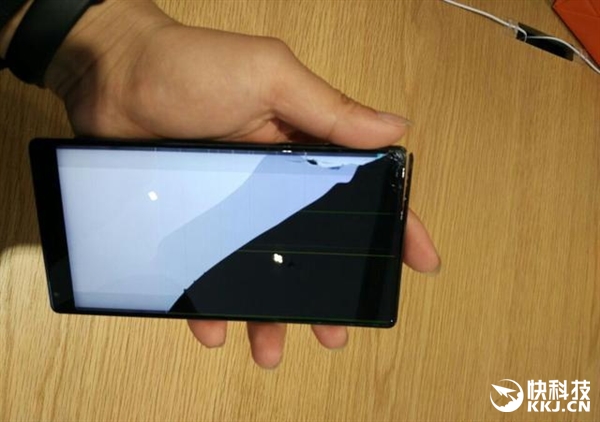
The Xiaomi Mi Mix is yet to go on sale but at the company’s headquarters, someone accidentally dropped the phone and he did not only end up with a broken screen but he also cracked the ceramic frame. Now for a phone like that, the only place you will be able to fix it will be at an authorised store and trust me, it isn’t going to be cheap unless you purchase an accidental damage insurance while buying the phone which will cost you an additional 249 Yuan ($37).
The Lenovo ZUK Z2 was launched about five months back with a price tag that made the phone to become reputed as one of the cheapest Snapdragon 820-powered device, going for as low as 1799 Yuan for the 4GB RAM version. Recently, a white-only 3GB RAM version of the ZUK Z2 was released, dubbed ZUK Z2 Rio Edition apparently because of the Rio 2016 Olympic themed wallpapers inside. The 3GB RAM version started at 1599 Yuan ($240) and was even touted as the cheapest Snapdragon 820 smartphone ever. The price was later reduced to 1299 Yuan ($191).
That acclaimed cheap price has even gone further lower, as the Lenovo ZUK Z2 has now seen another price slash. Right now, the 3GB + 32GB version is now offered on Lenovo’s official website for 1149 Yuan ($169) with coupon. That is a huge 450 Yuan drop for a flagship device. This new price tag is even lower than the price tag of its predecessor, the ZUK Z1 which is being offered recently on Everbuying for $173.99.
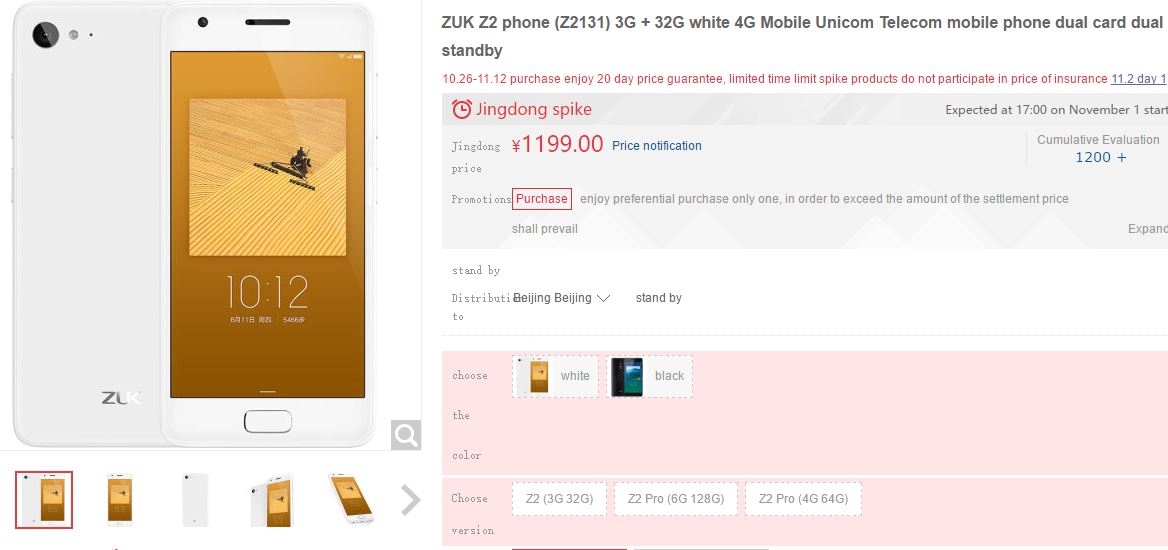
The price reduction was also noticed to have been effected on popular online mall Jingdong (JD.com) where the 3GB RAM version of the ZUK Z2 is now being offered for 1199 Yuan($177). As a reminder, here are the specifications of the ZUK Z2 version in question.
The Huawei Mate 9 is expected to launch with Android 7.0 Nougat out of the box, but an image posted on twitter by the official EMUI account hints that the company may announce the latest version of their user interface called Emotion UI 5.0 very soon, probably on Wednesday with the Mate 9.
Reports of a new version was first mentioned months ago when leaks were posted on Weibo by @kjuma and was even expected to launch at IFA Berlin.
The new UI will probably be the overlay on the new phone. It is said to be closer to stock android, be more colourful and will come with some new features such as an app drawer, redesigned and customizable virtual keys, and an overall simpler interface. Battery performance and phone manager are also expected to be better when the new UI launches.
EMUI 5.0’s skin was reported to have leaked a few months ago alongside a beta version of Nougat for the Huawei P9. There is no mention of the devices that will get the update When it officially launches, Huawei will most likely announce what phones will be getting the update.
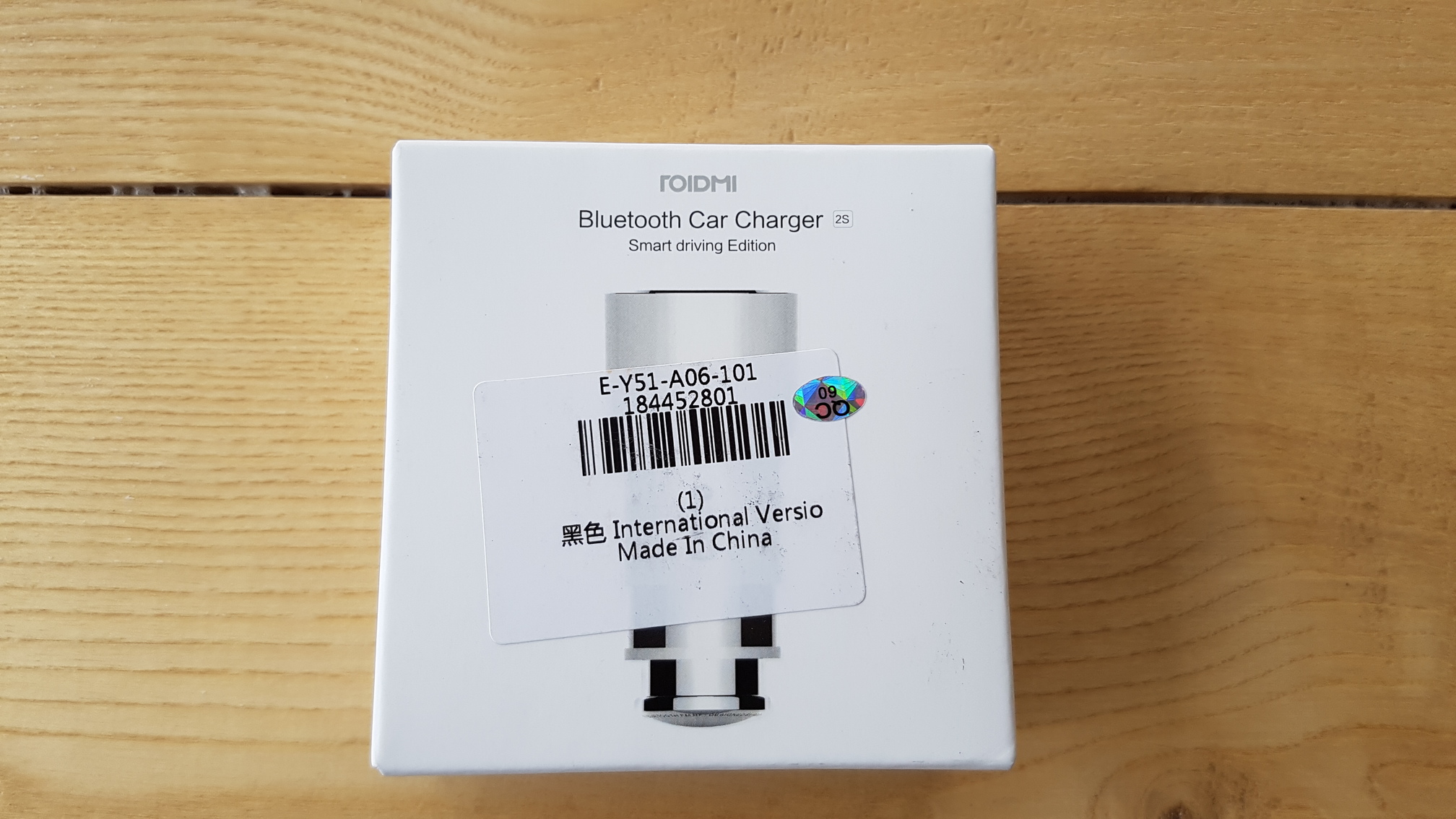
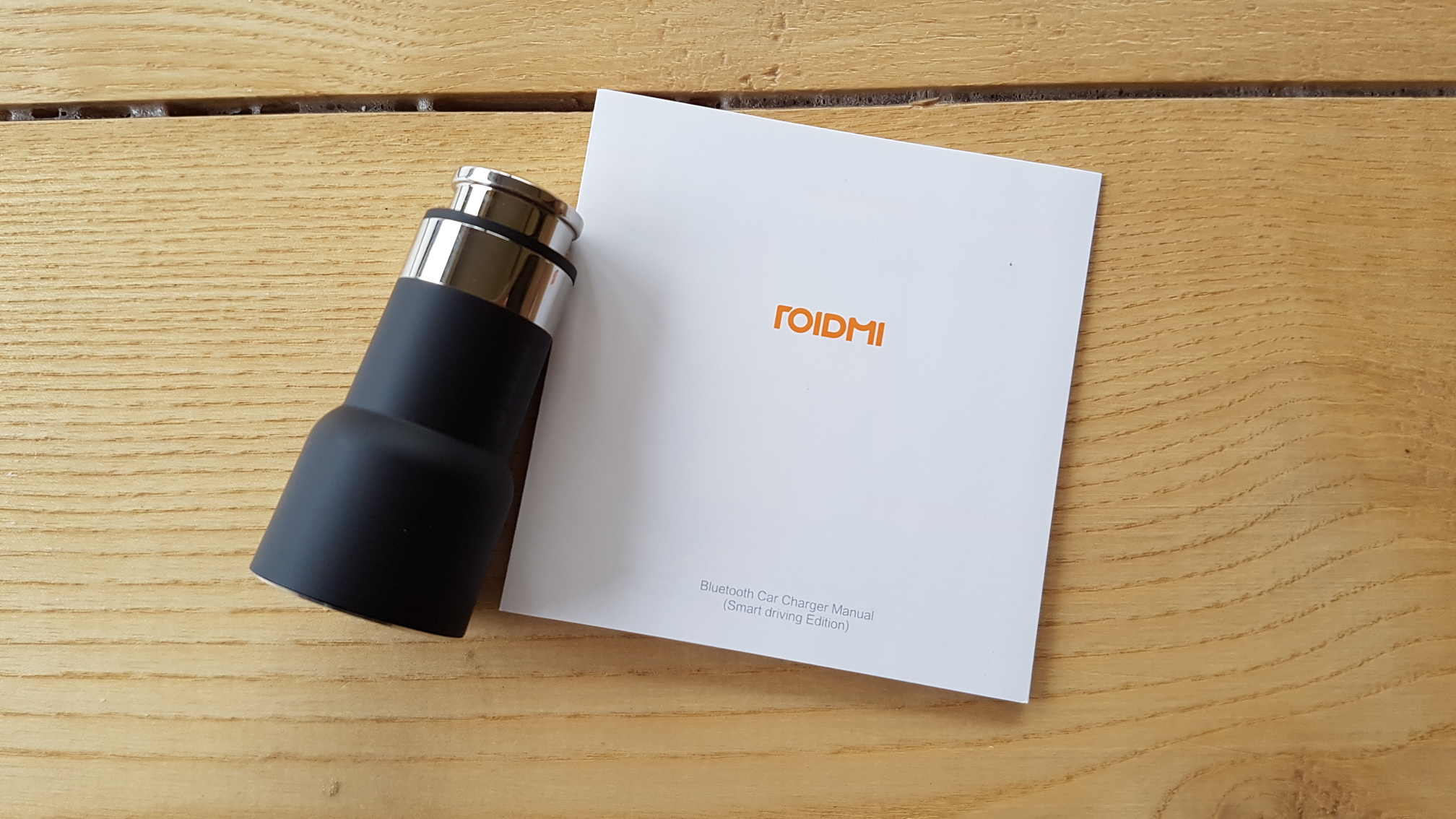
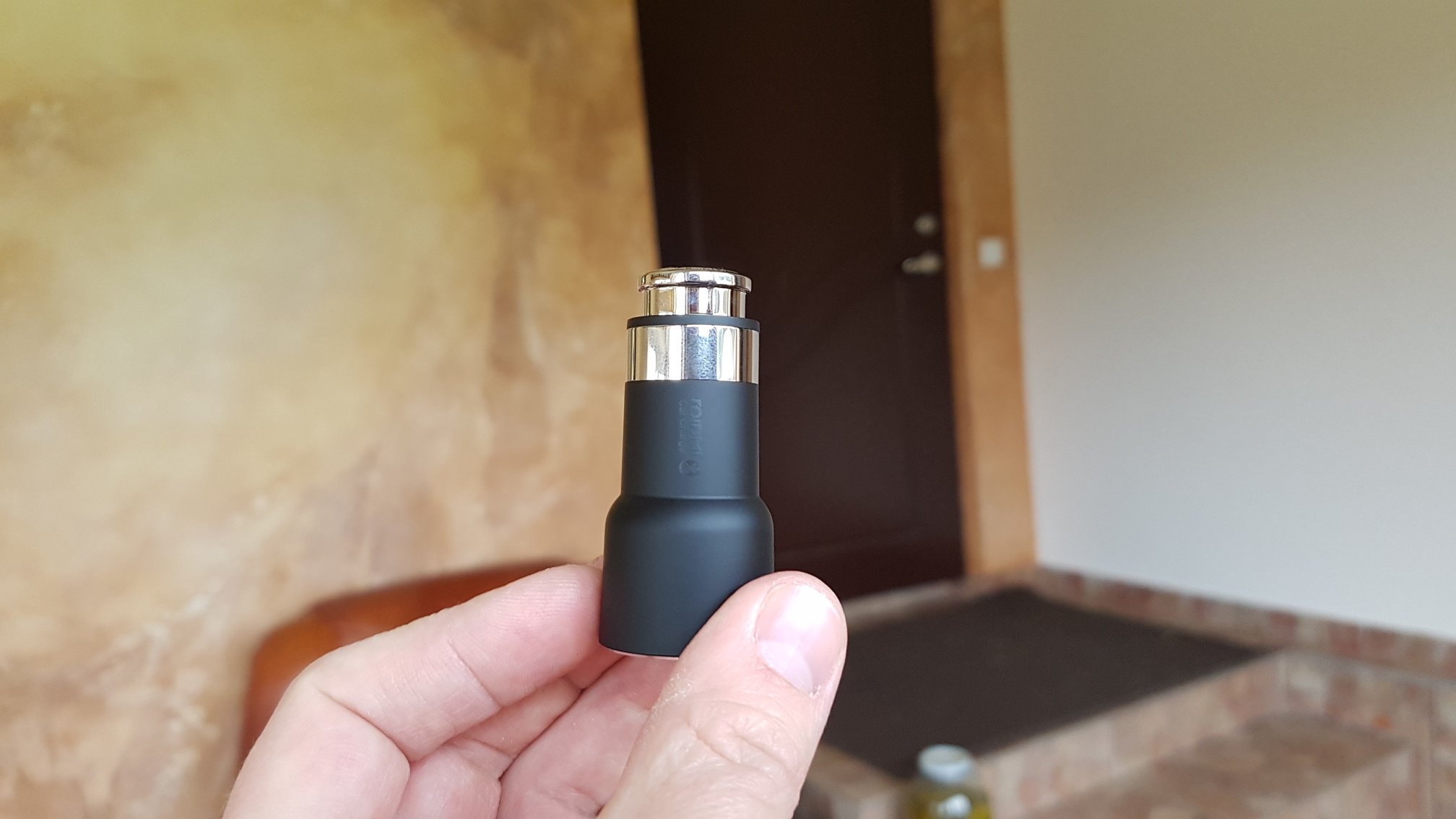
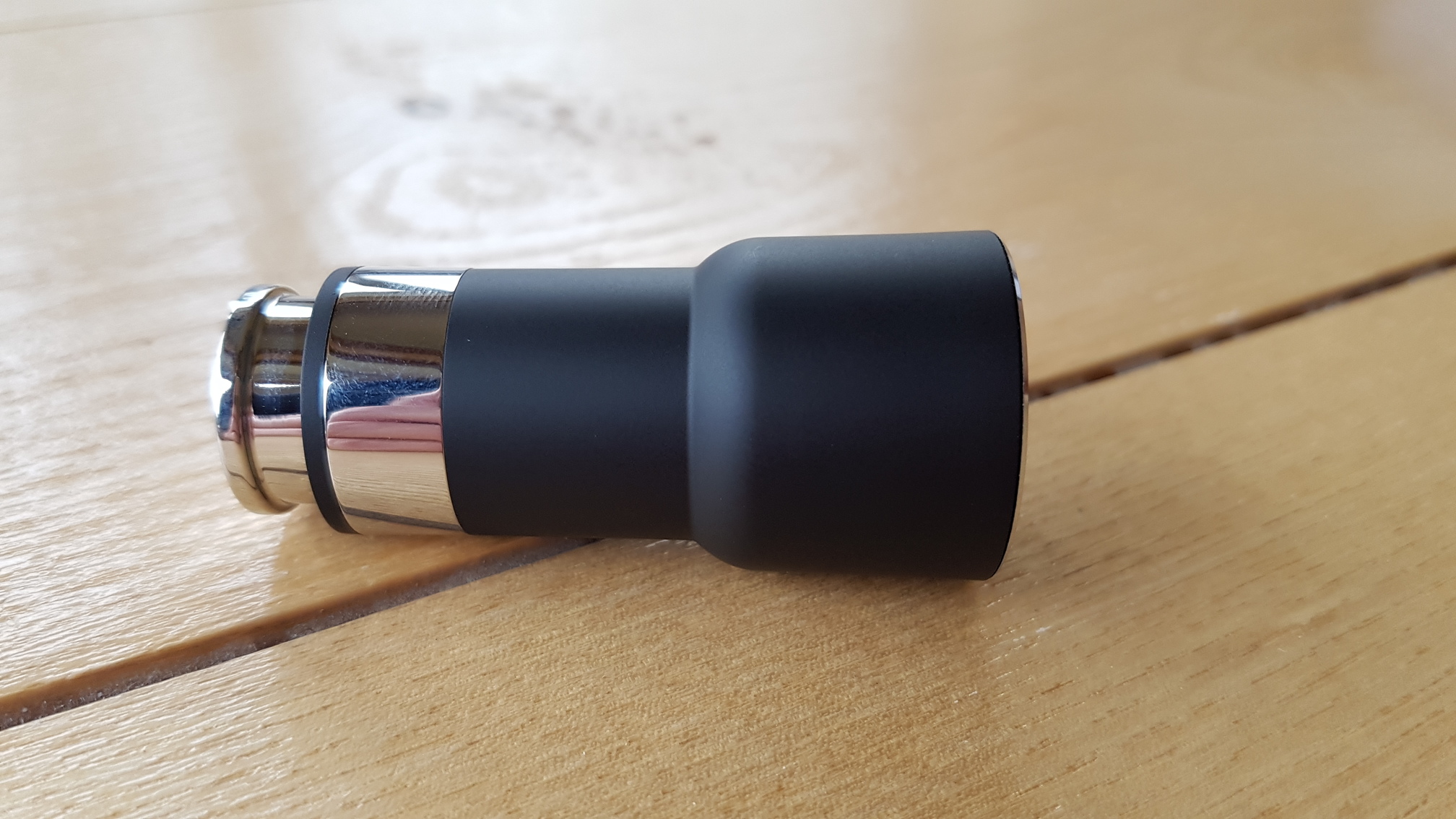
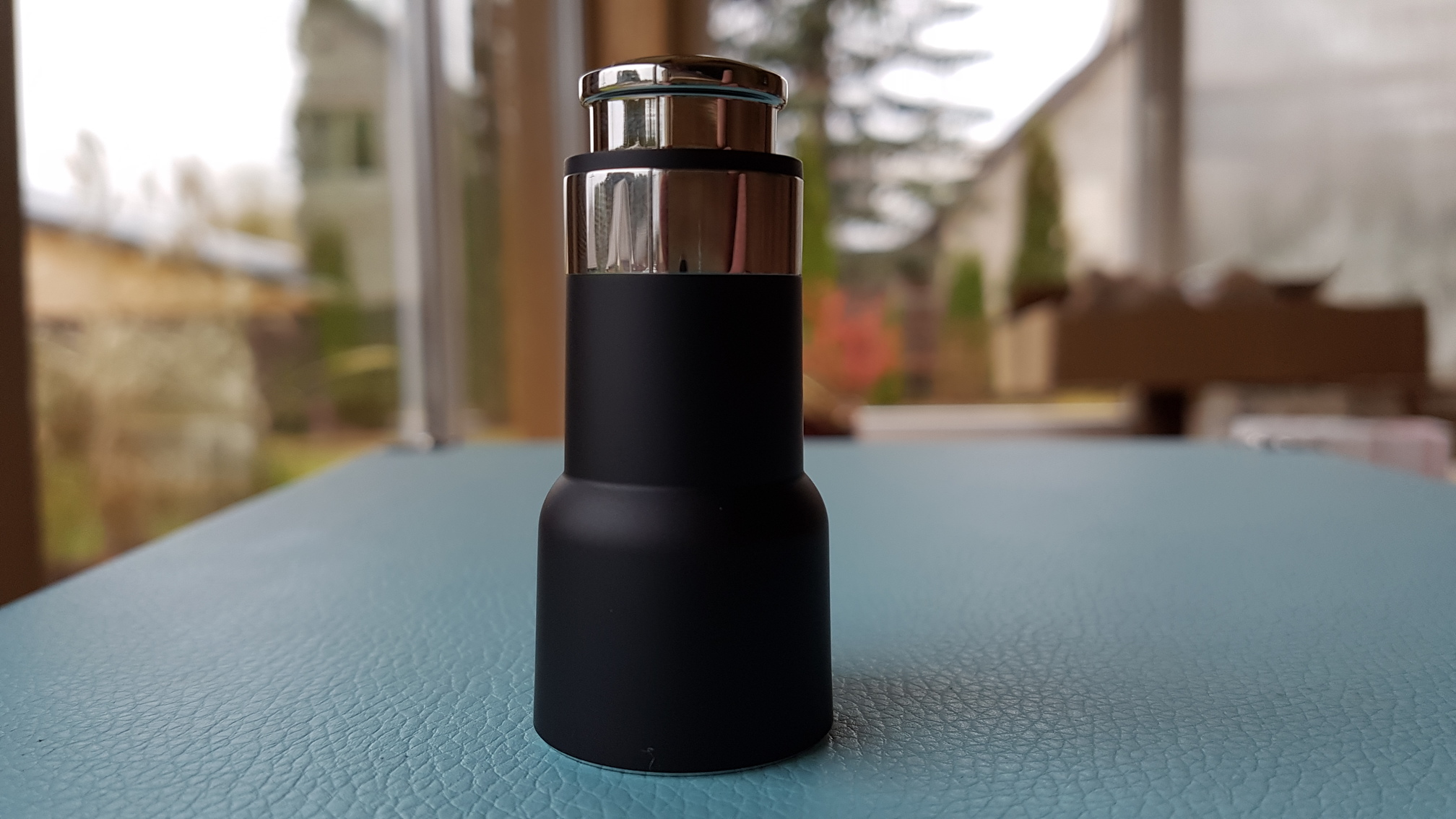
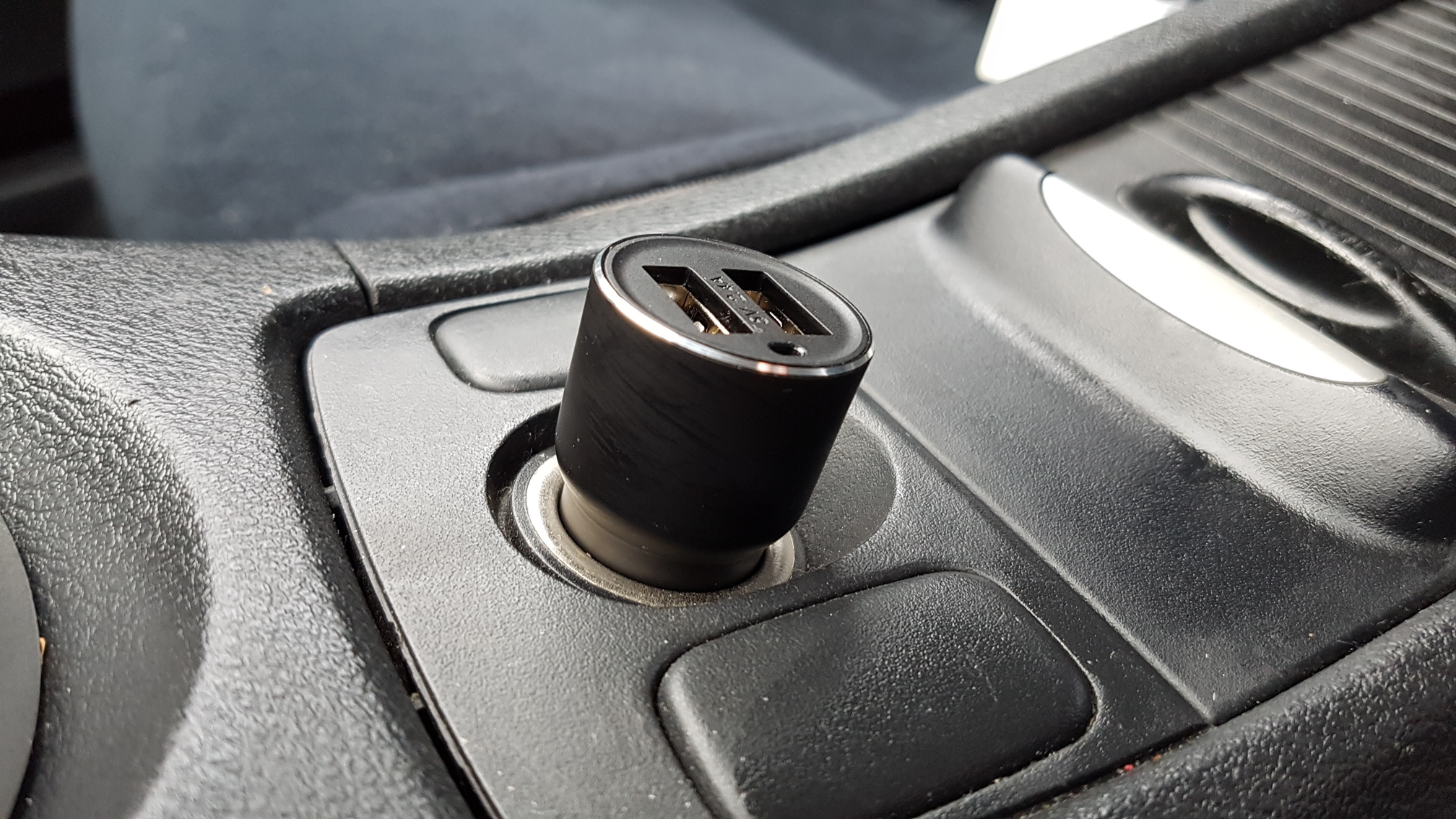
Xiaomi has been making all sorts of products and I came across the Roidmi 2s car charger that has the best quality FM modulator I’ve ever heard and a lot more features. Learn more in our full review.
To be honest, I’ve been looking for a great versatile car charger that has the FM modulator feature since my car has neither the AUX input port nor Bluetooth.
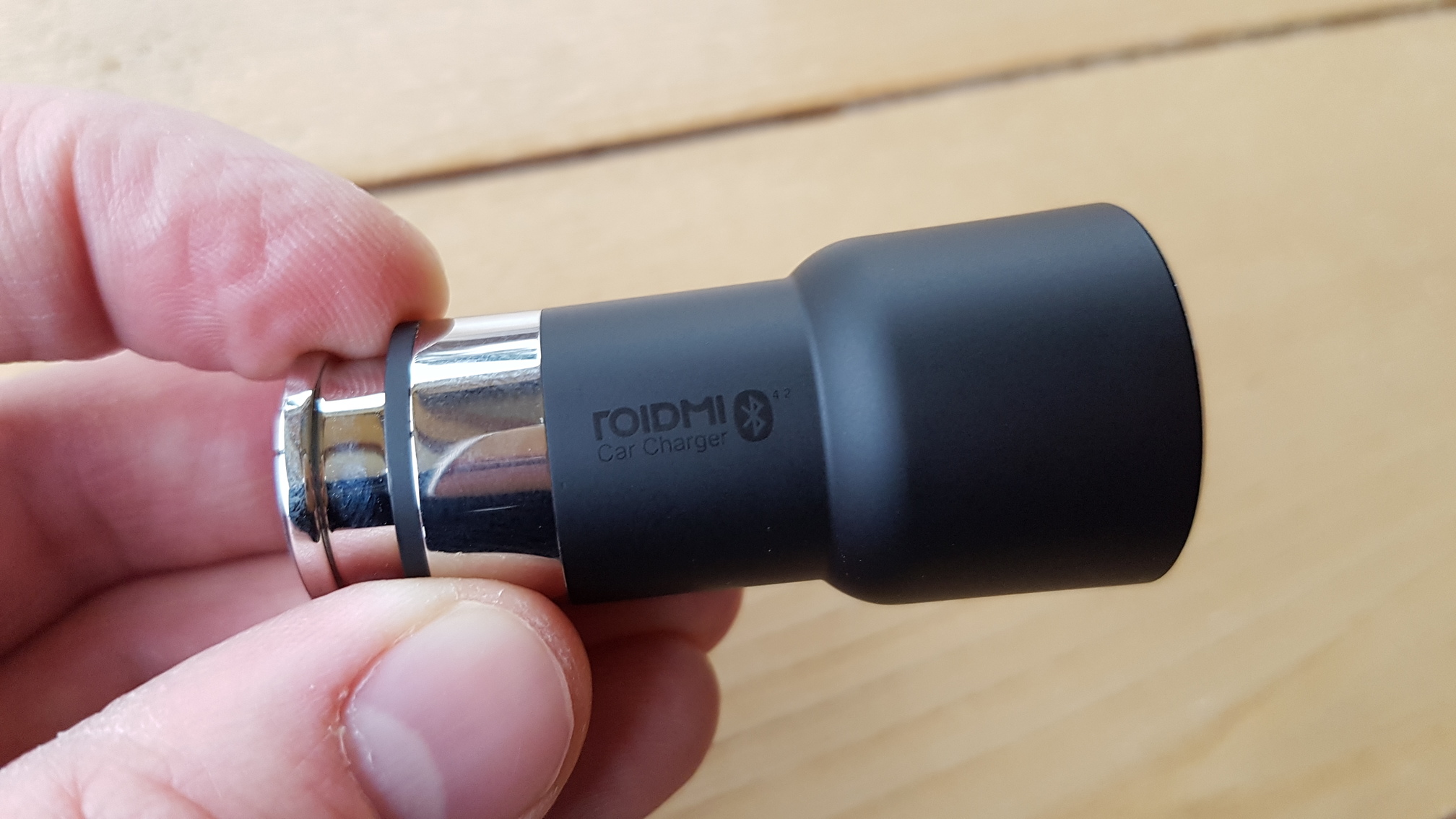
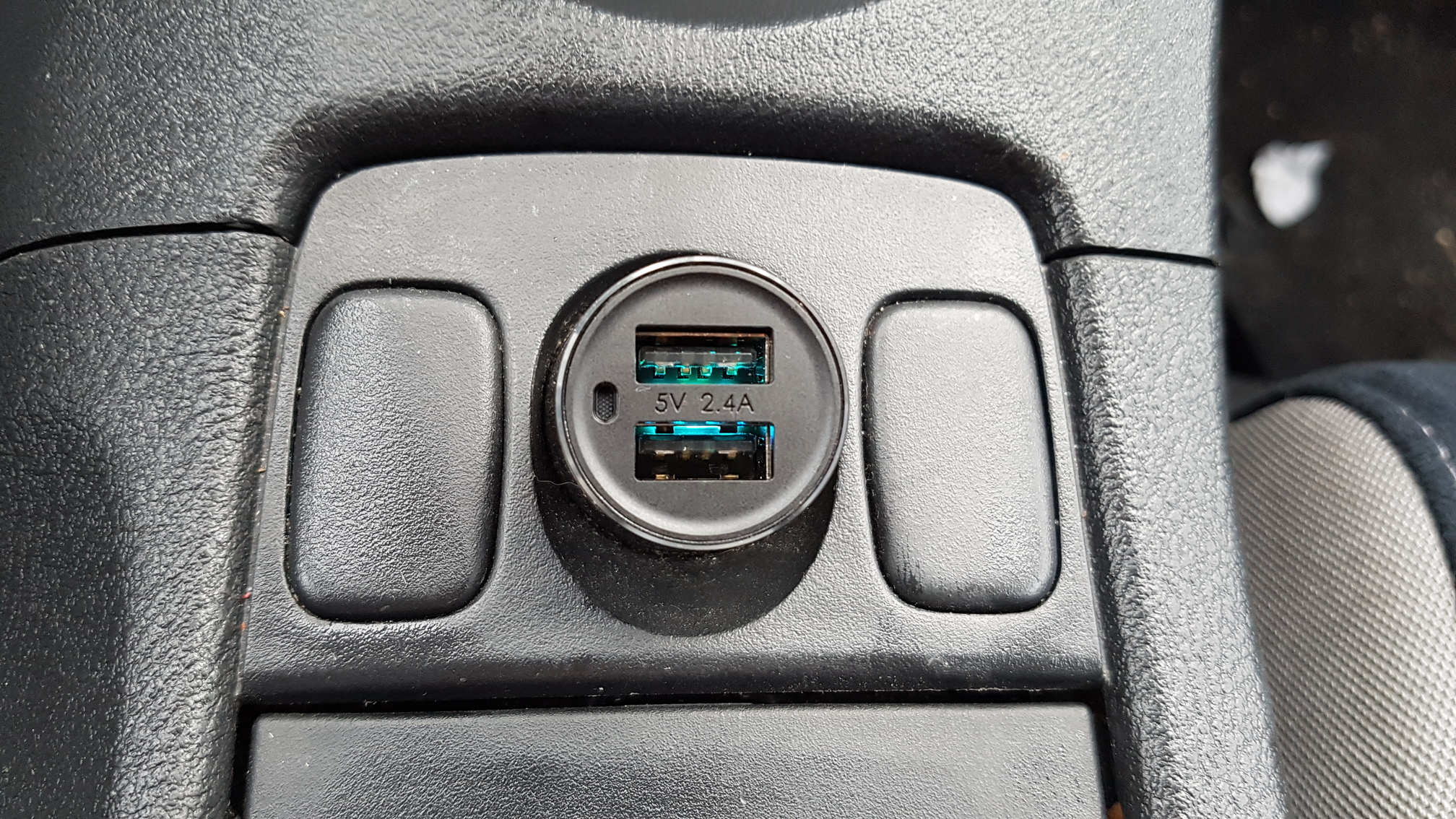
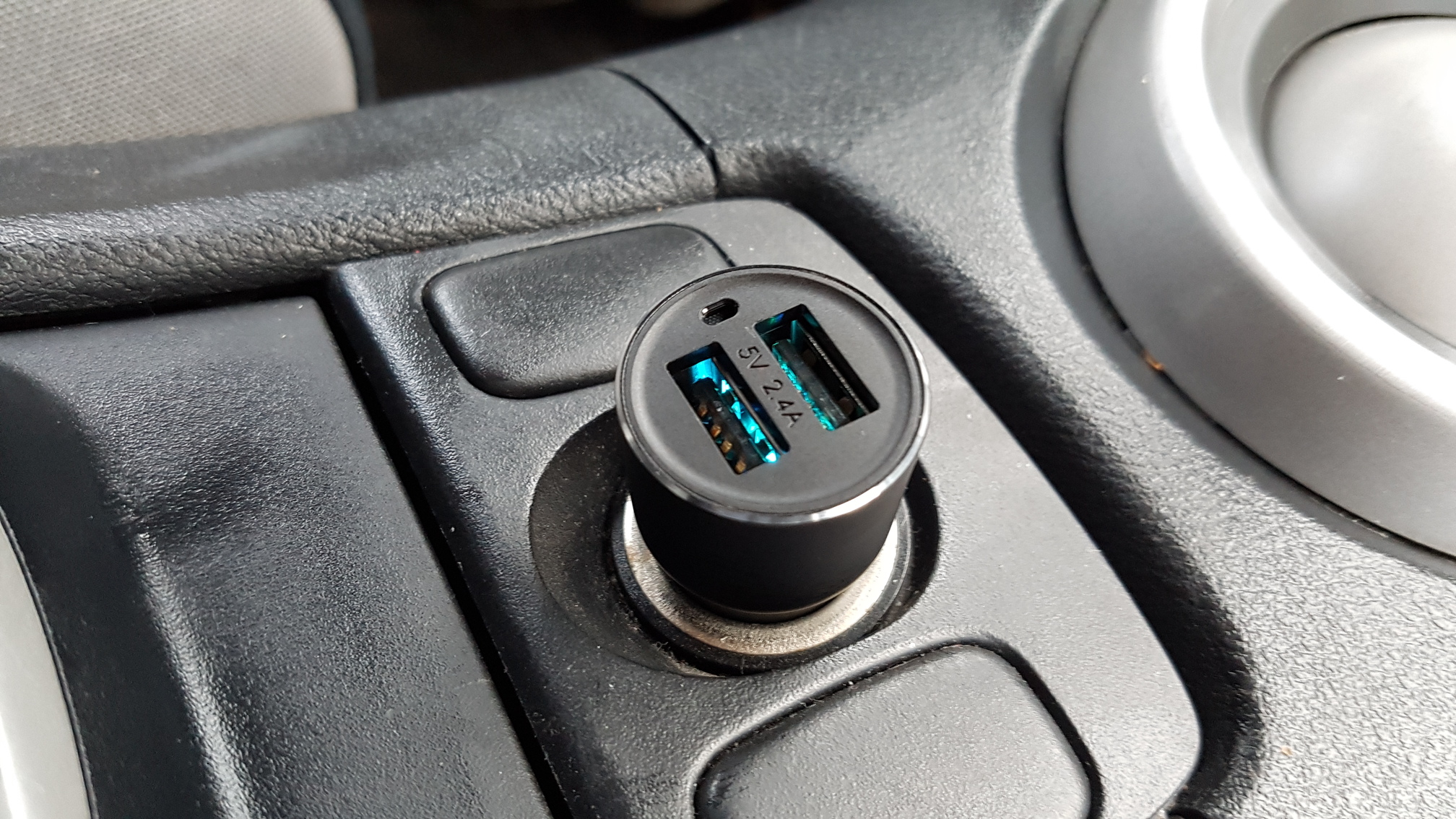
The Roidmi 2s is very well built and sturdy charger that has 2 ports with the power output of 2.4A that can charge the phone very fast.
One of the key features of this device is the FM modulator. All you have to do is download the Roidmi App, connect the charger to your phone via Bluetooth, select the same radio bands on your car’s stereo and on the app and you are ready to stream music.
The audio quality has to be the key selling point of this device. It’s just outstanding and I have to say that this is the best sounding FM modulator I’ve tested so far.
You can also do some other things within the app, e.g. check your car battery’s voltage, which I don’t really care about.
What is more interesting, you can change the colors of LED light of the charger, which is pretty cool.
My favorite feature is the ability to shake the phone to switch the songs and this feature is very useful while driving.
As for call quality, people on the other end could recognize that I’m using the hands-free but we could make a clear conversation.
Xiaomi Roidmi 2S Review: CONCLUSIONS
I have to say that my search for the great budget FM modulator is finally over. I’ve tested some other cheap options out there but none of them could match the audio quality of the Roidmi 2s. If you add some other useful features, the Roidmi 2s can be highly recommended if you are okay about shelling out $40 but at the moment you can get it for just below $19 using the coupon code down below, which is a really good deal.
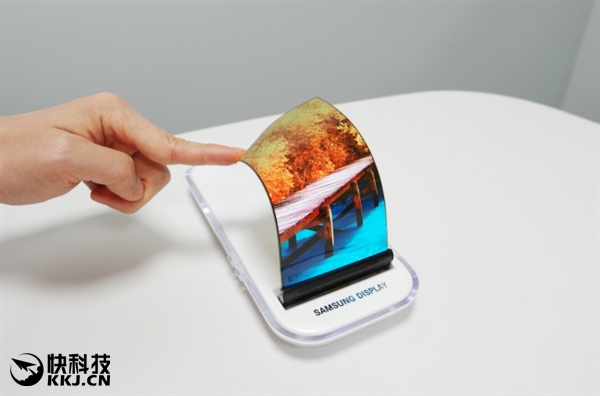
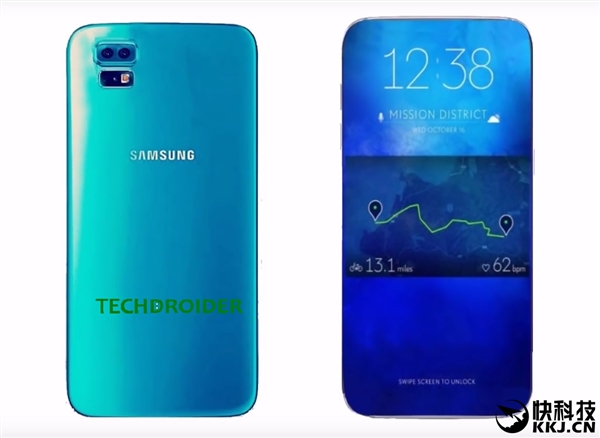
Bezel-less displays are not new but after what Xiaomi did with the Mi Mix and the kind of positive reception it got, other manufacturers are already planning theirs. One such company is Samsung, who have announced that starting next year, they will release phones with bezel-less displays.
Chief Engineer of S-LCD, (a South Korean LCD manufacturing company jointly owned by Samsung and Sony) Park Wonsang, has been reported by Korean media to have said that Samsung will launch phones that will have more than 90% screen-to-body ratio and will increase it further to 99% in the next couple of years, covering the top, sides, and chin. Mr Wonsang however declined to comment if the Galaxy S8 will be one of such phones.
The displays will be sophisticated flexible OLEDs reaching up to 99% of the phone’s height and possibly sporting an embedded fingerprint scanner.
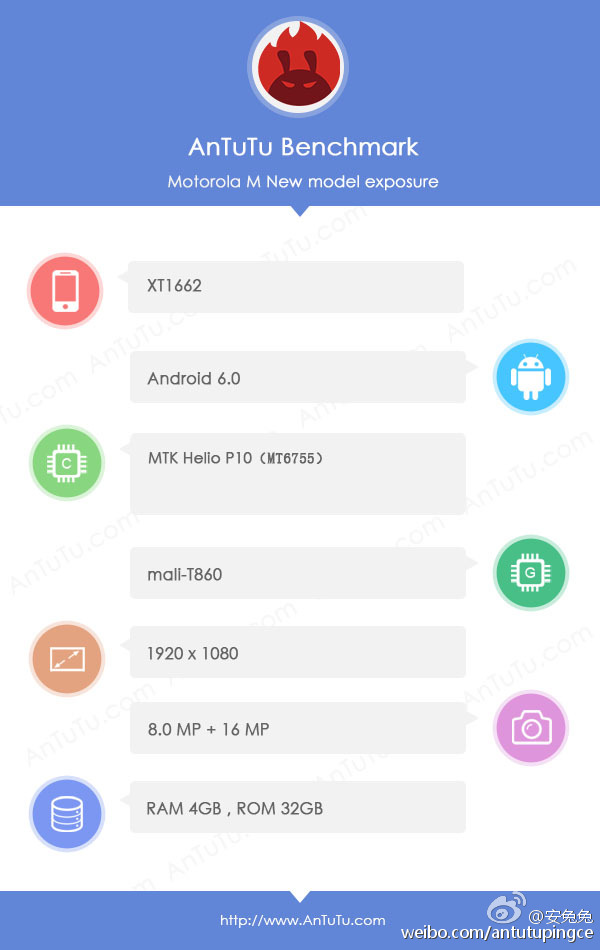
Ahead of the November 8 news conference where Lenovo is expected to pull the wraps off the Motorola Moto M, the device has appeared on popular benchmark site AnTuTu confirming some of the specs that had earlier been revealed.
Listed as Motorola M with model number XT1662, the Moto M is said to have pooled a sub-score of around 50,000 points, placing it in a mid-range category. The AnTuTu data also gives the Moto M as featuring a 1920 x 1080 pixels resolution on top of a 5.5-inch display. The device is powered by an Octa-core MediaTek Helio P10 (MT6755) chipset and packs a 4GB RAM inside, as well as a 32GB of internal storage. Powering the graphics is a Mali-T860 GPU.
Further, the Motorola Moto M sports a massive 16MP rear camera sensor at the rear and up front, there is an ample 8MP sensor for crisp clear selfie shots. The device is also listed to run on Android Marshmallow 6.0 out-of-the-box.
That’s all we could gather about the device from AnTuTu but as stated, the Moto M would likely go official on November 8. The device is said to be released along side the China release of the Lenovo Vibe P2 which was released in some clime as Lenovo P2.
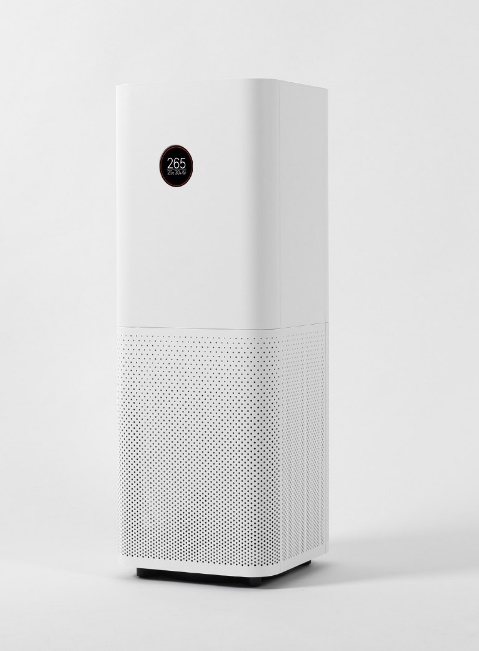
Xiaomi just unveiled a new air purifier today called the Mi Air Purifier Pro. Fixing the complaint of a lack of a display and throwing in some new improvements.
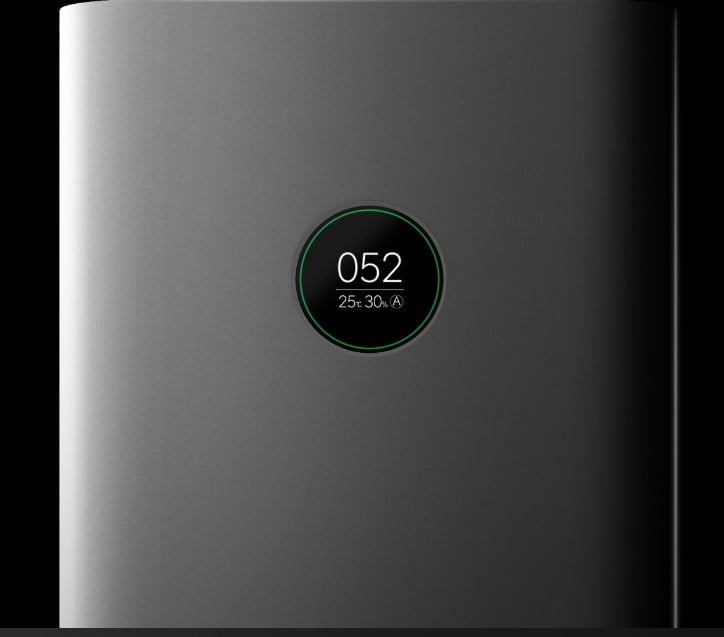
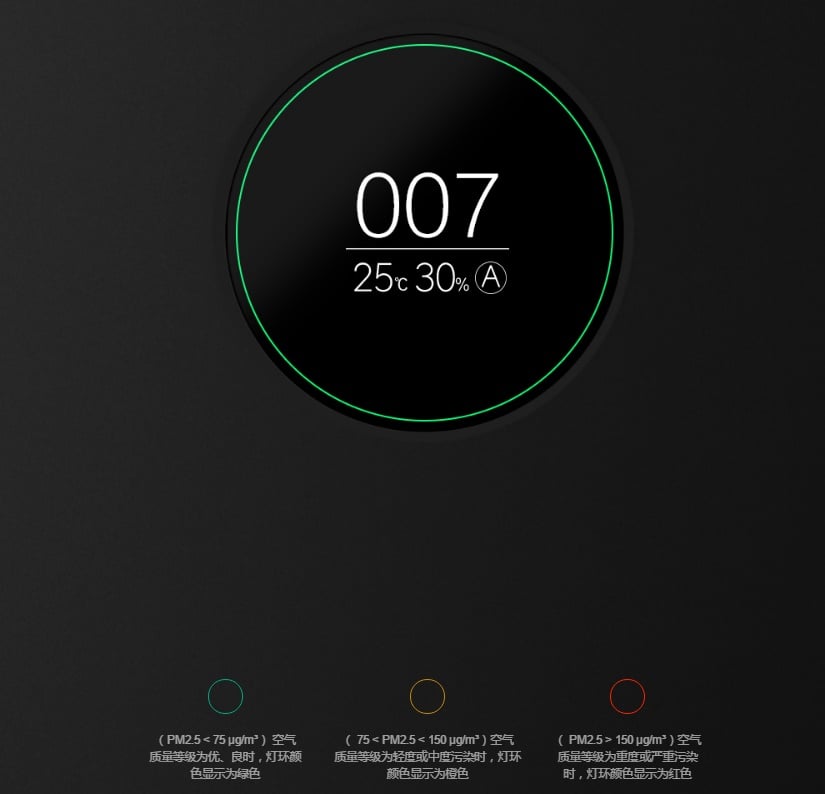
Xiaomi’s previous air purifiers lack a screen, so owners had to open the app to check air quality and other details. The Mi Air Purifier Pro changes that. The display will provide real-time air quality and working conditions. It also has automatic brightness, allowing you to see the display clearly during the day and turning it down when it’s dark so it doesn’t hurt your eyes.
The edge of the display has a LED ring around it that changes colour based on the air quality. It will switch from green to orange and to red depending on how clean the air around the surrounding area is.
The air purifier also comes with a redesigned air flow path and pressure system. It has a Clean Air Delivery Rate value of 500m3/h and now covers an indoor area of 60 square meters which is an improvement from previous ones which had a CADR value of 406m3/h and a working area of 48 square meters. Xiaomi says there is a high precision laser sensor built into the device that can accurately detect particles of up to 0.3μm in diameter.
Although it has it’s own display now, that doesn’t mean you still can’t pair it to your phone via the Mi Home App. The Mi Air Purifier Pro will clean the air of allergens, animal fur, formaldehyde, dust, pollen, and cigarette smoke.
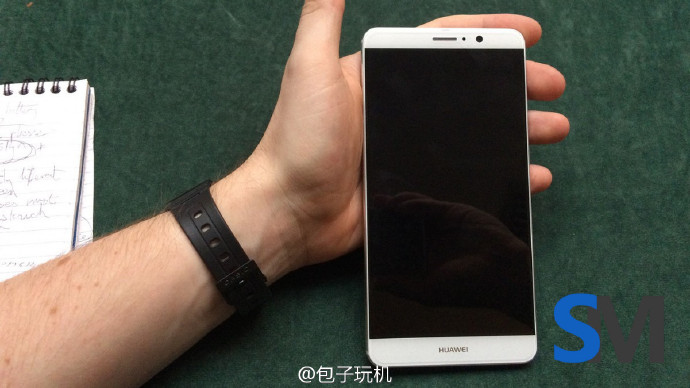
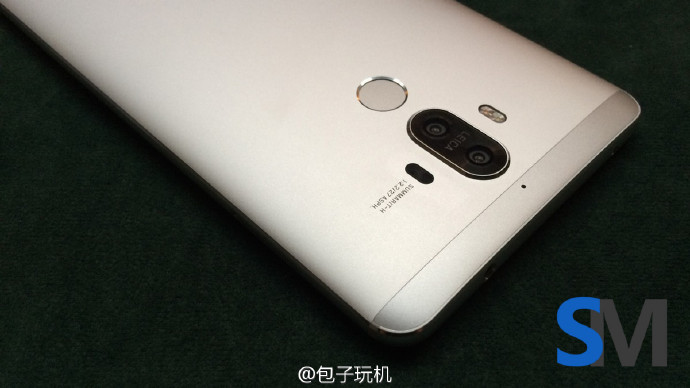
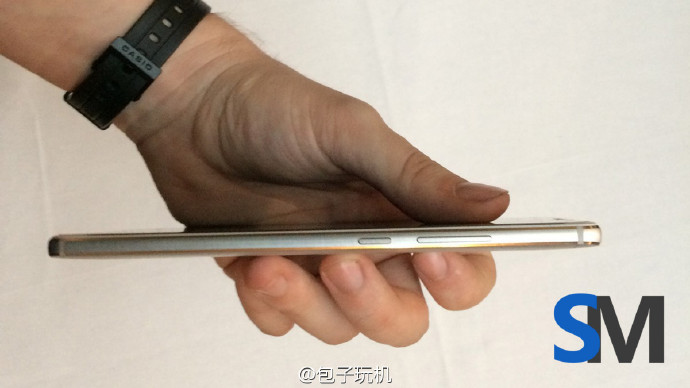
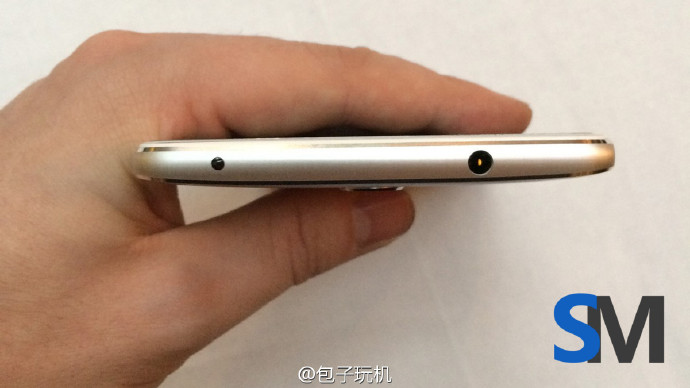
Once again, real live renders of the Huawei Mate 9 have leaked and this time around, the renders are of the device in action. This is coming on the heels of the imminent release of the device scheduled for November 3, just two days away.
The leaked renders were spotted on Finnish website SuomiMobiili and they reveal the device just fresh out of the box. One notable thing that could be observed from the working Mate 9 is the black bother at the edge of the display but it is not very wide. The render shows the Mate 9 bearing striking resemblance with the Mate 8 with just some slight difference.
At the rear, the dual Leica cameras could be seen seated at the upper edge of the device, aligned centrally. The dual Leica rear cameras would likely be one of the major marketing tool of the Mate 9 and Huawei has ensured that the Leica footprint is inscribed in between the two rear sensors.
The Mate 9’s LED flash and laser focus module could be seen located at both sides of the cameras. Also, lying under the camera set up is the the rear mounted fingerprint sensor. It’s worthy to note though, that the curved display version is rumored to have a front fingerprint sensor in addition to the rear mounted one.
As a reminder, the Huawei Mate 9 would come powered by a Hisilicon Kirin 960 chipset and would sport a 5.9-inch 1080 pixels display while the curved screen version is saod to have a 2K resolution on its display. There is a 6GB RAM on board on the top version, along with a large storage of 256GB. There is also a base version with 4GB RAM and 32GB as well as 64GB internal storage versions. The device is also listed to run on EMUI 5.0 based on Android 7.0 Nougat OS. The device is also said to pack a 12MP + 20MP sensor at the dual Leica rear cameras.
We know that Vivo and OPPO are doing well this year, all thanks to its strong offline sales channels. Vivo’s recent releases have been decent, but nothing extraordinary as compared to its rivals. However, that will change with the Vivo X9 and X9 Plus models. The company confirmed earlier today that the Vivo X9 and X9 Plus models will come equipped with dual front cameras. Yes, you heard it right!
It’s confirmed that the Vivo X9 will be the first commercial smartphone with dual front-facing selfie cameras. The company has also made sure its going to be powerful, as one of the cameras will be a 20MP sensor while the second one should most likely be an 8MP sensor. The dual cameras up front should function similar to the Xiaomi Redmi Pro, bringing features such as bokeh to selfies.
As for the specs, both the Vivo X9 and the X9 Plus are said to feature Snapdragon 653 chipsets with 4GB and 6GB RAM options. The Vivo X9 will most likely feature a 5.5-inch 1080p display while the X9 Plus should come with a larger 6-inch 1080p panel. There is no information about the cameras at the back, but could Vivo equip its larger Vivo X9 Plus with dual cameras at the back as well? This will take the total to four cameras on the phone! But the company is yet to confirm the rear camera details, so we better wait for more details.
Meanwhile, the Vivo X9 and X9 Plus models are said to be announced mid-November, most likely on November 17. Design wise, the new models are said to look similar to the previous generation devices from the front, however, the back is said to rock an iPhone7-like antenna design.
We use cookies on our website to give you the most relevant experience by remembering your preferences and repeat visits. By clicking “Accept”, you consent to the use of ALL the cookies.
This website uses cookies to improve your experience while you navigate through the website. Out of these, the cookies that are categorized as necessary are stored on your browser as they are essential for the working of basic functionalities of the website. We also use third-party cookies that help us analyze and understand how you use this website. These cookies will be stored in your browser only with your consent. You also have the option to opt-out of these cookies. But opting out of some of these cookies may affect your browsing experience.
Necessary cookies are absolutely essential for the website to function properly. This category only includes cookies that ensures basic functionalities and security features of the website. These cookies do not store any personal information.
Any cookies that may not be particularly necessary for the website to function and is used specifically to collect user personal data via analytics, ads, other embedded contents are termed as non-necessary cookies. It is mandatory to procure user consent prior to running these cookies on your website.