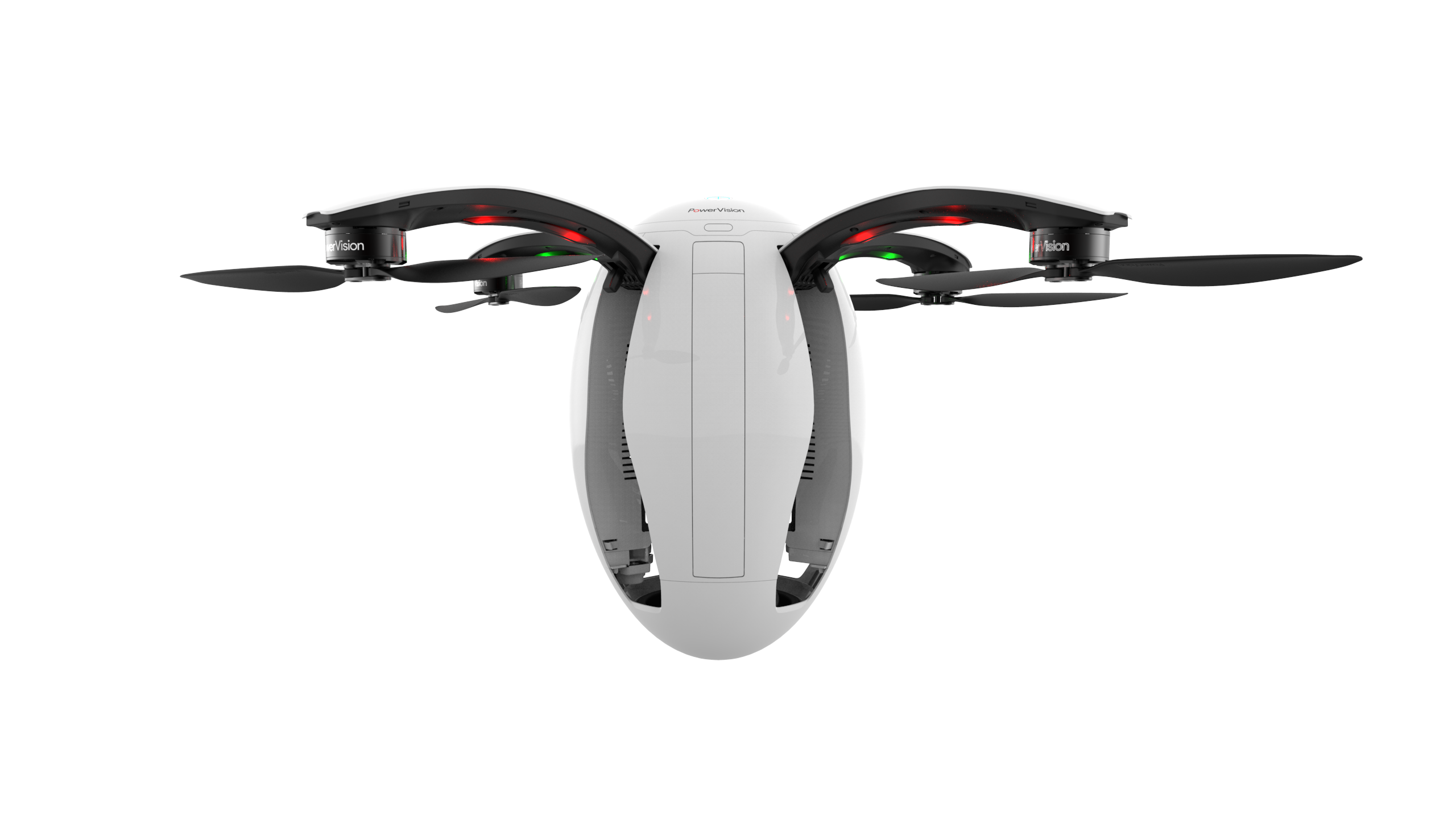
Zhen Di’s PowerEgg Arena UAV is now the highest backed domestic item in the history of Chinese crowdfunding. The unmanned aerial vehicle which debuted at IFA Berlin 2016 is shaped like an egg which is a first for drones.
The PowerEgg Arena has currently exceeded 86.48 million Yuan on Jingdong’s crowdfunding platform. Just two days into the crowdfunding campaign duration, they had crossed the 10 million Yuan minimum threshold by an excess of 21 million Yuan. The campaign is set to end on the 10th of October.
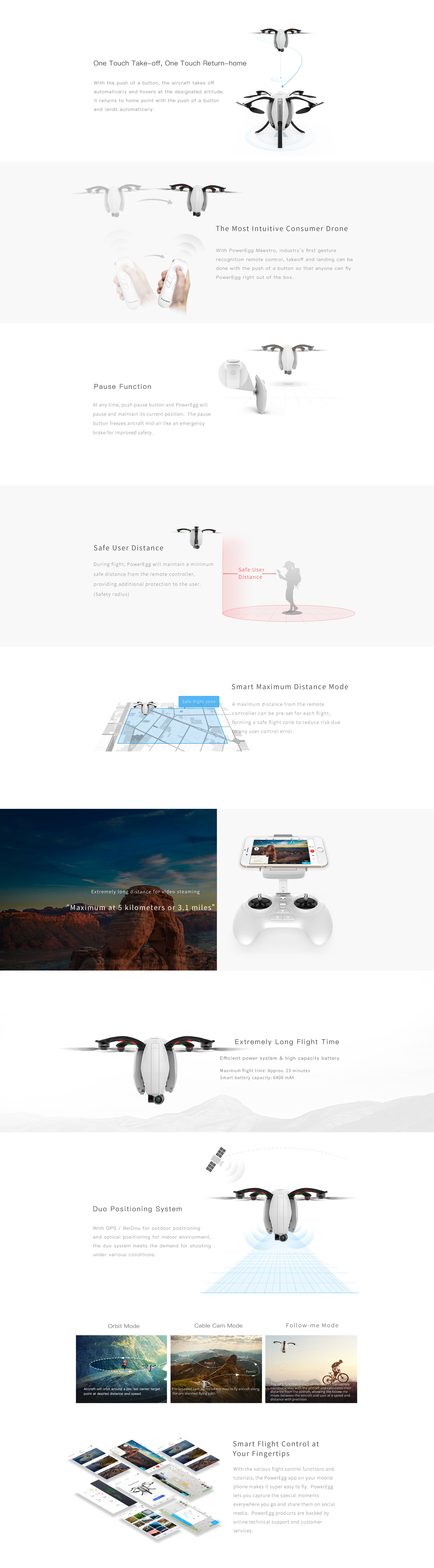
The PowerEgg Arena which is priced at 7888 yuan ($1182) has a gesture-based one-handed unmanned aircraft controller called the PowerEgg Maestro. Unskilled flyers can fly and land the drone just by pushing a button. The remote also has motion sensing capabilities allowing the drone to be controlled via gestures. Want to pause the drone in mid-air? You can also do that and save the drone from crashing into objects. There is also a different controller for those who prefer advanced navigation.
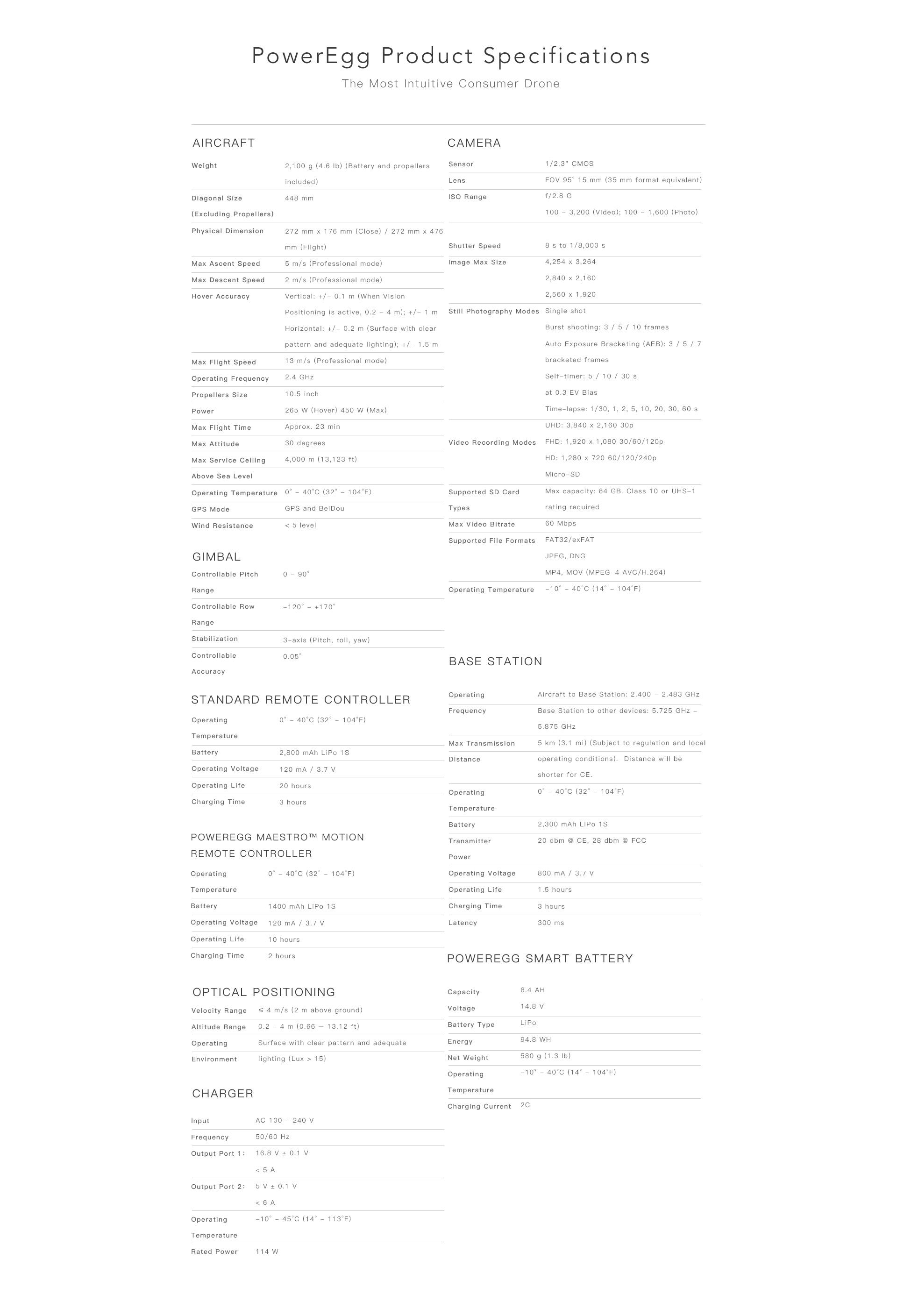
The drone has been praised for its portability and sleek design. It provides up to 5km real-time HD video transmission and up to 23 minutes of flight time with its 6400mAh battery.
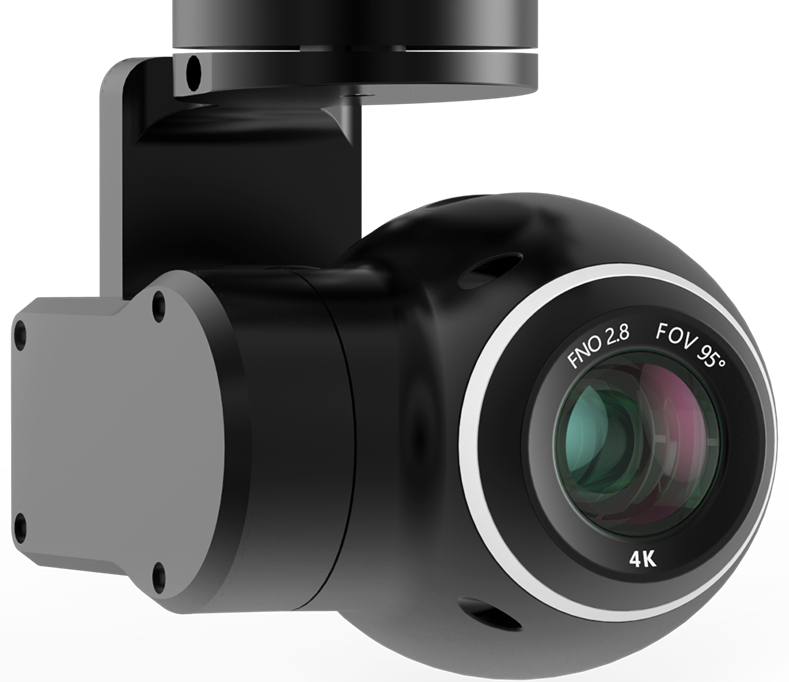
The PowerEgg can also shoot high quality videos with its 4K UHD camera and also record videos with 360° views. There are ultrasonic and visual sensors on board that scan the ground for patterns in the case of indoor flight.
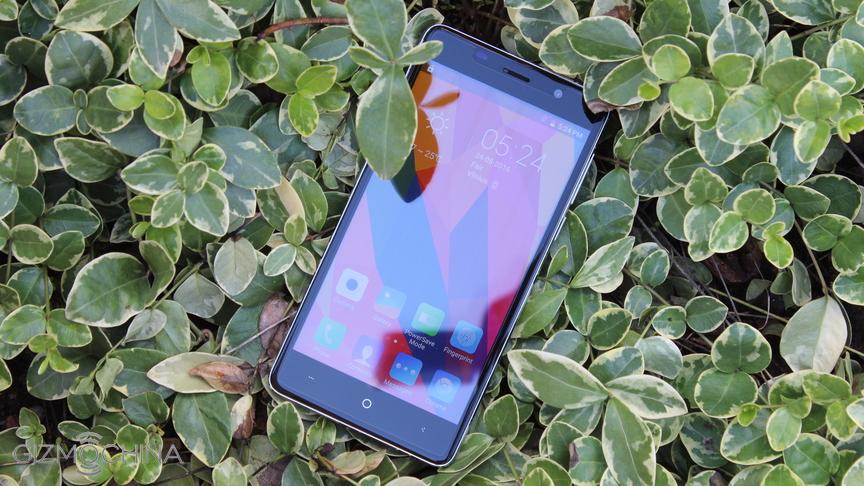
We have reviewed quite a few phones made by Oukitel and we came to the conclusion that most of them are good devices for the price. The K6000 Pro model is one of the most interesting ones as it offers quite a lot of features for a low price. In fact, Everbuying.net currently has this phone on sale and you can get it for just $141.99.
One of the key selling points of this device is its IP64 rating, meaning that the phone does not mind getting dusty or wet.
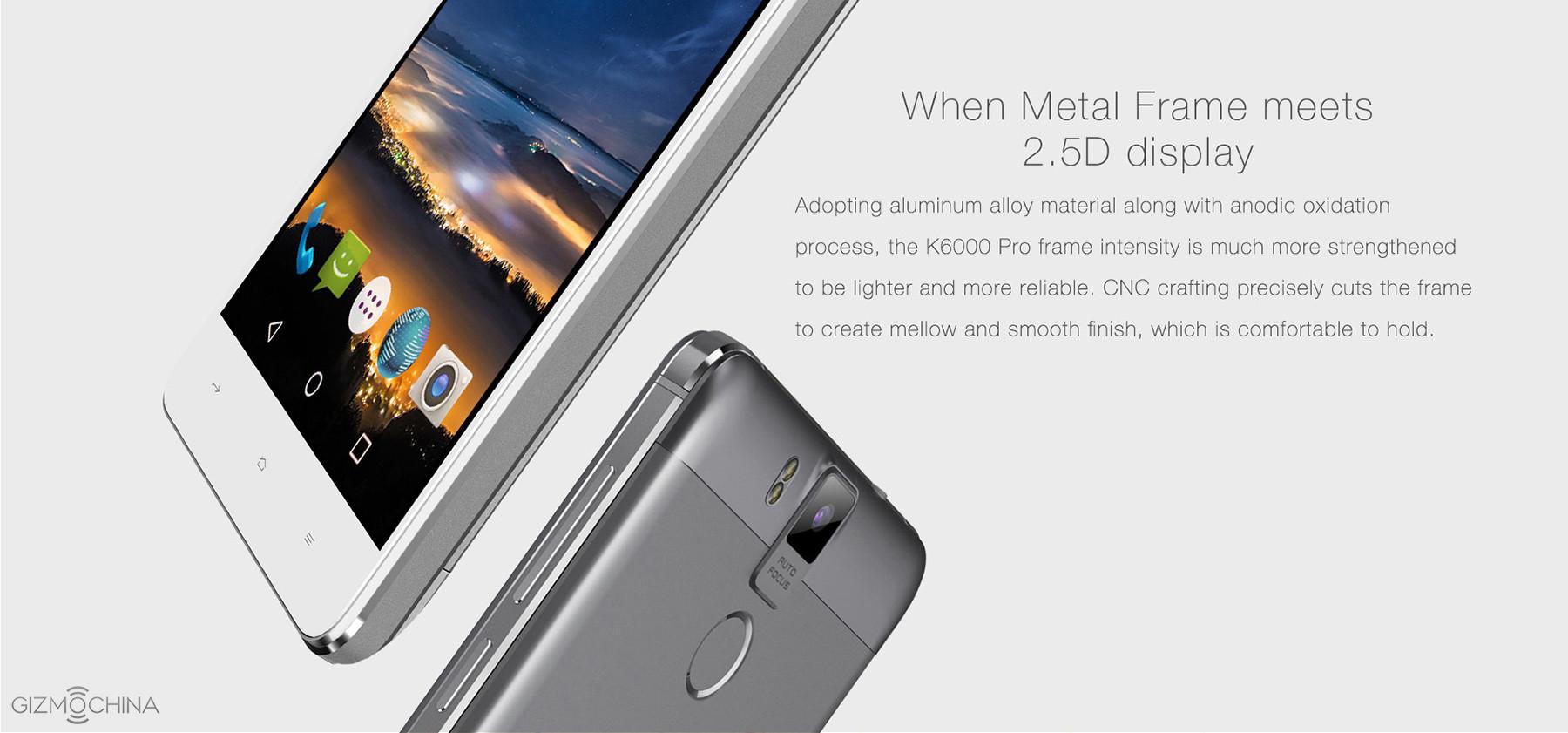
Also, the Oukitel K6000 Pro sports a metal frame that goes around the device, metal buttons and 2.5D-style 5.5″ 1080p display.
As far as sheer power goes, we are looking at a pretty reasonable specs sheet. The phone rocks an octa-core Mediatek MTK6753 (1.3GHz), 3GB of RAM and 32GB of expandable storage and the phone runs on the Android 6.0 Marshmallow.
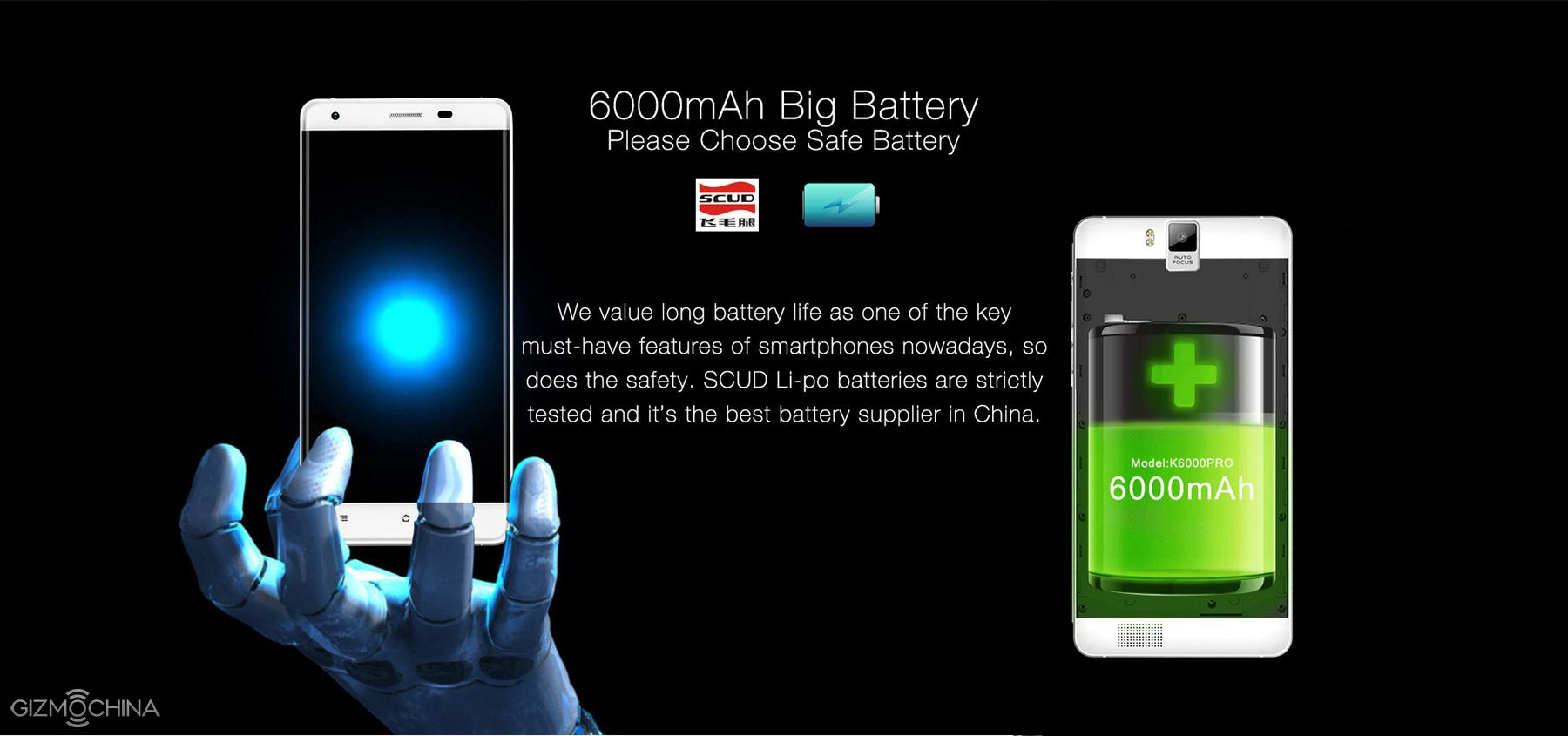
Another great feature of this phone is its huge 6000mAh battery, which should keep the lights on for quite a while. Also, it uses the SCUD Li-po battery cells to assure the best performance and reliability.
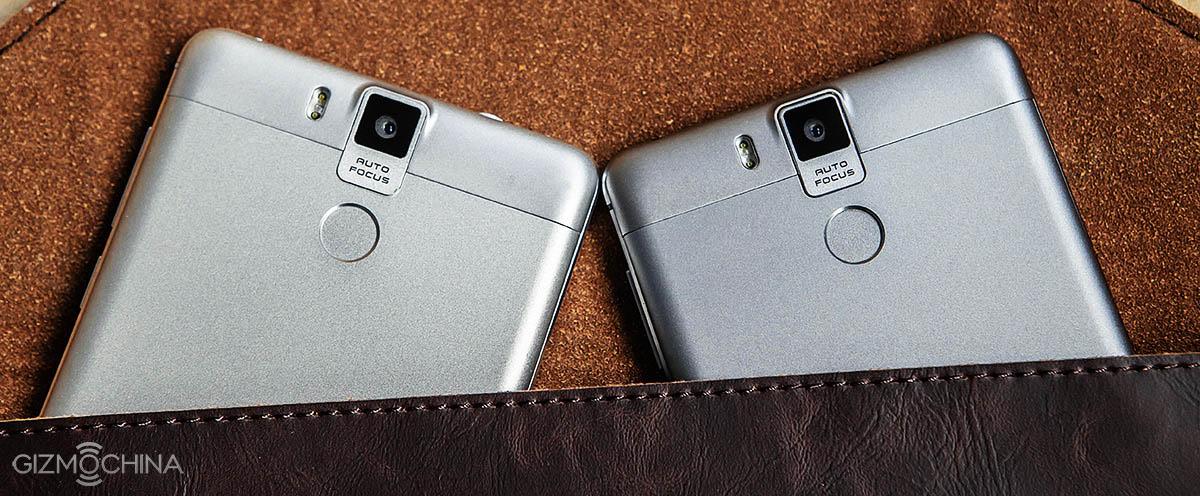
Other great features include a 16MP camera on the back and the fingerprint sensor.
Oukitel K6000 Pro may not be the only decent device on the market in this price range but it offers quite a lot of value for the price of just $141.99.
Looking at most of the phones released this year, we can confidently say 3GB RAM phones are the new 2GB RAM devices. We can also say 4GB RAM phones are the new 3GB RAM phones.
If you are out for a new phone, you sure can get one with 3GB of RAM for a little over $100 like the Vernee Thor, and if you want something from a brand with a bigger name and a different chip, the ASUS Pegasus/X550 sells for less than $120 and comes with a Snapdragon 615 processor. Android manufacturers are not the only ones who have caught the RAM bug, seeing as Apple’s iPhone 7 Plus has 3GB of RAM.
This year we have also seen phones launch with 6GB RAM like the OnePlus 3 and heard lots of rumours of phones sporting 8GB of RAM. While the latter hasn’t seen the light of day, we are sure it will start to appear next year.
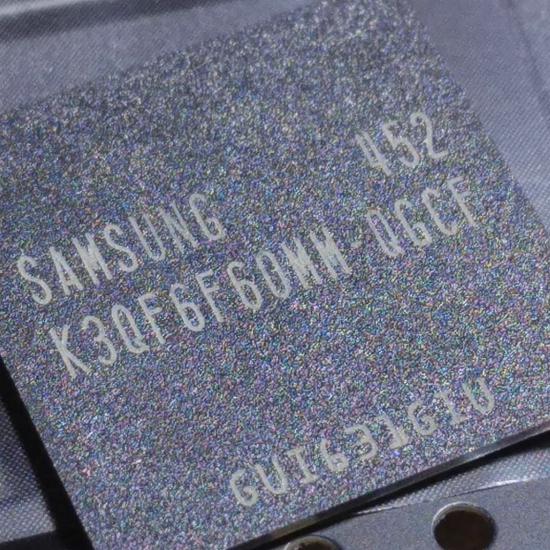
Larger RAMs if well optimised is a good thing but it has led to an increase in price of this important part of a phone. DDR3 and DDR4 RAMs have now hit the $2 mark in the last quarter and it is expected to continue rising.
Last month, 4GB DDR4 RAM sold for an average price of $2.17 which is an 18.6% increase. 4GB DDR3 sold for an average price of $2.08, an increase of 22.4%.
The increase in price is attributed to an increase in demand from Chinese manufacturers with supply not meeting up. DRAM production companies like Samsung, SK Hynix and Micron have also cut production which will further affect supply.
Analysts say the increase will continue into the fourth quarter and will be at least 15% higher than that of Q3.
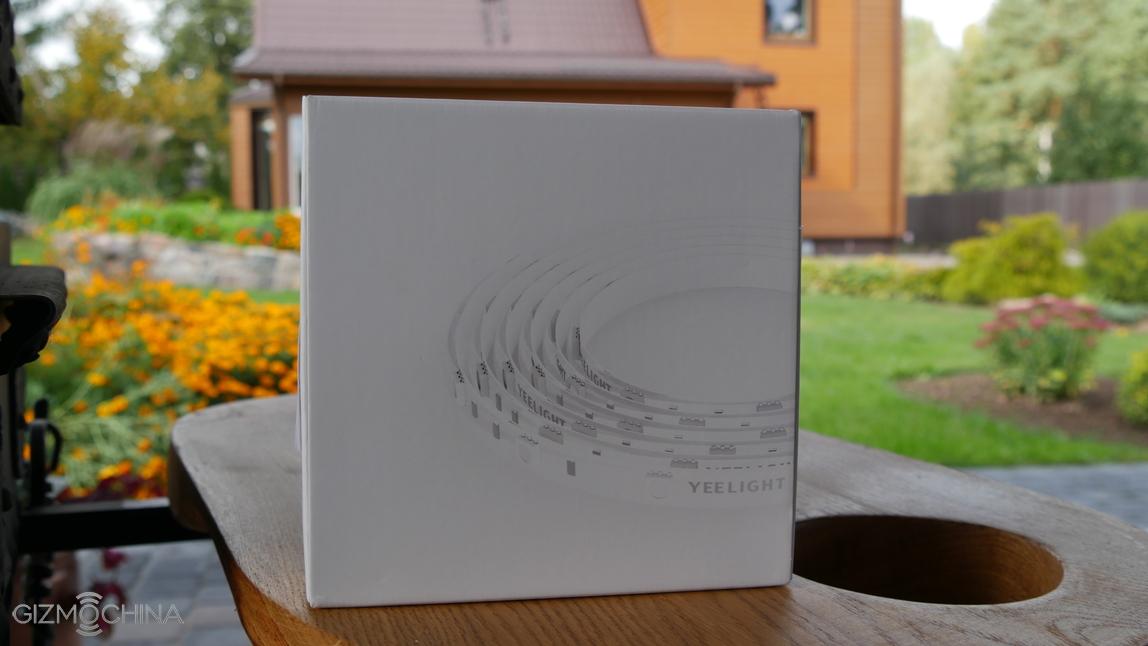
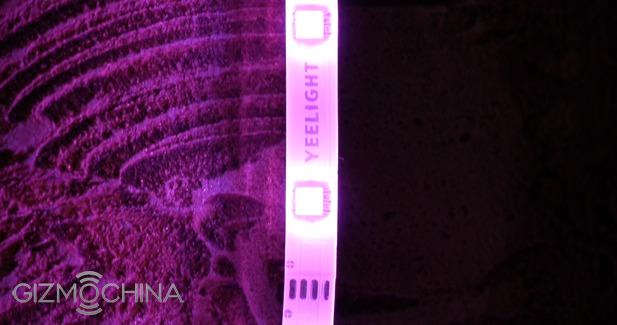
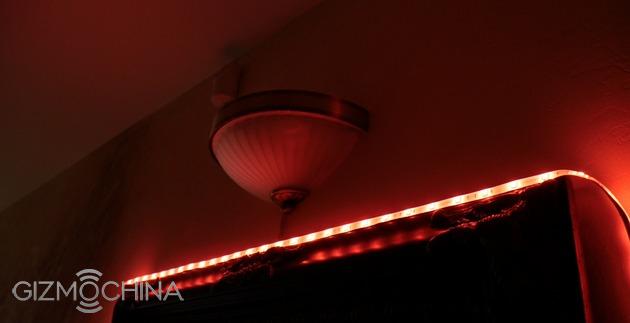
If you are looking for something to pimp your setup, the LED light strip is one of the most simple and awesome-looking solutions. I just came across the brand new Xiaomi Yeelight Smart Light Strip and after using it for quite some time, I have to say that it is really awesome.
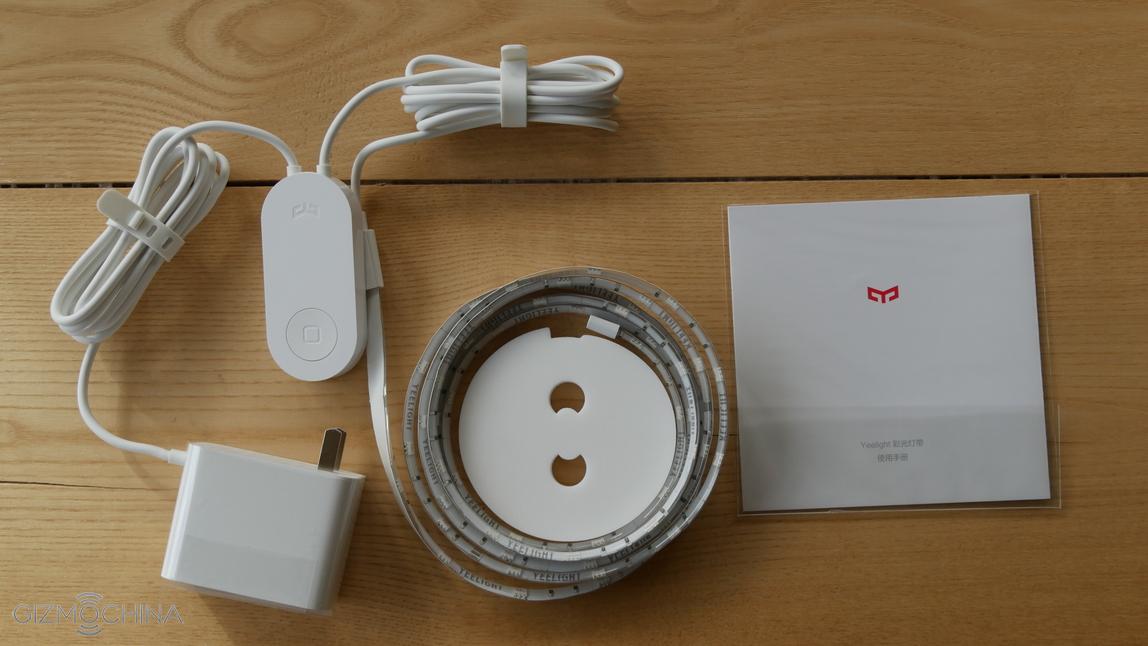
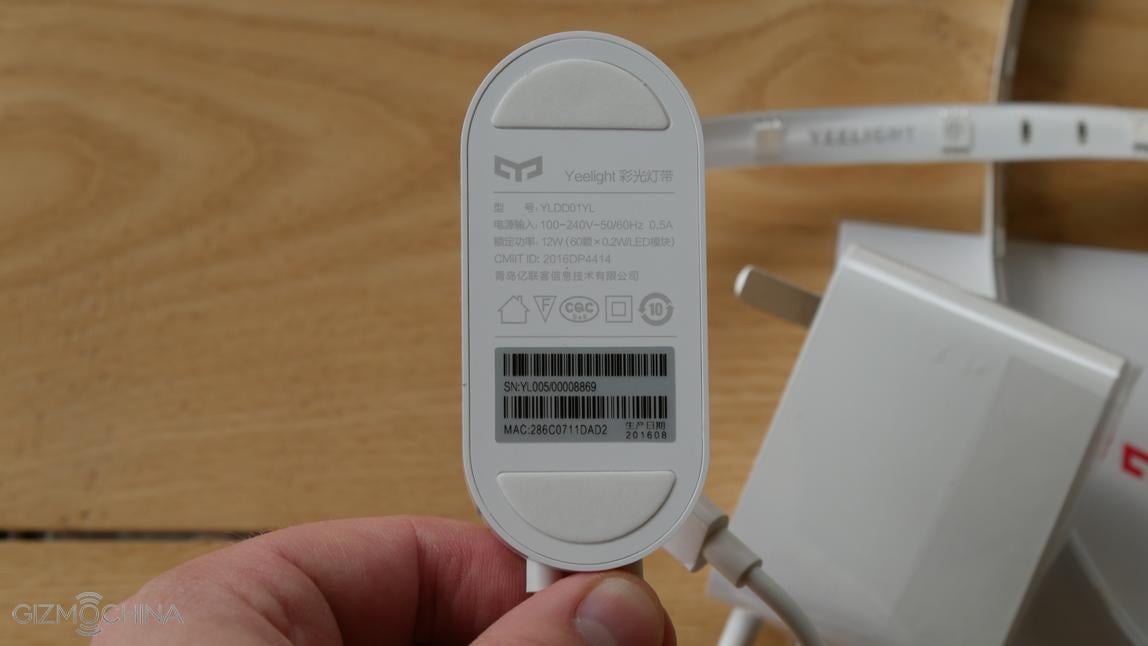
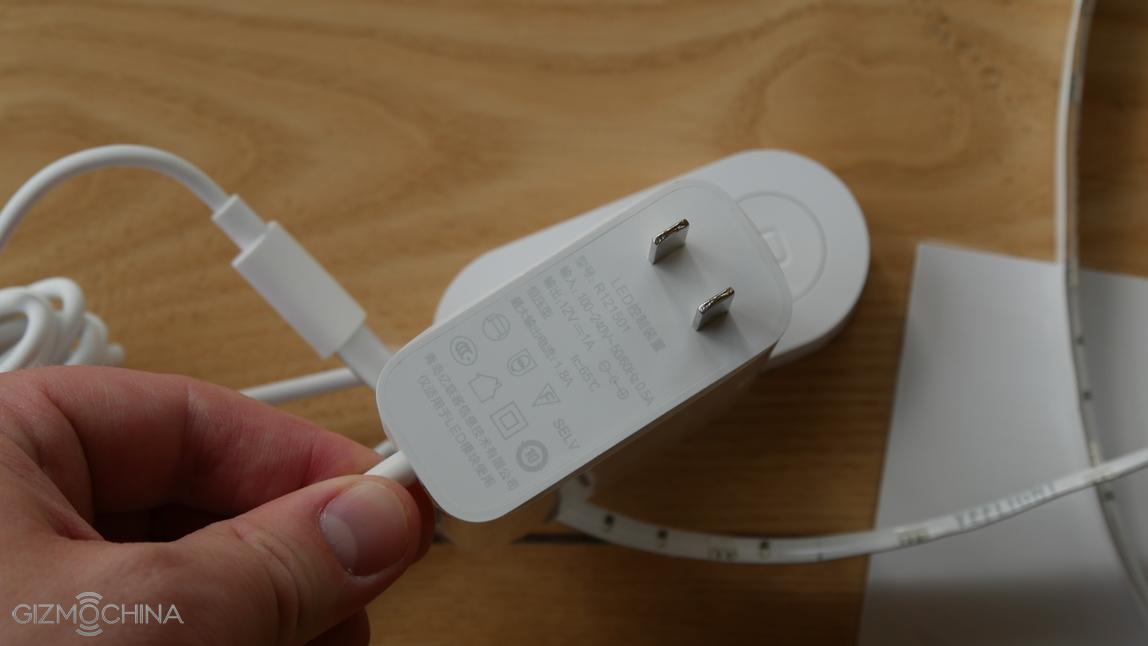
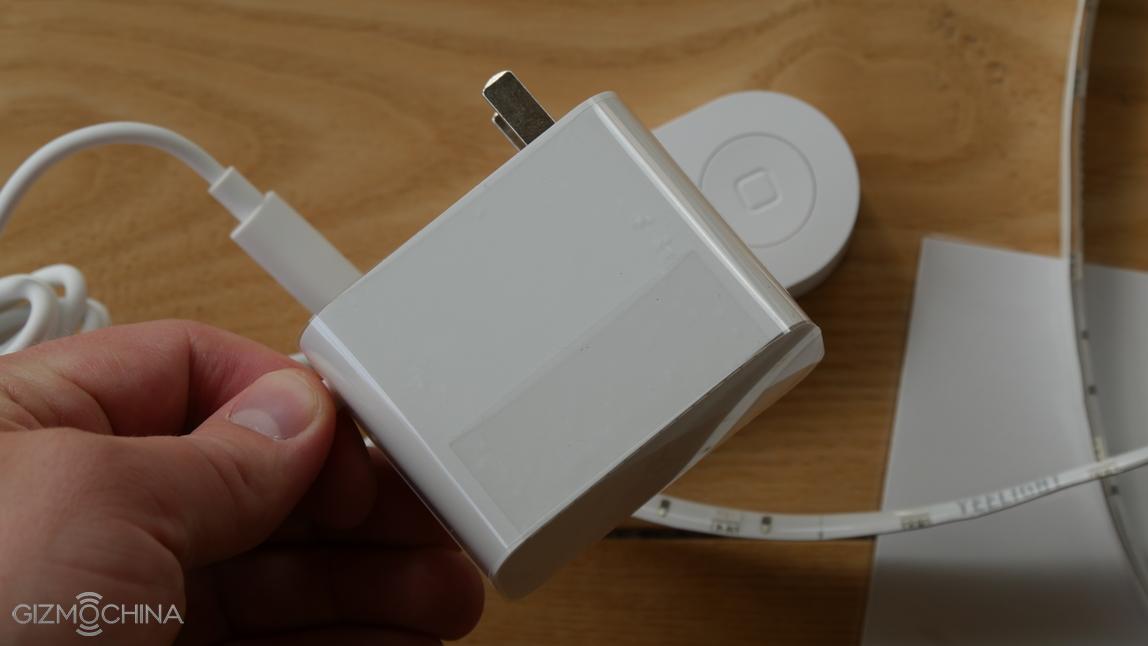
The item ships in a box, where all the items are packed neatly. Inside the box, you can find a strip itself that is already connected to the remote control and the power plug.
DESIGN and FEATURES
Having reviewed quite a few lighting solutions made by the Xiaomi, I knew that this would be a high-quality product. It is very well-made and it does not seem to break anytime soon.
FUNCTIONALITY
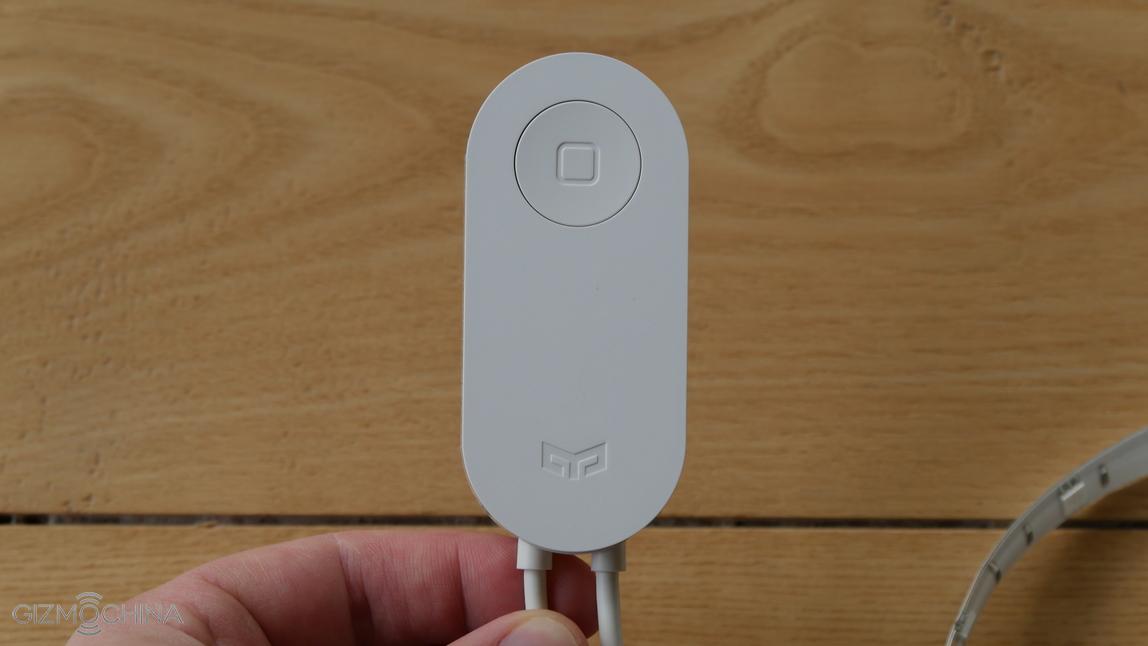
This smart LED strip can be controlled with the wired controller. You can press it once to power it on or press and hold it to change the color.
However, it is much more fun to control it wirelessly as the LED strip has a built-in Wifi and it can be controlled via the Yeelight app.
I had no issues connecting the strip to my phone. The interface of the app is very intuitive. You can change the colors of the strip, adjust the brightness, select from different flow and scene modes and adjust a variety of settings if you wish so.
CONCLUSIONS
All in all, the Xiaomi Yeelight Smart Light Strip is very cool lighting solution and it has been working absolutely fine so far.
The price of around $40 may sound a little steep for some but it is actually a lot cheaper than other smart LED light solutions e.g. Philips Hue light strip. The Xiaomi smart strip does everything you can ask for this kind of product and thus, it can be definitely recommended.
A tablet computer has become a device that can replace ordinary laptops or even PC’s for some, depending on the usage. Some users claim that they can be very productive with their tablets once they learn how to use them. We came across a few interesting niche products – pen tablets made by Huion. In fact, these are not ordinary tablets since they are designed mainly for graphic designers.
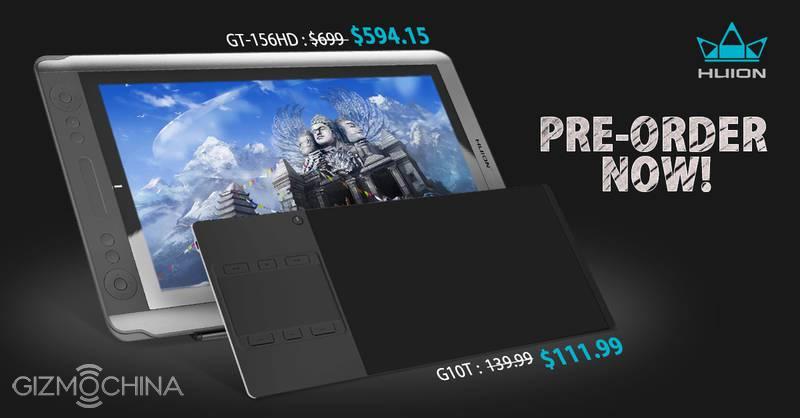
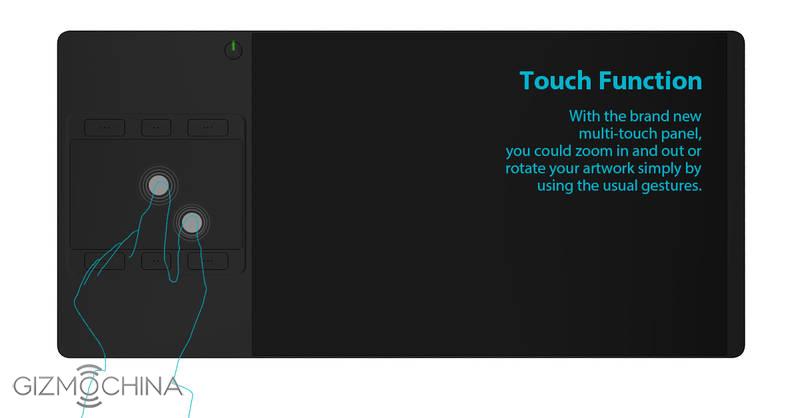
A very affordable Huion INSPIROY G10T offers all the essentials the graphics designer needs. That includes an aluminum alloy case to for a premium look an feel, six customizable express keys to allow you to increase the work efficiency, USB Type-C port.
Also, there is a 5080LPI display with 2048 levels of pressure sensitivity, so you could you could perform the intensity of each stroke with accuracy and present your artwork clearly. Last but not least the tablet has a 2500 mAh battery that allows you to work for 40 hours. The tablet will retail for $139.99 but it is still on pre-sale and you can get a generous 20% off discount, which is valid until October 26th when the tablet will officially go on sale.
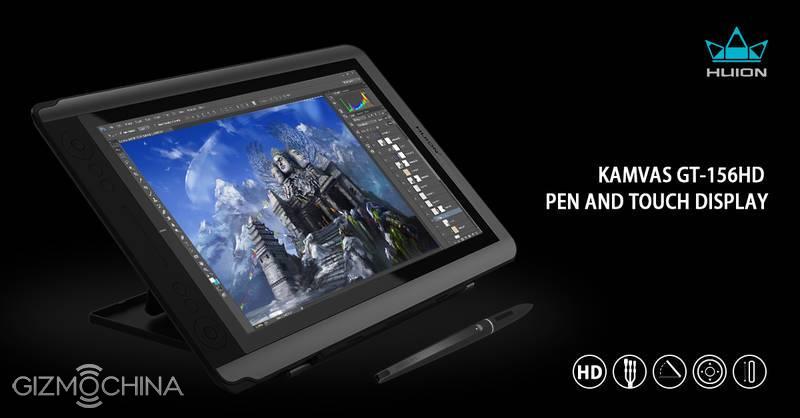
The Huion KAMVAS GT-156HD is a high-end model as it offers a lot more features and functionality. This tablet offers a huge 15.6″ 1080p display to assure a crystal clear image most of the designers need. Also, it has a three-in-one designed HDMI, power and USB cables for convenience. Other notable features include an adjustable multi-angle holder, up to 14 express keys and a touch bar, 2048 levels of pressure sensitivity, AG glass cover. Even though this tablet has a huge display and packs a ton of features, it only weighs 1.5kg.
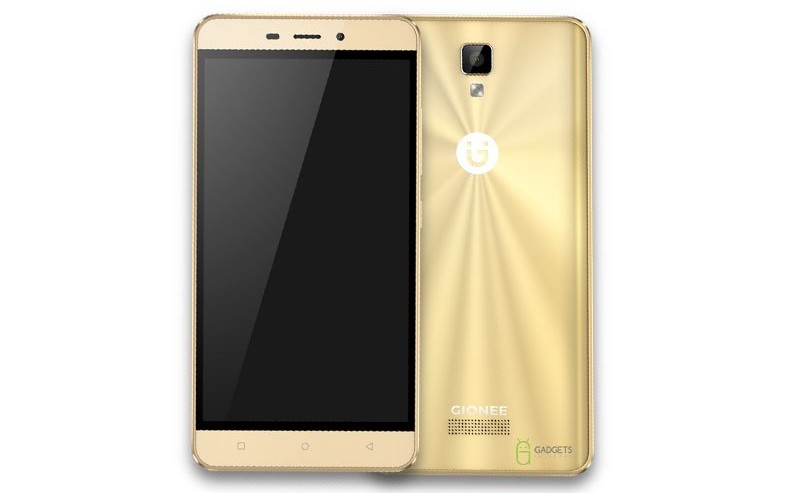
Chinese smartphone maker Gionee has officially launched the Gionee P7 Max in Nepal, presenting a nice specs line-up. The P7 Max had been in the news to launch in India this October but Nepal ended up getting the mid-range device first where it was launched along with the earlier released S6 Pro.
Specs wise, the Gionee P7 Max features a 5.5-inch IPS display with 1280 x 720 pixels resolution. Gionee has said that the display is also scratch resistant. The device is powered by an Octa-core MediaTek MT6595 processor clocked at 2.2GHz, along with PowerVR G6200 GPU. The device also comes with a 3GB RAM and 32GB of built-in storage with no indication of an expansion slot.
Going on, the P7 Max sports an 8MP rear camera unit with LED flash lying just beneath the camera lens. For the selfie enthusiasts, there is a modest 5MP camera upfront. On the software angle, the Gionee P7 Max boots Android 6.0 Marshmallow OS with Amigo 3.2 UI hovering on top. Gionee has crammed a 3,100mAh battery inside the device which it boasts can provide 290 hours of standby time.
Talking about the price, the Gionee P7 Max is currently available for purchase in Nepal, clutching a price tag of NPR 21,999 (around $205, 1364 Chinese Yuan). No word yet on when the device would roll out globally but as stated earlier, it is expected in India soon.
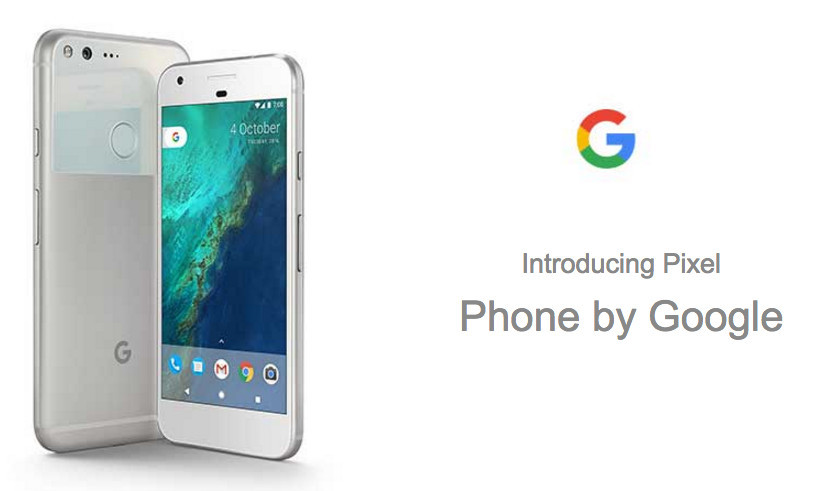
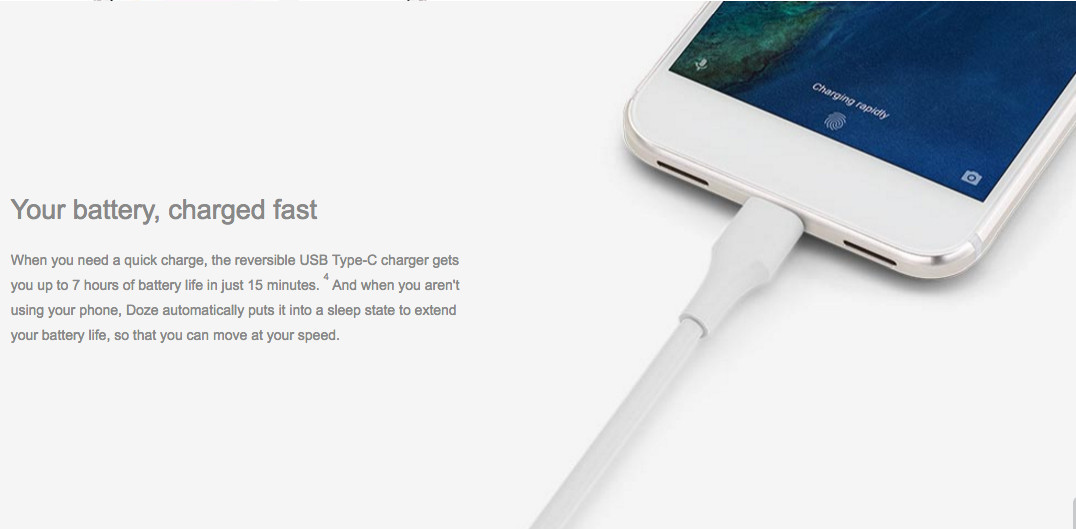
Google is expected to officially unveil the Pixel and Pixel XL smartphones on Tuesday and ahead of that, smartphone retailers are already positioning themselves for the big sales by listing the device on their webiste. UK retailer Carphone Warehouse recently listed the Pixel and Pixel XL on its website with detailed specs and live images of the device. The images gives us very clear view of the Google smartphones than what we had seen in the past.
The Pixel XL which is actually like an extra-large (XL) version of the Pixel phone, is featured as sporting a 5.5-inch AMOLED display with Gorilla Glass 4 and a resolution of 2560 x 1440 pixels. A bigger 3,450mAh battery is also on the Pixel XL. On the other hand, Google Pixel is listed as coming with a 5-inch AMOLED display with Full HD (1920 x 1080 pixels) resolution and Gorilla Glass 4 protection. Both the Pixel and Pixel XL flagships feature a 12MP rear camera with 1.55-micron pixels and an f/2.0 aperture, an 8MP front-facing camera.
Other specs common to both smartphones include a one-touch fingerprint sensor, Qualcomm’s latest Snapdragon 821 chipset, 4GB of RAM and a choice of 32 or 128GB of storage said to be expandable via microSD. Google Assistant is also highlighted as a main feature of the phones.
We cannot be 100% sure about the specs but then it’s just hours before we’d get to see the official details of the smartphones so we shouldn’t fret about that. Meanwhile you can check out more photos from down below.
After the successful launch of the Mi 5S and 5S Plus, the Mi Note 2 now looks like the next big thing from Xiaomi. While the company is yet to come out in clear term to give a clear road-map as to the device’s launch, the Mi Note 2 have been enmeshed in rumors for a while now. All these rumors and leaks point to a device with lots of prospects, with more leaks emerging. The latest we have is a leak of the Mi Note 2’s specs and also a user-generated render of the device based on the leak.
The leak comes out with what seems like a poster teaser with texts that indicates Xiaomi is still planning to release a flaagship this 2016. No doubt Mi Note 2 should be it and the leak reveals the device as being powered by a Snapdragon 821 chips, having a 5.7-inch display with LGcurved screen and QHD (2K) resolution. The leak as touts the device as having both a 4GB and 6GB memory variants, ultrasonic fingerprint scanner, dual cameras and a ceramic body.
The renders shows the Mi Note 2 would feature a dual-curved display both at the front and rear and the camera would likely not protrude out of the body as well as come arranged in a horizontal plane. The rear view which is depictedd in the render, holds no fingerprint scanner thus affirming the rumor that the same ultrasonic scanner we saw on the Mi 5S would feature on the Mi Note 2.
A specific date is yet to be set for the device’s launch but industry analyst, Pan Juitang had hinted on a late October launch, another Weibo user had also talked about a November launch date. Which ever it is, it is certain Xiaomi would be dropping this one before the year runs out.
Last week we saw the most anticipated smartphone launch from Xiaomi, the Xiaomi Mi 5S and the Xiaomi Mi 5S Plus. Naturally, most of the days of the week were dominated by either its rumors or launch and related articles. However, we did see other stories including new LeEco phones, details about the upcoming Huawei Mate 9 flagship as well as Mi Note 2. Another interesting news from the local Chinese market was the rumor about the Vernee Apollo 2 featuring the Helio X3o chipset.
google pixel renders
Since the release of the new Google Pixel phones is just around the corner, we also saw a few leaks and details about the upcoming models from the search engine giant.
In case you missed any of the top stories from last week, you can read all of them from down below.
Shopping online is convenient. You see what you want to buy, enter the necessary details required, pay, and expect your order to arrive. You can even window-shop online by browsing the sites of different online shops and not get harassed by store owners. But there are lots of folks out there that prefer walking into a physical store and purchasing what they want.
Phone manufacturers know there’s a lot of money to be made via that way of shopping that’s why they still setup brick and mortar shops to cater for that category of people.
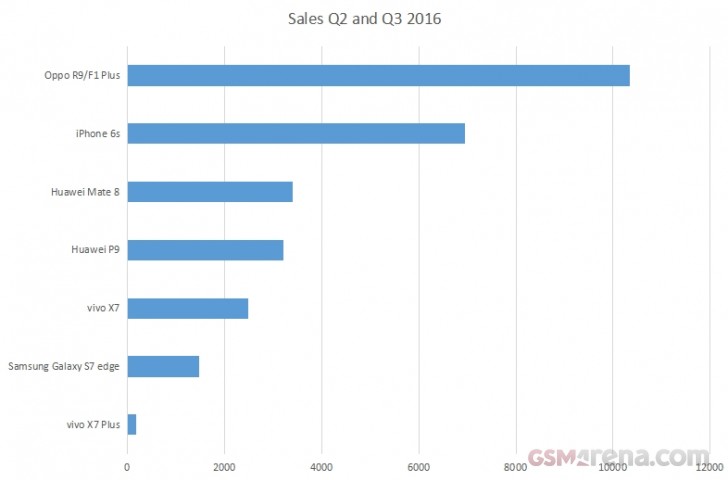
Two companies hitting it big in offline sales in China right now are OPPO and Apple. According to recent sales stats from Sino-MR, an independent market research firm, the OPPO R9 (known as the OPPO F1 Plus outside China) and the iPhone 6s are the best selling phones offline.
According to OPPO, they have sold over 7 million R9 units as at mid-June. The iPhone 6s is also doing incredibly well. Other phones selling well offline include the Vivo X7, the Huawei P9 and the Huawei Mate 8.
Nokia is taking another shot at the Android OS. That was the rumour a few months ago. The rumour was later confirmed by the company during a press release. We also learnt a company called HMD which was recently set up will be the sole manufacturer of Nokia phones and tablets.
The exciting part of the news was when we heard that the company plans to release three android phones this year. Two of the phones are said to feature flagship level specs and the third will be a cheaper mid-range device.
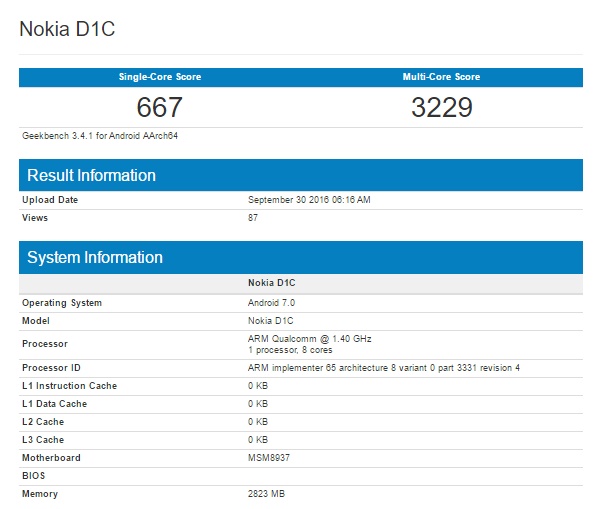
That mid-range device appears to be the Nokia D1C spotted on GeekBench recently. GeekBench reveals the phone’s internals as having a MSM8937 chip a.k.a snapdragon 430, 3GB of RAM, with Android 7.0 as the operating system.
The result which was uploaded on Friday, 30th of September shows the phone scores 667 points on the single-core test and 3229 points on the multi-score test.
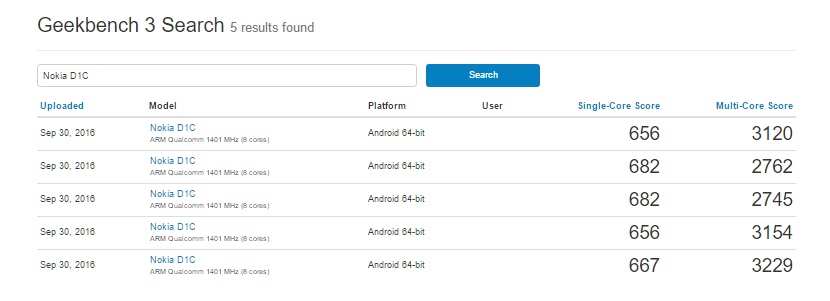
If you do a search for the device, you get 5 results showing the tests were ran multiple times with results for the single-core test ranging from 656-682 and multi-core test scores falling between 2745-3229.
We recently got hold of the Xiaomi Mi 5S and the Mi 5S Plus which were announced a few days back, thanks to OPPOMART. As a result, we can give a brief overview of the design and the interface of the handset. Please note that this is not a full review and our review of both the handsets are coming your way real soon. But until then, you can get a good look at the phone in the two videos below.
Most of you already know that the Xiaomi Mi 5S and Mi 5S come with the powerful Snapdragon 821 chipset. The Mi 5S comes with 3GB/ 4GB RAM options while the Mi 5S Plus takes things to another level with 4GB RAM and 6GB RAM options, a first for Xiaomi. You can read the full specs of both the handsets from here. Xiaomi Mi 5S | Xiaomi Mi 5S Plus
https://www.youtube.com/watch?v=ccBnBEC8oN4
https://www.youtube.com/watch?v=_VmbaZ-BYxI
So, what do you think about the two new releases from Xiaomi? Impressed?
Antutu has released its top 10 devices for the just ended month of September and there are a couple of surprises.
For mobile phones, Apple’s iPhone 7 Plus takes the top spot with a score of 172644 followed closely by the smaller sized iPhone 7 which scored 170124. This shouldn’t be a surprise considering the fact that quite a number of reviews have praised Apple’s new A10 Fusion chip. If you can remember, we covered a web performance test of the new chip against other flagships and the iPhone 7 came out on top.
Next in line is the LeEco Le Pro 3. The Pro 3 which is the first Chinese smartphone to sport the new Qualcomm 821 processor comes in at number three with a score of 160856, pushing Xiaomi’s new phones the Mi 5s Plus and Mi 5s to fourth and fifth position respectively.
There should be no surprise at the result of the Mi 5s considering its SD 821 chip is under-clocked.
OnePlus 3 takes the sixth position with 140288 points starting the list of Snapdragon 820 phones on the list.
Vivo’s Xplay 5 Elite and Samsung’s controversial Galaxy Note 7 slug it out for the seventh and eight spot but the Elite comes in ahead with 333 points more than the Note 7. The Le Max 2 comes in at number 9 and ZTE’s Nubia line wraps up the list with the Nubia Z11.
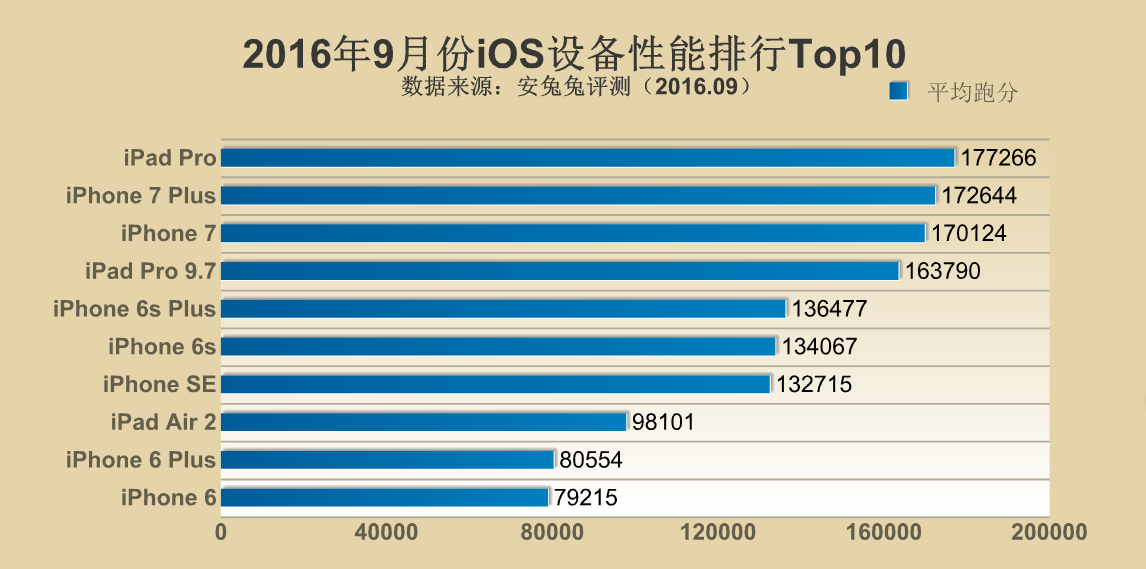
There’s also another Antutu list of top 10 iOS devices which is headed by the iPad Pro with 177266 points. The iPhone 7 Plus and iPhone 7 follow for second and third positions. The 9.7” iPad Pro takes the fourth spot, the 6s Plus takes fifth position and the iPhone SE takes the seventh slot.
For the top 10 android devices, the order is the same for the first one above, but since Apple devices are not on the list, the ZUK Z2 and Xiaomi Mi 5 get on the list coming in at number nine and ten respectively.
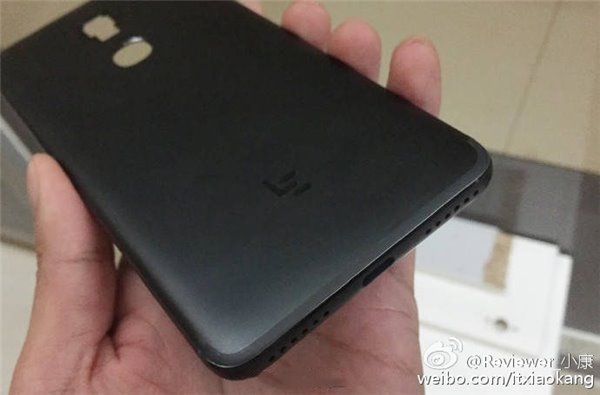
With the recent release of the flagship LeEco Le Pro 3, one would have assumed that LeEco would likely be done for new phone releases for the year, but that seems not to be the case as the Chinese phone maker is rumored to be working on two new smartphones. The unnamed phone models are said to likely launch in November.
Recall that before the Le Pro 3’s release the smartphone was rumored to feature a design in which the antenna bands are not visible at the back. We saw renders of what was thought to be the Le Pro 3 without visible antenna bands just like the iPhone 7’s design. However such was not the case when the flagship was finally released late last year. That of course means the device in question is yet to be outed. In addition to that, a LeEco device with funny looking dual rear cameras appeared on TENAA some time back and tipped to be the likely design of the Le Pro 3’s cameras but that too ended up not becoming a reality.
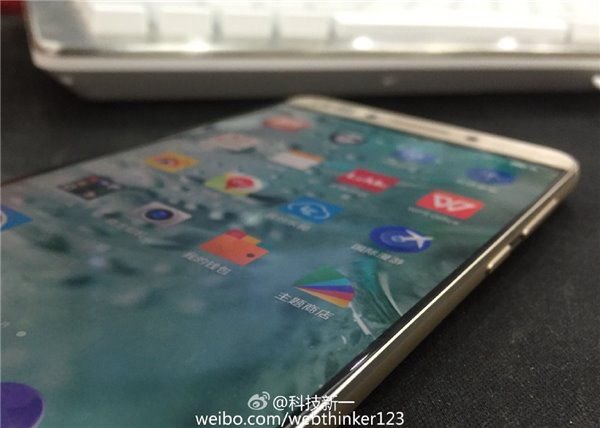
Render of the front view of one of the smartphones appeared today on Weibo along with the rumor of two impending smartphones popping in November. The render (pictured below) shows a device with very narrow bezels on the display edges and the display itself looks like it is sporting a curved screen. Apart from these, nothing else is known about the specifications of the rumored models but it sure looks like LeEco is preparing to wow us with another spectacular device or two soon. We’ll be on the look out for more information on this.
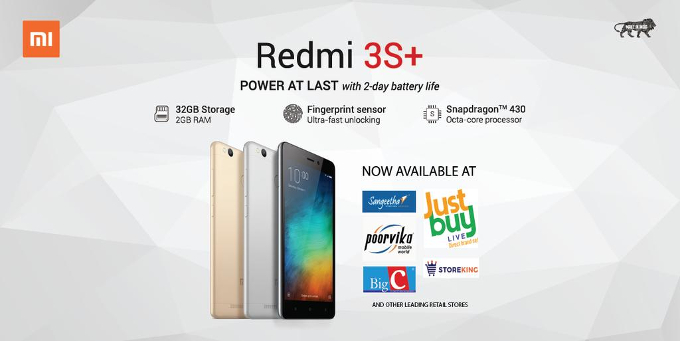
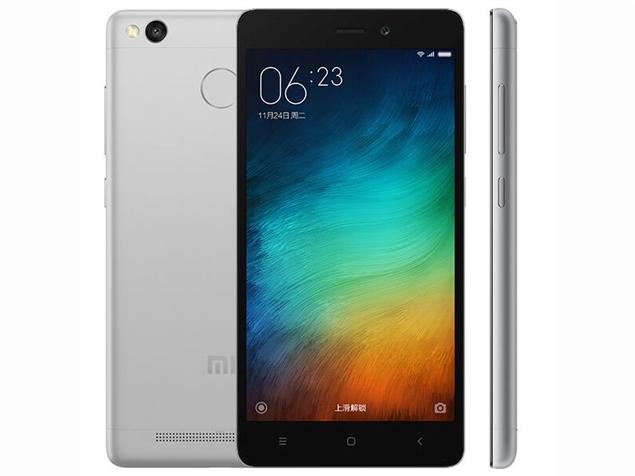
Xiaomi today seems to have released the Redmi 3S Plus in India. The device enters India as the company’s first smartphone that would be sold via offline channels only. The Chinese company had before now launched the Redmi 3S as well as high-end version of the Redmi 3S Prime in India. The Redmi 3S Plus looks quite similar to the Redmi 3S Prime but for the 2GB RAM it features.
From the specs point of view, the Xiaomi Redmi 3S Plus features a 5-inch 1080 pixels display and is powered by Snapdragon 430 chipset. The device also comes with 2GB RAM and 32GB of built-in storage, Android 6.0 Marshmallow OS as well as a huge 4,100mAh battery.
In addition, the Redmi 3S Plus sports a 13MP rear camera with LED flash and a 5MP front-facing shooter for selfies. There is also a fingerprint sensor mounted on the dual-SIM device’s rear, just under the rear camera.
The device is already available and is priced around INR 9,499 ($143) on MRP and for best buy price of INR 8,799 (around $132).
Fourth of October is almost upon us and while Google has a couple of major announcements, none is as important as the launch of the Google Pixel phones. Previously, the tradition was that a new Google device(s) would be the first to run the new version of android. However, this year, Android Nougat officially launched before the Google phones and is now live on earlier nexus devices and even the LG V20.
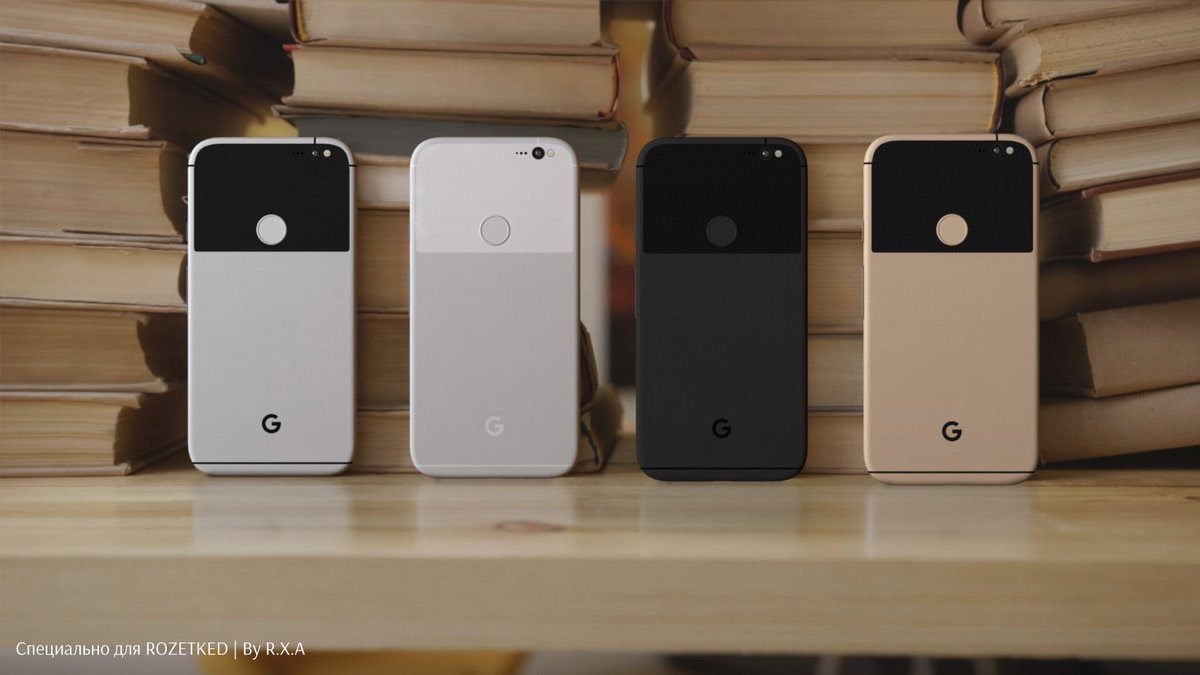
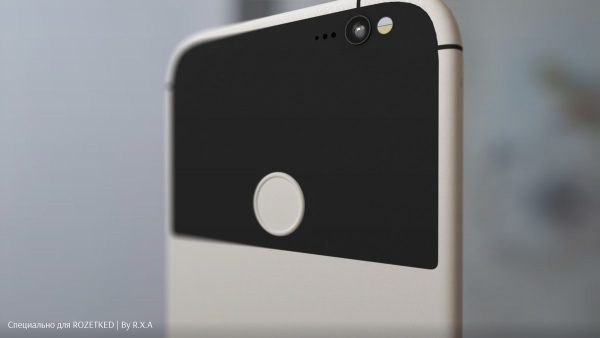
We’ve gotten a lot of leaks and renders lately but just three days before the launch, we get a new set of renders which in my opinion look very realistic. The render shows the phones in 4 major colour variants with the G logo sitting at the bottom. They also sport the dual colour back we have seen in previous leaks.
When Xiaomi launched the Mi Band 2 earlier this year, the company faced the issue of the smartband being in short supply with orders being pushed forward while resellers who had units for sale inflated the price. However, seems some other folks decided to cash in on the short supply of the Mi Band 2 by making a clone and selling it as original.
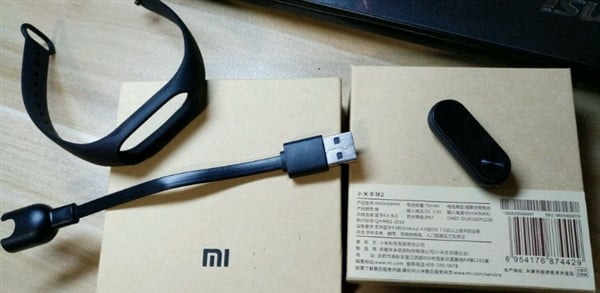
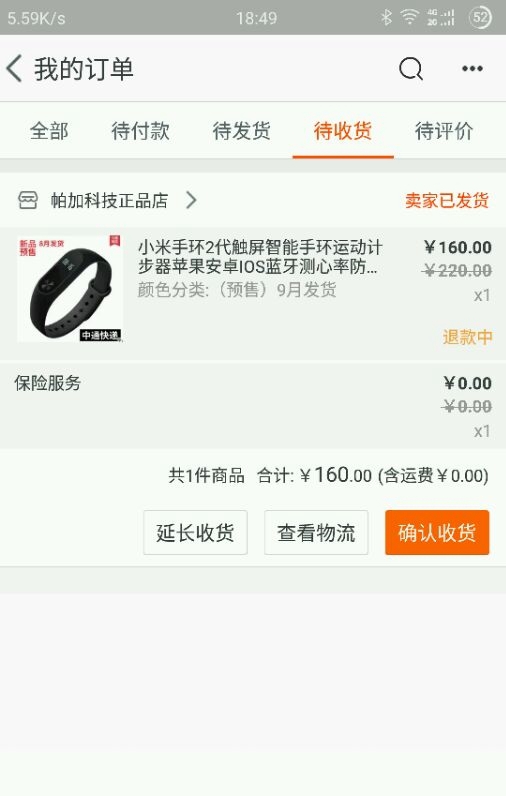
Someone posted online that he purchased a fake version of the band (images below) which he says doesn’t pair to the Mi App. While that might not be the only way to detect if it is a fake, I did a quick search to find if I could find out other ways of identifying a fake.
When LeTV was formed back in 2004, the company started as an online video company. Twelve years later and with a new name, LeEco has added phone manufacturing, smart TVs, and smart cars to their products. Now the biggest thing on their plate is their North America (United States) launch which the company says is slated for 19th of October.
We already foresaw this following the company’s acquisition of Vizio Inc., an American company known for its affordable flatscreen TVs. Back in June, the company also acquired 50 acres of land situated in Santa Clara from Yahoo for $250 million.
Last month, the company appointed a couple of new officials. First, LeEco appointed former Senior Vice-president and Division President of Qualcomm, Rob Chandhok. Mr Chandhok joins the company as Chief Research and Development Officer for North America.
Next they appointed ex-Huawei President of Western Europe Consumer Business Group, Middle East and North Africa Consumer Business Group, Richard Ren. His new role at LeEco is as the Acting President of the company’s North America Division.
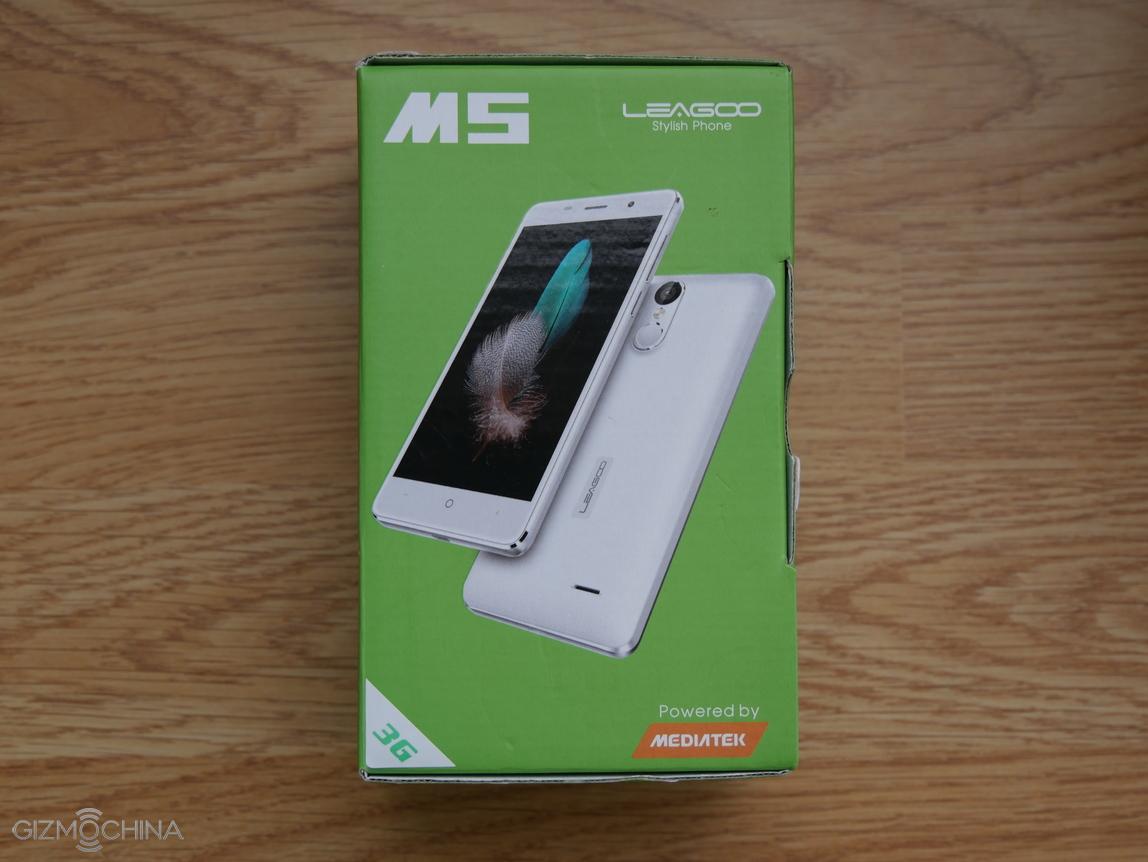
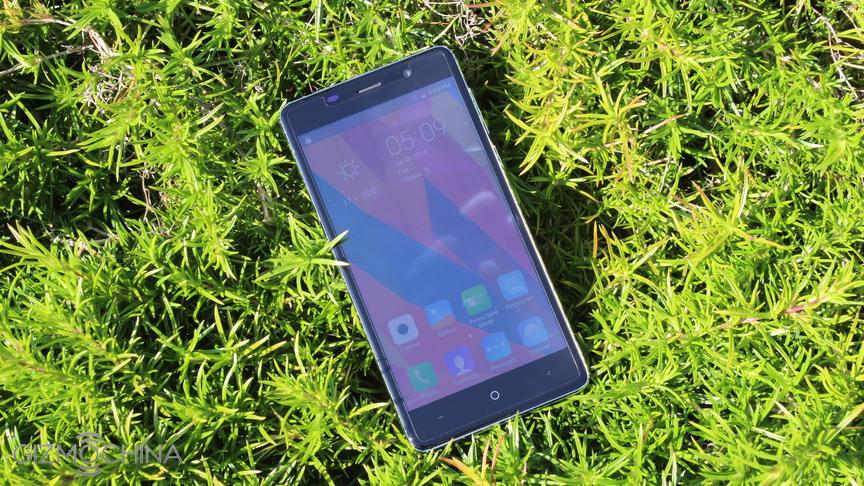
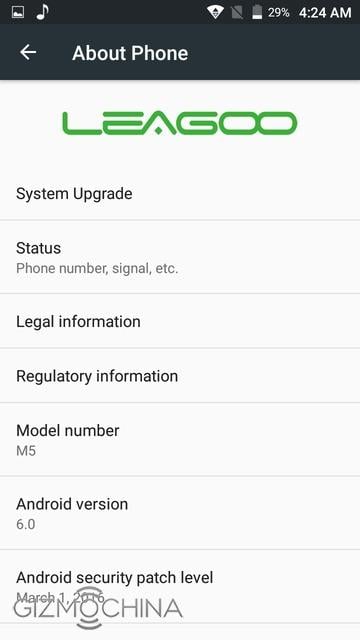
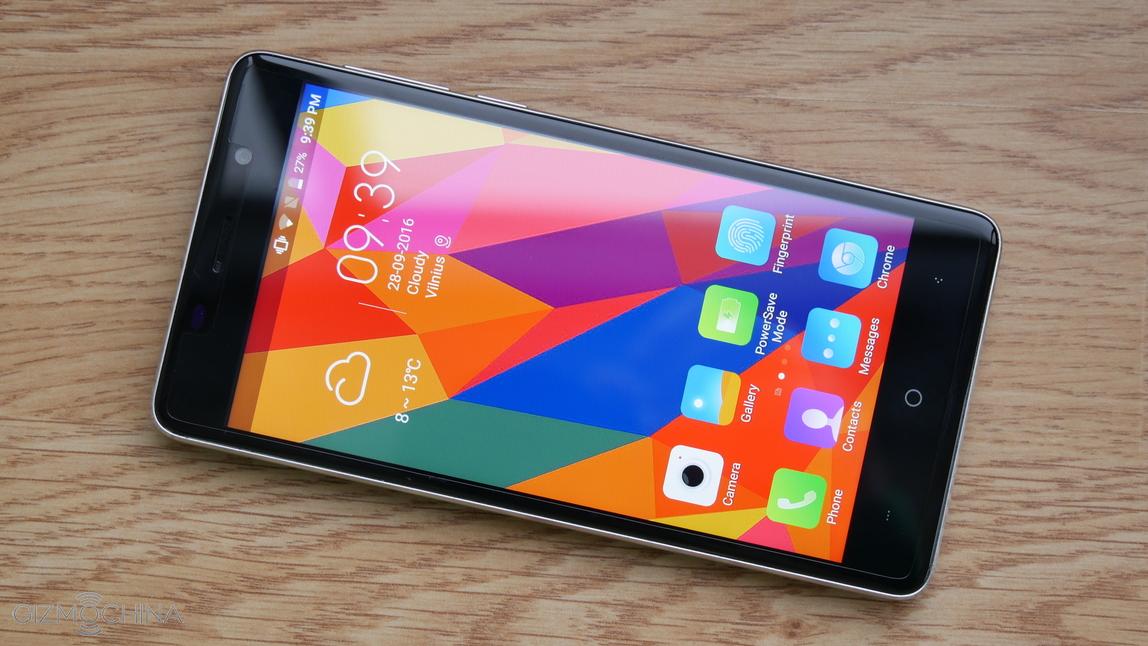
Leagoo M5 is yet another budget phone from China and it is actually one of the best $60 phones you can buy at the moment. Learn more in the full Gizmochina’s review.
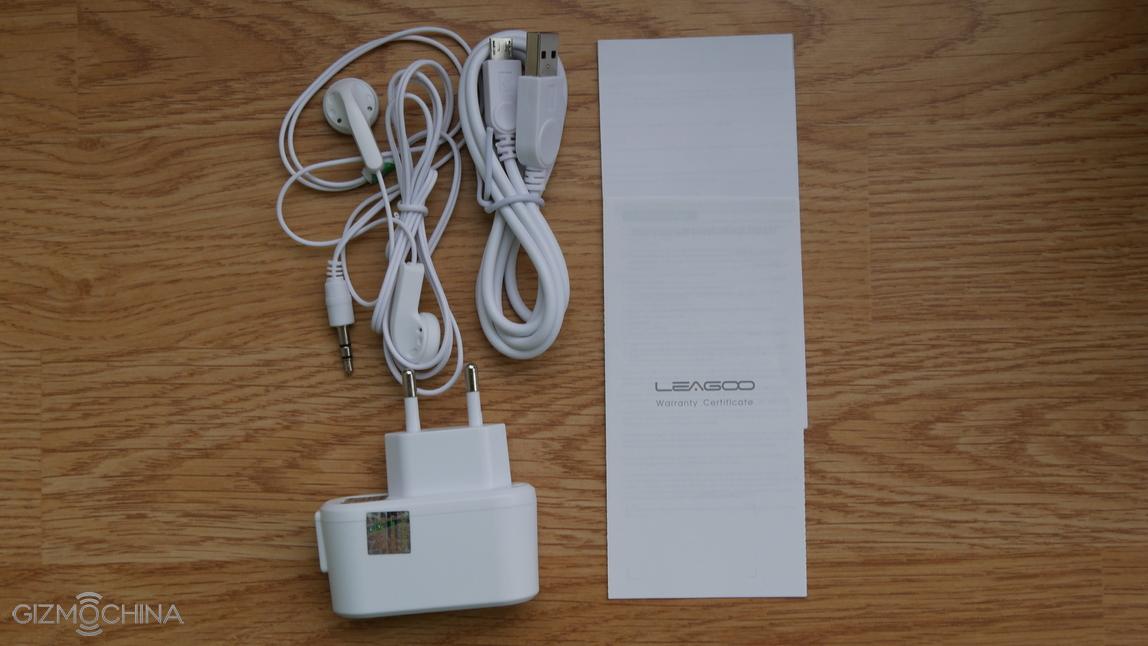
The phone comes with all the usual stuff and some extras include a pair of cheap earphones, which sound quite terrible.
Leagoo M5 Review: DESIGN and DISPLAY
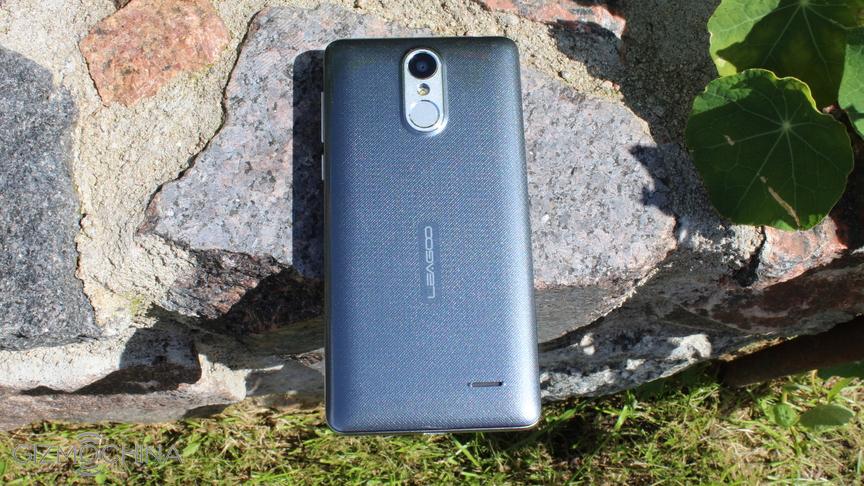
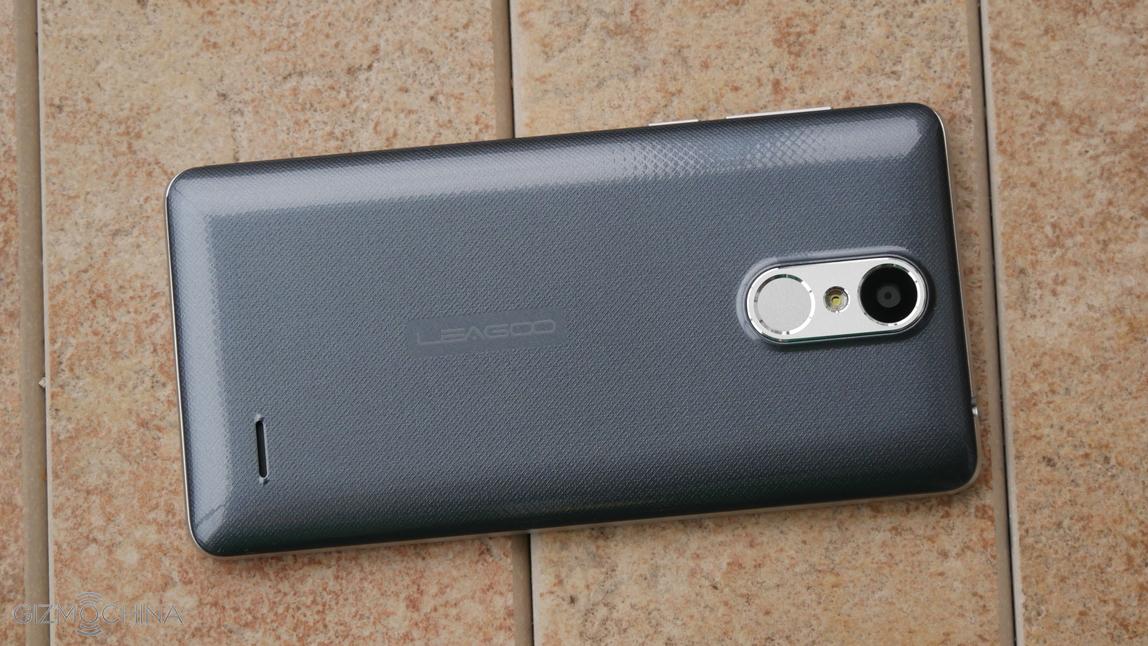
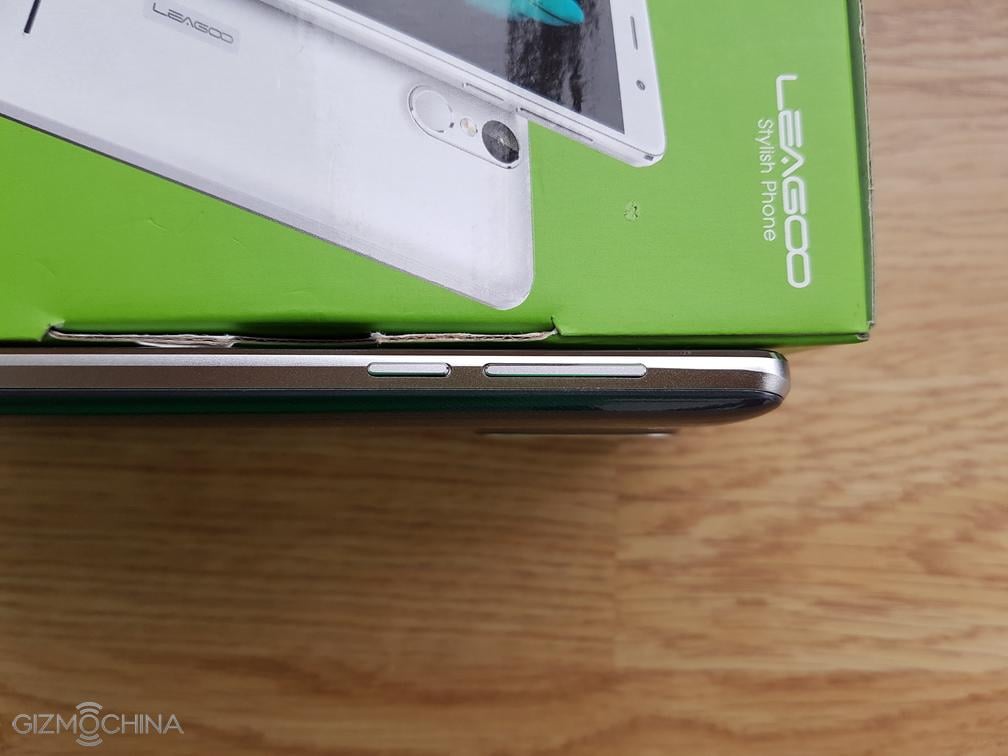
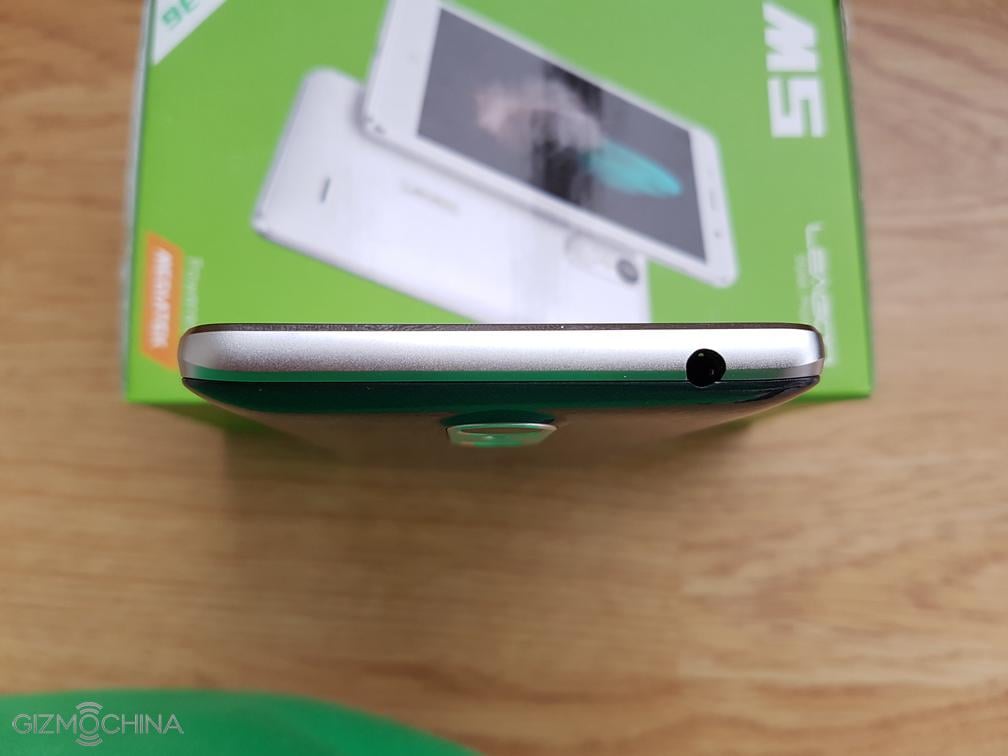
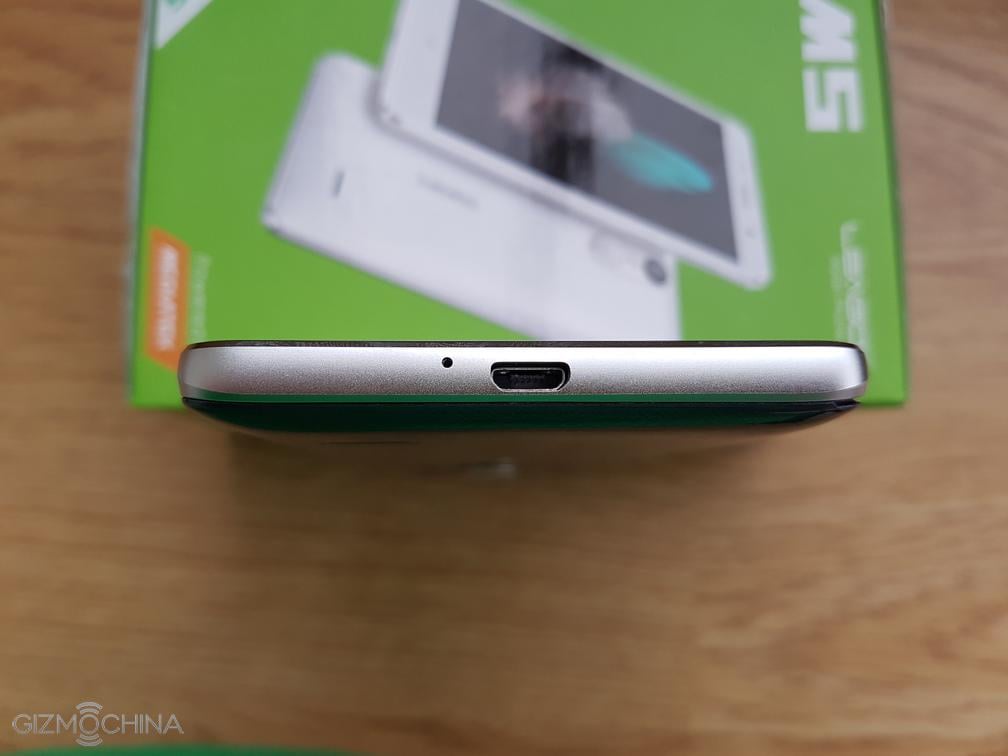
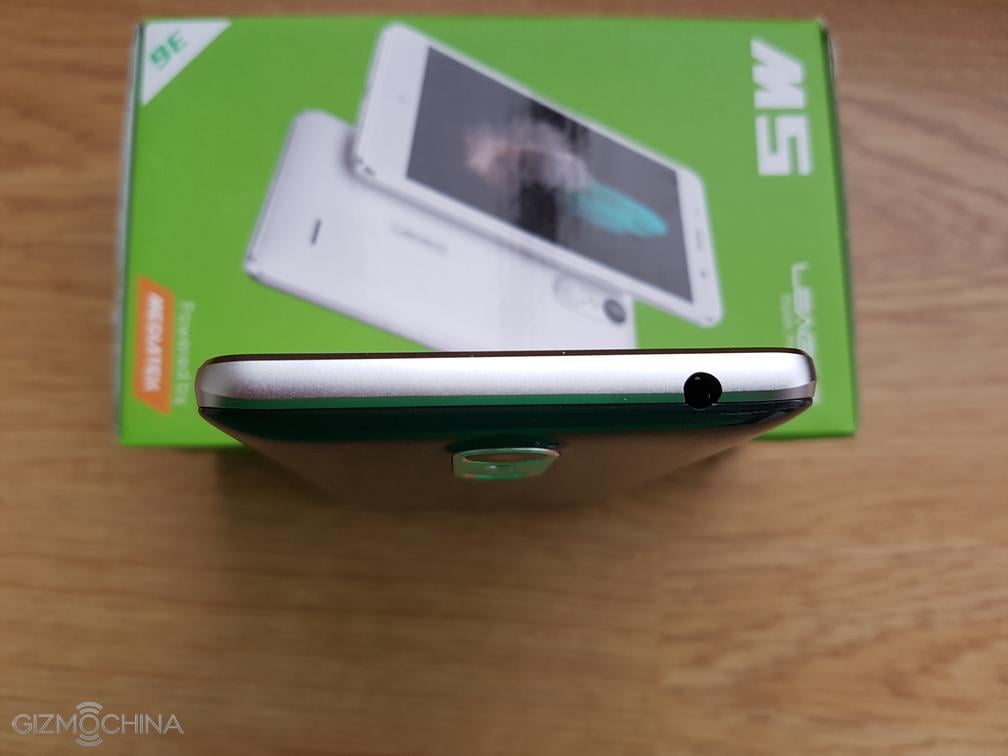
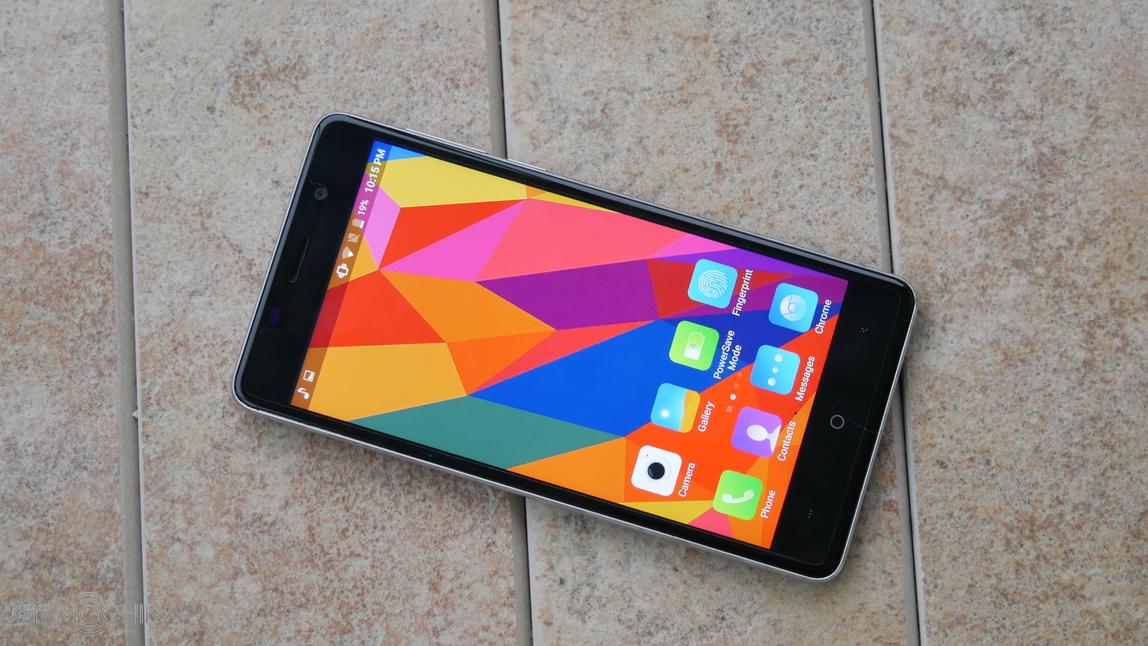
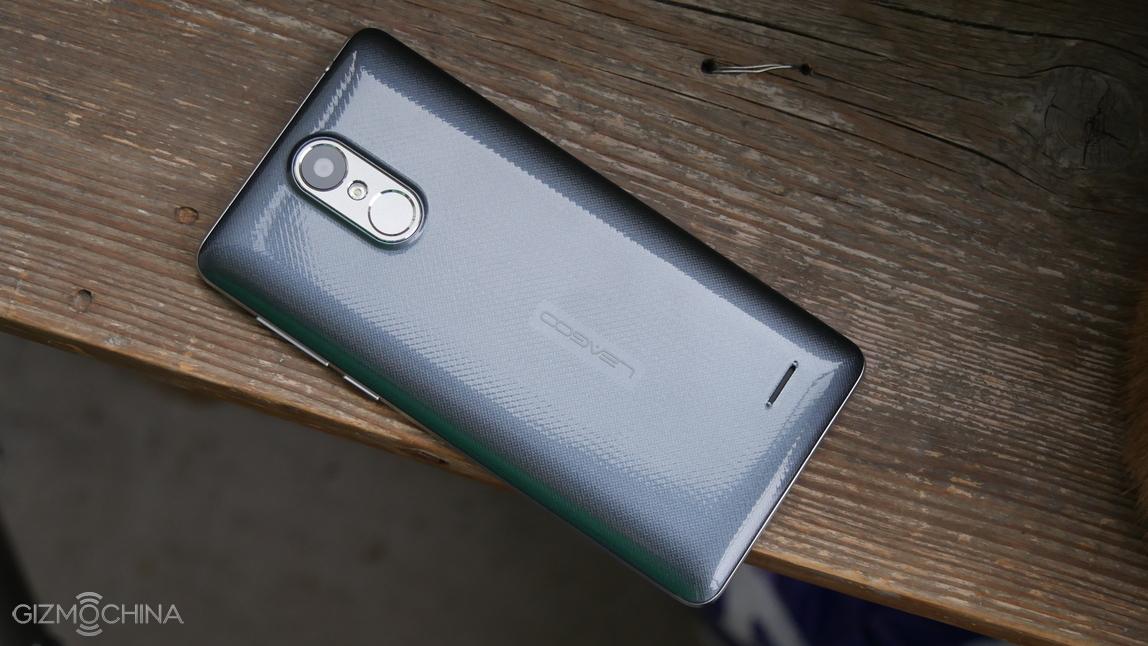
The Leagoo M5 is a very well-built phone. It uses a solid metal frame that goes all around the device and tactile metal buttons. Honestly, the phone feels a lot sturdier than some more expensive devices out there.
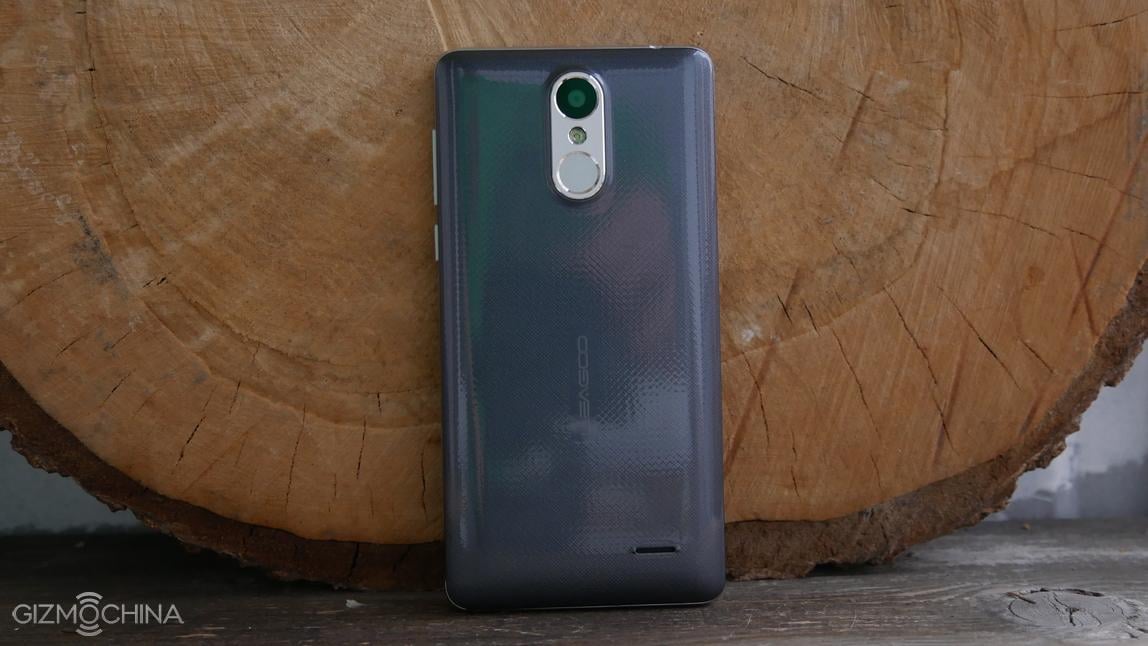
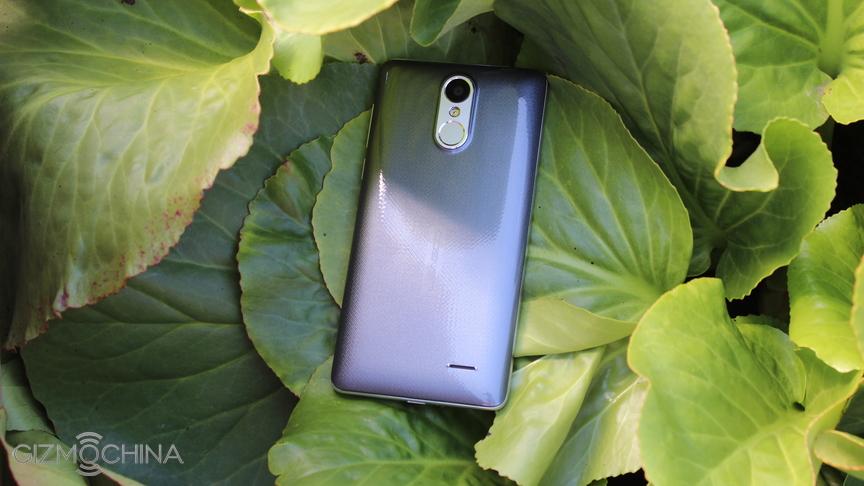
Although the backplate is glossy and it attracts fingerprints and smudges, it still feels high quality.
Since it is a $60 phone, we don’t have neither notification LED light nor backlit capacitive buttons but a 5” 720p display is sharp enough for the daily use.
Also, the phone is very compact but it is kind of on a heavy side as it weighs 180g.
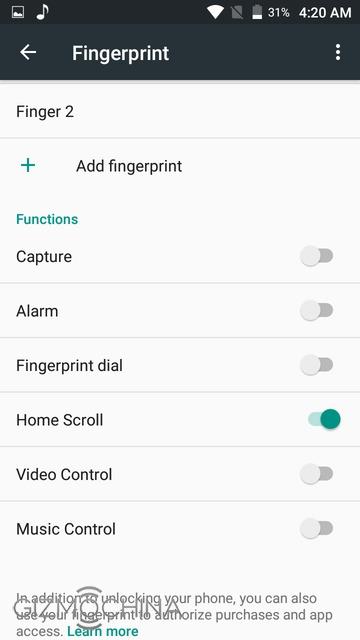
We have an 8MP camera and a fingerprint sensor, which are installed in a high-quality metal frame. Speaking of that fingerprint sensor, it is not the fastest I’ve seen but it definitely gets the job done and it works straight from the standby mode. Also, you can use the fingerprint sensor as a touchpad. The ability to scroll through the menus is one of my favorite features.
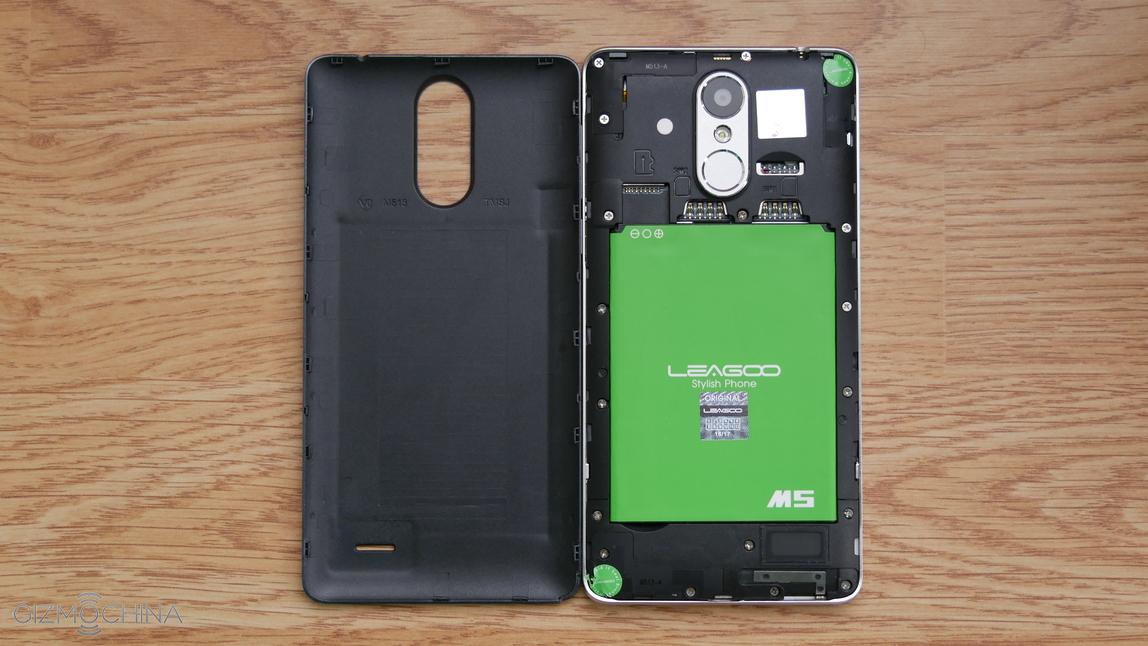
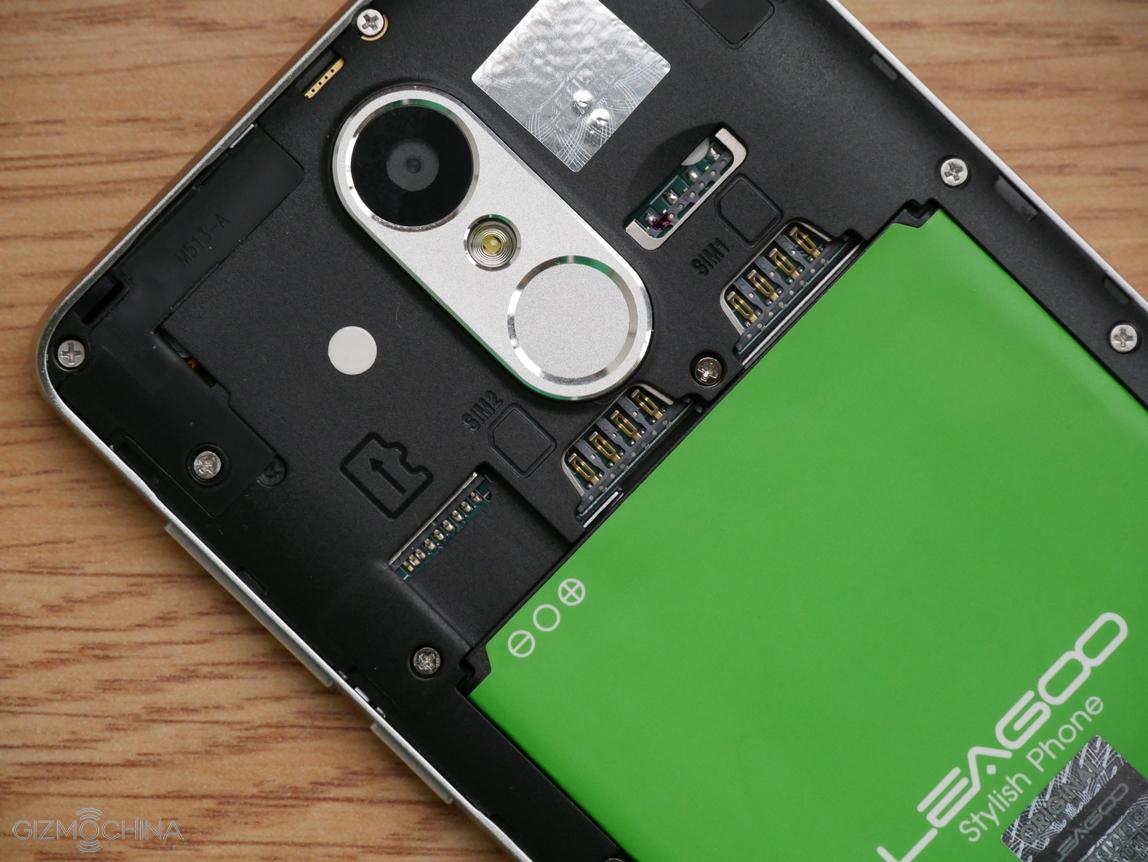
It’s not that easy to remove a backplate but underneath it, you can find 2 SIM card slots, microSD card slot and a removable 2300mAh battery.
I was fairly impressed by the loudspeaker quality. Sure, it is not the best but it is better than a lot of phones that costs as twice as much.
Leagoo M5 Review: HARDWARE and PERFORMANCE
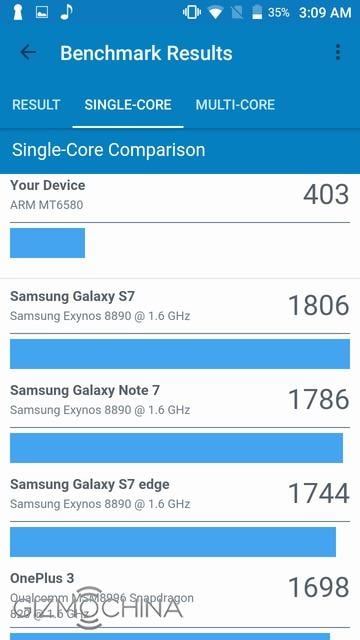
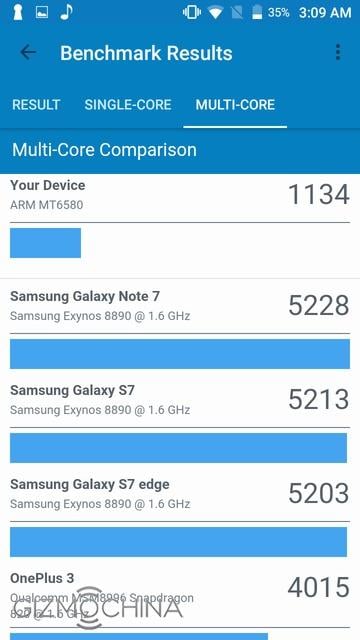
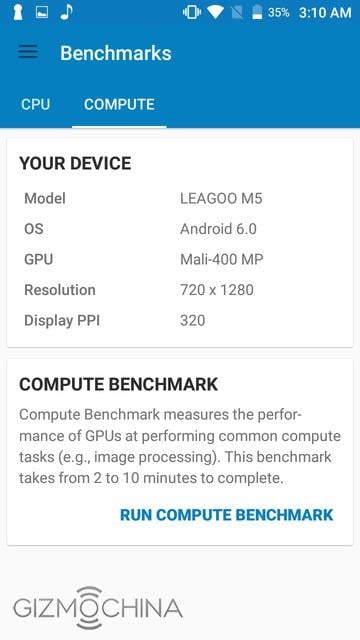
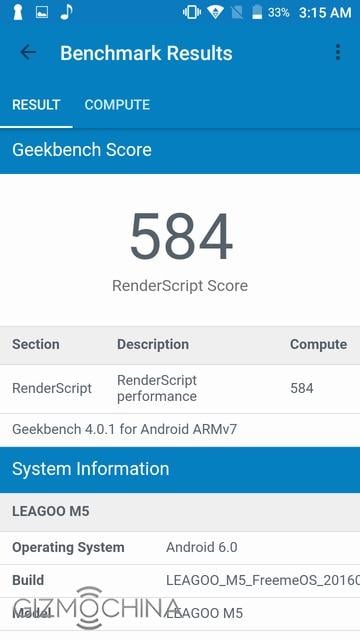
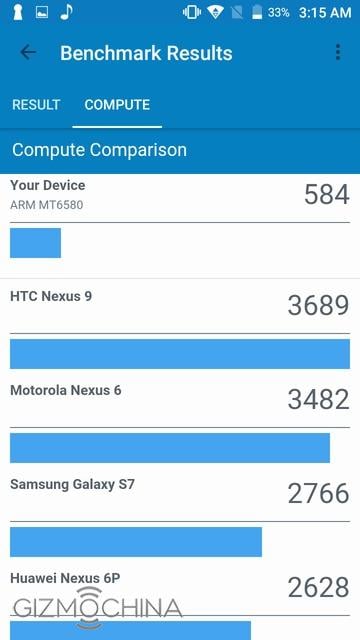
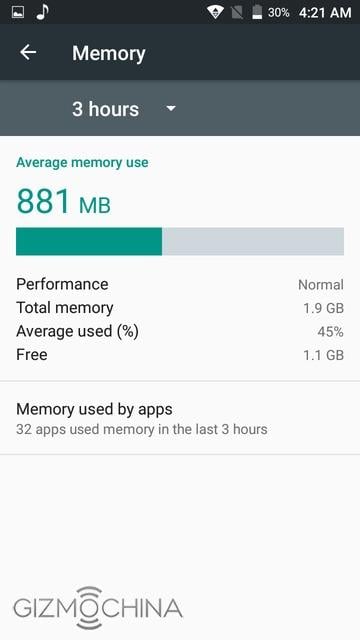
For $60, the Leagoo M5 has some pretty good specs. The phone ships with the quad-core Mediatek 6580A chip, 2GB of RAM and 16GB of expandable storage.
The 3D gaming performance is surprisingly good. The Asphalt 8, which is one of the most versatile games to test the phone’s performance runs absolutely fine on the medium graphics.
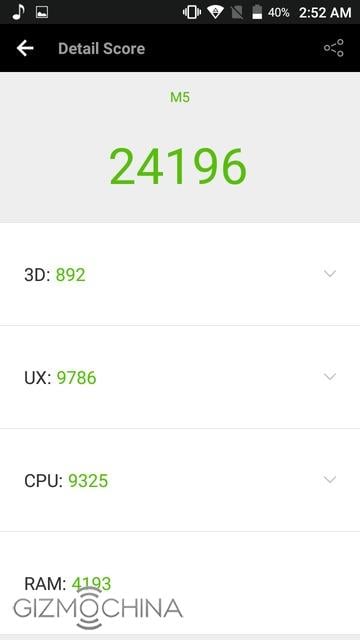
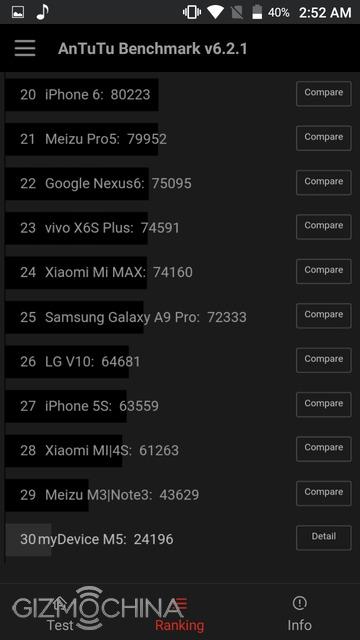
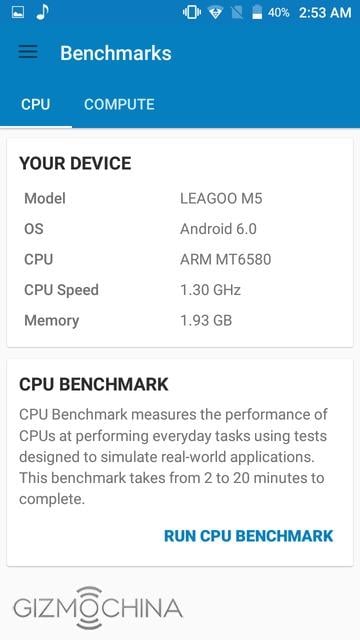
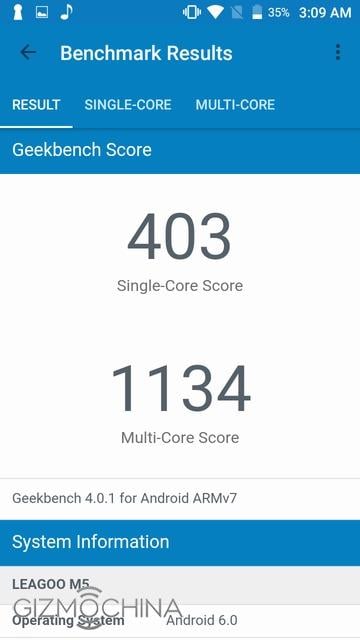
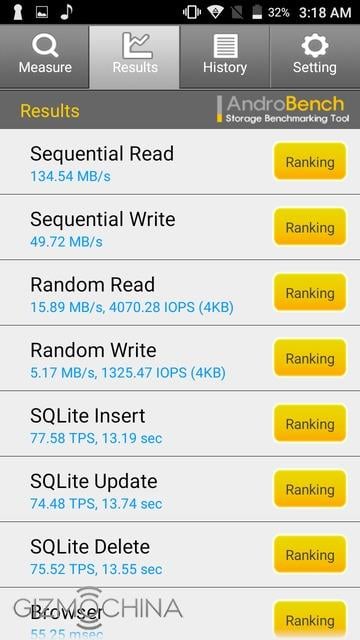
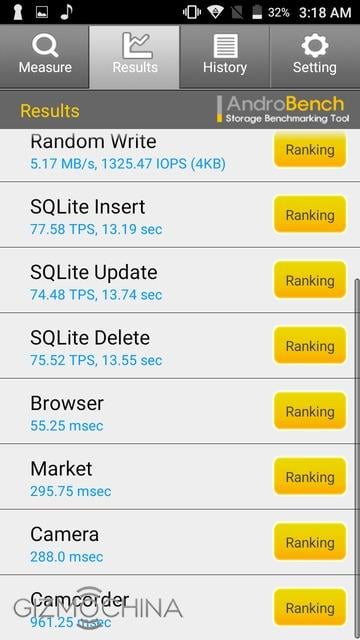
Leagoo M5 Review: BENCHMARKS
Leagoo M5 Review: USER INTERFACE
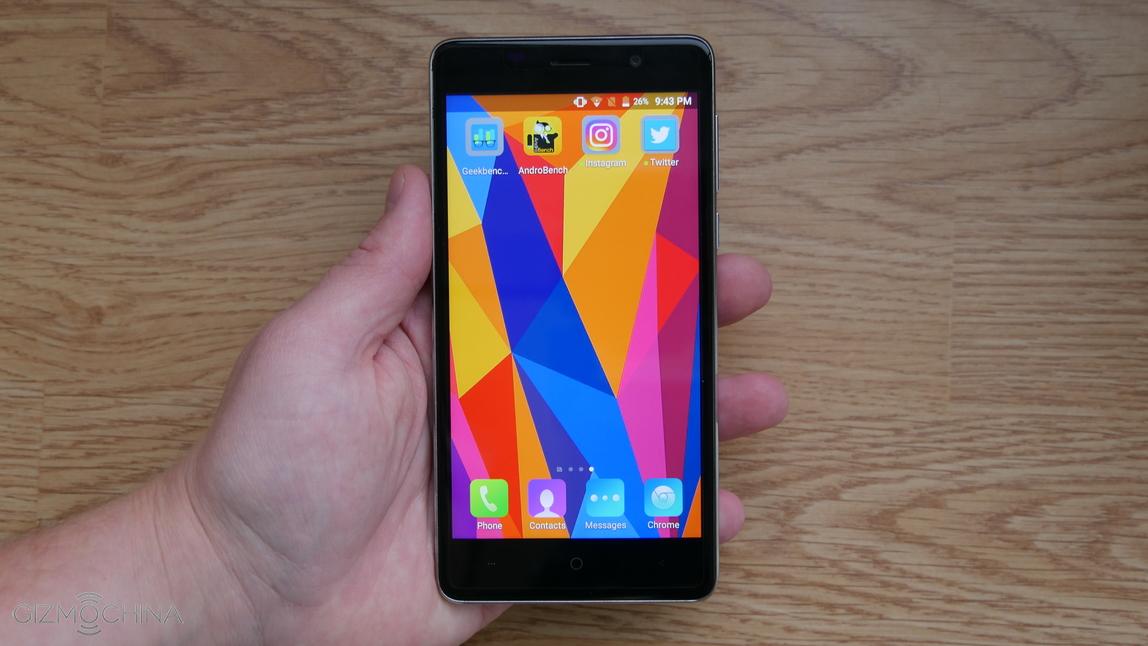
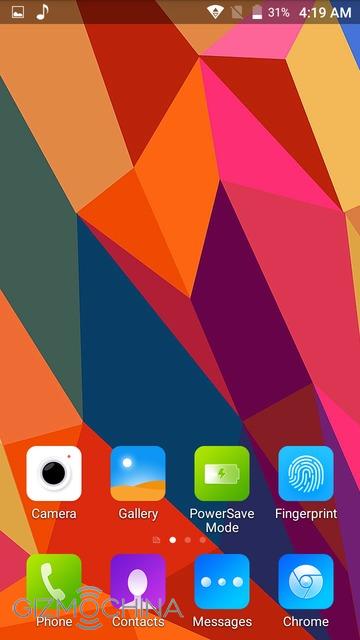
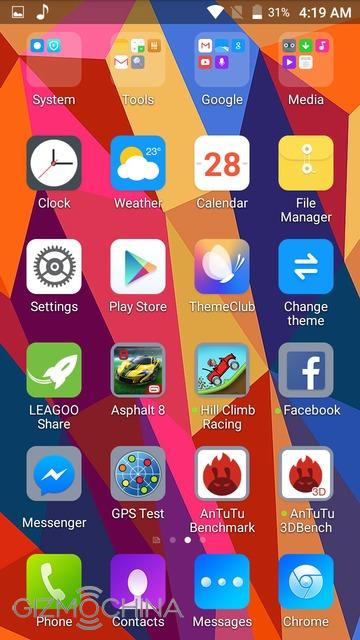
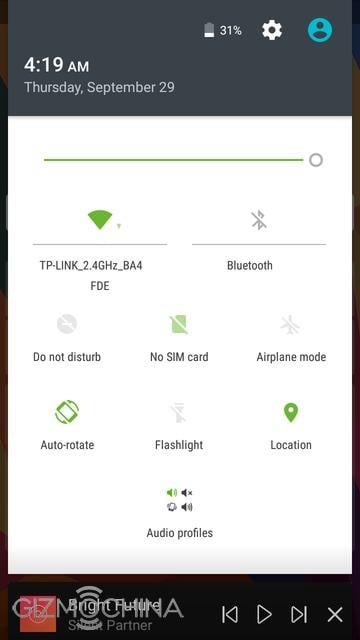
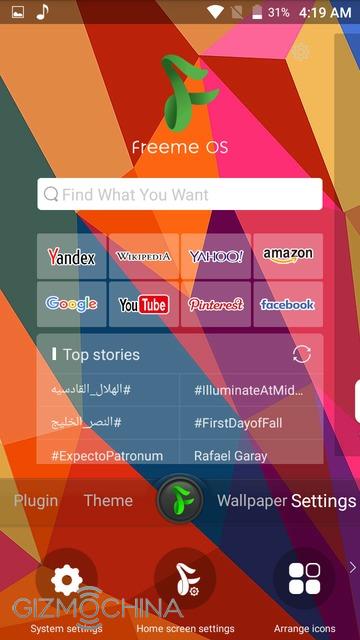
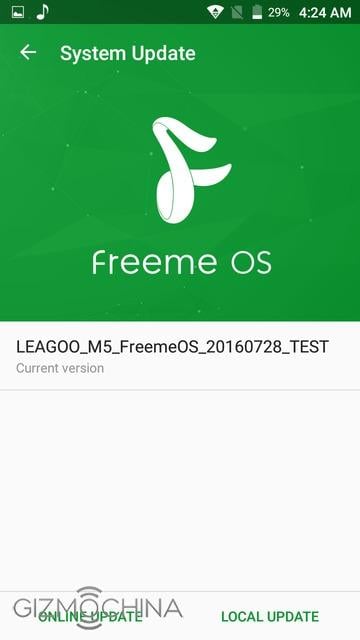
Having reviewed quite a few phones made by Leagoo, I knew what to expect. The Android 6 based user interface is highly customized. The app tray is gone but there are quite a few features and customization options. Some of them may look a bit gimmicky but others are actually pretty useful.
Most importantly, the phone has been fast and fluid even after installing quite a few apps.
Leagoo M5 Review: IMAGE QUALITY
You should never expect great-looking images from the phone this cheap and the Leagoo M5 is no exception. Sure, you can get some decent images that are usable for social media but nothing more.
Same can be said about the front facing camera.
Leagoo M5 Review: CONNECTIVITY
I didn’t have any issues with neither of the connectivity options except for the fact that it takes a bit longer to get the GPS position lock.
Leagoo M5 Review: BATTERY LIFE
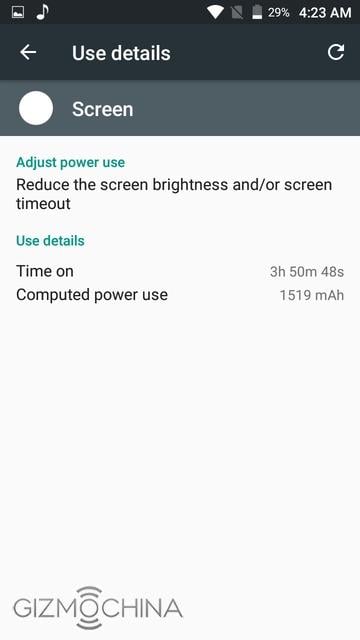
A 2300mAh does not really sound impressive. The battery will get you through the day if you are not a heavy user only. That translates to just over 3 hours of screen-on time.
Leagoo M5 Review: CONCLUSIONS
Leagoo M5 is a very solid phone for just $60. Sure, it is not a perfect device but even with a few shortcomings, it can be highly recommended if you are in the market of a super cheap smartphone for under $60.
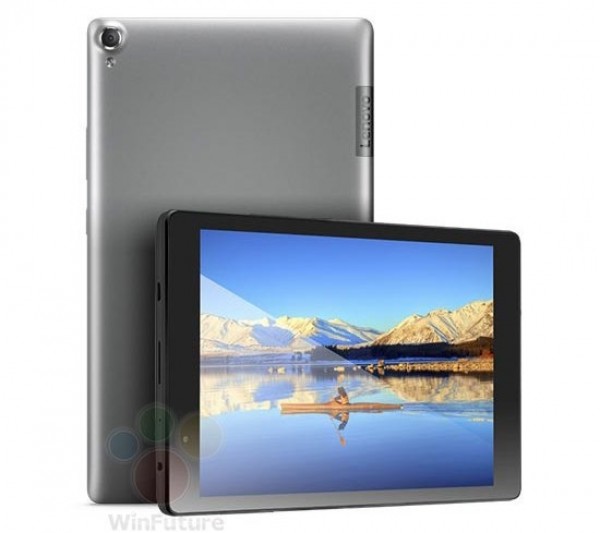
Lenovo has a good tablet lineup, but the recent ones in the low-end to mid-range segment like the Lenovo Tab3 8 haven’t been as interesting as we would have liked. It came with an undisclosed entry level Mediatek quad-core chip with features such as 1GB RAM and 1024 x 600 pixel display.
However, looks like Lenovo is going to update the Tab3 family with a brand new model, the Lenovo Tab3 8 Plus and this time, the specs are definitely worth checking out. First of all, the leak says that the new tablet will come with an 8-inch FHD display, a much-needed upgrade from the low-resolution panels in its predecessors. Another important update is going to be in the processor department.
The Lenovo Tab3 8 Plus is said to feature the powerful mid-range Snapdragon 625 octa-core chip, which is a lot faster than the old Mediatek quad-core chipset. Further, the 14nm manufacturing node of the chip will ensure great battery life on the device. Other expected features include 3GB of RAM, 8MP rear and 5MP front cameras, 32GB / 64GB storage options expandable via MicroSD and 4300mAh battery.
Hopefully, we will hear about this tablet from the company in the next few days.
We use cookies on our website to give you the most relevant experience by remembering your preferences and repeat visits. By clicking “Accept”, you consent to the use of ALL the cookies.
This website uses cookies to improve your experience while you navigate through the website. Out of these, the cookies that are categorized as necessary are stored on your browser as they are essential for the working of basic functionalities of the website. We also use third-party cookies that help us analyze and understand how you use this website. These cookies will be stored in your browser only with your consent. You also have the option to opt-out of these cookies. But opting out of some of these cookies may affect your browsing experience.
Necessary cookies are absolutely essential for the website to function properly. This category only includes cookies that ensures basic functionalities and security features of the website. These cookies do not store any personal information.
Any cookies that may not be particularly necessary for the website to function and is used specifically to collect user personal data via analytics, ads, other embedded contents are termed as non-necessary cookies. It is mandatory to procure user consent prior to running these cookies on your website.