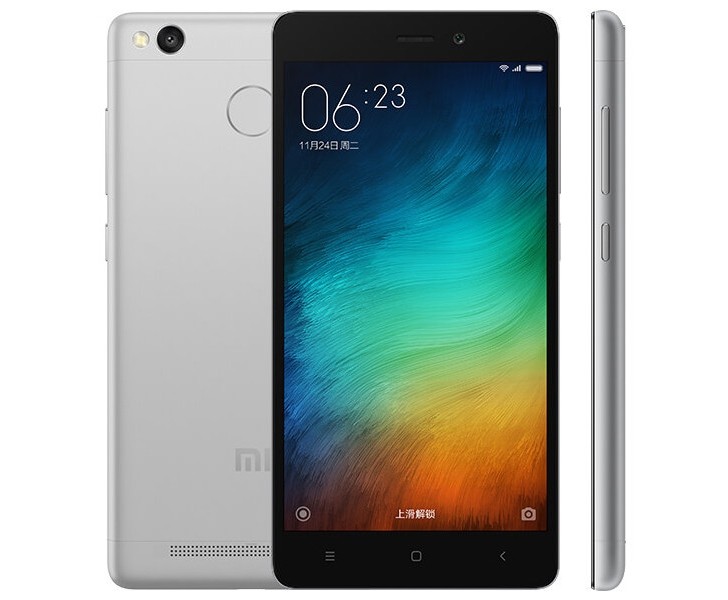
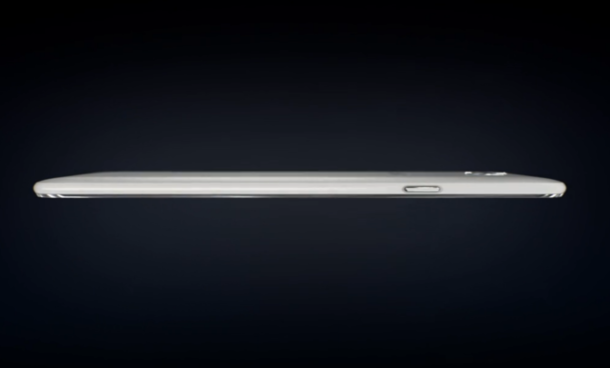
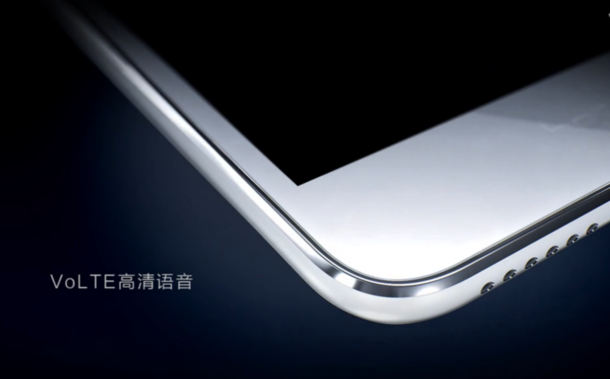
Xiaomi has officially launched the Redmi 3s and Redmi 3s Prime in India as successors to last year’s Redmi 2 and Redmi 2 Prime, bringing big upgrades over last year’s models.
They both feature an all-metal body, 5″ HD screen, Android 6.0 Marshmallow, snapdragon 430 octa-core processor, 13MP PDAF rear camera, 5MP wide-angle front camera for selfies, fingerprint scanner, and a 4100mAh non-removable battery.
The differences are in the RAM and ROM configuration. Where the Prime has 3GB of RAM and 32GB of built-in storage, the base model has 2GB of RAM and 16GB of storage. However the built-in storage can be expanded as one of the SIM slots doubles as a SD slot that can take up to a 256GB card.
Xiaomi’s smart home brand, Mijia, teased a new product yesterday with a tagline that roughly translates to ”protection from UV”. The product is expected to launch tomorrow, 4th of August at 10:00 am.
Yesterday’s Teaser
Today, the company’s Weibo page uploaded another teaser image which shows a roof made of ceramic tiles. The post which is accompanied with a text that translates to ”a protection from rain” hints at an umbrella that can also block out UV Rays, if you merge it with yesterday’s teaser.
Mijia’s releases shouldn’t be surprising anymore as the brand seems to want to conquer the household and provide all the items you use in your everyday life. Last week, they announced a refillable pen; this week probably brings the release of an umbrella, in addition to the company’s smart rice cooker which was released in March.
What’s the next item you want the company to make? Do let us know in the comment box.
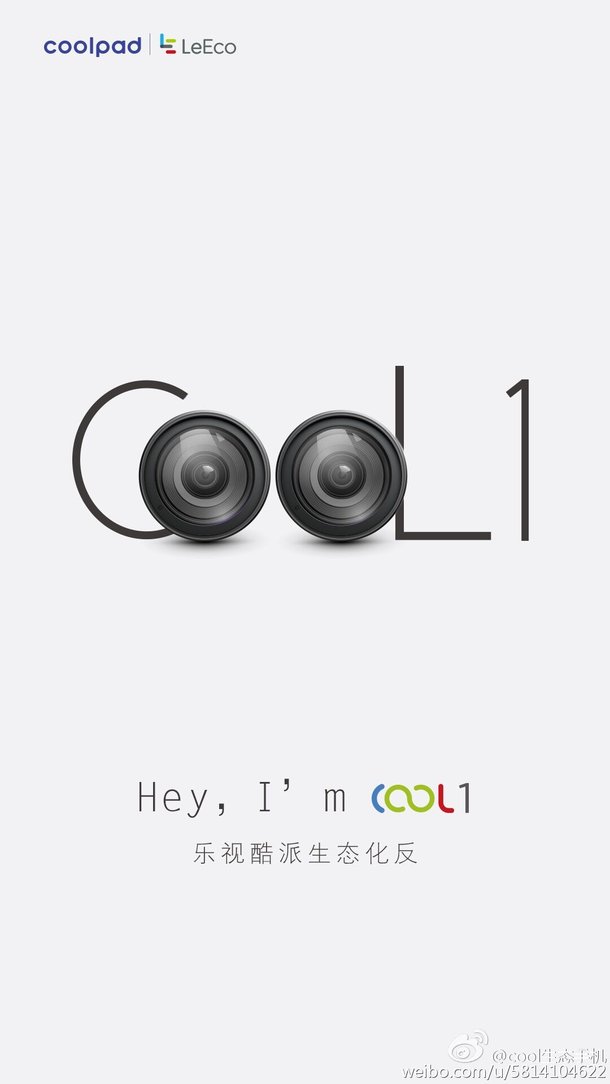
Yesterday, pictures of Coolpad and LeEco’s first jointly made phone called the Cool1 surfaced online with a release date set for August 10.
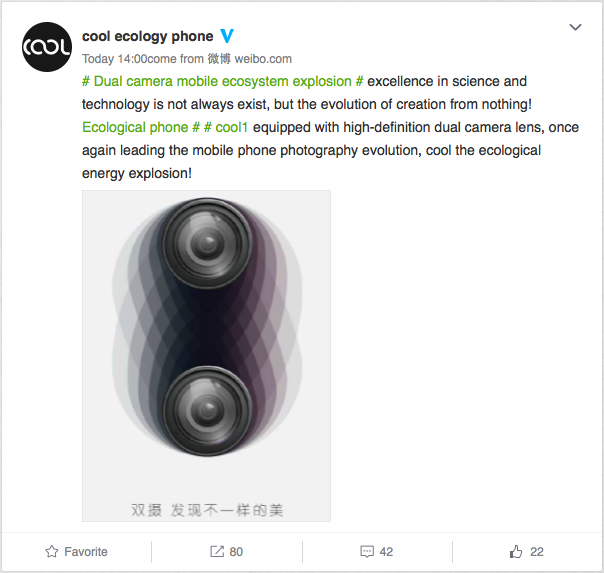
An official account, Cool Eco Phone, has been setup on Weibo for the new sub-brand which is a result of the collaboration between both companies. The account which teased the dual camera setup of their new phone has also announced a giveaway of the soon to be released device. Though details of the competition are still unknown.
UPDATE: Video seems to be unavailable at the moment.
UPDATE2: Video from another source added.
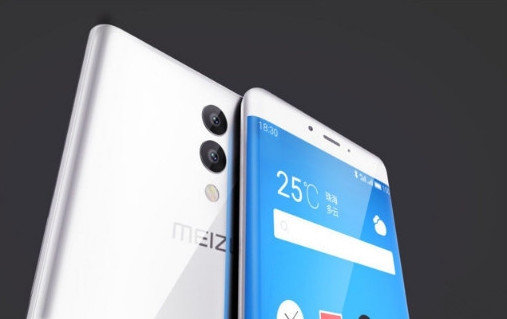
In exactly a week, Meizu will be launching a new device at the Beijing National Convention Center. Lots of speculations have come up online such as it being a high-end phone sporting Samsung’s Exynos 8890 SoC and having a dual curved display.
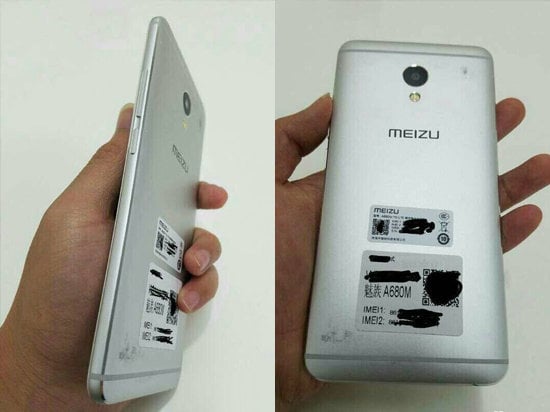
But a video that was leaked on Weibo shows the same phone whose pictures have been going around lately as the new Meizu E-Series phone.
The phone does feature a metal body, a round camera, straight antenna lines, and a home button that doubles as a fingerprint scanner. There is a hole on the left which is for ejecting the SIM tray. And on the right, we have the volume rocker and power button.
Reports say the E-series phone will run YunOS, have 3GB of RAM, a Full HD display, a 13MP rear camera, and be powered by a Mediatek MT6755M processor.
Since the authenticity of the video cannot be verified yet, it is best to take it with a grain of salt.
Meizu must definitely be enjoying the debate going on about what the device is as the company itself has not released any info that indicates it is even indeed a phone.
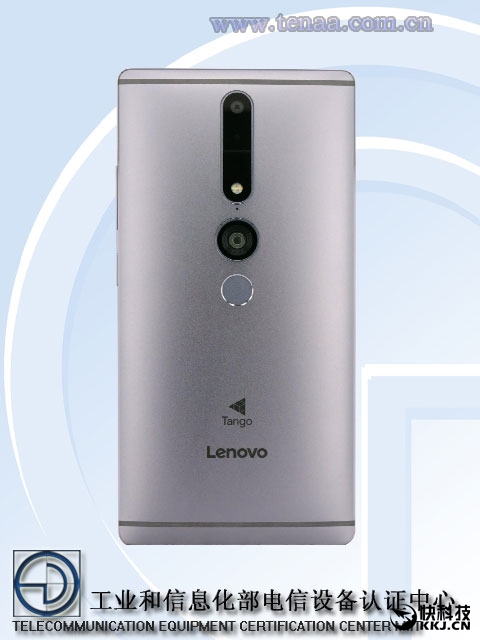
Lenovo announced in January during the CES 2016 that it was teaming up with Google to manufacture the world’s first consumer Tango phone under Google’s Project Tango platform, thus giving birth to the Lenovo Phab 2 Pro. The Tango phone is capable of rendering augmented reality (AR) in real time, thanks to a team of rear cameras and a host of specialized tech on the inside.
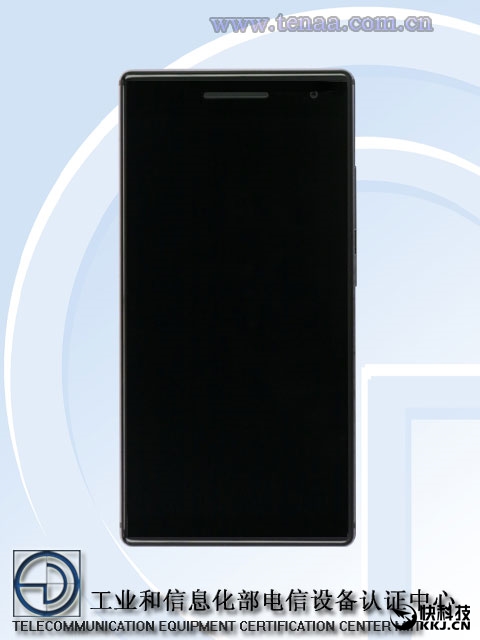
Lenovo Phab 2 Pro TENAA
The Phab 2 Pro was announced in June 2016 in the US and also became the first Lenovo-branded phone to come to the US. Now the Chinese edition of the Lenovo Phab 2 Pro has been spotted on TENAA, shedding more light on the specification which isn’t different from the US version.
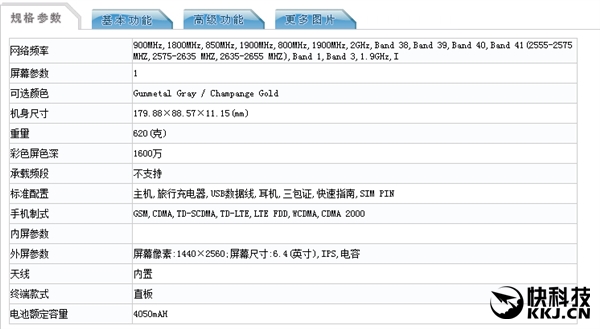
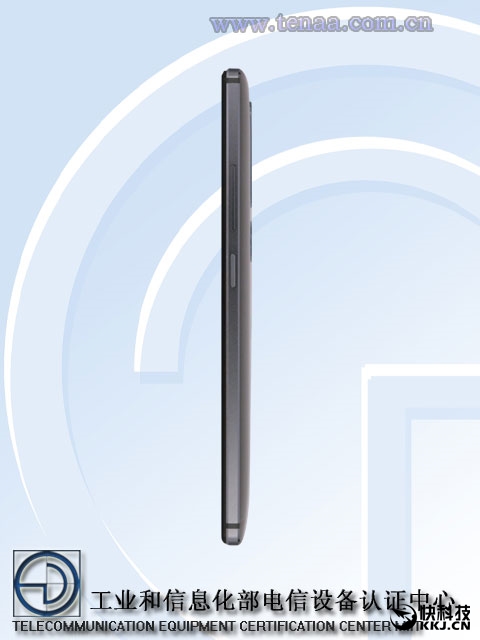
The TENAA listing shows the smartphone has a thickness of 11.15mm, weighing in at 620g and it supports all networks. The Lenovo Phab 2 Pro Chinese Edition sports a 6.4-inch display with a resolution of 2560 x 1440p. The device also features a 4050mAh non-removable battery and comes in Gunmetal gray and Champagne Gold colors.
Furthermore, the Phab 2 Pro Chinese edition is powered by a Snapdragon 652 processor and comes with 4GB of RAM and 64GB of internal storage. The Tango smartphone features a total of four cameras, an 8MP front facing “selfie” camera, a 16MP main camera at the rear, a depth camera and also a motion tracking camera. The depth camera and motion tracking cameras function only along with the main camera to enable the phone to detect the surrounding environment for the best AR experience.
The listing on TENAA should mean that the device will hit the Chinese market soon even though the price of the Phab 2 Pro Chinese edition isn’t known. The Lenovo Phab 2 Pro carries a price tag of 3300 yuan ($499) in the US, so the price may hover around 3299 yuan ($499) or 3499 yuan ($528) and is expected to enter the market this September. Hopefully, the Chinese edition of the Lenovo Phab 2 Pro will be released at the same time with the US edition.
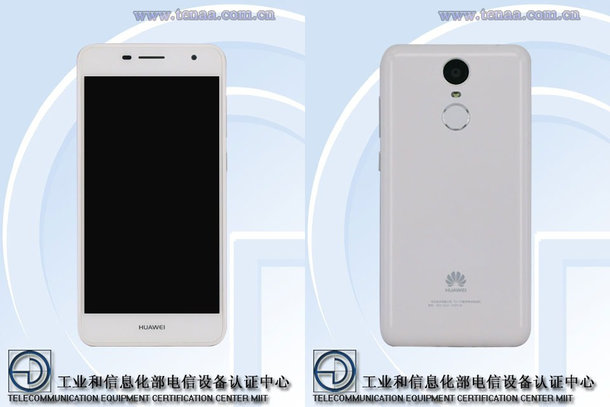
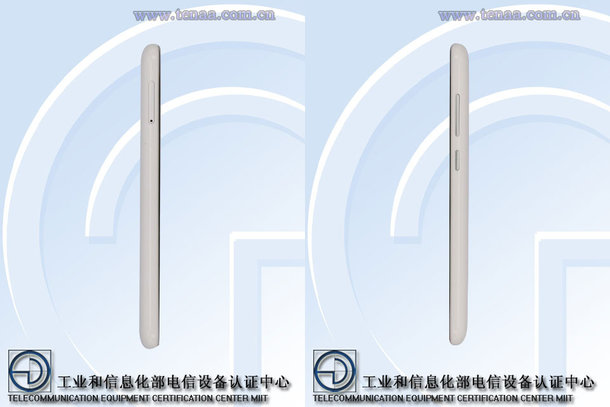
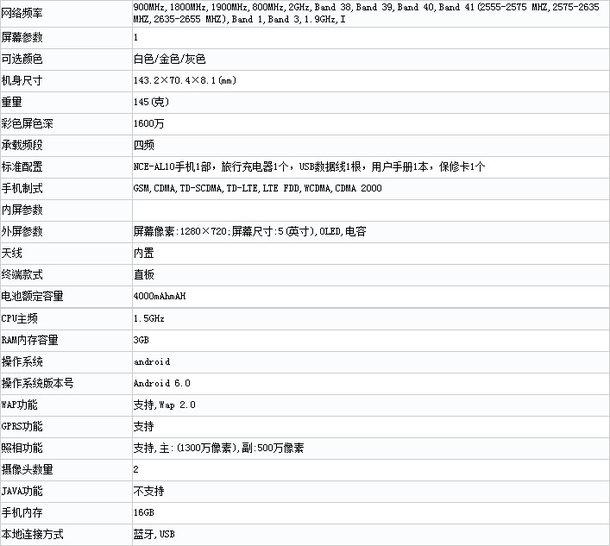
A mysterious new Huawei smartphone has been spotted on the website of China’s Telecoms regulatory agency TENAA posting entry level specifications. The unnamed phone is believed to be a new entrant in the Huawei Enjoy series and bears striking resemblance with last year’s Huawei Enjoy 5s, except for the location of the rear camera and back cover.
The TENAA listing reveals the Huawei smartphone will feature a 5-inch AMOLED display with 720p resolution. The phone is also listed to be powered by a 1.5GHz octa-core processor and as usual the specific brand of the processor isn’t listed. Also, the TENAA record shows the device sporting a massive 4000mAh battery.
The photo rendition attached to the TENAA listing shows Huawei has adopted a very simple design pattern on the phone, with the back cover said to be made of plastic material instead of the usual metallic casing. The back view also shows the phone sporting a fingerprint sensor and there is a SIM card slot on one side of the metal fuselage. There are also buttons for volume control and screen lock on the other side of the phone.
The TENAA records also show the device will pack a 3GB RAM and 16GB internal storage space under its hood which may likely be expandable. On the camera aspect, a listing of 13MP rear camera unit and 5MP front facing camera was recorded. The device is also shown to run on Android 6.0 Marshmallow operating system out-of-the-box.
No further details about the smartphone is known at the moment but the specs listed shows we should be expecting a low, budget price tag on the smartphone whenever it goes official. This could be Huawei’s answer to the low-end segment dominated by Xiaomi’s Redmi and Meizu’s Blue Charm phones.
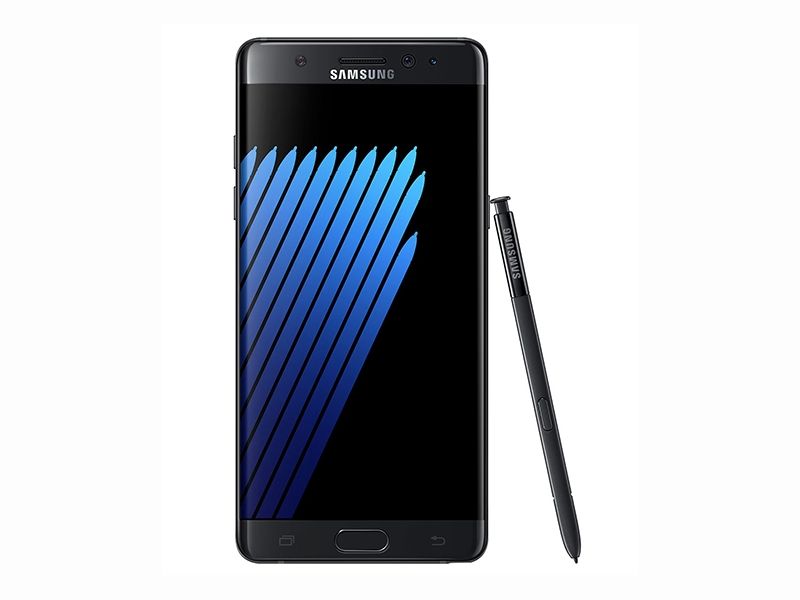
Samsung was one of the first companies to popularize the concept of phablets. And there will be no list that doesn’t include the company’s popular Galaxy Note series. Today, Samsung released the sixth generation version of the new Galaxy Note model and like expected, it has skipped a generation when it comes to naming, as the phablet will be called as the Samsung Galaxy Note 7.
Here is our live hands-on video from the Samsung Unpacked event made by Linus:
The company’s Note series has always featured top-end specs and this year’s edition is no exception. However, this year, Samsung seems to have taken most of the specifications from the Galaxy S7 Edge model that was released a few months back. Not that this is a bad thing, but the company usually has a tradition of equipping its Note series flagships with even better specs that its flagship Galaxy S series. Nevertheless, the phone is a beast and it comes with powerful specs like the Snapdragon 820 quad-core chip, 4GB of RAM and a capable 12MP f/1.7 aperture rear sensor. Furthermore, the Note 7 is going to be water and dust resistant since it’s IP68 certified. And then there’s the MicroSD card slot, which was absent in last year’s generation.
Samsung seems to have taken design cues from the S7 Edge for the new Note 7 as this particular model also comes with dual edge curved display, a first for the series. It’s a 5.7-inch Super AMOLED panel with 2K resolution, making it a bit larger than the S7 Edge model. Like tradition, Gorilla Glass protects the screen, and this time it’s the new Gorilla Glass 5! As for the battery, the phone will feature a decent 3500mAh capacity one inside.
Apart from the powerful specs, the Galaxy Note 7 comes with an iris scanner as well. You get a fingerprint scanner as well, just in case you want another option. But the company claims that the iris scanner is much more secure than the fingerprint sensor. Apart from unlocking the smartphone, the iris scanner can lock apps, photos, notes and folders as well.
The Note 7 also comes with a new Stylus called S Pen, which now features 4096 levels of pressure sensitivity (2x when compared to the last generation) and is water resistant as well. The software also gets an upgrade, now coming with cleaner colors and better-looking visuals. It’s Android 6 based UI but the company has promised Android 7 Nougat update later.
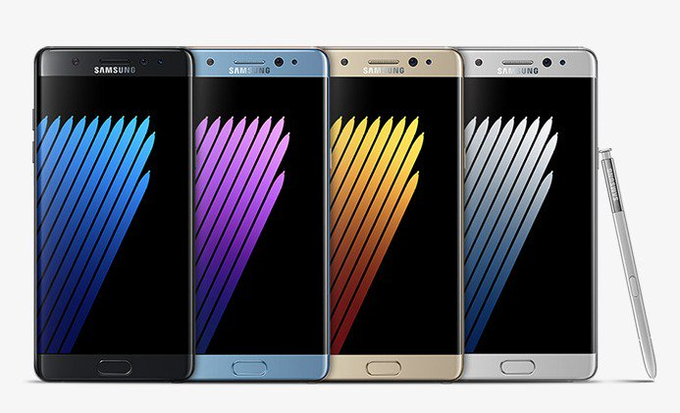
The phone will be available for sale from August 19 in Blue Coral, Gold Platinum, Silver Titanium and Black Onyx colors. Pricing is expected to be on the same lines as previous generation Note series models.
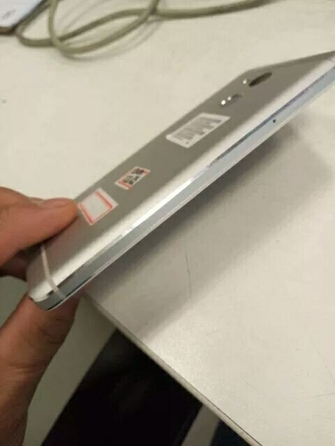
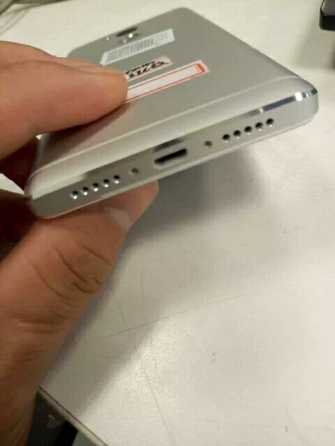
Xiaomi has built a reputation of unveiling new models in a series just months after it’s been updated. We recently saw the Redmi 3S and 3X models released in China, and now, it looks like the company is preparing the launch of the new Redmi 4 model already. Even if the release may not be very soon, at least a working Xiaomi Redmi 4 prototype has leaked online, giving us some insight on the possible specifications of the device.
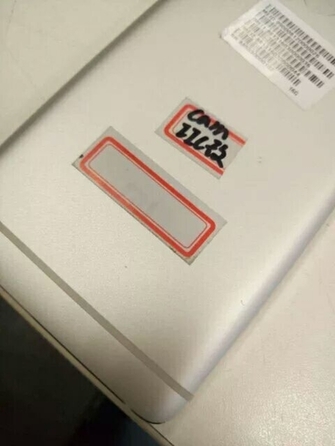
The alleged Redmi 4 model comes with a metal body, quite similar to the Redmi 3. There seems to be 2.5D glass up front, but the rest of the design is familiar. The speakers are located at the bottom and the phone comes with single camera sensor at the back with fingerprint sensor just below.
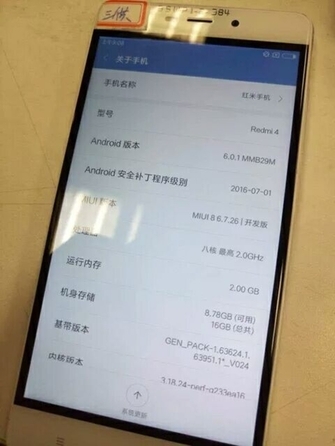
As for the specs, the Redmi 4 will reportedly come with an octa-core processor clocked at 2GHz, which should most likely be the Helio P10 chipset. There will be 2GB of RAM on board and 16GB of internal storage. It’s running on MIUI 8 OS based on Android 6 Marshmallow.
If this is indeed the Redmi 4, then specs and design wise, the phone takes the budget Redmi model to a whole new level. Helio P10 powers mid-range flagships in the market today and having the same processor inside a super cheap 699 Yuan ($106) smartphone would be just plain amazing.
Let’s hope we get more details about the handset pretty soon.
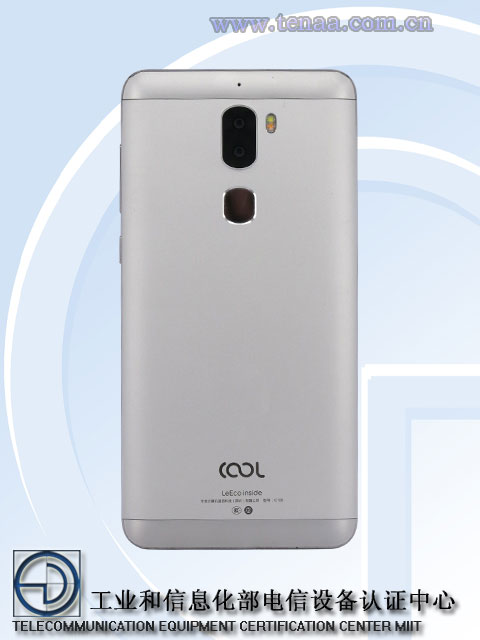
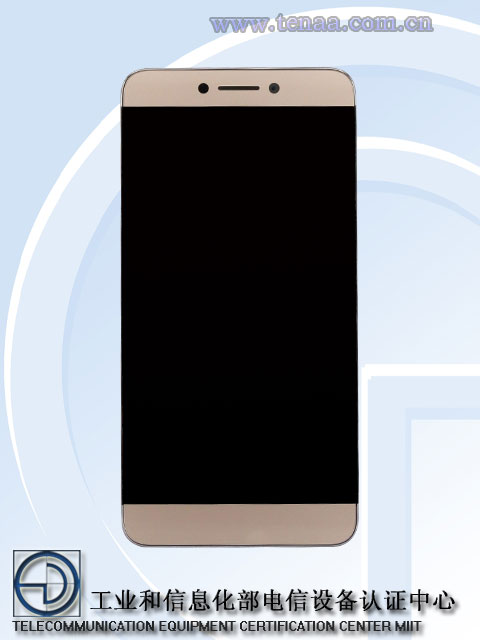
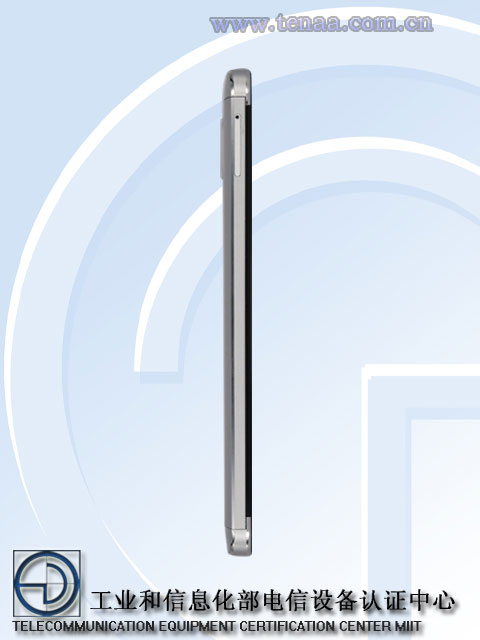
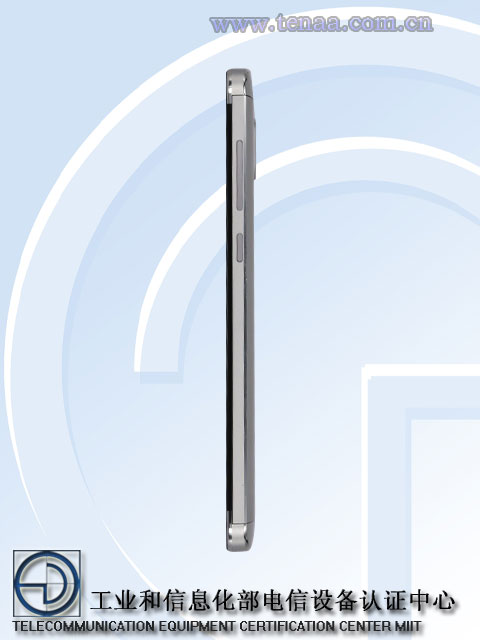
After LeEco invested in Coolpad, the collaboration is finally resulting into a new smartphone series. The new phone is confirmed to be called as the Cool1 and expect some pretty high-end hardware inside. Thanks to the earlier leaks, we have a good idea as to what to expect from the new flagship smartphone that will reportedly be released on August 10. Now, we have got some pictures of the Cool1 with dual cameras on board, all thanks to TENAA.
We can clearly see the Cool branding at the back, with the words, “LeEco inside” just below it. Plus, the dual cameras at the back are evident along with the dual tone LED flash. There is a fingerprint sensor at the back as well. This picture also confirms that the phone will come with a metal body, much like most other flagship phones this year.
The front is actually pretty clean, with a display and sensors + camera on top. All the buttons, including the power and volume keys are located on the right side of the phone. Seeing that the SIM tray is located on the left, it’s likely that the back is non-removable.
The specs of the Cool1 smartphone have already been leaked. It is said that the phone will come with a 5.5-inch 2K resolution display and will be powered by the Snapdragon 820 chipset. There will be 4GB of RAM and 64GB of internal storage on board. Inside, you will get a decent 3500mAh battery as well. It is further said that the Cool1 will come with dual OS, which gives users the option of choosing between Android Marshmallow based CoolUI and EUI.
LeEco’s phones are usually very competitively priced, so we can expect the same to be the case with the new Cool1. Plus, considering that the dual camera equipped Xiaomi Redmi Pro starts at 1499 Yuan ($224), it is possible that the upcoming Cool1 flagship is priced under 1999 Yuan to further intensify the competition in this price segment.
Well, August 10 is the date we expect to meet this new flagship, which is just a week away. So, stay tuned for more details.
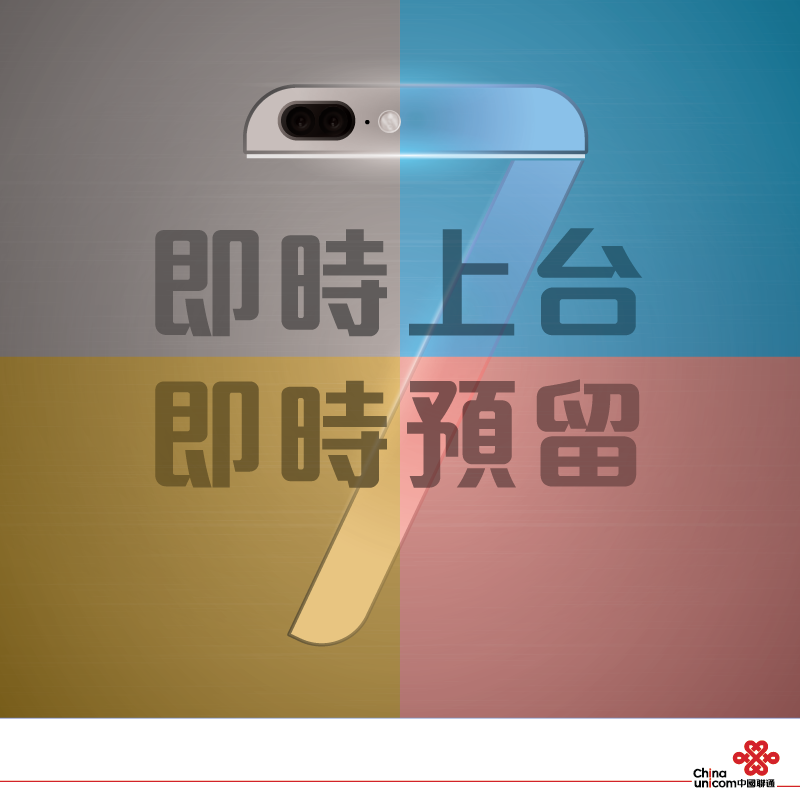
China Unicom’s Hong Kong branch has uploaded a photo online hinting that one of the upcoming iPhone 7s (sevens) will have a new color and sport dual cameras. This is definitely the iPhone 7 plus. While the color is not yet known, there are rumors saying it will be matte black. The image shows 4 color options, viz.: grey, blue, tyrant gold, and rose gold, with the possible matte black being the fifth.
Someone else also uploaded a leaked image of iPhone 7 renders in rose gold, tyrant gold, silver, gray, and dark blue. This kind of adds a bit of truth that both iPhone models will have 5 colors each.
Another info going round is that the iPhone 7 Plus will be officially known as iPhone Pro.
The iPhone 7 is expected to have a starting price of 5288 yuan ($797) for the 32GB model and 6088 Yuan ($917) for the 32GB iPhone Pro. Both models will have waterproof features stronger than that of the iPhone 6s but still not strong enough to get an IP68 rating.
Apple is expected to launch both phones in September.
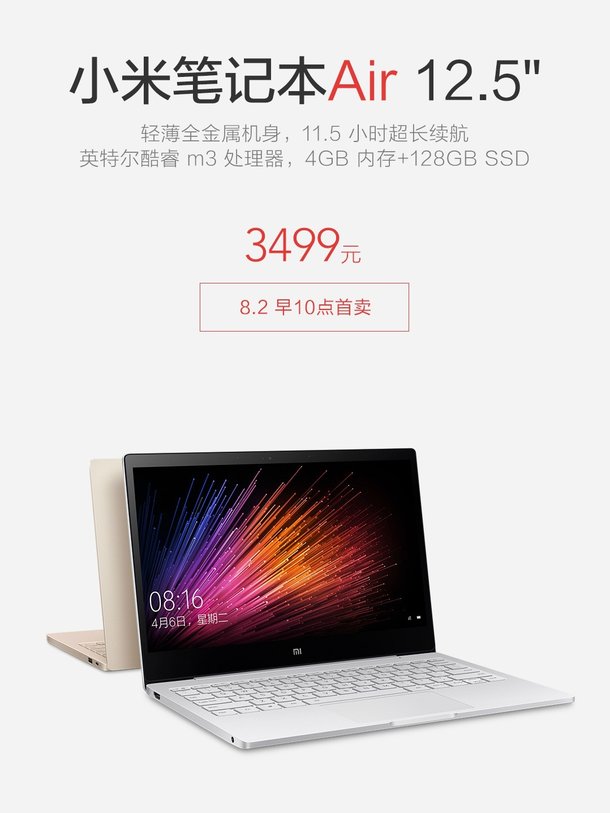
Today was Xiaomi’s first flash sale for the 12.5” Mi Notebook Air and it was a success as the PC sold out in a short time. The company however had a surprise for buyers by offering free custom laser engraving in a total of 19 service centres.
Xiaomi first offered free engraving services back in 2014 at their Beijing service centre. Now, with 19 stores offering the service, it should be easier to get your device engraved. Right now, the company is providing text engraving only, which is sad, as I was already looking forward to seeing a batman logo on a Mi Notebook Air. Anyway, there’s more than enough space for your text since the front of the laptop is bare.
The 12.5” Mi Notebook Air features 4GB of RAM, a 128GB SSD, an Intel-Core M3 processor, and offers up to 11 hours of battery life. It is also light and thin, weighing just 1.07 kg and having a thickness of 12.9mm. However, it doesn’t feature an NVIDIA graphics card like its bigger sibling and has only one USB 3.0 port.
The 12.5” Mi Notebook Air sells for 3499 Yuan ($527).
Were you able to purchase a unit during the first sale? Will you be taking advantage of the free engraving service? Do let us know what you will be writing on your unit and if all goes well, we might even have a dedicated post for Gizmochina readers showing pictures of their engraved Mi Notebook Air.
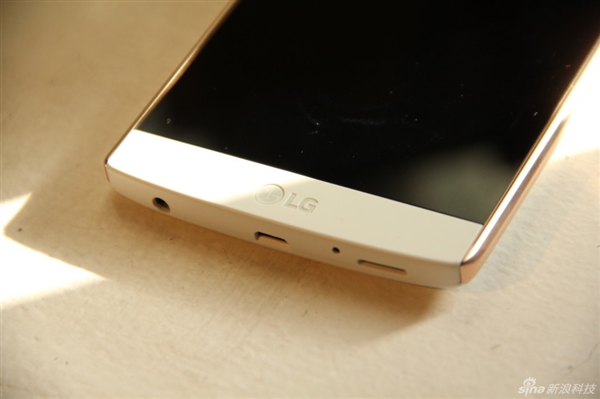
LG has not had a successful year so far as the LG G5 wasn’t well received even though it was the first device to be released this year with ”replaceable” hardware. The Korean tech giant has however announced the release of the V20 which is the successor to last year’s dual-screen and tri-camera V10.
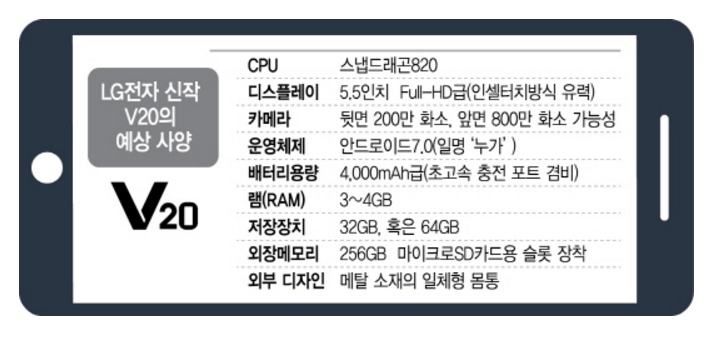
A recent leak has released details of the LG V20 which will launch in September. LG is reportedly sticking to the capable Snapdragon 820 SoC which is a surprise as some other flagships that will be released later this year and will compete with the V20 will feature the slightly more powerful SD 821.
The phone will also feature a 5.5” FHD in-cell screen which is thinner but smaller and lower than the V10 which has a 5.7” 2K screen. It will sport 3/4GB of RAM, with 32GB and 64GB ROM variants, Adreno 530 GPU, and an SD card slot that can take as much as a 256GB card.
LG V10
The cameras have been bumped up to 20MP on the rear from last year’s 16MP and 8MP for selfies compared to last year’s 5MP setup. The company has not revealed if the front facing camera will be a dual setup like it’s predecessor.
The LG V20 will come with USB Type-C and a 4000mAh battery. There should also be Quick Charge 3.0 giving that the V10 has QC 2.0.
The unique selling point of the phone is that it will launch with Android 7.0 Nougat (confirmed by LG) making it the first OEM to release a phone running Google’s latest iteration of android.
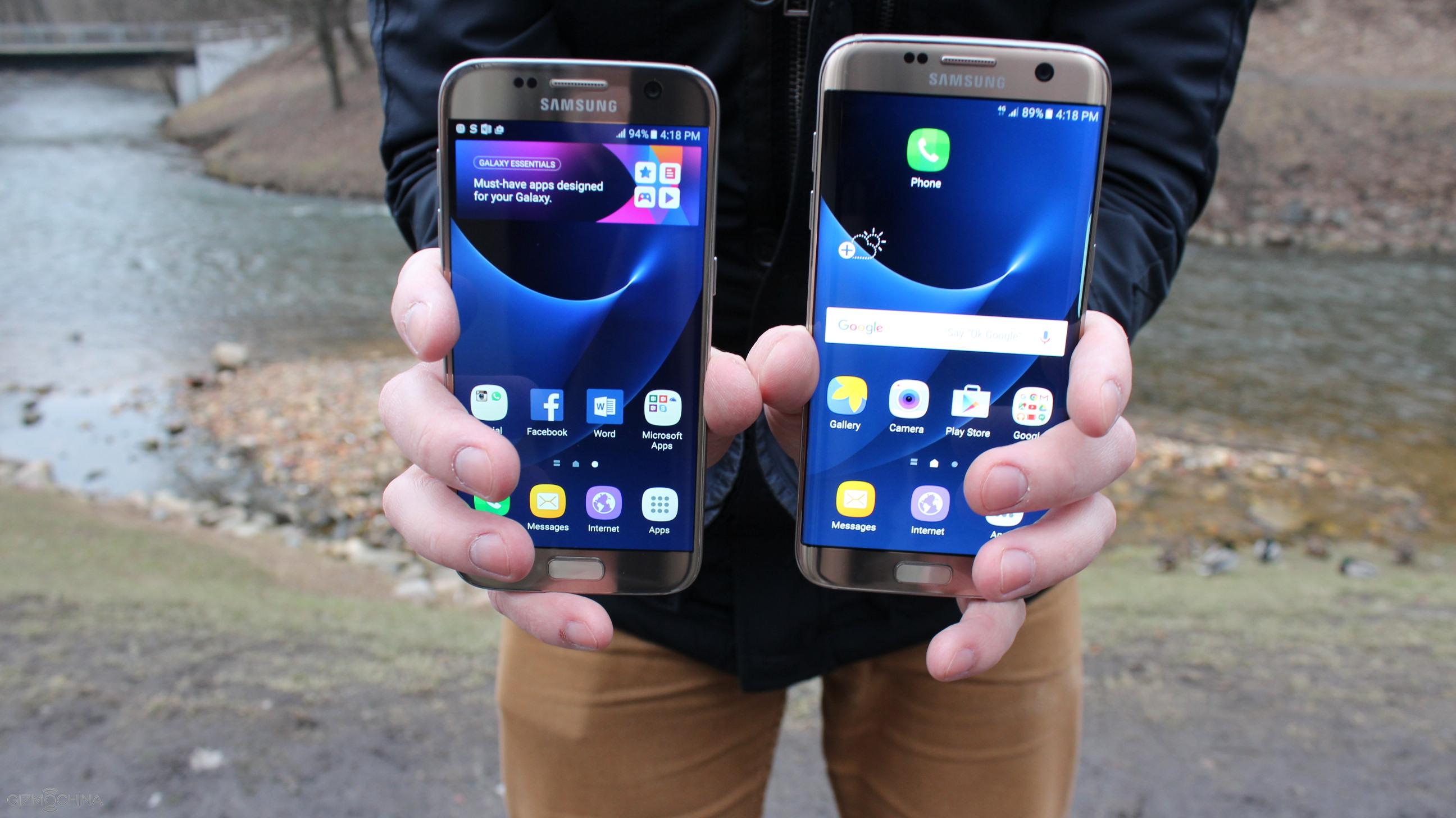
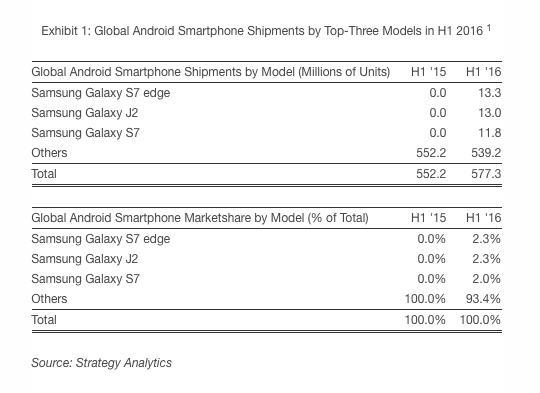
We know that Chinese smartphones are doing very well in the past couple of years, especially in 2016. While the growth and success of companies like Huawei, Xiaomi and OPPO have been the focus of our attention in the past few months, this doesn’t change the fact that the South Korean giant, Samsung is also having one of the best years in recent times. The new Galaxy S7 phones have been a success, which we already know thanks to the data available for the first half, but today, Strategy Analytics just published a new report which revealed that the top three best selling Android smartphones in the world were all from Samsung!
In the first half of 2016, Samsung’s Galaxy S7 Edge turned out to be the best selling phone for the period. Well, it’s not really surprising given that it was very well received by fans and critics alike. However, considering that the S7 Edge is quite expensive, it clearly shows that consumers trust and value the Samsung brand name. What’s surprising though is that the second and third most sold smartphones during this period were also from Samsung.
The Samsung Galaxy J2 and Galaxy S7 took the second and the third place respectively in terms of global Android shipments for the first half of 2016. Samsung’s global presence has definitely helped it sell so many units within this period. We can see that the company sold over 13.3 million units of the Galaxy S7 Edge, which is a tremendous achievement for a single model in such a short time period. Similarly, 13 million units of the J2 were sold and 11.8 million units of the Galaxy S7 were sold during the same period.
This is exactly why Samsung is the top in terms of shipments and market share. Apple lies way below the company, taking the second place in terms of market share after Q2 2016, while Huawei, OPPO and Xiaomi take the third, fourth and fifth place respectively.
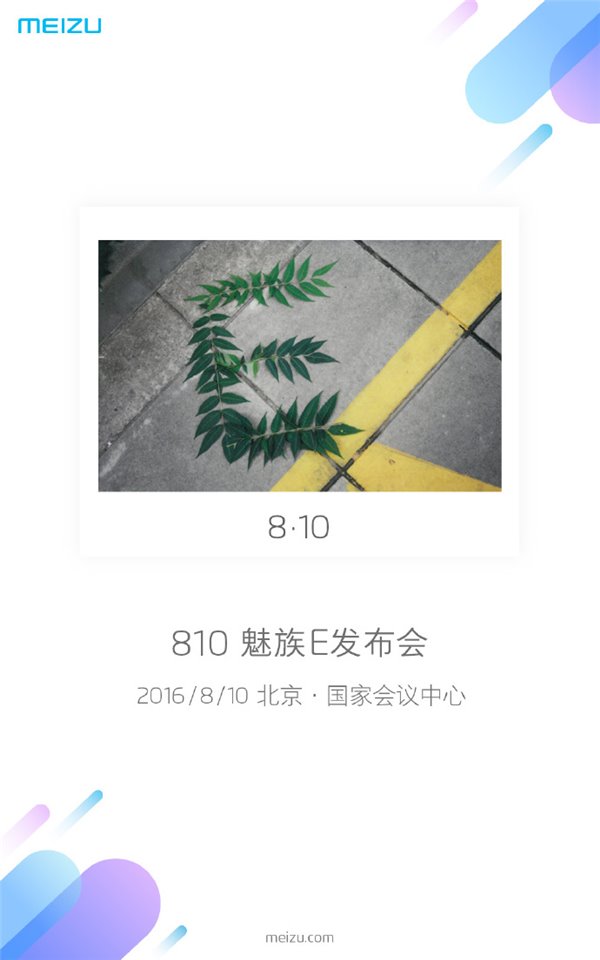
Meizu has released a teaser announcing an event slated for August 10 where the company is expected to unveil a new device believed to be a smartphone on an all new Meizu E series.
The Meizu E series is a new line of what is expected to be a high-end smartphone, perhaps another line different from the equally high-end PRO series. The Meizu E series has been spotted in some leaks recently and the phone is rumored to feature a Samsung Exynos 8890 chipset which is at par with the high-end Snapdragon 820 chipset.
The Meizu E series smartphone is also touted to feature a curved dual edge display which makes the device looks like what will be the ultimate Meizu flagship of the year. Apart from that, the device is also rumored to feature dual cameras at the rear, another first in the Meizu line-up.
Already, fellow smartphone makers like Xiaomi and Huawei are already making use of the dual camera setup and Meizu wouldn’t want to be left out. Also, with the mid-range smartphone market getting saturated with new entrants daily, the new Meizu E series which sports high-end specs could herald Meizu’s grand entrance into the high-end devices market.
The device is also said to feature a fingerprint scanner embedded in the on-screen home key but details about other specifications of the device are not known as this point. Until the August 10 launch date, we’ll keep our fingers crossed that this new smartphone lives up expectations and not turn out to be one big disappointment.
In the first half of 2016, flagships specifications basically center around the Snapdragon 820 chip, 4GB or 6GB of RAM, and 128GB internal storage in the hardware aspect, apart from the display types which vary. The recent trends indicate all that is gradually changing during this second half of the year.
Flagships during the second half seem to shift towards the inclusion of dual cameras at the rear, Qualcomm’s latest Snapdragon 821 chipset, a minimum of 6GB RAM and the inclusion of a curved display on the design of the flagship. This setup looks like the flagship standard on board and quite a sizable numbers of manufacturers are reportedly cooking up similar products focused on this configuration, as gathered from leaks and insider information.
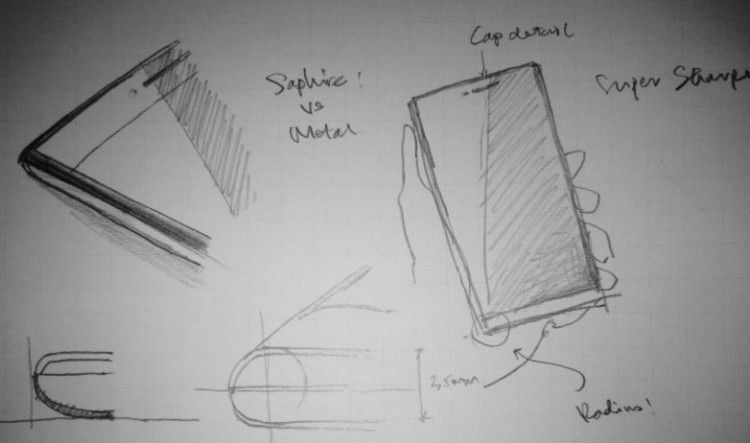
A recent post on popular Android forum, XDA-developers leaked what is purported to be a freehand sketch of LeEco’s next flagship design exposing a dual camera design at the back as well as the frontal design which reveals a curved edge design.
The alleged design drafts showed the dual camera positions in different symmetrical positions at the back with dual flash also part of the design as leaked. The positioning (symmetry) of the dual cameras seems to suit both left handed and right hands users. One of the sketches even shows the dual cameras lying side by side in a diagonal position. Already, LeEco has adopted the dual camera design on its collaborative smartphone with Coolpad, the Cool1 which was also seen in a leak and on TENAA recently.
Apart from the dual cameras, a sketch of what is said to be a curved edge design also finds its way into the device, according to the leaked drawings. It should be noted though that these are just sketches from an unverified source, and the final design of LeEco’s next flagship may look nothing similar. Also, we cannot confirm the authenticity of the sketches that they are actually those of any of LeEco’s smartphone still in the pipeline.
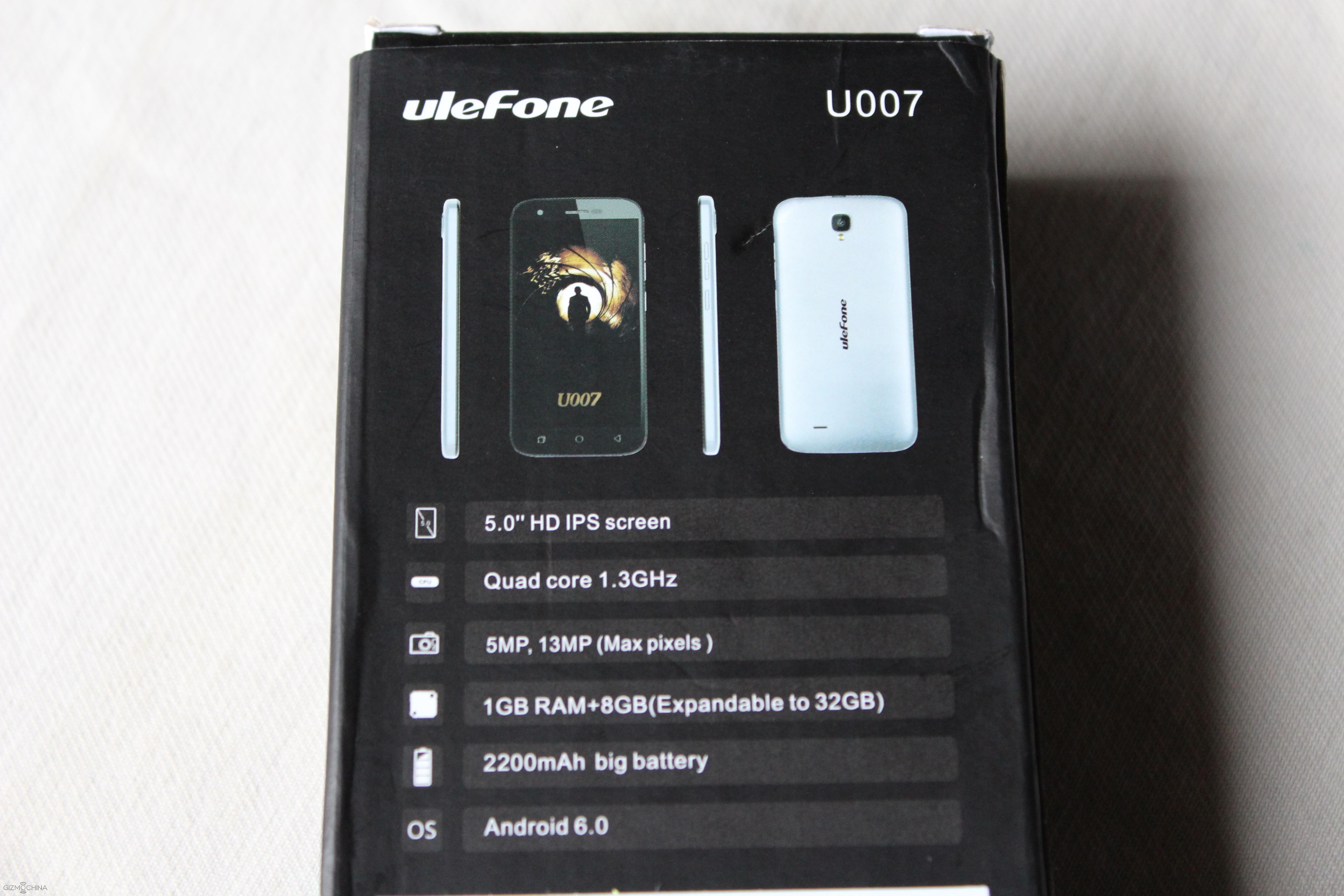
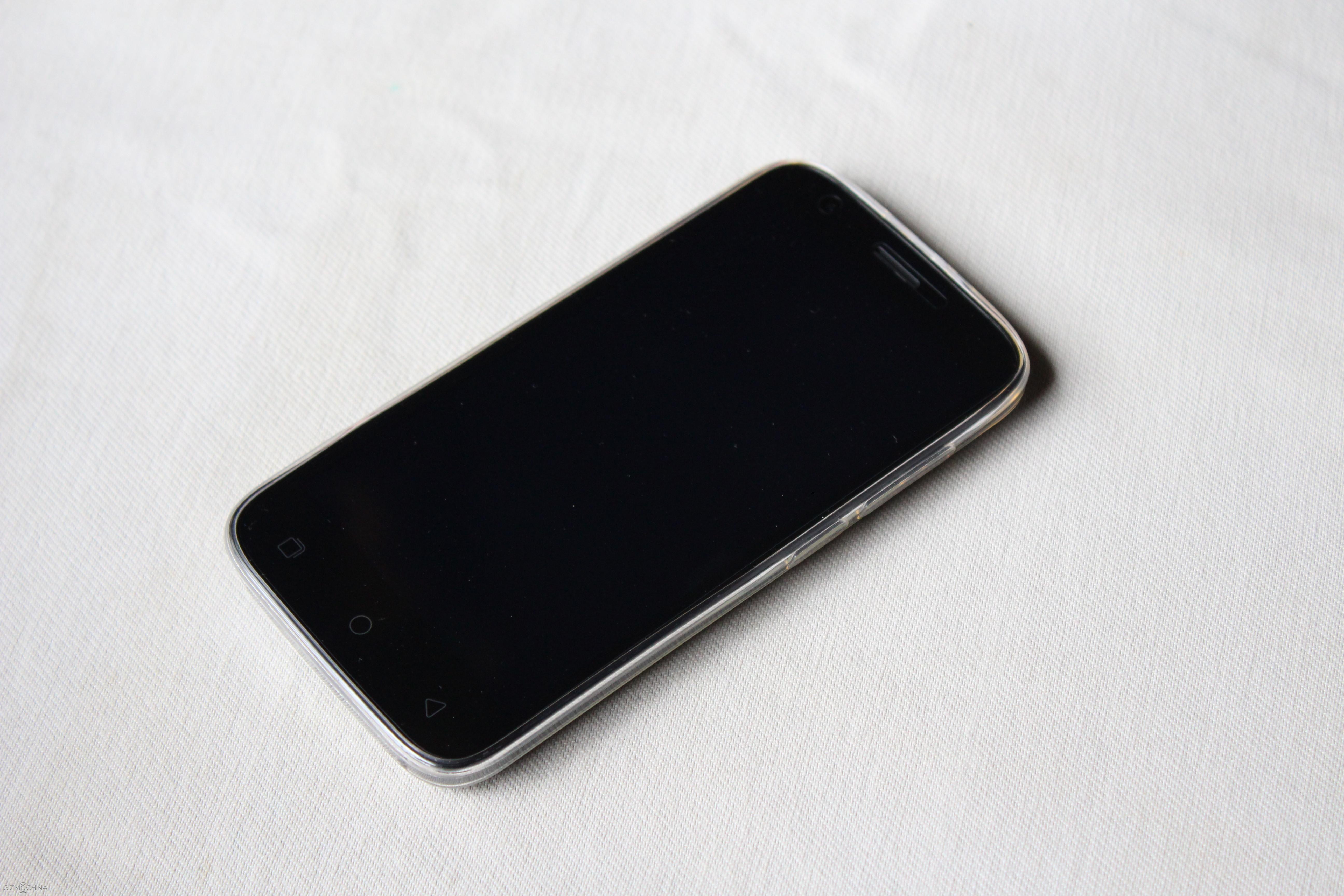
Ulefone has established itself as an affordable smartphone maker, gaining popularity with its Ulefone Be Pro smartphone last year and eventually releasing a number of interesting handsets in the market. The company also has its presence in the super cheap budget segment and that’s where the Ulefone U007 comes into the picture. This particular device comes with pretty good specs and for a surprising price tag of just $55, things could hardly get any better.
I have got this particular model for review and my first impressions have been pretty good. Before I move on to my hands on and first impressions, let’s take a look at the specs. But even before that, I would like to thank Gearbest for sending in this unit for review. The phone is up for sale for just $55 on the site, and you can check out more details about the listing from here.
Moving on, the Ulefone U007 comes with a compact 5-inch IPS LCD display with the quad-core MT6580 processor inside. There is 1GB of RAM inside and 8GB of internal storage. At the back, you have a 13MP shooter while up front, there’s a 5MP shooter. But don’t expect anything special from these sensors. One highlight is that the phone runs on Android 6 Marshmallow out of the box and the UI is pretty smooth despite its modest specs. The battery is not very large, but 2200mAh capacity seems to do the job for almost a day.
Now, let’s move on to my hands on.
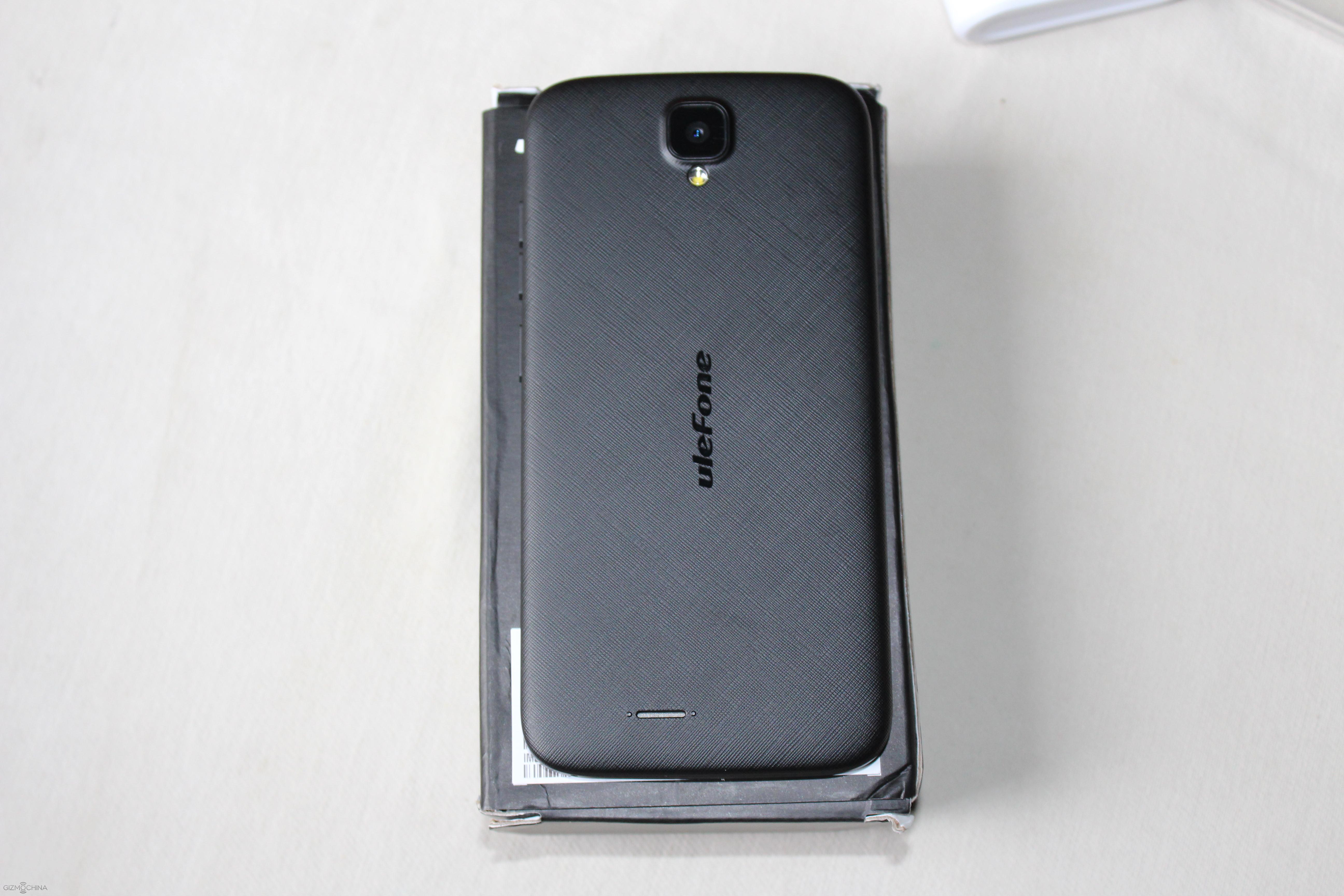
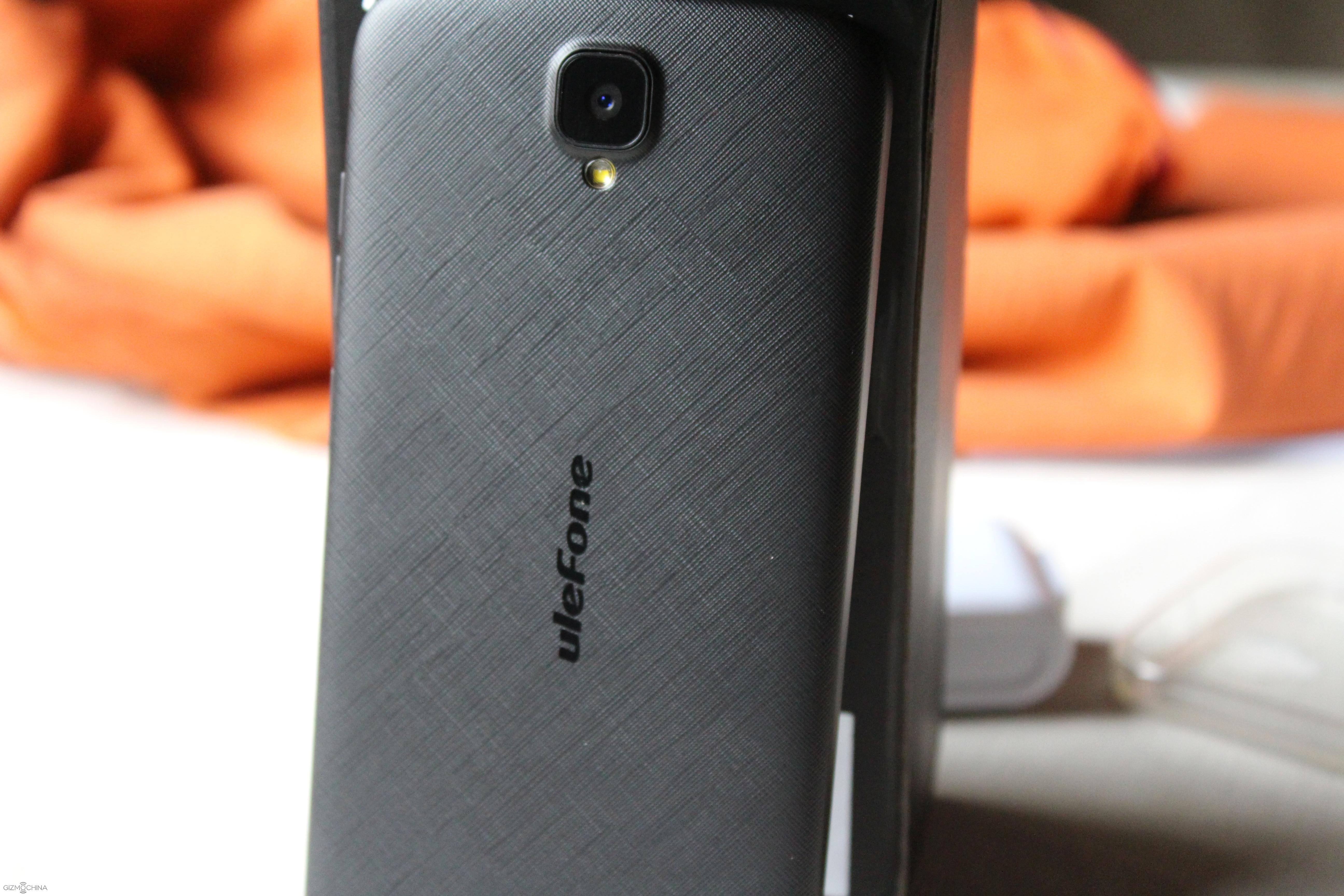
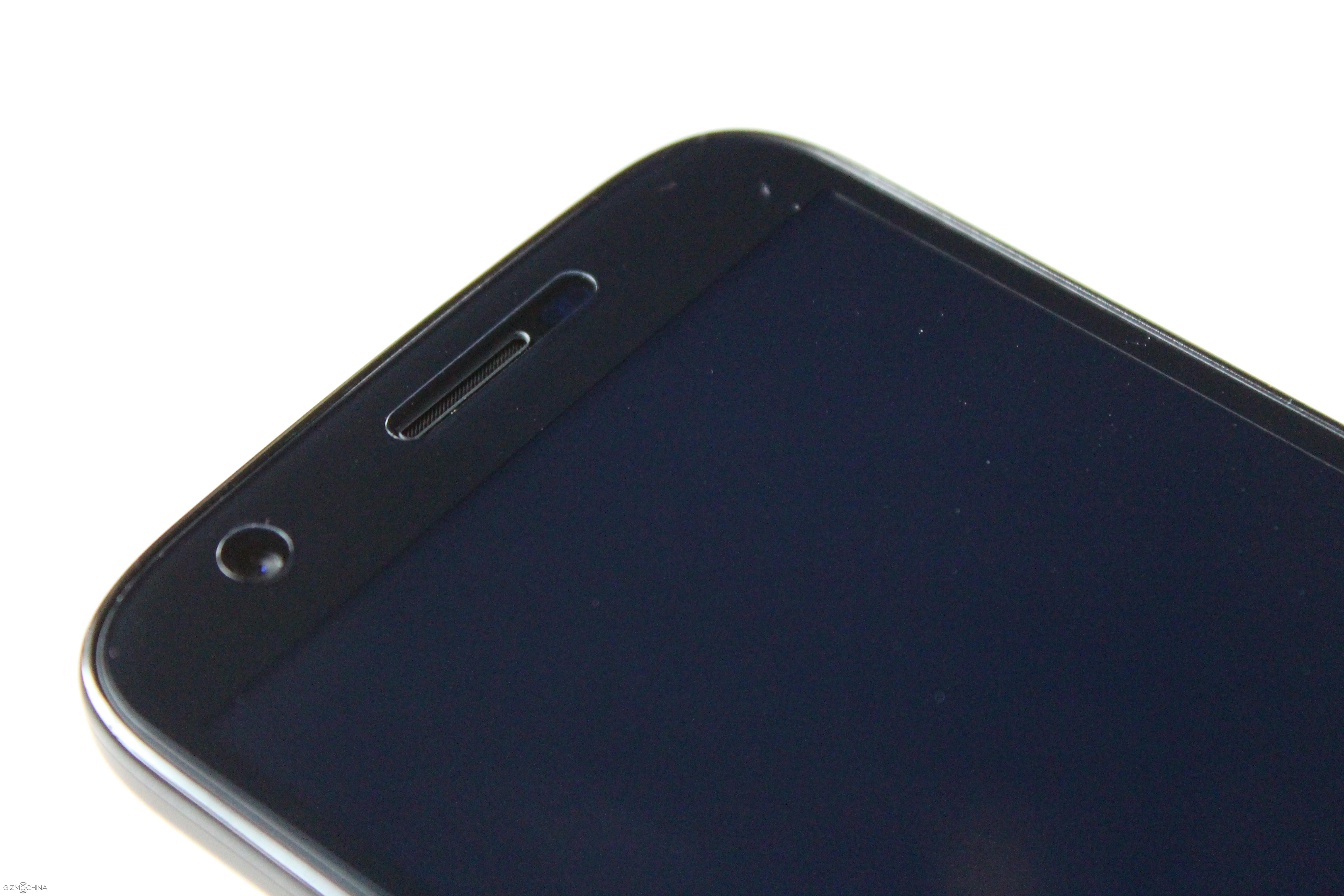
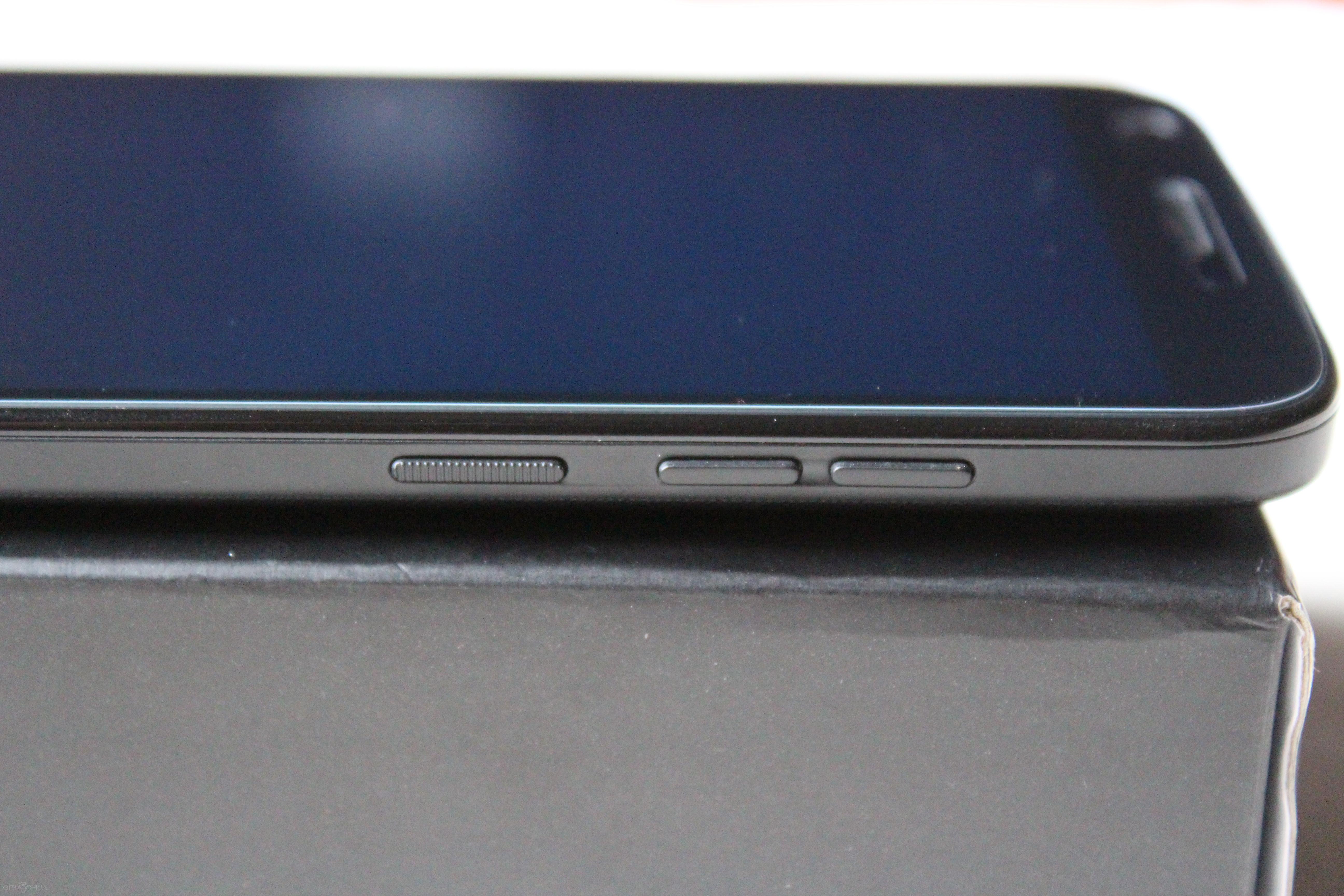
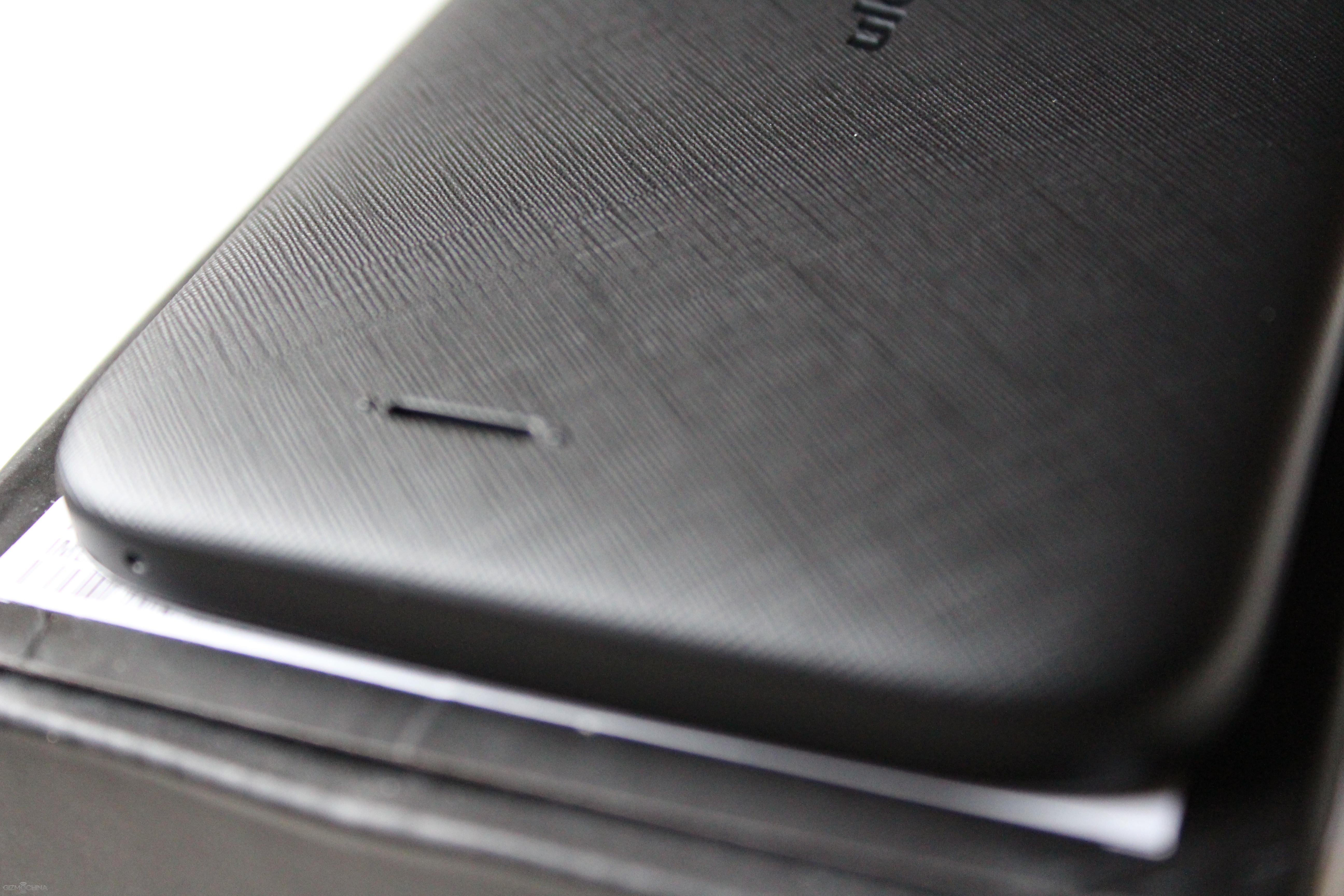
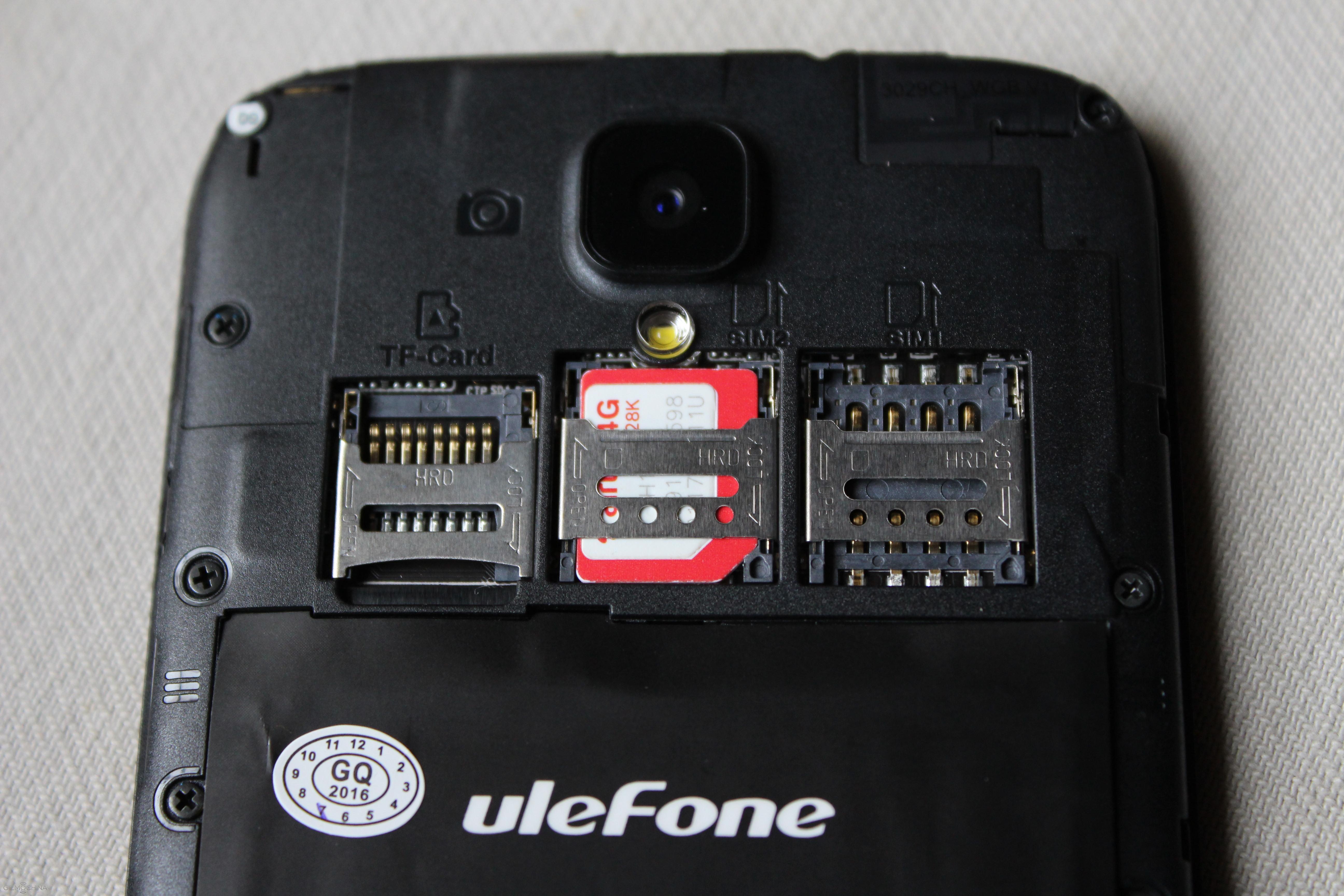
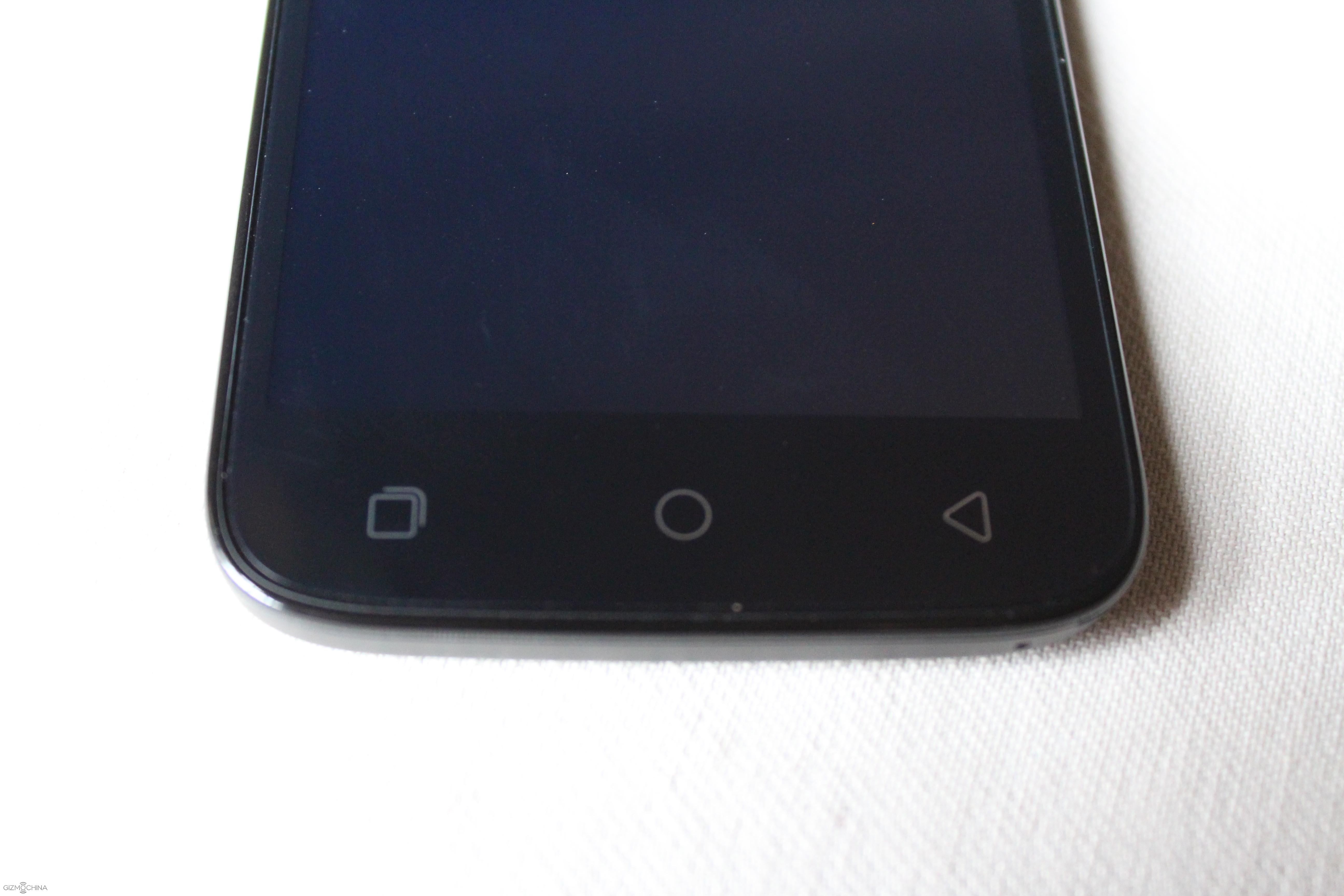
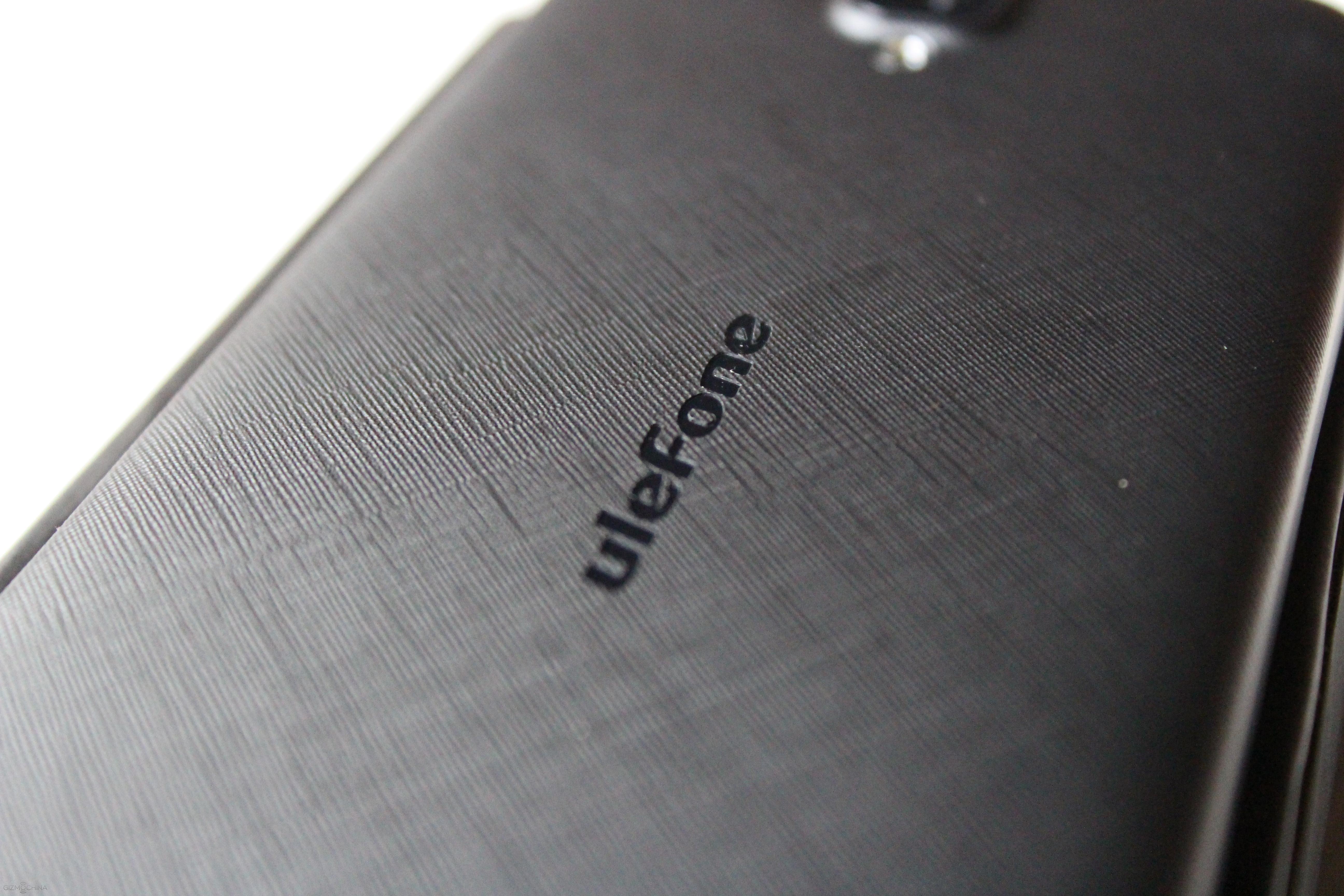
My first impressions have been pretty positive so far. The build quality is excellent, as everything seems to be built to last. While the body is made out of plastic, it actually feels very good to hold. The body is sturdy and the buttons (both volume and power buttons are on the right) feel great. Overall, I am actually quite surprised and happy to see that the Ulefone U007 comes with such good quality workmanship. The back is textured but it’s subtle and blends well with the design. The Ulefone logo and speakers are both located at the back. Up front, you have a 5-inch HD display with capacitive buttons.
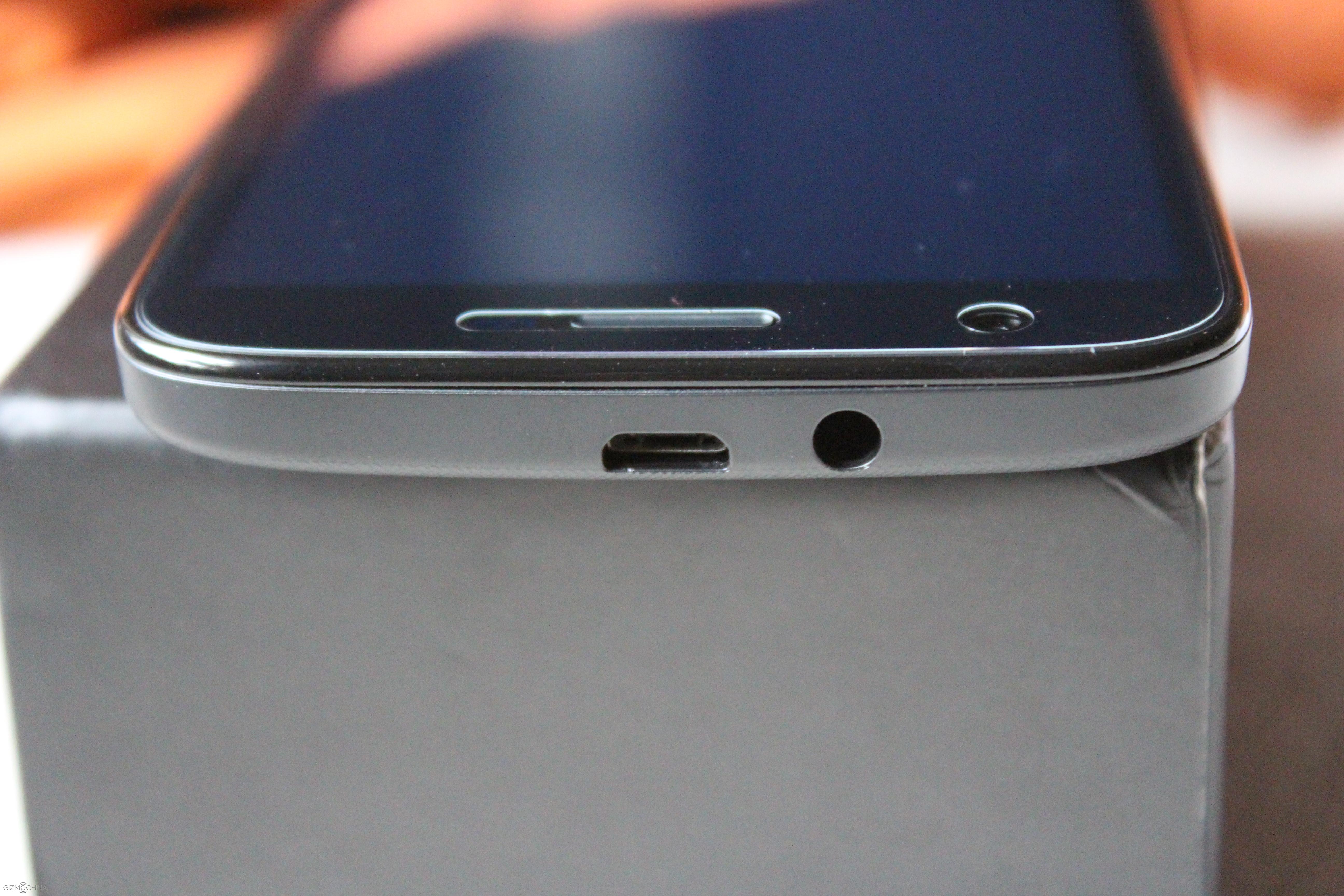
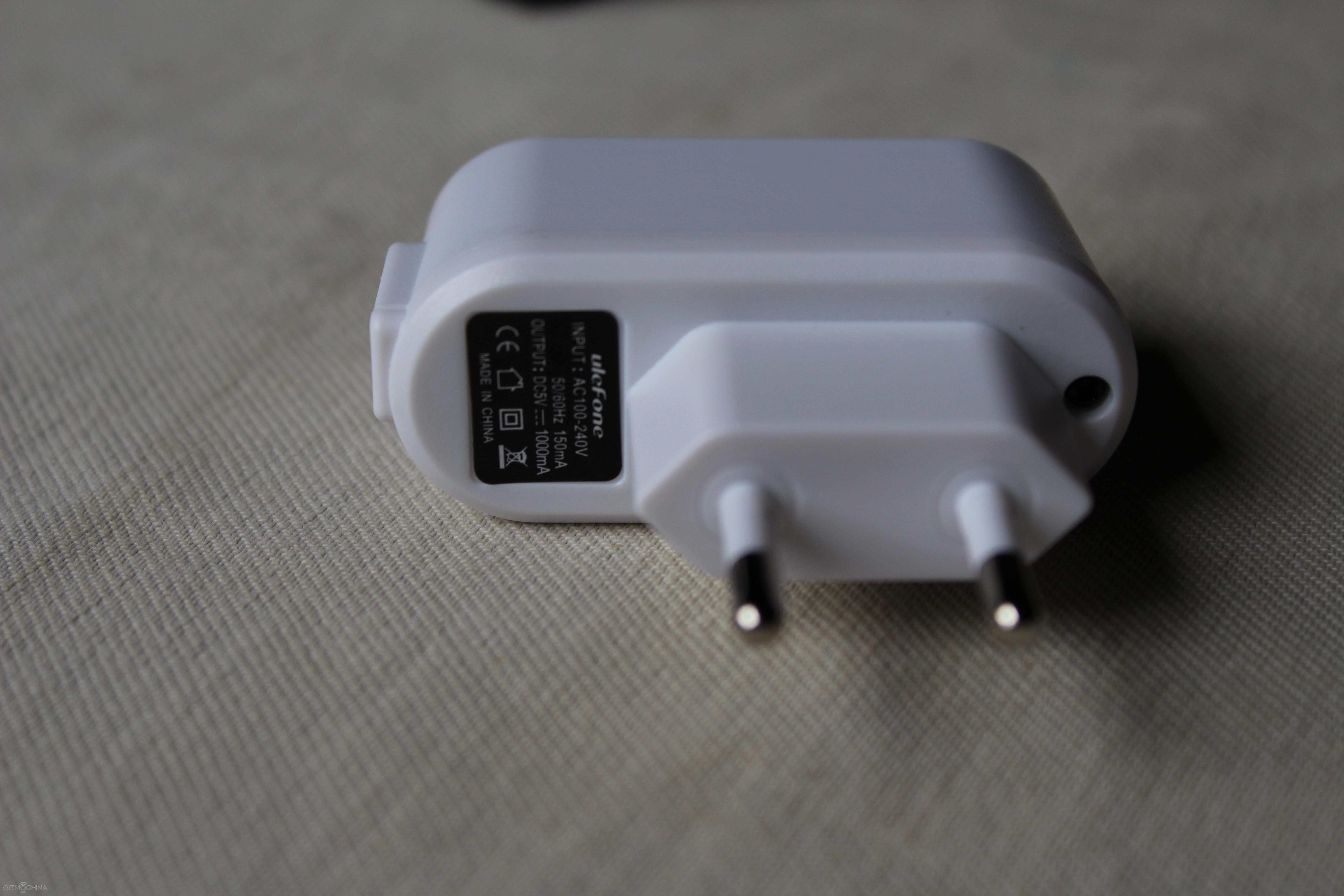
Make note that the camera is protruding, which might annoy some, but my unit came with the silicone case in the box, and it evens out the back, making sure that the camera is not always the first thing that hits the surface when you place it down. Both, the MicroUSB port and headphone jack are located on the top. It’s worth noting that the ports are actually placed a bit inside, but so far everything including charging and headphones are working perfectly fine.
I have tested the camera and it was just decent. Nothing special and most pictures are just plain ok. I will provide a detailed camera review in the full review in the coming days. As for the display, its pretty decent. Colors are fine and the brightness is also adequate enough for everyday usage.
The software is almost stock and everything is fluid. For the past two days that I have had the phone, I didn’t experience any lag, which is good. But then, I didn’t use it very roughly. Maybe after a few heavy game installs, we will get to see how it performs under stress. But I’ll leave that for the final review.
For now, the Ulefone U007 seems to be a good budget 3G smartphone. And yes, it supports just 3G, so make note of this before purchase.
July was a great month for Xiaomi, it saw them launch their very first PC, the Mi Notebook Air, and a new phone, the Redmi Pro. But these positive news have been marred by negative ones. The first one was of a Xiaomi Mi 4i catching fire while charging. Today we got to hear that a Xiaomi Mi 5 exploded as well.
While Xiaomi has sent the Mi 4i user a replacement unit they have not released any official details with respect to their findings.
The owner of the Mi 5 that exploded has uploaded pictures of the phone on Weibo showing a peeled off back but an undamaged front. There is also no mention of injuries sustained during the explosion, which is good news by the way. We believe Xiaomi has already been notified of the incident and will probably provide a replacement unit as well.
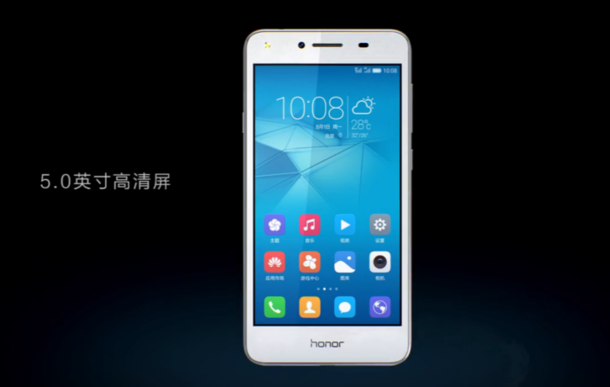
Looks like Huawei is poised to continue firing on all cylinders in order to meet its 2016 projected target. The Chinese tech giant just released another cool new device dubbed Huawei Honor 5 Play, the latest in its expansive Play series. This is coming on the heels of the release of the Huawei Honor Note 8 which was launched a few hours back with a 6.6-inch display.
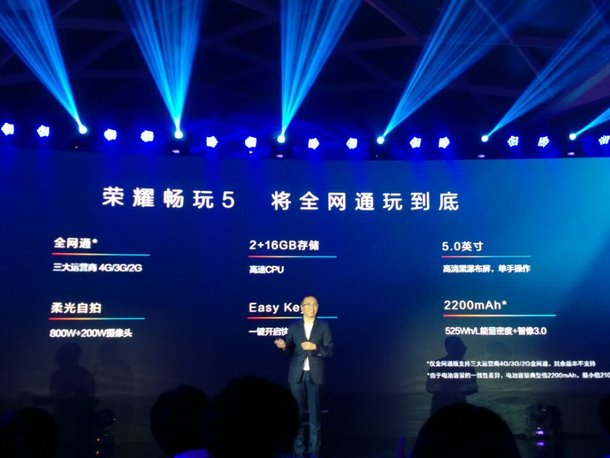
The Huawei Honor 5 Play sports mid-range specifications and looks like an upgraded version of the Honor 4 Play released sometime in 2014. The mid-ranger comes with a 5-inch HD display with a narrow frame design and is powered by a 1.3GHz MediaTek MT6735P quad-core processor backed by 2GB of RAM and 16GB of onboard storage.
In the camera aspect, the device clearly wears a budget smartphone outlook with a decent 8MP rear camera with dual LED flash and a somewhat disappointing 2MP camera for selfies up front, a setup similar to the Honor 4 Play. The smartphone camera also features a self-timer and seems the screen lights up for selfies with the front cam, offering some illumination.
The Honor 5 Play comes with 4G VoLTE support, EasyKey one-touch access function, dual SIM support, dual standby and entire network support, even though there is a carrier specific version available. The beautiful device also crams a 2200mAh battery under its hood, as against 2000mAh on the Honor 4 Play.
The Huawei Honor 5 Play carries a price tag of just 599 Yuan ($91) which is relatively cheap, perhaps a way of clinching the low-end market.
Huawei’s newly released Honor Note 8 phablet is the new phablet king standing tall at 6.6” and featuring a 2K Super AMOLED display. But while the display is impressive, we are sure quite a number of you want to know what the camera’s performance is like considering the fact that it doesn’t get the dual camera treatment.
Huawei has released official shots of the 13MP snapper which features a RGBW sensor, a f/2.0 aperture, and optical image stabilization.
bshBurstDavdavdavhdr
The pictures are impressive, most especially the shot of the fisherman paddling into the fog on the Xiaodongjiang River and the nighttime shot of the Hong Kong skyline.
There are no camera samples of the 8MP front facing camera available yet, but we hope it performs well too.
Huawei created the Honor sub-brand to serve as a way to sell their phones directly to customers on an online platform. When it was launched back in 2014, there was the opinion that it was going to affect the sales of their other devices bearing the Huawei name. But 2 years down the line, both brands are doing very well with Huawei itself being the top selling manufacturer in China. The Honor brand has included other devices such as the Honor Band Z1 smartwatch, a selfie stick, and earphones.
It is no longer news that Xiaomi plans to release a VR headset. Teaser images posted on their Weibo page a few weeks ago was interpreted to mean that the headset will launch on August 1, but surprisingly what was released today is a trailer for the Xiaomi VR headset and not the device itself.
The 51 second long video is of an older man and woman asking questions which are answered by a younger man. While we can’t seem to make out any specific details about the VR headset (let’s hope someone has a better luck at it) we noticed the date at the end of the video; 4th of August, which is Thursday. We believe this is the exact date for the release of the Xiaomi VR Headset.
If you look closely at the screenshot above which was taken from Xiaomi’s Chinese site, you will see that a couple of images with the dates 2nd and 3rd of August are blurred out meaning we’ll be getting more teasers before Thursday’s launch.
We use cookies on our website to give you the most relevant experience by remembering your preferences and repeat visits. By clicking “Accept”, you consent to the use of ALL the cookies.
This website uses cookies to improve your experience while you navigate through the website. Out of these, the cookies that are categorized as necessary are stored on your browser as they are essential for the working of basic functionalities of the website. We also use third-party cookies that help us analyze and understand how you use this website. These cookies will be stored in your browser only with your consent. You also have the option to opt-out of these cookies. But opting out of some of these cookies may affect your browsing experience.
Necessary cookies are absolutely essential for the website to function properly. This category only includes cookies that ensures basic functionalities and security features of the website. These cookies do not store any personal information.
Any cookies that may not be particularly necessary for the website to function and is used specifically to collect user personal data via analytics, ads, other embedded contents are termed as non-necessary cookies. It is mandatory to procure user consent prior to running these cookies on your website.