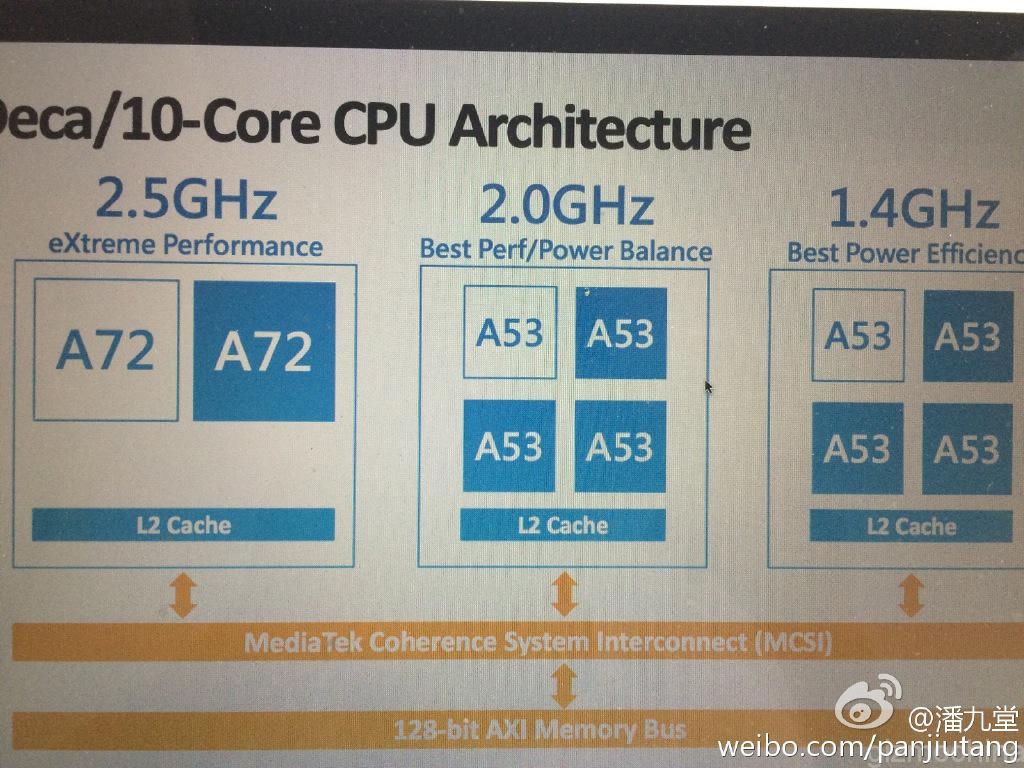
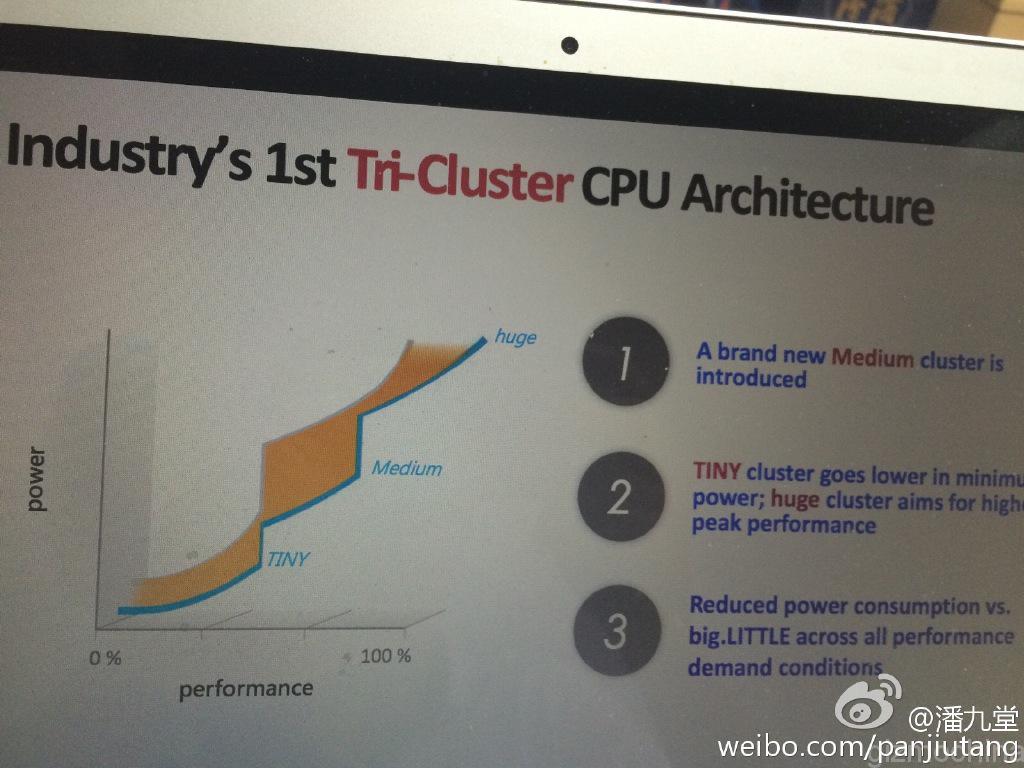
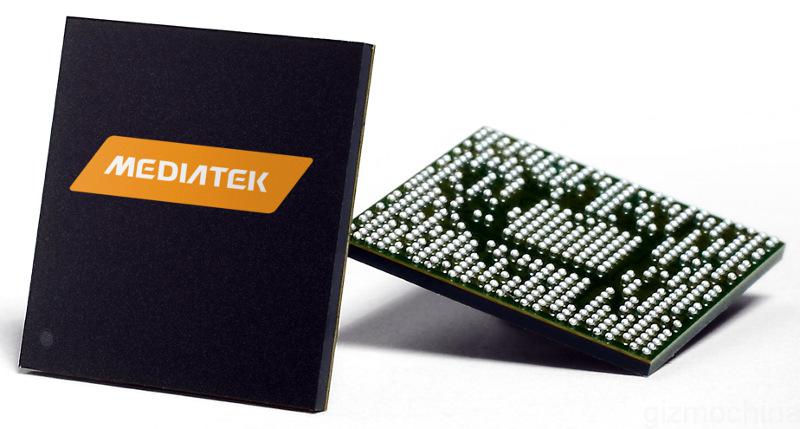
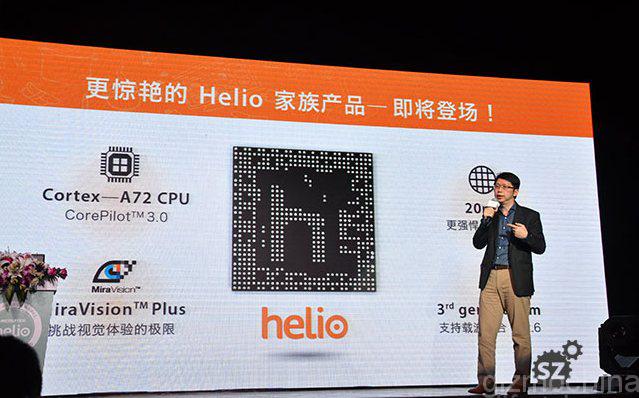
In the past two days, Pan Jiutang, a famous analyst from China has revealed most of the specs of the upcoming Helio X20 chipset. The chip is expected to feature a unique tri-cluster design which will enable the judicial use of the three different cores namely 2 x Cortex A72 and (4+4) x Cortex A53 Cores.
Naturally, the presence of the Cortex A72 cores will boost performance to a significant level. And now, we may have the first glimpse of the power of this Helio X20 chipset.
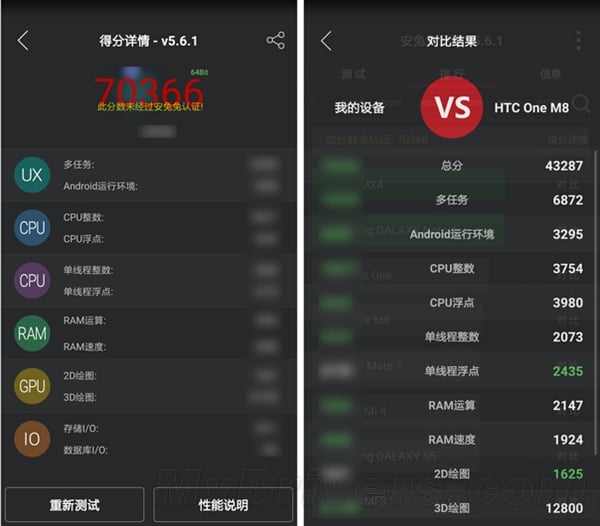
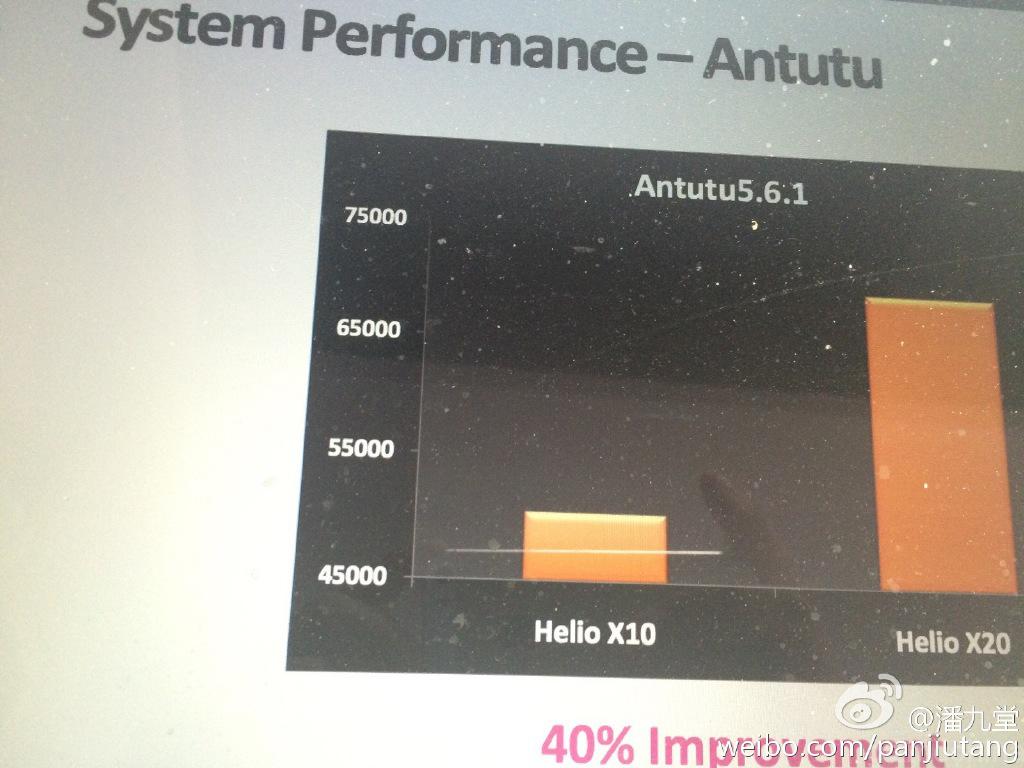
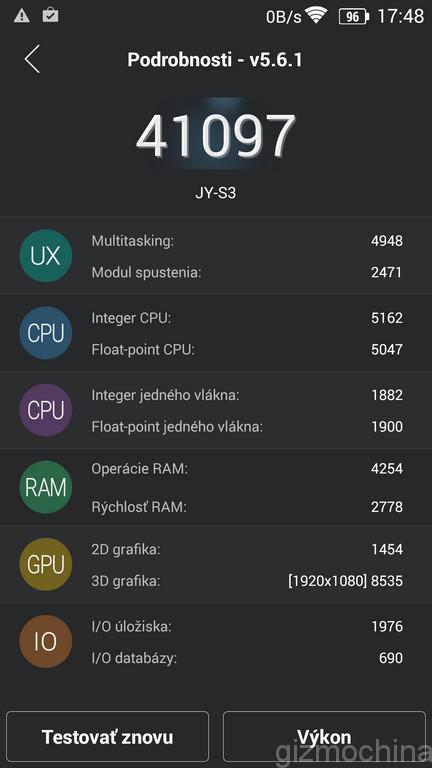
A few hours ago, a new screenshot emerged on Weibo of a device which has broken the 70,000 points barrier on AnTuTu. This could be the Helio x20 MT6797 processor. The same chip was earlier predicted to score above 70K, so this screenshot doesn’t come as a surprise.
However, we can’t really confirm the authenticity of this screenshot so make sure you take this news with a pinch of salt.
Earlier leaks have said that there will be three power modes on the chip. Firstly, the economy mode will activate just the four 1.4GHz Cortex A53 chip, in the next level i.e. Best Performance mode, when the power demand is a bit more, the other 2.0 GHz Cortex A53 cores will come into play. Finally in Extreme performance mode the last two Cortex A72 chips will be activated.
It will be really interesting to see the chip perform in real life. Luckily, we won’t have to wait too long for that as its predicted that the Helio X20 will enter mass production by July this year.
We have been hearing a lot about the up coming Huawei mid-ranger called as the Huawei Honor 4C. In fact, the day before we saw that the phone was listed on the official Huawei Russia website which revealed the smartphone’s specs and design.
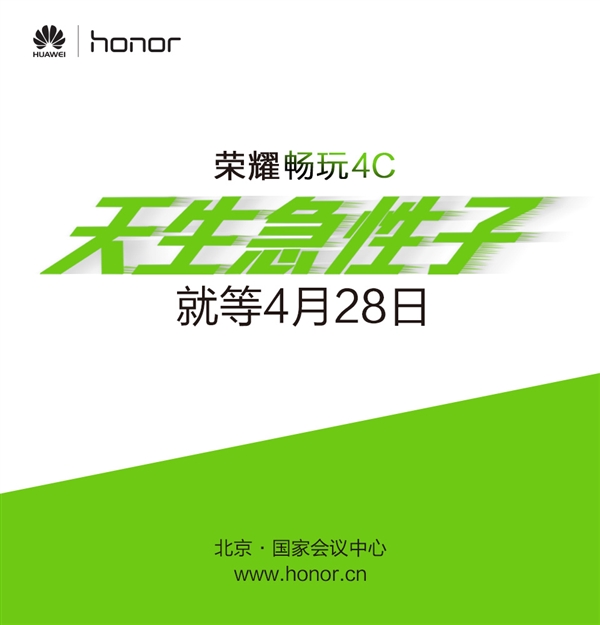
Now it looks like the company is all set to make the device official as Huawei has released a new invite via its official Weibo account. The invite says that the company has an official event on April 28 where it will unveil the new Honor 4C mid-ranger. The event will be held at the Beijing National Convention Center.
Yesterday’s leak reveals that the phone will most likely run on the new Kirin 620 chipset with 2GB RAM. There will be 13MP camera at the back along with dual 4G support. There will be a 5-inch display up front with 720p resolution.
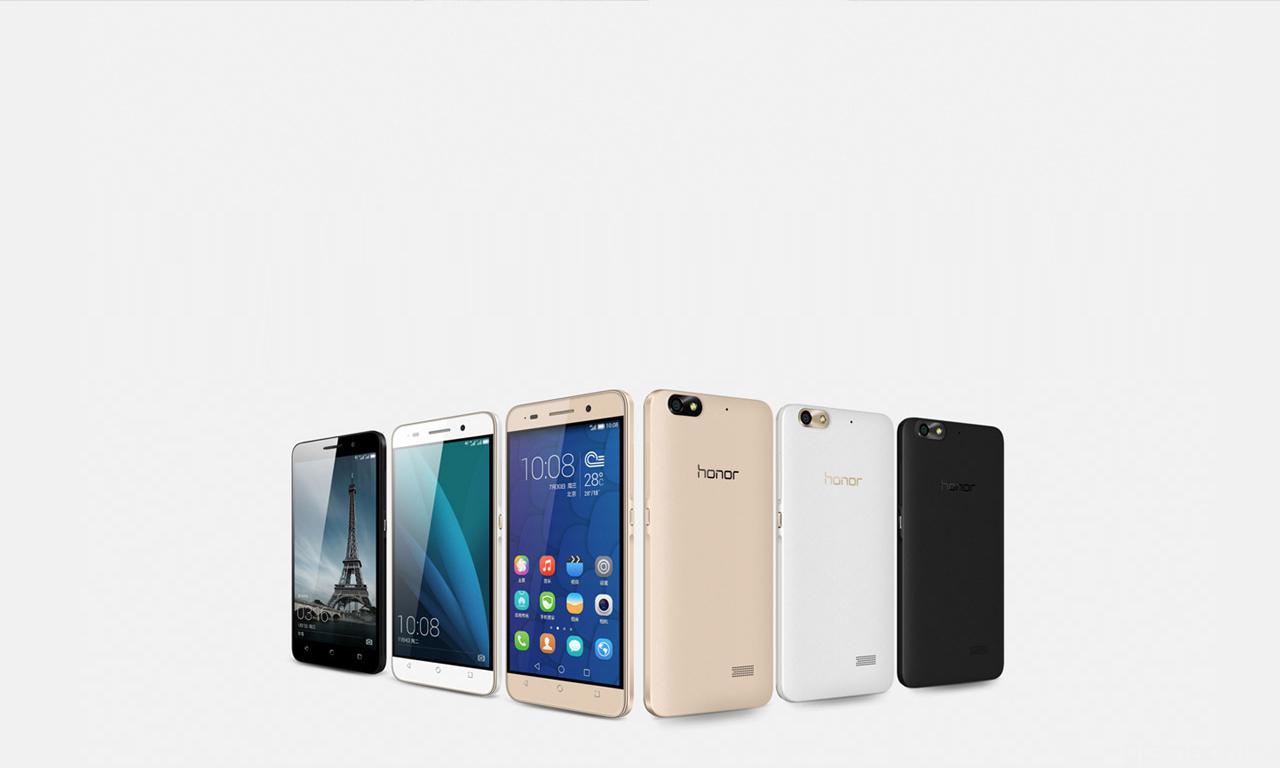
From the leaked images we can see that the Honor 4C will feature a beautiful and sleek design. The pricing is expected to be around 999 Yuan which should put it in direct competition with Xiaomi Redmi Note and Meizu M1 (Blue Charm) Note.
For more information, you can check out our previous article.
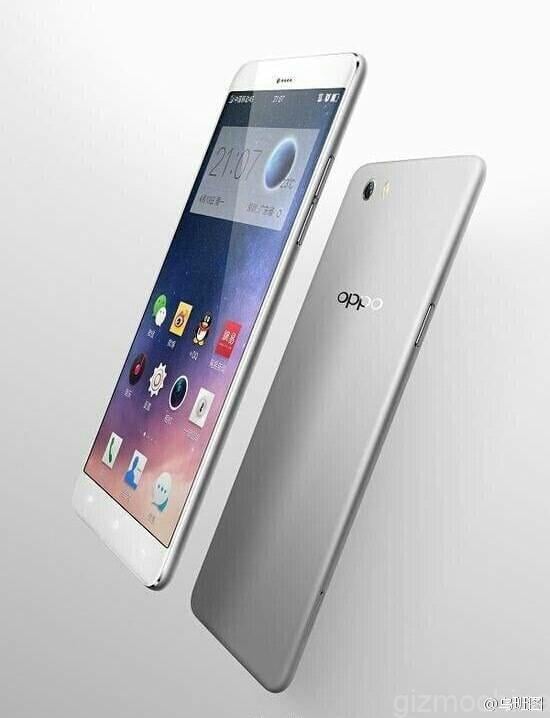
In the past few weeks, we have seen a number of leaks about the upcoming bezelless device from OPPO. Many claim that the phone is the next generation model of the R5, to be called as the OPPO R7. However, earlier today, a new leak reveals that the R7 may not be bezelless but in fact, it could be one of the slimmest devices in the market.
This won’t be surprising given that OPPO R5 is also extremely thin and its body measures just 4.85mm. Its so slim that only a couple of devices in the market can boast of being thinner than the R5. So, OPPO R7 could be the company’s latest move to reclaim its title for the thinnest smartphone in the market.
However, there’s a lot of changes in design. Unlike the R5, which had a sharp rectangular design, the new R7 is said to feature round corners with a smooth design. In fact, from the leaked renders, it looks like the phone may have taken some design inspiration from Apple’s iPhone 6. However, the phone may retain the same all metal design as the R5.
Another important highlight of the phone’s design is the camera unit. Usually, thin phones tend to have protruding cameras since its extremely hard to fit in a powerful sensor inside a slim body. However, the OPPO R7 renders show that the phone may have a camera sensor that blends well with its overall design. Its not raised like the iPhone 6 camera.
As for the tech specs, the OPPO R7 is expected to feature Mediatek’s new MT6753 octa-core processor with full network connectivity. The phone will most likely come with a 4.7-inch display with 2.5D glass. Pricing and other specs details are not known at the moment. However, since OPPO devices usually retail for a premium, expect the R7 to be priced around 2999 Yuan.
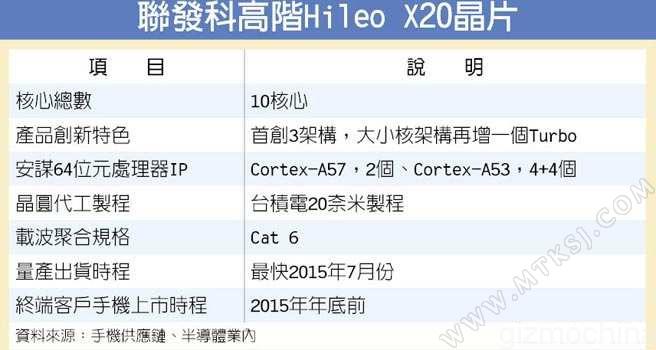
Yesterday, Taiwanese media reported that Mediatek’s upcoming flagship chipset, the Helio X20 was going to use a Cortex A57 (2) + (4+4) Cortex A53 architecture. This came as a surprise given that the performance wouldn’t have been out of the park. Earlier reports had said that this chip would most likely break the 70,000 AnTuTu barrier, but this configuration was not very powerful.
However, today, we have come across another leak which shows that the Mediatek MT6797 Helio X20 chip will be a lot more powerful. The report states that the Helio X20 chipset will use the powerful yet battery efficient, Cortex A72 cores in combination with the power efficient Cortex A53 cores. There will be 2 x 2.5GHz Cortex A72 cores, 4 x 2.0GHz Cortex A53 cores and 4 x 1.4Ghz Cortex A53 cores. This combination will strike a balance between power and performance. And the above configuration also supports the earlier claim that the chip will score above 70K on AnTuTu.
The chip will increase performance to a great extent. It is said that the MT6797 increases performance up to 40% as compared to the previous generation Helio X10 i.e. MT6795.
Although the information about the cores used in the chip differs when we compare yesterday’s report, the overall technology remains the same. So, it is said that the three different cores will use Mediatek’s home grown special tri-cluster CPU architecture. The 4+4 Cortex A53 cores will use big. LITTLE architecture to balance performance and battery efficiency. Also, like we said yesterday, the chip will come with Turbo boost technology, much like the Turbo in a car wherein it can regulate its own performance and power according to the requirement.
Yesterday’s report said that the chip will use TSMC’s 20nm process and supports LTE-A / Cat. 6 networks. The chip will most likely go into mass production by July this year, so expect devices running the Helio X20 by the end of 2015.
It looks like Mediatek is really stepping up its game with a 10-core Cortex A72 powered chip. However, whether smartphones really need these many cores for performance improvement is something that we will have to wait and watch.
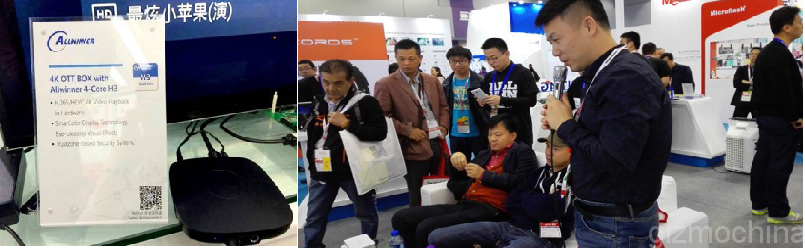
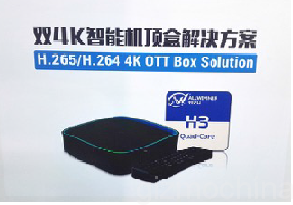
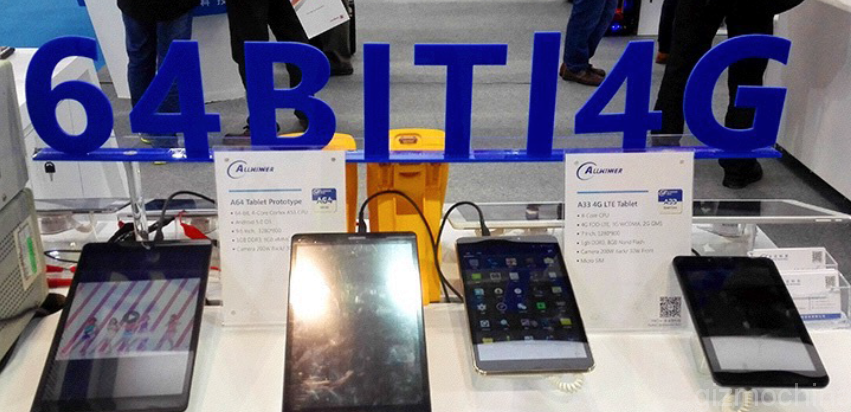
Allwinner is one of the biggest chipset makers in China. Recently, the company showed off a number of devices running its latest Allwinner H series chipsets like Allwinner H8, H64 and H3. Like tradition, these chipsets will end up in a number of smart devices that will debut in the second half of 2015. These smart devices include TV boxes, Mini PCs and development boards.
The Allwinner H3 is a quad-core chipset based on ARM’s Cortex A7 architecture. While the chip isn’t very fast, its powerful enough for your TV boxes and to support 4K UHD H.265 / HEVC video playback. That’s pretty impressive for a low cost SoC. If you are looking for something more powerful, you should take a look at their octa-core H8 based on eight cortex A7 cores clocked at 2.0GHz with PowerVR SGX544. The chip supports playback 1080p HD video at 60 frames per second with H.265 / HEVC codec, API supports OpenGL ES 2.0, 1.1 and OpenCL 1.1.
Ideally, the Allwinner H3 should end up in ultra low cost TV boxes which will retail for less than $50. On the other hand, the Allwinner H8 could be used in devices which need a little more power like low cost gaming consoles.
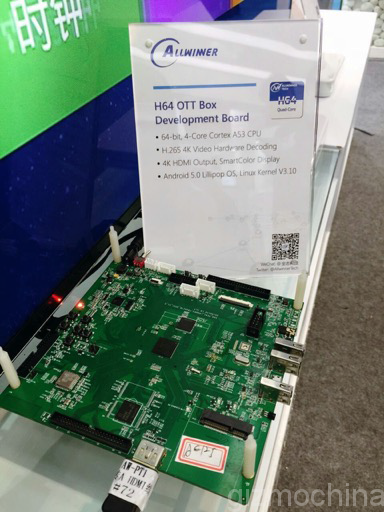
However, the Allwinner H64 is probably the company’s highlight chip of 2015 based on 64-bit architecture with quad Cortex A53 cores. These cores improve performance to a great extent without consuming too much power. The chip also support 4K video decoding in H.265 compression and 4K video playback via HDMI. Other features include Smart Color Display 2.0 tech, support for various DRAM types, Android 5.1 Operating system etc.
The company also showed its A64 tablet prototype. The following are the features of the device.
• 64-bit ARMv8 Cortex-A53 architecture,
30%+ performance boost over Cortex-A7
• 9.9-second system boot (cold boot)
Industry-leading features
• H.265/HEVC 4K video decoding in
hardware
• 4K HDMI output
• Latest SmartColor display 2.0 technology
• World’s first DTMB-capable tablet
solution (support AVS+ decoding
standard)
• Support various DRAM types, including
LPDDR2/ LPDDR3/ DDR3 / DDR3L
Latest operating system
• Android 5.1 operating system
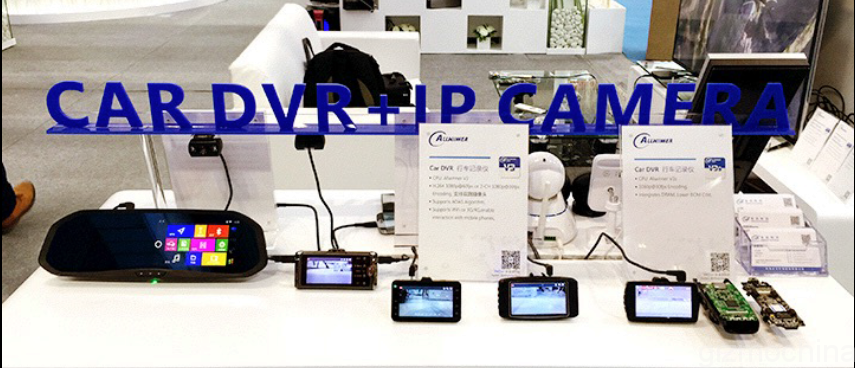
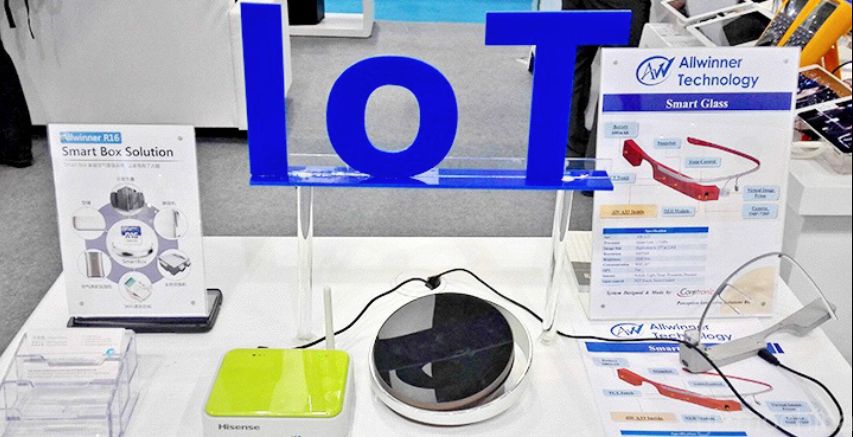
The company also showcased many other devices such as Car DVR system, IP Cameras running the company’s chips. However, the most striking product was the Google Glass like wearable glasses using Allwinner’s technology.
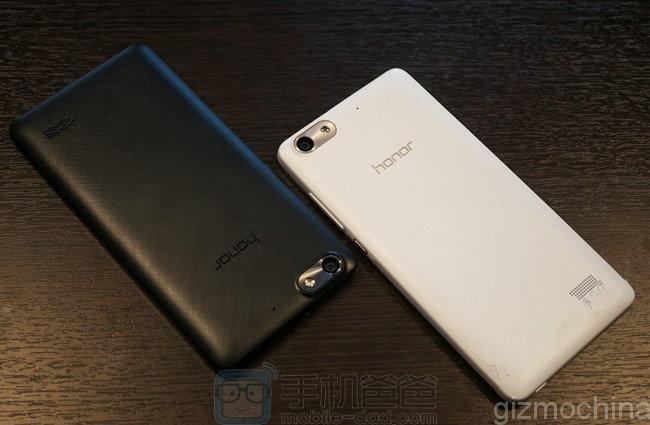
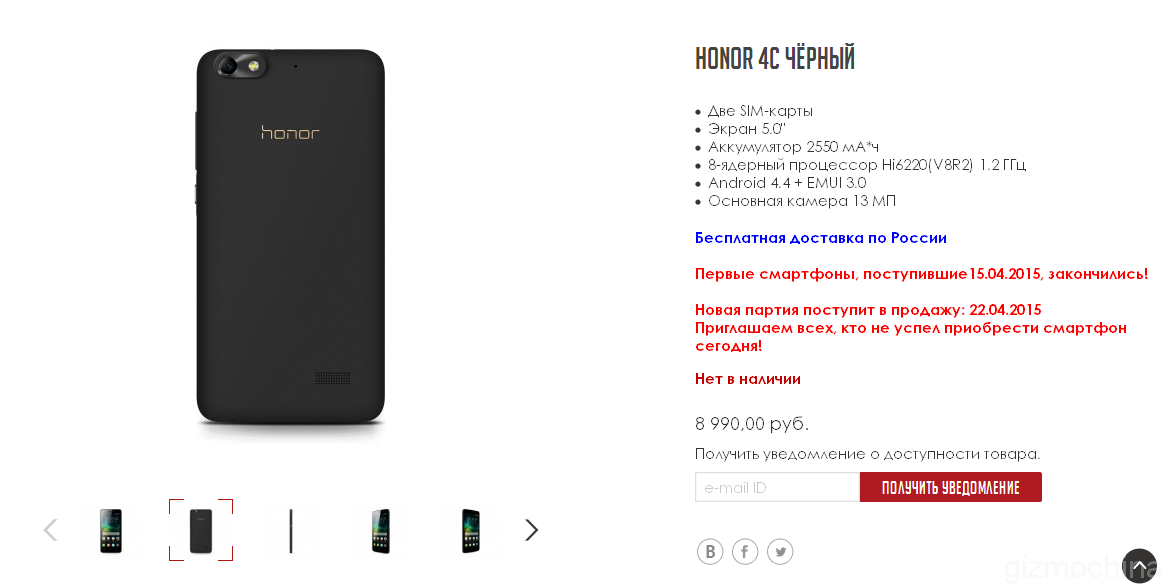
We have been increasing hearing news about Huawei’s budget offering, the Huawei Honor 4C. The device will feature good looks along with decent specs and will compete with the likes of Meizu M1 Note and Xiaomi Redmi Note. Now, the device has been officially listed on Huawei’s Russian website, revealing most of the details about the upcoming smartphone.
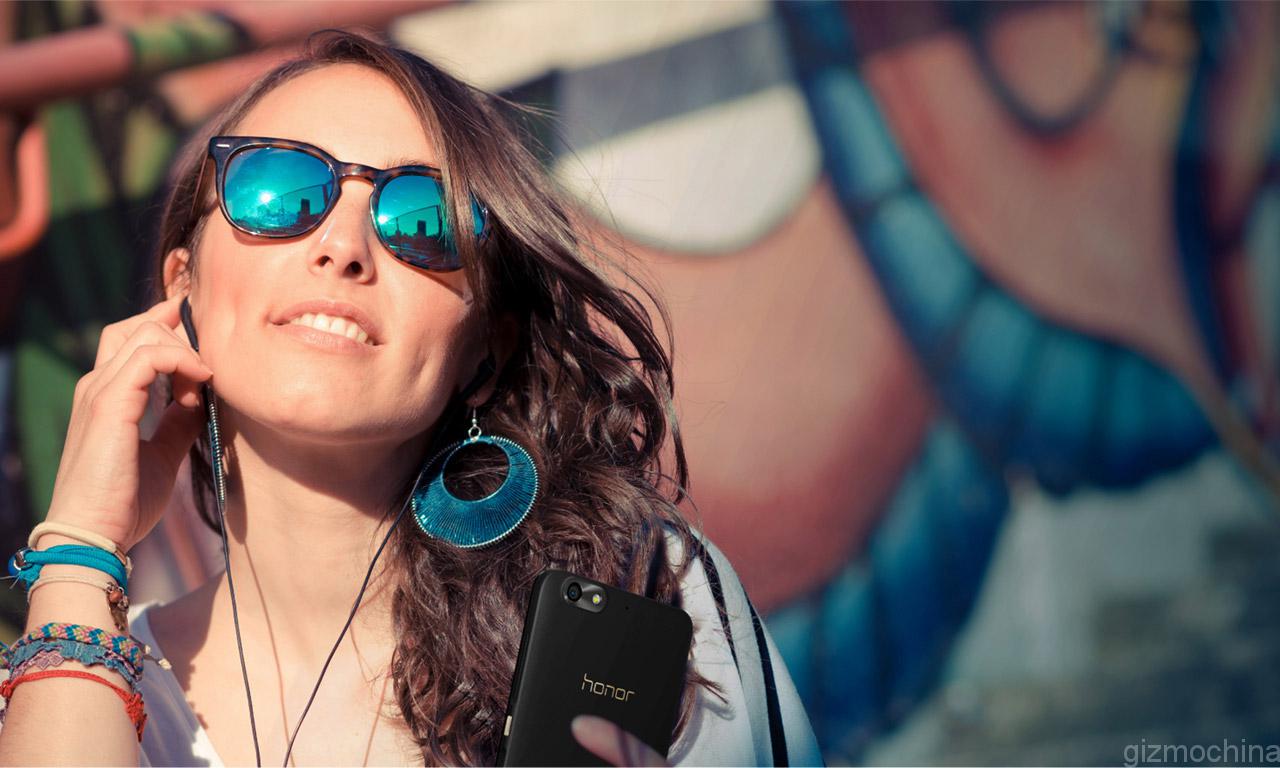
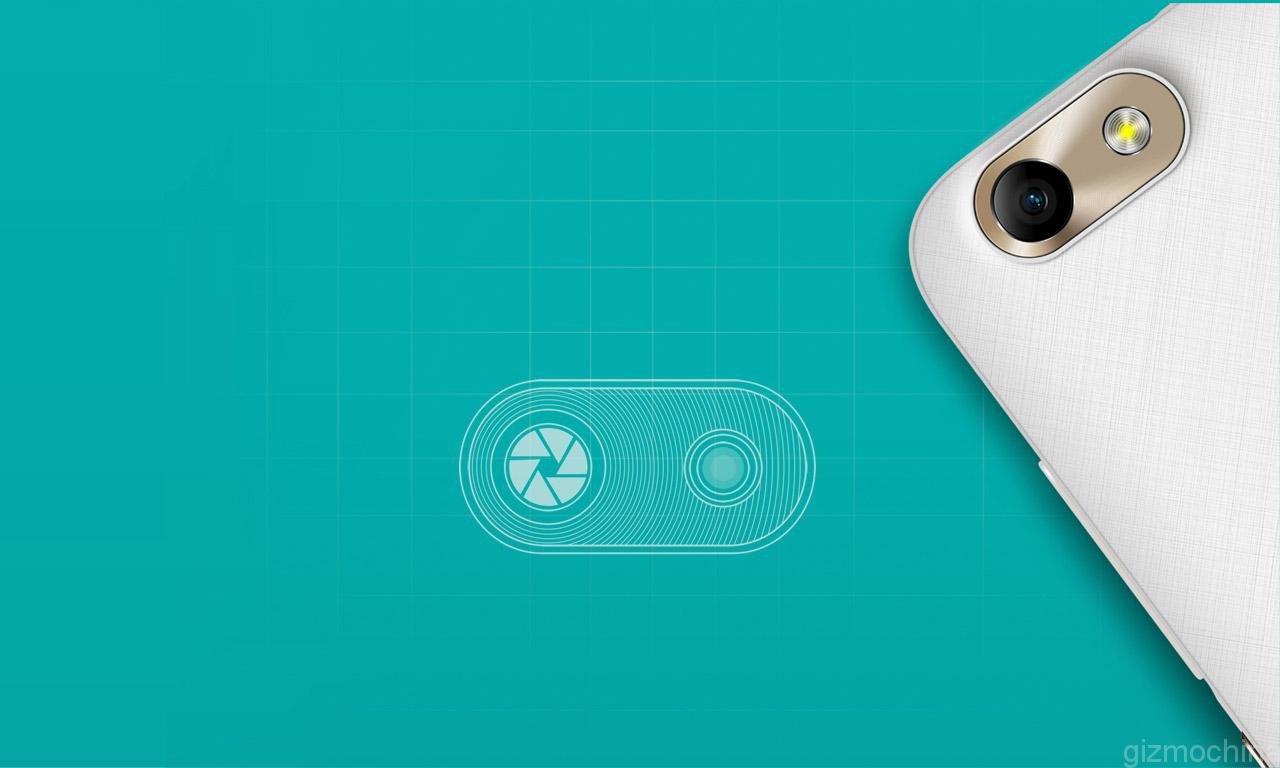
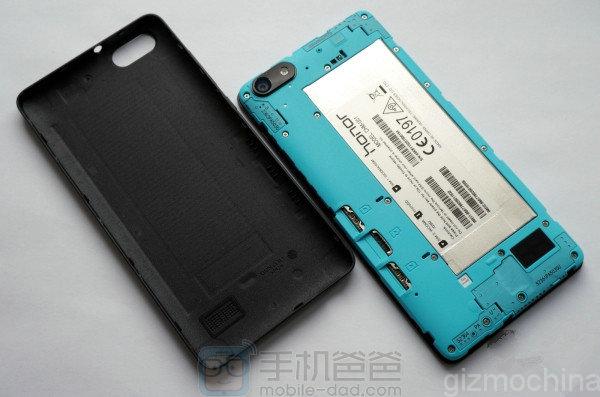
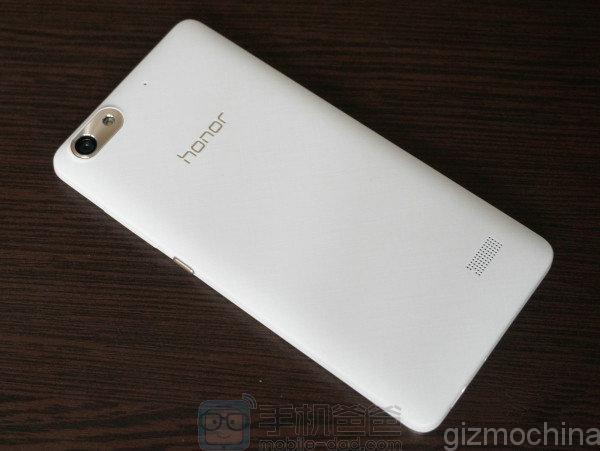
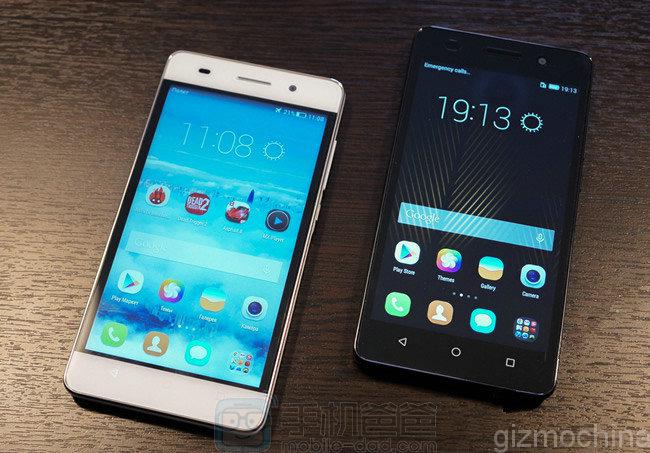
From the images, it looks like the Huawei Honor 4C will retain the basic design as the 3C. However, there are a few noticeable differences, especially at the back. The camera sensor looks much more in tune with the design and the overall color scheme and design is much more premium.
1 of 5
As for the specs, the Honor 4C features a 5-inch 720p display and comes with the Kirin 620 processor with Mali-450MP4. There will be 2GB of RAM on board along with 8GB of storage which is further expandable via MicroSD. At the back, there will be a 13MP f/2.0 aperture camera sensor, while up front you get a 5MP shooter. The phone supports dual 4G networks and comes with Android 5.0 with EMUI 3.0 on top.
As for the pricing, the Huawei Honor 4C is priced at 8990 RUB in Russia, which comes to around $174 in US dollars or 1070 Yuan in China. This is almost the same as the rumored 999 Yuan price tag in the domestic market.
Apart from the leaked specs, we also have some spy shots of the device in action. You can check them out down below.
Just a few days back we came across some news about the upcoming Helio X20 chipset. Mediatek rebranded its MT679X lineup earlier this year to Helio X series. The company wanted to portray the Helio series as powerful chipsets, that’s why the X in the brand name stands for Extreme performance.
Looks like the company is pretty serious about the new Helio X20 chipset as it is said that the processor will feature 10-cores. Yes, this will make it the first 10-core chipset in the market and its expected to go into mass production in the next few months.
Now, new report from Taiwan media reveals some more details about the Helio X20. The report says that the new chipset will feature two powerful but battery hogging Cortex A57 cores and 4 + 4 Cortex A53 power efficient cores. The A57 cores will boost the performance of the chip, but the A53 ones will keep a balance of power and performance. So, in all, it once again confirms the 10-core chip design on the new flagship SoC from Mediatek.
The key element here is Mediatek’s unique three public board architecture design along with turbo boost for performance improvements. The company has used its own research to develop a 3 core design much like ARM’s big.Little architecture. The chip can independently adjust its performance and power according to the needs, just like in the case of turbo in a car.
Finally, the chip will be built on TSMC’s 20nm process and will support Cat. 6 4G LTE-A networks. Interestingly, the report says that Helio X20 chip could go into mass production as early as July this year, which is much earlier than what we predicted.
The earlier leak said that the chip could break the 70,000 AnTuTu barrier, but with 4+4 Cortex A53 cores, we will have to wait and watch if its really the case.
Anyways, so what do you think about the Cortex A57 (2) + (4+4) cortex A53 design? Will it be powerful enough for a flagship chip?
OnePlus is expected to unveil two new smartphones this year. In addition to the flagship, OnePlus Two model, recent rumors have said that the company will also release a cheaper model, to compete with budget smartphones in the market.
The company recently announced that it will keep an event on April 20 i.e. today where we expect at least one smartphone announcement. At this event, we may also see the cheaper version’s debut.
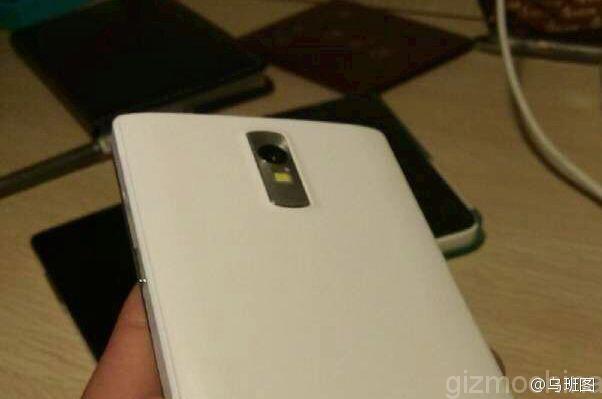
The leaked image shows that the phone will have a similar design as the OnePlus One flagship, except for a few subtle changes. One difference that we spotted was the single LED flash below the camera unit, as opposed to dual LED flash on the OnePlus One. The back seems to have the same silk white texture as the existing flagship model.
We still don’t know for sure whether this is the cheaper version that will be launching this year. The leak just shows the picture but says nothing about the name of the phone, but since the phone has a single LED flash, we are assuming that it could be low-end model. Another reason we believe that this could be real is because the Ubuntu Leakster team has been right with their leaks quite a lot of time, so this one too could end up being real.
Anyways, since OnePlus has an event today, we expect more concrete information pretty soon. Stay tuned for more details.
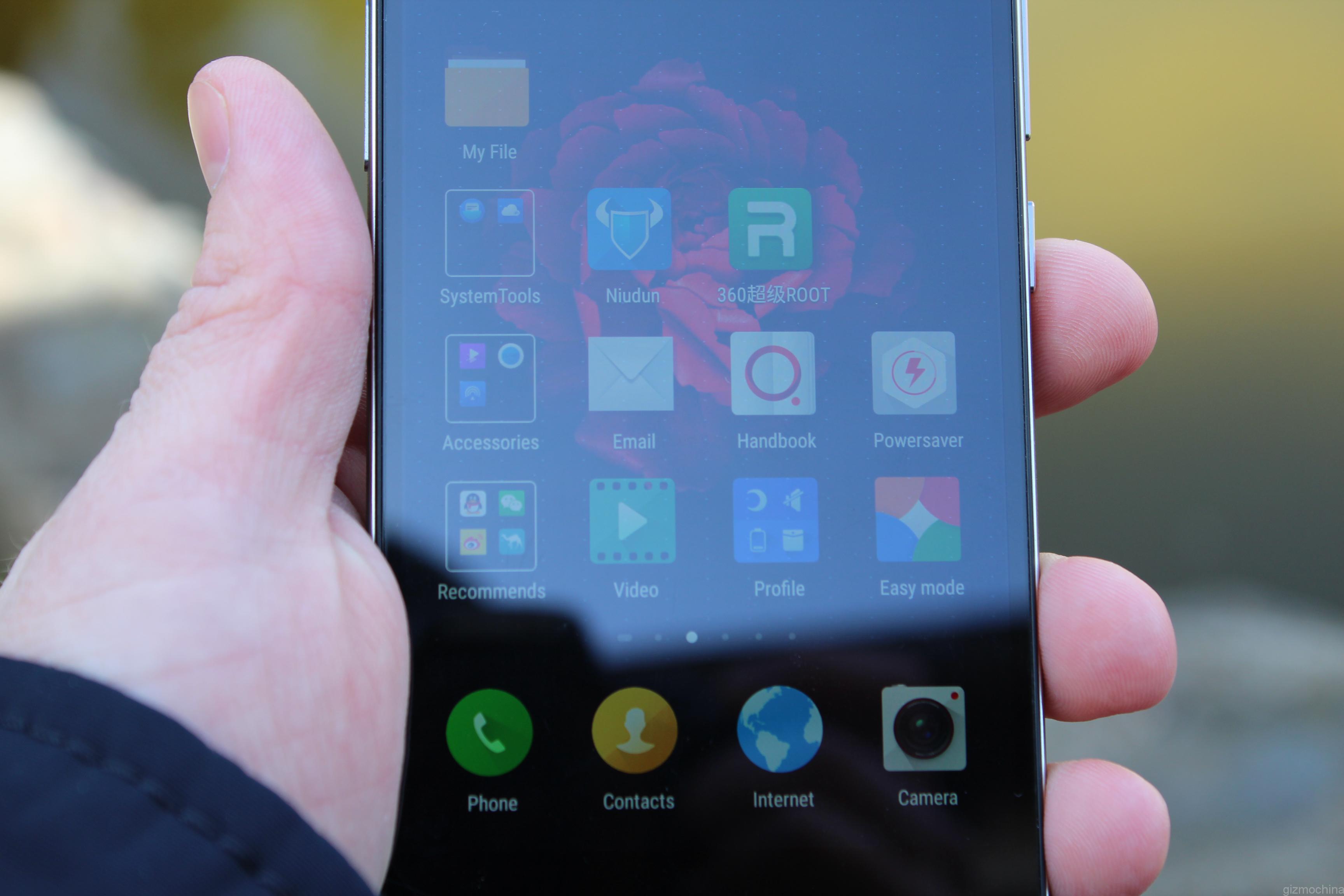
ZTE is one of those major Chinese manufacturers, which is widely known for its devices not only in China, but also internationally. What is more, their Nubia sub-brand is known for offering high quality for a price, which is lower than competitors like Apple or Samsung. In the past few years Nubia managed to prove that with the Z5 mini and Z7 mini smartphones, which received positive reviews. This time around, we have a just announced ZTE Nubia Z9 mini. Let us unbox it and our first impressions.
As far as the specs go, the Nubia Z9 Mini goes into the upper mid-range devices category. It does not spot a top of the line chip, but Snapdragon 615 processor has proven to be an excellent choice in the this category. Also, it is a 64-bit chip and Nubia Z9 Mini uses this architecture to the full extent as it comes with the Android 5.0.2 out of the box. Other noticeable specs are the powerful cameras, huge battery and the Micro SD card slot.
UNBOXING
1 of 3
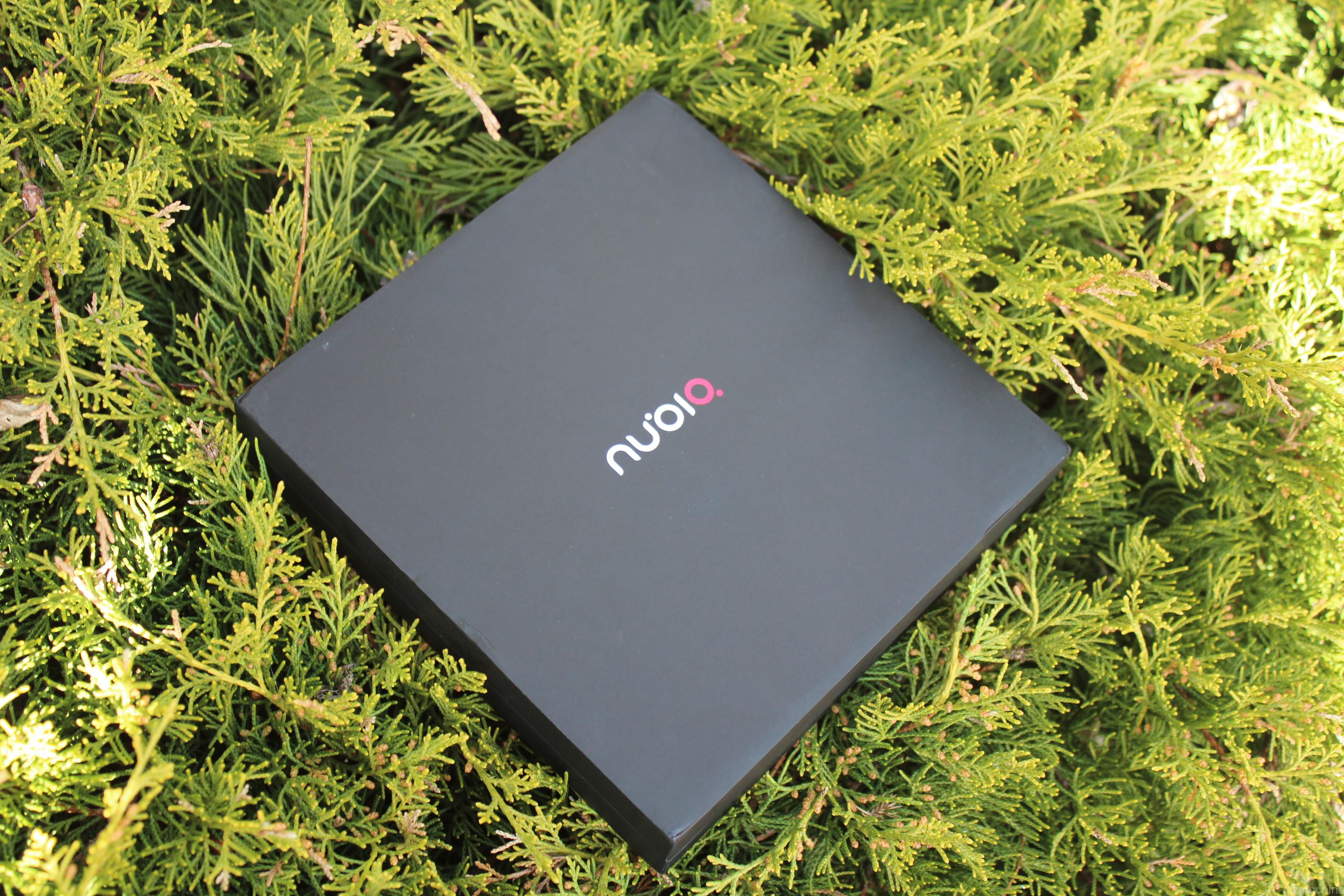
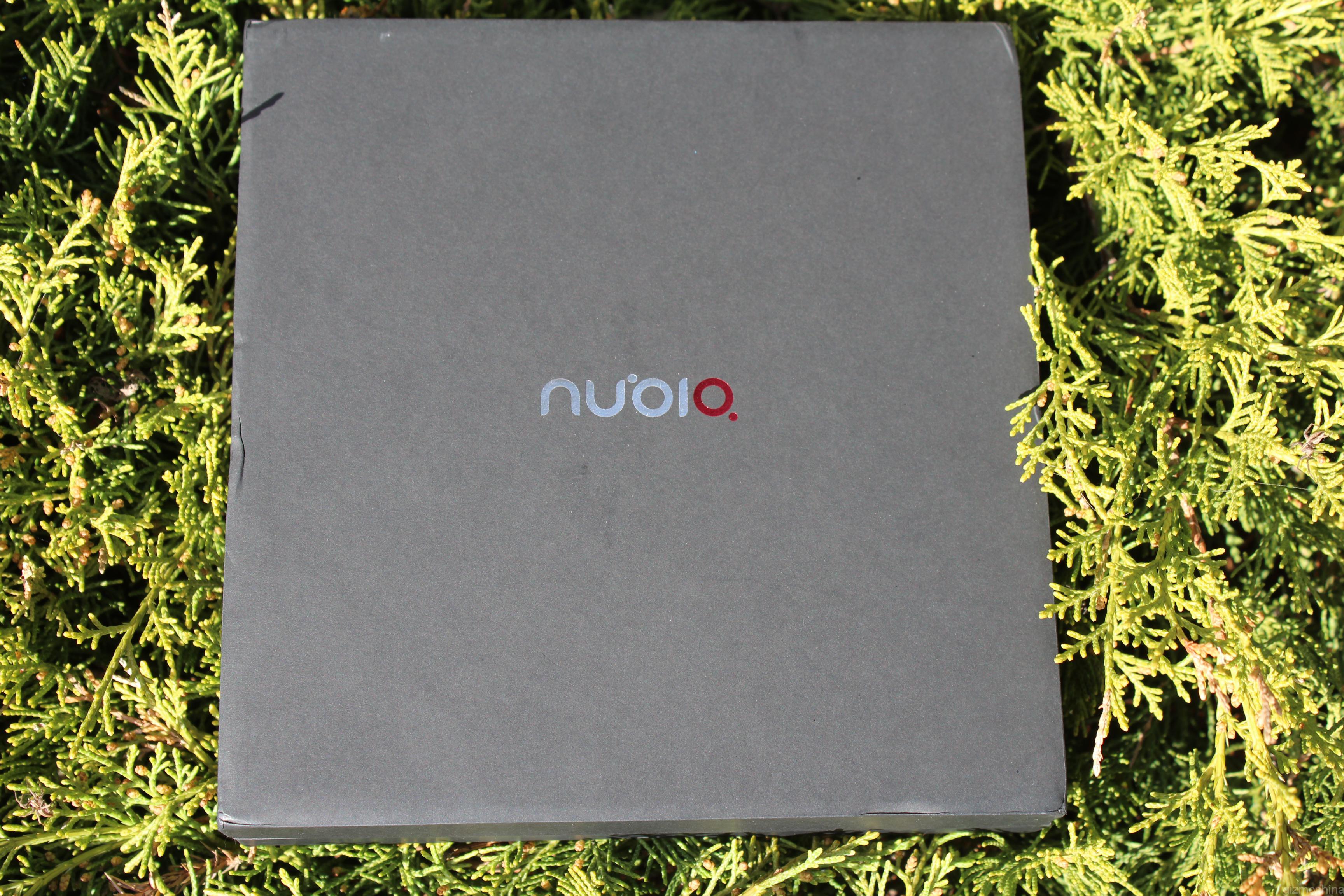
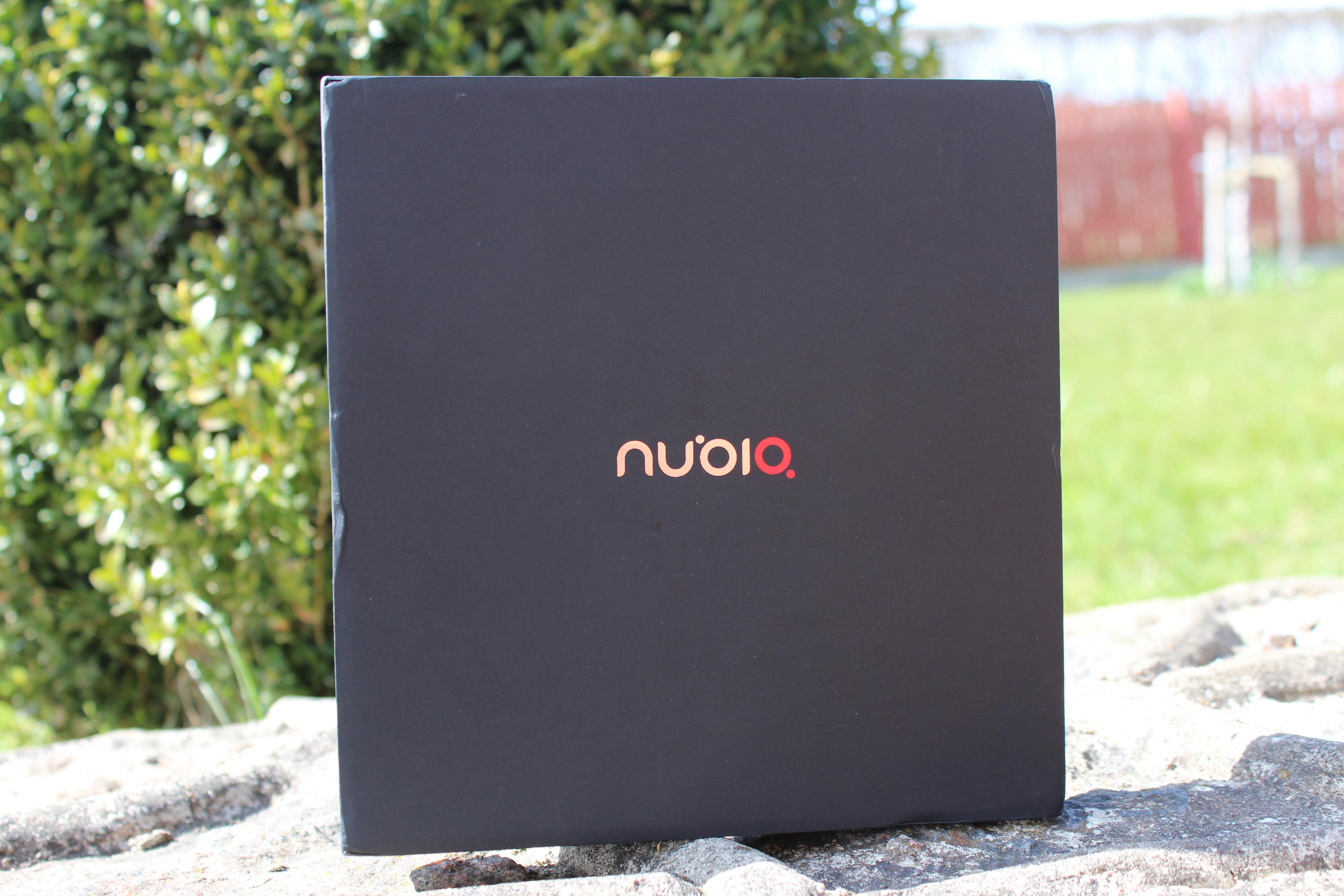
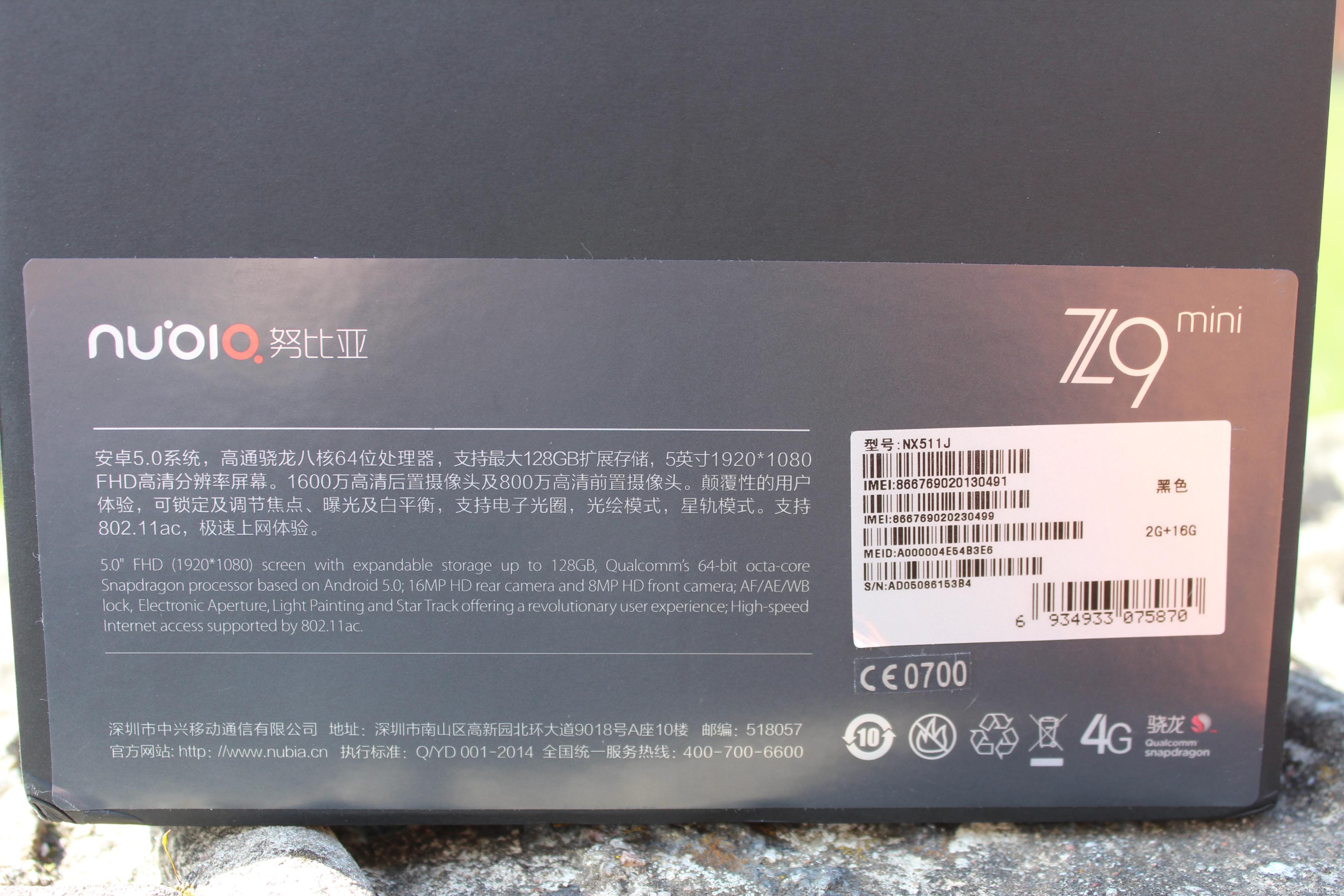
The device comes in a black box, which has a minimal design. On the back of it you can find a list of basic specs and some info, which is, however, in Chinese.
1 of 4
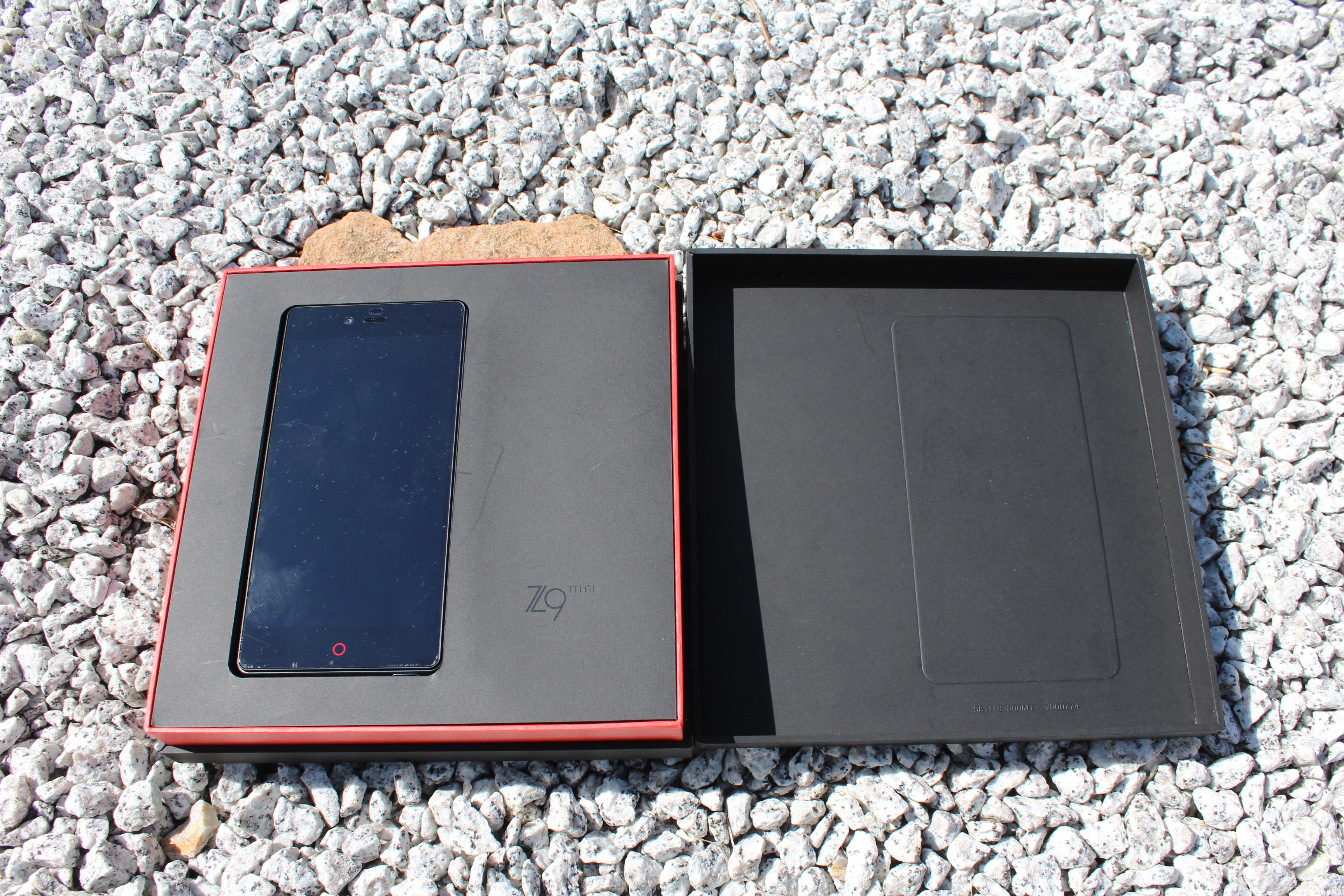
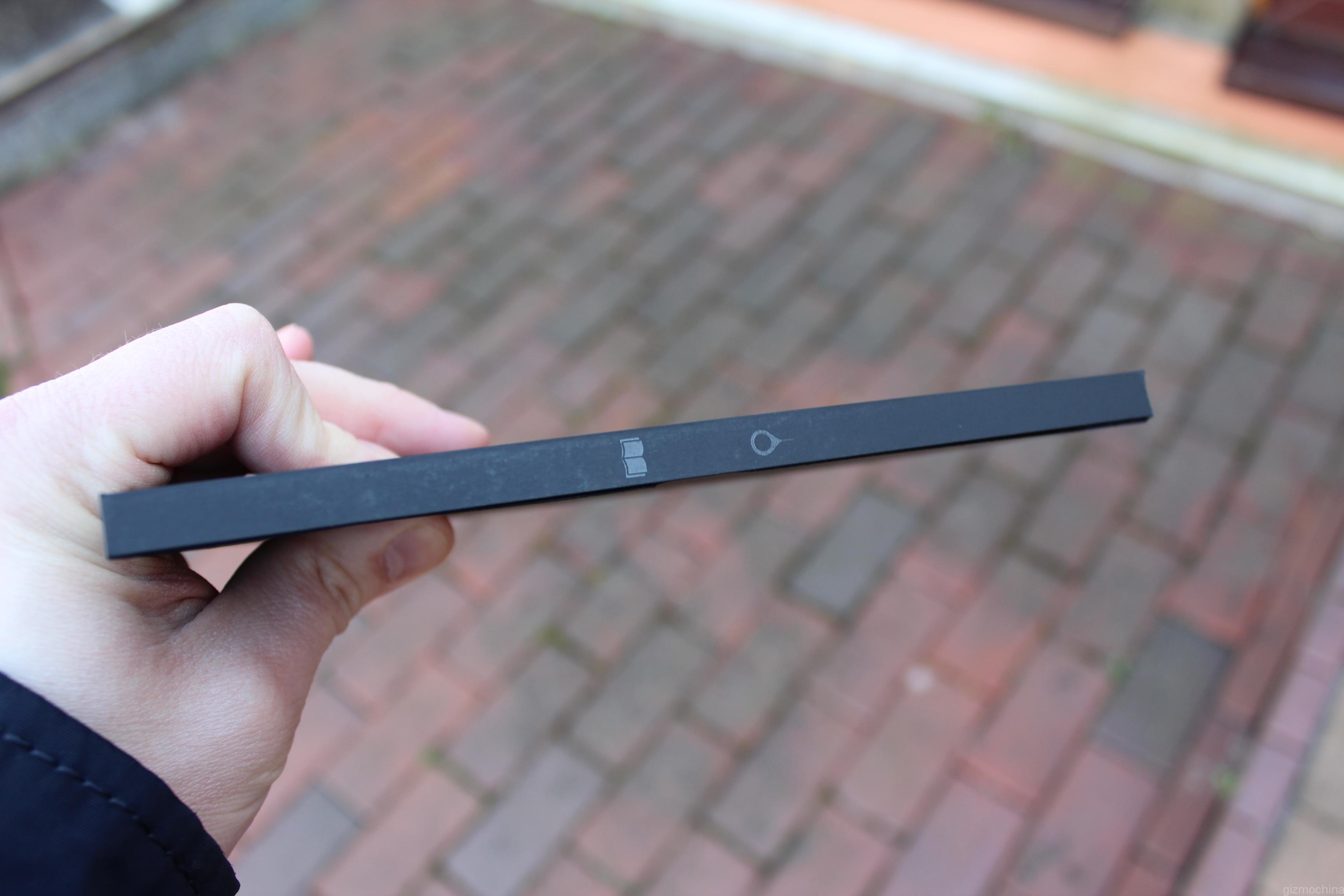
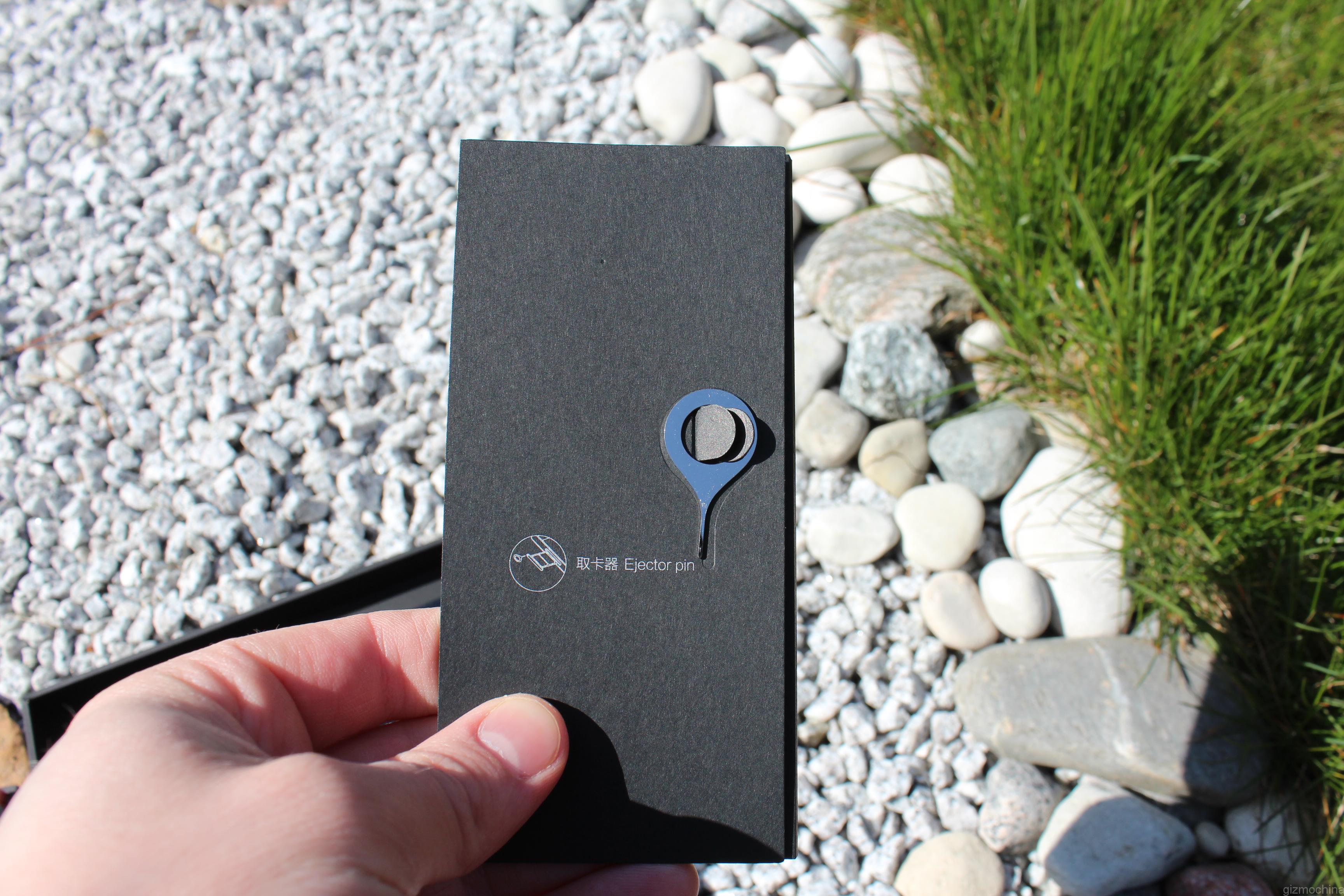
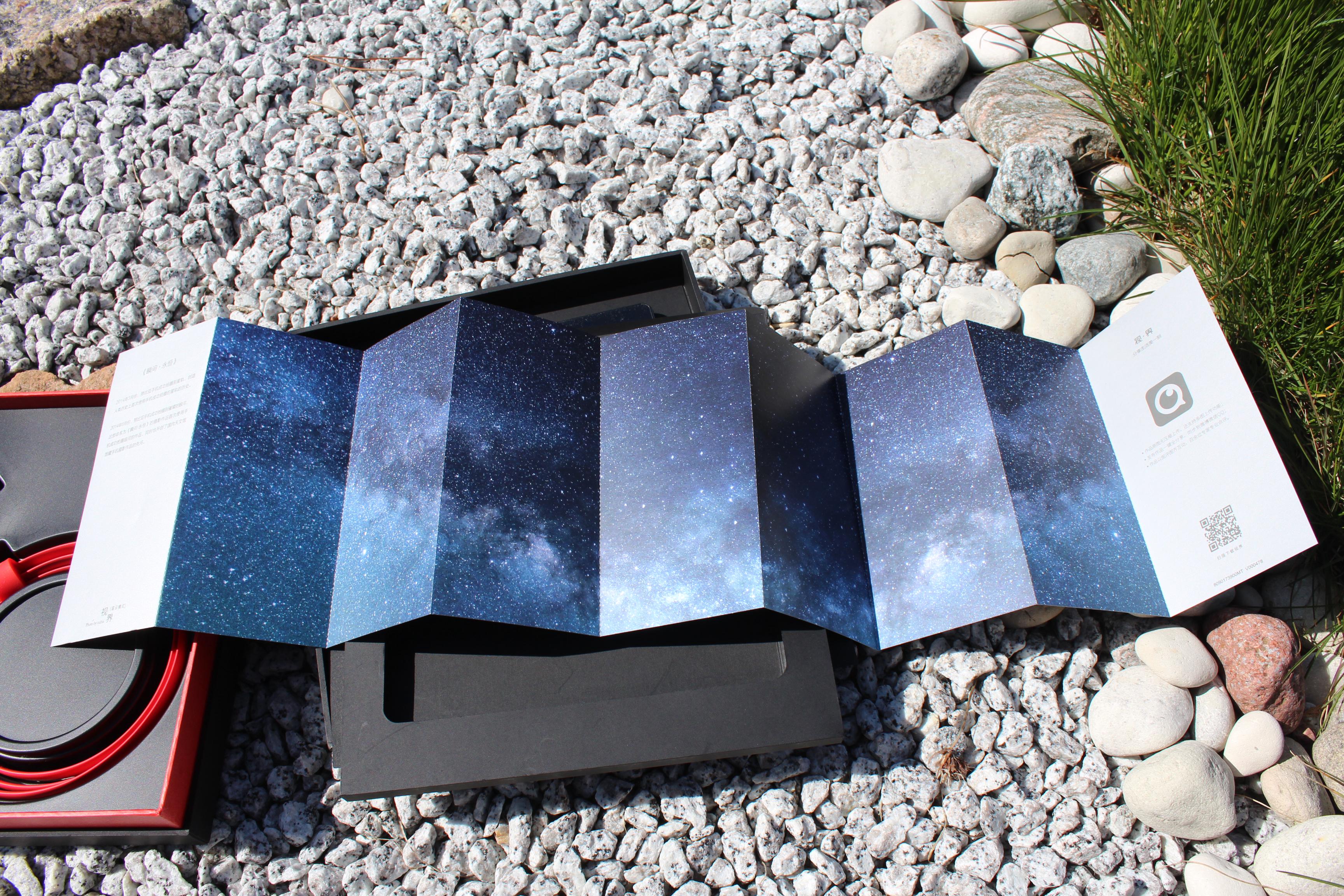
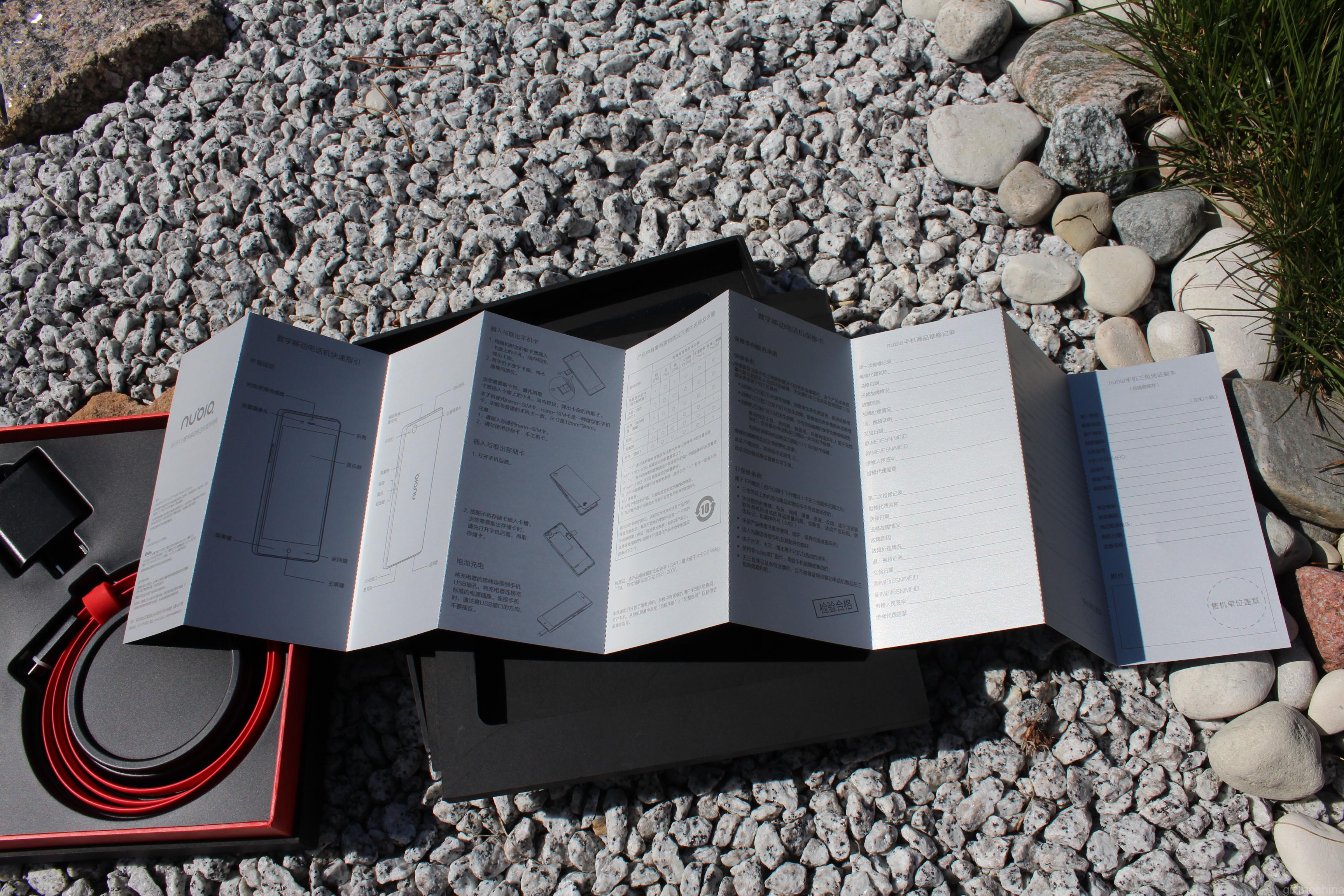
The first thing that comes out of the box is the smartphone itself. It was wrapped up in the plastic, but I removed it as I have the device for a few days already. If you take the top off, you will find a “drawer” embedded on its side. There is the place where the envelope containing SIM ejector tool and some instruction manuals are.
1 of 5
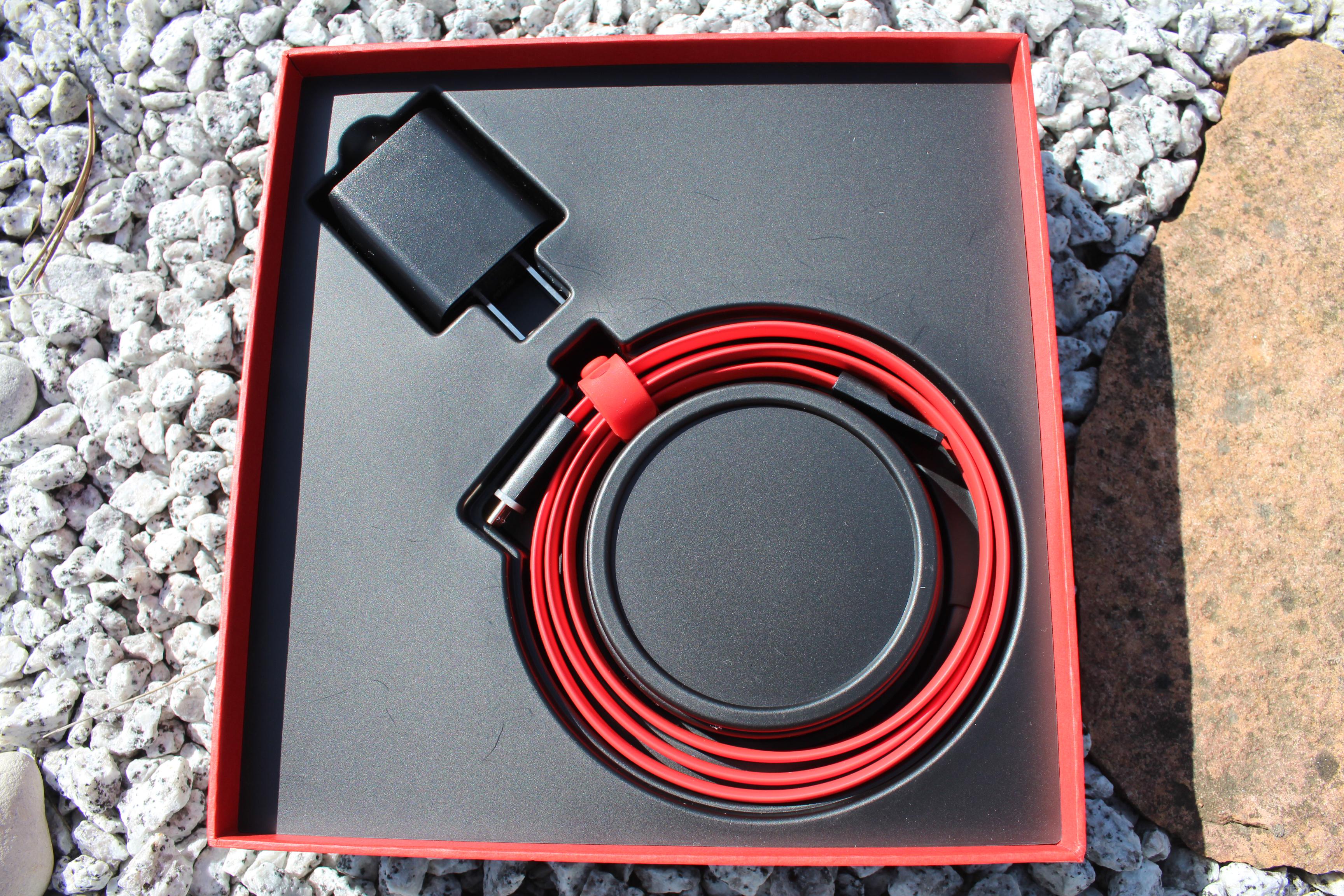
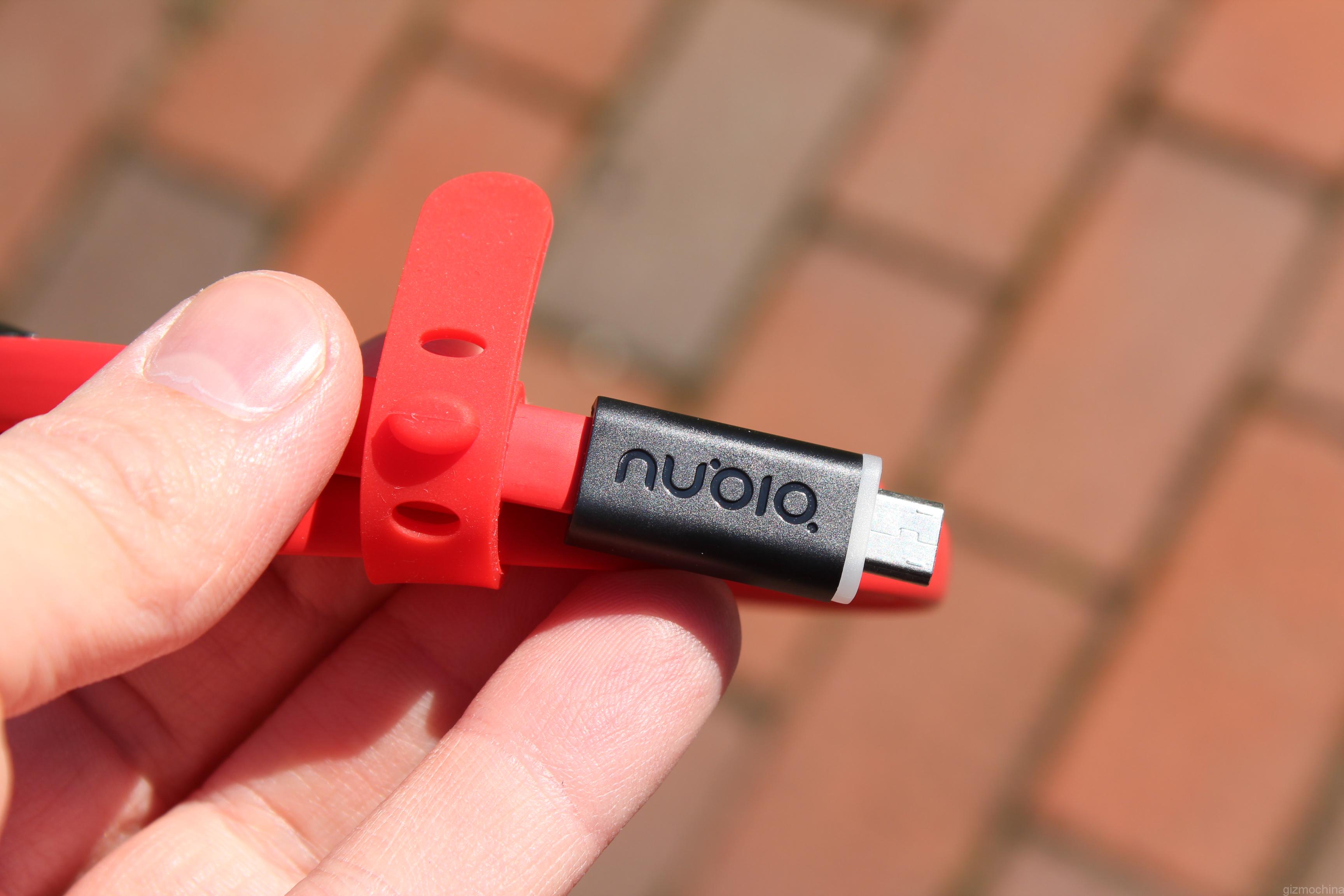
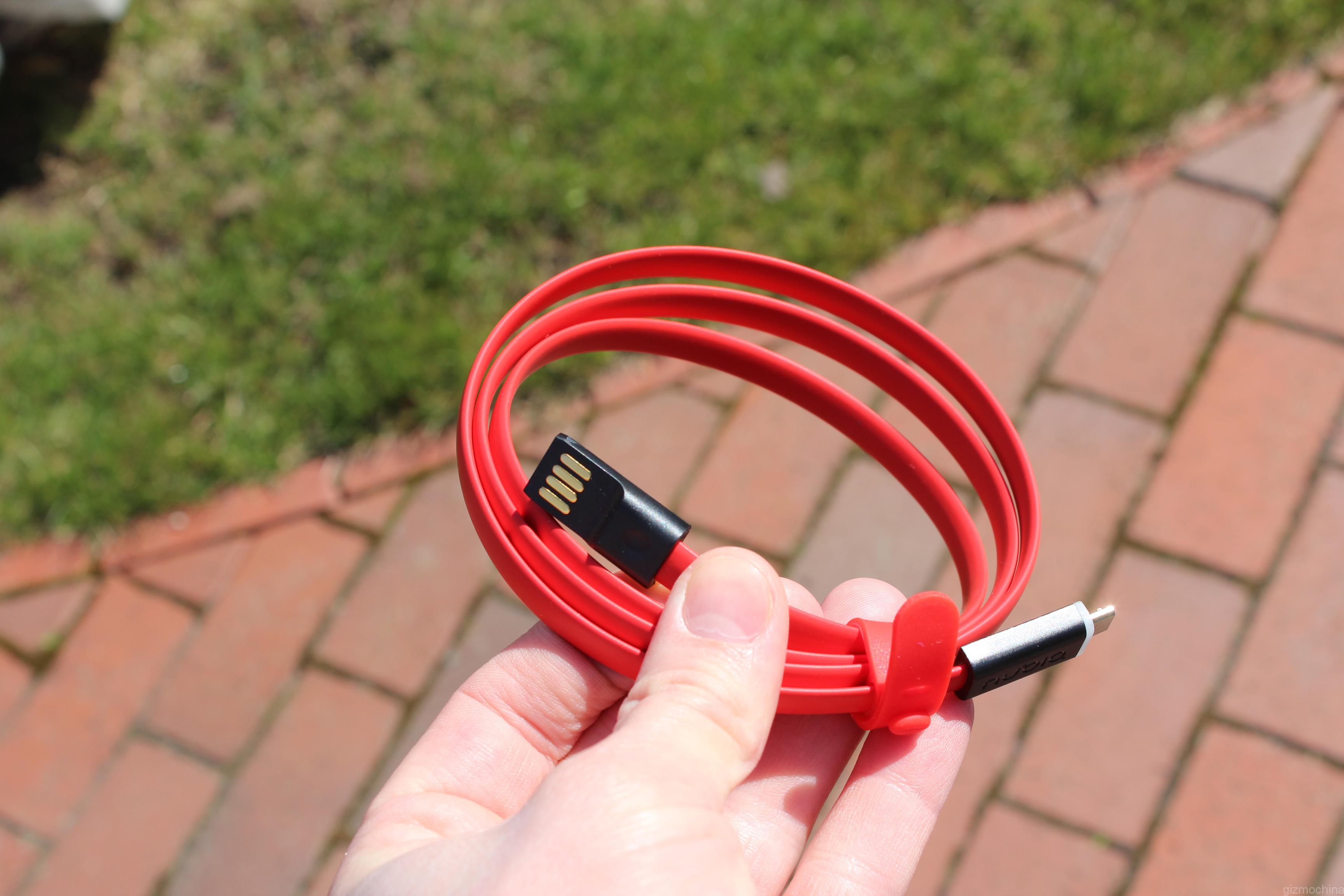
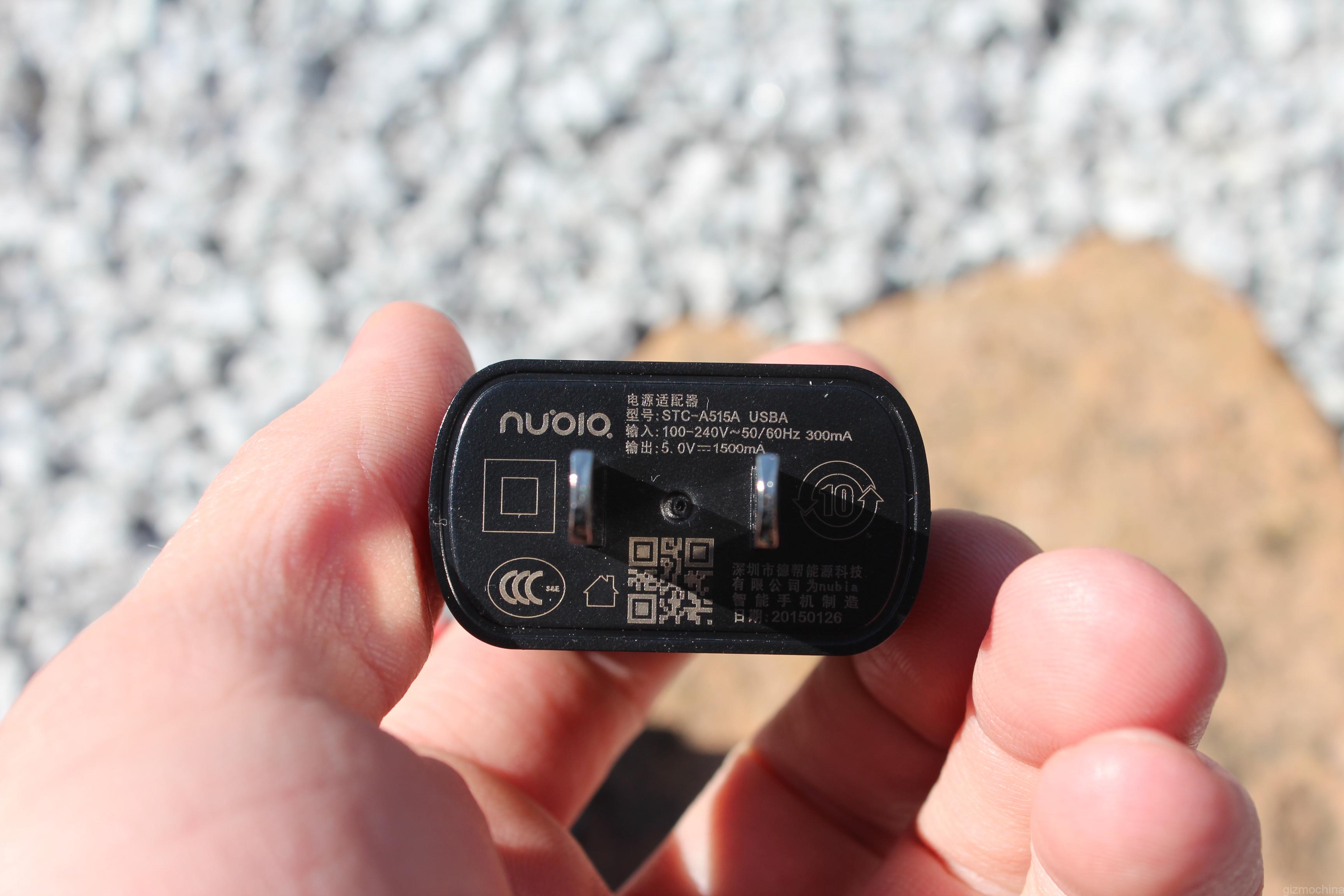
Other contents include a nice flat micro USB charging/syncing cable. It spots the design similar to what we have already seen from the OnePlus. Anyway, it definitely looks and feels great and stands out from the crowd of usual cables that come out of the box.
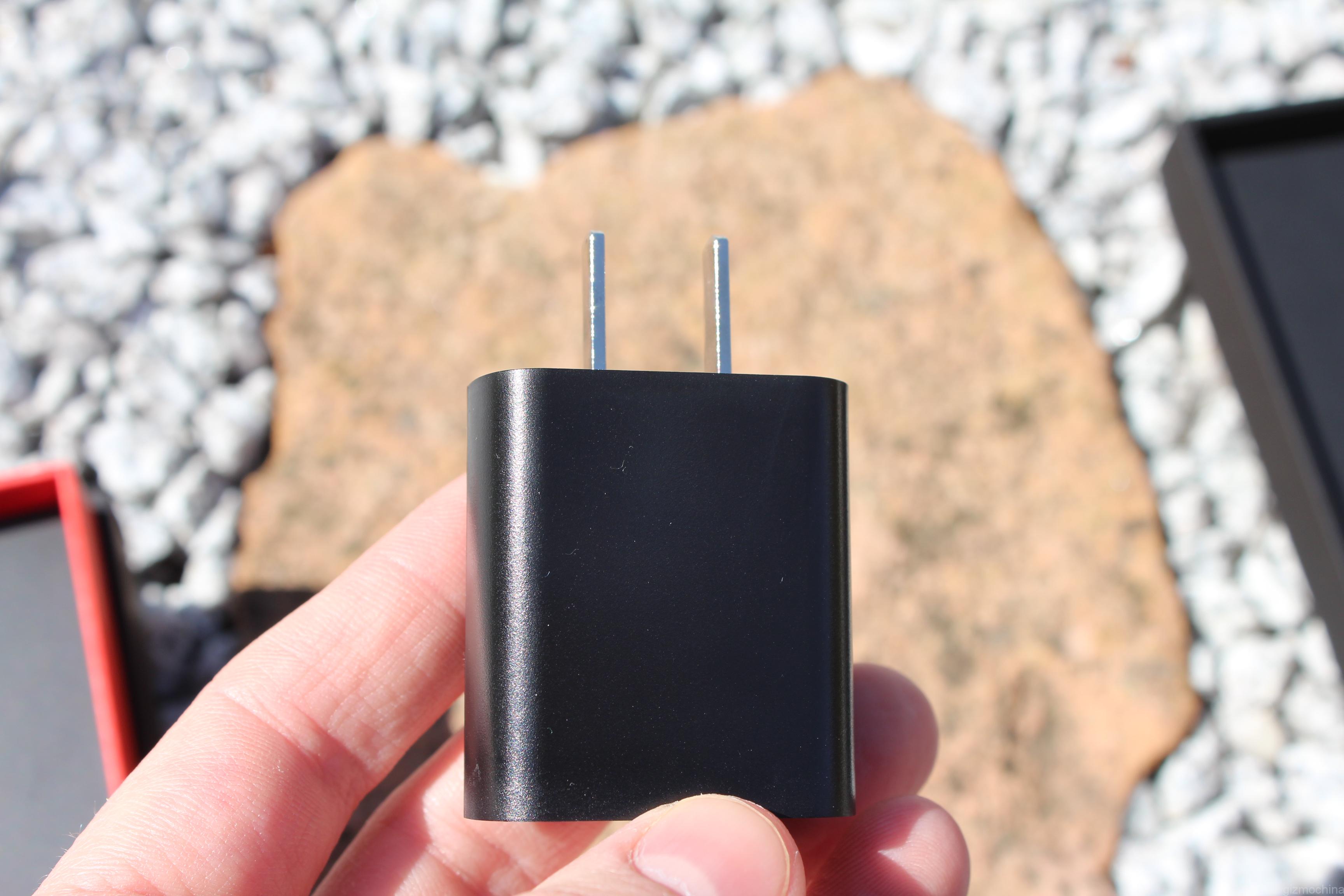
Moreover, there is the US charging brick, which can be used anywhere in the world with a help of the adapter.
Overall, the whole presentation seems to be great and it is a pleasure to unbox all the contents. Everything seems to be made out of quality materials and is organised neatly.
THE DEVICE
1 of 3
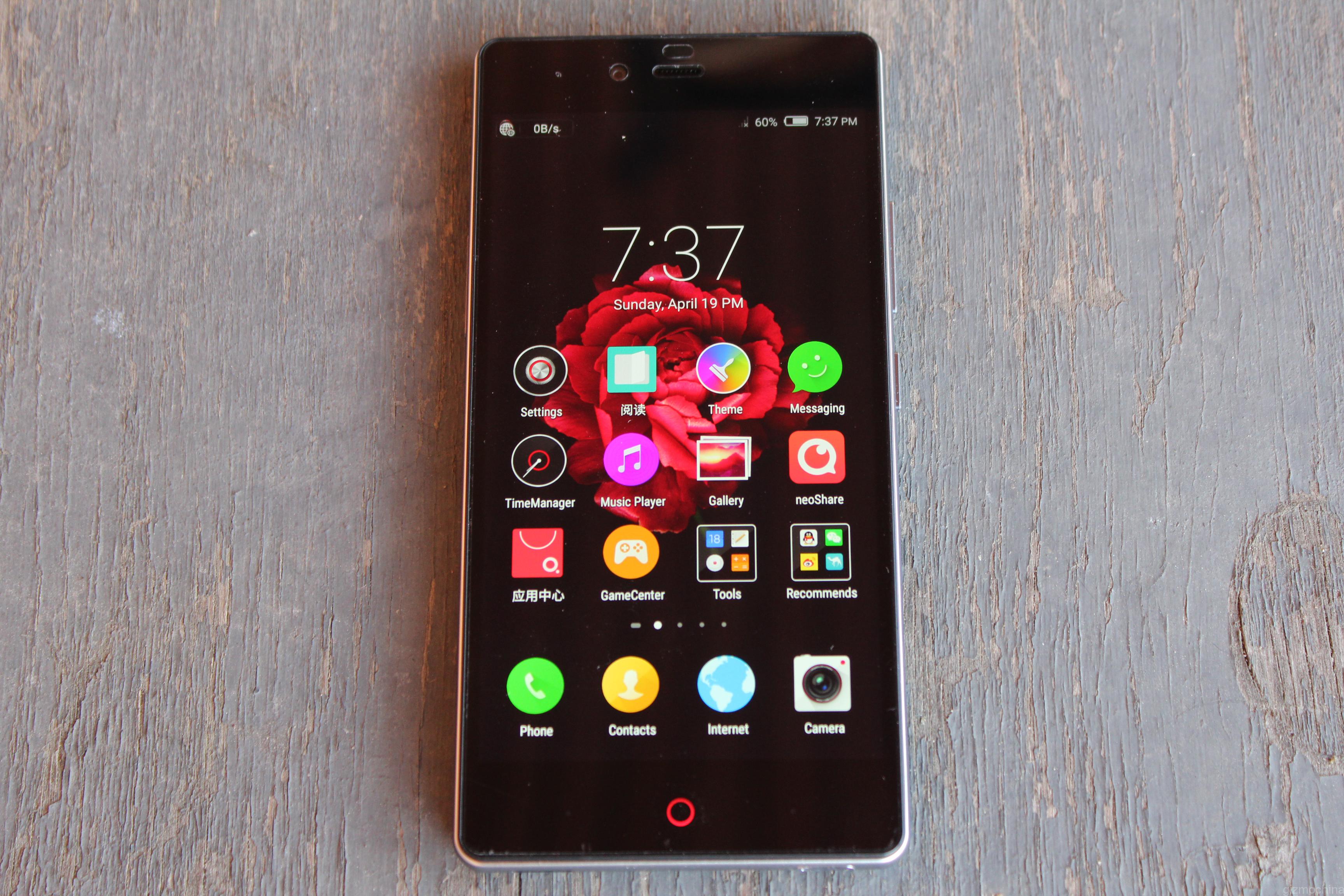
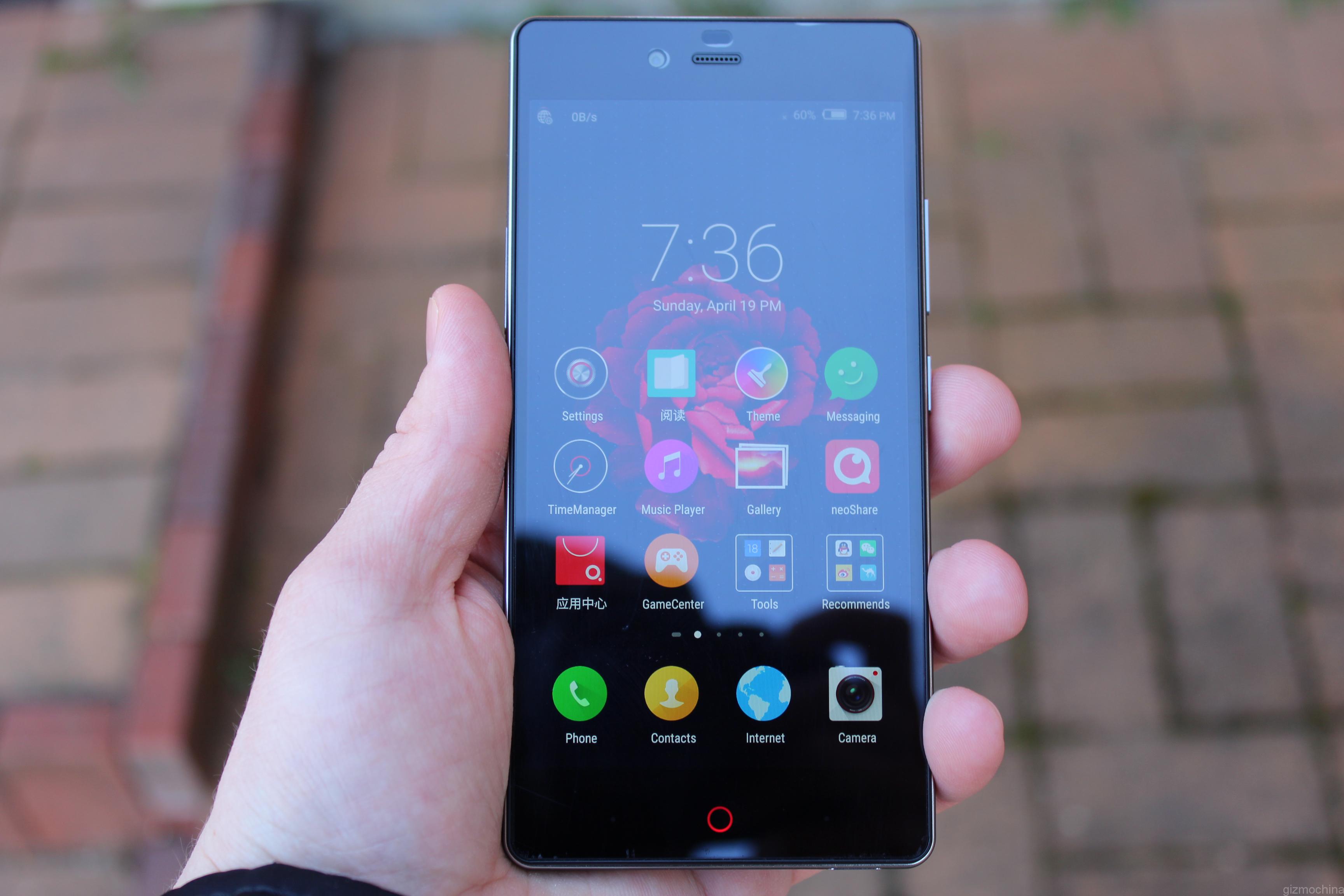
Once you first take the device into your hands, it feels like a solid piece of hardware, which has a great built quality. Also, since the device “only” has 5 inch display, it is a very compact smartphone.
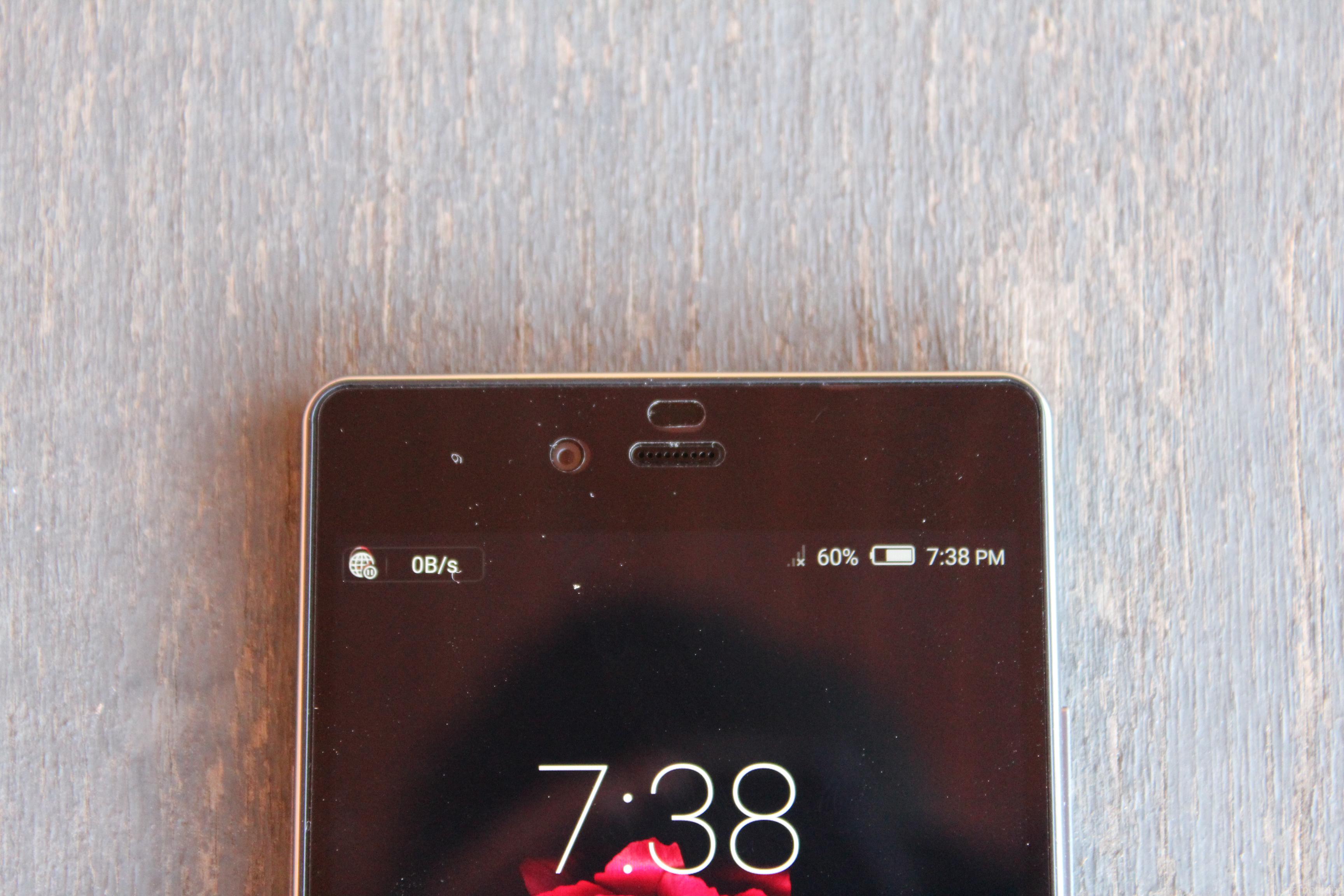
Let’s start by taking a closer look at the front top. Here you can find and earpiece, proximity sensor and the 8MP snapper.
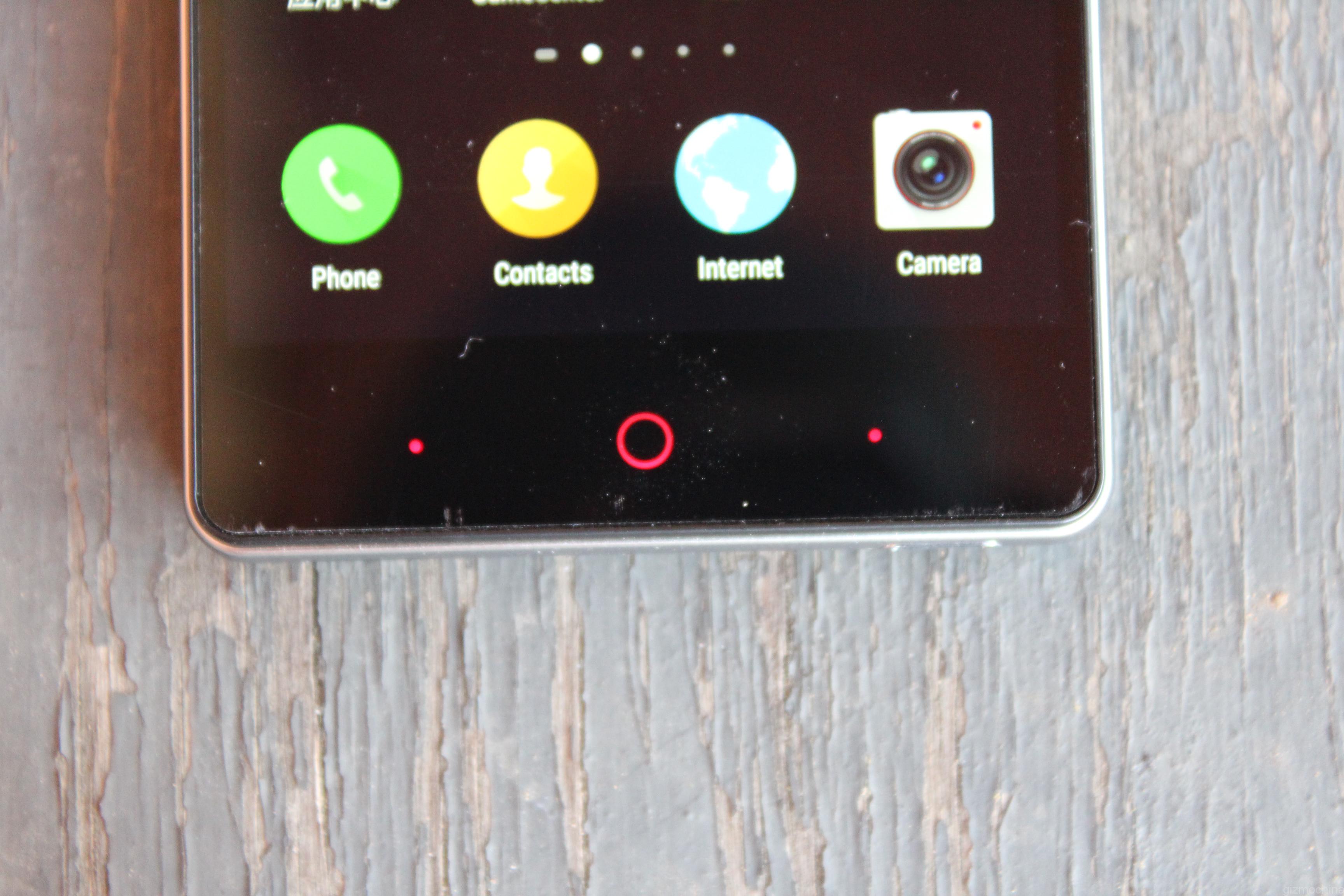
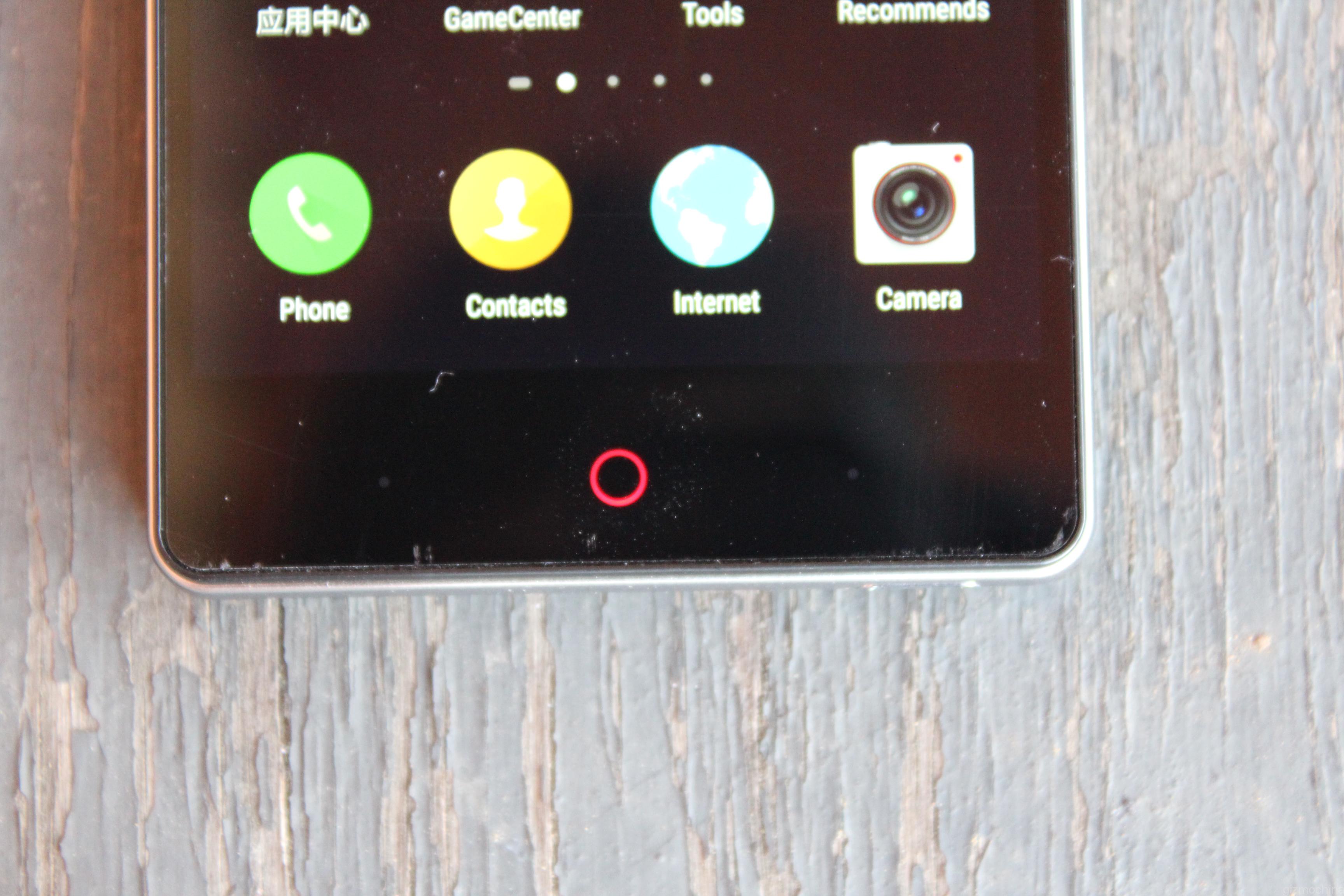
On the bottom there are typical Nubia-style capacitive keys. The programmable back and menu keys light up once you press it only. The home button at the middle has a signature Nubia pulsing effect once you press it. Moreover, it looks like it is always light up once you are outside since it has a red coating. You cannot say the same about the back and menu keys.
A great thing about these keys is that you can adjust its brightness (including auto mode) to either make it visible in the sunlight or make it dimmer to save power.
In addition, they are very responsive and convenient to use.
The device spots an alloy frame, which, however has a plasticky feeling coating on top of it. Not sure why Nubia made that, but most of the people would say it feels like plastic. On the other hand, it definitely feels sturdy and well made.
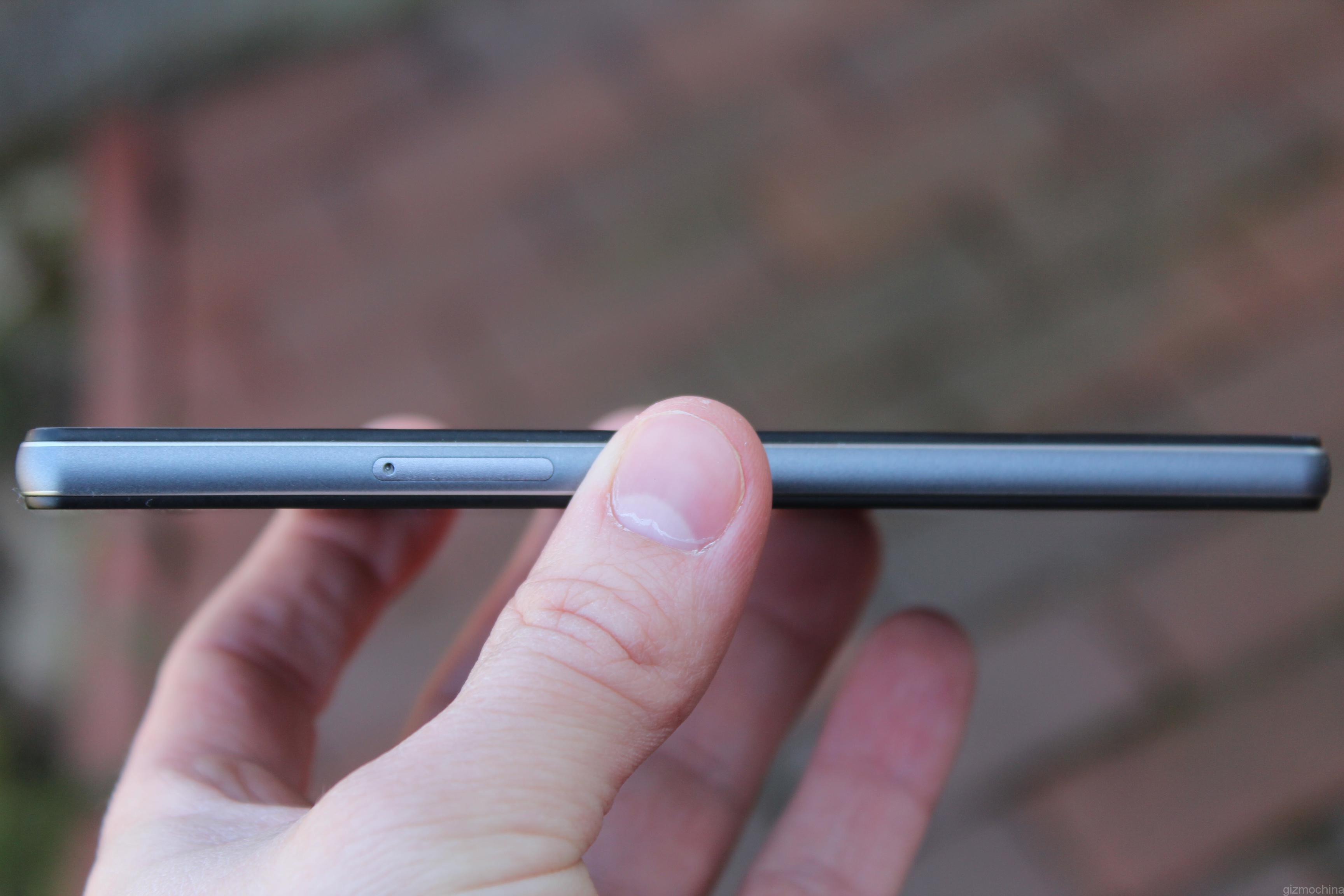
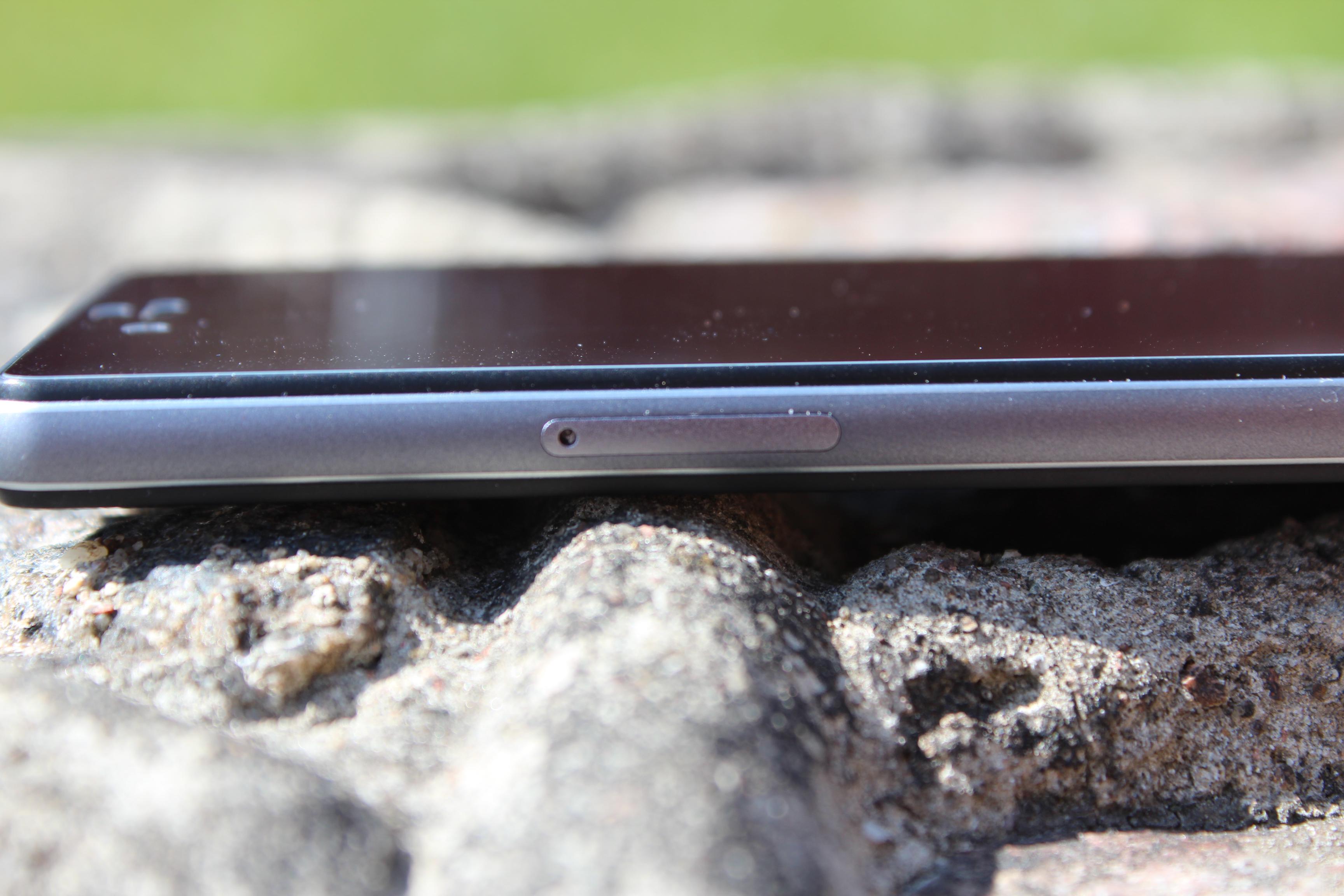
On the left you will find a dual Nano SIM cards slot. Since the manufacturer decided to implement Nano SIM card standard to be in the same league with the iPhone, you may need to cut your card if you are not using this type of card yet. The device supports 2G, 3G and 4G LTE bands with each band (GSM 850 / 900 / 1800 / 1900 – SIM 1 & SIM 2
CDMA 800; HSDPA 850 / 900 / 1900 / 2100; TD-SCDMA 1900 / 2000; LTE band 1(2100), 3(1800), 7(2600), 38(2600), 39(1900), 40(2300), 41(2500).
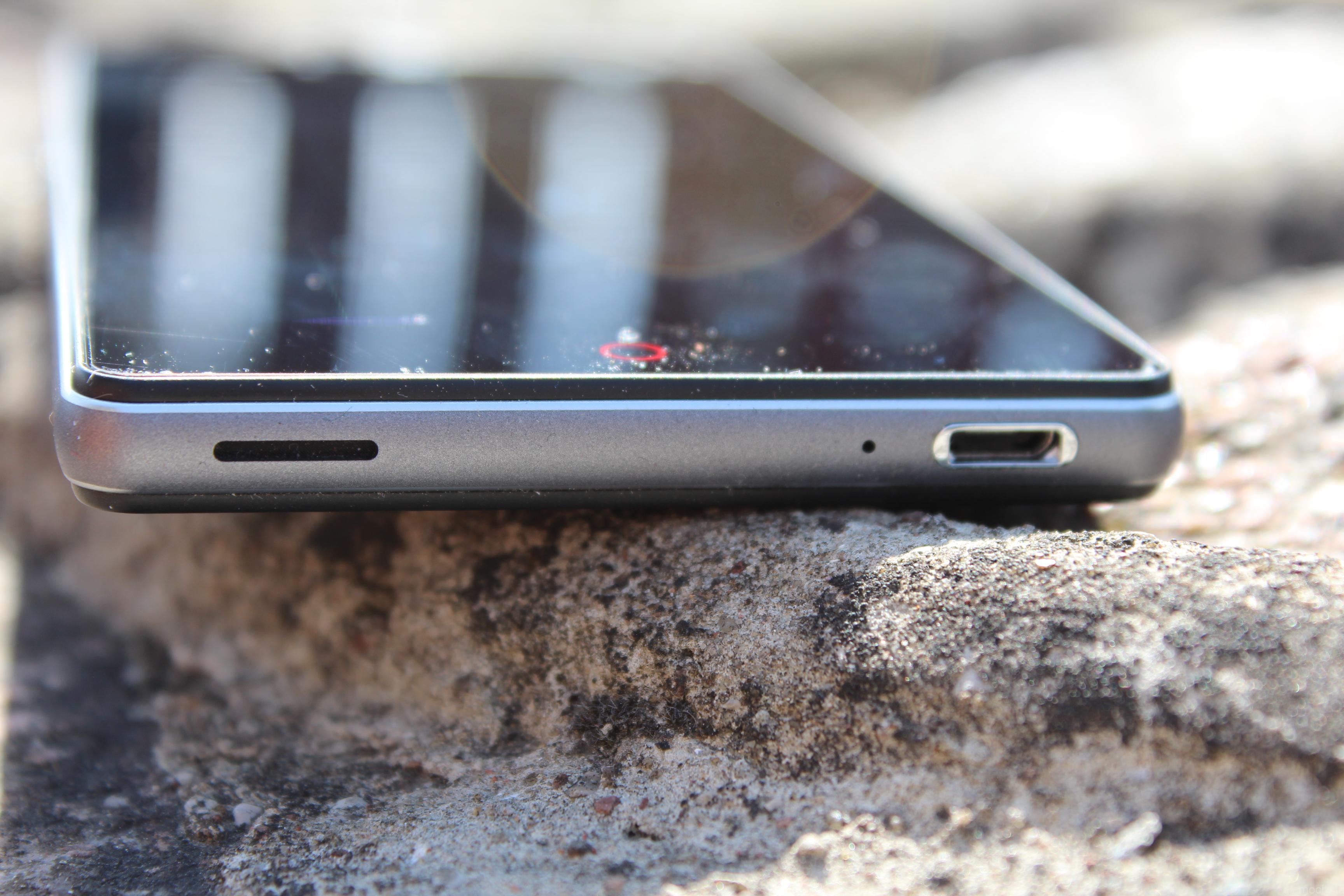
On the bottom you can find a speaker, mic and the micro USB charging port.
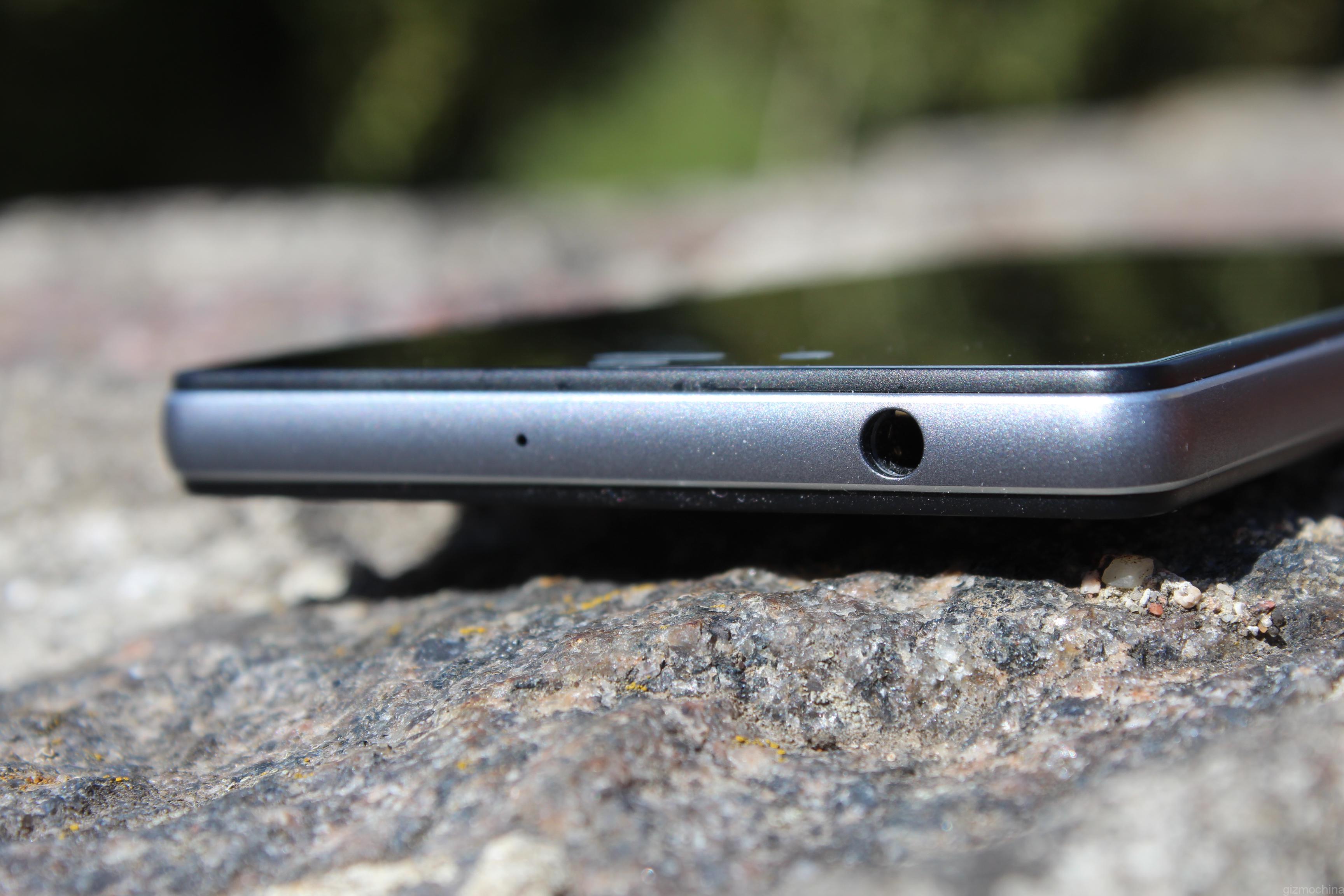
On the top of the device there is a secondary mic along with the headset jack.
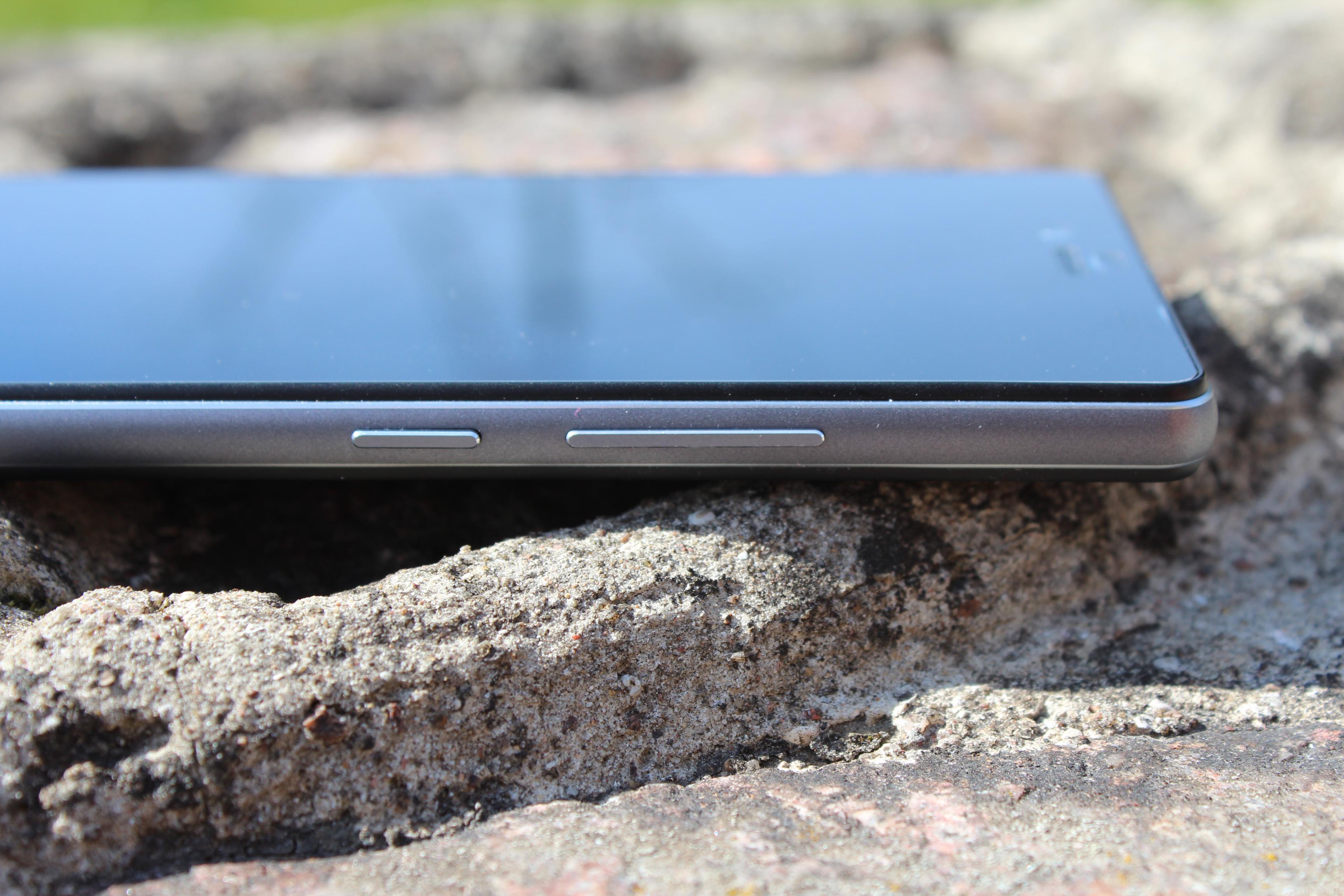
On the right there is a volume rocker and the power on/off key. They are made out of metal and has a great tactile response.
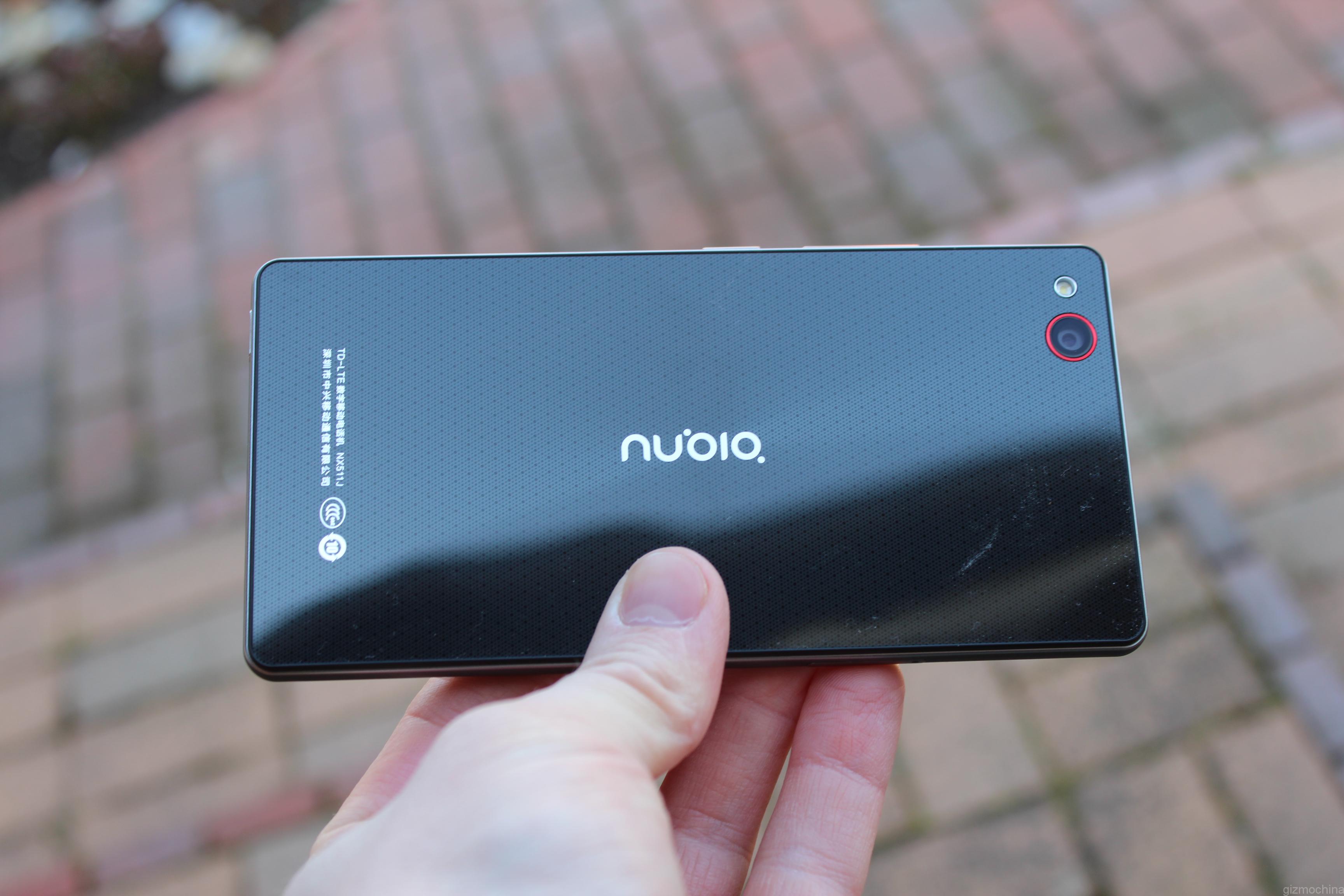
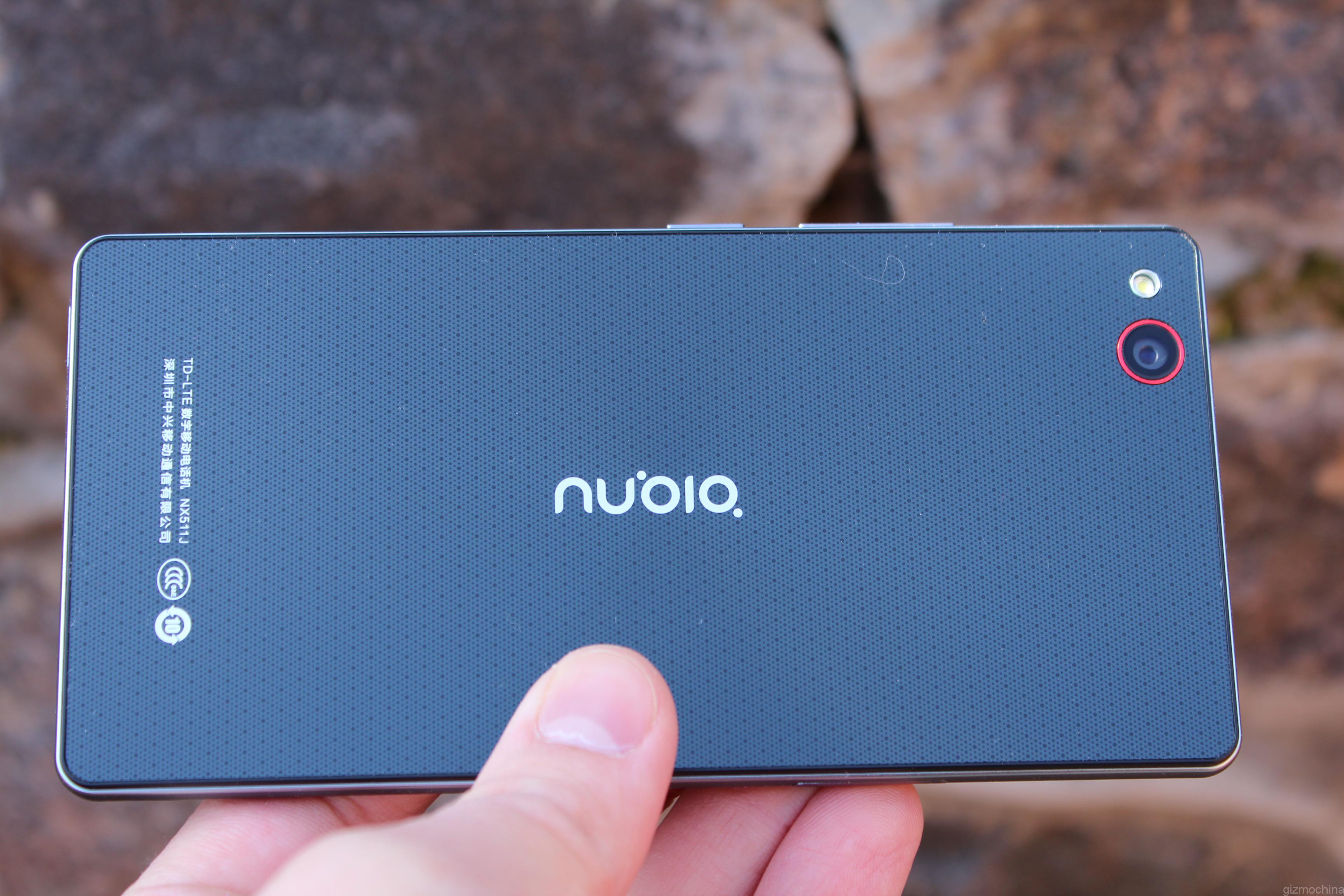
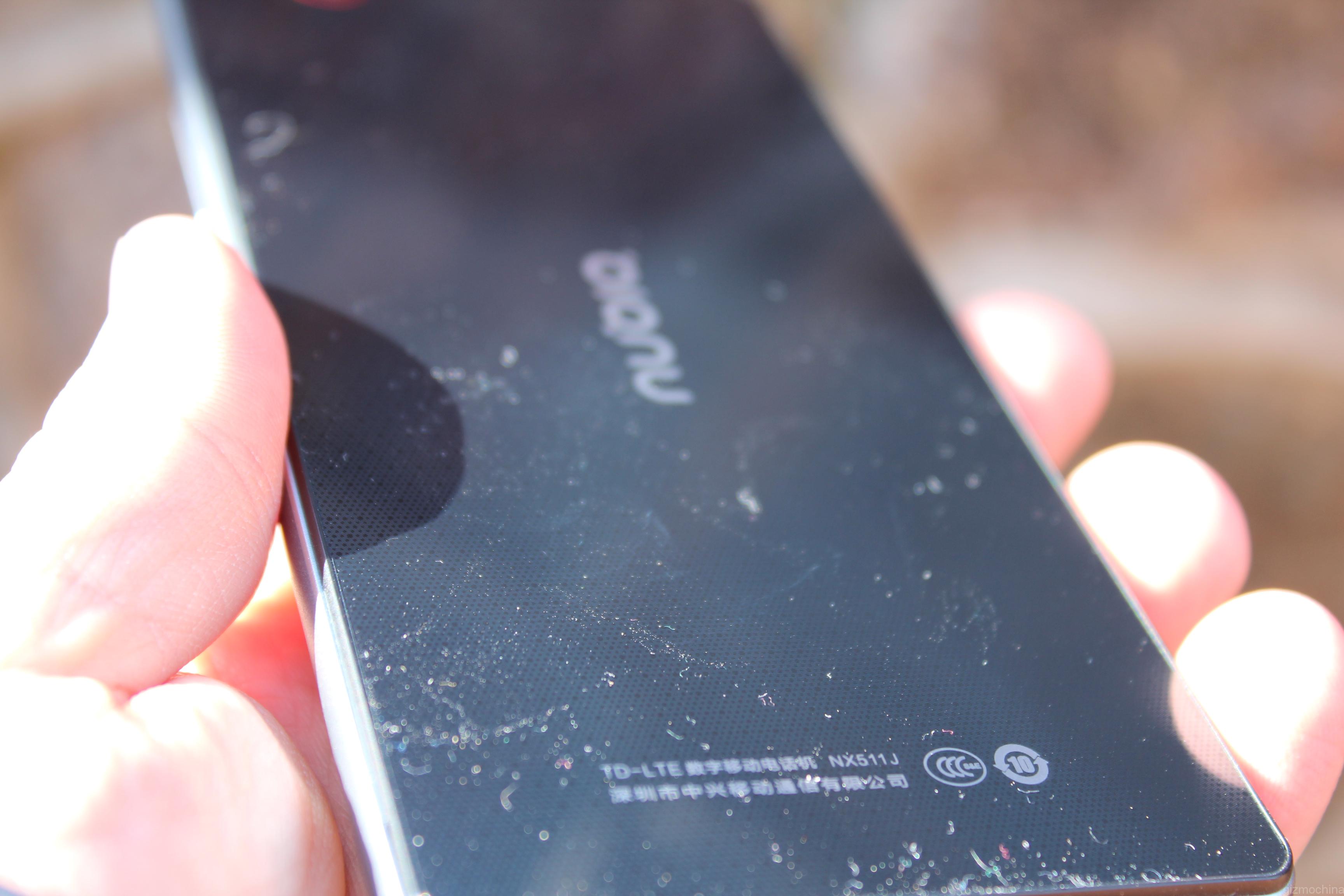
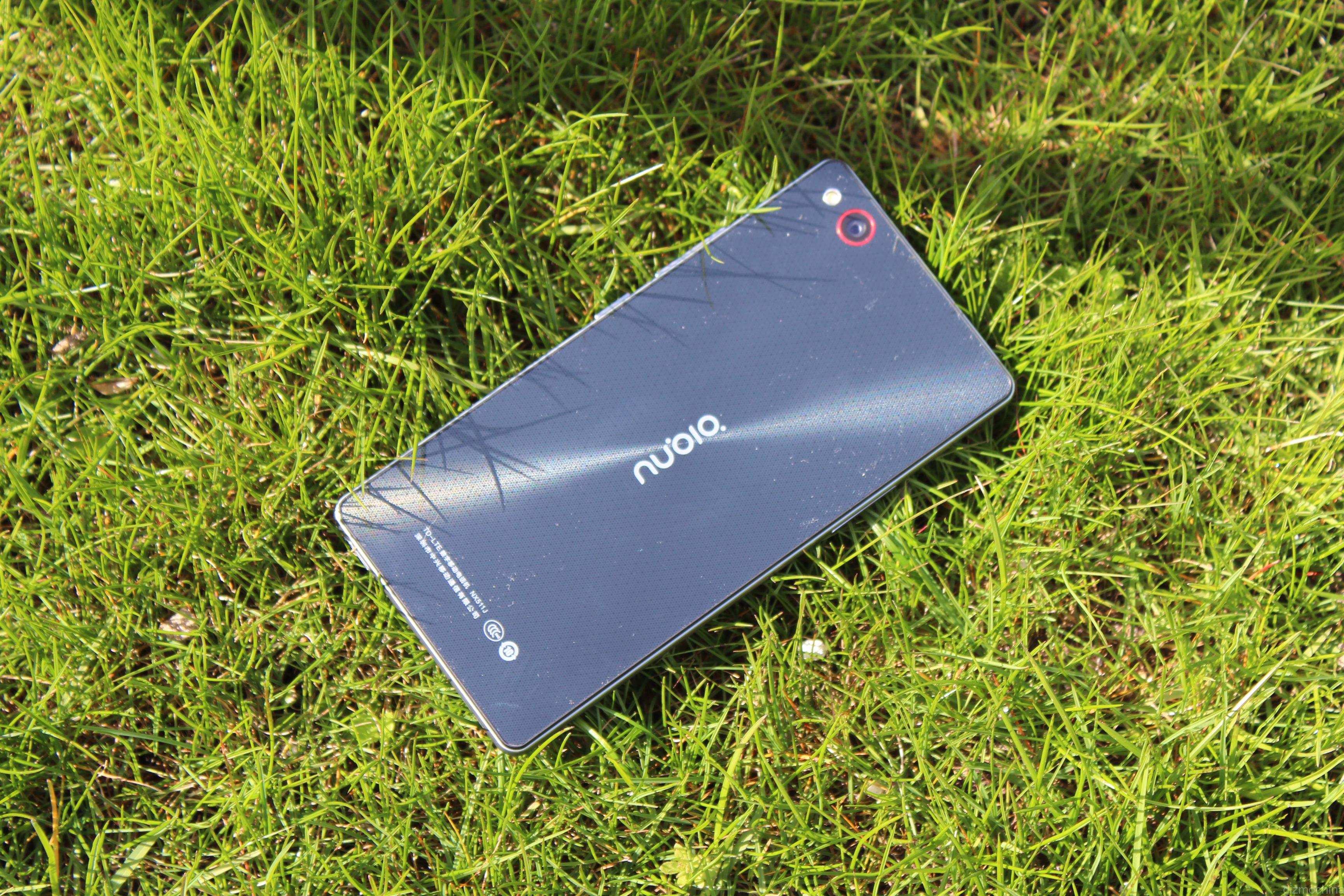
The back plate is made out of plastic, but feels like glass. It is glossy and thus attracts fingerprints and smudges easily.
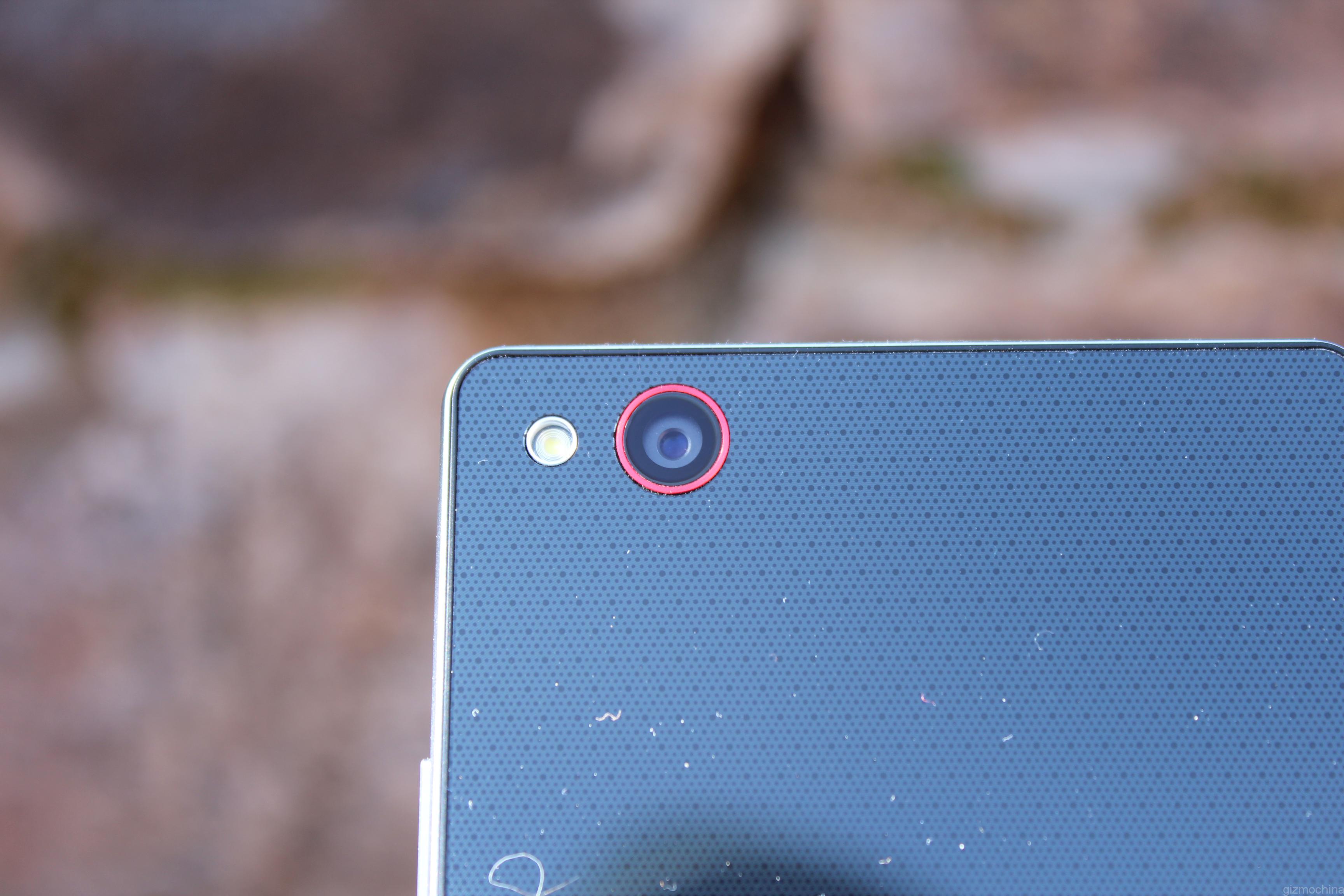
On the top left corner there is a 16MP shooter with a single LED flash. I have already taken some photos and it is one of the best shooters I’ve used in a while. Make sure to check out the full review and judge it by yourself.
1 of 2
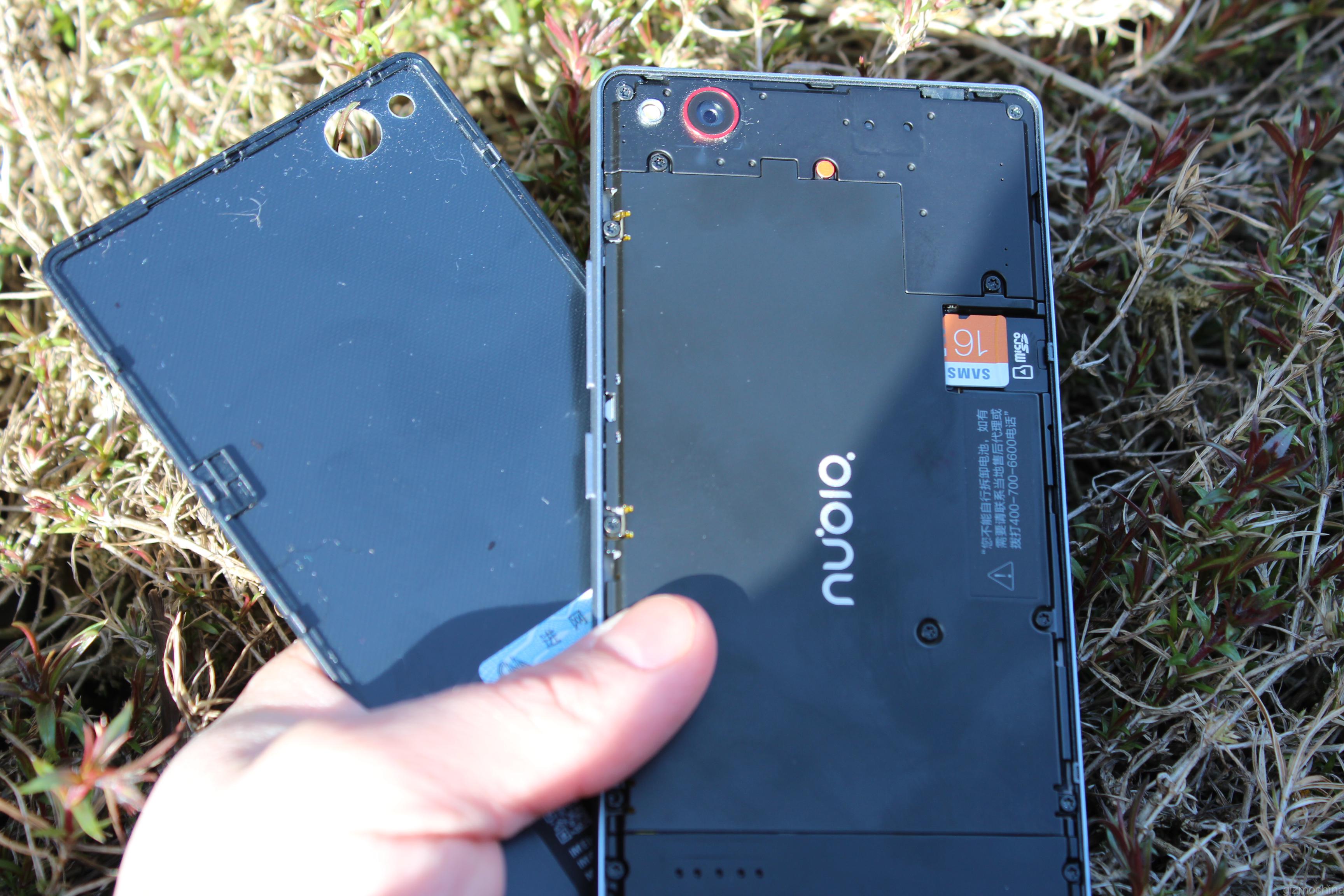
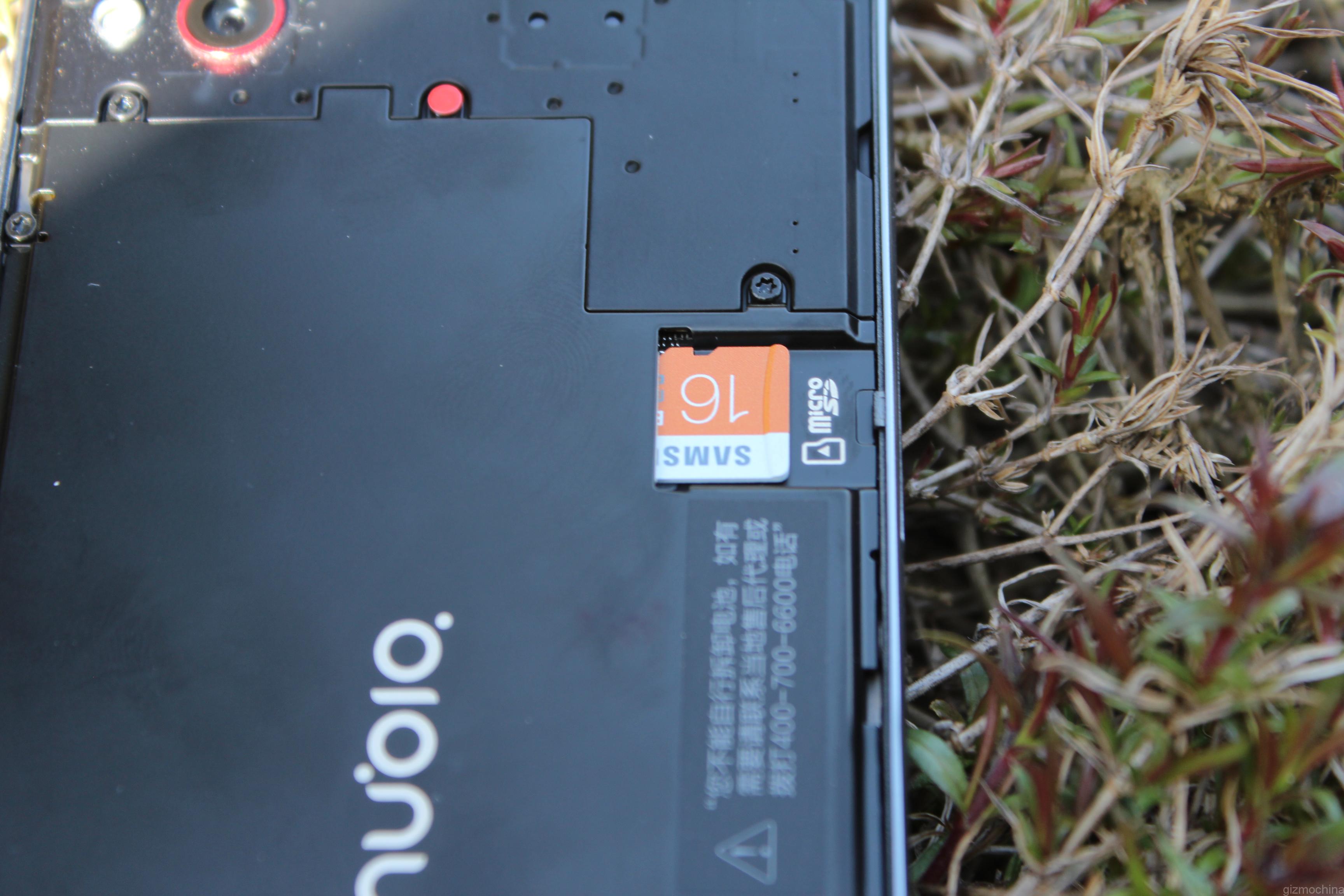
The back plate can be very easily removed. Under the hood you will find a micro SD card slot (up to 128GB). The battery, however, is not removable.
What I like about the back plate is that it is so easy to remove it, but once you put it back it stays firm.
THE DISPLAY
1 of 5
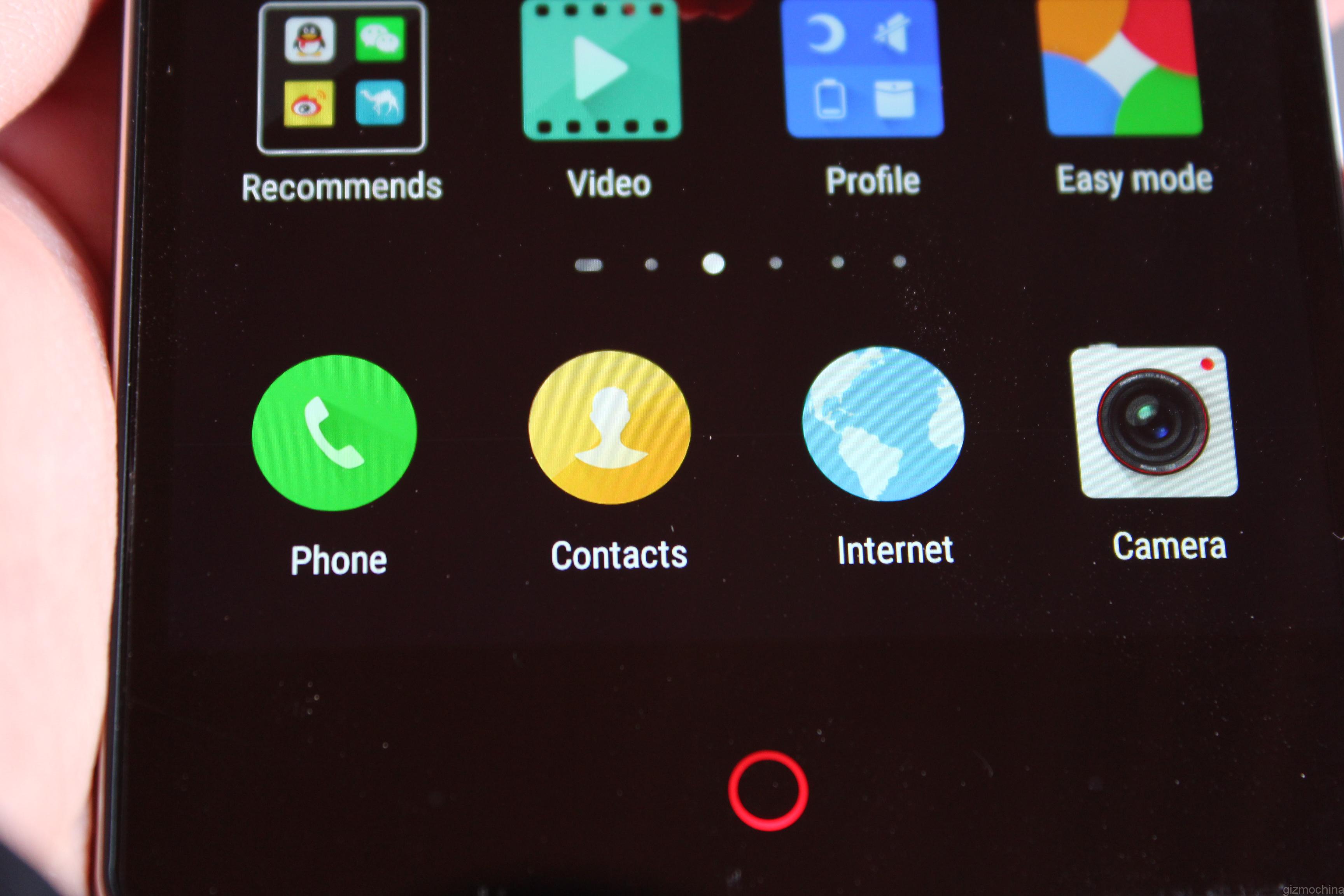
The display on the Nubia Z9 Mini is bright, sharp and vivid. Also, the colour reproduction seems to be natural, but on a warmer side. A pleasant panel to look at. It is a bit reflective in the direct sunlight, but it may be due to the pre-installed screen protector. All in all, I’m happy about it as it spots usual positive aspects of quality LCD screens.
FIRST IMPRESSIONS
The first impressions are pretty good. The smartphone comes in a quite premium packaging and the presentation is really good. I would love to see a pair of headphones included, though. On the other hand, you receive a nicely made flat USB cable.
The device spots a nice design with a great build quality. Also, it is really compact as the screen has the size of 5 inches only. Moreover, the screen seems to be sharp and vivid, but a bit reflective in the direct sunlight.
All in all, the initial impressions are positive and I will share my in-depth review after I spend a bit more time with the device. Stay tuned!
Thanks to Ni Fei, the General Manager of Nubia smartphones, we are almost sure that the upcoming ZTE Nubia Z9 will be bezelless. After his confirmation, there have been multiple leaks, all of which show off the beautiful design of the ZTE flagship.
Today, we have come across yet another leak which show off its bezelless display. This time, it is said that the images come from an advert that the company will showcase on Jiangsu TV for promoting its new product. The screenshots of the video show us once again that the phone will have no borders and the design is in line with the past few leaks that we have seen lately.
Apart from the bezelless display, we can see the trademark red ZTE Nubia home button. Nubia flagships have always had this red colored home button, which clearly give away its identity.
As for the specs, earlier leaks have said that the new ZTE Nubia Z9 will feature Snapdragon 810 octa-core 64-bit processor with 4GB RAM and a powerful 21MP camera at the back. The phone will particularly focus on the camera since, Nubia flagship smartphones have always been a good camera phone.
Anyways, we are just 15 days away from the official unveiling of the Nubia Z9, where we will get some more official details about the device.
From the leaks till now, the flagship is turning out to be a beautiful and powerful handset. Stay tuned for more information.
Huawei just dropped the bomb in London and everyone is flocking to get a piece of it. It comes as no surprise as we have been teased for months before its unveiling and now we can get our hands on it. At a glance, there is an octa-core CPU with HiSilicon Kirin 930 chip and 3GB RAM under the hood, powerful enough to run 1080 x 1920 pixel 5.2 inch display and a stunning 13MP RGBW rear camera. All this is spectacular but we were really surprised by an additional element and it was not the phone itself.
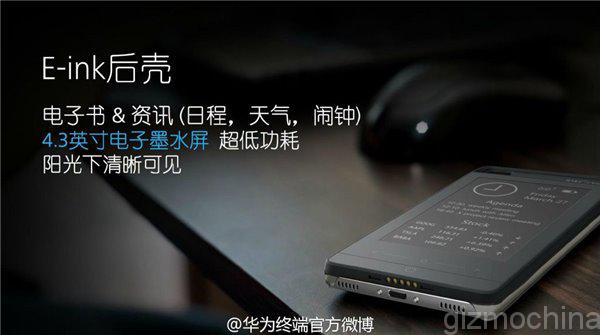
During their London unveiling they also showcased a sleek new accessory that made their phone look extra edgy. The P8 model is dressed up in the tuxedo known as the 4.3″ OAXIS Ink Case. Yes, we are talking about the company that made the ink case plus. The screen is fitted over the back panel of the P8 and is designed to be glare free and has self sustaining power. In fact, it even increases the battery life of the phone itself. The screen is only 4mm thick and has its own independent charging port. To promote this cool accessory, Huawei also collaborated with iReader to bring you an unlimited amount of ebooks from its free trial service.
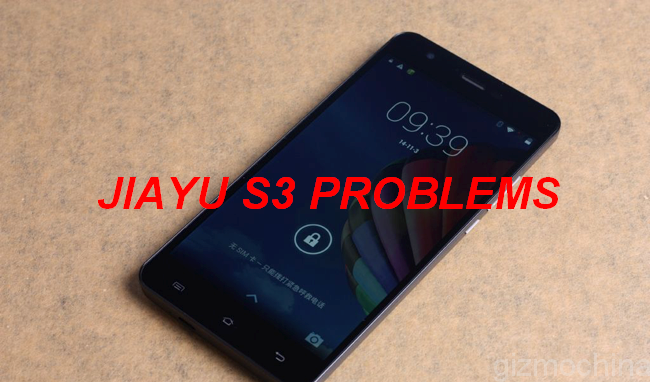
I ordered Jiayu S3 from pandawill.com sometime in January for my family member. It arrived after 3 weeks using Singapore post to central Europe where I live. I didn’t have to pay any additional taxes. The phone is awesome, comes with great built quality, and an impresive HW to price ratio. But let’s talk about the problem. After a week of usage my family member started to complain about the call quality.
The Problem
The problem that I experienced with this device was occurring during phone calls. The strange thing about this is that the person who was calling from the Jiayu S3 was not experiencing any problem however the person who was called was the one affected. Let’s make it clear: I am calling my friend using Jiayu S3. I am hearing clear and crisp call with no problems. However my friend is complaining all the time about one specific problem = echo. He is hearing his own words he just said with aprox. 2 second delay.
The Solution
I started to investigate what is wrong with the phone and found out this. When I turned the loud speaker on or attached headphones to the Jiayu S3 during call the echo on the called persons side disappeared. I also tried to do something with noise cancellation setting but it didn’t help. Next I looked at phones setting and SW version. It was using SW built from 27th of January so I searched for SW update – there was one from the 5th of February and it was also showing that it is solving the call problems. I installed it and gave the phone back to my family member. However a week later the phone was again in my hand because the problem appeared again. It was exactly the same problem as before so the SW update didn’t solve it. Thanks to my experience with flashing ROMs on my Nexus 5 I got an idea to install a custom ROM because I concluded that it is a SW problem for sure. I hit the web and searched for a good ROM. I visited needrom.com and chose Pure AOSP from Team force developers. I flashed the ROM using TWRP recovery and installed all updates. After all the installations and specific settings for my family member were done I tried to make a phone call again and the problem is definitely solved now. It is two weeks now since then and there were no more complaints about it.
Jiayu S3 is a great device however it was betrayed by its SW. This is why I am using Nexus 5 which has the biggest developer’s base and why I am very careful when buying a Chinese phone. The HW can be great but SW side can kill the experience. I am really glad that I managed to fix the problem and didn’t have to send the phone back to China for replacement.
– by Tomas Brestovansky
So did you encounter the same problem? Or are you facing some other problem with your Jiayu S3? Feel free to share via the comments section below or by sending us a mail.
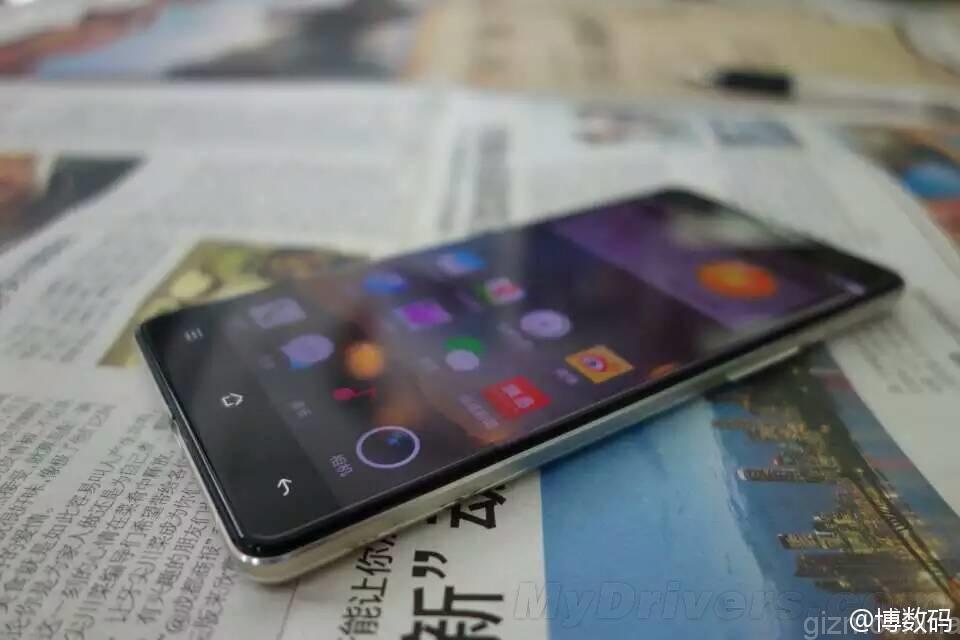
Every Chinese manufacturer seems to be obsessed with bezelless display. We have already seen the Subor S3 bezelless phone, and now mainstream manufacturers like ZTE, LeTV and even OPPO seems to be working on such a device. While LeTV’s One Pro flagship isn’t really bezelless, earlier today we saw the Nubia Z9 in pictures which confirmed the borderless screen. Even the upcoming OPPO model too is expected to be truly bezelless, and today another set of images have leaked showing off the R7 smartphone in full glory.
The images leaked today clearly shows that the display is bezel free. Yes, we can find no borders at all, as the display smoothly blends into the sides. The display is actually curved at the sides, and this could be a visual trick to give it a bezelless look. But whatever the technology used, the display does look a whole lot vibrant and beautiful.
You will three capacitive buttons at the bottom, and front camera, sensors and receiver mesh on top of the display. From what we can see, this is the same phone that was showcased in a video a few weeks back. So, this could indeed be the real OPPO bezelless phone.
However, unlike ZTE Nubia Z9, we still have no confirmation of the model name (R7?) or even the existence of such a device officially. So, its best to wait for some more concrete details before we go ahead and get excited.
Huawei just unveiled its brand new flagship in the premium P series lineup, the Huawei P8. But, if the company follows the usual schedule of releasing handset, then we should see a another flagship in the Honor lineup pretty soon, around June.
Looks like we have just received the first of images and information of the Huawei Honor 7 flagship. This phone will reportedly succeed the current affordable Honor 6 smartphone.
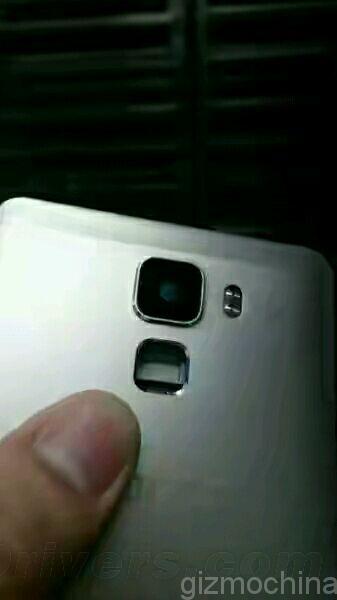
One of the highlights of the pictures leaked is the fingerprint sensor at the back. Yes, you can clearly see the fingerprint sensor on the top rear portion of the device. And we can also see that the back is made out of metal, which will be a deviation from the current plastic built of the Honor 6.
The metal built and the fingerprint sensor actually makes the phone look like the successor of Mate 7. But you can see the honor branding behind it, which gives away its identity. On top, you can also see the camera sensor along with the dual LED flash besides it.
The Honor 7 is expected to feature a 5.5-inch full HD display, just like the Honor 6 Plus. Huawei’s own Kirin 930/ 935 chip will power the device, with built-in 3GB of RAM and 16GB storage. It runs on Android 5.0 Lollipop, along with Huawei’s own EMUI on top.
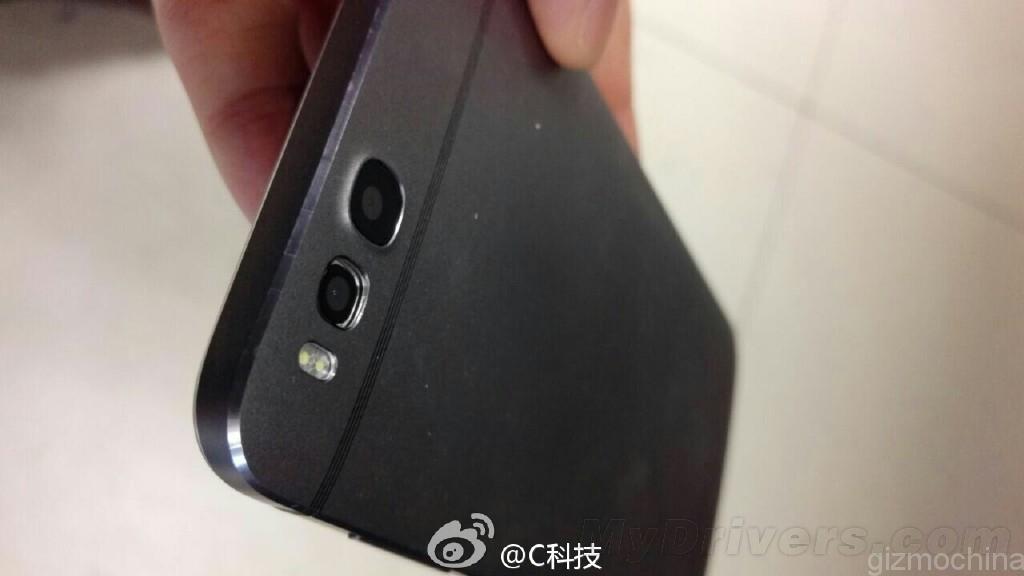
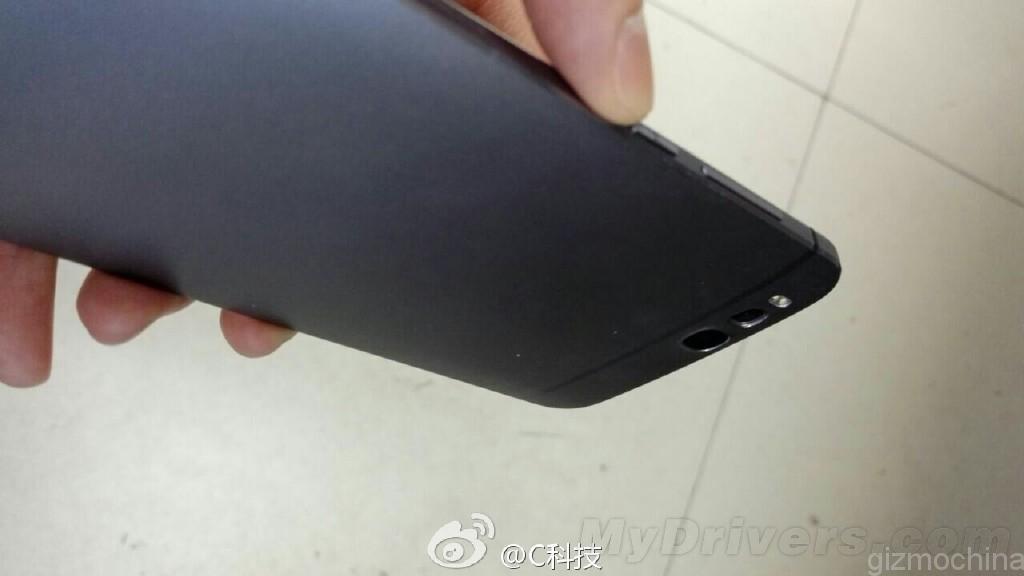
Interestingly, today, we saw another set of images which claim to be the new Huawei flagship. The phone has a different design than what we saw above, and there’s no fingerprint sensor. However, the dual camera sensor that we saw on the Honor 6 Plus makes a comeback on the device. So, this could be a different smartphone than the one leaked earlier.
UPDATE: The device shown above with the fingerprint sensor is said to be the Honor 7 Plus and the one below is the Honor 7.
However, we still don’t know which one is real. Both could be fake, or just one could be true. So, its best to wait to get some concrete information about the device before making conclusions.
While we have heard rumors about bezelless phones from a number of manufacturers, ZTE is probably going to be one of the first ones to actually release a border-less device. The company has already announced that it will unveil the device on May 6, and Nubia’s GM Ni Fei has confirmed the true bezelless design.
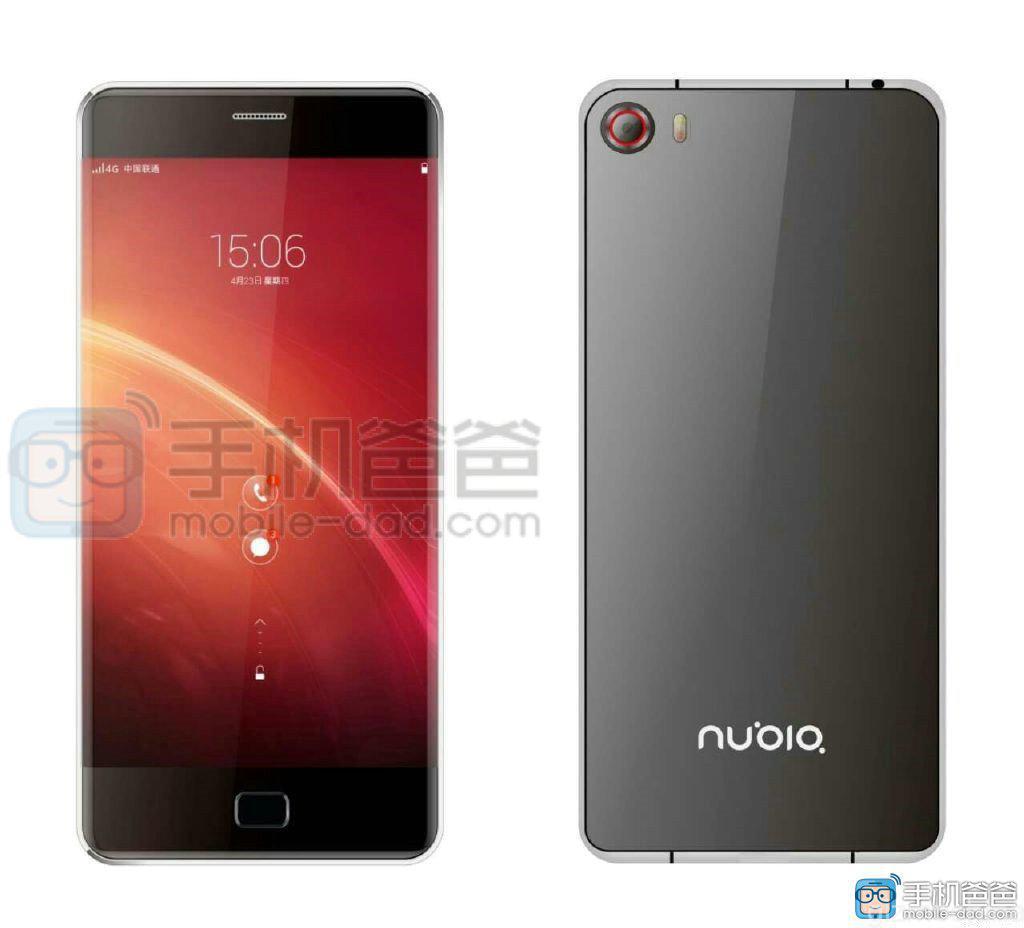
And if you were not convinced with his words, today, we have come across another set of images which reveal the true bezelless design of the ZTE flagship. The images show that the Nubia Z9 will come with a solid metal frame and 2.5D glass which gently curves towards the sides. If you look closely, you will realize that there are hardly any bezels on the device.
On the top right corner, you can see that the time shown actually extends to the side, which confirms the bezelless design. Finally, you can see the red circle home button at the bottom, which once again confirms that this a Nubia device.
Unfortunately, the account which uploaded these pictures deleted them a few minutes later. But, the phone does look similar to the ones leaked earlier. So, it could be the real deal.
As for the specs, the device is expected to come with Snapdragon 810 processor with 3GB RAM and 16GB Storage. The phone is expected to feature a powerful 21MP camera. Expect other tech specs to be high end too.
Anyways, what do you think about the bezelless ZTE Nubia Z9?
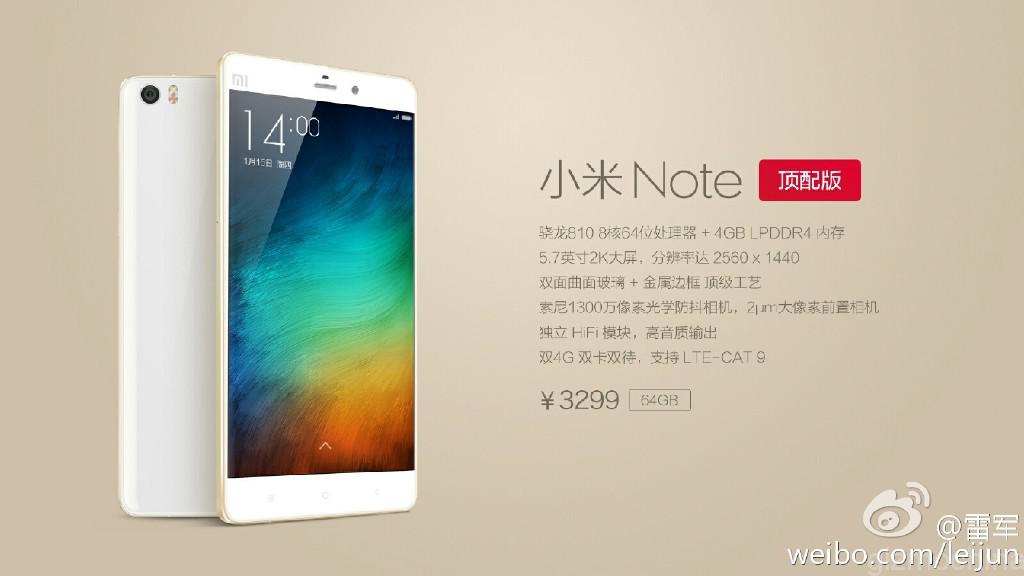
Although Xiaomi had announced two versions of the Xiaomi Mi Note back in January, the Snapdragon 810 powered variant was still not available to purchase. While the company has been silent about its release so far, the Xiaomi CEO, Lei Jun revealed via his official Weibo account that the Xiaomi Mi Note top-end version will be available to pre-order from May 6.
This is good news for fans in China. The top-end version was really the best Xiaomi smartphone in the market at the moment. In fact, the specs are good enough to compete with many high-end offerings like the Huawei P8, which was announced just yesterday. So, the phone will be available to purchase around the same time as the other competitors.
To recap on the specs, the high-end Xiaomi Mi Note version features the eight-core 64-bit Snapdragon 810 processor with 4GB LPDDR4 RAM. For storage, you have 64GB memory on board. There will be a 5.7-inch display with a massive 2K 2560 x 1440 pixel resolution. There will be a 13MP rear camera with OIS and an ultrapixel front facing shooter. The phone features an independent Hi-Fi audio chip, dual SIM dual standby and Cat. 9 4G LTE network support. All these specs are incorporated into a beautiful metal + glass design.
The high-end Xiaomi Mi Note version will be available for sale for a price tag of 3299 Yuan, which although is high according to Xiaomi standards, its still good for a high-end device.
Interestingly, this is the same date the bezelless ZTE Nubia Z9 will be announced. Also, Qihoo 360 along with Coolpad is said to release its smartphone brand on the same day. So, it looks like, May 6 will be a pretty exciting day for tech fans.
Hisense is a well known name when it comes to consumer appliances, however, the company is yet to make its mark in the smartphone industry. But that doesn’t stop it from releasing new handsets in the market.
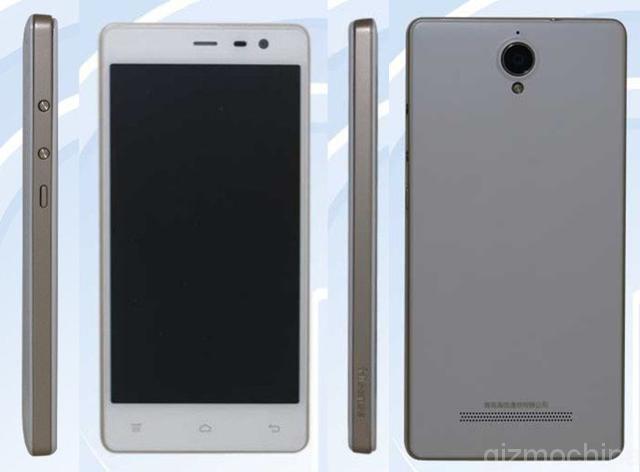
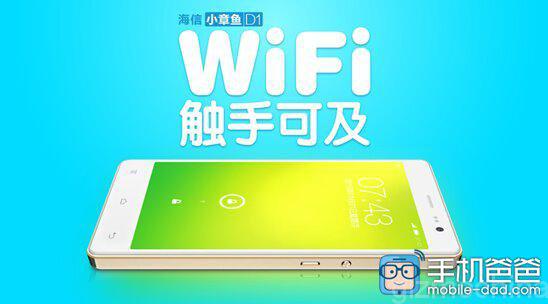
Earlier today, Hisense unveiled a brand new budget smartphone in the market called as the Hisense Small Octopus D1. While the tech specs of the device are just average, the phone boasts of dual-antenna design which can reportedly achieves 360 degrees surround Wi-Fi signal reception. Thanks to the powerful high-end Broadcom WiFi chip BCM-4354, with dual-antenna MIMO support, users can get a strong Wi-Fi signal even in places where there’s a lot of interferences.
However, apart from this, the specs of the device are not at all impressive. The phone features a Snapdragon 410 64-bit processor with 2GB RAM and 16GB of storage. It comes with a decent 5-inch 720p display. The measurements of 135.8 × 67.8 × 9 mm show that the phone is relatively thick. There’s an 8MP camera at the back with a 2MP front facing shooter. To power all these specs, you have a 2500mAh battery on board. Finally, the phone supports just one SIM card with GSM, TD-SCDMA, TD-LTE, LTE FDD network connectivity.
As you can see, the phone does not have anything special apart from the better Wi-Fi reception than its competitors. Also, the pricing doesn’t help as the phone is listed in China for 1399 Yuan. At this range, you have much better options like the Meizu M1 Note or even the Lenovo K3 Note.
Nubia’s General Manager had confirmed that the company had yet another device in store for us, the ZTE Nubia Z9 flagship. Despite the recent production issues with the Nubia Z9 Max, it looks like the company will release the new flagship early next month.
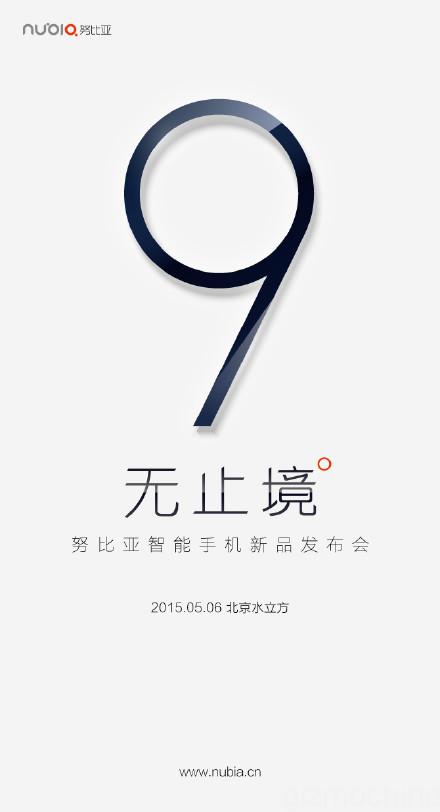
Today, the company revealed via its official Weibo page, that ZTE Nubia Z9 will officially launch on May 6. What’s more, after the confirmation from the General Manager, the new teaser also confirms the fact that this could be the world’s first bezelless flagship. However, you may know that we already ave many bezelless phones in the market right now like the Sharp Aquos Crystal and the Subor S3. But, the Nubia Z9 is said to incorporate a brand new screen technology which will wrap the borders under the display creating a “no border” effect.
We have already come across some leaked renders and they looked extremely good. When they claim that the phone is bezelless, it looks like they mean it as the leaked images do show us a true borderless design.
As for the tech specs, this being a flagship model, expect only the best hardware inside. The Nubia Z9 is said to feature Qualcomm’s Snapdragon 810 processor with 4GB RAM on board. ZTE’s Nubia flagships have always been known for their powerful cameras and the tradition will most likely continue in this phone with a rumored 21MP rear camera sensor. There’s even reports that the phone will have fingerprint sensor at the back, just below the camera unit.
Ni Fei, the GM of Nubia smartphones had said that the process of manufacturing a bezelless display was very complex which is why the launch is taking some time. However, it looks like the company may have finally overcome those issues to prepare itself for mass production. Of course, a launch does not guarantee availability, like we saw in the case of the Z9 Max. So, even though the Z9 will be announced in May, we still don’t know when interested customers can purchase the device. Also, being a new age device with high-end specs, expect the retail price to be well above 3000 Yuan.
So are you excited about the upcoming bezelless ZTE Nubia Z9 flagship?
Mediatek has been stepping up its game in the past few months. The company was one of the first chipmakers to jump into the 64-bit era and we have seen some powerful and capable processors lately. The MT6752 and MT6732 have been particularly popular among smartphone manufacturers, not to mention the high-end MT6795 true octa-core 64-bit Helio X10 chipset.
However, now that the Helio X10 is being used by many well known flagships like the HTC One M9 Plus and LeTV One, the company decided to showcase its next generation chip to specific customers.
Late Yesterday evening, a Chinese analyst reported that Mediatek showcased its new generation Mediatek Helio X20 chipset at a special event to Xiaomi, Vivo and other select core members. The chipset will reportedly come with 10 cores, (yes 10 CORES) and is said to reach scores of above 70,000 points on AnTuTu Benchmark. If this is indeed true, it won’t be surprising, given that Helio X10 i.e. MT6795 easily scores above 50,000 points with its eight core design. Finally, he says that the chipset will go into mass production by the end of the year.
If this is the case, Qualcomm will be under pressure. The MT6795 has received praises for its performance, while the Snapdragon 810 has been consistently criticized for its over heating problem. So, if Qualcomm’s Snapdragon 820 fails to impress the masses, then Mediatek may start to dominate the market with its 10-core Helio X20 chipset.
Anyways, we still have a few more months left, and anything can happen in this time. Maybe, Qualcomm will make a superb comeback with its next generation Snapdragon 820. But lets wait and watch what happens.
Meanwhile, do you think a 10-core processor is good idea?
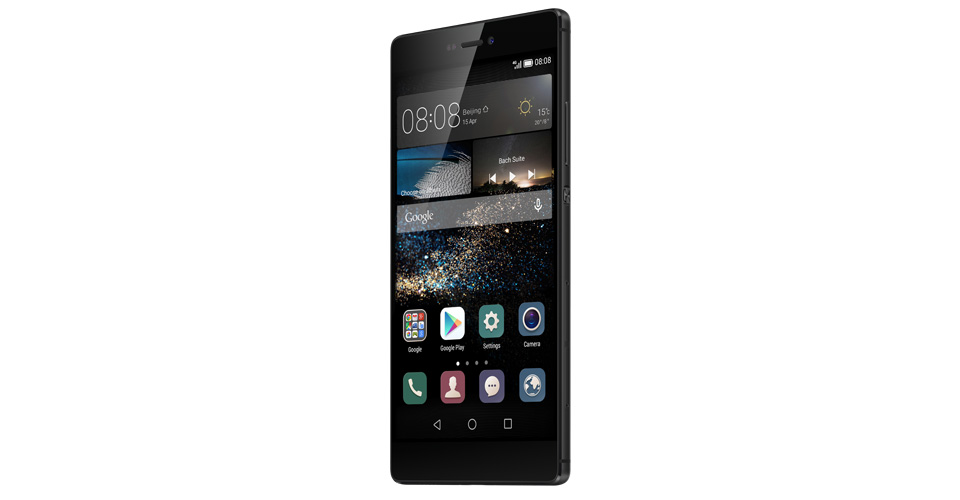
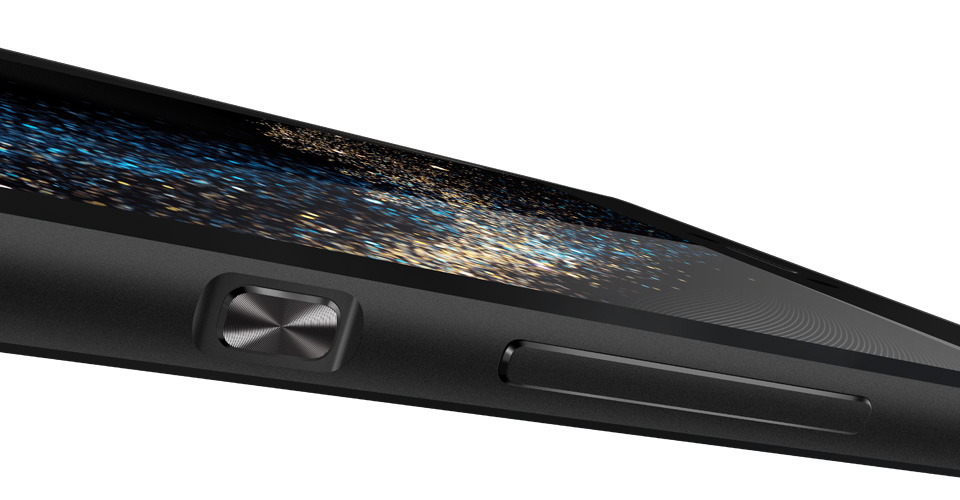
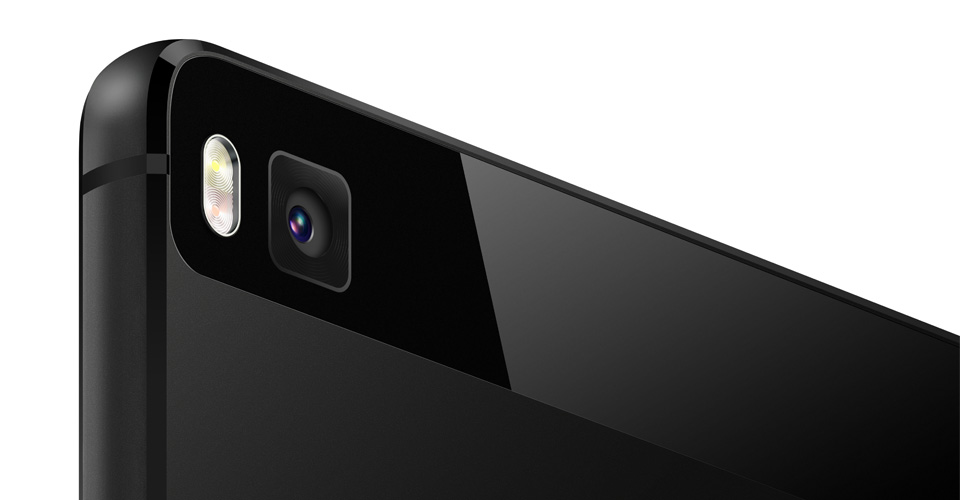
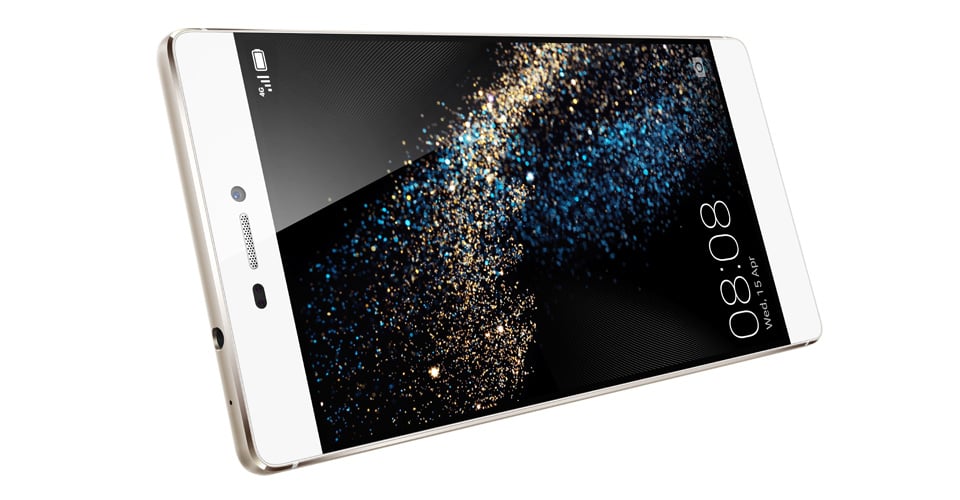
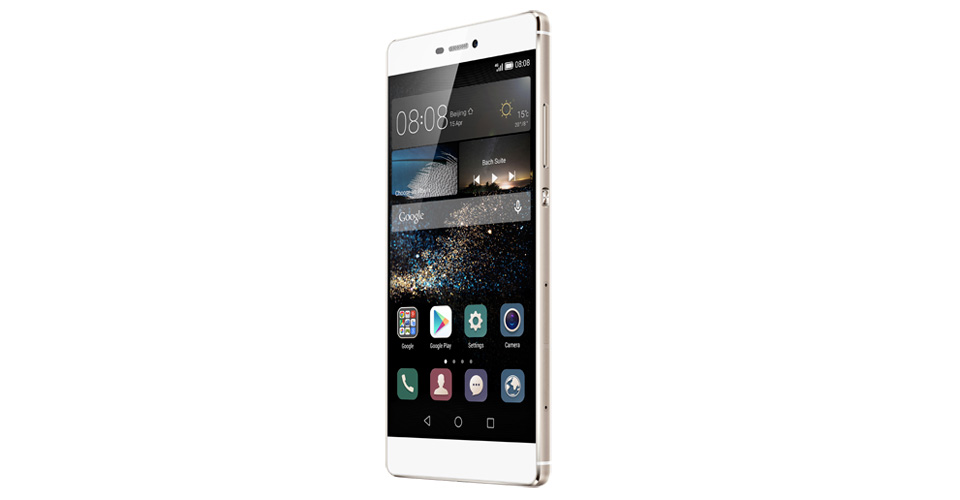
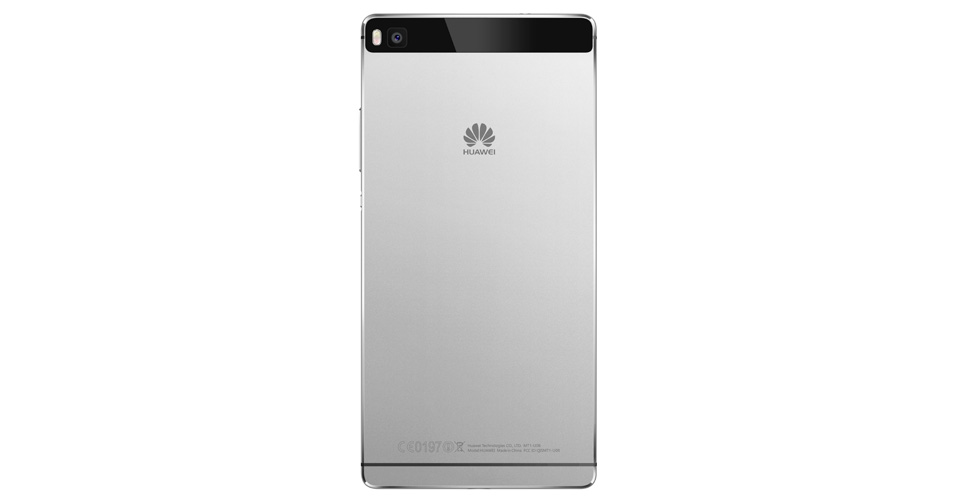
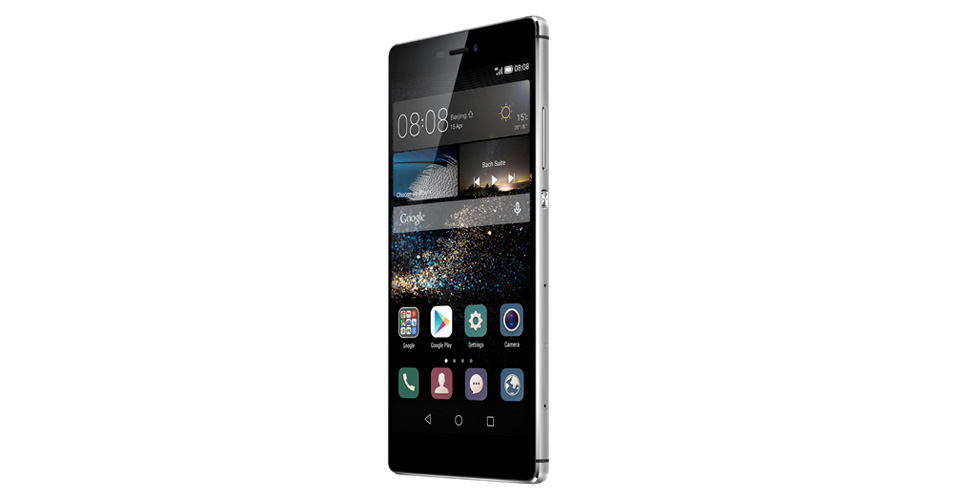
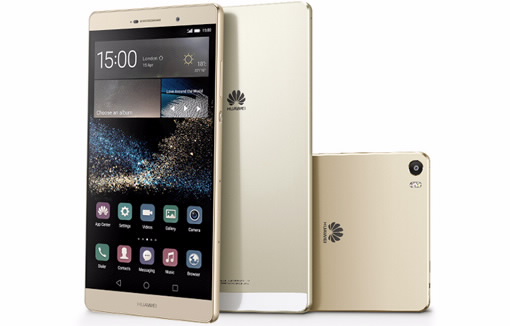
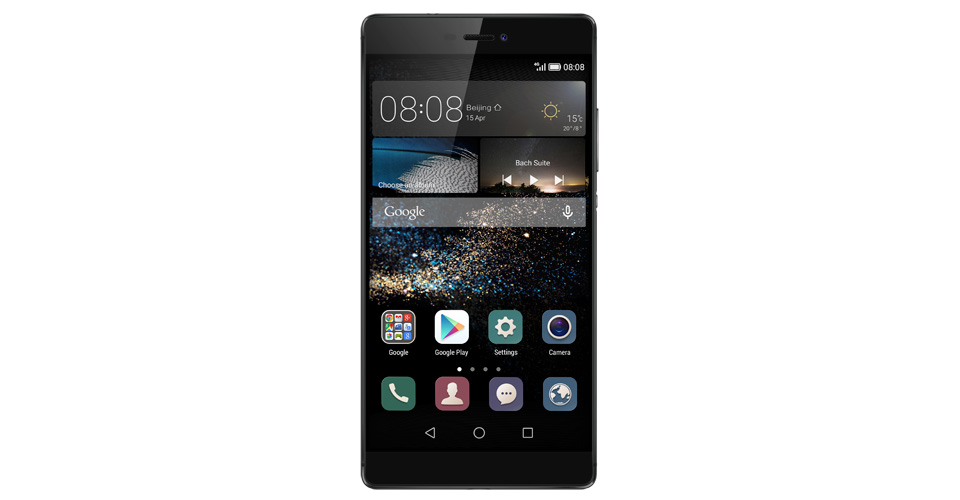
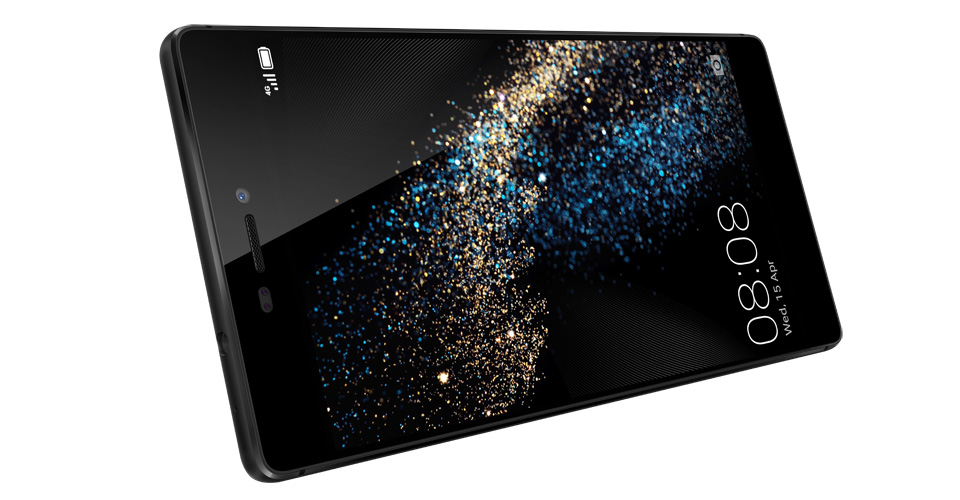
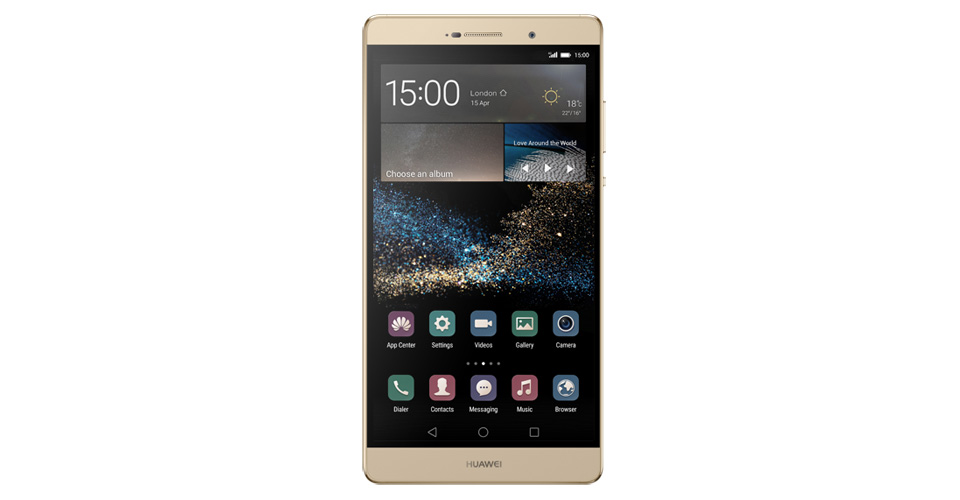
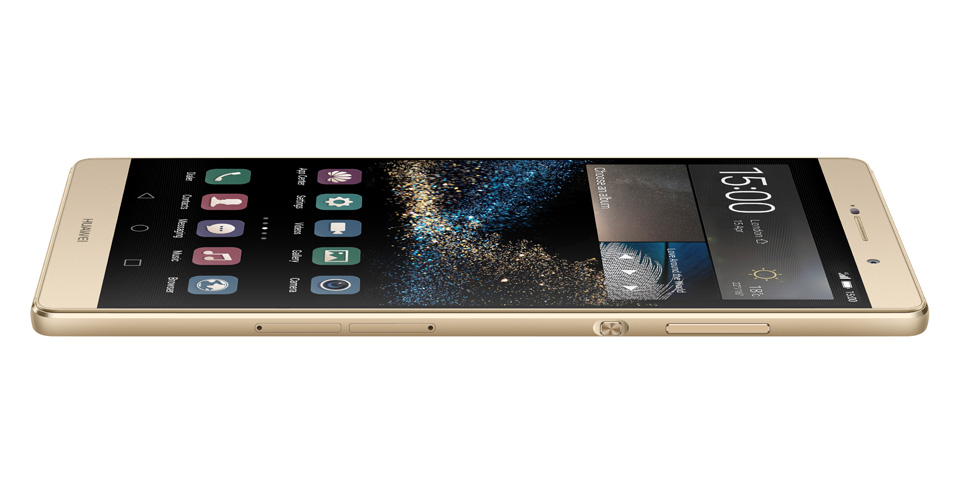
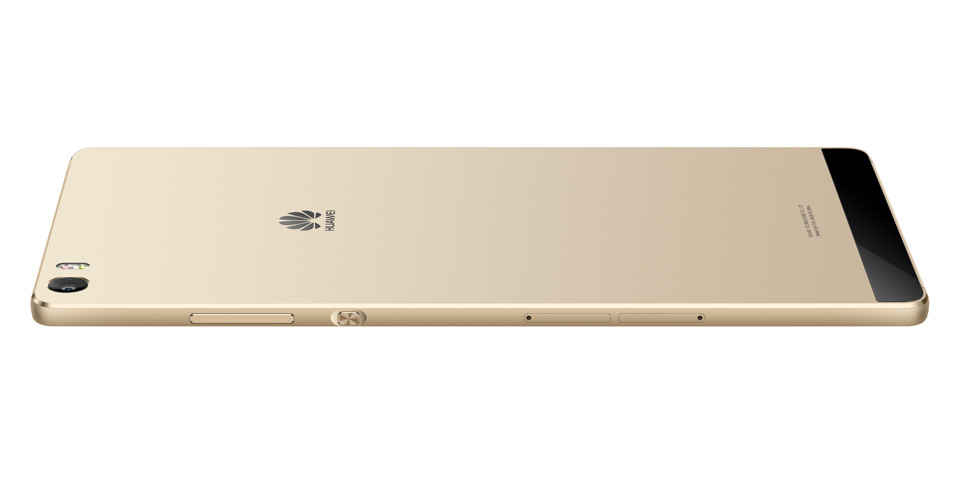
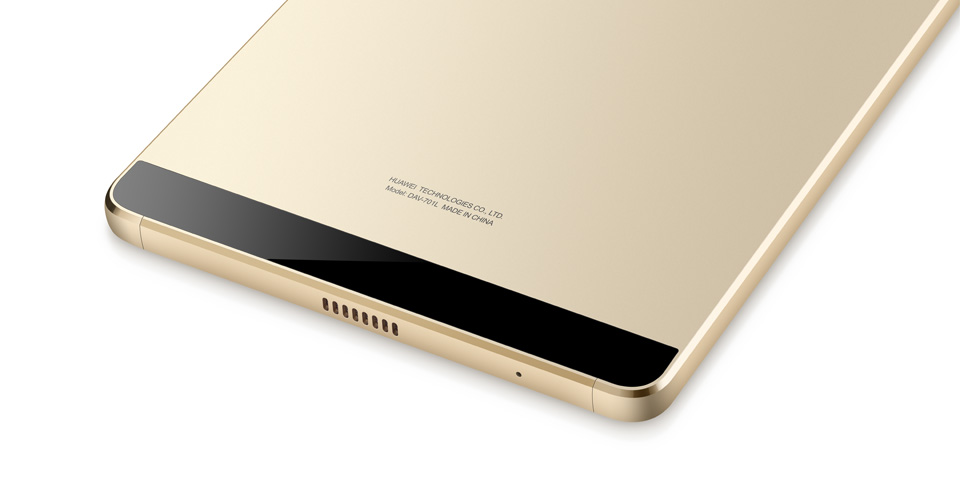
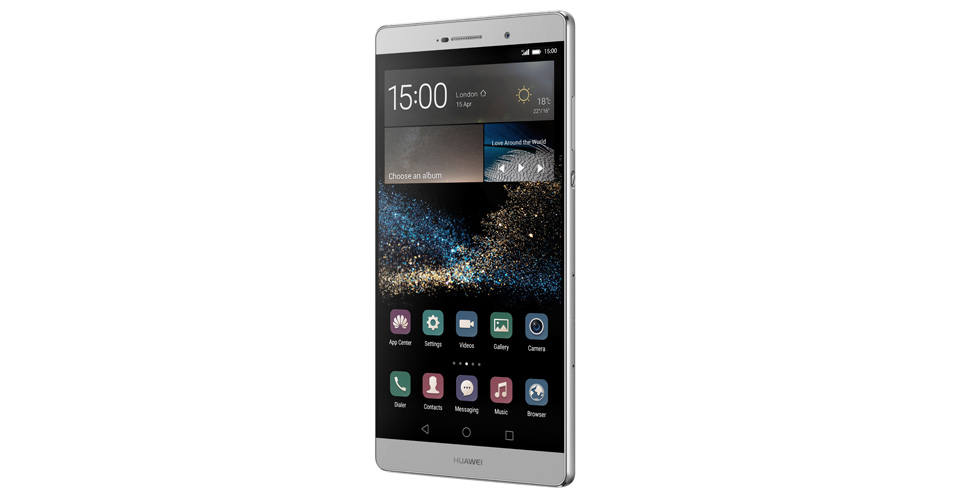
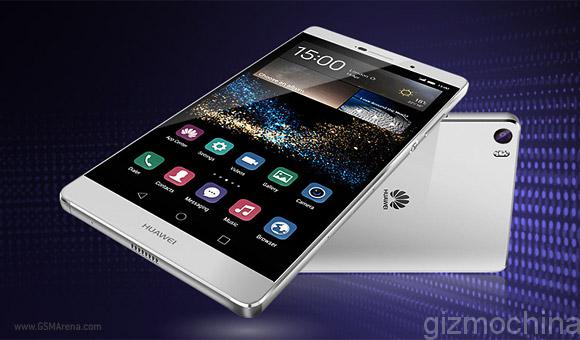
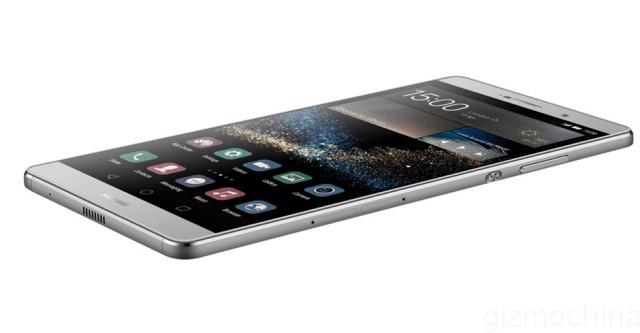
Huawei has just unveiled two new premium smartphones in the market, the Huawei P8 and the Huawei P8 Max. We have already covered both the phones in full detail in our previous articles. But, here’s some official pictures and videos of the P8 and P8 Max for your viewing pleasure.
[Don’t forget to click on the images in the gallery for going into full screen mode.]
THE HUAWEI P8:
The P8 comes with a 5.2-inch FHD display and an octa-core processor. There’s a powerful 13MP camera at the back with OIS and advanced image signal chip.
The Huawei P8 Max comes with a beautiful 6.8-inch FHD display in a 6.8mm super slim body. It features the same 13MP camera as the P8 along with a 5MP front shooter. There’s a massive 4360mAh battery on board which provides up to 15 hours of web browsing and 10 hours of continuous video playback. For more details, check out our dedicated article on the Huawei P8 Max.
We use cookies on our website to give you the most relevant experience by remembering your preferences and repeat visits. By clicking “Accept”, you consent to the use of ALL the cookies.
This website uses cookies to improve your experience while you navigate through the website. Out of these, the cookies that are categorized as necessary are stored on your browser as they are essential for the working of basic functionalities of the website. We also use third-party cookies that help us analyze and understand how you use this website. These cookies will be stored in your browser only with your consent. You also have the option to opt-out of these cookies. But opting out of some of these cookies may affect your browsing experience.
Necessary cookies are absolutely essential for the website to function properly. This category only includes cookies that ensures basic functionalities and security features of the website. These cookies do not store any personal information.
Any cookies that may not be particularly necessary for the website to function and is used specifically to collect user personal data via analytics, ads, other embedded contents are termed as non-necessary cookies. It is mandatory to procure user consent prior to running these cookies on your website.