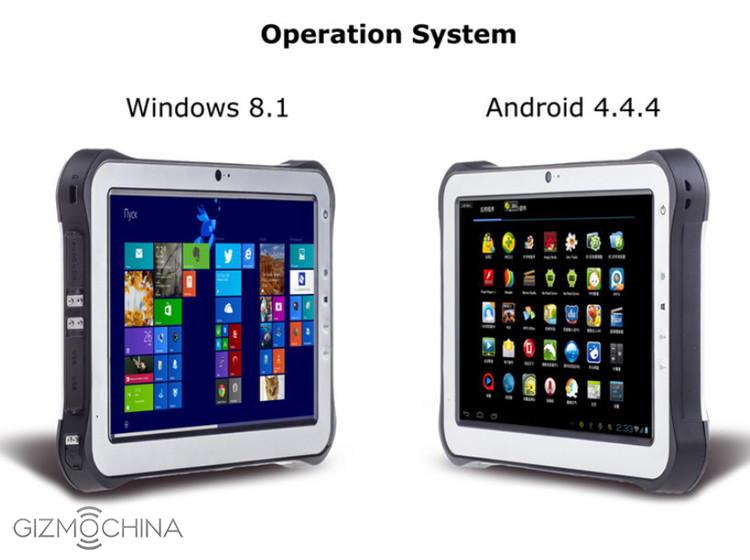
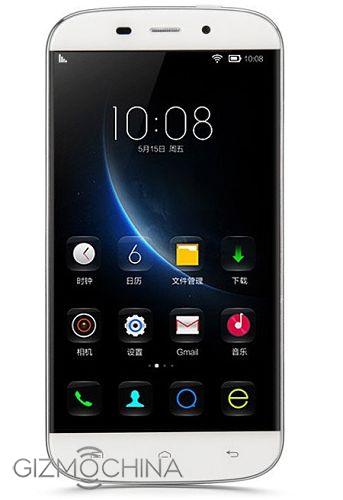
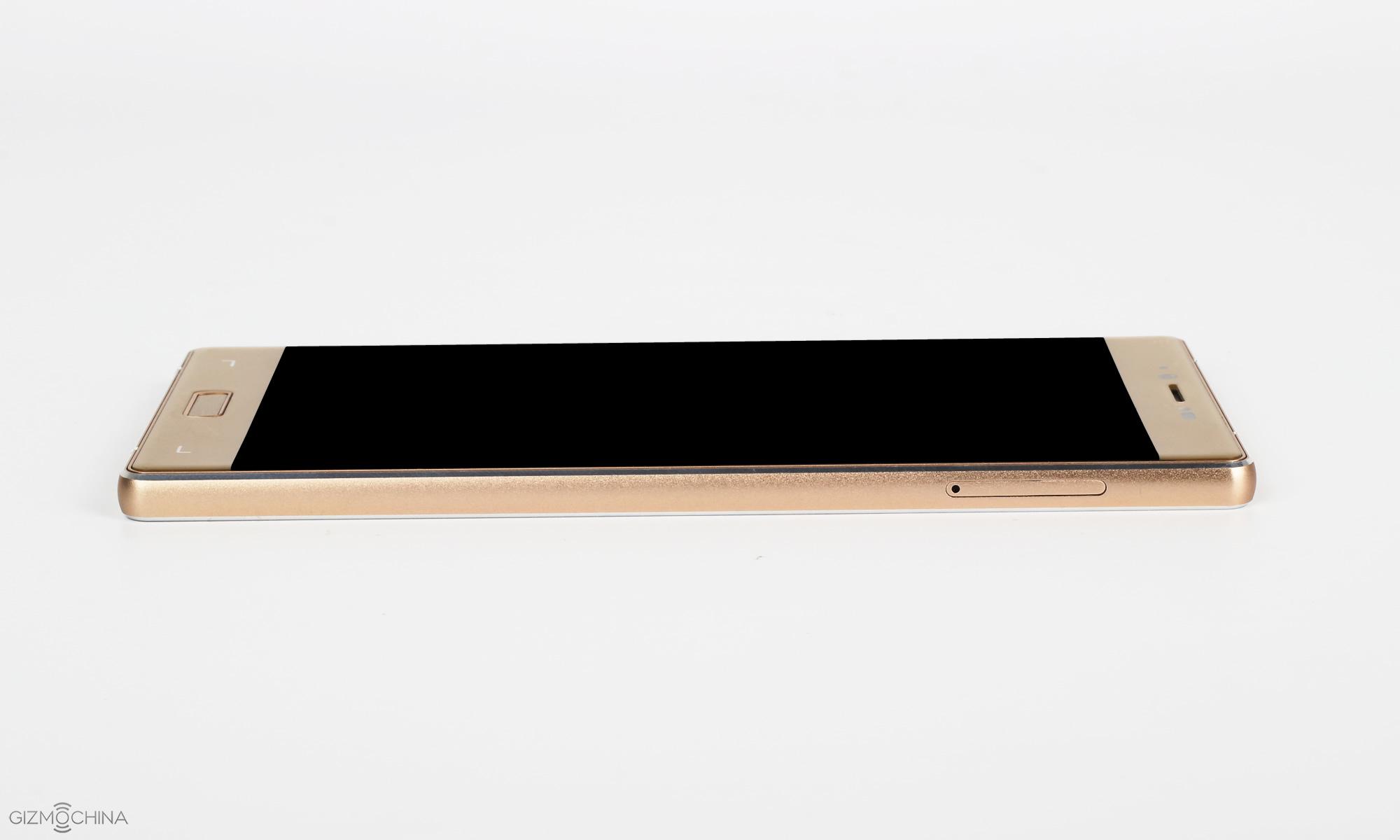
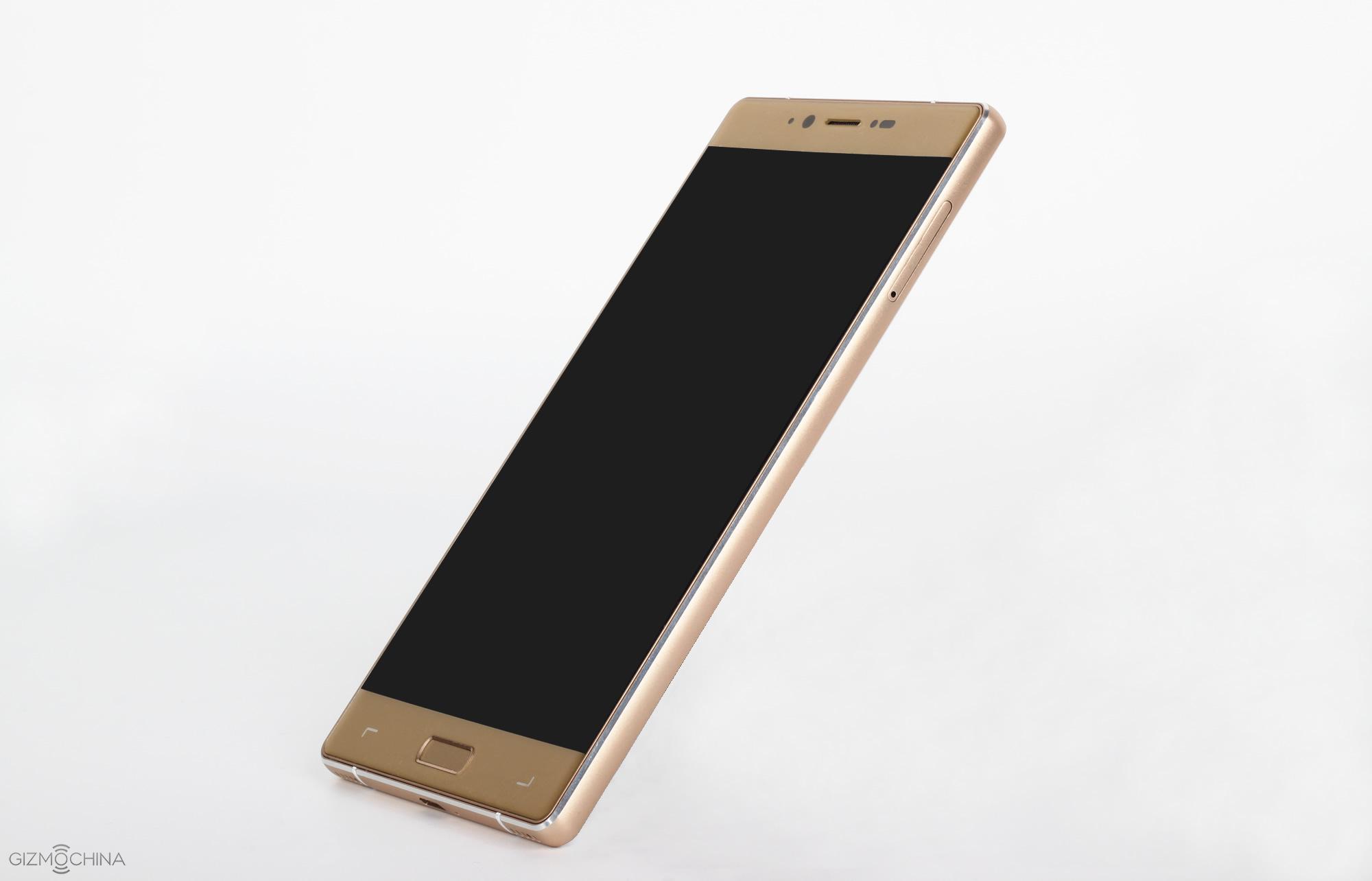
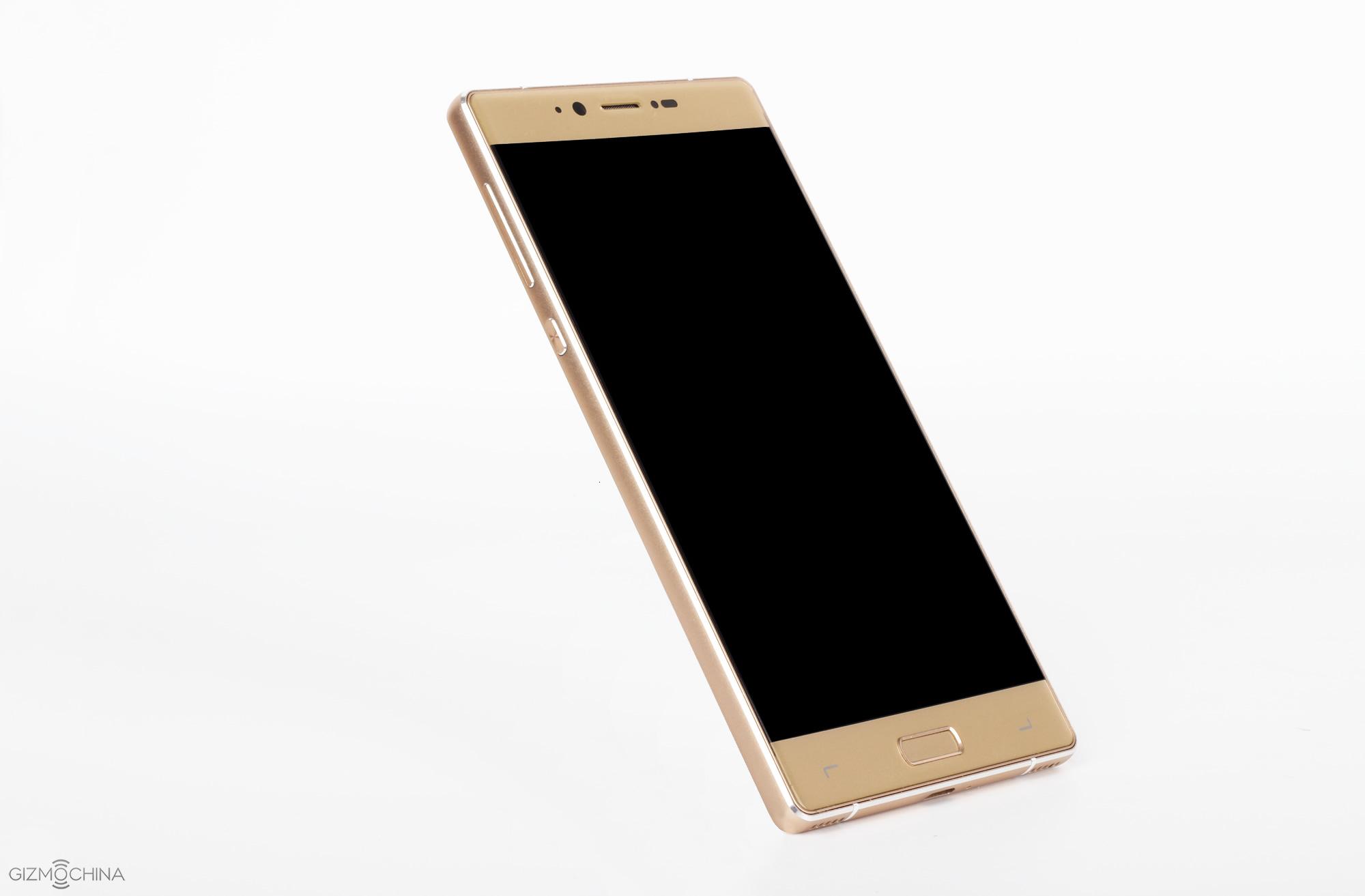
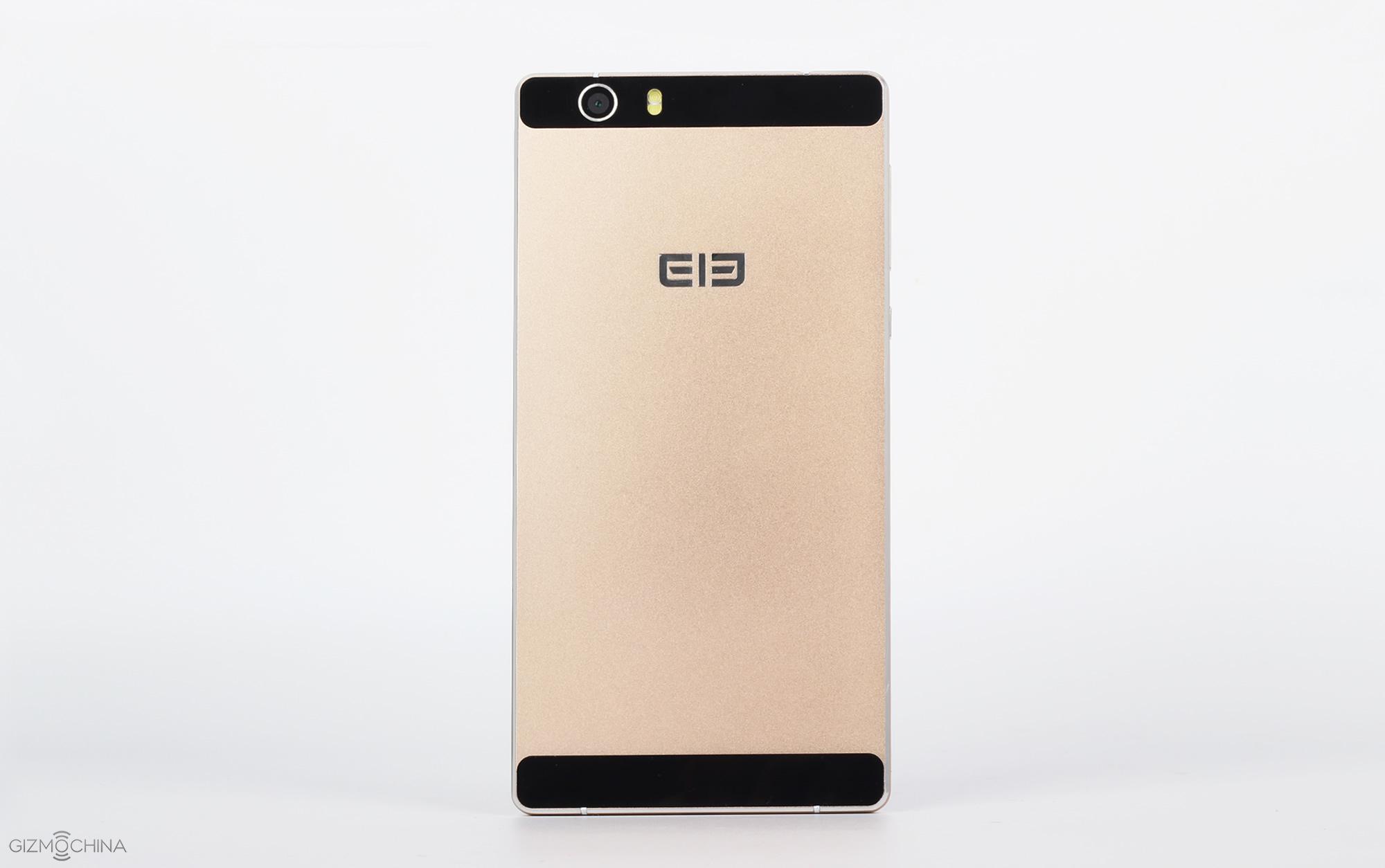
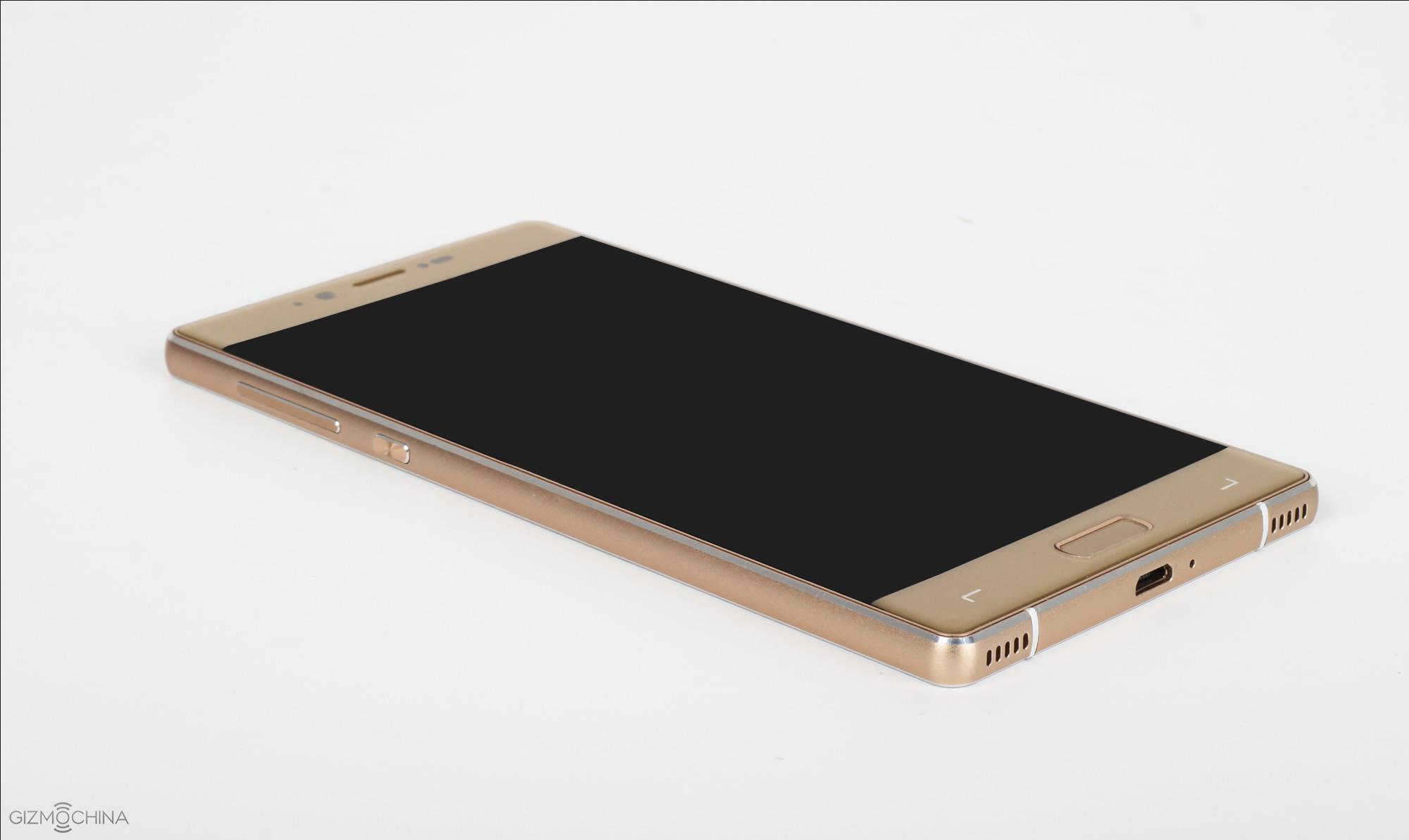
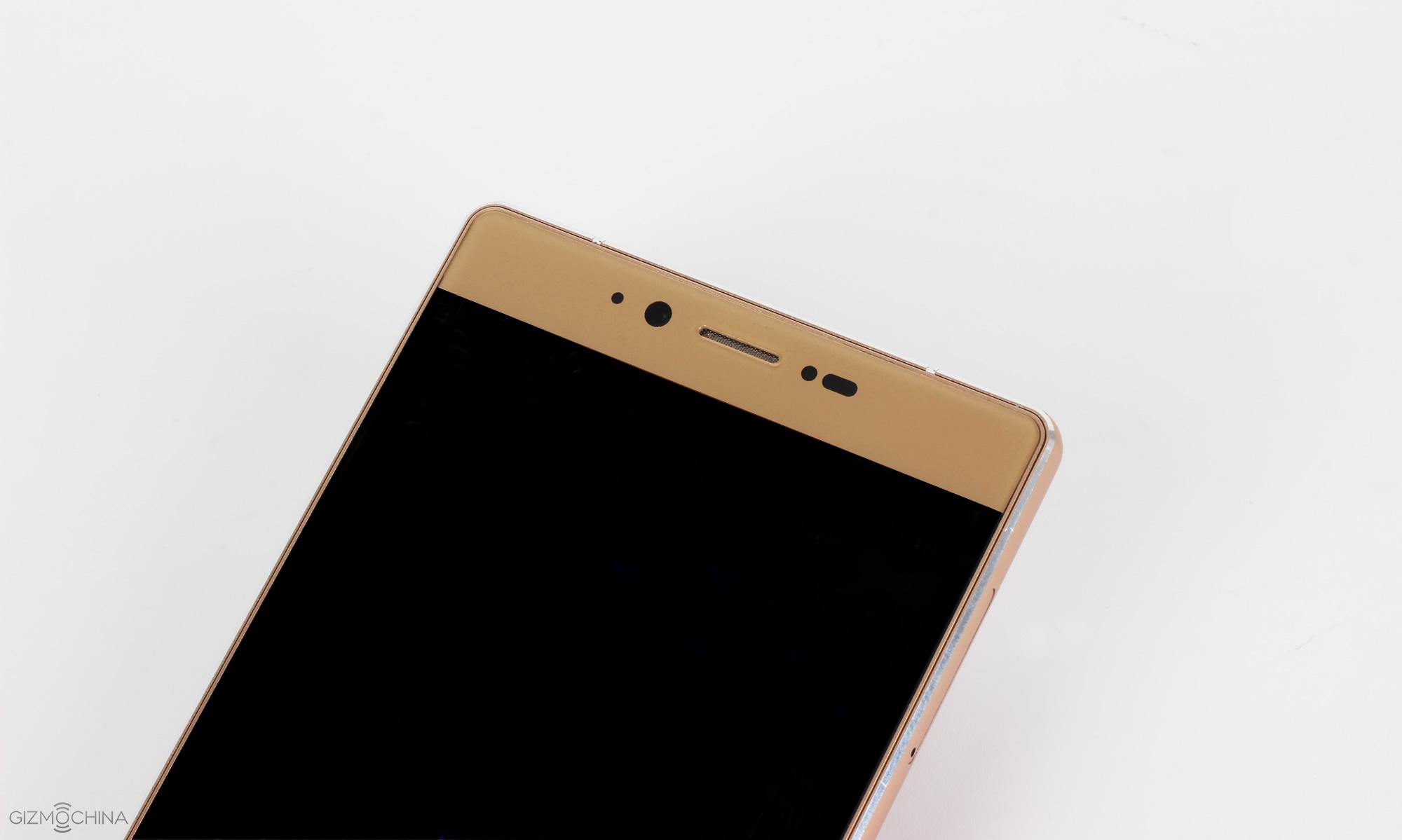
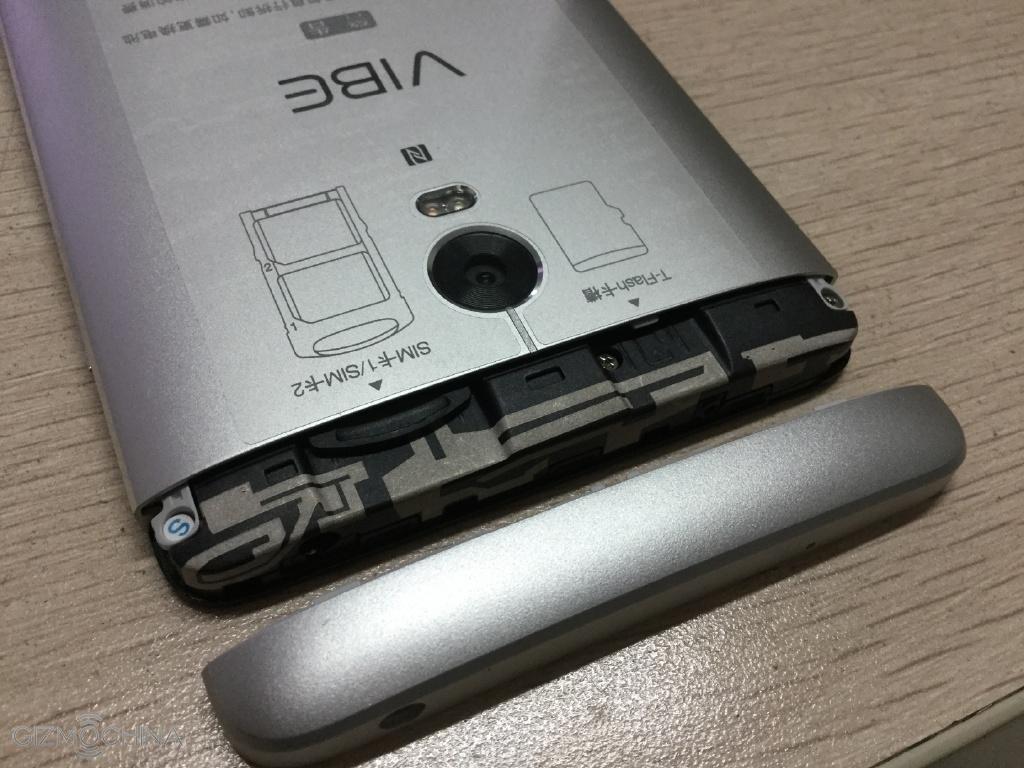
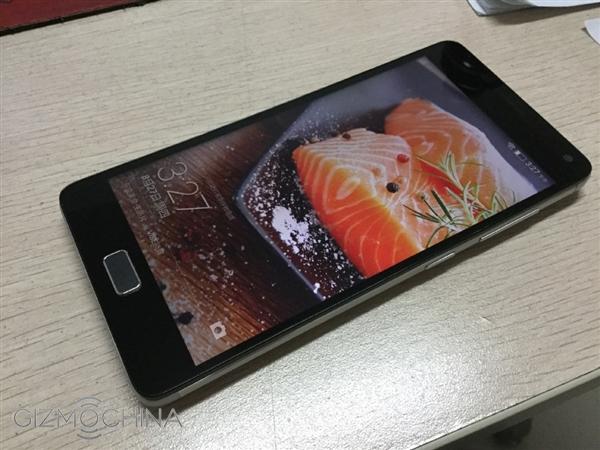
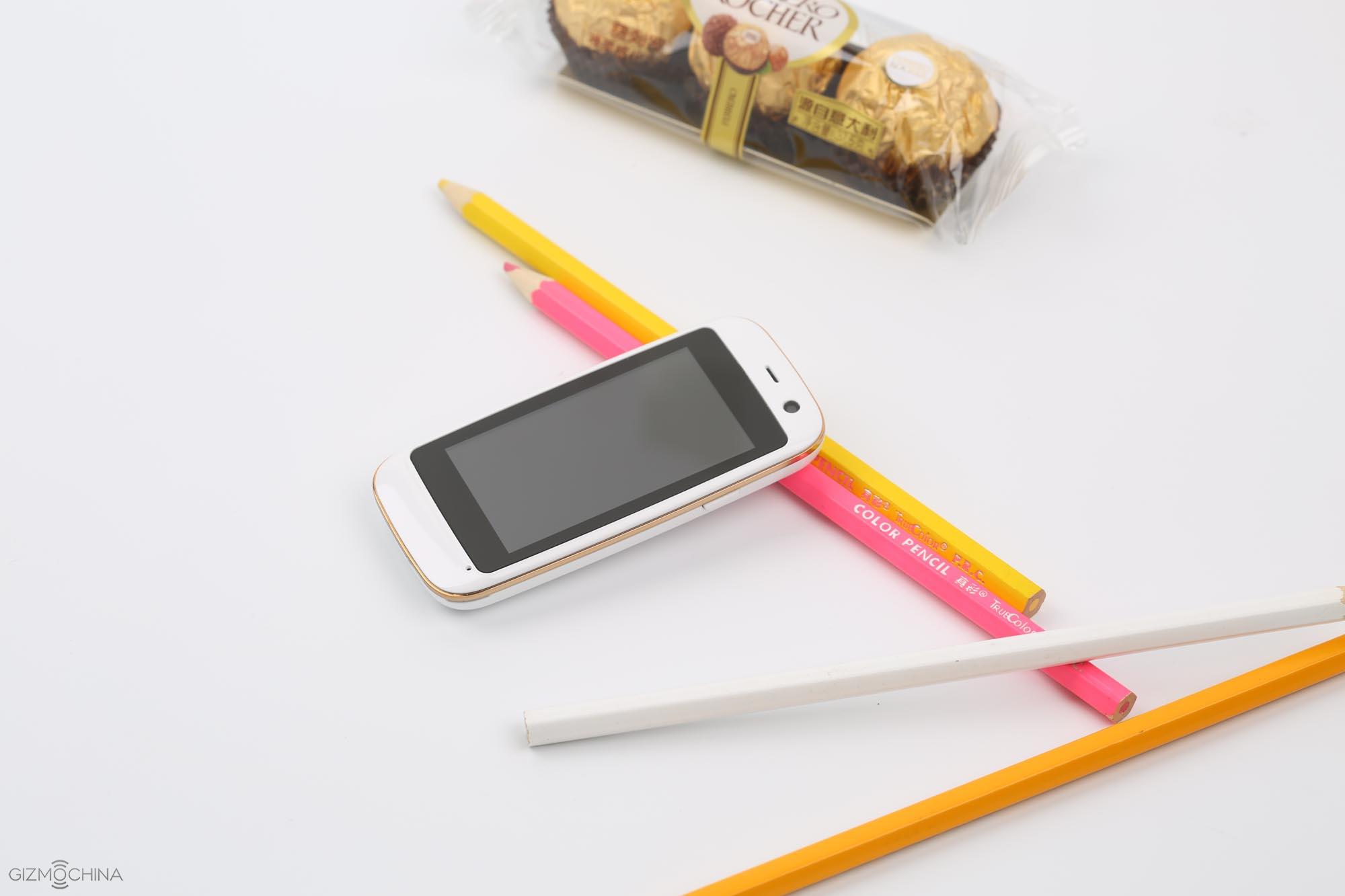
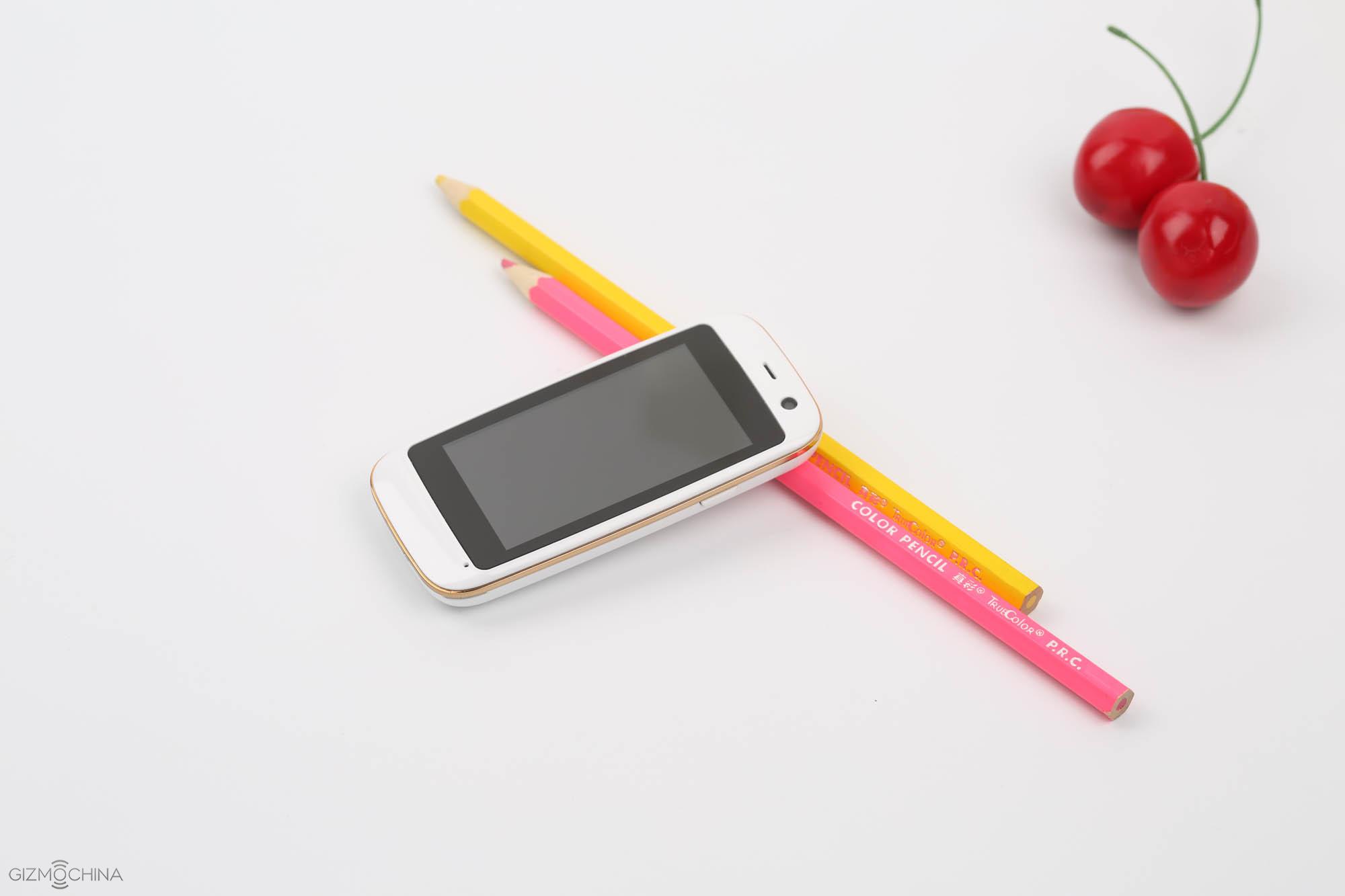
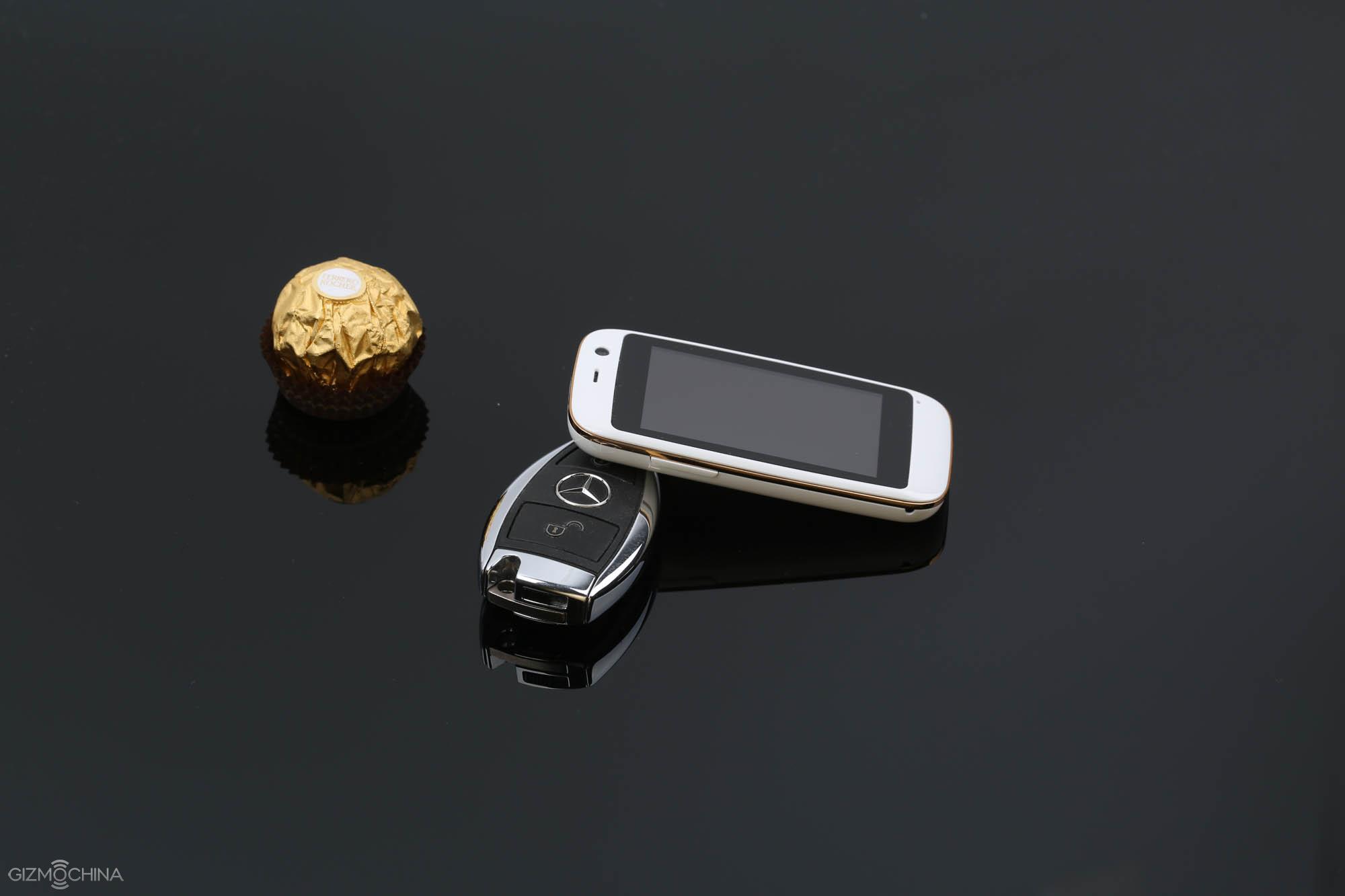
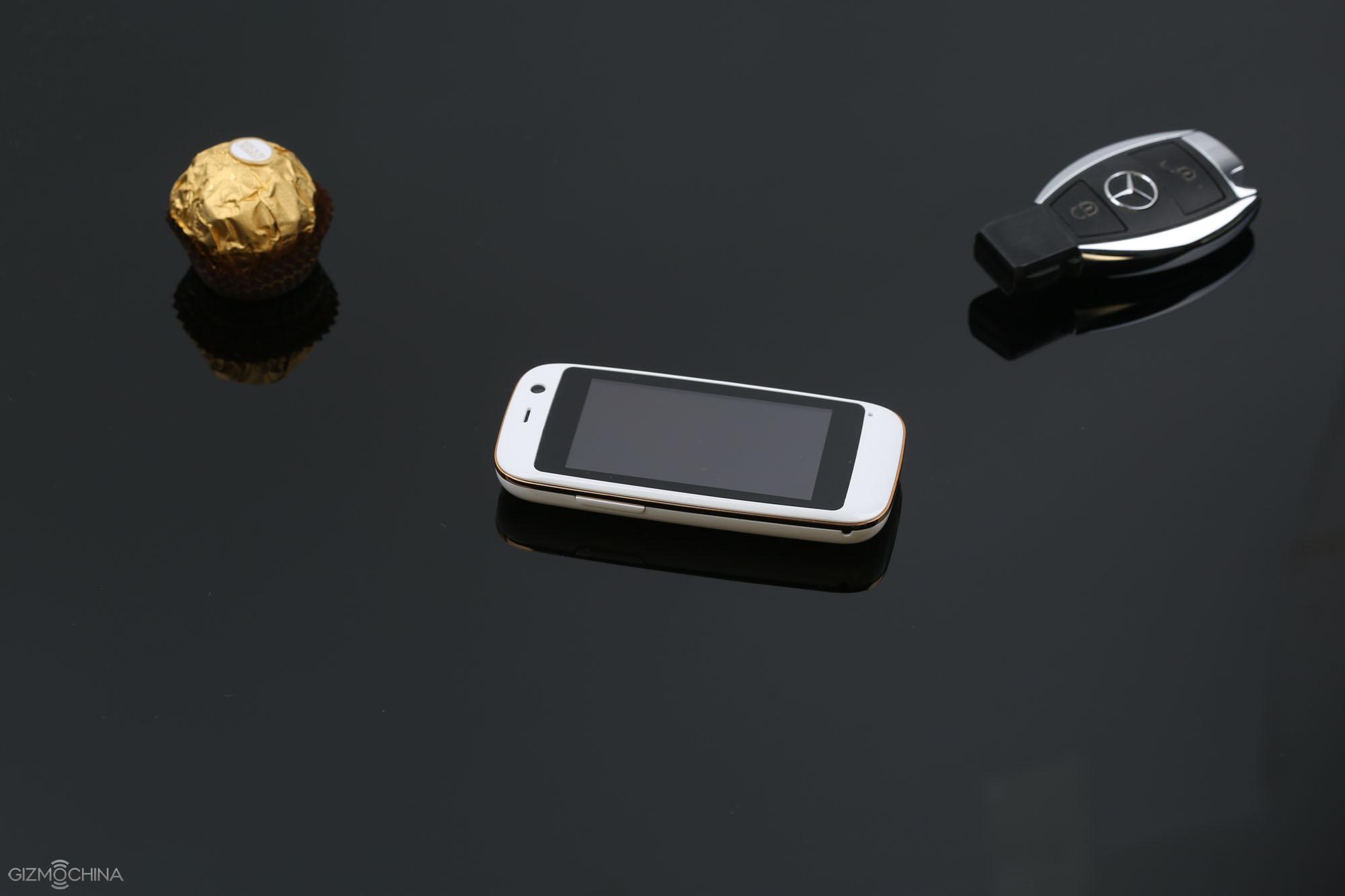
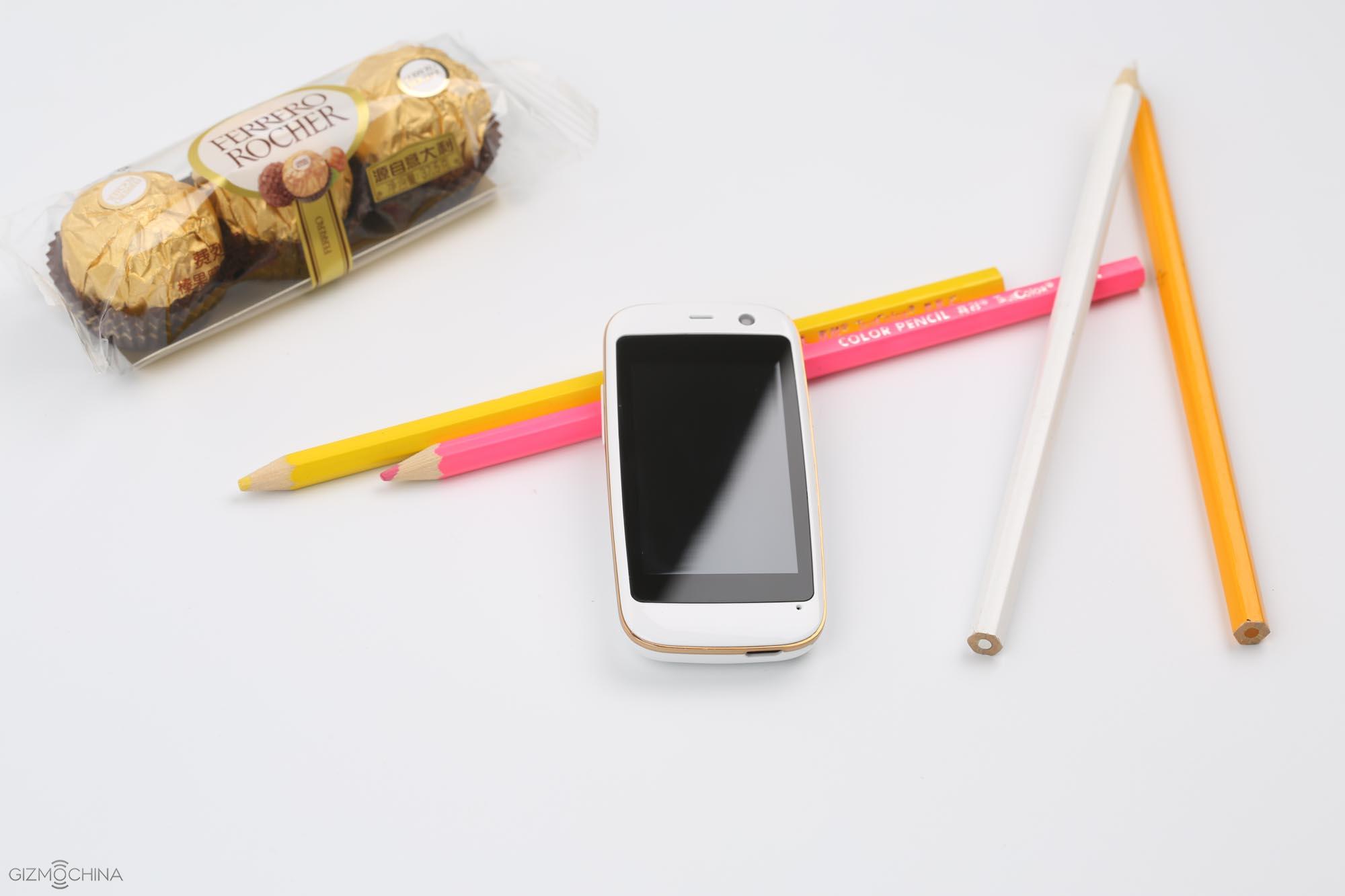
After the release of the Mlais Note Pro, another new Mlais will soon hit the market called the Mlais M81.
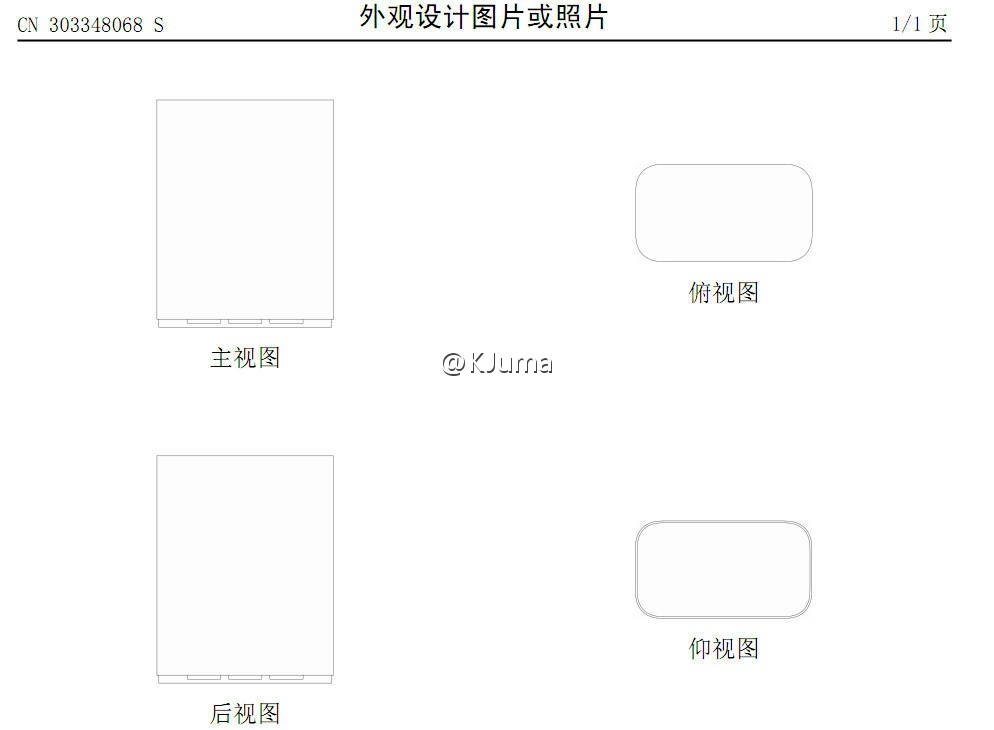
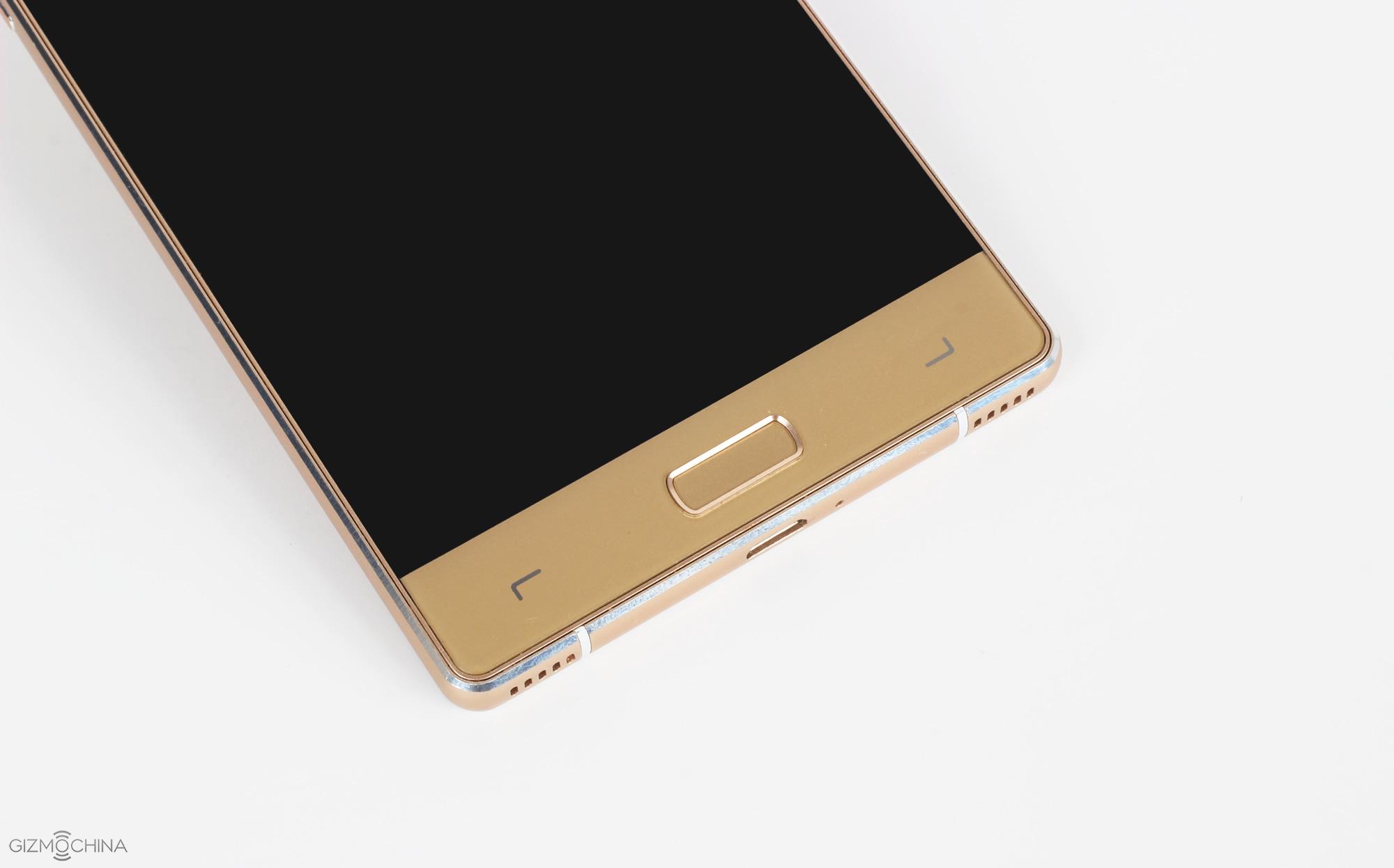
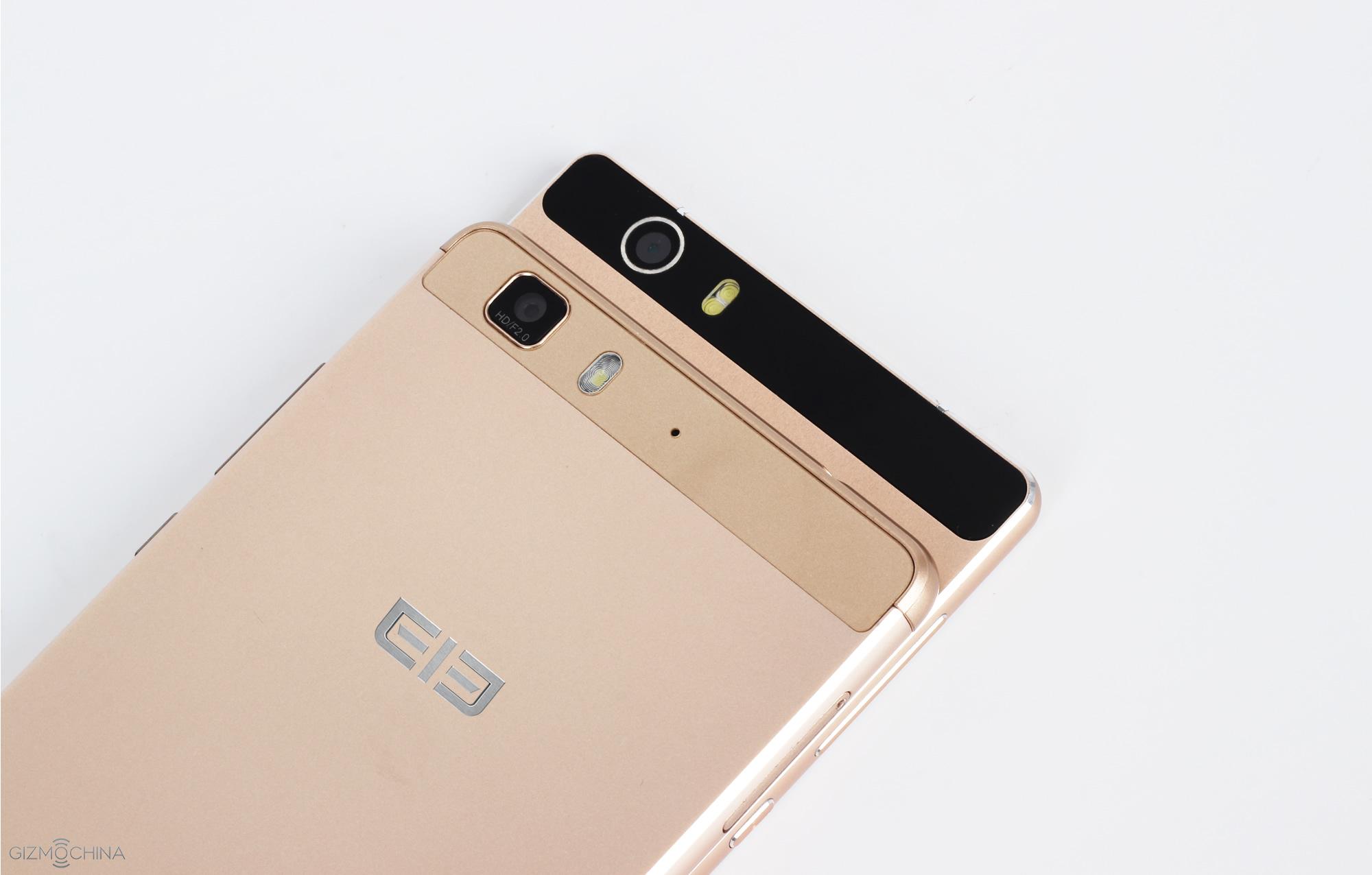
What should get people’s attention about the Mlais’ new phone is its display screen. The Mlais M81 sports a 7-inch display screen with 1920 x 1200 resolution. As the photos show, the M81 has narrower sides than the regular 7-inch tablet, and as a result, it should have a good screen ratio.
The phone’s specs are pretty solid. Official reports show that the M81 will use the 1.7GHz MT6592 octa-core chipset. It will have 2GB RAM and 16GB internal memory storage. It will also sport a 5mp/13mp dual-camera and run on a 4000mha battery. It supports WCDMA/GSM dual-mode.
The M81’s OS is one of the phone’s highlights. It will run on the newest Android OS, the Android 4.43 and supports ART mode. It also has sensory features like a compass and supports USB OTG.
The Mlais M81 will come out on July 29 and will be sold for 1168 RMB, so if you are a big fan of big-screen tablet phones, watch out!
Yesterday, Xiaomi’s latest flagship phone, the Mi 4, was finally launched and its specs are as good as expected. It sports a 5-inch IPS display screen with 1920 x 1080 resolution, runs on the 2.5GHz Snapdragon 801 (MSM8247AC) processor, has 3GB RAM, 16GB/64GB ROM, and a 8mp/13mp camera. It is also powered by a 3080mAh battery and its operating system is the Android 4.4-based MIUI V5 OS (The V6 will come out in August). As of now, it costs 1999 RMB (322.33 USD).
During the launch, Lei Jun spent most of the time discussing the materials used to manufacture the Mi 4 and barely said a word about its specs. It looks like Xiaomi had put a lot of effort in creating the right texture for the Mi 4. A lot of improvements were made for its outer design such as increasing its screen ratio. Here are some snapshots of the Mi 4 unboxed.
Yesterday, Xiaomi boasted that the just-launched Mi 4 was the “fastest cell phone on earth. However, it only got around 3700 in its benchmark test which led to online debates over whether or not Xiaomi was just full of hot air. Today, we received a snapshot of the Antutu benchmark test results for a mysterious new phone by Coolpad, and it does not look like Xiaomi’s boasts are based on facts.
The device’s model number is blurred but we can see that it starts with an “8” indicating that this is not a flagship phone but part of a series of products that support China Mobile Internet. As the photo shows, this device scored 44785 points in the Antutu benchmark test, which is higher than many high-end phones out right now, including the recently released Xiaomi Mi 4.
Today, the much anticipated Xiaomi Mi 4 was launched in Beijing. Here’s a review of Xiaomi’s latest phone.
Boasting top-knotch specs, the Mi 4 uses the Qualcomm Snapdragon 801(MSM8974AC) quad-core processor with a main frequency of 2.5GHz. It has 3GB RAM and 16/64GB internal memory space. It also sports a 5-inch 1080p Sharp and JDI display screen made using OGS architecture and an 8mp/13mp Sony dual-camera. It is powered by a 3080mAh battery that can be fully charged in 2.5 hours. The 16GB edition will be sold for 1999 RMB (322.21 USD) while the 64GB edition will be sold for 2499 RMB (402.81 USD).
Appearance
The Mi 4 supports wet finger recognition and offers a glove mode. It also supports technology that can make sure finger movements on the edge won’t be mistakenly read by the phone.
It’s also important to note that the Mi 4 has a width of 67.5mm which is smaller than the Huawei P7, Samsung S4, and HTC M8.
The MIUI OS
The Mi 4 does not have a lot of new features as it is still using the MIUI V5. The new MIUI V6 OS will be introduced around August. As a result, its OS user experience is similar to that of the Mi 3 with a few changes.
Performance test
At the launch event, Lei Jun was unwilling to talk about how the Mi 4 fared in its benchmark tests. Here’s an evaluation of the phone’s performance.
Actually, the Mi 4 scored pretty high in the Antutu benchmark test with 43607 points. Very few phones are able to score this high. This still does not say anything about actual user experience, but we can say that the Mi 4 probably has the most powerful specs out of all the cell phones out right now.
Camera
The Mi 4 sports a 13mp Sony IMX214 camera which has appeared in many new Chinese phones, so it should not be surprising if the Mi 4 has it. It has 6p lens with a F1.8 aperture. Even more interesting is that it comes with a smart flashlight feature. The Mi 4 can also combine two photos that were quickly taken consecutively in a way that can make them look more realistic.
As you can see from the samples above, the Xiaomi Mi 4 takes very good photos thanks to the Sony IMX214. Furthermore, the phone’s camera benefits from its big F1.8 aperture as the amount of light going in increases a lot. Since we have now familiarized ourselves with this new sensor, it is no surprise that the Xiaomi 4 can take high-quality photos.
Conclusion:
It’s pretty clear that Xiaomi is serious in dispelling the notion that the company does not really care about the outer design of their phones with the release of the Mi 4. Even though the outer design of the Mi 4 is not as pretty as phones that are known to have beautiful designs, this is Xiaomi’s most good-looking phone to date. Its specs are also nothing to make fun of. It’s easy to see how much effort Xiaomi has put on their newest phone’s hardware and appearance. However, Xiaomi’s main competitive strength still lies in their MIUI system. When the Mi 4’s OS is upgraded to the MIUI V6, then it will be a force to be reckoned with.
Xiaomi has finally introduced its newest phone, the Mi 4, to the world. Just as previous reports have said, the Mi 4 sports a 5-inch 1080p display screen, runs on the Snapdragon 801 quad-core processor, and has 3GB and 16GB or 64GB internal memory space. It is powered by a built-in 3080mAh battery and sports a 8mp/13mp camera.
The MIUI 6 will be launched on August 16.
We’ll be posting news on the Mi 4’s launch as it’s happening.
Update: According to Xiaomi, the Mi 4 was first given the go signal on February 2013 and went through 6 prototypes for 18 months. It sports a metal frame and 304 stainless steel. It was made in 40 193-step procedures and processed in a CNC machine 8 times.
The metal frame of Xiaomi Mi4 will be manufactured at FOXCONN and HiP.
Xiaomi Mi4’s specs:
– 5-inch Full HD (1920×1080 pixels) OGS IPS display screen made by JDI, 445 PPI
– Qualcomm Snapdragon 801 processor with 2.5GHz Quad-core CPU
– 800 Megapixel front facing camera/1300 Megapixel rear camera
-Lp-3GB DDR3 RAM, 16GB/64GB ROM(eMMC5.0)
-3080mAh battery
On July 22, OnePlus fulfilled their promise and released an edition of the OnePlus One made of bamboo.
The bamboo OnePlus One has the same specs as the original OnePlus One.
There’s also no difference in the appearance other than the material used.
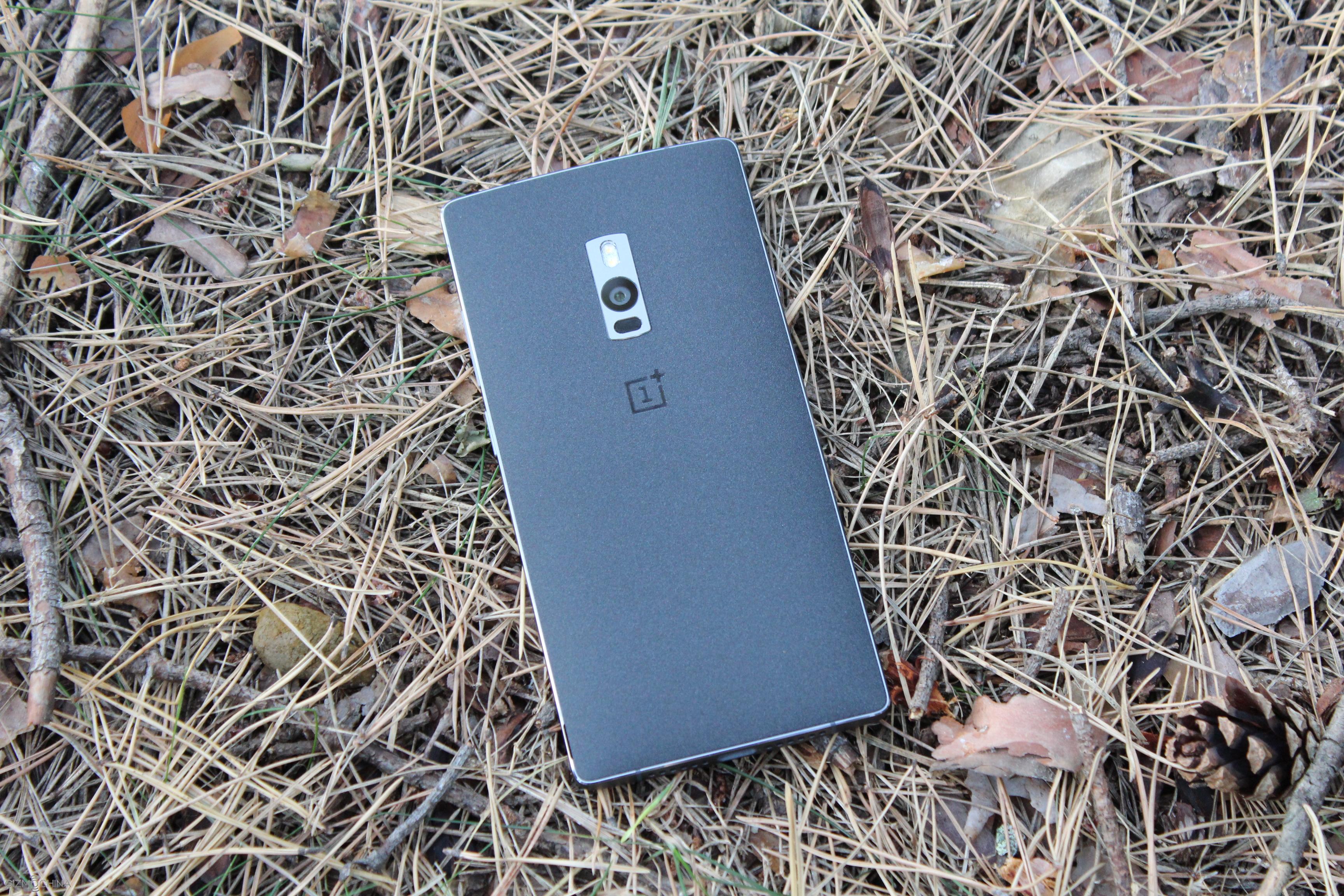
The bamboo case adds a more natural texture to the OnePlus One and since the bamboo used for each phone is different, each bamboo phone has its own unique texture.
The OnePlus One’s logo is carved on the back of the original phone while spray coating is used to put the logo on the bamboo version.
The bamboo rear cover is detachable but is not sold separately.
At the launch event, in addition to the bamboo rear cover, OnePlus also showcased rear covers made of wood from ebony trees, and even denim. With the release of the bamboo edition, many believe that OnePlus will release other phones made of these kinds of materials.
The 3 pictures are leaked by a weibo user, he said he had used this phone for several days, it would be to late to show it if he do not leak it right now.
But it’s a bit different from the video show of Xiaomi Mi4(check the location of the rear camera at the back cover) in the launch event in Beijing, could that be Xiaomi Mi3s?
From the images above we can see Xiaomi Mi4 became tinier compared to the Xiaomi Mi3. At the same time, Xiaomi Mi4 sports metal frame and there is only one SIM card slot on the left side, while all the physical buttons are located on the right side.
Xiaomi Mi4’s specs are really 5″ 1080p screen, 2.5 GHz Snapdragon 801 Quad-Core processor, 3GB RAM and 16GB ROM.
Not wanting to miss the 4G wave that has taken over China, ASUS is also preparing to release many new 4G products, one of them is the ZenFone 4G phone. Unlike the other ZenFones, the ZenFone 4G does not use an Intel chipset but an MTK 4G processor.
ASUS recently released a photo of the upcoming 4G phone. Both the ZenFone 4G and the recently released ASUS T001 use a 1.3GHZ quad-core processor and support TD-LTE, TD-SCDMA, and GSM internet.
The new ZenFone 4G must be an entry-level phone. It has 512M RAM, 4GB internal memory storage, and 4.5-inch display screen.
The phone’s design is pretty good. The main camera does not stick out too much and it has a noise-cancelling microphone.
It should not be surprising if ZenFone’s 4G phone will be cheaper than its low-end ZenFone 5 which costs 799 RMB (128.73 USD)
OnePlus has released more information on their newest release, a OnePlus One phone made of bamboo.
According to OnePlus, the 64 GB limited edition of the bamboo OnePlus One will be sold for 2499.99 RMB. Those who want it can start pre-ordering on August 18 and then get on the 25th. However, the bamboo case will not be sold separately.
A spokesman for OnePlus said that the phone is made of mao bamboo which is native to China. The material had been processed 28 times before it could be used to make the phone. The spokesman also said that the bamboo case should give the new OnePlus One a unique glossy texture.
The OnePlus One bamboo edition retains all the specs of the original like its 5.5-inch display Screen, the Snapdragon 801, and 3 GB RAM.
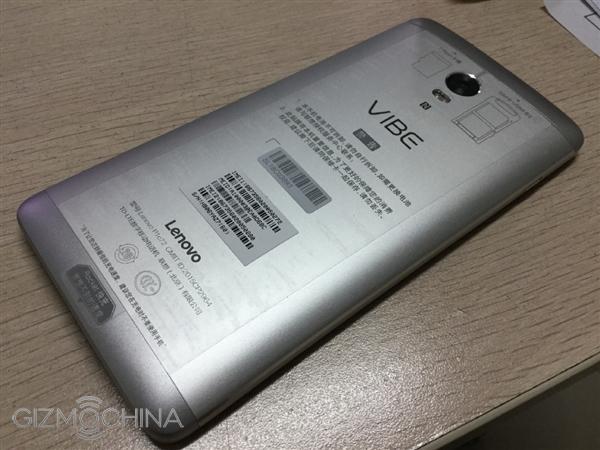
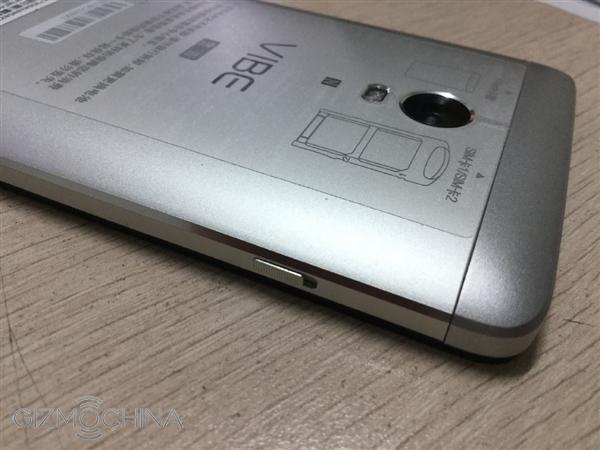
Earlier this month, Lenovo released Lenovo A8, which supports Both China Mobile and China Unicom 4G LTE. The model with 2GB RAM only costs 798RMB($140).
A8 comes in a variety of color schemes. Part from common black and white smooth cases, there are different options of leather rear covers in red, white, golden and so on. However, the pity is that the 5-inch 720p screen is not OGS, which looks rather dark and grey.
As for other specs, Lenovo A8, running on VIBE UI 2.0 OS, carries a MT6592 octa-core processor with 1.7 GHz,2GB RAM+16GB ROM, 5MP front camera and 13MP rear one and 2500Ah battery.
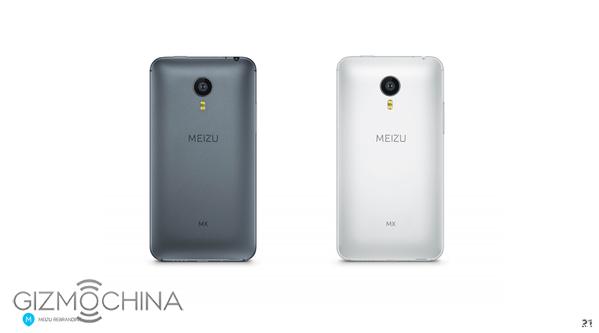
Word came that Mx4’s launch event was expected in Sept. this year. From previously disclosed information, MX4 has a 5.4″ screen in the ratio of 15:9, whose resolution reaches 2K. Though metal frames will be continuously used, great changes will happen to its rear cases and full design.
Earlier, J.Wong announced that MX4 would be integrated with finger-print identifying function, which remains a mystery when it comes to specific realization.
Will you expect Flyme 4.0 OS Meizu is working on? Net users once revealed that this new system performed excellently.
As for configurations, J.Wong once indicated that MX4 would carry Exynos 5430 octa-core processor and 3 GB RAM. Besides, MX4 might be the first smart phone powered with Sony 2000-mega-pixel cameras.
How much will it be? Probably 1,999RMB($340), deferred from Meizu rapidly cutting MX3’s prices to compete with MI3.
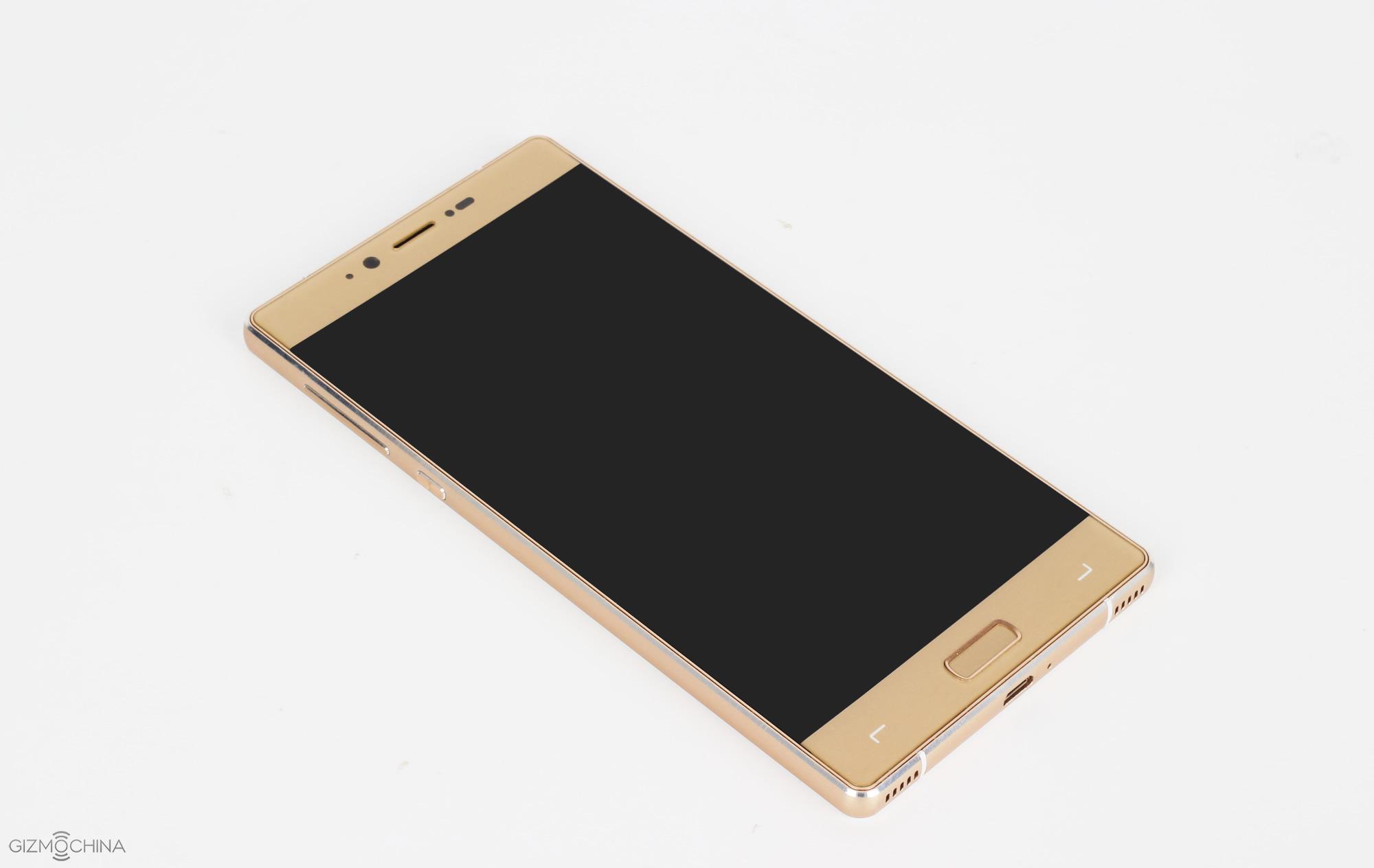
Xiaomi’s annual product launch event will be on tomorrow. This is usually the time to keep secret. However, people leaked Xiaomi Mi4’s posters in Weibo. Xiaomi Mi4 have two color schemes, black and white. The material used in its metal frame, so-called 304 austenitic stainless steel, looks remarkable.
The white phone in the picture has a silvery frame that matches with the white device; the black phone has a champagne golden frame that looks chic and elegant.
Besides, the apparent change in appearance is that the frame becomes narrow, in line with fashion trend.
As for the specs, Xiaomi Mi4 have 5-inch 1080p screen, powered with 2.5 GHz Snapdragon 801 Quad-Core processor, 3GB RAM and 16GB ROM, 5 MP front facing camera and 13 MP rear camera, 3200mAh battery, running on MIUI V6 OS. Not surprisingly, the price tag will be 1999RMB, 340USD.
OnePlus had first signalled that they were going to release a bamboo phone on July 10, when the following message was posted on OnePlus’ official Weibo account: “On July 22, OnePlus goes on with bamboo in our hearts.” Xiaomi had previously announced that they were going to release a phone made of steel and it looks like OnePlus will try to compete with them by releasing a phone made of bamboo.
In addition, in the last two days, two posters were posted consecutively on OnePlus’ official Weibo account, both advertising their upcoming bamboo phone. There are very few phones on the market that are made of bamboo. When someone mentions a phone made of bamboo, people usually think of the Moto X, but it did not sell very well in China. There is a high demand for phones made of natural materials and a product made of something different is bound to attract many people.
We can expect a big surprise from OnePlus at a launch event of their top-of-the-line products which will be held on July 22 from 9 AM to 10 AM.
Xiaomi will hold a launch event in Beijjing for its new products tomorrow (July 22). In addition to the Mi 4, the benchmark website, Android China recently found information on the new Mi 3S on the famous benchmark website, GFX Bench.
Leaked info on the Mi 3S’ hardware:
-5-inch 1080p display screen
-Qualcomm’s 2457MhzHz Snapdragon 800 procesor
-3GB RAM and 16GB ROM
-8mp/13mp (supports 4K video recording) camera
-runs on Android 4.4.3 OS.
We can also see that the Xiaomi Mi 3S still does not have an NFC feature. A more detailed description on the phone’s specs should come out tomorrow.
The Big Q Note Series came out at a time when cell phones have become more powerful with bigger display screens and octa-core processors.
MMB first released the first of the Big Q series, the Q1 cell phone, at the beginning of the year. Last month, they followed it up with an enhanced version called the Big Q Note.
The Big Q Note uses the MT6592 octa-core processor, has 2GB RAM, a 5mp/13mp camera, and 5.7-inch display screen with a 720p resolution. It runs on a 2400mAh battery and supports China Mobile 3G/GSM dual-SIM internet.
After opening the package, we will discuss the phone’s parts. As stated before, the Big Q Note uses an 2400mAh undetachable battery. The manufacturers included instructions on how to access “Sleep” mode.
The biggest selling point for the Big Q Note is that it uses a 5.7-inch OGS display screen with 300ppi, which is pretty good.
For this review, we’re looking at the white version. From this angle, we can see that the sides of the phone are a bit narrower.
There are three buttons below the screen.
The lock and volume buttons are located on one side. Between both is the reset button which should be useful if the phone crashes.
The Big Q Note supports China Mobile 3G and GSM dual-SIM. The China Mobile 3G slot is located at the top while the GSM card slot is below it. Users should be careful when inserting their respective SIM cards.
Located at the top is the port for the earphone receiver (3.5mm).
USB port at the bottom
The Big Q phones sport a 5mp/13mp camera with a F2.2 aperture on the main camera. The photo resolution is not bad. We took a few photos using the Big Q Note which you will see later.
ZOPO will soon release two 4G products in the international market, the ZP320 and the ZP520.
The ZP520 has a more stylish design than the ZP320. There is a small hole above the camera which shows that the ZP520 may support a noise-cancelling dual-microphone. It will be available in black and white and its measurements are 154 x 77.7 x 9.9 mm.
The ZP520 has a 5.5-inch display screen with a qHD resolution which is not that high, which probably shows that this could be an entry-level phone. Like the ZP320, the ZP520 uses the MT6582 and MT6290. It also has 1GB RAM, 8GB ROM, and a 2mp/8mp dual-camera. It is powered by a 2400 mha battery and its OS is the Android 4.42.
The ZOPO ZP520 has already been officially released in Shanghai where it costs 199 USD.
July is a big month for Xiaomi as they prepare to release a wave of new products. ePrice announced that Xiaomiwill hold a launch event for their newest products on July 22. The products they will launch are the Hongmi 4G edition, Mi 4, Xiaomi bracelet, and the long-awaited MIUI V6 OS.
Not too long ago, the Hongmi 4G edition received certification from the Ministry of Industry and Information Technology’s website where it’s listed as 2014501. It supports TD-LTE/TD-SCDMA/GSM China Mobile internet, uses the 1.3GHz MT6582 quad-core LTE chipset, and its OS is likely to be the MIUI V6. Its other specs are the same as previous versions including its appearance.
Like its predecessors, the Hongmi 4G will probably sold at 699 RMB (112.61 USD) or 799 RMB (128.72 USD).
Ever since the release of the Honor 6, Huawei has been planning to release different editions of their new phone. The other day, a product with the model number “Huawei H60-L02” received certification from the Ministry of Industry and Information Technology’s website. Not only did Huawei upgrade its camera (up to 8mp), it also has 4GB RAM, leading to speculation that a high-end edition of the Honor 6 may soon hit the market.
According to the information listed in the MIIT website, the H60-L02’s appearance is completely the same as the Honor 6’s, except that the former has an 8mp front-facing camera and its RAM was increased to a whopping 4GB, although the latter could be because the entry is still being worked on. This phone has already gone through the Antutu benchmark test. According to the test results, this phone has 3GB RAM and 16GB internal memory space. It’s not yet clear whether the inclusion of the 1.7GHz Kirin 920 is the reason why it was upgraded to 4GB.
We use cookies on our website to give you the most relevant experience by remembering your preferences and repeat visits. By clicking “Accept”, you consent to the use of ALL the cookies.
This website uses cookies to improve your experience while you navigate through the website. Out of these, the cookies that are categorized as necessary are stored on your browser as they are essential for the working of basic functionalities of the website. We also use third-party cookies that help us analyze and understand how you use this website. These cookies will be stored in your browser only with your consent. You also have the option to opt-out of these cookies. But opting out of some of these cookies may affect your browsing experience.
Necessary cookies are absolutely essential for the website to function properly. This category only includes cookies that ensures basic functionalities and security features of the website. These cookies do not store any personal information.
Any cookies that may not be particularly necessary for the website to function and is used specifically to collect user personal data via analytics, ads, other embedded contents are termed as non-necessary cookies. It is mandatory to procure user consent prior to running these cookies on your website.