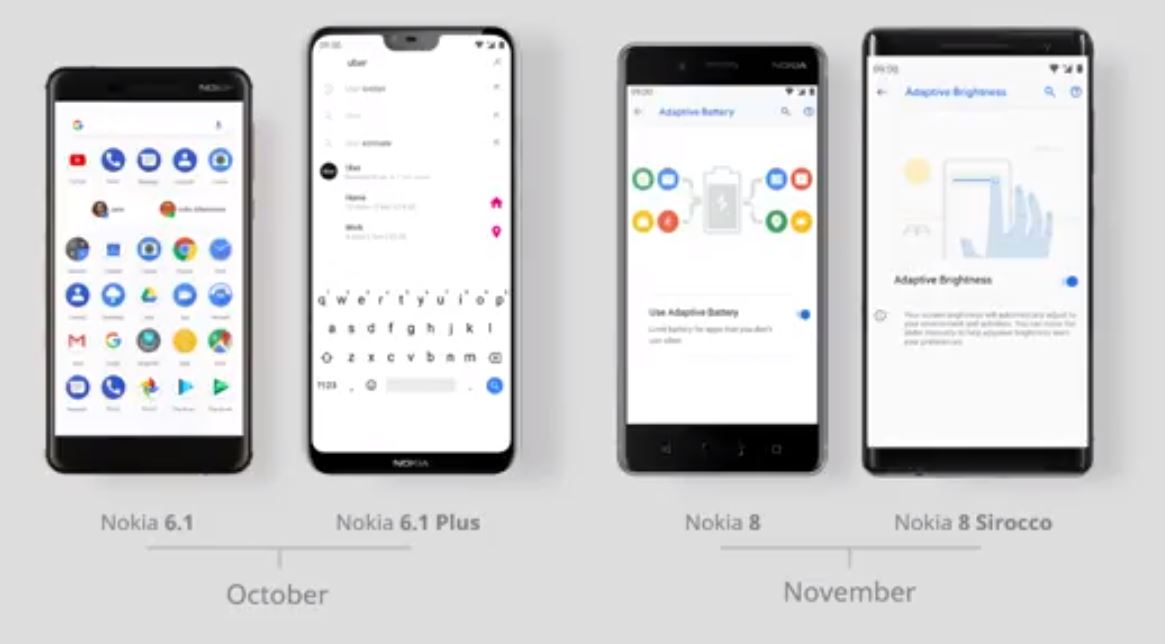
HMD Global had an event in London today where it announced the new Nokia 7.1. Other than the launch of the phone, HMD Global also revealed some important info about its other phones such as when they would get updated to Android Pie.
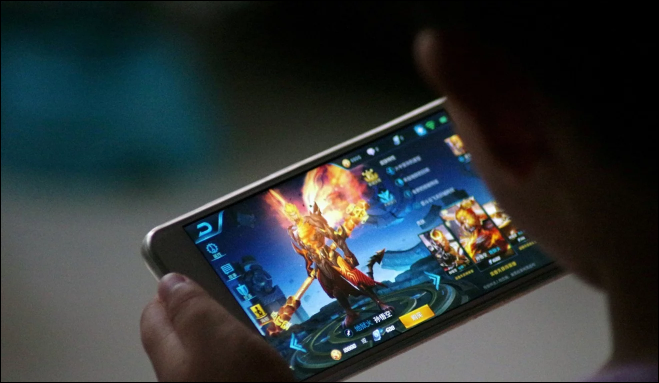
China has been grappling with a monumental rise in cases of gaming addiction especially among teenagers in the country with an estimated 24 million kids affected. The government also blames the country’s widespread myopia on the playing of video games. As a result, several measures are being taken to stem the tide. One of such measures is what Tencent is about introducing on its games. Facial recognition. In case you don’t know, Tencent Holdings is the world’s top-grossing games publisher. Its most popular game is King of Glory, with over 50m daily players in China. The game has even been heavily linked to the epidemic rise of video game addiction in the country.
So it isn’t surprising that the company is adopting innovative ways to tackle the addiction. Last year, Tencent started implementing a policy which saw 12-year-olds and under getting only one hour per day of gameplay time, restricted to before 9 pm. Older kids are only be allowed to play for two hours a day. That may not have worked as smart kids will always find ways of circumventing the laws. The company also recently added a feature which blurred the image if the user got too close.
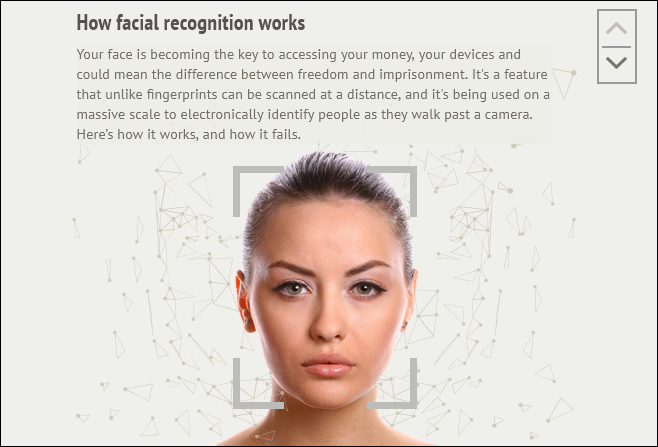
The use of facial recognition technology to gain access will be tested first on Tencent’s blockbuster mobile game titled, Honour of Kings. Already, some 1,000 new users in Beijing and Shenzhen have been selected to verify their identities through camera checks, according to a recent statement by the company. The facial recognition will verify the identities of Honour of Kings players by cross-referencing with public security databases. The company said it was the first time such data has been used by the gaming industry to screen users. There is no indication when the feature will roll out fully for Honour of Kings, which has 200 million users, or if and when the system will expand to cover other Tencent titles.
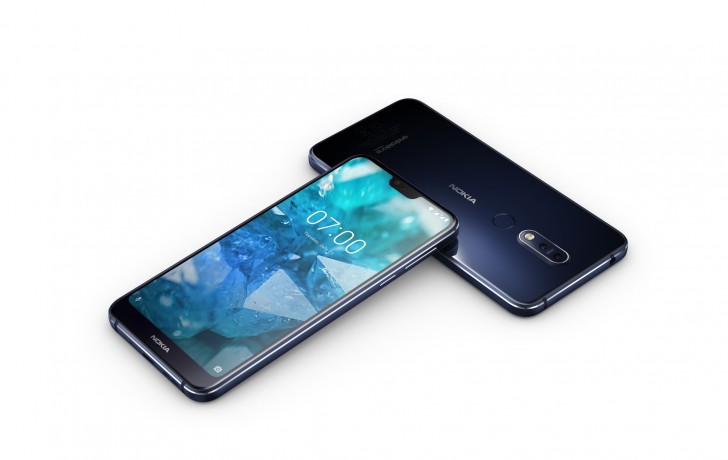
As expected, at a launch event in London, UK, HMD Global announced its brand new Nokia 7.1 smartphone. It comes with a familiar all-glass exterior that we’ve seen on recently launched budget phones by HMD Global.
The Nokia 7.1 features a 5.84-inch Full HD+ “PureDisplay” with 19:9 screen aspect ratio with a notch on top. The company claims that the PureDisplay’s internal HDR can convert the SDR content into the HDR in real-time.
Under the hood, the device is powered by Qualcomm‘s mid-range Snapdragon 636 octa-core processor, which is claimed to deliver 40 percent improved performance over its predecessor Snapdragon 630. It is coupled with Adreno 509 GPU and comes in two models — 3GB RAM and 4GB RAM.
The 3GB RAM model packs 32GB of internal storage while the 4GB RAM model comes with 64GB of onboard storage. Both the models feature a microSD card slot, enabling you to further expand the phone’s storage capacity up to 400GB.
In terms of photography, the phone comes with a new Zeiss imaging solution. The Nokia 7.1 has a dual camera setup on the back that’s stacked vertically in the top-center position. It comes with a 12-megapixel primary sensor and a 5-megapixel secondary sensor for depth sensing.
The camera comes with features like True Life HDR, Bokeh mode, Pro Camera mode, Livestream functionality, and Bothie. On the front side, it comes equipped with an AI-backed 8-megapixel snapper for taking selfies and video calling.
Just like every other Nokia smartphone, this one too is a part of Google‘s Android One programme. The phone runs Android 8.1 Oreo operating system out-of-the-box. The Finnish company has promised the Android Pie update by the end of this month and future updates for two years.
There’s a rear-mounted fingerprint sensor for added security. Connectivity options on the device include Dual 4G VoLTE, Wi-Fi 802.11 ac (2.4GHz + 5GHz), Bluetooth 5, GPS + GLONASS, Type-C 2.0, and NFC. The phone drives power from a 3,060mAh battery with support for fast charging.
The Nokia 7.1 will be available in two color options — Gloss Midnight Blue and Gloss Steel that has a copper accent. It’ll be available for pre-order in the European market from tomorrow and will start shipping later this month. The pricing for the base model of Nokia 7.1 starts at €299, roughly $343.
Panasonic has launched two new phones in India. Unlike a lot of its recent phones in the country, the new Eluga X1 and Eluga X1 Pro are upper mid-range phones.
Eluga X1 and Eluga X1 Pro Design
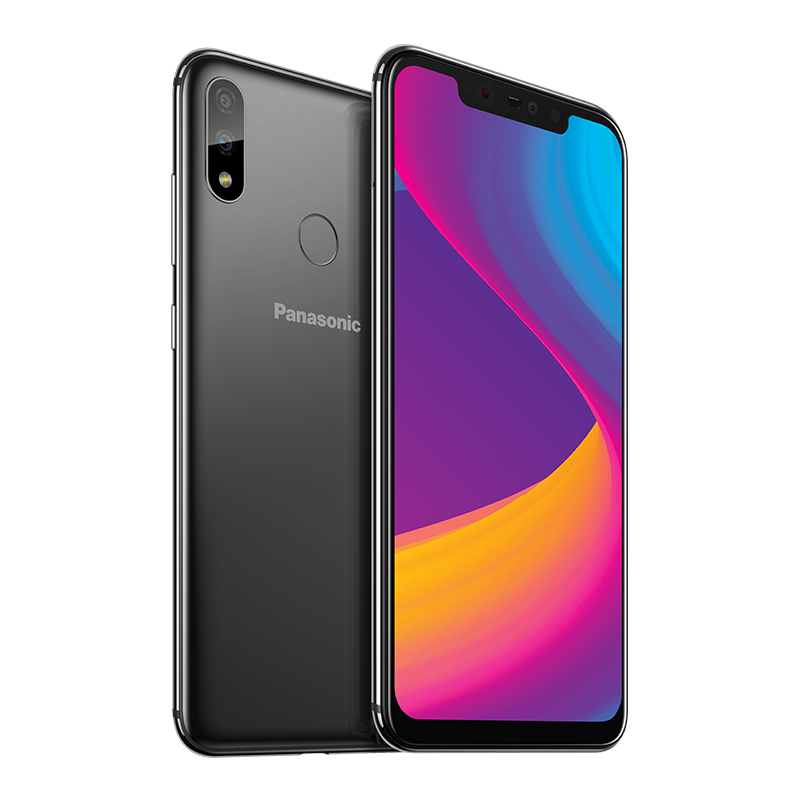
The Eluga X1 and its Pro variant share the same design. There is glass on both sides of the phones, a notched display, and the vertically arranged dual rear cameras. They also come in Silver and Dark Gray colors.
Eluga X1 and Eluga X1 Pro Specs
The Eluga X1 and Eluga X1 Pro have a 6.18-inch FHD+ display with a 19:9 aspect ratio and Gorilla Glass 3. Nestled within the notch of both phones is a 16MP AI camera with bokeh mode, live photos, and Panasonic’s take on AR emojis called Facemoji. There is also an infrared face unlock system inside the notch.
Both phones are powered by MediaTek’s Helio P60 chipset. The Eluga X1 Pro has 6GB of RAM and 128GB of storage while the Eluga X1 has 4GB of RAM and 64GB of storage. Both phones support storage expansion up to (256GB) There is a 16MP + 5MP dual camera combo on the back of the phones with lots of features and customizations. Keeping the rear cameras company on the back is a fingerprint scanner.
[envira-gallery id=”215251″]
The Eluga X1 and Eluga X1 Pro ditch the audio jack for a USB Type-C port for both audio and charging. A Type-C to 3.5mm converter is included in the box. Both phones pack a 3000mAh battery with support for fast charging but the Pro version adds support for wireless charging. Panasonic says both phones can also charge other devices.
The Eluga X1 and Eluga X1 Pro run Android 8.1 Oreo out of the box and also have a special AI app called ARBO HUB which studies your usage pattern and helps you plan your day.
OnePlus‘ upcoming flagship, the OnePlus 6Twill likely have as its biggest feature the in-display fingerprint reader it is expected to pack. That has been the subject of a couple of pre-launch promotional activities the company has been dishing out. The in-display fingerprint sensor is once again the subject of a new OnePlus 6T promo campaign released by OnePlus.
The video is part of the “Unlock The Future” campaign and it tries to relate the innovation that would be at play onboard the device to previous monumental innovations such as the Egyptian pyramids, the balloon of the Montgolfier brothers and the Moon landing by US astronauts. The company is basically telling us that it would keep up its innovativeness.
The video also showcases the bottom part of the device and we could see the USB Type-C port at the middle. The port is surrounded by two speaker grills at both sides which should be openings for the mouthpiece or perhaps the audio on the OP6T will see some improvements. We’ll find out about that when the device is launched. As for the launch, OnePlus is expected to launch the device on October 17 in India as seen in a leaked invitation letter. The company is yet to officially announce a date for the launch.
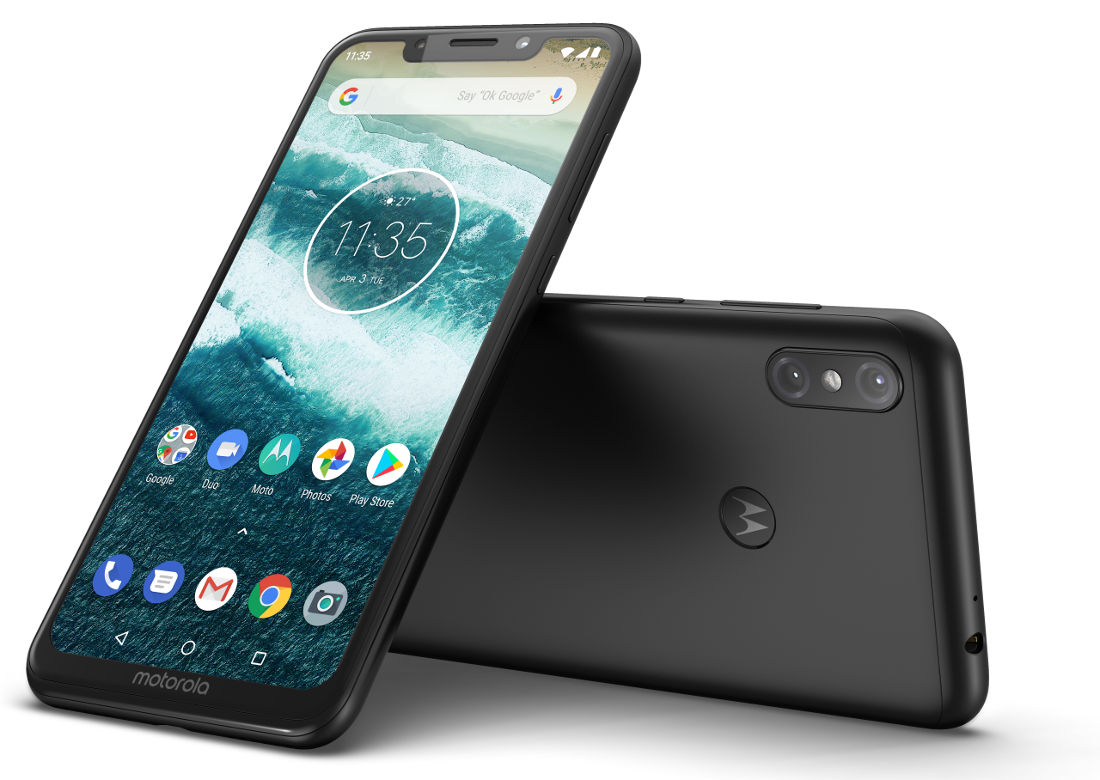
Last week, Motorola launched its latest smartphone in the Indian market — Motorola One Power, for a price of Rs. 15,999 that roughly converts to $217. The smartphone will now be available for purchase in India from tomorrow, exclusively through Flipkart, in Black color.
To remind you of the specifications, the Motorola One Power comes with a 6.2-inch Max Vision Full HD+ IPS display having a screen resolution of 2246 x 1080 pixels, 19:9 aspect ratio, and Gorilla Glass 3 protection.
Under the hood, the device is powered by Qualcomm‘s Snapdragon 636 octa-core processor clocked at 1.8GHz, coupled with Adreno 509 GPU. In India, only the 4GB RAM variant with 64GB internal storage has been launched. The company has not launched the 3GB RAM and 32GB storage model.
In the camera department, the phone features a dual camera setup on the back, consisting of a 16-megapixel primary sensor and a 5-megapixel secondary sensor. On the front side, it comes equipped with a 12-megapixel snapper for taking selfies and video calling.
There’s a rear-mounted fingerprint sensor and has P2i water-repellent nanocoating. Connectivity options on the device include 4G VoLTE, WiFi 802.11 ac (2.4GHz + 5GHz), Bluetooth 5, and GPS + GLONASS. Being a part of the Android One program, the smartphone runs on the stock version of Android 8.1 Oreo operating system out-of-the-box.
The company has also promised Android 9.0 Pie update by the end of this year as well as next major Android Q update for the phone. The handset is powered by a 5,000mAh battery which also supports TurboPower fast charging technology.
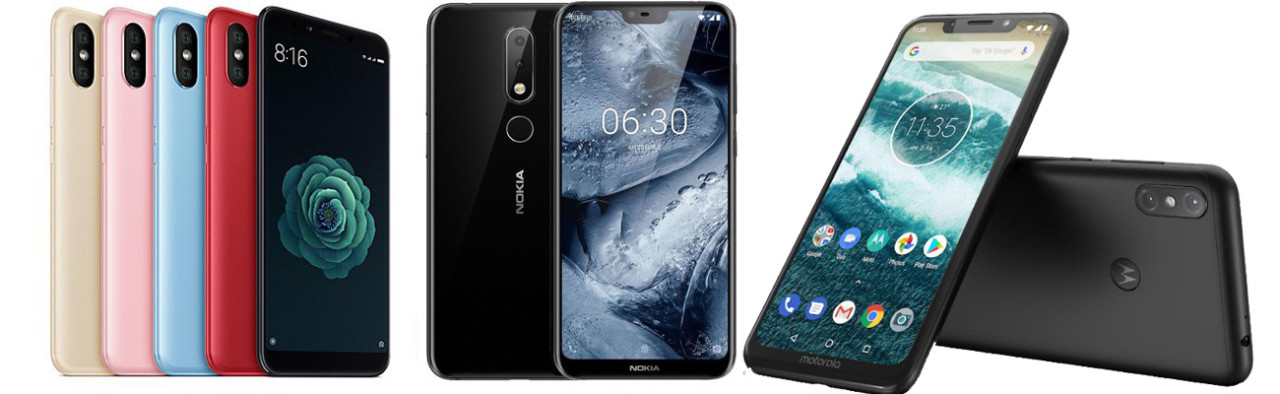
Android One had more success than expected, and this happened especially thanks to Xiaomi and Nokia, according to the latest report by Strategy Analytics. In case you lived in a cave for the last five years, Android One is a stock version of Google’s operating system providing a stock experience and faster updates. Below you will find an in-depth comparison between the most recent and important Android One devices in the market focused on the quality-price ratio: Xiaomi Mi A2, Nokia 6.1 Plus and Motorola One Power.
Xiaomi Mi A2 vs Nokia 6.1 Plus vs Motorola One Power
Dual 12 +20 MP f/1.8 and f/1.8
20 MP f/2.2 front camera
Dual 16 + 5 MP f/2.0 and f/2.4
16 MP f/2.0 front camera
Dual 16 + 5 MP f/1.8 and f/2.2
12 MP f/2.0 front camera
BATTERY
3000 mAh, Fast Charging with Quick Charge 3.0 or 4.0
3060 mAh, Fast Charging with Quick Charge 3.0
5000 mAh, Fast Charging 15W
ADDITIONAL FEATURES
Dual SIM slot
Hybrid Dual SIM slot
Dual SIM slot
Design
Nokia 6.1 Plus is the device with the most modern and attractive design, and it is also the most compact device so it fits better in a pocket. It is the only device in the trio to feature a refined glass back beside its aluminum frame. Xiaomi Mi A2 and Motorola One Power have a full metal unibody design with the first having a better look on the rear side thanks to its U-shaped antenna bands.
Display
If you do not like the notch, then the best display for you is the one of Xiaomi Mi A2. On the other hand, if you do not mind about the presence of a notch and you like to have slimmer bezels, go for the Motorola One Power. Both are displays with a good viewing quality but not high-end ones. Nokia 6.1 Plus has a smaller display without the LTPS technology, so it is a bit worse for advanced users.
Specs & Software
Xiaomi Mi A2 is the most powerful device simply because it comes with a more powerful chipset. We are talking about the Snapdragon 660 by Qualcomm which is paired with up to 6 GB of RAM and up to 128 GB of internal storage. However, note that Xiaomi Mi A2 is the only one which does not feature a micro SD slot to expand the internal storage.
Camera
Xiaomi Mi A2 has also the best camera thanks to its outstanding rear setup. It sports two cameras with high resolutions and both the sensors have a bright f/1.8 aperture. This results in an incredible level of detail even when light conditions are not the best. Even the selfie camera is great with its 20 MP resolution. Motorola One Power takes the second place.
Battery
There is no challenge: Motorola One Power is much better. While Xiaomi Mi A2 and Nokia 6.1 Plus have just average batteries with capacities of 3000 and 3060 mAh (respectively), Motorola One Power has a monster 5000 mAh lithium unit which can easily last more than two days. This is the strongest point of this handset.
Price
When it comes to midrange phones, often the battery life makes the difference. I choose Motorola One Power as the winner of this comparison because of its huge battery, even though it is not the most popular handset and it carries the more expensive price tag (about €300/$345). The price tags of Xiaomi Mi A2 and Nokia 6.1 Plus are €220/$253 and €250/$288, respectively.
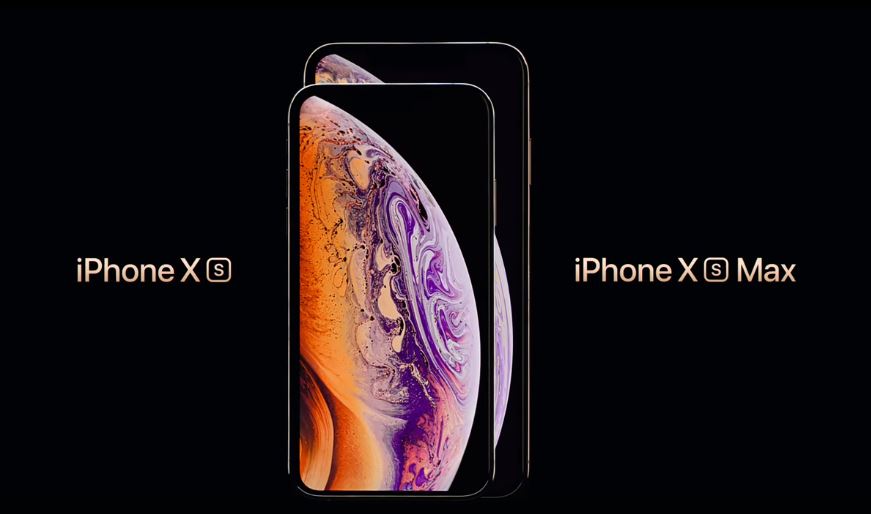
According to the latest report from Flurry Analytics, the sales of this year’s iPhone XS are stronger than the iPhone X and iPhone 8 launched last year. To estimate the sales, the company used dated from over a million mobile apps.
Flurry Analytics’ data indicates that this year’s flagship iPhones have proved to be a significant success for Apple. This too even before the iPhone XR, which is the cheapest among the three phones launched this year, is yet to go on sale.
In the first week itself, the iPhone XS gained an overall iPhone market share of 0.42 percent. The bigger XS Max was more successful, capturing 0.68 percent share of all iPhones currently in use in the U.S. The total combined share stands at 1.1 percent of all iPhones in just one week.
The company further added that the sales of iPhone XS and the XS Max in the first week has beat out the sales of last year’s iPhone 8 and the 8 Plus. It says that the like-for-like comparison shows that Apple generated 7 percent more revenue from iPhone XS/Max sales than the combined sales of the iPhone X and iPhone 8/Plus in the equivalent periods last year.
According to Flurry Analytics, the trend will continue into the holidays. It said:
Our net takeaway is that Apple is able still able to drive solid market share uptake with its latest devices, but is also actively raising prices to keep revenue growing. The strategy appears to be working, and they are well positioned heading into the holiday season. We look forward to sharing more insights as the holiday season progresses.
In terms of market penetration, the iPhone 7 still holds the top position with around 15.40 percent while the iPhone 7 Plus is at the second spot with 12.73 percent market share. The iPhone 6S has 12.40 percent market penetration.
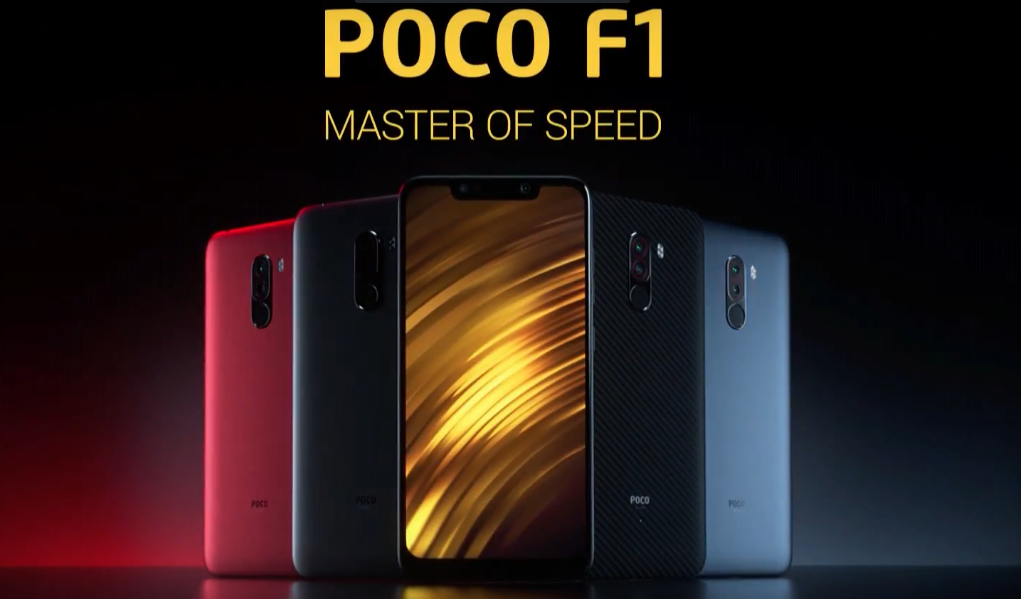
The POCO F1 or POCOPHONE F1 comes in three colors – Steel Blue, Graphite Black, and Rosso Red. There is a special Armored Edition with Kevlar which is limited to the 8GB RAM + 256GB model. Since the phone went on sale, only the blue and black variants have been available for purchase but that may be changing soon.
The official social media accounts for POCO India have been teasing the arrival of the Rosso Red variant since yesterday. This can only mean one thing – it is about to go on sale.
The Rosso Red variant is a personal favorite and I think it matches with the red accents around the rear cameras, unlike the other variants. The specs are still the same and the price will remain the same – Rs. 20,999 (~$285) for the 64GB model and Rs. 23,999 (~$326) for the 128GB version.
If you are planning to buy the POCO F1 and have been waiting for this variant, then we advise you to be patient for a few more days.
The month of October is a big one for Indians as there are a bunch of shopping festivals lined up for the month. One of them is Amazon’s Great Indian Festival Sale which will begin on October 10. If you are planning to get a new phone, then you may want to consider the OnePlus 6 which will get a huge discount when the festival begins.
The OnePlus 6 launched in the second quarter of the year with a starting price of Rs. 34,999 or $529 in the US. Next week, the phone will get a big reduction in price albeit temporary. For the period of the 5-day sale, the OnePlus 6 64GB version will sell for Rs. 29,999 (~$407)!
Only the base model has been confirmed to get this price cut but there is no harm in checking if other models will get the price cut when the sale begins. Orders will most likely be limited to one unit per customer. Also, we can’t confirm if the current promo of a free Sandstone Protective Case when you add it to your cart along with the phone will apply but you should try it out too.
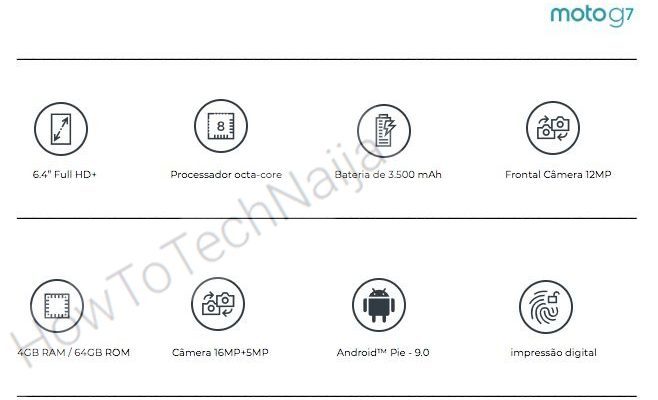
It is October already which means that we are most likely not getting a Moto G6S seeing as last year’s Moto G5S (and G5S Plus) launched in August. We don’t know what influenced Motorola’s decision not to release a Moto G6S, maybe the release of the Motorola One series. Nevertheless, the focus is now on the Moto G7 series. Specs for the Moto G7 have surfaced on the web and it shows Motorola is going big with the 7th-gen Moto G phone.
The Moto G7 is reported to pack a 6.4-inch display. That is a big bump in screen size when you compare it to the Moto G6‘s 5.7-inch screen. It will probably still be called Max Vision though. The display will have a Full HD+ resolution.
The Moto G7 will come with an unnamed octa-core chipset. The Moto G6 has a Snapdragon 450 under its hood which is the king of the Snapdragon 400 series. So we are probably expecting the move to a Snapdragon 600 series chipset. The processor will be paired with 4GB of RAM and 64GB of storage.
For the cameras, the G7 will have two sensors on its back. The two cameras are a 16MP sensor and a 5MP sensor while the front camera is a 12MP sensor. The phone will run Android 9 Pie out of the box and pack a 3,500mAh battery. Expect Motorola’s TurboPower fast charging technology on board. The Moto G7 will also have a fingerprint scanner which should remain on the rear.
In the latest report from Digitimes’s market research, it is forecasted that the global tablet shipments will keep declining till 2023. The sales for the fiscal year 2018-19 are expected to drop to 141 million units. Similarly, they have forecasted a decline in sales for the year 2021-23 to 120 million units. The slump in tablets marketing is due to the increased market share of the large display smartphones.
The smartphone effect is minimal on the larger display tablets as they are expected to grow in 2018-19, and for few upcoming years. It is the only tablet segment which will keep growing amid the rising competition and larger display smartphones in the market. Here’s what DigiTimes is quoting about the so-called white-box devices, “Tablets with 9-inch and above displays are expected enjoy shipment growths in 2018 thanks to demand from consumers for replacing their smaller-size models and increasing procurement from the education sector. White-box tablet shipments are expected to rise slightly from a year ago in 2018 benefiting from stabilized key component prices.”
If we talk about the smaller screen tablets, then they are expected to decline 2-3% every year until 2023. To pick up the sales, OEMs will offer some discounts on the smaller tablet. The 7″ or similarly sized tablets will fall to 10-20% overall.
Recently, Apple and other major manufacturers have launched the 6.5 inches of smartphone devices, and now it is unlikely that they will increase the screen size any more than this. So, this whole scenario will decrease the pressure on the tablet market. As per the report, in the upcoming few months, the average tablet size will increase to 9.7 inches – 12.7 inches.
Apple iPad is the only tablet device that will not see any decline in the sales. Its market share will expand in the next five years as Apple is expected to come with different sized iPads in the next few years. Also, Apple iPad gives a longer life cycle than the Android-based tablets.
Earlier this year, Taiwan-based Asus launched its first gaming smartphone — Asus ROG Phone. Now, the gaming phone is now all set to launch in the United States on October 18. The company has already sent out media invites for an event in New York on 18th October.
The smartphone comes with a 6-inch AMOLED Full-HD+ screen with a refresh rate of 90Hz and a 1ms response time, and also supports HDR. Under the hood, the smartphone is powered by the Qualcomm Snapdragon 845 processor that is overclocked at 2.96GHz.
It packs 8GB of RAM and comes in two options for internal storage — 128GB and 512GB. It also comes with the custom Optiflex, which is the company’s technology that speeds up the phone. On the back, it houses a 12MP Sony IMX363 f/1.7 primary sensor with 120-degree wide-angle lens and an 8MP secondary sensor with f/2.0 aperture. There’s an 8MP front-facing snapper for taking selfies and video calling.
The Asus ROG Phone has a special X Mode that can be activated by squeezing the sides of the phone. With the special X Mode, the phone stops all background tasks and directs all processing power to the game you are playing. Further, when in X Mode, the phone’s UI also changes from blue to deep red.
Running on Android 8.1 Oreo operating system out of the box, the smartphone comes powered by a 4,000mAh battery with support for ASUS HyperCharge fast charging technology that can charge the device from 0 to 60 percent in just 30 minutes.
To know more about the phone, including its pricing and availability details, we’ll have to wait until 18th October when the company officially launches the phone. In the US, the Asus ROG Phone will compete against Razer Phone.
After Samsung, Huawei and Oppo, LG has also joined the league of foldable smartphones. Currently, all these manufacturers are building foldable devices, but none of them has launched it yet. Recently, Samsung pushed some positive news that they are making the foldable phone available for preview at the upcoming Samsung Developer Conference (SDC) in San Francisco. Now, LG has also hinted that they working to build an interesting foldable smartphone but unfortunately, they don’t have any plans to launch it anytime soon.
LG has not disclosed any information about its new foldable devices in the recent past, but today they have revealed some details about it. Talking with our folks at the Android Headlines, LG said that they are already working on foldable smartphones from the past few years. They are emphasising to bring an interesting foldable smartphone rather than aiming to be first in the market with a foldable smartphone.
The new foldable device will be an extension to the LG G Flex which was launched in October 2013 with a flexible P-OLED display. Many other rumours and leaks are making it clear that LG is working on a foldable device. We have to wait for some time to get some more information about the foldable device.
Currently, LG is not revealing anything more about its foldable phone as they are shifting away by talking about the trends and time. It seems they want to surprise the audience with the foldable device. They are also focusing on the primitive devices to boost up the sales and profits of the mobile division.
On the other hand, Huawei has confirmed launch of its foldable device in mid-2019 with 5G support. Samsung will also come up with a foldable device which is expected to be released under the Galaxy F series in January 2019.
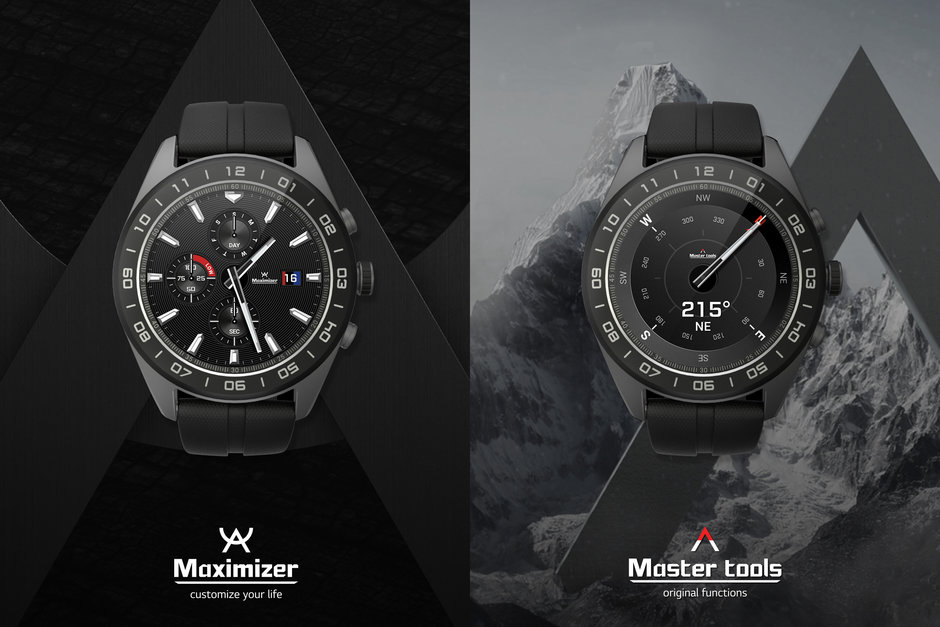
Along with the LG V40 ThinQ, LG also launched its first hybrid Wear OS smartwatch, LG Watch W7. It is the first smartwatch which runs on newest Android Wear OS. It’s a hybrid watch, though it carrier both the mechanical hands and the digital functionalities. The new LG watch gives you the experience of both the digital and standard analogue watch. It’s built out of a stainless steel body with a big little dial. LG Watch W7 gives a stunning look on a bulky wrist but looks massive on the tiny hands.
LG Watch W7 Specs
LG Watch W7 carries a 1.2 inch LCD touchscreen with the display resolution of 360 x 360 pixels. Surprisingly, it carries Qualcomm Snapdragon Wear 2100 chipset rather than the latest Snapdragon Wear 3100. It is coupled with 768 MB RAM and 4 GB of internal storage. LG has added 240 mAh battery which can sustain a couple of days on a single charge and upto 100 days if you are using it in watch mode. It is water and dust resistant as it carries IP68 certification.
LG Watch W7 has been developed with the collaborative efforts of LG and the Swiss company, Soprod SA. It is the first Wear OS watch which offers hybrid options with both digital and analogue hands. In connectivity, it supports Bluetooth 4.2 LE and WiFi. It measures 44.5 x 45.4 x 12.9mm and weighs around 79.5 grams. As like of its competitors it doesn’t carry NFC connectivity and heart-rate monitor.
The latest Wear OS features improved notification view and a smarter take on Google Assistant. There are several other changes in the latest Wear OS which makes it more valuable.
LG Watch W7 will be made available for pre-orders at Best Buy for $449.99 starting October 7. Its in-store availability will start on October 14. It’s dearer than the base-level Apple watch and Samsung Galaxy Watch.
Well, from there how many of you are going to buy the LG’s hybrid smartwatch?
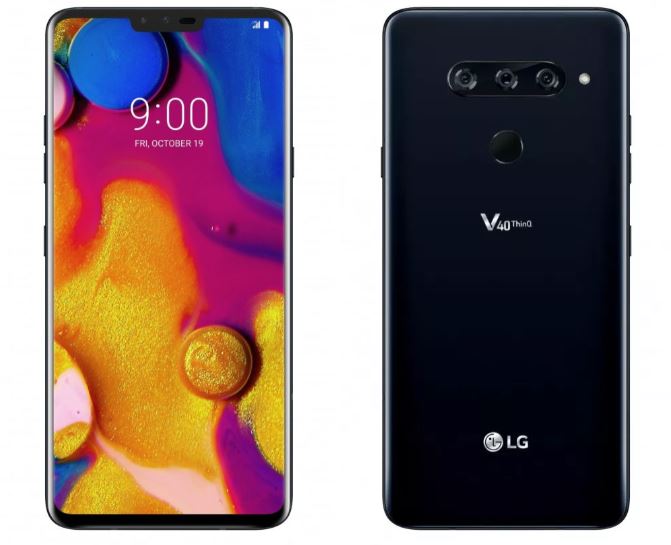
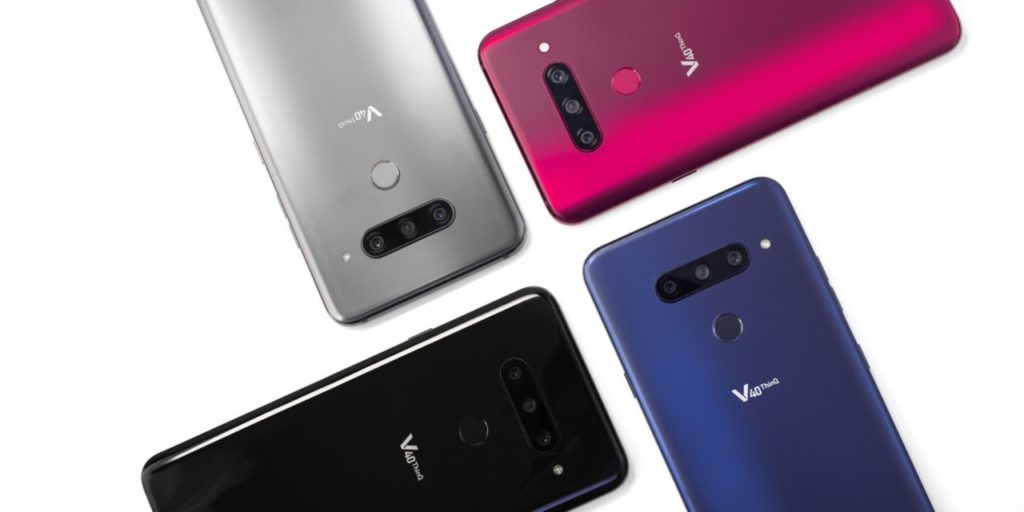
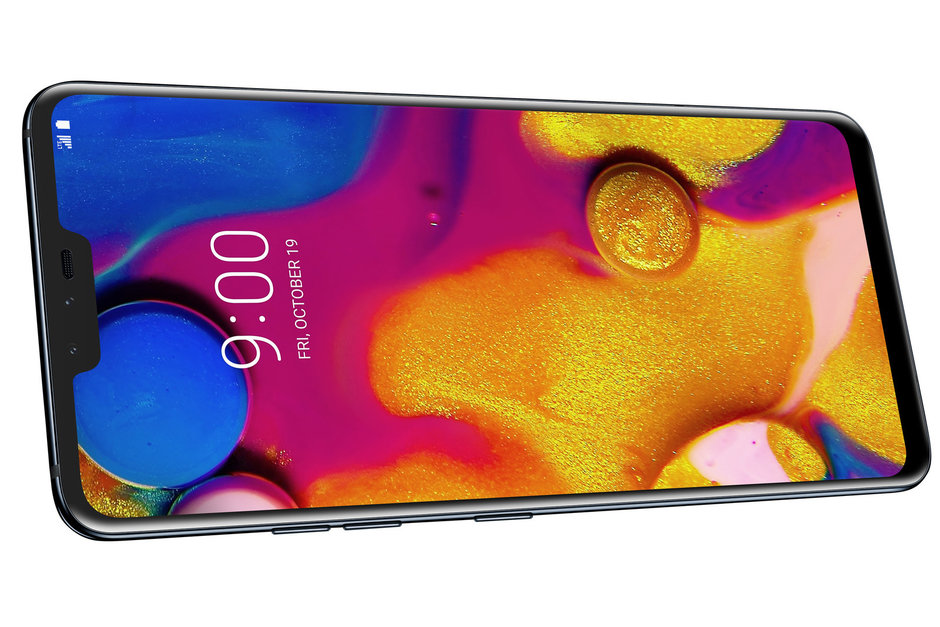
LG has announced a new device, LG V40 ThinQ with a prominent focus on its cameras. It follows the same essence as like of its predecessor, LG V30 which was launched last year. After several leaks and rumours, finally, LG has announced it with five cameras – two on the front and triple camera sensors on the back. LG has established itself among manufacturers who give users a premium camera experience. Also, it is the first smartphone available to the public with five camera modules. It runs on Qualcomm Snapdragon 845 SoC coupled with 6GB RAM and 6.4-inch notched display.
Design and Display
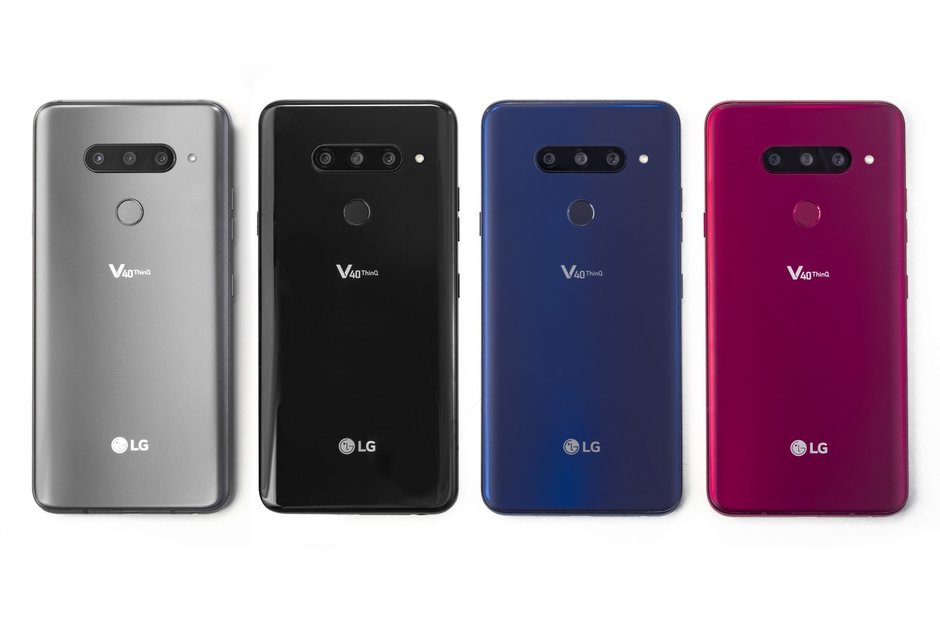
The LG V40 ThinQ has many changes in its design and display than its predecessor. It carries 6.4-inch P-OLED display featuring a resolution of 1440 x 3120 pixels. There’s an aspect ratio of 19.5:9 with 537 ppi of pixel density. It carries the largest display among all LG V-series devices. It measures around 158.8 x 75.4 x 7.6mm weighing 169 grams. It is available in four different colours – Aurora Black, Platinum Grey, Carmine Red, and Moroccan Blue.
Performance – Hardware and Software
The device is powered by Qualcomm Snapdragon 845 SoC coupled with Adreno 630 GPU for graphic processing. It is available in 6GB RAM with 64 GB of internal storage. LG V40 supports microSD card for expandable storage. It runs on Android 8.1 Oreo out of the box and soon will get Android 9.0 Pie. It carries high-end specs as like of its predecessors.
Camera:
In-camera department, LG V40 ThinQ has got a triple 12-megapixel standard, 16-megapixel wide-angle f/1.9 (107 degrees), and 12-megapixel telephoto f/2.2 triple rear cameras. On the back, its primary camera supports OIS (Optical Image Stabilization) with a f/1.5 aperture for better light sensitivity with 1.4-micron pixels. The triple shooters will allow it to capture images with a much broader perspective. It carries built-in AI features such as AI beautify, AI stabilisation with Multi-frame HDR technique.
On the other hand, there’s an 8 megapixel f/19 and 5-megapixel wide angle f/2.2 front-facing cameras. All cameras on the front and the rear side supports portrait mode.
It can shoot 4K videos at 60 frames per second with HDR support.
LG V40 has powered its speakers with Boombox Speaker technology which allows you to boost its low-frequency output. Coming to the rescue for most of the people, LG has kept 3.5 mm jack with 32-bit Quad DAC support.
It carries a 3,300 mAh battery with the QC 3.0 fast charging support. In connectivity, there’s a 802.11 a/b/g/n/ac WiFi, Bluetooth 5.0, NFC and FM radio. LG V40 ThinQ is IP68 dust and water resistant.
It is available in four different colour variants of Aurora Black, Platinum Grey, Carmine Red, and Moroccan Blue. LG V40 ThinQ will be available for $900 to $980 from all major US carriers starting October 19.
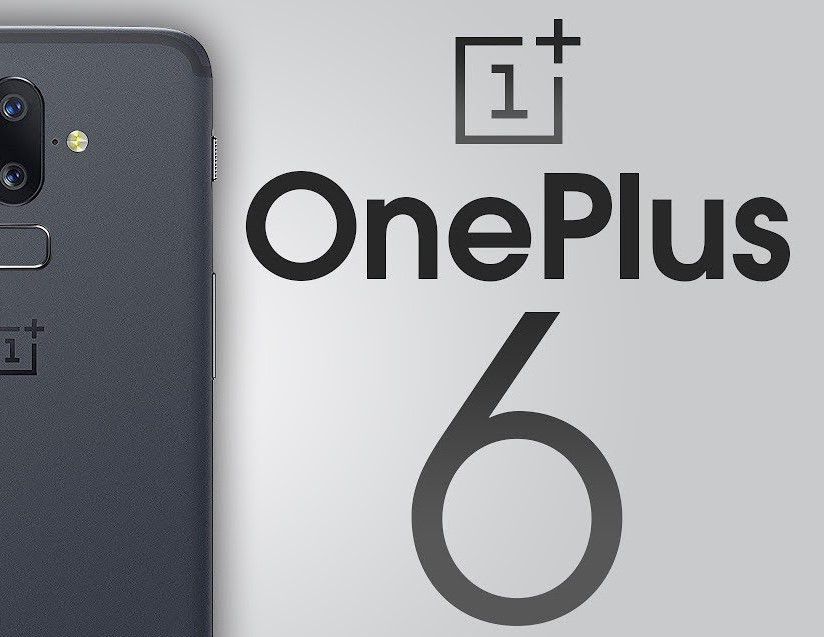
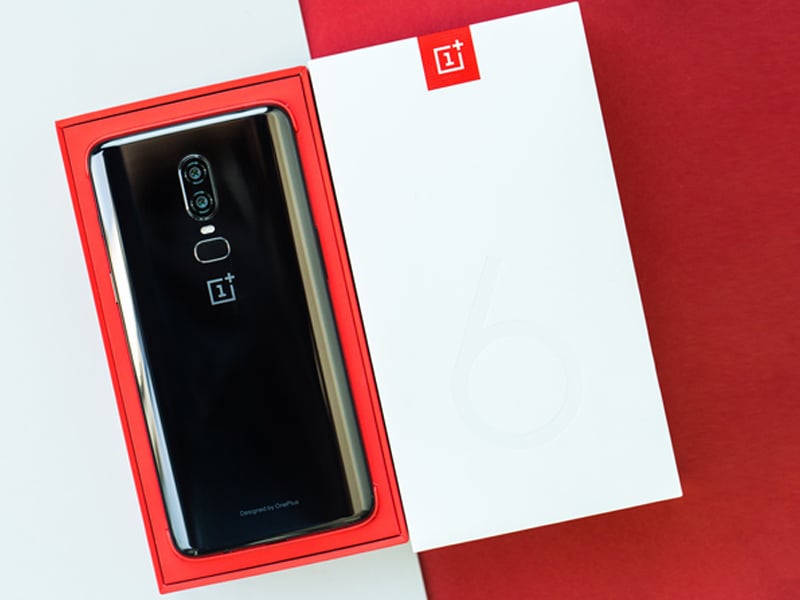
After floating around the rumor mill for quite a long time and making several appearances online in the form of leaks, the hotly-anticipated OnePlus 6 was finally launched in May this year. As expected, the phone became an instant hit among smartphone lovers.
But much to the chagrin of those living on a tight budget, the OnePlus 6 carries a steep price tag. In fact, the feature-laden smartphone will set you back a pretty penny on online as well as offline stores.
If you’ve restlessly been waiting to buy the OnePlus 6 without emptying your pocket, it may interest you to know that the Chinese smartphone manufacturer is now selling the smartphone at a dropped price on Banggood. Moreover, we’ll show how you can get an extra discount without breaking much of a sweat.
The OnePlus 6 smartphone normally sells for $619.99, but you can now buy it at a reduced price of just $532.99 on Banggood. This is a significant 14% reduction in the phone’s steep retail price and it will be valid specifically for the black color version of the phone.
In addition to taking advantage of the aforesaid discount, you can apply coupon code 10op6bg to get an extra $85.28 off before proceeding to checkout. In other words, you can bring your already reduced grand total further down to just $447.71 with the help of the above-mentioned coupon.
The OnePlus 6 is quite an irresistible smartphone at this dropped price, given that it sports a mammoth 6.28 inches Optic AMOLED capacitive touchscreen display with a screen resolution of 1080 x 2280 pixels. The device is housed in a sturdy aluminum frame and comes with Corning Gorilla Glass 5 for added protection.
Under the hood, it packs a powerful Qualcomm SDM845 Snapdragon 845 processor along with an Adreno 630 GPU for an unmatched viewing experience. It offers 6GB of RAM and 64GB of non-expandable onboard storage.
On the photography front, the OnePlus 6 houses a 16.0MP+20.0MP dual camera setup and a 16.0MP front shooter for self-portraits. The phone runs on H2OS-based Android 8.1 Oreo OS and is backed by a built-in 3300mAh battery.
You can visit this link if you’re interested in checking out the rest of the specifications and receiving the discount, which will be valid only for a limited period of time. it is also worth noting that the aforesaid coupon is likely to expire soon.
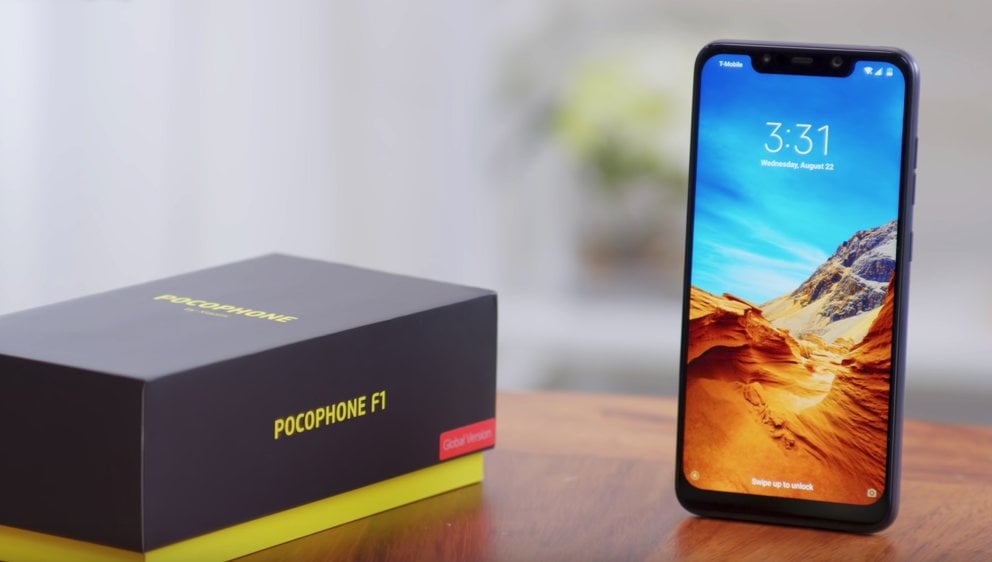
Xiaomi launched its long-awaited Pocophone F1 smartphone in August this year. Much to the delight of the Chinese handset maker, the phone became an instant hit among those who fancy watching their favorite videos and play popular games on a big-screen mobile device.
While the feature-laden Pocophone F1 would normally set you back a pretty penny on both online and offline stores, Xiaomi will be selling it at a considerably dropped price on GeekBuying in a bid to make it available to the cost-conscious buyers.
In addition to shedding light on the aforesaid discounts, that will be valid for two different versions of the Pocophone F1, we’ll even show how you can save a considerable amount of extra money before checking out. Let’s head straight to the details without further ado.
Xiaomi Pocophone F1 Smartphone (6GB RAM+128GB ROM)
This version offering 6GB of RAM and a hearty 128GB of internal storage usually carries a steep price tag, but Xiaomi will be selling it at a dropped price of just $389.99 on GeekBuying. This is a noteworthy 24% reduction in the phone’s original asking price of $514.99.
You can extend the discount and save more money by applying coupon code QVRQSSYB. This will help you get an additional $90 off and bring your already lowered grand total further down to just $349.99 without breaking much of a sweat.
You can follow this link to take full advantage of the discount and use the aforesaid coupon, which is likely to expire soon.
Xiaomi Pocophone F1 Smartphone (6GB RAM+64GB ROM)
Alternatively, you can go for the slightly smaller version of the Pocophone F1 smartphone that packs 6GB of RAM and 64GB of internal storage, under the hood. While this version usually sells for $472.99, you can now get your hands on it at a dropped price of just $339.99.
Aside from availing this 28% discount, you can use coupon code DOCZUPZT to save more money. After applying the coupon, your grand total will be reduced to only $330.99.
Since the promo is slated to end in 5 days, you can follow this link to ensure you do not miss this discount. It is also worth noting that the coupon will lapse in a short time as well.
The Xiaomi Pocophone F1 sports a mammoth 6.18 inches IPS LCD capacitive touchscreen display with a screen resolution of 1080 x 2246 pixels. It packs a powerful Qualcomm SDM845 Snapdragon 845 processor along with Adreno 630 GPU, under the hood.
On the photography front, the Pocophone F1 smartphone houses a 12.0MP+5.0MP dual camera setup on the back and a 20.0MP selfie shooter. It runs on MIUI-based Android OS and is backed by a robust 4000mAh battery.
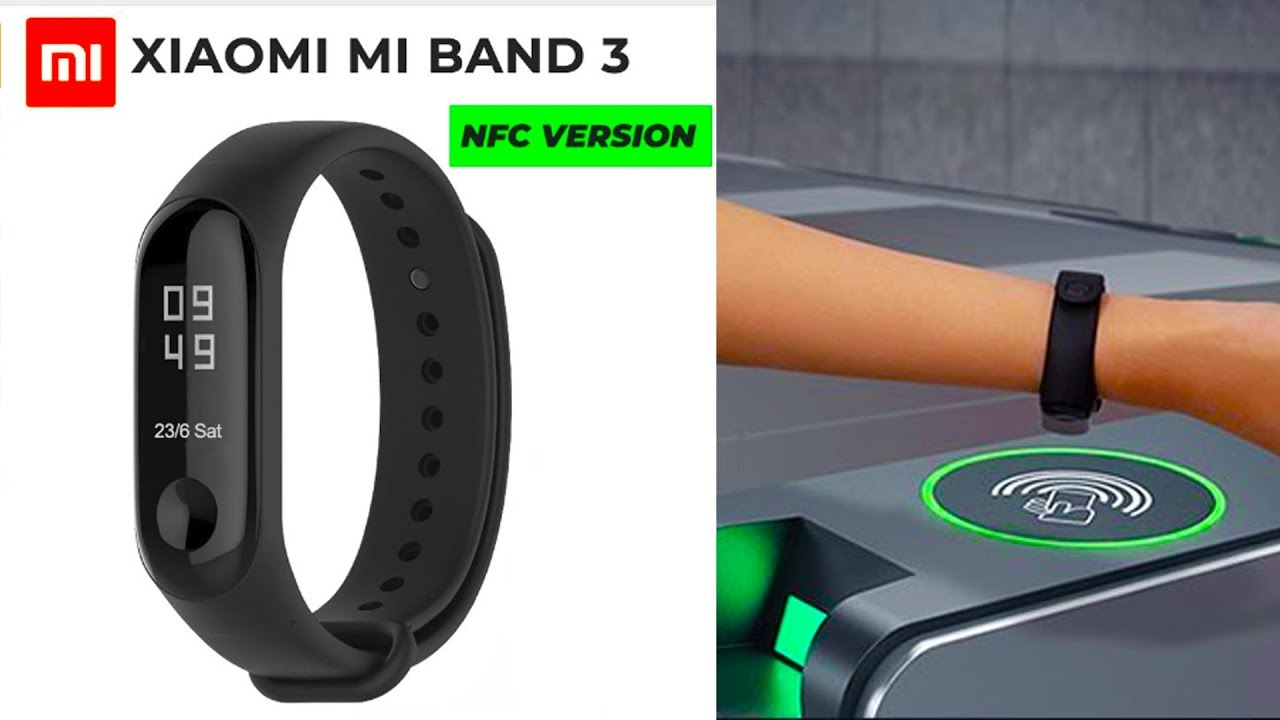
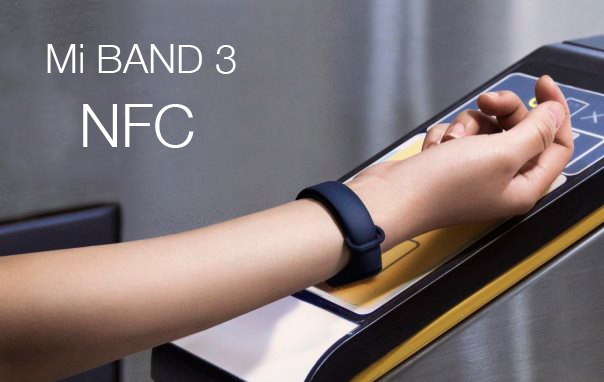
Xiaomi unveiled the Mi Band 3 earlier this year in China. While making the long-awaited smart bracelet available to the public, the Chinese tech giant declared it will launch the NFC version of the Mi Band 3 in September.
After releasing a teaser video hinting at the impending launch of the Mi Band 3 NFC version, Xiaomi finally began the sales of the Mi Band 3 NFC edition on September 19th. Keeping in line with that, the company even launched a poster confirming that it has shipped a whopping 50 million Mi Band smart bracelets across the world.
If you have restlessly been waiting to get your hands on the NFC function equipped Xiaomi Mi Band 3 smart bracelet without emptying your pocket, we got good news for you. The well-received NFC edition of the Mi Band 3 has gone up for sale bearing a presale price of $45.99 on GearBest.
The NFC edition of the Xiaomi Mi Band 3 is an absolute bargain at this price, give that it boasts an impressive array of features. It supports contactless payments via Xiaomi’s own mobile payments service dubbed as Mi Pay.
The Mi Band 3 NFC version also supports city bus card payments in about 167 cities including Jilin, Xi’an, Hefei, Suzhou, Shijiazhuang, Tianjin, Wuhan, Shenzhen, Guangzhou, Shanghai, and Beijing. It sports a curved OLED screen of 0.78 inches which supports a screen resolution of 128 x 80 pixels.
Furthermore, the device draws its juices from a robust 110mAh battery that delivers an impressive standby time of 20 days with normal usage. Aside from that, the NFC version comes with up to 50 meters of water resistance and features a heart rate sensor.
You can pair your mobile phone with the NFC version to get notifications of incoming calls and messages. It offers sleeping, step count, calories burnt and sedentary reminder as well. Other useful features include weather forecast and alarm clock.
You can follow this link if the Mi Band 3 NFC edition has stirred your interest and you’d like to take advantage of the pre-sale price. It is imperative for you to bear in mind that the pre-sale is slated to come to an end on Monday, October 8th.
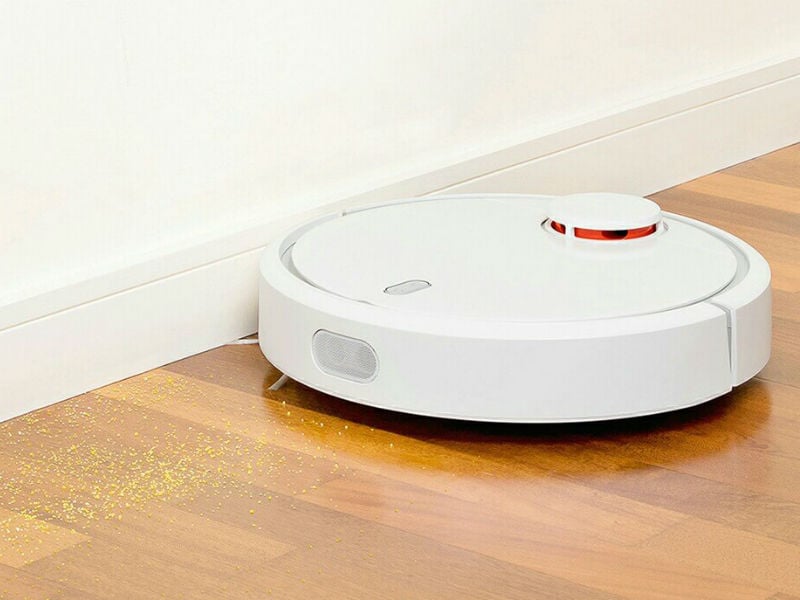
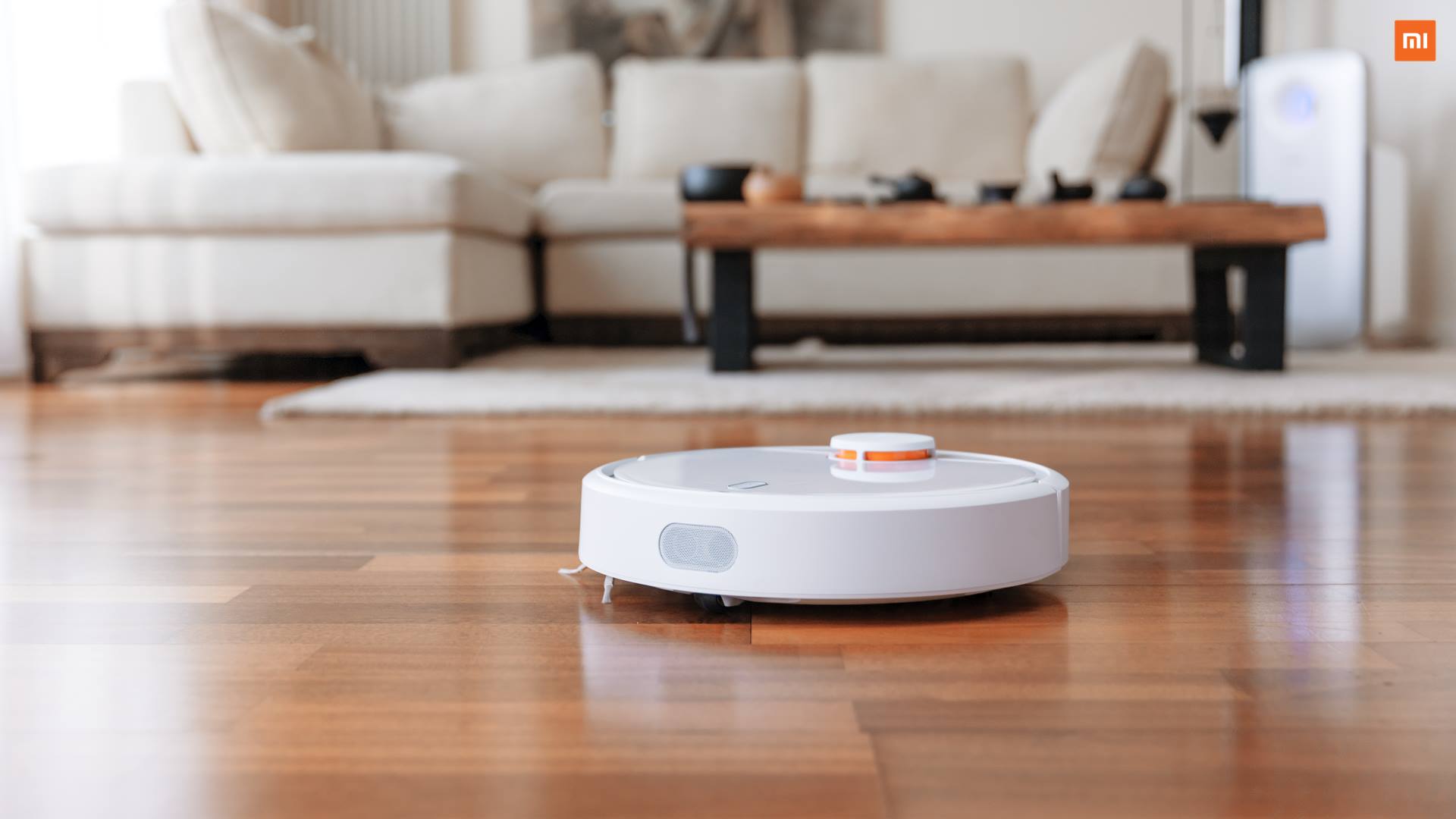
If you’re in the market for a cost-effective, yet powerful vacuum cleaner, you might want to take a look at the Xiaomi Mi Robot Vacuum that has now gone up for sale bearing a lowered price on GearBest.
Keeping your surrounding clean and tidy can prove to be a backbreaking job. Although there’s no dearth of high-end appliances that you can use to take care of this daunting task, these devices don’t come cheap.
Thankfully, you can now buy the Mi Robot Vacuum cleaner at a reduced price of just $269.99 on GearBest. This is a 38% reduction in the original asking price of the powerful vacuum cleaner that maps out the interiors of your house using the LDS (Laser Distance Sensor) technology and scans its surroundings 360 degrees, a whopping 1800 times per second.
Equipped with three processors that track its movement in real-time, the Mi Robot Vacuum adopts SLAM (Simultaneous Localization and Mapping) to figure out the most ideal route for cleaning. Moreover, the robot can be remotely controlled using the Mi Home app. You can switch it on, change cleaning modes and even set schedules.
Xiaomi’s Mi Robot Vacuum draws its juices from a robust 5200mAh Li-ion battery that delivers up to 2.5 hours of cleaning. It runs on a powerful Nidec brushless DC motor and features an adjustable main brush to ensure your home is clean from dust, debris, granule and there are no other wastes left.
You can follow this link if you’re interested in checking out more details about the Xiaomi Mi Robot Vacuum and taking advantage of the discount. Regrettably, there were only 167 pieces of the white color version left for this promo, which is slated to end in 4 days.
We use cookies on our website to give you the most relevant experience by remembering your preferences and repeat visits. By clicking “Accept”, you consent to the use of ALL the cookies.
This website uses cookies to improve your experience while you navigate through the website. Out of these, the cookies that are categorized as necessary are stored on your browser as they are essential for the working of basic functionalities of the website. We also use third-party cookies that help us analyze and understand how you use this website. These cookies will be stored in your browser only with your consent. You also have the option to opt-out of these cookies. But opting out of some of these cookies may affect your browsing experience.
Necessary cookies are absolutely essential for the website to function properly. This category only includes cookies that ensures basic functionalities and security features of the website. These cookies do not store any personal information.
Any cookies that may not be particularly necessary for the website to function and is used specifically to collect user personal data via analytics, ads, other embedded contents are termed as non-necessary cookies. It is mandatory to procure user consent prior to running these cookies on your website.






 After floating around the rumor mill for quite a long time and making several appearances online in the form of leaks, the hotly-anticipated OnePlus 6 was finally launched in May this year. As expected, the phone became an instant hit among smartphone lovers.