While ZTE may be the biggest loser in the now-resolved US ban, there are some other affected players behind the scene. These include the employees, clients, business partners, and investors. ZTE has officially apologized to these group of people.
In a memo circulated on Friday, the chairman of the company, Yin Yimin apologized about the issue. He confirmed that they paid a “disastrous price” for their actions. This includes the fine it has agreed to pay, a change of its board, and loss of clients who no longer have faith in the company.
It is also no surprise that there are workers that are scared of losing their jobs or having their pay slashed. One staff is credited as saying “Bonuses are bound to be affected”.
Another staff said workers are being called to have meetings where they have to deeply reflect on the matter and also attend compliance training. Some are also worried about the power struggle that will occur when the time comes to replace the outgoing management.
ZTE has agreed to pay a fine of 1 billion US dollars and an additional 400 million US dollars in escrow. It will also have to change its board and management in 30 days and has agreed to a 10-year ban in the case of future violations.
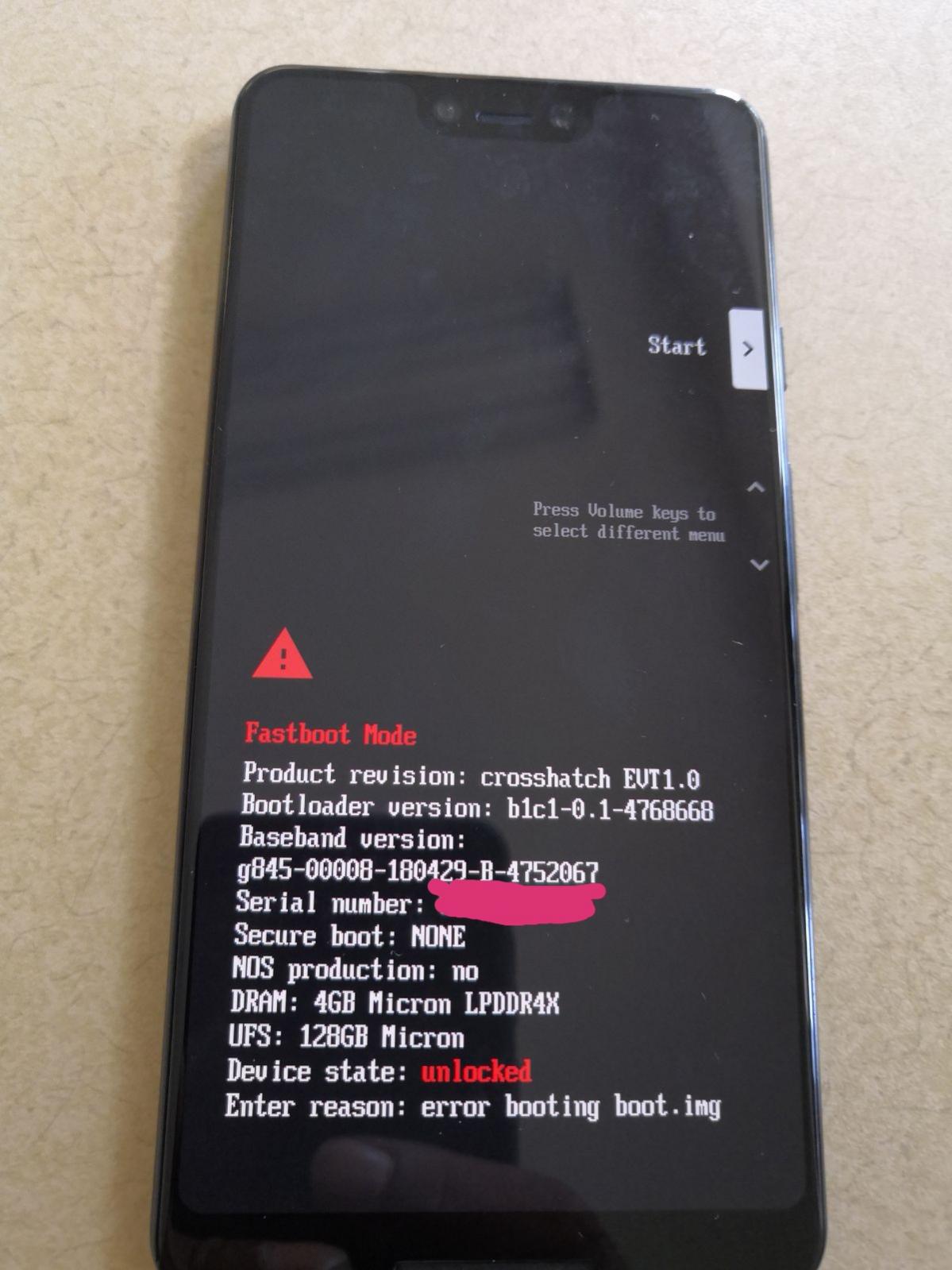
Wireless charging is one of the features you will find in high-end flagships from the big names in the industry. The last time Google released a phone with the feature was in 2013 – the Nexus 5 (first was the Nexus 4). A new report says there is a chance the Pixel 3 (and Pixel 3 XL) will bring back wireless charging.
According to meraz9000 – the XDA Developer member that leaked the first set of Pixel 3 XL live photos, he found evidence that the phone may have support for wireless charging.
While digging around in the SystemUIGoogle.apk file, he found a new set of permission – DOCK_IDLE and DOCK_ACTIVE. The code is said to link back to an app called “Dreamliner” but which isn’t on the device. It appears the feature is being tested in a secure environment.
You might be wondering how the device supports wireless charging when it has a metal back. meraz9000 says what we saw is actually glass and not metal though it still retains the two-tone finish of the previous Pixel phones. The upper part is said to be glossy and the larger bottom part has a matte finish to make it appear like metal.
Apart from wireless charging, Google will also bring Active Edge to the 3rd generation Pixel phones. This feature is known as Edge Sense on HTC’s U11+ and U12+ but is also available on the Pixel 2 and Pixel 2 XL.
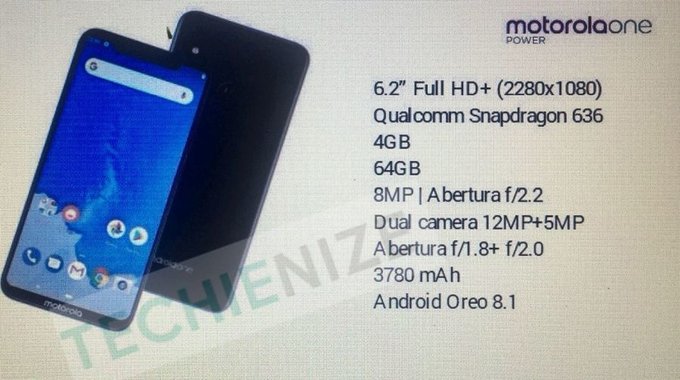
After Moto X4, Motorola One Power will be the second Lenovo device to have Android One installed, that is a stock version of the operating system supported directly by Google with fast and constant long-term updates. A recent post published by a leakster on Twitter and covered by GizmoChina has revealed the main specs of the device, but now another specs leak is showing a slightly different specs sheet. Now, either one of the two leaks is wrong or they are exposing two different variants of the handset.
From what the new leaked image has revealed, Motorola One Power will come with a wide 6.2-inch display showing images at a Full HD+ resolution of 2280 x 1080 pixels. There will also be a notch and very narrow bezels. But there will be a chin and it will include the Motorola logo. This phone will be a competitor of Xiaomi Redmi Note 5 Pro as it will sport an octa-core Snapdragon 636 processor by Qualcomm paired with 4 GB of RAM and 64 GB of internal storage. If previous reports have to be believed, it will also come in a configuration with 6 GB of RAM. On the rear side, there will be a dual camera setup in a vertical configuration which will include sensors with 12 and 5 MP resolutions, f/1.8 and f/2.0 aperture respectively.
The LED flash has been placed exactly in the middle of the two sensors. There is also a circular fingerprint reader with the Motorola logo embedded. Given that it will be powered by Android One, the operating system installed will obviously be Android 8.1 Oreo that is the latest version available, while the battery will have a high capacity of 3780 mAh.
Do you think Motorola One Power will affect the sales of Xiaomi Redmi Note 5 Pro and become one of the most wanted mid-rangers of 2018?
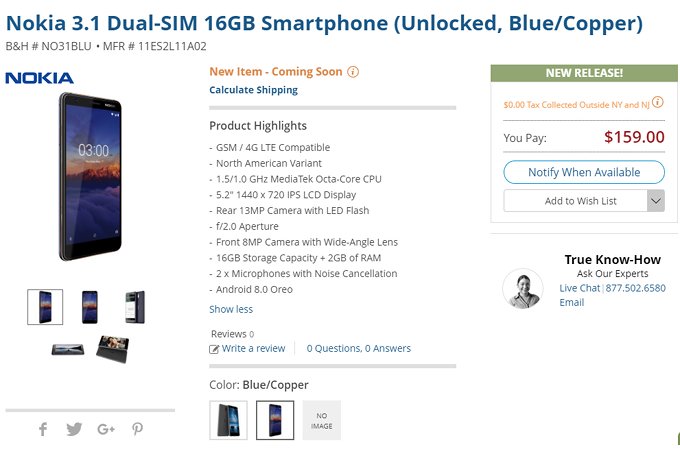
Less than two weeks ago HMD Global unveiled Nokia 5.1, 3.1 and 2.1, renewing most of its affordable smartphones line-up in one day. On May 29 the three devices were unveiled, but since that day we are waiting for them to hit the shelves. Now, the first info about their launch has started to surface. Nokia 3.1 has been spotted on listings of Amazon USA, but it is currently out of stock and listed as coming soon. This means that the company is probably getting ready to launch its new low-end device in the United States.
Amazon U.S. lists the Nokia 3.1 with a price tag of $159, that is exactly the same announced by HMD Global on May 29. In the meantime, Nokia 5.1 has been certified by FCC in four variants. The versions are identified by the codenames TA-1088, TA-1081, TA-1075 and TA-1061. The first and the second variant are the ones with dual SIM slot, while the other twos are the single SIM variants with the support to NFC. According to HMD Global, Nokia 5.1 will be launched with a listing price of $219 which roughly translates into €189. The handset should be made available starting from July.
In case you do not remember, Nokia 3.1 and 5.1 are affordable device powered by 18:9 displays (5.2 and 5.5 inches respectively). The first has a low-end MediaTek MT6750, that is an octa-core SoC running at a max frequency of 1.5 GHz. The chipset is paired with 2 or 3 GB of RAM and 16 or 32 GB of internal storage depending on the chosen configuration. The device sports a 13 MP main camera and an 8 MP front snapper, while the battery has a capacity of 2990 mAh. Nokia 5.1 has a midrange MediaTek Helio P18 chipset, and the same memory configurations. Its main camera has a 16 MP resolution, while the secondary one is 8 MP. The battery has a 2970 mAh capacity.
It has been a few weeks since HMD Global announced three new phones in Russia. Those phones are the Nokia 2.1, Nokia 3.1, and Nokia 5.1 – all successors to last year’s Nokia 2, Nokia 3, and Nokia 5 respectively.
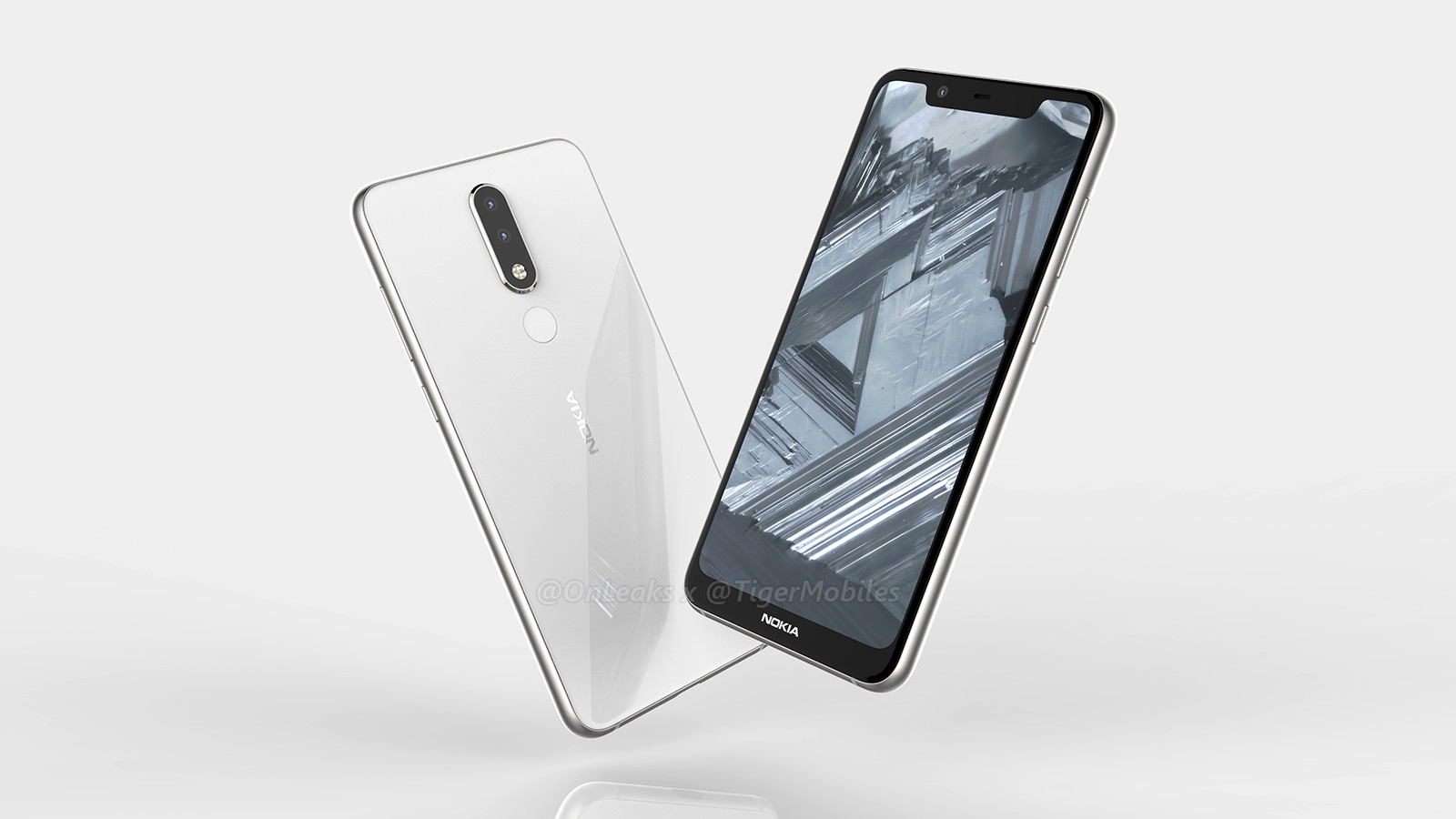
Other than a Snapdragon 845-powered smartphone, we are not really expecting HMD to announce a new phone this year but it seems the manufacturer isn’t done yet. CAD renders of an upcoming Nokia 5.1 Plus have surfaced online and they reveal the phone will come with a notch just like the Nokia X6.
The CAD renders which are a joint work between @onleaks and TigerMobiles also includes a video. According to the source, the phone has a rough dimension of 149.5 x 71.9 x 8mm and a screen size of about 5.7 inches.
The notch in the display is much wider than that of the Nokia X6. It is home to a camera, speaker, and sensors. At the bottom of the display is a moderately-sized bezel with the Nokia logo inscribed on it.
The rear of the device shares an identical appearance to that of the Nokia X6. You have vertically arranged dual cameras which share the same housing with a LED flash. The whole setup is slightly raised. There is also a fingerprint scanner right beneath the camera housing. The back appears to be covered in glass.
[envira-gallery id=”195590″]
The Nokia 5.1 Plus has a USB-C port at the bottom flanked by two slits for a speaker on one side and a microphone on the other. A 3.5mm audio jack and secondary microphone sit at the top. There are also visible antenna lines at the top and bottom of the phone.
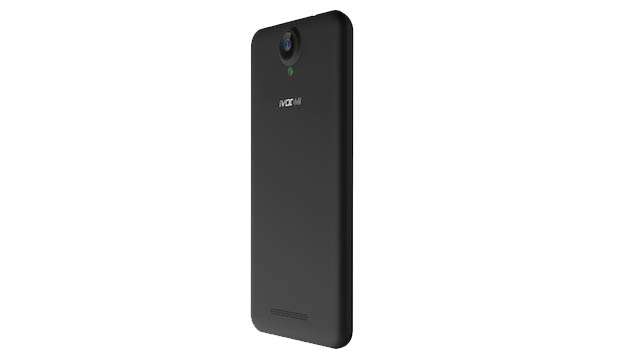
iVoomi, the China-based smartphone manufacturer which has launched a few entry-level smartphones in the Indian market, has now launched a new smartphone in India — iVoomi i5 which comes with a shatterproof glass, making it the most affordable smartphone with shatterproof glass.
The iVoomi i5 has been priced at Rs. 3,499 (approximately $52) in India but can be available at an effective price of Rs. 1,299 (approx. $19) after considering the Rs. 2,200 cashback offer from telecom operator Reliance Jio. The smartphone is now available for purchase in India through online retailer Snapdeal.
The phone features a 5-inch FWVGA display which is protected by a shatterproof glass. Earlier, the company had launched two smartphones under its Me series with shatterproof displays- the iVoomi Me3 and iVoomi Me 3S, making this the third such device from the company.
The smartphone is powered by an unspecified quad-core processor clocked at 1.2 GHz. The chipset comes coupled with 1GB of RAM and 8GB of internal storage. Further, the company has included a dedicated microSD card slot, enabling users to expand the phone’s storage capacity.
As for the camera department, the smartphone comes with a 5-megapixel rear camera with LED flash and a 5-megapixel front-facing camera. Connectivity options in the device include 4G LTE, VoLTE, Wi-Fi 802.11 b/g/n, Bluetooth 4.0 and GPS.
It runs on Android 7.0 Nougat operating system out of the box and is powered by a 2,800mAh battery. The iVoomi i5 is now available for purchase in two color options — Champagne Gold and Jade Black.
Hisense seems to have a launch around the corner and we expect it to announce at least two new phones. One of them is the Hisense HLTE510T which was seen on TENAA last week. The second is the Hisense HLTE310M which has also appeared on the website.
The HLTE310M has a similar design to the HLTE510T but comes with less-powerful specifications. It also lacks its curved edges and has a chrome-plated frame. However, Hisense compensates with a bigger screen and a larger battery.
[envira-gallery id=”195571″]
The display is a 6.19-inch screen with a 1500 x 720 resolution. The phone is powered by a 1.8GHz octa-core processor that is paired with 4GB of RAM and 32GB/64GB of expandable storage.
There are dual cameras on the rear arranged vertically and positioned on the left of the phone. The primary sensor is a 12MP camera and the secondary sensor is 5MP. There is also a 16MP front-facing camera. A fingerprint scanner is mounted on the rear of the device.
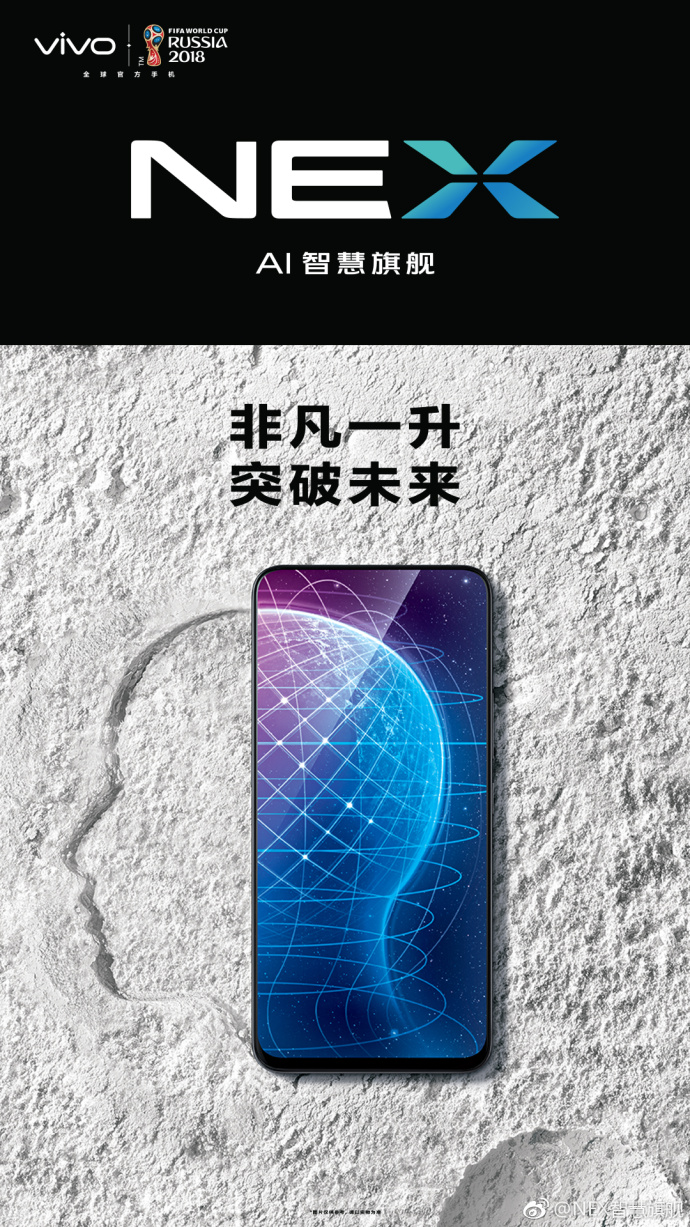
The Vivo NEX launches in a few days and in the past week, there have been lots of leaks of the device. The phone will have three models – the NEX S, NEX A, and NEX; with the NEX S being the top of the line.
The Vivo NEX S already appeared on the official site a few days ago and we were able to confirm that it will come with 8GB of RAM and 128GB of storage. However, that won’t be the highest configuration as a new leak has revealed there will be a 256GB model.
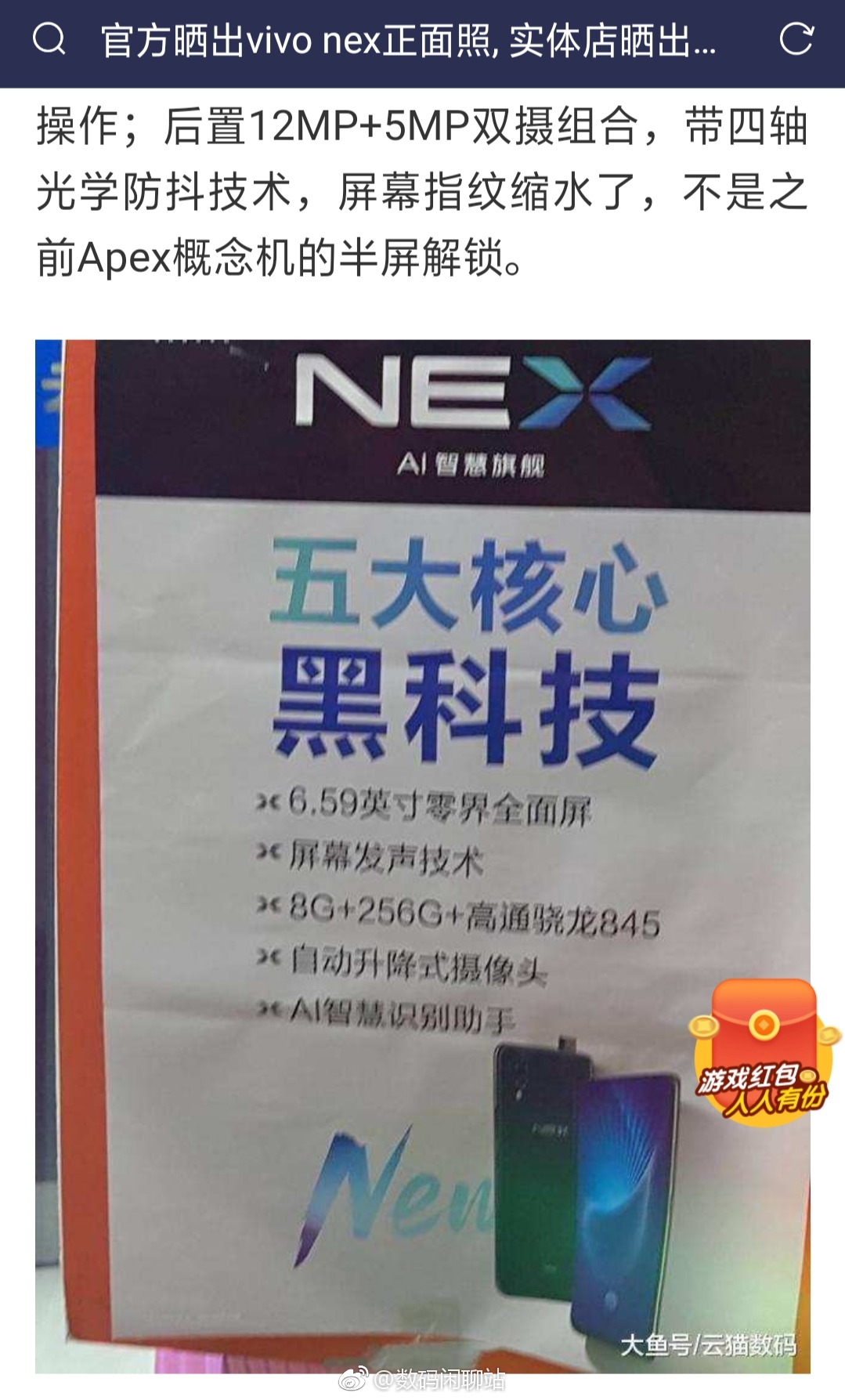
The leak is a picture of a poster taken at a store and it confirms some other specs of the device. A rough translation of the poster mentions a 6.59-inch borderless screen, “screen-sound technology”, 8GB of RAM, 256GB of storage, and a Snapdragon 845 processor. It also mentions an automatic pop-up camera and AI assistant.
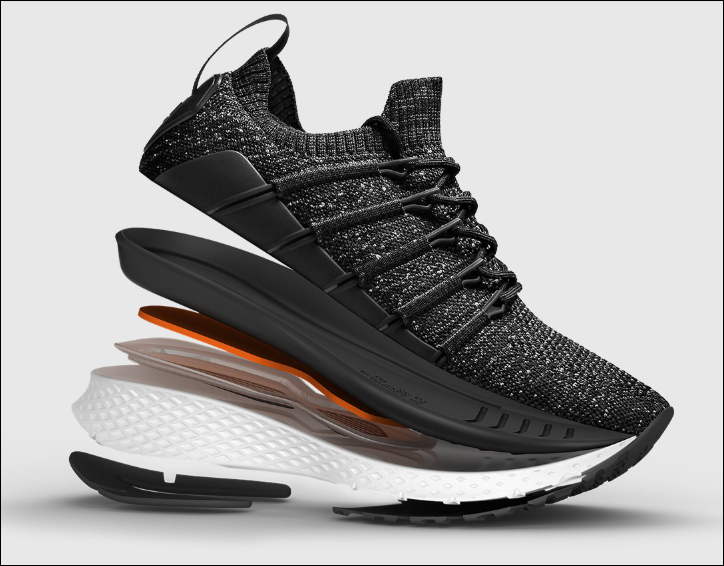
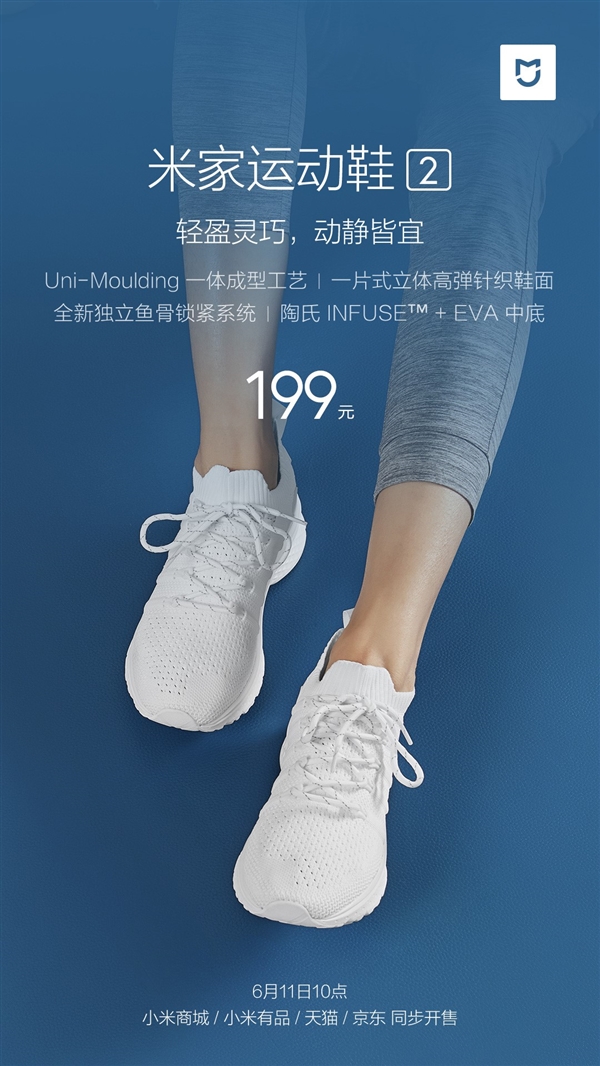
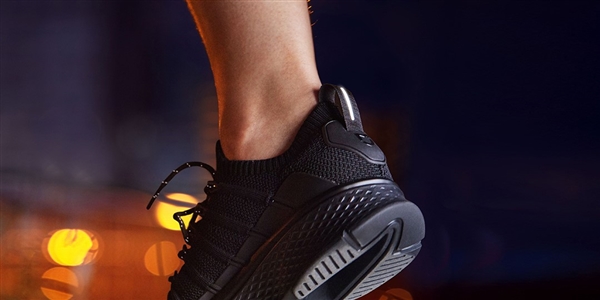
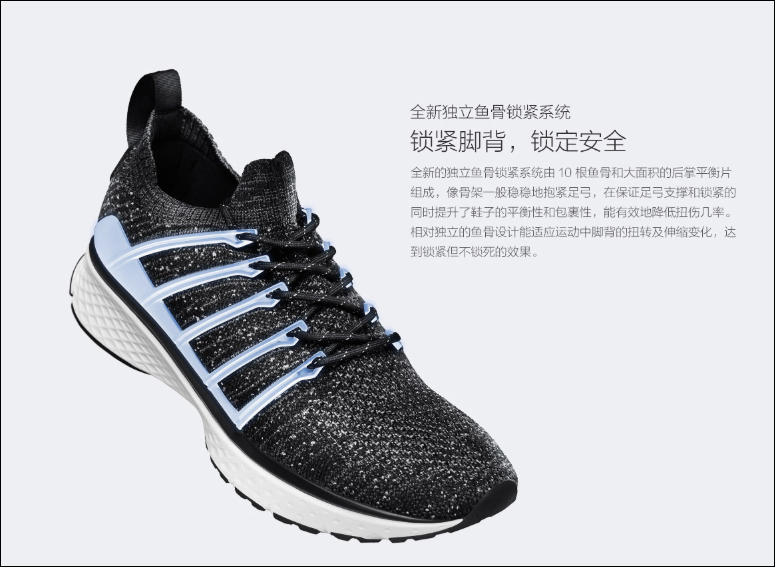
Around April last year, Xiaomi went official with a new Mi branded Sports Sneakers which came with a stylish design and affordable pricing. The first-gen Mijia Smart Sneakers received lots of positive reviews and was a hot-selling product. The Chinese tech giant has now launched the Mi Smart Sneakers 2 as an upgraded version of that model. As an upgraded version, the Mi Smart Sneakers 2 presents with an improved look and better finishing. That is to say that most of the upgrade is in the design. Despite the upgraded design, the Mi Sports Sneakers 2 still retained the affordable 199 yuan (~$31) price tag which its predecessor sold for.
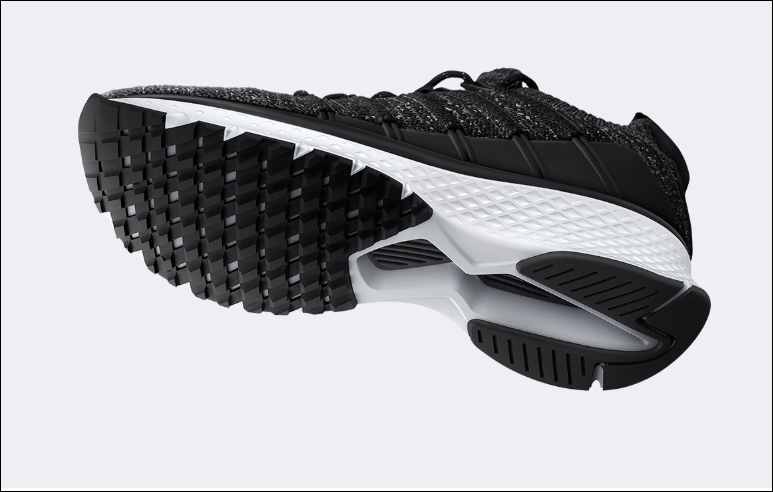
The Mi Smart Sneakers is manufactured using the Uni-Moulding process which ensures 5 different layers and types of materials are fused into a single mould. Each of the layers is separated using a thin polyurethane film pressed and bonded. Because the components are pressed together with the mould, the appearance of the components will appear to be cleaner than the ordinary manual glue combination, and the probability of the glue opening up s also highly reduced. The new uni-Moulding process also provides even better stability and support to the feet. In addition, the midsole is crafted using the INFUSE material by the popular company Dow Chemical (DuPont). This material can greatly increase the resiliency of the midsole and is more comfortable and less deformable than ordinary EVA.
Further, the upper part of the Mi Smart Sneakers 2 is manufactured using a three-dimensional seamless high-elastic knitting process. The entire upper part uses just one seam thus minimizing foreign body sensation. The material is very durable such that you can throw in the sneakers into the washing machine without fear of it getting damaged. There is no mention of the intelligent chip inside but since the first version had one, this model may like do too.
The new Mijia Smart Sneakers 2 comes in five stylish colour options including White and Orange colours for females. These two colours are only available in sizes 36 to 39. There is also Black, Floral Blue, White and Dark Grey colours which are available in sizes 39 to 46. At 199 yuan (~$31), the sneakers look like a good bargain. It is presently on reservation on Mi Home and would go on sale on June 11 at 10:00 AM via Xiaomi Mall, Xiaomi Youpin, Xiaomi’s flagship store on Tmall and Jingdong (JD.com).
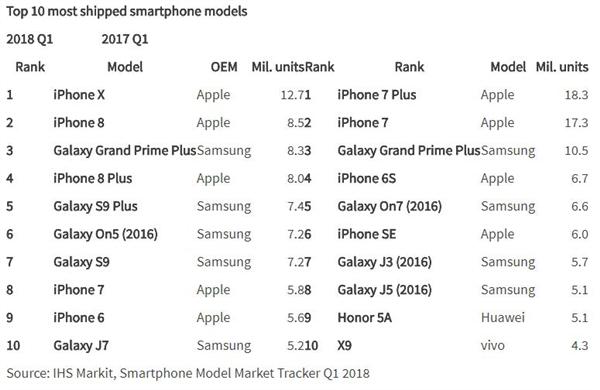
Research firm and global information provider, IHS Markit has released its ranking of the best selling smartphones for Q1 2018 and it is quite similar to the data earlier released by Strategy Analytics. IHS Markit’s data still places Apple‘s iPhone X in the number one spot with 12.71 million shipments in the first quarter
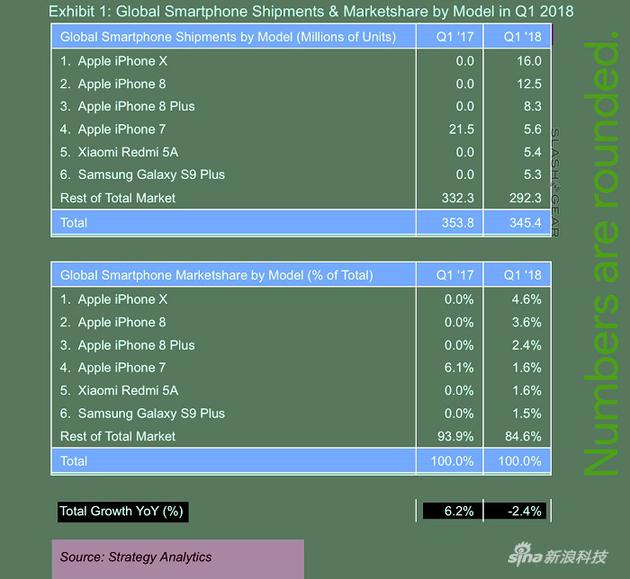
The overall top 10 phones on the list are entirely Samsung and Apple models. This is a massive change from the data recorded in the same period last year. IHS Markit’s Q1 2017 data included the Honor 5A and Vivo X9 among the top 10 models. In this case, none of the top 5 Chinese phone makers made it into the list. The veracity of the ranking is called to question as a result of the previous ranking by Strategy Analytics (shown in the chart below)which had the Redmi 5A among the top 5 highest-grossing models.
The second model on the list is the iPhone 8 Plus with 8.52 million shipments. Samsung’s 2017 MediaTek-powered smartphone – Grand Prime Plus maintained its occupation of the third spot with 8.33 million units shipped in Q1 2018. The Grand PrimePlus was also the third grossing phone model in Q1 2017 and its continued onslaught may have been inspired by its price. The Plus-sized iPhone 8 Plus comes in at number 4 with a total shipment of 8.04 million units. The Galaxy S9 Plus completes the top 5 with an estimated 7.45 million shipped units. Other models in the list include the Galaxy On5 (2016), Galaxy S9, iPhone 7, iPhone 6 and Galaxy J7 in that order.
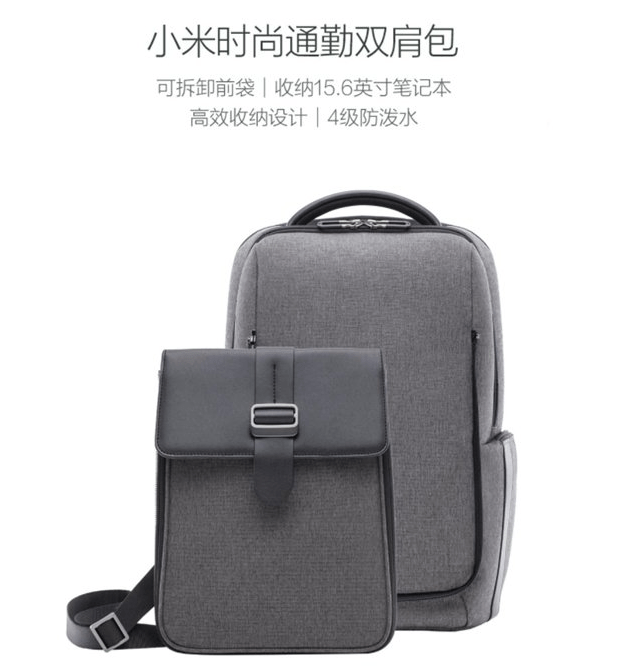
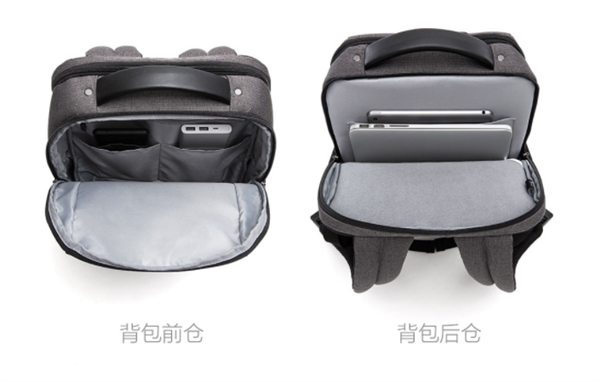
Besides smartphones and other hi-tech products, Xiaomi also releases a lot of accessories. Today, the Chinese giant has launched a new Commuter Backpack, very useful if you have a classic 15.6-inch laptop. The backpack sports a very refined design which includes fabric and leather as the main materials adopted. The backpack can contain a 15.6-inch notebook and it can completely protect it from drops and scratches.
It is made of 4th-class water-repellent material, so you will be able to bring it with you under the rain without damaging your precious laptop inside. Besides the main compartment, the Xiaomi Commuter Backpack also includes a removable bag which can be divided from the main backpack and used as a shoulder bag to transport small-sized and medium-sized personal objects. The removable bag is water-repellent just like the main backpack.
It can be seen as a perfect solution to bring your laptop, your Xiaomi smartphone, and all your most important accessories wherever you want, even when the weather is not so pleasant. The back side of the bag is designed in a special way which reduces strain on your back. There are also two pockets at the sides. Xiaomi Commuter Backpack has been launched in China with a price tag of 249 Yuan (roughly $39/€33).
OnePlus took the wraps off the much-anticipated OnePlus 6 flagship last month and the device is already on sale. As always, the OnePlus 6 global version launched with OxygenOS and the Chinese version comes with the HydrogenOS custom skin. The OxygenOS has already gotten its first update which brought slow-motion video support and both notch hiding support. China’s HydrogenOS isn’t very much different from the OxygenOS but both OS don’t get updates at the same time and each update tends to bring varying features.
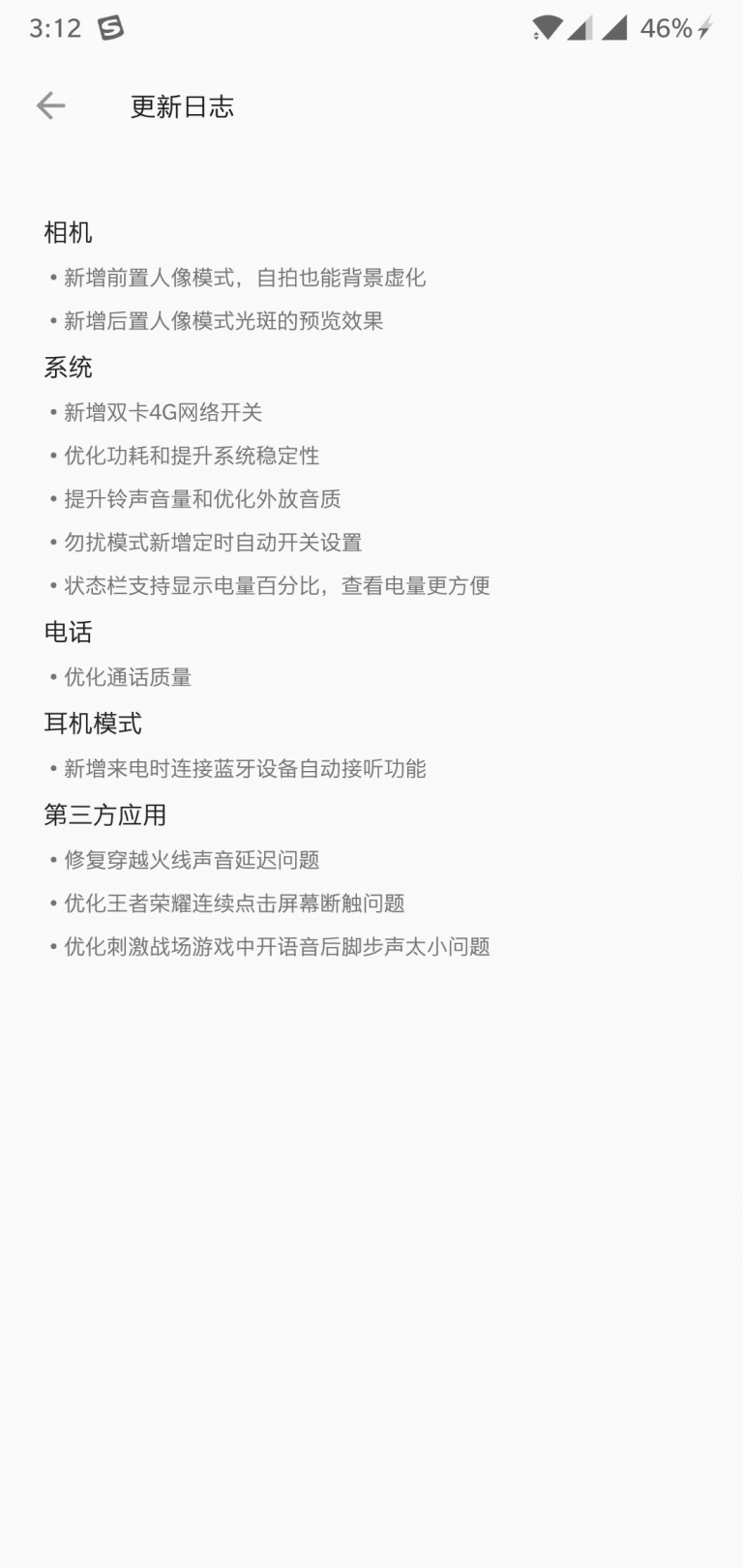
China’s HydrogenOS has now gotten a new update for the OnePlus 6 which is version 5.1.6. The new update brings selfie portrait mode photo support and a battery percentage icon for your status bar. These features will also hit the OxygenOS any moment from now since OnePlus has already promised it will provide an update that would usher in both features.
Apart from the selfie portrait mode photo support and battery percentage icon, the new update also brings gaming-related optimizations. OP6 users on the OnePlus forums have also hinted that there is now an LTE data switch between SIM cards along with system power and performance optimizations. There is also a fix included for PUBG Mobile where footsteps were too quiet—a weird bug given that the system was causing that, but it’s fixed regardless. There aren’t much system changes other than these. OnePlus has promised to deliver more software cleanups, including an update that would bring back the Always On feature that was removed just before launch
Finally, the Trump administration has reached a deal with the Chinese telecommunications company ZTE. The hi-tech giant, accused of violating U.S. sanctions by selling telecom technology to Iran and North Korea had agreed to pay a $1 billion fine, then replace its board and senior leadership and allow the U.S. administration to inspect the company for its compliance team. With these conditions, the U.S. will finally lift a seven-year ban which could have led the company to its end. Indeed, the ban of ZTE would have prevented the company from buying American products for seven long years.
This means that U.S. companies such as Qualcomm would not be allowed to send components to ZTE for seven years. So, the Chinese hi-tech giant would not be able to get Snapdragon processors, as well as many other components which are very important to manufacture smartphones. Note that the company employs 75,000 workers and its value was about $20 billion before the ban. Thanks to this new deal between the U.S. administration and ZTE, tensions with the Chinese president Xi Jinping, who has personally asked Donald Trump to save the company, will surely defuse. It is worth mentioning that lawmakers are not very happy with this deal (top Republicans too).
According to them, it is not in the interest of the US to help a Chinese company that evidently broke American law and was accused to be a national security threat. A few months ago, the FBI, CIA, and NSA suggested American citizens not to buy smartphones made by Chinese tech companies such as Huawei and ZTE as they were defined a security threat to American customers. According to FBI Director Chris Wray, there is a risk of letting any company beholden to foreign governments inside the U.S. telecommunications infrastructure.
Do you agree with the ban lift for a $1 billion fine and more control on the company?
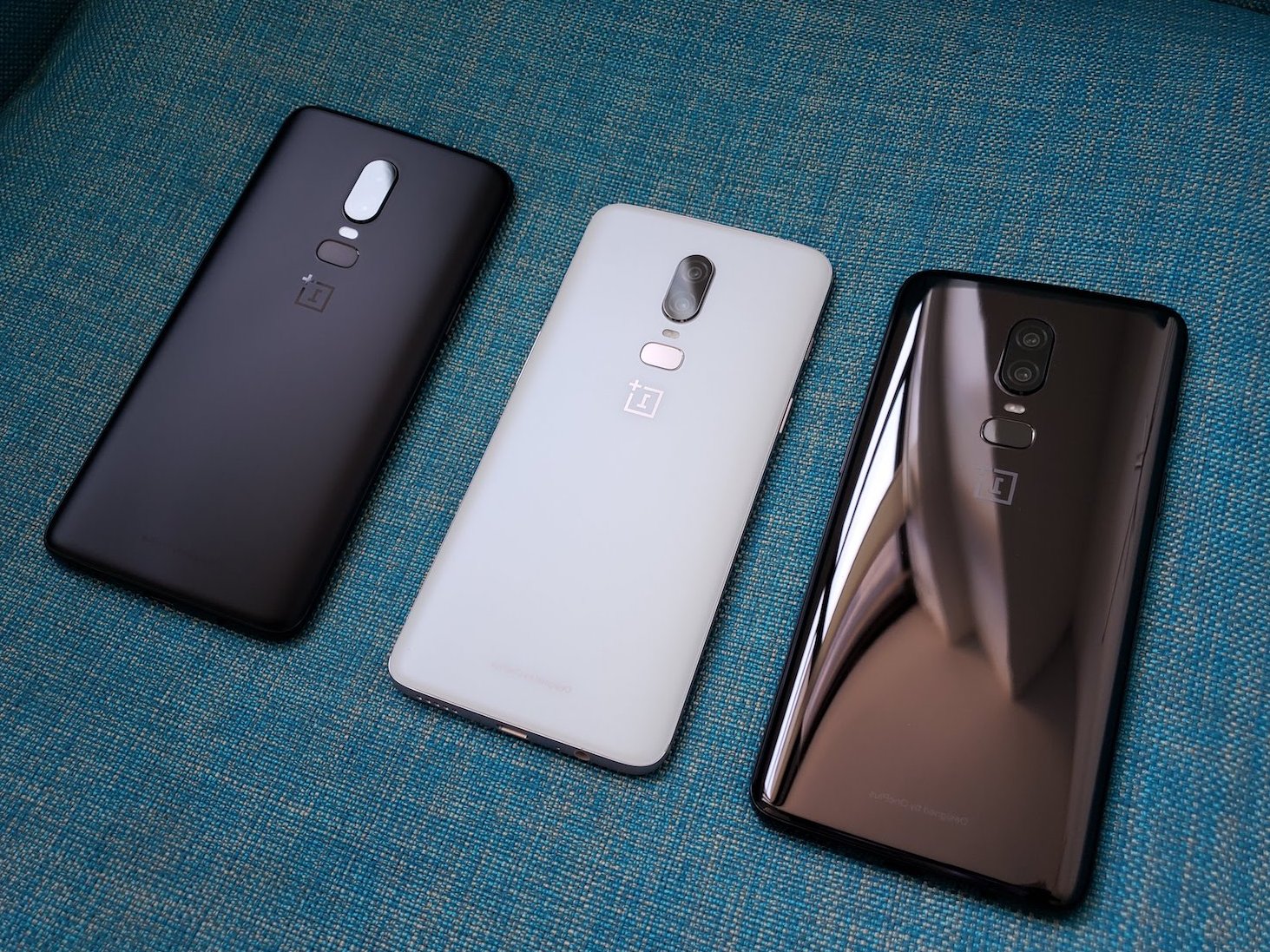
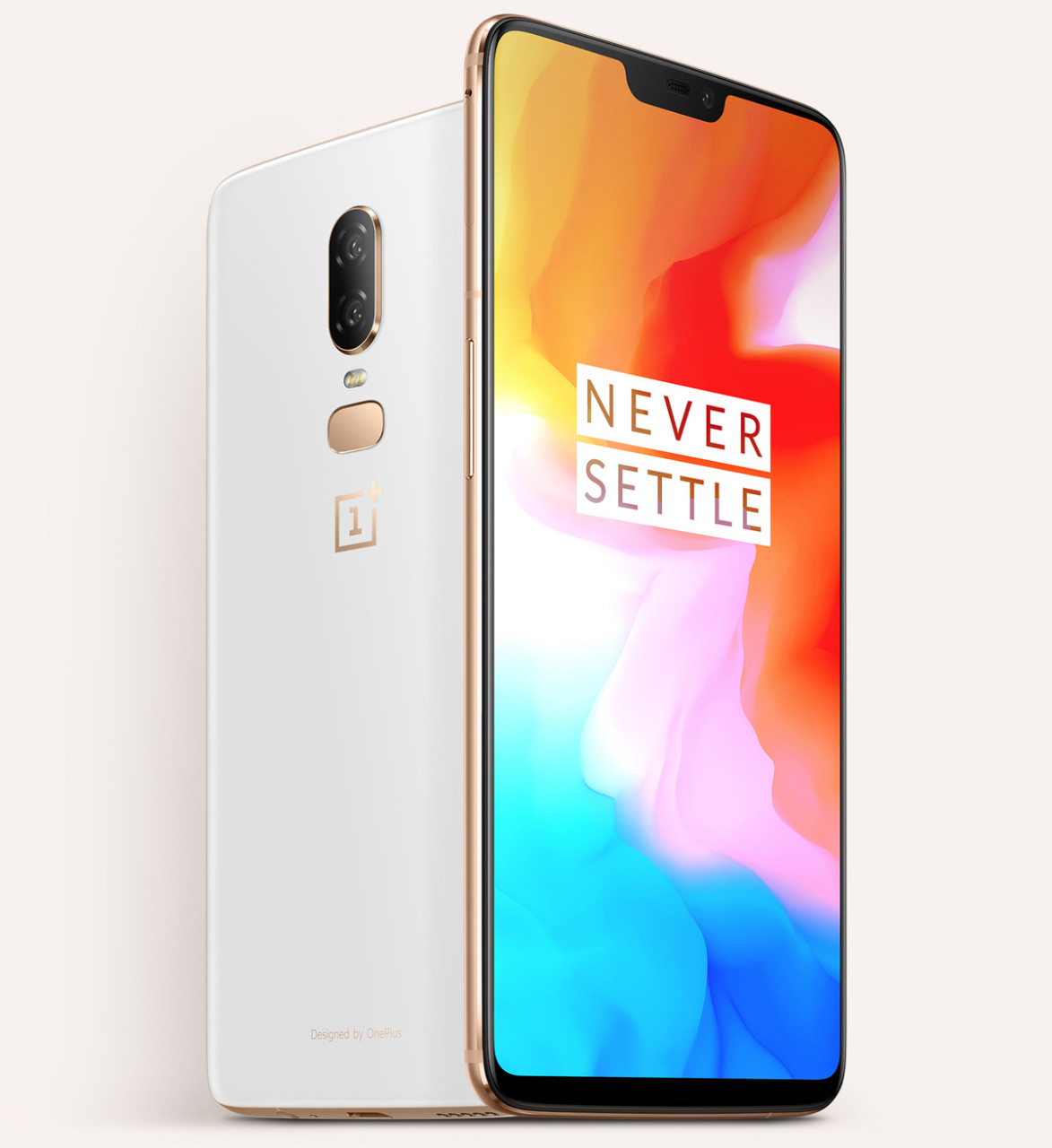
Besides the Mirror Black and Midnight Black hues, OnePlus 6 has also been launched in a third limited edition: Silk White. It has just turned out that the Silk White edition was more limited than expected. The white variant of the new flagship was sold out in just one day. For now, there is no more stock, but the company had already announced that it will be available again starting from June 12, 10 AM EDT. Currently, it is possible to register a mail on the site in order to get notified when it will be available again. The price of the Silk White version is exactly the same as the Mirror Black and Midnight Black ones ($529), as well as its specs.
We suggest you buy it immediately once it comes back in stock or you will risk missing it out again. While waiting for June 12, we are going to remind you the main specs if you decide to buy the OnePlus 6. The flagship has a very improved design compared with the predecessor 5T. It now sports a glass back and an aluminum frame, and it is splashproof. Its display has a size of 6.28 inches, it is an Optic AMOLED panel with a Full HD+ resolution of 1080 x 2280 pixels and a notch.
Under the hood, OnePlus 6 boasts an octa-core Snapdragon 845 SoC by Qualcomm, running at a max frequency of 2.8 GHz. Alongside the processor, there are 6 or 8 GB of RAM and 64 or 128 GB of internal storage (not expandable). The main camera is a dual setup with resolutions of 16 and 20 MP, while the secondary camera is a 16 MP snapper supporting Face Unlock. The battery has a capacity of 3300 mAh and it can be charged very quickly thanks to the proprietary Dash Charge technology.
Samsung has differentiated its flagship smartphone from other high-end smartphones in the market with one distinguishing characteristic — edge screen. Edge display comes with a curved glass on both the sides, aiming to provide an immersive experience.
Now, according to the latest report, the South Korean giant Samsung Electronics is supplying its OLED edge displays to China-based Oppo, which now stands fifth in the global smartphone rankings. This could mean that we could soon see a smartphone from Oppo with a curved display.
The same report says that Samsung will be supplying 6.42-inch flexible OLED panels to Oppo starting from this month. It’s noteworthy that this is not the first time Samsung is supplying its displays to Oppo, but this is the first time Samsung is supplying flexible display to Oppo.
Given that “Edge” is a trademark of Samsung, Oppo will be coming up with a different moniker for its curved displays design element. With such display, the smartphone that will use the curved display will have a significantly higher price compared to its current flagship smartphone.
While the normal display panel costs around $20, the curved display will cost about $100 to Oppo, roughly five times the cost of the normal display panel. If the reports are to be believed, then we could see a smartphone with a flexible display from Oppo as early as July or August this year.
Meanwhile, Oppo is currently gearing up to launch its new smartphone — Oppo X on June 20. The smartphone is expected to be powered by Qualcomm’s Snapdragon 845 processor, and up to 8GB of RAM.
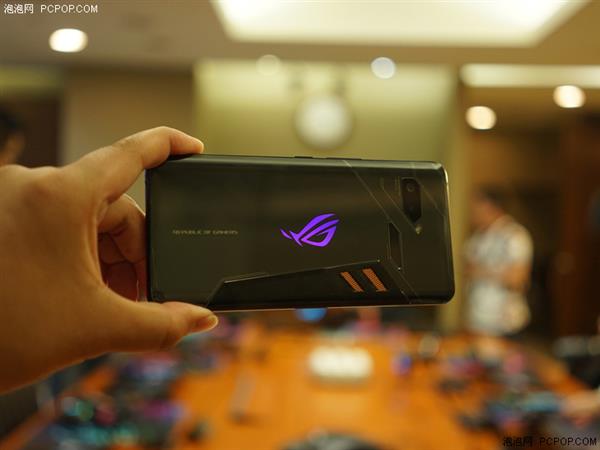
Taiwan-based tech giant ASUS took the wraps off the ROG gaming phone. The phone is more of a gaming rig than a smartphone and the name ROG actually stands for Republic of Gamers. The phone is ASUS’s first dedicated gamer phone and will take on the Razer phone as well as Xiaomi’s Black Shark phone.
As expected, the ROG comes with top-of-the-line hardware which includes an overclocked Snapdragon 845 chipset with an insane processing power. The phone also has an aggressive design which includes an innovative cooling system. The ROG phone comes with an 8GB RAM on two variants with 128GB and 512GB storage respectively. If you consider than stunning, the hardware could even have been crazy with news filtering in that ASUS had planned to include 10GB of RAM on an unnamed flagship about 10 months back.
So once upon a time (a few months back) ASUS wanted to put 10GB RAM in a new flagship (ROG phone maybe?). But that didn't work out, bc of packaging issues (usually placed on top of the SoC, but no room to put the necessary modules in the little space available for a PoP design)
According to Twitter tipster Roland Quandt, the idea was jettisoned when the tech giant couldn’t find a way to fit the RAM module into the phones internal panel. The idea itself sounds really insane, considering that we have just less than that size of RAM on the average household PC. It sure would have been an overkill since most of those spaces would have gone unused but it would have created some excitement and perhaps bragging rights for the company. Unfortunately, the plan didn’t materialize on the ROG phone but it may likely not be long before they find a way around the obstacle. We won’t be surprised if other OEMs starts working on their own 10GB RAM phones.
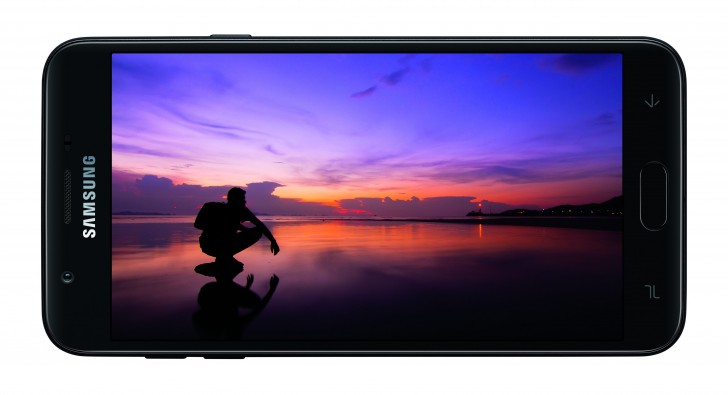
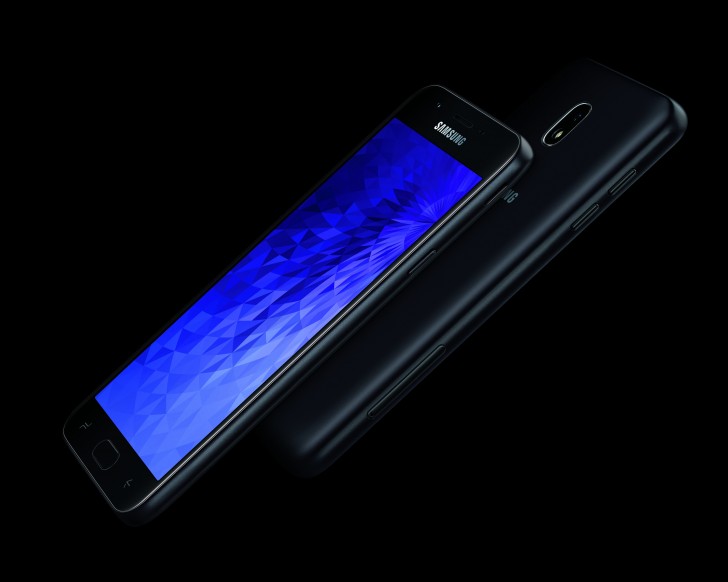
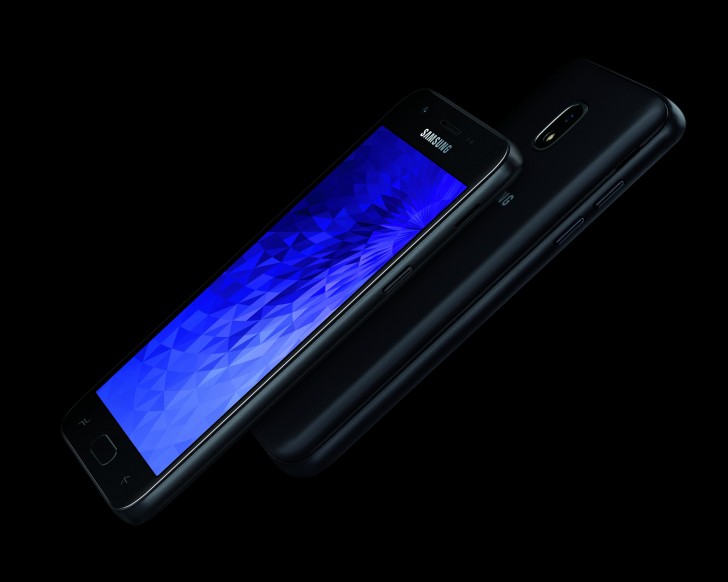
Samsung has officially announced the Galaxy J7 (2018) and Galaxy J3 (2018). Both models come in as affordable mid-range models and are successors to the Galaxy J7 (2017) and J3 (2017). Both models don’t really come with so much difference in specs when compared to their predecessors.
Samsung Galaxy J7 (2018)
The Samsung Galaxy J7 (2018) is obviously the better model among the two newly launched phones. It equally comes with a higher price tag. The device comes with a phablet-sized 5.5-inch Super AMOLED 16:9 display with HD resolution of 1280 x 720pixels. The device packs a 13MP main camera with f/1.7 lens aperture while at the front there is a 13MP camera sensor with f/1.9 lens. According to Samsung, both cameras are engineered for the low-light environments in which we take most of our pictures, like restaurants and concerts. Perhaps, there has been some software enhancement if not, this is the same camera hardware on the J7 (2017). The device is also said to come with a large battery but further details are scanty. From the previously leaked manual, we know already that the battery is a removable one.
Samsung Galaxy J3 (2018)
On the other hand, the Samsung Galaxy J7 (2018) sports a smaller 5.0-inch display with an HD resolution. The design is almost identical to the J7 (2018) but the display is likely an IPS LCD spec. Samsung did not reveal the processor type, RAM, battery and storage capacity of the J3 (2018). However, the camera configuration includes a 5MP f/2.2 sensor on the front and a primary 8MP camera on the back with a fairly big f/1.9 aperture. Samsung did reveal that both models come with Samsung Knox security.
Samsung says both models are affordable but did not reveal their price tags. However, we expect the models to be priced between $150- $220. The Galaxy J3(2017) was launched for $149.99 and the Galaxy J7 (2017) had a retail price of $219.99. Since there is hardly any major upgrade, the prices shouldn’t be starkly different.
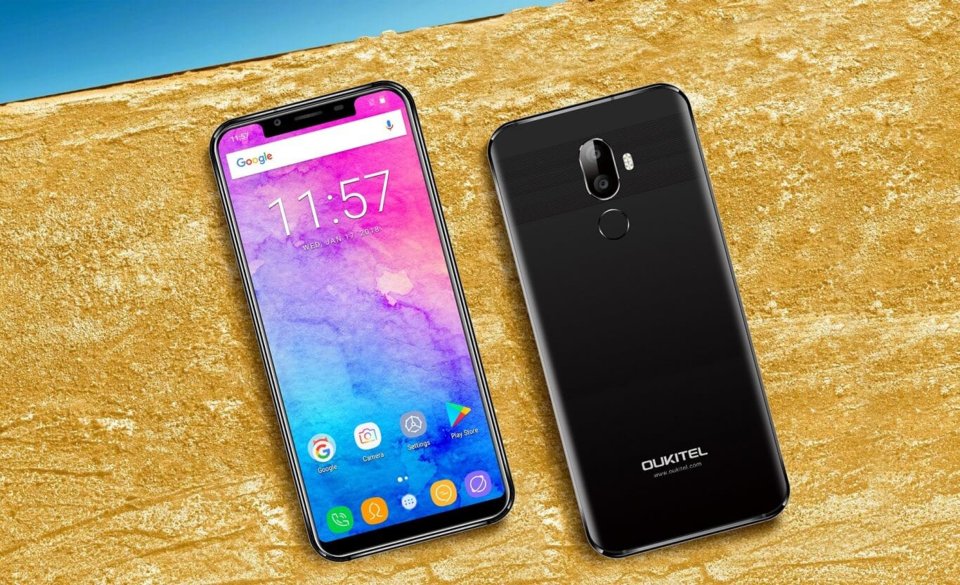
Oukitel is passionate about reaching a wider global market. The popular brand has a reputation for delivering exceptionally designed yet low-priced smart devices to consumers across the globe.
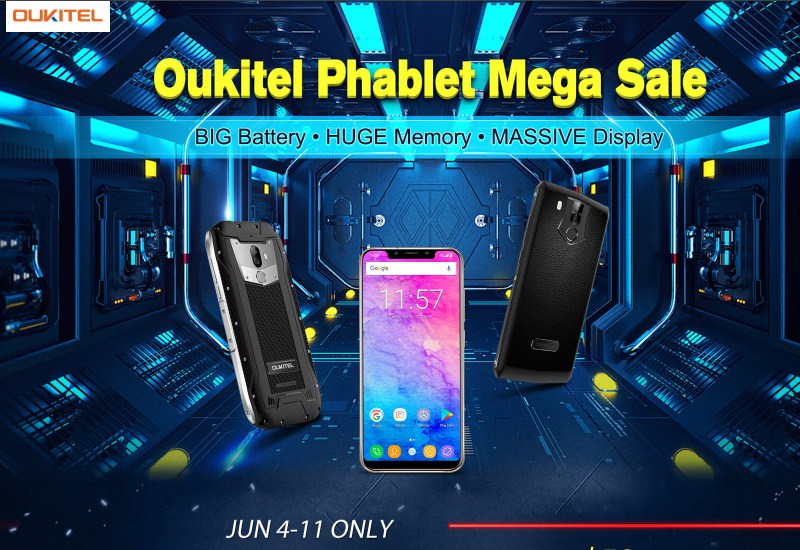
Keeping in line with this, GearBest recently kicked off its latest promotion dubbed, ‘Oukitel Phablet Mega Sale’ wherein the site will be doling out big discounts on a broad range of smartphones and phablets. Buyers will be able to save over $50 on select Oukitel branded smartphones and phablets.
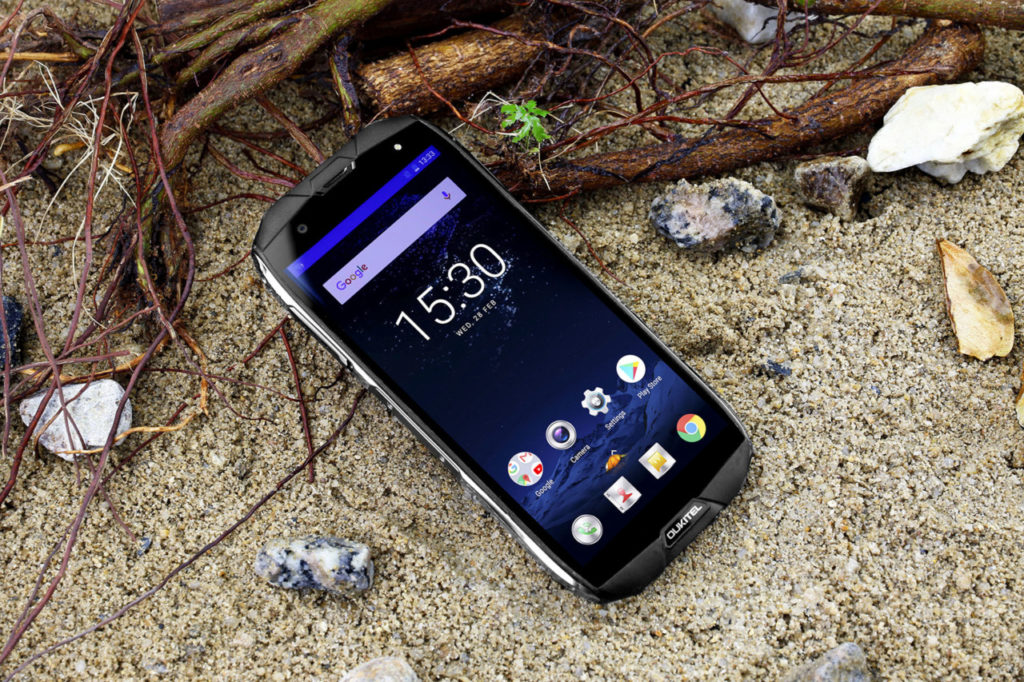
Oukitel WP5000
The WP5000 was launched earlier last month. As expected, the phablet became an instant hit among tech buffs thanks to its exceptional specs and features.
If you have restlessly been waiting to get your hands on the WP5000, but aren’t willing to spend a lot of money on a phablet, we got good news for you. GearBest is offering a considerable 21% off on the original selling price of the 4G phablet for a limited period of time.
The Oukitel WP5000 would normally set you back $299.99 on GearBest, but as part of its latest promotion, the site is offering $50 off on the original asking price of the black-tinted WP5000. The promo will be valid only for the remaining 144 pieces for 3 days.
Oukitel U18
The U18 4G phablet propelled straight to popularity after hitting the store shelves earlier this year. The device sports a big 5.85 inches FHD display with a screen resolution of 1440 x 720 pixels and a slew of other awe-inspiring features that make it an irresistible phablet.
Much to the delight of cost-conscious buyers, GearBest is offering a noteworthy 17% off on the phablet’s original selling price. While the Oukitel U18 would normally set you back $189.99, you now have a chance to buy it at a lowered price of just $149.99.
On the downside, the Flash Sale price will only be valid for 5 days. As if that weren’t enough, there were only 97 pieces remaining at the time of writing.
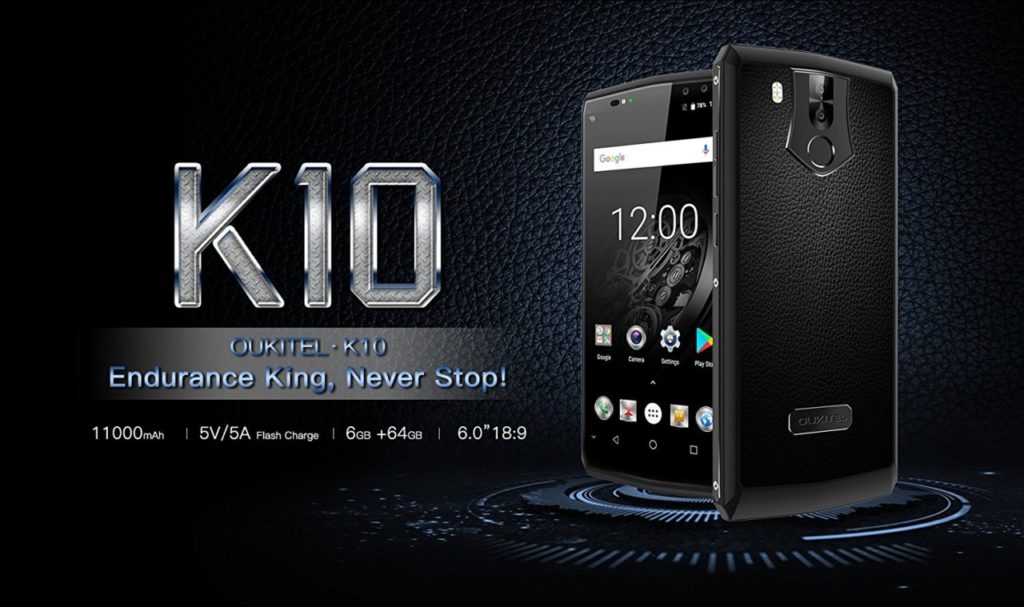
Oukitel K10
The K10 is crammed with specs and features that are expected to sweep tech buffs off their feet. The phablet was made available to the public in January this year and it was very well-received by the huge Oukitel fanbase worldwide.
Bearing its popularity in mind, GearBest is giving buyers an opportunity to get their hands on the coveted K10 phablet at a slashed price of just $249.99. The device normally comes bearing a steep price tag of $299.99.
It is imperative for you to bear in mind that the Flash Sale price will expire after 3 days. Moreover, there were about 83 pieces only left at the time of writing.
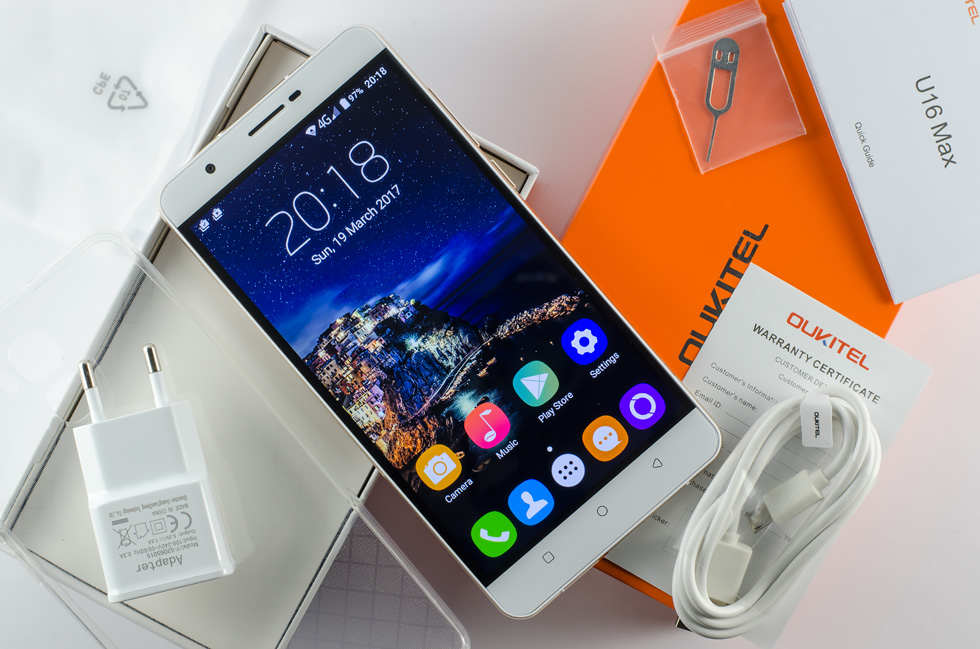
Oukitel U16 Max
Even more than one year after its debut, the Oukitel U16 Max continues to take phablet realm by storm. The device is brimming with a myriad of jaw-dropping specs and features that are like to grab your attention.
It is hardly surprising that GearBest is offering a 17% discount on the retail price of the U16 Max, given that it is one of the well-received Oukitel branded phablets. The 3GB RAM/32GB ROM version of the device is currently available on the site at a reduced price of just 99.99.
Note that you’d normally have to shell out $119.99 in order to buy the U16 Max phablet on GearBest. But thanks to the aforesaid discount, you can buy it for just $99.99. The Flash Sale price will be valid for the remaining 160 pieces for 3 days.
Rest of the smartphones and phablets have further been divided into 2 categories including MEGA Mobile Phones and EPIC Phone Accessories. You can check out the devices featured in these categories by following this link.
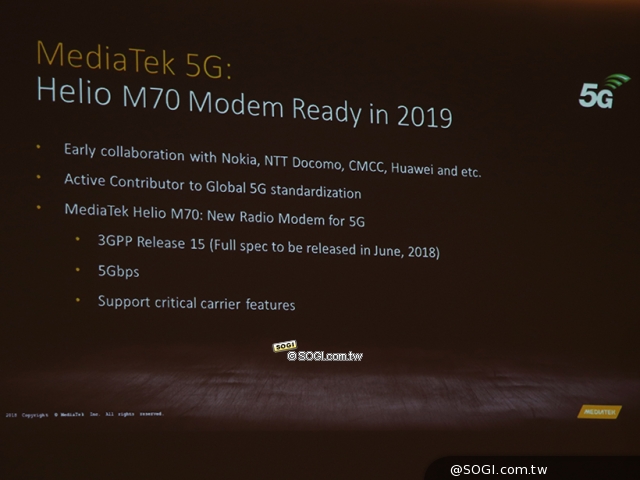
After Qualcomm, Intel, Huawei and Samsung, MediaTek has finally announced its own 5G baseband modem, the Helio M70. According to a Taiwanese publication, MediaTek will be shipping the Helio M70 in 2019.
The Helio M70 modem not only supports 5G NR, but also it meets the latest 3GPP Release 15 standard specification. The new SoC can reach a maximum download speed of 5 Gbps. The Taiwan-based chip maker has claimed that it has already co-operated with Nokia, NTT Docomo, China Mobile and Huawei to ensure that the new chip is ready in 2019.
The specifications of the Helio M70 are not known yet. However, the company has confirmed that the entire details of this new chip will be made available later in this month. It is speculated that the company will be ramping up the shipments of Helio M70 in 2020-2022. MediaTek has recently shifted its focus to mid-range and low-end markets. Hence, MediaTek SoC and Helio M70 powered affordable smartphones may release in the coming year.
The chipmaker had confirmed that it is working with several smartphone OEMs such Asus, Fujitsu Limited, Fujitsu Connected Technologies Limited, HMD Global (Nokia), HTC, Inseego/Novatel Wireless, LG, NetComm Wireless, NETGEAR, OPPO, Sharp Corporation, Sierra Wireless, Sony Mobile, Telit, vivo, Wingtech, WNC, Xiaomi and ZTE to release smartphones with Snapdragon X50 LTE modem.
At the Mobile World Congress (MWC) 2018, Huawei had also claimed that it would be releasing its 5G smartphone in the second half of 2019. Even OPPO has claimed that it will be one of the first manufacturers to launch a 5G phone.
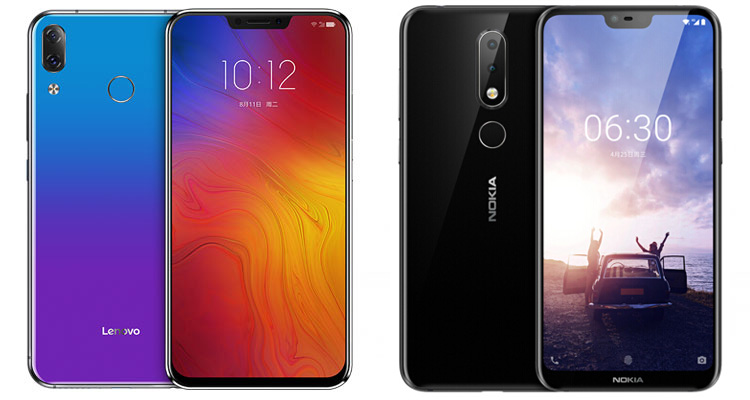
HMD Global and Lenovo decided to launch a brand new series of mid-range smartphones this year and the first devices inaugurating their individual lineups are Lenovo Z5 and Nokia X6. From the initial teasers, they looked like flagships, but at the launch event they turned out to be mid-rangers and left many fans disappointed. However, they are among the best choices in their sector and they have all the potentialities to affect the sales of Xiaomi Redmi Note 5 Pro and other best-selling phones of 2018. This is a complete Lenovo Z5 vs Nokia X6 comparison of their specs with their strong and weak points.
Dual 16 + 5 MP f/2.0 + f/2.2
16 MP f/2.0 front camera
BATTERY
3300 mAh
Fast charging 18W
3060 mAh
ADDITIONAL FEATURES
Hybrid Dual SIM slot
Hybrid Dual SIM slot
Design
The design is one of the strongest points of Nokia X6. Recently, HMD Global has shown us how much it cares about the aesthetics of their phones and shared early prototypes of several phones which are actually in the market. Nokia X6 is one of the most beautiful handsets in the midrange sector with a glass sandwich design and an aluminum frame. We can say the same about the Lenovo Z5 which comes with a glass back available even in the Aurora gradient color. Both devices feature a notch, so their screen-to-body ratio is very high. I like Lenovo Z5 a bit more due to its gradient hue, reflective back, and higher screen-to-body ratio, but your taste may not necessarily be the same as mine.
Display
Lenovo Z5 has a bigger and more comfortable display, while Nokia X6 has a bit more pixels due to its smaller notch. Both feature a Full HD+ resolution, but given that the X6 is smaller, it is easier to use with one hand. In terms of viewing quality they are similar, so we are not going to choose a winner as it depends on the display size you like the most.
Hardware/Software
Even on the hardware side there aren’t significant differences between Lenovo Z5 and Nokia X6. Their SoC is the efficient Snapdragon 636 running at a max frequency of 1.8 GHz paired with 6 GB of RAM and up to 128 GB of internal storage. Note that Nokia X6 is the only one to be available in a configuration with 4 GB RAM. But despite the fact that they got the same hardware side, we believe that Nokia X6 will perform better as it is equipped with a stock Android version. On the other hand, the ZUI 3.9 custom interface installed on the Z5 will provide more additional features and graphics improvements.
Camera
We do not have enough data to establish which will be the best camera. These phones have a dual camera setup on their rear side and their primary sensor has a 16 MP resolution. However, we do not even know the aperture of Lenovo Z5’s cameras, neither the model of the sensors, so we do not have an idea about the quality of its photos. We have to wait until we get our hands on it. The front camera seems to be better on the Nokia X6 (on paper) with its 16 MP resolution and f/2.0 aperture.
Battery
Lenovo Z5 has a bigger battery with a capacity of 3300 mAh. But we have to see how well it has been optimized to know if its battery life will really be longer than the one of Nokia X6. Considering that Lenovo Z5 has 3300 mAh, there is a good chance that it will provide a longer battery life than its opponent, especially because the hardware and displays of both the devices are quite similar on paper. But we want to verify it before expressing a final judgment. For now, Lenovo Z5 wins.
Price
Prices are competitive. Lenovo Z5 starts from just $202 in China, in its configuration with 6 GB of RAM and 64 GB ROM. Nokia X6 costs just $204 in China, but note that this is the price for the 4/32 GB configuration (6/64 GB version costs $266). I would pick Lenovo Z5 due to its more attractive design, higher screen-to-body ratio and slightly bigger battery (not sure if it will last longer). But note that my opinion might change after evaluating the camera performance.
We use cookies on our website to give you the most relevant experience by remembering your preferences and repeat visits. By clicking “Accept”, you consent to the use of ALL the cookies.
This website uses cookies to improve your experience while you navigate through the website. Out of these, the cookies that are categorized as necessary are stored on your browser as they are essential for the working of basic functionalities of the website. We also use third-party cookies that help us analyze and understand how you use this website. These cookies will be stored in your browser only with your consent. You also have the option to opt-out of these cookies. But opting out of some of these cookies may affect your browsing experience.
Necessary cookies are absolutely essential for the website to function properly. This category only includes cookies that ensures basic functionalities and security features of the website. These cookies do not store any personal information.
Any cookies that may not be particularly necessary for the website to function and is used specifically to collect user personal data via analytics, ads, other embedded contents are termed as non-necessary cookies. It is mandatory to procure user consent prior to running these cookies on your website.