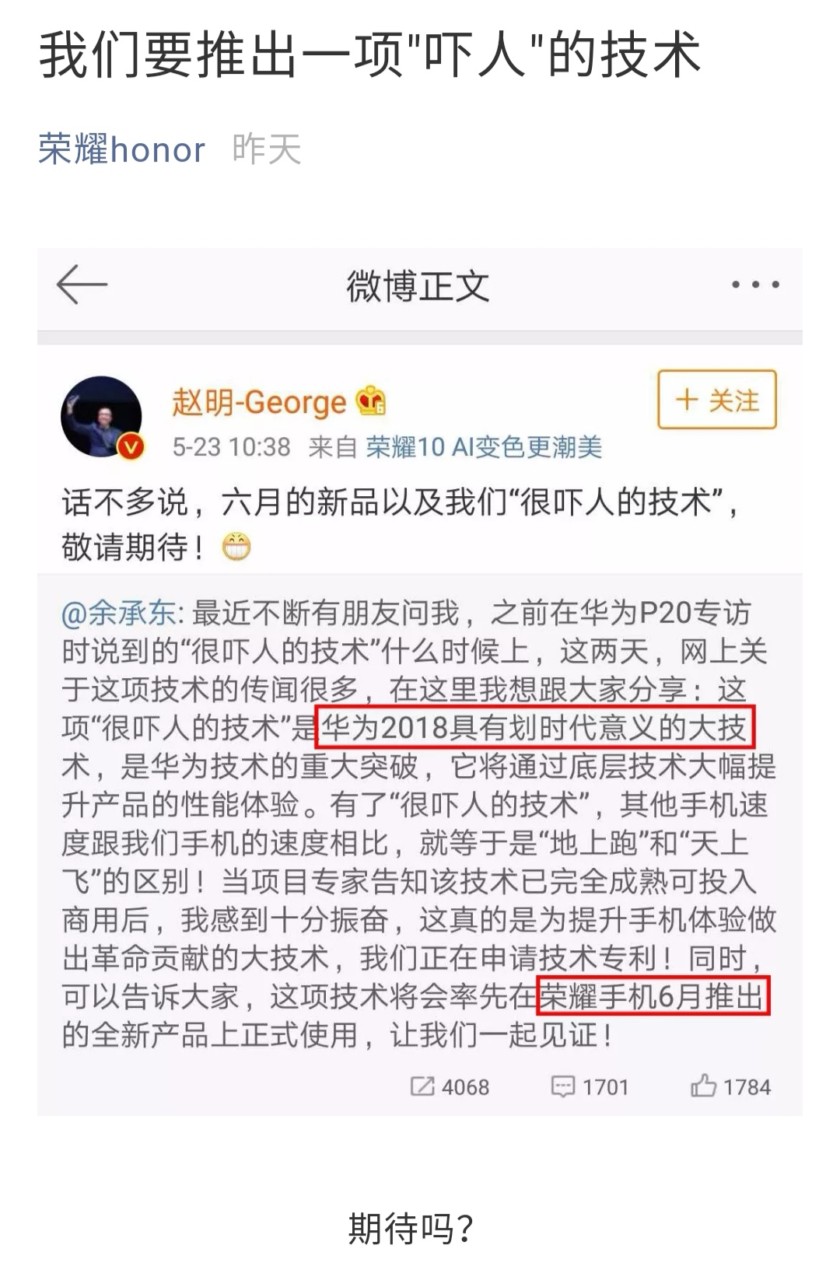
UPDATE: President of Honor, Zhao Ming has revealed that Huawei will showcase its latest breakthrough technology at an event on 28th May. Further, the same technology will be used in the upcoming Honor Play smartphone, which is scheduled to officially launch on 6th June.
Recently, we reported that Huawei is working on a formidable technology that will be launched very soon. Currently, it is not known if the company’s new breakthrough is in the hardware or the software department.
Now, Yu Chengdong, Chairman of Huawei Device, announced that Huawei will soon launch this breakthrough technology and added that it will mark as the company’s landmark for 2018. While he has not revealed what this major breakthrough technology is, he said that the technology will significantly improve the performance of its products.
Now, there are reports suggesting that the company will be using this technology in its upcoming smartphone. Recently, at an event held in Suzhou, Honor President Zhao Ming that the upcoming Honor smartphone will come equipped with Huawei’s new breakthrough technology. He further said that the technology will be used in the upcoming Honor Play smartphone, which is scheduled to get unveiled in June this year.
Describing the effect of this upcoming technology, Yu Chengdong said that difference in speed of mobile phones is equivalent to the difference between “running on the ground” and “flying in the sky.”
As said, we don’t know whether the company’s new breakthrough is in the hardware or the software. If it’s in the hardware, it could be something related to an independent NPU module for faster and efficient Machine learning. If it’s in the software department, it could be something related to its operating system.
Huawei, the company which was known for making networking and telecommunication equipment, is now the third largest smartphone company in the world, just behind Samsung and Apple. The major credit for this goes to the company’s R&D department, which has managed to produce some amazing features and technologies for its products.
Much to the delight of cost-conscious buyers, DD4 is handing out big discounts on a broad range of quality items. Let’s delve straight into the details.
As part of its ‘Big Promotion for Celebrating DD4 New Look,’ the Shenzhen-based wholesale and retail online shop is giving buyers an opportunity to get 10% off on any item that is currently available on the site. In order to take advantage of the promo, you have to add the item you want to buy to your cart and then use the coupon code ‘NEWDD4’ at the time of checking out.
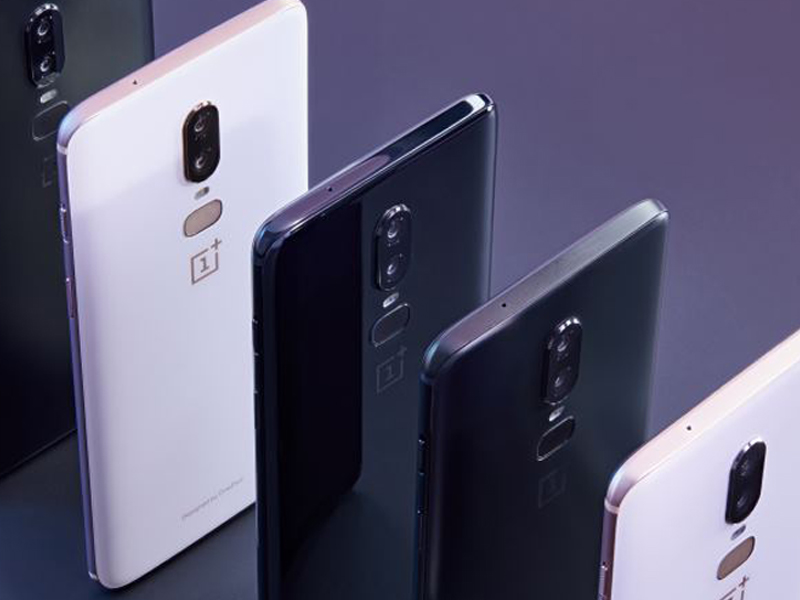
OnePlus 6
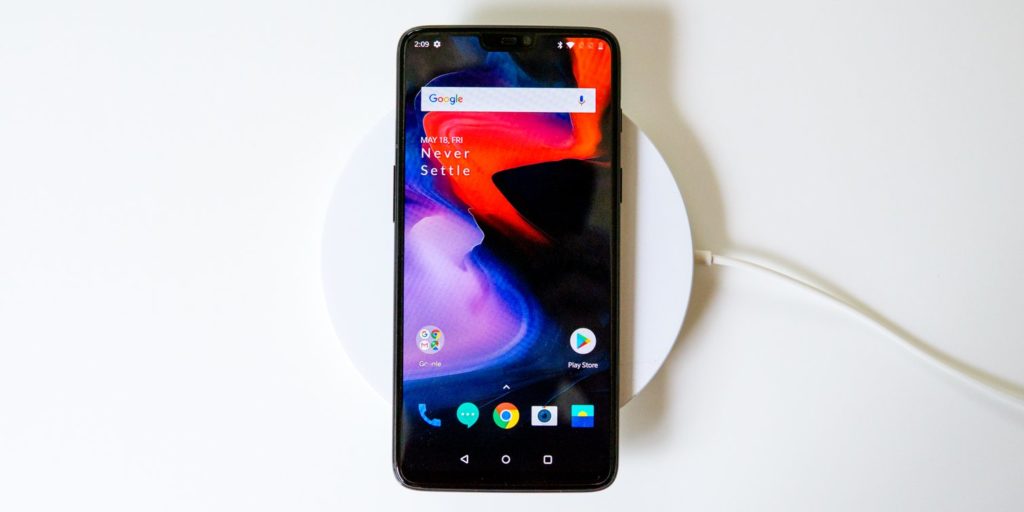
OnePlus 6, the hotly-anticipated OnePlus 5 successor became an instant hit among smartphone lovers after hitting the store shelves earlier this month. The phone boasts an array of jaw-dropping specs and features that propel it straight to skyrocketing popularity among tech buffs.
On the downside, the OnePlus 6 will cost you a pretty penny. The coveted handset is up for presale bearing a steep price tag of $579.99 on DD4, but if you’re on a tight budget and aren’t willing to spend that kind of money on a phone, we got good news for you.
You can now save $58 on the OnePlus 6 smartphone’s retail price simply by applying the discount coupon ‘NEWDD4’ while checking out. In other words, you can reduce your grand total to only $521.99 without breaking much of a sweat. You can click here to grab the deal.
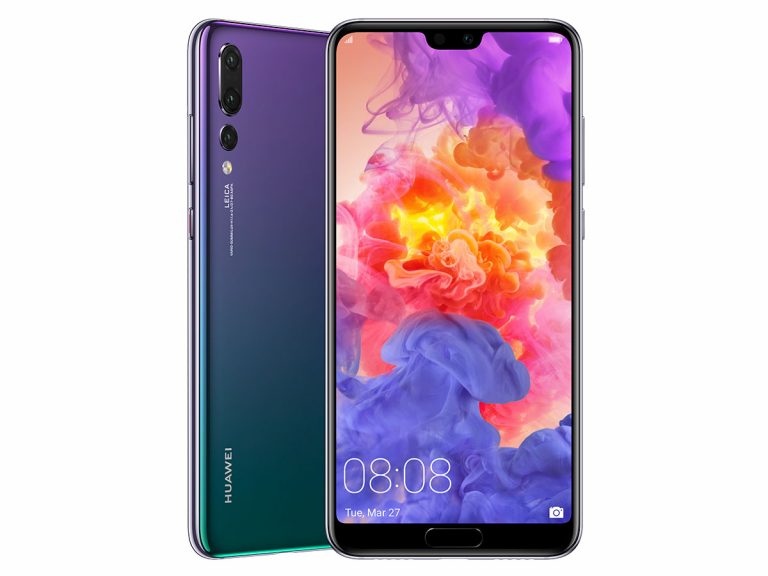
HUAWEI P20 Pro
HUAWEI made its long-awaited P20 Pro smartphone available to the public in April this year. The phone sports a big 6.1 inches AMOLED capacitive touchscreen display with a screen resolution of 1080 x 2240 pixels.
Powered by a Hisilicon Kirin 970 processor, the P20 Pro is an irresistible smartphone that sells for $899.99 on DD4. Moreover, the phone offers 6GB of RAM and a hearty 64GB of onboard storage. You can get a considerable discount on the phone’s retail price by applying discount coupon ‘NEWDD4’ before you check out. Applying the above-mentioned coupon code will take your grand total down to only $809.99, and you’ll end up saving $90. You can follow this link to grab the discount.
Xiaomi Redmi Note 5A
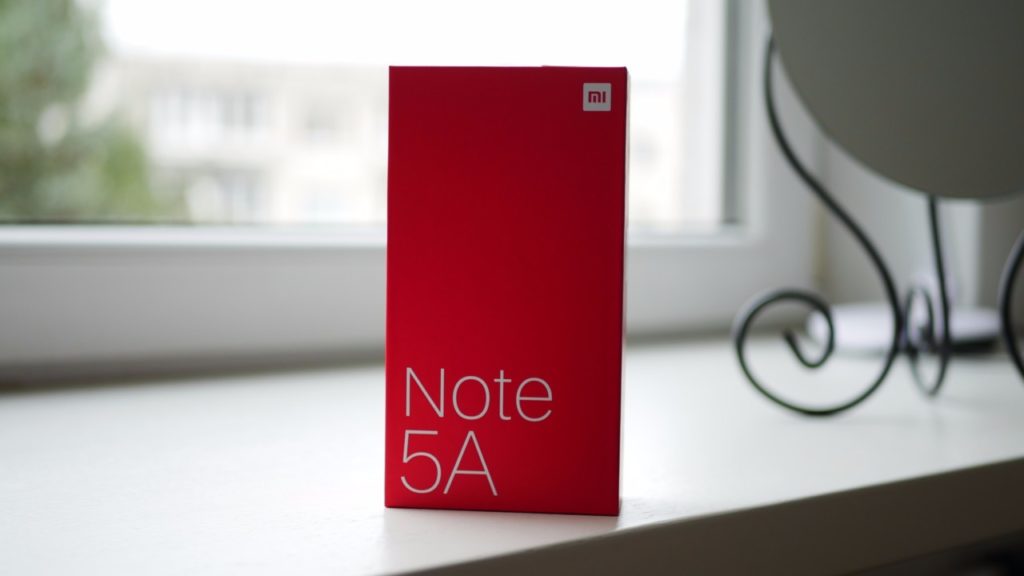
The well-received Redmi Note 5A phablet was launched in August last year. The device features a big 5.5-inch touchscreen display with a screen resolution of 720 X 1280 pixels. Aside from that, it is crammed with a slew of other noteworthy features.
The power-packed Redmi Note 5A would set you back $143.99 on DD4, and you choose from 3 color options including pink, grey, and gold. But if you don’t want to spend that kind of money, you can apply discount coupon ‘NEWDD4’ and save $14.40 while checking out.
You can head straight to this link in order to buy the Redmi Note 5A phablet at a slashed price of just $129.59.
Blackview A7 Pro
Using the same discount coupon i.e. ‘NEWDD4,’ you can get a coupon saving of $8.70 on the original asking price of the Blackview A7 Pro smartphone. The handset was launched last year and comes bearing a price tag of $86.99 on DD4.
By using the discount coupon, you can reduce your grand total to only $78.29. You can follow this link if you’re interested in grabbing this opportunity before the big promotion comes to an end.
Alternatively, you can follow this link to check out all the items that you can buy at a lowered price using the aforesaid discount coupon.
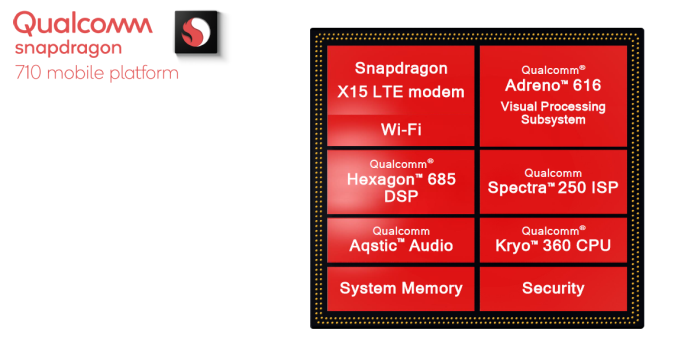
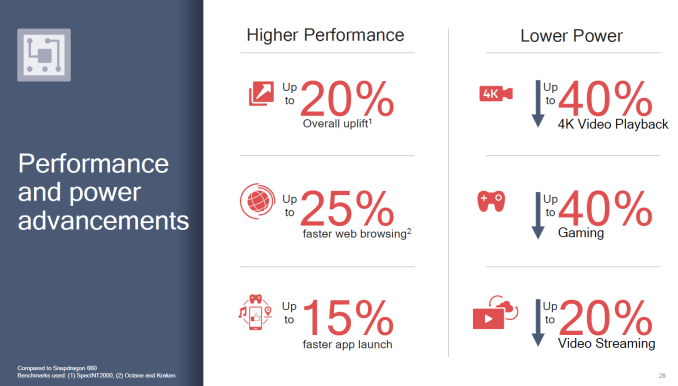
Today, Qualcomm has introduced the new Snapdragon 700-series chipset platform by launching the Snapdragon 710 SoC. The SD710 is the director successor of the Snapdragon 660 that some of the upper mid-range smartphones that are available in the market. The newly launched Snapdragon 710 mobile platform is a 10nm chipset that offers twofold better AI performance than the Snapdragon 660 and borrows some features from Snapdragon 845 flagship chipset.
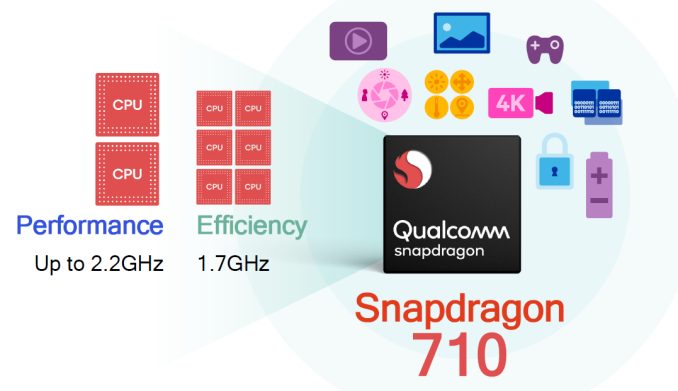
The Snapdragon 710 chipset includes two cores of Kryo 360 Cortex A75 that clocks at 2.2 GHz and six cores of Kryo 360 Cortex A55 that offers a processing speed of 1.7 GHz. The octa-core processor is coupled with Adreno 616 graphics that promises 35 percent better rendering of graphics.
The SD710 borrows Hexagon Digital Signal Processor (DSP) 685 from Snapdragon 845 that powers flagship phones of this year. With Spectra 250 ISP onboard, smartphone featuring it can support it can single cameras of up to 32-megapixel and up to 20-megapixel dual ISP. The Spectra 250 ISP will offer features like better photography in low-light conditions, faster autofocus, image stabilization, better depth sensing and artificial bokeh. Shooting slow-motion videos and 4K videos on SD710 phones will consume less power. Also, phones featuring the new SoC will offer accurate and faster facial recognition.
The Snapdragon 710 powered phones will support playback of 4K HDR content. It also includes X15 LTE modem that offers maximum download speeds of up to 800 Mbps. It is equipped with 4×4 MIMO that will make it possible to experience 70 percent faster download speeds in areas with weaker signal. Also, License-Assisted Access (LAA) promises faster download times in crowded locations. Some of the other features of the Snapdragon 710 mobile platform include support for Qualcom’s Aqstic Audio, Bluetooth 5.0 and Quick Charge 4+ technology that allows the battery to gain 50 percent of power by charging it only for 15 minutes.
Compared to Snapdragon 660, the SD710 offers 25 percent faster performance. Also, it has been designed to consume less while enjoying videos and games. The app launch times has been improved by 15 percent compared to its predecessor model.
Now that the Snapdragon 710 mobile platform has been officially announced, smartphone OEMs will begin new phones featuring it starting from the second quarter of this year. Two of the upcoming Mi series of smartphones by Xiaomi are reportedly codenamed as Comet and Sirius fueled by the Snapdragon 710. SD710 phones could be priced between $300 and $550.
Xiaomi has launched the Yueli Hot Steam Hair Straightener under its crowdfunding platform. The hair straightener is the second of such product that will be launched by the company. This model is quite different from the wireless hair straightener or splint that doubles as a power bank which was announced a couple of months back. This model is also manufactured by Xiaomi’s eco-chain company Ningbo Yue Li Electric Co., Ltd.
The hair straightener is no doubt a very popular fashion gadget in the women circle. The manufacturer put that into consideration in coming up with this model which has a sleek and attractive bright pink coating. Unlike the wireless model, this version uses AC power supply and it has a 2.5m long power chord which is attached to the power source. The cable is designed in such a pay that it can turn 360 degrees at the point where it is attached to the gadget without getting entangled. The hair straightener features a minimalistic design similar to the conventional model. It measures just 296 x 33 x 40mm which makes it bigger than the wireless model with a dimension of 23 x 35 x 193mm and weighing 164g. The outer body casing sports a matte design which makes it non-slippery. The casing is also scratch resistant and can resist high temperatures.
The main heating surface is covered with a nano-anion coating and is powered by a 220V power source and also comes with a built-in smart power-off system. If the device is switch on and left unused for up to 15 minutes, it automatically shuts down. The Yueli hair straightener also comes with five heating temperature levels; a low-temperature level of 150 ℃ and a high-temperature stall of 230 ℃. There are LED indicators to show when it is powered on.
The Yueli Hot steam Hair straightener adopts a nano-level steam water ion helium penetration technology. As a result, the device not only straightens the hair but also hydrates it. There is a compartment for adding keratin which can then be used to coat the hair. Keratin is an important component of our hairs and research has shown that people curly hair doesn’t have as much as those with straight hairs. Our hair is porous and keratin fills in those pours, seals the cuticle of the hair. Replacing the lost keratin will restore the hair to give it a shinier, smoother, stronger appearance and bring back manageability that was once lost or nonexistent.
The Yueli Hot Steam Hair Straightener comes with a price tag of 199 yuan and is available only in pink colour. It is presently available to buy in China from the Xiaomi Youpin e-commerce website.
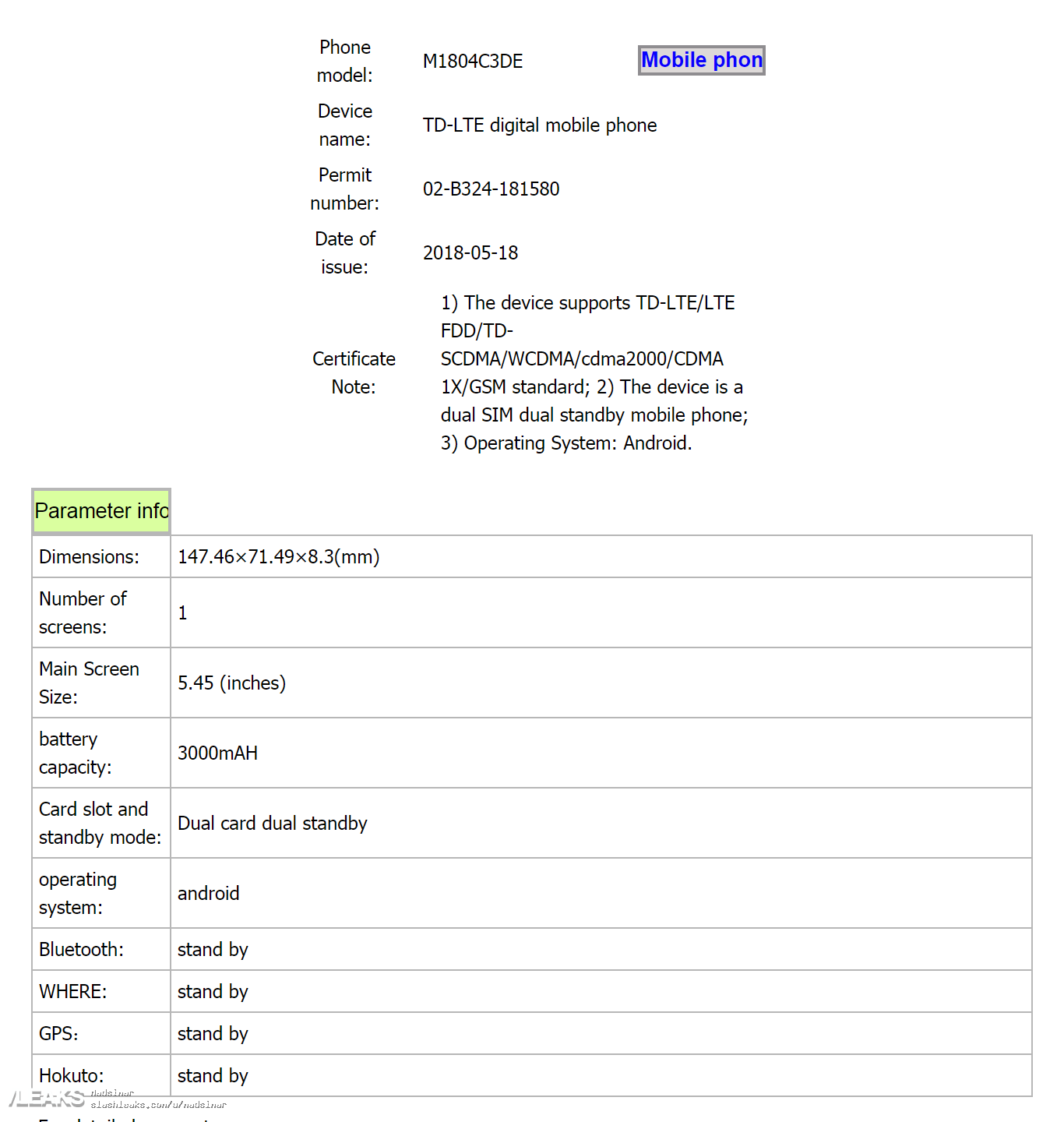
The Xiaomi M1804C3DE was seen on TENAA yesterday. However, only a few specs were revealed. Now the full specs of the device presumed to be the Redmi 6A have been released along with that of two other models with different model numbers but nearly the same specs as it.
The Xiaomi M1804C3DE and its siblings – the M1804C3CC & M1804C3CE have the same display, battery, processor, and dimensions but differ in RAM, storage, and camera configuration
All three phones have a 5.45-inch screen with a 1440 x 720 resolution. They are powered by an unnamed octa-core processor clocked at 2.0GHz which we think is the Snapdragon 625.
They have Android 8.1 Oreo pre-installed and pack 3000mAh batteries. Their dimensions are given as 147.46 × 71.49 × 8.3 mm and they each weigh 146g except for the M1804C3CC which weighs 145g.
The Xiaomi M1804C3DE comes in 2GB, 3GB, and 4GB variants with 16GB, 32GB, and 64GB of storage respectively. TENAA also says that it has three cameras though there are no pictures to confirm. The primary rear camera is a 12MP sensor but there is no mention of the second sensor. There is also a 5MP front-facing camera.
The Xiaomi M1804C3CC, on the other hand, only has a 2GB RAM variant with 16GB of RAM. It also has a single 13MP rear camera and a 5MP front-facing camera.
The Xiaomi M1804C3CE will launch in 2GB RAM and 3GB RAM variants with 16GB and 32GB of internal storage respectively. It will also have a single camera on both sides. However, its rear camera is a 12MP sensor but its front camera is 5MP like the other two.
Unfortunately, TENAA has not provided pictures for any of the models.
All three variants will also come in different colors as listed below:
Xiaomi M1804C3DE – Blue, black, silver, white, gold, rose gold, green, purple, red
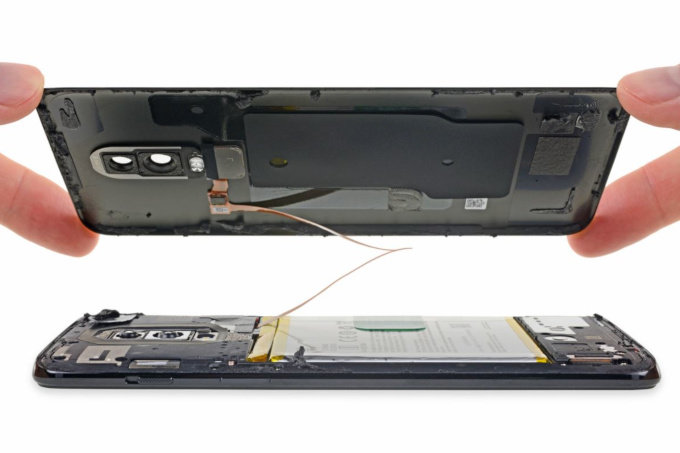
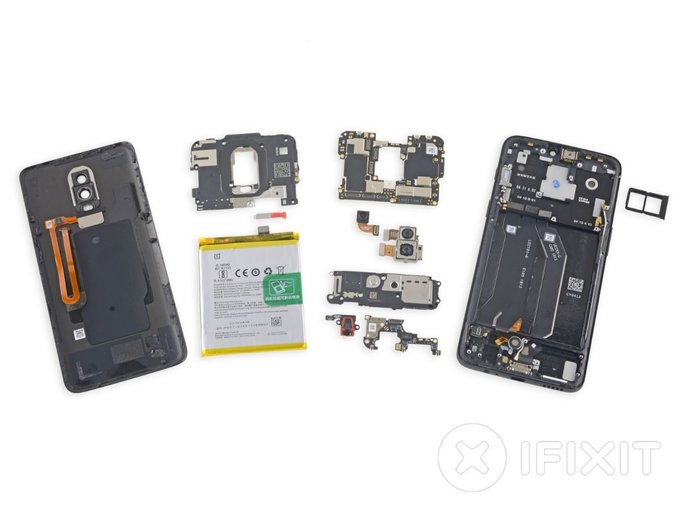
OnePlus 6 is still making wakes globally. Fresh out of the factory, the device is undoubtedly OnePlus’ most beautiful and refined design with a luxurious glass back and elegant specs line up. Apparently, the glass panel has its own disadvantage apart from fragility. The OnePlus 6 teardown/disassembly process has been carried out by the tech gurus at iFixit and from their findings, the glass body makes the phone much harder to repair.
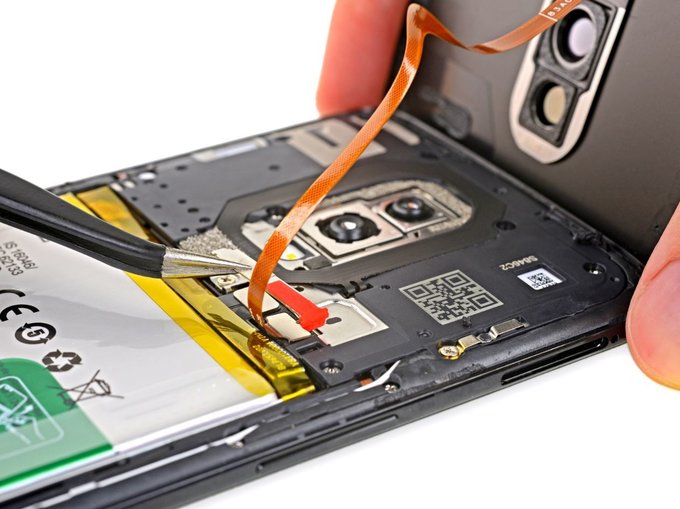
That is not in anyway condemning the OP6 to the waste bin. The device still remains a premium flagship worth every penny it costs. The teardown also shows that it is pretty easy to remove the back cover from the phone than on other glass phones. The reason for this is the longer cable that connects the fingerprint scanner allows you more wiggle room and lesser probability of tearing something off.
Once the back cover is off, the battery can be removed easily without having to deal with disentangling a battery glued to the frame. Moreso, the OnePlus 6 packs a 3,000mAh battery which is bound to deteriorate over time. Thus, the battery will need to be replaced at some point in order to get optimal battery life.
After the battery is removed, the motherboard is next in line. The motherboard is held in place by 10 Philip screws which will need to be unscrewed. OnePlus did not craft the 6 to be fully waterproof but touts the device as capable to withstand a short drop in the sink or exposure to rain. A quick inspection of the internals shows the presence of water insulation elements.
After the motherboard is removed, the AMOLED screen can then be accessed. It must be noted that OnePlus seems to have held the screen in place with a generous amount of glue and so, replacement is very risky and increases that chances of damaging the screen when replacing it. Check out the full teardown from the source link below.
A new Xiaomi phone has been spotted on TENAA. The phone which has model number M1804C3DE is rumored to be the Redmi 6A.
The Redmi 5A launched back in November as a successor to the Redmi 4A, but little changed on the inside. Much of the upgrade was done outside. This may be the reason why Xiaomi may want to release a successor early.
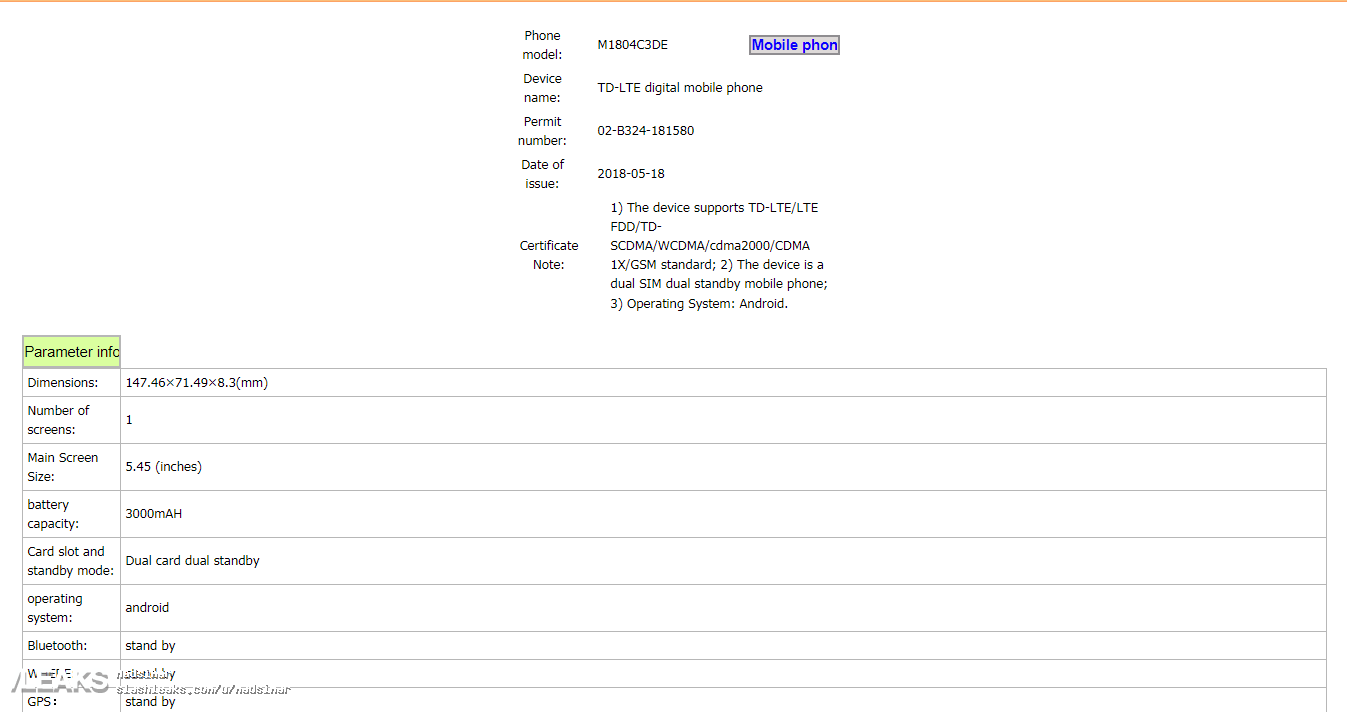
The Xiaomi M1804C3DE was issued its TENAA license on the 18th of May. The full TENAA listing isn’t available yet but some key details have been made available.
The phone will have a 5.45-inch screen and measure 147.46 x 71.49 x 8.3 mm. Its dimensions hint at the phone having a screen with an 18:9 aspect ratio. TENAA also revealed that it has a 3,000mAh battery and has dual-SIM support.
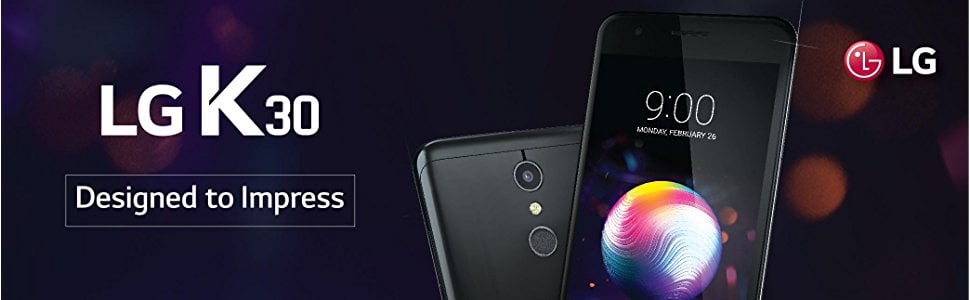
The LG K30 is an entry-level phone that launched a few weeks ago as a T-Mobile exclusive. Now LG has released an unlocked version of the phone on Amazon.
The version of the LG K30 sold on Amazon is a little different. Unlike the T-Mobile version that has 2GB of RAM and 32GB of storage, the unlocked version sold on Amazon has 16GB of storage. Another difference is that the T-Mobile version has a 13MP rear camera and a 2880mAh battery while the unlocked version has an 8MP rear camera and a 3000mAh battery.
Other than the above, the remaining specs are the same. It has a 5.3-inch HD screen, a Snapdragon 425 processor, a rear-mounted fingerprint scanner, and a 5MP front camera with its own LED flash. The unlocked LG K30 runs Android 7.1 Nougat out of the box and has a MicroSD card slot for storage expansion.
The Xiaomi Mi 8 will launch on May 31. The flagship will launch as a special edition phone to mark the 8th anniversary of the company.
Yesterday, the pricing and memory configuration leaked and it revealed that the phone will start at ¥2799 (~$438) for the 6GB RAM + 64GB model and jump to ¥3199 (~$500) for the 8GB RAM + 128GB model. New photos have surfaced that show the Mi 8 may sell for more on the streets of China.
[envira-gallery id=”192703″]
The photos were taken at an offline store that put up a handwritten sign that says the Xiaomi Mi 8 will sell for ¥2999 (~$469) and will be available for pre-order on May 31. While the store doesn’t mention the storage variant that will be sold at this price, our guess is it is the 64GB model.
Xiaomi Mi Band 3 is expected to be unveiled soon, perhaps at the launch event scheduled to hold on May 31 at Shenzhen, China. Xiaomi has already revealed the existence of a successor fitness band to the Band 2 which was released in 2016. The Mi Band 3 was even spotted in the hands of Lei Jun during the Black Shark Gaming phone launch.
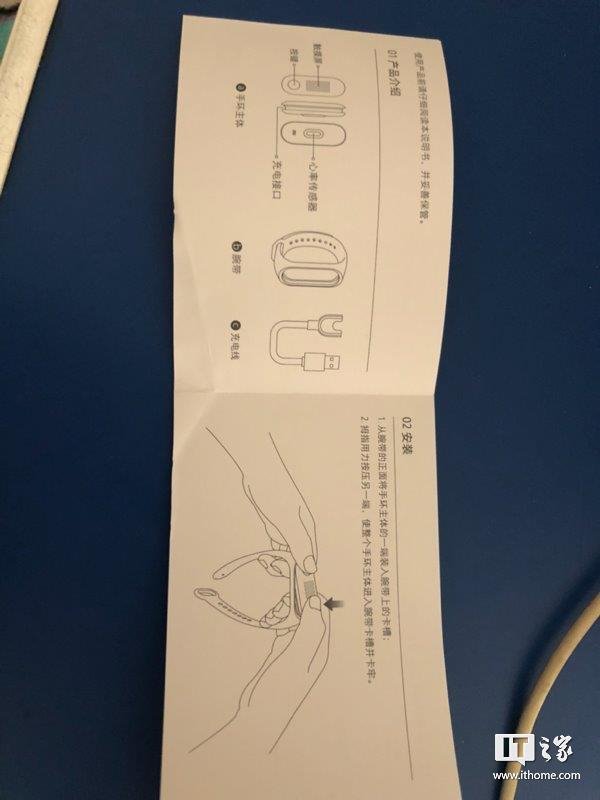
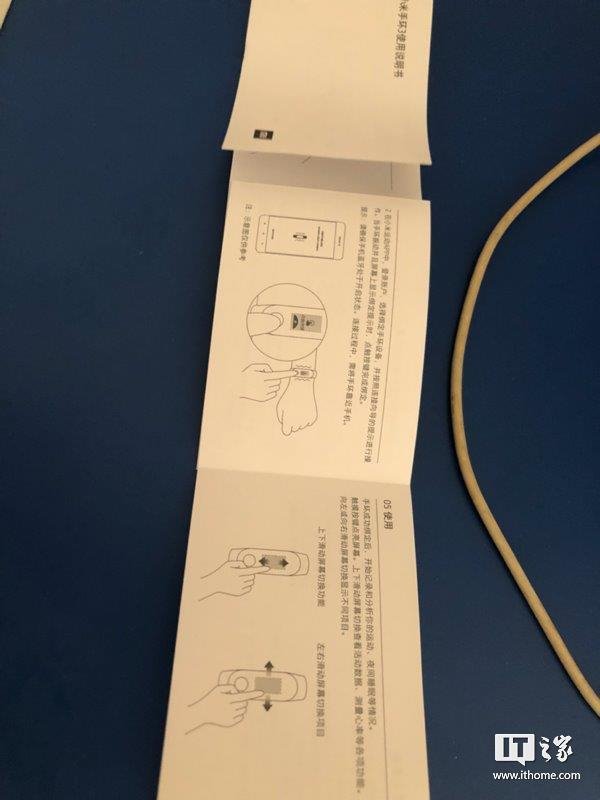
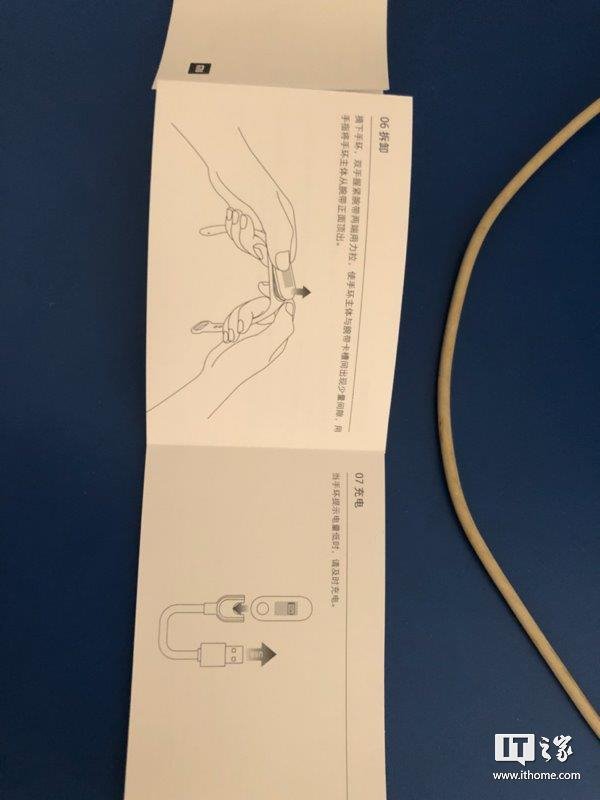
If you have had cause to order a Xiaomi product from China, you’ll agree that the user manuals are always in Chinese. So most times, foreign users rely on YouTube videos and reviews for directions on how to use the products. The Mi Band 3 isn’t going to be different. We know so because the user manual for the third-generation Mi fitness tracker has leaked online. The user manual is written in Chinese but we can pick up some details about the sports band from the accompanying sketches.
From the pictures, we can gather that the Mi Band 3 installation is basically similar to its predecessors. The fitness tracker is removable from the strap and is inserted into the strap in a pattern similar to the one used for the Band 2. In addition, the device will use a similar charging cable as that of the Band 2. The shape of the pebble-shaped tracker on the sketch isn’t the same with the Mi Band 2. Compared to the second generation sports band, the display of the Mi Band 3 is more rounded, and the screen is obviously more convex. The Band 3 may likely come in a slightly bigger size so, we may not be possible to swap charging cables with the Band 2. The Band 3 comes with the same round-shaped home button found on the Band 2 but the screen seems to be touch sensitive. Looks like there are various functions that get activated when the screen is swiped up, down, left or right.
Before now the device has received Bluetooth certification showing it will have Bluetooth 4.2 technology. The Mi Band 3 is also expected to come with an IP67 waterproof and dustproof buil d as well as NFC and gesture support.
There were reports that the US had reached a deal with China with respect to ZTE’s ban. The US President Donald Trump, is reported to have disregarded the reports saying no deal has been made.
However, President Trump says ZTE may get a hefty fine that is over $1 billion and will be required to form a new board of executives and make significant changes in its leadership. It has also been reported that ZTE may be required to increase the quantity of hardware it buys from American companies.
“What I envision is a very large fine of more than a billion dollars, could be [$1.3 billion]. I envision a new management, a new board and very, very strict security rules. And I also envision that they will have to buy a big percentage of their parts and equipment from American companies,” – Trump
ZTE at the moment has put its losses at about ¥20 billion ($3.1 billion) since the ban took effect. It has stopped production for weeks now but has its workers on standby to resume work in a matter of hours if the ban is lifted. Even though work isn’t going on, ZTE is reported to be spending between 80 to 100 million Chinese Yuan in daily operational expenses.
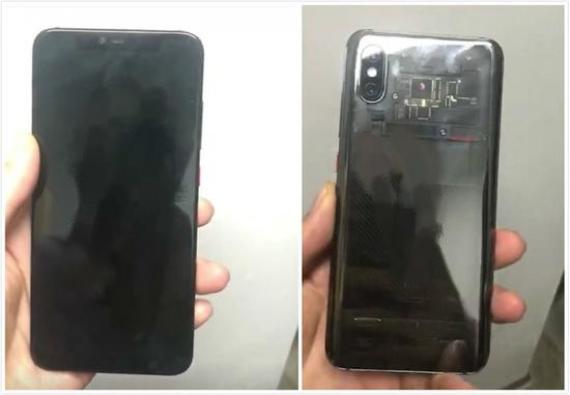
The media has been kept buzzing by the surprised Xiaomi Mi 8 Anniversary flagship which is expected to be launched on May 31 in Shenzhen, China. Xiaomi earlier this week revealed the launch date and since then, the rumour mill has continued to rattle with details of the model. Earlier on, we stumbled on a couple of leaked hands-on pictures of the Mi 8. Right now, we happen to have laid our hands on the Mi 8 hands-on video.
From the look of things, the pictures purported to be those of the Mi 8 was gotten from the hands-on video. The short video reveals no further details of its design but once again, it reiterates the presence of a transparent glass back panel on the device. The front view aligns with the design of the leaked front panel which revealed the Mi 8 will come with a notch design on its display. Unfortunately, we can’t make out the bezel on the lower edge as a result of the video’s clarity but we can see if there is a physical home button.
Much of our admiration of the design lies in the rear panel. The device has a glass back panel but interestingly, it is a transparent glass panel which shows the internal components. We could make out the Snapdragon chipset on the motherboard, with Qualcomm’s logo printed on it. The device is also shown to pack a vertically aligned dual rear camera setup placed at the upper left corner just like the Mi Mix 2s. The Mi logo is also engraved on the lower half of the rear glass panel. As far as the specifications go, the Mi 8 packs a 6.01-inch OLED display with 3D facial recognition. The device will also be powered by a Snapdragon 845 chipset and will get its juice from a 4000mAh battery, among other features.
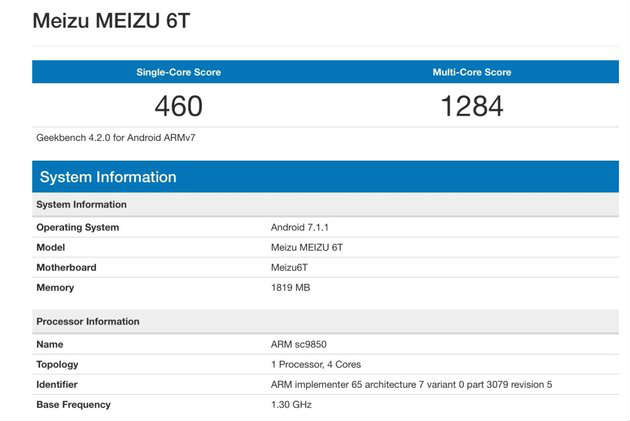
Meizu has a new entry-level smartphone called the Meizu M6T launching on May 29. Ahead of its launch, the device has appeared on Geekbench and in doing so revealed a few specs.
The Meizu M6T runs Android 7.1.1 Nougat and has 2GB of RAM. It is powered by the SC9850, a chipset from Spreadtrum. The SoC is clocked at 1.3GHz and has 4-cores.
According to the info on Spreadtrum’s website, the SC9850 is a 28nm chipset. It has a Mali 820MP1 GPU and supports 1080p video playback, a single 13MP sensor, and an HD+ panel.
Using the above parameters, we have a rough idea of the other specs of the Meizu M6T. The main camera won’t be more than 13MP and the display will max out at 720p. We also expect it to come in 3GB RAM + 32GB ROM and 2GB RAM + 16GB ROM variants.
In terms of performance, the Meizu M6T scored 460 points in the single-core test and 1284 points in the multi-core test. This is a bit low when compared to the scores of the Xiaomi Redmi Note 5A which is powered by Qualcomm’s Snapdragon 425 and is also a 28nm chip.
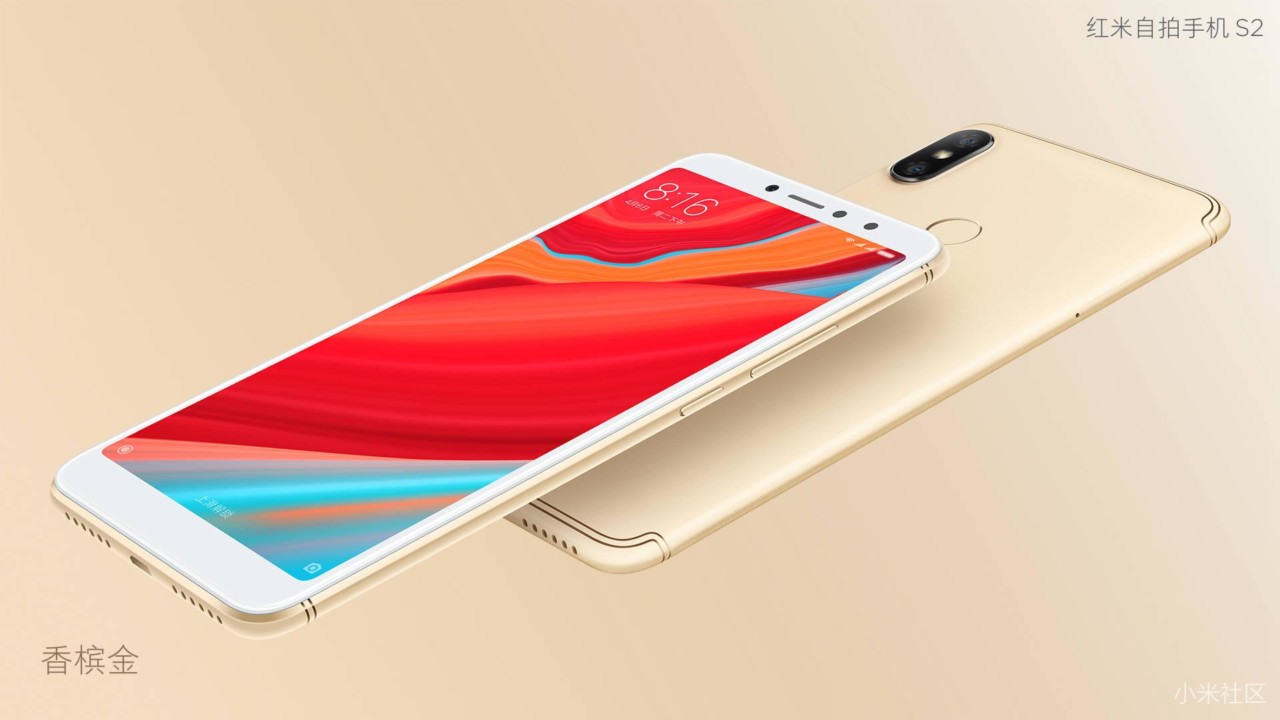
After announcing the Redmi S2 smartphone in Indonesia on 11th May, Xiaomi has officially launched the Xiaomi Redmi S2 in Indonesia. It is priced at Rp 2.39 million, which roughly converts to $168.
The Redmi S2 is all about the selfie camera. Not just the hardware of the front-facing camera, but the smartphone also comes packs AI-based algorithms to ensure that selfies turns out perfect. The 16-megapixel front-facing snapper comes with f/2.0 aperture, 79.8-degrees wide angle lens. It features large 2μm pixels, which helps in delivering good low-light photos.
Further, the selfie camera comes equipped with a soft front flash as well, which Xiaomi claims mimic natural light as well as HDR. It has two major AI modes — AI Portrait and AI Beauty. Coming to the rear camera, there’s a dual camera setup consisting 12MP primary lens and a 5MP secondary sensor. It comes with phase detection autofocus (PDAF), LED flash, facial recognition, AI portrait mode, and HDR.
The smartphone comes with a 5.99-inch HD+ display with screen resolution of 1440 x 720 pixels and 18:9 aspect ratio. Under the hood, it is powered by Qualcomm‘s Snapdragon 625 octa-core processor clocked at 2.0GHz.
It packs 3GB RAM and 32GB of internal storage. There’s also a microSD card slot, which enables users to further expand the storage capacity up to 256GB. There’s another variant of the phone which comes with 4GB RAM and 64GB onboard storage but it seems that the company has not launched this variant in Indonesia.
There’s a fingerprint sensor on the back panel as well as Face Unlock feature for added security. The device runs on Android Oreo-based company’s own MIUI on top and is fuelled by a 3,080mAh non-removable battery with 31 days of standby time, according to the company.
In Indonesia, the Redmi S2 will be available in three color options — Grey, Gold, and Rose Gold. Priced at Rp 2.39 million (approx. $168), the smartphone will be available for purchase from 25th May.
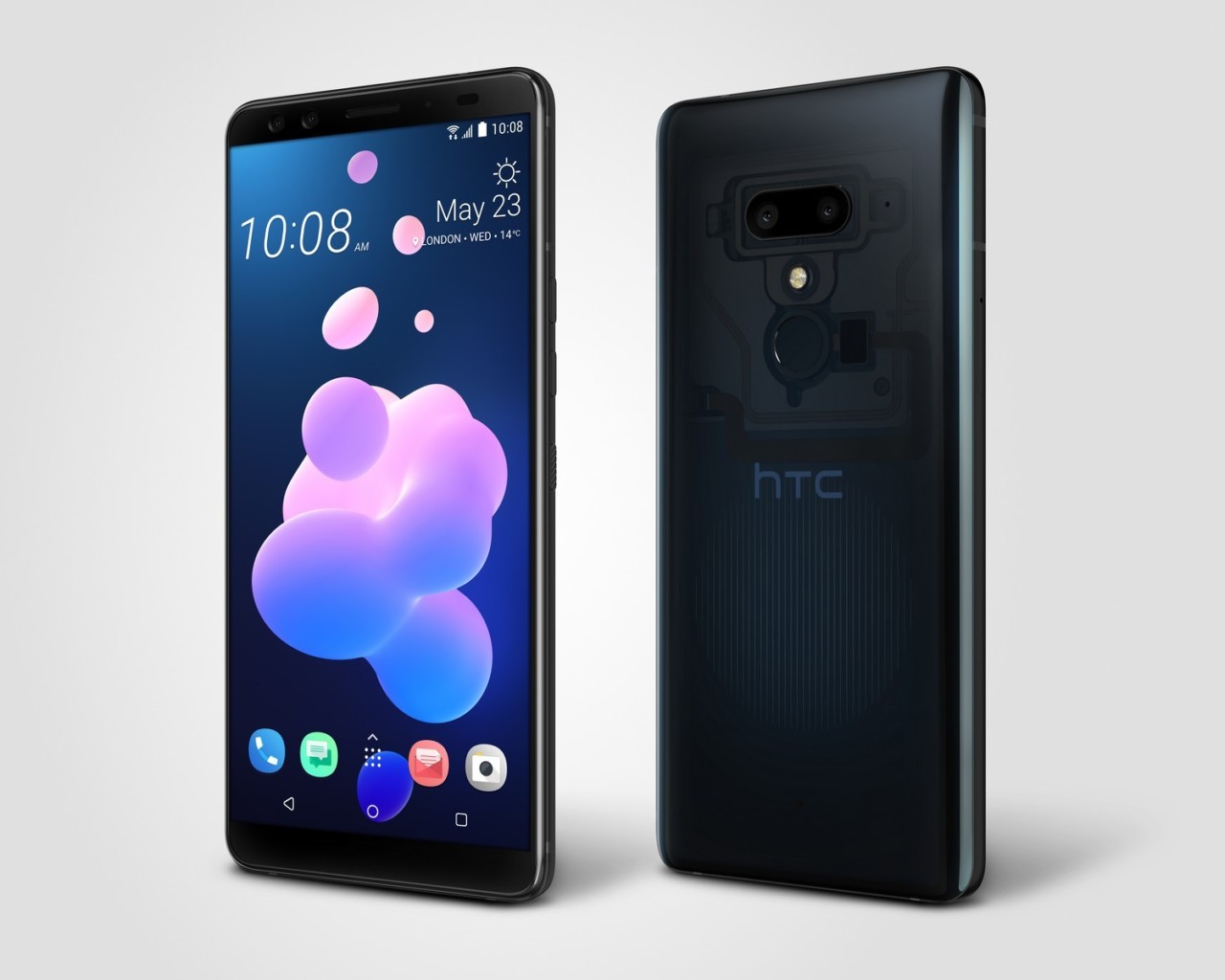
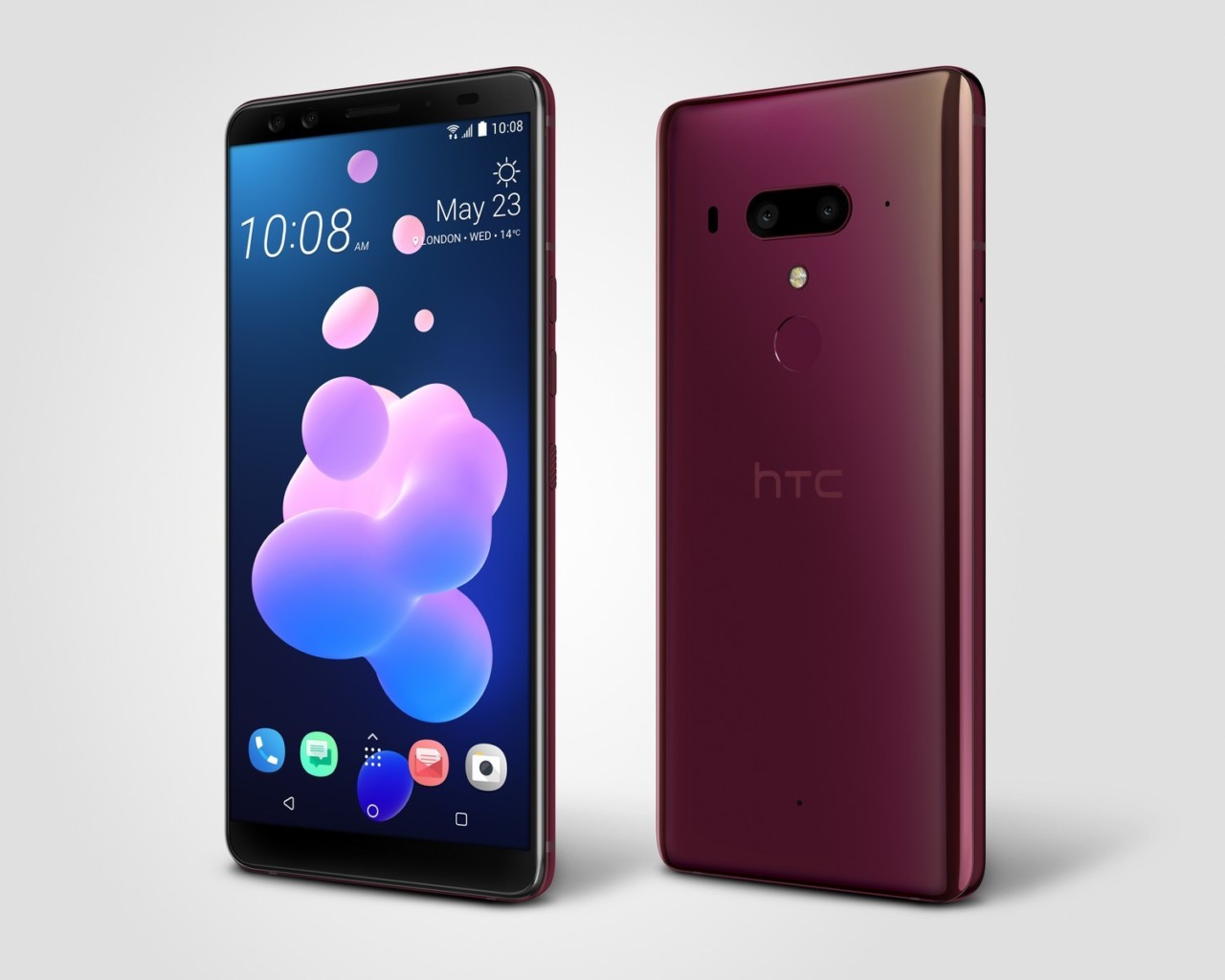
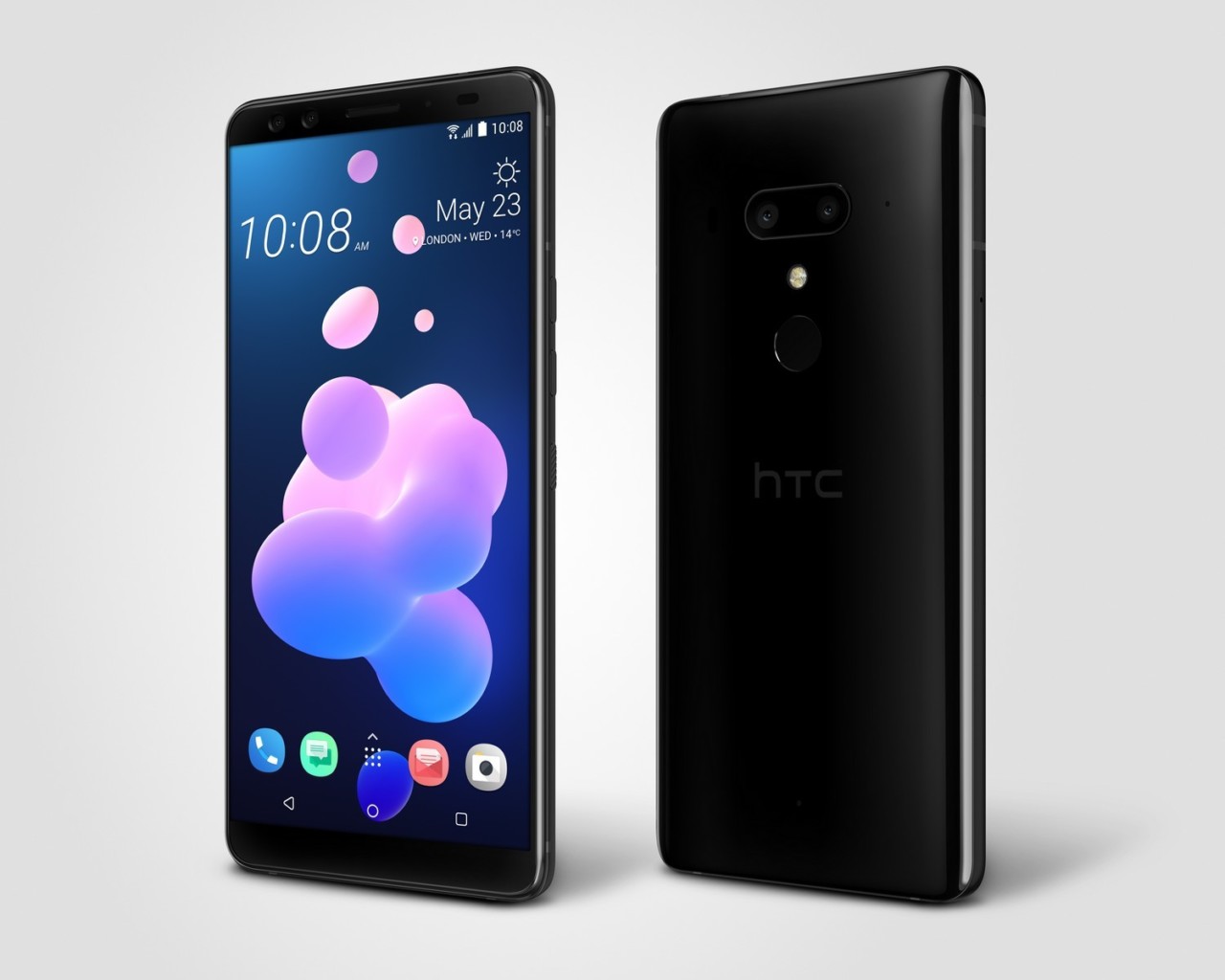
HTC has finally taken the wraps off the U12+ smartphone and indeed it is the ultimate flagship phone! The HTC U12+ presents with a spectacular glass design which is even transparent glass on one of the color variant. As interesting as that may sound, the U12+ will sadly not turn out as popular as other high-end flagships like the Galaxy S9, OnePlus 6, Mi Mix 2s. But this is a raw beauty before our very eyes with the best of specs you’ll find on high-end flagship models.
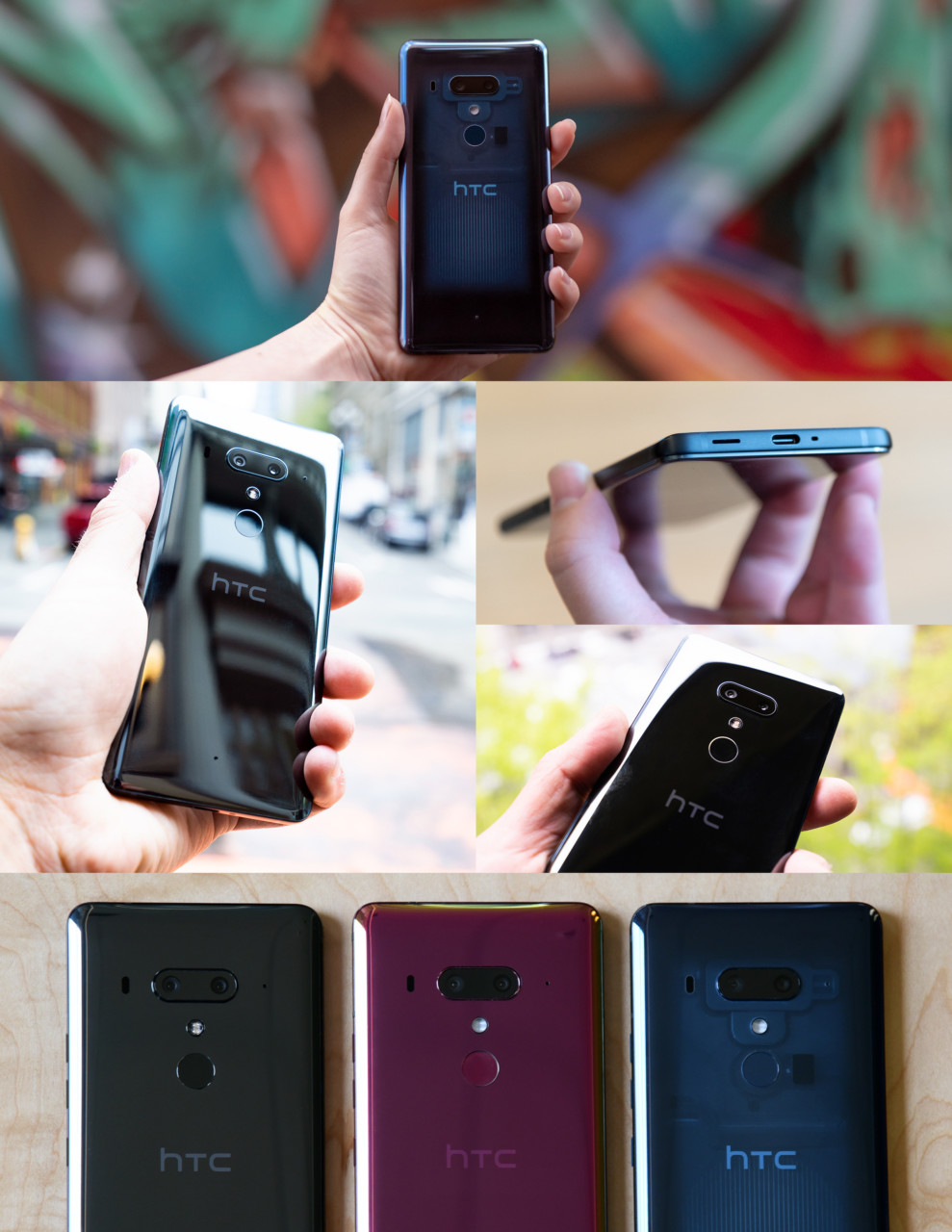
The HTC U12+ isn’t very much different from the U11+ which was launched last year. The device comes with the same 3D liquid glass design granting the phone a sleek and unique premium look. The device comes in black, red and blue. The blue variant has a transparent body (the right word is actually translucent) which gives you a glimpse at the phone’s internals. This is similar to what we saw in a recently leaked photo of the Mi 8.
Talking about the specifications, the U12+ packs a 6-inch Super LCD 6 screen with a Quad HD+ resolution of 2,880 x 1,440 pixels. HTC revealed that there won’t be a U12 this year so, the size is all we’ll get. The device also comes with an 18:9 aspect ratio and HDR 10 support, just like the U11+. Thankfully, this is one notch-less device.
The device packs a dual camera setup on top of the rear glass panel. The two cameras are arranged horizontally at the middle surrounded by a pill-shaped enclosure. The main camera is a 12MP wide-angle sensor having HTC’s UltraPixel 4 technology. The second sensor is a 16MP telephoto lens. The dual camera brings features like 2x optical zoom and bokeh. The main camera records HDR10 video and has ultrafast whole-sensor phase detection autofocus, aided by laser autofocus. The kit is able to do 4K video at 60fps, as well as 1080p slow-mo at 240fps, too. The device also packs dual cameras at the front, both 8MP sensors. Th front cameras are capable of capturing better portrait shots and bring Face Unlock. You also get wide angle lens, screen flash, AR stickers, and HDR Boost. For what it is worth, the HTC U12+ DXOMark score is out and the device is only second to the P20 Pro.
The HTC U12+ comes with the second-generation Edge Sense 2 technology which lets you squeeze the phone to access apps and shortcuts. The technology again offers pressure-sensitive sides but this time around you just don’t squeeze the handset to control but HTC now adds double-tapping, as well as simply holding. Edge Sense 2 can tell which hand you are grabbing the phone with and adjusts accordingly. You can double-tap instead of stretching to use the virtual back key, for instance, so you don’t stretch your thumbs too much. The features are also designed to work with most apps in the Google Play store and not only in the stock applications.
As would be expected, the U12+ features a Qualcomm Snapdragon 845 chipset paired with 6GB of RAM. The device comes with a 64GB and 128GB storage options with microSD slot for expanding the storage up to 2TB. Providing the interface is Android Oreo OS but HTC assures us it’ll be upgradeable to Android P when that’s officially released. Keeping the lights on is a 3500mAh battery.
As for the pricing and availability, the HTC U12+ comes with a price tag of $799 for the 64GB variant while the 128GB version comes in at $849. The device is available to buy from HTCs website and Amazon. The Black variant is only available in the 64GB model but the translucent blue model is available in 64GB and 128GB versions.
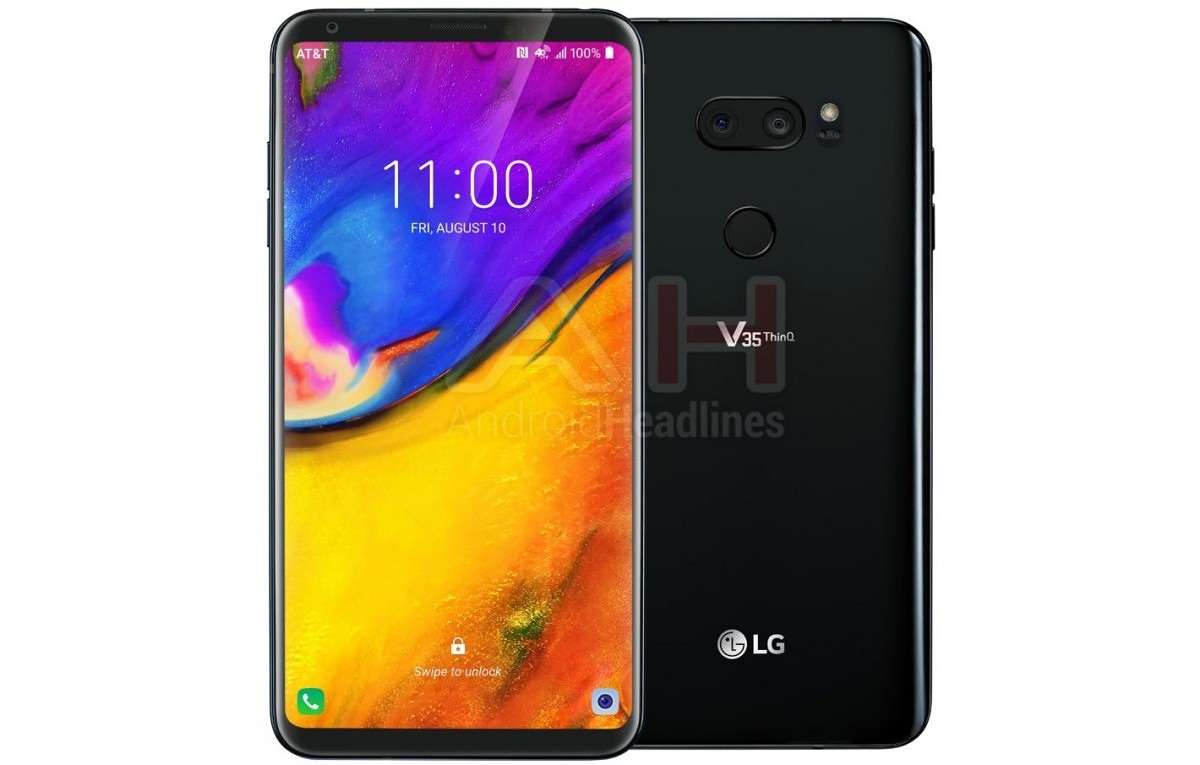
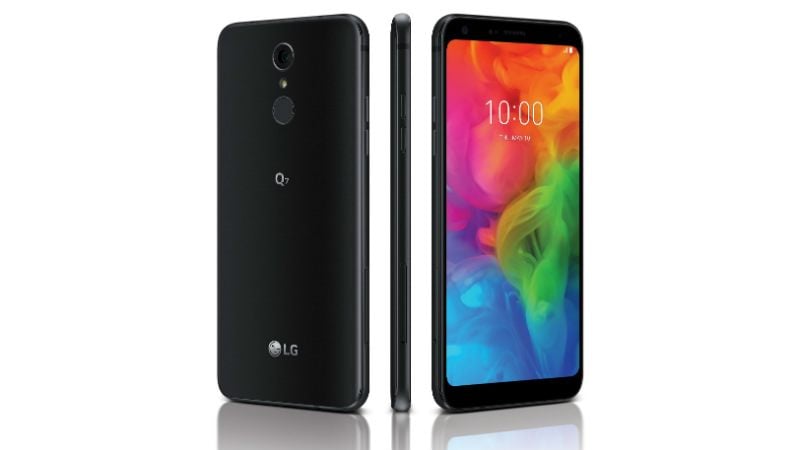
LG has recently launched the LG G7 ThinQ smartphone. Fresh information reveals that the South Korean company and three leading operators of the country are prepping up to debut five new phones in the coming month in the home country. The names of the upcoming LG phones are LG V35, LG Q7, LG Q7 Plus, LG X2 and X5 smartphones in June.
LG V35 ThinQ Specs and Pricing
Among the aforementioned smartphones, the LG V35 ThinQ is the second Snapdragon 845 powered premium smartphone from the company. The device houses a 6-inch notch-less OLED FullVision display that supports QHD+ resolution.
The smartphone is fitted with LG G7 ThinQ’s dual 16-megapixel cameras. For selfies, it possesses an 8-megapixel front camera. It includes several AI features for photography that can be found on the G7 ThinQ. There are three kinds of biometric identification features on the phone such as voice, face and fingerprint recognition. It is also expected to include Hi-Fi Quad DAC and far-field voice recognition. The handset is expected to be priced around 898,700 Won ($830).
LG Q7 and Q7 Plus Specs and Pricing
LG has already introduced the LG Q7 and LG Q7 Plus smartphones that feature MIL-STD-810G and IP68 certified chassis. The Snapdragon 450 SoC chipset is present under the hood of both the smartphones. The Q7 has 3 GB of RAM and 32 GB of storage whereas the Plus mode has 4 GB of RAM and 64 GB of storage. The Q7 Plus also feature Hi-Fi Quad DAC.
Both the phones are fitted with HD+ resolution supporting IPS LCD displays of 5.5 inches and they are driven by 3,000mAh batteries. The Q7 and Q7 Plus feature 5-megapixle front cameras. The Q7 Plus has a rear camera of 16-megapixel whereas Q7 houses a 13-megapixel main camera. These phones are respectively priced at 400,000 won (~$370) and 500,000 won (~$462).
LG X5 and LG X2 Specs and Pricing
The LG X5 is an entry-level smartphone that features a 5.5-inch HD display and a huge battery. It is equipped with a 4,500mAh battery that is also found under the hood of the LG X500 phone from last year. However, the battery of the LG X5 has been optimized to deliver maximum usage time. It is fueled by MediaTek MT6750 chipset and 2 GB of RAM and it comes with a native storage of 32 GB. The X5 (2018) has a rear camera of 13-megapixel and a front camera of 3-megapixel. It will be hitting the South Korean market with a pricing of 300,000 won (~$277).
The LG X2 is an ultra low-end phone that houses a 5-inch HD display driven by Snapdragon 425 chipset and 2 GB of RAM. It also features an inbuilt storage of 32 GB. For photography, it features 13-megapixel rear camera and 5-megapixel front camera. The X2 (2018) receives power from 2,410mAh battery. In the home country, it will be available for 200,000 won (~$185).
LG is launching flagship, high-end and low-end phones one after another which indicates that the company is aiming to provide smartphones at various price points to the customers. Do you think that this strategy would work for LG? Share us your views by posting your comments below.
Apple’s manufacturing partner Taiwan Semiconductor Manufacturing Co. (TSMC) has reportedly started mass production of next-generation Apple A12 chipset for the upcoming iPhones which are slated to launch later this year.
The next-generation processor, which is expected to be called Apple A12 is said to be manufactured using the 7-nanometer design process. The current generation chipset — Apple A11 Bionic is based on a 10-nm design process, which is used in iPhone 8 and iPhone X.
If the report about the 7-nm process for Apple A12 turns out to be true, then it will be the first 7-nm A-series chipset. The shrinking die size will provide several benefits, including an increase in transistor density. This helps to boost efficiency as well as the processing power.
Earlier this year, in April, TSMC, which is the world’s largest contract chipmaker, had confirmed that the company has started mass-producing 7-nanometer processors but didn’t disclose if the chipsets were being manufactured for a specific partner.
According to the reports, TSMC is also expected to use in-house developed InFO wafer-level packaging to its 7-nanometer FinFET technology, with an aim to offer a more advanced product than its competitor Samsung. South Korea-based Samsung has previously been the manufacturer of Apple’s exclusive A-series chipsets, but the California-based company shifted to TSMC last year.
Recently, Samsung confirmed that it is planning to begin production of its own 7-nanometer chips later this year. Further, the company also revealed that it is planning to use the same for its own upcoming flagship smartphones.
If the reports are to be believed, then Apple is planning to launch at least a three new iPhones this fall. The company is expected to launch a larger version of the iPhone X — “iPhone X Plus” with a 6.5-inch display; an update to the current iPhone X model — “iPhone X2”; and a low-cost variant of the iPhone X but with a cheaper LCD screen.
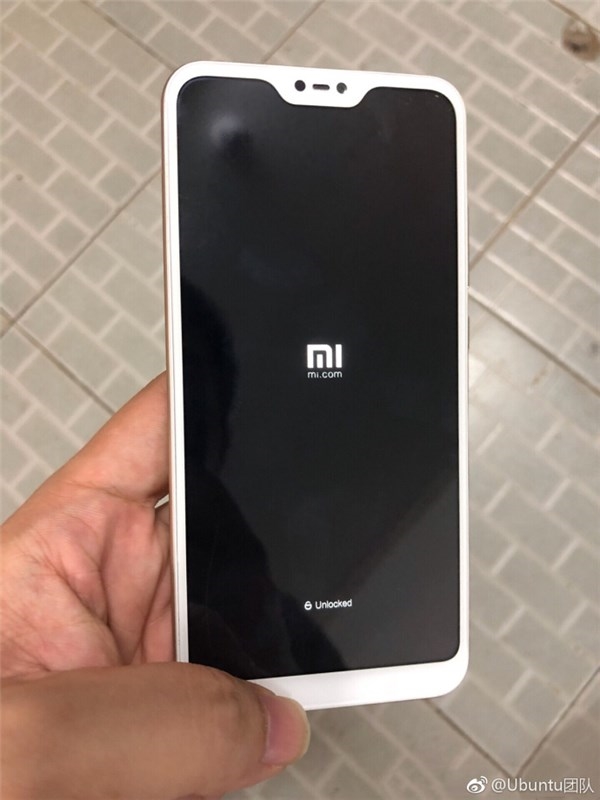
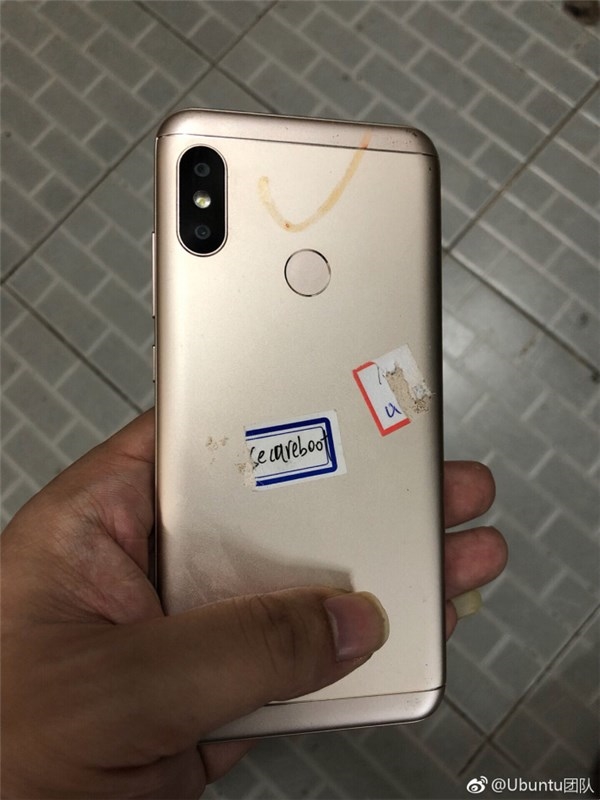
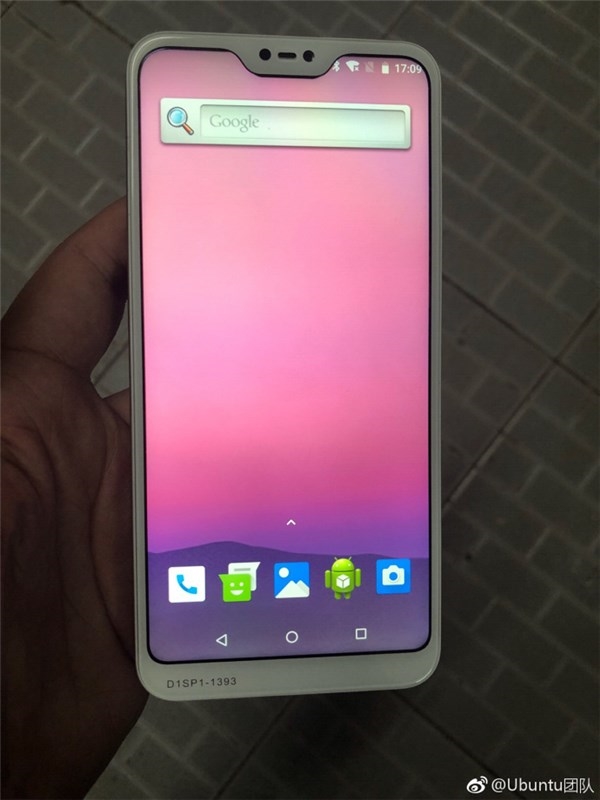
So far, Xiaomi has confirmed that it will be debuting the Xiaomi Mi 8 smartphone along with MIUI 10 through its 2018 annual product launch event on May 31. Since Xiaomi CEO Lei Jun has claimed that multiple products will be showcased at the event, rumors are rife that the company may also announce Xiaomi Mi 7 smartphone and Mi Band 3 fitness band at the upcoming Shenzhen event. Today, the rumor mill has leaked fresh images of the alleged Xiaomi Redmi 6 phone. It is now being speculated that the Redmi 6 may also debut at the end of this month.
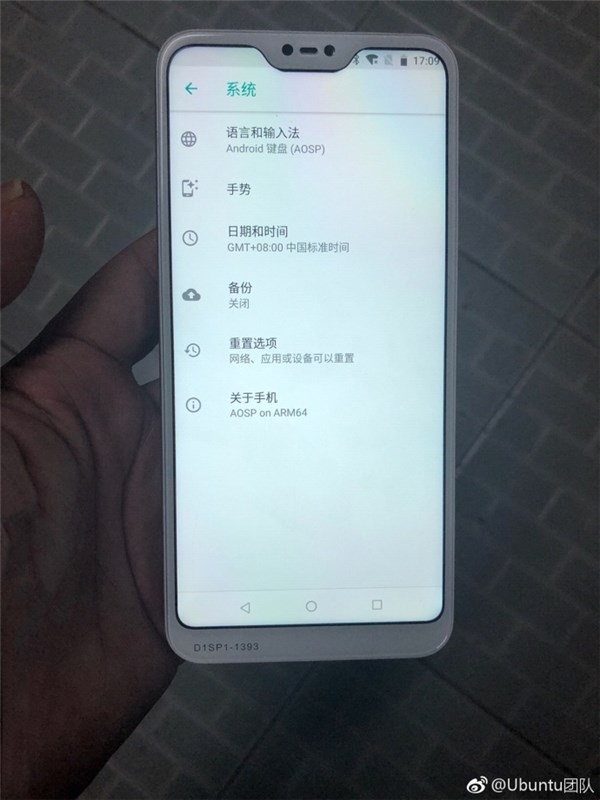
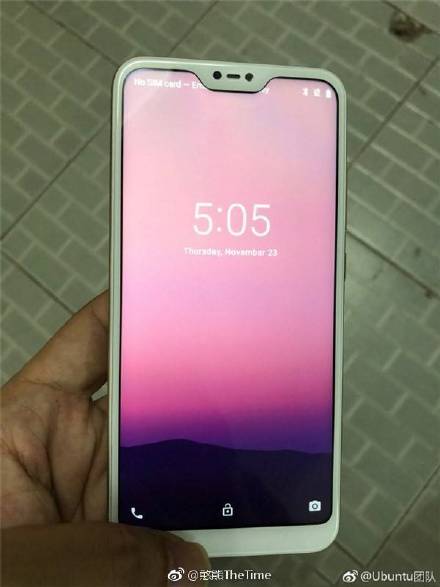
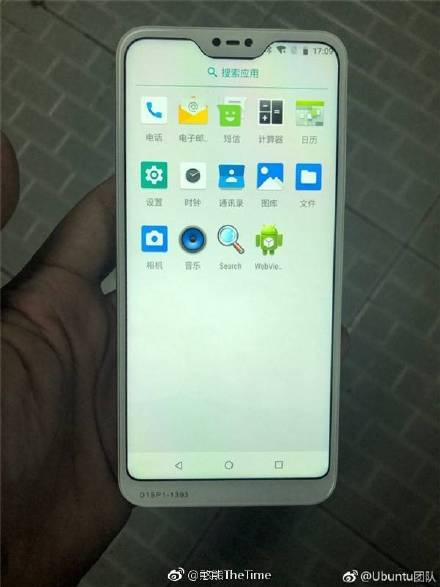
It’s clear that this is one of the prototypes and not the final product. While its speculated that the phone is the Redmi 6, we can’t be sure whether this is even a Xiaomi smartphone. The build quality looks poor and we can’t find any Xiaomi branding. Even at the back, the user’s hand conveniently hides any logo underneath. Best case scenario: We are looking at one of the early Redmi 6 prototype models. Worse case scenario: This is a cheap Xiaomi knock off with a notched display up front. Personally, it looks more like the second case.
The notch appears to be placed outside of the screen and the icons for Bluetooth and clock do not seem to fit properly within the gap between notch and the right bezel. The notch seems to be housing a selfie camera, an earpiece and some other sensor. The chin of the device is as thick as that of the Redmi 5 smartphone.
The back panel of the phone sports 3-stage design like the predecessor Redmi series smartphones. A vertical dual camera setup is placed on the top-left corner. The fingerprint scanner is also placed on the rear side of the phone. The handset seems to be running on stock edition of Android instead of MIUI, which is another big .
Earlier rumours have it that the Redmi 6 could be arriving with a 5.99-inch or 5.7-inch HD+ resolution supporting display. The Snapdragon 625 SoC is expected to power it along with 3 GB of RAM. As far as pricing is concerned, the Redmi 6 could be priced under 999 Yuan (~$156).
There are less than 10 days remaining for the Shenzhen event. Xiaomi is expected to release more teasers on the devices that may get unveiled at the event. Hence, if the Redmi 6 exists for real and it is slated to get announced on May 31, the Chinese firm may confirm within this week.
Hence, it is advisable to digest the report with a grain of salt.
Recently, during its annual developer conference Google I/O, Google demonstrated its artificial assistant Google Assistant’s astonishing feature called Google Duplex, which enables the Assistant to make phones calls on behalf of the user.
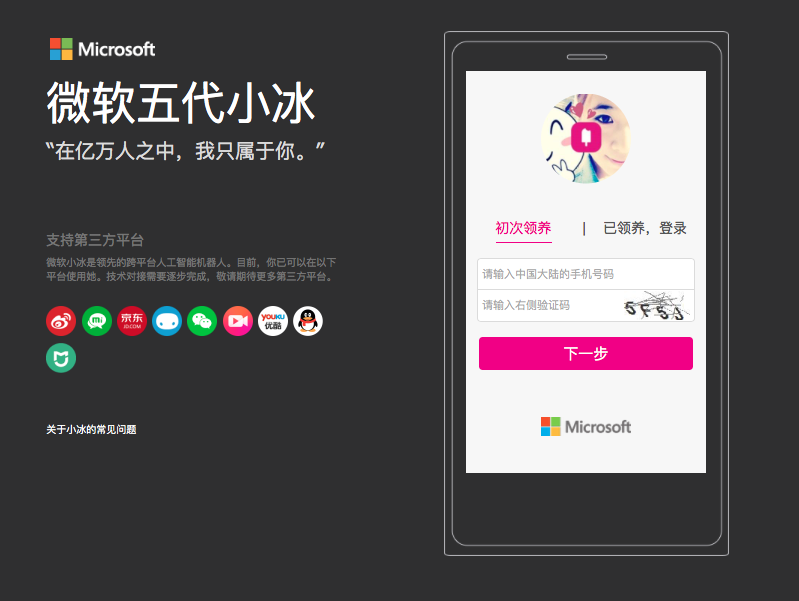
Now, it appears that Microsoft has been testing the similar functionality with millions of users in China. At a recently held AI (artificial intelligence) event in London, Microsoft’s CEO Satya Nadella showcased the company’s social chatbot named Xiaoice.
The feature, which has been in testing since quite some time in China, has about 500 million “friends” and more than 16 channels, reveals Satya Nadella. He further said that Chinese users can interact with the service through WeChat and other such popular messaging services.
Further describing the capabilities of its AI-based social chatbot, Microsoft CEO Satya Nadella said that “Xiaoice has her own TV show, it writes poetry, and it does many interesting things. It’s a bit of a celebrity.”
Reportedly, most of the interactions with this artificial intelligence tool has been in text conversations. But the Redmond-based company has now started allowing the bot to call people on their phones. Instead of using the calling service on behalf of the user to book appointments or make reservations, similar to Google Duplex, the Microsoft’s Xiaoice holds a phone conversation with a person.
Revealing more information regarding this, Satya Nadella said, “One of the things we started doing earlier this year is having full-duplex conversations. So now Xiaoice can be conversing with you in WeChat and stop and call you. Then you can just talk to it using voice.” He further added that the service made millions of calls so far.
In a demo presented by Microsoft, it was revealed that the Xiaoice uses phrases like “hmm” and “mmm” in the middle of the conversation, just like Google Duplex, in order to make the bot’s conversation sound more human.
Currently, the Xiaoice service is limited to China only and it seems that the social chatbot is quite popular there. The company has not revealed any plans about the future of this service, its expansion to other regions, the addition of more languages or if it plans to introduce such service in its voice-based assistant Microsoft Cortana.
Microsoft clearly has technology that enables bots to make phone calls. While still limited to Chinese and China-only, there’s a possibility that the company could make it available for the US as well as to other English-speaking countries.
Earlier, Microsoft experimented with a conversational bot in the US back in the year 2016. The bot, which was named “Tay” and was available on Twitter, was shut down after Twitter users turned it into a racist bot.
Smartphone lovers who have restlessly been waiting to get their hands on a Xiaomi-branded smartphone without emptying their pocket are in for a treat. GeekBuying is handing out big discounts on a broad range of smartphones manufactured by the Chinese tech firm and also offering various discount coupons that you can use to save up to $10.
The GeekBuying promotion dubbed as ‘Save Big on Xiaomi Smartphones’ has been split into multiple categories in order to facilitate the search process. Here’s a brief glimpse of what each division has to offer.
High-End Phones
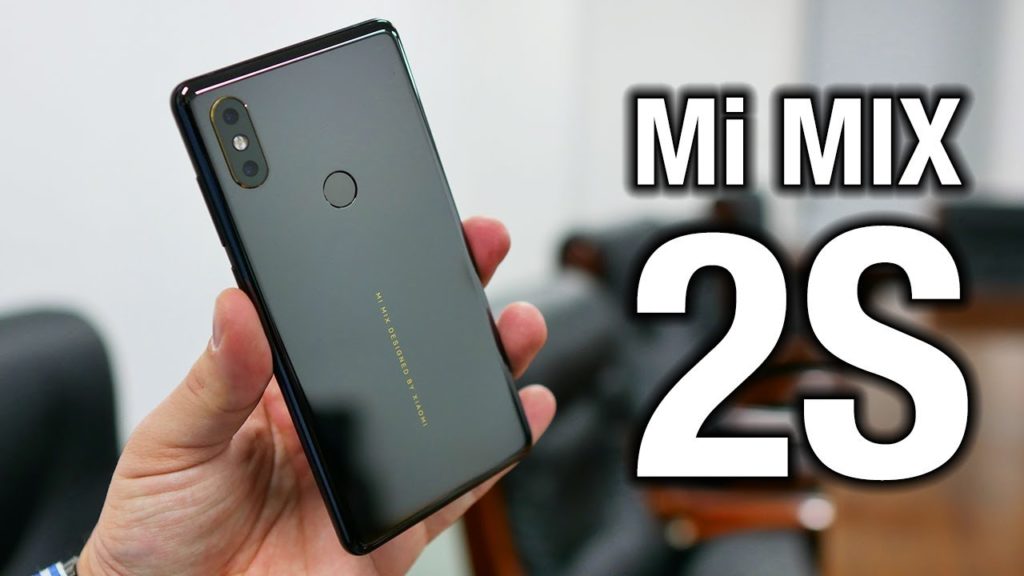
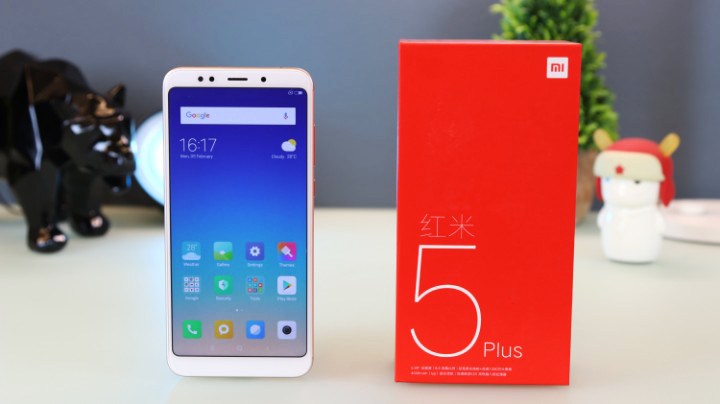
This section features the Xiaomi Mi Mix 2S, Redmi Note 5, and the Redmi 5 Plus smartphones. While all three aforesaid smartphones are available at a lowered price, we’ll talk about the Mi Mix 2S smartphone which would normally set you back $669.99 on GeekBuying.
The Chinese online store is offering 25% off on the Mi Mix 2S smartphone, bringing its retail price down to only $502.99. On top of that, you can apply coupon code ‘BLQJIJZS’ to save $10 more at the time of checking out. This reduces your subtotal to only $492.99.
But if that doesn’t impress you much, you can use discount coupon ‘YZIMUQYW’ to save an extra $150 and lower your subtotal down to only $493.99. Similarly, you can apply coupon code ‘OXAMSCLL’ to bring the already discounted price of the Xiaomi Redmi Note 5 smartphone down to only $220.99.
The 4GB RAM/64GB ROM black-tinted Redmi 5 Plus smartphone which normally sells for $319.99 on GeekBuying is now available for a slashed price of just $189.99. You can further lower your subtotal to only $174.99 by using coupon code ‘PXVDCPMX’ while checking out.
Best Sellers
This section is crammed with some of most well-received Xiaomi smartphones. More importantly, these phones are currently available at a considerably lowered price.
Among a slew of other top-notch handsets, you can go for the coveted Redmi Note 4X smartphone which sports a big 5.5 Inch FHD display and packs a powerful Snapdragon 625 Octa-core processor, under the hood.
GeekBuying is giving Xiaomi fans an opportunity to buy the coveted Redmi Note 4X for only $145.99. The site is providing a significant 38% discount on the phone’s original selling price of $235.80.
But if you’re on a tight budget and aren’t willing to shell out that kind of money on a smartphone, you can use coupon code ‘ESHVVMOA’ to lower your subtotal to only $137.99. The aforesaid discount coupon helps you save an additional $8 while checking out.
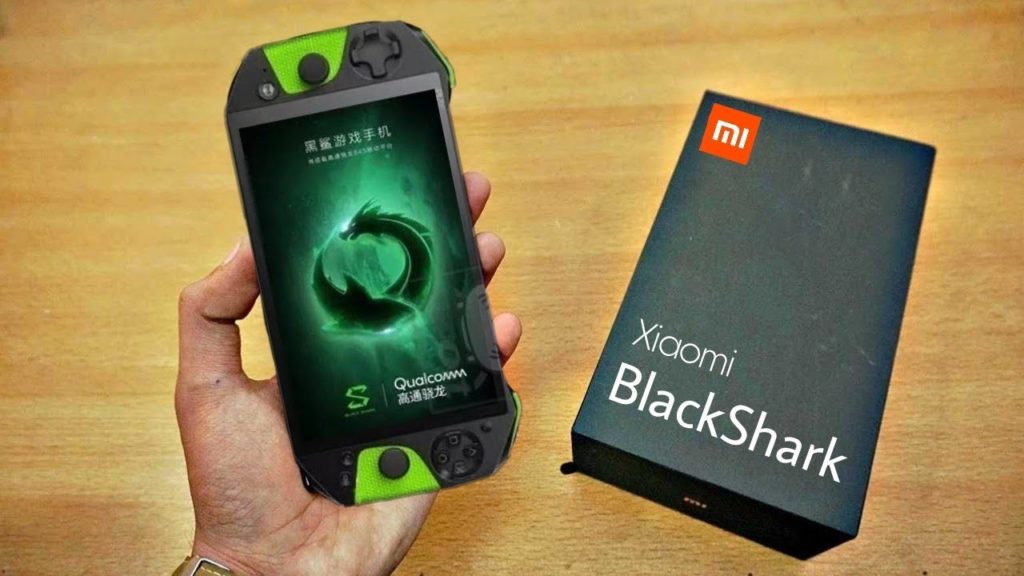
This section also features the Xiaomi Black Shark Gaming Phone which you can now buy at a discounted price of $589.99. You can reduce the price of the 6GB RAM/64GB ROM version to just $579.99 by applying the coupon code ‘XEBKQKSX.’
The slightly larger variant of the Black Shark gaming phone comprising 8GB RAM/128GB ROM is also available for a lowered price of $699.99. You can apply discount coupon ‘LUSCWHDB’ to bring your subtotal down to only $679.99.
Recommended
You can find several high-end Xiaomi phones in this section. In addition to getting the discounts on the phones featured in this category, you can apply coupon code ‘ZIBYGBDS’ to save an extra $7.
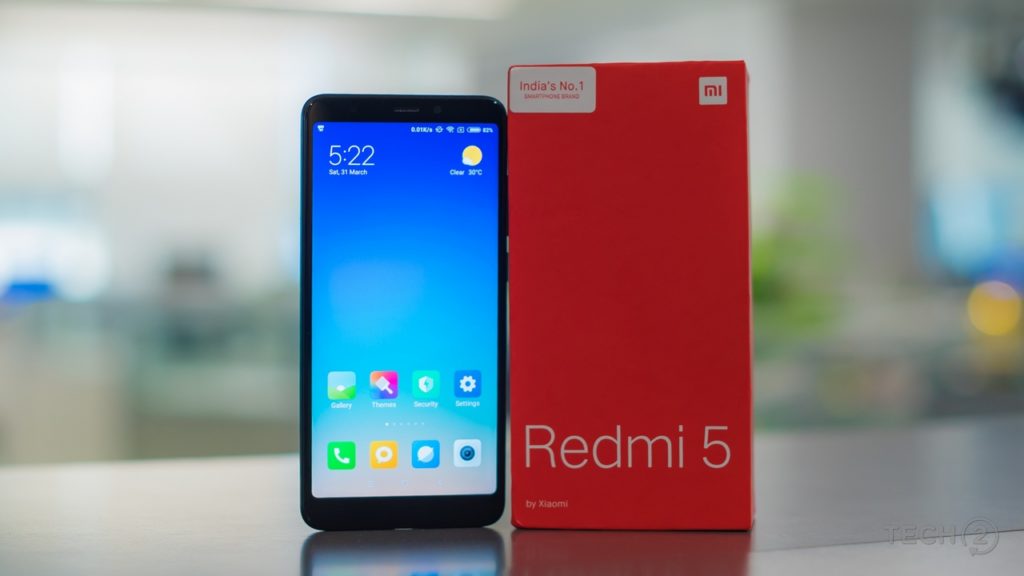
For the sake of an example, you can buy the Xiaomi Redmi 5 smartphone at a reduced price of just $148.99. The phone usually sells for $249.99 on GeekBuying but the site will be offering 40% discount on its retail price for 8 days.
Furthermore, you can use the discount coupon, ‘ZIBYGBDS’ to reduce your subtotal to $141.99. Likewise, you can buy the Xiaomi Mi A1 smartphone at a lowered price of $189.99, and use the same coupon to save an extra $7, which brings your subtotal down to only $182.99.
Local Warehouse
This section has further been divided into 3 subcategories including ES Stock, DE Stock, and IT Stock. Each subcategory comprises some of the most popular Xiaomi smartphones that you can buy without burning a hole in your pocket.
For instance, you can buy the Xiaomi Redmi 5 Plus smartphone at a discounted price of just $179.99 under the ES Stock subcategory. GeekBuying is giving 31% discount on the device’s real selling price of $259.99.
Aside from getting this discount, you can save $5 more simply by using coupon code ‘FCYUMJQB’ at the time of checking out. Using this discount coupon will reduce your subtotal to just $174.99.
You can head straight to this link in order to check out rest of the products and take advantage of the promotion before it wraps up. It is also worth noting that the coupon codes will also be expiring shortly.
We use cookies on our website to give you the most relevant experience by remembering your preferences and repeat visits. By clicking “Accept”, you consent to the use of ALL the cookies.
This website uses cookies to improve your experience while you navigate through the website. Out of these, the cookies that are categorized as necessary are stored on your browser as they are essential for the working of basic functionalities of the website. We also use third-party cookies that help us analyze and understand how you use this website. These cookies will be stored in your browser only with your consent. You also have the option to opt-out of these cookies. But opting out of some of these cookies may affect your browsing experience.
Necessary cookies are absolutely essential for the website to function properly. This category only includes cookies that ensures basic functionalities and security features of the website. These cookies do not store any personal information.
Any cookies that may not be particularly necessary for the website to function and is used specifically to collect user personal data via analytics, ads, other embedded contents are termed as non-necessary cookies. It is mandatory to procure user consent prior to running these cookies on your website.

 You can get a considerable discount on the phone’s retail price by applying discount coupon ‘NEWDD4’ before you check out. Applying the above-mentioned coupon code will take your grand total down to only $809.99, and you’ll end up saving $90. You can follow