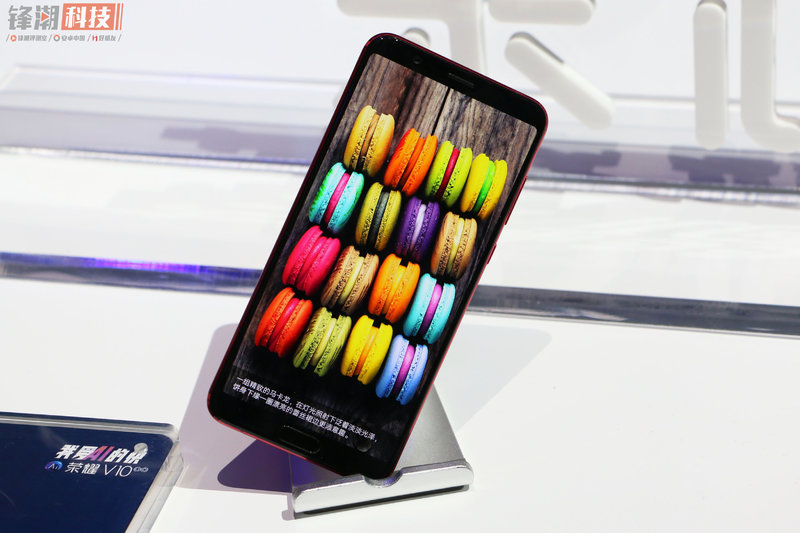
I call 2017 “the year of bezel-less smartphones” and that is rightly so as the second half of 2017 saw the launch of a number of “bezel-less” full-screen smartphones by almost all the major OEMs around. These numbers included OEMs that don’t get swayed by such stuff such as Apple who also released the iPhone X with a full-screen design. Huawei came to the party with the Honor V10, Mate 10 series, Honor 7X, Enjoy 7s and a few others which all turned out to be popular with fans.
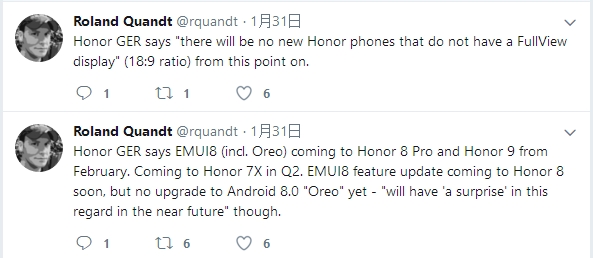
It shouldn’t come out as a surprise therefore that Huawei is planning to continue with the full-screen design style on its flagship models this year. The Huawei P11/P20 is tipped to come with a full-screen display among other features. And now, popular Twitter tipster @rquandt has revealed that he Honor 10 which is expected to be released later this year will come with a full-screen design (18:9 aspect ratio) and that there will be no Honor phone from this point on that won’t feature a Fullview design. He credited the information to have come from Honor Germany.
Roland Quandt further quoted Honor Germany to have hinted that EMUI 8 which brings Android Oreo will come to the Honor 8 Pro and Honor 9 as from February but will hit the Honor 7X in the second quarter of the year. Recently, it was revealed that the Honor 8 will get EMUI 8 upgrade soon but the tipster hints that the update won’t bring Android Oreo. The Honor 10 is also expected to come with EMUI 8 based on Android Oreo out of the box and would run on the Kirin 970 chip. The device may come with a 6GB RAM and 8GB RAM version as well as IP67 waterproof and dustproof build.
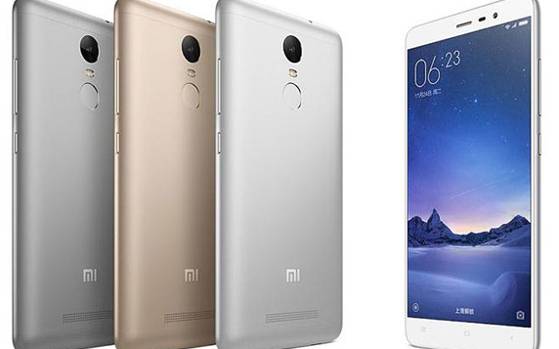
It took some extra weeks, but now XiaomiRedmi Note 3, one of the best selling phones by the Chinese brand, is finally updating to MIUI 9.2. The update is a nightly Stable build, so it is not the final version. But expect a Global Stable version soon. Indeed, users who tried this ROM have already reported that it is suitable for daily use: this means that it has no significant issues. With this update, the number of version jumps to 9.2.4.0.MHOMIEK and the size is 290 MB.
Even though we are talking about MIUI 9.2, the firmware of Xiaomi Redmi Note 3 is still based on Android 6.0.1 Marshmallow instead of Nougat like the on the most recent Xiaomi phones which have been updated to MIUI 9. Among the most important things regarding the new update, there is the security patch for the month of January 2018. In case you don’t know, Google releases a security patch every month, and the one from January is the latest one released. The February patch will be released in a few days. In the update, there is also a fix for the KRACK WiFi vulnerability.
A new Gallery app has been added to Xiaomi Redmi Note 3, and also the Mi Video app for multimedia uses. There is a new File Manager, Mi Drop and many more improvements. If you want to check the complete change log, head to the source link below. It’s really good to see that Xiaomi is supporting its older handsets, unlike some big brands. In the past few days, Xiaomi Redmi 1S and Xiaomi Redmi Note have been updated to MIUI 9 as well, even though they are four years old (they were released in 2014). The Chinese company has recently confirmed the arrival of MIUI 9 to more than 40 old and new devices.
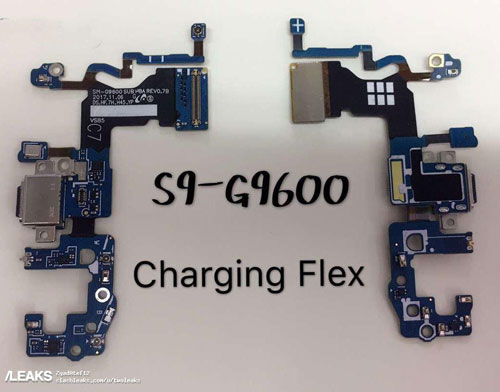
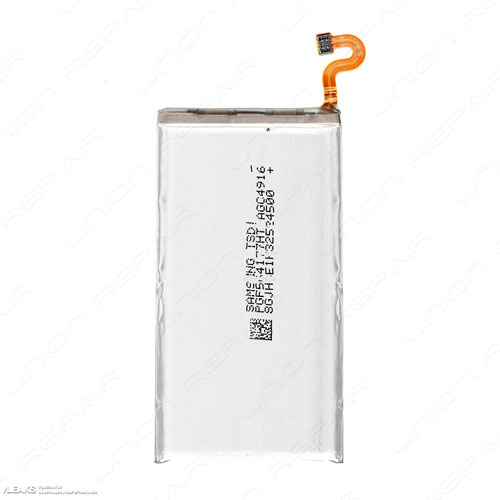
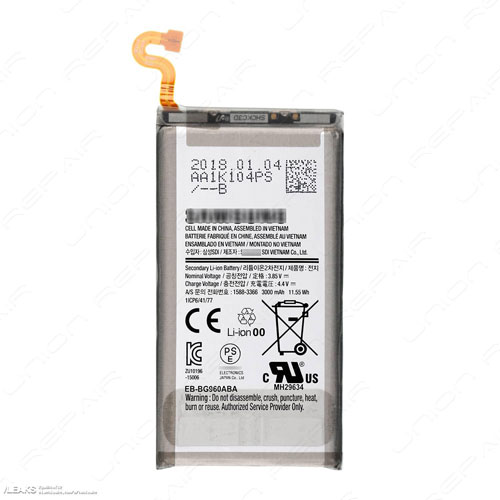
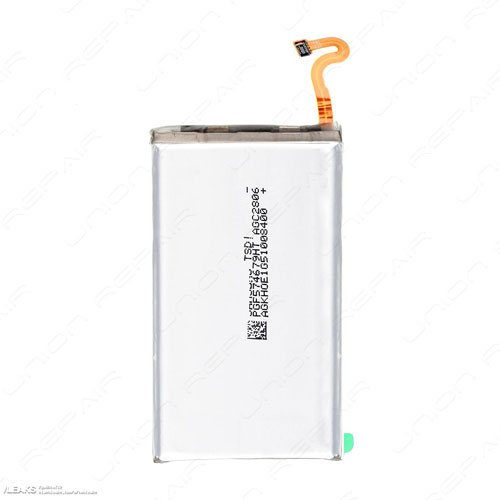
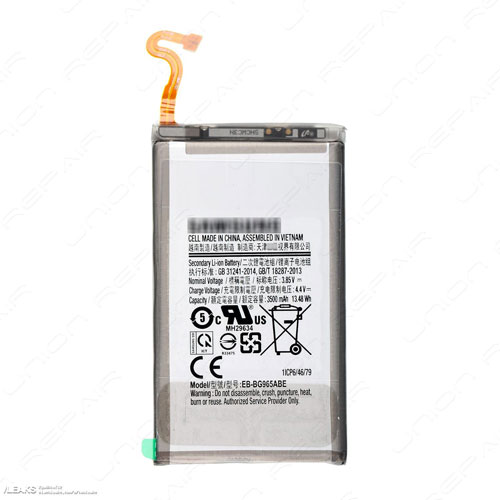
Photo leaks of the batteries that will be inside Samsung Galaxy S9 and S9+ have just surfaced online. According to the leak published on Slashleaks, the batteries of the next flagships that will be launched by the Korean leader of the smartphones market will have exactly the same battery capacity as the previous generation. After the Galaxy Note 7 scandal, it was expected. Samsung seems to have decided not to take any risk by increasing the battery capacity on both its new flagships: the standard version will still have a 3000 mAh battery, even though 3000 mAh is actually considered a below-average capacity for a flagship.
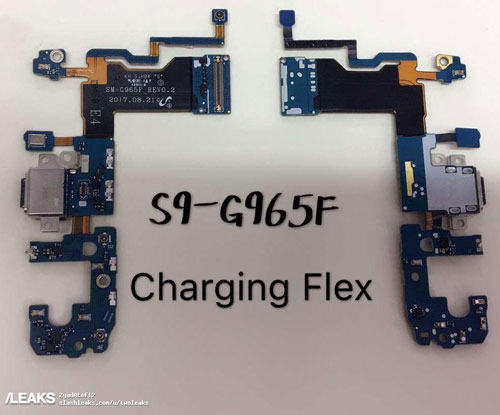
The battery capacity of Samsung Galaxy S9 Plus will be 3500 mAh, the same as the Galaxy S8 Plus. The photos contain the model numbers of the devices: SM-G9600 and S9-G965F, and they have been published by a parts retailer. They are not official photos, so we still can not confirm the authenticity of this leak. If this leak has to be believed and the capacity is really the same as the previous generation, the battery life should not differ so much between Samsung Galaxy S9 and S9 Plus. But obviously, there could be a better optimization, so expect a little improvement at least.
According to the company, the Samsung Exynos 9810 SoC that will be inside the European version of the devices will have “high graphics performances with lower energy consumption”. The Qualcomm Snapdragon 845 (the SoC of the U.S. version) instead will be able to bring a reduced power consumption of up to 15% at the same performance. Samsung Galaxy S9 and S9+ will be officially showcased at MWC 2018, in an event that will be held on February 25 in Barcelona. They will feature a high screen-to-body ratio and their cameras will have variable apertures for better performances in all light conditions.
HMD Global Oy-controlled Nokia has released its financial results for the fourth quarter of the year and it shows a rise in its operating profit by 7% to berth at 1 billion euros (about $1.2 billion) thus raising the company’s shares by 15% or higher. The company’s profit received a big boost from Chinese tech giant Huawei who paid 210 million euros for Nokia’s patents. However, operating profits from its network business fell 25% year-on-year.
The telecommunications network business in reference is dominated by Huawei, Nokia and Sweden’s Ericsson. The industry is weathering the toughest part of a decade-long cycle due to a fall in demand for 4G gear. Spending on new, mass-market 5G networks is unlikely before 2019 or 2020. Nokia’s CEO Rajeev Suri disclosed that the company is coming back very fast, talking about the network business. The Chief Executive noted that the company had moved swiftly to fix internal problems it had convincing U.S. carriers to swap out existing Alcatel equipment for comparable Nokia gear – the main reason for its shares losing a quarter of their value since October. Recall that Nokia bought Alcatel-Lucent for €15.6 billion in 2016. Nokia and Alcatel-Lucent had surpassed Huawei and Ericsson in terms of total combined revenue in 2014 and the CEO is hopeful of a rebound of spending by operators in North America who have shown a desire to move to 5G.
In Q4 2017, Nokia disclosed that it generated 30% of network business sales in North America and that the sales were up slightly over the third quarter, while Asia-Pacific and Greater China declined. The company expects that for 2019 and 2020, market conditions would improve markedly, driven by full-scale rollouts of 5G networks. The Nokia CEO also disclosed that the company is gaining a major share of competitive bids for new business against its major European competitor, rival Ericsson of Sweden, not only in core wireless radio equipment but from a broader portfolio of products and services. No mention was made of the mobile phone business.
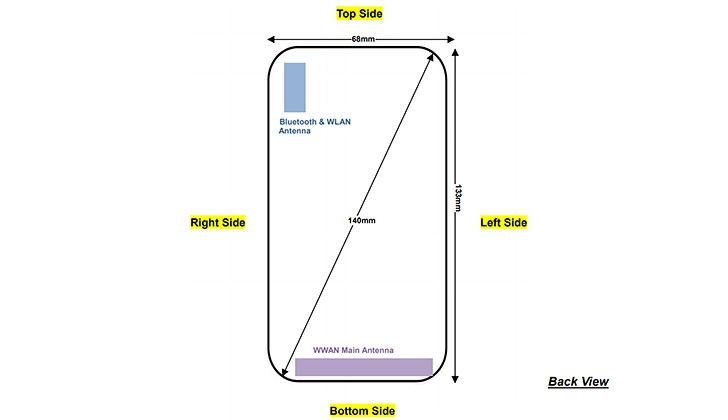
HMD Global is preparing to launch a new phone which carries model number TA-1056. The device has already passed FCC certification and from the listing, it seems that it will be an entry-level phone.
The device could possibly be the Nokia 1 — the Android Go smartphone that HMD Global is reportedly working on. The FCC listing reveals that the phone with model number TA-1056 is smaller in size compared to Nokia 2. While the Nokia 2 measures 143.5mm tall and 71.3 mm wide, this upcoming device measures 133mm tall and 68mm wide.
Going by the phone’s size, there’s a possibility that the device could come with the trendy full-screen display with 18:9 aspect ratio. Since the FCC info label is placed inside the battery compartment, it is expected that the phone will have a removable battery.
Based on the previous reports, the Nokia 1 is expected to be available from the first half of 2018. According to some reports, it will be available in Russia from March 2018 and could be priced around 5,999 rubles (approximately $104).
Previous leaks and reports suggest that the Nokia 1 could feature an HD IPS display with just 1GB RAM and 8GB of internal storage. Given that the device will be powered by the Android Go edition, and since Google has already announced watered down versions of its applications, the phone is expected to provide decent performance.
At this time, there is no information available regarding the processor. But the company could opt for either Qualcomm or MediaTek as both companies have announced their support for Android Oreo (Go Edition).
HMD Global has sent out media invites for its event at Mobile World Congress, where the company is expected to announce a range of devices, including Nokia 9 and a revamped Nokia 8.
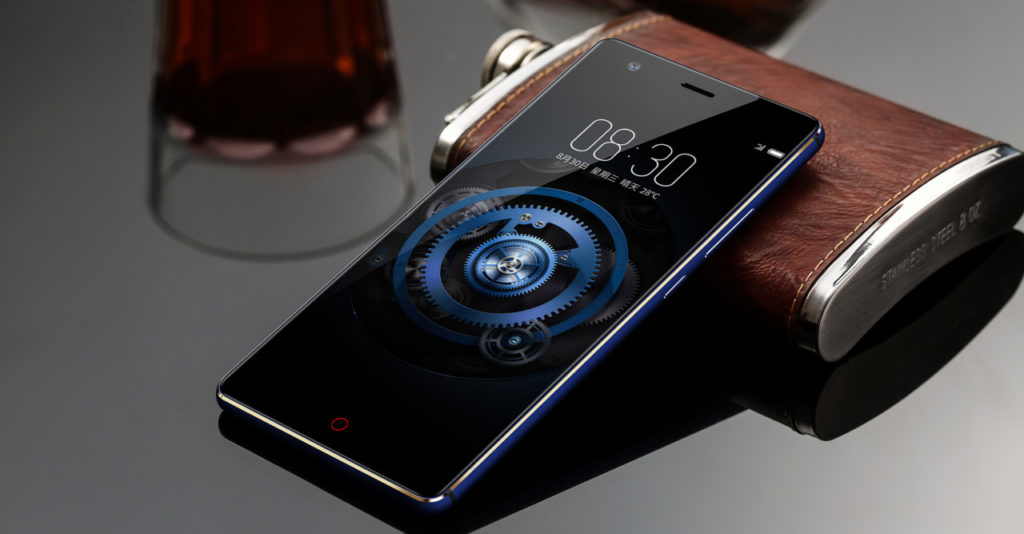
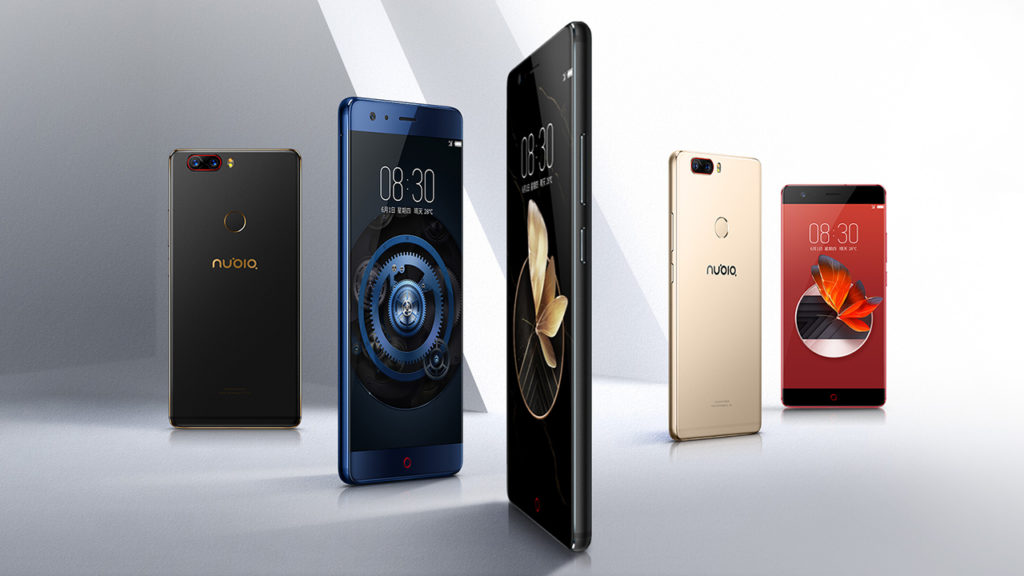
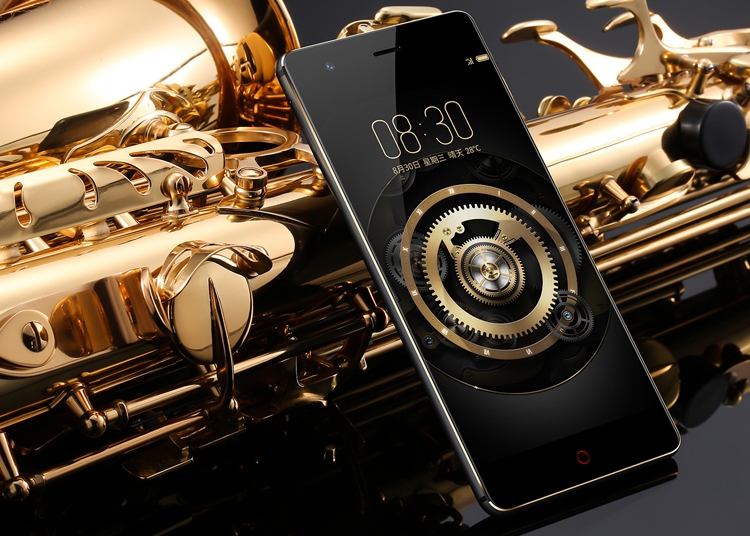
ZTE Nubia Z17 Lite was made available to the public in September 2017. The phone boasts an array of jaw-dropping specs and features that propelled it straight to skyrocketing popularity among smartphone enthusiasts.
Despite brimming with exceptional specs and features, the Nubia Z17 Lite failed to lure budget-conscious buyers because it carries a steep price tag. But GeekBuying is giving these consumers an opportunity to get their hands on the well-received smartphone without spending a fortune.
You can now buy the ZTE Nubia Z17 Lite smartphone by shelling out just $269.99 on GeekBuying. This is a massive 40% reduction in the phone’s original selling price of $449.99.
On top of that, you can save more $20 at the time of checking out by using the coupon code, ‘NUBIA2018.’ This brings your subtotal down to only $249.99.
By shelling out just $249.99, you get a ZTE-branded smartphone which sports a big 5.5 inches IPS LCD capacitive touchscreen display with a screen resolution of 1080 x 1920 pixels at a pixel density of 401 PPI (pixels per inch).
The Nubia Z17 Lite packs a powerful Qualcomm MSM8976 Pro Snapdragon 653 processor along with 6GB of RAM and 64GB of onboard storage, under the hood. The phone runs on Nubia UI 5.0 based on Android 7.1 (Nougat) operating system.
Click here to check out the full specification of the ZTE Nubia Z17 Lite smartphone and to take advantage of GeekBuying’s promo which is slated to end in just 4 days.
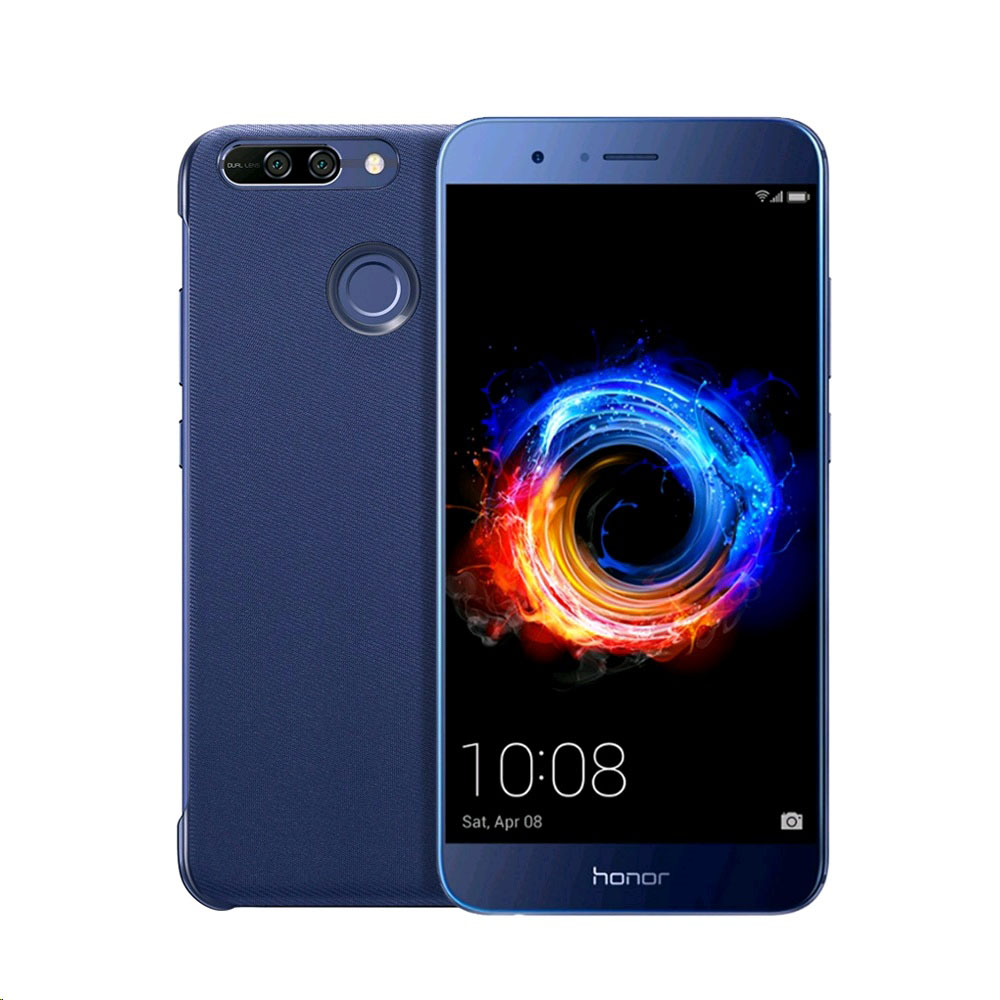
Huawei’s Honor has begun rolling out Android 8.0 Oreo to two of its devices – the Honor 8 Pro (Honor V9) and the Honor 9. The update comes bundled with Huawei’s EMUI 8.0 update but there is a catch.
If you are not a resident of the UK, you likely won’t get the update. However, one user from India has reported updating his Honor 8 Pro. Honor has not revealed when other regions will get the update but they most definitely will receive it soon.
The update started rolling out to the Honor 8 Pro first while the Honor 9 is scheduled to get it later. It brings all the goodness of Android 8.0 such as picture-in-picture mode, auto-fill, notification dots, and new emojis.
You also get EMUI 8.0 features like AI Intelligent Engine which allocates resources to your most used apps and handles low memory management for a smooth experience; dynamic wallpaper; and LinkedIn built-in. The update is about 2.8GB in size.
Honor GER says EMUI8 (incl. Oreo) coming to Honor 8 Pro and Honor 9 from February. Coming to Honor 7X in Q2. EMUI8 feature update coming to Honor 8 soon, but no upgrade to Android 8.0 "Oreo" yet – "will have 'a surprise' in this regard in the near future" though.
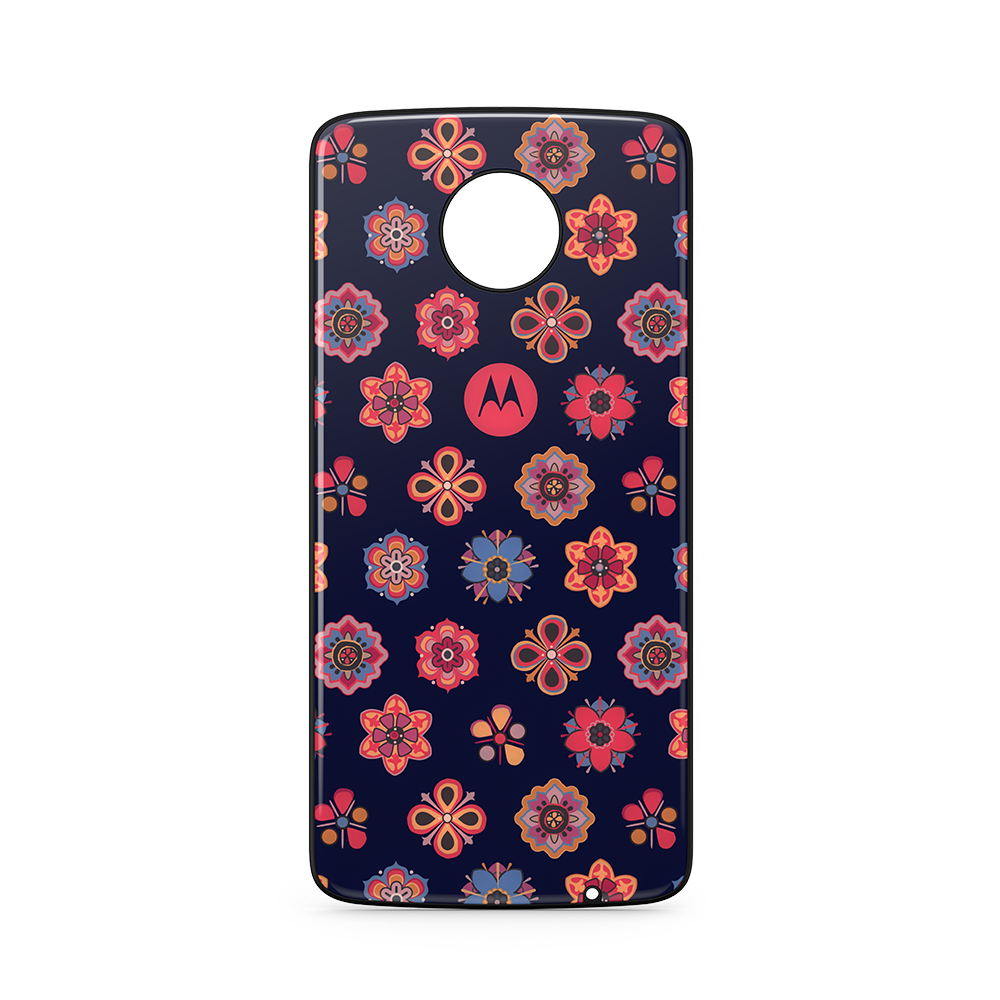
Motorola has launched a new set of Moto Mods. The new mods belong to the Moto Style series which do nothing more than give your phone a new look.
The new Moto Style Shells give your phone a stylish look and also protects it as it is made of a mixture of polycarbonate and Gorilla Glass 5.
Motorola has released a total of five different colors since they expect you to swap them out to match your style or mood. But we doubt anyone is going to be spending so much on cases. Each of the new Moto Style cases cost $29.99. That is $10 more than the other two Moto Style Shells that are made of nylon.
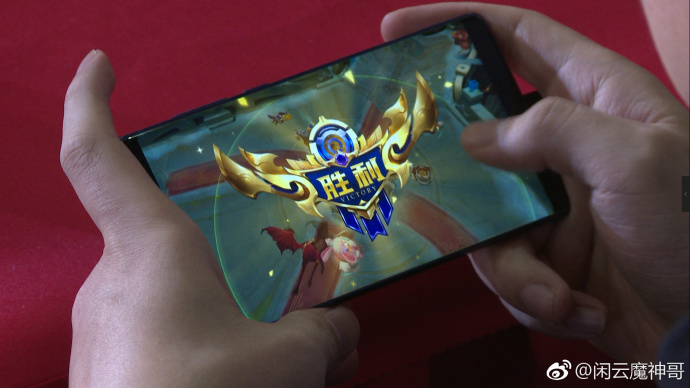
“King of Glory” published by Tencent Games is a highly popular mobile game in China. After a recent gaming event in Shenzhen, Nubia CEO Ni Fei confirmed that the company is planning to build a gaming phone.
Ni Fei did not reveal any information on the upcoming gaming phone from the company. It is speculated that the forthcoming Nubia Z18 flagship would be built to handle hardcore games. The Z18 is rumored to arrive with a borderless full screen design and it is likely to feature Snapdragon 845 chipset. Since the Nubia Z17 and Nubia Z17S are packed with 8 GB of RAM, there is a high possibility that Nubia Z18 may also feature 8 GB of RAM. These specs suggest that the Nubia Z18 will be capable at handling high-end gaming.
The Weibo post through which Ni Fei confirmed that the company is working on a gaming phone contains some images. One of the images show a mysterious smartphone with the “King of Glory” game running on it. There is no confirmation on whether the unidentified phone is the Nubia Z18 or the Nubia Z17S phone that was launched in October last year. The handset features very narrow side bezels which appears quite similar to the Nubia Z17S.
In November last year, Razer had unveiled a high-end gaming smartphone called Razer Phone. It features a 5.7-inch IGZO IPS LCD screen that supports a refresh rate of 120 Hz. It is driven by Snapdragon 835, 8 GB of RAM and 4,000mAh battery. The rumored specs of the Nubia Z18 suggests that it will be able to handle high-end gaming. There is a possibility that the smartphone may feature a display that offers a high refresh rate like the Razer Phone. Since the Nubia Z17 phone was launched in June last year, it is speculated that Nubia Z18 may debut by mid-2018.
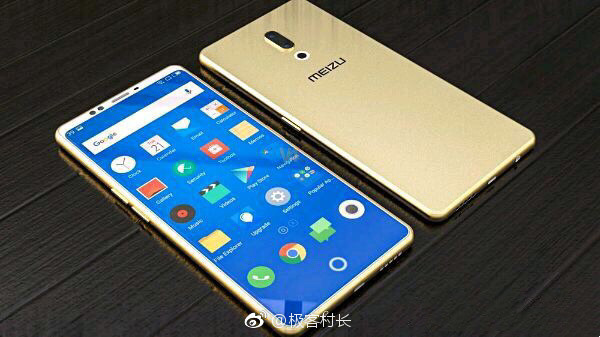
Meizu is expected to launch its 15-year anniversary edition devices — Meizu 15 and Meizu 15 Plus next month. While we have already seen a few leaks of the phone, a new concept render of the Meizu 15 Plus has surfaced online, showing a beautiful phone.
The concept rendering shows the phone with a full-screen display having 18:9 aspect ratio. The bezels surrounding the display are very thin on all four sides. On the top bezel, there’s a dual front-facing camera setup.
On the back panel, there’s a dual camera setup with camera sensors stacked vertically. The camera module is placed at the top-center position. Just below the camera module, there’s a ring-shaped LED flash.
Earlier leaks and reports related to the Meizu 15 series suggests that the phone will come with a glass-body design. It is believed that the Meizu 15 Plus will come powered by Qualcomm‘s Snapdragon 845 processor or Samsung’s Exynos 8895. Based on earlier leaked, the device could get launched for a price tag of 3,599 Yuan (approximately $562) or more.
An earlier report related to the phone suggested that it will be offered in two variants based on the memory configuration — one with 6GB RAM and 128GB internal storage while the other will pack 8GB RAM and 128GB internal storage.
The company’s founder Jack Wong had previously confirmed that the Meizu 15 Plus will be officially introduced next spring around China’s Spring Festival, which will take place in February. The phone is expected to be available from March this year.
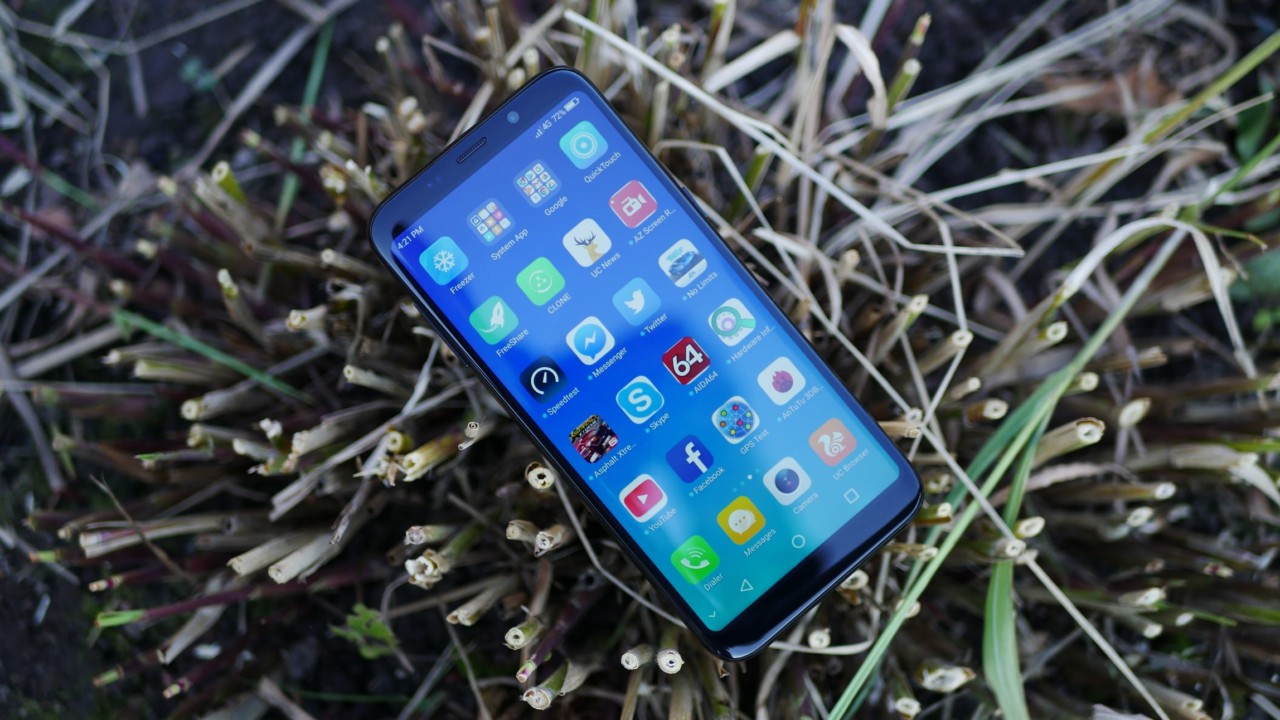
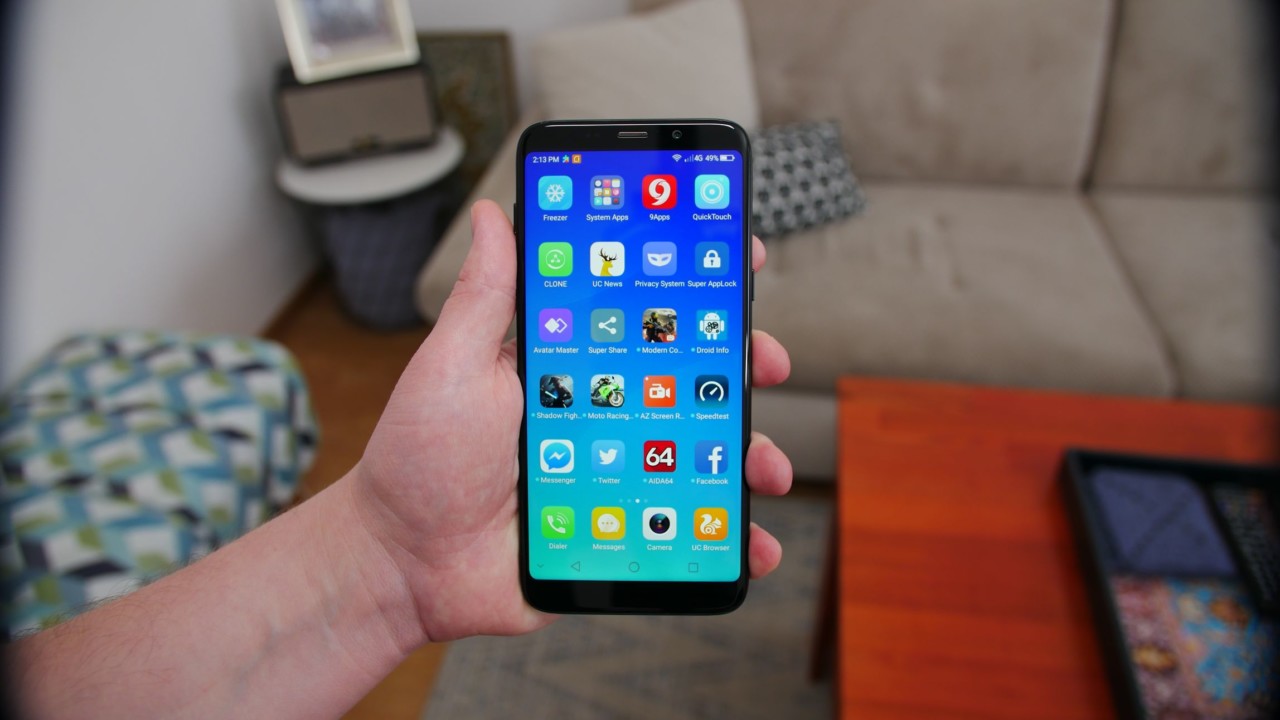
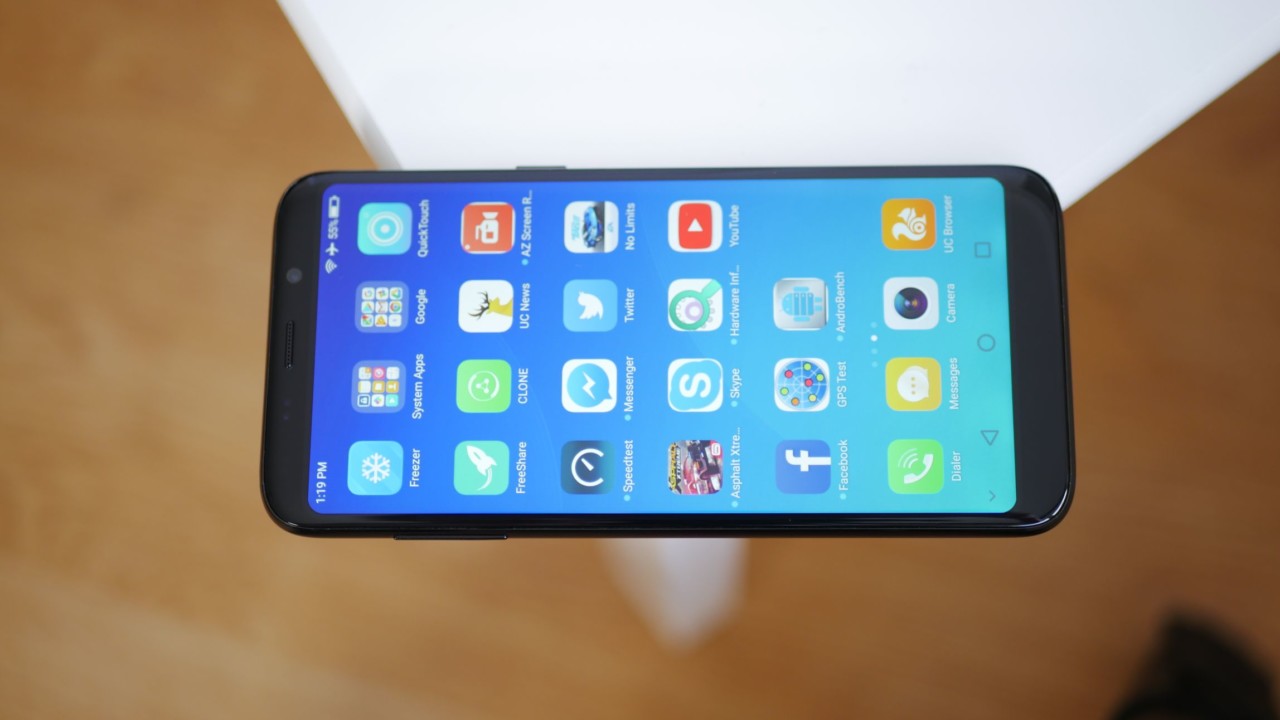
We live in the day and age of full-screen smartphones and I like this trend as phones look beautiful and they can be more compact despite a larger display. The Bluboo S8 Plus as a bigger brother of the regular S8 that I reviewed quite some time ago. It offers great design inspired by the Samsung Galaxy S8 Plus and decent specs for less than $150. Learn more in the full Bluboo S8 Plus review.
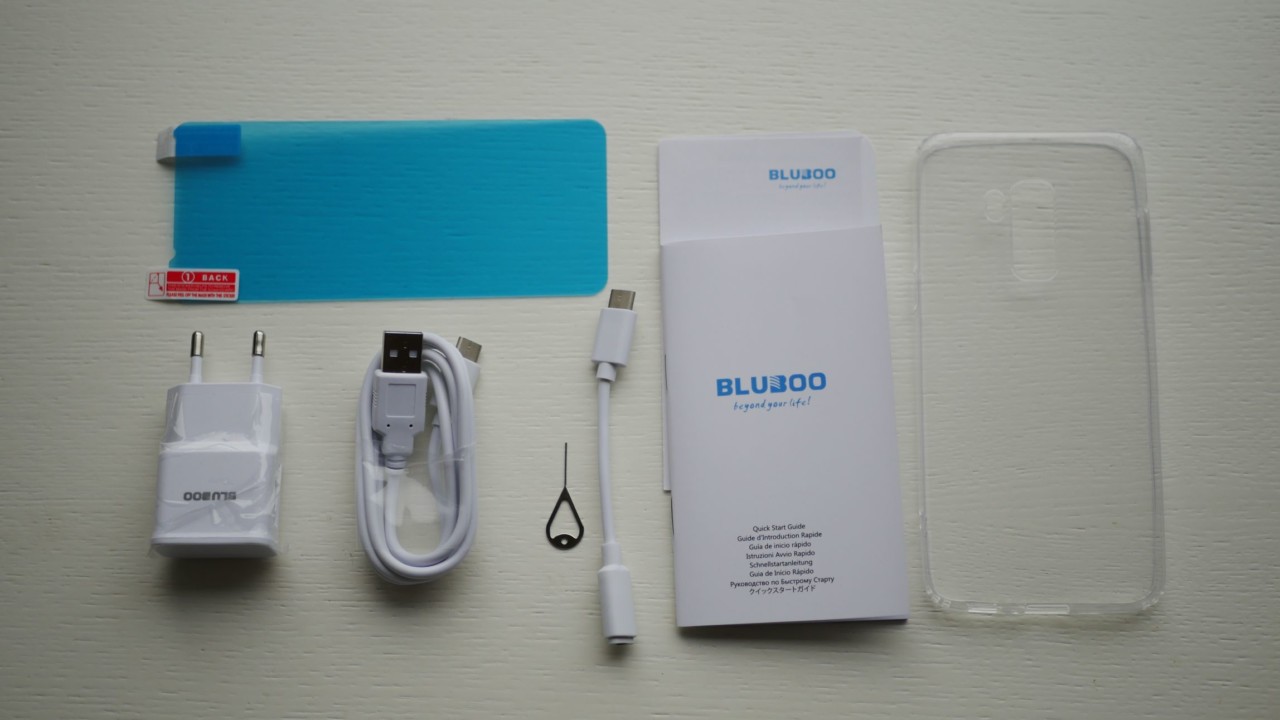
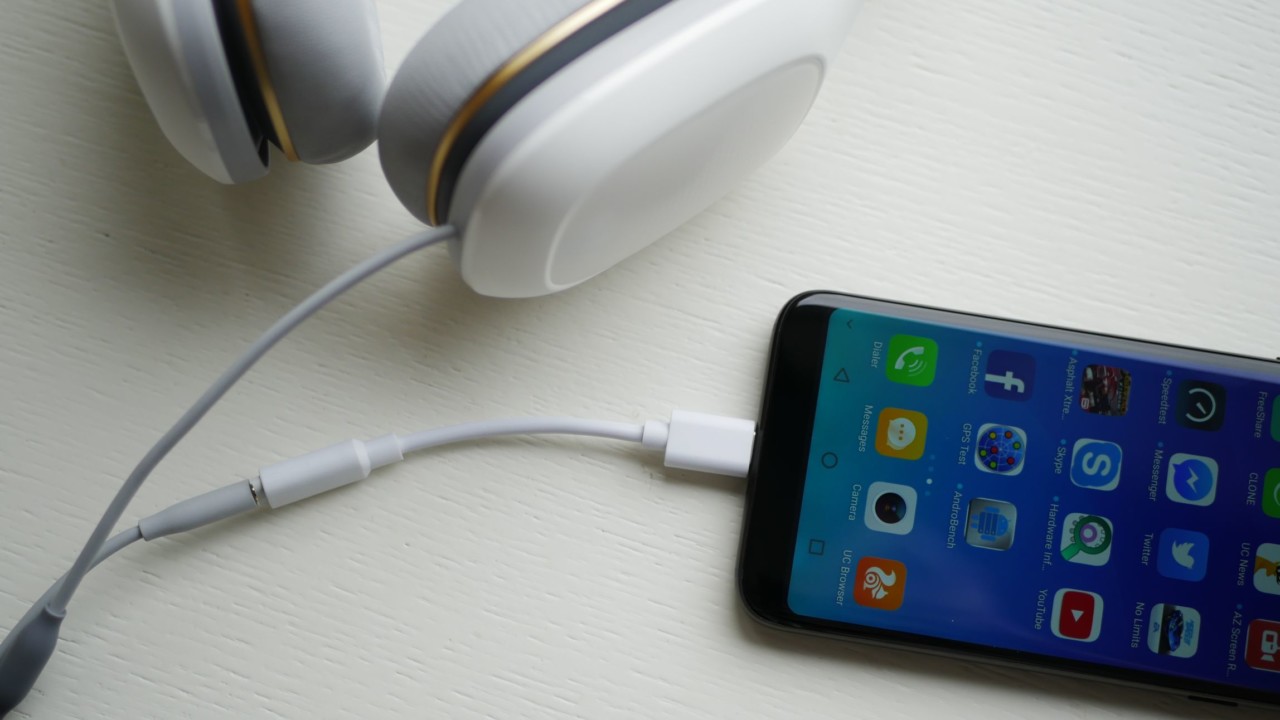
The phone ships with all the usual stuff and some extras include a soft TPU case, a screen protector, and a 3.5mm headset jack adapter.
DESIGN and DISPLAY
It is obvious that the design is the key selling point due to the 6” HD+ resolution display that has 18:9 aspect ratio, just like the Galaxy S8+. The screen is really sharp and bright, a great panel for a budget phone.
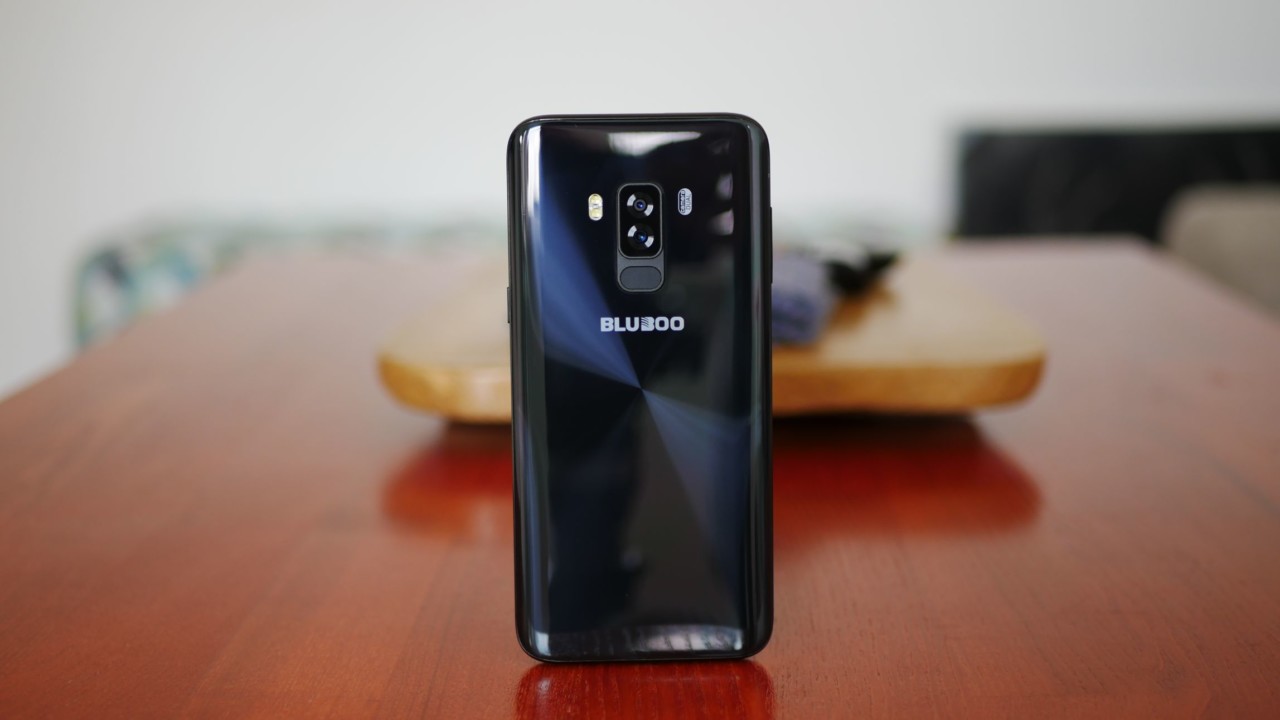
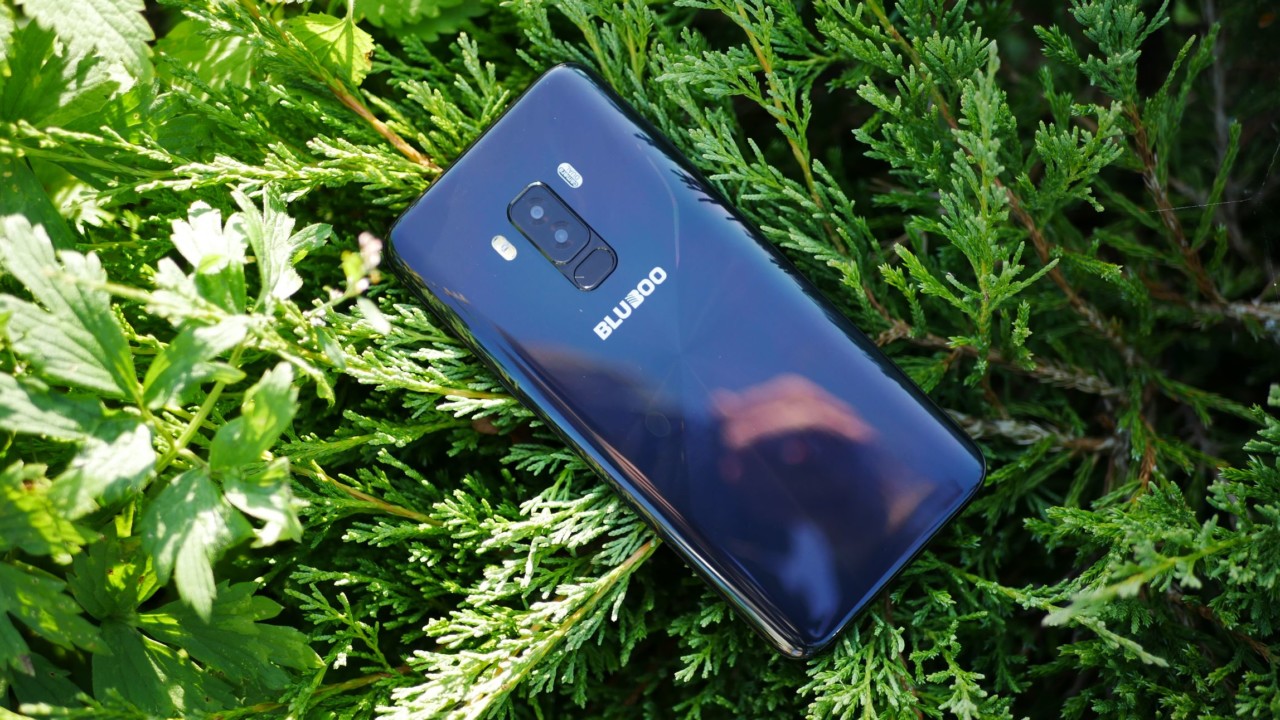
In terms of the build, we have a quality metal frame, the buttons are nice but I think that the backplate is made of plastic, not glass. There is a dual-camera setup imitation, meaning that there is only one 16MP sensor as you can take pictures with a bokeh effect even when a secondary sensor is covered. There is a 5MP selfie shooter on the front.
A few features in a nutshell: a fingerprint scanner is pretty fast and accurate and the notification LED light is quite bright.
However, there is no 3.5mm headset jack, so you would need to use the supplied adapter. The loudspeaker quality is quite bad.
HARDWARE and PERFORMANCE
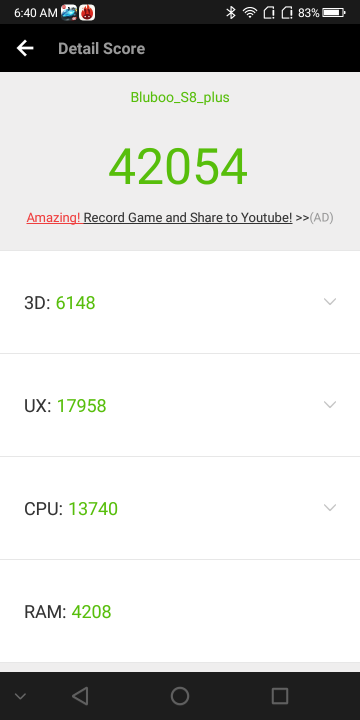
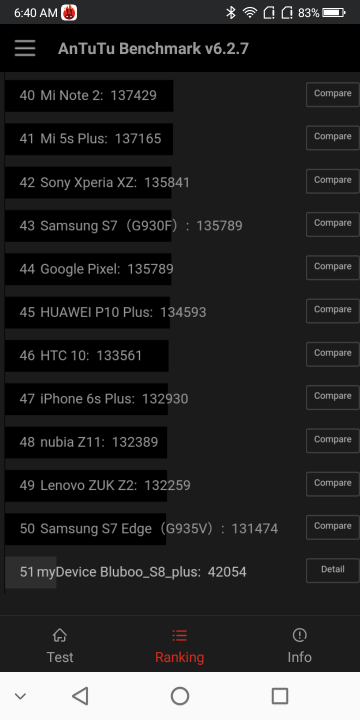
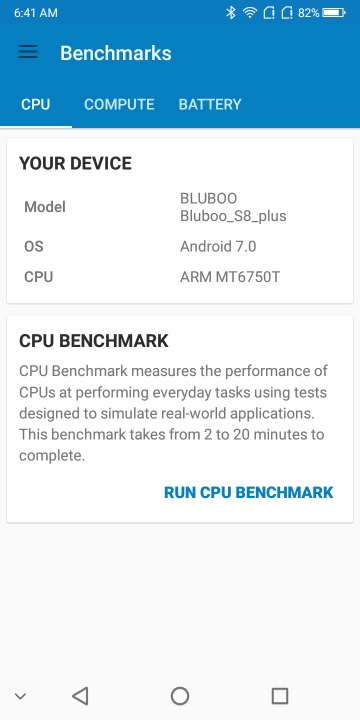
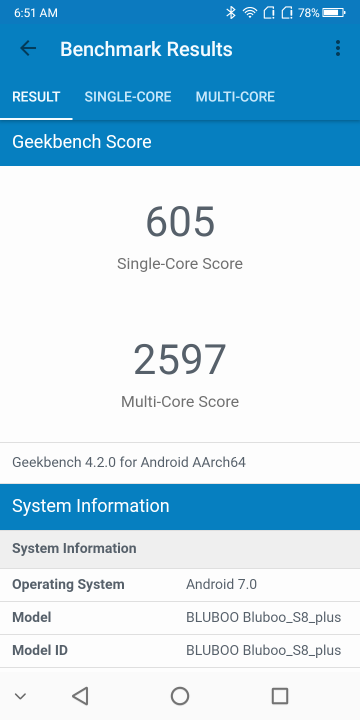
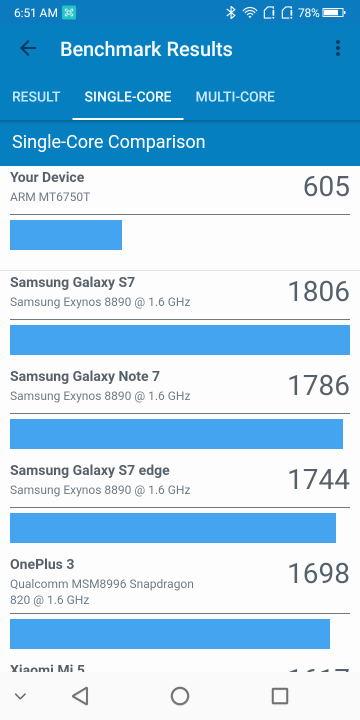
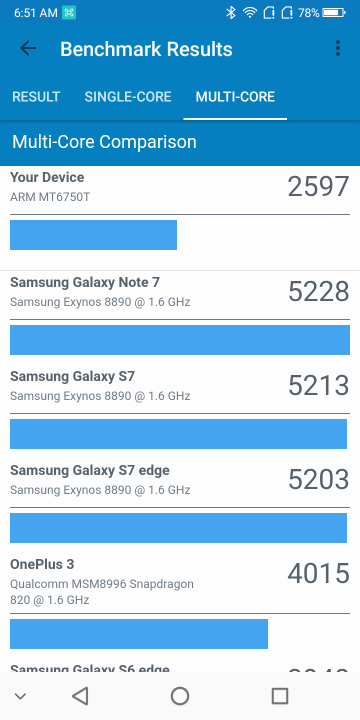
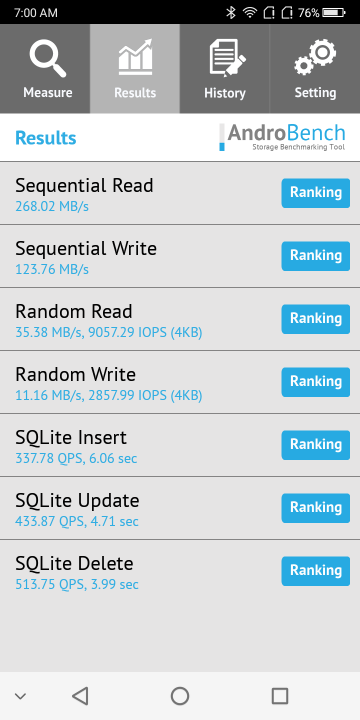
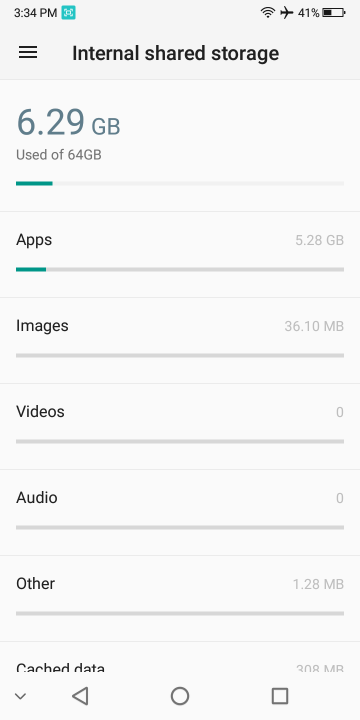
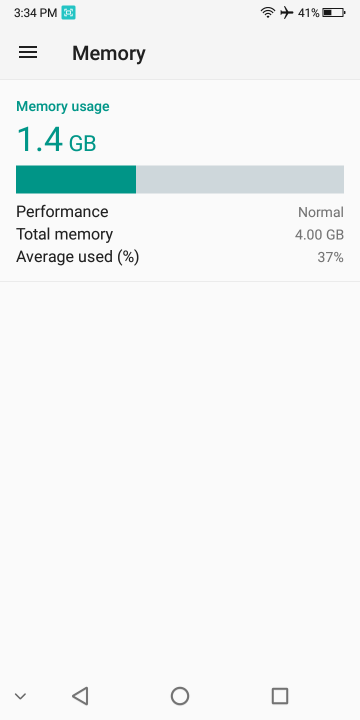
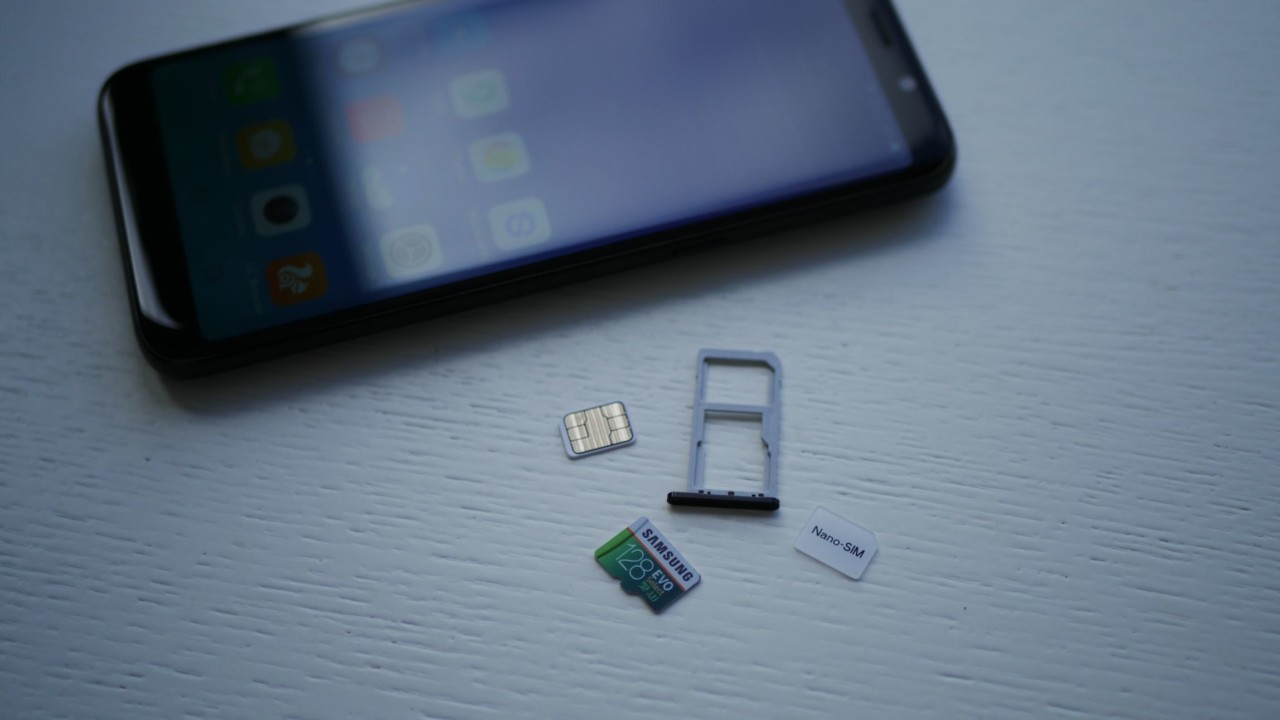
The Bluboo S8+ is definitely not the most powerful phone out there but it still has decent specs for the price. The phone ships with an octa-core MTK6750T chipset, 4GB of RAM and 64GB of expandable storage.
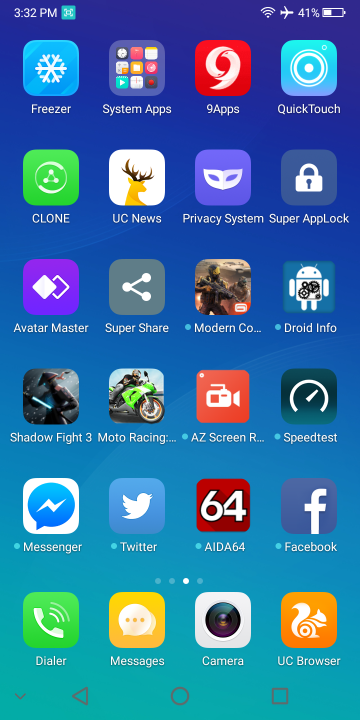
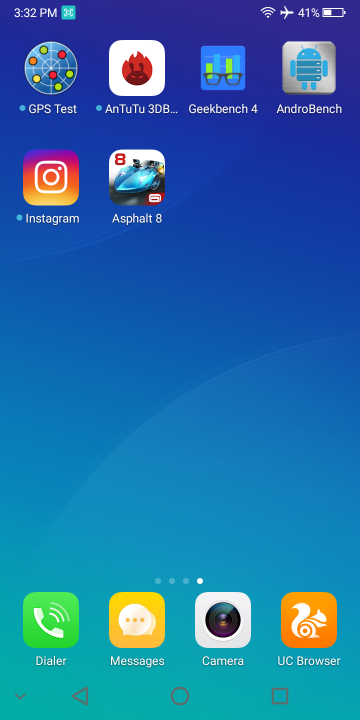
The gaming performance is surprisingly good. I was able to play games like Asphalt 8 on the highest graphics without any stutter or lag. Obviously, this is an older 3D game but I’m impressed with the optimization of this MediaTek chipset. Also, other games like Shadow Fight 3 work just fine. The phone gets warm quickly but it does not overheat.
BENCHMARKS
USER INTERFACE
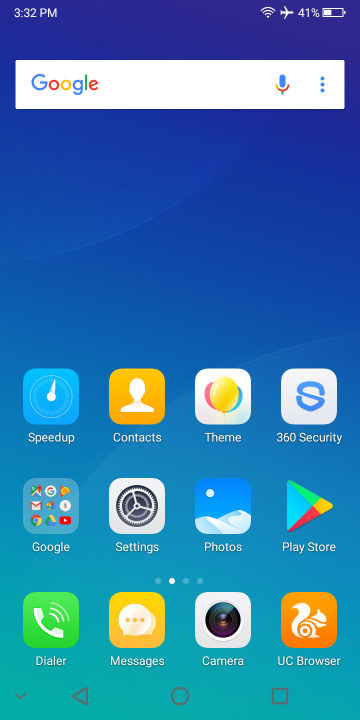
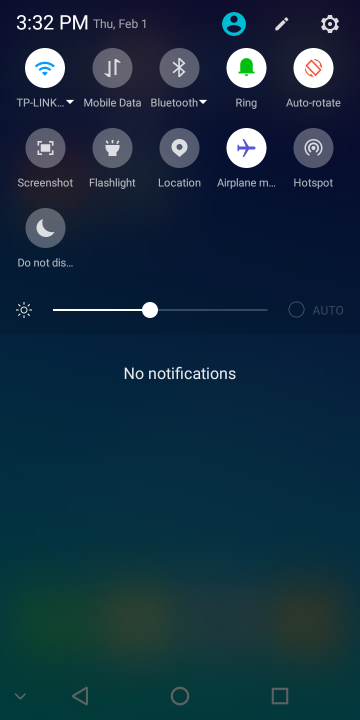
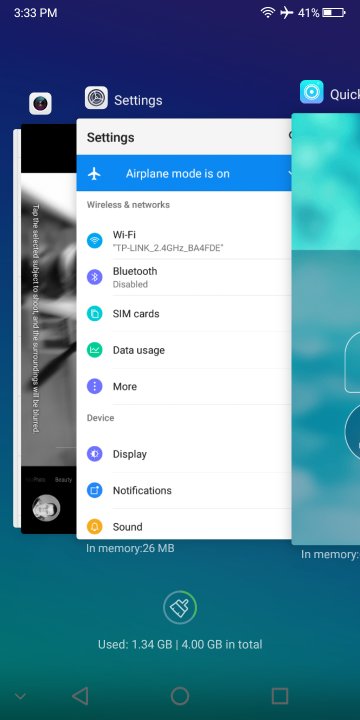
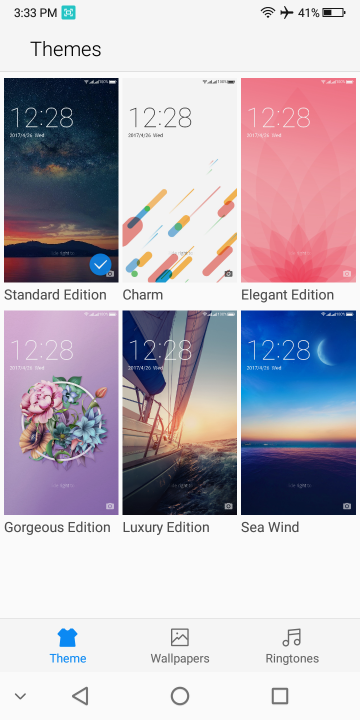
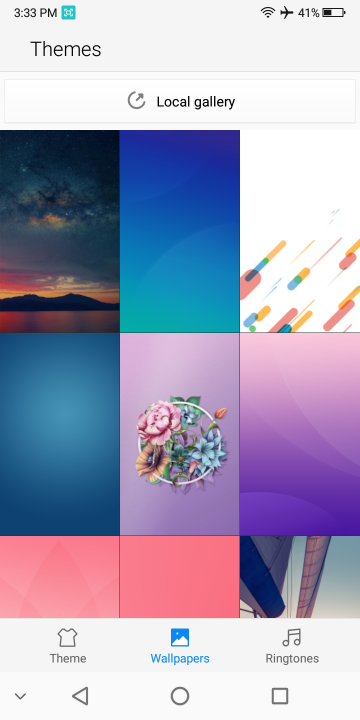
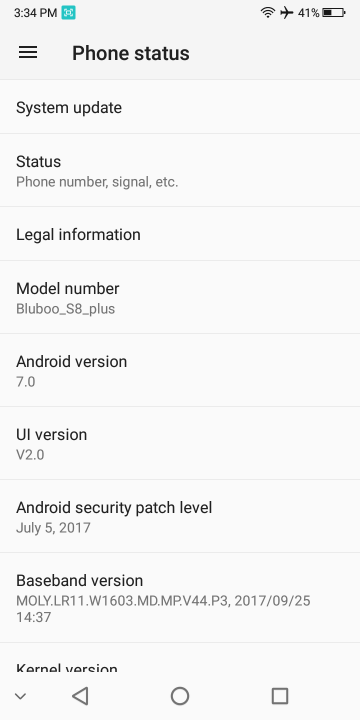
As far as user interface, you will love it or hate since it is a heavily customized skin that is built on top of Android 7.0. There is no app tray and there are quite a few pre-installed bloatware apps and even some ads, which may be annoying. There are also quite a few customization options and tweaks that allow you to change the look and feel of the phone. I can’t say this is the fastest budget phone out there as you may see a bit of stutter here and there but I still think that this phone is pretty responsive on the daily basis.
CAMERAS
The phone can take decent pictures in good lighting conditions but obviously, some of the images could look sharper. As usual, the image quality decreases quite a bit in low light.
Pictures taken using bokeh mode look unnatural and I’m not really impressed with the results. In other words, that blurred background effect is made using software, not hardware.
Selfie image quality is not the best but it’s usable for social media. Selfie videos are recorded only in 480p and the quality does not really impress. 1080p video looks kind of mediocre.
CONNECTIVITY
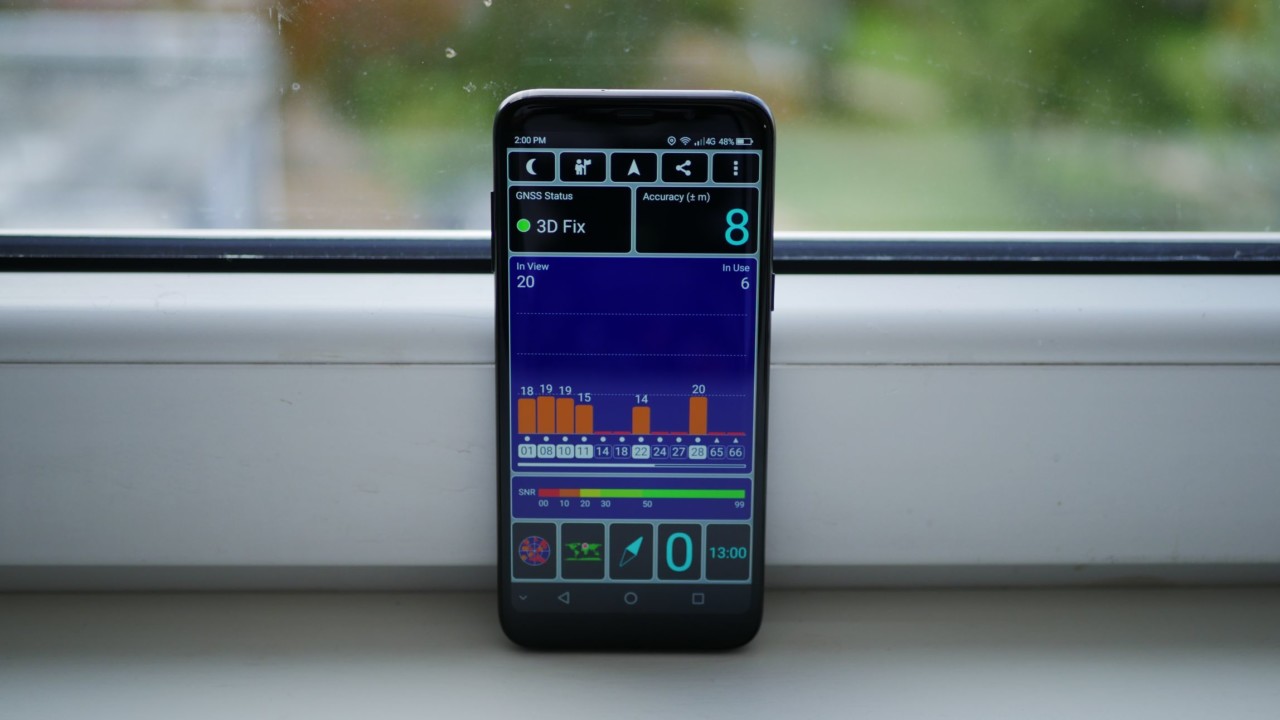
The call quality is above average I would say. Other connectivity options, including Wifi, Bluetooth, and GPS, work fine.
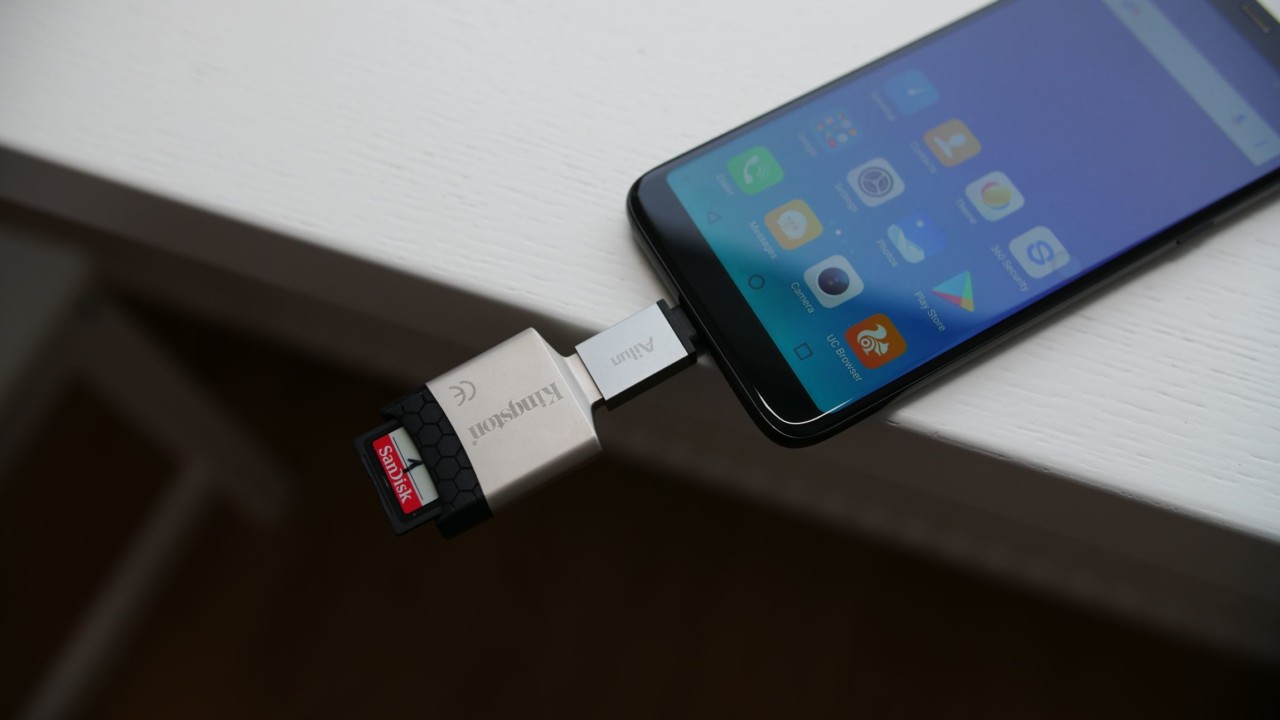
Keep in mind that the phone does not have a gyroscope sensor, meaning that it is not compatible with VR headsets. Finally, there is no USB OTG support.
BATTERY LIFE
The phone ships with a 3600mAh battery that performs pretty well only if you use the phone for the basic stuff like web browsing. I was able to get over 5 hours of screen on time. However, battery drains faster than usual in standby mode but keep in mind that I have a lot of apps running in the background. Finally, it takes about 3 h and 25 mins to fully charge the phone, which is a very long time.
CONCLUSIONS
The Bluboo S8 Plus is a great looking and well-built phone for the price. That full-screen display design is definitely the key selling point. Also, the phone is quite fast and it can handle some of the 3D games but there is some bloatware in the user interface.
However, you have to keep in mind that low-light image quality does not impress, the phone is not compatible with VR headsets, there is no headset jack, no USB OTG support, selfie camera shoots videos only in 480p and it takes a lot of time to fully charge the phone. If you can live with these shortcomings, the Bluboo S8Plus is a very nice-looking phone for the price that has quite a few features.
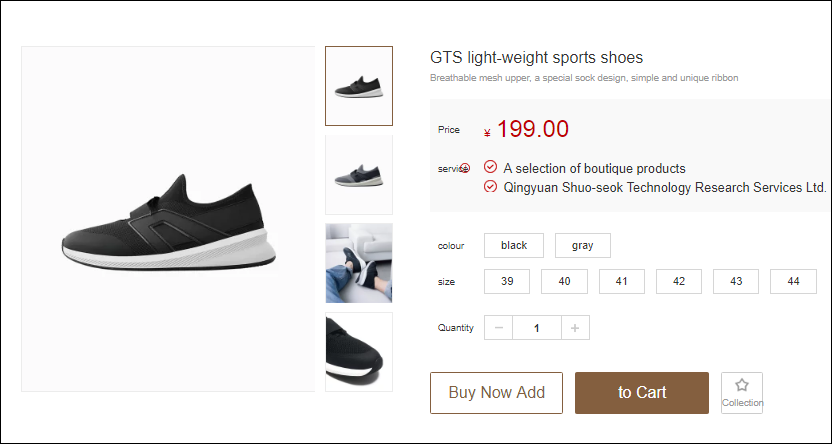
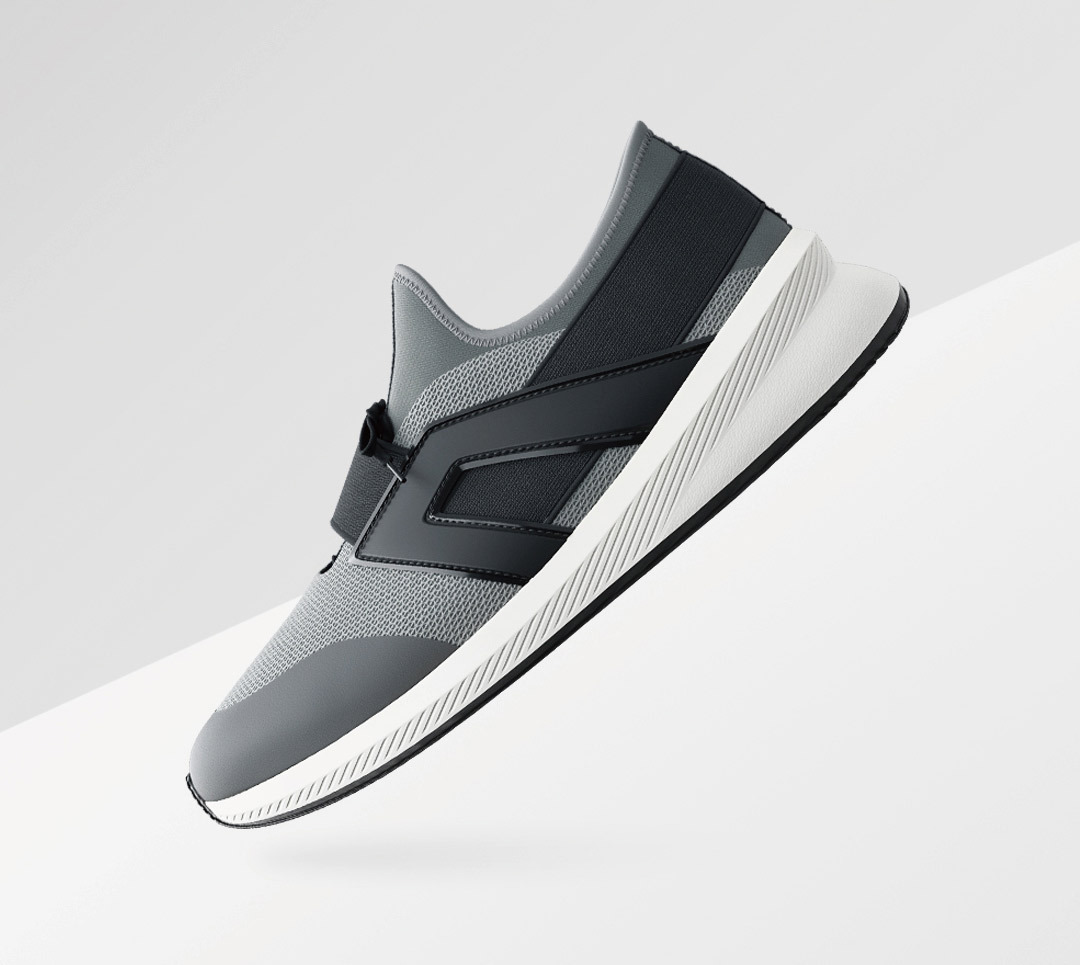
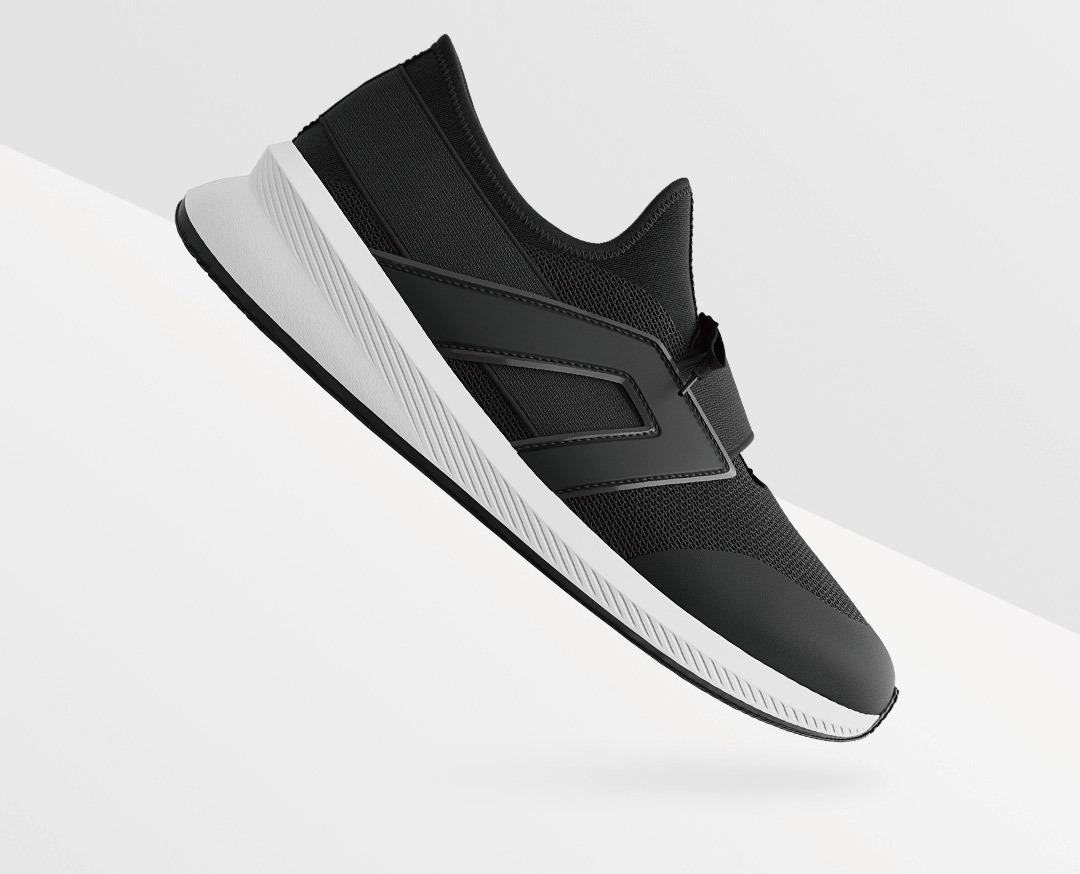
Xiaomi recently transformed its Youpin arm into an e-commerce platform and we have seen a number of products coming out from that store lately. Xiaomi recently announced the Circle kitchen multifunctional hot pot and also a camera printer for mobile phones. Yet another product from the Youpin platform is the GTS light-weight sports shoes which come in Black and Gray color options.
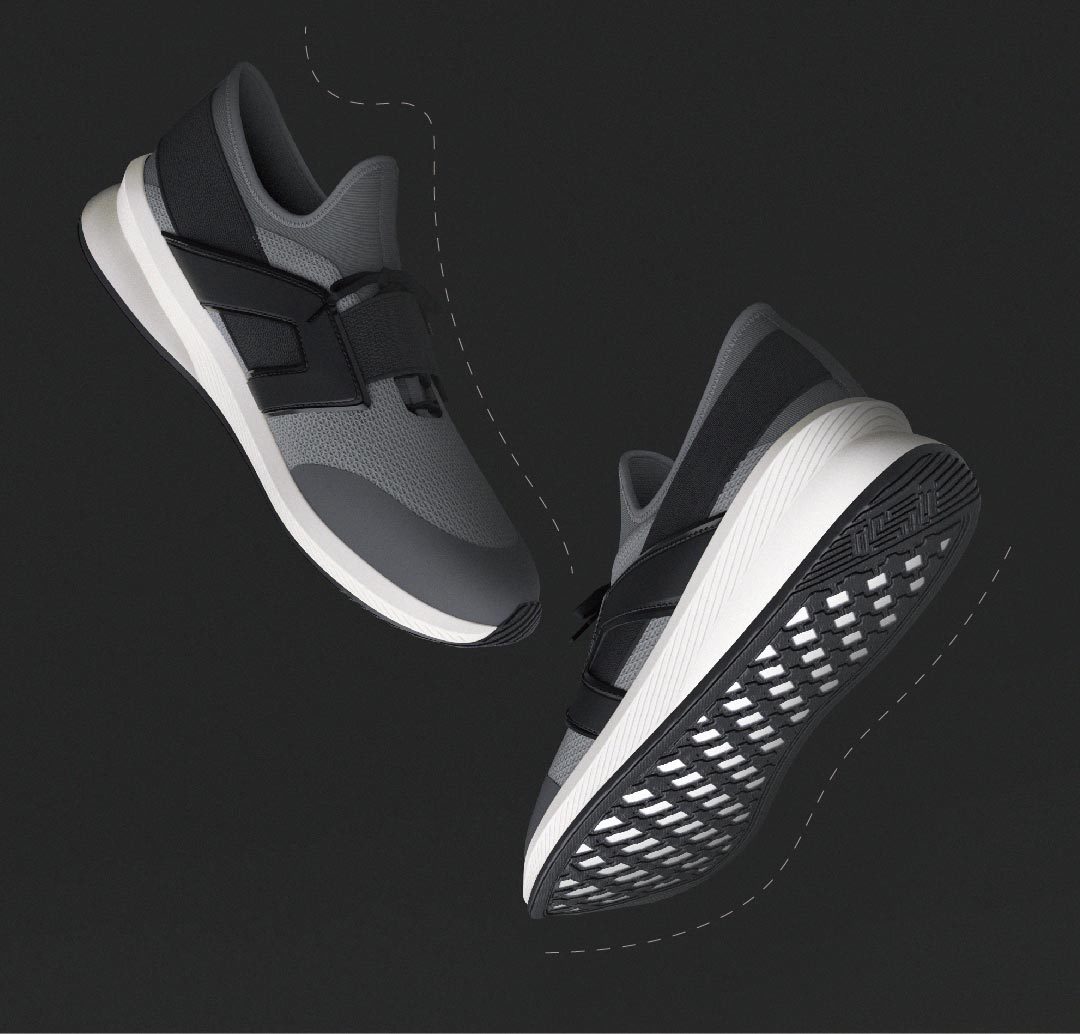
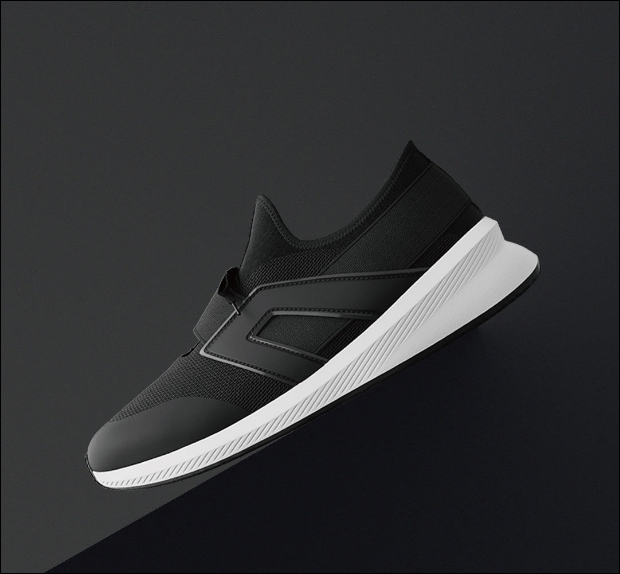
The Xiaomi GTS Light-Weight Sports shoes is manufactured by Qingyuan Shuo-seok Technology Research Services Ltd but is sold under Xiaomi’s Youpin platform. The sports shoes come with a minimalistic, yet stylish design and is designed with breathable mesh at the top which is one of its strong selling points. The mesh is made from a permeable material which ensures air gets inside the shoe such that it can be used for a full day without getting heated up. The GTS Sports shoes is also lightweight and have a unique ribbon design as well as a special design for its sole. The sole is made from TPU material and is non-slippery and can withstand wear and tear very well.
Different manufacturers have embraced various designs for their full-screen smartphones. However, none of them have achieved a totally bezel-less and notch-free design except for Doogee with its Mix 4.
A few months ago, Doogee showed off a 3D demo for a completely bezel-less smartphone. All-screen, no notch, no single bezel, no reduced bezels. The usual arrangement of sensors, front camera, and earpiece were also absent or rather tucked away.
Doogee came to the conclusion that the only way to achieve a totally bezel-less phone was to give it a slide design much similar to the Nokia N95 from over a decade ago. Slide the phone downwards and it revealed the sensor, earpiece and front camera. Pretty neat, right?
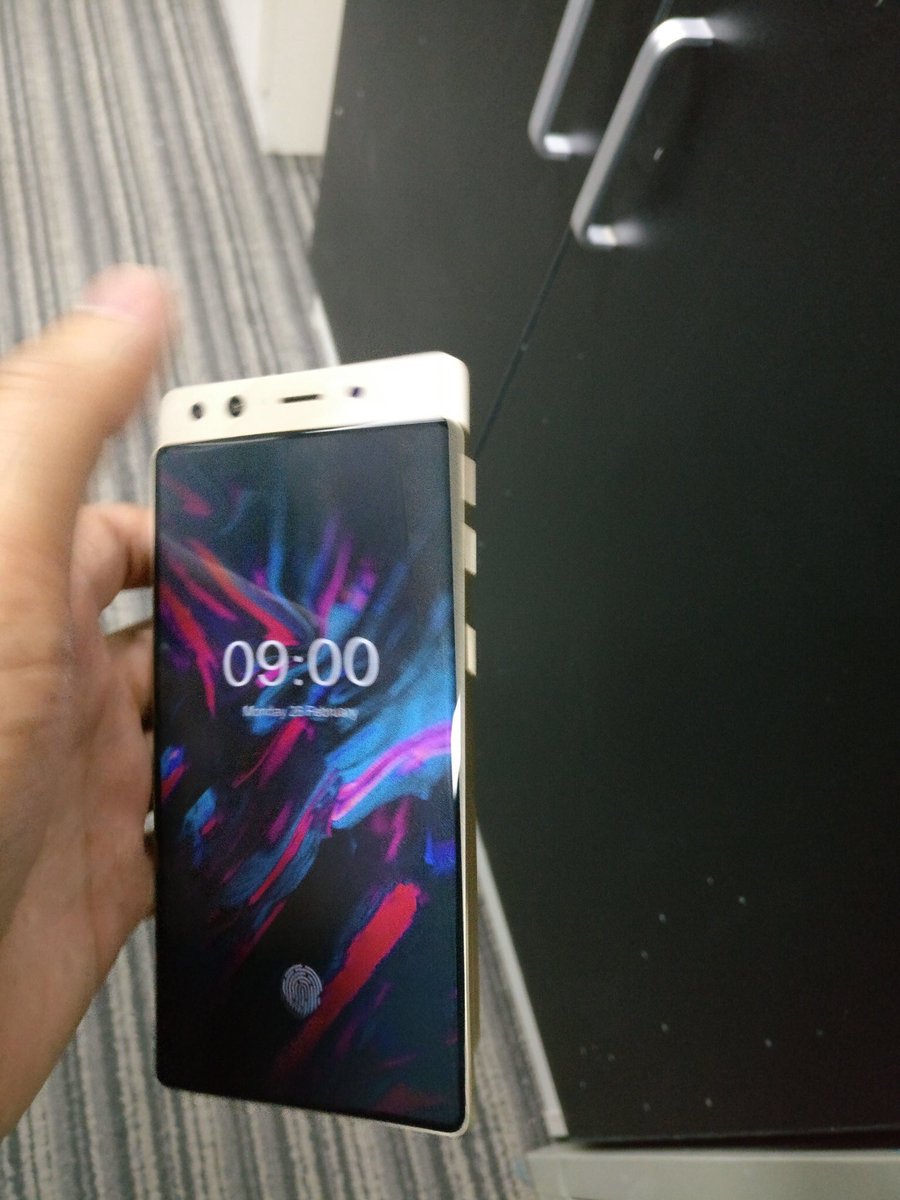
Live photos posted on Twitter yesterday gave us our first look at the phone which is no longer just a design but now a real product. The pictures were shared by @VenyaGeskin1 and he says it is the Doogee Mix 4.
The Doogee Mix 4 has an aluminium body and even has a slim profile. Thickness was one of the things we were worried about when we first saw Doogee’s design. It also has dual rear cameras arranged vertically with a LED flash beneath the setup. However, it is missing the rear-mounted fingerprint scanner we saw in the demo. Our guess is that it is now embedded in the display.
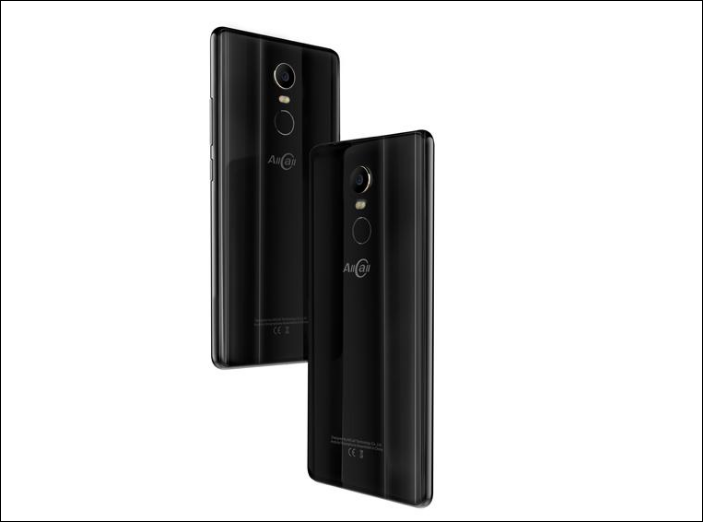
One of the most important factors that are put into consideration by most persons when making the decision on which phone to buy is the camera specs. Mobile phone cameras have seen significant improvements in the past years making it look unfashionable to have a digital camera aroun. Nikon around last year October announced it is closing down its operations in China and the rise of smartphone cameras were to blame. AllCall was recently tipped as launching a full-screen model with an iPhone X-like notch on an 18:9 aspect ratio dubbed AllCall Mix2.
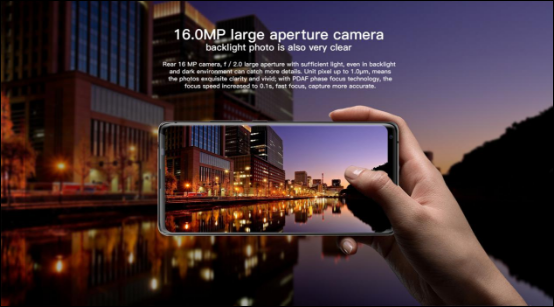
Apart from the full-screen design, the AllCall Mix2 is now revealed as coming with a 16MP rear-facing sensor with an aperture of f/2.0. The rear camera is also equipped with Phase Detection Autofocus (PDAF) which should allow for super fast focusing, as fast as 0.1 seconds The rear sensor also has an individual pixel unit of up to 1.0 µm which sure makes the phone look more appealing. The f/2.0 aperture teams up with a dual-LED flash to increase the light going into the shutter in order to capture a clearer picture. Just like the Xiaomi Mi Mix 2 design, the AllCall Mix 2 has its front camera placed at the lower right corner in order to further expand the full-screen design.The front camera is an 8MP sensor and it teams up with AllCall continuously upgraded beauty software which is optimized to give more accurate selfies. The Beauty software also takes into account the type of face and the different scenes so as to capture better quality photos with vivid clarity.
As a reminder, here is a summary of the AllCall Mix 3 specifications. The device features a 5.99-IPS TFT full screen with FHD resolution of 2160 x 1080pixels. The Mix2 comes with an Octa-core MT6763 SoC which is the Helio P23 processor clocked at 2.0GHz. The processor is backed by 6GB of RAM and there is 128GB of storage available. The device will also come with wireless fast charging support.
AllCall is yet to officially launch the model but you can participate in the AllCall giveaway activity where a FREE unit of the Mix 2 will be given out to one lucky winner. To get more information, visit AllCall’s official website.
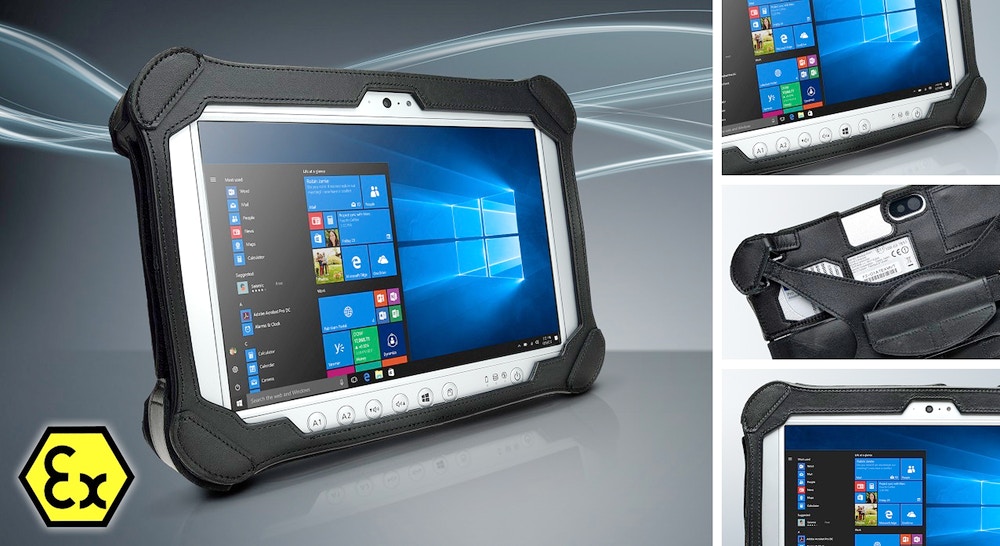
Rugged tablets are not a widespread genre of mobile devices, but they are very useful in some working environments. Panasonic has unveiled the second generation of its ToughPad FZ-G1 device, a special Windows 10 tablet which can resist extreme situations. Unlike the previous version, this tablet has the ATEX Zone 2 certification, and this means that it can be used in potentially explosive environments.
It is military-certified (MIL-STD 810G) and IP65-certified, so it is dust-resistant and splashproof. Another innovative feature is its 2D barcode reader. The new Panasonic Toughpad FZ-G1 also has high-level specs if we compare it with most of the tablets in the market. It is equipped with a 10.1-inch display and under the hood, it has a 6th gen Intel Core i5 6300U vPro processor.
In terms of connectivity, it offers USB 2.0 ports, an Ethernet port, and a micro SD cards reader. According to the company, Panasonic Toughpad FZ-G1 has a battery which can provide up to 14 hours of battery life. It has some physical keys which can be useful in situations in which you can not use the touchscreen. The rugged tablet will be available to pre-order starting from February with a price tag of €3,028, running Windows 10 Pro.
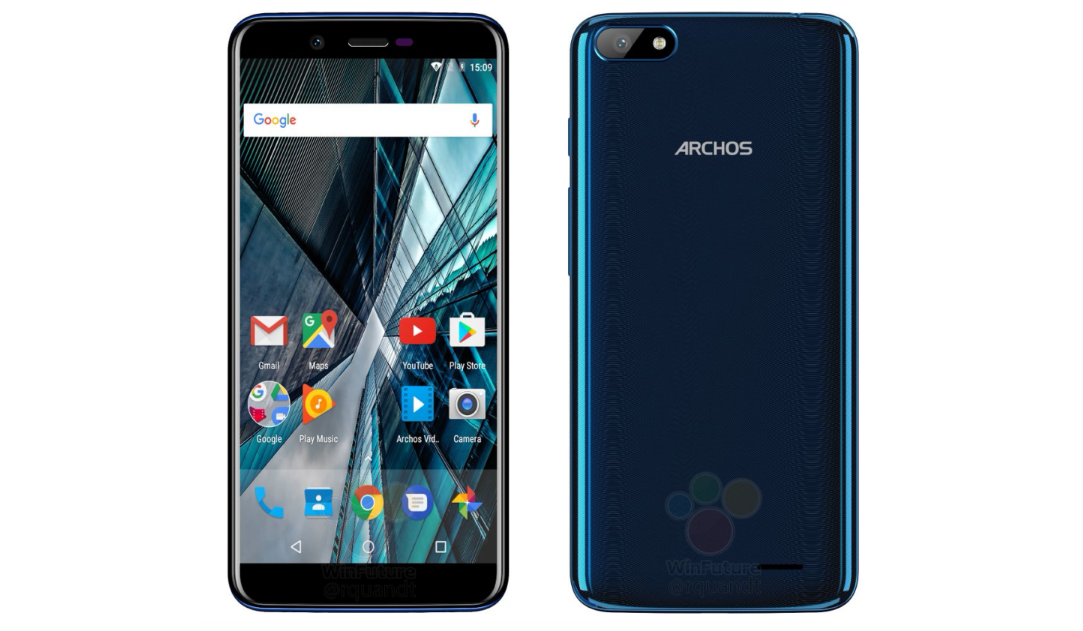
Archos, a smartphone and tablet manufacturer from France had unveiled some smartphones namely Archos Access, Archos Core, Archos Sense, and Archos Diamond Alpha+ at the IFA 2017 tech trade fair in September last year. After IFA 2017, it had also launched the Archos Diamond Omega smartphone. Fresh information revealed by well-known tipster Roland Quandt reveals that the company will be debuting the Archos Core 57S smartphone at the Mobile World Congress (MWC) 2018 tech expo later this month.
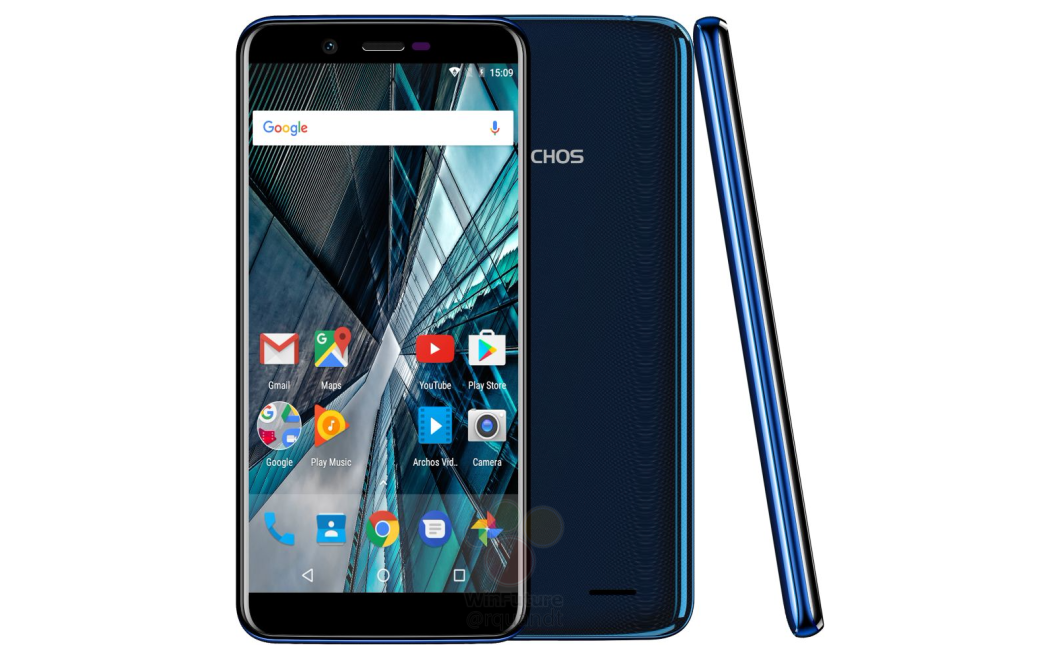
According to Quandt, the Archos Core 57S will be the cheapest full screen design smartphone as it is expected to hit the European markets with a pricing of 99.95 euros (~$125). The handset features a 5.7-inch IPS LCD display that produces HD+ resolution of 720 x 1440 pixels and offers an aspect ratio of 18:9. The screen is placed under 2.5D curved glass. The bezels on the sides of the display are quite narrow.
The obsolete Spreadtrum SC9838A that was launched in 2016 is present under the hood of the Archos Core 57S smartphone. It includes a Cortex A7 1.3 GHz quad-core processor and Mali-400 MP2 graphics. The SoC is coupled with 1 GB of RAM. It comes with a native storage of 16 GB. The connectivity features available on the handset include dual-SIM support, 4G LTE, Wi-Fi 802.11n, Bluetooth 4.0 (LE), microUSB and 3.5mm audio jack.
The Core 57S smartphone is fueled by a 2,500mAh battery. The back panel of the phone features a single-LED enabled 8-megapixel snapper. It has a selfie camera of 2-megapixel. It will arrive preloaded with Android 7.0 Nougat OS. The handset measures 9.1mm in thickness and it has a weight of 176 grams. It will be arriving in the market exclusively in blue color.
The above specs reveal that the major highlight of the Archos Core 57S is its 18:9 aspect ratio display. There is no information available on when it will be arriving in the market.
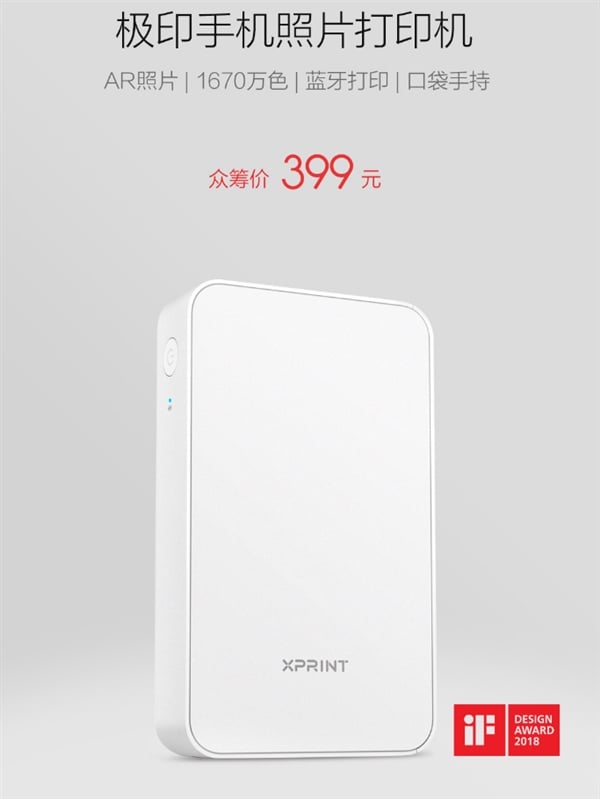
Xiaomi’s latest crowdfunded product has been announced and our guess was right. The XPRINT Pocket AR Photo Printer is its 153rd crowdfunded item and it does more than just print pictures.
Lately we have seen manufacturers release pocket printers as a way to bring back the instant cameras that reigned decades ago since most people now take pictures with their phones.
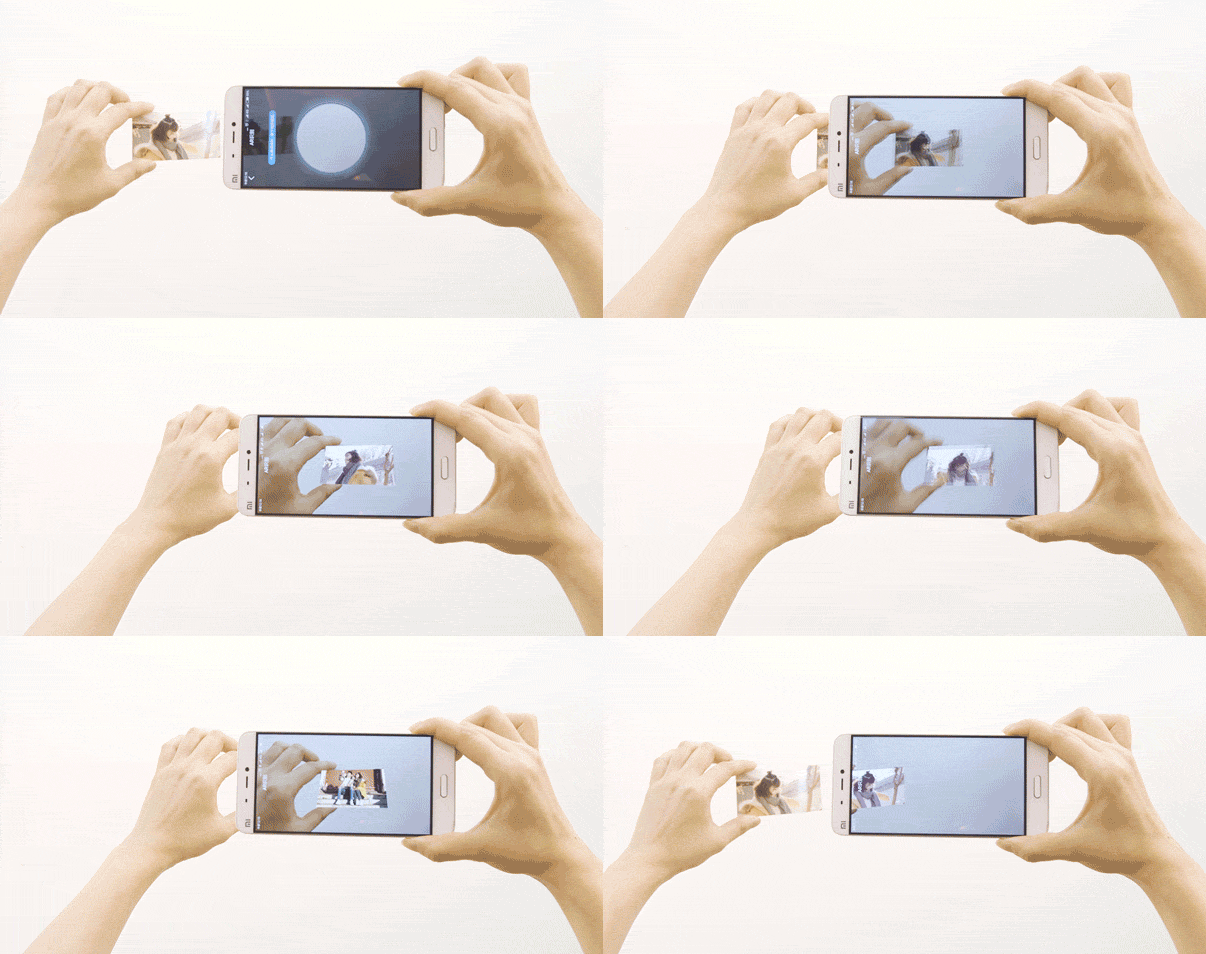
The XPRINT Pocket AR Photo Printer adds a mix to its own pictures. When you take a picture (with the dedicated app I presume), you can also record a short video. The app then “integrates” the video into the photo before printing.
When you want to view the printed photo later, all you have to do is point your phone’s camera at the picture and it will play the recorded video. Xiaomi says the app recognizes the photo in just 0.28 seconds and has a tracking speed of 120 frames per seconds.
The printer connects to your device via Bluetooth or NFC and works with devices running Android 5.0 and above or iOS 9.0 and up. It comes in white and measures 133 x 80 x 27mm and weighs 237g without the photo tray and 268g with the photo tray. It has a 650mAh battery capacity and thankfully can be recharged with a power bank.
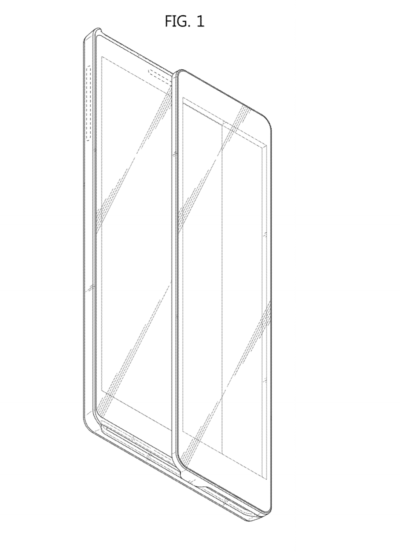
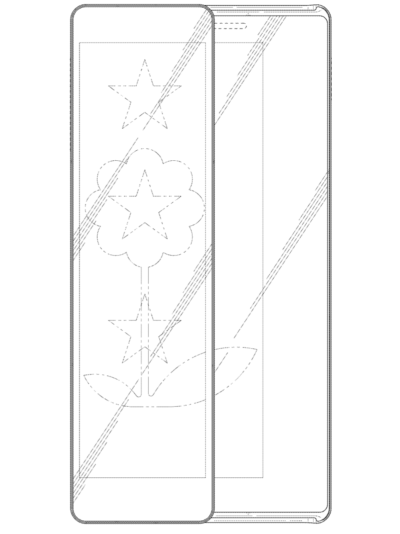
Samsung keeps working hard to stay ahead of the pack, filing patents for all styles of designs that can best be imagined. One design style that have often been in patent filings is the foldable display design. While we are yet to get a Samsung foldable smartphone, the phone maker has filed patent for a smartphone with a sliding display.
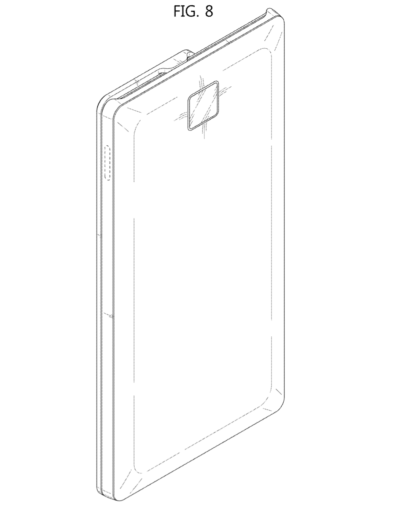
The closest we have to seeing a foldable smartphone from Samsung is the W2018 flip phone which was launched exclusively for China late last year. This isn’t the sort of slider used on the Nokia 6700 Slide or Motorola sliders or Motorola sliders of yore since there isn’t going to be a physical keyboard under the first display. From the sketches attached to the patent document, we can gather that the Samsung envisions a touchscreen smartphone that would feature a secondary display but in this case, the secondary screen slides on top the initial display.
We can’t say why Samsung would think up such design which doesn’t look to appealing. But then, it is possible that the smartphone maker is trying to come up with a touchscreen model that would allow users extend the display in order to have a wider screen without having to flip the phone into landscape viewing mode. This just a patent anyway, and might find its way into a commercial smartphone anytime soon.
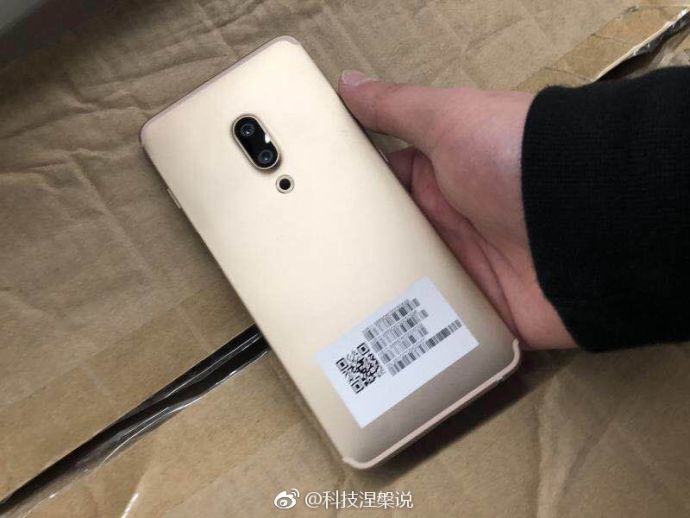
Meizu had unveiled the Meizu E2 smartphone in China in April last year. It was launched with a distinguishing design as it came with quad LED flash arranged horizontally on the upper antenna band. A leaked image of the Meizu E3 has surfaced today. It reveals that the smartphone will be not only sporting a dual camera setup but also a different design compared to its predecessor.
The rear view of the alleged Meizu E3 shows the presence of a vertically arranged dual camera setup and below it is a ring LED flash. The rumored E3 appears to be wearing a full metallic body. The antenna bands can be seen on the top and bottom edges of the phone
It is speculated that the E3 may sport a full screen design. This suggests that it could be yet another phone from the company after Meizu M6S and the upcoming Meizu 15 Plus to feature side-mounted fingerprint reader.
It is also expected to feature the pressure-sensitive Super mBack button that was introduced on the Meizu M6S. The handset seen in the leaked image could be a prototype of Meizu E3 as it does not feature the branding of the company. As of this writing, there is no information available on the other specs of the phone. MediaTek is expected to debut the Helio P70 and Helio P40 chipset at the Mobile World Congress (MWC) 2018. Hence, there is a possibility that the E3 may include Helio P70 or P40 chipset.
It is speculated that the Meizu E3 may debut in March this year. The E2 smartphone had arrived with a pricing of 1,299 Yuan. Hence, it is speculated to arrive with a similar pricing.
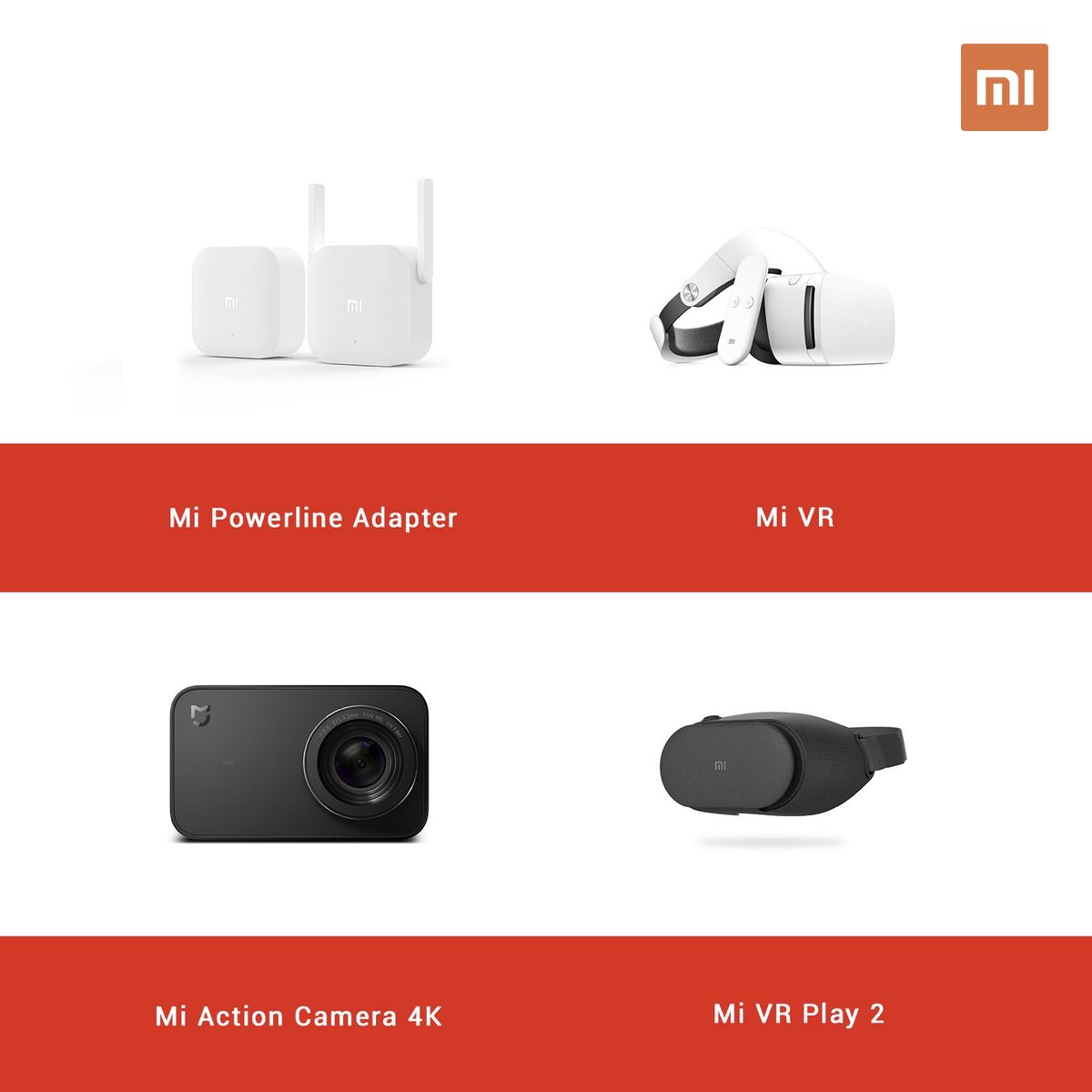
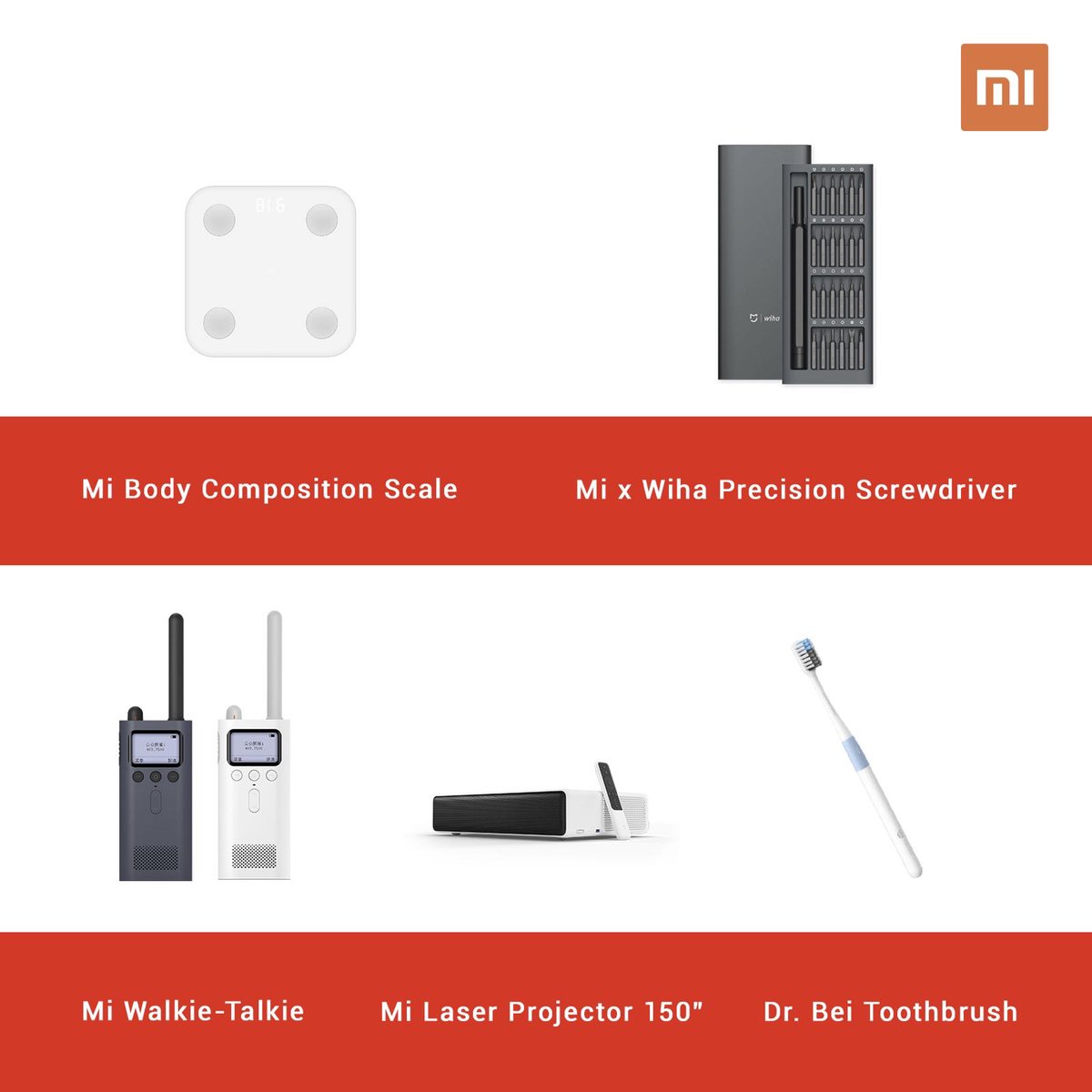
Xiaomi is known for selling its devices with best specs, affordable pricing and impressive design. Last year, Mi Scooter, Mi Laser Projector, Mi Walk-Talkie, Mi TV 4, Mi VR headset and Mi MIX had won The Good Design Awards 2017. Now, iF Design Award Committee has confirmed that 13 Xiaomi devices have won awards for exceptional design. On Weibo, Xiaomi CEO Lei Jun has revealed the list of devices that have received 2018 iF Design Award in Germany.
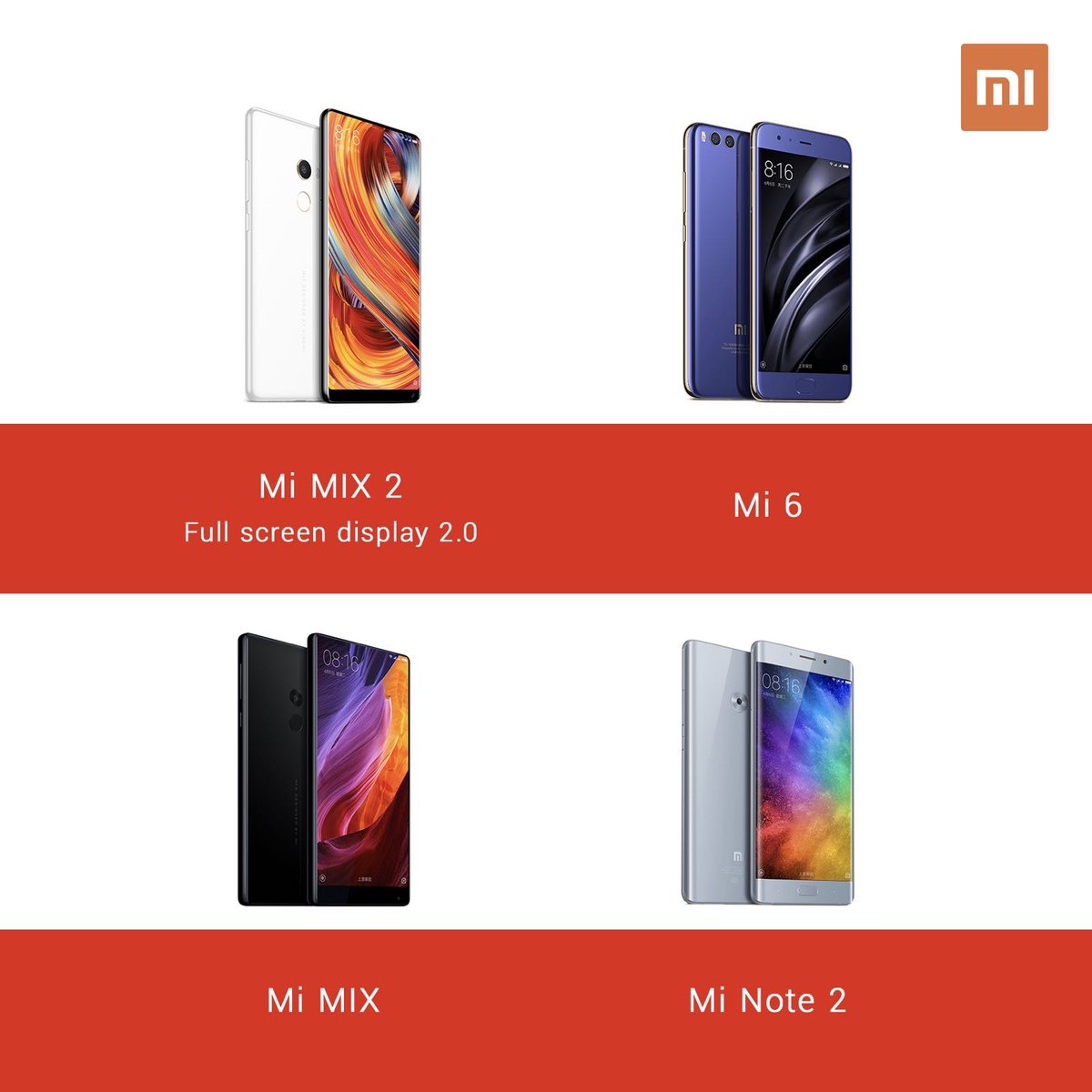
The 2018 iF Design Award received more than 6,400 entries from 54 applicants from across the world. The winners were chosen by a panel of 63 design experts from all over the world. The 13 Xiaomi devices that have bagged 2018 iF Design Award include Mi MIX 2, Mi 6, Mi MIX, Mi Note 2, Mi WiFi Powerline Adapter, Mi VR headset, Mi VR Play 2, Mijia Mi Action Camera 4K, Mi Walkie Talkie, Mi Laser Projector 150, Mi Body Composition Scale, Wiha Precision Screwdriver and Doctor Bei Toothbrush.
The original Xiaomi MI MIX concept phone was designed by well-known French designer Phillip Starck. Among several other awards, the Mi MIX has also won the GOLD Award at IDEA (International Design Excellence Award) 2017 last year. In September 2017, the Mi MIX concept phone was added to National Design Museum in Finland. The curator of the museum Jukka Savolanien said, “It points out the direction of future design of smartphones.”
In December, the Mi MIX and Mi MIX 2 were added to the France’s world-famous art museum, Centre Pompidou that feature other masterpieces from Picasso and Marcel Duchamp. It also received praises from numerous publication across the world. According to Starck, the Mi MIX 2 is “a perfect phone” as it features a full screen design with reduced bottom bezel and ceramic chassis. It is powered by Snapdragon 835 chipset and has up to 8 GB RAM and up to 256 GB of storage. It is packed with a 3,400mAh battery.
Mijia is the sub-brand from Xiaomi through which it sells smart home products. Most of the smart home devices that have won 2018 iF Design Award can be seen sporting a minimalist design and they come with affordable pricing. Well-known tech companies have been selling aesthetically pleasing devices like iPhone X, Galaxy Note 8 and so on with exorbitant pricing. However, Xiaomi has always strived to maintain that a well-designed product does not mean that it should carry costly price tag.
We use cookies on our website to give you the most relevant experience by remembering your preferences and repeat visits. By clicking “Accept”, you consent to the use of ALL the cookies.
This website uses cookies to improve your experience while you navigate through the website. Out of these, the cookies that are categorized as necessary are stored on your browser as they are essential for the working of basic functionalities of the website. We also use third-party cookies that help us analyze and understand how you use this website. These cookies will be stored in your browser only with your consent. You also have the option to opt-out of these cookies. But opting out of some of these cookies may affect your browsing experience.
Necessary cookies are absolutely essential for the website to function properly. This category only includes cookies that ensures basic functionalities and security features of the website. These cookies do not store any personal information.
Any cookies that may not be particularly necessary for the website to function and is used specifically to collect user personal data via analytics, ads, other embedded contents are termed as non-necessary cookies. It is mandatory to procure user consent prior to running these cookies on your website.