Qualcomm has officially confirmed that it will reveal the brand new Snapdragon 835 chipset in detail at the upcoming CES event in Las Vegas. But someone decided to leak the details of the chip a couple of days in advance.
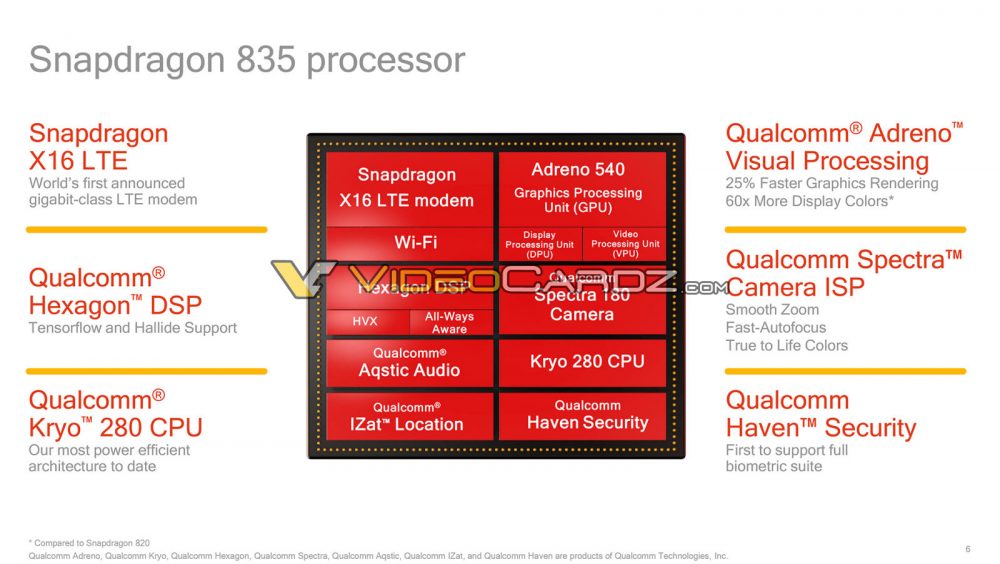
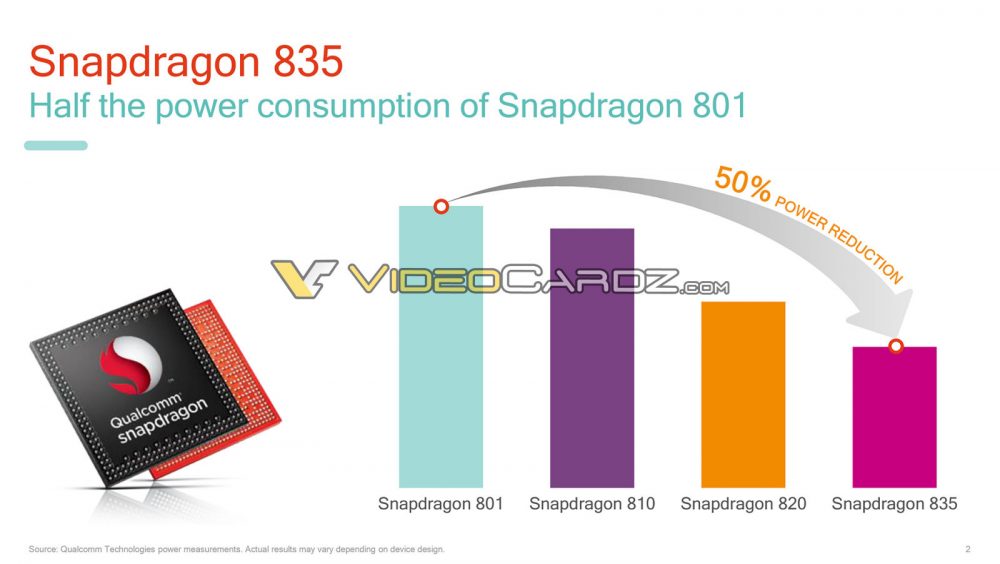
According to the new set of leaked images, the Snapdragon 835 will use a Kryo280 octa-core architecture. The company claims the 280 is its most efficient architecture till date, which really sounds exciting. Further, thanks to the improved efficiency, the Snapdragon 835 boasts of 50% power reduction as compared to the old Snapdragon 801 chip. This means in 2017, we will have not only powerful smartphones but also phones which will last longer than previous generation models.
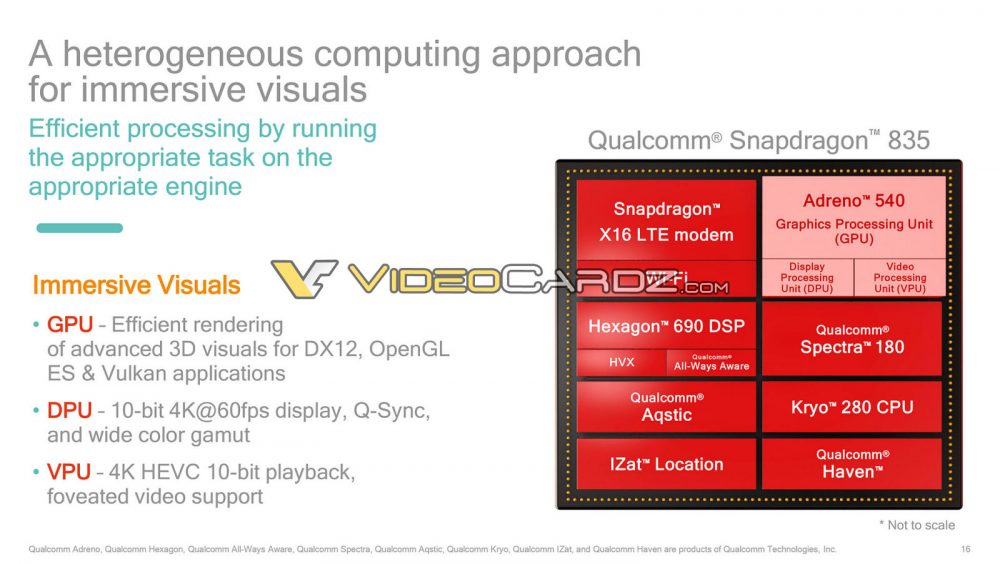
So, there will be two sets of cores in this architecture — 4 x performance cores @ 2.45GHz and 4 x efficiency cores @ 1.9GHz. The Snapdragon 835 also comes with a faster Adreno 540 GPU with support for DX12, OpenGL, ES and Vulkan applications. Other noted features of the new chip include Hexagon 690 DSP, Spectra 180 and the fast X16 LTE modem. The processor also comes with support for Qualcomm Haven Security (full biometric suite).
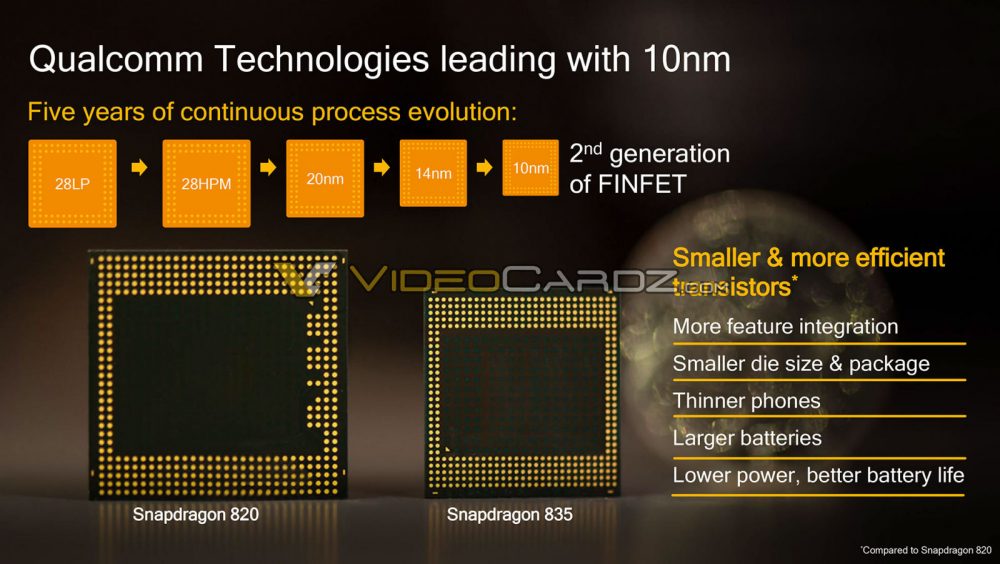
Since the SD835 is based on 10nm process, its smaller and much more compact than Snapdragon 820. This will translate into thinner and smaller smartphones, with more room for other components like battery.
Overall, the Snapdragon 835 processor seems to be a worthy update to the powerful SD821.
Note that these are just leaked images which haven’t been confirmed by the company yet. But the details are in line with what we expected from the chip.
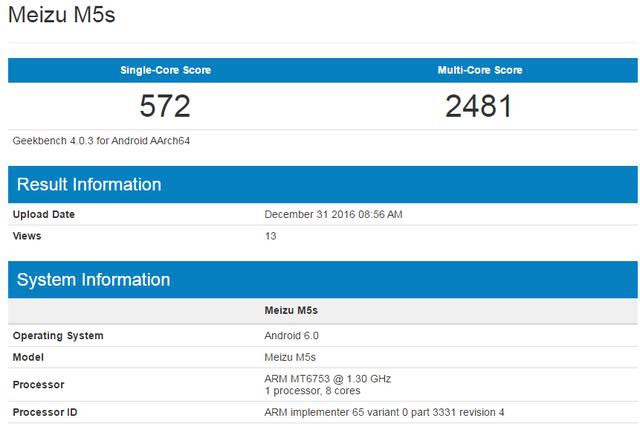
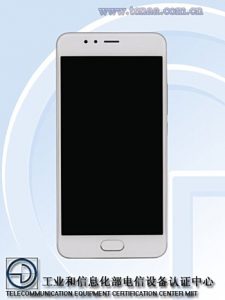
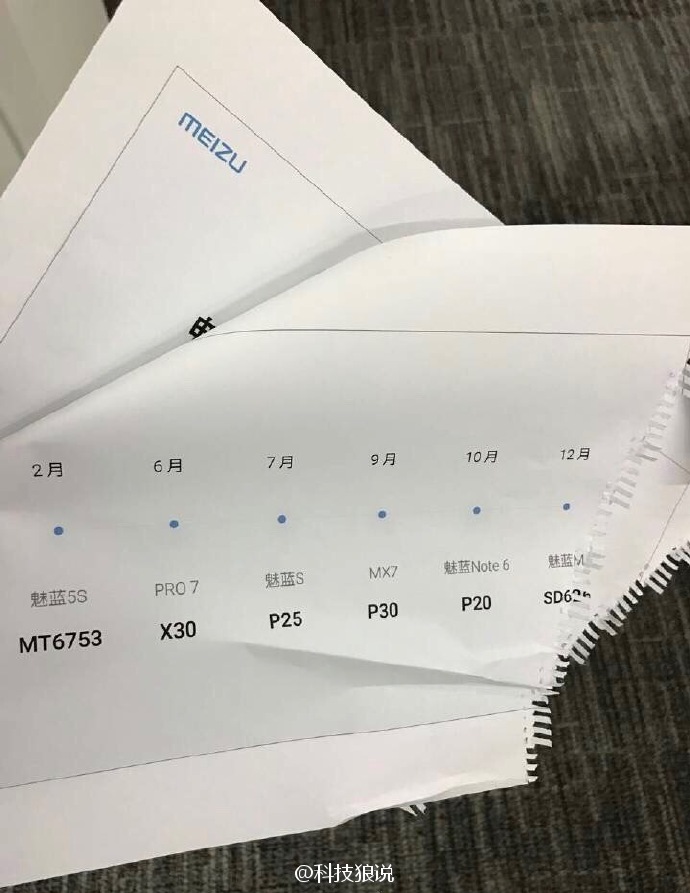
According to the leaked Meizu product schedule plan that made the rounds last week, the Meizu M5S is slated as the first in its lineup billed to be unveiled next month, February 2017. Ahead of the expected February launch, the M5S has appeared on Geekbench database, with a result that affirms it mid-range specs.
Before now, the Meizu M5S has gotten its 3C certification in China and had also pass through TENAA for certification. According to the TENAA listing, the M5S sports a 5.2-inch 720p display, a 1.3GHz octa-core processor, a 13MP rear camera, a 5MP selfie camera, and a 2930mAh battery. The phone was also listed to be available in up to three different RAM versions of 2GB, 3GB and 4GB, as well as three storage versions of 16GB, 32GB and 64GB respectively.
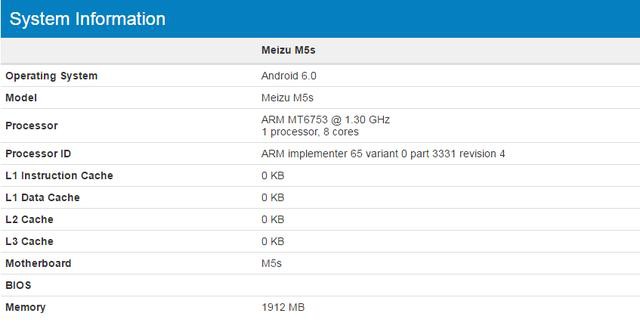
The version that ran through Geekbench is listed as having 2GB RAM onboard, which is apparently the base version. Geekbench also lists the device as packing a 1.3GHz octa-core chip identified as the MediaTek MT6753 chip. This also rhymes with the processor type listed on the leaked Meizu 2017 product plan. On the test results, the M5S could only manage a single-core test score of 572 points, and a multi-core score of 2481 points. In addition, the device is also listed as running Android 6.0 Marshmallow out-of-the-box.
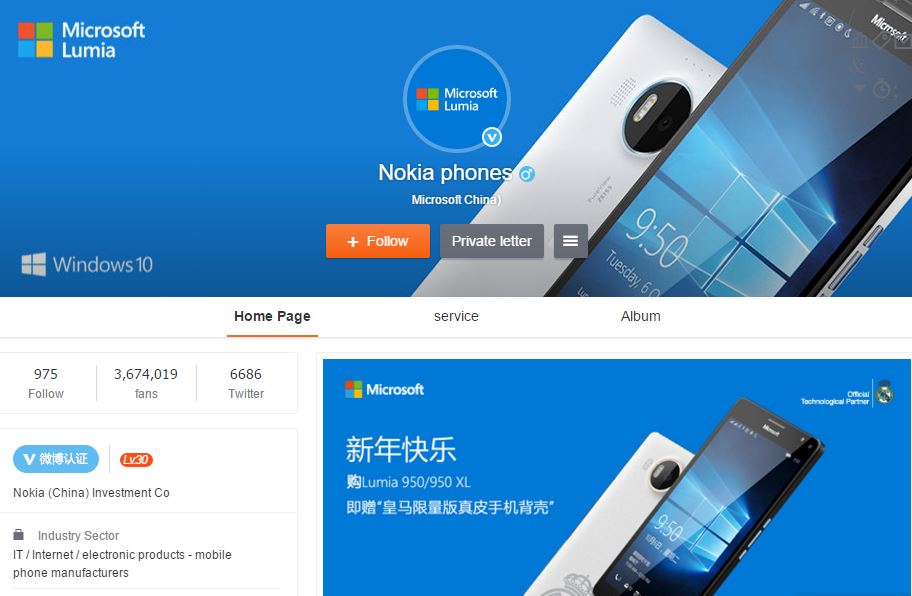
It is already a known fact that Microsoft has relinquished its stake in Nokia and now the Nokia brand name is back. Apparently, in a clear demonstration of the return of the Nokia brand and the demise of the Microsoft Lumia brand, the official Microsoft Lumia Weibo page is reported to have been renamed as Nokia phones.
This is no doubt an indication that the Nokia brand has been repositioned to take over all the structures of the now defunct Microsoft Lumia globally. On September 2, 2013, Microsoft announced that it was buying out Nokia’s devices business for $7.2 billion. By then, Nokia was already swimming in troubled waters, facing financial difficulties as a result of a late transition to Android phones. Although Microsoft had hoped to turn around the fortunes of the company, that didn’t happen as the Lumia brand just refused to fly.
In a bid to offload its excess luggage, Microsoft announced that it is selling off its feature phone assets to a subsidiary of Taiwanese firm Foxconn Technology and newly-established firm HMD Global for $350 million, around May last year. This move marked the return of the Nokia brand into the market. Already, the company has released a couple of feature phones and is all set to unveil its Android smartphones.
Although the Weibo page’s name has now been changed to reflect the new ownership, it can still be observed that the background image is still that of Microsoft Lumia. Perhaps this is to allow for a slow transition, so as not to confuse fans. Perhaps, some more changes and maybe a couple of announcement will pop up from the new account soon. We’ll be on the watch out for that.
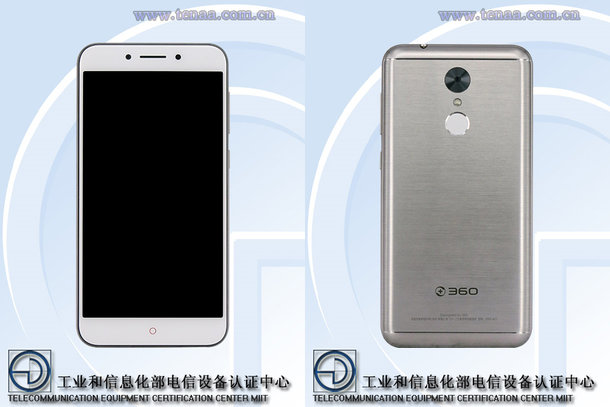
A new smartphone from 360 Mobiles has been spotted passing TENAA certification. This new device is expected to be its first smartphone for 2017.
As of this writing, it is not known whether the rumored 360 Mobiles smartphone will belong to its N-series or Q-series devices. However, its photos have surfaced through TENAA listing.
A small red-colored circle can be seen below the display of the mysterious 360 Mobiles smartphone. This design for the Home Button seems to be inspired from Nubia phones. The ambient sensor and front-facing camera above the display.
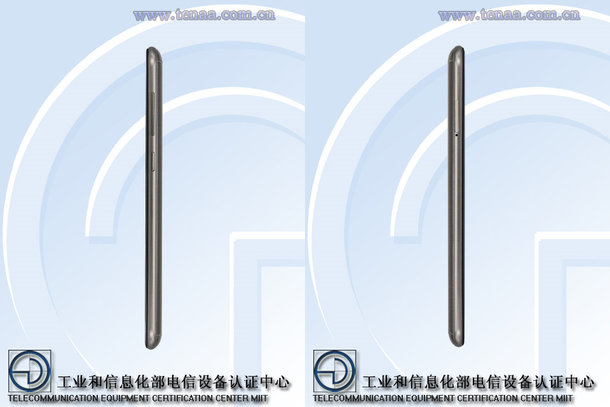
The smartphone is expected to feature a unibody metallic chassis with a thickness of 8.5 mm. The rear panel of the device houses the main camera. Below the camera, there is an LED flash and fingerprint scanner.
As far as the specifications of the rumored 360 device is concerned, it is expected to house a 5.5-inch full HD display. An octa-core processor working at 1.8 GHz is expected to power the device along with 6 GB of RAM. Its native storage will be of 32 GB.
Its other specs include 8-megapixel front-facing camera, a 13-megapixel rear camera, Android 6.0 Marshmallow OS and an in-built battery of 3,920 mAh capacity. Currently, the pricing and launch date of this rumored device is not known.
360 Mobiles does not sell its smartphones outside China. However, in the home country it is quite famous mainly because of its affordably priced smartphones. In the recent past, it has released smartphones such as 360 N4S, 360 N4A, 360 Q5 and Q5 Plus.
In December 2016, HTC began sending invitations for its January 12 launch event. Even though the company is silent on the device that will be unveiled at the upcoming launch event, speculations have it that the rumored HTC Ocean Note will launch as HTC U Ultra on the said date.
The invitations that were sent out last month carries a large-sized ‘U’ on a purple colored background. According to well-known leakster, @OnLeaks, an unverified source has revealed that HTC Ocean Note phablet is rumored that is unveiling on Jan. 12 as HTC U Ultra.
Got it from an unverified source but I put that here anyway… 😏#HTC Ocean Note = HTC U Ultra = 6″ display = no 3.5mm Jack…
The alleged phablet is expected to house a 6-inch display. Just as previous leaks have suggested the phablet does not feature a 3.5 mm headphone jack. Since it is expected to feature a USB Type-C port, it may allow users to listen to music by connecting headphones to the new port.
A leaked information coming from Taiwanese retailer named Eprice suggests that the HTC Ocean Note (aka HTC U Ultra) will be arriving with an outstanding rear camera. It is expected to be so good that its DxOMark score is rumored to be highest over other smartphones. Currently, the Google Pixel has the highest DxOMark score of 89.
HTC Ocean Note seems to belong to a new series of smartphones from the Taiwanese company. It will be a dual SIM smartphone with its first SIM carrying support for 4G connectivity and its second SIM will support 3G networks.
It is speculated to be available in color choices like Black, White and Blue. Several leaked images of its case suggests that will be housing a stylus.
The other two rumored smartphones that are expected to belong to the new series are HTC Ocean Smart and Ocean Master. The Ocean Smart is expected to arrive with midrange specs whereas the Ocean Master is speculated to be graced with flagship specs.
Early rumors have revealed that the HTC Ocean Master will be a concept phone that will not feature any physical buttons. Instead, its edges are expected to include sensors that can perform appropriate actions for controlling volume and launching camera by touching on the sides of the phone.
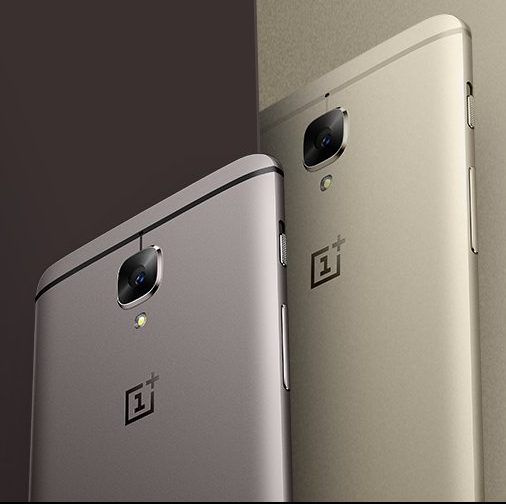
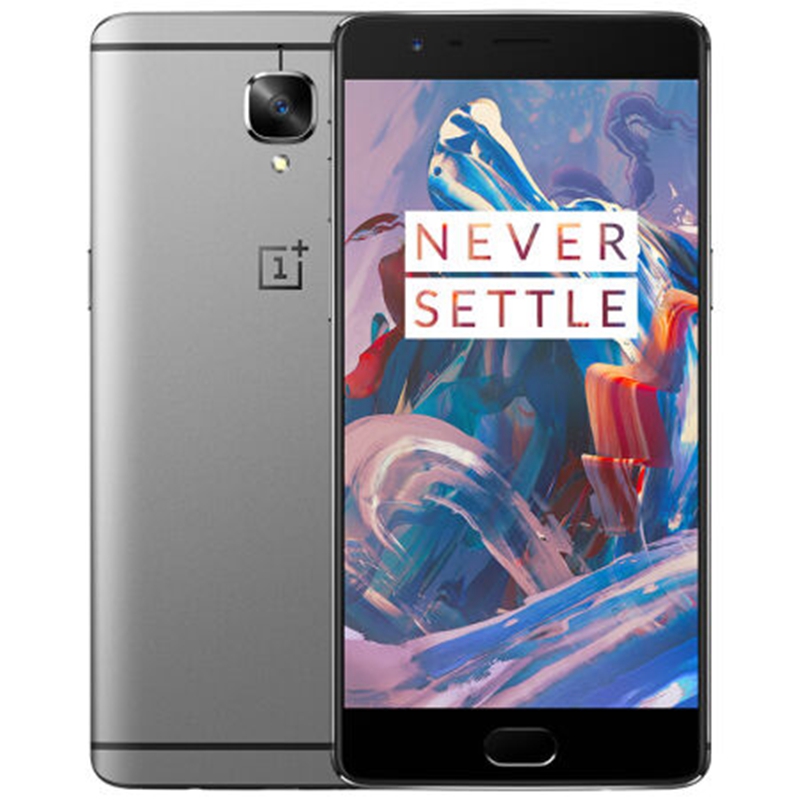
It appears OnePlus is not only great at making phones but they have also included fulfilling promises. When the OnePlus 3T was launched, the company promised that it was going to release a Nougat update for it and the OnePlus 3 before the end of the year.
Most people must have thought the update wouldn’t be coming anymore seeing as we are literally at the end of the year, but OnePlus is not one to disappoint its fans as they have released the final and stable version of Android Nougat.
The new update comes in the form of Oxygen OS 4.0 and is already rolling out to some users. Changelog for both devices are the same and are listed below:
Upgraded to Android 7.0 Nougat
New Notifications Design
New Settings Menu Design
Multi-Window View
Notification Direct Reply
Custom DPI Support
Added Status Bar Icon Options
Improved Shelf Customization
If you have not received the update, you can manually check but if it is still not available, you should be patient as the update will roll out gradually to users.
Do you own a OnePlus 3 or OnePlus 3T and have received the Nougat update? Do let us know what you think about the new features.
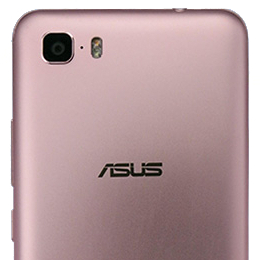
ASUS has a new phone in the works and it seems a launch isn’t far off as it has been spotted on TENAA’s website getting its certification. The phone with model number X00GD runs Android Nougat out of the box making it the first ASUS phone to run the new Android OS.
The ASUS X00GD also comes with a large 4850mAh battery. Not the largest we have seen on an ASUS phone (the Zenfone Max/Max Pro sports a 5000mAh battery) but which is pretty big too and should last for at least two days since the display is just 5.2-inches with a 720p resolution.
The device weighs 169 grams thanks to the large battery and measures 149.5 x 73.7 x 8.85 mm. There is an unnamed 1.5GHz octa-core processor under the hood, a 13MP rear camera with dual LED flash, and an 8MP front shooter.
There are multiple variants, so you should get either 2GB + 16GB, 3GB + 32GB, or 4GB + 64GB. ASUS is never one to ditch the memory expansion slot even on their flagship Zenfone 3 Deluxe with 256GB of storage, so irrespective of the variant you settle for, you can throw in a micro SD card to get more storage.
Huawei has no doubt, had a highly successful year this 2016, with statistics showing the company surpassed its yearly target of selling 140 million units of its phones this year. What better way to consolidate on that success than to begin the New year with a launch event in one of the most lucrative smartphone market which is also one of Huawei’s target market. Huawei’s Honor brand has teased via Twitter, that the company will be unveiling a brand new “epic” Honor smartphone at CES 2017 holding in Las Vegas on January 3.
The company was short of announcing the name of the smartphone but the teasers point to a device with dual cameras and that the phone’s camera acts perfectly in low light with an accompanying image purportedly captured by the phone. There is really nothing new about a dual camera smarphone as Huawei has already got the Honor 8 selling in the US with a dual camera setup. What is likely to drop is the innovative Honor Magic which was unveiled in China recently. While we can’t be very sure about that, it is likely that Huawei will introduce the Honor Magic in the US market where it will be affordable to many.
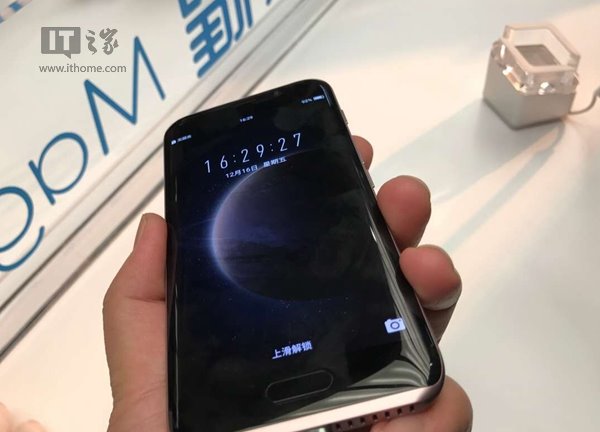
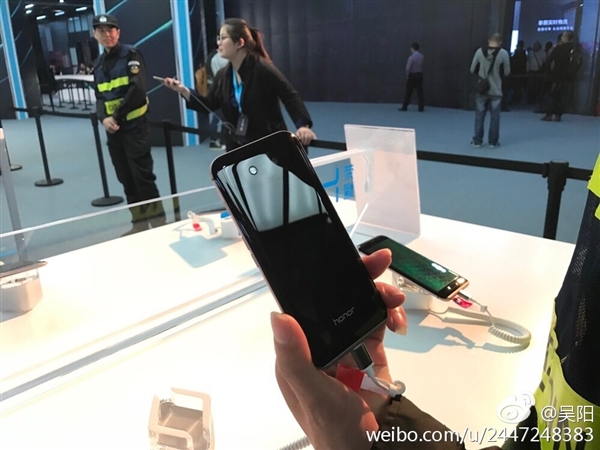
The Huawei Honor Magic has in its arsenal, a beautiful, sleek design with an hardware setup that makes it a powerful smartphone capable of withstanding the toughest of softwares. Apart from the dual cameras, the Honor Magic also comes with a dual curved display on both the front and back, giving it a unique look. The Honor Magic sports a 5.09-inch AMOLED display with 2K resolution. The device also tag along the Kirin 950 chipset as well as 4GB RAM and 64GB of storage.The device supports NFC and has a fingerprint sensor embedded under the home button. There is a dual camera setup at the back sitting horizontally with the LED flash at the side. The device crams a 2900mAh battery onboard which is touted as being capable of achieving 90% charge in just 30 minutes.
In addition, Huawei is said to unveil the EMUI 5.0 at CES 2017 and coincidentally, the Honor Magic runs on EMUI 5 based on Android Nougat. The Honor Magic is priced at 3699 Yuan (~$533) and that’s a very cheap price tag if you take into consideration the rich allure of design and specs it packs.
Motorola (Lenovo) didn’t release a Moto X this year, instead we got the Moto Z, the 4th Gen Moto G series, the Moto E3 Power, and the Moto M; even though we kept getting rumors that Motorola was still going to release a Moto X 2016.
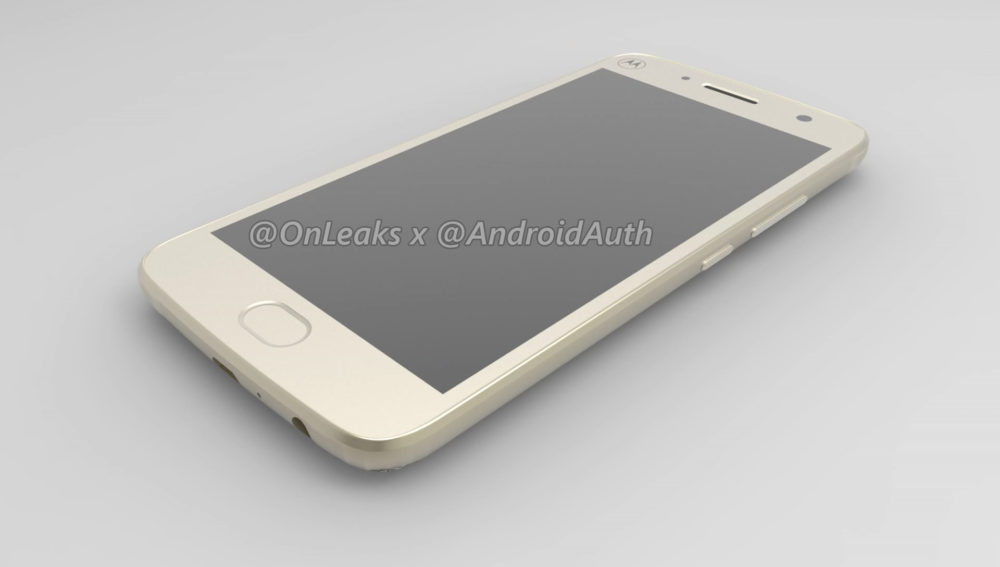
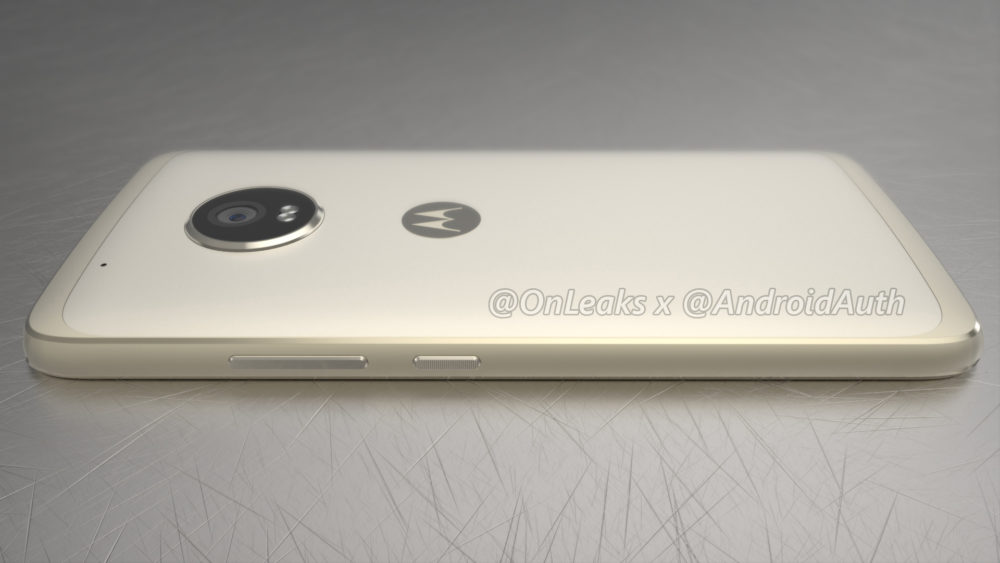
Less than 48 hours to the end of the year and leaks for a phone said to be the Moto X (2017). The leaks which were released by @OnLeaks who is known for his track record of posting accurate leaks, also includes a 360° video of the upcoming phone.
On first look, what you’ll notice is that the Moto X (2017) is not sporting that ugly square fingerprint scanner present on the Moto Z series and Moto G4 Plus. It now has that pill-like design that can be found on Samsung phones. However, this one appears to be shorter and bigger, probably in a bid to compliment the big bezel its sitting on. The Moto X (2017) also brings back the audio jack which is positioned at the bottom of the phone.
The Moto X (2017) does share some design features with the Moto Z such as the rear camera and the position of the front shooter and sensor. Surprisingly, it does not have the connector pins found on the Moto Z, which means the phone won’t be able to make use of Moto Mods. The Moto X (2017) also lacks the thin design (it’s 9.2mm thick, measuring the camera bump) of the Moto Z which is really thin at 5.2mm. We hope the extra thickness is to allow for a larger battery.
@OnLeaks mentions that the Moto X will be bringing back features like the audio jack mentioned above and a microSD card slot for storage expansion. The phone will also be ditching the USB Type-C port and will have a micro USB port in its place. There are a no stereo front-facing speakers like last year’s model and no dual cameras too.
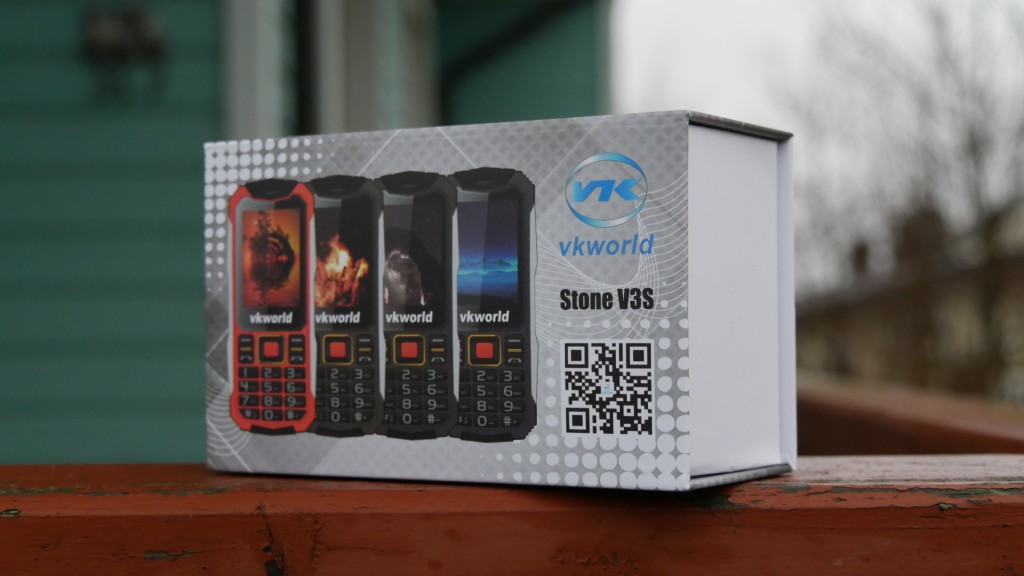
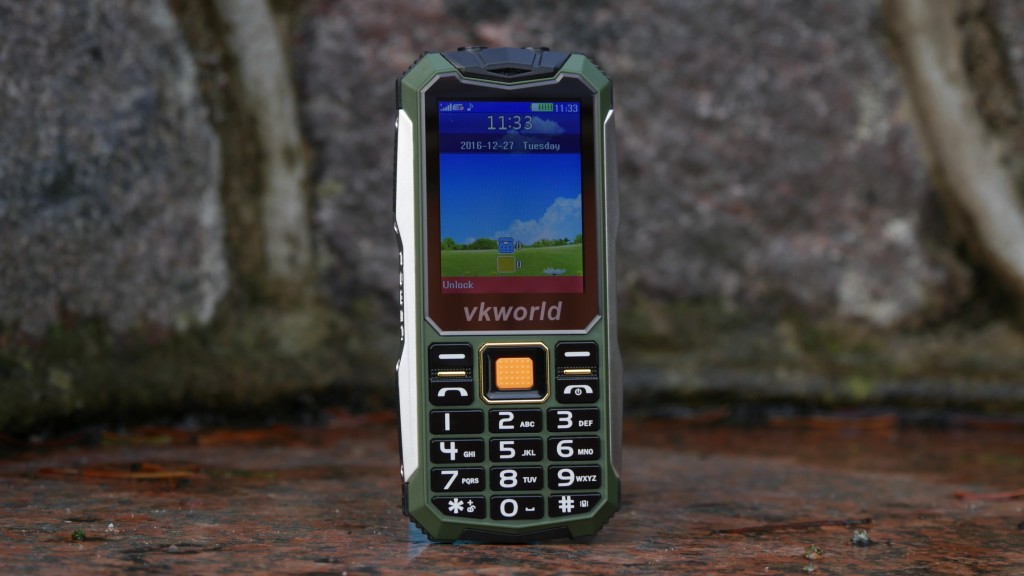
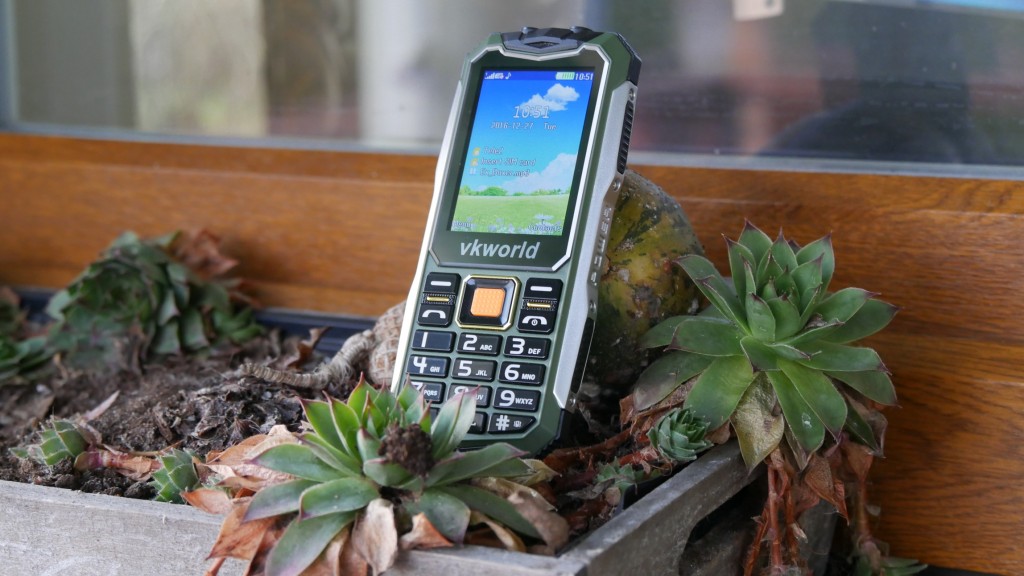
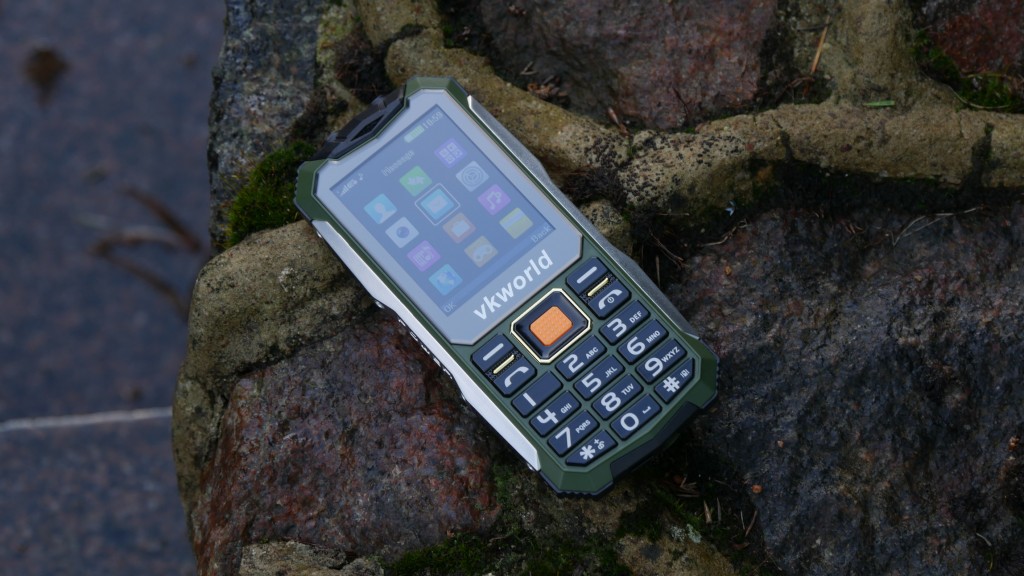
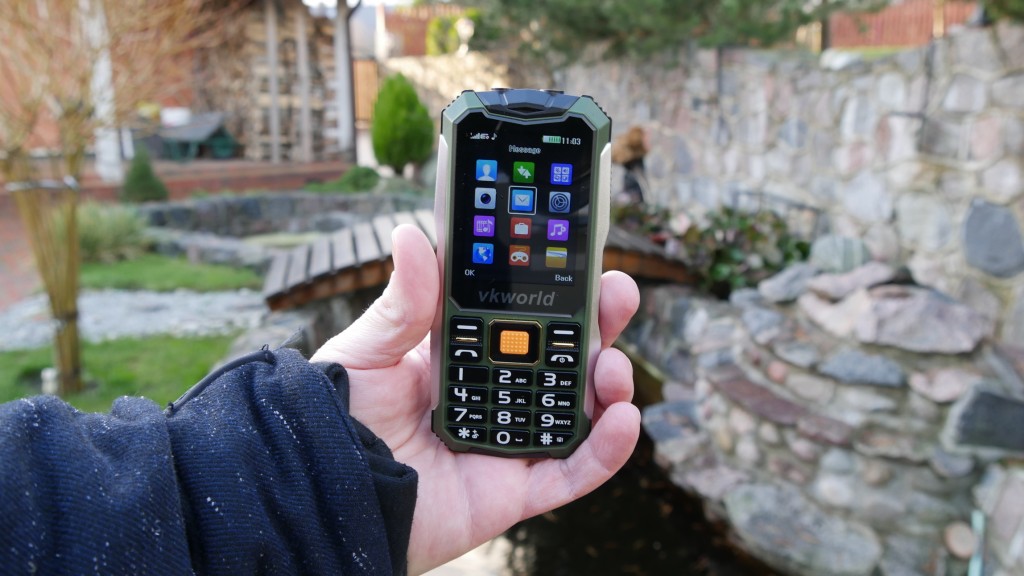
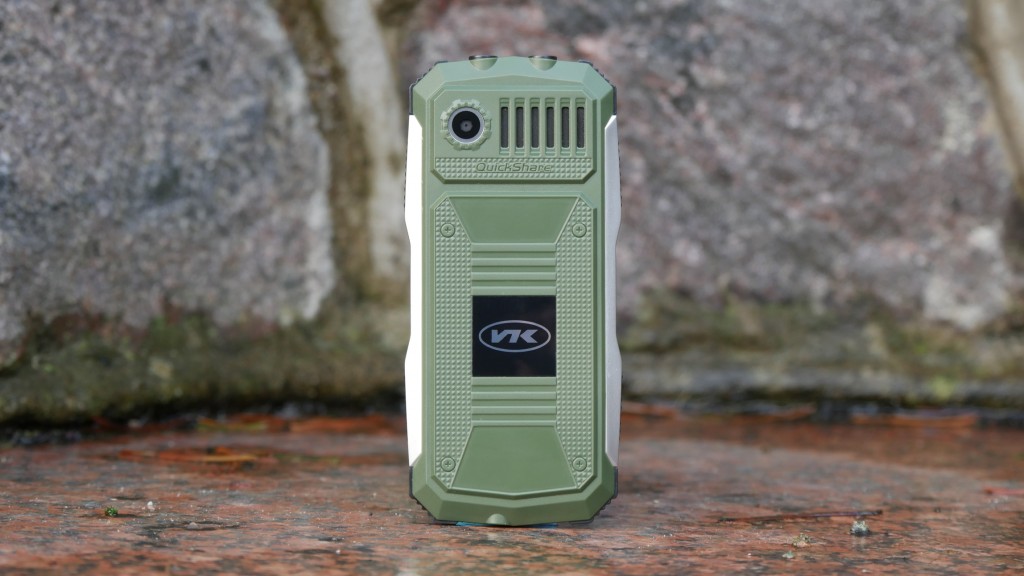
There are plenty of phones out there and most of them have so many smart features that some of you may not even need. I just came across a $20 feature phone and I decided to give it a try. Did I like it? Learn more in the full VKWORLD Stone V3S review.
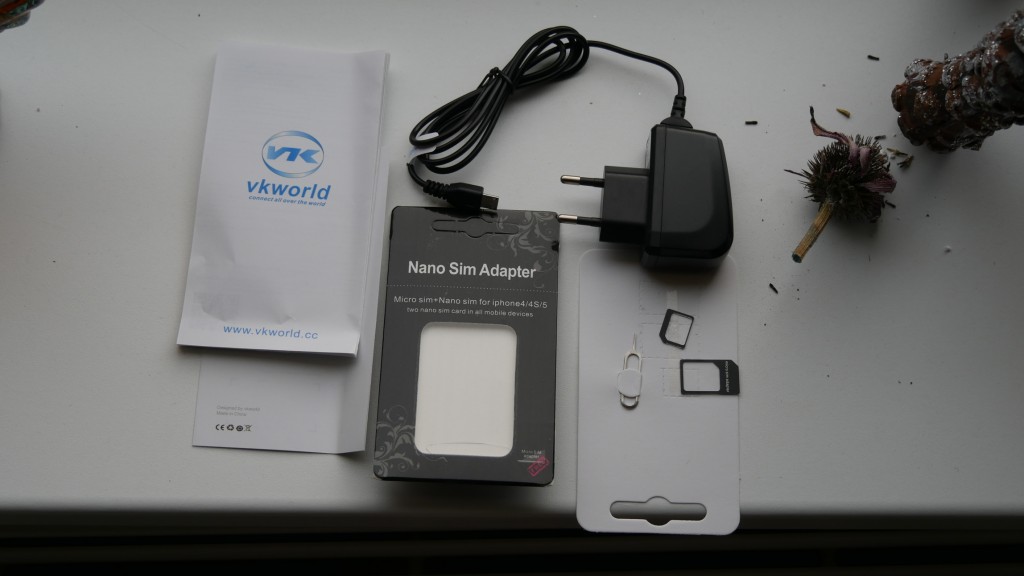
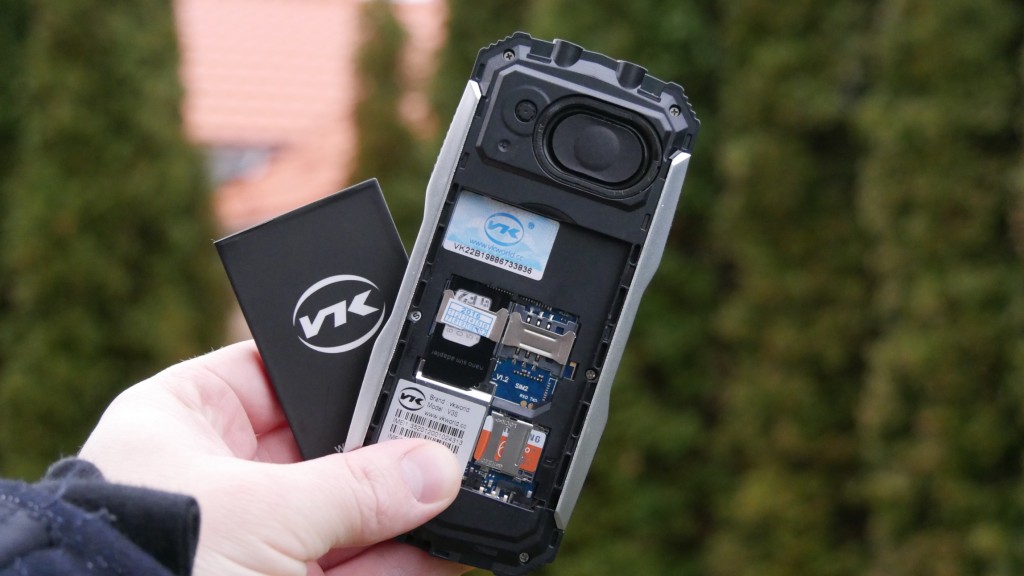
The phone ships with a charger, some paperwork and some extra SIM card adapters.
DESIGN and FEATURES
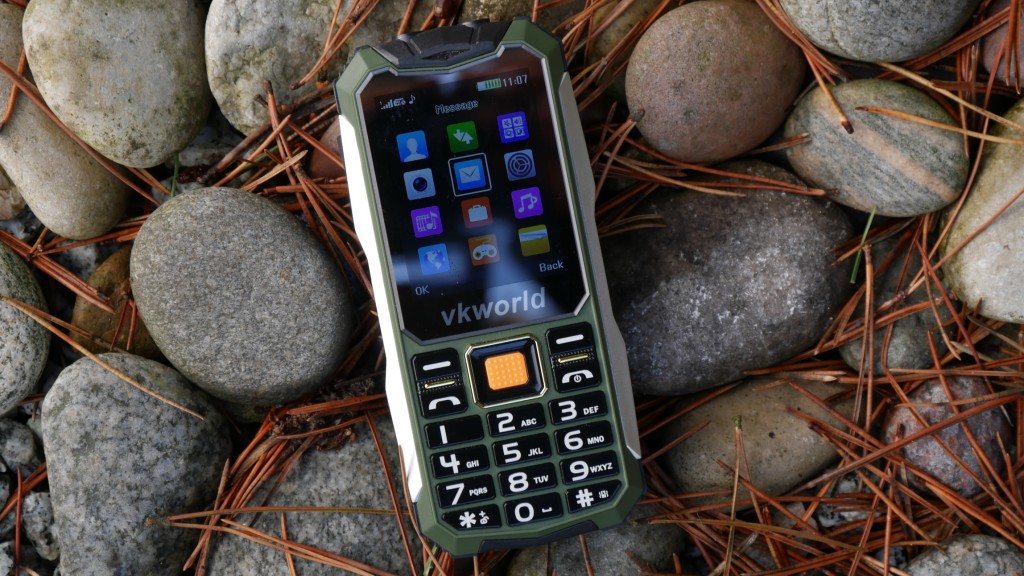
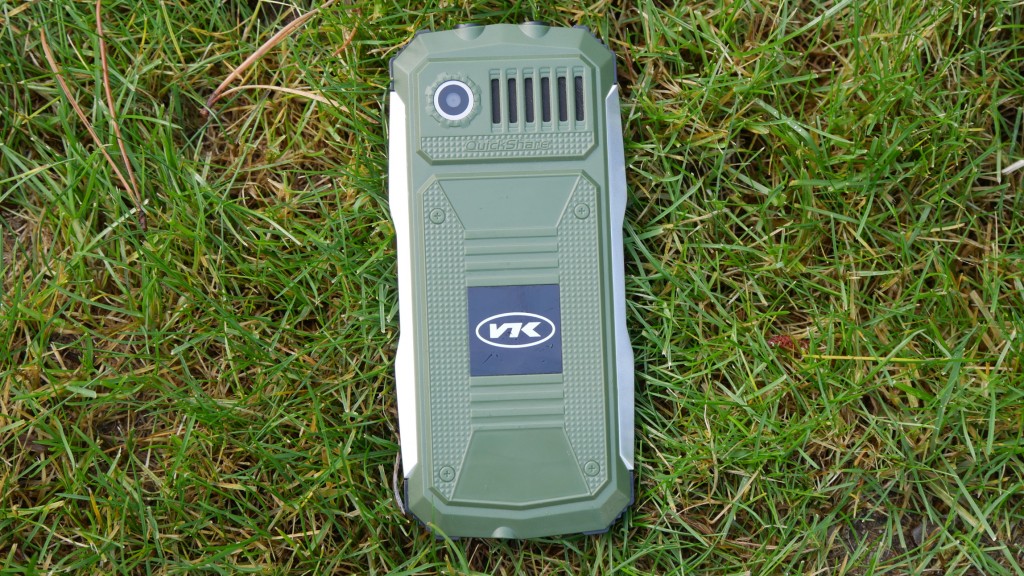
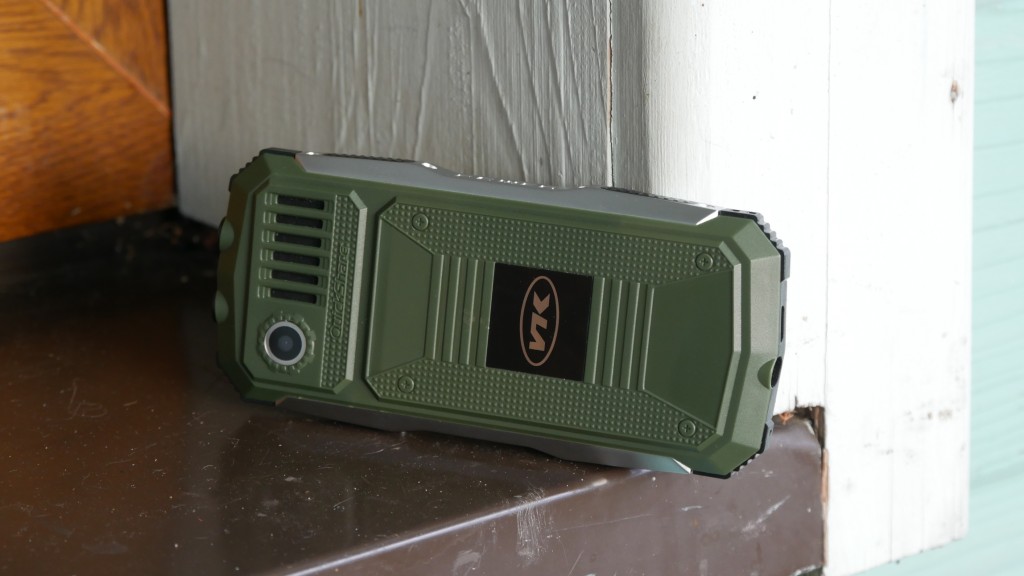
For $20, you get a little phone that has the IP65 rating, meaning that the phone can survive somebeating. Also, it is dust and dirt resistant and the device is splash-proof.
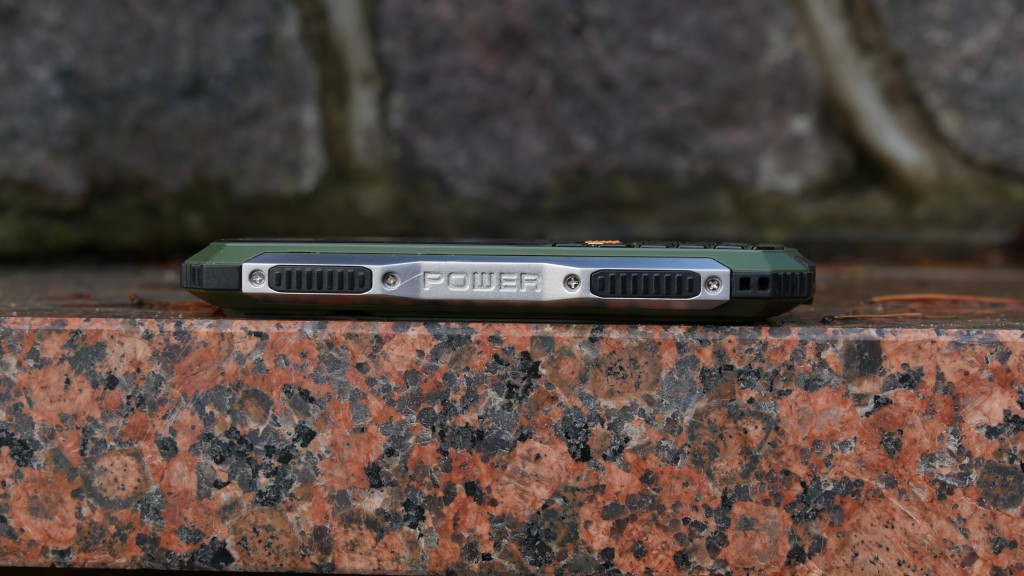
The Vkworld V3S is a well-built phone. I love the metal used on the sides of the device, which gives a little bit of premium look and feel.
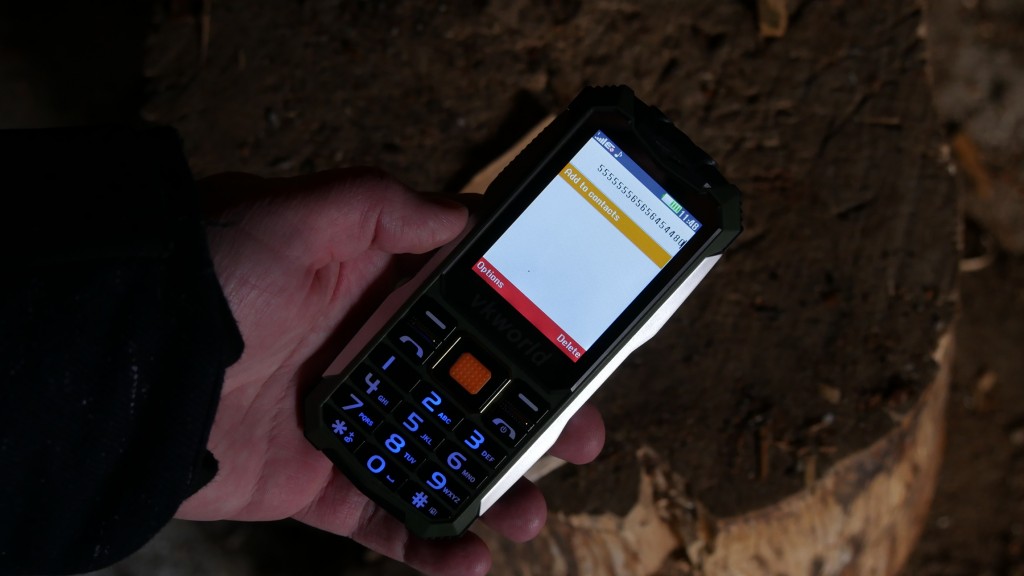
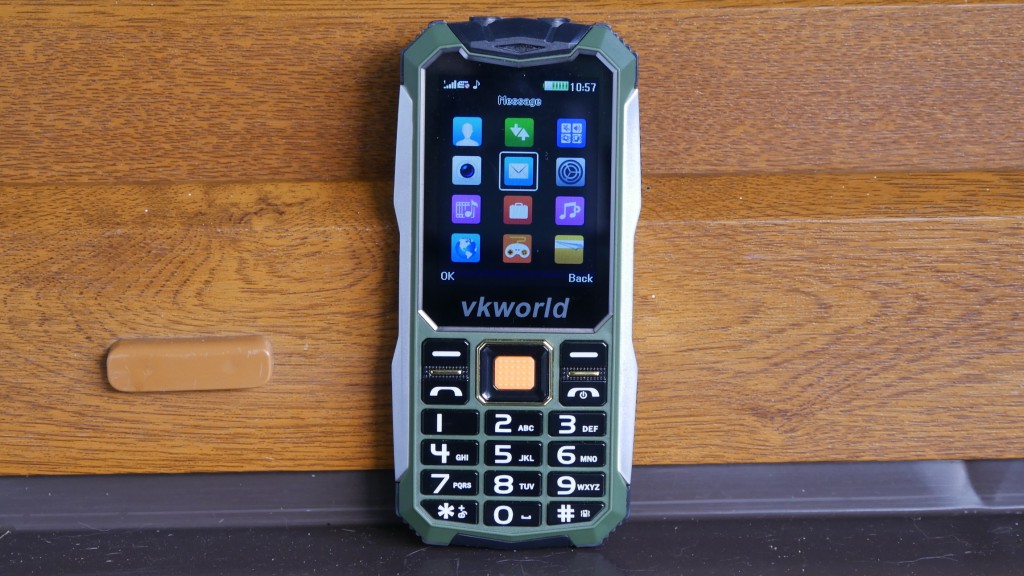
The display is definitely not the sharpest out there but it is enough for such a cheap feature phone. However, the viewing angles are bad and it is quite reflective during the cloudy day.
The nicely backlit physical keys are tactile and they are nice to the touch.
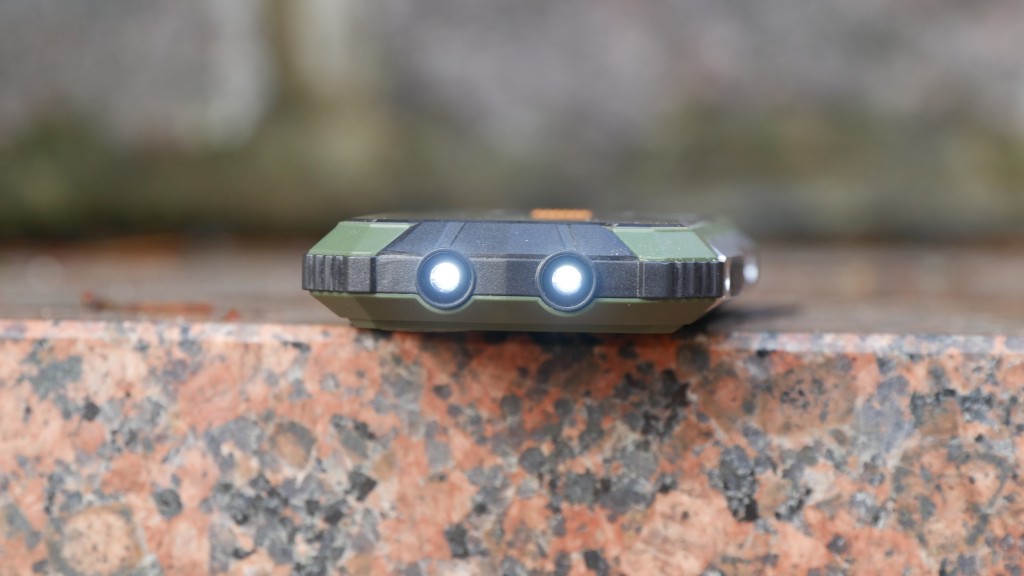
One of the key selling points of the device is a dual-LED flashlight. However, I didn’t find it brighter than your everyday smartphone.
The loudspeaker is really good as it is louder than on most of the smartphones and the sound is quite clear.
USER INTERFACE and TEST NOTES
When it comes to the user interface, you should not expect to have lots of smart features but the phone gets the basics right. We have some essential everyday apps, music player, FM radio, calendar,a few pre-installed games and so on.
Speaking of the basics, the call quality and signal reception are great.
Since you are going to use this phone mainly for the calls and other basic stuff, the battery will last you for days.
I could not kill this phone in 1 week using two SIM cards at the same time. Even if you don’t use the phone very often, the advertised 25 day standby time is a great feature to have.
CONCLUSIONS
So, there you have it, the $20 Vkworld V3S. It’s definitely not the phone for everyone since it was designed mainly for those who need just a simple phone that is well-built and it can survive a few drops and has just the basic features.
So far the phone has worked fine for me and I believe it’s worth the $20 price tag but I’m switching back to my smartphone as I can’t live without all the smart features it has.
What about you? Do you think you would need such a phone or would you rather add $30 more and buy a cheap smartphone? Let me know in the comment section down below.
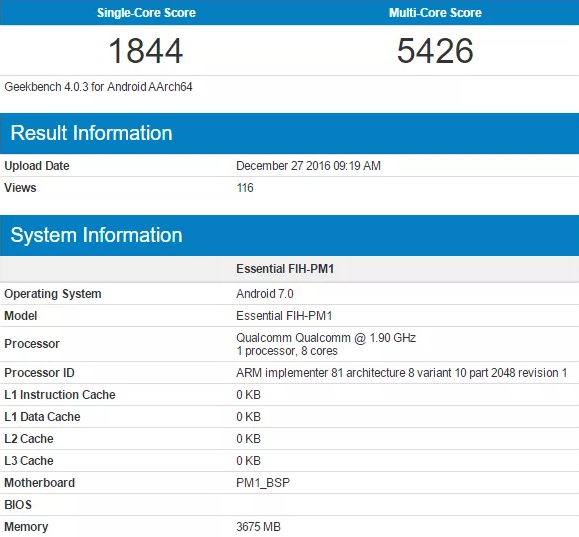
What is said to be the benchmark data of Samsung‘s next generation Galaxy S8 flagship has appeared online. The device suspected to be the Samsung Galaxy S8 was spotted on Geekbench datatbase, uploaded as very recently.
The Geekbench datatshowed the Galaxy S8 which is equipped with a Snapdragon 835 chipset recording a single core score of 1844 points and a multi-core score of 5426 points. When compared to the Apple A1o-powered iPhone 7’s score of 3300 on the single-core and 5400 on the multi-core test, the score posted by the Galaxy S8 is somewhat disappointing. We need not despair over that, though, as the device is still a work in progress and perhaps didn’t run on full steam. The processor was listed as an octa-core chip clocked at 1.90Ghz, so the clock frequency may have been reduced.
As usual, Geekbench data usually reveals little about the specs of the device. In this case, the Galaxy S8 is revealed as running Android 7.0 Nougat out-of-the-box and would have 4GB RAM crammed inside. In addition, earlier rumors had tipped the Galaxy S8 to be the first device to use the Bluetooth 5.0 technology and lots of other innovative features. The flagship is said to also come with a design devoid of a physical home button and would have a curve display. The launch date of the Galaxy S8 is presently enmeshed in controversy, as the initial MWC 2017 launch date is now rumored as unlikely.
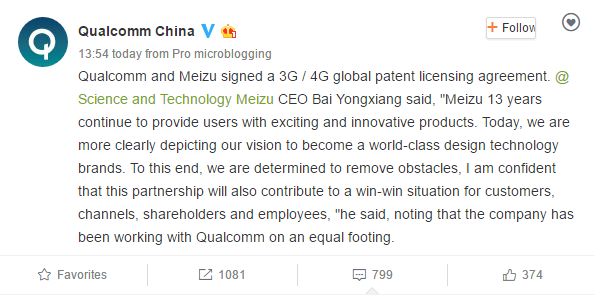
The lingering dispute between Meizu and Qualcomm which had led to Meizu smartphones not featuring Qualcomm SoCs may have finally been put to rest. Qualcomm today announced that it has signed a patent license agreement with Meizu which grants Meizu the worldwide license to develop, manufacture and sell smartphones with CDMA2000, WCDMA, 4G LTE (including “triple mode”GSM / TD-SCDMA / LTE-TDD) terminals.
Qualcomm recently signed the same agreement days back with fellow Chinese company Gionee and earlier in August, the company put pen to paper with Vivo under similar terms. Under this term, Meizu will pay royalties to Qualcomm for use of these bands on their smartphones.
The new agreement, according to Qualcomm’s statement, addresses all patent disputes between Qualcomm and Meizu in China, Germany, France and the United States. It would be recalled that Qualcomm had dragged Meizu to court in Europe and the US over patent infringement, but both parties have agreed to take appropriate steps to terminate or withdraw the patent infringement action and related patent invalidity or other related litigation.
Coincidentally, a leaked product lineup plan for Meizu in 2017 had included a Meizu M device said to get a December 2017 launch date and coming with a Qualcomm Snapdragon 626 chip onboard. Turns out the leaked document was indeed correct. In addition, Meizu has confirmed it would use Qualcomm processor at the end of 2017 but the company failed to mention the name or details of the smartphone that would pack the Qualcomm SoC. The year 2017 is sure looking to be a year of great surprises and expectations on the smartphone industry.
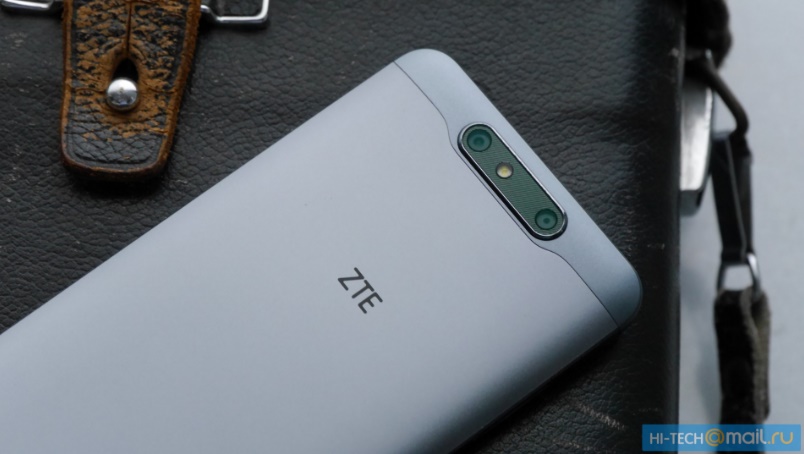
The Blade series is ZTE’s line of mid-range phones. Although priced lower than the Axon and Nubia series, the Blade phones sport the same high level of build quality found on the more expensive lines. The company has a new phone in the works and it is expected to be unveiled at the Consumer Electronic show which is starting next week.
The new phone called the ZTE Blade V8 is expected to be the line’s first dual-camera midranger, competing with the likes of Xiaomi’s Redmi Pro and LeEco’s Cool1 Dual.
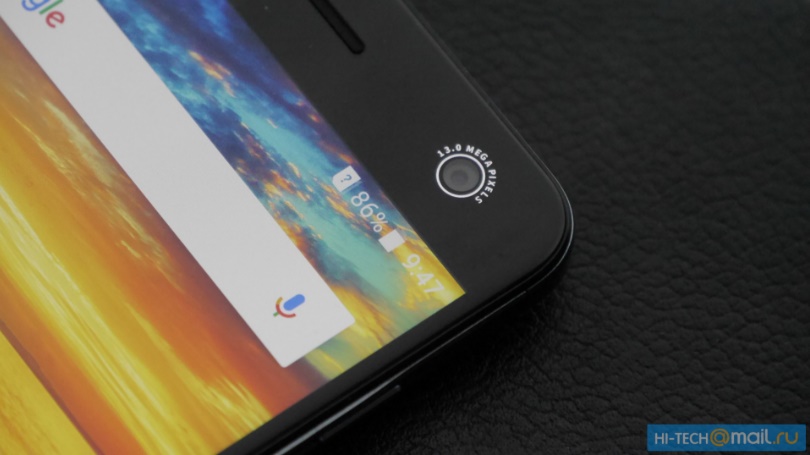
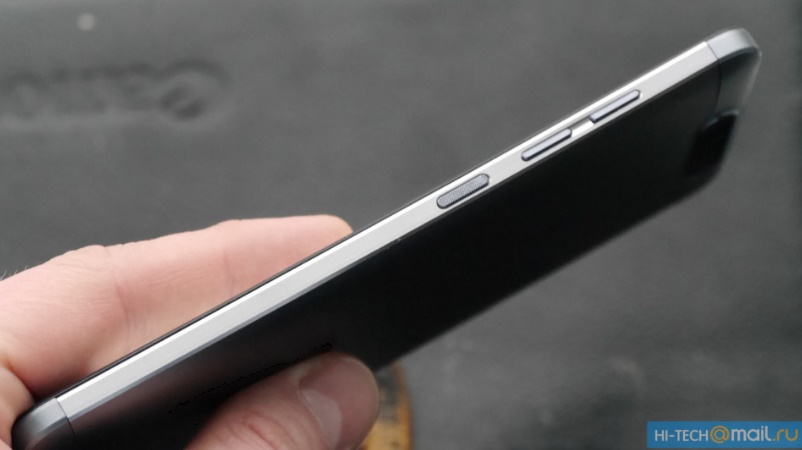
The ZTE Blade V8 pictured above will have a 5.2” 1080p display just like you have on the Blade V7, a 1.4GHz Snapdragon 435 processor, 3GB of RAM and 32GB of storage. The dual rear cameras will be a combination of a 12MP sensor and a 2MP shooter. Sources say both sensors will work together to allow you take pictures with bokeh effects and even shoot stereoscopic 3D pictures that can be viewed with a VR glasses. The dual sensors of the Blade V8 will also allow you take quick pictures of fast moving objects without the need for focusing.
Qualcomm has announced that it has signed a new 3G and 4G patent license agreement with Chinese phone maker, Gionee. The terms of the agreement grants Gionee a royalty-bearing patent license to develop, manufacture and sell 3G WCDMA , CDMA2000 and 4G LTE complete devices for use in China. The license also include 3-mode GSM, TD-SCDMA and LTE-TDD bands.
Under the terms of the agreement, Gionee would also make payment in royalties for use of these patents which belong to Qualcomm. It could be recalled that fellow Chinese phonemaker, Vivo also reached similar agreement with Qualcomm recently and Qualcomm did reveal that it is in agreement with the top 10 smartphone makers in China over similar license.
Acording to Liu Lirong, group president of Gionee, “Having access to the latest technologies from Qualcomm, through this license agreement, will allow us to continue to design innovative and powerful devices for consumers across all demographics.” Gionee will definitely increase its portfolio soon with smartphones having these bands on board, especially 4G LTE which is the rave of the moment. The company has a large market in Africa, South Asia and Southeast Asia and a shift ti 4G LTE enabled smartphone on its devices will no doubt increase her followership. Meanwhile, Qualcomm is already working on the 5G band.
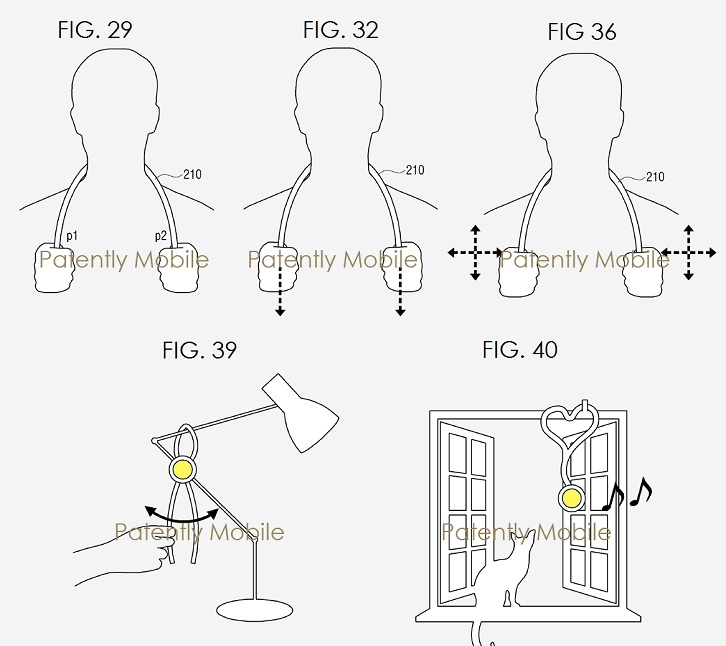
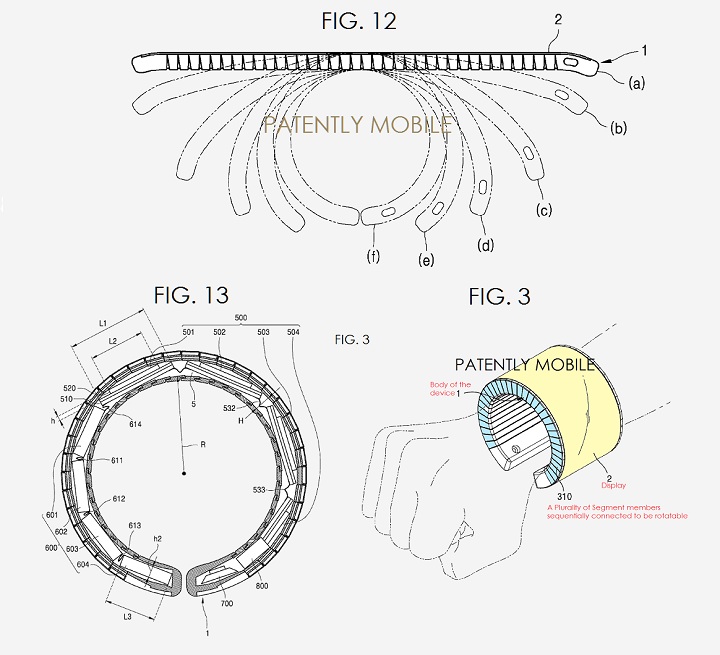
New patent filings have revealed that Samsung may release two new smartwatches in the near future. One of them is expected to feature a foldable screen.
Smartwatch sales are plummeting and in order to attract smartphone makers are aiming to provide new and innovative features. Patently Mobile reports that the South Korean company has registered for two new patents for smartwatch with US Patent and Trademark Office.
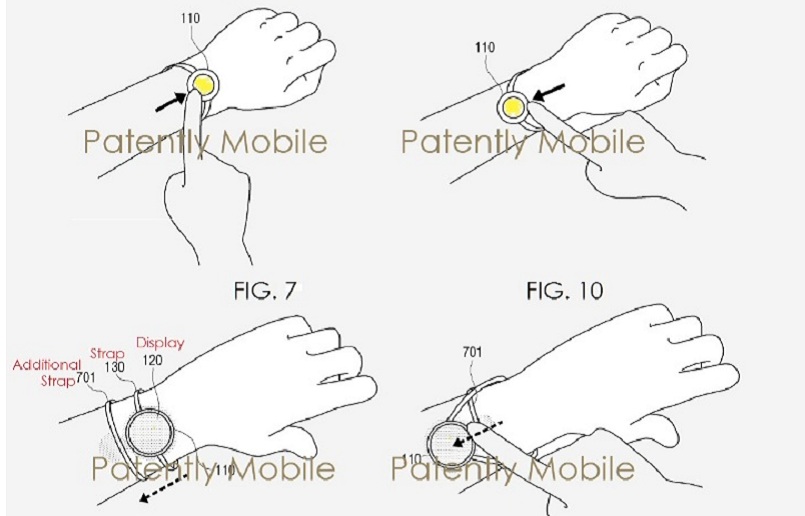
The first one that features a regular display seems to be a fitness oriented device. The strap of the device is enabled with sensors. When the strap is moved sideways, its sensors can measure angle and position. Its screen can accordingly display UI elements.
An additional strap for the device can be seen for extended input control. The patent documents, the device can be used in multiple ways such as wrapping it around users’ neck and by hanging it over different objects.
The other one appears to be a foldable wearable that can turn into a bracelet as it features a wide band flexible display. The South Korean company has been working on it since 2013.
The publication is of the view that even though the company is pegged to launch a smartphone with foldable display, it may surprise its fans by introducing a superior smartphone with a bendable display that can allow it to function like a smartphone. Rumors have it that these two may be the variants of the upcoming Samsung Gear 4.
In the previous month, a patent of Samsung’s concept phone with foldable display was revealed. It showed that the display could be bent in the center to use it like a flip phone. The patent was granted for it by USPTO.
An interesting thing about the concept phone is that its display can bend automatically when a certain amount of voltage to either of the two electrodes layer that are respectively present on the upper and lower ends of the foldable display.
Meizu doesn’t look like it is relenting but looks set for more releases next year just like it did this year. Just recently, a Meizu 2017 product schedule was leaked online showing us the devices we should look forward to seeing next year and even revealing the likely processor that would fire them up. That list included a Qualcomm Snapdragon chip, by the way.
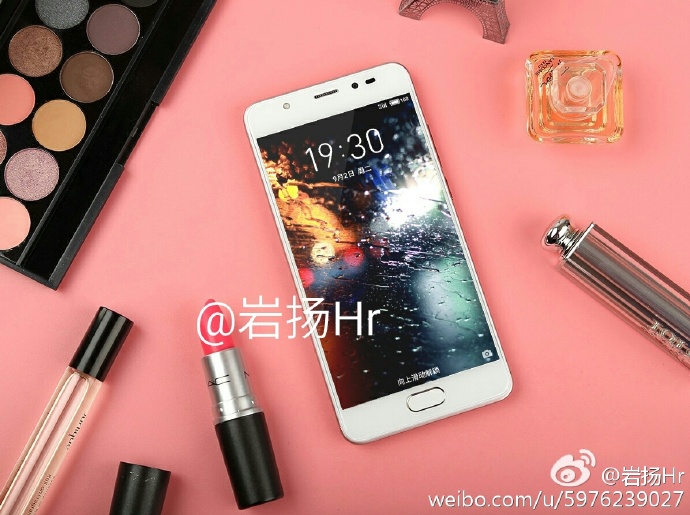
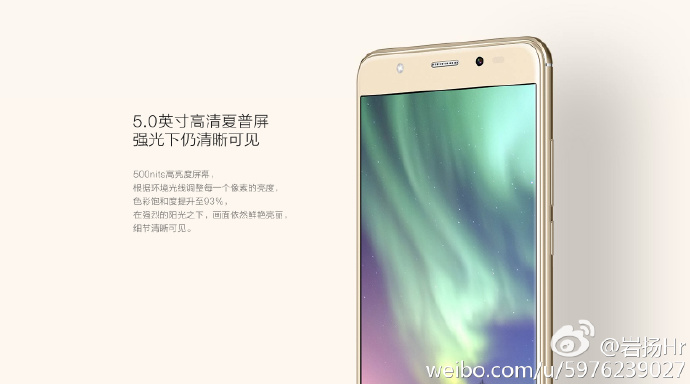
Right now, live renders of an unknown Meizu phone has leaked online. The phone is tipped as belonging to the Blue Charm series and is expected very soon, perhaps in January 2017. The smartphone popped up on Weibo recently and was accompanied by a few details about is features. The device is said to have a 500w soft flash, of course on its front camera which should guarantee some level of brightness on selfies.
Also, the device is detailed as having a 5.0-inch display with a 5MP front-facing camera. The Meizu smartphone whose name is not yet determined, is also said to come with a cheap price tag and would likely be launched a few days after the holidays. That’s all that is revealed for now. We’ll keep you posted on latest development, as usual.
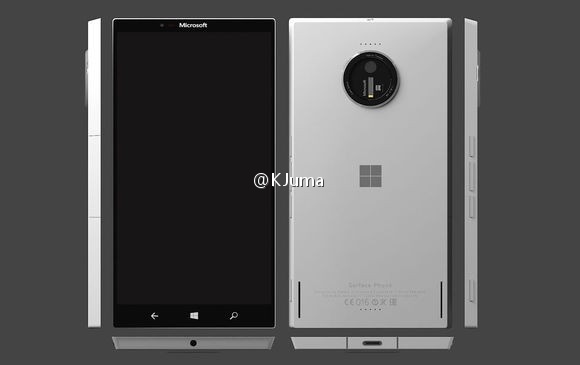
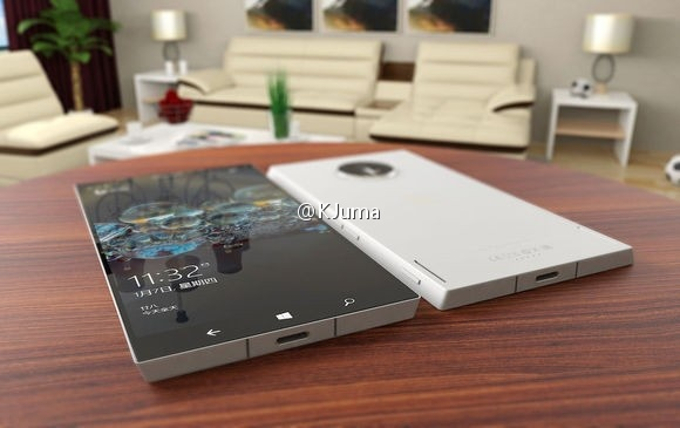
Alleged renders of Microsoft Surface Phone renders had surfaced yesterday. Even though they were found to be fake, the trial production of the smartphone is rumored to begin soon.
Microsoft Surface Phone Leaked Renders
The new renders of the rumored Surface Phone have been revealed by a well-known Chinese leakster on Weibo. What’s interesting about the leaked photos is that the smartphone carries Surface Phone branding at the bottom side on its rear.
Microsoft Surface Phone leaked photos have surfaced several times, but none were found to be true. Even the new renders are fake as the handset features Carl Zeiss branding that is not in use since 2013, Phone Arena reported. In fact, these renders may belong to an older prototype of a Lumia smartphone.
The Redmond giant has not confirmed whether it is working on Surface Phone. However, in the previous month, rumors started swirling that the company has entered an agreement with Taiwan-based Pegatron as the only ODM (Original Design Manufacturing) for production of the Surface Phone.
Weibo/KJumaWeibo/KJuma
Microsoft Surface Phone Variants
Early speculations suggest that Microsoft is testing numerous prototypes of Surface Phone. All the prototype units are said to be powered by Qualcomm Snapdragon 835 that comes with Quick Charge 4.0. The fast charging feature reportedly can gain 50 percent battery power by charging the device for 15 minutes.
One of the Surface Phone prototypes has 64-bit Windows 10 Mobile with 6 GB of RAM. This variant seems to support X86 apps. It is rumored that this prototype cannot run X86 apps directly but it will allow users to install them. These apps can be only run in Continuum.
Another prototype also features 64-bit Windows 10 Mobile with 4 GB of RAM. This model is said to be incapable of running X86 apps in Continuum. These variants suggest that different models targeting consumer and enterprise users are in works.
Related:Microsoft reportedly is testing Surface Phone
3-in-1 Form Factor
A laptop dock accessory that will allow users to connect Surface Phone to it is also speculated to be in works. By this, the Microsoft Surface Phone will be able to deliver 3-in-1 form factor.
Hence, the Surface Phone would allow customers to use it in three ways. Apart from using it as a handheld smartphone, the device can also deliver full-fledged desktop experience by continuing to a larger screen through the Continuum. The laptop dock is expected to replace users’ laptop.
Microsoft Surface Phone Release Date
It is expected to come preloaded within Redstone 3 update of Windows 10. Hence, its release date is expected to set around August or September 2017.
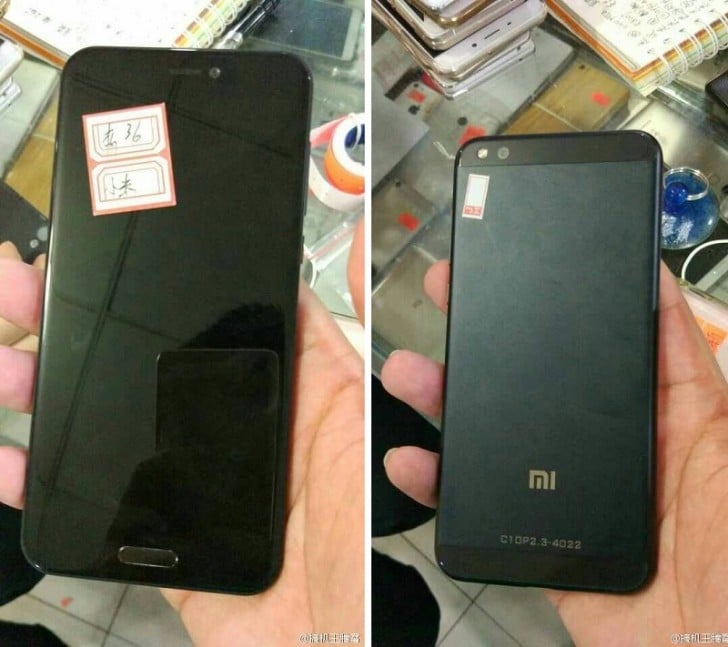
The Xiaomi Mi 6 is the expected “next big thing” from China’s Apple – Xiaomi, so it is not much of a surprise that the device has continued to be in the front burner of late. The likely render of the device had leaked earlier in October with a unique curved display.
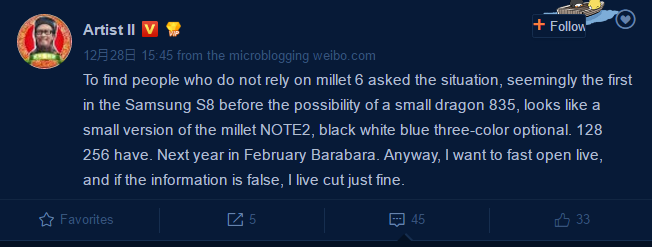
We actually didn’t see the resemblance back then, but right now a recent leak hints that the Mi 6 would adopt the same design as the Mi Note 2 bit with a scaled down size. And really on close scrutiny, the Mi 6 and Mi Note 2 actually look similar, just that the Mi 6 would be a bit smaller in size.
Once again, another tipster has come out to reaffirm earlier rumors that the Mi 6 would feature a Snapdragon 835 chip onboard and would be launched in February just like we have heard in the past. Another information revealed by the tipster is that the flagship would pack a 128GB and 256GB storage options and would come in black, white and blue color variants.
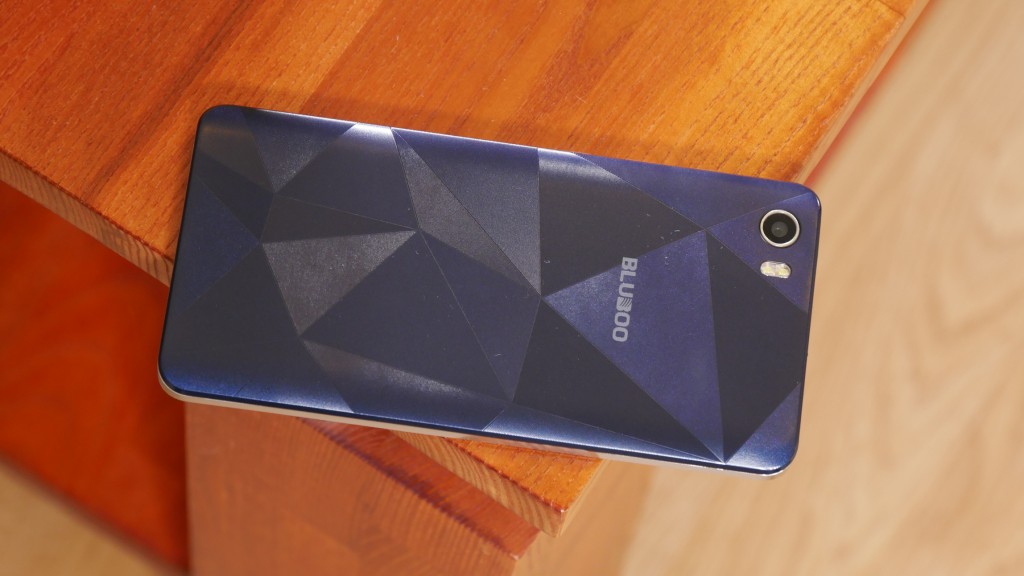
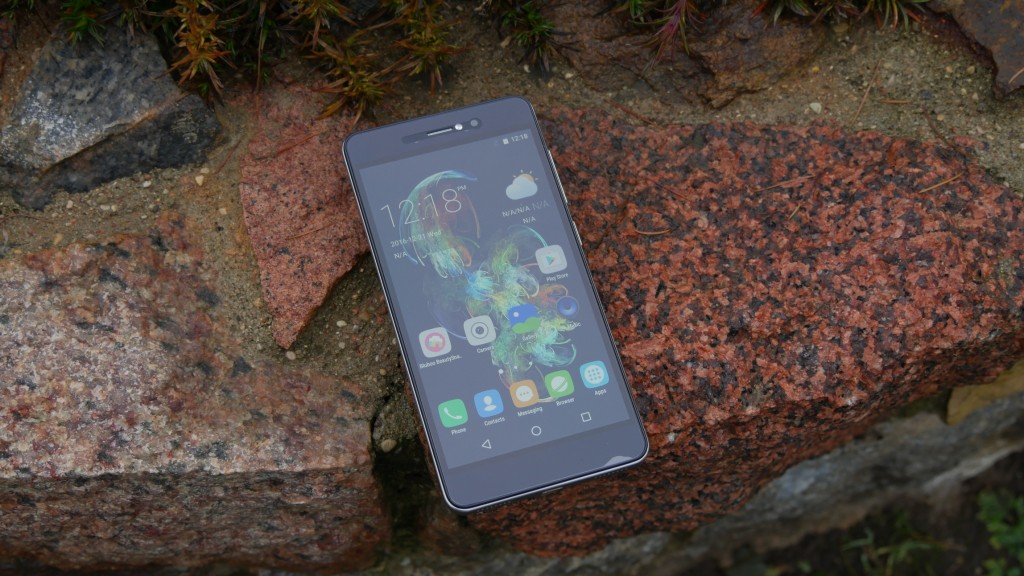
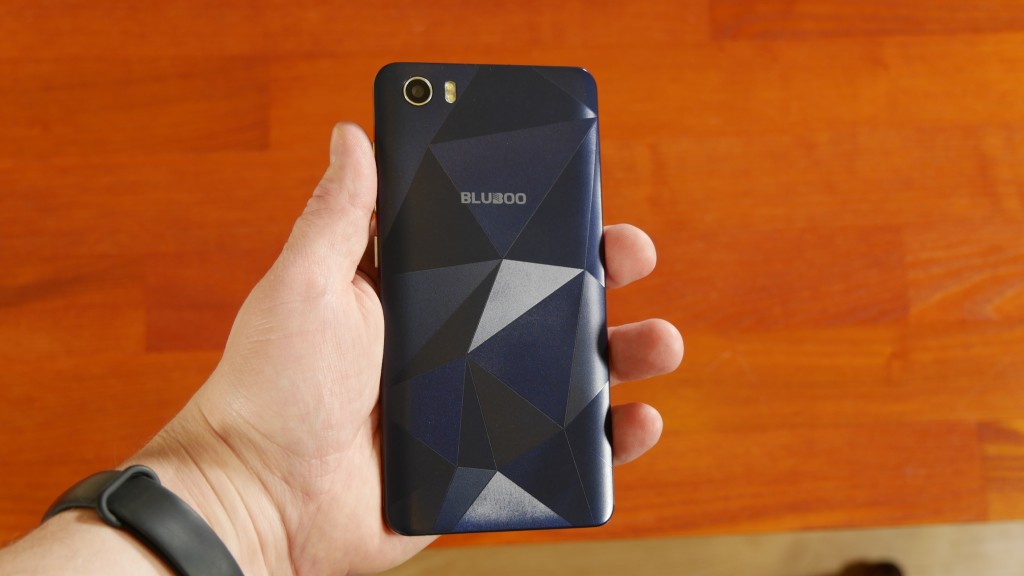
We have a lot of cheap smartphones from China and I just came across a cheap Bluboo Picasso 4G device that gets most of the basics right for the low price of just below $80. Learn more in the full review.
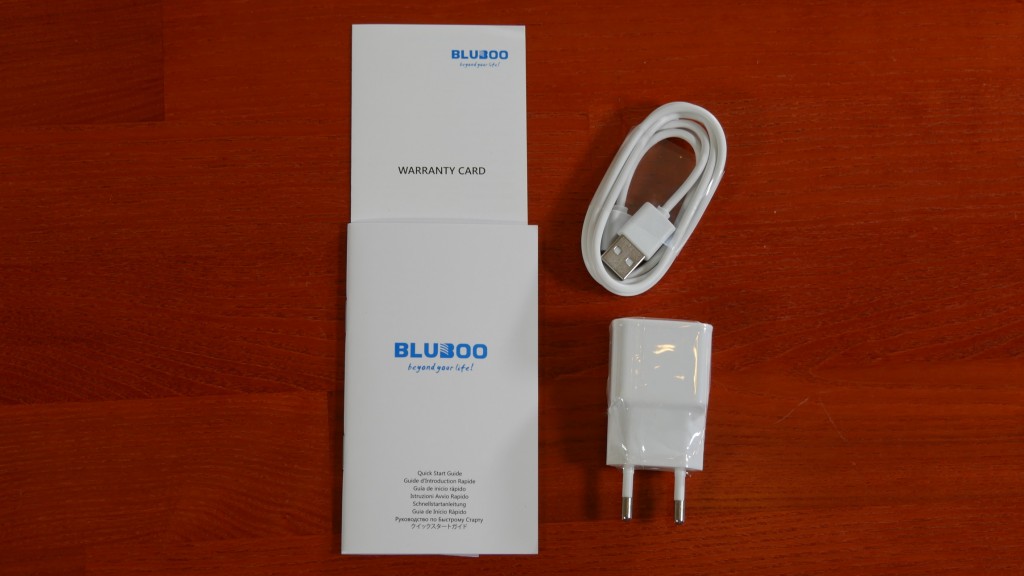
The phone ships with all the usual stuff. No extras included.
DESIGN
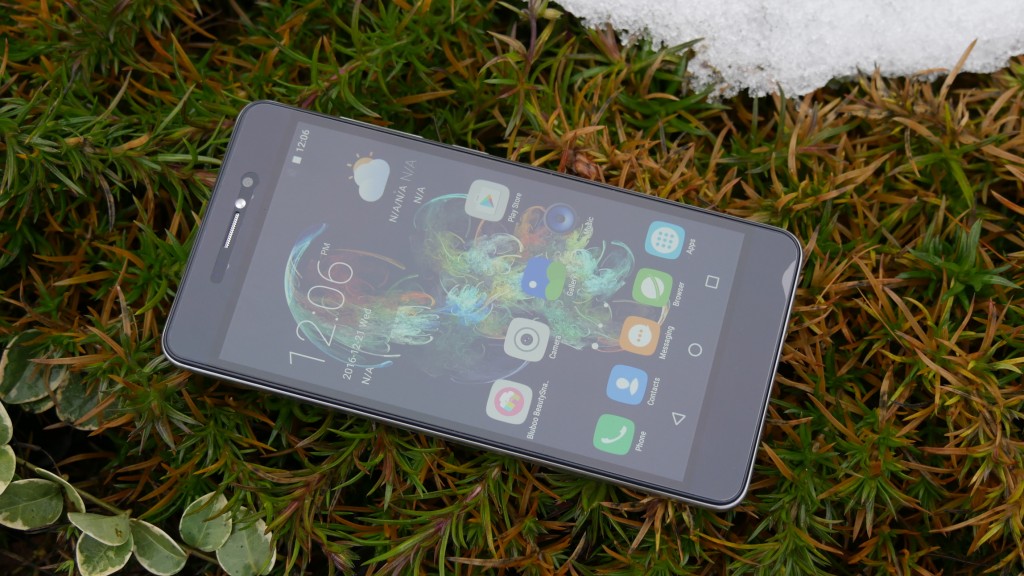
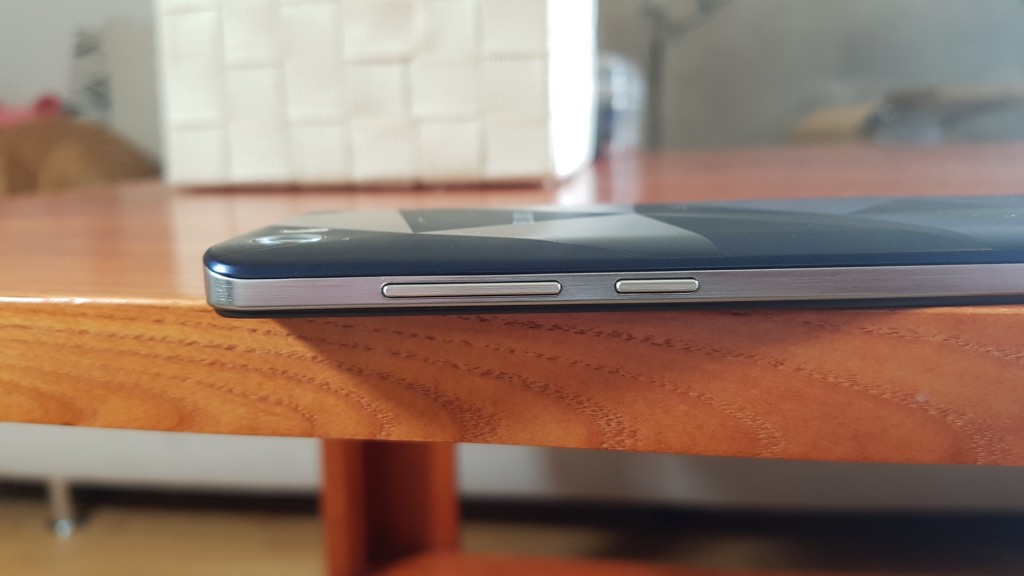
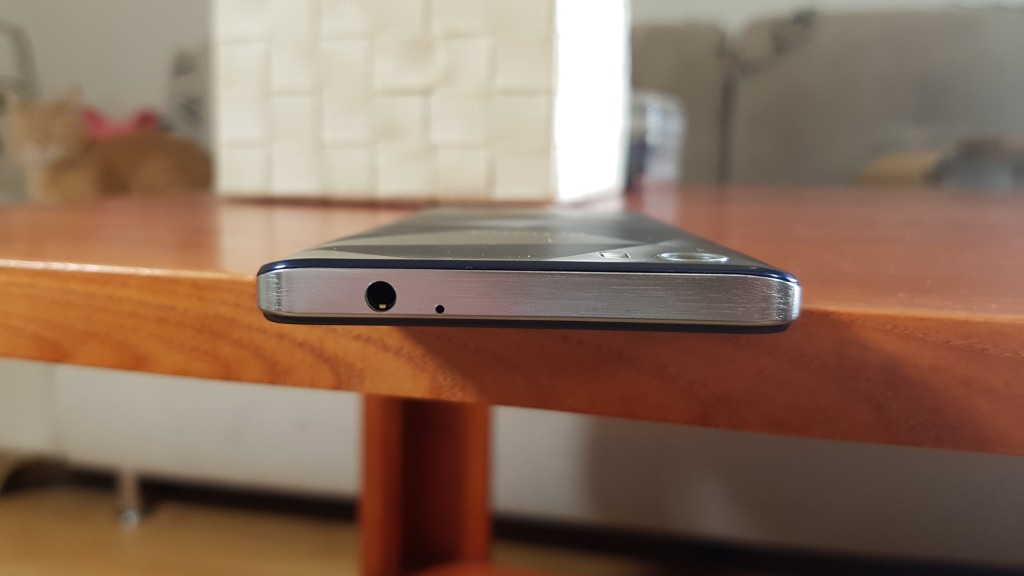
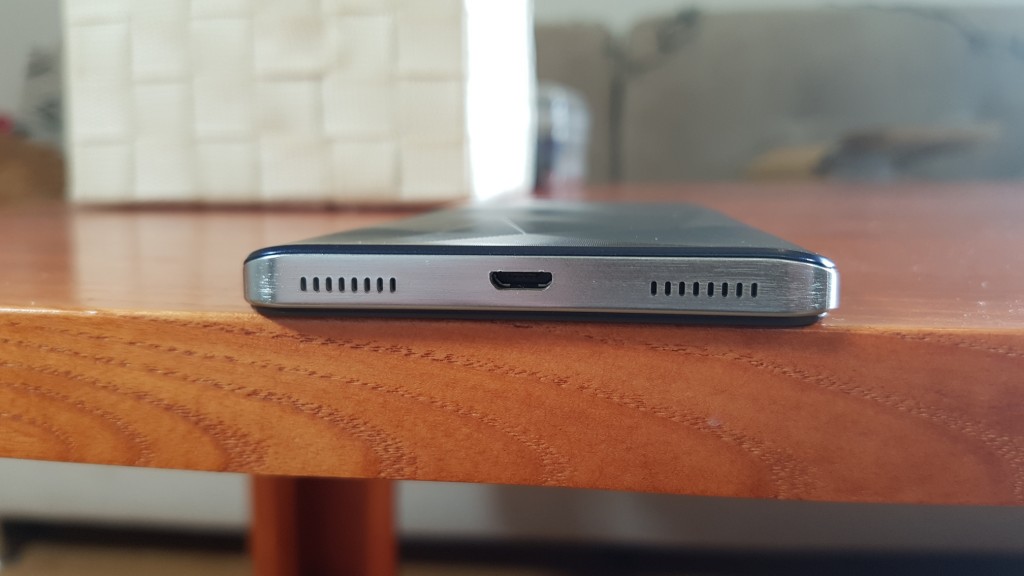
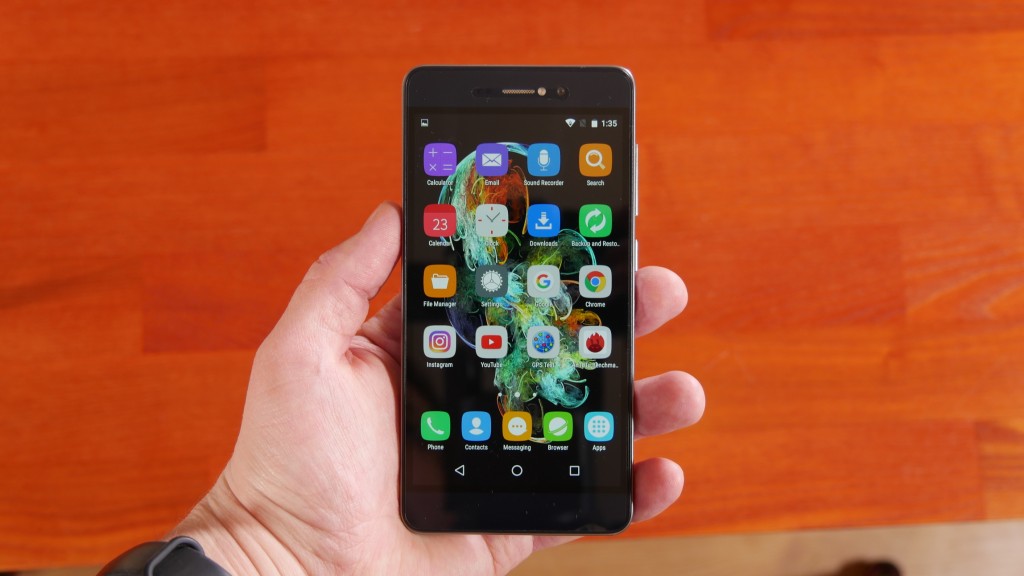
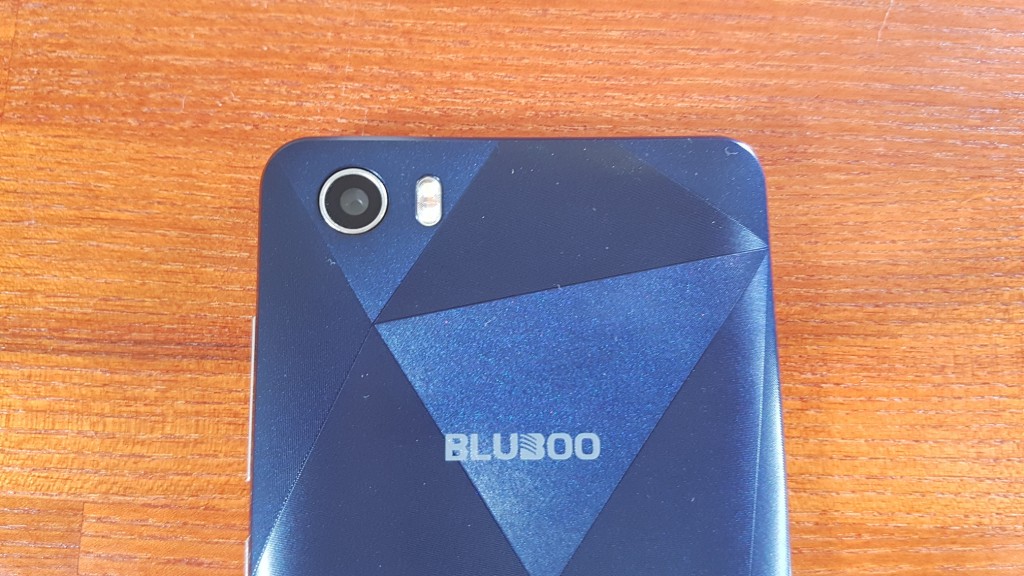
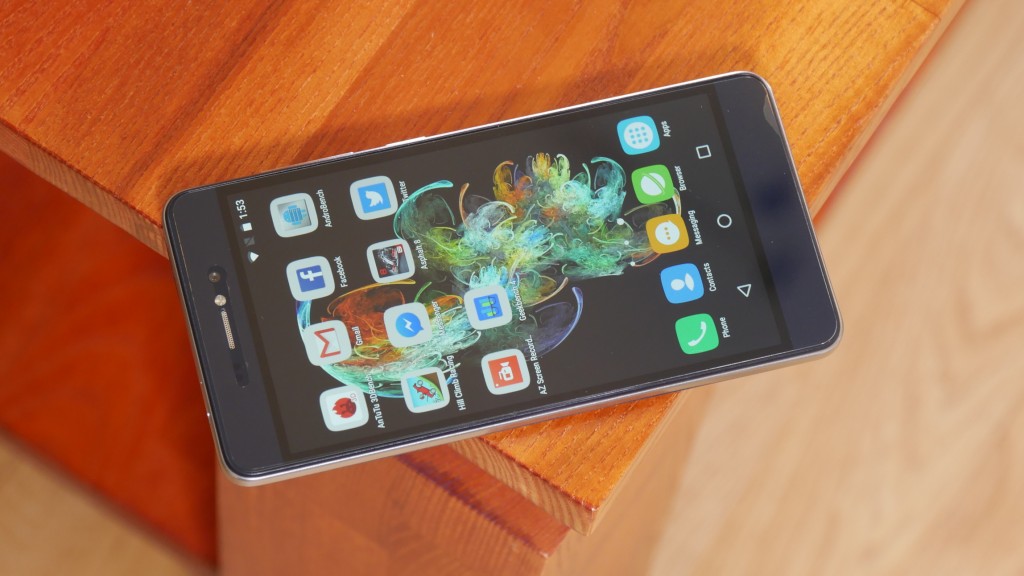
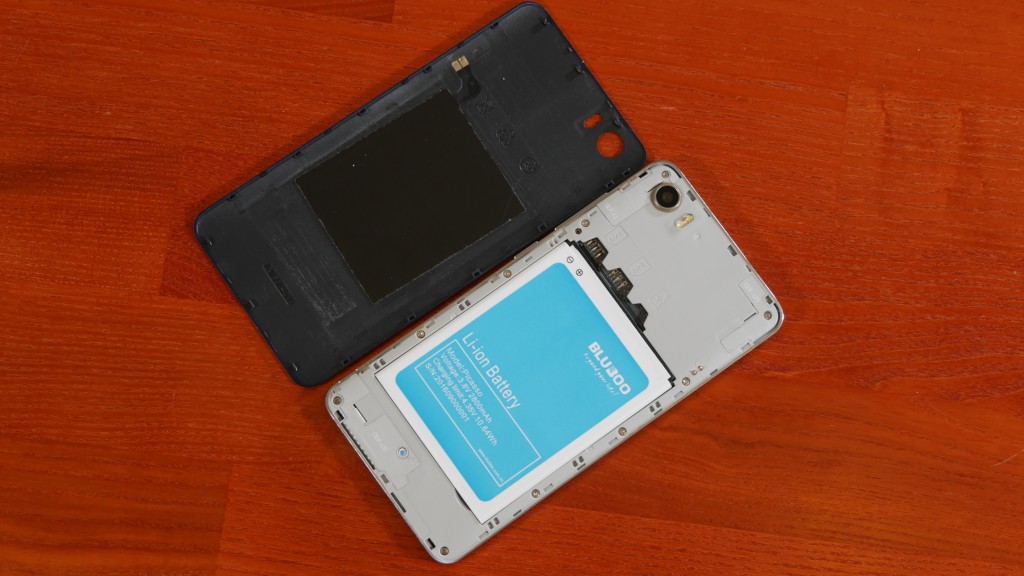
The Bluboo Picasso 4G does not sport exceptional looks but it is a quite well-made phone. However, it sports neither a metal trim nor metal buttons.
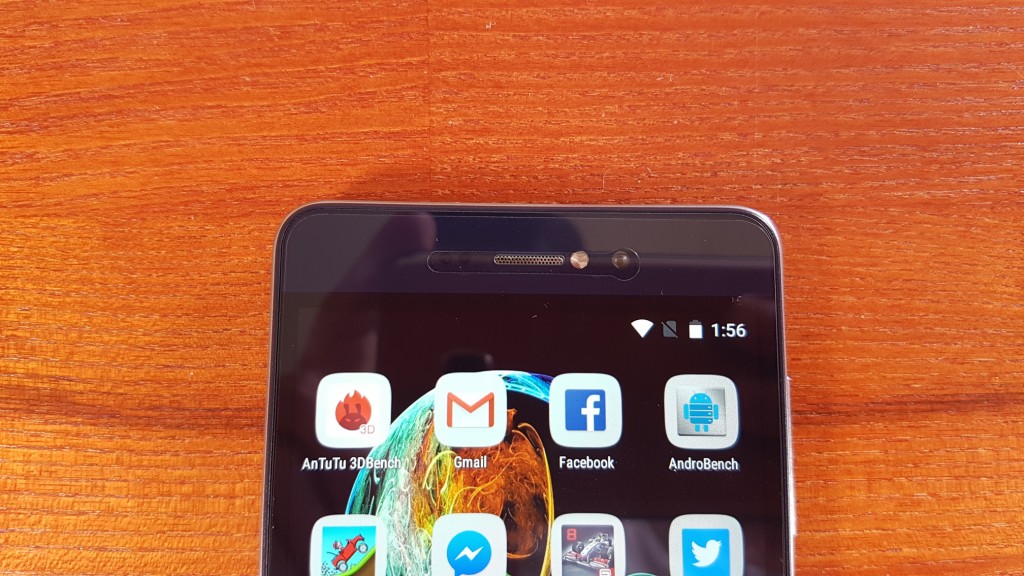
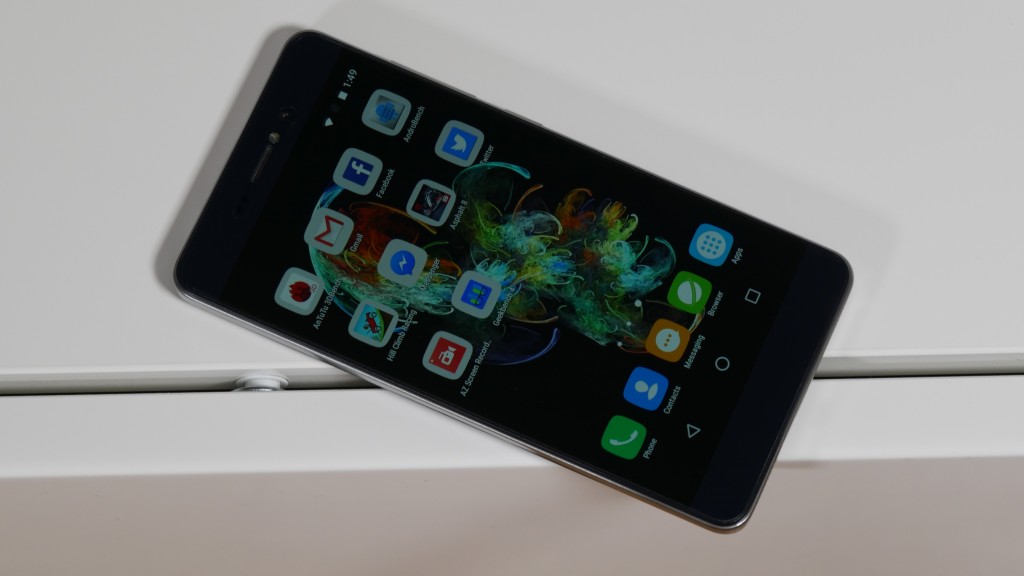
Speaking of the display, the 5” 720p panel is pretty sharp and bright for a cheap phone but we have those visible bezels on each side.
It’s great that we have a 5MP front facing camera but there is no LED notification light.
As for the main camera, there is a 13MP shooter.
The loudspeaker quality is kind of mediocre like on most of the cheap phones.
HARDWARE
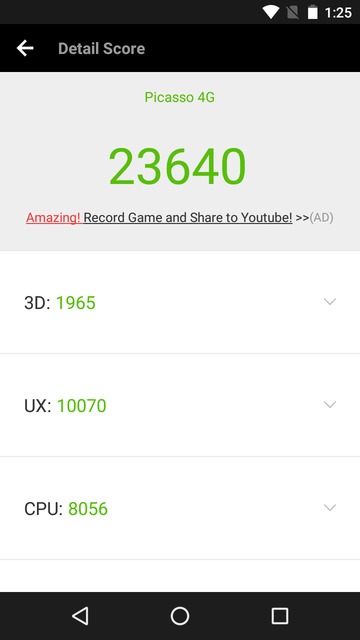
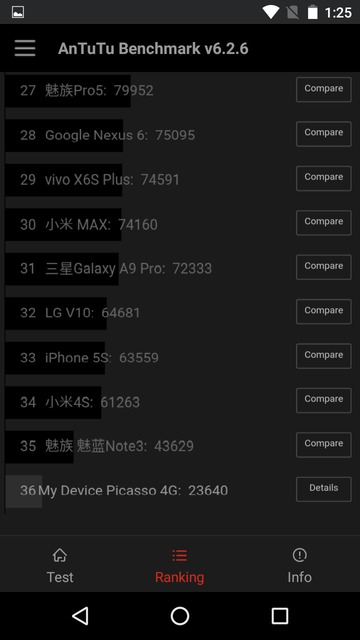
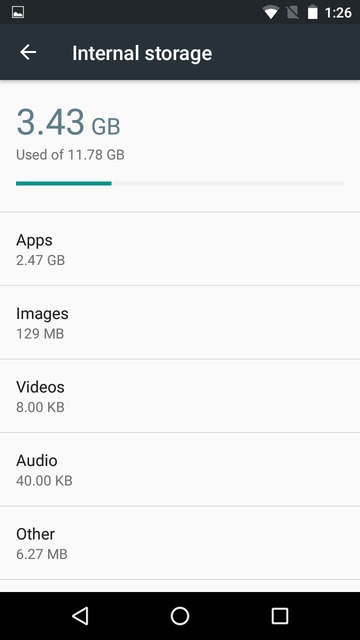
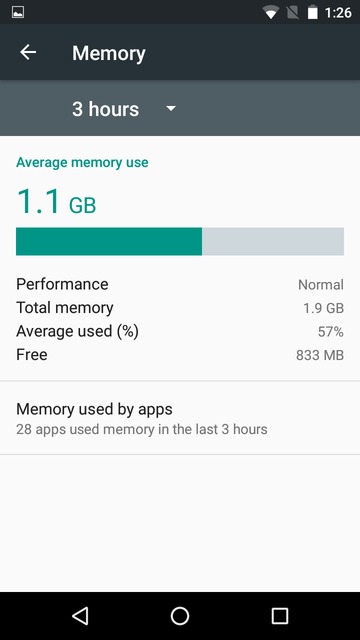
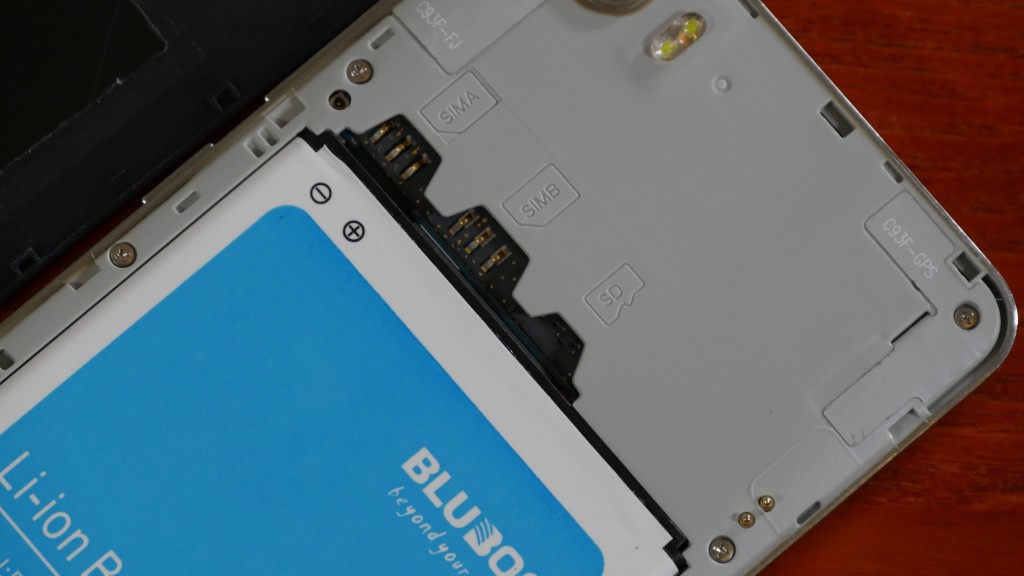
The Bluboo Picasso 4G runs on a little outdated Mediatek 6735 chip with the clock speeds of 1.0GHz. Also, the phone has 2GB of RAM and 16GB of expandable storage.
Honestly, the spec sheet does not really impress and that translates to a mediocre gaming performance. You should expect quite a few skipped frames even if you play games like Asphalt 8 on medium graphics.
BENCHMARKS
USER INTERFACE
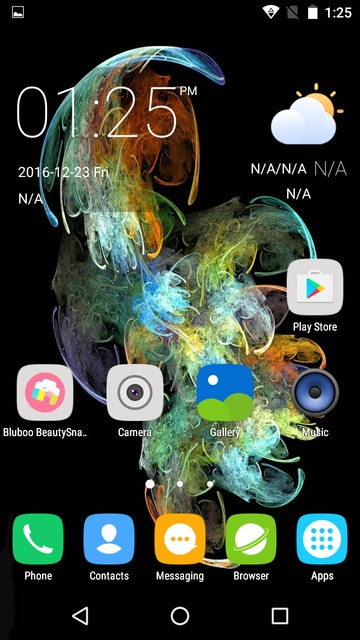
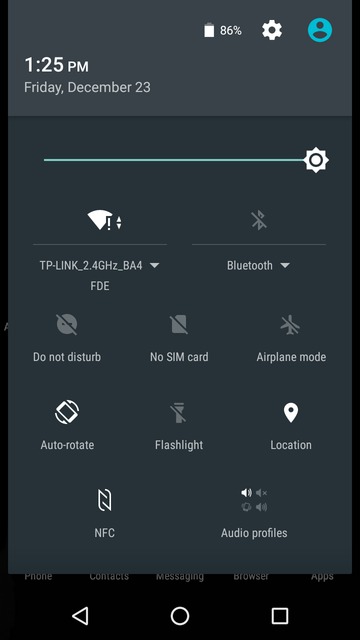
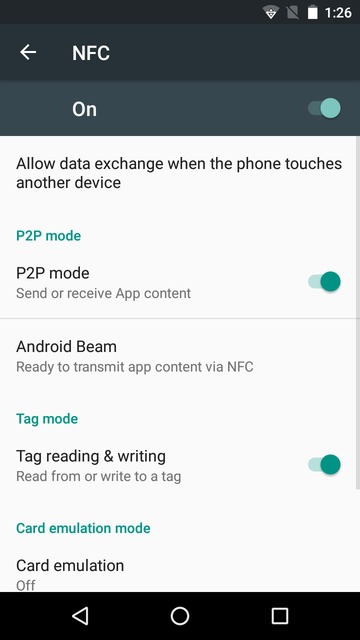
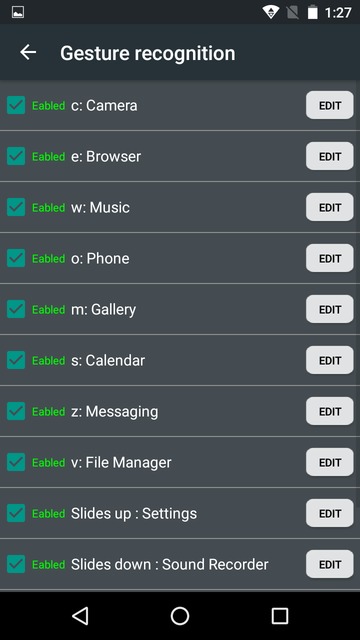
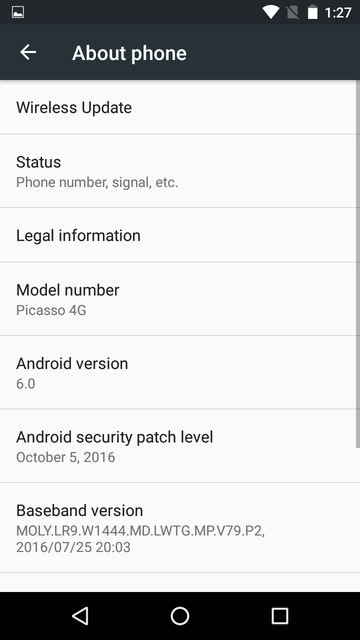
The phone ships with the Android 6.0 but we have a few added features by Bluboo. For example, the app tray has been removed. On a positive note, we have the NFC feature. Some of the extra features include a variety of gesture and motion controls. Some of them work well but others are very slow to respond.
In general, the UI performance is okay. I didn’t have any lag but if you have install a lot of apps like I did, you should expect a little bit of stutter from time to time.
IMAGE QUALITY
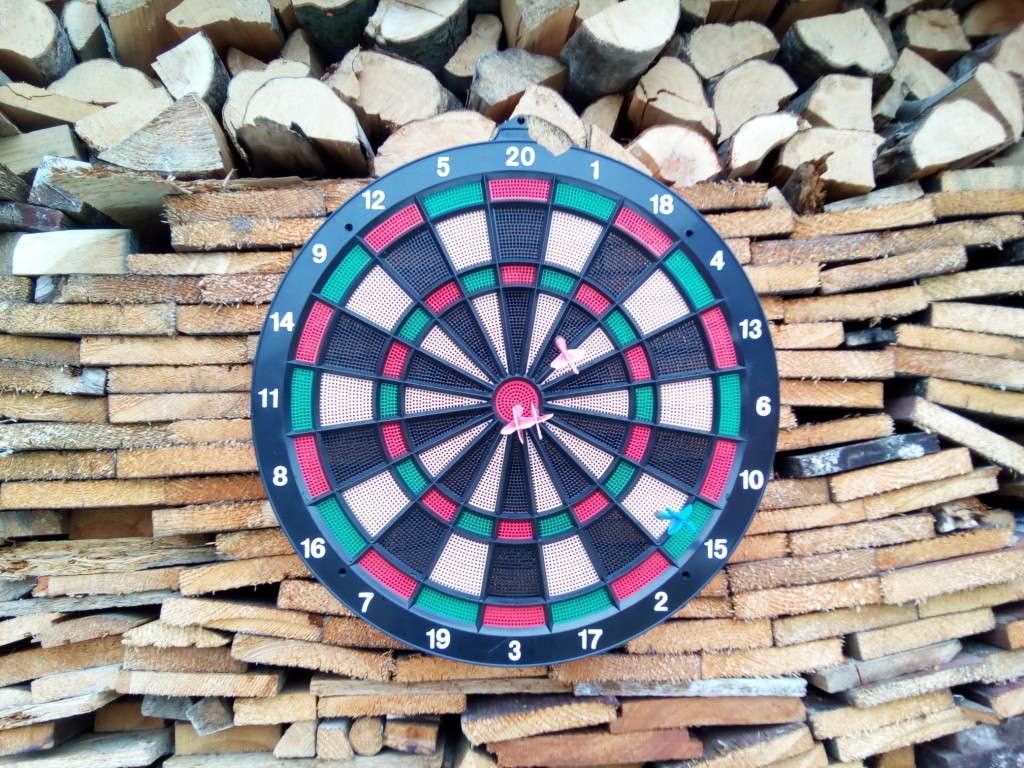
You should never expect any miracles from the cameras of budget phones and the Bluboo Picasso is no exception. Most of the images will do the trick for social media but they could definitely have more detail and sharpness.
Obviously, the quality decreases in lower-lit situations as on all cheap phones.
The selfies won’t look as sharp as you may expect but it may be enough for social media.
As for video, the quality of footage is kind of poor like on most of the cheap phones.
CONNECTIVITY
When it comes to connectivity, the phone does everything quite well. The GPS lock speeds are fast but it could be more accurate when you use it with navigation apps.
BATTERY LIFE
The 2800mAh battery performs quite well. I could get about a full day of moderate usage out of this phone, which is a good result.
CONCLUSIONS
Bluboo Picasso 4G is not going to be your next powerhouse device but it gets the basics right.
We don’t have any exceptional looks but the phone is well made, it is compact to carry around and the user interface has some cool extra features.
You can also take some okay looking photos and the battery life is pretty good thanks to quite a large capacity.
However, the processor is a little outdated if you are a spec head, the capacitive buttons are not backlit and the phone lacks premium materials in the construction.
At the end of the day, Bluboo Picasso 4G may not be the only cheap device out there but it gets all the basics right. However, you have to consider if the previously mentioned shortcomings are important to you or not.
For a while now, Meizu has been stuck with using MediaTek chip on its smartphones and of late, the Meizu Pro 6 Plus featured a Samsung Exynos 8890 flagship SoC. Unfortunately to the disappointment of not a few persons, Meizu has failed to pack Qualcomm’s chip on its latest gadgets.
A recent Qualcomm press release had stated among other things that China’s top ten phone brands have all got Qualcomm’s patent license. If you talk about the top ten brands in China, Meizu is definite among them.
More revealing is the recent leaked product schedule said to be Meizu’s lineup for 2017. The product schedule outlines the different Meizu smartphones that are likely to be released in 2017 and the month they would drop. According to the poster, Meizu should release the M5S in February using a MT6753, the Meizu Pro 7 uses a Helio X30 chip launching in June. In addition, the Meizu S using an Helio P25 chip is expected in July, while the MX7 with an Helio P30 chip will drop in September. October would see the Meizu Note 6 powered by an Helio P20 SoC.
One notable information outlined on the leaked calendar is the processor the devices would carry on launch date. That would not have gotten us excited if not for the Qualcomm chipset which is listed against a device whose name is obscured on the sheet, perhaps a Meizu M derivative. However, we could see what looks like a Snapdragon 626 chipset listed as featuring on the device.
Well, don’t get too excited because even if the product schedule turns out to be true, you won’t be seeing the Snapdragon-powered Meizu flagship anytime soon. The device is listed for release in December 2017, one year from now.
We use cookies on our website to give you the most relevant experience by remembering your preferences and repeat visits. By clicking “Accept”, you consent to the use of ALL the cookies.
This website uses cookies to improve your experience while you navigate through the website. Out of these, the cookies that are categorized as necessary are stored on your browser as they are essential for the working of basic functionalities of the website. We also use third-party cookies that help us analyze and understand how you use this website. These cookies will be stored in your browser only with your consent. You also have the option to opt-out of these cookies. But opting out of some of these cookies may affect your browsing experience.
Necessary cookies are absolutely essential for the website to function properly. This category only includes cookies that ensures basic functionalities and security features of the website. These cookies do not store any personal information.
Any cookies that may not be particularly necessary for the website to function and is used specifically to collect user personal data via analytics, ads, other embedded contents are termed as non-necessary cookies. It is mandatory to procure user consent prior to running these cookies on your website.