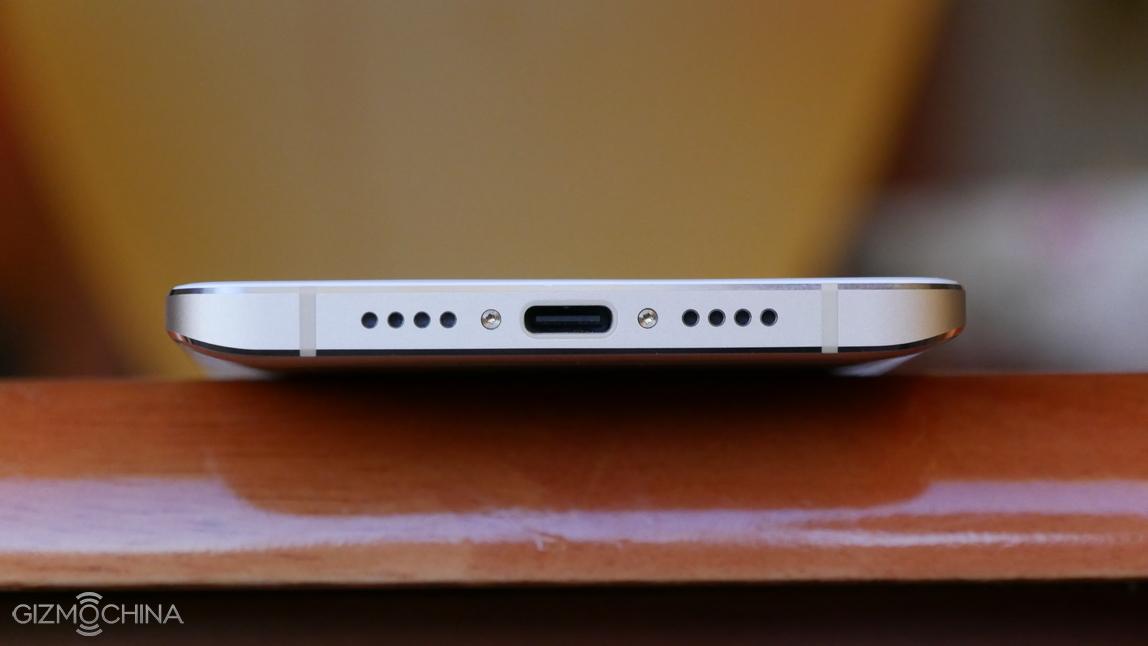
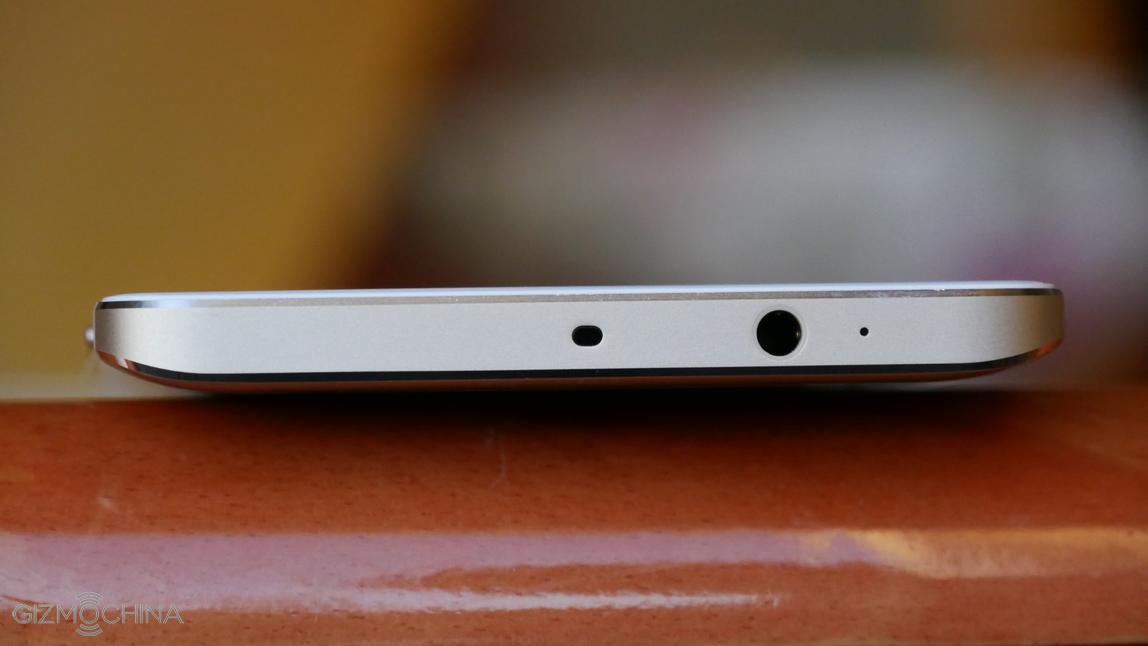
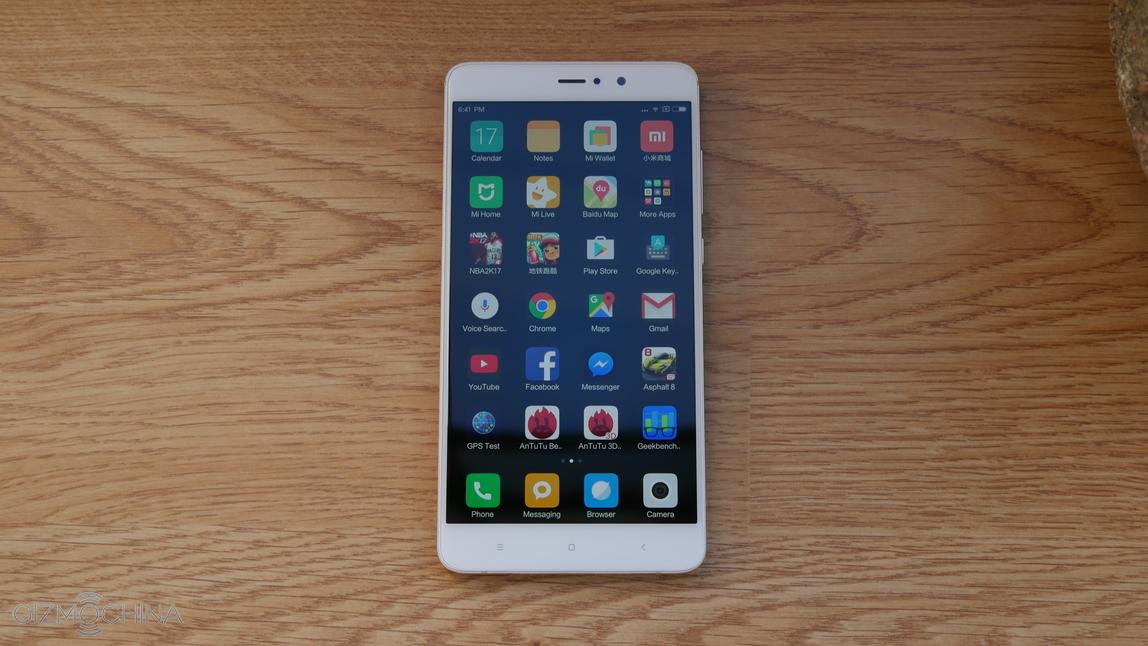
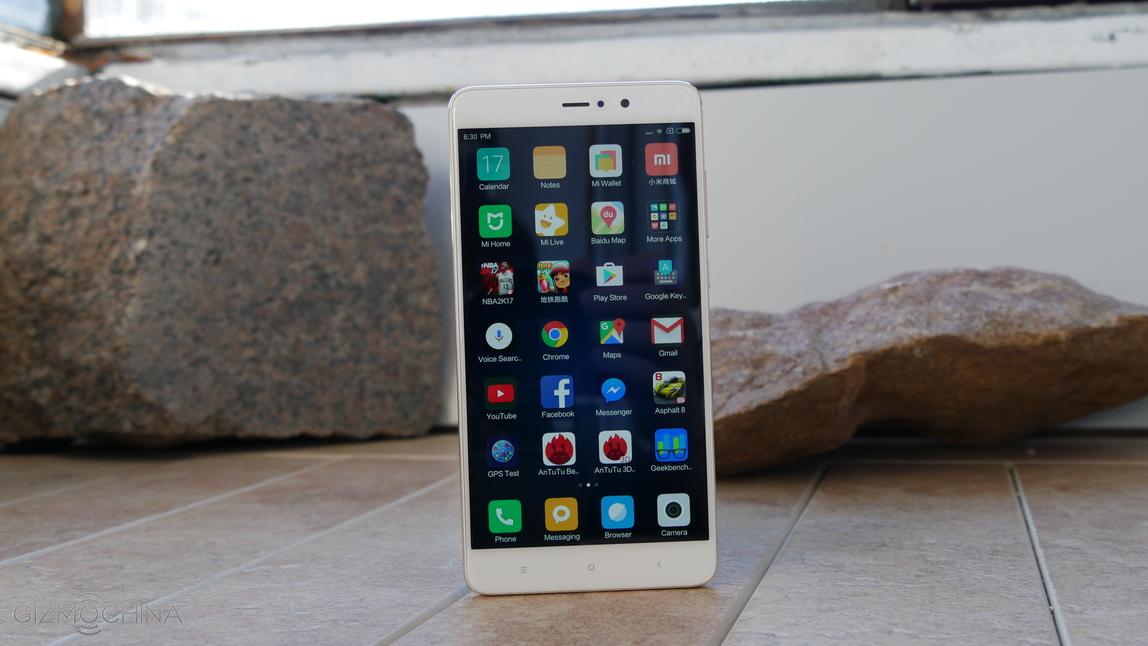
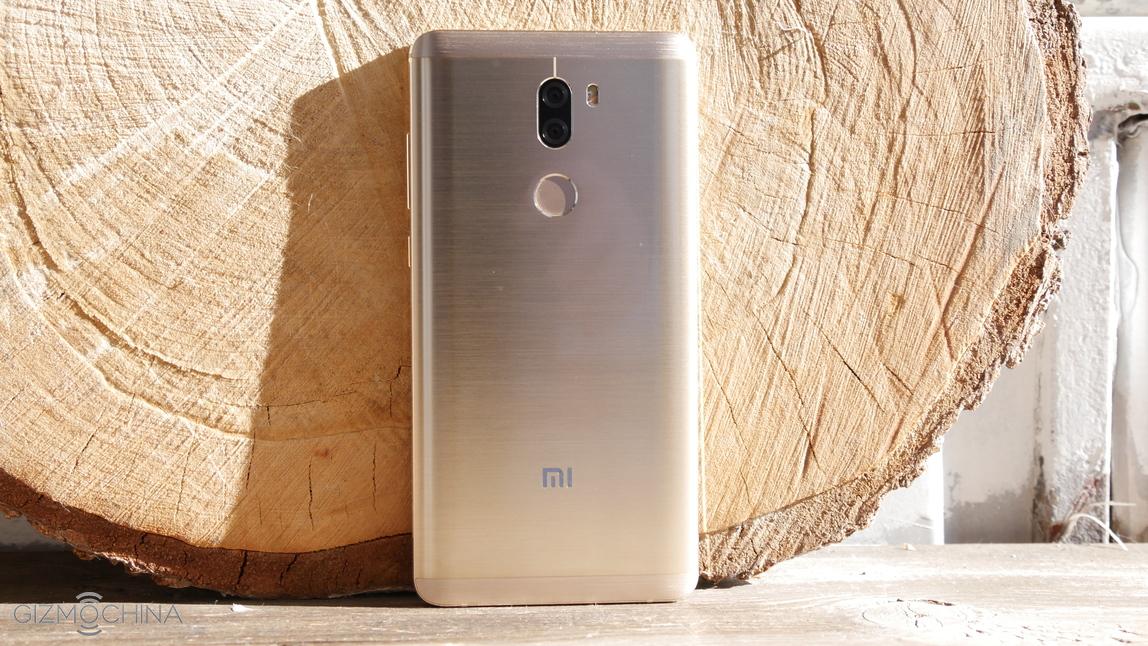
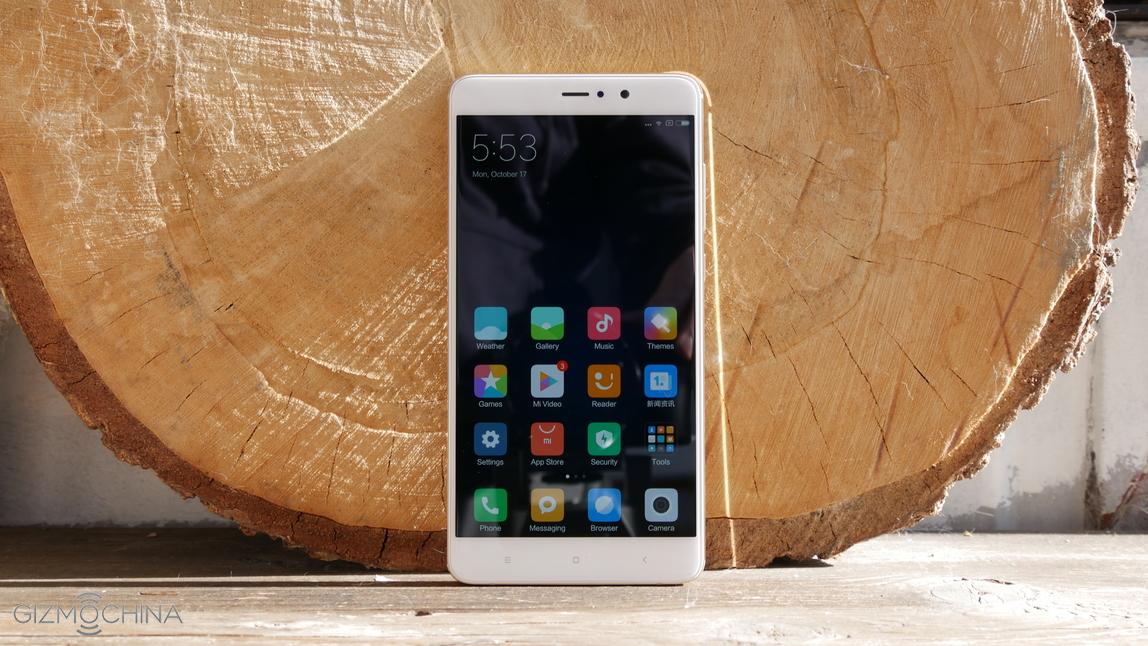
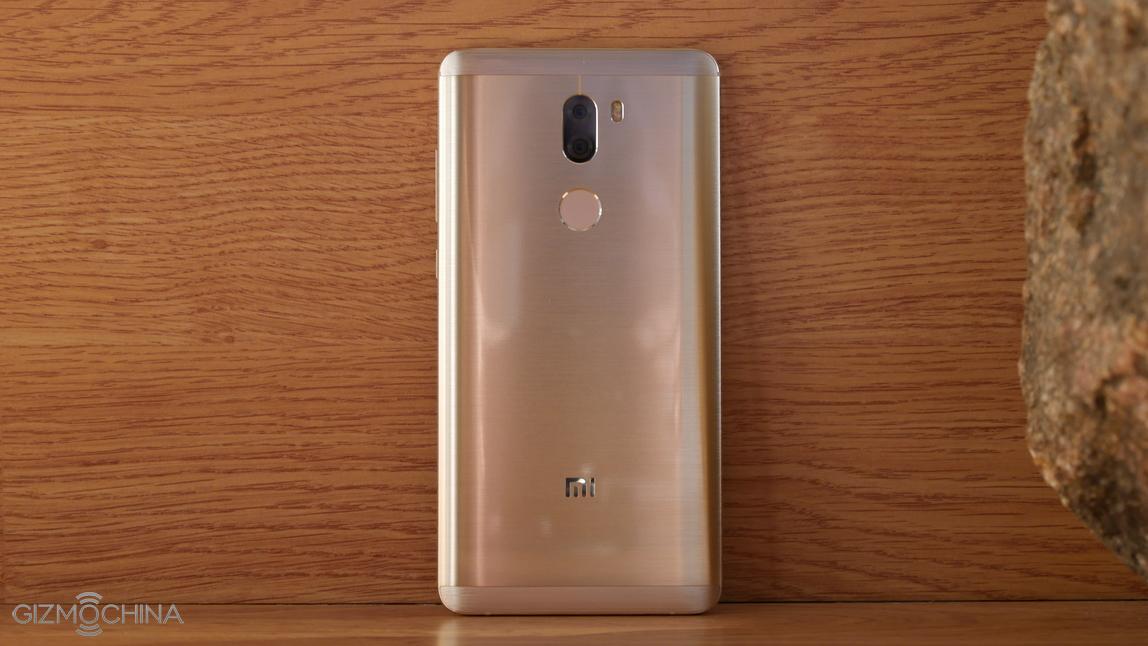
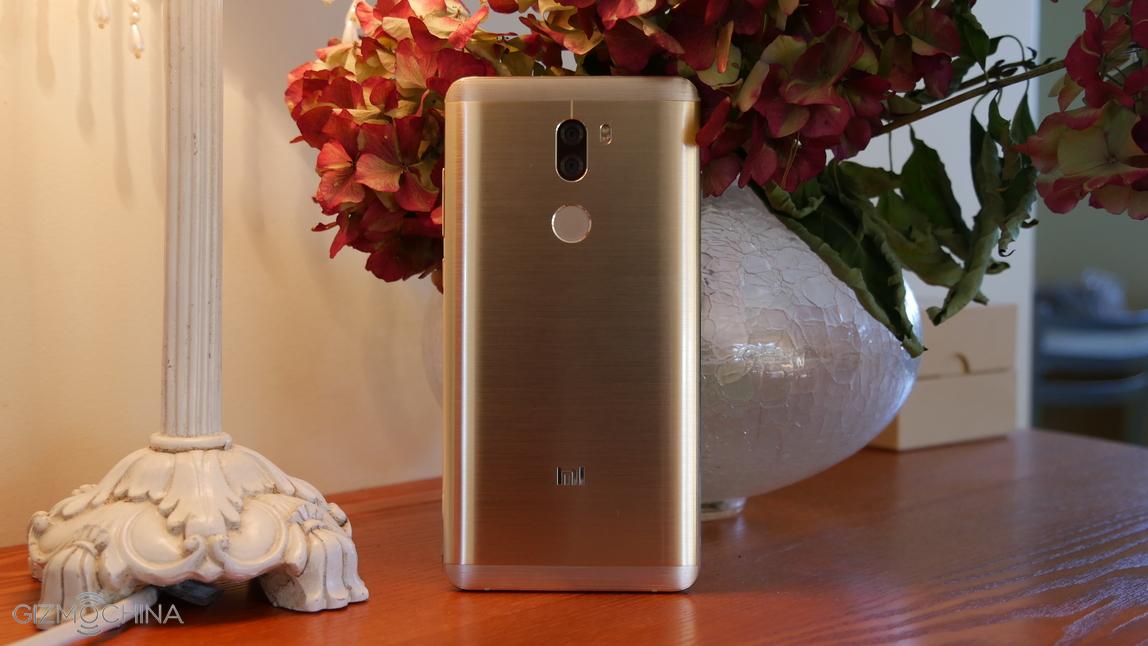
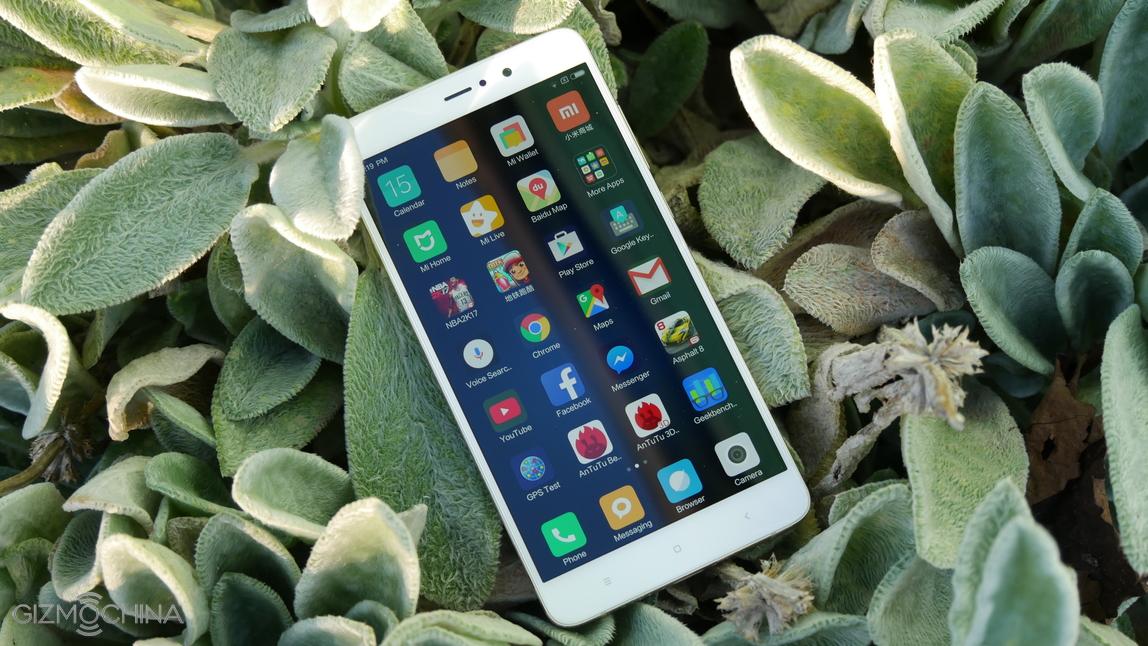
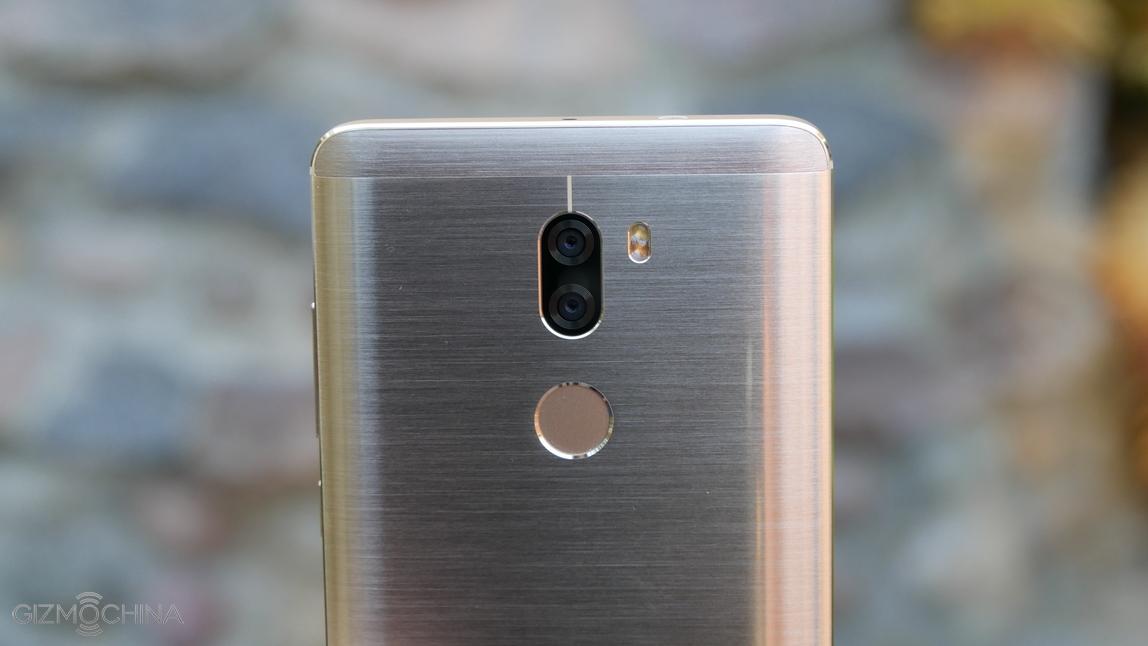
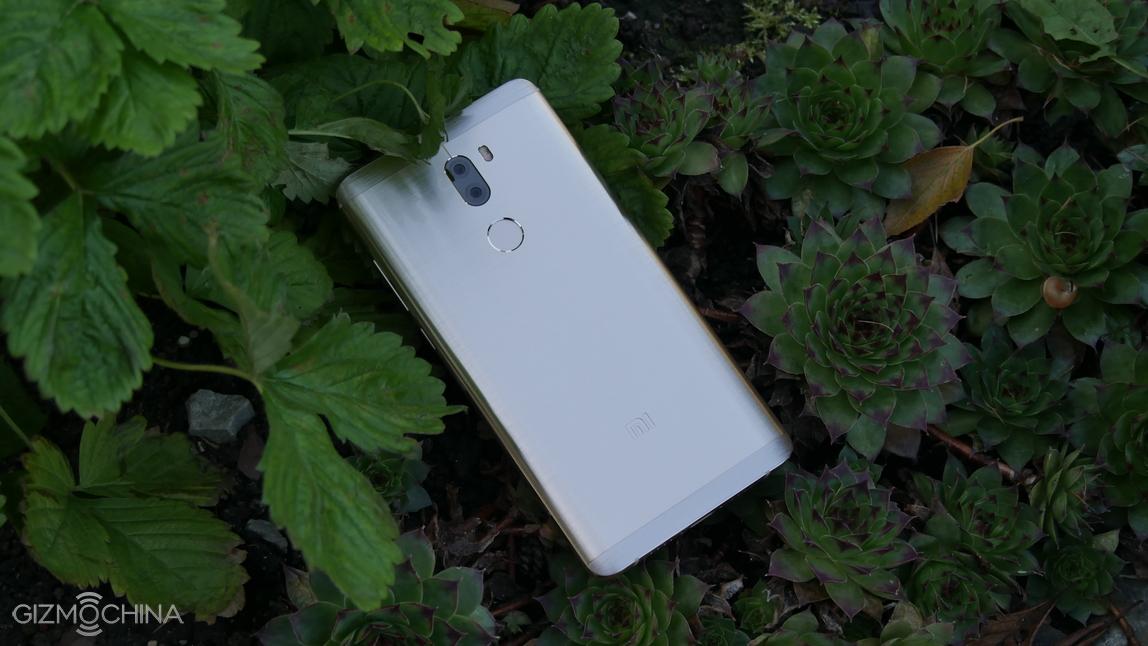
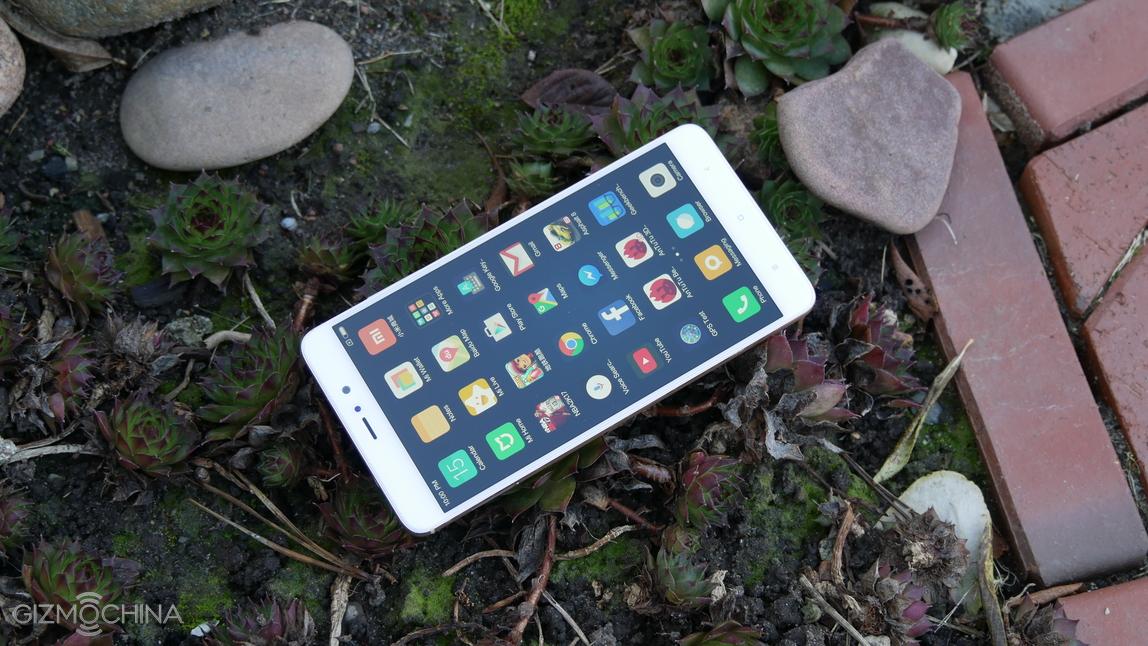
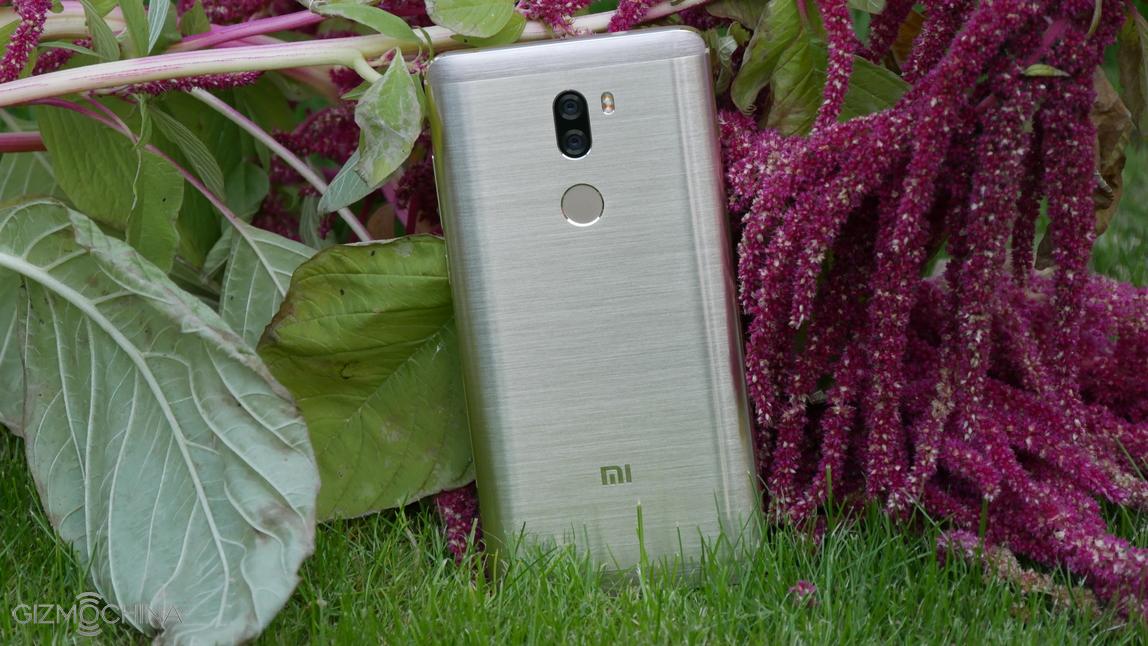
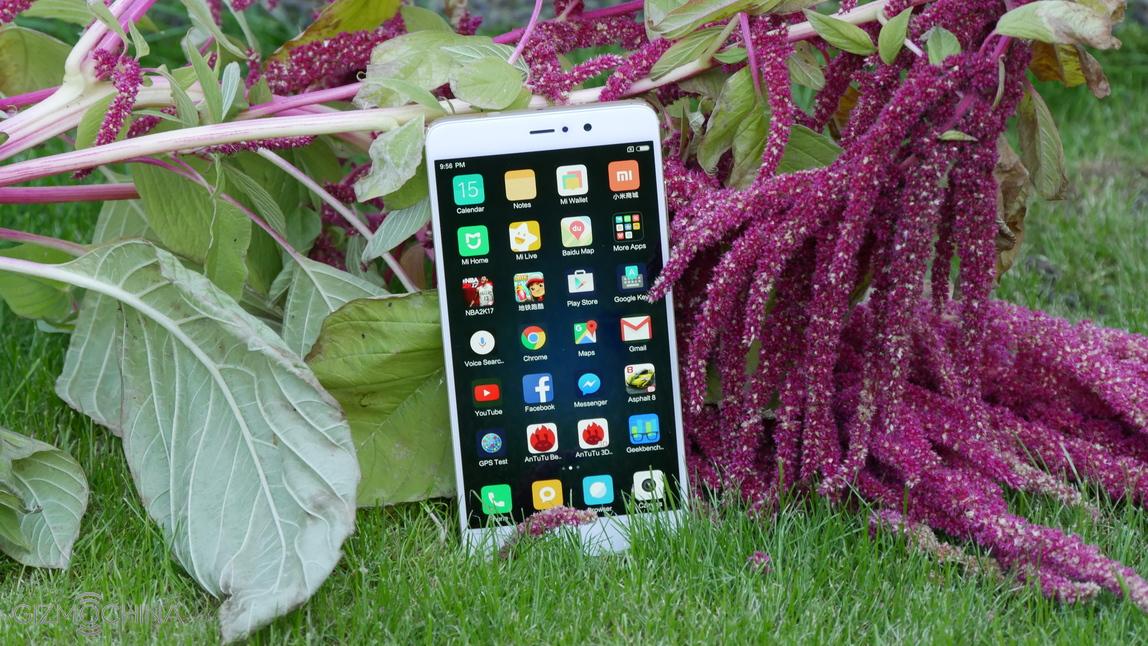
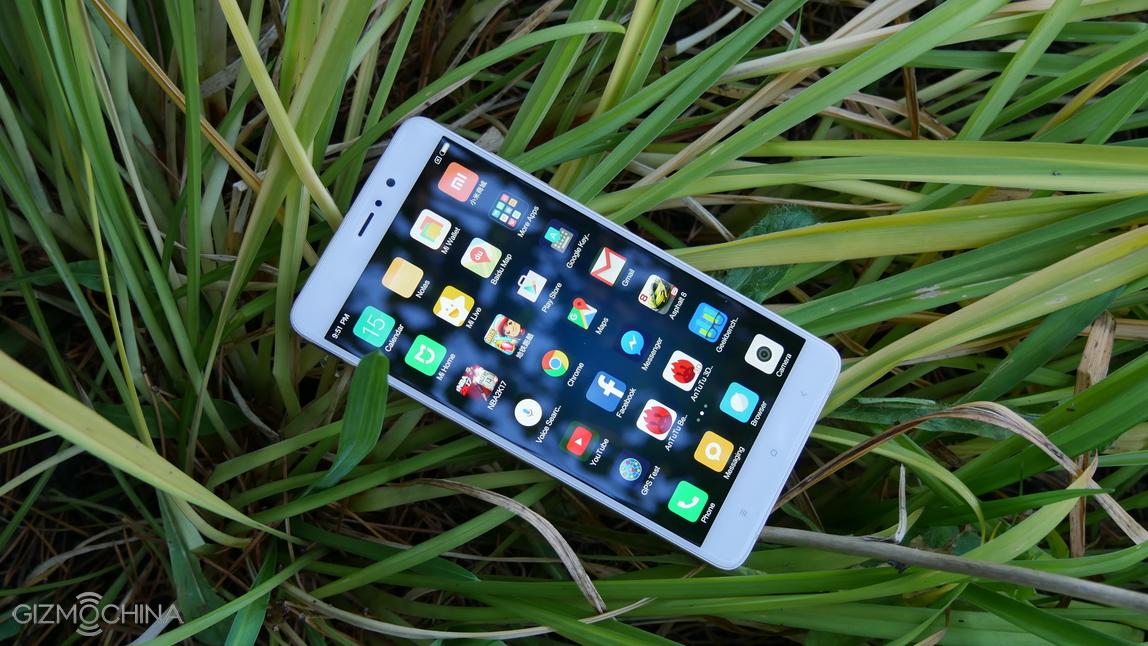
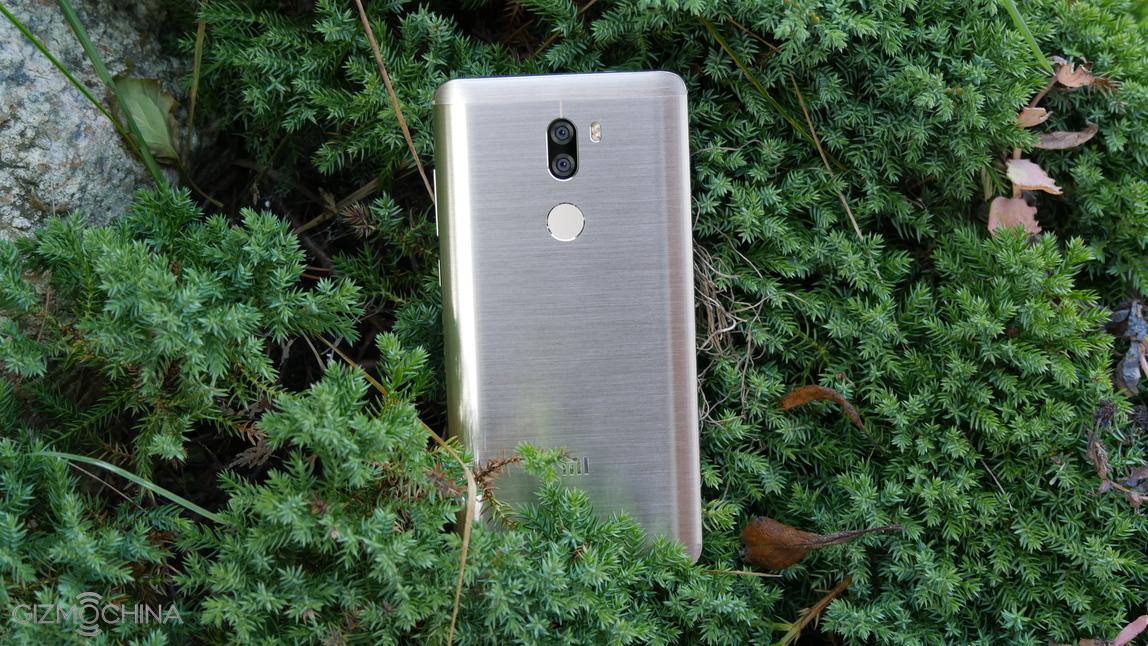
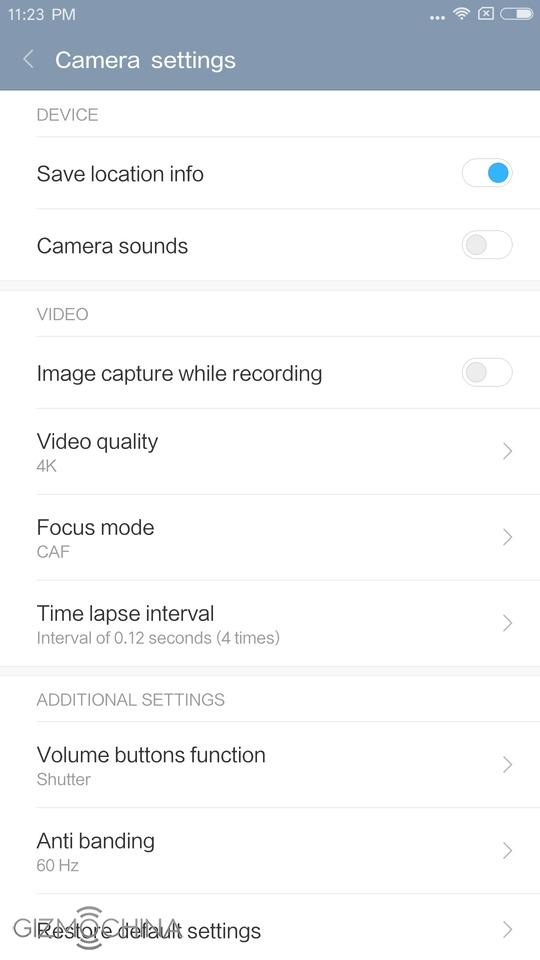
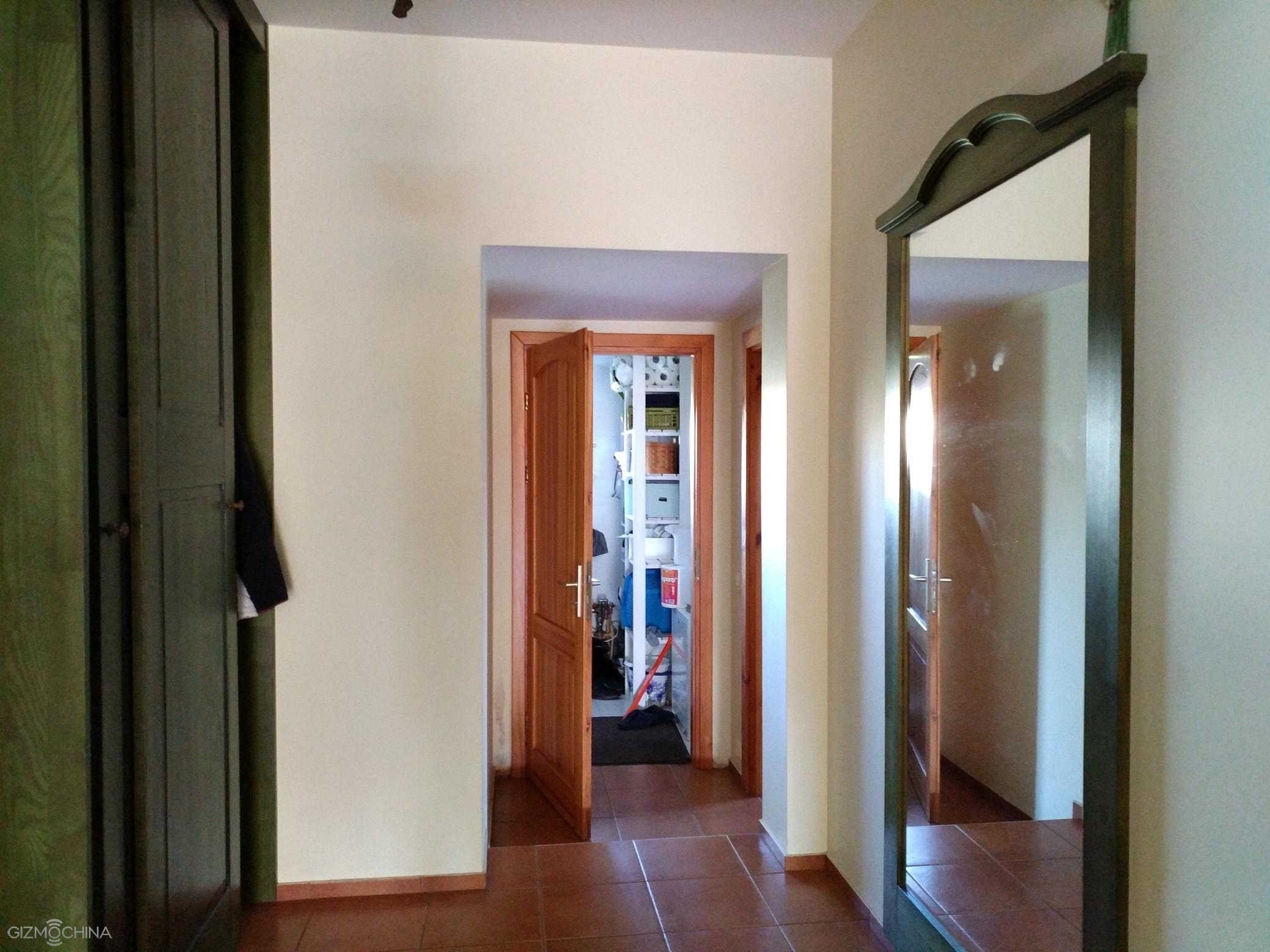
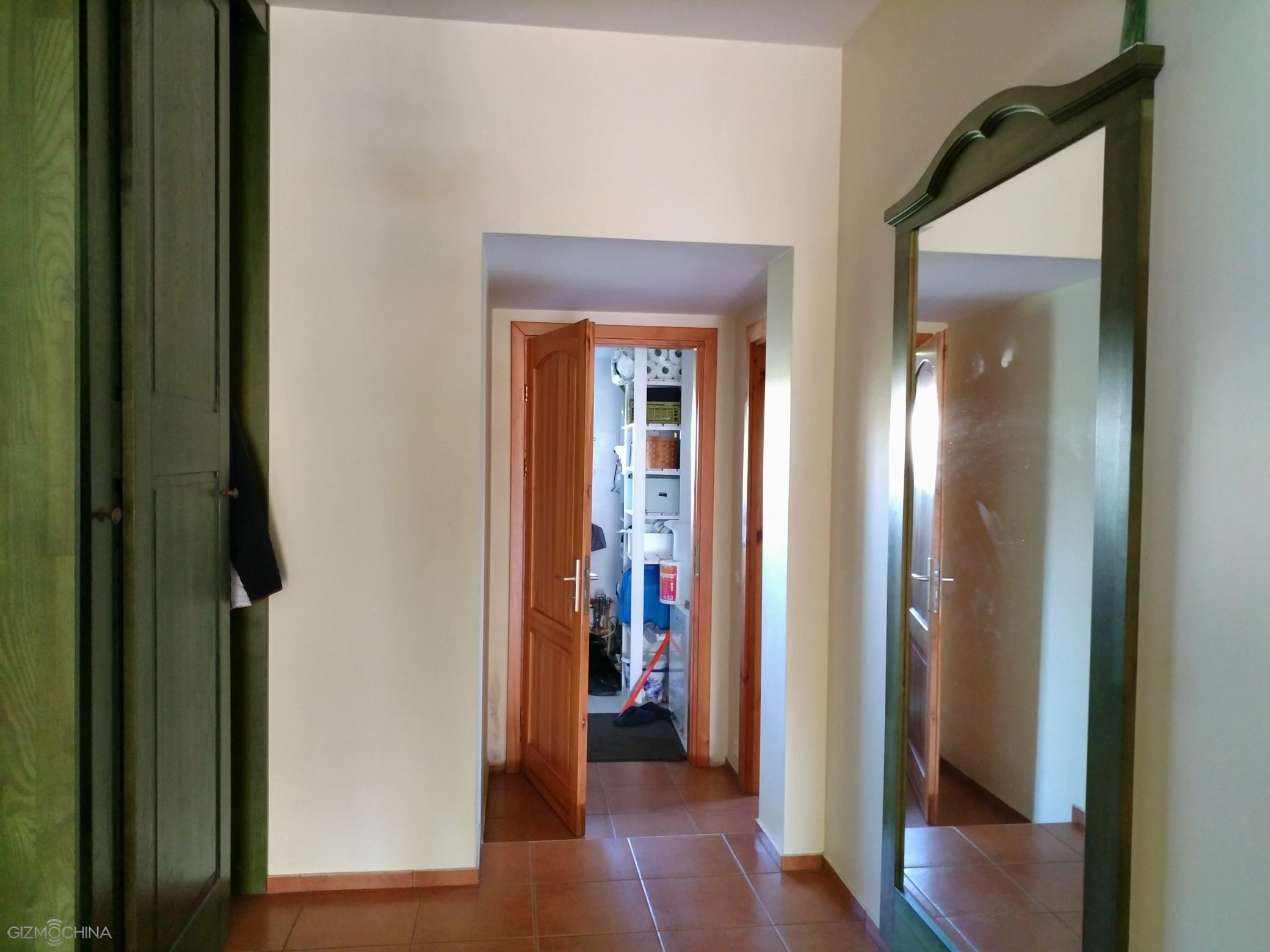
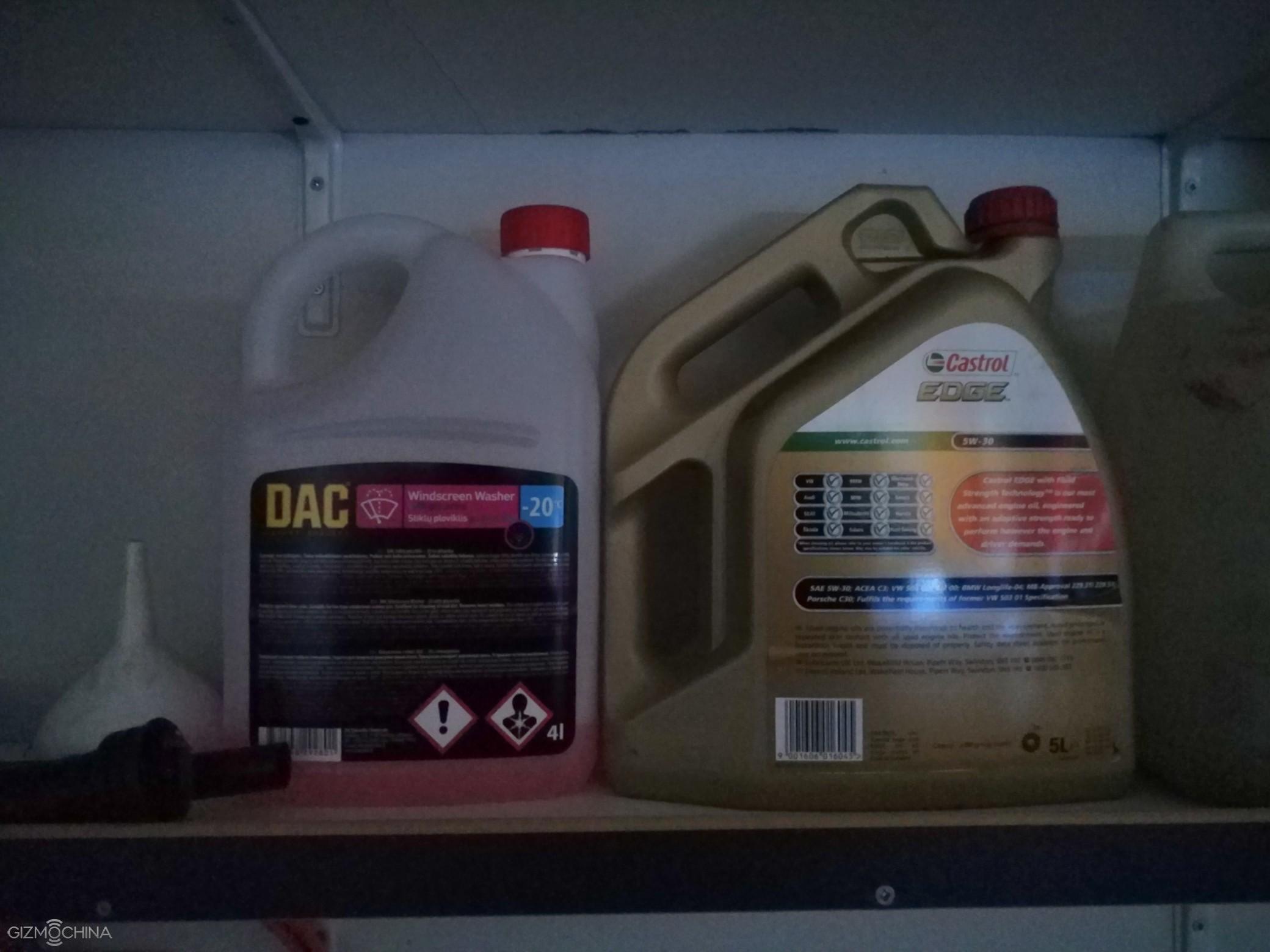
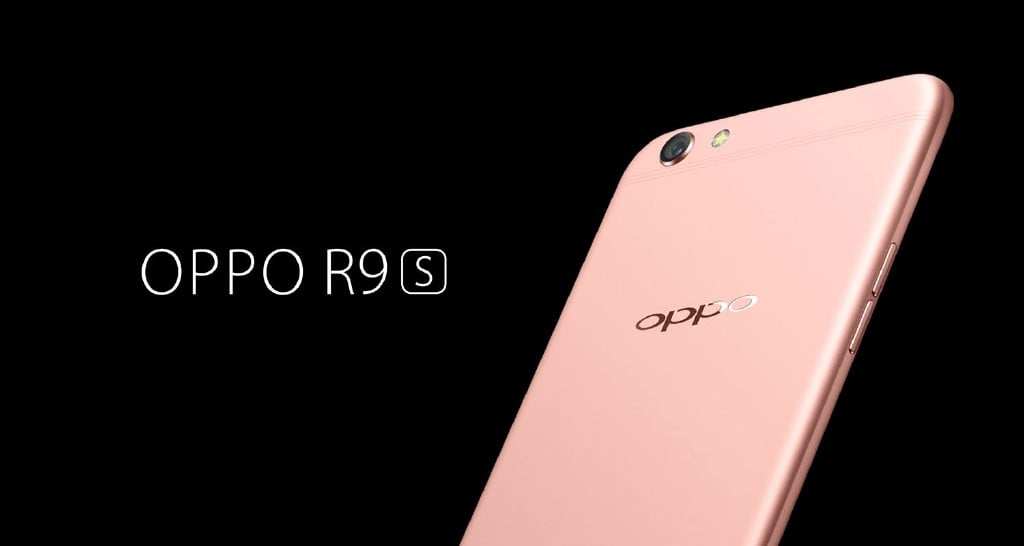
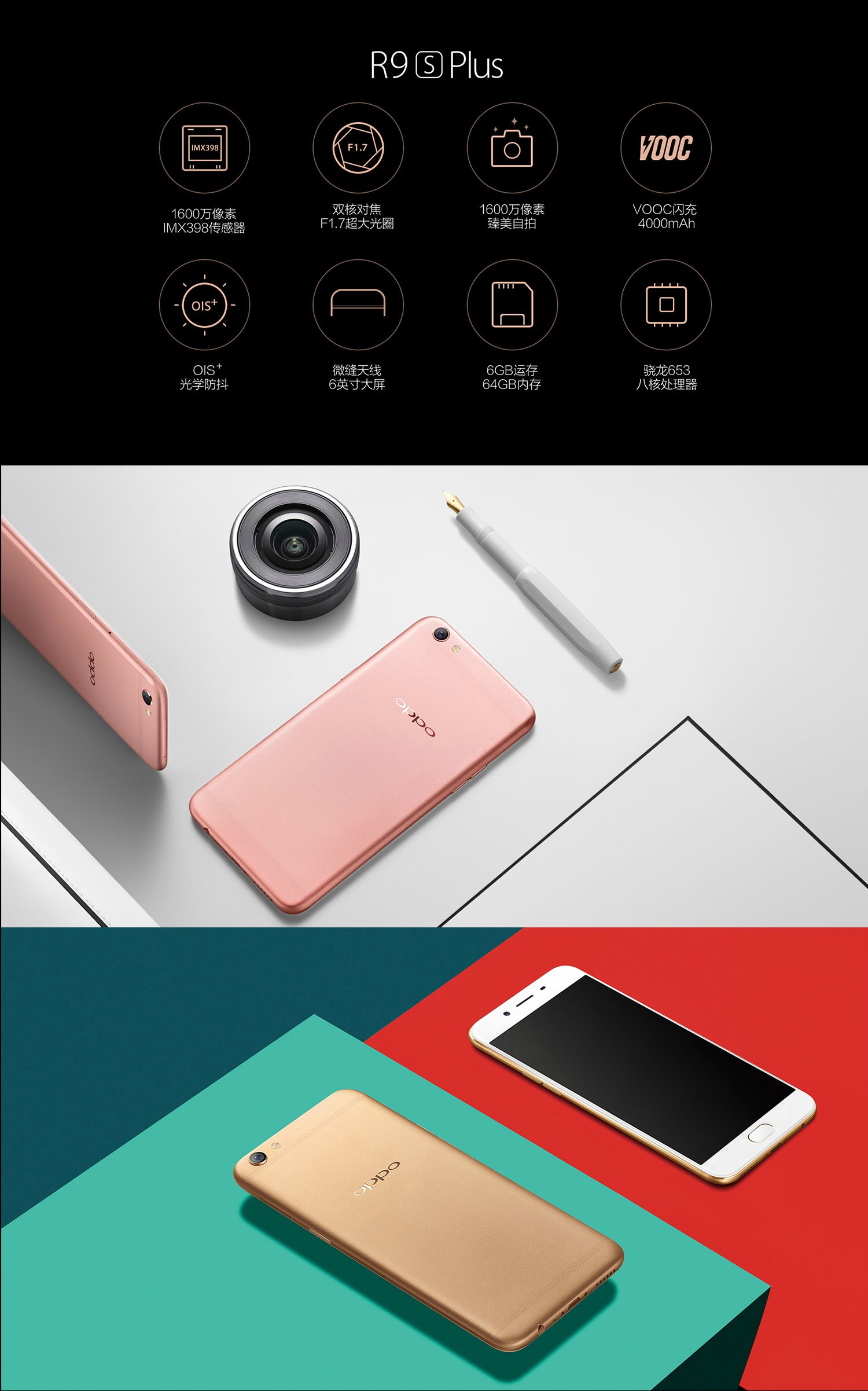
OPPO has been teasing its new flagship smartphone, the OPPO R9S for the past few days. And now, the company has officially taken the wraps off not one, but two new devices, namely the OPPO R9S and the OPPO R9S Plus. Both the devices are capable upgrades to the popular R9 series which has managed to sell very well in China as well as internationally under the name OPPO F1 Plus.
The basic design of the OPPO R9S remains the same as its predecessor, but it features a new split antenna design. The company had already confirmed this in one of its teasers, but now, it has revealed more details about the design. So, there are three super narrow antenna lines at the back (0.3mm wide), instead of one thick line. This makes it less visible, thereby giving the overall design a seamless look. The company says that this has also helped it to increase the proportion of metal in the phone to 98.8%. The new design is also said to improve the Wi-Fi signal, and now, the coverage is said to be better.
Coming to the specs, the OPPO R9S comes with the same 5.5-inch 1080p display, however, this time, you have the latest Corning Gorilla Glass 5 protection. This should provide better resistance against drops, as much as 80% intact rate at 1.6m drop, much better than previous generations. Inside, the R9S is running the Snapdragon 625 chipset, a much better upgrade as compared to the Helio P10 chipset in the previous generation. This new chip should also ensure better GPU performance than the R9 model. As for memory, there will be 4GB RAM and 64GB of ROM.
The camera has been one of the best-selling features of the OPPO R9 and the company has made sure that it remains the same with its update. The OPPO R9S comes with the 16MP Sony IMX398 sensor, which is said to be jointly developed by OPPO and Sony. The sensor is reportedly fast and “comparable to SLR camera speeds” and comes with tailored features. The company also revealed that the pixel area is upgraded and the amount of light reaching the sensor has increased up to 2 times. Further with the help of dual-core focus, the camera can focus 40% faster than PDAF.
Even the aperture size is large, and f/1.7 aperture will ensure great low light images. Further with the help of multi-frame noise reduction technology and large aperture, low light images should be clear, with limited noise. So camera lovers should be happy with the performance of the new R9S. Up front, you get a 16MP sensor as well.
As for the software, the OPPO R9S runs on the company’s ColorOS 3.0 version. Inside, there is a decent 3010mAh battery but with VOOC fast charging, the battery shouldn’t be an issue on the device.
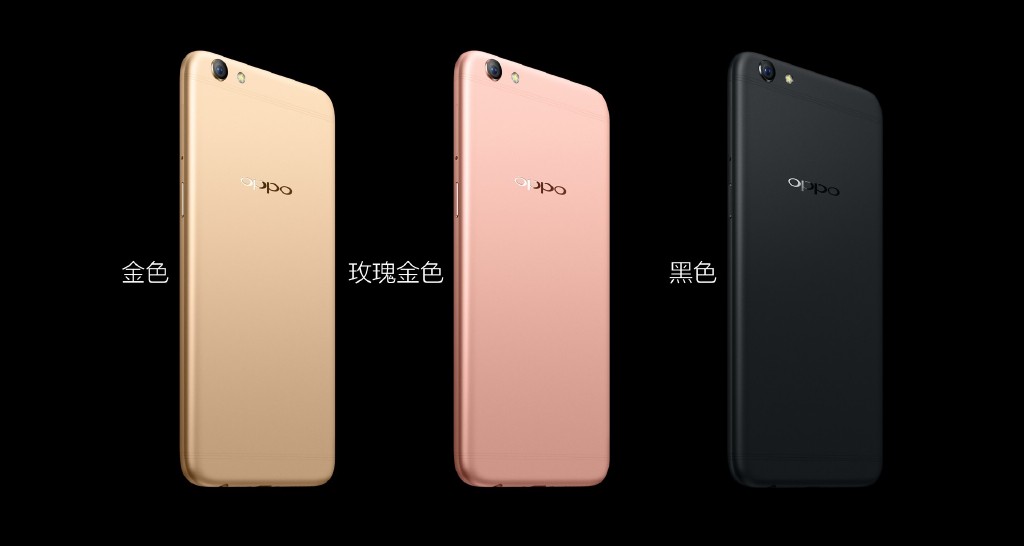
The OPPO R9S will go on sale on October 28 for 2799 Yuan ($416). There are three color options available, gold, rose gold and black.
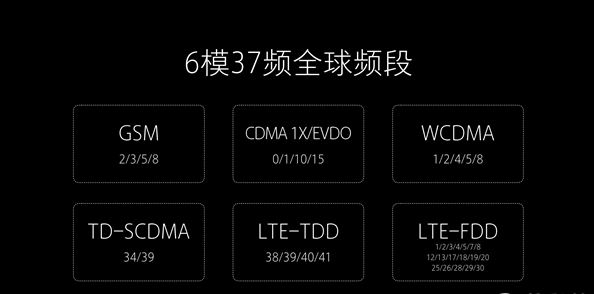
Its been over a year since Xiaomi fans have been waiting for the Mi Note 2 and as the day roll by towards the October 25 launch, the waiting is looking by the day to be worth the while. It has been revealed that the Xiaomi Mi Note 2 would feature a “Global Edition” with up to 37 network frequency bands including those of carriers overseas. This is a huge boost for the company, meaning the device could be used anywhere in the world.
Full network support is a common feature of most smartphones yet some foreign carrier bands don’t get supported on a number of smartphones but that is not going to happen on the Mi Note 2, if the latest words from Xiaomi phone product marketing director is to be taken seriously.
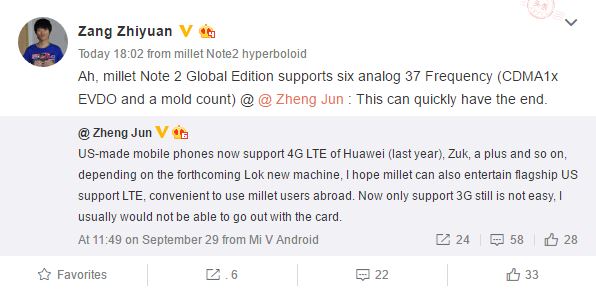
According to his words, the Mi Note 2 would support 6-mode 37 frequency including CDMA1x, EVDO, and a mold count. Presently, the Xiaomi Mi 5 was reported to have come with 4G compatibility issues with some carriers in the US but with the Mi Note 2 owners who happen to travel to the US wouldn’t have to worry about compatibility issues on US carriers’ 4G network.
When compared to some Chinese top brands that ships abroad like the Huawei P9, this list of supported frequency bands is huge. Huawei P9 supports 32 frequency bands while the Mate 8 is likely 33 bands.
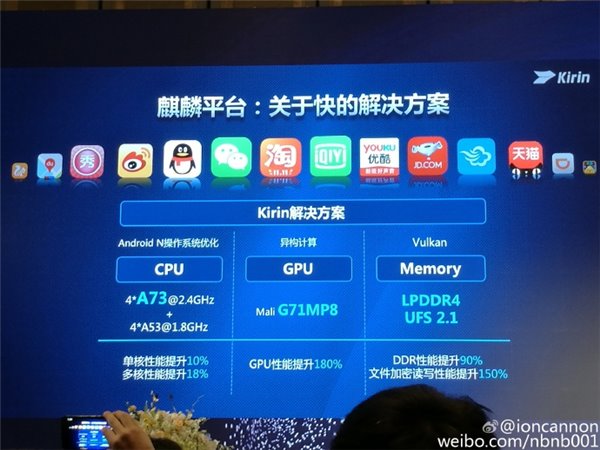
The past few days have seen chip manufacturers announce new processors. Starting with Mediatek announcing the Helio P15, to Qualcomm launching the Snapdragon 653, 626, and 427 chipsets, and Huawei announcing the Kirin 960 earlier today. Our focus is however on the Huawei Kirin 960. Huawei has released a detailed specification list of the new processor.
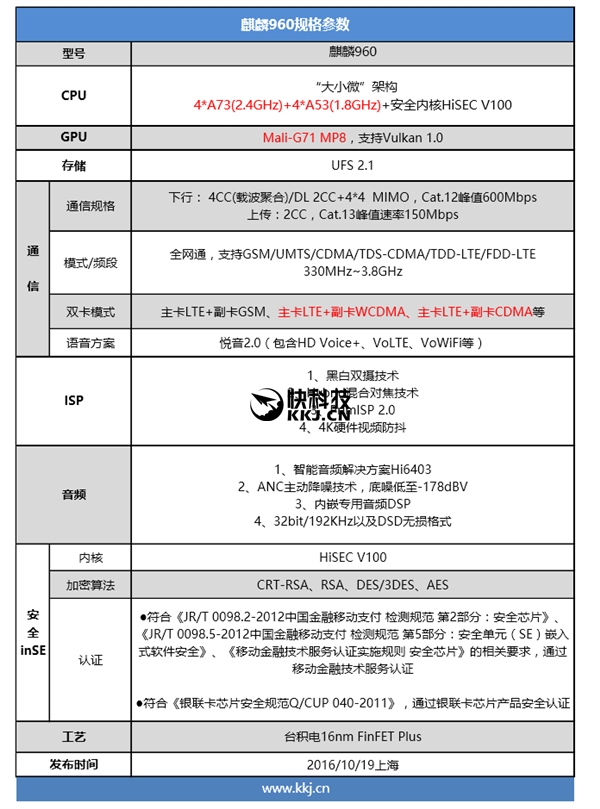
The Huawei Kirin 960 SoC is an octa-core processor made up of four A73 chips clocked at 2.4GHz and four A53 low-power chips clocked at 1.8GHz for its CPU. Its GPU is a Mali G-71 MP8 which offers about 180 percent increase in performance over the Kirin 950 and a 20% reduction in power consumption. It also supports Vulkan 1.0. The new chip is built on 16nm FinFET Plus process and supports UFS 2.1 storage and LPDDR4 RAM.
Today is a big day for LeEco. The company announced a couple of weeks ago that they will be officially launching in the US today, October 19, and in about 6 hours, the live-stream event will kick off. Apart from this, the company also plans to release its first Artificial Intelligence phone by the end of October. A picture of the AI Phone with CEO, Jia Yueting has surfaced online and it doesn’t look bad at all.
The phone sports which sports dual rear cameras was first thought to be the Le Pro 3 when the image of a dual camera phone from LeEco was leaked online three months ago. Following the Le Pro 3’s launch and its lack of dual rear cameras, we knew the phone was different entirely,and not until last week did we learn that it is the company’s AI phone.
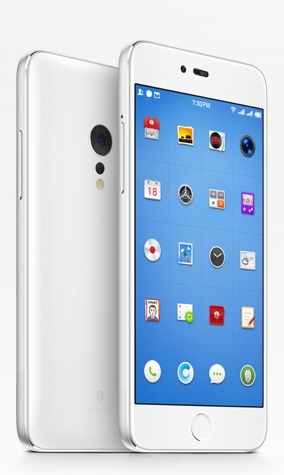
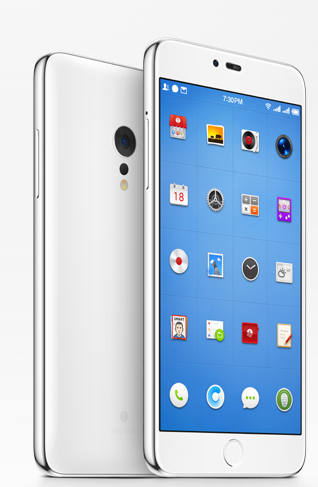
Smartisan is a Chinese phone manufacturer best known for their Smartisan OS before their phones. There were rumours recently that the company was going to be acquired by Xiaomi, but the company quickly discarded them. Yesterday the company confirmed they were still in the business of manufacturing smartphones by releasing two Snapdragon 821 devices, the Smartisan M1 and Smartisan M1L.
From the name, some of you might have guessed correctly that they have different screen sizes but that is not only where the difference lies. Below is a full list of specifications for both devices.
Smartisan M1
5.15” 1080p JDI Display (95% NTSC Colour Gamut)
Corning Gorilla Glass 4
2.35GHz Snapdragon 821 Processor
4GB LPDDR4 RAM
32GB ROM UFS 2.0
23 Megapixel Sony IMX318 Rear Camera with 4K and SloMo Recording, PDAF, OIS, and Laser AF
While it is being sued by Qualcomm for patent infringement, Meizu seems to be trying to get its own pound of flesh unfortunately not from Qualcomm. The Chinese company has accused fellow Chinese rivals OPPO, Xiaomi and Smartisan of infringing on its mBack patent.
If you don’t know, Meizu mBack was coined from the word “I’m Back” and refers to the specialized home button that eliminated the for a separate back button on the phone, all integrated into the home button. The Meizu mBack offers four operations which users can implement for faster and more comfortable use of their Meizu smartphone. The mBack button functions as a fingerprint scanner to unlock the phone, also unlocks apps and takes you back to previous page when tapped. In addition, it takes you to the home page from any page on the pone and when pressed for long, it locks the phone.
Meizu patented this design sometime back in China and has since being using it on successive Meizu smartphones. However, the company is accusing fellow Chinese phonemaker Smartisan of using its patented design without consent. Smartisan just released its Smartisan M1 and M1L smartphones in China and just like the iPhone 7, the phone has a round home button but in function the home key is similar to Meizu mBack.
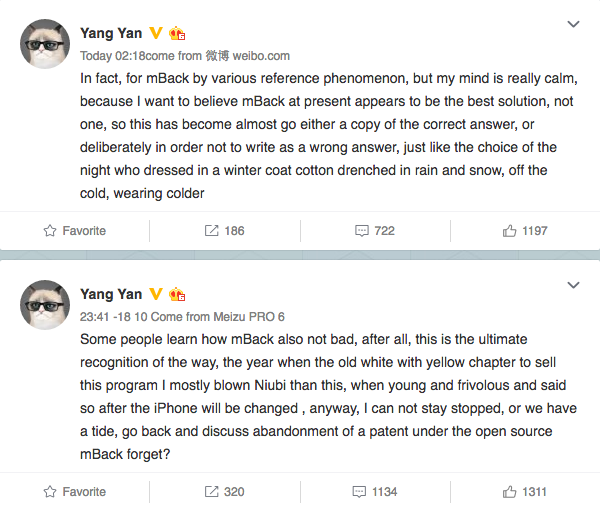
Meizu VP has come all out via a couple of Weibo posts to claim this is an infringement of its mBack patent and even went as far as accusing Xiaomi, OPPO and a few others of infringing on its patent. Perhaps we’ll be seeing a couple of law suits very soon and would keep an eye on this. The companies mentioned are yet to respond.
Huawei officially launched the Nova in China last week and their Honor sub-brand released the Honor 6X yesterday but the upcoming Mate 9 is the device people are looking forward to.
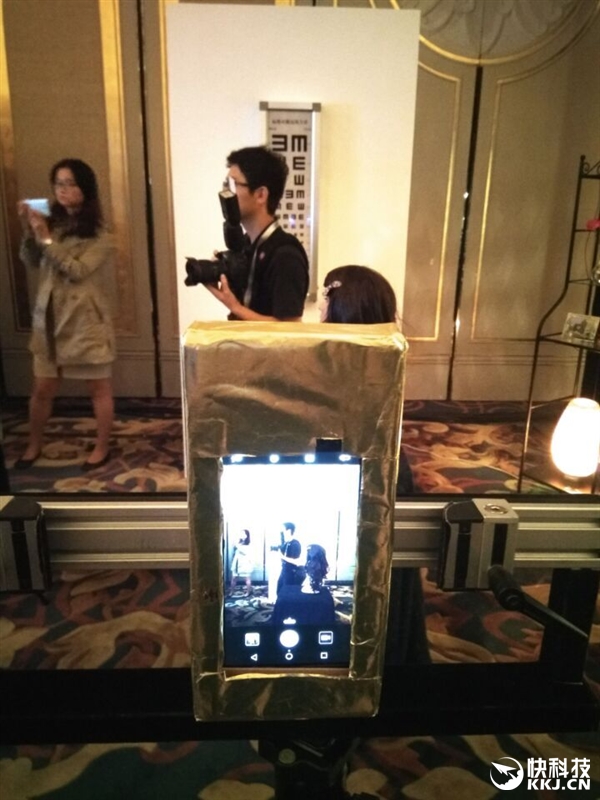
The Mate 9 has been rumoured for months to launch with a Kirin 960 processor, so when the company took the wraps of the new chip a few hours ago, they provided a phone with the new processor for guests to see but covered it up in brown packaging paper leaving just the screen and rear cameras exposed. That phone is said to be the Huawei Mate 9 since that’s the only device rumoured to feature the new processor.
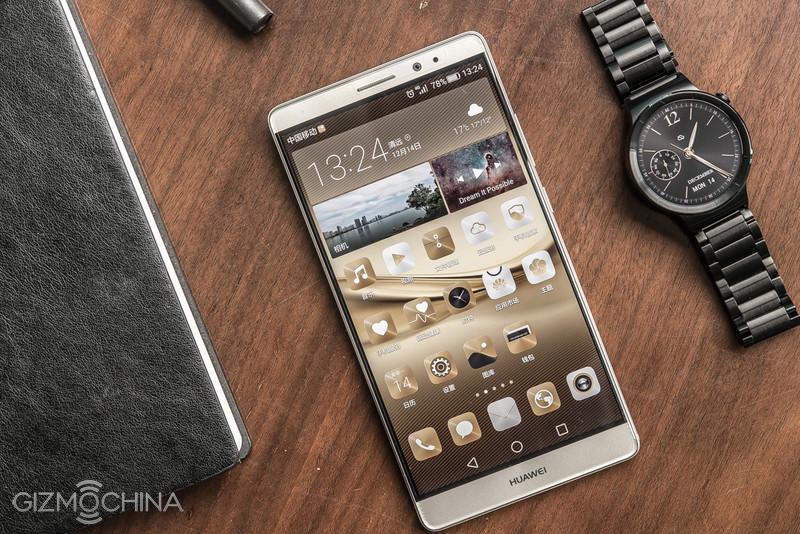
Those who had a closer look at the phone confirmed that the Mate 9 does have a 6-inch screen and dual rear cameras.
Foreign media outlets who have received invites for the launch holding on the 3rd of November in Germany have revealed that the Mate 9, codenamed Manhattan will feature a Kirin 960 chip, 4GB of RAM, an 8 megapixel front facing camera, an iris scanner, and a 12MP+20MP rear camera duo provided by Leica and will have optical image stabilisation.
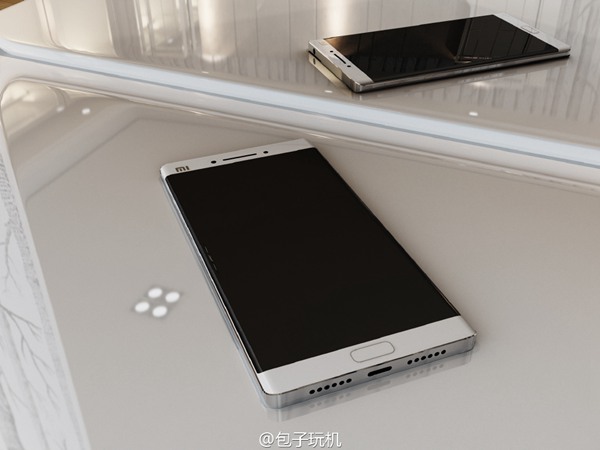
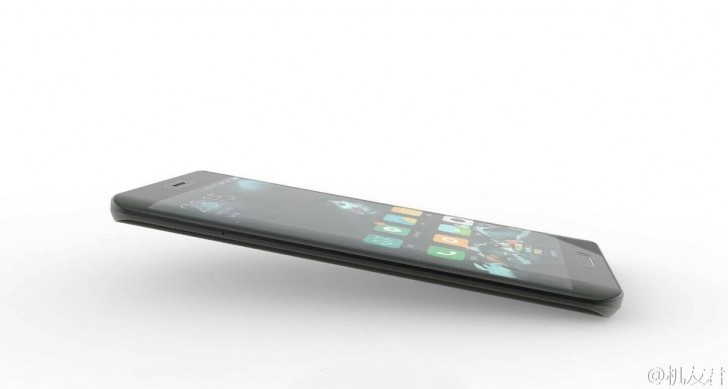
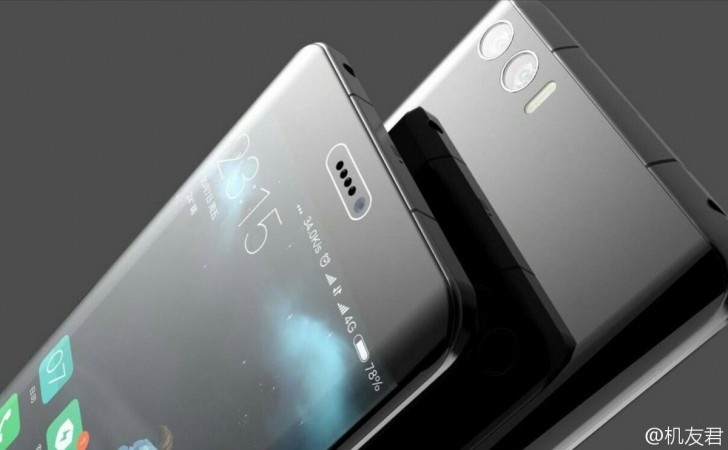
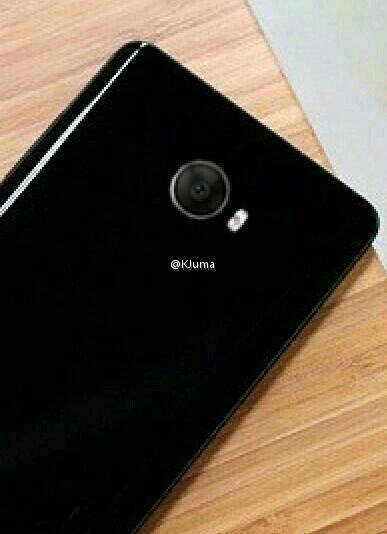
Since the past few weeks, the Xiaomi Mi Note 2 has been making the headlines, with multiple rumors and renders of the device cropping up on the internet frequently. Once again, new renders of the Mi Note 2 have been leaked, this time revealing dual cameras and curved display.
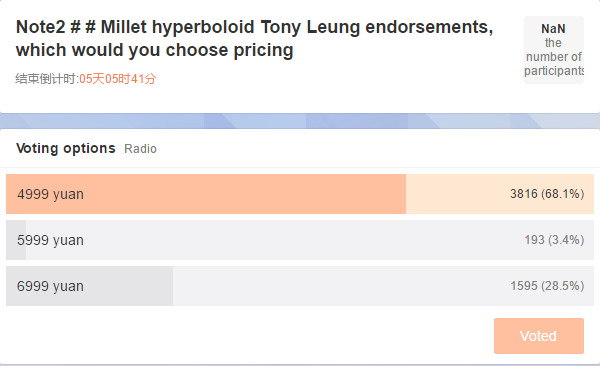
Along with these renders, we also got a possible pricing for the Mi Note 2. The company recently launched a poll on Weibo asking users what price would they be ready to pay for the upcoming device. Surprisingly, the pricing started at 4999 Yuan ($741) with other two options being 5999 Yuan ($889) and 6999 Yuan ($1038).
Is it possible that the Mi Note 2 pricing starts at $750? Despite its high-end status, it’s unlikely as Xiaomi has built a reputation as a value for money smartphone maker. So, it can’t just go ahead and release a $800 smartphone expecting fans to be okay with the price. So, the actual price could be lower, somewhere around $500-$600.
We also saw some new renders of the Mi Note 2, this time with a single camera module. We are not so sure about these renders, but you can take a look at them below.
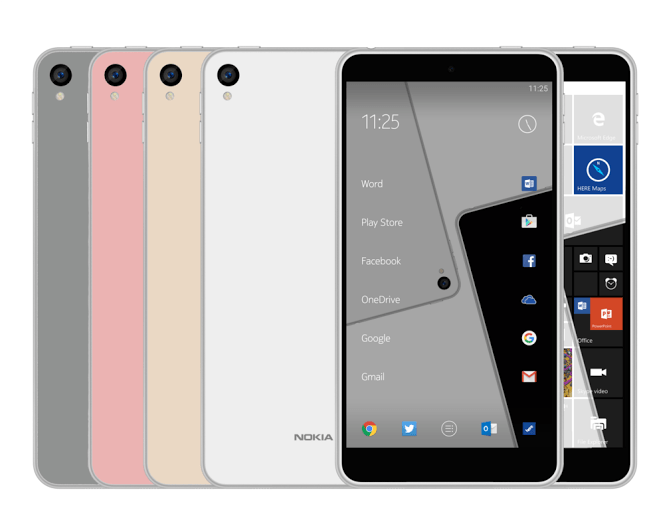
Just about a week after Nokia officially tweeted that the company’s CEO would deliver a kynote address at MWC 2017 bill for the first quarter of 2017, a senior Microsoft Executive has come out to disclose that the much anticipated two Nokia phones would be released in second quarter (Q2) 2017.
According to the report which emanated from Vietnam, James Rutherfoord, CEO of Mobile device commodities in Microsoft Asia-Pacific was quoted as saying HMD Global Oy is working on launching two new Nokia phones, perhaps feature phones, by Q4 2016 which means any moment from now, and then two smartphones should be expected in the early part of Q2 2017.
News about the return of Nokia branded phones have been coming in and out for the past couple of months right after two Android Nokia phones leaked. A Nokia feature phone was later on spotted on TENAA and of late the Nokia D1C made the rounds on benchmarks, sporting Android Nougat. A Nokia tablet is also said to be in the works, even though we are not too sure about that.
It remains to be seen how the Nokia brand will be re-jigged to get back into the groove. The specs posted on benchmarks have been anything but spectacular and uniqueness is a key factor in the highly competitive smartphone market. We’ll wait to see what exactly Nokia has in store because an official teaser is yet to come from the company.
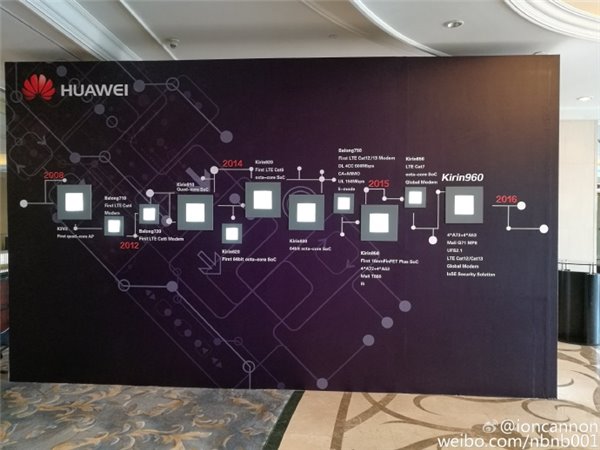
Huawei has officially unvelied its latest super processor – Kirin 960 which brings with itself some strategic upgrades both in CPU and GPU. The Huawei Kirin 960 SoC comes with a modest upgrade in its CPU from Kirin 950 but on the GPU end, the new chipset sees a huge upgrade.
According to a source at the unveiling, Huawei Kirin 960 comes equipped with the recently unveiled high-performance ARM Cortex-A73 CPU core. The processor still uses the lower ARM Cortex-A53 core and in all the octa-core Kirin 960 SoC is composed of four Cortex-A73 cores and four Cortex-A53 cores.
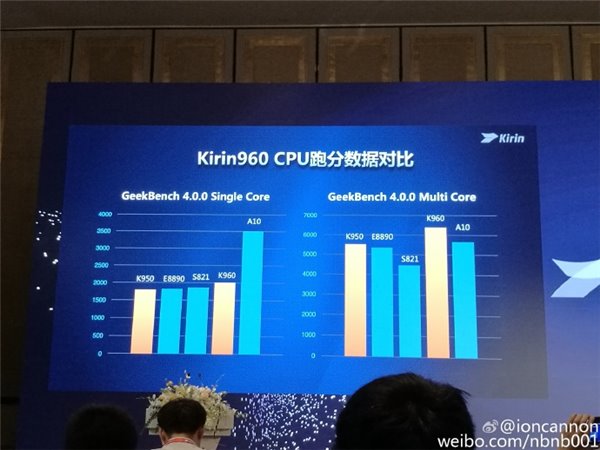
More damning claim from the conference is the one concerning the Kirin 960 Versus Snapdragon 821 processor. When subjected to Geekbench 4.0 test, the Kirin 960 is said to have scored 2000 points on the single-threaded scores and up to 6300 points on the multi-threaded score.
In addition to the CPU upgrade, the Huawei Kirin 960 chipset gets a big boost in its graphics unit, featuring the Mali-G71 MP8 GPU which were subjected to test on GFXBench Manhattan and T-Rex. The Kirin 960’s GPU performance comes out higher than that of Snapdragon 820 SoC and even twice as much power as Kirin 950. Apple A10 chip is still ahead, though.
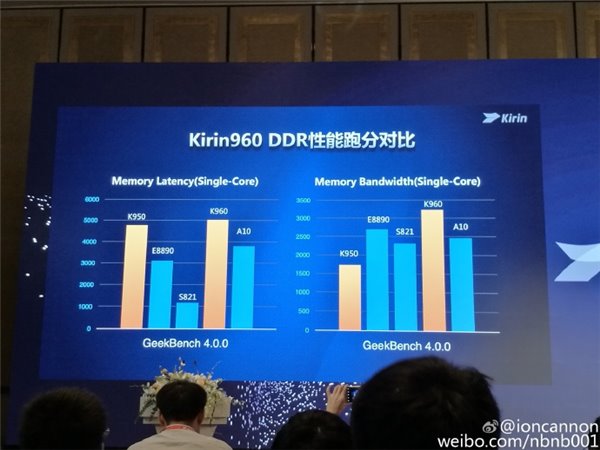
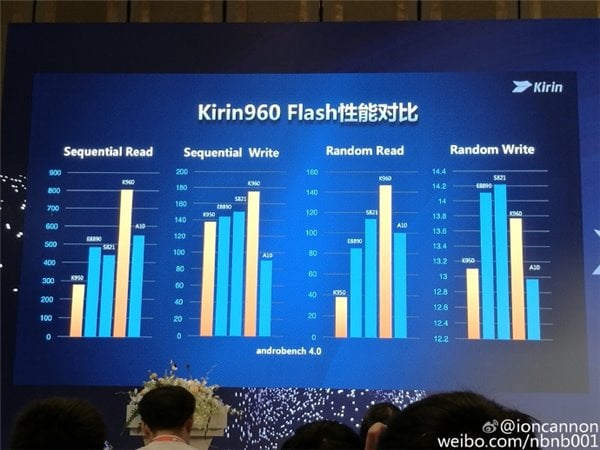
According to Huawei, the Mali-G71 GPU is based on a truly new architecture which comes with a new level of high-end mobile graphics technology with superior energy efficiency. In addition, the Kirin 960 also supports the latest UFS 2.1 flash memory, LPDDR4 memory and on the network end, it supports LTE Cat.12 and LTE Cat. 13. A new baseband that supports CDMA is also at play.
The Huawei Mate 9 would get the opportunity of being the first device to feature the Kirin 960 and until that happens we’ll only hold our peace concerning these stunning claims.
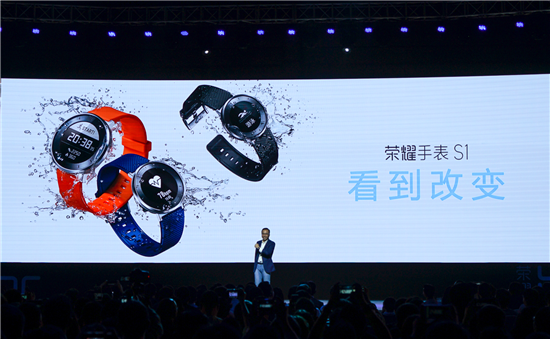
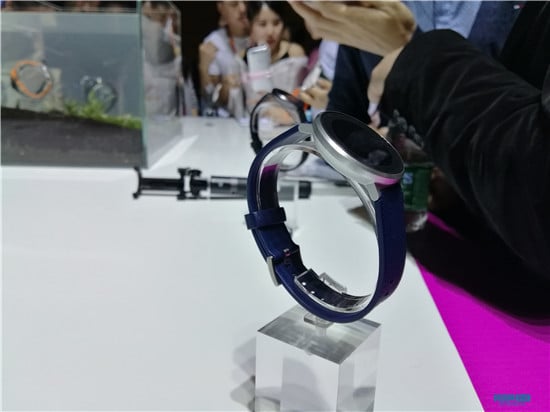
In addition to launching the Honor 6X, Huawei also unveiled its new smartwatch dubbed Honor S1. The Huawei Honor S1 smartwatch brings with it a Nordic style modest design, molded with metal material and weighing only 35g. The device also comes in three cool and attractive colors of Navy blue, gray, and orange. The device also features a removable strap which can easily be replaced by users and easy dial-type design.
The Huawei Honor S1 smartwatch isn’t just a time checking machine but also a smart gadget that monitors the heart rate, calories, distance covered, pace and other vital data beneficial to health and wellness. The smartwatch comes in as a versatile piece of machinery because it comes in handy in a variety of sports including swimming, running, walking, cycling, treadmill etc.It shouldn’t surprise you that the smartwatch functions under water during swimming and other water sports. This is possible because the smartwatch comes with IP 68 waterproof and dustproof protection and can stay up to 50 meters under water.
The Huawei Honor S1 smartwatch can also be used for payment sevices like Ali pay whereby in a situation where a user forgets his or her wallet or smartphone, they can easily pay by scanning. There is also a security feature which ensure the payments made via the device are secure.
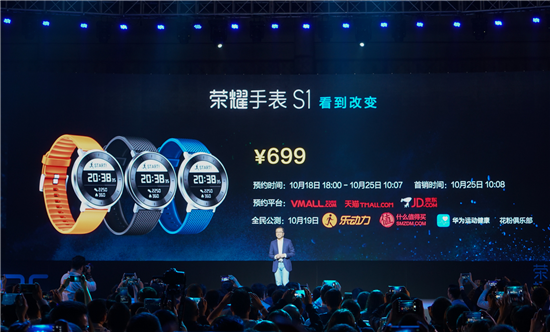
The Huawei Honor S1 carries a price tag of just 699 Yuan ($104)and would go on sale for the first time on October 25 at 10am. The sales can be access exclusively via Vmall, Jingdong and Lynx in China.
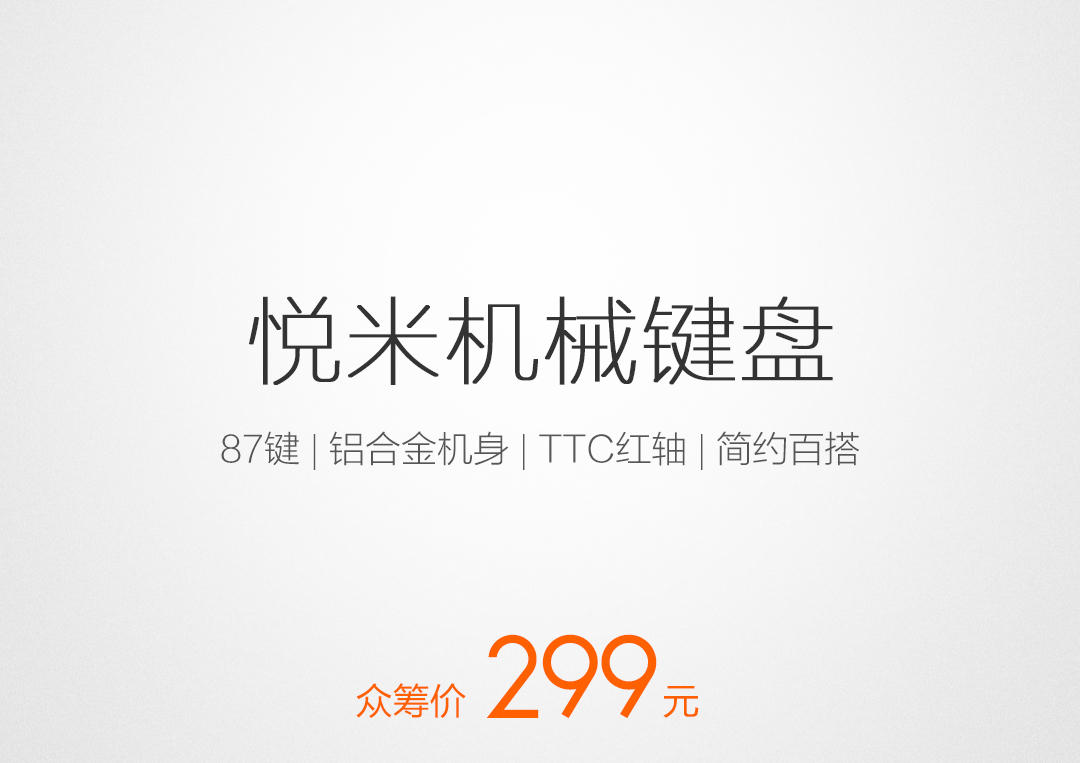
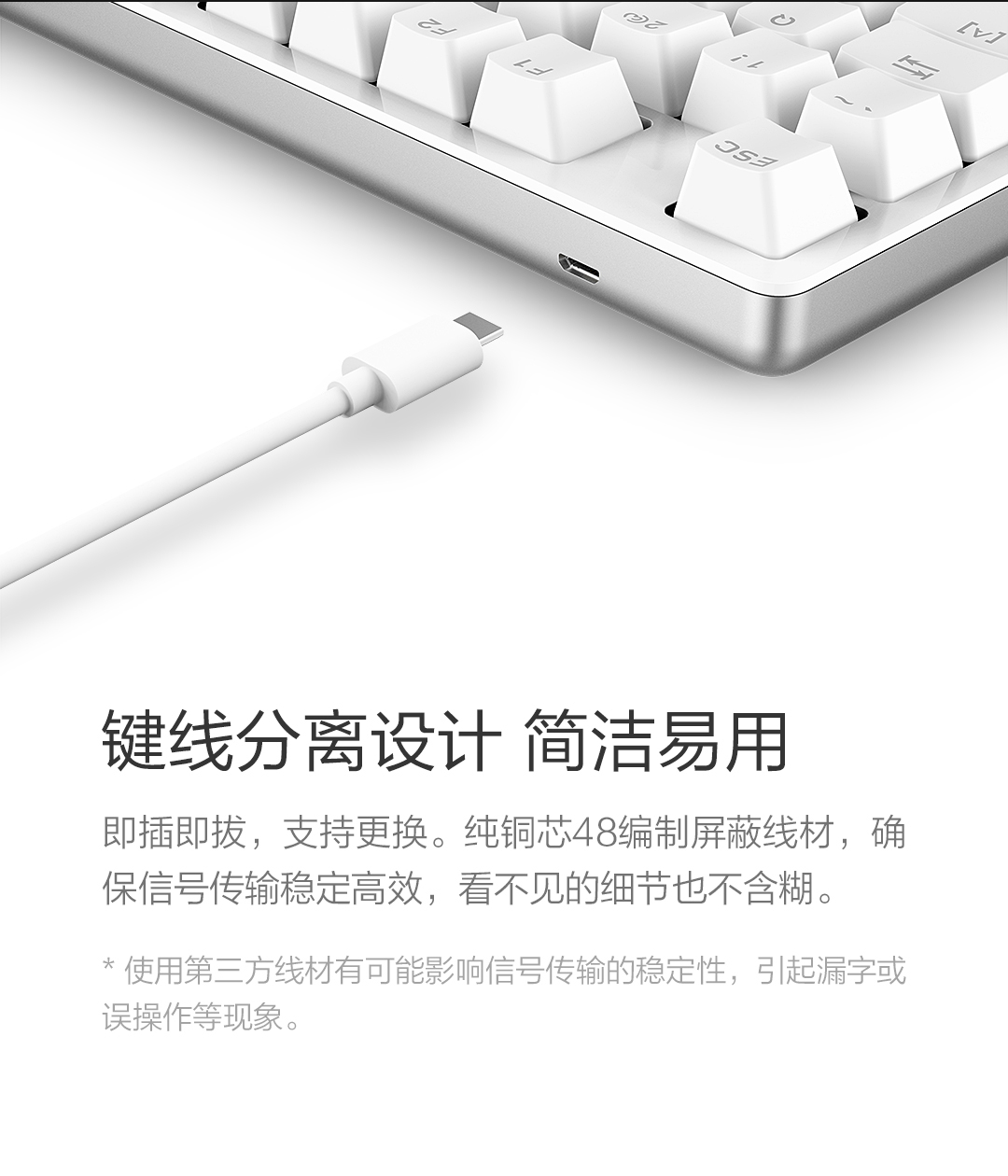
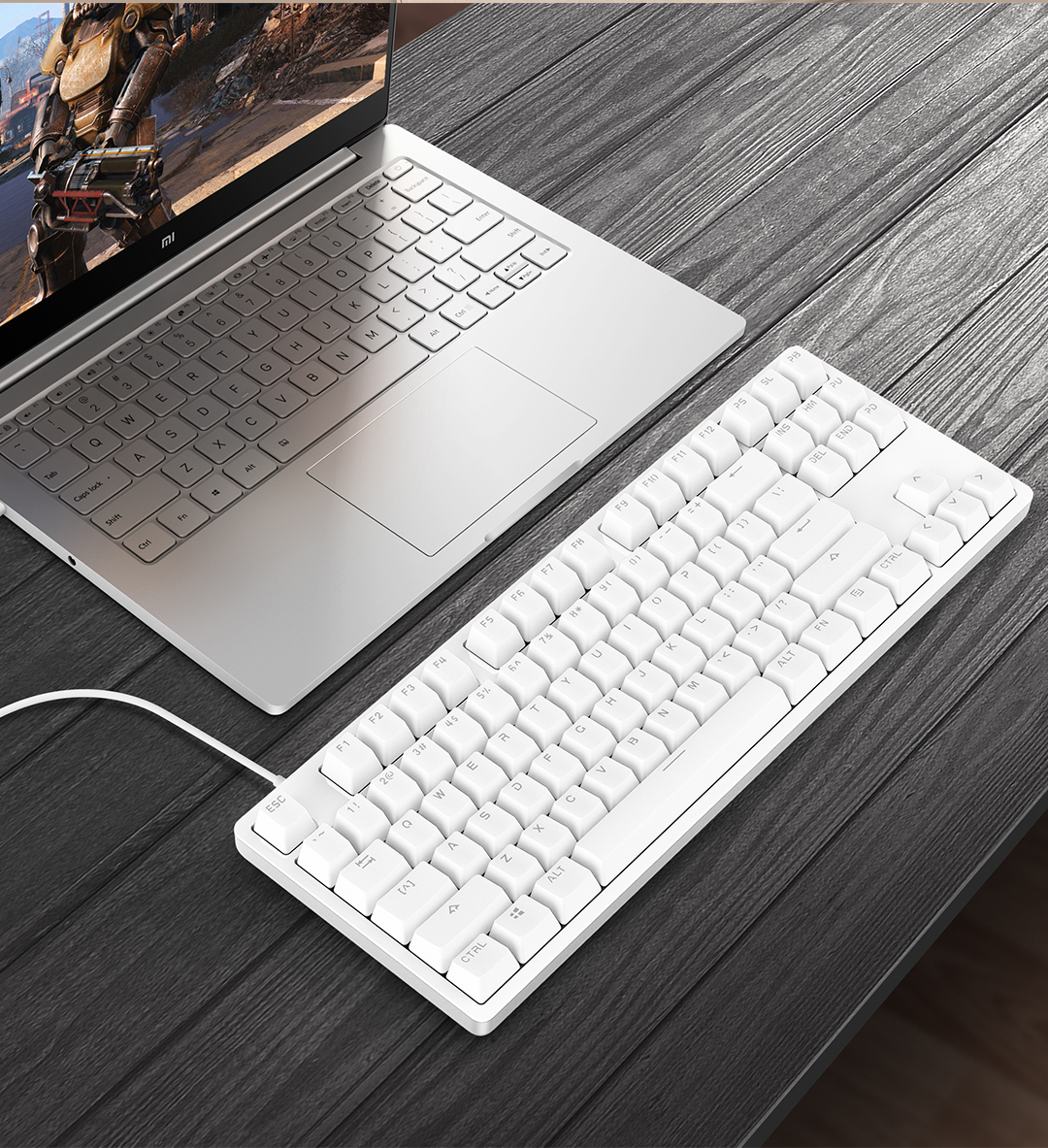
Xiaomi took to its crowdfunding platform to announce the mechanical keyboard teased last week. The Xiaomi Mechanical Keyboard (official name still unknown) has a bunch of cool features and doesn’t break the bank.
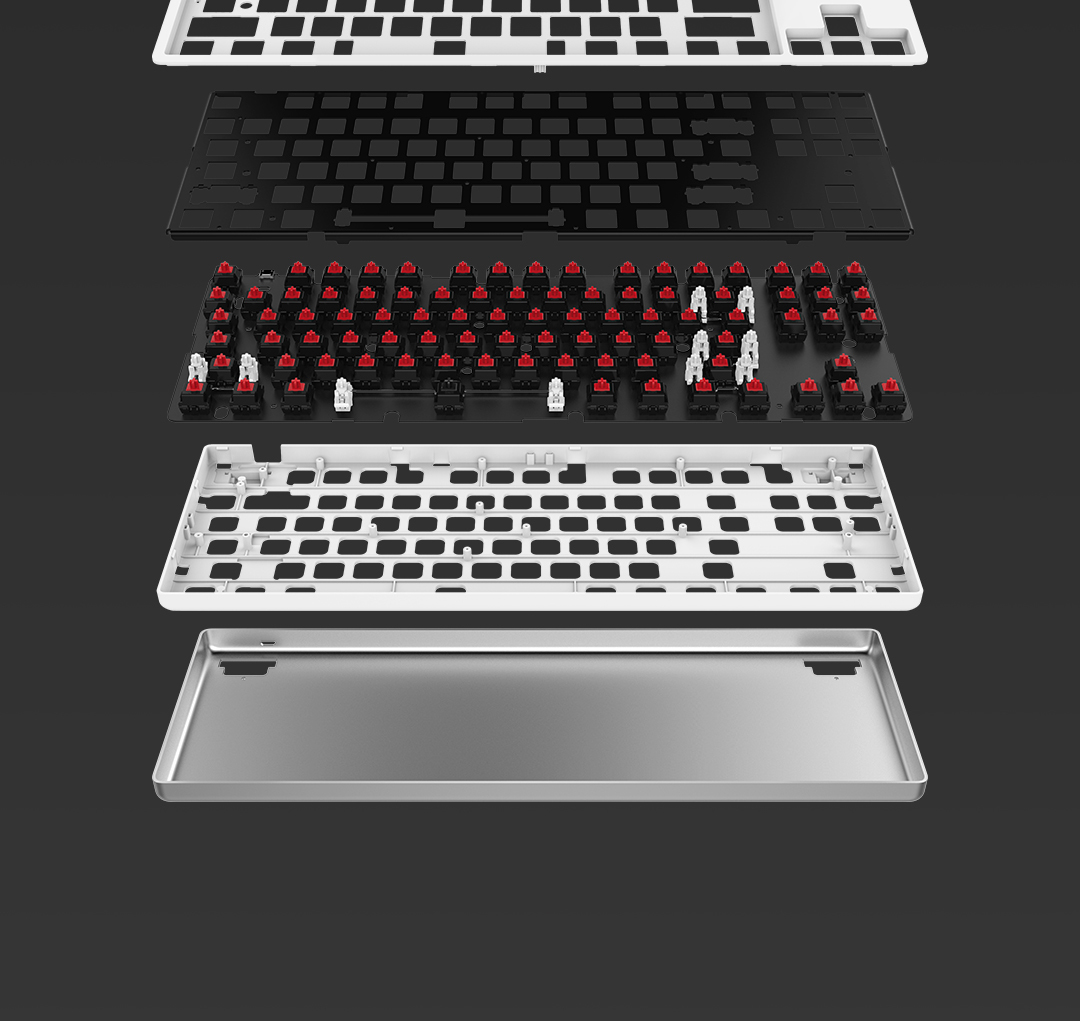
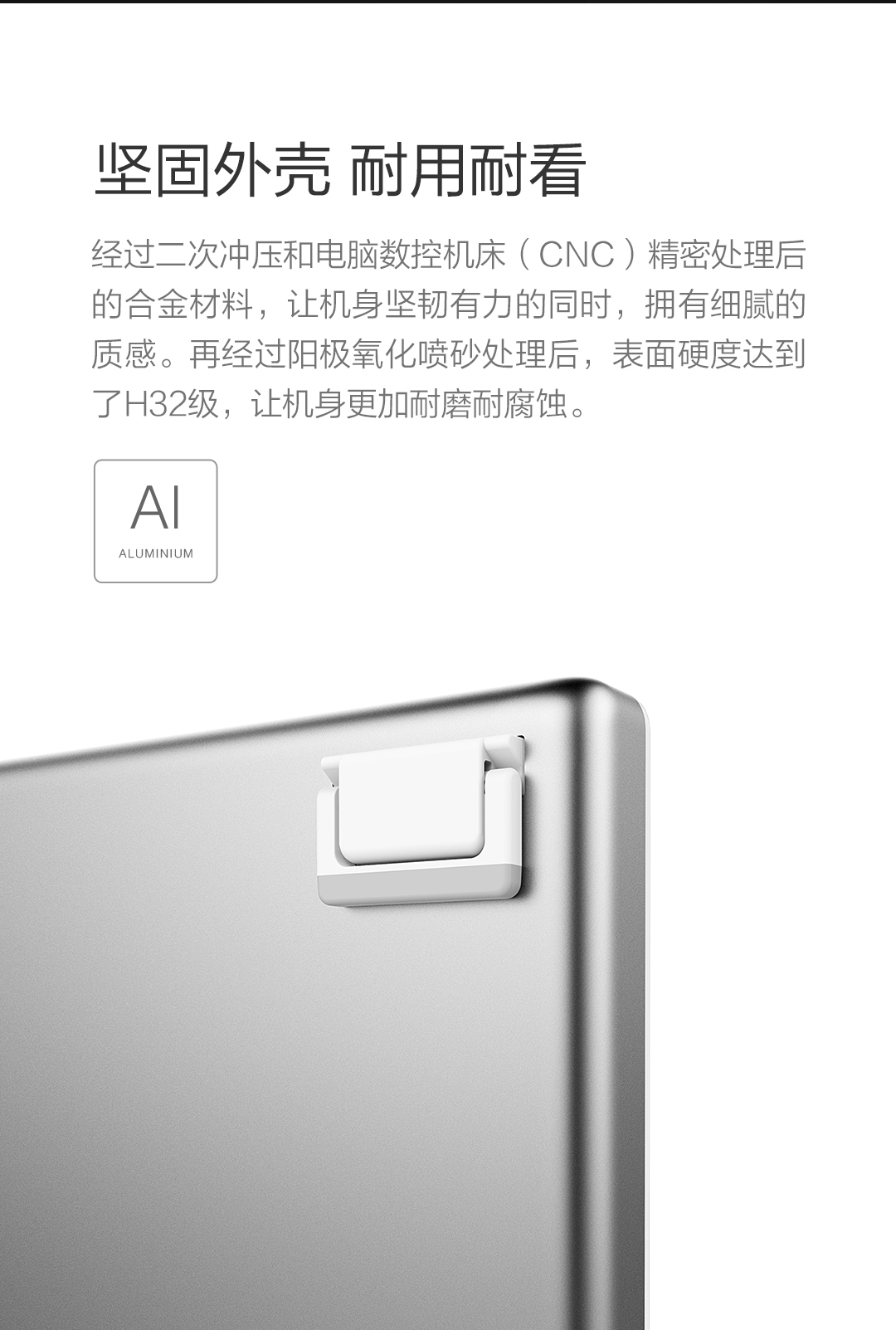
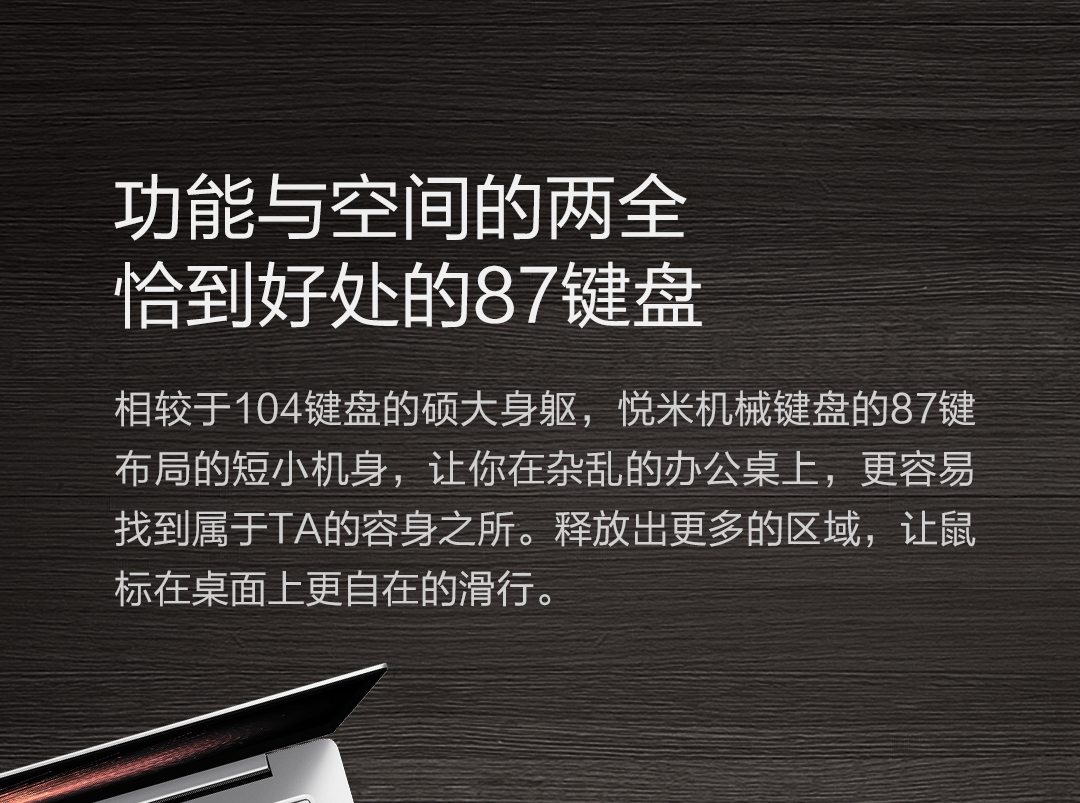
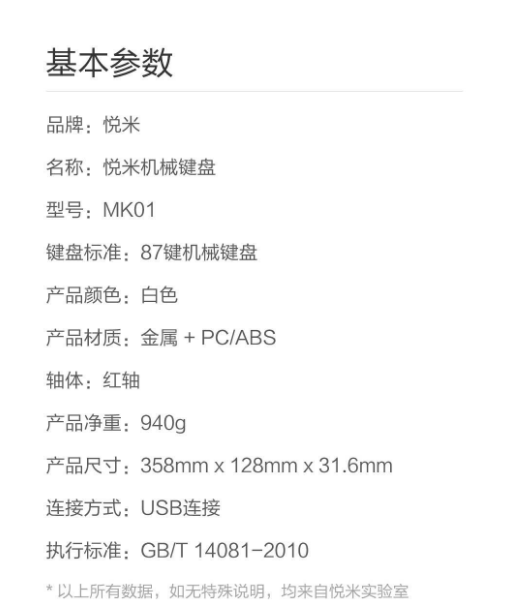
The keyboard has 87 keys and keeps the dimensions at 358mm x 128mm x 31.6mm and weighs 940g. The keyboard has a 6-layer design and the body is made of an H32 aluminium alloy steel with an excellent finish and offers more wear resistance.
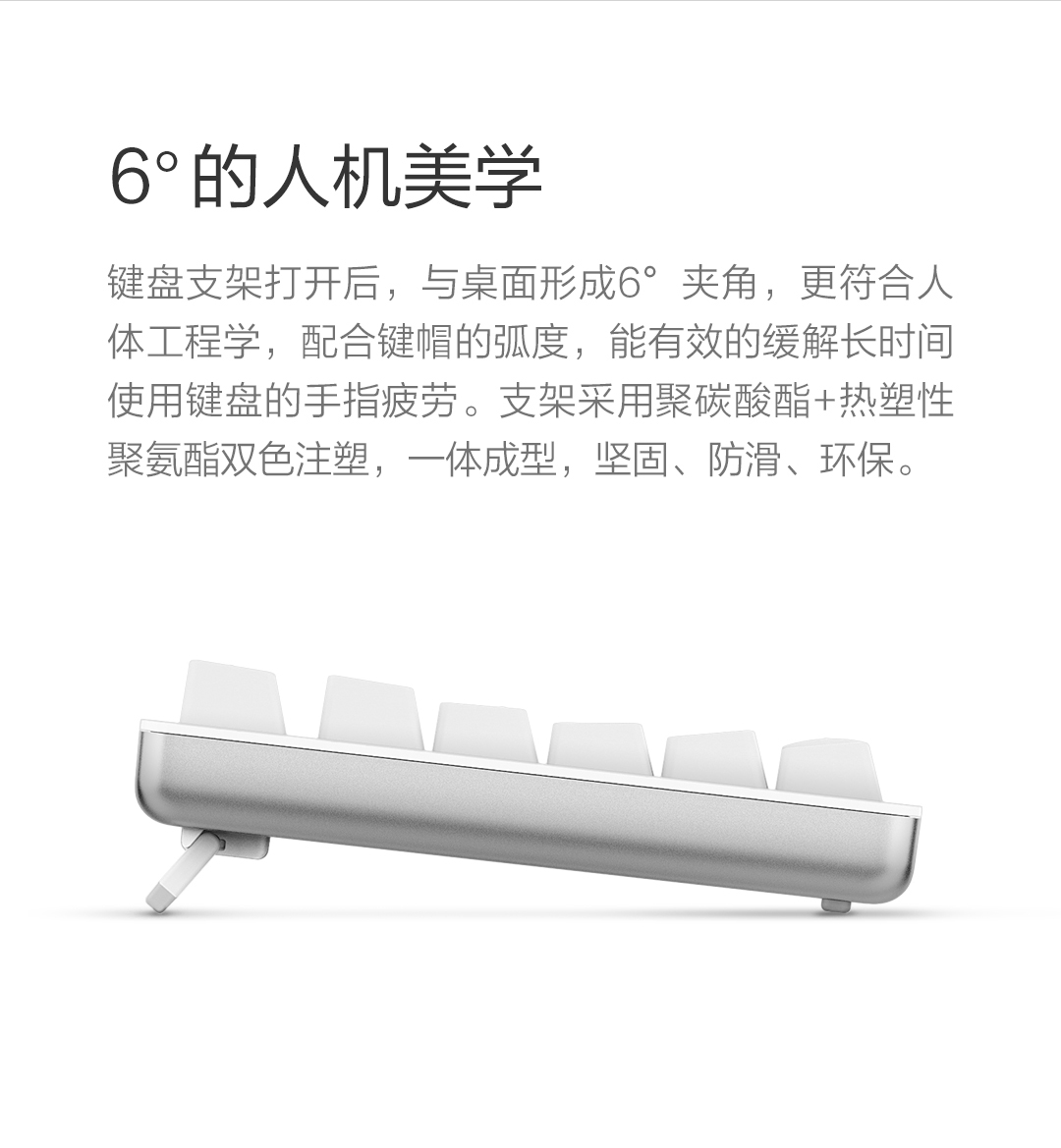
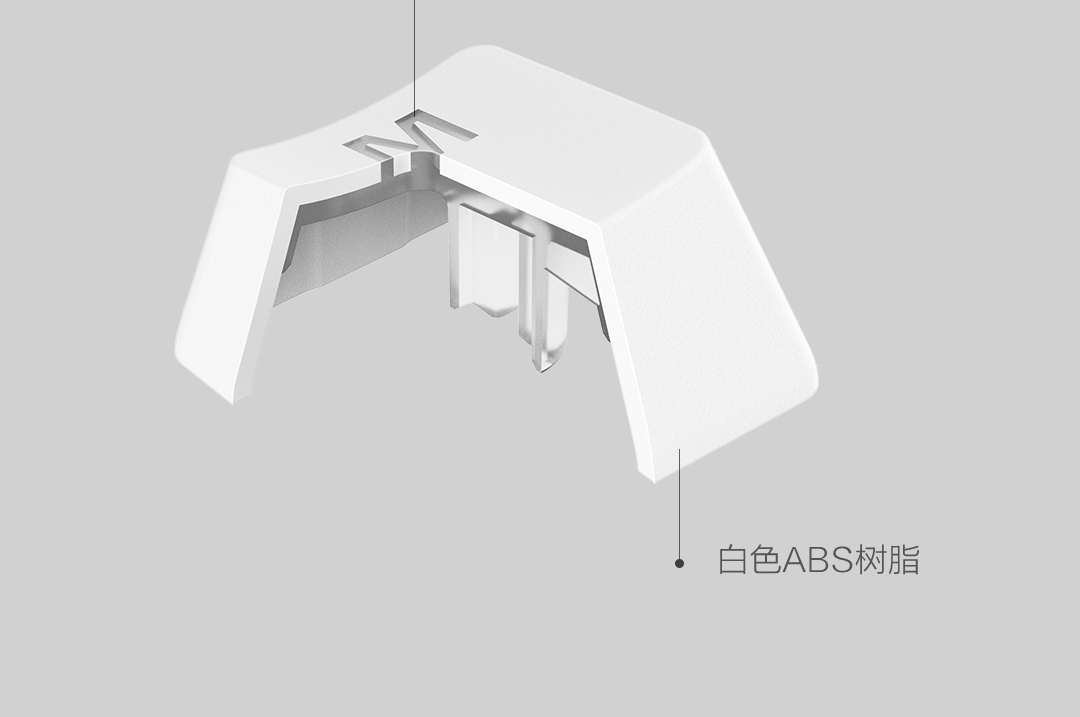
The keyboard is designed to be ergonomic, sporting a stand that props it up to an angle of 6° preventing your hands from aching wen using it for long hours. Its key caps are made of translucent poly-carbonate + ABS resin white color design. The characters printed on the keys are wear resistant and the caps can be replaced, allowing owners customise it to their preference.
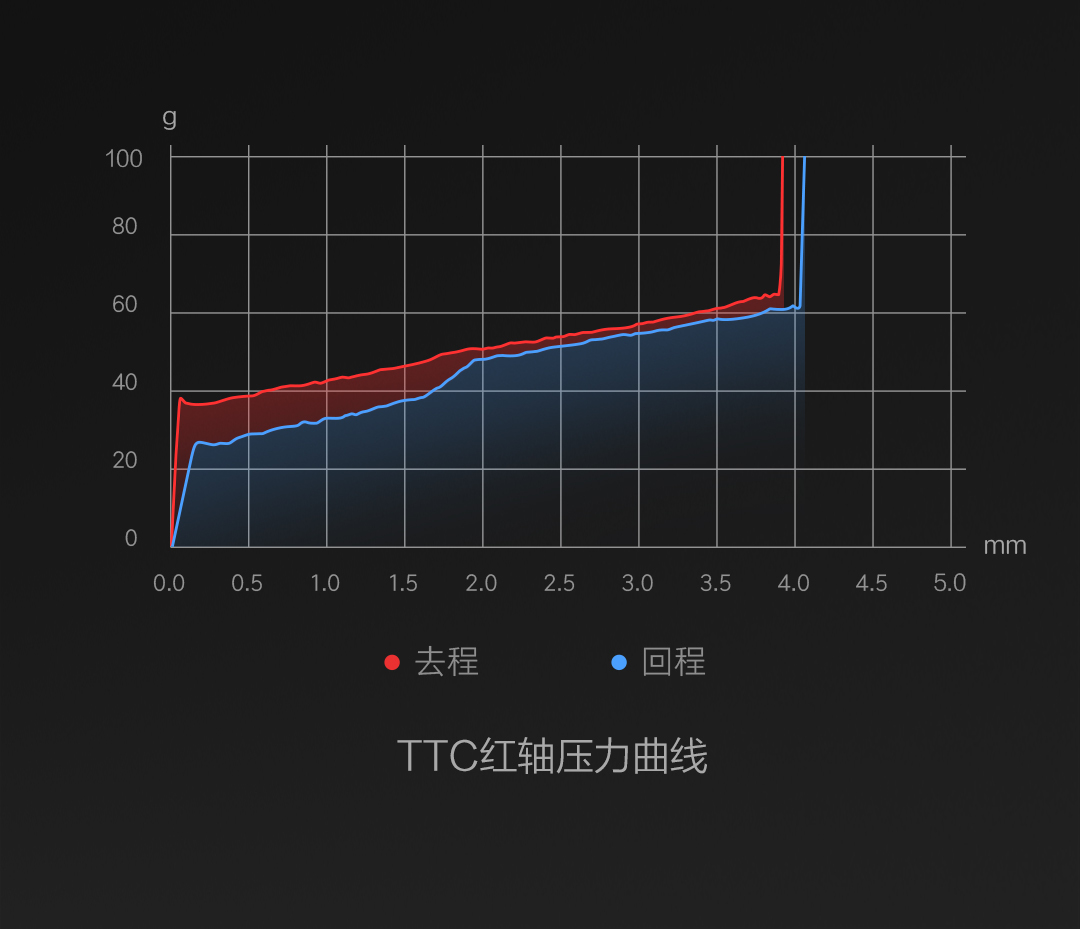
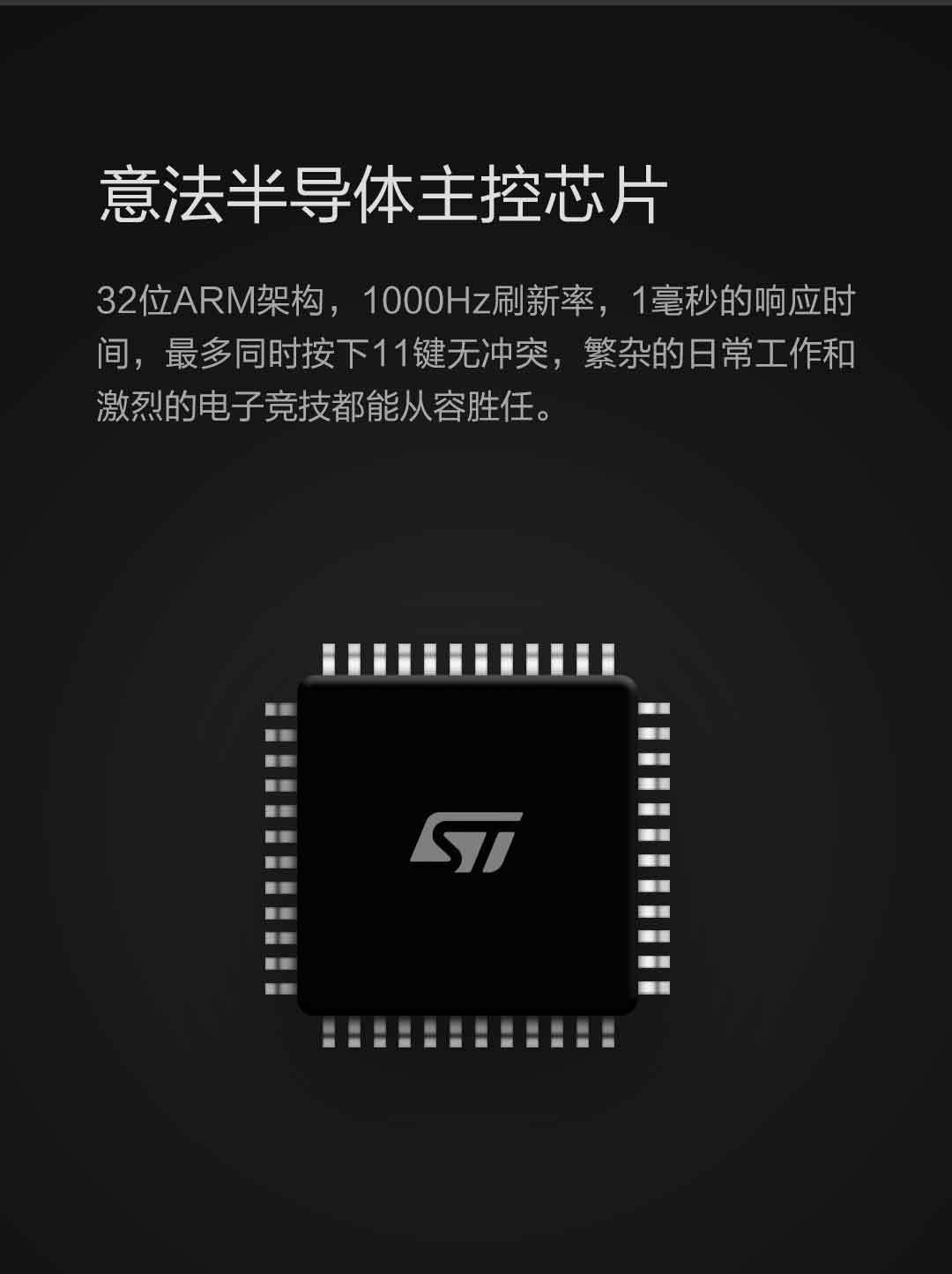
The TTC Red Switches can withstand up to 50 million hits and is suitable for gaming. There is also a 32-bit ARM architecture STMicroelectronic master chip on board with a 1000MHz refresh rate, 1ms response time and support for up to 11 key presses without contradictions.
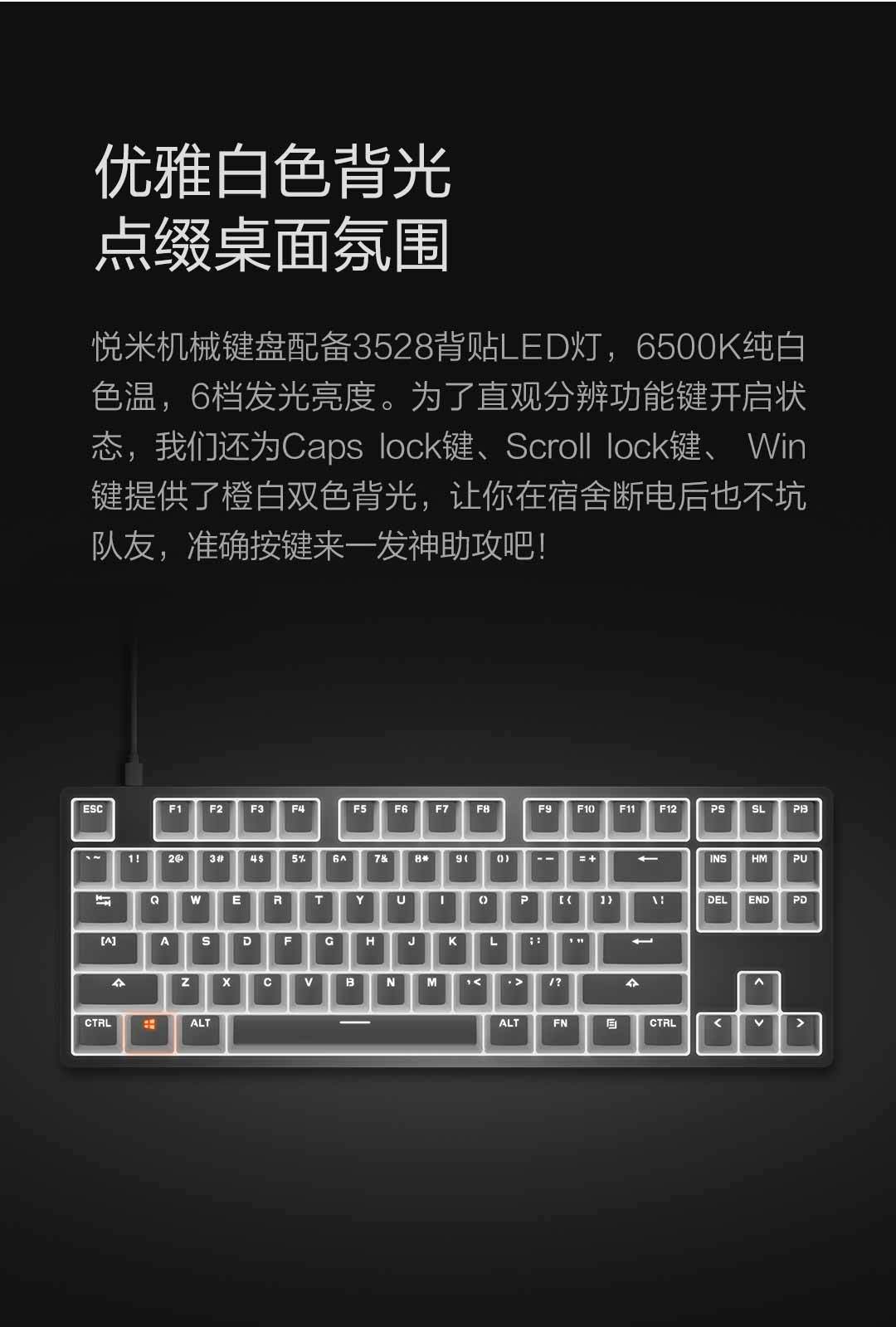
The keyboard is fitted with 3528 LED lights with a 6-level brightness. You can choose the lights t0 be all-white or configure it to display an orange-white hue. It comes with basic keys like the windows button key, caps lock key, scroll lock key, and function keys. If you are interested, you should head over to the fundraising page here but note that shipping is expected to start until November 29.
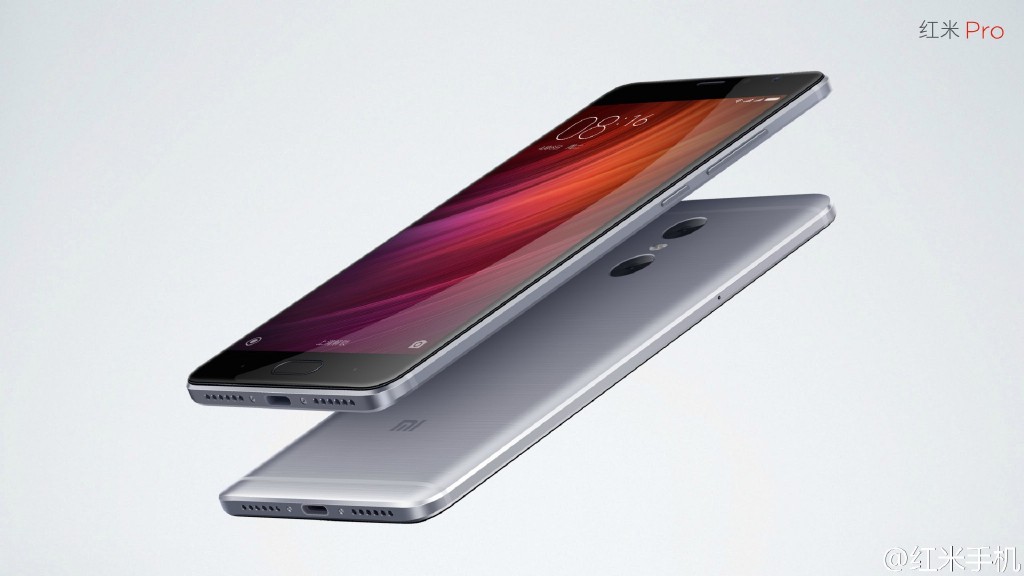
In a surprising twist to its current set up, Xiaomi has announced a new price for the Redmi Pro which was released a couple of months back as the company’s first dual cameras sporting device. The Xiaomi Redmi Pro price started at 1,499 Yuan ($225), coming in as Xiaomi’s costliest Redmi handset till date. Now the device will be available for 1,099 Yuan ($163) for the lower version with Helio X20, 3GB RAM + 32GB ROM, that’s a huge 400 Yuan off!
Not only that, the higher storage version with Helio X20 SoC, 3GB RAM + 64GB ROM has also been slashed downwards to 1299 Yuan ($193) from its previous 1699 Yuan price tag. In addition, the top-end Redmi Pro version with Helio X25 chips, 4GB RAM + 128GB of built-in storage which hitherto retails for 1999 Yuan ($300) now starts at 1599 Yuan ($237).
This is coming a bit as a surprise as no reason was given for the price cut across board but it may be connected to the launch of the Huawei Honor 6X which also features a dual camera set up and is moderately priced. Sales of the Xiaomi Redmi Pro would commence on October 19 at 10 am via Mi mall, and Mi Home.
As a reminder, the Xiaomi Redmi Pro was released with an all new CNC brushed metal body design, equipped with the MediaTek Helio X25 on the topmost version with 4GB RAM and 128GB of internal storage. There are two other versions, both with Helio X20 chips, 3GB of RAM and then 32GB ROM as well as 64GB ROM respectively. The device also sports a 13MP main camera and 5MP depth of field sensor at the rear, with a large 4500mAh battery keeping the lights on.
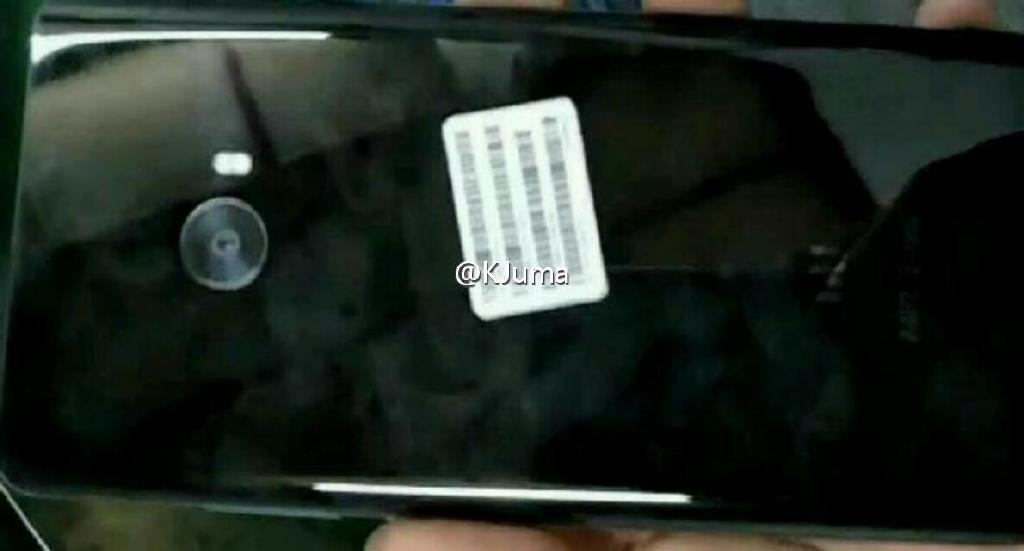
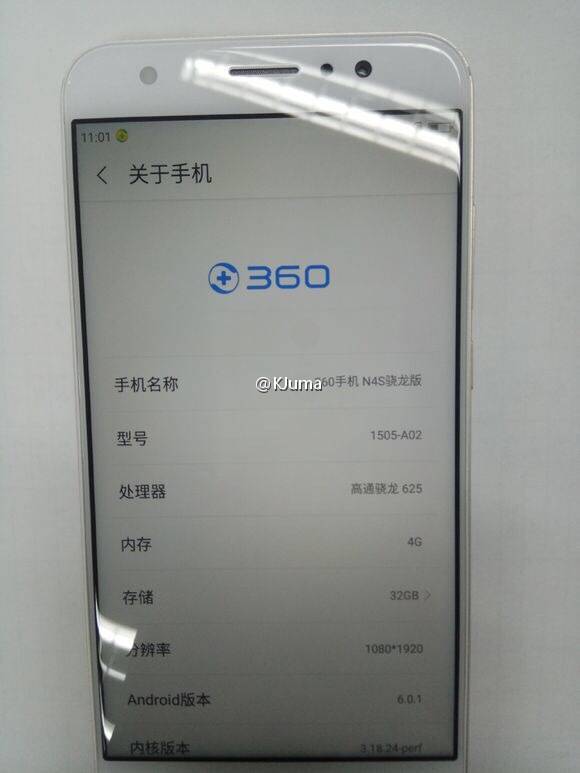
We reported 360 Mobiles was working on releasing two versions of the 360 N4S: one with a Snapdragon 625 chip and the other with a Helio X20 processor. Popular leaker @KJuma has posted a real life image of the Qualcomm version of the phone confirming most of the details leaked before.
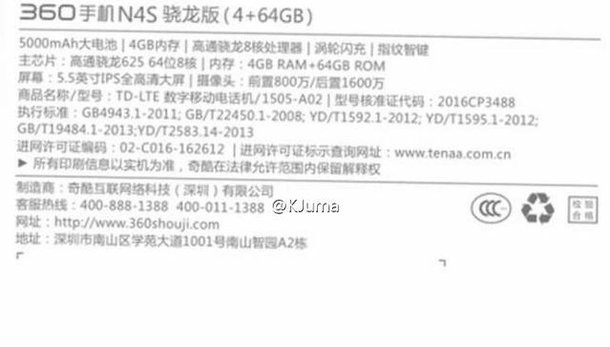
The image of the 360 N4S apart from confirming the snapdragon 625 SoC, also shows the phone has 4GB of RAM and 32GB of storage. A leaked pack of the phone listed it has having 64GB of storage, we want to assume there will be two storage options.
The phone runs Android 6.0.1 Marshmallow and has a Full HD display said to be 5.5-inches. If you look closely, you can even see the 2.5D curve of the display, but that black line around the screen isn’t going to go down well with folks especially on this white version. The phone also appears to be sporting a front flash allowing for better selfies in the dark.
Other details not confirmed yet include the 5000mAh battery which is rumoured to feature fast charge that lets it charge from zero to hundred percent in 2 hours; the 16MP rear camera; and the 8MP front-facing shooter.
The 360 N4S is expected to be released later in October for about 1199 Yuan ($178). At that price it will have to contend with the likes of the Cool1 Dual and the Redmi Note 4.
Huawei released the brand new Honor 6X mid-range smartphone at an official event a few hours ago. We have been hearing about the phone for the past few weeks and a recent TENAA listing confirmed its specs as well. But now, everything is officially out, revealing the full details about the product.
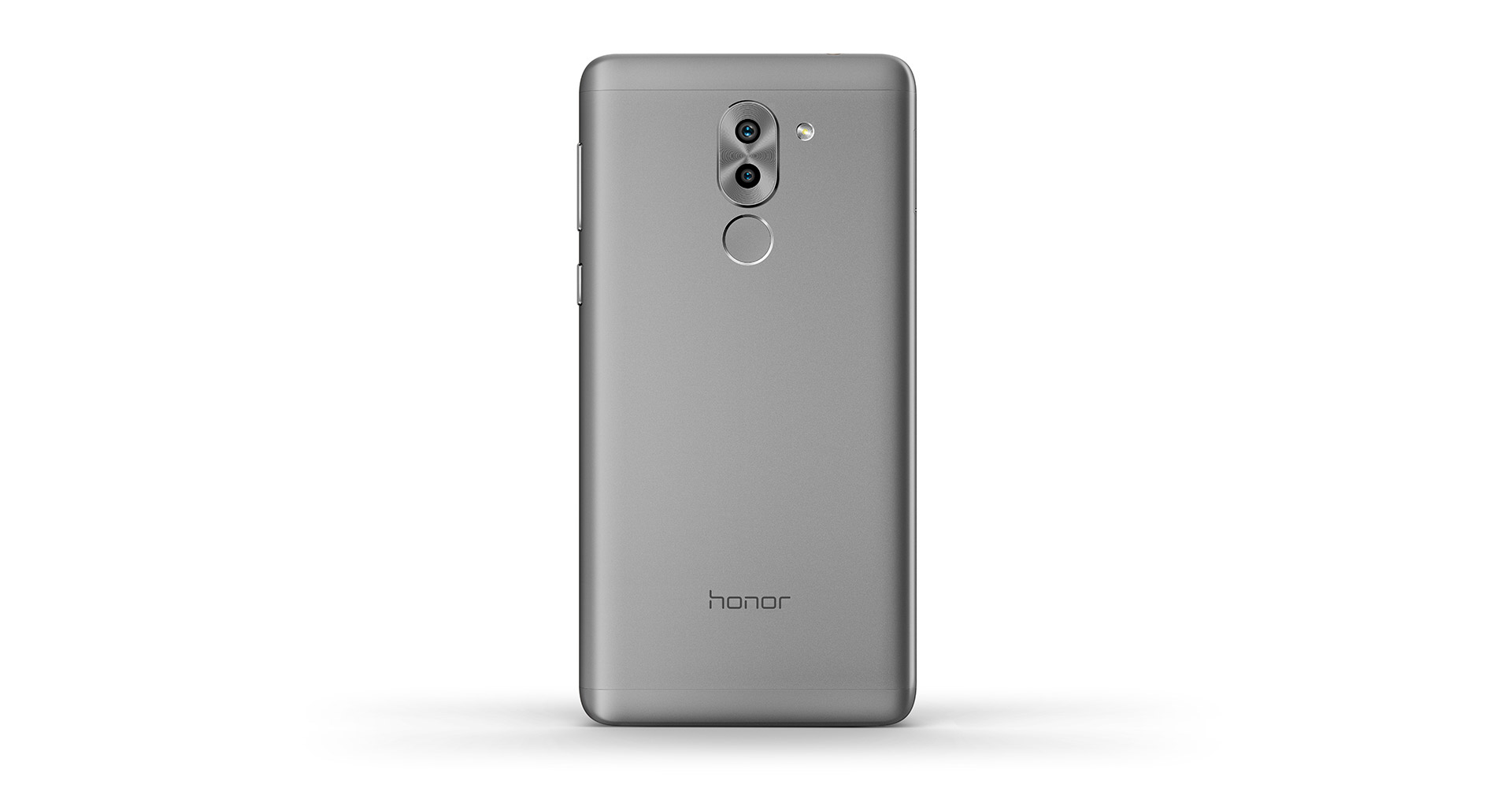
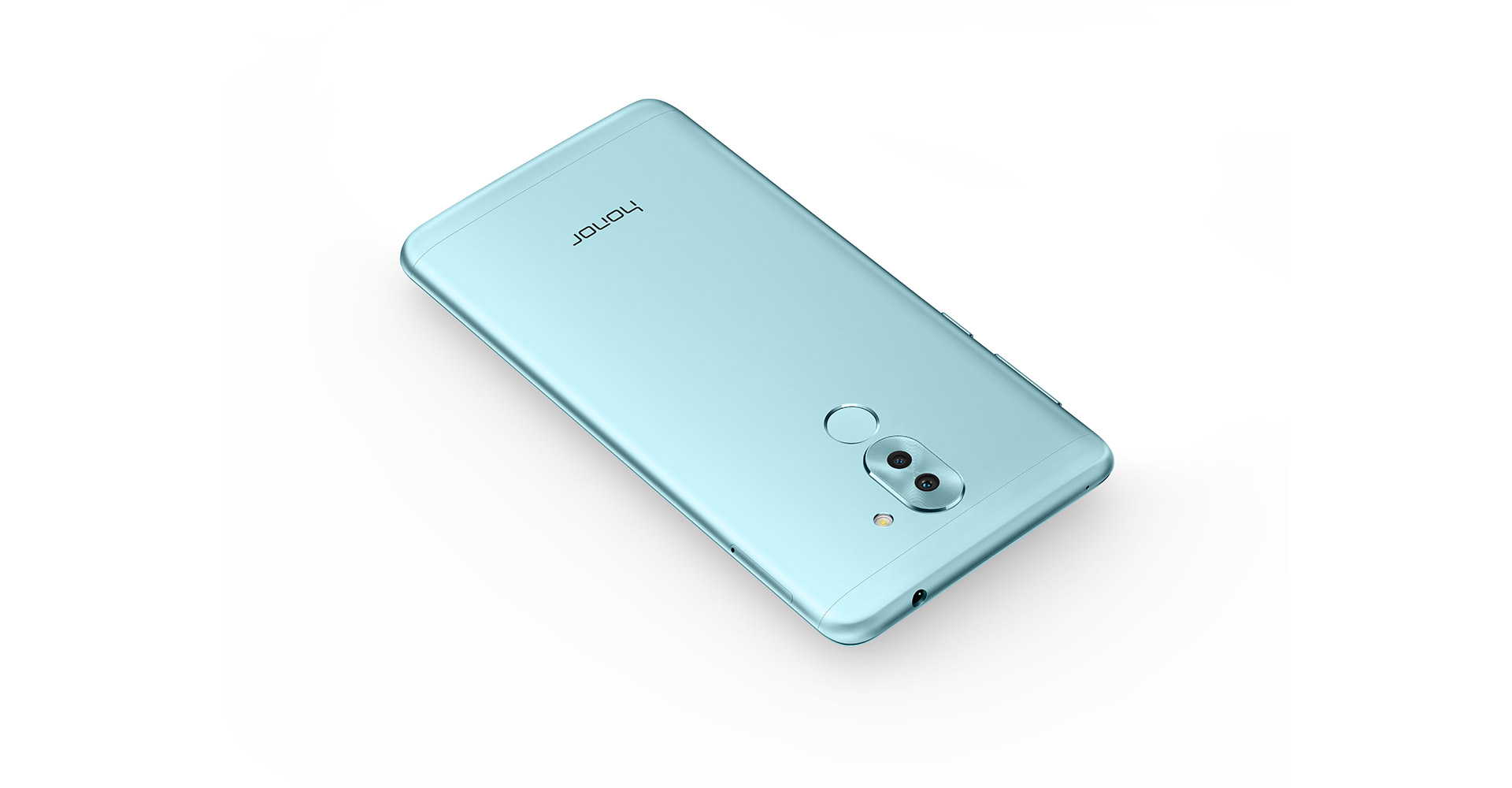
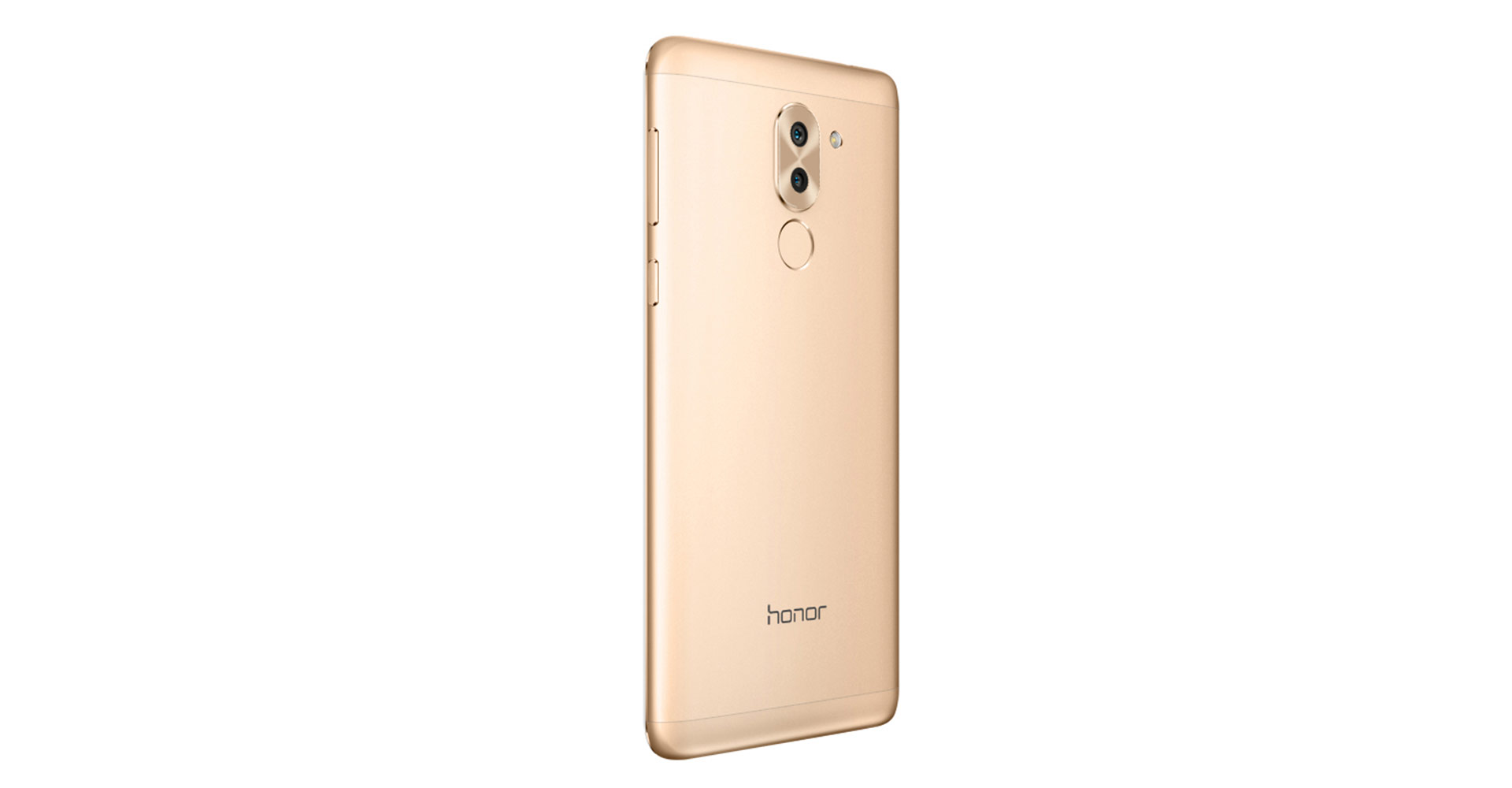
The Honor 6X comes with an all metallic built, with 2.5D glass on the front. The corners of the phone are smooth and for its cheap pricing, the phone looks premium. It’s compact with the following dimensions: 150.9 x 72.6 x 8.2mm and weighs 162 grams. The company is offering five different colors for the phone namely gold, rose gold, silver, gray, and navy.
As for the specs, the Honor 6X is powered by the Kirin 655 octa-core chipset clocked at 2.1GHz with Mali-T830 MP2 GPU. This is definitely very good enough for a budget smartphone. The display is of 5.5-inches with 1080p resolution. There are 3GB / 4GB RAM and 32GB / 64GB ROM options available. At the back, the phone features a dual camera setup consisting of one 12MP primary sensor and another 2MP secondary sensor. Up front, there is an 8MP camera. Inside, the phone features a decent 3340mAh battery. As for the software, the device runs on Android 6 Marshmallow with Emotion UI 4.1 on top. Other features include fingerprint sensor at the back, dual SIM dual standby, 4G LTE, WI-Fi n and GPS.
The 3GB + 32GB version starts at just 999 Yuan ($149), 4GB + 32GB at 1299 Yuan ($193) and 4GB + 64GB at 1599 Yuan ($238). The phone will go on sale on October 25 in China. No details about international release available yet.
Apart from phones, Xiaomi also makes a lot of household gadgets which includes TVs. Less than a month ago, they announced a 65-inch 4K TV priced at 5999 Yuan ($890). Today the company has launched a 60-inch version of the Mi TV 3S which apart from being smaller also costs less (You get to save $200).
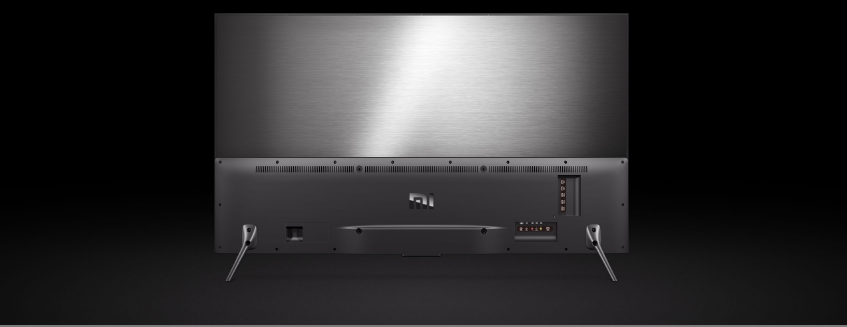
Xiaomi used the same design found on the 65-inch version on this model, so you get the same ultra-thin body, diamond pattern aluminium frame, and brushed-metal back. The 4K IPS display made by LG, supports HDR and has a wide colour gamut allowing it to display videos and images in rich saturated colours. The 60-inch Mi TV 3S also has Dolby Audio and DTS Surround Sound.
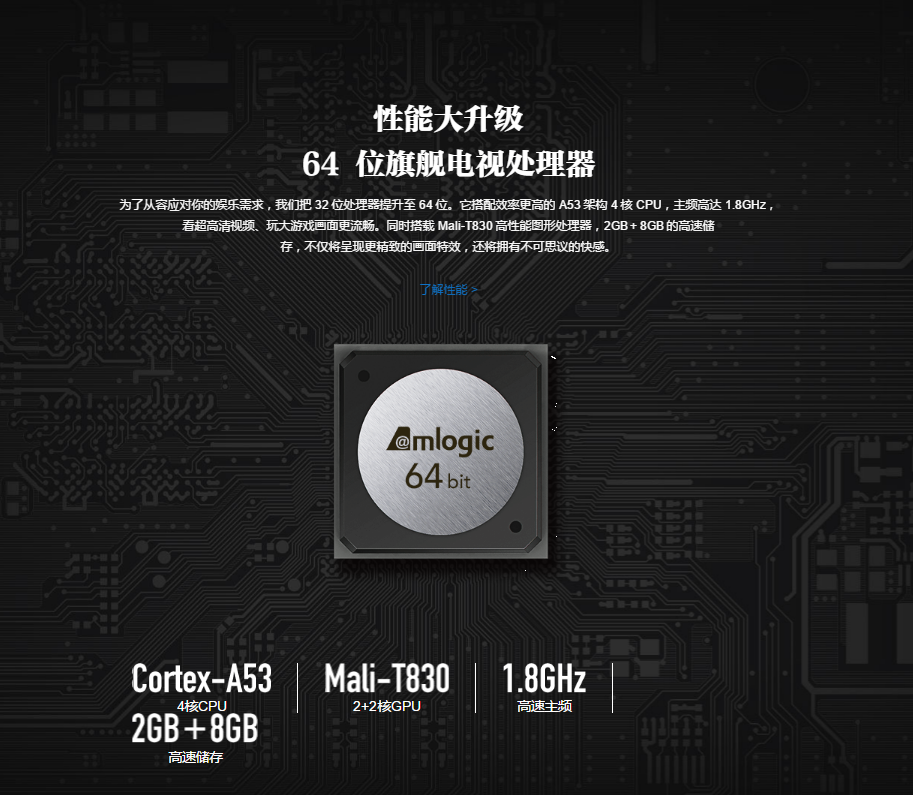
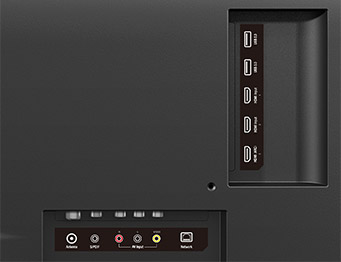
The 60-inch Mi TV 3S is equipped with a 1.8GHz Cortex-A53 Alogic T968 quad-core processor, 2GB of RAM, 8GB of storage, dual-band WiFi and Bluetooth 4.0. There are 3 HDMI ports, 1 USB 3.0 port, 1 USB 2.0 port and the regular AV ports for connectivity.
For $668, that is not a bad price unless you want the model with the built-in home theatre which sells for way more, but the standard 65” version doesn’t offer much difference.
Ahead of the October 25 launch of the Xiaomi Mi Note 2, what is likely the price tag of one of the versions of the device has leaked online. The leak which originated from Weibo gave the idea of the high-end version of the Mi Note 2 carrying a price tag in the region of 5699 Yuan, such a huge one.
Although the source cannot be verified as being authentic but if it turns out to be true, the Mi Note 2 would be on a league of its own. The 5699 Yuan price would make the device the highest priced Xiaomi phone till date. Xiaomi has a reputation for turning out well studded devices that carry very cheap price tags. But then the Mi Note 2 is rumored to feature a spectacular specs line-up one of which Xiaomi has confirmed would be a curved display. Now that’s not just going to be a curved display, as the device is said to use a flexible curved display supplied by LG. Apart from that, there are likely other cutting edge technologies which Xiaomi would likely unveil with the Mi Note 2. The Xiaomi Mi Note 2 is coming out with a spectacular design that it has been tipped as Chinese version of the ill-fated Samsung Galaxy Note 7, not in its fate but in the design. Who knows, some disappointed previous Galaxy Note 7 owners might as well find succor in the Mi Note 2.
There may likely be two versions of the device and earlier rumors pegged a 4000 Yuan price tag on the device but that rumor wasn’t specific on the version that would have that price. But if the high-end version of the Mi Note 2 carries a 5699 Yuan price tag as rumored, the other versions would be priced less.
Interestingly, Xiaomi instituted a poll to get fan’s opinions about the likely price tag of the device with three options on the table namely 4,999 Yuan, 5,999 Yuan and 6,999 Yuan. As would be expected, majority of the respondents chose the lowest price tag of 4,999 Yuan. In the long run, the online poll may not count but it has afforded the company an idea of what fans want.
In the past few years, we have seen the Chinese tech giant, Huawei, aggressively market its smartphone inside China as well as internationally. What was once an unknown name in the international markets, today, Huawei has its presence in a lot of global markets including US. The rapid expansion of the company’s target markets as well as the release of quality smartphones have helped the company grow into the third largest smartphone maker in the world.
Last year, we reported that Huawei had crossed 100 million smartphone shipments by the end of the year. Now, it looks like the company has made even greater progress as Huawei revealed recently that it had shipped over 100 million smartphones already. Considering that it’s just October right now, this is indeed a great achievement and it looks like Huawei is all set to cross 120-140 million shipments mark this year.
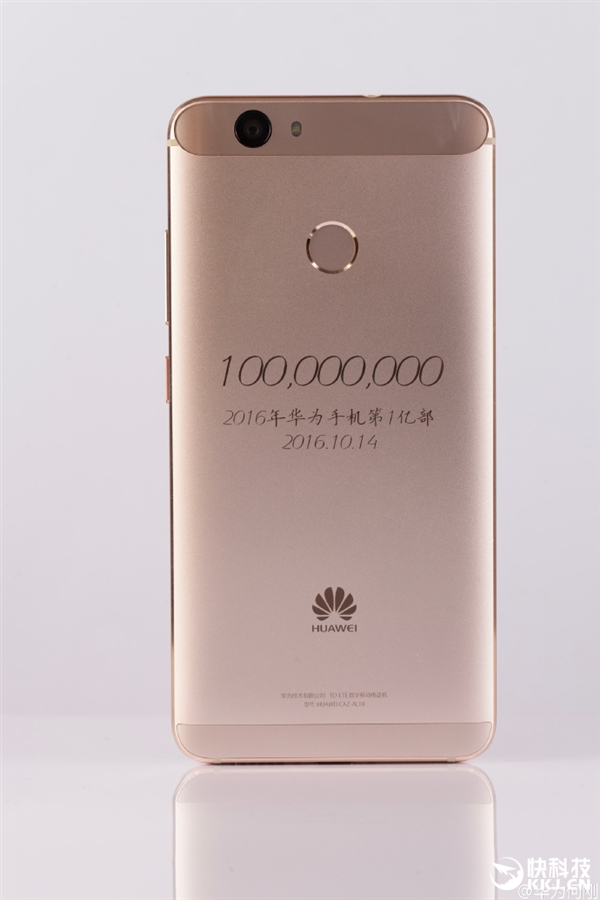
It turns out, Huawei’s newly released Nova smartphone would become its 100,000,000th phone to get out of the assembly line. So, that particular model gets a special 100,000,000 marking at the back along with the date of production, 14 October 2016.
Huawei has been doing pretty well in the high-end segment this year, with the company’s Huawei P9 and P9 Plus ranking first in the Chinese market in the 3000-4000 Yuan price range. The company earlier reported that the sales of both these two premium devices exceeded 8 million units. Further, with the help of its cheaper phones, the company managed a market share of 17.7% in the first half of 2016, ranking it first in the Chinese market.
You can check out the long image down below for detailed figures.
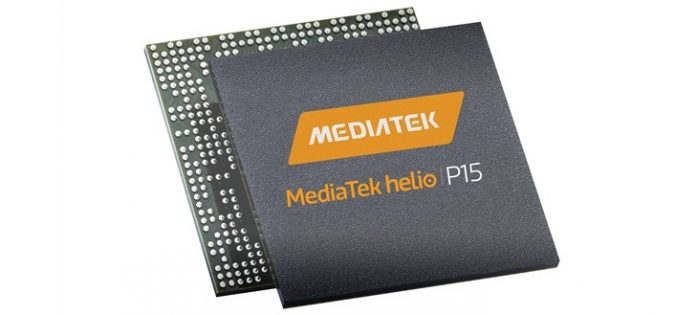
Taiwanese chip maker, Mediatek, announced a new chip today. The new SoC called the Helio P15 is an upgrade to the Helio P10 released last year. The new chip is still built on the same TSMC 28nm HPC+ process and uses the same eight A-53 Cores as the P10. But what’s new about the Helio P15 is what is important.
The new chip has a higher clock speed of 2.2GHz and its Mali-T860 GPU also gets clocked higher at 800MHz compared to the 2.0GHz and 700MHz CPU and GPU clock speeds of the Helio P10. So this new chip offers a 10% increase in performance. However, Mediatek says the P15 offers a more optimal power performance. Mediatek didn’t reveal any new details about the modem, so we are assuming it still remains LTE Cat-6.
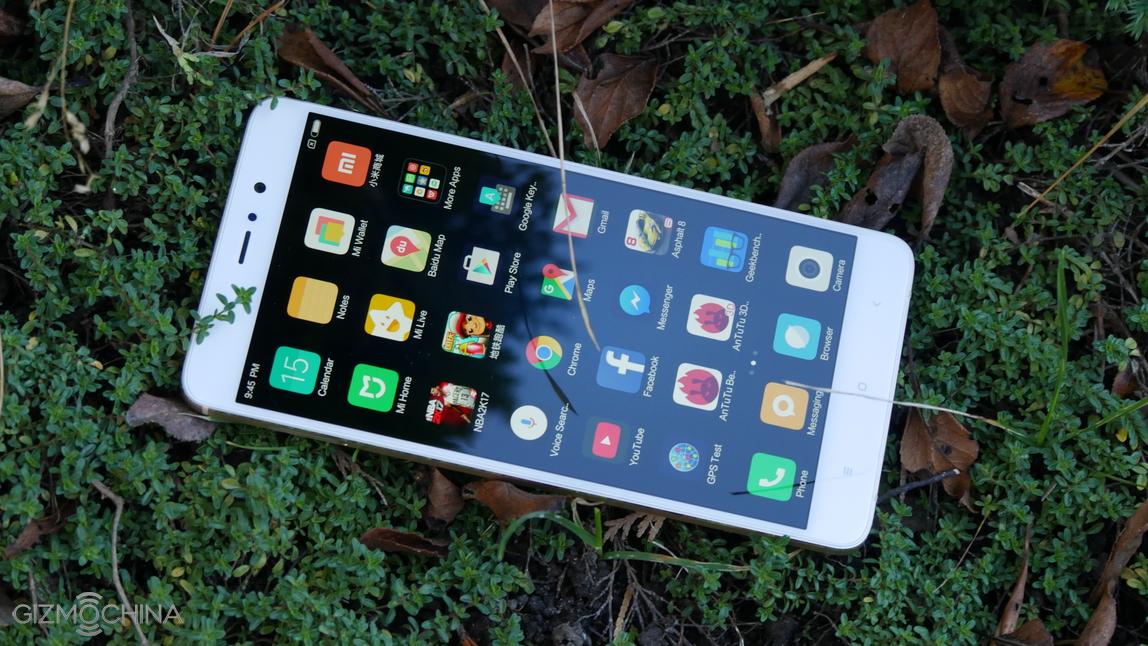
Xiaomi has been on a roll recently and the Mi5s Plus is one of the most powerful and beautiful smartphones the company has ever made. It costs just $400 but given its spec-sheet, the phone can rival even the most expensive flagships. Is this the case? Learn more in the full Gizmochina’s review.
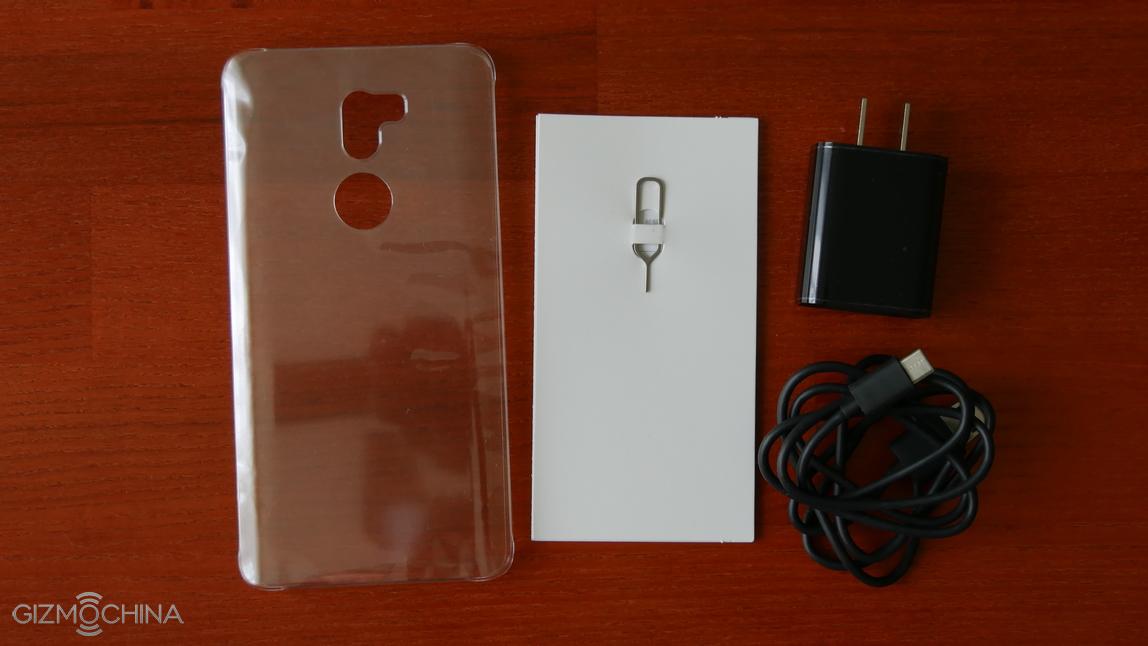
In the box, you can find all the usual items you would expect to come with any phone. A nice touch is the included hard plastic case to protect your investment.
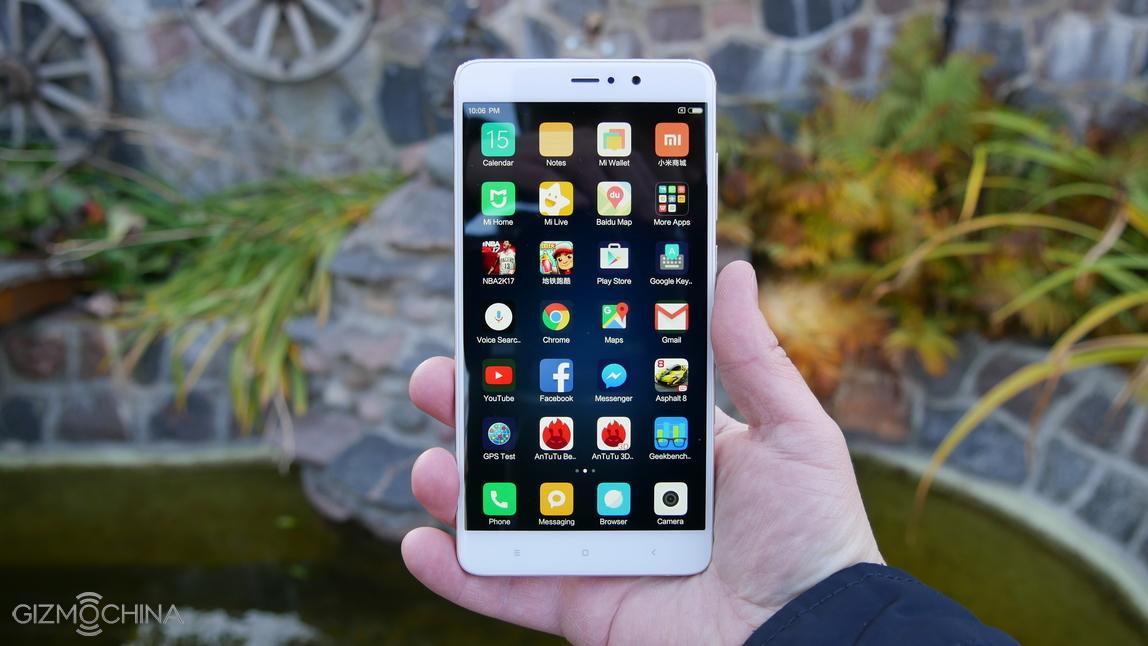
As the name implies, the Mi5s Plus is a larger phone that the regular Mi5s and that is mainly due to its 5.7” 1080p display. It would have been nice to have a 2k resolution panel but the display is still plenty sharp, bright and detailed.
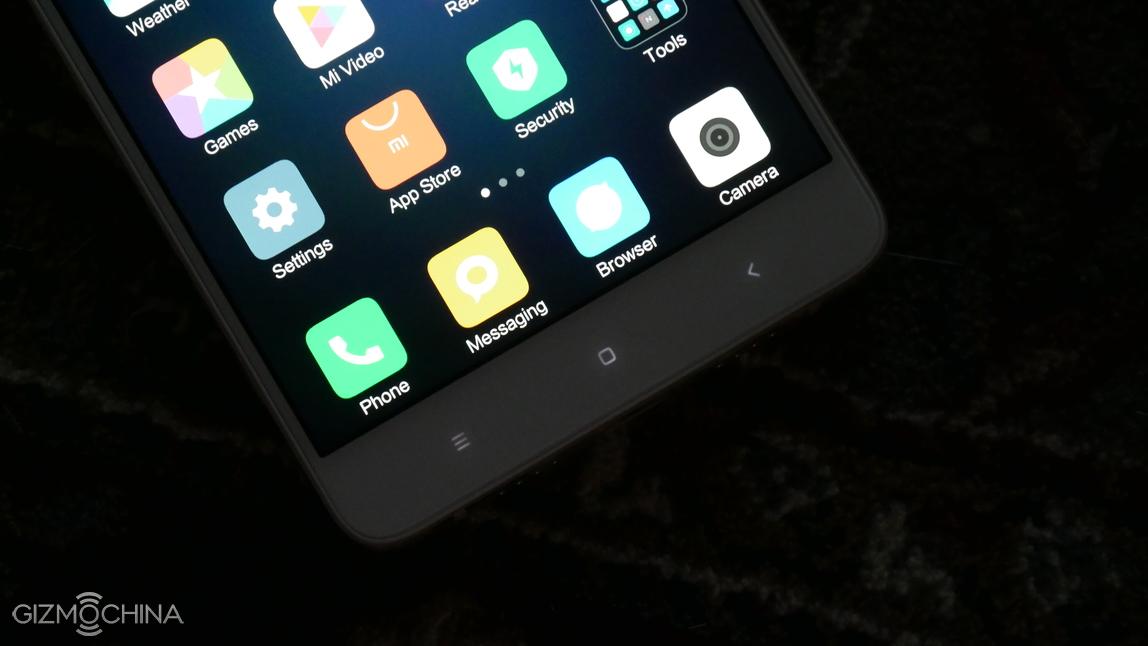
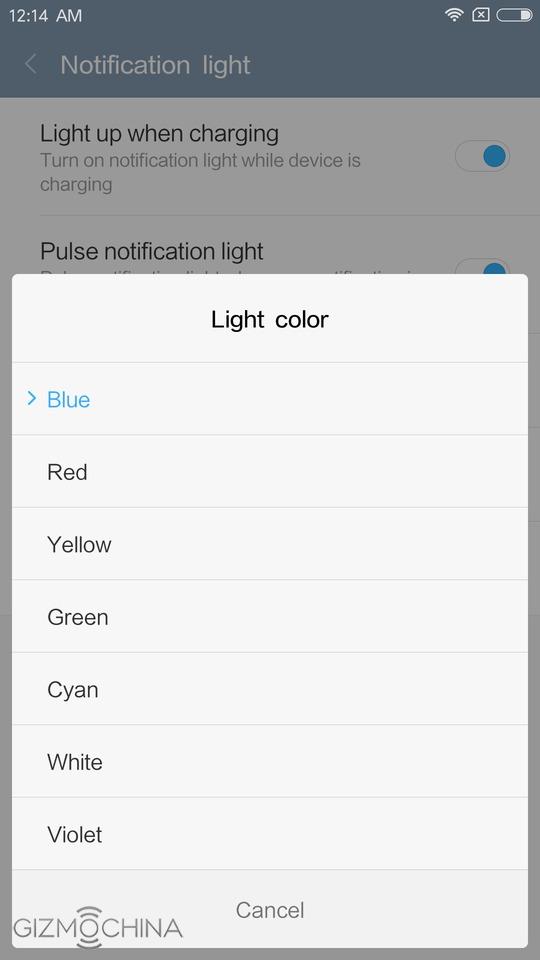
We have nicely backlit capacitive buttons and a highly customizable notification LED light, which sits next to the 4MP Ultrapixel selfie camera.
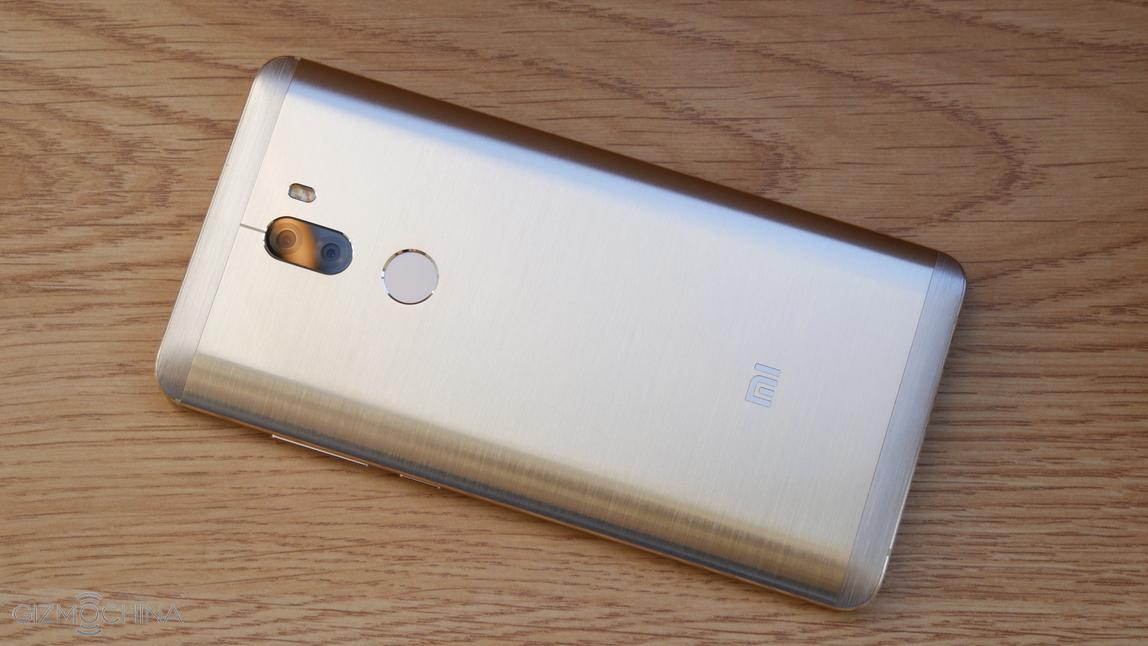
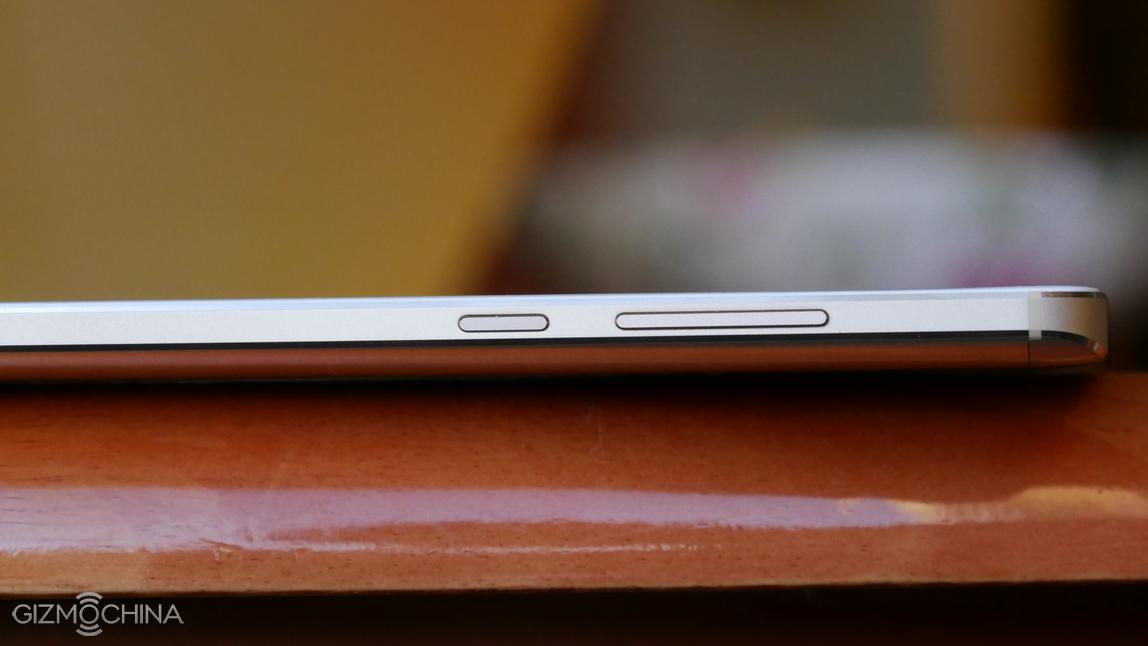
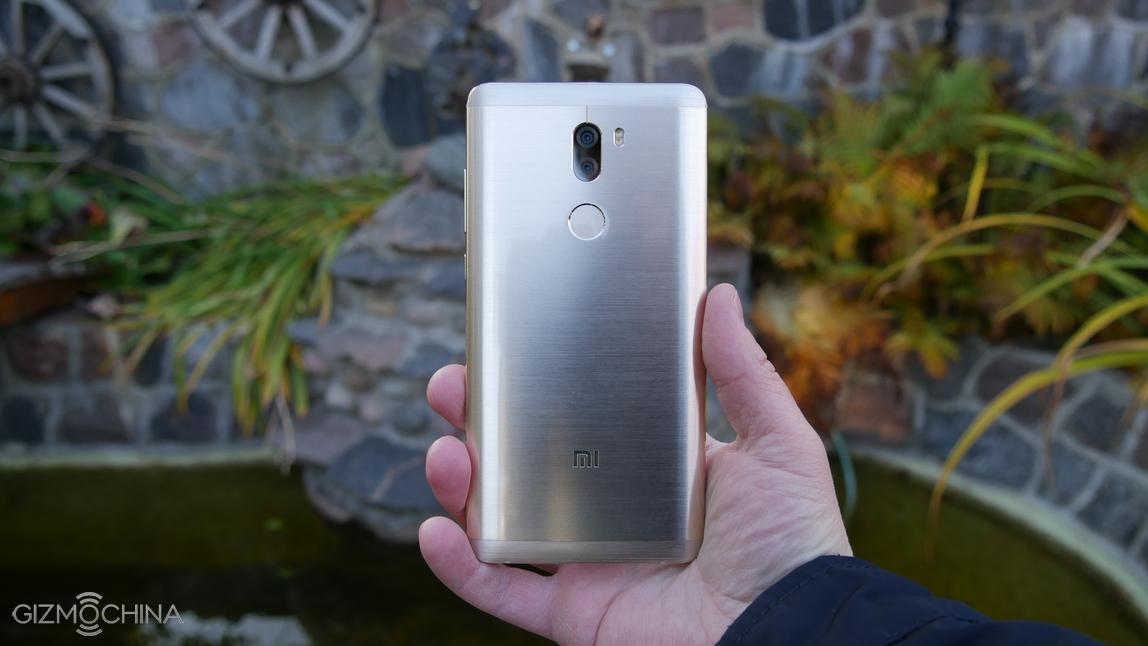
The device looks and feels like an expensive phone. It is all-metal (except for the top and bottom parts for antennas).
Also, the build quality is top-notch. There are no moving parts or rattling buttons and it is just nice to hold the phone in the hand despite its huge footprint.
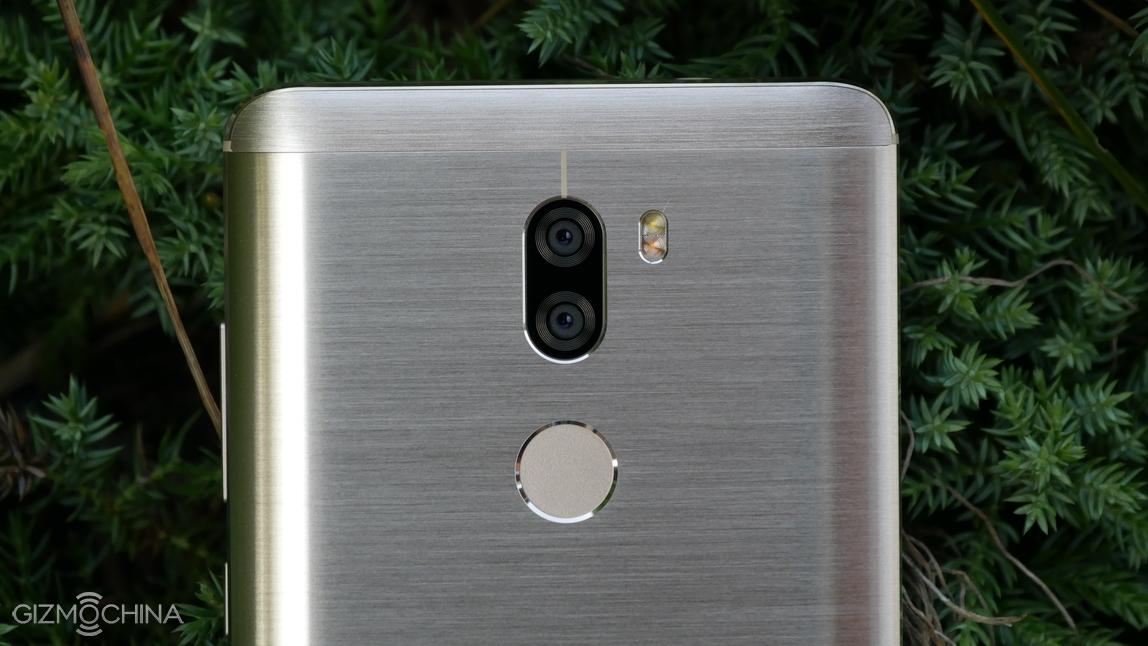
The Mi5s Plus has 2 13MP cameras with f/2.0 aperture and PDAF. The first is a regular shooter and the other is a monochrome sensor that takes images in black and white. We also have a dual tone dual-LED flash for night photography. However, there is no OIS onboard, which is a shame for the Xiaomi’s flagship phone.
Just below the camera setup, we have a super fast and accurate fingerprint sensor that can unlock your phone straight from the standby mode.
I really like the balanced and rich sound that is coming out of the loudspeaker, which can also get pretty loud.
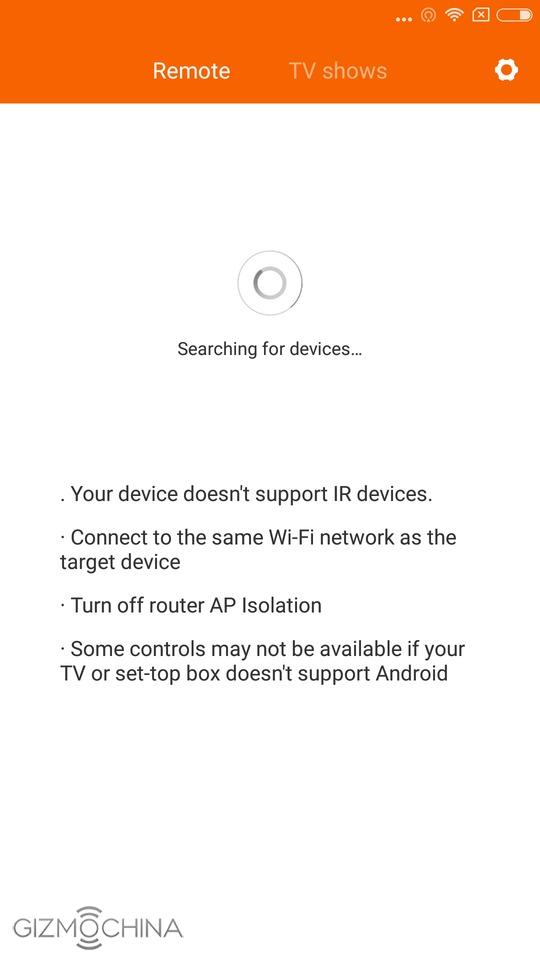
The Xiaomi brought the IR blaster back to control the devices like TVs. The sound via the headset jack is pretty good too.
Xiaomi Mi5s Plus design gallery:
Xiaomi Mi5s Plus Review: HARDWARE and PERFORMANCE
The Xiaomi Mi5s Plus packs some serious hardware components that sound very impressive on paper.
I have the high-end model that sports a brand new Snapdragon 821 chip, 6GB of LPDDR4 RAM and whopping 128GB UFS 2.0-based storage.
You can also opt in for a lower-end model that has 4GB of RAM and 64GB of storage. It’s actually a bit funny that we are talking about the lower-end model with these kind of specs.
As expected, the 3D gaming performance is just excellent. No matter what kind of games you play on the Mi5s Plus, the phone just flies and it is just a pleasure to play games on a huge display. Finally, the phone does not have any overheating issues. See a video review for gaming performance.
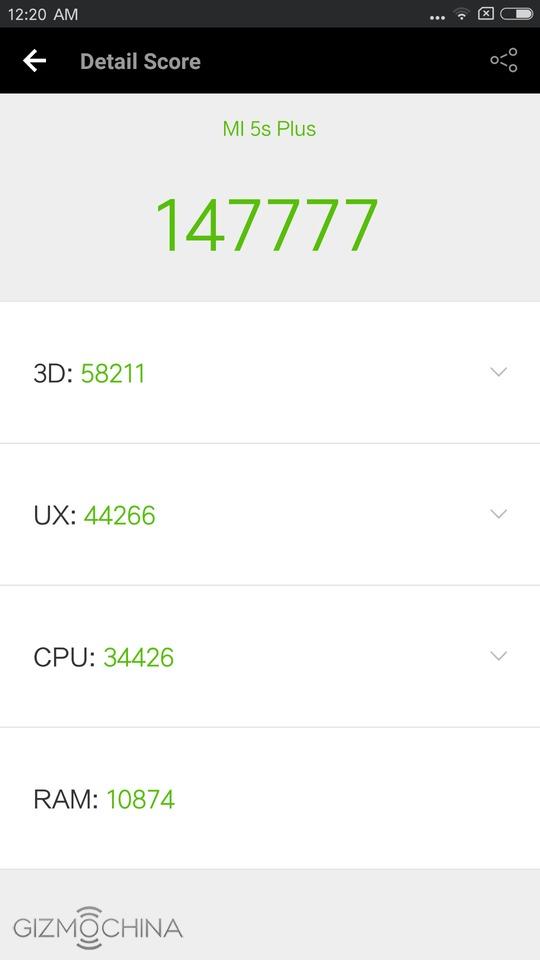
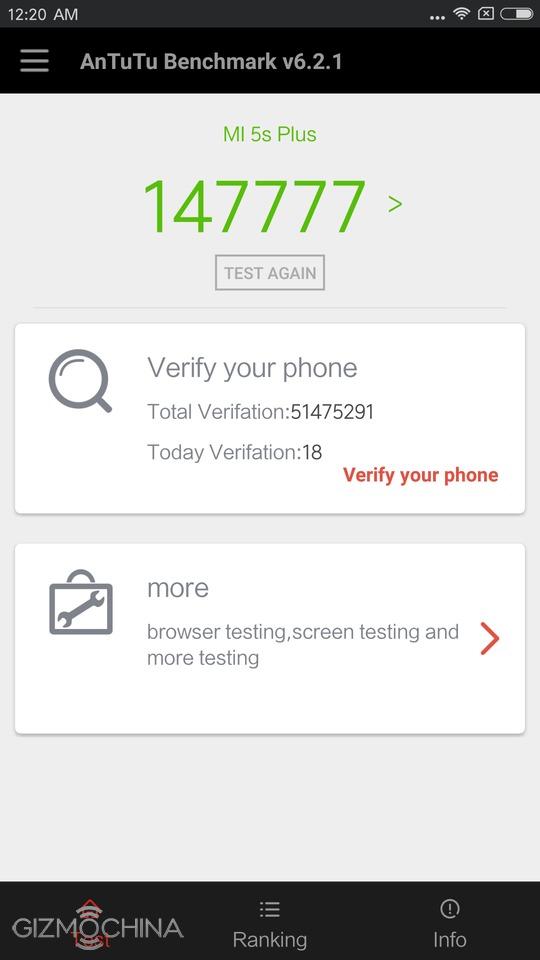
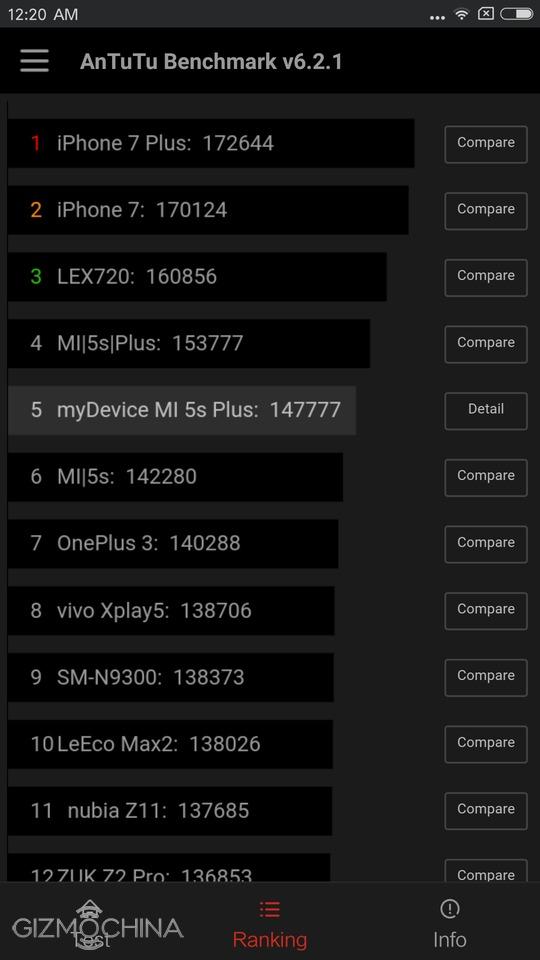
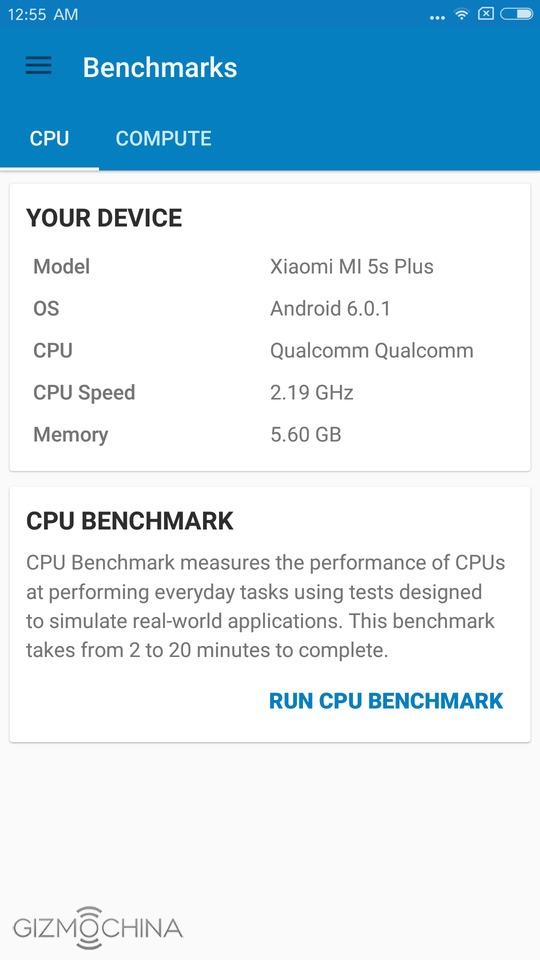
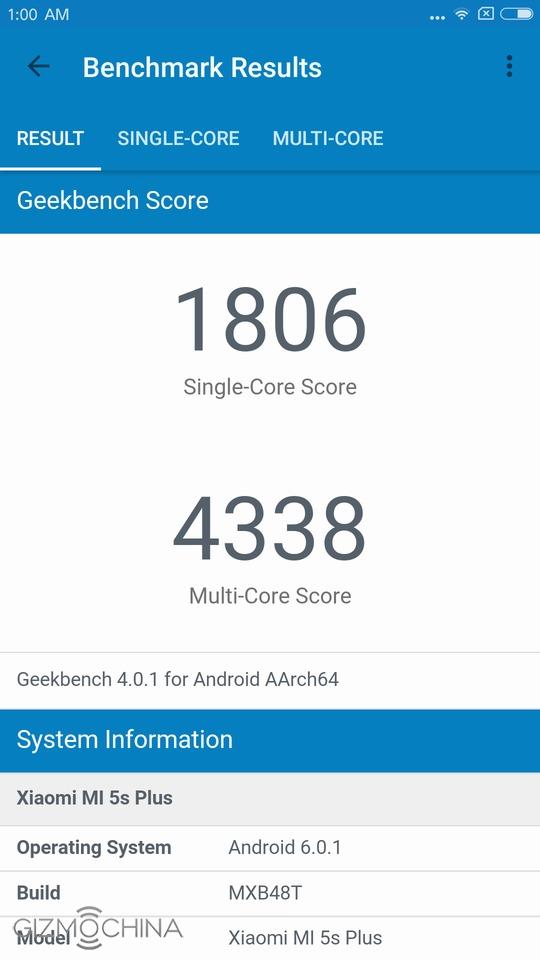
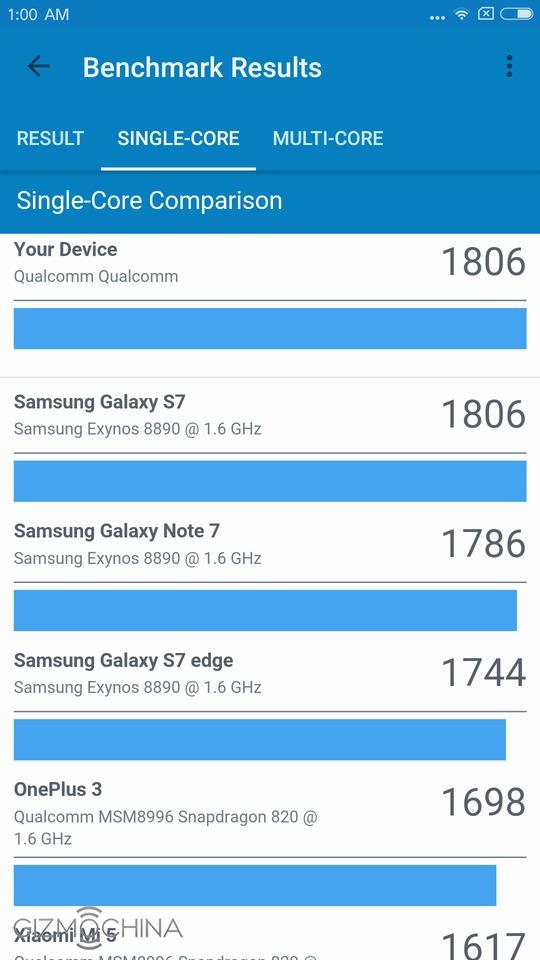
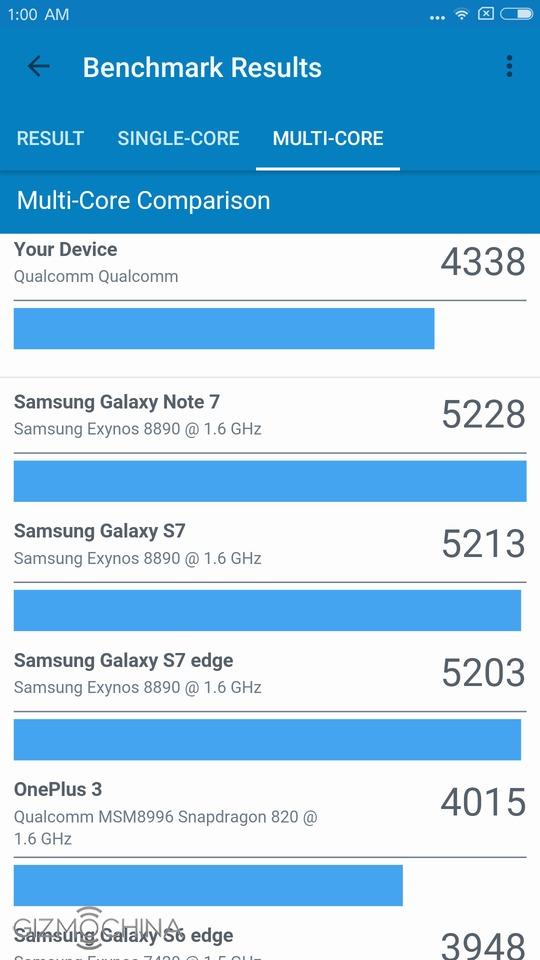
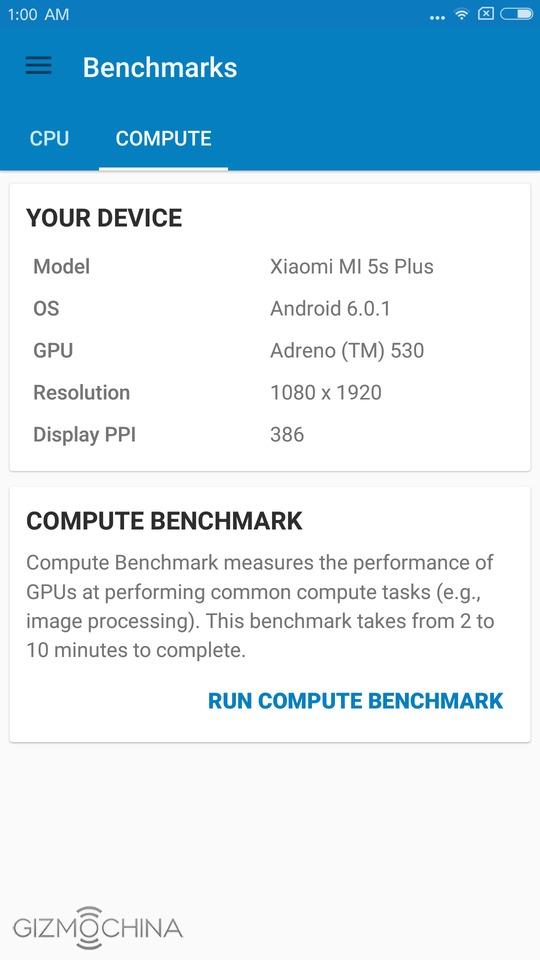
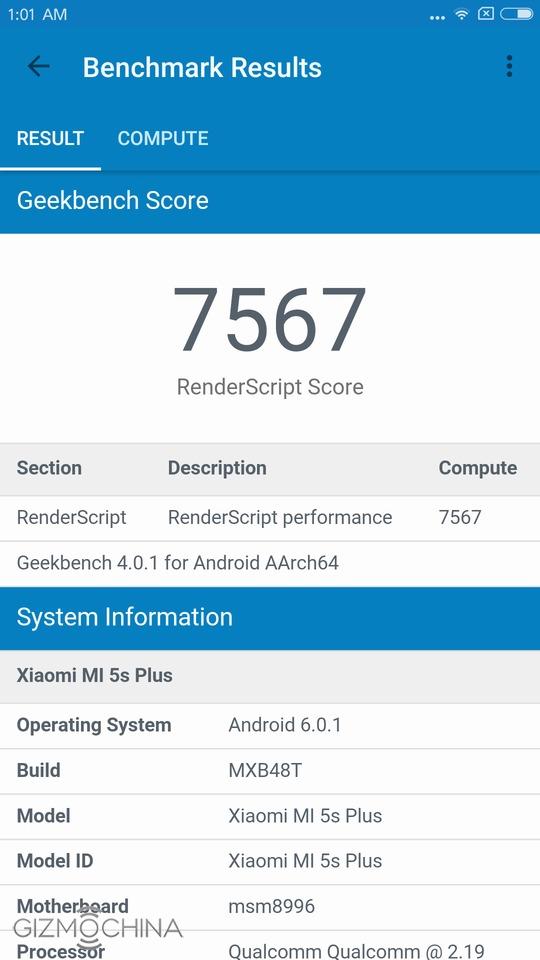
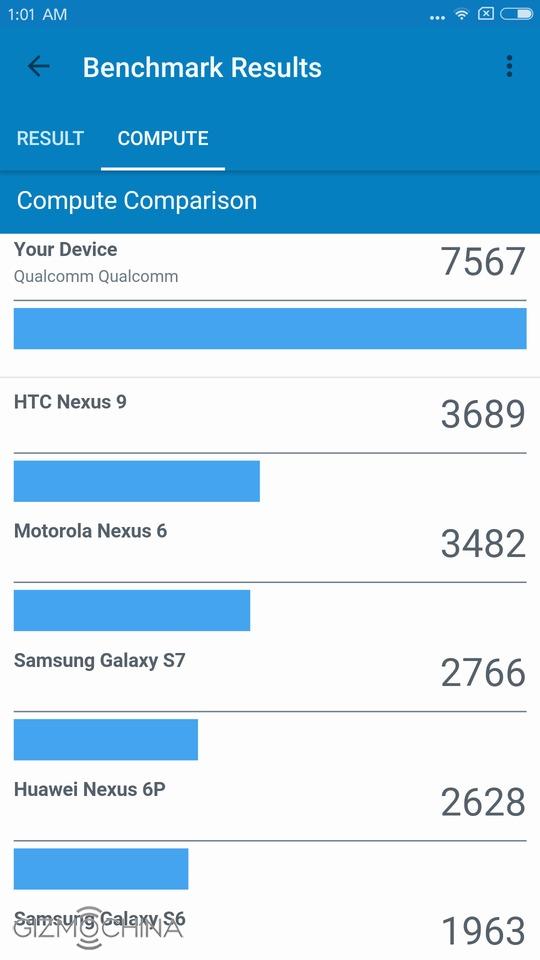
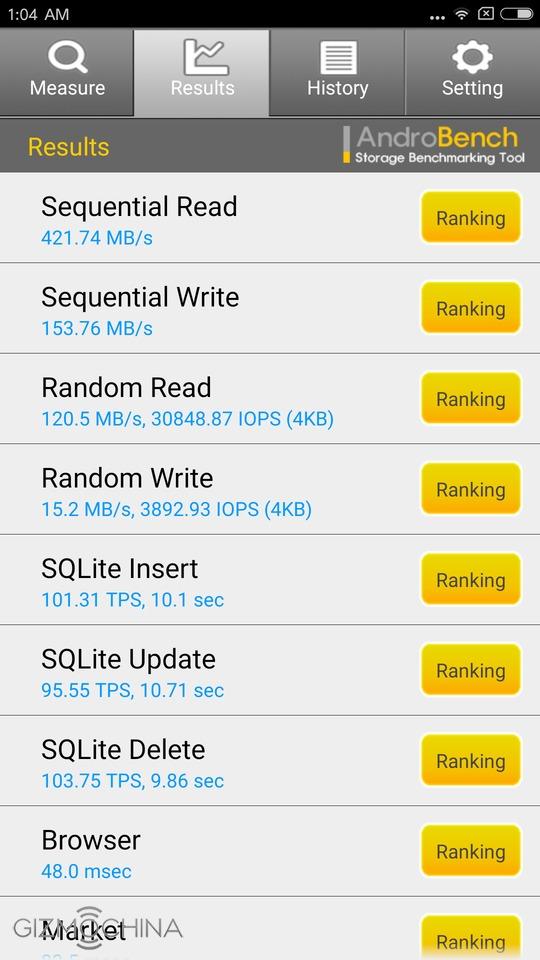
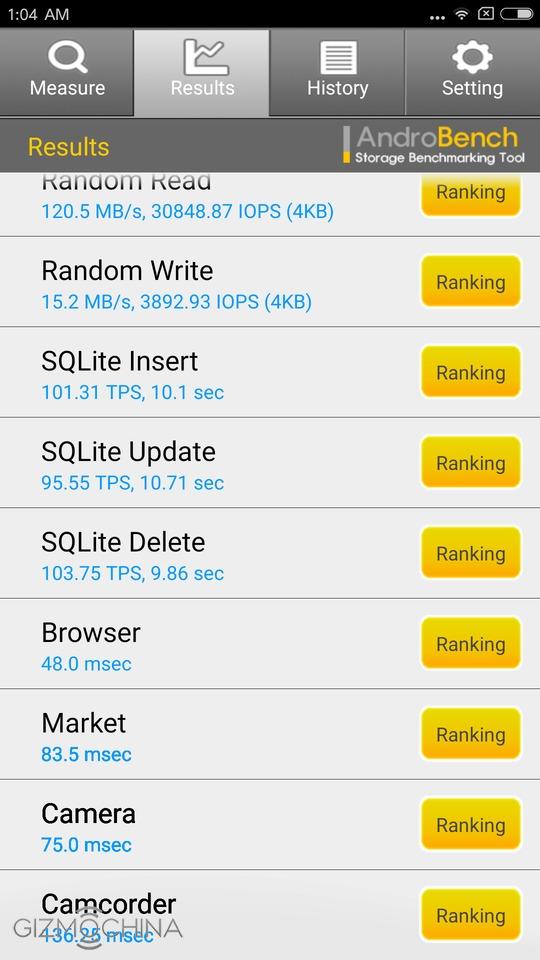
Xiaomi Mi5s Plus Review: BENCHMARKS
Xiaomi Mi5s Plus Review: USER INTERFACE
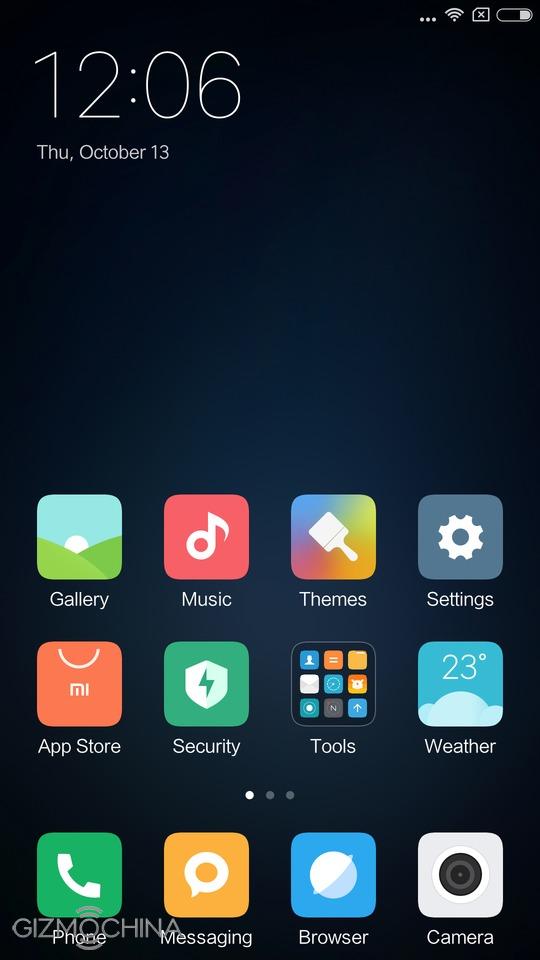
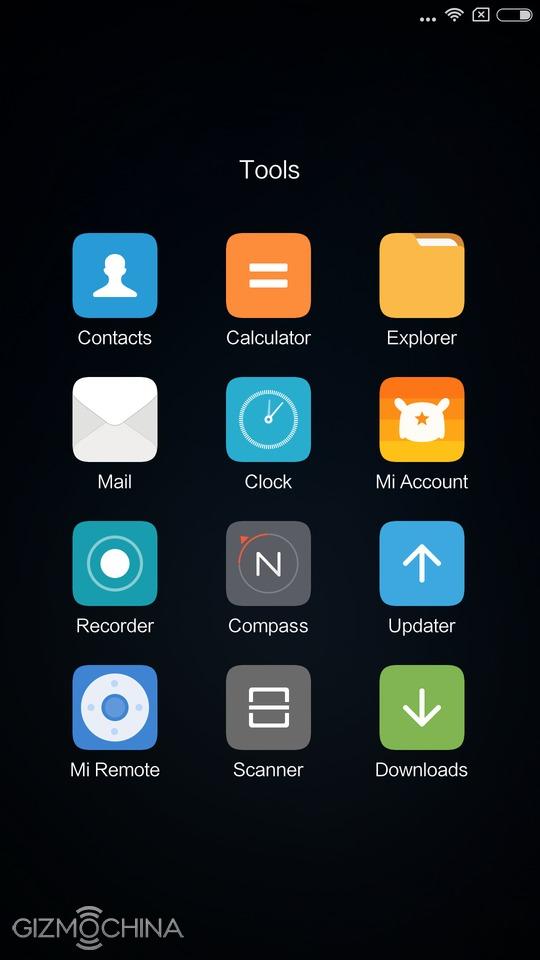
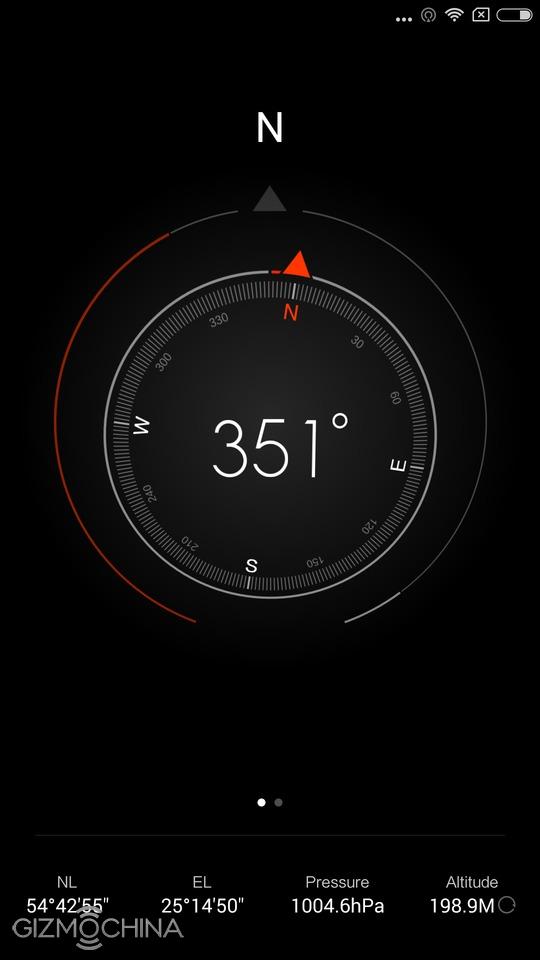
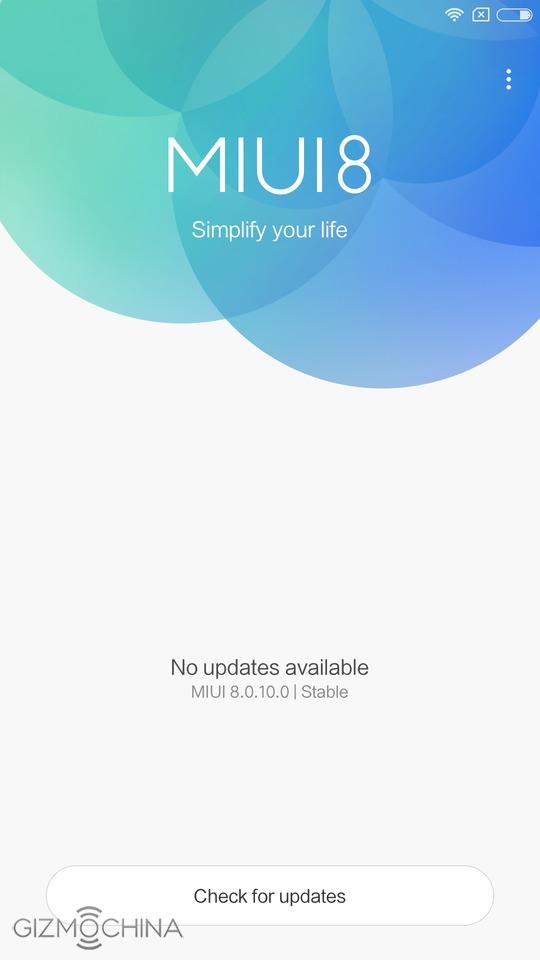
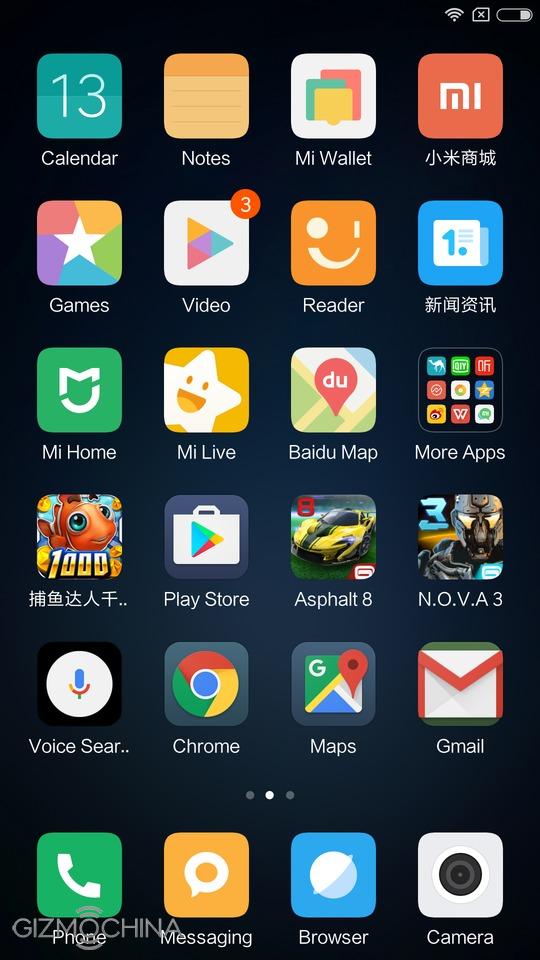
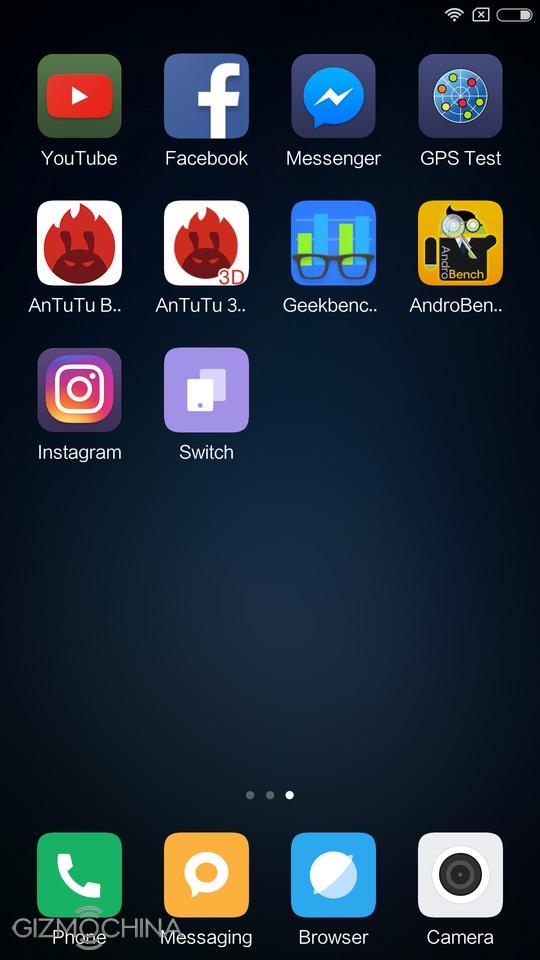
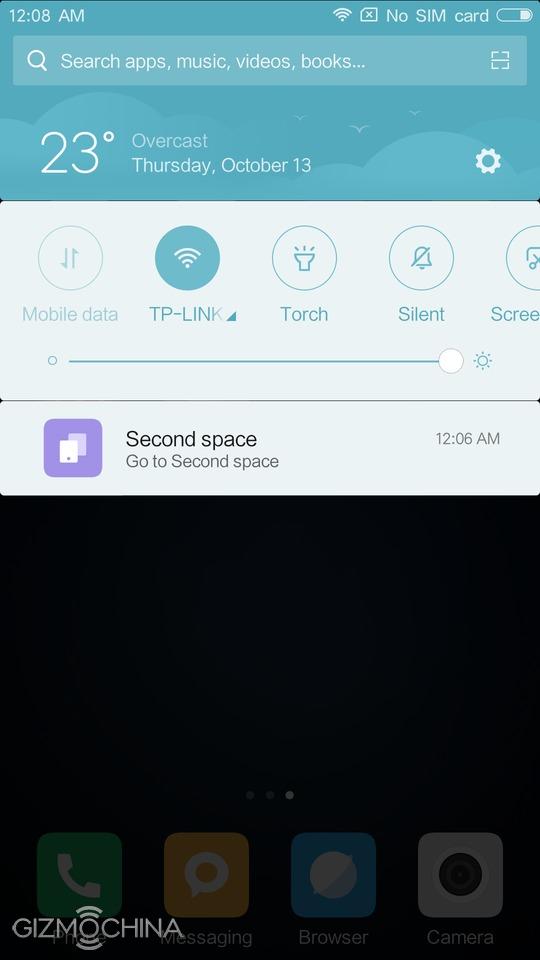
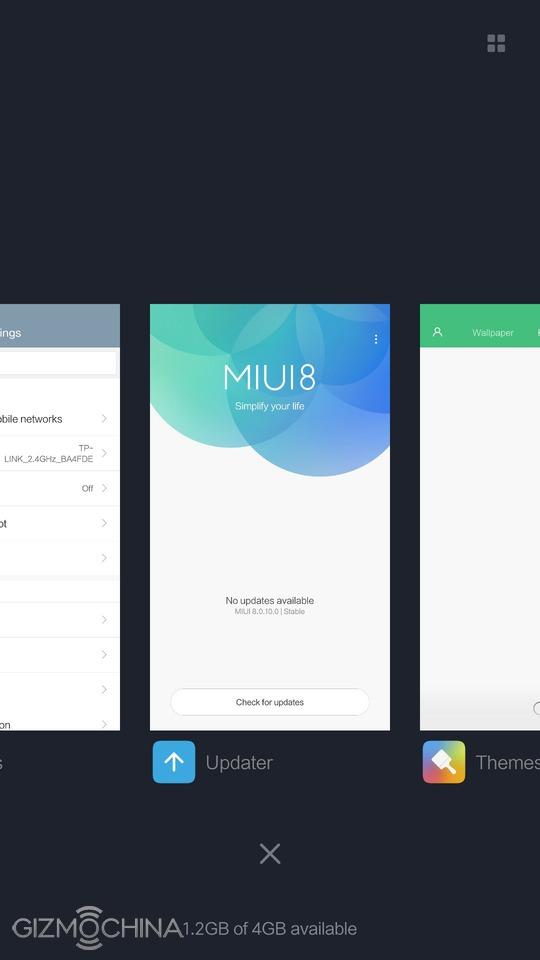
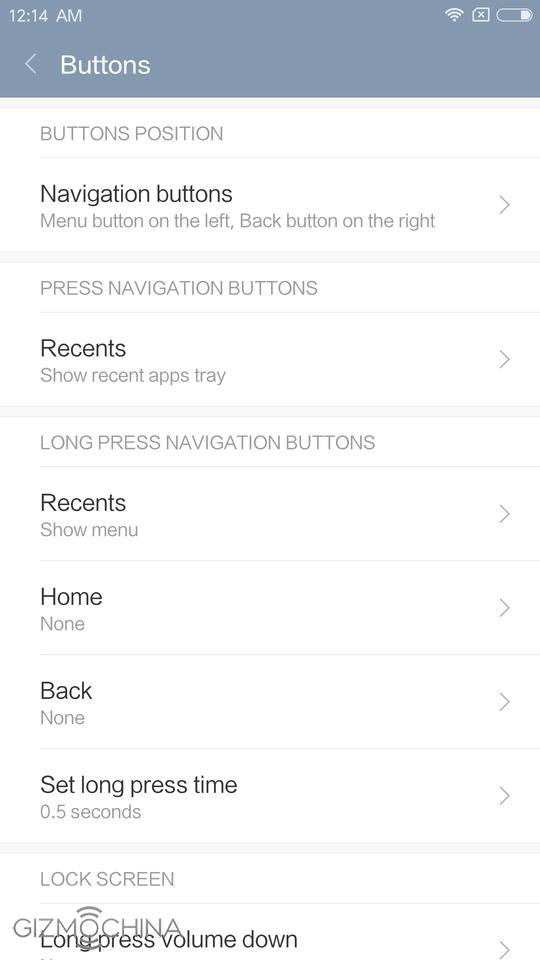
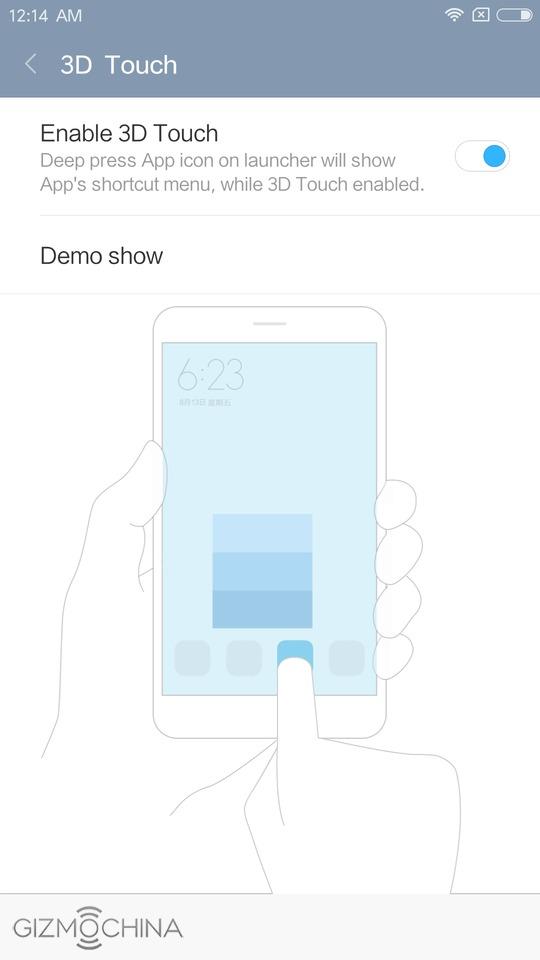
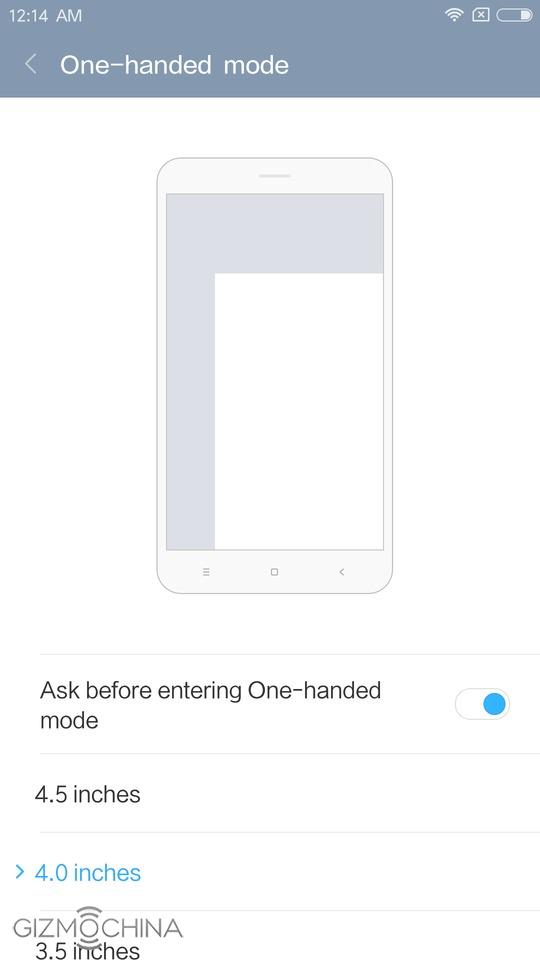
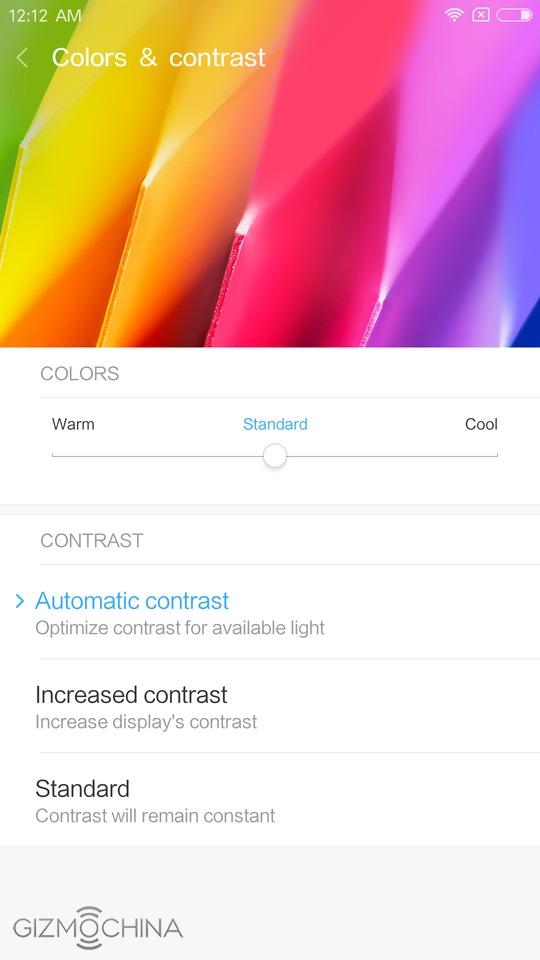
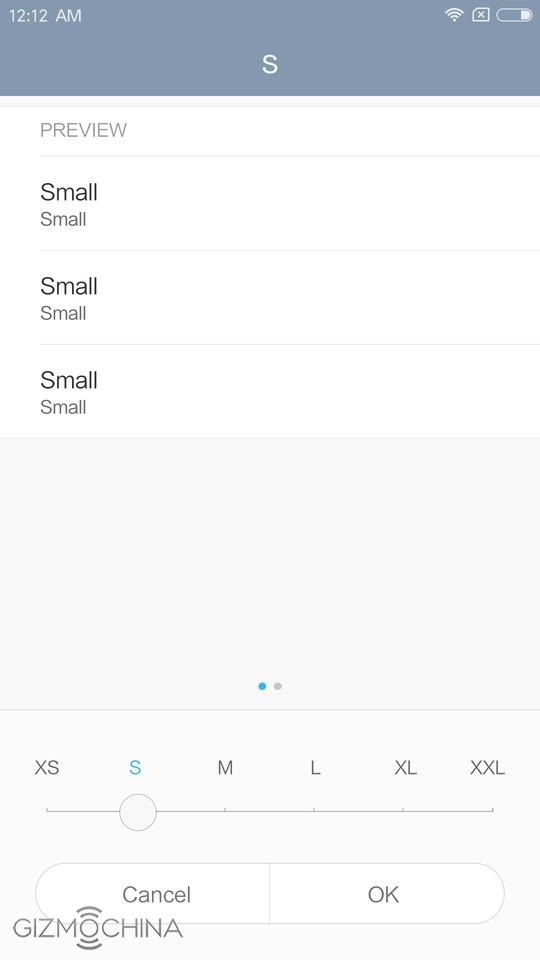
The Xiaomi Mi5s Plus ships with the Android 6.0-based MIUI 8 that we have already seen on other Xiaomi phones. As usual, we have a ton of customization options, various settings, tweaks and little features to make the phone look your own.
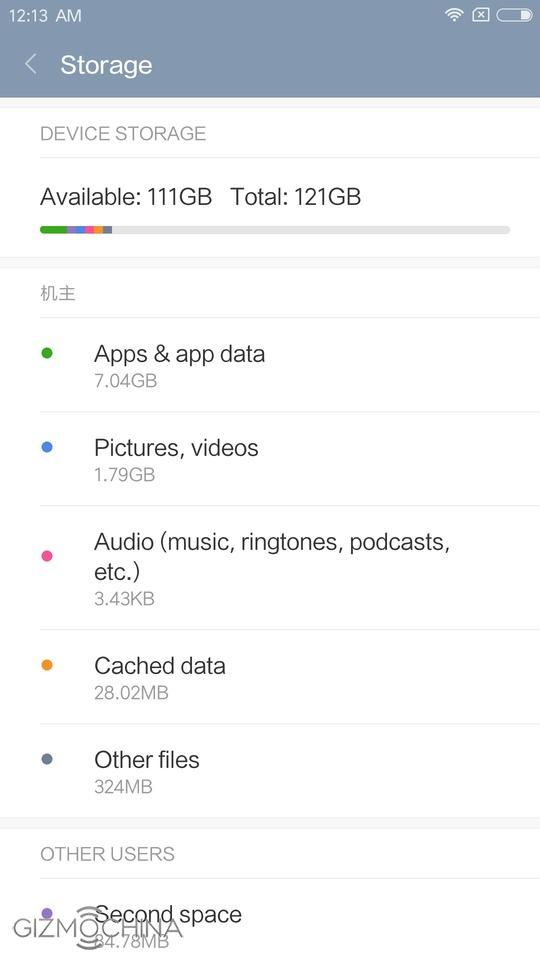
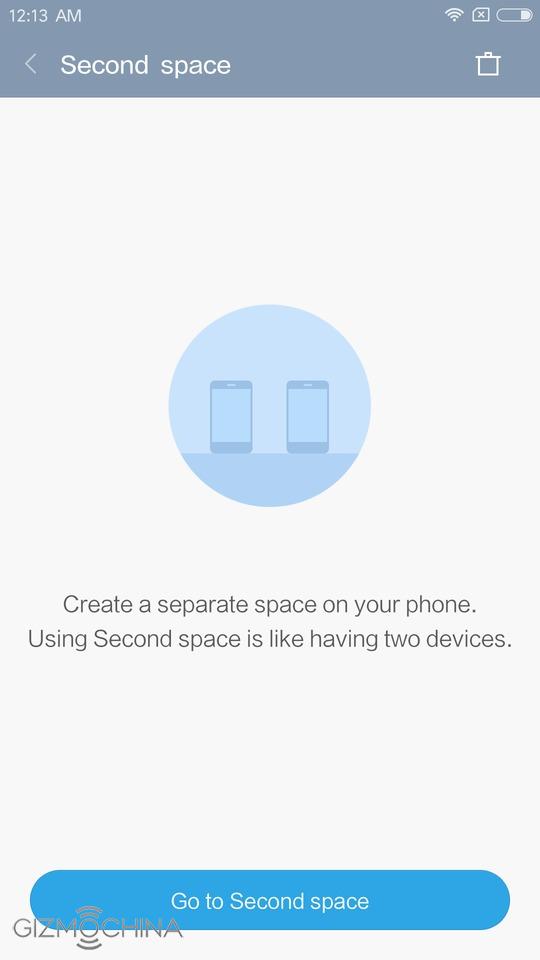
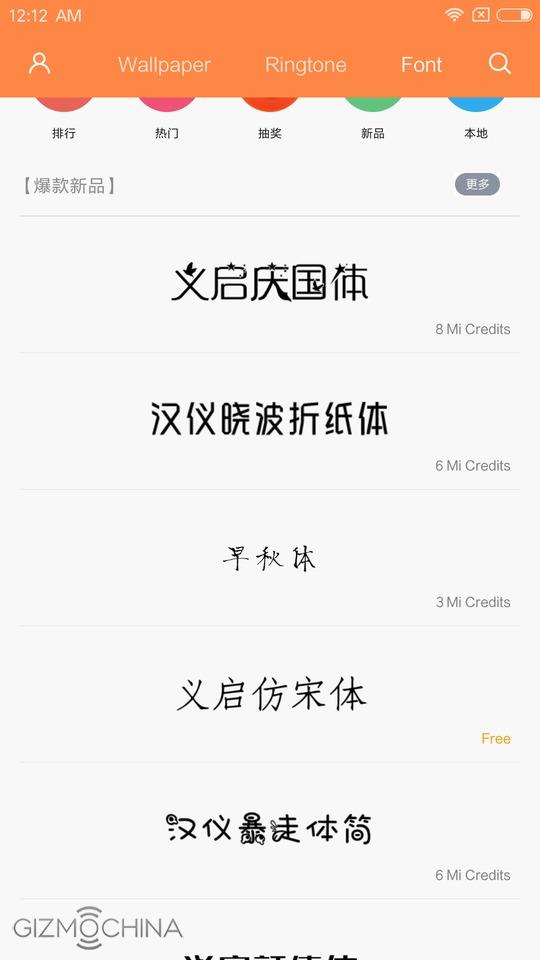
Some of the cool features include a baked-in theming engine, where you can choose from a lot of themes, fonts, wallpapers and so on. Also, you can go to the so-called second space, which is as Xiaomi says “like having two devices” at the same time. In other words, it is like having two accounts.
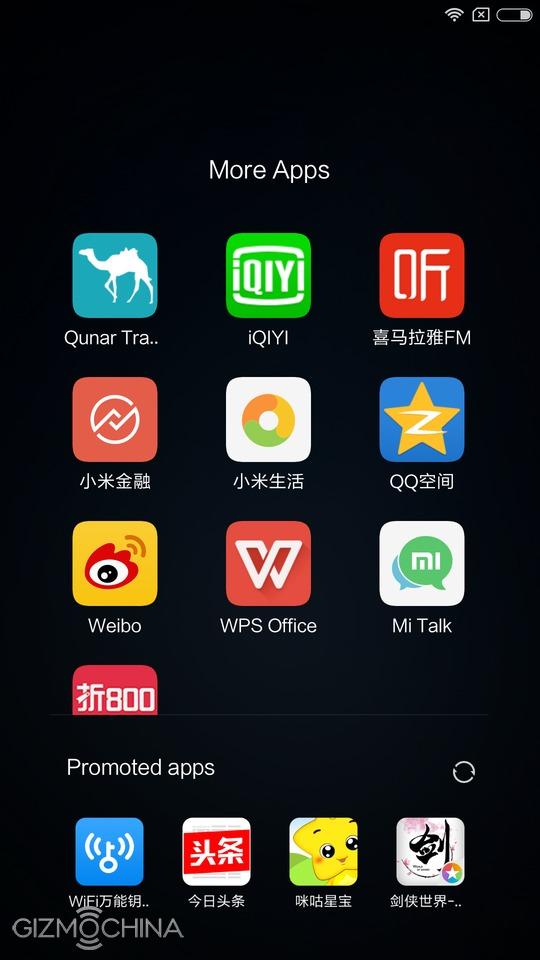
However, you have to know that the Chinese version of the phone comes with quite a few bloatware apps that may be annoying. A great thing is that you can easily remove most of them.
Finally, I’m fairly impressed with how fast the Mi5s Plusis despite having all those features. The phone is fast, fluid and I didn’t have any hiccups or lag.
Xiaomi Mi5s Plus Review: CAMERA and IMAGE/VIDEO QUALITY
IT IS HIGHLY-RECOMMENDED TO DOWNLOAD FULL RESOLUTION CAMERA SAMPLES TO SEE THE ACTUAL IMAGE QUALITY. THE PICTURES UPLOADED ON THE WEBSITE ARE 50% SMALLER IN RESOLUTION.
We have the usual Xiaomi camera app, which allows you to take the pictures very fast and you can play with quite a few shooting modes and settings.
auto-mode
auto-HDR
stereo mode
auto mode
stereo mode
auto mode
stereo mode
Auto-HDR
stereo mode
auto mode
stereo mode
auto mode
stereo mode
auto-HDR
stereo mode
auto-HDR
stereo mode
auto-mode
stereo mode
auto-mode
stereo mode
auto-mode
auto-HDR
stereo mode
auto-mode
stereo mode
The stereo mode should utilize both sensors at the same time and that is supposed to give you better quality photos in terms of saturation, contrast, and exposure. I took quite a few pictures side by side in auto-mode and the dual-camera mode and tried to analyze the differences.
In my eyes, the stereo mode does help in quite a few situations that lead to a better saturation, contrast, and exposure in most of the shots. However, the results are not always that noticeable and sometimes the auto-HDR mode can take pictures that are more pleasing to the eye.
auto-mode
stereo mode
auto-mode
stereo mode
auto-mode
stereo mode
auto-mode
stereo-mode
auto-mode
stereo mode
auto-HDR
stereo mode
auto-mode
stereo mode
auto-mode
stereo mode
Where the dual camera setup really shines is the low-light. All the pictures I took in the stereo mode look simply better as there is a lot less noise and more detail.
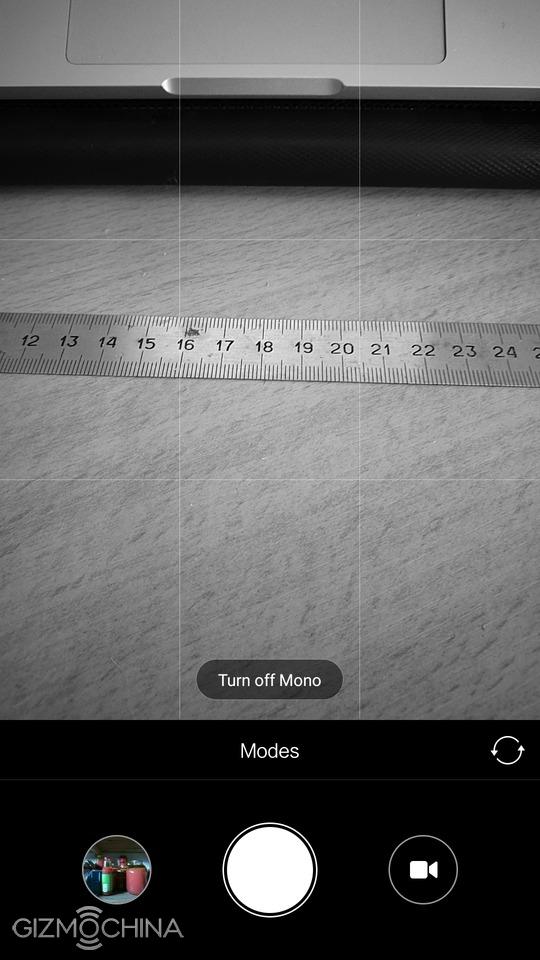
You can also use the mono mode, which utilizes the monochrome sensor for high-quality black/white pictures. I’m not a huge fan of black/white photography but I have to say that I love the results.
The last mode worth mentioning is the manual mode, where you can adjust quite a few settings if you feel creative.
As for image quality, the phone can take some nice-looking daylight images. They are not on par with the more expensive flagships but they still have natural-looking colors, look pretty sharp and detailed for a $400 phone. See a camera video review for side-by-side comparison with the Samsung Galaxy s7 edge.
Also, I’m happy that the auto-HDR mode does a pretty good job bringing out the detail to the shadows.However, I was a bit frustrated that the camera can’t capture a sharp image when the object is moving, e.g. the flower that is being blown by the wind.
The Panorama mode allows you to take some pretty nice panoramic photos. The stitching seems to be pretty good but some of the objects look blown out.
As for indoor shots, where the lighting conditions are far from the best, we see quite a bit of noise and less detail but in general, the images look pretty nice.
auto-mode
auto-HDR
When it comes to the low-light photography if you use only the main 13MP sensor, the imagesdefinitely have less detail and more noise than the top-tier flagships but I would say that the Mi5s does a pretty good job considering it’s price tag. As I mentioned before, utilizing two cameras at the same time really help improve the low-light image quality.
The 4MP selfie shooter can take some really nice pictures that will be more than enough for the social media.
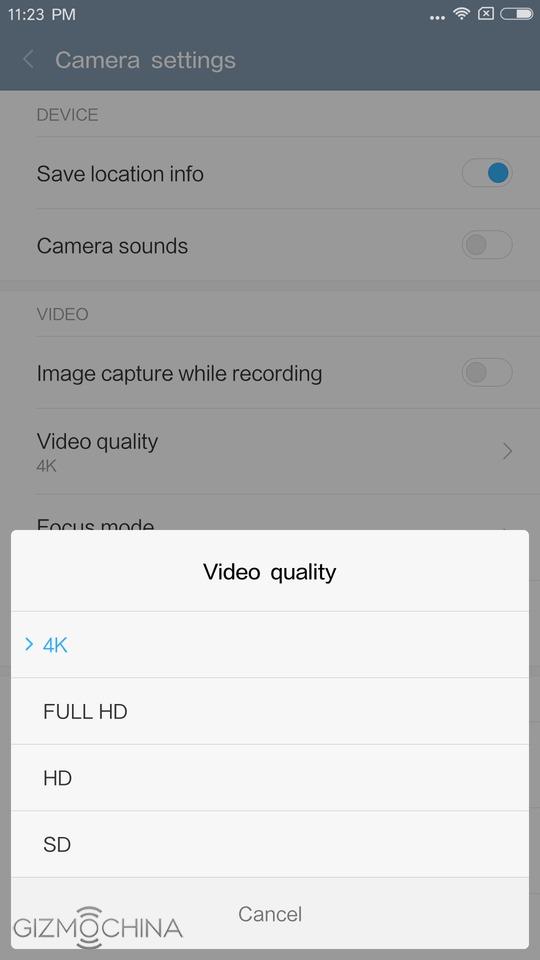
The Xiaomi Mi5s Plus can shoot 4k videos that are very sharp and detailed, and the colors look nice. I’m pretty happy with the way the continuous auto-focus works but sometimes it can be a little jumpy. Since the phone lacks OIS, the footage may look a little shaky.
However, my biggest frustration is the fact that there are quite a lot of video compression artifacts. The audio quality suffers from the compression too. The 1080p videos look pretty nice but they have less detail. Again, it would have been nice to have the OIS to reduce the shakiness.
The night 4k video looks very dark since the f/2.0 aperture is not able to capture enough light. Also, there is quite a bit of noise but besides that, the footage looks good.
I could not properly test the 720p slow-motion video or 1080/120fps since I’m sick at the moment. The slow-motion video looks quite good but I wish there was a bit more detail.
As for selfie video, the phone can shoot at 1080p. The footage looks quite good and it will be definitely enough for most of the users. However, I don’t like the aggressive auto-exposure and inaccurate white balance adjustment. See a detailed camera video review for the video samples.
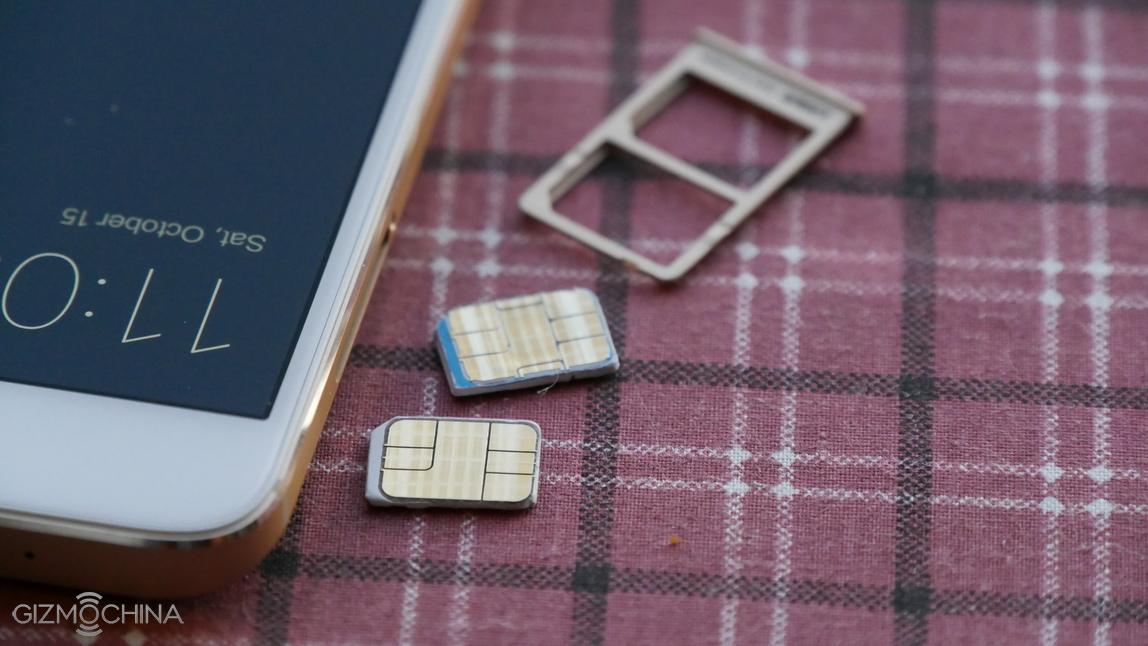
The Mi5s Plus comes with a dual nano SIM card tray but there is no microSD card slot.
When it comes to connectivity, I didn’t have any issues with the call quality, Wifi, Bluetooth or GPS.
Xiaomi Mi5s Review: BATTERY LIFE
The 3800mAh battery supports Quick Charge 3.0 but the phone does not ship with the fast charger.
As for battery life, the phone will get you through the day even if you are a heavy user and you will get at least two full days if you are a light user. I could get over 5 hours of SOT when I used the phone very intensively and I would say this is a very good result.
Xiaomi Mi5s Review: CONCLUSIONS
The Xiaomi Mi5s Plus is very solid $400 phone. It brings a lot of flagship values like a premium design and top-notch build quality, nice and sharp display, bleeding-edge specifications and a very capable dual-camera setup.
Sure, the camera is not quite up there with the most expensive flagships but it performs very well in most of the situations. If you add a feature-rich MIUI 8 user interface and a great battery life, the Xiaomi Mi5s Plus is definitely one of the best $400 phones you can buy at the moment.
We use cookies on our website to give you the most relevant experience by remembering your preferences and repeat visits. By clicking “Accept”, you consent to the use of ALL the cookies.
This website uses cookies to improve your experience while you navigate through the website. Out of these, the cookies that are categorized as necessary are stored on your browser as they are essential for the working of basic functionalities of the website. We also use third-party cookies that help us analyze and understand how you use this website. These cookies will be stored in your browser only with your consent. You also have the option to opt-out of these cookies. But opting out of some of these cookies may affect your browsing experience.
Necessary cookies are absolutely essential for the website to function properly. This category only includes cookies that ensures basic functionalities and security features of the website. These cookies do not store any personal information.
Any cookies that may not be particularly necessary for the website to function and is used specifically to collect user personal data via analytics, ads, other embedded contents are termed as non-necessary cookies. It is mandatory to procure user consent prior to running these cookies on your website.







 READ MORE: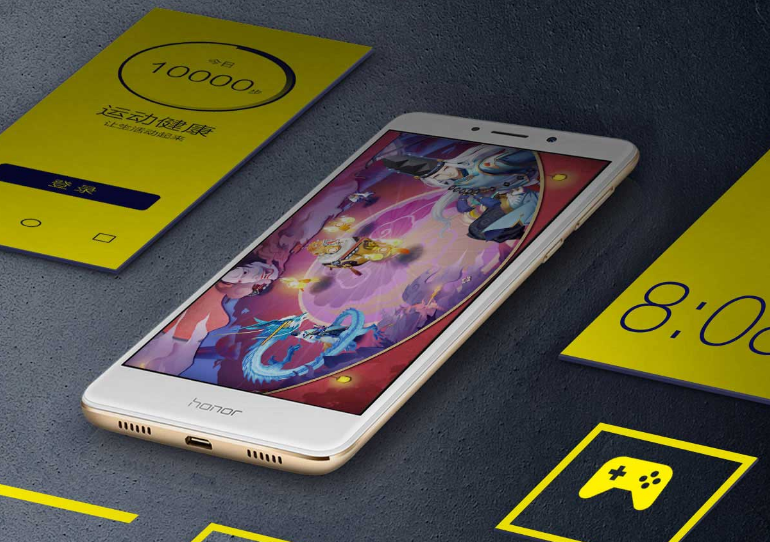



 ,
,