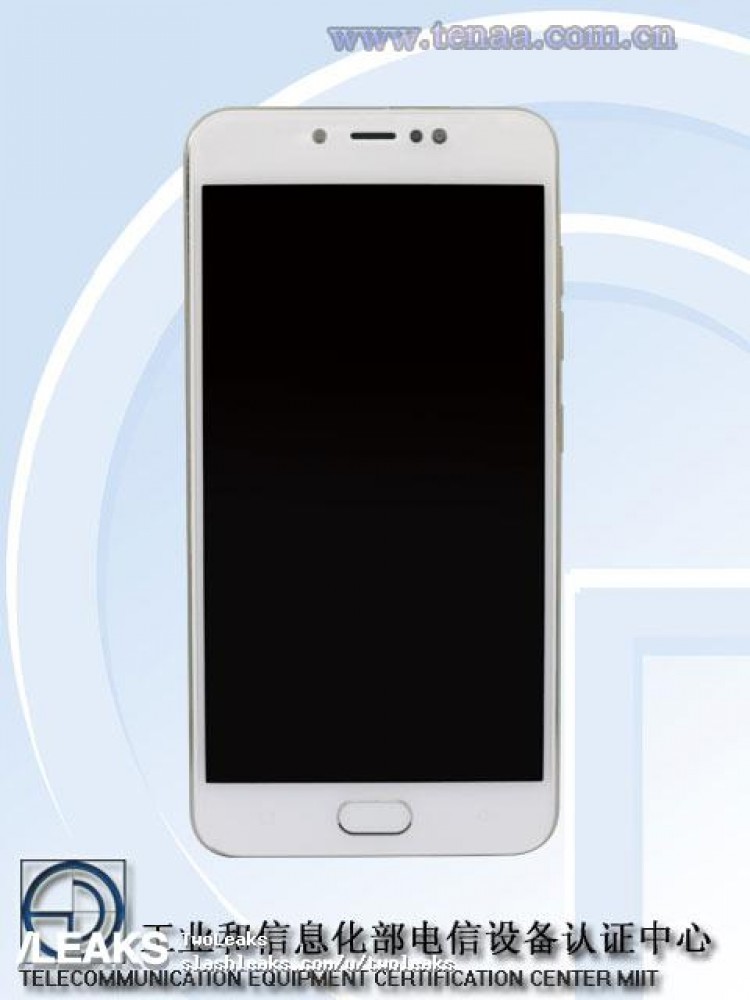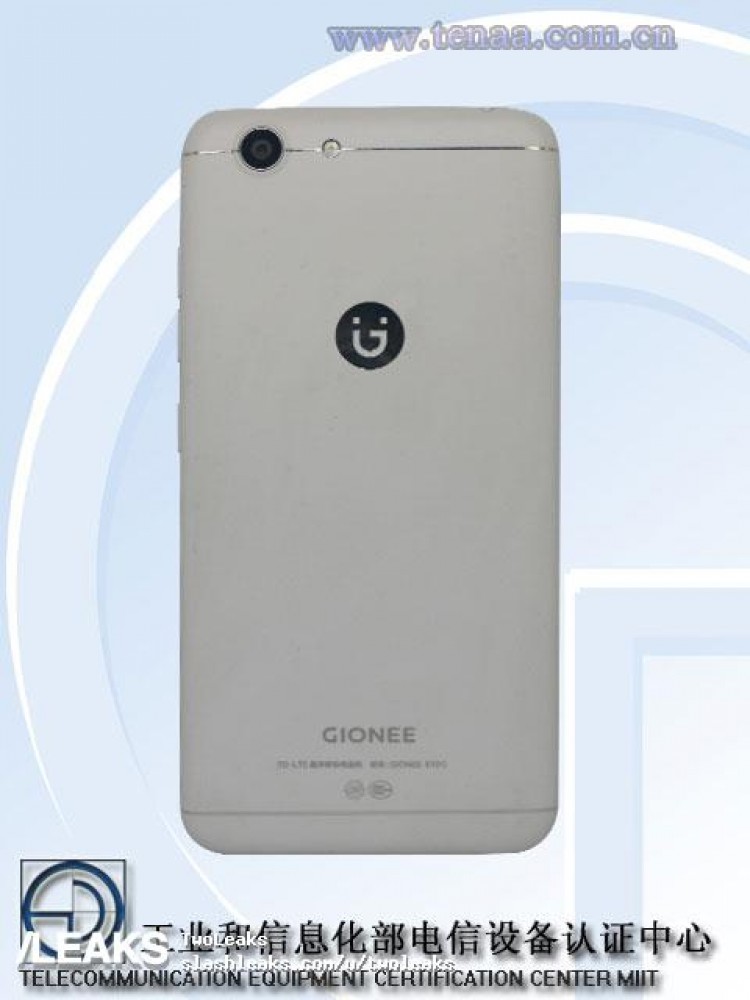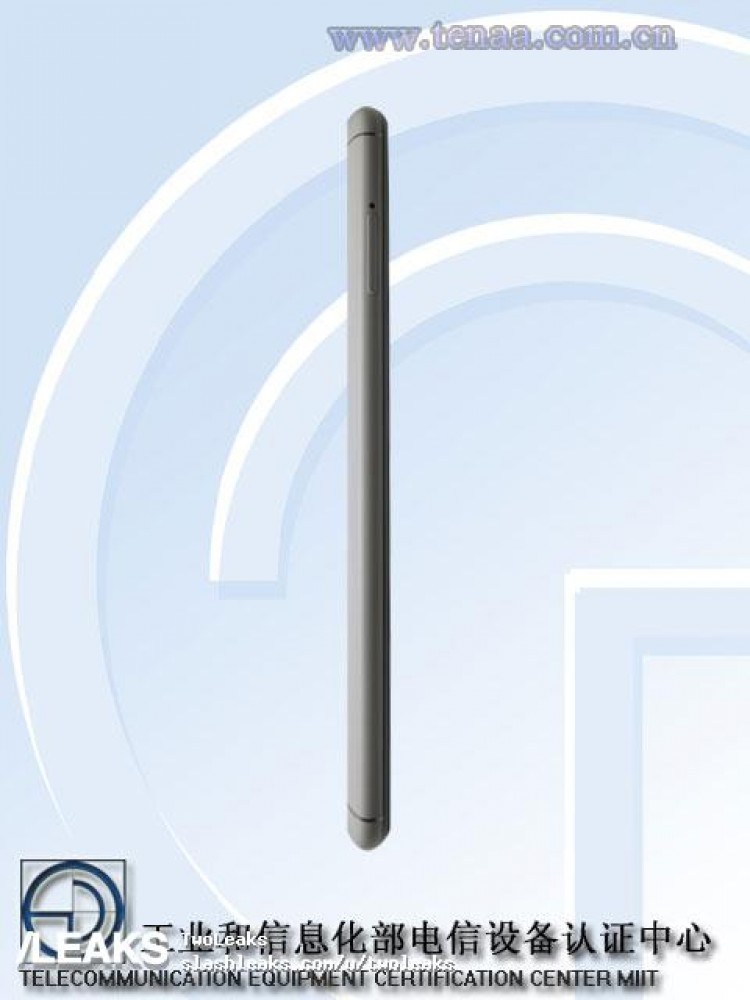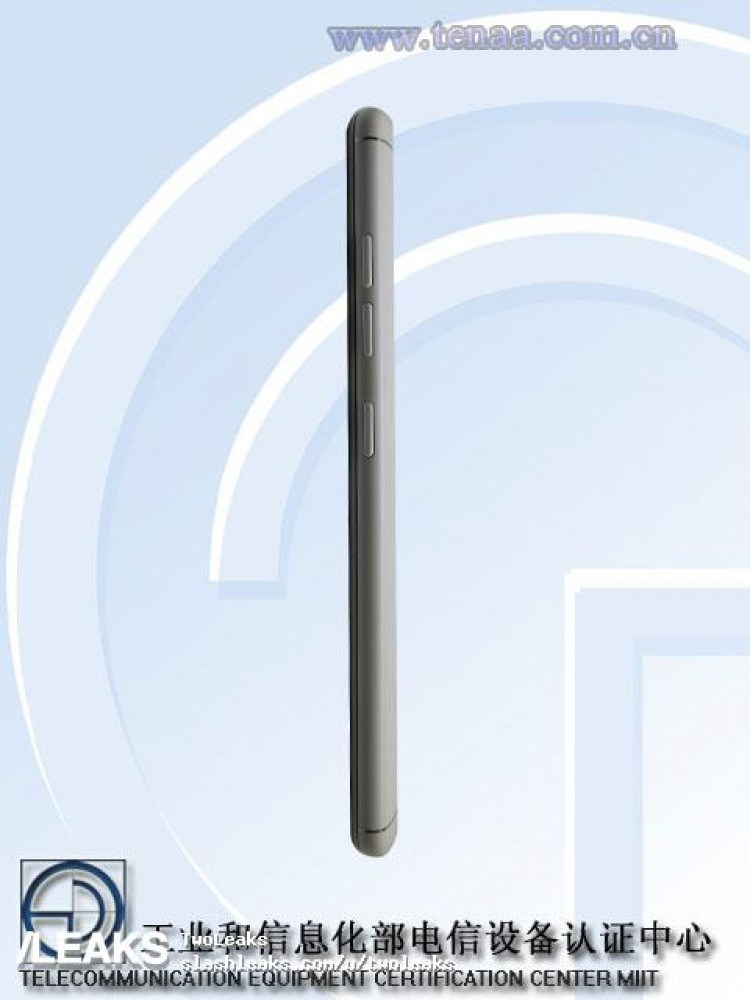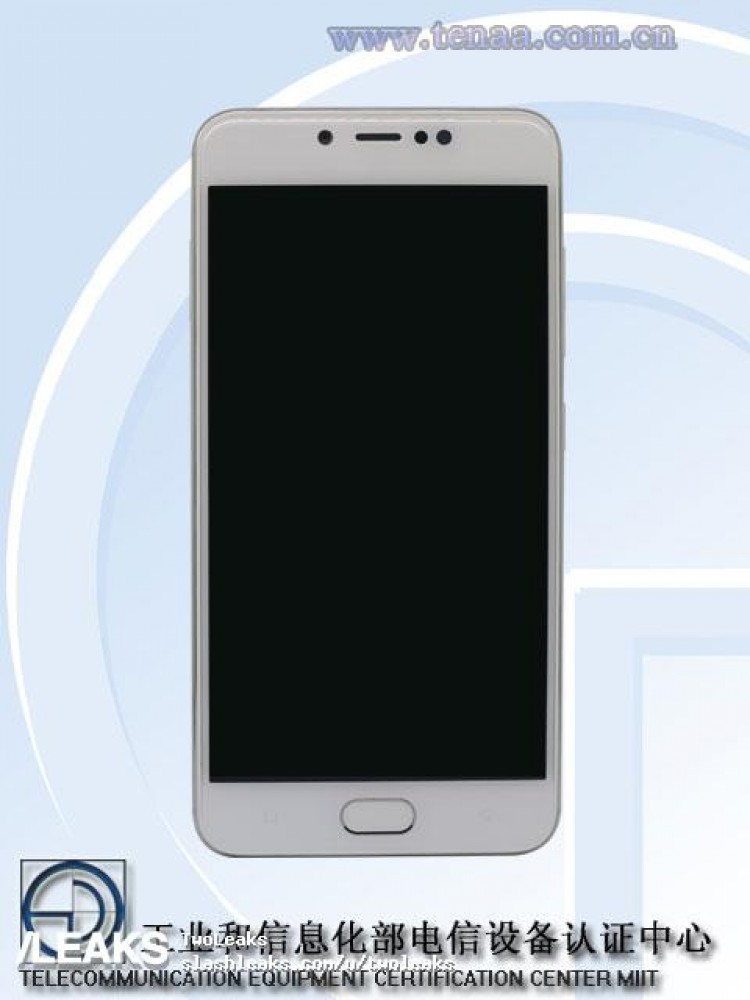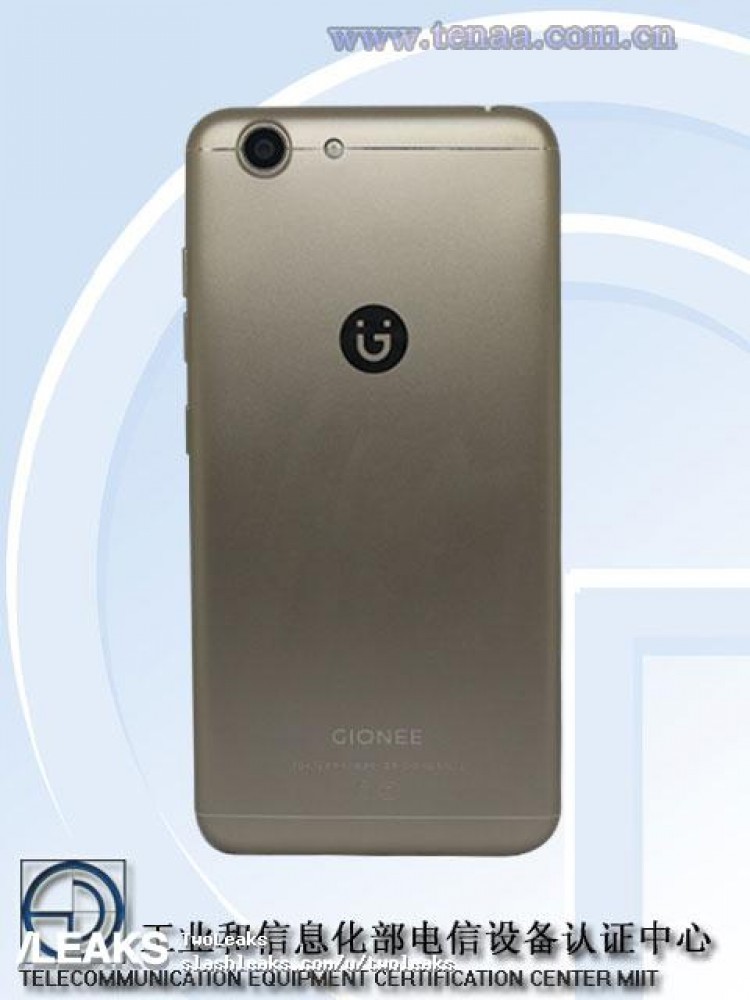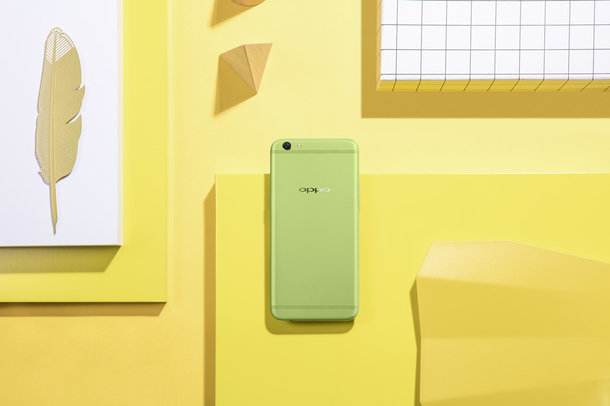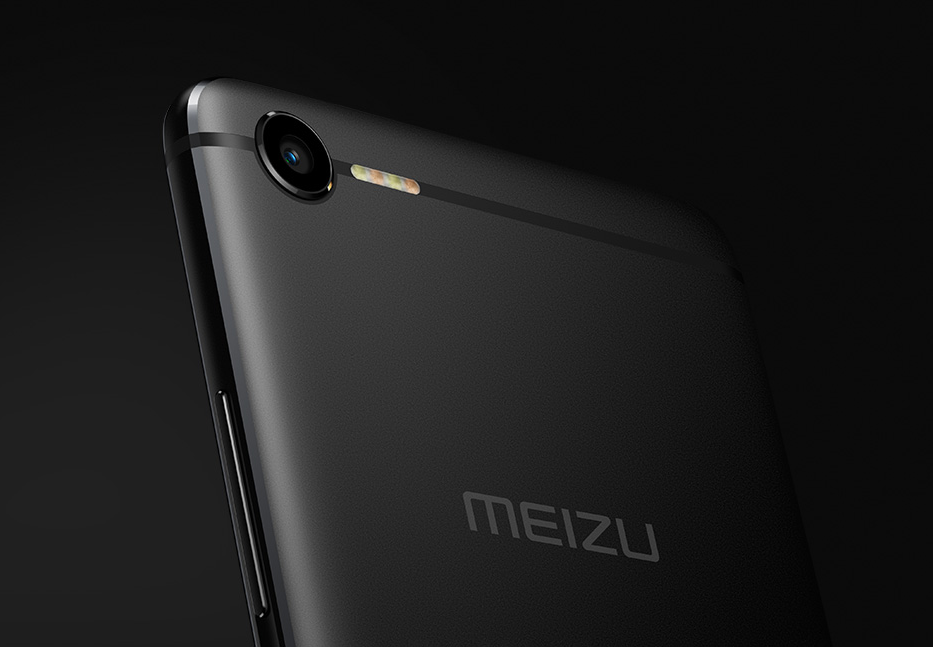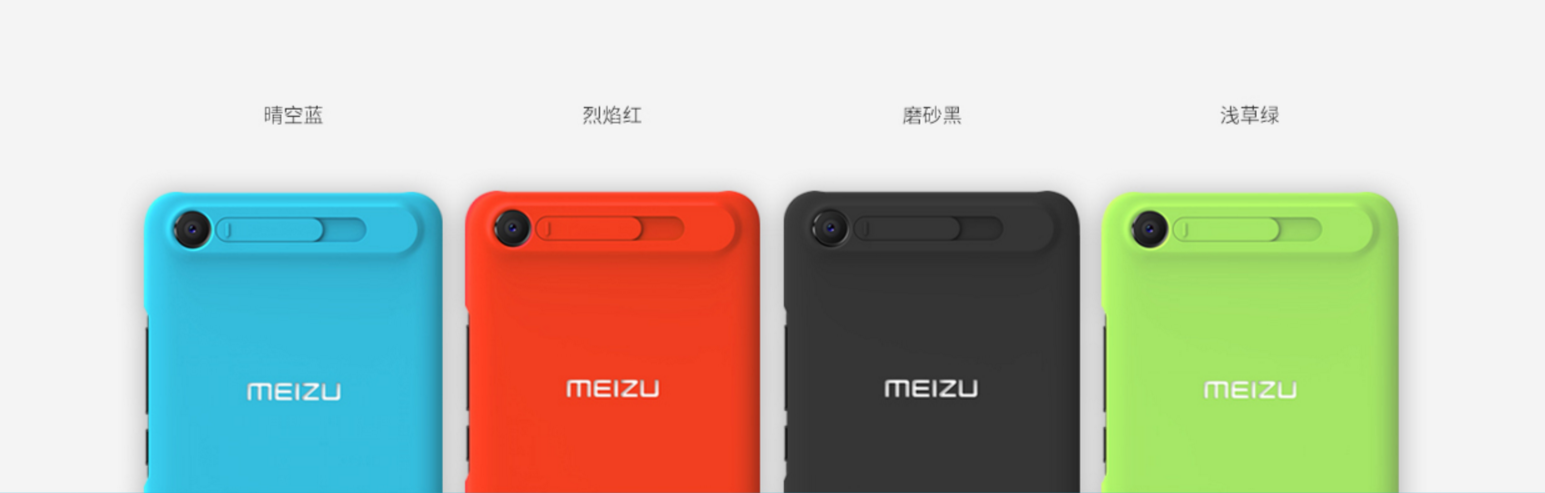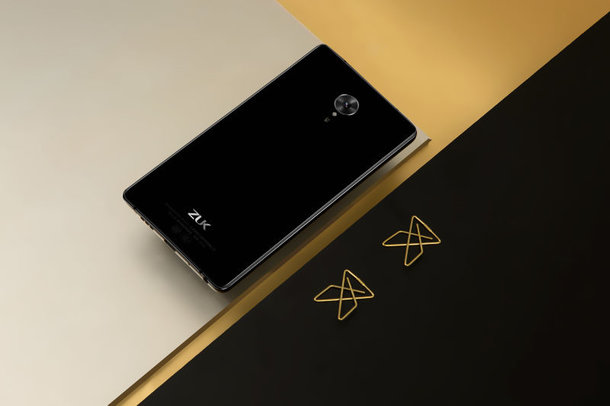
Chinese market research firm, Sino recently published its new report about the smartphone market share in China for the month of May. The report gives us some interesting insight about the market in China and the market share held by smartphone giants in the region. One major highlight of the report was that the Chinese companies, OPPO, Vivo, Huawei and Gionee (yes, it made it to this list), who are also known together as “Jinhua OV” (where Jinhua is for Gionee and Huawei, while OV is for OPPO and Vivo) did pretty well in May.
All the above mentioned Chinese companies have made it to the top 6 list of smartphone makers according to market share in the month of May. The other two are none other than Apple and Samsung. However, both the companies have lost some market share in the period. OPPO was yet again one of the top-performing smartphone companies in May in China. It sold around 5.310 million units during this period, much higher than any other company, with a share of 15.3%. Right below OPPO, was Vivo with sales of around 4.220 mil in May and market share of 12.1%. Apple and Huawei are right behind Vivo with a difference of around 500K between each place. Surprisingly, even Gionee has made it to this list, shipping 1.711 million units in May.
The overall sales of smartphones were strong in May. Sino reports that Chinese market saw total sales of 34.74 million units, an increase of around 12.2% as compared to April. Domestic brands did particularly well during this period, increasing its contribution to 82.1% in May.
While we knew that OPPO, Vivo and Huawei are doing well in the smartphone industry, what’s really surprising is the rise of Gionee during this period. Looks like Gionee’s S, W and M series are doing quite well in the Chinese market.
Xiaomi Mi Max was released back in April and was an instant hit among buyers, due to its super large 6.44-inch display and an equally large battery. The phone comes in a number of variants in China, starting at 3GB RAM with different storage options and going up to 4GB of RAM. However, it looks like Xiaomi may have another variant of the Mi Max in the works, which, considering its specification, should be priced cheaper than the current base variant.
Recently, Xiaomi Mi Max 2GB RAM version was leaked. The screenshot further reveals that there is just 16GB of storage inside. As mentioned above, the cheapest version of the Mi Max being sold right now starts at 3GB RAM + 32GB storage, so we an expect this special low-end variant to cost even lesser than the 3GB RAM model. To remind you, the above variant sells for 1499 Yuan in China which comes to $230. So, the 2GB RAM version should ideally cost around 1299 Yuan ($198).
As for the specs, expect the rest to be the same as the Mi Max 3GB RAM model. So, the phone should feature Snapdragon 650 chip inside with 2GB RAM, 16GB storage and MicroSD expansion slot (hybrid). You should find a large 4850mAh battery inside the slim 7.5mm body. At the back, there should be a 16MP shooter and up front, a 5MP sensor.
However, the Mi Max 2GB RAM model is still not listed on the official Mi.com website for sale. Either it could be released later, or this particular version may not see the light of the day in China. Instead, it could be sold in India, where the company will release the handset on June 30.
MIUI is one of the world’s popular ROMs, and it is found inside all the Xiaomi smartphones that are sold globally. The ROM has been praised for its simple design and features, however, it also gets a fair share of criticisms, especially about the advertising policy of the company inside MIUI. If you have ever used the UI, you would notice that there are advertisements displayed in the interface. In fact, the company’s UI has been often criticized in China for putting advertisements everywhere, and some even calling it the ADUI. Yesterday evening, when Xiaomi CEO’s Lei Jun was live, a couple of questions about MIUI’s advertising issues were raised. At that time, he revealed his views regarding this issue.
According to Lei Jun, users don’t usually hate advertising, rather, they hate the “annoying” kind of ads. This is similar to what some of the Xiaomi employees had to say about this topic earlier. Also, to be honest, we have to understand that Xiaomi makes little money from selling its smartphones, so it tries to make it up via other channels like ads in MIUI. However, Lei Jun further added that the new version of MIUI comes with a lot less ads, and if you think they are annoying, you can report it to the company.
We will have to wait and see whether the company has reduced the ads on the new MIUI 8 version. It comes with a lot of new features, most of which are listed in detail in this article. The ROM is currently in open beta and soon will be released to most Xiaomi smartphones.
If you have been waiting for the soft gold color version of the OnePlus 3, your wait might extend for a month. The company had said that it would make this color available soon, but didn’t give an exact time frame. However, thanks to a tweet by the OnePlus 3 CEO, we now have a brief idea about its release.
According to a recent reply by OnePlus CEO to one of the tweets asking the availability of this color, he replied that OnePlus 3 soft gold version should be available sometime in the latter part of July. So, it looks like for about a month, you will be stuck with the currently available graphite color version.
It looks like OnePlus is really limiting the number of options for the buyers. At present, there is literally just ONE variant of the OnePlus 3, and that comes in graphite gray color. You get no memory or storage versions, and just the 6GB RAM model is available for purchase to potential customers. Even in July, you will have just one additional choice, soft gold color. The company has confirmed that there won’t be a 4GB RAM model, at least, not in the near future.
However, apart from limiting the options to the customers, OnePlus has done a fine job with the new OnePlus 3 flagship. It comes with the powerful Snapdragon 820 chip and has made 6GB RAM and 64GB ROM as standard. At the back, you get a 16MP Sony IMX298 sensor with OIS and EIS, while up front, you have an 8MP shooter. The 5.5-inch display up front sports 1080p resolution and comes with Gorilla Glass 4 protection. Also, the fingerprint sensor boasts of an unlock time of just 0.2 seconds. Overall, with VoLTE, NFC, 4G LTE and dual SIM connectivity, the OnePlus 3 is a wholesome phone. It is a true all rounder, doing well in most areas, which is what most consumers are looking for these days.
For the past few days, Vivo has been teasing the upcoming Vivo X7 flagship. The company has already confirmed a few features on the device like a 16MP front-facing shooter, but at that time we were unsure about the CPU and RAM inside. Given that most smartphone manufacturers are now not shy to reveal major specs about its handsets, Vivo has just confirmed the CPU as well as RAM inside the new Vivo X7 via a new teaser.
Earlier today, Vivo revealed via an official teaser that the Vivo X7 will feature MSM8976 chipset inside, which is the Snapdragon 652 octa-core processor. The company also confirms that the phone comes with 4GB of RAM and 64GB of internal storage. There’s also the mention of wisdom engine 2.0 which is a self-learning engine that reportedly ensures that the CPU and memory performance are top-notch via smart resource scheduling. In case you remember, wisdom engine was also present on the company’s 6GB RAM flagship, the Vivo XPlay 5.
Today’s teaser also confirms the design of the device. As expected, the phone will be quite slim and will continue using a design similar to the Vivo X6 flagship that was announced back in 2015. One major difference between the two is going to be the fingerprint sensor. The Vivo X6 had the sensor at the back, while the new X7 will sport it up front, below the display. Another thing confirmed is the color. So, it looks like the phone will come in gold along with a few other color options.
So, the Vivo X7 is turning out to be a powerful flagship. Apart from these specs, which place the phone in the upper mid-range segment, the X7 is also confirmed to sport a powerful 16MP camera up front with moonlight soft lights. This phone is naturally targeted at selfie lovers, who want a good front facing camera.
Considering its specs, and the fact that this is a Vivo device, don’t expect the phone to come for cheap. Last year’s Vivo X7 started at a price of 2500 Yuan ($380). So, expect the Vivo X7 to start around this figure too.
There are plenty of smartphones out there but usually they cost a lot. I came across Oukitel C3. It is a $50 phone that has and HD display, Android 6.0 and decent design. Learn more in our full review.
The phone ships with all the usual stuff and you should not expect any extras to come with the device.
Oukitel C3 Review: DESIGN and DISPLAY
When it comes to the design, there is nothing spectacular going on here. We don’t have any premium materials like metal but the phone is well built and it is comfortable to hold it.
The 5” 720p display is not the best I’ve seen but it is really good for the phone this cheap. My advice would be to remove that cheap pre-installed screen protector, which distorts the view.
We have a just a 2MP selfie shooter and non-backlit capacitive keys. You have to know that there is no notification LED light and the buttons feel a bit cheap.
The backplate, which has a vinyl-like finish isvery nice to the touch and it does not attract fingerprints so easily. Also, it can be easily removed. Underneath it, you can find 2 SIM card slots and the microSD card slot.
As far as optics, we have an 8MP camera and a single LED flash.
The loudspeaker sits on the back. You can’t expect high-end sound quality out of it, but I would say this is best speaker on a $50 phone I’ve tested.
Overall, Oukitel C3 does not look or feel expensive or anything but it is well-made, looks decent and it does not seem to break anytime soon.
Oukitel C3 Review: HARDWARE and PERFORMANCE
For $50, you are getting a quad-core MTK6580A CPU with the clock speeds of up 1.3GHz, 1GB of RAM and 8GB of expandable storage.
While this spec-sheet will definitely not blow your socks off, you can still enjoy some 3D games.
Asphalt 8 runs fine on medium graphics with just a few skipped frames but no lag.
Oukitel C3 Review: USER INTERFACE
The phone ships with Android 6.0 out of the box and we have some redesigned icons and added features by Oukitel.
For example, there are plenty of gesture and motion controls. As usual, I use only a couple of them and they work fine.
Most importantly, the phone runs fast and fluid most of the time. Well, I had a little bit of stutter a couple of times but nothing major.
Oukitel C3 Review: IMAGE QUALITY
You can’t expect any stellar results from the camera on the phone this cheap. In short, the image quality is not impressive but some of the shots may be usable for social media. Same can be said about a selfie shooter.
Oukitel C3 Review: CONNECTIVITY
As for connectivity, the GPS is not the most accurate I’ve tested but it is still usable. Also, the wifi works fine and the call quality is decent.
Oukitel C3 Review: BATTERY LIFE
The phone sports a 2000mAh battery and it performs on the average. 3 hours of screen-on time was the most I could get out of this phone on a moderate use.
Oukitel C3 Review: CONCLUSIONS
So, there you have it, a $50 phone, Oukitel C3. This phone is designed for those who live on a very tight budget or for those, who just want a super cheap phone.
Sure, you can’t expect anything spectacular out of this phone. Well, cheap is cheap but Oukitel C3 is one of best $50 phones on the market. It has a decent design and display, a pretty good overall performance and some extra features in the user interface.
Obviously, both cameras do not impress and the battery life could be better.
At the end of the day, Oukitel C3 is not going to be your next flagship killer but it is well-worth a $50 price tag, despite a few shortcomings.
OPPO recently released the OPPO R9 FC Barcelona Edition in two colors, blue and red. The customized version looks very good and I am sure many of Barcelona fans will try their best to get hold of one of these devices. However, apart from the regular FC Barcelona edition, the company had a special OPPO R9 FC Barcelona MSN Edition in blue with the signatures of three great footballers, Messi, Neymar and Suarez. The company recently auctioned off the device on JD.com and guess what, the phone managed to fetch nearly $13,500!
This customized OPPO R9 FC Barcelona edition comes with an 18K gold plated team logo at the back which is reportedly crafted by hand. Further, the signatures of the above-mentioned footballers can be found on the back of the device. A lot of fans participated in the auction on JD’s website, and this customized version was finally sold for a whopping 88,914 Yuan which comes to around $13,494. That’s a lot of money for a smartphone. The starting price was 3999 Yuan ($607) and in a matter of 10 hours, after fierce competition, it was sold off for the above price.
In case you are wondering, OPPO is not looking to make profits from this auction, instead, it will donate the money received for the phone to charity. So, it seems to be a win-win situation for all. The buyer gets a brand new OPPO R9 with FC Barcelona customizations and the signatures of Messi, Neymar and Suarez. The money goes to charity and OPPO gets its fair share of spotlight.
There are not a lot of Ubuntu Phones in the market today, but the folks over at UBports.com are trying to port Canonical’s Ubuntu Touch OS to as many devices as possible. Given that OnePlus 3 is one of the hot phones in the market right now, the team has confirmed that they will be bringing Ubuntu Touch to the OnePlus flagship as well. This is great news for all OnePlus fans who want to see how the OS will run on the powerful OnePlus 3.
Mr. Gripsgard, part of the UBports team has ordered the phone and will start on the development and porting of the OS as soon as the phone arrives. Considering the top-end specifications of the device, especially the 6GB RAM on board, it would be interesting to see how the Convergence feature of Ubuntu works on the device. To remind you, “Convergence” is a pretty cool feature on the Ubuntu Touch OS, wherein you can connect your smartphone to any monitor and Ubuntu Desktop interface will load up on the screen. So, basically, your phone will transform into a desktop environment when connected to an external display. All apps running on the phone will pop on the monitor seamlessly and even when you disconnect, the apps like music or video which was playing on the monitor will appear on the phone.
To recap, the OnePlus 3 comes with the Snapdragon 820 chipset on board with 6GB of RAM as standard and 64GB of internal storage without a MicroSD card slot. There will be a 5.5-inch 1080p display on board and a 3000mAh battery with the company’s own Dash charging tech. At the back, the phone comes with a 16MP camera with OIS, while up front, you have an 8MP front facing shooter. If you want to read the full specs of the OnePlus 3, check out this article.
So, would you like to see Ubuntu Touch OS running on your OnePlus 3? Check out their page from here.
Earlier today, Vivo revealed a few more details about the upcoming Vivo X7 flagship. The phone will reportedly come with a fast fingerprint sensor and ultra-thin bezels on the sides. While back then, the phone was just revealed in a few renders, now, new real life images of the Vivo X7 have just popped up online. As you can see, these images don’t reveal much about the overall design, instead focuses on the fingerprint sensor that’s located on the front, right below the display.
From the renders revealed this morning, we know that the phone will come with an oval sensor right up front. It looks similar to the ones we have seen on the Meizu and OPPO smartphones. While these pictures are probably promotional materials for the phone’s fingerprint, it reveals that the Vivo X7 will come with a metal frame on a thin body. In fact, there’s no denying that the new phone looks similar to the design of the iPhone series. Also, it looks a lot like the OPPO R9 that was announced a few months back and is doing so well in China.
According to the company, the Vivo X7 will be equipped with a fast fingerprint sensor. The phone also seems to support fingerprint-based payment methods. As for the other specs, we know for sure that the Vivo X7 will be a selfie focused smartphone, featuring a powerful 16MP sensor up front with moonlight soft flash. While the company is yet to confirm the specs inside the device, rumors state that the phone will feature 6GB of RAM on board along with the deca-core Helio X25 chip. We haven’t yet heard anything about the memory or CPU of the phone from the company, so we can’t confirm this information.
Yesterday we reported that Apple decided to ditch dual cameras on the upcoming iPhone 7 due to technical difficulties, however another insider has revealed that parts manufacturer, Foxconn, has been making moulds of the iPhone 7 Plus which feature dual cameras. Lens supplier, Dali, also revealed that delivery of dual lenses for the iPhone 7 Plus has not been halted.
So, it looks like the earlier rumor about Apple ditching the dual lens setup could be false. Dual camera phones are part of the main features for some of this year’s flagship devices. The Huawei P9 and V8, the LG G5, and the upcoming Samsung Galaxy Note 7 all have dual cameras. News also has it that OPPO, Xiaomi, and Vivo are all working on dual camera phones. So we guess Apple doesn’t want to arrive late to the party.
The Snapdragon 821 is the successor to the Snapdragon 820 and it’s expected to start showing up in phones by August. However a new LeEco phone showed up online today sporting the new processor. The phone which shares a lot of similarities with the LeEco Le Max 2 might possibly be an upgraded version of the flagship device.
The phone is said to feature 8GB of RAM (just when we are still debating if 6GB of RAM is an overkill) and will purportedly have a 25MP rear camera. Renders of the phone shows it will come in white, red (which looks cooler than rose gold by the way), and blue; feature a fingerprint scanner positioned below the camera and cost 3000 CNY ($455).
ZTE has increased its promotion in many regions, especially in Europe in the past few months. These promotions seem to be working as the company is now the fifth-largest smartphone maker in Europe for the first quarter of 2016. Counterpoint Technology Market Research report revealed that the company shipped a lot of smartphones in Europe early this year, bringing it to the fifth position in the region.
“We’re very excited by our achievement in Europe, especially given that there are so many other smartphone companies that are trying to gain popularity here,” said Jacky Zhang, CEO of EMEA and APAC, ZTE Mobile Devices. “As we continue to launch premium smartphones pegged with an affordable price tag, it makes it easier for consumers to try our devices. We are thankful for the support fans have given us and we’re confident that we’ll soon rise to number four in Europe.”
ZTE seems to be focused on the European market with its mid-range and high-end smartphones. This includes the company’s ZTE Blade as well as the high-end Axon series. The ZTE Axon 7 was recently released in China and the phone is quite the beast with advanced audio capabilities. The company confirms that the Axon 7 will be announced in Europe and it’s positive about the consumer demand for the device in the region. ZTE also revealed that it sold over 30 million Blade series smartphones by the end of 2015 and European regions such as Germany, France, Spain and UK were a few of the key markets.
The company has been increasing expansion activities in Europe in the past few months, establishing cooperation with large retailers for its smartphones. The company has even co-sponsored sports teams like the German football team, Borussia Mönchengladbach. In the next one and a half years, the company aims to increase its market share in Germany to 4%. Then there’s Spain, wherein the company enjoys a share of 4.4%. To further increase brand awareness, ZTE signed with Sevilla Football Club as the official smartphone partner and even sponsored the Copa del Rey Championship. Plus, there was the ZTE Experience Tour that we reported earlier that toured across Europe showing off the company’s smartphones.
So, it looks like ZTE’s promotions to increase its brand awareness in Europe are slowly paying off.
ASUS has just made another addition to the ZenFone family this year, by releasing the new Pegasus 3 smartphone. This will make it the fourth smartphone in the lineup, with the first three, namely ZenFone 3, ZenFone 3 Deluxe and ZenFone 3 Ultra being announced at the start of this month. However, unlike these three models, the Pegasus 3 is targeted the entry level market and the specifications are also toned down accordingly.
The ZenFone Pegasus 3 comes with the same metal design as its elder siblings with the fingerprint sensor located at the back of the device. In case you remember, except for the Ultra model, the rest two models had fingerprint sensor at the back. Coming to the phone’s specs, they are going to be entry level. Inside, the phone is powered by the quad-core chipset MT6737 with either 2GB or 3GB RAM options. The screen size of 5.2-inches but the resolution is lowered to just HD i.e. 720p. As for the software, the phone runs on Android 6.0 Marshmallow with the company’s own ZenUI 3.0 on top.
The major highlights of the phone is going to be the 4100mAh battery on board. Considering the entry level specs, this large capacity battery should easily provide around a couple of days usage for the device. At the back, the phone comes with a 13MP f/2.2 camera sensor with LED flash, while up front, you get a 5MP f/2.0 shooter.
There are four color options for the new Pegasus 3, namely silver, gray, gold and rose gold. It looks like the premium rose gold color is now being offered for entry level handsets as well. As for the pricing, the 2GB RAM + 16GB storage variant starts at 1299 Yuan ($198) while the 3GB RAM + 32GB ROM variant retails for 1499 Yuan ($227). In a market featuring Redmi Note 3, Meizu M3 Note and Le 2 with much better configuration at less than this price, it would be interesting to see how Pegasus 3 performs in the market. The phone will soon go on sale in China.
Like expected, Vivo has just revealed a few more details about the upcoming Vivo X7 handset. The company today revealed via a couple of teasers that the Vivo X7 will come with ultra-narrow bezels on the sides. Also, the screen will be curved, by which the company is probably hinting that the phone will come with 2.5D glass on top.
Another interesting feature revealed by the new teaser is that the phone will be designed for one-handed operation. Considering this, we can expect the display size to be less than 5.5-inches. In fact, for the best one-handed user experience, a display size of 5-5.2-inches would be perfect. While the company doesn’t say much about the phone’s thickness, from the render in the teaser, it looks pretty thin. Vivo also revealed today that the X7 will come with a front-facing fingerprint sensor. The company says it can unlock the device fast. Also, considering the boom in the mobile payment sector in China, the phone should support fingerprint payments.
Although these features are pretty good, what’s really going to be the highlight of the new Vivo X7 is the camera on board. The company confirmed via earlier teasers that the phone will come with a powerful 16MP camera on the front, ideal for selfies. Further, the front also features moonlight soft lights to enhance the quality of selfies taken from the camera. We aren’t exactly sure what the company means by this moonlight tech, but hopefully, it will shed more light on this topic during the launch. Unfortunately, we haven’t yet heard about the rear camera on the device, but since the front sensor is powerful, expect the back to feature a pretty good sensor as well.
So, for now, this is all we have on the upcoming Vivo X7. Expect more details including the launch date in the coming days.
With much fanfare, Huawei announced the Huawei P9 and P9 Plus flagships early April. The phone instantly got the attention of the crowd because it was the first smartphone to feature a camera that is certified from the legendary Leica. Plus, the amount of marketing and promotions carried out by the company in the past couple of months ensured that the phone was going to do well in the market. The reviews of the P9 have been more or less positive so far, and hence, it is no surprise that Huawei managed to sell over 2.6 million units of its P9 and P9 Plus flagships worldwide. In fact, this milestone has been reportedly achieved in just a matter of six months since it first went on sale.
The company is not only doing well in China, but also internationally. Huawei reveals that the sales of the Huawei P9 are 130% higher than the figures of the Huawei P8 that was announced last year. Again when compared to the P8’s sales figures, P9 has done very well in France, with an increase of 1000%, and 400% in Poland and Finland. Even in UK, the sales are 300% higher than last year’s P8, which is a good indication that the new flagship is much more well received than last year’s model.
This is good news for the company, who is currently the third largest smartphone maker in the world. While it’s still far away from Samsung and Apple in terms of total sales, the company seems to be slowly catching up with the top two phone makers. Considering that Apple and Samsung have recently slowed down in terms of growth, is it possible that Huawei will succeed in its plans to become the top phone maker, beating these two companies in the next five years?
Inside the box, you are getting all the usual stuff and some extras include a really nice and high-quality protective case.
Cubot Dinosaur Review: DESIGN
As for design, the phone is pretty simple and plain looking, there is nothing spectacular about the looks. We don’t have any premium materials like metal but the phone is well built and it is very comfortable to hold it.
We have a 5.5” 720p panel, which actually looks really nice. It has natural looking colors, it is sharp and quite bright.
We have a 5MP selfie snapper along with the LED notification light. Unfortunately, 3 capacitive buttons are not backlit.
The backplate, which is made of rubberized plastic is very nice to the touch and it can be easily removed. Underneath it, you can find 2 SIM card slots and the microSD card slot.
As far as optics, we have a 13MP camera and a single LED flash.
The loudspeaker sits on the back and the quality of it is just average as it sounds a bit tinny.
The buttons have a good tactile feedback.
Overall, the phone does not have any exceptional design elements but it sports a good build quality despite not using any premium materials.
Cubot Dinosaur Review: HARDWARE and PERFORMANCE
Cubot Dinosaur uses a quad-core MTK6735 CPU along with 3GB of RAM and 16GB of expandable storage.
The 3D gaming performance is good if you play games on medium graphics. However, you should expect some stutter and skipped frames on the highest graphics settings.
Cubot Dinosaur Review: BENCHMARKS
Cubot Dinosaur Review: USER INTERFACE
The phone ships with Android 6.0 out of the box and we have some added features by Cubot.
For example, there are plenty of gesture and motion controls. As usual, I use only a couple of them and they work fine.
Most importantly, the phone runs fast and fluid and this is what you have to expect from a device that runs on almost stock Android.
Cubot Dinosaur Review: IMAGE QUALITY
The daylight image quality is actually pretty good as the pictures have a decent amount of detail and sharpness. However, the dynamic range is not always adjusted well. As always, you cannot expect wonders in low-light situations from the phone in this price range.
A 5MP selfie shooter does not impress as the images have quite a lot of noise and the level of detail is low. Video quality is okay and it is on par with other phones in this price range.
Cubot Dinosaur Review: CONNECTIVITY
As for connectivity, I don’t have any complaints about the call quality or signal reception. Also, wifi, Bluetooth and GPS work fine.
Cubot Dinosaur Review: BATTERY LIFE
One of the highlights of the phone is a 4150mAh battery and it performs really well.
I could constantly get over 6.5h of screen-on time on a mixed use and I believe I could get even more out of this battery on a light use.
Cubot Dinosaur Review: CONCLUSIONS
Cubot Dinosaur is a pretty simple phone that gets the basics right.
The phone is well built, it has a nice display and internal hardware that assures a smooth UI performance as well as the ability to play some 3D games. Also, the device sports a juicy battery that will let you use the phone for at least a couple of days.
The camera can take some good looking images in broad daylight but disappoints in low-light.
We can’t say that Cubot Dinosaur is the one and only option worth checking out at this price point but it does most of the things right and it does not have any major shortcomings.
Apple fans are looking forward to the release of the iPhone 7 in a couple of months. Rumours have it that it will be featuring some major design changes and new features with the major one being the use of dual cameras just like the LG G5 and the Huawei P9.
However, an insider has just revealed that one of the employees at Foxconn’s factory has said that the iPhone 7 won’t be coming with dual cameras due to technical difficulties and hence its exclusion.
While this might come as a disappointing news to some, we believe Apple will rather get a feature right or not push that feature out at all.
The iPhone 7 will be powered by a new A10 processor with some models set to feature Qualcomm LTE chips while others will have Intel LTE chips. So, the major upgrade this year for the iPhone 7 could be the processor.
Will you be disappointed if the next iPhone 7 does not come with dual cameras?
Nubia is all set to release the Nubia Z11 flagship on June 28, however, it looks like there could be more phones announced at this event. A new Nubia smartphone, NX541J, has just passed through the Chinese network certification website, TENAA and it reveals some interesting features about the device. First of all, this new Nubia phone comes with an all metal body with the traditional red circular home capacitive key up front and the Nubia logo at the back. In fact, if we look at the rear design, the phone has a similar design as Xiaomi’s Redmi series. Now, its like we can’t tell apart one phone from the other, if not for the logo at the back.
And in case you are wondering, the specs of the NX541J reveal that it will be a mid-ranger. However, before we look at the phone’s CPU and storage, we have to point out that the device comes with a massive 4900mAh battery inside. That’s pretty large and considering that the phone features just a 5.5-inch 1080p display on board, the battery life should be very impressive. Further, inside, you’ll find Helio P10 octa-core processor and 3GB RAM and 32GB of internal storage. At the back, you get a 13MP rear camera while up front you have an 8MP shooter. The phone will be running on Android 5.1 Lollipop OS.
Considering these specs, we can put this new Nubia device in the entry mid-range segment. It comes with an efficient processor and a super large battery which should ensure you never run out of juice, at least not for a couple of days.
We still haven’t got a name for this device (apart from model number NX541J), but battery is going to be its biggest selling point. So, it could turn out to be a variant of the Nubia Z11 series, and could be announced alongside the event on June 28. However, at this point, we have no official details, so we better wait for some confirmation from the company in the coming days.
It has kind of become a tradition for Xiaomi to first announce a smartphone in China and soon make it available in India. While previously, Xiaomi wasn’t much open about smartphone launches, since now, almost everyone keeps an eye on the Chinese market and its smartphones, the company has now officially confirmed that the new Xiaomi Mi Max phablet will be announced in India on June 30.
The company announced this phablet, which is also the largest smartphone from Xiaomi till date, back in May in China. So, it took around a couple of months for the device to hit the Indian market, which isn’t too bad. The Xiaomi Mi Max is a great smartphone for all phablet lovers, looking for a device that can replace your tablet yet last for more than a day on a single charge. We have already reviewed this massive device, which you can check out from here.
Something BIG is coming to blow you away on 30th June, Indian Mi fans! Stay tuned 😎https://t.co/xBQyNscrCo
To recap, the Xiaomi Mi Max comes with a 6.44-inch 1080p display which translates into 342 ppi. Under the hood, the phone packs either Snapdragon 650 or Snapdragon 652 (according to variants) and 3GB / 4GB RAM and 32GB / 64GB / 128GB ROM options. This is further expandable up to 128GB via MicroSD. At the back, the phone comes with a 16MP camera while up front you get a 5MP shooter. The Max runs on MIUI 7.1 out of the box. Under the hood, it packs a massive 4850mAh battery which should power the device for a couple of days.
Considering the pricing of the Xiaomi products in India as compared to China, we can expect the Xiaomi Mi Max to start at around INR 16,000-17,000 ($238-$254) for the base variant. The company is yet to reveal which variants will be announced in India, but expect more details at the announcement on June 30.
OnePlus made the new OnePlus 3 official yesterday and the company seems to have taken a safe route this time, giving users almost everything that they would expect on a new flagship phone without any surprises. However, there were some questions that we needed answers like what exactly is an Optic AMOLED display and why did the company decide to do away with the memory card slot on the device. Today, at the Reddit AMA, OnePlus’s CEO Carl Pei and a bunch of other staff answered these questions, which gives us a good idea about a few decisions taken by the company regarding the new OnePlus 3.
I have compiled the major questions asked and their answers. So, here’s the highlight of the AMA at Reddit.
Why reduce the battery capacity on the OnePlus 3?
OnePlus is of the opinion that 3000mAh will get you throughout the day and dash charge comes in handy. You could get around 7 hours+ of 2K video on medium screen brightness with 30 minutes of charging. Further, the use of Optic AMOLED panel and the efficient Snapdragon 820 will ensure that the OnePlus 3 will last throughout the day.
What is this Optic AMOLED Display?
OnePlus has used current gen. Super AMOLED panels and added their take on contrast and color temperature making it or at least trying to make it true to life. Carl says this also works well outdoors, in bright conditions.
Why stick with 1080p resolution on the OP3?
Because anything over 1080p is only beneficial for VR, and you spend more than 95% of your time outside of VR. Plus, having a resolution more than 1080p has many drawbacks.
Will rooting OnePlus 3 void warranty?
Like all OnePlus devices, rooting won’t void warranty.
When will OnePlus release kernel for the OnePlus 3?
It’s already released!
Does OnePlus 3 support Android Pay?
Yes, it fully supports Android Pay.
Any plans for a 4GB RAM variant?
No. OnePlus 3 is only available in 6GB RAM version.
Why does OnePlus 3 not have a MicroSD card slot?
MicroSD card slots slow down your storage as compared to the inbuilt ROM which is super fast UFS 2.0. Plus, it makes the phone bulkier. Hence, no MicroSD and 64GB ROM as standard.
When can we buy the soft gold version?
Soon, but no date mentioned yet.
Why remove Laser Focus from OnePlus 3?
Carl said that PDAF is better because LAF only works at <40cm.
Any more variants of the OnePlus 3, like smaller storage version?
Nope. Just the soft gold color version that will be released soon.
What’s the DAC used inside the OnePlus 3?
Standard one that comes with Qualcomm SD820 chip.
Why price the OnePlus 3 at 399 EUR which is higher than 399 USD in US?
Because of taxes and transportation costs, the price is higher in EU.
That pretty much sums up the major questions asked at the AMA on Reddit. If you want to check it out, click here.
We use cookies on our website to give you the most relevant experience by remembering your preferences and repeat visits. By clicking “Accept”, you consent to the use of ALL the cookies.
This website uses cookies to improve your experience while you navigate through the website. Out of these, the cookies that are categorized as necessary are stored on your browser as they are essential for the working of basic functionalities of the website. We also use third-party cookies that help us analyze and understand how you use this website. These cookies will be stored in your browser only with your consent. You also have the option to opt-out of these cookies. But opting out of some of these cookies may affect your browsing experience.
Necessary cookies are absolutely essential for the website to function properly. This category only includes cookies that ensures basic functionalities and security features of the website. These cookies do not store any personal information.
Any cookies that may not be particularly necessary for the website to function and is used specifically to collect user personal data via analytics, ads, other embedded contents are termed as non-necessary cookies. It is mandatory to procure user consent prior to running these cookies on your website.