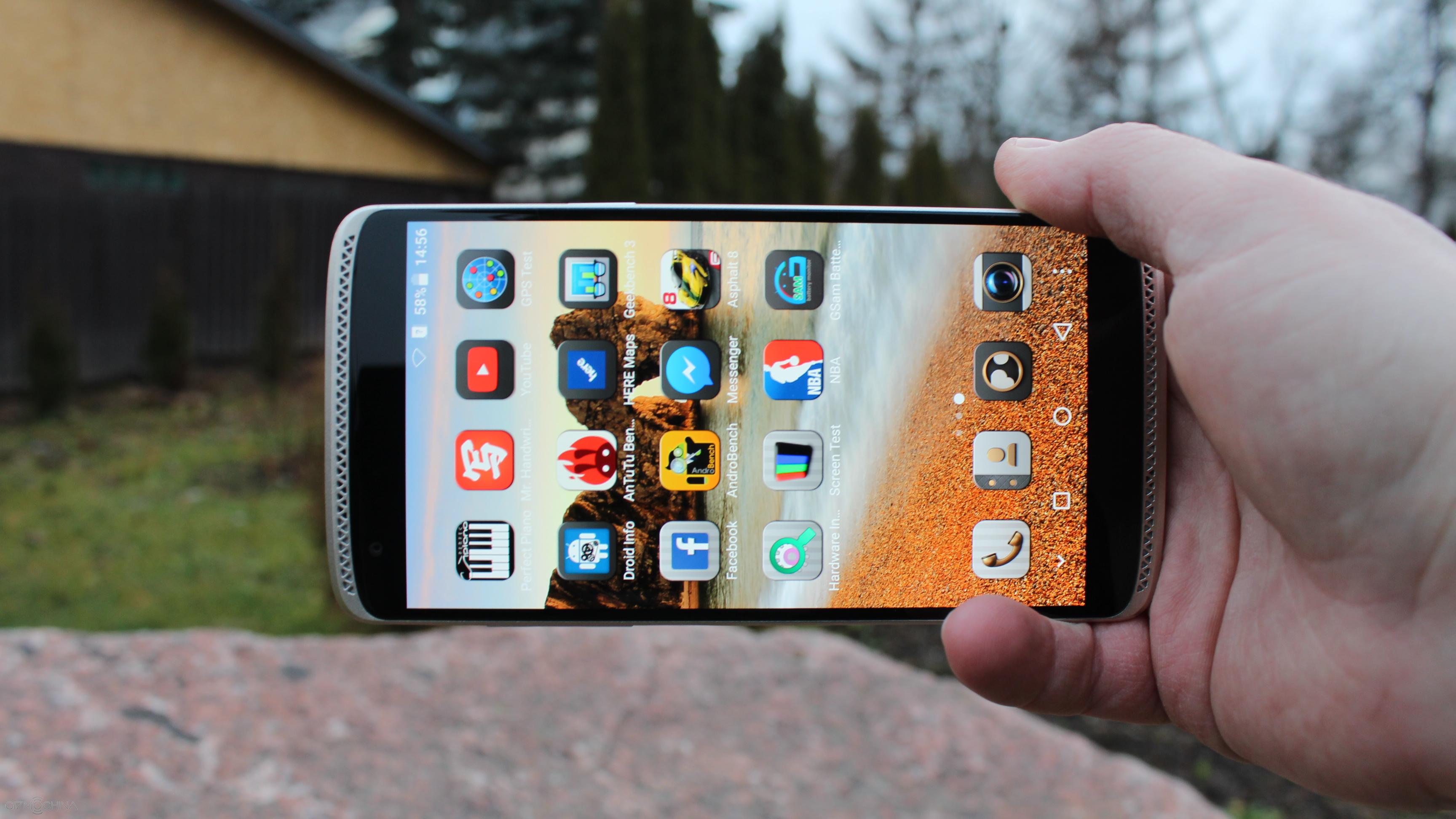
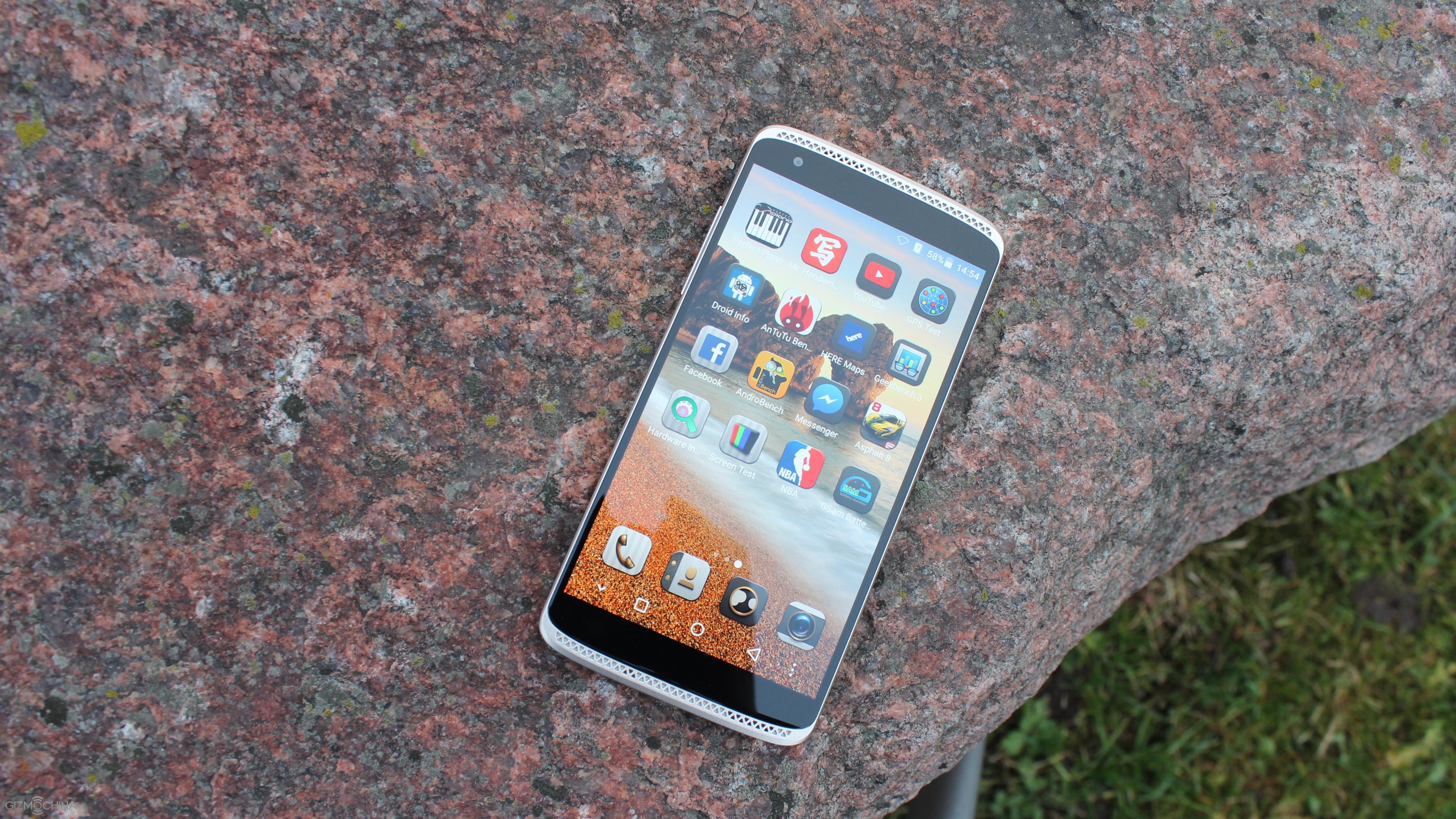
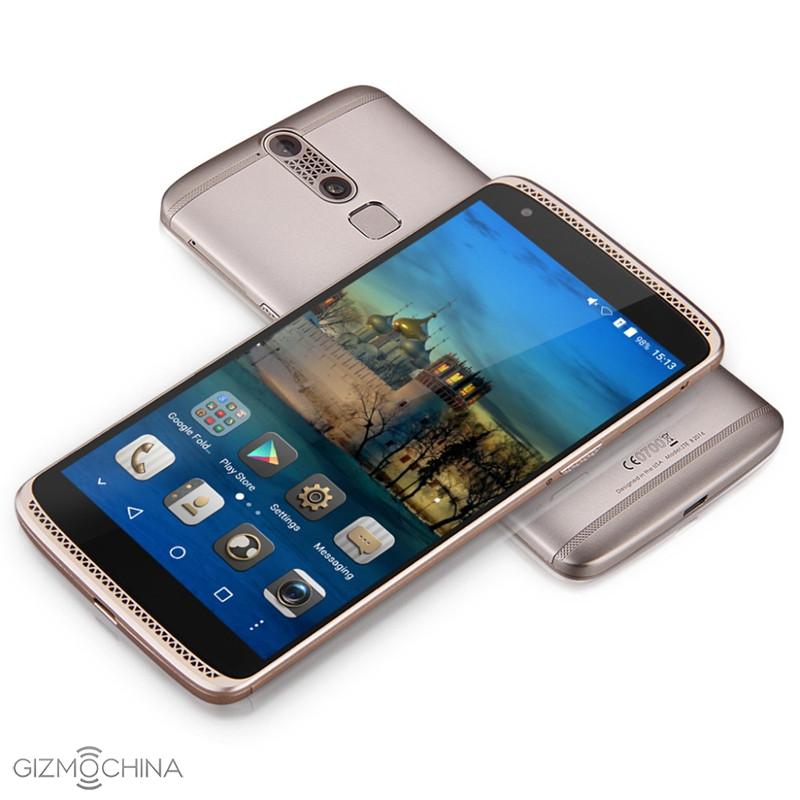
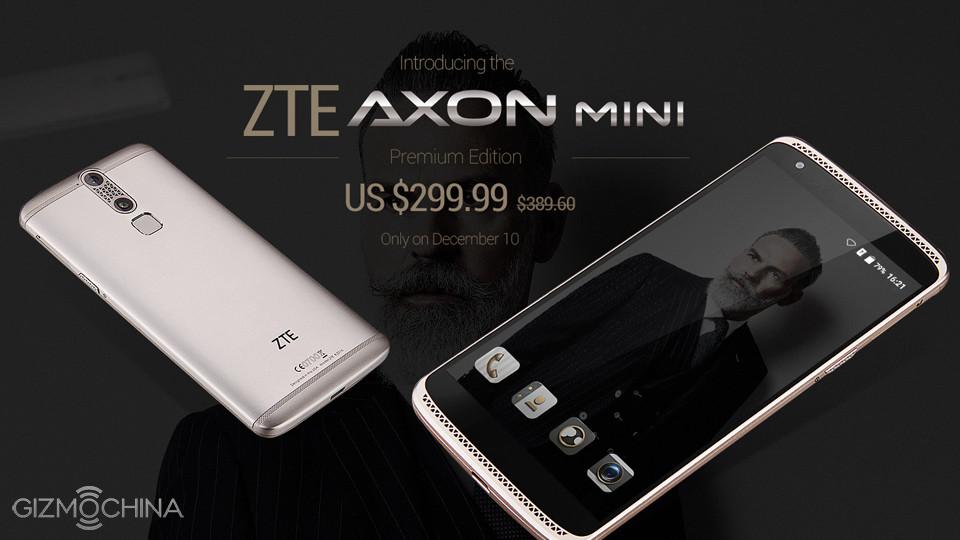
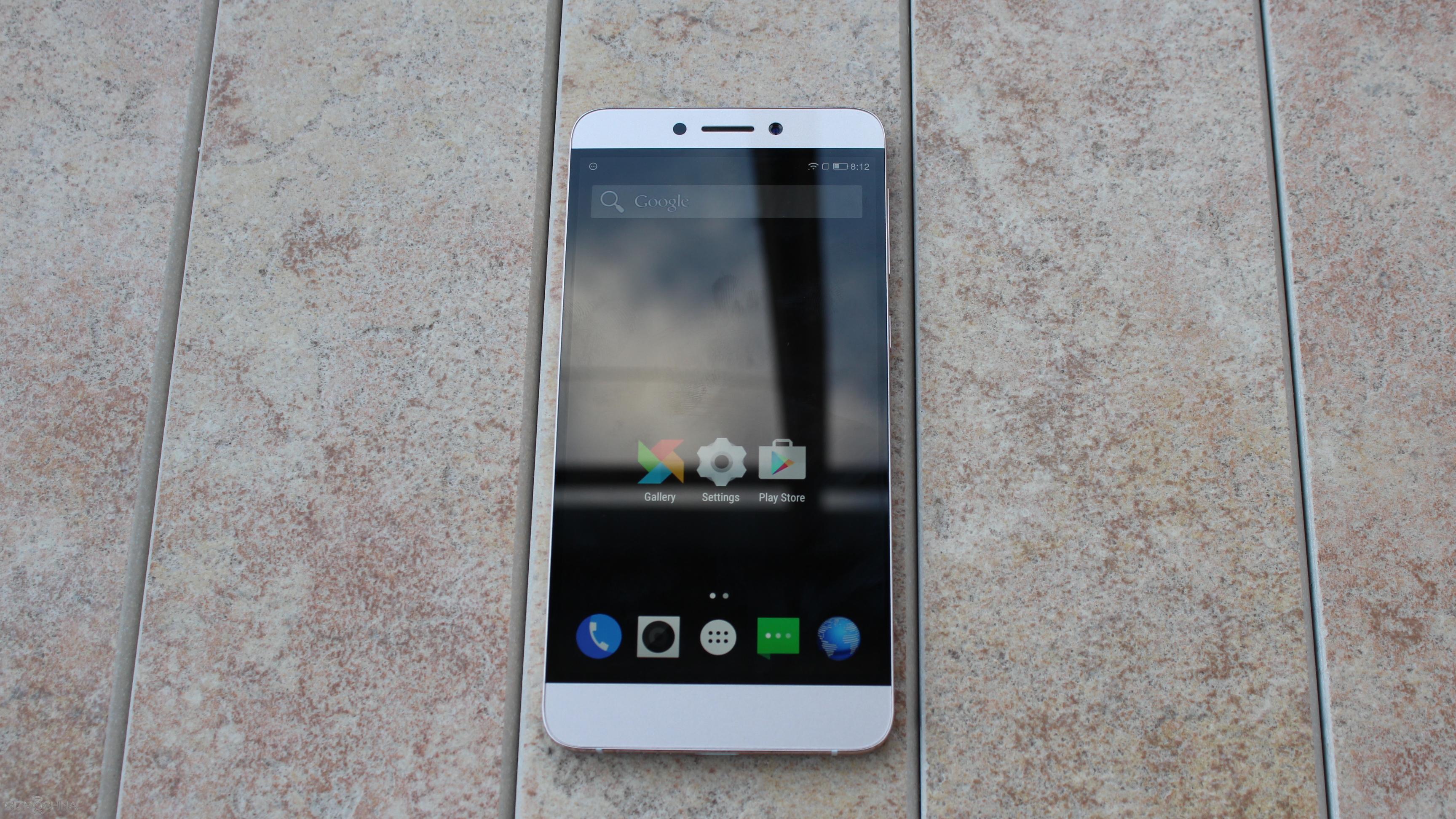
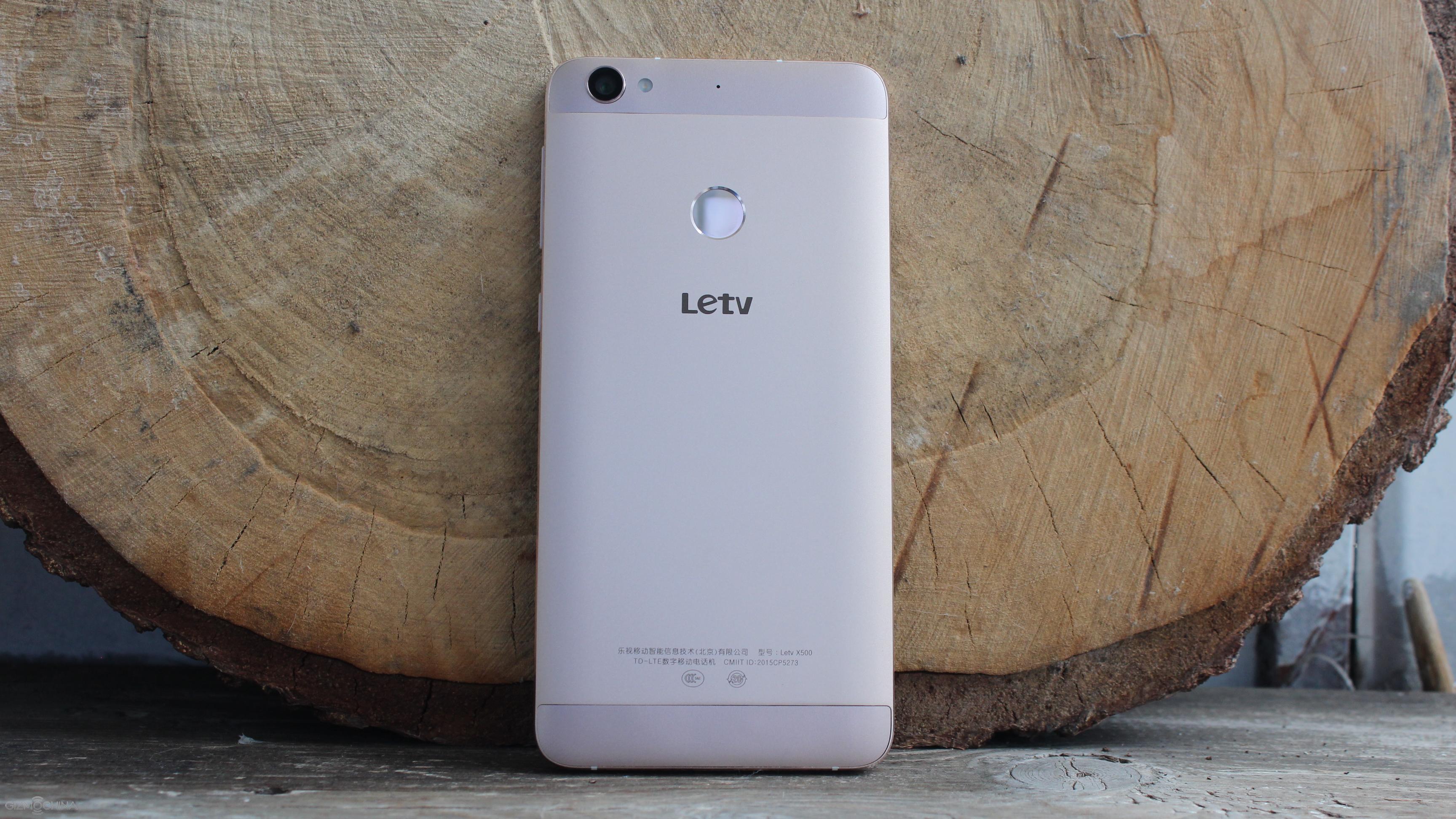
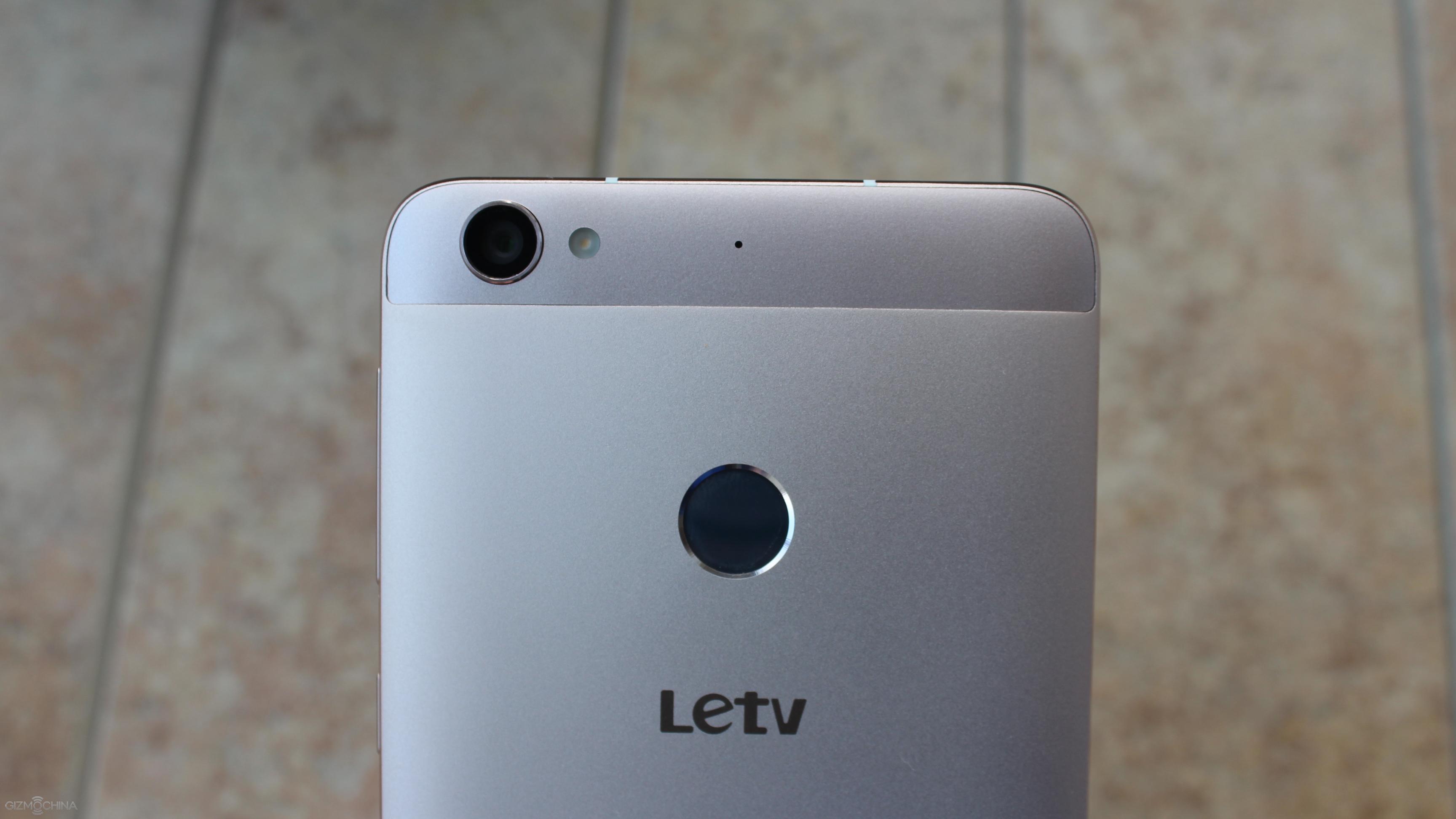
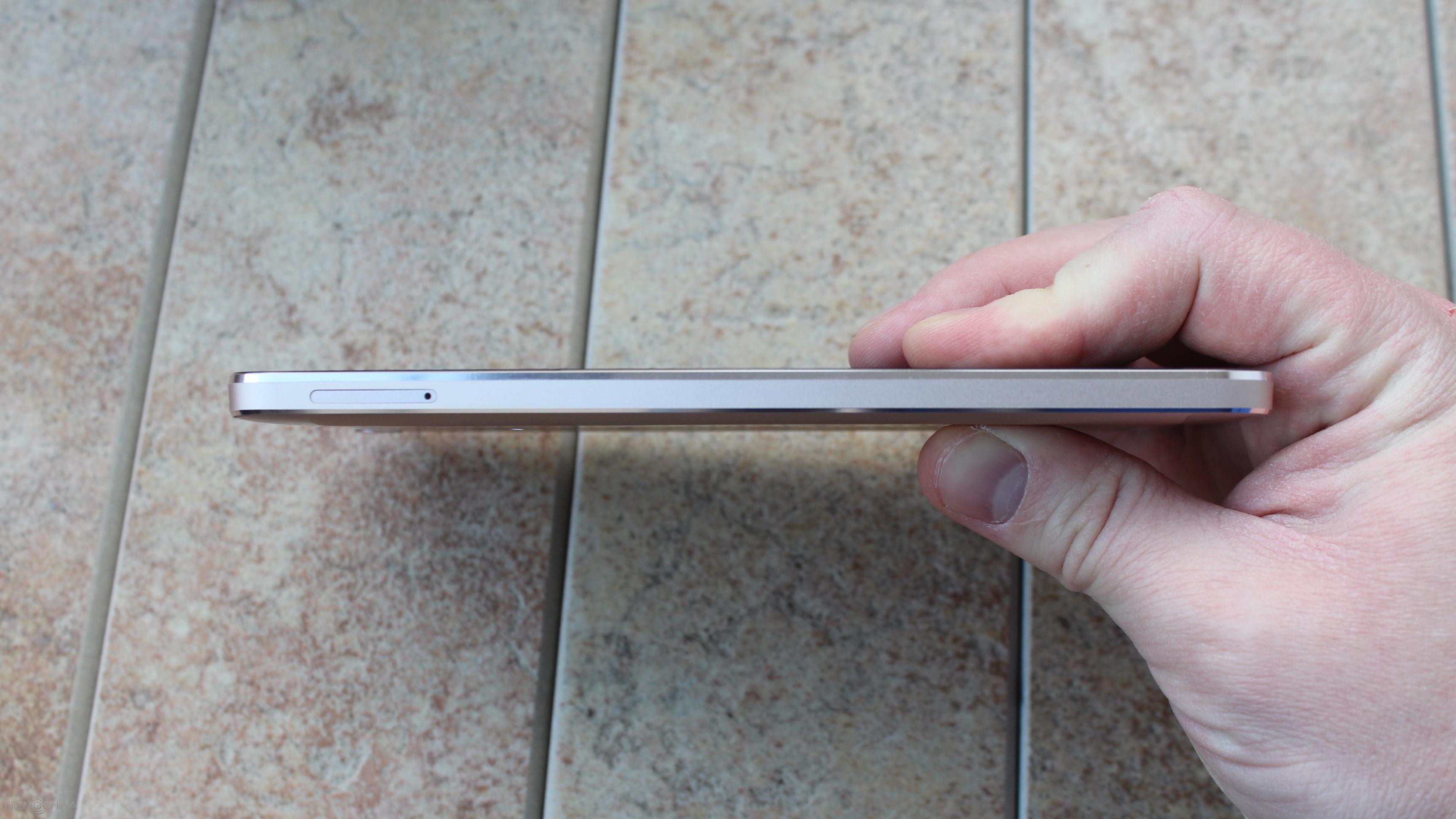
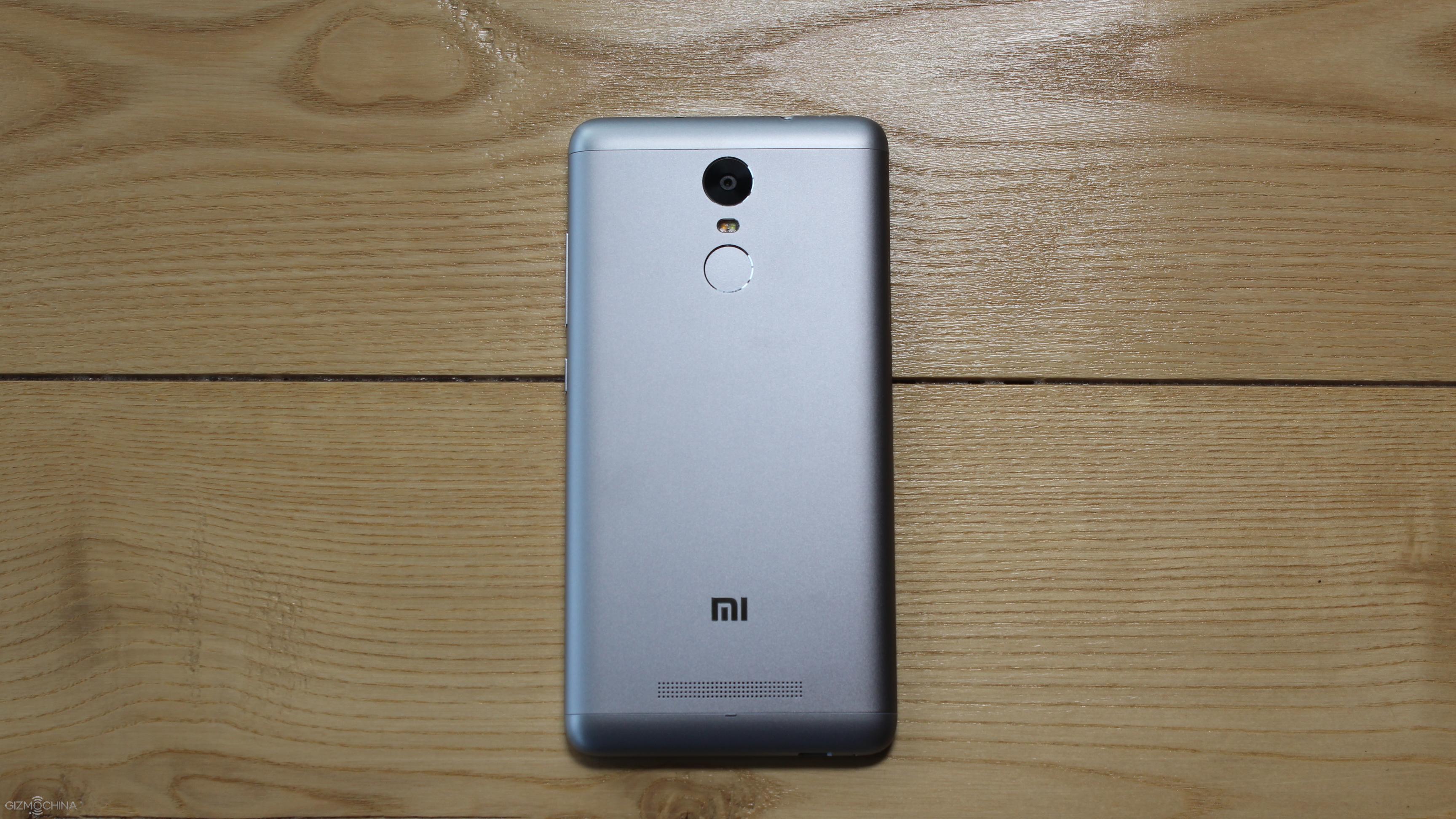
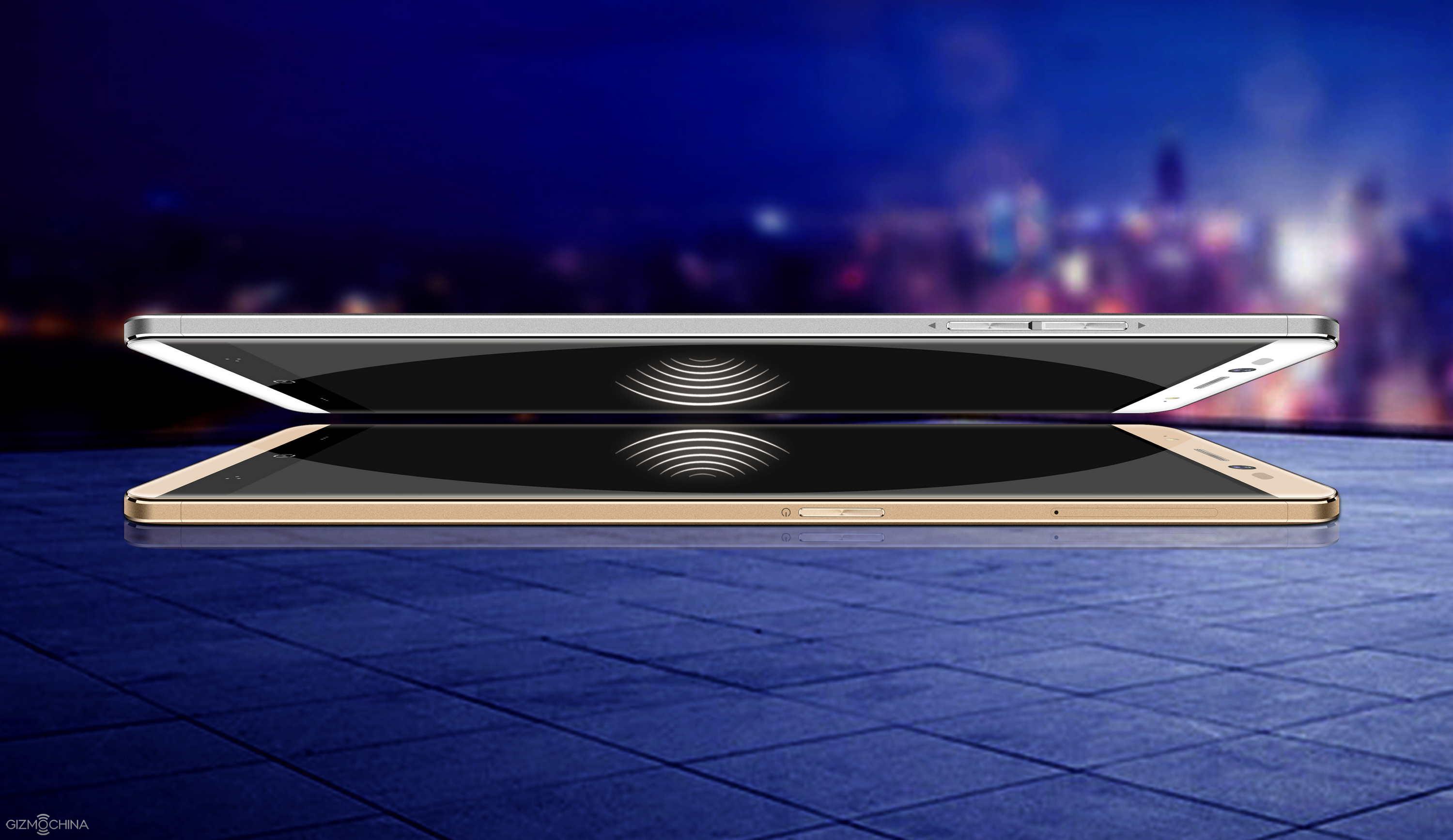
We were definitely impressed by an affordable yet premium handset and this time around we are looking at a little brother – ZTE Axon Mini. It turns out that it is not only another mini version of a flagship but it is one of the world’s first Android smartphones (along with the Huawei Mate S Luxury Edition) that has a force touch display technology. Find out more in our full review.
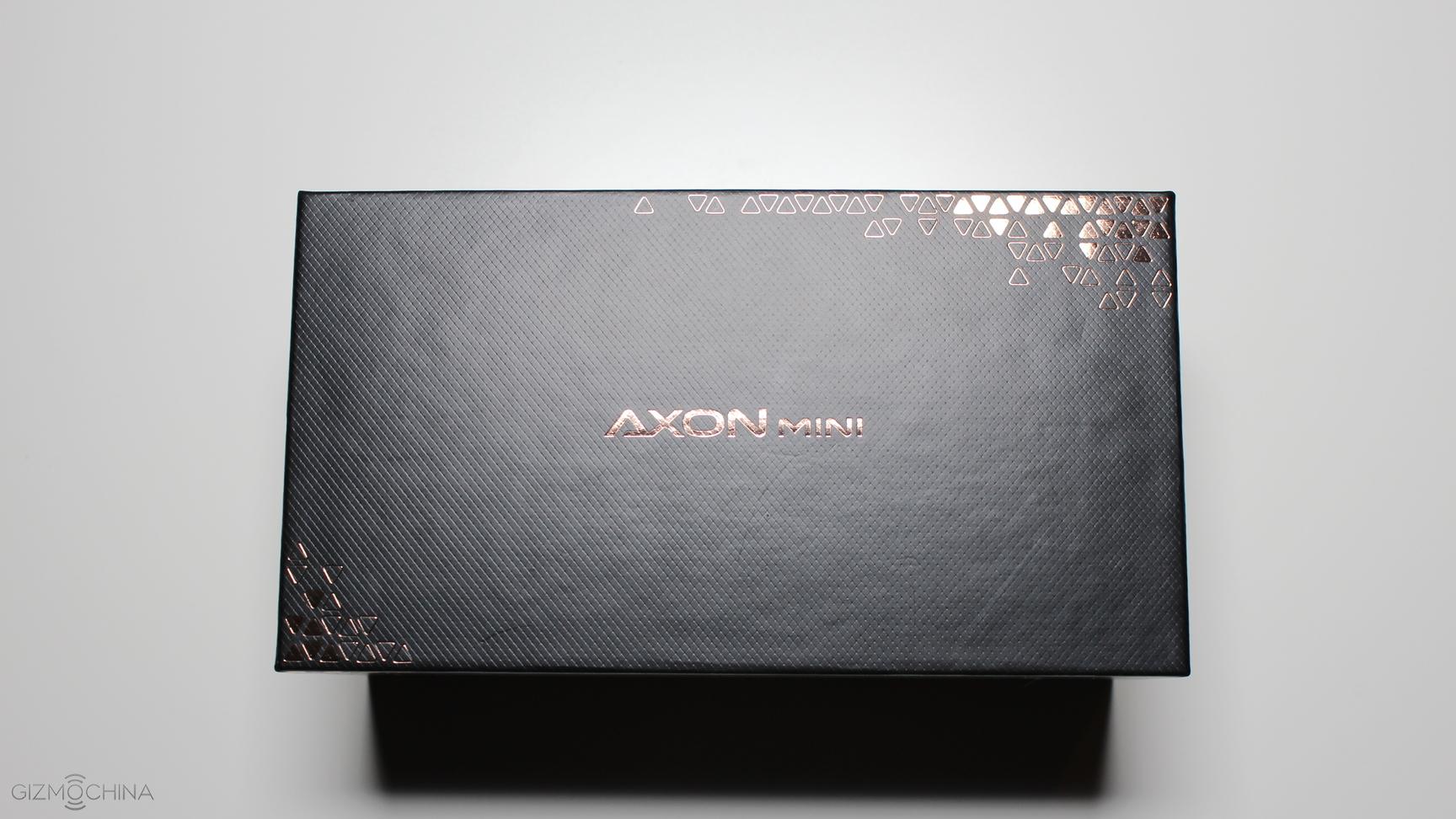
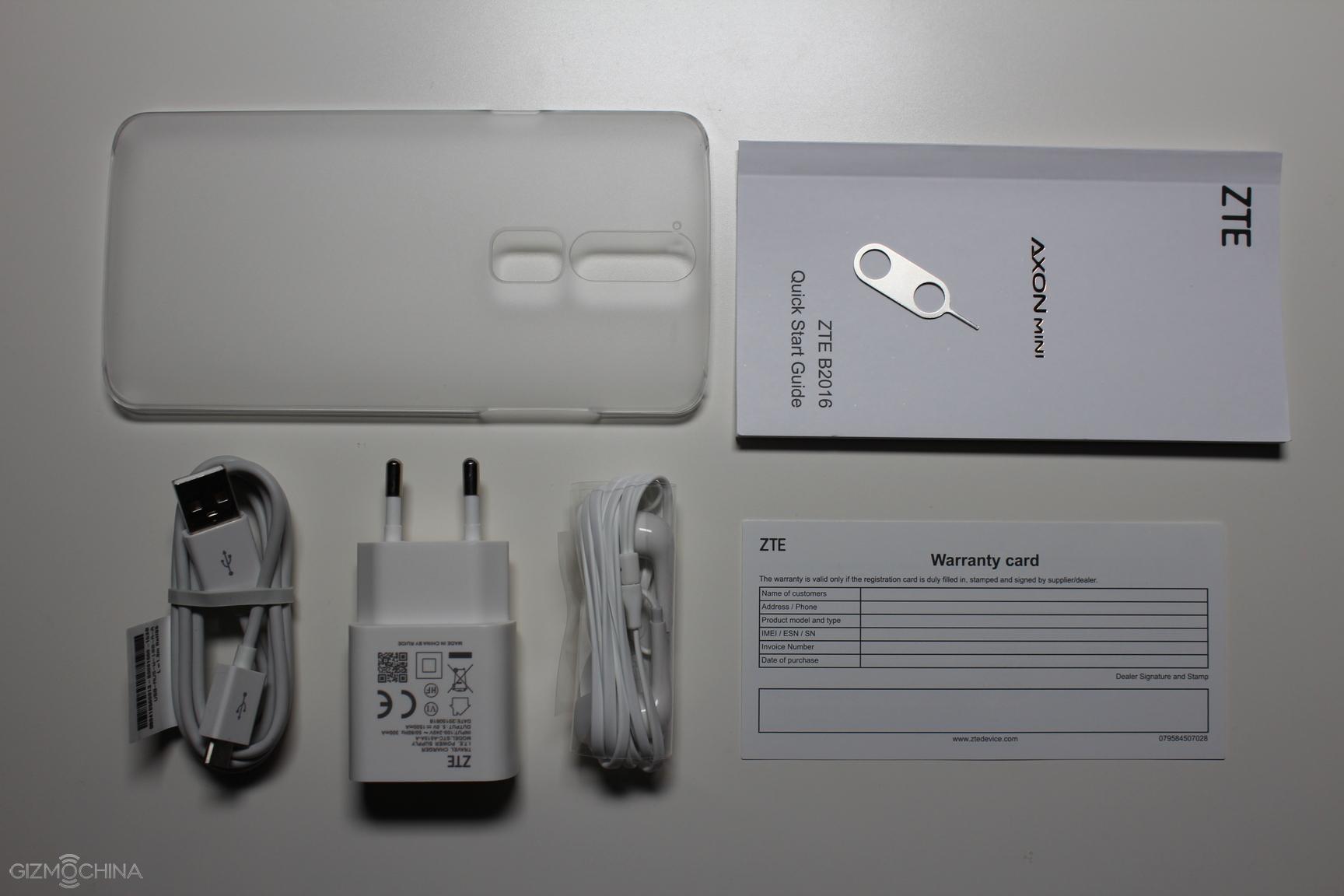
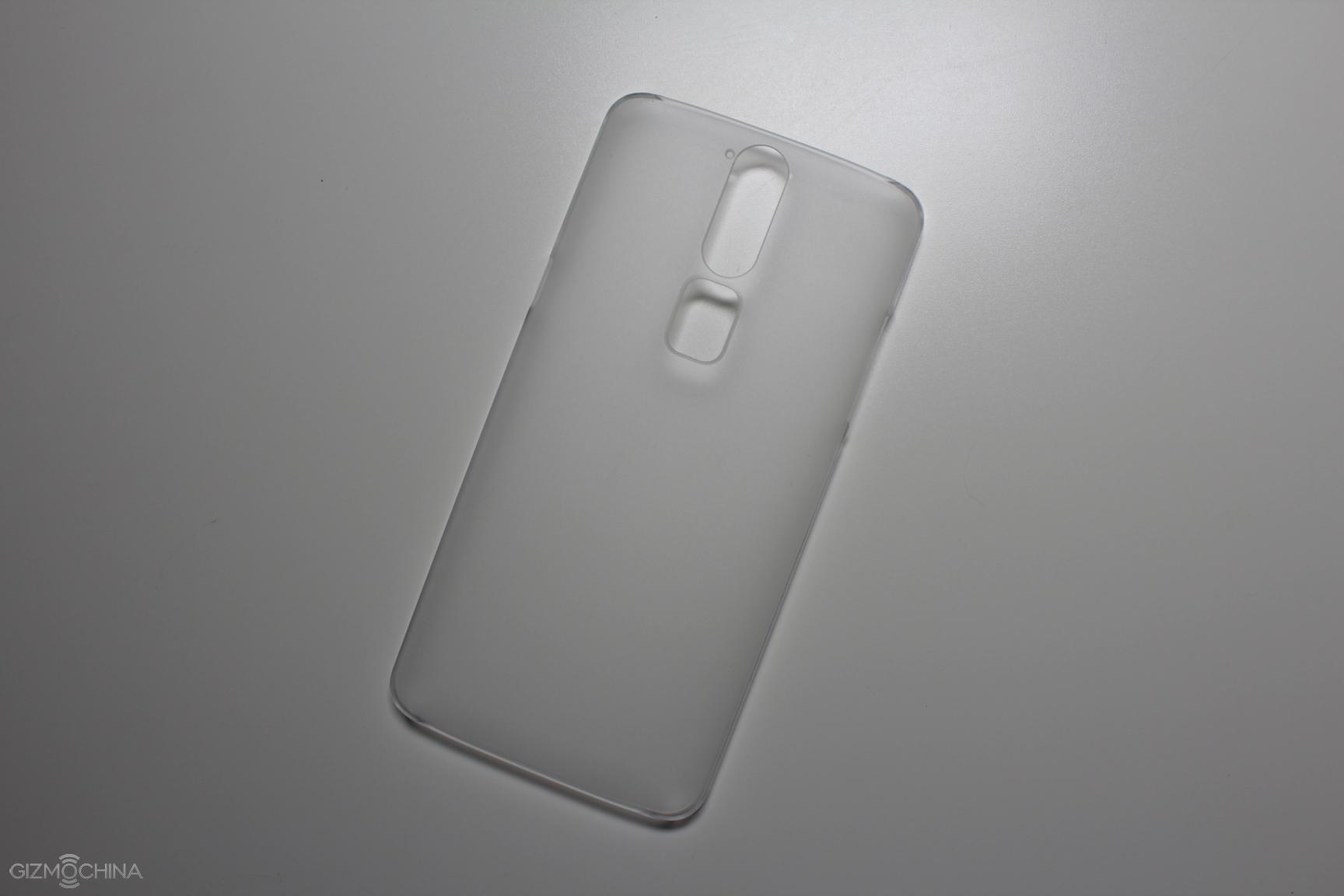
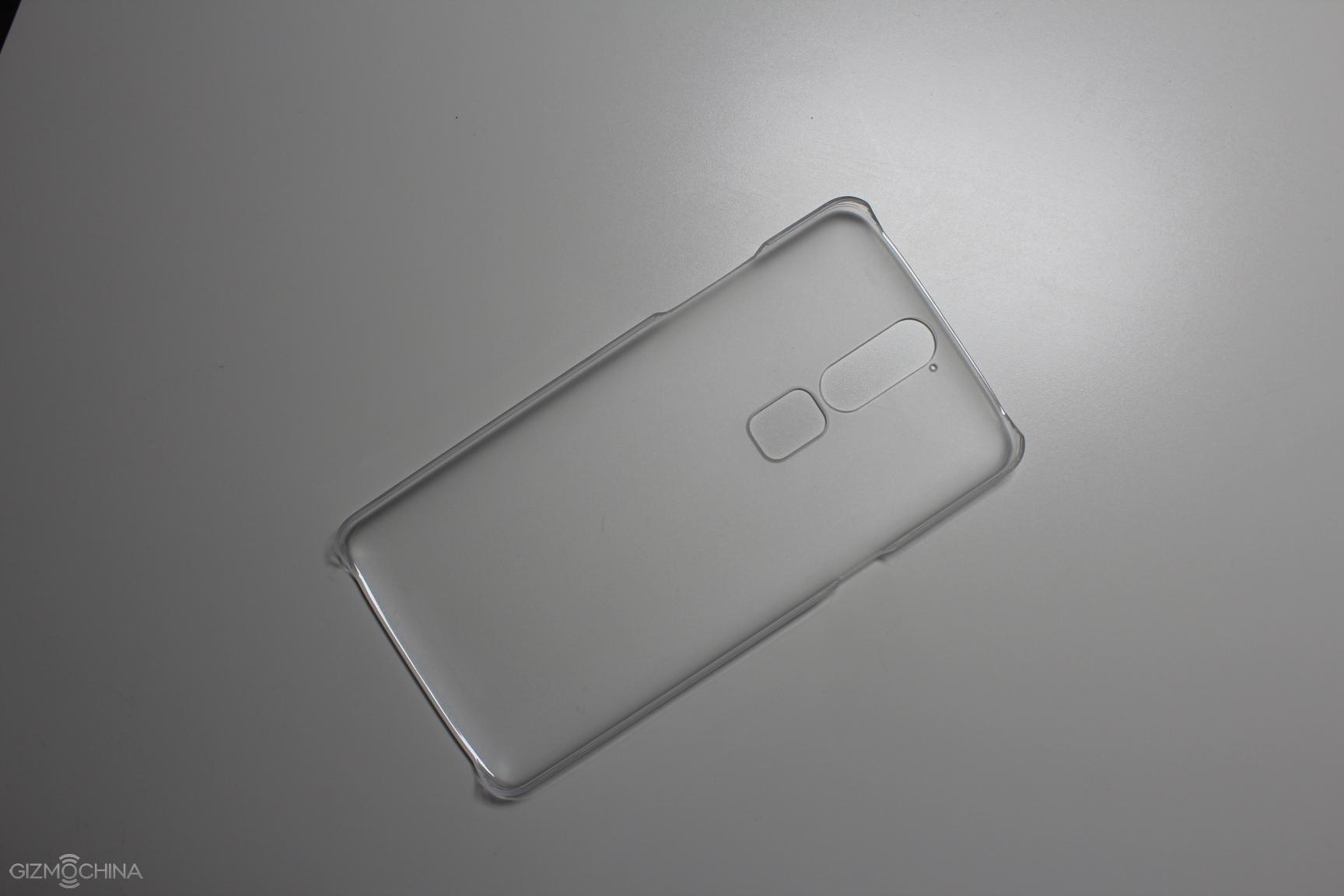
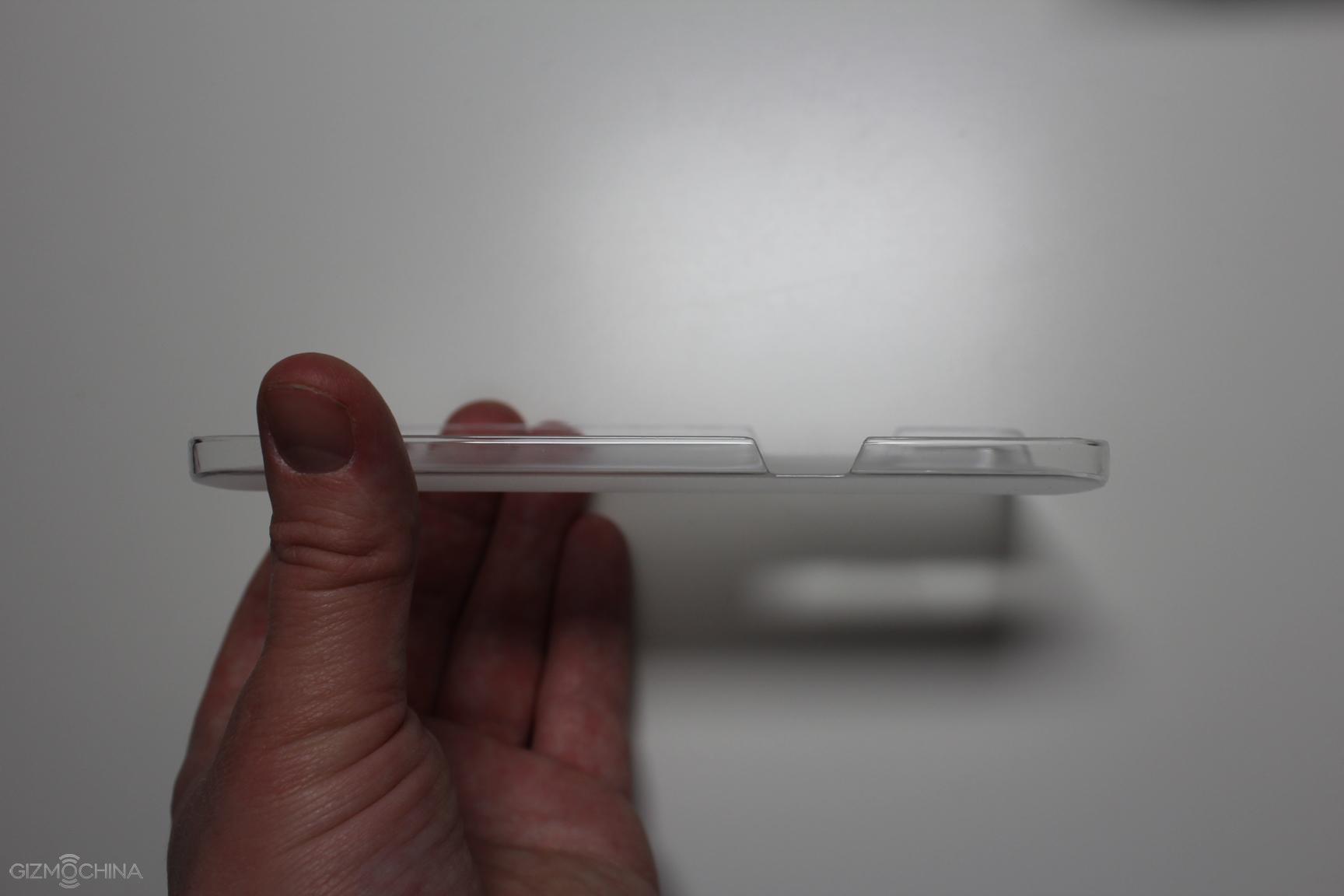
The ZTE Axon Mini comes in a premium looking packaging where all the items are packed neatly. The contents include the charging plug, USB cable, a pair of earphones, which actually sound pretty good; SIM ejector PIN, some documentation and a soft plastic case, which is always a nice addition to have.
ZTE Axon Mini: SPECS
Display
5.2″ 1080p Amoled (Full-HD)
Processor
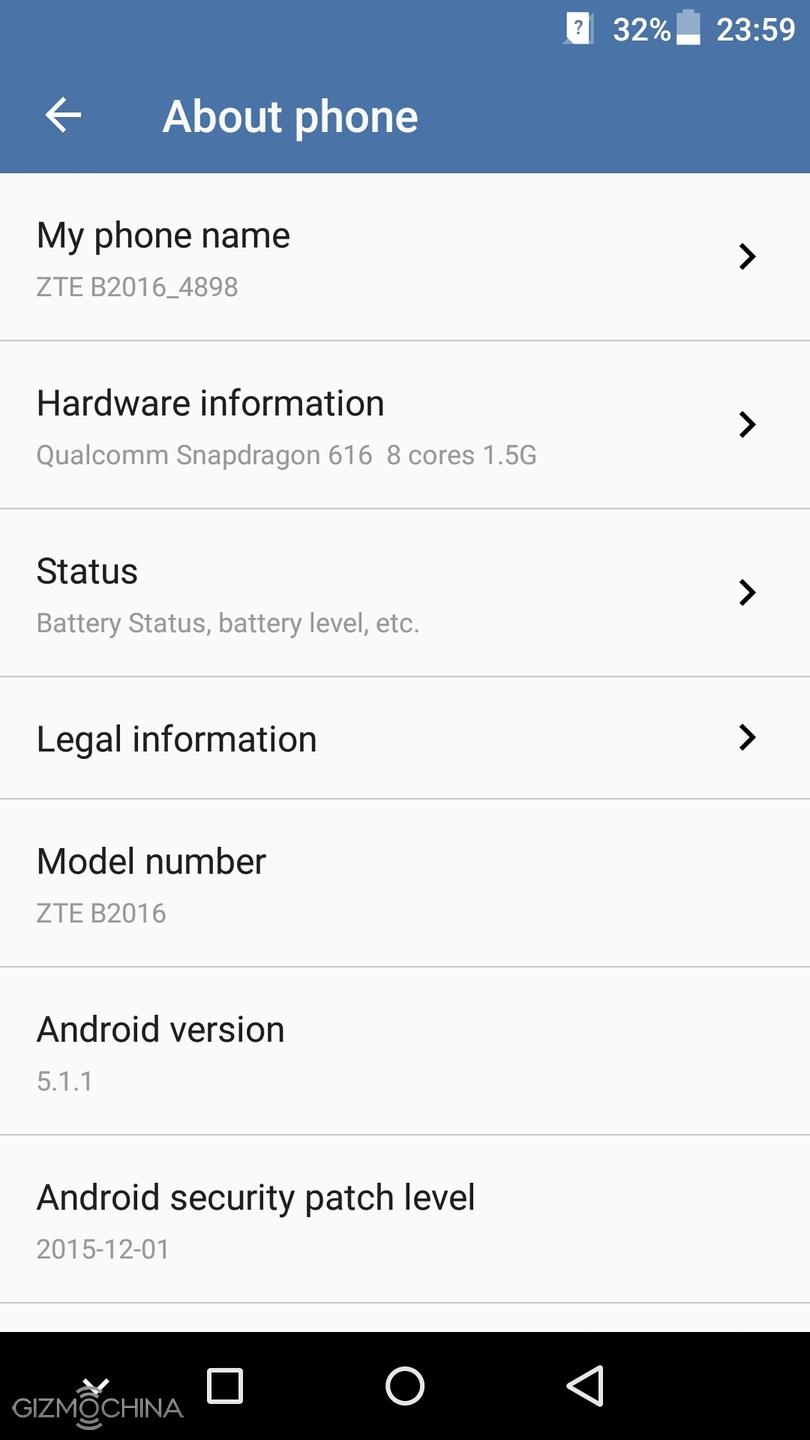
Qualcomm Snapdragon 616, 64-bit, octa-core (up to 1.5GHz)
143.5 x 70 x 7.9 mm (5.65 x 2.76 x 0.31 in) / 140g
OS
MiFavor 3.2.0 (based on Android 5.1.1)
Storage
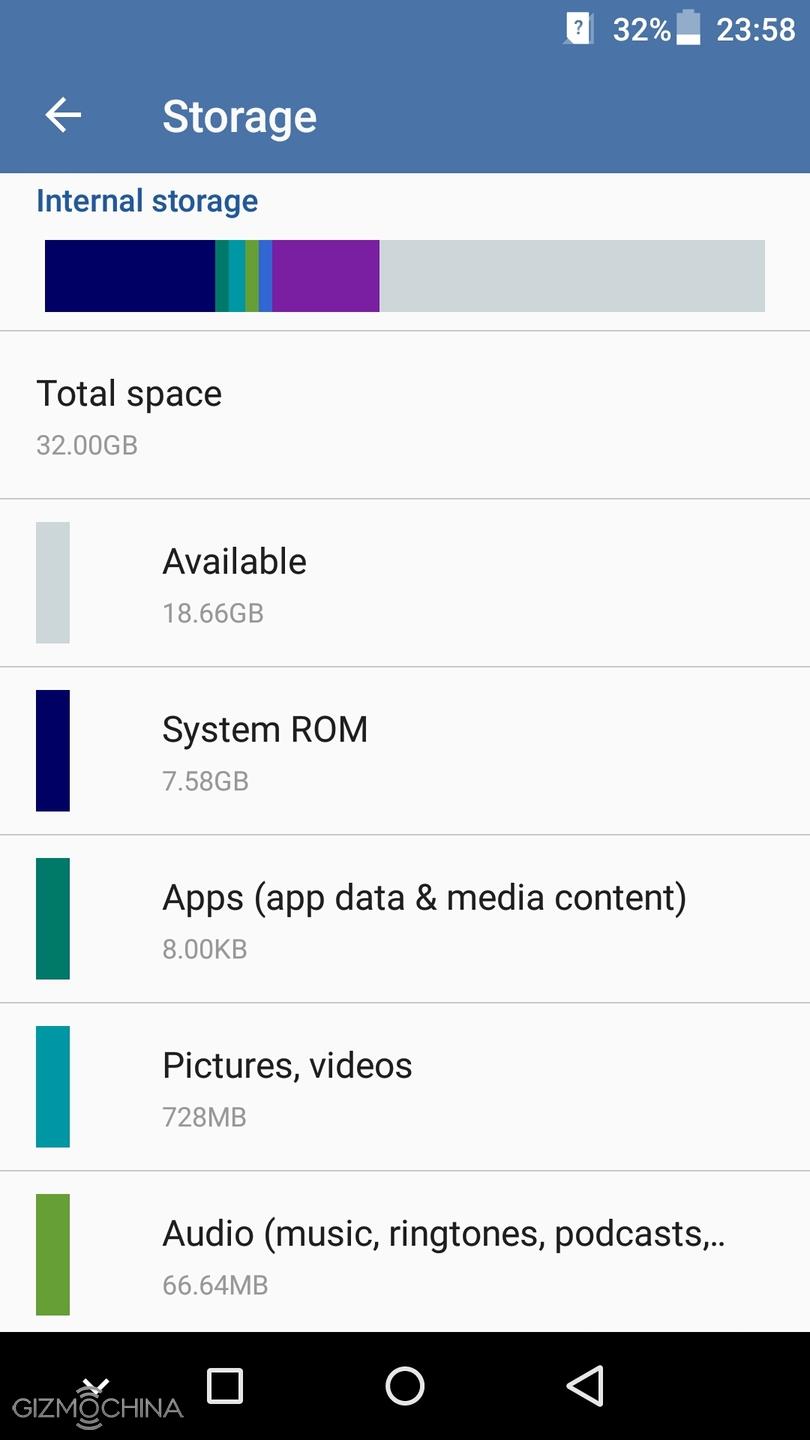
32GB (expandable via microSD card slot up to 128GB)
ZTE Axon Mini: DESIGN
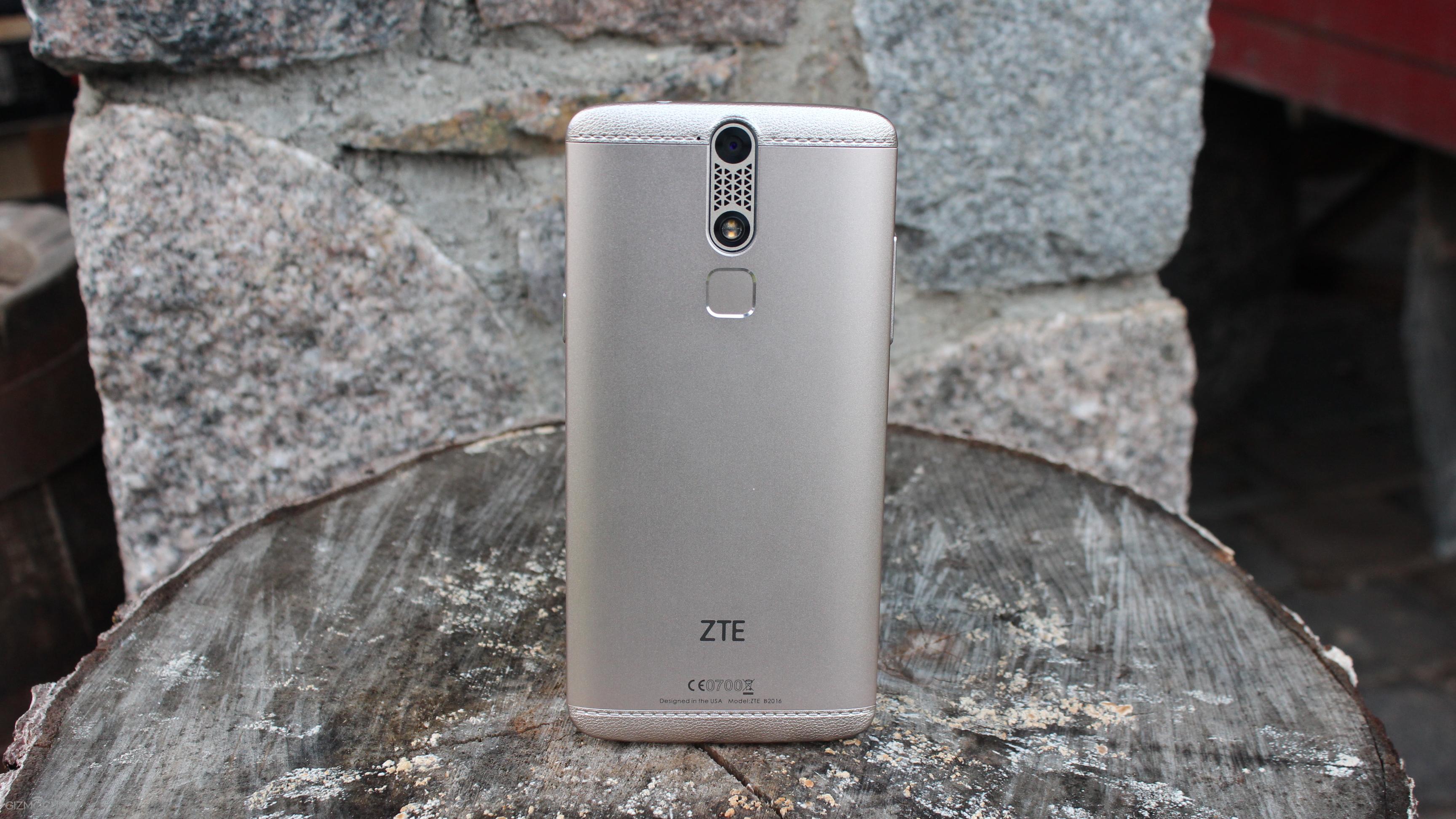
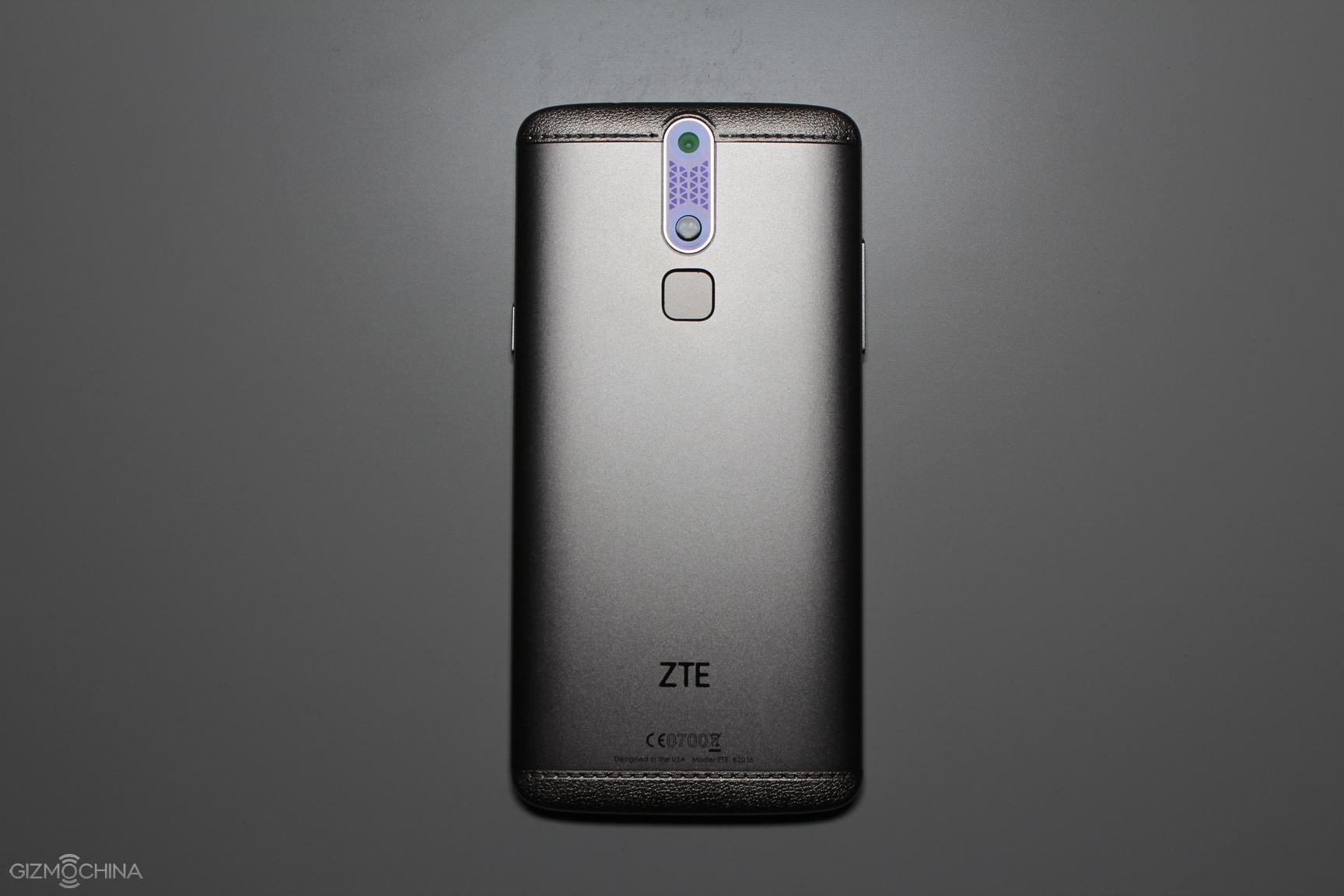
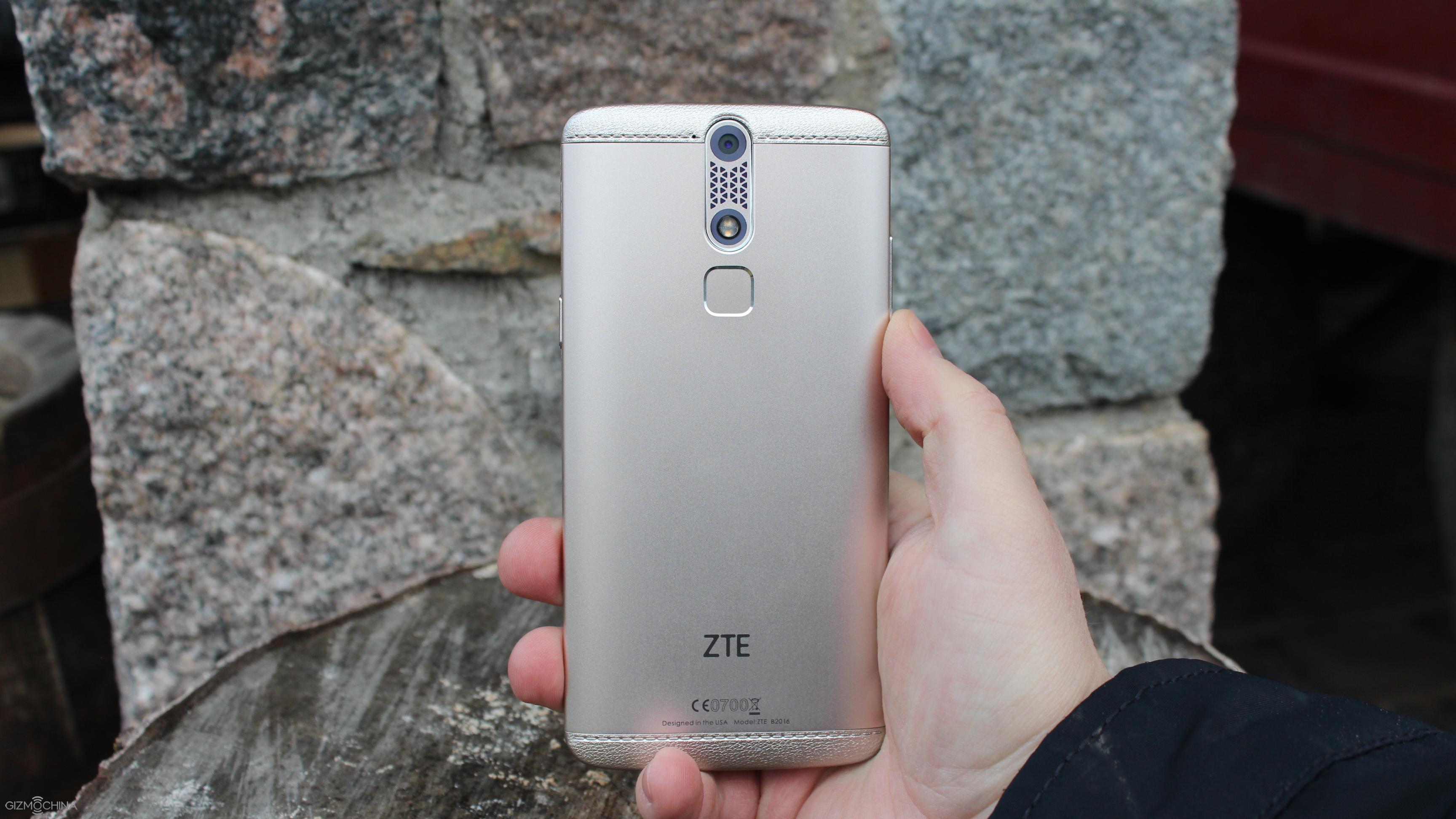
As far as the design, we are looking a really premium and well-crafted handset. It is made almost entirely of metal except for those top and bottom parts on the back, which imitate a leather finish with some fake stitching. It is very subjective and many people may not like it but I have to say that they look okay to me. As a matter of fact, they have a somewhat rubberised finish, which definitely helps with the grip.
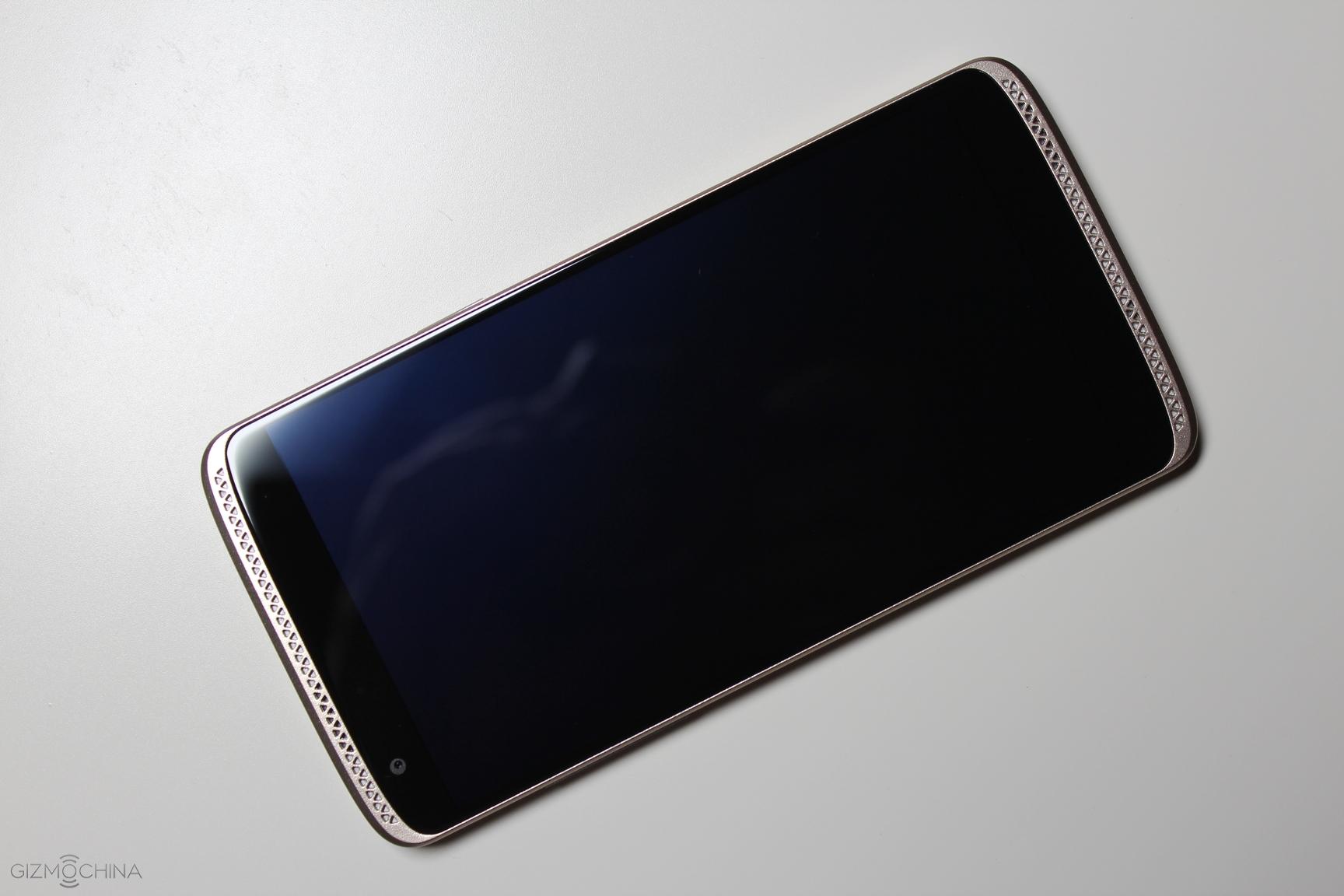
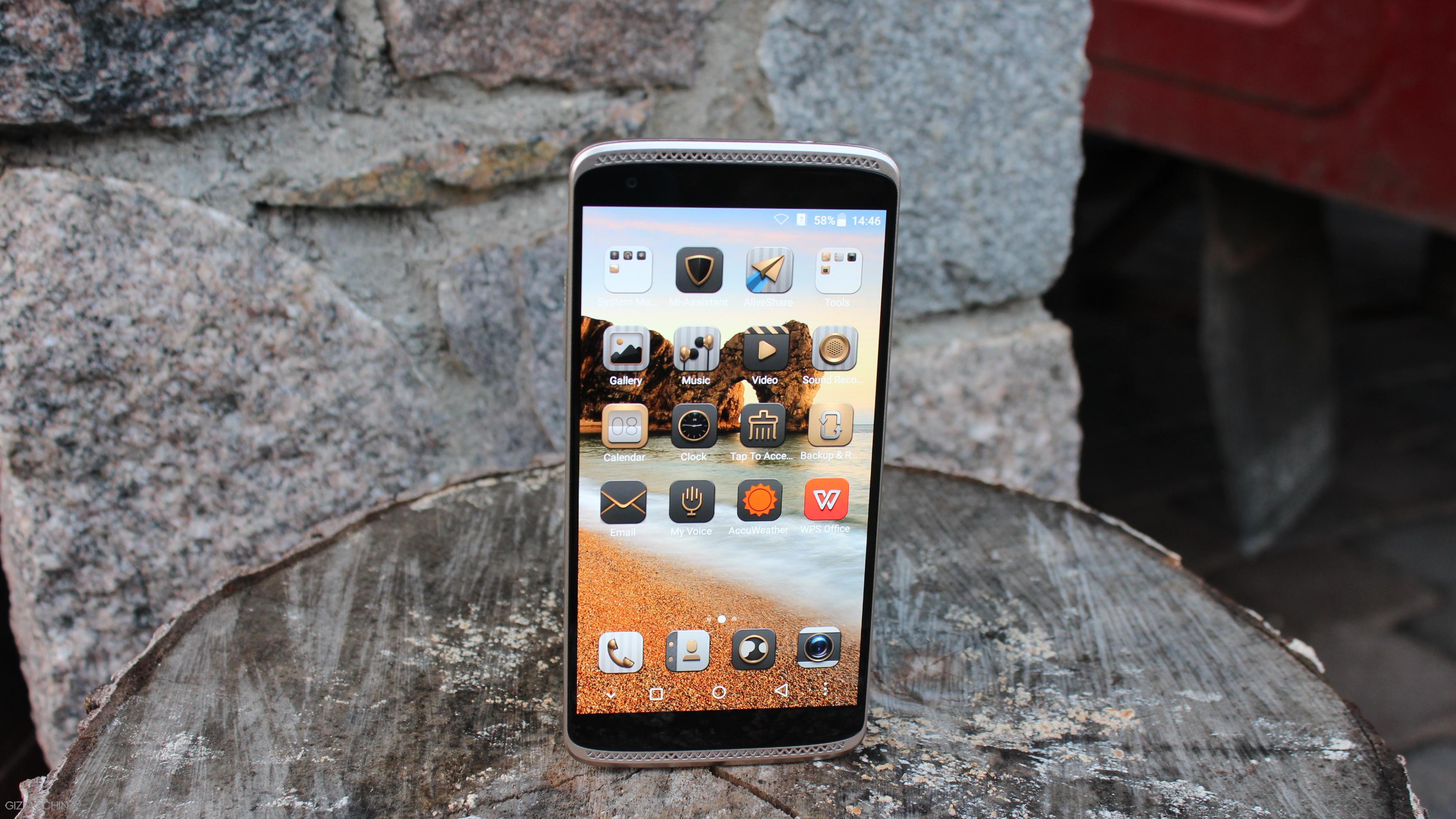
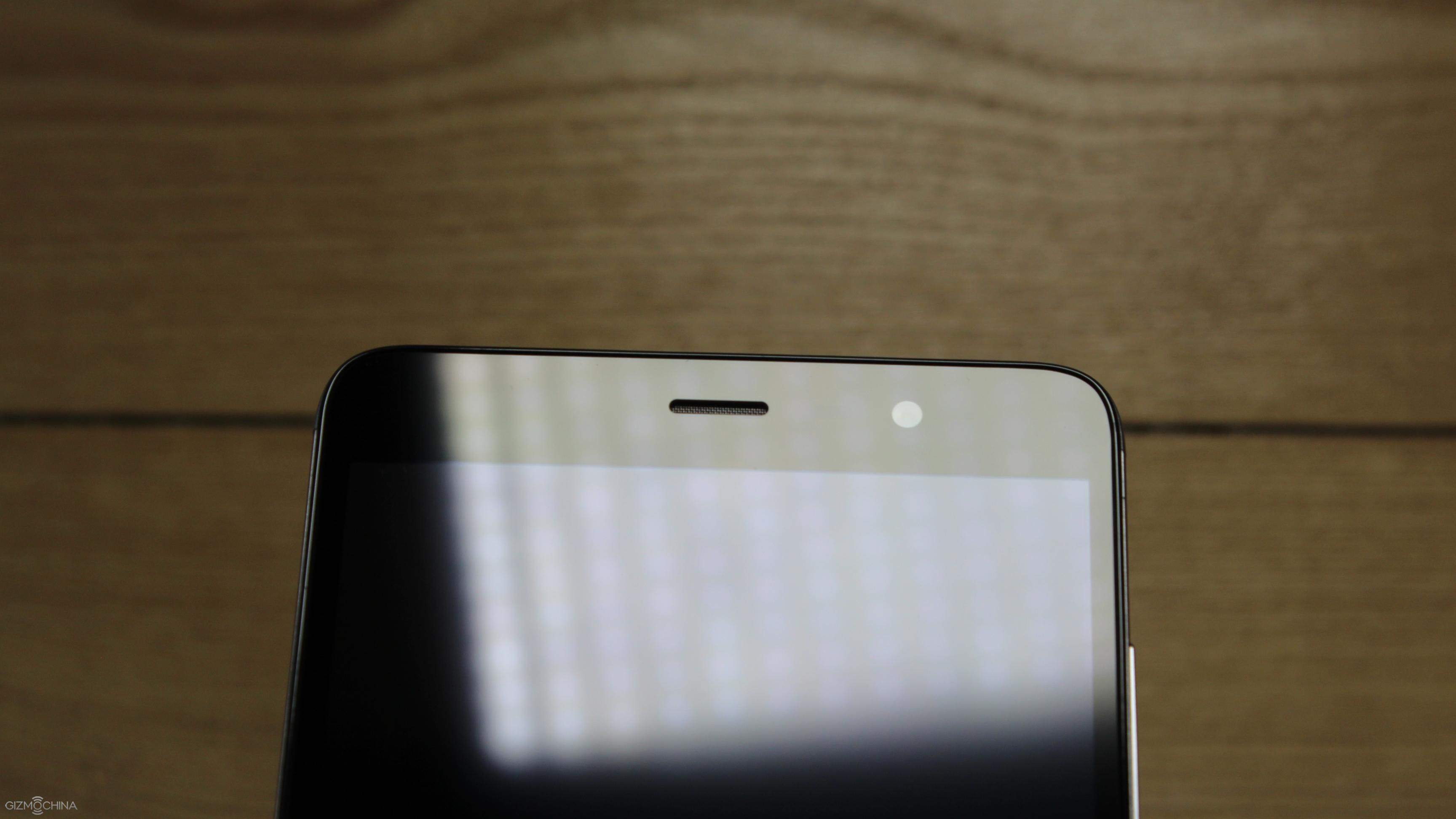
The front top and bottom parts may give you an impression that the Axon Mini sports a dual stereo speakers setup. However, the top part is dedicated only for the earpiece, usual set of sensors, notification LED light and 8MP selfie snapper.
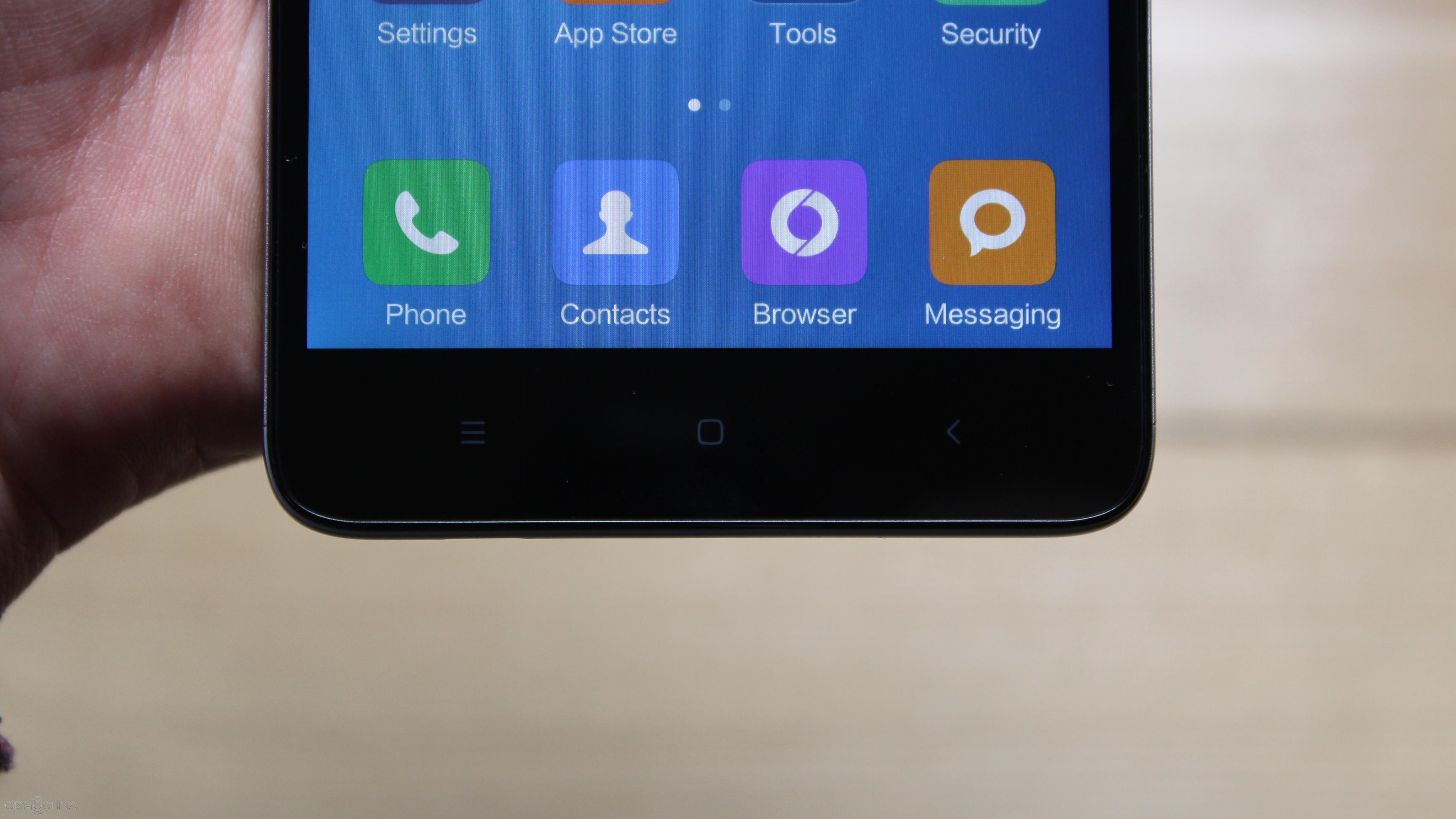
The bottom is the place where you can find a front firing speaker along with the main mic.
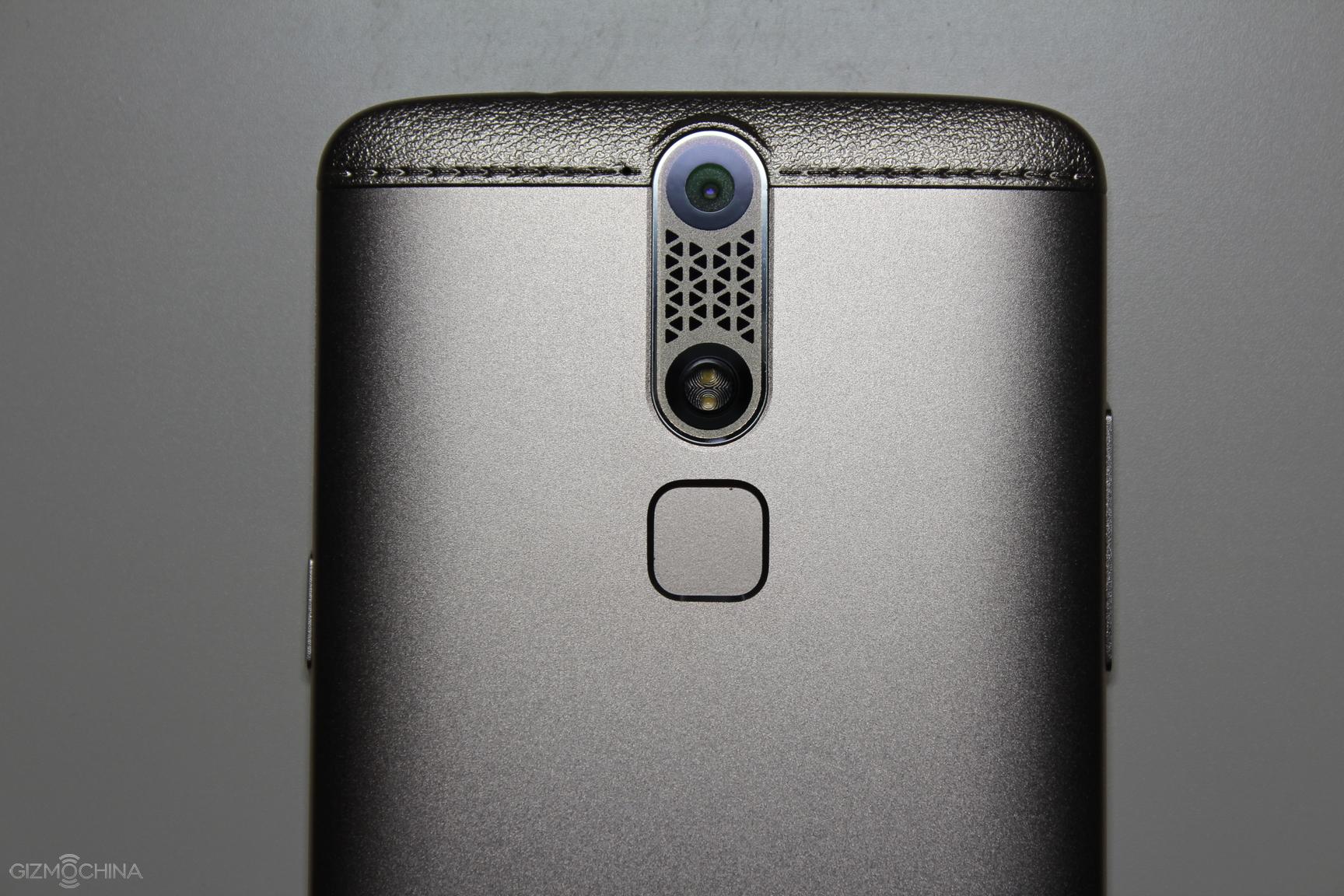
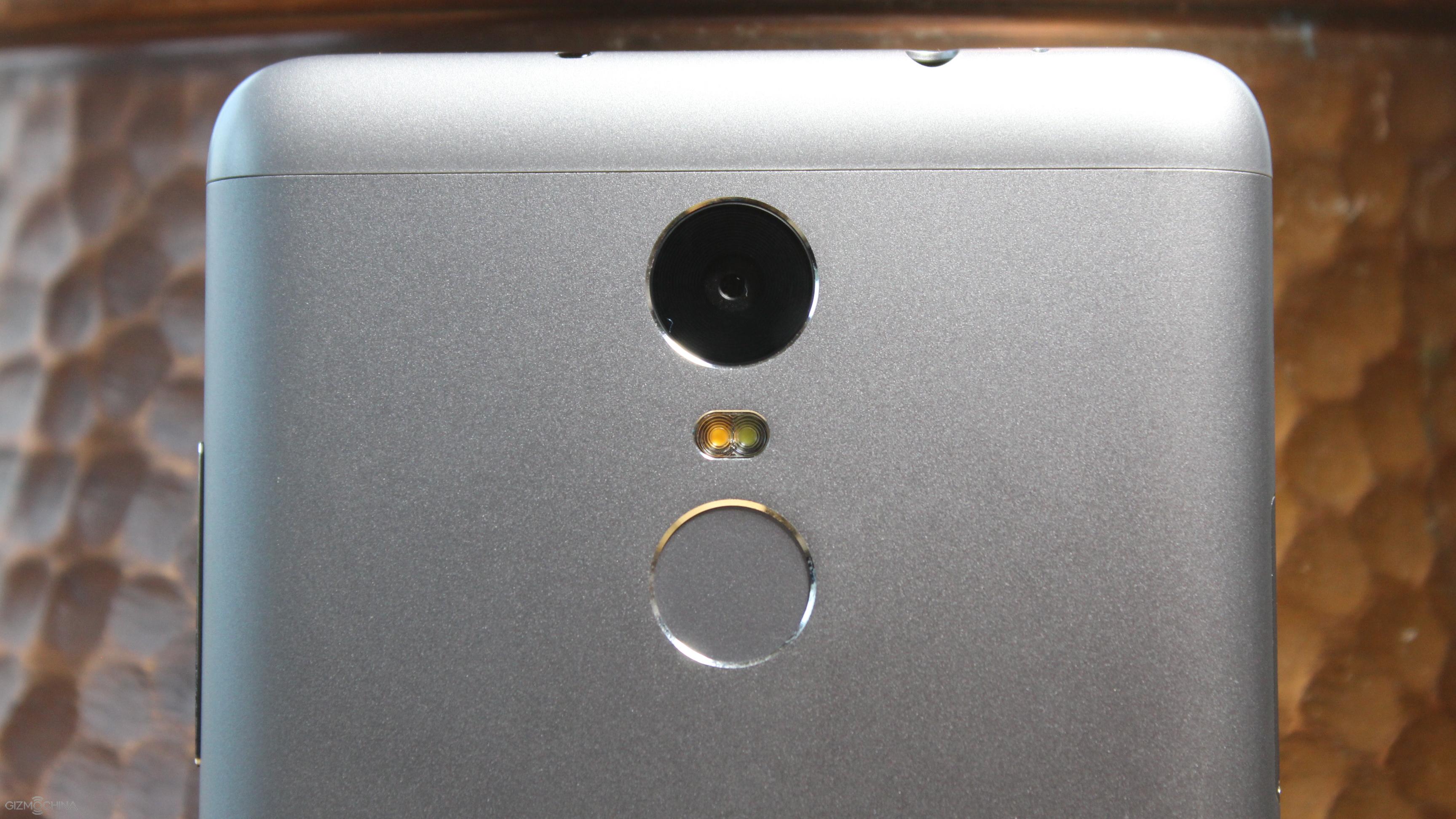
The ZTE Axon Mini keeps the same design language as its bigger brother but this time around it ditches the dual-camera setup and opts in for a more conventional 13MP shooter with dual-LED flash.
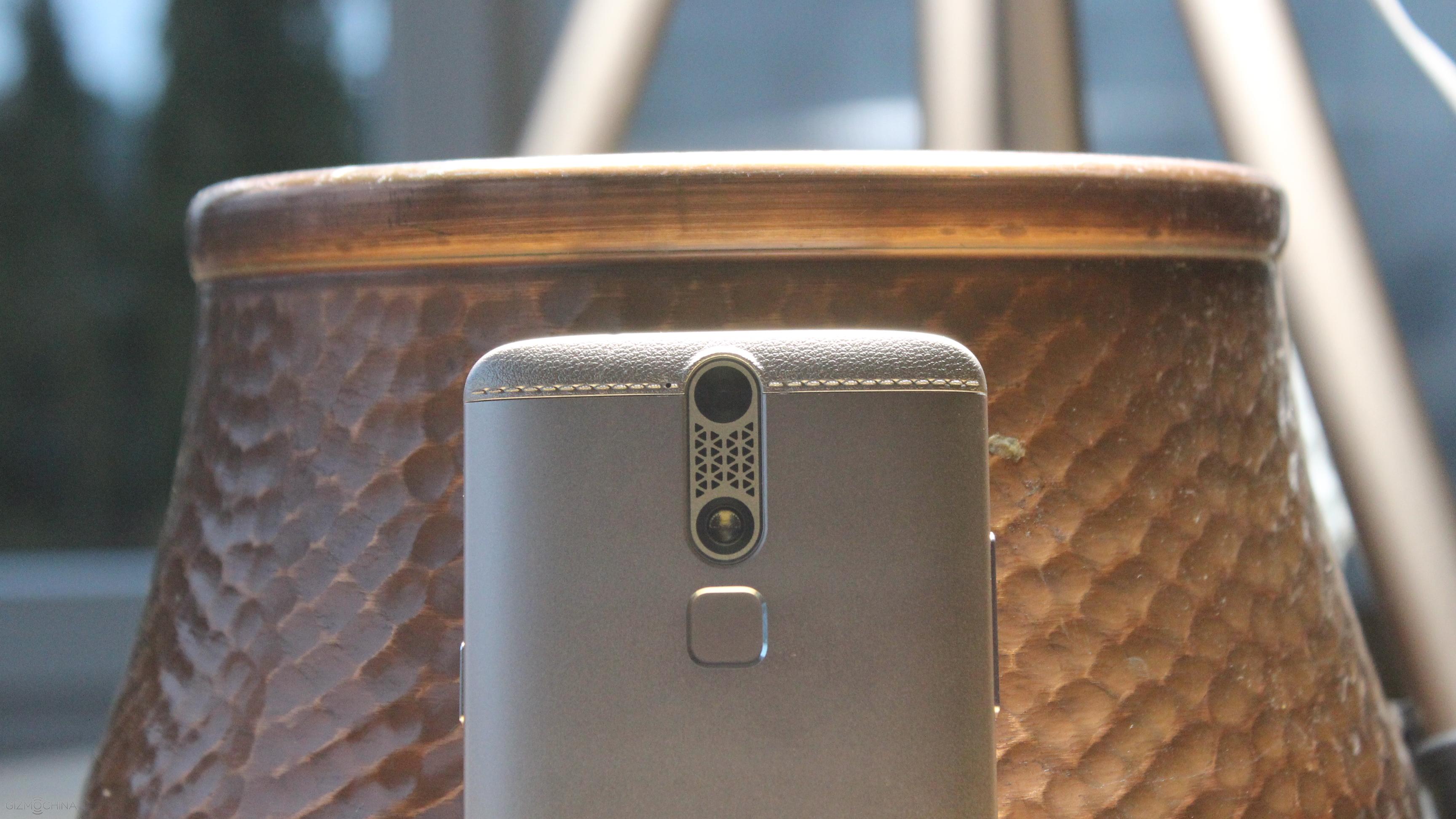
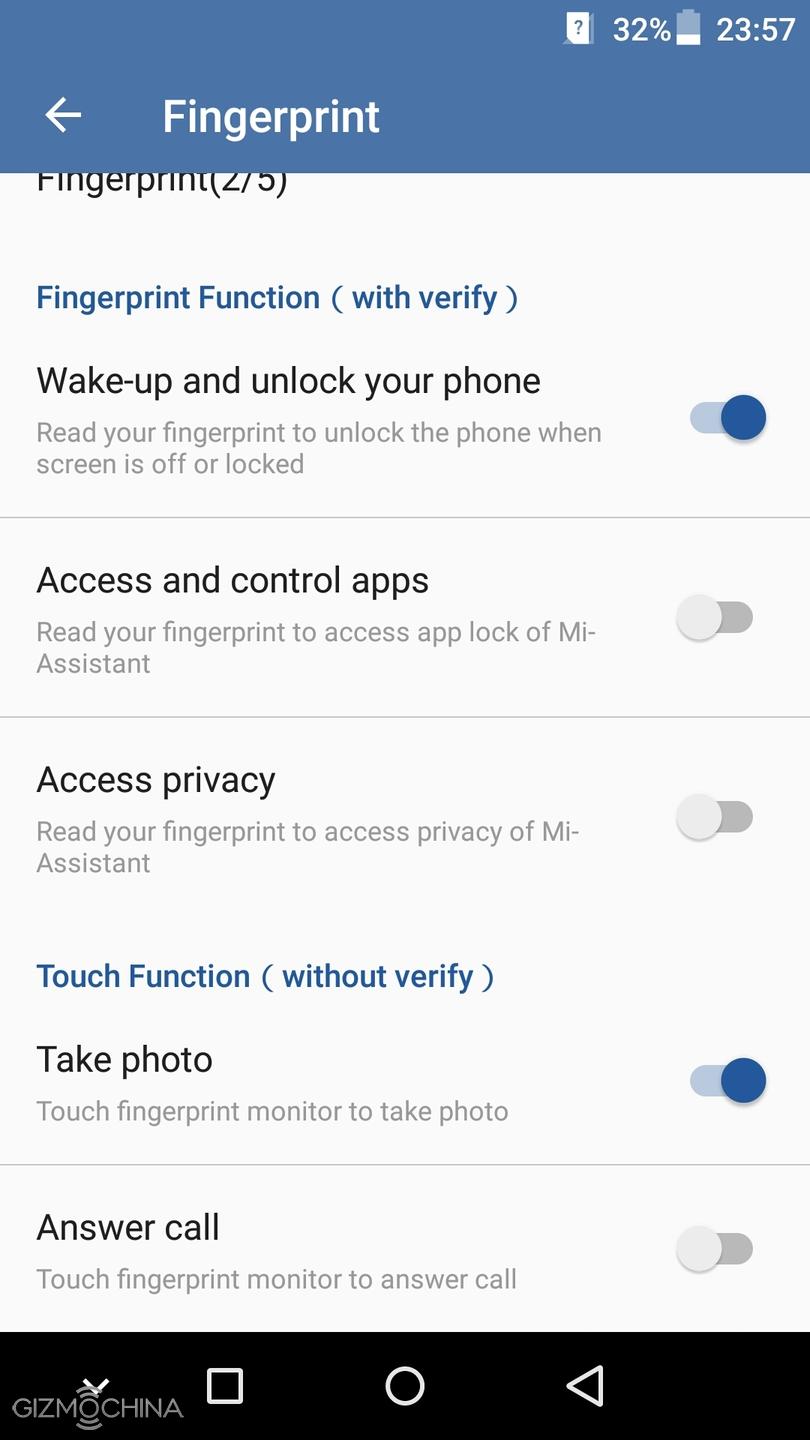
Underneath the camera there is a fingerprint scanner. I’ve setup it up since the first minute I had the phone and I have to say that it is super easy to setup, very fast and accurate to use. Also, the rear placement of the scanner feels much more natural than on the one found on the front. Again, this may be subjective.
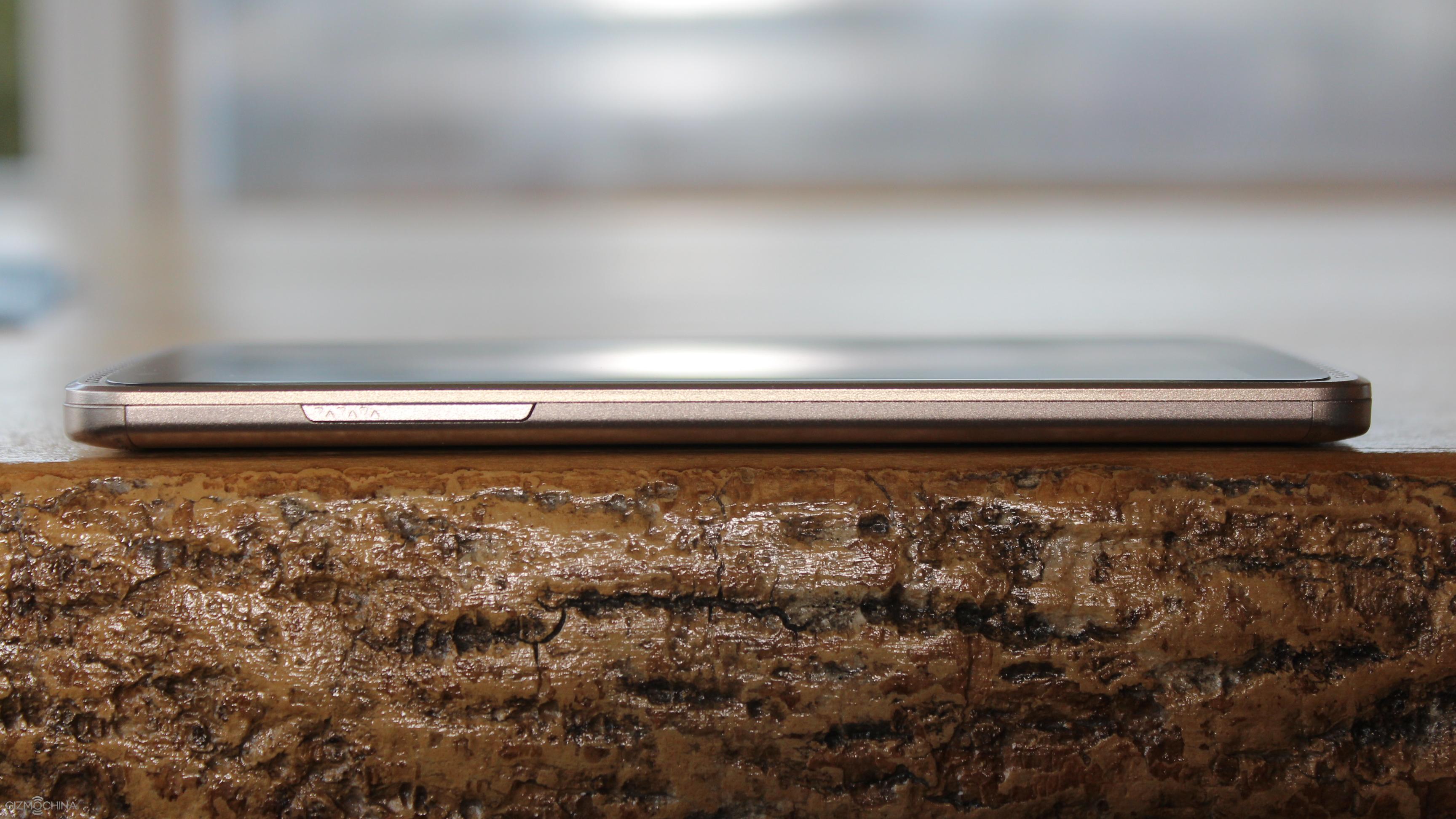
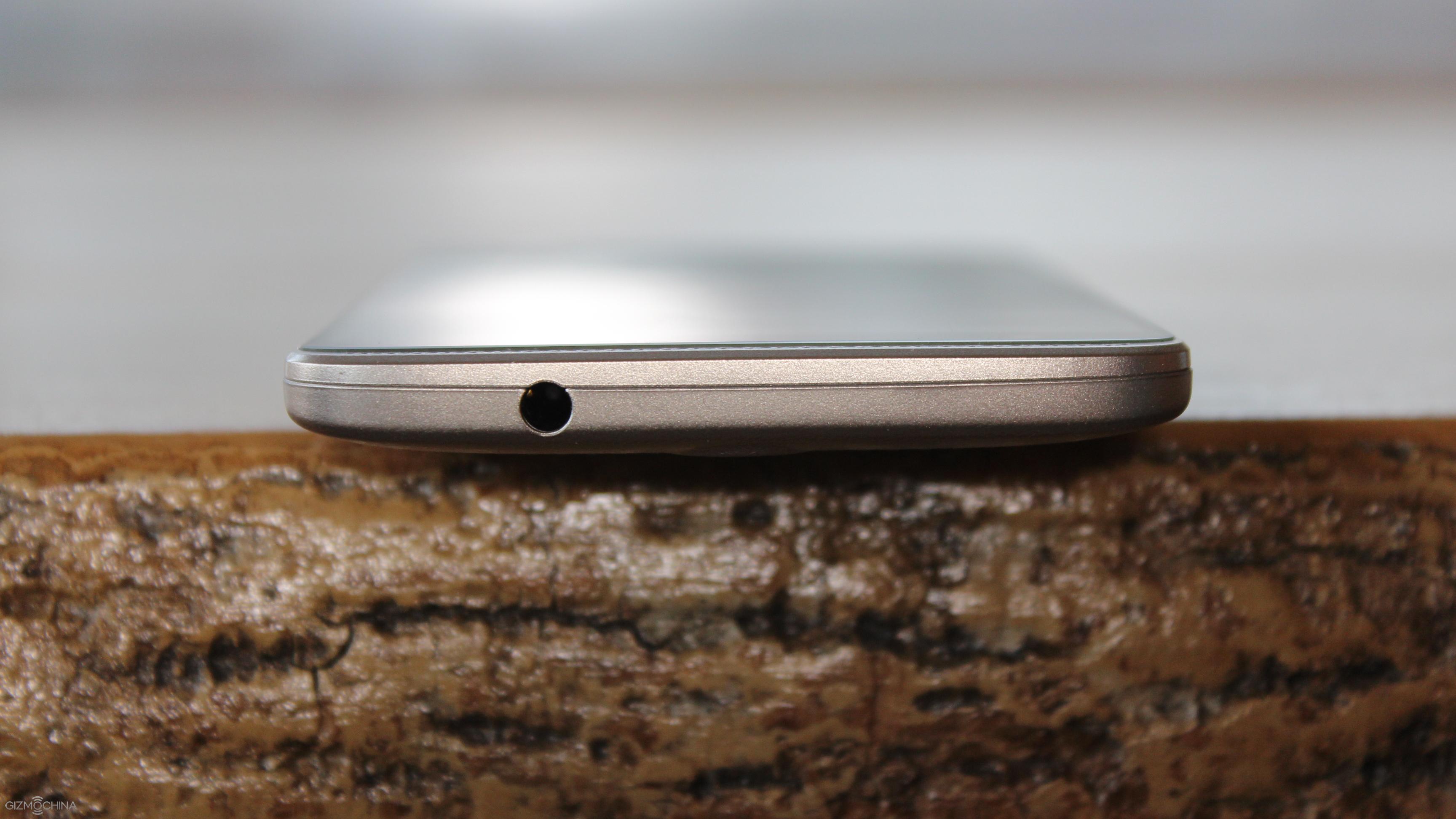
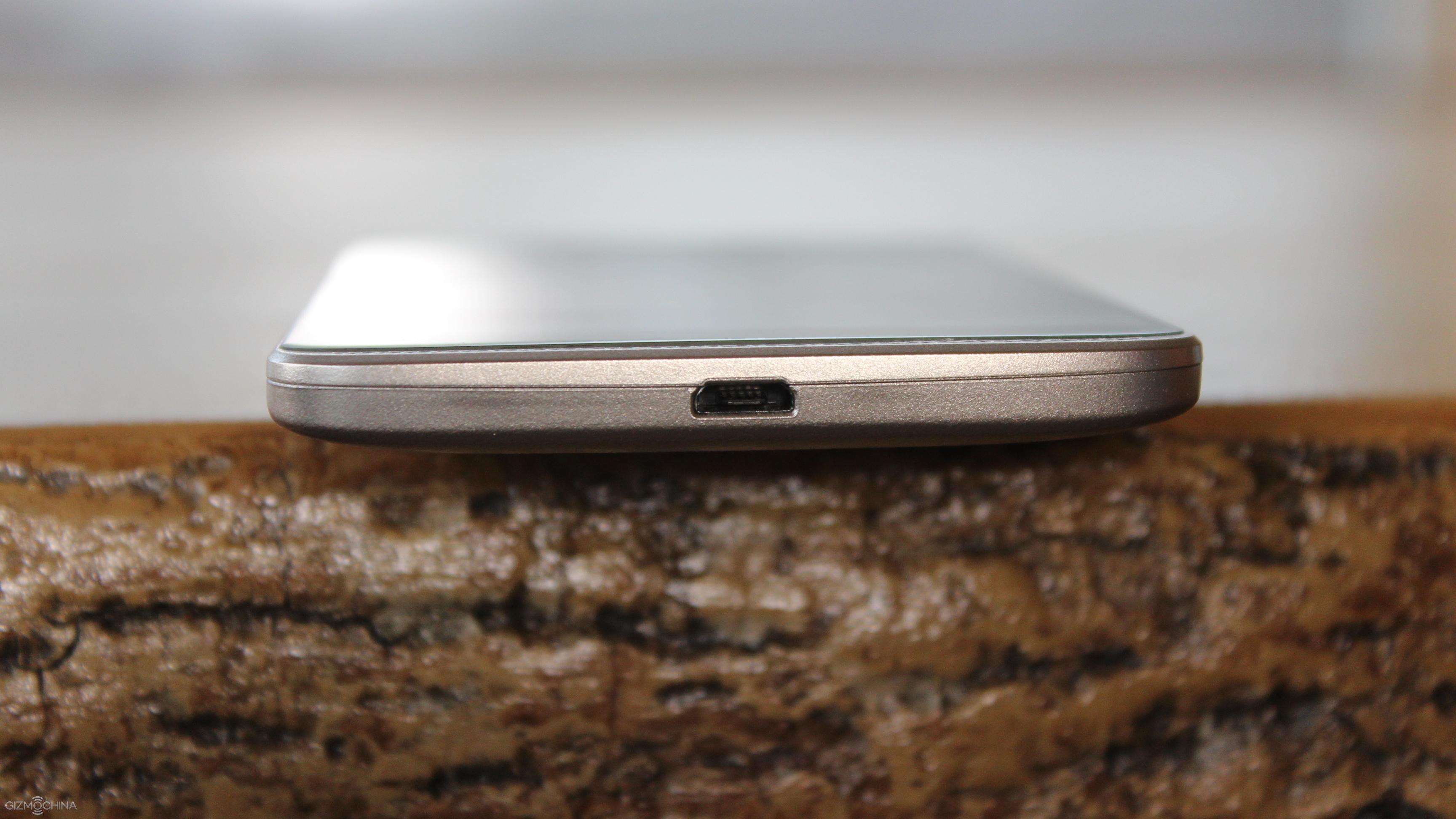
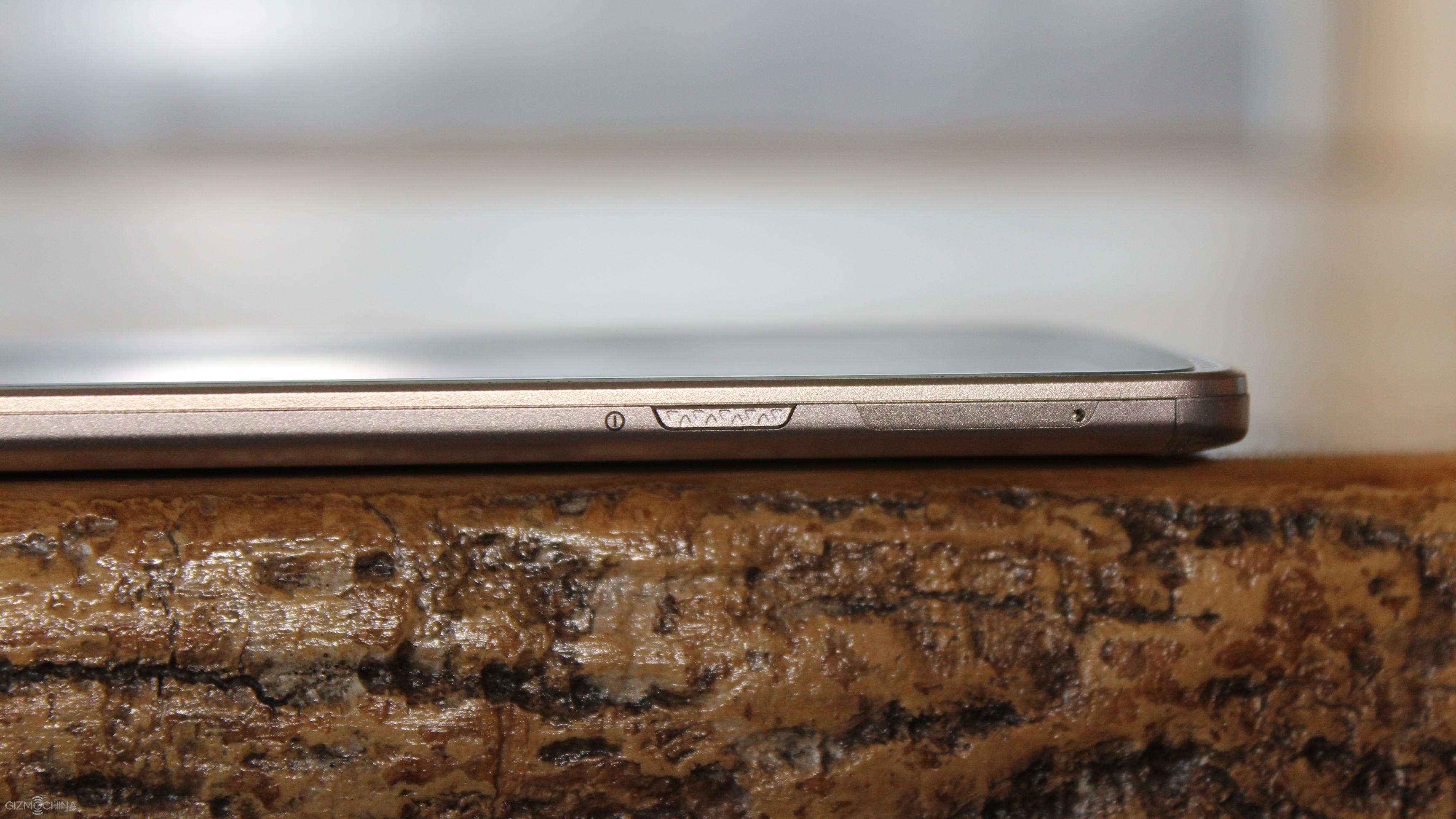
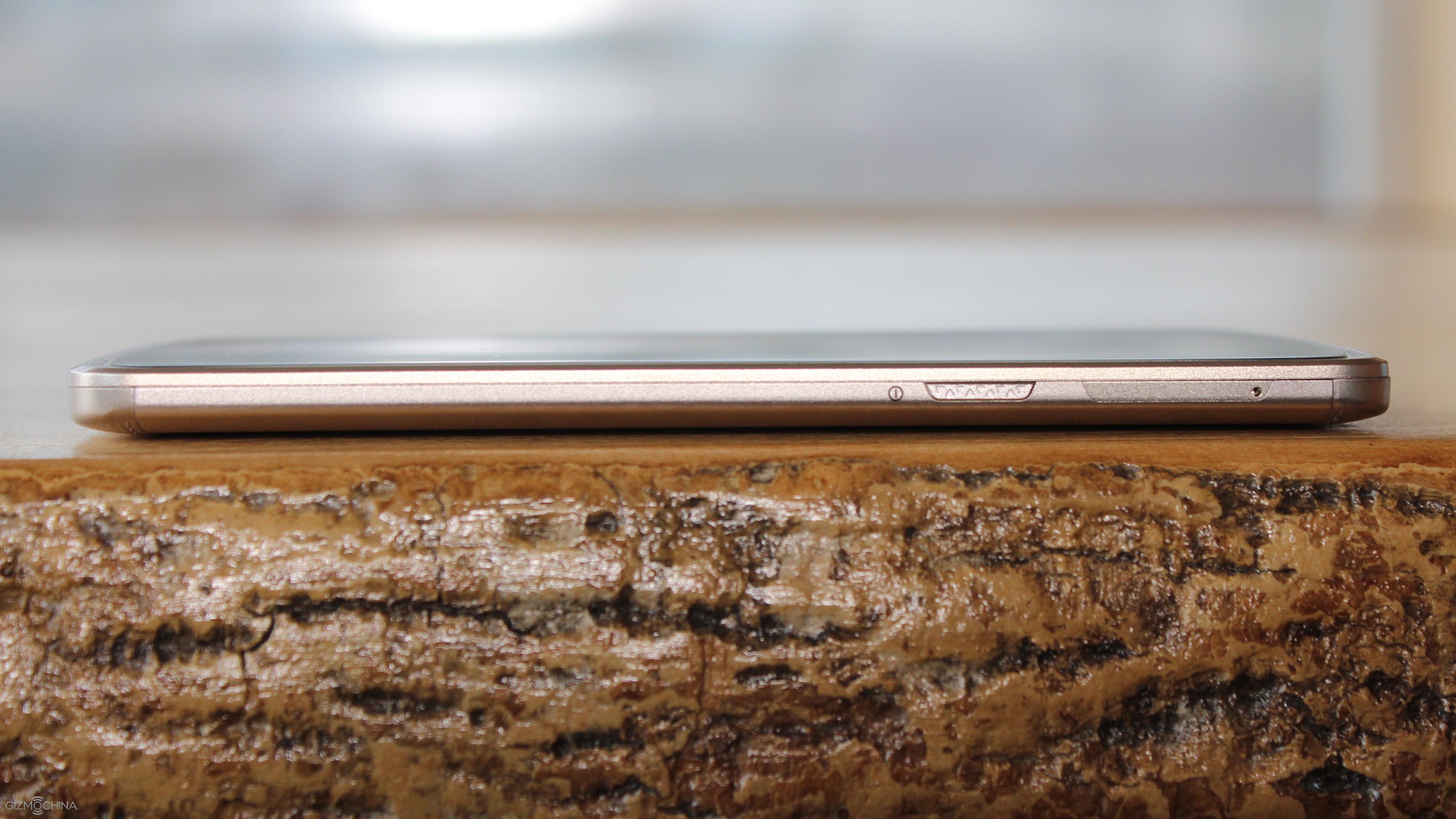
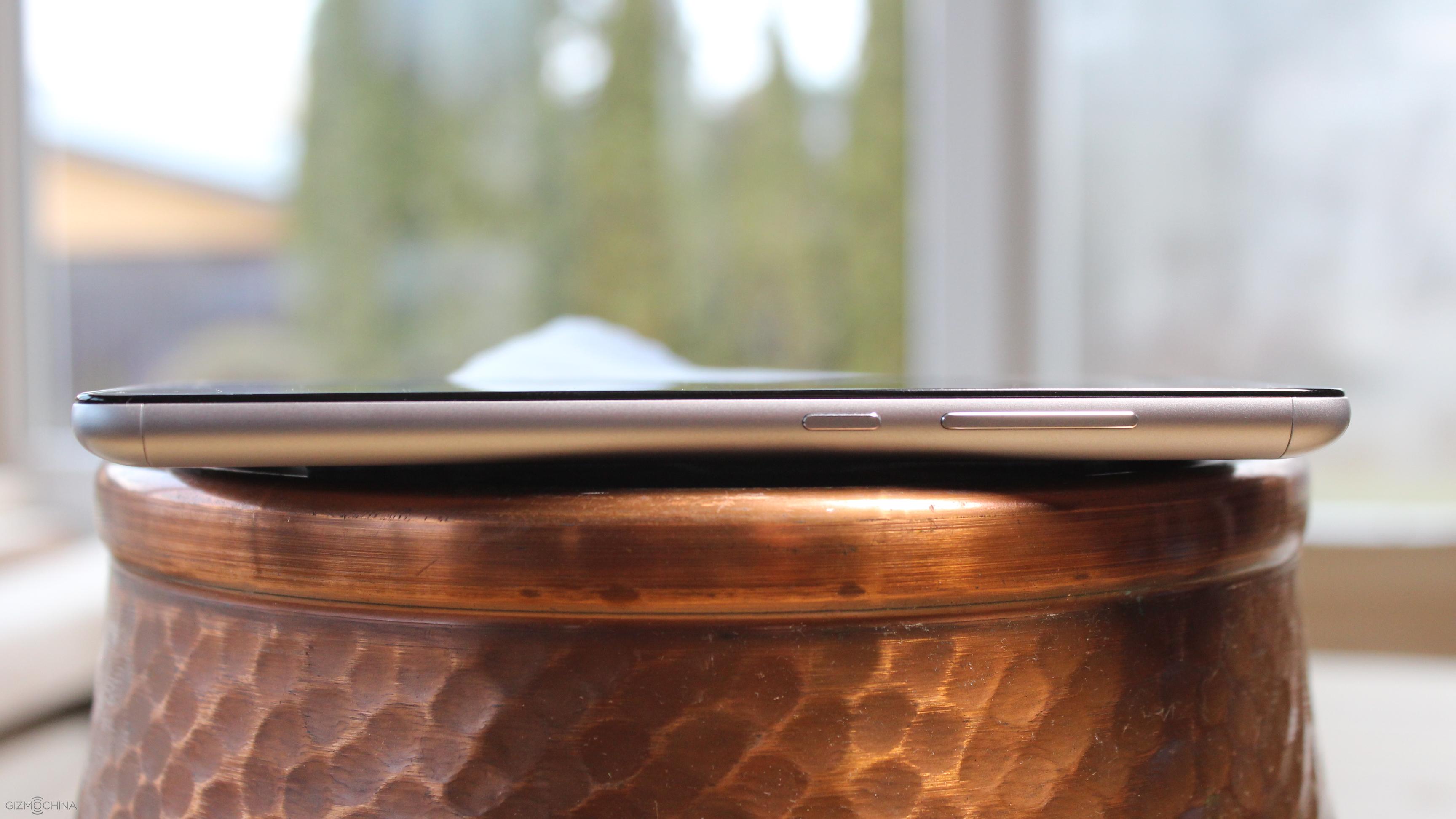
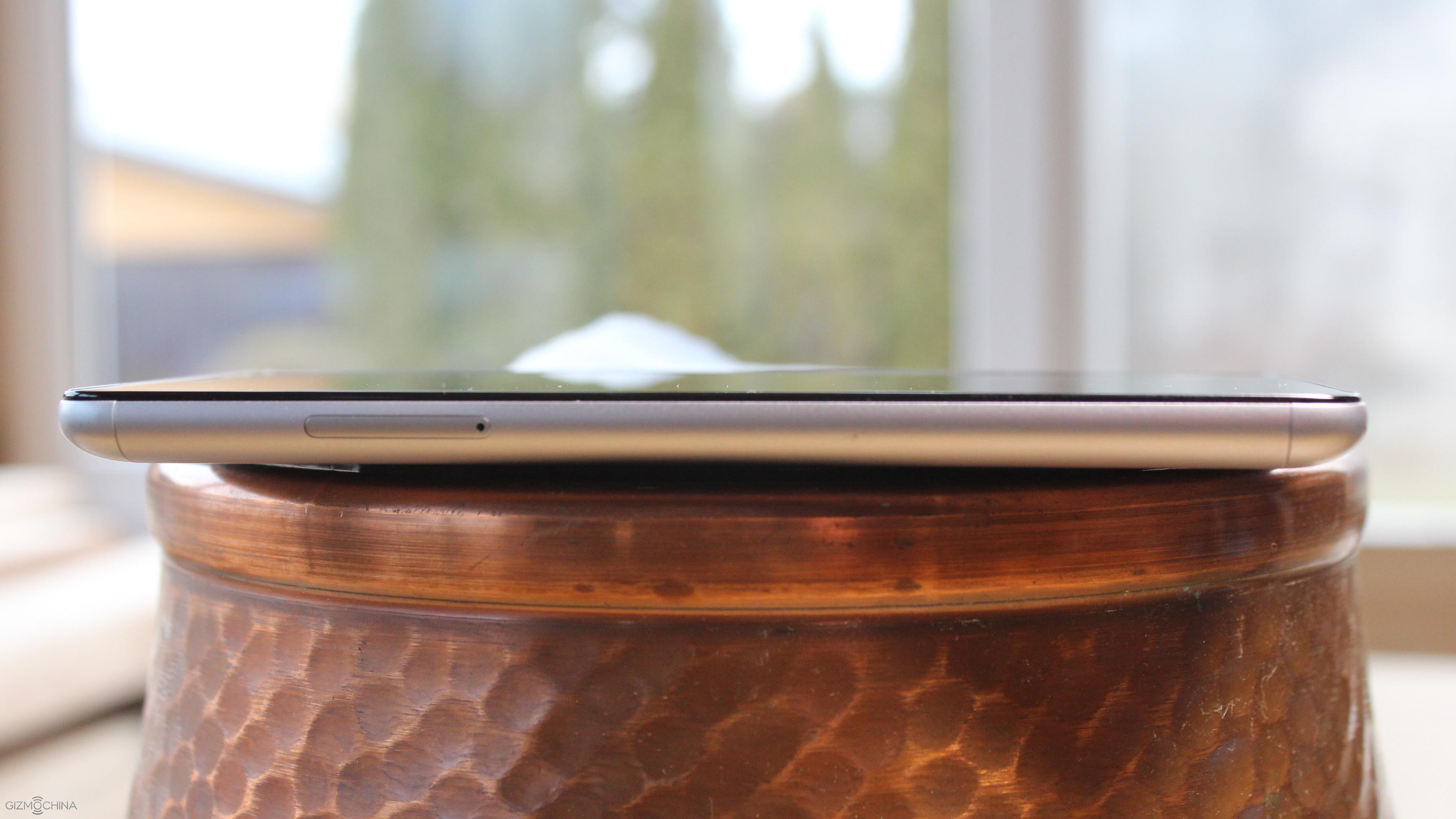
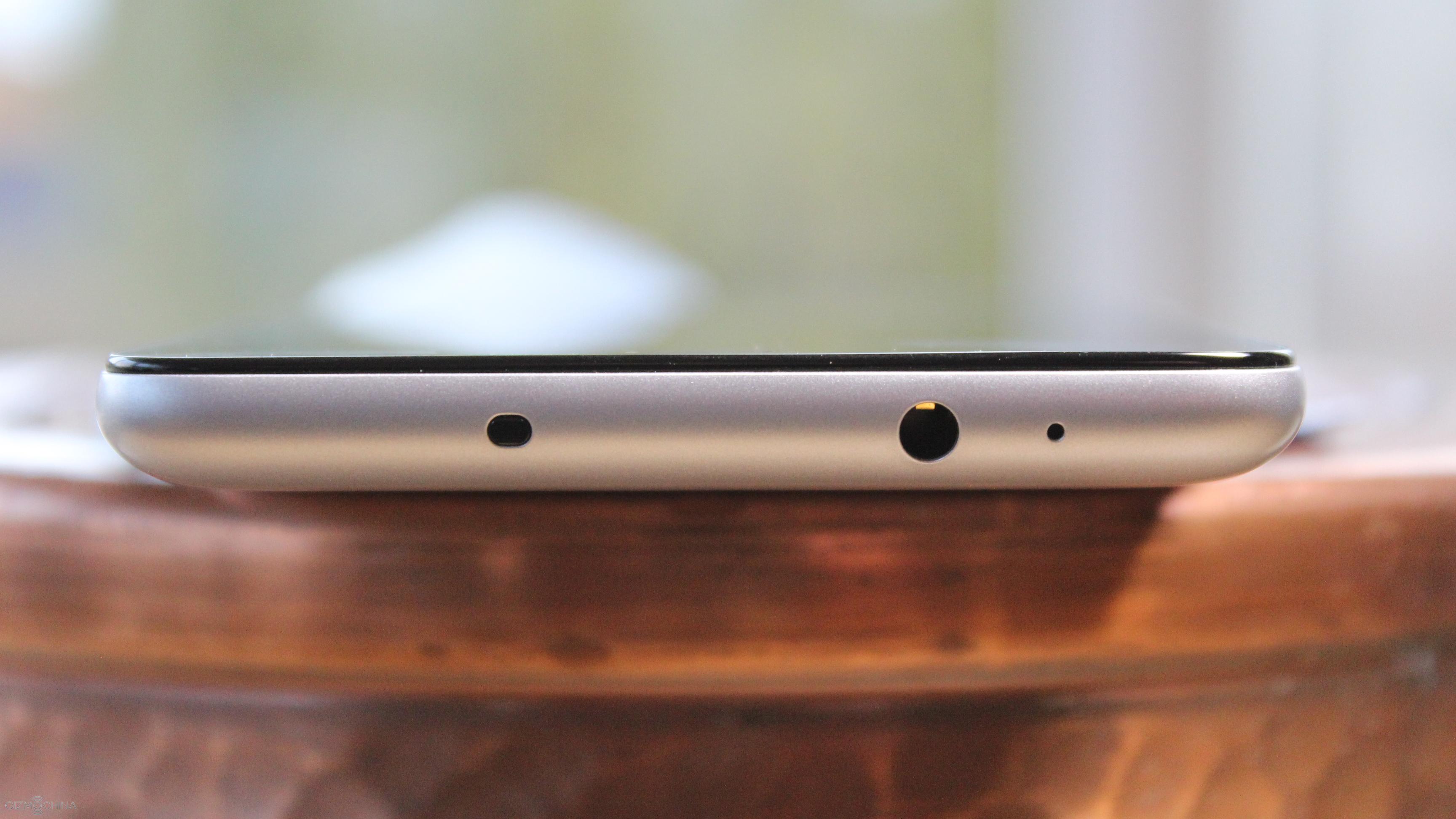
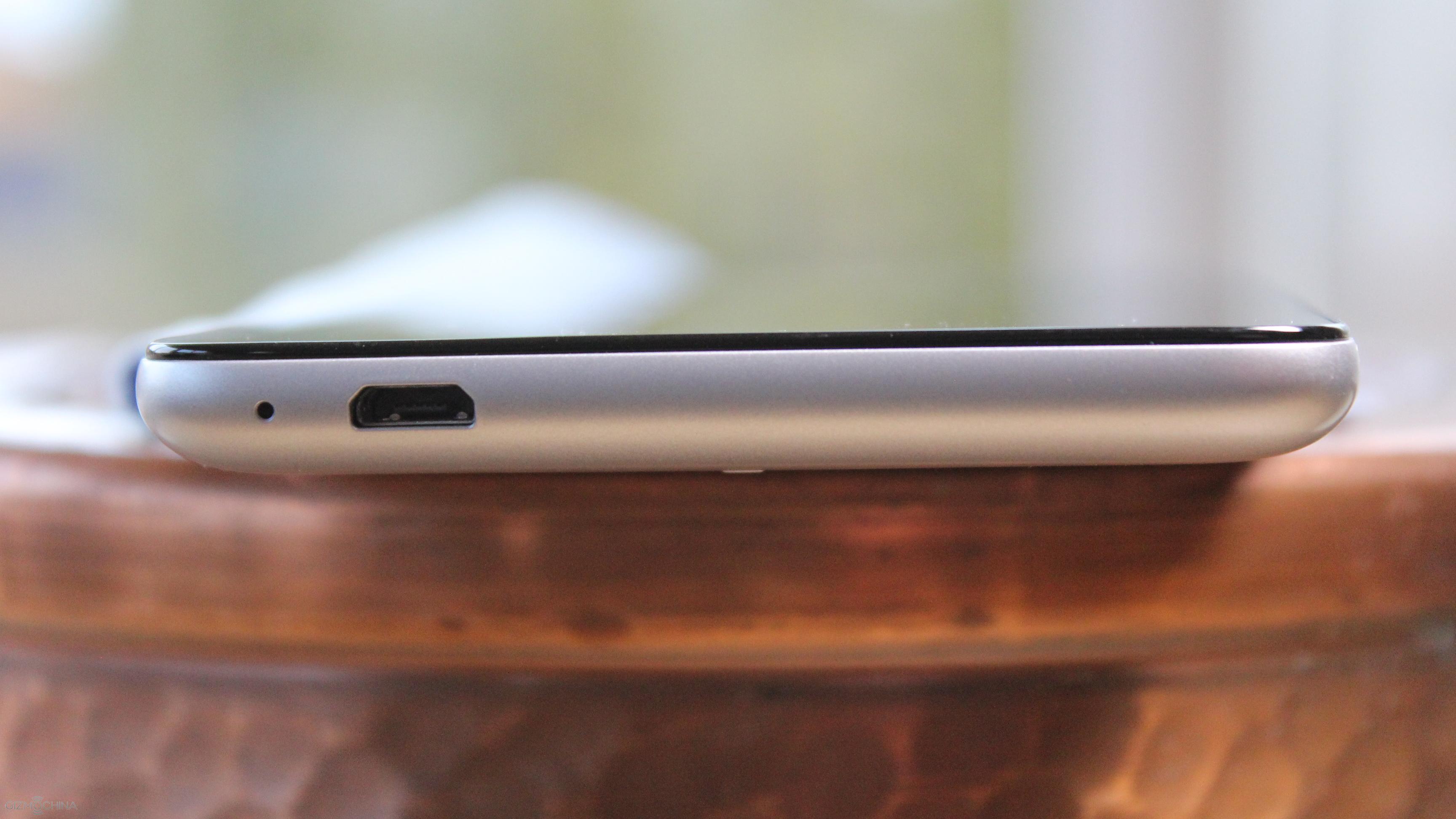
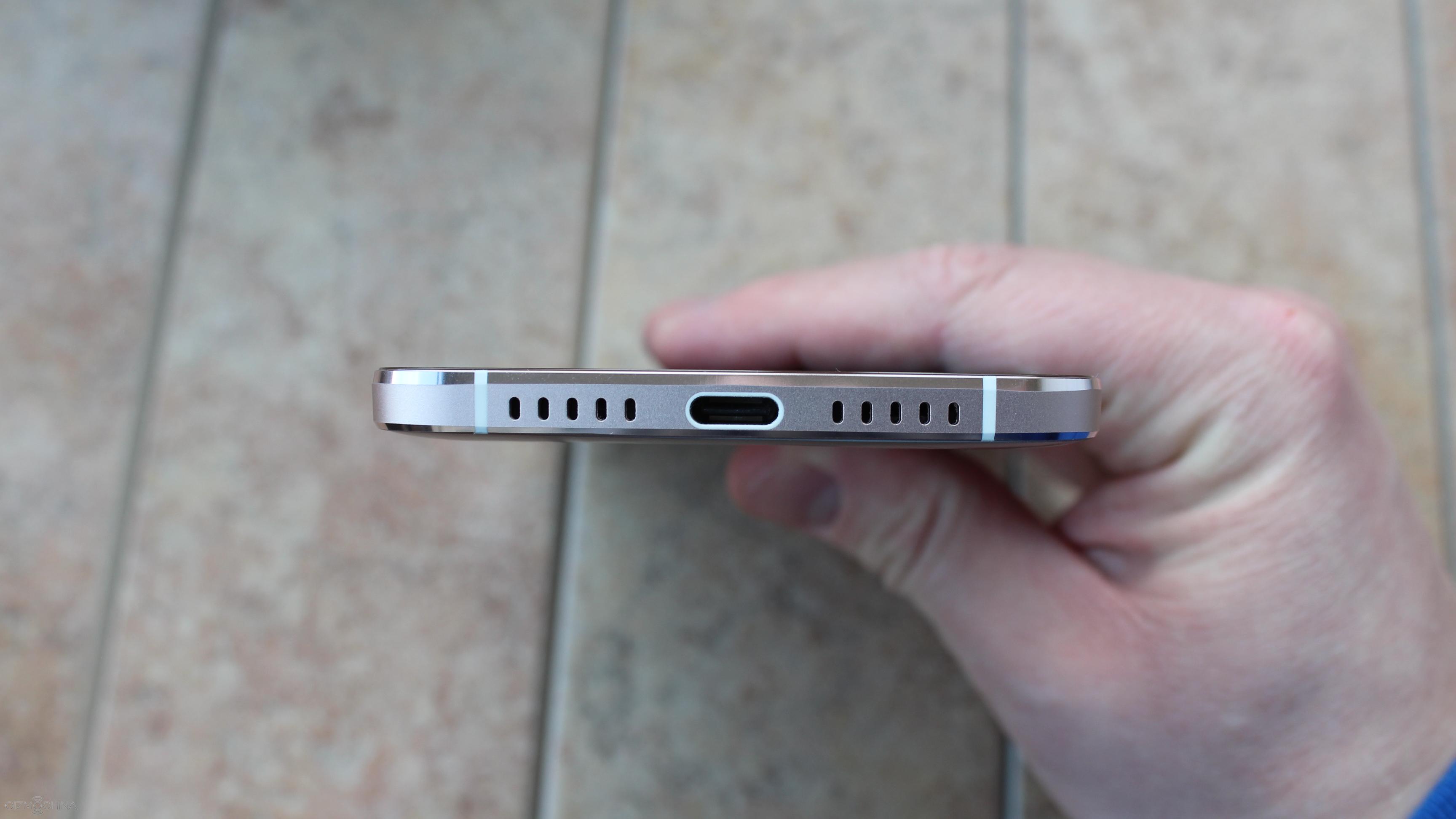
On the top there is a headset jack and on the bottom – a regular micro USB charging port. On the right we have a power key and a dual SIM card and the microSD card slot for storage expansion. On the left, there is a just a volume rocker.
Overall, the build quality is top-notch and I love all-metal design of the phone. The Axon mini definitely feels great in the hand and I really appreciate the fact that it is easily manageable with one hand due to its 5.2″ display.
ZTE Axon Mini: Display
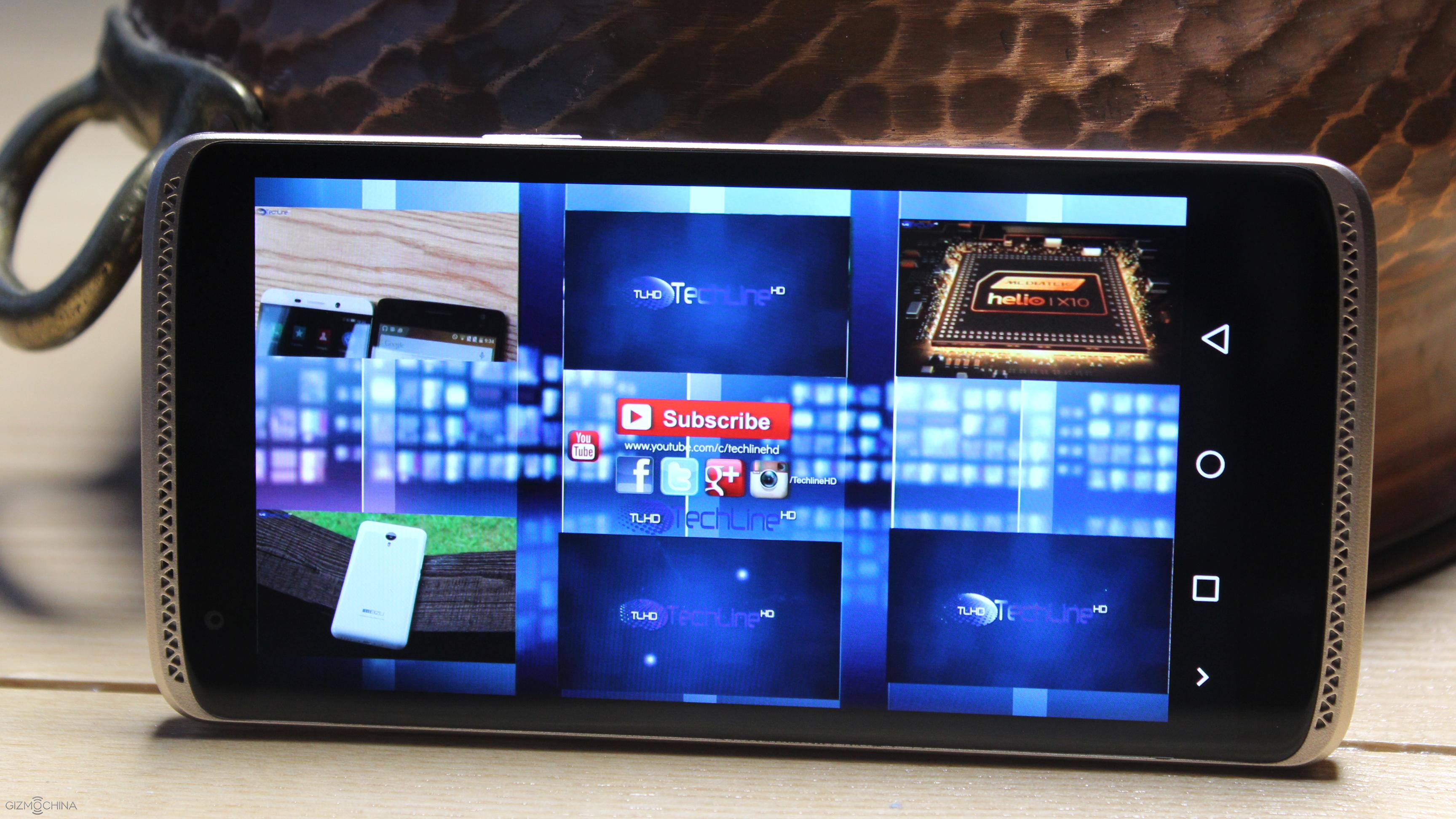
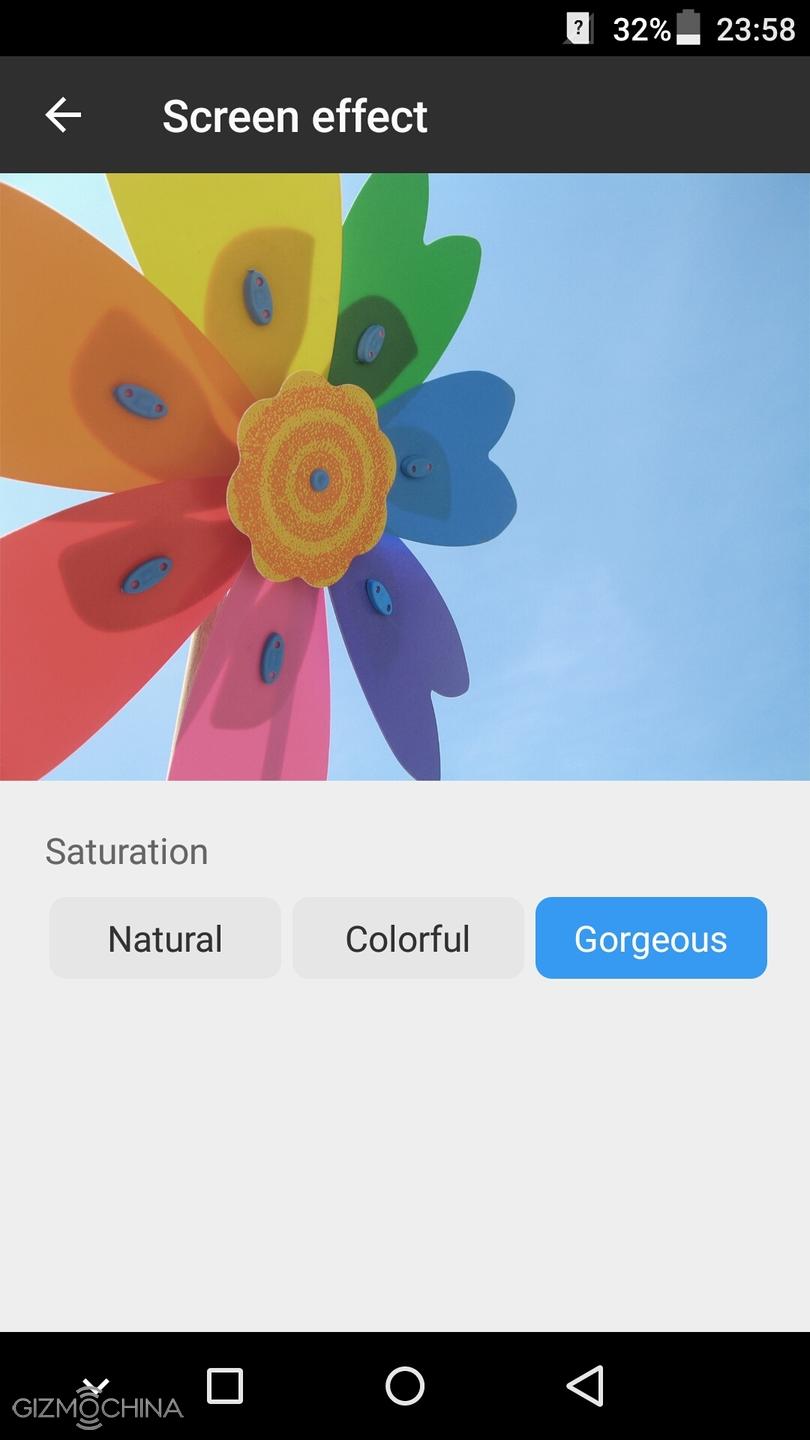
As far as display, we have a 5.2” 1080p Amoled panel, which is just gorgeous to look at. Honestly, it almost looks like an LCD display as it has all the good aspects like colour accuracy, brightness of liquid crystal displays but adds a little bit of punchiness and saturation, which is typical to Amoled panels.
ZTE Axon Mini Review: UI
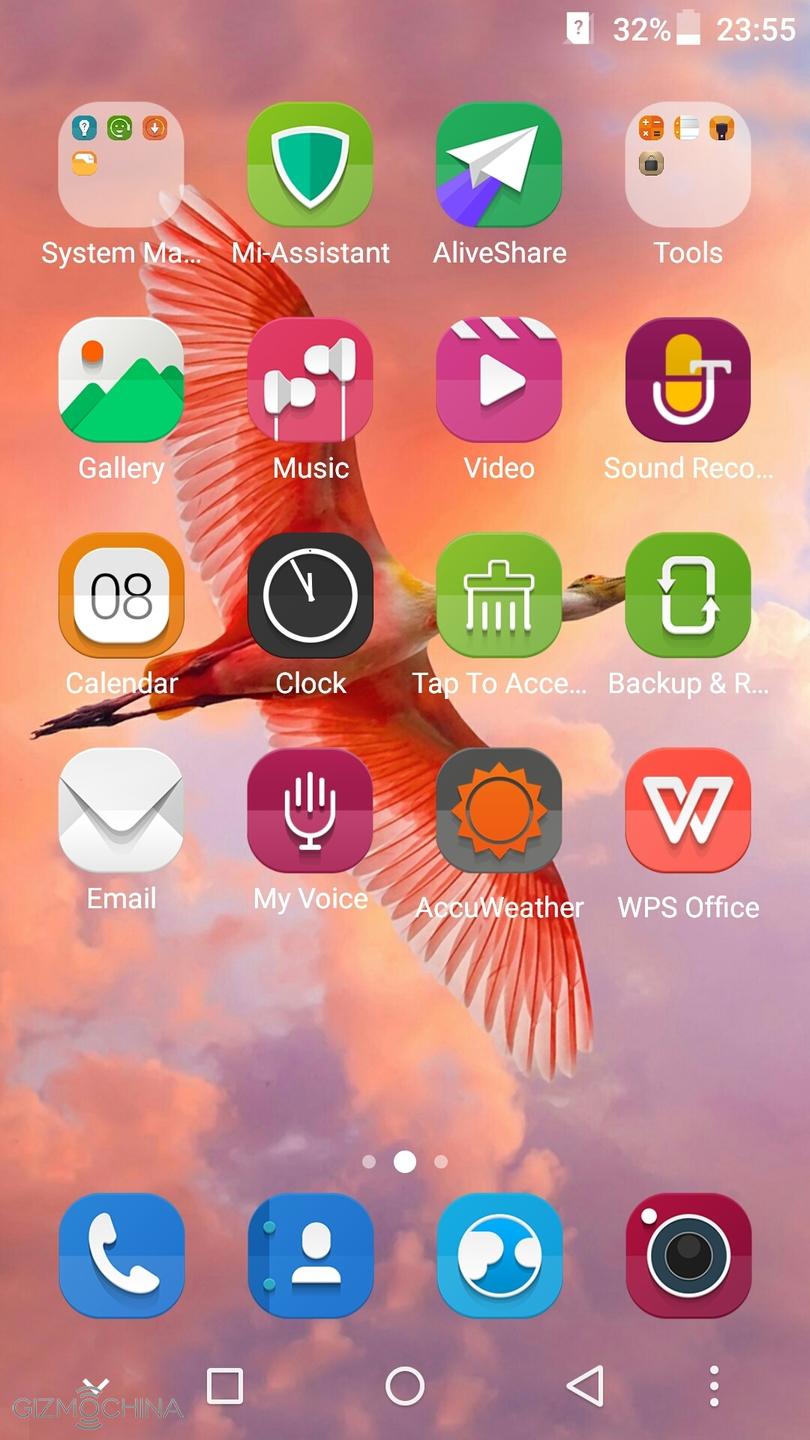
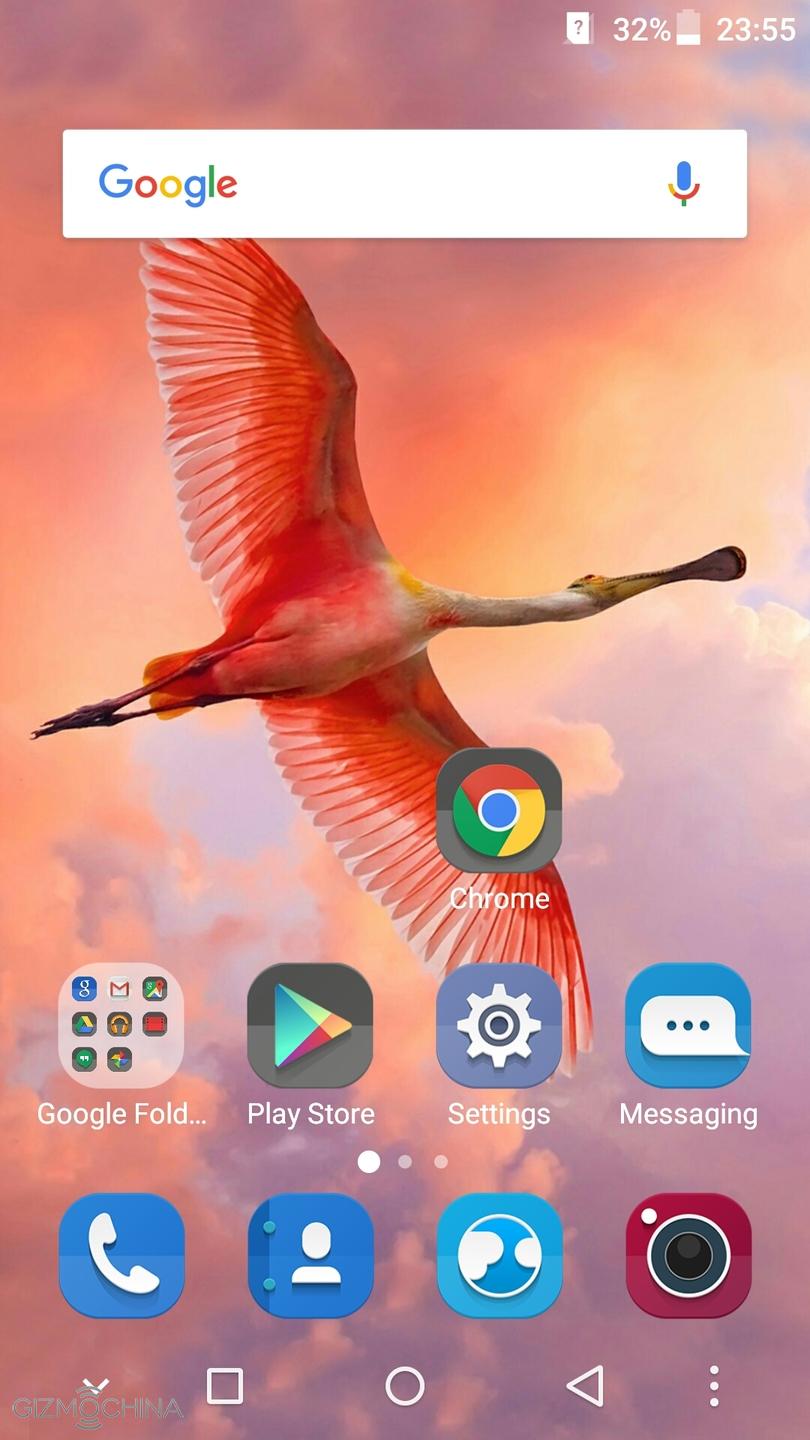
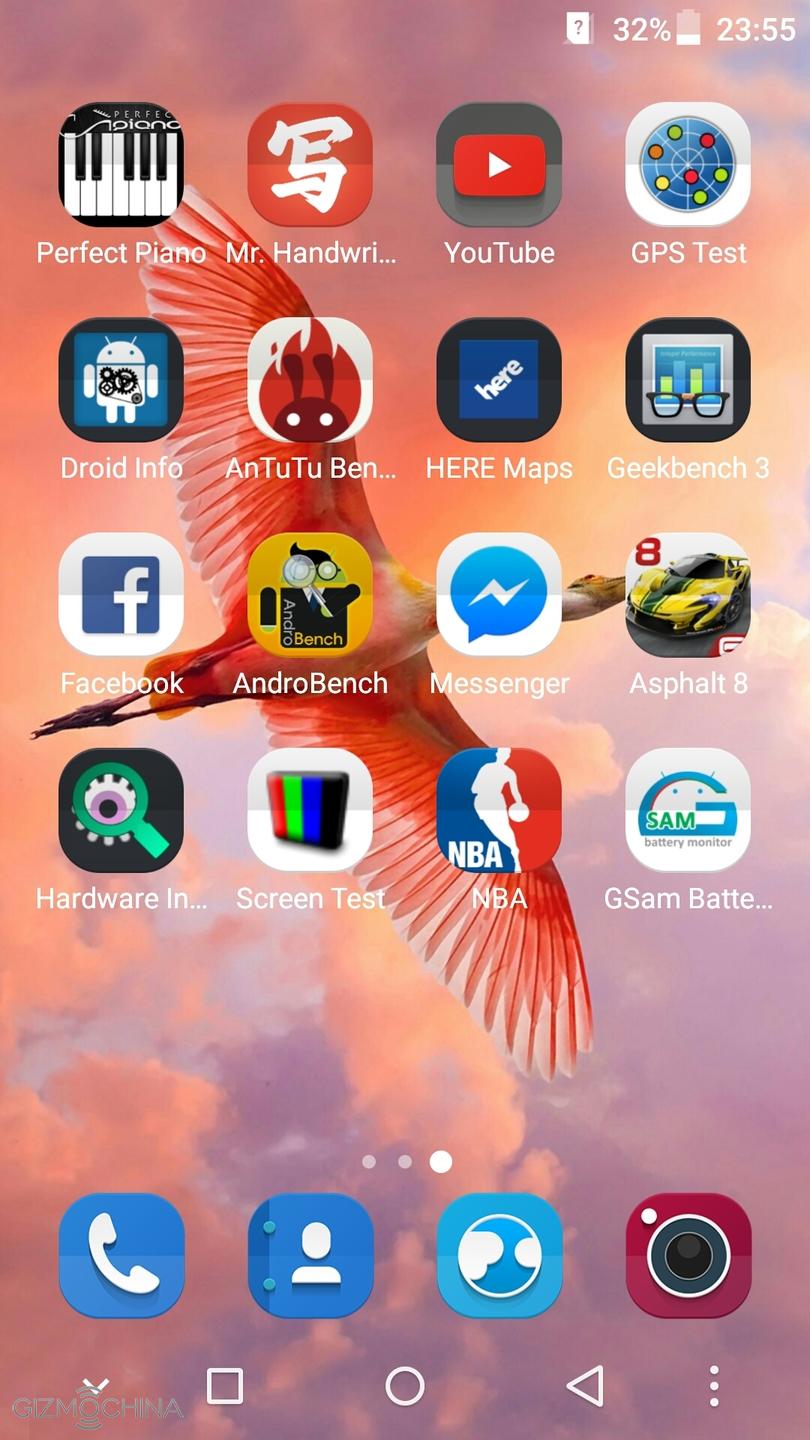
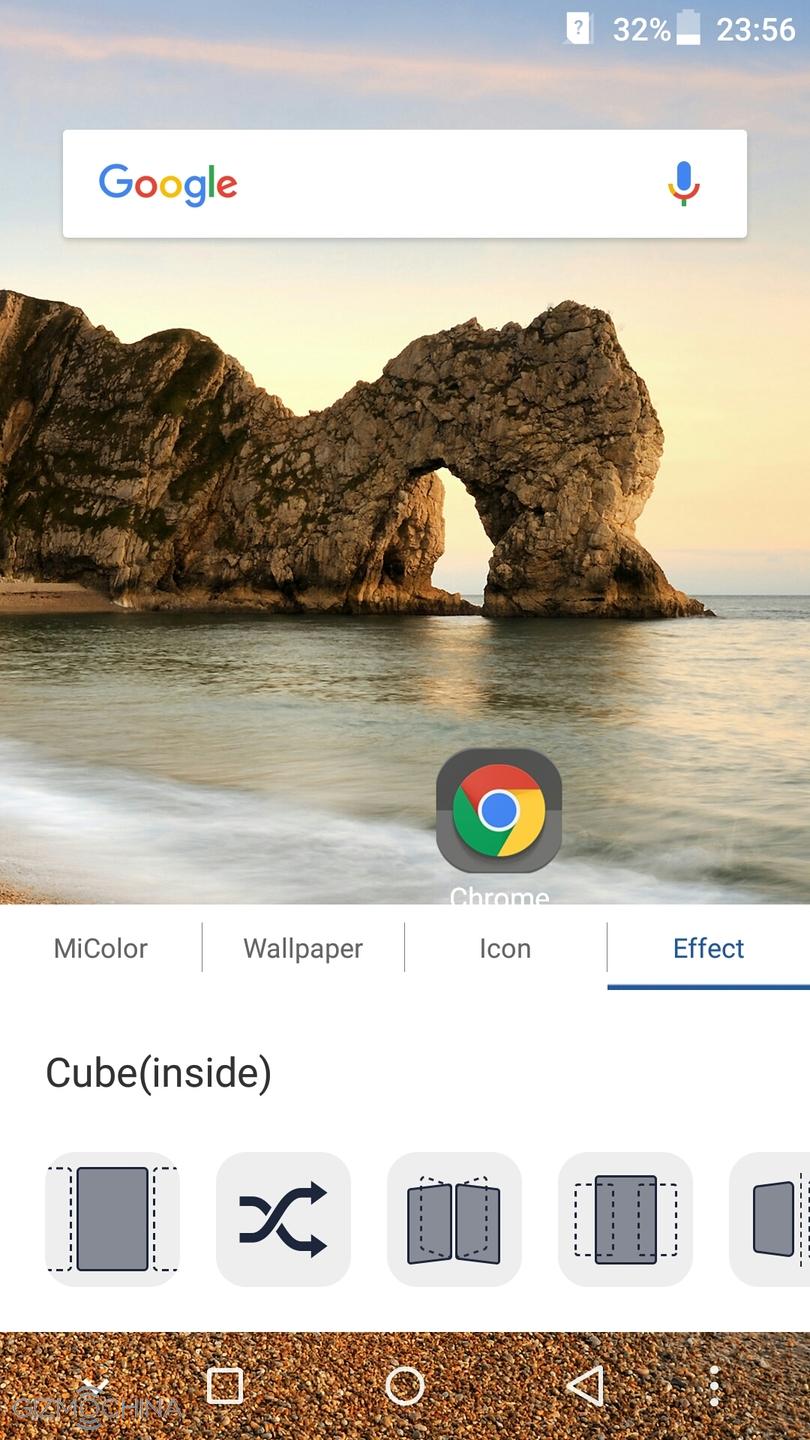
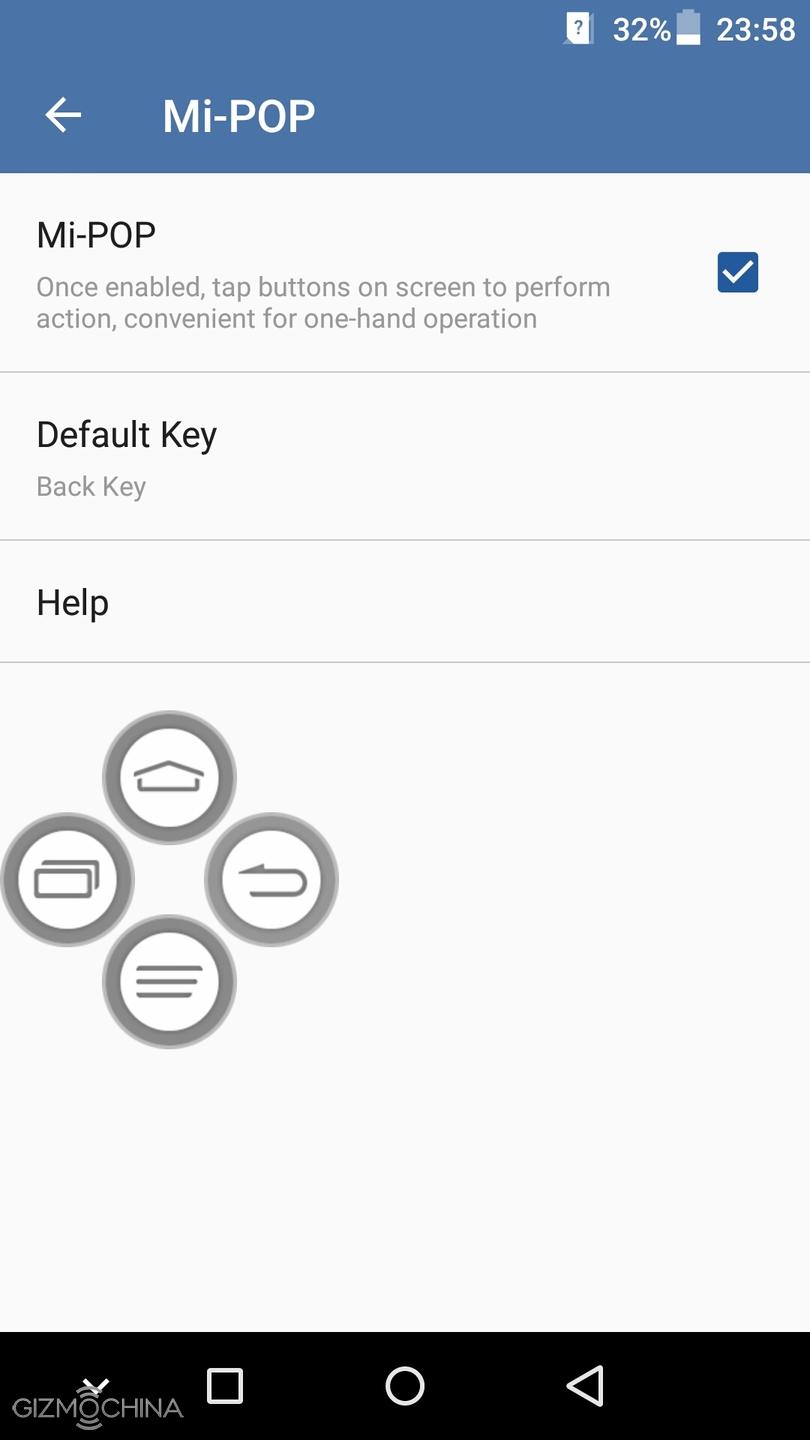
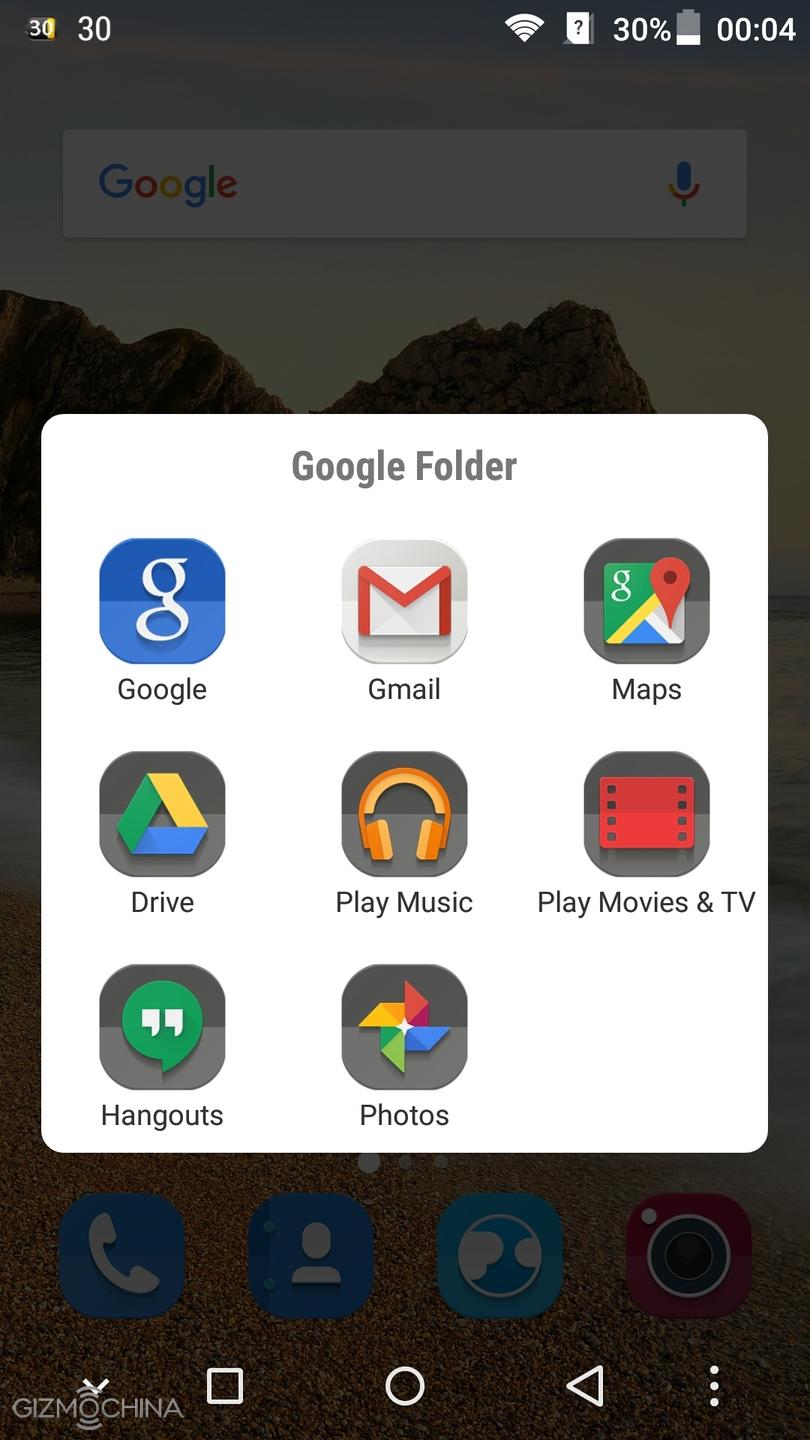
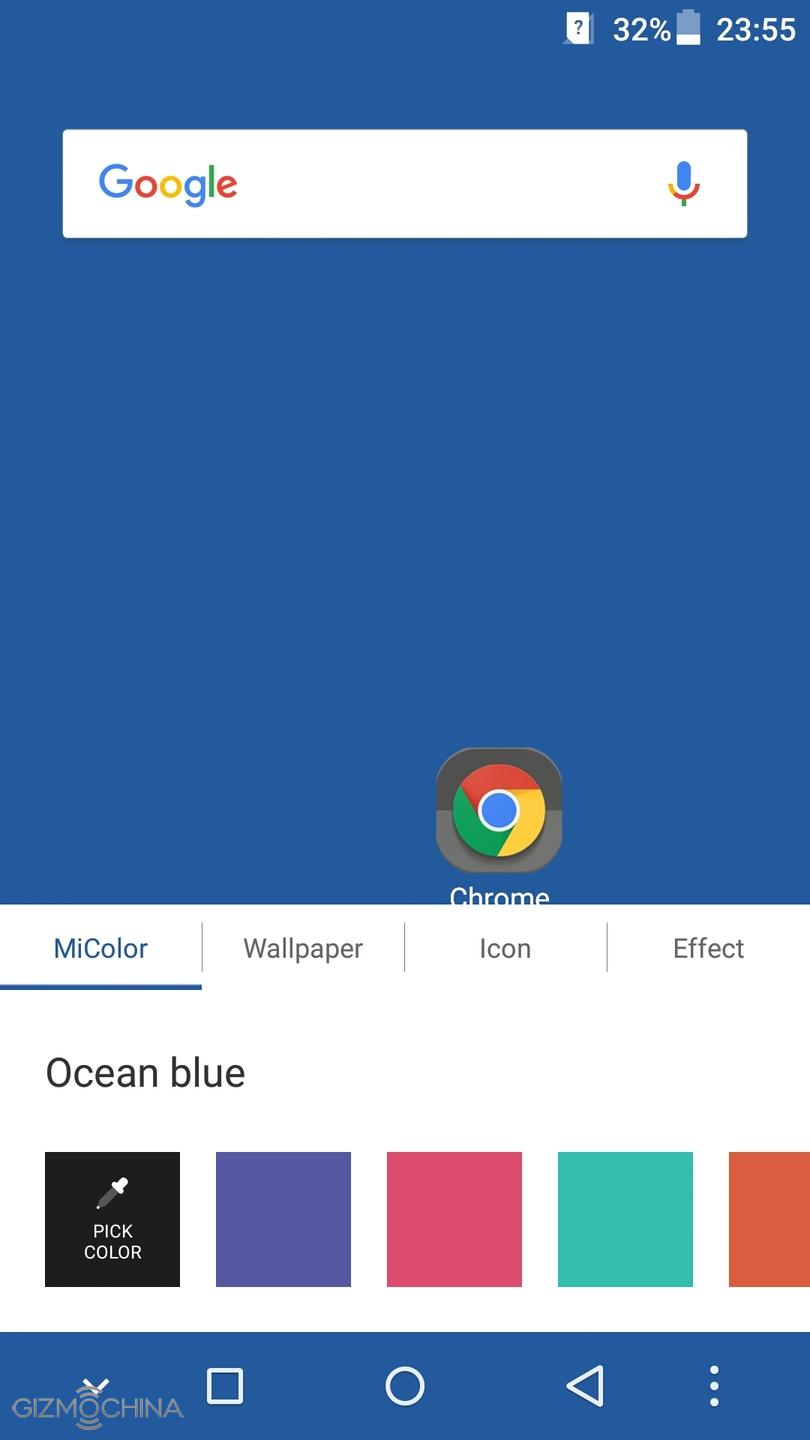
The Axon mini comes with the MiFlavor UI, which is built on top of Android 5.1. However, the app drawer has been removed and we are not huge fans of it.
1 of 14
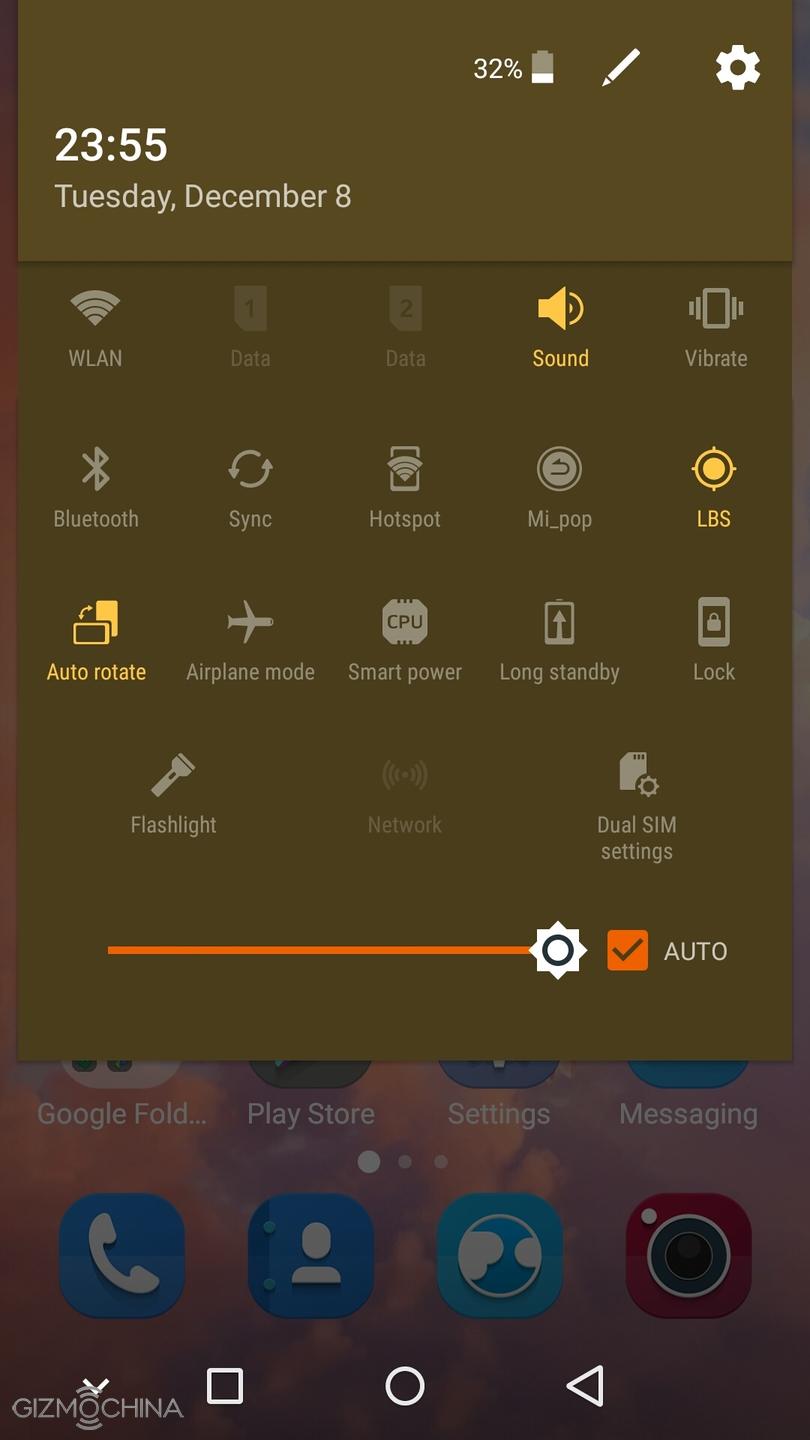
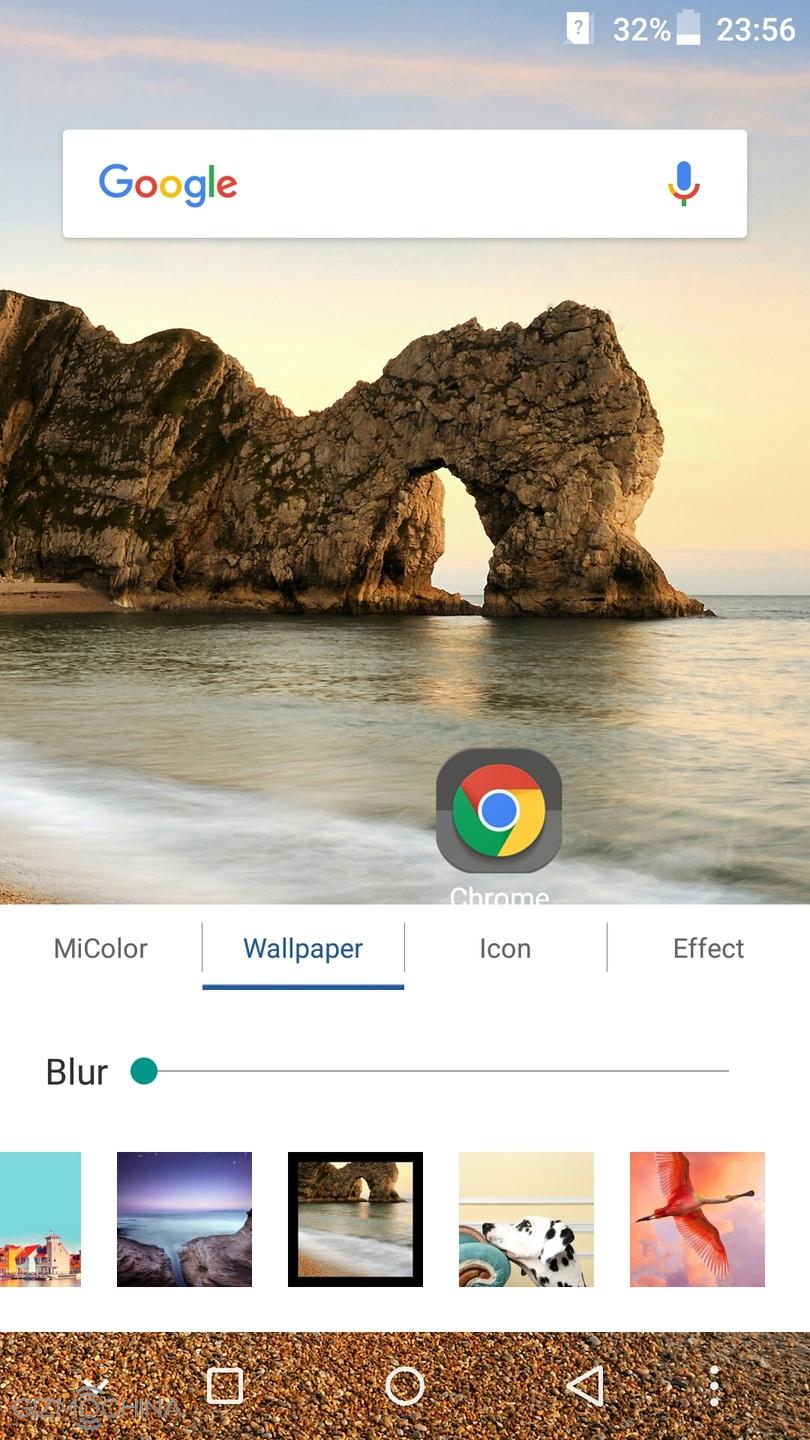
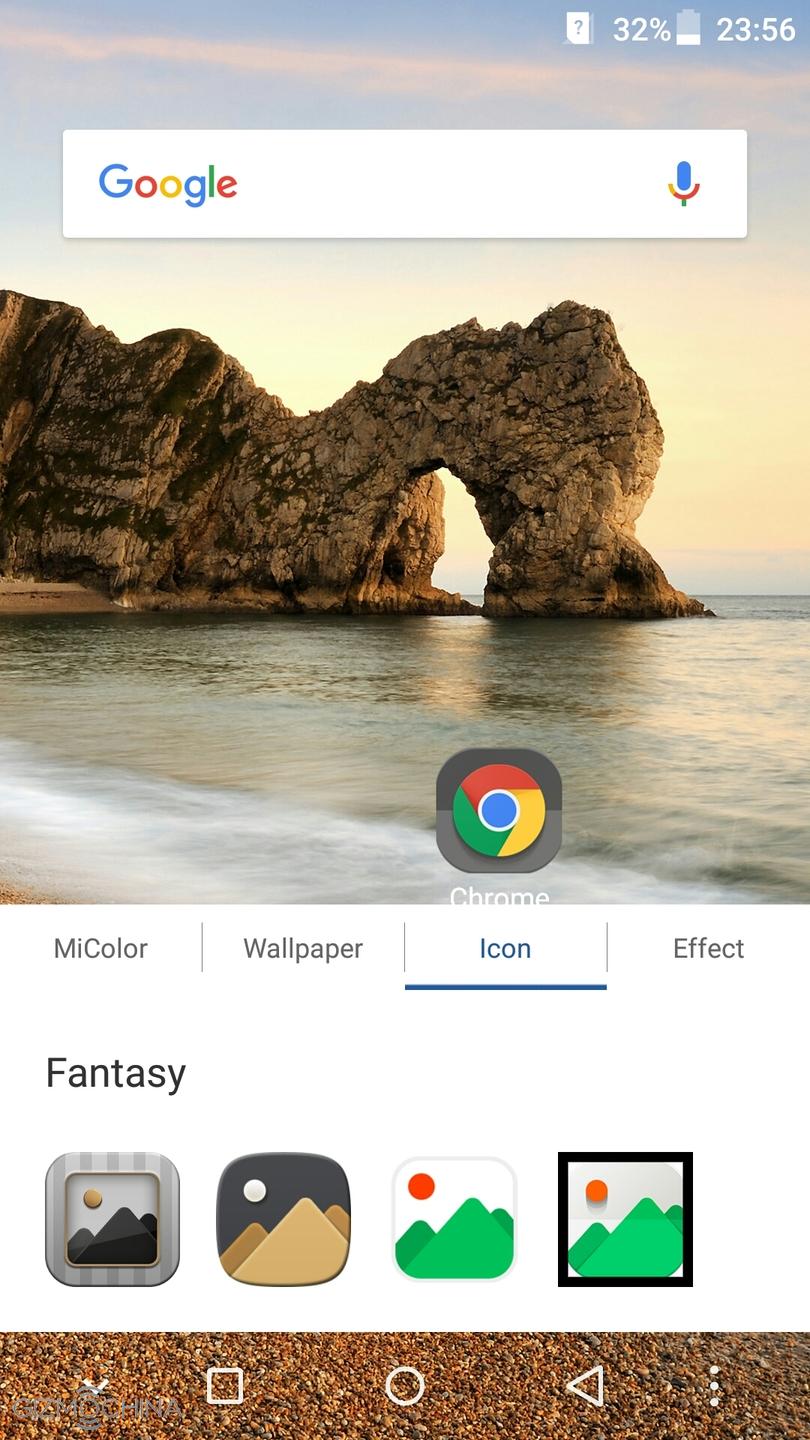
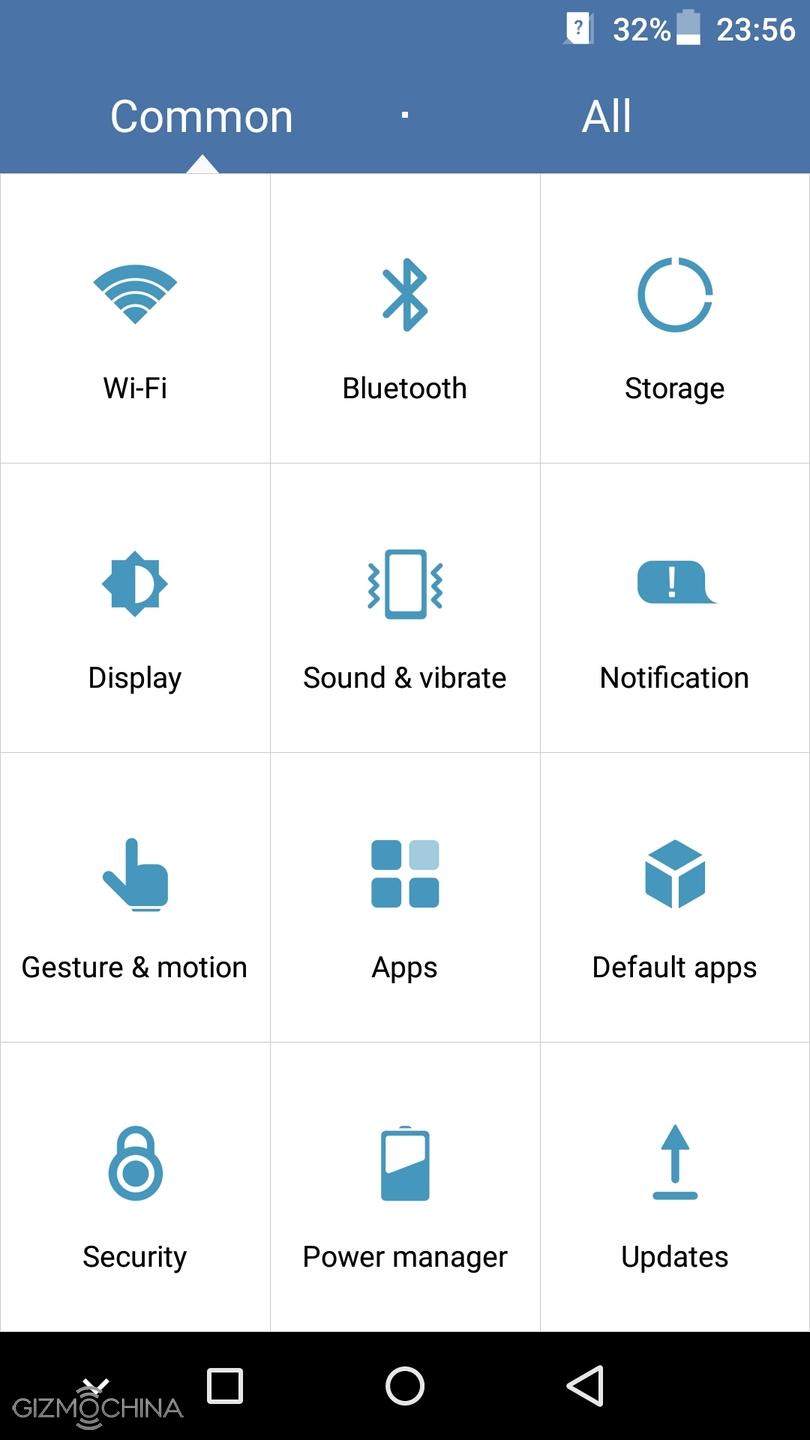
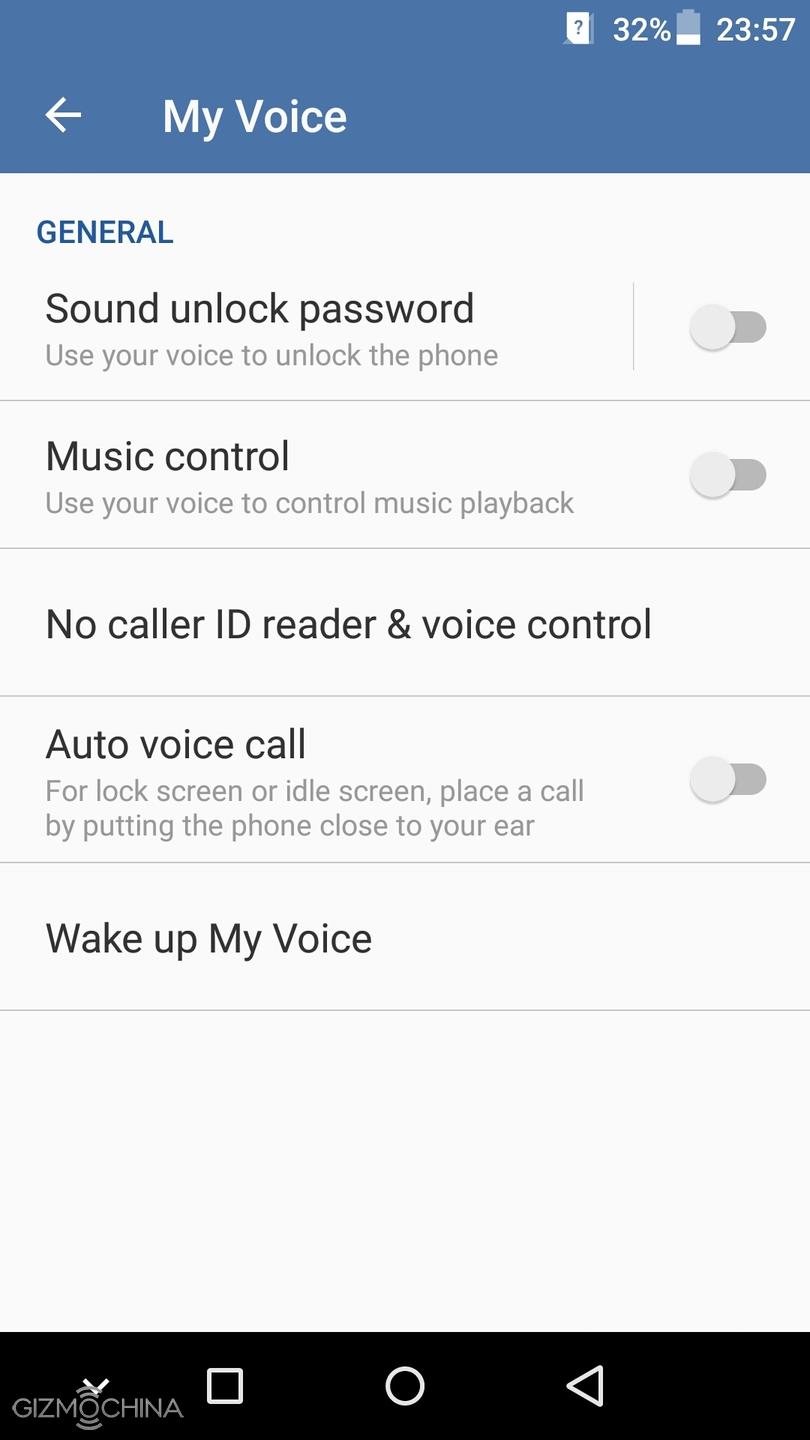
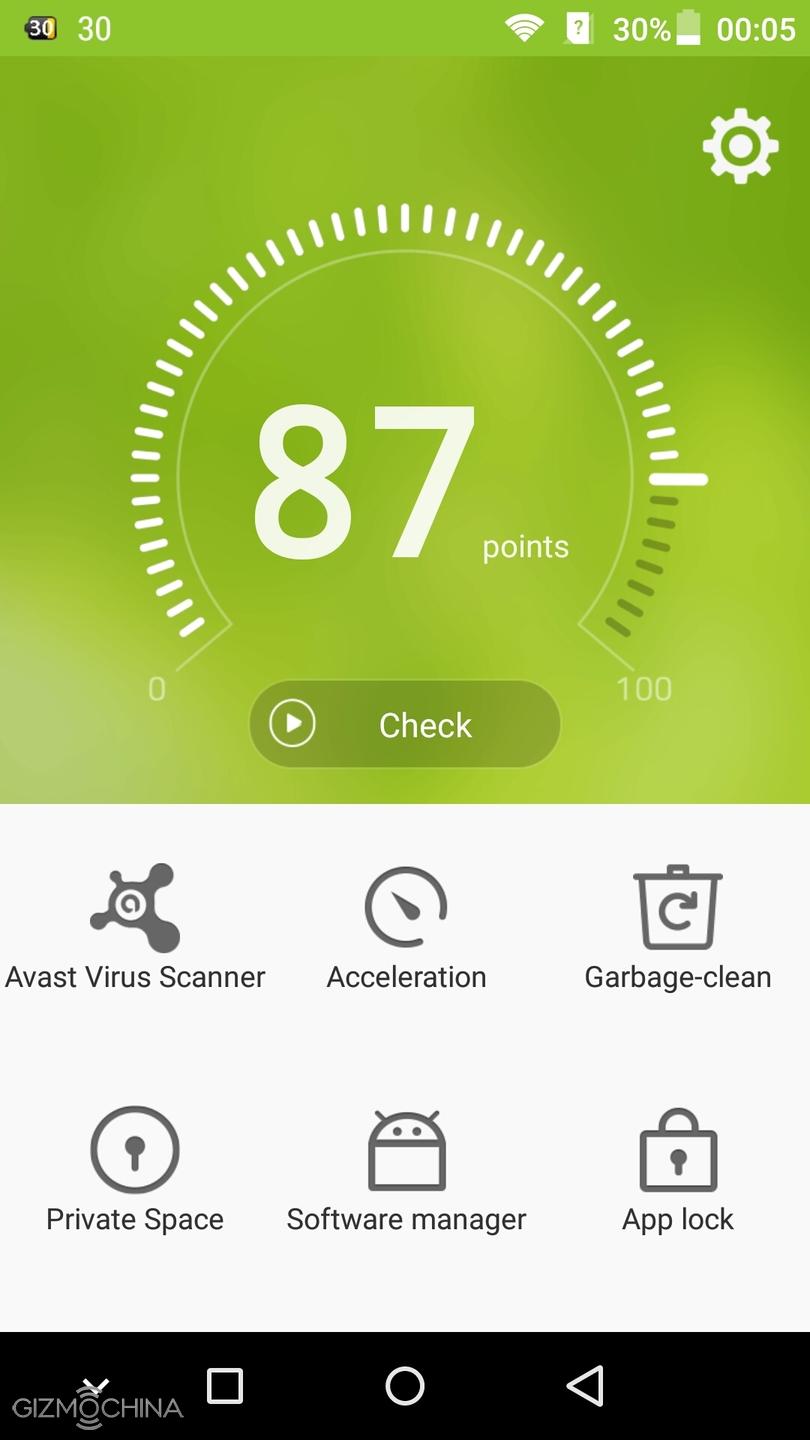
As usual to the Chinese skins, the MiFlavor has quite a few customisation options, gesture controls and a lot of little tweaks and extra features, which work pretty well but it depends on your habits if you will actually use them.
1 of 2
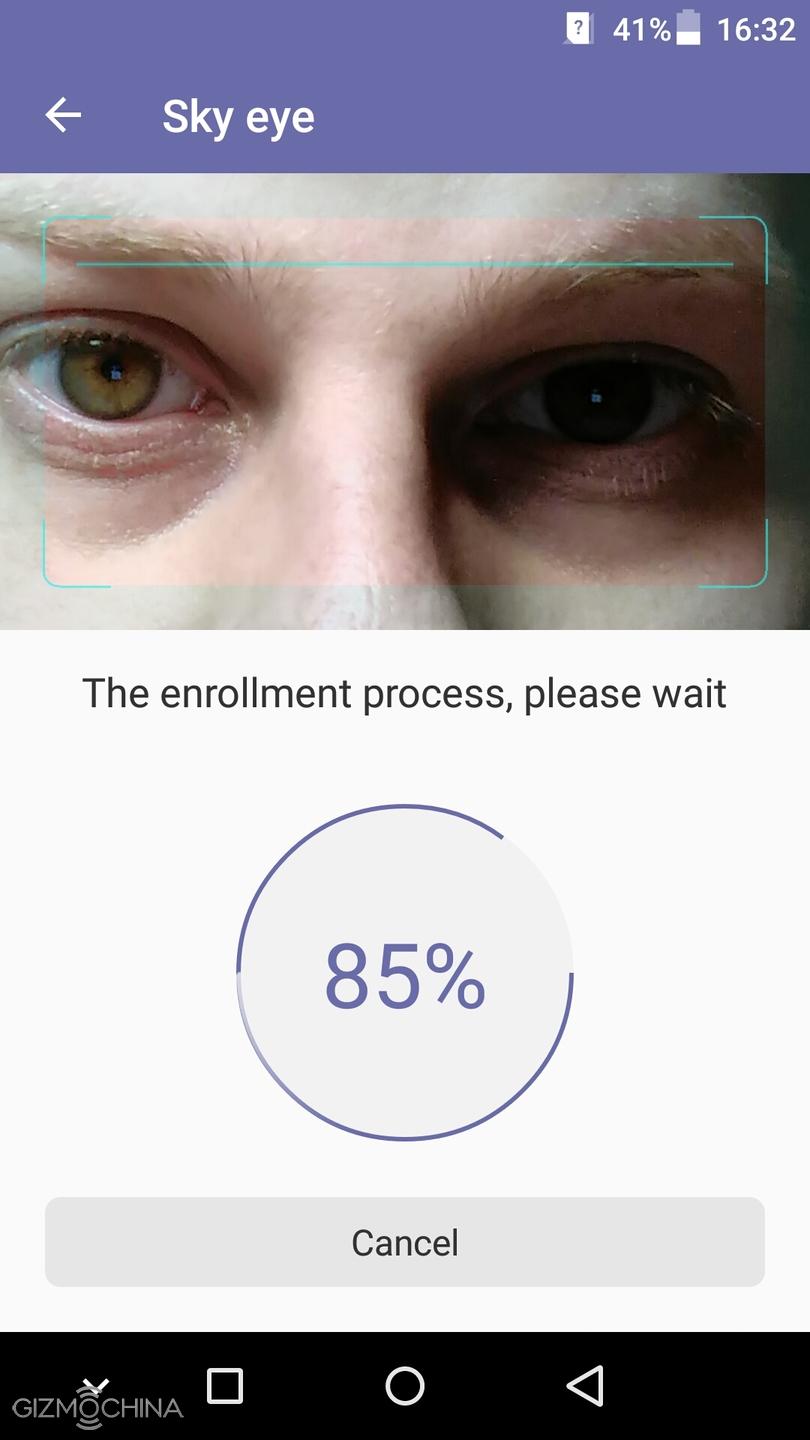
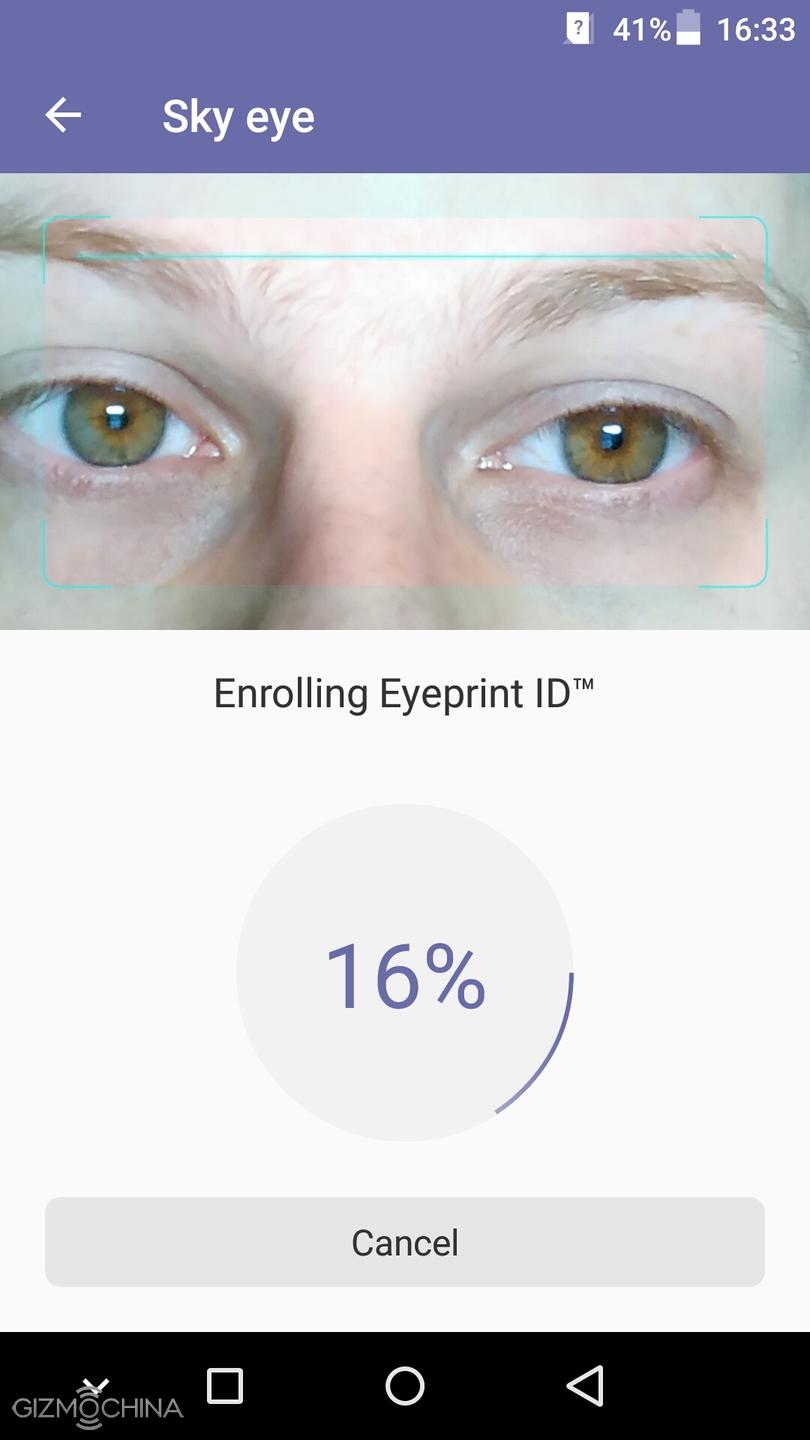
For example, the Axon mini has one of the best implementations of the iris scanner but I’m not sure if this feature is actually needed. Well, it may be cool to show it off to someone in the bar.
The Pressure Sensitive Display Tech: Features and Functionality
1 of 3
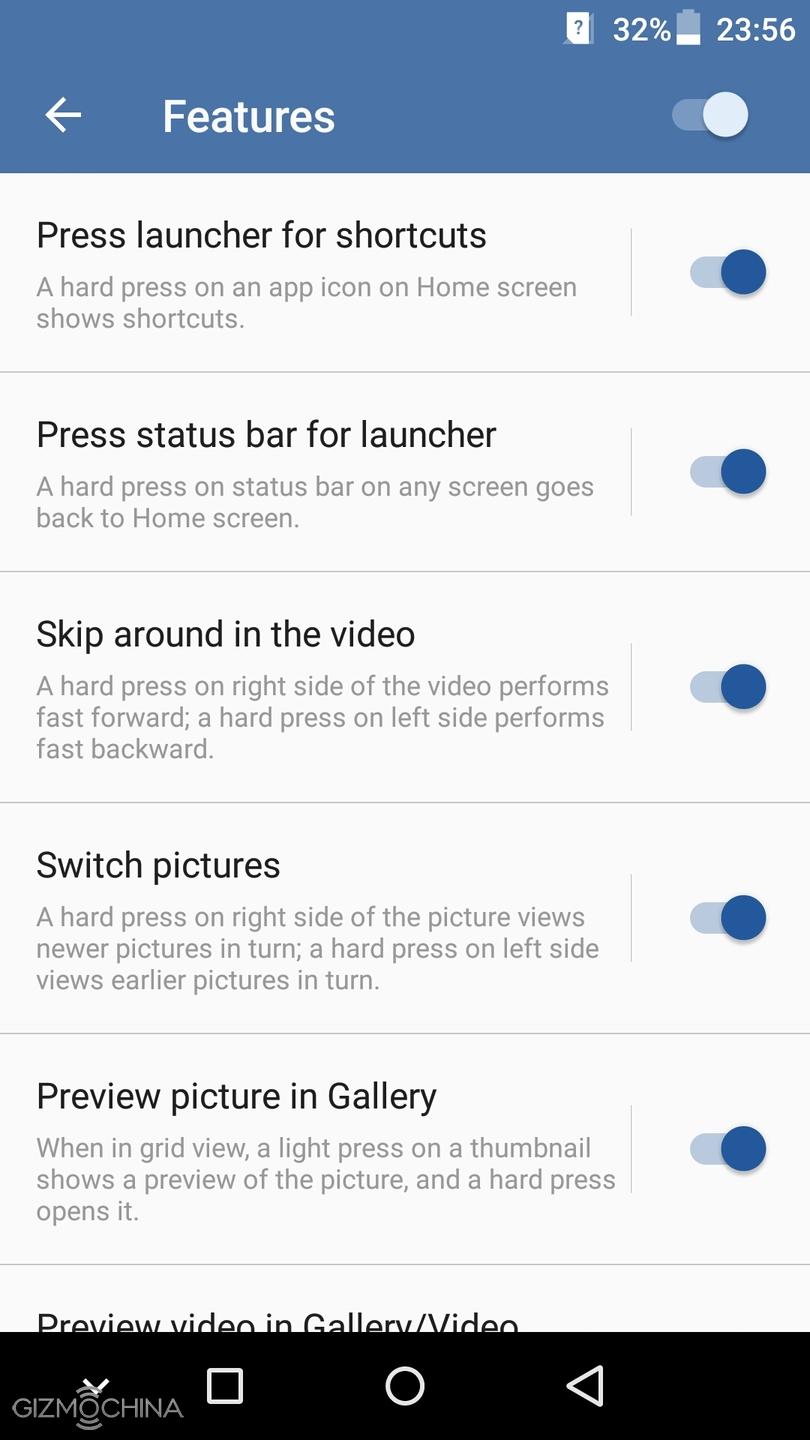
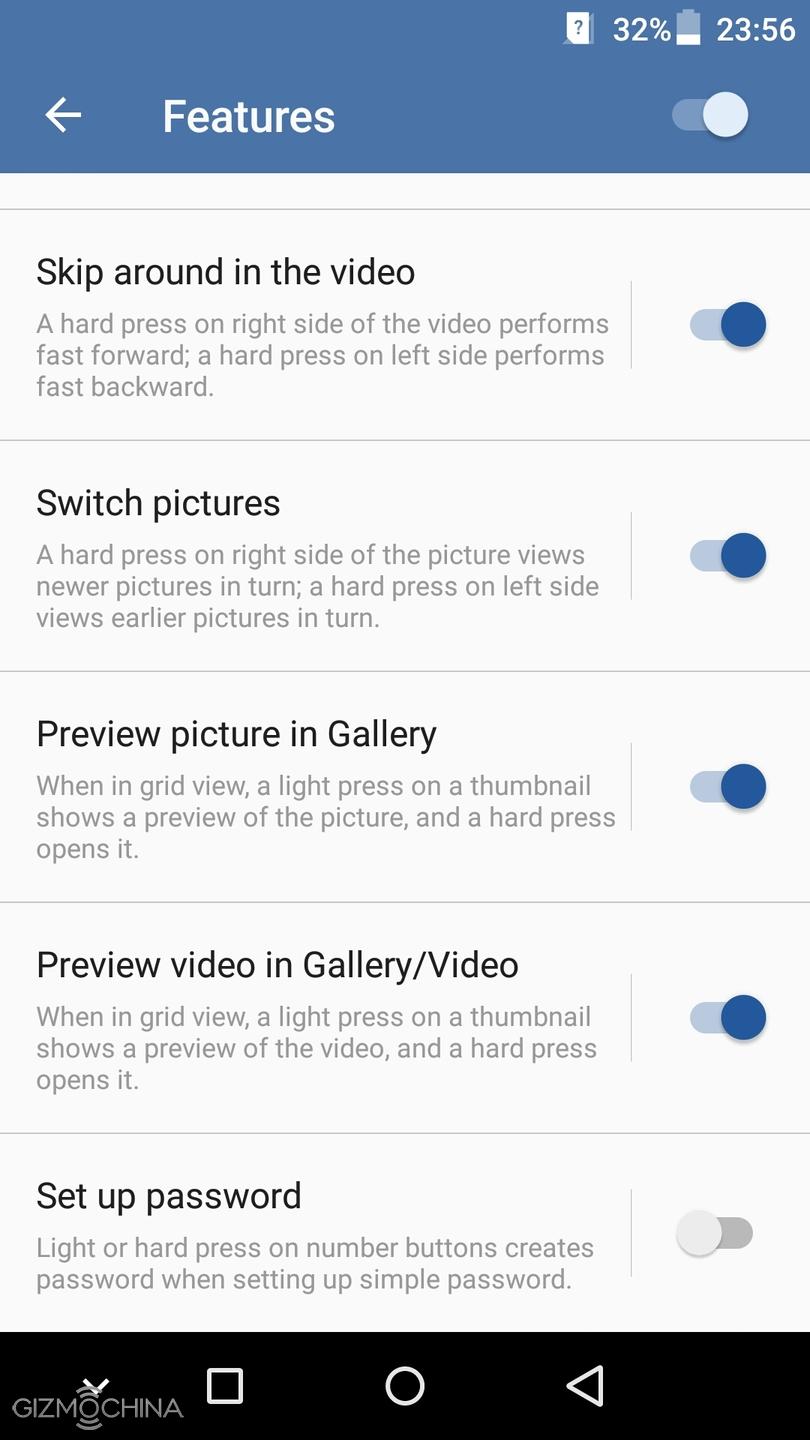
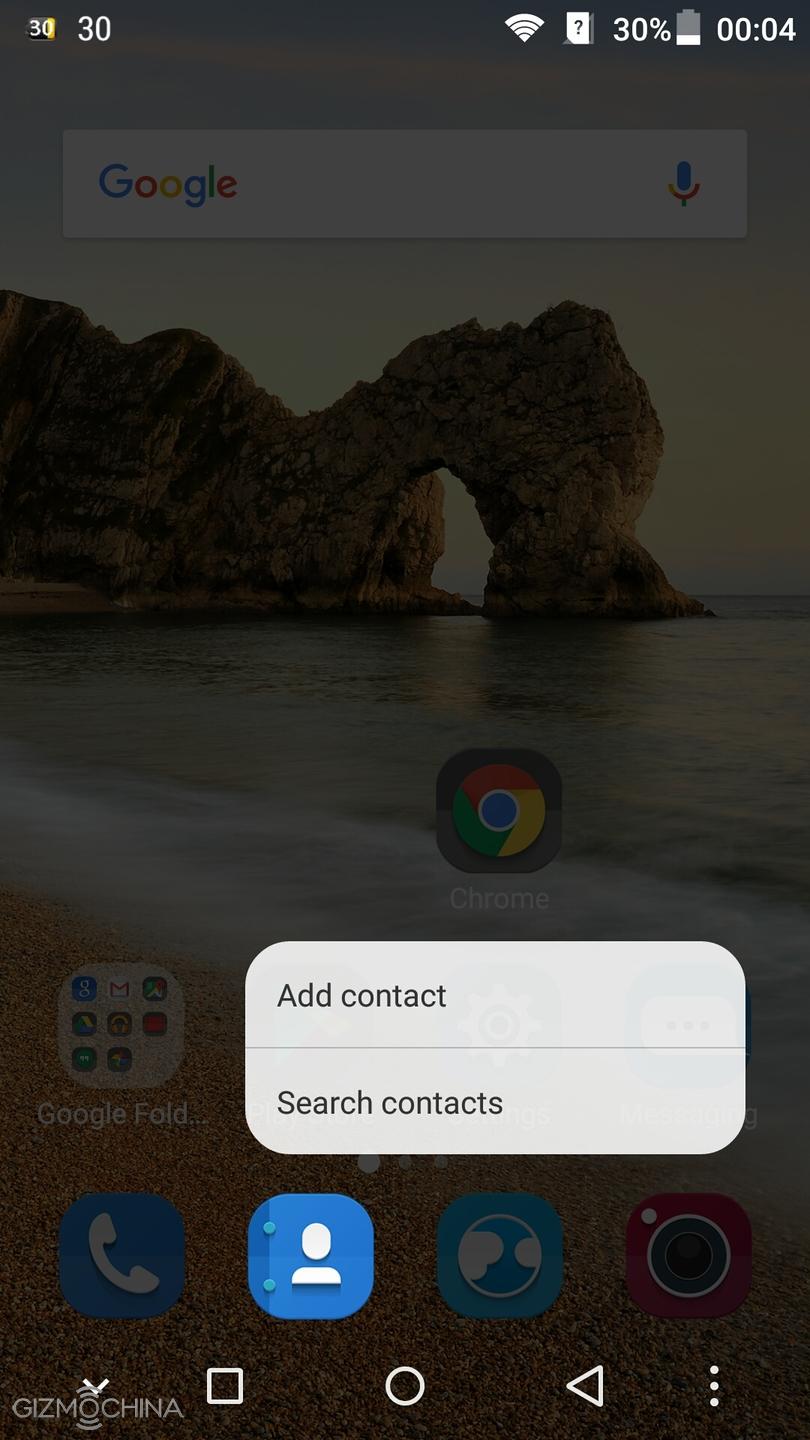
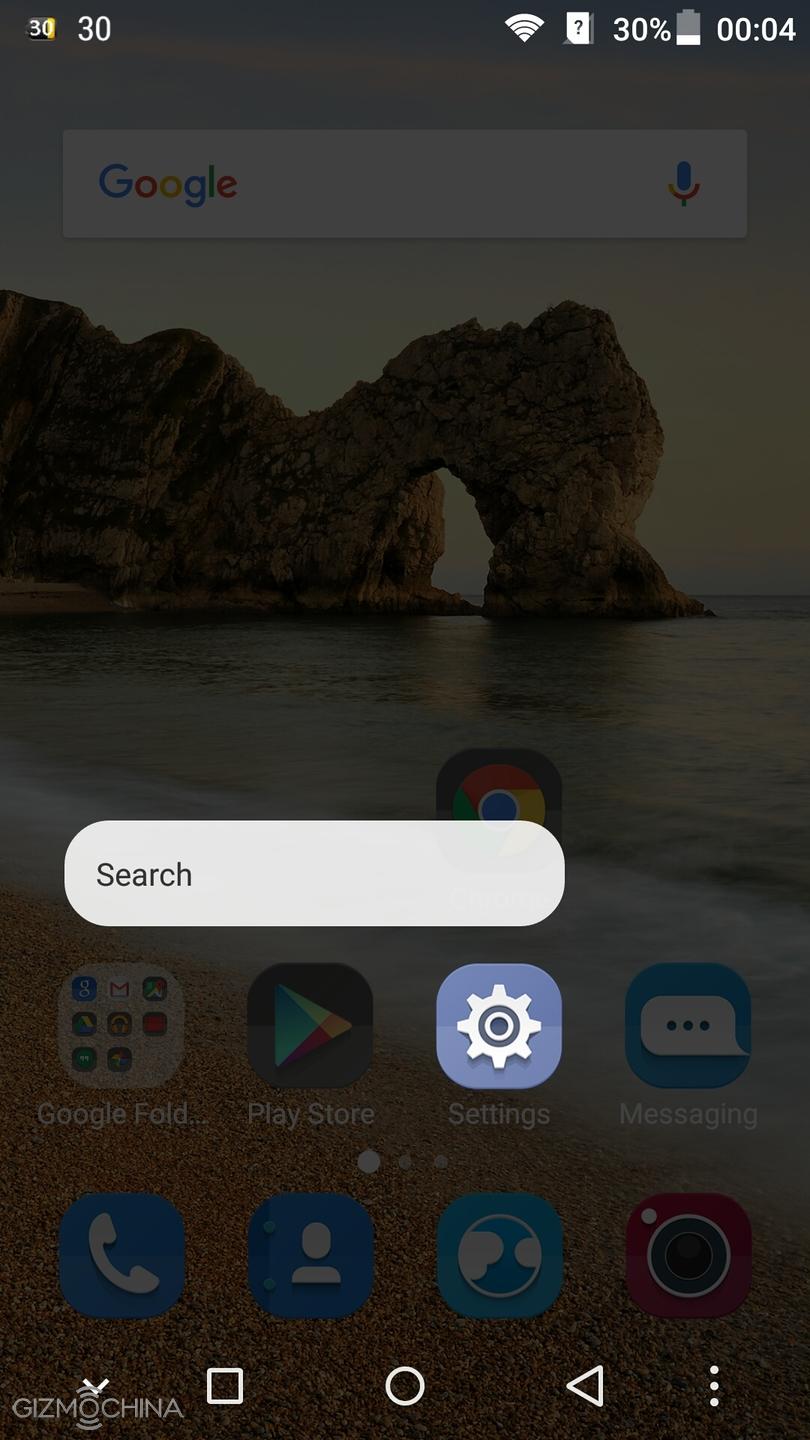
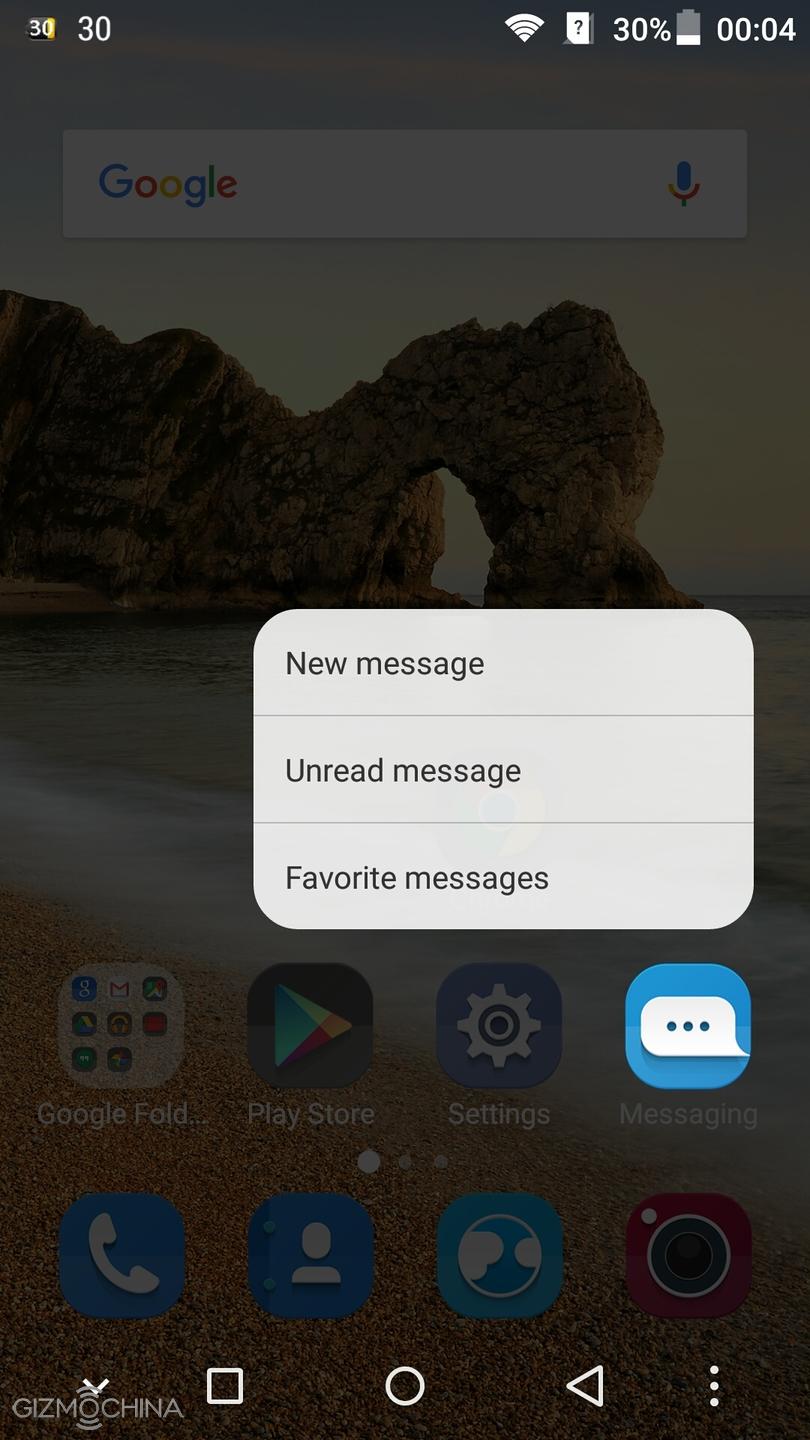
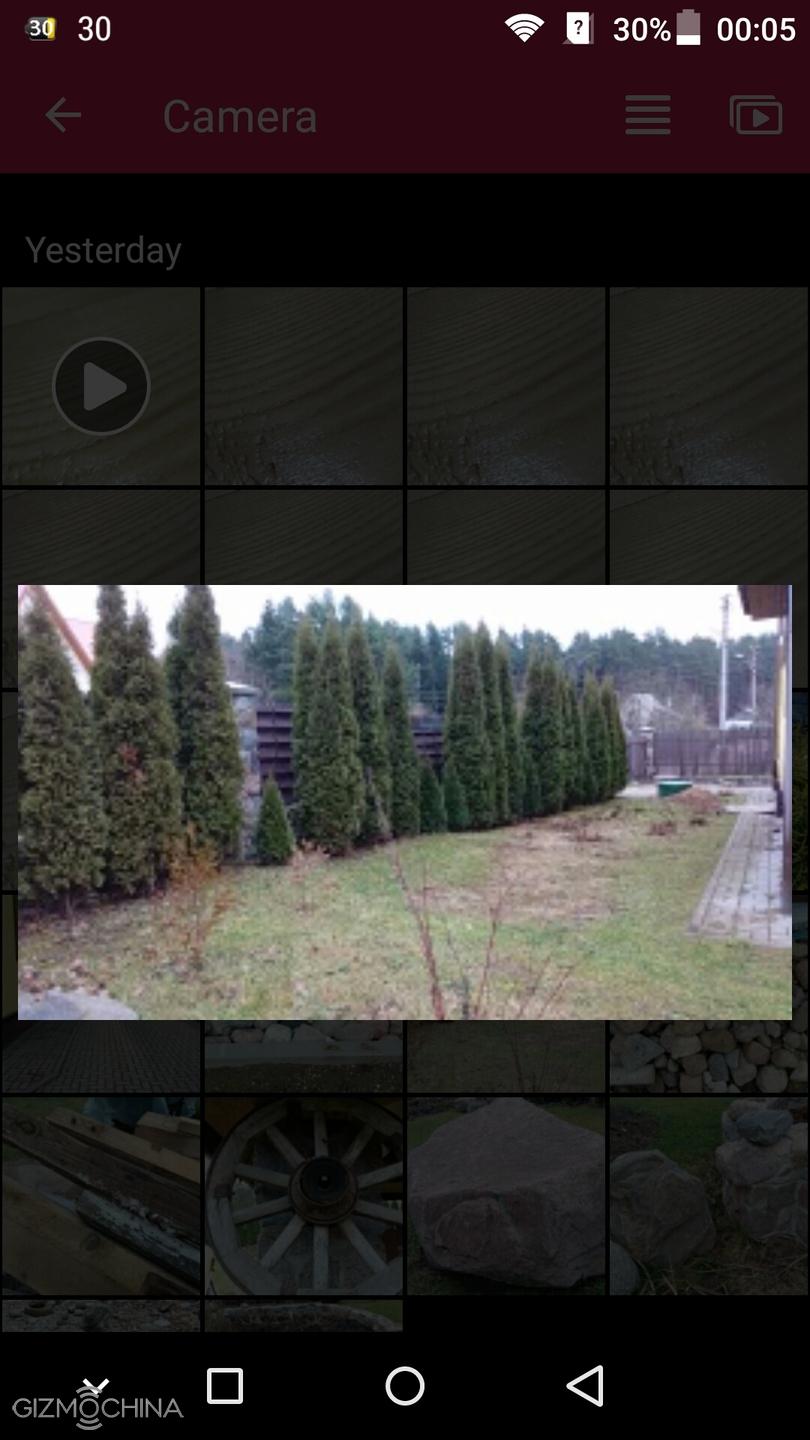
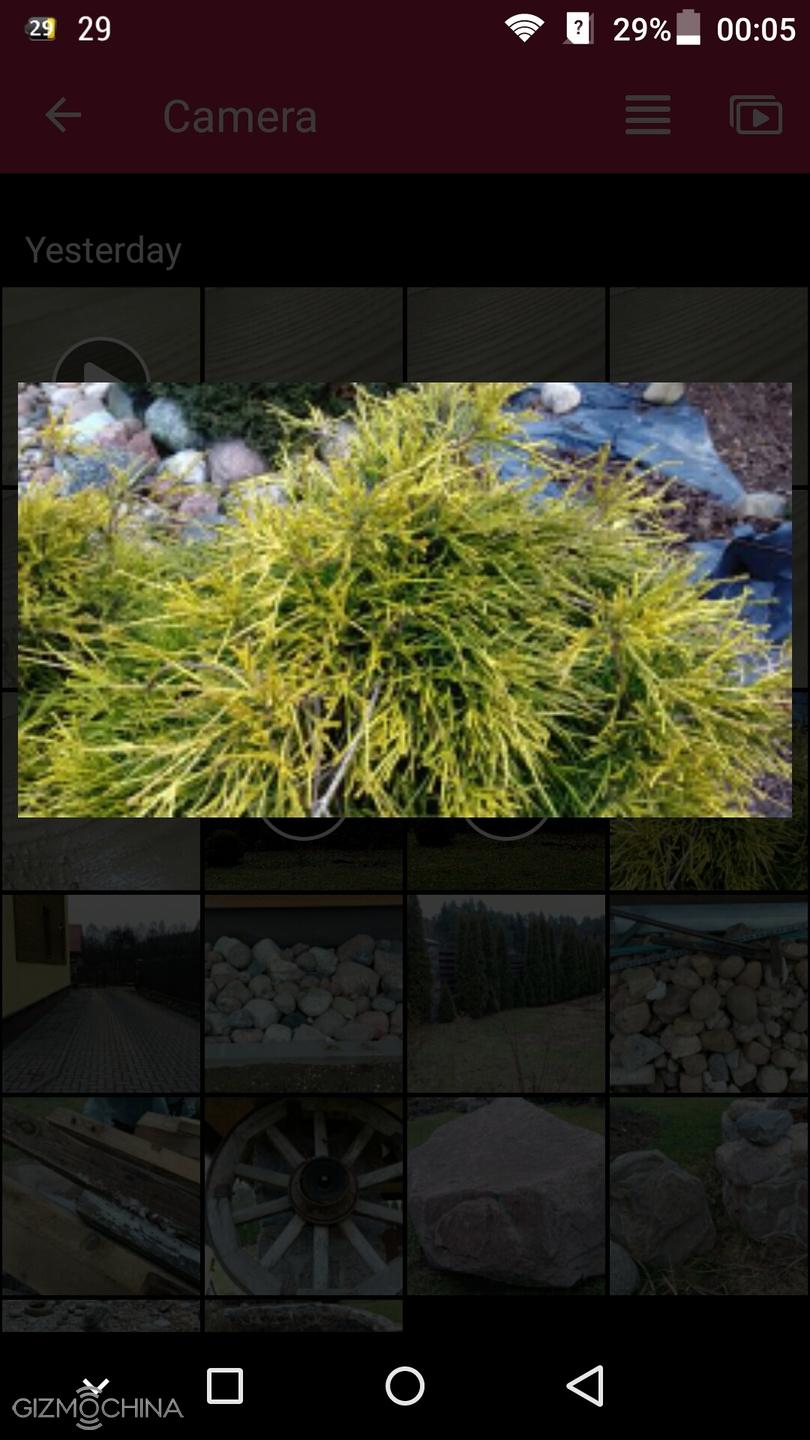
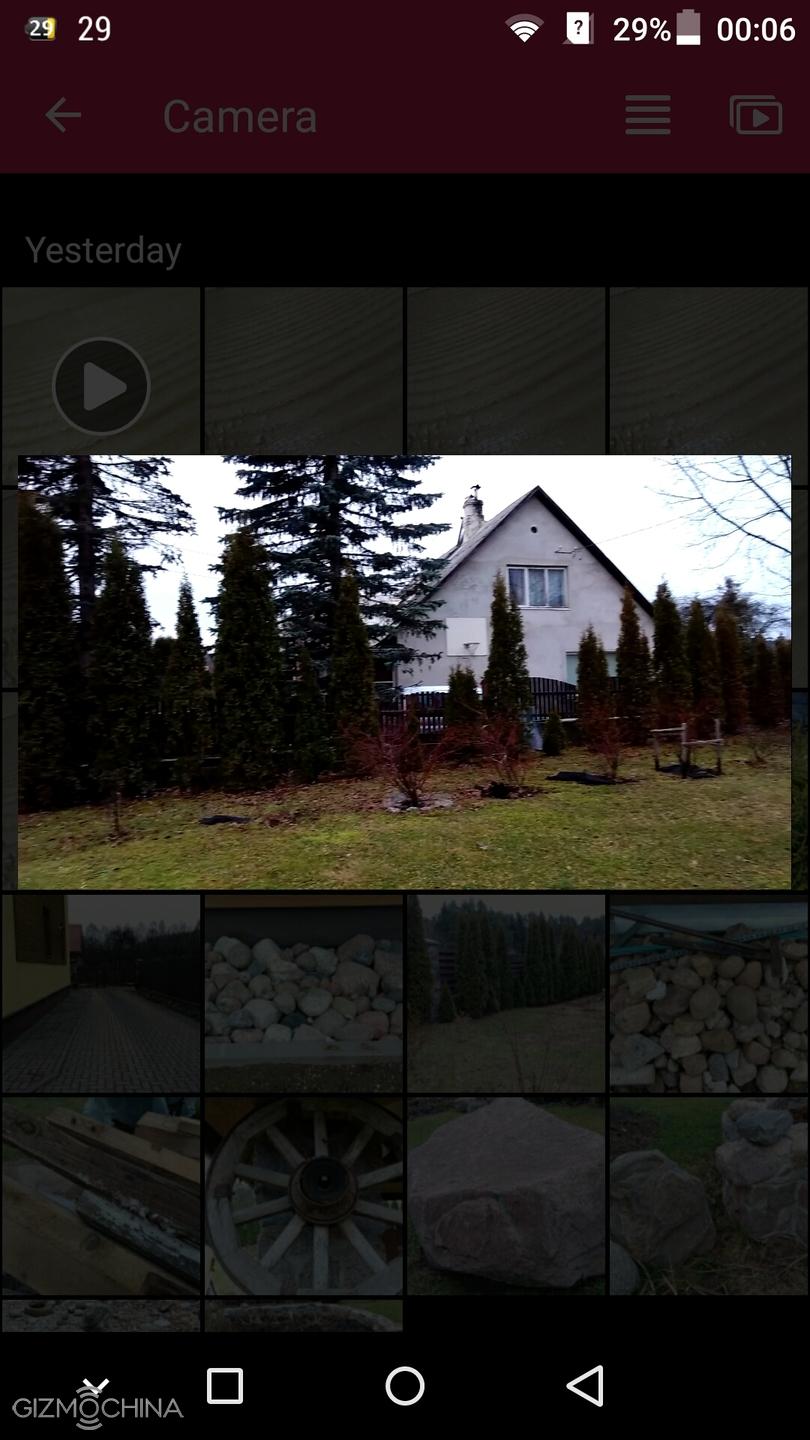
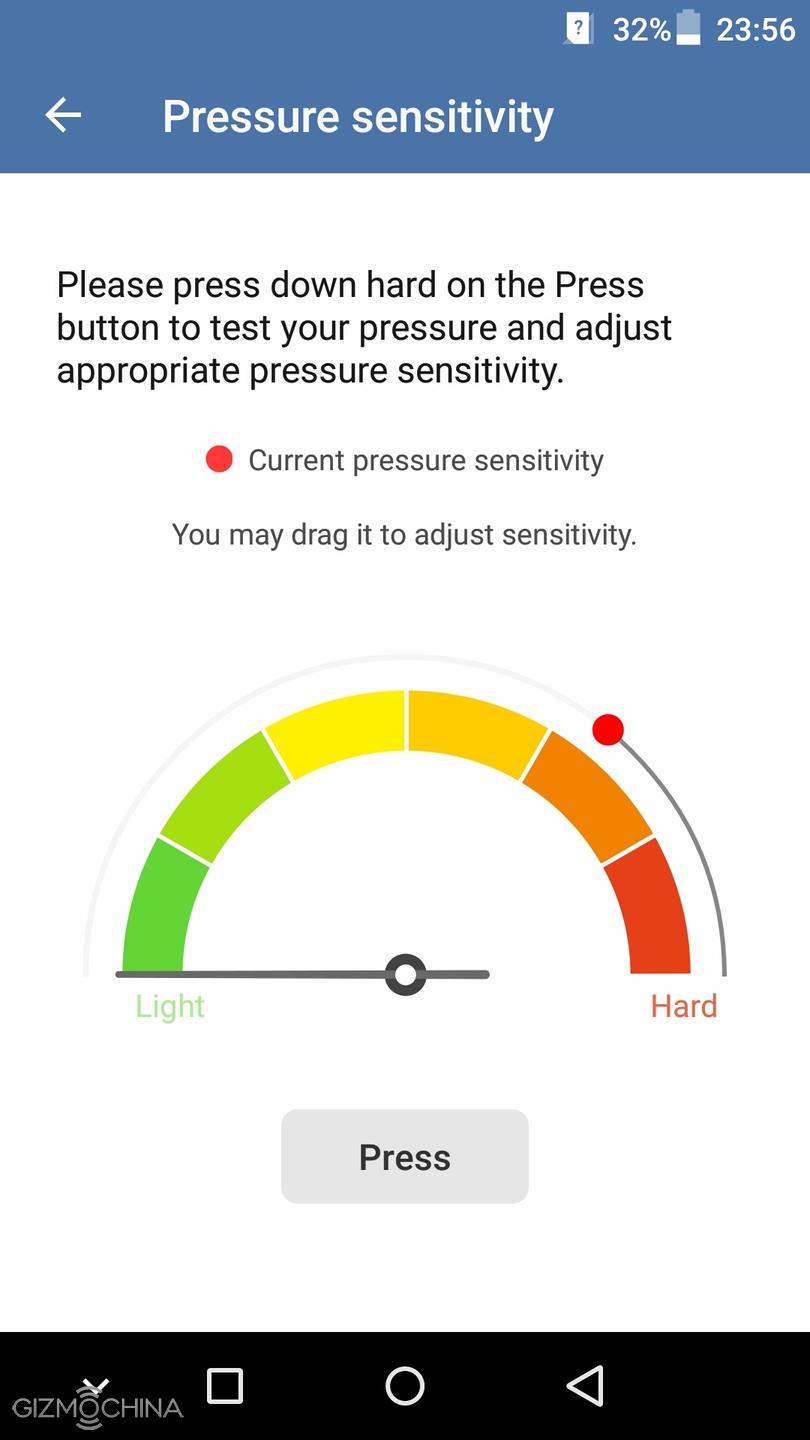
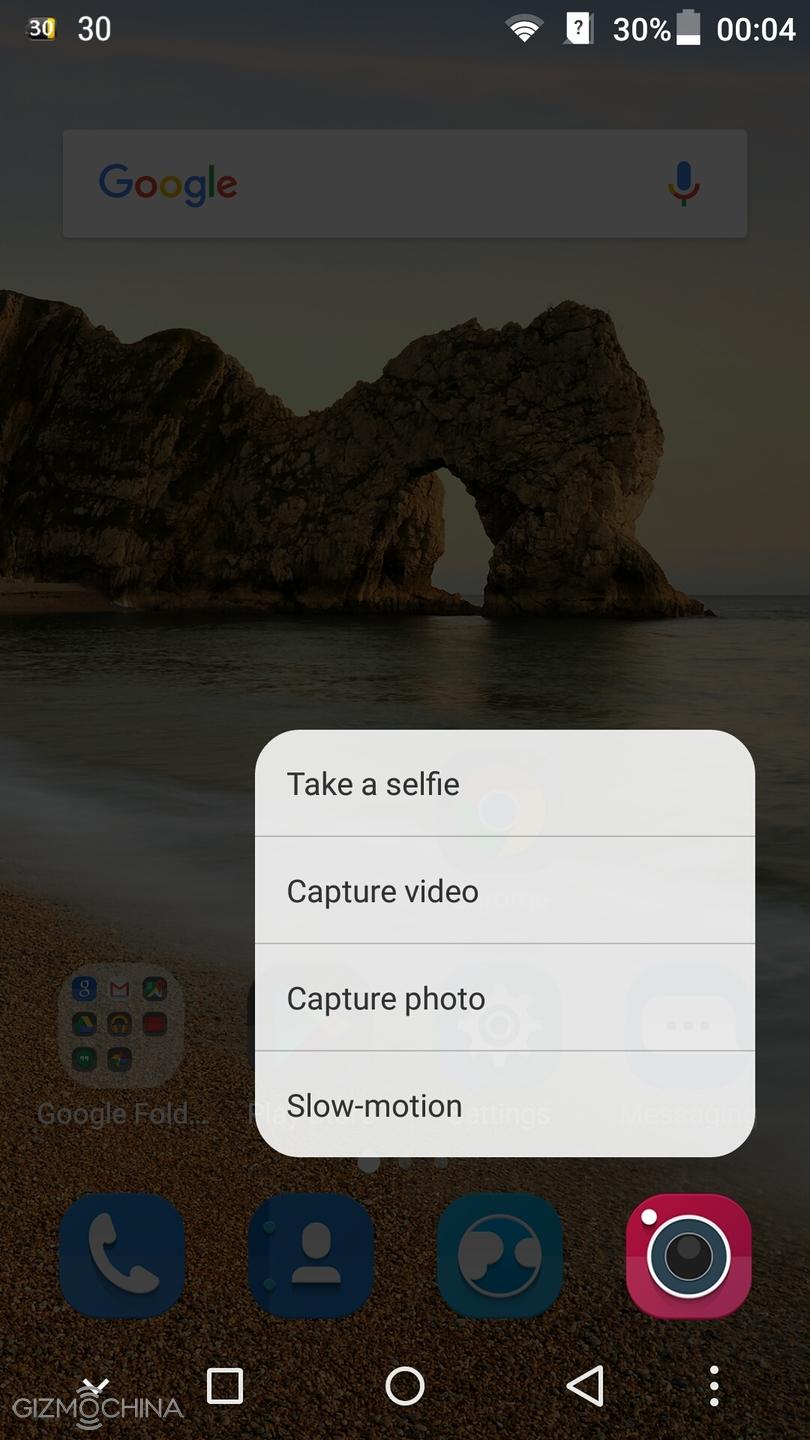
We’ve seen the latter features on other phones but the star of the show here is a force touch display technology and the Axon mini is one of the first Android phones to have it. Basically, it is a pressure sensitive display and, if we use Apple terminology, it works like peek and pop gesture as the panel recognises the amount of force of your pressure of your fingers.
1 of 7
The main question here: is it useful? Once you get used to it, definitely yes. Does it work well? Again, when you get used to it, it is. Most of the force touch features are associated with the built-in apps and gallery, and they work pretty well. If the app does not support this feature, the screen will just blink. However, you may have a few accidental touches there and there. Finally, if you asked me if this feature is really necessary, I would say no but it is definitely a fun and innovative way of interacting with your phone. Also, ZTE did a pretty good job with the implementation. We suggest you checking out the video review to see how this technology works.
All in all, the UI is running fast and fluid, and it is really impressive given the early software build of the phone.
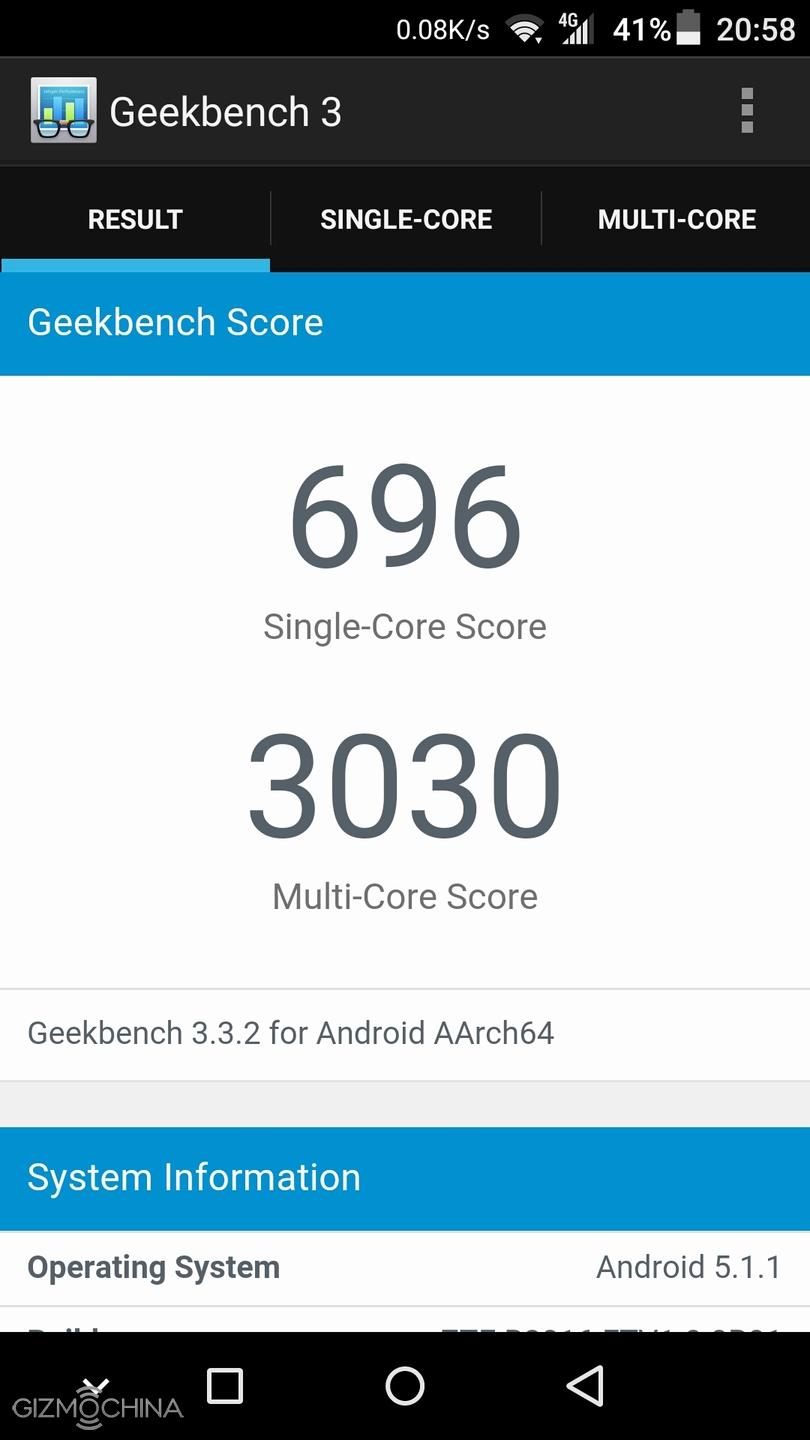
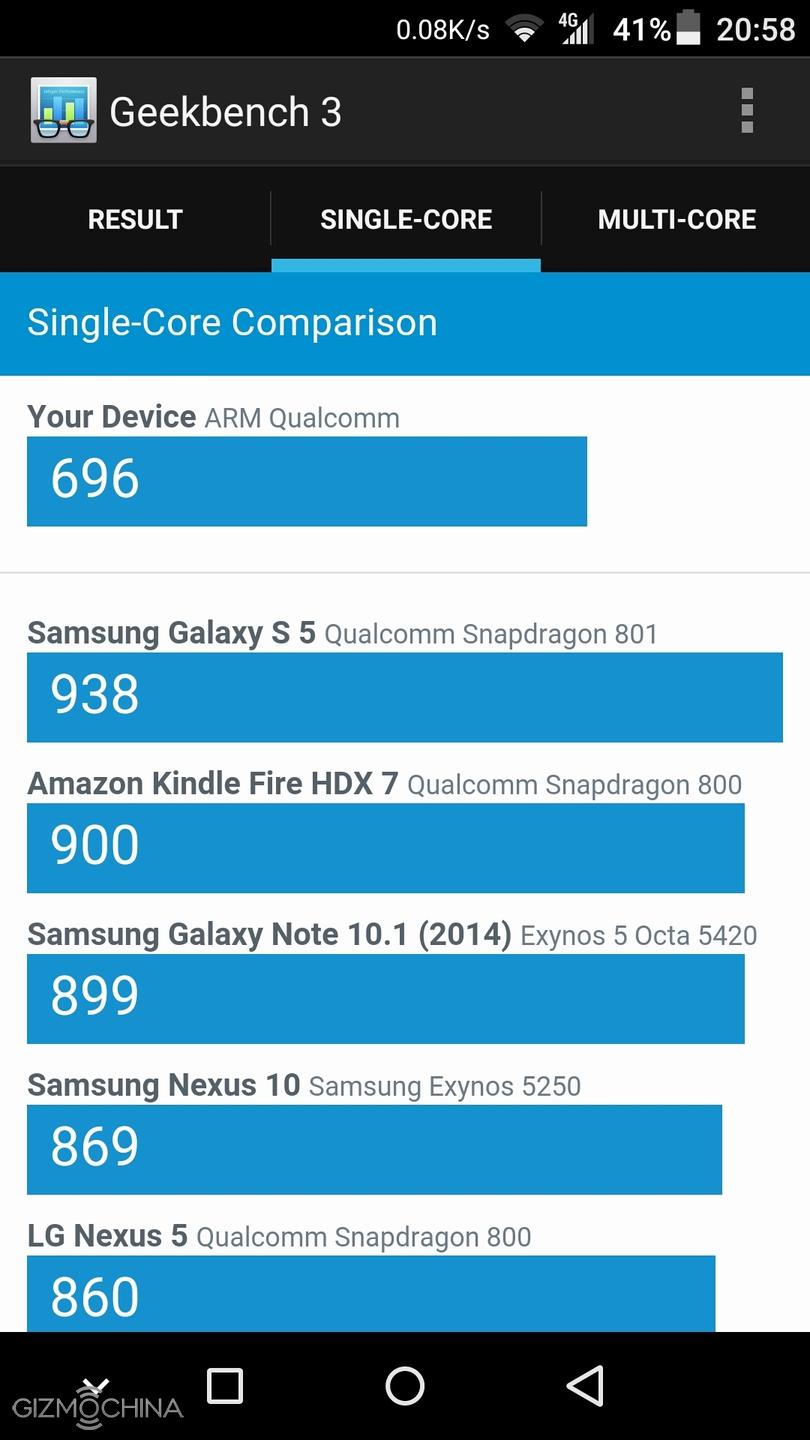
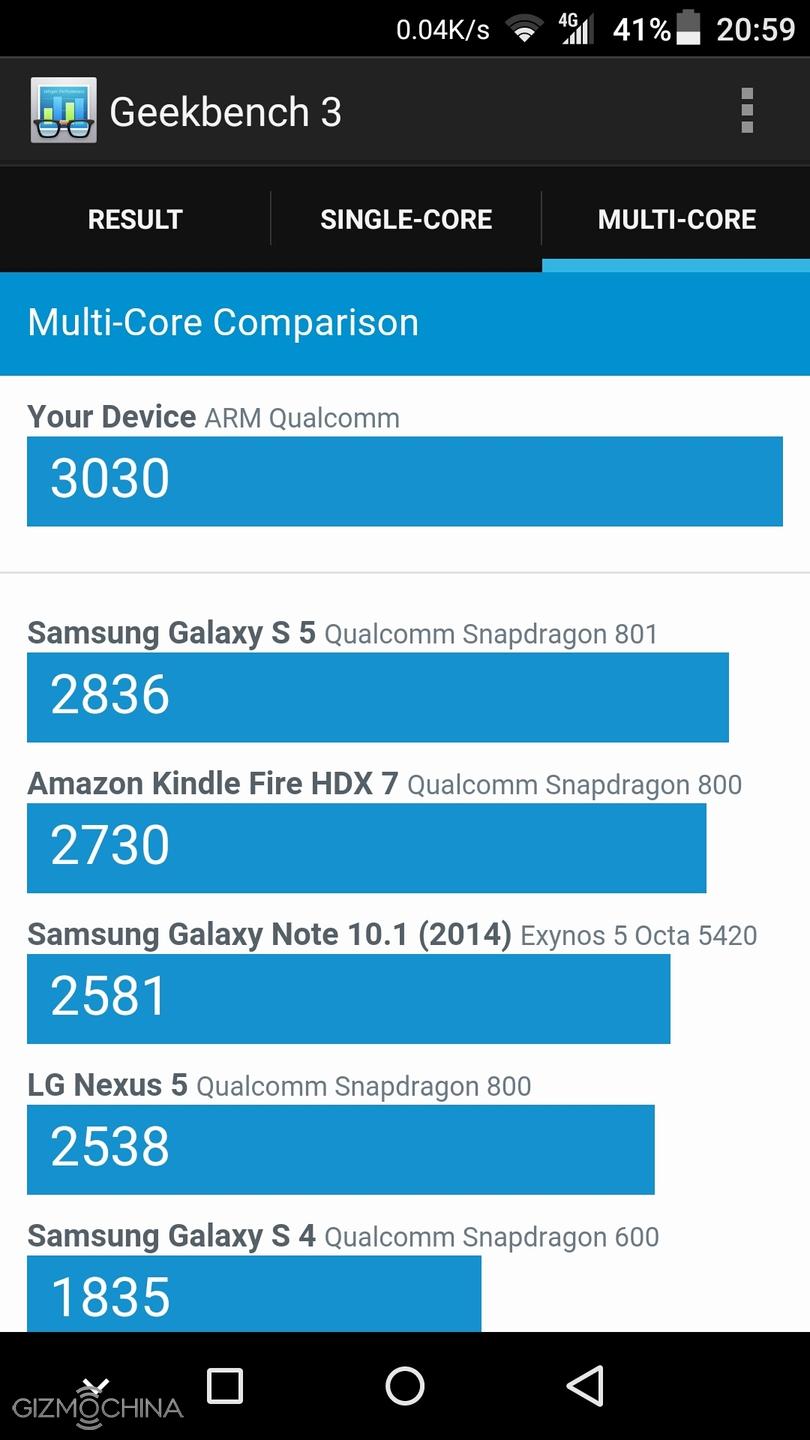
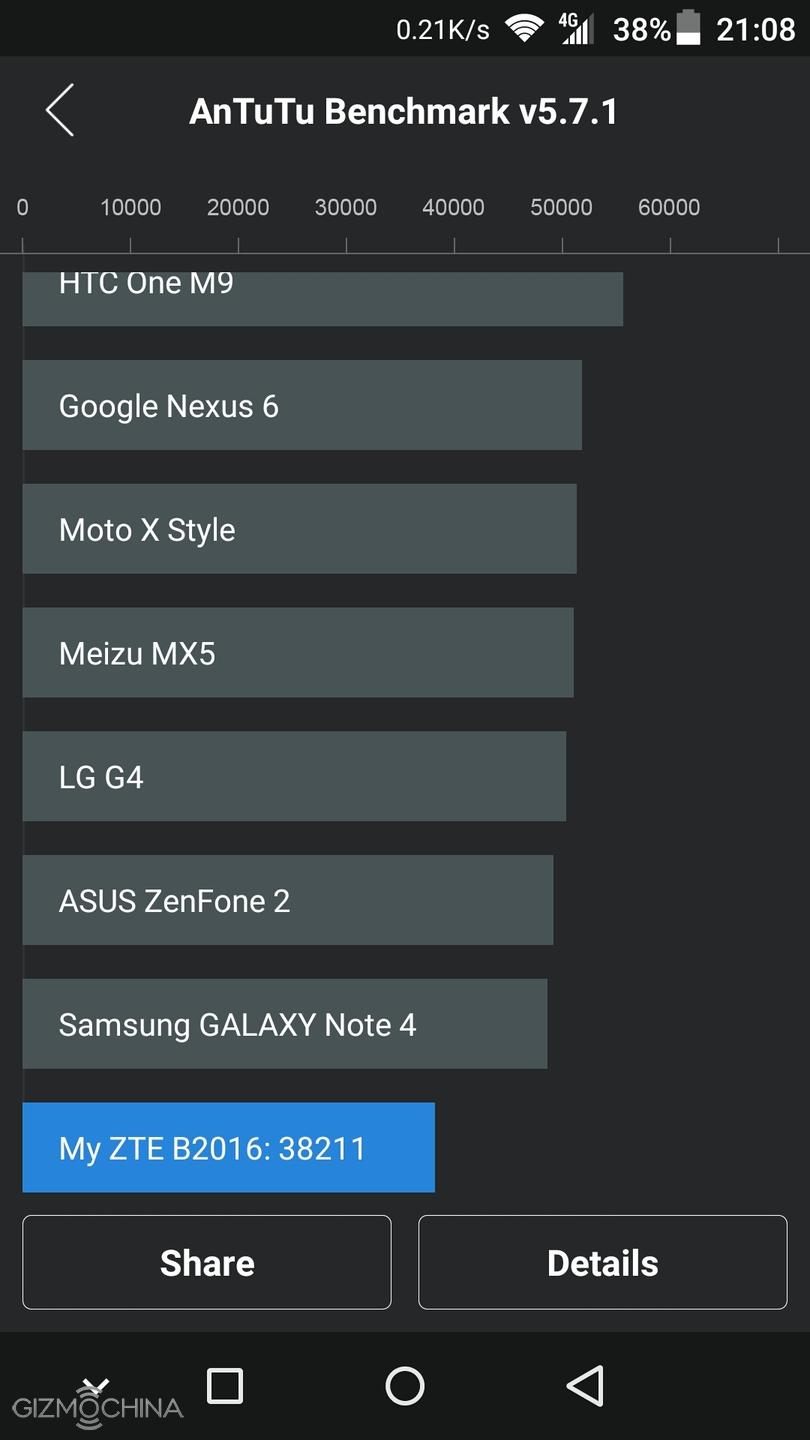
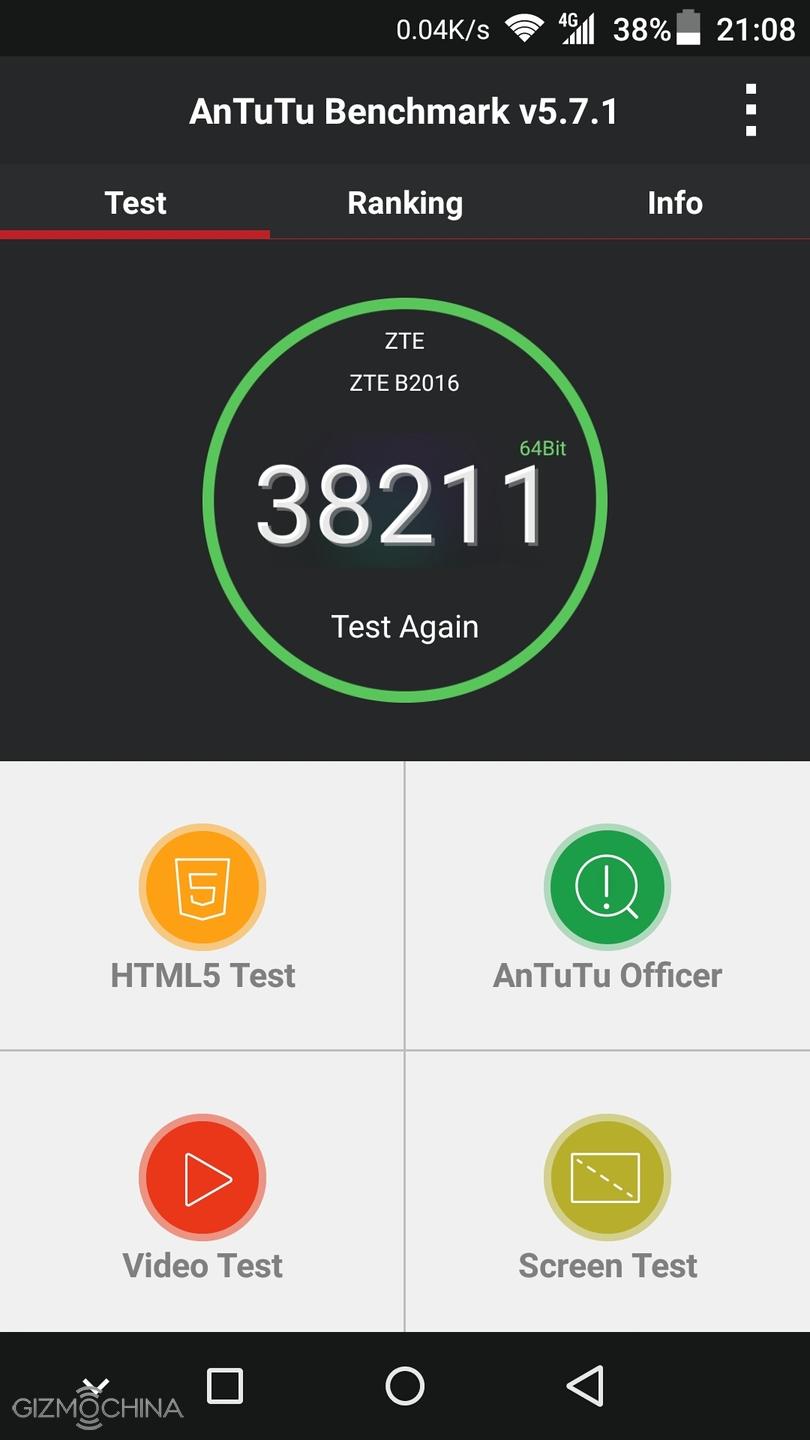
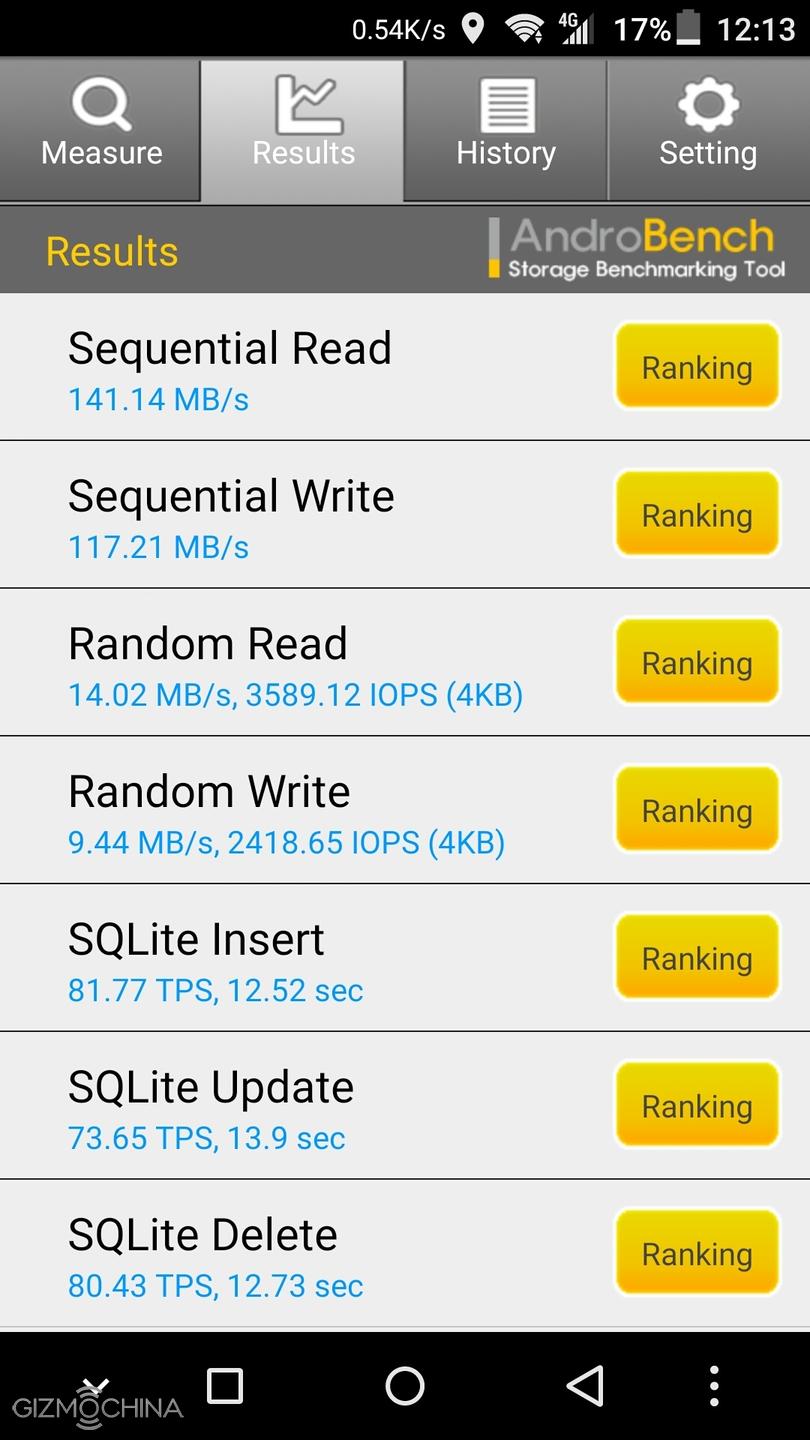
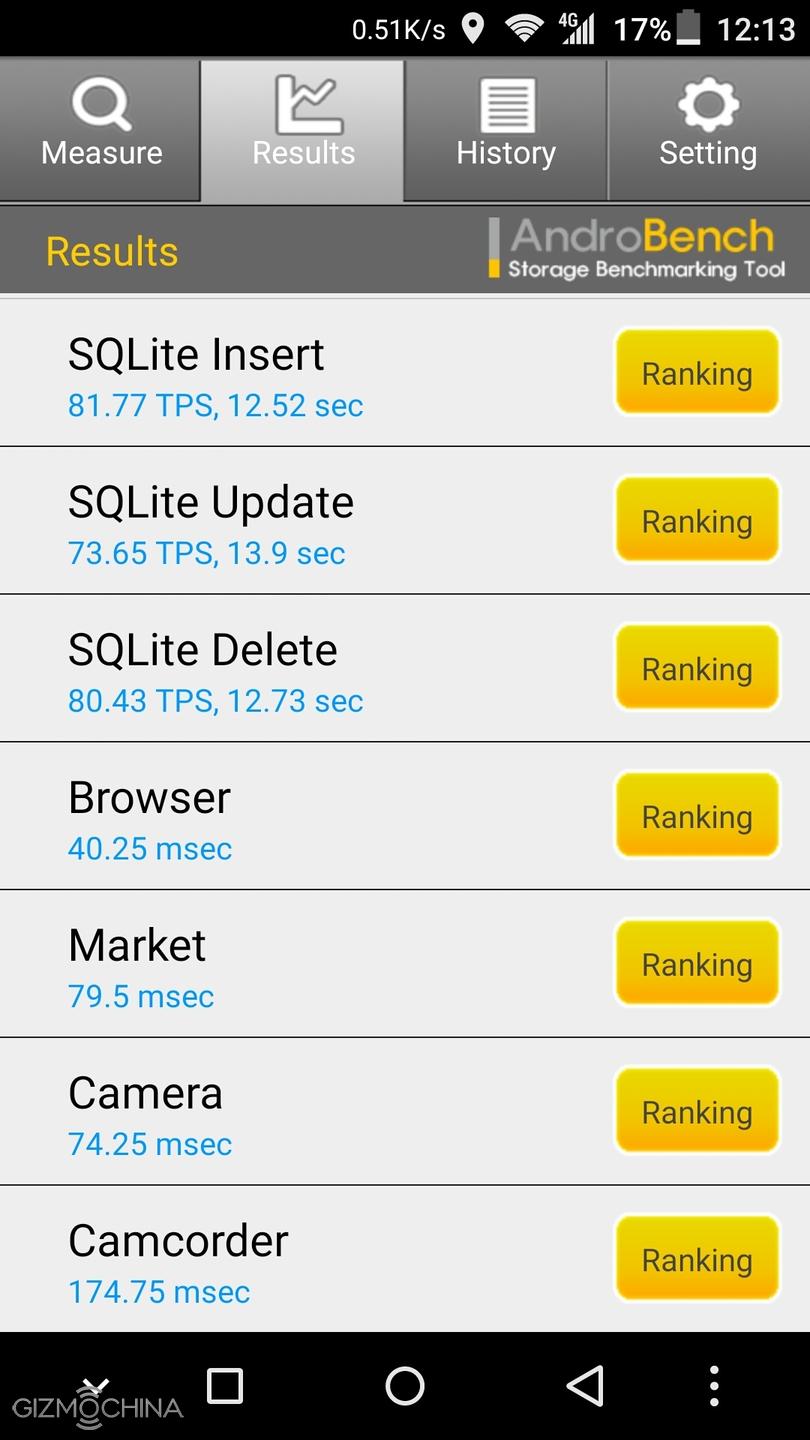
ZTE Axon Mini Review: BENCHMARKS
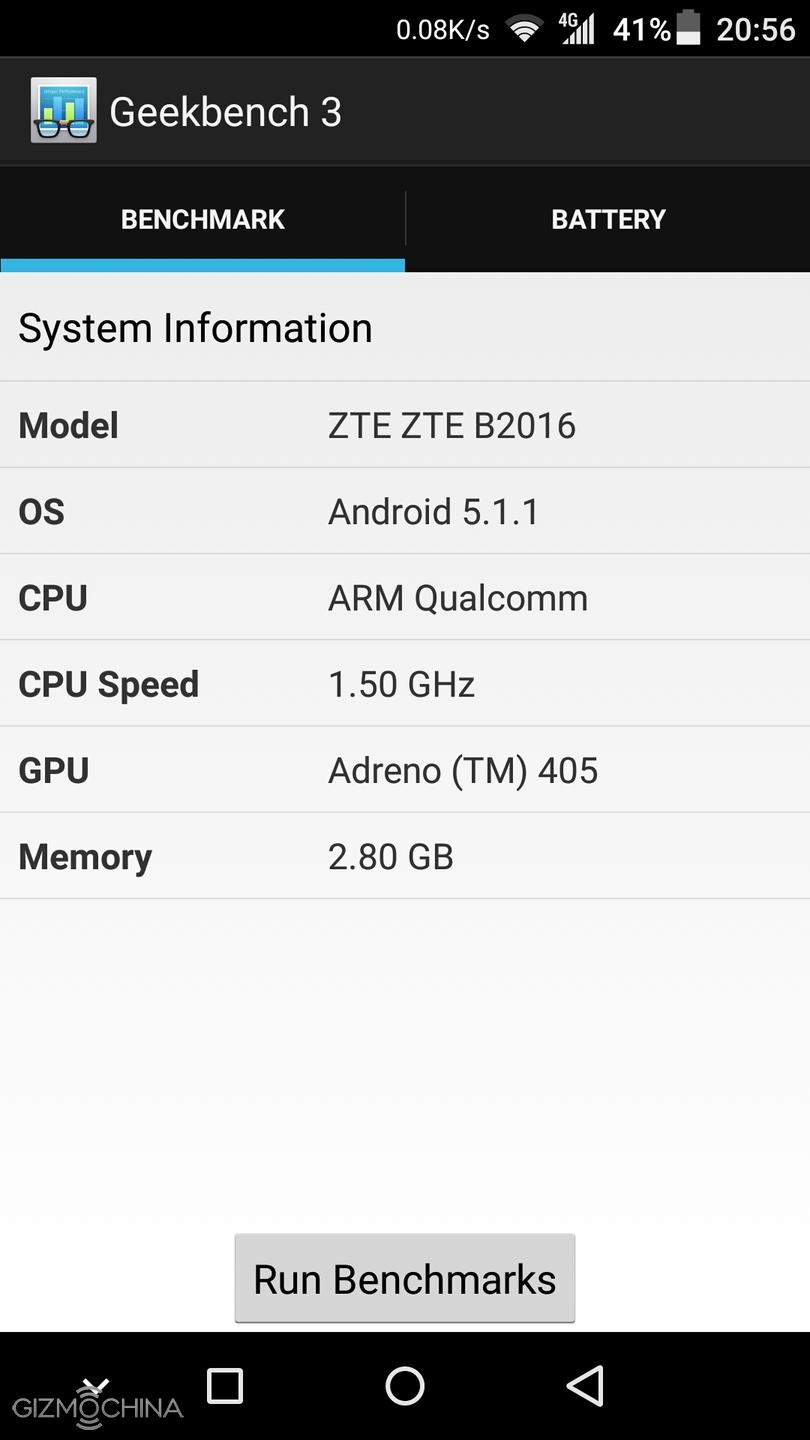
1 of 8
ZTE Axon Mini Review: HARDWARE and PERFORMANCE

ZTE Axon Mini comes with an octa-core Snapdragon 616 chip with the maximum clock speeds of 1.5GHz, 3GB of RAM and 32GB of expandable storage.
The 3D games work well but you have to make sure that any power saving features are off. The graphics look great although not that spectacular like on flagship phones. I encountered with just a few skipped frames but nothing major.
Finally, the phone doesn’t have any overheating issues.
ZTE Axon Mini Review: MULTIMEDIA
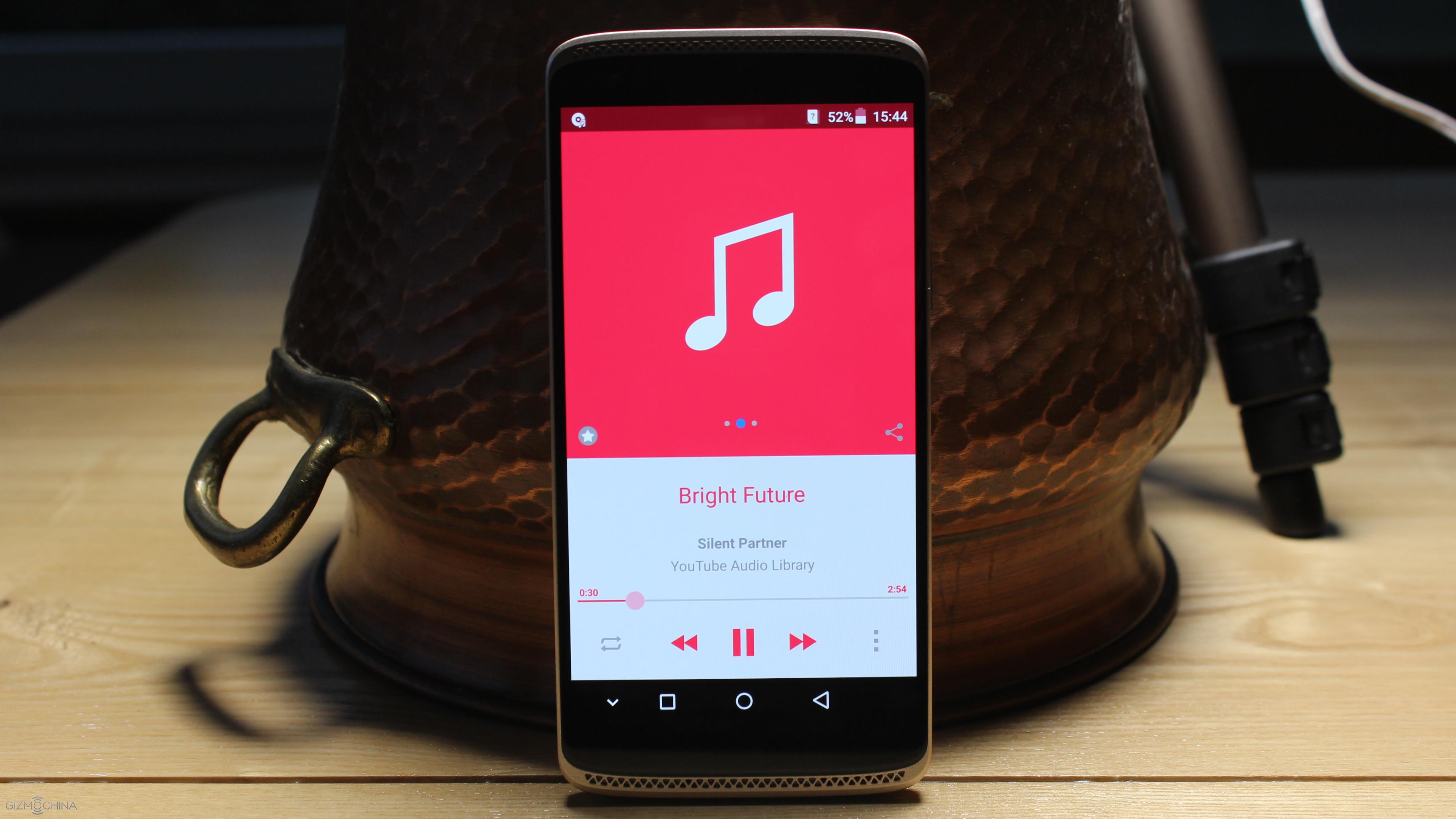
As far as multimedia consumption goes, the Axon mini is just fantastic. The front firing speaker is loud and it has quite a lot of depth in its sound. Also, listening to music via earphones is just a blast. The integrated Hi-Fi audio chips really make a difference if you love high quality sound with lots of depth and rich tones.
ZTE Axon Mini Review: CAMERA

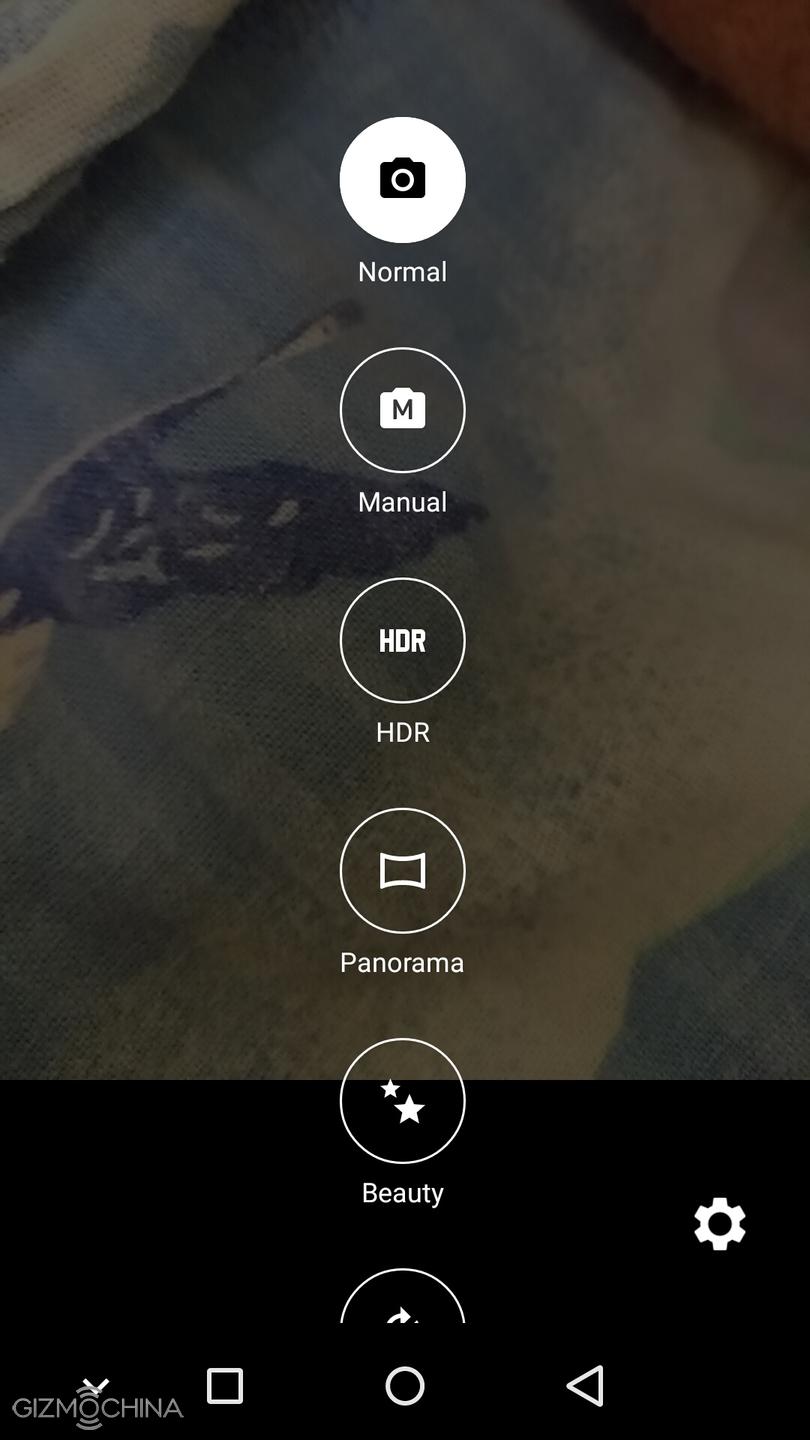
1 of 6
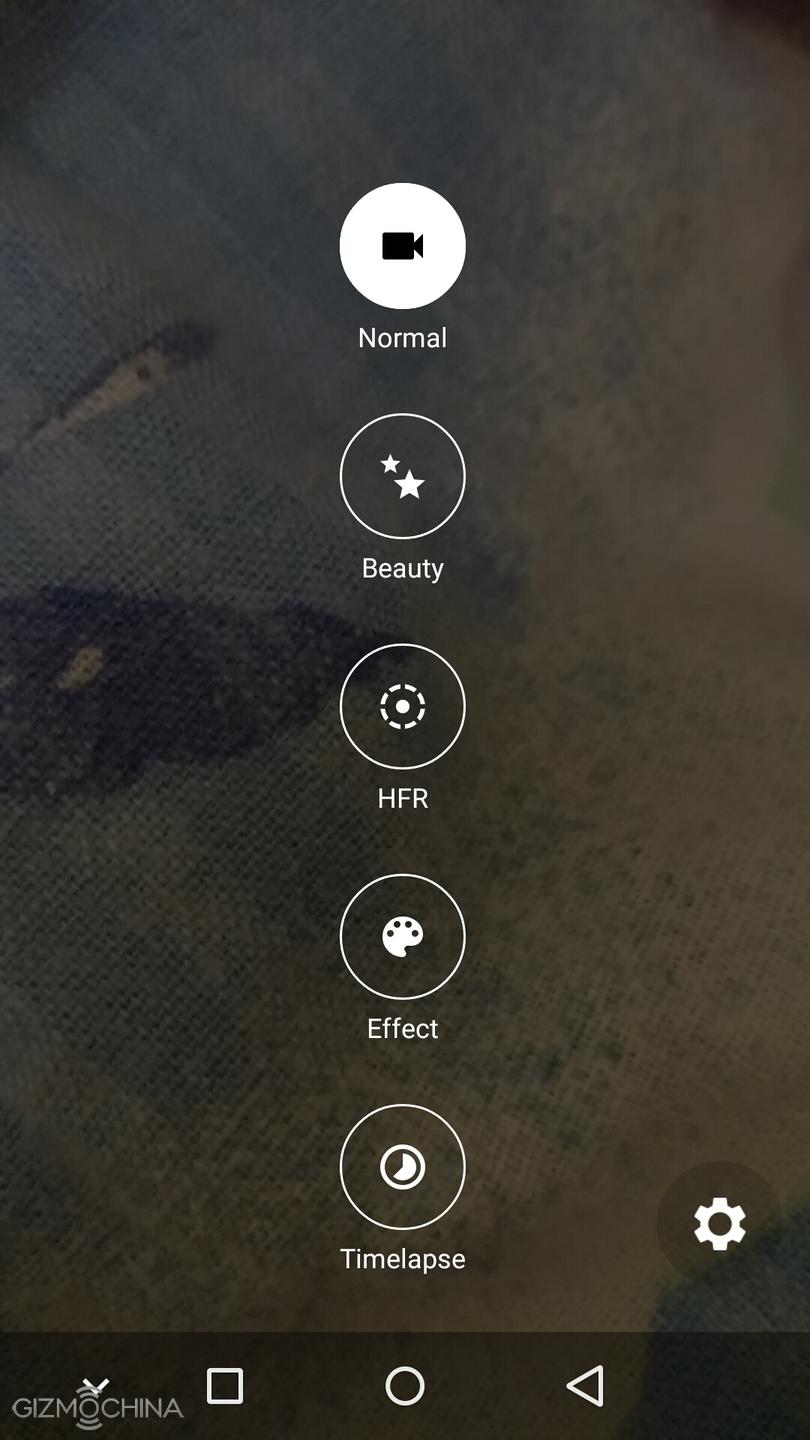
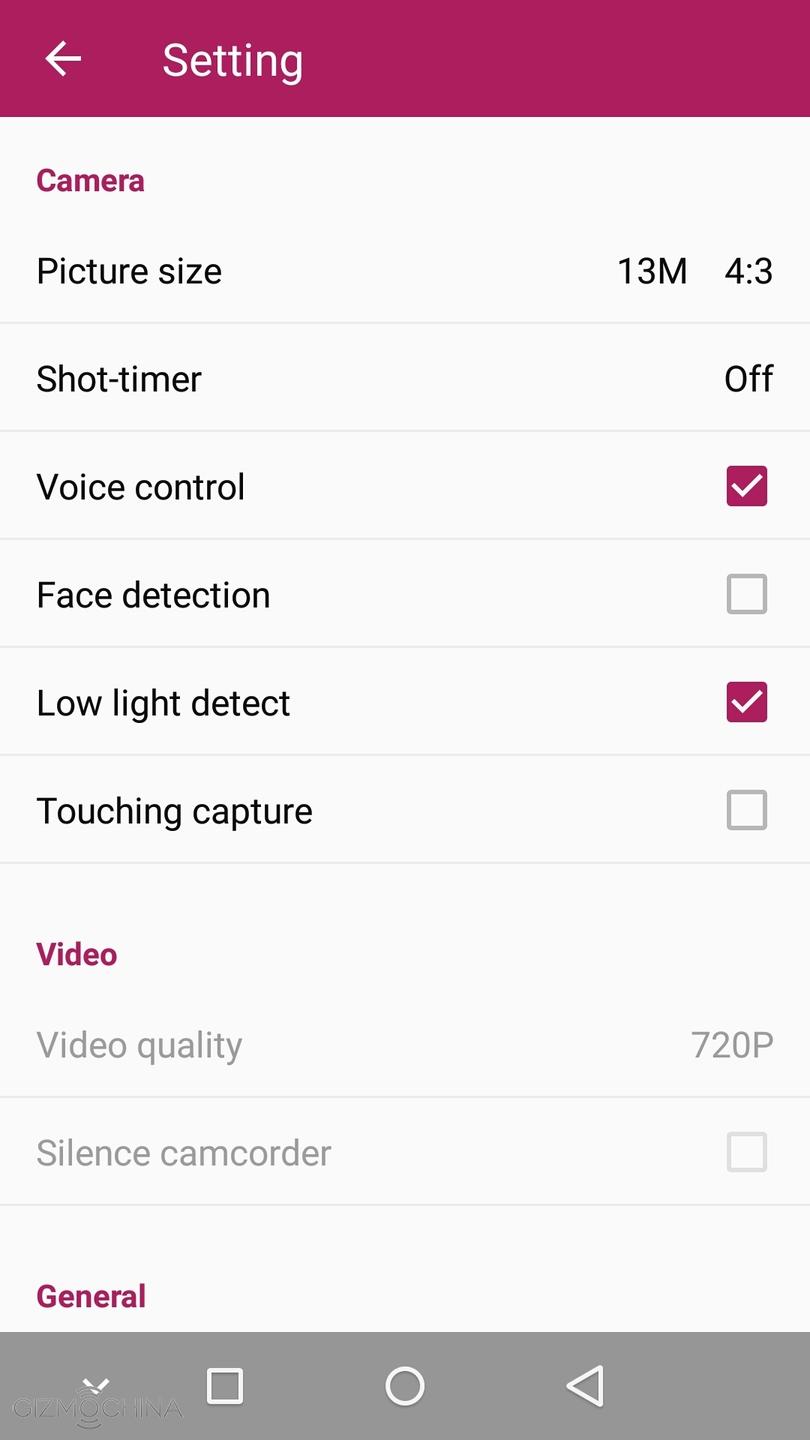
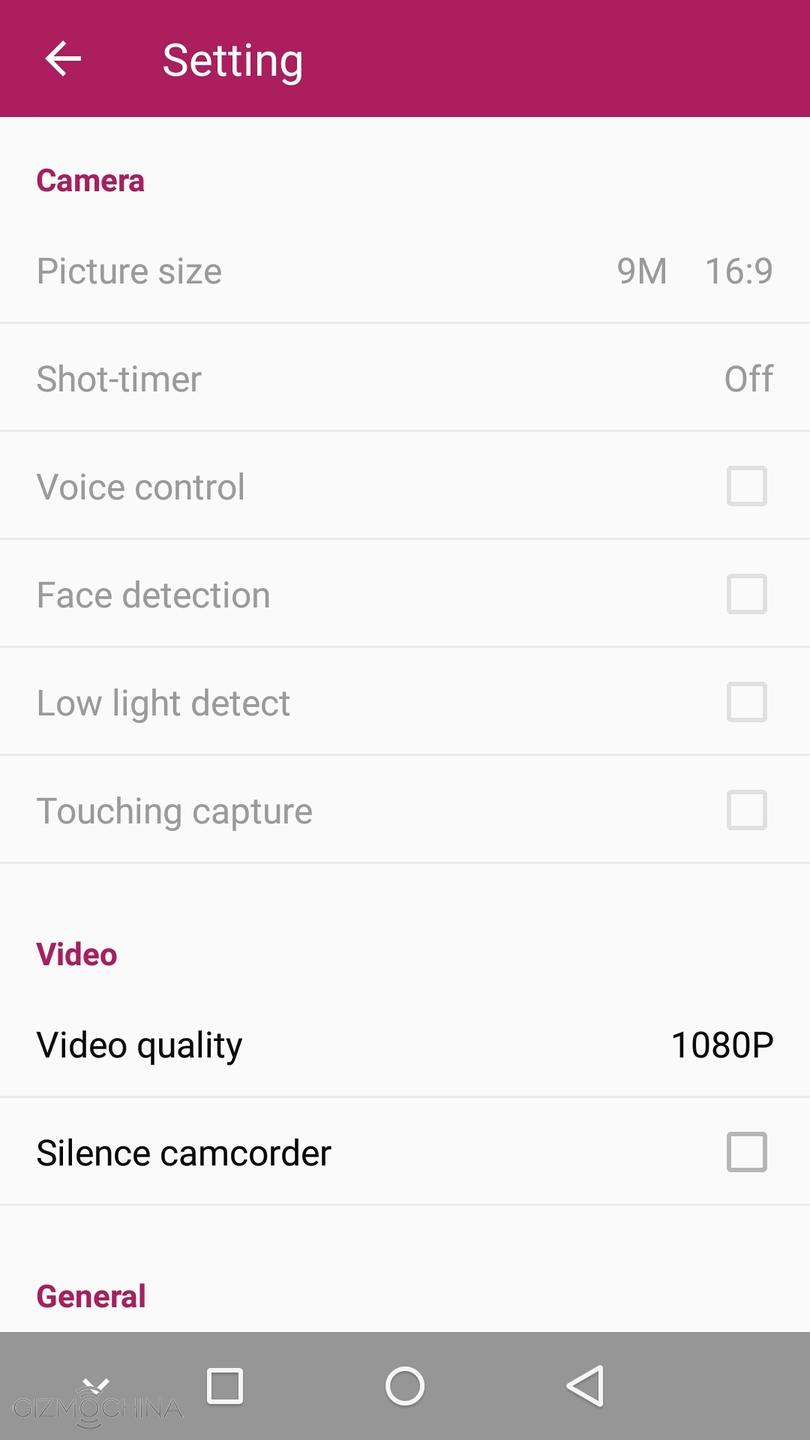
As far as the camera app, it is fast, responsive and easy to use. It has a few shooting modes to select but the settings menu works only in the portrait mode for some reason.

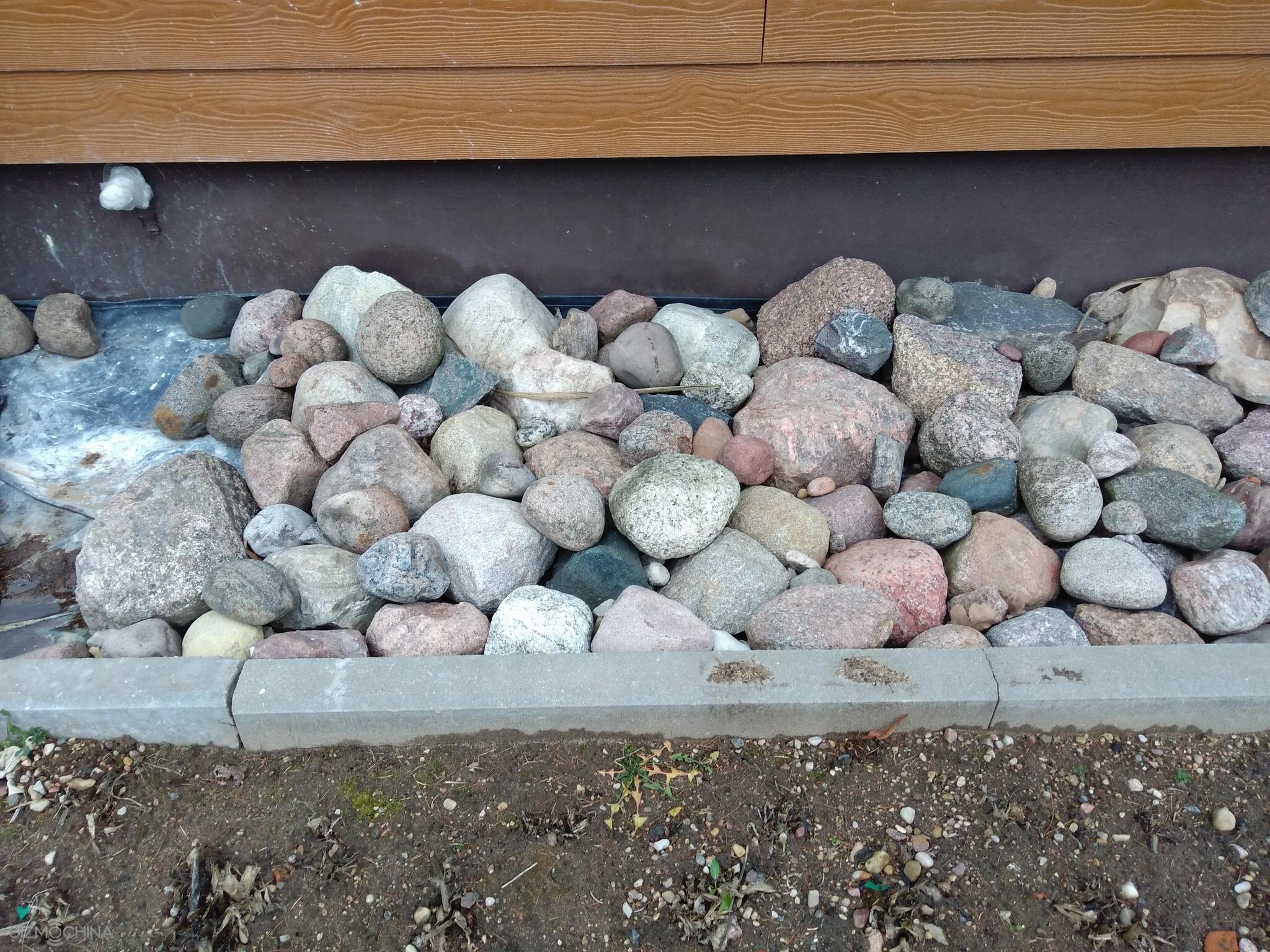
The 13MP camera can produce some nice and sharp looking images but it is inconsistent.
The positive side is that you will usually get a good looking image, which has a accurate colours, decent dynamic range and contrast.
If you are not lucky, you may take some daylight images with softer focus and not that impressive level of details.

1 of 17
When it comes to the low light shots, some of them are pretty good but again, the camera is inconsistent as some of the images have a huge amount of noise and the lack of details.

1 of 1
8MP selfie shooter is pretty good and will definitely do the tick for social media needs.
The phone can shoot videos at the max. resolution of 1080p. The most impressive thing is… the quality of sound recording. Other than that, the level of details is decent but the auto-exposure is too aggressive as it is jumping like crazy. Also, the footage looks shaky despite the fact that I tried to hold my hands as steady as possible. See a video review for the video sample.
All in all, the Axon mini has a good overall camera but hopefully we will see a software update as it needs some more polishing to show its full potential and be more consistent.
ZTE Axon Mini Review: CONNECTIVITY
The signal reception has been excellent and the call quality of the Axon phone is good. Also, other connectivity options like Wifi, Bluetooth, GPS work absolutely fine.
ZTE Axon Mini Review: BATTERY LIFE
The 2800mAh non-removable battery performs very well both in terms of active usage and standby. I could constantly get over 4.5 hours of screen-on time using max. auto-brightness setting, browsing the web, checking emails and social media, taking pictures and so on.
ZTE Axon Mini Review: CONCLUSIONS
So, there you have, the ZTE Axon Mini Premium with a pressure sensitive display tech. I have to tell you that there is a lot to love about this phone. It all starts with great design and all-aluminum-titanium body makes it look like an expensive handset.
Also, the Axon mini is very compact considering today’s standards as it has 5.2” display, which is just brilliant to look at and pressure sensitive related features are definitely a fun way of interacting with your phone if you get used to using them.
Also, the phone has a great battery life, a microSD card slot, good performance, fast and accurate fingerprint scanner and high quality sound.
However, while the camera experience is mostly positive and you may get some good looking images, we may want to see a software update to improve its consistency. Also, the video recording quality could be a bit better overall.
Finally, the ZTE Axon Mini Premium is definitely a great all-around phone despite a few shortcomings that may be even fixed with future software updates. All in all, given the current pre-order price of just below $300, it is easy to recommend it.
Those who want to try out the popular Force Touch display without having to spend a fortune can take a look at the ZTE Axon Mini Premium. The phone was one of the first models in the market to be announced with Force Touch display and usually retails for around $400. But as a part of a special one-day offer, the phone is currently being offered at just $299.99.
Force Touch brings a lot of new functionality to the device. For example, you can use the device as an electronic scale, or adjust the force with which you touch the screen while gaming or to even set 3D passwords which can identify whether your press is hard or light.
For the specs, the ZTE Axon Mini Premium comes with an FHD 1080p 5.2-inch display. The front features 2.5D glass and with such resolution, the pixel density goes up to 423ppi. Under the hood, the phone features the Snapdragon 616 octa-core chip with 3GB of RAM and 32GB of internal storage which can be further expanded via a MicroSD card slot.
At the back, there’s a 13MP Samsung 3M2 camera sensor with PDAF with f/2.2 aperture. The front features an 8MP sensor with f/2.2 aperture and wide angle lens for the perfect selfies. There are a lot of camera specific software features such as auto portrait perfection feature, creative manual mode and automatic face beautification.
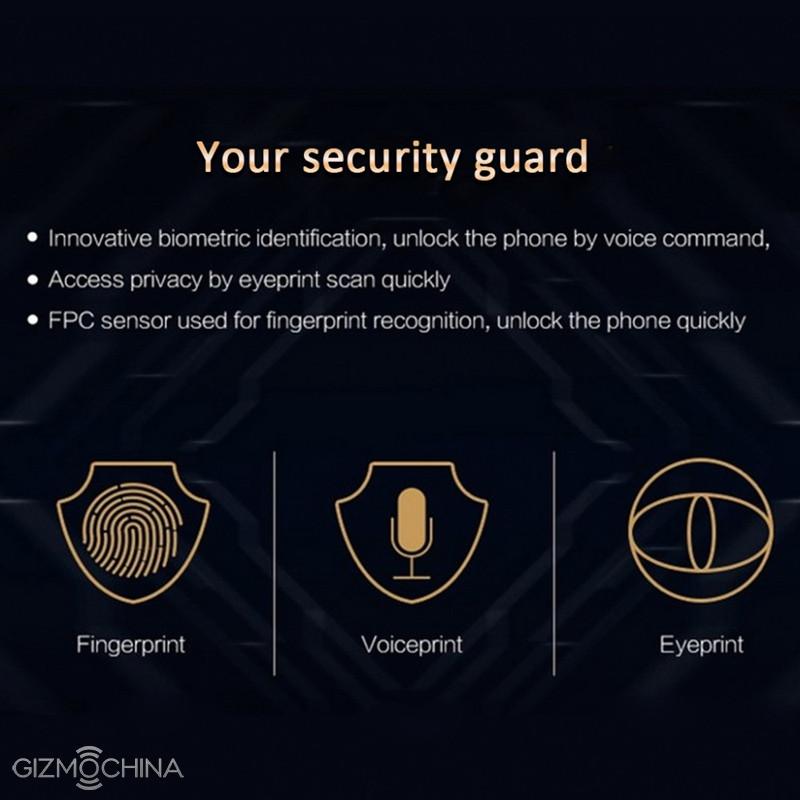
Like its elder sibling, the ZTE Axon, the premium edition Axon Mini comes with three different types of biometric security features. So, you can unlock the device with voice commands, or via eye scan or even via the traditional fingerprint sensor located on the back.
As for other features, there’s the AK4961 chip for better audio output, smart voice assistant, 2800mAh battery and dual SIM card slots with 4G LTE support. The supported LTE bands are as follows: FDD-LTE:800/900/1800/2100/2600.
Overall a great device for its price! You can check out more details from the link given below.
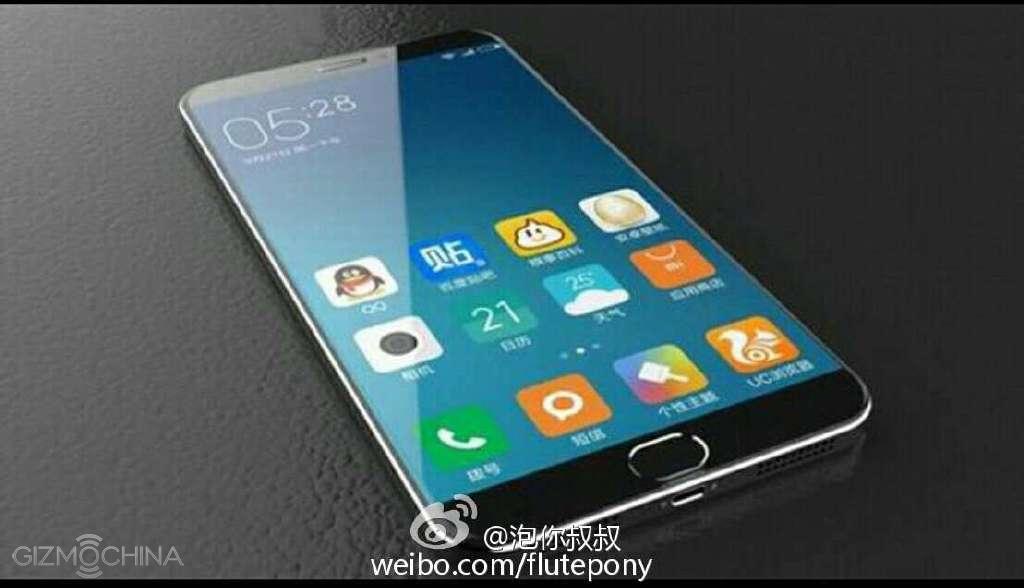
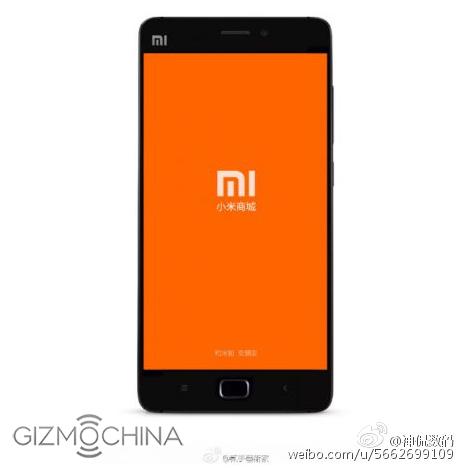
It looks like for the next one month we are going to be flooded with news about the upcoming Xiaomi Mi 5 flagship. After a couple of Xiaomi Mi 5 render that cropped up online in the last one week, today a new image claiming to be of the Mi 5 was spotted on the Chinese social networking website, Weibo. This is not as clear as the previous ones, nor does it come from a reliable source, so better take it with a pinch of salt. Still, the overall design is in line with what we have heard about the Mi 5 in the past few months. So, we decided to check it out.
The new Xiaomi Mi 5 render comes with an all metal design and super thin bezels, in line with previous reports. You can see dual speaker grills at the bottom beside the USB port which is probably Type-C, considering the shape as seen in the image. Further, the physical home button makes a comeback in the image, which is now more oval shaped and will probably feature fingerprint recognition. Finally, we can see that the phone runs on MIUI OS.
Just like we said earlier, we can’t be sure of the image, at least at the moment. It could be a fan-made render, and looks a bit different than the ones that we have seen so far.
Specs wise, we are expecting a 5.2-inch 2K display with Snapdragon 820, 3GB + 32GB and 4GB + 64GB RAM options, 21MP rear camera, 8MP front shooter and a large battery. However, these are just speculations and hence, cannot be confirmed for now.
As for the new render, do you like it better than the other Xiaomi Mi 5 renders we have seen so far?
Just a couple of hours ago, a report citing insider sources said that the Xiaomi Notebook will start shipping from April 2016. Now, some exciting new information about Xiaomi Notebook’s specs has emerged, revealing a lot about the upcoming device.
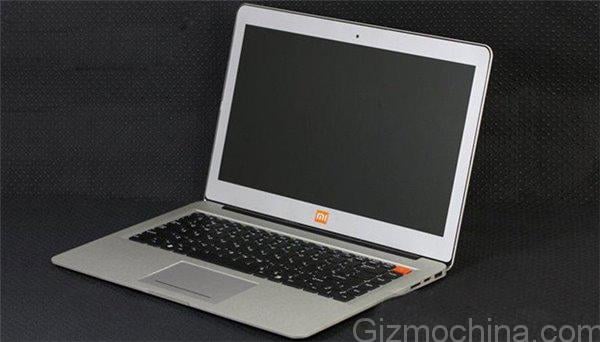
The Xiaomi Notebook is said to come with pretty high-end specs, enough to take on the powerhouses from Dell and Apple. The laptop will reportedly come with an Intel Core i7 4th Gen chip with 8GB RAM, NVIDIA GeForce 2GB Graphics memory and Linux OS. This is in line with a previous report which said that the specs of the laptop will be pretty high-end.
The exact Xiaomi Notebook Specs leaked today are given below:
Operating System: Linux
Processor: CPU series Intel Core i7 4-generation family
RAM: 8GB
Screen size: 15.6-inches
Screen Resolution: 1920×1080
Screen technology: LED backlight
Graphics chip: NVIDIA GeForce GTX 760M
Memory capacity: 2GB
Price: 2999 Yuan ($466)
The pricing is also the same as we heard before, i.e. 2999 Yuan. However, one thing that is new here is the display size. An earlier report said that there could be two laptops, one with a 12.5-inch display and the other with a 13.3-inch display. But this leak states the display as 15.6-inches, so which one is going to turn out to be true, we can’t say for sure at the moment.
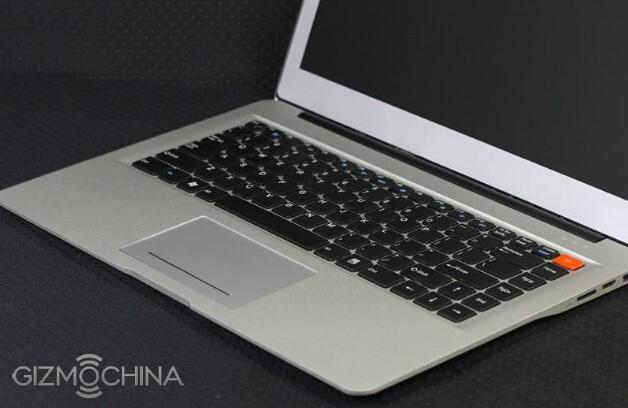
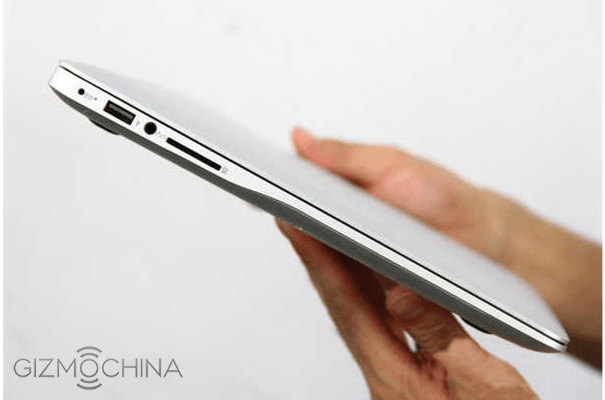
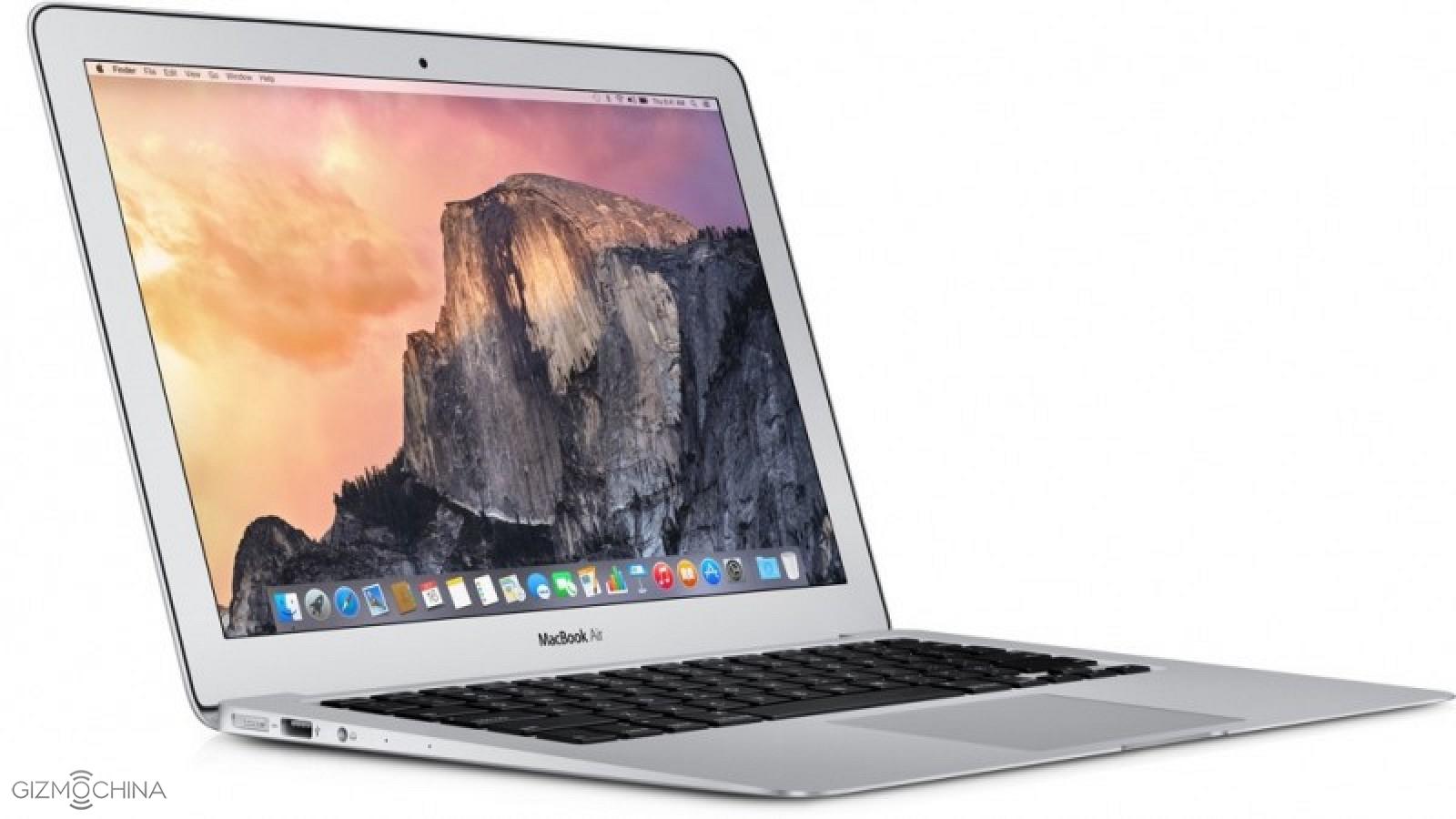
The design is expected to be quite similar to the Apple Macbooks with an all metal body. Inventec is expected to be the ODM in charge of designing and manufacturing the device.
Unfortunately, Xiaomi is yet to confirm the existence of a Notebook PC under development. But if it’s real, then expect more information about the device in the coming weeks.
With the sheer number of smartphones released every year, you would think Xiaomi is essentially a smartphone manufacturer. However, if you follow the company closely, you would know that
Xiaomi has diversified its product portfolio in a number of smart product categories such as smart air purifier, water purifier, shoes, baggage, wearables, tablets etc. Now, the company is all set to make its presence felt in the laptop market, which still haven’t seen the kind of progress that we are seeing in the smartphone industry.
For the past few months, multiple reports have revealed that Xiaomi is all set to unveil a Notebook PC in 2016. Many ODM names have come up, like Inventec and Compal who are supposed manufacture the company’s 12.5-inch and 13.3-inch notebooks respectively. However, the company is yet to officially confirm the existence, release or specs of the upcoming device.
Now, a new report originating from Taiwan states that the company’s 12.5-inch Xiaomi Notebook is slated to go into mass production by Q2 2016. The manufacturing will be taken care by the Shanghai factory of Inventec. Finally, the shipments will be ready by April 2016.
The report also gives us an idea about the possible design and pricing of the Xiaomi Notebook. It is said that the components will be supplied by Chinese makers. The overall design will be like Macbook Air with an all metal body. Finally, the pricing is said to be 2999 Yuan which comes to $470 approximately.
So, looks wise, you probably won’t be disappointed. But we still don’t know the exact specifications of the device. As for the software, it will most likely be Linux OS, which will help the company to avoid paying hefty licensing fees to Microsoft for Windows 10 OS.
Unfortunately, we still don’t have details about its larger sibling, the 13.3-inch model which is expected to be manufactured by Compal. Given the scarce amount of information available about the device at the moment, Xioami may announce this larger model after the release of the 12.5-inch one.
So, what do you think about the upcoming Xiaomi Notebook?
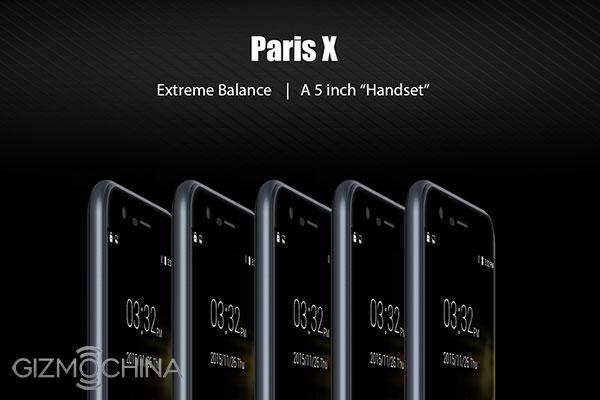
With its slim design and balanced specs, Ulefone Paris has been Ulefone’s best seller through out the fourth season of 2015. Of course they want to make more money by offering it to consumers with lower budget, so they will have Ulefone Paris X.
Ulefone Paris X will share exactly the same appearance with the original Paris and most specs of the 2 models will overlap, including 5-inch 720P display, 2GB RAM, 16GB storage, 2250mAh battery, 5MP front camera, and Android 5.1 operating system. However, the Paris X will pack the 64-bit quad-core chipset MTK6735 with clock speed of 1GHz, compared with MTK6753 64-bit octa-core 1.3GHz chipset employed on the original Ulefone Paris. Besides, the back camera of Paris X will adopt Sony’s IMX166 8MP camera, a downgrade from Ulefone Paris’ 13MP OV13850 in terms of resolution.
With the decline in specs, Ulefone will keep only a USD10 price gap between the high and low versions of Ulefone Paris, given that the presales price for the Ulefone Paris X will be USD119.99. The original Paris apparently has better cost performance, but for price-sensitive consumers, the budget Paris will make sense.
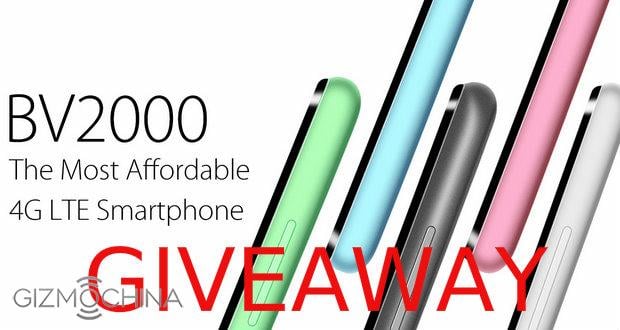
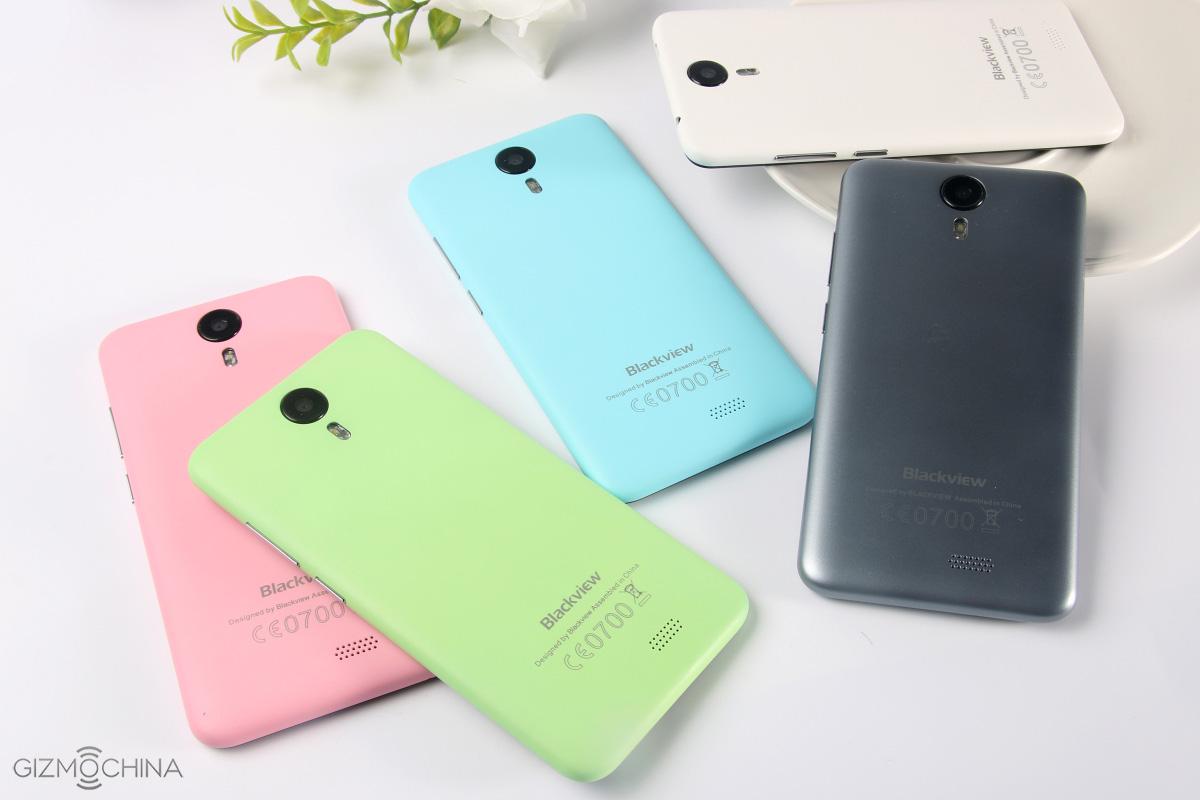
Yesterday, we launched a giveaway for the UMi Iron Pro flagship. Today, we have yet another giveaway for our readers, and this time around we are giving away one brand new Blackview BV2000 smartphone. We have to thank Blackview for providing us with one unit for this giveaway to our readers.
Blackview BV2000 comes with good looks, decent specs and a great price tag for a complete smartphone experience. The phone comes with a 5-inch 720p IPS LCD display. There are still many users who like a compact smartphone and a 5-inch display is just perfect for them. Under the hood, the phone features the 64-bit MT6735 quad-core processor with Mali-T720 GPU. There’s 1GB of RAM on board along with 8GB of expandable internal storage. At the back, you get a 5MP shooter while up front, there’s a 2MP camera sensor. For its size, the battery is quite decent at 2400mAh. Finally, for software, you get the Android 5.0 Lollipop which powers most devices in the market today.
One of the highlights of the Blackview BV2000 is the support for 4G LTE networks. Further, there are dual SIM card slots as well.
Blackview BV2000 SPECS:
5-inch 720p HD display
64-bit MediaTek MT6735 quad-core chip
Mali T720 GPU
1GB RAM
8GB ROM + Expandable via MicroSD
5MP Rear Sensor + 2MP Front Camera Sensor
Android 5.0 Lollipop OS
2,400mAh Battery
4G LTE
Dual SIM
Overall, a cheap yet attractive 4G LTE smartphone.
You can win one of these phones for free by participating in our giveaway. Like always, just follow the instructions given in the gleam widget.
Meanwhile, the company has another giveaway running on their Facebook page at the moment. There, they are giving away one Blackview BV5000 smartphone. It’s another great smartphone from the company and you can get a chance to win one for free if you participate in that giveaway. You can do that from here.
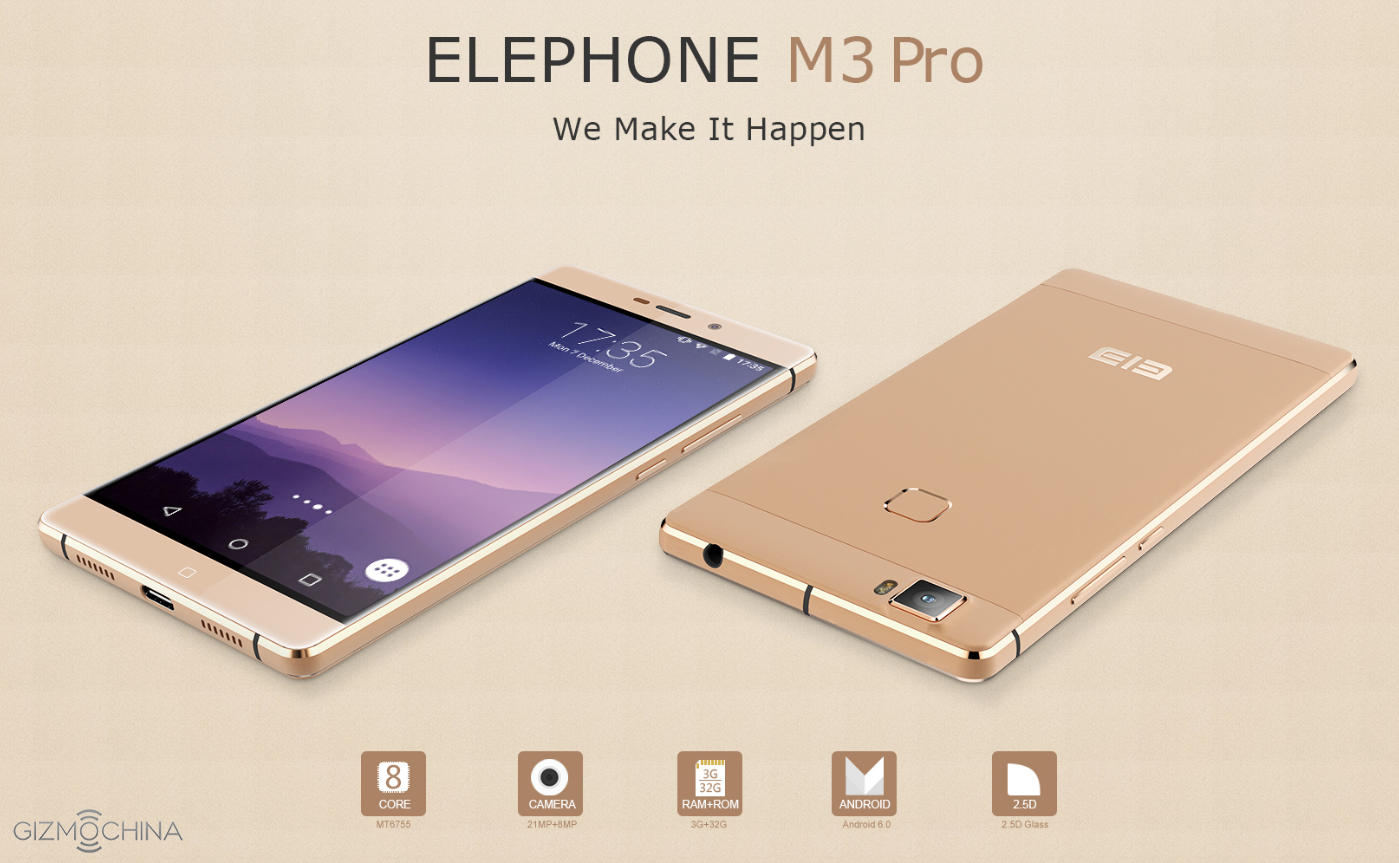
Elephone M3 Pro details of upcoming handset released
Elephone will be releasing not one but two versions of their latest M3 Business handset, a standard M3 and more feature ladened Elephone M3 PRO.
Both the M3 and Elephone M3 Pro will be built from High-tech aircraft-grade aluminium and both will also be rocking the Octa Core Mediatek MT6755 Helio P10 CPU along with support for USB type-c (3.0) and a 5.5” LG screens.
But the Elephone M3 Pro will also feature a much better camera in the form of the Sony IMX230 21mp rear camera,
It also seems that the Elephone M3 Pro will have native support for US based LTE networks ensuring true worldwide usability and cheaper Android handsets for the American market.
On the rear of the Elephone M3 Pro you will also find a finger print reader, something that should help to future proof the handset as support is now built in to Android 6.0 Marshmallow.
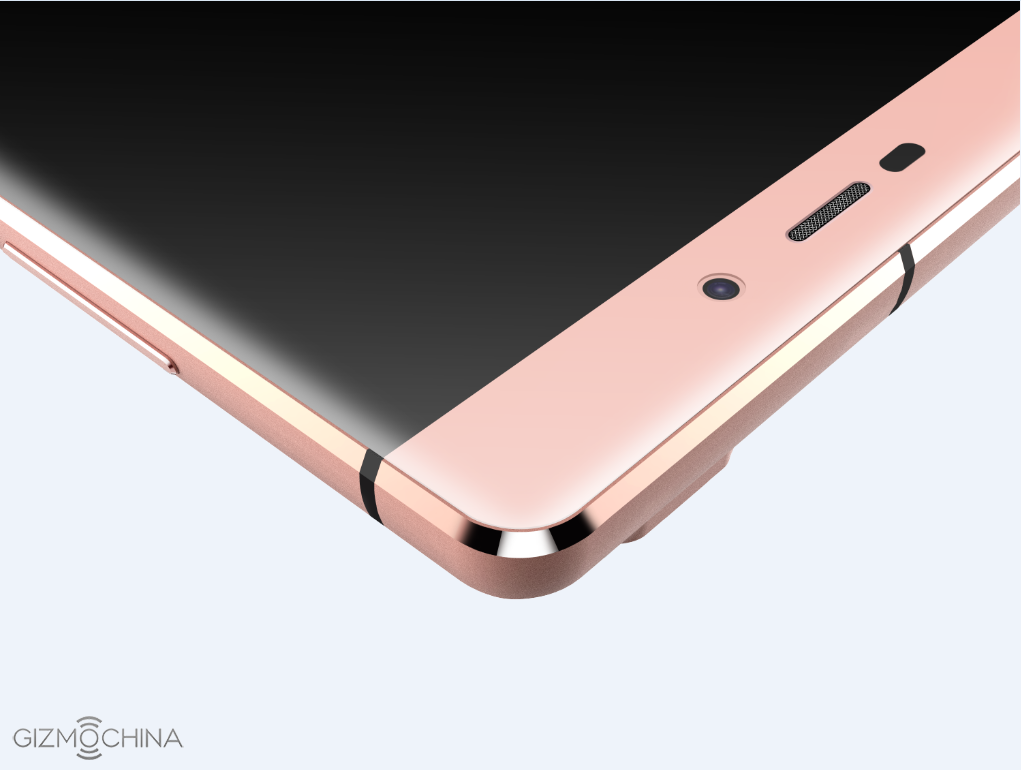
For the fashion conscious amongst you Elephone have anounced that the Elephone M3 Pro will be available in a selection of three colours, these are Rose Gold, Champagne Gold and Smoky Grey, the picture below shows the rose gold option.
As yet we have not been made aware of the expected Rom and Ram configurations for the M3 Pro, I would hope that the Elephone M3 Pro will come with at least 3GB of Ram and 32gb Rom but I will have to let you know for certain as more information is released.
We have increasingly received information about the upcoming Xiaomi Mi 5 flagship in the past couple of days. Just yesterday, a new leak said that the company may opt for a traditional fingerprint sensor instead of Qualcomm’s UltraSonic Scanner. Later, a leaked render of the Mi 5 was spotted online revealing a front facing physical home button with fingerprint ID up front.
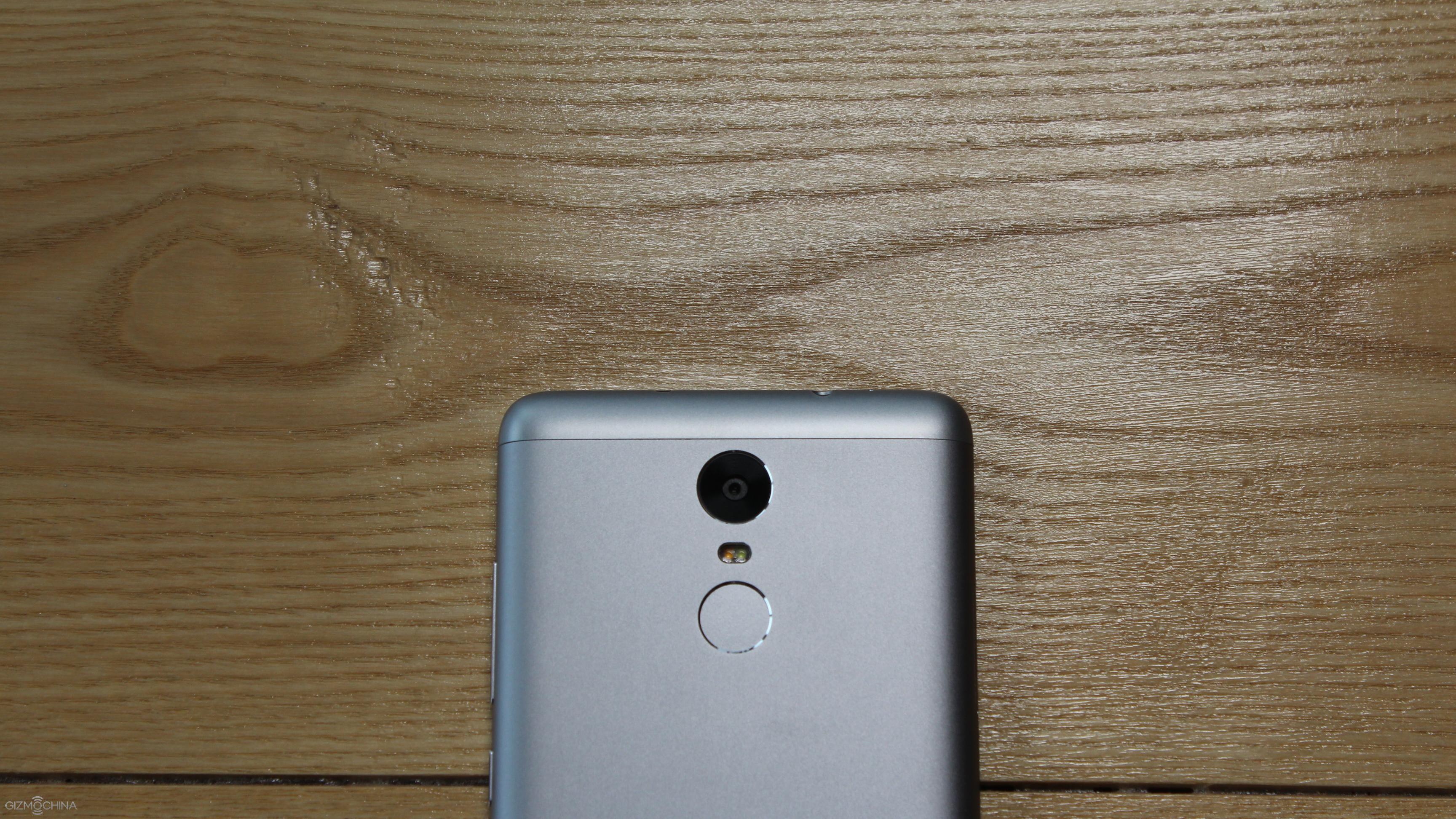
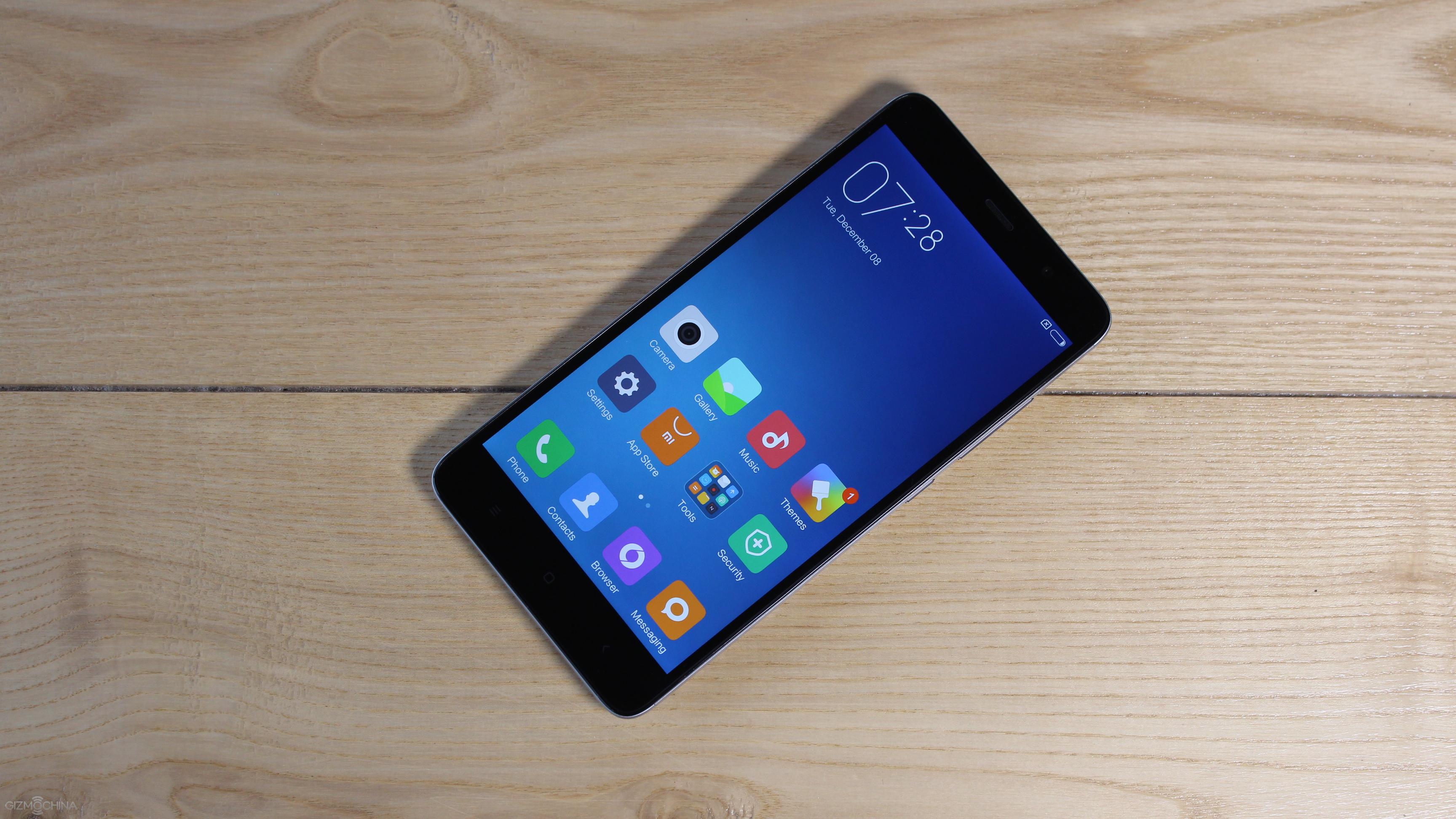
Redmi Note 3 with FPC 1035 sensor
Now, according to new information from Weibo, the Xiaomi Mi 5 flagship will most likely use a fingerprint sensor from FPC. It could be a similar sensor as the one found on the Xiaomi Redmi Note 3 mid-ranger. The Note 3 uses the FPC 1035 sensor which is fast and supports 360 degree finger rotation capability. So, the upcoming Mi 5 flagship could use any of the 1000 series sensor from the company.
As for the other specifications, the Xiaomi Mi 5 is expected to come with Snapdragon 820 quad-core chip on board in two versions, 3GB + 32GB memory and 4GB + 64GB memory. At the back, we can expect a 21MP shooter and up front an 8MP sensor. The battery should be at least 3000mAh. As for the display, it should be around 5.2-inches with 2K resolution.
Recent reports state that the pricing will start at 1999 Yuan ($312) which will be pretty aggressive for a flagship device. However, Xiaomi is yet to reveal any details about the phone.
Officially, all we know so far is that the Mi 5 flagship is currently being used by the CEO Lei Jun and he finds the phone “very good”. The phone is expected to be unveiled in January (Jan 21?) and released sometime in February after the Spring Festival in China.
Although we have to wait for around a month for the phone’s unveiling, Qualcomm might give out some details about the first Snapdragon 820 powered smartphone while announcing the chip in China on December 11. So, stay tuned.
It seems that Letv has just announced their trio of “Le Superphones” but we already have the Letv Le 1s – the successor of the cheapest device from the company’s portfolio. A lot of things have change, some remained the same. Find out more in our unboxing and first impressions article.
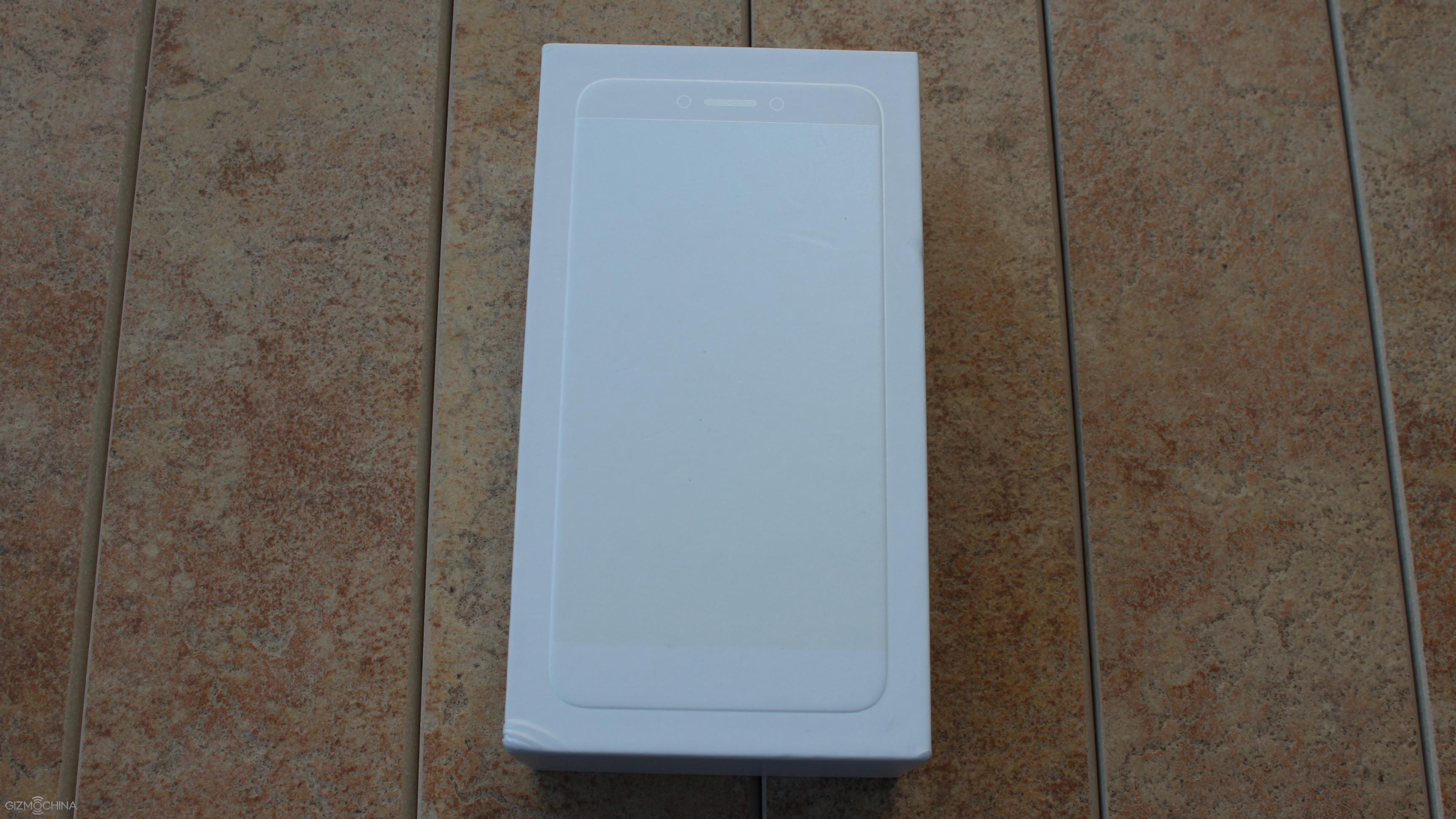
Letv Le 1s comes in a box, which has some design inspirations from Apple. However, it does not look that premium as the first generation Letv phones.
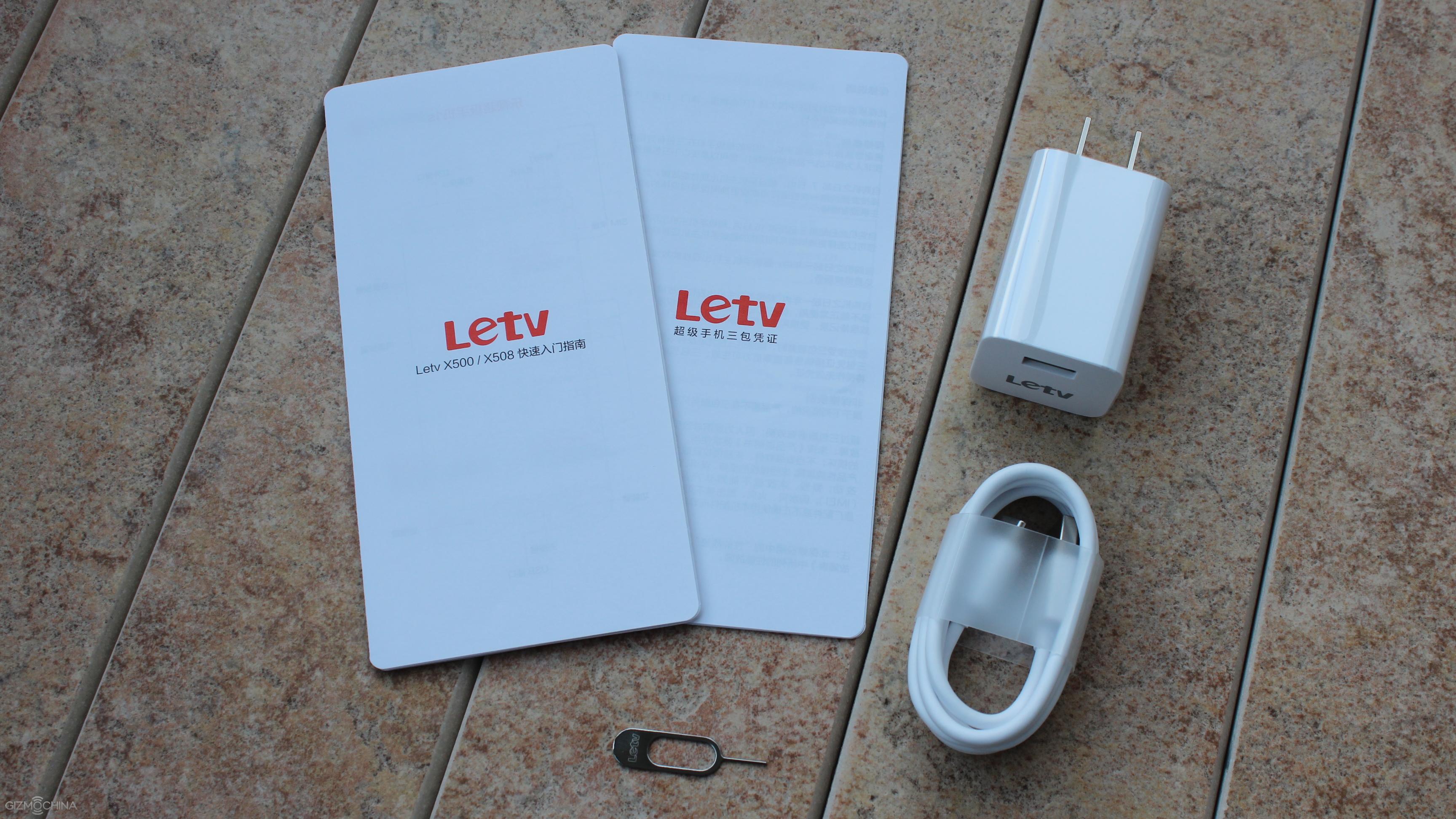
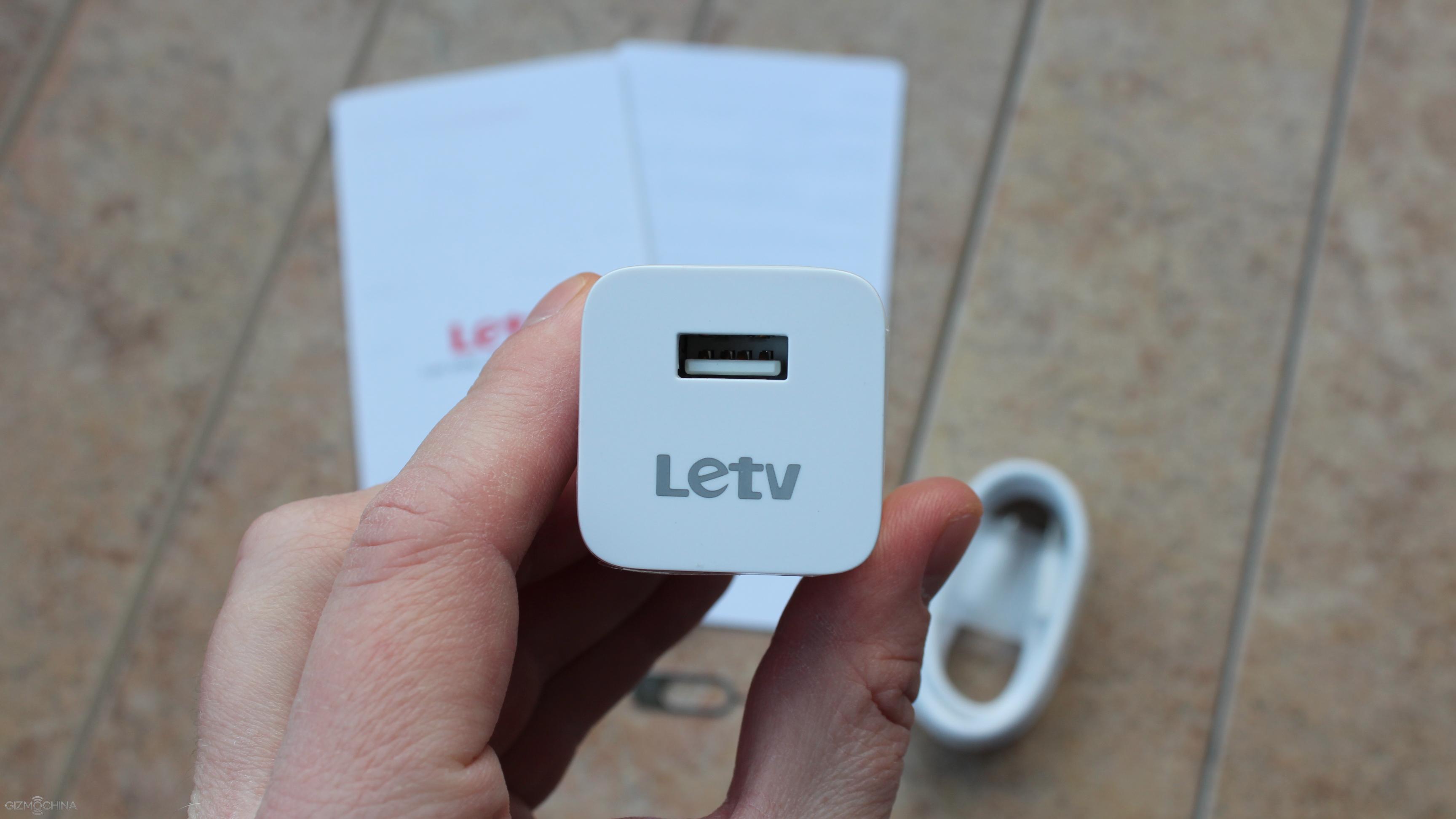
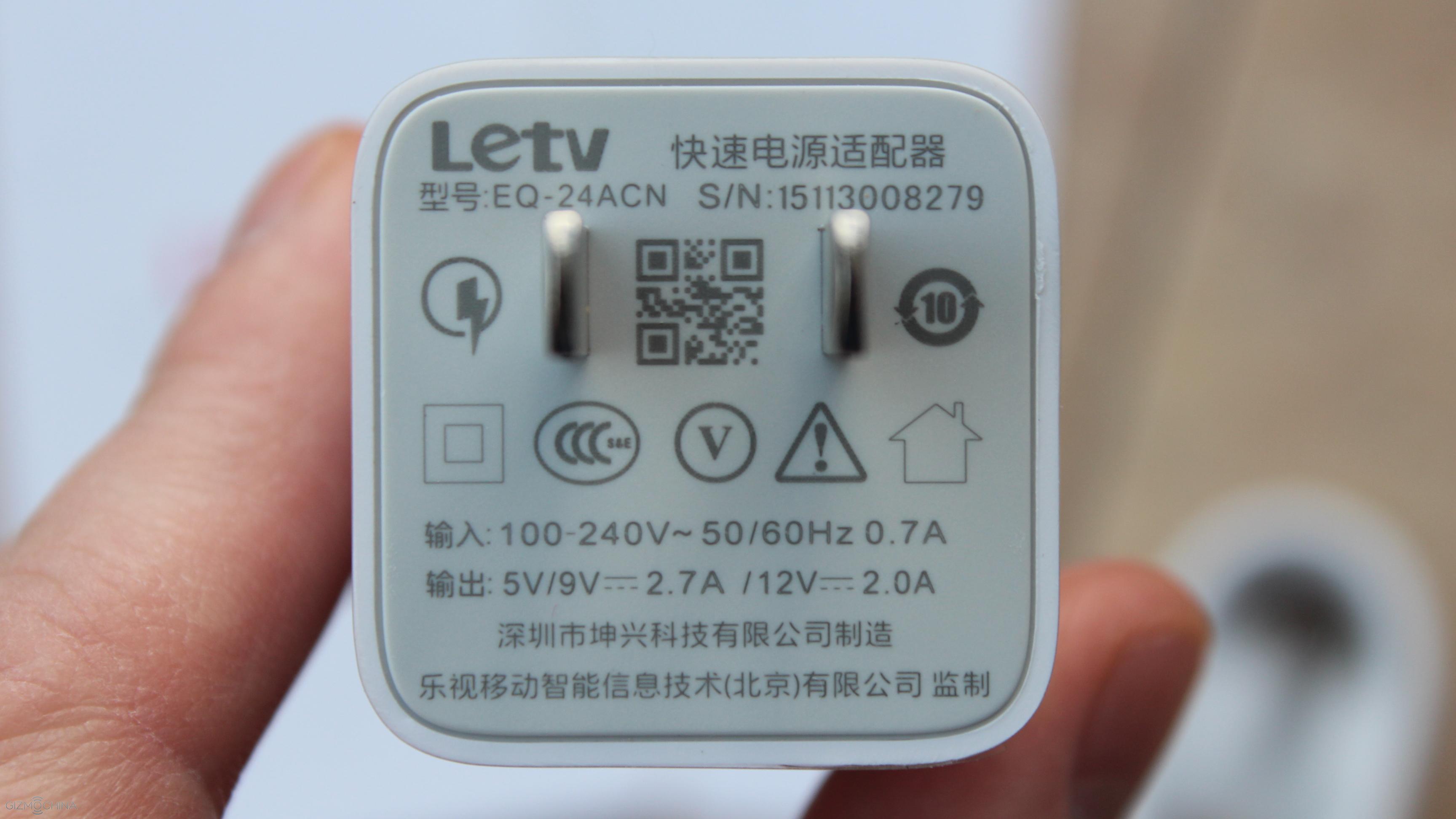
Still, the contents are very well made and they include a fast charging brick (up to 2.7A), USB Type-C cable, documentation and a fancy SIM ejector pin.
Letv Le 1s: DESIGN
Letv Le 1sLetv Le 1s
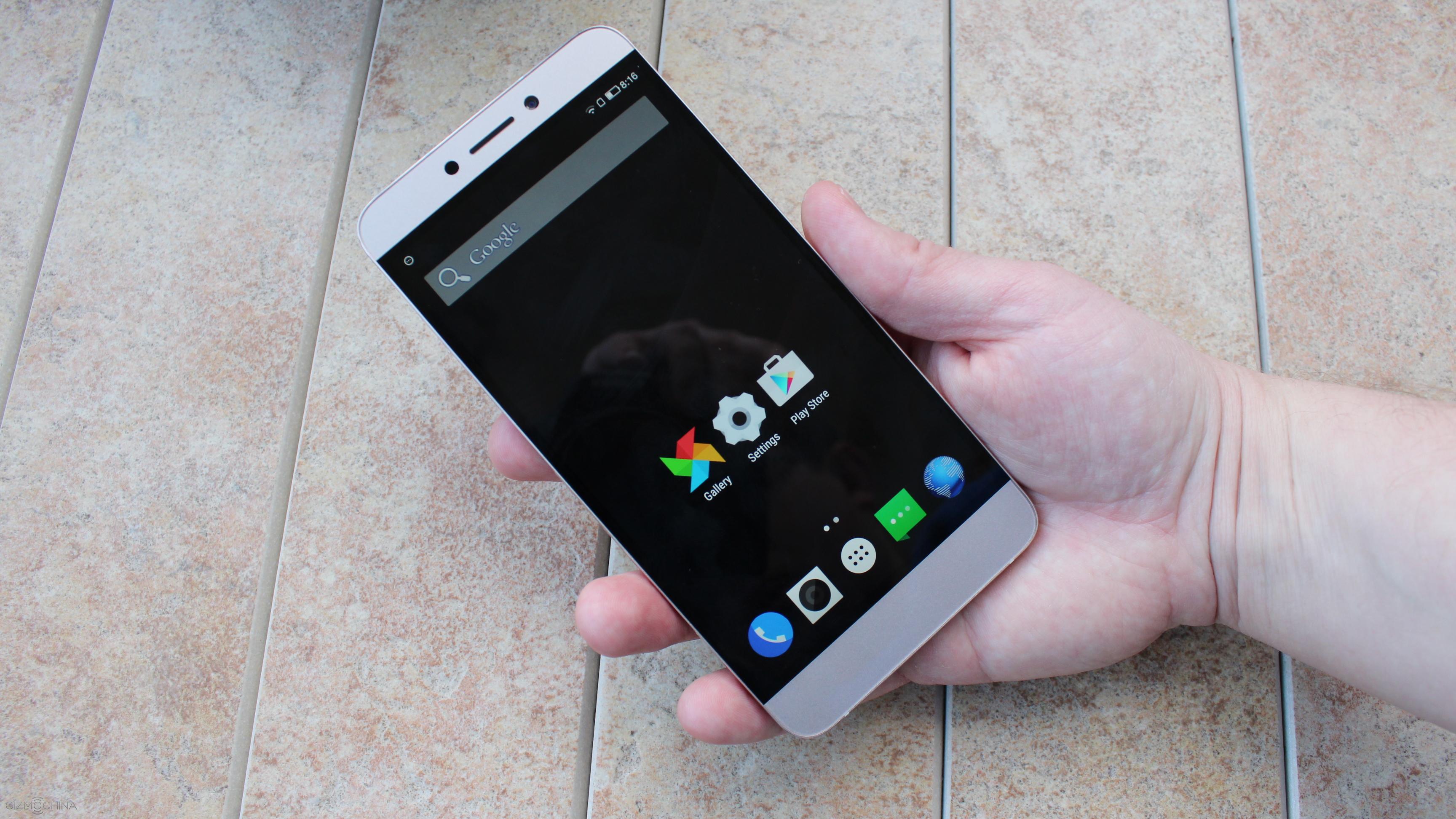
When it comes to the design, we are looking at all-metal phone, which is an upgrade over the previous generation Le 1 model. The device definitely looks and feels like a high-end phone due to a very good construction and some quality materials.
Letv Le 1s
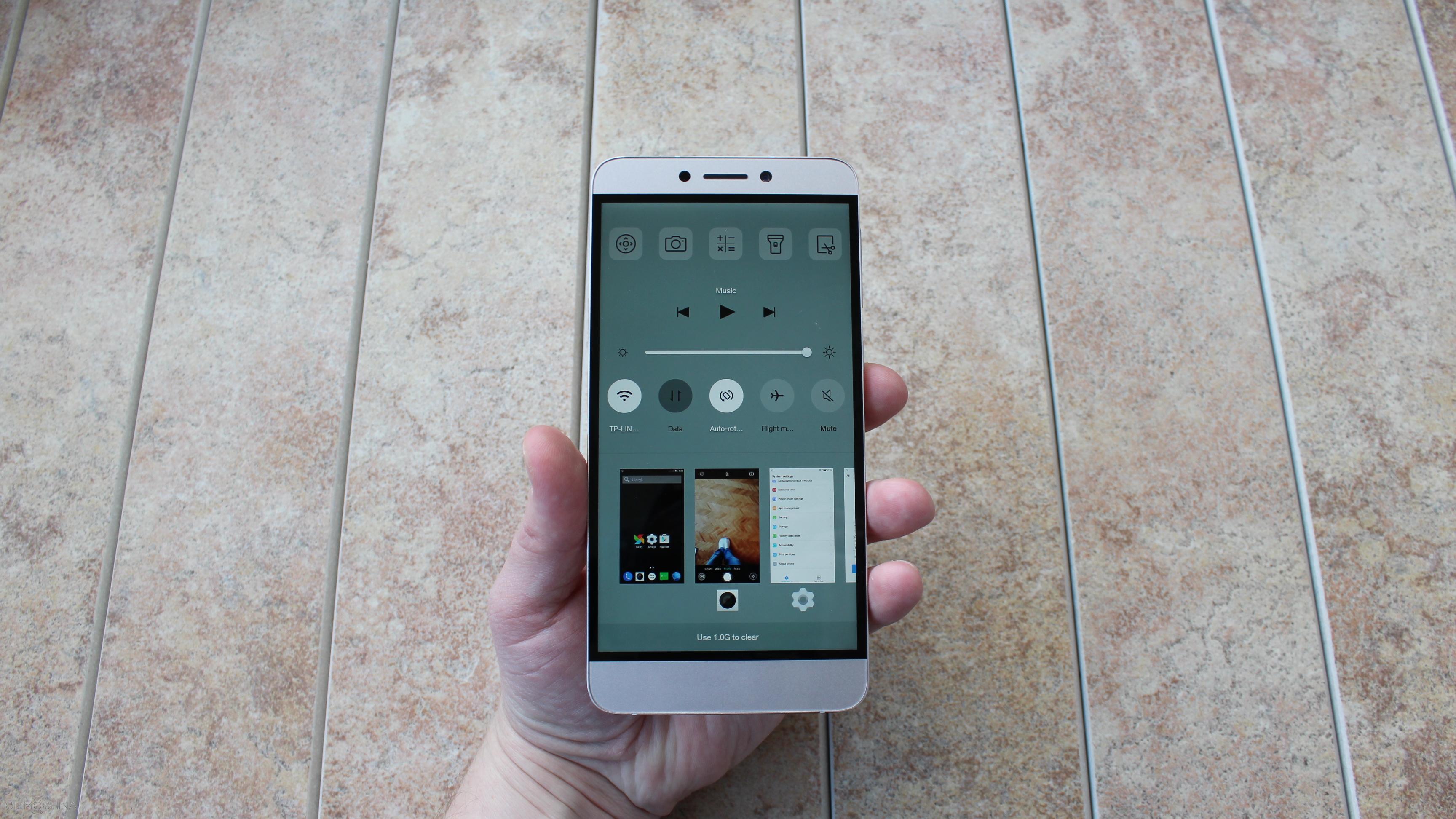
As the majority of the Letv smartphones, the Le 1s comes with a 5.5″ display, which has become a standard nowadays.
Letv Le 1s
On the top we have a 5MP selfie snapper, earpiece and LED notification light. On the bottom, there are 3 nicely backlit capacitive buttons.
Letv Le 1sLetv Le 1s
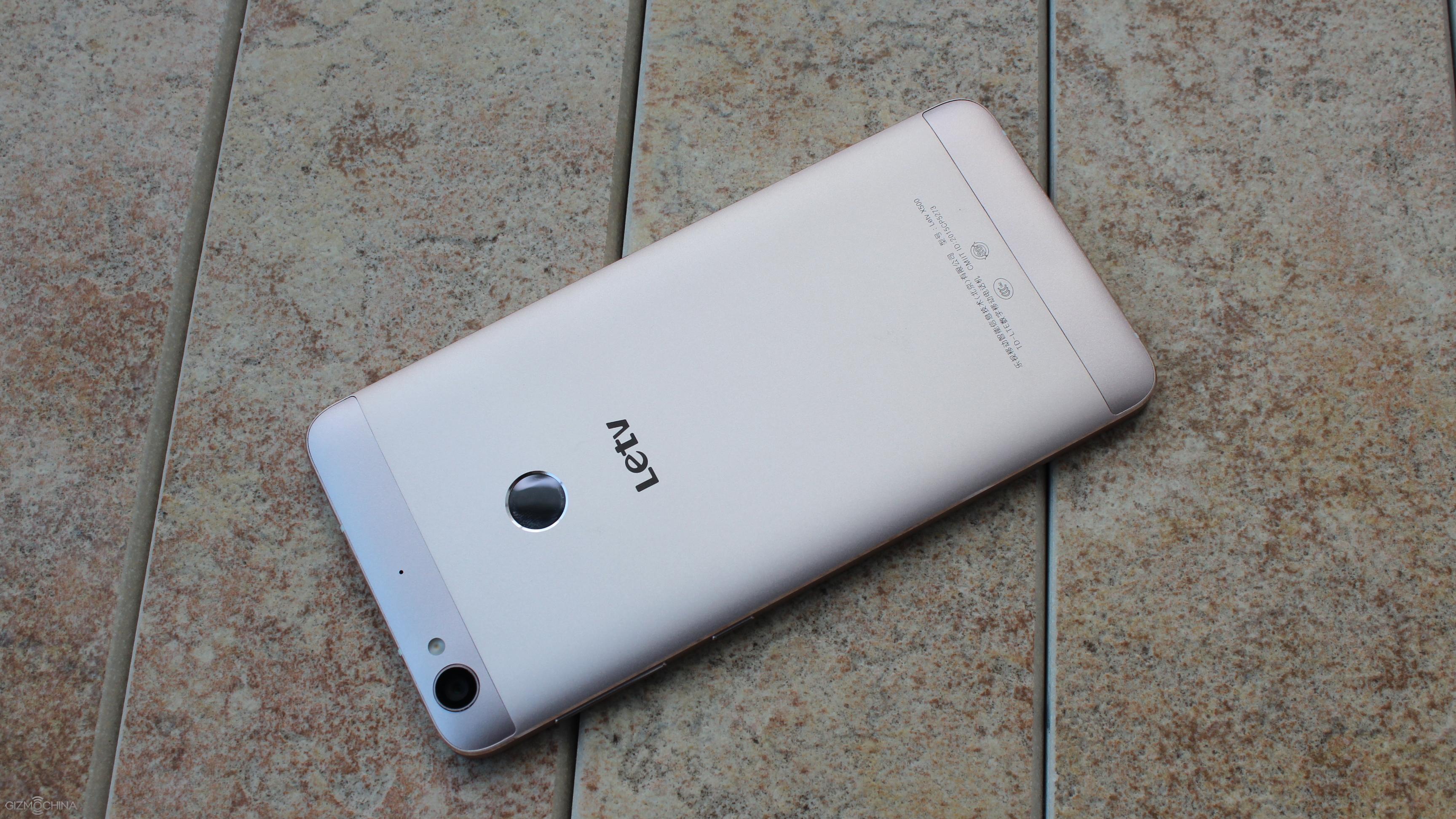
On the back there a 13MP main shooter with a single LED flash and right underneath it you can find a fingerprint scanner, which works very well and setting it up is a breeze.
Letv Le 1sLetv Le 1s
USB Type-C port takes care of charging/syncing and it sits next to the speaker grill and the mic.
Letv Le 1s
Letv Le 1s: FIRST IMPRESSIONS
Overall, Letv Le 1s is well built metal phone and it sits comfortable in the hand. As I just wrote in the Xiaomi Redmi Note 3 first impressions article, I am very happy about the evolution of budget smartphones – premium looks and great specs for affordable price.
I am familiar with the LeUI, which comes with the Letv phones and the Le 1s is no exception. Everything is running smoothly, apps are opening/closing fast and there are no major hiccups during the daily use. However, I am keeping a final judgment for a full review.
All in all, my first impressions are only positive at this stage. Still, it’s been just a day I’ve been playing with the Le 1s (as well as the Redmi Note 3) and there are many aspects that require a thorough testing. Stay tuned to Gizmochina for upcoming full review.
If you have an iPhone one of the most important things you want to do is to invest in its protection. It is obvious that iPhones have very durable glass on their displays but there is nothing better than adding an extra layer of protection to avoid breaking the screen.
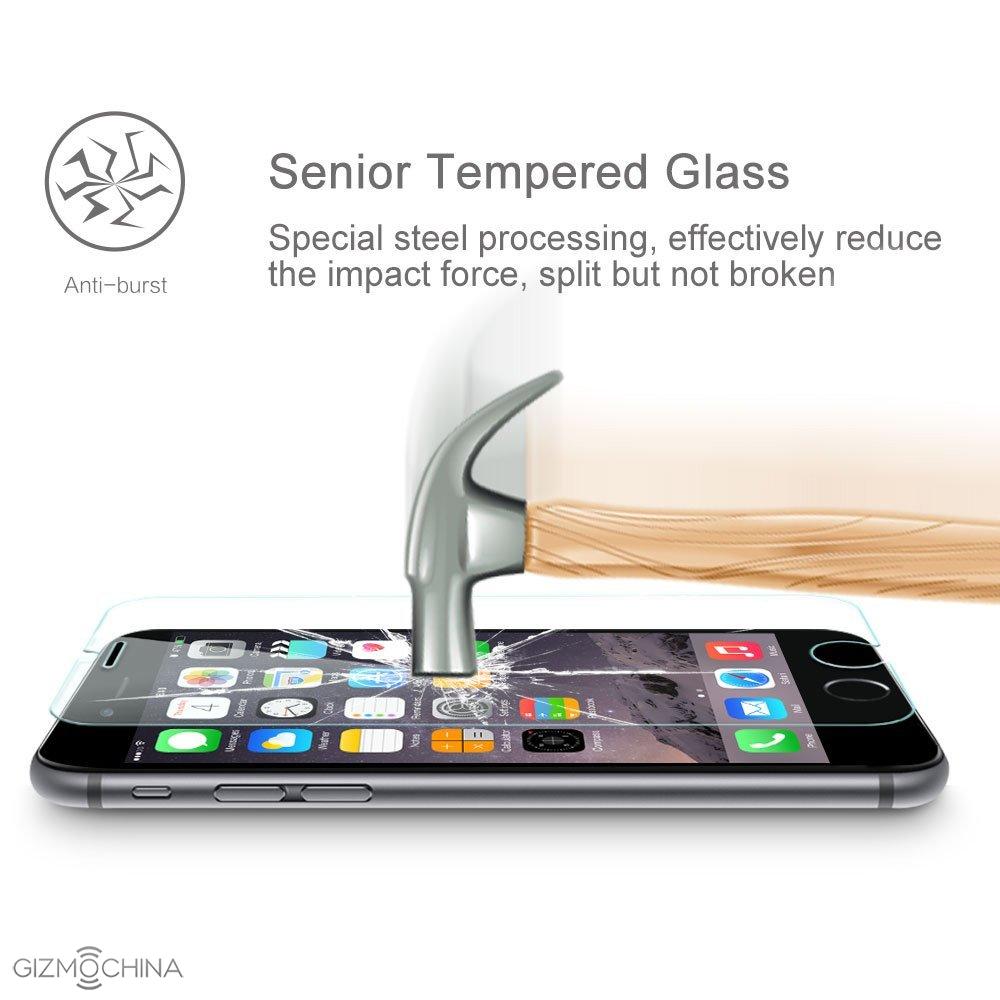
Usually, the problem with regular screen protectors is that they are not durable enough to protect your phone if you drop it. A tempered glass comes handy in these situations as they are made using special technologies to survive even the most severe drops.
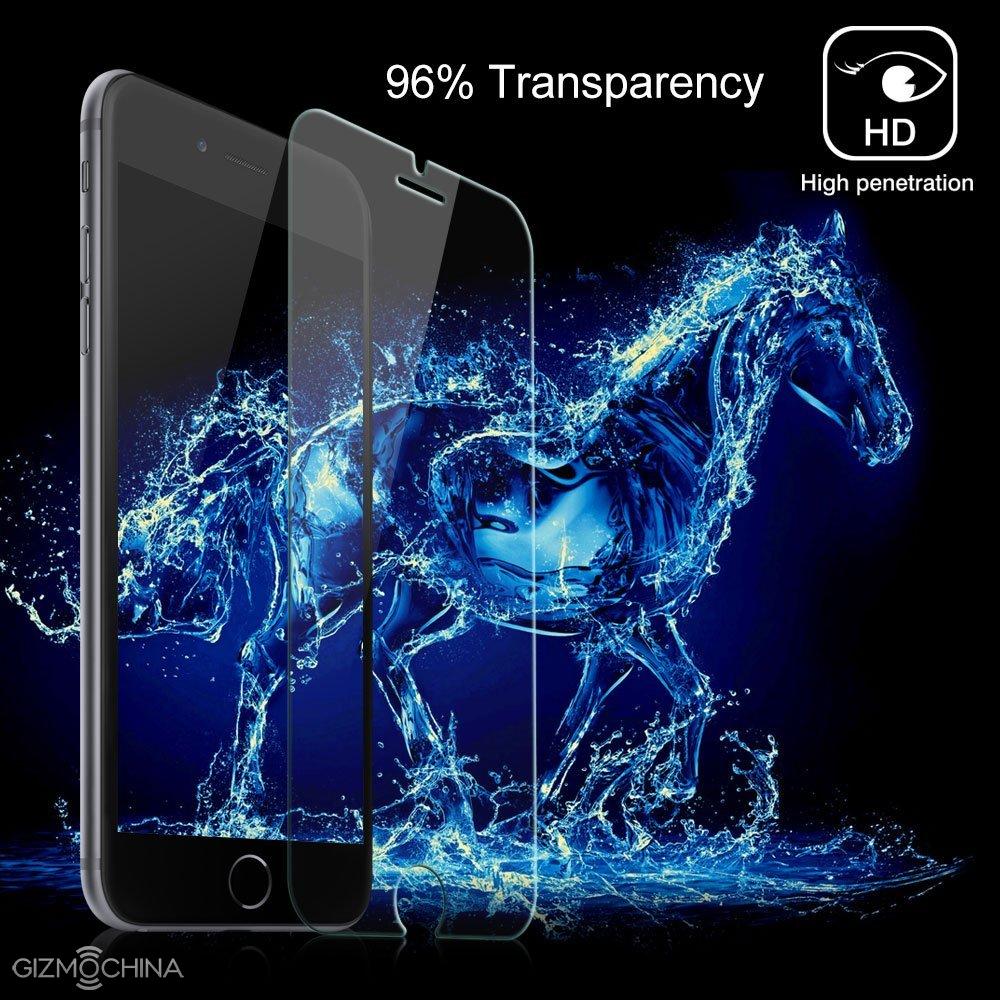
Even if the 1byone tempered glass breaks, it will protect the original display of the iPhone.
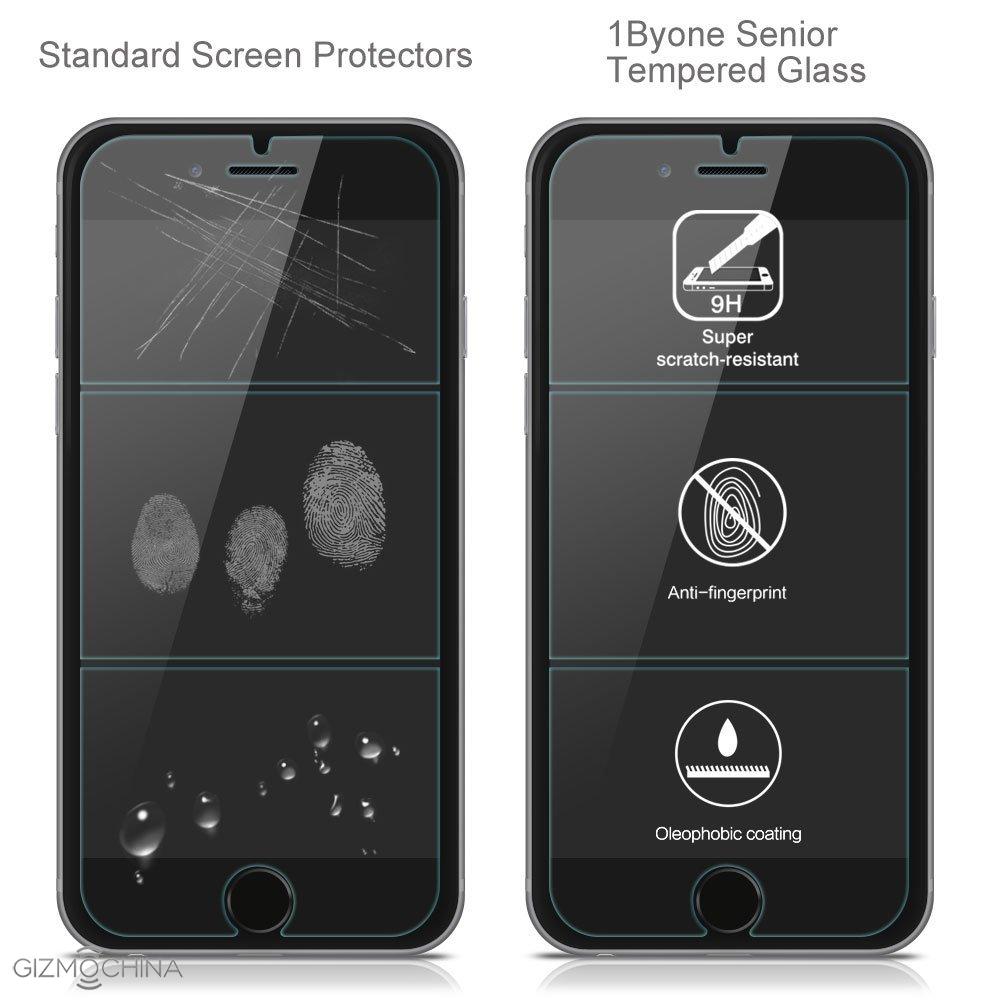
In addition to that, in has a few extra layers that prevent the glass from being a fingerprint magnet and a special oleophobic coating helps dealing with water drops.
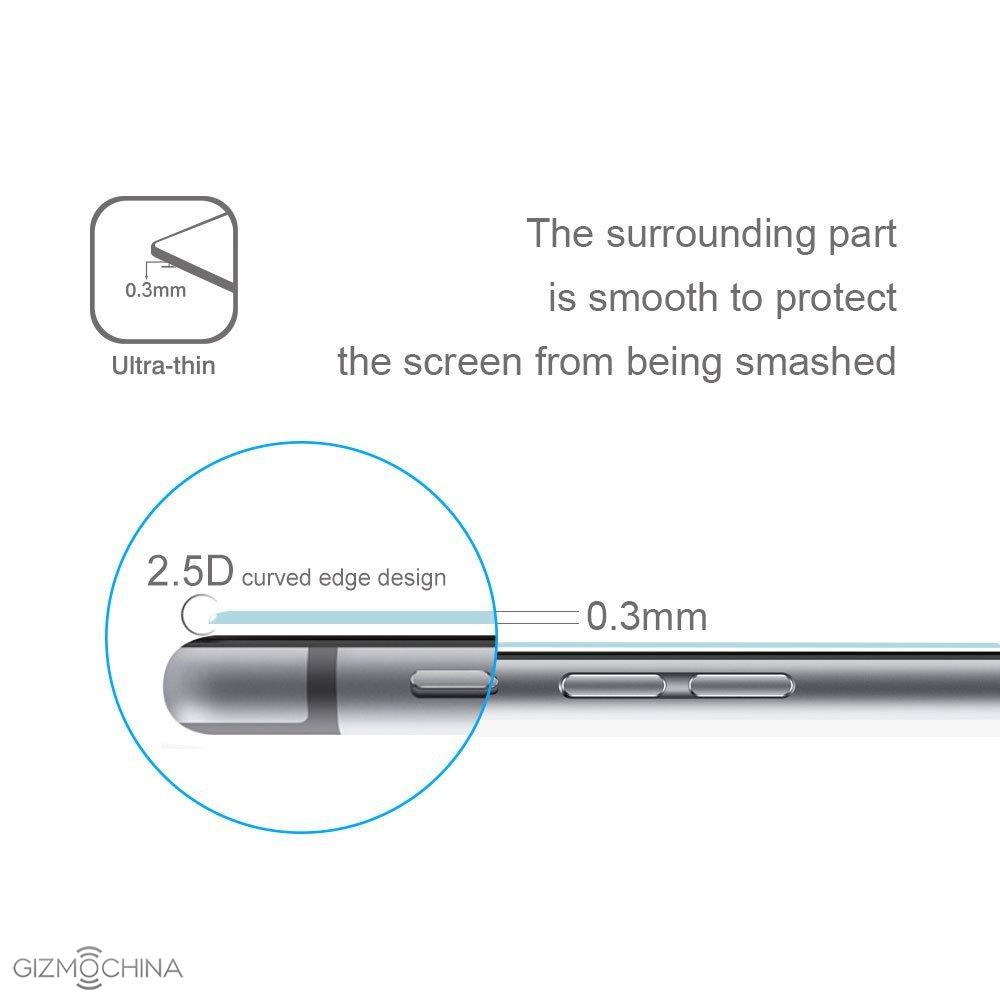
1byone iPhone 6/6s Plus tempered glass screen protector has a transparency rating of 96% and a great level of sensitivity to make sure you have a great user experience.
Finally, the tempered glass is very thin as it measures at only 0.3mm. Also, it has curved edges to match the ones on the iPhone.
Usually, tempered glass screen protectors do not come very cheap but 1byone has a pretty good deal on Amazon.
The company offers a generous $7 off the tempered glass protectors for the iPhone 6, iPhone 6 Plus, iPhone 6s, iPhone 6s Plus for a limited time. If you have a friend who is constantly breaking the iPhone, this may be a holiday gift idea.
Deal summary:
Start Date: 12/08/2015 00:01 AM
End Date: 12/11/2015 23:59 PM
Free shipping with Prime or $35 order
It seems that it hasn’t been long since Xiaomi released the Redmi Note 2 and a lot of us thought that it will lead the Redmi lineup for quite some time. This is what we are used to and this is what the company usually follows. However, Xiaomi decided to pleasantly surprise us by releasing the 3rd generation “budget Note” – the Redmi Note 3. Find out more in our unboxing and first impressions article.
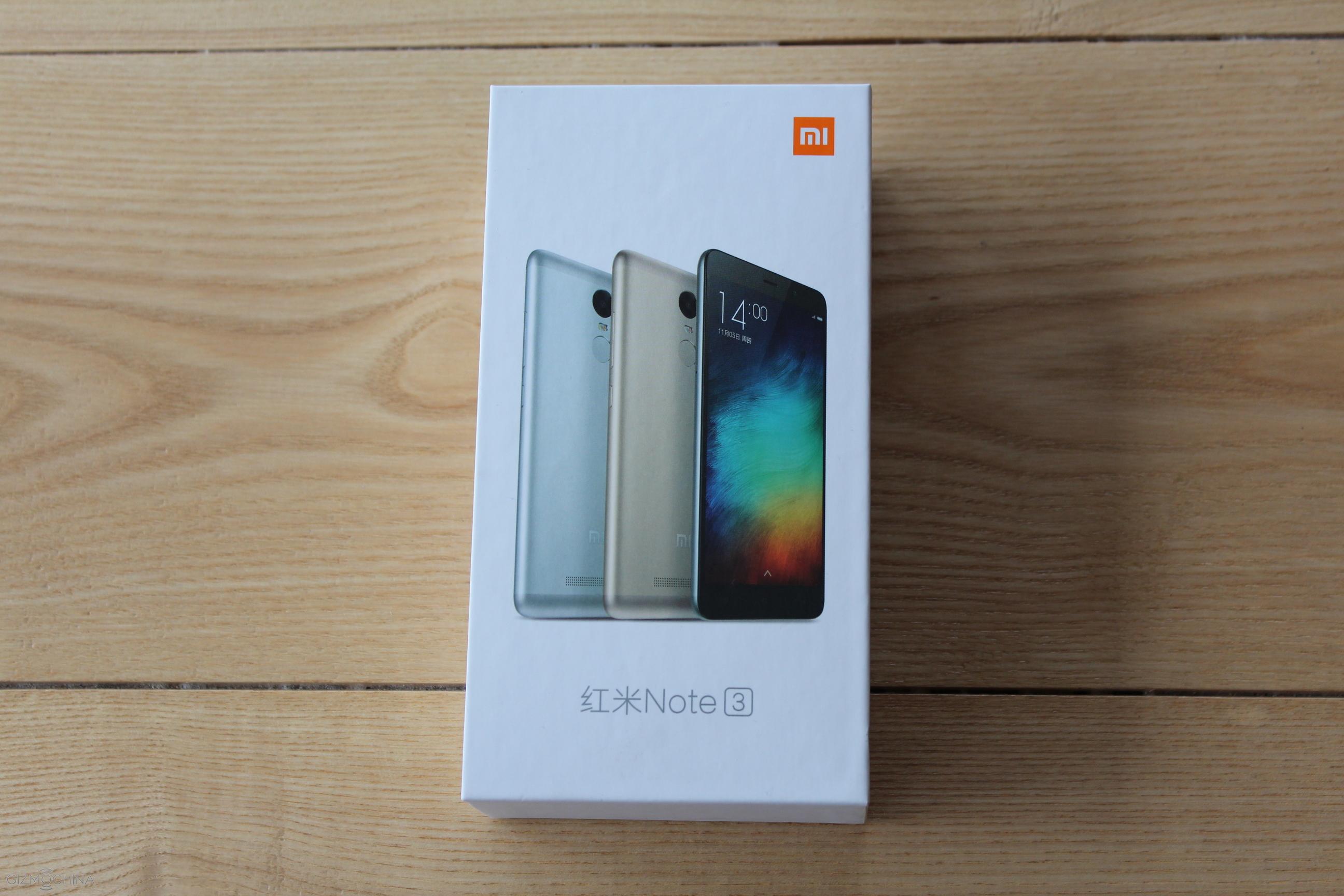
We see a slight change in terms of packaging. We have already got used to seeing the recycled paper boxes that come with Xiaomi phones but this time around the company made a better looking presentation.
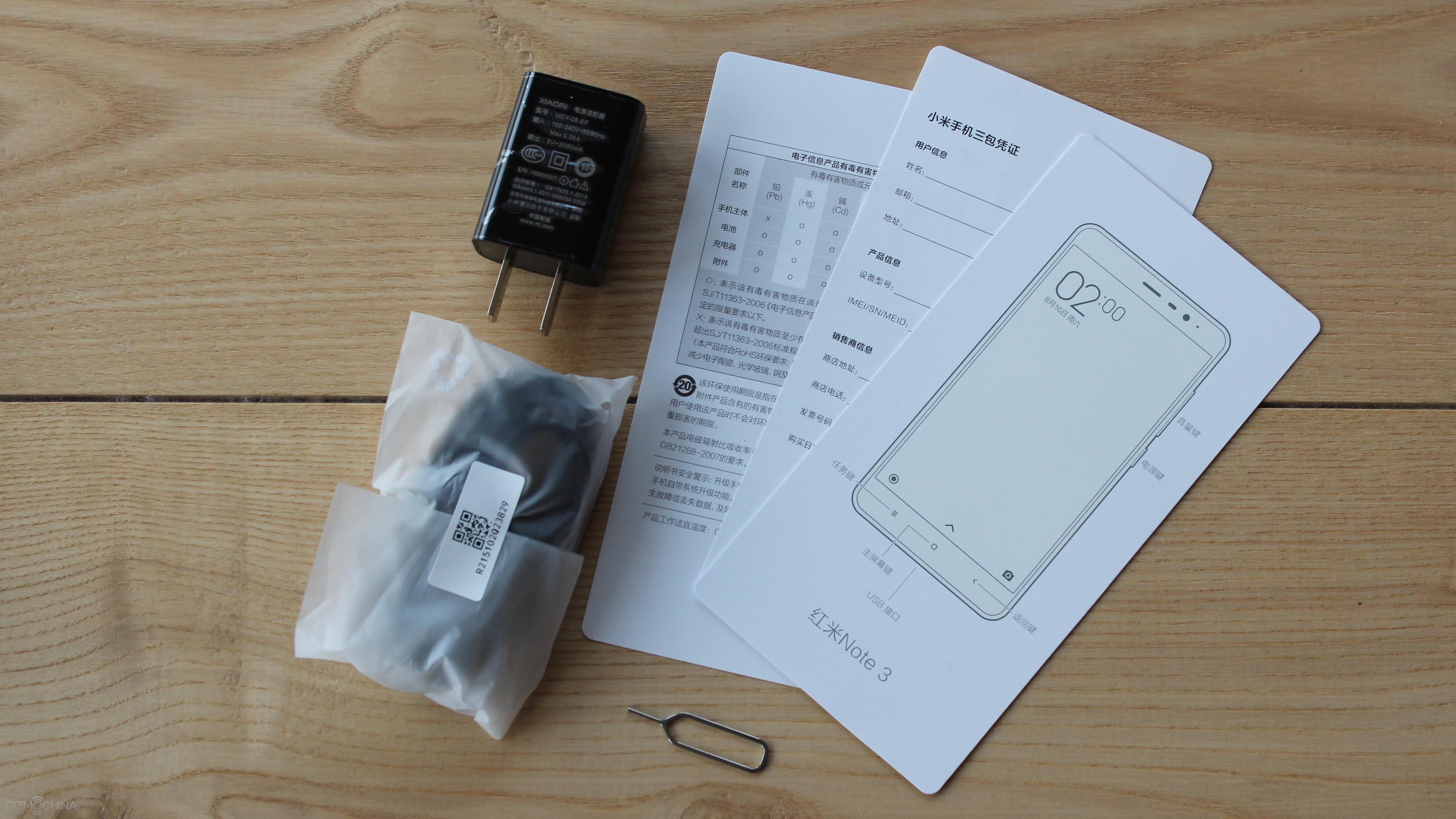
The contents that come with the Xiaomi Redmi Note 3 include the charging brick, USB cable, documentation and a SIM ejector pin.
Xiaomi Redmi Note 3: Design
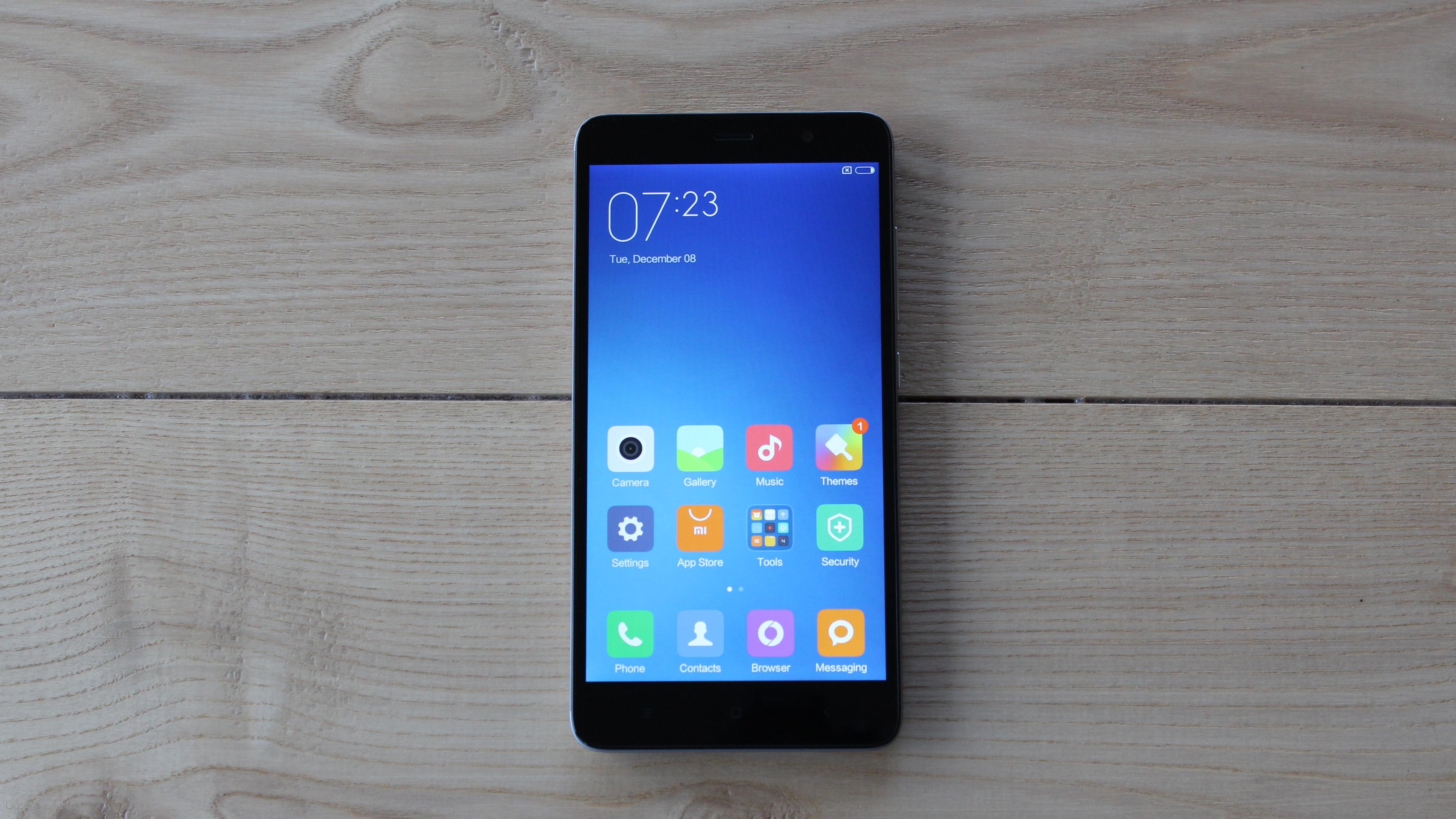
It wouldn’t be a Note series if we had a small display. Well, it is not big either as 5.5″ panels have already become a standard. Still, you have to keep in mind that the Xiaomi Redmi Note 3 is not the most compact phone.
I would say that the Redmi Note 3 has the most drastic design change in the series. It sports a great build quality and it uses all-metal unibody design, which I personally like. That means that gone are the days of a user-replacable battery and even the microSD card slot. It may be a deal breaker for some, especially for the power users.
On the bright side, the Xiaomi Redmi Note 3 is the first Xiaomi’s phone ever to sport a fingerprint scanner, which is easy to setup, fast, accurate and works from a standby mode.
On the front we have a 5MP selfie snapper and a customisable LED light. On the bottom, there is a usual set of capacitive buttons, which also have a nice backlight.
The buttons, which are located on the right feel nice and they are made of metal too. On the left we have a dual micro SIM card slot.
Besides the usual ports, it is really cool that Xiaomi adds the IR blaster in their budget phones lineup.
Xiaomi Redmi Note 3: First Impressions
Overall, the Xiaomi Redmi Note 3 looks and feels like a premium handset. It is well constructed, it uses mainly metal in its body and no one would ever tell you this is a cheap phone. I have to say that I love the evolution of cheap devices and the current trend – premium look and feel for a low price.
As far as UI, we have the MIUI 7 out of the box, which is built on top of Android 5.0. Hopefully, there will be an update to the 5.1 version very soon. So far the interface is nice and fast (we have a Chinese version for a review). However, the later tests will give a better conclusion.
So far the Xiaomi Redmi Note 3 has worked absolutely fine but I have to test every bit of it before writing (and making a video) a full review. Stay tuned to Gizmochina.
After Kingzone K2 and N5 smartphones, we haven’t heard much from the company. However, earlier today, we came across a new leak about one of its upcoming smartphones, the Kingzone K10. This is the first time we are hearing about this new device.
The Kingzone K10 seems to be a pretty well-built phone from the leaked image. It looks like the company is following the trend of slimming down the smartphone thickness, as the image shows that the phone will be super thin. From my guess, it could be around the 6mm mark, which will turn out to be thinner than most phones in the market today.
Another highlight of the device is going to be its all-metal body, which is clearly shown in the image. Metal is often considered as a premium material for smartphones, which is why it’s no surprise that more and more manufacturers are opting for metal over plastic for their phones. Further, the Kingzone K10 will be available in at least two colors, namely gold, and silver.
Apart from the good looks, the phone is said to come with a fingerprint sensor at the back. Unfortunately, we cannot see that in the picture above. Also, the screen is expected to be large around 5.5-inches which has become a standard among mid-rangers.
Overall, the Kingzone K10 looks like an interesting model from the company. Slim phone lovers will especially love the thin design and the metal body.
Unfortunately, at the moment, we have no other specs or release details about the device. However, we will keep you guys updated with more details in the coming days.
Today, we are going to giveaway a brand new UMi Iron Pro flagship to one of our lucky readers, provided to us by Coolicool.com. If you have been an avid follower of gizmochina, you would know that we like to giveaway a lot of stuff to our readers, especially smartphones. In the past few months alone, we have given away a brand new OnePlus 2 flagship as well as a OnePlus X handset to our readers.
Today, it’s time to giveaway the best of UMi, namely the UMi Iron Pro flagship. It comes with a 1.3GHz MT6753 octa-core processor with 3GB of RAM and 16GB of expandable memory. The display is of 5.5-inches with FHD 1080p resolution. At the back, you get a 13MP sensor with dual LED flash and upfront, an 8MP shooter. The battery is also pretty decent at 3300mAh capacity. Overall a great phone to have at 179.99!
The rules to participate in the UMi Iron Pro flagship Giveaway is similar to the ones we had in our previous giveaways. So, just follow the instructions given in the Gleam Widget and make as many entries as possible to increase your chances for a win.
One lucky winner gets a UMi Iron Pro Flagship For Free!
According to the new render, the Xiaomi Mi 5 flagship will continue to use a design similar to the one we have seen on the Mi Note series. However, there’s one major difference up front. The phone will feature a physical home button on the front, a first for a Xiaomi device. This actually makes sense since earlier today we heard that the Mi 5 will probably come with a front facing fingerprint sensor. And up till now, we have seen major companies use a physical home button to incorporate a fingerprint sensor underneath the button.
As we cannot see the back of the device, we can’t be sure whether the phone features a metal body. However, according to the previous rumors, the Mi 5 is expected to come in all metal design. Further, the display which will most likely be of 5.2-inches will also come with a Force Touch/ 3D Touch pressure sensitive technology.
Other expected specifications of the phone include 2K resolution on its 5.2-inch display, Snapdragon 820, 3GB + 32GB / 4GB + 64GB memory combinations, 21MP rear camera and an 8MP front facing shooter. As for software, expect the phone to come with Android 6.0 Marshmallow version with MIUI 7 on top right out of the box.
While the company is yet to confirm a date for the phone’s release, recent rumors suggest that the Xiaomi Mi 5 will most likely debut on January 21, 2016, which is a Thursday. It’s possible since we have continuously heard about a Jan release for the device, after which the phone will be available for sale in February.
So, what do you think about the new Xiaomi Mi 5 render? Were you expecting a revolutionary design or did you like this one?
We have been hearing a lot about the upcoming Xiaomi Mi 5 flagship for quite some time. However, things have started to speed up in the recently, especially after the Grand Finale event of the company late November. Yesterday, IHS analyst revealed that the Xiaomi Mi 5 will most likely be the first phone to feature Snapdragon 820 chipset. Now, another analyst, Pan Jiutang has thrown some light on the fingerprint recognition sensor of the device.
Since the past few months, there have been reports that Xiaomi will incorporate Qualcomm’s latest UltraSonic Fingerprint Scanner on the Xiaomi Mi 5 flagship. However, Pan Jiutang dismisses these claims saying that the scanning technology is still not very stable or reliable to be used on a popular flagship like the Mi 5.
UltraSonic Fingerprint Scanning technology reportedly does not require any particular sensor or button to work. Instead, this technology can be incorporated under any material such as metal, glass or plastic, opening up a number of areas for available fingerprint recognition, including the display. Moreover, the technology is not as affected by grease, or dirt on the finger as other traditional technologies.
However, it looks like it’s still not ready to be used on a wide scale. So, he adds that Xiaomi Mi 5 will use a traditional sensor on the front. However, we can’t rule out the possibility that it could be a better tech than existing sensors.
The flagship is expected to be announced sometime in January 2016, and will be available for sale after the Spring Festival in China that happens in February. Earlier reports have said that the stock will be in plenty, so the company could be expecting a lot fo demand for the device.
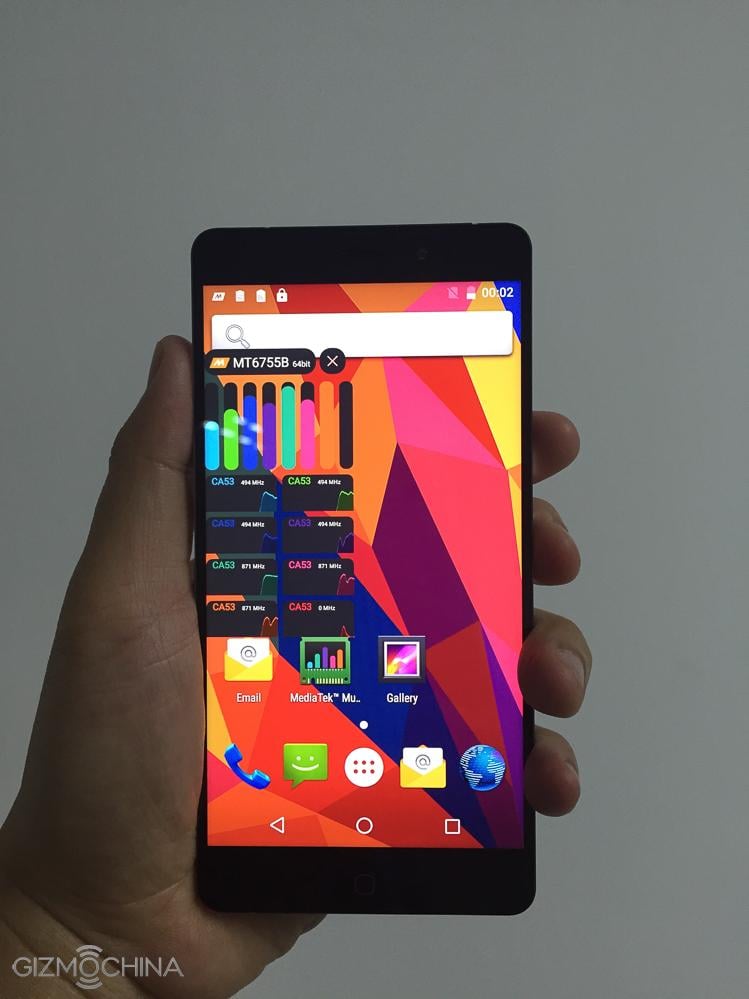
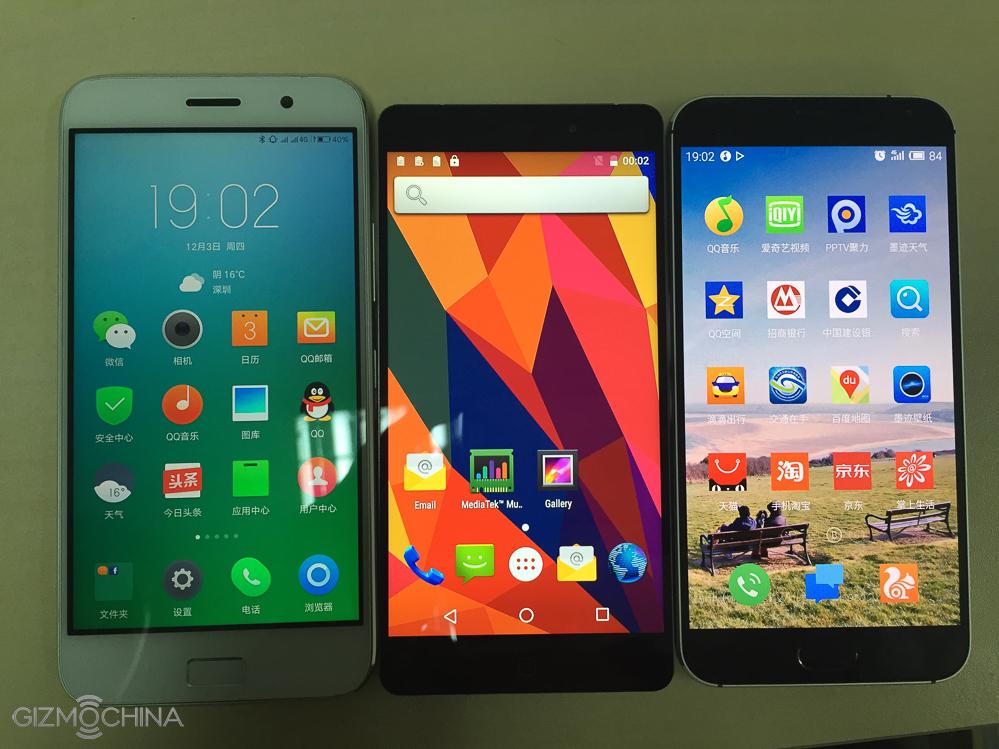
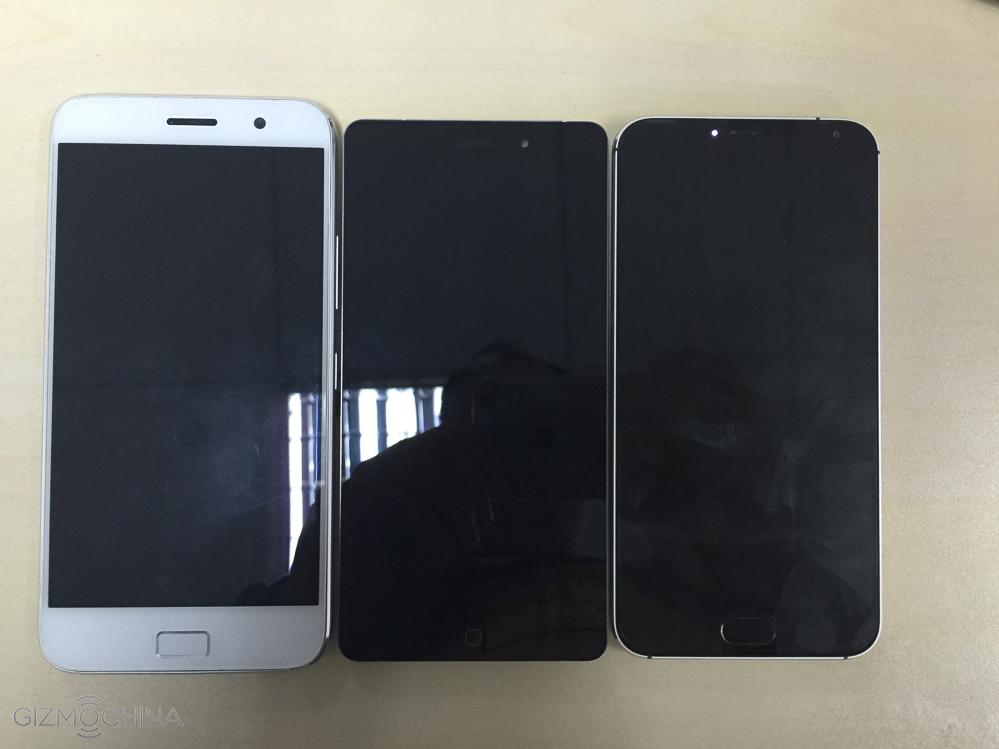
We have today received images of the Elephone P9000 Lite hands-on photos this time rather than CGI renders.
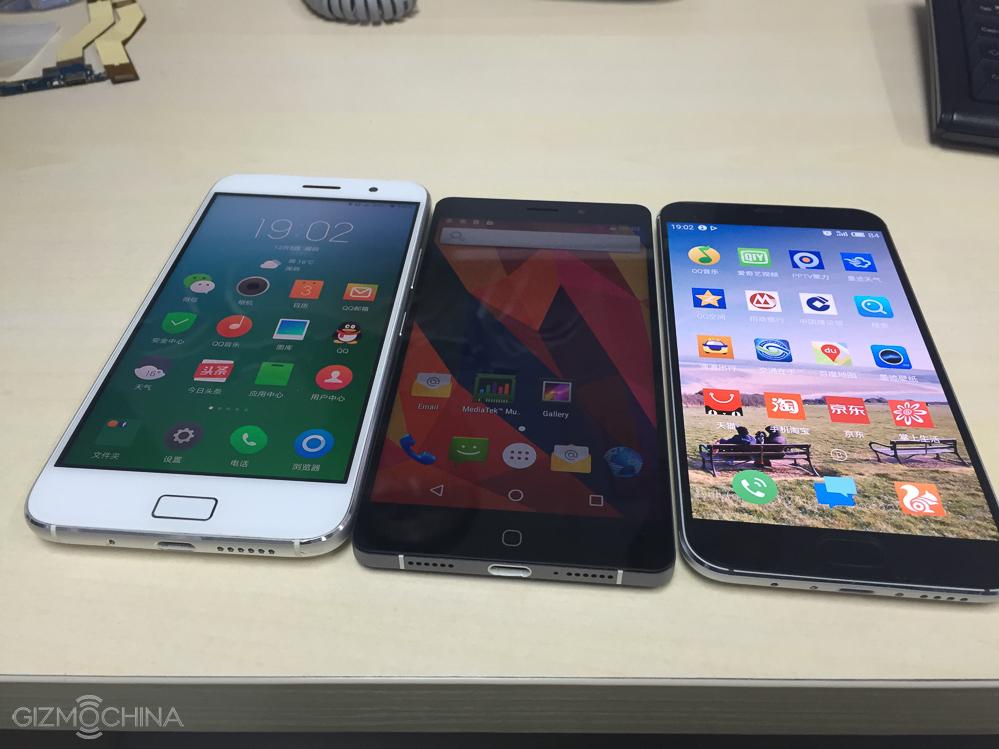
Whilst the P9000 Lite dose still feature black bezels, unlike other Elephone handsets that have come before, the bezels are not butted up to an additional 1-2mm of metal chassis.
The 5.5″ LG LTPS OGS screen really appears to stand out against this thin black bezel and should help to give a much more ddesirable body to screen ratio.
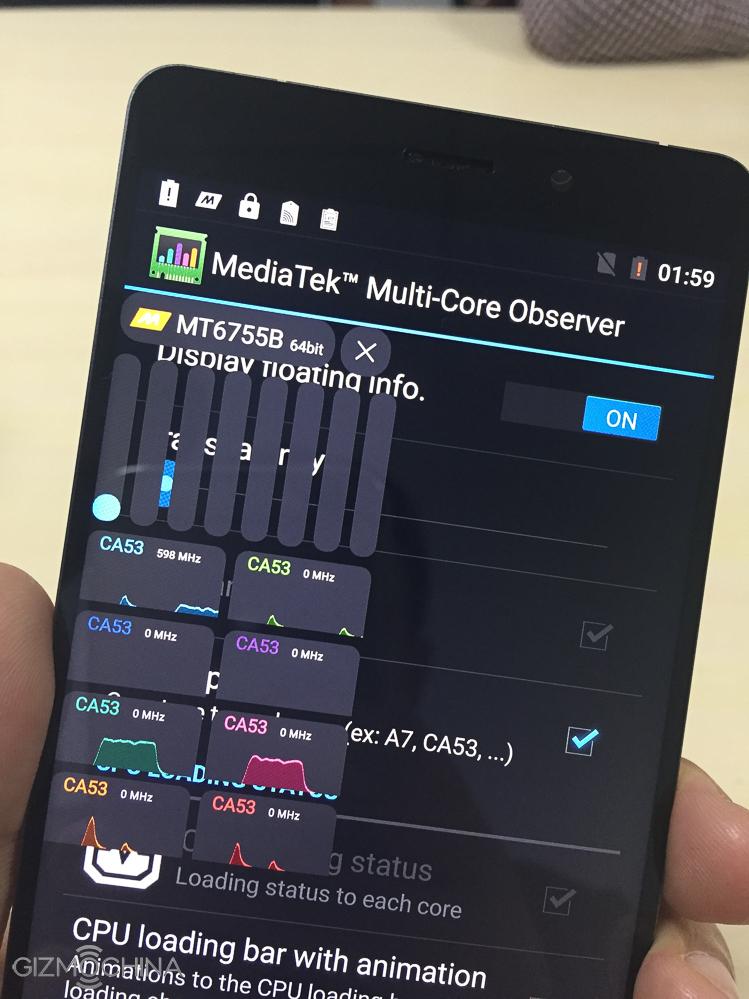
The Elephone P9000 lite will come with Android 6.0 Marshmallow, running on a Mediatek MT6755 Helio P10 CPU, USB type-C and NFC.
Hopefully the new design statement of the P9000 Lite’s bezels will be the start of greater (or should that be lesser) things to come.
Elephone have provided several images that show the phone next to various other handsets to give a better idea of the bezels size.
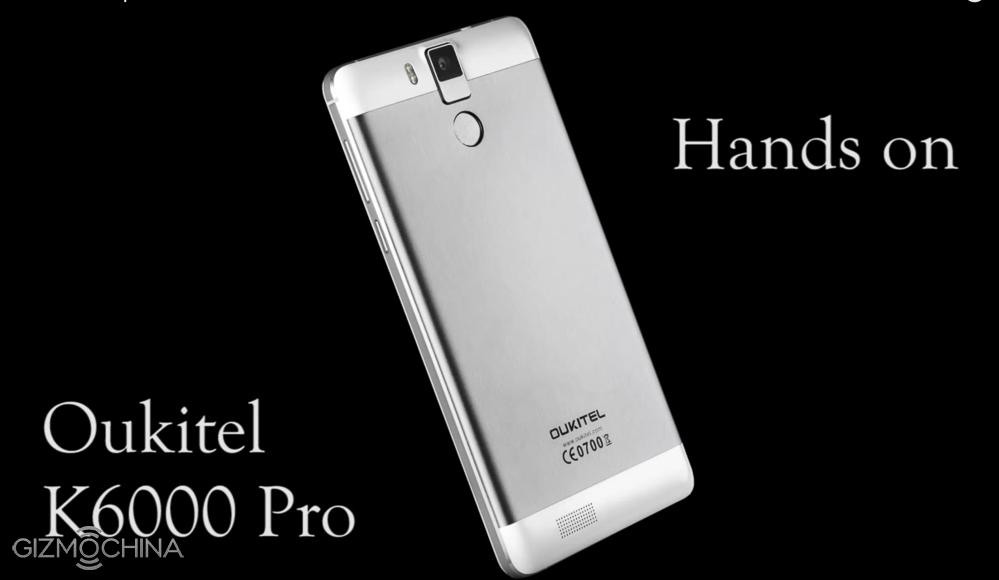
Oukitel have today sent over a Hands on video of the Oukitel K6000 pro showing off some menus on of the phone.
Checking out the video it would appear that the Oukitel K6000 Pro’s body and styling are similar to the original K6000, this time Oukitel have included a rear mounted finger print scanner.
Like the original K6000 the handset in the video does appear to be quite thick and large, possibly down to the small hands of the person using it combined with the fact the K6000 Pro like its younger brother features a 6000mAh battery.
Other notable points that help to set the newer Pro model apart from the original K6000 include the increased screen resoloution which has been bumped up from HD 720p to FHD 1080p, whilst the Quad core Mediatek MT6735 running at 1GHZ found in the original K6000 has also been upgraded to an Octa core Mediatek MT6753 running at 1.3GHZ.
If you like the idea of a phone with battery life that could see 2 or more days between charges but want even more processing power to make use of the onboard 6000mAh battery, a third option will also be made available, the Oukitel K6000 Premium which will come with 2k screen but more impressive will be the Deca core Mediatek MT6797 running at 2.5GHZ.
I am currently testing the original Oukitel K6000, the review for this should be finished in the next couple of days.
If Oukitel can get the rom right on either the Pro or the Premium versions of the K6000 running as smoothly as they have on the original K6000 and keep the battery life half decent this phone should attract a lot of buyers.
Check out the Hands on video of the Oukitel K6000 pro and leave questions or comments below
Doogee’s sub-brand HOMTOM released some interesting smartphones this year. One of the highlights of the company was the HT6 model which featured a large 6250mAh battery for a decent price tag.
Since the inception of the HOMTOM brand, the company has focused on offering the maximum battery capacity for the cheapest price tag. Even in the super low-end department, the company has continued the tradition.
The recently announced HOMTOM HT7 smartphone features a large 3000mAh battery. Now, for most, this isn’t very large since many mid-range phones feature at least 3000mAh capacity battery these days. However, we would like to remind you that this particular device costs just $59.99, which makes it one of the biggest battery phones in this price range.
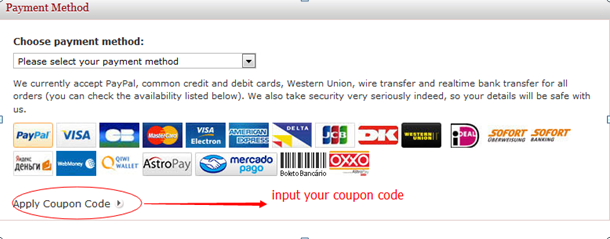
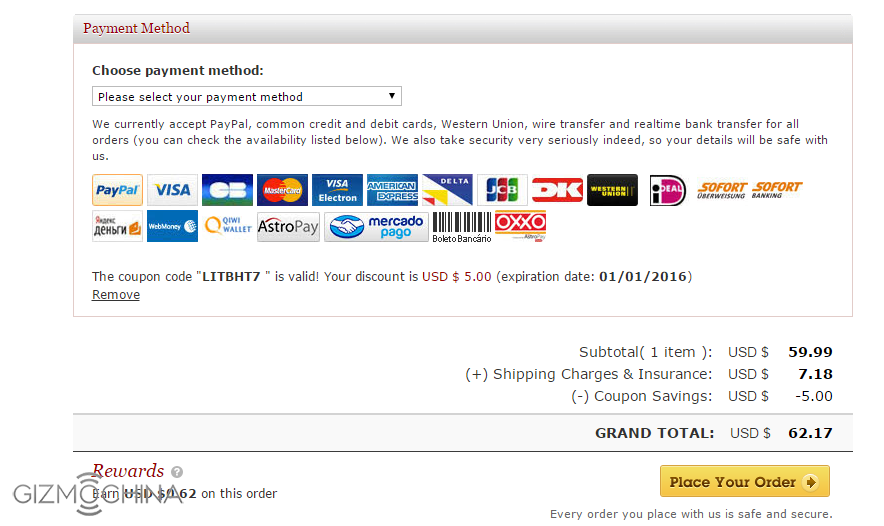
Where To Insert Coupon Code?
What’s more, LightintheBox is offering a $5 coupon on the HOMTOM HT7 taking down the price to just $55.99. This turns out to be a great deal if you are looking for a cheap holiday present.
Considering the price tag, the specs of the HOMTOM HT7 turns out to be quite impressive. It is powered by the MTK MT6580A quad-core chip clocked at 1.3GHz with 1GB of RAM and 8GB of internal storage. This is further expandable via MicroSD up to 64GB. There is a large 5.5-inch display on board with 720p HD resolution, which is also quite good. At the back, there’s an 8MP camera while, up front, you get a 5MP shooter.
One thing to remember is that the phone does not support 4G LTE networks. Instead, it’s a dual SIM dual standby supporting 3GB networks. But that’s not really a big drawback considering the price.
Overall, a great deal I would say. Do check out the purchase link for more details.
Even before Qualcomm officially unveiled the Snapdragon 820 quad-core chip, there were rumors that the upcoming Xiaomi Mi 5 flagship will be powered by this SoC. However, recently rumors suggested that Xiaomi may go with a chip like Mediatek Helio X20 for its flagship. But IHS analyst Kevin Wang dismissed those claims, asserting that Mi 5 will be powered by 820.
Now, Kevin Wang revealed once again that Xiaomi Mi 5 will probably be the first smartphone to feature Snapdragon 820. This would mean that the phone will meet us very soon since there are a lot of smartphones that’s expected to be powered by this chip. Even the upcoming Galaxy S7 is rumored to feature this Qualcomm chip. So, if Mi 5 is going to be the first smartphone with 820, the release should be sometime before Feb, since the S7 is expected to release at MWC 2016. Other notable phones that are expected to feature this chip includes the upcoming LeTV Le Max Pro.
As for the other specs of the Xiaomi Mi 5, expect 4GB RAM, 64GB storage, 2K 5.2-inch display, 21MP rear camera and 8MP front-facing shooter.
Recently, we came across a bezel less render of the Xiaomi Mi 5. You can read more about it from this article.
We use cookies on our website to give you the most relevant experience by remembering your preferences and repeat visits. By clicking “Accept”, you consent to the use of ALL the cookies.

This website uses cookies to improve your experience while you navigate through the website. Out of these, the cookies that are categorized as necessary are stored on your browser as they are essential for the working of basic functionalities of the website. We also use third-party cookies that help us analyze and understand how you use this website. These cookies will be stored in your browser only with your consent. You also have the option to opt-out of these cookies. But opting out of some of these cookies may affect your browsing experience.
Necessary cookies are absolutely essential for the website to function properly. This category only includes cookies that ensures basic functionalities and security features of the website. These cookies do not store any personal information.
Any cookies that may not be particularly necessary for the website to function and is used specifically to collect user personal data via analytics, ads, other embedded contents are termed as non-necessary cookies. It is mandatory to procure user consent prior to running these cookies on your website.