Xiaomi’s Mijia has something new coming on October 11 and from the teaser image, appears to have been inspired by a dragonfly. The poster’s theme even loosely translates to ”feel the dragonfly’s eyesight”.
The image which was posted on Weibo is accompanied with a brief explanation of how the eyes of a dragonfly works. Insects generally have multifaceted eyes. The housefly for example has 6,000 eye facets but the dragonfly more than quadruples it with 30,000 eye facets. Research has shown that dragonflies have one of the most advanced eyes in the Animal kingdom allowing them to even see ultraviolet rays. A dragonfly also has a near 360° view making it difficult to catch. See the video below.
This is where the guess comes in. Some people already think Xiaomi plans to launch a new camera with a 360° panoramic view and 240 fps slow-motion capability. If we look at it another way, we can also guess that it might be a drone as well with a camera with the above features.
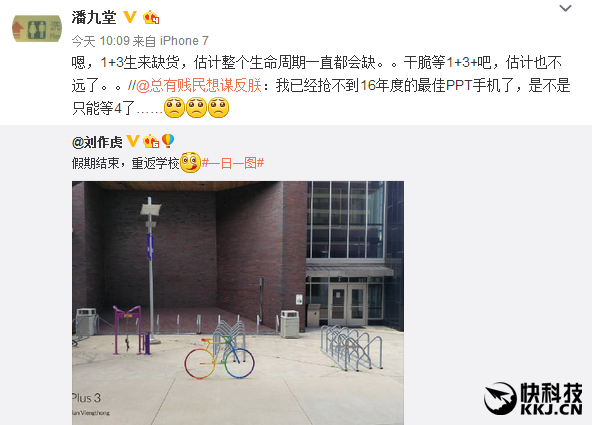
The OnePlus 3 is one of the best bang for the buck phones out there. Apart from the amazing specs and great price, software support is also very good. But according to analyst Pan Jiutang, it seems the phone is suffering from low stock again.
A few months ago, OnePlus had to suspend sales in 24 countries to build up inventory. Pan Jiutang says the low stock is due to supplies of AMOLED displays running low. The Chinese Golden Week holiday which ran from 1st of October to 7th of October may probably have added to the low number of available units as production facilities would have gone on break.
This low inventory appears to have affected a store in Canada which I believe is pictured below closed.
Quite a number of people want to get their hands on the OnePlus 3. Some people have even started shopping for the holidays. And with Thanksgiving and Black Friday less than 2 months away, OnePlus better stock up on the phone pretty fast.
Featuring a 5.5” Optic AMOLED screen, a snapdragon 820 chip, 6GB of RAM, 64GB of built-in storage, 16MP rear camera, 8MP front shooter, and a 3000mAh battery (that doesn’t explode) with an amazing fast charge technology all for $400, the OnePlus 3 is hard to beat.
Update: Although it is out of stock in Oneplus official shop, but it is available at Oppomart.
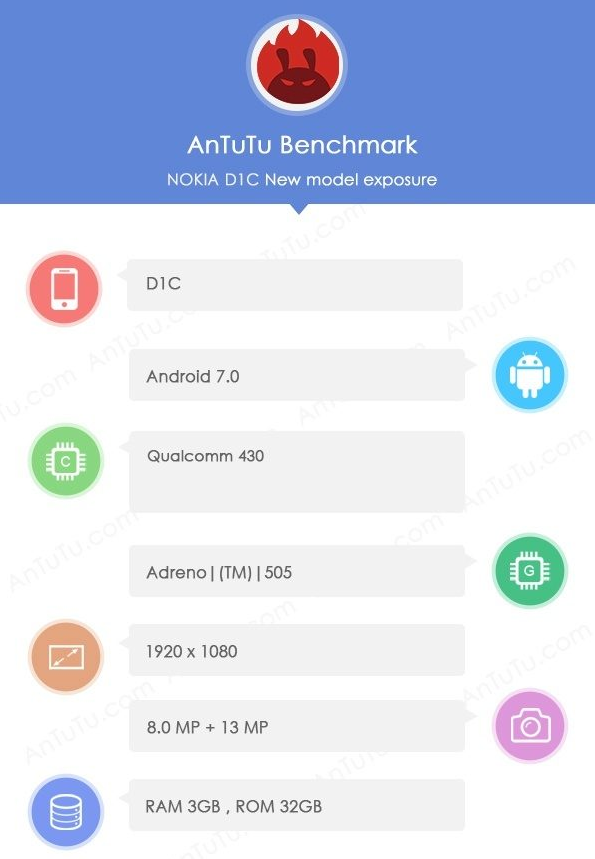
Nokia’s first foray into making android smartphones didn’t go well but the company seems to be taking another shot. Now that the 2-year deal (with Microsoft) preventing the release of phones bearing the Nokia name has ended, it is not surprising for us to hear about a new Nokia phone. We first reported that the Nokia D1C was found on GeekBench last week, this time around it has made its way to Antutu.
Antutu confirms the details we saw last week on GeekBench but reveals a little more. The D1C runs Android 7.0, comes with a Snapdragon 430 processor, an Adreno 505 GPU, and has 3GB of RAM. The screen size is unknown but the resolution is 1920 x 1080.
The phone’s built-in storage is also revealed to be 32GB. We also get to know the camera configuration. There is a 13 megapixel shooter on the back and an 8 megapixel camera in front for selfies.
OPPO’s R9 is one of the phone maker’s best selling phones till date. The phone has sold over 7 million units since its launch this year but the company thinks it’s time to release an upgrade in form of the OPPO R9s.
OPPO posted a teaser image with a large ”S” in gold on Weibo with the tag line ”Share the Moment”. The tag line hints at the OPPO R9s being a camera-centric device just like its sibling.
The R9s is said to have gotten its National 3C certification already and is expected to launch soon in less than a month. The phone has been reported to feature a camera with a large f/1.7 aperture, a snapdragon 625 chip and will support a 5V/4A VOOC fast charge technology.
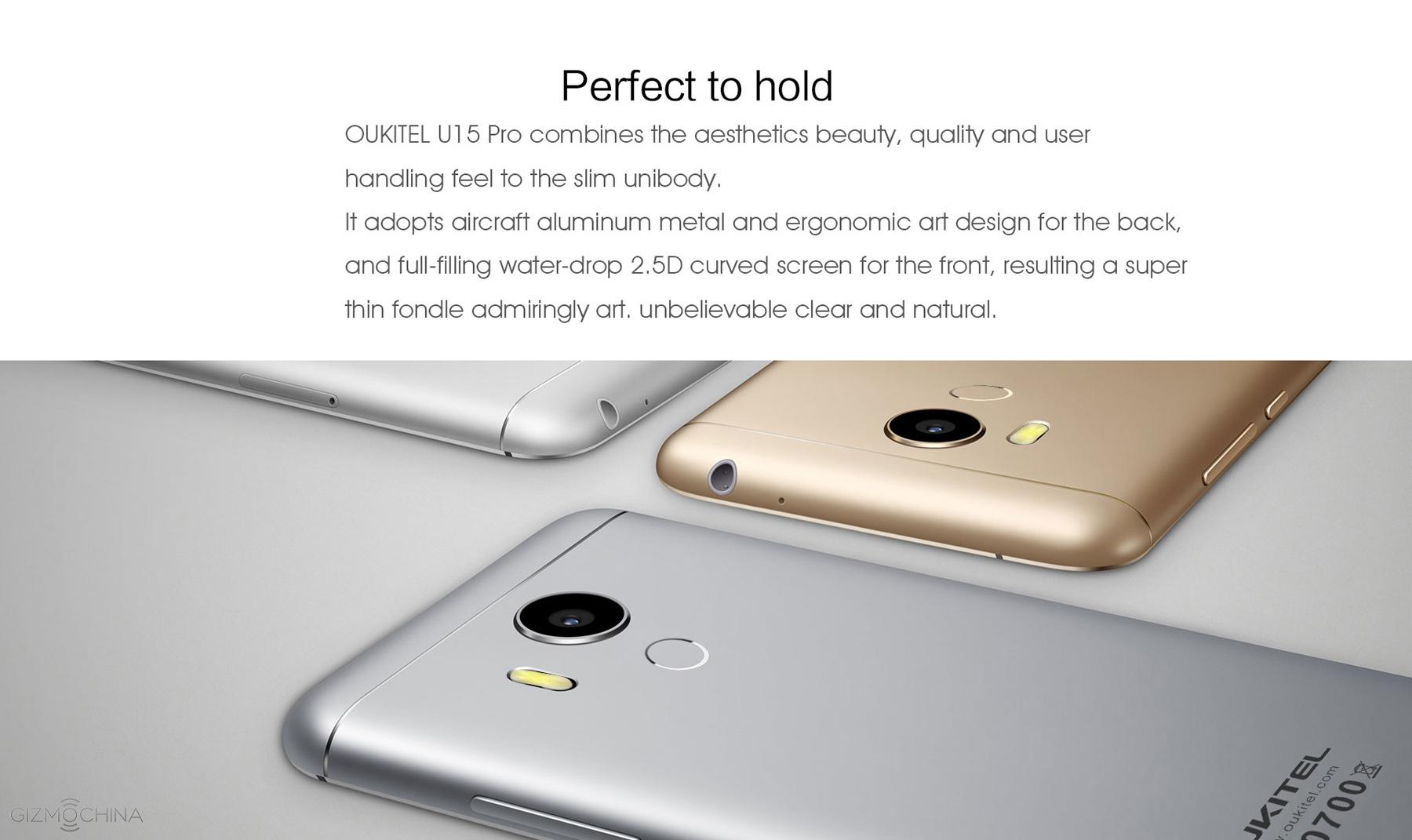
We have reviewed quite a few phones made by Oukitel and most of them have been great devices for the price. The company is about to release a brand new U15 Pro model soon and it seems like a pretty nice-looking budget device.
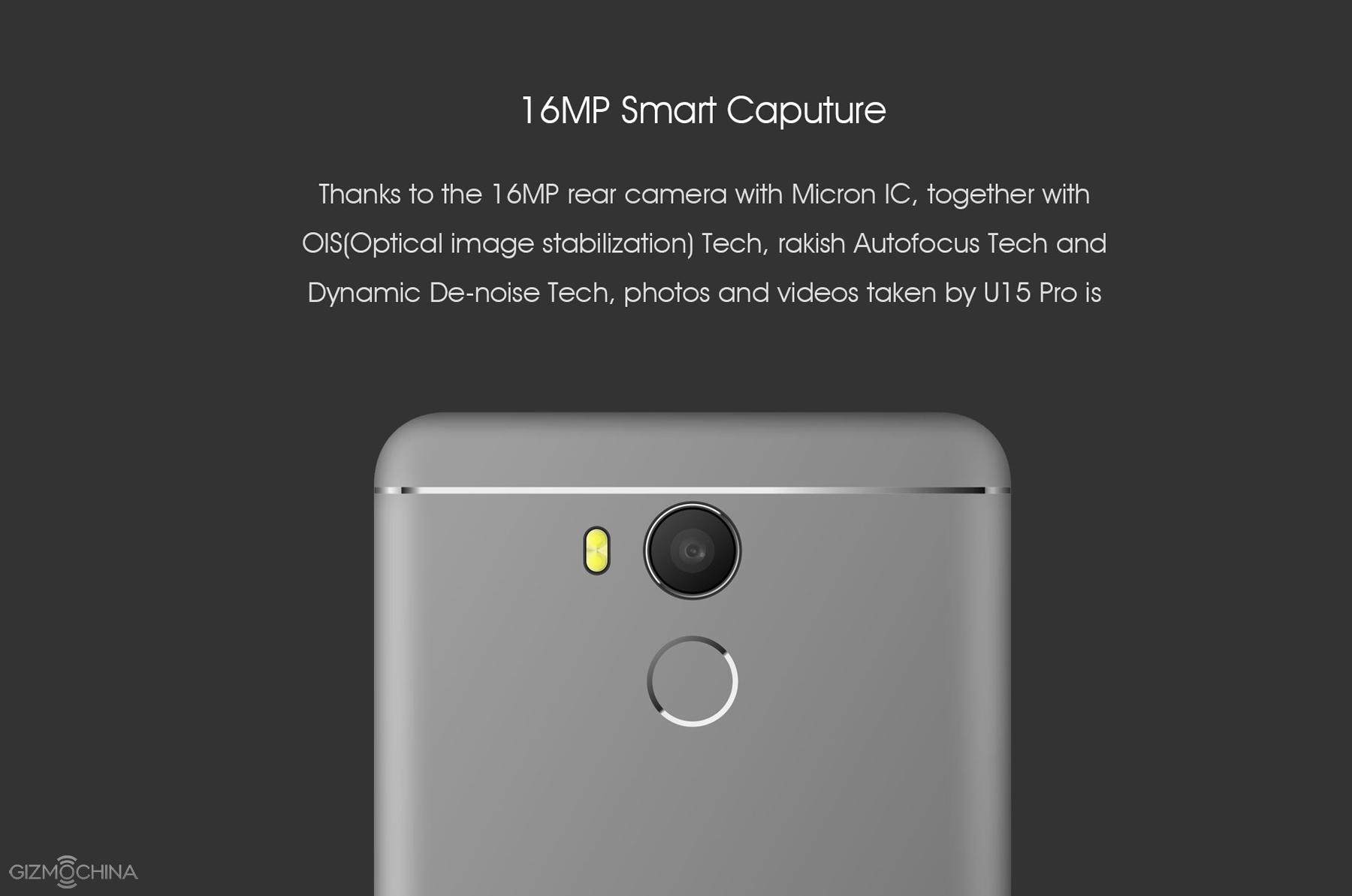
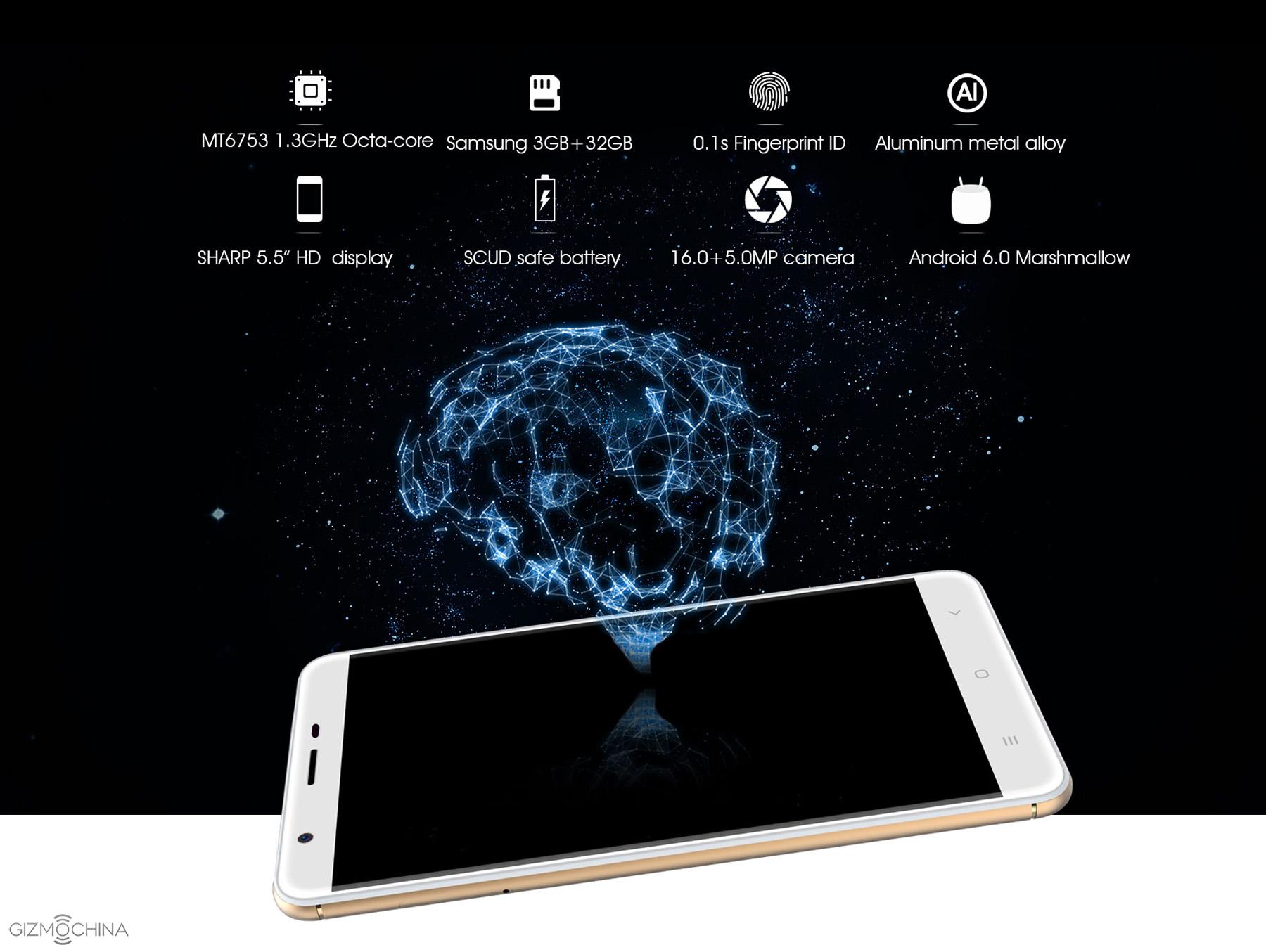
First of all, the Oukitel U15 Pro is made entirely of metal and it sports a similar design to the Meizu MX5.
It claims to use the aircraft-grade aluminum. We are not sure about that since we have not tested the phone yet but at least Oukitel feels quite confident about the build quality of their new smartphone.
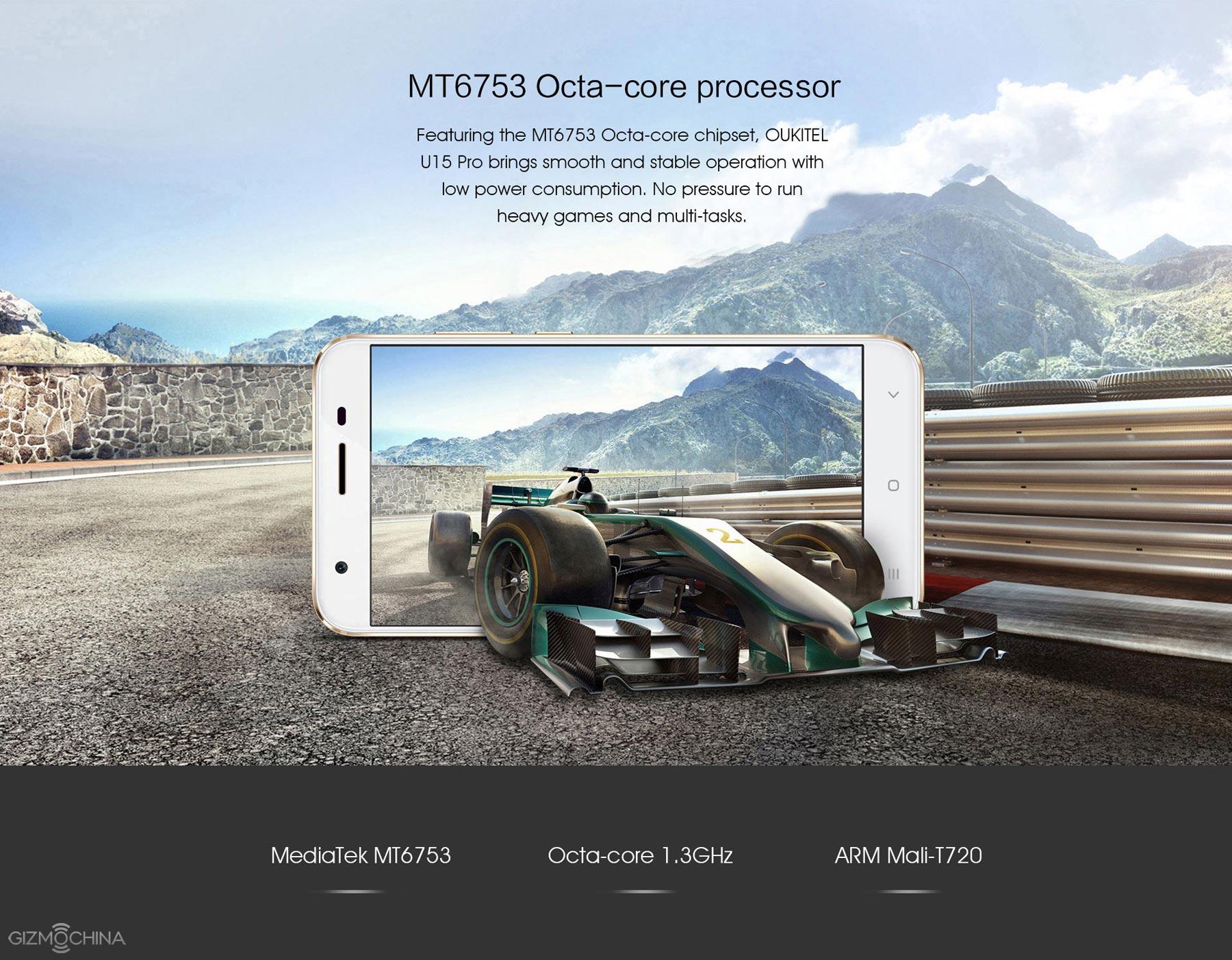
The phone sports pretty good specs for the price. That includes a Mediatek MTK6753 chip (1.3GHz), 3GB of RAM and 32GB of expandable storage.
Usually, cheap phones do not sport the best cameras and we do not expect any stellar results from the U15. Nevertheless, the device sports a pretty powerful setup on paper – a 16MP camera coupled with a dual LED flash.
All in all, Oukitel U15 shapes up to be a pretty nice phone for the price. The phone will retail for $139.99 when it goes on sale in November but you can now pre-order it for just $119.99 from Everbuying.net, which sounds like a pretty good deal considering the overall package of this phone.
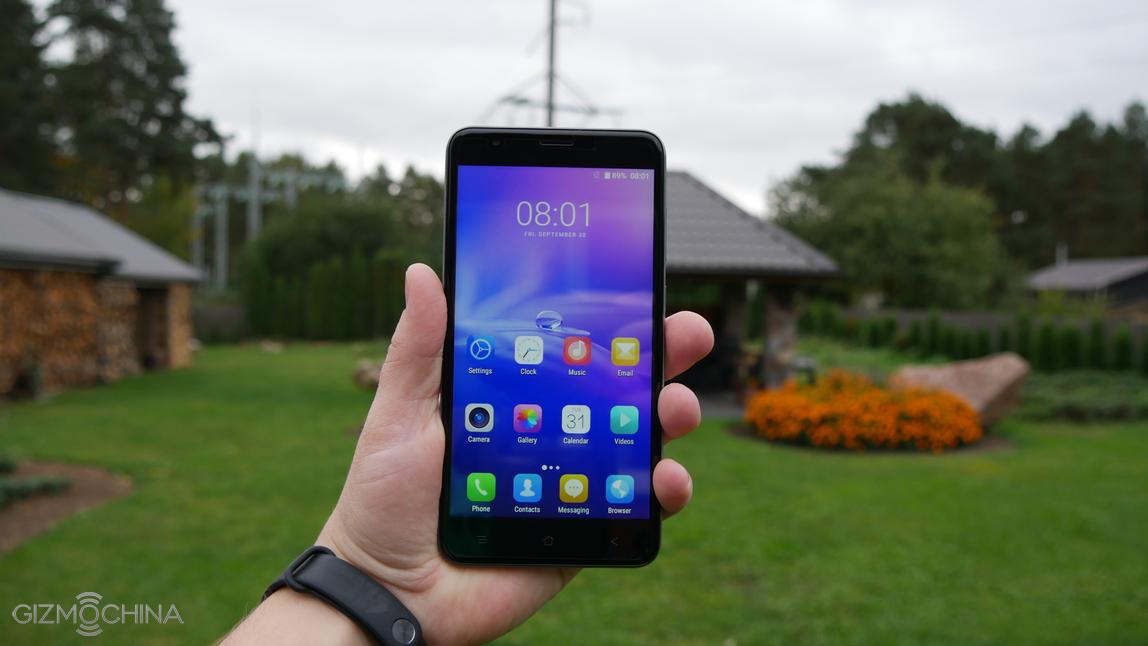
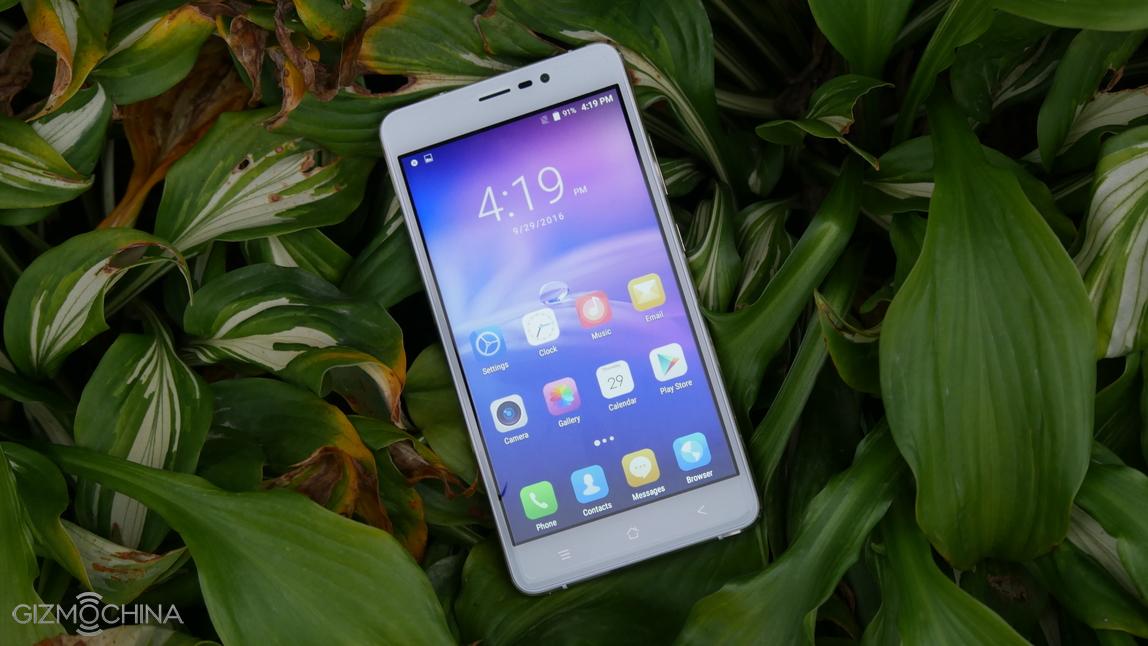
We have reviewed quite a few Blackview phones this year and the E7 is one of their latest budget offerings. The phone costs just $67, it has a decent design and more. Learn more in our full review.
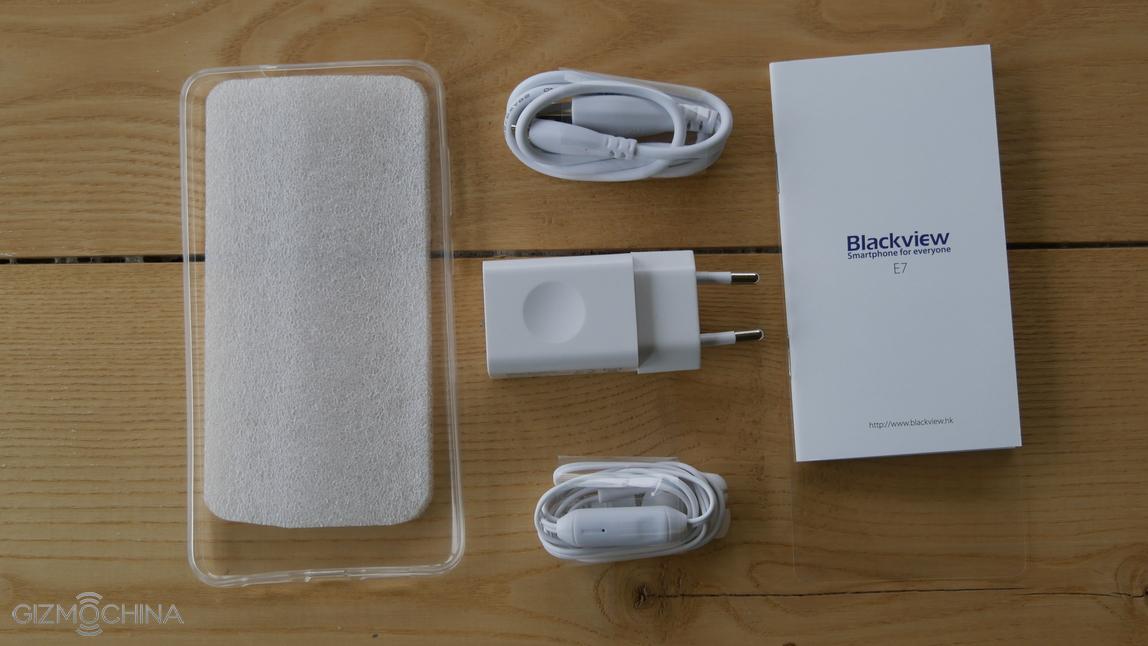
The phone ships with all the usual stuff and some extras include a soft TPU case and a pair of earphones.
Blackview E7 Review: DESIGN and DISPLAY
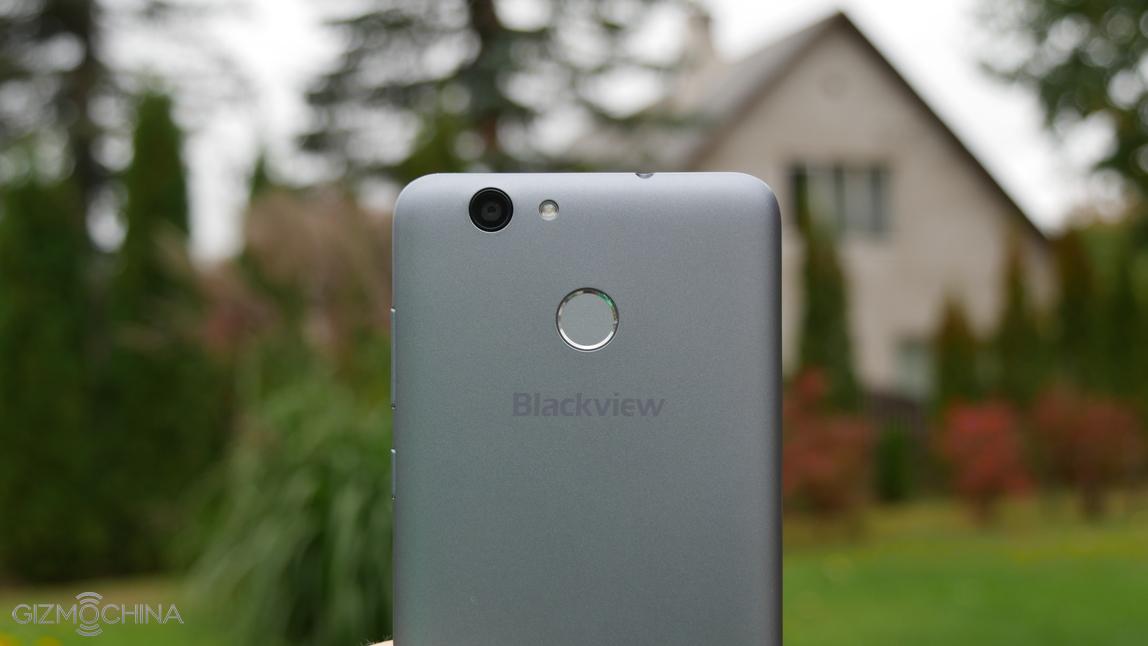
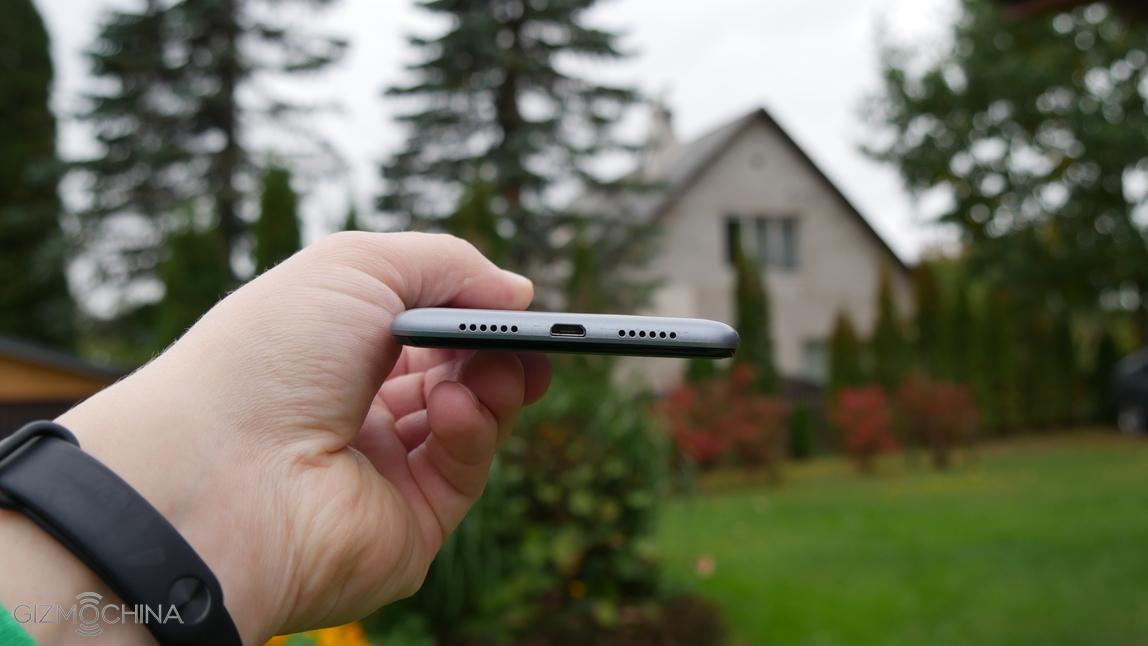
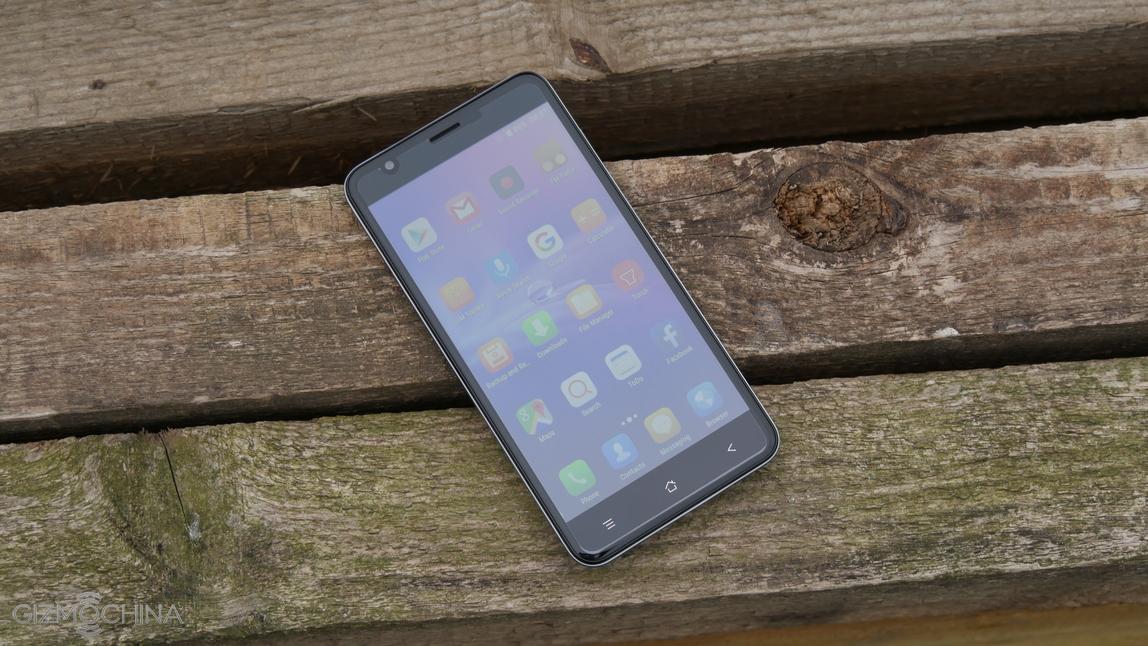
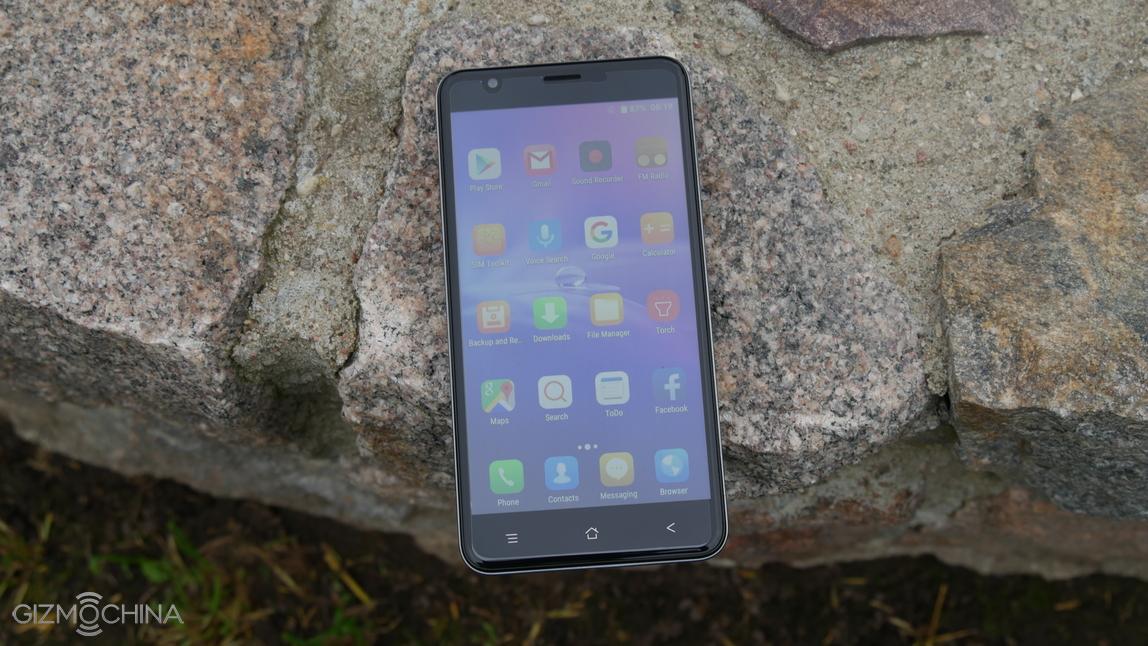
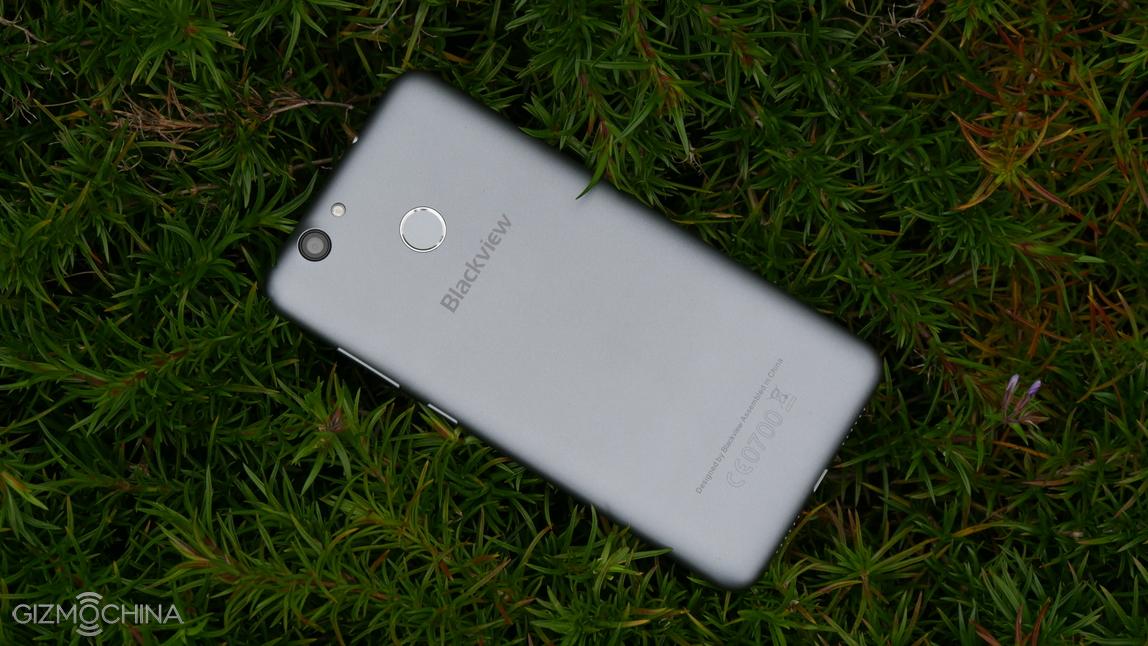
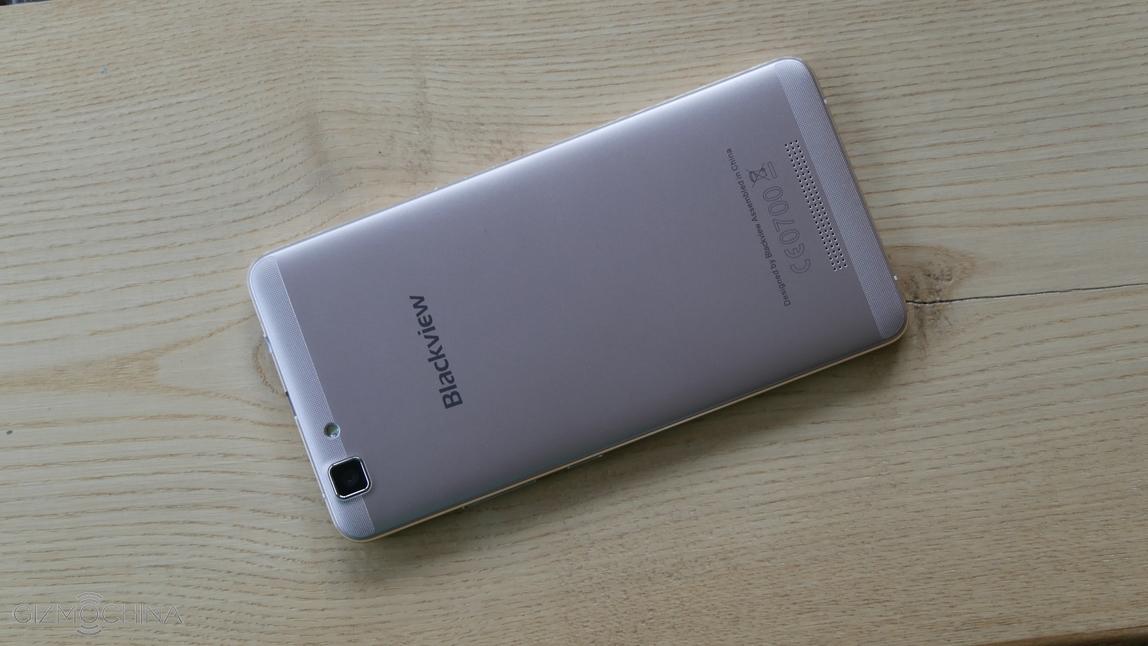
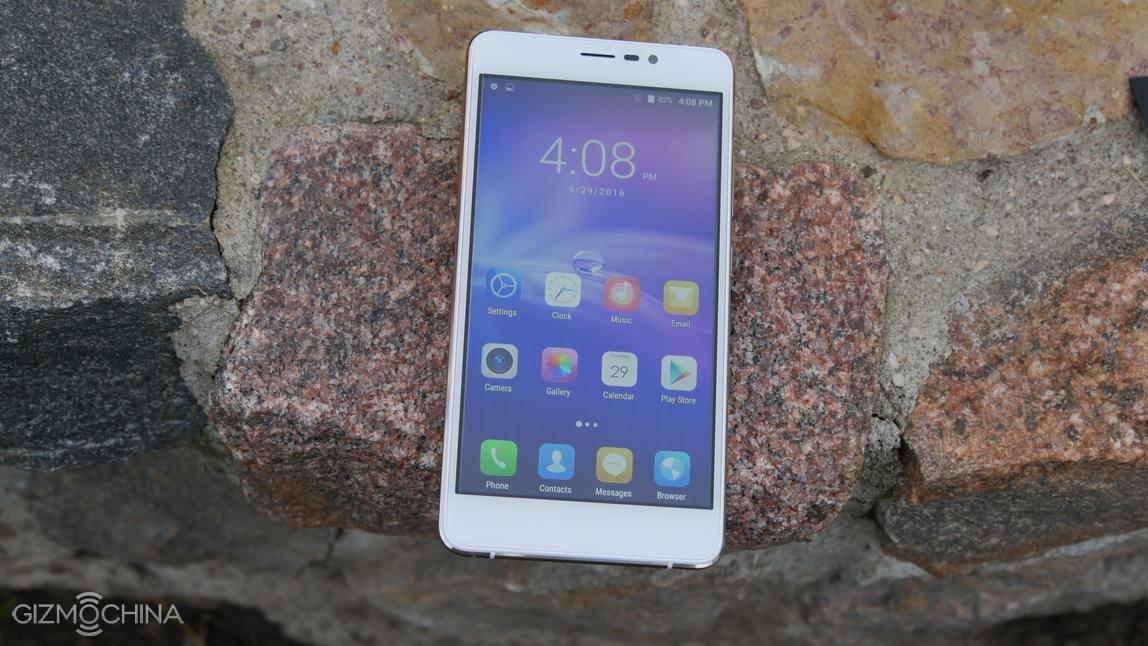
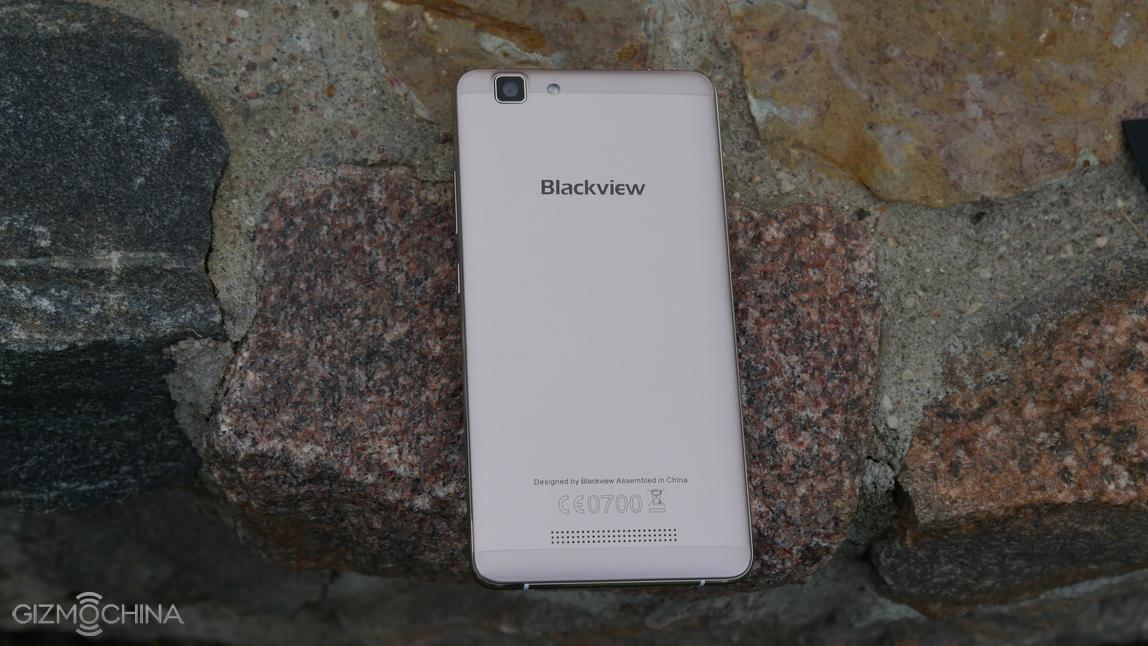
For just $67, the Blackview E7 is actually a pretty nice-looking phone. Although it does not use any premium materials like metal or glass in the construction, it is well-built.
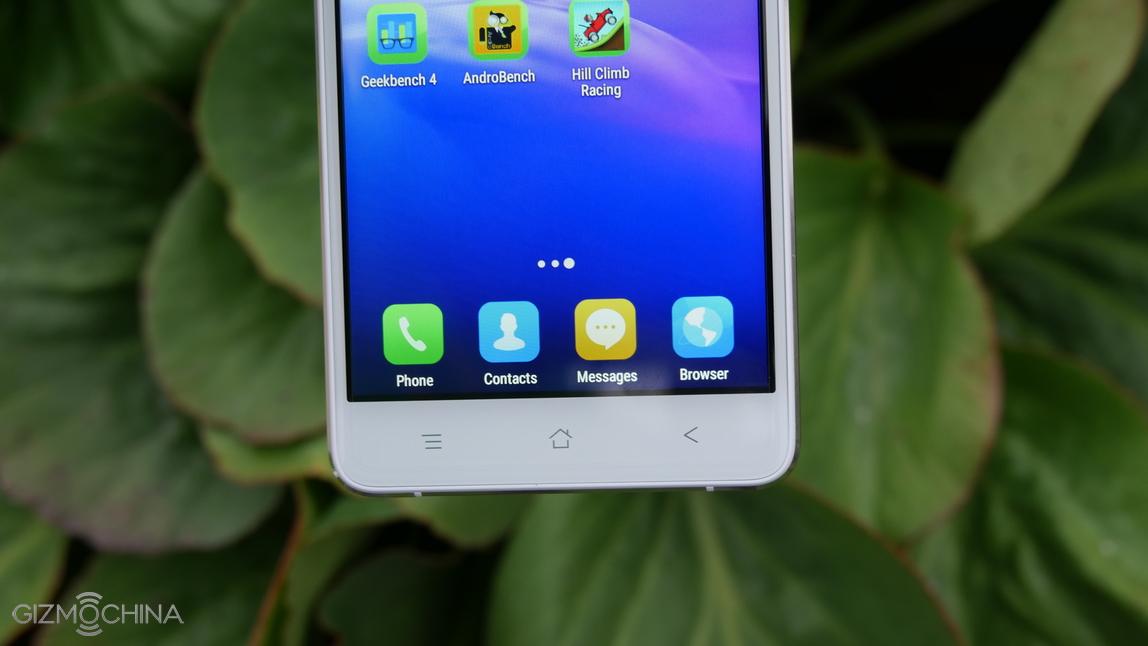
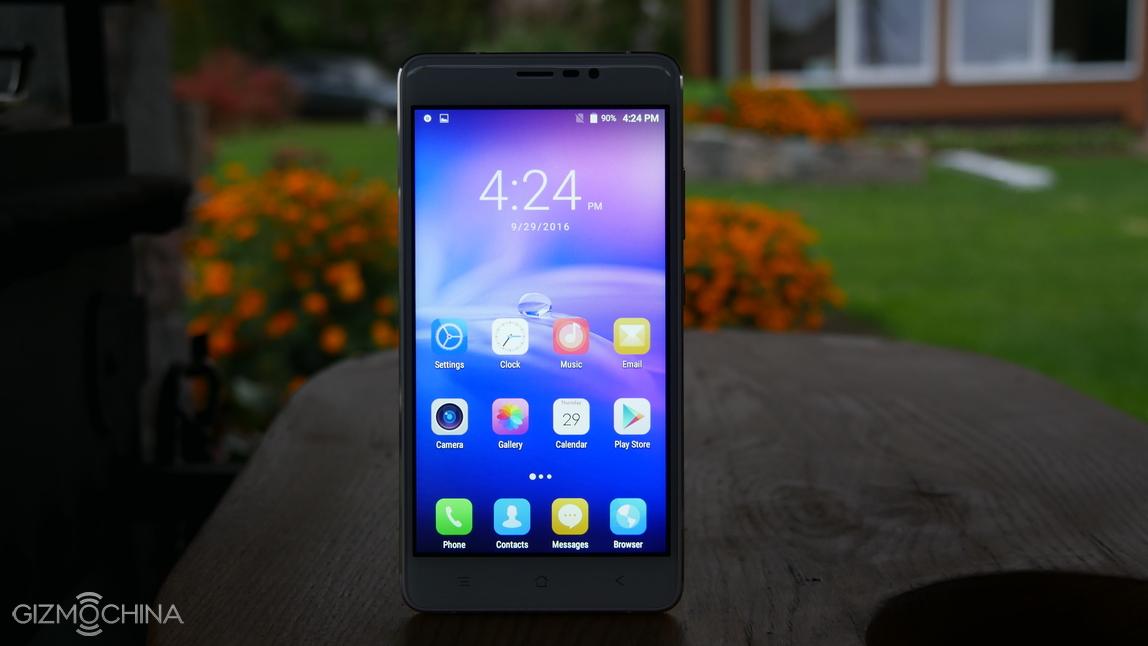
We have a 5.5” display, which is only 720p but it is plenty sharp for the daily use. Unfortunately, we don’t have neither notification LED light nor backlit capacitive buttons.
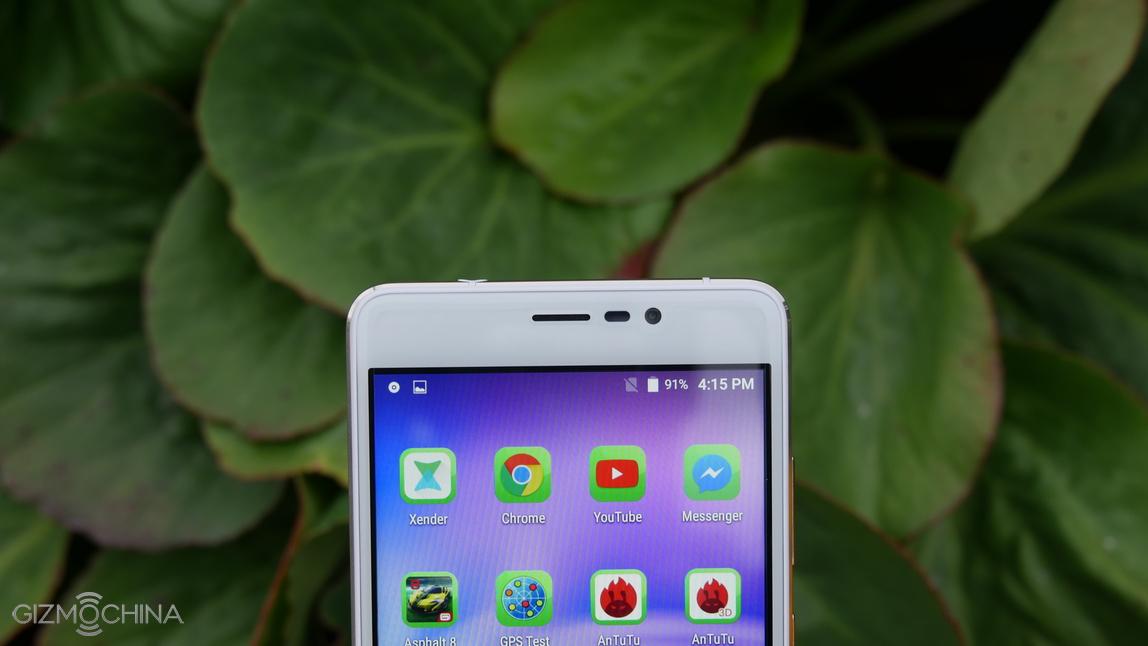
There is only an 8MP camera on the back but we have a fingerprint sensor, which is not the fastest I’ve seen but it gets the job done.
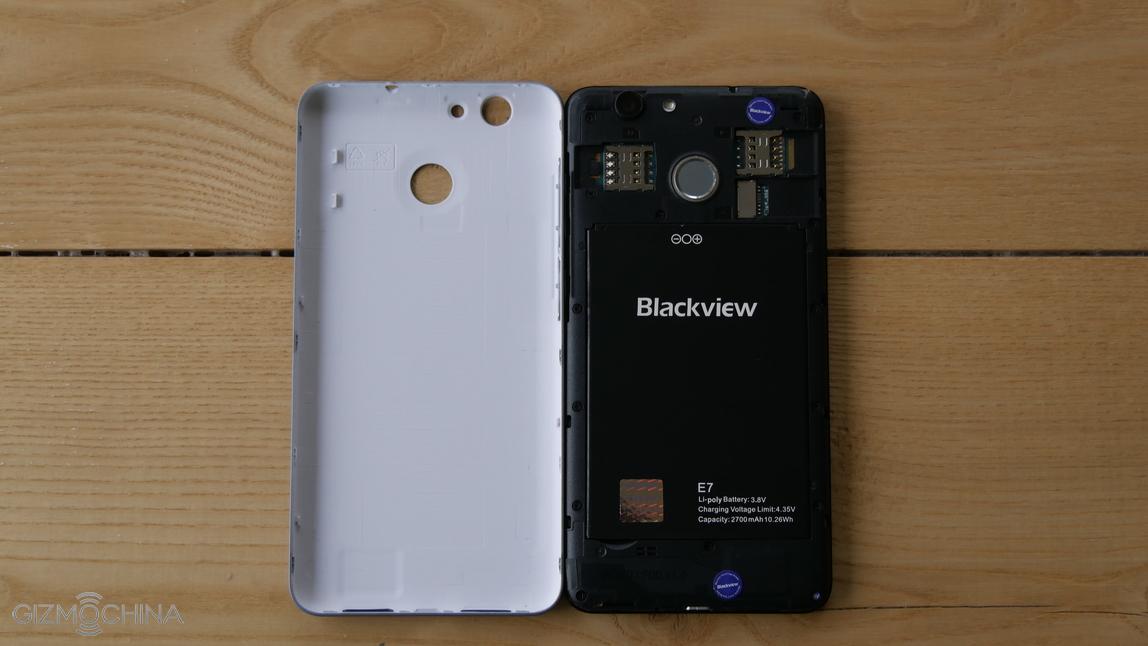
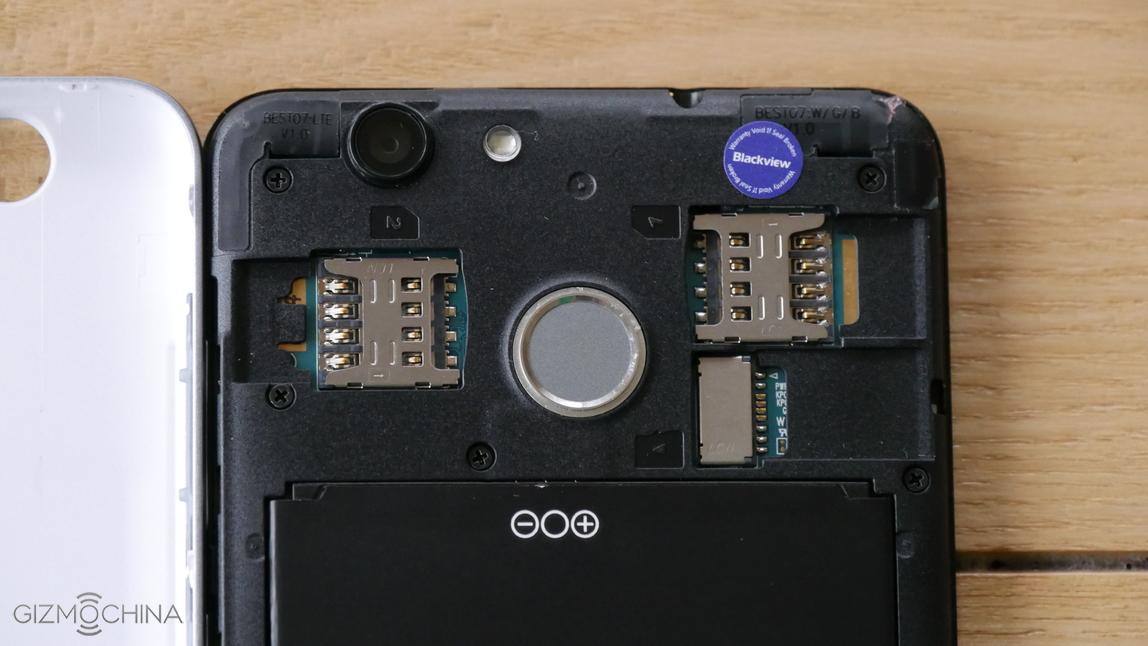
The backplate can be easily removed to access a 2700mAh battery, two SIM card slots and the microSD card slot.
The loudspeaker is like on most of the cheap phones – the sound is flat.
Blackview E7 Review: HARDWARE and PERFORMANCE
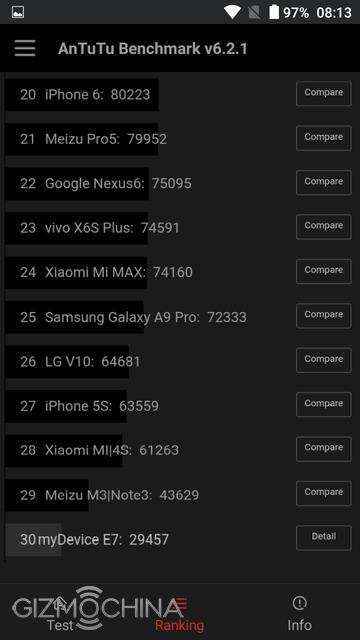
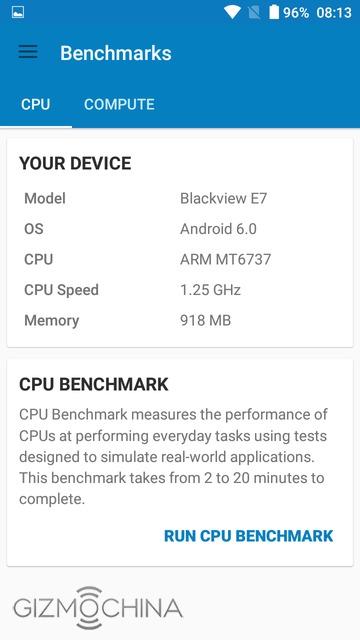
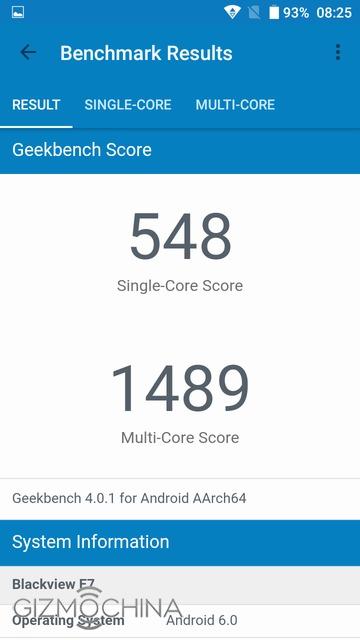
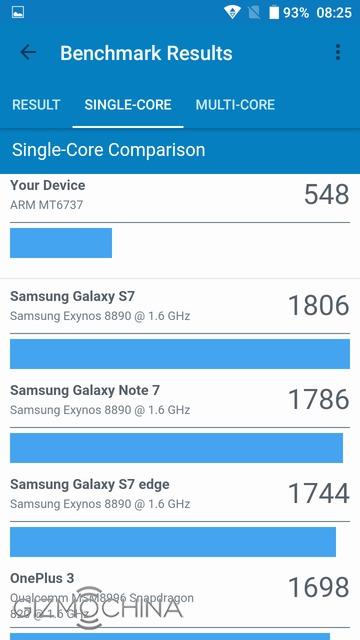
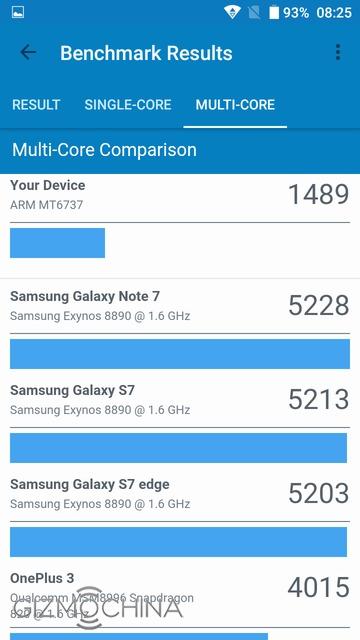
The Blackview E7 sports some pretty good specs for the price. The phone ships with a quad-core MTK6737 chip, 16GB of storage but it has only 1GB of RAM, which is kind of disappointing.
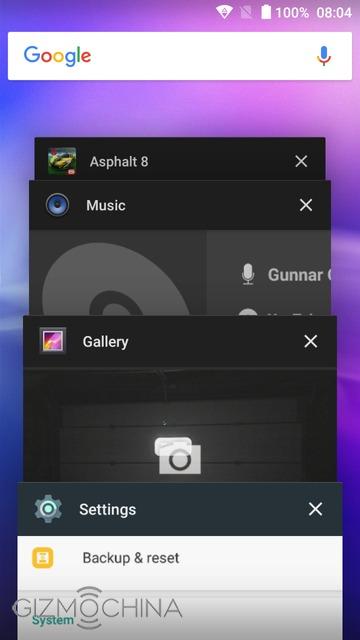
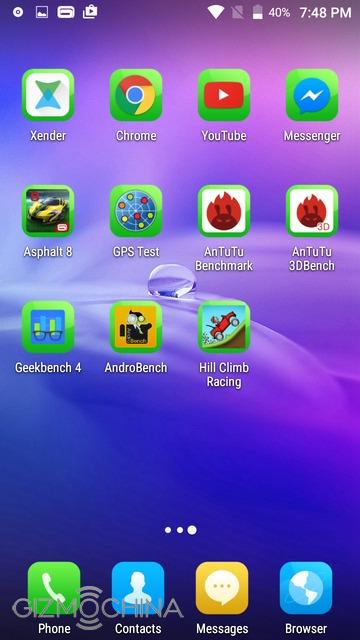
On the other hand, the gaming performance is pretty good. You should be able to run most of the 2D games and 3D games like Asphalt 8 on the medium graphics. However, you should expect quite a bit of stutter and skipped frames.
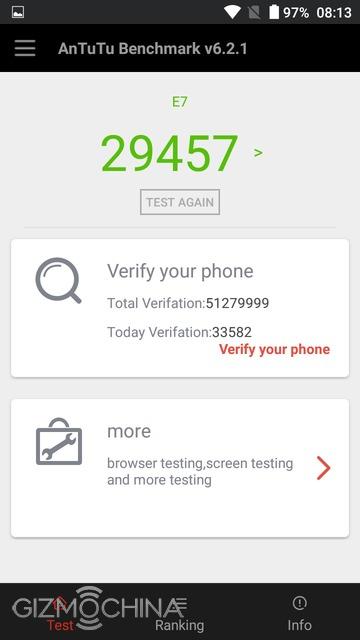
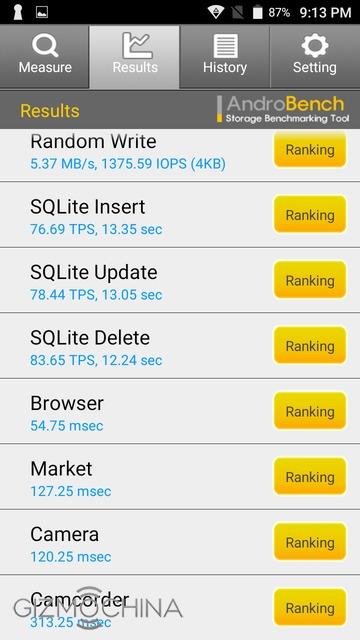
Blackview E7 Review: BENCHMARKS
Blackview E7 Review: USER INTERFACE
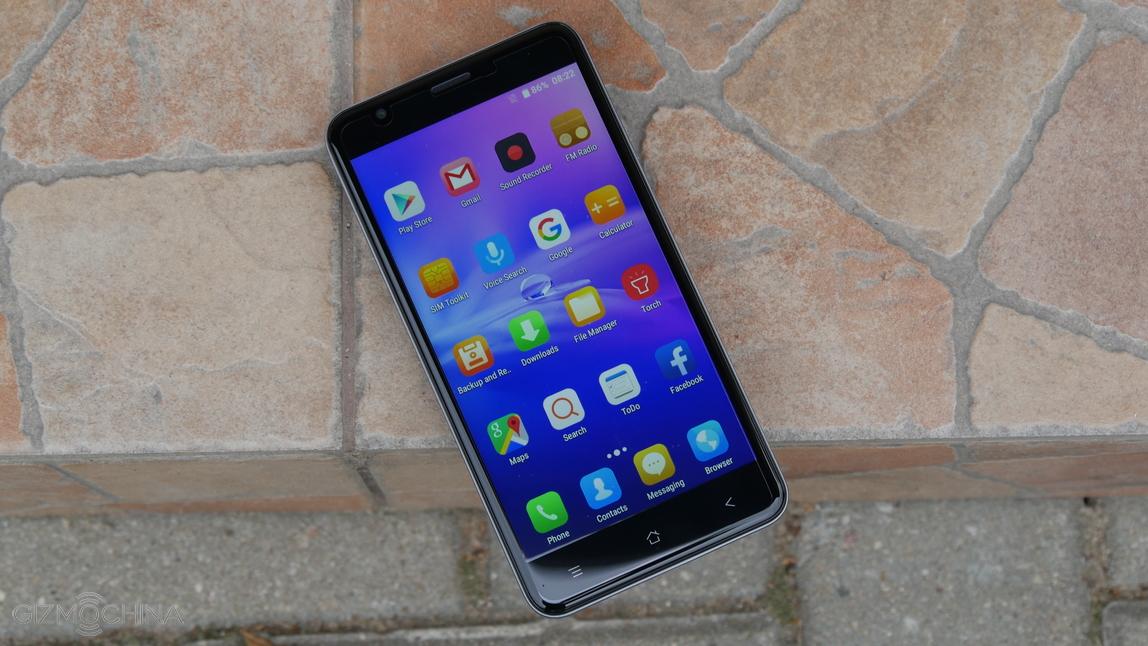
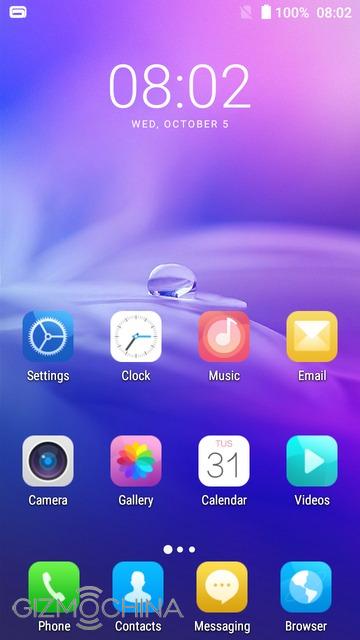
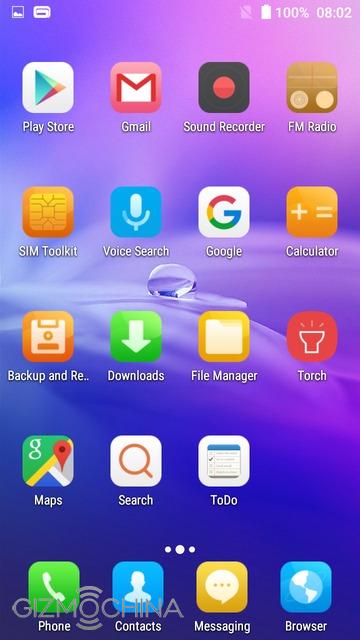
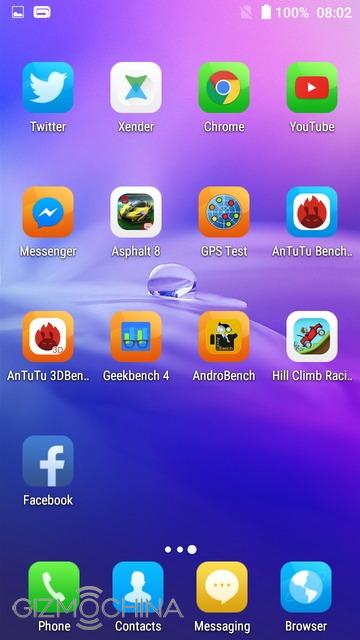
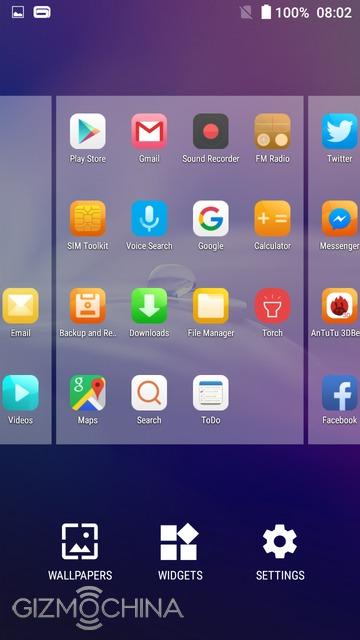
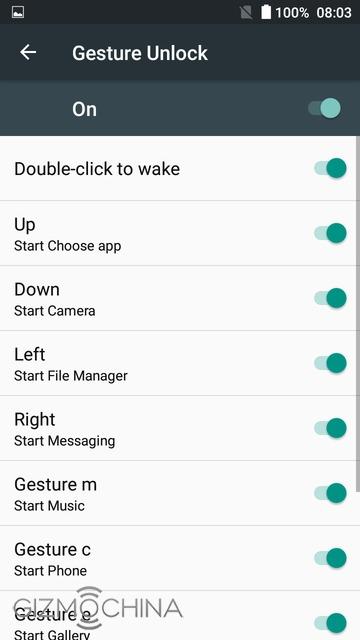
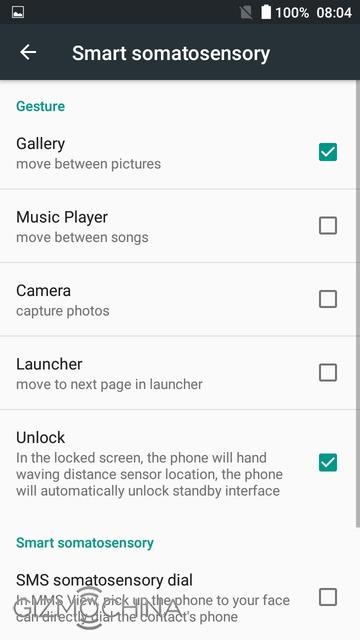
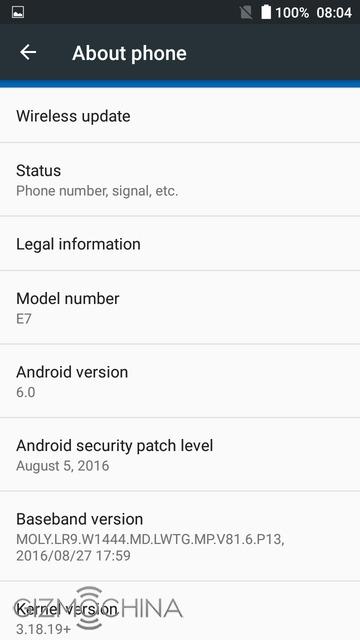
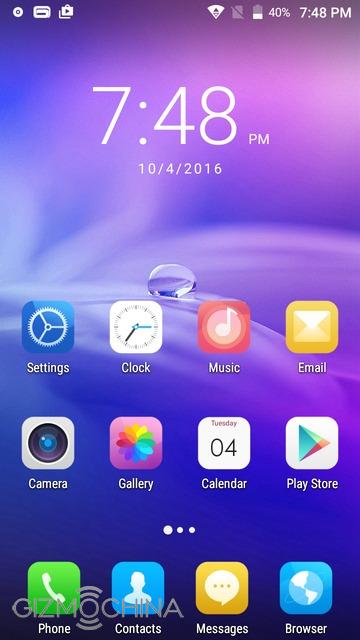
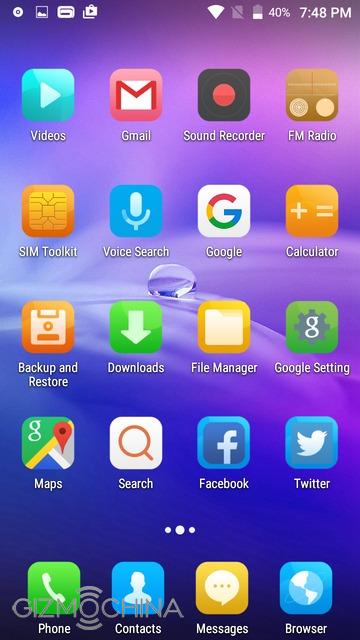
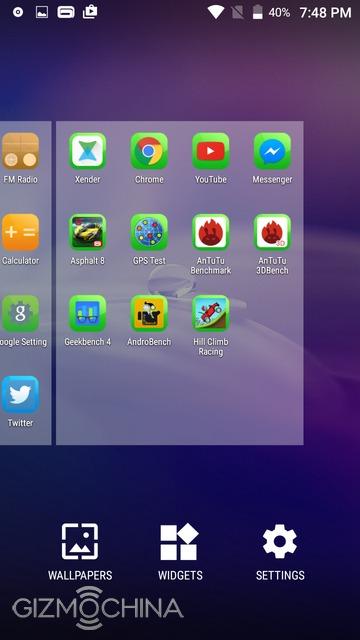
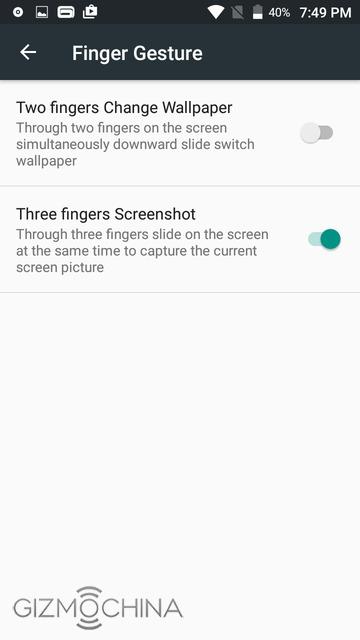
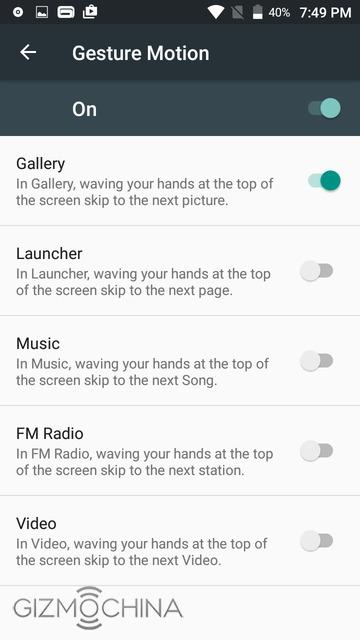
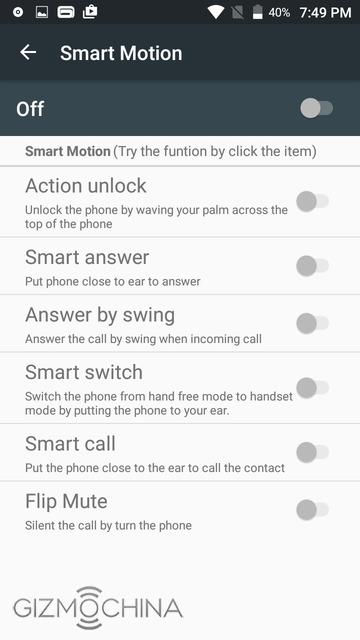
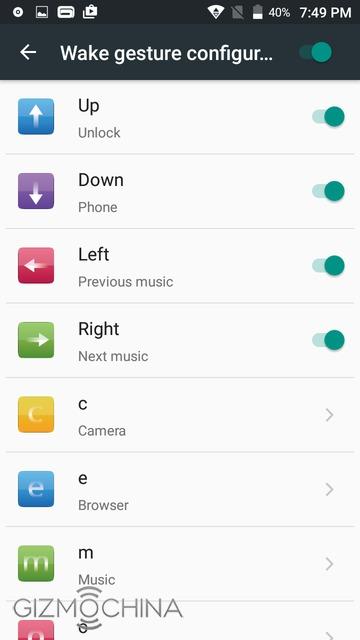
The phone runs on Android 6.0 with the Blackview’s skin on top of it. That means that there is no app tray but we have a few extra features like a bunch of gesture and motion controls. Some of them work great while others are kind of slow to respond.
I didn’t have any major lags or hiccups even after installing quite a few apps and I believe this is the most important thing for a cheap phone.
Blackview E7 Review: IMAGE QUALITY
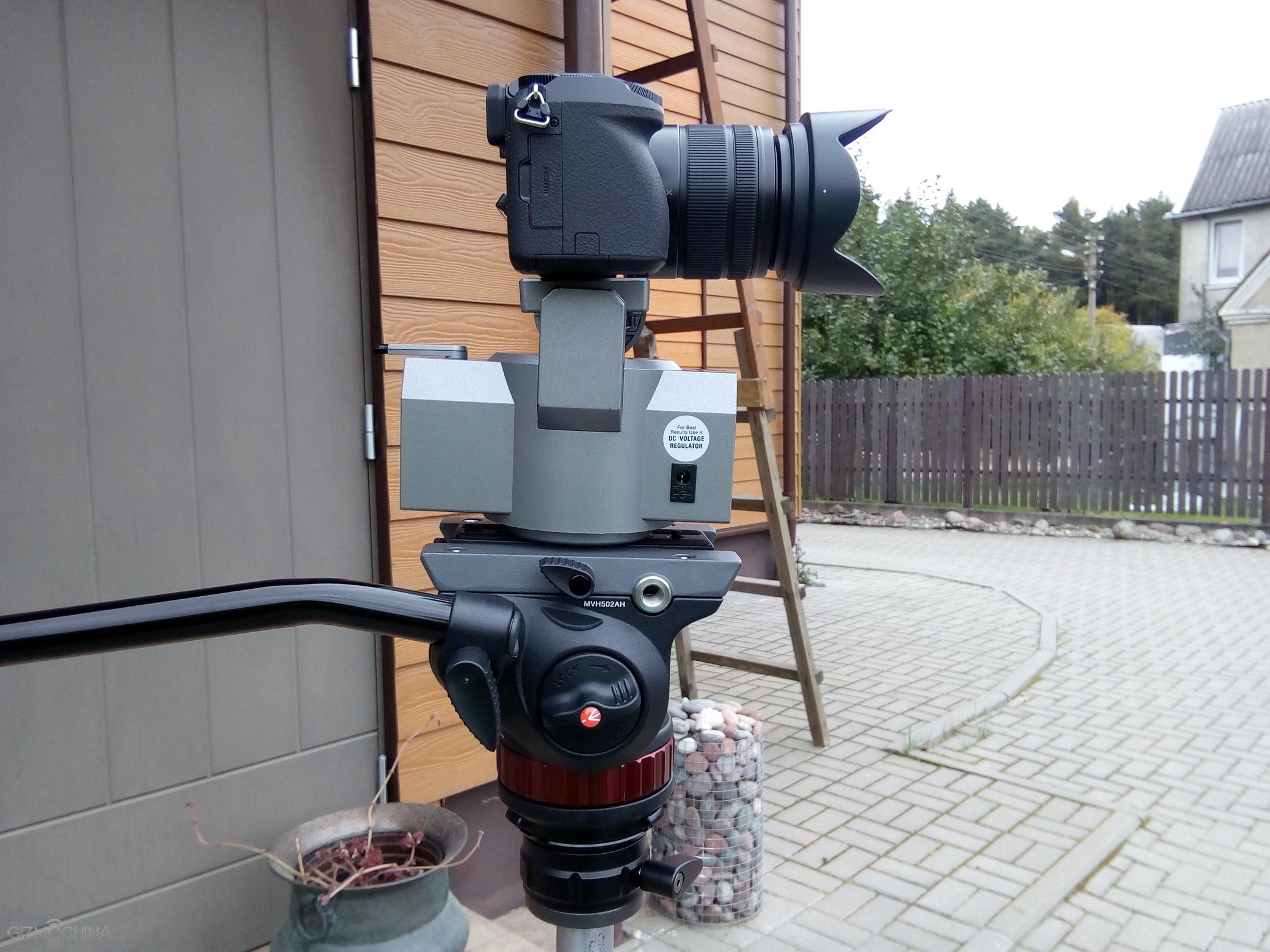
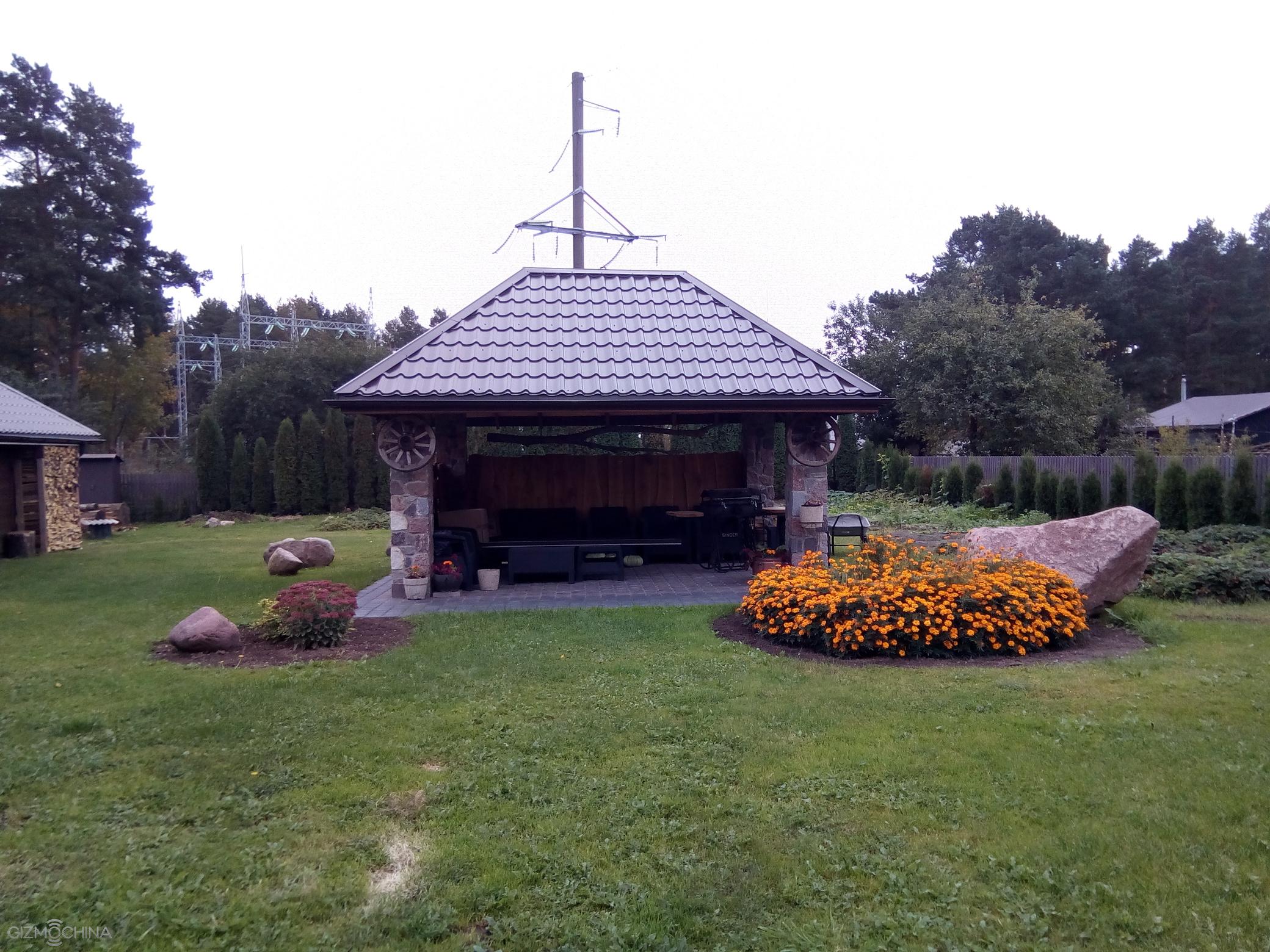
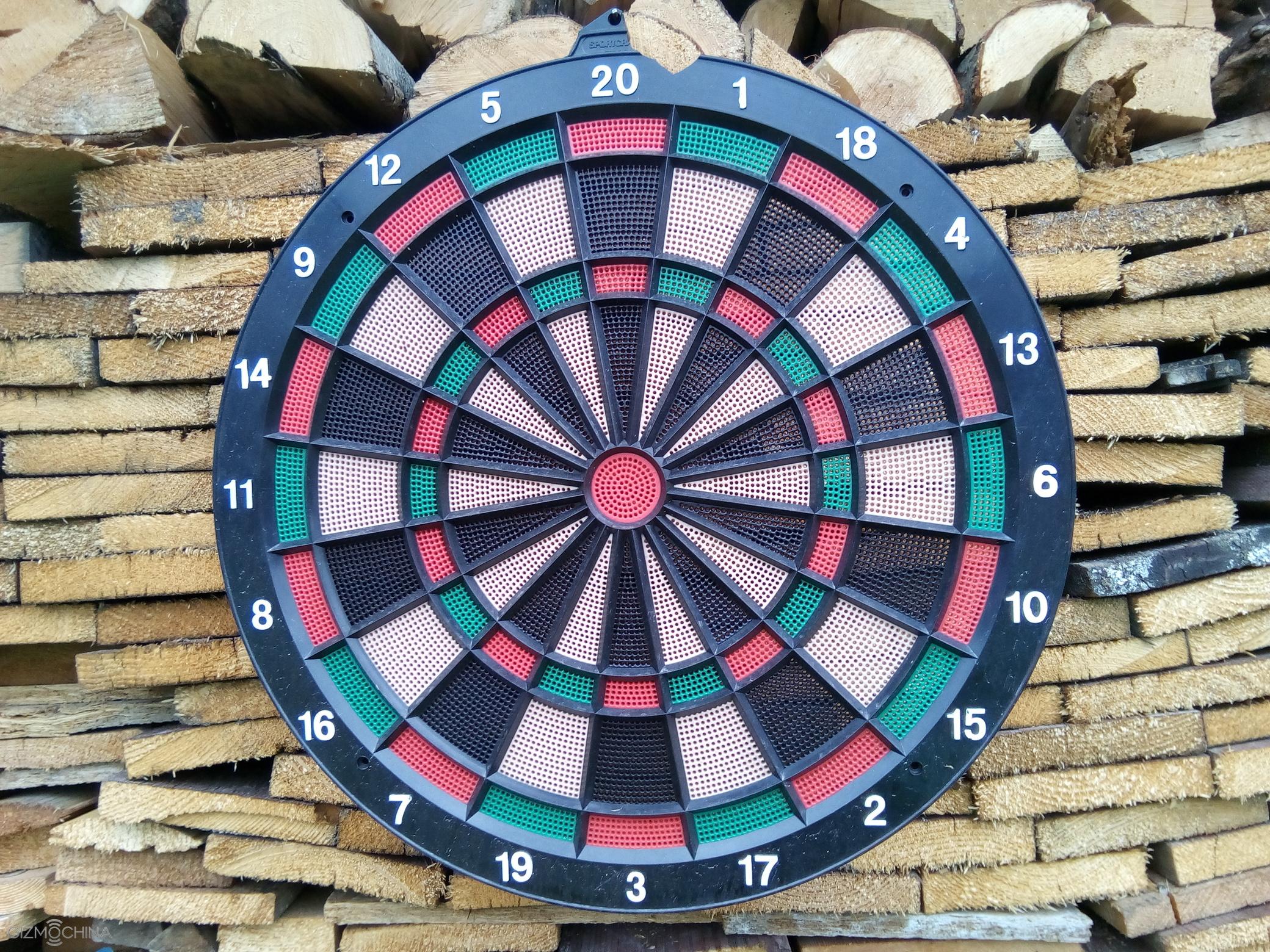
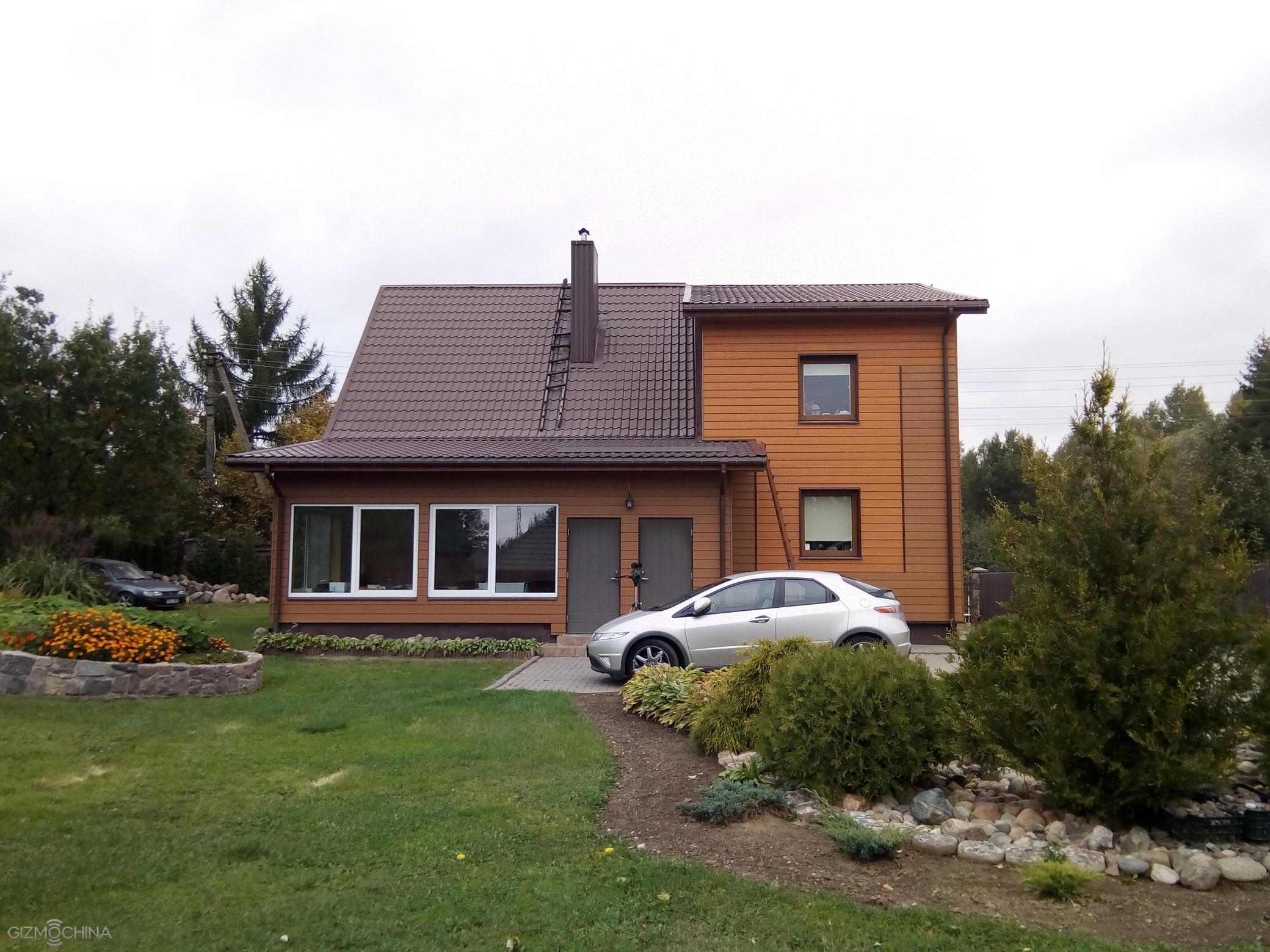
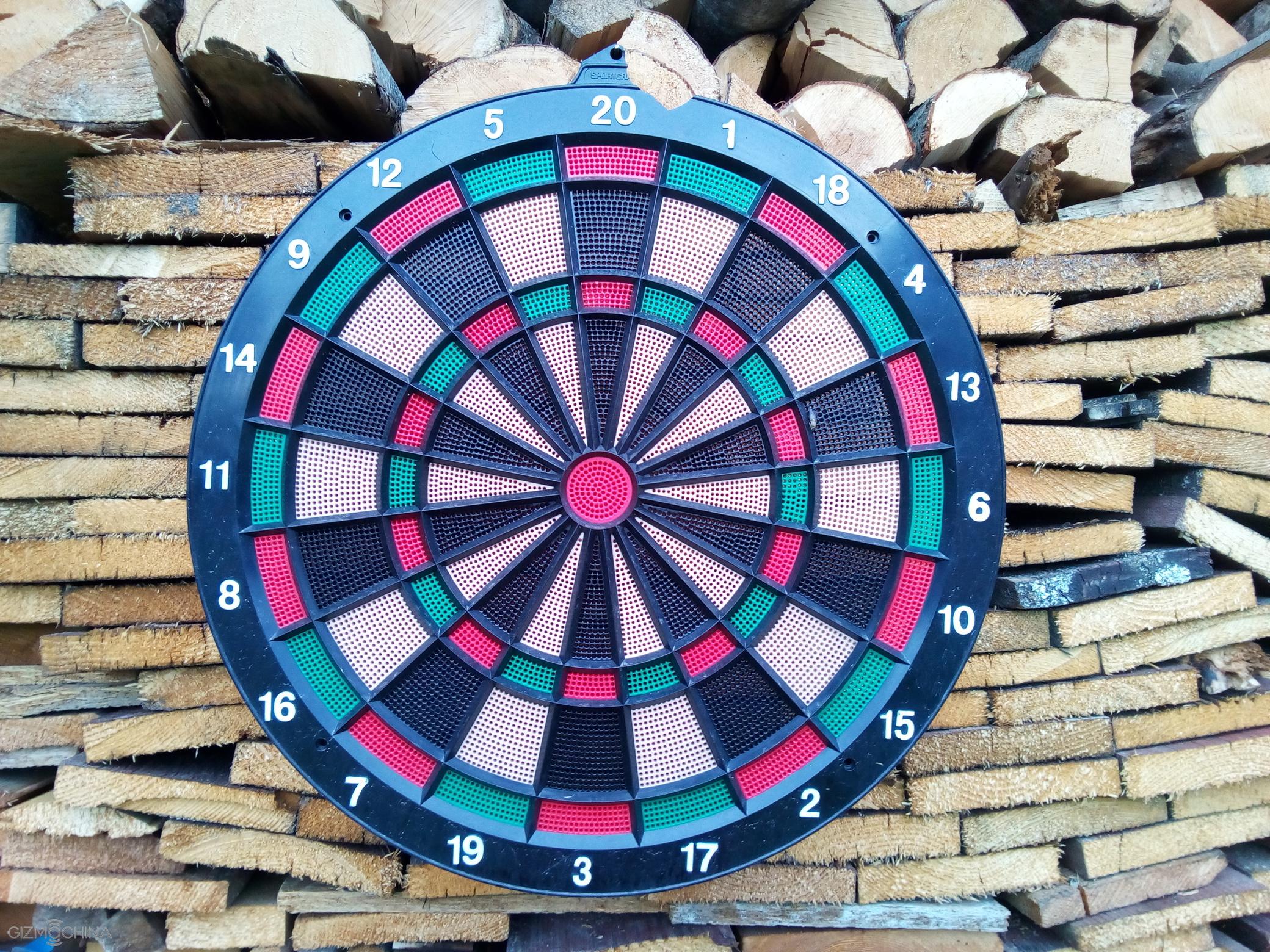
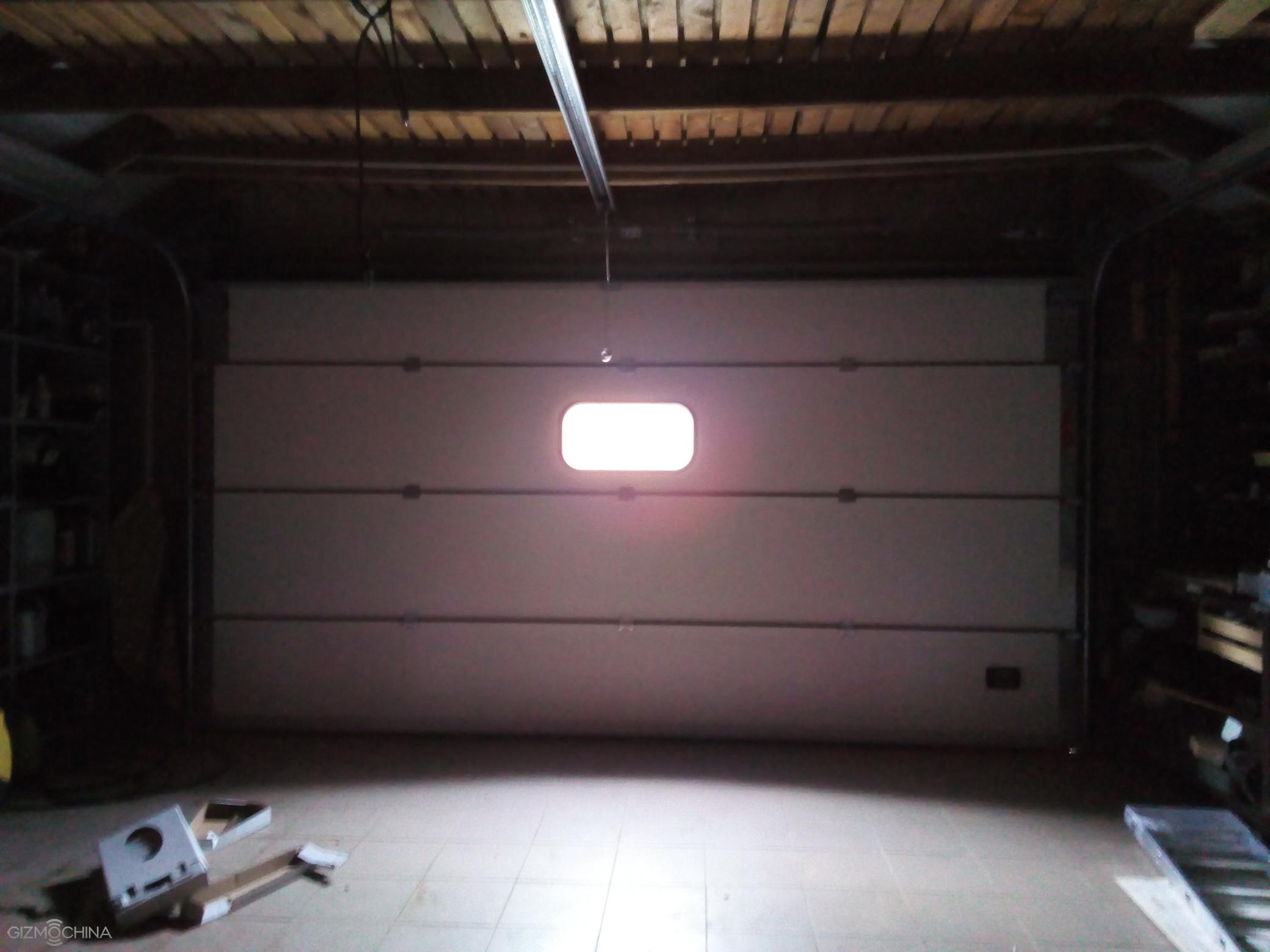
An 8MP camera does not really impress as we’ve seen some better-performing shooters on the cheap phones. Nevertheless, you may get some images usable for social media but don’t expect any stellar results.
Same can be said about 720p video quality. See a video review for the video sample.
The selfie camera is just mediocre as the images come out soft and with lots of noise.
Blackview E7 Review: CONNECTIVITY
I didn’t have any connectivity issues and even the GPS lock speeds and accuracy were okay.
Blackview E7 Review: BATTERY LIFE
The 2700mAh battery will get you through the day quite easily. With my usage, I could get around 4 hours of screen-on time, which is a decent result for a cheap phone.
Blackview E7 Review: CONCLUSIONS
The Blackview E7 is a pretty nice phone for just $67. It is pretty fast on the daily basis, it has a decent design and some extra features like a fingerprint sensor. However, it lacks premium materials in the design, it has just 1GB of RAM and it lacks notification LED light and backlit capacitive buttons. Still, the Blackview E7 is a good phone for the price but you have to consider if these shortcomings are important to you or not.
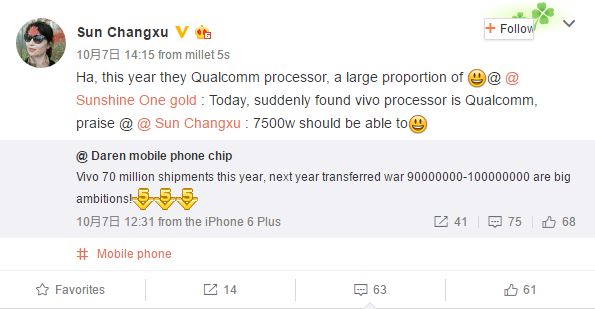
Vivo, one of the sub-brands of BBK Electronics has had a strong ranking among domestic Chinese phone manufacturers this year. Quarterly rankings by research firms like IDC and TrendForce for Q2 2016 had placed the company among the top three in terms of highest phone shipments, alongside market leader Huawei and OPPO (another BBK brand). Now it has been revealed by a Weibo user that the company will gross a total of about 70 million in phone shipments this year.
According to the Weibo user, the innovative brand is targeting a figure in the range of 90 million to 100 million phone shipments next year. In the same vein, industry analyst Sun Changxu projects that Vivo’s phone sales could even clock up to 75 million units before the end of the year.
Vivo had broke into the top three tier for the Q2 2016 through its agressive phone sales using offline sales channels. The company also released a number of top notch devices this year such as the Vivo Xplay5, X5, X6 and X6 Plus, X6S and very recently the X7 and X7 Plus high-end smartphones. According to well-known industry analyst Pan Juitang, Vivo, OPPO, Xiaomi and Huawei are all expected to launch new smartphones by the end of October to crown up their sales for 2016.
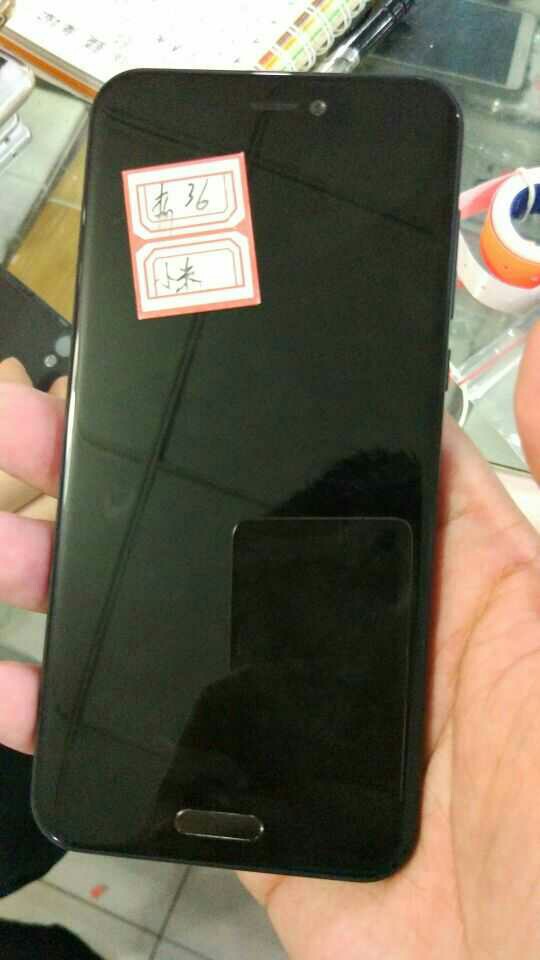
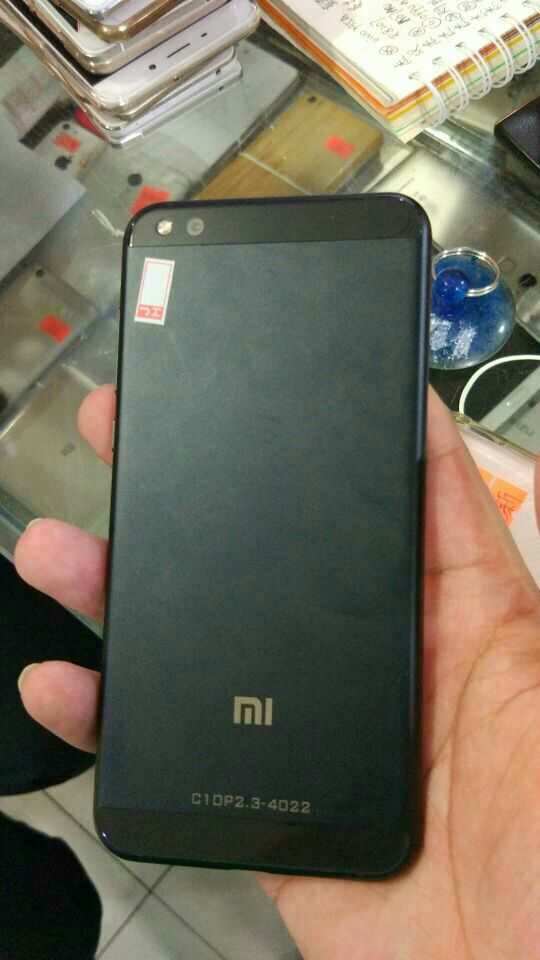
Xiaomi released the two flagship phones, the Xiaomi Mi 5S and the Xiaomi Mi 5S Plus just a week back, however, rumors about new models continue to come in. Earlier today, new images of a Mi smartphone, most likely the Xiaomi Mi Note 2 surfaced on Weibo, revealing a different design than what we had seen for the phone. Some say that it could be the Mi 6 flagship, but it is a bit too early for even the prototypes to emerge, given that the Mi 5S was just launched.
So, we are assuming this is the upcoming Mi Note 2 phone. The design is different, in the sense, the corners are rounder than other Xiaomi flagships and the overall look of the device is unique to the company’s smartphone lineup. Apart from the Mi logo on the back of the phone, there’s nothing else to confirm that this is a Xiaomi smartphone.
What’s interesting about the phone is that it features a curved screen design. While we can’t verify whether it’s a dual curved edge display or just a normal 2.5D curved display, the front for sure looks good. Further, you have the oblong home button below the display, like the Mi 5 which should come with a fingerprint sensor embedded into it.
Other specs of the Mi Note 2 are expected to be very high-end, much better than the Mi 5S as well. You can read more about that from here.
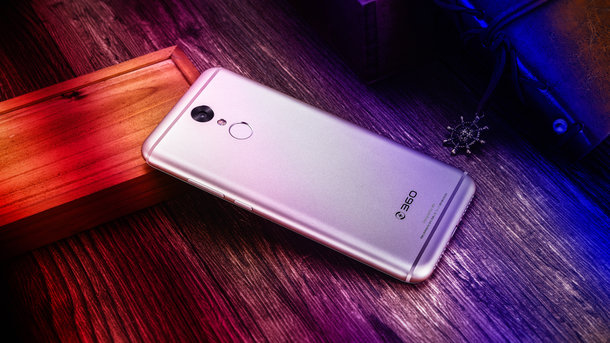
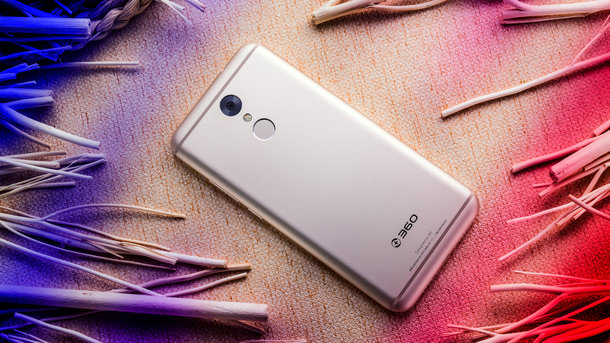
Earlier this year, 360 Mobiles released two impressive smartphones 360 N4 and F4 boasting of beautiful designs and cool specs. The company is also rumored to be working on a higher version of the 360 N4 which is tagged 360 N4S, expected to be released in no distant time.
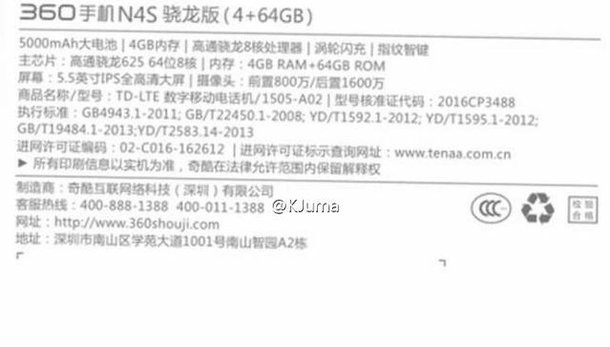
The 360 N4S is tipped to come in two versions with one bearing a Deca-core Helio X20 processor and the other said to be equipped with the Snapdragon 625 chipset. The N4S was hitherto thought to be different from the N4 only in the larger 5,000mAh battery it is expected to have on-board but these latest leaks seem to indicate some differences in the processor as well as memory. We had earlier spotted a leak which revealed a 6GB RAM version but this new leak gives the N4S as coming with 4GB of RAM and 64GB of internal storage alongside a 64-bit Octa-core Snapdragon 625 chipset.
The 360 N4S is also said to feature a 5.5-inch 1080p In-Cell LCD display with a 1.7mm narrow bezel and 2.5D curved glass. The device is said to adopt a body design manufactured from aluminum-magnesium alloy using nano injection and full CNC process. The N4S comes in streamer gold, sky gray and sun white color variants and is said to weigh 169g, with a thickness of 8.3mm. The device is also said to have a 3GB RAM and 32GB built-in storage version, a 16MP rear camera with PDAF and 8MP front-facing camera. The 5000mAh battery is also said to come with support for turbo charge technology which is touted as capable of charging the phone from zero to full battery capacity in just two hours
Reports have emerged that Taiwanese company Foxconn is planning its own line of smartphones and it is going to sell it in one of Apple’s hottest market, Japan. If you don’t know, this isn’t Foxconn’s first foray outside contract manufacturing, as the company has a entry-level/mid-range phone line known as InFocus which it manufactures and sells mainly in the Asian market.
Foxconn which employs over one million persons in its numerous plants, is probably better known as the company that manufactures the Apple iPhones along side a host of contract manufacturing it does. But the company is making a bold move in trying to introduce entry-level and mid-range smartphones in Japan with a heavier market push. The report carried by DigiTimes didn’t mention any detail regarding the description or features of the smartphones but disclosed that the release will be done through Foxconn’s sudsidiary Sharp and would commence in the first quarter of 2017.
Foxconn acquired Sharp around March this year for 389 billion yen ($3.5 billion) and it is believed the company will likely sell the smartphone using the Sharp brand which is quite popular in Japan. The move could offset Sharp’s Aquos line of devices which covers the high-end market in Japan with a space left open for entry-level and mid-range consumer devices.
Foxconn’s other subsidiary FIH Mobile purchased Microsoft’s feature phone business earlier this year for $350 million and looks set to release its first Android phone under the Nokia brand name.
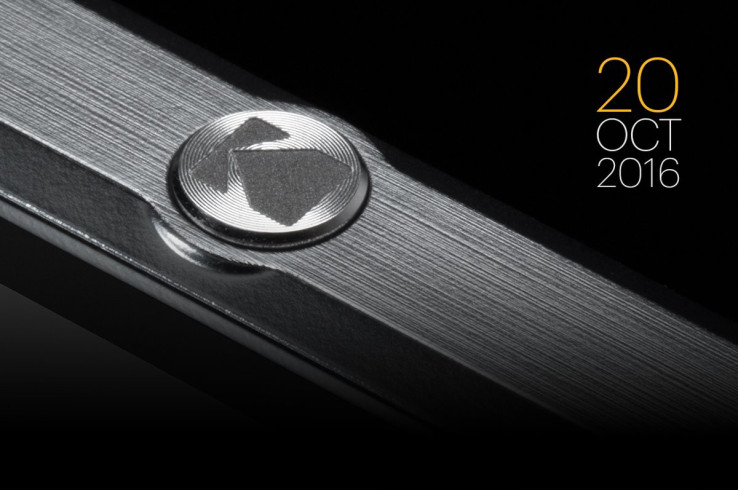
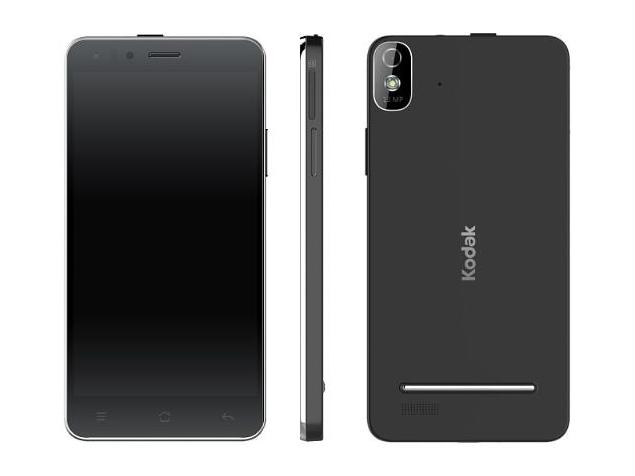
Kodak has teased a poster on its website that suggests the company would likely be launching a new smartphone on October 20. The teaser first appeared in a tweet on Twitter which was quickly taken down but it is now on the Kodak phones official website. The poster contains the expected launch date and a shot of what is likely the side view of the device. The view we were gifted reveals what is likely the round-shaped power button with the Kodak logo engraved on it. The button seem to be engraved inside the side bezels of the phone and a part of the flat display screen is visible.
The Eastman Kodak company, also known as Kodak held sway as a photography giant way before the digital era. The company came to the party very late in the ear of digital cameras thereby struggled without success to meet up with new competitors like Fujifilm and others. Since then, the company has been trying out its hands on various ventures including the manufacture of printers. Just last year, Kodak ventured into the smartphone business with the release of the Kodak IM5, a mid-ranger with a $249 price tag.
Kodak IM5
The IM5 was manufactured by Bullitt (known for making rugged CAT-branded smartphones), and came in as a mid-range device running Android 4.4 KitKat reputed as having a “custom built, intuitive user interface.” The IM5 packs a 13MP rear camera that’s aided by unique image management software which Kodak says helps users take, store, share and print photos. There’s also a 5MP camera on the front. The device also sports a 5-inch 720p display and featured an octa-core MediaTek processor, 1 GB of RAM, 8 GB of internal memory, and microSD card support. The Kodak IM5 further features a dedicated app store with hand-picked selection of app, in addition to access to Google Play Store.
Unfortunately, the reception in the saturated smartphone market was a cold one for the company and its IM5 but that certainly has not deterred the photography legend and we just hope this new device holds the magic wand to give the company an in-road into the phone market. October 20 is the date but you don’t need to mark that on your calendar, as always we’ll keep you up-to-date here at Gizmochina.
How about Snapdragon 821 for 299$ ? Or a very well build smartphone with Helio X20 + 4GB Ram for 200 $ ? Yes this price range is where the fun begins, where competition brings us to amazing phones for every taste out there and shows us how much more interesting the future of the smartphones might be.
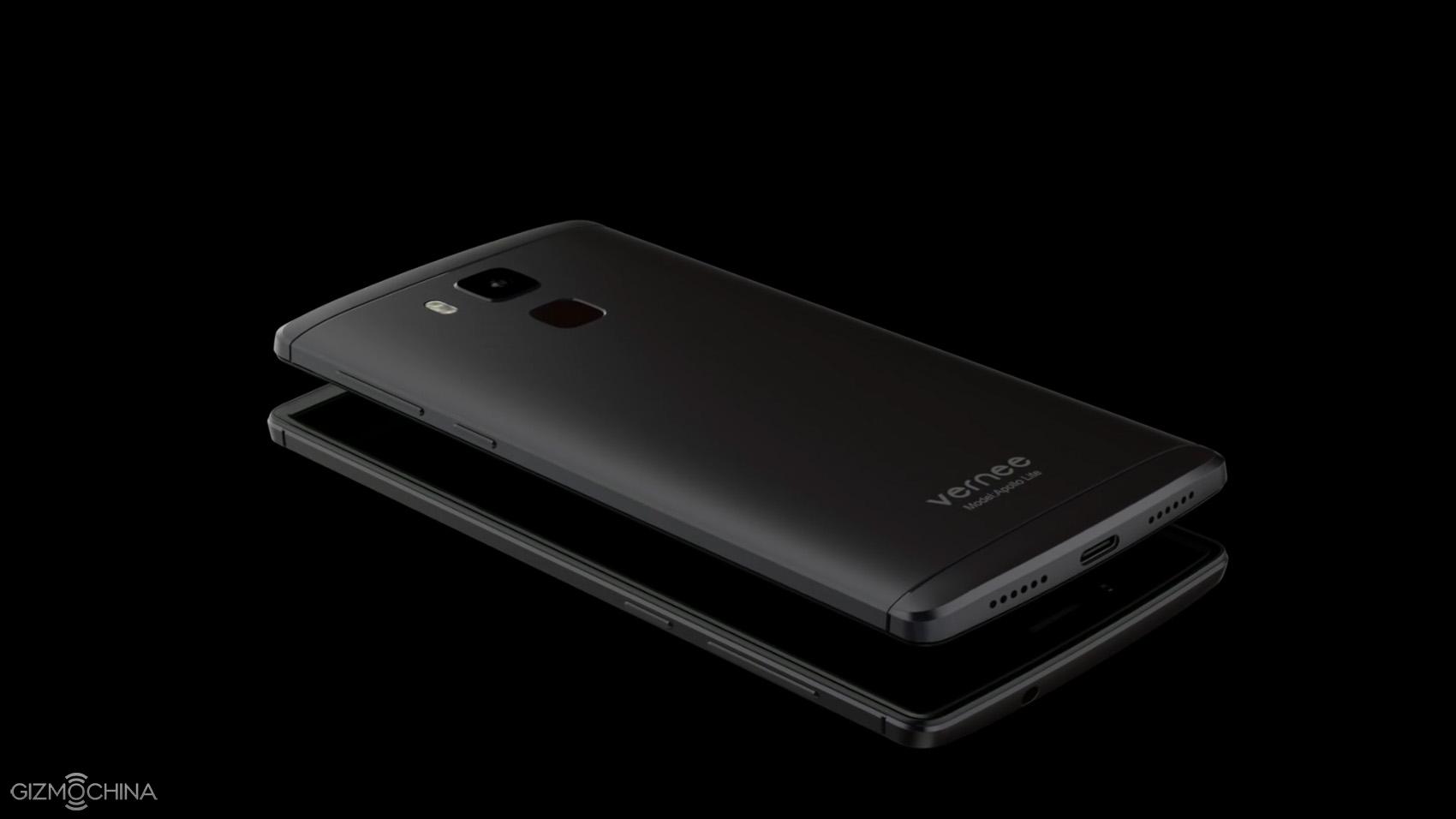
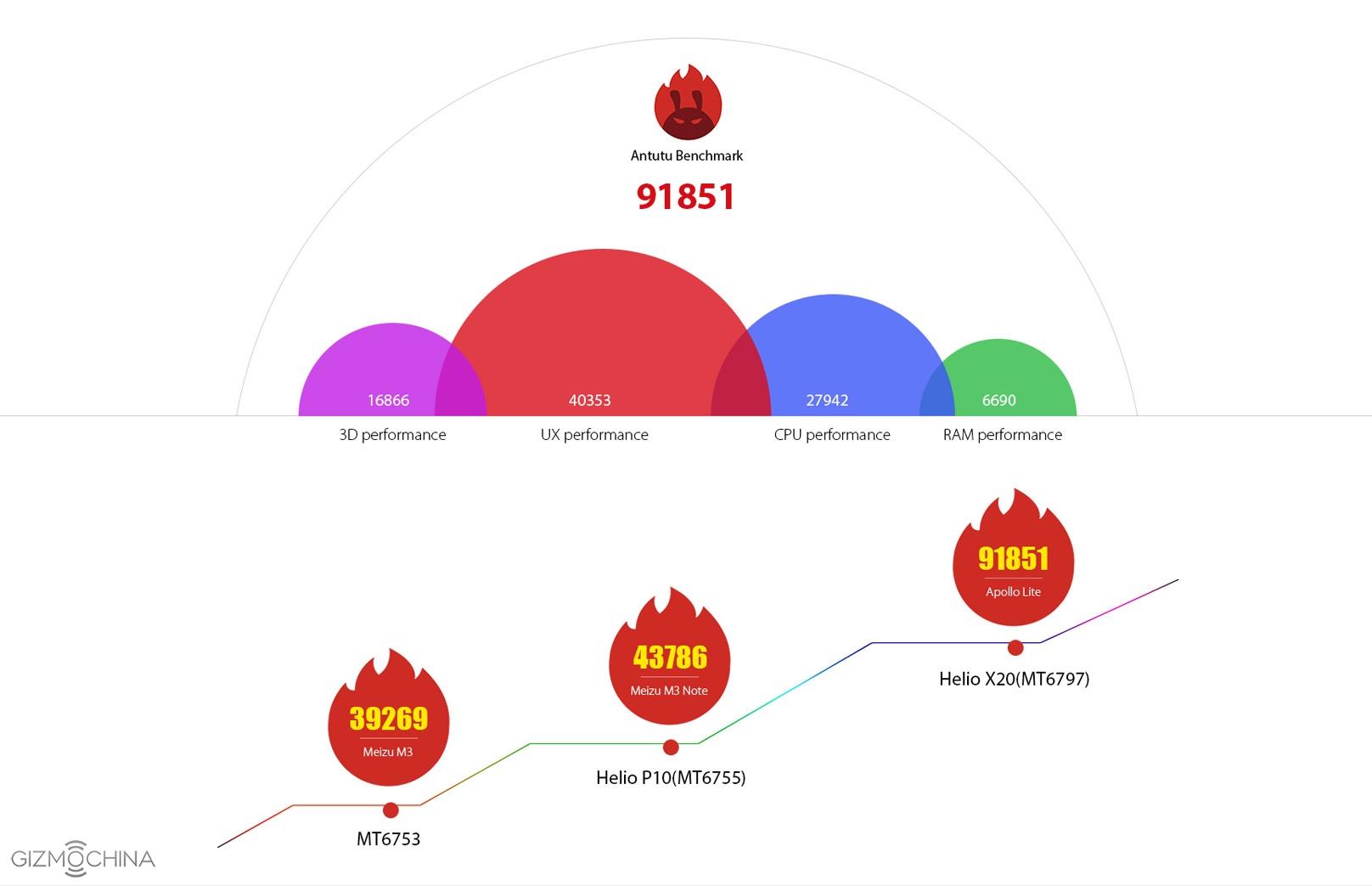
This one is a real champ for this price. I had the chance to review one of the “gray” Apollo Lite myself and I must say, build quality is top-notch, one of the best colors on a metal body smartphone. 5.5″ Sharp IGZO screen is amazing, Helio X20 is enough almost for every duty including games. Speaking of MediaTek Helio X20 and X25 series, I think there is no need to spend money for Helio P10 based smartphones anymore (might be exceptions of course, personal taste for example), why ? Please check the picture below :
I have Apollo Lite for almost a week and it had 2 OTA updates in this time, this shows us that Vernee is serious about rom business too, this is an important topic as you all may agree. Paying for hardware is something but paying for good ROM is more important in most cases. Well optimized software that can use all the hardware features without any problems is very precious. So if you have around 200$ to send for a new series smartphone, Vernee Apollo Lite won’t disappoint you.
Rear Camera: Dual 2 x 13.0MP back camera, Camera Maximum resolution: 4160×3120, Camera maximum recording capacity: 4K / 1080P @ 30fps, Slow recording capacity: 720P @ 120fps, F2.0 large aperture, PDAF, ball-type closed-loop motor, quick focus, Color temperature flash, back-illuminated CMOS
Front Camera: 8.0MP, F2.2 large aperture, 80 ° super wide-angle lens
Battery: 4060mAh Li-polymer
OS: EUI 5.6 base on Android M OS
Features: Type-C port, OTG, Gyroscope, NXP smart PA TFA9897, AAC Speaker BOX, LED notification, Fingerprint recognition, Infrared remote control.
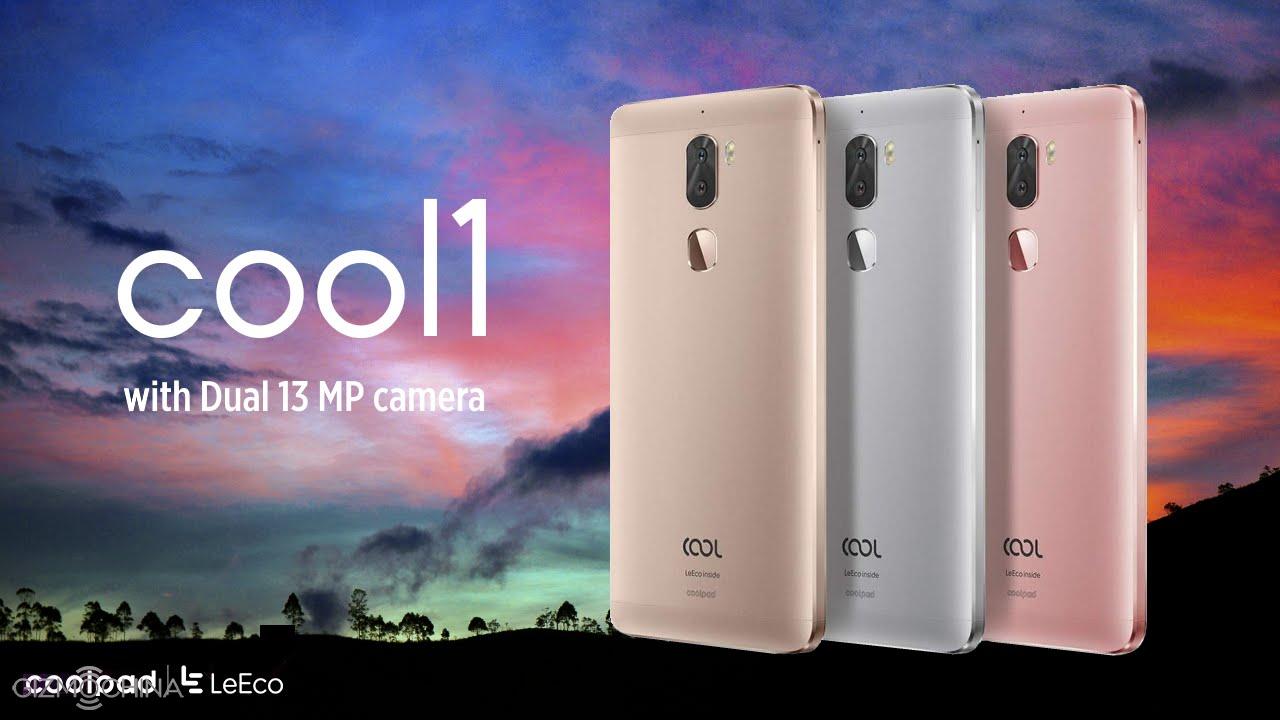
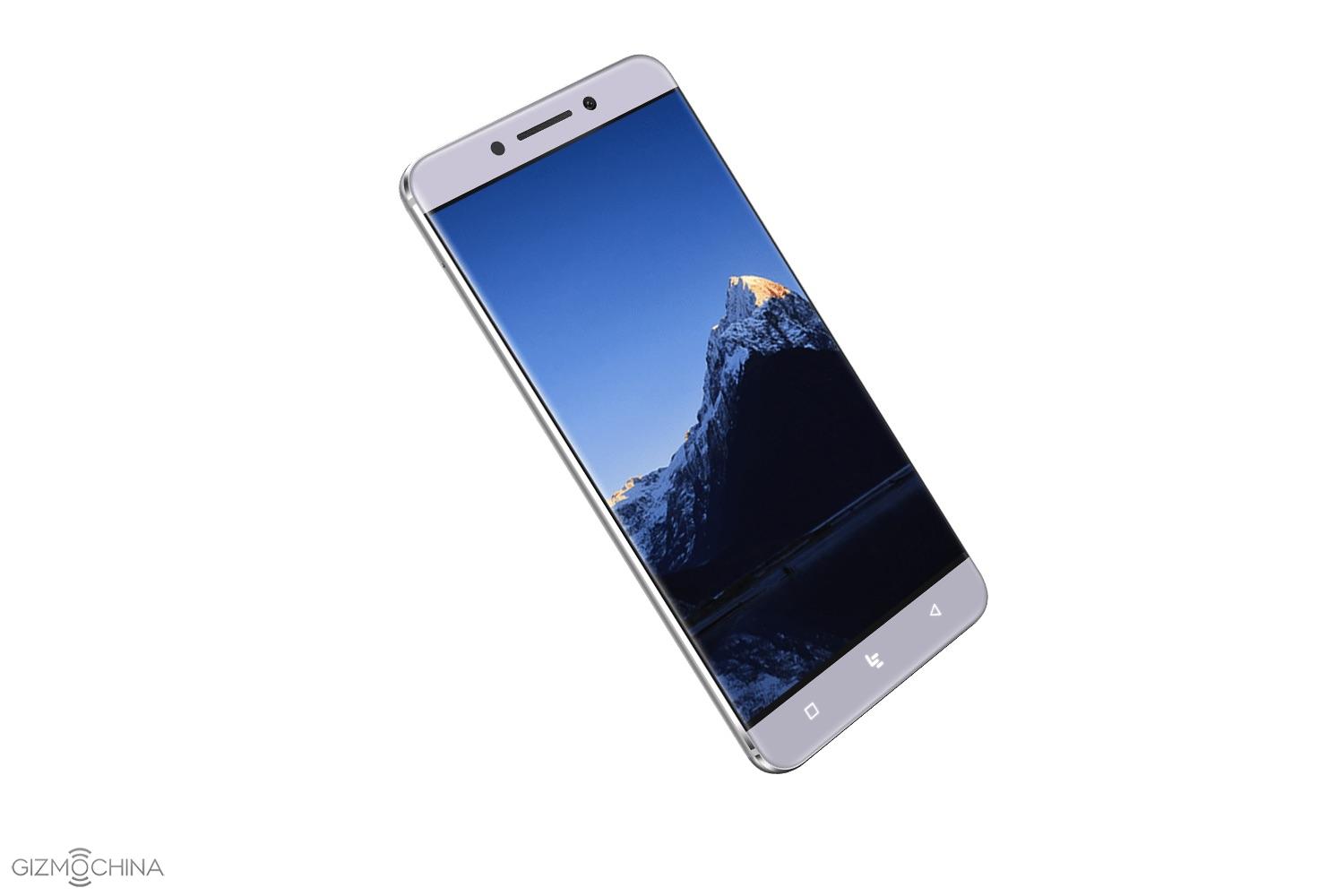
New kid in town from the marriage of LeEco and Coolpad, the Cool1. With the experience of Coolpad in camera department, this new model is trying to give customers Dual Camera setup for an affordable price powered from Qualcomm Snapdragon 652 octa-core CPU. Design is better than LeEco series for my taste, seems more compact with round corners and very good metal construction body. I wish they had a color option like Apollo Lite’s gray or even matte black. 4060mAh battery will help you to carry your Cool1 at least whole day with heavy usage without worrying about power. Cool1’s dual camera setup is like that we have seen on Huawei P9 before, one is RGB camera, second shoots only black&white. The result is better low light performance, sharper images and unique effects of course.
As for Rom department, we know LeEco takes this seriously and software updates mostly are coming in right time.
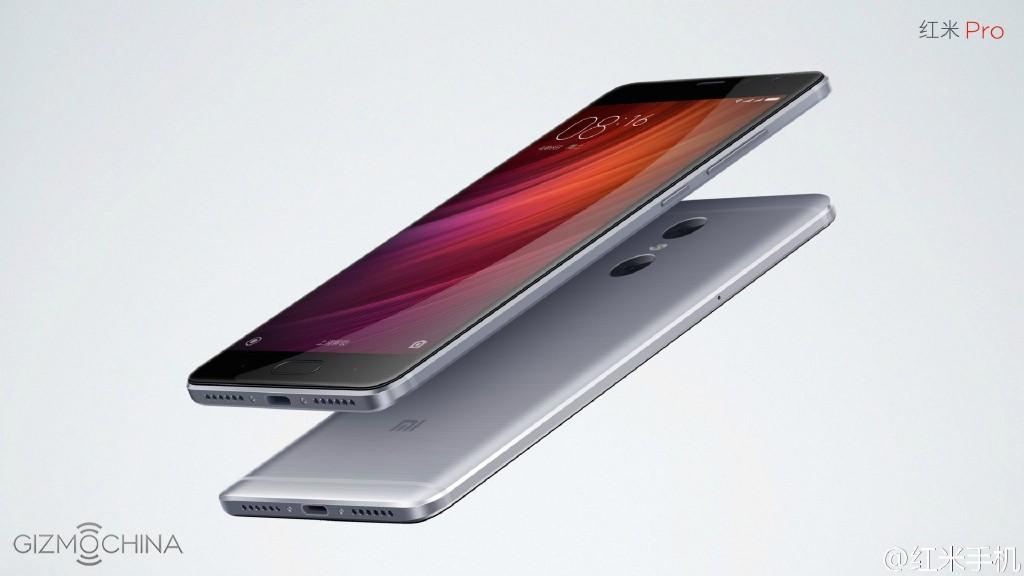
Xiaomi version of affordable Dual Camera setup and first metal unibody metal body model of the maker, the new Redmi Pro. The contender of Cool1 in this price range with rear dual cameras. If you like front replaced finger print sensor more, if you like deep blacks more (who doesn’t ?), if you don’t mind about the maker of the CPU, i’m saying that because there still many people who just buy Qualcomm processor based phones, then Redmi Pro is your choice. This phone uses MediaTek’s high-end line (until X30/X35 comes to market) Helio X20 and X25, both as an option. Both are equal or better CPU’s then Qualcomm’s 652. Rest is like always, taste. As for rom/software support Xiaomi is way in front of every maker, has world’s biggest forum support behind. If you want to buy high end model with X25 + 4GB Ram + 128GB Rom, this will cost you 300$ and there you might consider other alternatives too. Base model seems most logical as Redmi Pro offers SD card slot for storage upgrade. Dual camera setup differs from Cool1’s, Redmi Pro’s setup has 2 RGB (color) cameras, main is 13MP, second “depth” camera is 5MP.
Complete package with 4GB Ram, 32GB Rom, very good workmanship/quality, plus powerful engine with Helio X25. LeEco Le 2 Pro is naturally in our list. Beeing developer friendly, bootloader can be unlocked with a simple fastboot command, not only this model, talking about every LeEco models, has many custom ROMs online, LeEco community is growing among power users.
What do you want from a smartphone these days ? Picture (camera) quality and very good sound output are enough for you ? You want these specs in a very good looking 5″ screen phone right ? Then go grab a Nubia Z11 Mini and all done. The little brother of Z11 family shares same 4-axis OIS Sony IMX298 sensor with its big brother Z11 and Xiaomi’s Mi5, flagship grade camera performance, both pictures and videos (4K). For music lovers AKM’s latest audio chipset is onboard too. Being a former DJ myself, I always test audio outputs of smartphones in first place. Nubia’s powerful and clean sound output been always my favorite and Z11 Mini carries this tag too. You love taking many pictures and videos and listen to music, this means you need storage too, 64GB onboard + microSD up to 256 GB are more than enough. Build quality of Z11 Mini is one of the best in the market, worldwide. Rom updates ? This is where ZTE comes behind its competitors, usually slow. Had mobile data bug in Z9 series, I hope they will take more care with new Z11 models.
Take Nubia and Meizu, mix them, you get 360 N4S design. Full metal body, 2.5D glass on top, high build quality. Put a Helio X20 CPU with 4GB Ram and 32GB Rom (microSD up to 128 GB) in it and power all these elements with a 5000 mAh battery (biggest capacity in our list, higher than Mi Max, coming next). How does it sound ? Price should be normally a bit lower, but this phone is very hard to find, so if you want an alternative you need to pay 239$ for this beast. Cameras look very good on paper. An infrared remote control is a bonus too. 360 N4S runs its own OS, 360 OS 2.0.
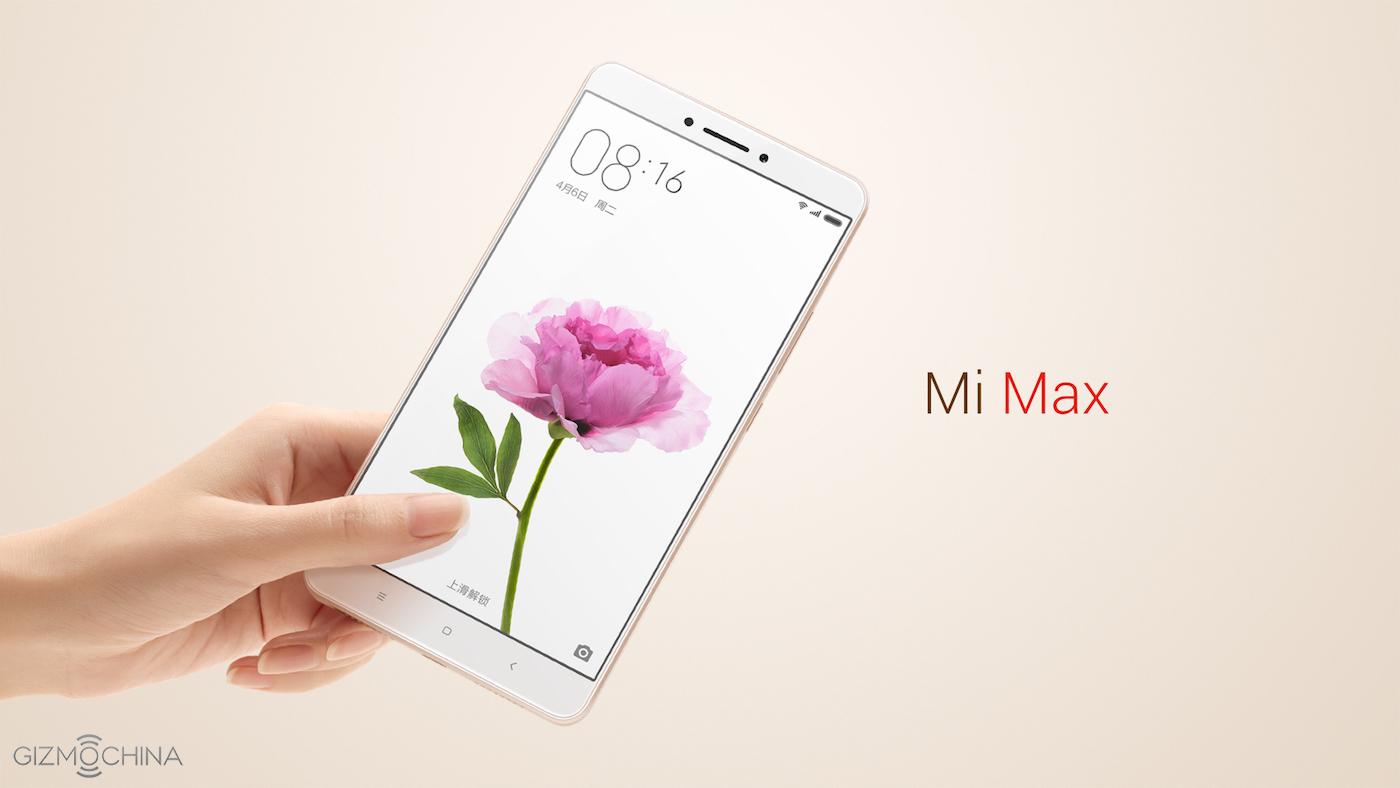
I love big screen ! I always did, and now I’m using a Mi Max as my daily phone (first time using a Xiaomi), 3GB/64GB with Snapdragon 652 CPU, bought it for 259$ and I must say worth every penny. If you like big screen phones too, there is nowhere else to look, with 4850 mAh huge battery Mi Max will suit your needs in a quality metal body, having everything including infrared remote control and a good camera (good for my taste, can shoot good pictures in dark room with dual flash). Audio quality is surprisingly very good too. I tested Mi Note Pro’s ES9018 DAC last week, Mi Max’s output is nothing less, high output with clean sound. This big fellow is made for multimedia for sure.
Wellcome to the first league, talking about CPU and GPU power. Are you an Antutu freak too ? Then you should start from here.
Quote : ” Do we need so much power in our cell phones ? Can software follow this hardware power ? These are only phones, ok smart phones with operating systems in it, but what are we doing with them when its about CPU power ? Using 10 applications same time ? Playing 2-3 power hungry games same time ? Not enough..? We need somehow take this power out of these little gadgets to our desktops and push their limits with much more options like creating. After then, this “race” about making more and more powerful CPU’s for phones can come to a logical state. And when those days come, every one of us will use just one ARM powered PC for every computer based job, our Qualcomm’s, MediaTek’s or Fusion’s…”
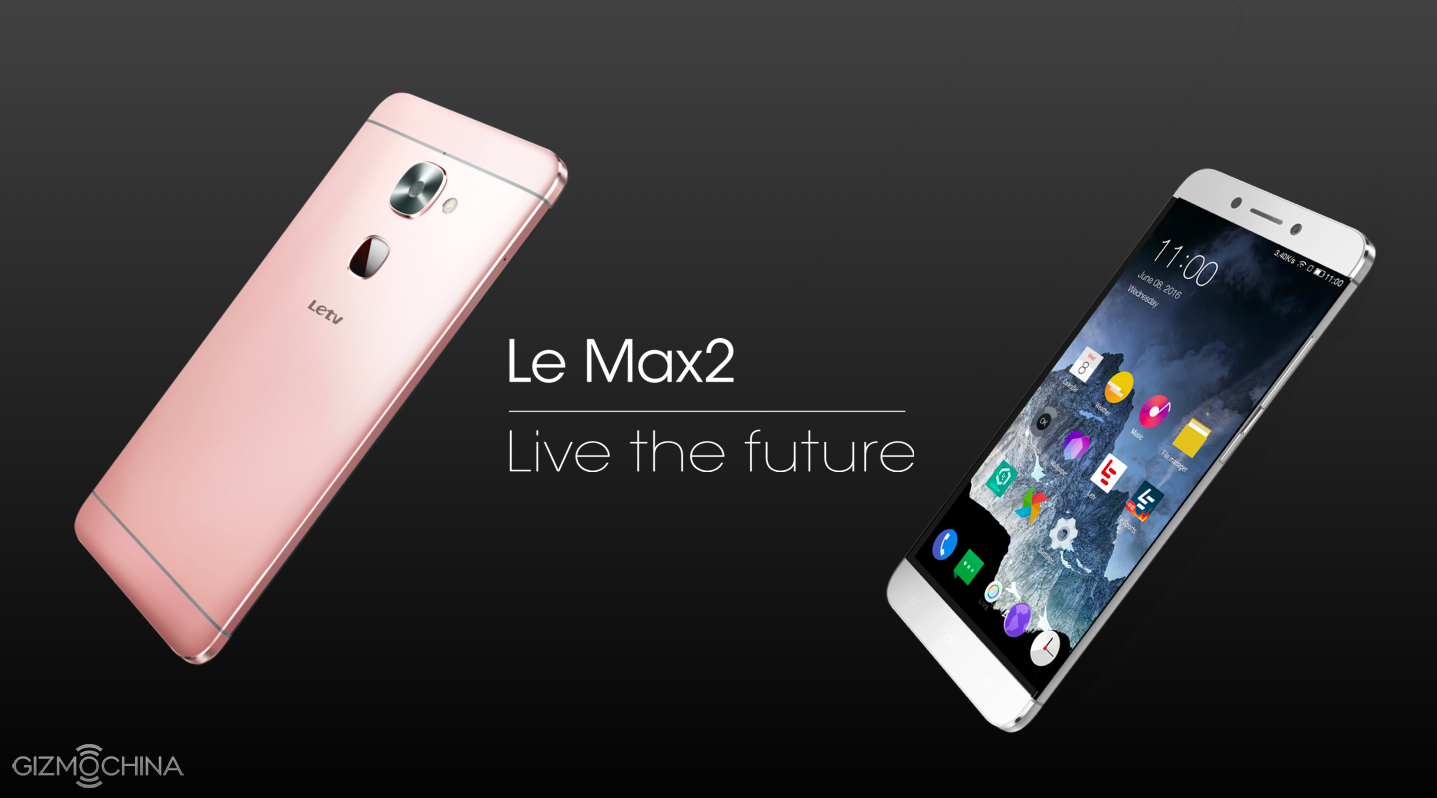
130K is the minimum score of Snapdragon 820, best CPU that Qualcomm has made till now (+821). And you can grab it just for 239$ thanks to LeEco. The only phone in our list that has a 2K screen in 5.7″ size, if you care about that, this is your only choice, a good one indeed. Lossless audio over Type-C, excellent build quality, awful color options 🙂
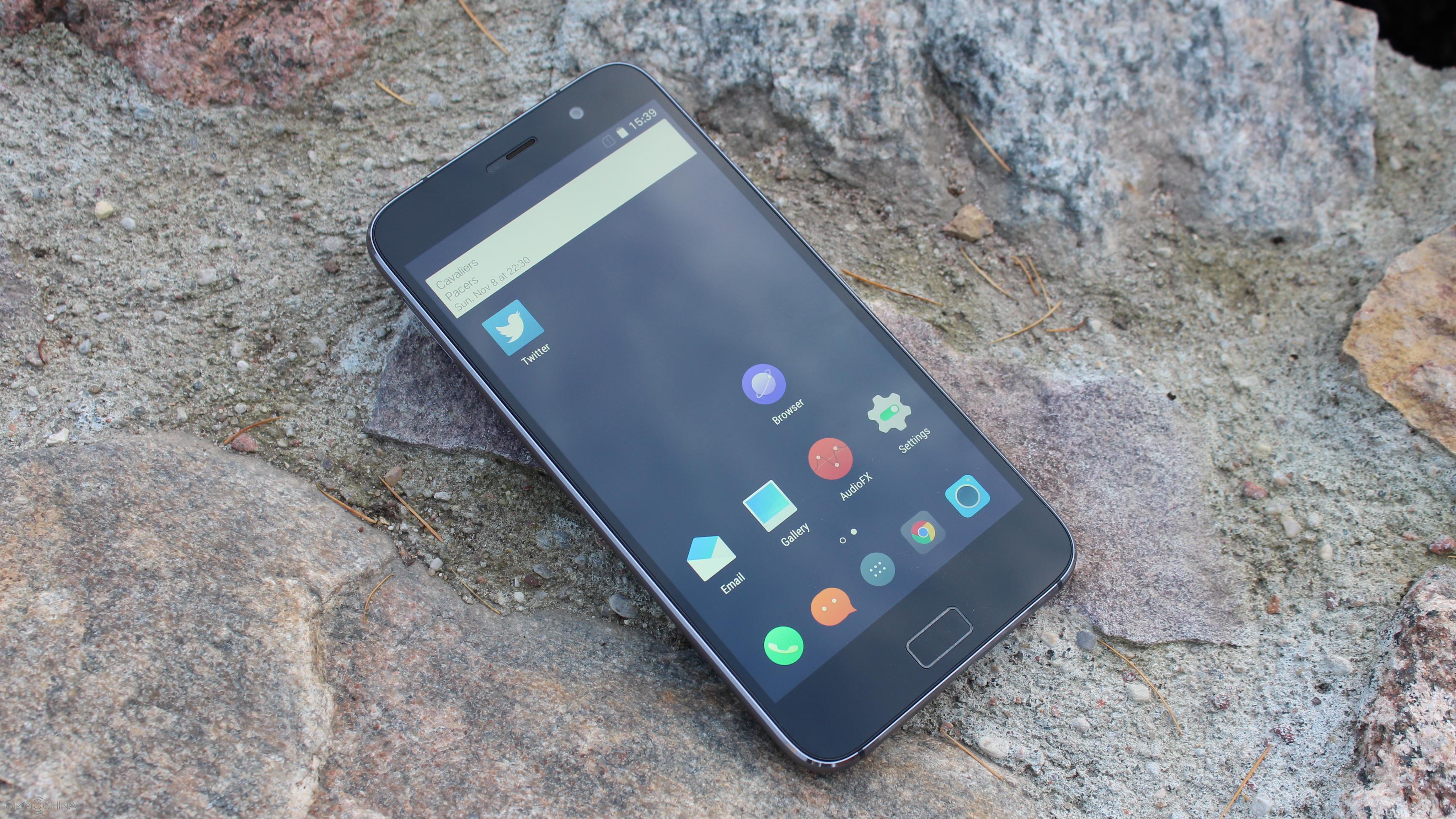
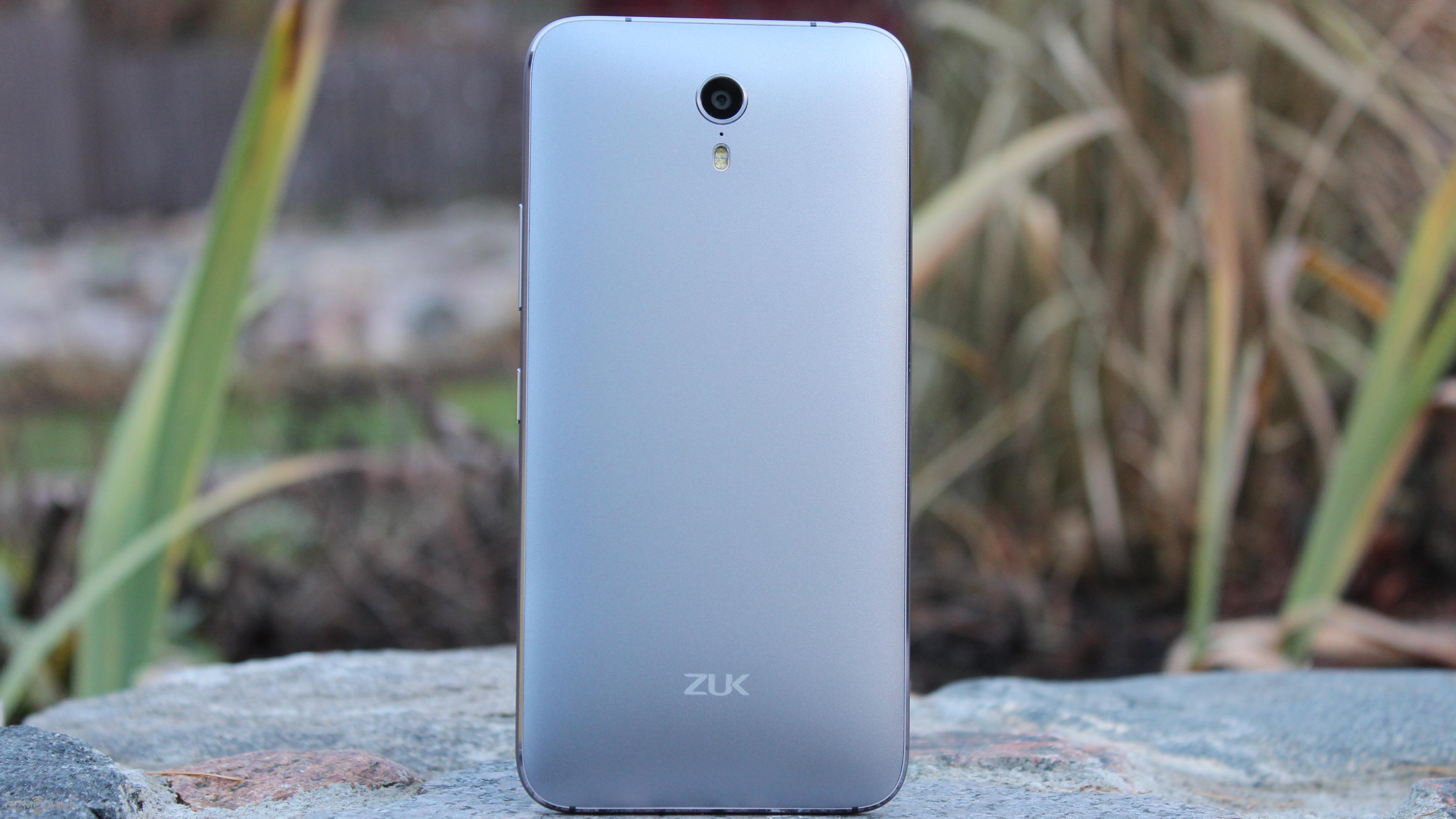
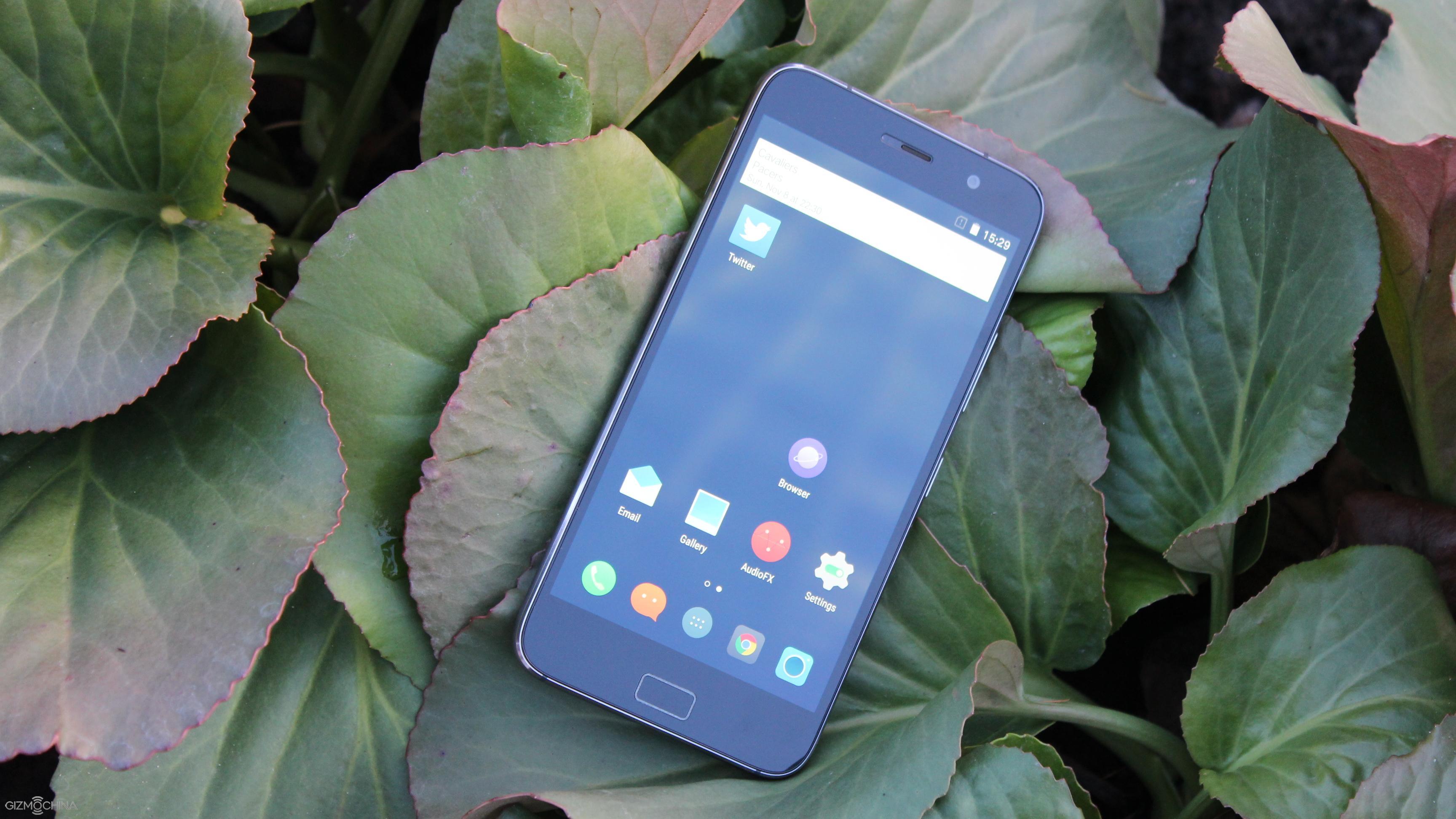
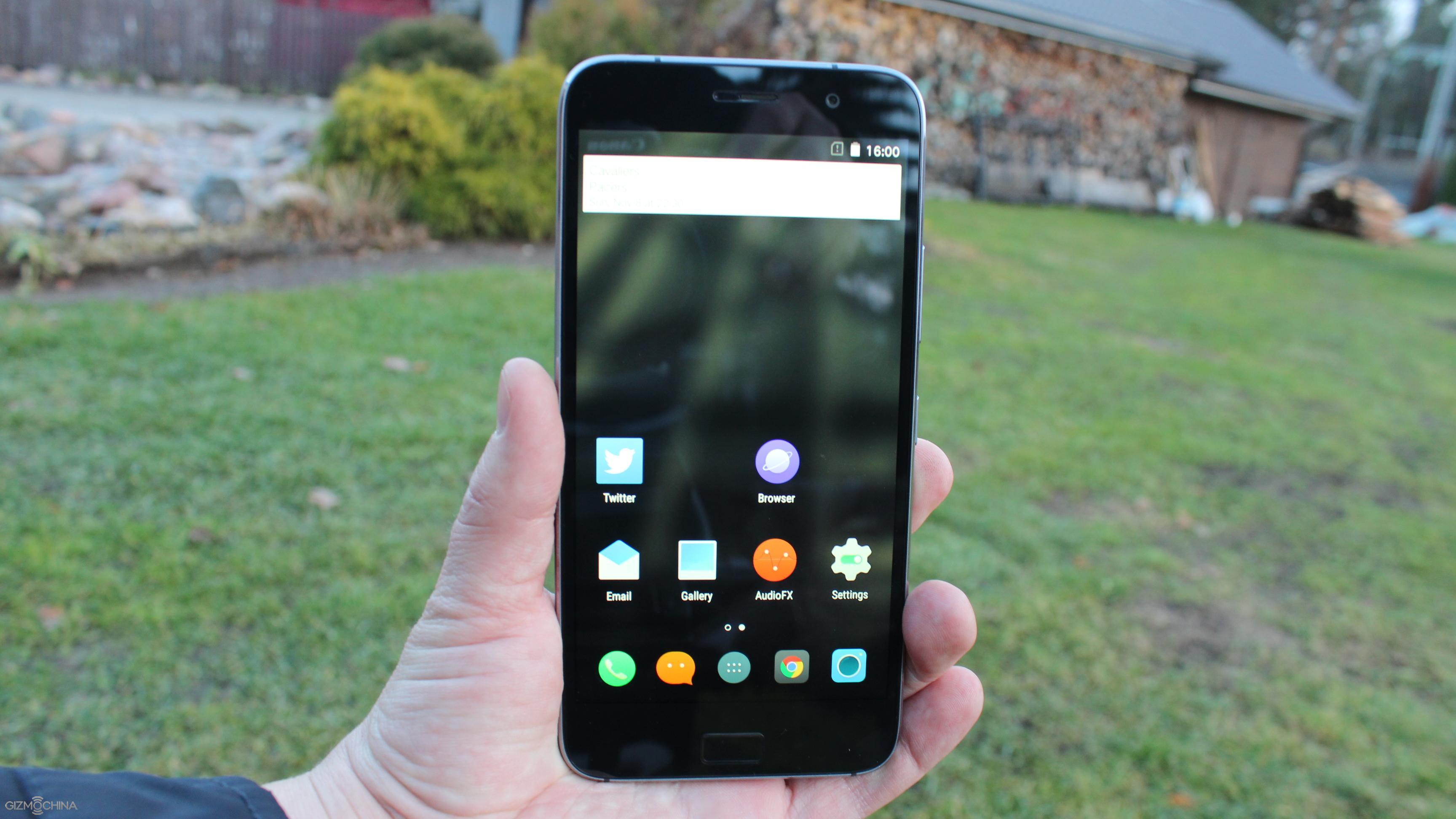
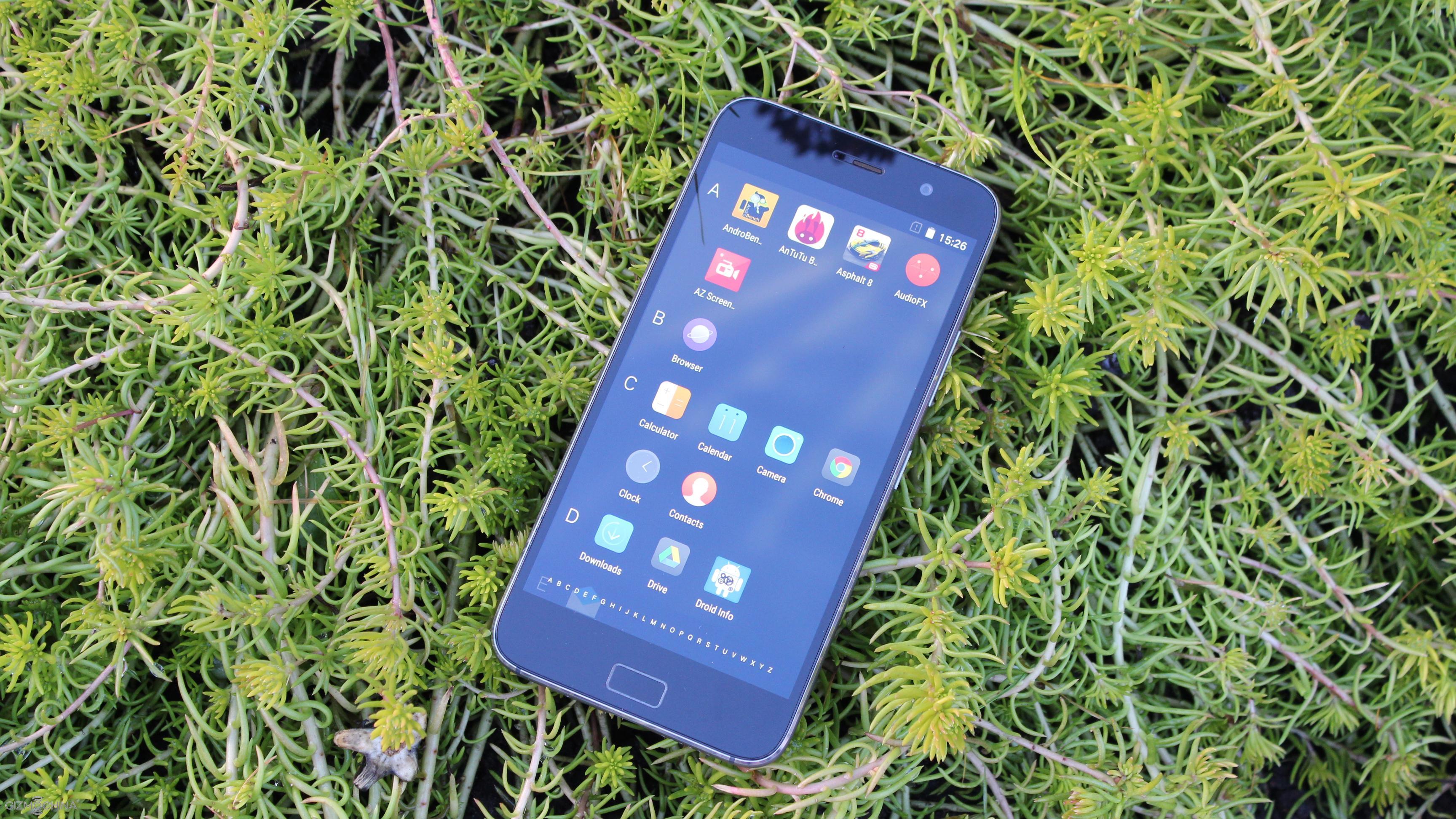
And the fun continues. Ok you want Snapdragon 820 but 5.7″ screen is too big for you ( Le Max 2 ), how about a 5″ in a matte black metal frame ( my favorite ) and front finger print scanner ? And a bigger battery compared 3500mAh to 3100 mAh ? + 32GB more storage for 20$ more ? Here is your phone, ZUK Z2 from Lenovo. Still no official multilanguage ROM from the maker, but there are custom ZUI based ROMs supporting your language, or even CM14 Android 7 if you are familiar with flashing ROMs ( if you are not we will help you with our guides for sure ). It’s good to have community behind a model and Zuk Z2 does that. Best 5″ that 259$ can buy for sure.
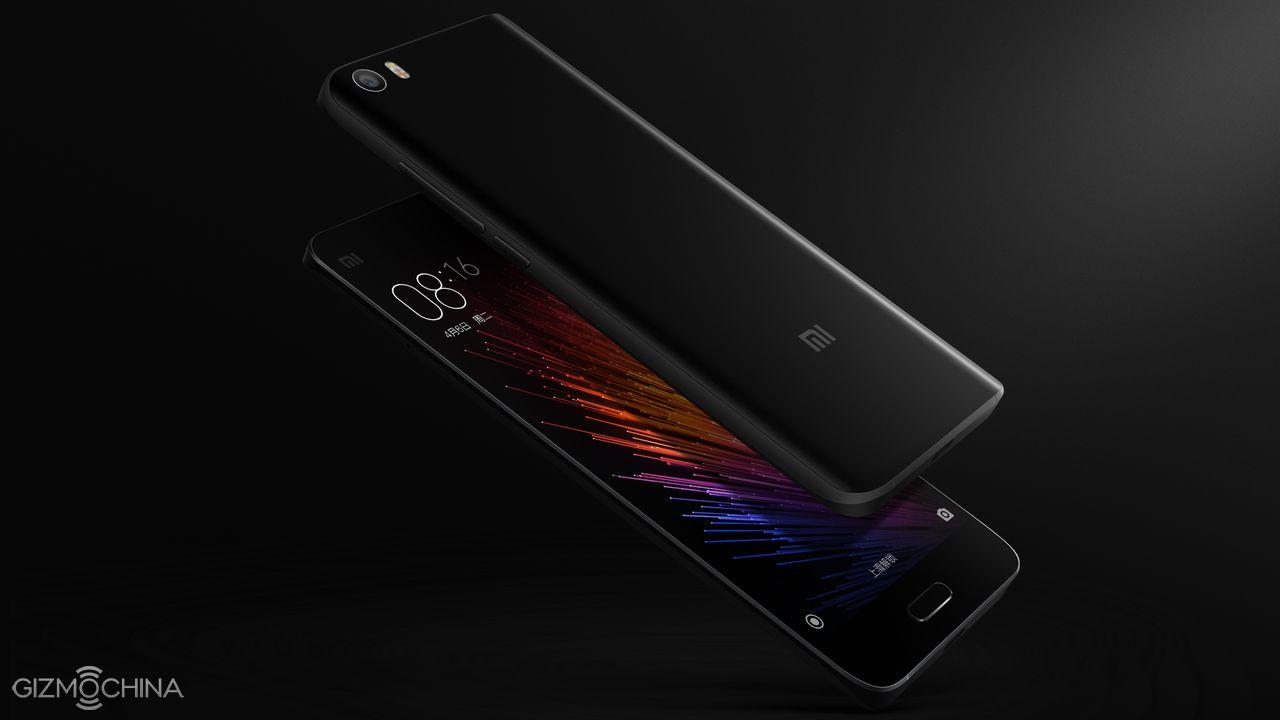
Famous Xiaomi Mi5, love the black version (especially with the ceramic back). Talking of color, new Mi 5s models don’t have black as color option, why Chinese phone makers don’t use black in every model, I will never understand that. Support of MIUI community, the power of Snapdragon 820 and one of the best cameras in the market, Sony IMX298. If you are a Xiaomi fan you probably get this one under 300$, it surely deserves this money. But I must remind you this version has only 3GB Ram and Qualcomm Snapdragon 820 clocked at 1.8Ghz, not at 2.15 like others, will you feel it as less performance in daily use ? No, you will not, only less Antutu score that’s all, but why Xiaomi reduces clock speed ? To make higher models more attractive ? But it does not. Just make all the clock speeds same and the ram to 4GB in all Mi5 models, it will be easier to sell.
Our final model and most powerful model as CPU and GPU power because it has a Snapdragon 821 onboard. Higher clocks of 820 give us about 20K more Antutu score. But, like I always say, scores are not the first key point when you want to buy a smartphone. Talking about LeEco Le Pro 3 it’s not just CPU power, the new model of the firm finally has one of the best cameras, Sony IMX298, finally has enough battery power 4070 mAh, much better comparing to Le Max 2’s 3100 Mah, 2.5D glass on top, which gives a much better look and feel, a new brushed metal body and all this in 7.5mm thickness, for just 299$ ! Many of you may say so why bother to make a list, this one is a real bargain for this price, who would anyone buy a Mi5 for 269$ if you can buy this beast for 30$ more ? I agree with you, speaking of science, of course, rest is, like we always say, taste and budget (and better software optimizations)….
Every phone in our list is on par or even better (price/performance ratio) then famous phone makers like Samsung, iPhone, HTC, Sony or LG. I don’t count Google’s new Pixel line, nonsense costs for that ugly HTC made phones. So why pay 600$-900$ if we can buy almost same quality and absolute android freedom for 1/3 – 1/4 the price ?
If you are looking for a phone that has decent specs and performance, it is always worth checking out some older models since they are still pretty good but the prices have dropped significantly. We just came across the Lenovo ZUK Z1 that we have reviewed last year. Now Everbuying.net has it on sale and you can get even a better discount if you use our coupon code that you will find at the end of the article.
The ZUK Z1 is a pretty large (or just a normal phone according to today’s standards) phone due to its 5.5″ 1080p display. The highlights on the front are a super fast and accurate fingerprint sensor and a highly customisable notification LED light.
The backplate is made of matt plastic and it is nice to the touch. As far as optics, there is a 13MP Sony camera, which is also optically stabilised and it has a dual LED flash.
When it comes to the processing power, the ZUK Z1 uses a quad-core Snapdragon 801 with the 2.5Ghz clock speeds, 3GB of RAM and 64GB of internal storage as a base model. Some may say Snapdragon 801 is already an old chip and yes, it has already shown its age due to the mainstream transition to the 64-bit chips. However, this is still a capable processor that can easily handle everyday tasks and even some of the 3D games. During our testing at the time of the review, Asphalt 8 ran like a champ even on the highest graphics settings.
In addition, we still remember the ZUK Z1 as one of the fastest phones we’ve ever tested when it comes to the daily use. Opening/closing apps, scrolling through the menus is just blazing fast.
Lastly, the phone is powered by a beefy 4100mAh battery. As it has been already revealed by our full review, you can reach almost 7 hours of screen-on time, which is a fantastic result.
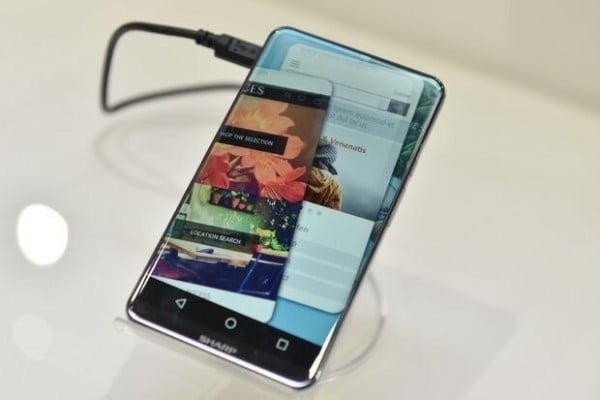
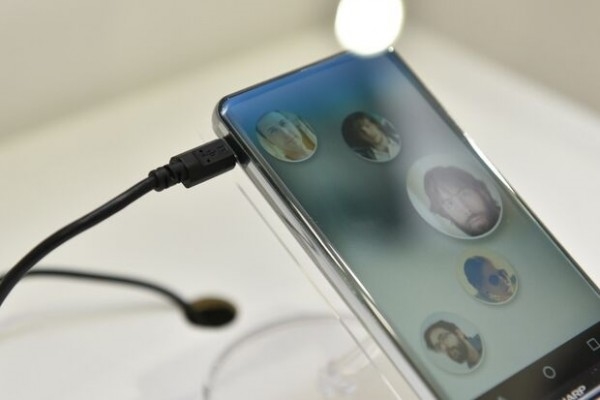
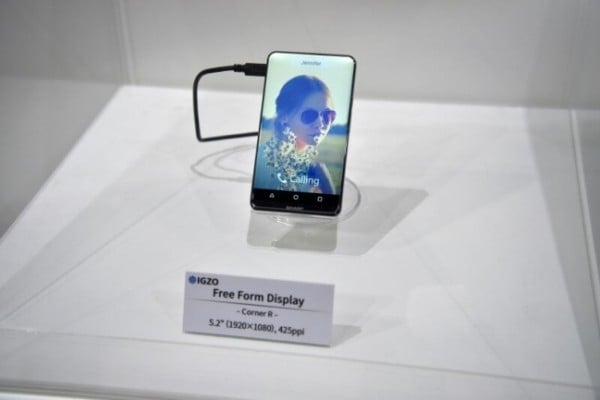
Japanese tech giant Sharp has unveiled a new smartphone which uses a design that could be said to be a real stunner, clutching an entirely bezel-less display. The device that is still a concept piece carries the name “Corner R” and was exhibited during the CEATECH 2016 technology expo holding in Japan.
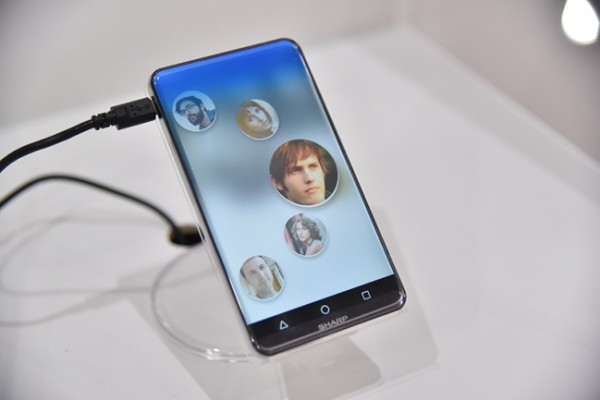
This isn’t the tech giant’s first bezel-less smartphone, Sharp had unveiled the Aquos 305SH in 2014 and it was touted back then as the world’s first bezel-less mobile phone. The Corner R comes with a unique design, and sports a curved display screen amidst well chamfered and round edges.To sum it up, the beautiful phone looks like a little pebble.
According to the listing, the Sharp Corner R concept phone uses Sharp Free Form Display created using the recently unveiled IGZO display technology which is said to come with 1000ppi. The Corner R also sports a 5.2-inch curved display with Full HD (1080 pixels) resolution. If you combine this with the absence of display bezels on all edges, the display could be said to be stunning. Another thing, the display is capable of outputting 425ppi which creates a truly sharp display and when compared with the 518ppi display on the Galaxy Note 7’s, it comes close in output.
Apart from that, the display which seems to be the main highlight of the Corner R, covers almost the entire screen with the display accounting for nearly 90% of the screen. The remaining part at the bottom edge holds three virtual buttons and just at the edge the Sharp logo is crested.
On the whole, the Sharp Corner R promises some huge prospect in display technology. Already smartphone makers have been trying out ways of completely removing the display bezels and still not have black borders at the edge of the screen and this concept device achieves that. We are not sure, though, when this will go commercial.
We have reviewed quite a few Blackview phones this year and the A8 Max is one of their latest budget offerings. The phone costs just $80, it has a great design and more. Learn more in our full review.
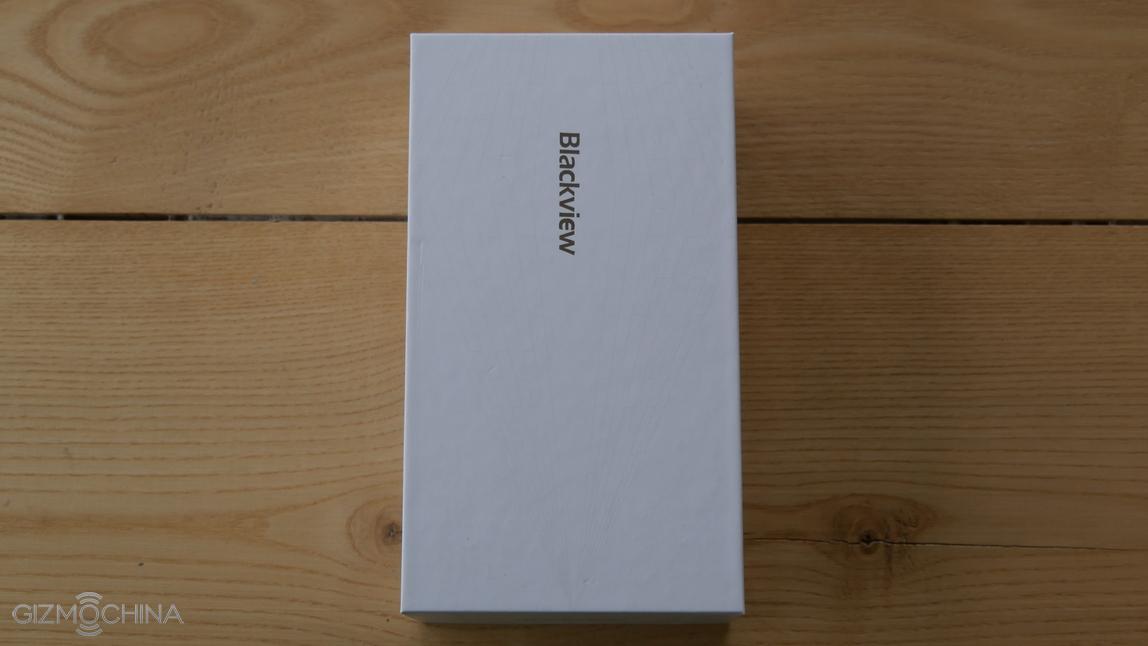
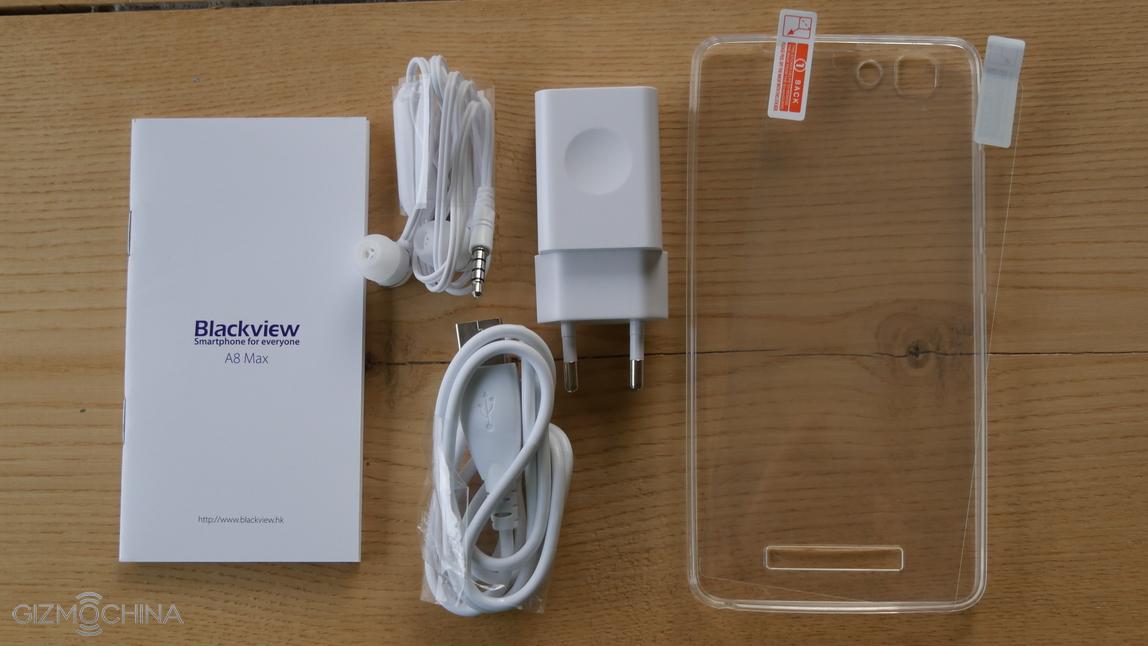
The phone ships with all the usual stuff and some extras include a soft TPU case, a pair of earphones and a screen protector.
Blackview A8 Max Review: DESIGN and DISPLAY
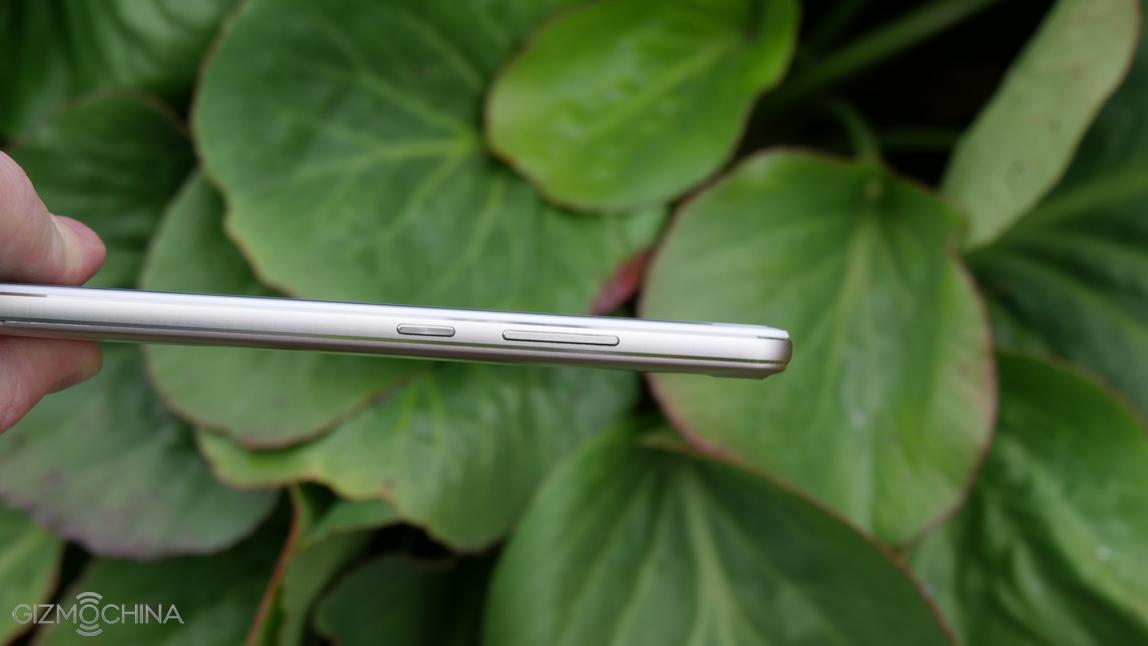
For just $80, the phone is very nice. It sports a metaltrim and tactile buttons, and overall I’m happy with the build quality.
We have a 5.5” display, which is only 720p but it is plenty sharp for the daily use.
Unfortunately, we have neither notification LED light nor backlit capacitive buttons.
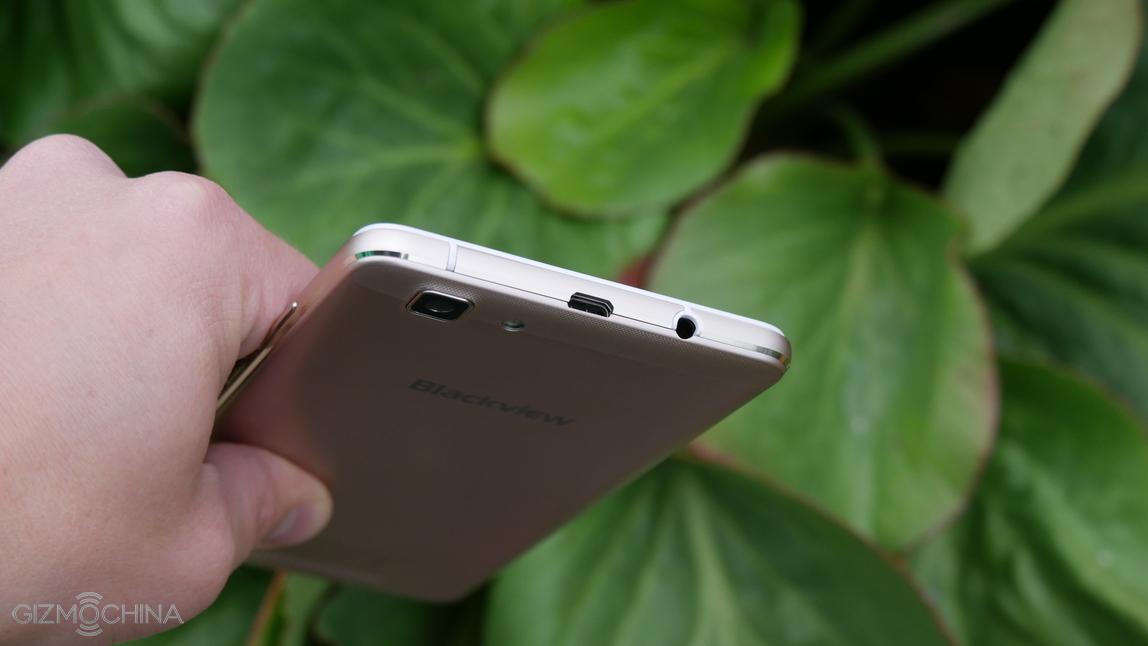
On the back, we have a 13MP camera and a loudspeaker, which is not fantastic but it is pretty good for the phone this cheap.
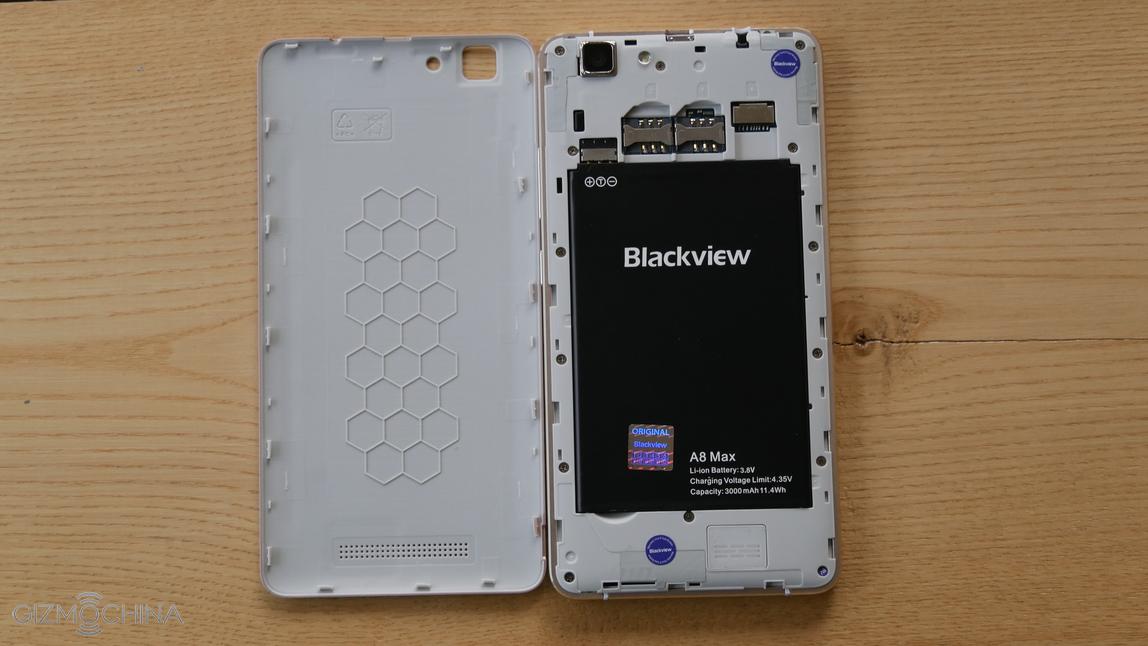
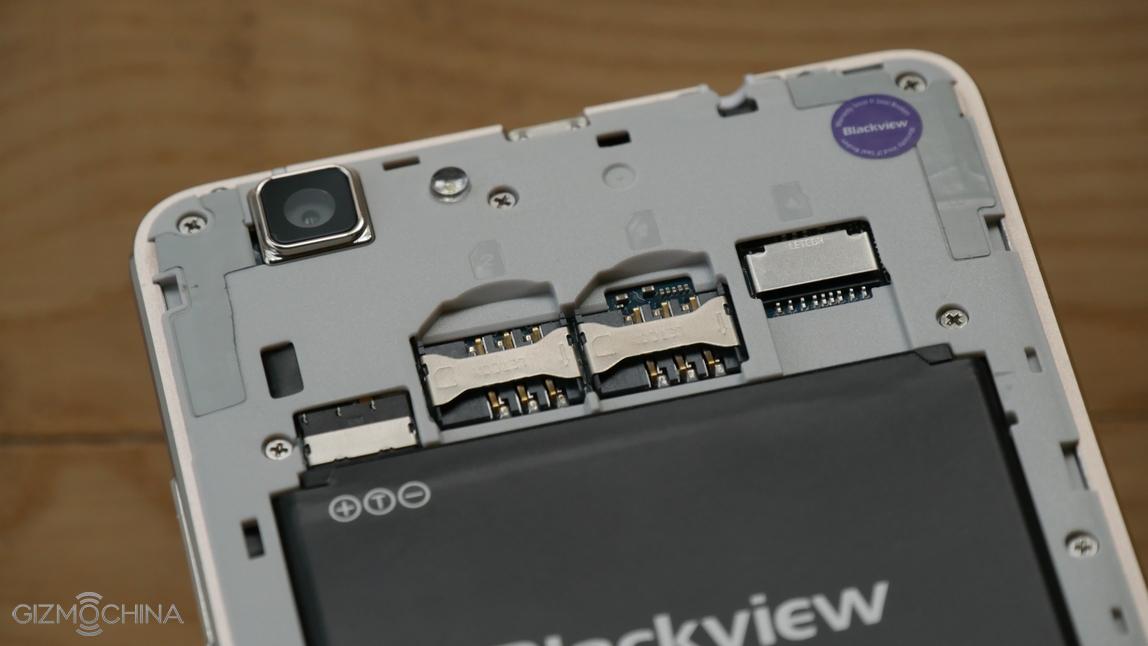
The backplate can be easily removed to access a 3000mAh battery, two SIM card slots and the microSD card slot.
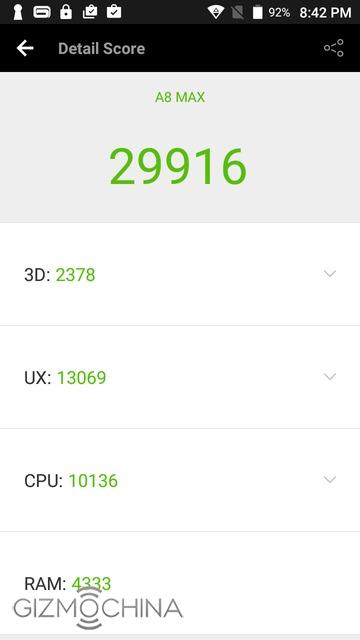
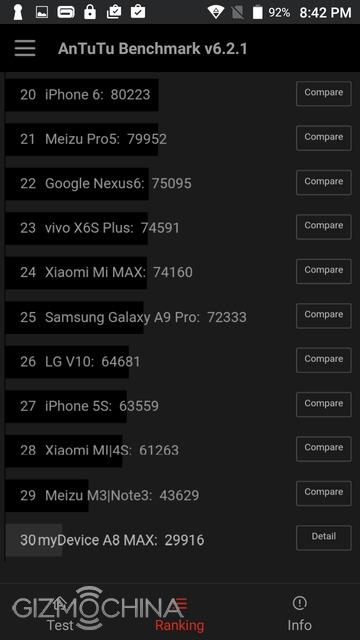
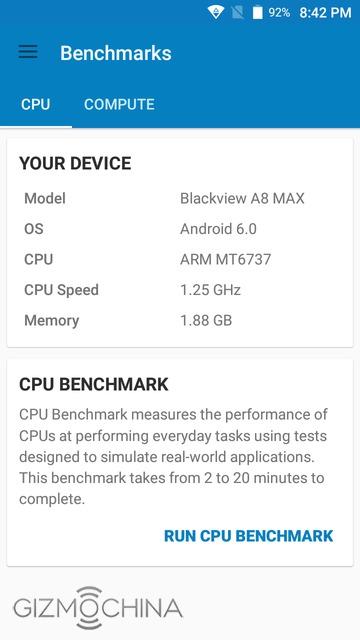
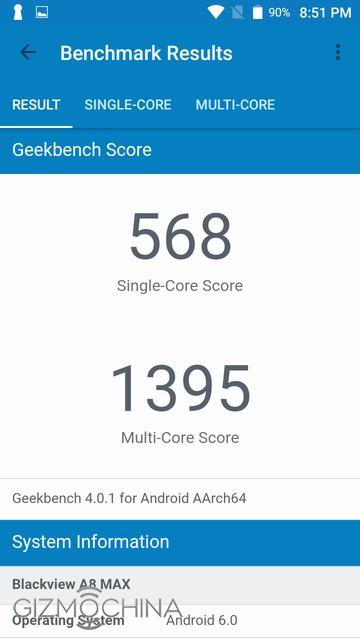
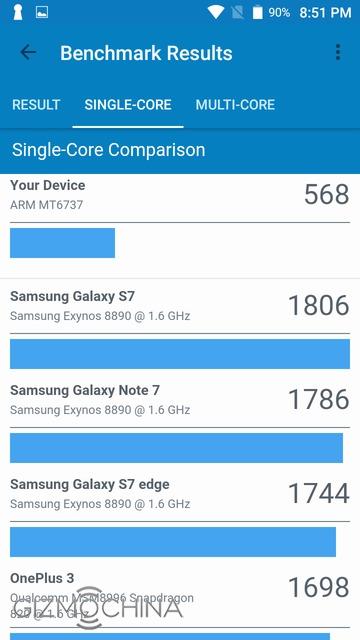
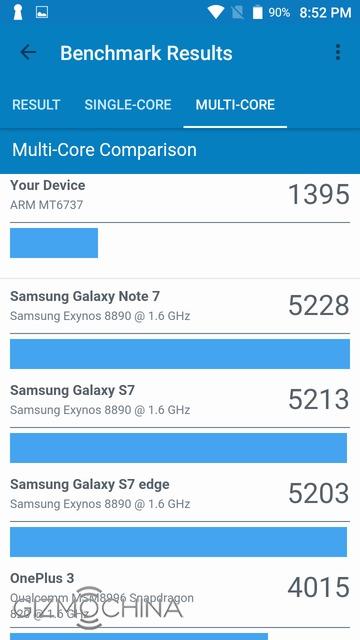
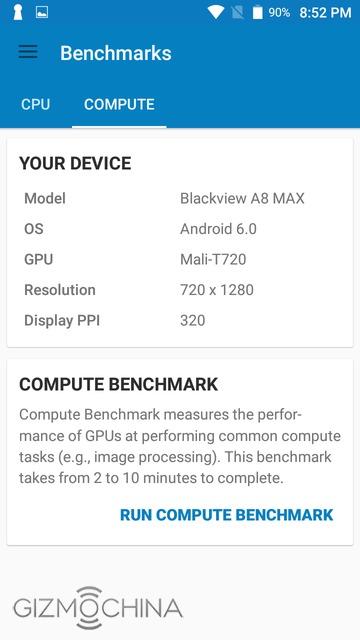
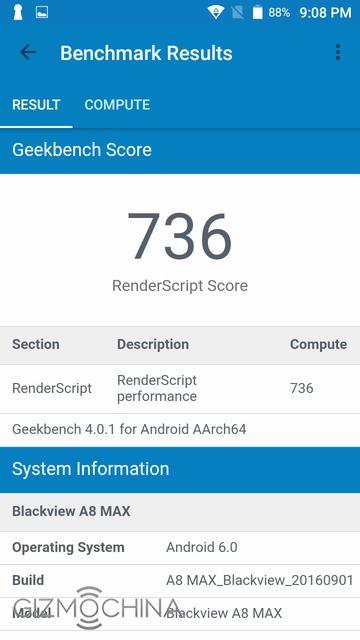
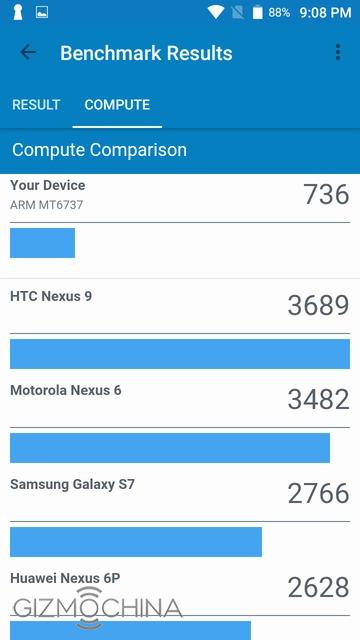
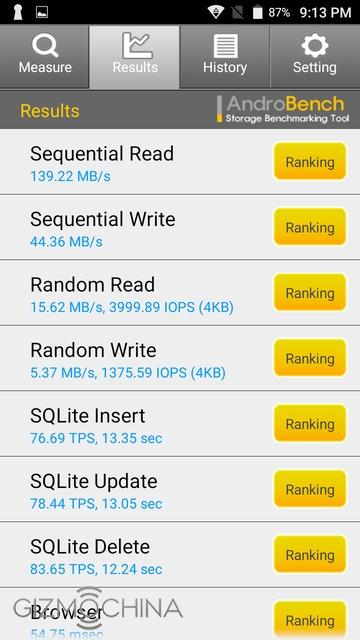
Blackview A8 Max Review: BENCHMARKS
Blackview A8 Max Review: HARDWARE and PERFORMANCE
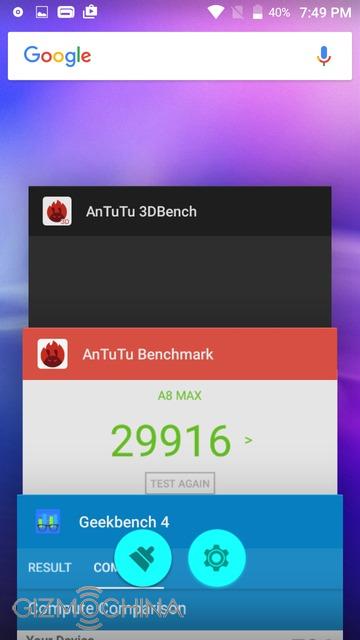
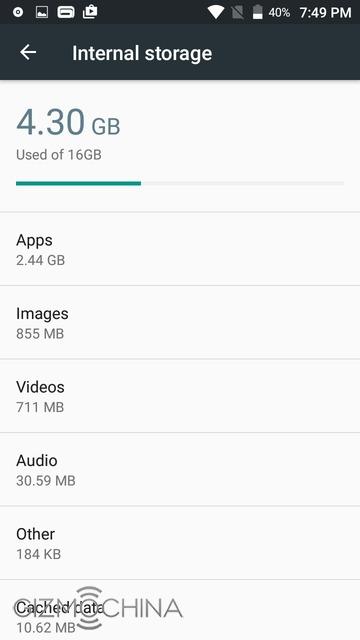
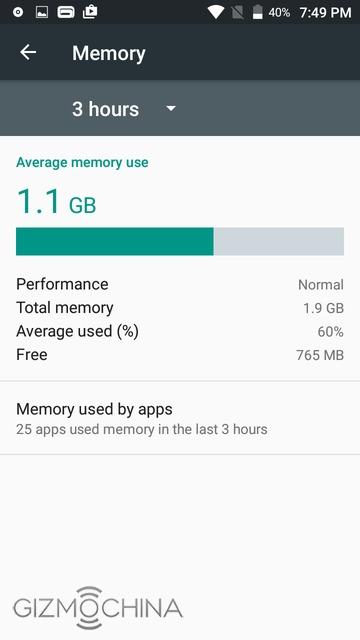
The Blackview A8 Max sports pretty good specs for the price. The phone ships with a quad-core MTK6737 chip, 2GB of RAM and 16GB of storage.
The gaming performance is pretty good. You should be able to run most of the 2D games and 3D games on the medium graphics.
Blackview A8 Max Review: USER INTERFACE
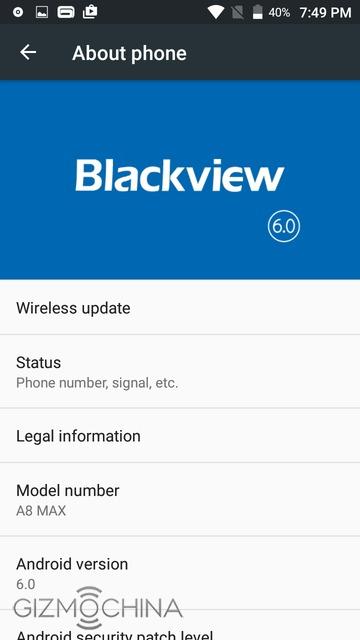
The phone runs on Android 6.0 with the Blackview’s skin on top of it. That means that there is no app tray but we have a few extra features like a bunch of gesture and motion controls. Some of them work great while others are kind of slow to respond.
I didn’t have any major lags or hiccups even after installing quite a few apps and I believe this is the most important thing for a cheap phone.
Blackview A8 Max Review: IMAGE QUALITY
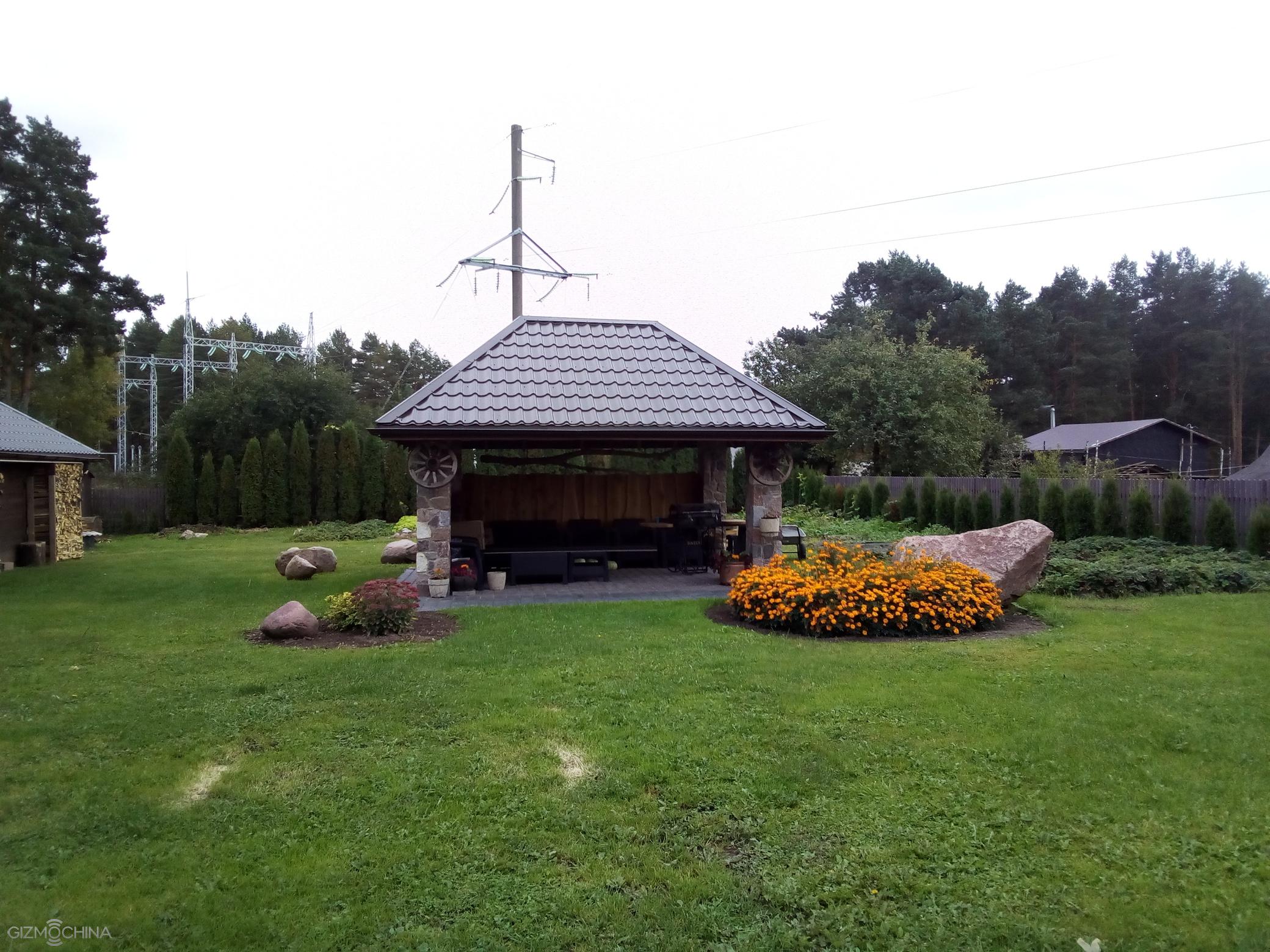
For an $80 phone, the picture quality is not bad at all. Sure, the images are not the best we’ve seen but you can get some nice looking photos in daylight.
As for selfie camera, it is not the best but it will do the trick for social media needs.
The video quality is just mediocre as on all cheap phones. See the video review for a video sample.
Blackview A8 Max Review: CONNECTIVITY
I didn’t have any connectivity issues and even the GPS lock speeds and accuracy were okay.
Blackview A8 Max Review: BATTERY LIFE
The 3000mAh battery will get you through the day quite easily. With my usage, I could get around 5 hours of screen-on time, which is a good result.
Blackview A8 Max Review: CONCLUSIONS
Blackview A8 Max is an $80 phone that is pretty good for the price. It does most of the things right but it lacks a few features that some other phones in this range have – a fingerprint scanner and notification LED light. If you don’t need these features, Blackview A8 Max is a pretty solid $80 phone.
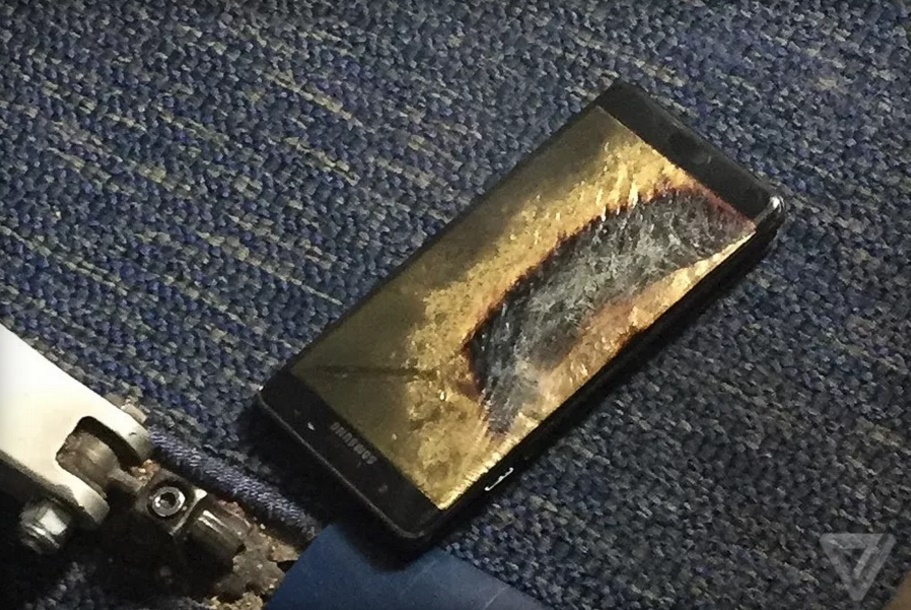
Samsung’s replacement Note 7 started shipping about two weeks ago to owners but it seems the company’s woes are far from over. Yesterday, a Southwest Airlines flight had to be evacuated while still at the gate because of a smoking Samsung Galaxy Note 7.
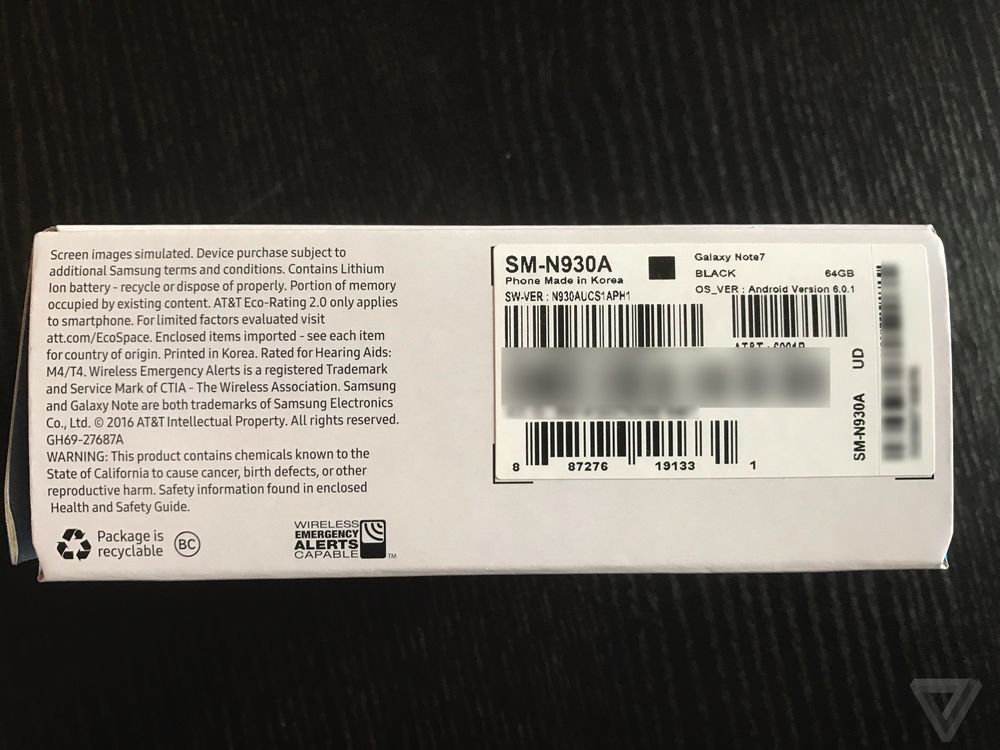
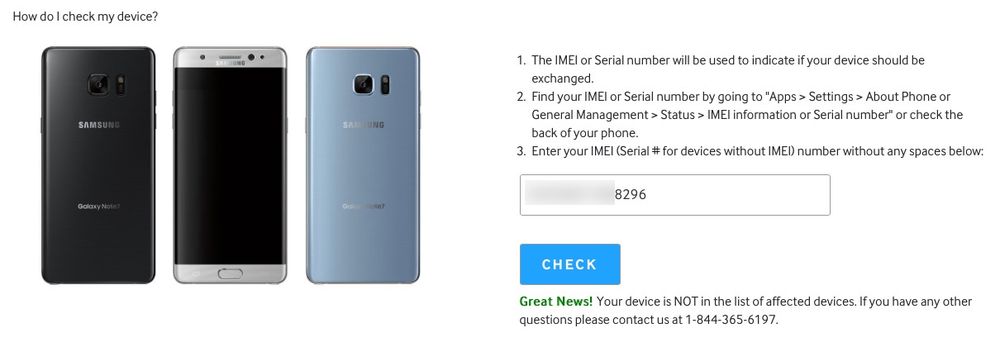
This is a serious case because it is a replacement unit certified by the company as safe. In an interview with The Verge, the owner of the Note 7, Brian Green said he had picked up the phone at an AT&T store on 21st of September.
Before boarding the plane, Mr. Green says he powered down the phone which was at around 80% battery level as requested by the flight crew and put it in his pocket only for the phone to start smoking. He brought it out, threw it on the floor and thick grey-green smoke was pouring out of it. A colleague of his who went back on the plane to get his belongings said the phone had burned right through the carpet and singed the sub-floor of the plane. Brian Green says he has only charged the phone using a wireless charger since he picked it up.
Everyone knows Foxconn. You currently have a device or have owned one that was manufactured by the Taiwanese contract company. You also must have heard about the cases of workers committing suicide and news of poor working conditions that has originated from the company in recent years.
It appears the company wants to put a stop to the negative publicity it has been getting hence the reason for installing robots in some of its factories. According to Taipei-based Central News Agency, the group has installed 40,000 robots that will handle manufacturing jobs in some of its factories.
A statement from the General Manager of Foxconn’s automation technology department, Dai Chia Peng, says the robots dubbed Foxbots are being rolled out from the company’s plants in Taiwan, Shenzhen, and Jingzhen with robot production reaching about 10,000 units a year.
The robots are already present in a number of factories in China such as an industrial base in Zhengzhou, a tablet plant in Chengdu, and two plants in Kunshan and Jiashan that make computer products and peripherals.
At this rate, chances are that in less than a decade most if not all of Foxconn’s factory workers will have been replaced with robots. Additional report says the company has already cut 60,000 jobs in Kushan.
Smartphone cameras have gotten better in recent years with some even offering performance on par with some DSLRs and Rangefinders. Shin Noguchi is a Japanese street photographer and he has decided to pit the camera from one of this year’s flagship devices, the iPhone 7, against a Leica M9-P with a Leica Summicron 35mm f/2 lens.
So how does an $800 phone stack up against a camera setup that sells for $9000? Shin takes both cameras for an outdoor shoot and from the results, the iPhone 7 doesn’t do badly.
iPhone 7 RAWLeica M9-P with Summicron 35mm f/2iPhone 7 (L) Vs Leica M9-PIphone 7 (L) Vs Leica M9-P (R)
In Shin Noguchi’s words ”the iPhone 7 is the best 1/3” sensor camera. Nothing more, nothing less.”. While the Leica rangefinder does a great job, he said he’s fascinated by the photo quality of new smartphones.
Need an extra reason to get the iPhone 7? You have it up there.
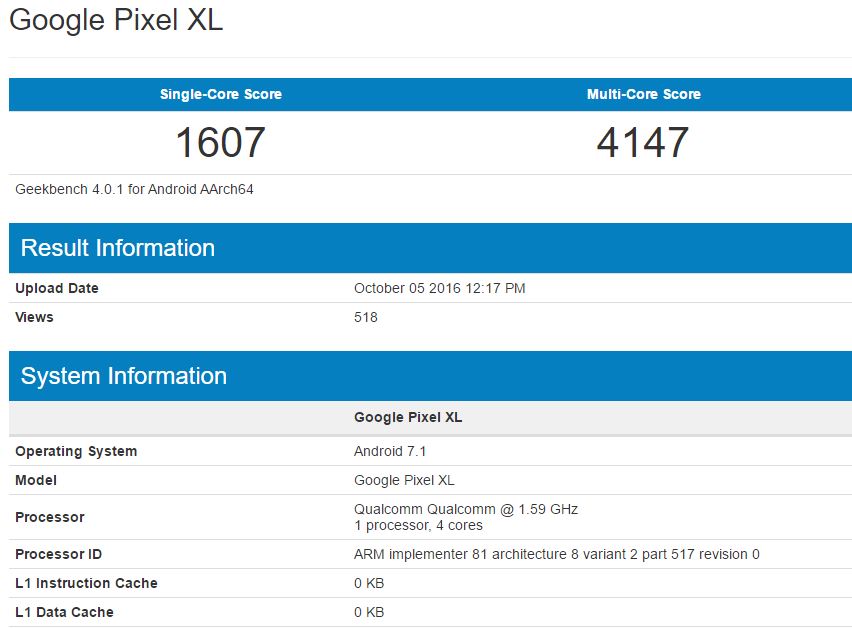
Early benchmark results for Google’s latest Pixel and Pixel XL smartphones have appeared on Geekbench and reveals nothing really special when the flagships are placed at par with their contemporaries, talking about Apple’s latest iPhone 7 and 7 Plus. The results show that what the Pixel and Pixel XL possess in looks and camera speed, they lack in raw processing power.
The Geekbench 4 result comes in at about 4100 points on the multicore performance test and for the single core, the result stood at 1580 points and is consistent with earlier figures said to be for the Google phone which appear sometime in September. The score then stood at 1665 on the single-core and 4023 for the multi-core test.
In contrast the Apple iPhone 7 recorded a multi-core score of around 5600 pointd when it hit benchmark and a single-core score of about 3430. This figures could only mean the A10 Fusion chip on the iPhone 7 and 7 Plus is far superior to the Snapdragon 821 processor which the Pixel and Pixel XL comes with. Even the iPhone 6S Plus with a multi-core benchmark score of 4106 and single-core score of 2508 surpasses the Google flagships.
Benchmark results may not be a true representation of the daily running speed of smartphones, neither do they measure user interface element but they come in handy in comparing the raw processing power between two computing hardware and in this case, it has definitively proved that there is no better processor around as of this moment that equals the A10 Fusion processor on Apple latest iPhones.
Several smartphones have been benchmarked on AnTuTu and of late, we have had scores that could best be described as the highest so far in the smartphones circle and that should be the 172644 points polled by Apple’s A10 Fusion-powered iPhone 7. However, a new leak is suggesting that a record-breaking device with a total point score of 203737 points and scheduled for listing in the first quarter of 2017 has run through AnTuTu benchmark. The disclosure was made by a Twitter user @Ricciolo who tweeted that finally the 200k barrier has been broken. He left off without announcing the smartphone that achieved this incredible feat, leaving that to our imaginations.
This is coming in as a huge surprise because apart form the iPhone 7 Plus, and iPhone 7 which pulled 170124 points, other Snapdragon 821-powered smartphones like the Xioami Mi 5S Plus, LeEco Le Pro 3, ASUS Zenfone 3 Deluxe hovered around 160,000 points when they were tested on AnTuTu. If true, then this would be the first device to have hit the 200,000 points mark on AnTuTu benchmark.
As of this moment, the only device expected in Q1 2017 is likely the Samsung Galaxy S8 whose release date Samsung is rumored to have pushed closer in orderly to help overcome the woeful outing of the still flopping Galaxy Note 7. The Galaxy S8 is expected to come powered by a new Exynos 8895 chip said to have a clock speed of up to 3.0GHz and tagging along an equally new and powerful Mali-G71 GPU. The Mali-G71 GPU is is said to be twice as fast as the Mali-T880 GPU in the present Exynos 8890 chips.
In another light, it could be a device powered by the Qualcomm Snapdragon 830 chip which is expected to be produced using the 10nm node process and to drop next year as well. Don’t forget Qualcomm and Samsung are rumored to have formed a partnership that would see Samsung manufacture the Snapdragon 830 SoC. These are all speculations though, the 200K mark may still be unattainable and the rumor could be false. So we’ll take it with a pinch of salt and wait to see how it plays out.
We use cookies on our website to give you the most relevant experience by remembering your preferences and repeat visits. By clicking “Accept”, you consent to the use of ALL the cookies.
This website uses cookies to improve your experience while you navigate through the website. Out of these, the cookies that are categorized as necessary are stored on your browser as they are essential for the working of basic functionalities of the website. We also use third-party cookies that help us analyze and understand how you use this website. These cookies will be stored in your browser only with your consent. You also have the option to opt-out of these cookies. But opting out of some of these cookies may affect your browsing experience.
Necessary cookies are absolutely essential for the website to function properly. This category only includes cookies that ensures basic functionalities and security features of the website. These cookies do not store any personal information.
Any cookies that may not be particularly necessary for the website to function and is used specifically to collect user personal data via analytics, ads, other embedded contents are termed as non-necessary cookies. It is mandatory to procure user consent prior to running these cookies on your website.