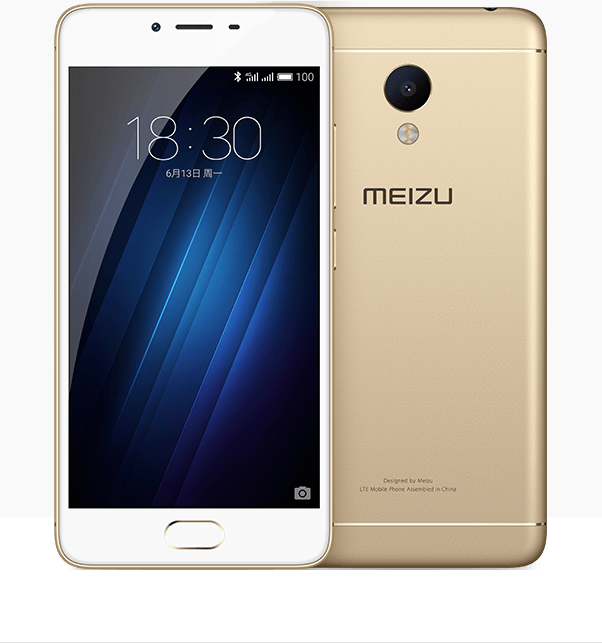
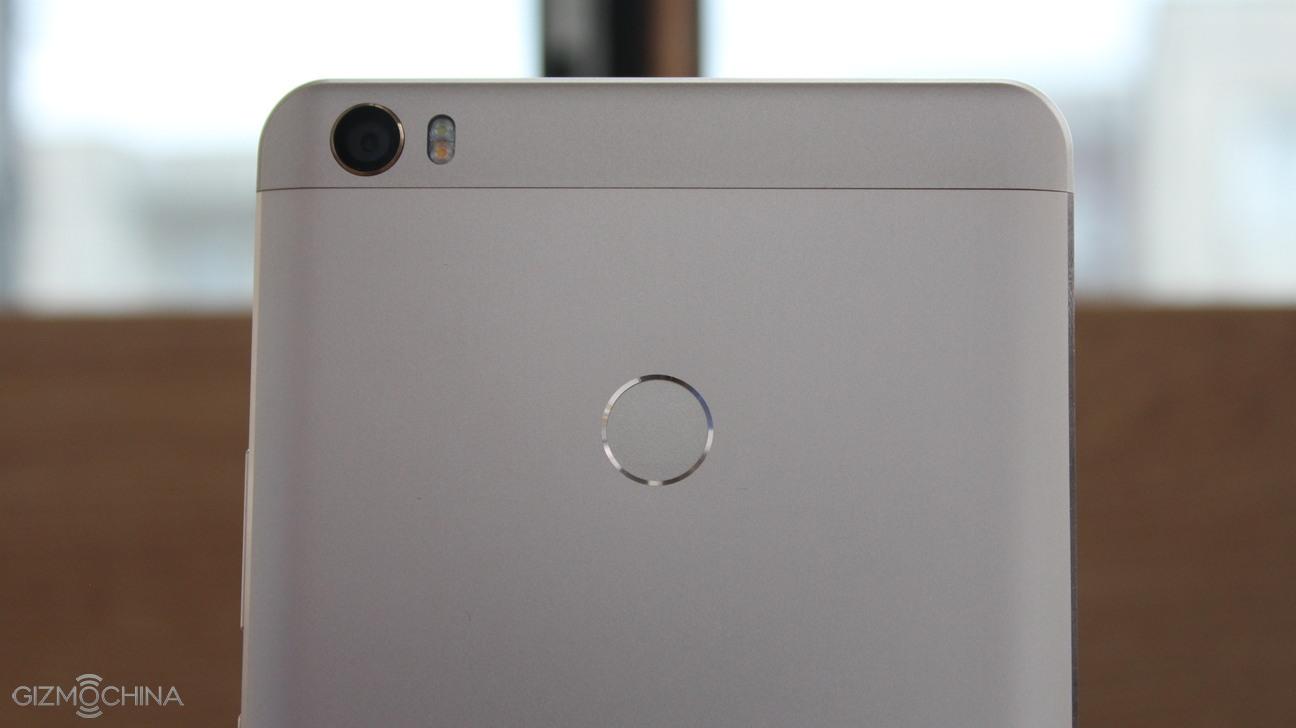
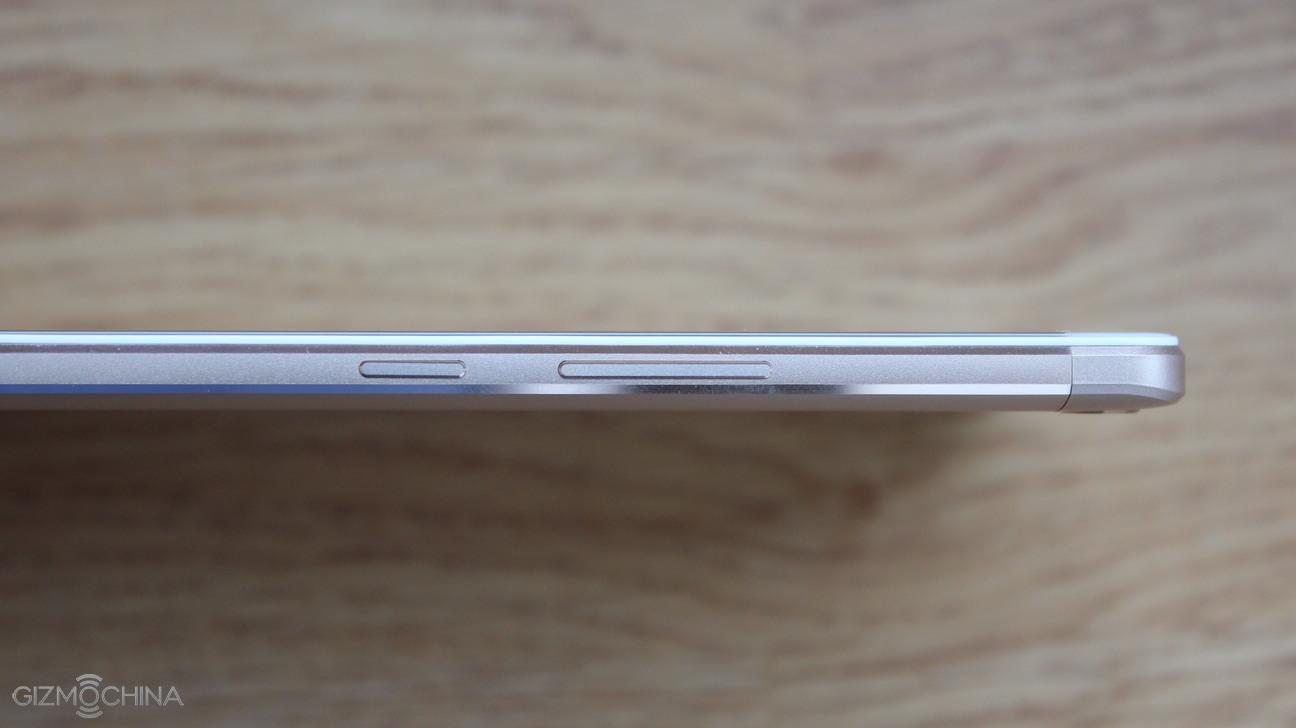
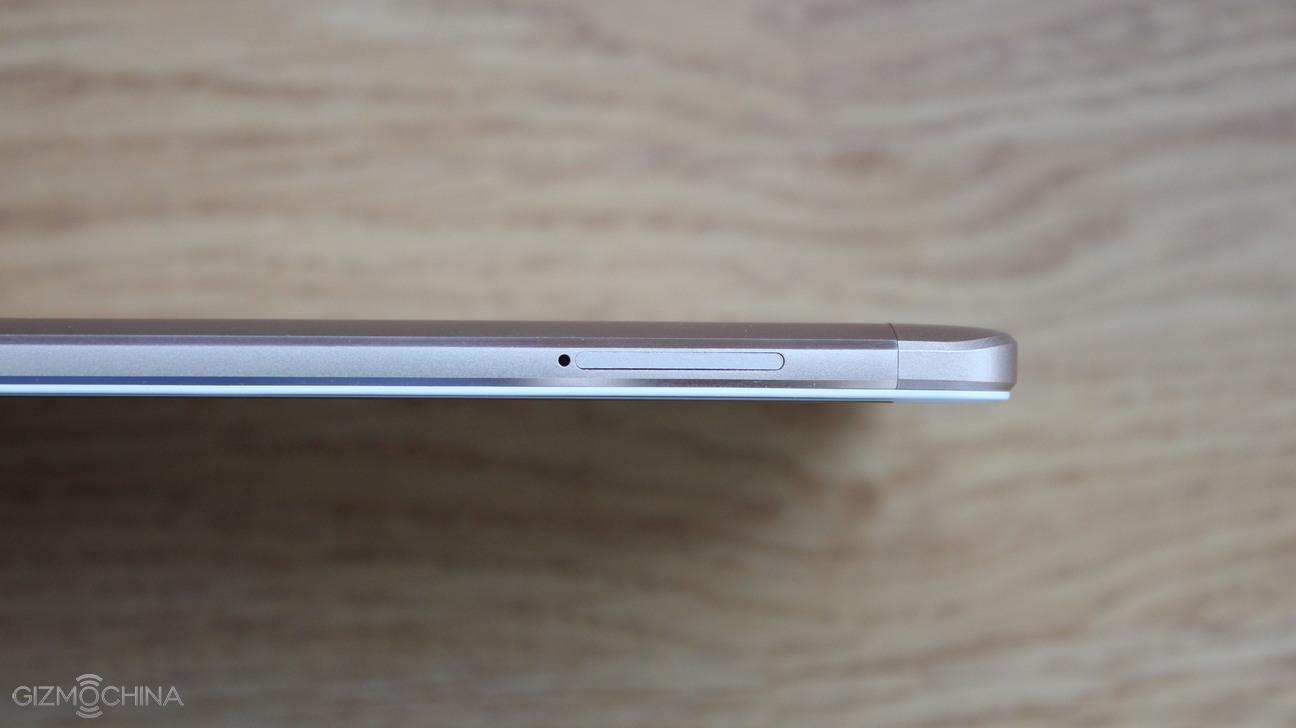
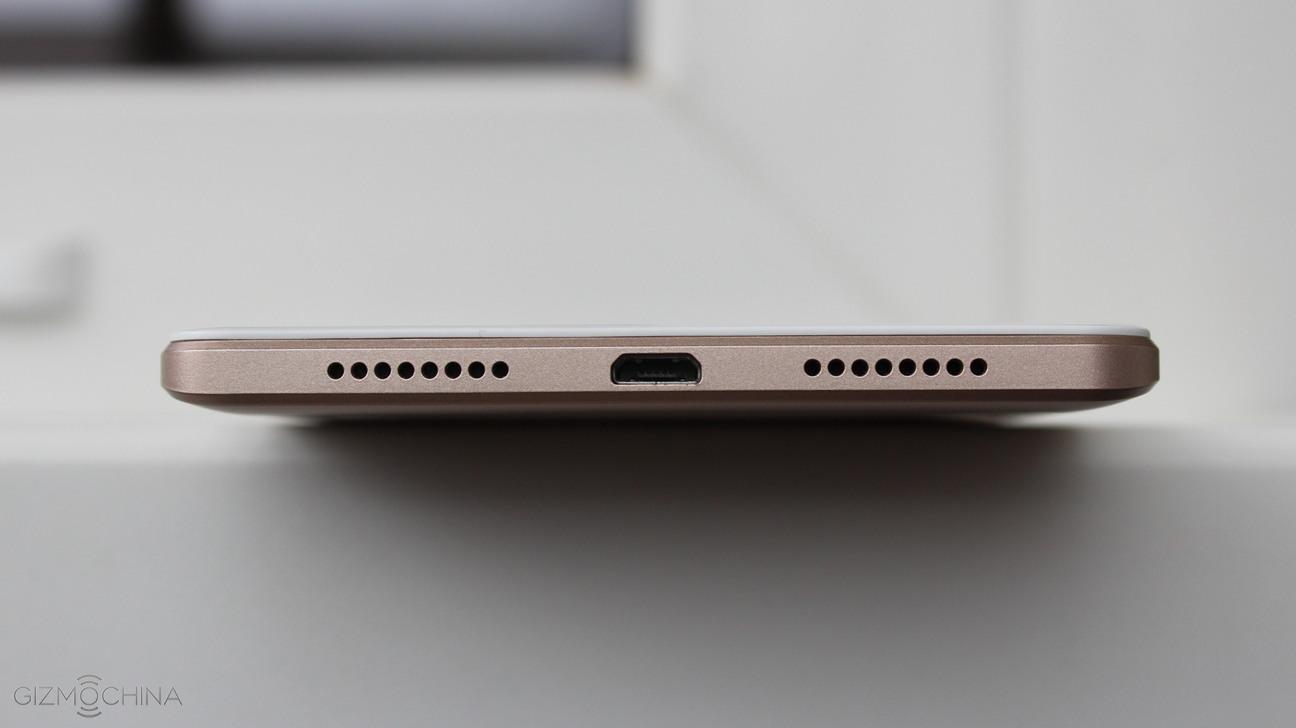
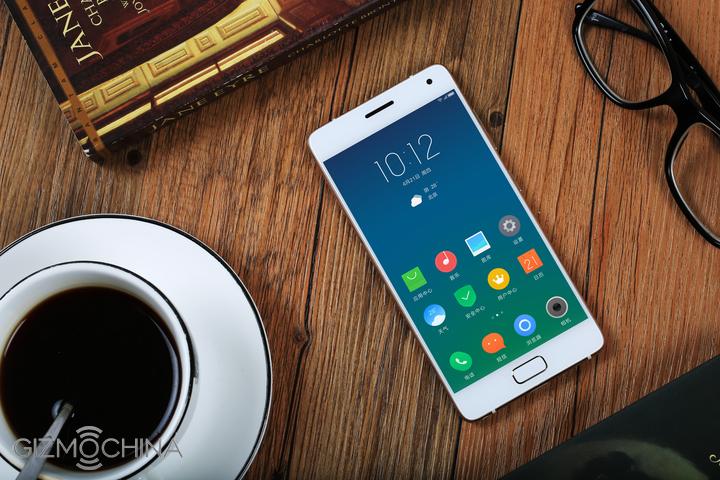
The competition in the low-end market is really getting intense with Chinese smartphone companies releasing handsets that offer much more value than the price you pay. Today, after much waiting, Meizu released a brand new device, the Meizu M3S. This particular device will be a slight upgrade as compared to the Meizu M3 that was released back in April, coming with a metal body and adding fingerprint ID as well as a couple more features in the specs department.
First of all, Meizu has upgraded the body on the Meizu M3S to metal, which makes the device look much more premium than the polycarbonate Meizu M3. The overall dimensions will remain the same as before, i.e. 141.9 x 69.9 x 8.3mm but the owing to the metal body, the weight is slightly increased to 138 grams. In comparison, the Meizu M3 weighed 132 grams, so not a big increase in this department.
Given that the phone now comes in a metal built, Meizu has also added the popular rose gold color option along with the grey, silver, and gold options. For a smartphone that costs just 699 Yuan or $106, these are some pretty great options.
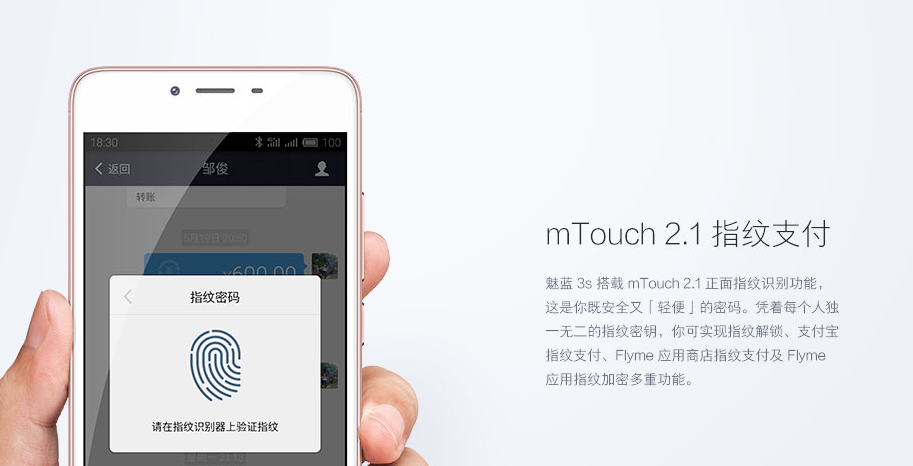
Apart from upgrading the body to metal, Meizu has now incorporated a home button enabled fingerprint sensor on the Meizu M3S. The phone is using the company’s mTouch 2.1, which can be used to unlock the device with fingerprint, make payments, encrypt apps and comes with other mBack features. Another upgrade is seen in the battery department, increasing the capacity from 2870mAh to 3020mAh on the new M3S model.
Rest of the specs are the same as the Meizu M3. So, the phone comes with a 5-inch 720p display with 2.5D curved glass and Mediatek’s MT6750 octa-core processor clocked at 1.5GHz inside. There will be 2GB RAM + 16GB ROM and 3GB + 32GB ROM options which are eMMC 5.0 storages along with MicroSD expansion. Coming to the camera, the phone features a 13MP f/2.2 aperture lens at the back with color temperature flash and PDAF. Up front, you get a 5MP shooter with 4P lens, f/2.0 aperture, and FotoNation 2.0 Intelligent beautify software.
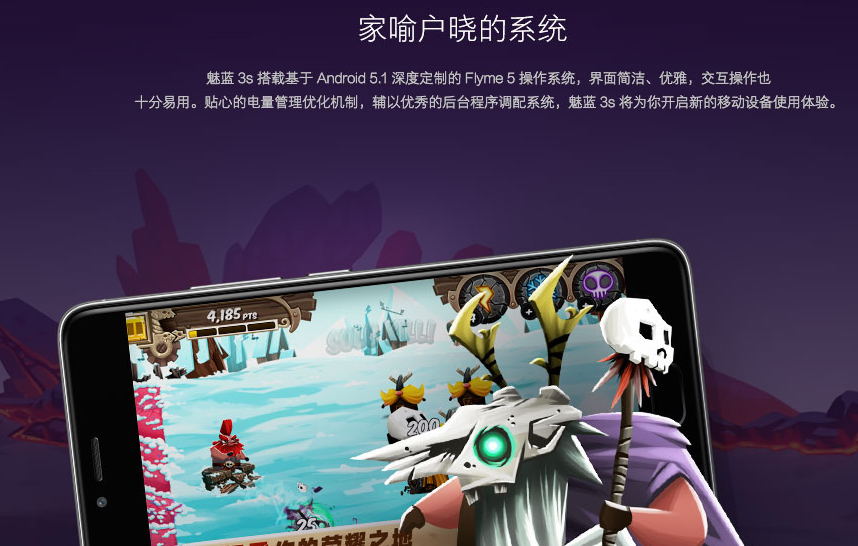
The rest of the specs are standard such as dual SIM dual standby, dual-band Wi-Fi, Bluetooth 4.0 etc. As for software, the phone runs on Flyme based on Android 5.1.
The Meizu M3S starts at 699 Yuan ($106) for the 2GB RAM + 16GB ROM version and goes up to 899 Yuan ($136) for the 3GB RAM + 32GB storage version.
Registrations for the first sale are already underway in China and the phone will go on sale via major sellers in China on June 18.
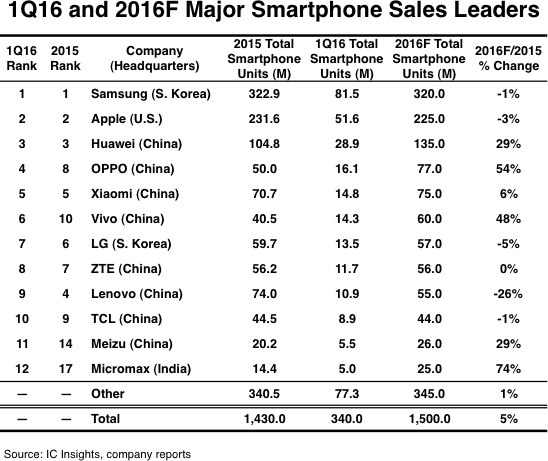
We know that Chinese companies are dominating the smartphone market recently, both in China as well as in international markets such as India. While Samsung and Apple still have the lead when it comes to the total number of smartphones shipped in the Q1 2016 and are likely to keep the lead for this year, Chinese companies like Huawei have really stepped up their game in the past couple of years to become the third largest smartphone company.
Now, a report from the industry tracker, IC Insights throws some more light on the performance of the top 12 smartphone makers worldwide. Out of the top 12, a total of 8 were Chinese, which clearly shows that these companies are doing quite well in the smartphone industry. In fact, it would have been 9 Chinese phone makers in the list, only if Gionee sold a bit more phones. The report states that Gionee just missed the list as it shipped 4.8 million smartphones in Q1 2016 as compared to the Indian smartphone maker Micromax who shipped 5 million units in the same time period.
The report also gives us insight on the possible total shipments of the company by the end of 2016. Interestingly, 6 out of the 12 smartphone makers are going to report a growth of 6% or less (year on year). Then there’s Lenovo whose shipment is expected to fall significantly from 74 million in 2015 to 55 million in 2016, possibly registering a growth of -26%!. The rest of the five companies, which includes four Chinese and one Indian company are expected to grow at a rate of 29% or more. OPPO and Vivo are especially going to be big gainers this year, with an expected growth rate of 54% and 48% respectively. India’s Micromax is expected to grow at 74% this year, but still the total shipments would amount to around 25 million. Compared to 2015’s list, Sony, Microsoft and Coolpad are out, since they sold only 3.4 million, 2.3 million and 4 million smartphones respectively in the Q1 2016.
As for the total smartphone shipments, it is expected to grow from 1430 million to 1500 million in 2016, at 5% growth rate.
We personally expect another Chinese company to make it to the list in the coming years, namely LeEco who is slowly gaining market share in large markets such as China as well as India.
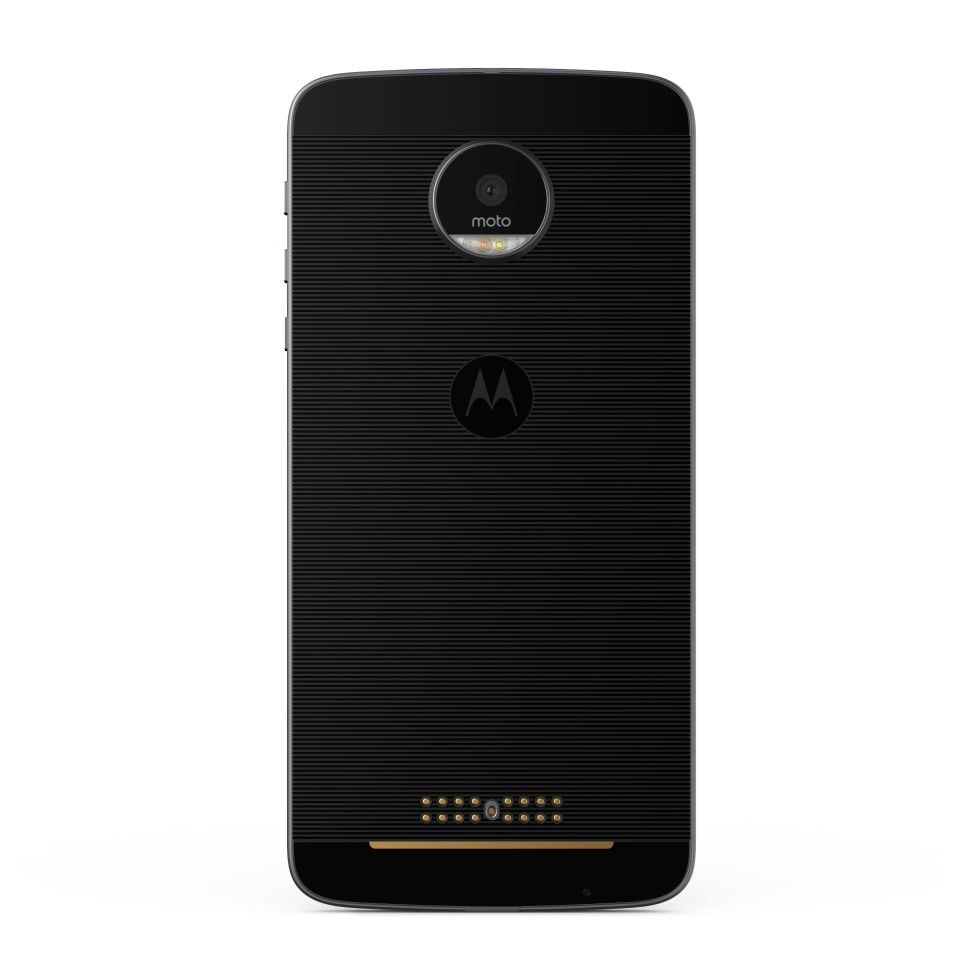
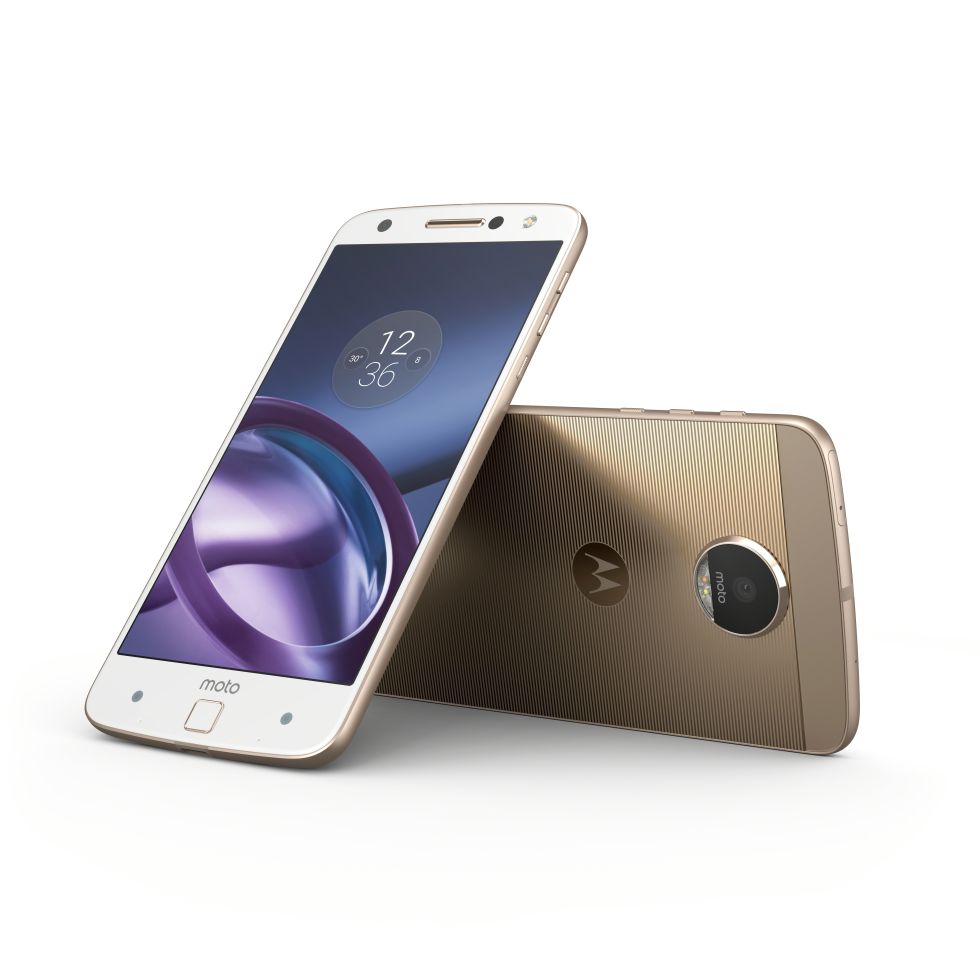
Motorola recently announced the two major flagship smartphones in the rebranded “Moto Z” lineup, namely, the Moto Z and the Moto Z Force. Both the phones are powerful handsets but the real highlight of these devices is the modular design which allows you to add a number of functional modules at the back of the phone, like a projector module, camera module, and even a battery module. Unfortunately, at the time of the announcement of both these devices, Motorola failed to give out specific prices for its products. However, thanks to Chinese media, we might now have some clue about both the device’s pricing, at least in China.
According to reports, Lenovo’s Mobile Business Group President, Chen Xudong is said to have said that Moto Z will enter the Chinese market in September this year at a price of less than 3000 Yuan ($455). We also have specific price figures for both the devices. The Moto Z is said to start at 2998 Yuan ($455) while the Moto Z Force, with much better specs is said to retail at 5299 Yuan ($804). Remember that these pricings are not official yet, so we will have to wait for an announcement from the company to confirm it.
Coming to the specs, the Moto Z comes with Snapdragon 820 quad-core processor with 4GB RAM and 32GB / 64GB of internal storage options. This can be further expanded via MicroSD. The phone features a 5.5-inch AMOLED display with 2K resolution. At the back, the phone comes with a 13MP shooter with f/1.8 aperture, OIS, dual tone flash and Laser Focus. Up front, there’s a 5MP shooter with selfie flash. The phone is super thin measuring just 5.2mm in thickness. Inside this thin body, you get a 2600mAh battery with Motorola’s TurboPower fast charging tech.
Coming to the Moto Z Force, it comes with SD820 and same RAM + storage options as the Moto Z. The screen is also 5.5-inch with 2K but it features Motorola’s ShatterShield technology. The camera at the back is upgraded to 21MP with OIS and Laser Focus. Inside, you get a 3500mAh battery with TurboPower fast charge that charges up to 50% in 15 minutes.
Both the phones ditch the standard 3.5mm headphone jack. So, you need to use USB Type-C connected headphones. Also, they have a special 16 pin connector at the back which is used to add MotoMods to the devices.
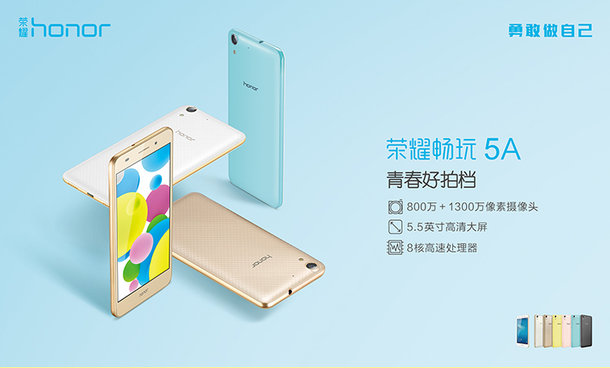
While Snapdragon 617 octa-core chip initially powered mid-range smartphones in the market, like the HTC One A9 (well, it even powers the Moto G4 Plus which costs about $224), this particular chip is now being found inside entry level handsets. Huawei’s Honor division just released a new smartphone in the market, the Honor 5A and guess what, the full network version of this handset will be powered by the octa-core Snapdragon 617 chipset clocked at 1.5GHz. But there will be other versions as well, like China Mobile and dual netcom variants which use the octa-core Huawei’s Kirin 620 chipset clocked at 1.2GHz.
Like its previous generation models, the Honor 5A is targeted at the young generation, coming in a plastic body and metal frame, and in different colors. The phone measures 154.3 x 77.1 x 8.45 and weighs 168 grams. As for the display, the device comes with a 5.5-inch screen with 720p resolution. The contrast ratio is 1000:1, with 178-degree wide viewing angles and pixel level adjustment for better screen viewability under sunlight. Further, the screen also comes with Aluminum-Silicon tempered glass, which provides protection to the display under it.
Although the processors are different for the variants, rest of the specs remain the same. So, the Honor 5A comes with 2GB of RAM on board, along with 16GB of expandable storage. At the back, the phone features a 13MP camera with 5P lens, 28mm wide angle shooting and 7cm macro. While up front, you get an 8MP front facing shooter with 4P lens, f/2.0 aperture, and blue glass filters to reduce flare. The battery capacity is also pretty decent, of 3100mAh capacity with power saving 3.0 feature that should help provide up to a day’s battery life.
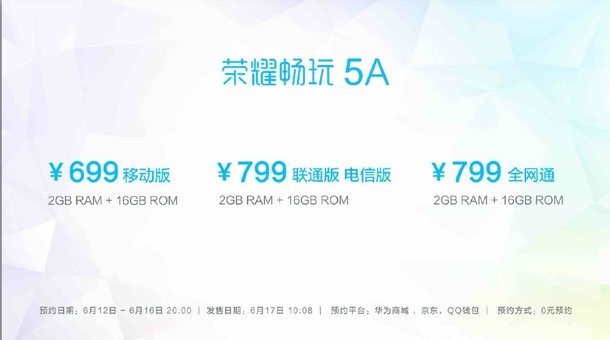
The phone boasts of hardware level security which protects the device from illegal access, filters suspicious URLs and has a special anti-theft feature as well. As for the pricing, the Honor 5A is priced aggressively. The China Mobile variant starts at just 699 Yuan ($106), while the full network variant and the dual netcom variant retails for 799 Yuan ($121).
You can currently register for the first sale of the Honor 5A on June 17 at JD.com and Huawei’s own online store in China.
The No.1 D6 Smartwatch is basically a phone crammed into a 1.63-inch screen with leather straps.
The D6 runs Android 5.1 Lollipop with a planned upgrade to Marshmallow, has a 1.63″ screen (320 x 320) covered with sapphire glass, and features 1GB of RAM and 8GB of ROM. There’s an MTK 6580 CPU under the hood and a 450mAh battery.
If you fancy a smartwatch that comes in only leather strap configuration, features a SIM slot (nano) with support for 2G and 3G networks, and sports the usual sensors found on smartwatches (heart rate, pedometer, and barometer) you might want to head to Banggood.com and apply this coupon: cupo7bgwhich gives you 7% off the original price.
Yeah, this isn’t as good as the deal it had last month which brought down the price by half but was limited to only 110 pieces. But a reduction is a reduction.
The No. 1 D6 does look good with its CNC machined steel frame and clasp which comes in gold, black, and silver. It’s important to mention that we don’t know how long the deal will be available for but the page says there’s a pre-order running from 8th of June – 15th of June.
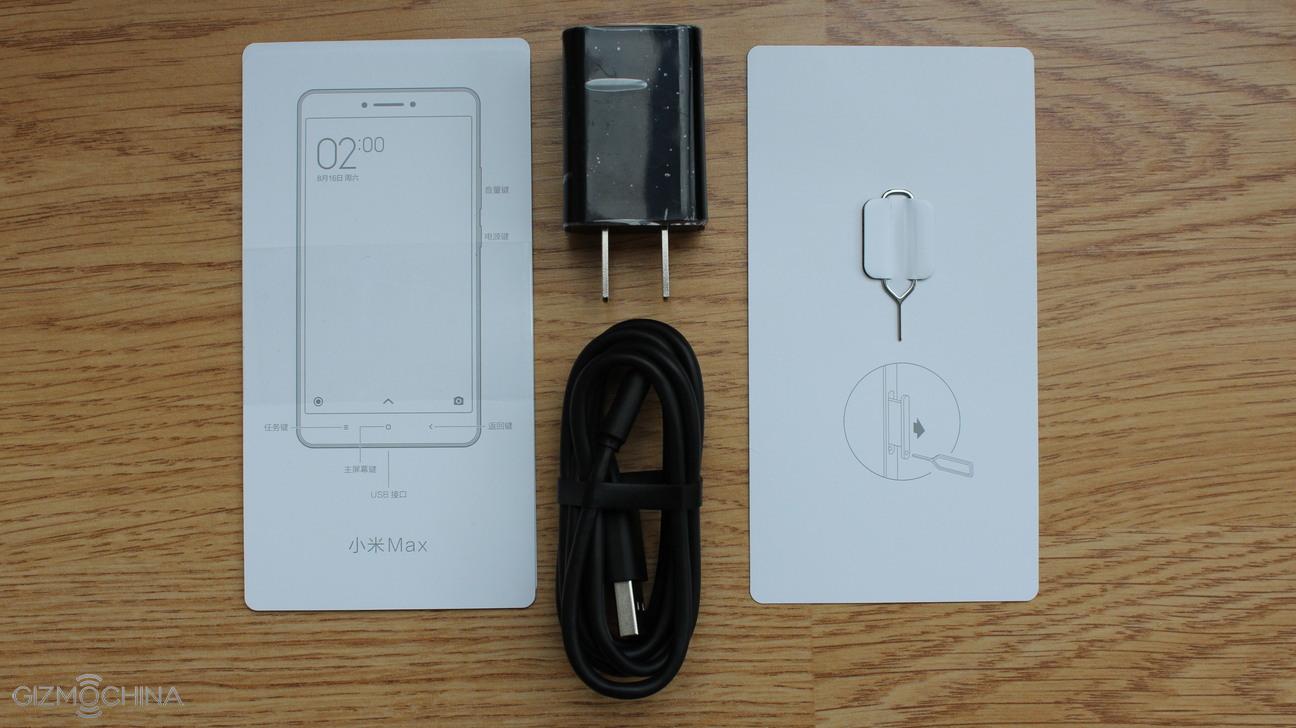
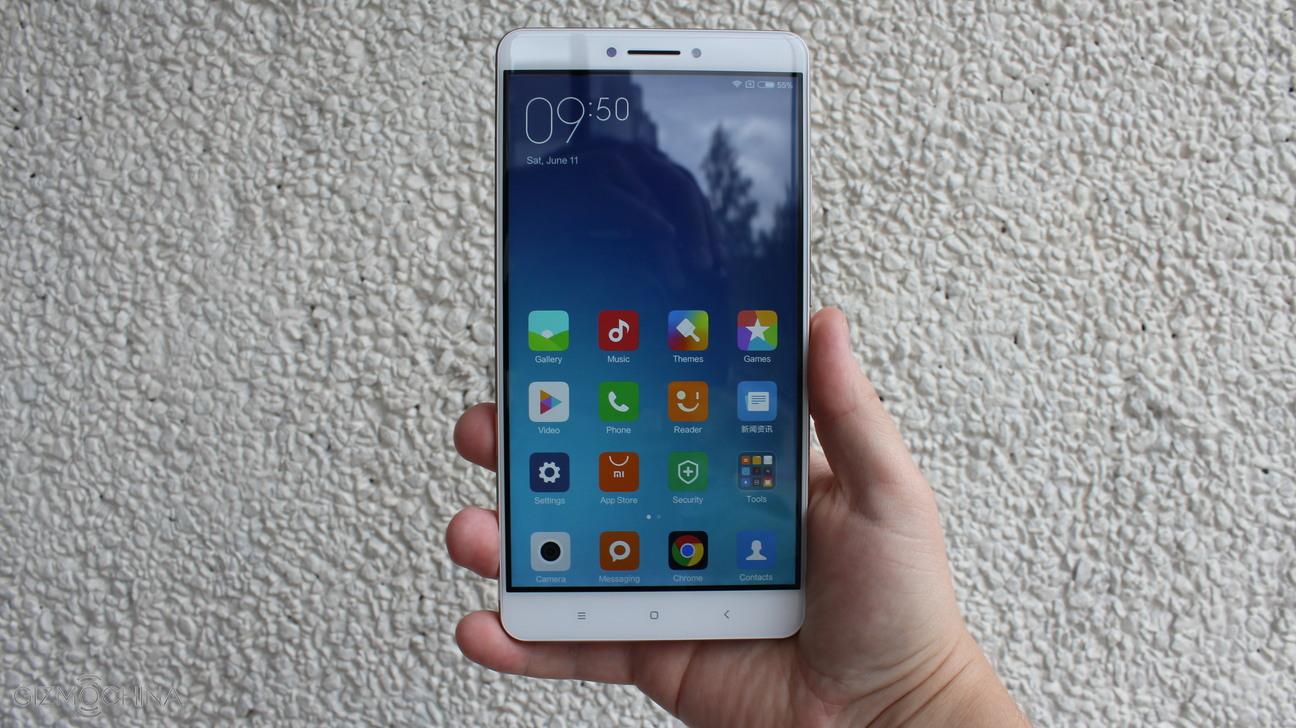
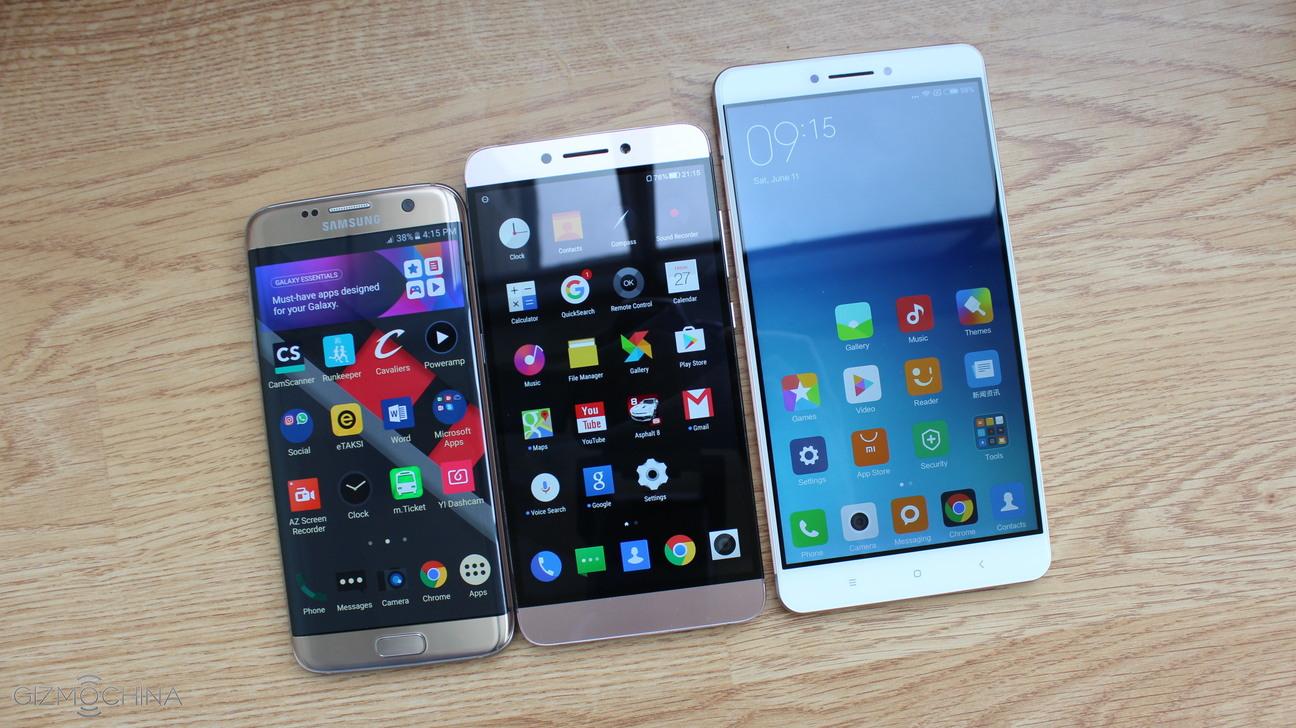
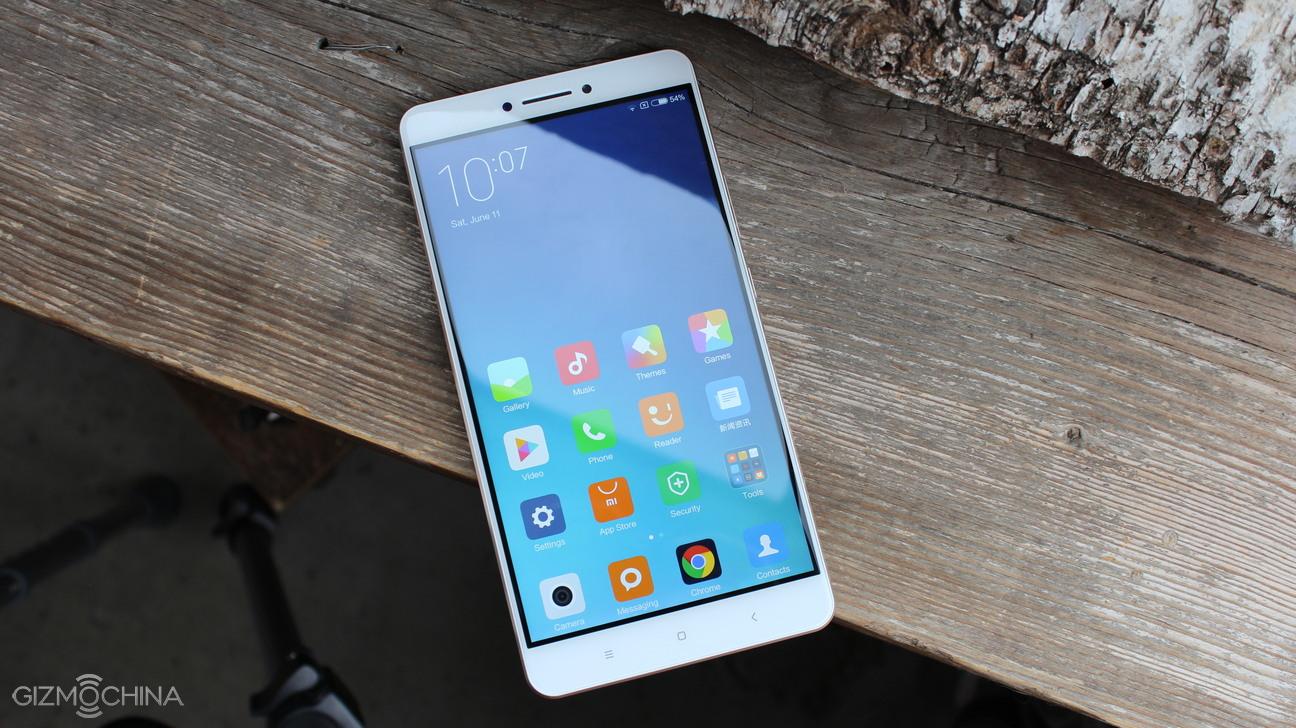
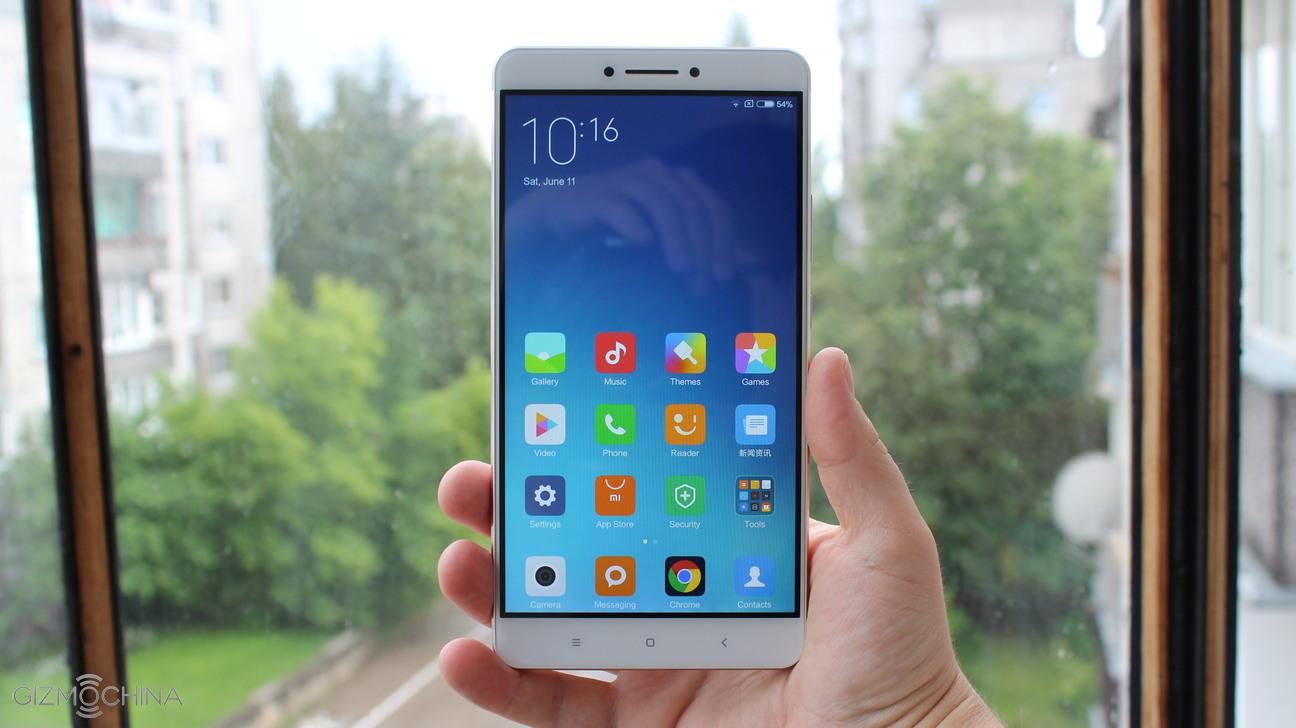
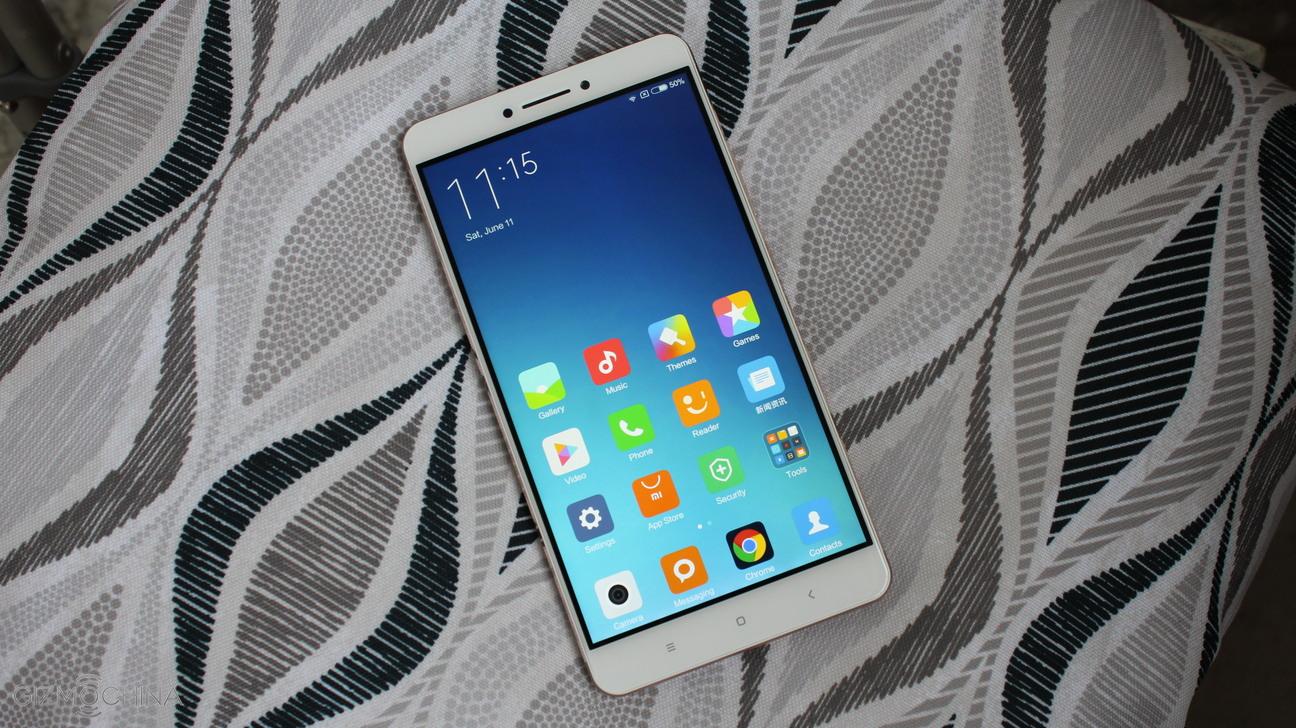
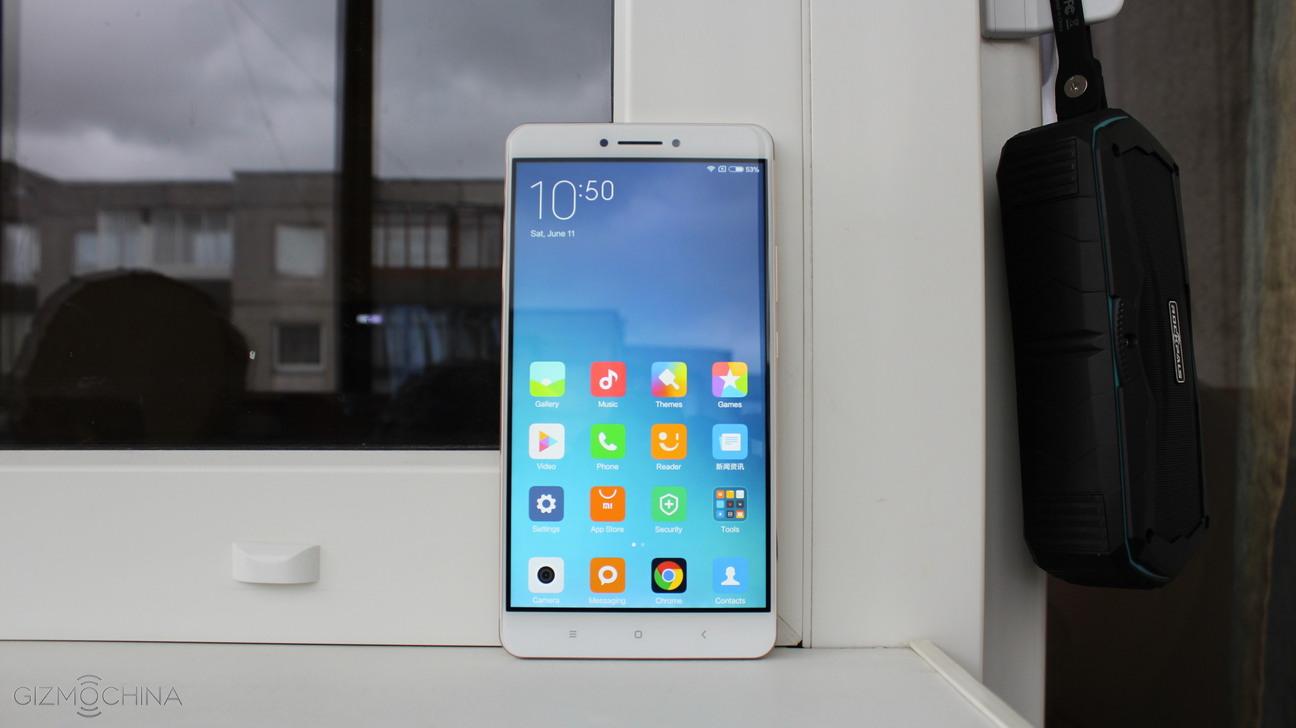
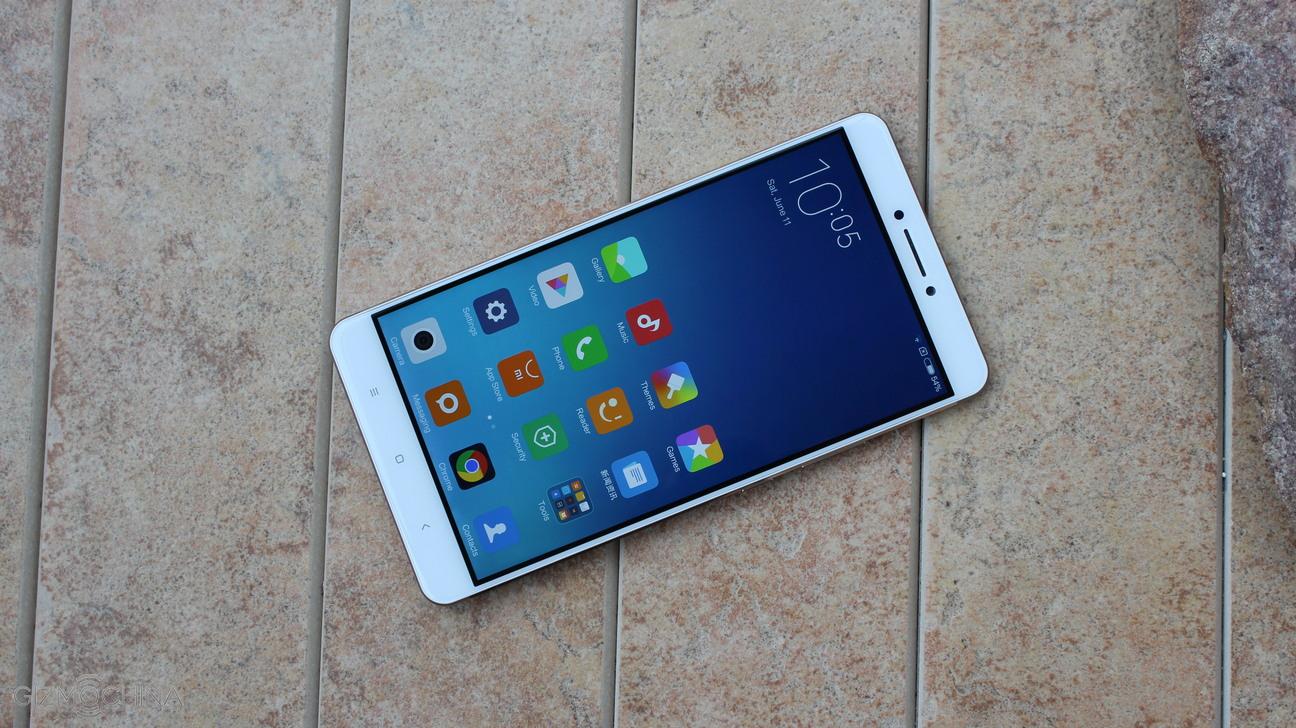
The Xiaomi Mi Max is the largest phone I have ever reviewed and it is large…. I mean, really large.
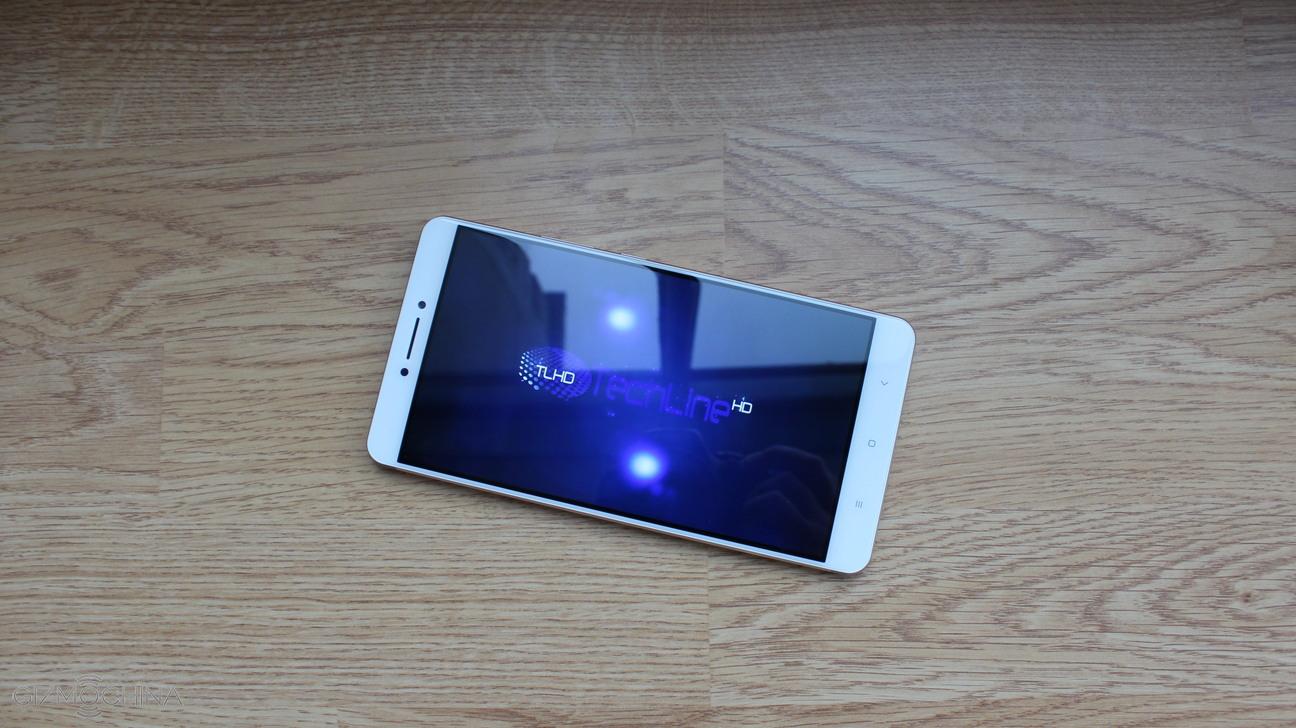
We have an enormous 6.44” Gorilla Glass 4-covered 1080p display, which is actually sharp and it is pretty similar panel to the one seen on the Redmi Note 3. The only downside is that the panel could have slightly better sunlight legibility.
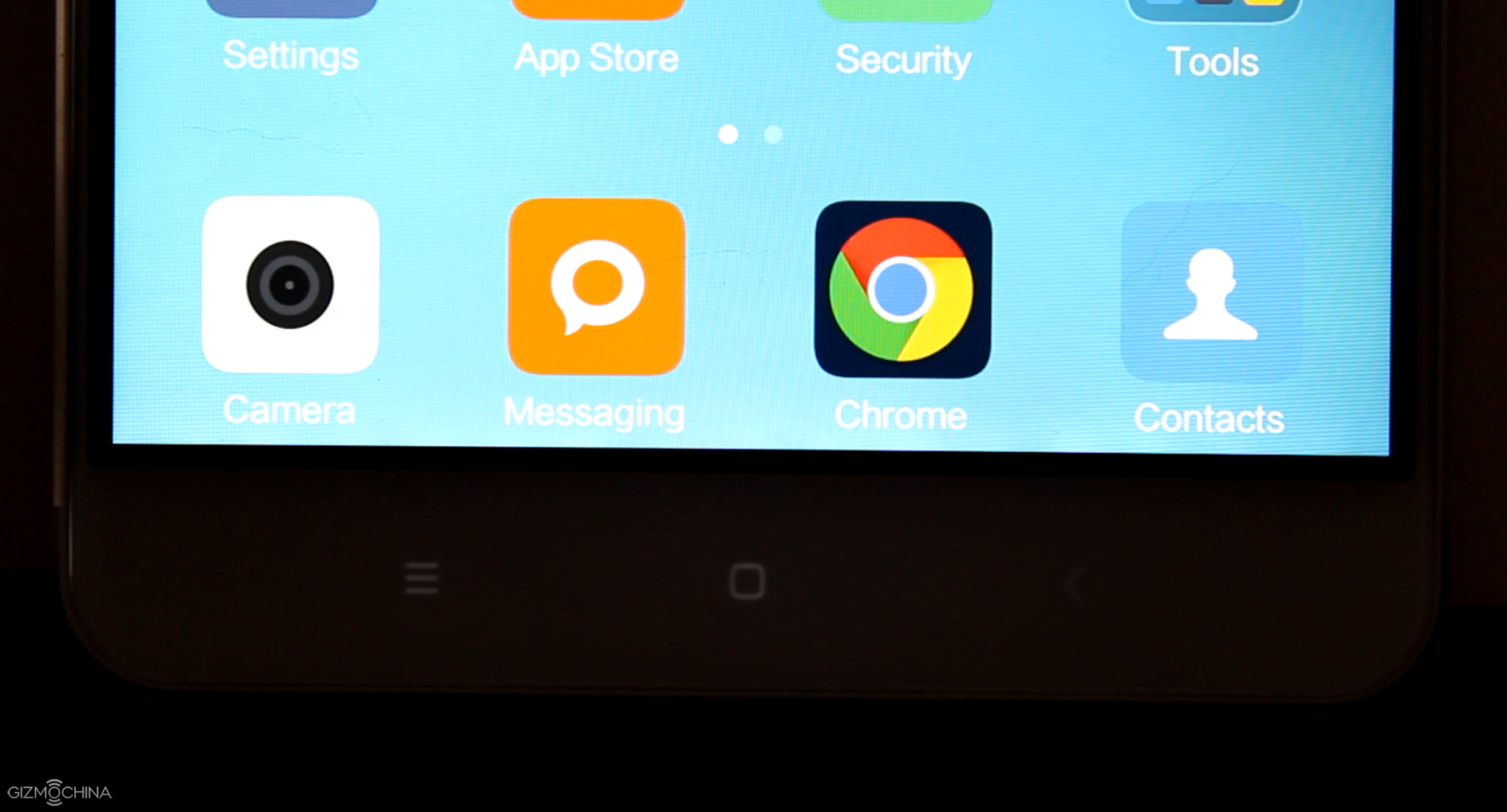
The capacitive buttons are backlit but the back capacitive button is not evenly backlit as the rest of the buttons.
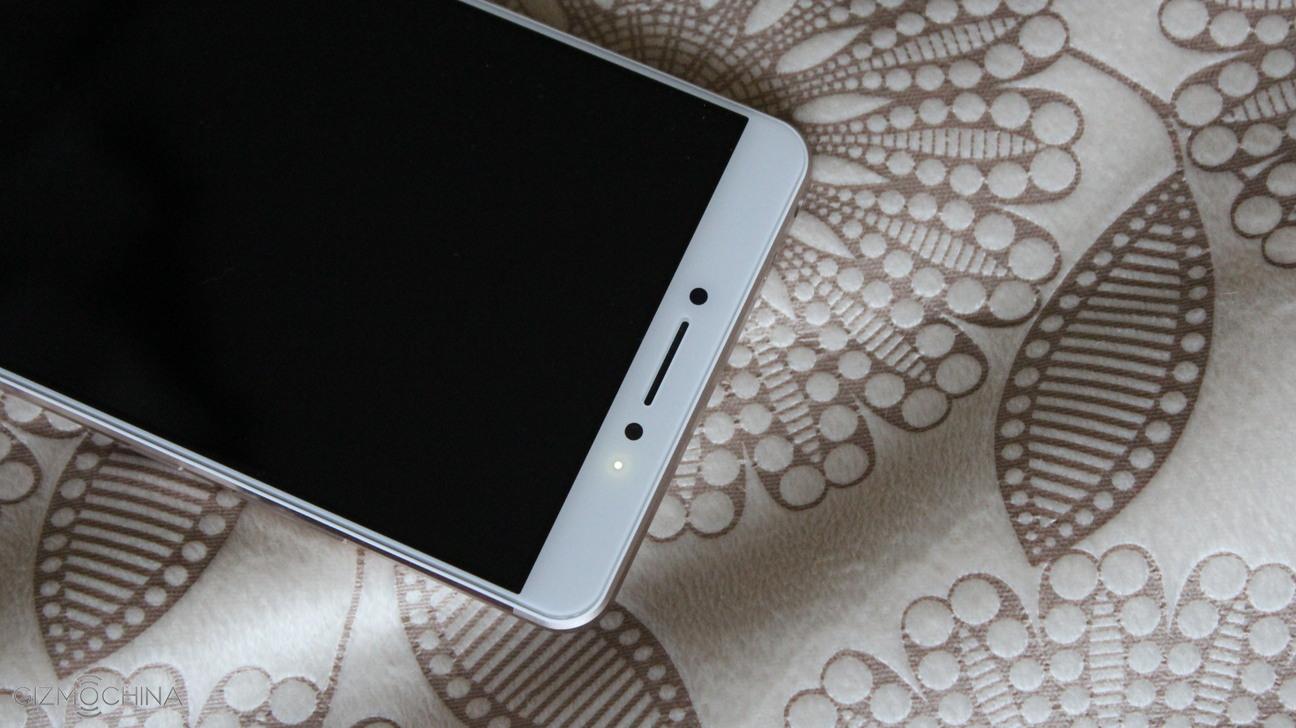
On the top, we have a 5MP selfie shooter and customizable LED notification light.
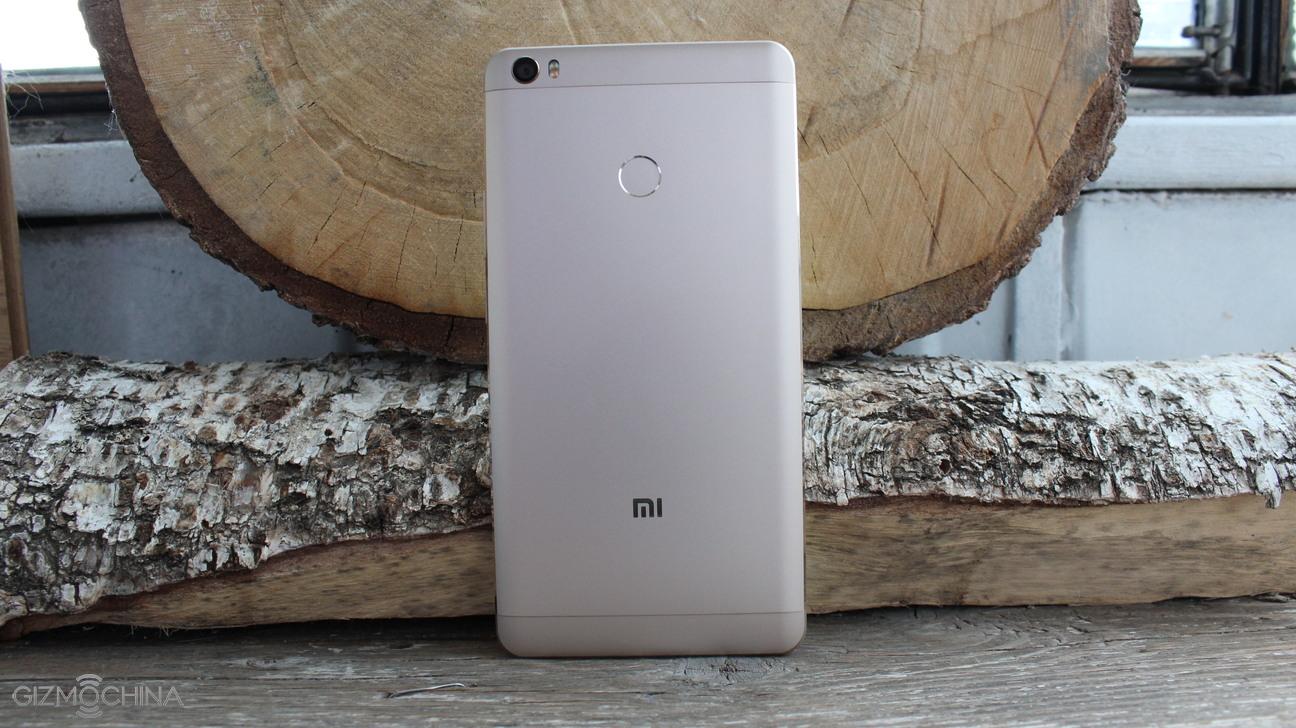
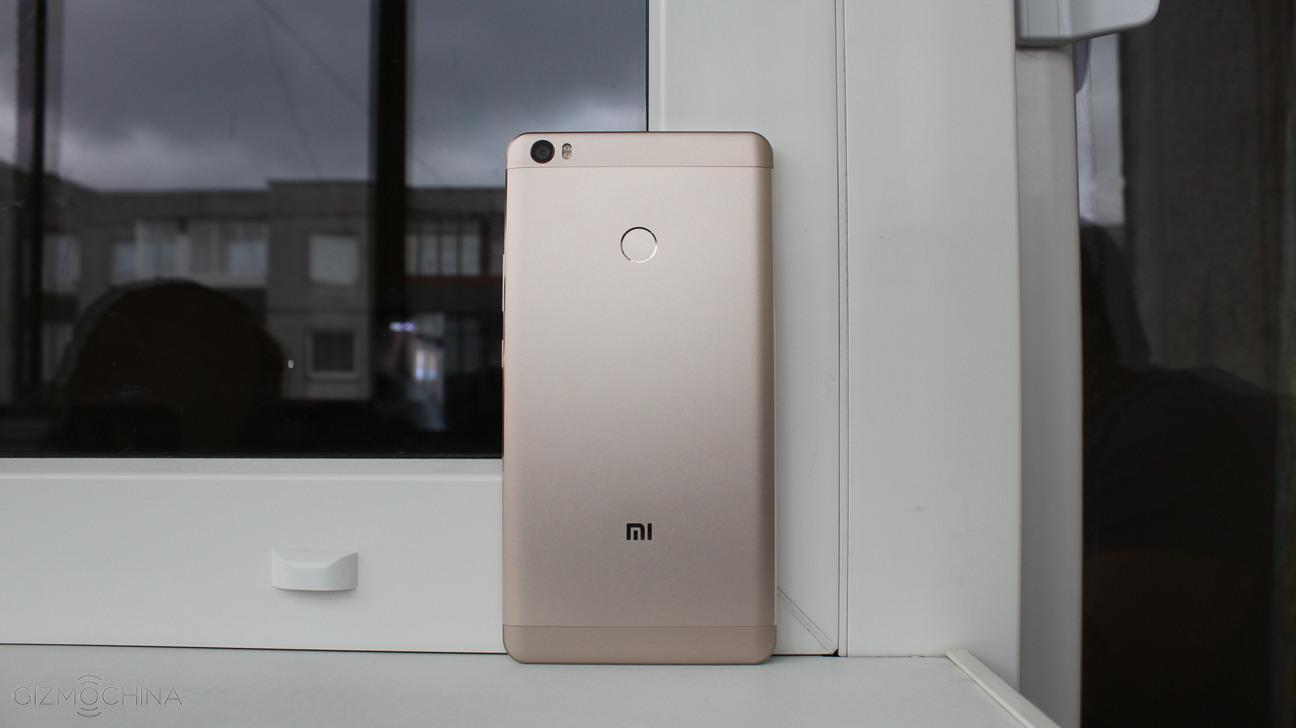
As for design in general, we see quite a typical Xiaomi we’ve seen on other devices. We have a metal unibody design (except for the top and bottom parts) and it adds a bit of a premium look and feel.
A 16MP camera is here for picture taking and right below it, there is a fingerprint sensor. Which is fast and accurate and it works straight from the standby mode.
The buttons are on the right, they are nice and tactile.
We have a hybrid SIM card tray, which can take either 2 SIMs or 1 SIM and the microSD card.
The loudspeaker is loud and it has a pretty good sound quality.
Xiaomi decided to stick with the regular micro USB port for charging and we have some extras the IR blaster.
Overall, the Mi Max is a huge phone and it is impossible to manage it with one hand due to its large display. On the other hand, it is well-crafted and uses some premium materials in its construction.
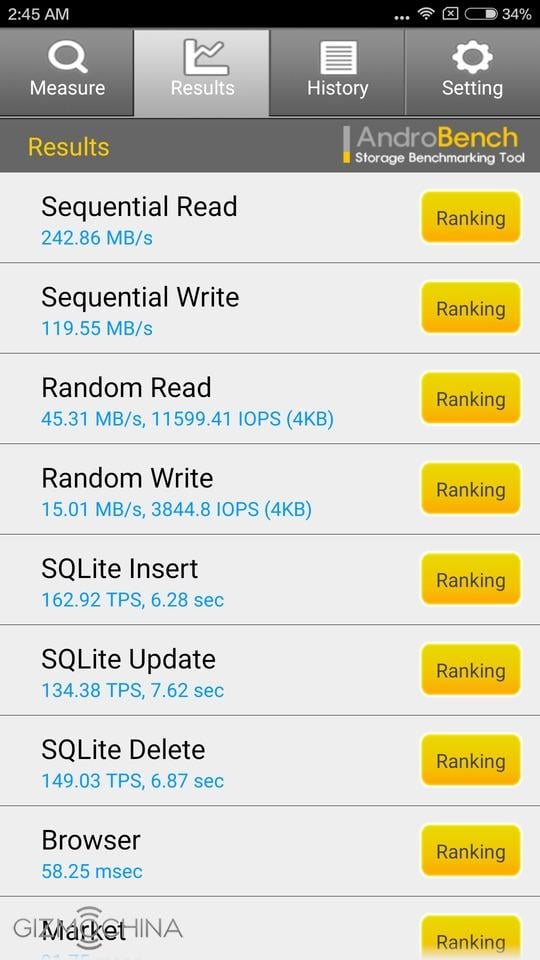
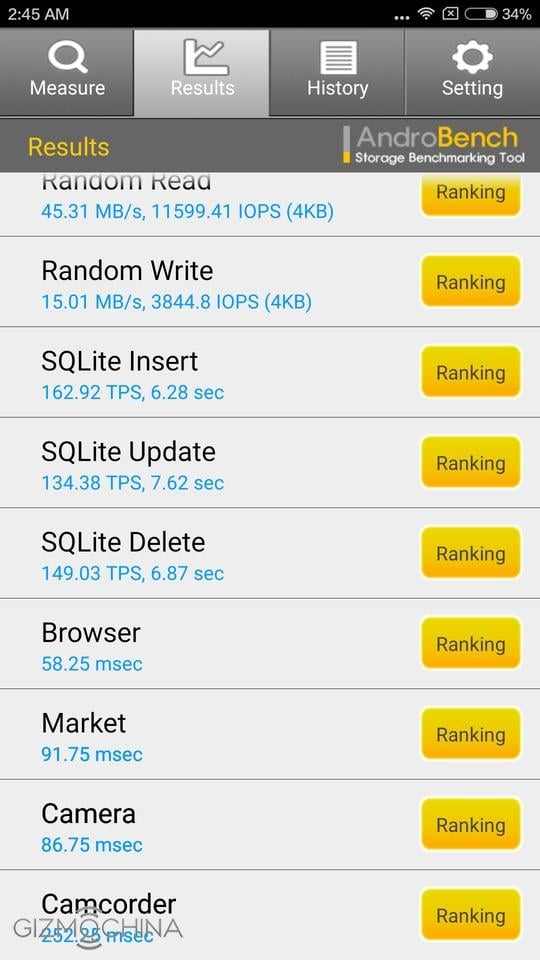
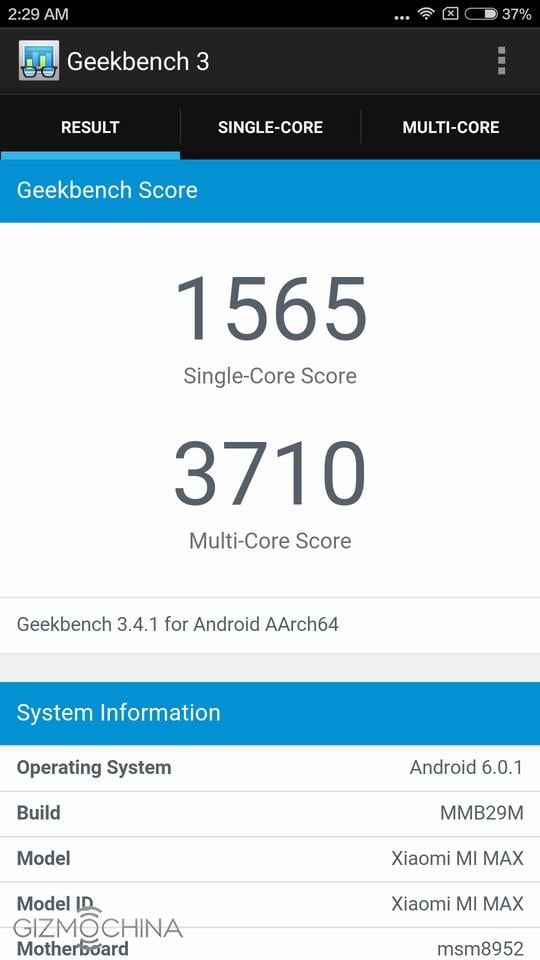
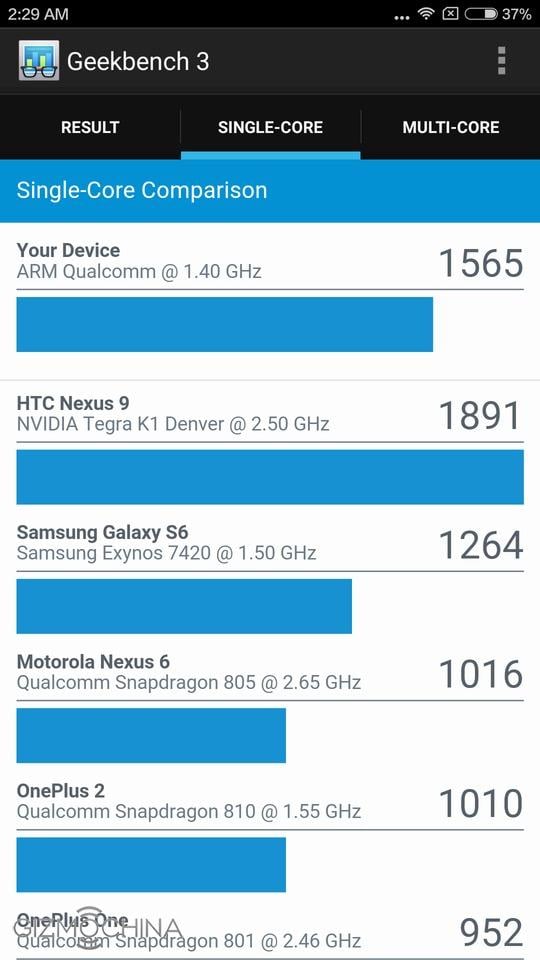
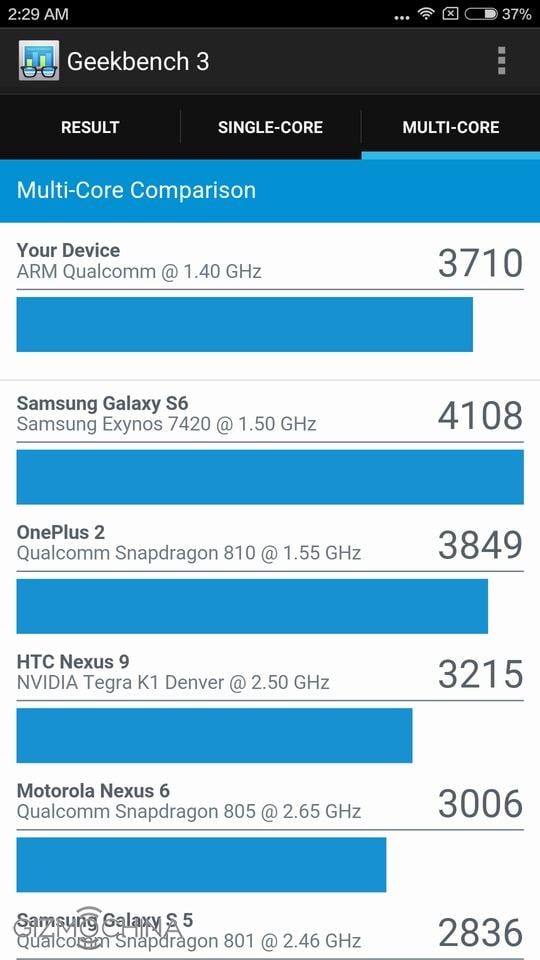
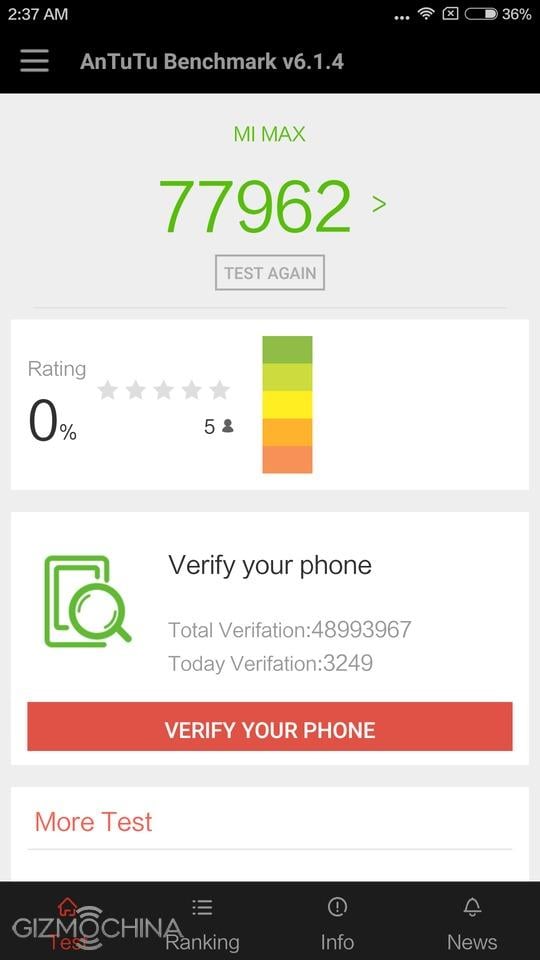
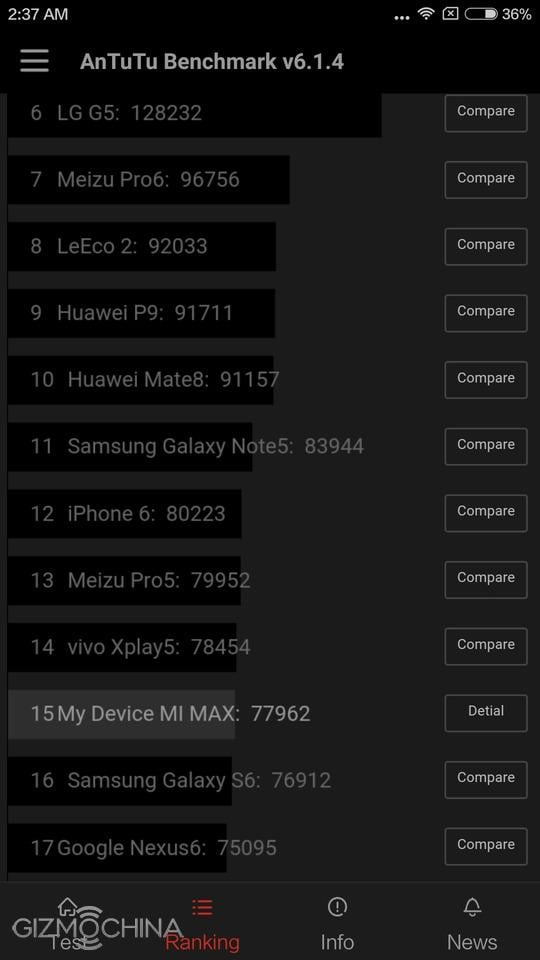
Xiaomi Mi Max Review: BENCHMARKS
Xiaomi Mi Max Review: HARDWARE and PERFORMANCE
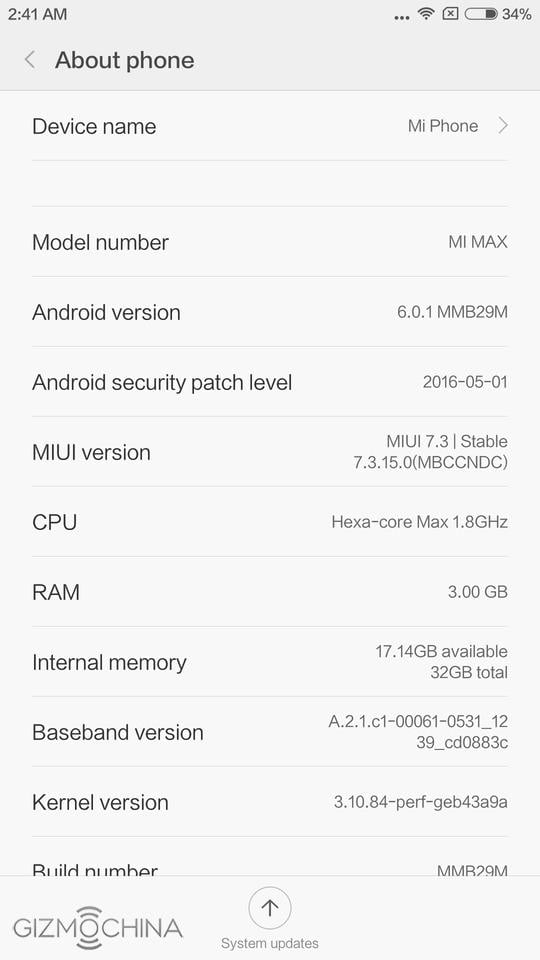
My review unit sports a hexa-core Snapdragon 650 chip with the max. clock speeds of 1.8GHz, 3GB of RAM and 32GB of expandable storage via the microSD card slot.
The gaming performance is great. I played a few games on the highest graphics and there were just a few minor skipped frames that are not even worth complaining about.
Also, the phone does not have any overheating issues even after 30 mins of playing.
Xiaomi Mi Max Review: USER INTERFACE
As for user interface, the phone runs on MIUI 7.3, which is built on top of Android 6.0.
The UI is fast and responsive and I didn’t have a single lag. If you are familiar with the MIUI, you will feel right at home as nothing has really changed.
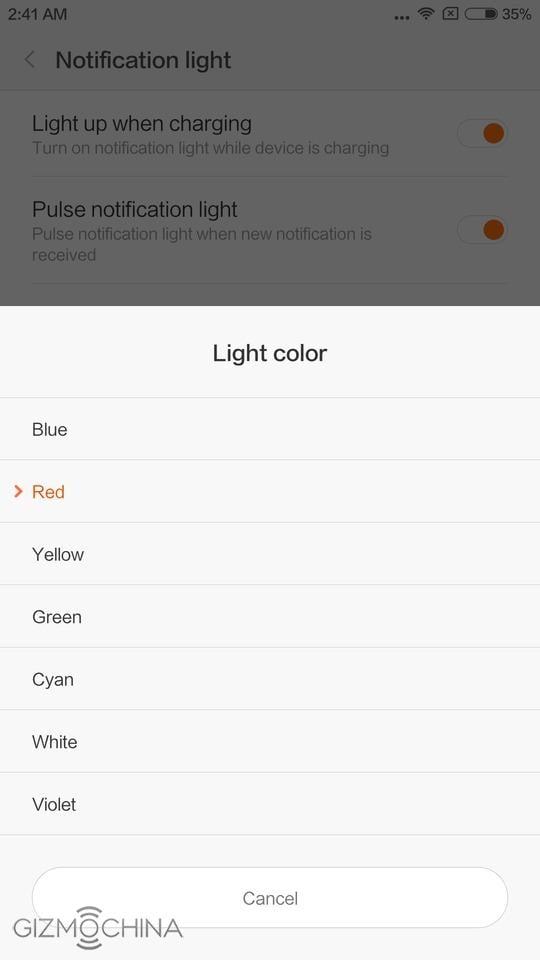
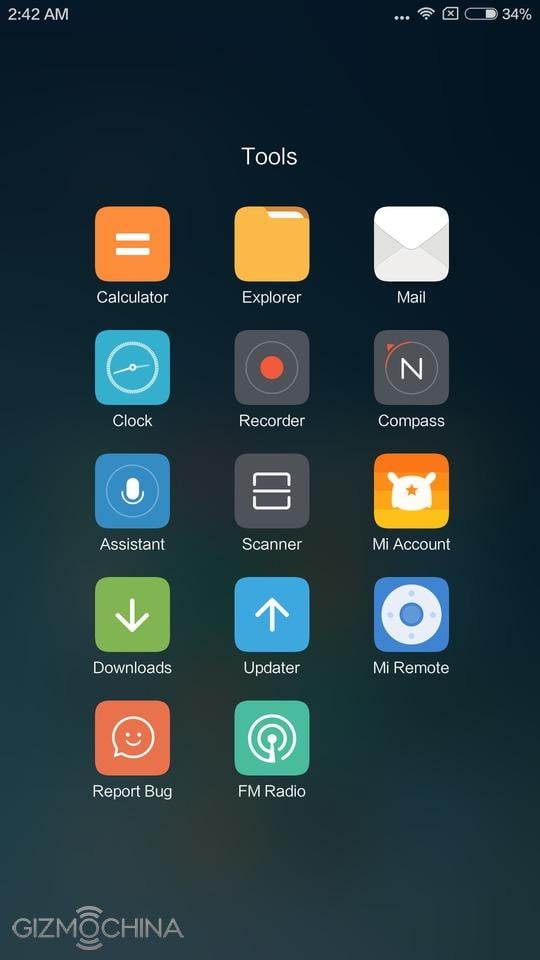
There is no app tray but we have quite a few customization options and tweaks to play with that help make the phone look your own. Also, you can highly customise the LED light, assign different tasks to capacitive buttons, do various tweaks and personalise the phone in a lot of different ways.
Xiaomi Mi Max Review: CAMERA
The 16MP camera produces some great looking daylight images with a good amount of resolved detail, natural looking colors and sharpness.
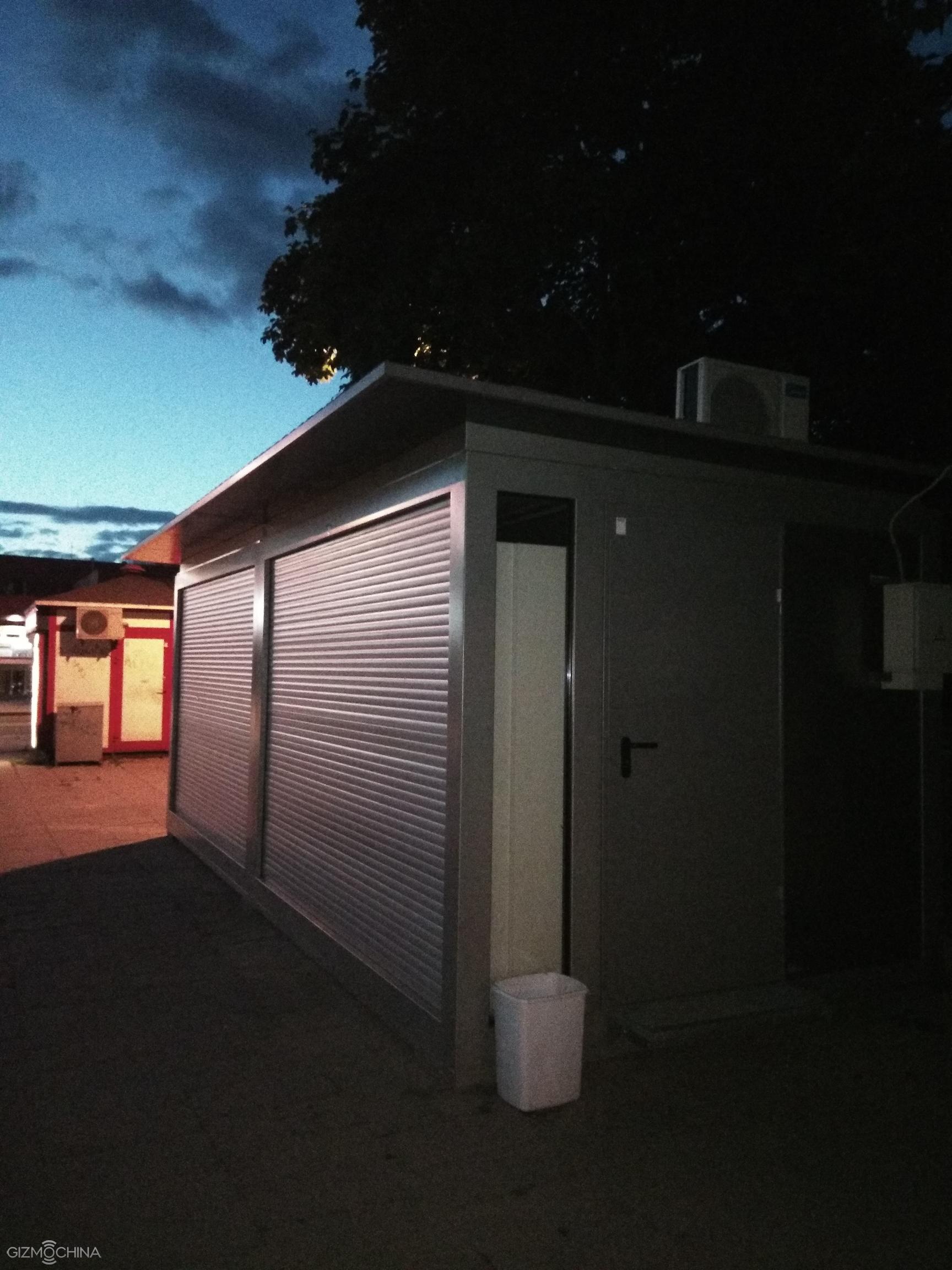
The low-light shots have less detail and more noise but they still look pretty good for the class.
The phone can shoot videos up to 4k resolution and the footage looks pretty good but the continuous auto-focus is jumping like crazy, so I would suggest you to turn it off in the camera settings menu. See a video review for a video sample.
A 5MP camera is not bad and it can take some good looking selfies.
As usual to all Xiaomi phones, I didn’t have any connectivity issues and the GPS is fast and accurate.
Xiaomi Mi Max Review: BATTERY LIFE
In order to power up a huge display, we have a large 4850 mAh battery and it performs great.
You can be rest assured that you will get a day or a couple of days out of this phone depending on the usage.
I could constantly get over 6.5 hours of screen-on time on a mixed use. Again, the battery life is always subjective.
Xiaomi Mi Max Review: CONCLUSIONS
So, there you have it, the Xiaomi Mi Max, one of the largest phones you can buy today.
We have to admit that this phone is not for everyone due to its size but I believe that this is a niche product that will find its users.
The Mi Max has a nice and sharp display, processing power that can handle most of the 3D games, fast and feature-rich user interface, great battery life and a good camera.
However, the continuous auto-focus feature in video recording is not yet optimized and we still don’t have the USB C port for charging. Also, the back capacitive button is not evenly backlit as the rest of the buttons.
All in all, the Xiaomi Mi Max is a very solid extra large smartphone. It delivers in a lot of ways and the phone does not have any major shortcomings. At the price of under $300, it is a great device that may even serve as both – a phone and a tablet.
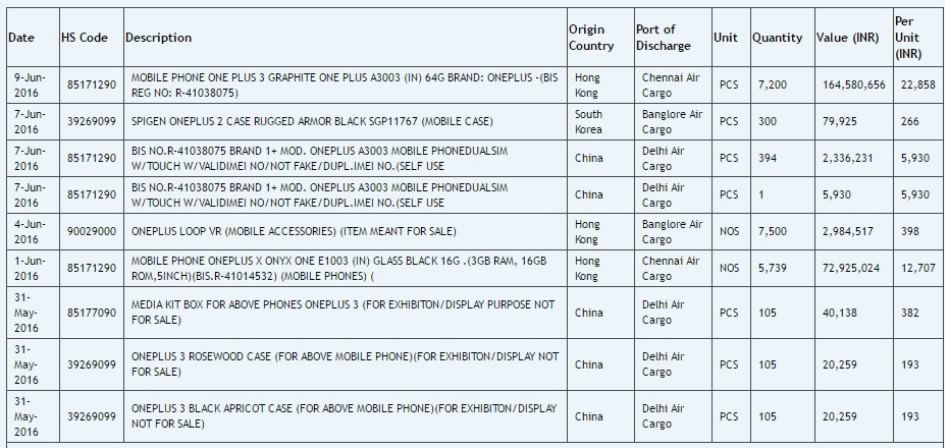
The OnePlus 3 news never ends. Information from Zauba, a website that lists Indian import and export data shows that 7200 units of the OnePlus 3 (A3003, Graphite) 64GB edition was imported for a total sum of $2.46 million after conversion from INR. We did the math and arrived at a price of $341.66 per unit.
Since the OnePlus 3 is expected to have multiple ROM versions (32GB, 64GB, 128GB), we deduced that the version above is the 4GB/64GB version. Speculations in recent weeks states that the OnePlus will have a starting price of 1999 Yuan which is approximately $305. And since the version imported has a price tag of $341, it kind of hints that the base model which will sport 4GB RAM and 32GB of ROM will cost $305.
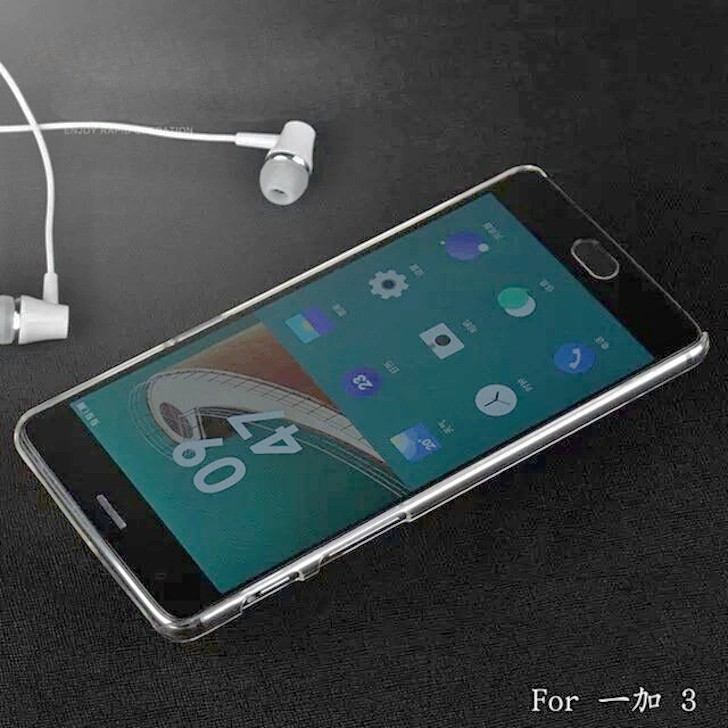
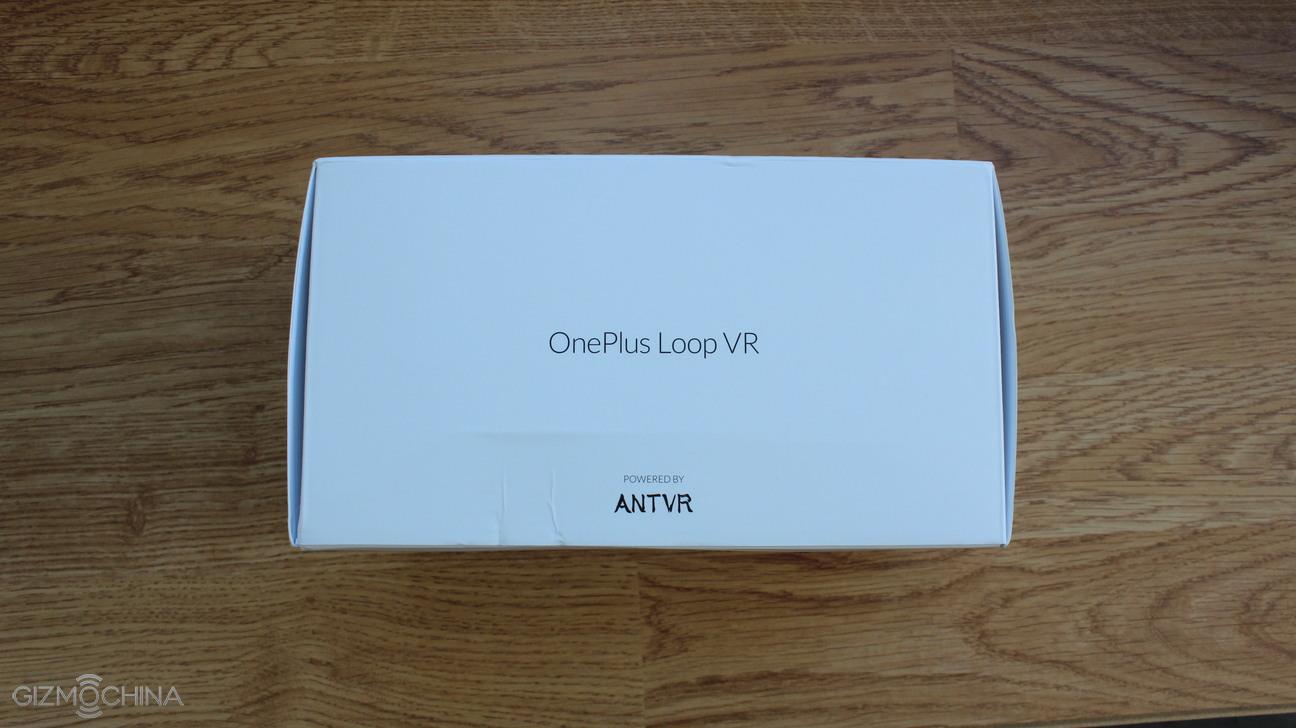
There are some other items on the import list as well, such as cases VR kits, and even the OnePlus X. Though some of the accessories are listed as not for sale, we still decided to do the math for our wonderful readers so that you have a rough estimate of what you’ll be spending if you eventually pick up the OnePlus 3. OnePlus Loop VR = $6
Black Apricot Case = $3
Rosewood Case = $3
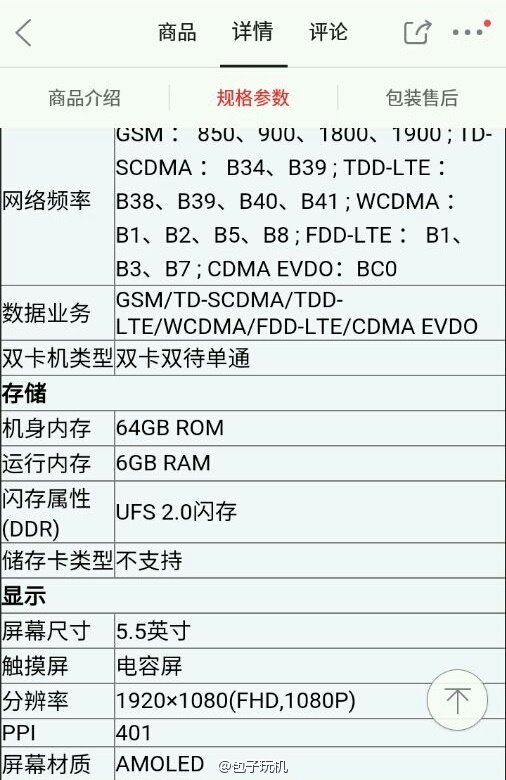
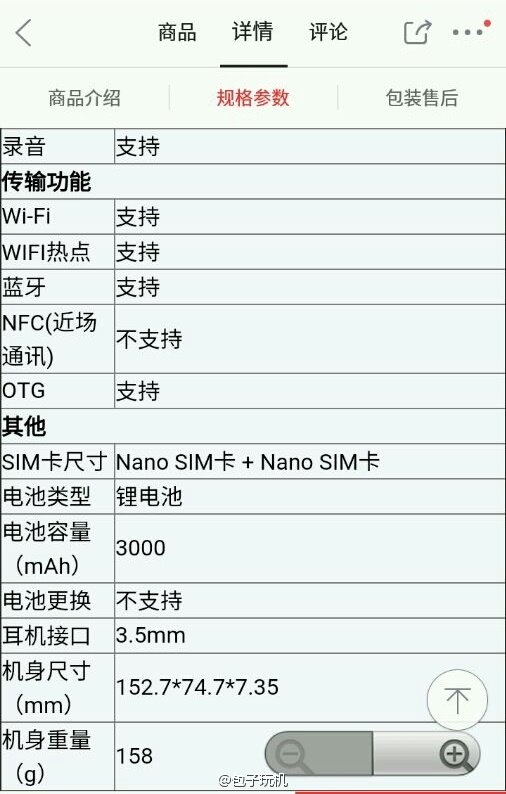
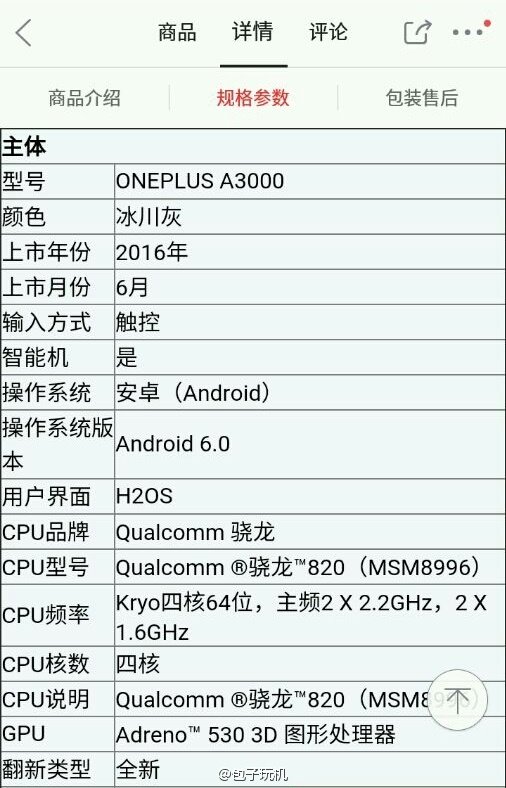
A fully detailed specification sheet of the OnePlus 3 surfaced at TENAA recently and confirms that the OnePlus 3 won’t have NFC. We did mention it will come with NFC support which was surprisingly missing on the OnePlus 2, but it seems OnePlus still doesn’t want to bring it back. And seeing that the version of the OnePlus listed is the 6GB/64GB model, we can assume that it’s not going to be on even the 128GB version.
 
Other specifications confirmed include a 5.5’’ FHD AMOLED screen, a Snapdragon 820 processor clocked at 2.2GHz, Adreno 530 GPU, dual nano SIM slots, a 3.5mm earphone jack which should be good news for those who don’t like the new USB type-C audio jacks in some recent flagships; and a 3000mAh battery.
The phone will support all networks, run Android 6.0 Marshmallow, and weigh 158g.
We have just 4 days to the launch of the OnePlus 3 and CEO Pete Lau aka Liu Zuohu has decided to whet our appetite by posting a night shot of the OnePlus 3. We’ve been getting a steady stream of camera samples of the OnePlus 3 and this is probably not going to be the last.
The picture is an outdoor one of a fireworks show and it does look impressive. The color reproduction is good, noise reduction is great, and we can see the blacks are well reproduced.
The OnePlus 3 is going to sport a 5.5″ FHD screen; 4GB or 6GB of RAM and possibly multiple ROM configurations (32GB, 64GB, and 128GB); a Snapdragon 820 processor; 16MP rear camera capable of shooting in 4k and 8MP for selfies; NFC, fingerprint scanner; and a 3000mAh battery. Pricing is said to start at 1999 Yuan.
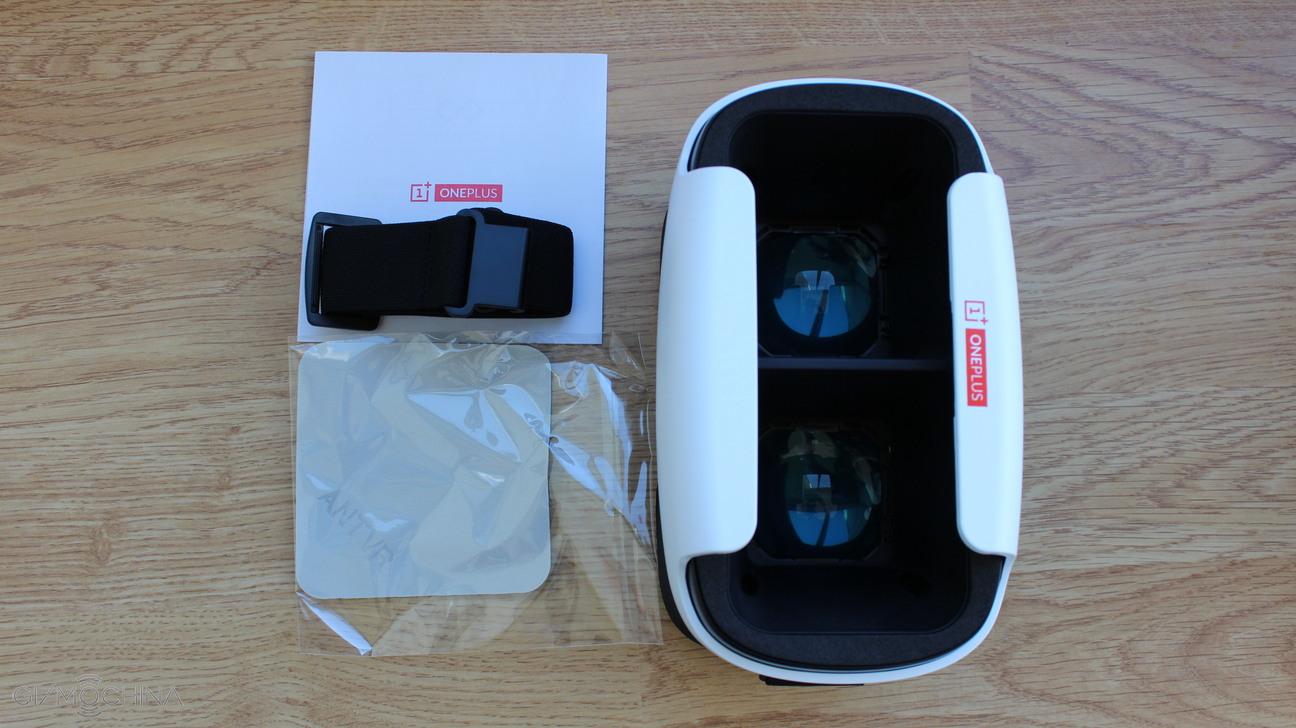
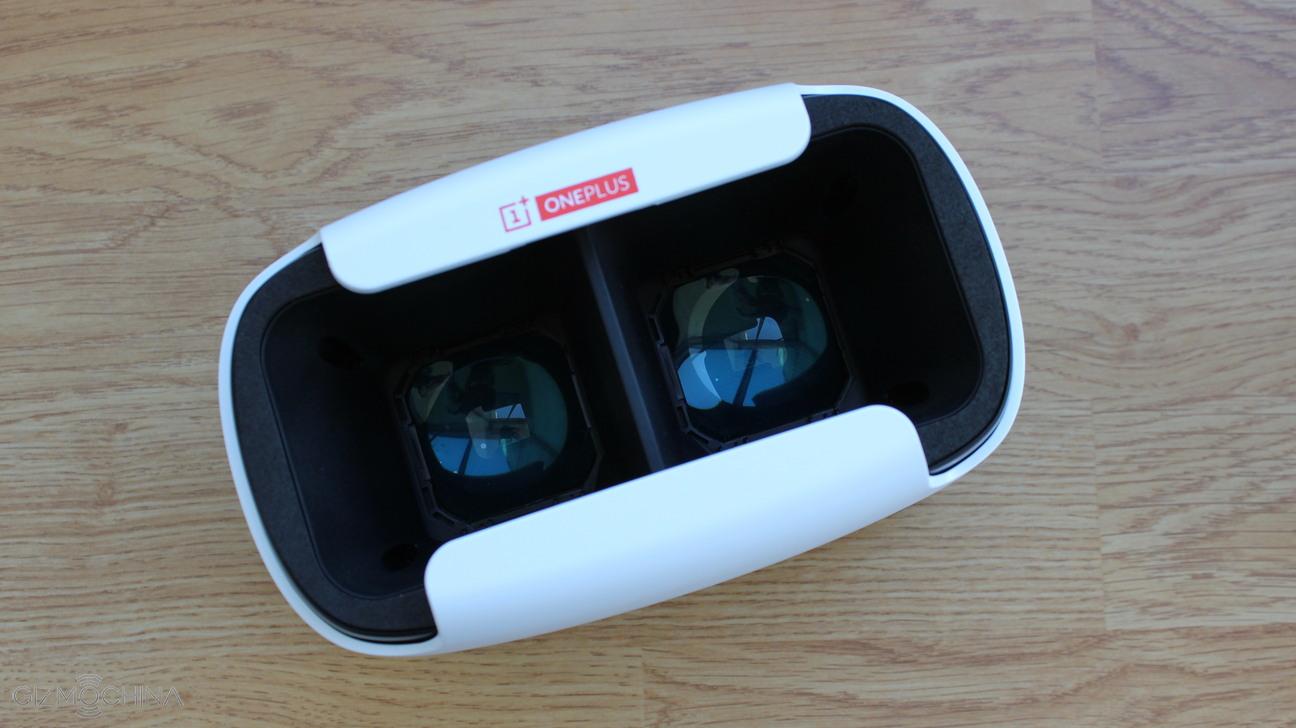
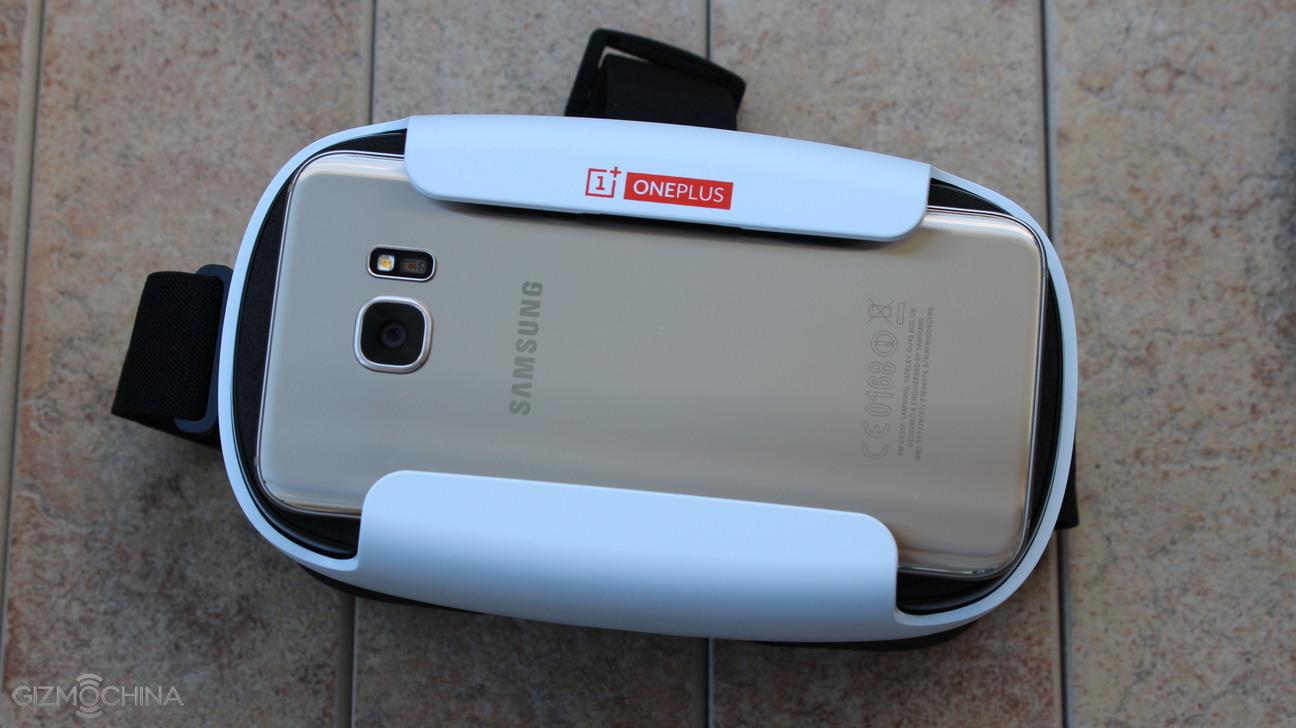
OnePlus 3 official release date is approaching and I was one of the lucky ones that managed to get the OnePlus Loop VR headset for free. Well, I just needed to pay the shipping fee of 7 EUR, to be precise. I spent some time with it and here is my full review.
Inside in the box you are getting the headset itself, some paperwork, a cleaning cloth and a head strap.
OnePlus VRHeadset Review: DESIGN and FEATURES
The very first thing that is going to impress you is the build quality. I’m not sure what will be the retails price of it but I presume it will be around $30.
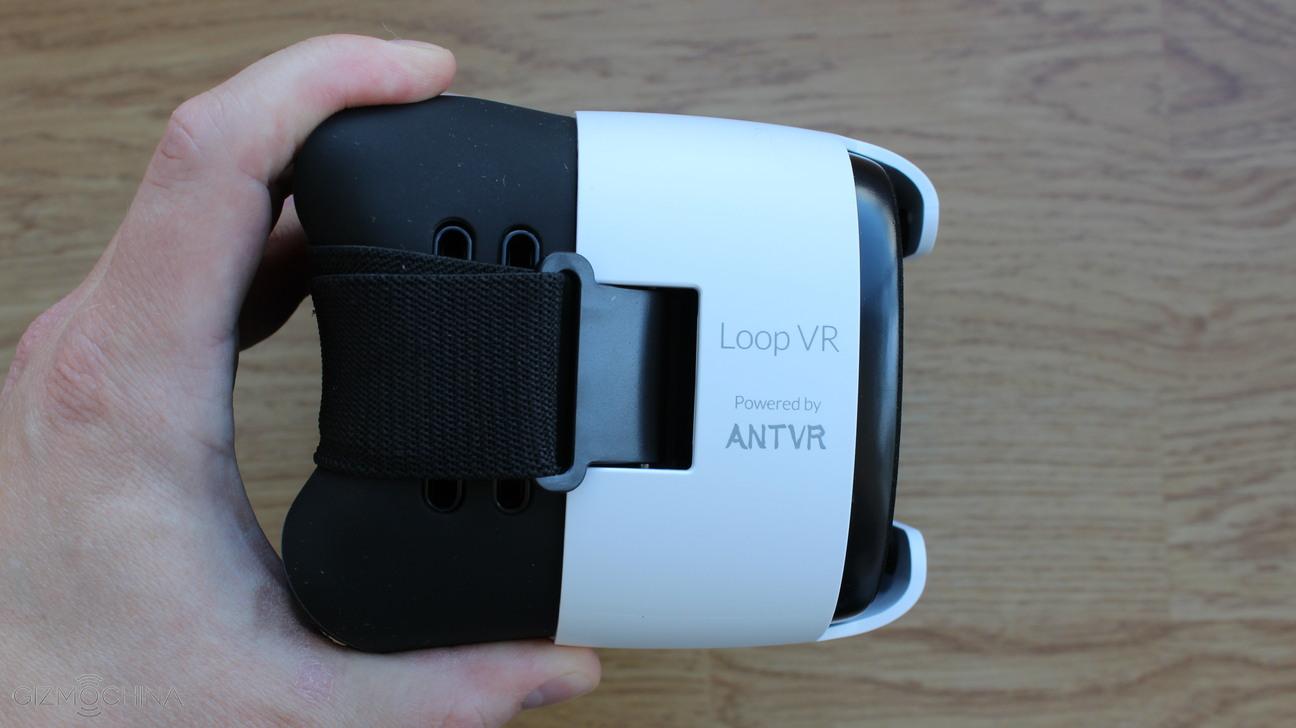
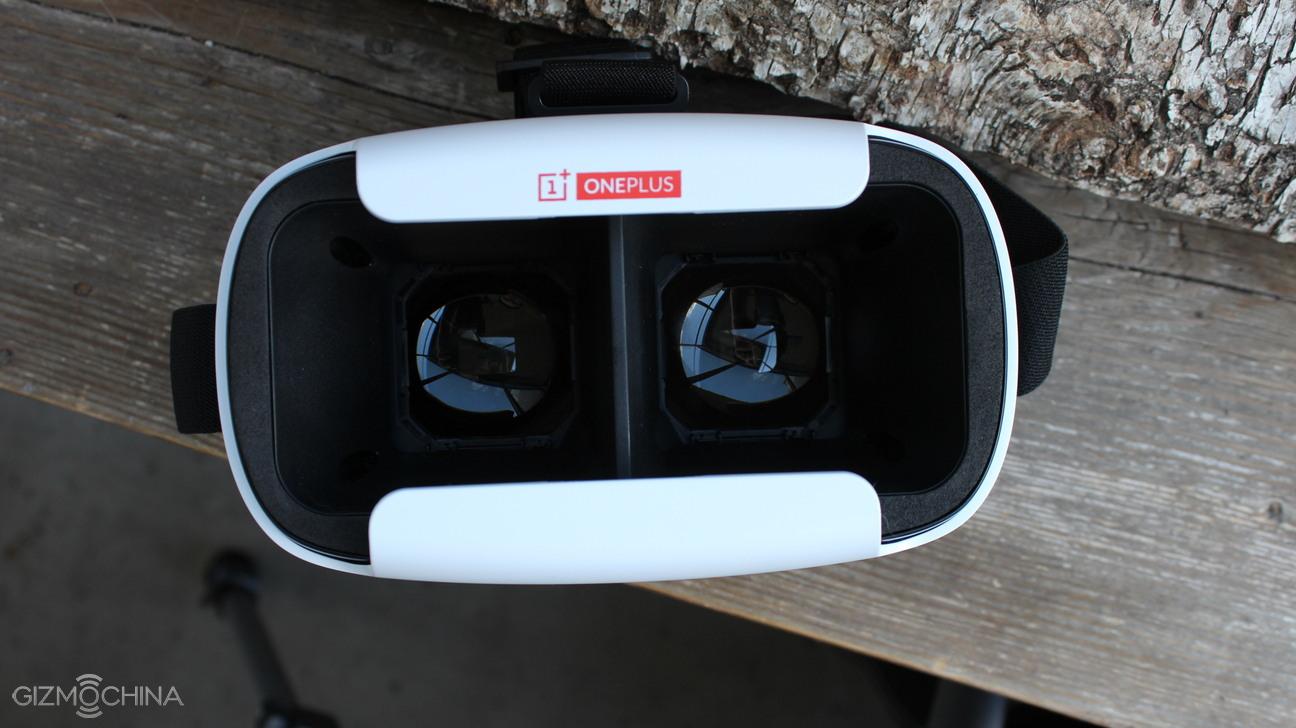
The headset uses high-quality plastic, rubber, foam and other materials and the device does not look cheap at all.
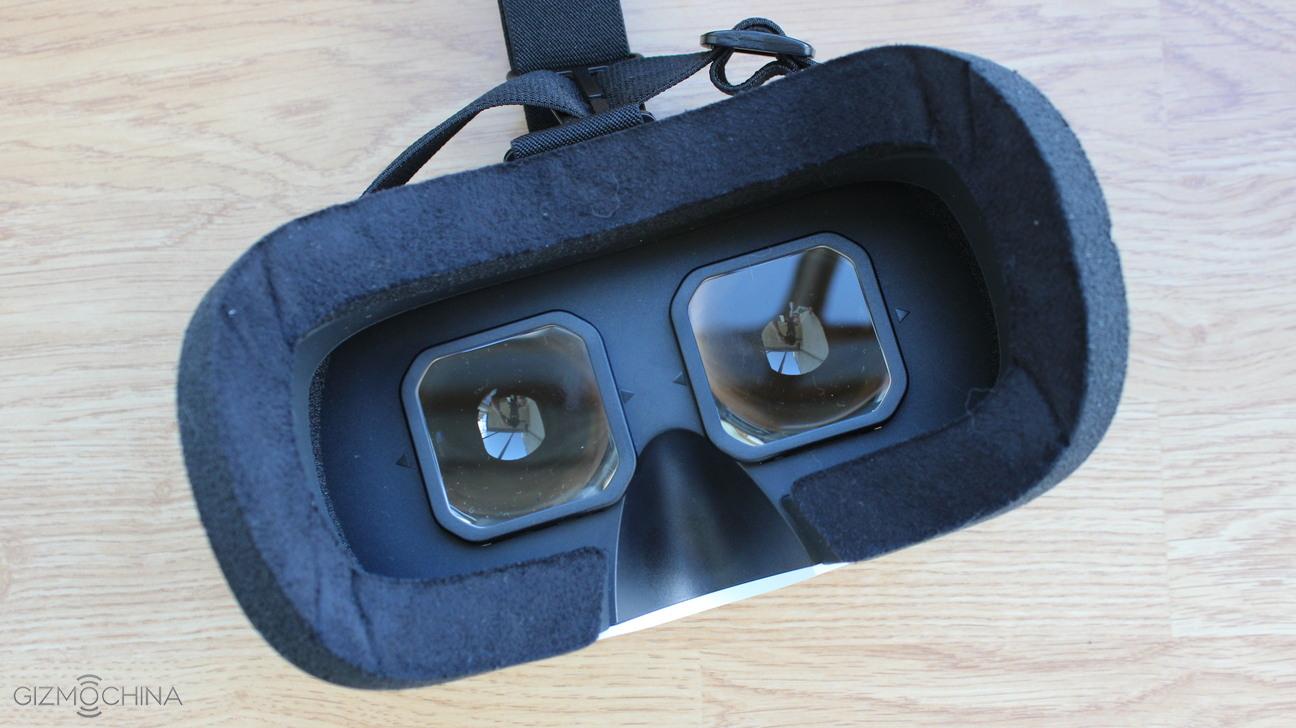
The one and only thing that you can control is the distance between your eyes. I was disappointed that you cannot control the distance between the phone and your eyes. Also, you have to know that this is a passive headset, meaning that there are no control buttons.
I am not going to talk too much what you can do with any basic VR headset but you can check out the video of the Blitzwolf VR headset review for that.
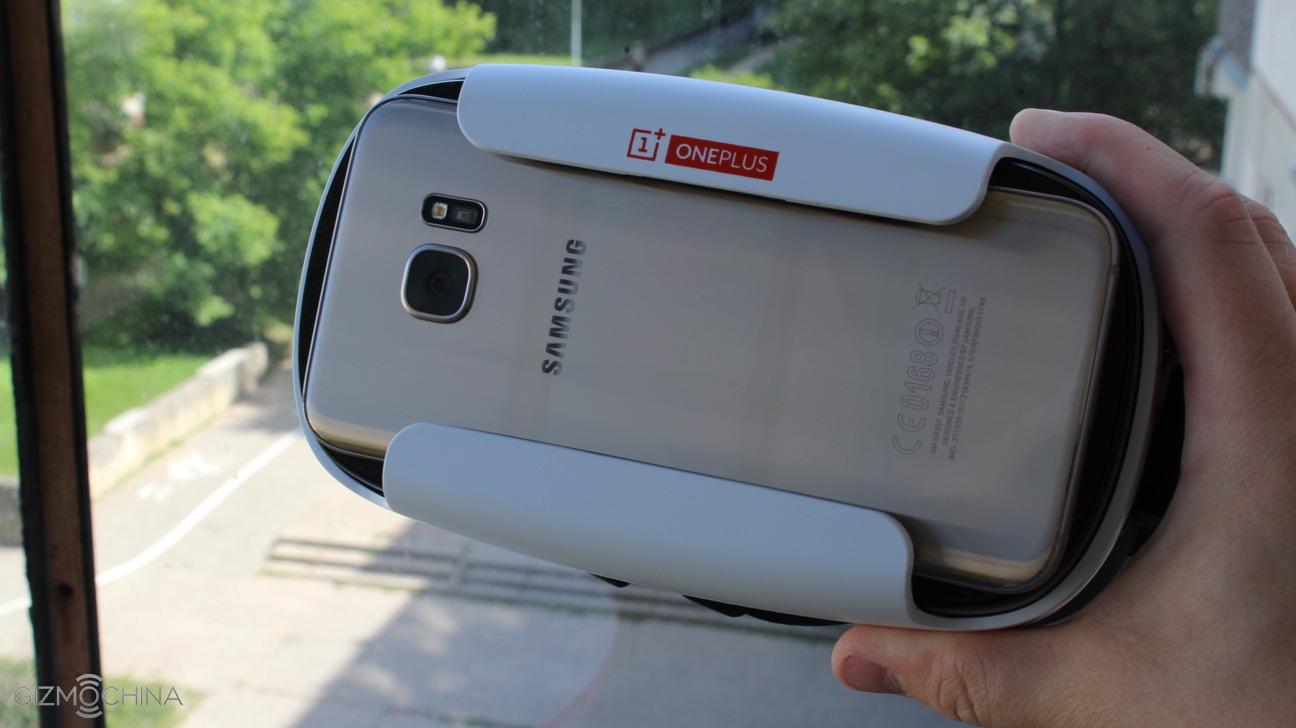
In order to start using the VR headset, you have to slide your phone in and for this review I used the Samsung Galaxy S7 edge. There is some foam and rubber inside the sliding part and it kept my phone secure. Well, this review would have been completely different otherwise.
When it comes to any VR headset, one of the key aspects is comfort. Unfortunately, the OnePlus headset fails in this department.
I may sound a little subjective, or my nose has a weird shape, or my head has a weird shape… I don’t know… but the main issue is that there is no cushion on the nose part and it is really uncomfortable. You can partly solve this issue by sliding the headset up to your forehead but it may slide back.
OnePlus VRHeadset Review: CONCLUSIONS
I can’t complain much about the OnePlus VR headset since I got it for free. In fact, I love a great build quality and a choice of materials. However, you cannot adjust the distance between the phone and your eyes.
Also, I didn’t find the headset to be comfortable to wear. I’m not sure for how much OnePlus is going to sell it but I have reviewed some other cheap options that may not have that great build quality of the OnePlus VR headset, but they are more comfortable to wear.
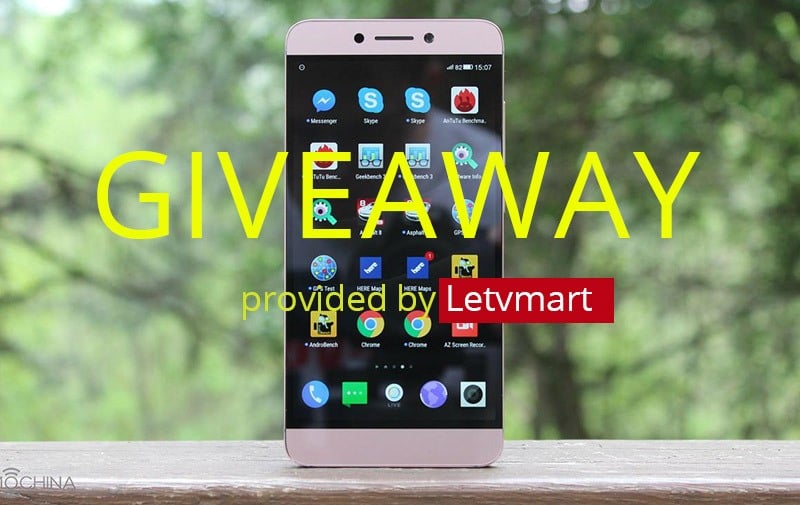
It has become a habit for us to giveaway popular smartphones to our readers. Just recently the Vernee Thor giveaway ended and now, we are back with another super popular device that I am sure many would like to win — the new Le 2 smartphone. This particular device gets a lot of ticks on a regular smartphone buyer’s check list and hence, it’s no surprise that the phone has received a lot of well-deserved attention.
Hence,
To recap, the Le 2 comes with a beautiful 5.5-inch 1080p display with the deca-core Helio X20 chipset inside. There will be 3GB of RAM on board and 32GB of internal storage. At the back, the phone comes with a 16MP rear camera, while up front, you get an 8MP shooter. Finally, you have a decent 3000mAh battery on board, which should give you at least a day’s usage.
Overall, the Le 2 is a pretty good smartphone in its segment. I am sure most of our readers would love to win this device. Since the unit for giveaway is provided by LeTVMart, we would like to thank them for making this possible. Do check out their website as they sell all LeEco smartphones and provides free express international shipping.
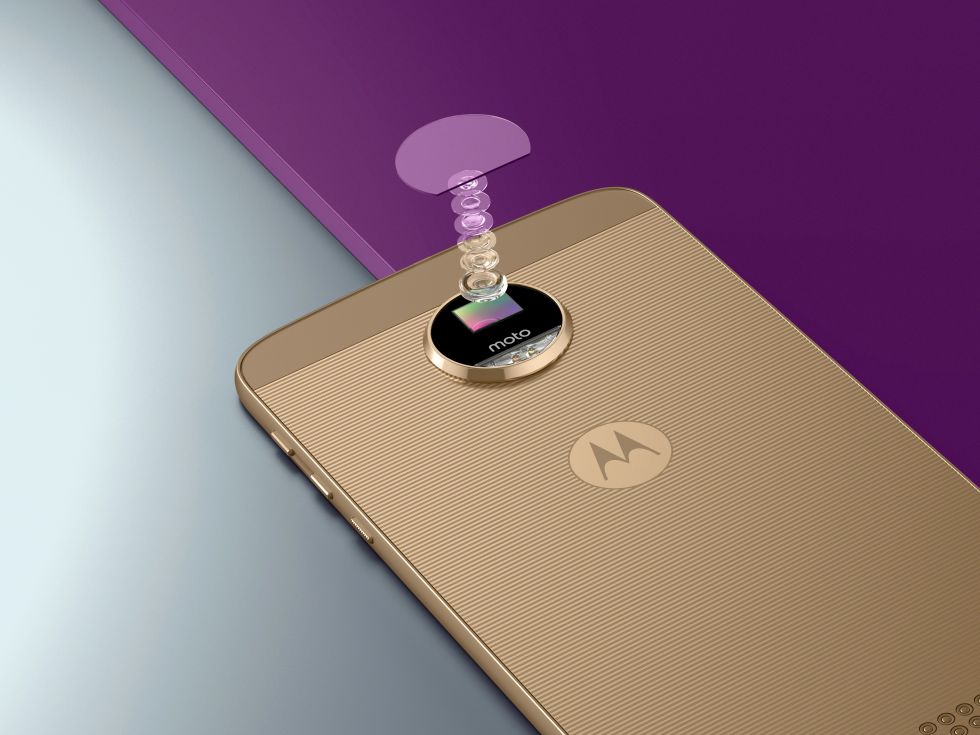
For the past few weeks, we have been consistently bombarded with leaks and rumors about Moto Z flagship. Now, the rebranded Moto Z family is official and it’s everything we expected it to be. There will be two models in the series, namely the Moto Z and the Moto Z Force. There are two major highlights of these devices. First of all, they don’t come with a standard 3.5mm headphone jack. So, you have to use USB Type-C port for listening to music. Secondly, they come with a special 16 pin connector at the back for “MotoMods”. We’ll talk about them in detail soon, but before that let’s look at the specs of the two devices.
The company is calling the Moto Z, the thinnest flagship in the market right now. The phone features an all-metal body that measures just 5.19mm in thickness, which is really thin. But it doesn’t look like this thickness includes the protruding camera of the device. The company has also limited the weight of the device to just 136 grams. The stainless steel + aluminum body also gets nano waterproof coating so that the phone is protected from splashes.
As for the specs, the Moto Z comes with a 5.5-inch 2K display with the mighty Snapdragon 820 quad-core chipset under the hood. There will be 4GB of RAM inside with 32GB / 64GB storage options and MicroSD expansion up to 2TB! At the back, the Moto Z comes with a 13MP sensor with f/1.8 aperture, OIS and Laser Focus. There’s dual tone flash as well. Up front, you get a 5MP wide angle sensor with its own flash. Like the Moto G4 Plus, the phone comes with a front facing fingerprint sensor. Inside, you have a 2600mAh battery with Turbo Charge technology that gives you about 8 hours of battery life with 15 minutes of charging.
Next up, is the Moto Z Force. Looks wise, they both have the same design. But specs are upgraded than the Moto Z. The phone also features a slightly thicker 7mm metal body and weighs 163 grams. The screen up front remains the same as the Moto Z, i.e. 5.5-inch 2k resolution panel, but Motorola has added Moto Shattershield to ensure greater protection to the display.
As for the specs, the basic configuration remains the same. But the camera has been upgraded to 21MP and the battery capacity is also increased to 3500mAh which the company claims is good enough for 40 hours of battery life.
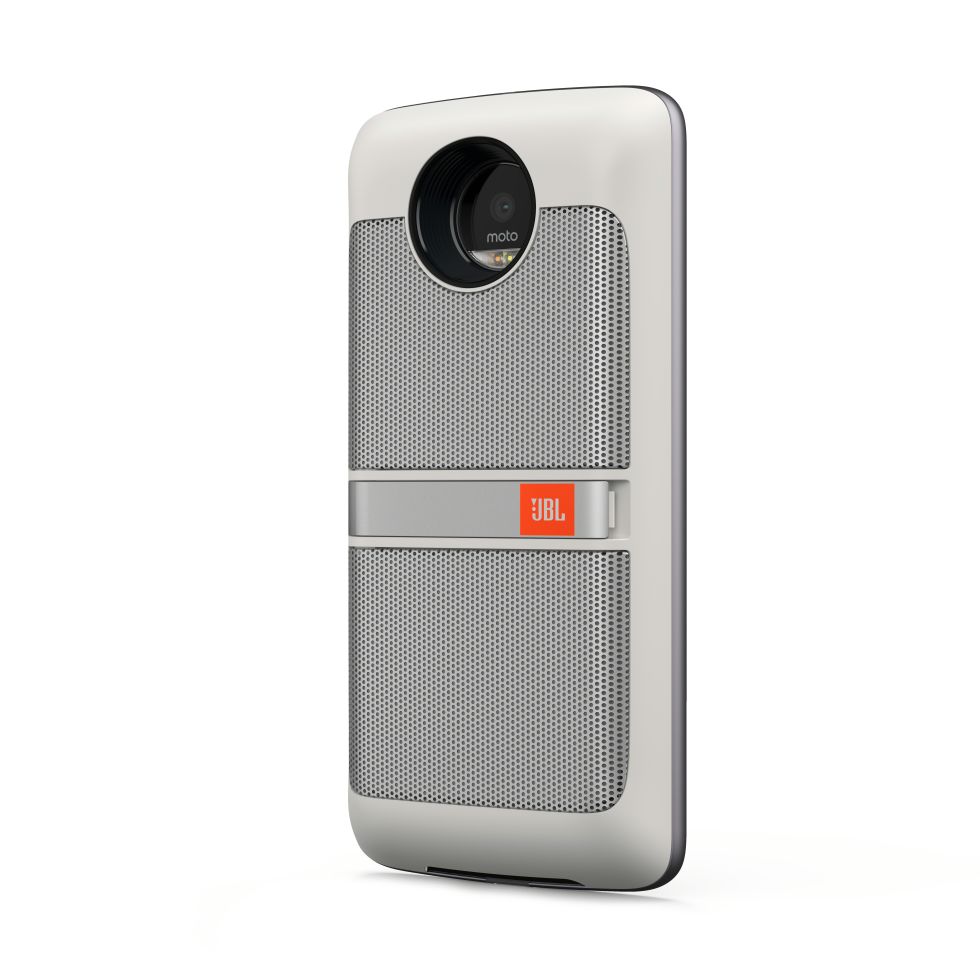
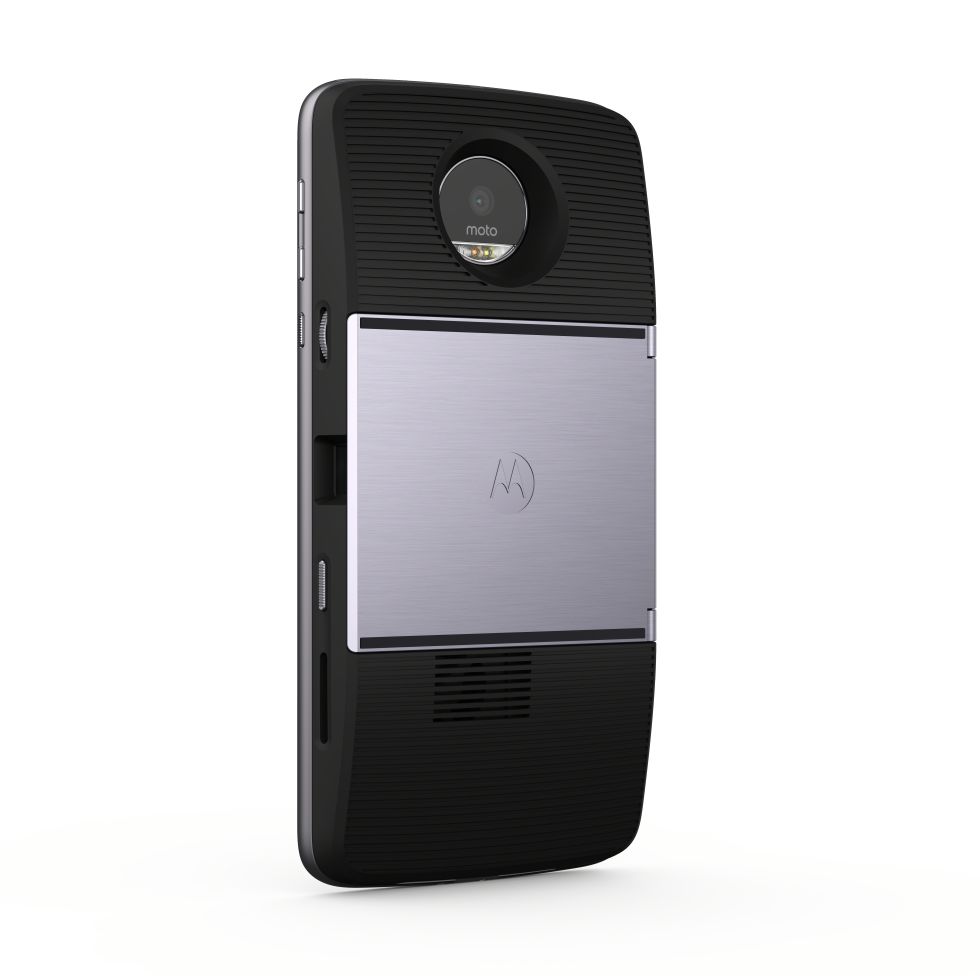
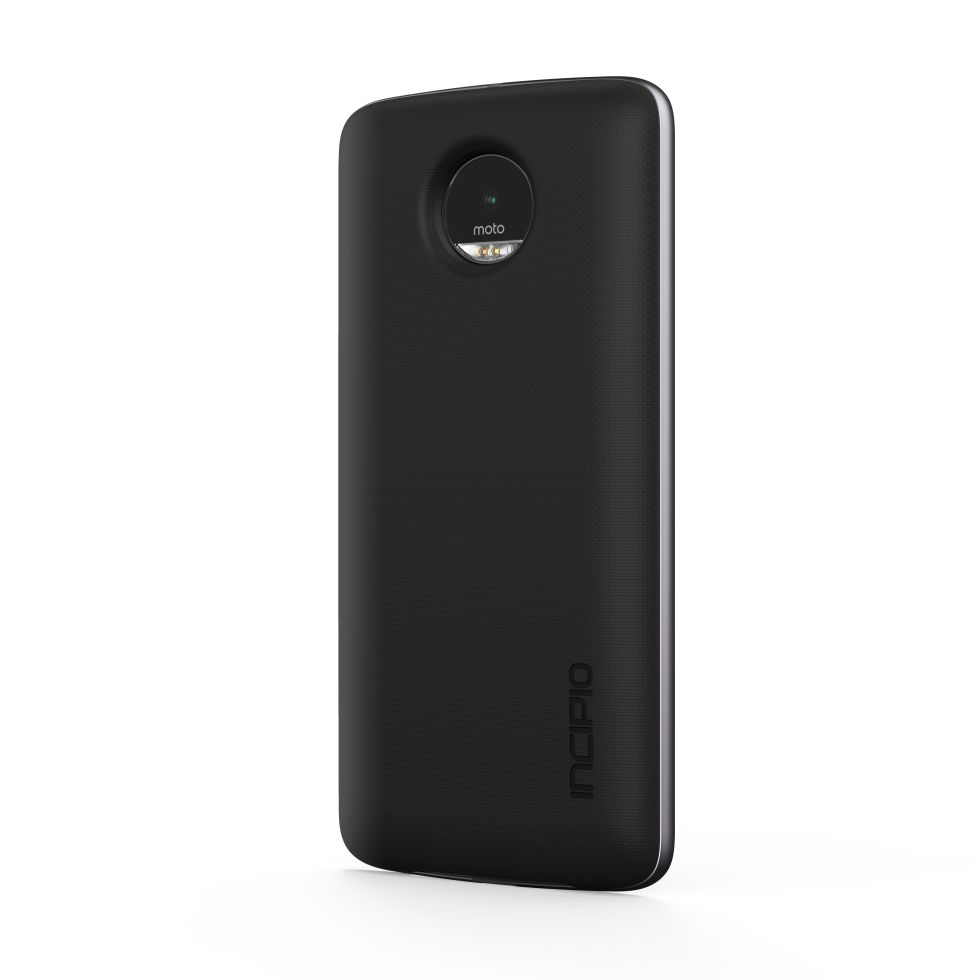
Now, coming to the main highlight of the conference, the Moto Z family gets the MotoMods accessories. These accessories can connect to the phone using the 16 pin connector at the back. These nifty add ons can be used to add new functionality to the device. For example, there are different MotoMods available like JBL Soundboost Music module, projector module, battery module and other ones in wood and leather finish. Unlike the LG G5, these are magnetic attachments which stick to the back. So, no need to take out the battery as in the case of the G5.
The Moto Z family will debut in US this summer. The company has also revealed that the devices will make it to UK, Europe and internationally in September. Unfortuantely, we have no information on the pricing of these handsets yet.
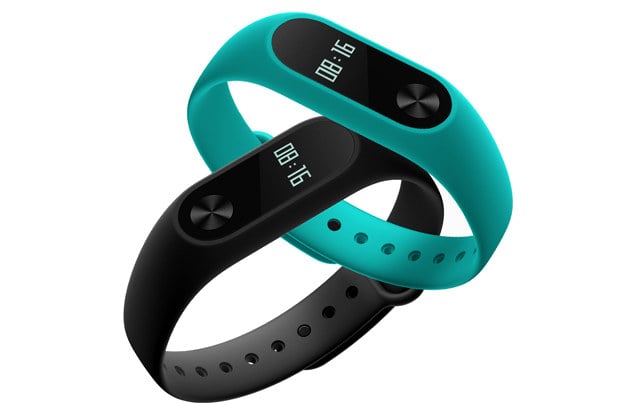
Xioami MiBand 2 is the successor to the widely accepted first generation MiBand and Mi Band 1S, and it seems Xiaomi is replicating that success with their new fitness tracker as there is a scarcity that has caused retailers to list it for insanely high prices.
The new fitness tracker which has an OLED screen is supposed to sell for 149 Yuan ($22), but the unavailability of retailers to restock has led them listing it for up to 229 Yuan ($35). Taobao and other e-commerce sites have complained about the scarcity which has affected delivery time. Even JD.com, which has a strong partnership with Xiaomi started selling the Mi Band 2 at 169 Yuan (around $26), higher than the official price, which surprised many users in China.
Remember how the company had to delay the release of the device due to production issues? It looks like still it’s not being mass-produced to meet the high demand. Hopefully, things will be better soon.
The Xiaomi MiBand 2 has an IP67 water and dust resistance certification, an optical heart rate sensor, and a 70mAh battery.
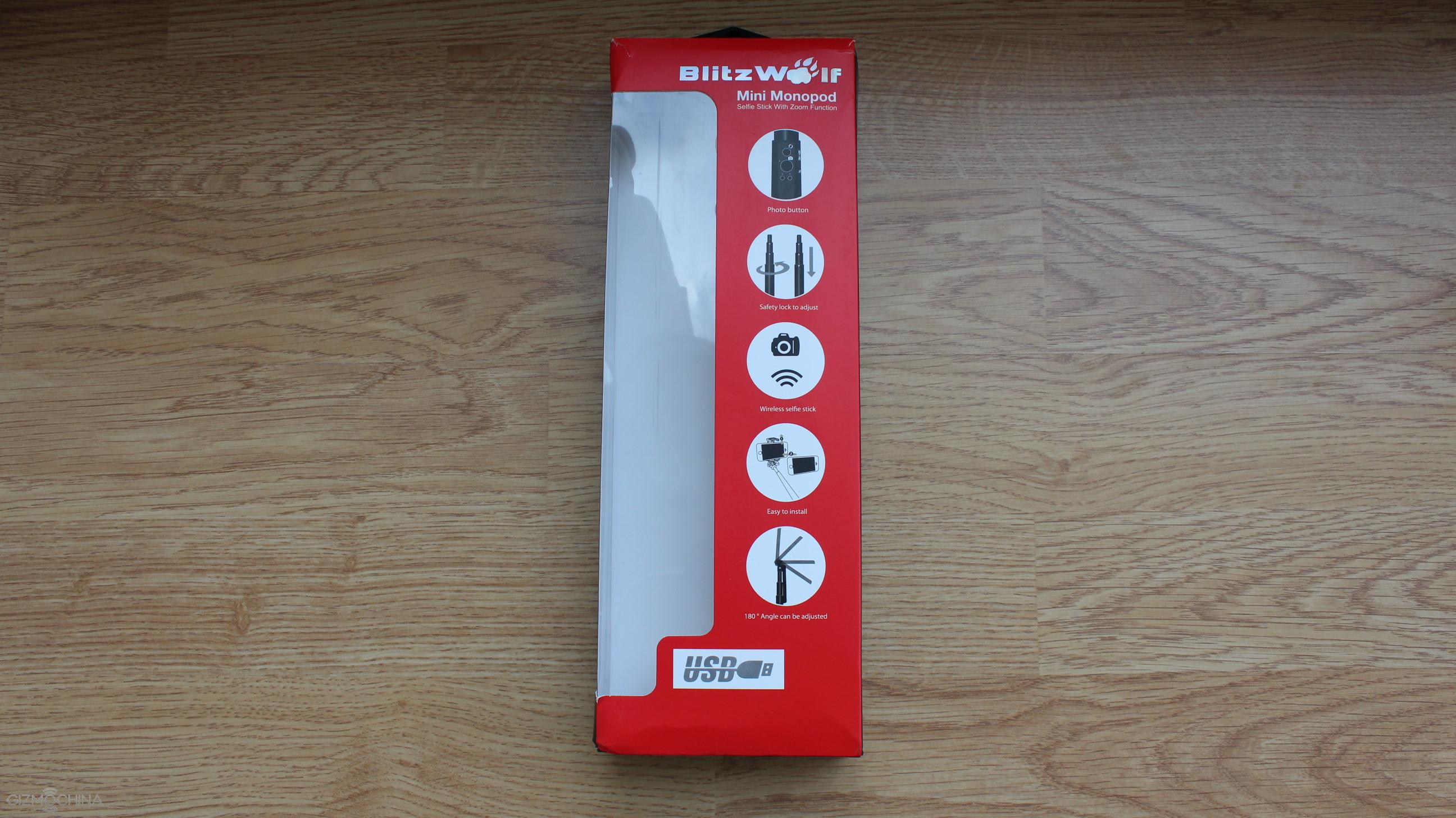
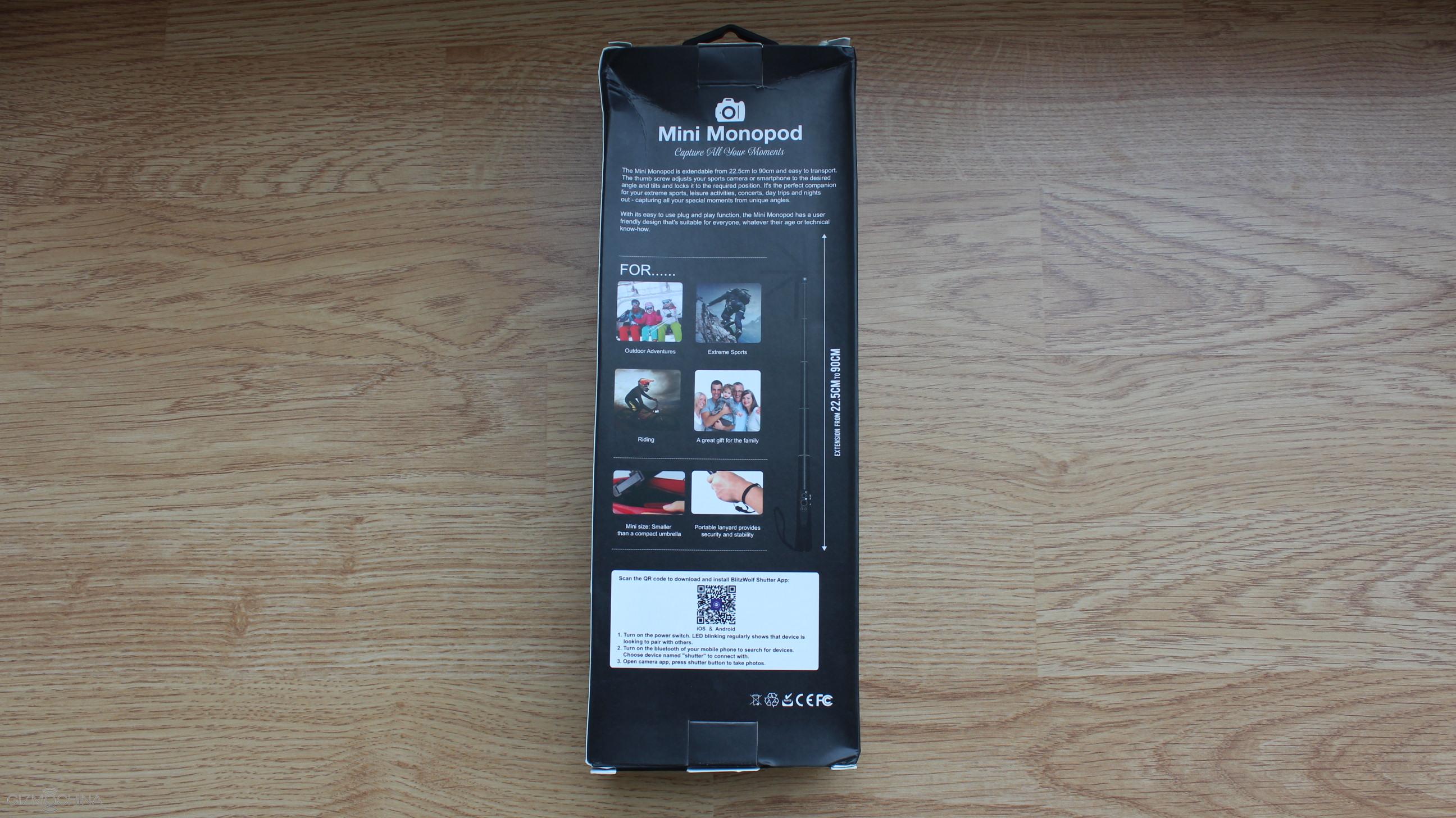
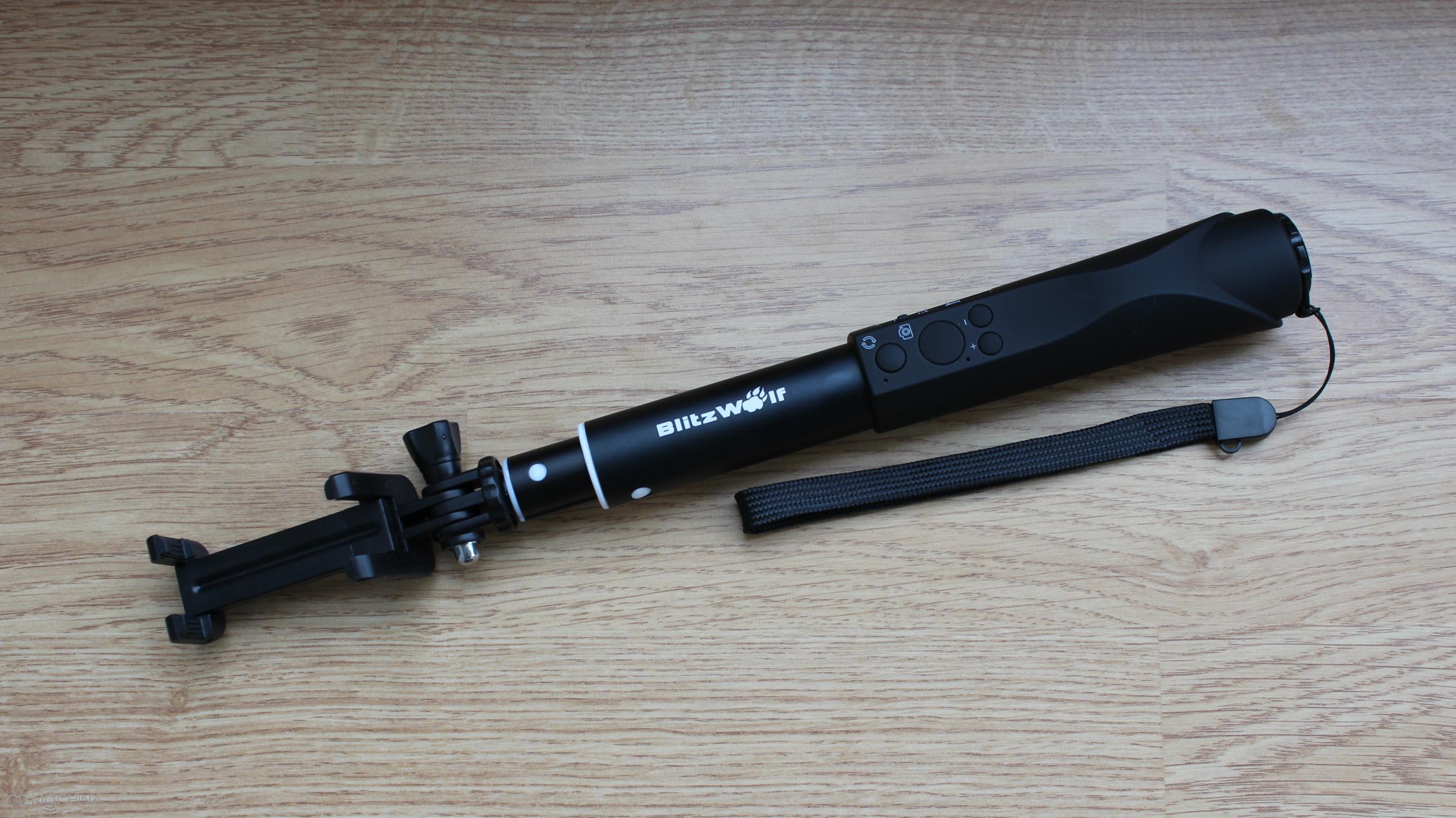
Selfie sticks may not be the newest invention in the tech world but we came across the Blitzwolf selfie stick that sports a great build quality, has a lot of features and it is affordable. Learn more in our full review.
BlitzWolf Ultimate 4 Button Bluetooth Selfie Stick Review: UNBOXING
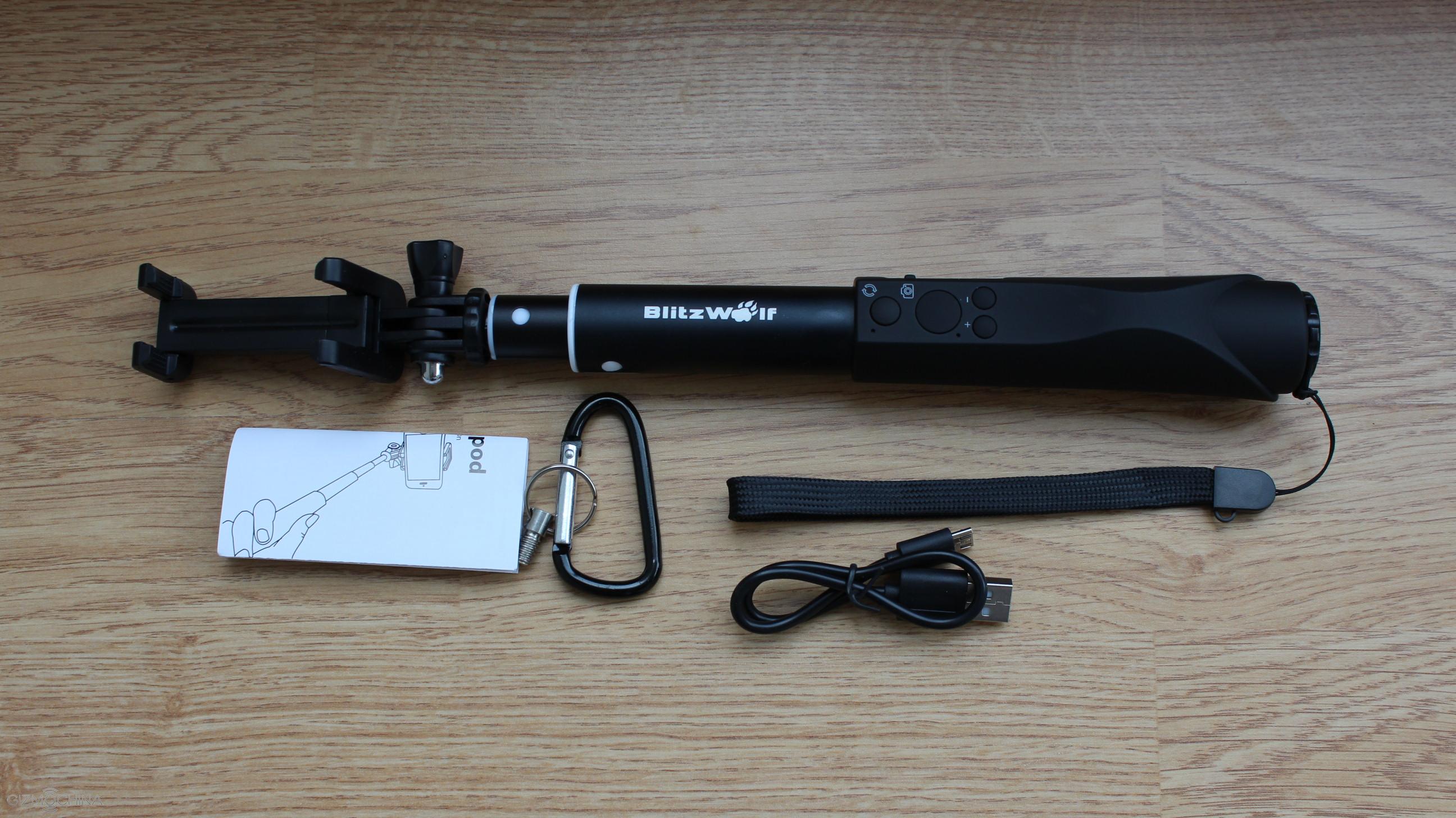
A selfie stick comes with a carbine, USB cable for charging and some instruction manuals.
BlitzWolf Ultimate 4 Button Bluetooth Selfie Stick Review: DESIGN and FEATURES
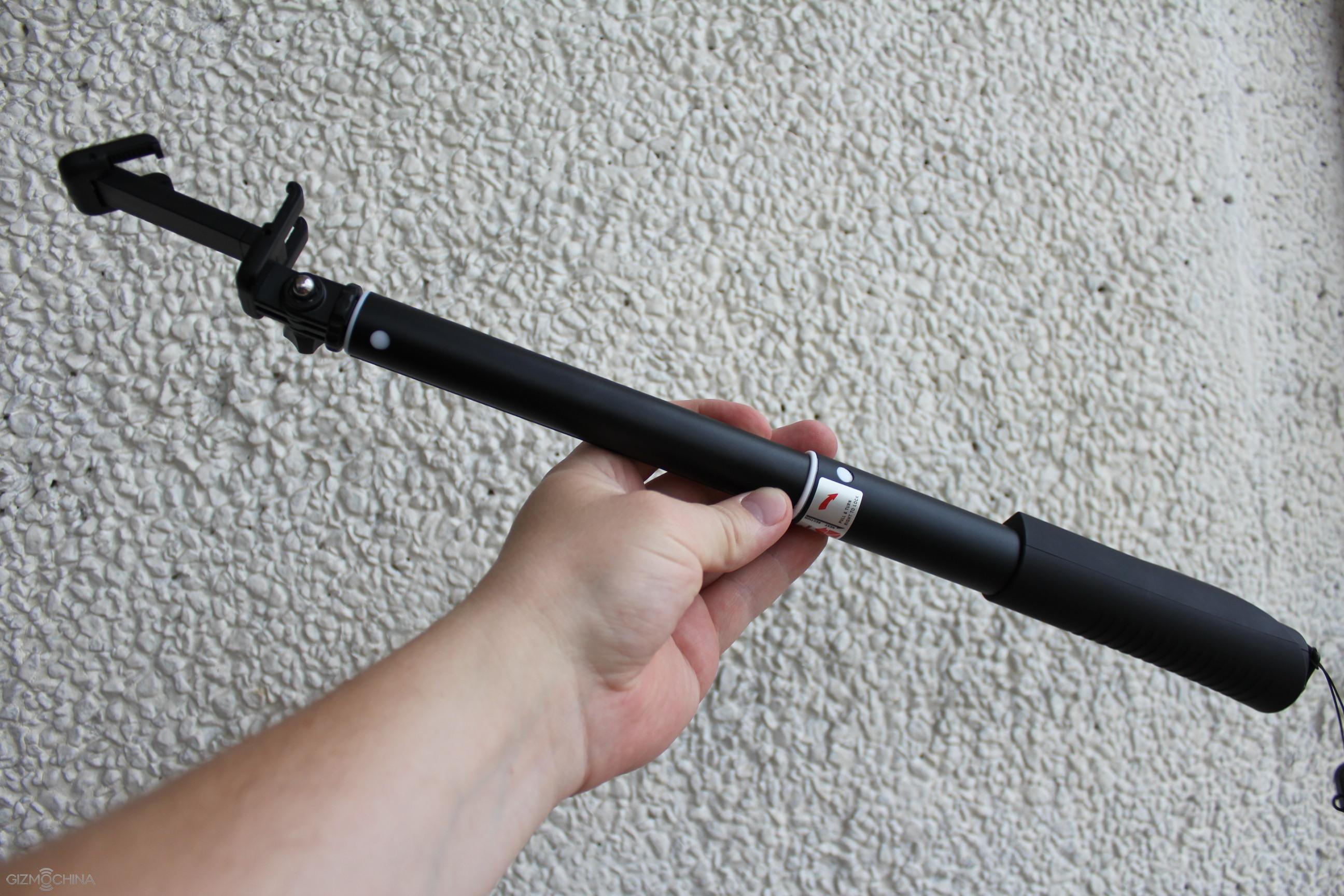
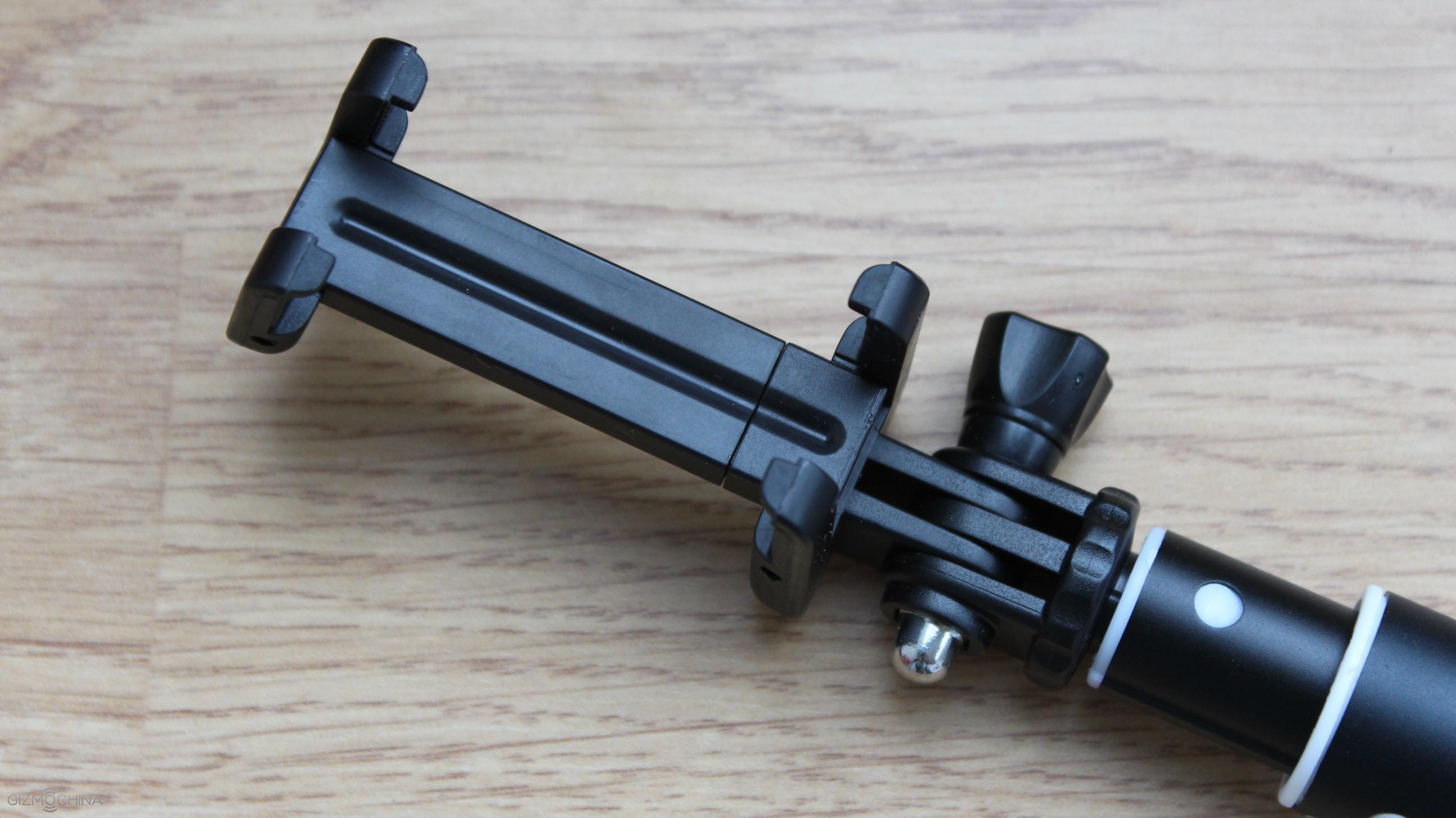
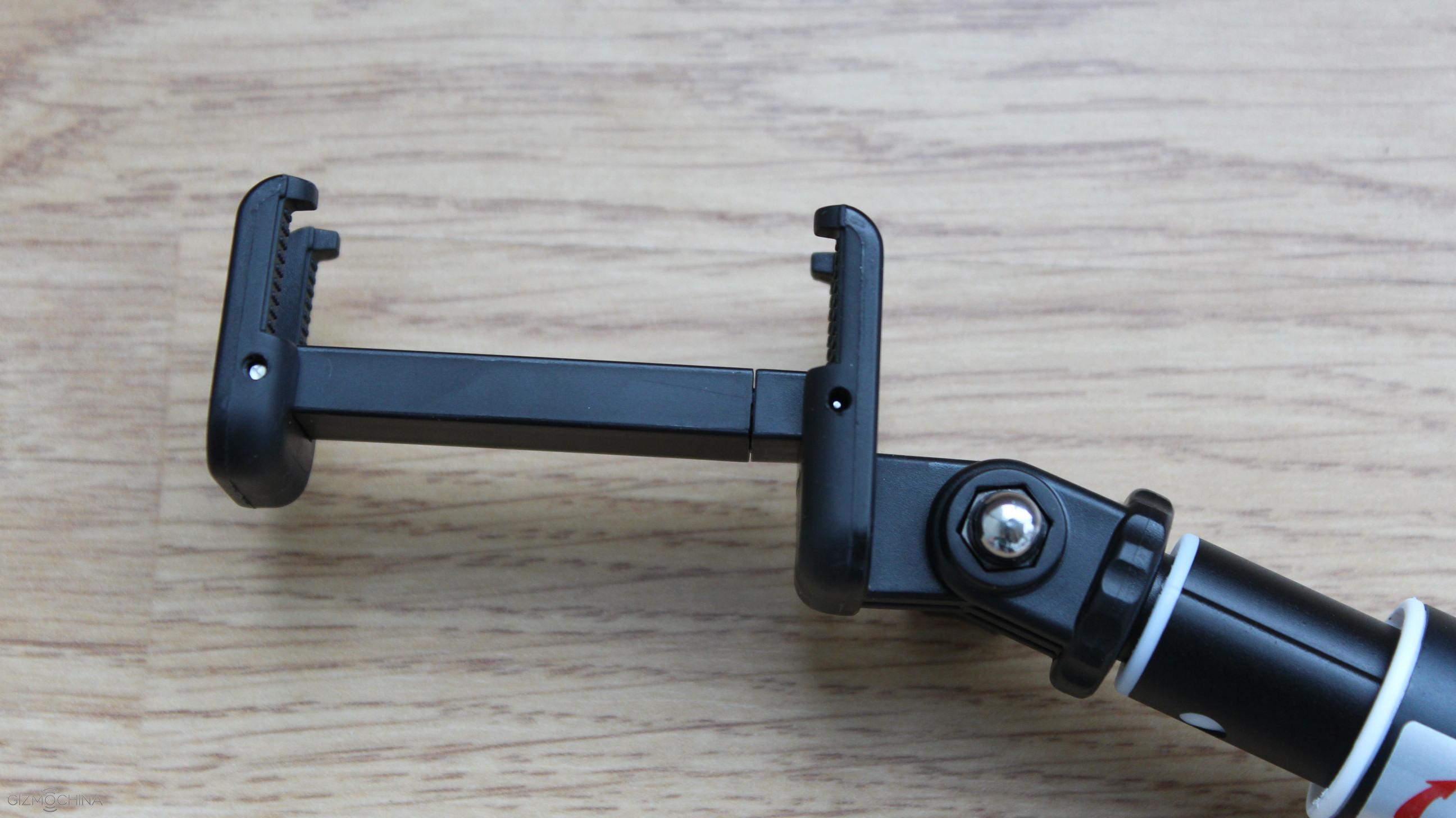
When it comes to the design, the selfie stick is well made. It uses aluminum and quality plastic in the construction.
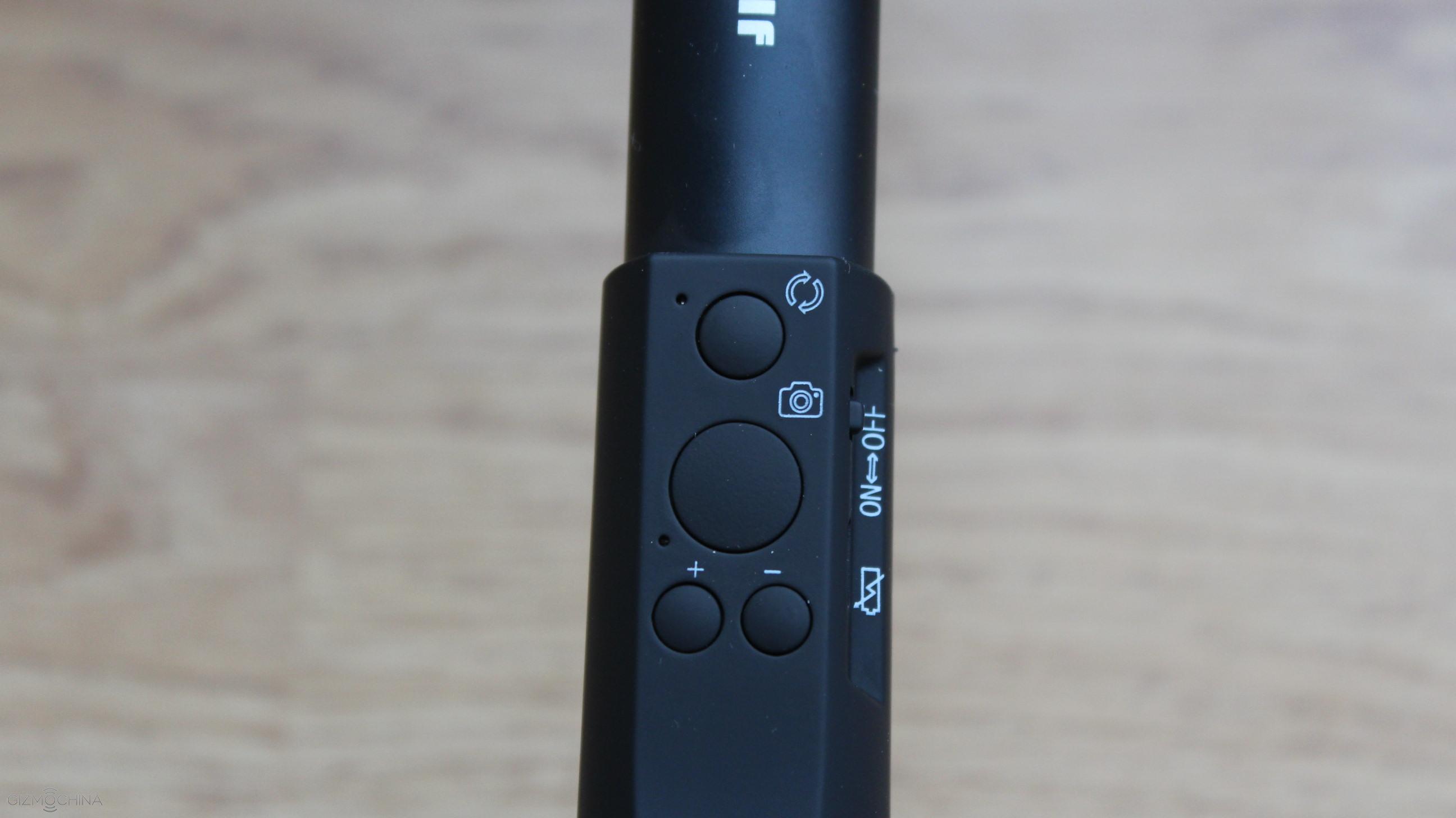
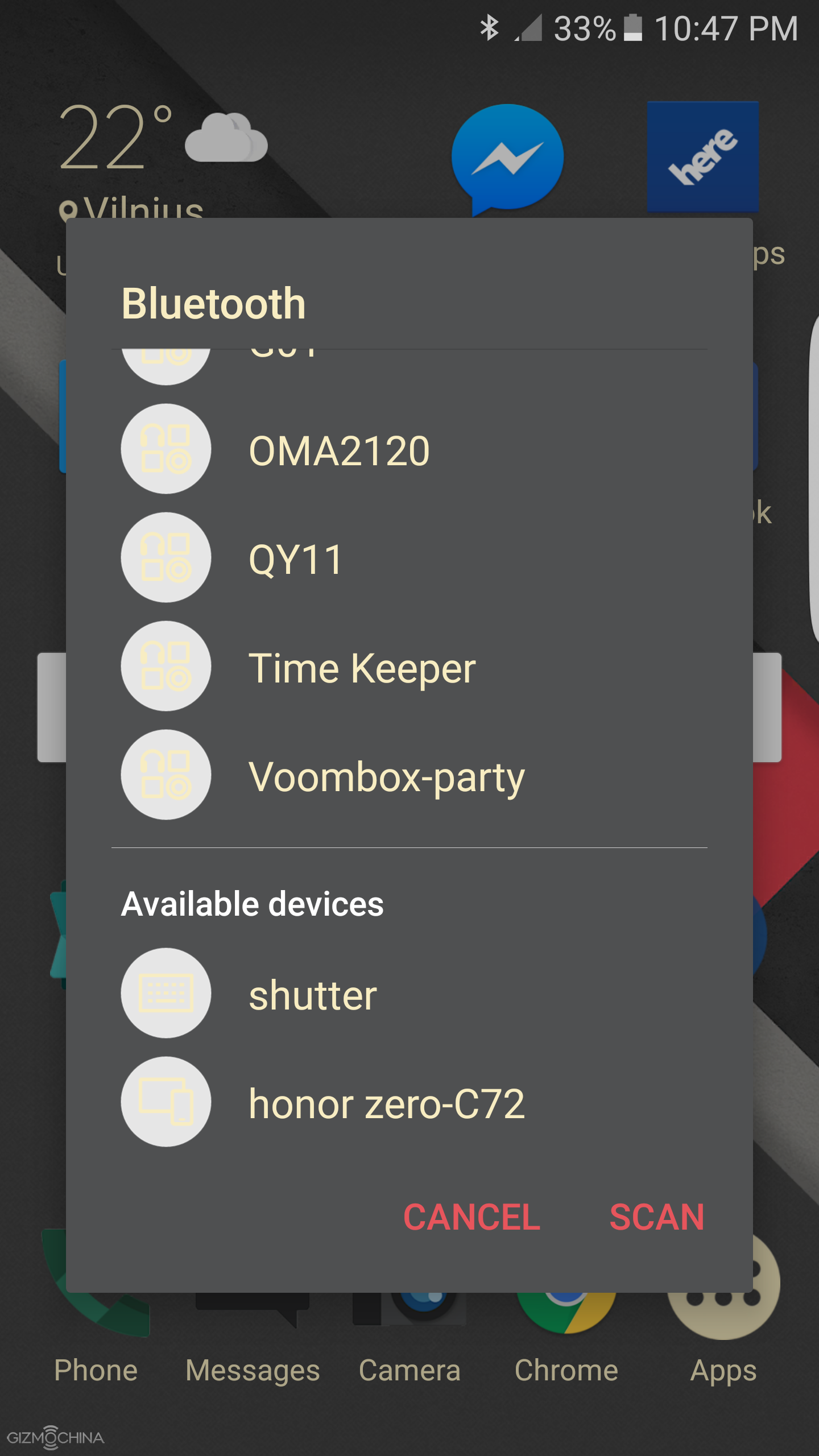
One of the key features is that the selfie stick connects to your phone via Bluetooth and it can control your phone’s camera to take pictures. The buttons allow you to take a picture, switch cameras on the phone, zoom in or zoom out.
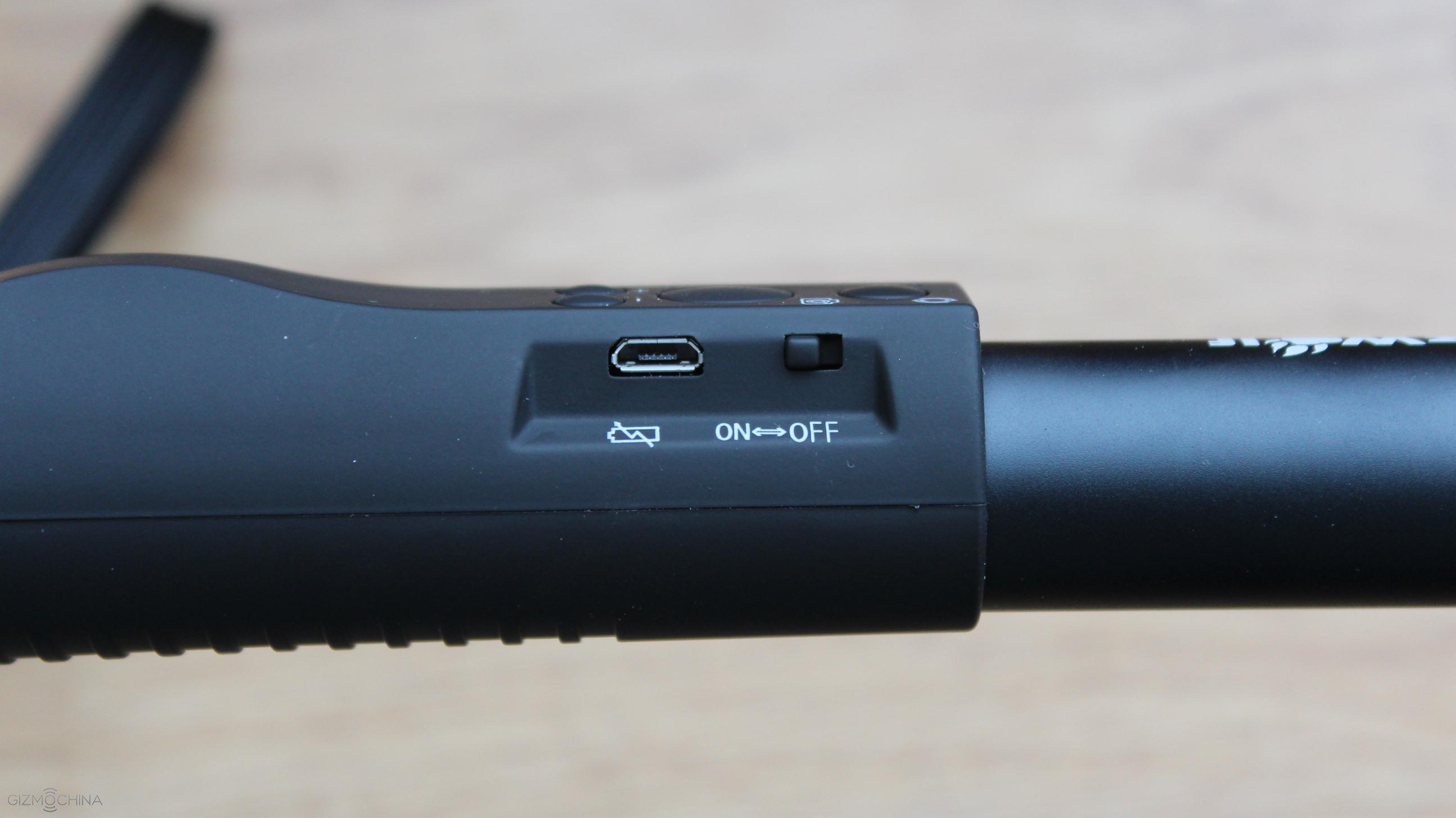
On the side we have a charging port as well as power on/off switch.
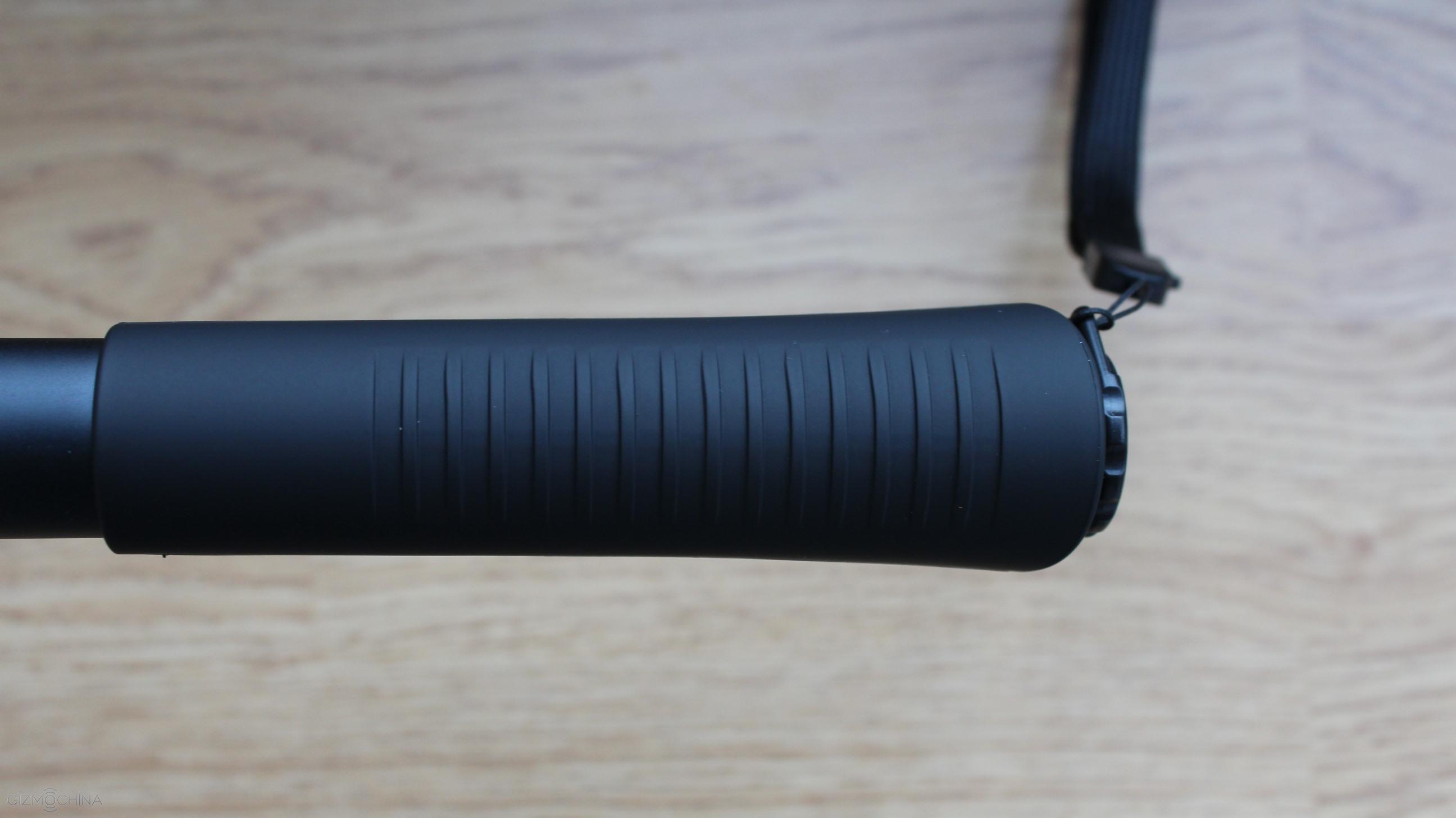
A rubber handle makes the stick very comfortable to hold. On the bottom, we have a mount screw.
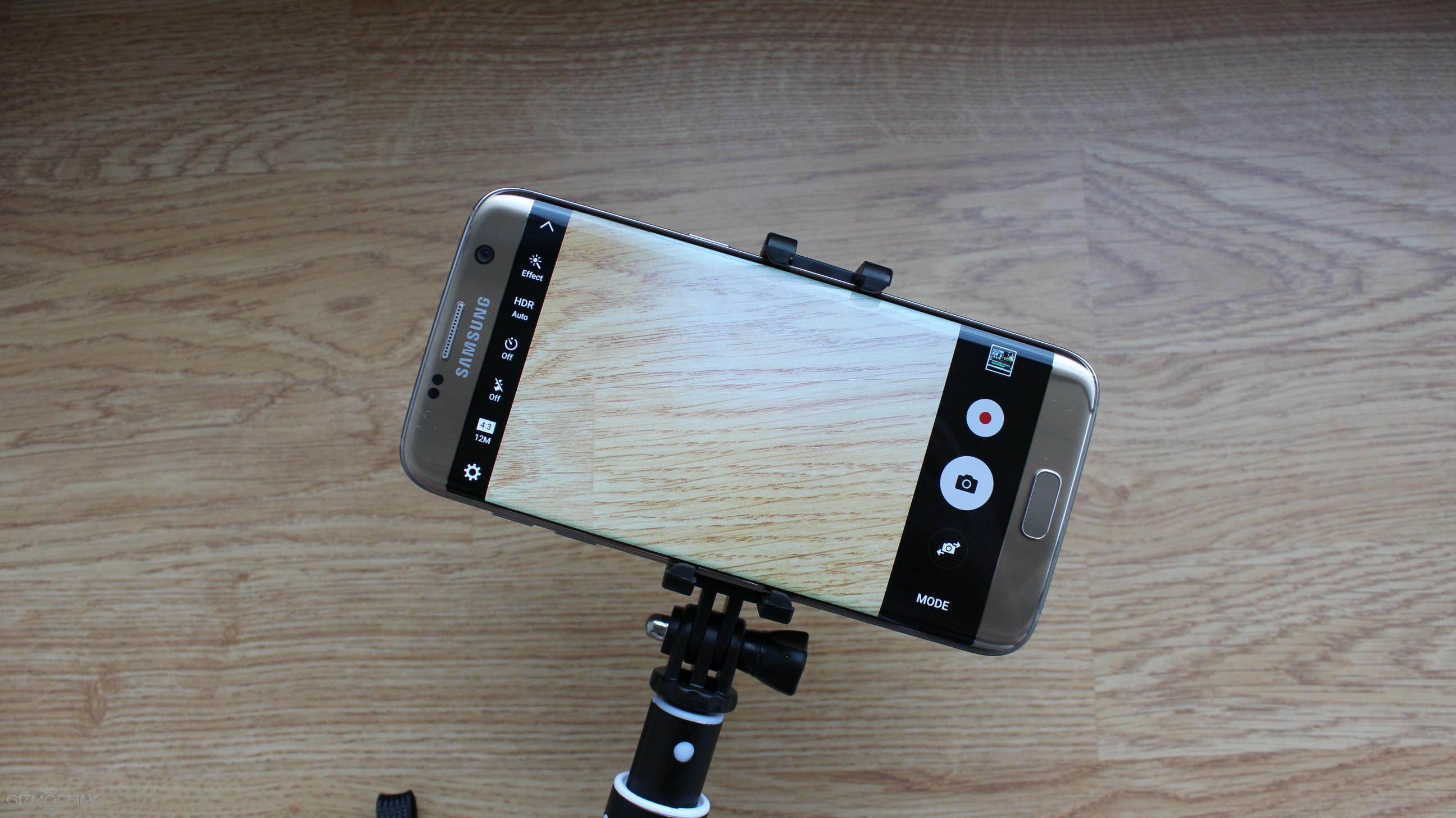
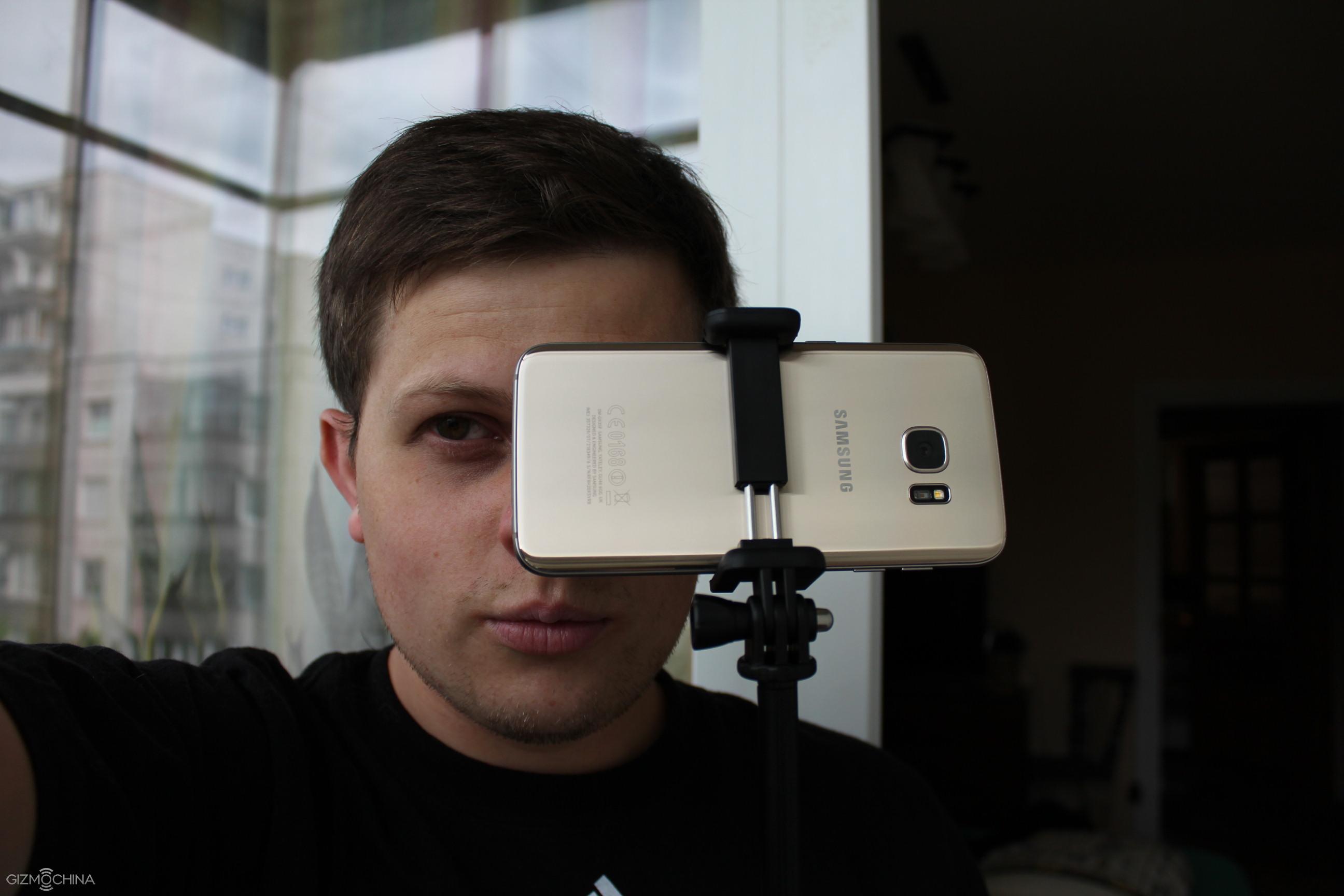
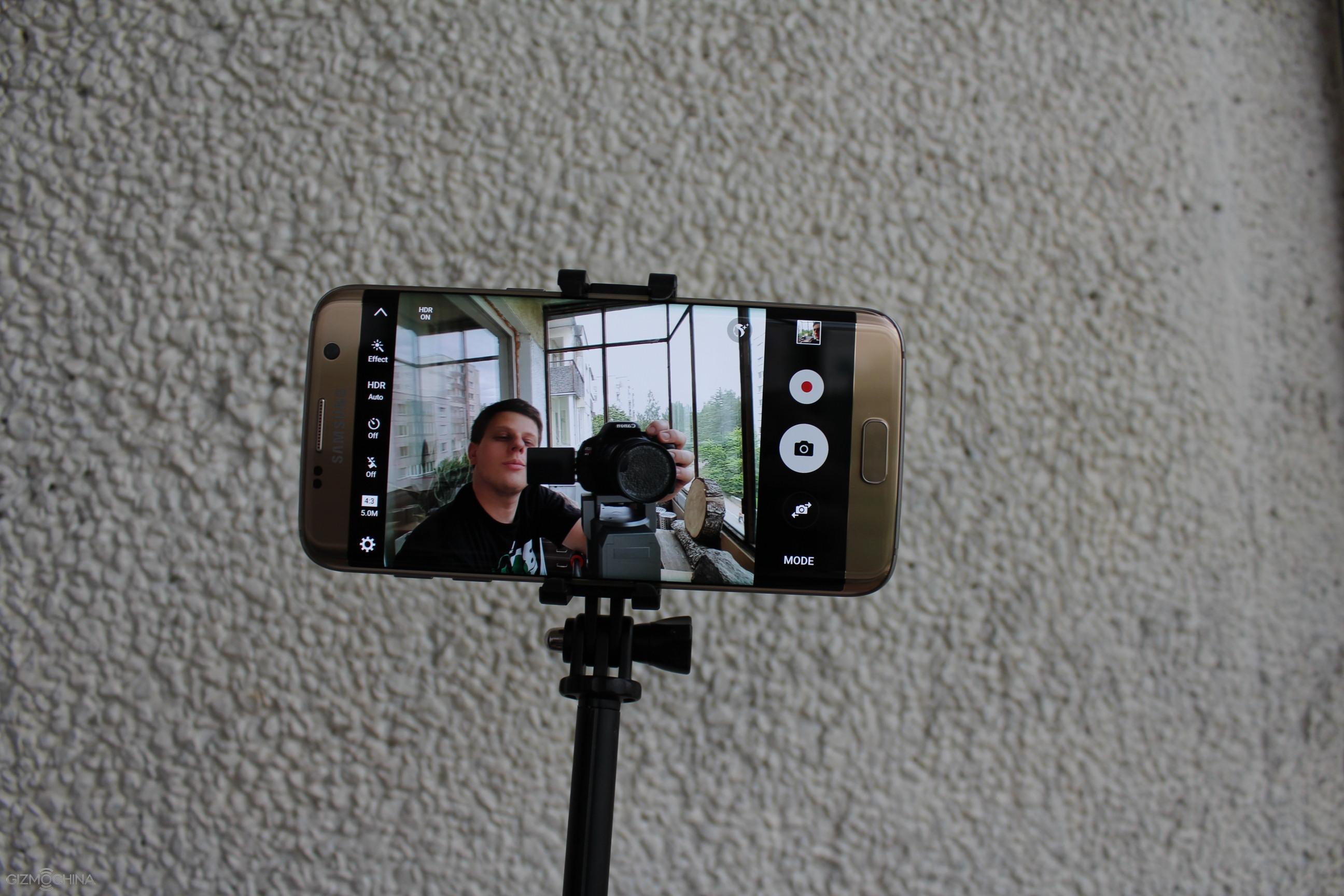
I’ve tested this selfie stick with the Samsung Galaxy S7 edge and it works fine for selfie camera but other features do not work.
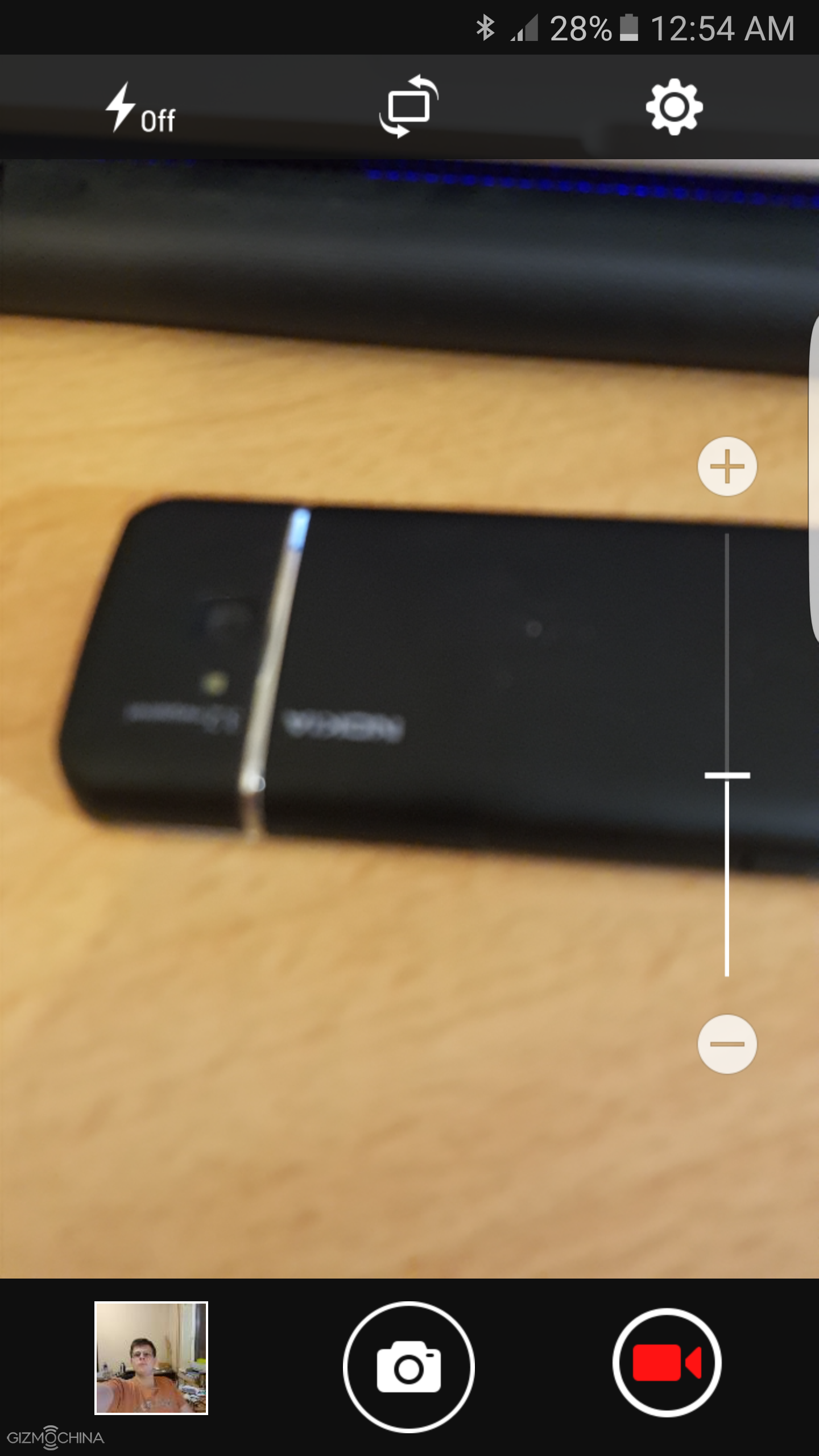
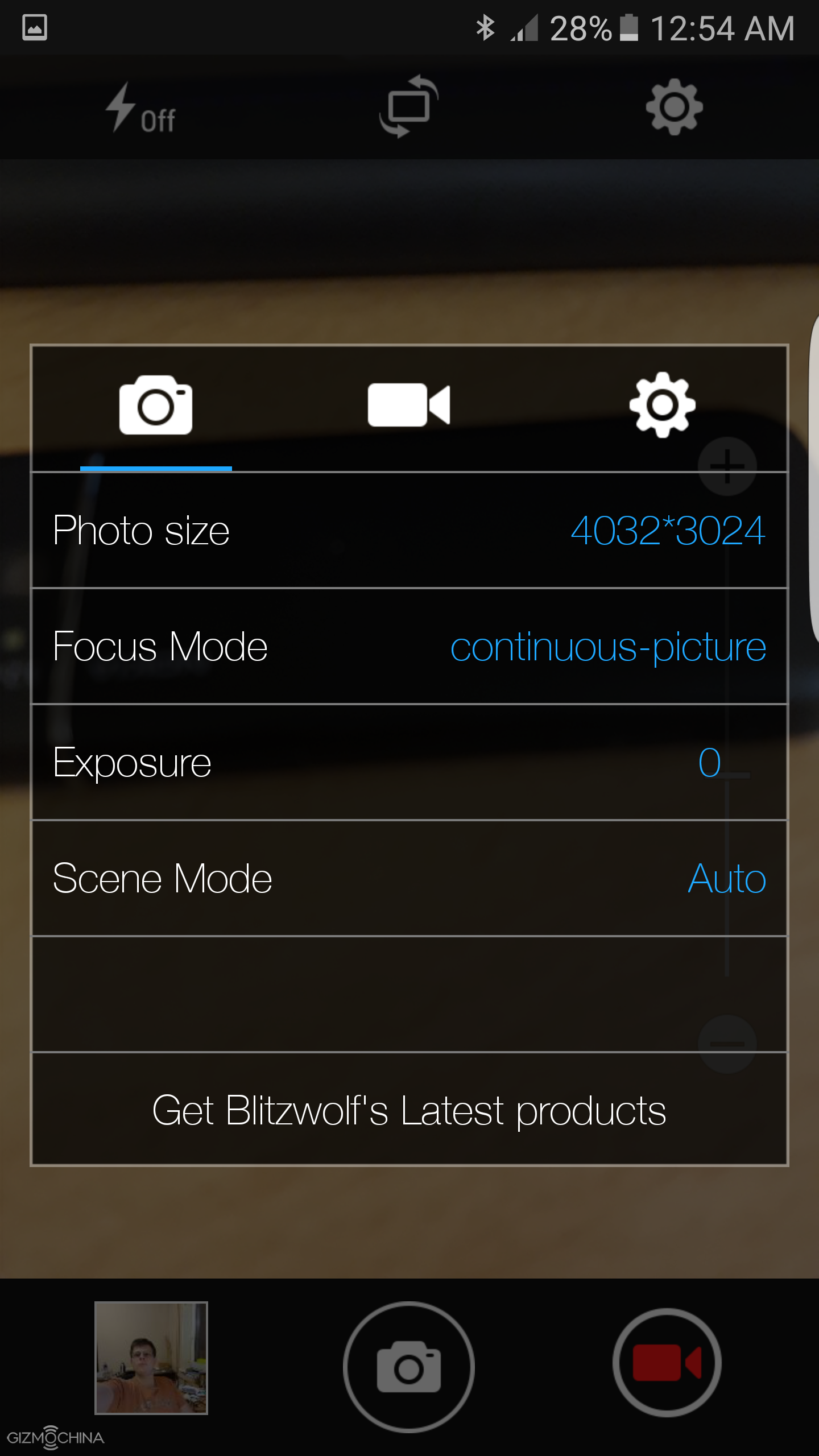
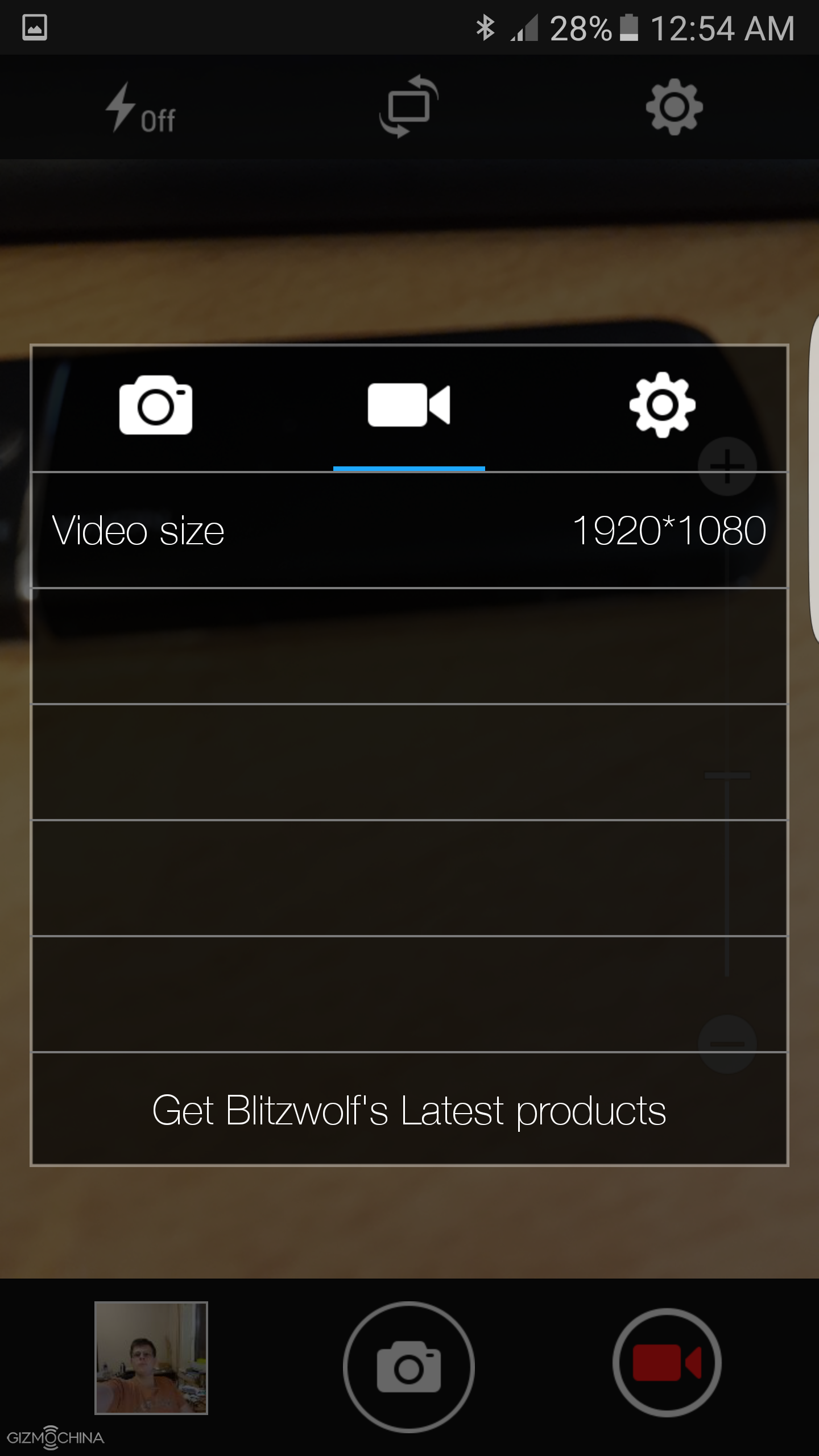
Thus, you have to download a Blitzwolf Shutter app to make all the buttons on a selfie stick work. The interface of the app is very simple. Also, all the buttons on a selfie stick work absolutely fine using the app. The only shortcoming is that the app does not allow to use the 4k video recording feature of the back camera.
BlitzWolf Ultimate 4 Button Bluetooth Selfie Stick Review: CONCLUSIONS
Selfie sticks are definitely not the newest invention in the tech industry but if you are looking for one, the Blitzwolf product will not disappoint.
It sports a great design, build quality and it has a lot of buttons to control your selfie game. Also, the battery seems to last forever. I could not kill it in a few weeks and it will probably last for days to come.
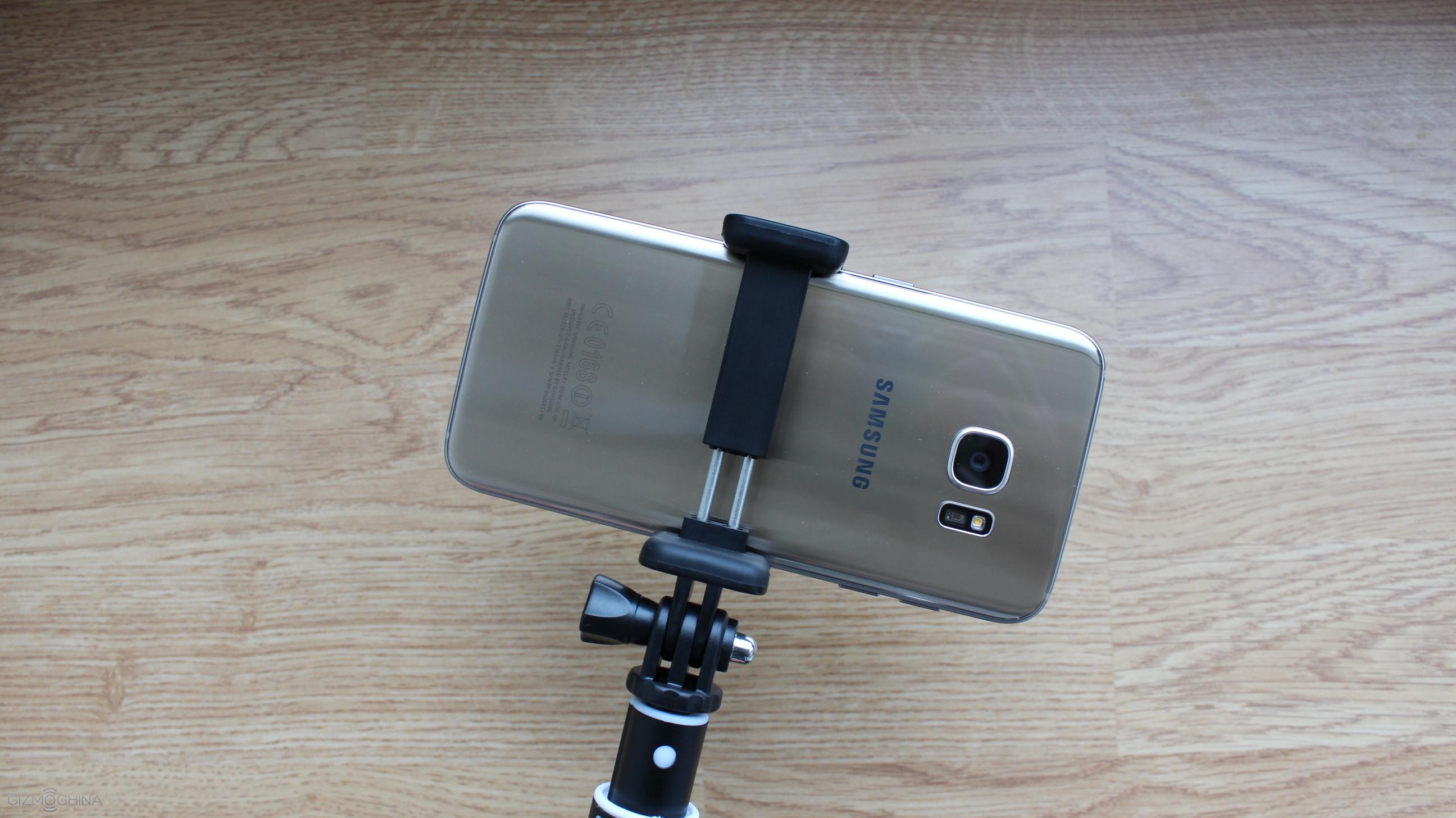
The phone cradle is of a great quality too. It kept my Galaxy s7 edge in place fine. Well, if it didn’t, this review would be completely different.
All in all, Blitzwolf selfie stick is a great product that does not cost a lot. You can get it for less than $17 and it is a great value for the money if you are in the market of selfie sticks.
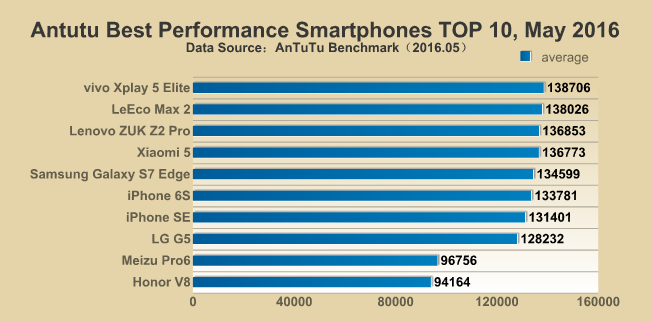
Chinese smartphones have come a long way in the past couple of years. This year, we saw at least three new smartphones from China featuring a whopping 6GB of RAM on board along with other powerful specs. And it’s no surprise that these smartphones along with other 4GB RAM phones powered by Snapdragon 820 chip dominate the top 10 smartphone list for the month of May released by AnTuTu.
On top lies the Vivo XPlay Lite, which was the first 6GB RAM smartphone in the market. The phone managed to top the list with a score of 138,706 points. Next up lies the Le Max 2 with 138K points and then the ZUK Z2 Pro scoring 136,853 points on average. Like mentioned above, these three phones feature 6GB of RAM on board with the mighty Snapdragon 820 chip. The next two phones, namely the Xiaomi Mi5 and the Galaxy S7 Edge also score well, which isn’t surprising given that they have the same Snapdragon 820 chip inside but with 4GB of RAM. We don’t see much difference in the performance of 6GB and 4GB RAM phones here, mainly because, AnTuTu gives more importance to the CPU and GPU, rather than RAM.
Then, there are the two iPhone models, the iPhone 6S and iPhone SE, both featuring Apple’s top-end A9 chips. Even they manage to score above 130K on the benchmark test, showing the power capability of the chip inside. The last three in the list are LG G5 with Snapdragon 820, Meizu Pro 6 with Helio X25 chip (overclocked Helio X20) and finally, Honor V8 with Kirin 955m. Given that Huawei’s device has made it to the list, it shows that Kirin chipsets have finally improved their performance in comparison to its competition.
OnePlus has a tradition of hyping its flagship device before launch. This year is no exception, with the company promoting the upcoming OnePlus 3 in full spirit. We know that the OnePlus 3 will have several pop-up events in major cities around the world wherein you can purchase the device. We also know that the phone went for sale in limited quantities in China (shipping on June 15) for $450. Well, hardly anyone got hold of the unit in China since it was reportedly sold out in a second.
We also have seen a few camera samples taken by the company CEO. But now, OnePlus’s official twitter account has shared some wonderful images taken from the OnePlus 3. From the images, it looks like the phone’s been travelling, which is good, because we get to see some great shots from the device. Unfortunately, they aren’t full size, so we can’t judge the real quality until we get the original samples. However, from what we can see, the pictures have very good amount of detail and the color reproduction is good as well. We also saw an image of night time firework, which reveals good amount of light and hardly any noise. Check out the four samples from down below.
The phone is expected to come with a 16MP sensor at the back and an 8MP shooter up front. Not much details about the device’s camera are available yet, but the official announcement on June 14 should confirm additional details about the sensor inside.
Last year, the Lenovo backed ZUK entered the market with its brand new ZUK Z1 smartphone. The phone ran the old Snapdragon 801 flagship but it turned out to be quite a successful device, launching in a number of countries internationally, including recently in India. But for a young company, it was necessary to have a great OS, and hence, it partnered up with Cyanogen for using Cyanogen OS on its new device. Given the popularity of Cyanogen, it turned out to be a good decision, since it promised timely updates and new features on the ZUK Z1.
Now, the company has updated the Z series with two new smartphones, the ZUK Z2 and the ZUK Z2 Pro. Both these devices are running the company’s own ZUI 1.9 version out of the box, but that’s for the Chinese version. We haven’t yet heard anything about the international variants of these devices, nor any comments about the OS that will power them. It’s possible that ZUK continues to use Cyanogen OS for their international variants, but the company just launched a ZUI Android website and the site is available in English as well as Chinese. What’s even more interesting is that that the official ZUK forums have threads talking about overseas ROM support. Of course, this doesn’t in any way confirm that ZUK has ditched Cyanogen, but it shows that ZUK is invested in its own OS.
We have seen OnePlus switch to their own OxygenOS (HydrogenOS in China) for its new devices last year and it’s possible that ZUK follows the same route this year. At this moment, nothing is official, and we will have to wait for an official statement from the company to throw some more light on the company’s plans for its international models.
Meanwhile, let’s know if you think it would be a good idea for ZUK to switch to its own OS for international variants as well, instead of Cyanogen.
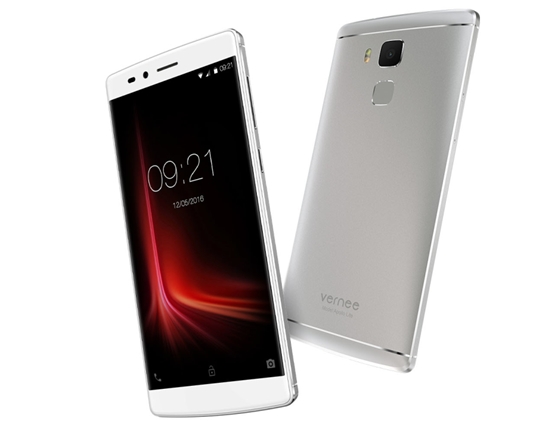
Despite its entry into the smartphone market only around early 2016, Vernee has managed to get our attention by releasing affordable smartphones with pretty good specs. The Vernee Thor turned out to be quite a decent performer, priced at just $99.99 after discounts. Now, the company is back with its upper mid-range device, the Vernee Apollo Lite. This particular phone is much more powerful than the Thor and looks wise, its all-metal body makes sure that it will turn a few heads.
Now, the Vernee Apollo Lite is up for pre-order via various resellers and OPPOMART has just informed us that the retailer will be selling the phone at $30 OFF the official price tag. This means, now you can pre-order the device for just $200, which is an amazing deal, considering the specs of the device. Just use the Coupon Code: APOL30 while ordering the device.
The phone comes with the Helio X20 deca-core chipset clocked at 2GHz, which is quite powerful for its price range. You further get 4GB of RAM and 32GB of internal storage, which is further expandable up to 128GB via MicroSD. Up front, the phone has a 5.5-inch Sharp’s IGZO display with 450 nits of brightness and Gorilla Glass 3 protection. Then there’s a 3180mAh battery with fast charging, USB Type-C port with support for lossless digital music (you get a 3.5mm headphone jack as well) and a fast fingerprint sensor. At the back, the phone features a 16MP Samsung ISOCELL 3P3 sensor with 6P lens and dual tone flash while up front, you get a f/2.0 5MP shooter. Finally, you get the latest Android 6.0 with Vernee OS. If you are looking for reasons to buy the new device, check out this article which almost covers all the features of the Apollo Lite.
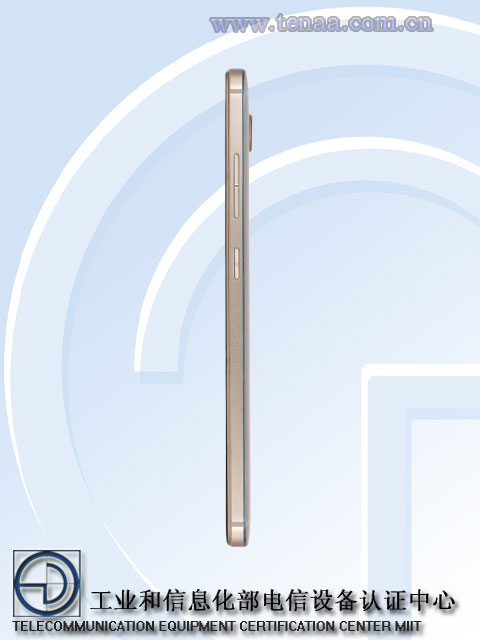
Gionee is not a new name to those familiar with android. They have actually got a large following in China and India and are the OEM for American phone company, BLU. The S6 Pro is their upcoming device.
Towards the end of last year, Gionee released the all-metal Gionee S6 which by its specs can be classified as a mid-range device. With the new announcement, Gionee thinks it’s time the phone got an upgrade.
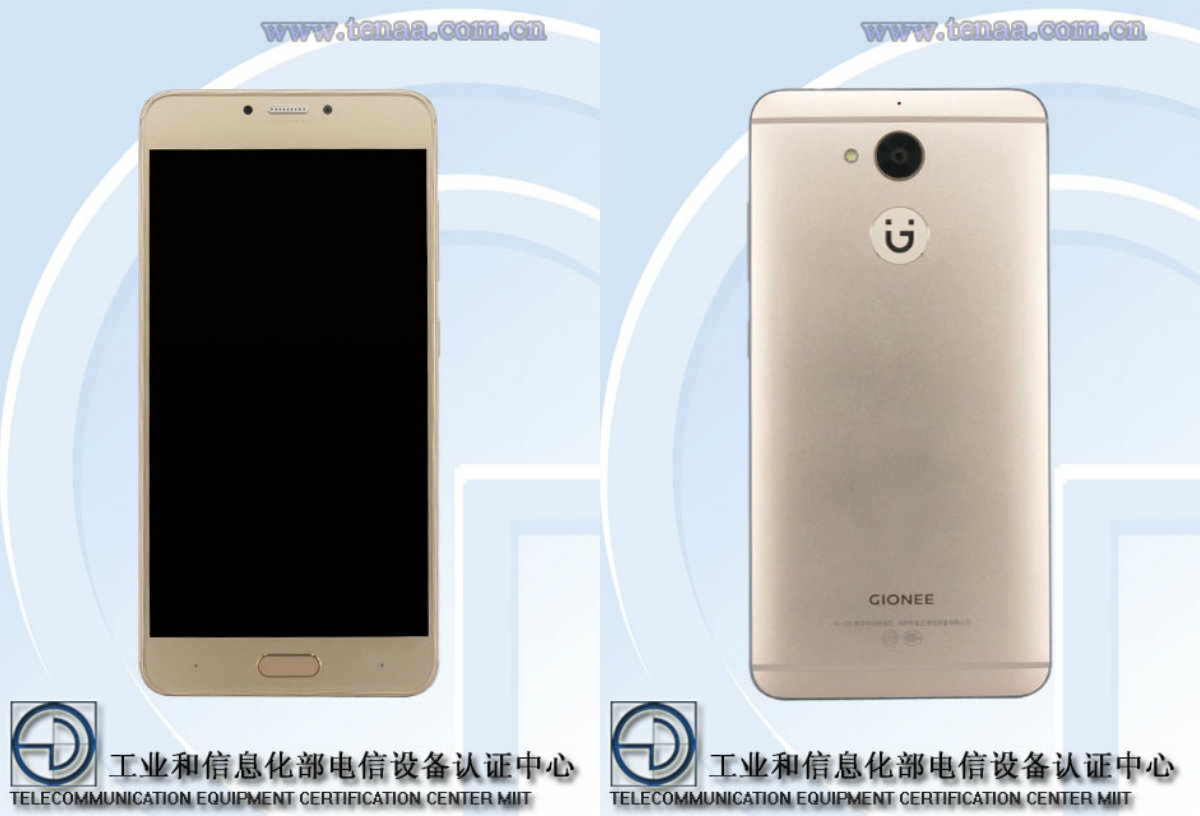
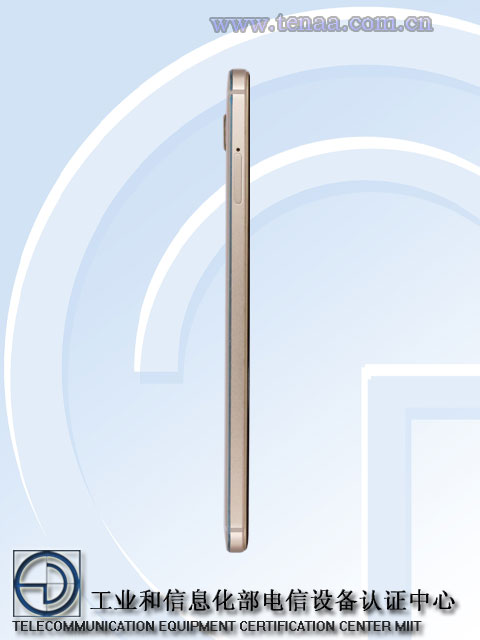
The S6 Pro will be wearing Gionee’s new logo and based on information on TENAA, while it will be getting an FHD AMOLED screen compared to the original S6 which has a 720p screen, it will retain the same 5.5″ screen size. RAM has been bumped up to 4GB and ROM will come in 32GB or 64GB variants. Gionee hasn’t settled on what SoC will be used but we might see the phone sporting a Snapdragon 652 or a Mediatek Helio P10. There is going to be a 13MP camera on the back which is slightly protruding and an 8MP front facing camera for those wonderful selfies.
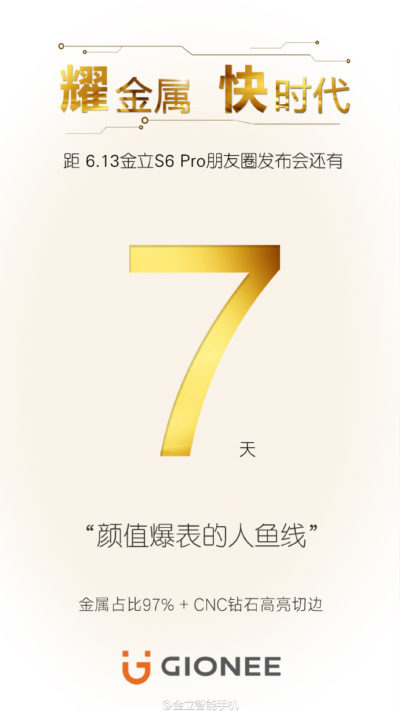
The phone is fuelled by a 3130mAh battery and will come with Android Marshmallow with Gionee’s Amigo OS overlay. The S6 Pro will have 4G LTE and is expected to feature a USB Type-C port. Gionee has released teasers for the phone which confirms that the S6 Pro will launch on the 13th of June.
From the pictures, we can see that Gionee has ditched the capacitive buttons on the original S6 in favor of a physical home key which will also house a fingerprint scanner. Pricing still remains unknown.
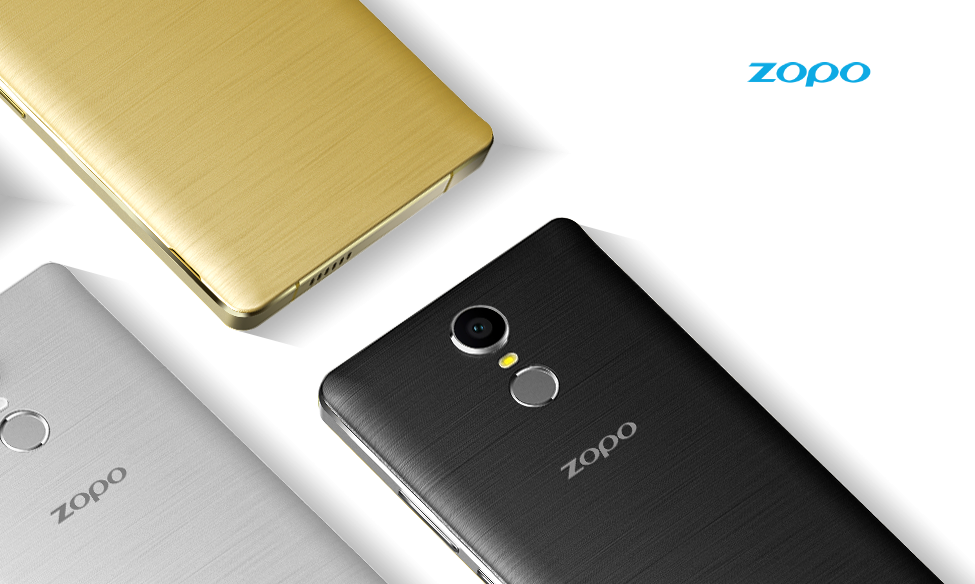
After releasing the popular ZOPO Speed 8 flagship smartphone, the company started teasing a couple of handsets. However, then it looked as if ZOPO was busy with its Speed 8 flagship as we didn’t hear anything new from the company recently. Now, the company has just informed us that ZOPO is all set to release not one, but three new smartphones in the market, within the next 30 days. These phones will range from the budget segment to the mid-range segment, mainly because, the ZOPO Speed 8 is probably going to be the company’s (top-end) flagship for a few more months.
All the three models will be from the company’s youth-oriented Color range, and their names will be as follows: Color C3, Color F2 and Color F5. While ZOPO didn’t really give out specifications of any of these three devices, it said that these phones will have some of the best premium features expected from smartphones in 2016. In case you aren’t clear about these premium features, the following excerpt from the company’s release should give you some idea.
“A trio of low to mid range devices being developed featuring many of the best premium features expected from smartphones in 2016 – capable batteries, fingerprint scanners, HD displays, sophisticated designs with metal finishing, good cameras and extremely competitive pricing, among other standard features”
Well, we can expect to hear more about these three devices in the near future. Meanwhile, the company informs us that the ZOPO Speed 8 is sold out at the moment, and all those customers who ordered the device have already received it or will get it soon. The company also promised future updates for its flagship device.
We use cookies on our website to give you the most relevant experience by remembering your preferences and repeat visits. By clicking “Accept”, you consent to the use of ALL the cookies.
This website uses cookies to improve your experience while you navigate through the website. Out of these, the cookies that are categorized as necessary are stored on your browser as they are essential for the working of basic functionalities of the website. We also use third-party cookies that help us analyze and understand how you use this website. These cookies will be stored in your browser only with your consent. You also have the option to opt-out of these cookies. But opting out of some of these cookies may affect your browsing experience.
Necessary cookies are absolutely essential for the website to function properly. This category only includes cookies that ensures basic functionalities and security features of the website. These cookies do not store any personal information.
Any cookies that may not be particularly necessary for the website to function and is used specifically to collect user personal data via analytics, ads, other embedded contents are termed as non-necessary cookies. It is mandatory to procure user consent prior to running these cookies on your website.