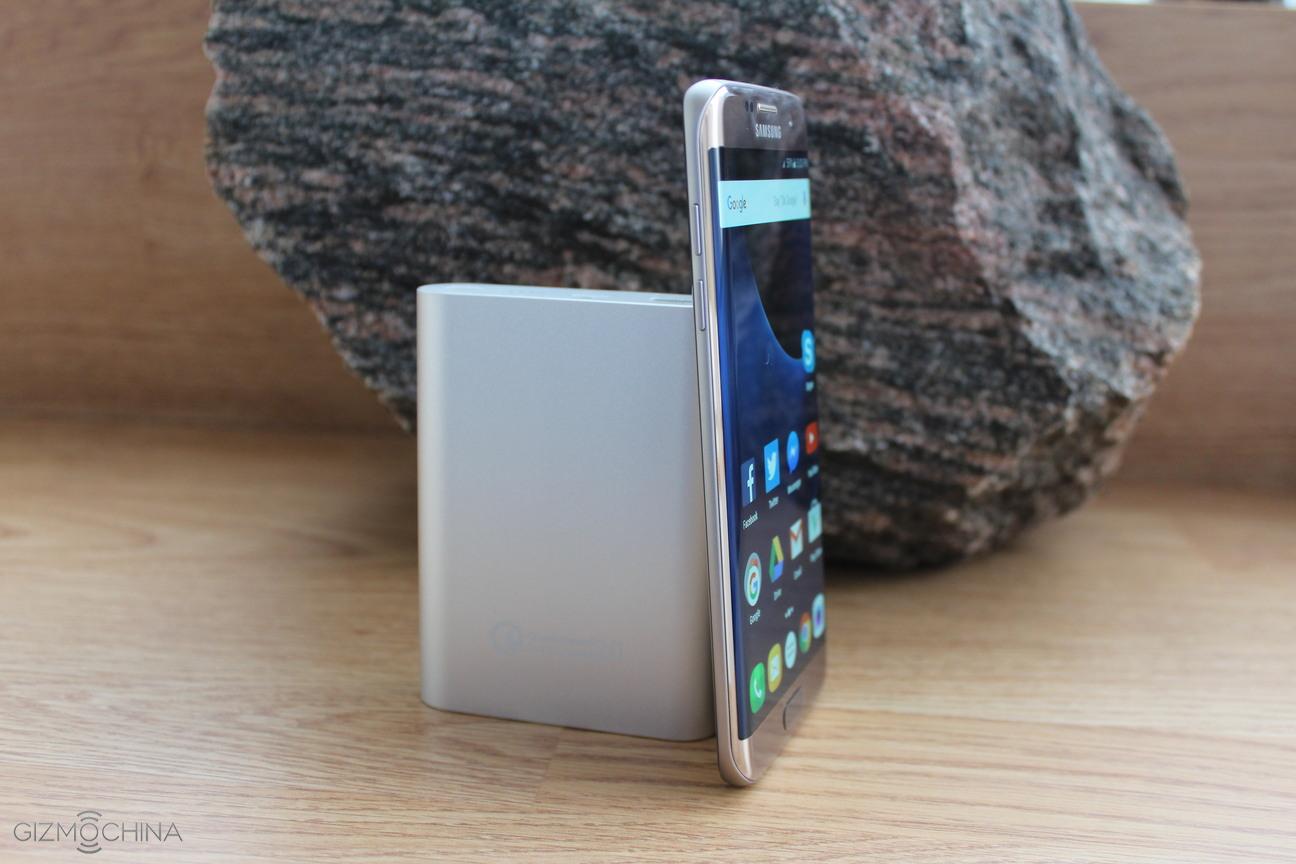
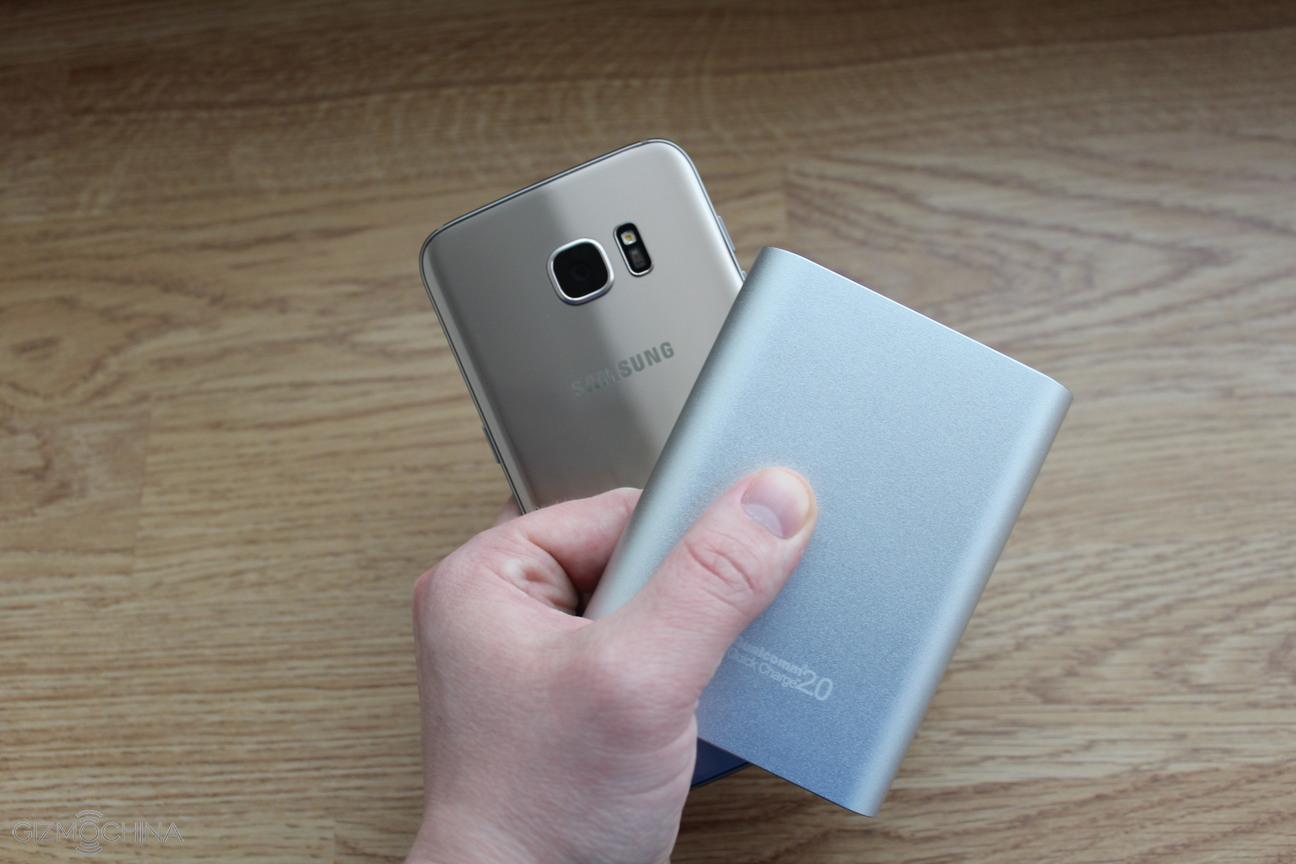
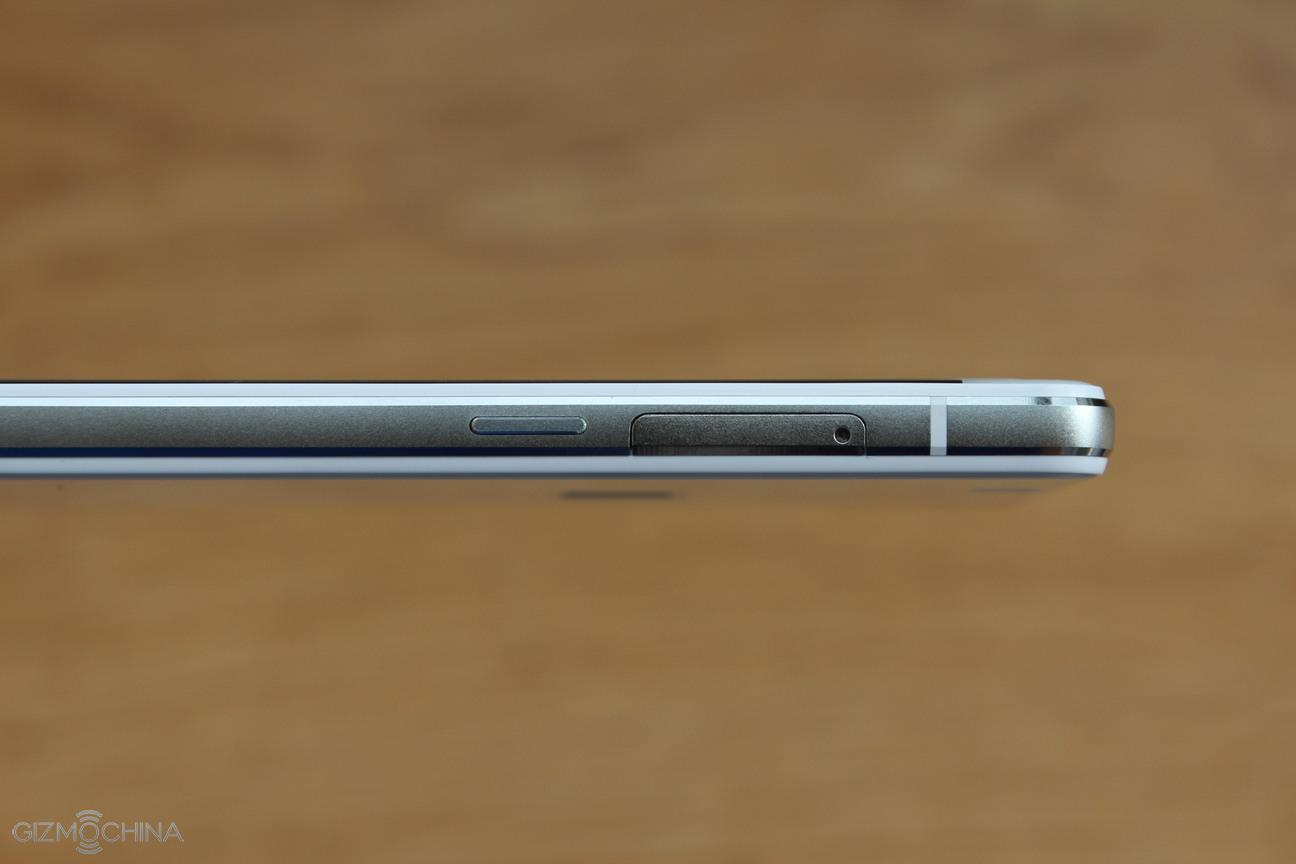
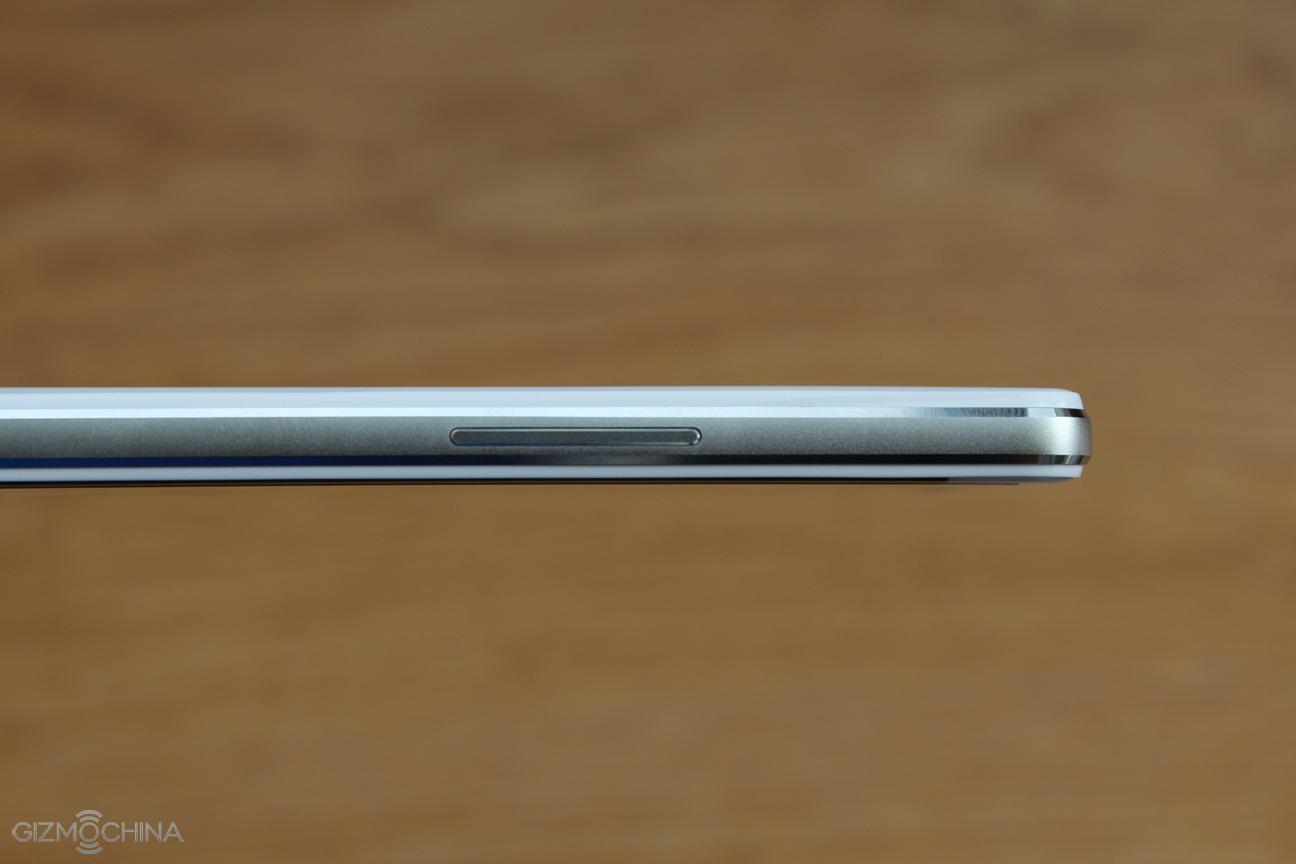
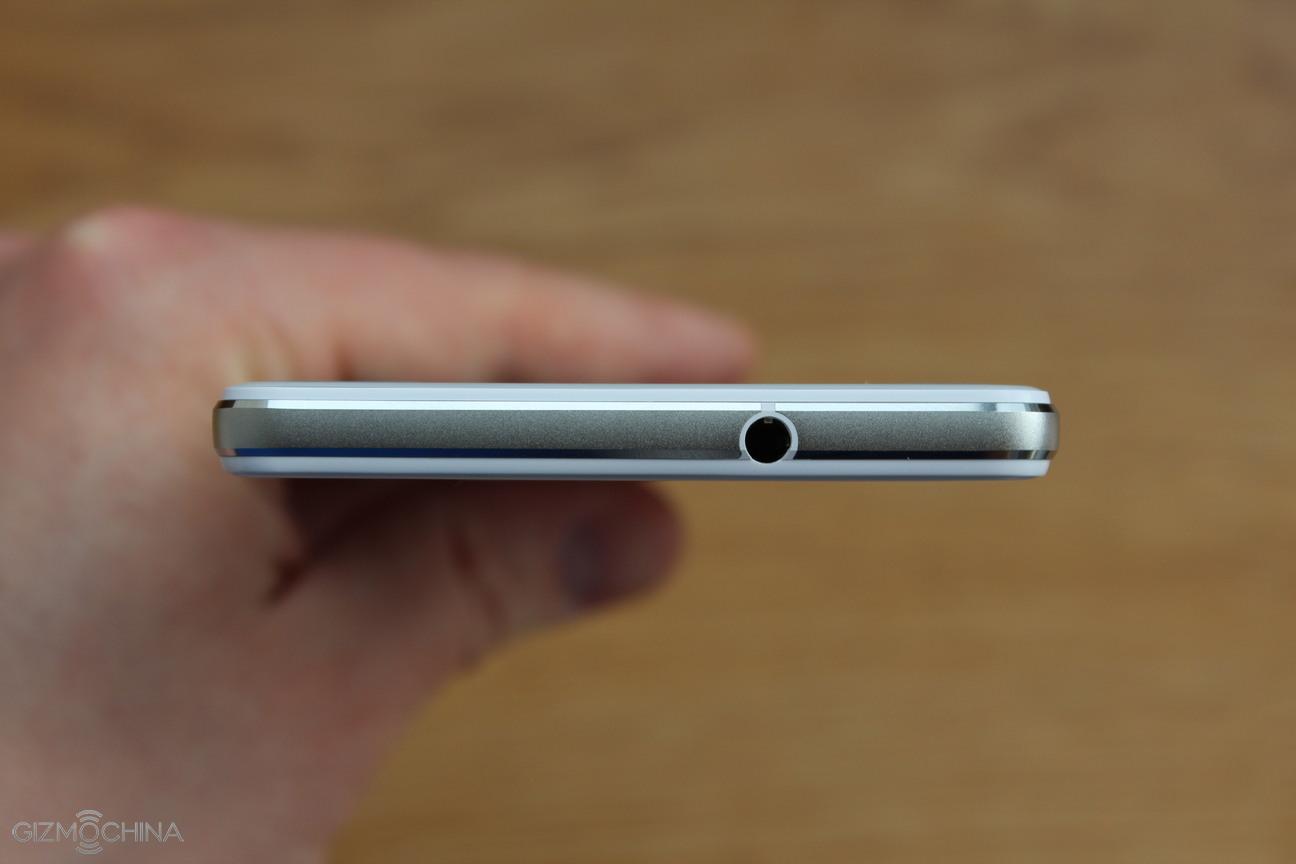
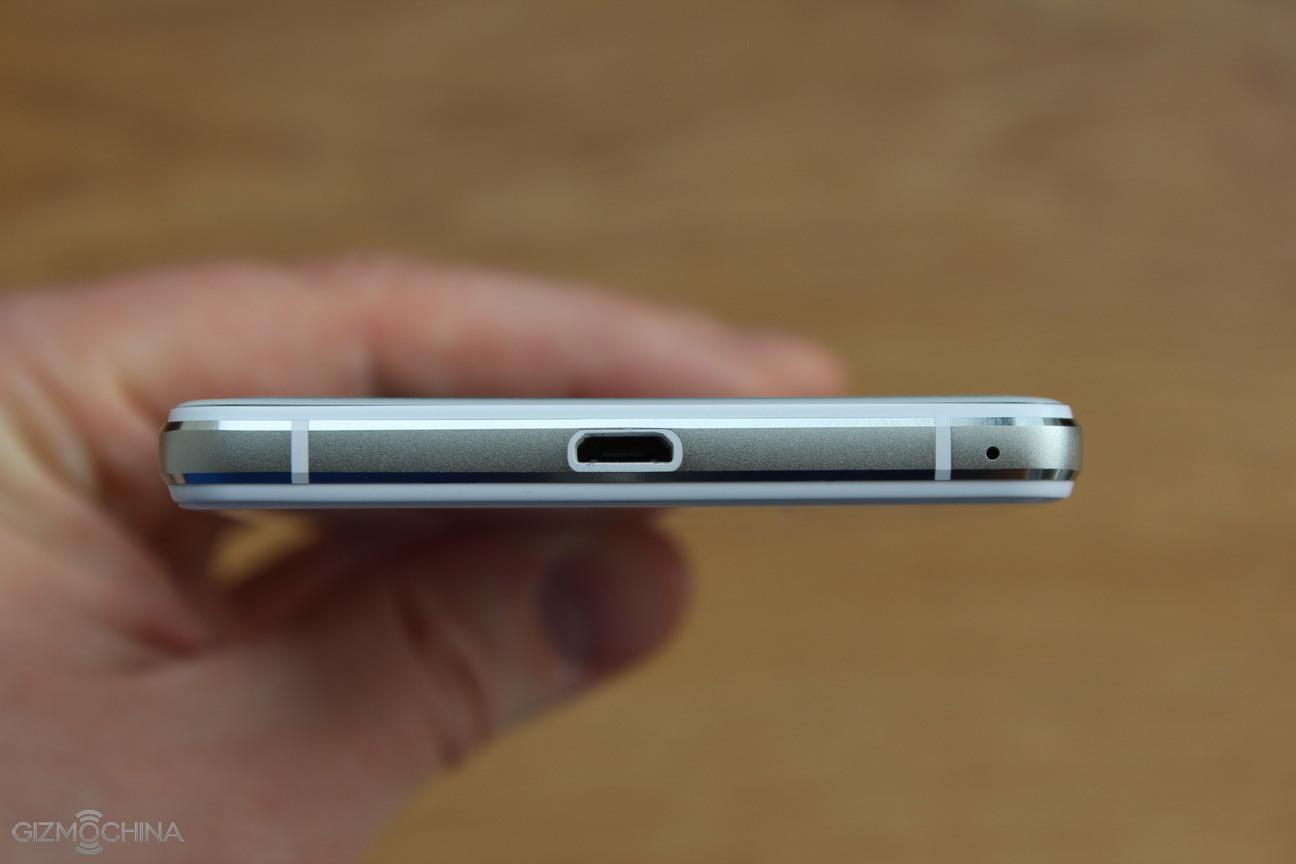
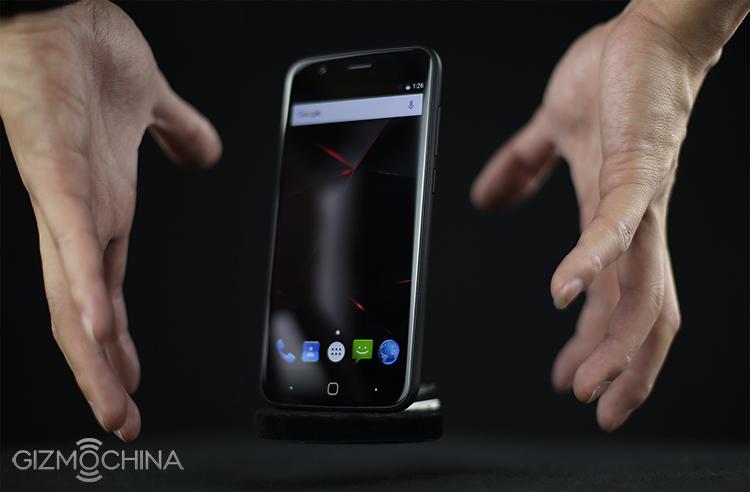
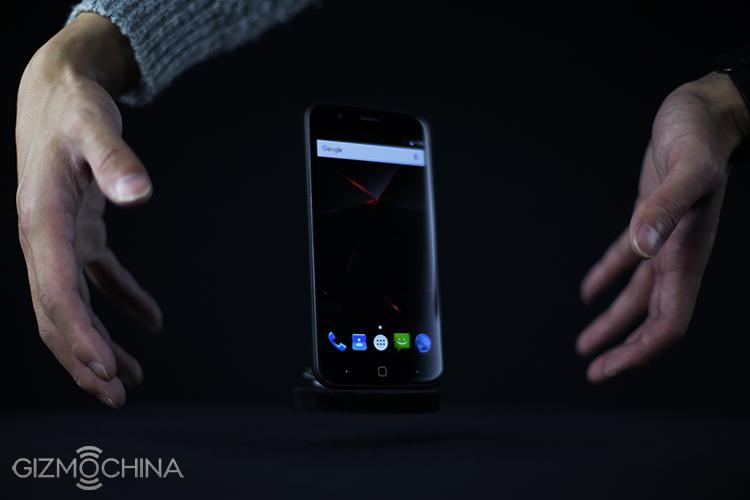
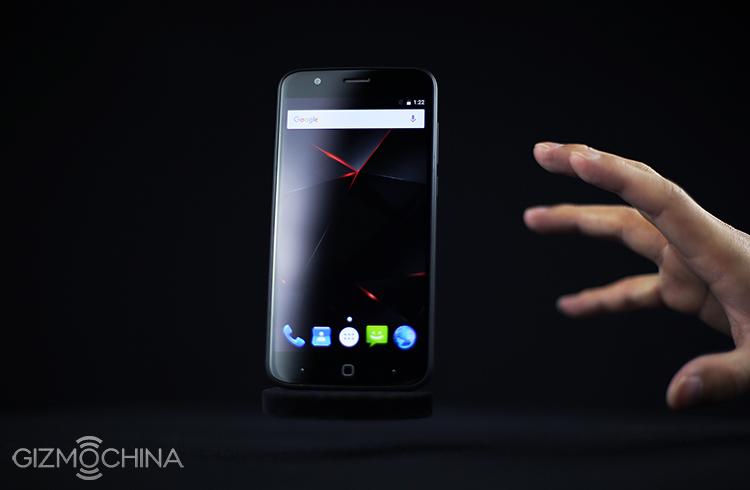
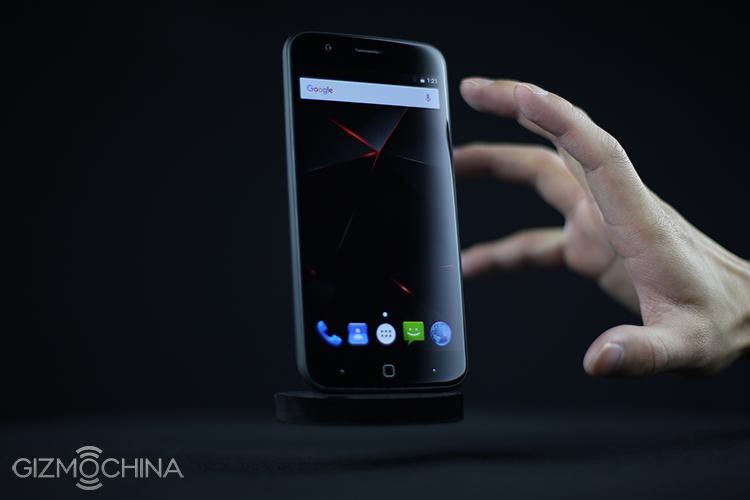
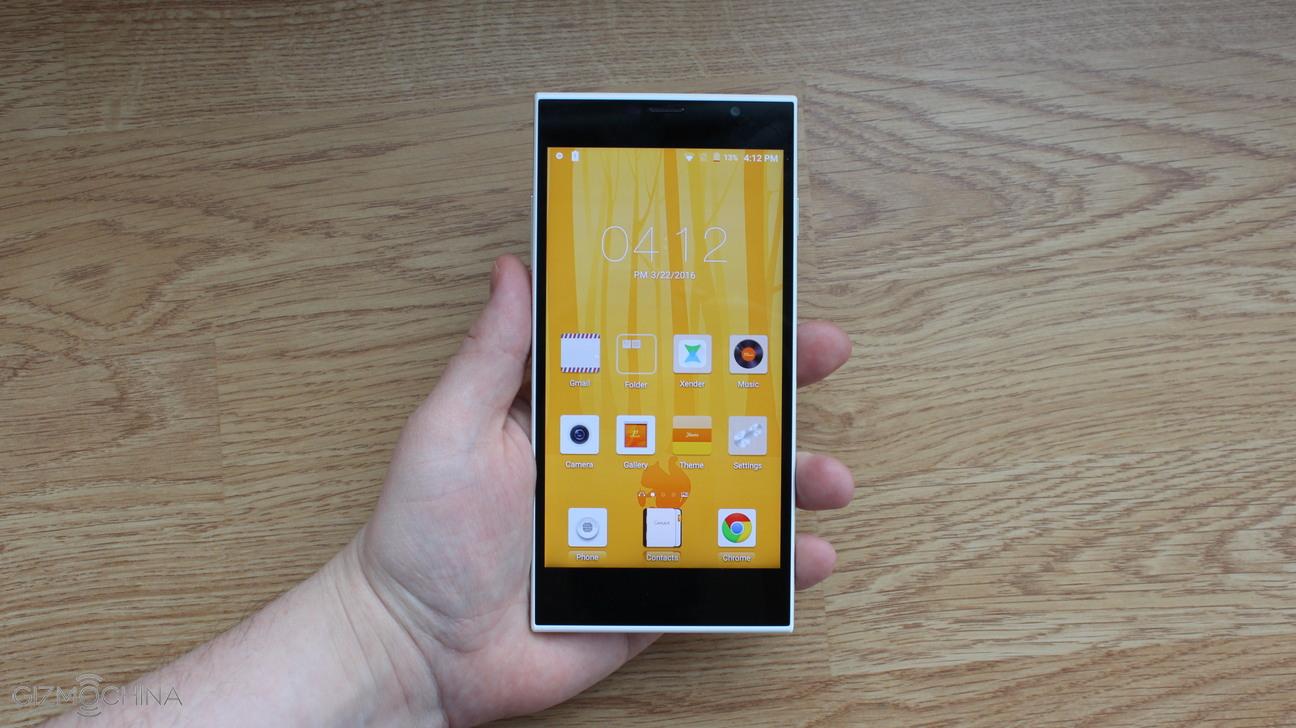
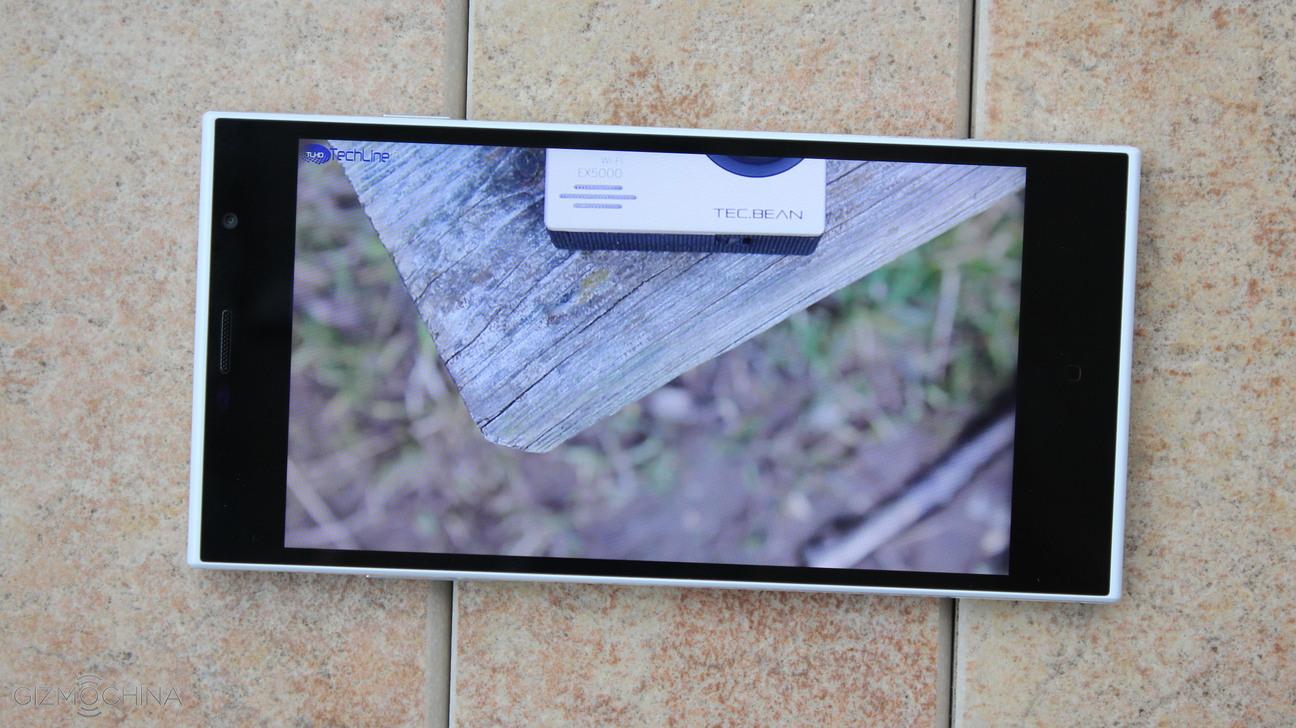
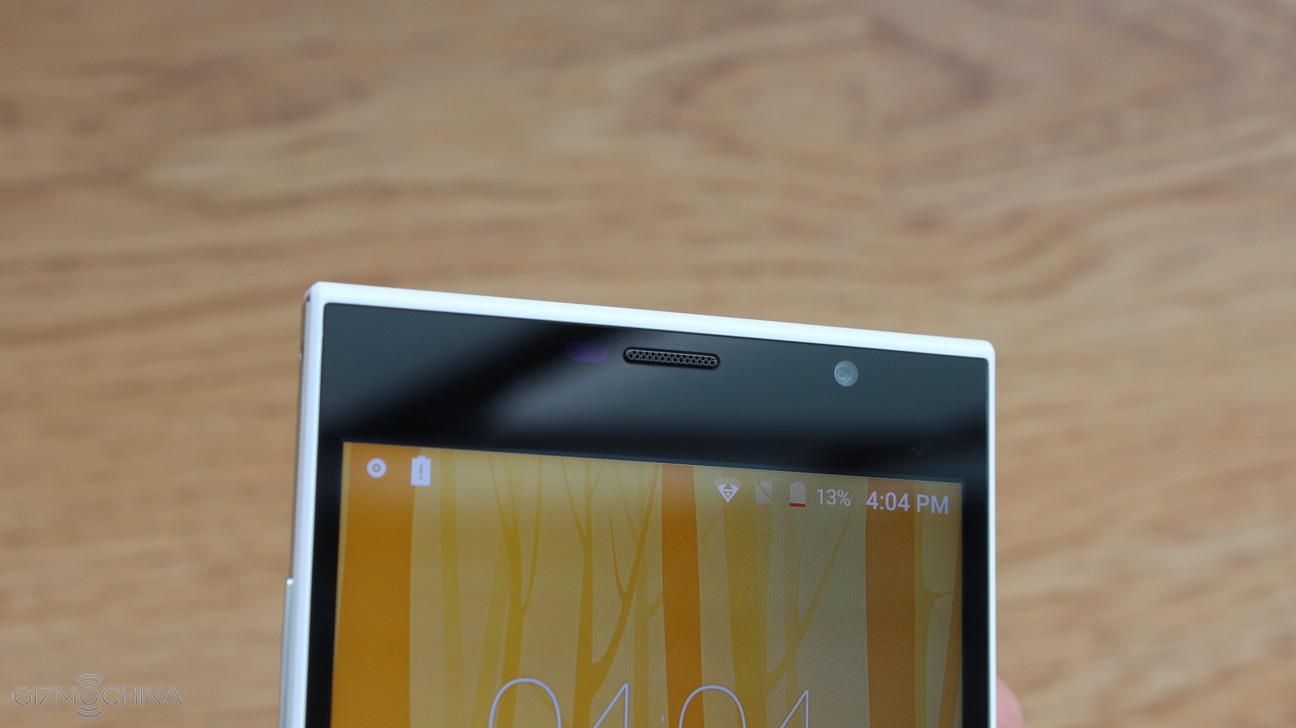
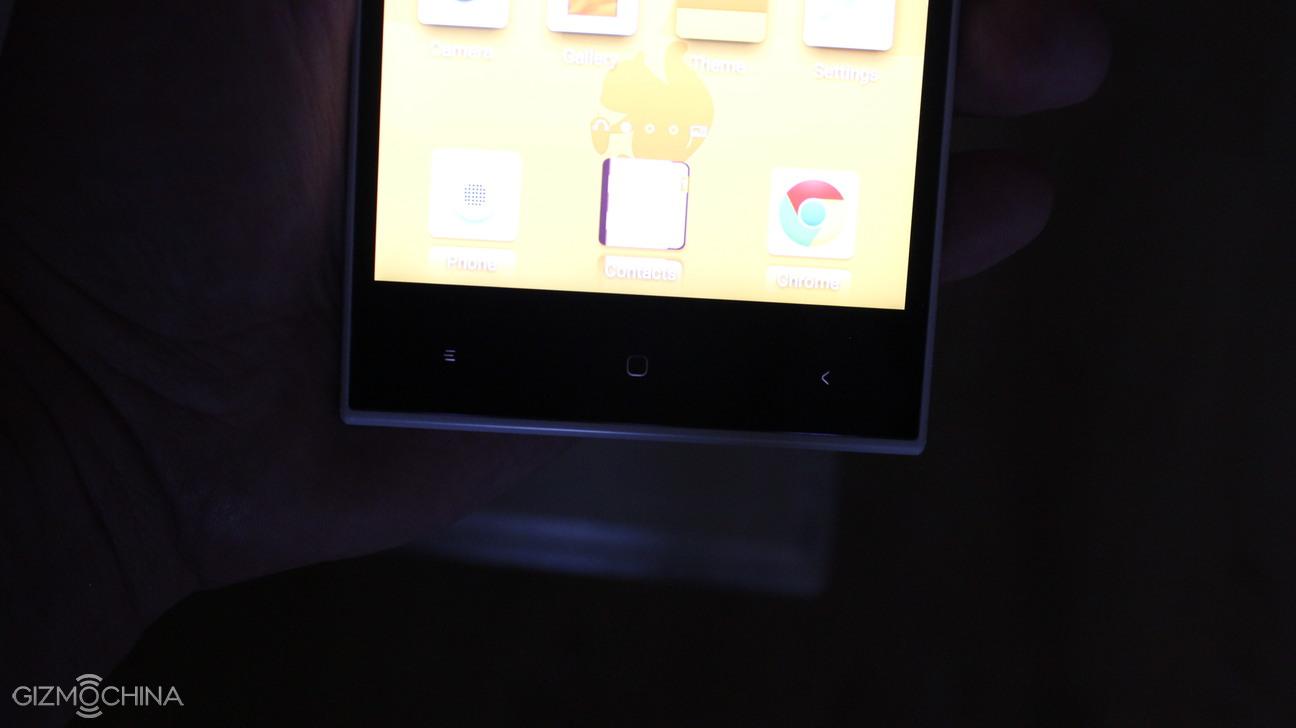
The market is full of power banks and they all look pretty similar. However, if you are on the go, you must care about charging your phone as quickly as possible. Thus, power banks with a fast charging tech come handy. Learn more in our Blitzwolf 10400mAh Qualcomm Certified power bank review.
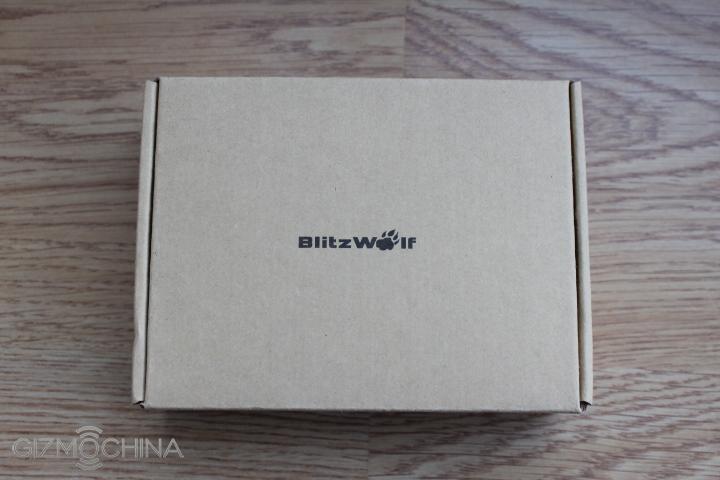
BlitzWolf® 10400mAh Quick Charge 2.0 Power Bank Review: UNBOXING
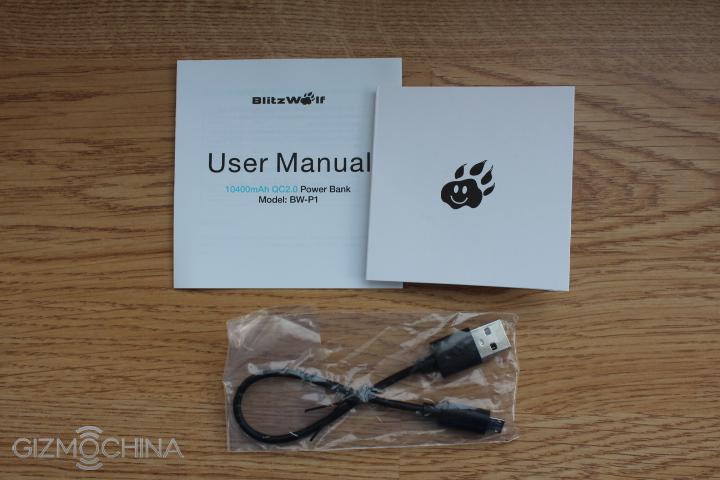
The power bank comes with a micro USB cable and some documentation.
BlitzWolf® 10400mAh Quick Charge 2.0 Power Bank Review: DESIGN
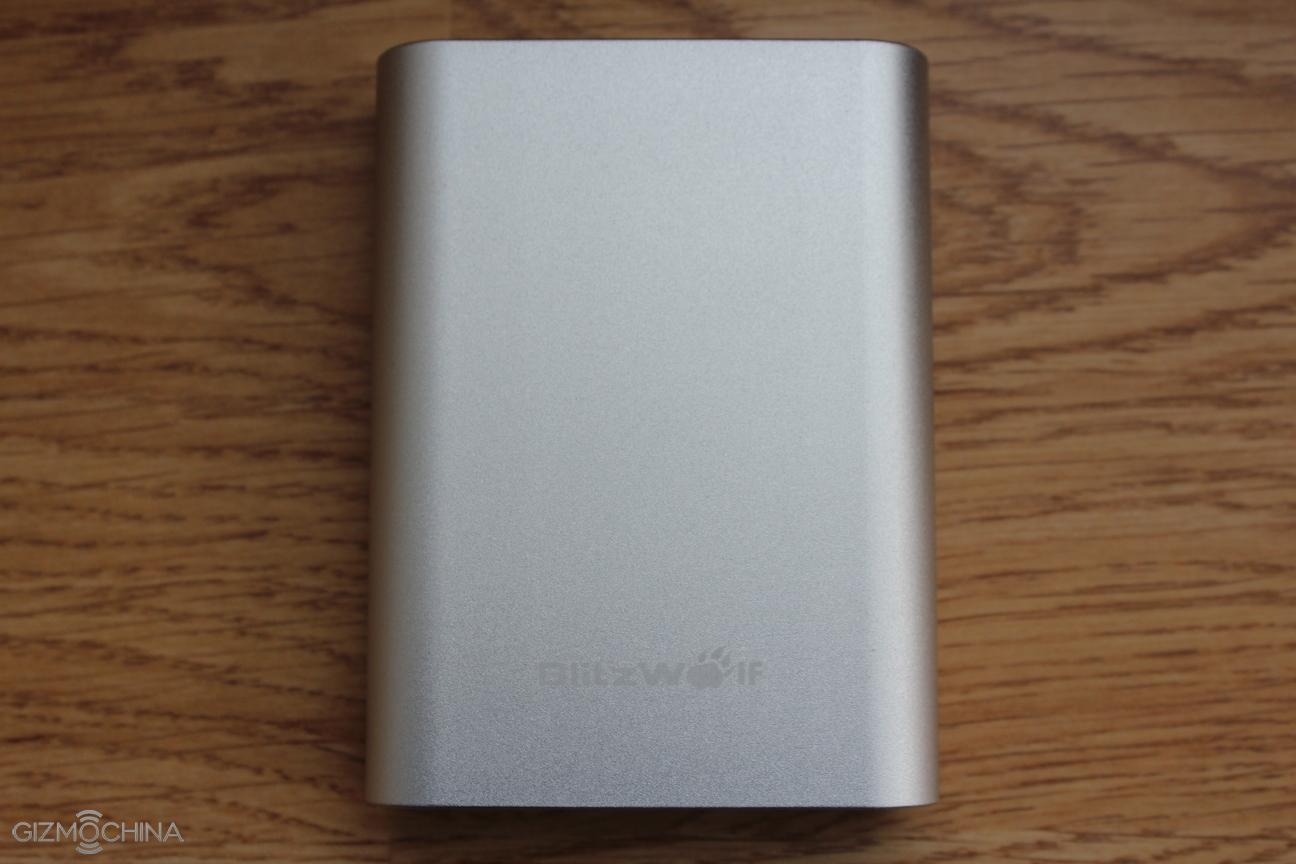
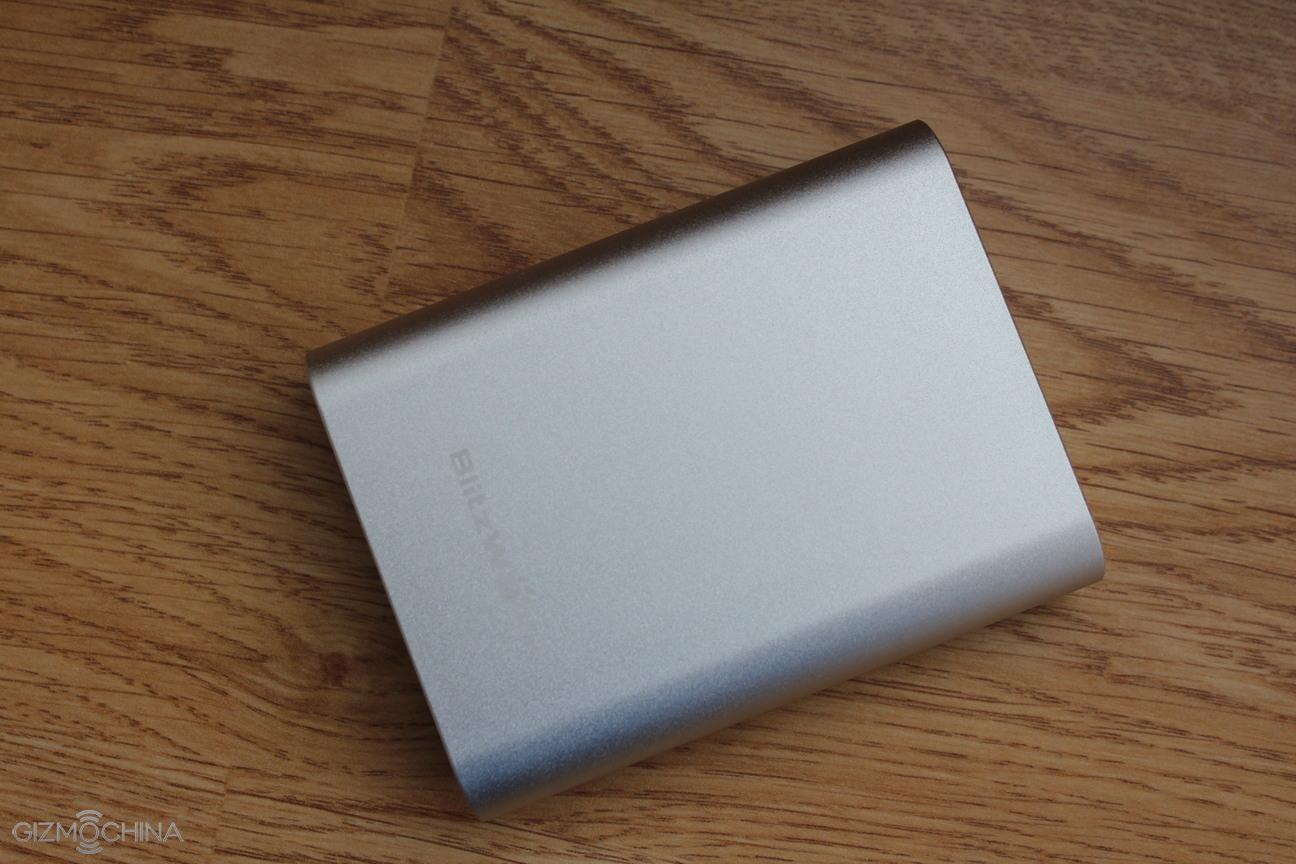
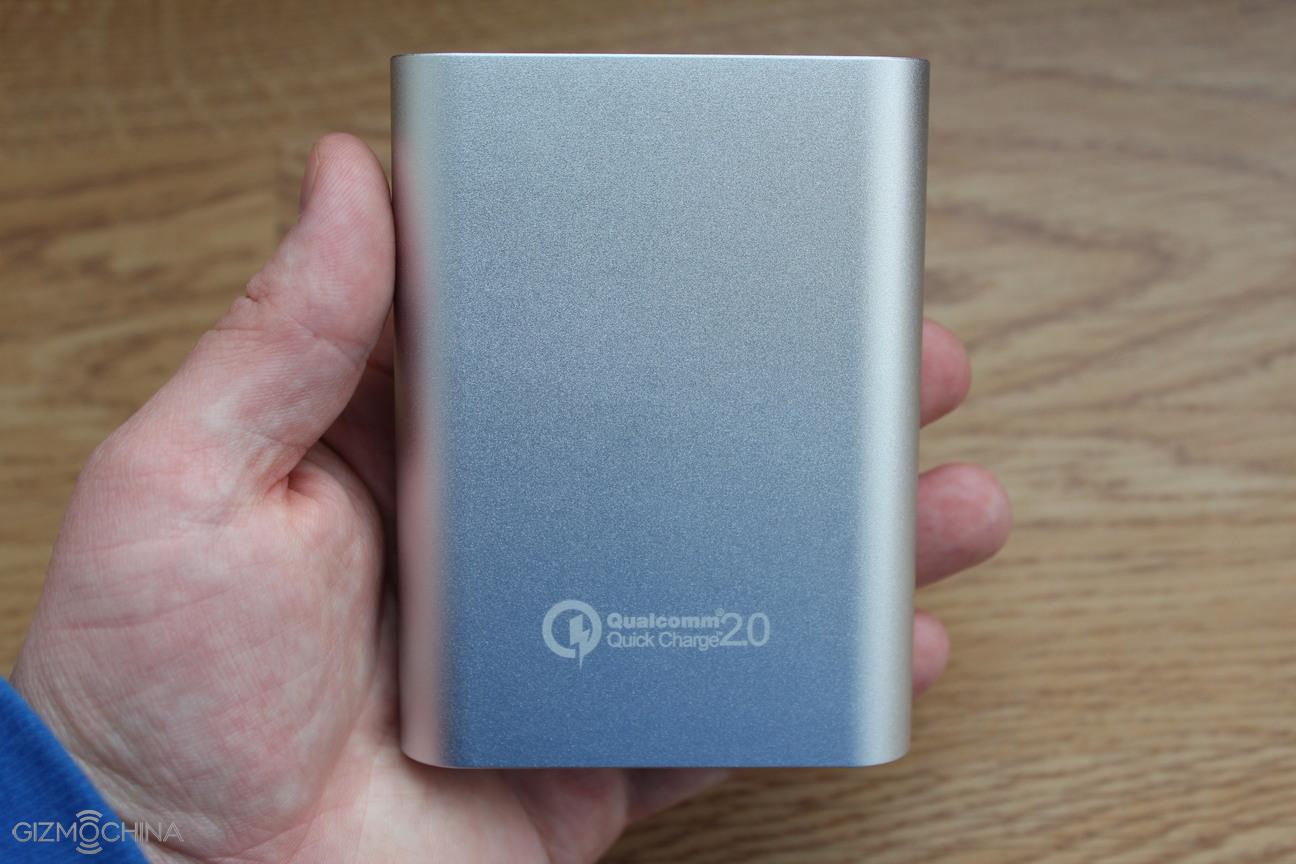
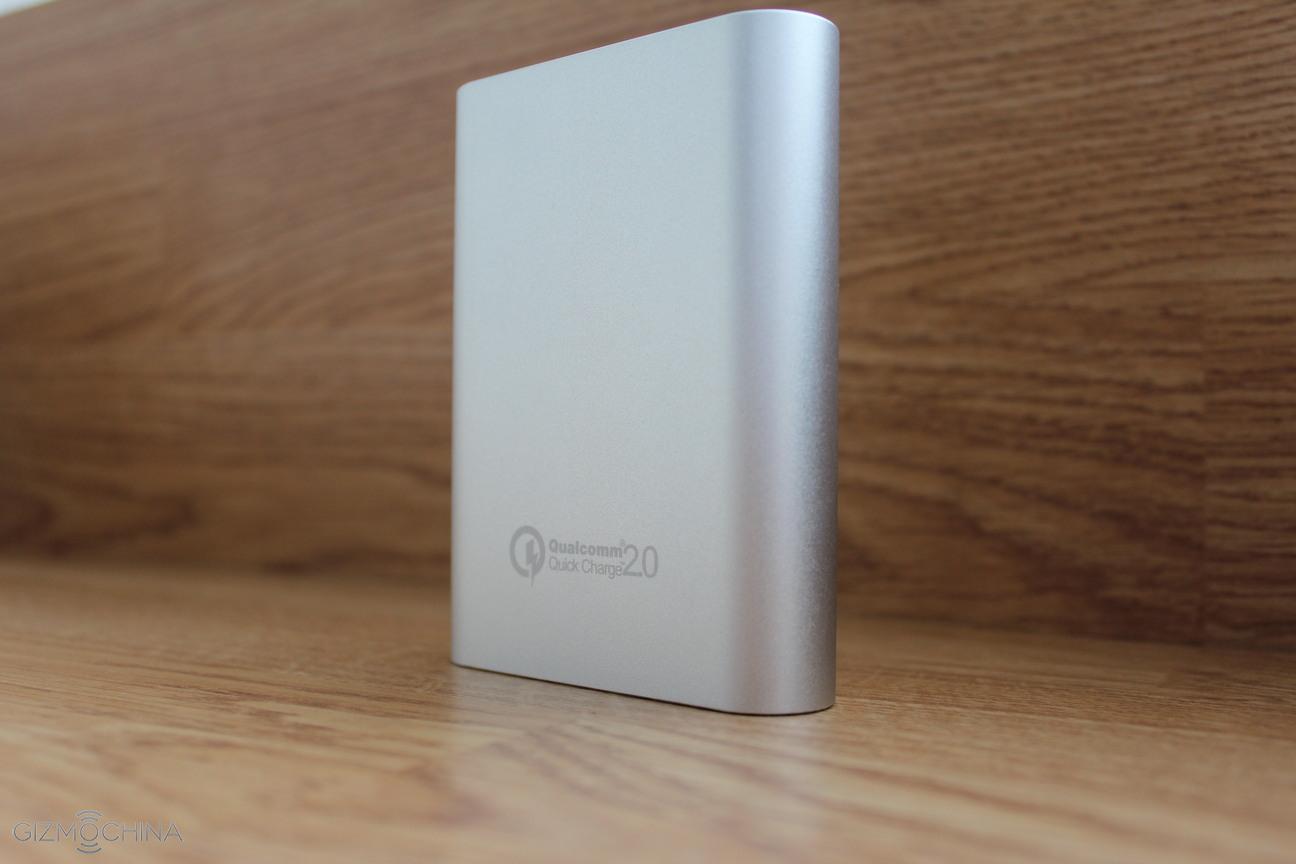
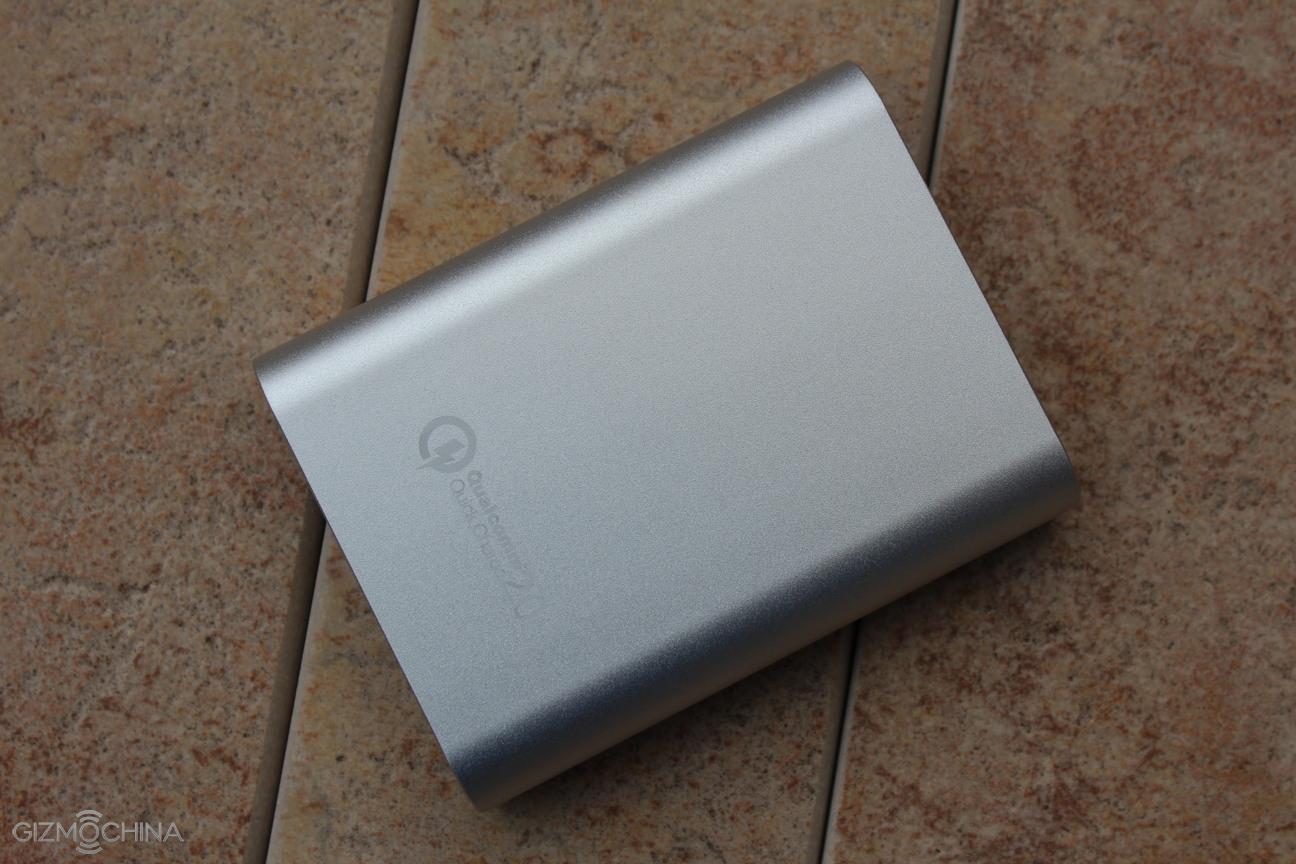
As for design, we are looking at a well-crafted device as it sports an all-metal design and outstanding build quality.
One of the main highlights of the power bank is Qualcomm’s Quick Charge 2.0 feature but more on that later.
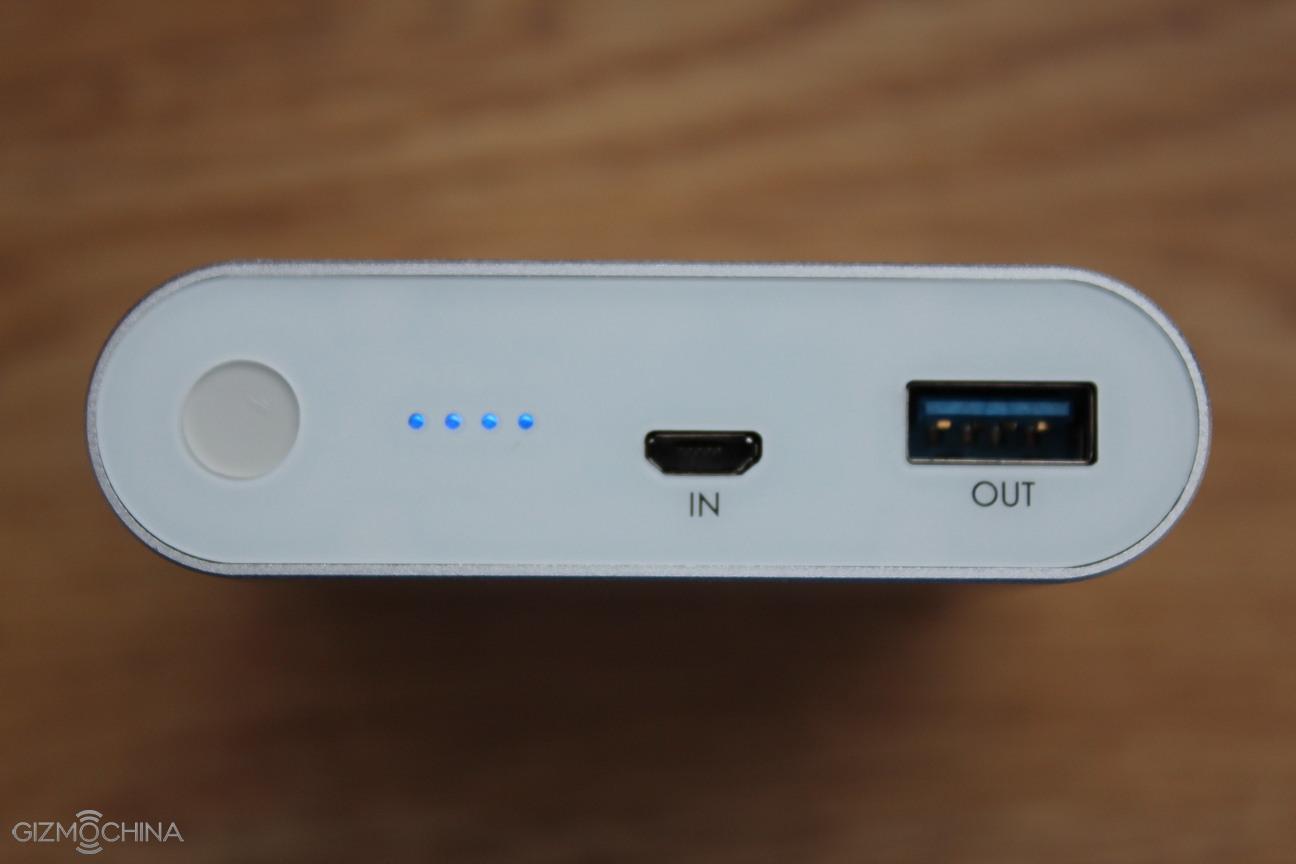
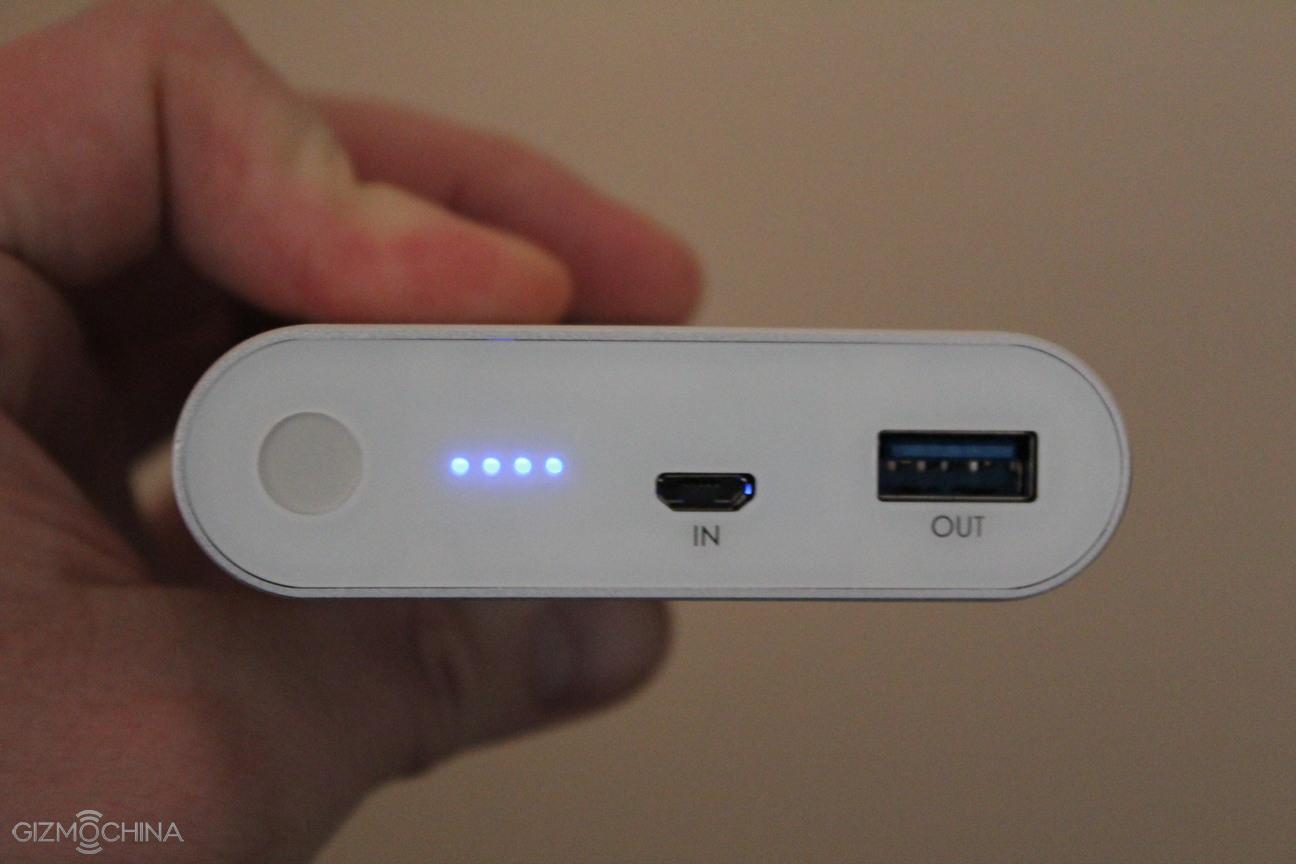
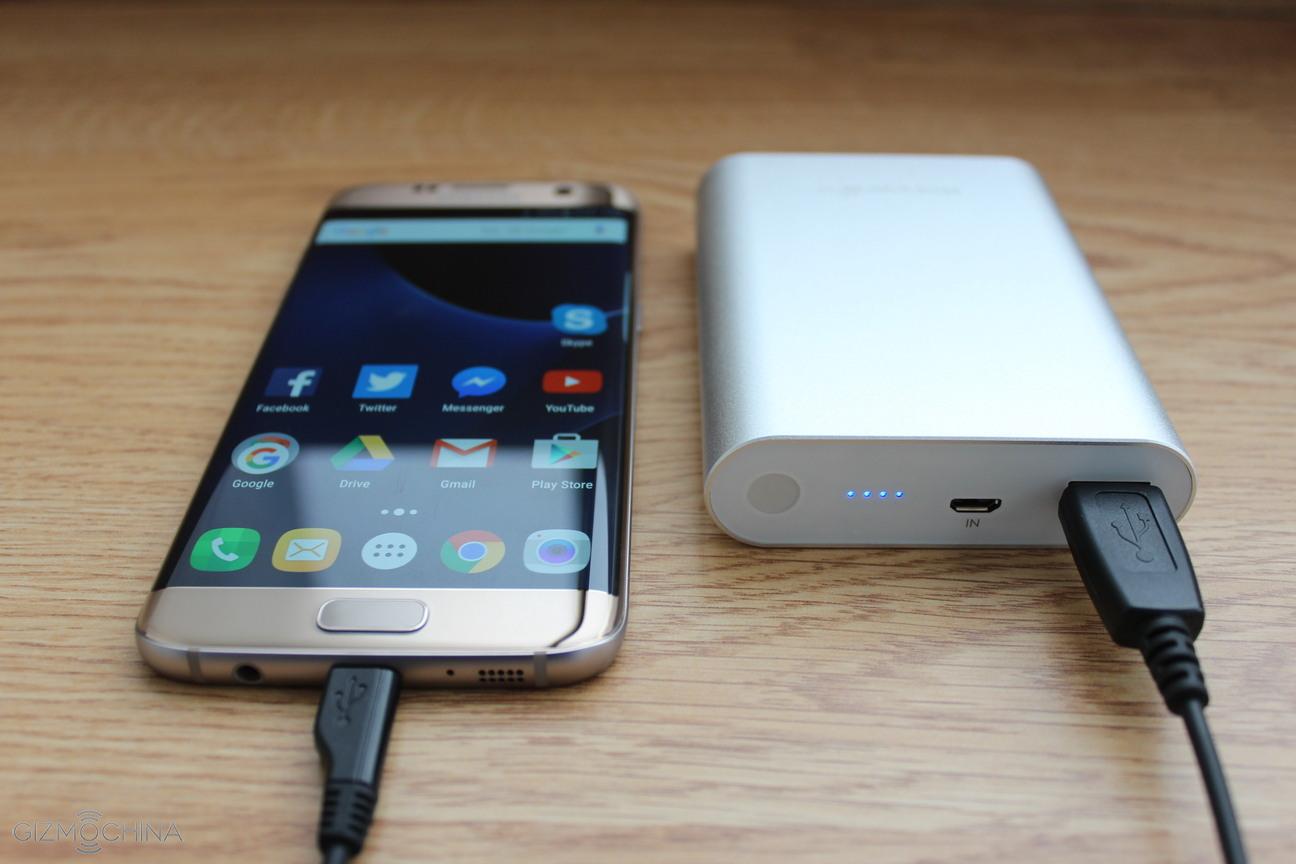
On the top, we have a power button, LED lights, which indicate the amount of power left in the battery, a micro USB input for charging and last but not least a USB port to charge other devices.
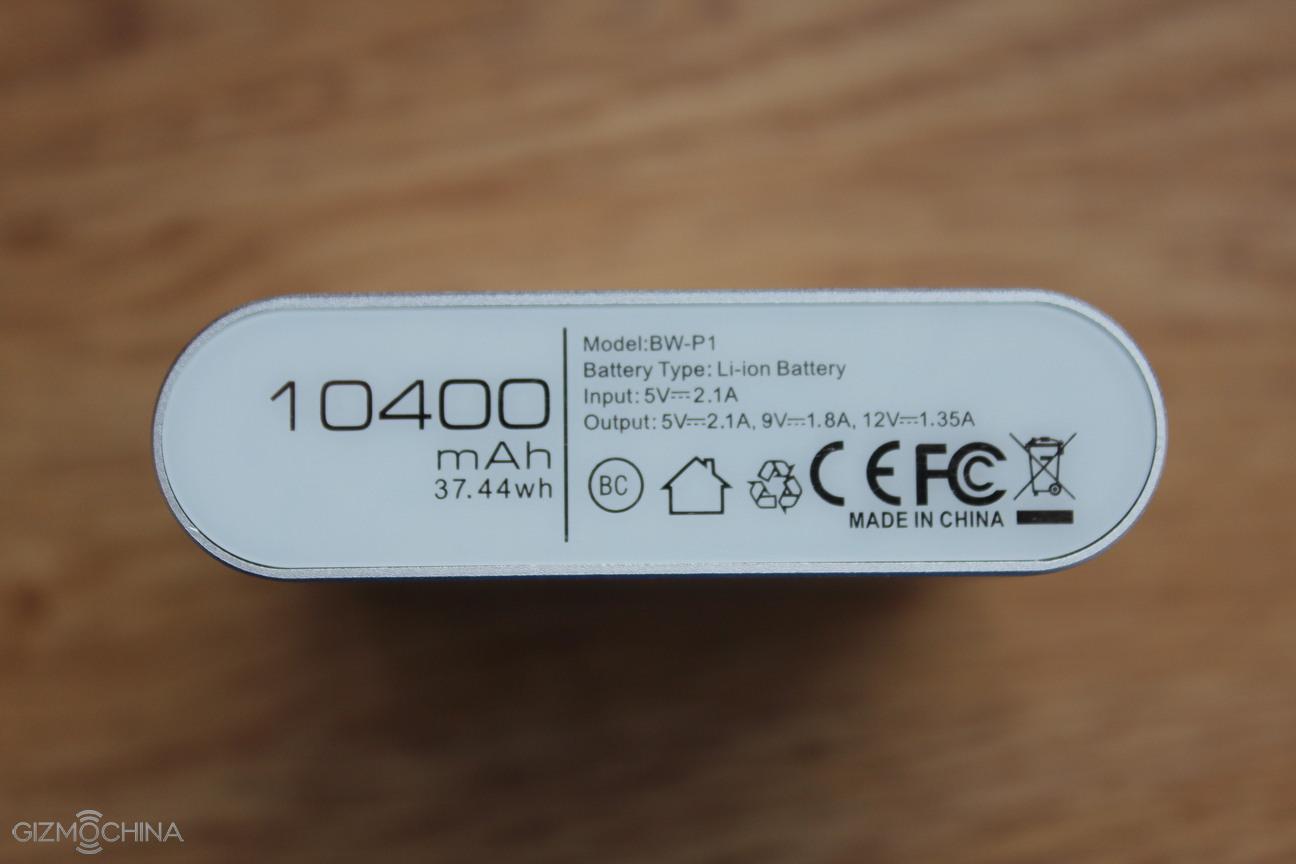
10400mAh should be more than enough to charge any smartphone.
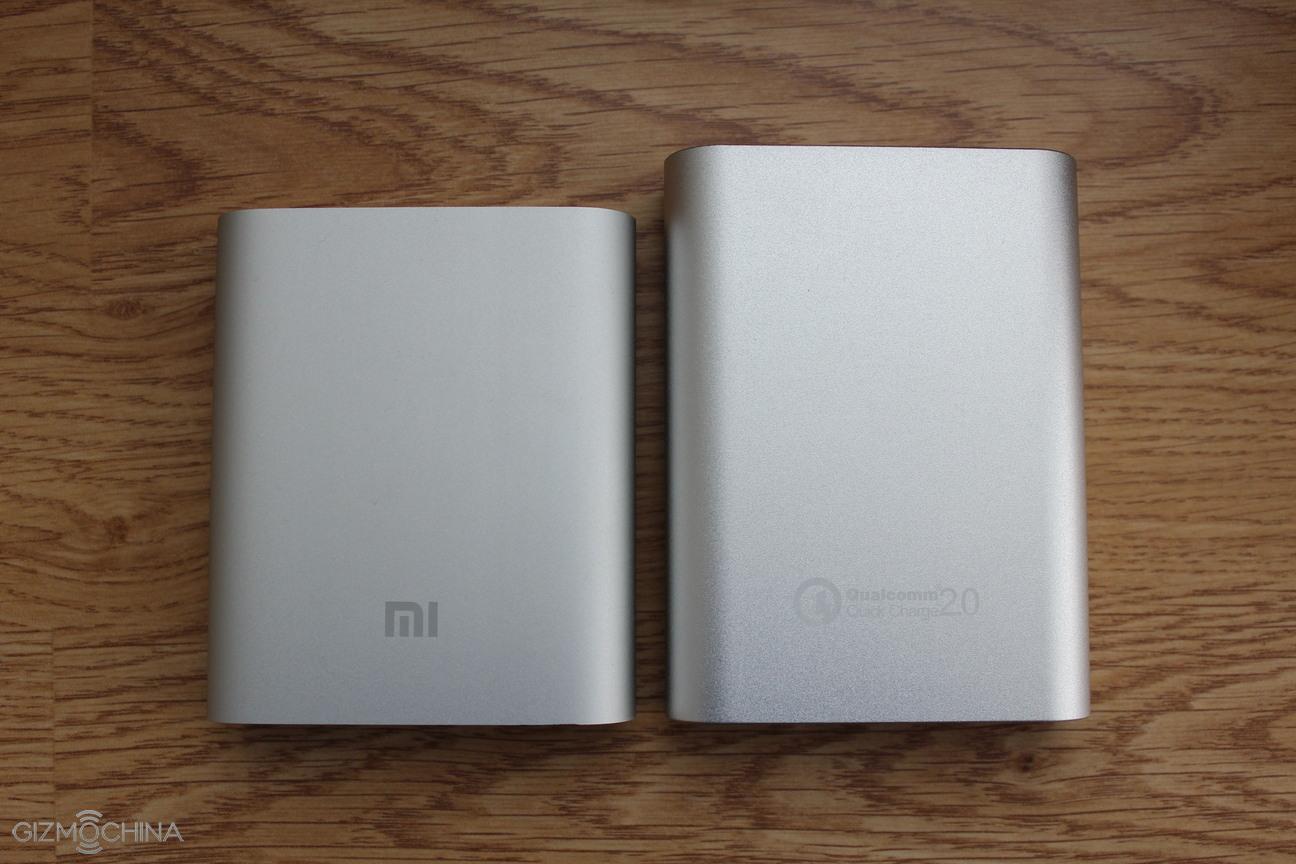
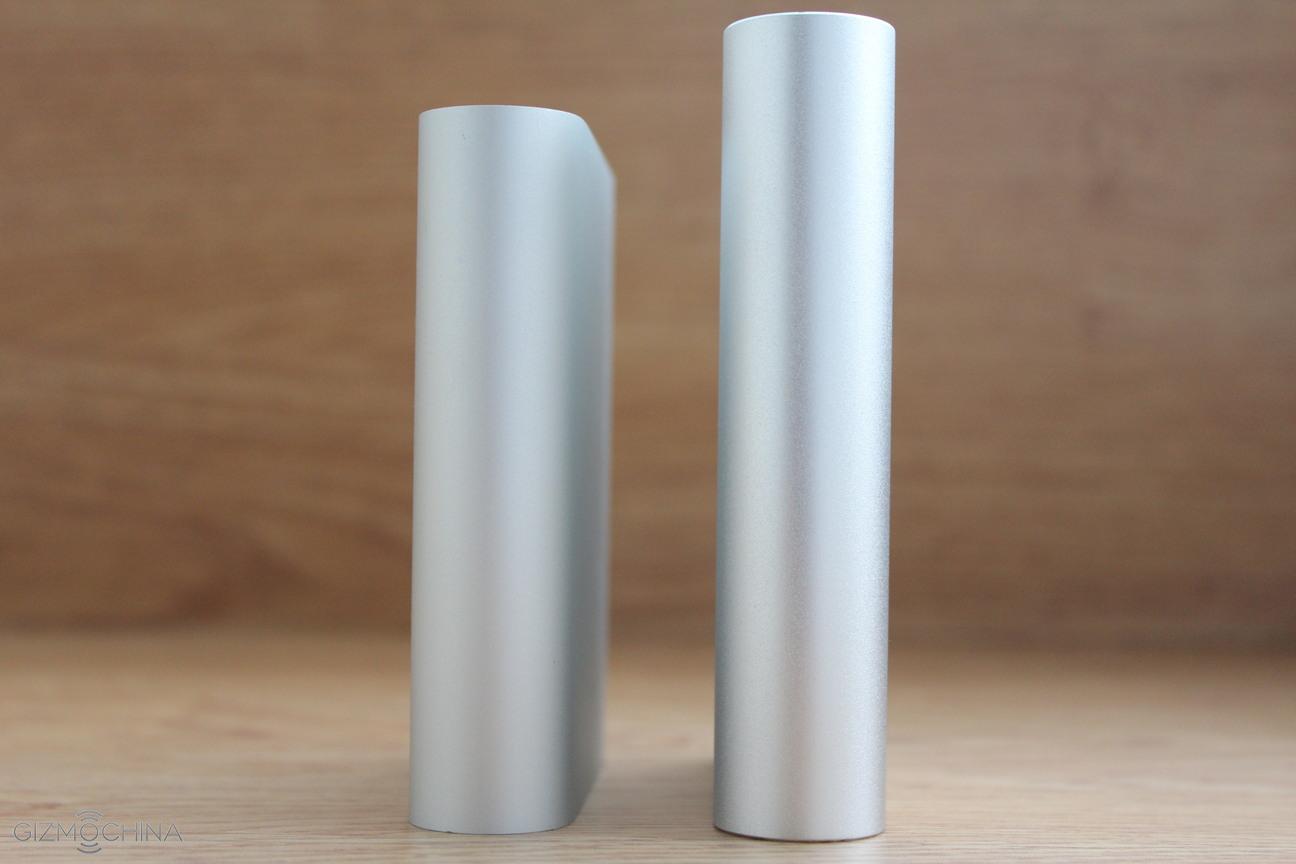
Once I first saw this device, I immediately thought that it looked like the Xiaomi power bank but I am absolutely okay with that. The Blitzwolf battery is slightly larger but it sports a better overall build quality.
BlitzWolf® 10400mAh Quick Charge 2.0 Power Bank Review: FEATURES AND FUNCTIONALITY
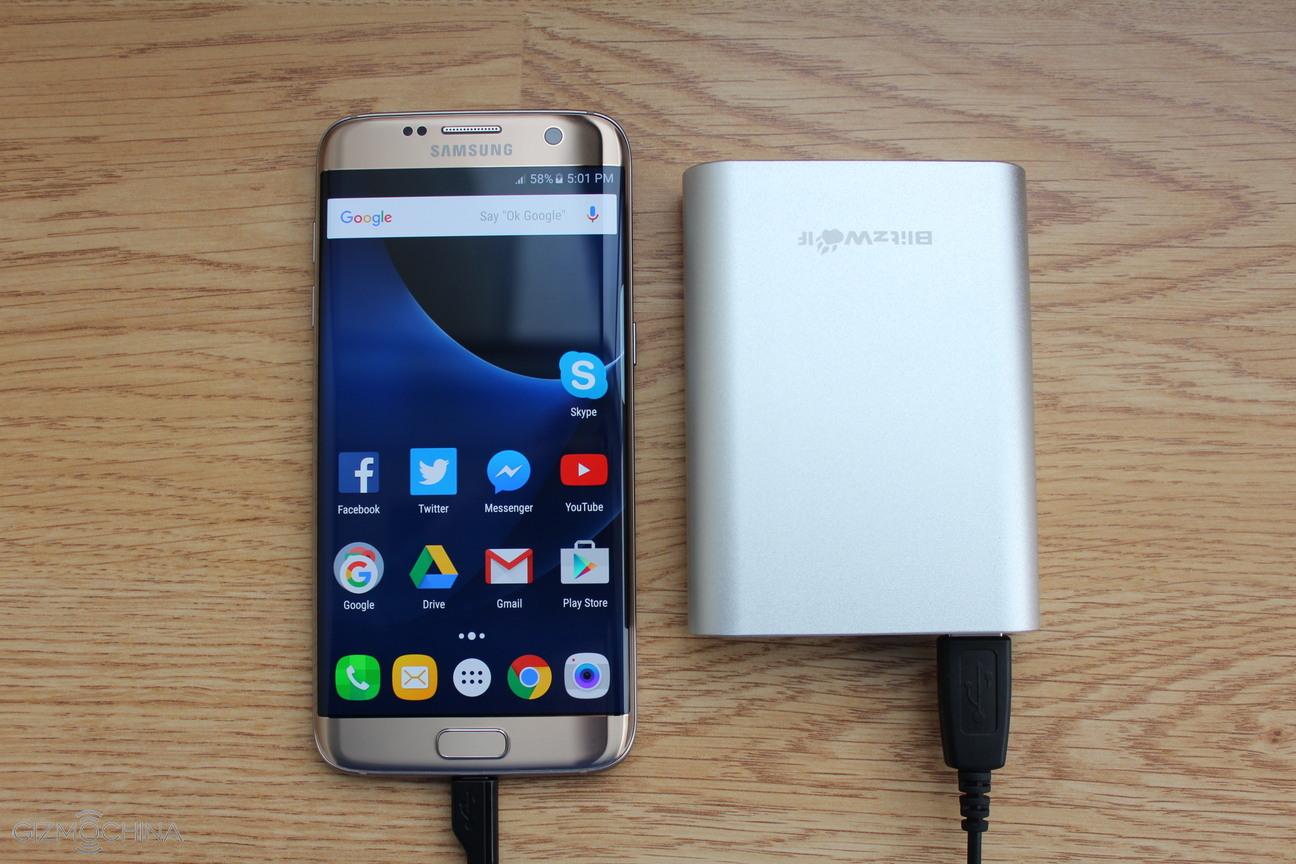
Obviously, this device is designed to charge other devices and it does its job very well.
In fact, this is one of the fastest portable chargers I’ve tested. I could fully charge my Samsung Galaxy S7 edge in 1 hour and 20 mins. Also, the Xiaomi Mi5 finished charging even faster – in 1 hour and 15 mins.
Obviously, the Blitzwolf power bank has all the latest security chips, controllers and indicators that prevent any overcharge, overheating or any other issues.
BlitzWolf® 10400mAh Quick Charge 2.0 Power Bank Review: CONCLUSIONS
BlitzWolf® 10400mAh power bank has a great design, outstanding build quality and it does its job very well.
It charges devices fast and that is thanks to Quick Charge 2.0 feature. Our test results suggest that it works fine with both Qualcomm and non-Qualcomm powered devices.
All in all, the BlitzWolf® 10400mAh power bank has all the features and design of a great external battery. Thus, it can be highly recommended if you are in the market of power banks.
In fact, you can get a BlitzWolf power bank with 10% off coupon: 12blitzw at Banggood.com.
We live in the world full of cables and I love any solution that helps reduce the amount of mess those cables create. A wireless charger is one of the solutions (if you have a phone that supports this feature). Learn more in a full 1byone wireless charger review.
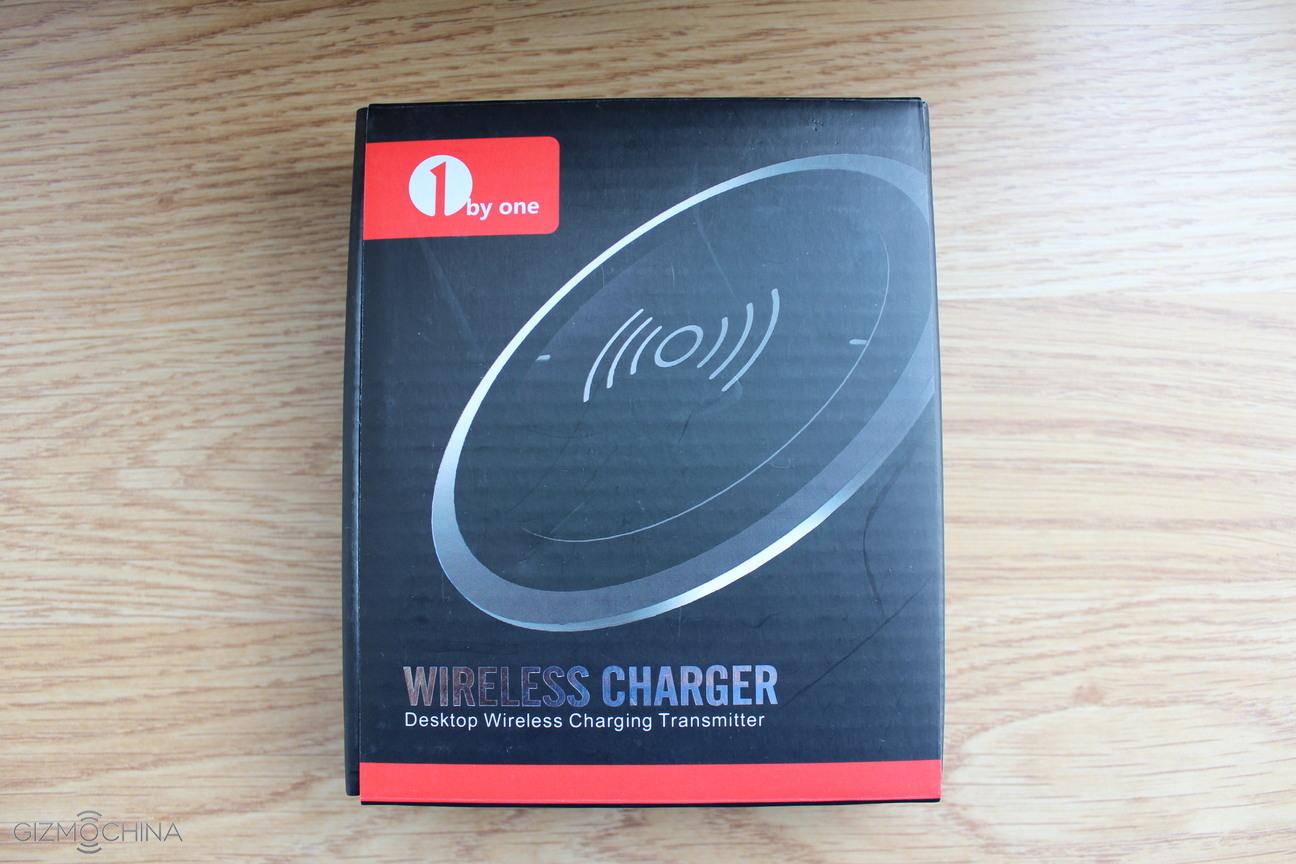
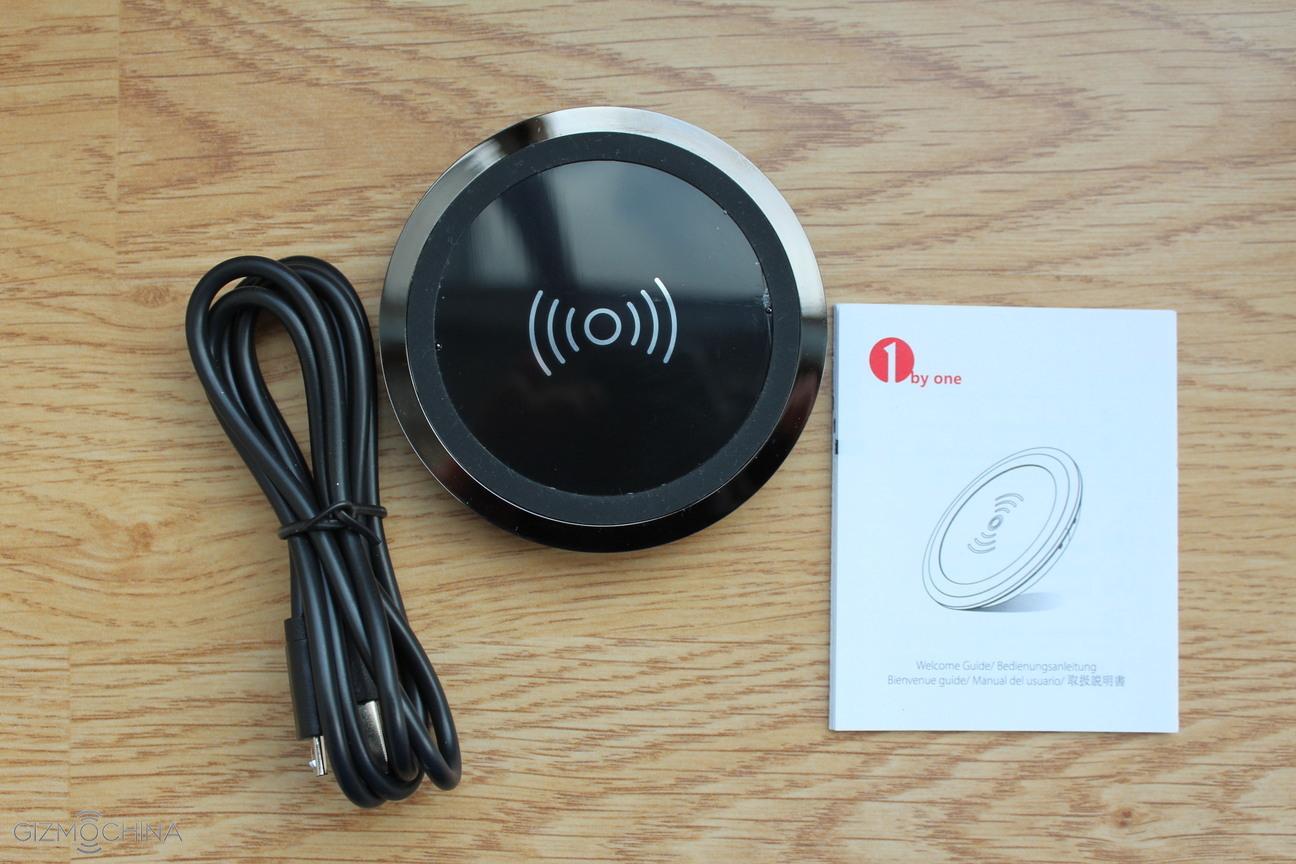
The device comes in a simple yet neat packaging and the contents of it include a charger itself, USB cable and some documentation.
1byone Ultra-Slim Wireless Charger Review: DESIGN
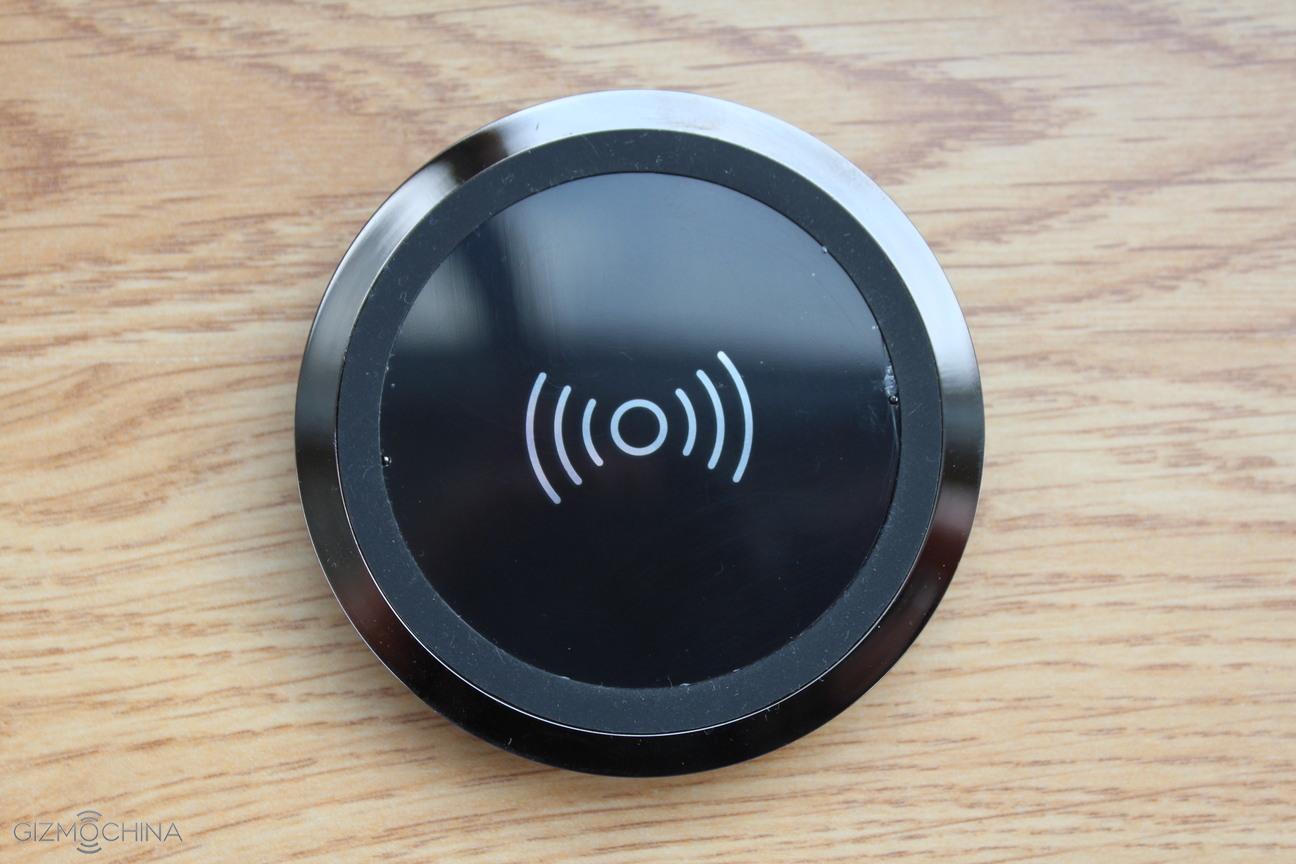
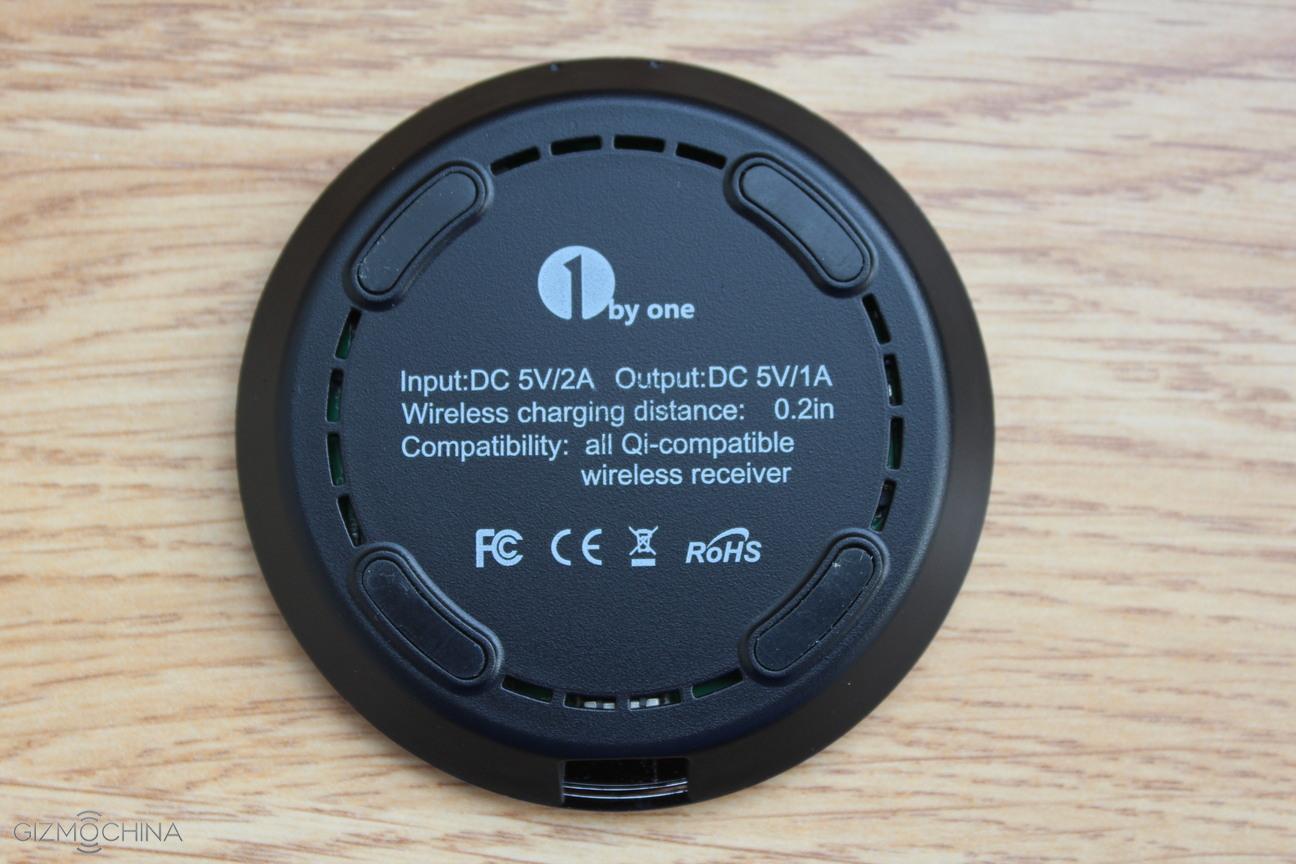
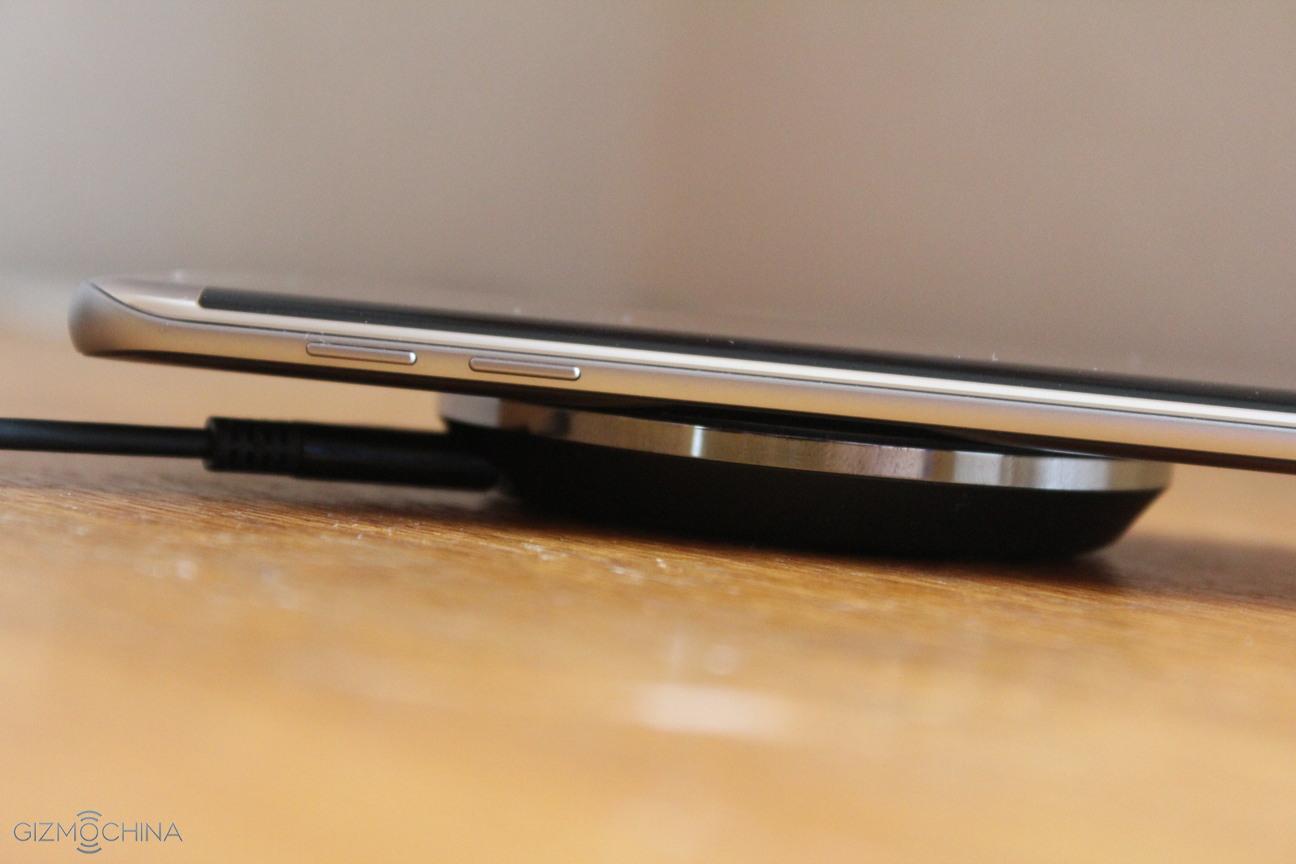
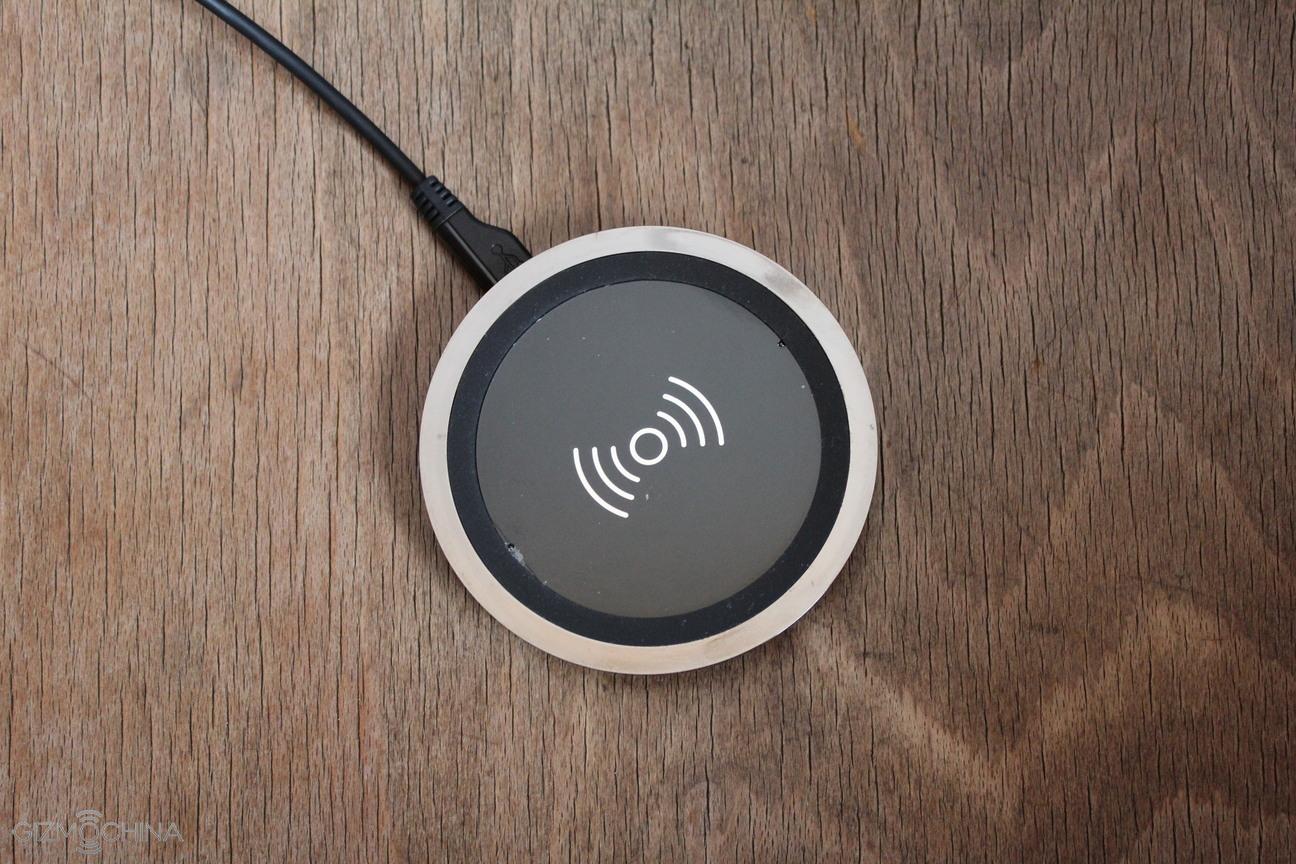
As for design, we are looking at a very compact and well-made device. It sports a metal ring on the top to add a bit of aesthetics but you won’t be putting your phone directly on it. Right inside the ring there is a silicone pad, which provides a good seal with the phone and prevents it from sliding.
On the bottom, we have another set of silicone pads, so the charger does not slide on the table or any other surfaces.
1byone Ultra-Slim Wireless Charger Review: FEATURES AND FUNCTIONALITY
As the name implies, this device is designed to wirelessly charge your phone but make sure that your phone has this feature.
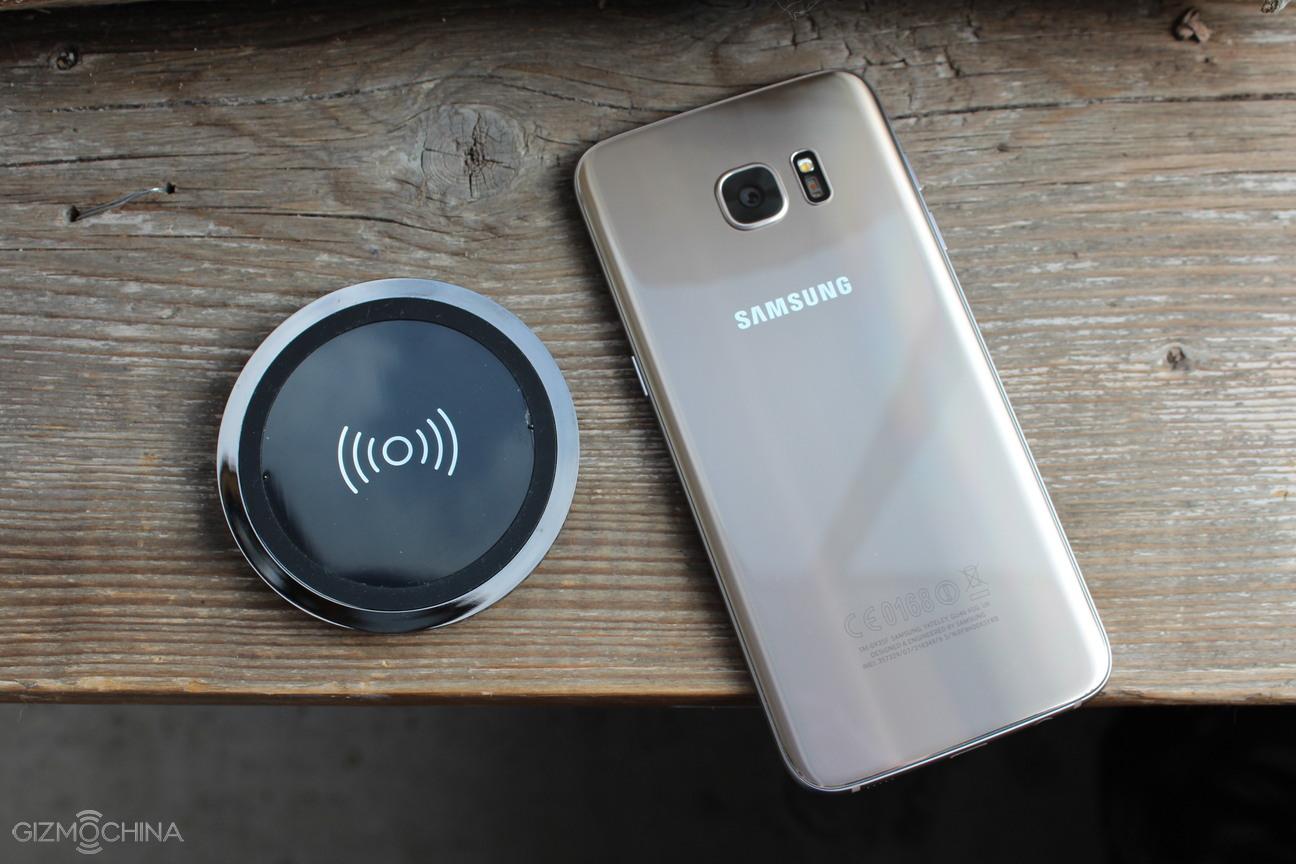
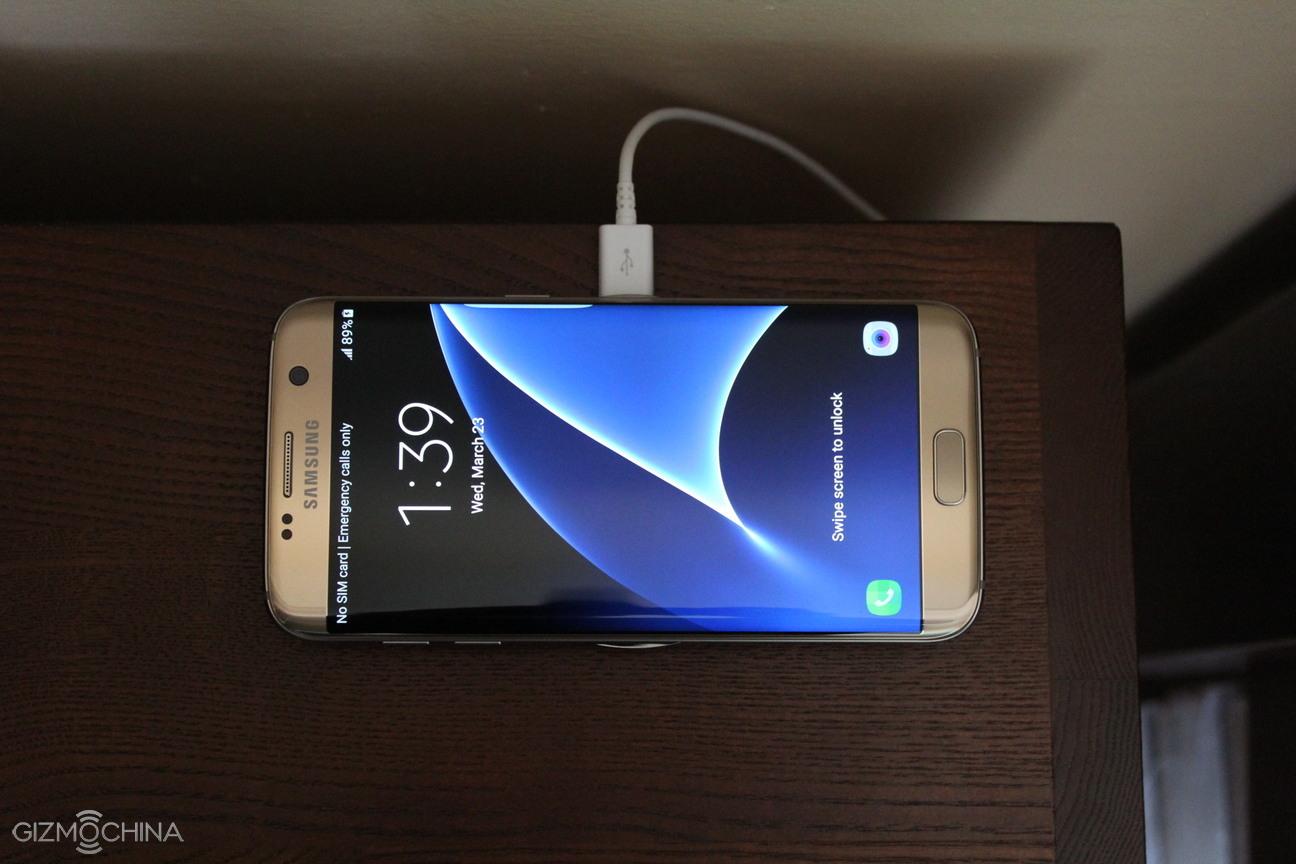
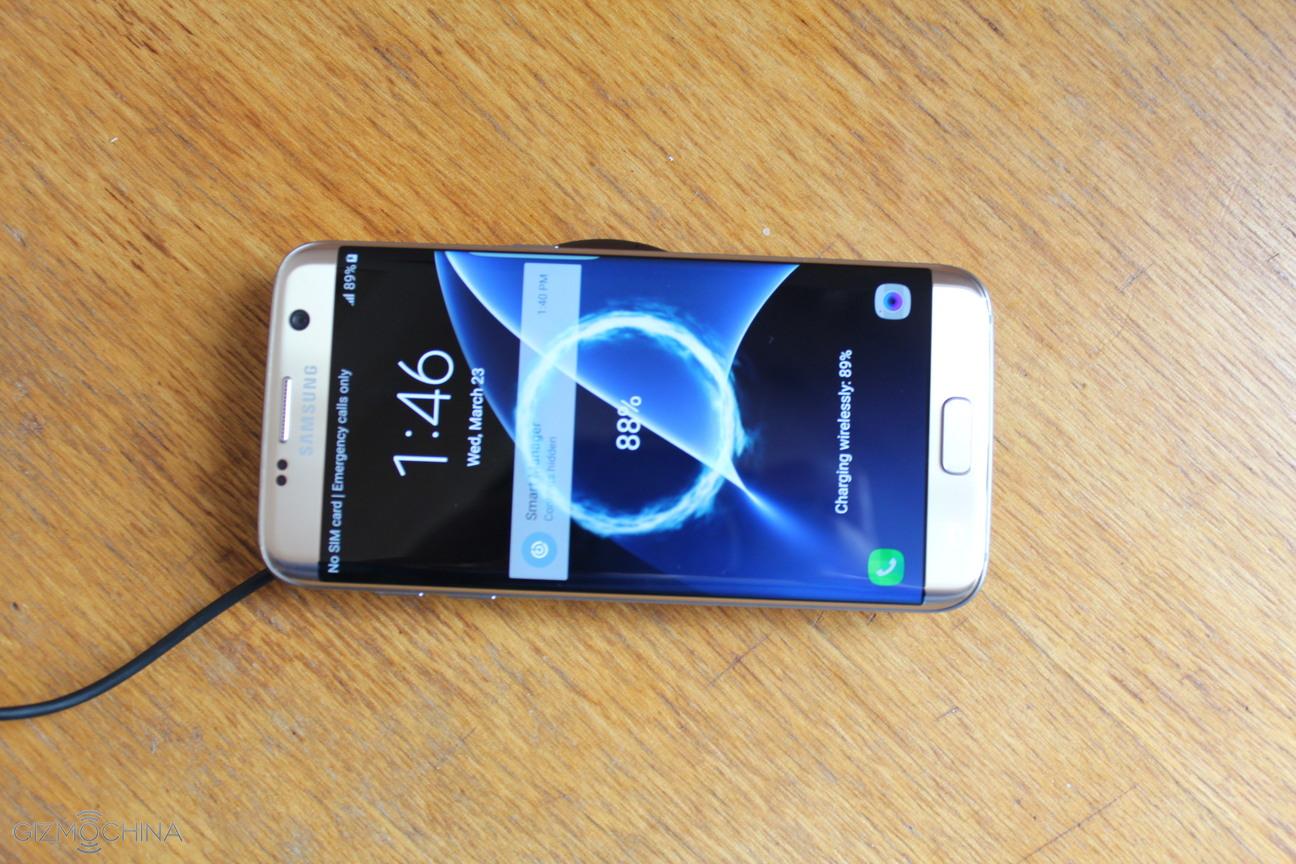
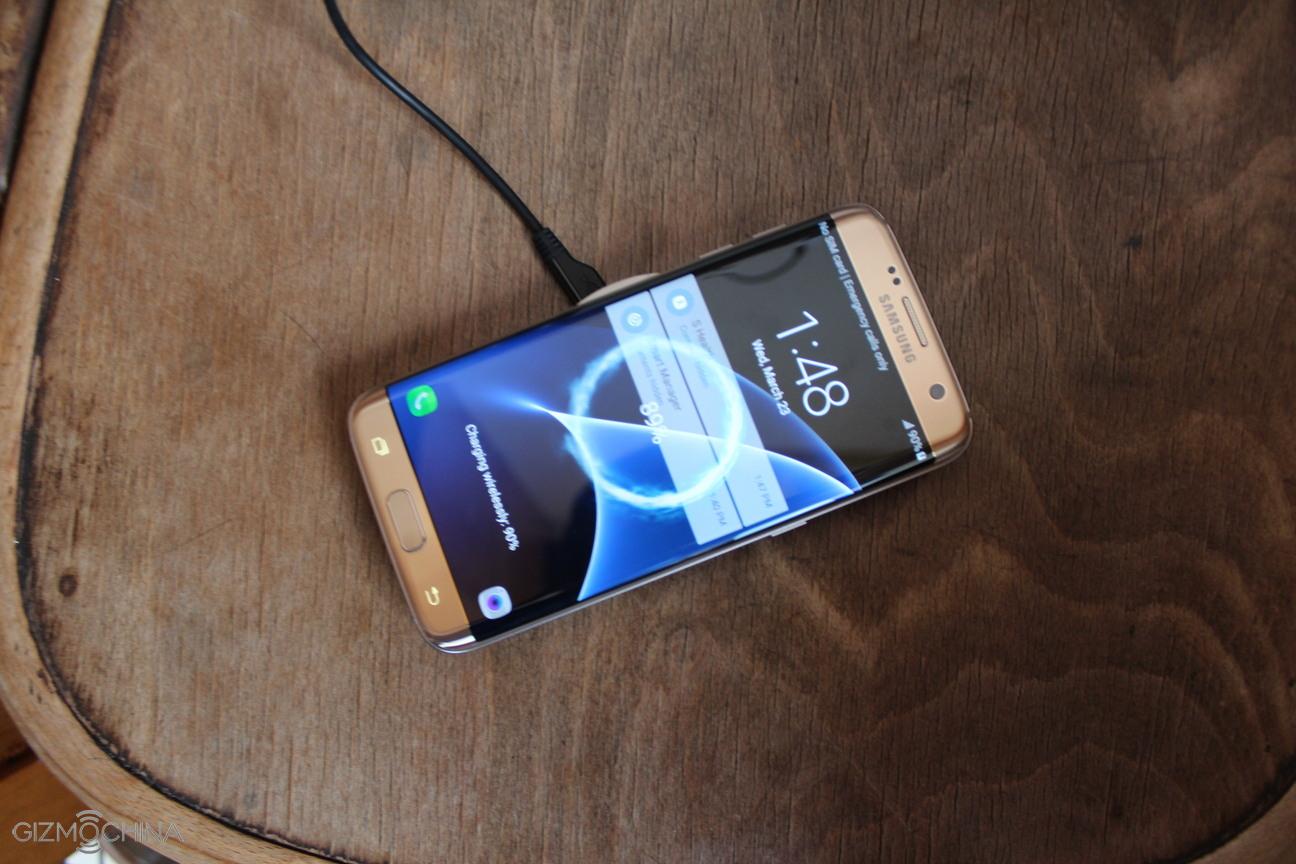
I have the Samsung Galaxy S7 and I can assure you that the charger works fine with this phone.
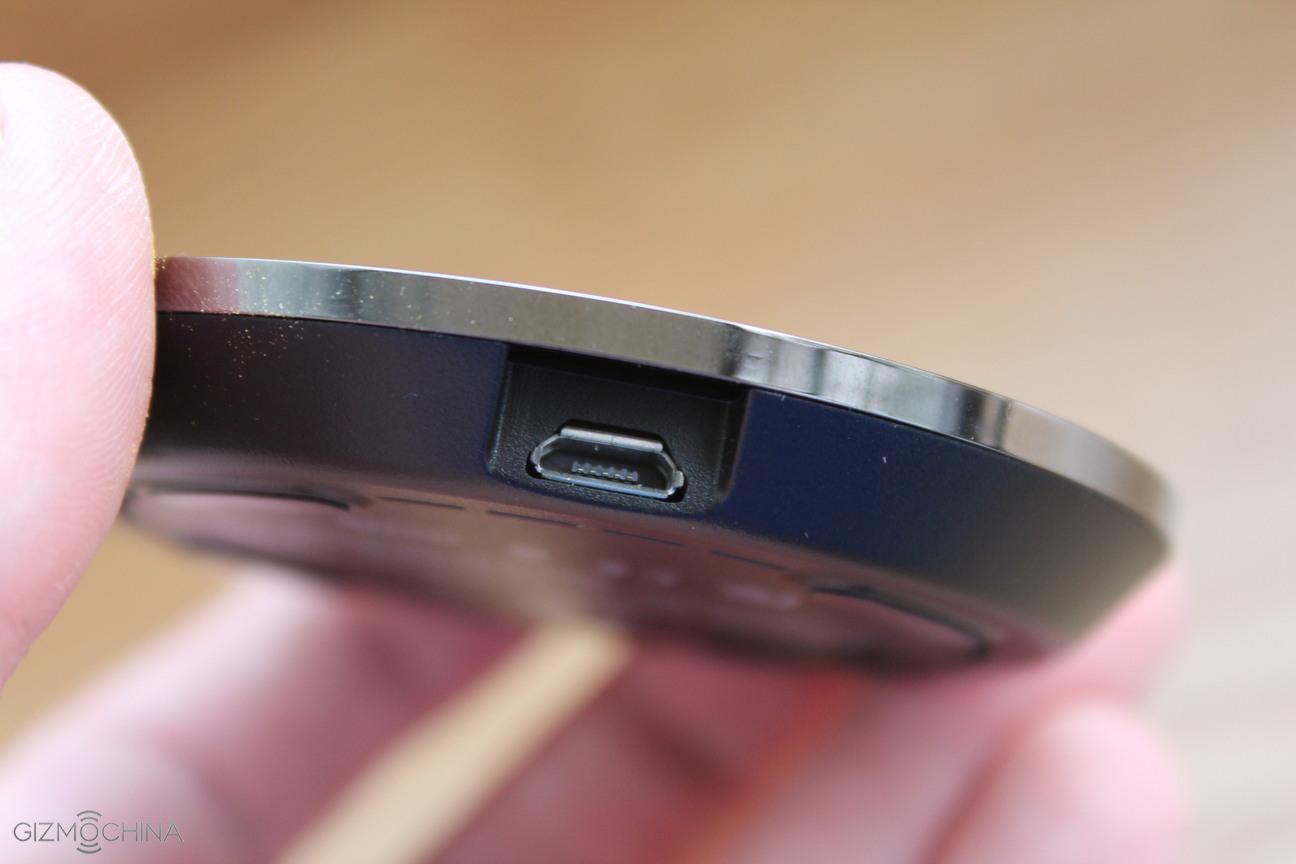
All you have to do is power up the charger with the supplied micro USB cable, put your phone and boom, your phone is charging right away.
I have to tell you that I didn’t have any issues with this device. In fact, I also tested it with the Samsung Galaxy S6 and it worked absolutely fine.
In addition, I love the design and great build quality of it, and the fact that the charger is so compact.
All in all, the 1byone wireless charger may not be the one and only gadget of its kind but my test results suggest that it works fine. Thus, it can be highly recommended.
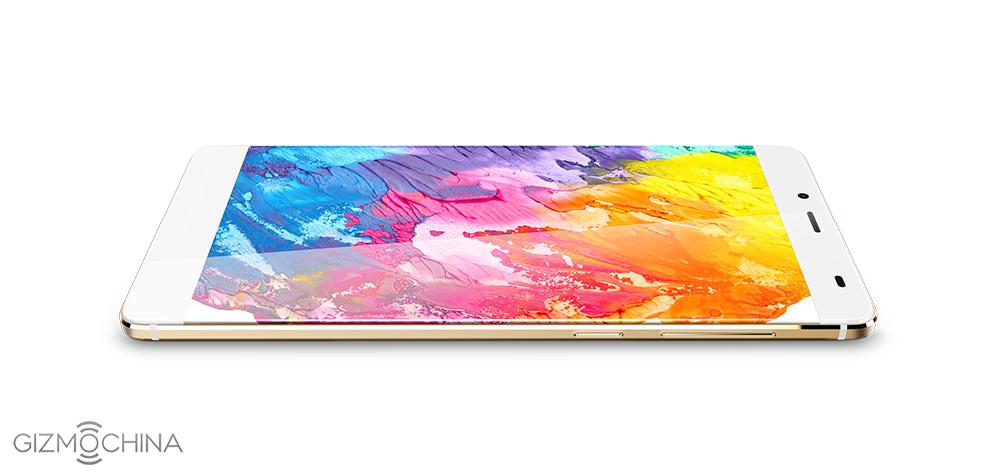
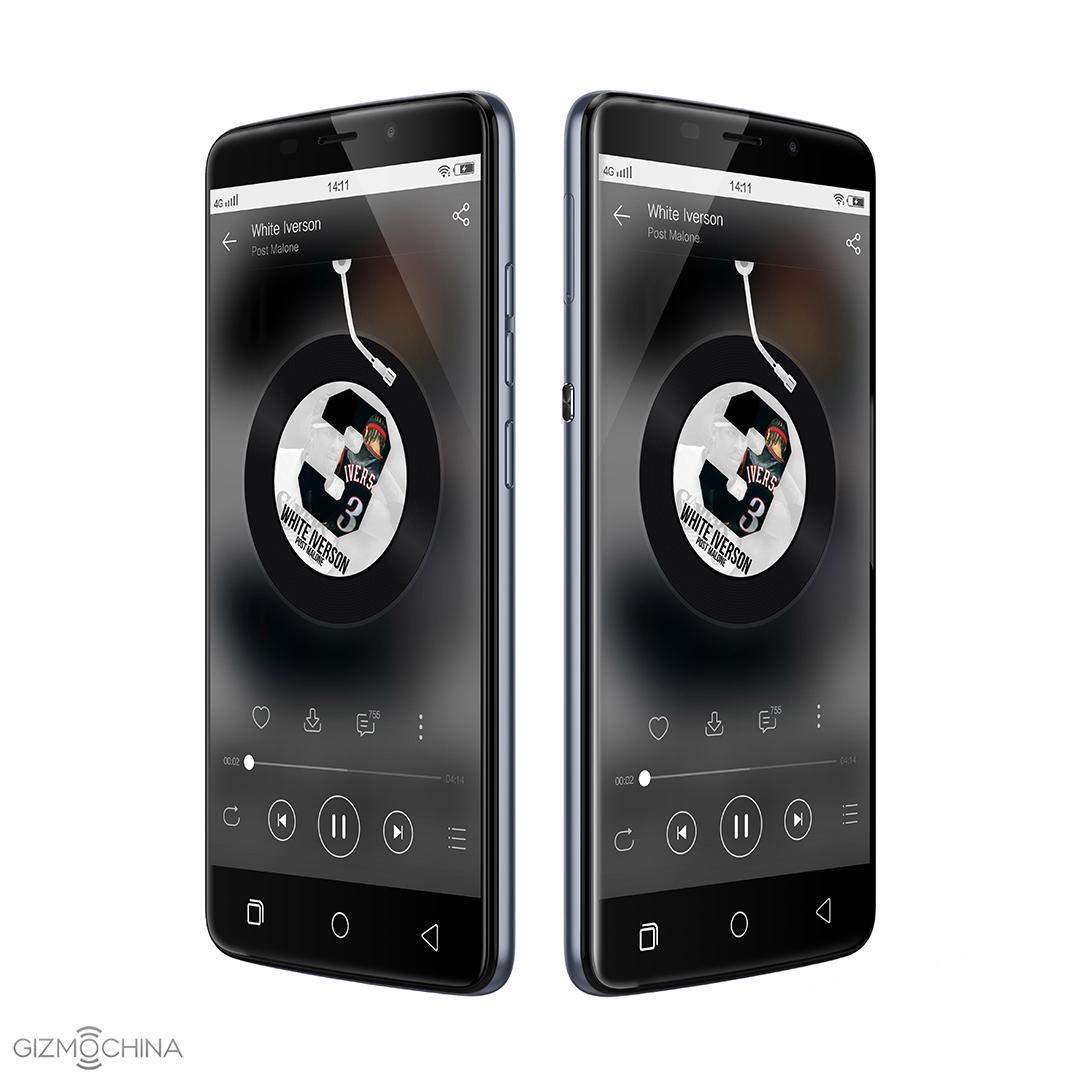
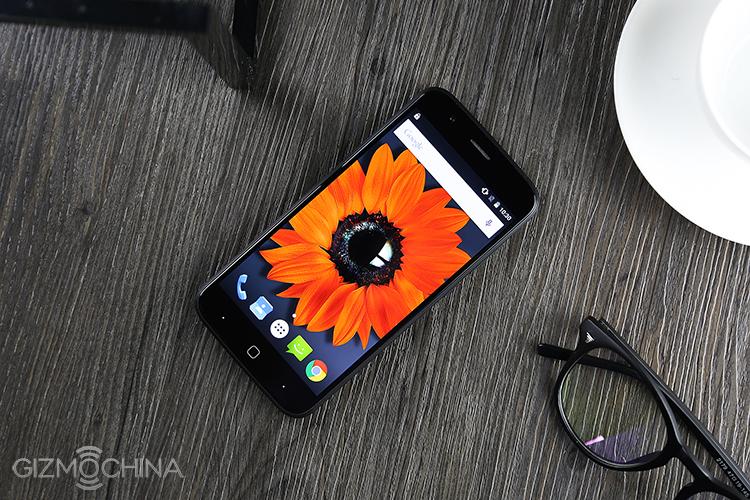
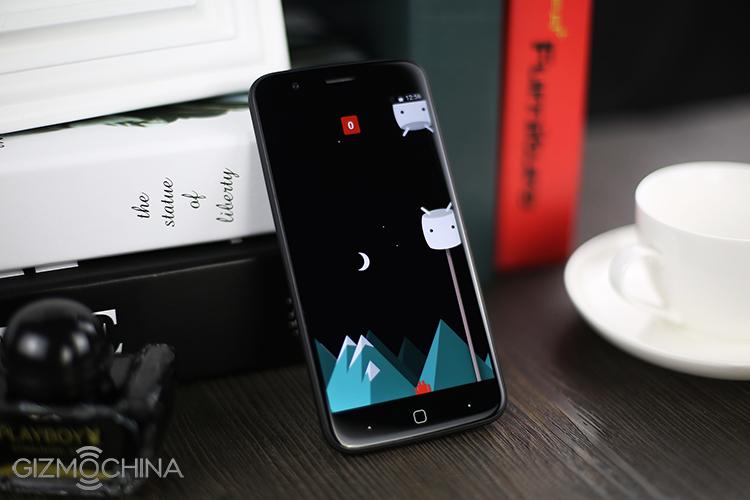
Bezel-less display seems to be the new obsession among low cost Chinese manufacturers. Elephone has a couple of bezelless phones in the works, UMi has one and even Ulefone has its soon to be announced Ulefone Future smartphone. The specs of the phone have already been revealed and with Helio P10 octa-core chip under the hood and 4GB of RAM, we can expect the performance to be quite satisfactory.
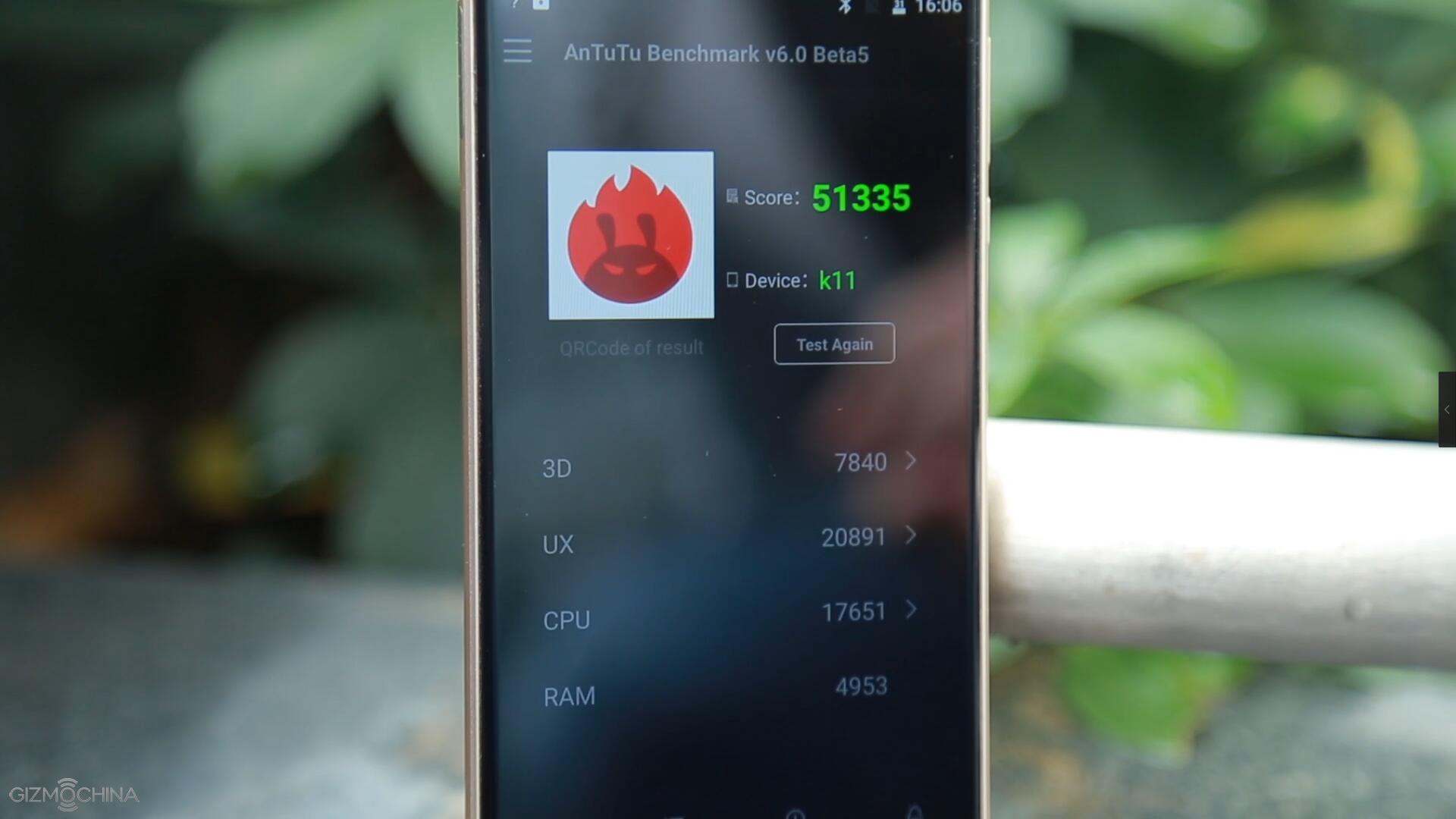
Now, the guys over at Ulefone have decided to release the AnTuTu benchmark score of the Ulefone Future, and they are quite ordinary. In the benchmarking app, the phone managed to score just over 51,000 which is not very high according to today’s standard. But it’s pretty decent for your everyday needs.
One thing to note here is that the score was posted by a prototype model with 3GB of RAM on board. But the retail version will come with 4GB of RAM, hence we can expect the final scores to be a bit higher than this figure.
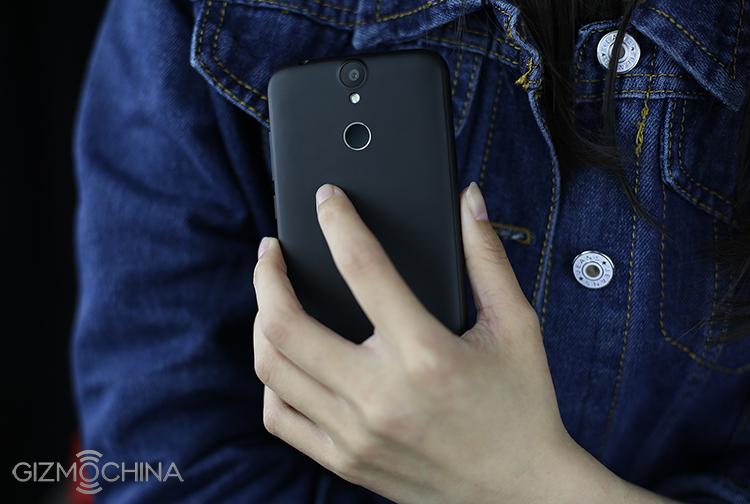
As for the specs on the final model, the Ulefone Future will reportedly come with Helio P10 MT6755 octa-core processor clocked at 2GHz with 4GB of RAM and 32GB of internal storage. In comparison, last year’s MT6752’s eight cores were clocked at 1.7GHz and the Mali-T760 GPU was much slower. There will be a fingerprint sensor located on the side of the phone and it is said the phone lacks physical volume buttons as it will be touch based. As for the bezel-less display, you can expect a 5.5-inch panel with 1080p resolution.
While we were not sure whether the Future will meet us in April, the company has assured once again that the release will be next month. So, we better wait and watch whether the company manages to honor the promised release time frame.
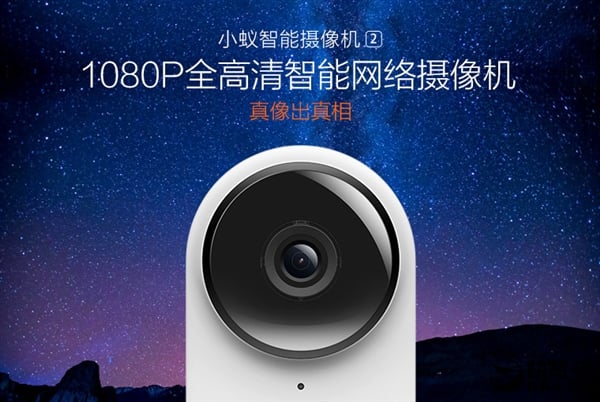
Last year, Xiaomi revealed the XiaoYi Ants Smart camera for surveillance and security purposes. Like most other Xiaomi products, this particular camera was popular among buyers because it was cheap. Now, Xiaomi has announced the second generation version of the XiaoYi Small Ants 2 smart camera and it comes with some much-needed improvements and functional additions.
The new XiaoYi Small Ants 2 smart camera comes with an upgraded CMOS sensor from Panasonic using a new generation of S2LM image processing chip. Now, the camera can capture FHD 1080p videos at 25fps (as opposed to 720p on the older model) and features 130 degrees wide angle lens with f/2.0 aperture. There are many other technologies working inside like a unique smartHDR tech , LDC distortion correction tech etc to improve the images taken by the smart cam.
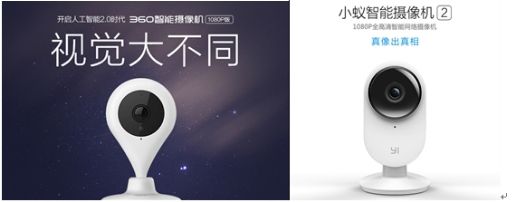
360 smart cam vs xiaomi small ants cam
Given that this is a smart camera, you will find a number of special features on the device, thanks to a combination of its computer vision and speech processing technologies.
First of all, the XiaoYi small ants 2 smart camera comes with “Human Detection” which means it can sound an alarm whenever it detects a human in the room. You can also set a custom alarm area to improve the accuracy of the alarm. Another feature of the device is gesture recognition, such as raised fist to instruct the camera to perform a command. Given that this can be used as a surveillance camera, it comes with a special “Baby Crying” detection as well. Another feature is “traffic statistics” ideal for places like stores.
360 smart camera
Apart from these features, Xiaomi is also offering free 24 hours Ali cloud storage for the first year. So, in addition to SD card slot, you can store your surveillance videos directly to the cloud, which is reportedly encrypted to avoid loss of data.
Coming to the pricing, the Xiaomi Small Ants 2 smart camera will soon be available for purchase for 399 Yuan ($61).
Cubot has quite a few stylish yet affordable devices and S500 model is one of them. Learn more in a full review.
Cubot S500 Review: VIDEO
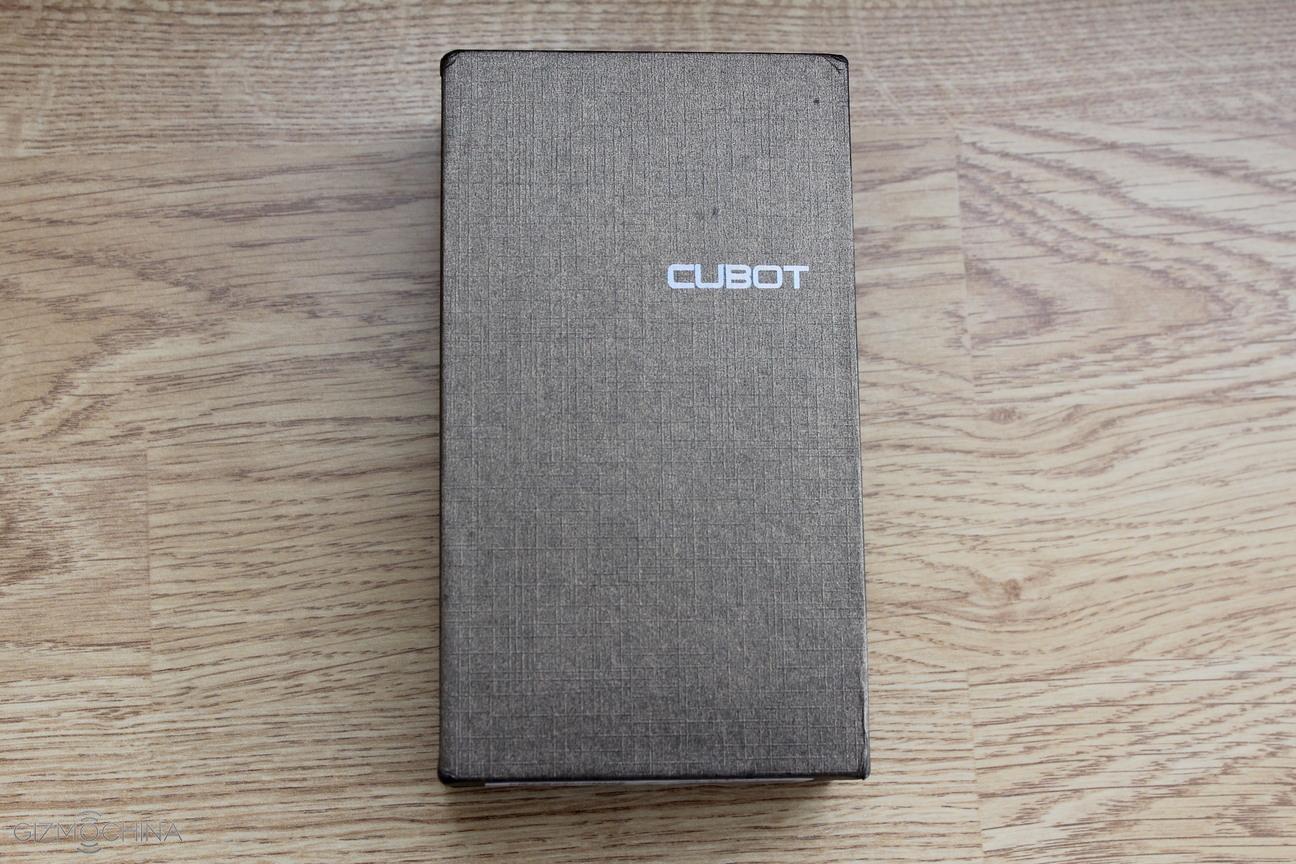
Cubot S500 Review: UNBOXING
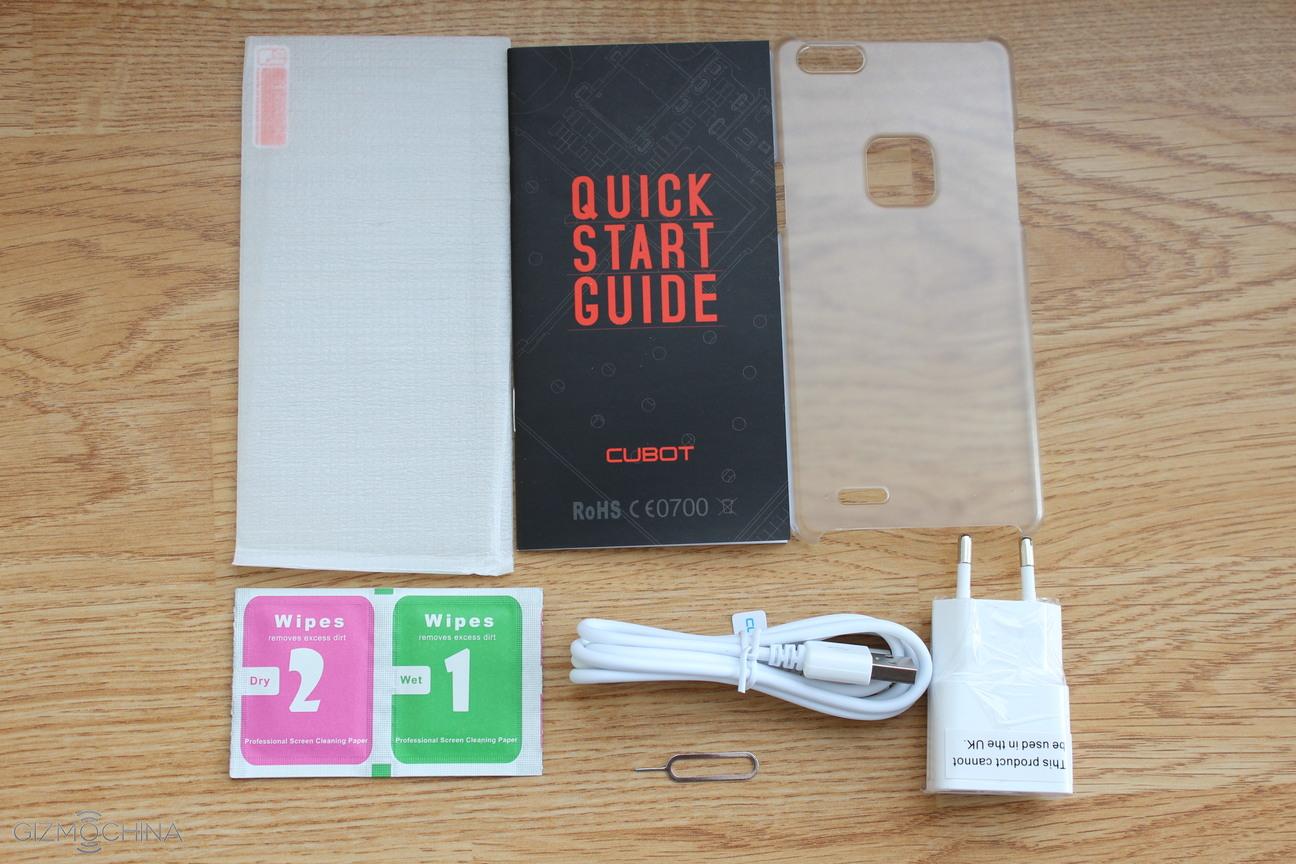
Besides all the usual stuff you expect to come with any phone, Cubot S500 ships with some extras like a tempered glass screen protector and a nice plastic case.
Cubot S500 Review: DESIGN and DISPLAY
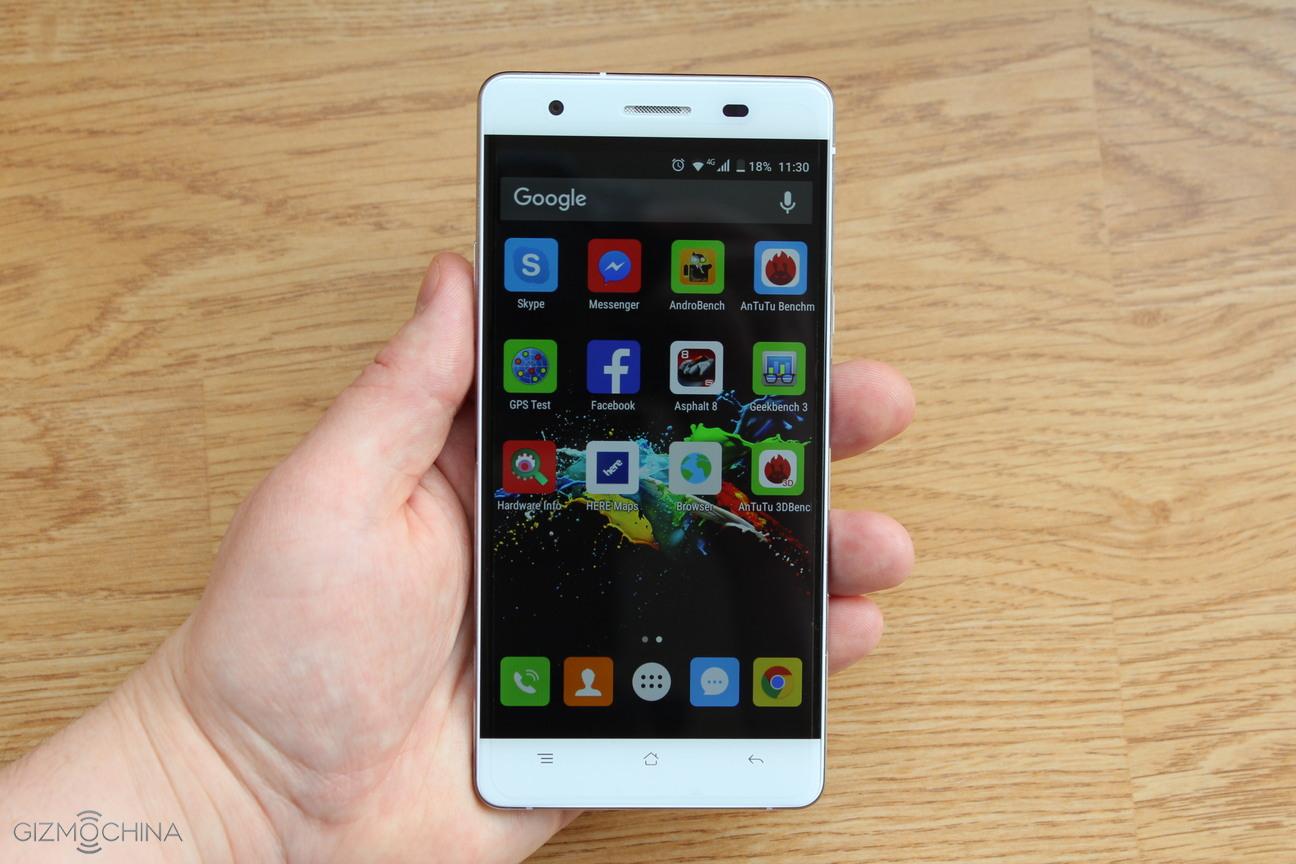
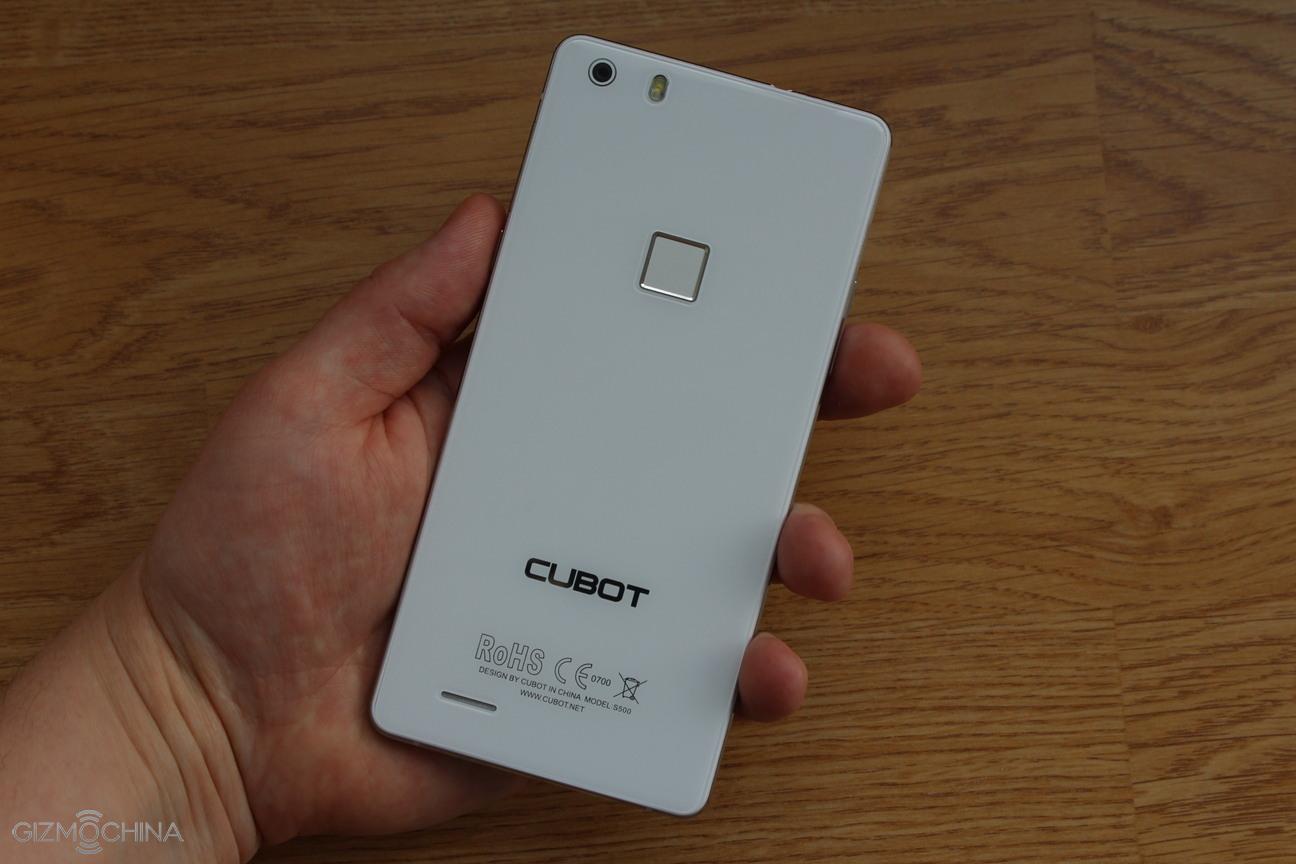
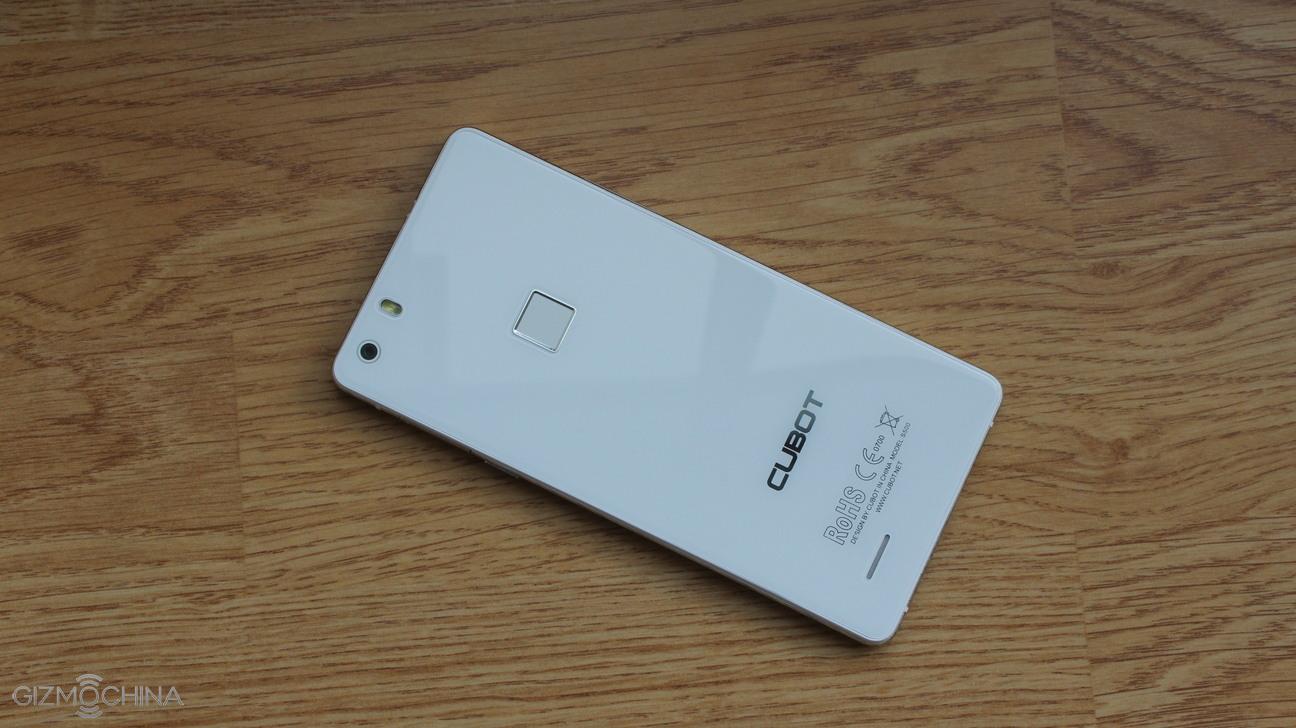
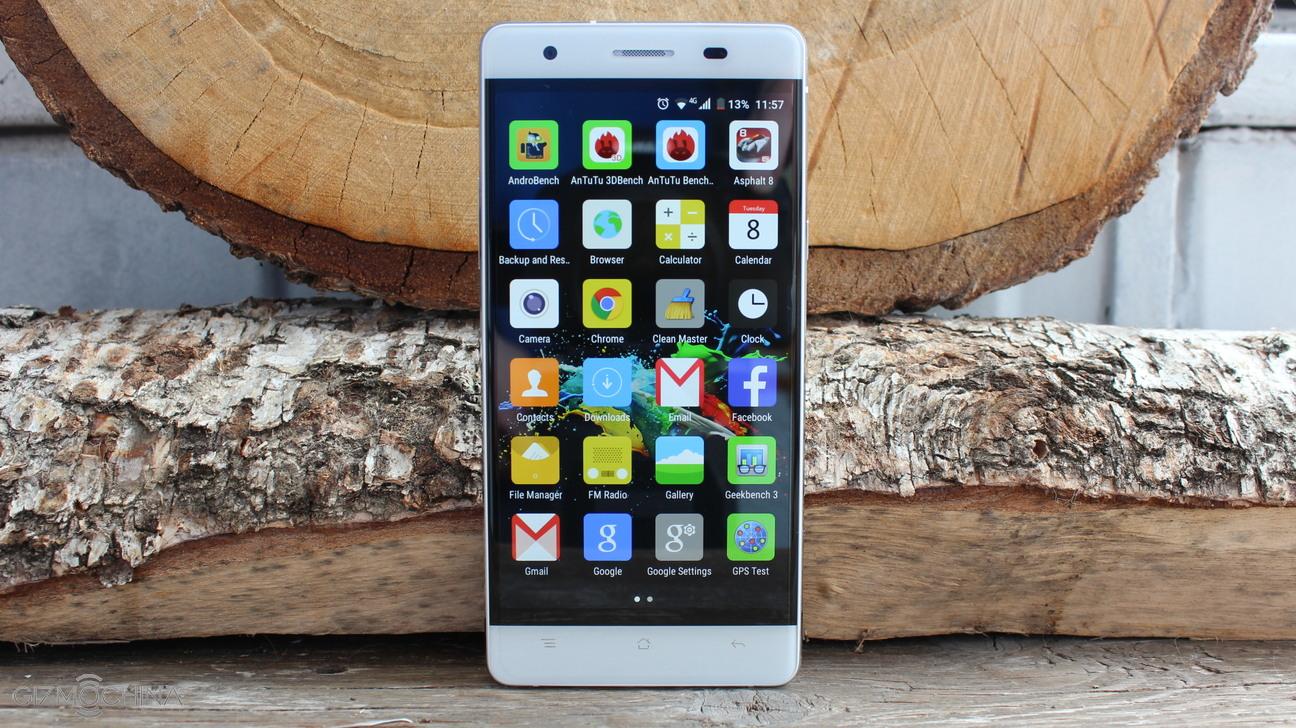
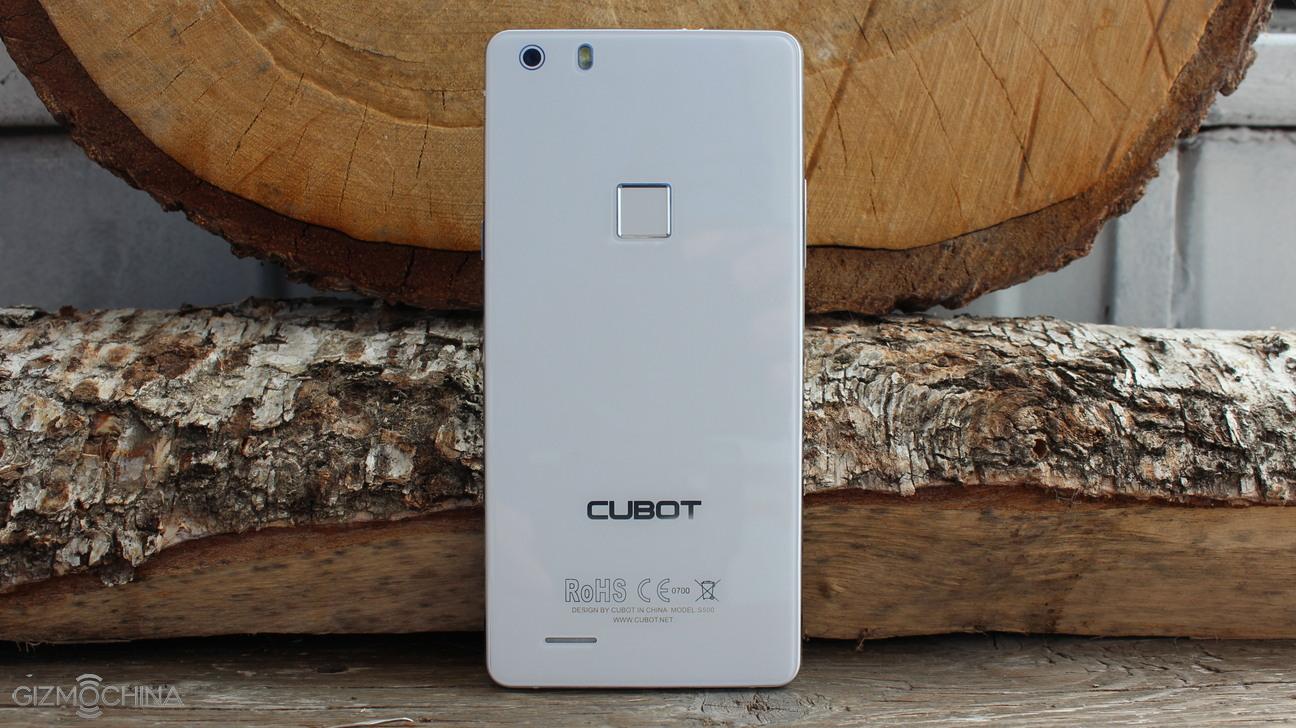
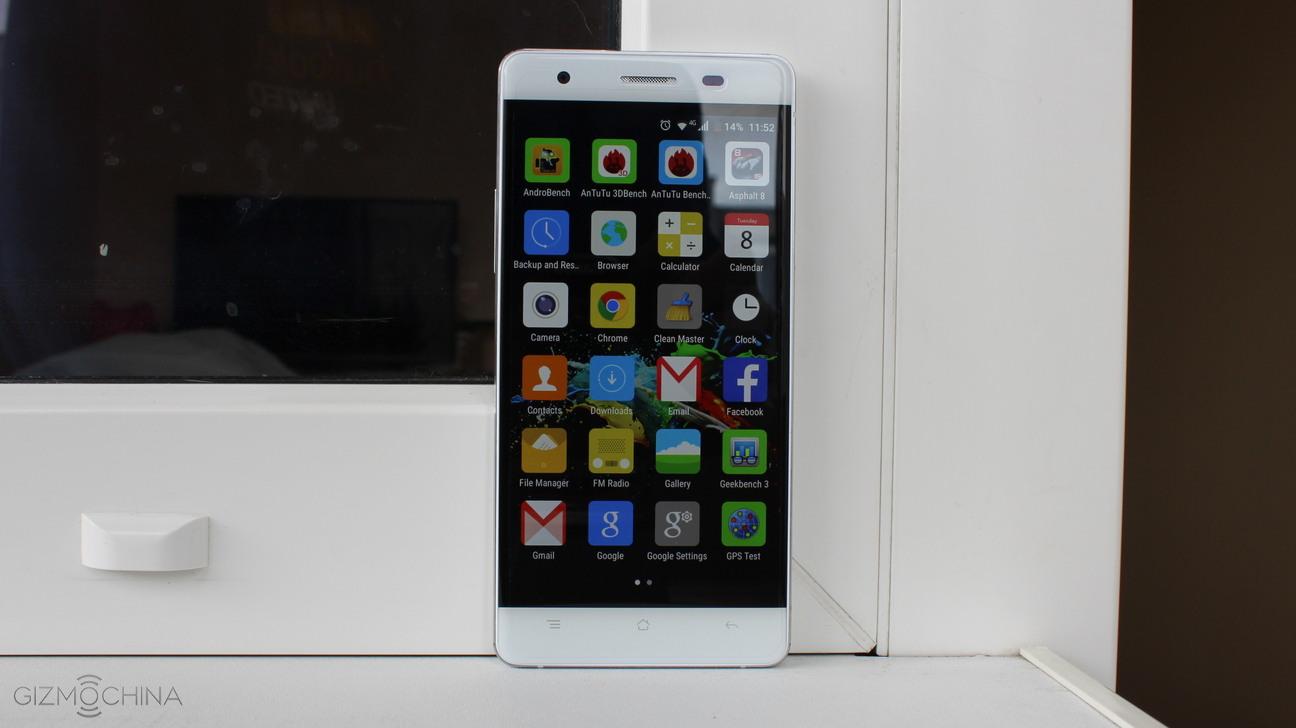
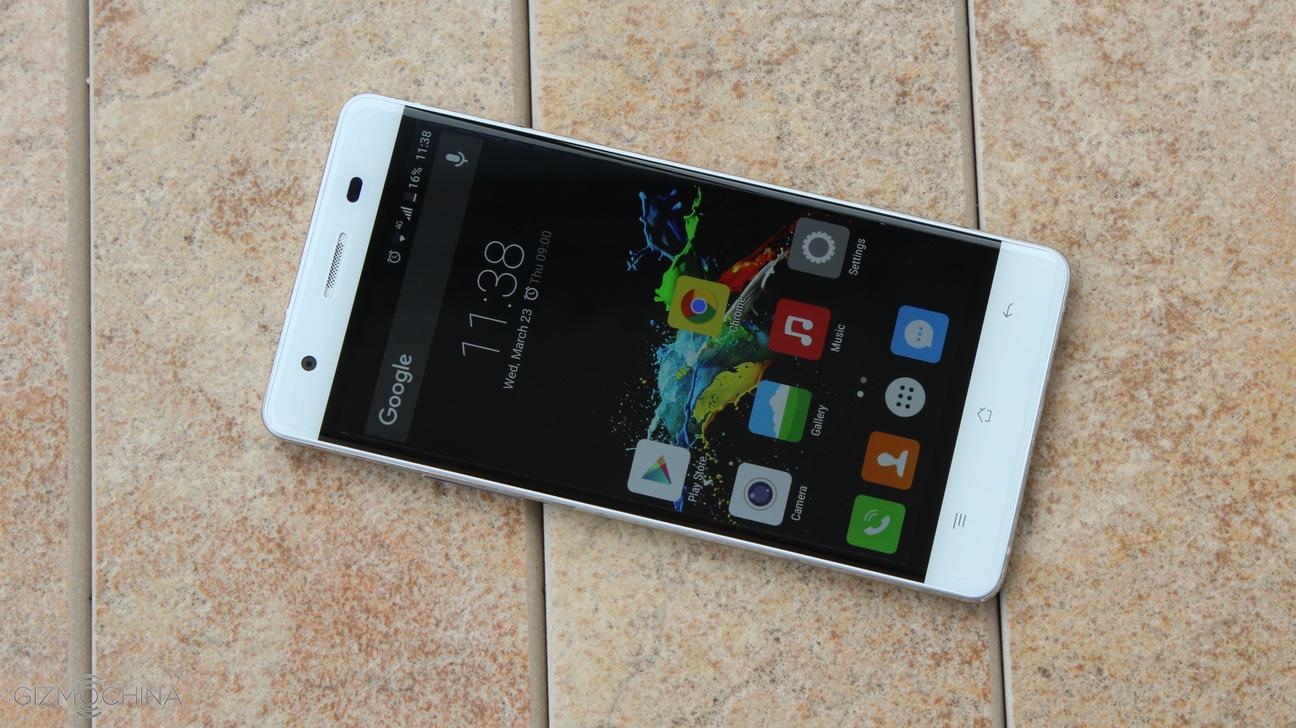
As soon as I picked the phone up, I really enjoyed the design and build quality of it. It uses a metal frame around the device and glass on the front and rear. Also, the phone sits very comfortably in the hand as the device sports a relatively small 5” display.
Speaking of which, the panel only has 720p resolution but it still sharp enough, vibrant and bright.
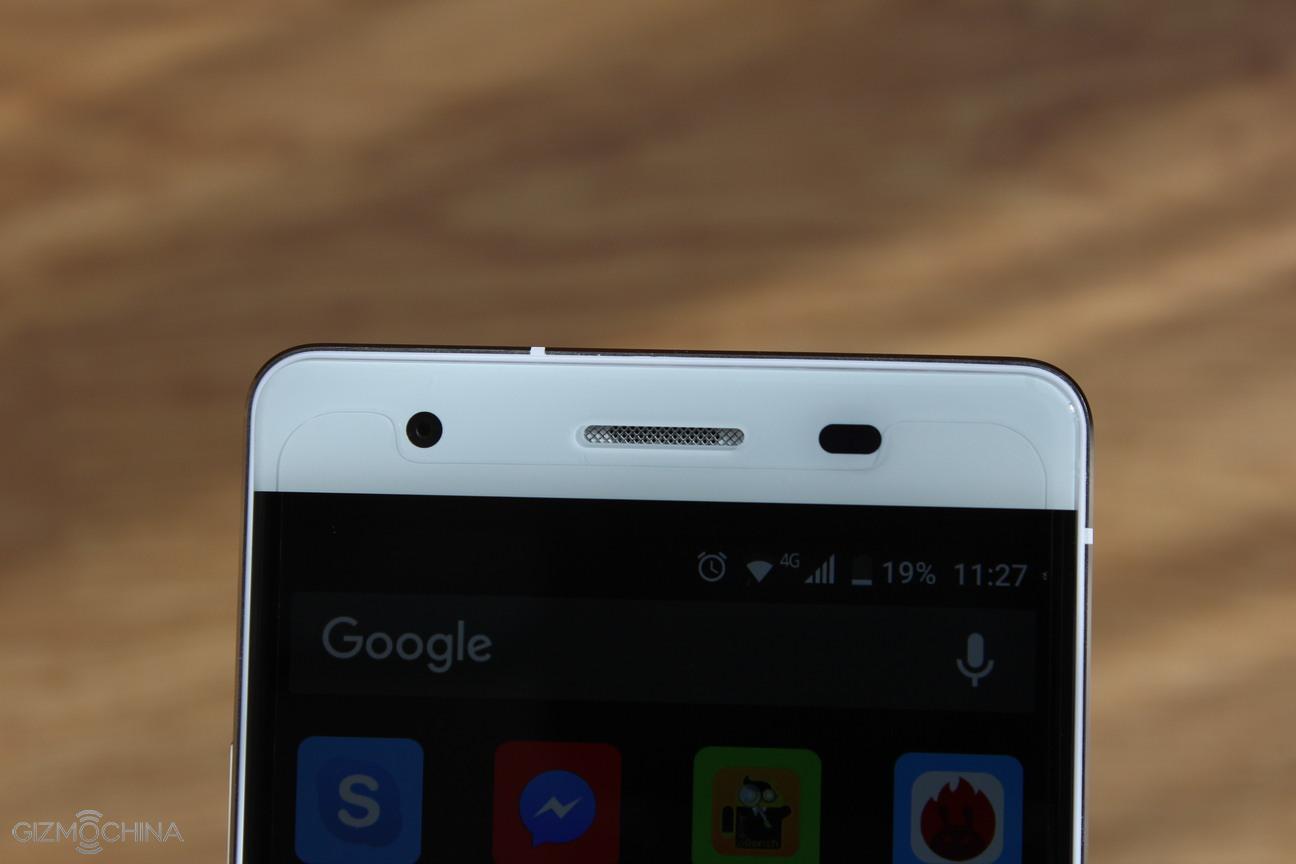
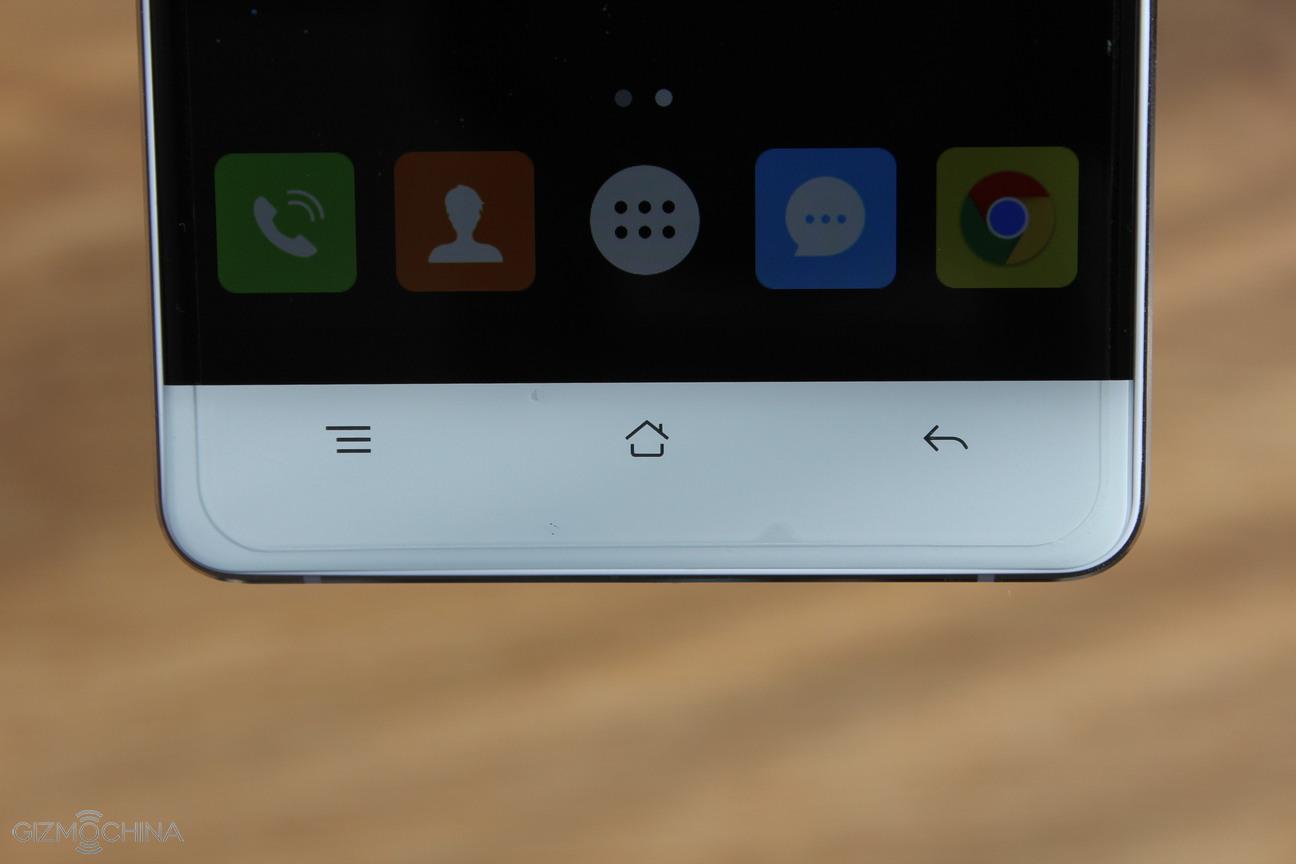
Just above the display we have an 8MP selfie shooter and on the bottom there are 3 non-backlit capacitive buttons. Unfortunately, there is no notification LED found on the device.
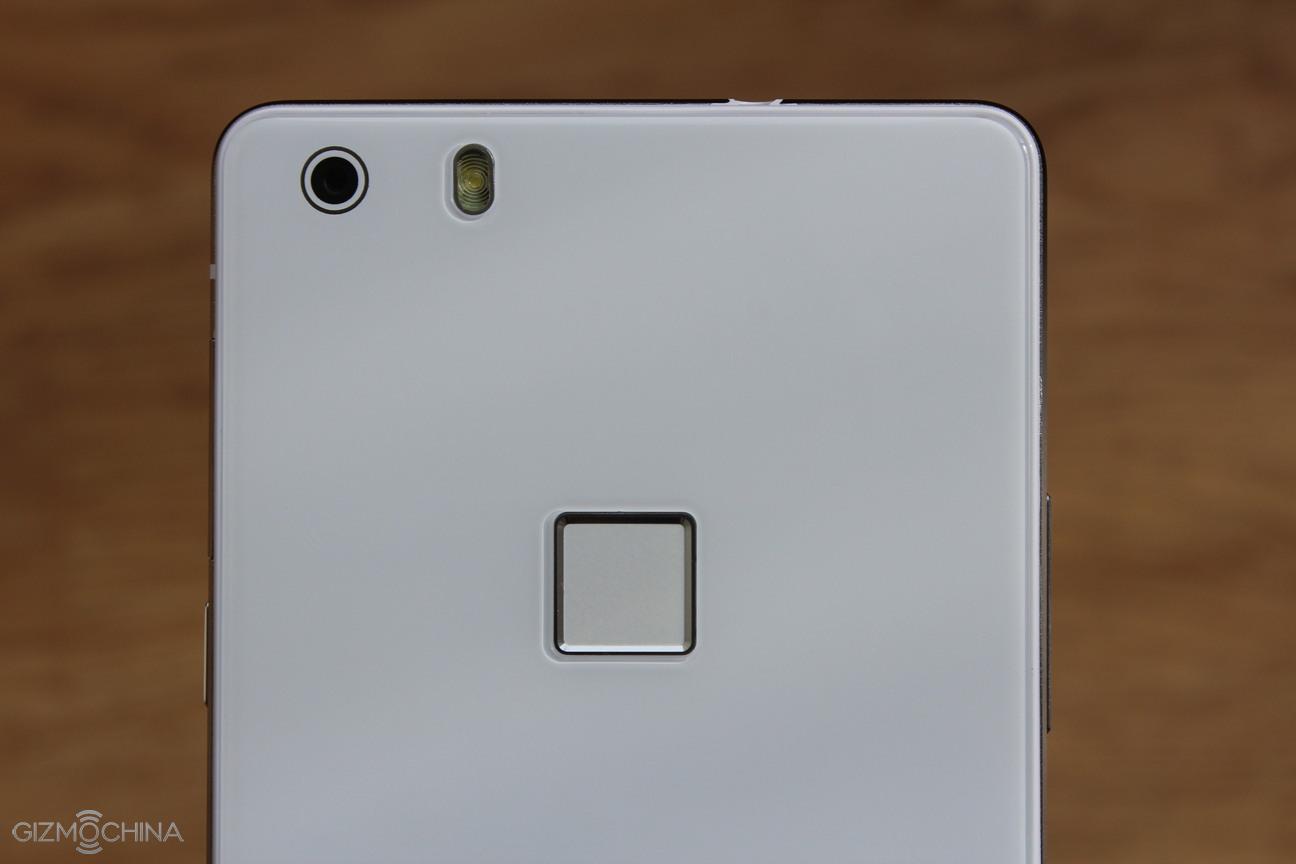
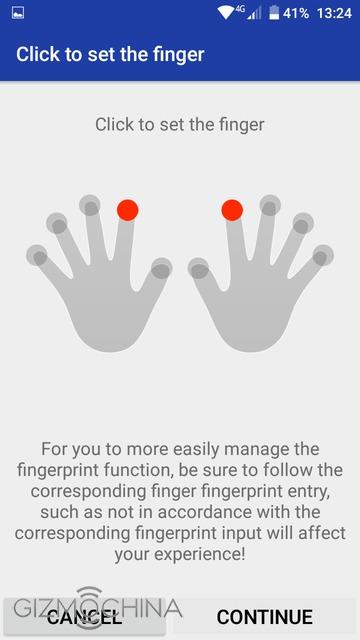
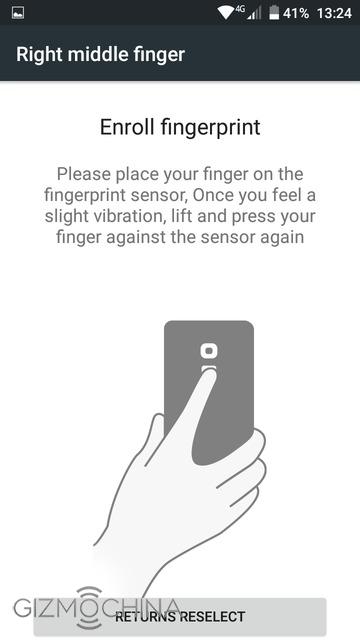
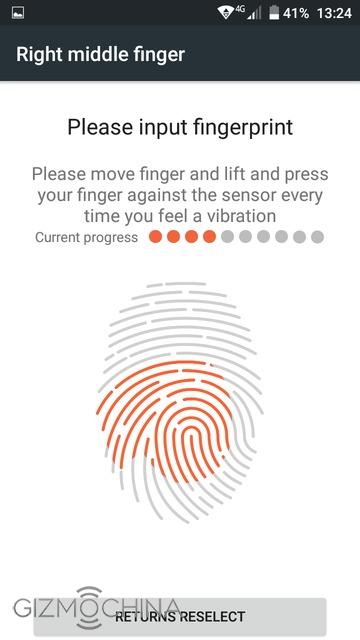
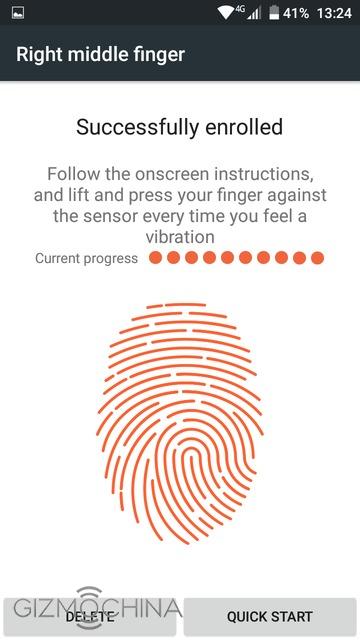
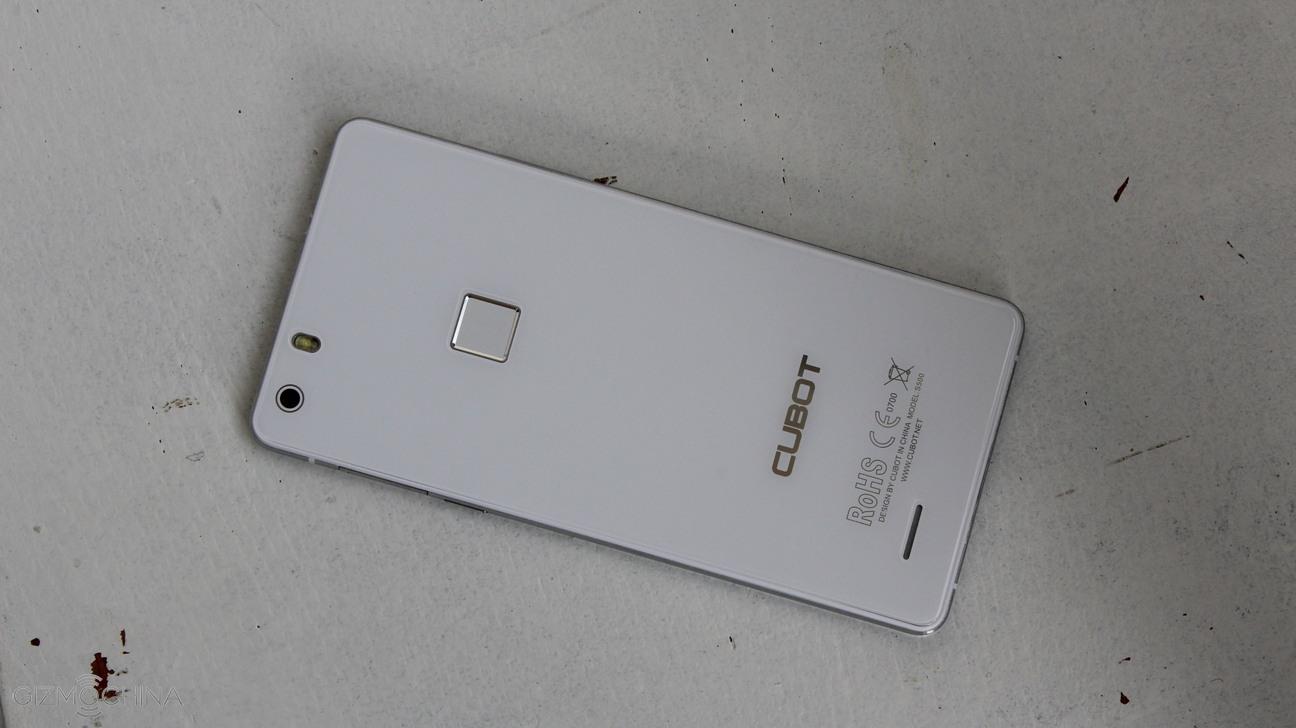
As for camera, we have a 13MP shooter with a single LED flash. Right below it there is fingerprint scanner. The setup of it was easy and while it is neither the fastest nor the most accurate scanner I’ve tested, it gets the job done. I would say it works 8/10 times.
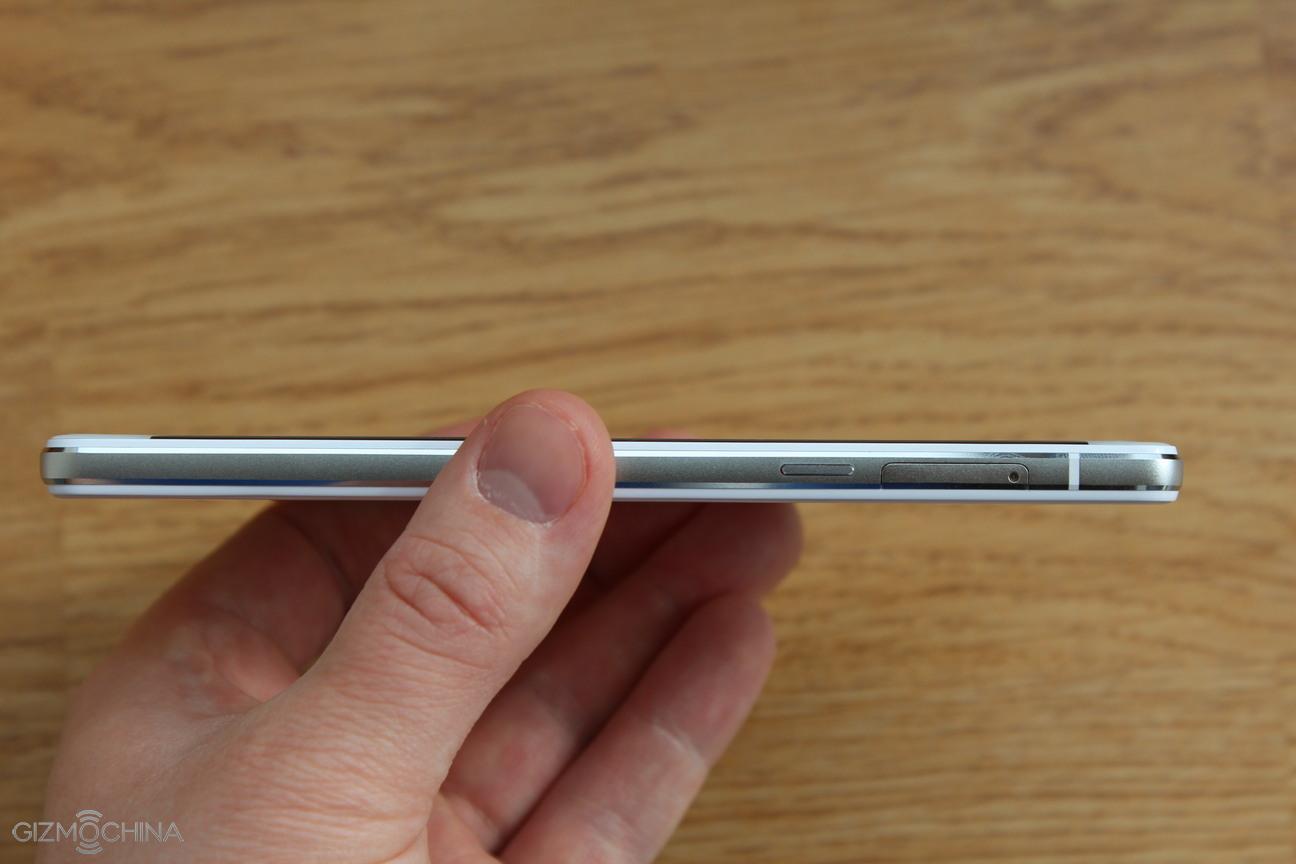
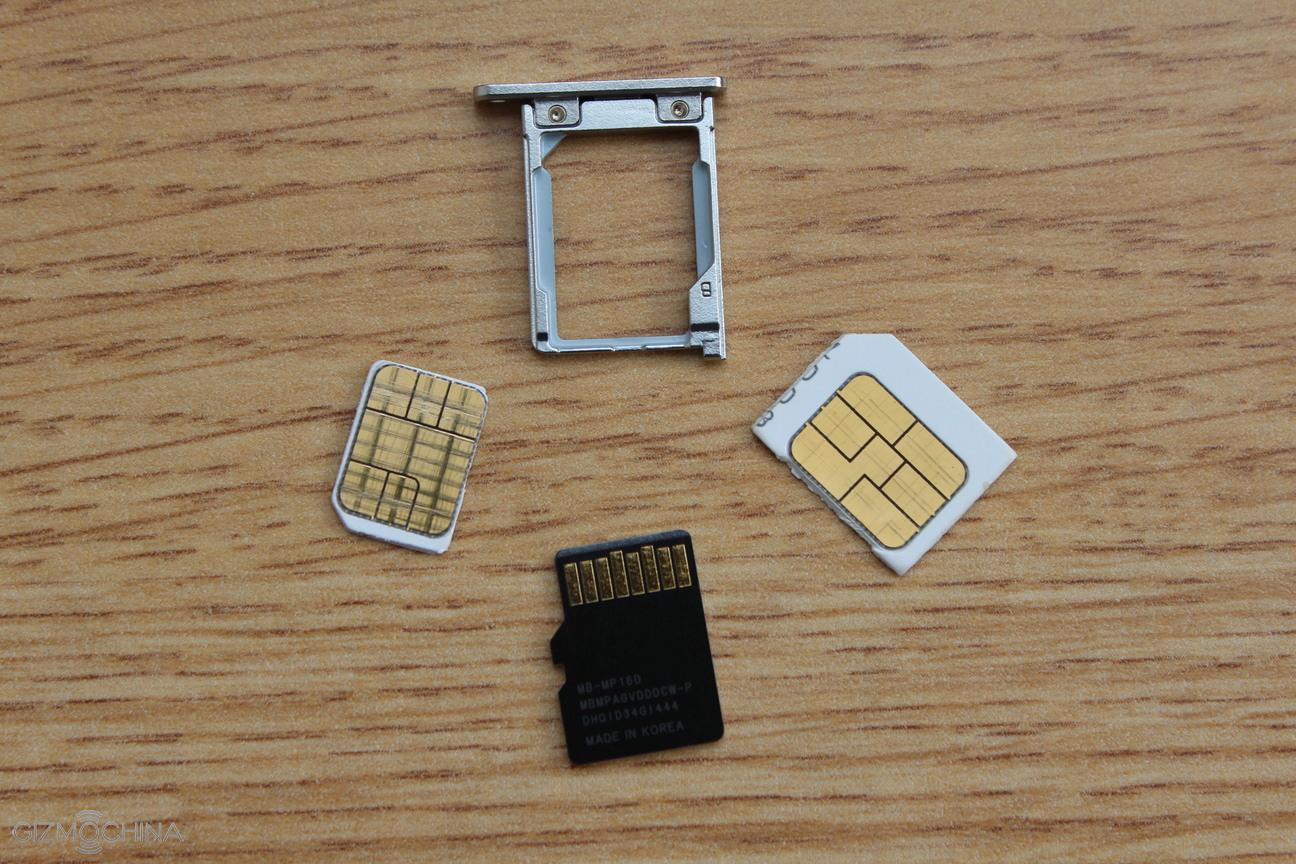
The buttons feel nice and they have a good tactile feedback. Right next to the power button we have a hybrid SIM card slot. You can either put two SIM cards in it or a combo of 1 SIM and the microSD card for storage expansion.
Overall, the phone feels really nice in the hand and it is well built.
Cubot S500 Review: HARDWARE and PERFORMANCE
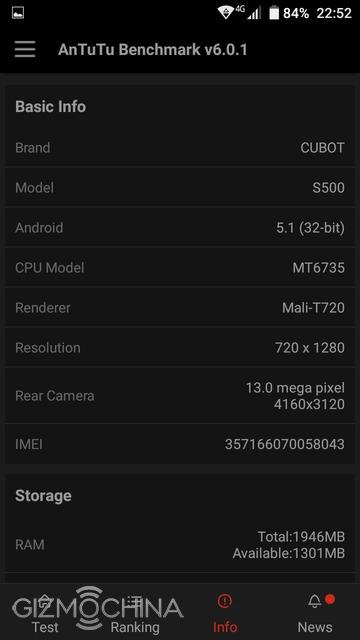
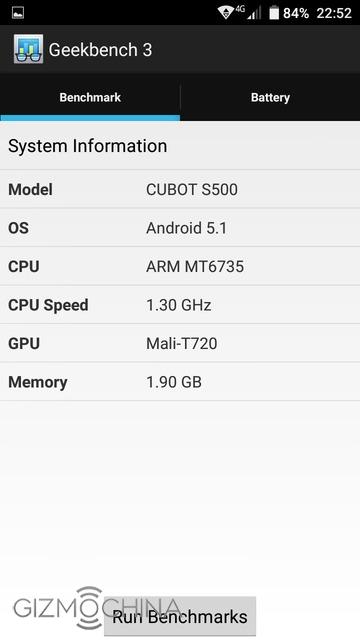
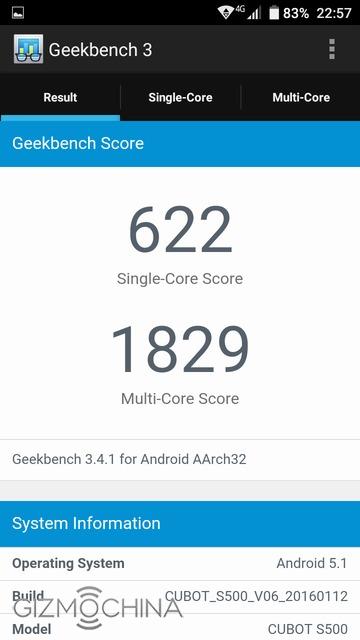
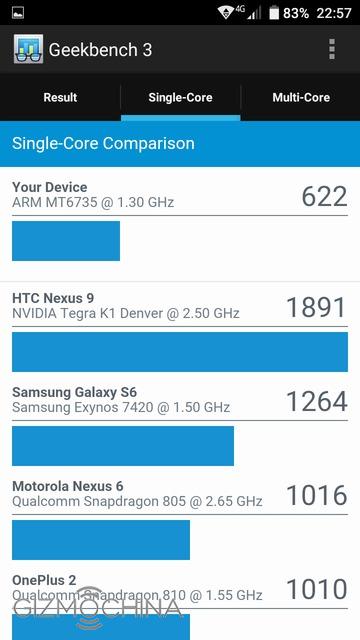
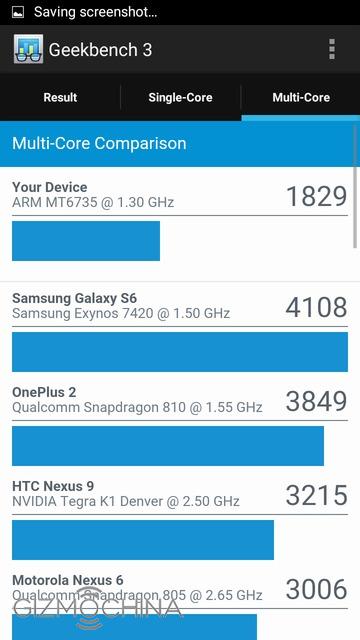
Cubot S500 has a quad-core MTK6735A chip clocked at 1.3GHz, 2GB of RAM and 16GB of expandable storage.
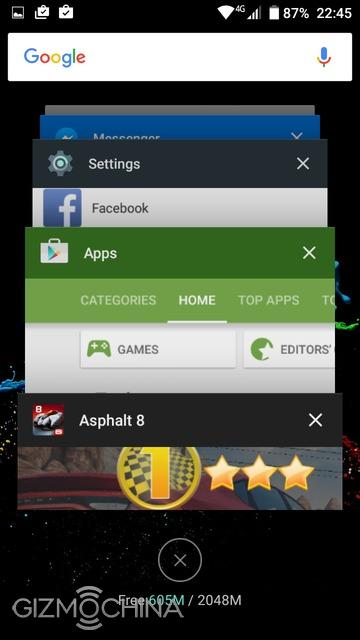
While the phone is definitely not a powerhouse in terms of sheer specs, it can handle 3D games really well. Asphalt 8 runs fine with just a few minor skipped frames on medium graphics settings.
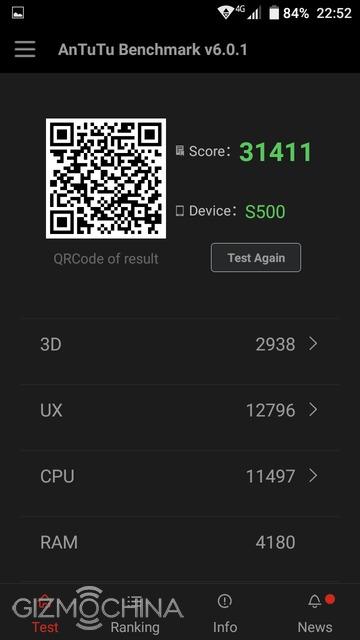
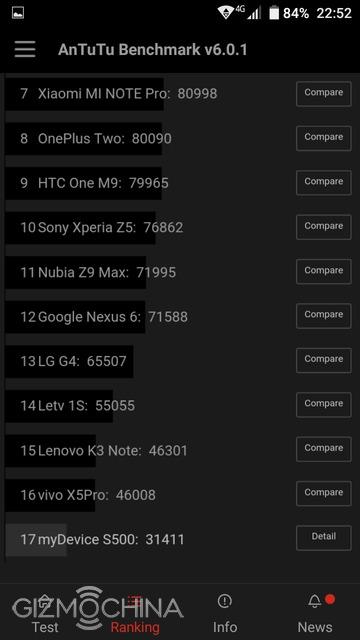
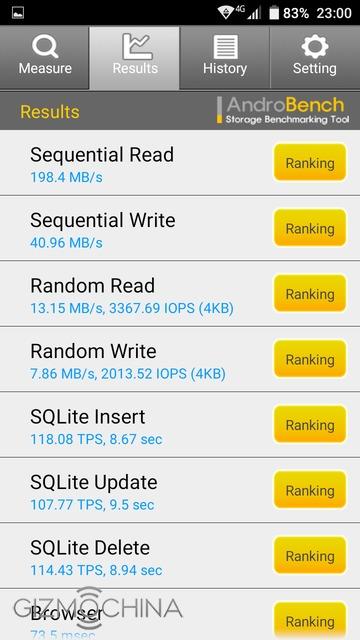
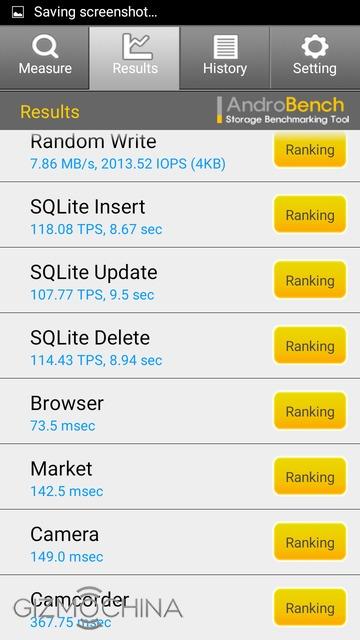
Cubot S500 Review: BENCHMARKS
Cubot S500 Review: UI
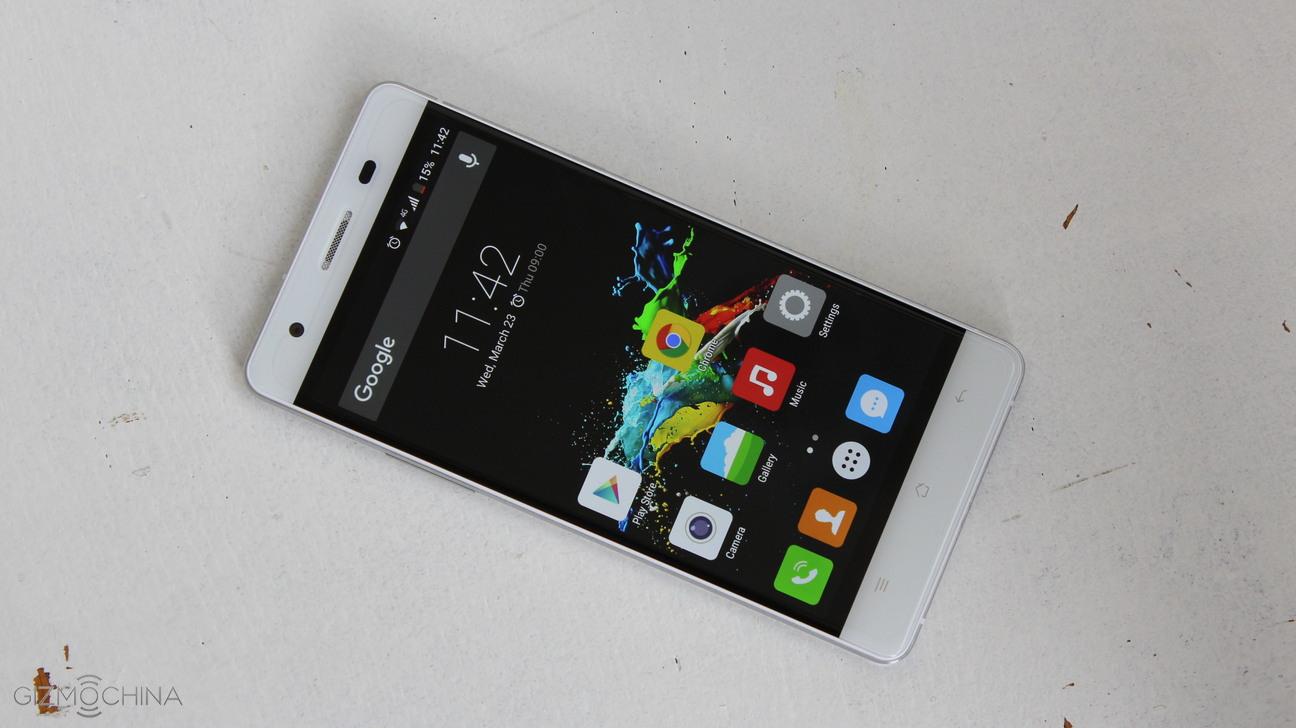
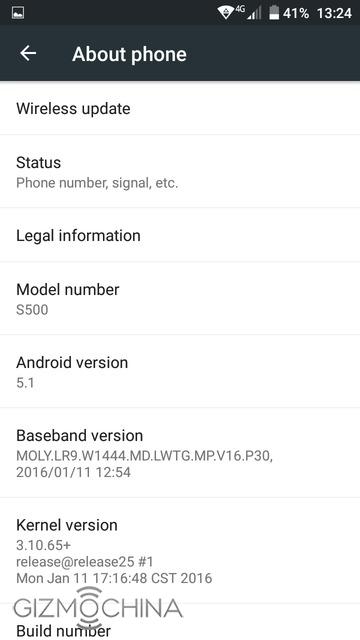
The device ships with a near stock Android 5.1 build and the performance of it is buttery smooth. I didn’t have any stutter whatsoever and I can say that this phone is fast.
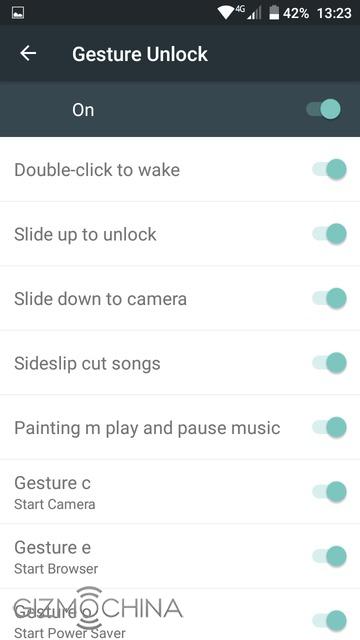
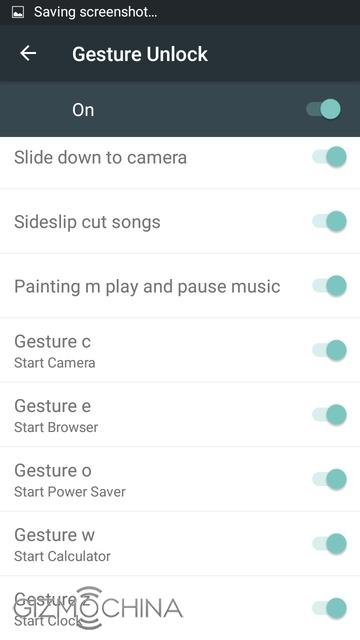
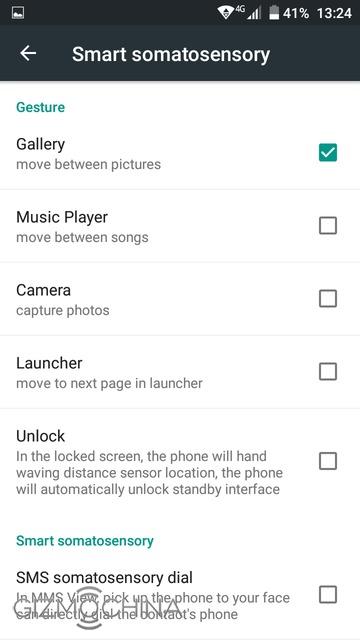
We have some added features like gesture and motion controls. There are so many of them and I’m not sure if you are going to use them all. Anyway, they work great but some of them are useful only if the fingerprint security option is off.
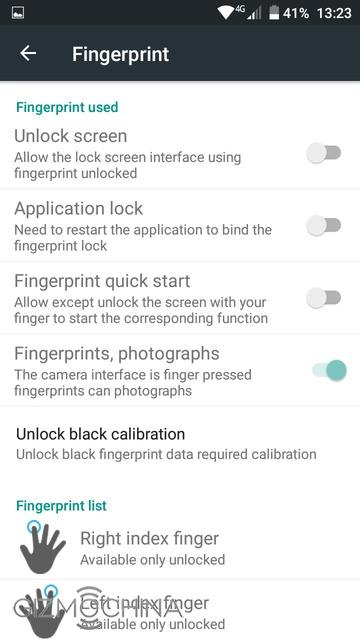
Speaking of which, the fingerprint scanner can be used for other things too. For example, you can take pictures just by pressing a fingerprint reader and that’s pretty cool.
Overall, I’m really happy with the way the UI works. It is fast and fluid, and it preserves a stock Android look and feel.
Cubot S500 Review: MULTIMEDIA
The loudspeaker quality is pretty good. Of course, it is not perfect as the sound is a bit tinny and lacks depth but this is what you get with the phone this cheap.
Cubot S500 Review: CAMERA
The camera can take some good looking daylight images with a reasonable amount of detail. Most of the shots look okay but some of the images came out slightly overexposed and have more noise than expected.
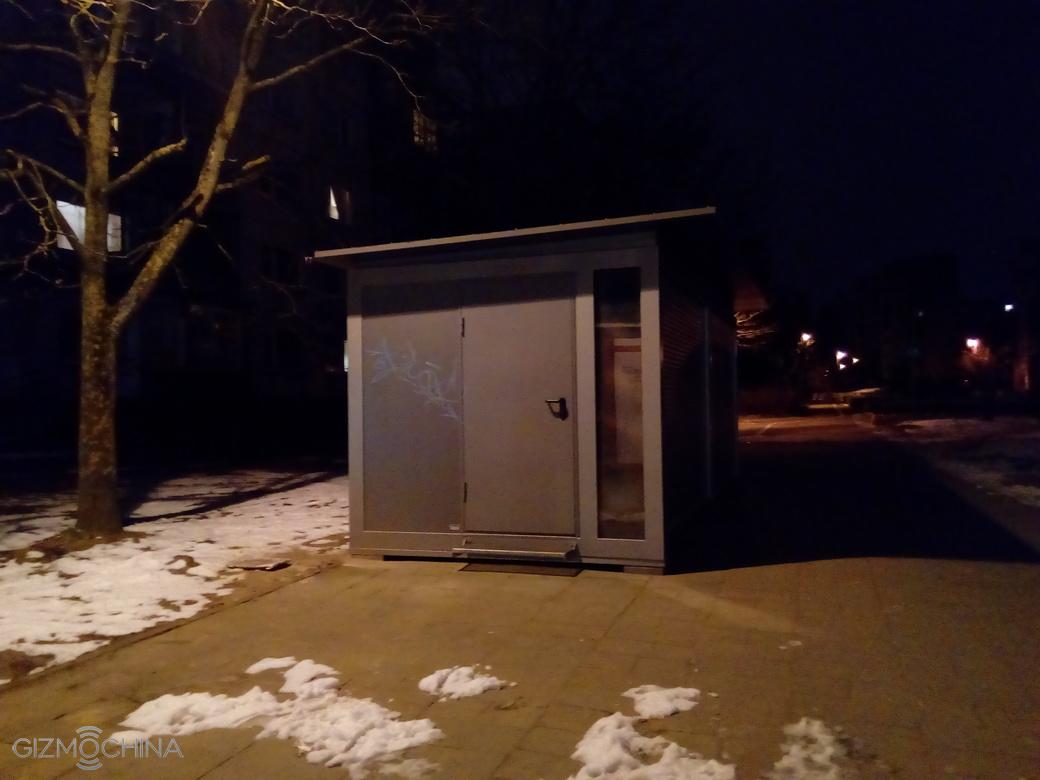
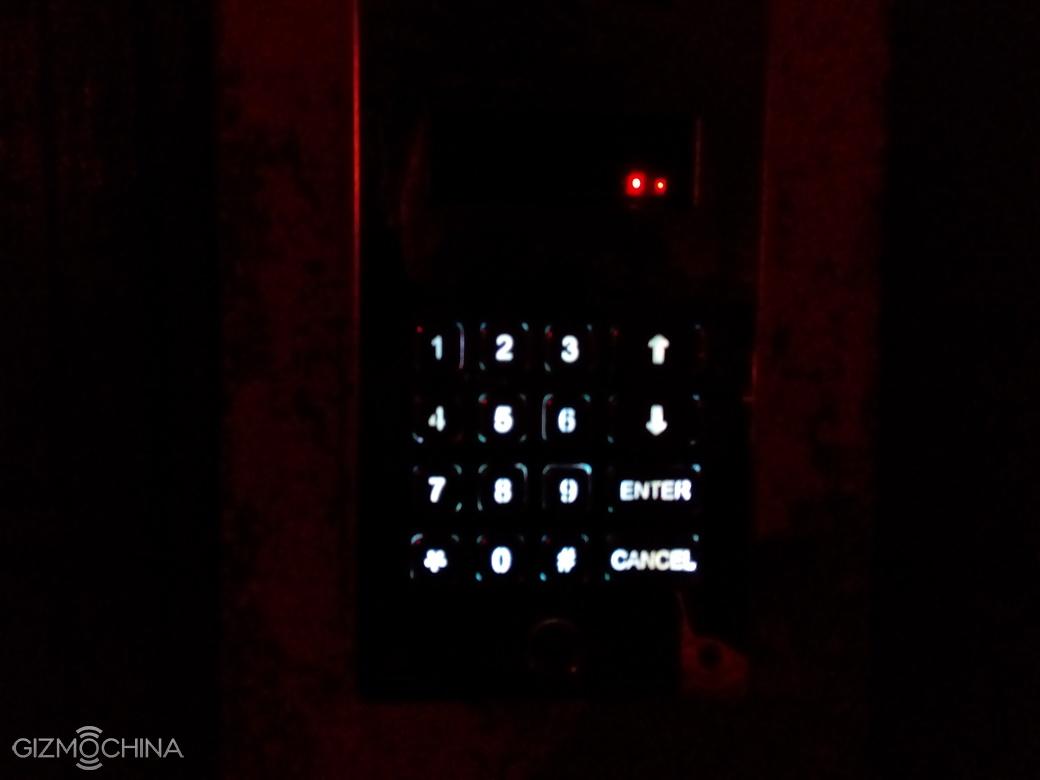
The low-light camera performance is not that good. Some of the images tend to have a purple or red tint, quite a low amount of detail and more noise.
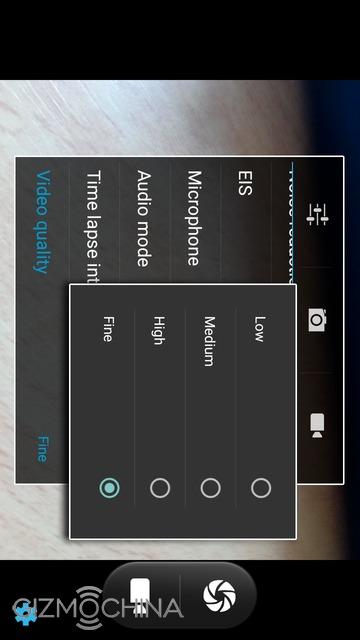
The video quality is not that bad. Sure, it could look sharper but the quality of footage is decent for the phone this cheap. See a video review for a video sample or download it here.
I didn’t have any connectivity issues. Call quality, Bluetooth, Wifi and GPS seem to be working fine.
Cubot S500 Review: BATTERY LIFE
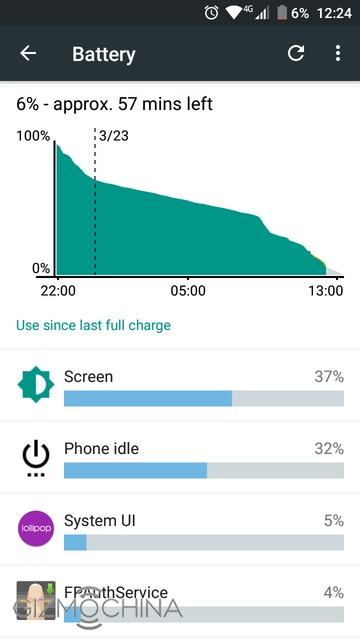
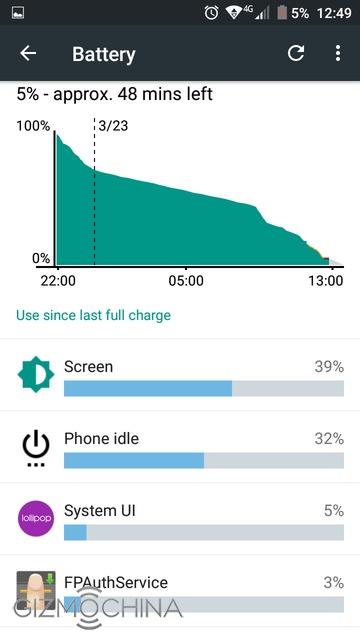
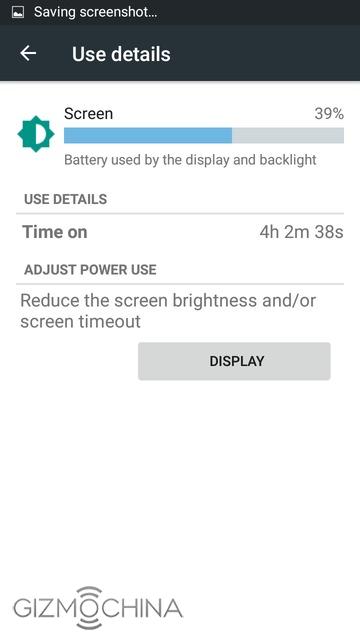
The phone has a 2700mAh battery, which performs well. I could constantly get around 4 hours of screen-on time with a mixed use of the device and auto-birghtness feature on.
Cubot S500 Review: CONCLUSIONS
Cubot S500 is a really nice phone for the price of around $120. It is well crafted, compact and it uses some premium materials in the construction.
Also, the device has a nice looking display, very fast UI and you can even play some 3D games on it. If you add a good battery life and some extra features, it is a pretty good phone for the price.
However, you have to consider some shortcomings like a poor low-light camera performance, the lack of notification LED and the fact that the phone is a huge fingerprint magnet due to its glass back panel.
All in all, Cubot S500 is a good phone for the price despite a few shortcomings.
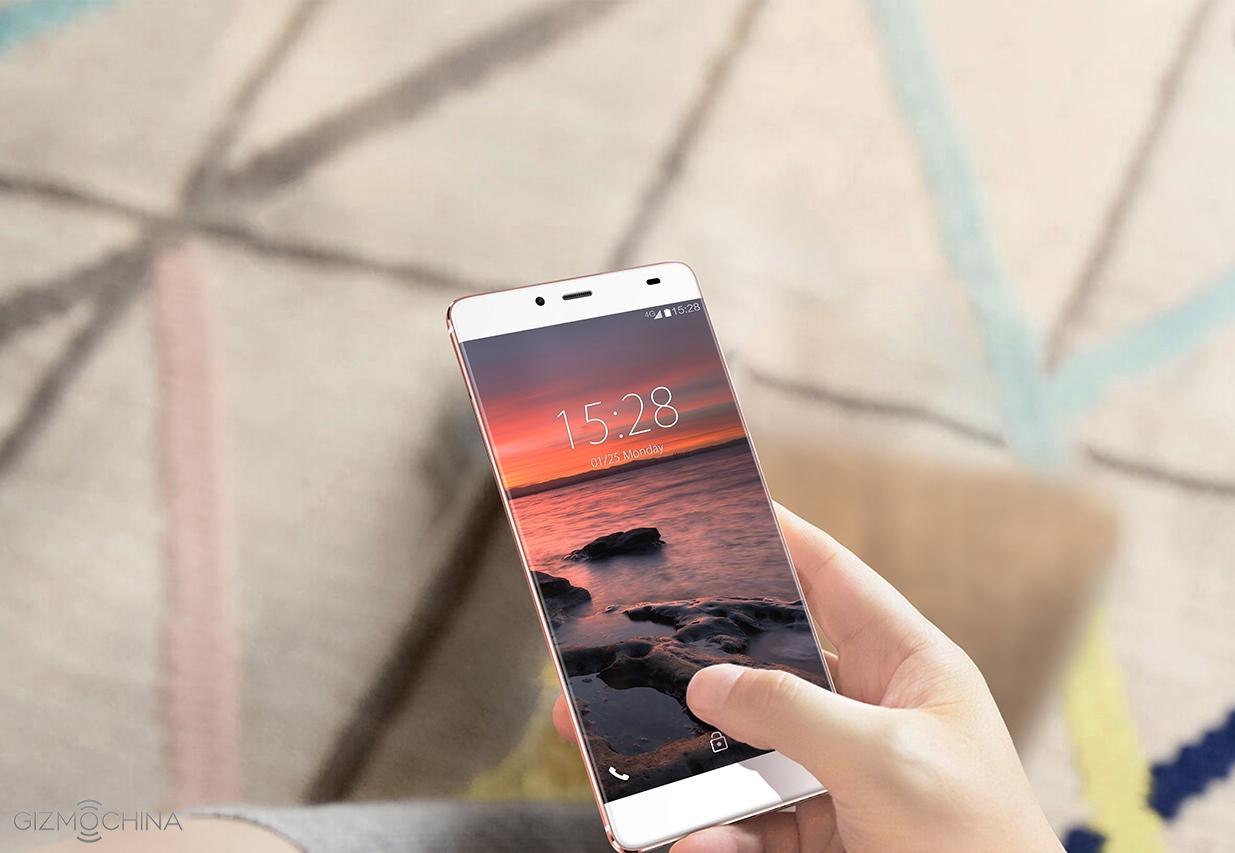
Elephone has been teasing its Elephone S3 flagship smartphone for the past few weeks, which is reportedly coming with a bezel-less screen. The phone is a bit different than other offerings from the company, featuring a much premium unibody metal design and a sleek form factor.
Now, the company has just informed us that the Elephone S3 will be hitting the stores sometime in April. However, as of now, we don’t have an exact release date. Along with this information, the company also revealed that the phone will come in a new color option as well, grey. So, now there are going to be four color options for the S3, namely Silver, Gold, Rose Gold and Grey.
As for the specs, the phone will reportedly come with a 5.2-inch FHD display which will be bezel-less. Inside, there will be the octa-core MT6753 processor, 3GB RAM, 16GB storage and a Sony camera sensor at the back. Other features include 2100mAh battery with fast charge and a rear placed fingerprint sensor. Also, there are no capacitive buttons, just on screen ones.
In case you haven’t seen the phone in action, check out the video down below. It gives you a good idea of how the phone looks and performs in real life.
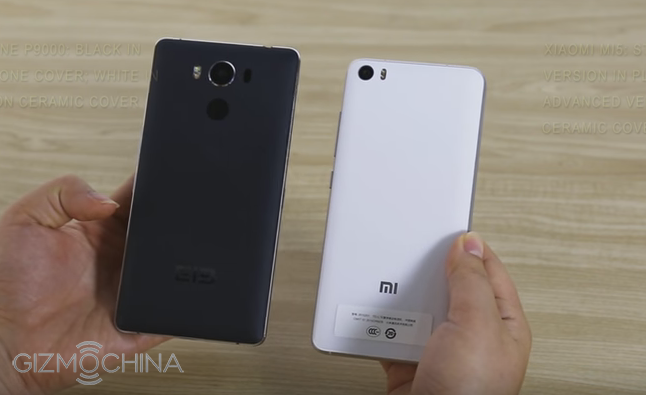
Elephone P9000 and Xiaomi Mi 5 may be two different smartphones targeted at slightly different markets, but that didn’t stop the local Chinese company from releasing a video comparing the two smartphones. The latest video released by Elephone pits the 9000 flagship against the Xiaomi Mi 5 and shows us where the former wins over the latter.
The video starts off with showing the superior packaging on the P9000 and then moves to highlight some of the key features of the device like Laser Autofocs which is absent on the Mi 5. These two are not really in the same price category since Elephone P9000 is much cheaper at $269.99 while the Mi 5 retails for a costlier price tag, somewhere around $400 via third party retailers.
You can check out the video down below for more details.
https://www.youtube.com/watch?v=9uR7katTpew
To recap, the Xiaomi Mi 5 comes with the powerful Snapdragon 820 chip under the hood while the Elephone P9000 comes with a capable Helio P10 octa-core chip. The base variant of the former features 3GB of RAM, while the P9000 comes with 4GB of RAM as standard. There will be 32GB storage on both the models.
Up front, the P9000 comes with a 5.5-inch FHD display while the Mi 5 sports a 5.15-inch FHD display. They both have Corning Gorilla Glass protection. Both are thin phones, featuring a 7.3mm body with a 3000mAh battery. At the back, the Mi 5 features a 16MP shooter with dual LED flash and OIS, while the P9000 comes with a decent 13MP camera with Laser Autofocus. The front camera on the Mi 5 is a 4MP Ultrapixel sensor, while on the P9000 it is an 8MP OV shooter.
So, what do you think? Considering their retail pricing, which one would you pick?
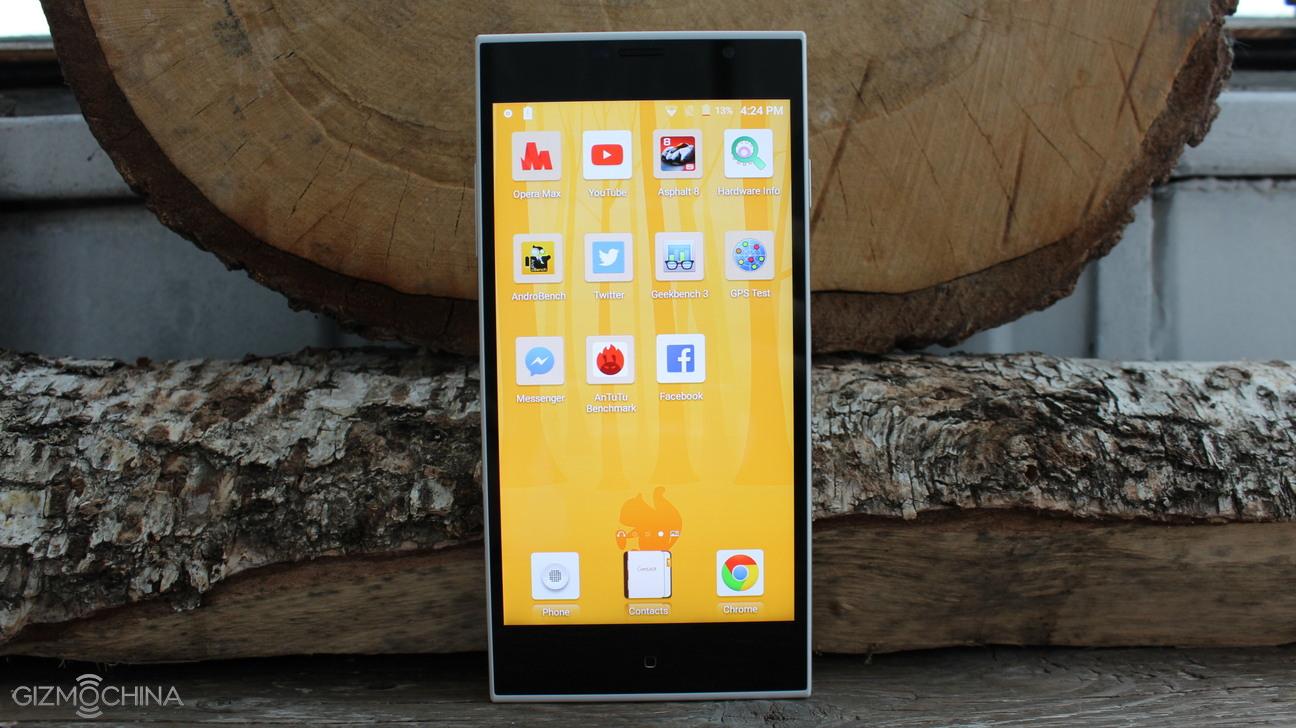
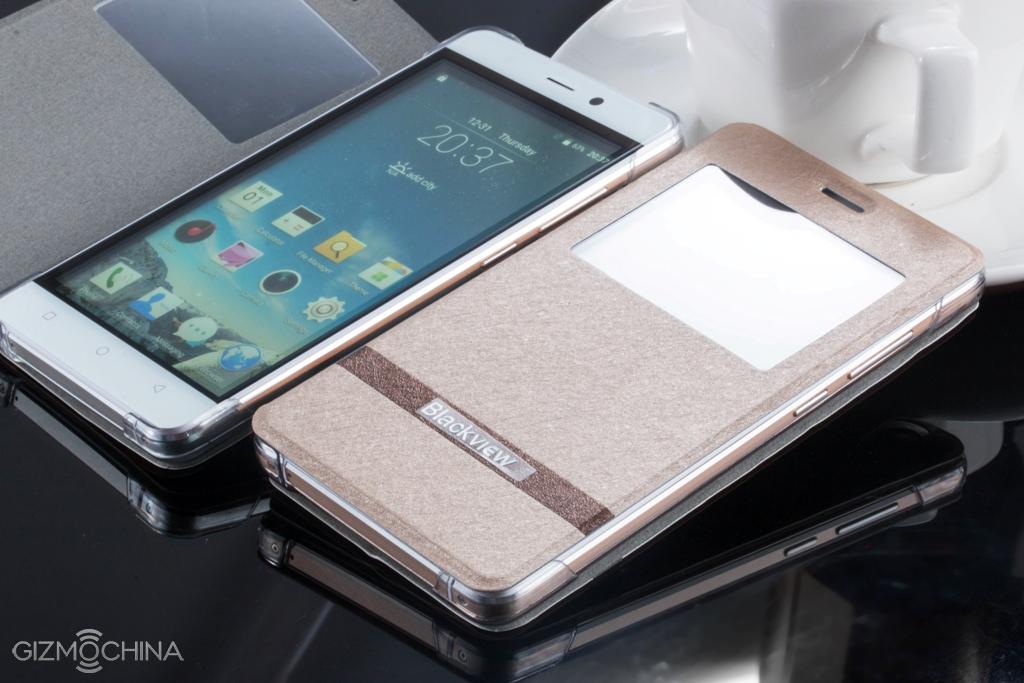
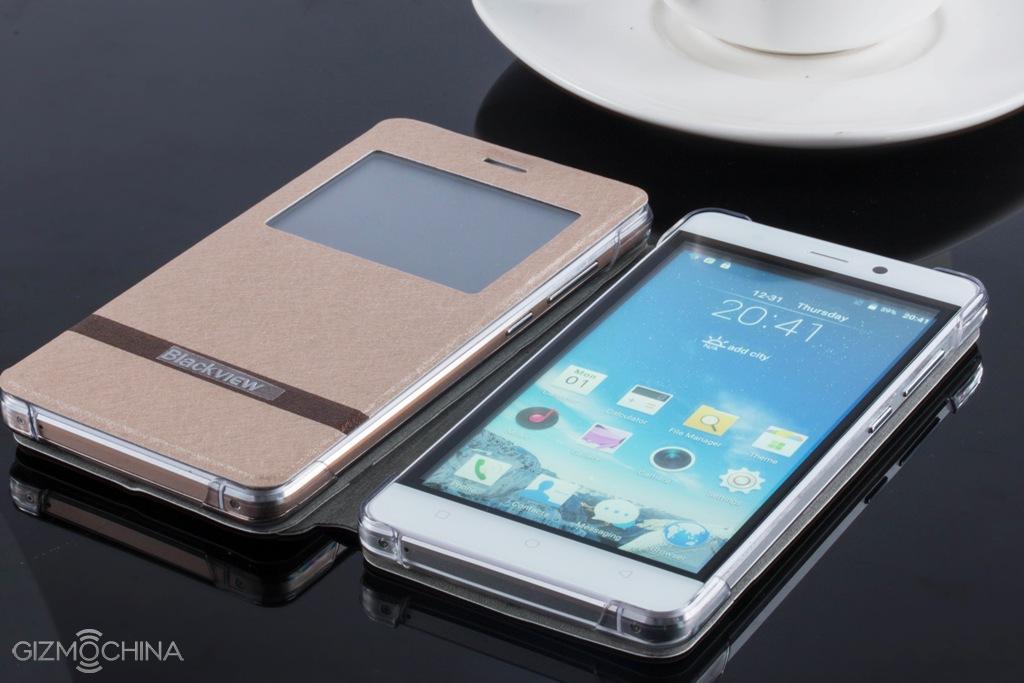
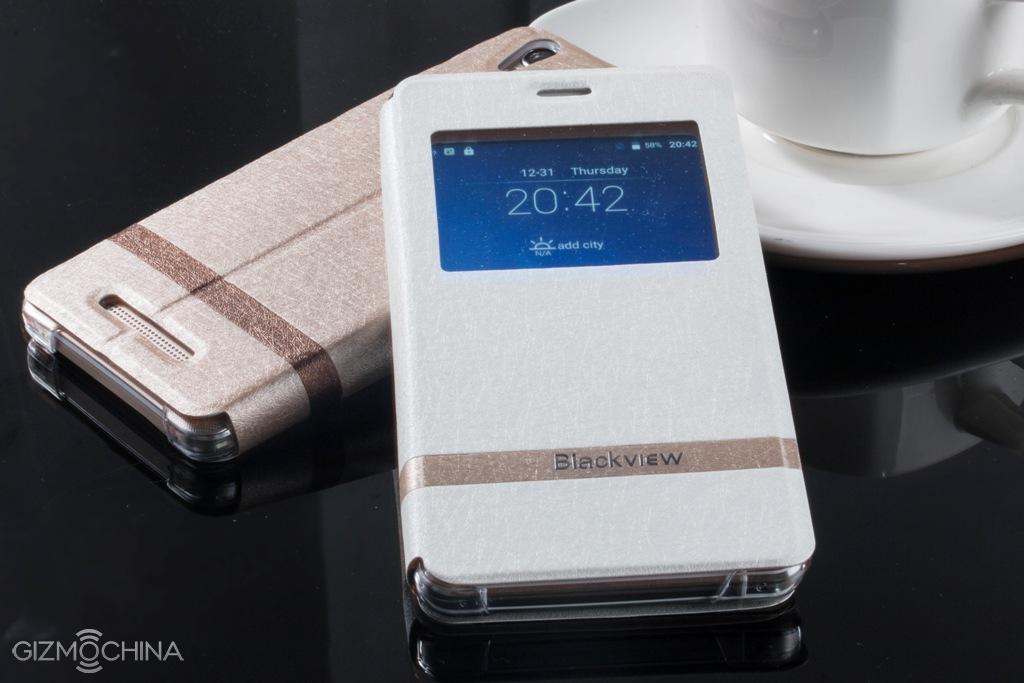
For the past few days, we have been reporting about a new smartphone from the Chinese manufacturer, called as the Blackview A8. This phone was special in the sense that it featured a pretty good built and came at a throwaway price tag of $49.99. Although we only got to play around with the device for a limited period at MWC, Blackview has now released a new video which shows off the A8 in action. You can check out the video from down below. It may not reveal much about the device, but it gives you a good look at the phone’s design and built quality.
The company has confirmed that the Blackview A8 smartphone will officially go on sale from April 8. For its price, the phone features pretty decent specs. It comes with the MT6580A quad-core processor clocked at 1.3GHz with 1GB of RAM and 8GB of expandable storage. There will be a 5-inch HD 720p display on the device. At the back, the phone comes with an 8MP camera, while up front, there will be a 2MP shooter. What’s really interesting about the phone is that there is LED flash on both the front as well as the back. Other features include dual SIM dual standby and 2000mAh battery. The phone will be available in three different colors namely White, Gold and Black.
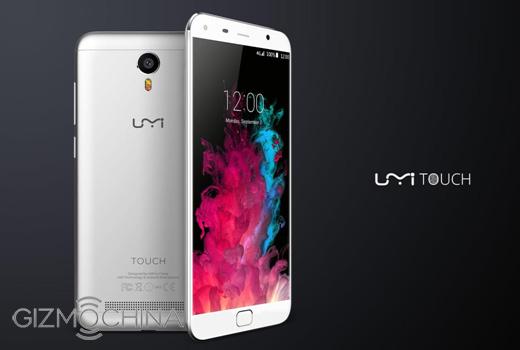
UMi TOUCH turned out a real surprise and it easily ended up being one of the strongest recommendations we’ve made this season.
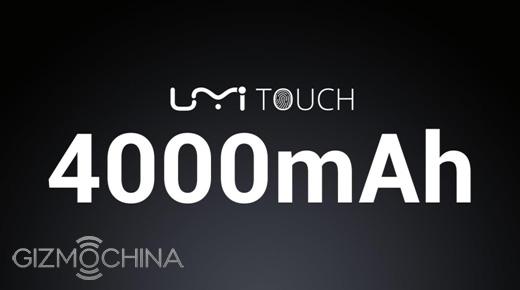
The affordable fella is made of metal, packs a 5.5 inch 1080p LTPS display, and runs on the Octa-core 3GB RAM. But the biggest highlight of its specs sheet is the beefy 4000 mAh battery.
The UMi TOUCH has been enhanced with the latest Android 6.0 Marshmallow core. This version of the launcher promises significant battery life optimization.
The life test video was done by 5hours heavy using mode and 10 hours standby mode, from 97% to 42% left. What I have done during this 5 hours? 30mins web browsing – 4% usage
30mins online video playback – 5% usage, it’s a okay number, 1 hour music playback – 8% usage, it’s reasonable, 1hour gaming – 10% usage, not bad! 30mins book reading – 4%, also quite reasonable, 1 hour wechating (Chinese what’s up) – 3%, that’s alright, nothing special 30 mins taking pictures & video recording – 10%, if you are photo shot lover, take a look at this number to see if it’s enough for you. 30mins talk time and so on – spent about 8%, this could be better though.
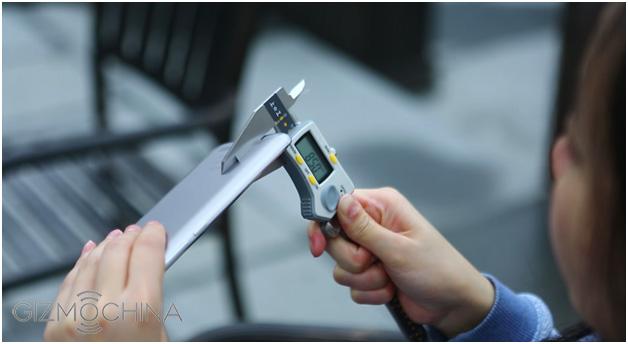
Additionally, we did another 10 hours standby, I was sleeping when testing, which is about 3% usage. So we are happy to say UMi TOUCH could easily live up to two days use! Everybody love to have a big battery smartphone, however, we don’t want to carry a “power bank” like phone all the time. UMi TOUCH has been thoughtfully designed to keep the slim body as well as a 4000mAh big battery. You no longer need to choose between big battery or beautiful design body. In this case, you can have both with UMi TOUCH!
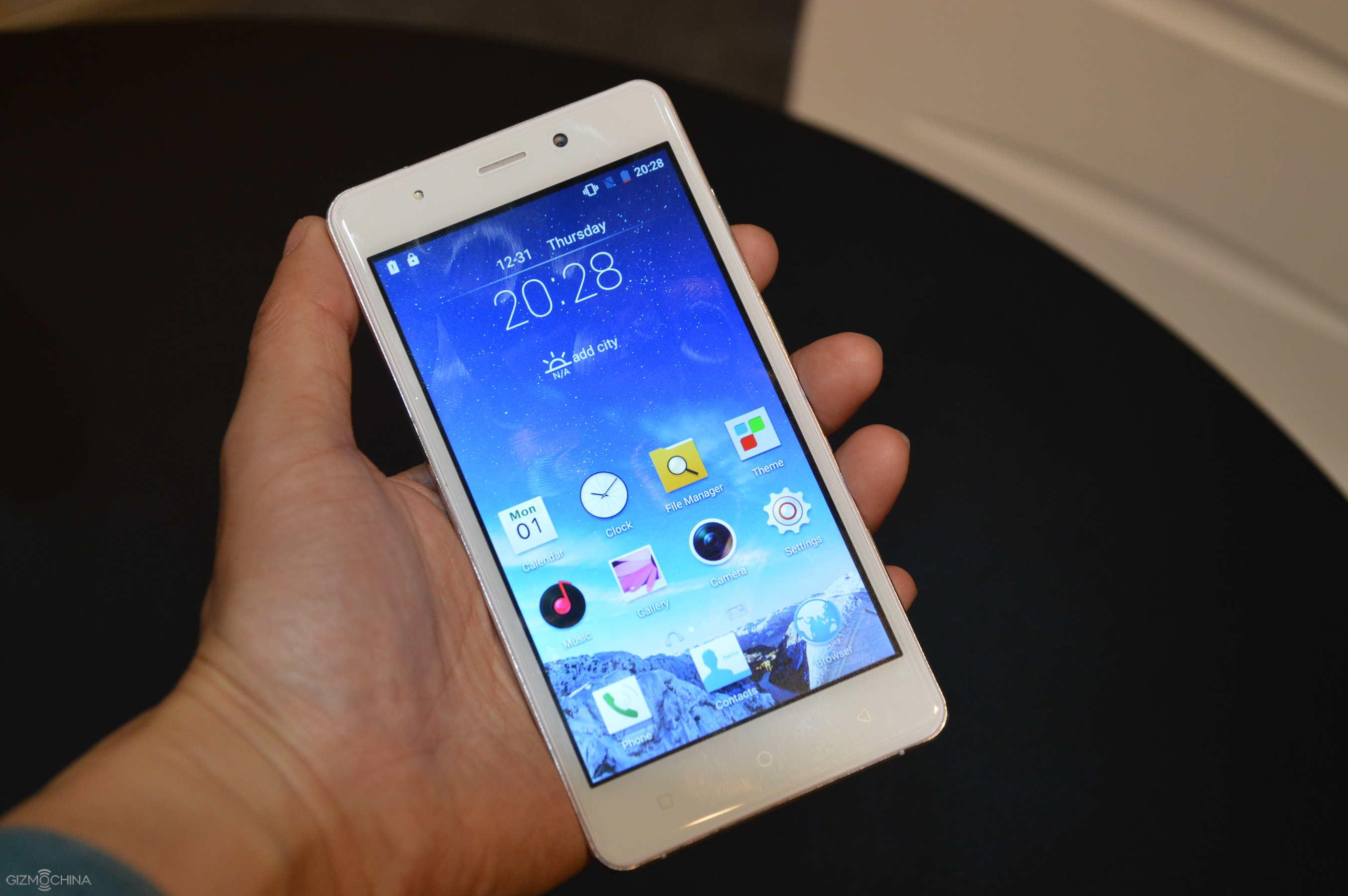
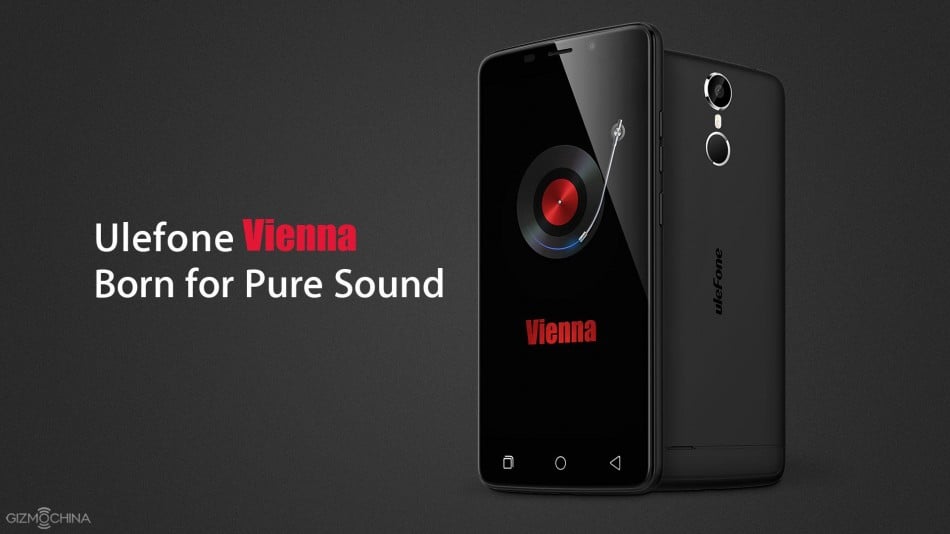
Ulefone Vienna turned out to be quite the surprise, being the first smartphone from a local Chinese manufacturer to focus on audio performance. The phone comes with dedicated audio chip from NXP to enhance the audio output. Along with a dedicated chip, the phone features pretty good mid-range specs, making it quite an attractive option for buyers all around the globe.
As for the phone’s pricing, on some retailers, the phone is listed at $199.99, but it looks like the company might offer some discounts via different promotions during the pre-sale period of the device. It is said that the Ulefone Vienna could be priced along the same lines as the Power, since they both have very similar specs. The Power retails for around $180, so we can expect the Vienna to be priced around this figure after discounts.
Coming to the specs of the Ulefone Vienna, the phone will come with the tried and tested MT6753 octa-core chipset with 3GB of RAM on board and 32GB of internal storage. Up front, there will be a 5.5-inch 1080p display with a 5MP front facing camera. At the back, you will find a 13MP Panasonic camera sensor. Further, the phone comes with a fingerprint scanner, infrared emitter as well as a physical camera button.
The Vienna comes with a decent 3250mAh battery inside its 8.6mm body. The phone will be available in four colors namely grey, white, black and pink.
If the phone is priced at around $180, will the Vienna be of your interest?
The Chinese company Vernee seems to be enjoying its fair share of spotlight, thanks to its two new models, namely the Vernee Apollo and the Vernee Thor. The former model is going to be the company’s high-end product, featuring 6GB of RAM and Helio X20 under the hood. As for the Vernee Thor, this particular phone will be a mid-range offering and will be announced in partnership with Uber.
The company is, in fact, calling the Thor as a Uber Featured smartphone, but we are still not clear what to expect from this kind of cooperation. Now, new images of the Vernee Thor have been released, which gives us a very good look at the phone’s design.
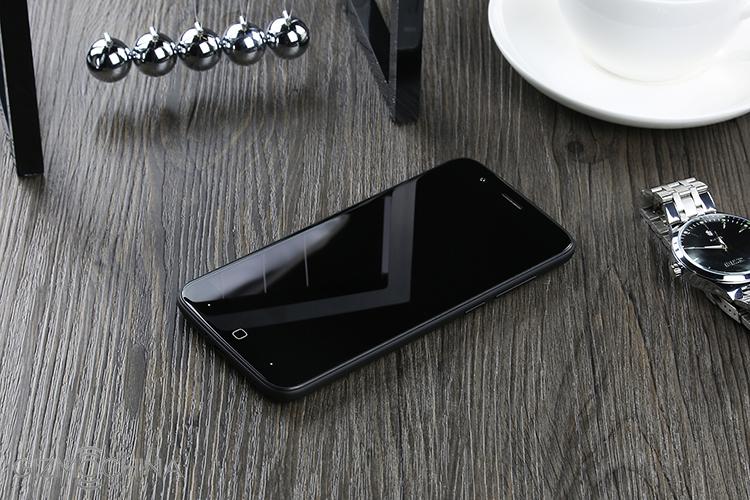
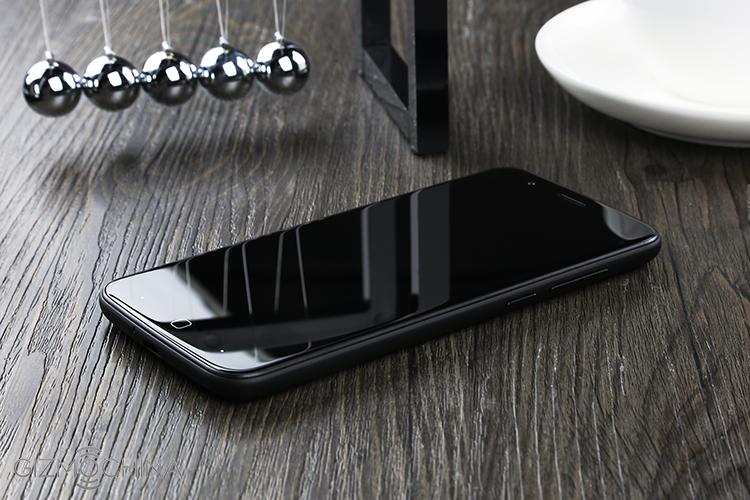
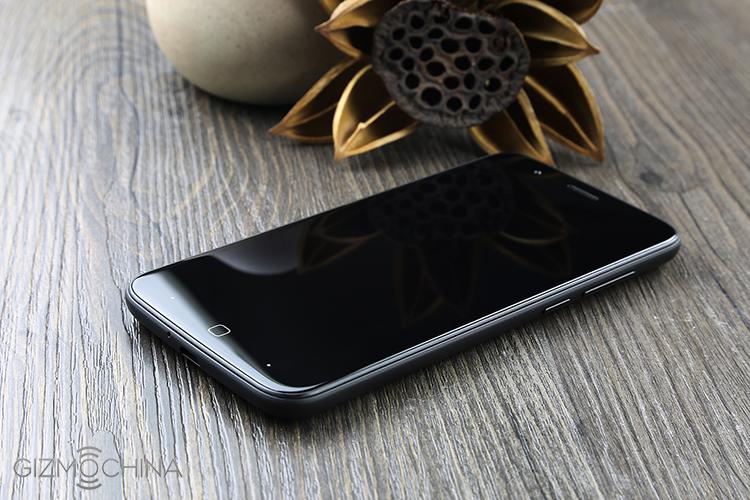
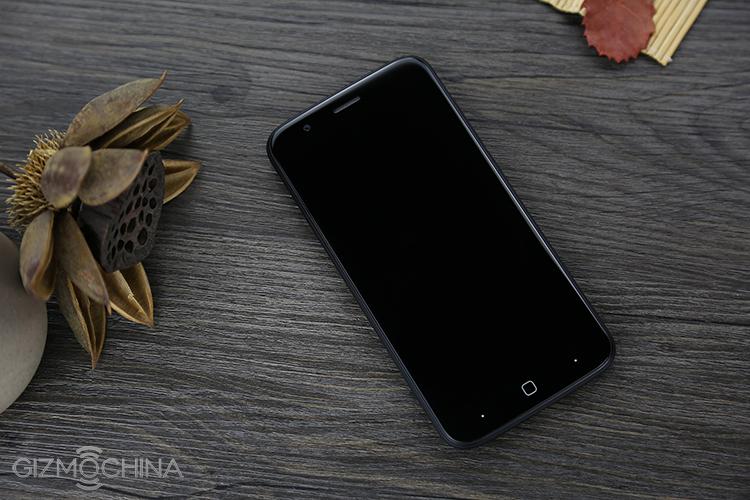
To be honest, for a $129.99 device, the phone’s design does look good. The market is flooded with plastic and even metal body smartphones at this price, so its good to see something different. The Vernee Thor will come with a baby skin rubber paint on the back, and in black color, the overall finish looks different. However, it remains to be seen whether the phone will feel good in our hands. Up front, the company has reportedly coated the screen with some kind of high-grade anti-fingerprint oil. You also get 2.5D glass on top of the display.
As for the specs, for $129.99, the Vernee Thor features mid-range hardware. The phone comes with a 5-inch HD on-cell display with 2.5D glass. Under the hood, it is powered by the octa-core MT6753 64-bit processor with 3GB of RAM and 16GB of expandable storage. There will be a 13MP camera at the back and a 5MP shooter up front. Battery may be a bit small with 2800mAh capacity, but considering the small display and the fact that the phone supports fast charging at 5V 2A, it should be enough for a normal user.
The cherry on top is the Android 6.0 Marshmallow OS that ships right out of the box. The company is expected to release the phone in April. Stay tuned for more details in the coming days.
Meanwhile, you can check out the Vernee Thor in pictures from down below.
Zeblaze, a China based smartwatch manufacturer has recently had a lot of success with their range of premium smartwatches at a very affordable prices.
The positive feedback from their previous smartwatches and the praise for their products has pushed Zeblaze to launch a promising new product named ‘Mini Wear’.
So what is promising about the Mini Wear?
The product leak does not reveal a whole lot of information, the previous Mini Wear had a 1.21-Inch IPS display with a resolution of 240 x 240 px. Hopefully the new Mini Wear will feature either a higher resolution screen at the same size, or perhaps a display altogether.
The previous Mini Wear was powered by the 2014 MediaTek MTK2502C processor, which by todays standard is a fairly outdated, Zeblaze has announced on their website that all of their latest product lines will feature the newest processors available from MediaTek, so hopefully we can expect a significant upgrade in this area.
Another area that we can expect to see improvements in is the battery, the previous version of the MiniWear had a 200 mAh Li-Po (Lithium Polymer) battery which gave a pretty decent runtime between charges.
Another area that I hope to see improved is the range of sensors and functions on the Mini Wear, it would be great to see what they can add to differentiate from other smart watches on the market.
It is highly likely that the MiniWear will come with an IP65 standard rating for water and dust proof certification, as this has become pretty much a standard on smartwatches from Zeblaze.
When it comes to connectivity lets hope that Zeblaze include Bluetooth 4.2 LE (Low Energy) as it will pretty much be the standard for 2016.
So the Zeblaze Mini Wear is coming very soon, lets hope it continues to carry forward the Zeblaze design standard and that it has a few surprises thrown in.
Please feel free to leave any questions or comments
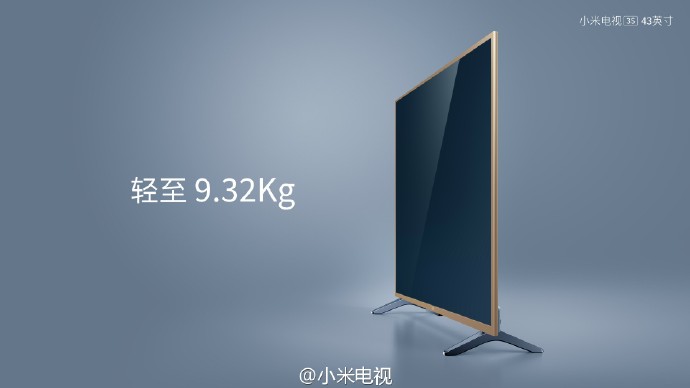
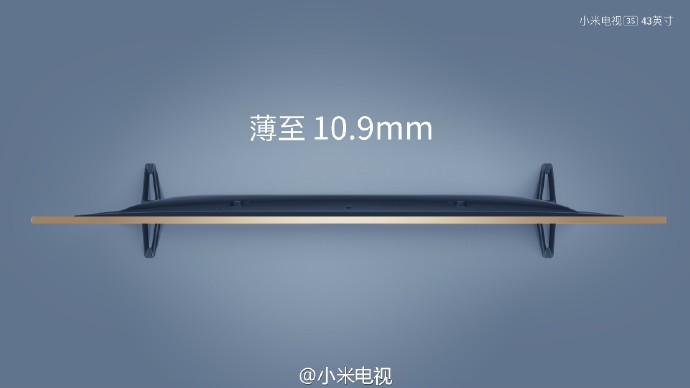
If you are looking for something that isn’t as flashy or costly as the Xiaomi Mi TV 65″ Curve, then take a look at the Xiaomi Mi TV 3S with a 43-inch flat display. It may not be as thin as the bigger model (its 10.9mm thin and weighs 9.32 kgs) but it’s still better than its previous generation models. Xiaomi claims that the new Mi TV 3S is a good 24.8% thinner than the previous 40-inch TV.
Before we take a look at what the TV comes with, let me tell you that this particular TV costs just 1799 Yuan which comes to only $277! Fits your budget? Read on.
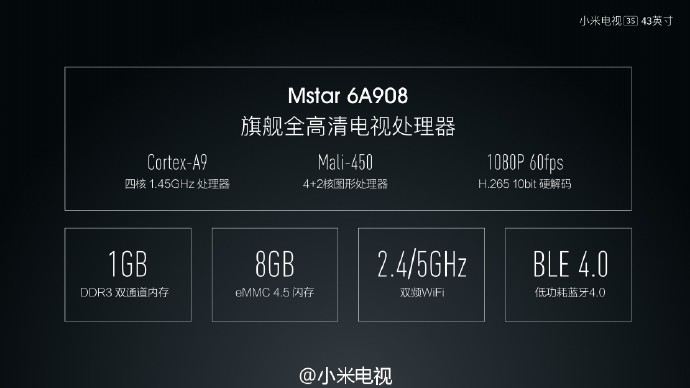
This Xiaomi Mi TV 3S model will come with modest specs as compared to its larger brother. There will be a Mstar 6A908 quad-core processor under the hood clocked at 1.45GHz and powered by Cortex A9 cores. For GPU, it comes with Mali-450. There will be just 1GB of RAM on board and 8GB of internal storage (eMMC 4.5). Connectivity features include support for 2.4GHz/ 5GHz Wi-Fi and Bluetooth 4.0.
Despite the modest specs, the pricing and the large 43-inch size are going to be the Mi TV 3S’s selling points. Xiaomi will be offering the TV for sale for the first time on March 31.
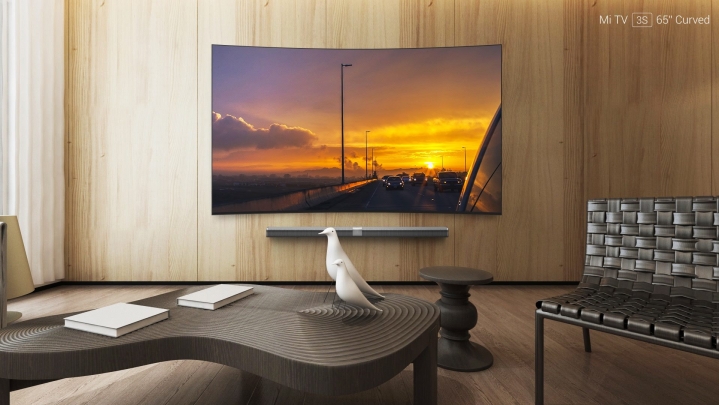
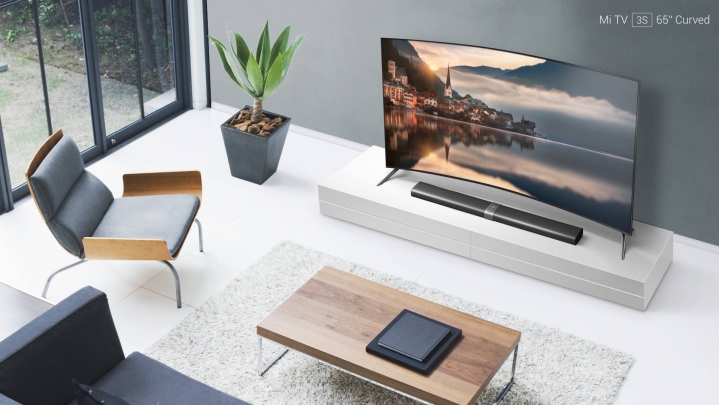
After nearly a week of teasers, Xiaomi has officially announced the next generation models in its Mi TV 3S lineup. This includes the company’s first Curved TV, namely the Mi TV 3S 65″ Curve. Apart from being curved, the TV boasts of being super thin, with a body that is just 5.9mm thin. In comparison, the company’s thinnest smartphone, namely the Mi Note is thicker than this TV with a 6.95mm body.
The Mi TV 3S 65″ Curve is using Samsung’s 65-inch curved display panel with 178 degrees wide viewing angles. The glass thickness is just 0.4mm which is then integrated with the high-strength ultra-thin metal plate to achieve this level of thickness.
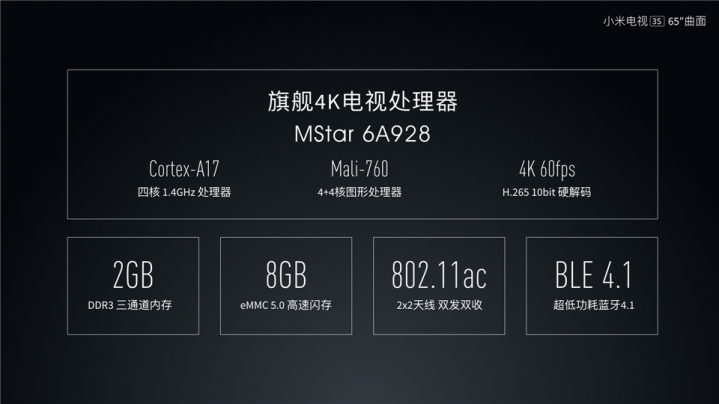
Inside, the new Mi TV 3S Curve comes with a Mstar 6A928 flagship TV processor which is a quad-core chip powered by A17 cores and clocked at 1.4GHz. For GPU, it uses the Mali-T760MP8. The TV supports 10-bit H.265 4K/ 60 fps hardware decoding and 802.11 ac 2×2 dual channel Wi-Fi.
There will be 2GB of DDR3 RAM on board along with 8GB of eMMC 5.0 storage. The Mi TV 3S 65″ Curve comes with the Mi TV Bar with independent 6-piece sound system. You also get Dolby and DTS audio dual decoding on the device.
Now coming to the pricing, Xiaomi has surprisingly priced it at 8999 Yuan ($1385). In comparison, the curved TV offering from LeEco which was launched late last year retails at 6999 Yuan ($1077), which is almost $300 less than this figure. However, we have to add that this curved TV from LeEco is not yet available for purchase. On the other hand, the Xiaomi Mi TV 3S 65″ Curve will go on sale pretty soon on March 31 via the company’s official website.
For the past few days, we have been hearing a lot about the Meizu Pro 6 flagship and the Helio X25 chip that powers it. However, there’s still time for the phone’s launch, as first we will meet with the budget mid-ranger, Meizu M3 Note. Like the company CEO revealed yesterday, Meizu via its official weibo account has released a new teaser for the upcoming Meizu M3 Note smartphone.
The company has confirmed via the teaser that the Meizu M3 Note will be announced at the Beijing National Convention Center on April 6. In case you remember, this is the same date when the Huawei P9 flagship smartphone will be announced. So, it looks like April 6 is going to be an important date for Chinese tech fans, since we could potentially meet two (or even more) great devices.
According to the teaser, the upcoming Meizu M3 Note will be one of the best-looking smartphones from the company. A few hours back, we saw the entire leaked product pipeline of the company and the M3 was in the list. The leak revealed that the phone will use a polycarbonate body, which is something that Meizu’s Blue Charm series has always used. So, unlike other manufacturers who are opting for a metal body to give their phones a premium feel, Meizu could stick with polycarbonate.
Moreover, the leak revealed that the M3 Note will come with a 5.5-inch 1080p display along with the Mediatek Helio P10 octa-core processor under the hood with 2GB of RAM. There will be two storage variants, namely 16GB costing 799 Yuan ($125), and 32GB costing 999 Yuan ($150). The battery is said to be of 3200mAh.
The company’s teasers say that the phone will be fast, long lasting and beautiful. Given that the event is confirmed and the teasers have started to come out, we can expect a lot more details in the coming days.
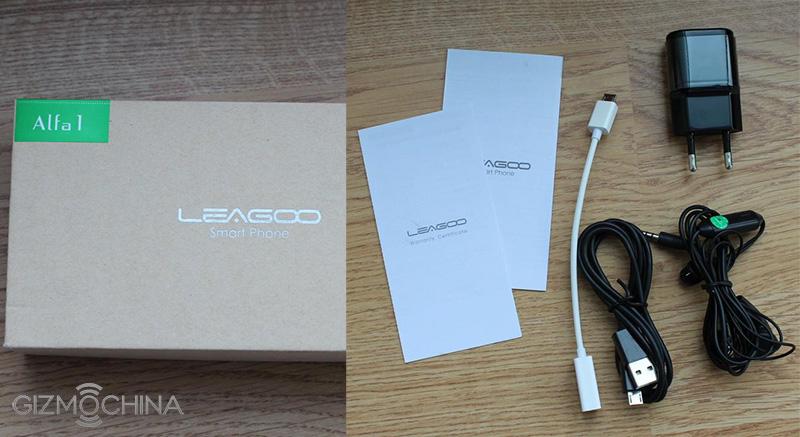
The phone comes with the usual stuff you expect to come with any phone. Some extras include a pair of cheap earphones and USB OTG cable.
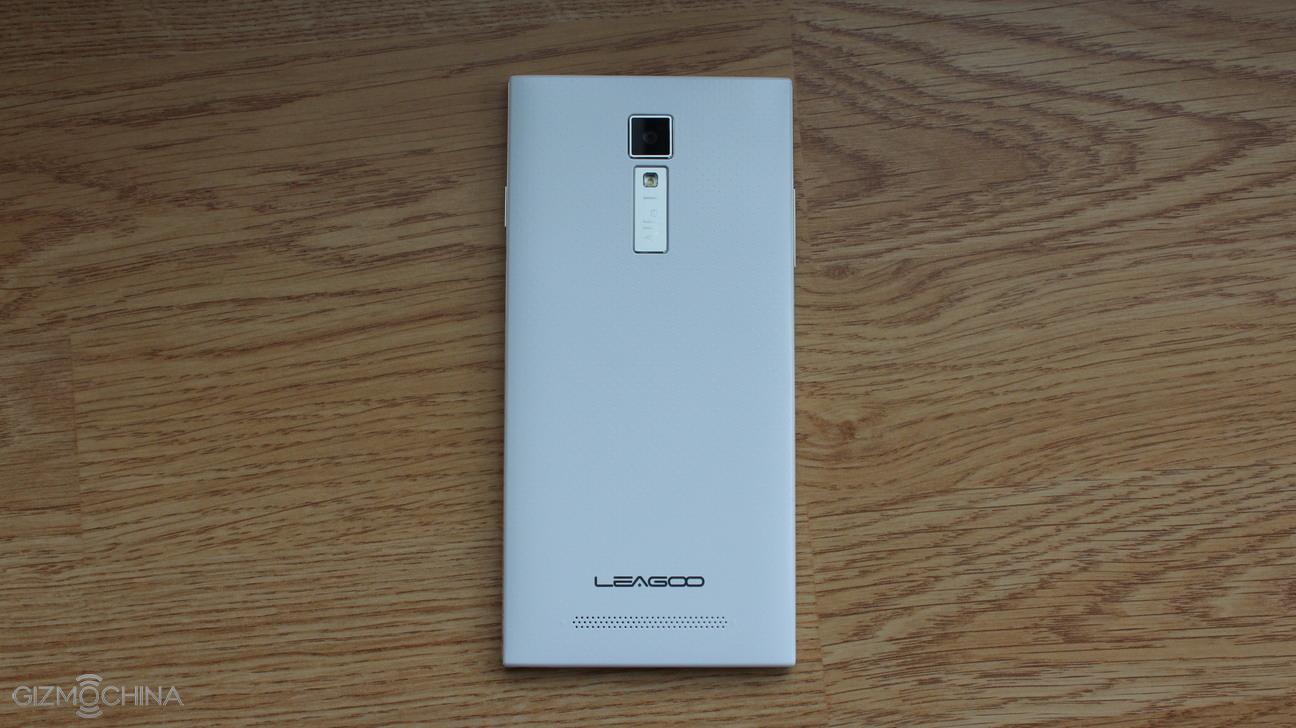
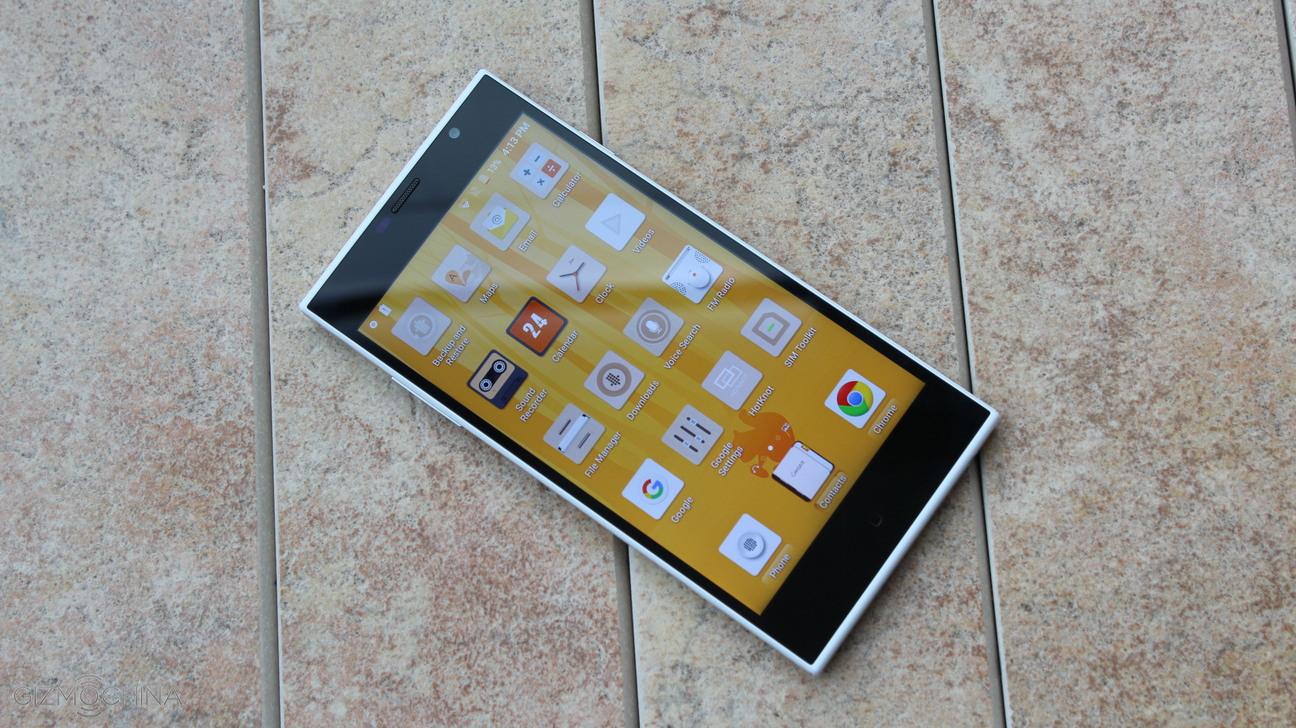
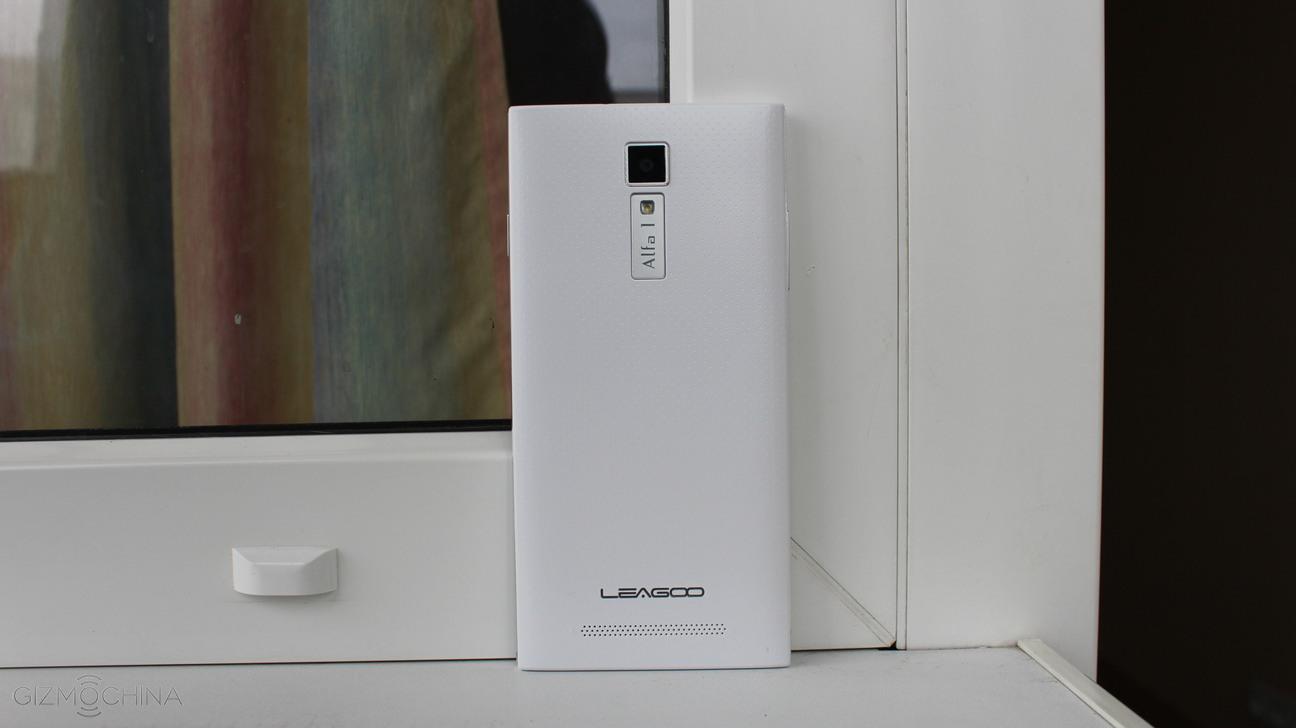
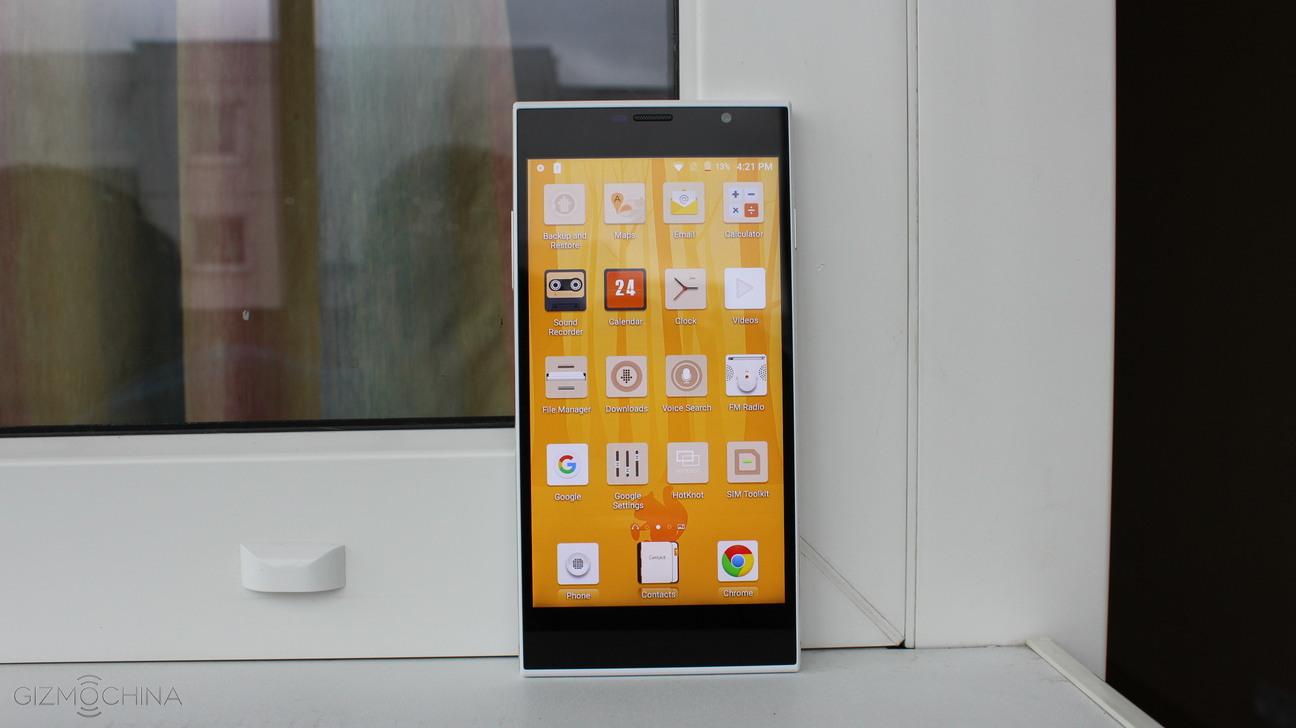
Leagoo Alfa 1 Review: DESIGN and DISPLAY
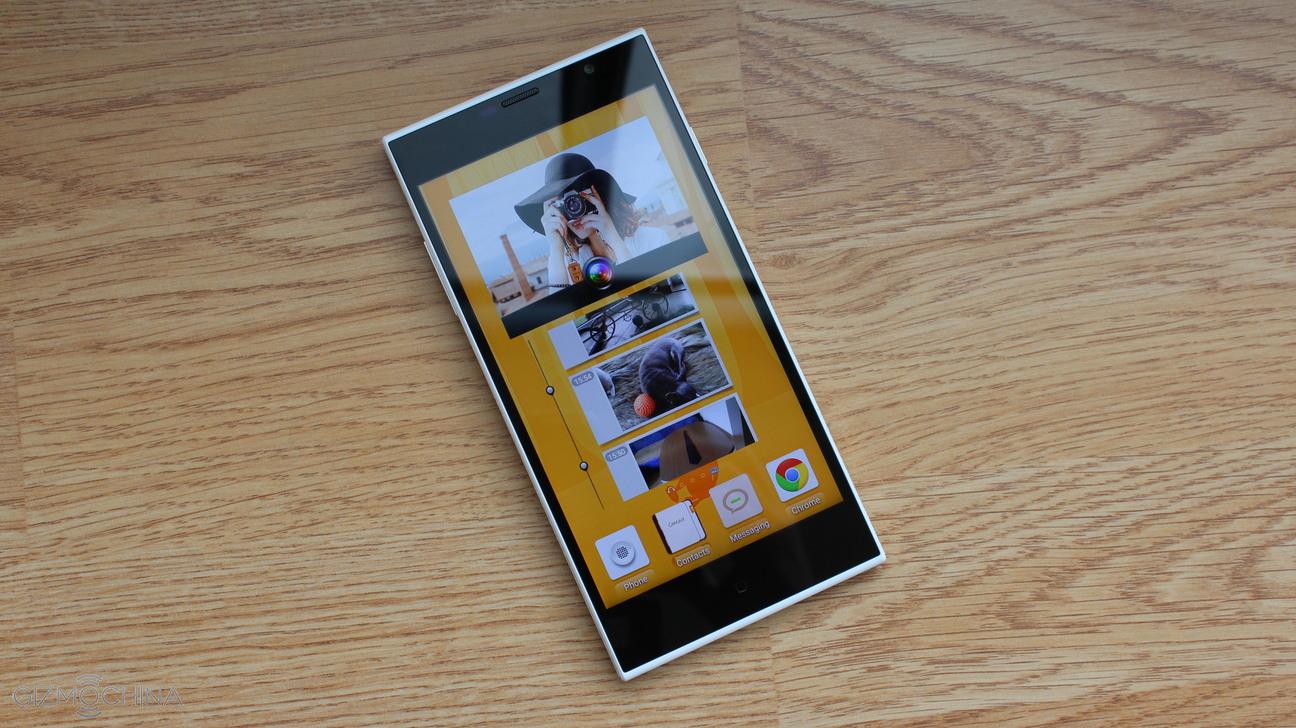
Once you pick the phone up, you’ll notice that it is huge do to it 5.5” display, large top and bottom bezels and rectangular shape. I don’t have the biggest hands in the world and thus, the phone is not really comfortable to hold.
Speaking of display, it is pretty good considering the fact that it has a 720p resolution and the price of the device. The panel is bright, has good viewing angles and it is sharp enough.
On the top we have a 5MP camera and some other usual stuff.
On the bottom, there are nicely backlit capacitive keys. The home button serves a notification light too.
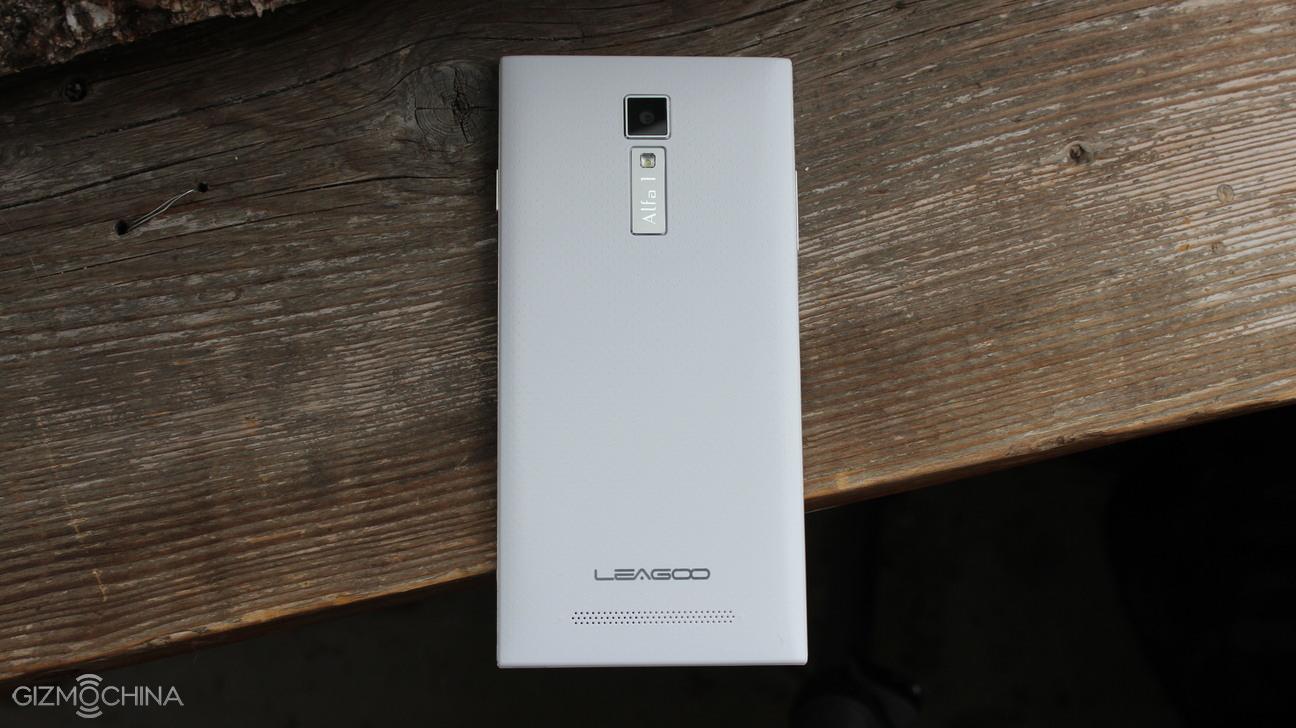
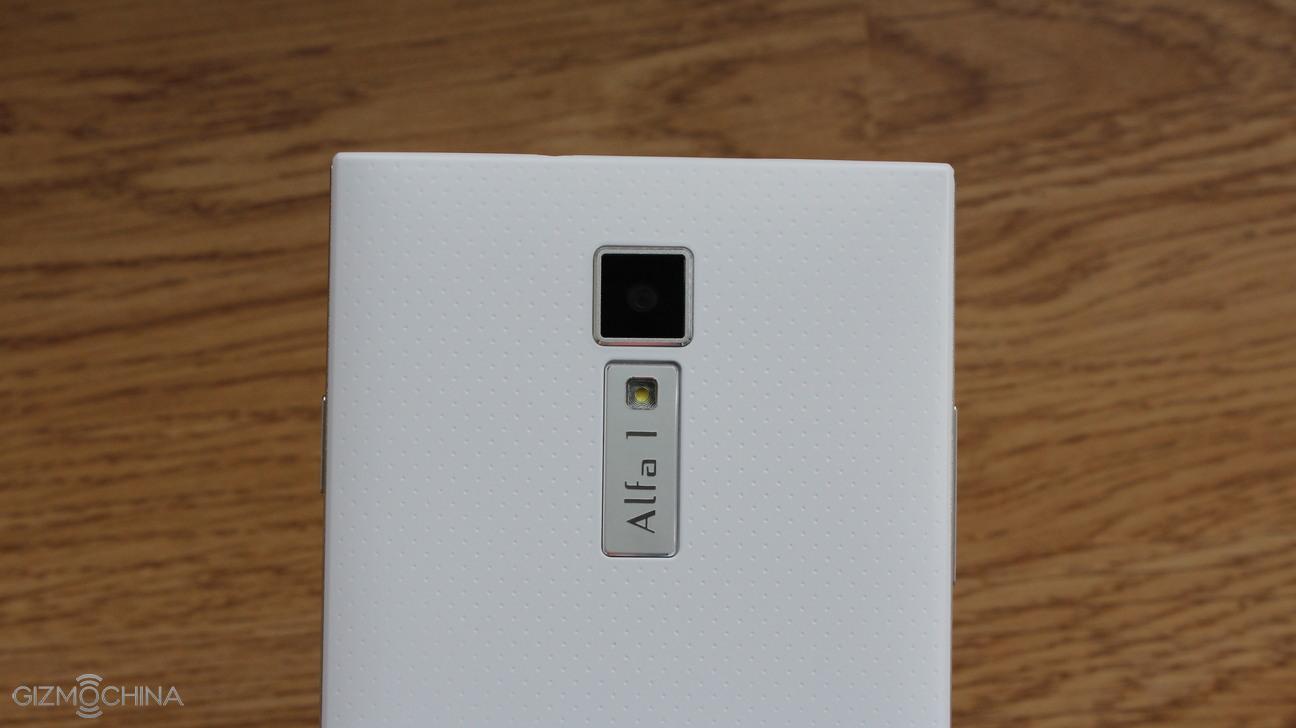
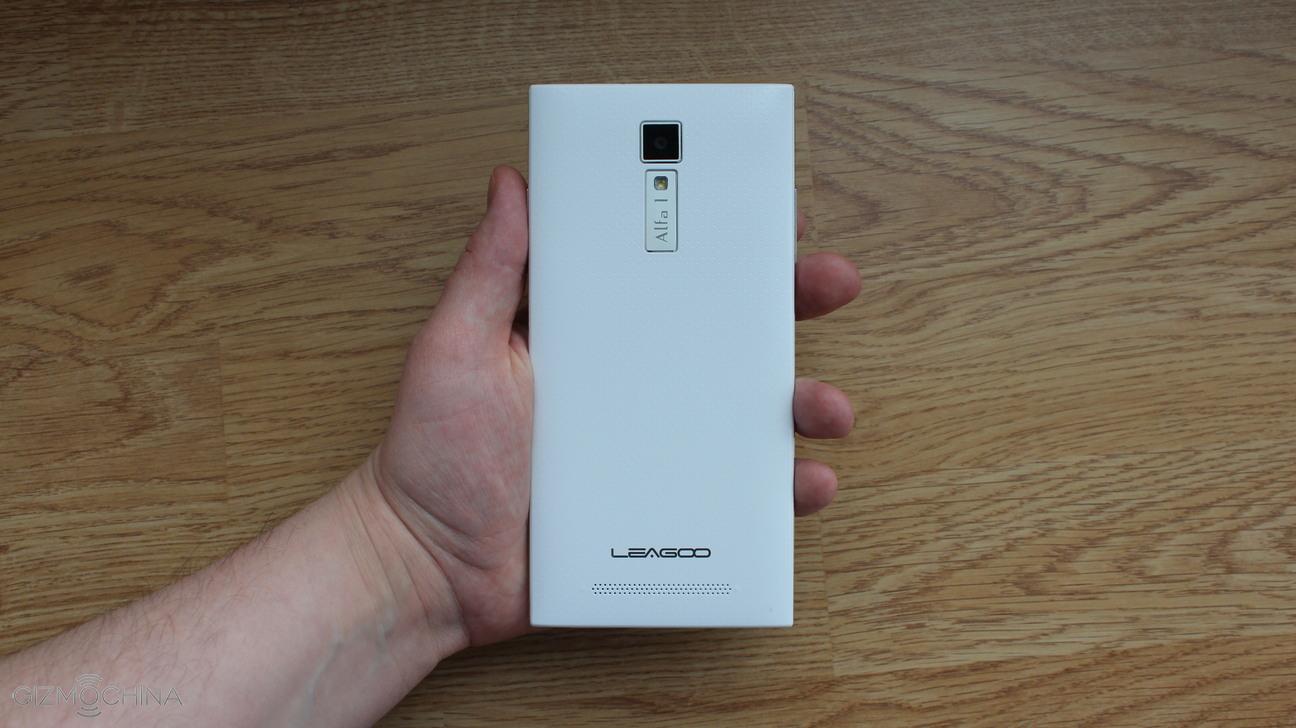
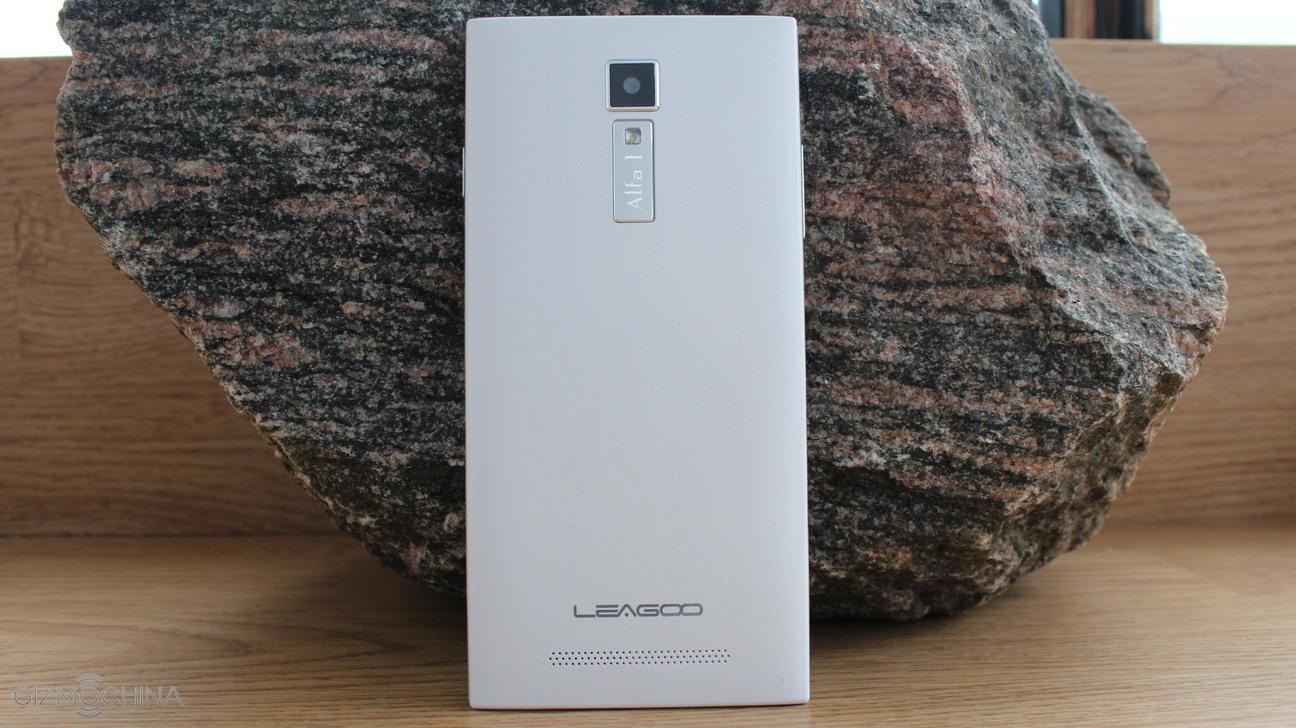
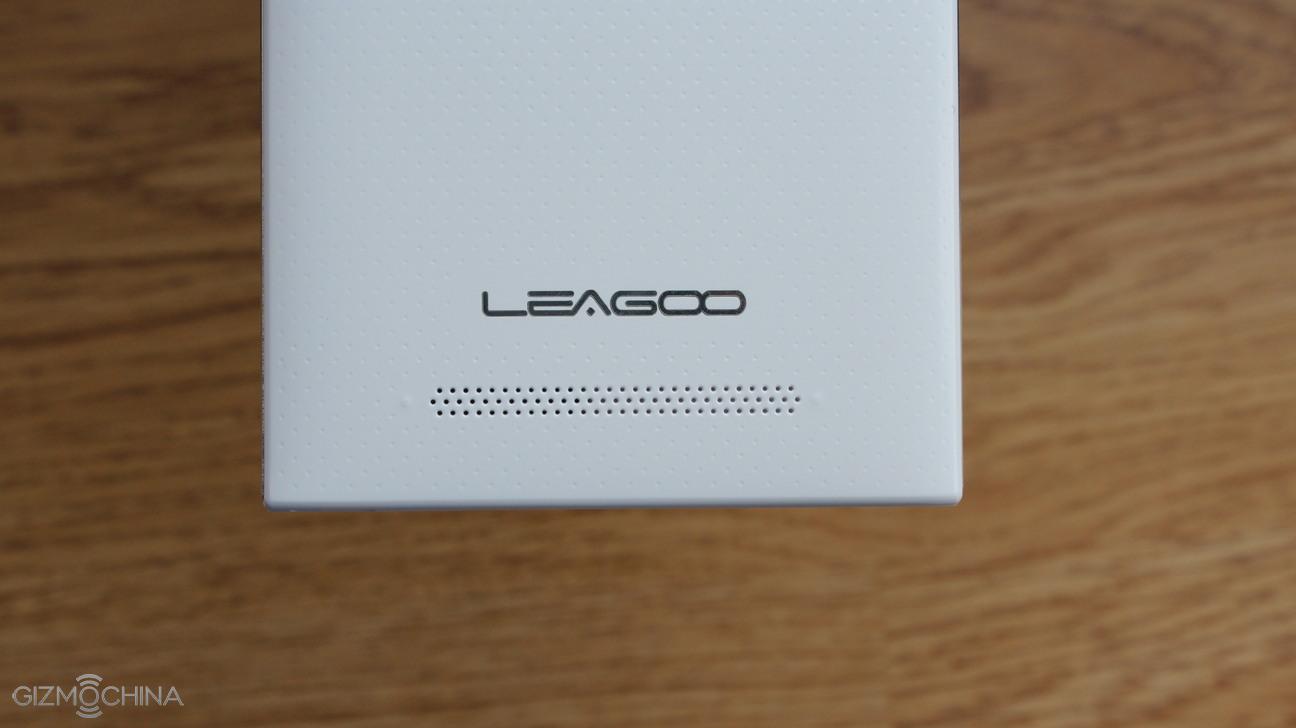
The backplate is made of plastic and it has a somewhat perforated surface.
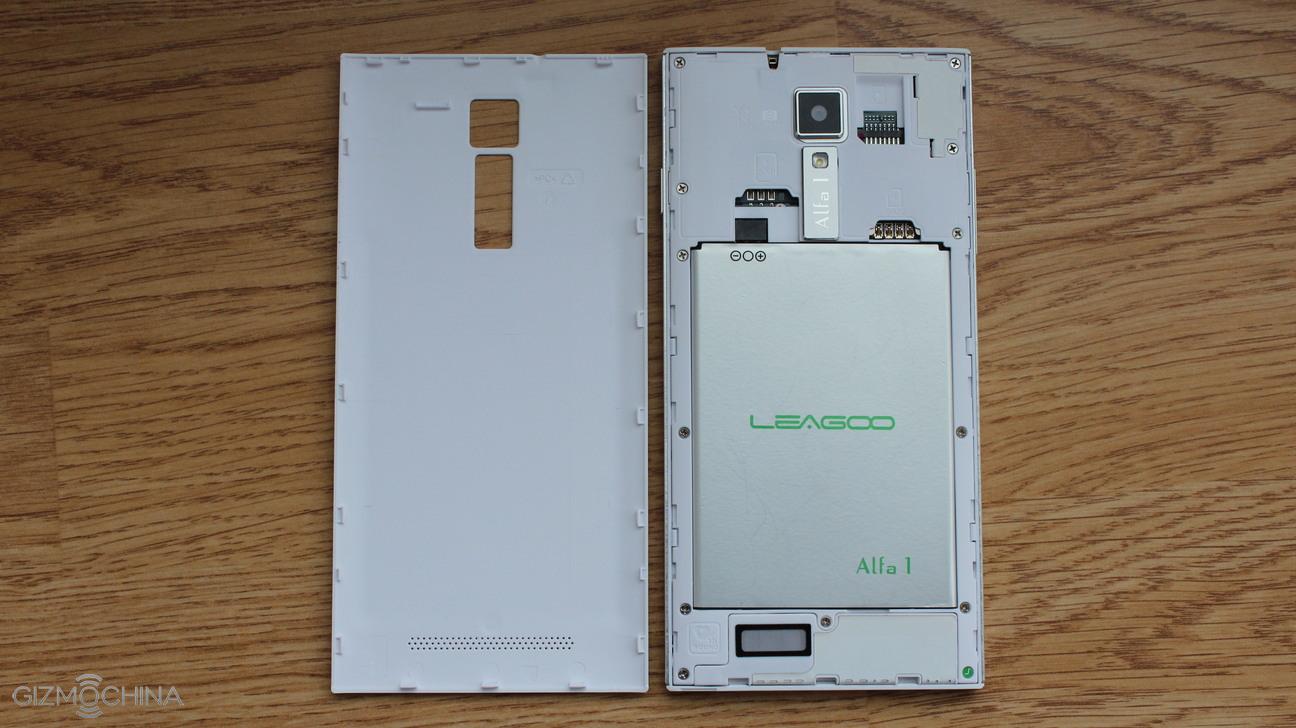
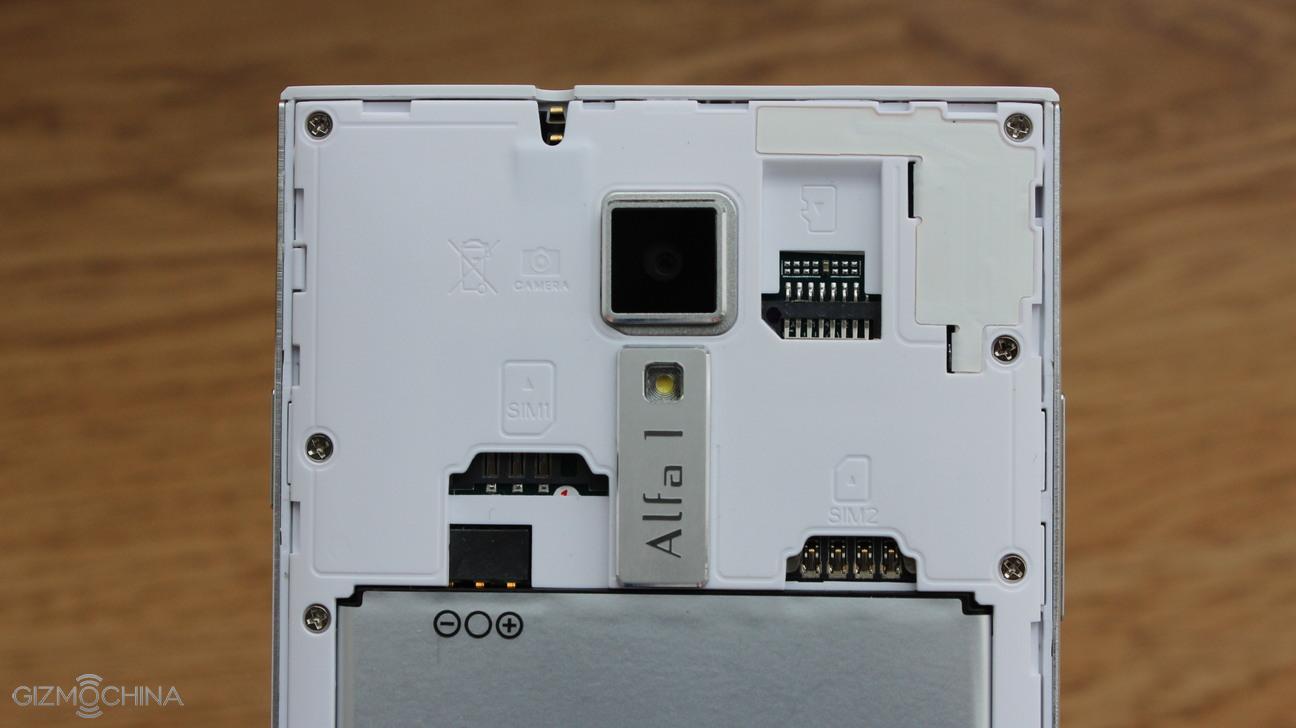
In fact, you can easily remove it and underneath you will find two SIM card slots with only 3G support, a microSD card slot and a removable 3000mAh battery.
As for camera, we have 13MP shooter with an LED flash.
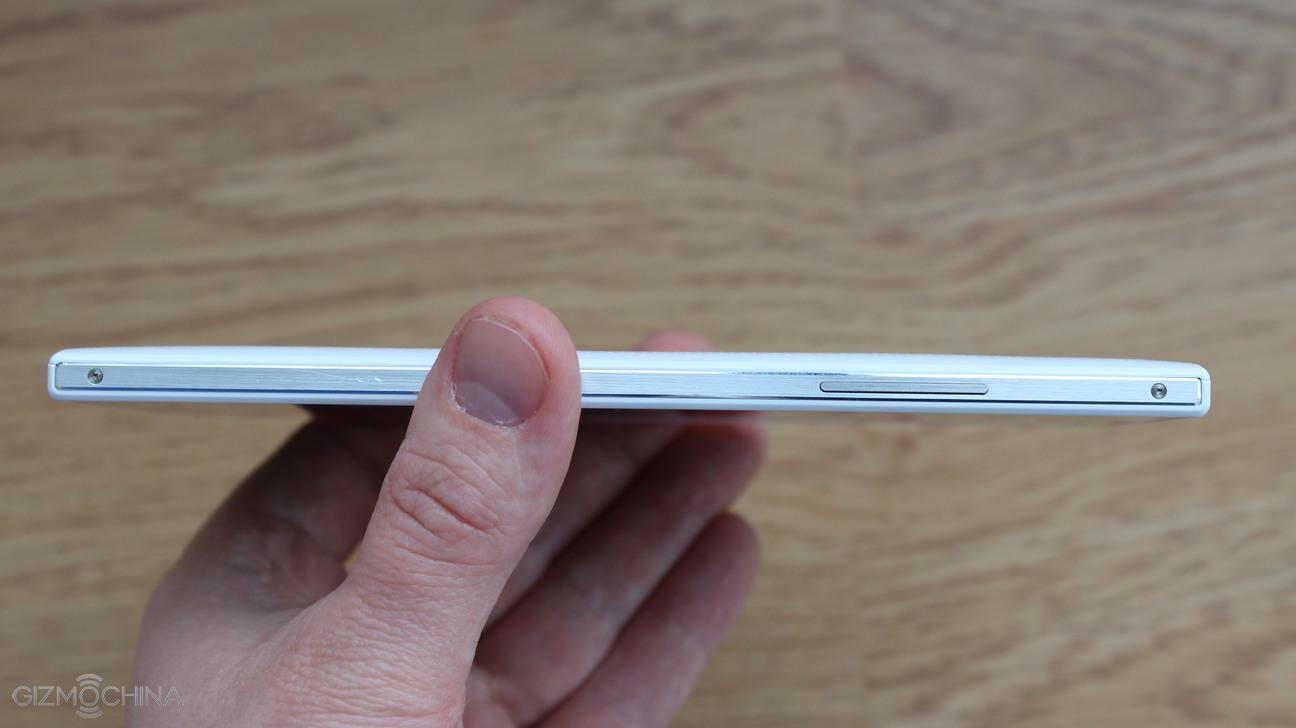
The sides sport some nice looking metal elements. As for buttons, the power button feels a bit mushy. You need to press it a little harder to make it work.
Overall, the phone looks nice, it has a great build quality but I didn’t find it very comfortable to hold in the hand and the power button could be more tactile.
Leagoo Alfa 1 Review: HARDWARE and PERFORMANCE
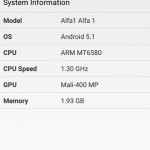
Leagoo Alfa 1 has a quad-core MTK6580 chip clocked at just 1GHz, 2GB of RAM and 16GB of expandable storage.
When it comes to 3D gaming, the performance is actually not bad. Sure, the graphics don’t look stunning but you can still have an enjoyable gaming experience with just a few skipped frames and occasional stutter.
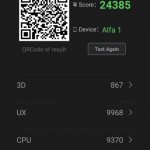
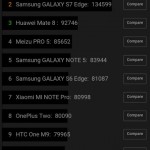
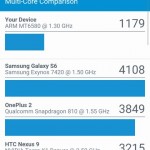
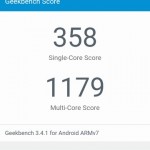
Leagoo Alfa 1 Review: BENCHMARKS
Leagoo Alfa 1 Review: UI
When it comes to the user interface, we have a highly customised version of Android 5.1.
There is no app tray but there are plenty of customisation options, e.g. you can choose from a variety of themes, some nice looking widgets, tweak various settings and so on.
There are some added features too. Just to name a few, we have plenty of gesture and motion controls, which actually work great. One of my favourite built-in apps is the security locker, which simply allows you to lock certain apps.
Overall, the UI is working fine. It is fast despite all those added features. Well, I had a few minor hiccups but nothing major.
Leagoo Alfa 1 Review: MULTIMEDIA
As for the loudspeaker, it is surprisingly good and to be honest it is one of the best I’ve heard in a device that does not even cost $100.
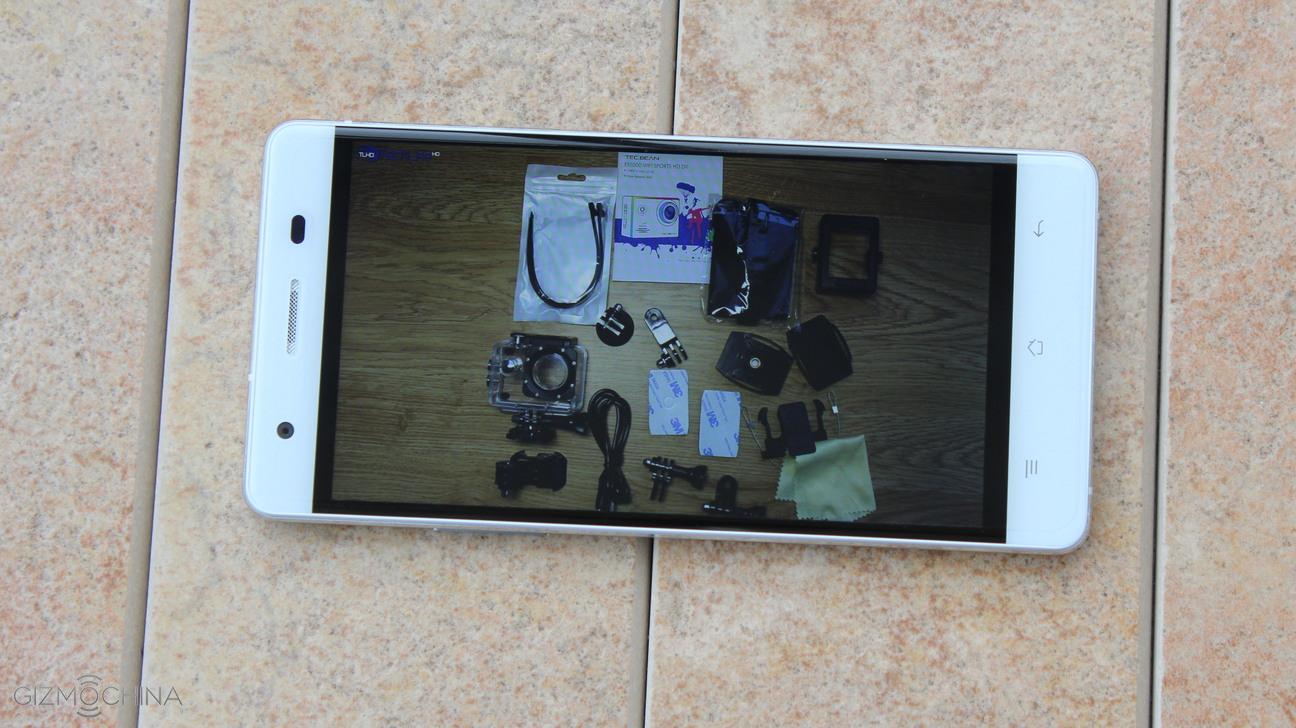
However, the 1080p video playback is really laggy and it is almost impossible to watch videos stored on internal storage. I tried a few different players to confirm that.
The image quality is really good for a phone this cheap. Most of the shots have a decent amount of detail and the colour reproduction is good.
The quality decreases with a lower amount of light but you can still get some okay looking photos unless you take pictures in really dark environments.
The video quality is poor but it is on par with any other phone in this price range. See a video review for a video sample.
Leagoo Alfa 1 Review: CONNECTIVITY
All the connectivity options like Wifi, Bluetooth and even GPS work fine but I the earpiece could be slightly louder.
Leagoo Alfa 1 Review: BATTERY LIFE
The battery life is actually a bit of a letdown. The 3000mAh unit should be enough to power up a 5.5” 720p display but I could get just over 3 hours of screen-on time with a mixed use of the device.
Leagoo Alfa 1 Review: CONCLUSIONS
Leagoo Alfa 1 is a pretty good phone if we consider a price of under $100.
It has a good build quality, decent display, feature-rich and fluid user interface, a great loudspeaker and a good camera.
However, I’m not a huge fan of phone’s rectangular shape as it makes the device uncomfortable to hold in the hand. Also, the power button takes some time of getting used to as you need to press it little harder than usual to make it work. In addition, a laggy video playback is kind really disappointing.
One of my biggest complaints is the battery life. It is not the worst I’ve seen but just over 3 hours of screen-on time does not sound impressive.
Overall, Leagoo Alfa 1 is a decent offering and it may actually surprise you that it does not even cost $100. However, make sure to take the shortcomings into consideration before making a buying decision.
Blackview announced the A8 budget smartphone a couple of weeks back. In fact, the phone was showcased at MWC 2016 in Barcelona, Spain where we got to play around with the device for some time. We were kind of impressed with the device, mainly because of its design and the price at which it was going for sale. The Blackview A8 is priced at just $49.99, which makes it a very good deal for anyone looking for a super cheap smartphone.
All this time, we were unsure about the phone’s release date. However, the company has confirmed today that the Blackview A8 smartphone will release on April 8. The phone will be available for purchase via multiple retailers including Aliexpress, where it will be sold at the amazing price of $49.99.
To recap, the phone comes with the quad-core MT6580A processor clocked at 1.3GHz and 1GB of RAM and 8GB of expandable internal storage. There will be a 5-inch 720p display on board along with support for 3G, dual SIM dual standby and Android 5.1 Lollipop version. At the back, there will be a 8MP camera while up front, a 2MP shooter. The phone comes with a 2000mAh battery to power all these specs.
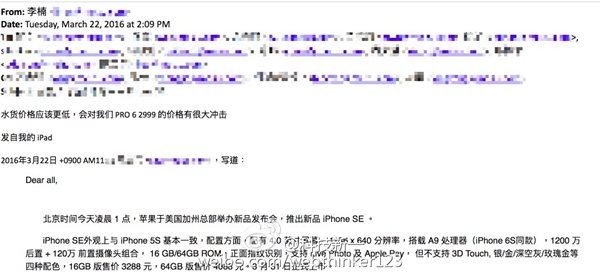
After a few months of silence, Meizu suddenly came into the spotlight, thanks to its Meizu Pro 6 flagship smartphone. We have seen the device in a couple of benchmark apps like AnTuTu and the performance of the phone has been quite impressive. Now, a screenshot of an internal mail sent by Meizu’s VP Li Nan reveals the pricing for the phone.
According to the leaked mail, the Meizu Pro 6 flagship could be priced at 2999 Yuan which comes to around $462. When compared to rivals such as the Xiaomi Mi 5 Pro, this is much more costlier. The Pro variant of the Mi 5 retails for an official price tag of 2699 Yuan ($415), which is a good $45 less than this figure.
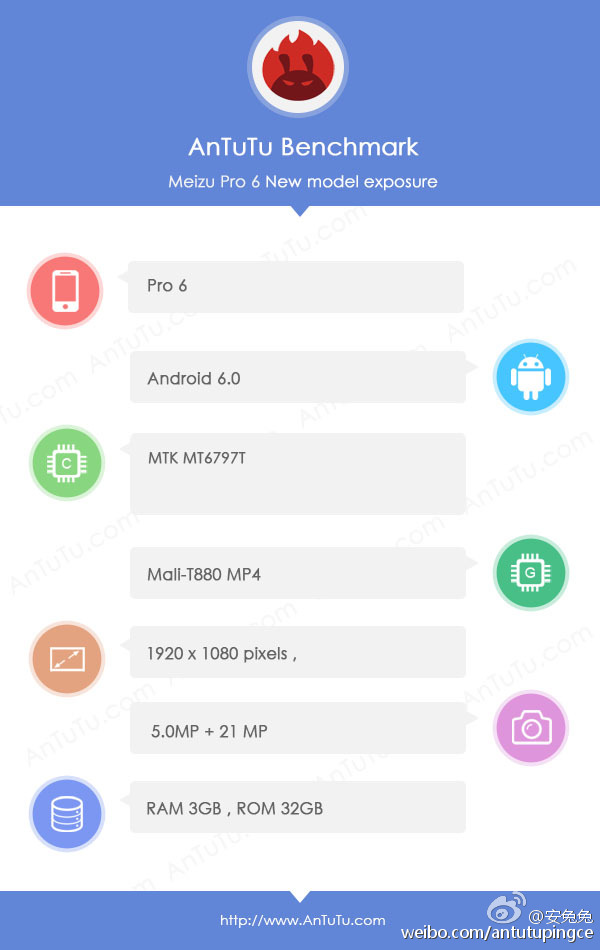
Thanks to the recent AnTuTu listing of the Meizu Pro 6 smartphone, we know the specs of the device. The phone is confirmed to feature the Helio X25 deca-core processor (upgraded variant of the Helio X20) and this chip will be exclusive to the device for a few months.
Apart from the powerful specs, the Meizu Pro 6 smartphone will come with 3GB of RAM and 32GB of internal storage. There will be a 21MP rear camera sensor and a 5MP front facing shooter. The screen size is unknown at the moment, but the resolution will be 1080 FHD. Finally, the phone will be running on the Android 6.0 Marshmallow OS out of the box.
Do you think these specs are comparable to Xiaomi Mi 5 which is way cheaper? I mean, the Mi 5 standard version managed to score about 106K on AnTuTu during our review. On the other hand, today’s AnTuTu listing showed that the Meizu Pro 6 scored nearly 100K. And this particular model featuring 3GB of RAM costs almost $150 less than the rumored price of $460 for the Pro 6.
So, do you think the 2999 Yuan ($460) price tag for the Meizu Pro 6 will be a bit too high?
Meanwhile, Meizu CEO Huang has confirmed that the affordable Meizu M3 Note will meet us soon. Read more about the device from here.
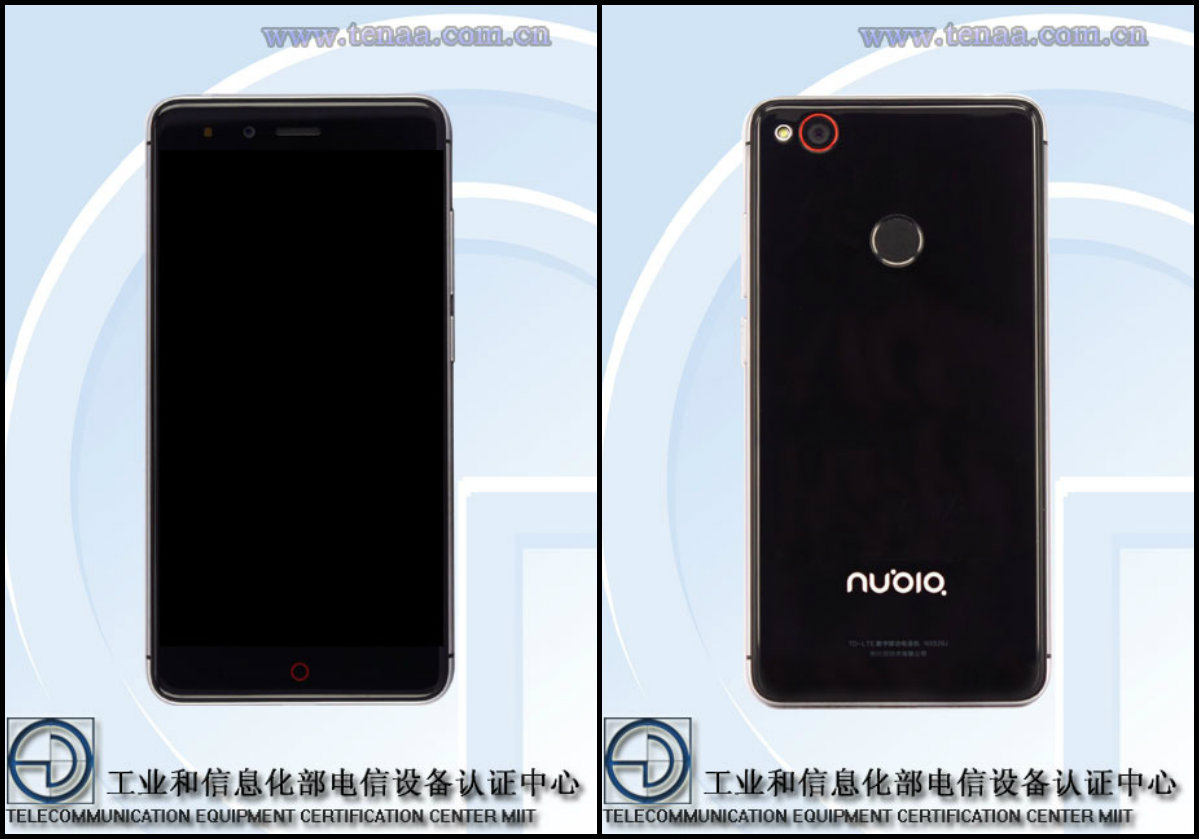
Nubia has been quiet for the past few months. The latest we heard about the company was via a TENAA listing of a new ZTE Nubia smartphone, which was most likley the Nubia Z11 Mini. However, the company has released a new teaser earlier today confirming some kind of announcement on March 29.
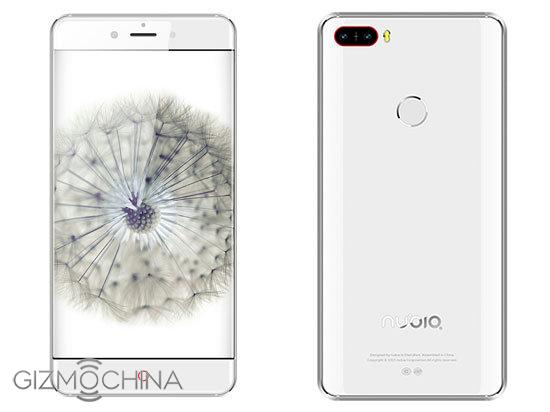
This could most likely be for the new series of Nubia smartphones, namely the Nubia Z11, Z11 Mini and Z11 Max. Apart from the TENAA listing, another reason we beleive this is for the Z11 series phones is because the GM of Nubia, Ni Fei had confirmed the existence of the Nubia Z11 series and said that the phone would launch in the first quarter of 2016.
Considering that the Nubia Z11 Mini already passsed through TENAA, let’s first take a look at its specs. The phone will feature a 1.5GHz / 1.2GHz octa-core processor with 3GB of RAM and 64GB of storage. At the back, there will be a 16MP camera while up front, you will get an 8MP shooter. The phone will run on Android 5.1.1 Lollipop OS. Pricing is expected to be around the 1499 Yuan figure which comes to $230.
Moving on to the next model, namely the Nubia Z11, we only have information via rumors. The phone is said to come with a 5.2-inch 2K display with Snapdragon 820 chipset under the hood and 4GB of RAM. There will be 128GB of storage and a powerful 20.7MP camera at the back. Up front, you can expect a 13MP shooter ideal for selfies. The phone is said to run on Android 6.0 out of the box.
But if the company decides to skip the Z11 series from March 29 announcement, what we can expect to see is the rumored Nubia X8. We had heard a fair share of rumors about this device, but soon, the phone was forgotten among other news. However, if the Nubia X8 is announced next week, it will most likely come with Snapdragon 820 chip with 4GB RAM, 7.9mm body, a 6-inch screen and a large 5120mAh battery. Of course, these specs come via rumors, so better wait till the official announcement before getting too excited.
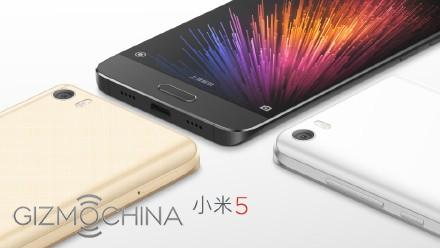
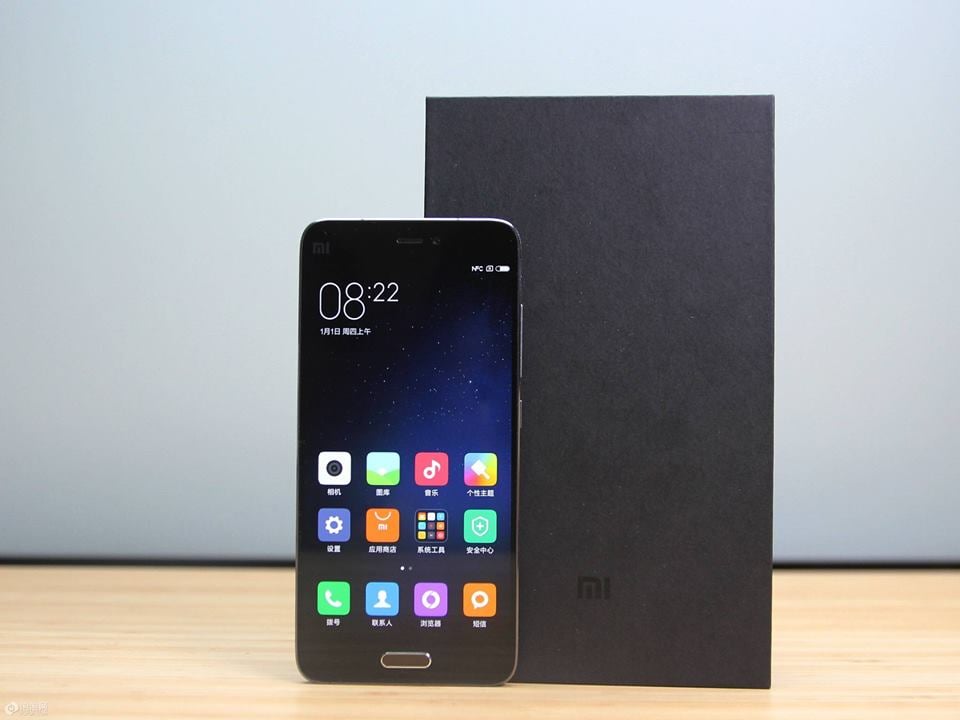
Xiaomi conducted the fourth flash sale for the Xiaomi Mi 5 today at 10:00 AM in China and guess what, the phone yet again went out of stock almost instantly. As usual, the black version of the Mi 5 was the first one to go out of stock, soon followed by the white version. So, if you were even a few minutes late to the flash sale, you would have come out disappointed.
Once again, only the standard 1999 Yuan and 2299 Yuan versions of the Xiaomi Mi 5 were made available for the flash sale today. Given that these are the cheaper models, they are even more popular among customers. In case, you are wondering about the Xiaomi Mi 5 Pro version, you will soon be able to purchase it in China.
According to a statement made by Xiaomi’s President Lin Bin, you should be able to purchase the Xiaomi Mi 5 Pro edition sometime in April, during the company’s anniversary celebration sale. However, it would still most likely be offered via the flash sale model.
So, there’s still no guarantee of getting the Mi 5 Pro anytime soon, unless you are fast and a bit lucky. As for those who have ordered the Pro version via third party sellers, this could be good news as finally, the first batch of the devices could start shipping soon.
The next flash sale of the Xiaomi Mi 5 will be held on March 29, i.e. next Tuesday. Still, only the standard and high version of the Mi 5 are going to be made available for sale.
Meanwhile, we will keep a close eye for the Mi 5 Pro edition in the coming days. So, stay tuned to gizmochina for more updates.
We use cookies on our website to give you the most relevant experience by remembering your preferences and repeat visits. By clicking “Accept”, you consent to the use of ALL the cookies.
This website uses cookies to improve your experience while you navigate through the website. Out of these, the cookies that are categorized as necessary are stored on your browser as they are essential for the working of basic functionalities of the website. We also use third-party cookies that help us analyze and understand how you use this website. These cookies will be stored in your browser only with your consent. You also have the option to opt-out of these cookies. But opting out of some of these cookies may affect your browsing experience.
Necessary cookies are absolutely essential for the website to function properly. This category only includes cookies that ensures basic functionalities and security features of the website. These cookies do not store any personal information.
Any cookies that may not be particularly necessary for the website to function and is used specifically to collect user personal data via analytics, ads, other embedded contents are termed as non-necessary cookies. It is mandatory to procure user consent prior to running these cookies on your website.