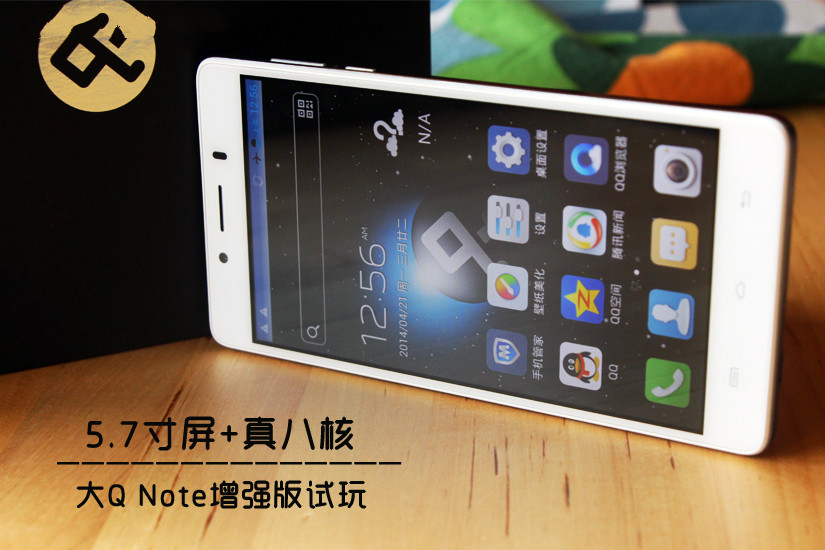
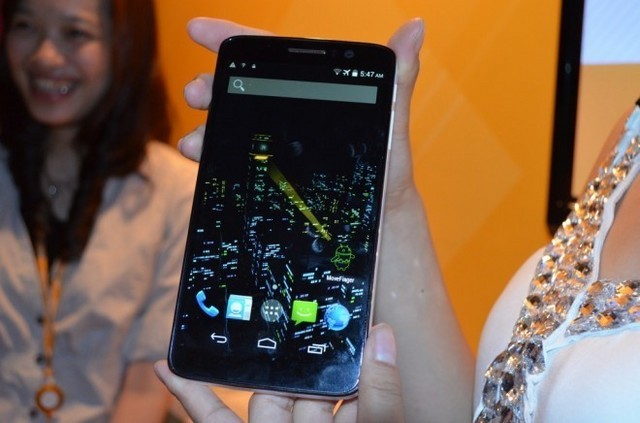
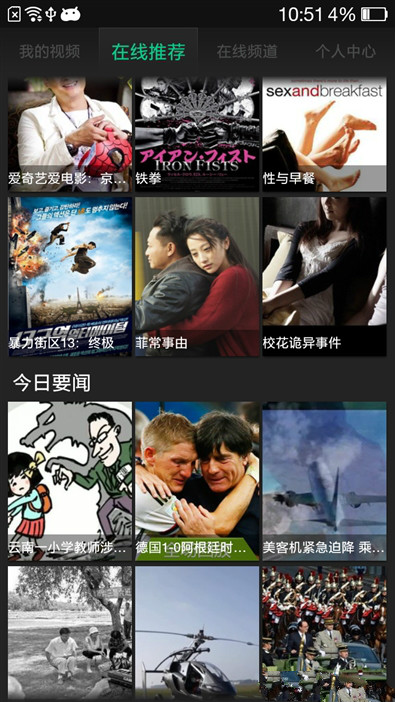
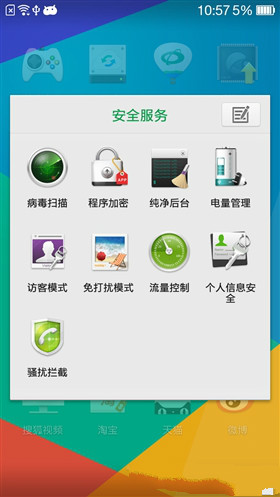
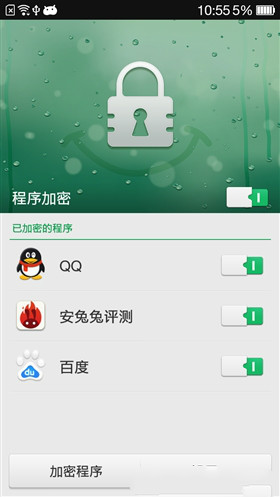
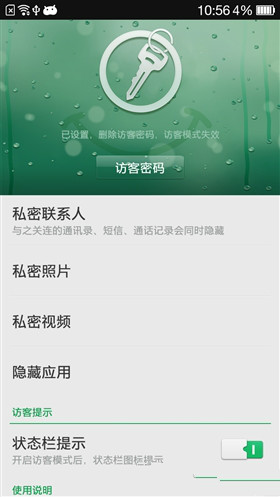
The Big Q Note Series came out at a time when cell phones have become more powerful with bigger display screens and octa-core processors.
MMB first released the first of the Big Q series, the Q1 cell phone, at the beginning of the year. Last month, they followed it up with an enhanced version called the Big Q Note.
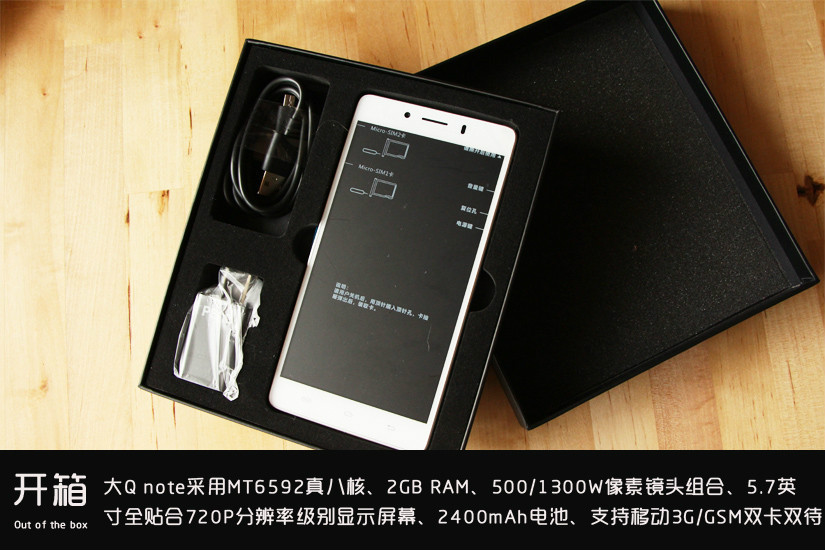
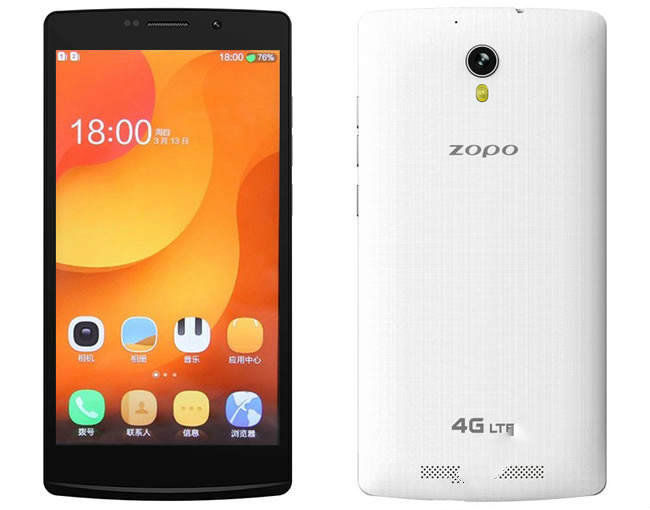
The Big Q Note uses the MT6592 octa-core processor, has 2GB RAM, a 5mp/13mp camera, and 5.7-inch display screen with a 720p resolution. It runs on a 2400mAh battery and supports China Mobile 3G/GSM dual-SIM internet.
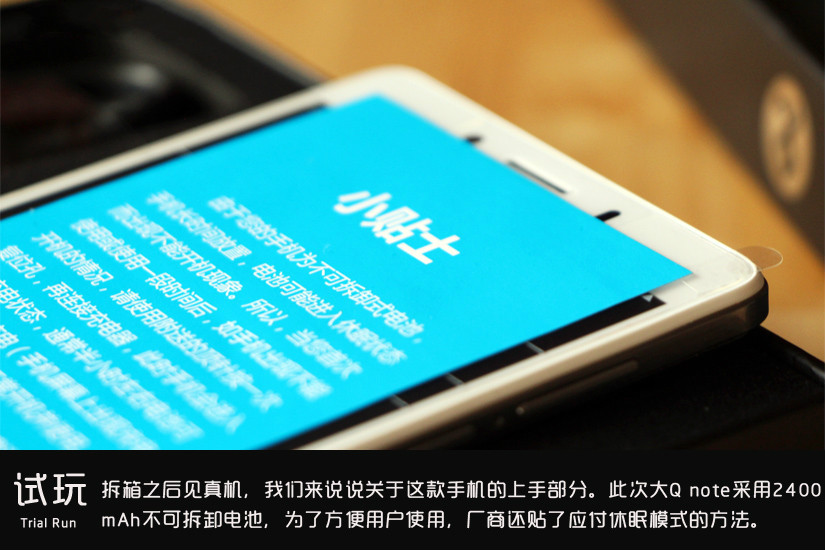
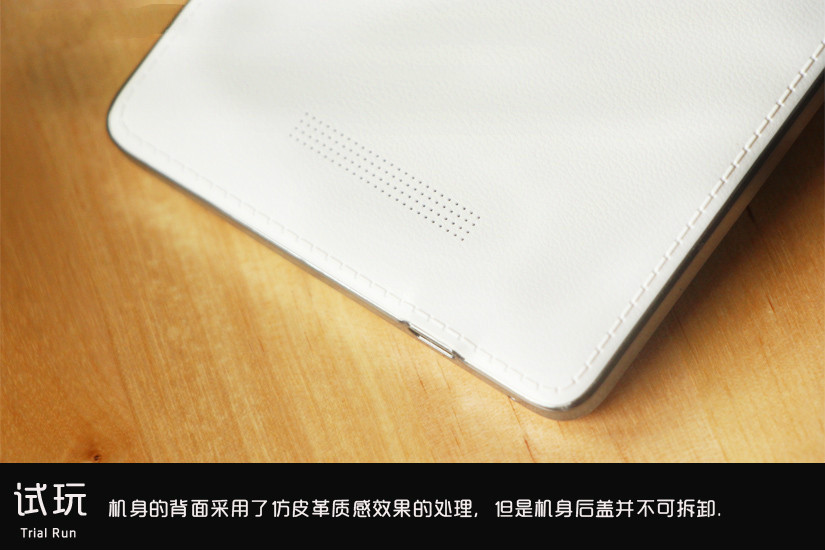
After opening the package, we will discuss the phone’s parts. As stated before, the Big Q Note uses an 2400mAh undetachable battery. The manufacturers included instructions on how to access “Sleep” mode.
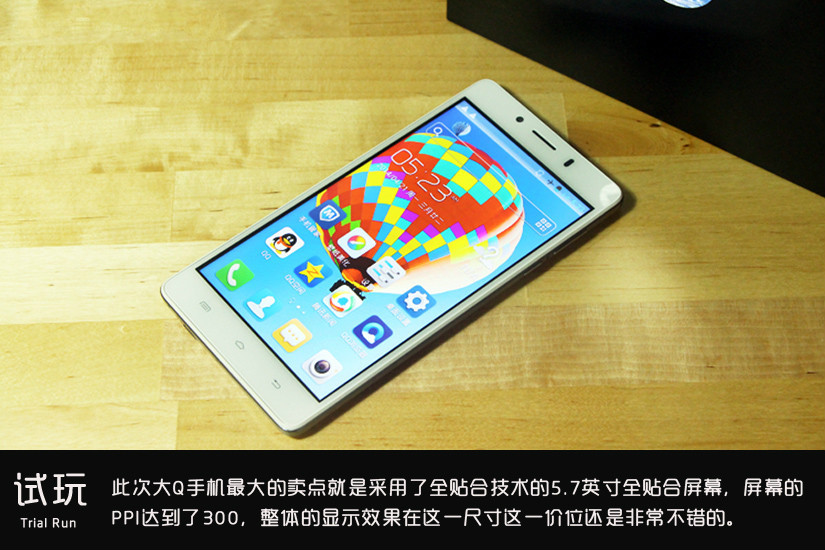
The biggest selling point for the Big Q Note is that it uses a 5.7-inch OGS display screen with 300ppi, which is pretty good.
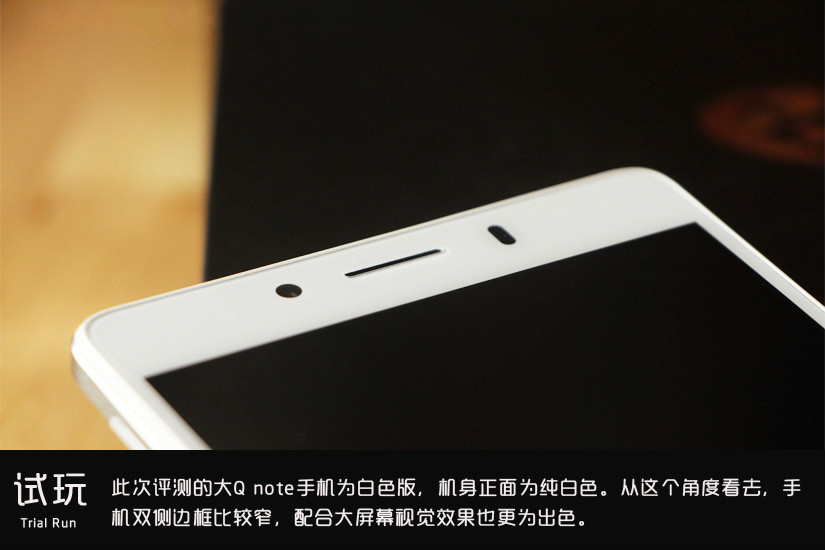
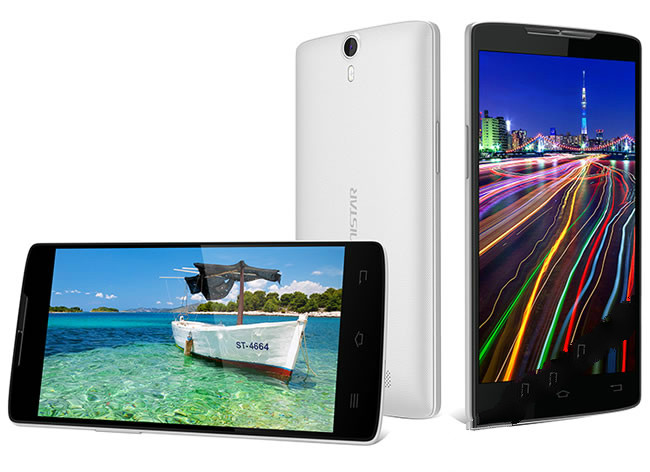
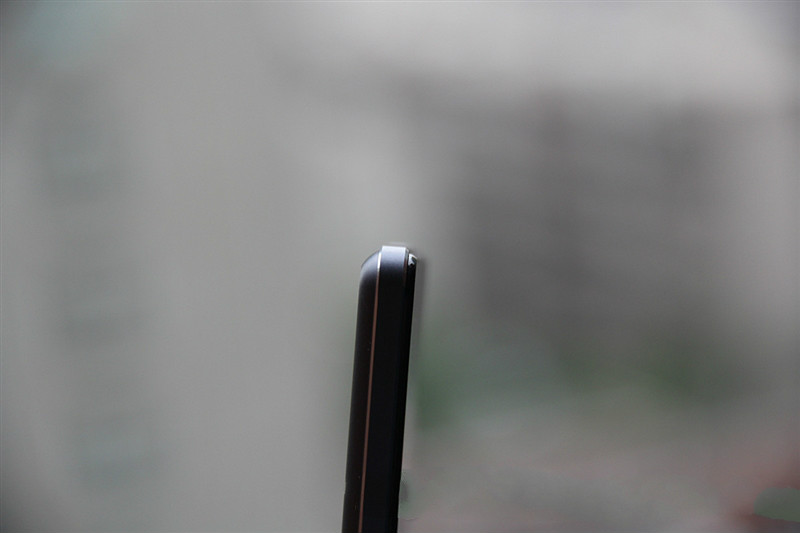
For this review, we’re looking at the white version. From this angle, we can see that the sides of the phone are a bit narrower.
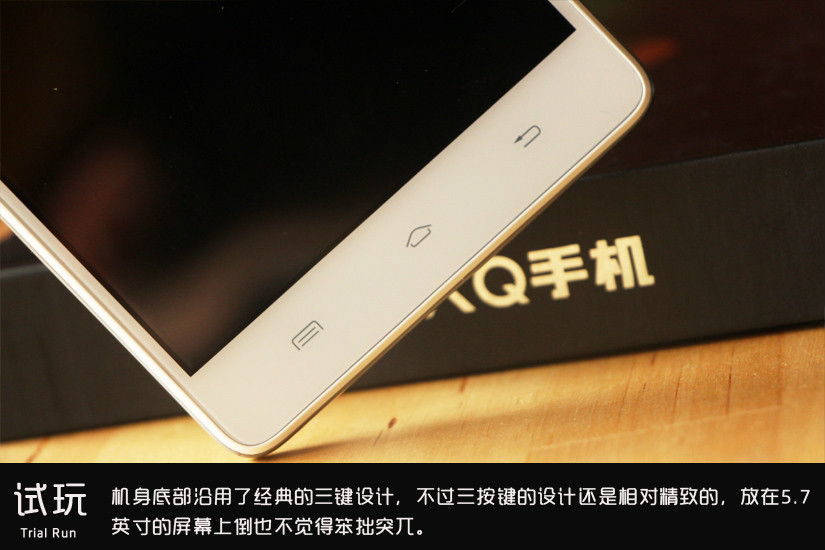
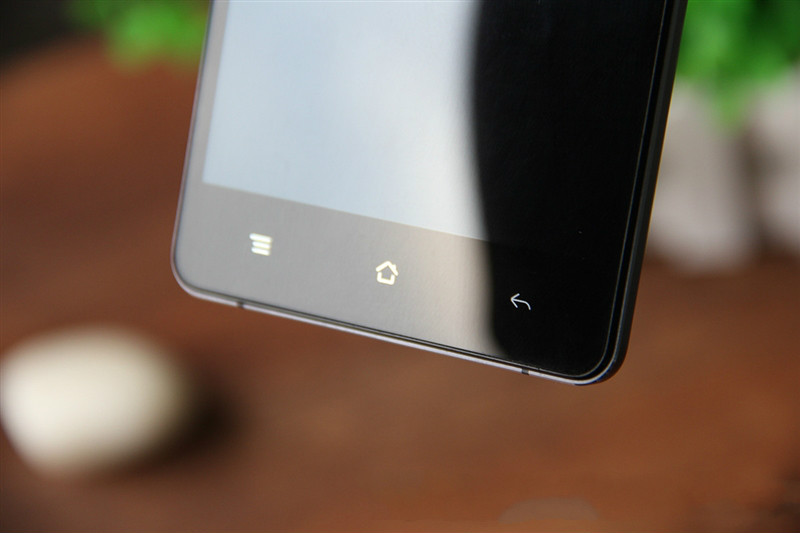
There are three buttons below the screen.
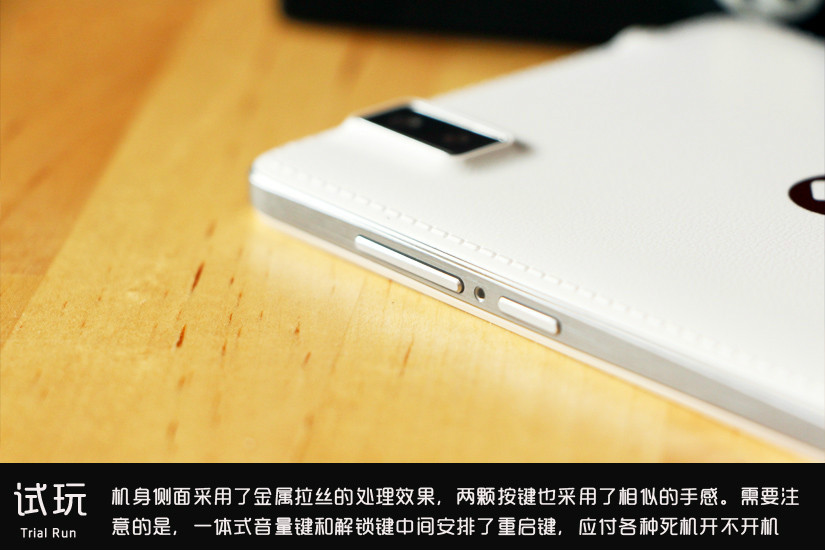
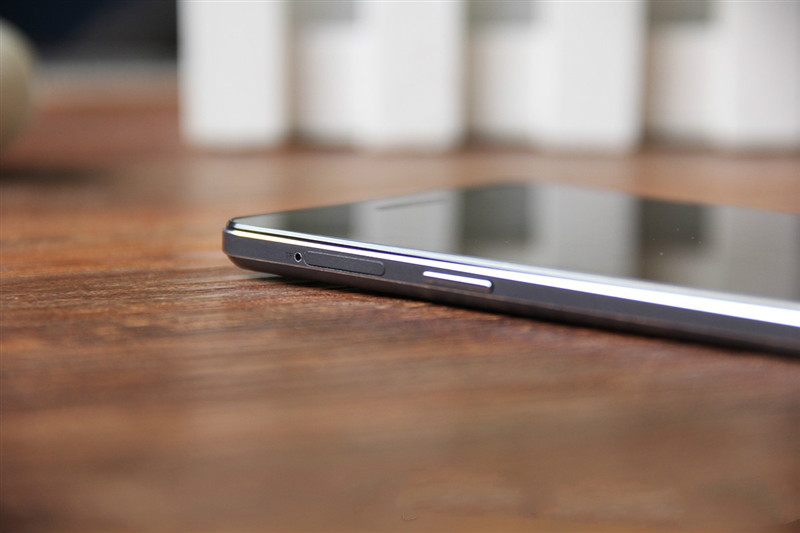
The lock and volume buttons are located on one side. Between both is the reset button which should be useful if the phone crashes.
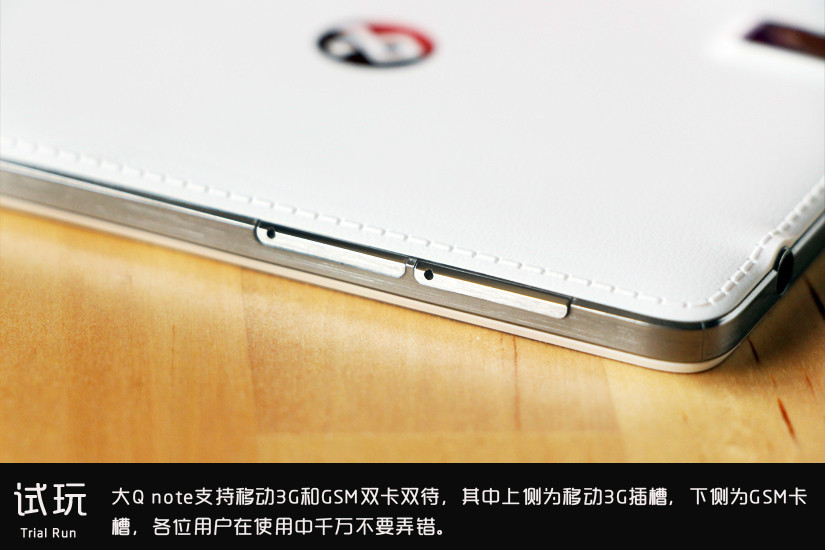
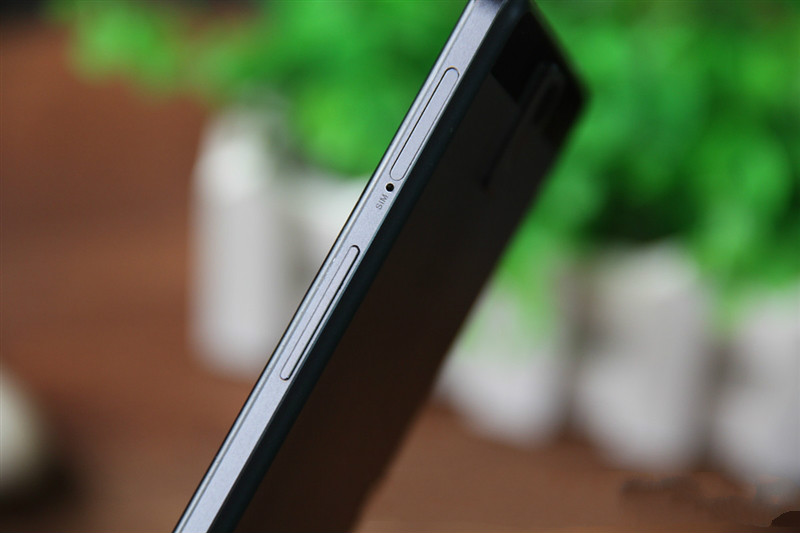
The Big Q Note supports China Mobile 3G and GSM dual-SIM. The China Mobile 3G slot is located at the top while the GSM card slot is below it. Users should be careful when inserting their respective SIM cards.
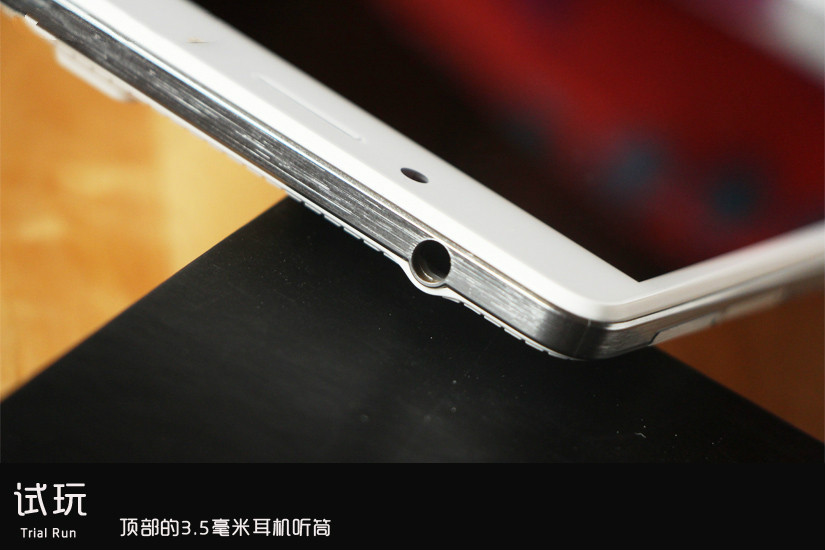
Located at the top is the port for the earphone receiver (3.5mm).
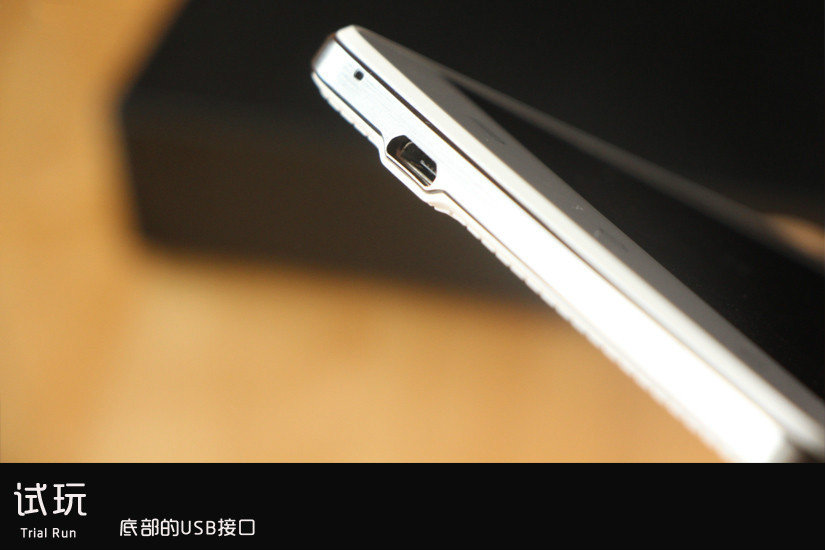
USB port at the bottom
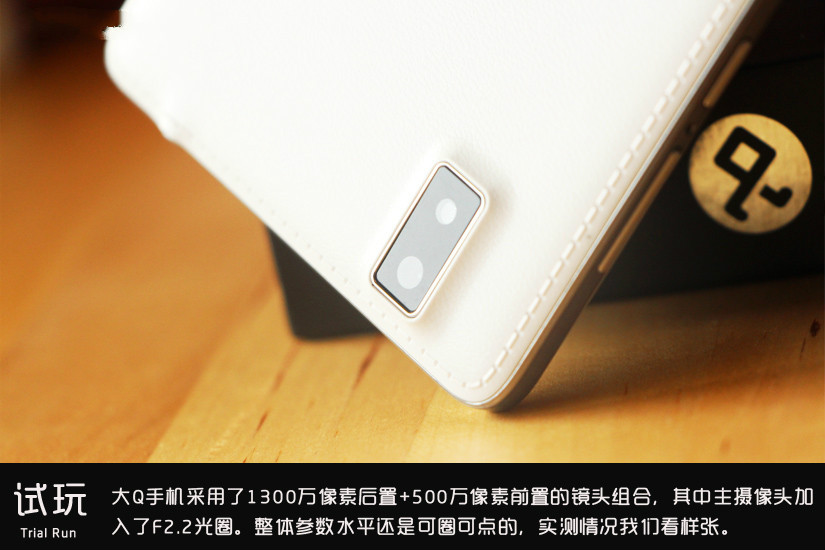
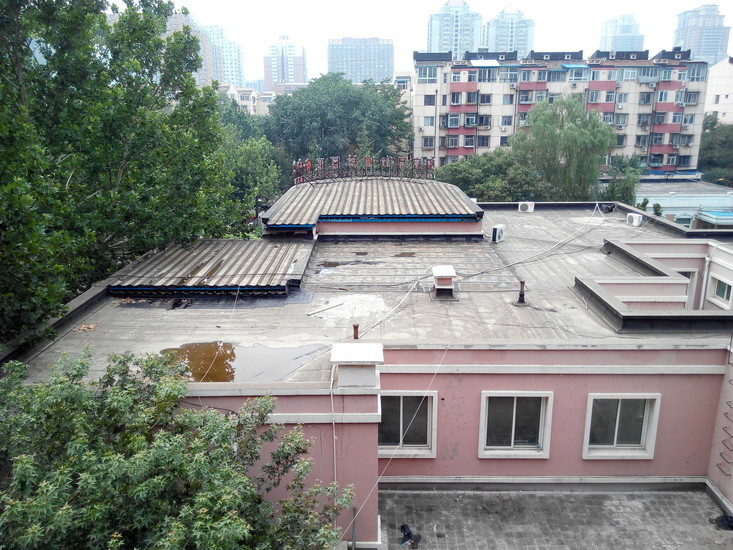
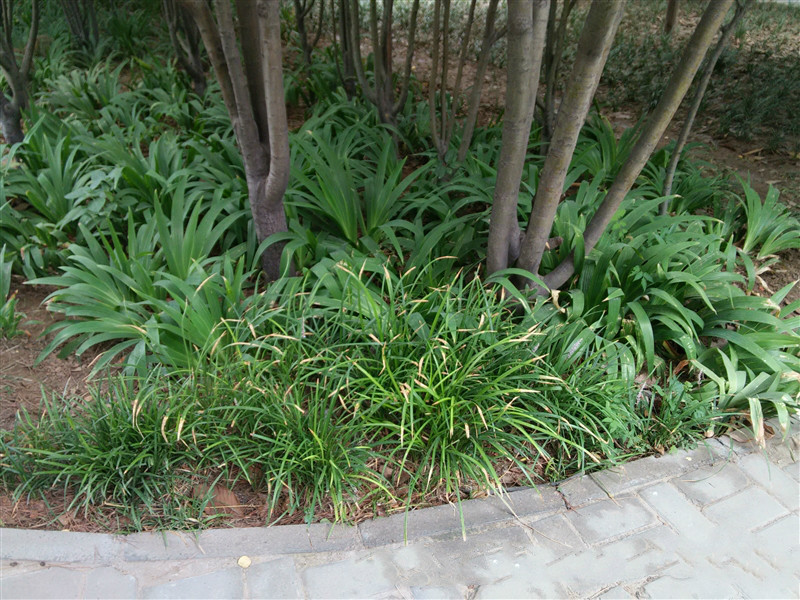
The Big Q phones sport a 5mp/13mp camera with a F2.2 aperture on the main camera. The photo resolution is not bad. We took a few photos using the Big Q Note which you will see later.
ZOPO will soon release two 4G products in the international market, the ZP320 and the ZP520.
The ZP520 has a more stylish design than the ZP320. There is a small hole above the camera which shows that the ZP520 may support a noise-cancelling dual-microphone. It will be available in black and white and its measurements are 154 x 77.7 x 9.9 mm.
The ZP520 has a 5.5-inch display screen with a qHD resolution which is not that high, which probably shows that this could be an entry-level phone. Like the ZP320, the ZP520 uses the MT6582 and MT6290. It also has 1GB RAM, 8GB ROM, and a 2mp/8mp dual-camera. It is powered by a 2400 mha battery and its OS is the Android 4.42.
The ZOPO ZP520 has already been officially released in Shanghai where it costs 199 USD.
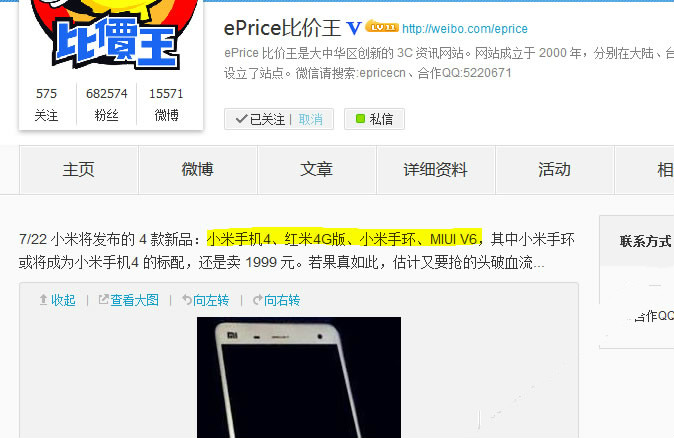
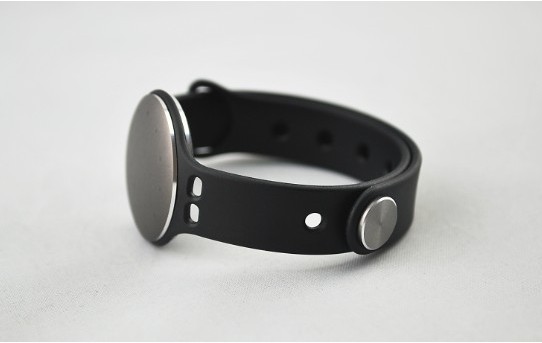
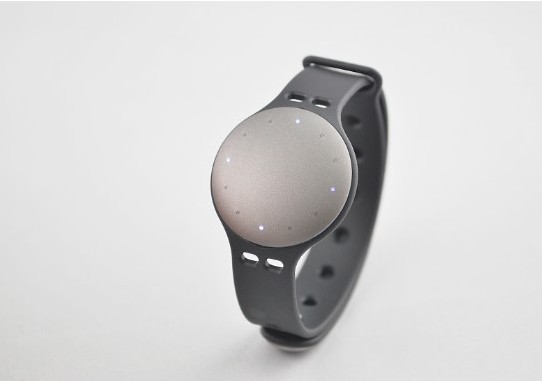
July is a big month for Xiaomi as they prepare to release a wave of new products. ePrice announced that Xiaomiwill hold a launch event for their newest products on July 22. The products they will launch are the Hongmi 4G edition, Mi 4, Xiaomi bracelet, and the long-awaited MIUI V6 OS.
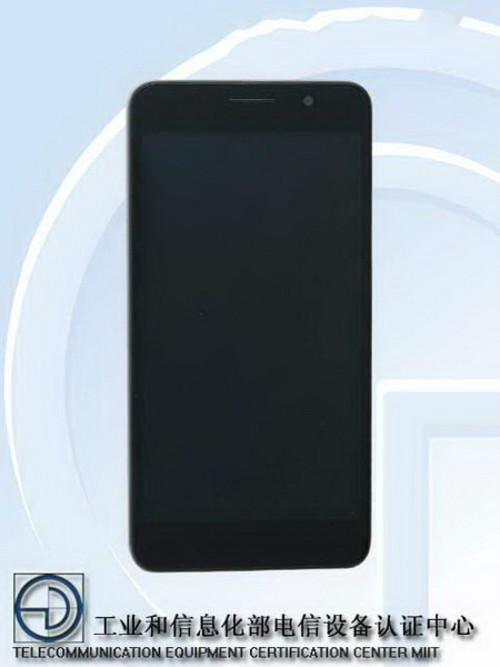
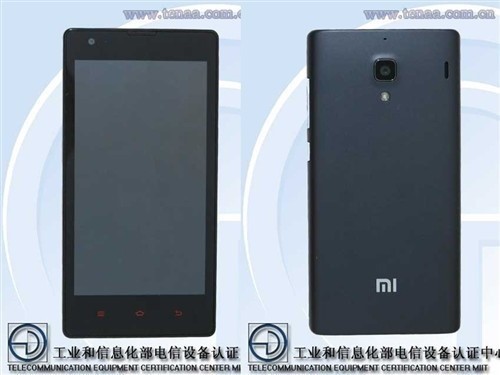
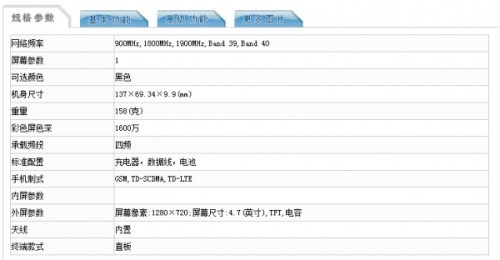
Not too long ago, the Hongmi 4G edition received certification from the Ministry of Industry and Information Technology’s website where it’s listed as 2014501. It supports TD-LTE/TD-SCDMA/GSM China Mobile internet, uses the 1.3GHz MT6582 quad-core LTE chipset, and its OS is likely to be the MIUI V6. Its other specs are the same as previous versions including its appearance.
Like its predecessors, the Hongmi 4G will probably sold at 699 RMB (112.61 USD) or 799 RMB (128.72 USD).
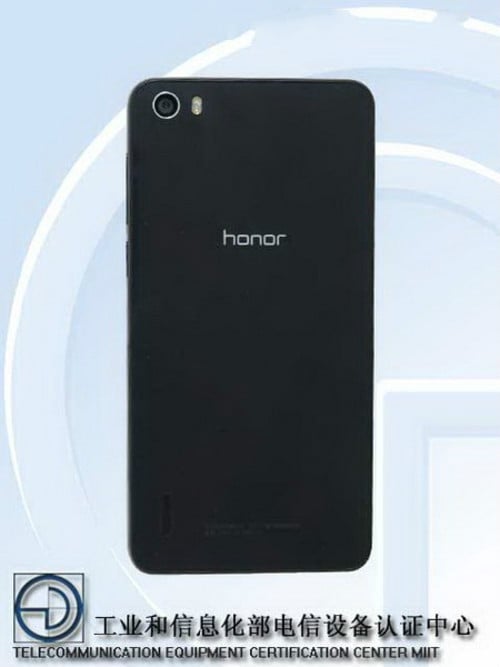
Ever since the release of the Honor 6, Huawei has been planning to release different editions of their new phone. The other day, a product with the model number “Huawei H60-L02” received certification from the Ministry of Industry and Information Technology’s website. Not only did Huawei upgrade its camera (up to 8mp), it also has 4GB RAM, leading to speculation that a high-end edition of the Honor 6 may soon hit the market.
According to the information listed in the MIIT website, the H60-L02’s appearance is completely the same as the Honor 6’s, except that the former has an 8mp front-facing camera and its RAM was increased to a whopping 4GB, although the latter could be because the entry is still being worked on. This phone has already gone through the Antutu benchmark test. According to the test results, this phone has 3GB RAM and 16GB internal memory space. It’s not yet clear whether the inclusion of the 1.7GHz Kirin 920 is the reason why it was upgraded to 4GB.
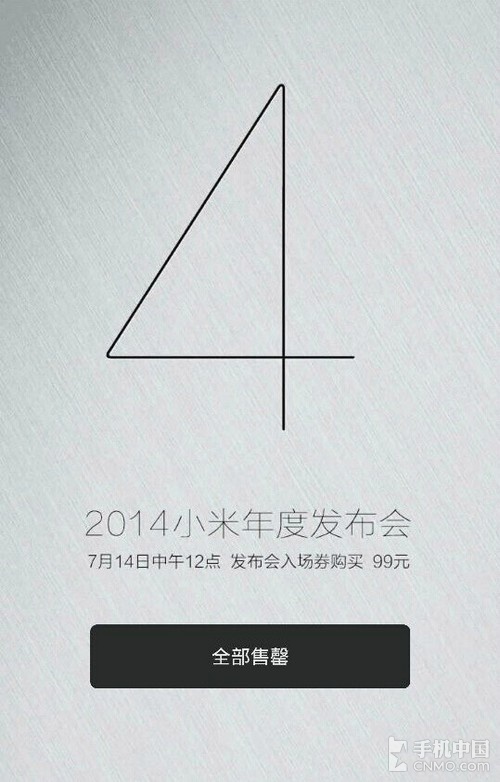
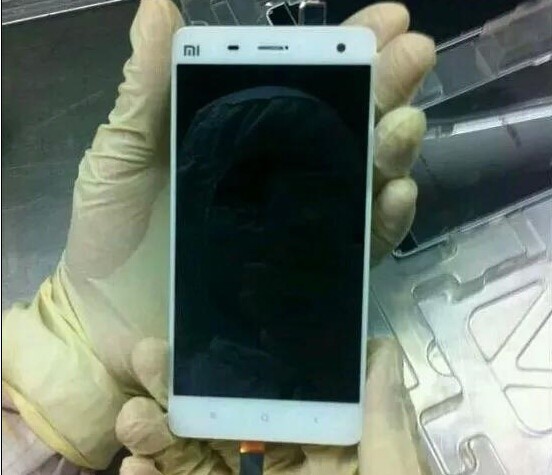
July 22nd product launch event of Xiaomi is around the corner, which is to be put forward for about a month, compared with last year’s. With competition so fierce, will Xiaomi find a way out? Before product launch event, let me sum up all the leaks of Xiaomi Mi4 so far.
Xiaomi Smart Bracelet
July 4th, Xiaomi smart bracelet’s Weibo account showed up on wechat public platform, which had been recognized with authentication information as “this account is supported by Xiaomi Technology Limited Liability Company”. Meanwhile, you can find the account “Xiaomi smart bracelet” on Weibo also, which remains not certified.
Photos of Xiaomi bracelet on Lei Jun’s Weibo
Today, Xiaomi’s CEO Lei Jun posted a photo of Xiaomi bracelet on his Weibo. Heclaimed the price tag would be 99 Yuan($16) each.
Redmi 4G and Redmi NOTE 4G
The day before yesterday, two new models of Hongmi Note 4G 2014501 and 2014022 acquired network access permits in China; These two cell phone models just appeared on MIIT’s website today. From the pictures, it may be two derivatives of Hongmi and Hongmi NOTE.
Both the devices support China Mobile4G network (TD-LTE) and will come into public on July 22nd.
MIUI V6
According to exposed MIUI V6 OS, the new MIUI will change its color of theme when running different apps. With time display on left side, some changes will be taken on in the whole design. MIMU V5’s inability in optimization when running on large screens caused public complaint of MI3. It is believed that MIUI V6 will do some optimization accordingly.
Xiaomi MI4
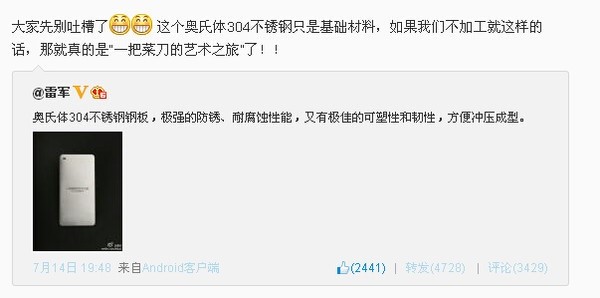
1 The Metal Mi-4: Type 304 Austenitic Stainless Steel
When Xiaomi’s CEO Lei Jun claimed that MI4 would use a kind of special metal on the body, but he did not know that would became a hotly debated topic on Weibo, that people are guessing what kind of metal that is.
To everyone’s surprise, the kind of metal turns out be the metal used in pots and pans in our daily life, which gained lots of compliant. Yet later on, Wanqiang Li(Xiaomi’s co-founder and CEO) explained in his Weibo that Type 304 Austenitic Stainless Steel would not be used on the back cover of Xiaomi Mi4.
2 Mi4’s First Look
There’s a few leaks about MI4’s appearance. It seems Xiaomi did a good secrecy job. As far as I’m concerned, this time, Xiaomi will take on a brand-new look.
From the very beginning (no design is the best design) to MI3, Xiaomi changed a lot on the appearances. Nowadays, cell phones tend to have similar outlooks which in turn asks Xiaomi to do more on the its appearance design.
3 Xiaomi Mi4’s Specs
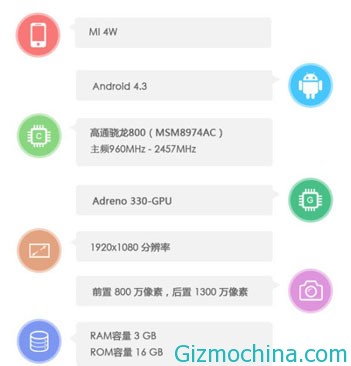
MI4’s specs remain mystery. Deferred from the slogan “Born for You, Burn for MI”, MI4 will be powered with Snapdragon 805 processor, 5-inch 1080p screen, 3GB RAM+32GB ROM. The 500 mega pixels front camera and 1300 mega pixels back camera. As for the price tag, it will certainly be 1999 Yuan($341).
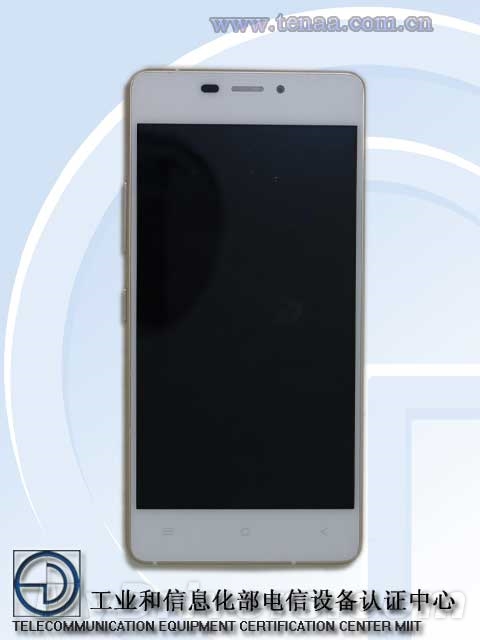
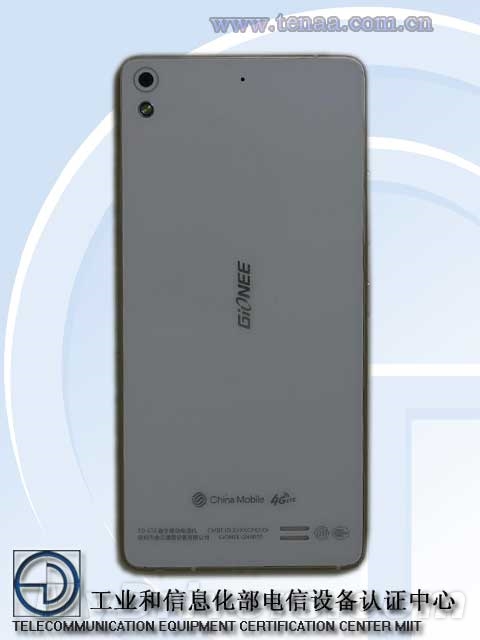
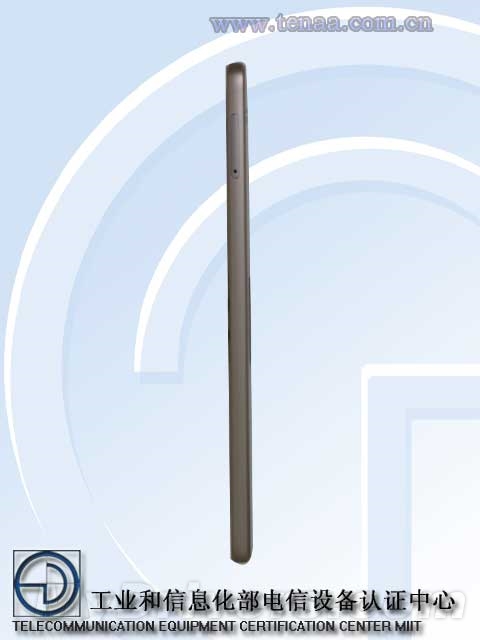
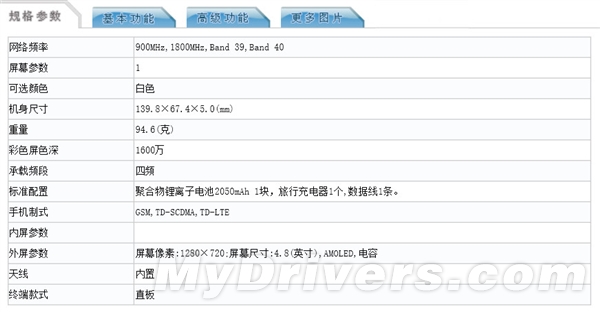
Gionee was trying to stand out from the Huaweis,Nubia,Xiaomi,oneplus,oppos of smartphone-mad China with its new Elife S5.5, Gionee recently refreshed it’s “World’ s thinnest smartphone” series with another model boasting 5mm waistline, 139.8×67.4×5.0(mm),weighted at 94.6g. And the phone supports China Mobile’s 4G TD-LTE.
Just two days ‘ time, MI4 will meet us in state. We are sure Xiaomi Mi4 is not equipped with metal postoperculum, only borders are made of metal materials. As for specific configurations, the 5-inch-touch 1080p screen will be used, equipped with Snapdragon 801 quad core2.5GHz processor, 3GM RAM and 16GB ROM, providing a 5 MP front-facing camera and a 13 MP rear camera, 3000mAh battery , running MIUI V6.
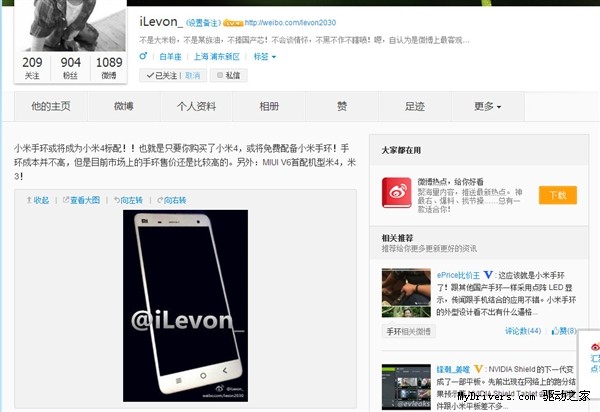
There is s user called @iLevon on Weibo said the phone priced at¥1999($241), and it will be sold along with Xiaomi band. With $340 you can get a top-range Phone and a smart wristband for free
In addition @iLevon_ also claimed that the MIUI V6 will get upgraded on Xiaomi MI4 and MI3.Well,What about my MI2 then.
Many people are already familiar with CyanogenMod, it’s been around in one form or another for some time. The 11s version is unique to the OnePlus One, however, so if you want to know what you’re getting, read on.
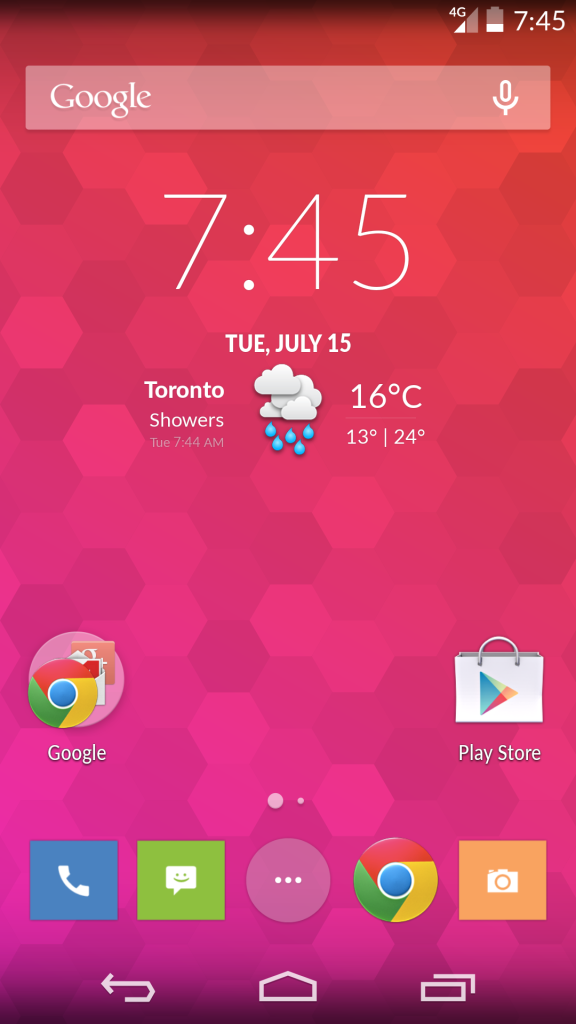
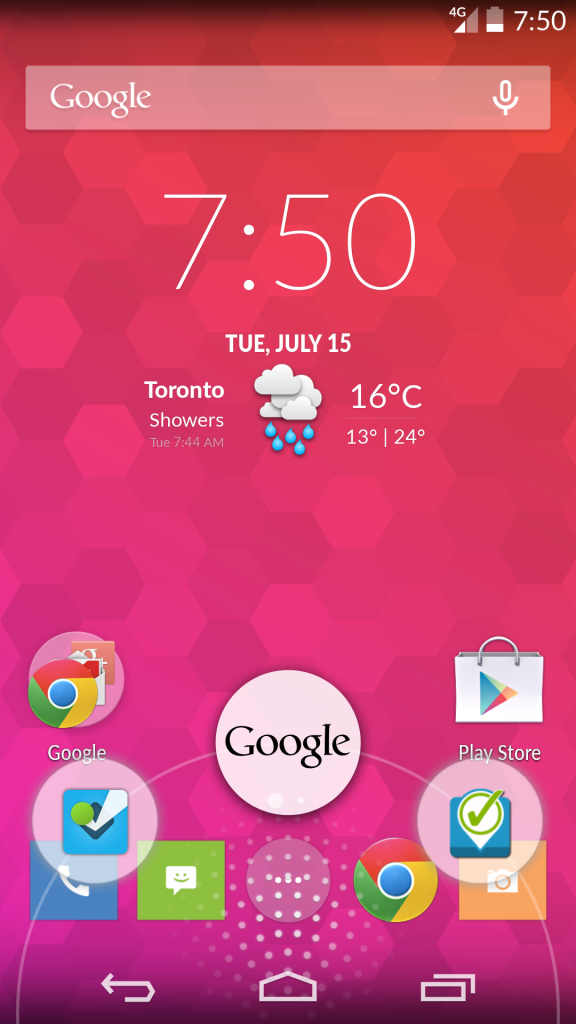
The OnePlus One’s default home screen (shown above), named Trebuchet, is similar in style to the Google Now Launcher, except that Google Now doesn’t have permanent residence one screen to the left of the home screen and secondly, the search bar across the top of the screen is removable.
The clock/weather widget is part of the bundle you get with CM, it is titled cLock. You can buy it in the Play Store too, but it is titled Chronus there.
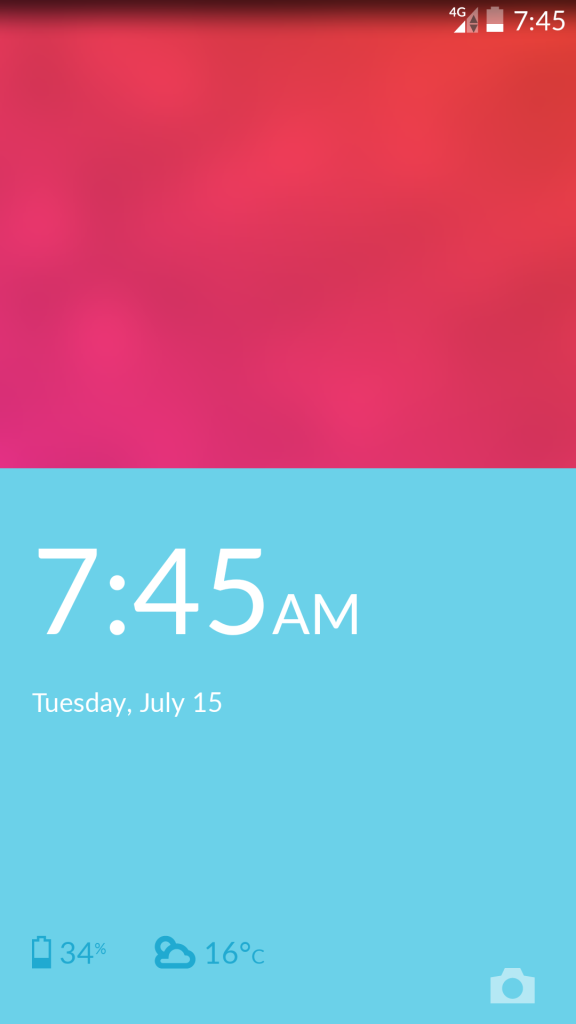
The plain looking lock screen is very nice. There are options to add widgets here but the block of blue is permanent, at least for this version of CM. It might be annoying for anyone who doesn’t like blue, but I think it works well.
The OPO’s capacitive buttons can be switched to the on-screen ones, handy for me for two reasons: firstly, I can access Google Now via the slide-up navigation ring, and secondly, you get to add these very useful custom shortcuts. Nice touch.
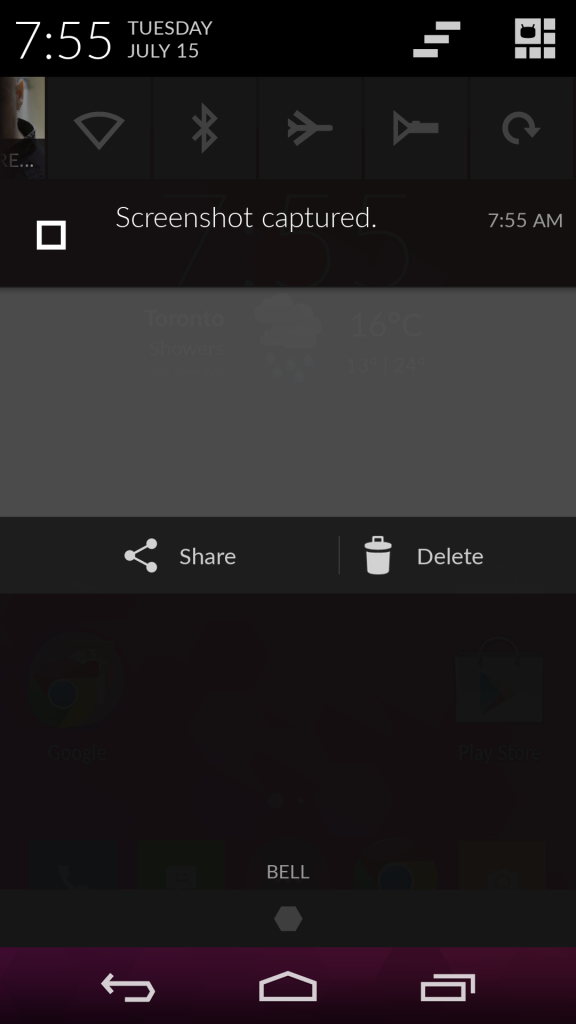
You can also customise the OPO by adding the quick setting ribbon along the top of the notification bar, another handy feature to make good use of.
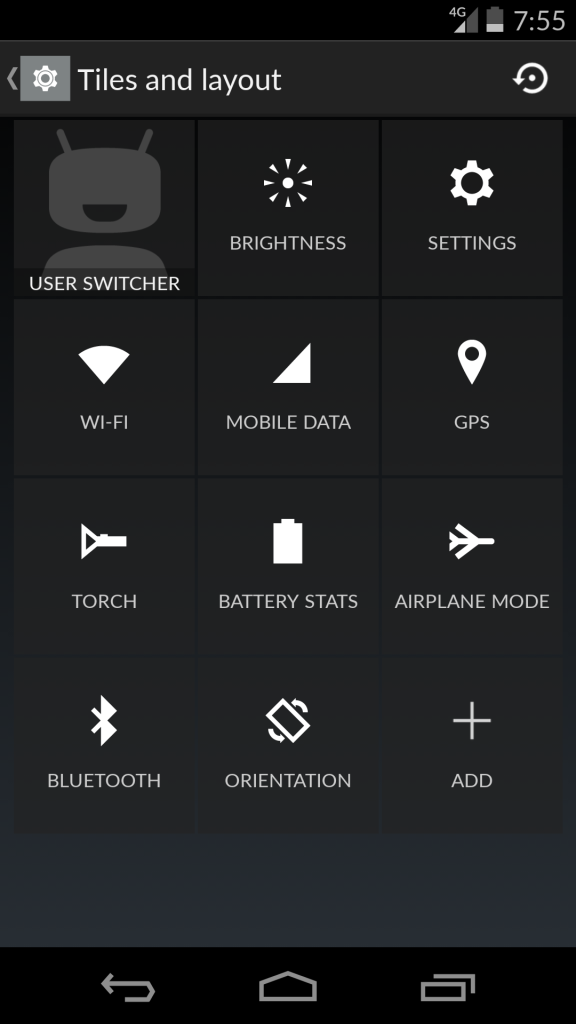
The freedom to customise almost everything is always good, the 11s gives you the option to add whatever you like to the tile menu. Its so much better than any stock Android, you’re essentially creating your own menu and you can chop and change it at will.
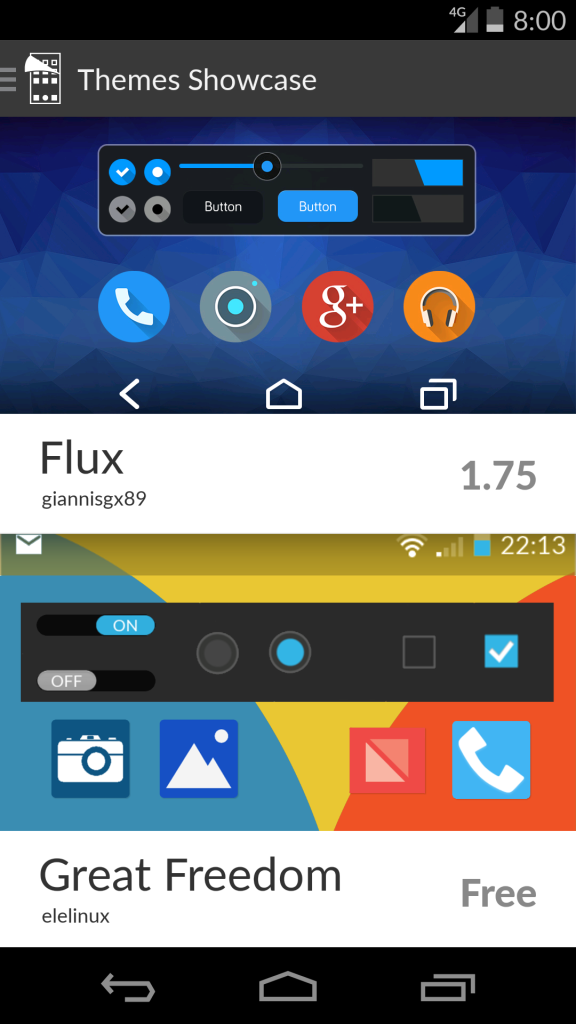
The ever-popular storefront for custom themes. There are many Android launchers with theme support, meaning support for custom wallpapers and app icons, but CM 11s goes one better and has custom boot animations too. Very much like the feature that made MIUI such a popular interface throughout Asia.
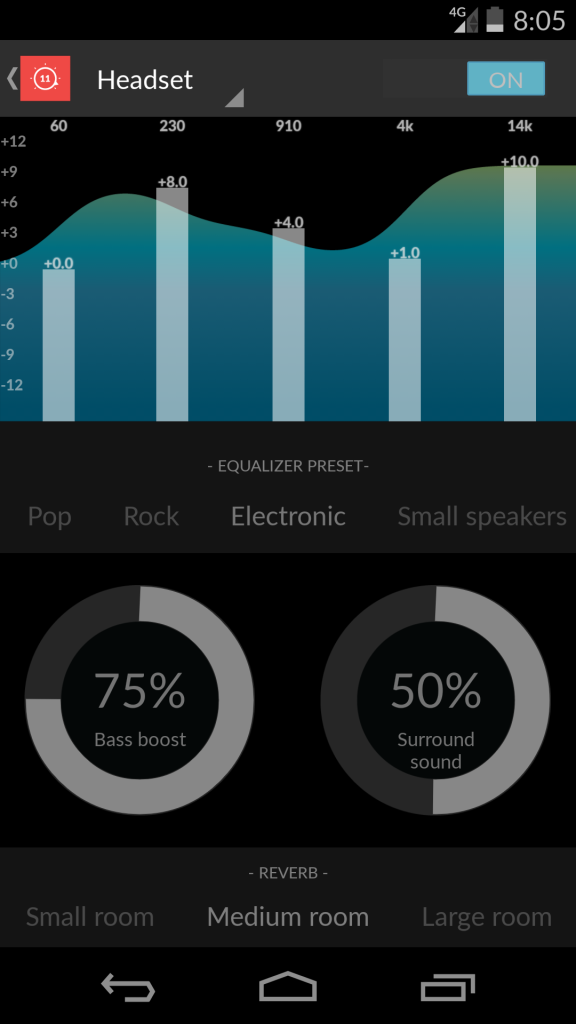
CMs AudioFX app. Looking good and sounding even better. If you like a lot of music and have rooms of several different sizes nearby, try it out! In all seriousness, this app is the business for the music lover.
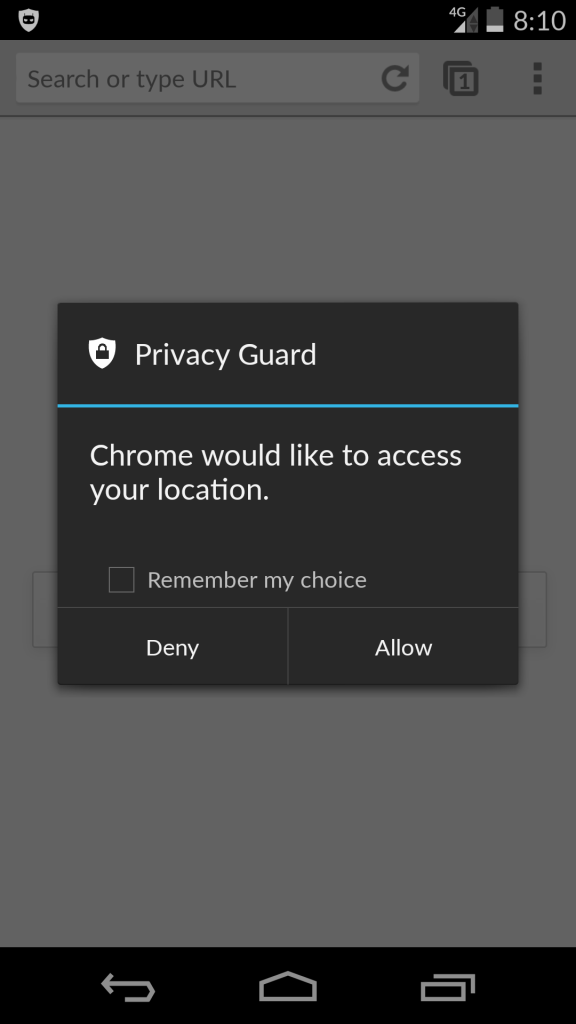
Lastly, PrivacyGuard is worth a mention, it’s amazing for preventing the apps you use from helping itself to data which it can’t justify using. This app lets you know exactly which apps are attempting to access which particular information and gives you the option to allow or deny it permission. It’s excellent for people who value their privacy and even for those not too security conscious, it’s interesting to know who’s trying to find out your mother’s maiden name and which app is raiding your contact details. Ok so it’s mostly facebook, but the extent of it can be amazing to witness.
So there it is, it looks good, has some great features and it’s customisable as can be. Result.
Unistar recently introduced the newest installment in its X series, the Unistar X55.
The X55’s design is pretty similar to the X7 with its curvy and pointy edges although the former is bigger. Its measurements are 150.9 x 76.6 x 9.5 mm and it is available in brown, white, and blue.
The X55 uses an octa-core LTE processor, the MT6592, and the MT6290. It supports WCDMA, FDD-LTE, and GSM. It sports a 5.5-inch display screen with HD resolution and uses OGS technology. It also has a 5mp/13mp dual HD camera. Its memory is not that great however, having only 1GB RAM and 4GB internal memory space. It runs on a 2500ma battery and its operating system is the Android 4.42.
Like the X7, the Unistar X55 will probably be released overseas first before it gets released in China.
Before you do anything, make sure you read the instructions carefully and keep in mind that this information is provided for assistance only, flash the firmware at your own risk. Some known issues with this install include the camera failing to take normal pictures and 3G not working.
The first step is to prepare the device:
Create a bootable Win 8.1 flash drive:
1. Prepare a Fat32 format USB 2.0 flash drive with a least 8GB capacity (SD card and reader is fine). Try to avoid using USB 3.0 flash drive as it may lead to failure to install the software. Use only the keyboard and flash drive for this installation, whatever you do, do not connect the mouse.
2. Download WinPE.rar, x98_3G_windows_20140611.part1.rar and x98_3G_windows_20140611.part2.rar. Extract them to the root of the flash drive.
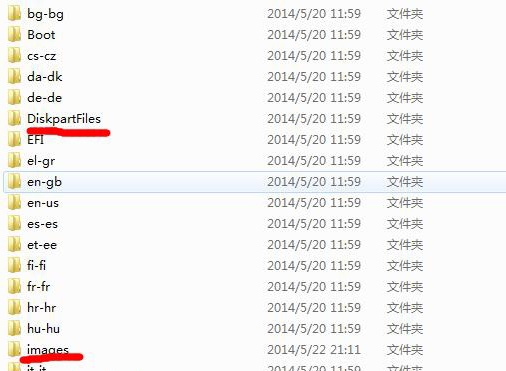
This is the flash drive directory, it is vital that you do not rename any of the files or folders.
Update Official Android firmware:
1). Upgrade TP firmware in Android:
a. Download the Teclast official flashtools from
b. Extract the flashtools zip files then install below applications strictly follow below order (please DO NOT change the default installation path):
iSocUSB-Driver-Setup-1.0.4.exe
IntelAndroidDrvSetup1.5.0.exe
ManufacturingFlashTool_Setup_6.0.30.exe
c. Copy CUSTOM_CONFIG.INI to Program Files\Intel\Manufacturing Flash Tool
d. Find your device’s VID and PID in the Android ABD Interface
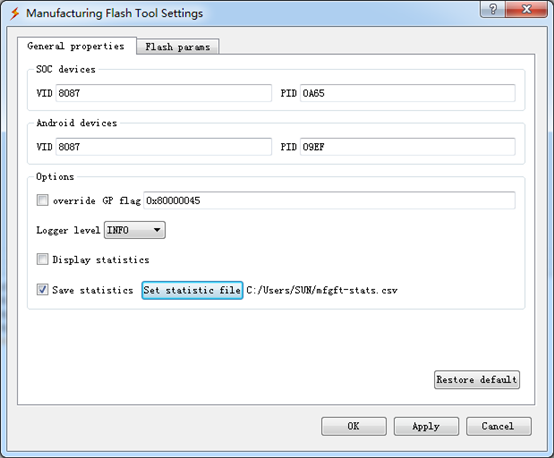
e. Open ManufacturingFlashTool, then File, then Settings, input your VID and PID, others settings as below:
f. Click OK
Unzip X98 3G安卓固件.rar from the following link:
X98 3G Android〈=〉Win8.1 TP Driver
http://pan.baidu.com/s/1sjArD1r (Password: 123k)
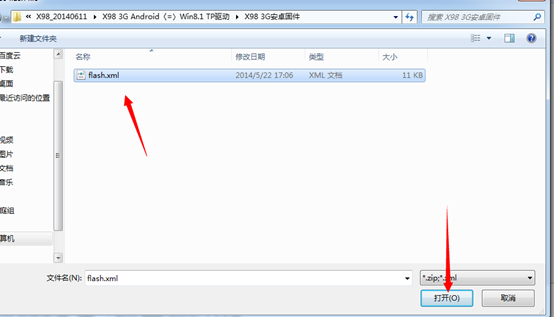
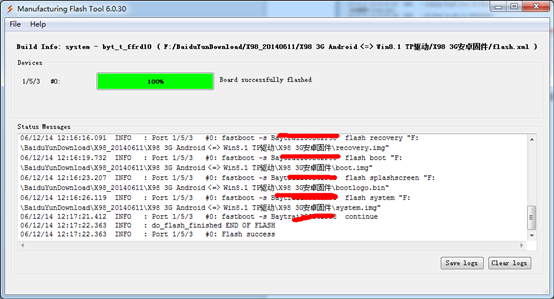
Go to ManufacturingFlashTool, then File, Open, then navigate to the unzipped X98 3G安卓固件 folder then select flash.xml, then your X98 to flash the latest firmware.
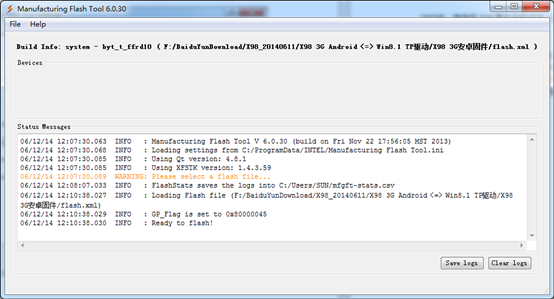
If you see the screen below, you can continue to flash Windows 8.1
Root your device next, if you aren’t sure how to do this, there are instructions here:
Connect the tablet to your PC, ensure adb is workable
Unzip fpt-tools-package.rar to hard drive (Like D:\)
cmd
d:\
adb push fpt-tools-package data/local/tmp/
adb shell
Cd data/local/tmp/
chmod 0777 FPT
su
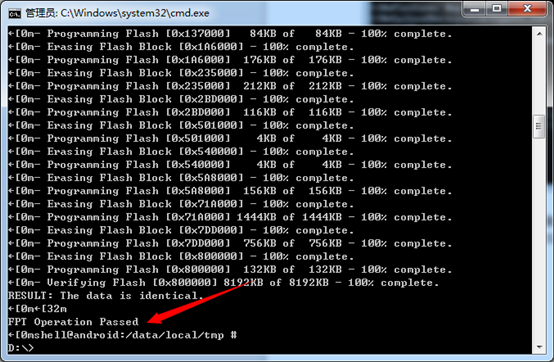
/FPT -F Rom_8MB_Tablet_Windows.bin
Press “Y” and then enter
Once you can see the screen above, power off your device at the power button.
Next, installing Windows 8:
a. OTG connect USB HUB, plug USB keyboard and win8 preloaded flash drive to USB HUB, plug OTG to X98 3G.
b. Press the power button to power on X98, after you see two numbers shown on the screen, press Delete button on the keyboard at once.
c. Choose Save & Exit Tab
d.Navigate to the option below Windows Boot Manager then press enter. Windows 8.1 will be installed automatically.
e. When you see Operation Successful, unplug your flash drive immediately.
f. Long press power button to power off the device.
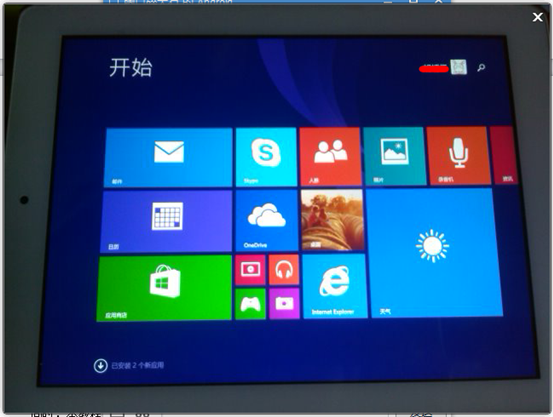
Turn the power back on, and you’re running Windows 8.1. Enjoy!
Since Lei Jun wrote such words “304 austenitic stainless steel” in his Weibo, notions that Mi4 would have metal back covers have constantly come into being, which now is denied officially.
Wanqiang Li(co-founder and CEO of Xiaomi )stated in his Weibo, “Although stainless steel is used in new products, it is not used in Xiaomi Mi4‘s back cover. What’s more, Wanqiang Li announced secret gifts for Audience that will come to Mi4’s press conference would be Xiaomi router mini and F codes(which allow you to be the first one to buy Mi4 ). Also, he claimed it’s impossible to give away Mi4 for free.
TCL and MTK have shared a quite intimate relationship, which can be seen from the fact that they are the first two manufacturers who adopt 2GHz eight-core processors.
News came that the oversea sub-brand of TCL Alcatel would take the lead in launching mobile phones carrying MT6595 processors in middle or late August. And relevant research and test works have come into practice for a long time.
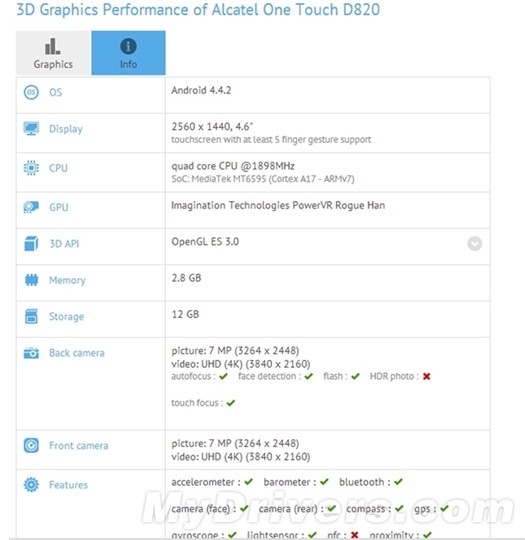
From previous disclosed information, Alcatel will release the One Touch D820 model, which runs on 4.4.2 Android system, equipped with MT6595 processors and 3GB RAM and 800-mega-pixel cameras.
However, to everybody’s surprise, this phone should have a 4.6-inch 2K screen, can that be a mistake? Interestingly, the engine machine showed by MTK in previous product launch, had a 5-inch 2k screen and performed well under MT6595 (supporting 5 network modes including TDD/FDD-LTE,HSPA+、TD-SCDMA、GSM).
If that was true, Alcatel D820 would certainly be recognized as quite a “artifact”. PS: screen size may be mistaken, yet 5-inch 2K screen sounds good.
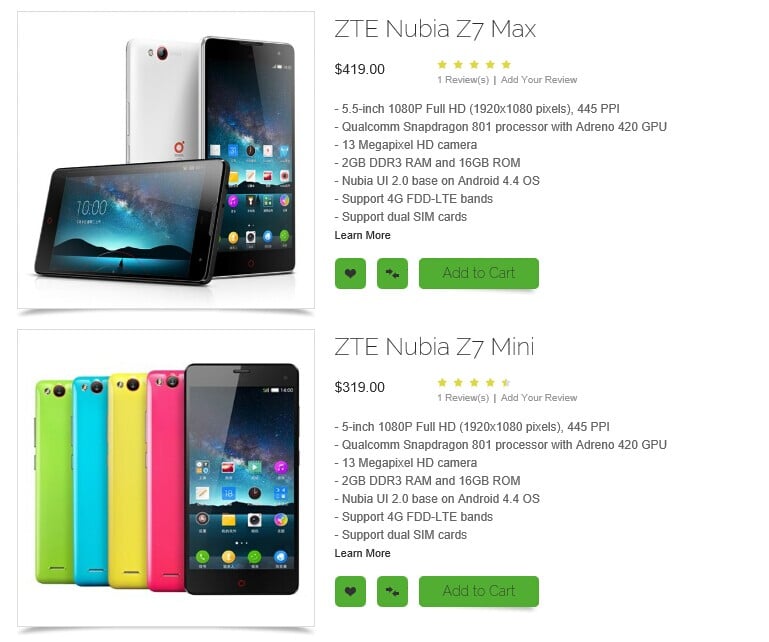
The two phones support dual-SIM 4G internet. The 5.50 inch Max (Big Bull) costs $419.00, while the 5-inch Mini (Little Bull) costs $419.00.
Other than having different sizes, both phones practically have the same specs and features. Both use a 1080p display screen and Qualcomm’s Snapdragon 801 (MSM8974AC) quad-core processor. They also have 2GB RAM and sport a 5mp/13mp dual camera.
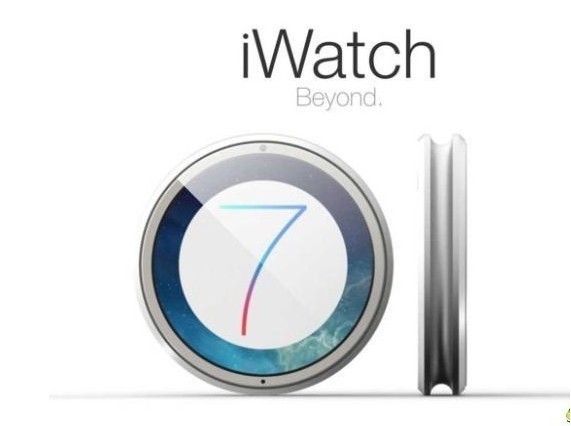
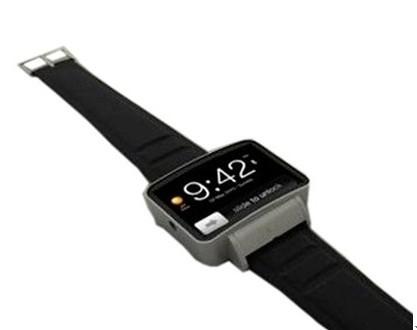
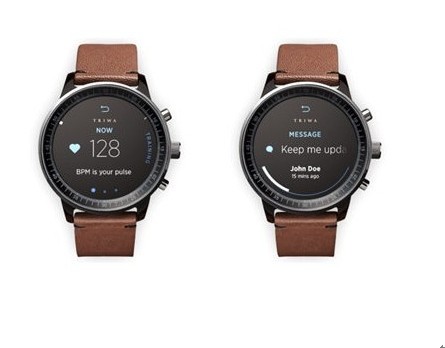
As was reported in Economic Daily News on July 16, Apple Inc. would launch its first wearable device—iWatch in the third quarter of this year. With 3 variants, and 2 sizes, the high-end type of the iWatches in this launch would be integrated with Sapphire glass screen.
According to the news, Apple would introduce one 1.6-inch iWatch and two 1.8-inch ones, totally 3 iWatches, of which the high-end type would be integrated with Sapphire glass screen.
Morgan Stanley analyst Katy Huberty issued analysis report the other day, indicating this first wearable device—iWatch be set at a price of 300USD, and that iWatches be mass produced late in November, and that the launch time be delayed to next year.
Word came that renowned Chinese mobile phone manufacturer Goophone had produced world’s first ultra-genuine iWatch according to disclosed concepts on the Internet.
As is shown in the materials on Goophone’ official website, this product is their first-generation one whose code name is C1. Apple style of ultrathin aviation aluminum is used in the whole design. TPU watch is equipped with metal plane as Iphone 5S, having superior 5ATM water resistant ability, and standby time for 6 months. Besides, C1 has a clock display, which can help to record sports and sleep patterns so as to manage your health efficiently. At the selling price of 49.9USD, C1 is going to be released at the same time as Coophone i6, which is worth great expectation. Meanwhile, we have to exclaim over the almighty power of “made in China”.
On MT6595 launch the other day, Media Tek has announced the test machine’ benchmark reached as high as 47000. And now oversea websites disclose something about the trial operation on the MT6595 prototype for reference of benchmark and tuning. From the backside, words “Only for Demo” can be seen with clarity. MT6595 performs excellently, charring a 5-inch screen with pixel resolution of 2k, equipped with a 2000-mega-pixel camera, supporting dual SIM, SD card expansion, double built-in basebands and FDD-LTE and TD-LTE 4G networks.
As is known, the new AntutuBenchMark of the machine reaches 47233. With such a powerful benchmark, there’s little doubt for it to win a perfect victory against snapdragon 805.
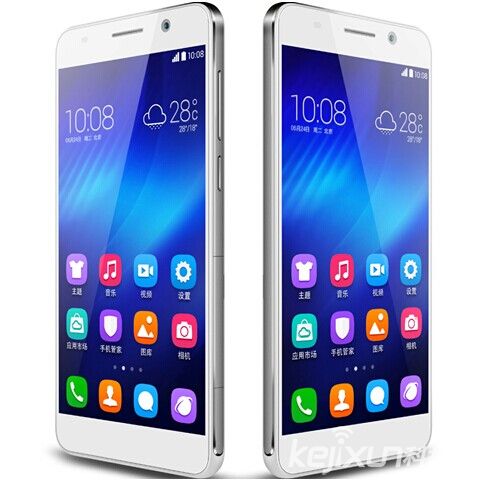
News of July 15 came that Honor 6 supporting both WCDMA and FDD LTE would be available on Huawei mall and JingDong mall on July 22, 2014. This launch is for consumers with reservation only. For more surprises, please find in person that day!
The Unicom version of Honor 6 going on sale soon, has a memory combination of 3GB+16GB, supporting dual SIM dual standby, with main SIM for China Unicom 4G/3G/2G and sub SIM for Unicom or for China Mobile Micro-SIM card. Besides, there will be two colors black and white variants.
Honor 6 carries Hawei’s independently researched and developed first super eight-core processor—Huawei Unicorn 920, in forefront support of LTE Cat6, whose performances are outstanding.
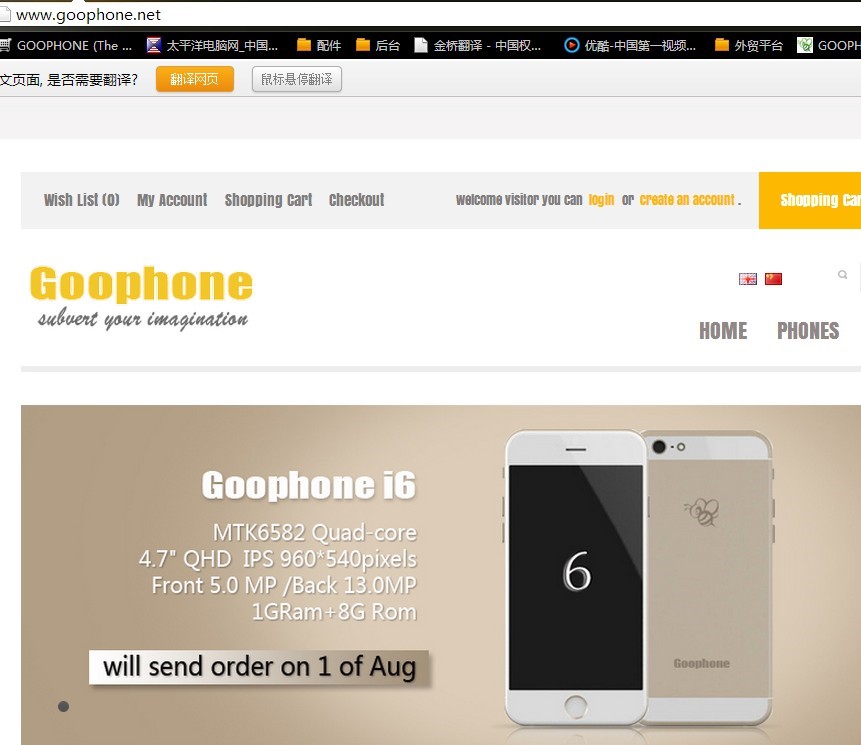
Coophone, one of the best Chinese counterfeiters,is going to unveil “Iphone6”(Coophone i6) before Apple ,by using the same model as the real Iphone6.Coophone i6 have 4.7 inch screen and what makes it different from the other copycat phone is that it have its own logo ——a cute bee .Counting it as an innovation and progress,we can see Coophone is doing its best in the Chinese counterfeiters market.
And Coophone will unveil this phone at 1st August on http://www.goophone.hk and http://www.goophone.net/,which is two moths earlier than Apple (Apple unveil iPhone6 at September 25th).We must admire the hardworking of Goophone! If Coophone i6 and Iphone 6 looked just the same,how can we tell who is the “imitators”?!I don’t know how will Steve think about this.
Back in,people who like to have the first hand on “iPhone6” with limited budget would get benefit from this Goophone handset.
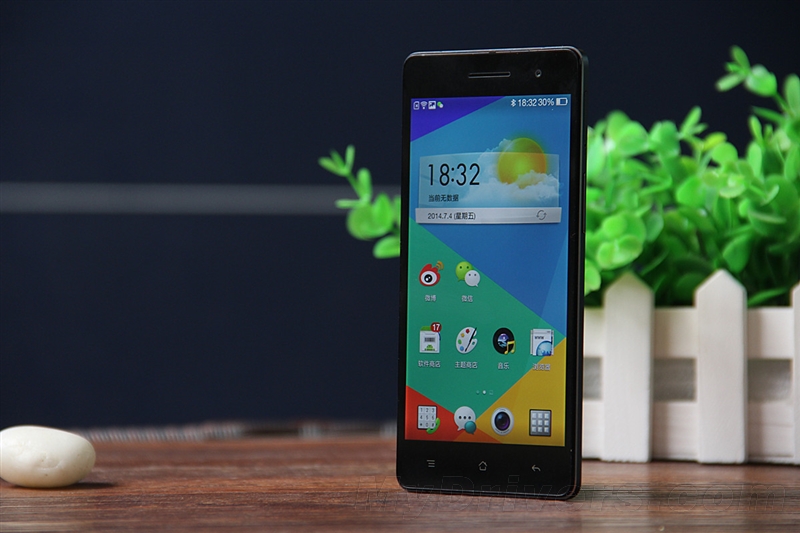
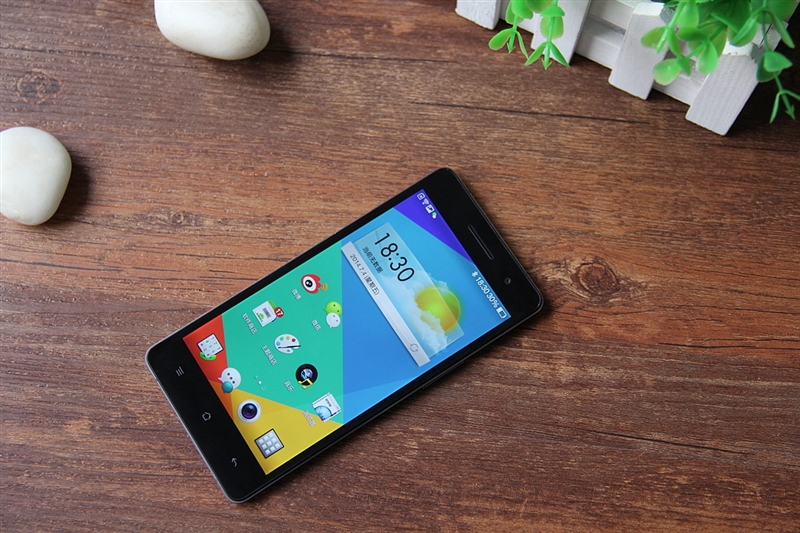
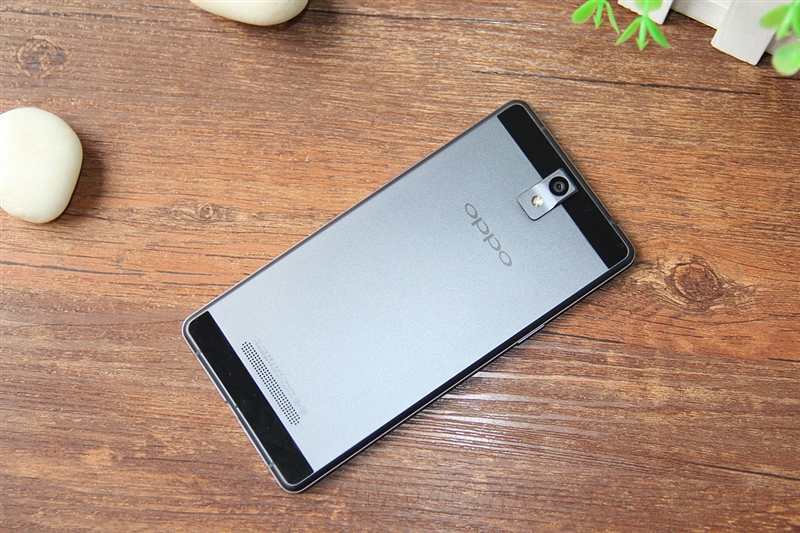
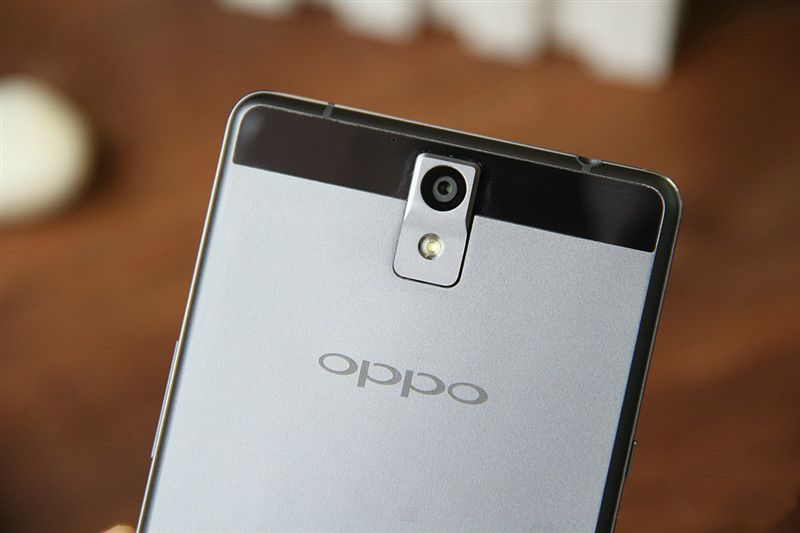
It has been touted as the “world’s thinnest 4G smart phone.” (TD-LTE 4G-supported) Now, we review the OPPO R3. It was designed with alloy frames and a metal rear case. It also supports laser engraving for the owner to add a text or picture to maintain the phone’s uniqueness.
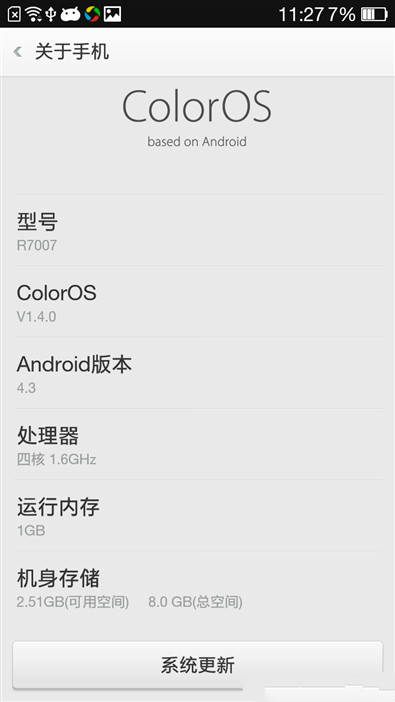
The Oppo R3 sports a 5-inch 720p display screen that was designed using in-cell technology. Its processor is the Snapdragon 400 (MSM8928) quad-core chipset with a frequency of 1.6GHz. It also has 1GB RAM and 8GB internal memory storage which can be expanded to 128GB. It has a 5mp/8mp camera and runs on a 2420mAh battery. Its OS is the Android 4.3-based Color OS 1.4.
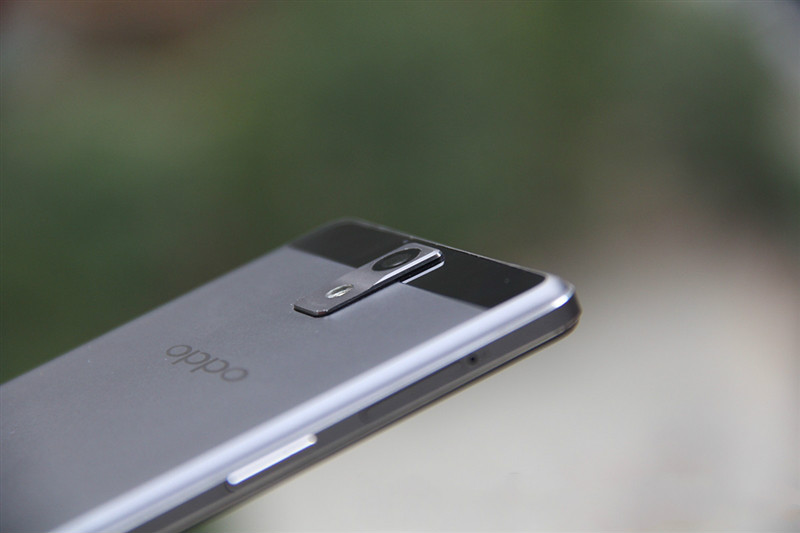
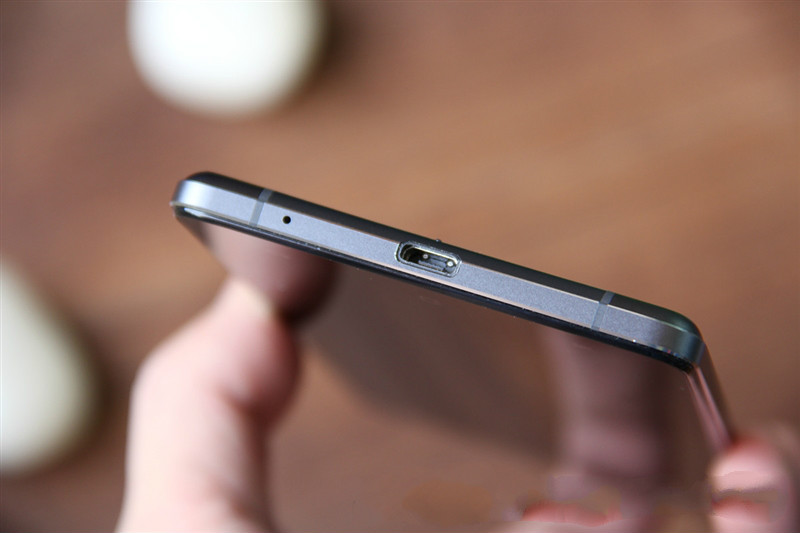
The OPPO R3 is only 6.3mm thick making it the thinnest 4G smart phone out right now.
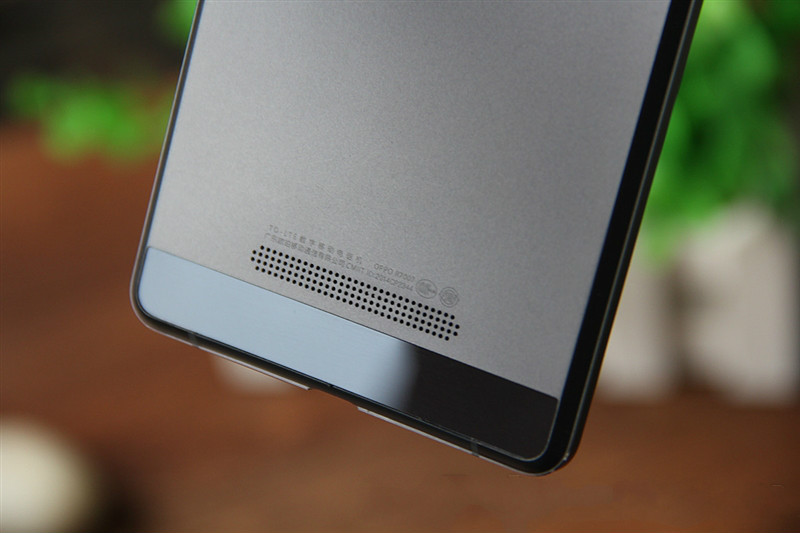
This phone also uses a metal rear case with alloy frames adding more stability when playing videos. It won’t affected by fingerprints.
Its rear camera has 8mp which is pretty good.
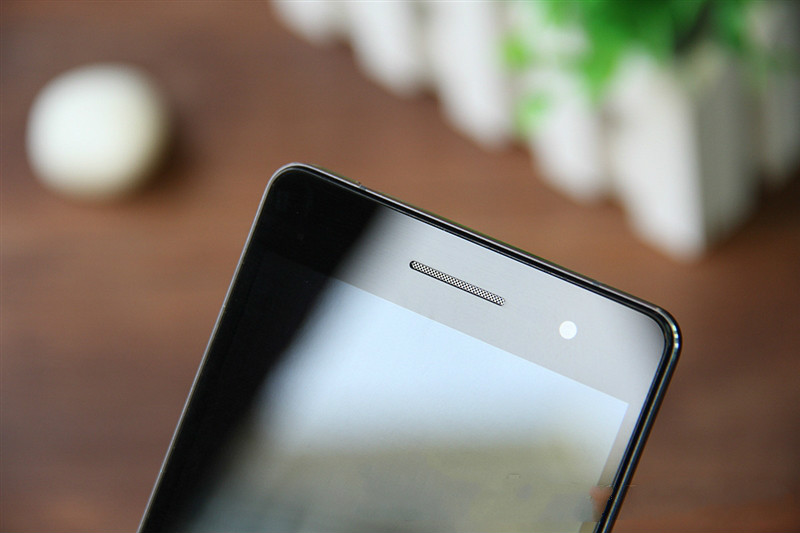
OPPO does not often use pointed cameras. But this phone is so thin that you can see the camera and light pointed out. This definitely affects the phone’s evenness. However, the camera is kept intact by the metal frames and the camera’s diameter is small so there’s no need to worry about scratches on the lens.
The OPPO R1 promoted night photography and the R3 will continue to do so. It uses the IMX179 sensory chip. It has a Sony 8mp rear-camera sensor with an F/2.0 aperture. The sensor can cover an area of about 1/3.2 inch. In addition, the OPPO R3 has a “UHD Photo Quality” feature like the Find 7, which can pick the best photos out of 10 shots and put them together into a 24mp UHD photo.
As these samples show, the R3 has an outstanding photo resolution. The image and colors are all very bright and beautiful. Its exposure and permeability are incredible too.
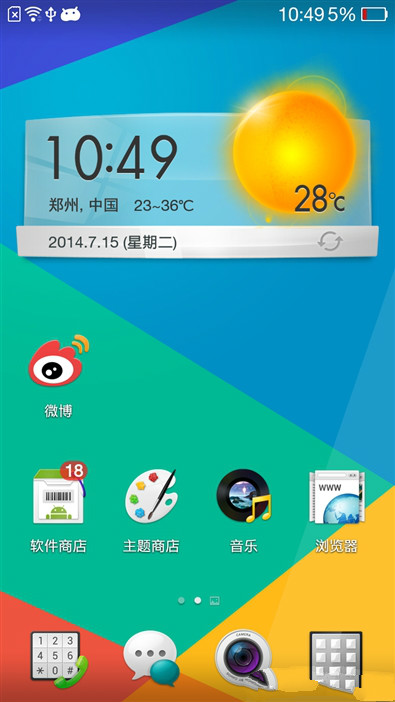
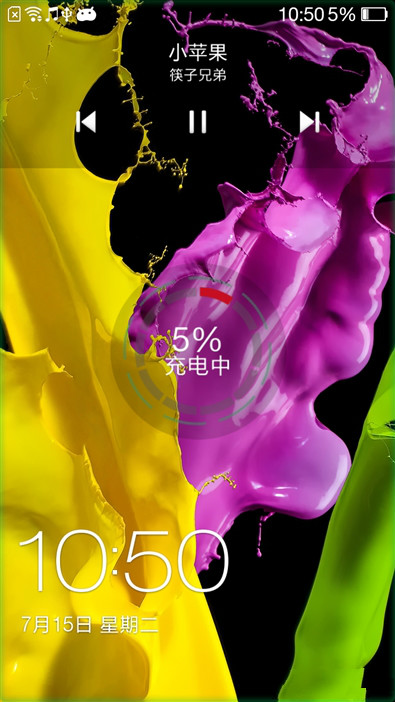
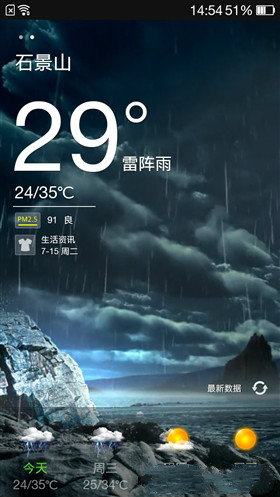
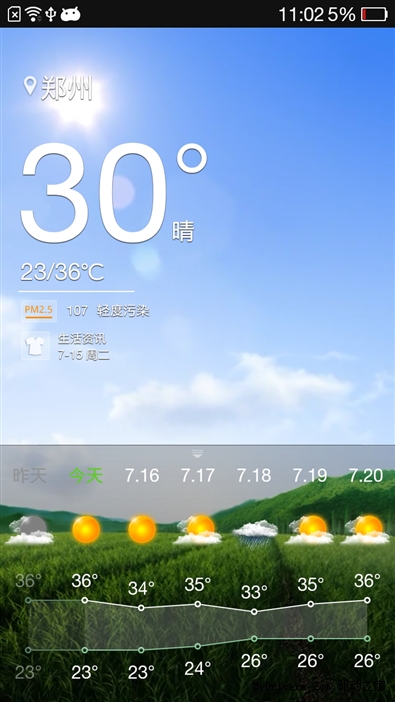
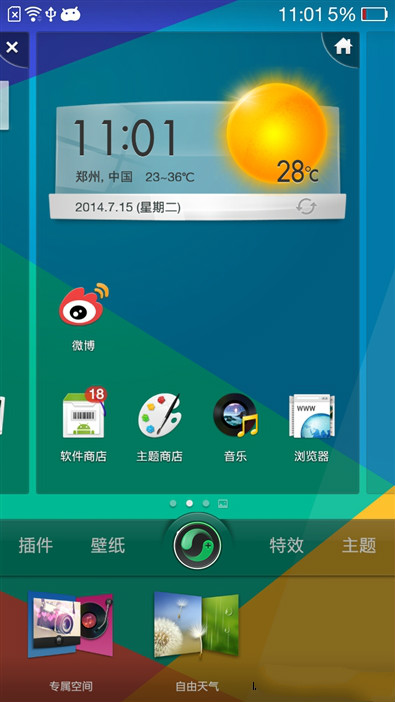
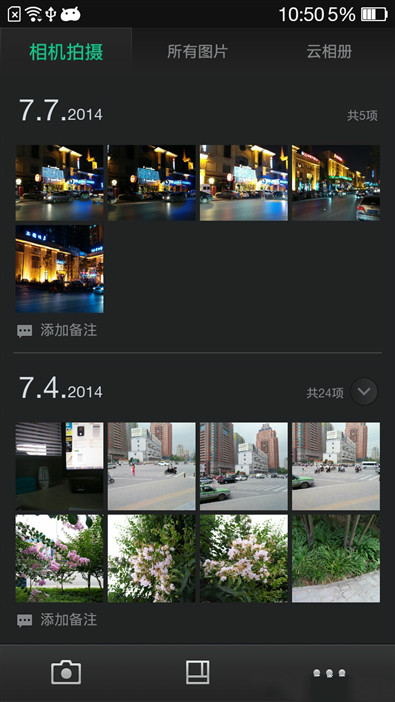
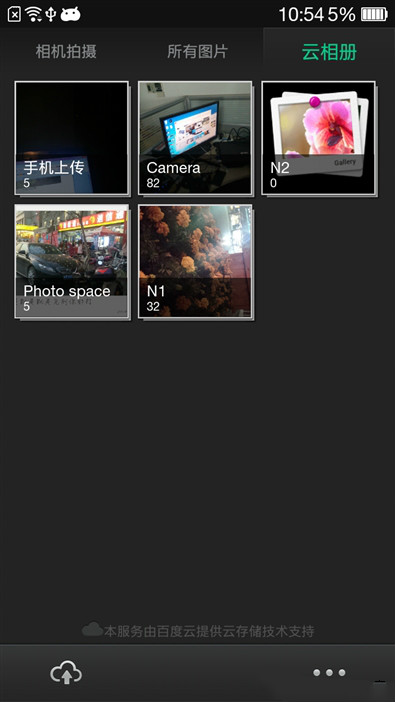
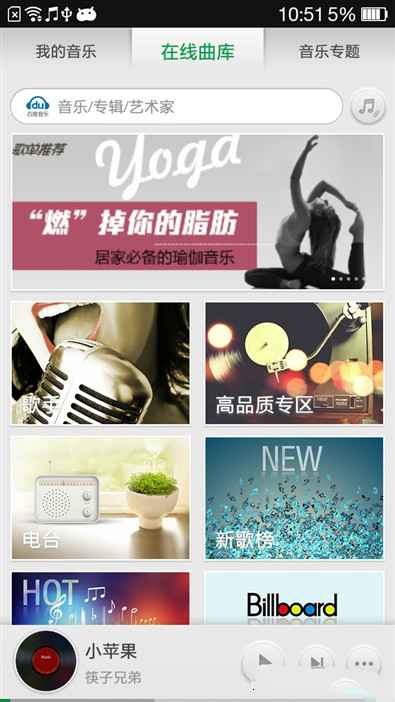
Here’s a look at OPPO’s Color OS.
The Color OS’ desktop has always been pretty grandiose. The Dock and notification bars are completely transparent.
4.86GB out of the OPPO R3’s 8GB internal memory space can be used for saving. Not a lot will be left after installing a couple of games, but since it can be expanded to 128GB, the user will not have to worry about this.
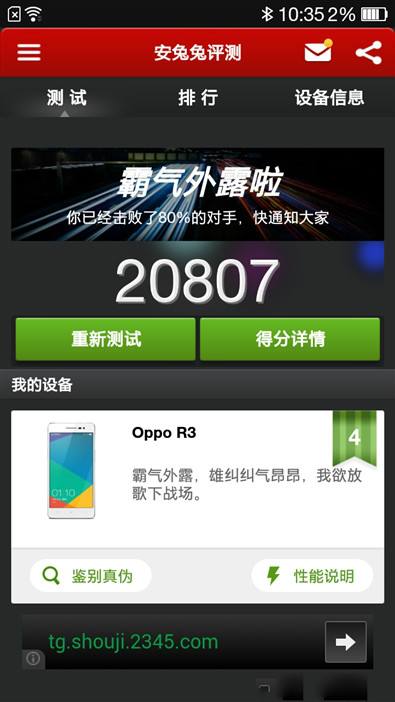
It scored more than 200000 points at the Antutu V4.5 benchmark test, so the performance is so-so.
Summary:
This is the first instalment of the OPPO R series to support 4G internet. It is compatible with TD-LTE, TD-SCDMA, and GSM and could become OPPO’s next big star.
If you’re looking for excellent video hardware and a good benchmark score, then forget about it. What’s notable about the OPPO R3, though, are the fact that it’s the thinnest 4G phone around, and has excellent camera specs and outstanding OS.
The World Cup’s over and Meizu is holding a summer sale for the MX3, lowering its price from 2499 RMB (402.38 USD) in November to 1599 RMB (257.47) this month. It is not that big of a drop. What is Meizu’s goal in lowering the MX3’s price this time?
Fierce competition between net-surfing phones
Xiaomi and Meizu have been competing with each other since Xiaomi released the Mi 1 with Xiaomi selling more than Meizu, although the latter’s sales are pretty good. As a result, Meizu’ phones have always been a bit pricey.
By the end of 2013, however, Meizu began to experience real pressure as all kinds of internet brands started popping up. Beside Xiaomi, which dominated the market, there was also Nubia and Oneplus whose phones had better workmanship. In addition, cheaper products were entering the market and Meizu could not keep up with them.
Although Zhang Huang’s return brought some changes, none of them were revolutionary.
Hardware for power and software for profit
Zhang Huang had already thought about using hardware to create software as early as 2008 when Android did not even exist yet. He even came up with the Wince system. But with the arrival of Android, he dropped his plans.
This time, Zhang Huang decided to put Meizu’s own Flyme OS into the Nexus O5, beginning the company’s new strategy. Meizu would no longer be restricted to making a profit with their hardware, but increase Flyme’s power and try to earn money using software.
In an earlier essay, “Post-Zhang Huang Meizu, The Price of Growing up,” we said that Meizu’s main competitive strength lies in the Flyme OS. Opening up Flyme and lowering prizes are all for preparing to promote Flyme. Chinese companies that succeeded with this strategy include Xiaomi and Oppo.
Meizu produces hundreds of thousands of phones every month which is not a lot or few. This along with increasing sales by dropping prices can help Meizu finish their software-hardware swap.
Before the MX4 arrives….
According to rumors, the MT6595 is supposed to be released this month. Originally, MTK planned to target the high-end market because of the MT6595’s powerful specs.
However, Qualcomm recently noticed the threat that the MT6595 posed and pushed the prices of phones that used the Snapdragon 801 far down. It looks like a price war is at the works although the MX3 uses the Samsung processor which does not have great specs. Using the MT6595 would make sense. Meizu’s next phone is coming soon and they should make space for the MT6595 as soon as possible.
Therefore, now is the time for Meizu to come up with a strategy made up of using price drops as competitive pressure, hardware-software switch, and clearing their inventory.
After a long wait, Samsung has finally completed the integration of their baseband. Whether or now Meizu will continue to use Samsung’s processor or switch to MTK, there is still hope for them to solve its signal and overheating problems. We cannot wait for the MX4.
Today’s smartphone market is relatively saturated, with few or no differences among smartphones. Of course, that is not to say that the hardware itself cannot satisfy people’s needs; on the contrary, what we see today is the direct result of excessive hardware development. Under such circumstances, much anticipation is around the to-be released <Smart Holographic Phone> Eastar Takee.
What is the Smart Holographic Phone?
As most of our readers may not know what a smart holographic phone is, we would give you guys a quick introduction first.
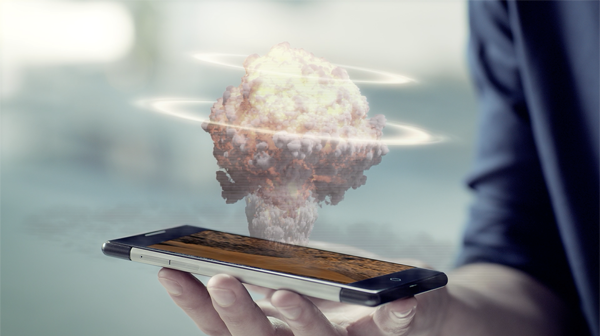
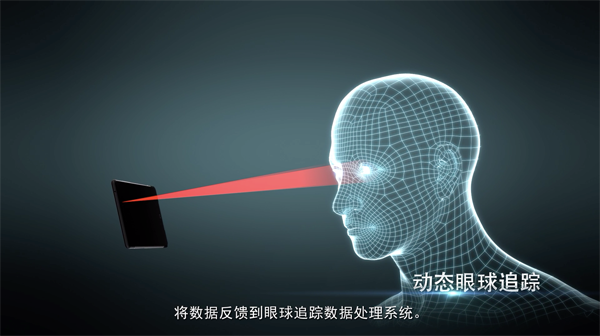
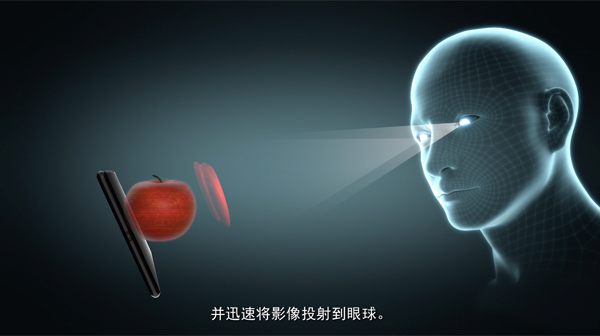
Currently, most phones out there are configured with a touch screen, providing a enhanced user experience than the old-fashioned T9 keyboard. However, what we call “holographic display” is a type of display technology that can track the position of human eyes. It will then calculate the actual holographic image with the model of holographic image data and respectively project the 3D image to the retinas of both left and right eyes, creating a feeling that it was a real object that the person is looking at.
This kind of holographic technology is based on the position of human eyes. But since it will not display everything simultaneously in the filed of view, it works better when only one person is viewing the image. As a result, we call it “Personal Holographic” or “Smart Holographic”. To be more specific, holographic display can be categorized into physical holography (holographic film, laser holographic printing), digital holography ( projected laser holographic imaging) and computing holography (eyeball-tracking holographic imaging, scenario-tracking holographic imaging).
Laser holography is a method to record both the amplitude and the phase information in the light wave that reaches the film. There are a number of variations of the basic method, but all holography requires laser light (strictly speaking light that is coherent over the object to be imaged) in order to construct the hologram. While in normal photography light, the film can only record the intensity of light. With all the phase information contained in the original light reaching the film is lost, there is no such 3D effect of the film.
Where can Smart Holographic Phone be used?
You might think the holographic display is just like that in the sci-fi films, where you can view a content from every aspect by moving your finger in the air, or “action from a distance”. What exactly will this technology help us achieve? Read on to find out:
1. Holographic Navigation: while 2D display cannot show the complex road system, holographic display will offer users a better idea of what the traffic is like by displaying a 3D image.
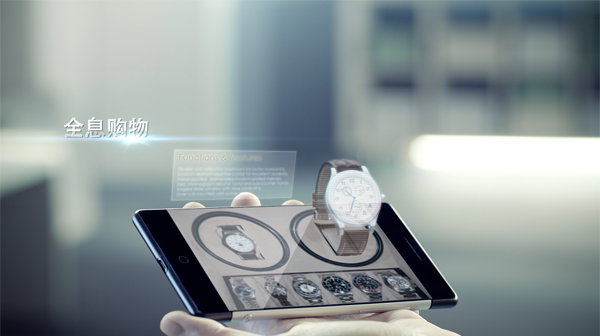
2. While shopping online, we can view commodities from different aspects and see more details before we actually place an order.
3. Holographic display will make gaming experience more enjoyable by providing a life-like scene.
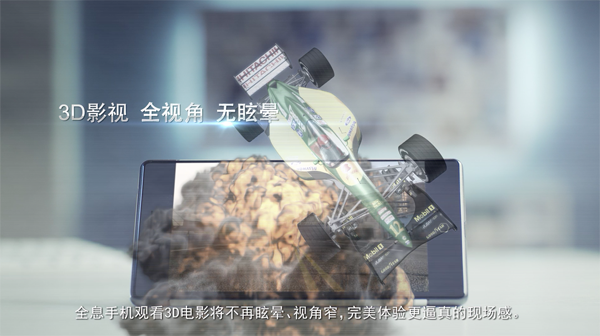
4. Different from 2D display, you will be able to really get “into” a film with holographic technology.
5. You will feel as if the person is just around you when making a video call.
6. The coolest thing may be that you can print a 3D self when connect your holographic phone with a 3D printer.
Any apps to go with the Smart Holographic Phone?
It is undeniable that the success of the iPhone is partly due to millions of apps in its App Store. Fascinating as the holographic technology may be, users are still wondering if there are other apps to go with the smart holographic phone. According to source, Eastar has set up a open platform for holographic apps to invite holographic app developer from around the globe. We do not the the number of partners or any achievements yet.
Difference between Holographic Display and Naked Eye 3D
Will the smart holographic phone be of real usage or is it jsut some stunt used by phone makers? We have seen many advertised their naked eye 3D phones, including LG Optimus 3D, LG P920, Sharp SH9298U, HTC X515m, Gionee GN868, ZOPO ZP200, etc. But holographic display relies on light intervene and diffraction to reproduce the 3D image of a project; while naked eye 3D uses the principle of grating, requiring the video source to be processed. The video source of naked eye 3D can be converted from 2D videos, but it requires viewers to be at a specific angle and distance in order to experience the 3D effect.
Even though the technology of naked eye 3D has improved greatly over the years, viewers still get dizzy when looking at the screen, some even feel vomitive. Such side effects negatively impacted user experience. As a result, the fascinating naked eye 3D technology was more of a stunt than of any practical use.
As smartphone display has reached the resolution of 1080p and hardware configuration is becoming ever advanced, although there is no further space for display progress, smartphone makers are trying to find a way to differentiate themselves using the holographic display. As the holographic display can make users view a 3D virtual object when images of an object from different angles are projected above the screen, we have great confidence to believe that the holographic display technology will achieve a better market response than that of naked eye 3D.
Competitor to the Smart Holographic Phone: Fire Phone
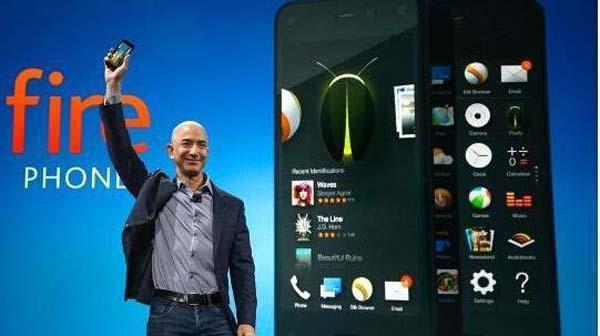
Before the official release of the Smart Holographic Phone, the market has already seen its strong competitor. Around three weeks earlier, Amazon has launched its Fire Phone. Except from its great service, its biggest selling point is the Dynamic Perspective. It constructs 3D images at 60 frames per second, and together with the help of several infrared sensors to display the image in 3D. Compared to the naked eye 3D technology, the Dynamic Perspective of Fire Phone can change a picture’s view as users move and tilt the phone around. However, this is not related to the holographic technology, but is still within the category of 2D display.
Amazon Fire Phone is configured a 4.7-inch HD LCD display, powered by 2.2 GHz Quad-core Snapdragon 800 CPU and Adreno 330 GPU, along with 2GB RAM. Its buttons are made of aluminum. It has a 13-megapixel rear camera, complete with OIS and a powerful f/2.0 lens, as well as a 2.1 MP front-facing camera.
Conclusion
Judging from current situation, the display technology of smartphones will surely undergo a revolution. Maybe we will experience a brand new interactive display in the near future. Hopefully that day will come soon.
We use cookies on our website to give you the most relevant experience by remembering your preferences and repeat visits. By clicking “Accept”, you consent to the use of ALL the cookies.
This website uses cookies to improve your experience while you navigate through the website. Out of these, the cookies that are categorized as necessary are stored on your browser as they are essential for the working of basic functionalities of the website. We also use third-party cookies that help us analyze and understand how you use this website. These cookies will be stored in your browser only with your consent. You also have the option to opt-out of these cookies. But opting out of some of these cookies may affect your browsing experience.
Necessary cookies are absolutely essential for the website to function properly. This category only includes cookies that ensures basic functionalities and security features of the website. These cookies do not store any personal information.
Any cookies that may not be particularly necessary for the website to function and is used specifically to collect user personal data via analytics, ads, other embedded contents are termed as non-necessary cookies. It is mandatory to procure user consent prior to running these cookies on your website.