Google is expected to announce a new PixelBook at its October 9 event. Early rumors and leaks point at a detachable 2-in-1 design which means the PixelBook 2 will also double as a ChromeOS tablet just like the Microsoft Surface Book doubles as a Windows tablet. A new leak might be our first look at this new PixelBook or Google’s first ChromeOS tablet.
The leak comes from AboutChromebooks, a site that covers anything related to ChromeOS. Apparently, they found in a code commit that ChromeOS tablets will gain support for keyboard docks in the near future. The commit description even mentions the keyboard bases will have a dedicated Google Assistant button and a “Hamburger” or options button. The code commit also revealed some of the brands that would make these keyboards, one of them is Brydge, a manufacturer of premium keyboards for iPads.
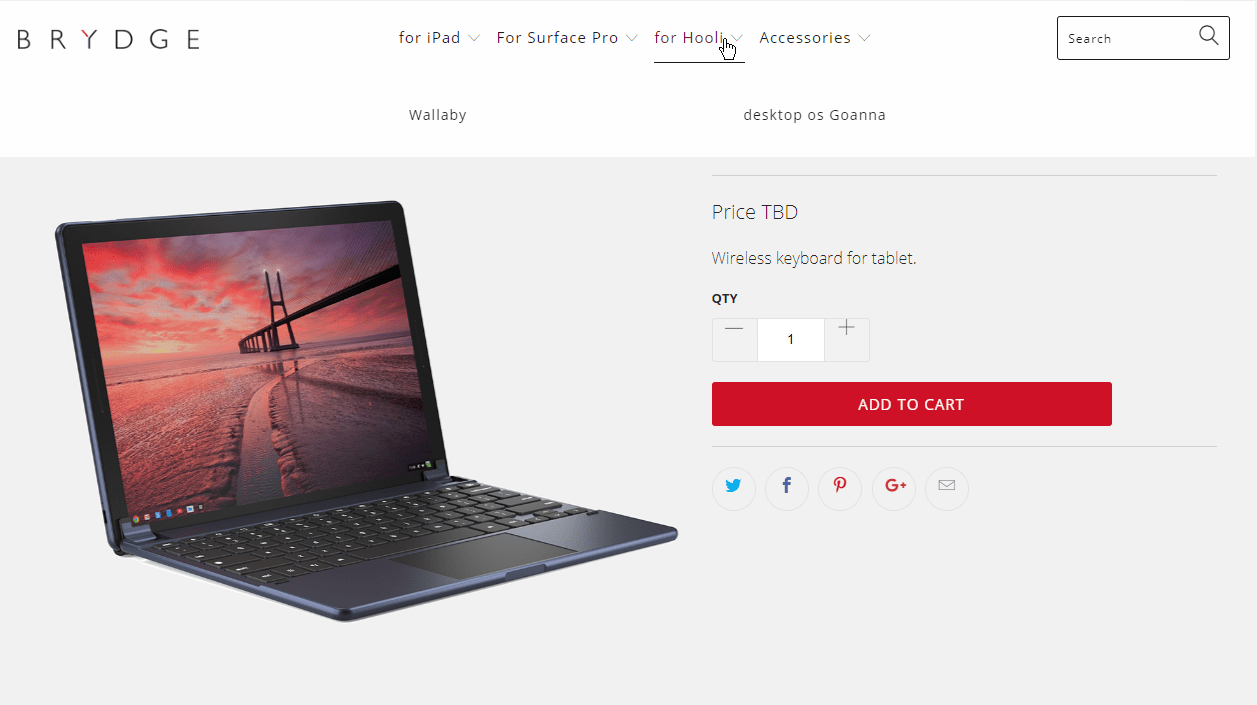
Yesterday, Brydge accidentally posted two unreleased keyboards on their Shopify page which are for Google devices (read ChromeOS tablets). Renders of one of the keyboards named Wallaby is attached to a tablet said to be Google’s ChromeOS tablet codenamed “Nocturne”.
Wallaby has a design similar to the Bryde keyboard in this video below which allows the keyboard and tablet to be opened and closed like it’s a laptop.
https://youtu.be/0urJKIDjOVs
The tablet has a USB-C port on the left but Nocturne is expected to come with two USB-C ports. It also has dual front-facing speakers which are located on the right/bottom and left/top bezels.
[envira-gallery id=”213046″]
Another render showing the keyboard and tablet from the top shows the tablet has a small indentation on the left. That indentation is rumored to be a fingerprint scanner. Nocturne is said to also have a fingerprint scanner and this gif from 9to5Google shows the fingerprint scanner is in a similar position.
The keyboard itself comes in blue but we can’t say if there will be other colors at launch. There is a moderately sized trackpad and the keys do not look cramped. You can also spot the hamburger key (after the volume up button) and the Google Assistant key (between the function and alt keys).
[envira-gallery id=”213047″]
The second keyboard is named Goanna and is much wider like a desktop keyboard. It doesn’t have a trackpad but has a hamburger key and Google Assistant key like Wallaby. It comes in the same blue color.
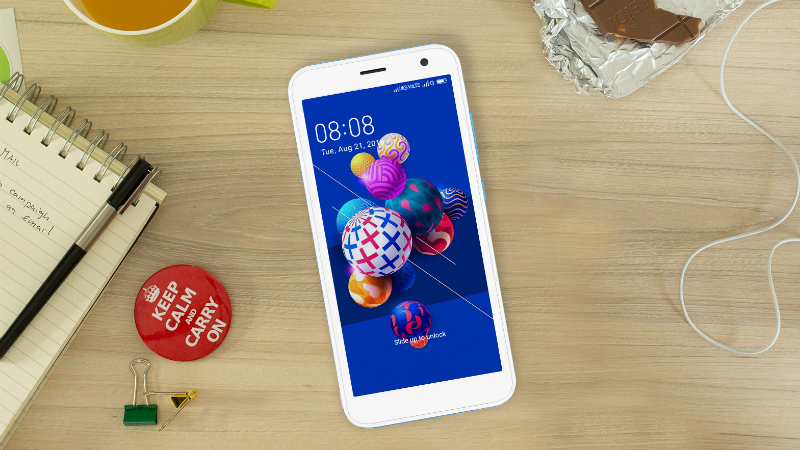
iVoomi has today launched its new entry-level smartphone in the Indian market — iVoomi iPro. The phone, which is a part of Android Go program, is claimed to have shatterproof glass protection.
The phone is priced at Rs. 3,999, which roughly converts to $56. It’ll be available for purchase exclusively through Flipkart in three color options — Platinum Gold, Indie Blue, and Matte Red. The company has also partnered with Reliance Jio for the ‘Jio Football Offer’ which provides additional cashback on the prepaid pack.
The phone features a 4.95-inch FWVGA+ FullView display with screen resolution of 960 x 480 pixels and an 18:9 aspect ratio. The display panel is protected by a glass panel that the company claims as shatterproof.
Under the hood, there’s 1.3GHz quad-core MediaTek MT6737 SoC powering the device, coupled with 1GB of RAM. It packs 8GB of onboard storage that is expandable up to 128GB using a microSD card.
It comes with a 5-megapixel rear camera sensor with an LED flash and a 5-megapixel front-facing snapper for taking selfies. The front camera also supports the Face Unlock feature. The camera comes with the support for various features, such as Time-Lapse and AR Emoji.
Connectivity options on the device include 4G VoLTE, Wi-Fi, Bluetooth, GPS/A-GPS, Micro-USB along with USB OTG support, and a 3.5mm headphone jack. As said, the iVoomi iPro is a part of Google’s Android Go programme, and thus it runs Android Oreo (Go Edition) operating system out-of-the-box and is powered by a 2,000mAh battery.
iVoomi recently launched the first smartphone under its new Innelo sub-brand, dubbed as Innelo 1, which is exclusively available for purchase in India through Amazon.
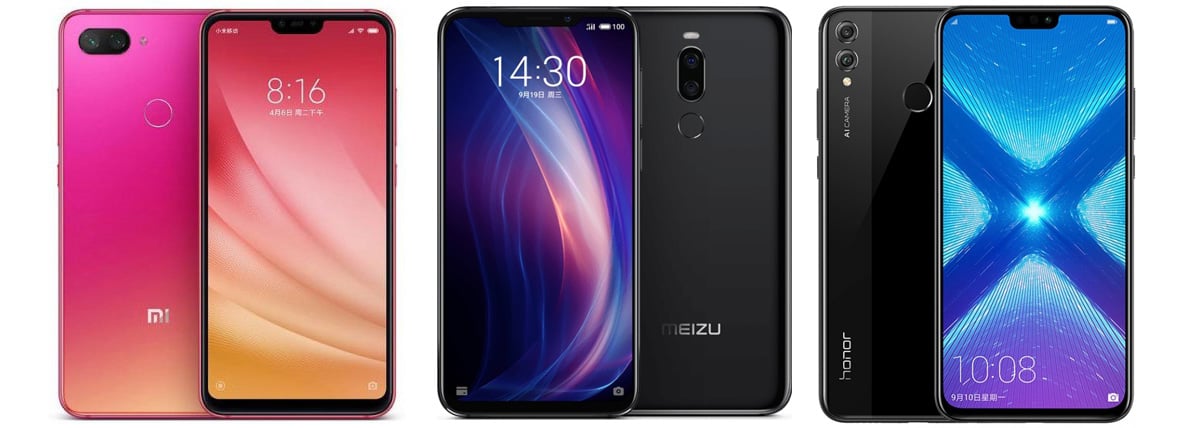
The latest upper-midrange smartphones from Xiaomi, Meizu and Huawei are something incredible if we consider the affordable price they are carrying immediately after their launch. In China, you need a bit more than €200 to get Xiaomi Mi 8 Lite, Meizu X8, and Huawei Honor 8X. And given that their specs are very close to high-end and flagship devices, these handsets represent some of the best deals you can find right now in the market. In this article, we compared them in order to see which company released the best Chinese upper-midranger in this second half of 2018.
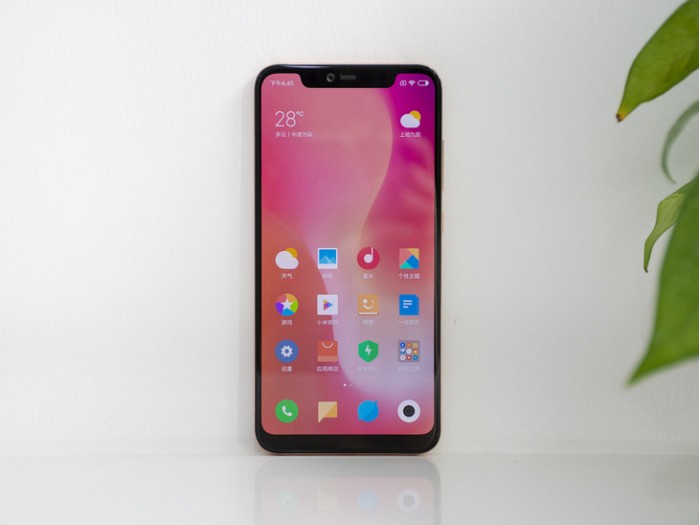
Coming to the aesthetics, it is all about tastes. Xiaomi Mi 8 Lite and Huawei Honor 8X have a definitely stunning design with their reflective glass back (the first available in gradient colors and the second with impressive light waves as well as a very high screen-to-body ratio). Meizu X8 instead has a very original design even though it is less impressive in terms of colors and light reflections on the rear side. Note that Huawei Honor 8X has a way bigger size than its opponents and this may let you change idea if you decided to get it.
Display
Huawei Honor 8X is the one I prefer because of its very wide display with a size of 6.5 inches. As said above, it even has incredibly narrow bezels. Each of these devices has an average IPS LCD panel, so do not expect a huge viewing quality but just a midrange-level display. There is a notch on each of them, but it does not contain a 3D sensor for face authentication. But note that each of these devices supports software-based face unlock as a method of authentication, besides the rear-mounted fingerprint reader.
Specs & Software
Meizu X8 is the phone which convinces us the most when it comes to hardware. Indeed, it has a more powerful processor which should handle heavier operation in a better way. Xiaomi Mi 8 Lite and Huawei Honor 8X have two chipsets (Snapdragon 660 and Kirin 970) which can be considered at the same level, but I believe that the former will have better graphics performance thanks to its more powerful GPU. Xiaomi Mi 8 Lite has the MIUI installed (the best UI among these handsets in my opinion), Meizu X8 has Flyme OS and Honor 8X has EMUI: all of them are based on Oreo and provide many useful additional features.
Camera
On the paper, all of these devices’ cameras should offer a pretty decent photo quality. All of them are dual cameras with an additional depth sensor and similar specs (Xiaomi Mi 8 Lite and Meizu X8 have the same primary sensor). But we are going to prefer Xiaomi Mi 8 Lite due to its potentially better selfie camera and its huge 24 MP resolution. However, I believe that differences in photo quality are just marginal, so do not base your choice on cameras so much.
Battery
On the battery side, Huawei Honor 8X should be the champion, even though we can not be sure of it until we test the handset in every scenario. But it has a way bigger battery with a capacity of 3750 mAh, and this should be enough to ensure a longer battery life than Xiaomi Mi 8 Lite and Meizu X8 which should provide a similar result on a single charge.
Price
You just need $205/€175 to bring a Xiaomi Mi 8 Lite at home, while for Meizu X8 you need to spend $223/€190. At last, Huawei Honor 8X sits in the middle with a price tag of $211/€180. Even when it comes to the price, the difference between these handsets is marginal, with less than $20 between the most affordable and the most expensive one. In my opinion there is not a definitive winner of this comparison and each of them is more suitable for a different target: if you want a bigger display and battery, go for the Honor 8X, if you need better performance, then choose Meizu X8, while if you need good performance, great cameras and wonderful aesthetics choose Xiaomi Mi 8 Lite. I would personally pick the Honor 8X because I appreciate is big display, its narrow bezels, and its above-average battery, but it does not mean it is the best.
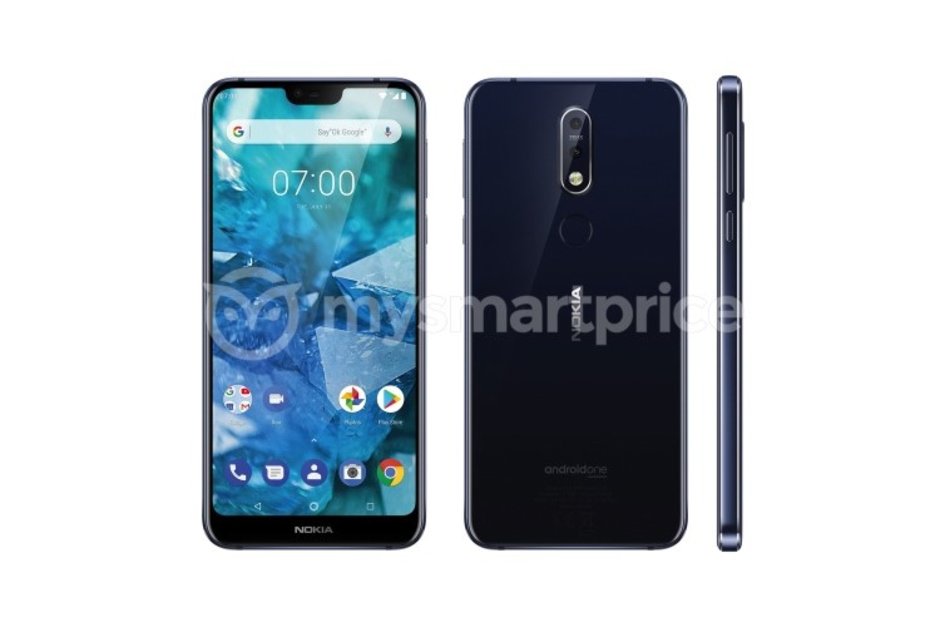
Nokia announced the Nokia 7 Plus in February this year and the model came out with a bang. It recently won the best “Consumer Smartphone” award from EISA in Europe alongside the Honor 10 and Huawei P20 Pro. This is as a result of its superb price to performance ratio. While the model is still selling hot, Nokia seems to be planning to up the ante by releasing the Nokia 7.1 Plus. The supposed photo of the rumoured Nokia 7.1 Plus has appeared in a couple of leaks recently but this latest leaked render appears to show a different design. The earlier ones showed the Nokia 7.1 Plus will not have a notch but in this case, the device features a notch display.
The renders as shared by MySmartPrice showcases both the front, rear and side design of the device. At the front, it shows the device will come with a notch display design. The design is very much similar to that of the Nokia X6 which is also called Nokia 6.1 Plus. This model may also launch in some market as Nokia X7 but with the X6 dropping in July, we don’t see the rationale behind Nokia launching a successor this year.
The rear deisgn also looks very similar to the Nokia 6.1 Plus but a few differentials can be seen. One of such is the ZEISS badge at the middle of the dual cameras. The rear also houses a fingerprint sensor but the accented ring which borders the sensor on the Nokia X6 is missing. We can’t say if the model will be released this year but in our opinion, this design is not inspiring enough. Let us know what you think of the Nokia 7.1 Plus design in the comment section.
A number of manufacturers have already been announcing timelines for the release of their 5G phones. While most of them are looking towards next year, Meizu plans to wait a few more years for the “technology to mature”.
A statement by Meizu’s founder, Jack Wong (Huang Zhang) has revealed the Chinese smartphone company will take its time before releasing a 5G phone. Mr. Wong took to Weibo to explain why.
Based on a rough translation of the post, the former Meizu CEO said they will definitely release a 5G phone. However, he believes the first set of 5G phones can as well be termed test devices. The second gen models will bring key improvements over the first but the third generation 5G models are the ones the average user should look forward too as the technology would have matured then. This third generation 5G phones will likely include Meizu’s own phone(s).
Going by the above statement, the earliest time we expect to see a 5G phone from Meizu will probably be in 2021. That’s a long time in the mobile industry but let’s hope it is worth the wait.
Just over four months after the MIUI 10 Custom ROM was announced in China, Xiaomi has commenced the roll out of MIUI 10 Stable ROM on the Mi 6 and Redmi Note 5 Pro. The Redmi Note 5 Pro is India’s own version of the Redmi Note 5 that was announced earlier this year. The disclosure of commencement of MIUI 10 Global stable on the Redmi Note 5 Pro was made by Xiaomi India’s head, Manu Jain via Twitter. While that of XIaomi’s 2017 flagship Mi 6 was announced on the MIUI forum.
The new Custom ROM is available for download from Mi India website. On the other hand, the Mi 6 will get its own update via OTA push. The new ROM will also be available for download on the MIUI forum.
Although Google has announced Android Pie, MIUI 10 is based on Android 8.0 Oreo. It has as its biggest upgrade the AI technology. The AI technology on MIUI 10 brings deep learning and thus reduces the loading time of apps by studying your app usage behaviour and anticipating actions. Another advantage is that MIUI 10 brings single camera bokeh mode to old Xiaomi smartphones including Xiaomi Mi 5 and Xiaomi Mi Note 2. The custom ROM also comes with a new driving mode, smart home gadgets manager and other features in addition to the existing features of MIUI 9 and Android Oreo.
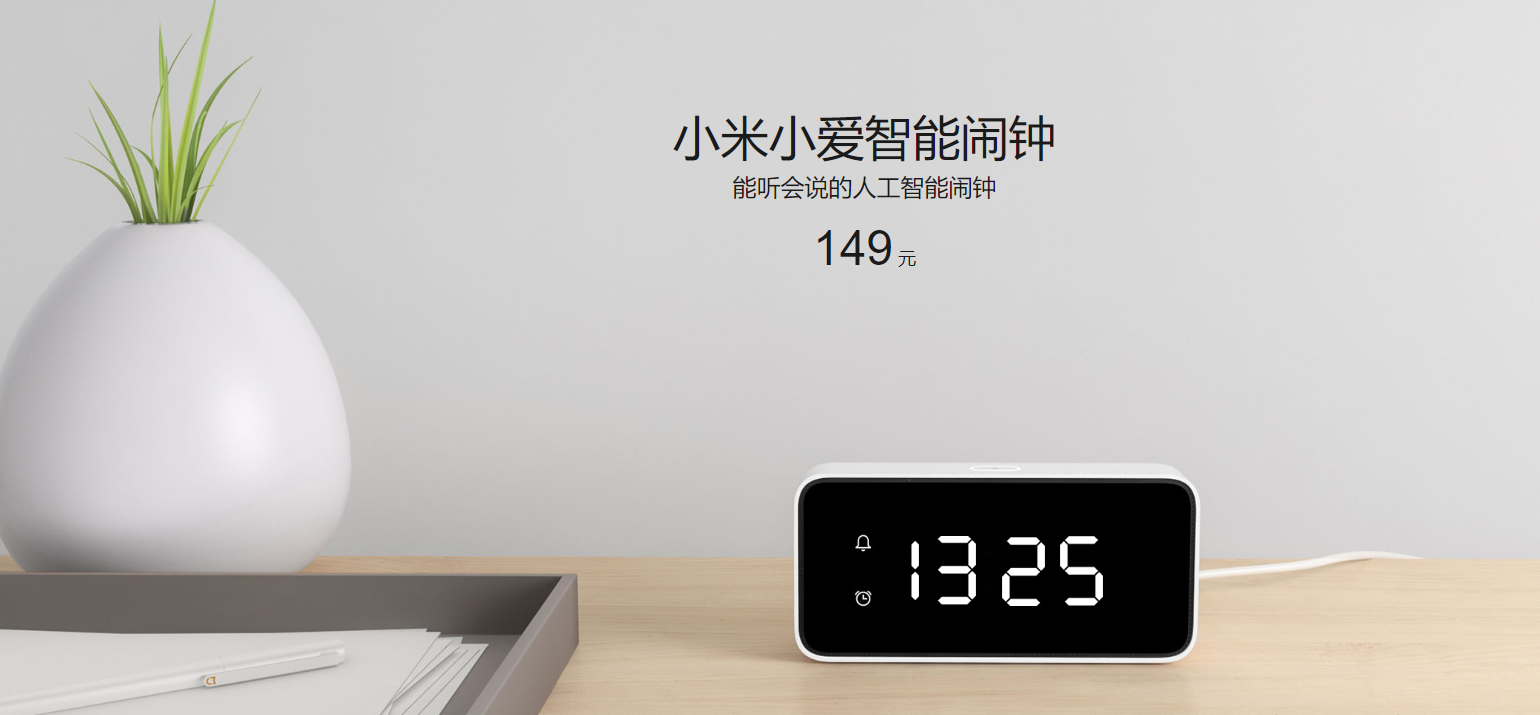
Apart from the Mi 8 Lite and Mi 8 Pro announced yesterday, Xiaomi also announced a smart alarm clock. Xiaomi already has a bunch of alarm clocks but the Xiaoai Smart Alarm Clock has a number of features that set it apart from the rest.
The Xiaoai Smart Alarm Clock is practically a smart speaker with a large screen that only displays the time. Users can set up to 30 different alarms using just their voice and also snooze the alarm by voice. The clock can also take down up to 80 reminders, broadcast weather conditions, stock reports, news and provide answers to questions. Xiaomi says it can also recite poems, read stories and crack jokes.
The Xiaoai Smart Alarm Clock can also be used to control other Xiaomi smart products such as bulbs, lamps, smart kitchen equipment etc. It can also stream audio from up to 2000 different internet radio stations.
[envira-gallery id=”212990″]
The alarm clock is white and has a bright display. There is a button at the top of the clock for disabling alarms or muting the microphone. It is powered by a 1.3GHz quad-core processor and connects via Wi-Fi (2.4GHz) and Bluetooth 4.0 LE. The clock measures 126.2 x 27 x 60.8 mm and weighs about 170g.
OnePlus is expected to launch the OnePlus 6T smartphone on Oct. 17. The company has already started the teaser page for the smartphone on Amazon India. The Amazon-exclusive handset has also appeared on a TV commercial starring OnePlus India brand ambassador and veteran Bollywood actor Amitabh Bachchan.
Mr. Bachchan can be seen saying that the OnePlus 6T will be offering “a cooler way to unlock” the phone which is then followed “Touch The Innovation” text. This indicates that the OnePlus 6T will be arriving with an in-display fingerprint reader. The Bollywood legend can be also seen holding the handset for a second. The OnePlus 6T TV commercial was reportedly planned to be broadcasted during the India vs Pakistan cricket during the Asian Cup 2018.
The OnePlus 6T teaser page on Amazon India also confirms that the company will be introducing the Type C Bullets wired earphones. It is speculated that the OnePlus 6T phone and USB-C enabled earphones will go official on Oct. 17.
As far as specifications are concerned, the OnePlus 6T is expected to arrive with a 6.4-inch Optic AMOLED notched display that supports FHD+ resolution, Snapdragon 845, up to 8 GB of RAM, up to 256 GB of storage and 16-megapixel + 20-megapixel dual camera setup. The rumor mill is yet to reveal information on the pricing of the phone.
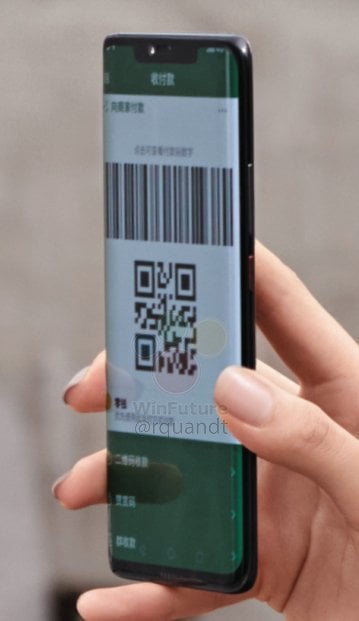
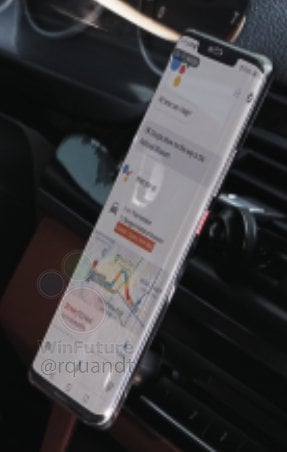
The Huawei Mate 20 and Mate 20 Pro will be announced in the coming month. The rumor mill is now actively working to reveal the leaked specs and images of the Mate 20 duo. Popular tipster Roland Quandt has shared two images of the Mate 20 Pro smartphone. Even though the leaked images shared by Quandt are not of high resolution, they do reveal the design of the Mate 20 Pro.
Recent reports have revealed that the Mate 20 will be arriving with an LCD screen equipped with a waterdrop notch. On the other side, the Mate 20 Pro is rumored to arrive with an AMOLED screen that is fitted with a wider notch. The leaked images shared by Quandt reveals that the handset is quipped with a wider notch which indicates it could be the Mate 20 Pro.
The side bezels of the Mate 20 Preo are almost non-existent as it is equipped with dual-edge curved display. Huawei’s branding seems to be present on the chin of the device. The wide notch at the top is expected to feature an earpiece and all the necessary components that will enable 3D facial recognition on the device. An aluminum frame appears to be running along the edges of the phone. The volume rocker and a red colored power key is present on the side of the phone.
The leaked images do not reveal the rear design of the Mate 20 Pro. However, previous leaks have revealed that its back panel is equipped with a triple camera system. Also, the handset is expected to arrive with an in-display fingerprint reader.
The Mate 20 and Mate 20 Pro powered by Kirin 980 are scheduled to go official through an unveil event on Oct. 16 in London. There is no information on the pricing of the smartphone.
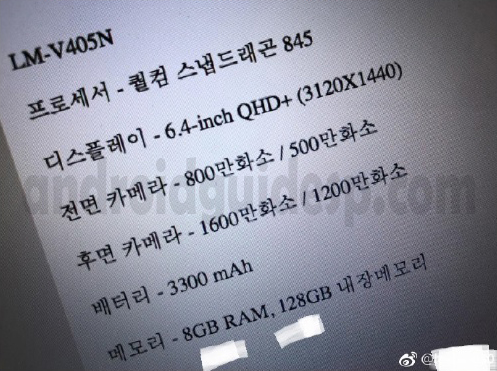
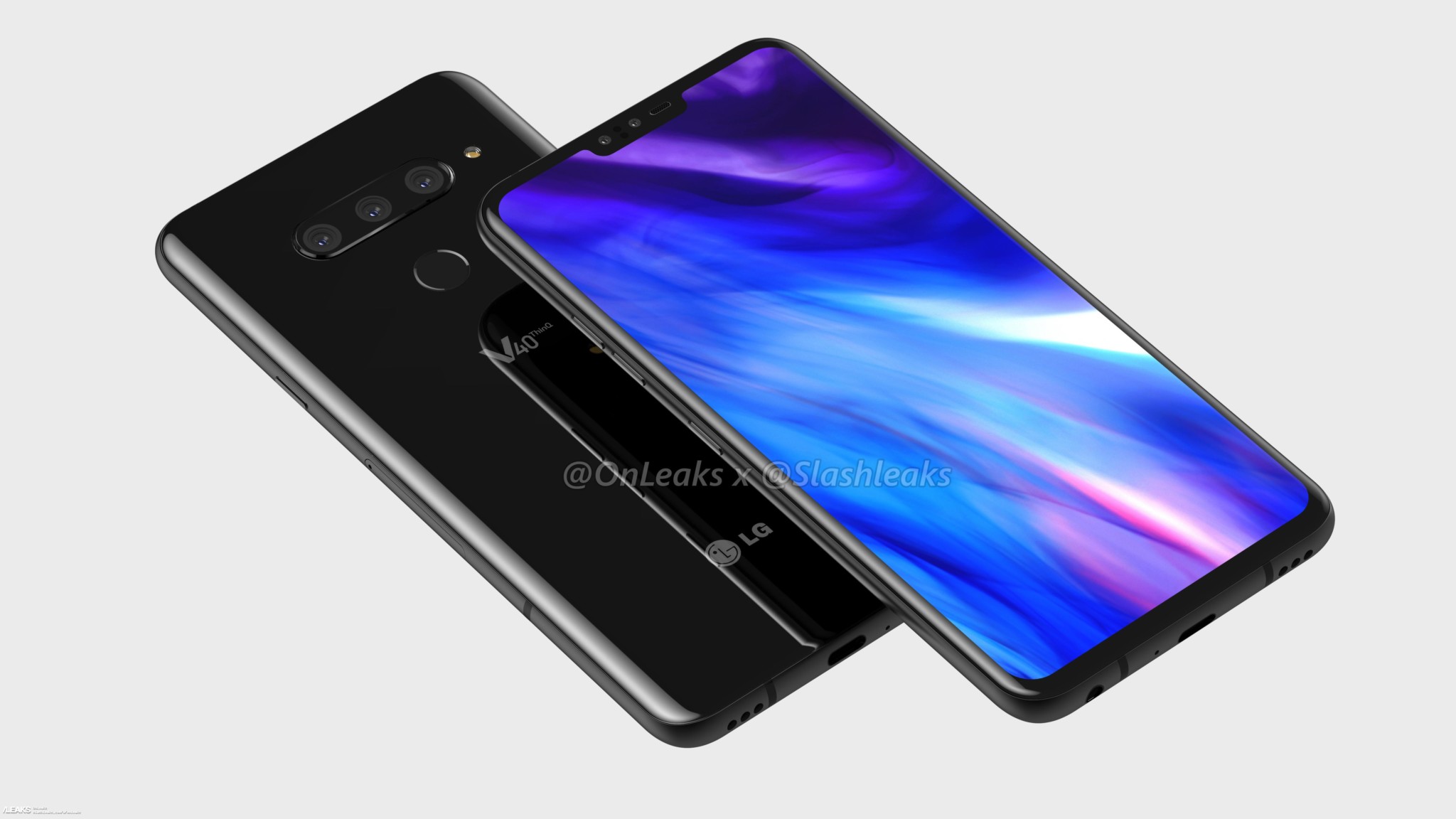
The leaked snap that carries the specs of the V40 ThinQ reveals that it will be fueled by Snapdragon 845 chipset. It will be equipped with a 6.4-inch display that will carry support for Quad HD+ resolution of 3120 x 1440 pixels. It indicates that he V40 ThinQ will feature a notched display.
Previous rumors have suggested that the base model of the phone will be featuring an internal storage of 64 GB and 6 GB of RAM. The new leak reveals that the higher model of the smartphone will be packed with 128 GB of storage and 8 GB of RAM. This variant may get announced as V40 ThinQ+.
The notch of the LG V40 ThinQ will be featuring 8-megapixel + 5-megapixel dual selfie snapper and an earpiece. The triple camera setup present on the back panel of the phone is expected to include 16-megapixel sensor, 12-megapixel wide-angle lens and an 8-megapixel telephoto lens. The handset is expected to be packed with a 3,300mAh battery.
After getting unveiled at the beginning of October, the V40 ThinQ may go on sale in the second half of the month. As of this writing, there is no information available on its pricing.
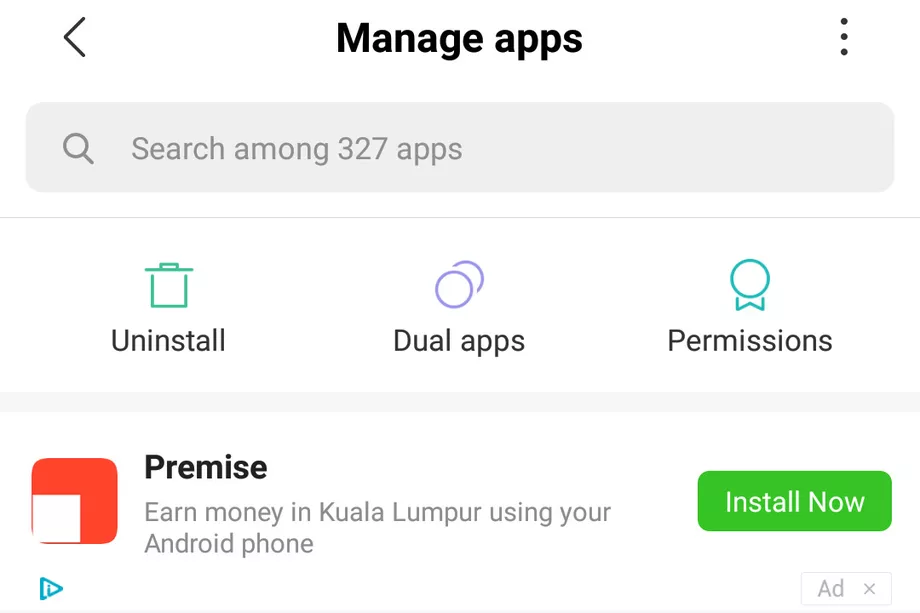
Xiaomi phones are relatively cheap and the company recently assured fans that there is no plan to increase the unit cost of its smartphones. Xiaomi categorically hinted that its hardware net profit margin will not exceed 5%. That’s where it gets complicated. The Chinese company which recently went public on the Hong Kong stock exchange would be looking to ramp up revenue. One revenue source for the company is ads on its MIUI app and of late, the frequency has been astronomical. A Redditor recently shared a screenshot of his MIUI-running phone with adverts popping up on the music app and even the settings menu.
On inquiry by The Verge, Xiaomi confirmed that it serves ads to its smartphones running MIUI based on Android OS. However, phones launched under Google’s Android One program such as the Mi A1 and Mi A2 and Mi A2 Lite. The statement by the company reads; “Advertising has been and will continue to be an integral part of Xiaomi’s Internet services, a key component of the company’s business model. At the same time, we will uphold user experience by offering options to turn off the ads and by constantly improving our approach towards advertising, including adjusting where and when ads appear. Our philosophy is that ads should be unobtrusive, and users always have the option of receiving fewer recommendations.”
While we can’t fault Xiaomi for serving ads on its MIUI app, there is a need to cut down on the rate. The company introduced a 9.9 yuan Super VIP monthly subscription plan for users in China that brings an advertisement free app, Cloud storage and several other features. We don’t know how well that has succeeded. In a situation this doesn’t turn out to be successful, the company may find a way of serving ads in an acceptable manner and not on the settings menu and other interior aspects of the MIUI custom ROM. Perhaps, Xiaomi could choose to adopt Amazon’s style. Amazon sells phones at an ad-subsidized price and gives users the option to pay more if they don’t want to see the ads. That could work in some markets but may not in other places.
Last month, along with the Nokia 6.1 Plus, HMD Global also announced the Nokia 5.1 Plus in the Indian market. However, the Finnish company had not revealed the pricing information of the Nokia 5.1 Plus.
A teaser related to the Nokia 5.1 Plus on Flipkart revealed that the phone will be available for purchase in India exclusively through their platform. Further, the teaser shows that the phone is launching in India on 24th September at 2:00 PM IST, where the company will reveal pricing details.
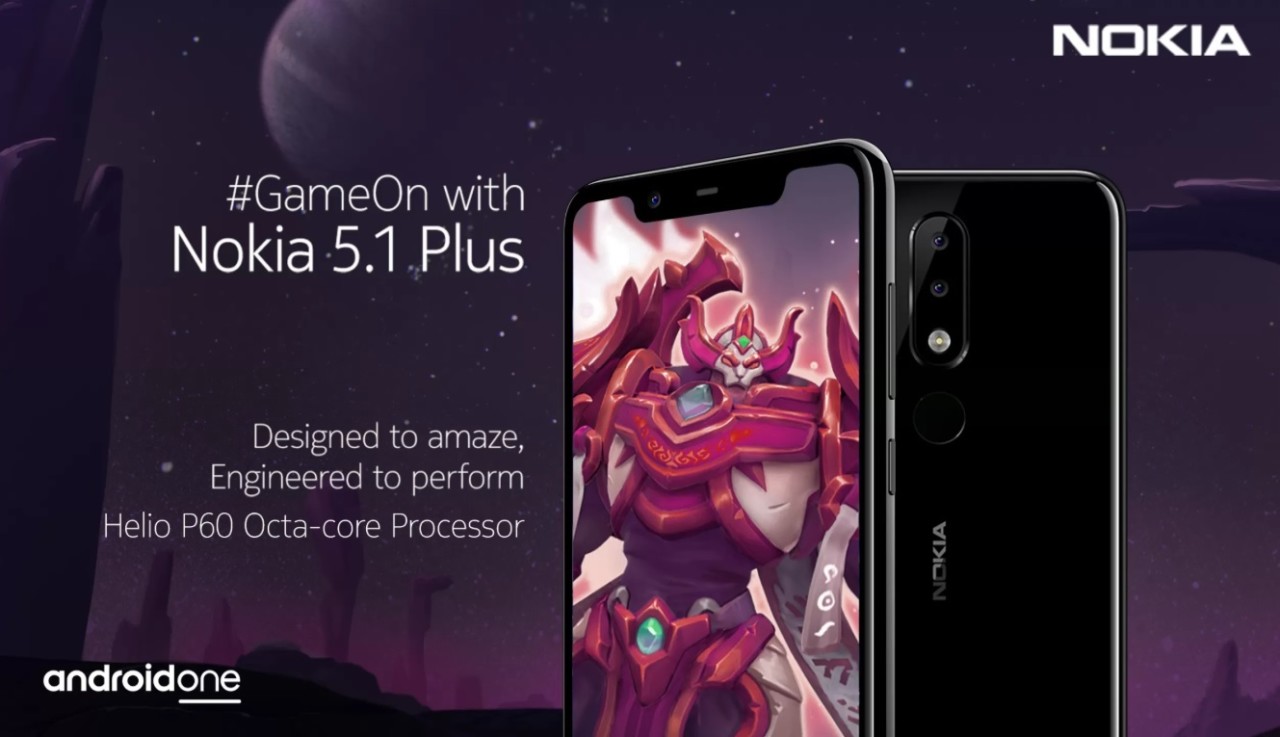
The Nokia 5.1 Plus features 5.86-inch notched display with 2.5D curved glass that offers HD+ screen resolution of 720 x 1520 pixels and an aspect ratio of 19:9. Under the hood, it is powered by MediaTek‘s Helio P60 octa-core processor along with 3GB of RAM.
There’s 32GB of internal storage along with a microSD card slot that enables users to further expand the phone’s storage capacity. In the camera department, the Indian unit comes with a 13-megapixel sensor with PDAF, LED flash and artificial intelligence features. On the front side, it comes equipped with an 8-megapixel front-facing snapper for taking selfies.
It comes with a rear-mounted fingerprint scanner, along with the support for face unlock feature. Connectivity options on the device include 4G VoLTE, Dual-SIM support, Wi-Fi 802.11 b/g/n/ac, Bluetooth v4.2, GPS, 3.5mm audio jack, and USB Type-C.
The phone runs on Android Oreo operating system out-of-the-box and being an Android One smartphone, it comes with the stock interface. The device is powered by a 3,000mAh battery, which should be enough to last an entire day of moderate usage.
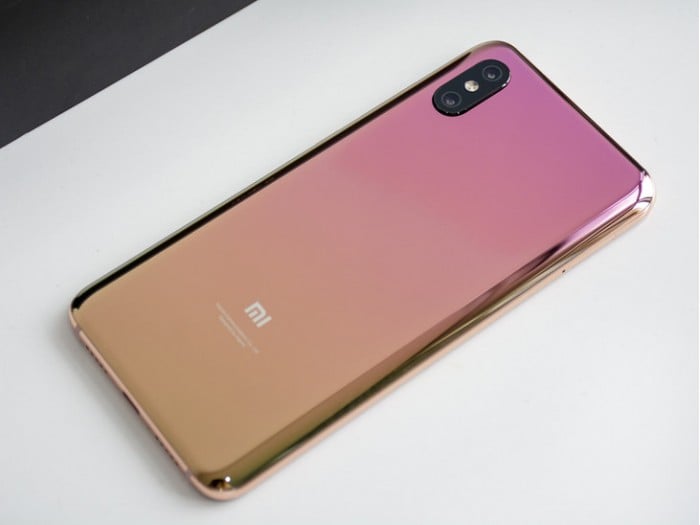
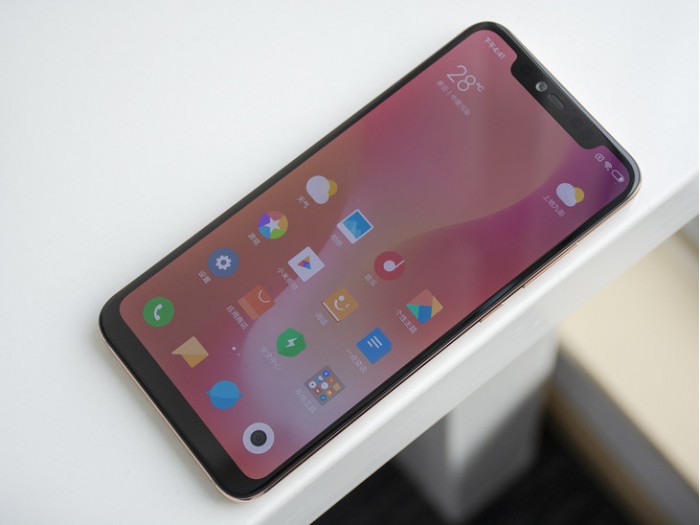
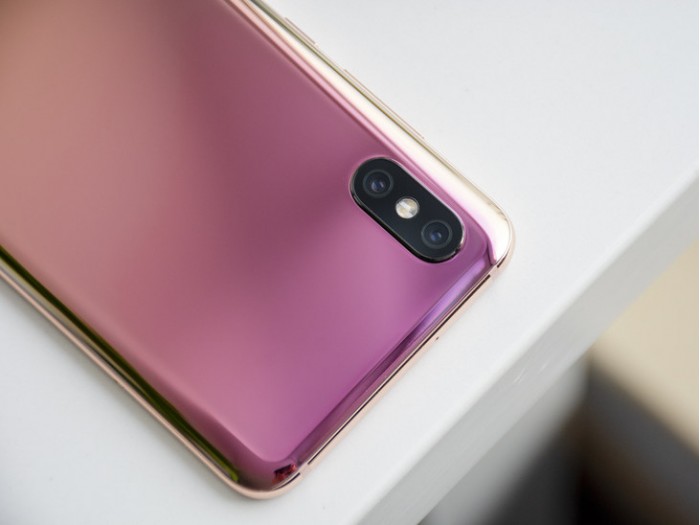
Xiaomi Mi 8 Pro also known as Mi 8 Screen Fingerprint Edition was announced alongside the Mi 8 Lite smartphone yesterday through an unveil event in China. The Mi 8 Pro comes with an in-display fingerprint scanner and it can be availed in three refreshing colors in the home market. The three color editions of the Mi 8 Pro include Transparent version (like the Mi 8 Explorer Edition), Ochre Black and Twilight Gold. Here are some hands-on photos of the Xiaomi Mi 8 Pro.
The Xiaomi Mi 8 Pro and Mi 8 Lite are the first phones to arrive with gradient color hues. The Twilight Gold edition of the Xiaomi Mi 8 Pro offers a color changing appearance on its glass rear with pinkish-red at the top and orangish-gold at the bottom. It surely boasts a premium appeal.
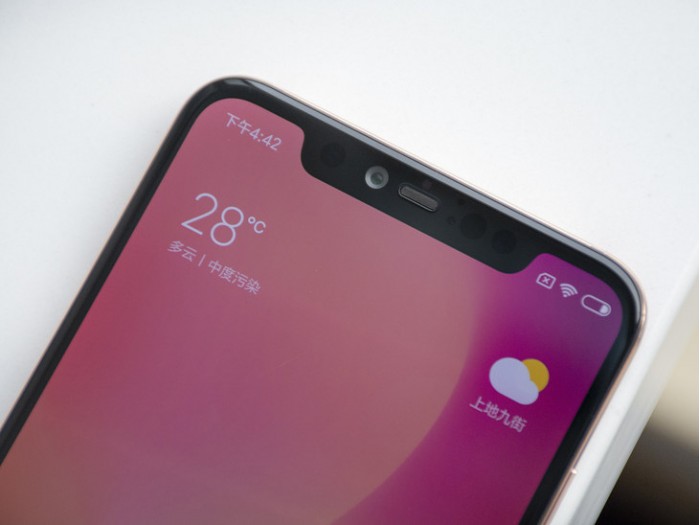
The back panel of the phone only features a vertical dual camera setup since the fingerprint scanner is embedded under the 6.26-inch AMOLED screen on the front. The notched display offers an aspect ratio of 18.7:9. Instead of the advanced 3D facial recognition sensors available on the Mi 8 Explorer Edition, the Mi 8 Pro features infrared face unlock technology like the Xiaomi Mi 8. The infrared face unlock makes it possible to unlock the phone in dark environments.
The notch of the Mi 8 Pro houses a 20-megapixel selfie camera, infrared lens with a pixel size of 3micron and infrared illuminator. The vertical dual camera setup features dual 12-megapixel lenses with Sony IMX363 as the primary sensor. The primary lens has a pixel size of 1.4micron, supports dual pixel autofocus and 4-axis OIS.
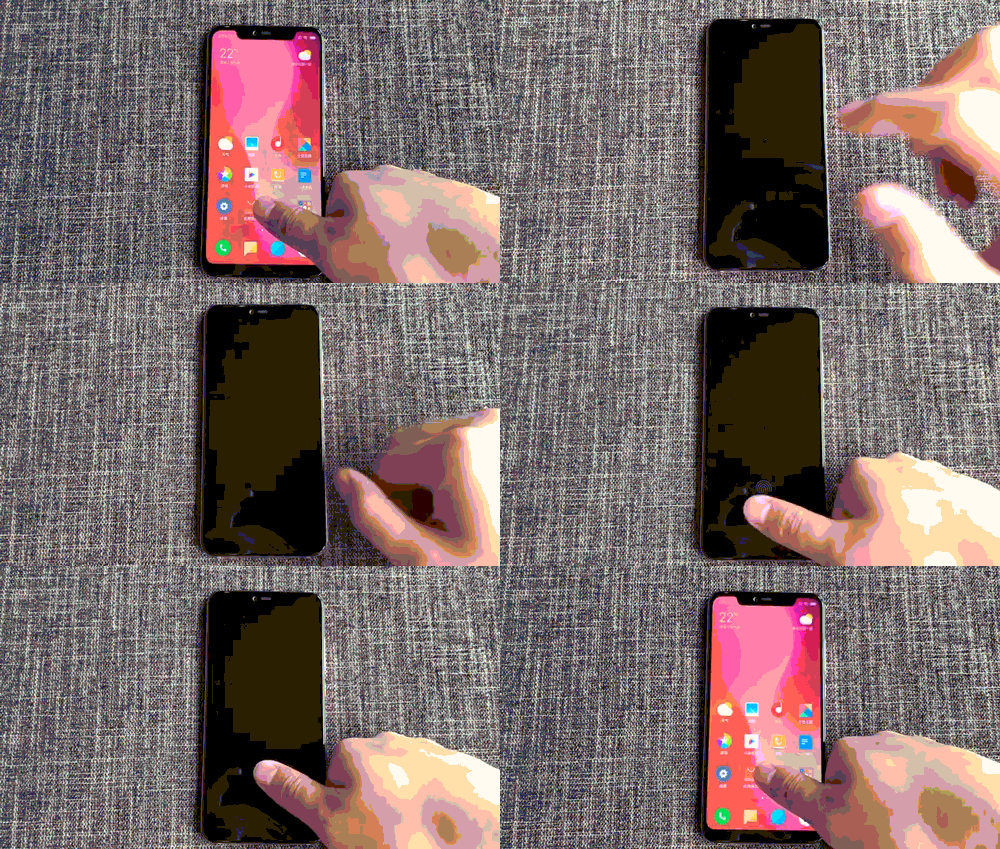
According to Xiaomi, the current phones with in-display fingerprint scanner waste energy as they repeatedly check whether a finger is present on the screen. Instead of a regular in-screen fingerprint reader, the Mi 8 Pro comes equipped with pressure-sensitive in-display sensor which is activated only when pressure is applied on the display.
The company claimed that this technology is faster than the in-screen fingerprint scanner employed by rivalling companies. The above clip shows how fast the in-display fingerprint scanner of the Mi 8 Pro is.
The Snapdragon 845 chipset is present under the hood of the Xiaomi Mi 8 Pro. It also carries support for dual-band GSP technology that was introduced on the Mi 8 smartphone in May. The 128 GB storage + 6 GB RAM of the Mi 8 Pro is priced at 3,199 Yuan and the higher model with 128 GB storage + 8 GB RAM costs 3,599 Yuan. Xiaomi is currently receiving the pre-orders of both MI 8 Pro models in China. The handset will be available for buying in the home market starting from Sept. 21.
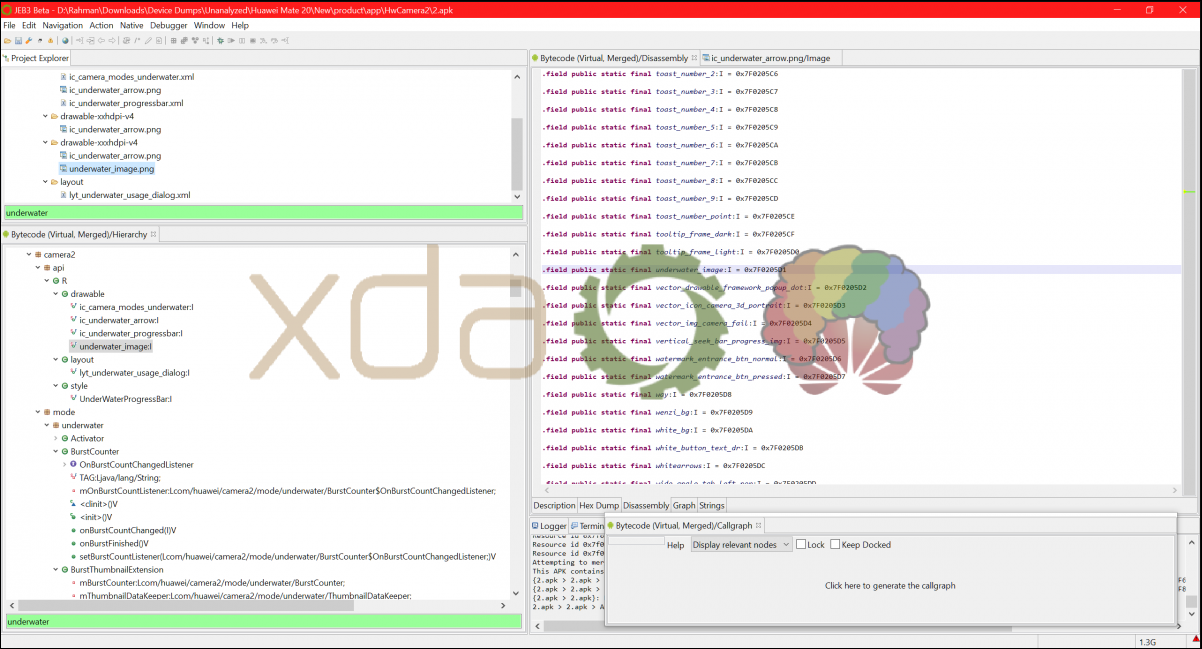
Huawei is expected to announce the Mate 20 series in October and quite a couple of details about the series have been outed before now. A couple of more details of the Mate 20 Pro have now appeared to confirm Huawei is sure adding a couple of new features to the new models. It’s just that this isn’t the straightforward leak but one scooped by the guys at XDA Developers after an APK teardown of the camera app in a leaked build of EMUI 9. The leaked build was shared last week by FunkyHuawei.club, a service which allows users to update, unbrick, or rebrand Huawei and Honor phones for a fee. While the APK teardown doesn’t definitively show what the app brings in the final run, it predicts features that may arrive in a future update of an application. One of the features which the teardown reveal is AI Zoom. The feature will enable automatic adjustment of the video’s zoom level in order to properly keep the subject centred and in some kind of frame. Analysis of the code shows the mode works with a minimum recording resolution of 1080p. Also, AI Camera must be disabled and beauty mode should be at level 0. AI camera is another feature which the teardown uncovers. The camera powered by Kirin 980 will be capable of recognising objects in real-time. This will enable the camera to be able to apply cinematic video filters such as AI Color, Blur, Filter, Hitchcock and Nostalgia in real-time.
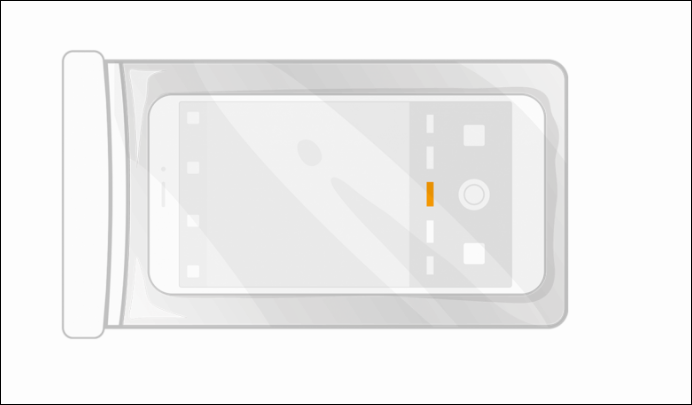
The most attractive feature of all is perhaps the Underwater mode which will allow users to “take clear shots in underwater environments.” The mode isn’t going to allow you use the Mate 20 Pro camera underwater bare body. No, that’s not it. Although the Mate 20 Pro is expected to come with an IP67 rating just like the P20 Pro, there will still be a risk of water damage. But the underwater mode may likely include the use of the phone while in a waterproof plastic bag that Huawei may likely provide. The mode will likely provide the software requires that would result in clear photos being taken in the underwater environment. The mode would also let you shoot a picture with the Volume (-) button and take a video by pressing the Volume (+) button. Also, pressing the power key can turn the camera on or off.
Further, the Mate 20 may also come with a Video Bokeh mode which will allow users to record video with the artificial bokeh that can also be used to take photos. This clue was found in the values VideoBokenSpotShapeSupported and VideoBokehSpotShapeValueSupported. In the state it was found, the feature appears to be incomplete.
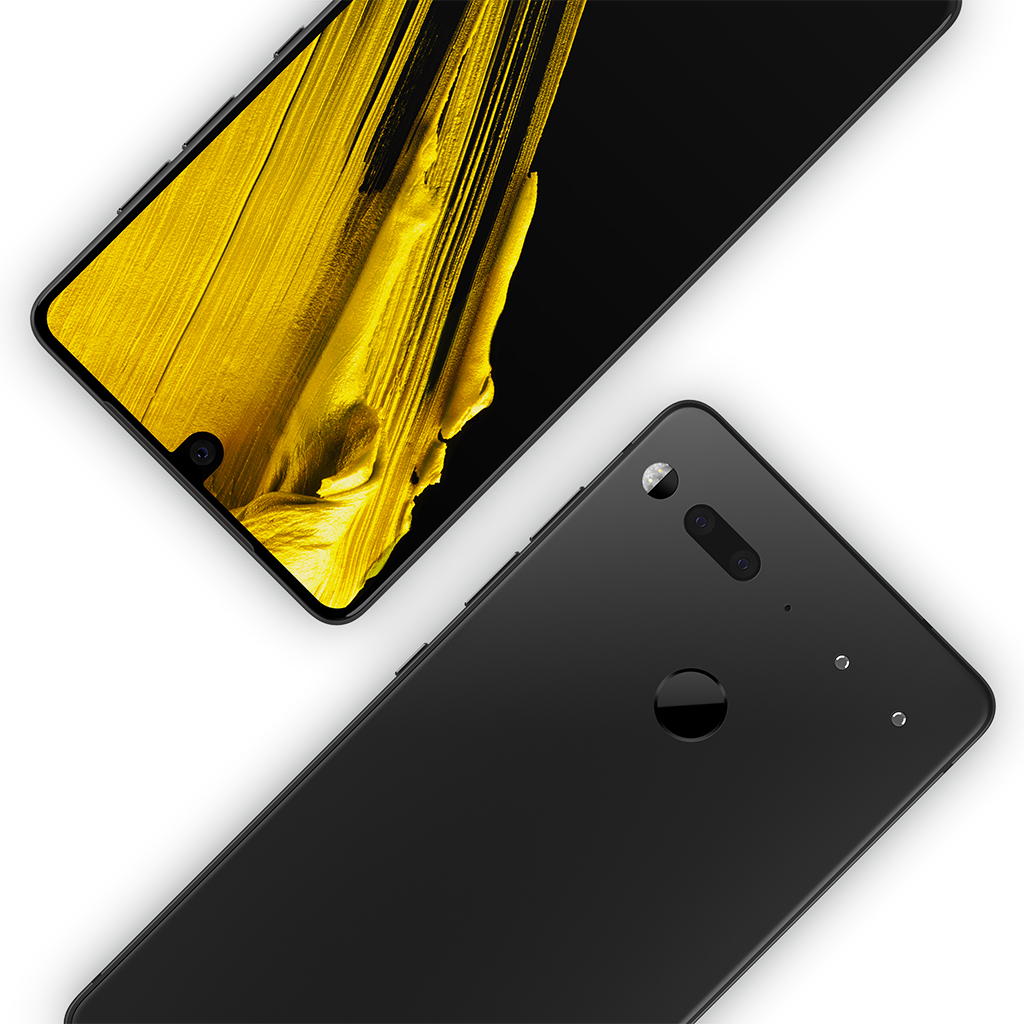
Amid the cancellation rumors of Essential Phone 2, Essential has confirmed Android Q update for PH-1. Due to poor sales of the Essential Phone, the company has decided to put a hold on the development of its successor. After the early rollout of the Android 9.0 Pie on the Essential Phone, now, the company is getting ready for the Android Q update, release slated for the next year.
Today, from Essential’s latest AMA on Reddit we have assembled some of the crucial details. Essential Phone is the only smartphone of the company that is available in the market. Essential was scheduled to launch the Essential Phone 2 this year, but as per the rumors, it has canceled for unknown reasons. Now, Essential is focusing on the development and support for its first smartphone, Essential Phone (PH-01).
After the Android 9.0 Pie update last month, it has lost custom notch settings. Now, on the users’ demand, Essential is all set to bring back the notch custom settings via the upcoming October security patch update. Here’s what they said:
We sure are! It’s in for our October security patch release and we’ll be working to get it out to you as quickly as possible. P.S. So much fun for PUBG (and I guess Fortnite, if they ever let me in the beta lol)
Similarly, on asking about the Android Q update, Essential replied to the user saying, “We’ll provide platform updates for 2 years (until August 2019) and security updates for 3 years (until August 2020).
Essential denied the availability of Panorama view feature in the camera app of the device. Further, it answered all the queries related to the upcoming features, bugs, and fixes. It’s a good going from the Essential to bring the latest software update for the Essential phone.
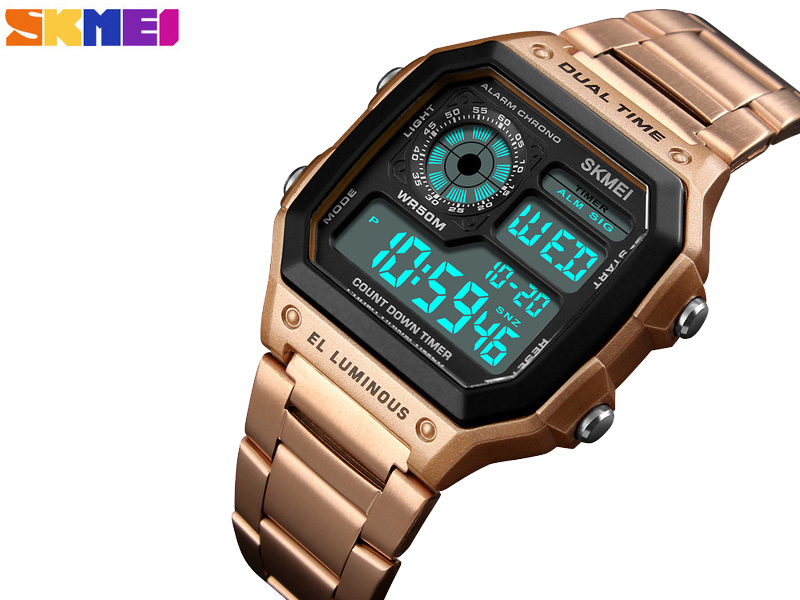
If you’re in the market for a stylish, feature-laden wristwatch, you have come to the right place. Staying true to its reputation for manufacturing quality watches at affordable prices, SKMEI’s feature-laden fashion watch has gone up for sale on GearBest.
The popular watchmaker is offering this Men Sports Waterproof Watch Stainless Steel Fashion Digital Wristwatch at a lowered price on GearBest. While the coveted watch would normally set you back a pretty penny on online and offline stores, you can now buy it for just $9.74 on the popular Chinese electronics online store.
This is a noteworthy 29% discount on the watch’s original asking price and it will be valid for the gold color version. An absolute bargain at this price, this sports watch for men from SKMEI boasts an impressive array of features.
Its case is made using a robust ABS material and it sports an appealing square-shaped dial with digital watch movement. Furthermore, the dial of this 50M waterproof watch is well complemented by a sheet folding clasp.
Moreover, the watch adopts an EL Lamp that enables its wearer to see the time clearly simply by pressing the “LIGHT” button. Other functions include 2time, chrono, alarm, date, week, EL, countdown, and a 12/24 hour clock.
Its dimensions are 9.06 x 1.69 x 0.51 inches and it weighs in at just 0.0850 kg. Alternatively, you can get 36% off on the black, copper and 29% off on the silver color versions of the SKMEI-branded digital wristwatch.
You can avail the discount by heading straight to this link. It is imperative for you to bear in mind that there were only 379 pieces left for the Flash Sale price at the time of writing and the promo is slated to end in 7 days.
Next year, leading smartphones manufacturers are expected to 5G-ready phones and flagship phones with foldable displays. During the annual meeting of the New Champions in Tianjin, China that was organized by World Economic Forum, Huawei confirmed that its first 5G smartphone featuring a foldable display will go official by mid-2019.
At the press meet, Huawei deputy chairman Ken Hu confirmed that the company is aiming to launch multiple phones in the year 2019. Hu confirmed that the first Huawei 5G-ready phone will go official in mid-2019. Moreover, it will be equipped with a foldable display. The Chinese manufacturer is now gunning to become the first firm to debut a smartphone with foldable screen.
5G phones are expected to deliver 100 times faster data connectivity than 4G networks. Hu claimed that Huawei’s first foldable screen smartphone will allow users to enjoy high-speed data connectivity along with amazing HD video experience on its large display. It is speculated that the Kirin 980 which is the world’s first 7nm chipset will be powering the handset.
The Kirin 980 will be powering the Mate 20, Mate 20 Pro and Honor Magic 2, but these phones will not support 5G connectivity because of the modem present inside the chipset. However, the Kirin 980 SoC that will be powering the first foldable screen smartphone by Huawei is expected to come equipped with Balong 5000 5G modem. The modem was unveiled at the IFA 2018 tech trade show.
Huawei’s first foldable smartphone is expected to feature a flexible OLED display technology. Various display makers such as Japan Display, Samsung Display and LG Display have been working on flexible OLED screens since several years. As of this writing, there is no information on the other specifications of the company’s first 5G ready foldable smartphone.
Huawei is prepping up to become the first company to launch a foldable phone with 5G connectivity, but Samsung may beat Huawei to become the first company to introduce a foldable smartphone in this year. It is speculated that Samsung’s first foldable screen smartphone may get unveiled as early as November this year. Samsung’s 5G phones are expected to arrive next year.
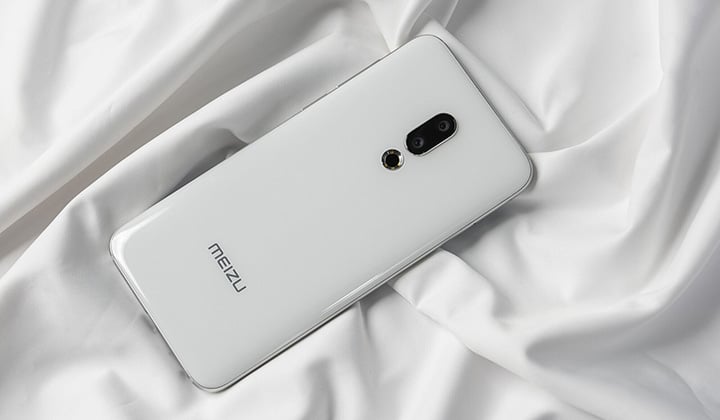
Yesterday, Meizu launched the Meizu 16X at an event in Beijing with high-end specs. It is made available with 6GB RAM only, but what happened to the touted Meizu 16X 8 GB RAM variant? A Meziu fan asked the same question to the company’s founder, Huang Zhang. He responded by saying that “The supplier has not yet settled.” Well, this makes the picture clear that due to some problems with the components supply, the Meizu 16X 8GB RAM version has not announced.
Meizu has made it available in two different variants – 6GB/64GB and 6GB/128GB internal storage priced at 2098 Yuan ($306) and 2398 Yuan ($350) respectively. Currently, it is not clear whether Meizu will announce the 8GB RAM variant in the future or not. If we go with the tweet from the Huang Zhang, then it seems that Meizu is trying to solve the supply issues. Well, we have to wait for some official confirmation about its launch before ending up on any result.
Meizu 16x Specs
Additionally, it carries a Qualcomm Snapdragon 710 SoC developed with 10 nm process for better efficiency and increased performance. There’s an Adreno 616 GPU coupled with the chipset to improve the graphics performance of the device. It features a 6-inch AMOLED display having a resolution of 2160×1080 pixels.
Meizu 16X features a 12-megapixel + 20-megapixel rear camera having features such as HDR, OIS (Optical Image Stabilisation). On the front side, there’s a 20-megapixel camera for selfies with AI features such as face recognition and AI beautify. The Snapdragon 710 SoC carries upgraded Spectra 250 ISP which will bring better images than the spectra 160.
In the battery department, Meizu has added a 3100 mAh battery, sufficient to run it whole day upon full charge, claims Meizu. We hope to receive an official confirmation from Meizu regarding the Meizu 16X 8 GB RAM variant.
With more and more people hitting the gym and resorting to a healthier lifestyle, the demand for fitness products has grown by leaps and bounds over the last few years. While the market is crammed with all sorts of fitness gadgets, smart bracelets have particularly garnered huge popularity among fitness conscious people.
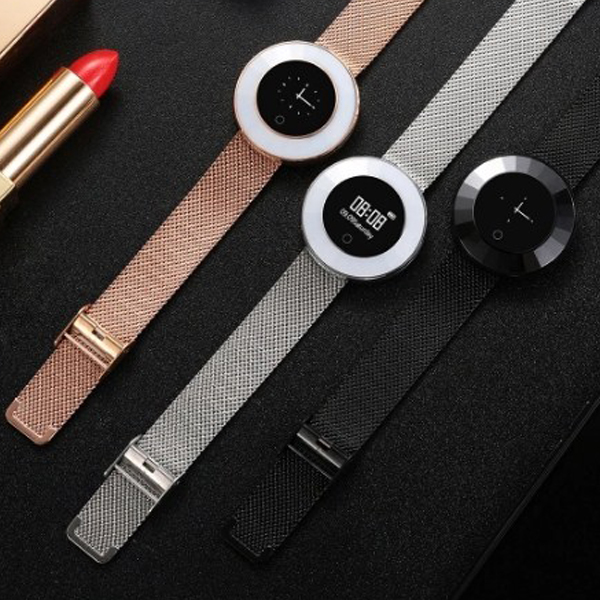
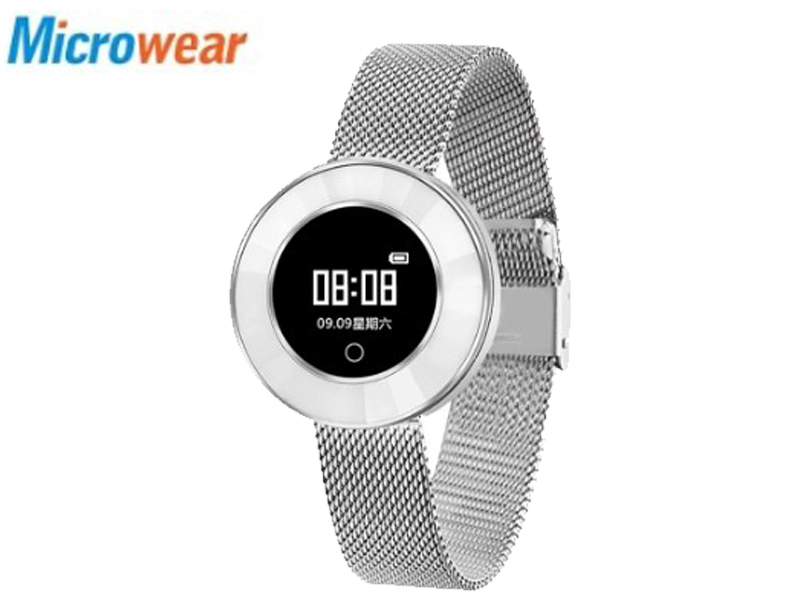
If you’re in the market for a feature-laden smartwatch that doesn’t cost a bomb, you may want to take a look at the Microwear X6. Packed with an impressive array of features, the X6 is now up for sale at a reduced price on TomTop, much to the delight of those who aren’t willing to spend a lot of money on a fitness gadget.
Aside from shedding light on the above-mentioned discount, we’ll even show how you can effortlessly save a considerable amount of extra money on the bracelet’s dropped price. The Microwear X6 would normally set you back $74.09 on online stores and offline shops, but you can buy it at a lowered price of just $42.99 on the popular Chinese online store.
On top of that, you can extend this noteworthy 42% discount further by applying coupon code MX6W at the time of checking out. This will help you save an extra $6 and bring your grand total down to just $36.99 before you proceed to checkout.
An absolute bargain at this price, the X6 smartwatch is available in three colors including silver, black and rose gold. It sports a clearly visible 0.66 inch OLED touchscreen display with a screen resolution of 64 X 48 pixels.
You can wear the X6 smartwatch in rain or while washing hands without inflicting any sort of damage to it since it carries an IP67 waterproof certification. Moreover, the device notifies its wearer about incoming call, text message and display alerts for schedule.
You can click here to visit the promotion page and check out the rest of the specification and get the discount. It is worth noting that the aforesaid coupon is likely to expire soon, while the sale will come to an end in 18 days.
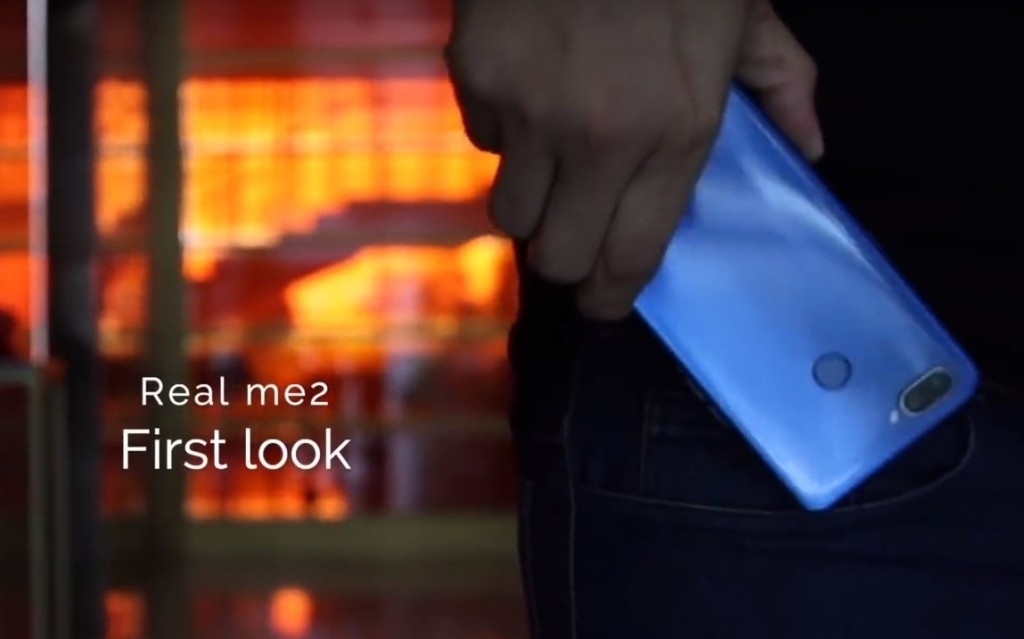
Realme 2 Pro is all set to go official in the coming week. It is expected to arrive with some upgraded specs and features over the Realme 2 phone that was unveiled in August. In a recent interview with well-known YouTuber Gaurav Chaudhary, Realme CEO Madhav Sheth not only showcased the Realme 2 Pro smartphone, but also confirmed the chipset that will be powering it.
The interview begins by showing the brand strategy of Realme which is a subsidiary of OPPO. When Chaudhary suggests Sheth to confirm on some of the specs of the phone, he immediately picks up the Diamond Blue colored Realme 2 Pro handset and flaunts in front of the camera.
As previous leaks have revealed, the Realme 2 Pro features a waterdrop notch and dual rear cameras. A fingerprint scanner is placed on the backside of the phone that has a glass finish design. Sheth claims that the handset offers a screen-to-body ratio of 91 percent and he has also confirmed the Snapdragon 660 will be present under the hood of the smartphone. The Realme 2 phone that was unleashed in the previous month has Snapdragon 450 SoC.
Realme CEO has also revealed that the company will be launching its around two to three devices by March. This suggests that the company may launch Realme 3 and Realme 3 Pro within a timespan of six months from now. The current Realme phones are running on ColorOS custom ROM by OPPO. Sheth has revealed that the firm is working on its version of Android skin for its future phones.
At present, there is no information available on the other specs of the Realme 2 Pro may not be very different from Realme 2. The Oppo Realme 2 features a 6.2-inch HD+ notched IPS LCD screen. The 32 GB and 64 GB storage variants of the Realme 2 respectively features 3 GB and 4 GB of RAM. It is packed with a 4,230mAh battery. For photography, it features 13-megapixel + 2-megapixel dual camera setup and a selfie shooter of 8-mgeapixel. The 32 GB and 64 GB Realme 2 variants are respectively priced at Rs. 8,990 (~$125) and Rs. 10,990 (~$152).
The Oppo Realme 2 Pro is slated to get official on Sept. 27. Sheth has also revealed that the handset is priced between Rs. 10,000 and Rs. 20,000. The Realme brand was introduced to the public with the launch of Realme 1 handset and the company has managed to sell 1 million Realme phones.
We use cookies on our website to give you the most relevant experience by remembering your preferences and repeat visits. By clicking “Accept”, you consent to the use of ALL the cookies.
This website uses cookies to improve your experience while you navigate through the website. Out of these, the cookies that are categorized as necessary are stored on your browser as they are essential for the working of basic functionalities of the website. We also use third-party cookies that help us analyze and understand how you use this website. These cookies will be stored in your browser only with your consent. You also have the option to opt-out of these cookies. But opting out of some of these cookies may affect your browsing experience.
Necessary cookies are absolutely essential for the website to function properly. This category only includes cookies that ensures basic functionalities and security features of the website. These cookies do not store any personal information.
Any cookies that may not be particularly necessary for the website to function and is used specifically to collect user personal data via analytics, ads, other embedded contents are termed as non-necessary cookies. It is mandatory to procure user consent prior to running these cookies on your website.




 With more and more people hitting the gym and resorting to a healthier lifestyle, the demand for fitness products has grown by leaps and bounds over the last few years. While the market is crammed with all sorts of fitness gadgets, smart bracelets have particularly garnered huge popularity among fitness conscious people.