The company’s CEO and founder Huang Zhang has revealed several details about the upcoming Meizu 16 line-up. If he keeps doing this in a consistent way, the official event would no longer be very exciting. Today, Jack Wong has revealed that the upcoming flagships will not follow the Apple bandwagon and it will retain the 3.5 mm headphone jack. But according to his words, the company will consider its removal in future smartphones to opt for a cleaner design with fewer holes.
Meizu 16 Render
People are slowly getting used to the lack of a headphone jack in favor of adapters for USB Type-C and Lightning ports or wireless headphones, but it is still widely used, and Meizu probably felt that it is still not the right time to remove it. The Meizu 16 series will be composed of two models: 16 and 16 Plus. Both will be the first Meizu flagships to be equipped with the best Qualcomm SoC currently in the market. We are referring to the octa-core Snapdragon 845 chipset with a max frequency of 2.8 GHz. There will be an in-display fingerprint scanner, but you will not see a notch as the company has opted for an 18:9 full screen.
Still, the bezels around the display will be narrower than the Galaxy S9 line-up, and there will also be dual speakers. The highest configuration is expected to pack 8 GB of RAM for the first time in Meizu’s history. According to Jack Wong, the new line-up will be launched as soon as possible, while according to previous reports will be official in August. Alongside the Meizu 16 series, there will also be the Meizu X8, an upper-midrange handset which will be powered by the new octa-core Snapdragon 710 chipset by Qualcomm. Prices will be convenient in each case as the 16 and 16 Plus should cost up to 4000 Yuan and the X8 should have a price tag from 1500 to 2000 Yuan.
In 2018, is the headphone jack really very important to you?
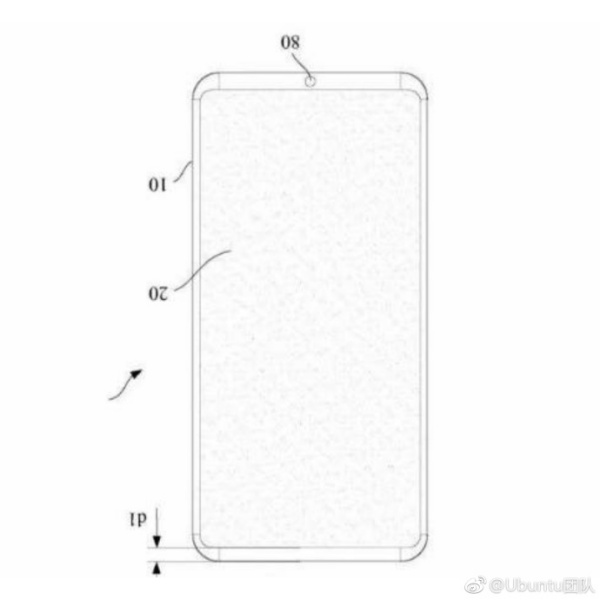
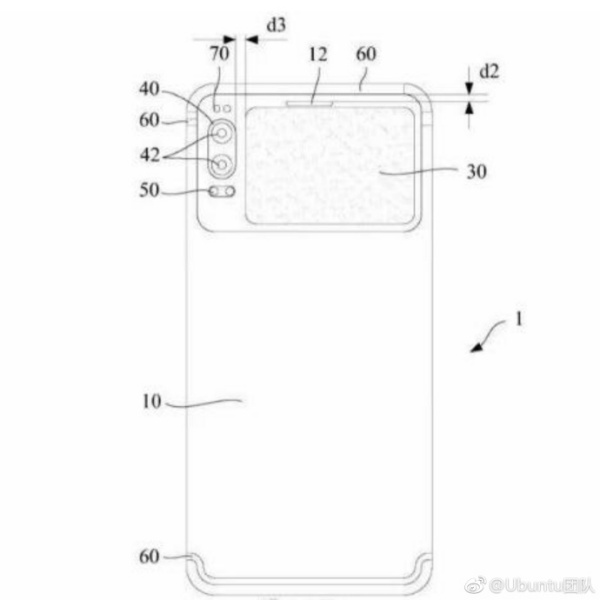
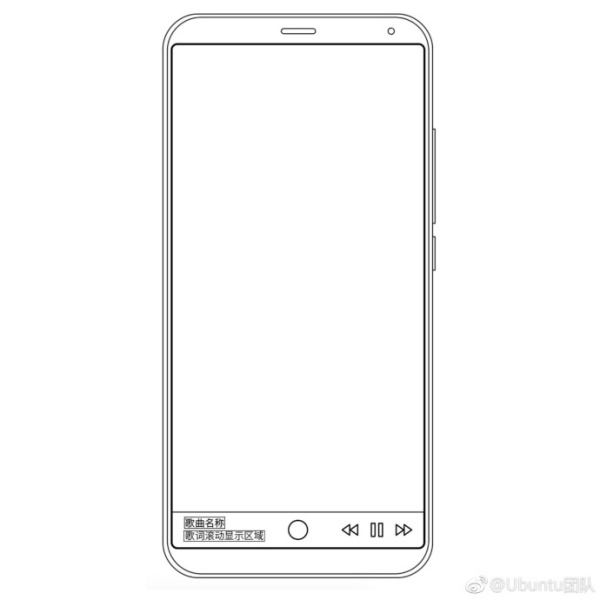
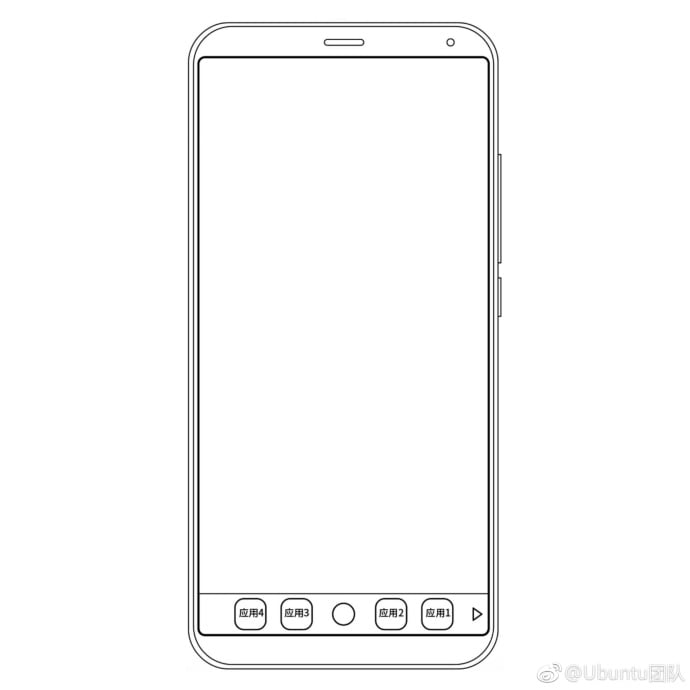
One spectacular thing Meizu is known for is the innovation it brings to the design of its smartphone. The company is expected to release the Meizu 16 any moment from now with lots of hype already generated around it. The design schematics of two new Meizu phones have appeared online with an interesting design style.
The two designs seem to be new patent filings by the company. The schematics of the two phones cast doubts as to where the main highlights are the phone designs or a couple of features. Both phones designs are of the trending full-screen but the screen ratio is the major thing that makes us question the design. One of the models presents with a near bezel-less screen but the top bezel is large enough to house the selfie sensor.
One of the two models presents with a dual camera sensor at the rear as well as a secondary screen. Meizu seems to have a thing for secondary screen even when that design used on the Pro 7 wasn’t really enough to elicit a wild response. Meizu’s CEO recently revealed the company has a huge inventory backlog of the device. A second Meizu phone packing a circular secondary screen which was never released made the rounds as well recently. But then, the back design of this model seems to be far better than what we had seen on the Pro 7.
We think the designs are of some innovative features that could find their way in trickles into Meizu phones in the future but we may not see a phone designed in any of this manner. Who knows, some of the features might find their way into the flagship Meizu 16.
After launching Vivo Z1 smartphone in its new Z-series of mid-range smartphones, Chinese smartphone manufacturer Vivo has now launched a new device — Vivo Z1i, which is a cheaper variant of the Vivo Z1. This is the same smartphone that recently surfaced online, revealing its specs.
The Vivo Z1i will be available for purchase in China from July 7th in two color options — Black and Gold. The smartphone is priced at 1,898 Yuan, which roughly converts to $285 and is currently available for pre-order through Vivo Online Store.
In terms of specifications, the smartphone features a 6.26-inch Full HD+ IPS display with 2280 x 1080 pixels screen resolution and 19:9 aspect ratio. In line with the current trend, the phone also comes with a notch on top of the display, which houses the front-facing camera and other sensors.
Under the hood, the device is powered by Qualcomm‘s Snapdragon 636 octa-core processor with Adreno 509 GPU. This is the same chipset that powers other mid-range smartphones such as Xiaomi Redmi Note 5 Pro and ASUS Zenfone Max Pro M1, among others.
The Vivo Z1i packs 4GB RAM and 128GB of internal storage. Even though it has 128GB onboard storage, the device has a microSD card slot, which enables users to further expand the storage capacity up to 256GB.
Coming to the optics, the smartphone sports a dual camera setup on the back side, with sensors stacked vertically and the module placed in the top-left corner, along with an LED flash. The back camera module consists of a 13MP primary sensor and a 2MP secondary sensor. On the front side, there’s a 16MP snapper for taking selfies and video calling.
There is also a fingerprint sensor placed on the back panel for added security. Connectivity options on the smartphone include 4G VoLTE, WiFi 802.11 ac (2.4GHz / 5GHz), Bluetooth 5, and GPS. It runs on Android 8.1 Oreo operating system with the FunTouch OS 4.0 on top. The device drives power from a 3,260mAh battery, which seems sufficient to last full day on moderate usage.
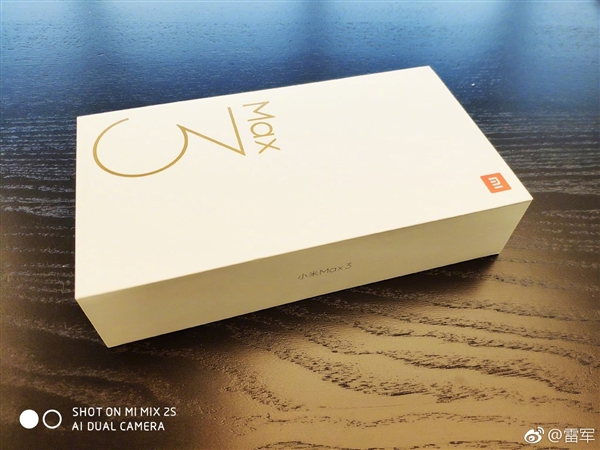
The Mi Max 3 is expected to launch this month. The device already surfaced on TENAA, revealing its specs and design. Today, Xiaomi’s CEO – Lei Jun has released a picture of the retail box.
The retail box doesn’t reveal much and has a similar design Xiaomi uses for its phones now. There is a Mi logo at the top right corner, and “Max 3” written in gold in a larger font at the bottom. There is also Mi Max 3 written on the side.
However, there is a chance the retail box will vary according to markets. The Mi Max 2, for example, has a different retail box in China and India. While the Chinese model has a plain white and simple design, the version made and sold in India has a photo of the phone in front. The global version of the Mi Max 3 may also come with a different design.
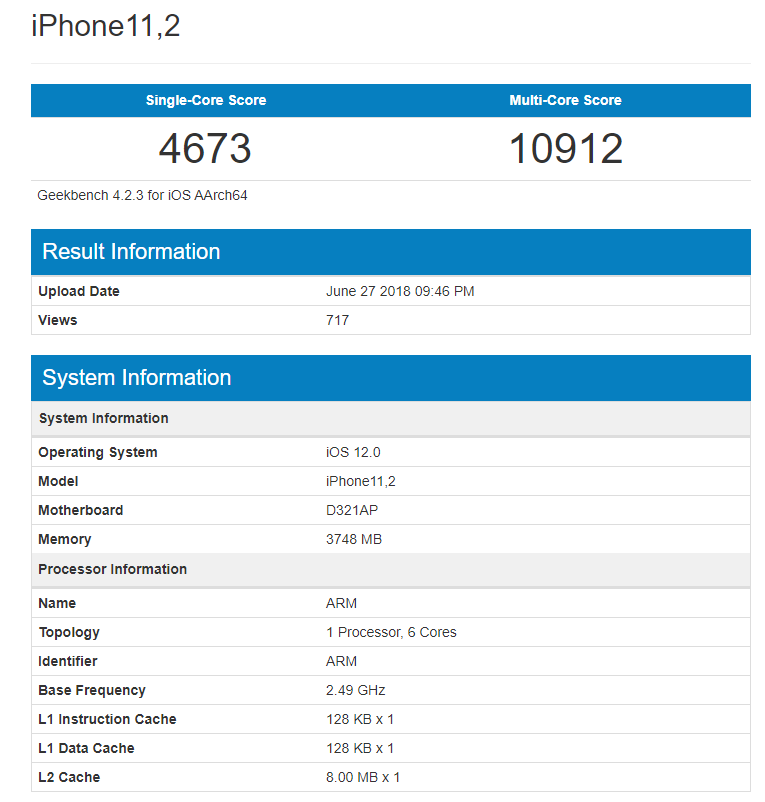
Apple is expected to launch three new iPhones this year. One of them, which we think is the iPhone X 2018, has been spotted on Geekbench.
The new iPhones will be powered by a new SoC known as the Apple A12. The Geekbench listing of the new iPhone (benchmarked as iPhone 11,2) confirms the newer SoC to be D321AP which is different from the iPhone X’ D22AP.
The CPU benchmark scores are not significantly different from the A11’s but that may change after some optimizations. However, there are some other big changes. The L1 cache is now larger at 128KB and the base frequency is higher at 2.49GHz, compared to the A11 bionic’s 32KB and 2.39GHz respectively.
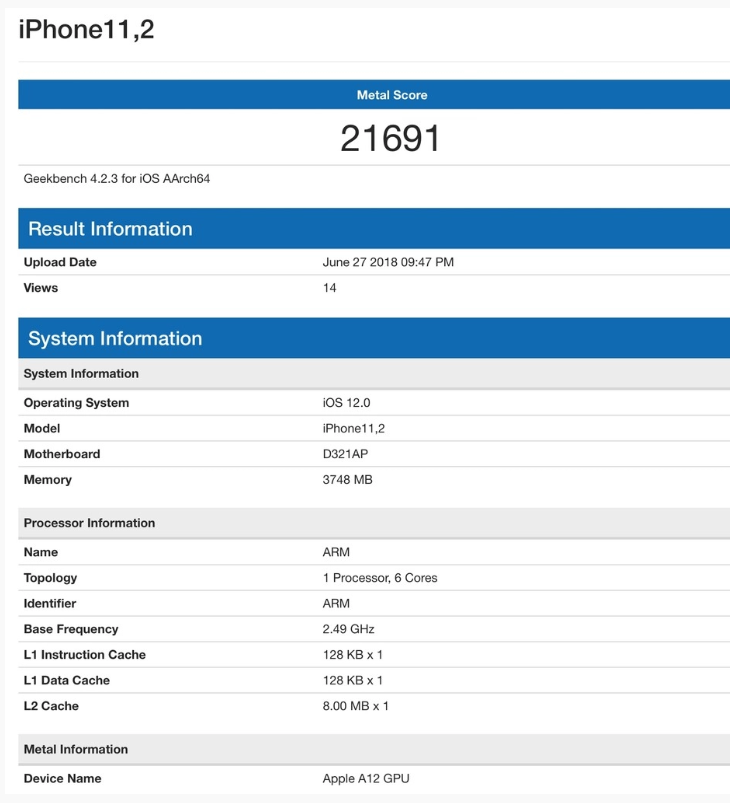
The biggest improvement in the new Apple A12 chipset is in the GPU. Its metal score is 21691 points, a big jump from the A11’s 15005. This is Apple’s second GPU since ditching Imagination’s PowerVR GPU and it does pack some serious punch.
After launching Galaxy J8 in India, Samsung has launched a new mid-range smartphone in the country under its online-only ‘On’ series — Samsung Galaxy On6. The smartphone comes in two color options — Blue and Black and will be available for purchase through Flipkart and Samsung Shop Online, for a price of Rs. 14,490 (roughly converts to $218) in the first sale.
After the first sale of the Galaxy On6, the pricing of the smartphone will increase to Rs. 15,490, which roughly converts to $225. The first sale for the smartphone will take place on July 5th, Thursday. As a part of launch offers, users can get a complete mobile protection plan at just Rs. 49.
The smartphone comes with a 56-inch HD+ Super AMOLED Infinity Display with 2.5D curved glass, 1480 x 720 pixels screen resolution, 18.5:9 aspect ratio and pixel density of 293 PPI. Under the hood, the device is powered by Samsung’s own Exynos 7870 octa-core processor clocked at 1.6GHz, along with Mali T830 GPU. It’s disappointing to see that Samsung is still using the outdated Exynos 7870 chipset, which was launched in 2016.
The device packs 4GB RAM and 64GB of internal storage along with support for microSD card for expanding the phone’s storage capacity up to 256GB. In the camera department, the phone features a 13-megapixel rear camera with LED flash and an 8-megapixel front-facing camera, which also comes equipped with an LED flash.
For added security, the phone comes with a fingerprint sensor, placed on the back panel. Connectivity options on the device include 4G VoLTE, Wi-Fi 802.11 b/g/n, Bluetooth 4.2 LE, and GPS. The device is running Android 8.0 Oreo operating system out of the box and is powered by a 3,000mAh battery, which should be enough to provide power for a full day usage.
At this price point, the Samsung Galaxy On6 will be competing against the likes of Xiaomi Redmi Note 5 Pro, ASUS Zenfone Max Pro M1, and Oppo’s Realme 1. It seems difficult for Samsung to compete with these devices as all three of them comes with better specifications than the Galaxy On6.
The Huawei Nova 3 was seen on TENAA last week but only images were available. The full specs have now been revealed and the Nova 3 does pack some interesting features.
The Nova 3 will come with a 6.3-inch 2240 x 1080 display which means it has a notch. It is powered by a 2.36GHz octa-core processor. There were rumors that the phone will come with the new Kirin 710 but that doesn’t seem to be the case as that clock-speed points at the Kirin 659. Yeah, we are tired of it too.
The SoC is paired with 6GB of RAM and will come in 64GB and 128GB versions. There will also be a microSD card slot to add up to an extra 256GB of storage.
The selling point of the Huawei Nova 3 will be its quad cameras – dual cameras on both sides. We guess this is Huawei’s way of compensating for the Kirin 659. The rear cameras are a combination of a 16MP primary sensor and a 24MP secondary sensor. For selfies, the Nova 3 packs a 24MP sensor and it is paired with a secondary 2MP sensor. Expect it to come bundled with Huawei’s AI features.
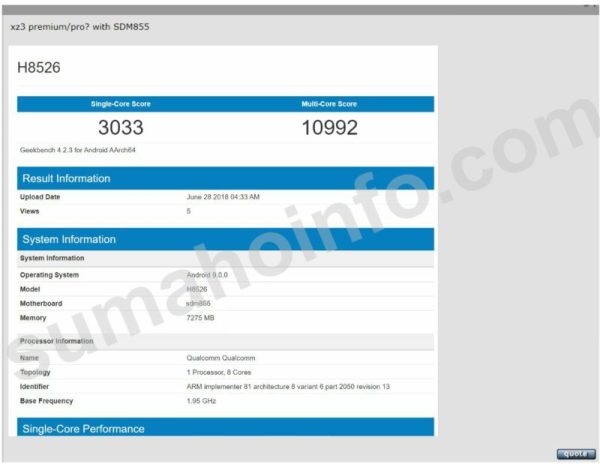
A Geekbench listing of Sony H8526 has been spotted by a Reddit user. The screenshot of the listing is now available on a Japanese tech site. What’s interesting about the listing is that the Sony H8526 has been spotted with the unannounced Snapdragon 855 SoC.
The Geekbench listing of H8526 has revealed that the handset has scored 3,033 points in the single-core test. Also, it has recorded an extraordinary score of 10,992 in the multi-core test. The H8526 has achieved such marvelous scores thanks to Snapdragon 855 and 8 GB of RAM. In fact, Sony H8526 seems to be the first phone from the company to feature 8 GB of RAM. The handset is preloaded with Android 9.0 P.
The Sony Xperia XZ2 series have model numbers from H81XX to H83XX. The recent leaks have revealed that the upcoming Xperia XZ3 has a model number of H84XX. The Sony H8256 handset features all the specs that are suitable for a 2019 Sony flagship. On the contrary, the presence of “H” at its beginning suggests that it could be a 2018 smartphone. Also, the Geekbench listing is not available on the benchmarking site. Hence, it seems that the listing could be fake. So, readers are advised to digest this report with a grain of salt.
Recent reports have revealed that Sony may debut the Xperia XZ3 smartphone at the upcoming IFA 2018. The handset is expected to borrow dual cameras and front camera from the Xperia XZ2 Premium that was made available in April. There is a possibility that the Xperia XZ3 Compact also arrive with the XZ3. It is also speculated that another premium smartphone named as Xperia XZ3 Pro or XZ3 Premium may debut before the end of this year.
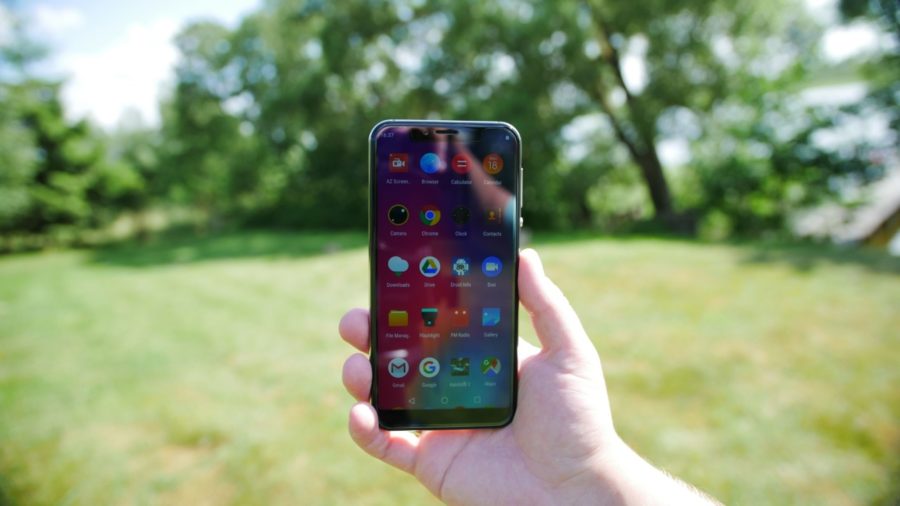
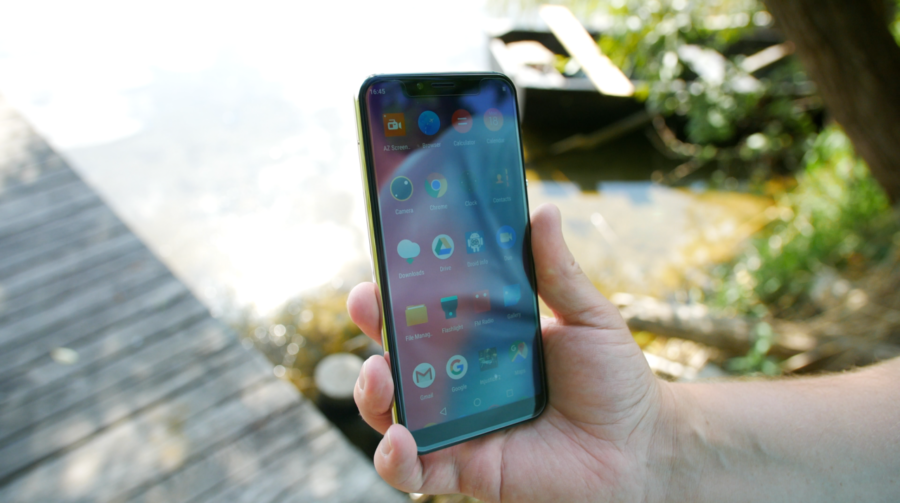
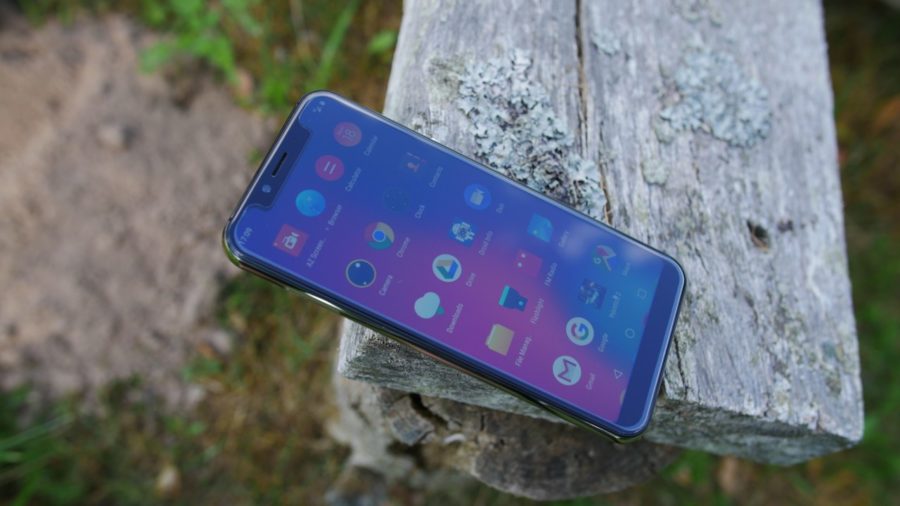
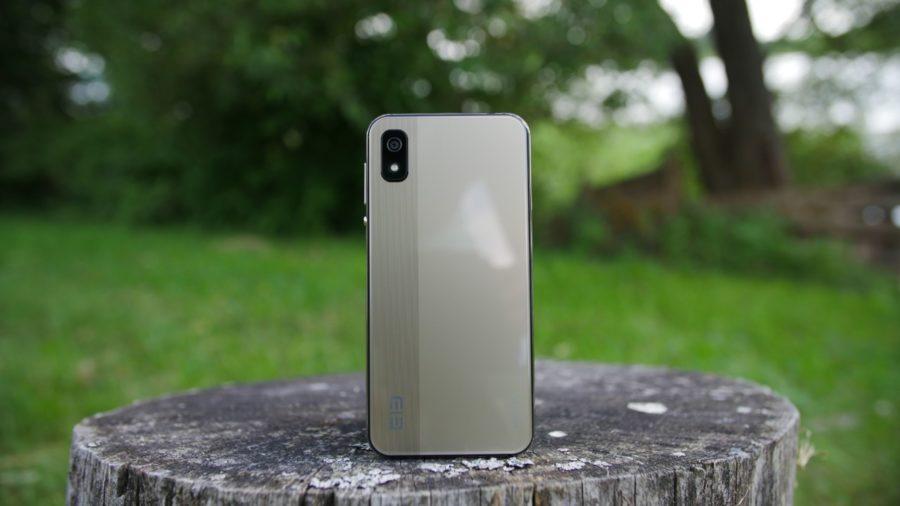
This is the Elephone A4. It costs just about $110 but it has a full-screen display with the notch, nice design, and great build quality but… it doesn’t mean it’s a perfect phone. As always, stay tuned to the full Elephone A4 review to find out all the pros and cons.
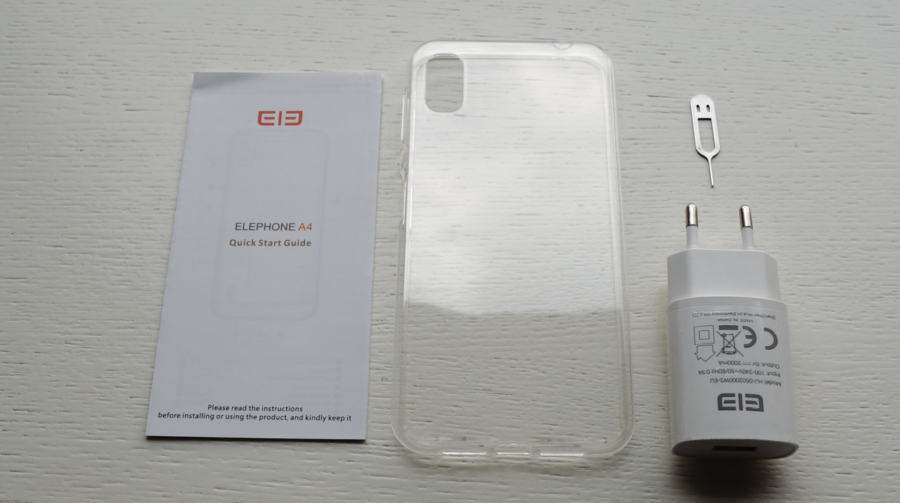
The phone ships with all the usual stuff and some extras include a soft TPU case.
DESIGN
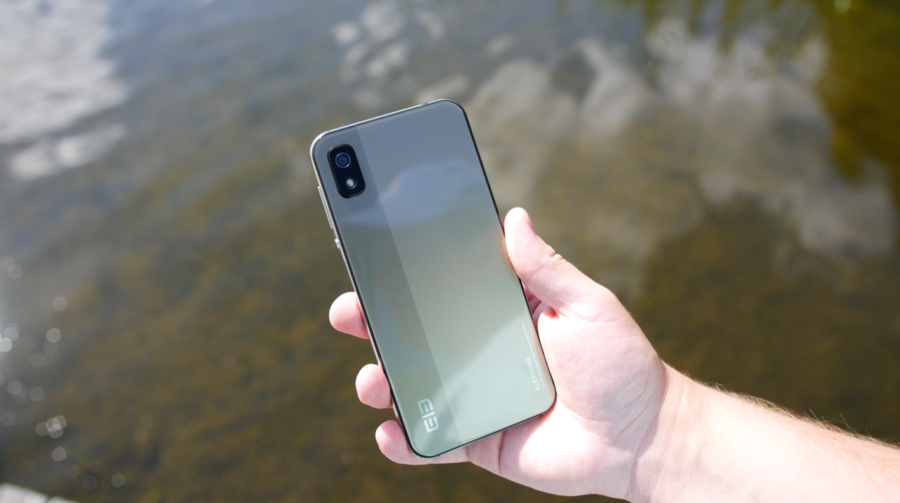
Design-wise, we are looking at a very nice and well-built phone. I like a shiny Stainless steel frame that just feels sturdy and the overall build quality is very good. A glass backplate and Stainless steel make the phone look more expensive than it is.
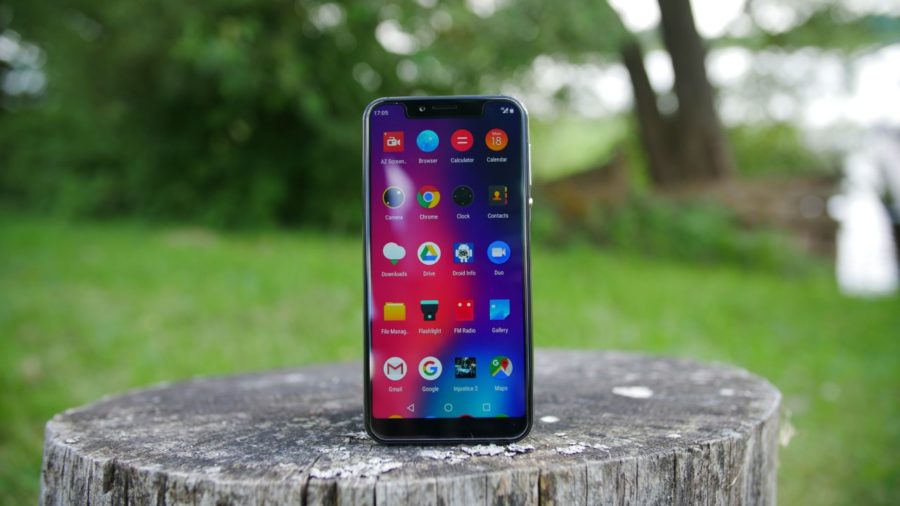
The display is pretty good for the price of the phone. It’s sharp and vibrant and outdoor visibility is decent. We have just a single camera system that I will talk a bit later. A side-mounted fingerprint reader is very accurate and fast, and it’s easy to reach. A face unlock feature kind of works but it’s unreliable, that;’s why I use the fingerprint reader.
Other features: the Elephone A4 has a 5MP selfie shooter and a hybrid sim card slot. However, there is no notification LED light, no headset jack, the device uses a micro USB port, instead of USB C. Finally, the loudspeaker quality is quite bad and the sound gets distorted at the highest volume settings. Here is an audio sample.
HARDWARE and PERFORMANCE
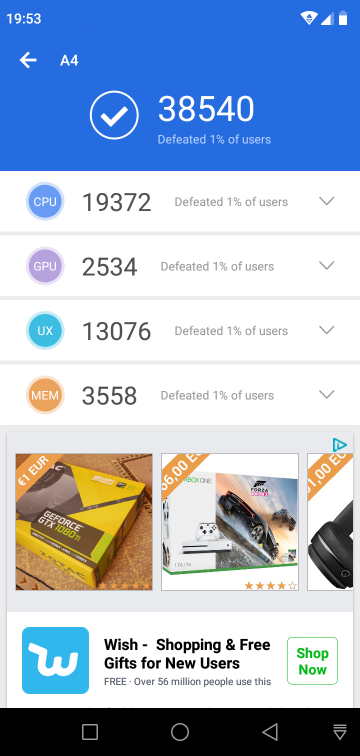
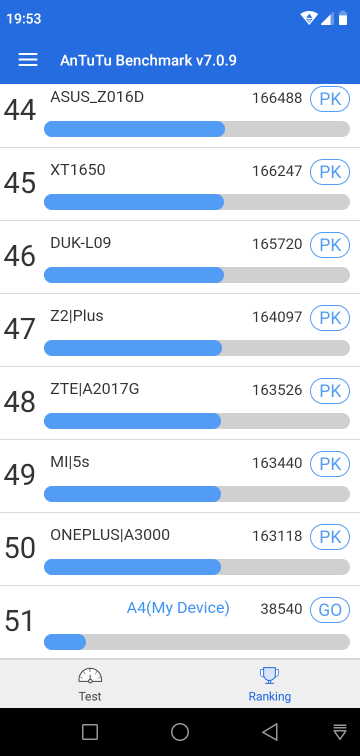
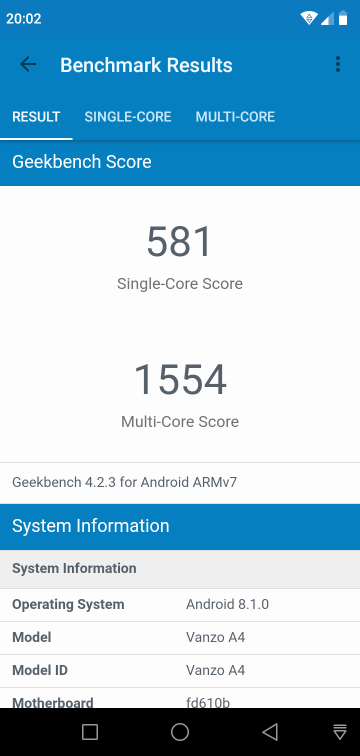
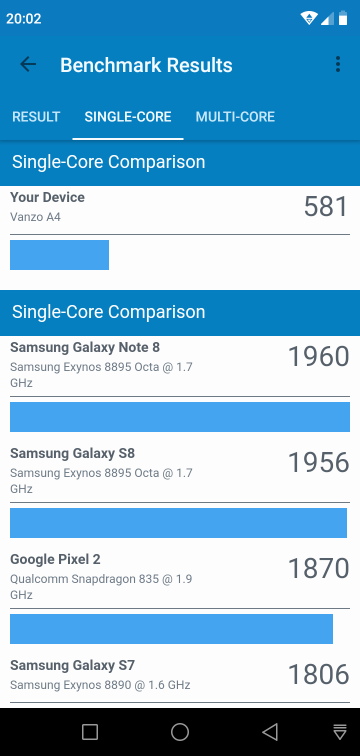
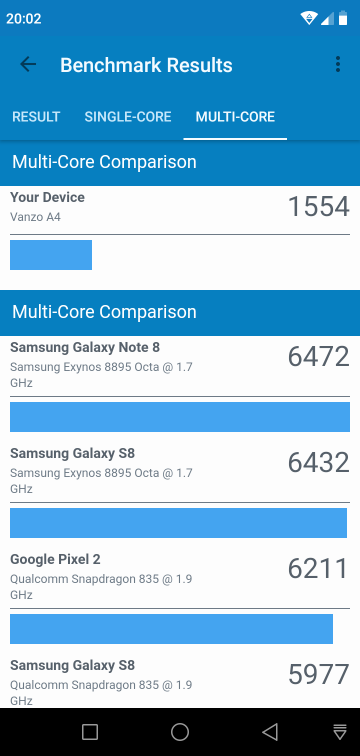
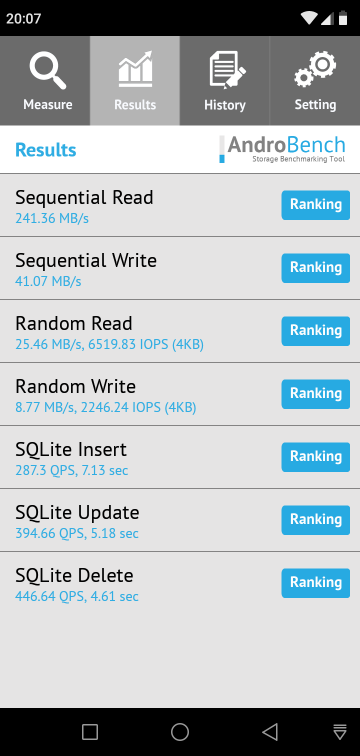
In terms of hardware, it may seem that the phone has pretty good specs for the price but it actually uses an underpowered Mediatek chipset. Also, I wish the phone had at least 32GB of internal storage.
I am disappointed with the overall gaming performance. There are quite a few skipped frames and stutter even while playing a 4-year-old Asphalt 8 on the highest graphics. You will also see quite a few skipped frames in other games like Asphalt extreme or shadow fight 3. In addition, the phone gets hot quickly, just after 5 mins of gaming.
USER INTERFACE
The phone runs on Android 8.1 out of the box but we have a custom Elephone skin built on top of it. That means that we have customized icons and a few added features. You can change the layout of navigation buttons and adjust other settings but in general, you get a pretty much stock android experie3nce.
The overall performance is underwhelming. There is quite a lot of stutter, many skipped frames and even lag while using the phone on the daily basis with many apps installed.
IMAGE QUALITY
The overall image quality is just terrible. The phone uses an 8MP shooter that is interpolated to 13MP. The pictures simply look bad even though I took them on a nice and sunny day. The situation becomes much worse in low light.
Selfies look bad too.
Video quality does not impress either but that’s the case with most of the budget phones.
As for connectivity, I found the call quality to be decent and signal reception is good. The GPS is quite accurate too. However, the phone does not have a gyroscope, meaning that it does not support 360 content.
BATTERY
In terms of battery life, you should be able to get about 5 hours of screen-on time on the daily basis which is a pretty standard result.
What is really frustrating is that you need to use a micro USB cable with a longer than usual connector for charging.
CONCLUSIONS
The Elephone A4 is a very nice-looking phone that has a good display but the looks sometimes can be deceiving.
I’m mostly disappointed with the bad overall performance. The phone just feels slow and laggy most of the time. In addition, gaming performance is below average, the phone gets hot quickly. Further, there is no notification LED light, you need to use a cable with a longer than usual micro USB connector and there is only 16GB of storage. Finally, cameras are just terrible.
Overall, I cannot recommend Elephone A4 even though it looks nice. There are plenty of other budget phones that are much better than this. For just a little bit more, you can get the Xiaomi Redmi 5. If you are on a tight budget, even the older generation phones like the Xiaomi Redmi 4 or Redmi 4a are better options than the Elephone A4.
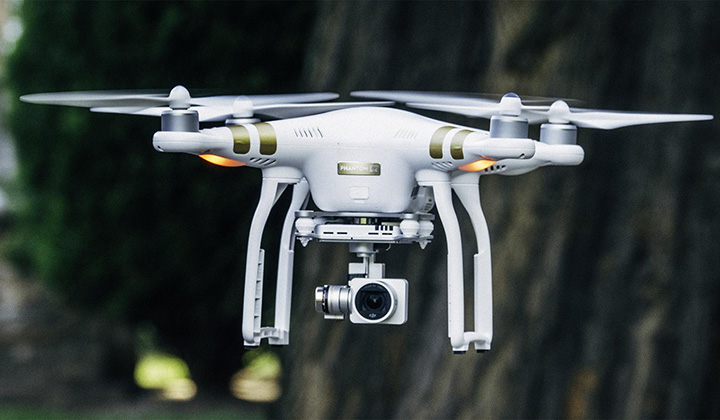
In a bid to show appreciation and express sincere gratitude to the publishers for their support, the popular Chinese technology company DJI is giving EU-based customers an opportunity to take part in the DJI EU Zero-rating VAT Purchase Program for corporate purchases. Let’s head straight to the details.
If you’re a VAT-registered buyer, based in one of EU member states and have a VAT registration number, then you are qualified to submit your VAT registration number for purchasing from DJI Online Store (store.dji.com). This will be subject to the conditions mentioned in the VAT Registration Agreement. Regrettably, buyers based in the UK and the Netherlands aren’t eligible to participate in the program.
It is imperative for you to first read the VAT Registration Agreement before you proceed ahead with submitting your VAT registration number. You’d be able to submit your VAT registration number only after you confirm that you agree to the conditions stated in the agreement. Once you are a verified VAT customer, the 0% VAT will be brought to bear directly at the time of checking out while buying from DJI Online Store.
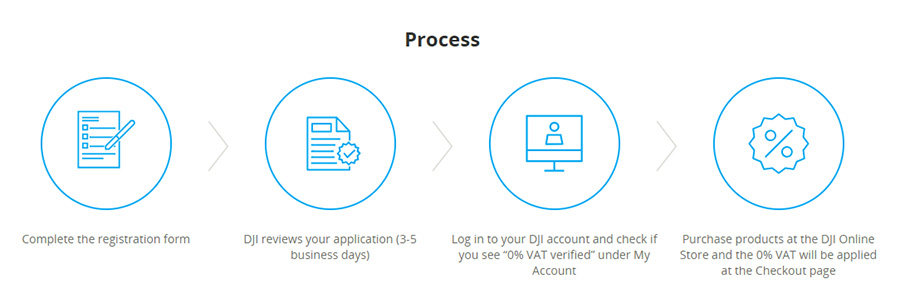
Process
After you complete the registration form and submit your details, DJI will review your application within 3-5 business days. Next off, you need to log into your DJI account in order to check if it shows “0% VAT verified” under My Account section.
All you need to do now is buy products at the DJI Online Store and the 0% VAT will be automatically applied while checking out. The DJI EU Zero-rating VAT Purchase Program is currently available for shipping in select areas including Austria, Belgium, Bulgaria, Croatia, Cyprus, and the Czech Republic just to name a few. You can head straight to this link in order to join the program and check out the full details.
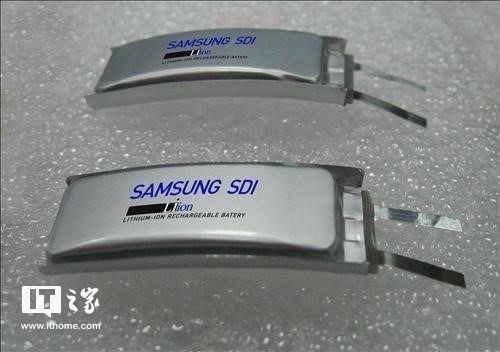
Samsung SDI is the battery manufacturing arm of the electronics giant. It makes batteries for a wide range of products including phones, electric cars and bikes, vacuum cleaners, and power banks.
Samsung SDI has been working on foldable (or bendable) batteries for years now. About four years ago, a prototype flexible battery it made only had a capacity of 210mAh, which is way too small for a phone.
It appears they have been able to make larger foldable batteries. Industry insiders say the company will start mass production of the larger batteries this year. The new batteries are said to have capacities between 3,000mAh to 6,000mAh.
Recently, Vivo launched its Vivo NEX smartphones which come with a pop-up front-facing camera, which eliminates the need of a notch on the display to accommodate front-facing camera sensor. The front-facing camera module in the Vivo NEX series smartphones is designed in such as way that the camera pops-up or elevates whenever the user opens the camera app.
However, according to the reports, a bud related to the phone’s camera makes the front-facing camera of the Vivo NEX pop-up even when the user takes no such action. According to the report, this happens while opening a chat window on Telegram. Other users are also complaining about the same bug while using Tencent’s QQ browser and the Ctrip app.
A video of this bug has been posted by a user on Chinese microblogging platform Weibo, which shows that the front camera pops-up without any action from the user while using messaging app Telegram. When the user opens Telegram app and goes to New Message, and clicks on a contact to open up a new chat, the camera appears. It goes back into concealment once the user exits the application.
In a statement, Tencent says that while the QQ browser does prompt the selfie camera, it does not record anything. Tencent is blaming the Android’s camera APIs for this issue. It claims that the API is triggered because of the QR code scanning nature of the mobile browser. On the other hand, Vivo spokesperson says that the company has made its technical team aware of the issue and will soon follow up with an update.
The Vivo NEX series, which includes NEX S and NEX A, were recently launched in China in two color options — Diamond Black and Ruby Red. The high-end model with 8GB RAM is priced at 4,998 Yuan, which roughly converts to $780 while the mid-range device costs 4,498 Yuan (approximately $702). On the other hand, the cheapest variant with SD710 costs 3,898 Yuan which roughly converts to $609.
The smartphone is also set to launch in India on July 19th and Vivo has already sent out media invites for the same. However, it is not yet known if the company plans to launch all the variants of the Vivo NEX in India.
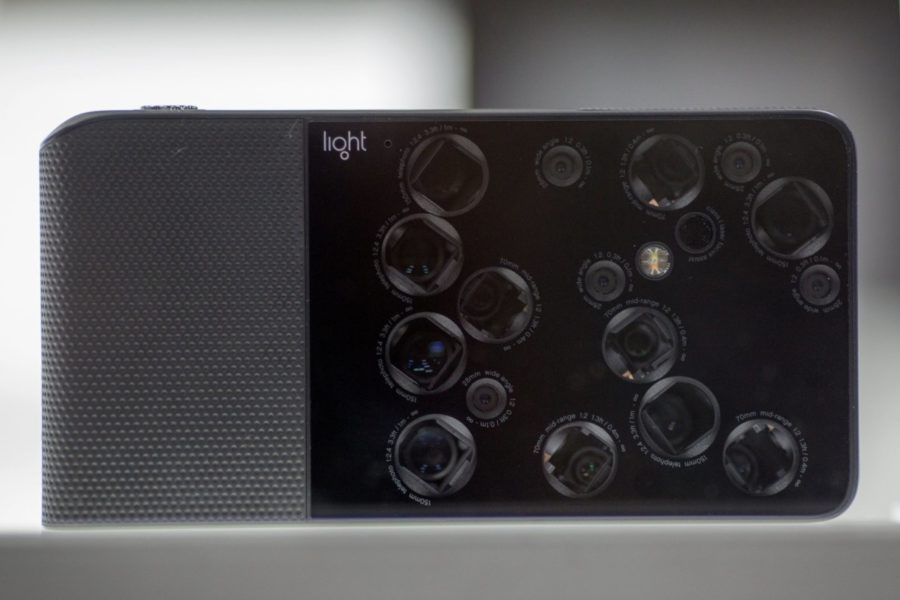
After LG and Huawei launched their first smartphones with dual cameras (Huawei P9 and LG G5),two camera setups became one of the main trends of the mobile devices sector. Back in March, Huawei unveiled the first smartphone with a triple camera setup and DxOMark said that smartphones with four cameras will soon become very common. Now, according to the latest news from Washington Post, Light is developing a smartphone with 9 cameras. In case you never head about Light: it is the brand which released the first computational camera with 16 sensors, called L16.
A Light L16 multi-aperture computational camera, a CES 2018 Innovation Awards winner, is displayed at CES Unveiled Las Vegas, a press preview event before the start of CES in Las Vegas, Nevada, January 7, 2018. / AFP PHOTO / DAVID MCNEW (Photo credit should read DAVID MCNEW/AFP/Getty Images)
This camera is composed of sensors with different focal apertures which can be combined to shoot photos with resolutions up to 52 Megapixels. According to the manufacturer, its technology can make cameras shoot photos with resolutions of up to 64 MP. The multi-lens system is able to achieve good performance even with low-light conditions and it can apply depth effects thanks to several different sensors included. And these features are what we expect to see in the upcoming smartphone with 9 cameras. Light is currently developing the phone and it has also created a prototype with 5 to 9 lens with incredible zoom capabilities.
Given its high number of sensors, this phone may feature the strongest optical zoom ever seen in the mobile phones market. The phone is supposed to arrive within the end of this year with Android, but it is unlikely that it will have an affordable price tag. The computational camera Light L16 is actually available with a price tag of $1950. Unfortunately, we do not know anything about the hardware side of the upcoming device, but we know that making 9 cameras work together would require a lot of processing power. So, it is likely that this device will be either a flagship phone or an upper-midrange handset.
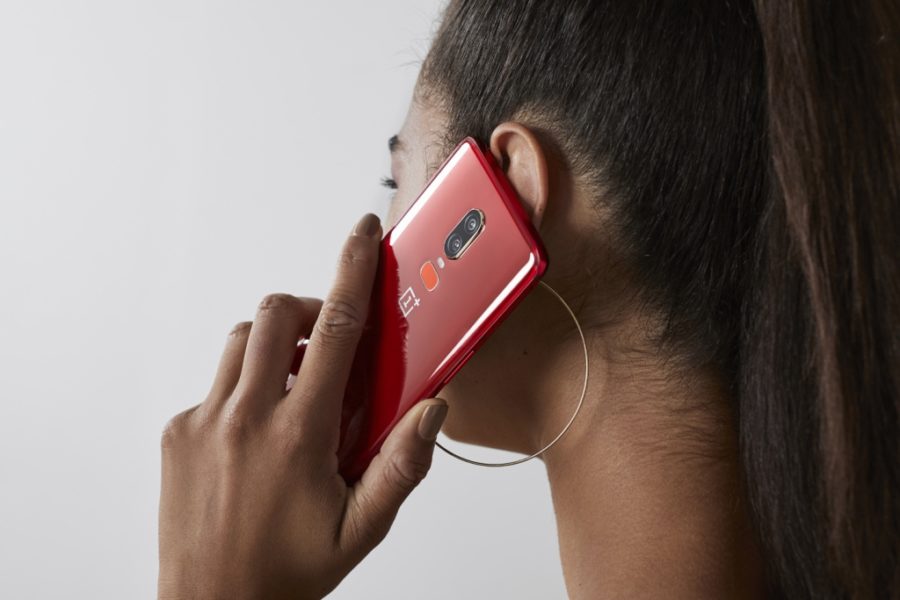
OnePlus has just introduced the Amber Red OnePlus 6 in China. The reservations of the smartphone have started in the home country and its official sales are slated to go live on July 9. India is also one of the first markets to receive the Red OnePlus 6 as the company has the Indian wing of the company has confirmed that it will be available for buying from July 16.
Last year, the Chinese manufacturer had introduced Lava Red edition for the OnePlus 5T smartphone. Now the company is gearing to introduce a red version of the OnePlus 6 in India.
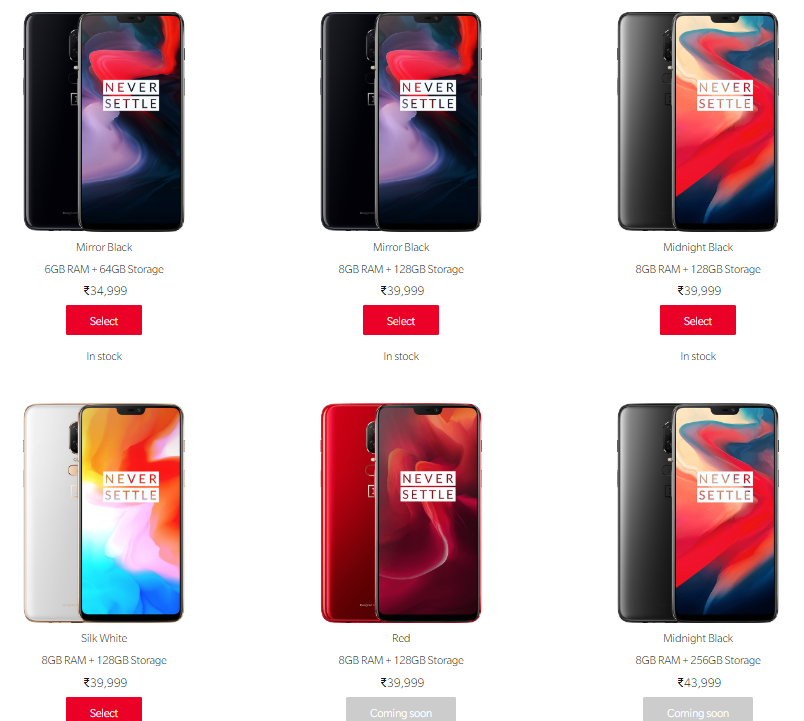
The OnePlus 6 Red is now available for registrations on Amazon India. The handset includes 8 GB of RAM and 128 GB of inbuilt storage. The official site has revealed that the handset will be carrying a price tag of Rs. 39,999. OnePlus.in and Amazon India will begin its sales from July 16.
As it can be seen in the above screenshot, the OnePlus 6 Red will be available for buying along with other models like Mirror Black 6 GB RAM + 64 GB storage, Mirror Black 8 GB RAM + 128 GB storage, Midnight Black 8 GB RAM + 128 GB storage and Silk White 8 GB RAM + 128 GB storage.
The OnePlus 6 Red will be featuring the same specs as other models. It includes 6.28-inch Optic AMOLED notched display, Snapdragon 845, 16-megapixel + 20-megapixel dual camera, 16-megapixel and 3,300mAh battery. Here are some of the official renders of the Amber Red OnePlus 6 that has been introduced in China.
In related news, OnePlus will be also debuting Midnight Black 8 GB RAM + 256 GB storage model from July 10 on Amazon India and from July 14 on OnePlus.in. This model is priced at 43,999 and is currently available for registrations.
Would you be interested in buying the OnePlus 6 Red? Share us your views by posting your comments below.
Spice Devices has launched a new entry-level smartphone in India — Spice F311, which is running Android Oreo (Go Edition) and comes with a “Full View” display. This is the fourth Android Go smartphone to launch in India, after Nokia 1, Lava Z50, and Micromax Bharat Go.
The Spice F311 is priced in India at Rs. 5,599, which roughly converts to $82. The smartphone will be available for purchase in India in three color options — Rose Gold, Black, and Phantom Red. Further, the company is also announced that it will be offering a one-year replacement warranty.
The smartphone features a 5.45-inch “Full View” IPS display with screen resolution of 960 x 480 pixels and an 18:9 aspect ratio. Under the hood, it is powered by a MediaTek processor that has four cores at a clock-speed of 1.1GHz, coupled with Mali-T720 MP1 GPU.
The device packs 1GB of RAM and 16GB of internal storage, along with the support for microSD card that can further expand the storage capacity up to 32GB. In the camera department, it comes with a 5-megapixel rear camera with an LED flash and f/2.0 aperture, while the front-facing camera packs a 5-megapixel sensor with an LED flash. Both sensors are equipped with an autofocus (AF) lens.
Connectivity options on the device include 4G VoLTE, Wi-Fi, Bluetooth, GPS/ A-GPS, Micro-USB, and a 3.5mm headphone jack. It also comes with a rear-facing fingerprint sensor that also lets users capture images, answer and record voice calls, off-screen wake-up, and access select applications. Running on Android Oreo (Go Edition) operating system, the smartphone is powered by a 2400mAh battery that is rated to deliver up to 240 hours of standby time on a single charge.
Samsung is also reportedly working on its first Android Go smartphone that is expected to hit the Indian market in the near future. The phone is expected to have 5-inch Super AMOLED display,5-inch Super AMOLED display, Exynos 7570 chipset, 1GB RAM and 16GB storage.
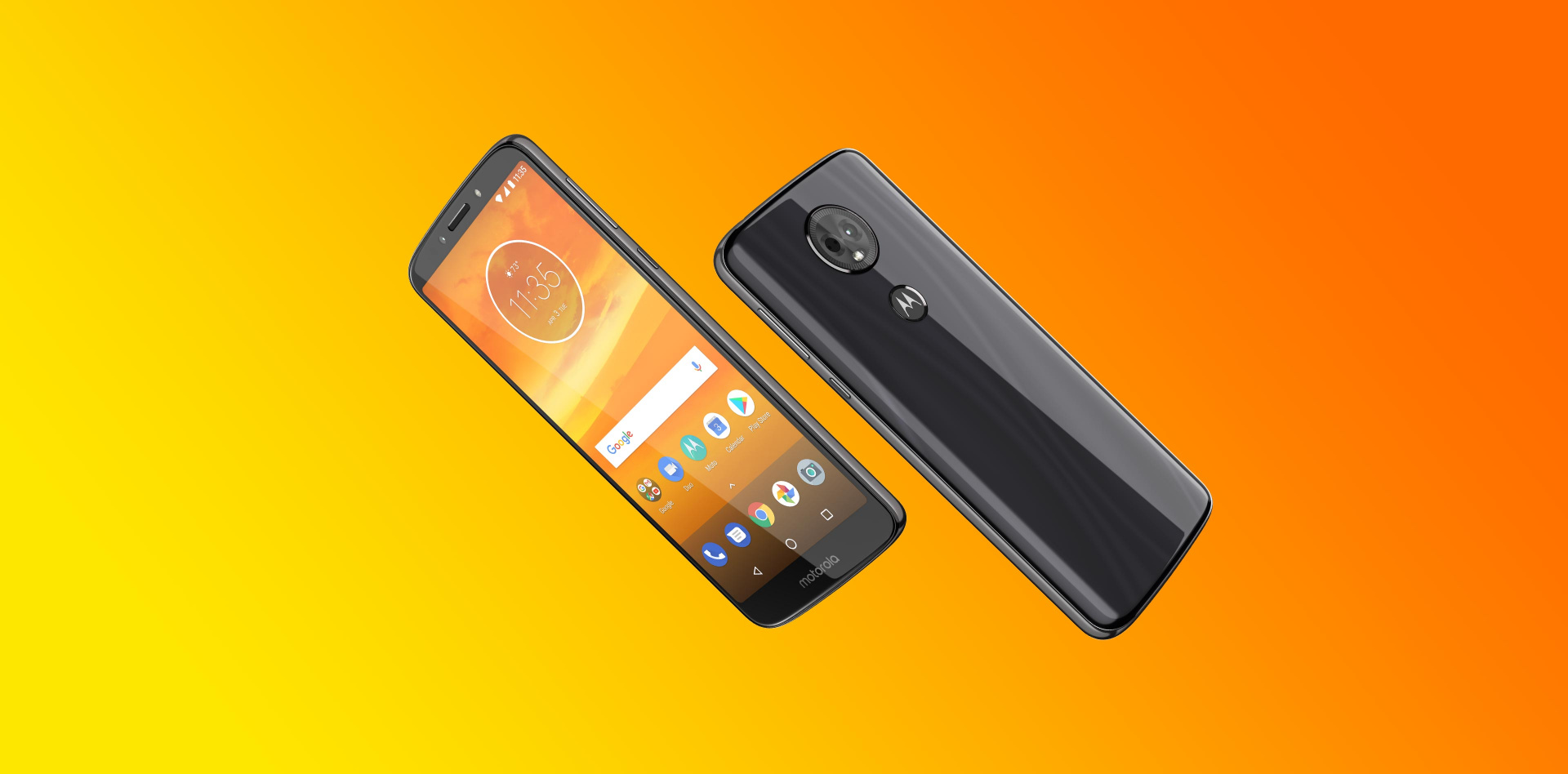
UPDATE: The company has confirmed that the Moto E5 Plus will be launched in India on July 10 and will be available for purchase exclusively through online marketplace Amazon India.
After teasing the Moto E5 Plus smartphone for about a week, Lenovo-owned Motorola has now confirmed that the Moto E5 Plus will be launched in India this month, i.e. July 2018. The Moto E5 series was originally unveiled in April this year, along with the sixth-generation Moto G-series smartphones.
Recently, the company had launched a couple of Moto G6-series smartphones in the Indian market, and now the Moto E5 Plus is the next smartphone from Motorola to debut in India. However, there is no sign of the Moto E5, which is speculated to launch at a later date.
The Moto E5 Plus features a 6-inch HD+ full-screen display with screen resolution of 1440 x 720 pixels and 18:9 aspect ratio. Under the hood, the device is powered by Qualcomm Snapdragon 435 processor along with 3GB RAM and 32GB of internal storage.
The smartphone comes with a 12-megapixel camera on the back with f/2.0 aperture, a laser focus module, and an LED flash. On the front side, there’s an 8-megapixel front-facing snapper which comes with a dedicated LED flash.
Connectivity features on the device include Wi-Fi 802.11 a/c/g, 4G VoLTE, Bluetooth 4.2, and micro USB port. It runs Android 8.0 Oreo operating system out of the box and is powered by a 5,000mAh battery that includes support for 15W TurboPower charging.
The Moto E5 Plus was launched in two color variants — Gold and Graphite. We are expecting the same options to be made available in India as well. It was launched with a price tag of EUR 169 (approx. $197), which roughly converts to Rs. 13,500. We are expecting similar or slightly lower pricing in the Indian market.
However, the company is yet to reveal the phone’s launch date in India. Motorola recently introduced the Moto Z3 Play in Brazil for a price of BRL 2,299 (approximately $593 / Rs. 40,000). The smartphone is now expected to launch in India next week.
If you’re an e-commerce player looking to not only save money but also make money, look no further. TomTop is offering an opportunity to make some bucks if you’re willing to shell out just $99 a year.
It’s no secret that being a member on Amazon doesn’t give you the right to distribute. Likewise, recommending friends to become Sam’s Club members does not grant some sort of reward, but TomTop VIP club guarantees to give its members a lot to cheer about.
What Can VIP Members Gain?
Aside from getting a considerable 10% discount for personal consumption, becoming a TomTop VIP member comes with a plethora of advantages. You get a rebate of 10% and a $49.5 reward when you recommend the TomTop VIP membership to your friends and family. Here’s a detailed explanation of membership benefits.
First off, if you join TomTop VIP membership by paying $99 before July 30th, you’d be eligible to receive the gift package. Moreover, TomTop VIP members are also eligible to get a 10% off for their own utilization.
As if that weren’t enough, you can share all products in TomTop VIP and receive 10% sales rebates. Moreover, you get a noteworthy $49.5 off the initial free reward when you recommend others to join the TomTop VIP club.
How It Works
You first need to sign up on TomTop VIP using an invite code and start a new store. Next off, you have to select products and categories that are interested in selling on your store.
Once your business starts, all you need to do is wait for customers to place orders. Alternatively, you can start inviting your friends to be a member of the TomTop VIP Club.
When the payment is confirmed, TomTop will check, pack and ship your orders directly to the buyer’s door. You get $49.5 credits for each sponsorship and an opportunity to earn money for inviting new VIP member. You also earn up to 20% extra commission for every order you bring.
All you need to do is head straight to this link and upgrade to become a TomTop VIP member for only $99 a year. You can get one-year free membership extension if you join before July 30th.
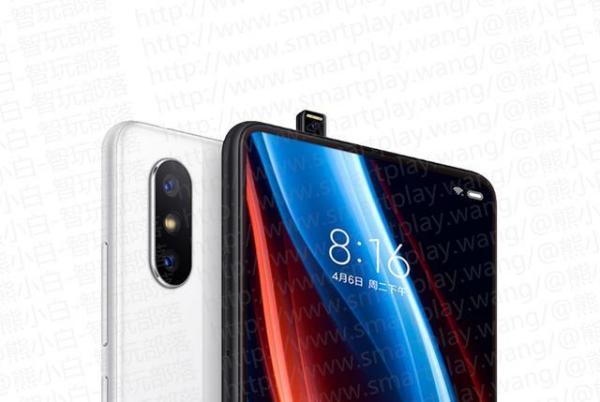
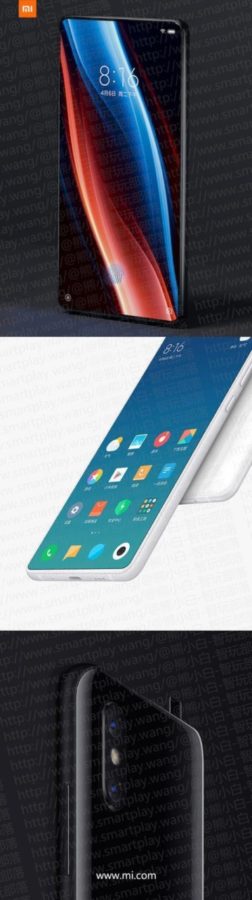
An image of the Xiaomi Mi MIX 3 that surfaced in the previous week was found to be fake. The Mi MIX 3 is expected to debut in September this year as the Mi MIX 2 had arrived in the same month last year. Early rumors have suggested that the Mi MIX 3 may offer higher screen-to-body ratio than the predecessor and Mi MIX 2S by sporting slimmer bezels. Fresh renders of the alleged handset that have surfaced today reveals its expected design. The new renders reveal that the Mi MIX 3 may sport a pop-up front camera like the Vivo NEX.
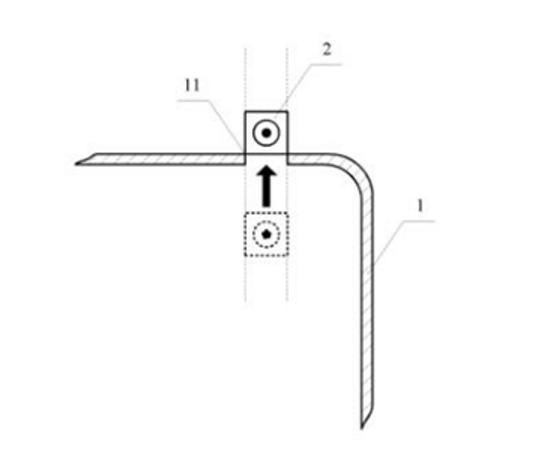
In 2015, Xiaomi had filed for a patent for the front-facing camera. The patent revealed that Xiaomi may introduce a pop-up selfie camera technology that may rise and retract from the top edge of the phone when required. Xiaomi’s pop-up selfie camera technology also includes a LED-flash unit. The alleged Mi MIX 3 renders that have surfaced today includes the LED flash enabled pop-up camera.
The fresh renders also reveal that the screen of the phone is surrounded by ultra-thin bezels. Even the bottom bezel seems to be as thin as other bezels. The Mi MIX 2 has a selfie camera placed in the bottom bezel. If Xiaomi wants to offer more screen space on the Mi MIX 3, it may reduce the bottom bezel by removing the selfie camera. Hence, it may adopt the pop-up selfie camera technology that it filed in 2015.
The renders also reveal that the fingerprint scanner is not present on the rear panel that houses a vertical dual camera setup. There is a possibility that Xiaomi may also introduce its under-display fingerprint scanner technology on the Mi MIX 3.
There is no information available on the specifications of the upcoming Mi MIX 3. However, since the handset is pegged to arrive with flagship specifications, it could feature the Snapdragon 845 SoC.
What do you think about the above fan-created renders of the Mi MIX 3? Do you think that the real Mi MIX 3 may arrive with pop-up selfie snapper and under-display fingerprint sensor? Share us your views by posting your comments below.
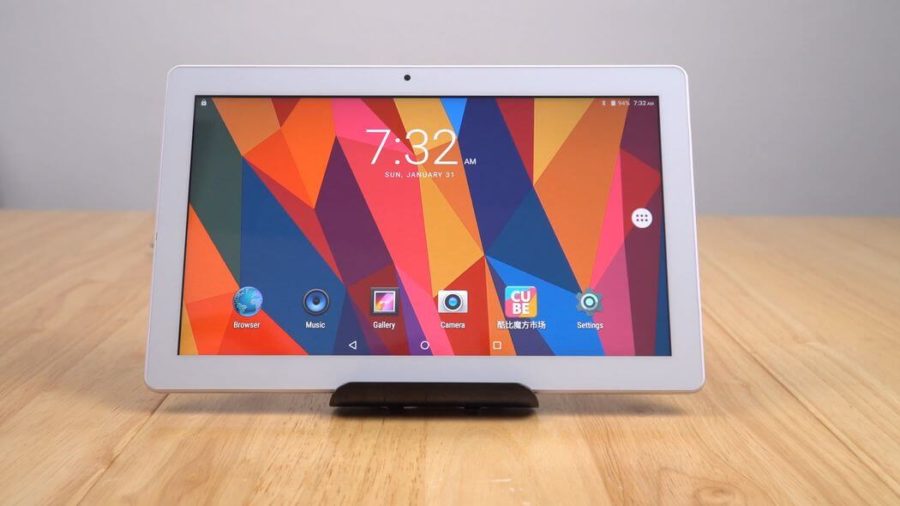
If you’ve restlessly been looking for a big 4G phablet that you can buy without breaking the bank, look no further. Sporting a mammoth 10.1-inch touch display that breathes new life into your photos and videos, the ALLDOCUBE M5 phablet is currently available at a slashed price on GearBest.
While you’d normally shell out $221.39 in order to get your hands on the ALLDOCUBE M5 on GearBest, the popular Chinese online store is giving cost-conscious buyers an opportunity to buy the feature-laden phablet at a slashed price of just $189.99. This is a noteworthy 14% reduction in the phablet’s relatively steep asking price.
The ALLDOCUBE M5 is crammed with awe-inspiring specs and features that make it an irresistible phablet, especially at this heavily reduced price. Let us take a gander at the M5’s mean features.
Aside from sporting a big display with a screen resolution of 2560 x 1600 pixels, the M5 boasts an eye-catching aluminum alloy and plastic body design. The device packs a powerful MTK X20 (MTK 6797) deca-core processor along with a Mali T880-MP4 GPU, under the hood.
The M5 offers 4GB of LPDDR4 RAM that facilitates advanced multitasking, and a hearty storage capacity of 64GB eMMC ROM to let users store pictures, videos, music and lots more. The onboard storage can further be expanded up to 128GB.
On the photography front, the ALLDOCUBE M5 phablet houses a 5.0MP rear-mounted camera and a 2.0MP front shooter for selfies and face-to-face video chatting. In terms of connectivity, the device offers USB 2.0, Bluetooth v4.2, and GPS, A-GPS for navigation.
The M5 runs the latest Android 8.0 Oreo operating system and is backed by a 6500mAh battery, which delivers up to 5 hours of video playing time. The phablet also supports G-sensor.
You can head straight to this link to check out the full specification and take advantage of the discount before it ends in 2 days. The Flash Sale price will be valid for the remaining 43 pieces only.
Last month, Honor launched its latest smartphone — Honor 9i in multiple color options such as Magic Night Black, Charm Sea Blue, Jade Green and Purple Fantasy. However, only the Blue and Black variant were available for purchase in China.
From today, the Purple Fantasy variant of the Honor 9i will go on sale in China, carrying the same price tag of other variants — 1399 Yuan, which roughly converts to $211.
The glass-bodied smartphone comes with a 5.84-inch IPS LCD Full HD+ display with screen resolution of 2280 x 0180 pixels and a notch on top, along with screen aspect ratio of 19:9. Under the hood, the device is powered by Huawei‘s own Kirin 659 processor.
In terms of memory, the device packs 4GB of RAM and comes in two internal storage options — 64GB and 128GB. It also has a microSD card slot, which enables users to further expand the phone’s storage capacity. On the front side, there’s a 16MP snapper that comes with beauty mode and AR functions.
The phone features a dual camera setup at the back consisting of a 13MP + 2MP sensors which come equipped with features like dual-tone LED flash, PDAF, fast autofocus, scene detection and multi-frame image processing.
On the back side, there’s a fingerprint sensor placed in the top-center position even though the front camera supports Face Unlock function. Connectivity options on the device include Dual SIM, 4G VoLTE, Wi-Fi 802.11 b/g/n/ac, GPS, and 3.5mm audio jack.
The smartphone comes pre-installed with Android 8.1 Oreo operating system with the company’s own custom interface, EMUI 8.0 on top. The device is powered by a 3,000mAh battery. The phone will be receiving Huawei’s GPU Turbo technology after July 30.
The Huawei GPU Turbo technology is a hardware-software integrated graphics processing acceleration technology that can enhance the overall efficiency of graphics on a smartphone. It can bring significant improvements to the image processing performance on low-end and mid-range smartphones.
We use cookies on our website to give you the most relevant experience by remembering your preferences and repeat visits. By clicking “Accept”, you consent to the use of ALL the cookies.
This website uses cookies to improve your experience while you navigate through the website. Out of these, the cookies that are categorized as necessary are stored on your browser as they are essential for the working of basic functionalities of the website. We also use third-party cookies that help us analyze and understand how you use this website. These cookies will be stored in your browser only with your consent. You also have the option to opt-out of these cookies. But opting out of some of these cookies may affect your browsing experience.
Necessary cookies are absolutely essential for the website to function properly. This category only includes cookies that ensures basic functionalities and security features of the website. These cookies do not store any personal information.
Any cookies that may not be particularly necessary for the website to function and is used specifically to collect user personal data via analytics, ads, other embedded contents are termed as non-necessary cookies. It is mandatory to procure user consent prior to running these cookies on your website.




























 If you’re an e-commerce player looking to not only save money but also make money, look no further. TomTop is offering an opportunity to make some bucks if you’re willing to shell out just $99 a year.