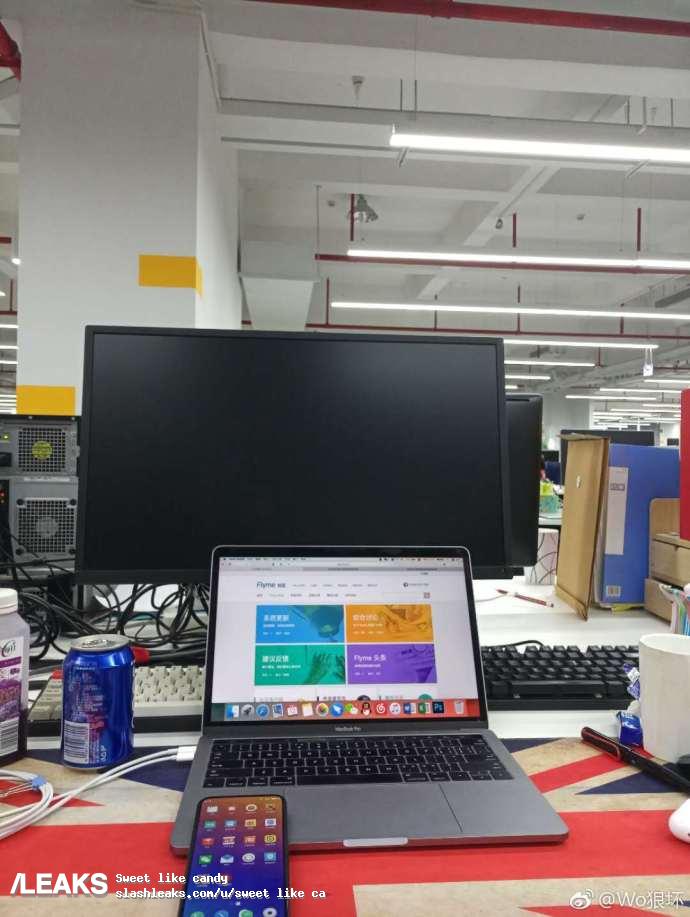
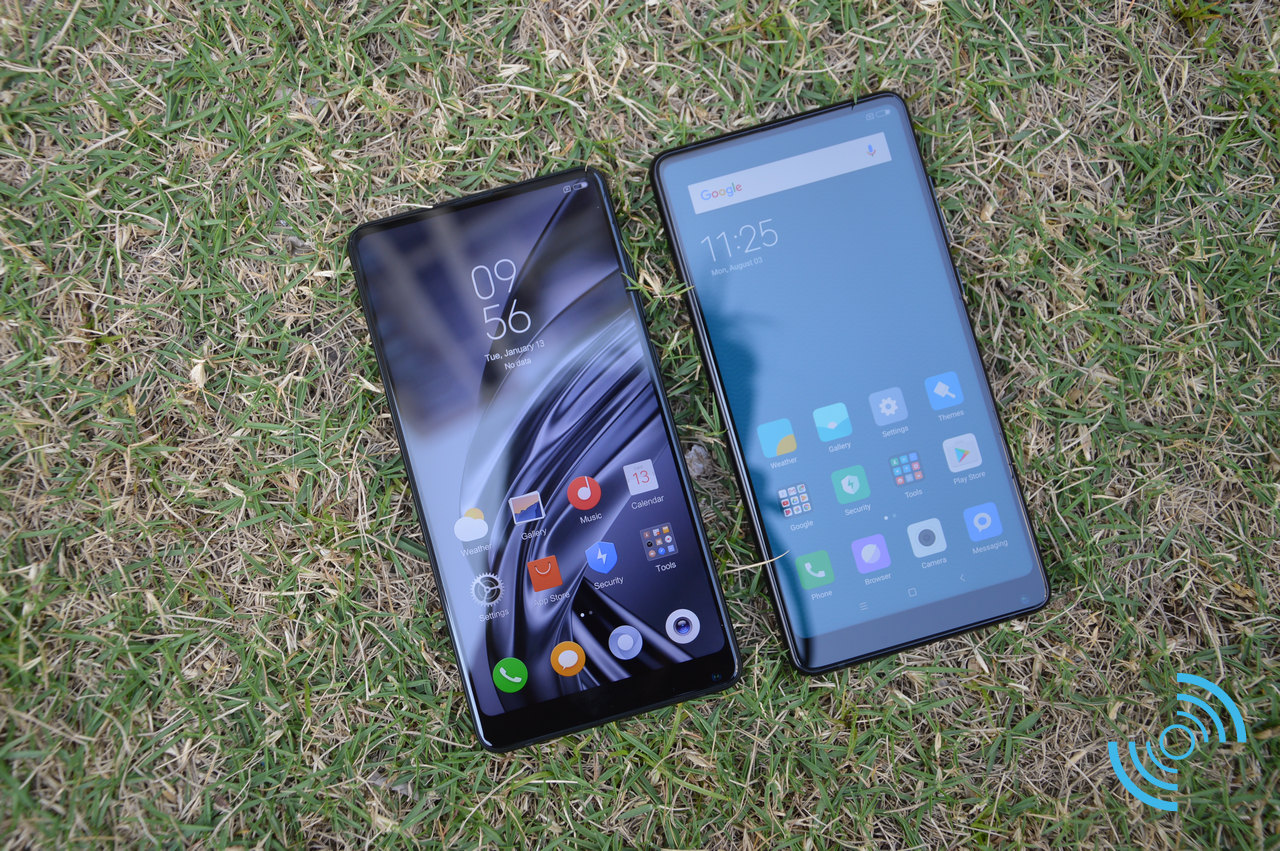
Meizu will soon celebrate its 15th anniversary by releasing a new line-up of phones: Meizu 15, 15 Plus and 15 Lite. They have already been certified by TENAA with the model numbers M881Q, M871Q and M891Q. While the standard and the Lite version will be mid-rangers, the Plus variant will be the best flagship ever released by the company. A new live photo is now showing the standard version of the upcoming line-up resting on a MacBook Pro by Apple. From the photo, we can clearly see a design with incredibly narrow bezels on three sides.
There is no notch and there is not even space for the front camera on the upper part of the handset. Unfortunately, from the photo, we can not see the lower bezel, but we suppose that it will be thicker than the others as we expect it to house the front camera just like the Xiaomi Mi Mix 2S. In our opinion and according to several leaks, Meizu 15 will have a tri-bezel-less design just the latest flagship by Xiaomi. According to the latest leaks, Meizu 15 will come with a 5.46-inch panel which will have the AMOLED technology and a Full HD 1080p resolution.
Under the hood, there will be an octa-core Snapdragon 660 SoC by Qualcomm and 4 or 6 GB of RAM depending on the configuration which you will choose to buy. The battery should have a capacity of 2940 mAh, not much for a device like this, but enough if it is well-optimized. Instead, Meizu 15 Plus will boast a 5.5-inch AMOLED panel which will show images at a Quad HD 1440p resolution. This device will have 4 or 6 GB of RAM as well, but its SoC will be more powerful. The name of the chipset has not been confirmed but it should be either the Snapdragon 845 or a Samsung Exynos.
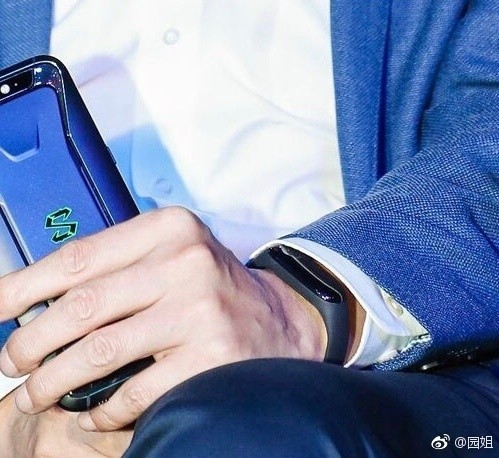
The Mi Band 3 has been in the news lately with Xiaomi said to be prepping the device for launch. A couple of leaks have emerged pointing at the likely features the next-generation Xiaomi fitness band would pack. Xiaomi VP Wang Xang had also confirmed that the next-gen fitness tracker will launch this quarter. Now, we may just have spotted the first real photo of the Mi Band 3 adorning the hand of no less a person than Lei Jun, Xiaomi’s CEO.
The photo of Lei Jun was captured during the launch of the Blackshark Gaming phone which Xiaomi has vested interest. On his left hand is a fitness band which looks very much like the Mi Band 2 except that it is bigger. There are speculations that this the Mi Band 3 but we can’t say for sure. This could as well be a fitness band from another manufacturer but we seriously doubt that.
the Mi Band 3 is expected to adopt the same design as the Mi Band 2 and according to leaked details, the device should come with a touchscreen display and gesture support. Thus, a bigger display size isn’t out of place. The device is expected to be announced any time from now. We may even see it during the April 25 event Xiaomi has been teasing repeatedly.
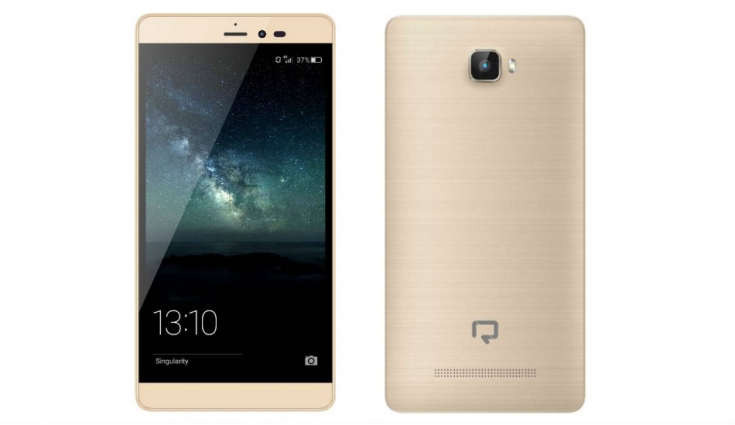
Reach Mobiles, an Indian smartphone manufacturer, has launched its new entry-level smartphone — Reach Allure Rise. The affordable 4G smartphone from the company is priced at Rs. 5,499 (approximately $84) and will be available in two color options — Black and Gold.
The company has also introduced a cashback offer worth Rs 2,200 for existing as well as new Reliance Jio customers. The smartphone is now available for purchase from online retailers Flipkart and Shopclues.
The Reach Allure Rise comes with a 5.5-inch HD display with screen resolution of 1280 x 720 pixels. Under the hood, it is powered by a 1.3 GHz quad-core processor but the company has not specified which processor is used. It is coupled with 2GB of RAM and packs 16GB of internal storage which also supports expandable storage of up to 64GB through microSD card.
As of the camera, the smartphone offers an 8-megapixel rear camera with an LED flash and a 5-megapixel front-facing snapper for taking selfies and video calling. Connectivity options on the dual SIM smartphone include 4G VoLTE, Bluetooth, GPS/ A-GPS, Wi-Fi 802.11 b/g/n, and micro USB 2.0 port. It runs on Android 7.0 Nougat operating system and is powered by a 2,600mAh battery.
At this price point, the Reach Allure Rise will compete against the likes of Xiaomi Redmi 5A and Tenor D in India. However, compared to the other offerings in the market at this price point, the specs of this smartphone from Reach Mobiles looks mediocre. For instance, the Redmi 5A and Tenor D are powered by Snapdragon 425 processor and packs 3,000mAh and 3,500mAh battery respectively.
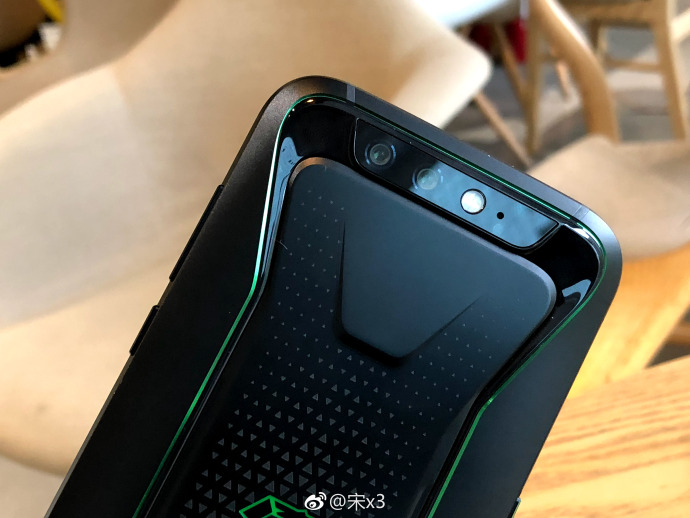
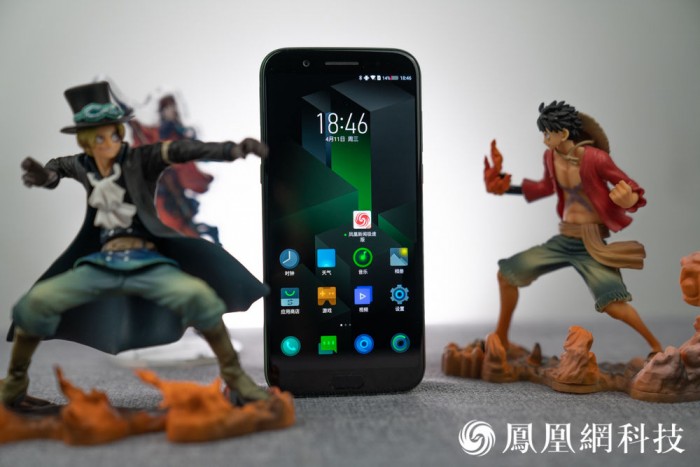
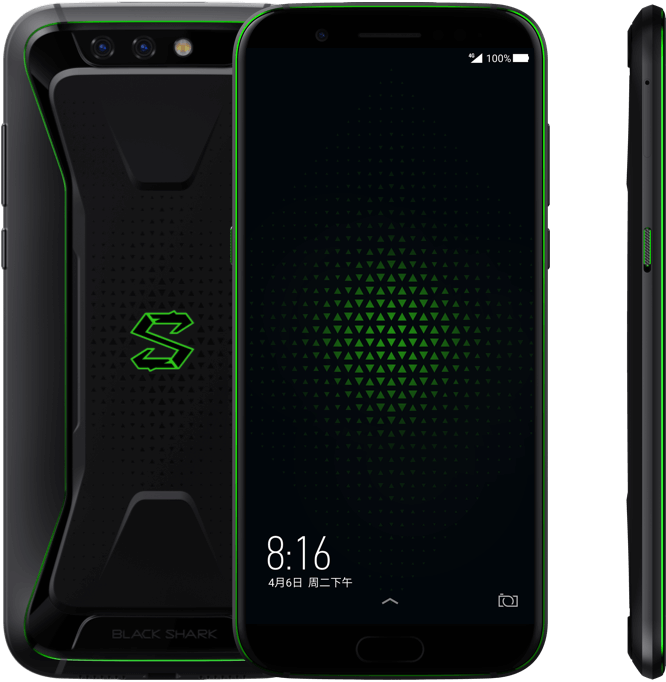
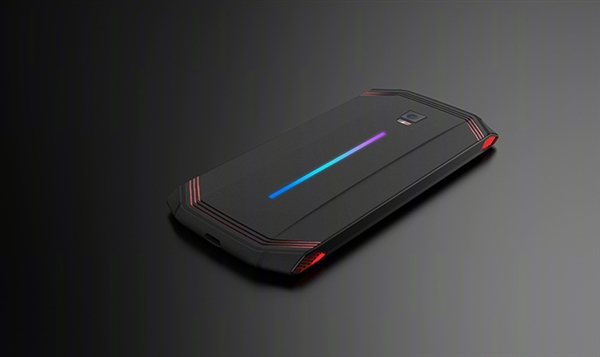
The Blackshark Gaming smartphone is finally with us and for some of us, it is a piece of art. The device which is manufactured by a Xiaomi-backed company is quite different in design from the regular smartphones. As the name implies, it is crafted to handle hardcore gaming and the design takes that into account. Although the phone design itself isn’t very much different from the regular smartphone save the add-on.
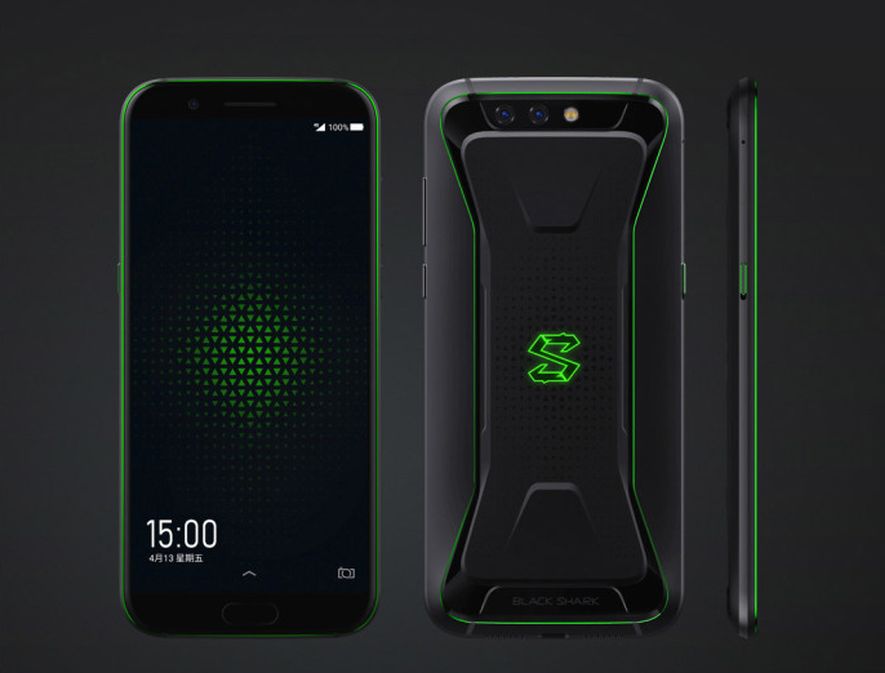
The Blackshark Gaming smartphone features a 5.99-inch IPS FHD+ display with an 18:9 aspect ratio. The device packs a physical button at the bottom but it is just the fingerprint scanner and there are virtual buttons on the left and right for multitasking and back button. In this regard, there is no much difference between the gaming phone and the regular smartphone.
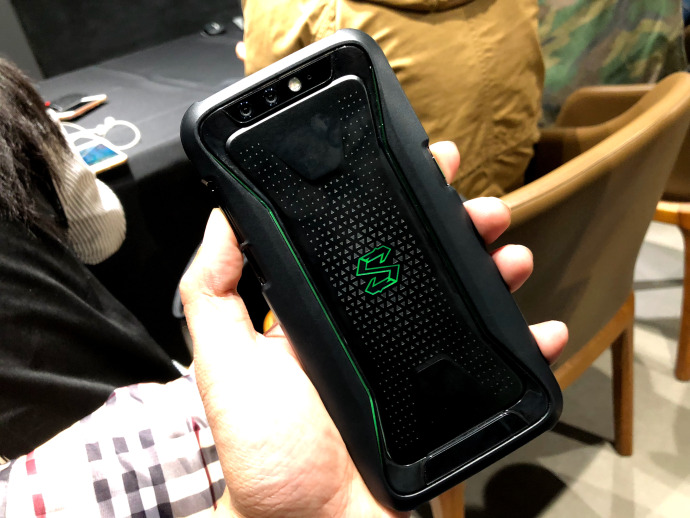
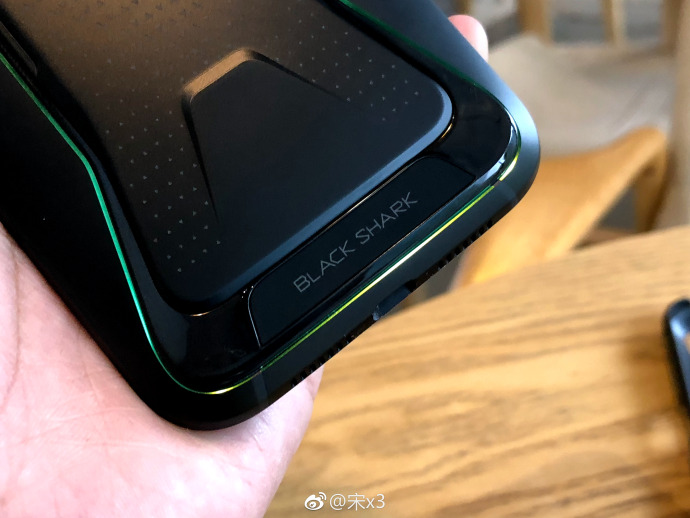
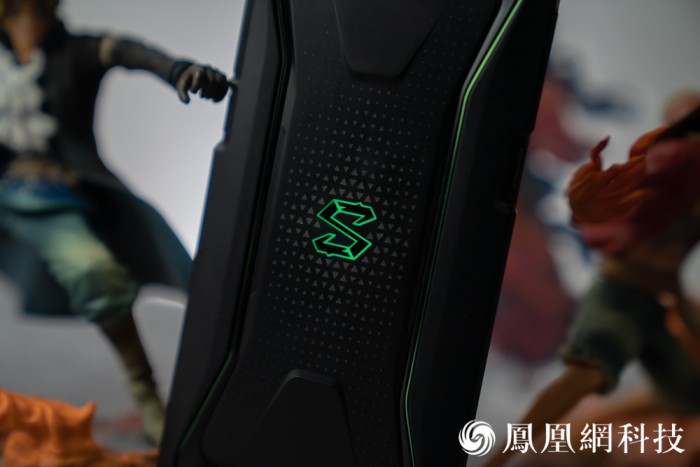
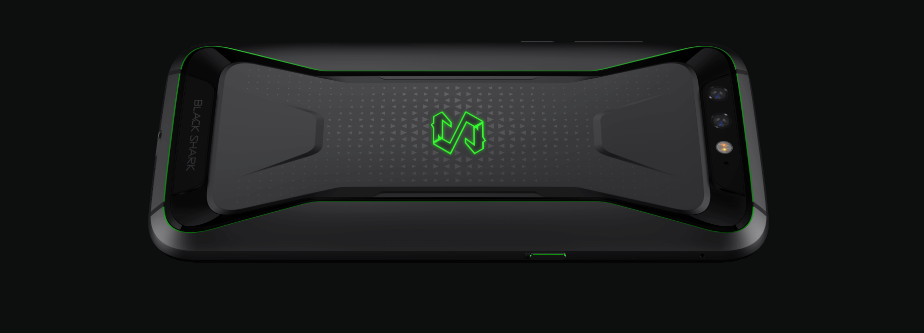
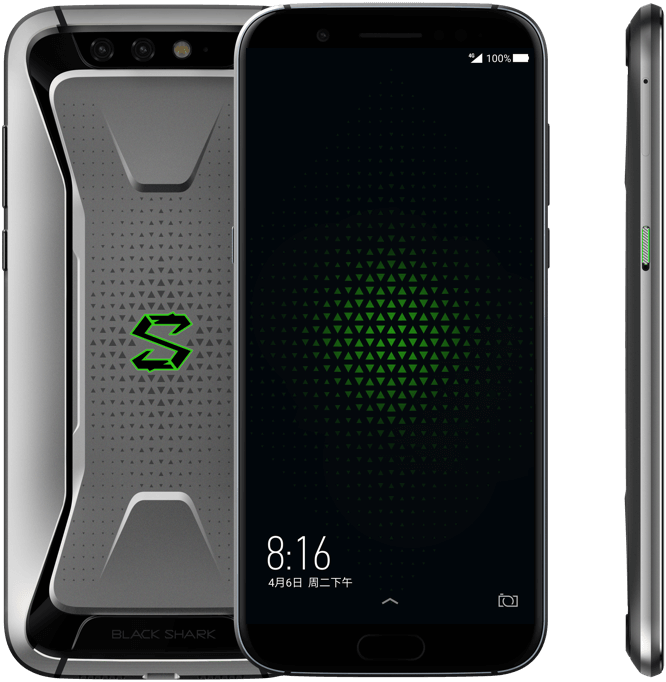
However, the rear design is quite different as the gaming smartphone features a rear plastic encasement and a roughened metal surface. The casing sort of creates an easy to grasp body so that gamers would enjoy their gaming without the fear of the phone slipping out the hands. The device comes with the Blackshark logo at the back which illuminates when the phone is switched on. The logo also creates special effects in accordance with the game being played. This adds nothing to the performance of the phone but is just cool.
The device is powered by a flagship Snapdragon 845 chipset paired with a massive 8GB of RAM on the higher model with 128GB of storage. The device is also available in a 6GB RAM + 64GB storage variant. The smartphone also comes with a built-in Pixelworks chip for image processing. The effect of this independent chip is that the Blackshark phone will perform better in image processing performance. Onboard you get a 4000mAh battery with support for 18W 9V/2A fast charging. The battery can last up to 7 hours of steady hardcore gaming.
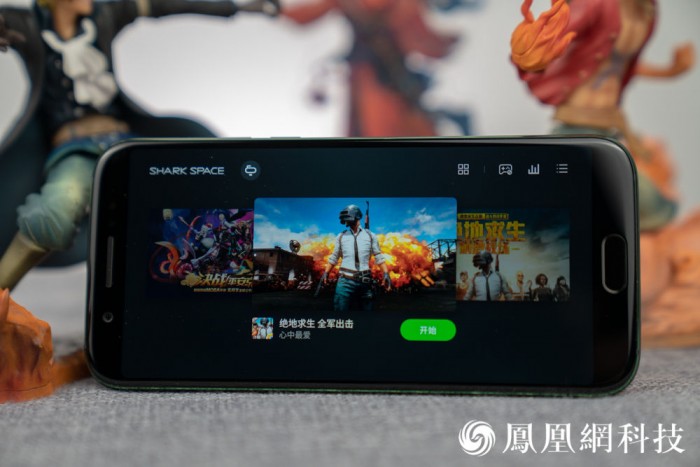
The gaming phone comes with a separate button on the left side of the phone. The button activates the high-performance game mode dubbed Shark mode. After entering this mode, the mobile phone will clean up the memory to the best state. In the Shark mode, users can move the home button downwards. The game dock bar will also appear under the mode. In addition, users can also see the current state of the mobile phone CPU and GPU. In essence, the Shark mode strips off the functionalities of features that are not needed so that CPU resources will be concentrated on the game.
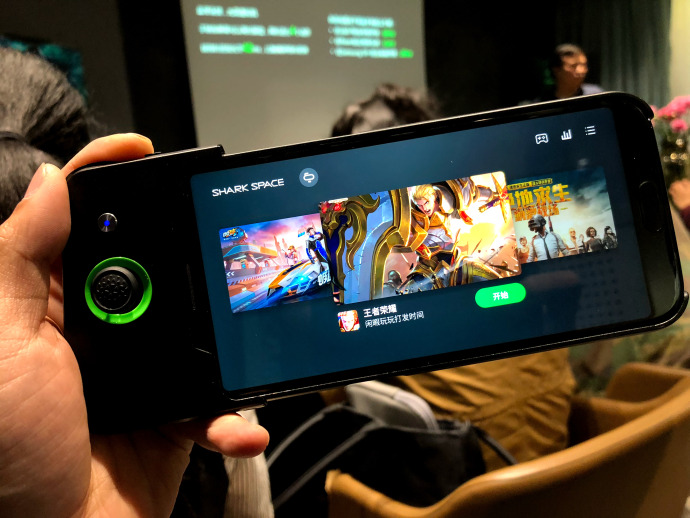
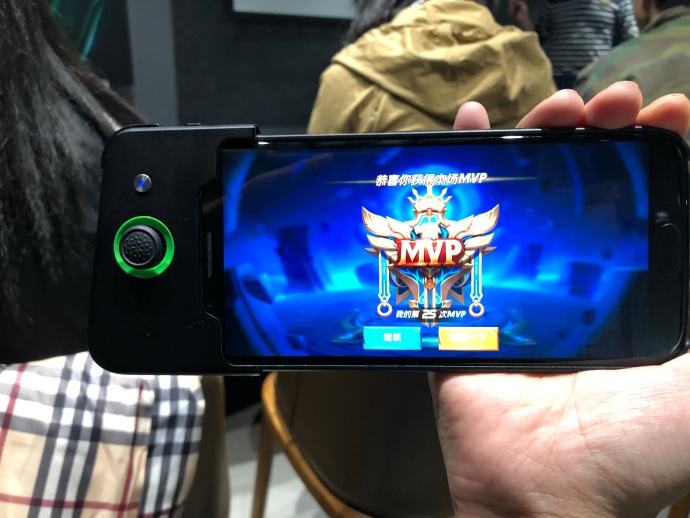
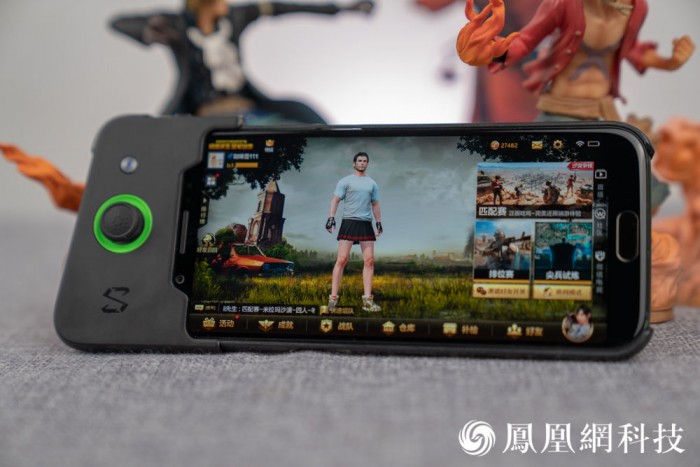
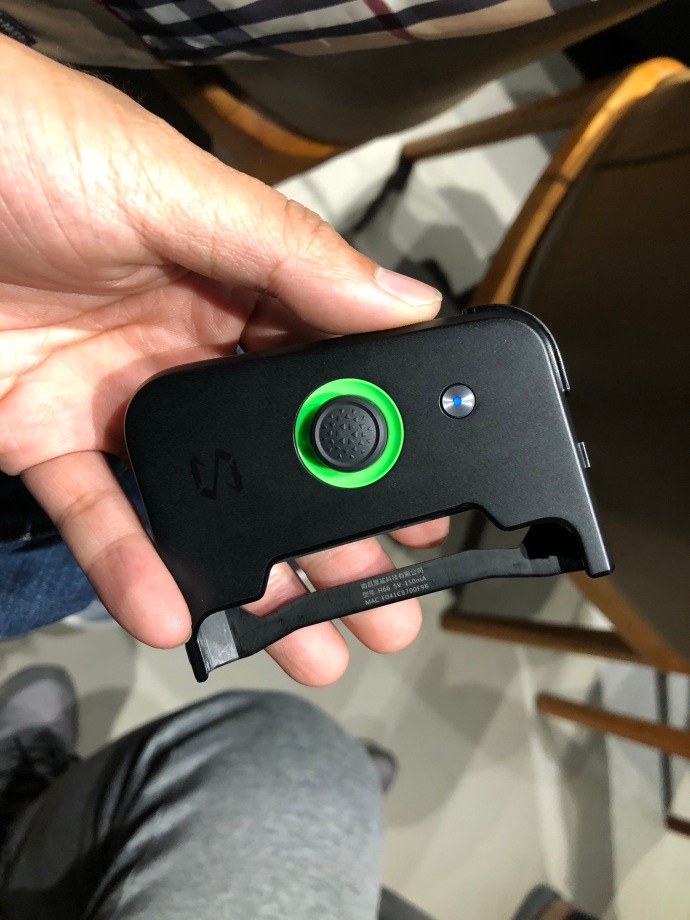
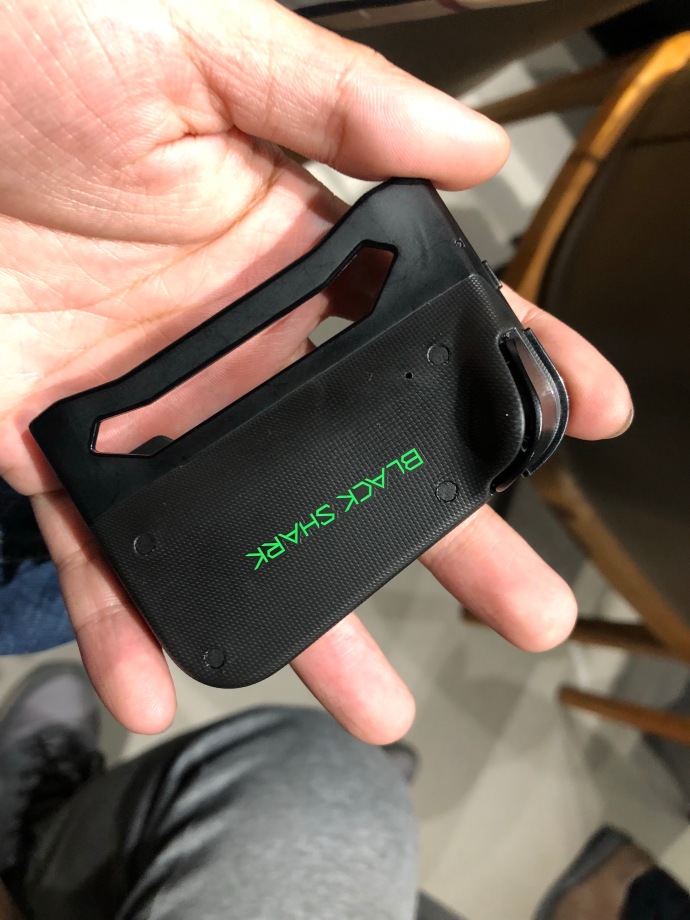
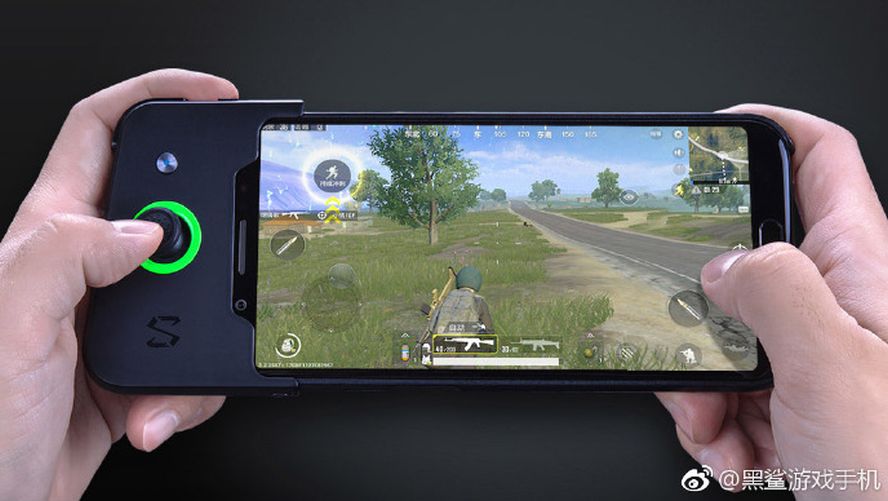
Another feature which some may find interesting is the Bluetooth gamepad which is sold separately. The gamepad is a hard-on which has a joystick a trigger and a 340mAh battery with up to 30 hours of power on offer. The device supports Bluetooth 4.0 and Android 4.4 and above. The add-on does not disturb the use of the phone’s functionalities including the selfie camera.
The Blackshark gaming phone comes with a relatively affordable pricing. The 6 GB RAM + 64 GB storage and 8 GB RAM + 256 GB storage editions of the Black Shark gaming phone are respectively priced at 2,999 Yuan (~$477) and 3,499 Yuan (~$557). The Shark GamePad can be availed with a price tag of 179 Yuan (~$29).
The Xiaomi backed Black Shark gaming company has unveiled the Black Shark gaming phone as its first gaming smartphone today through an unveil event in Beijing, China. It is packed with impressive specs like 18:9 display, 8 GB of RAM, Snapdragon 845, dual cameras, and mammoth battery. However, the major highlight of the phone is that users can attach a Bluetooth gaming controller to it to take advantage of true gaming experience on it.
Design and Display
The Black Shark gaming phone measures 161.6 x 75.4 x 9.25mm and it weighs 190 grams. From the front, the handset looks like a regular smartphone, but the high-end innards, its sports-car like rear design and its ability to support a Shark GamePad controller turns it into a gaming beast. The left side of the phone has a dedicated Shark Key that allow users to access impressive gaming zone whereas the volume buttons and power key are on the right edge. The backside of the phone features the dual camera setup and the easily noticeable green colored “S” logo at the center.
The Black Shark phone features a 5.99-inch InCell display that supports Full HD+ resolution of 2160 x 1080 pixel. Also, it delivers an aspect ratio of 18:9 and carries support for DCI-P3 color gamut. The MEMC intelligent motion compensation technology ensures smoother video quality while playing games on it. The bezel present below the display of the phone is equipped with a fingerprint sensor enabled home button.
Chipset and Variants
The Snapdragon 845 chipset is present under the hood of the Black Shark gaming phone. At the launch event, Black Shark CEO Wu Shimin revealed that the device had scored 279,464 on AnTuTu. To control the internal temperature, the handset features a multi-layer cooling system that includes high thermal conductivity copper alloy substrate, nano-composite graphite, heat pipe and liquid cooling that can bring down the temperature of the device by 8 degrees by improving the CPU cooling efficiency by 20 times.
The base model of the Black Shark gaming phone includes 6 GB of RAM and 64 GB of UFS 2.1 storage whereas the highest configuration variant has 8 GB of RAM and 128 GB of UFS 2.1 storage. It houses a 4,000mAh battery that is equipped with 18W fast charging support through Quick Charge 3.0. The huge battery promises up to 5 hours of continuous playing of “King of Glory.”
The handset is loaded with a gaming focused JOY UI, a customized Android Oreo ROM that includes some core features of the MIUI. While gaming, the fingerprint sensor can be swiped to Shark Dock that includes handy features like silent mode, DND and more.
Cameras
For photography, it includes a dual camera setup that features an f/1.75 aperture 12-megapixel primary sensor with a pixel size of 1.25micron and an f/1.75 aperture 20-megapixel secondary sensor with a pixel size of 1.0micron. The dual camera setup is equipped with features like 6p lenses, dual-tone LED flash, PDAF, HDR, Portrait Mode and Panorama. For snapping selfies, it houses a 20-megapixel camera with f/2.2 aperture and 5p lens that offers features like intelligent beauty and 4K video shooting at 30fps. The cameras of the phone are powered by an independent image processor by Pixelworks.
Shark GamePad and Connectivity
The Black Shark Phone metamorphoses into a true gaming device by connecting its Bluetooth-enabled gaming Shark GamePad to the top portion of the phone (as shown below in the image). It is packed with a joystick, a trigger and a 340mAh battery that offers 30 hours of power. The gamepad can be used with other Android devices too that support Bluetooth 4.0 and Android 4.4 or above.
The connectivity features available on the Black Shark gaming include USB-C, Wi-Fi 802.11ac, 2 x 2 MIMO, Bluetooth 5.0, 4G VoLTE, dual-SIM support, GPS, AGPS, GLONASS. The Chinese manufacturer has employed X-shaped smart antenna design which ensures that its users do not face signal connectivity issues when held the device is held horizontally or vertically.
For immersive gaming experience, the Black Shark Phone is also equipped with Hi Fi audio, Biso stereo speakers with dual Smart PA for amplified audio output. Also, the microphone of the phone can be used for gaming-related functions such as voice calls and radio chat for distraction-free gameplay.
Pricing and Availability
The 6 GB RAM + 64 GB storage and 8 GB RAM + 128 GB storage editions of the Black Shark gaming phone are respectively priced at 2,999 Yuan (~$477) and 3,499 Yuan (~$557). The Shark GamePad can be availed with a price tag of 179 Yuan (~$29).
The pre-orders for Black Shark will start today in China starting at 6 PM (local time) through Xiaomi Mall, Jingdong and Mi Jiapin. It will be available for buying starting from April 20. It can be bought in colors like Polar Night Black and Sky Gray.
For the first 50,000 people who pre-order it, Black Shark is giving away the Shark GamePad for free. As of this writing, there is no information available on whether the Black Shark phone will be heading to countries outside of China.
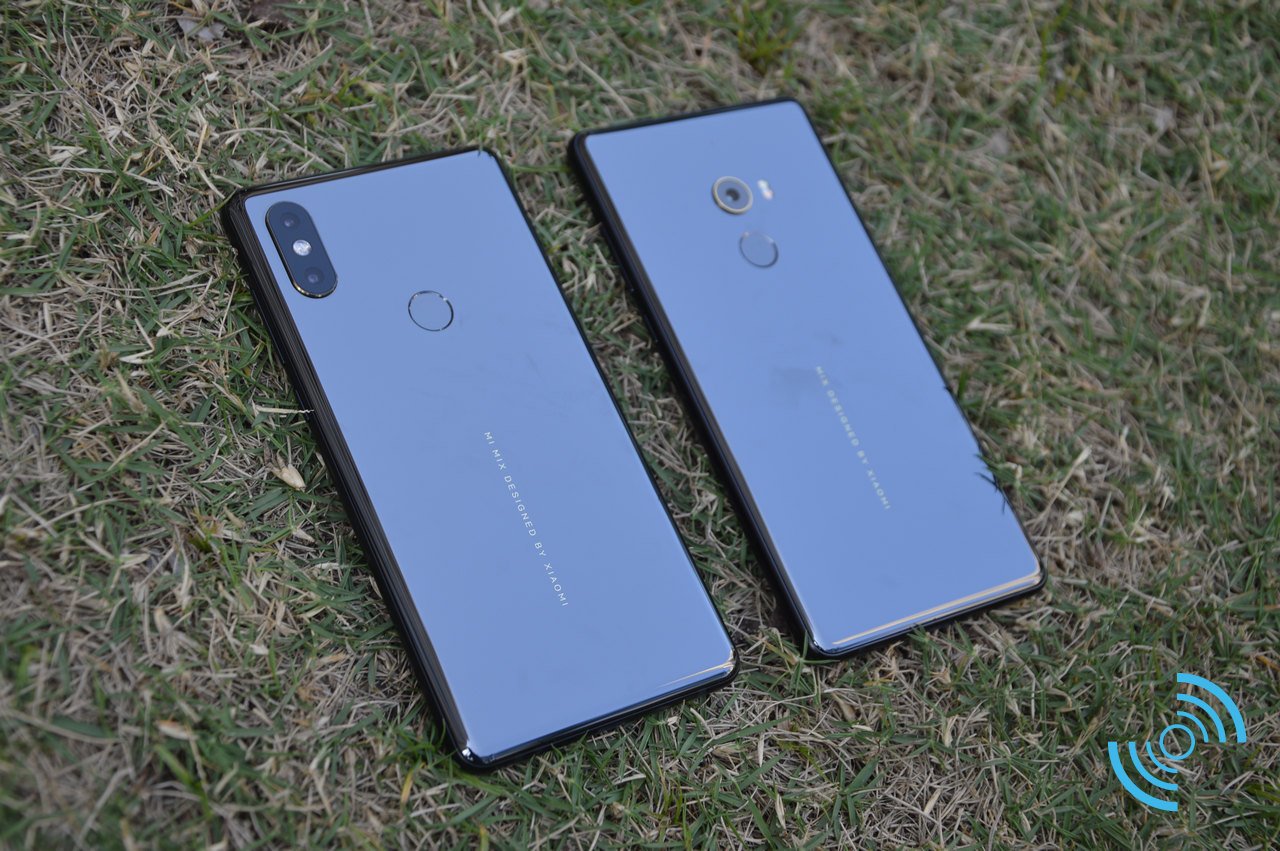
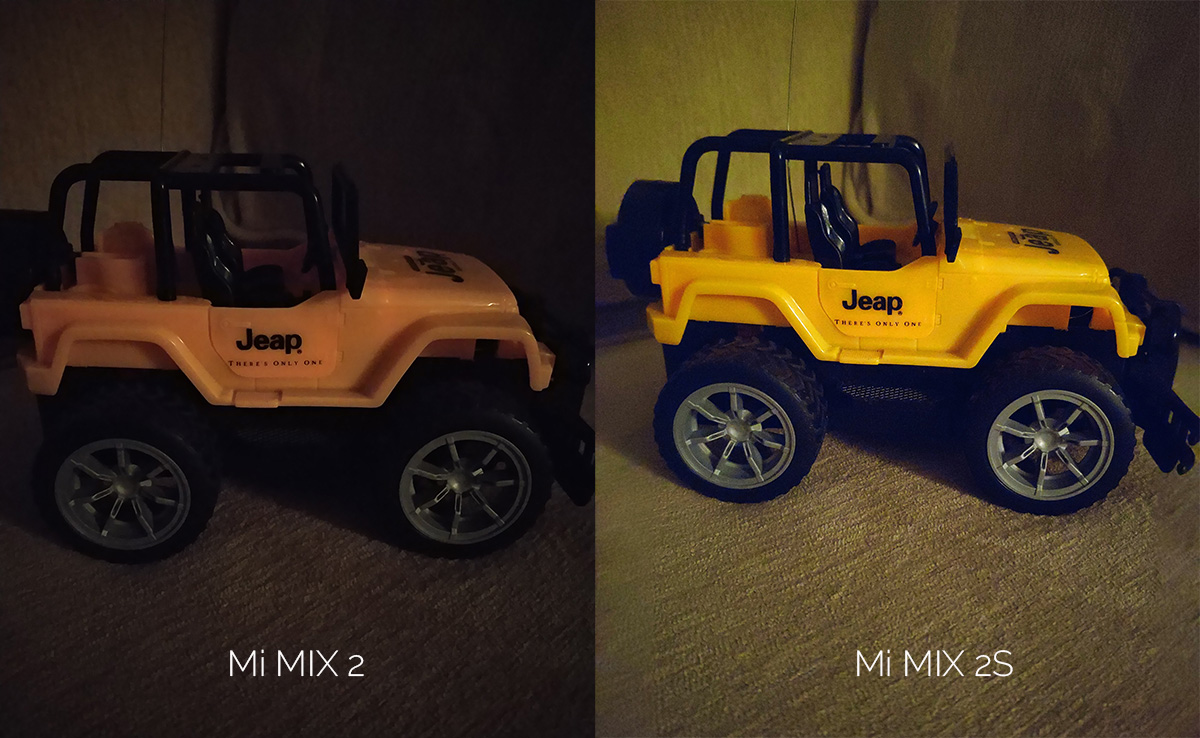
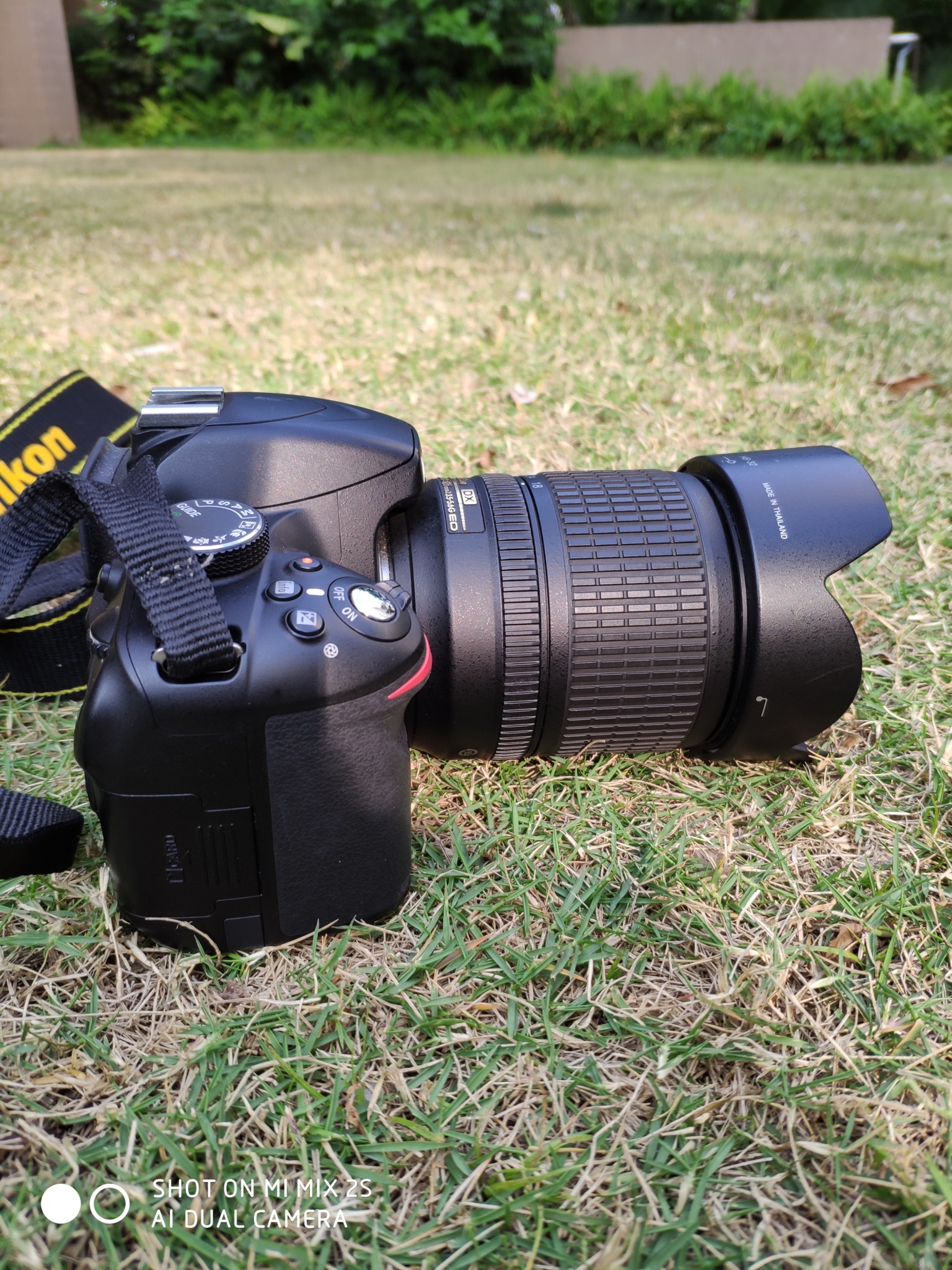
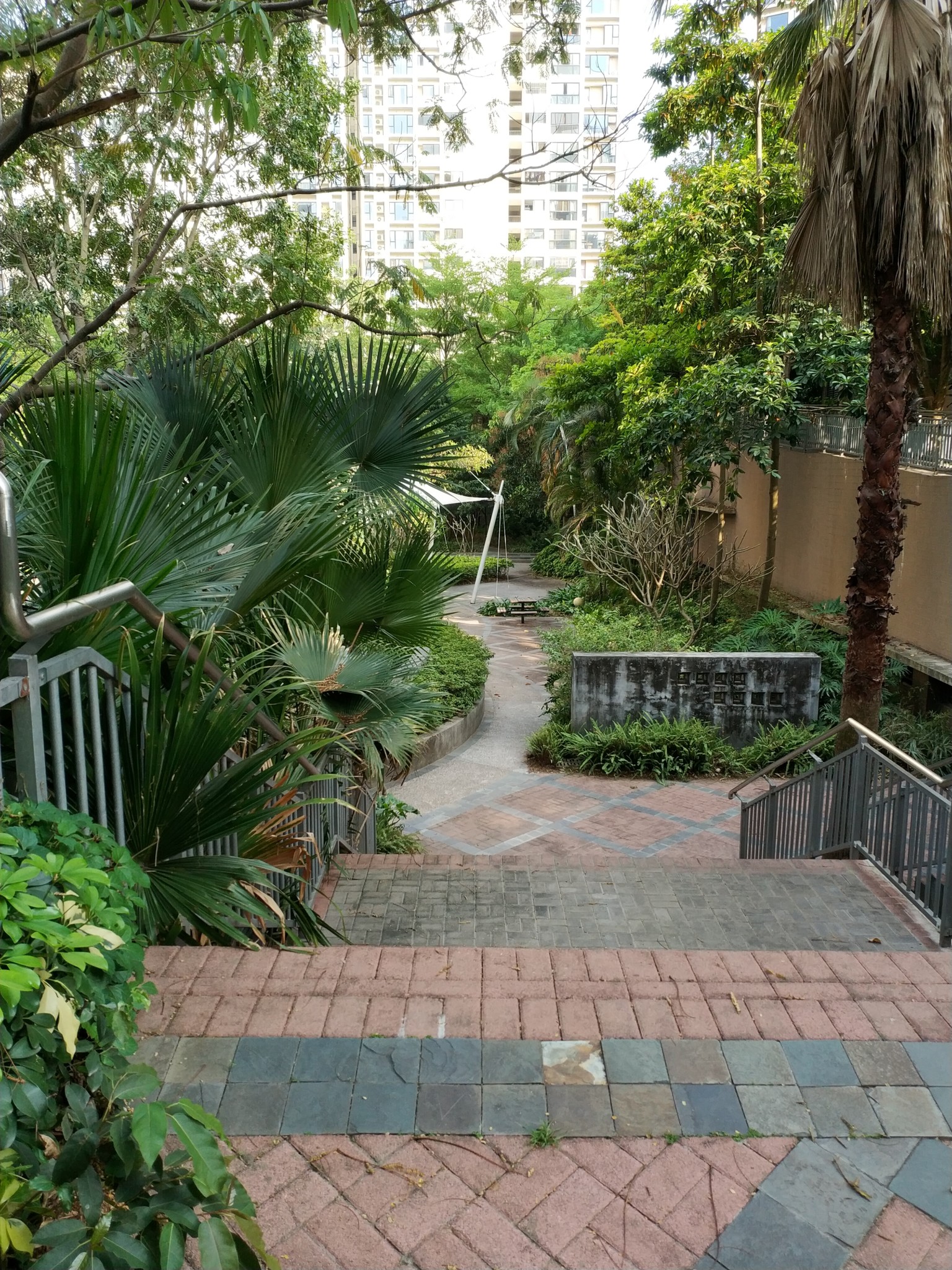
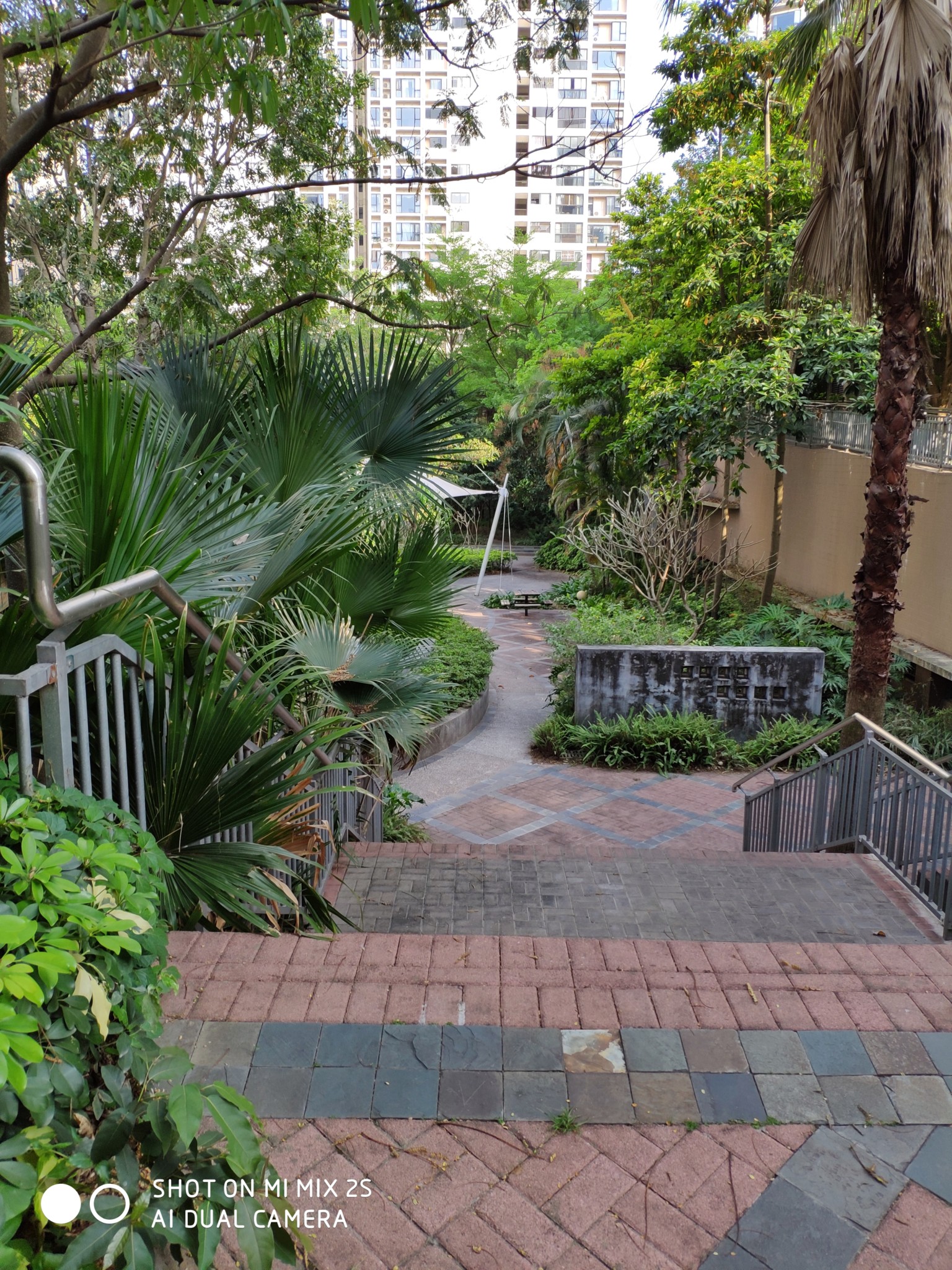
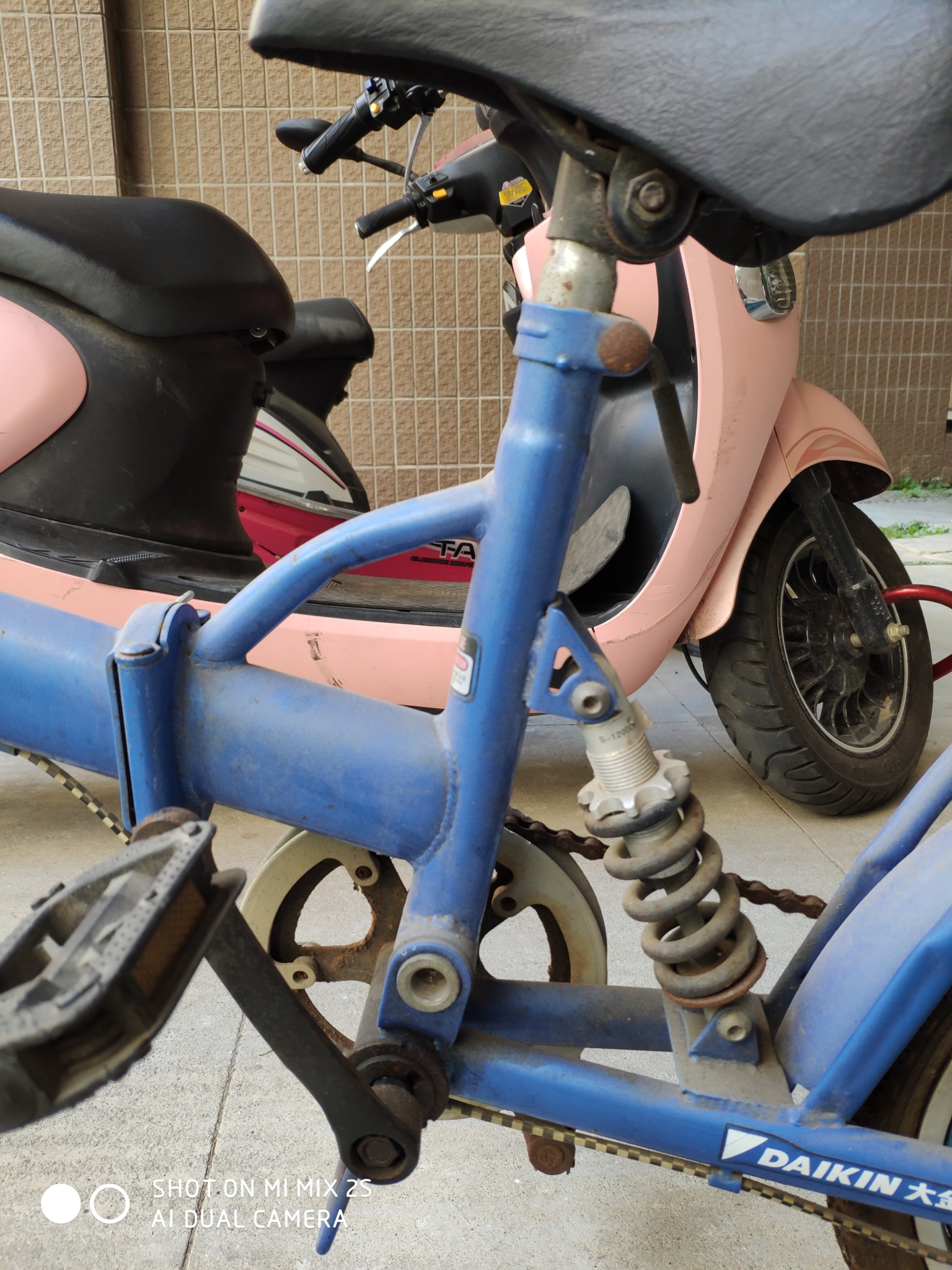
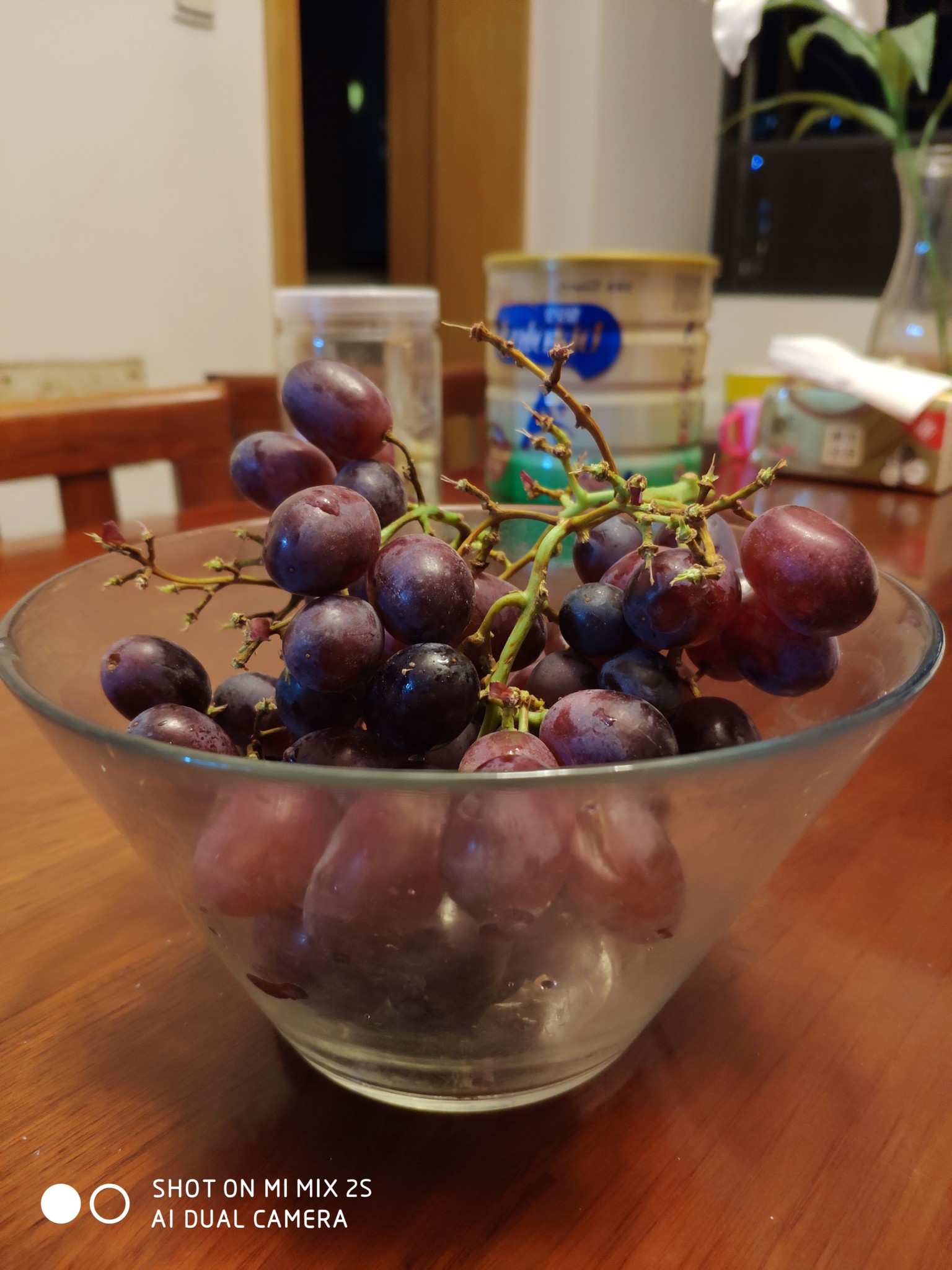
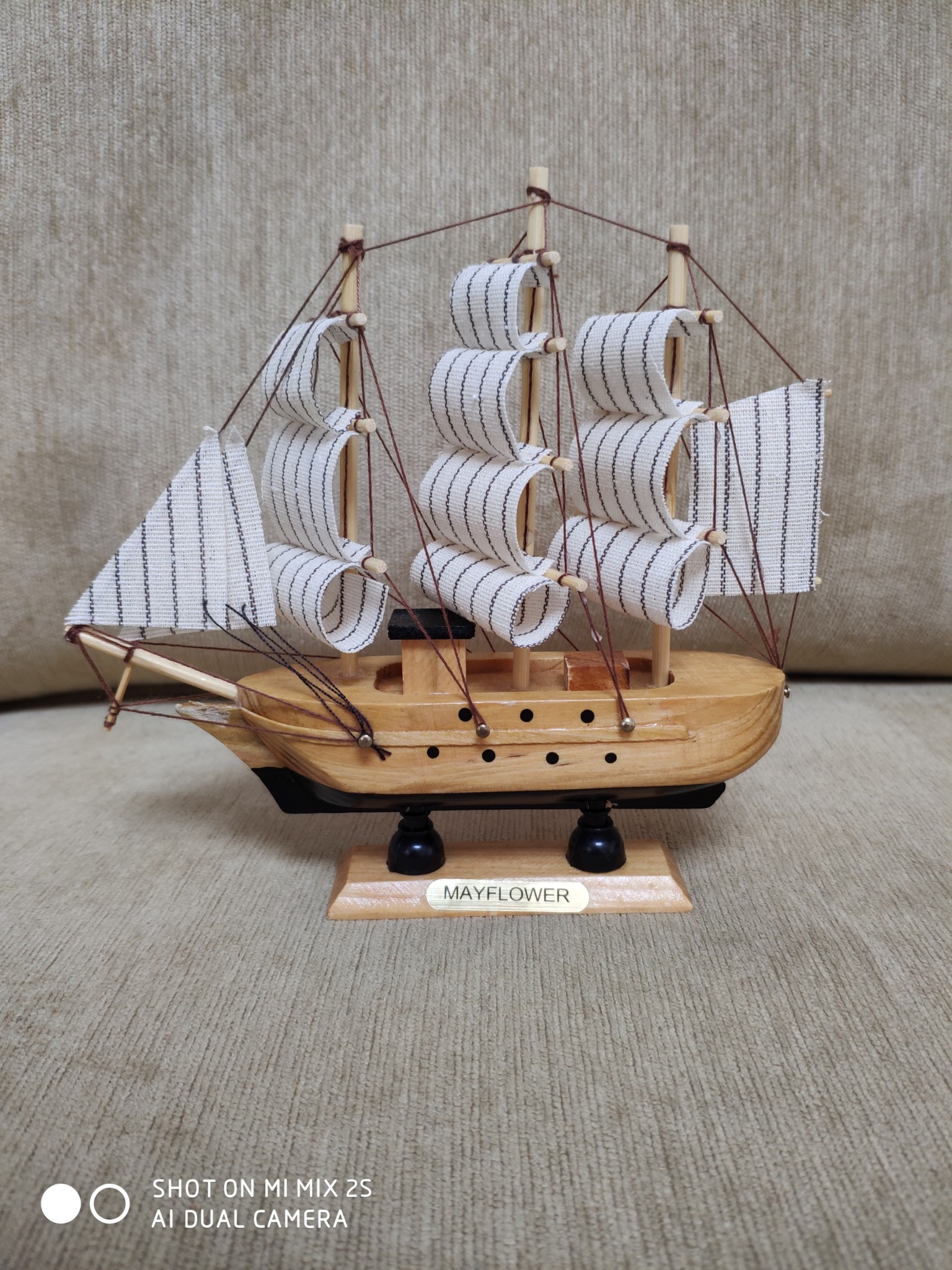
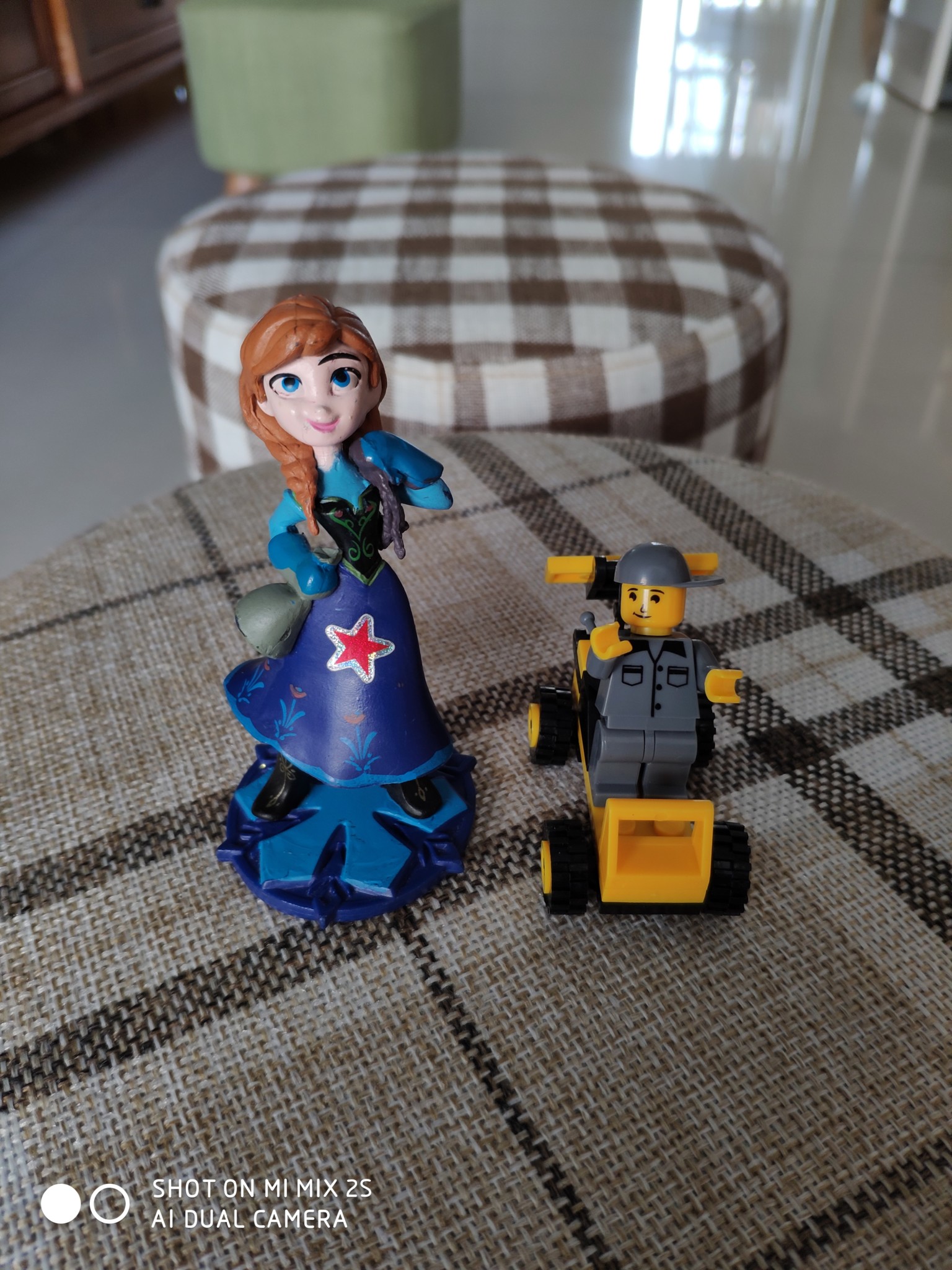
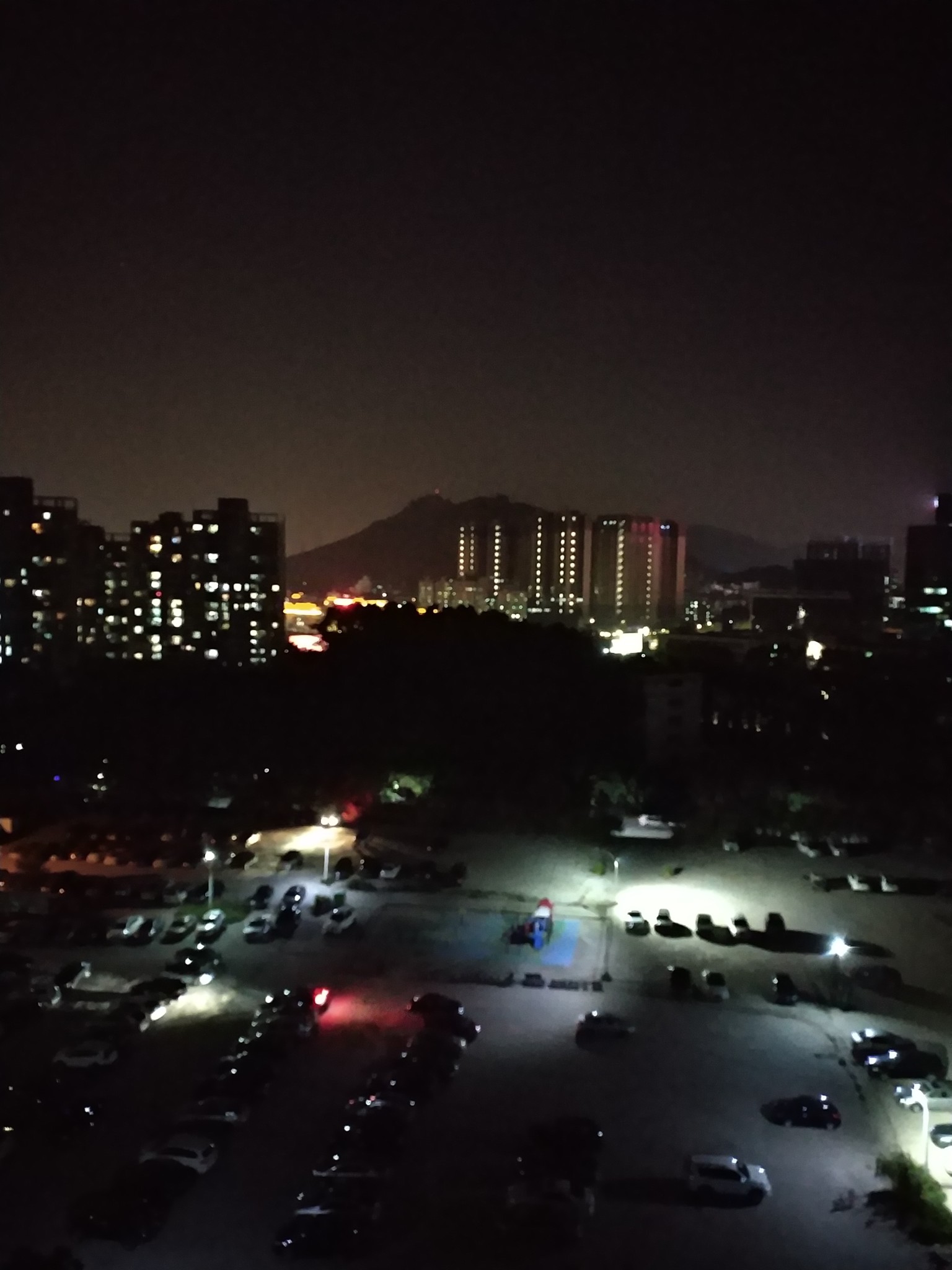
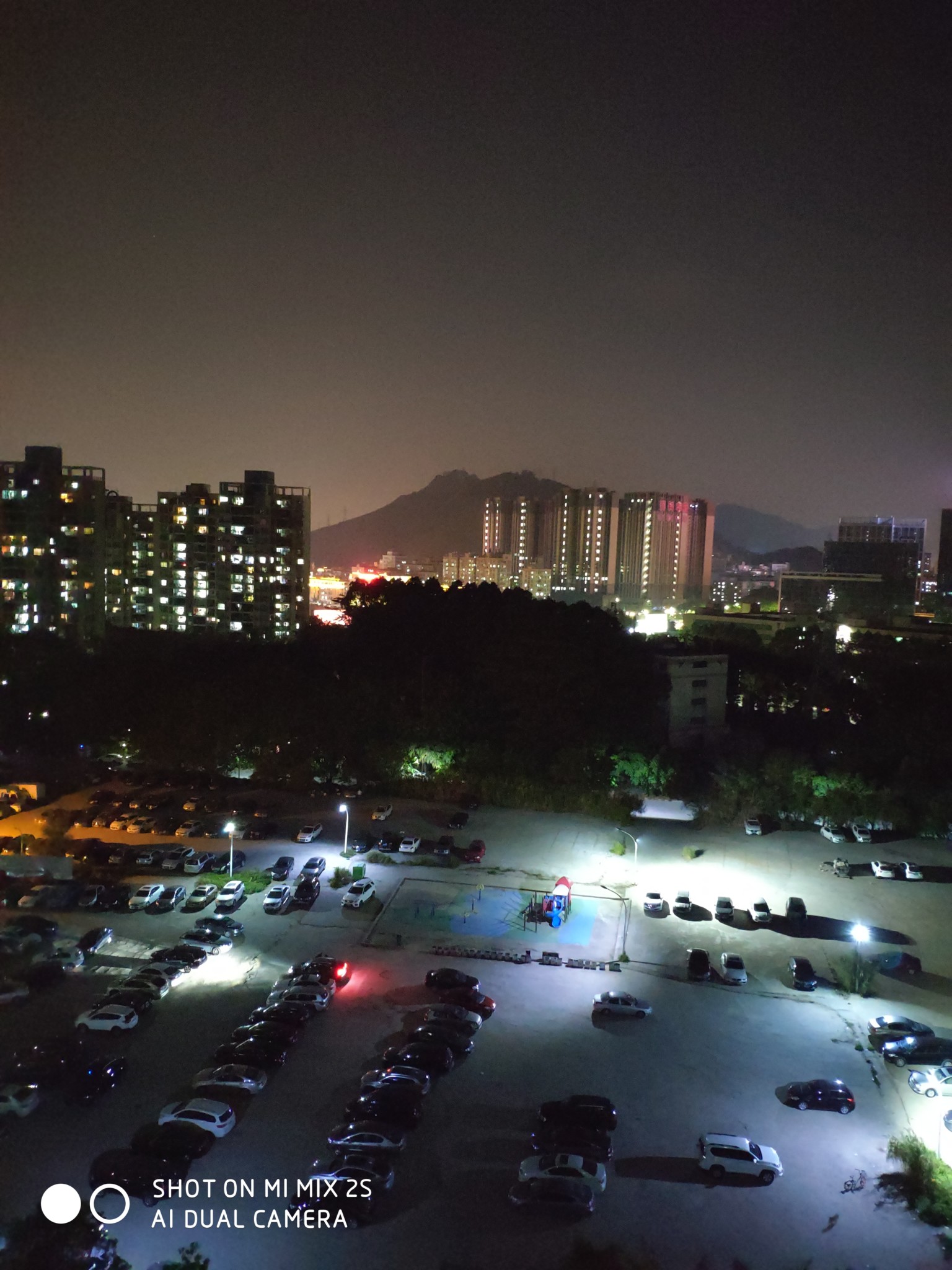
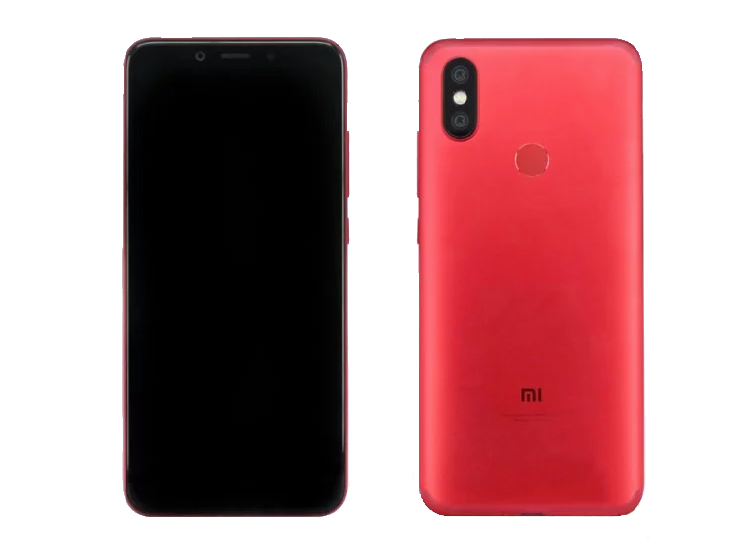
The Xiaomi Mi Mix 2S is the best smartphone from the company in terms of camera performance and it’s clearly evident from the camera samples. However, in order to understand the real progress in the camera department, we have to compare the Mi Mix 2S with its predecessor, the Mi Mix 2. While from its name, the new model looks like a gentle upgrade over the old model, but when you compare the camera of both the smartphones side by side, you’ll see the real improvement in the camera department.
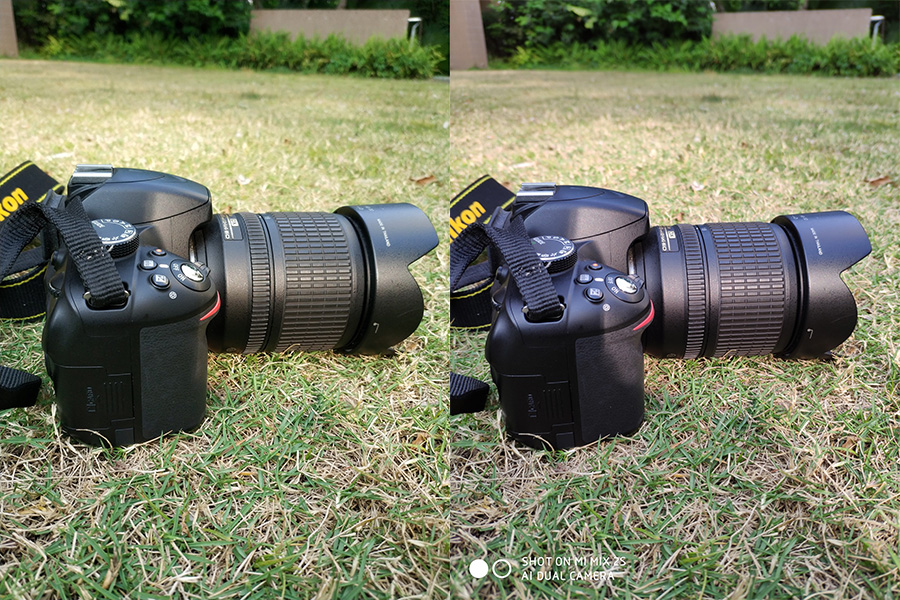
Check out the Mi Mix 2 vs Mi Mix 2S Samples compared side by side below. I have added Mix 2 samples first, so that you can clearly see the difference in the quality when you see the Mix 2S sample after that.
In general, we can see that the camera samples from the Mi Mix 2S are more saturated. The colors pop out well and the dynamic range is also quite good. For example, in the sample of the garden view with the building at the end, the Mix 2S does a better job at retaining the details of the building than the Mix 2. Further, the difference in the quality of images is really evident in the low-light samples, wherein the Mi Mix 2S manages to capture way better photos, with limited noise, more colors, and better details.
So, are you happy with the Mi Mix 2S’ camera performance?
Xiaomi has recently confirmed that it will be holding a launch event on April 25 to announce a new phone. There is a high possibility that the company may launch the rumored Xiaomi Mi 6X smartphone as it has been already certified by the China’s TENAA telecom regulatory body. Today, XDA Developers have not only confirmed that the Mi 6X really exists through its new firmware files, but also it has revealed its key specs.
The filing code of the Mi 6X that was revealed through its TENAA listing is M1804D2SC. The publication claims that it matches with the build number of the Mi 6X (IS_D2S where C = China). It seems that like the Mi 5X, the Mi 6X could also be a China exclusive phone.
The firmware files of the Xiaomi Mi 6X have revealed that it is fueled by Snapdragon 660 chipset that clocks at 2.0 GHz instead of its regular processing speed of 2.2 GHz and it will be equipped with an LCD display. According to the TENAA listing, it features a 5.99-inch screen that offers Full HD+ resolution of 2160 x 1080 pixels.
For photography, it is equipped with a 12-megapixel Sony IMX486 primary sensor with f/1.8 aperture and a secondary 20-megapixel Sony IMX376 sensor with f/1.8 aperture. The front side of the phone features an LED equipped with 20-megapixel Sony IMX376 selfie camera with f/2.2 aperture. The Mi 6X will support 4K resolution video shooting at 30 fps and it will also include Portrait Mode. However, the handset will be lacking support for optical zoom.
The Xiaomi Mi 6X will be running on Android 8.1 Oreo that will be flavored with the latest edition of MIUI 9. It also includes a microSD card slot for additional storage. It lacks NFC support, but it includes support for IR blaster.
According to the TENAA listing, the Mi 6X will be come in three models such as 4 GB RAM + 32 GB storage, 6 GB RAM + 64 GB storage and 6 GB RAM + 128 GB storage. It includes a 2,910mAh battery that is expected to carry support for fast charging. It measures 148.88 x 75.54 x 7.3 mm and \weighs 166 grams. It is unlikely to feature a 3.5mm audio jack. Its USB-C port could be used for charging and connecting wired earphones.
Samsung is at loggerheads with yet another company for patent infringement. The company known as PACid technologies deals with technology pertaining to encryption and has accused Samsung of using three of its biometric patents without licensing them. Two of the said patents were filed in the states, while the third was filed in South Korea and all three patents have something to do with encryption technology.
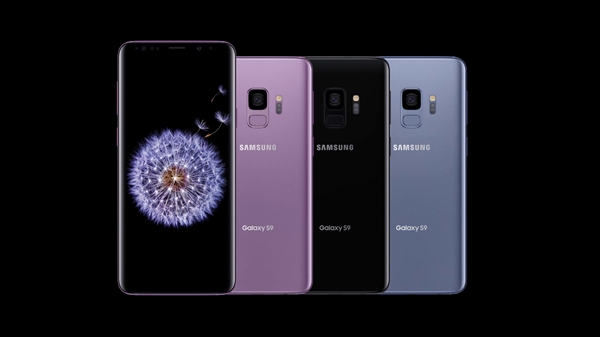
Samsung recently launched Galaxy S9
The company has now filed a suit before the Texas Eastern District Court. The suit was filed on April 6 and alleges that Samsung used the three patents to help it develop its fingerprint, face and iris scanners. The specific phones named in the suit include the Samsung Galaxy S6, Samsung Galaxy S6 edge, Samsung Galaxy S6 edge+, Samsung Galaxy S7, Samsung Galaxy S7 edge, Samsung Galaxy S8 and the Samsung Galaxy S8+. PACid Technologies also claims that the aforementioned three patents were infringed by the Samsung PASS identity management service and the Samsung KNOX mobile enterprise security system. However, the suit did not mention a specific damages amount sought by the plaintiff but with the calibre of phones mentioned, the company may be seeking a huge sum in damages.
It is interesting to note that PACid Technologies is regarded as a patent troll with no manufacturing portfolio to her name and the company addressed that on the official company web pages. There is no doubt that Samsung pays billions of dollars yearly as licensing fees for various technologies used on its devices. We can’t really say who is right or wrong here. But one thing is certain, Samsung has the financial power to get the best lawyers to defend it in court while PACid seems to have got some experience in patent trolling. So, we may as well be looking at another case that would eventually be settled out of court.
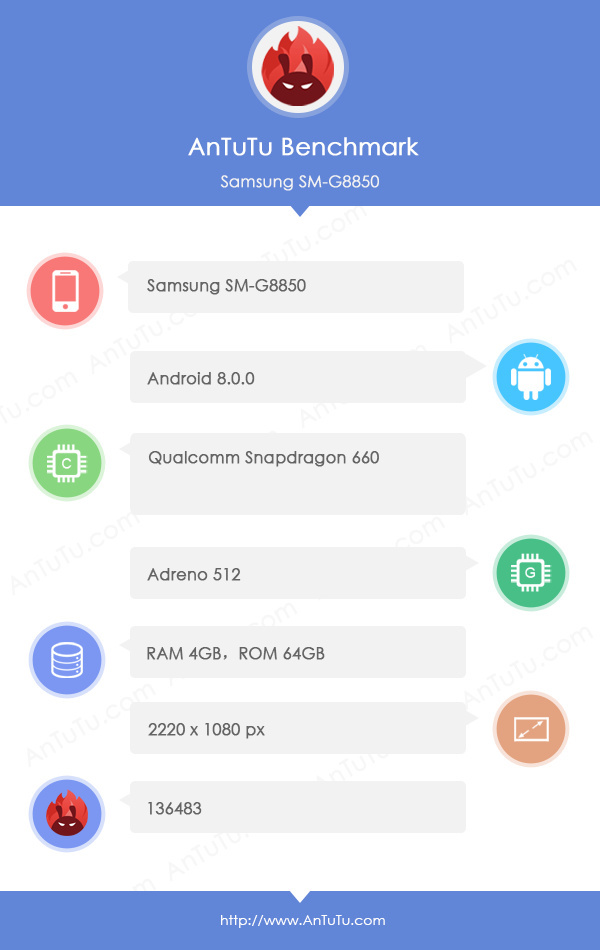
Samsung was once ruling China’s smartphone market between 2011 and 2013, but its market share has now declined to 0.8 percent in Q4 2017. The South Korean company is working on regaining lost ground in China. The recently launched Galaxy S9 and Galaxy S9+ contain some features that are designed to attract Chinese users. Also, it is expected to release more phones later this year in China to improve its market share. One of them could be the alleged the Galaxy S9 Mini smartphone with model number SM-G8750 that has appeared on China’s TENAA regulatory body. The same smartphone has been also spotted at AnTuTu today which indicates that the smartphone is ready for launch and the company is testing its performance before unveiling it.
The screengrab from the AnTuTu listing of the mysterious Samsung SM-G8850 phone reveals that it is powered by the Snapdragon 660 chipset that includes Adreno 512 graphics. The SoC is coupled with 4 GB of RAM. At the beginning of this month, the SM-G8750 phone that was speculated to be the Galaxy S9 Mini was found listed at Geekbench at the start of this month was also fueled by Snapdragon 660 and 4 GB of RAM.
The screen of the SM-G8850 offers Full HD+ resolution of 2280 x 1080 pixels. This indicates that the handset could be equipped with an 18.5:9 aspect ratio supporting S-AMOLED display. The device includes 64 GB of storage and it is loaded with Android 8.0 Oreo. The handset has scored an average benchmarking score of 136,483 on AnTuTu.
Even though the rumor mill is claiming that the SM-G8850 / SM-G8750 could be the Galaxy S9 Mini, it is advisable to wait for newer reports to confirm it. As far as other specs of the SM-G8850 is concerned, its TENAA listing has revealed that it is fitted with a 5.8-inch QHD+ S-AMOLED display and a 3,000mAh battery.
It has a selfie snapper of 8-megapixel. The rear panel of the phone is equipped with an iPhone X-like 12-megapixel dual camera setup and a fingerprint scanner. For additional storage, it carries a microSD card slot. The handset seems to feature a glass rear which indicates that it may support wireless charging.
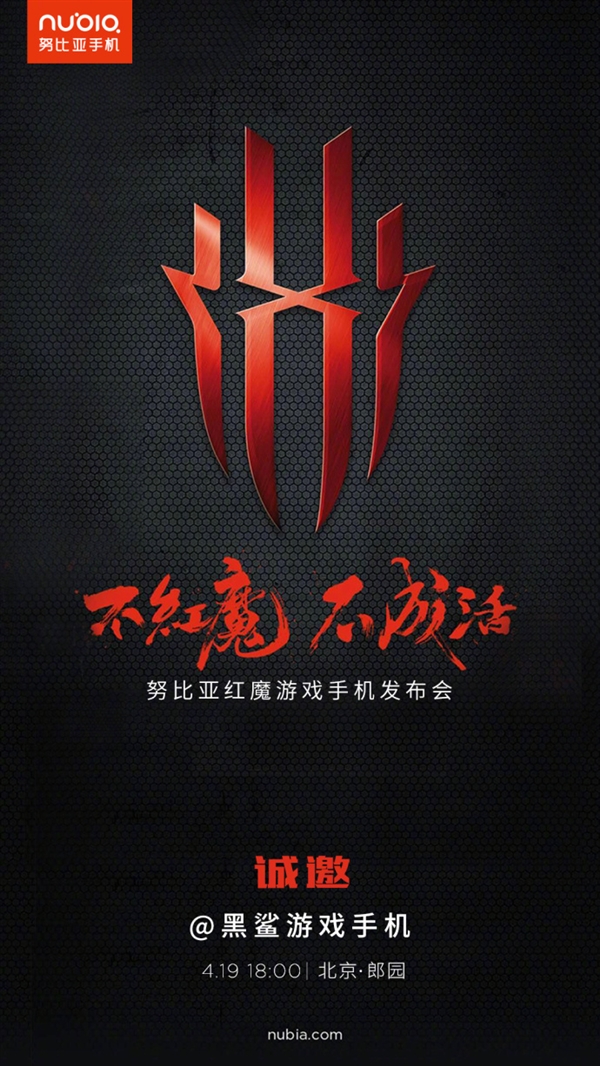
Recently, ZTE’s sub-brand Nubia announced that it is holding a launch event on 19th April where the company will unveil its first gaming smartphone under its newly formed Red Magic brand which is targeted towards the growing gaming market.
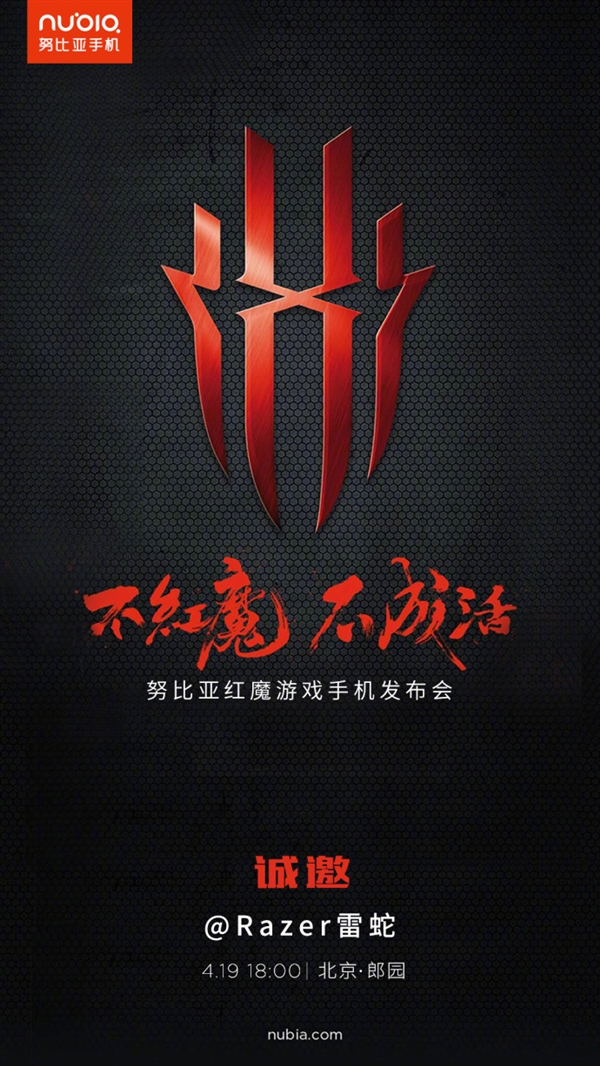
Now, the company has posted new invite images on its social media profiles which are addressed to the two gaming brands — Razer Phone and Black Shark. This seems like a nice gesture from Nubia to invite its competitors to the launch event of its first gaming smartphone.
Razer, the company which is known for its gaming peripherals, launched the first gaming smartphone last year. Now, Xiaomi-backed Black Shark Technologies is launching its first gaming smartphone today. Joining them will be Nubia, which is launching its gaming phone later this month.
The upcoming gaming smartphone from Nubia’s Red Magic is expected to come equipped with features like air cooling, carbon nano-material, and a three-dimensional wind tunnel section structure. Rumors suggest that the smartphone could be powered by Qualcomm‘s Snapdragon 845 along with 8GB RAM.
The device is also expected to feature 18:9 aspect ratio display with 120Hz refresh rate — similar to the Razer Phone that was launched last year. Nubia had showcased the prototype of this gaming smartphone at the Mobile World Congress (MWC) 2018 earlier this year in February.
The company had previously stated that they have included “all possible specs under the microscope.” Further, the company had also said that it’s prepping up to debut a new line of products that will “provide a more complete gaming experience for the masses.”
This new phone from Nubia has been confirmed to get launched simultaneously in China and Europe. Aiming to expand its international presence, Nubia will also debut the smartphone in the Indian market after its launch in China and Europe.
Motorola is gearing up to launch its new range of budget smartphones at a launch event on 19th April. Now, ahead of the launch event, where the company is expected to launch Moto G6-series, another smartphone — Moto E5 Plus has appeared on Geekbench.
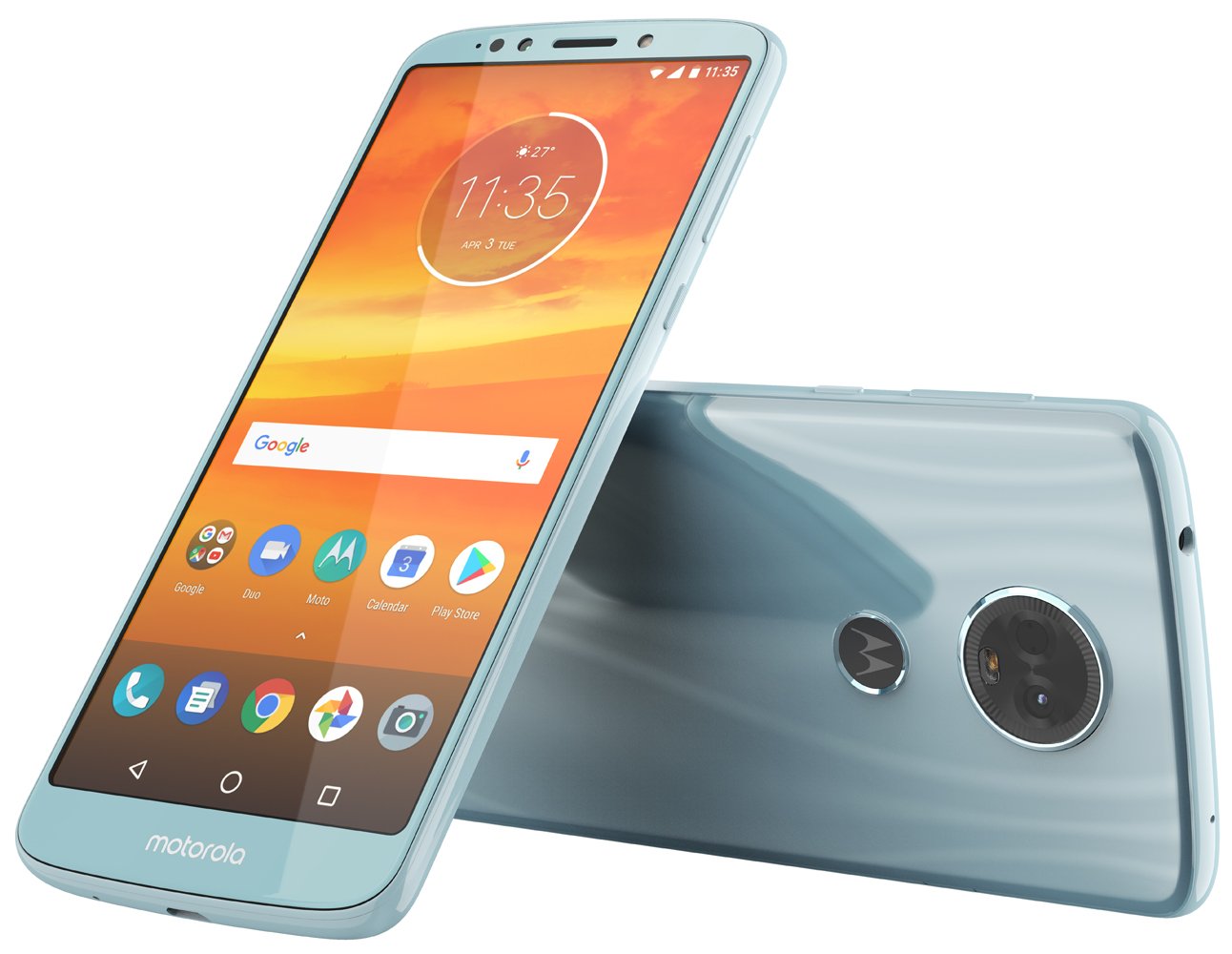
The Moto E5 Plus is the top-end model in the upcoming Moto E5-series, which is the company’s lineup of entry-level smartphones. The Geekbench listing of the E5 Plus has revealed the phone’s specifications, which are in line with the previous leaks.
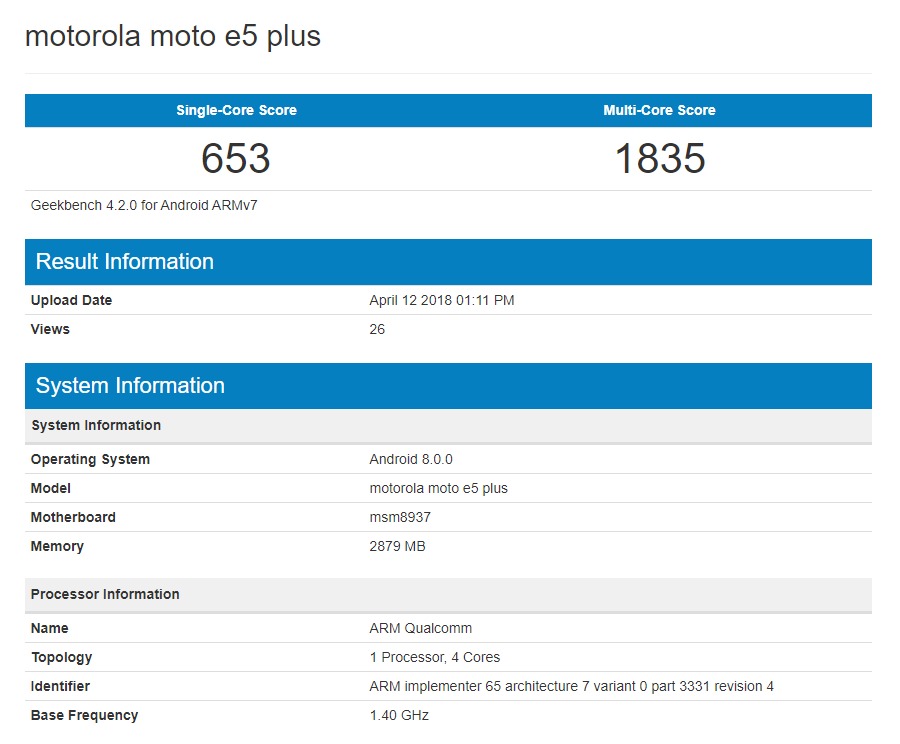
The Motorola Moto E5 Plus managed to score an impressive 1835 in multi-core tests and 653 in single core tests. The phone is powered by Qualcomm Snapdragon 430 processor which is capable enough to handle daily tasks, along with 3GB of RAM.
Another report related to the smartphone suggests that the Moto E5 Plus will come with a full-screen display having 18:9 aspect ratio. It will have a 3D glass design and will pack a big battery. The camera on the phone is also said to be on-par with the G5 Plus.
Previous leaks related to the Moto E5 Plus suggested that the phone will feature a 5.8-inch IPS LCD display will support HD+ resolution of 720 x 1440 pixels. The phone is expected to be available in two storage options — 32GB and 64GB.
There’ll a 16-megapixel camera with f/1.75 aperture on the back and for shooting selfies, it will be coming with an 8-megapixel camera with f/2.0 aperture. The smartphone is expected to be powered by a massive 5,000mAh battery.
While the company has already scheduled a launch event on 19th April, it has not revealed which smartphones are getting launched. We are expecting the Lenovo-owned company to launch its Moto G6 series, which includes Moto G6, G6 Plus, and G6 Play, there’s a possibility that Motorola may also launch the Moto E5 series as well in that event.
Samsung has been working on its foldable smartphone since a couple of years. During an interview at the Mobile World Congress (MWC) 2018 tech expo, Samsung’s mobile division CEO DJ Koh had said that the company will not be focusing on being industry first, but rather launch meaningful products. Early reports had claimed that the Samsung could be the first firm in the world to launch a foldable phone, but it seems that it is no longer interested in being industry first in this department. Moreover, it is a known fact that the foldable phone from Samsung has encountered a lot of technical glitches. Koh had also claimed that the company would be launching it only when it is fully ready. Rumors have it that Samsung may announce it in early 2019. According to a fresh report published on a South Korean publication, Huawei may become the first smartphone manufacturer to launch the world’s first foldable phone. It is expected to debut as early as November this year.
Huawei is currently the third largest smartphone maker behind Samsung and Apple. The Chinese manufacturer had recently launched the Huawei Mate RS Porsche Design premium flagship phone that is equipped with high-end specs like triple camera lens, under-display fingerprint scanner, 512 GB of storage and it is fitted with a 6.1-inch AMOLED screen by LG Display.
Rumors have it that Huawei may launch more phones with LG Display’s AMOLED panel in the near future. The South Korean publication claims that Huawei’s upcoming foldable phone features LG’s bendable display. On the other hand, Samsung will be using its own flexible OLED screen.
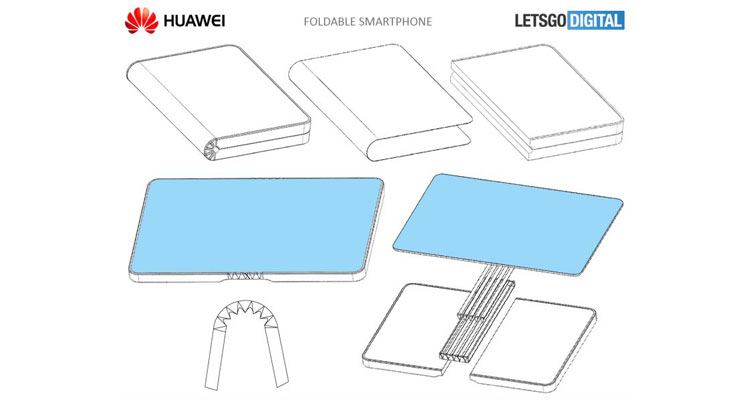
Like Samsung’s foldable phone, the Huawei’s iteration is also expected to feature an inward folding design. In 2017, Huawei had filed a patent for a phone with foldable display. The patent filing revealed that when the display is folded, it can be used as a smartphone and when unfolded, it can function like a tablet.
As of this writing, there is no information available on the specs of Huawei’s upcoming foldable smartphone. The company may debut a working prototype to check the response of the consumer before beginning its mass production.
A recent report had revealed that a number of smartphone OEMs are prepping up to launch foldable smartphones. Apart from Apple and LG, a couple of Chinese firms like OPPO, Lenovo, and ZTE are also expected to launch foldable phones in the coming years.
Xiaomi is the fifth largest smartphone manufacturer in the world. Apart from making smartphones, it also manufacturers laptops, fitness trackers, smartwatches, smart home products, drones and more. A fresh report by Bloomberg states Xiaomi is considering acquiring GoPro
Founded by Nick Woodman in 2002, GoPro is a well-known brand that sells action cameras. However, the company has been suffering from financial issues since a couple of years. In 2016, it had laid of nearly 600 employees. In January, the company killed its drone business. Woodman had also confirmed to the press that he is ready to sell the company.
Here is what he had said, “”If there was an opportunity to merge GoPro with a larger parent company that could help us scale our business and provide a better return on investment […] we would welcome the opportunity to explore such an opportunity.” When GoPro had gone public in 2014, its value was over $10 billion. However, its share price has dropped significantly by 36 percent in 2018 and its market capitalization is around $700 million.
There is no information available on the details of the deal that may happen between Xiaomi and GoPro. However, it is speculated that GoPro may get around a billion dollars through the acquisition.
Samsung Displays is one of the lucrative arms of the conglomerate. The company is good at manufacturing some of the world’s best AMOLED panels. As a matter of fact, the AMOLED screens from Samsung are one of the reasons why many users buy their products. The Infinity Display on the recently released Galaxy S9 and S9+ is rated as the best mobile display in the market.
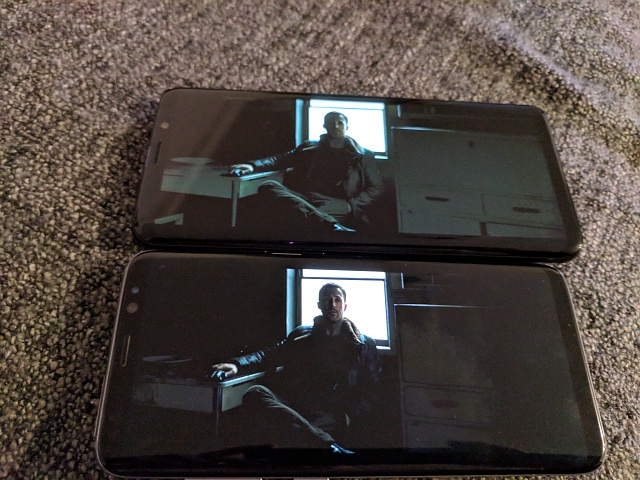
Unfortunately, Samsung’s mobile displays still have their fair share of controversies. The Galaxy S9 which was announced in March also is being reported to have colour banding issues when rendering dark/black images. The issue is termed as Black crush and it refers to a phenomenon where the screen has issues displaying shades of dark accurately, resulting in a grainy or a pixelated picture with blocks of black.
The black crush effect would be noticeable when watching dark images or videos as details are lost similar to a heavily compressed file. It is not an entirely new issue as many users have complained about this on the previous generation devices as well. Samsung is yet to comment on the issue but we believe it is a minor issue affecting only a few Samsung models.
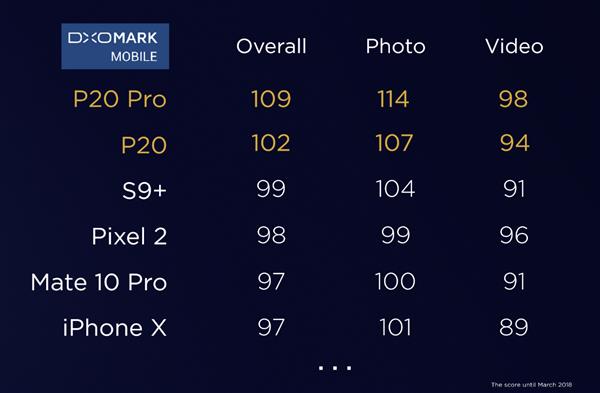
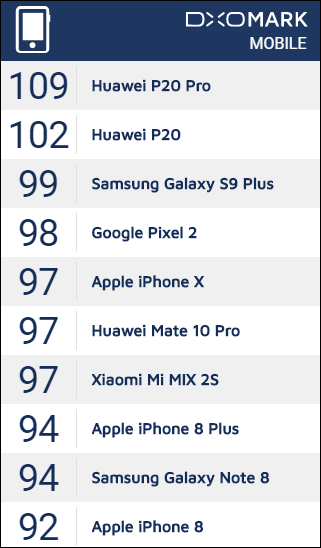
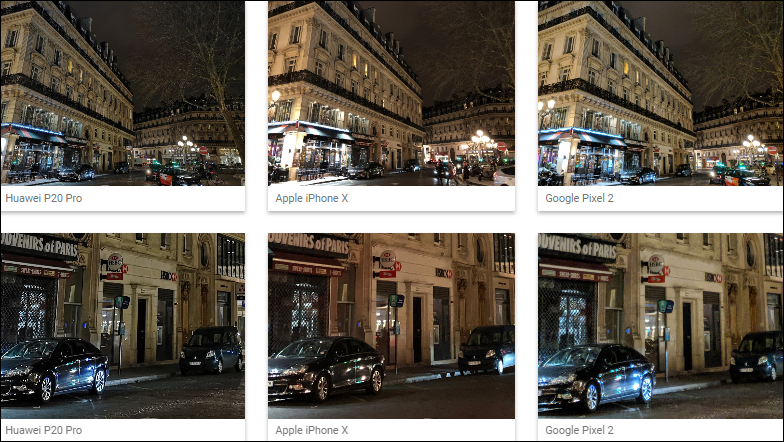
We can’t say how we missed this news but it is still worth reporting. DXOMark released its benchmark rating about the same time the Huawei P20 Pro was launched on March 27. DXOMark is unarguably becoming an acceptable benchmark for rating smartphone cameras especially since it was upgraded. It is gradually becoming a tradition for flagship phones to make an immediate appearance at the top or near the top of DXOMark’s camera charts. The Huawei P20 Pro not only made an appearance at the top but floors all others laying claim to the top with a clear 10 points above the Galaxy S9+ which previously occupied the top spot.
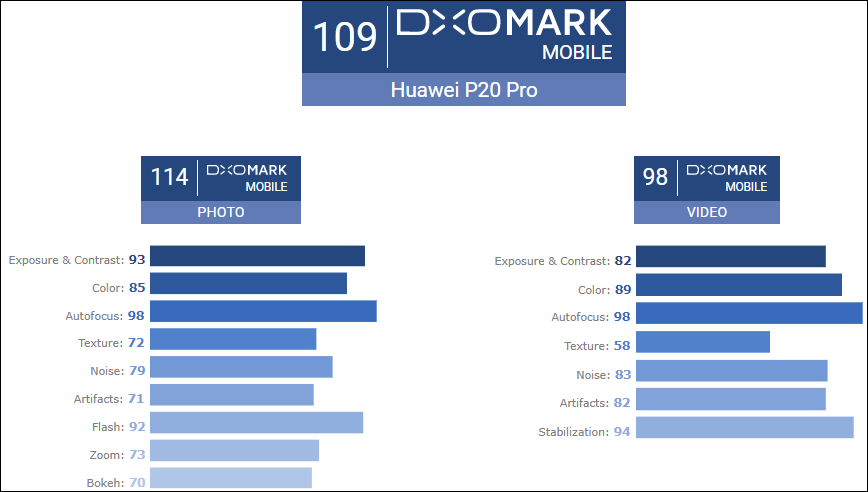
The Huawei P20 Pro scored 109 points which as stated, is 10 points more than the Galaxy S9+ score, 11 points above the Google Pixel 2 DXOMark score and 12 points above the iPhone X score. Even the Huawei P20 scored a better 102 points to emerge as having the second highest-rated phone camera, based on DXOMark benchmark rating anyway.
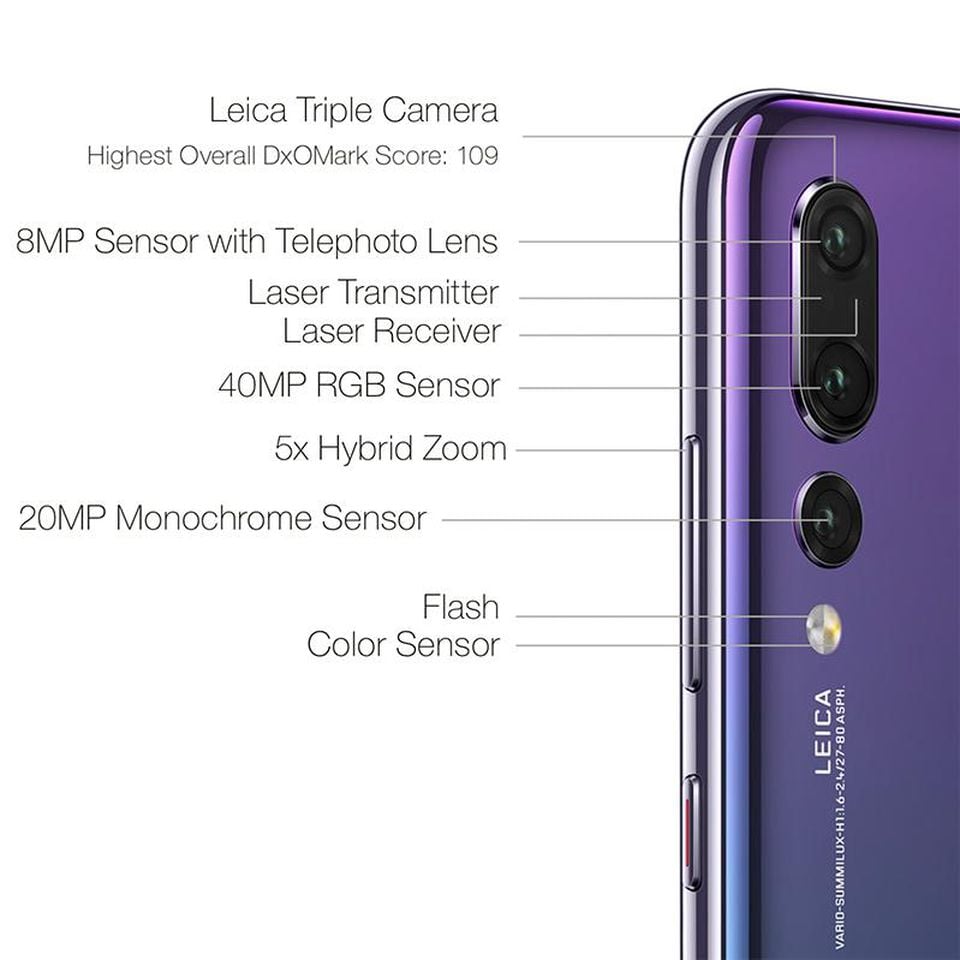
We won’t have to look very deep to find out why the P20 Pro performed marvellously o the benchmark. The flagship device comes with a triple camera setup which is a huge advantage. The P series are best known for their camera prowess since the P8 and this device sets the bar even higher in mobile photography. The P20 Pro also features a camera co-designed with Leica and the three sensors comprise a huge 1/1.78in 40MP main camera sensor, paired with a bright f/1.8 lens. Huawei also supplemented this with a smaller 1/2.78in 20MP monochrome sensor fitted with a f/1.6 lens and a 1/4.4in 8MP colour sensor equipped with a f/2.4 telephoto lens.
The triple camera setup combines two of the most popular and common dual camera configuration of a bokeh camera and telephoto camera and included all two features in a single smartphone. The monochrome sensor adds depth perception and boosts overall light sensitivity, while the telephoto lens adds opportunities for optical zoom effects.
On the individual performance of the P20 Pro camera in still photography and other aspects, the P20 Pro also trumps the Galaxy S9+ in every aspect except one where it lost by just one percent. Here’s a break down of the Huawei P20 Pro scores:
A number of features of the OnePlus 6 have been teased in recent weeks. However, OnePlus has kept its mouth sealed about the rear design of the phone. Although initial guesses said the OnePlus 6 would look like the OPPO R15, it has been revealed that only the front will be similar.
If you are eager to know what the rear looks like, then you may want to take a look at these photos from case maker Olixar. The cases show the OnePlus 6′ rear as well as the front.
Case makers usually get the dimensions of a phone based on CAD files ahead of release so they may begin working on accessories. So it is fair to say that the OnePlus 6 may look like what is in the photo above.
The cases come in different designs based on user preference. There is the plain gel case, a leather wallet/flip case, an armored case, and a snap-on case. Olixar is also selling a bundle with a glass screen protector that has a cut-out for the notch.
As you can see, the rear cameras are arranged vertically and positioned in the middle of the device. They share a single housing and beneath the sensors is the LED flash and a fingerprint scanner. The fingerprint scanner is shaped like a pill and is smaller than the circular one on the OnePlus 5T.
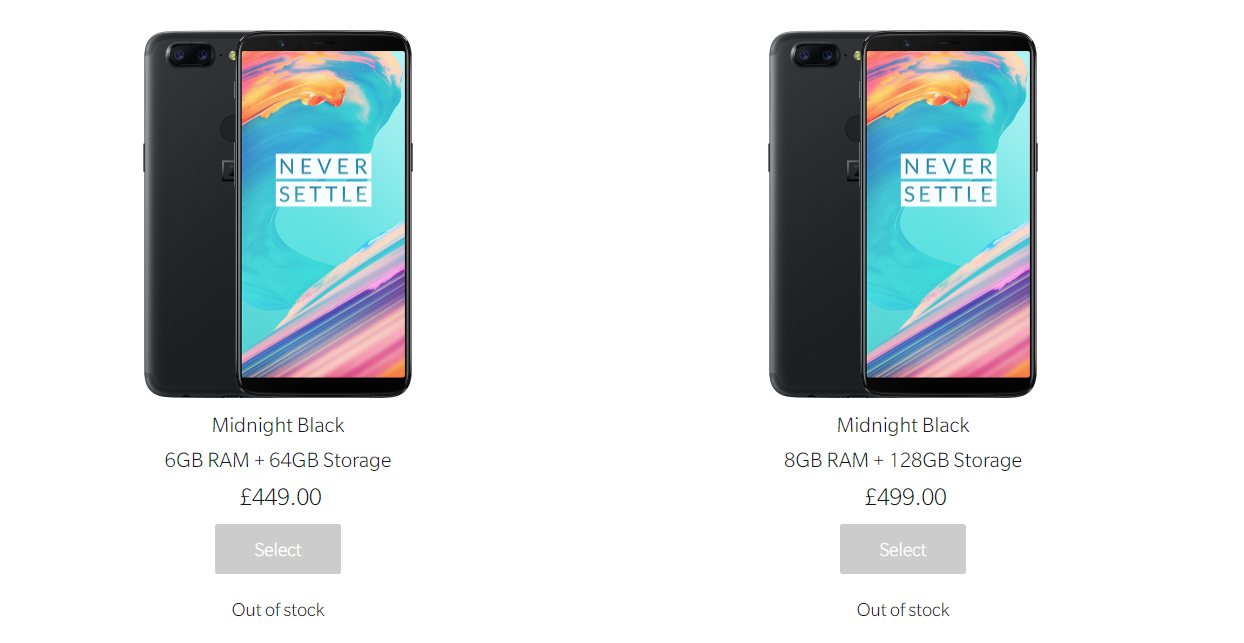
Last month, OnePlus’s latest flagship – the OnePlus 5T went out of stock in North America just four months after release. Seeing as OnePlus didn’t restock, it was one of the hints that a successor was going to come early. Now the OnePlus 5T is also out of stock in Europe.
If you head to OnePlus.com, none of the over 25 countries listed has the phone in stock. And it appears that will be the end of it. It is no longer available in India too. The only places where the phone can still be purchased at the moment is Mainland China and Hong Kong.
You can also still purchase it from retailers like O2.
OnePlus says the OnePlus 5T is its best selling smartphone till date. However, a successor is on the horizon and the old has to make way for the new.
With the quality-price ratio of its devices, Huawei has become one of the three most important smartphones manufacturers in the world. Huawei P20 Lite is actually its most important device in the mid-range category and one of the best choices for people with a limited budget. But yesterday Nubia Z18 Mini was launched, and we noticed that its specs are incredibly interesting if we compare them with its price. That is why we decided to compare it the Huawei 20 Lite, and through the following Nubia Z18 Mini vs Huawei P20 Lite comparison, we will try to establish if this less known company is able to offer a better product at a similar price.
In order to make a choice between these handsets you need to make an important decision: do you want a notch or not? Huawei P20 Lite has a notch and narrower bezels, while Nubia Z18 has no notch but its screen-to-body ratio is lower. For the rest, both the phones have a wonderful design with a refined glass back and an aluminum frame. What makes Nubia Z18 Mini better is its hardware side, as it is composed of a SoC with higher performance (the octa-core Qualcomm Snapdragon 660) and 2 GB RAM more than its opponent. So Nubia Z18 Mini is faster and it should behave better in multi-tasking.
Both the handsets have a dual cameras on their back, but we still can not tell you which one is better in terms of photo and video quality as Z18 Mini has just been unveiled. However, the front camera should be better on the Huawei P20 Lite with its 16 MP resolution. On the other hand, Nubia Z18 Mini has a bigger battery and, given that Snapdragon 660 is usually well-optimized, it should also have a longer battery life. Huawei P20 Lite is actually available to purchase in the global market with an online street price of about €300/$371, while Nubia Z18 Mini has been launched in China with a starting price of €230/$286. In our opinion, Z18 Mini is actually a better choice and it also has a higher value for money.
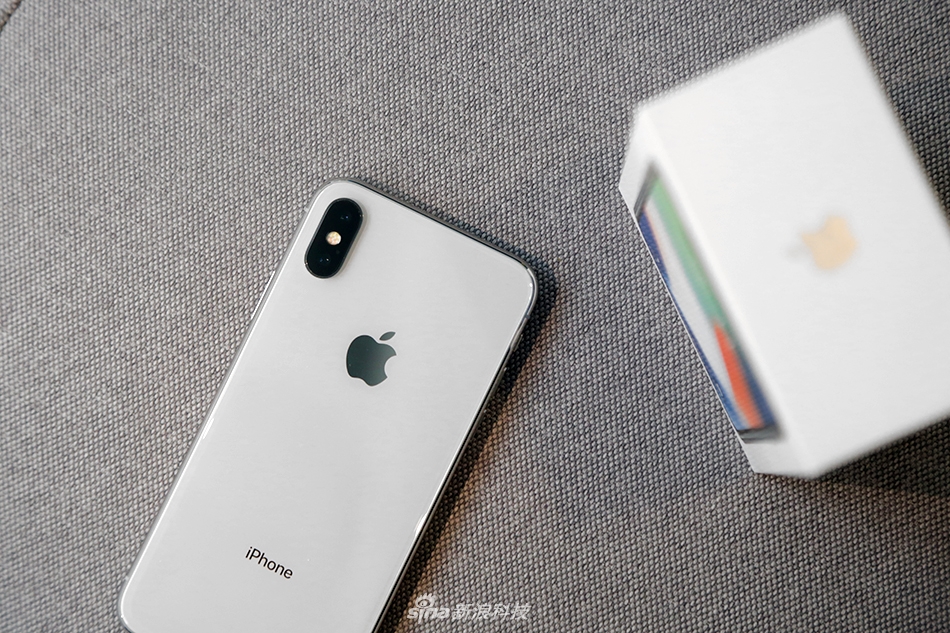
Ever heard of the iPhone Xs? Most likely you haven’t but there are speculations that it is the name Apple‘s next-generation iPhone X model would adopt. That is just a speculation as there is nothing to officially back it up. However, there is a high tendency that Apple will launch a new OLED packing model this year.
As you would recall, the iPhone X came with an awesomely high price tag and the breakdown of its manufacturing cost had revealed that almost a third of the revenue to produce an iPhone X went to Samsung. However, Apple is said to be looking for ways to cut that down so that it can be more flexible with the final retail pricing of the next-gen iPhone Xs, or whatever name the iPhone X successor adopts. Both companies are reportedly in negotiations with the top Execs from the Korean giant paying a visit to Apple’s HQ recently but the meeting reportedly didn’t yield the needed results.
Details emerging from sources familiar with the matter is that in order to reach Apple’s lower tag demands, Samsung is offering to supply the Y-Octa panels that it uses for the Galaxy S9+. These panels are cheaper to produce, though the yield might not be enough for Apple’s mass quantities as Apple is reportedly planning the launch of two OLED phones this year. However, Apple is also said to be weighing the option of reverting to LCD panels which is more affordable. The iPhone 9 is expected to feature a 6.1-inch display that will be supplied by Japan Display and Sharp, apparently, leaving crumbs for Korean companies. This will potentially result in an increase in iPhone 9 shipments from 100 million units previously forecasted to 150 million units.
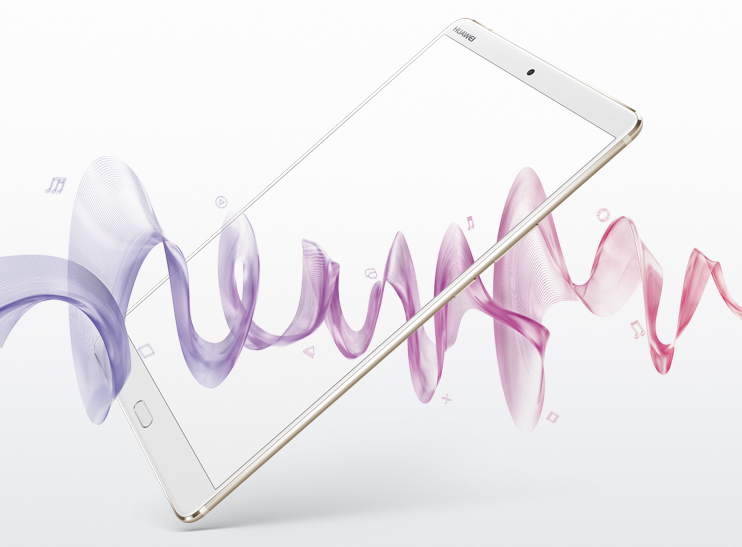
Nearly two months after it unveiled the MediaPad M5 tablets at MWC 2018, Huawei has launched them in its home country. However, they do not bear the MediaPad name and are simply referred to as the Huawei M5 tablets.
The Huawei M5 comes in three variants with multiple configurations – the M5 which comes in 8.4-inch and 10.8-inch models and the M5 Pro which is available in 10.8-inches.
All models come with a 2K display, a Kirin 960s (an upgraded Kirin 960 with a dedicated NPU like the Kirin 970) processor, and 4GB of RAM. Each also has a 13MP rear sensor and an 8MP front-facing camera; runs EMUI 8.0 based on Android 8.0 Oreo, and supports fast charging. There is also Face Unlock, a fingerprint scanner, and Hi-Res audio with Harman Kardon tuning.
Where they differ is in the number of speakers – two on the 8.4” model and four on the 10.8” models; the battery – 5100mAh against 7,500mAh; and support for stylus and keyboard attachment on the M5 Pro.
Below are the prices and configuration for the Huawei M5 tablets:
We use cookies on our website to give you the most relevant experience by remembering your preferences and repeat visits. By clicking “Accept”, you consent to the use of ALL the cookies.
This website uses cookies to improve your experience while you navigate through the website. Out of these, the cookies that are categorized as necessary are stored on your browser as they are essential for the working of basic functionalities of the website. We also use third-party cookies that help us analyze and understand how you use this website. These cookies will be stored in your browser only with your consent. You also have the option to opt-out of these cookies. But opting out of some of these cookies may affect your browsing experience.
Necessary cookies are absolutely essential for the website to function properly. This category only includes cookies that ensures basic functionalities and security features of the website. These cookies do not store any personal information.
Any cookies that may not be particularly necessary for the website to function and is used specifically to collect user personal data via analytics, ads, other embedded contents are termed as non-necessary cookies. It is mandatory to procure user consent prior to running these cookies on your website.