It was recently reported that Xiaomi is now only selling the 4 GB RAM + 64 GB storage model of the Xiaomi Mi 6 and higher variants like 6 GB RAM + 64 GB storage and 8 GB RAM + 128 GB storage are no longer available for buying. This suggests that the Chinese manufacturer could be gearing up to announce the Xiaomi Mi 7 flagship phone. Fresh photos of the alleged Mi 7 smartphone have appeared on Weibo to reveal its appearance and some of its features.
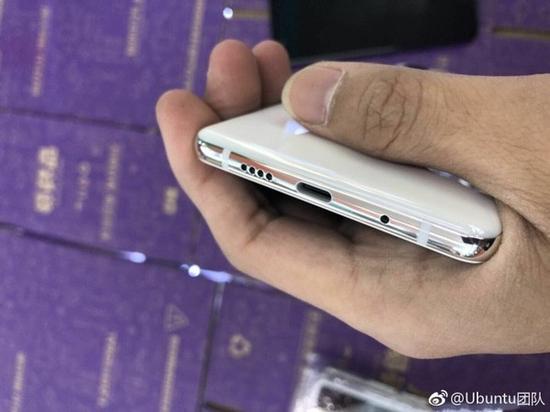
The alleged Xiaomi Mi 7 can be seen in white color in the newly leaked photos. The sides of the phone seem to be sporting a stainless-steel frame. The bottom edge of the phone is equipped with an external speaker, a USB-C port and a microphone. The two antenna strips on the bottom edge of the phone are clearly visible.
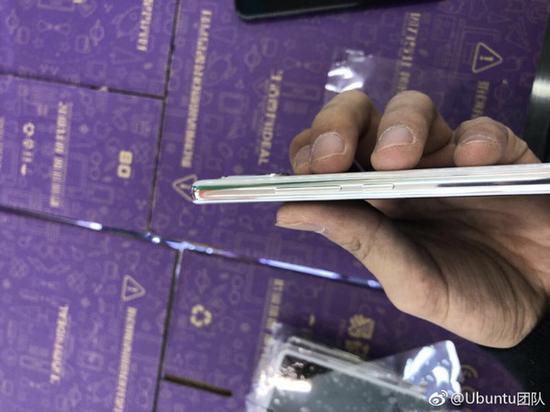
The images also reveal that like the predecessor model, the Mi 7 does not feature a 3.5mm audio jack. The image showing the right edge of the phone shows the presence of buttons for power and volume. It also gives a glimpse of a vertically aligned dual camera setup. It seems that the LED flash could be placed between the dual lenses.
=
The left side of the phone only features a SIM card slot. Unfortunately, there is no image showing the frontside of the Mi 7. It is speculated that the Mi 7 will be equipped with a notched display like the iPhone X.
Recent rumors have revealed that the Xiaomi Mi 7 could be the second phone from the company to arrive with wireless charging feature for its 3,400mAh battery. It goes without saying that the smartphone will be powered by Snapdragon 845. It may not feature more than 6 GB of RAM. The Mi 7 is also rumored to feature 3D facial recognition feature.
Xiaomi CEO Lei Jun has recently hinted that the Mi 7 will be coming with under display fingerprint sensor. However, recent reports have claimed that there could be two variants of the Mi 7. The smaller may feature 5.65-inch display and it may not in-screen fingerprint reader. The Mi 7 Plus is pegged to arrive with features like 6.1-inch display, Snapdragon 845, 4,000mAh battery and under display fingerprint reader.
We advise our readers to digest this report with a pinch of salt since there is no way to confirm the authenticity of these images and also because these images are no longer available with the source.
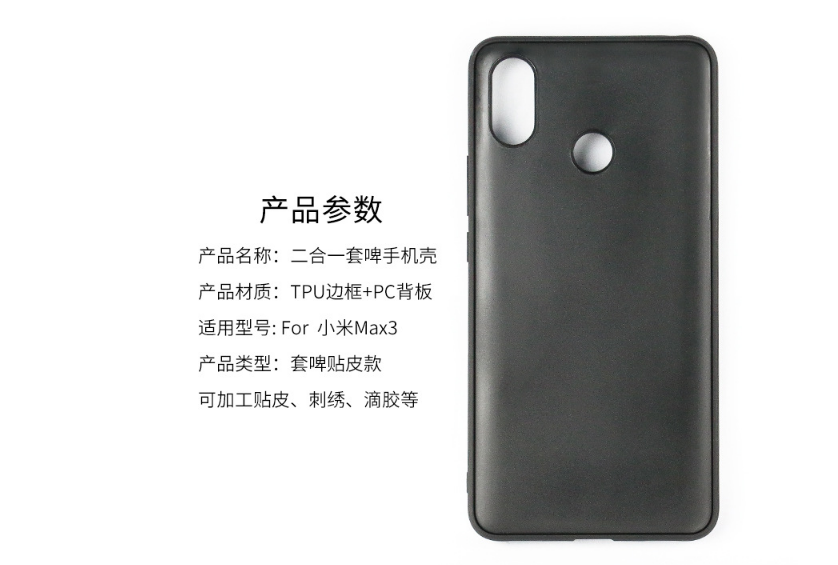
Xiaomi had launched the Xiaomi Mi Max 2 smartphone in May last year. Hence, the rumor mill has been speculating that the Chinese manufacturer will be debuting the Mi Max 3 phone in the coming month. It is one of the highly anticipated smartphones from the company as it is expected to arrive with a large-sized 18:9 aspect ratio display and a bigger battery. However, two of the major changes that could be seen on the Mi Max 3 is the inclusion of the new features like dual rear cameras and wireless charging. A couple of images of the TPU case of the Mi Max 3 has been spotted on the Chinese Alibaba website. The new images have revealed some of the key features of the Mi Max 3.
As it can be seen in the above image, the TPU case has been designed for the Xiaomi Mi Max 3 smartphone. It reveals that the rear panel of the phone will be housing a fingerprint scanner like the predecessor model. At the top-left corner of the case it the cutout for a vertical dual camera setup. It appears that the LED flash could be placed between the two camera sensors.
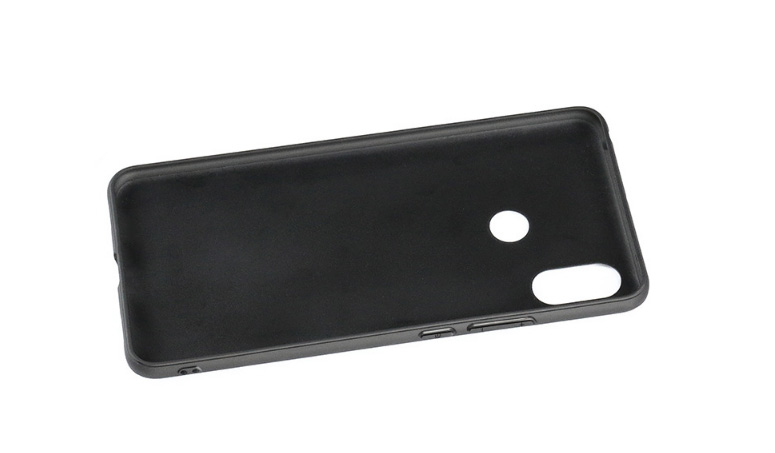
The topside of the phone seems to feature a 3.5mm audio jack and the other cutout out there could belong to the IR blaster. The bottom edge of the smartphone seems to feature stereo speakers. The USB-C port seems to be available on the bottom edge in between the two speakers.
The overall appearance of the rear panel of the Mi Max 3 is likely to resemble the Mi Max 2 phone. The leaked firmware files of the Mi Max 3 had revealed that it could be arriving with wireless charging feature. If the rumor is true, instead of the metallic rear panel, it may feature a glass rear in order to support wireless charging.
As far as specs are concerned, the Mi Max 3 is speculated to arrive with Mi 6’s dual rear cameras. It is also speculated to feature a 6.99-inch 18:9 aspect ratio supporting screen with support for FHD+ resolution and 5,500mAh battery with Quick Charge 3.0 support. There could be two chipset variants of the phone. The Snapdragon 636 variant could feature 3 GB of RAM and 64 GB of storage whereas the Snapdragon 660 model may have 4 GB of RAM and 128 GB of storage.
Lenovo-owned Motorola has scheduled a launch event on 19th April where the company is expected to launch its next-generation Moto G-series smartphone — the Moto G6, Moto G6 Plus and Moto G6 Play.
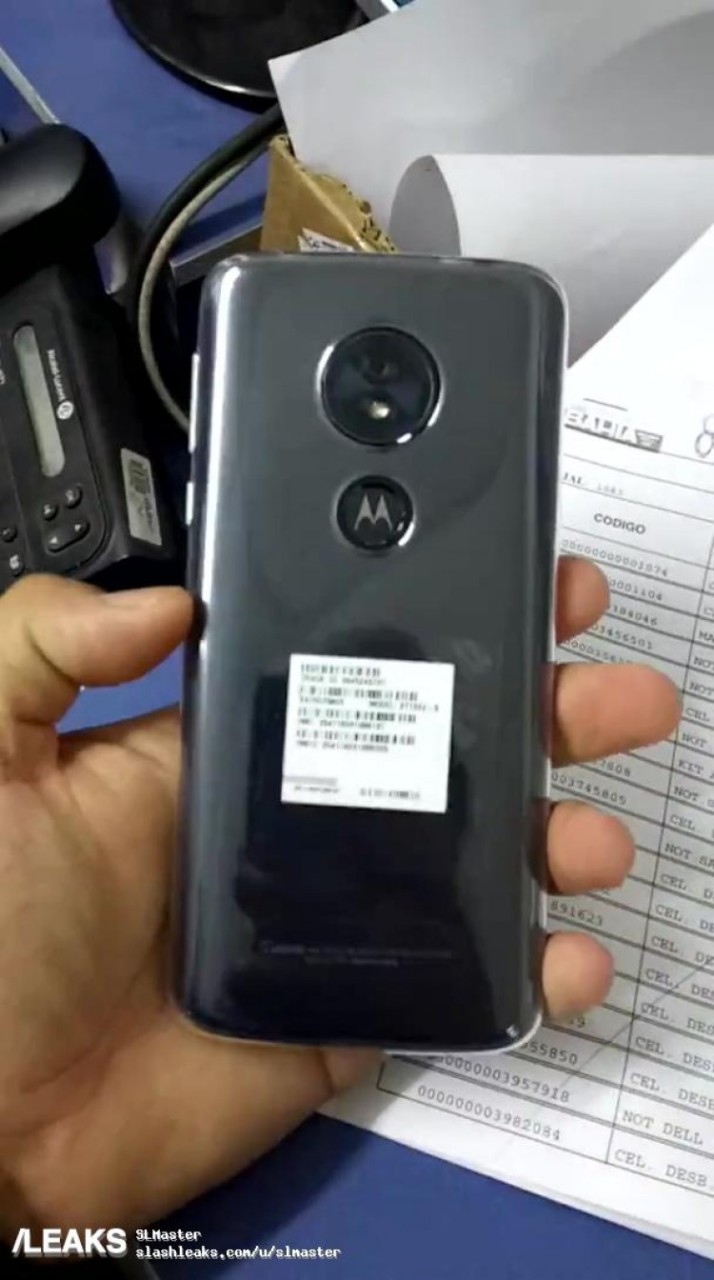
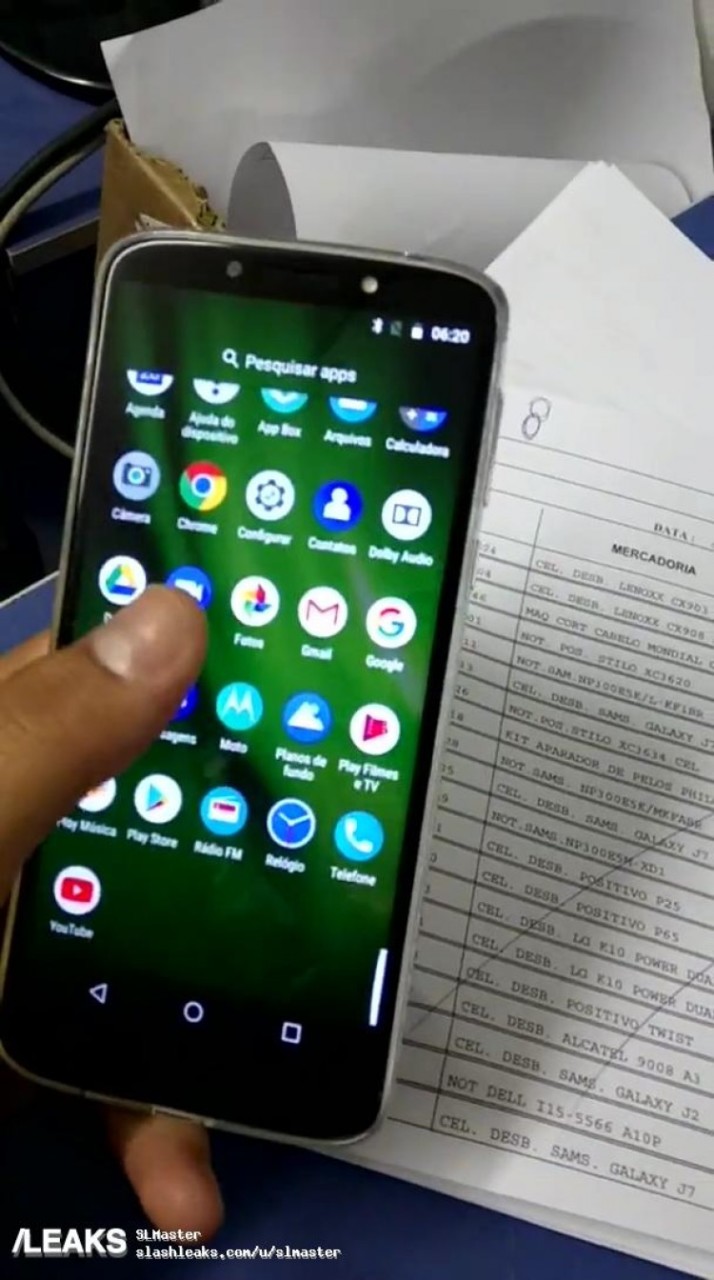
Now, ahead of the phone’s official launch, the Moto G6 Play surfaced online in a short hands-on video. The video, which shows a working unit of the phone, reveals the phone’s design which is in line with the previously leaked renders.
However, the video has been removed by the uploader. In the video, the phone was recognized as the Moto G6 Plus but given the lack of dual camera setup at the back side, the unit seemed to be the Moto G6 Play. According to the previous reports, Moto G6 and G6 Plus will pack dual camera setup while the budget-friendly G6 Play will have a single camera sensor at the back.
Further, Moto G6 Play is the only model among the three to have a fingerprint sensor placed on the back panel, below the camera module. The other two smartphones — Moto G6 and G6 Plus will feature a fingerprint sensor on the front side, below the display.
The specifications of Moto G6 Play were leaked earlier and suggests that the phone will come with a 5.7-inch HD+ Max Vision display with, 18:9 aspect ratio and 1440 x 720 pixels screen resolution. Under the hood, it is powered by a quad-core processor from Qualcomm, clocked at 1.4GHz, likely to be Snapdragon 430. It will pack 2GB or 3GB RAM and 32GB of internal storage.
The smartphone is said to come with a 5-megapixel front-facing camera with LED flash and a beauty mode, while it will feature a 13-megapixel camera sensor on the rear. Sadly, there is no mention of all the cool features of the Moto G6, such as live filters, object and landmark recognition, portrait mode, and active photos.
Along with Dolby Audio and Moto Experiences support, the device will also come with a new voice assistant that lets the user use phone hands-free. One of the highlights of the G6 Play will be its battery capacity as the company is expected to offer 4,000mAh battery which is claimed by Motorola to last 36 hours on a single charge.
Recently, the Moto G6-series smartphones were listed online on American retailer Frys. In the listing, the Moto G6 Play was priced at $199.99 with an expected shipping date of 19th May.
VOYO Vbook i3 sports a 10.1-inch FHD (1920 X 1200 pixels) full view display that delivers an unparalleled screen experience. The device boasts an array of other jaw-dropping specs and features that would ideally set you back a pretty penny.
If you’ve restlessly been waiting to get your hands on this coveted tablet PC without burning a hole in your pocket, we have good news for you. GeekBuying is giving cost-conscious buyers an opportunity to save 26% on the device’s retail price.
The VOYO Vbook i3 tablet PC comes bearing a steep price tag of $432.99 on GeekBuying. However, the site is offering a noteworthy discount on its original asking price, but only for a limited period of time.
The Vbook i3 can be yours if you’re willing to shell out only $319.99. On top of that, you can save an additional $53 by using coupon code ‘MEEESLNJ’ at the time of checking out. This brings your subtotal down to just $305.99. The VOYO Vbook i3 is a powerful tablet PC, given that it packs a powerful Intel Cherry Trail x5-Z8350, Quad Core (up to 1.92GHz) processor. It employs an Intel HD Graphic Gen8 graphics processing unit, under the hood.
The device offers 8GB of RAM and 128GB ROM. Moreover, it is backed by a robust Li-ion battery, 5000mAh battery. It has a 5-megapixel rear-mounted camera and sports a 2-megapixel selfie camera in the front.
It’s worth noting that the aforesaid coupon code is likely to expire soon. The VOYO Vbook i3 tablet PC will retain its retail price as soon as the promotion wraps up. You can follow this link in order to avail the deal, which is slated to end in 4 days.
Xiaomi is gearing up to launch its new smartphone — Xiaomi Mi 6X, which is the successor of Mi 5X. The international variant of the same could be named Mi A2 — the successor of the Mi A1 Android One smartphone. The phone has been subject to several leaks, including specs, renders, etc.
While we recently reported that the Mi 6X could be powered by MediaTek’s new Helio P60 chipset, a new report claims that the phone will not be powered by the Helio P60 processor.
Recently, the Mi 6X appeared in a TENAA listing, which revealed that the phone will be powered by a 2.2GHz octa-core processor. Our guess is that it will pack the Snapdragon 630 or Snapdragon 660 as they are both clocked at 2.2GHz.
Further, the listing reveals that the phone will come in two variants based on the memory configuration — 4GB/6GB RAM and 64GB/128GB internal storage. While the leaked images related to the smartphone suggests dual camera setup at the back, the TENAA listing only lists one 20MP camera sensor on the back. On the front side, it is expected to feature a 20MP snapper.
Recently, Mishaal Rahman of XDA-Developers suggested that on the back side, the primary sensor will be Sony IMX486 while the secondary camera sensor will be Sony IMX376. On the front side, the company is expected to have the same Sony IMX376 lens.
The smartphone will flaunt a 5.99-inch display with 2160 x 1080 pixels screen resolution. It will have a full-screen display with 18:9 aspect ratio and thankfully without a notch on the top of the display, which seems to be the trend nowadays.
The Xiaomi Mi 6X is expected to be running Android 8.1 Oreo operating system out of the box, with the company’s own MIUI on top. However, the international model of the same, which could be called Mi A2, will run stock Android Oreo as Xiaomi’s A-series is a part of Google‘s Android One program.
The smartphone will be powered by a 2,910mAh battery. It will come in various color options, including Black, Rose Gold, White, Blue, Red, Pink, Gray, and Silver. While the launch date is not yet known, we expect the device to get launched by the end of this month or early next month.
If you’re looking to buy a high-end tablet, tablet accessories or gear gadgets without emptying your pocket, look no further. GearBest is giving gadget buffs an opportunity to save up to 40% on a broad range of tablets and other items.
In order to simplify the search process, GearBest has split these products into multiple categories. Here’s a brief glimpse of what some of these categories have to offer.
Buy 1 & Get 1 Free
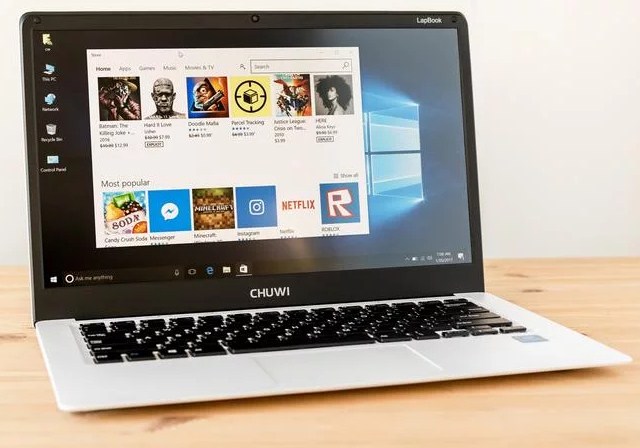
When you purchase the CHUWI LapBook, you’d also get the CHUWI sleeve case gift packs for 12.3-inch laptops without spending even a single dime. Note that the laptop sleeve would normally set you back $44.12.
The CHUWI LapBook which usually bears a price tag of $413.29 on GearBest is currently up for grabs for a lowered price of $358.99. While you’d normally spend $457.41 to buy the two items, you end up saving $98.42 thanks to the promo.
Limited Flash Sale
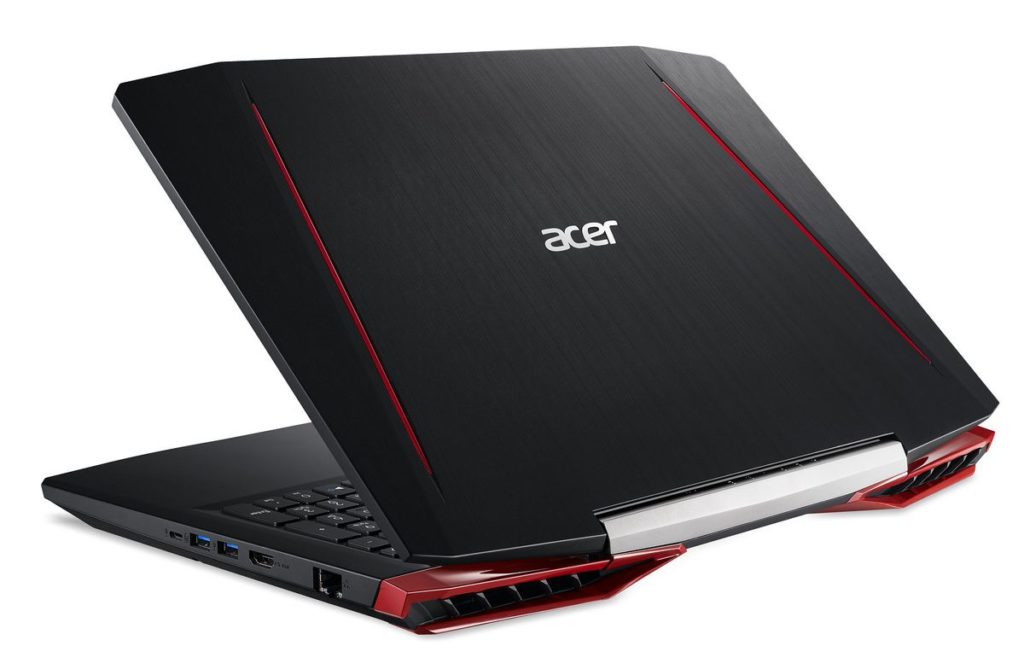
This category is crammed with all sorts of laptops that you can buy at a discounted price on GearBest. For instance, the Acer VX5 – 591G – 58AX gaming laptop which sells for $1136.31 on the site, can now be yours if you’re willing to shell out just $888.99. GearBest is handing out 22% discount on the device’s retail price for 3 days. Note that this Flash Sale price will only be valid for the remaining 18 pieces of the black-tinted gaming laptop.
Xiaomi
GearBest is giving buyers a chance to get their hands select Xiaomi-branded devices at a lowered price. It’s worth noting that the Chinese smartphone and laptop manufacturer is quite popular among gadget lovers.
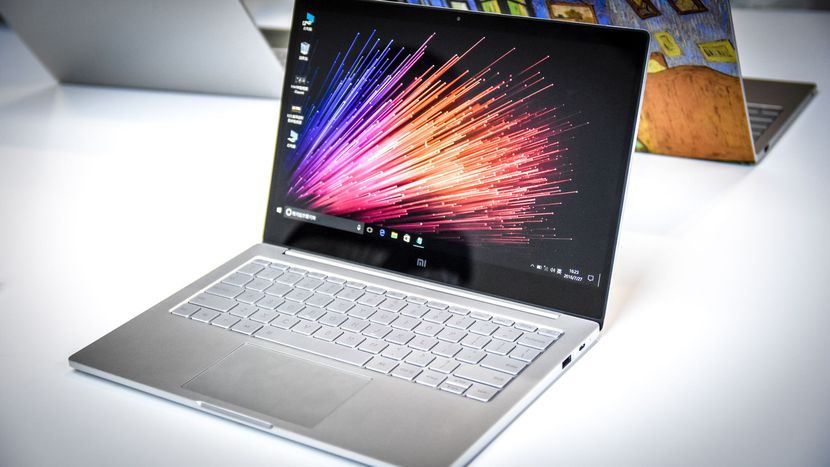
Lining with this, you can buy the Xiaomi Mi Notebook Air at a Flash Sale price of only $865.99 for 3 days. The promo is valid for the remaining (deep gray and silver color version) 100 pieces of the cost-effective notebook.
Ultimate Accessories
This section boasts an array of highly useful accessories. More importantly, GearBest is offering considerable discounts on some of the items featured in this section.
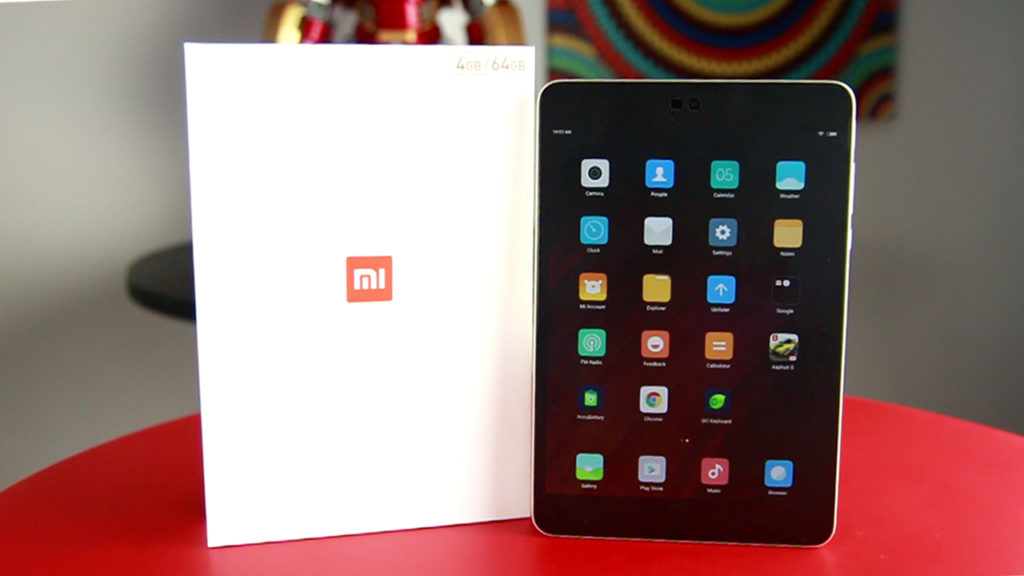
For example, you can buy the Double-protection Back Case with Bracket for Xiaomi Mi Pad 3 at a slashed price of $6.10 on GearBest. This is a 36% reduction in the item’s retail price of $9.55 and it will be valid for the remaining 8 pieces of the back case.
Aside from that, GearBest is offering massive discounts on leading brands such as MSI, Chuwi, Teclast, GPD, and Lenovo. There are other lesser-known brands including fnf Ifive, Onda, PIPO and lots more.
You can head straight to this link in order to check out rest of the brands and take advantage of the deal before it comes to an end. Note that the discounted products are likely to retain their original asking price as soon as the promotion wraps up.
Around two months ago, ZTE’s sub-brand Nubia was rumored to be working on a gaming smartphone. Newer leaks had claimed that Nubia would be building a new brand that would be exclusively releasing gaming products including its first gaming phone. This reminds us of the Xiaomi backed Black Shark brand that will be launching its first gaming phone on April 13. Nubia has today confirmed that its gaming wing is called Red Magic. A new teaser has been released to mark its arrival. It seems that the Red Magic will be rivaling with Black Shark in China.
Talking on its first gaming phone that is expected to debut this month, Red Magic said that it has included “all possible specs under the microscope.” Through its upcoming gaming phone, the newly established firm hopes to bring casual and competitive gamers together. The image shown below that probably features the company’s logo is “a glimpse of the real thing” that will be unleashed to the world soon. The company has also said that it is prepping up to debut a new of line of products that will “provide a more complete gaming experience for the masses.”
Last year in November, Razer had launched the Razer Phone that was packed with high-end specs like 120 Hz refresh rate display, Snapdragon 835, 8 GB of RAM and 4,000mAh battery. Since many smartphone users are making use of their devices to play high-end games, smartphone OEMs are now gearing up to launch gaming focused smartphones.
As far as Red Magic’s gaming phone is concerned, it is speculated that it could be equipped with features like air cooling, near black body, carbon nano-material and a three-dimensional wind tunnel section structure. Rumors have claimed that it could be fueled by Snapdragon 845 and 8 GB of RAM. It is also expected to feature 18:9 aspect ratio display with 120 Hz refresh rate. Nubia had showcased its prototype at the Mobile World Congress (MWC) 2018 tech event in February this year.
Nubia CEO Ni Fei has already confirmed that the company’s upcoming gaming phone will be launched simultaneously in China and Europe. With the gaming phone, Nubia aims to expand its international presence. Red Magic will be also bringing its first gaming phone to India after its debut in China and Europe.
Xiaomi made its long-awaited Redmi Note 4X smartphone available to the public in February, last year. As expected, the device garnered a considerable amount of popularity among smartphone lovers.
Despite being crammed with an array of awe-inspiring specs and features, the Redmi Note 4X smartphone failed to grab the attention of cost-conscious buyers. But that’s about to change.
If you’re on a tight budget, we have good news for you. GeekBuying is currently giving a noteworthy 36% discount on the Redmi Note 4X smartphone’s original asking price.
Note that the device normally sells for $235.80 on the site. But thanks to the aforesaid discount, the coveted smartphone will set you back just $149.99 on GeekBuying only for a limited period of time.
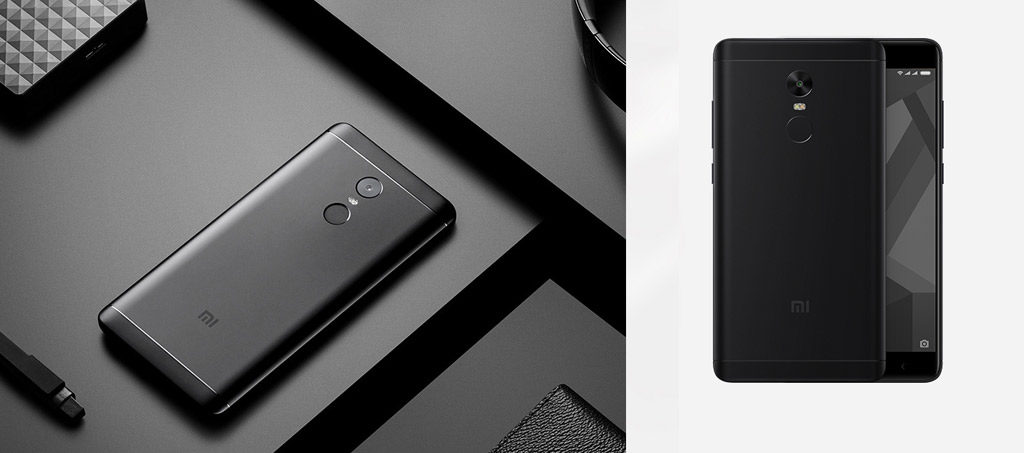
The Redmi Note 4X smartphone is a bargain under $150, given it sports a big 5.5 inches IPS LCD capacitive touchscreen display with a screen resolution of 1080 x 1920 pixels. Moreover, the device is housed in a robust aluminum body.
The phone packs a powerful Qualcomm MSM8953 Snapdragon 625 processor along with an Adreno 506 graphics processing unit, under the hood. It offers 3GB of RAM and 32GB ROM.
On the photography front, the Xiaomi Redmi Note 4X smartphone features a 13-megapixel camera with phase detection autofocus, dual-LED dual-tone flash on the back. There’s a 5-megapixel selfie shooter in the front.
The dual-SIM smartphone draws its juices from a non-removable Li-Po 4100 mAh battery and runs on MIUI 9.0-based Android 6.0 (Marshmallow) OS. It also houses a broad range of sensors including fingerprint recognition, infrared remote control, gravity sensor, three-axis gyroscope, light sensor, proximity sensor, and hall Sensor.
You can visit this link in order to check out the full specification and avail the deal, which is slated to come to an end in 3 days. Note that the Xiaomi Redmi Note 4X smartphone will go back to its retail price as soon as the promotion wraps up.
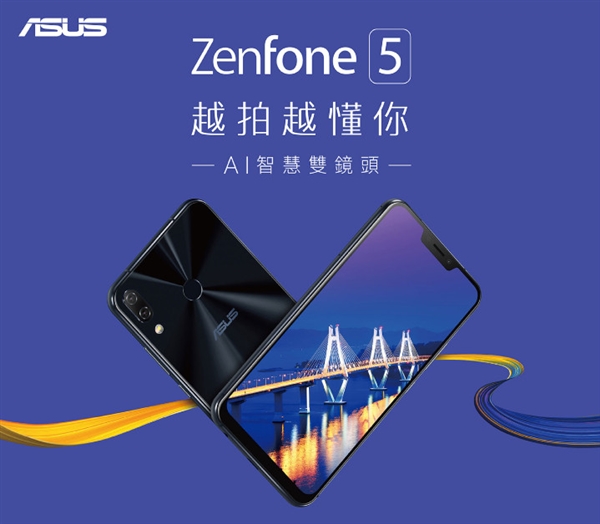
Taiwanese tech giant ASUS is expected to officially launch the Zenfone 5 lineup in Taiwan and China on April 12. The ASUS Zenfone 5 was first announced at the Mobile World Congress (MWC) 2018 and the upcoming launch would kickstart its sales. Ahead of the launch, the likely price of the Zenfone 5 has leaked and it is priced around NT$11,990 ( around 2,600 Yuan, $413). This price tag is consistent with that of previous leaks and looks a little too pricey for a mid-range smartphone.
For that price, though, you get a sleek smartphone. The ZenFone 5 features a 6.2-inch Super IPS LCD display at carries support for an aspect ratio of 19:9 and Full HD+ resolution of 2246 x 1080 pixels. The screen has up to screen-to-body ratio and features a both at the top. The Zenfone 5 is coming as one of the first models to be powered by the new Snapdragon 636 chipset that powers the Xiaomi Redmi Note 5 (Chinese edition) and Meizu E3. It has an internal storage of 64 GB and comes with support for additional storage through microSD card. It is expected to arrive in Taiwan in 4 GB and 6 GB RAM options. It runs on the latest Android 8.0 that is customized with the newest Zen UI. A 3,000mAh battery enabled with Quick Charge 3.0 powers the smartphone.
On the camera aspect, the ASUS Zenfone 5 features a dual camera module on its back panel. It features Sony IMX363 12-megapixel lens as the primary that is coupled with a secondary wide-angle lens that offers a field of view of 120 degrees. The primary lens with f/1.8 aperture offers features like pixel size of 1.4micron, 4-axis OIS, dual-pixel autofocus and 83-degree field of view. It has a f/2.0 aperture selfie camera of 8-megapixel. Other features of the smartphone include a rear-mounted fingerprint scanner, face unlock, dual 5-magnet speakers assisted by dual NXP smart amplifiers, PMIC internal dual amplifier, three microphones, dual-SIM, 4G VoLTE, Wi-Fi 802.11ac, Bluetooth 5.0, NFC, GPS, USB-C, 3.5mm audio jack.
Chinese tech giant Xiaomi has announced the opening of three new smartphone manufacturing plants in India. The plants are built in partnership with Foxconn and are based in Sri City, Andhra Pradesh and a new campus in Sriperumbudur, Tamil Nadu with over 180 acres of area. Also, the company’s factory in Noida, Uttar Pradesh which was built in partnership with Hipad and dedicated to power bank manufactures has now been expanded to manufacture smartphones.
With this development, Xiaomi now has a total of six manufacturing plants in India, all dedicated to the manufacture of smartphones. Xiaomi says 95% of its smartphones sold in India were manufactured locally. The company also disclosed that the factories built in partnership with Foxconn employ over 10000 workers, of which more than 95% are women. All the assembly work is also done by women.
The Chinese company also revealed its plans to start manufacturing Printed Circuit Board (PCB) in India. This may sound insignificant but PCB is a key component in almost every electronic device and is the plastic board onto which other components are soldered on to and it enables connectivity between the components. Xiaomi hopes to continue its rising dominance of the local market. The tech giant currently occupies the number one spot in the Indian market with a 26.8% market share in Q4 2018. Xiaomi also controls the online smartphone shipment segment with a surprising 57% market share.
The last official Android TV box was the Mi Box released in 2016. It is actually the Mi Box 3 but with Android TV installed on it. Google itself hasn’t released a new Android TV device after the Nexus Player but it seems it is working on a dongle in collaboration with Xiaomi.
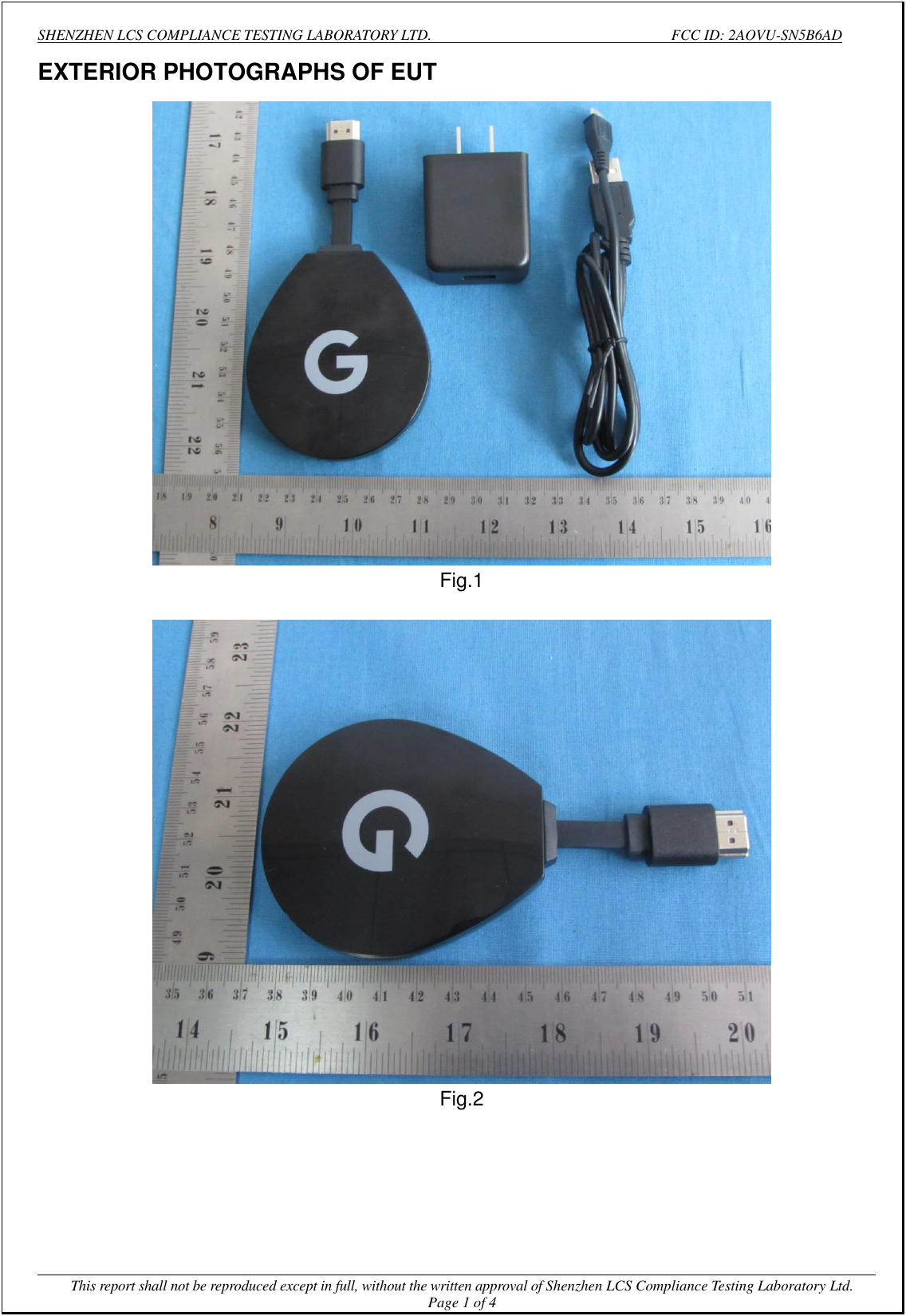
Images of a Google-branded dongle along with a remote that looks like the one bundled with Xiaomi TVs and boxes have been seen at the FCC. The dongle is shaped like a location pin with a short HDMI cable attached to it at one end, a micro USB port and reset button on the side, and a Google G logo on top.
From the design and size, it is obvious the dongle will remain at the back of the TV.
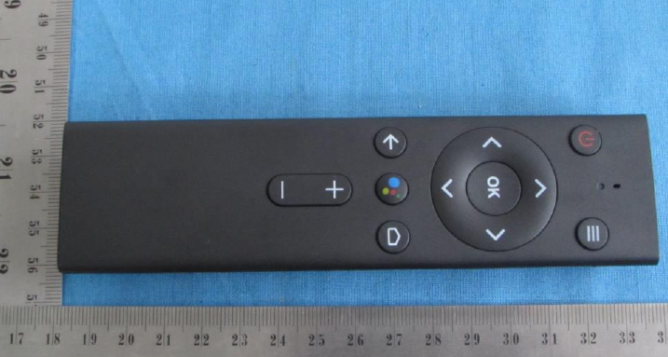
Another photo shows the remote which looks just like the Mi Box Bluetooth voice remote but with a few additions. Opposite the power button is a new options button. The microphone and what appears to be a LED sit between the buttons.
The remote keeps the directional and select buttons but they are now marked. The return key is still there but the home key is now on the left with the old Android home icon. Instead of the microphone key, the third button now has the Google Assistant icon and sits in the middle. The volume rocker remains in its former position.
The TV dongle is powered by an Amlogic S905X – a quad-core processor with support for 4K @ 60fps (VP9 decoding), HDR10, and Dolby Vision. It also has a built-in DAC. There is 2GB of RAM and 8GB of eMMC storage. Power input is via a 5V/2A adapter.
The FCC document reveals that the device which is referred to as “4K ATV Stick” is manufactured by Shenzhen SEI Robotics Co. Apart from the Google logo and the Google Assistant, there is no mention of Google and Xiaomi having anything to do with the hardware on the manual.
The Smartisan Nut 3 was announced yesterday as a mid-range phone with the build and design of a high-end flagship. However, it seems the main flagship phone is on the way.
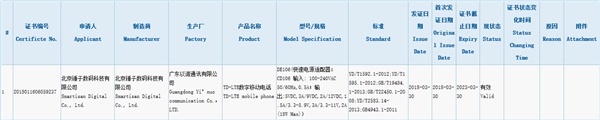
A new Smartisan phone with model number DE106 was seen on the website of the Chinese Certification Commision. The certificate was issued on March 30th and mentions that the phone supports 18W fast charging.
Sources say this might be the Smartisan R1 flagship said to be in development. The R1 is rumored to come with a full-screen IPS display and not AMOLED. It will have its fingerprint scanner on the rear underneath the Smartisan hammer logo and may have a Snapdragon 845 processor powering it.
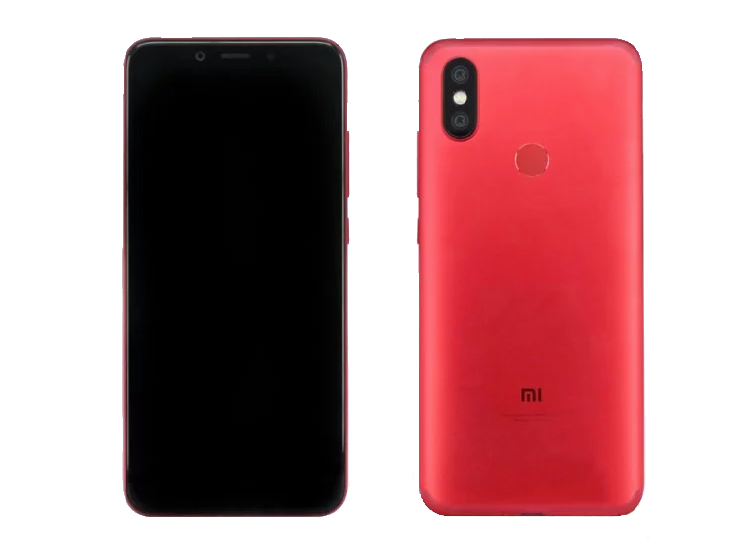
Xiaomi is working on a successor to last year’s Mi 5X, which is unsurprisingly called the Mi 6X. It was seen on TENAA last month baring all its specs except for the cameras and processor which are still a bit vague.
The Mi 6X has a design very similar to that of the Redmi Note 5/Note 5Pro. The dual cameras have the same iPhone X-style arrangement and it has a rear-mounted fingerprint scanner. It also has the same display size.
However, a key difference between the Mi 6X and Redmi Note 5 Pro is that the latter keeps the U-antenna design from its predecessor.
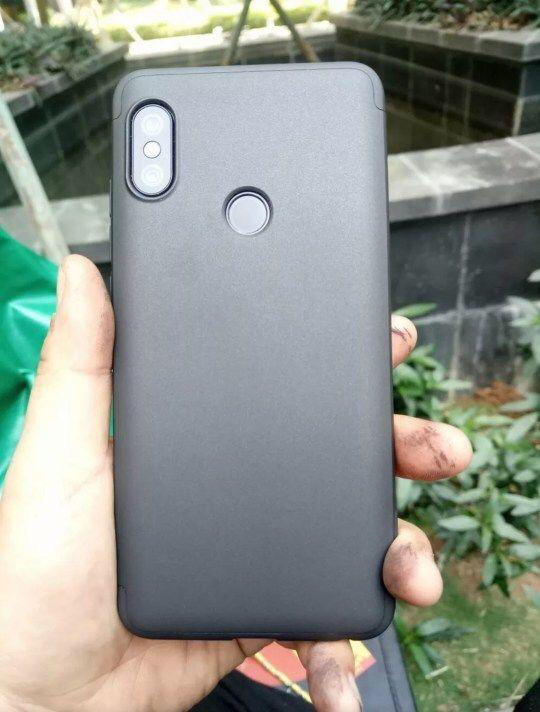
We’ve been able to get our hands on a live photo said to be that of the Mi 6X. When you first look at it, it does seem to be the Mi 6X since it has the U-antenna design mentioned above. Don’t be easily fooled as that is actually a case slapped on the back of the phone.
Since the antenna line is the only way to differentiate between the Redmi Note 5 and Mi 6X and this phone has a case slapped on its back, we’ll say it is a fifty-fifty chance that the phone underneath is indeed the Mi 6X.
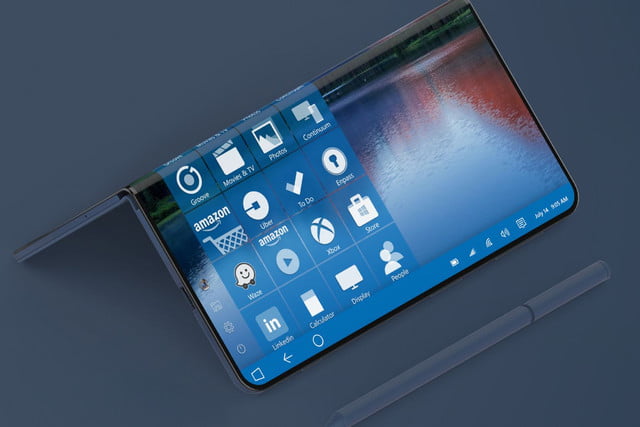
We can’t keep count of the number of foldable phone patents we have seen these past few years. Despite the surge in patents, we can only boast of the ZTE Axon M as the only foldable phone that has been commercialized. Even at that, the Axon M isn’t really a true foldable phone as it appears to be a single phone with two screens. However, a report by DigiTimes says that the first wave of truly foldable smartphones is likely to make their debut at the end of 2018.
According to the report, a number of brand vendors are accelerating their R&D efforts on related projects, according to industry watchers. The smartphone market leader, Samsung is expected to unveil its roadmap for its foldable models in 2018 according to a report by Korea-based ET News. Samsung Electronics already has a number of patents related to foldable smartphones in Korea and the US. The report also says that Samsung has been developing smartphones with inward-folding displays since five years ago and the manufacturing process has reached up to 80% completion.
Apart from Samsung, U.S tech giant Apple is also said to have applied a number of patents for clamshell smartphones, including one for a tri-fold display design, according to the watchers. Apple’s patents are said to have applicability in other products apart from smartphones. So, it is uncertain Apple will join the train this year.
Nevertheless, if Samsung is to release a truly foldable smartphone this year, then we expect a surge in such design by Chinese OEMs. adding that Apple could also use its folding technology in products other than smartphones. Chinese tech leader, Huawei has long been detailed to be working on a foldable phone by various patent applications. The latest patent filing published on the World Intellectual Property Organization (WIPO)website is that of a foldable phone design that can be turned into a tablet Huawei in September 2017 also applied for a patent for a single display screen that can be folded in the middle. In that vein, Huawei is tipped as planning to unveil its first foldable smartphone by the end of 2018.
Other OEMs who have got foldable phone design patents include LG electronics, Oppo, Lenovo and ZTE. OPPO applied patents for foldable smartphones first in 2017, and again for other patents in 2018, with patent authorities in China. Meanwhile, Lenovo has unveiled a foldable smartphone prototype whose display can be extended to 7.8-inch from 5.5-inch when opened. Lenovo has not yet announced a timetable for the production of the foldable smartphone. ZTE may improve on the Axon M design, thus giving us a truly foldable phone. According to Strategy Analytics, global shipments of foldable smartphones are expected to total 700,000 units in 2019 and will gradually expand to 30.4 million in 2021 and to 50.1 million in 2022.
Meizu will celebrate its 15th anniversary by releasing three phones on April 22: Meizu 15, 15 Plus and 15 Lite. According to Chinese sources, Meizu 15 Lite (which will be the cheapest handset as even the name suggests) will have an extremely low price, at least in China. In the country, the device is expected to cost less than €200: in detail, its launch price is tipped to be 1,499 Yuan, which roughly translates into $238/€192. Its an incredibly good deal if we consider the rumored specs of this device.
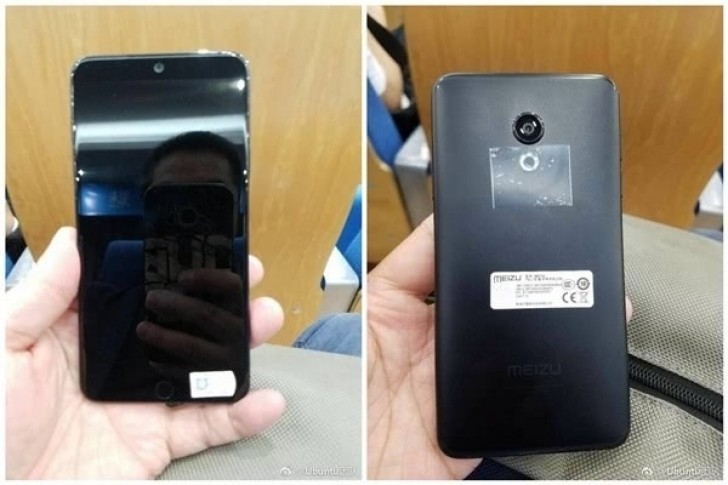
Indeed, according to leaks, the device will be powered by a Snapdragon 660 SoC which is the best midrange chipset by Qualcomm. This is yet to be confirmed and it is also hard to believe, but if it will be so, Meizu 15 Lite will be one of the best handsets in terms of quality-price ratio. Other rumored specs include a 5.46-inch IPS display which will show images at a Full HD resolution. A new render of the phone has just surfaced online: it shows the black variant with a full metal unibody design. On the rear side, there is a single camera paired with a 10-LED flash, while on the front side there is a circular fingerprint reader.
Meizu 15 Lite is expected to be released in several configurations. It will be possible to choose between 3, 4 or 6 GB of RAM and 32, 64 or 128 GB of internal storage. While the Lite variant will be the cheap one, Meizu 15 Plus will be the flagship version. It is tipped to come with a 5.95-inch display showing images at a Quad HD resolution. Under the hood, there should be an octa-core Samsung Exynos 8895 chipset which is the same as Samsung Galaxy S8, 4 or 6 GB of RAM and 64 or 128 GB of internal storage. Unlike its Lite sibling, it will also have a dual camera setup.
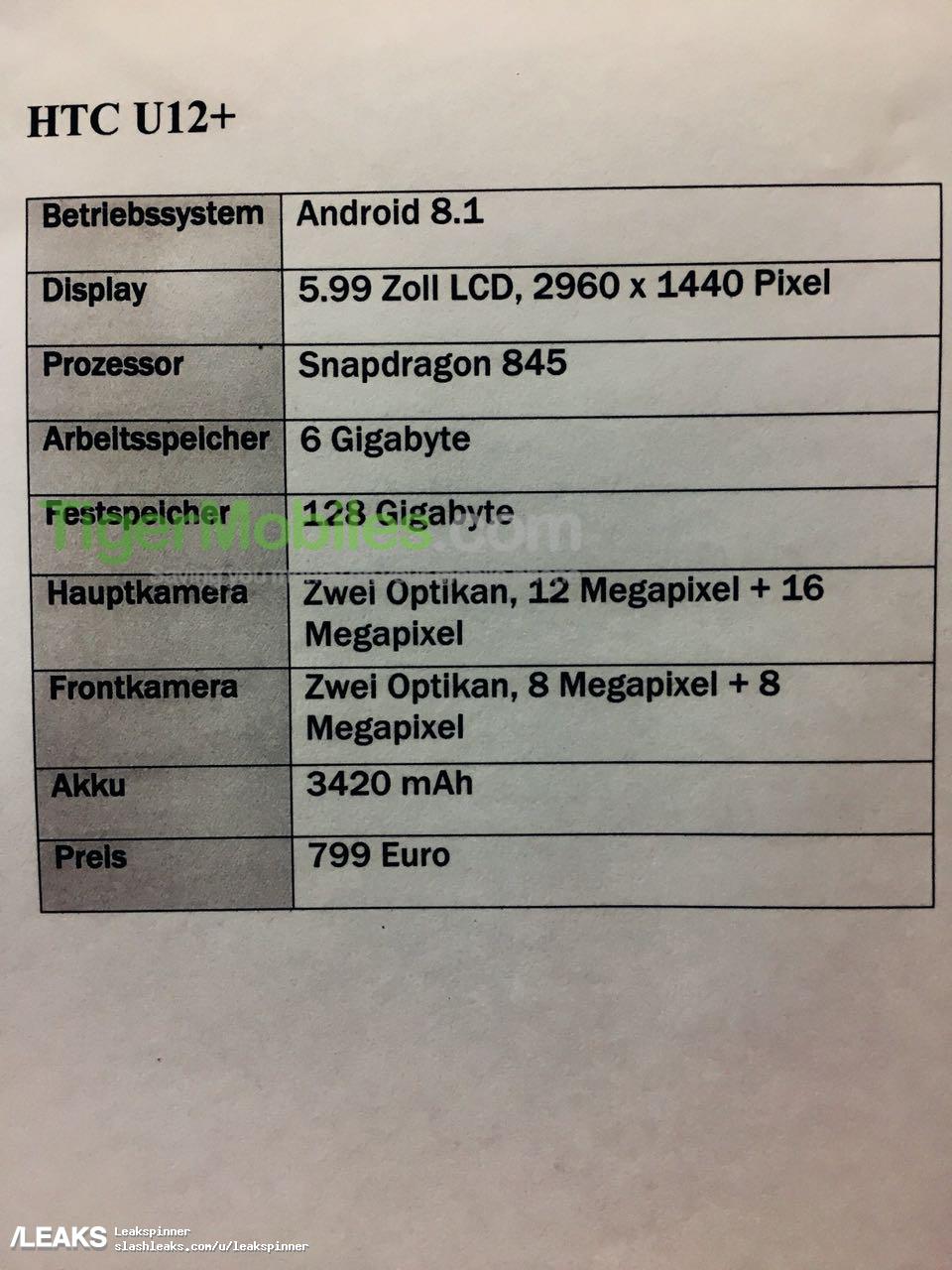
HTC is suffering a strong financial decline in the past few years, so its upcoming flagship HTC U12+ will be very important to decide its future in the smartphones market. A new leak surfaced on Slashleaks is now showing us its main specs and its alleged price. It confirms the rumors and leaks surfaced in the previous months and it obviously shows high-end specifications for the upcoming flagship.
According to the leak, HTC U12+ will boast a 5.99-inch display with the LCD technology and a Quad HD+ resolution of 2960 x 1440 pixels. On the hardware side, HTC U12+ will have an octa-core Qualcomm Snapdragon 845 chipset running at a max frequency of 2.8 GHz, 6 GB of RAM and 128 GB of internal storage.
There will be a total of four cameras on the handset: a dual rear camera with resolutions of 12 and 16 MP and a dual front camera with a resolution of 8 MP for both the sensors. The battery will have a capacity of 3420 mAh, while the listing price for Europe will be €799. According to this leak, the handset will be far from being affordable, but it will be less expensive than the most important flagships such as Samsung Galaxy S8 and Huawei P20 Pro.
If you live in China and you are looking for a phone with the best quality-price ratio, OPPO F7 and Vivo V9 are among the best choices you have. They are two mid-rangers released by sister companies as both are owned by BBK Electronics. And they are also very similar devices. But even though they come with a similar price and they look similar in terms of aesthetics, it seems that there is a huge difference between them in terms of performance. A known YouTube channel has uploaded a video of a speed test which proved that OPPO F7 performs way better than Vivo V9.
OPPO F7 boots faster than its opponent, it can open apps and games faster and it can even be unlocked faster with the fingerprint reader. Both the phones have also been tested on benchmarks with AnTuTu apps and OPPO won on benchmarks as well. While the F7 scored 107647 on AnTuTu, Vivo V9 obtained a result of just 72874 points. According to the video, OPPO F7 can even reproduce better colors through its display, and it has a higher screen brightness. The F7 comes with an octa-core MediaTek Helio P60, 4 or 6 GB of RAM and 64 or 128 GB of internal storage depending on the configuration you choose. It has a wide 6.23-inch display with an 18:9 aspect ratio and a Full HD+ resolution of 1080 x 2220 pixels.
Vivo V9 boasts of an octa-core Snapdragon 626 chipset by Qualcomm, 4 GB of RAM, and 64 GB of internal storage, while its display has a size of 6.3 inches and a Full HD+ resolution of 1080 x 2280 pixels. Both the device feature an iPhone X-like notch. Oppo F7 has also been compared with the Xiaomi Redmi Note 5 Pro on benchmarks and it was even able to compete with this handset which has a more powerful Snapdragon 636 SoC. You can check the comparison with Redmi Note 5 Pro here. MediaTek finally seems to have done a good job with its Helio P60, but there are other midrange SoCs to beat: Snapdragon 636 and 660.
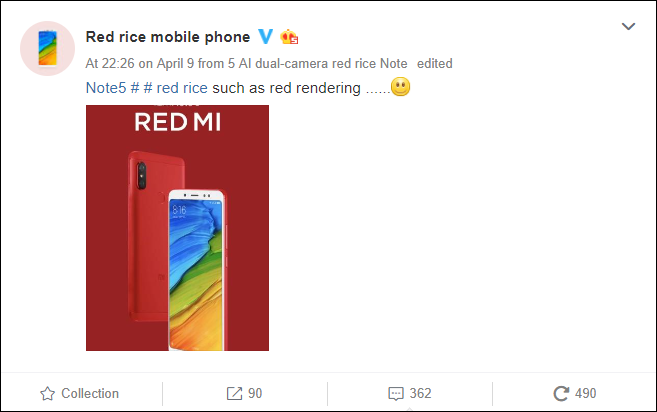
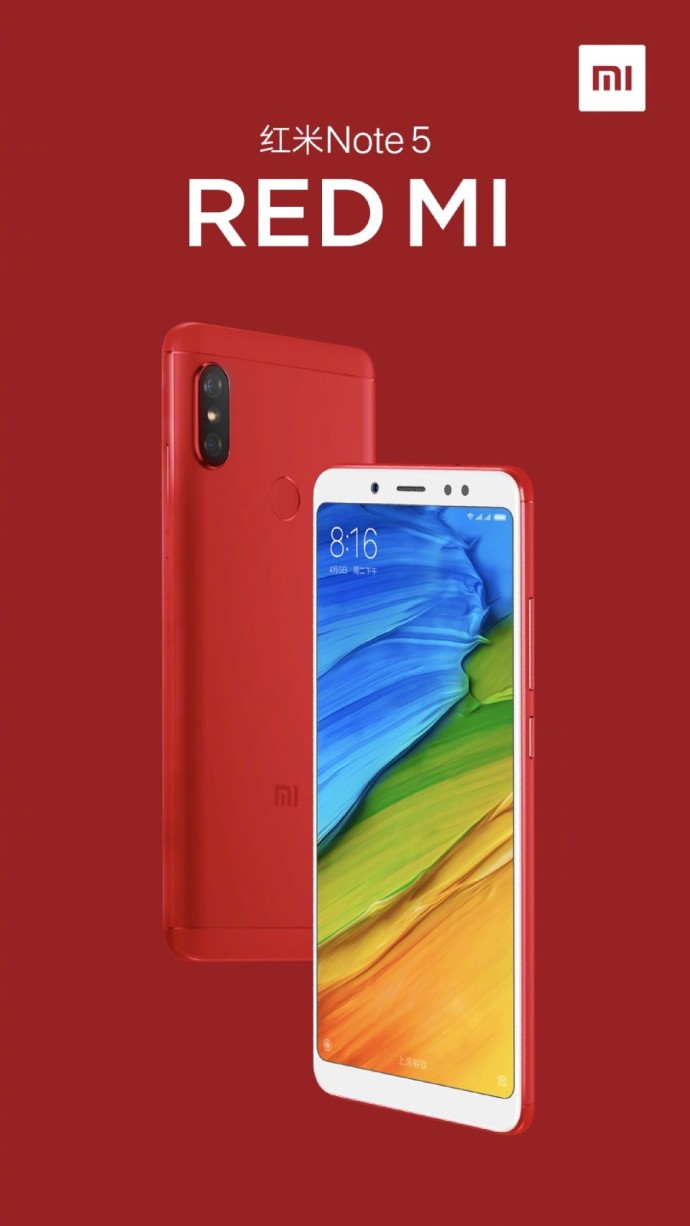
Apple just launched a special Red coloured edition of the iPhone 8 and iPhone 8 Plus, both which are now available. In a swift move, China’s tech giant Xiaomi has teased a red coloured variant of its latest premium midrange Redmi Note 5 smartphone. Xiaomi is well known as the Apple of China and has a long history of imitating the U.S tech giant. That is not to say Apple doesn’t tap from other companies but we could safely say most of Xiaomi’s products draw inspiration from Apple gadgets and this includes the MIUI custom UI which resembles iOS in outlook.
In this case, propping up a red colour variant for the Redmi Note 5 isn’t necessarily an imitation but sharing a teaser of a non-existent variant of its Redmi device immediately after Apple announced its own Red coloured variant reeks of imitation. The renders as shared on the official Redmi phones Weibo page shos the Redmi Note 5 rear coating in red while the front panel still retains its white outlook unlike the iPhone 8 Red special edition whose front panel is black.
Xiaomi Redmi Note 5 is presently available in four different colour variants; Blue, Black, Gold and Rose Gold. There is no indication of when the device will be made available but it may not be very soon. The Redmi Note 5 just launched and is not very available at the moment. The Red variant may be made available in the near future when supply and demand have been stabilised.
Xiaomi turned 8 this April. It’s been an incredible journey for the Chinese smartphone company and the once small startup has managed to garner millions of fan following through its competitive products.
There’s no doubt that Xiaomi changed the way we look at Chinese products. The company focused on bringing the best quality products, at a low cost, and an attractive design. It was the ultimate killer combination that helped Xiaomi emerge into one of the fastest growing companies in recent times. In fact, it is set for a Hong Kong IPO sometime later this year and it’s predicted that the company could be valued at $100 billion at the stock exchange.
In the first year of its operation, in 2010, Xiaomi released its first MIUI OS version. It took one year for the company to release its first smartphone, the Mi 1. It took another year for it to release the second smartphone, the Mi 2. The phone sold well, with sales reportedly crossing 10 million a year after its release. But the real success for the company came in after the launch of the Xiaomi Mi 3 in October 2013. The company decided to expand its operations globally to Singapore, India, Malaysia, and the Philippines in 2014. This is where the company started to see strong growth and Xiaomi’s total shipments in the year rose to over 61 million units!
After that, it was Xiaomi’s dominance with 5-10 smartphone releases every year. We saw new lineups like the best selling Redmi Note series, Mi Max series, Mi Note series, and the innovative Mi Mix series. It has been a wonderful journey for Xiaomi over the past eight years, so let’s take a look at the top smartphones from the company till date. We won’t be selecting phones just on the basis of its sales, so these aren’t necessarily best sellers. Instead, these are the phones that mark a milestone in the company’s product releases in the past 7 years.
1. Xiaomi Mi 3
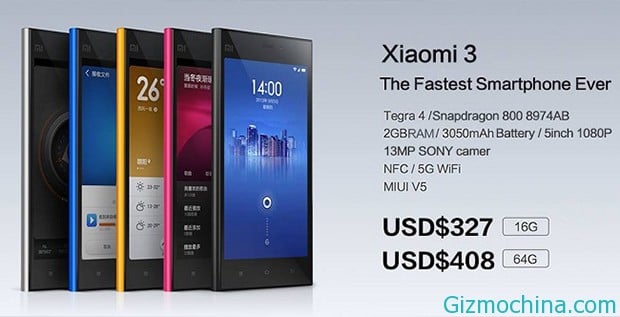
Undoubtedly, Xiaomi Mi 3 is the phone that put the company on the world map. The phone was nothing short of revolutionary, featuring a 1080p 5-inch display, Snapdragon 800 series quad-core processor, 2GB RAM, 16GB ROM, and a large 3000mAh battery. Considering this was a phone sold in September 2013, it was a must buy at just 1999 Yuan (~$327 at 2014 rates!). I know it was my favourite phone back in 2013, and I’m sure many of you remember this one as Xiaomi’s first smartphone.
After Xiaomi announced the Redmi lineup in 2013 (known as Hongmi in China), the company continued to grow with this affordable series. Redmi helped Xiaomi beat Samsung in China by Q2 2014 and since then, we haven’t seen the Chinese startup back down. But the real best seller for Xiaomi was the Redmi Note 3. Yes, I agree all other Redmis have sold well and in fact, the Redmi Note 4 was yet another best seller. However, Redmi Note 3’s release was the real turning point. The phone had everything that you would expect in a mid-ranger, maybe even more, with its large 4050mAh battery and relatively powerful chipset. It was one hell of a mid-range smartphone and the sales figure is proof to its popularity.
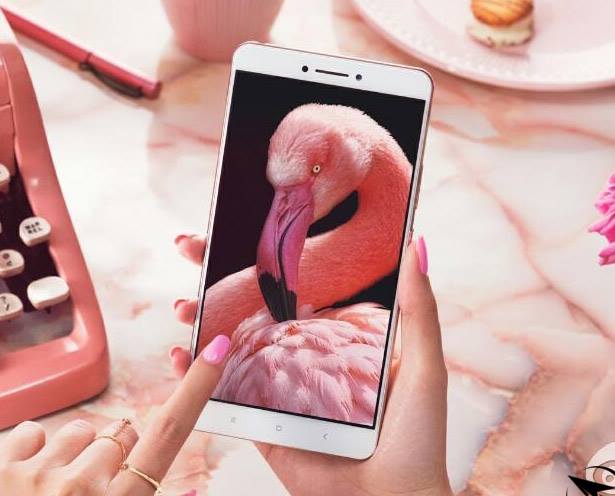
2016 was the worst year for Xiaomi. However, it was also a year where we saw some real innovative smartphones from the company. It started with the Xiaomi Mi Max, a brand new lineup featuring a huge 6.44-inch 1080p display. With two processor options, SD650 and SD652, the phone was an instant hit. Nobody had released such a cheap and powerful large display smartphone and considering everyone’s obsession with large screen phones back in 2016, it made perfect sense for Xiaomi to release such a big device. A large 4850mAh battery ensured that the phone had better battery life than any of its competition.
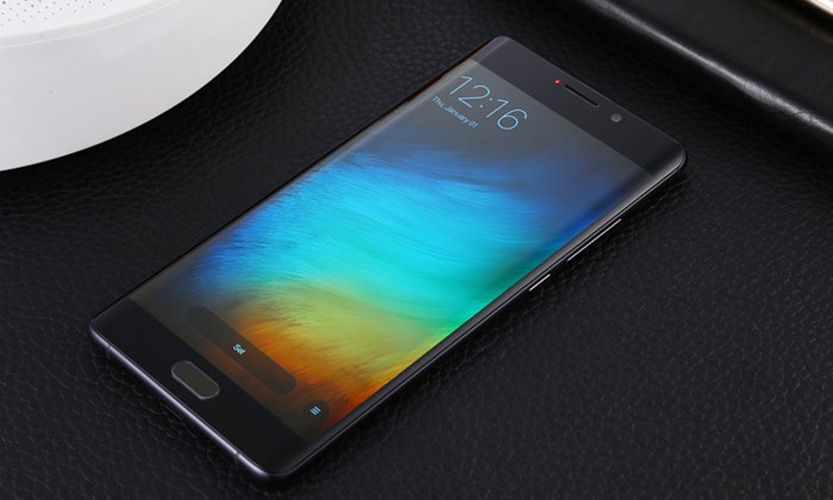
This model didn’t sell very well, but it still marks an important milestone for the company. The Xiaomi Mi Note 2 was the company’s first curved display smartphone. In fact, it was dual curved meaning it was curved on the back as well as the front side. Apart from Samsung, nobody had managed to released such a curved smartphone and it really showed what Xiaomi was capable of. It clearly pushed Xiaomi into the big boy league, showing to the world that it’s not all about cheap and affordable smartphones but also about flagships that offer the latest technology.
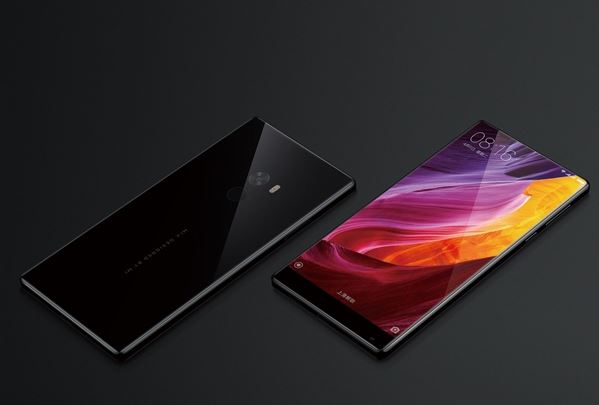
The Xiaomi Mi Mix was the most innovative smartphone of its time. Xiaomi managed to beat everyone in releasing a full screen smartphone, which was something unheard and unseen back in 2016, with the brand new Mi Mix flagship. It was so innovative that the company called it a concept, even though it was available for purchase pretty soon after its release. A full screen front, Cantilever piezoelectric ceramic technology for earpiece, the awkward camera placement — was all innovation. We had never seen such a high screen to body ratio smartphone before and it was really a surprise that this was coming from a company as small as Xiaomi. No doubt that it’s an inspiration to all other full screen smartphones that we are seeing in the past few months.
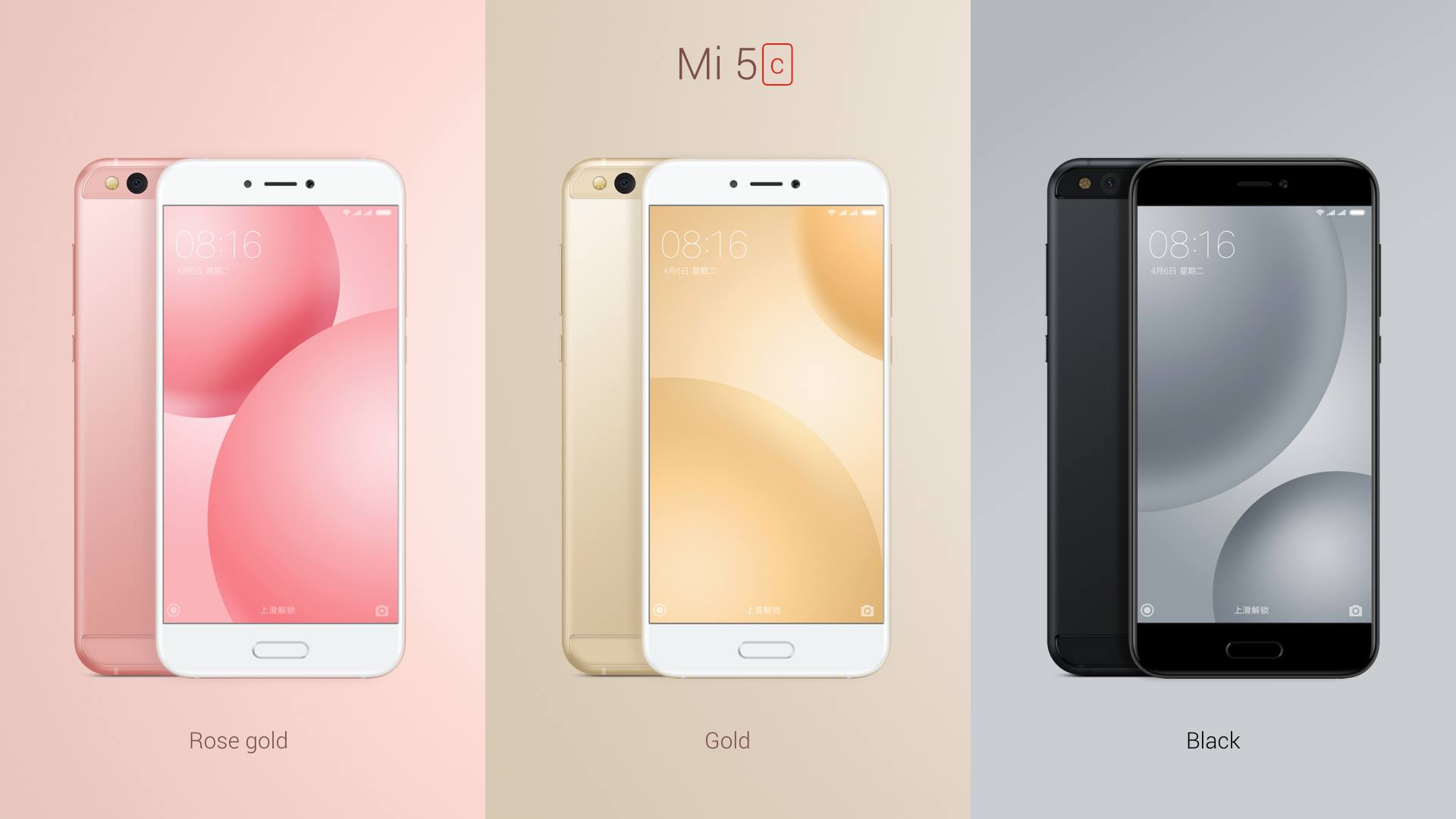
Late 2016 and early 2017 was all about innovation for Xiaomi. The company released its first ever self developed chipset, the Surge S1 inside the Xiaomi Mi 5C in February 2017. It was a big deal considering Xiaomi was now entering the world of big players like Apple, Huawei, and Samsung who make their own processors. Although we haven’t seen much progress in this department from the company yet, the Xiaomi Mi 5C was definitely a milestone smartphone for the company last year.
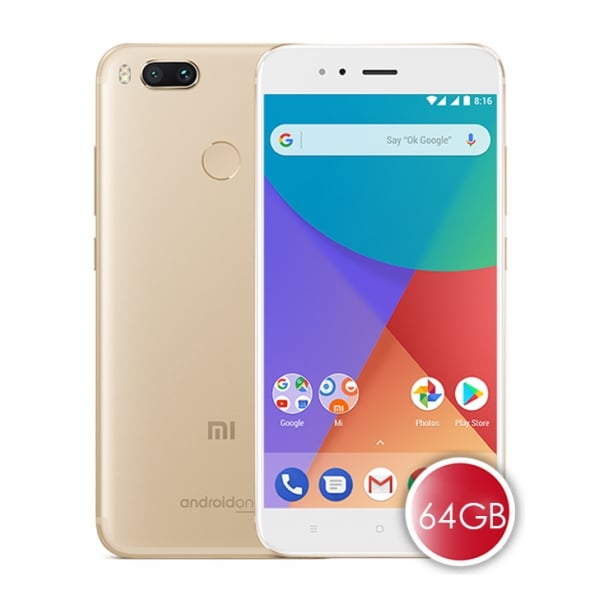
MIUI is a wonderful OS and there are millions of fans all around the world who love this operating system. However, some might prefer stock UI over this highly customised OS and this is why Xiaomi released the Xiaomi Mi A1 smartphone in September 2017. It was basically a Xiaomi Mi 5X with stock UI. The phone was released as a global device, aimed at multiple markets apart from India. Featuring a stock Android UI with promised quick updates to the latest Android OS, it was an instant hit among Xiaomi fans.
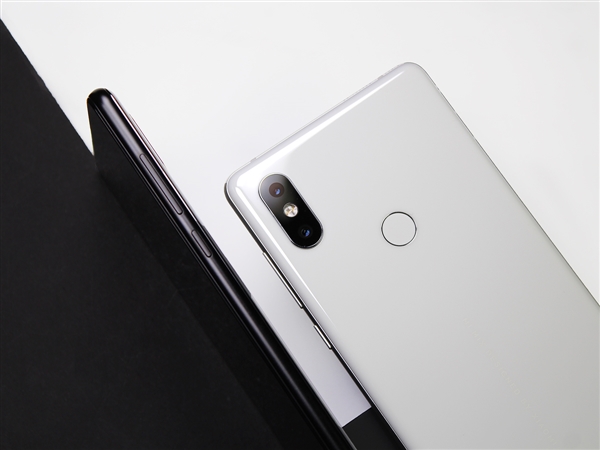
Xiaomi Mi Mix was a great phone, and the Mi Mix 2 was even better. But the Xiaomi Mi Mix 2S is the real flagship from the company this year and the phone is an important release in Xiaomi’s timeline because of its impressive camera setup. It is the first device to boast of a camera that can truly take on Samsung’s Galaxy and Apple’s iPhone series. Even DxOMark confirms its superior camera performance. Apart from that, powerful specifications, large battery, and a competitive price tag ensures that it is one of the best Xiaomi smartphones released in the market. We did test out its camera and we were definitely impressed!
RELEASE: Feb. 2018
Snapdragon 845
6GB / 8GB RAM
64GB / 128GB / 256GB ROM
5.99-inch 1080p
Dual 12MP Cameras
3400mAh
MIUI 9.5 based on Android 8
So which is your favourite Xiaomi smartphone? Would you like to add any specific model to this list?
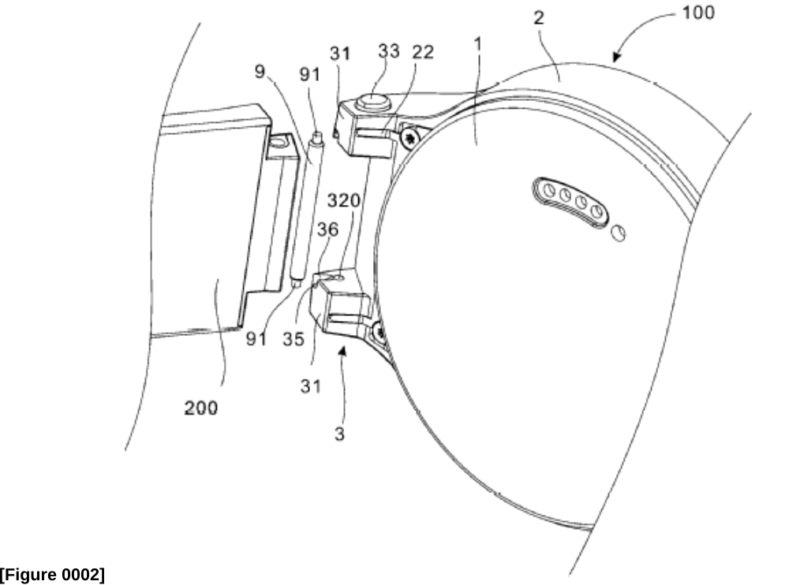
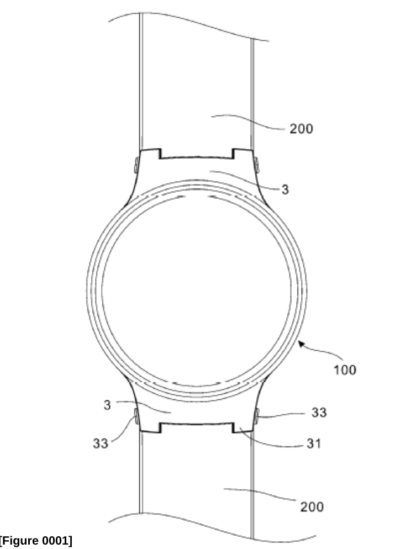
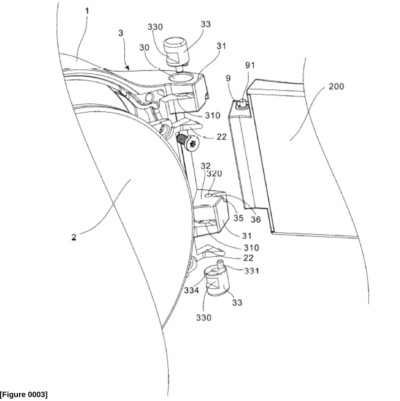
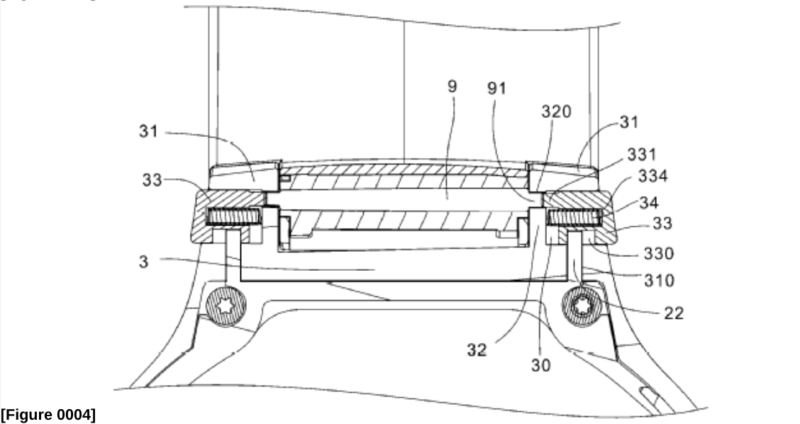
Huawei continues to build its patent portfolio with one of its latest patent that has just been revealed. The new patent as published by the World Intellectual Property Organization (WIPO) is a smartwatch strap design which makes for easy swapping of the watch bands. This design is perhaps building on the popularity of smartwatches and how most owners design to personalize their own with their preferred band design.
This new design is pretty different from the conventional design we have on almost all smartwatch and other wristwatches in the market presently whereby you’ll need a flat object that can pick out the hook at the edge of the strap. But it builds on the quick release spring mechanism found in most modern smartwatches. According to the patent, the quick release spring can be moved into the watch housing instead of being part of the watch band. Thus, if the watch band is to be removed, all that needs to be done is to depress two small buttons at the side of the housing and this will, in turn, compress the spring holding the band to the housing.
W can’t say if Huawei will eventually utilise this patent is their smartwatch any time soon. But if it does, it will be a simple but interesting design.
We use cookies on our website to give you the most relevant experience by remembering your preferences and repeat visits. By clicking “Accept”, you consent to the use of ALL the cookies.
This website uses cookies to improve your experience while you navigate through the website. Out of these, the cookies that are categorized as necessary are stored on your browser as they are essential for the working of basic functionalities of the website. We also use third-party cookies that help us analyze and understand how you use this website. These cookies will be stored in your browser only with your consent. You also have the option to opt-out of these cookies. But opting out of some of these cookies may affect your browsing experience.
Necessary cookies are absolutely essential for the website to function properly. This category only includes cookies that ensures basic functionalities and security features of the website. These cookies do not store any personal information.
Any cookies that may not be particularly necessary for the website to function and is used specifically to collect user personal data via analytics, ads, other embedded contents are termed as non-necessary cookies. It is mandatory to procure user consent prior to running these cookies on your website.

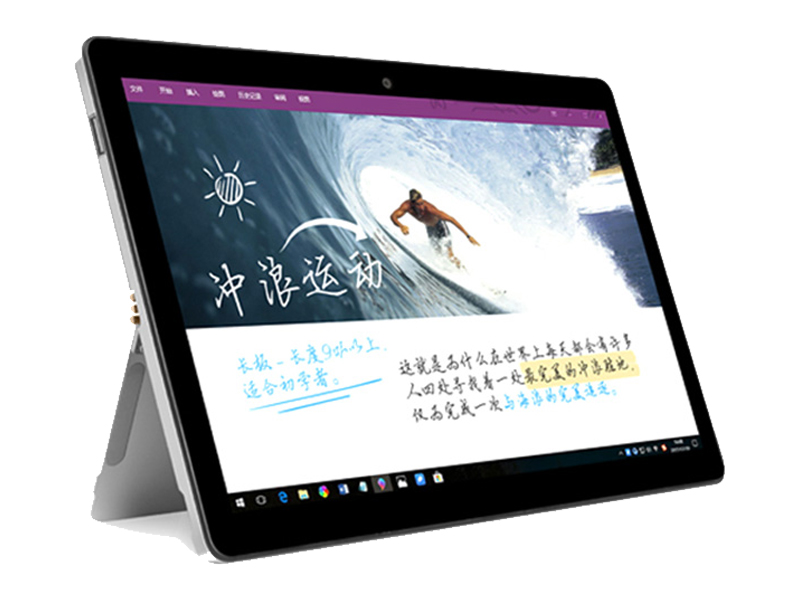 VOYO Vbook i3 sports a 10.1-inch FHD (1920 X 1200 pixels) full view display that delivers an unparalleled screen experience. The device boasts an array of other jaw-dropping specs and features that would ideally set you back a pretty penny.
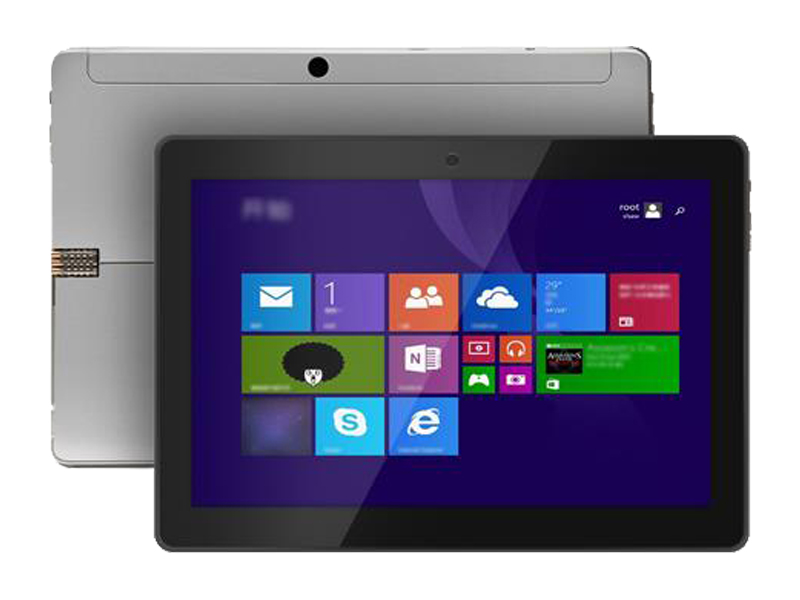 The VOYO Vbook i3 is a powerful tablet PC, given that it packs a powerful Intel Cherry Trail x5-Z8350, Quad Core (up to 1.92GHz) processor. It employs an Intel HD Graphic Gen8 graphics processing unit, under the hood.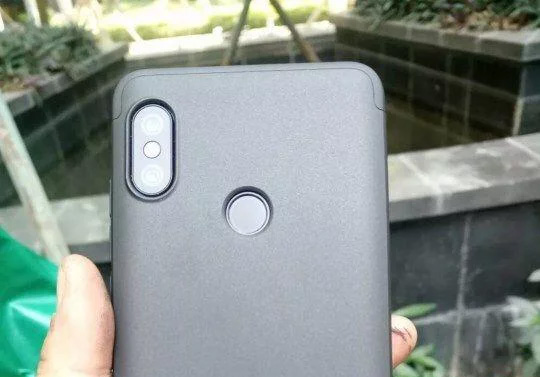

 GearBest is handing out 22% discount on the device’s retail price for 3 days. Note that this Flash Sale price will only be valid for the remaining 18 pieces of the black-tinted gaming laptop.