Advertisement

Xiaomi Mi Max 3 Images Leaked; Suggests Elongated Display, No 3.5mm Audio Jack

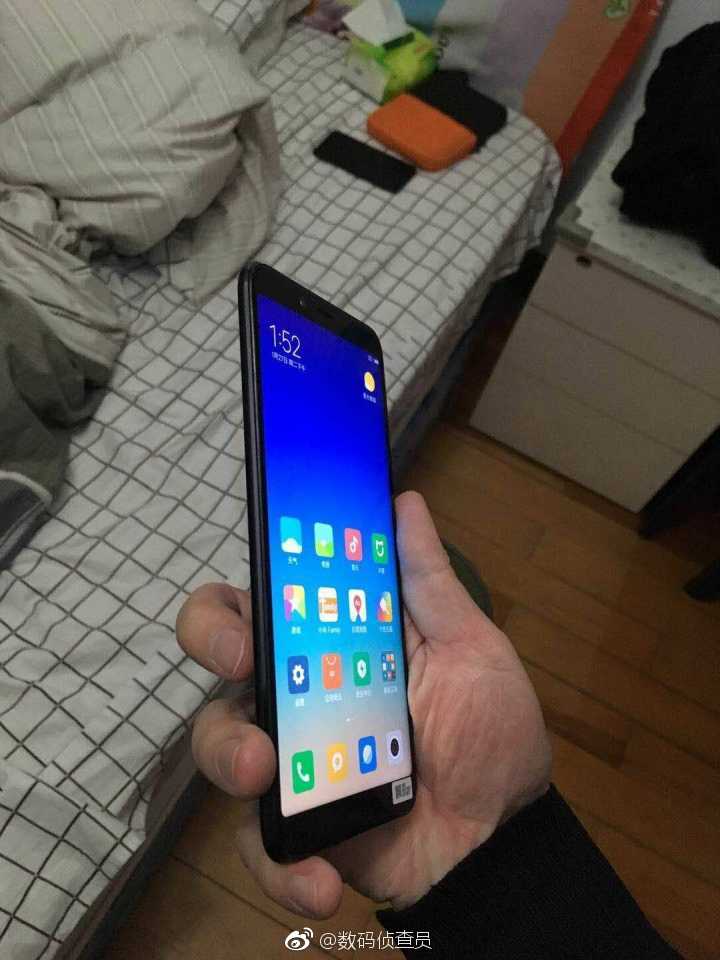
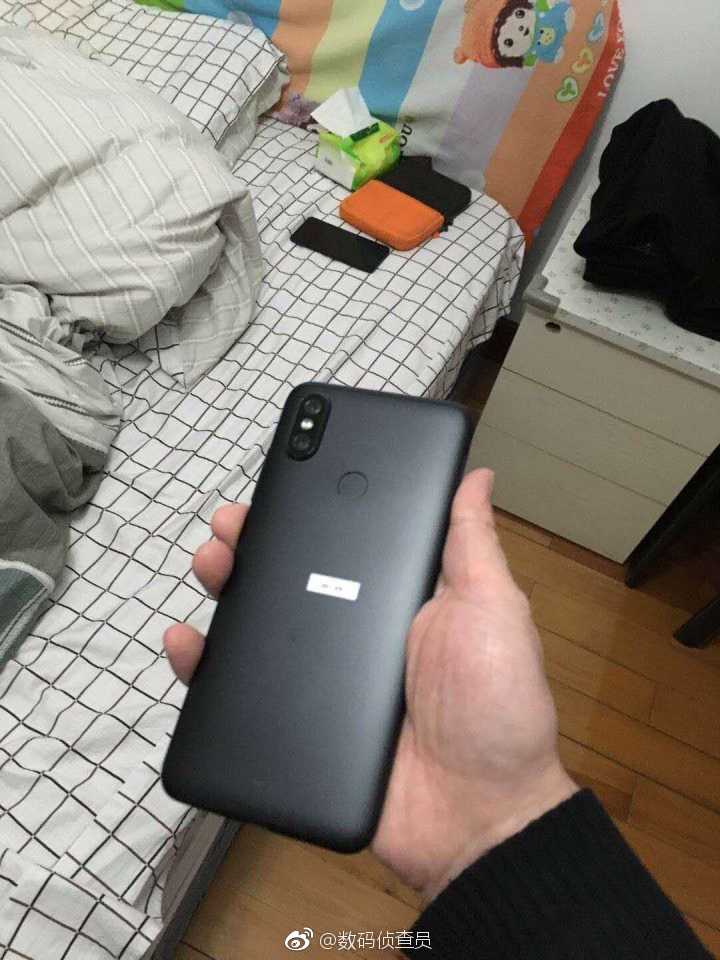
Xiaomi is reportedly working on the Xiaomi Mi Max 3 that will come out to replace the Mi Max 2 phablet from last year. Recent reports have revealed that the Mi Max 3 will be sporting a full screen design. This means that the dimensions of the Mi Max 3 would be similar to that of its predecessor model. However, it may sport a larger screen by reducing the upper and lower bezels. Today, two leaked images of the alleged Mi Max 3 have appeared to reveal its front and top view.

Xiaomi Mi Max 3 front
From the above image, it is difficult to guess whether it features reduced bezels. However, the device seems to be a bit elongated which hints that it may be packed with an 18:9 aspect ratio display. The placement of the selfie camera, earpiece and the sensor are similar to the Mi Max 2.

The IR blaster and 3.5mm audio jack are placed on the top edge of the Mi Max 2. However, the topside of the alleged Mi Max 3 only features an IR blaster. This indicates that the 3.5mm audio jack could be either placed on the bottom edge of the phablet or the company may have removed the feature from it. If the latter is true, the USB-C port could be used for connecting earphones.

Xiaomi Mi Max 3 top edge

Previous reports have claimed that the Mi Max 3 would be featuring a 6.99-inch display. It is speculated that the smartphone could be driven by either Snapdragon 630 or Snapdragon 660 chipset. Some sources have also claimed that the Mi Max 3 will be arriving with dual rear cameras. The Mi Max 3 is likely to house a mammoth battery of 5,500mAh battery and the phablet is expected to carry support for Quick Charge 3.0. It could be available in variants like 3 GB RAM + 64 GB storage and 4 GB RAM + 129 GB storage. It is speculated that these models could be available with respective pricing of 1,499 Yuan (~$236) and 1,599 Yuan (~$252).

Read More: Alleged Xiaomi Mi 6X Real Images Leaked; Reveals 18:9 Display, iPhone X-Like Camera

Do you think that the image showing the front view could really belong to the Mi Max 3 or it could be a modified image of the Mi Max 2? Let us know your views by commenting below.

(source)


Vivo X20 Plus In-Screen Fingerprint Version Unboxing Pictures: Slightly More Of The Same!

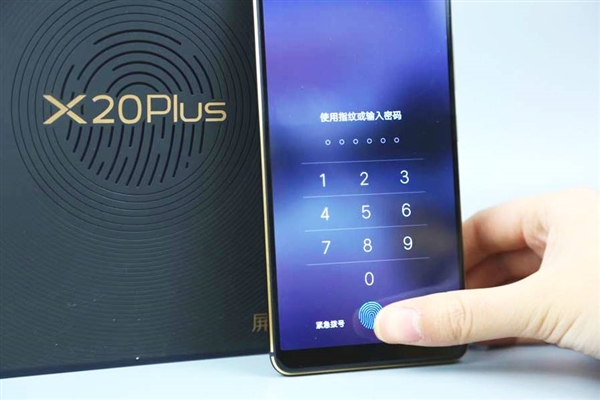
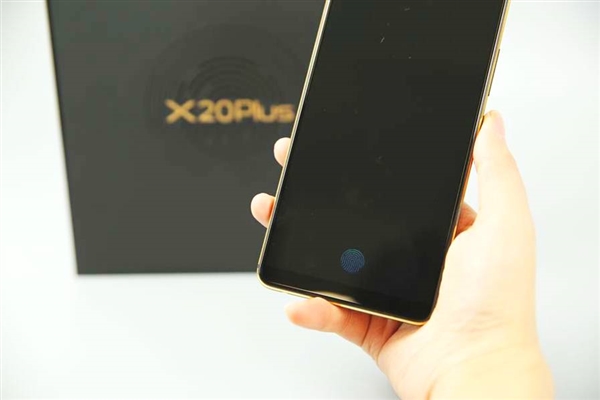
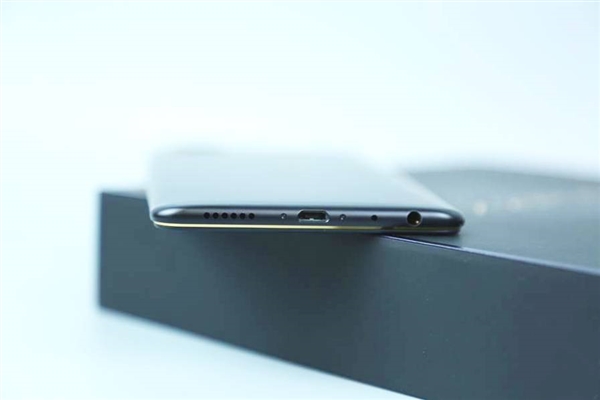
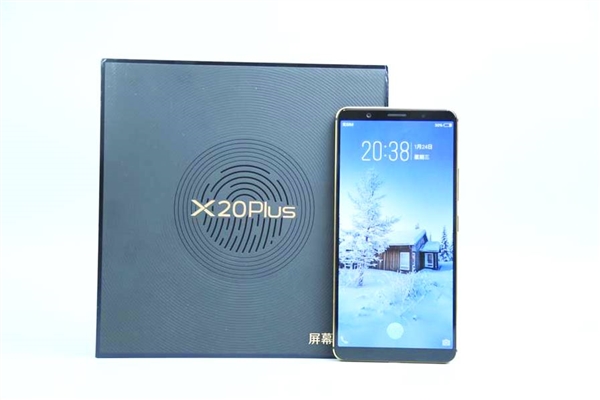
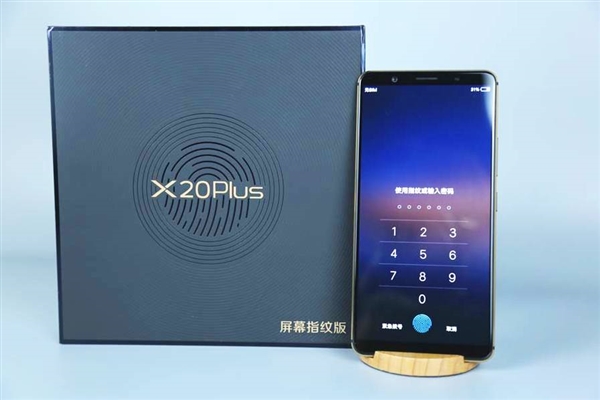
BBK subsidiary Vivo prides itself on being the first smartphone maker to feature the much-anticipated in-screen fingerprint sensor featured on the new X20 Plus version. The Vivo X20 Plus In-Screen Fingerprint Version is just a tad different from the regular X20 Plus which before now was already available in several editions. Here are some unboxing pictures of the X20 Plus In-Screen Fingerprint version for your delight. Vivo X20 Plus In-Screen Fingerprint version

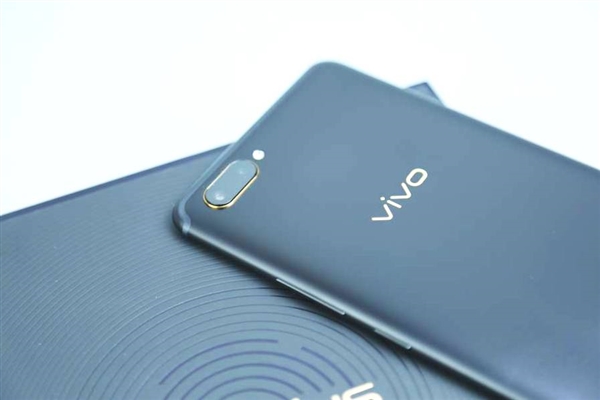
To refresh your minds about the new innovative version, it comes with a slightly slimmer dimension of 165.2 x 80.02 x 7.35 mm as compared to the 165.3 x 80.1 x 7.5mm dimension utilized on the regular X20 Plus. This new model weighs 183.1 grams, more than the 181.5 grams weight the regular model carries. Unlike the regular variants that are almost available in all the primary colors, the on-screen fingerprint model is available in Black only with a gold design by the sides. But we must state that the design of both models is almost identical except for few omissions like the rear fingerprint sensor. Of course, you why that isn’t available. Vivo X20 Plus In-Screen Fingerprint version

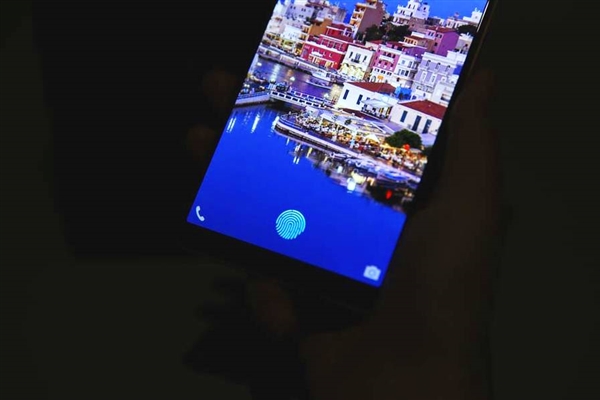
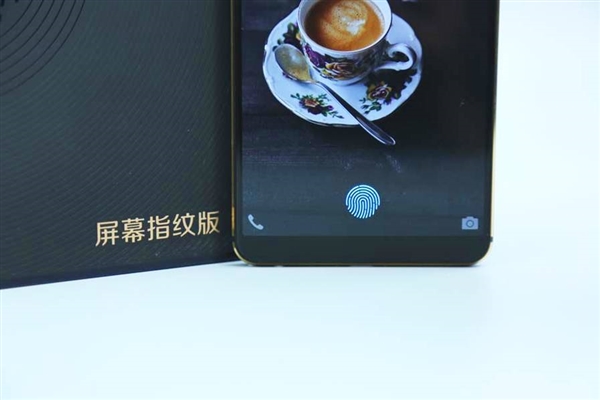
The X20 Plus In-Screen Fingerprint edition sports a 6.43-inch Super-AMOLED display with a Full HD+ resolution of 2160 x 1080 pixels. It also comes with the 18:9 aspect ratio. The full-screen display design is same with the regular model except that there is a fingerprint icon on the display which is where the finger presses to unlock the device. Vivo X20 Plus In-Screen Fingerprint version


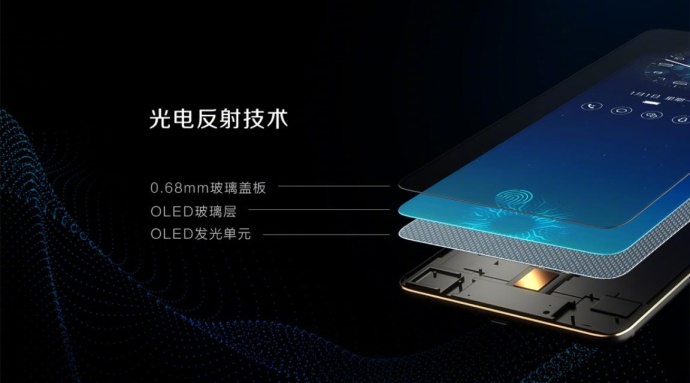
As you already know, it doesn’t pack a rear-mounted fingerprint sensor because of the in-screen technology which is represented by a fingerprint icon on the display screen. The fingerprint sensor supplied by Synaptics is located between the front glass and display panel. It uses photoelectric reflection technology in which the RGB Pixel that is specially adapted to the OLED panel emits light which penetrates the outer glass that has a thickness of 0.68mm to reach the finger. The new unlock technology does its job in just 0.6 to 0.7 seconds. Apart from unlocking the phone, it can be also used for making secure payments through AliPay and WeChat.Vivo X20 Plus In-Screen Fingerprint Version

Read More: More Details on Vivo’s In-Display Fingerprint Sensor: Works Pretty Well!

Other features include a Snapdragon 660 processor, 4GB RAM, 128GB expandable storage, a 3,905mAh battery and more. The Vivo X20 Plus In-Screen Fingerprint edition carries a price tag of 3,598 Yuan (~$565) and would officially go on sale from February 1. Find more unboxing and hands-on and unboxing picture of the device

(source)Vivo X20 Plus In-Screen Fingerprint VersionVivo X20 Plus In-Screen Fingerprint VersionVivo X20 Plus In-Screen Fingerprint VersionVivo X20 Plus In-Screen Fingerprint VersionVivo X20 Plus In-Screen Fingerprint VersionVivo X20 Plus In-Screen Fingerprint VersionVivo X20 Plus In-Screen Fingerprint VersionVivo X20 Plus In-Screen Fingerprint VersionVivo X20 Plus In-Screen Fingerprint version

China Mobile M850 Seen On TENAA: 5.9” FHD+ Screen, Dual Cameras & More

Once in a while, we see network carriers release their own-branded devices. T-Mobile’s Revvl Plus is an example. Chinese carrier, China Mobile appears to have a phone in the works too which has been seen on TENAA.

The device which is listed on the database as China Mobile M850 packs specs that put it in the mid-range category. Its 5.93” display has a 2160 x 1080 display with an 18:9 aspect ratio.

[envira-gallery id=”169237″]

There is 3GB of RAM on board and 32GB of expandable storage. The China Mobile M850 is powered by an unnamed 1.8GHz octa-core processor. Our guess is this is either the Snapdragon 652 or 653 mobile platform.

The phone has a glossy curved back which is home to two dual cameras (12MP +8MP) and a fingerprint scanner. For selfies, China Mobile has thrown in a 20MP sensor. Under the hood is a 3300mAh battery.

READ MORE: TCL V760 Model With Dual Cameras Gets The Nod At TENAA

The M850 runs Android 7.1.2 Nougat and measures 159.2 × 75.6 × 8.29 (mm) with a 171.5g weight. It will be available in blue, dark gray, and brown when it launches.

(Source)


LG G6 May Get Raspberry Rose Variant Like The V30

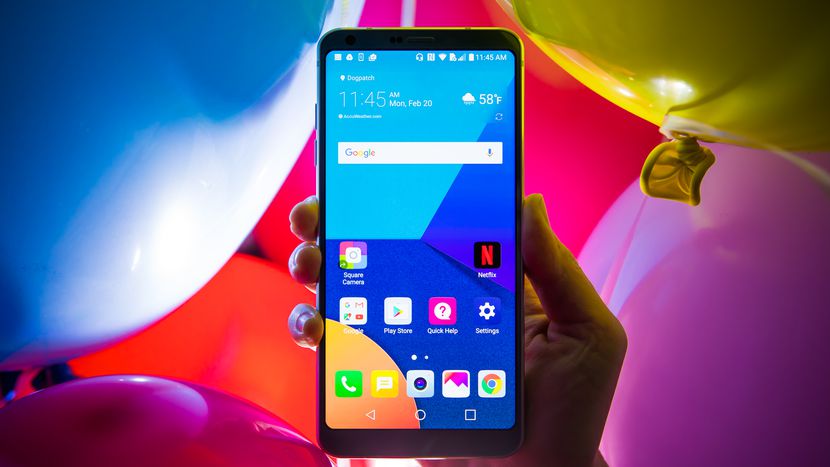
LG released a Raspberry Rose color variant for the V30 at the beginning of the year. The Korean-based company has hinted that the LG G6 may also get the same color variant next month.

LG has not confirmed the release date yet but they may want to release it so it coincides with Valentines’s Day. The new variant will bring the total number of color variants to six.

LG G6
LG G6

The LG G6 is almost a year old and its successor, the G7 is said to have been delayed as it is being built from scratch again. The company is said to be planning an advanced version of the V30 with enhanced AI features to launch at MWC instead.

The LG G6 has a 5.7” 1440 x 2880 display. it is powered by a Snapdragon 821 processor paired with 4GB of RAM and 32/64/128GB (G6+) of storage.

The phone packs dual 13MP rear cameras in a wide-angle + super-wide angle configuration and a 5MP selfie camera. The G6 doesn’t only have an IP68-rating, it also has a MIL-STD-810 certification meaning it can survive extreme temperatures, pressures, vibrations, shocks and salt immersion.

READ MORE: LG Patents Two Foldable Phones Which Can Transform Into Tablets

Alleged Xiaomi Mi 6X Real Images Leaked; Reveals 18:9 Display, iPhone X-Like Camera

Since the last month, the rumor mill has been gradually leaking information on the upcoming Xiaomi Mi 6X smartphone. Rumors have revealed that it would arriving with an 18:9 aspect ratio display and a vertically stacked dual rear cameras like the iPhone X. Fresh photos showing the front and rear sides of the of the alleged Xiaomi Mi 6X have appeared. The new images seem to confirm the features that have surfaced through the recent leaks.

It appears that the below images could belong to a prototype of Mi 6X. Compared to the Xiaomi Mi 5X, the Mi 6X seems to be sporting slimmer bezels at the top and bottom. This indicates that the elongated display of the phone may carry support for 18:9 aspect ratio. The smartphone is likely to feature 5.7-inch or 5.9-inch display that will support Full HD+ resolution.

Xiaomi Mi 6X protoype front

The other image showing the rear side of the phone suggests that it will be coming with metal unibody design with matte finish. The back panel houses the fingerprint and at the left corner is the vertically arranged dual camera setup with the LED flash placed between the two snappers.

Xiaomi Mi 6X protoype rear

A leaked photo of a case for Mi 6X has revealed that the bottom side of the phone will be housing features like external speaker, USB-C port and 3.5mm audio jack. The top edge of the phone may feature an IR blast. The right edge of the phone features volume buttons and Power key.

Xiaomi Mi 6X Render

Read More: Xiaomi MEE7S and MET7S Gets 3C Certification, Said To Be Redmi Note 5

A recent report has claimed that it could be powered by Xiaomi’s upcoming Surge S2 chipset that is expected to get unveiled at Mobile World Congress (MWC) 2018 in the next month. It is also speculated that the Xiaomi Mi 6X will be sold outside of China as Xiaomi Mi A2.

What’s your opinion on the above images? Share us your views by posting your comments below.

(via)


Apple Will Finally Launch the HomePod On February 9 For An Expensive $349 Price Tag

Smart speakers seem to be the future. The great success obtained by Amazon Echos and Google Home makes us think about a scenario in which there is a smart speaker in almost every house. Apple launched its first smart speaker HomePod back in September last year, together with the latest iPhones, and it was expected to hit the shelves by the end of 2017. But it didn’t happen and many people were left disappointed.

Now, the Cupertino giant has finally announced the launch date of its smart speaker. Apple HomePod will be made available for pre-orders starting from January 26, and it will be officially available to purchase starting from February 9. Unfortunately, it is not a widespread launch: it is only limited to some countries. On February 9, Apple HomePod will be available to purchase only in the GB, U.S. and Australia. In the spring the device will be made available in France and Germany as well, but there is no info about all the other countries. The smart speaker will be available with a listing price of $349.

Apple HomePod

In case you do not know, smart speakers like this one can be used to interact with other devices in the house (smart home and IoT) or to get some info about news, weather, and many other things. Obviously, they can also play music as they are speakers. The Apple HomePod has a cylindric shape and it weighs 2 kg and a half. According to Apple, it will have a great sound quality, and it will be able to calibrate the sound depending on the surroundings. It will be able to receive vocal commands through its microphones and it will be based on Siri, the same virtual assistant that you can find on iPhones and iPads.

(Via)

MediaTek’s Fresh Headache: Samsung Reportedly Plans To Sell Exynos Chipsets To OEMs

A fresh report emanating from sources familiar with the mobile chip industry indicate that Samsung is planning to commence sales of its Exynos chipset to interested smartphone manufacturers in a bid to expand the scale of its smartphone chip platform. The aim of Samsung’s latest plans is to boost the rate of usage of its chip and raise its earnings from the segment. Samsung runs a foundry which manufactures chipsets for fabless manufacturers like Qualcomm. Recall that the Snapdragon 835 was manufactured in Samsung’s foundry and the foundry is also fingered to be the one handling the Snapdragon 845 chipset production.Samsung

Already, Samsung’s latest Exynos 7872 was utilized by Meizu on its budget M6s full-screen smartphone. Although Meizu had utilized Samsung’s chipsets in the past, in recent times the Chinese phone maker had stuck with MediaTek and even recently returned to Qualcomm chipsets. Samsung ranked as the 4th largest chip maker last year, finishing behind Qualcomm, Apple, and MediaTek. But if this move sees the light of day, MediaTek may be the biggest loser and Samsung could topple the Taiwanese company to emerge the world’s third-largest chipmaker this year.helio p30

Related: Qualcomm Leads The SoC Market In Q3 2017 By A Significant Margin, Apple In Second Place

MediaTek’s share of the mobile phone chip market has taken a considerable dive following the strong preference for Qualcomm chipsets by phone manufacturers. The flagship market is already out of the reach of the Taiwanese fabless chip maker as its last dash for a slice of the pie with the Helio X30 met a disappointing response. Only the Meizu Pro 7 was the major flagship model on which the chip was featured. The chipmaker recently decided to focus on the mid-range chip category where it holds some prominence. Even at that, Qualcomm isn’t losing steam in its bid to control both the high-end and mid to low-end market and with Samsung joining the battle for the mid/low-end market, this may just be another of MediaTek’s growing worries.

(source)
Acer Unveils Two Chromebooks And A Chromebox With Google Play Support

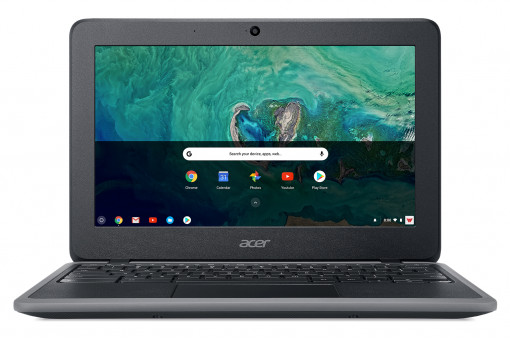
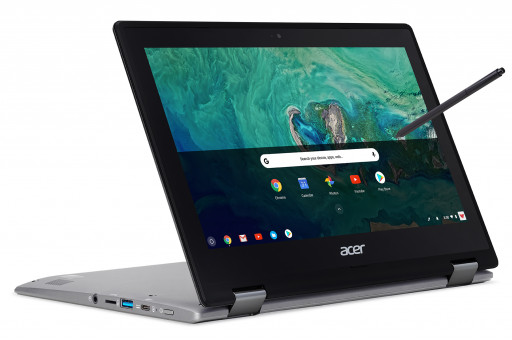
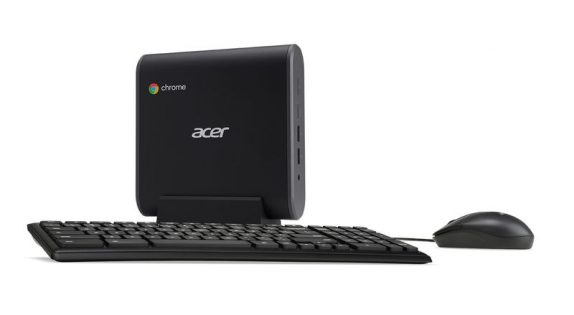
Acer has just announced Chromebook Spin 11, Chromebook 11 C732, and Chromebox CXI3: three PCs which will be sold at affordable prices based on Chrome OS. Each of the models supports Google Play, so you will be able to install Android apps on them. The first one is a simple laptop and it has IP41 rating which makes it dust-resistant. It packs a quad-core Intel Celeron N3450 processor, up to 8 GB of RAM and 16, 32 or 64 GB of internal storage depending on the variant chosen. It also comes with (optional) touch-screen.

Acer Chromebook Spin 11 is a convertible laptop whose screen can be rotated, and it supports touch and stylus input for handwriting and drawing. The stylus is based on the Wacom EMR technology (Electro-Magnetic Resonance). Under the hood, there is an Intel Celeron N3450 CPU, 4 GB of RAM and 32 or 64 GB of storage. At last, we got the Acer Chromebox CXI3, which is a sort of mini-PC powered by an Intel 8th gen processor (Apollo Lake). You can connect a mouse and a keyboard to it thanks to its USB-C port (you will need an external hub). It has 2×2 MIMO 802.11ac Wi-Fi and Bluetooth 4.2 LE.

The prices for each model will be $299.99, $279.99 and $349.99: they will launch in the U.S. in March. The Spin 11 will also come in Europe, Middle East, and Africa in April, and it will cost €379.

(Via)

Samsung Galaxy S9: Possible Date And Time of The Announcement Spotted on MWC Website

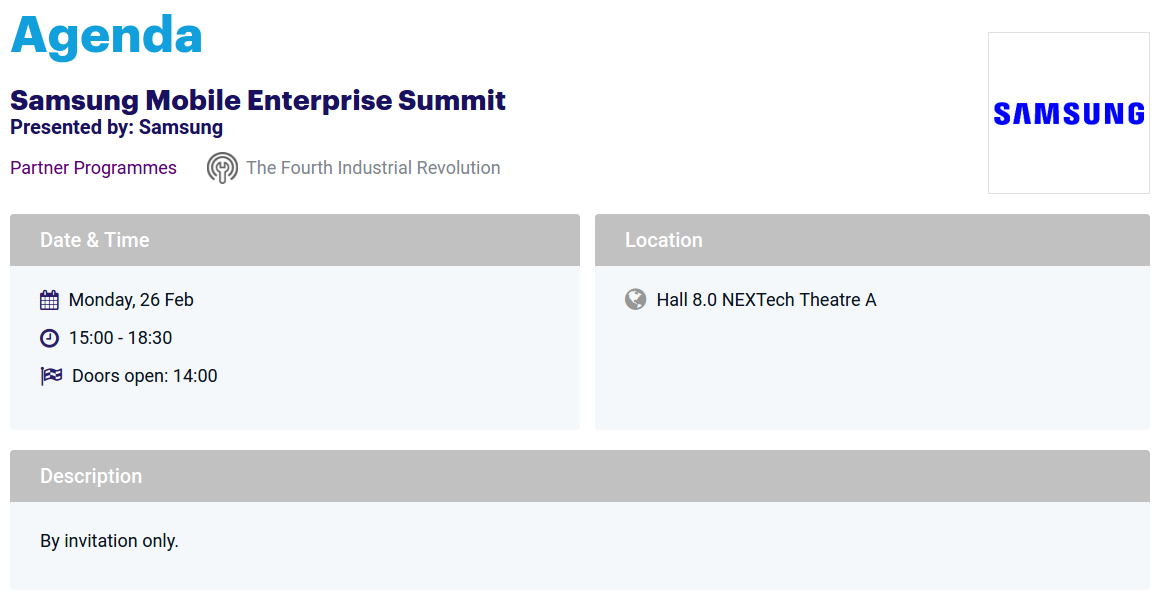
The Samsung Galaxy S9 and S9 Plus will be officially announced at MWC 2018 and its likely going to happen on February 26. Samsung’s event details were spotted on the official MWC website, confirming the likely launch of the new flagships. The event details page comes with the Samsung logo attached, and an image showing the exact place, date and time of the presentation. According to the official web page, the new flagships of the Korean giant will be showcased on Monday 26th February in an event which will be held from 15.00 to 18.30 local time.

The location in which the event (Samsung Mobile Enterprise Summit) will be held is “Hall 8.0 NEXTech Theatre A”. February 26 is the date on which Mobile World Congress 2018 will start in Barcelona and the location mentioned will be included in the trade show. So this leaked info kind of confirms that the flagships will be unveiled at MWC 2018. But it is worth mentioning that Samsung hasn’t confirmed anything about this event, at least not yet.

samsung galaxy s9

The doors will be open from 14.00 for people to attend the event. Several leaks have surfaced about Samsung Galaxy S9 and S9+, so we don’t have to wait until the reveal date to know the important features about the handsets. Aesthetically, the phones will just be a slight upgrade over their predecessor. There will still be an Infinity Display on the front panel, but the screen-to-body ratio will be higher, thanks to narrower bezels. The displays will have sizes of 5.77 and 6.22 inches, respectively. The back side should be made of glass just like the predecessors, while the frame should be made of metal. Expect the IP68 certification for water and dust-resistance. Under the hood, the handsets will sport an octa-core Qualcomm Snapdragon 845 SoC in the U.S. version and an octa-core Samsung Exynos 9810.

Both the processors have an integrated module for artificial intelligence, so they will be able to perform smart tasks. Samsung Galaxy S9 and S9 Plus are expected to come with very interesting cameras which will have a variable aperture. It will be possible to switch from f/1.5 to f/2.4 depending on the light conditions, to make more or less light to enter the sensor. While the standard version of Samsung Galaxy S9 will have 4 GB of RAM and 64 GB of internal storage, the Plus version is said to have 6 GB of RAM. The phones might come in a bundle with a new version of DeX called DeX Pad, which will allow to use the phones as touch pads while connected to a monitor. Also, note that only the Plus version will get a dual camera setup, while the standard version will have a single camera. This time, the fingerprint reader will be positioned under the rear camera, so it will not be uncomfortable to use it. This basically concludes the rumors that we have seen till date about the two handsets.

(Source, Via)

Xiaomi MEE7S and MET7S Gets 3C Certification, Said To Be Redmi Note 5

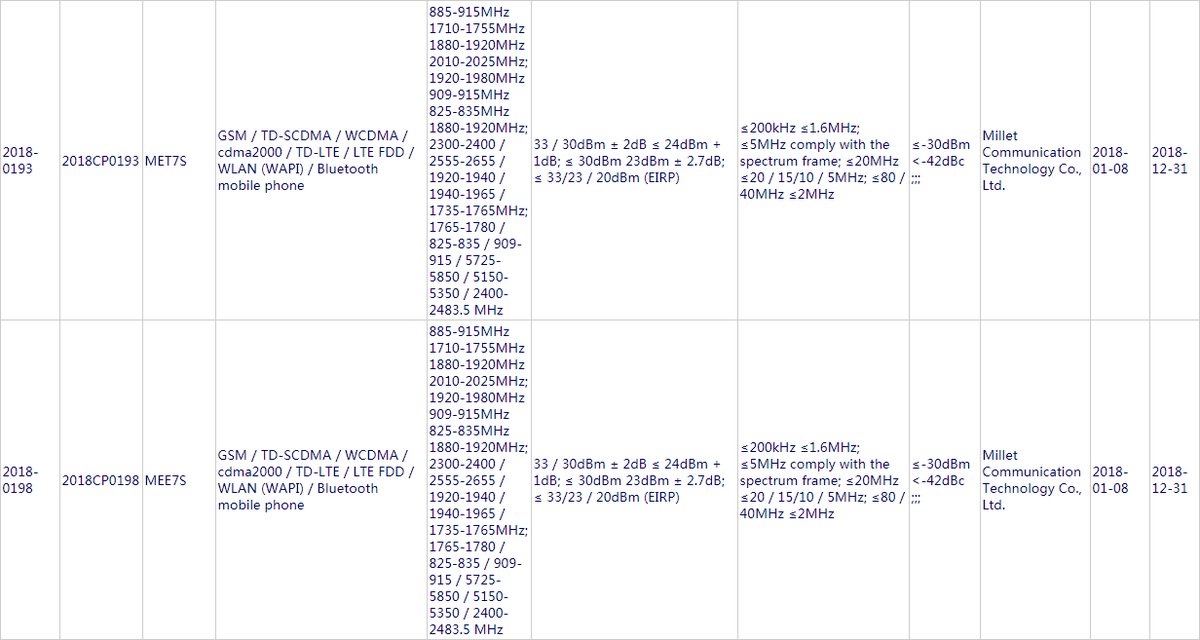
It appears Xiaomi has not cancelled the Redmi Note 5 after all. Two new Xiaomi devices have just gotten 3C certifications and they are said to be variants of the Redmi Note 5.

The phones which have model numbers MET7S and MEE7S were registered by Xiaomi Communications Technology Co. Ltd on 8th of January, 2018. These are the model numbers they’ll definitely have when they show up on TENAA too.

Xiaomi Redmi Note 5 3C

If you remember, the already released Redmi 5 Plus appeared as Xiaomi MEE7 and Xiaomi MET7 while the Redmi 5 was seen with model numbers MDT1 and MDE1.

Based on previous leaks, the Xiaomi Redmi Note 5 is said to come with a Qualcomm Snapdragon 632 processor. Qualcomm itself has not announced this chipset yet, so we advise you take it with a pinch of salt.

READ MORE: Xiaomi Surge S2 Specifications Leaked, Likely to Power Xiaomi Mi 6X and Debut at MWC 2018

Xiaomi Slashes Rs.1000 (~$16) Off 64GB Redmi Note 4

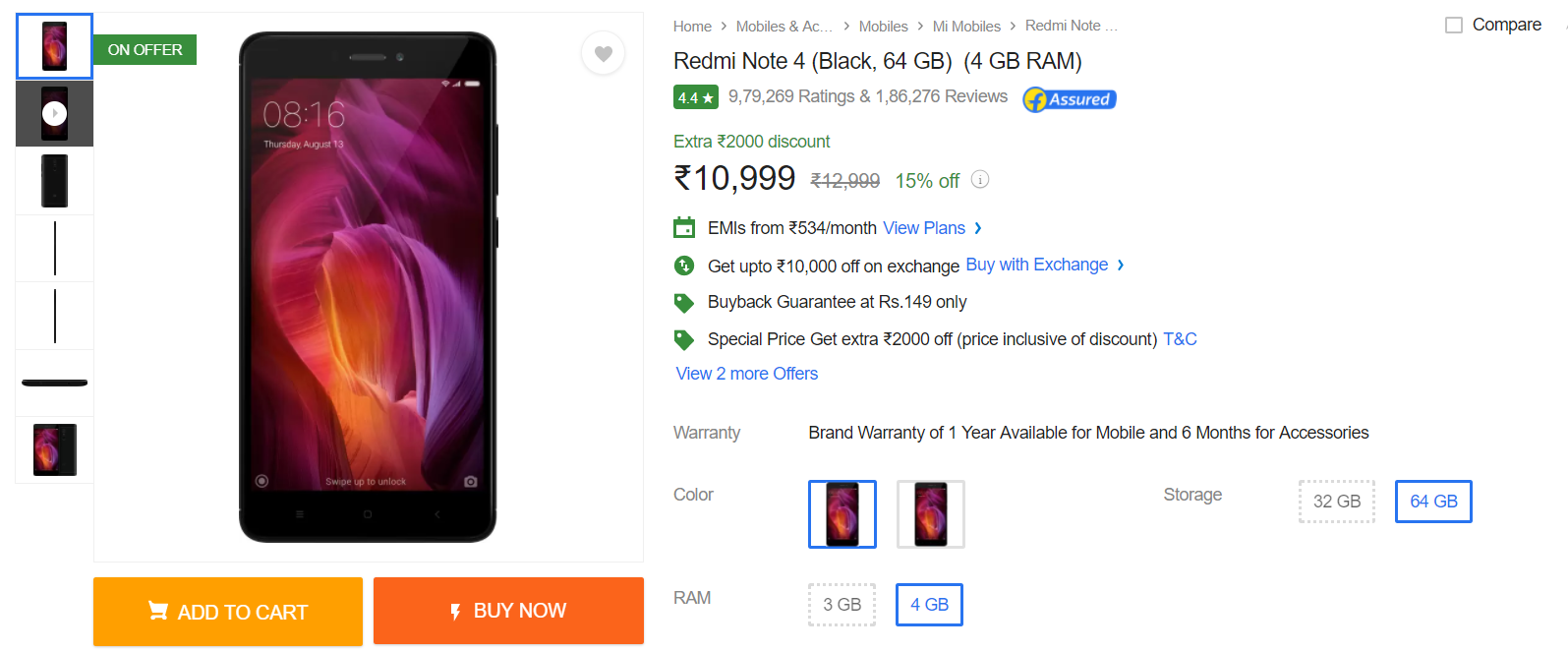
Xiaomi’s Redmi series have been getting price cuts in recent weeks. In India, the Redmi Note 4 (64GB model) has just got a Rs. 1000 price slash bringing the price down to Rs. 10,999 (~$173).

Reports say this is the second time that Xiaomi is reducing the price of the Redmi Note 4. That shouldn’t come as a surprise as a new model is likely to launch soon.

Redmi Note 4 Flipkart

When the phone launched last year, it was priced at Rs. 12,999 (~$204). It also launched in a 2GB RAM + 16GB ROM variant that has been phased out now, and a 3GB RAM + 32GB model that sells for Rs. 9,999 (~$157).

The Redmi Note 4 helped Xiaomi claim the top spot in India. In 45 days after its release, it had sold 1 million units while by the sixth month it had sold 5 million units. Xiaomi even released a limited edition Lake Blue variant as part of its CSR. Proceeds from the sales went into the cleaning of lakes in the country.

READ MORE: Xiaomi VP Hong Feng, Officially Announces MIUI 10

Alleged Samsung Galaxy S9 Real Machine Appears In A Leaked Test Video

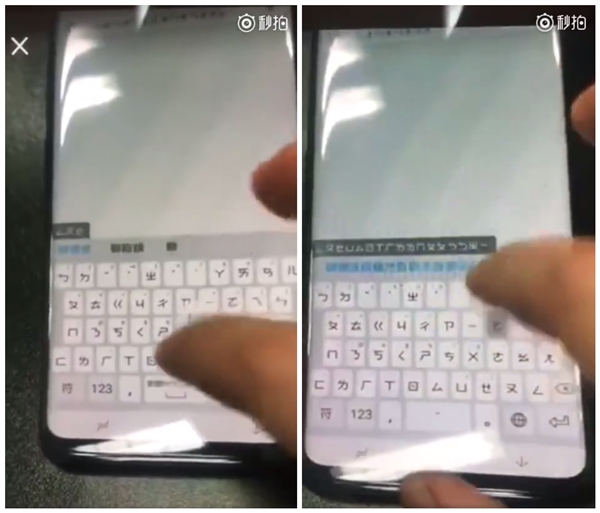
South Korean tech giant Samsung is just a couple of weeks short of launching its 2018 flagship Galaxy S9 and S9+. Both models are already billed to make their grand entrance at the Mobile World Congress (MWC) 2018 holding from February 26 to March 1 in Barcelona. Ahead of its official unveiling, we may just have spotted a real live photo of the Galaxy S9 which appeared in a short video clip recently uploaded on Weibo.Samsung Galaxy S9

The short clip appears to be a test video and it only shows the on-screen keyboard being tested. The view affords us an opportunity to see the front screen with its much-reduced bezels. The side bezels are almost non-existent while the bottom edge which is visible features an ultra-thin bezel. Same also applies to the top bezels but that isn’t very visible here. We hope to see more leaks as the launch date draws closer.

Read More: Photos of Samsung Galaxy S9+ Lookalike Surfaces From Shenzhen’s Huaqiang North

The Galaxy S9 is expected to feature a 5.8-inch Super AMOLED display while the S9+ will pack a 6.2-inch Super AMOLED screen. Both models will be powered by a Snapdragon 845 chipset as well as an Exynos 9810 chip on some models. The two models are expected to be available in 4GB RAM + 64GB storage variant as well as 6GB RAM + 128GB storage and both are expandable. The Galaxy S9 is expected to sport a single 12MP rear camera with f/1.5 aperture and OIS. On its part, the Galaxy S9+is tipped to come with a dual camera set up comprised of two 12MP sensors with f/2.4 and f/1.5 apertures respectively as well as double OIS. Both models are expected to feature an 8MP selfie camera with f/1.7 aperture. The Galaxy S9 and S9+ recently got 3C certification and the listing confirmed they will both come with 9V /1.67A and 5V / 2A fast charge support similar to those of the Galaxy S8 series. There is also a 3,000mAh battery on the S9 while the S9+ packs a 3,500mAh battery. Follow the source link to watch the test video on Weibo.

(source)
MediaTek Helio P70 Performs Well on AnTuTu; Could be a Good Rival for Snapdragon 670

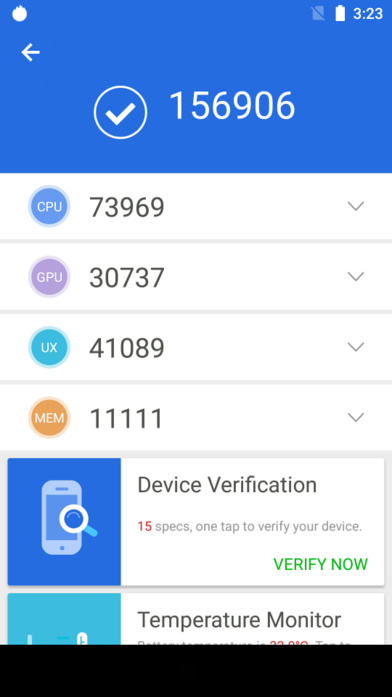
Previous reports have revealed that some of the high-end phones from Xiaomi, OPPO, Vivo and Gionee will be driven by the upcoming MediaTek Helio P70 chipset. The specifications of the Helio P70 have already leaked in the previous month. The chipset has now appeared with an impressive benchmarking score on AnTuTu.

On AnTuTu, the unannounced Helio P70 has recorded a score of 156,906. This score suggests that its score could be on par with the forthcoming Snapdragon 670 chipset from Qualcomm. The Helio P70 is a 12nm chipset whereas the SD 670 is a 10nm chipset.

MediaTek Helio P70 AnTuTu

The octa-core processor of the MediaTek Helio P70 is rumored to include four cores of Corte A73 that works at 2.5 GHz and four cores of Cortex A53 that functions at 2.0 GHz. It is also packed with Mali G72 MP4 (800 MHz) graphics. Smartphones running on the Helio P40 can support up to 8 GB of RAM, eMMC 5.1 or UFS 2.1 storage, 3 ISPs with support for up to 32-megapixel and Cat. 12 LTE modem. It is also rumored to arrive with support for some AI features.

On the other hand, the Snapdragon 670 is speculated to come be composed for 4x Kryo 350 custom cores that clock at 2 GHz and 4x Kryo 385 custom cores that clock at 1.6 GHz and Adreno 620 graphics. It is also rumored to be equipped with Snapdragon X16 Cat. 16 LTE modem.

Read More: Meizu Confirms That It Has Not Abandoned MediaTek

Rumors have revealed that MediaTek will announce the Helio P70 chipset alongside another rumored SoC, the Helio P40 in the second quarter of this year. The Helio P40 octa-core chipset is expected to feature quad cores of 2.0 GHz Cortex A73 and quad cores of 2.0 GHz Cortex A73. Other rumored specs of P40 include Mali-G72 MP3 graphics (700 MHz), up to 8 GB of RAM, eMMC 5.1 or UFS 2.1, 3 ISPs with support for up to 32-megapixel, Cat. 7 LTE modem and some AI features.

(source)


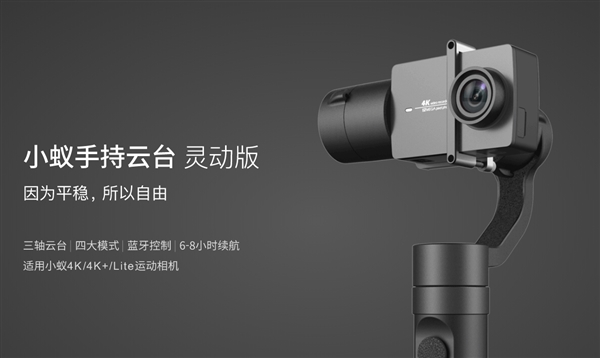
Yi Handheld PTZ Camera Stabilizer Smart Edition Launched

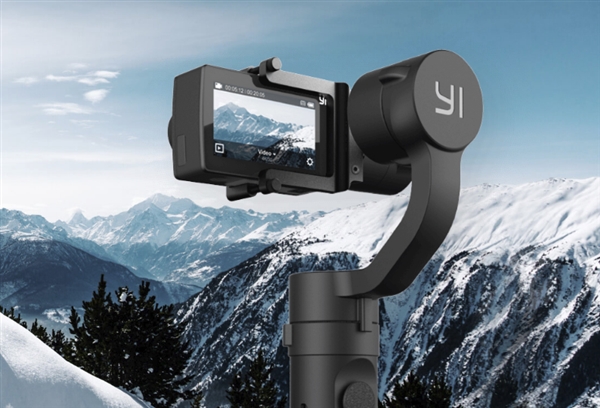
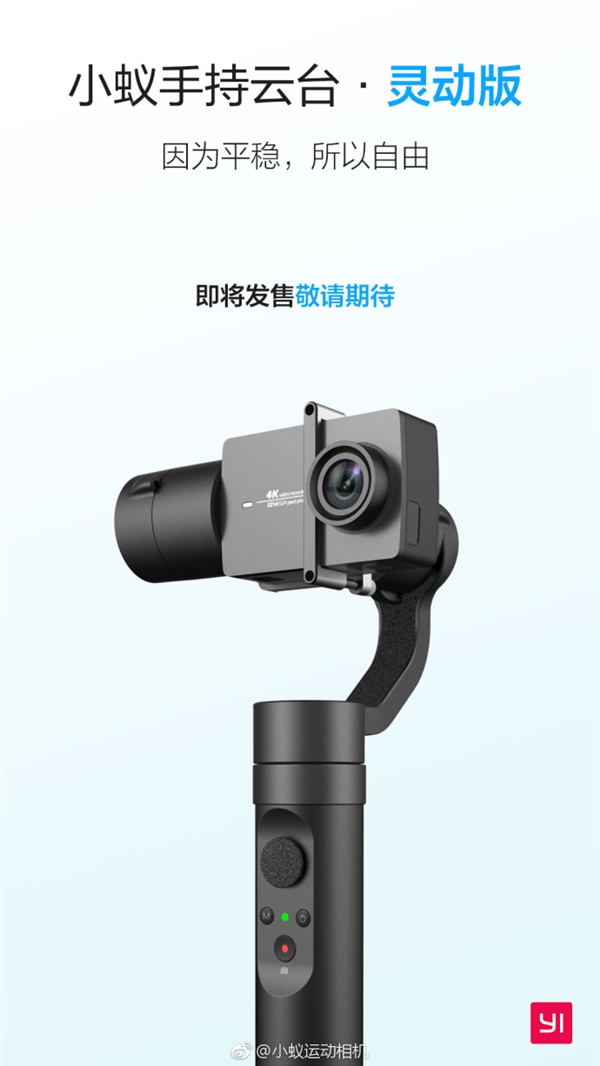
Yi technology recently launched a 180 ° 3D VR camera at CES 2018 and has got a lot of portable cameras under its name. The company has now launched a new handheld stabilizer gimbal smart edition which is compatible with the Yi 4K motion camera, 4K+, Yi Lite and other action cameras.Yi camera gimbal

The camera gimbal is a smart edition and it comes with an ergonomic design which fits well into the palm and allows for good grip.The gimbal weighs just 310g and has a three-axis gimbal head with a rotational angle of up to 320 ° in order for users to be able to get steady footages.yi technologyIt also comes with two 18350 lithium-ion batteries, each having an 850mAh capacity and both can last up to 6-8 hours. The camera gimbal packs a 3-axis gimbal head with an aluminum build. Just like the Gimbal 2, this new edition comes with three operational mode; Pan, Tilt, and Zoom. These models all play different roles in capturing smooth footage of fast moving objects, such as people playing sports, animals, and cars. The Yi Handheld Gimbal also features a cutting-edge technology with built-in high-precision sensor and brushless motor, overcoming the physical bumps and shakes while shooting. The smart edition also comes with a universal ¼-inch thread attachment which allows you to use the Yi Handheld Smart Gimbal with other professional mounts

Related: New Yi Smart Outdoor Camera with 1080p, 110° Wide-Angle Lens, IP65 & IR Lights Launched

In case you are interested to know the price, you’ll have to wait a bit longer as Yi technology is yet to reveal the pricing and availability of the new smart camera gimbal. We also can’t seem to distinguish this model with the current version as the features overlap. The difference may lie in the smart feature which we are yet to determine since the details are scanty. However, we’ll bring you further details as soon as they emerge.

(source)

Yi camera gimbal smart edition


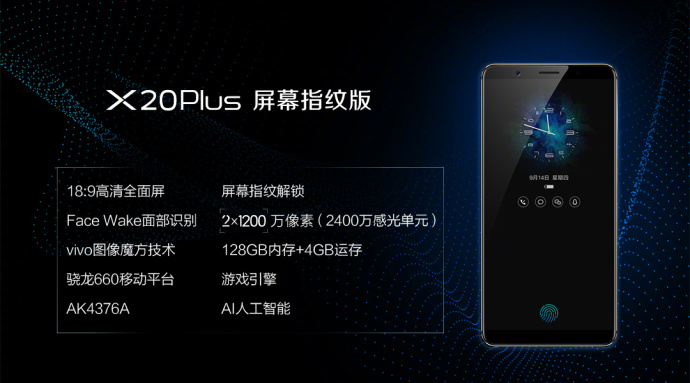
Vivo X20 Plus In-Screen Fingerprint Version Officially Debuts as World’s First Phone with Under-Display Fingerprint Sensor

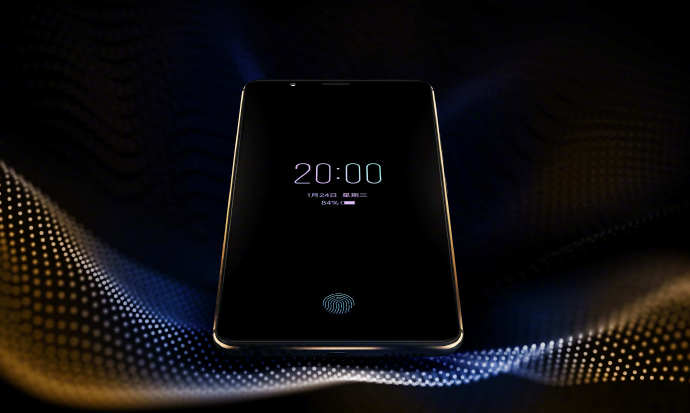
Vivo X20 Plus In-Screen Fingerprint version (also known as Vivo X20 Plus UD) is official. It is the world’s first smartphone to come with a fingerprint scanner that is embedded under the display of the phone. The rest of its specifications and features are same as the regular Vivo X20 Plus phone.

Specifications and Features

Vivo X20 Plus In-Screen Fingerprint edition measures 165.2 x 80.02 x 7.35 mm and it weighs 183.1 grams. The dimensions of the regular X20 Plus are 165.3 x 80.1 x 7.5mm and its weight is 181.5 grams. The new variant can be availed in single color option of black with gold aesthetics. The X20 Plus In-Screen Fingerprint model houses a 6.43-inch Super-AMOLED display that carries a Full HD+ resolution of 2160 x 1080 pixels. It delivers an aspect ratio of 18:9.

Between the front glass and display panel lies the fingerprint sensor by Synaptics. According to Vivo, by using photoelectric reflection technology, the RGB Pixel that is specially adapted to the OLED panel emits light which penetrates the outer glass that has a thickness of 0.68mm to reach the finger. The company claims that the under-display fingerprint sensor can unlock the phone in around 0.6 to 0.7 seconds.

Without lifting the phone, users can conveniently unlock the phone by tapping on the on-screen fingerprint icon. Apart from unlocking the phone, it can be also used for making secure payments through AliPay and WeChat.

The Snapdragon 660 chipset that powers the new X20 Plus is accompanied by 4 GB of RAM. Instead of 64 GB storage found on the regular X20 Plus, the in-screen fingerprint scanner model comes with 128 GB of native storage. It also features a microSD card slot for more storage.

The handset is running on FunTouch OS 3.2 flavored Android 7.1.1 Nougat OS. Like the X20 Plus, it also features Face Wake facial recognition feature, Vivo Game Engine that improves the game-play experience, and it also carries support for dual apps. The phone is also equipped with ES9318 DAC + combo amp Hi-Fi audio and AI.

The X20 Plus In-screen Fingerprint edition features a dual camera setup on its rear side. It includes an f/1.8 aperture 12-megapixel sensor that is coupled with a secondary sensor of 5-megapixel. For snapping selfies, the handset is equipped with f/2.0 aperture 12-megapixel camera. The Vivo Image Cube is the 256 MB image sensor processor that is available on the phone to exclusively handle photography related tasks.

The back panel of the smartphone is devoid of a fingerprint scanner. The regular X20 Plus houses a 3,905 mAh battery whereas the under-display fingerprint scanner variant has a slightly smaller battery of 3,800 mAh capacity. The battery carries support for fast charging. The connectivity features available on the smartphone include dual-SIM support, 4G VoLTE, Wi-Fi, Bluetooth 5.0, microUSB and 3.5mm audio jack.

Pricing and Availability

The Vivo X20 Plus In-Screen Fingerprint edition carries a price tag of 3,598 Yuan (~$565). Its online booking will begin on Jan. 24 and it will be available from Jan. 29. The sales of the smartphone will begin on Feb. 1.

As of this writing, there is no confirmation on when Vivo will be releasing the new X20 Plus model outside of the home country.

[envira-gallery id="169118"]


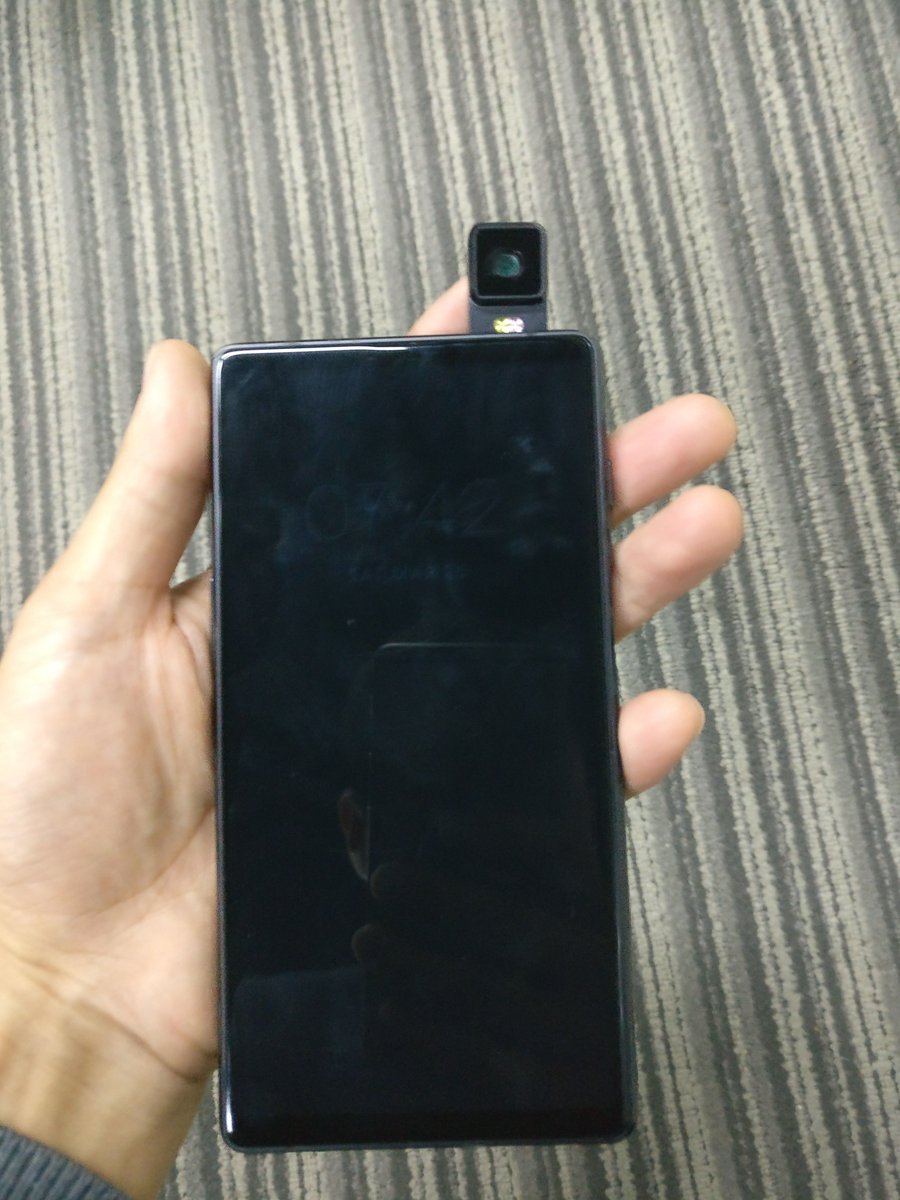
Leaked Doogee Mix 3 Photos Shows Honor 7i-Style Camera

Xiaomi’s Mi MIX can be said to be the phone that started the bezel-less rave. A few months after its release, a number of manufacturers decided to churn out their own versions. One of them is Chinese manufacturer Doogee. Doogee doesn’t even hide the fact that its own versions are inspired by the Xiaomi Mi MIX as they are called the Doogee Mix and Doogee Mix 2.

For its third generation model, the Doogee MIX 3, the company is going for a new but familiar design for the camera. Unlike the Mix and Mix 2 which have their front cameras on the lower and top bezel respectively, the Doogee Mix 3 ditches both options.

Doogee Mix 3

Thanks to photos posted by Evan Blass, Doogee has instead settled for a single rear camera that can be lifted up to double as the selfie camera. This design was first seen in the Honor 7i.

The advantage the new design should bring is a much more higher screen-to-body ratio by eliminating one of the bezels and keeping the other one quite thin. However, Doogee settles for reduced bezels at the top and bottom.

Specification details of the phone are unknown but from the pictures we see it does keep the 3.5mm audio jack. There is also no info as to when the Doogee Mix 3 will be launched as well as pricing details. Seeing as the Mix 2 was released last November, this may take a while before it hits the market.

[envira-gallery id=”169096″]

(Source)



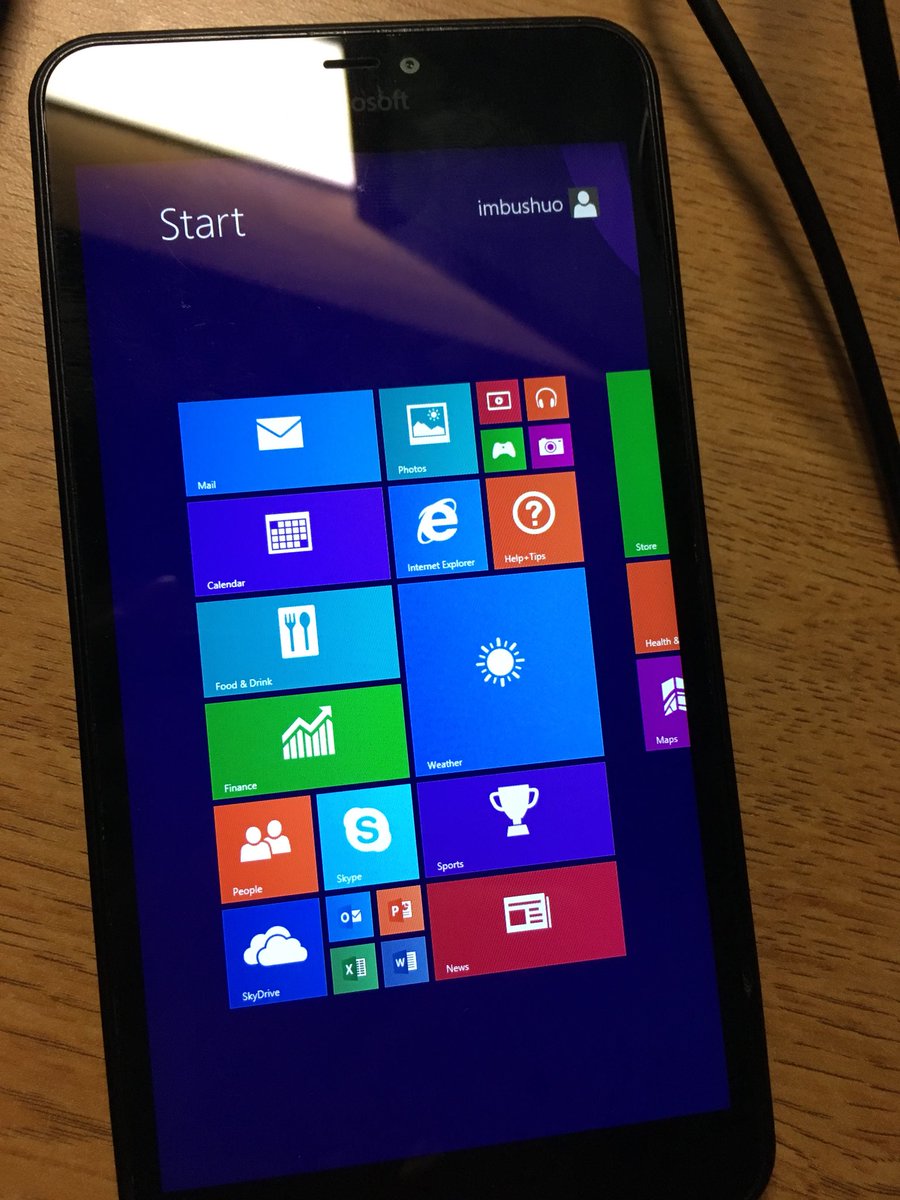
User Gets Windows RT 8.1 To Work On Lumia 640

Microsoft’s new Windows on ARM isn’t its first take on the project. Back in 2011, it announced Windows RT, a version of Windows 8 built to work on devices with 32-bit ARM processors. Unfortunately, Windows RT wasn’t successful and Windows ended support for it in 2016.

Lumia 640 Windows RT 8.1

Following the release of Windows 10 ARM, some users have been trying to get it to work on their devices and a few of them have been successful. Someone else decided to install the older Windows RT on his Lumia 640 and he sure got it working.

Twitter user Ben (@imbushuo) was able to get Windows RT 8.1 on the 3-year old Lumia 640. Pictures provided show the phone in Start Screen mode as well as the traditional Start Menu mode with full desktop support.
Ben says to be able to install it, one has to be familiar with Windows Phone Partition, Windows Driver Development, Windows Kernel debugging amongst others. He also says patience is required. A note detailing the process will be made available in a few days according to him.

READ MORE: Grab A Brand New Alcatel Idol 4s Windows for $100 On The Microsoft Store

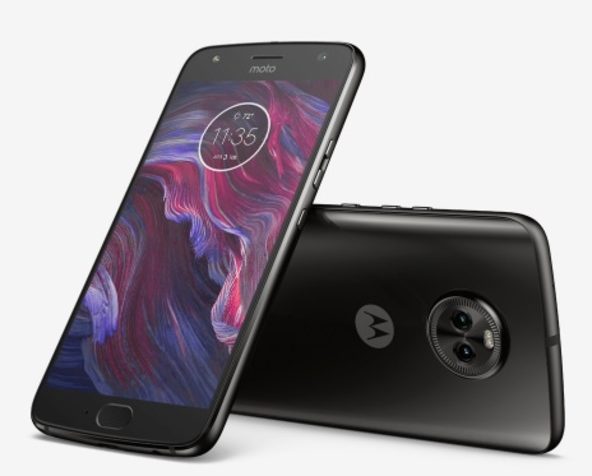
Moto X4 Android 8.0 Oreo Update Now Available; Oreo Testing Begins for Moto Z2 Play

Motorola is one of the few companies that has started rolling out Android 8.0 Oreo update for its smartphones. The Moto X4 Android One edition on Project Fi was updated to Android 8.0 Oreo in the previous month. However, the retail edition of the smartphone in the U.S. has now started to receive the Android 8.0 Oreo update.

Through the official Lenovo forum, a Motorola representative has confirmed that the roll out of Android 8.0 Oreo has stared for Moto X4 users in the U.S. However, all the users won’t be able to see the update at the same time. So, it will take a few days for the OTA update to be available to all users in the U.S.

Moto X4

Read More: Motorola Moto Z3, Moto Z3 Play Renders Leaked to Reveal Design, Key Details

The Moto Z2 Force users on T-Mobile and Verizon have already received the Oreo update. Motorola has recently started soak test of Oreo update for Moto Z2 Play smartphone in Brazil. Those who are part of Oreo beta program in Brazil have revealed that the size of the update is 1.13 GB and it includes security patch for January.

Few months ago, Motorola had confirmed the Oreo update would be made available to 13 smartphones. The list includes Moto Z, Z Droid, Z Force Droid, Z Play, Z Play Droid, Z2 Play, Z2 Force, X4, G5, G5 Plus, G5S, G5S Plus and Moto G4 Plus.

Has Android 8.0 Oreo update arrived on your Motorola phone? Share us your experience by adding your comments.

(source|via)


Meizu M6S Camera Samples: Above Average Samsung Sensor, But There’s Room For Improvement

Meizu‘s latest smartphone, the Meizu M6S comes with pretty powerful specs and a solid design. The company seems to have partnered heavily with Samsung for this device, as the processor as well as the camera sensors are from the South Korean giant. While we know that the Exynos 7872 does well in performance as compared to the Snapdragon 625 that powers most mid-range phones, we are also interested to see whether the 16MP Samsung CMOS sensor at the back performs well in real life.

Before we take a look at the Meizu M6S camera samples, let’s first take a look at its camera specs. The phone features a 16MP Samsung CMOS sensor at the back with f/2.0 aperture, PDAF, dual tone flash, and 5P lens. Up front, there’s an 8MP f/2.0 CMOS sensor, once again from Samsung, with 4P lens and Arcsoft’s algorithms.

On paper, the setup is pretty good. So, let’s take a look at how Meizu M6S’ rear camera performs in real life.

Meizu M6s Camera Sample 04
Camera Sample 01

The phone was quick to take pictures and the quality of the camera samples were also pretty good. The Meizu M6S with its stock camera app was quick to focus and took pictures with good levels of detail and colors.

Meizu M6s Camera Sample 19
Camera Sample 2

In bright lighting conditions, the color reproduction is quite good for a $150 phone. Photos were clear and focused and you should be happy with the phone’s performance on most occasions. However, I did find some of the camera samples to be a bit overexposed. Also, the dynamic range isn’t as good as I have seen on other premium budget offerings, like the Redmi 5 Plus. If there was ample sunlight, you could easily overexpose some parts of the photo. However, most of the images in ample lighting conditions turned out to be good and satisfactory.

Meizu M6s Camera Sample 32

Low light images also have decent levels of detail. But it may not be the best budget camera that we’ve seen. Colors were dull in low-light photos. I personally would have hoped to see better details on these photos, but some of the low light photos have turned out to be good. So, the M6S manages to do well when there’s decent light and worse in super low-light conditions.

In general, we can say the M6S has a pretty decent camera for a 2018 budget phone. We are going to come up with a Meizu M6S vs Redmi 5 Plus camera comparison very soon. So stay tuned for that!

Another thing that I noticed was the super large file size of the samples. On an average, the Meizu M6S camera samples were of 10-15MB in size, which is quite big for any smartphone camera sample. On the other hand, the Redmi 5 Plus camera samples were anywhere between 3-5MB in size.


[yop_poll id=”12″]


You can check out around 30 Meizu M6S camera samples down below in the gallery (Note that they are compressed).


Xiaomi Mi MIX 2 Ceramic Version Gets A Flat 500 Yuan Price Cut

Today, Xiaomi has started offering discounts under its New Year Festival sale in China. The biggest discount being offered by the company is on its smartphone Mi MIX 2 Ceramic Edition, which has received a price cut of 500 Yuan (approximately $78). It is now available for just 4,199 Yuan which roughly converts to $657.

Apart from Xiaomi MIX 2, a lot of other phones have also received price cut. The Redmi Note 3 with 6GB RAM and 64GB storage has got price cut of 400 Yuan and now costs 2199 Yuan (~$344) while the recently launched Redmi 5 Plus is now available for 999 Yuan (~$156).

Xiaomi Mi Mix 2 Ceramic Black Edition

The Redmi Note 5A and Redmi 5X have received discount of 100 Yuan while the Mi Max 2 with 4GB RAM and 128GB internal storage now costs 200 Yuan less. Further, the Redmi 5A’s pricing is also slashed by 30 Yuan. The company is also offering discounts on some of its accessories.

Coming to the Mi MIX 2, unlike the aluminium alloy frame model which comes with 6GB RAM and up to 256GB of internal storage, the fully ceramic model comes in just one configuration — 8GB RAM and 128GB internal storage.

It features a 5.9-inch Full HD display with a screen resolution of 1920 x 1080 pixels. The company says that the display has a feel and grip of a 5.5-inch device. Unlike most smartphones which feature narrow bezels, this one is a truly bezel-less smartphone. It is powered by Qualcomm‘s Snapdragon 835 processor along with Adreno 540 GPU.

The phone features a single camera sensor at the back, which is equipped with a 12-megapixel Sony IMX386 lens — the same sensor that was used in Xiaomi Mi 6. It has a dual LED flash, 1.25μm pixel size, f/2.0 aperture and 4-axis optical image stabilization. It also comes with a 5-megapixel front-facing camera that also supports facial recognition.

Connectivity options on the device include Dual SIM, 4G LTE, Wi-Fi, Bluetooth and GPS. It runs on company’s own MIUI 9 based on Android Nougat operating system. The smartphone is fueled by a 3,400mAh battery which also supports Quick Charge 3.0 technology.

Read More: Xiaomi’s Vice President Hong Feng Officially Announces MIUI 10

This New Year Festive sale from Xiaomi will run from 24th January to 8th February. If you wanted to buy the fully ceramic edition of Xiaomi’s Mi MIX 2, now is a good time.