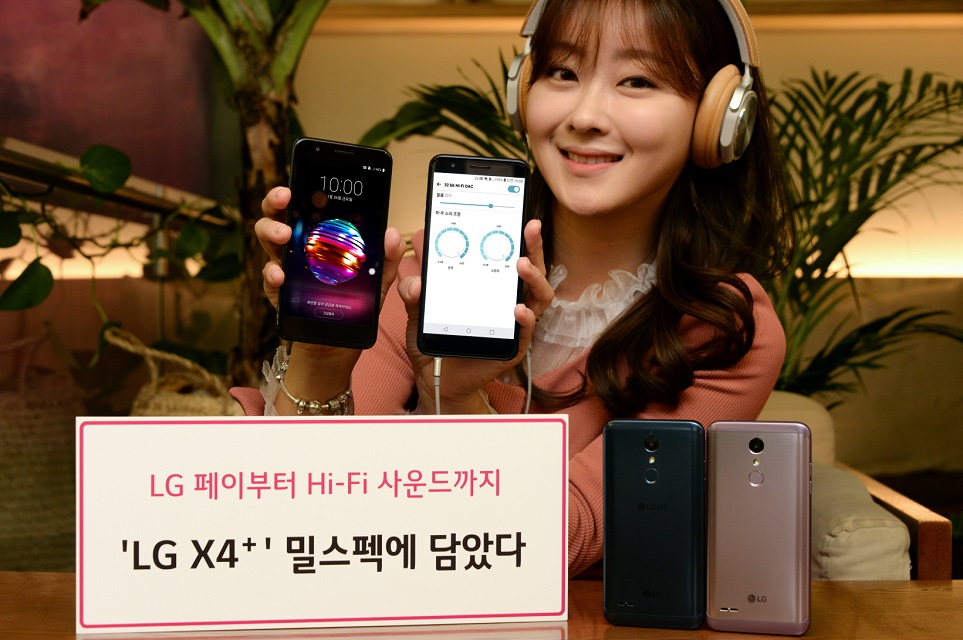
LG has introduced a new smartphone called the LG X4+ in South Korea. It is a rugged phone that comes loaded with mid-tier specs.
The LG X4+ includes a 5.3-inch IPS display that produces 720 x 1280 pixels resolution. The Snapdragon 425 SoC fuels the smartphone with 2 GB of RAM. It comes with an inbuilt storage of 32 GB and it also features a microSD card slot. It is driven by a 3,000mAh battery.
It has a main camera of 13-megapixel and has a selfie camera of 5-megapixel. It comes preinstalled with Android 7.0 Nougat and it also features support for LG Pay. The connectivity features available on the smartphone include Wi-Fi 802.11 b/g/n, Bluetooth 4.2, NFC and USB-C.
The LG X4+ also features a fingerprint scanner on its back panel. For immersive audio experience, the phone features Hi-Fi DAC (digital to analog converter). The highlight of the smartphone is that it comes with MIL-STD 810G rating which ensures that it can withstand impact, vibration, extreme temperatures, thermal shock and humidity.
The rear panel of the LG X4+ is made out of aluminum and it measures 148.6 x 75.1 x 8.6mm and weighs 172.3 grams. It will be coming to the market in color choices like blue and violet. The LG X4+ will be releasing in South Korea by the end of this through the top 3 carriers with a price tag of 300,000 won (~$280).
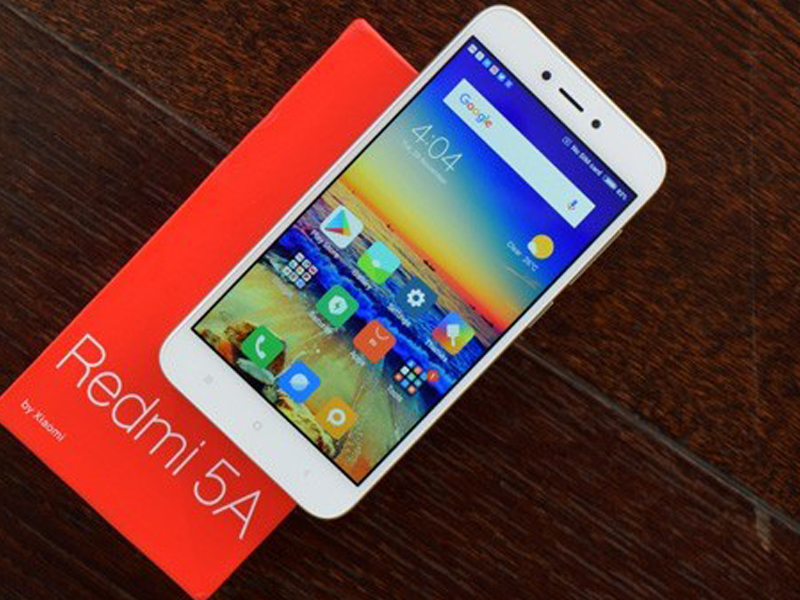
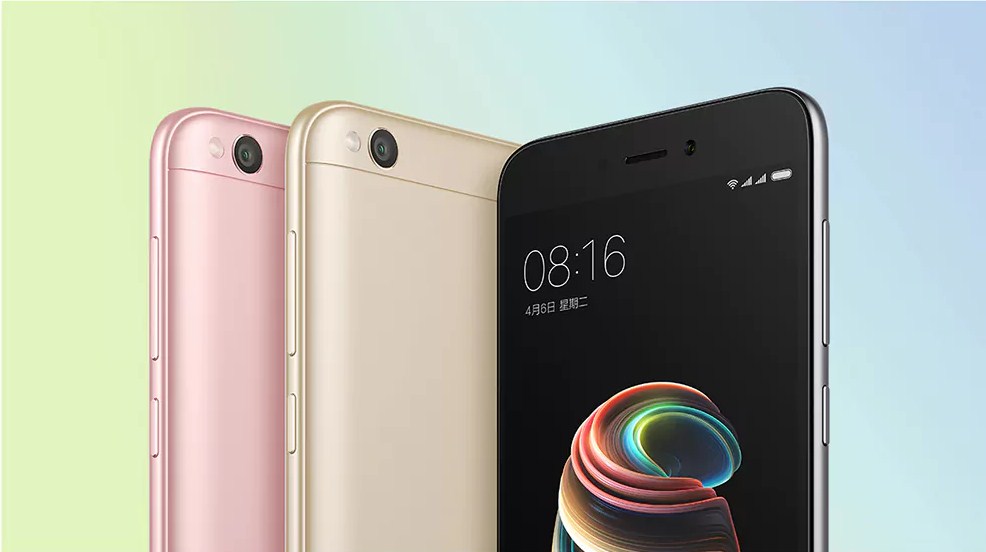
After hitting the store shelves in December last year, Xiaomi Redmi 5A propelled straight to popularity among smartphone enthusiasts. Three different color versions of the very well-received smartphone are currently available at a discounted price on GearBest.
Sporting a 5-inch display with a screen resolution of 1280 x 720 pixels, the Redmi 5A smartphone boasts an array of awe-inspiring specs and features. It packs 2GB of RAM and 16GB of internal memory, and a robust Snapdragon 425 processor, under the hood.
The popular online electronics seller, GearBest is offering massive discounts on the Redmi 5A smartphone’s original selling price. You can choose from three color options including golden, gray and rose madder.
The site is offering 36% discount on the golden and rose madder color versions of the Redmi 5A, which brings their original selling price down to just $89.99. Only 257 pieces of the golden and 279 pieces of the rose madder color versions were left at the time of writing.
You can also get your hands on the gray version of the smartphone by shelling out $95.99, which is a considerable 18% reduction in the device’s original asking price. It’s worth noting that only 260 pieces were left to be sold.
While the promo for both golden and rose madder color versions of the Redmi 5A smartphone is slated to end in 7 days, the discount on the gray-tinted Redmi 5A smartphone will end in just 1 day. You can head straight to this link and take advantage of the discount before it comes to an end.
At the upcoming Mobile World Congress, South Korean giant Samsung will be announcing its latest flagship devices — Samsung Galaxy S9 and Galaxy S9 Plus. Recently we reported that the devices will be launched on 26th February.
While we’ve seen a lot of leaks surrounding the Galaxy S9 series, not much information is available regarding its pricing. However, it seems that the pricing for the Galaxy S9 series will be lowest in China compared to other regions.
Recently, Gui Xian, Gui Xian, President of Samsung for China revealed in an interview that the pricing of the Galaxy S9 in China will be the lowest in the world. However, he has not revealed any numbers.
The Galaxy S9 series is expected to get launched on 26th February — the first day of the Mobile World Congress. According to the previous report, it will be available for pre-order from 1st March and will start shipping from 16th March. But the company has not yet confirmed these dates.
The Samsung Galaxy S9 is expected to pack 4GB RAM and will be available in two variants based on the internal storage — 64GB and 128GB. On the other hand, the Galaxy S9 Plus will come with 6GB RAM and will have four storage variants — 64GB, 128GB, 256GB and 512GB. As per the reports, the 512GB internal storage variant will be available in select regions only that too in limited quantity.
Both the devices will be powered by Qualcomm‘s Snapdragon 845 processor in the United States and China, while the international variant will be powered by the company’s own Exynos 9810 chipset, which comes with improved CPU, GPU performance, artificial intelligence (AI), and deep learning.
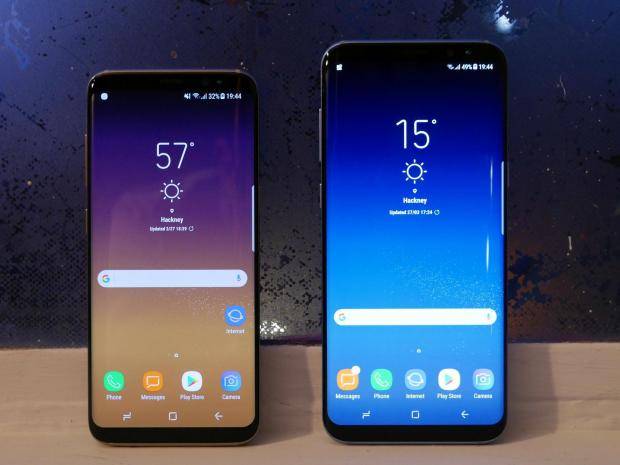
The display size will be same as of their predecessors — Galaxy S9 will have a 5.8-inch display while the Galaxy S9 Plus will feature a 6.2-inch display. The phone is rumoured to sport a single rear-facing camera, while the S9 Plus will feature a dual rear-facing camera setup.
Earlier this week, a leak from ANATEL, Brazil’s equivalent of the FCC, revealed that the Galaxy S9 will come powered by a 3,000mAh battery while the bigger variant, Galaxy S9 Plus will have a 3,500mAh battery — same as their predecessors.
While the Galaxy S9 series won’t be offering much compared to the Galaxy S8 series, the pricing of the S9 series is still expected to be higher in comparison.
In 2017, Razer entered the world of smartphone business by launching the gaming-friendly Razer Phone that is packed with a 120 Hz display and a massive battery. A French publication has revealed that Razer is working n a second-generation smartphone that will probably arrive in the market with Razer Phone 2 moniker in September this year.
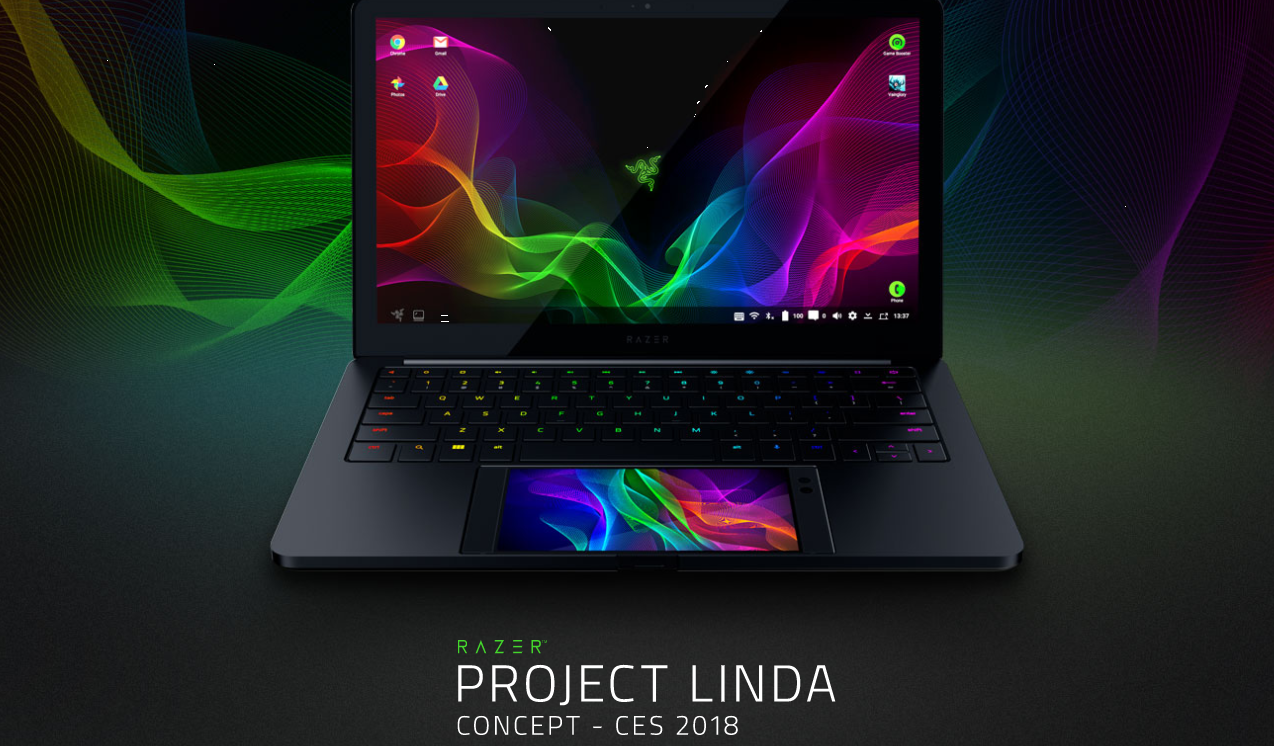
During the Consumer Electronics Show (CES) 2018, Razer had demonstrated Project Linda. It is a laptop dock that features a 13.3-inch display, battery of 53.6 Wh, 200 GB of internal storage and some connectivity features like USB-A, USB-C and 3.5mm audio jack.
Users of Project Linda can place the Razer Phone in a slot where the touchpad is normally present. This way the Razer Phone when placed in the laptop dock can function as a touch pad. Its processor and RAM will be driving force for the laptop dock. Moreover, it can also function as a secondary display as shown in the image in this post.
It took around two-three month to build Project Linda before the CES 2018 and the company was able to design it in a short span of one month. The general design of the laptop dock has been borrowed from Razer Blade Stealth notebook. As far as software is concerned, Razer had teamed up with Sentio, a company that specializes in turning Android smartphones into laptops.
It is speculated that the Razer Phone 2 may get unveiled in September this year through the IFA 2018 tech trade show. As of this writing, there is no information available on the specifications of the upcoming Razer Phone 2 smartphone. The company is expected to launch the Project Linda laptop dock alongside the smartphone. An internal source has revealed that the company would be taking a call in the next days to decide on the launch of Project Linda. Recently, Razer CEO Min-Liang Tan had hinted to Marques Brownlee on Twitter that the company may launch Project Linda.
Are you looking forward for the Razer Phone and its laptop dock? Share us your views by adding comments below.
After announcing the Nokia 6 (2018) a couple of weeks ago, HMD Global is now expected to launch a range of devices, including Nokia 9, at the upcoming Mobile World Congress (MWC) 2018 in Barcelona which will be held later in February.
HMD Global’s Chief Product Officer Juho Sarvikas said in a tweet that the company has been “super busy” planning for the Mobile World Congress and at the end of the tweet, he said, “please expect it to be awesome”.
While he has not revealed any details regarding what we’ll actually see from the company at the upcoming MWC 2018, looking at the previous leaks and reports, the company could announce a range of devices, including Nokia 9 and a revamped Nokia 8.
The Finland-based company is also expected to showcase the 4G variant of the Nokia 3310 feature phone. Notably, the company launched the 2.5G model last year during MWC 2017.
According to the previous leaks, the upcoming Nokia 9 phone will feature a 5.5-inch display with 2K resolution and will be powered by Qualcomm’s Snapdragon 835 processor, coupled with 6GB RAM. It is expected to come equipped with a dual-camera setup featuring a 12-megapixel lens and a 13-megapixel lens.
The phone will be running on Android 8.0 Oreo operating system. The FCC listing of the device had revealed that there will a 5-megapixel front-facing camera and 128GB of internal storage. It is expected to come powered by a 3,250mAh battery that will support the fast charging technology.
While the leaked specifications show Snapdragon 835 SoC instead of the latest Snapdragon 845 processor, rest of the specs confirms that it will be the company’s flagship device. It was previously reported that along with Nokia 9, the company could also launch Nokia E71 (2018) 4G Feature Phone.
However, nothing has been confirmed by the company yet. We’ll just have to wait until the Nokia’s event at the upcoming MWC in Barcelona to see what the company has planned for this year.
The popular e-commerce platform, GeekBuying is currently offering considerable discounts on the original selling price of various Nubia and Tronsmart-branded items as part of its ‘Nubia-Tronsmart Bundle Deals’ promo. Let’s delve straight into the details.
Bundle Deals
GeekBuying has slashed the price of some selected Nubia smartphones for a limited period of time. For instance, you can get your hands on the Global Version ZTE Nubia Z17 Lite at a discounted price of $279.99.
It’s worth noting this is a considerable 44% reduction in the phone’s original selling price of $503.99. You also get Tronsmart Encore Flair IP56 Bluetooth earphone worth $19.99 without shelling out even a single dime extra. This promo is slated to end in just 1 day. When you spend $304.99 to get your hands on the ZTE Nubia Z17 Lite smartphone, you also get Tronsmart Element T6 Bluetooth speaker worth $39.99 at no extra cost. As if that weren’t enough, you also save a considerable 54% on the handset’s original selling price of $669.99. The promo will come to an end in just 1 day.
Bearing a discounted price tag of $269.99 under the Bundle Deals section, the ZTE Nubia Z17 Lite smartphone has been paired with $7.99 worth 2 Ports Quick Charge 3.0 car charger. You save 40% on the handset’s original selling price of $449.99. This promo ends in 4 days. Alternatively, you can buy the ZTE Nubia Z17 Lite smartphone with $19.99 worth Tronsmart Mars G02 wireless game controller for just $287.99. With this bundle deal, you save 36% on the mobile phone’s original asking price of $449.99.
The Nubia Z17 Lite is also available bundled with Tronsmart C4N1 4-in-1 Type-C cable for just $271.99. The USB cable costs $8.99 but as bundles deal, you get a 42% discount on $466.99, the phone’s original selling price. This promo ends in 1 day.
More Nubia Offers
In this category, the $554.99 worth Nubia Z17 4G LTE smartphone is available at a discounted price of only $432.99. This promo ends in 1 day but they still had 469 pieces left at the time of writing.
You can also buy the Nubia Z17mini smartphone, which is available at a discounted price of $269.99 on GeekBuying. The site is offering multiple options including 4+64GB Black Gold, 4+64GB Blue, and 4+64GB Red to name a few. Only 193 pieces were left at the time of writing and this promo will end in 4 days.
The ZTE Nubia Z17miniS smartphone is comes bearing a $319.99 price tag on GeekBuying. The site is offering 36% discount on the phone’s original selling price of $499.99. This promo ends in 4 days and it is also important for you to bear in mind that only 183 pieces were left at the time of writing.
You can use coupon code ‘NUBIAZ17LTE’ at the time of checking out to get an additional discount. However, the coupon code is not valid for orders less than $369 and is applicable to some specific items.
More Tronsmart Offers
This section of GeekBuying’s Nubia-Tronsmart Bundle Deals promo features a slew of Tronsmart-branded items including Tronsmart 60W USB-C desktop charger, Tronsmart Arc wireless Bluetooth headphones and lots more.The electronic items featured in this category are up for grabs at a considerably lowered price. If you’re planning to take advantage of this promo, click here before it comes to an end.
You can use coupon code ‘NUBIAZ17LTE’ for the Nubia phones at the time of checking out to get an additional discount. As far as the bundle deals are concerned, you can apply coupon code ‘NUBIAZ17S’ to get an additional discount.
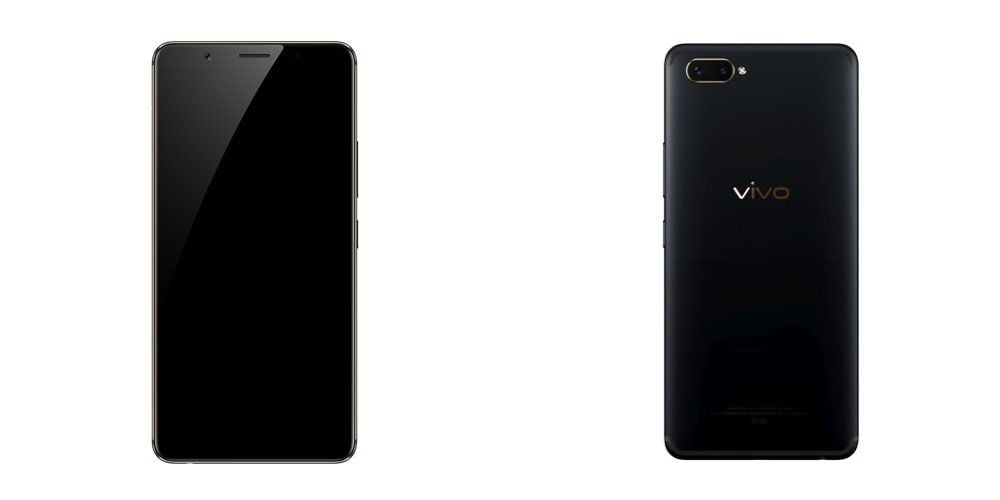
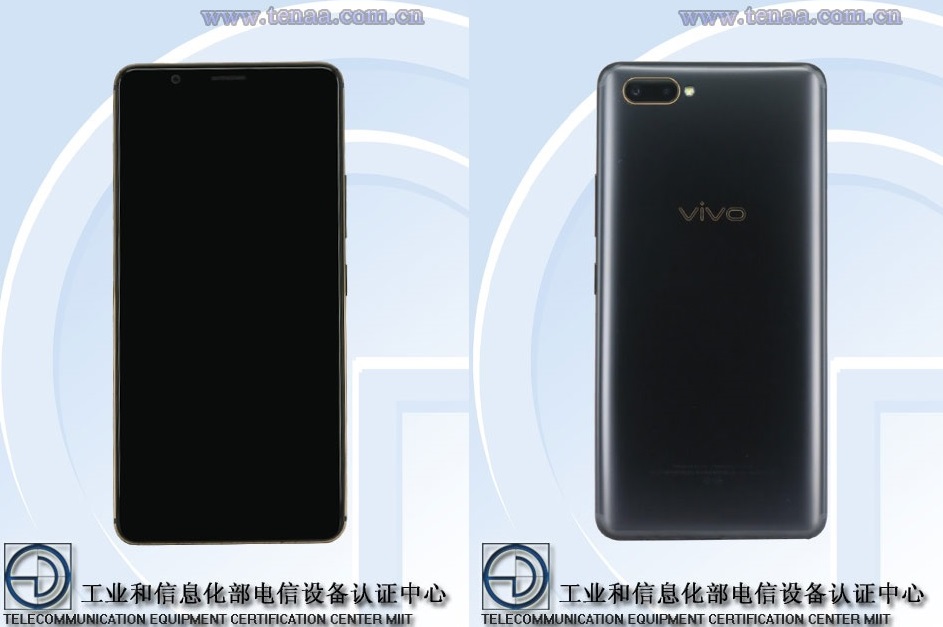
During the recently concluded Consumer Electronics Show (CES) 2018, Vivo had showcased a smartphone under-display fingerprint scanner. It was later revealed that it could be the upcoming the Vivo X20 Plus UD, a variant of the X20 Plus with its fingerprint scanner embedded under the screen. The alleged smartphone has been recently certified by TENAA which indicates that its launch could be drawing near. A leakster has revealed realistic renders of the smartphone and he also revealed its pricing and launch date.
ZyadAtef who has a consistent track record of revealing leaked information and renders of the forthcoming phones has recently shared new images of the upcoming Vivo X20 Plus UD. The smartphone shown in the new images does not feature a front-facing or a rear-mounted fingerprint reader. This indicates that the biometric recognition feature could be placed under the screen. The handset features Clear ID in-display fingerprint scanner by Synaptics.
The new renders of the X20 Plus UD resembles with the images that had surfaced through its TENAA listing. It bears resemblance with X20 Plus as it is supposed to be its variant.
The TENAA listing of the phone has revealed that it would be coming with a 6.43-inch OLED panel that will be supporting Full HD+ resolution. The Snapdragon 660 chipset and 4 GB of RAM will be powering the smartphone. It has a native storage of 128 GB.
For photography, it includes 12-megapixel + 5-megapixel dual camera setup on its back panel. It has a front-facing camera of 12-megapixel. It is fueled by a 3,800mAh battery. The dimensions of the phone have revealed that it will be slightly smaller than the X20 Plus.
A previous report had suggested that the smartphone would be debuting at the end of this month with a price tag of 3,698 Yuan (~$578). However, the information shared by the leakster states that it would be debuting with a pricing of 3,998 Yuan (~$625) on Jan. 25. If this information is true, Vivo will be announcing a launch event for smartphone very soon.
While speaking to The Guardian about Sony’s various divisions, Sony CEO Kaz Hirai also spoke on the strategy for the smartphone business. Sony’s smartphones having been struggling outside of Japan and there have been rumors that it will be shutting down its smartphone business. Hirai has confirmed that Sony will continue to manufacture smartphones in order to stay in the communication sector.
According to Hirai, Sony is not making smartphones thinking that it is a future technology. If it stops selling smartphones, it will be out of the communication sector and there won’t be any chance in the next paradigm shift. Hence, it will be manufacturing phones to remain in the communication business. This shows that the company is not launching smartphones just because its rivaling companies are doing so.
Even though the Xperia line of smartphones have been struggling in major markets, the Japanese tech giant has been making good revenue through its image sensors. Sony has been a major supplier of image sensors for various smartphone OEMs such as Apple, Samsung, LG and Huawei.
Sony has recently confirmed that it will be present at the Mobile World Congress (MWC) 2018 on Feb. 26. It is speculated that the company will be debuting at least two Sony smartphones. One of them could be a flagship phone dubbed as Sony Xperia XZ Pro that will be fueled by Snapdragon 845.
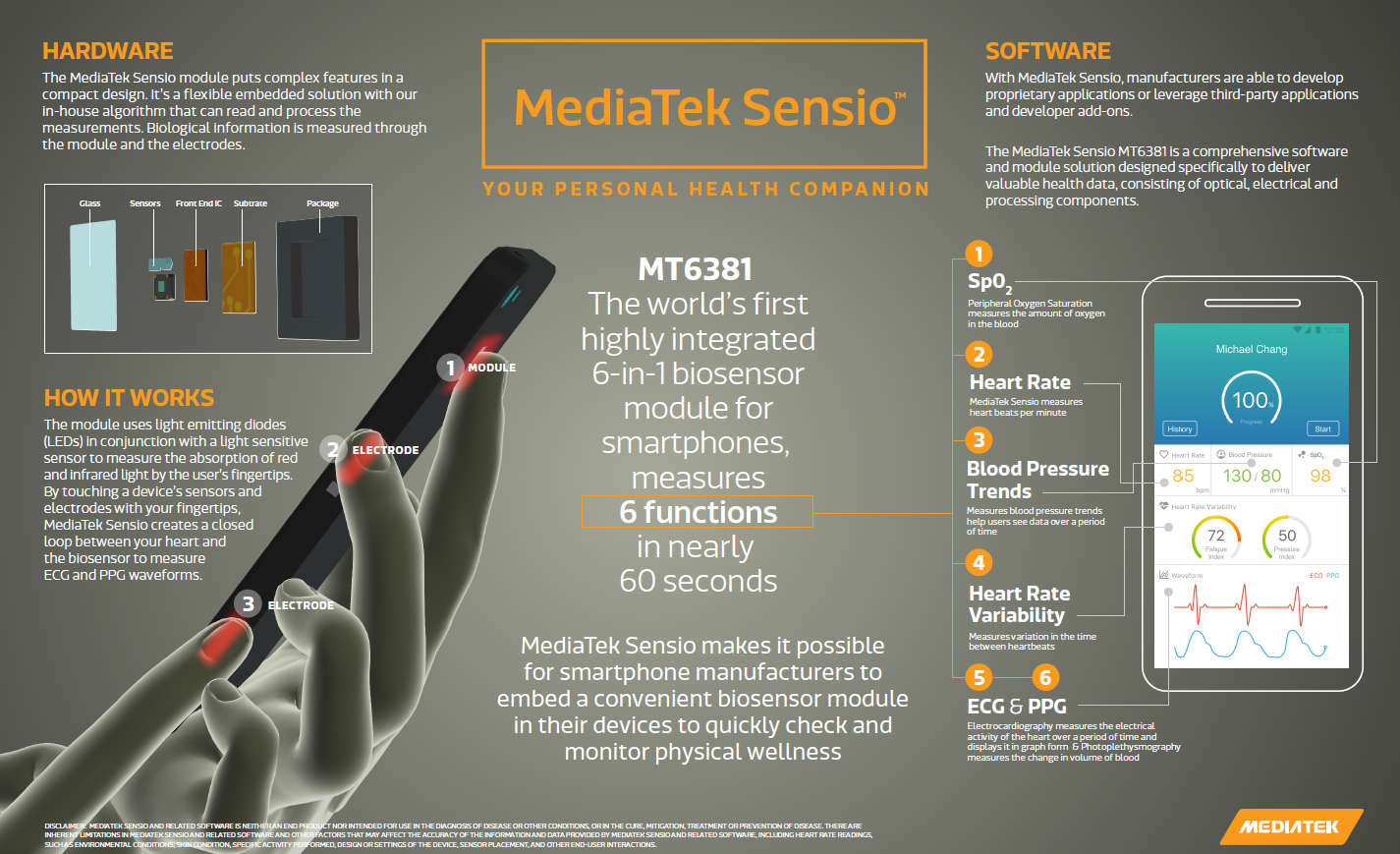
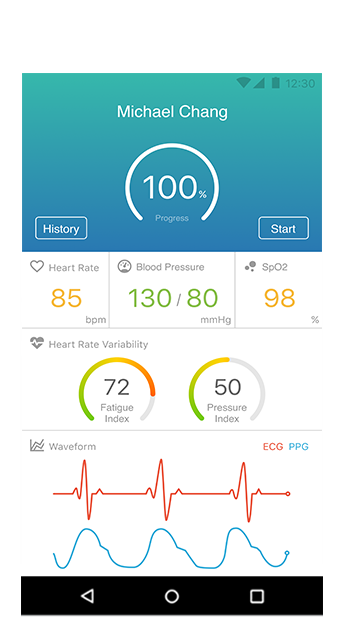
Taiwanese chip-maker, MediaTek has announced the Sensio MT6381 module for smartphones. The biosensor module, according to MediaTek, “is a personal health companion in your pocket”.
The MediaTek Sensio module has one job or rather six when installed in a phone:
Measure heart rate
Measure heart rate variability
Measure blood pressure
Measure peripheral oxygen saturation (SpO2)
Record electrocardiography (ECG)
Record Photoplethysmography (PPG)
To read these health vitals, the module uses a combination of LEDs and a light sensitive sensor to measure the absorption of red and infrared light by the fingertips. Using MediaTek’s in-house algorithm, the module will be able to read and process the measurements.
For recording ECG and PPG, the user will be required to place fingertips from each hand on the electrodes installed on the sides of the phone. This is to create a closed loop between the heart and the module to measure the ECG and PPG. The readings of both vitals will be showed in graphical form on the device.
The MediaTek Sensio will be able to take all these readings within a span of 60 seconds. With the Mediatek Sensio on board, users will be able to check their health data using proprietary health apps installed by manufacturers or via third-party apps.
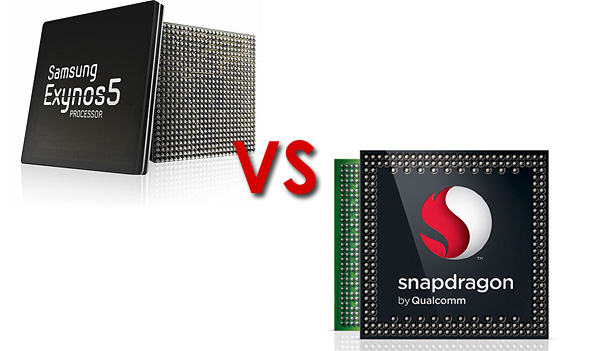
Samsung Exynos 7872 is the new mid-range processor by Samsung for 2018 and it has been launched together with the Meizu M6s. This SoC promises very good performance, at least according to the company. For this reason, we think it is time to compare it with the most famous midrange SoC of the last two years: Qualcomm Snapdragon 625. A chipset which has been a huge success thanks to its well-balanced performance and power efficiency. Is it worth buying Meizu M6s or the next Samsung phones with 7872 or you should stick to the old (but gold) Snapdragon 625? Let’s see it with a Exynos 7872 vs Snapdragon 625 specs and benchmark comparison.
Exynos 7872 vs Snapdragon 625
Samsung Exynos 7872
Qualcomm Snapdragon 625
CPU
4x ARM Cortex A53, Clock frequency: up to 1.6 GHz + 2x Cortex A73, Clock frequency: up to 2 GHz – 14 nm, 64 bit
8x ARM Cortex A53, Clock frequency: Up to 2 GHz, 14 nm, 64 bit
GPU
Mali G71 MP1
Adreno 506
Camera
Up to 21.7 MP rear camera
Up to 21.7 MP front camera
Up to 24 MP single camera
Up to 13 MP dual camera
Enhanced autofocus
Video
Up to Full HD 120fps encoding and
decoding
Up to 4K Ultra HD at 30 fps (video recording)
Up to 4K Ultra HD (video playback)
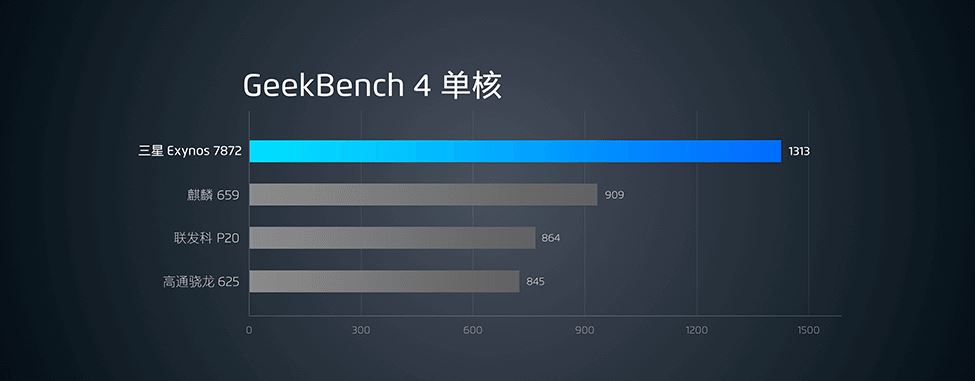
The most important difference between Samsung Exynos 7872 and Qualcomm Snapdragon 625 is represented by their cores: while Snapdragon 625 has 8 Cortex A53 CPUs, Samsung Exynos 7872 has two Cortex A73 which are more powerful and 4 Cortex A53. This should result in much better performance, and benchmarks have already confirmed it. According to Geekbench, the new Samsung SoC is much more powerful than Snapdragon 625, even beating also Huawei Kirin 659 and MediaTek Helio P20.
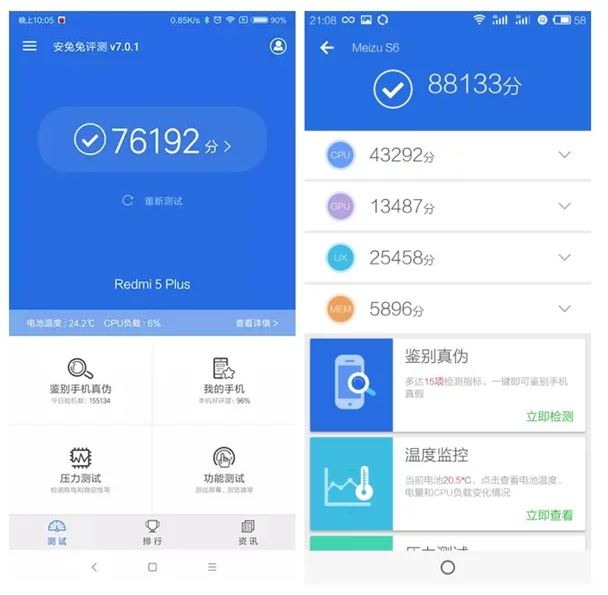
Even on benchmarks from AnTuTu (Meizu M6s vs Xiaomi Redmi 5 Plus), which is the most used benchmarking platform for mobile devices, Samsung Exynos 7872 has scored a higher result than its opponent. On the other hand, Snapdragon 625 might have better efficiency in terms of power consumption, even though we still can not confirm it. Further, Snapdragon 625 supports 4K video recording and playback, while its opponent does not. And the max camera resolution supported by SD625 is higher. The modems can reach the same speeds: up to 300 Mbps in download and up to 150 Mbps in upload. If we consider the performance, Samsung Exynos 7872 is a better processor.
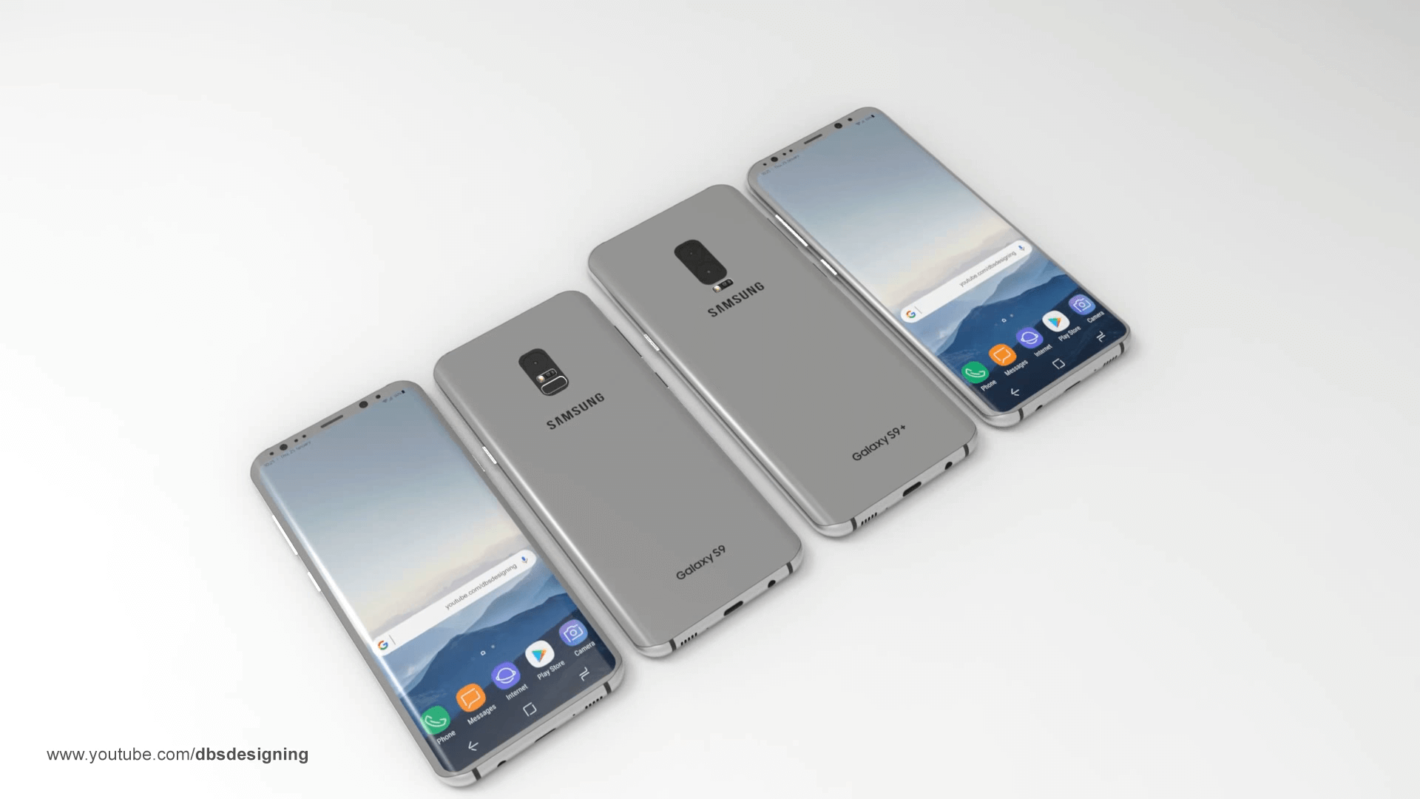
Samsung recently announced that the Galaxy S9 and S9+ flagships would be launched at the Mobile World Congress in Barcelona next month. The Galaxy S9 and S9+ are perhaps the most anticipated models in recent times and are expected to come with a similar full-screen design like its predecessor. A new concept video created by DBS Designing has now emerged and gives a clearer picture of what the two flagship models would look like.
The YouTube video uploaded on DBS Designing’s channel and they look very much similar to the supposedly leaked photos of the device we had seen in the past. The concept renders also take into considerations the leaked features the Galaxy S9 and S9 Plus are expected to feature. One of such features is a single rear camera on the Galaxy S8 and a dual camera setup on the S9+. The devices don’t have a rear-mounted fingerprint sensor onboard, instead, there may likely be an in-display fingerprint sensor like what we have seen in the Vivo X20 UD version. You can find the video right after this line.
The Samsung Galaxy S9 and S9+ are expected to come with ultra-thin bezels on all sides and that is reflected in the renders. The bezels are pretty thinOther noticeable features are regulars, like a USB Type-C port, 3.5mm audio jack, the power button on the right and Bixby key and volume rockers on the left side. According to a recent leak, the Samsung Galaxy S9 is expected to pack a 5.8-inch Super AMOLED display while the S9+ will feature a 6.2-inch Super AMOLED screen. Both models will be powered by a Snapdragon 845 chipset as well as an Exynos 9810 chip on some variants. The two models are expected to be available in 4GB RAM + 64GB storage variant as well as 6GB RAM + 128GB storage and both are expandable.
Also, the Galaxy S9 will come with a 12MP single camera with f/1.5 aperture and OIS. On the other hand, the Galaxy S9+ will come with a dual camera set up comprised of two 12MP sensors with f/2.4 and f/1.5 apertures respectively as well as double OIS. Both models are tipped to pack an 8MP selfie camera with f/1.7 aperture. Other expected features on both models include Cat 18 LTE band, Bluetooth, NFC, USB-C port, dual SIM cards and dual standby and so on.
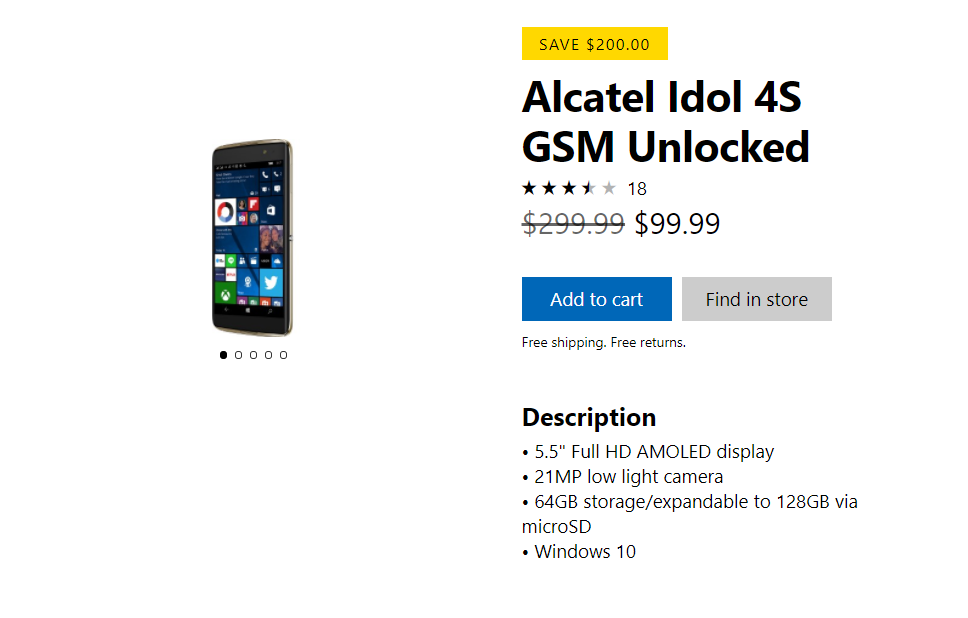
With Microsoft itself admitting that Windows 10 Mobile is no longer a focus for the company, purchasing a Windows phone isn’t a great idea. However, for one reason or the other one may decide to still go ahead and buy one. An example is if its selling for dirt cheap like the Alcatel Idol 4s Windows Edition.
Microsoft is currently selling the smartphone for $99 (~$106 after tax) with free shipping. That is $200 off its original price. We’ll quickly run through the specs for those who can’t remember.
The Alcatel Idol 4s Windows has a 5.5” FHD AMOLED display covered with Dragontrail Glass. It has 4GB of RAM, 64GB of storage and is powered by a Snapdragon 820 processor.
There is a 21MP sensor on the rear and an 8MP selfie camera. It also has a storage expansion slot (128GB max), a nano SIM slot and a 3000mAh battery.
The Idol 4s Windows also comes with stereo speakers, a USB-C port, and an audio jack. Let’s not forget it has support for Windows Continuum. Hook it up to a Continuum device like the Incipio Dock (wired) or the $40 ScreenBeam Mini2 (wireless) paired to a monitor, keyboard, and mouse and you have a Windows desktop experience.
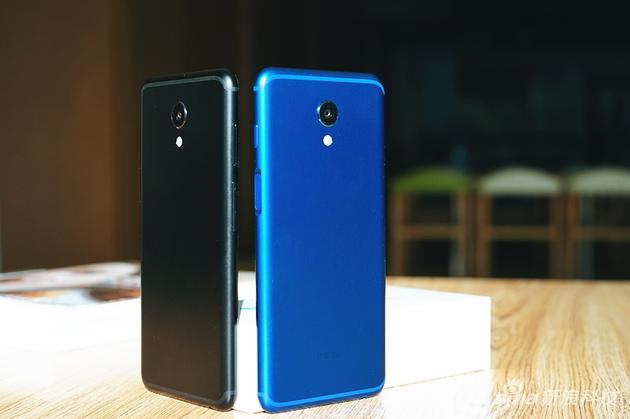
Meizu Wednesday went official with its newest smartphone meant to usher in a new era for the Chinese company. Meizu M6S comes with a full-screen design which stands out with the presence of an innovative on-screen mBack navigation button and a side fingerprint sensor.
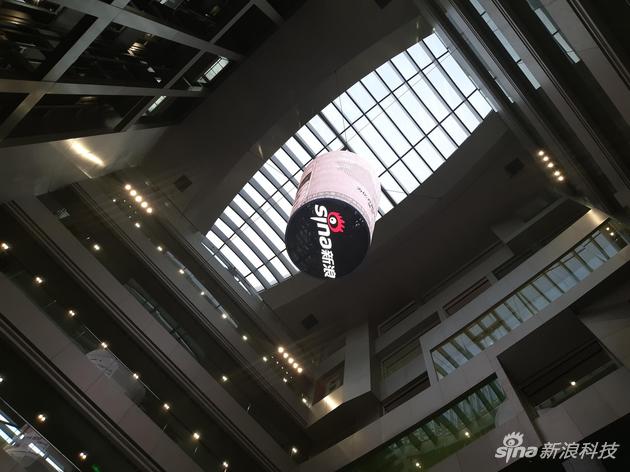
Meizu M6S packs a single rear camera located at the centre of the device while there is an LED flash just under the device. The M6S features a Samsung 16MP CMOS sensor at the back with f/2.0 aperture, 112μm pixel area, PDAF, 5P lens, and a special HDR that’s developed by ArcSoft for the M6S. On the front, the phone features an 8MP sensor with f/2.0 aperture, ArcSoft algorithms, Intelligent facial brightness enhancement, and an adaptive beauty mode. A couple of camera samples shot on the Meizu model have been unearthed and they give us an idea of how the rear camera fares.
The camera samples are not really spectacular but decent enough for a device in the price category where the M6S falls into. In particular, the M6S camera performance in low light condition is impressive. This is an area where most smartphone cameras falter u the M6S’ is good. Shots captured in a bright light condition equally comes with some level of clarity but there is nothing spectacular. You can check out the sample photos for yourself from below.
The launch of the Nokia 6 smartphone marked the brand’s re-entry into the ever competitive mobile devices market. It was an important phone for HMD Global, and to some extent, the phone managed to do well in multiple markets. Agreed, the specs were unimpressive, with a low-end SD430 powering the device, but all its flaws in the hardware department would be forgiven for its stellar built quality and experience.
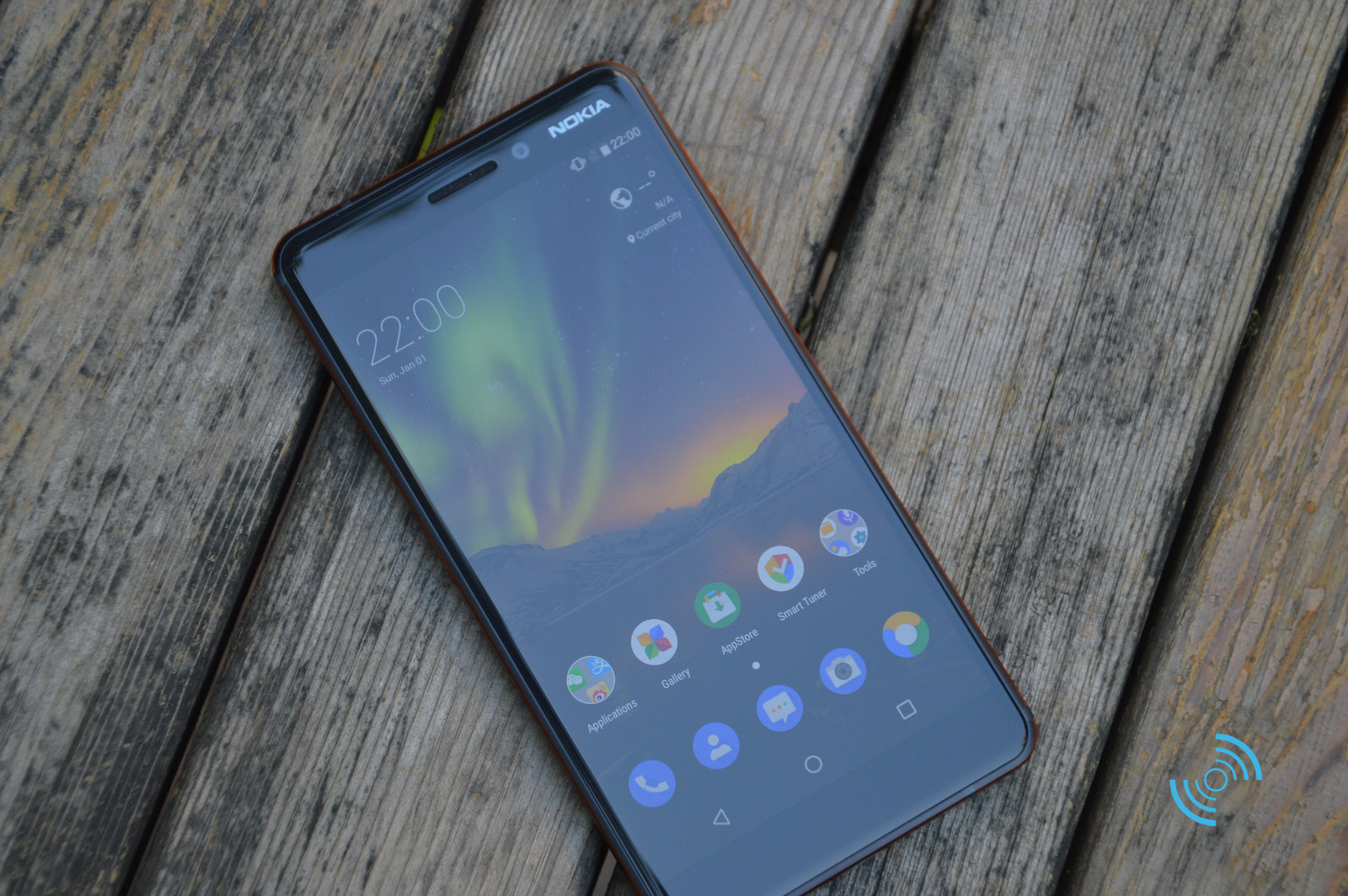
Now, the new generation Nokia 6 2018 is here, and this time around, the company has made some important upgrades. The hardware gets a much needed boost, and the design gets a few changes like thinner bezels, bringing it closer to recently launched smartphones. But not too close, since it still features a 16:9 display.
So, the company has retained what was good about the first generation Nokia model and added a few optimisations, like in the camera department.
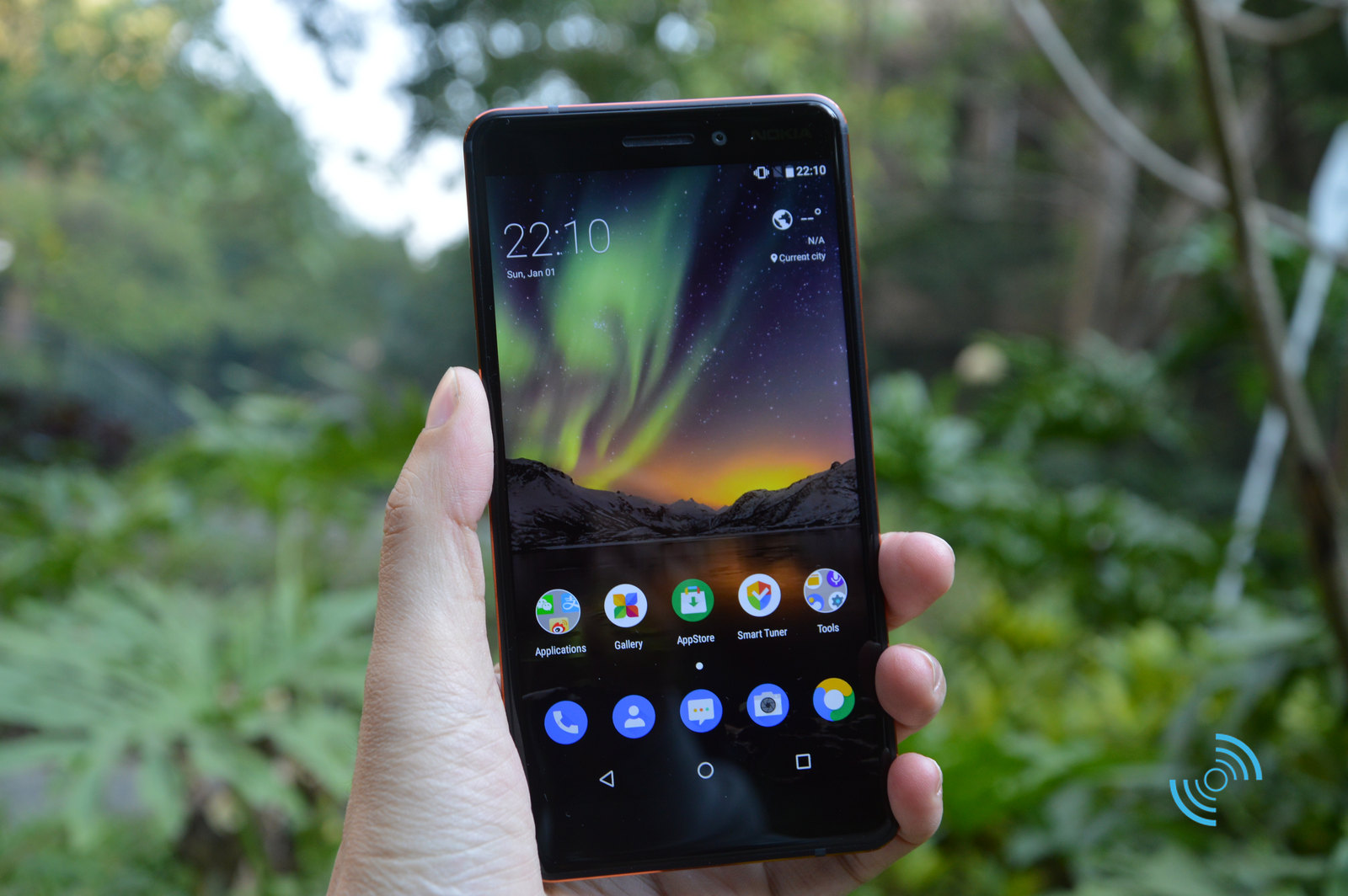
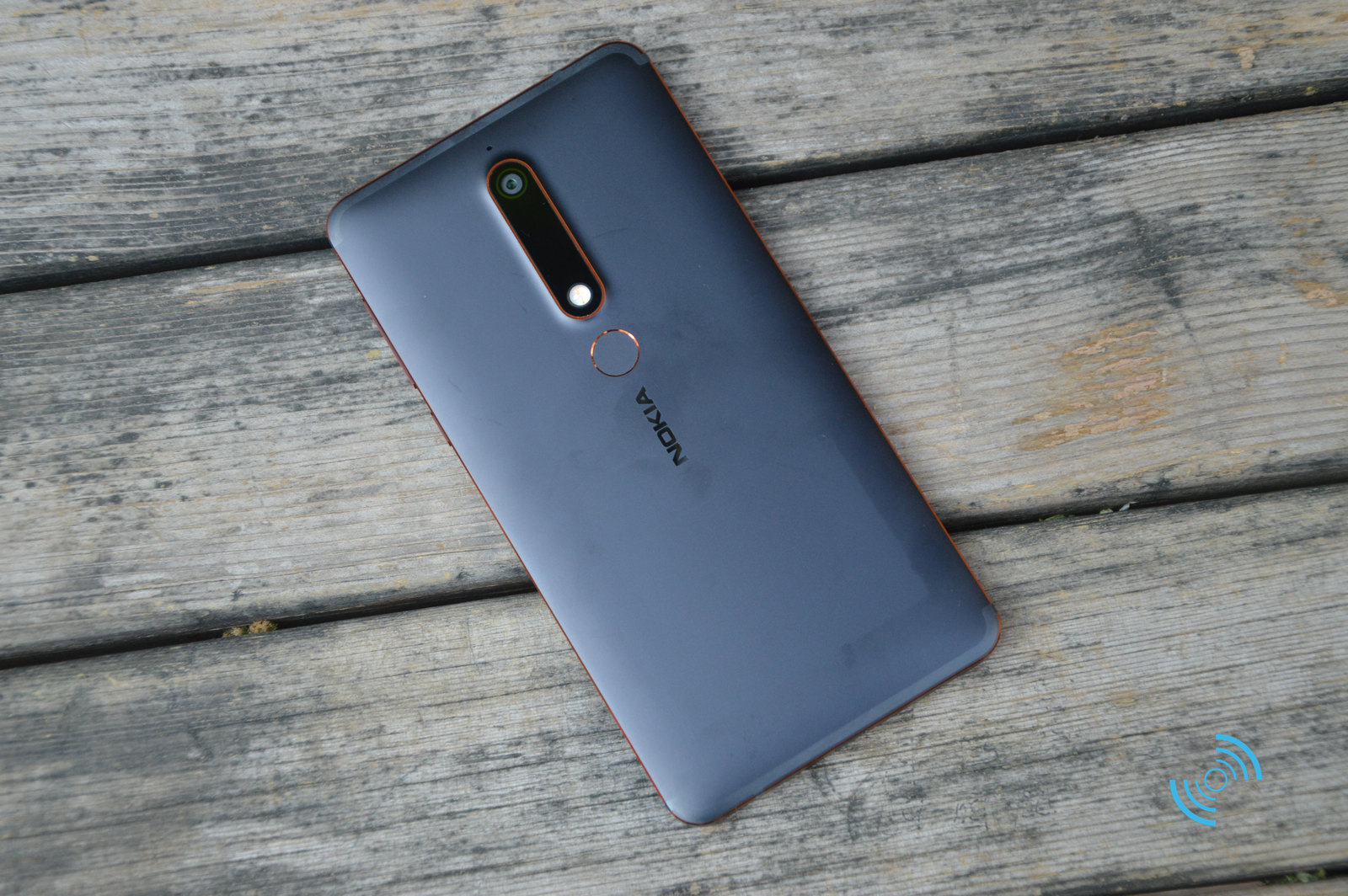
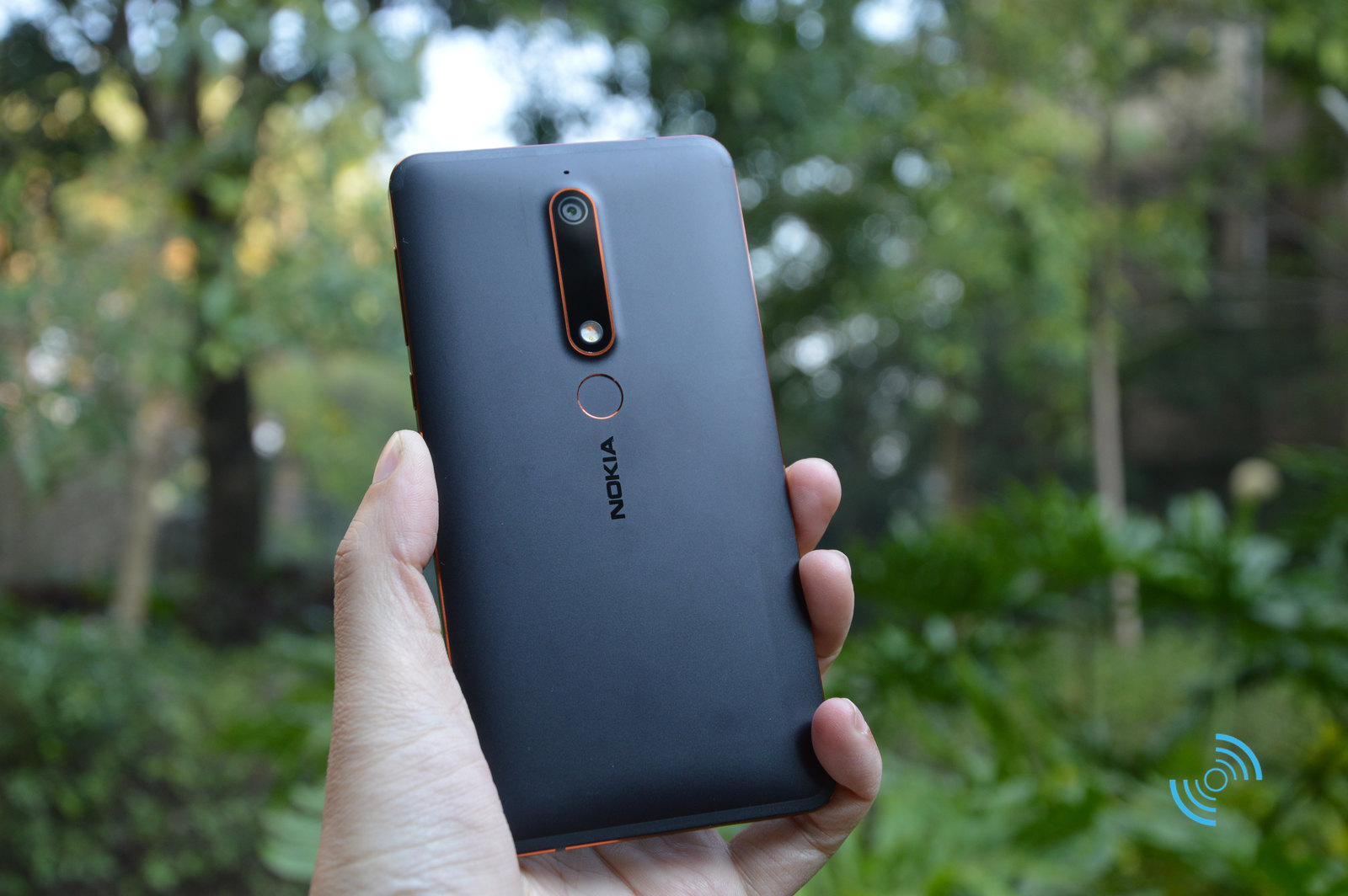
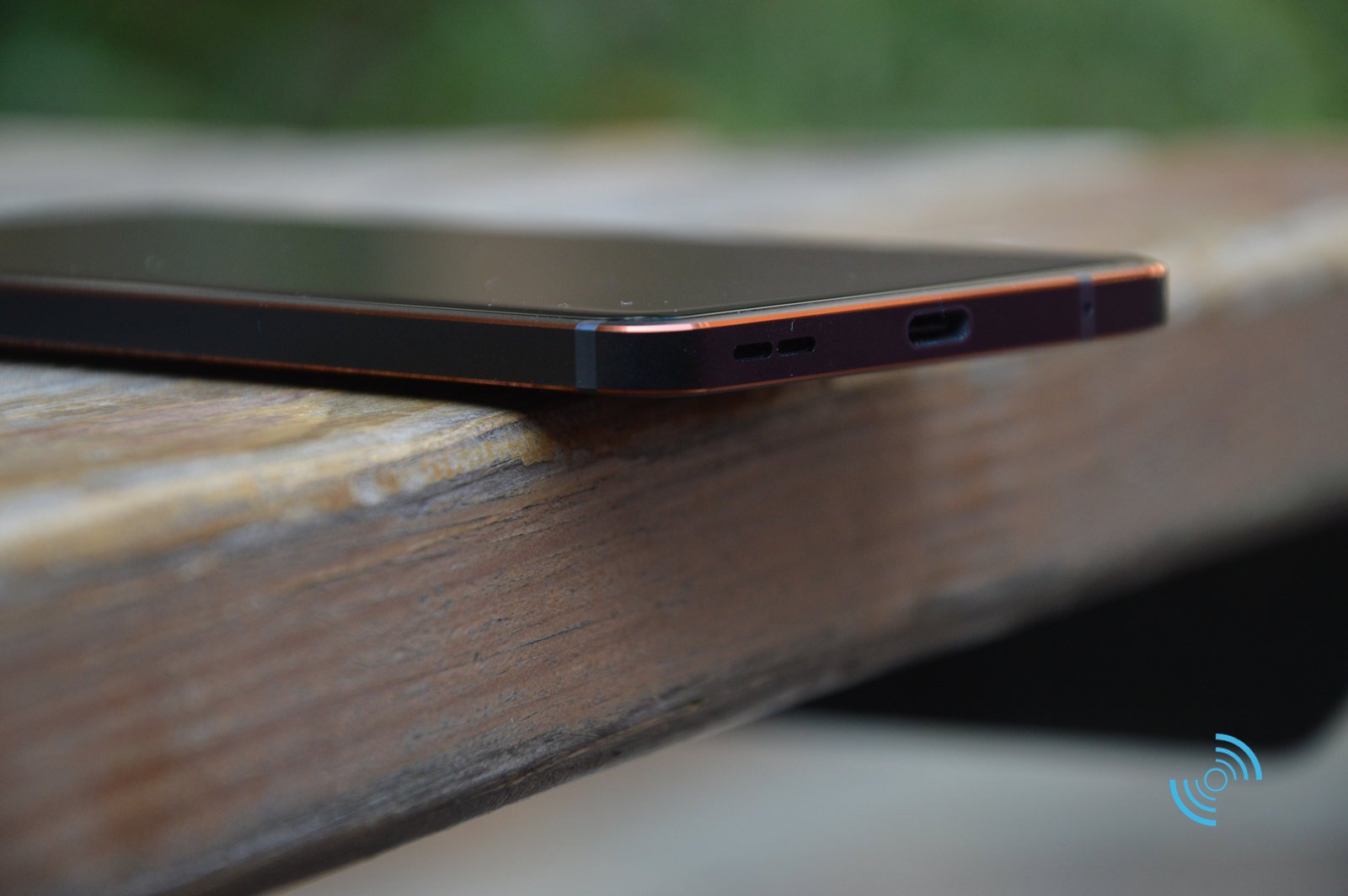
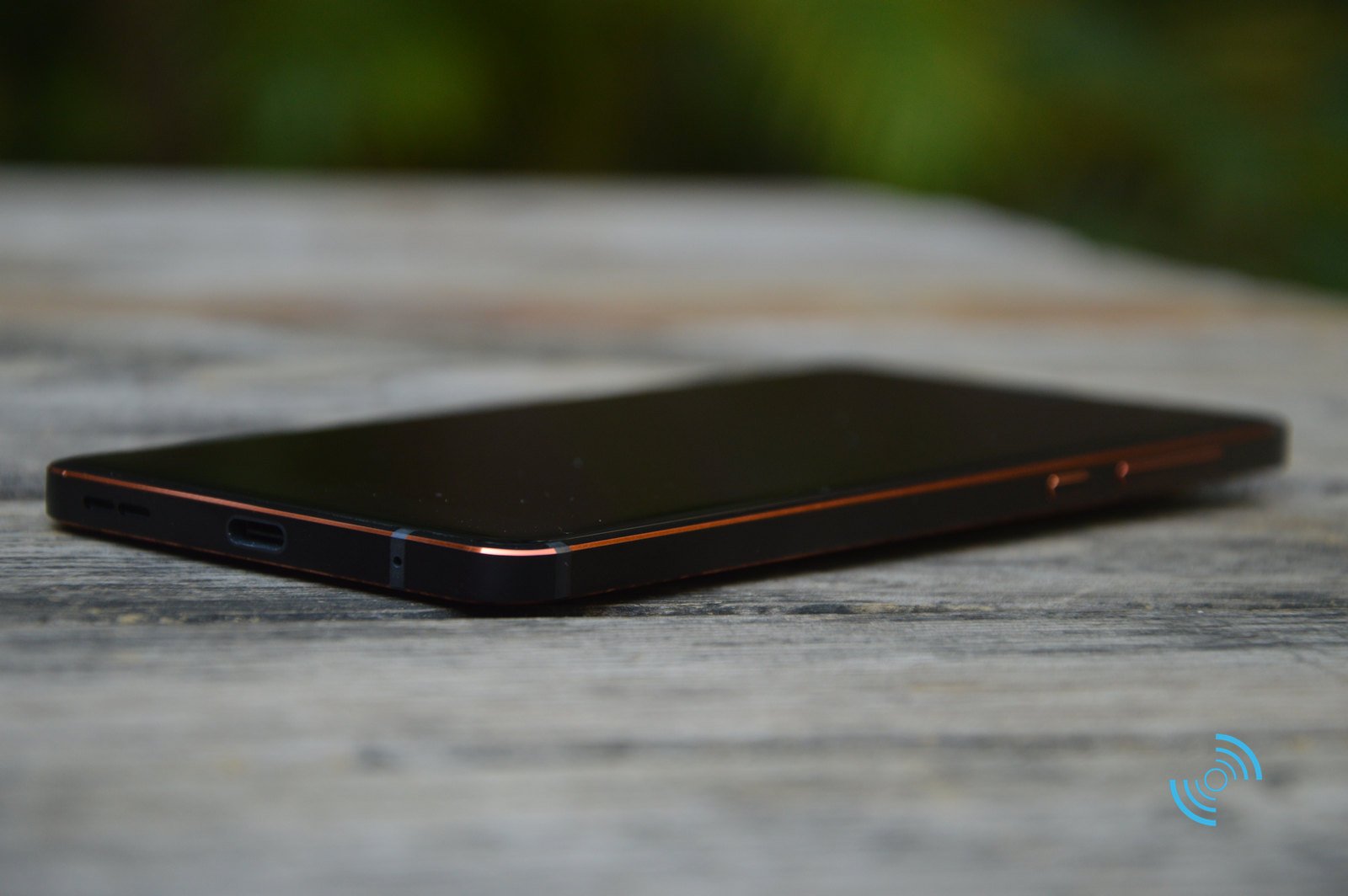
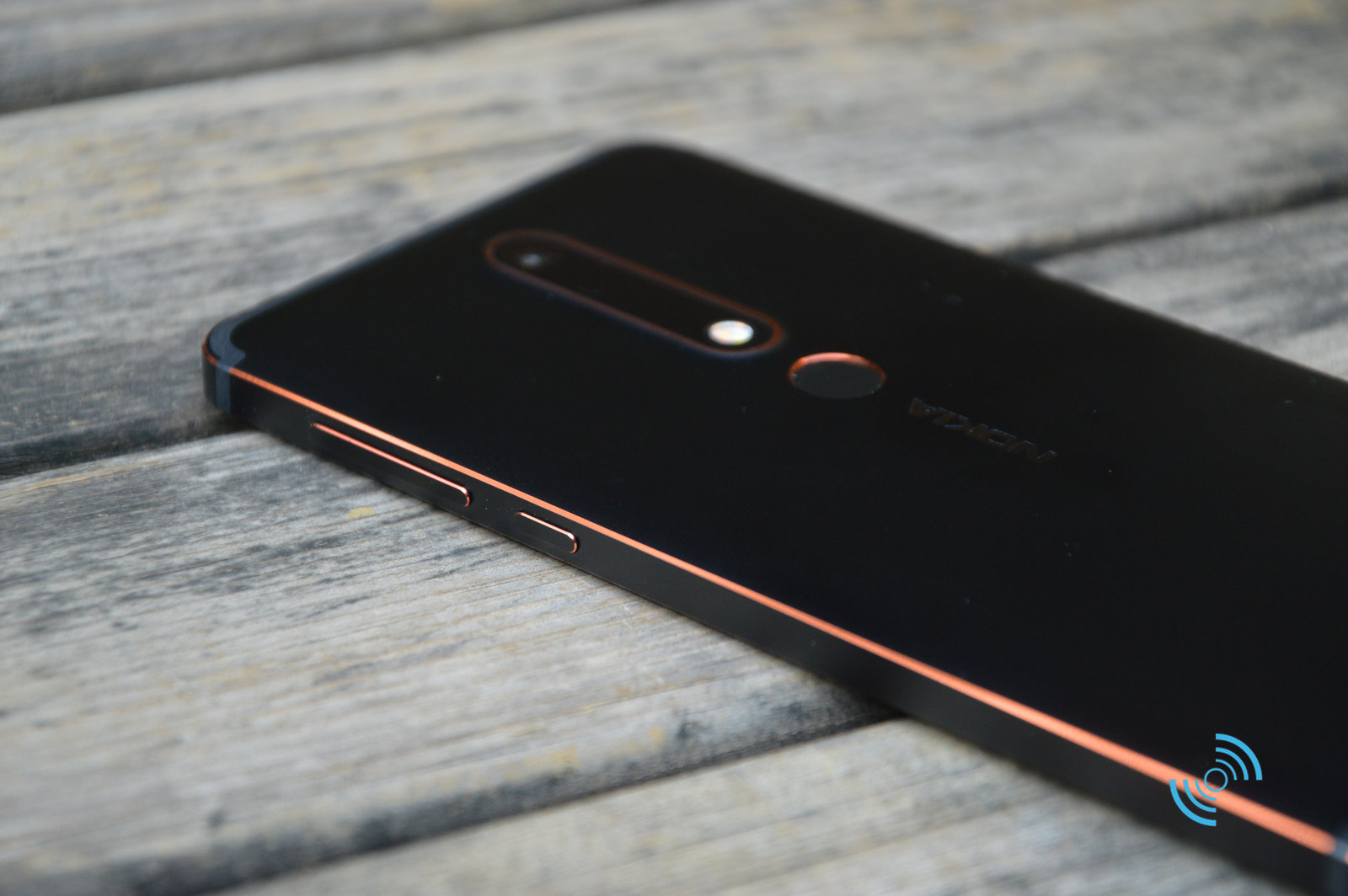
HMD Global has carried forward the strong built quality of the first generation model, using a 6000 series aluminium alloy body with CNC moulding. As you can see in the Nokia 6 Hands on pictures, the metal frame gets orange accents, and so do the camera housing and fingerprint sensor. This adds a splash of color to the black body. The quality of workmanship remains the same, so the built quality is sturdy and strong. This is what we expected, since the first gen. Nokia 6 was one of the most durable smartphones of 2017.
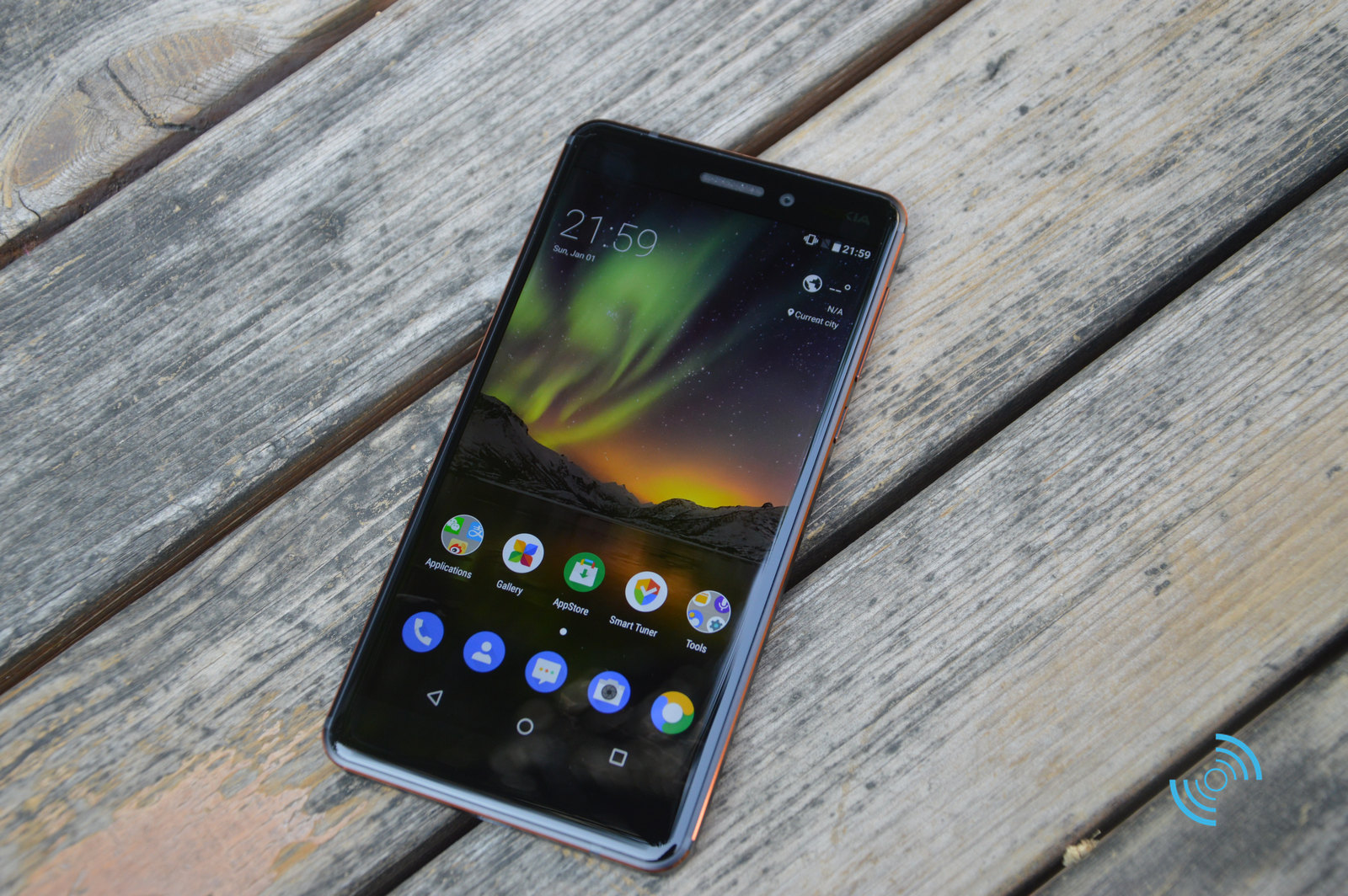
Though the built quality is as strong as ever, there are a few changes in the design of the new generation Nokia 6 2018. The phone ditches the physical home button up front, making way for a 16:9 display. Note that the screen size remains the same, which also means that the device has become more compact. The phone features the following dimensions: 148.8 x 75.8 x 8.2 mm which makes it smaller than the first gen. model with dimensions: 154 x 75.8 x 7.9 mm. Yes, the new model is a bit thicker, but overall, the phone feels like a compact 5.5-incher.
Since you no longer have the fingerprint sensor up front, it goes to the back of the phone. The placement of the sensor is comfortable for everyday use, but there are times that you might accidentally touch the flash instead of the sensor that lies below. But don’t worry, this happens only in the initial period, until you get used to the placement of the sensor.
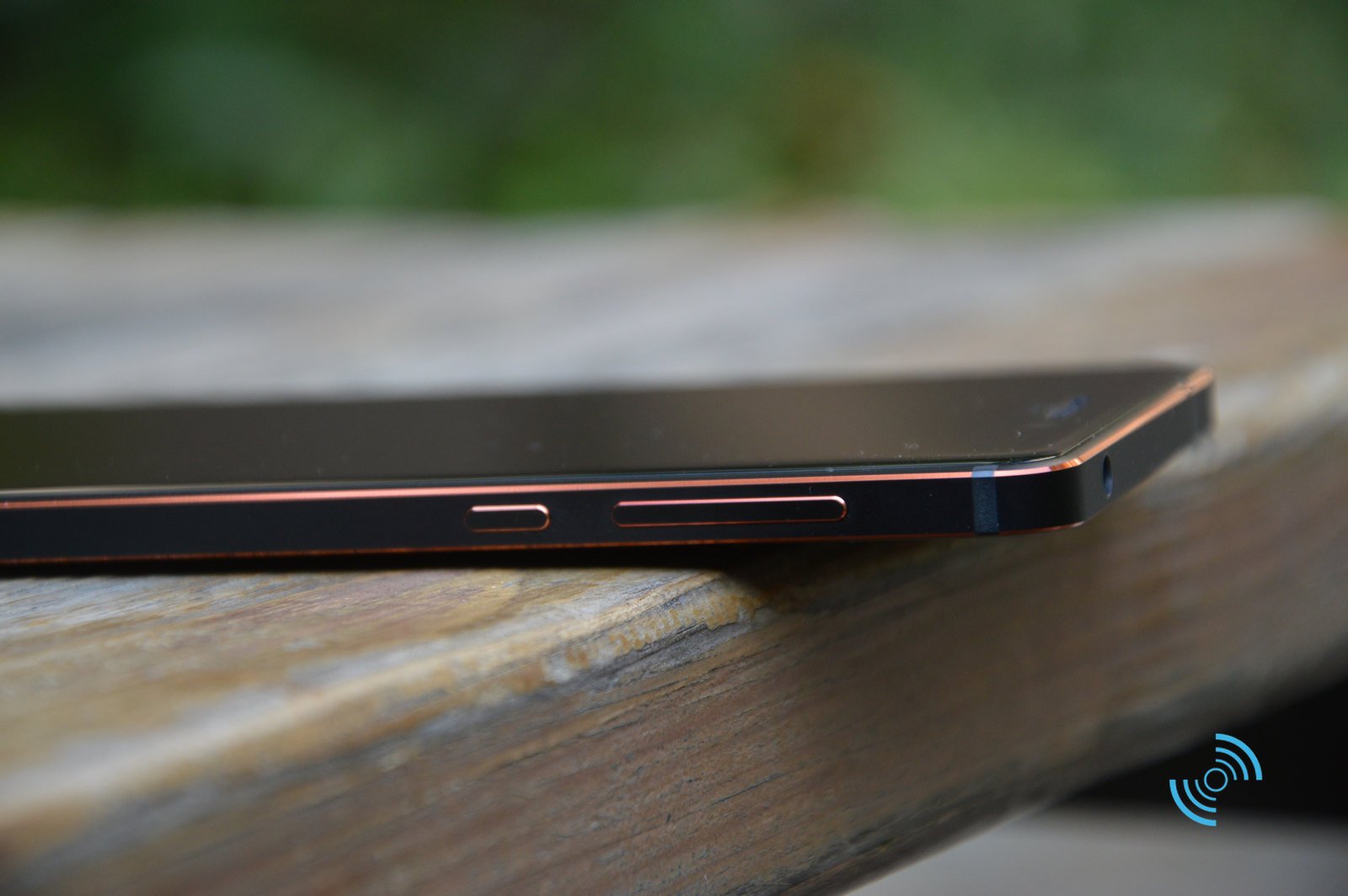
On the right side, you have the power and volume buttons, while the left side has the hybrid dual SIM card slot. The top features the dedicated 3.5mm headphone jack.
At the bottom of the phone, you have a USB Type-C port along with speakers. Note that the first gen. model had a MicroUSB 2.0 port, so this is an upgrade.
Overall, the new design builds on what was already good about the first generation Nokia 6. With a solid SD630 processor and 4GB of RAM powering the new model, the performance is pretty snappy as well. We are currently taking a few samples from the device and those should be up very soon.
Meanwhile check out more Nokia 8 2018 hands on images down below.
Xiaomi is expected to launch its flagship smartphone of the year — Xiaomi Mi 7 at the upcoming Mobile World Congress (MWC) in Barcelona, Spain. Recently, it was revealed that the China-based smartphone manufacturer is one of the exhibitors at the event.
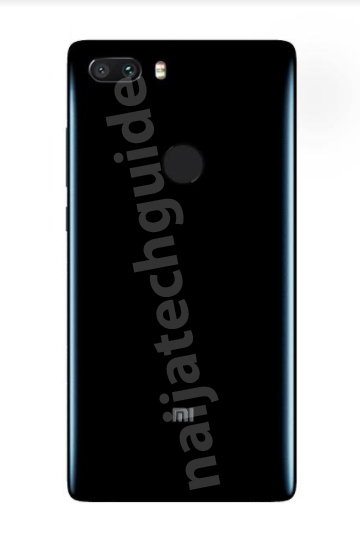
While we’ve seen a couple of concept-based renders of the phone in the past, today an alleged render of Mi 7 has surfaced online through a Nigerian website. The leaked image reveals the rear side of the upcoming device.
The leaked image suggests that the device could come with a glass back panel. This hints at the possibility of wireless charging support for the Xiaomi Mi 7. There are also two camera sensors placed side-by-side along with a dual-tone LED flash. Below the camera module, there’s a fingerprint sensor at the top-centre position.
As the fingerprint sensor is placed on the back panel, we are expecting the phone to come with a full-screen display with 18:9 aspect ratio. Based on the previous leaks and reports, the phone could feature a 6.01-inch bezel-less display.
While nothing is confirmed yet in terms of phone’s specifications, the Mi 7 is likely to be powered by recently announced Snapdragon 845 chipset. Last month, during the announcement of Qualcomm’s Snapdragon 845 processor, Xiaomi CEO Lei Jun said that the company’s upcoming flagship will be powered by the same chipset.
Xiaomi’s Lei Jun recently confirmed the company’s focus towards Artificial Intelligence (AI) in 2018. So, there’s a possibility that the upcoming phones from Xiaomi will be equipped with AI-based features. In line with that, Mi 7’s camera is expected to come optimized with AI to deliver stellar photography experience.
Along with Mi 7, the company is also expected to launch Mi 7 Plus at the Mobile World Congress. However, the company has not yet officially confirmed this. So, we’ll just have to wait a little longer to confirm this development.
The Honor 9 Lite was announced last month in China and yesterday in India. Although, the full-screen display and quad-camera-toting smartphone comes with EMUI 8.0 based on Android 8.0 out of the box but Honor has begun rolling out a new update.
We have not been able to get our hands on the complete changelog for the update. However, Honor itself has released a teaser poster that reveals the update brings Face Unlock to the device.
Face Unlock has become the new trending feature in smartphones. Following the launch of the iPhone X which ditched Touch ID for Face ID, Android smartphone manufacturers have also included a similar version into their phones. Although theirs isn’t as secure as that of Apple.
The update will roll-out to devices in batches. Some will receive it today while others will get it over the next couple of days.
The Honor 9 Lite has a 5.65” 18:9 FHD+ display. Like Huawei’s other mid-range phones, it is powered by the Kirin 659 SoC and paired with 3GB/4GB of RAM and 32GB/64GB of storage.
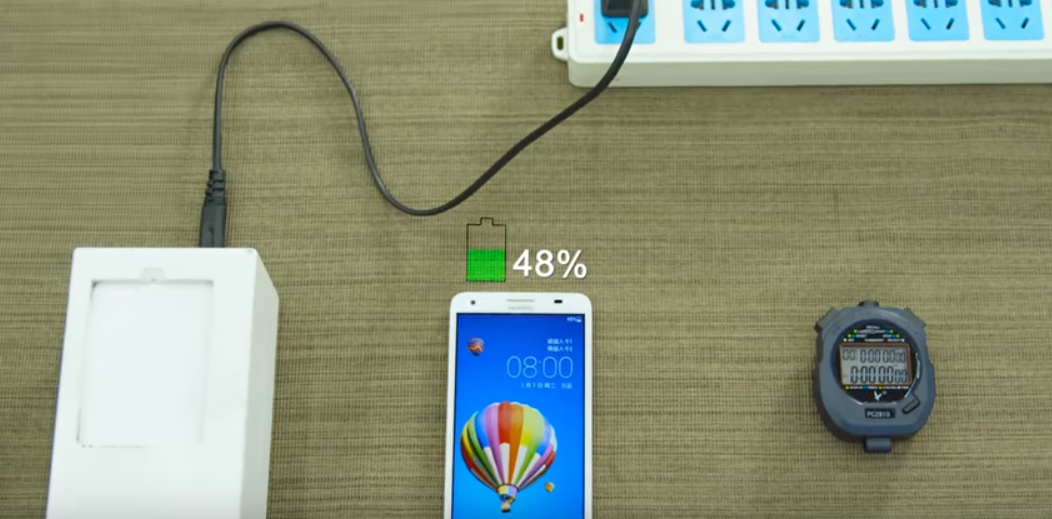
Back in November 2015, Huawei’s Watt Lab demoed a new fast charging technology at the 56th Battery Symposium. The charging technology let you recharge a lithium-ion battery up to 50% in just 5 minutes.
A video demonstration showed a 3000mAh battery removed from a phone and inserted into this humongous charger. After five minutes, the battery was put back in the phone and was already at 48%!!!
Yesterday, Huawei uploaded the video on YouTube advertising its charging technology which is 10 times faster than current charging time.
There are reports that Huawei may be planning to showcase the fast charging technology at MWC 2018. After two years, we say it’s right about time. We hope Huawei has found a way to make the charger much more smaller.
Huawei explains that the fast charging technology doesn’t affect battery life. However, there is a catch. This probably won’t work with the batteries currently in our devices.
Samsung has been reportedly working on the development of Neural Processing Units (NPU), also known as AI chips. These AI chips will be solely handling AI tasks on Samsung’s servers and mobiles phones arriving in the near future.
A source that is familiar with the development of AI chips at Samsung has revealed to a South Korean publication that the company has almost finished working on the AI chips for servers. The AI chips for the mobile devices by Samsung are on par with AI chips by Apple and Huawei. Samsung Advanced Institute of Technology is reportedly leading the development of its NPUs. The South Korean company is expected to produce better performing NPUs in the latter half of 2018.
Samsung began working on AI chips after Apple and Huawei had respectively introduced AI enabled A11 Bionic and Kirin 970 chipsets. Even though the company has started late, it has managed to catch up with its rivals pretty fast. The NPU of Apple and Huawei have reach 600 giga operations per second and 4 tera operations per second. Samsung’s NPU can reportedly deliver slightly higher operations per second than its competitors.
The iPhone 8, iPhone 8 Plus and iPhone X that were launched last year feature dedicated NPU for handling AI tasks so does the Huawei Mate 10, Mate 10 Pro and Honor V10 smartphones. When a NPU is added to a smartphone in addition to the main chipset and GPU, the device is able to analyze, process and store data produced on it without using a cloud server.
The official revealed that Samsung may showcase its NPU capabilities through upcoming flagship smartphones, the Galaxy S9 and Galaxy S9+ on Feb. 25 in Barcelona. Rumors have suggested that the Galaxy S9 and Galaxy S9+ models arriving in the U.S. and China may feature Snapdragon 845 SoC whereas the newly unveiled Exynos 9810 may power the models of the S9 duo arriving in other markets. An enhanced NPU is likely to available with the Galaxy Note 9 that is speculated to launch in September this year.
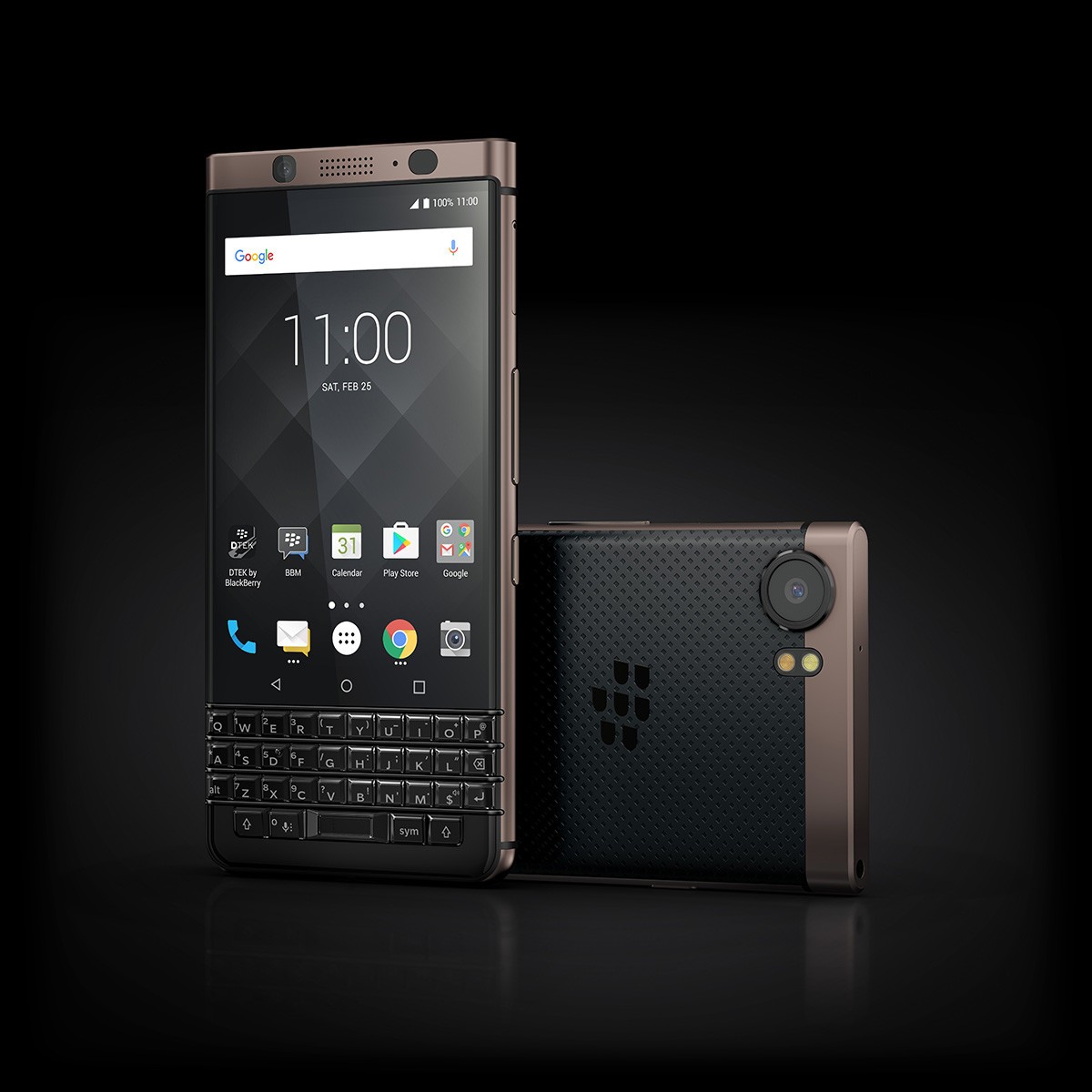
Last week, TCL-owned BlackBerry announced its new phone — BlackBerry Keyone Bronze Edition. As the name itself suggests, the distinguishing feature of the phone from the original one is the presence of bronze color on its frame and part of the back cover.
Today, the company announced that it has started taking pre-orders for the new colour option in China, making it the first market where the phone is available for purchase. In China, the device is being marketed as Elite Edition and has been listed on JD.com for pre-order. It is priced at 3,699 Yuan, which roughly converts to $575, which is same as the Black or Silver version. The shipment for the phone will begin on 23rd January.
At the time of announcement at CES, the company said that the Bronze Edition will be officially launched in the market starting from Q1 2018 in select markets, including Asian, European, and Middle East countries. In some regions, the device will be available with Dual SIM capabilities.
Apart from the colour change, everything else remains same on the device. To remind you of the specifications, the BlackBerry Keyone Bronze Edition features a 4.5-inch display with a Full HD resolution of 1060 x 1620 pixels.
The phone, which comes with a physical QWERTY keyboard, is powered by an octa-core Qualcomm Snapdragon 625 processor with two variants based on memory configuration — 3GB RAM or 4GB RAM and 32GB internal storage or 64GB onboard storage.
It has a primary camera of 12-megapixel, while the secondary camera has an 8-megapixel resolution. The device runs on Android 7.1 Nougat operating system and is powered by a 3,505mAh battery. BlackBerry is reportedly working on the Android 8.0 Oreo update for the device, which could be available soon.
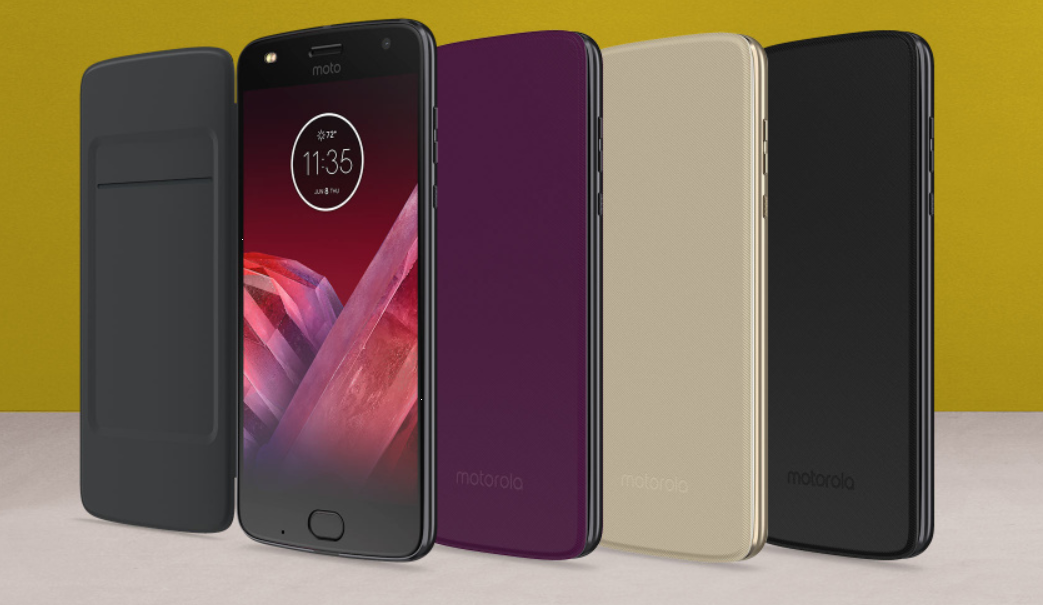
Motorola has added a new Moto Mod to its lineup. The new Mod called the Moto Folio is also its cheapest till date.
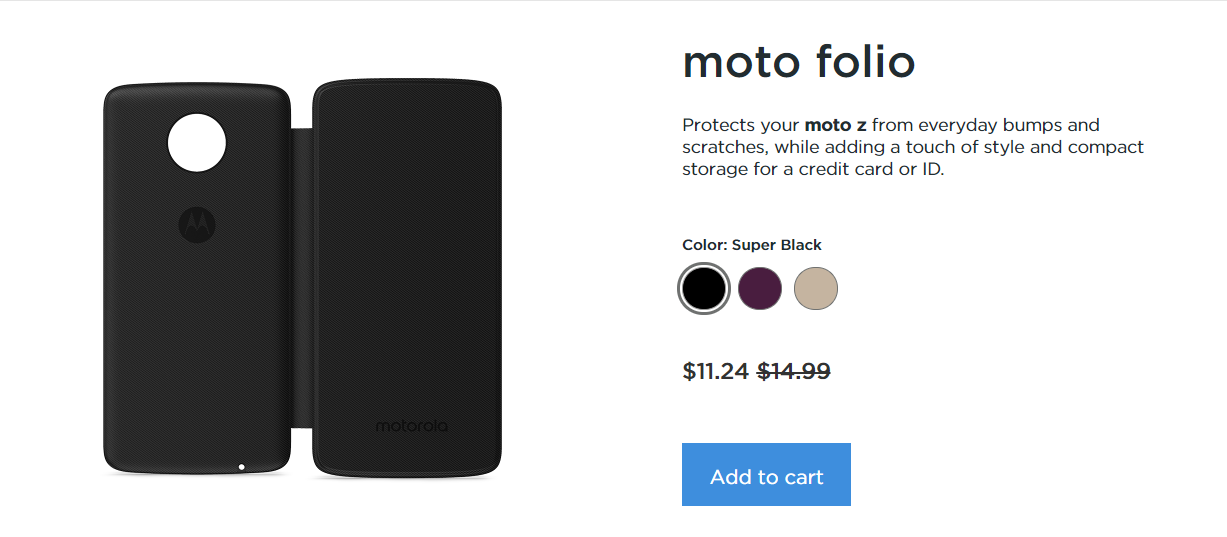
The Moto Folio is a super slim flip case that protects your Moto Z phone from scratches. It also has a slot on the inside for holding a credit card or ID. Sadly, it can only fit a single credit card or ID at a time.
The flip case has a magnet that keeps the lid from opening on its own. It is available in Fine Gold, Super Black and Grape Juice and costs just $11.24. It measures 156.1 x 74 x 3.5mm and weighs 55g.
We use cookies on our website to give you the most relevant experience by remembering your preferences and repeat visits. By clicking “Accept”, you consent to the use of ALL the cookies.
This website uses cookies to improve your experience while you navigate through the website. Out of these, the cookies that are categorized as necessary are stored on your browser as they are essential for the working of basic functionalities of the website. We also use third-party cookies that help us analyze and understand how you use this website. These cookies will be stored in your browser only with your consent. You also have the option to opt-out of these cookies. But opting out of some of these cookies may affect your browsing experience.
Necessary cookies are absolutely essential for the website to function properly. This category only includes cookies that ensures basic functionalities and security features of the website. These cookies do not store any personal information.
Any cookies that may not be particularly necessary for the website to function and is used specifically to collect user personal data via analytics, ads, other embedded contents are termed as non-necessary cookies. It is mandatory to procure user consent prior to running these cookies on your website.


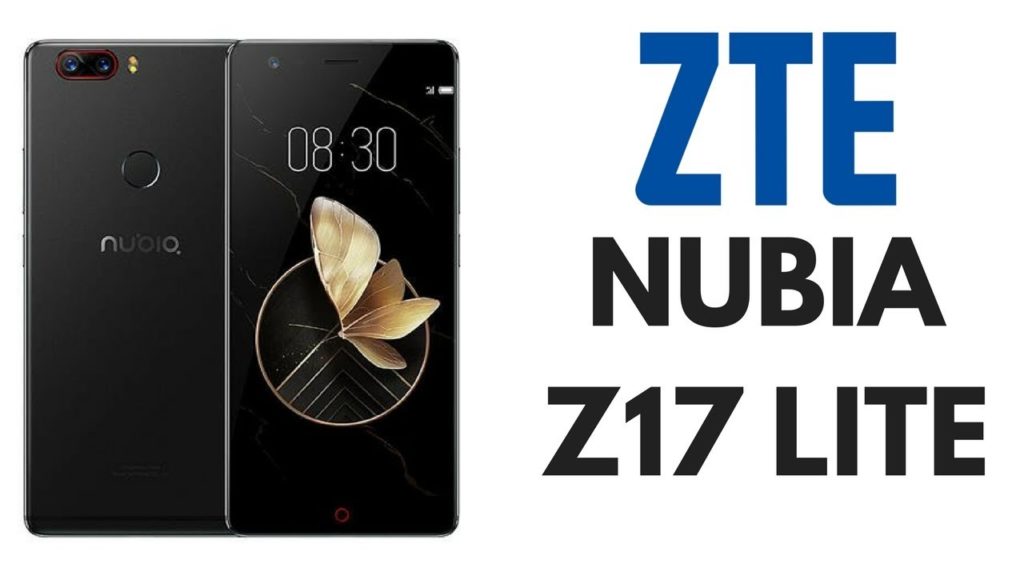 When you spend $304.99 to get your hands on the ZTE Nubia Z17 Lite smartphone, you also get Tronsmart Element T6 Bluetooth speaker worth $39.99 at no extra cost. As if that weren’t enough, you also save a considerable 54% on the handset’s original selling price of $669.99. The promo will come to an end in just 1 day.
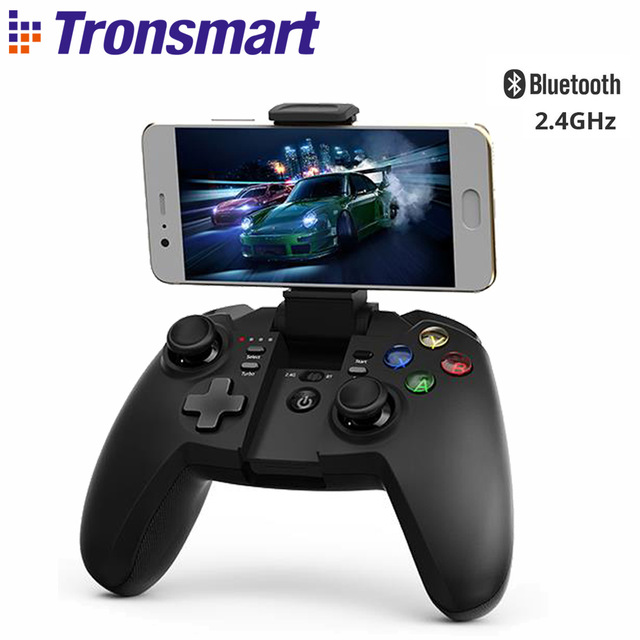 Alternatively, you can buy the ZTE Nubia Z17 Lite smartphone with $19.99 worth Tronsmart Mars G02 wireless game controller for just $287.99. With this bundle deal, you save 36% on the mobile phone’s original asking price of $449.99.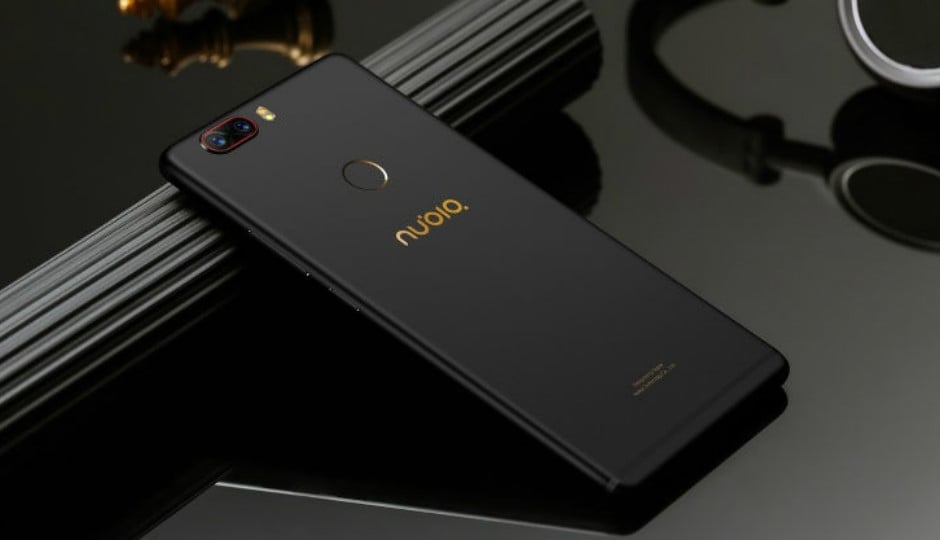
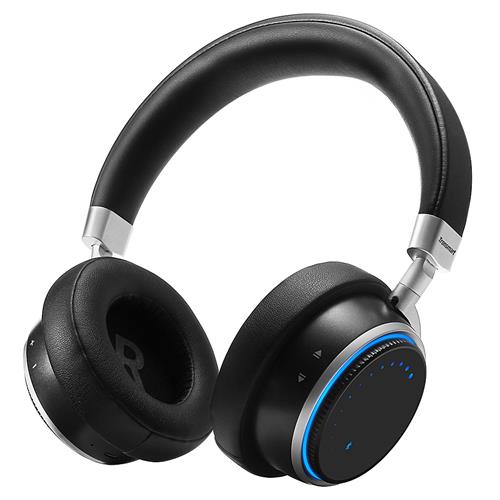 The electronic items featured in this category are up for grabs at a considerably lowered price. If you’re planning to take advantage of this promo,