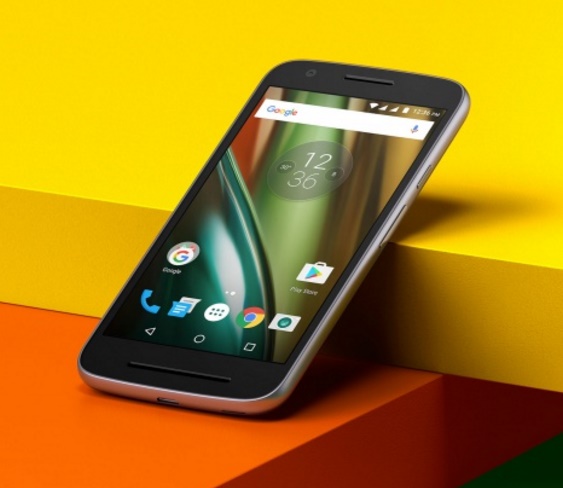
The Moto E is Motorola’s cheapest phone which means it sits at the bottom of the product chain. This year, Motorola will release the 4th gen model. That means it will get either the Moto E4 or Moto E 2017 name.
Last year, the Moto E3 was released in two variants, the original Moto E3 and the Moto E3 Power. The latter is equipped with a larger battery and double the RAM. This year, it seems we will be getting two models too and both will feature large batteries.
The Moto E4 which was first seen last week passing through the FCC sports a 4000mAh battery and this week we have seen another device suspected to be the Moto E4 Plus (XT1773) pass through the FCC with a 5000mAh battery.
Motorola XT1773 (what could be the Moto E4 Plus) w/ a 5000mAh (!!!!!!) battery and MediaTek SoC just went thru FCC: https://t.co/9Aorj6PaKp
Popular tipster, Roland Quandt tweeted a few days ago that the Moto E4 Plus will launch with a Mediatek processor. So apart from those two features nothing else is known about the phone. For the display we presume Motorola may leave it at 720p for a longer battery life.
Xiaomi is perhaps one of the most innovative tech companies in China. Its smartphones are usually packed with top class design and innovative technology. But one snag with Xiaomi phones is that they are never available in large stock. Despite the huge number of persons willing to patronise the company inside and outside China, it is difficult getting it to buy, right from the budget to the flagship smartphones.
Nevertheless, it looks like we’ll soon be getting Xiaomi smartphones in large quantities. Xiaomi CEO Lei Jun stated this much in a Weibo post while unveiling the company’s core tasks for this year which is innovation, quality and delivery. Lei Jun acknowledge that the smartphone division is the foundation of Xiaomi and so would be taken very seriously.
According to the Xiaomi CEO, the company would continue to pursue innovation and the use of new technology. Not only that, the quality of the products would remain high, even higher than those of its rivals. In addition, the company will also work hard to ensure the problem of low stock is also resolved. Very well then, but we wouldn’t expect to start seeing changes soon, especially on the Mi 6 which would be launched soon. That is because the Snapdragon 835 chip the Mi 6 would feature is short in supply. So that may affect the available stock of the Mi 6 when it is launched.
Lei Jun did not give details of how the company hopes to tackle the issues of stock shortages but he did say they will work to reduce it this year. Perhaps we’ll soon start seeing Xiaomi phones shipping out of China or India to its numerous fans around the globe. Who wouldn’t want that?
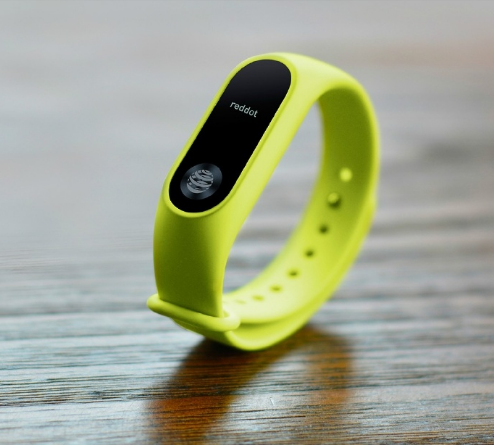
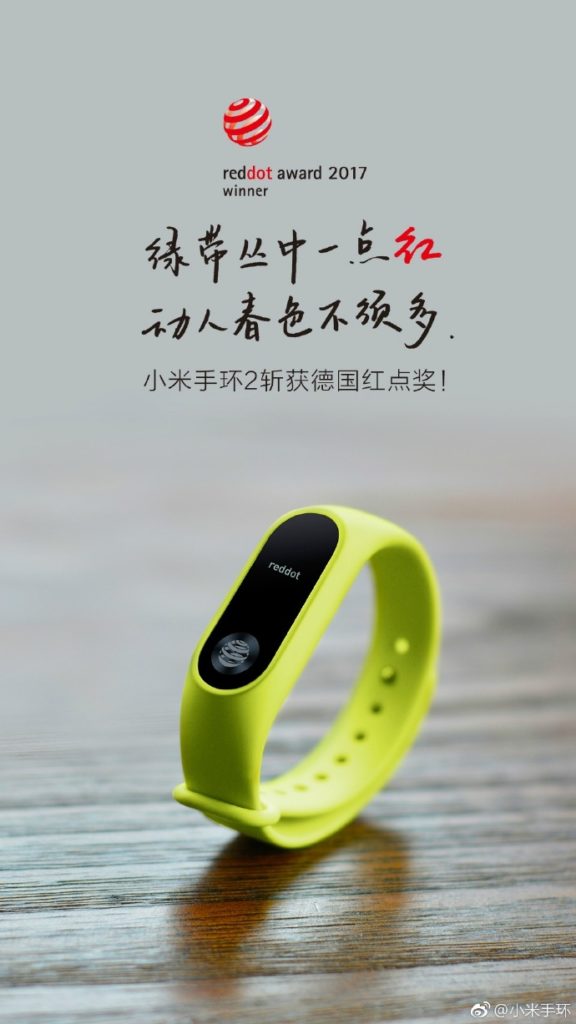
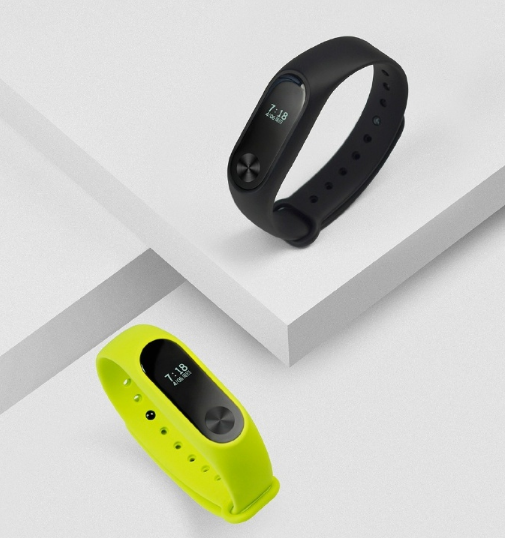
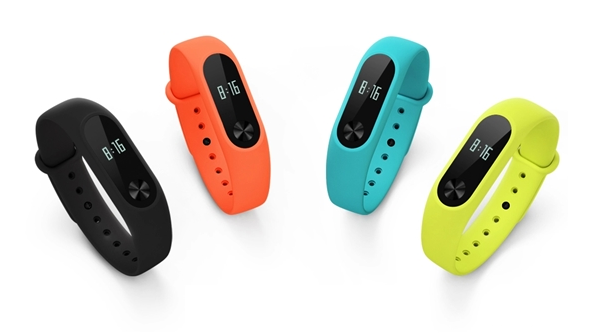
Xiaomi has officially revealed that its innovative smart fitness wearable, the Mi Band 2 has won an internatiional award for its sterling design. The Xiaomi Mi Band 2 is revealed via the official Mi Band 2 Weibo account to be among the winners of the 2017 Red Dot Design award for its innovative design.
The Red Dot Design Award is an international product design and communication design prize awarded by the Design Zentrum Nordrhein Westfalen in Essen, Germany. There are prize categories for product design, design agencies, and design concepts. Since 1955, designers and producers can apply for the prizes with the winners being presented in an annual ceremony. The award is very popular with records showing that the Red Dot Design Award had more than 15,500 submissions from 70 countries in 2014. This year’s figures are not yet known but the official award ceremony will hold in July 2017.
The Xiaomi Mi Band 2 joins a large number of other innovative products that also won awards in different categories. To mark this remarkable award, it is likely that Xaiomi will unveil a special commemorative edition of the Mi Band 2. The company teased the Mi Band 2 with the Red Dot design logo engraved on the touch button of the band. The display also has the name “reddot” imprinted on it.
It is not certain though, that could just be a graphic work to send home the message. Even if it turns out to be true, the Xiaomi Mi Band 2 Commemorative edition might not be put up for sale to the public but may be kept at the Red Dot museum either in Germany or the one in Taipei.
There are indications that a new Snapdragon 835-powered smartphone may hit the stands in China soon after the Xiaomi Mi 6 launch. Ordinarily, we would have expected another SD 835-powered phone to come from Huawei, OPPO, Vivo and other big shots but that may not be the case.
Gree phone isn’t a big name in the smartphone industry even though its parent company is a giant in the tech industry. However, Gree Mobile stunned the industry when it released the Gree Phone 2 with a Snapdragon 820 chip onboard. The company has now revealed via its Weibo account that they have a new surprise coming soon.
Although the surprise product wasn’t named, trusted analyst Pan Jiutang had earlier hinted that Gree would release a Snapdragon 835-powered smartphone. So, it is possible Gree might spring up another surprise by beating the big guns in launching a smartphone with Qualcomm’s latest chip after Xiaomi. This is not very certain but what else do you think could be the surprise product Gree is planning to unveil?
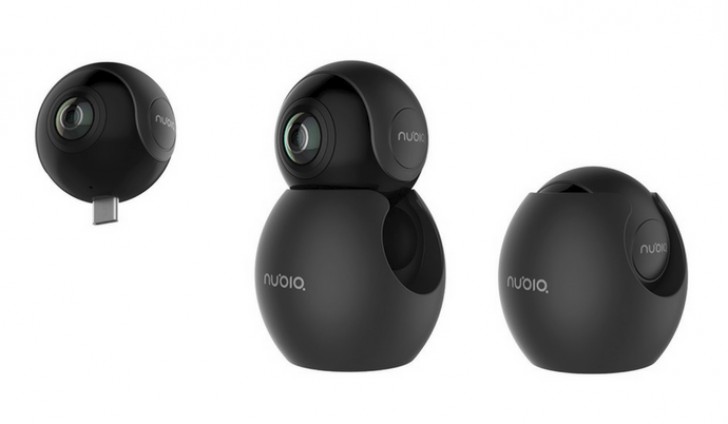
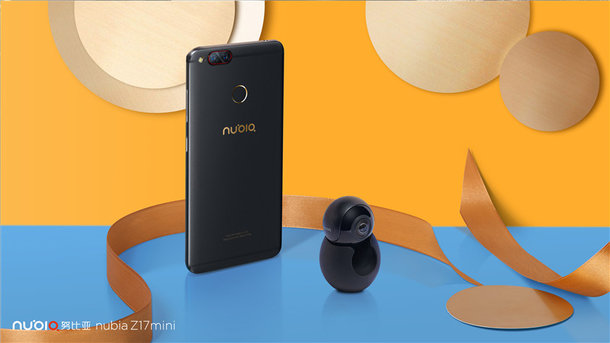
ZTE’s brand Nubia yesterday launched the elegant, dual-camera packing Nubia Z17 Mini in China. The Z17 Mini stole the show so much that we almost forgot Nubia also launched a cool new, cheaply priced camera along with it. The Nubia NeoAir VR camera boasts of a solid specs offering on top of a ultra-cheap price tag of about 699 Yuan (~$101).
The NeoAir VR Camera comes with two fisheye lenses which have a 210-degree field of view each as well as a f/2.4 aperture apiece. The two fish eye lens works in synchronisation with each other to offer a 360-degree photo capture at 3,008 x 1,504 (3K) resolution. On the other hand, videos can be recorded at a resolution of 2560 x 1280 pixels (2K).
Furthermore, the Nubia NeoAir VR camera comes with a USB Type-C connector which is perhaps, the coolest feature onboard. With USB connector, the camera can be plugged directly into an Android phone with the new Type-C port. This connection allows users to broadcast their 360-degree videos live on Facebook, Twitter, and YouTube. This works fine with any phone with the required port, as well as 2GB RAM and USB OTG support. You won’t have to bother about the weight as the camera weighs just 26.5g and measures 37.6mm in diameter. Unfortunately, the device doesn’t seem to come wth WiFi or Bluetooth support.
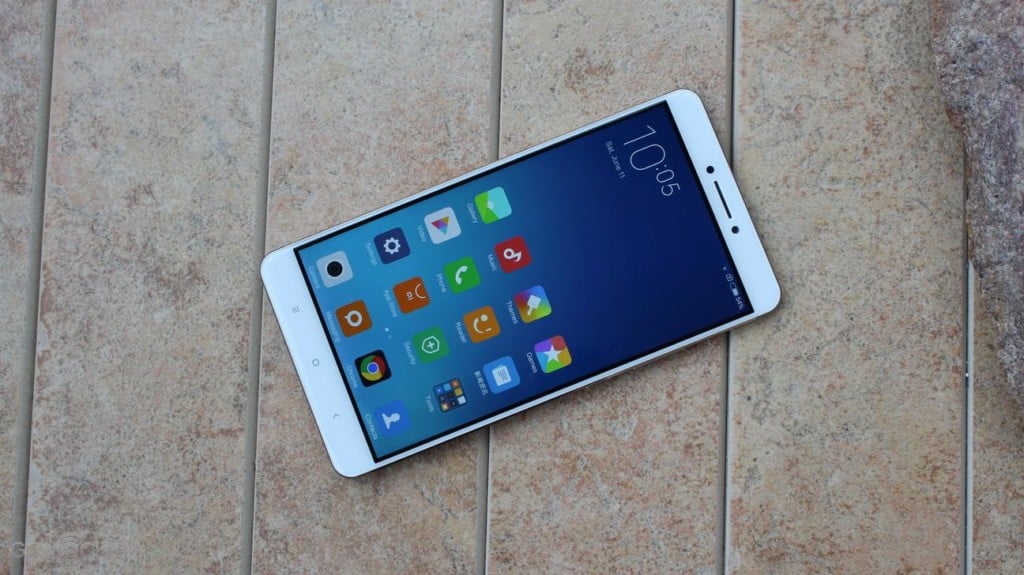
Xiaomi Mi 6 has taken all the attention of Chinese mobile fans in the past few months. But if you are looking for a bigger update, in terms of the screen size, we might have something interesting today — the yet to be announced Xiaomi Mi Max 2.
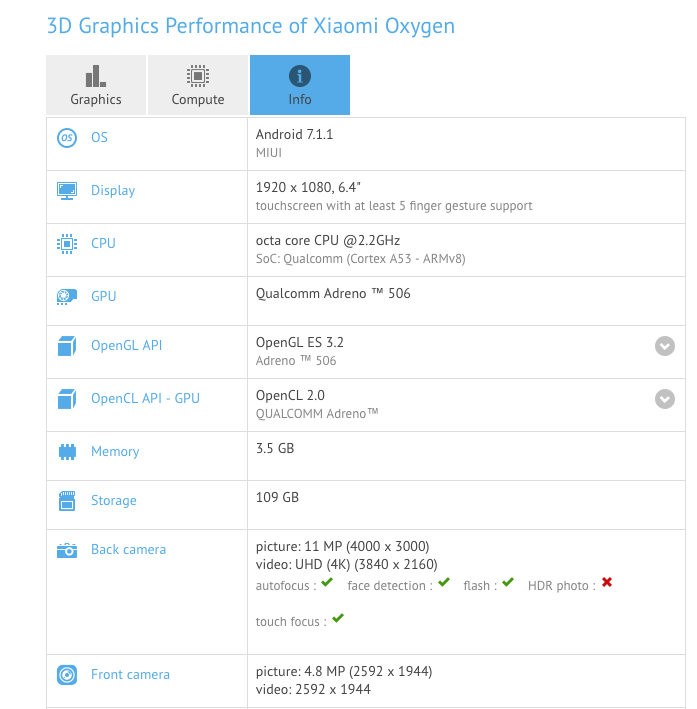
The Mi Max 2 model seems to have gone through the GFXBench benchmarking app under the code name Xiaomi Oxygen, revealing all the basic specs of the device. First of all, we know the phone is from the large phablet series mainly because of its supersized 6.4-inch 1080p display as revealed by the benchmark listing. Under the hood, the phone is powered by an octa-core Qualcomm Snapdragon processor clocked at 2.2GHz. While the exact model wasn’t revealed in the benchmark, it seems that this octa-core chip is none other than the rumored Snapdragon 660 mid-range processor. There were rumors about the same chip being used by a Xiaomi phone, so this kind of goes well with the previous leaks.
Other Xiaomi Mi Max 2 specs revealed by GFXBench include 4GB of RAM, 128GB storage, and Adreno 506 GPU. Then there’s a 12MP camera at the back capable of recording 4K videos and a 5MP shooter up front. In case you are wondering, there’s NFC as well.
To recap, the rumored specs of the Snapdragon 660 include octa-core architecture @ 2.2GHz, manufactured on a 14nm Samsung process, LPDDR4X memory support, X10 LTE and UFS 2.1. Of course, these are just rumored specs and we will have to wait for Qualcomm to officially take the wraps of the chip to confirm them.
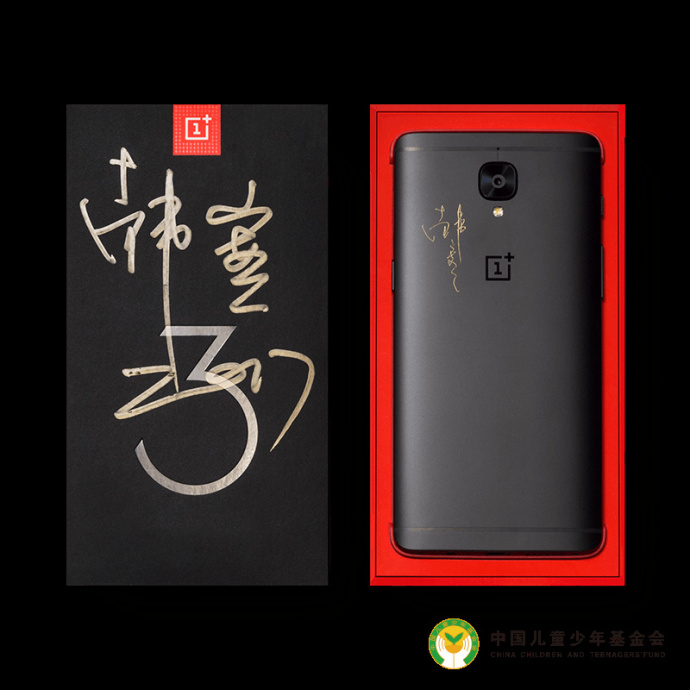
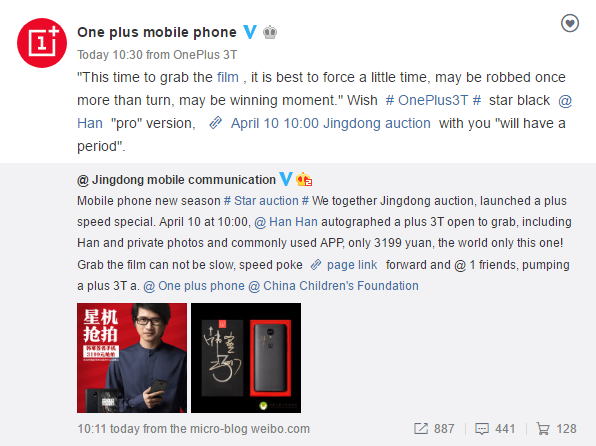
Popular Chinese e-commerce platform Jingdong (JD.com) has listed a special edition of the OnePlus 3T which would go up for sale on April 10 at 10 AM. The sale is not the regular flash sale but an auction and that is because the edition is a special Han Han edition. The OnePlus 3T Han Han Special Edition comes with the super star’s autograph signed at the back of the phone and on the packaging box.
In case you don’t know him, Han Han is a Chinese professional rally driver, best-selling author, singer, creator of Party, One and China’s most popular blogger. The special OnePlus 3T Han Han edition also comes with Han’s private and commonly used apps, in addition to his autograph.
The Han Han Edition of the OnePlus 3T’s auction is a fundraiser for the China Children and Teenagers’ Fund perhaps part of OnePlus and Jingdong’s collaborative Corporate social responsibility. The page also lists the Hatsune Miku special edition of the Xiaomi Redmi Note 4X for auctioning as well. The configuration of the OnePlus 3T special edition includes a Snapdragon 821 chip as well as 6GB RAM and 128GB storage. It carries a starting price tag of 3199 Yuan (~$463) and you can access the auction page from here.
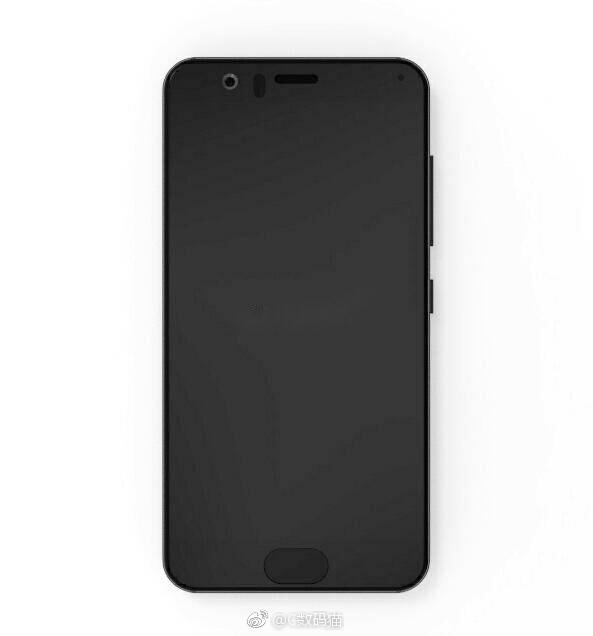
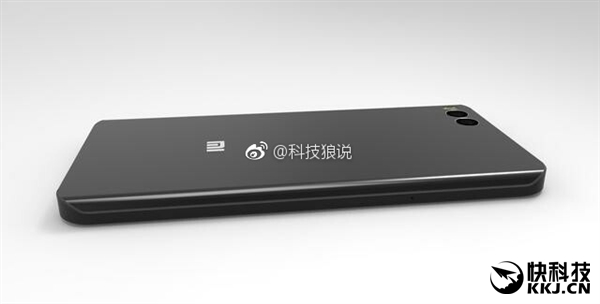
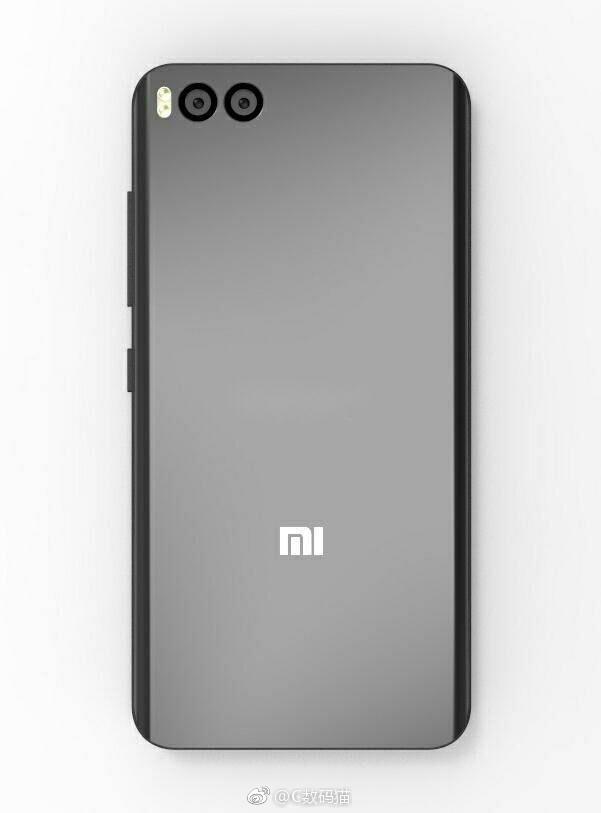
A fresh set of Xiaomi Mi 6 renders have leaked online, this in High Definition (HD) images. The new set of renders shows both the front and the rear of the expected Xiaomi flagship. They are coming not too long after the Mi 6 appeared on GFXBench codenamed “Xiaomi Sagit”.
The new renders are consistent with the previously leaked renders of the Mi 6 even though it may not be a true representation of the final design of the Mi 6. First, the renders show the Mi 6 features a curved edge design at the rear. Where things get a little bit confusing is the actual location of the LED flash at the rear. While most of the renders place it at the left side of the camera, a supposedly leaked photo of the Mi 6 shows the LED sitting at the right side of the dual cameras.
The front view renders also highlight some key features, like the iris scanner that is rumoured to come with the flagship. The underglass ultrasonic fingerprint sensor is another feature highlighted but this one is a going to be a bit bigger than the Mi 5S’ and is said to be like the one the Huawei P10 features. The display will likely have a 2.5D curved glass above it and indeed, the Mi 6 will not have a curved screen but an entirely flat one.
Recall that the Mi 6 is expected to come with a waterproof body with the 3.5mm audio jack removed. We can’t be so sure about all these renders. The Mi 6 may turn out looking a bit different in design but then, we’ll find out about that soon because the device will launch this month.
Lenovo has impressed its fans by launching innovative devices such as Yoga 2-in-1 convertible and the Yoga Book virtual keyboard. Now, the Chinese firm is speculated to be pondering over a new 2-in-1 tablet concept that is called Lenovo Blade.
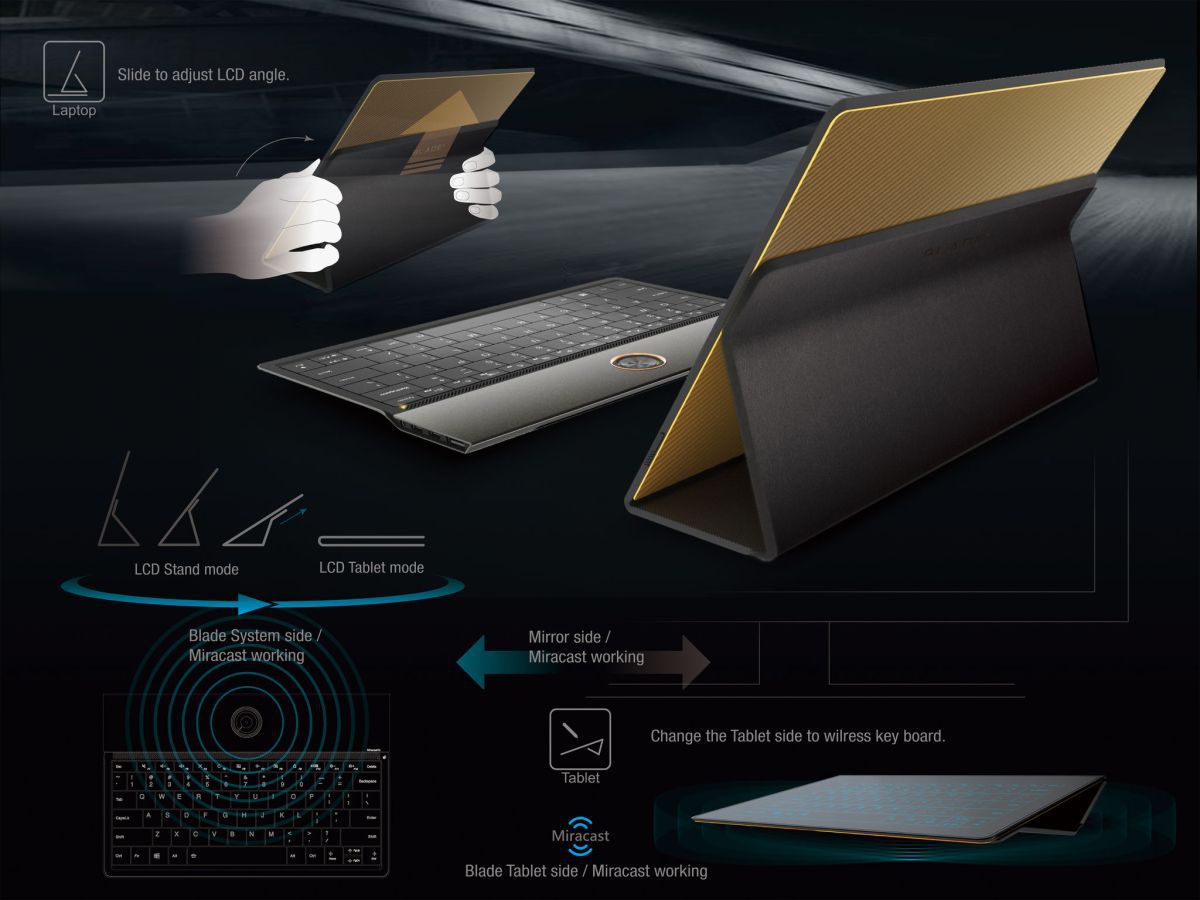
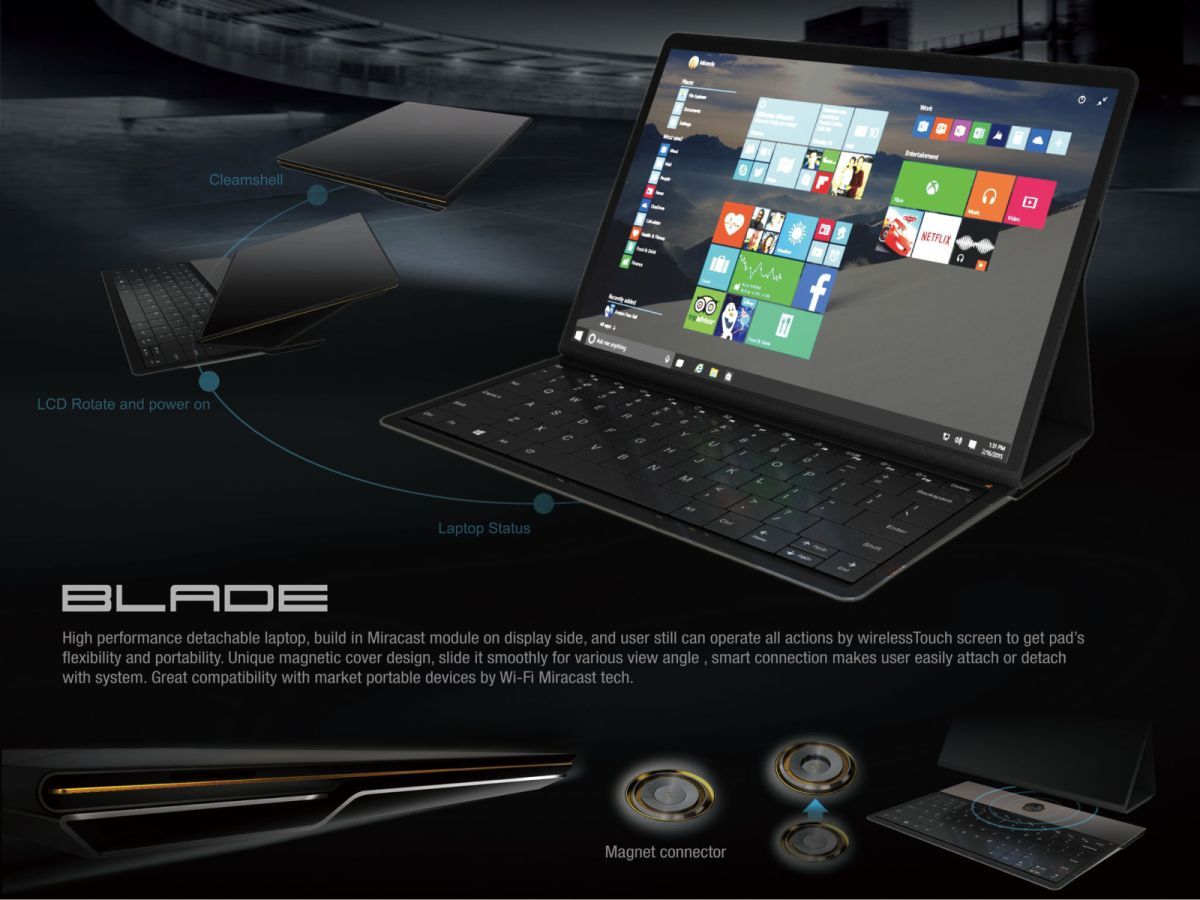
Lenovo has showcased the Lenovo Blade concept device on IF World Design Guide website. The Lenovo Blade concept device is a 2-in-1 PC that features a detachable keyboard. There is no kickstand present on the device like the one present on Microsoft’s Surface Pro 2-in-1 PCs.
Instead, the Blade has a cover that it is built into to the tablet part of the device. While using the device, the cover will function like a kickstand. The stand can be adjusted in different angles or it can be laid flat to use it as a tablet. When not in use, the cover can protect the screen of the device.
The detachable keyboard can be connected to the tablet through magnetic connector and not through pogo pins. This way it can be used as a notebook for productivity. It is a high-performance device with Miracast module placed on the display part. With Miracast wireless display tech onboard, the tablet can be used a touchscreen keyboard while showing the contents of the screen on an external display.
There is no information available on the specifications of Lenovo Blade, but it is likely that it may feature a 13-inch or a 14-inch display. It is likely that both parts of the Lenovo Blade may be equipped with dedicated hardware components. It is likely that the keyboard section may be powerful enough to work like a Windows PC whereas the display may function as a standalone Android tablet.
There is no confirmation whether the Chinese brand has any plans to launch it soon or it is just a concept model. It appears to be a wonderful and an innovative concept that may compel other competitor brands to launch similar devices in future.
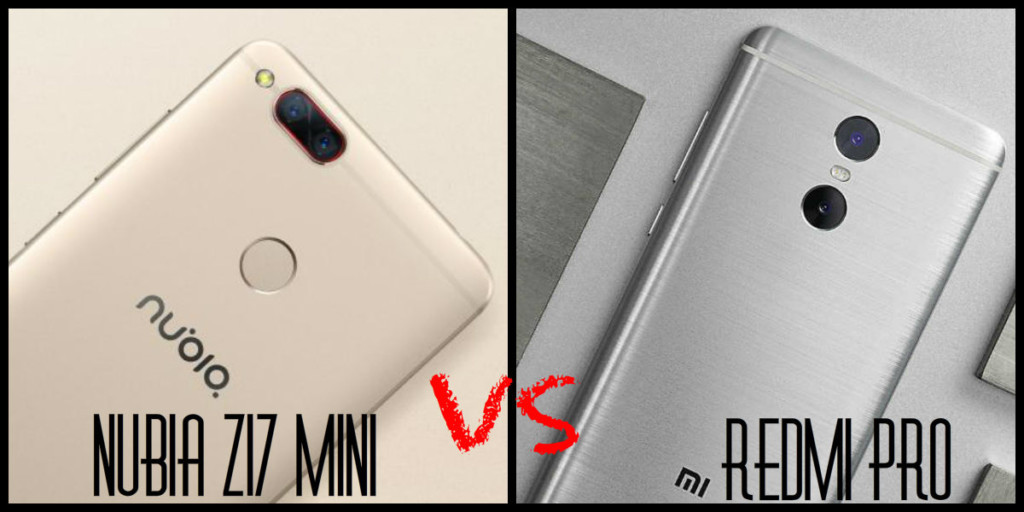
ZTE Nubia Z17 Mini has finally debuted on April 6 after a few weeks of leaks. It is a budget smartphone that features a dual rear camera. The Xiaomi Redmi Pro phablet that was launched in July 2016 is one of the major rivals of Nubia Z17 Mini. Here is a comparison between the two smartphones to find out which one is better phone.
ZTE Nubia Z17 Mini vs Xiaomi Redmi Pro: Design
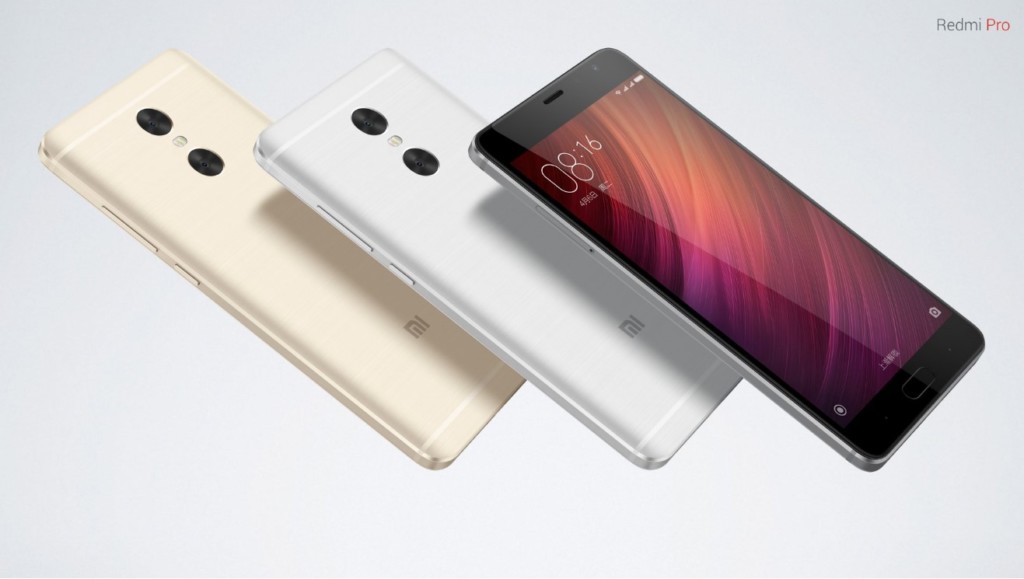
The ZTE Nubia Z17 Mini has a metal unibody design that measures 146.7 x 72.5 x 7.5mm and weighs 155 grams. It comes in color options such as Silver, Gold and Gray. The Redmi Pro also sports a full metallic chassis and it sports narrow bezels. Since it measures 151.5 x 76.2 x 8.2 and it weighs 174 grams, it is taller, wider, thicker and slightly heavier than the Nubia Z17 Mini. It comes in colors like Black, Gold and Red.
The bezels of Redmi Pro are slightly thicker than the bezels present on Nubia Z17 Mini. The physical Home button on Redmi Pro has a fingerprint scanner embedded in it. The Nubia Z17 Mini has a capacitive Home button and it features a rear-mounted fingerprint scanner.
ZTE Nubia Z17 Mini vs Xiaomi Redmi Pro: Display
The Nubia Z17 Mini comes with a 5.2-inch IPS LPTS display that produces a full HD resolution of 1,920 x 1,080 pixels. It produces a pixel density of 424 ppi and offers a screen-to-body ratio of 70.1 percent. Xiaomi has included an OLED LTPS screen of 5.5 inches that also produces full HD resolution of 1,920 x 1,080 pixels with a ppi count of 401. It offers a screen-to-body ratio of 72 percent. Both the screens are flanked with 2.5D curved glass.
ZTE Nubia Z17 Mini vs Xiaomi Redmi Pro: Specs
CPU
The Nubia Z17 Mini comes in two CPU editions. The Standard variant is powered by Snapdragon 652 whereas the High variant is driven by Snapdragon 653. On the other side, the High and Exclusive editions of the Redmi Pro is fueled by MediaTek Helio X25 SoC and the Standard model is driven by Helio X20 SoC.
RAM, ROM and MicroSD
The Nubia Z17 Mini Standard edition has 4 GB of RAM and its High edition has 6 GB of RAM. Both the variants have 64 GB of internal storage. The Exclusive edition of Redmi Pro has 4 GB of RAM and its native storage is 128 GB. The other CPU variants of Redmi Pro come with 3 GB of RAM and internal storage choices of 32 GB and 64 GB. The second SIM compartment on the hybrid SIM slots of both phones carries support for microSD card.
Battery
The ZTE Nubia Z17 Mini has a 2,950 mAh battery whereas the Xiaomi Redmi Pro is packed with a larger battery of 4,050 mAh. Both phones carry support for 5V/2V fast charging through the USB Type-C port.
ZTE Nubia Z17 Mini vs Xiaomi Redmi Pro: Software
Both the phones are loaded with Android Marshmallow OS. The Nubia Z17 Mini has nubia UI 4.0 proprietary software overlaid on Android OS whereas the Redmi Pro features MIUI 8.0 skin.
ZTE Nubia Z17 Mini vs Xiaomi Redmi Pro: Cameras
The Nubia Z17 Mini has a 13-megapixel monochrome sensor and a 13-megapixel RGB (Sony IMX258) sensor in its dual rear camera setup. It is equipped with a single LED flash. It houses an 80-degree wide angle 16-megapixel selfie camera on the front.
The Redmi Pro features a 13-megapixel Sony IMX258 sensor and a 5-megapixel depth sensor from Samsung in its twin camera setup. It is coupled with a dual-LED flash. Its frontside features a 5-megapixel 85-degree wide angle lens.
ZTE Nubia Z17 Mini vs Xiaomi Redmi Pro: Pricing & Availability
The Redmi Pro Helio X20 | 3 GB + 32 GB, Helio X25 | 3 GB + 64 GB, Helio X25 | 4 GB + 128 GB were respectively priced at 1,499 Yuan ($217), 1,699 Yuan ($246) and 1,999 Yuan ($289). The prices have been slashed since (check the table). The Nubia Z17 Mini that has been announced recently will on sale from April 13. Its 4 GB RAM model is priced at 1,699 Yuan ($246) and 6GB RAM at 1,999 Yuan ($289).
Chinese smartphone brands are quite popular in Asian countries. The popularity is such that the Chinese brands are giving tough competition to well-established brands. Yesterday, we reported that Xiaomi has become the most preferred smartphone brand in India. Now, fresh information coming from supply chain in Taiwan brands like HTC and ASUS are losing popularity in China, India and Southeast Asia mainly because of the growing popularity of Chinese smartphone vendors in these regions.
Due to low supply of displays and camera modules, ASUS smartphone shipments declined below the expected number in the last quarter of 2016. As a result, the Taiwanese company shipped 20 million units in the previous year which is lower than its target of shipping 25 million smartphones. Since it shipped lesser number of smartphones, it could achieve a small number of sales.
ASUS has been making efforts to sell more of mid-range and high-end smartphones, but its growth has been hampered by poor supply of OLED panels. As the Taiwanese company failed to acquire a sufficient number of OLED panels from Samsung Display, it is now availing OLED panels from Tianma Micro-electronics, a firm based in China.
HTC’s poor performance in Asian markets is no surprise as the Taiwanese company has been going through a struggling phase for a few years across the world. HTC has attempted to ramp up its shipments in China and global markets in Q1 this year as there is stiff competition from Chinese brands like Huawei, OPPO, Xiaomi, Vivo and Gionee. In December 2016, Acer, another Taiwanese firm, had announced its back out from smartphone business in India as It sold only 30,000 units in 2016.
ASUS is expected to launch its ZenFone 4 series soon. HTC has confirmed that it will be launching six to seven smartphones in this year. Recent rumors hint that HTC is likely to launch HTC U flagship phone later in this month. Will the upcoming phones help ASUS and HTC in improving market performance? Do let us know your views by adding comments below.
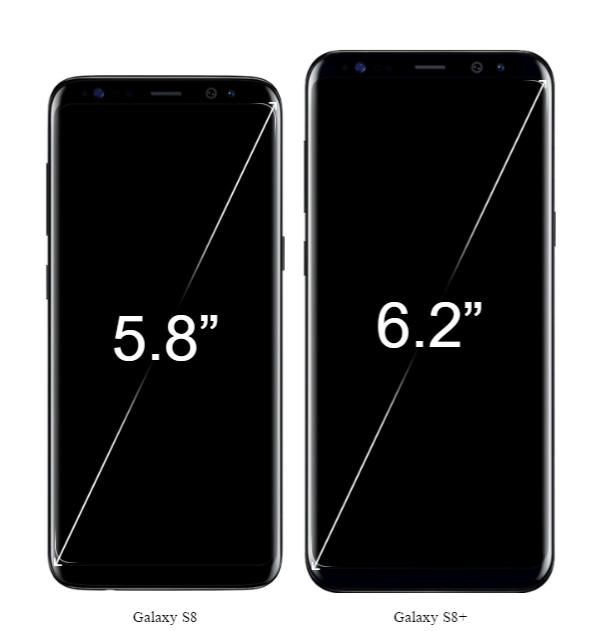
Samsung’s latest flagship comes in two sizes. There is the 5.8-inch Galaxy S8 and the 6.2-inch Galaxy S8+. Depending on the market region, both phones are either powered by the Snapdragon 853 or Exynos 8895 processor.
Pre-orders for both phones start tomorrow, April 7, before it goes on sale on April 21. Unnamed sources have said that Samsung is increasing production for the larger variant based on the early positive reports it has received from retailers.
As at the middle of March, production of the Galaxy S8+ stood at 40% of total output but it has now been raised to 45%. The increase in production is reported to affect supply of parts since both variants have some of their components such as the camera modules provided by different suppliers.
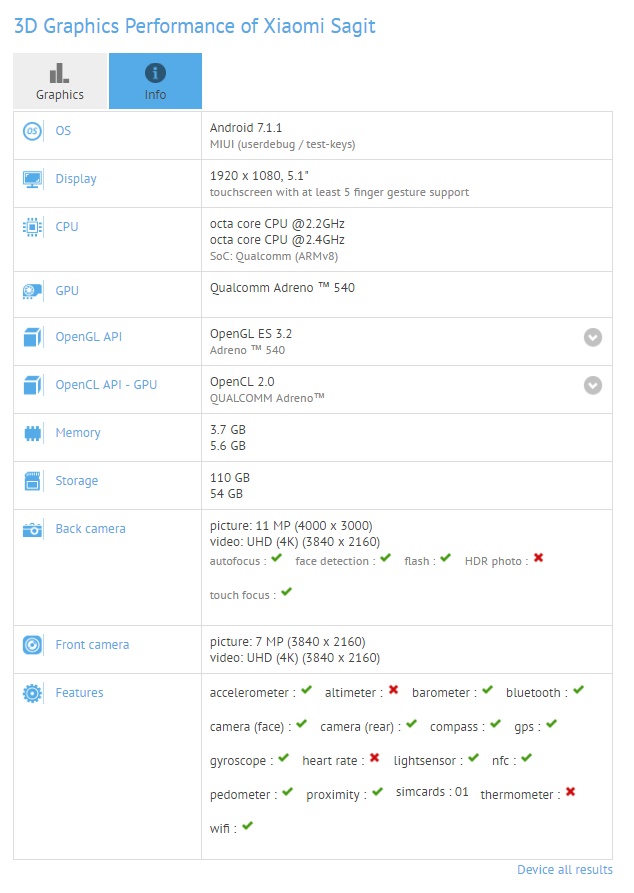
The Xiaomi Mi 6 is surely one of the most anticipated devices to come out of China. If the rumors are true, the Mi 6 should have been launched this time next week. While we await its release, you may want to feast your eyes on this new specification sheet from GFXBench.
The device benchmarked here is called the Xiaomi Sagit and we believe that’s a codename for the Mi 6. Most of the specs are in pairs meaning that two variants were probably benchmarked together. It’s unusual but since its on GFXBench, we do not doubt its authenticity.
The Xiaomi Sagit sports a 5.15-inch display with a FHD resolution. The CPU is the first place we see there are two variants. The processor is an octa-core chip from Qualcomm and its definitely the Snapdragon 835 seeing as the GPU is an Adreno 540. The first listing shows it is clocked at 2.2GHz while the second one is clocked at 2.4GHz. It turns out that Xiaomi will continue its trend of underclocking the processor in the base variant of its flagship.
The RAM comes next. One is listed as having 4GB of RAM while the other has 6GB of RAM. For storage we get 128GB and 64GB. So we are looking at a 4GB + 64GB and 6GB + 128GB configuration when it launches.
Huawei has released three phones this week already. There is the Honor 8 Pro, the Huawei Y5 2017, and the Honor 6C. However, the Chinese manufacturer doesn’t seem to be done yet as a new Huawei phone has been seen on TENAA.
The new Huawei phone is listed as having three sub-models: TRT-AL00A, TRT-AL00, and TRT-TL10. The different models are assumed to be for various networks. The phone actually looks like the Xiaomi Redmi Note 3 with its three-stage back design. The larger part where the fingerprint scanner and camera setup sits is most likely metal. While the upper and lower parts which house the antennas are made of plastic.
The front of the device doesn’t offer much. Huawei’s name sits on the bottom bezel and at the top lies the front camera, earpiece and ambient light sensor.
The specification list of the phone says it sports a 5.5-inch HD display, 4GB RAM, and 64GB of storage. It is powered by an octa-core processor clocked at 1.4GHz and draws juice from a 3900mAh battery. The rear camera is a 12MP sensor and for selfies there is an 8MP shooter. It also runs Android 7.0 Nougat.
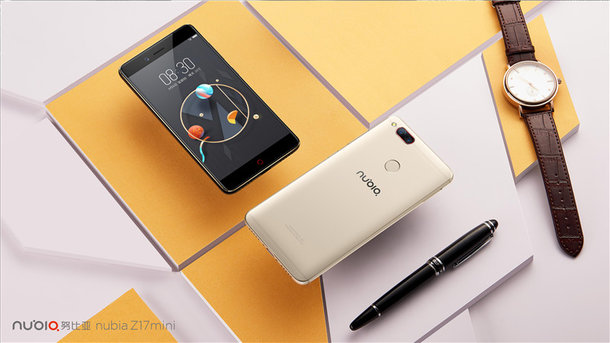
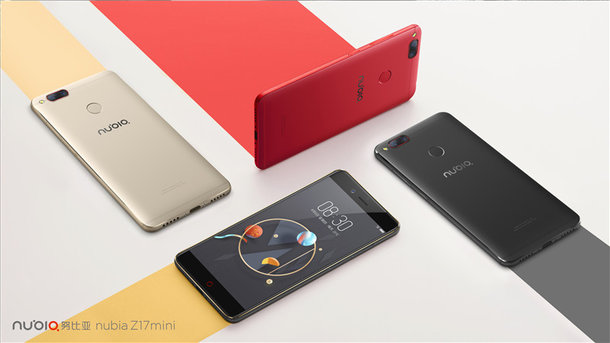
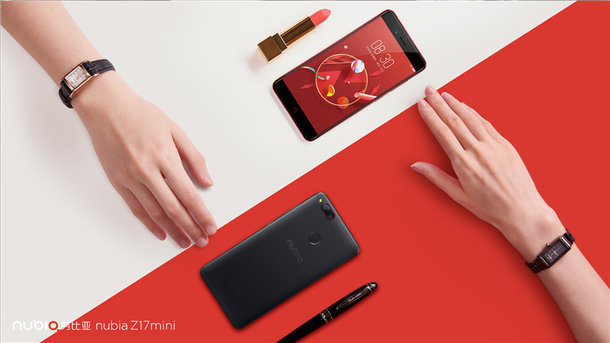
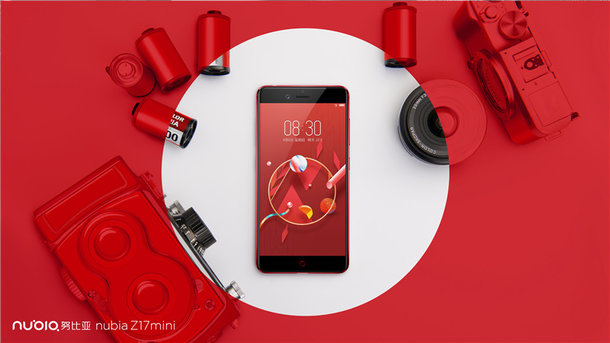
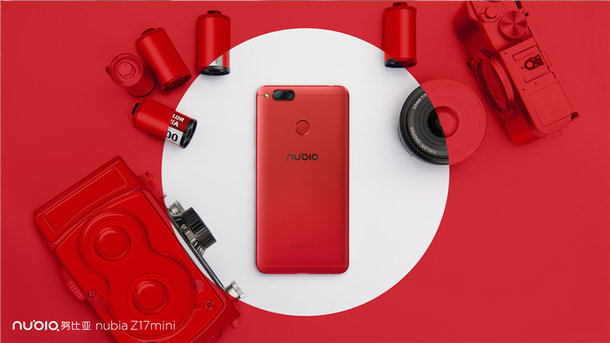
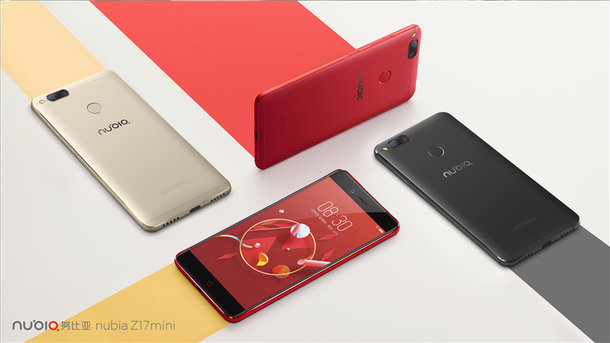
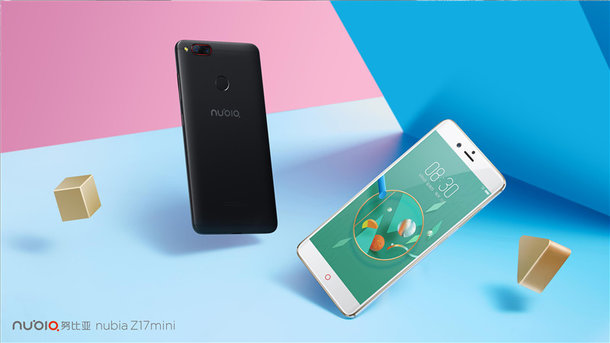
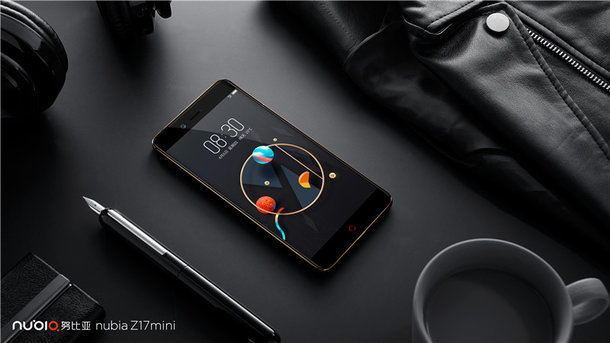
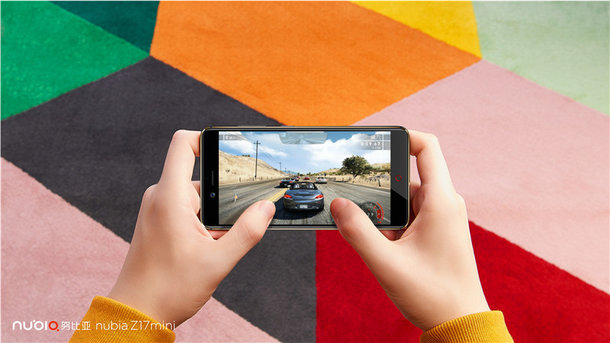
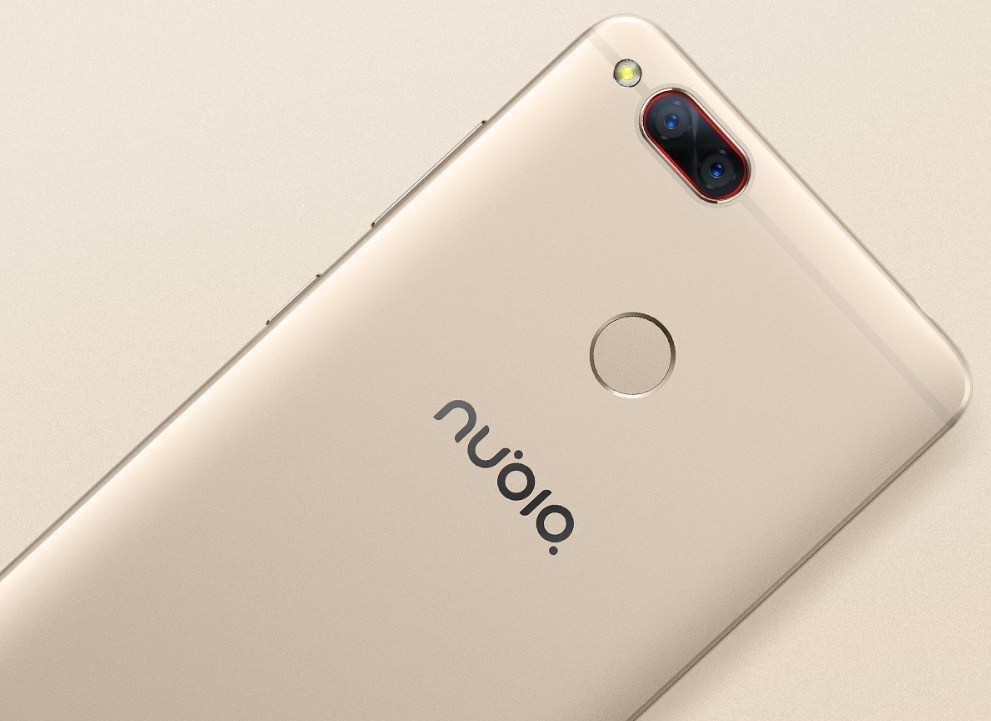
So it happened that while we are yet to see the Nubia Z17, Nubia has gifted us the Z17 Mini. The company took the wraps off the top mid-ranger today in a ceremony held in China. These hands-on images completely unmask the Nubia Z17 Mini giving us a view of the beautiful design characteristic of Nubia.
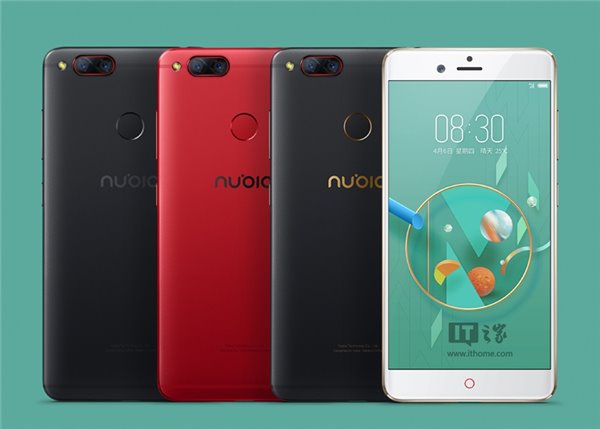
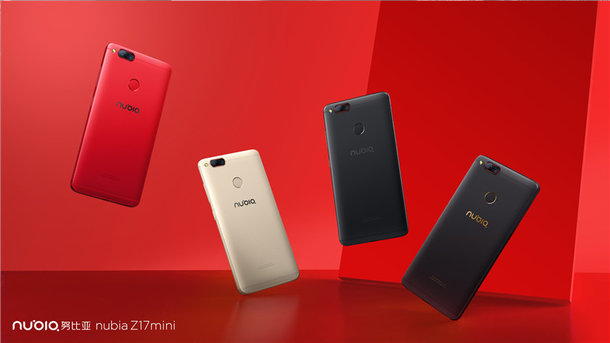
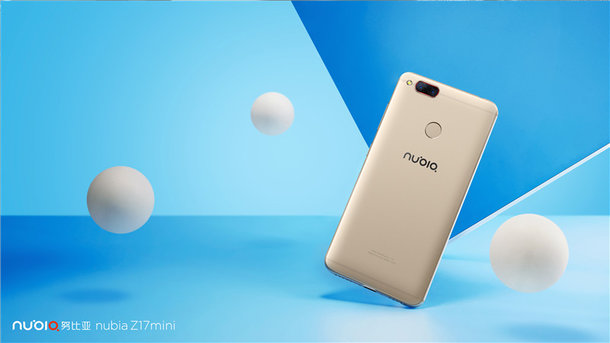
The Nubia Z17 Mini comes in four different colours which include champagne gold, black gold, red and elegant black and all four variants are featured here. Red is turning out to be the new trendy colour which is becoming a regular on most brands. It looks super attractive adorned in red and even the other colours look no less attractive. The champagne gold variant comes with white bezels around the display while the other colors have black bezels.
The Z17 Mini retains the tradition Nubia design language but with some prominent features like the dual-lens camera at the rear. The phone comes with a slim body which is 7.45mm thick and is made up of 97% metal body. There is no physical home button instead, the Z17 Mini uses a virtual button and in order to identify the location of the virtual home button, there is a small, red-colored ring at the centre. The edges of the phone are well chamfered, suited for easy grip with one hand.
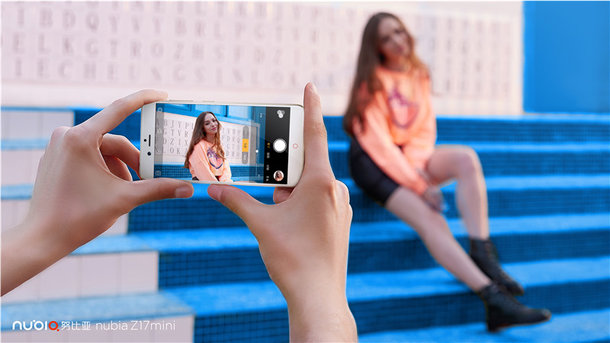
Perhaps, the most stand-out feature on the Nubia Z17 Mini is the dual camera setup at the rear, as well as the large pixel selfie shooter. The main camera is a powerful 13MP Sony IMX258 sensor and the secondary sensor is a black and white camera which is likely a depth of field camera. The dual camera supports 0.1s mixed focus and also 4K ultra-high definition video recording. It can also capture in slow motion and has time lapse feature. You can check out more sleek photos of the Nubia Z17 Mini after this line.
ZTE’s elite brand Nubia latest smartphone, the Z17 Mini which has just been launched today comes with a dual camera setup at the rear. The dual camera has been the major highlight on the phone right from when it appeared on TENAA to the teaser featuring Cristiano Ronaldo. Nubia had even teased some of the features of the dual cameras earlier on.
As if that was not enough, Nubia CEO Ni Fei also shared some sample images shot on the Nubia Z17 Mini rear cameras on Weibo. The quality of the photos is incontestably high with bokeh effects that give a blur effect to the adjoining environment but highlight the subject with clarity. The images don’t look like what was captured while in motion so, there is the possibility of a time-lapse feature being on the camera.
The Nubia Z17 Mini sports a 5.2-inch TFT 1080p display. It is powered by a Snapdragon 653 on one model, backed by 6GB of RAM and there is another model with a Snapdragon 652 processor that is backed by 4GB of RAM. Both models come with 64GB storage apiece which is expandable up to 200GB. The phone sports a 13MP sensor at the rear camera but there is also a second sensor likely a depth of field sensor. The front camera is a 16MP selfie shooter which should do justice to our selfie needs. Keeping the lights on is a 2,930mAh battery. Meanwhile, check out more sample photos from under.
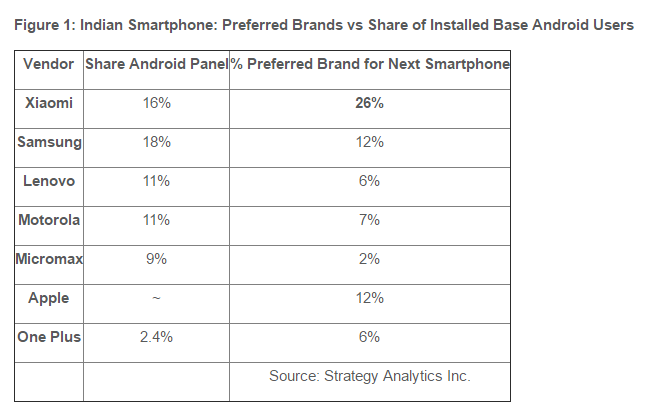
With the release of mid-range smartphone such as Redmi 3S, Redmi 3S Prime, Redmi Note 3, Redmi Note 4 and Redmi 4A, Xiaomi has managed to gain huge popularity in India. The popularity of Xiaomi in India is such that it has already outranked Samsung and Apple. A report by Strategy Analytics has revealed that Xiaomi is the most desired smartphone brand for Android users this year. Its popularity is expected to increase even more with the arrival of Redmi 4 and Redmi 4 Prime smartphones.
According to the report, a survey conducted on 2,000 users have revealed that 26 percent people in India are interested in purchasing a Xiaomi branded phone as their next Android smartphone. With 12 percent, phones from Samsung and Apple are the next preferred choices for smartphone buyers.
Previously Indian customers preferred smartphones with larger display and better camera. However, the research by Strategy Analytics has revealed customers now prefer to buy those smartphones that offer faster network speed and processor performance. This could benefit cellular network providers as they are seeking customers who prefer LTE connectivity. It is good news for chipset vendors as they are working towards migrating huge number of feature phone users in the country.
The research also suggests that smartphone makers promoting features like camera quality, megapixel and display resolution are not able to attract Android smartphone buyers in India. According to the senior analyst for Strategy Analytics, Rajeev Nair, from the time Xiaomi began selling its smartphones in India, it managed to slot itself in the top three smartphone vendors in the last quarter of 2016. Xiaomi has met with a stupendous year-on-year growth of 125 percent as well as quarter-on-quarter growth of 17 percent. In Q4 2016, it gained 10 percent of smartphone market share in India.
Nokia is slated to make a comeback between April and June in India. Its arrival can be a threat to some brands like Micromax, Sony, LG, Lenovo and Motorola.
The survey also revealed that only 6 percent of smartphone buyers in India prefer to buy high-end phones costing over Rs. 35,000 ($540). It states that half the number of smartphone customers in the country prefer to purchase smartphones priced between Rs. 10,000 to Rs. 20,000 ($155 to $308).
Huawei may be facing a possible UK ban if it fails to pay 4G patent royalties. The ruling was delivered by The High Court of England and Wales for a suit filed by Unwired Planet International.
Unwired had filed a lawsuit against Huawei for infringing on its 4G patents. The court’s ruling says that Huawei must pay licensing fees to Unwired or face a ban of sales of its 4G phones in the UK.
Originally, the patents belonged to Ericsson before they were acquired by Unwired. Huawei had a licensing agreement with the former owner but failed to draw up a new one with Unwired.
The patents are essential to implement established communications standards, hence the royalties paid must be fair, reasonable, and non-discriminatory (FRAND). So Huawei’s initial offer of 0.034 percent of its revenues on 4G equipment doesn’t meet the FRAND standard neither does Unwired’s request for 1.49 per cent on 4G handsets and 2.29 per cent on Huawei’s 4G equipment.
After a number of teases and leaks, Nubia has finally unveiled its new dual camera phone, the Z17 Mini. Nubia has gone all out with this new device and the specifications puts it at the top of the higher mid-range phones.
Nubia Z17 Mini Design
Nubia has settled for a full-metal design on the Z17 Mini. The front is however covered with glass from top to bottom. The dual rear cameras are positioned on the same line as the antenna and they feature Nubia’s signature red outline.
The front of the phone doesn’t sport the physical home button/fingerprint scanner seen on the Nubia M2. All you have is the red holo capacitive key staring at you. At the top, there is the earpiece which is flanked on the left by the front camera and at the top by the proximity sensor.
Nubia has released the Z17 Mini in four different colors. You can pick from either champagne gold, black gold, red or elegant black.
Nubia Z17 Mini Specs
The Z17 Mini sports a 5.2-inch display with 2.5D Corning Gorilla Glass for protection. The display offers a 85% color gamut and boasts a ppi of 424.
The memory configuration is quite impressive. You either get 6GB or 4GB of RAM but built-in storage remains 64GB on both versions. The difference in RAM is replicated in the processor too. The 6GB RAM variant is powered by Qualcomm’s MSM8976 Pro (Snapdragon 653) while the 4GB RAM variant gets the Snapdragon 652 processor. The Snapdragon 653 offers a 10% increase in performance just like the Snapdragon 821 does over the Snapdragon 820. So unless you need the extra memory and power boost, the 4GB RAM variant is cool.
Storage on both variants can be expanded via a MicroSD card (200GB max.), but you will have to sacrifice the second SIM slot to do that.
For connectivity, the NUbia Z17 Mini has dual band WiFi, NFC, GPS, and Bluetooth 4.1. There is DTS Audio Enhancement, a USB Type-C port, and a rear-mounted fingerprint scanner. Nubia has settled for a non-removable 2950mAh battery to power the Z17 Mini and will be shipping it with Nubia UI 4.0 based on Android Marshmallow.
Nubia Z17 Mini Cameras
You must have noticed I didn’t mention anything about the camera in the specs, that’s because it deserves to be separated. The rear cameras on the phone are dual Sony IMX258 f/2.2 sensors. One of the sensors shoots in color while the other shoots in black and white. The lens are covered by sapphire glass and there is EIS and OIS so you can take and record steady shots and videos. The front camera is a 16MP sensor with an 80° wide-angle lens and a f/2.0 aperture.
Nubia has also upgraded its camera UI, NeoVision to version 6. The upgrade brings new features such as portrait mode, time lapse pictures, monochrome pictures, 3D pictures and even supports aperture adjustment.
Nubia Z17 Mini Price
The 4GB + 64GB Z17 Mini will sell for ¥1699 ($247) and will go on sale on the 13th of April on Nubia’s official website, Lynx, and Suning.
The 6GB + 64GB model is priced at ¥1999 ($290) and will also be available on the 13th of April at 10 am on the official site, offline stores, and on Jingdong.
The Nubia Z17 Mini is not Nubia’s first dual camera phone, the Nubia M2 gets that title. We can’t tell which one takes better pictures but we hope to provide a comparison in future.
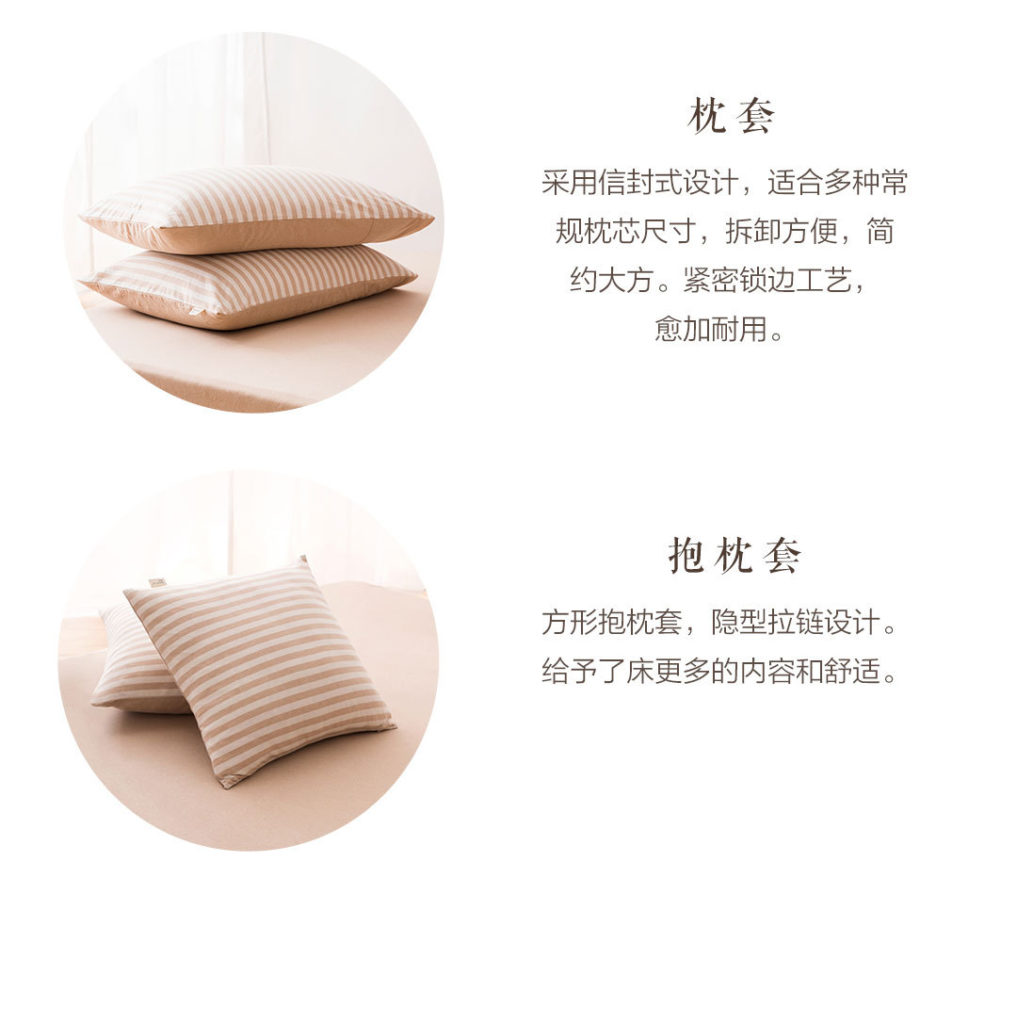
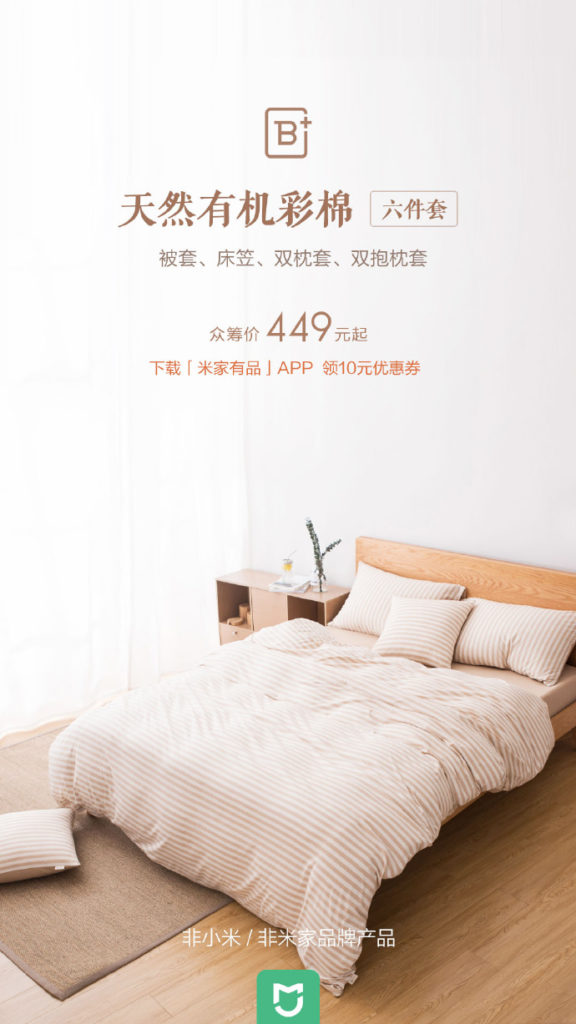
Xiaomi has launched a new crowdfunded product under the MIJIA brand. The product which happens to be the 75th crowdfunded product is a set of cotton bed, along with beddings, a pair of small and another pair of big pillows.
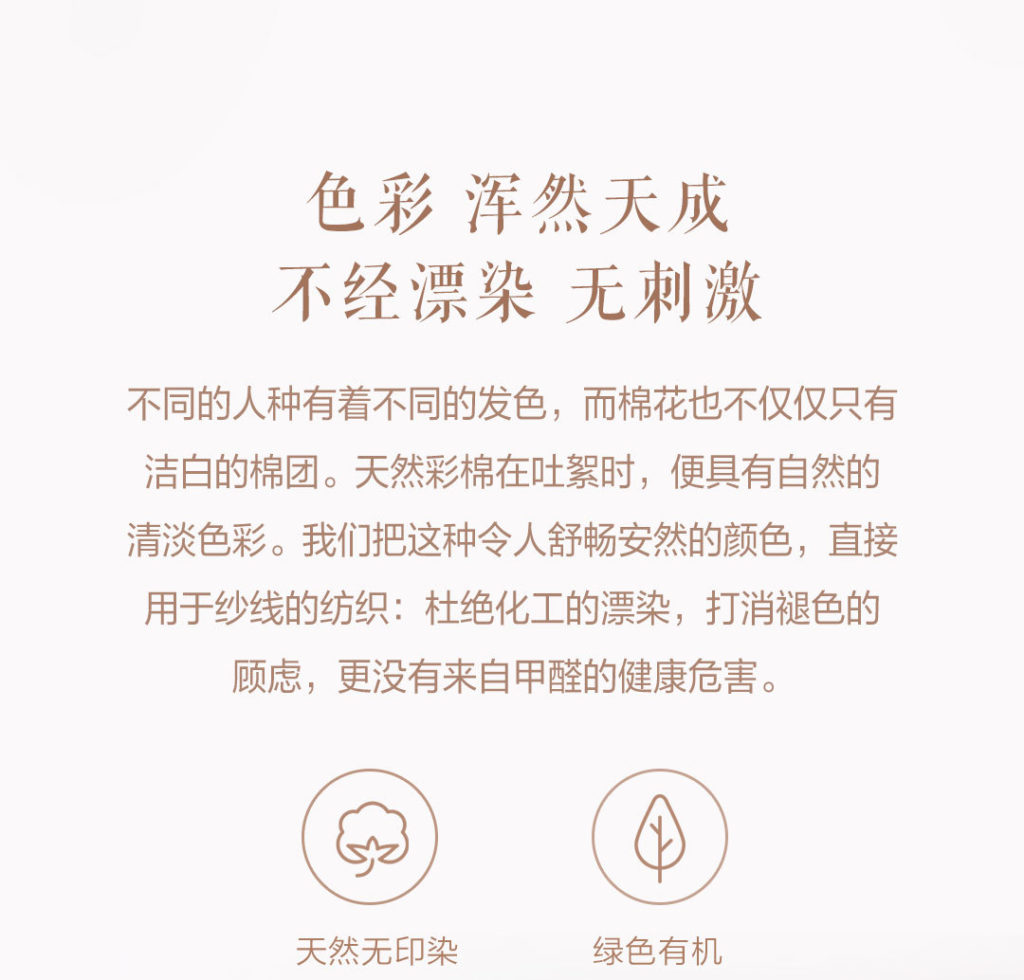
The new cotton bed is made 100% from organic cotton and is different from the traditional woven fabric. The cotton material makes it easy to clean when dirty and also will dry faster. Apart from using the bedding, the mattress can even be used bare as it comes with same pure cotton.
The mattress itself comes in two sizes, one which is 1.5 metres long and it retails for 449 Yuan ($65), while there is also a much bigger 1.8-metre version which is priced at 499 Yuan ($72). The product is open for funding on the crowdfunding official portal (home.mi.com) platform and it will start shipping as from May 20.
We use cookies on our website to give you the most relevant experience by remembering your preferences and repeat visits. By clicking “Accept”, you consent to the use of ALL the cookies.
This website uses cookies to improve your experience while you navigate through the website. Out of these, the cookies that are categorized as necessary are stored on your browser as they are essential for the working of basic functionalities of the website. We also use third-party cookies that help us analyze and understand how you use this website. These cookies will be stored in your browser only with your consent. You also have the option to opt-out of these cookies. But opting out of some of these cookies may affect your browsing experience.
Necessary cookies are absolutely essential for the website to function properly. This category only includes cookies that ensures basic functionalities and security features of the website. These cookies do not store any personal information.
Any cookies that may not be particularly necessary for the website to function and is used specifically to collect user personal data via analytics, ads, other embedded contents are termed as non-necessary cookies. It is mandatory to procure user consent prior to running these cookies on your website.