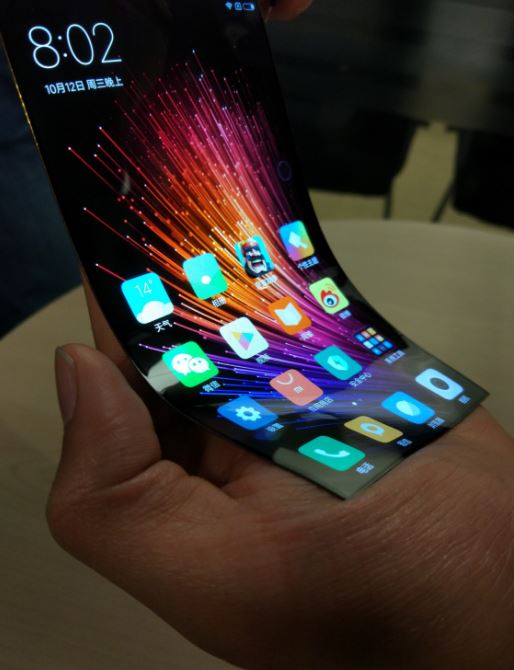
Seems bendable smartphones are the future, considering the rate at which leaked renders of concept phones with flexible displays are being unveiled. Just recently, we got wind that Samsung had filed a patent for a foldable smartphone, not forgetting that Lenovo had teased a flexible smartphone just before the IFA Berlin 2016. We were even looking forward to the launch of the Lenovo flexible phone at IFA but that didn’t happen. OPPO had also in the past got into the fray of concept phones with flexible display. Now, what is likely a concept phone said to be developed by Xiaomi has leaked, showing the flexible display that bends in all direction.
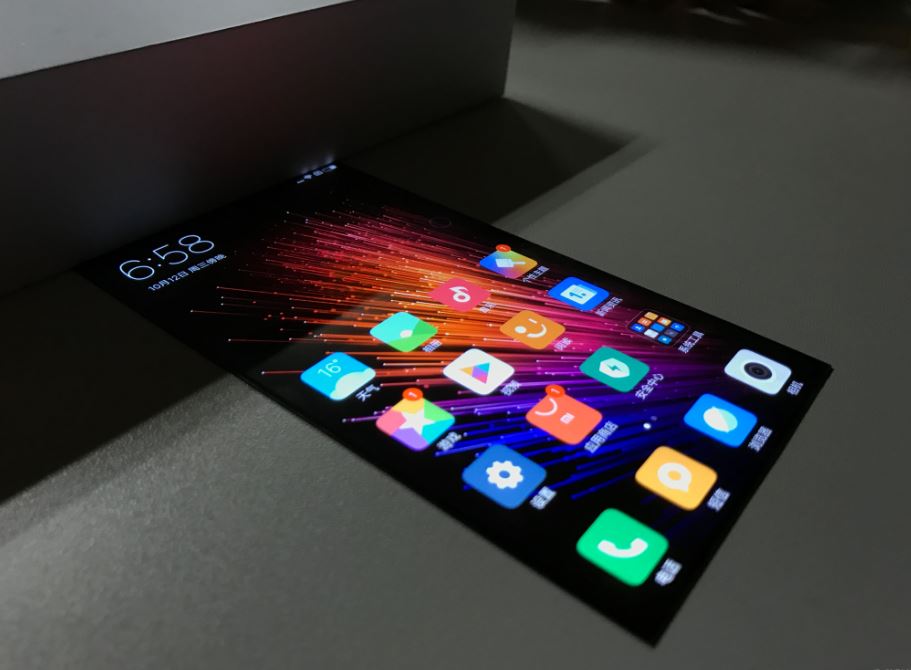
The Xiaomi concept phone was leaked on Baidu recently and was pictured in two separate renders. The phone uses flexible screen that can be bent upwards, downward, as well as to the left and right. The images don’t show sign of a Photoshopped render so may perhaps be authentic. Even at that, we cannot vouch for its authenticity and it is very unlikely that we would be seeing this device sometime soon. The problem with bendable display has always been its difficulty to mass produce and the cost effectiveness of the project. For now, we would just be content with the curved displays we have and would rather see phones with less bezels.
However, the display looks stunning with a ultra high color output which is also very sharp and we hope the expected Mi Note 2 would boast of such display quality even though it isn’t expected with a flexible display.
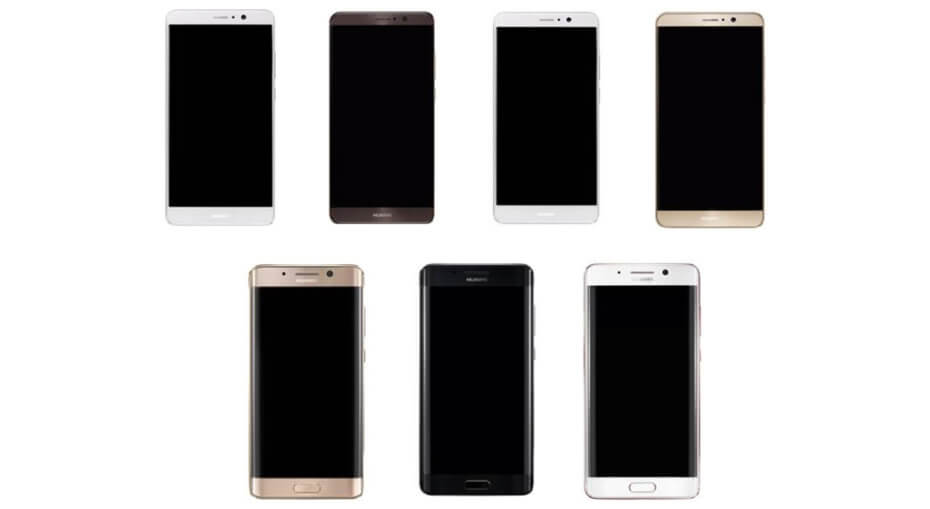
Huawei Mate 9 is set to hit the big stage no doubt, and it has been predicted to hit it running considering the specs line-up the device would showcase. The Mate 9 will likely be unveiled at an event scheduled for November 3 in Munich, Germany. Despite the launch being so close, rumors and last minute leaks are still coming in.
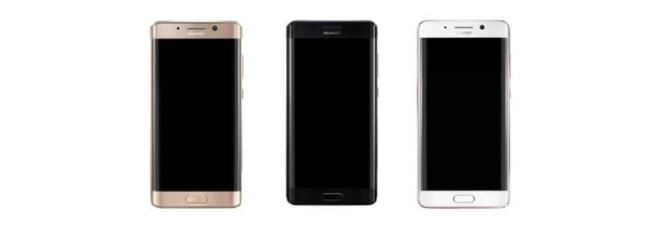
The latest rumor is that Huawei will unveil to different body styles on that day, said to be distinct up to the point that one of the designs would sport a curved display. Both design styles are said to go by the code-names Manhattan and Long Island, coined from two popular New York locations, one a borough and the other a region.
Mate 9 Code-named Long Island
Of the two, the model code-named Long Island seem to be at the top of the pack as it is said to feature a dual-edge curved display similar to those on Samsung’s Galaxy Edge series as well as on the Note 7. The model is said to come with QHD reolution in contrast with Manhattan’s FHD resolution power and would support Android’s DayDream VR functions. Unfortunately, according to the source the Long Island code-named model would only be sold in China while the Manhattan model would be released globally including the United States.
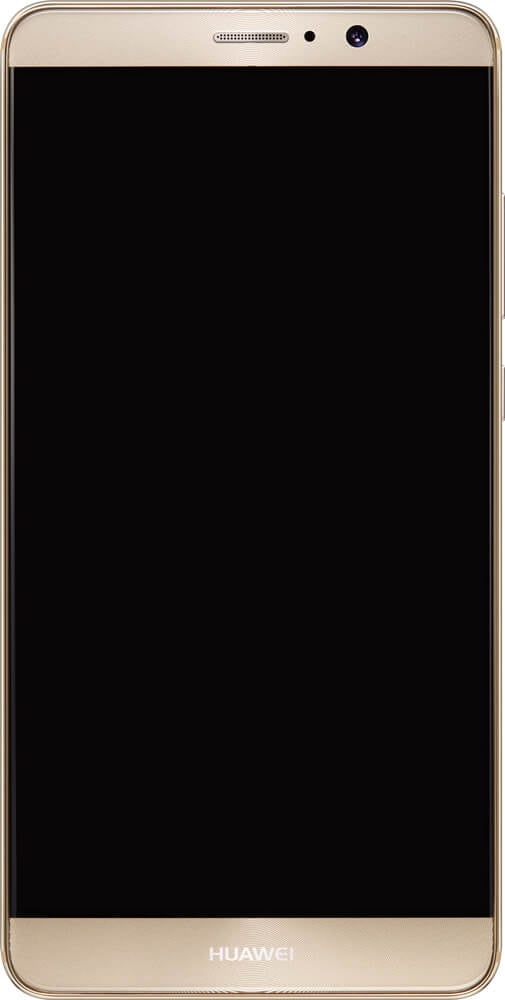
Mate 9 Code-named Manhattan
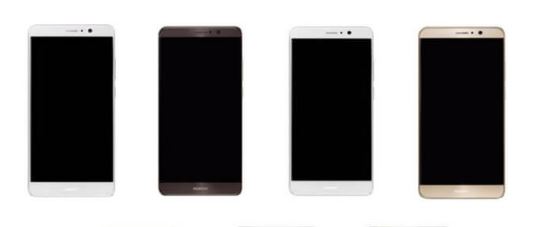
Also one of the internal source is said to have hinted that the recent leaked renders of the Mate 9 in several colors, which look similar to Manhattan are not accurate in the sense that they don’t depict front of the device correctly. The source claims the render pictured below is the right depiction of the Huawei Mate 9 model code-named Manhattan which would see a global roll-out. Another source however revealed that the rumored specs of the device already in circulation are accurate.
As a reminder, the Huawei Mate is said to come with a 64-bi HiSilicon Kirin 960 processor, a 5.9-inch display, dual Leica cameras similar to the Huawei P9’s but with f/2.0 and 20MP sensor, iris recognition, 4GB RAM and 6GB RAM versions as well. The device is also expected in three storage versions of 64GB, 128GB and the top most with 256GB which would only be available on the 6GB RAM version.
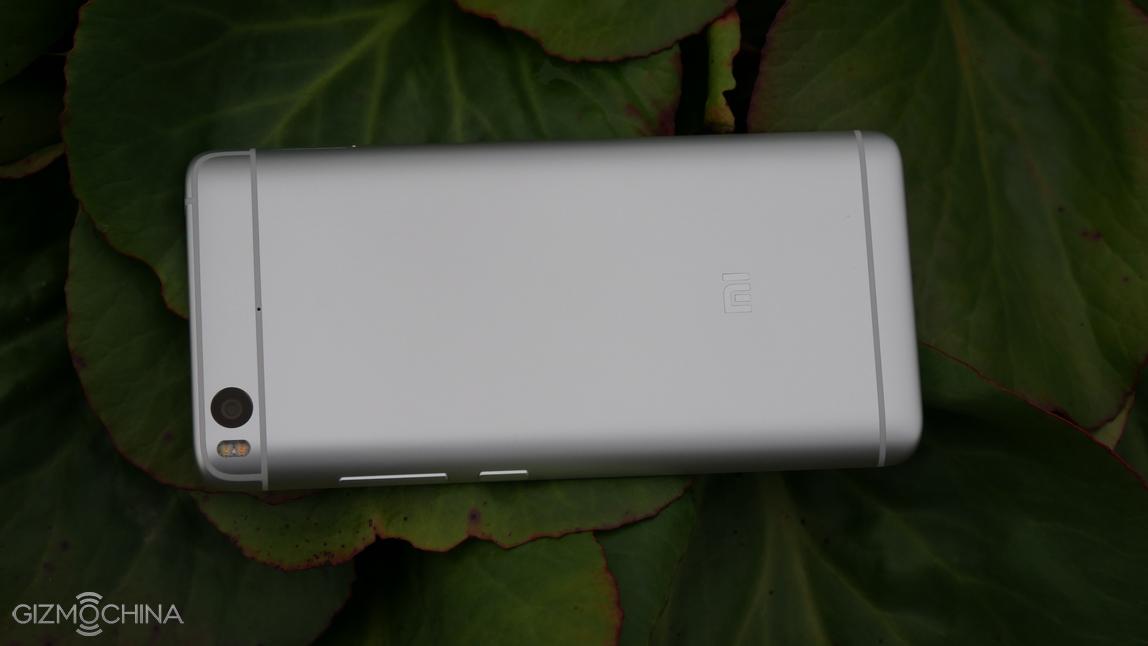
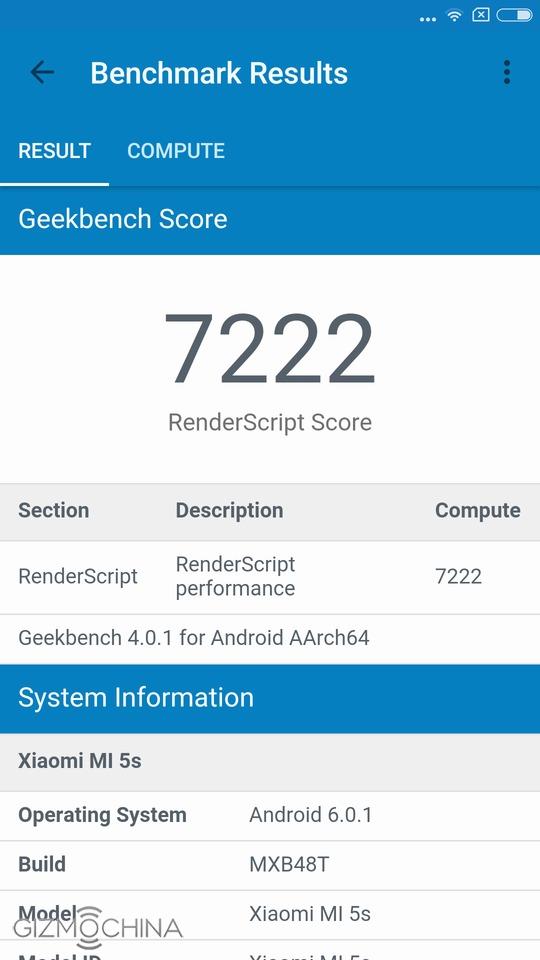
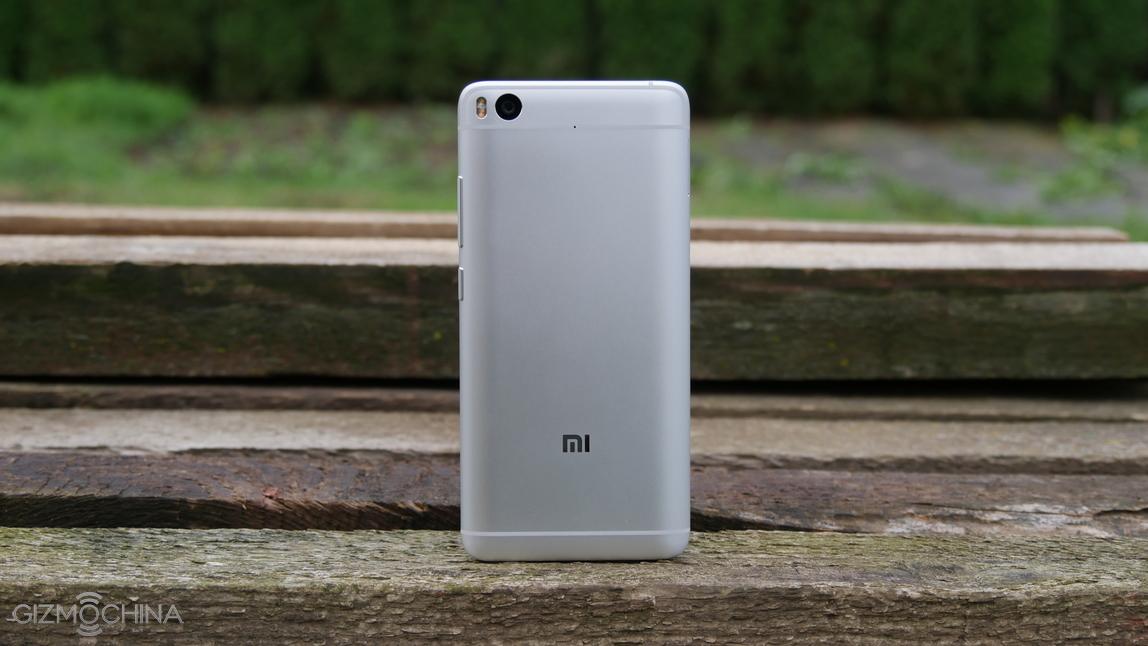
Xiaomi has been on a roll as they released so many smartphones and the Mi5s is one of their latest and greatest offerings. It is all-metal, it has Snapdragon 821 chip and a lot more. This is Linus, stay tuned for a full review.
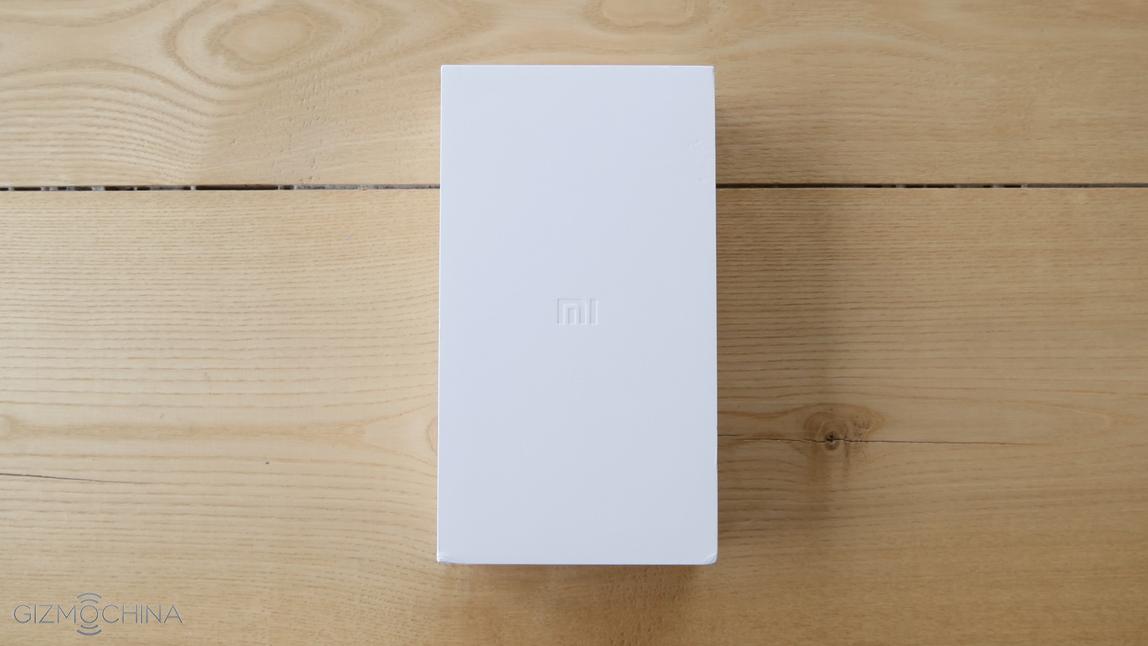
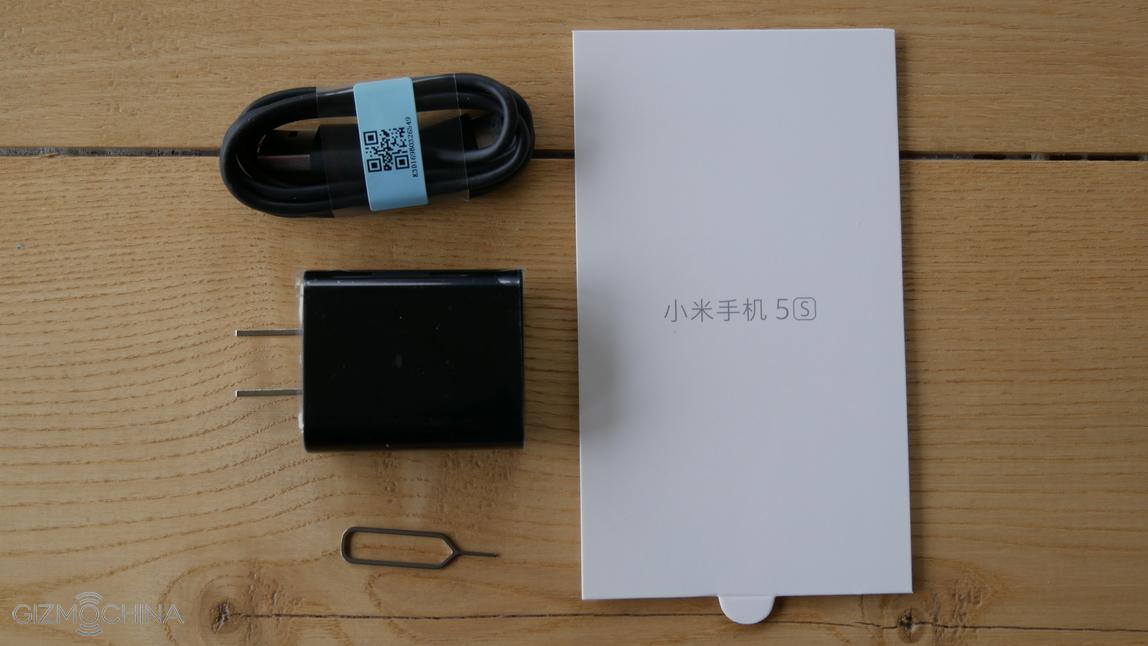
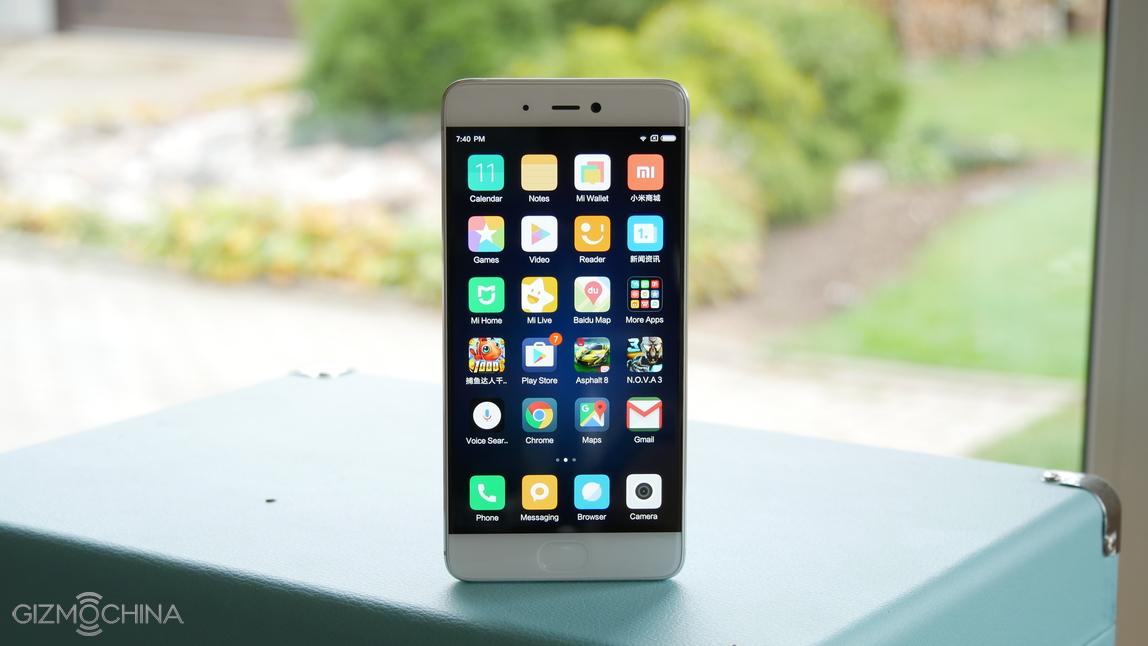
My initial impressions once I took the phone out of the box where… wow, this is the most beautiful Xiaomi phone ever.
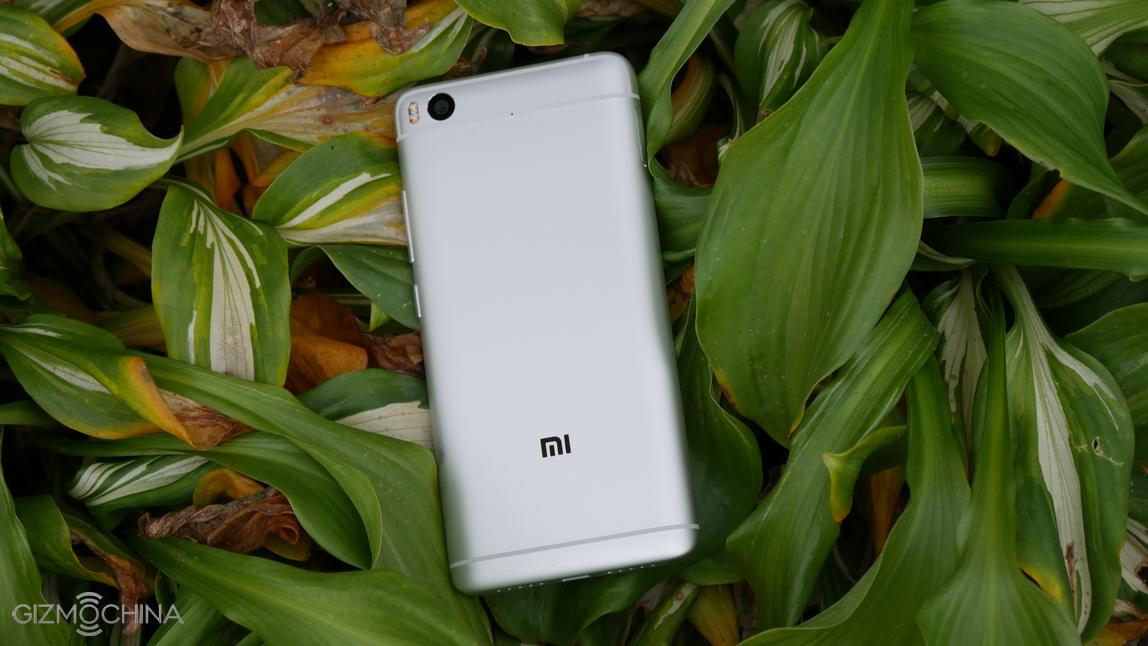
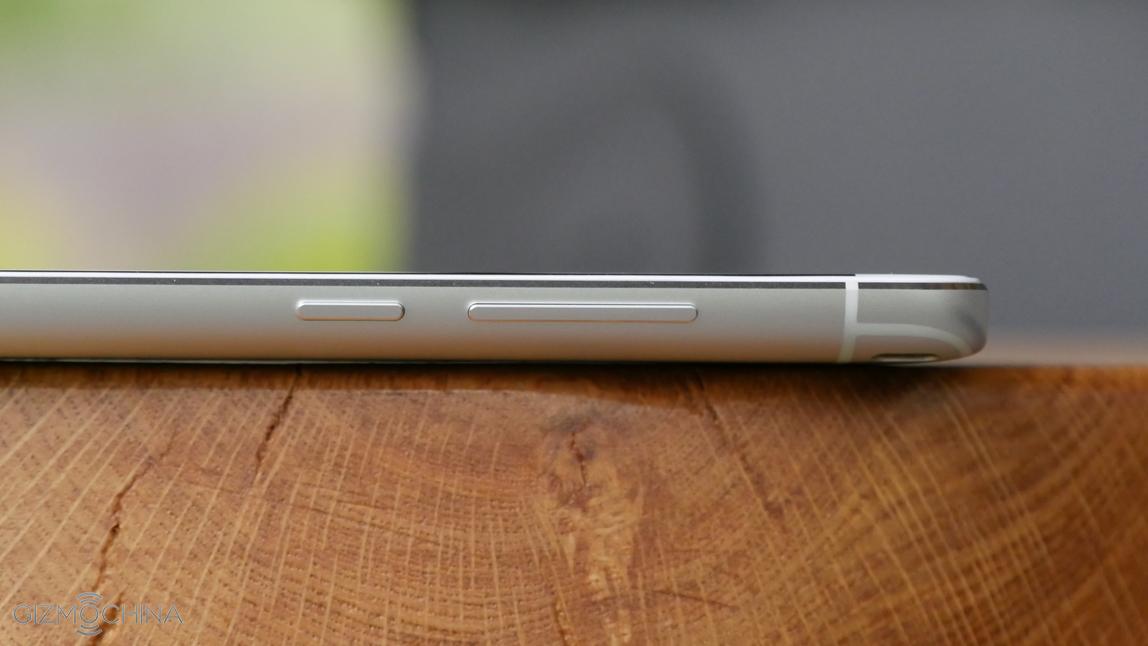
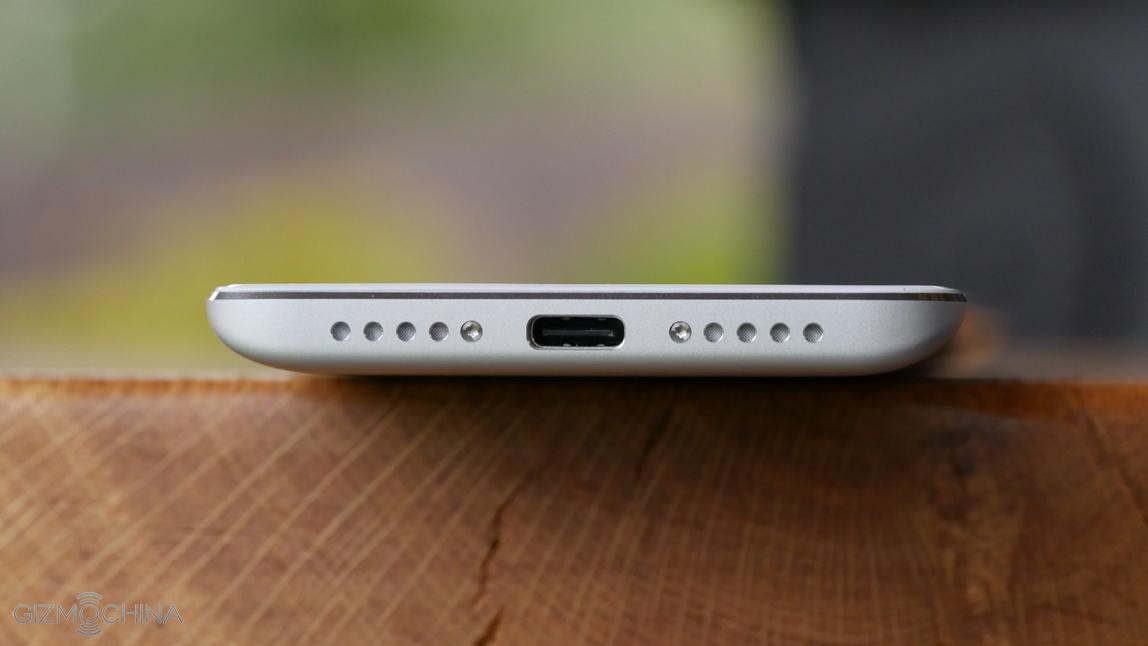
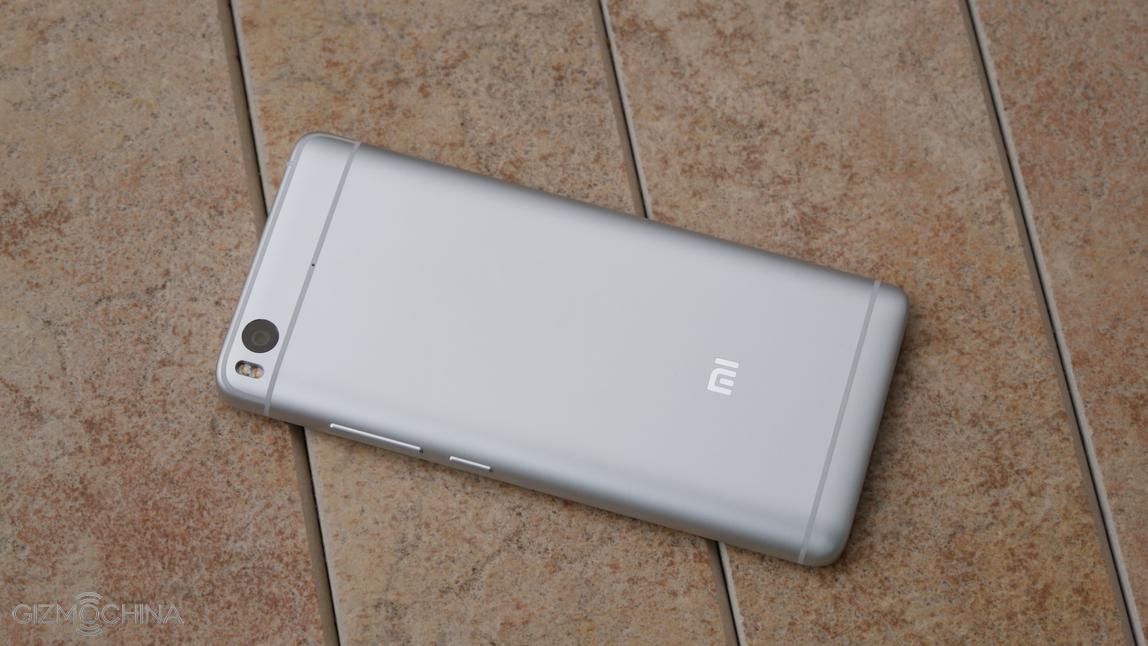
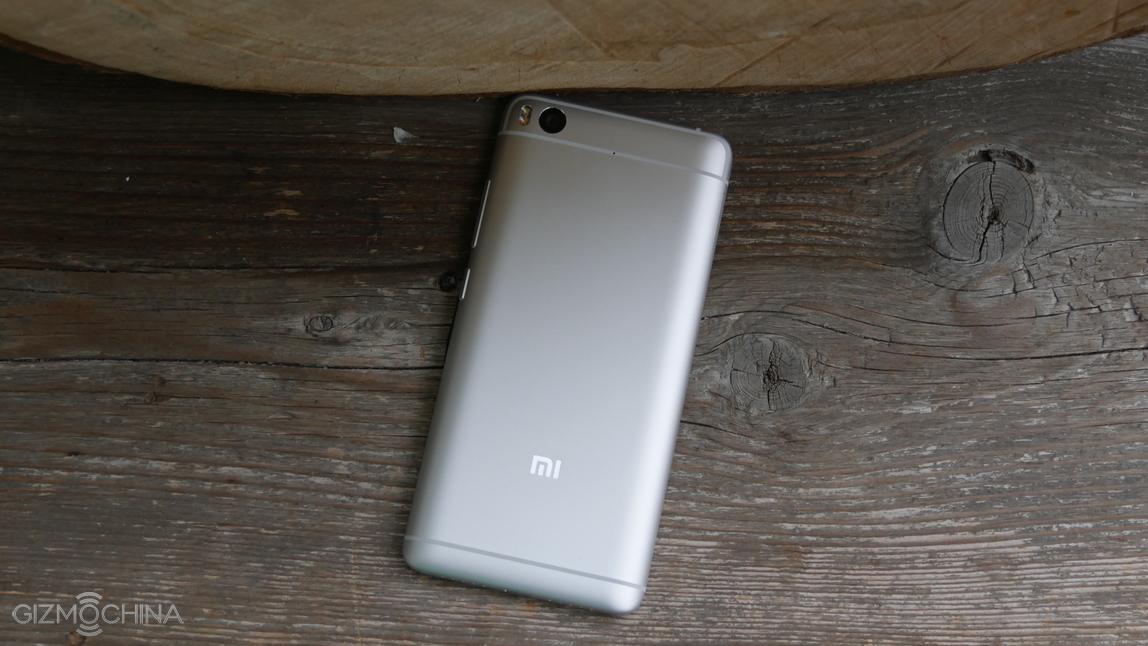
Seriously, this thing looks and feels just gorgeous. We have a unibody all-metal shell with nicely rounded edges and tactile metal buttons.
There are no plastic parts whatsoever except for these nano-injected inlays for antennas.
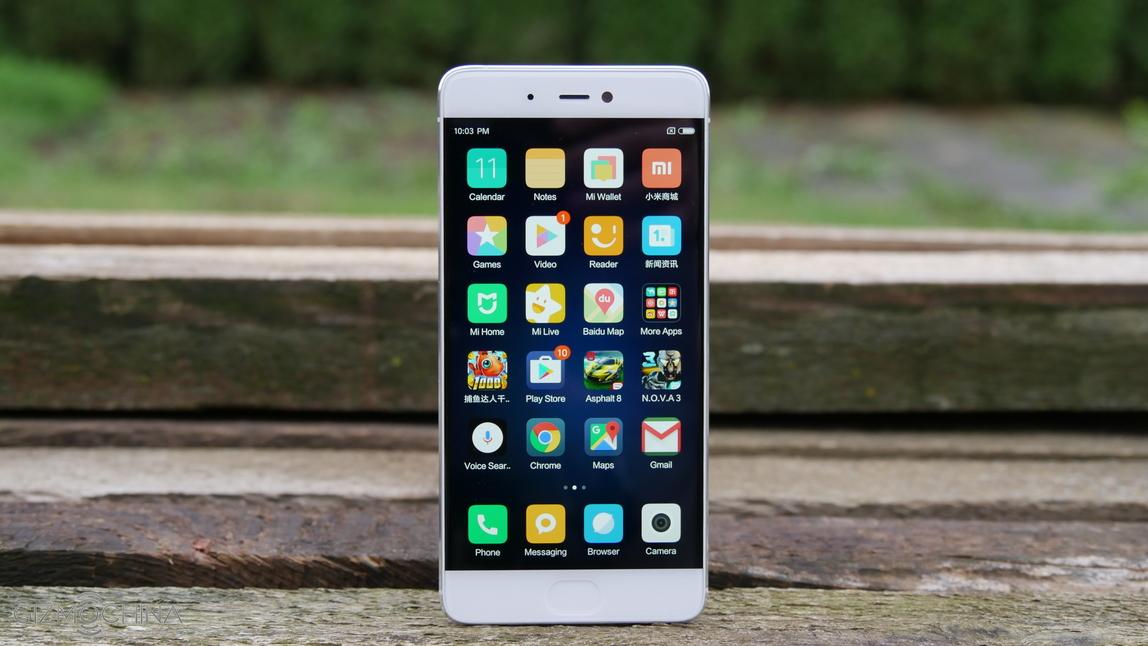
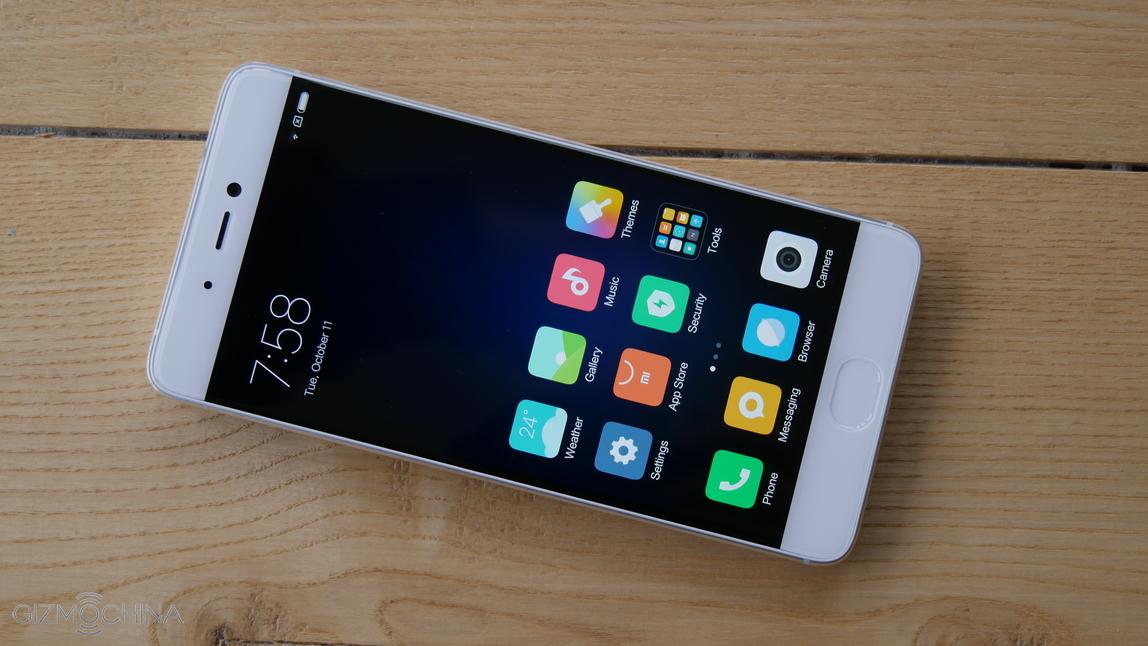
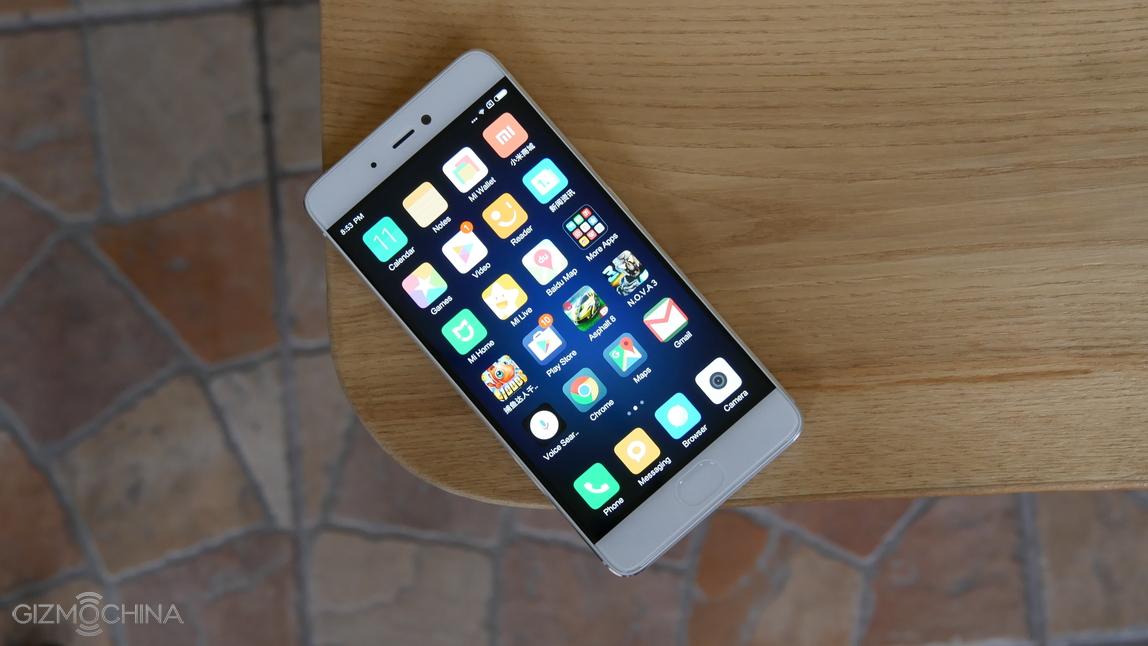
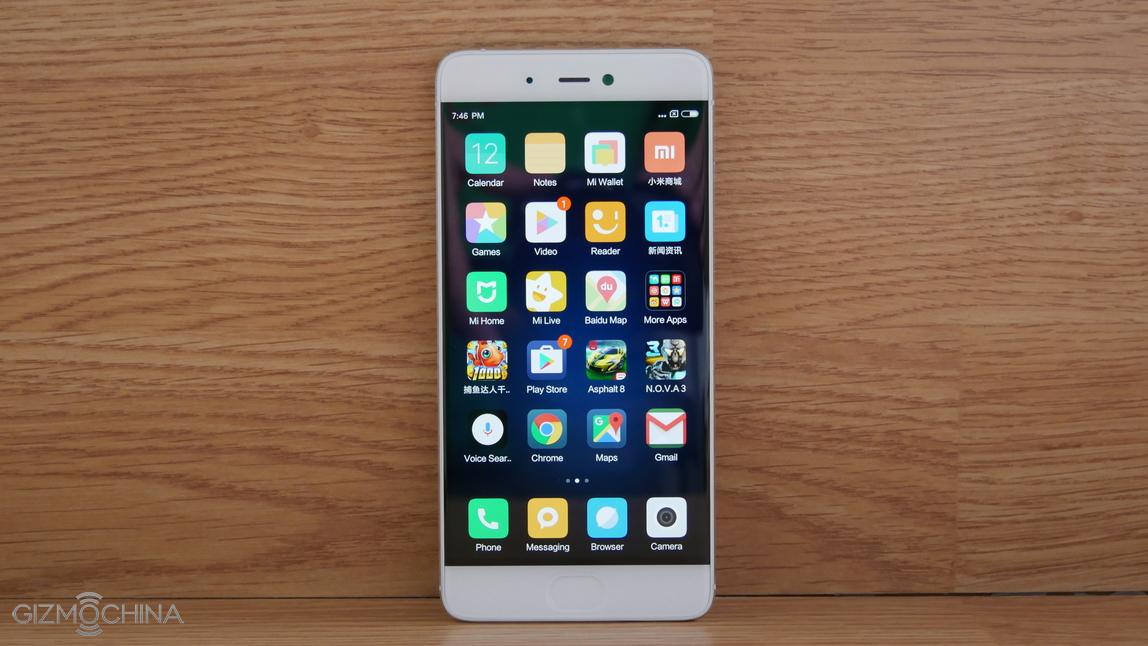
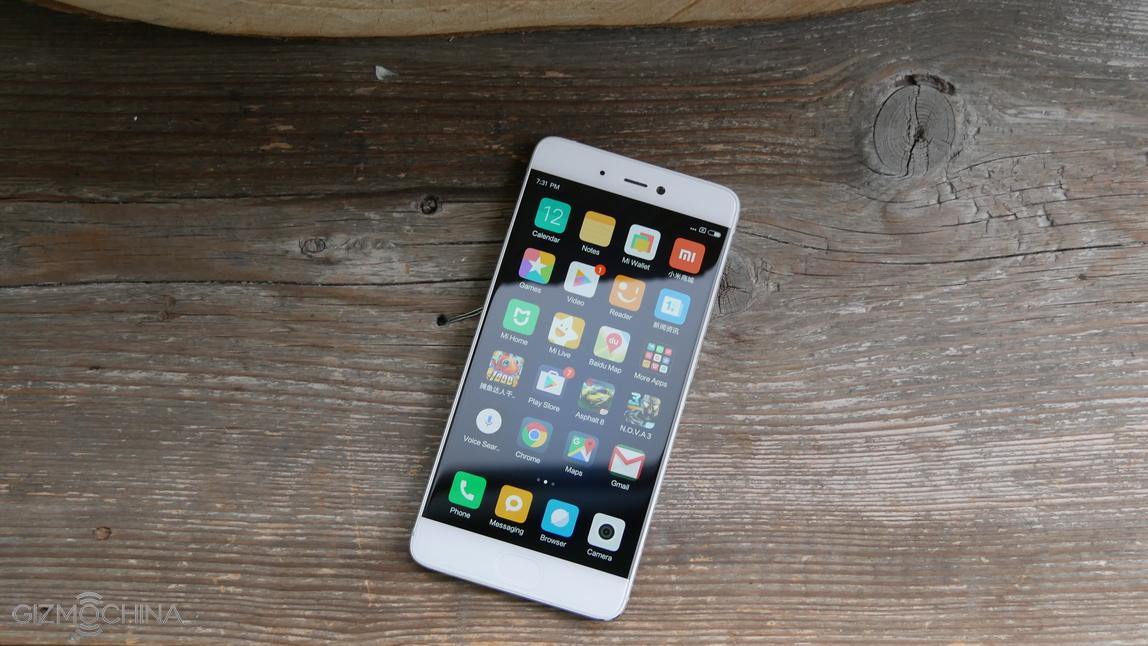
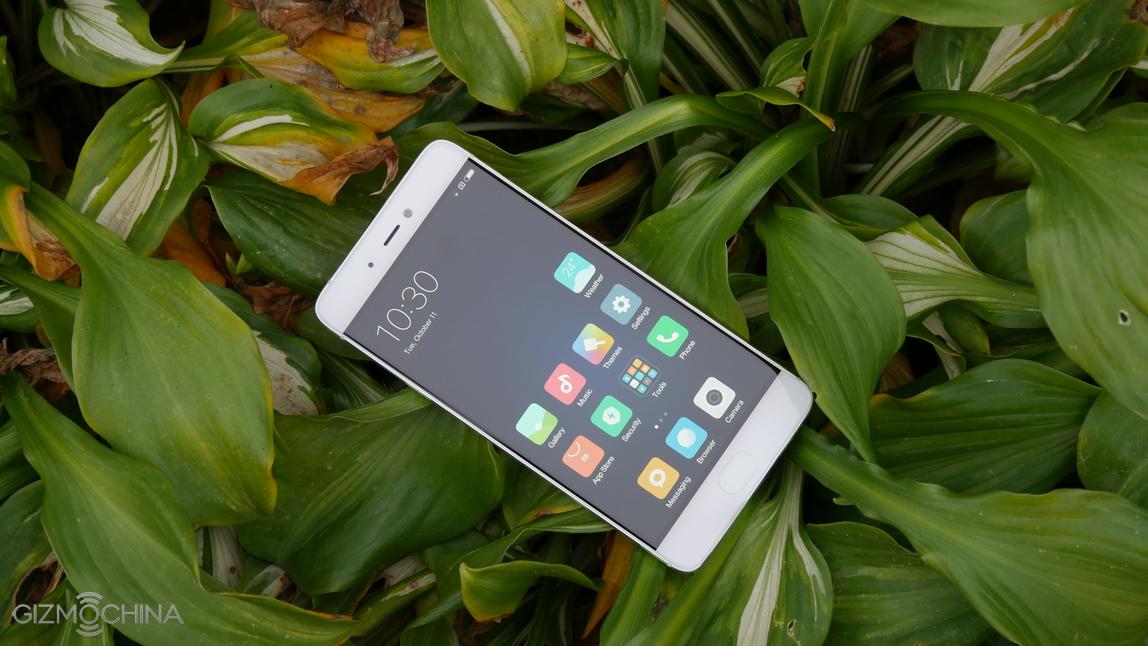
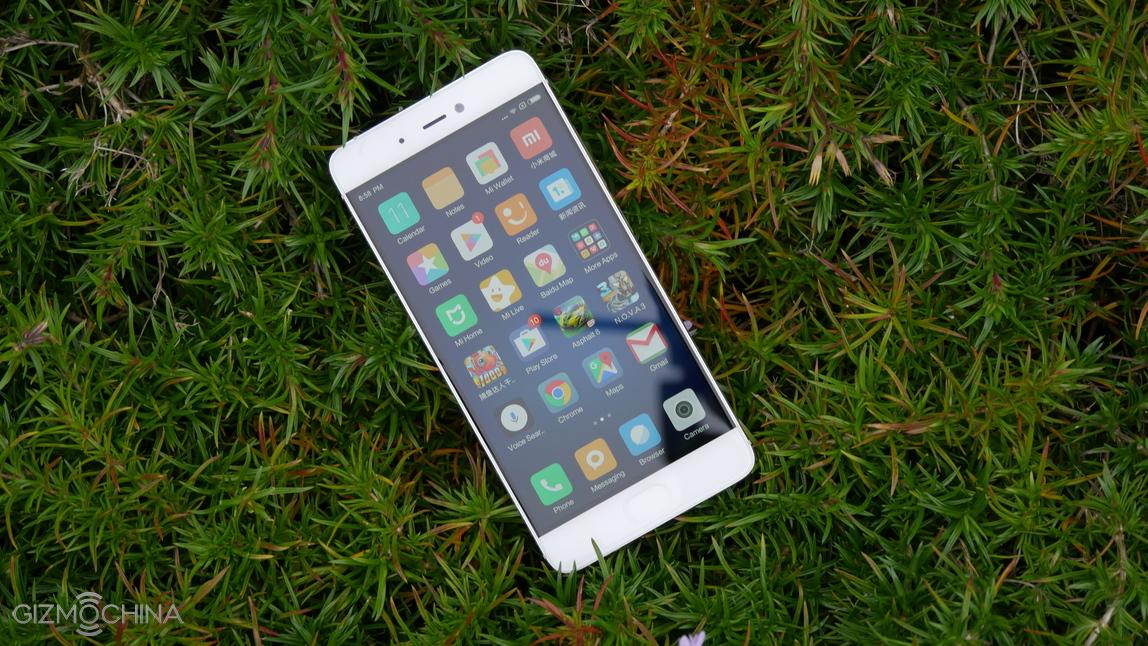
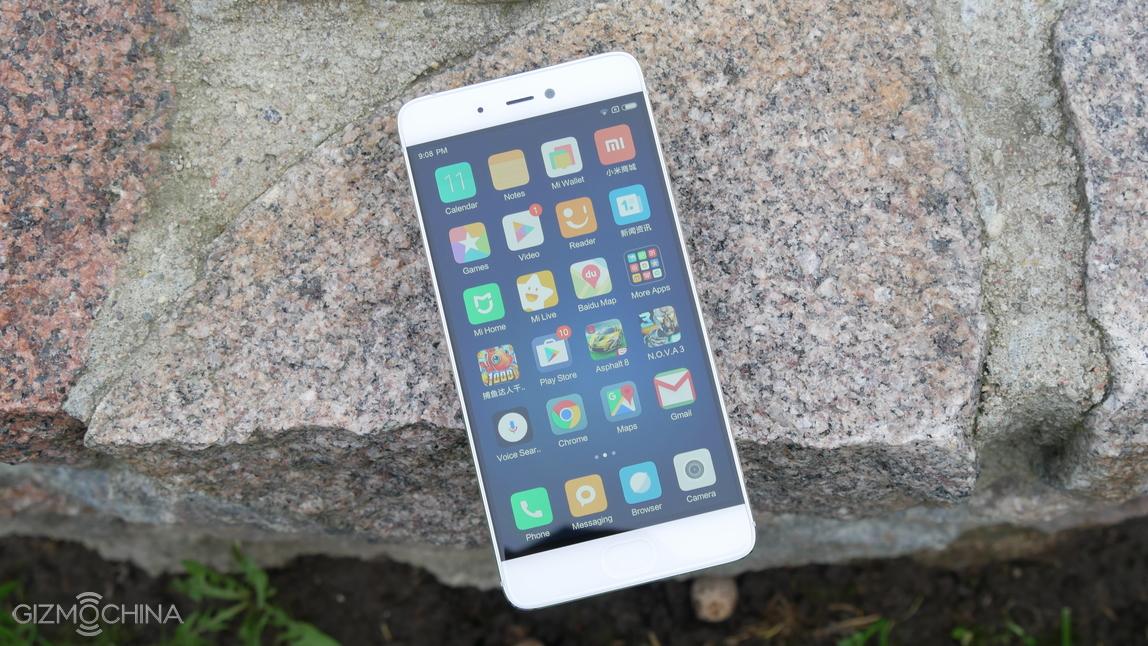
I love the fact that the Xiaomi Mi5s is a compact phone due to its 5.15” 1080p display, which is sharp, vibrant and awesome-looking panel.
We don’t have any physical buttons as Xiaomi implemented a home key, which you can simply tap on. Also, it works as a fingerprint scanner, which I found to be pretty accurate and it unlocks your phone straight from the standby mode. The capacitive buttons are nicely backlit and they can be highly customized.
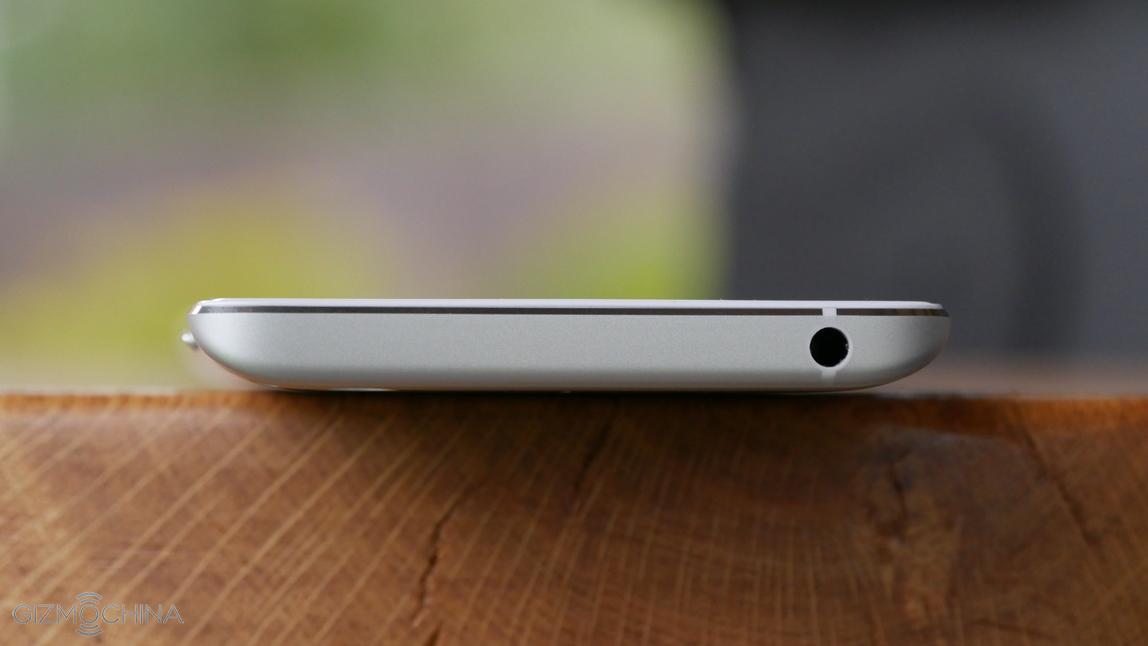
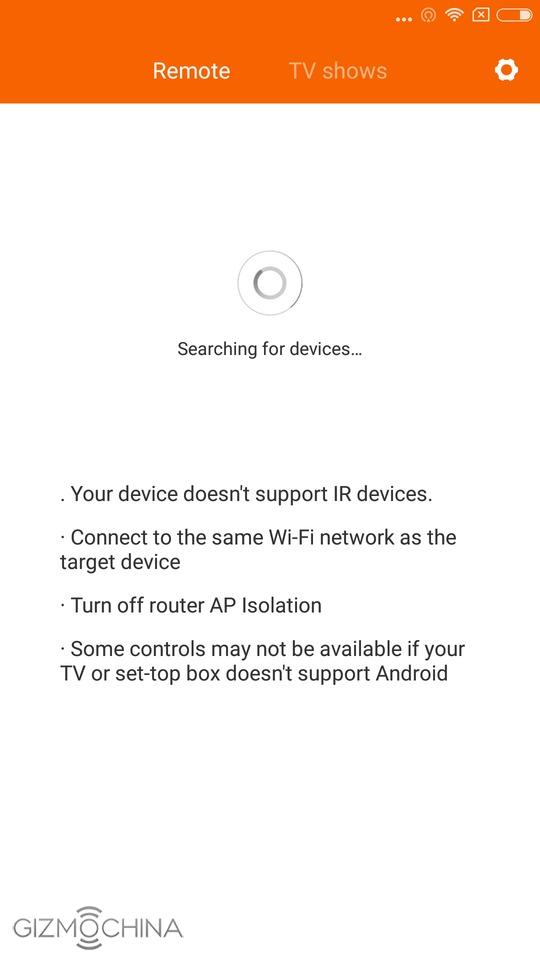
Gone is the IR blaster but we have the headset jack, which assures a very good sound quality, to be honest. The quality of sound via the loudspeaker is good but nothing exceptional.
We have a 4MP Ultrapixel selfie camera, which sits next to the highly customizable LED notification light.
As for optics, we have a 12MP Sony sensor with f/2.0 aperture and dual tone dual-LED flash. However, there is no OIS.
Xiaomi Mi5s Review: HARDWARE and PERFORMANCE
Xiaomi phones have been known to pack some of the latest and greatest hardware components available on the market and the Mi5s is no exception.
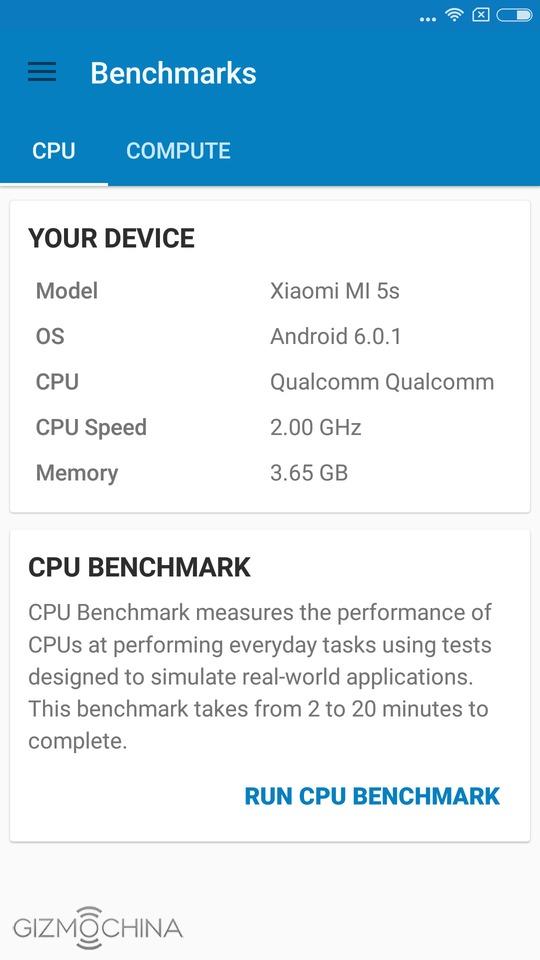
I have the high-end model that sports a brand new Snapdragon 821 chip, 4GB of LPDDR4 RAM and whopping 128GB UFS 2.0-based storage.
You can also opt in for a lower-end model that has 3GB of RAM and 64GB of storage. Keep in mind, however, that only the high-end model has a pressure-sensitive display.
As expected, the 3D gaming performance is just excellent. No matter what kind of games you play on the Mi5s, the phone just flies. Also, I didn’t notice any overheating issues.
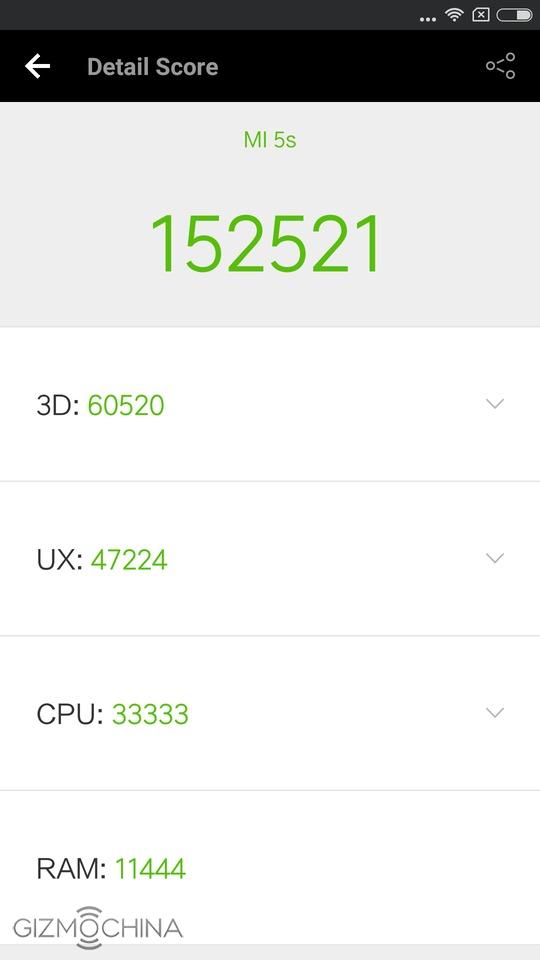
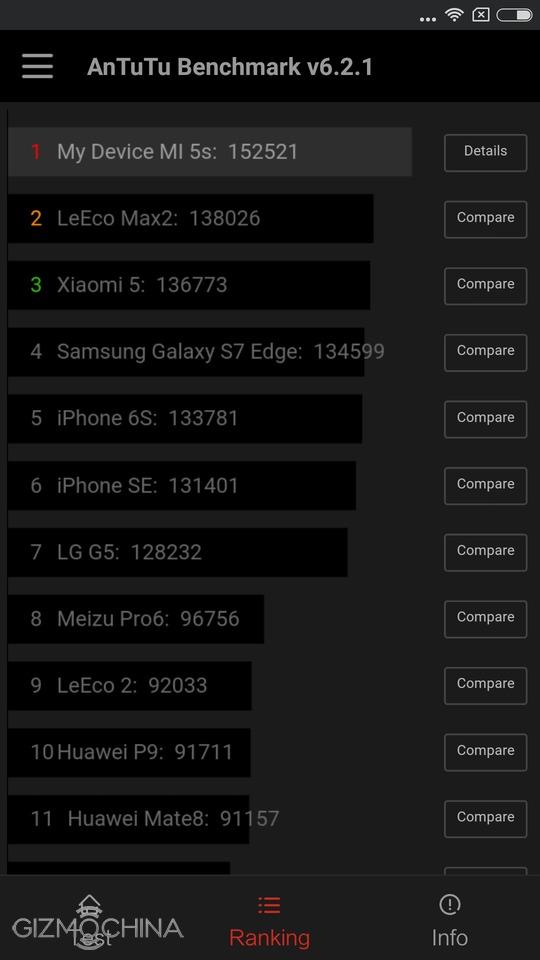
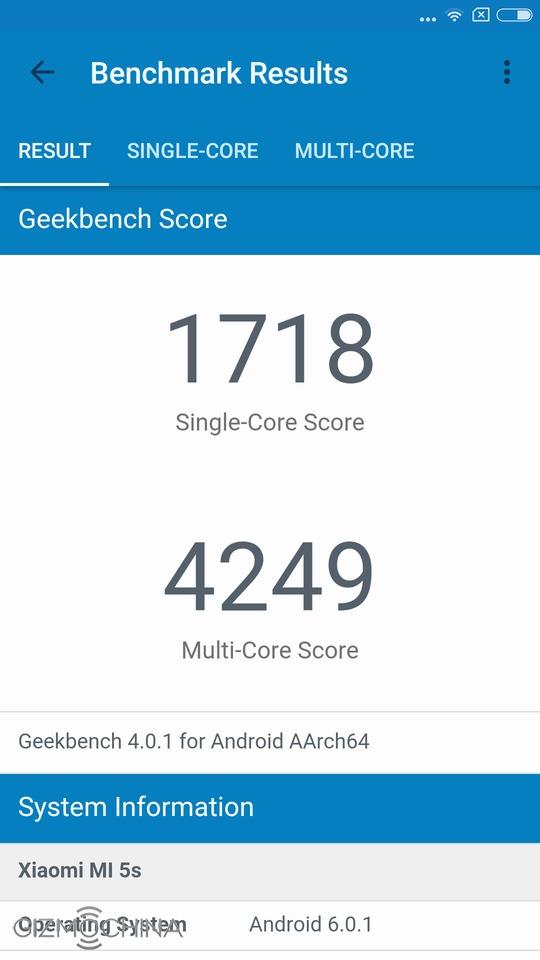
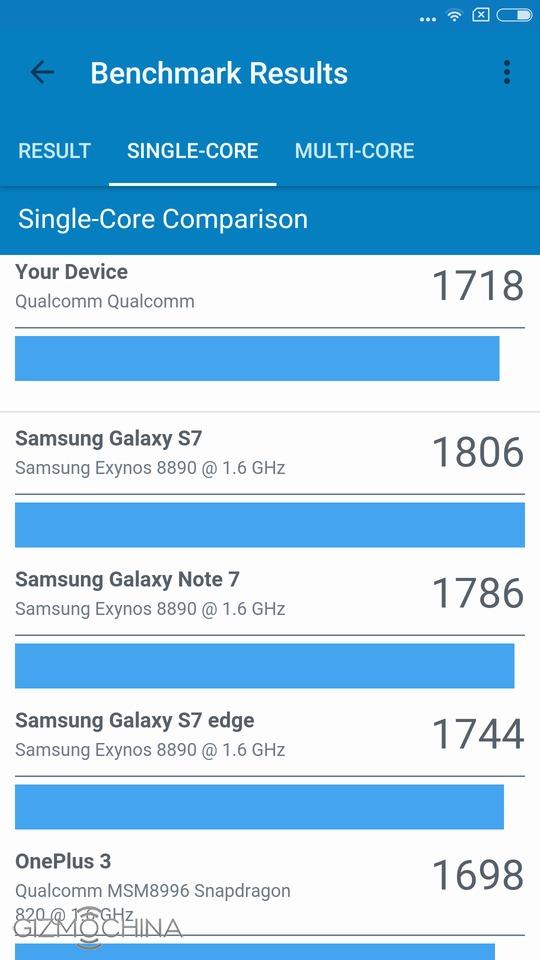
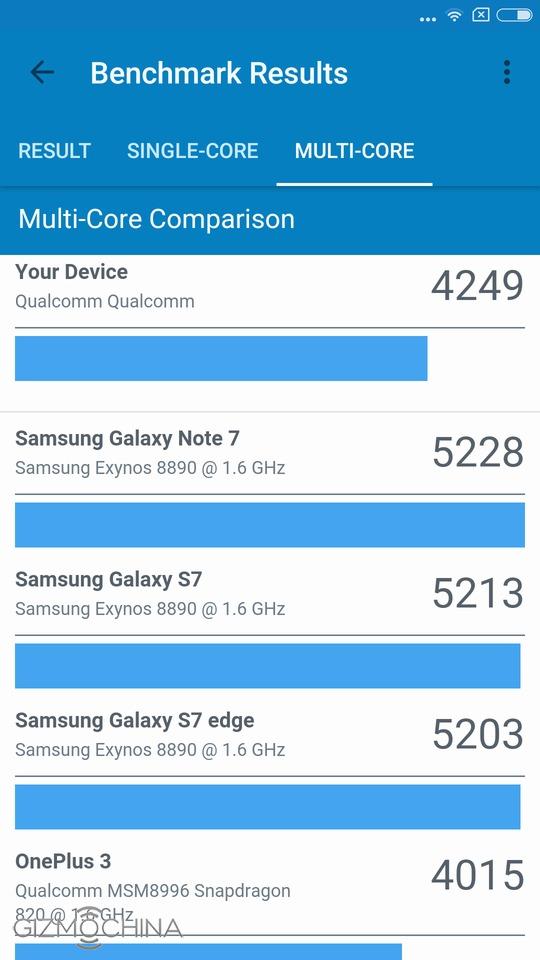
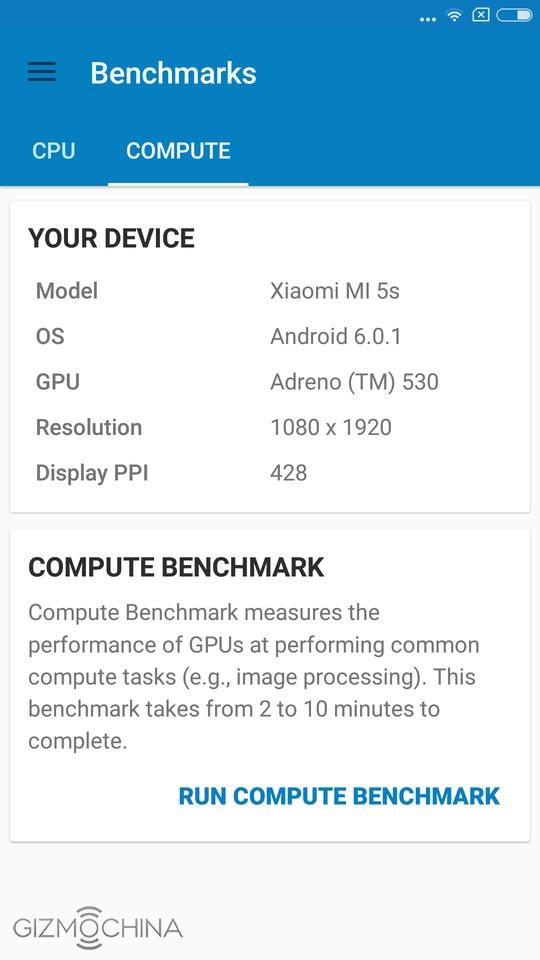
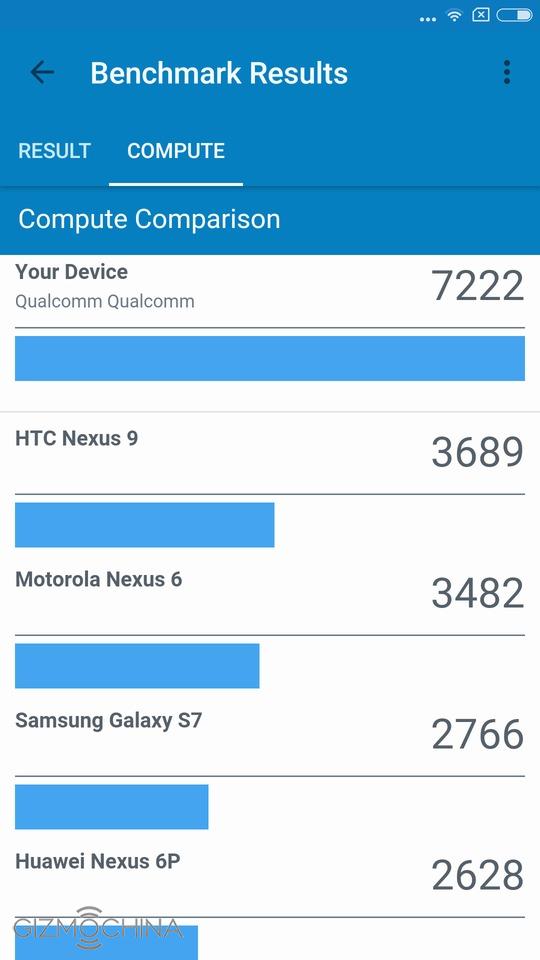
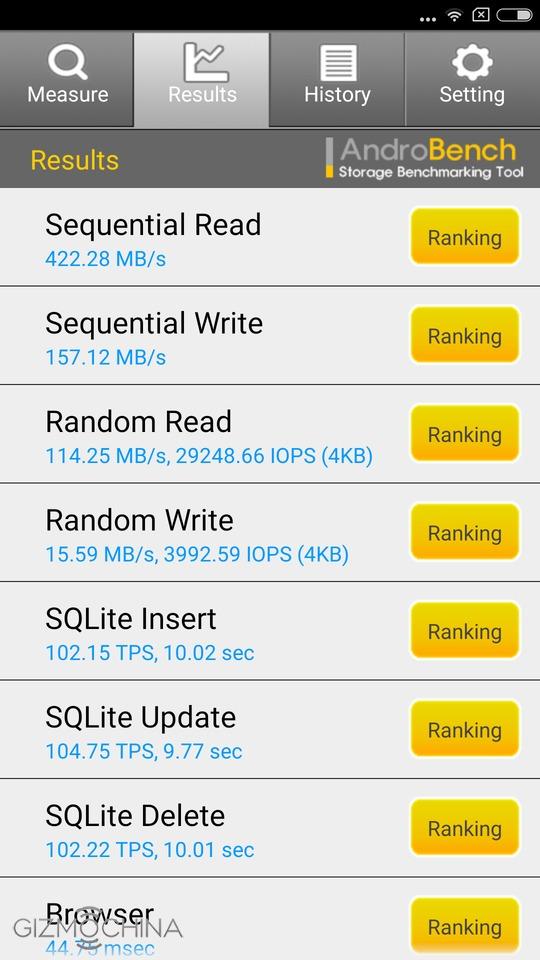
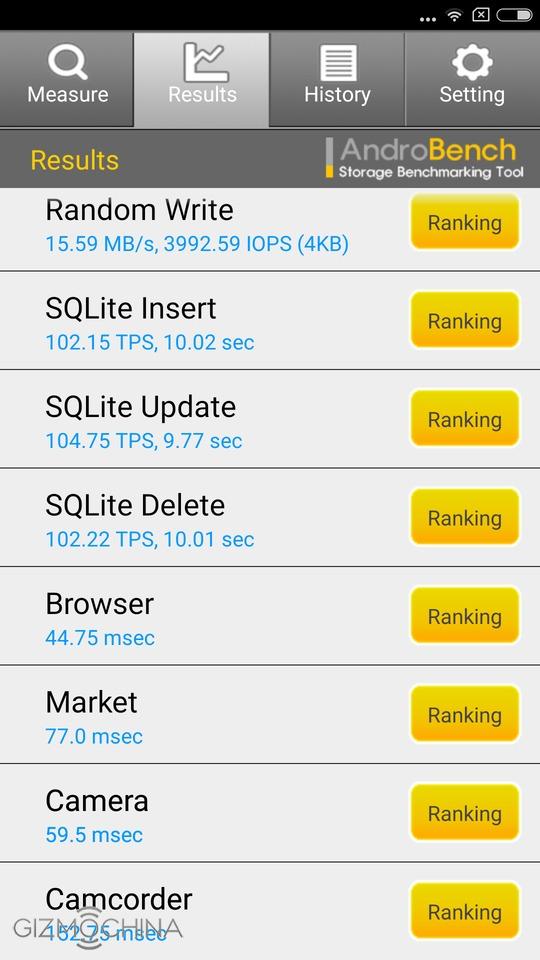
Xiaomi Mi5s Review: BENCHMARKS
Xiaomi Mi5s Review: USER INTERFACE
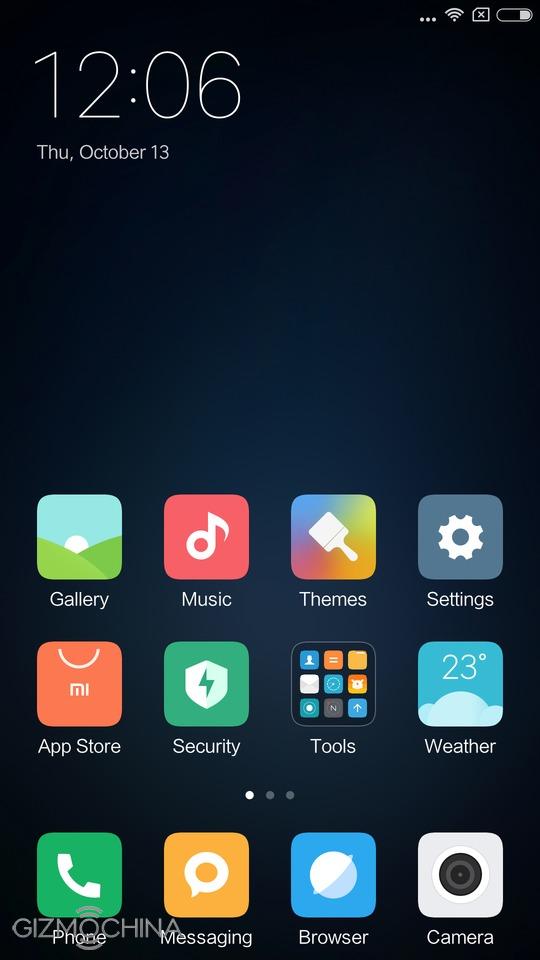
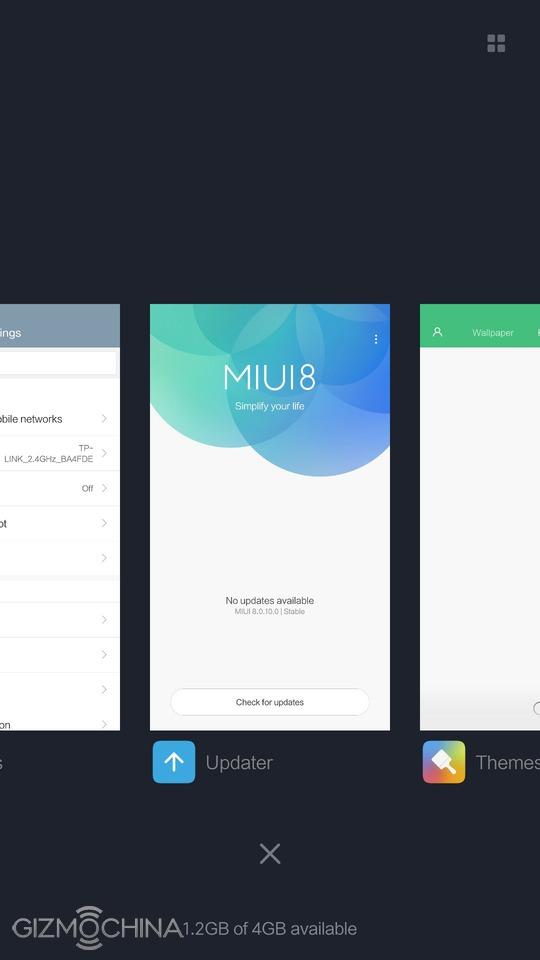
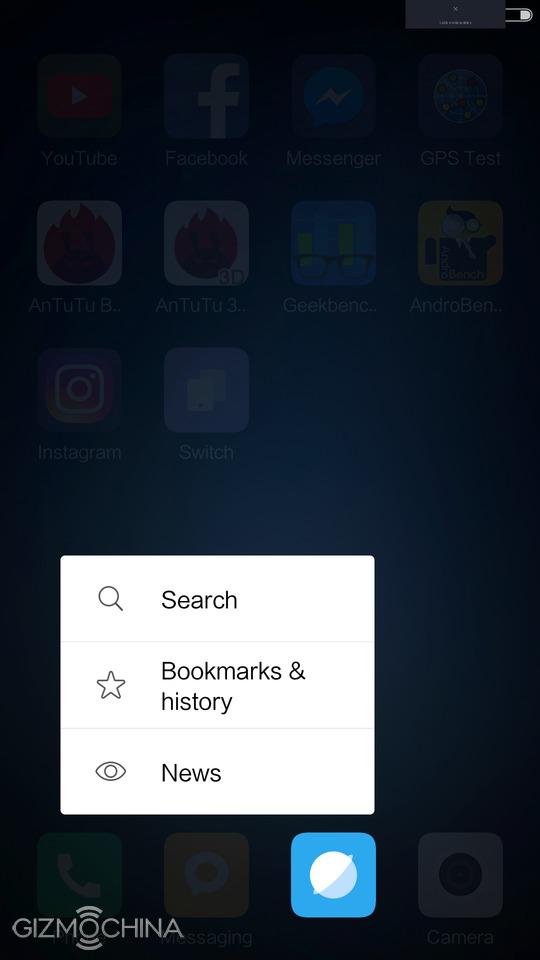
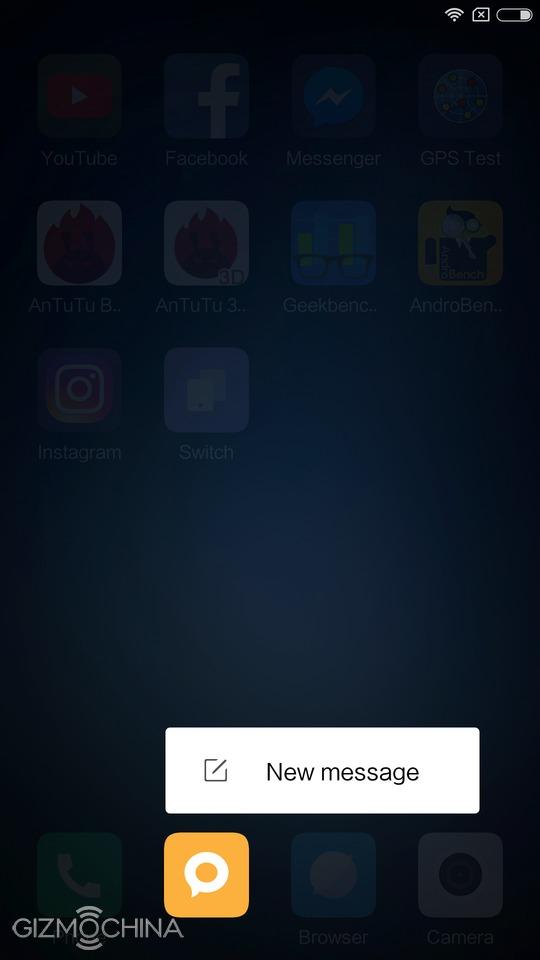
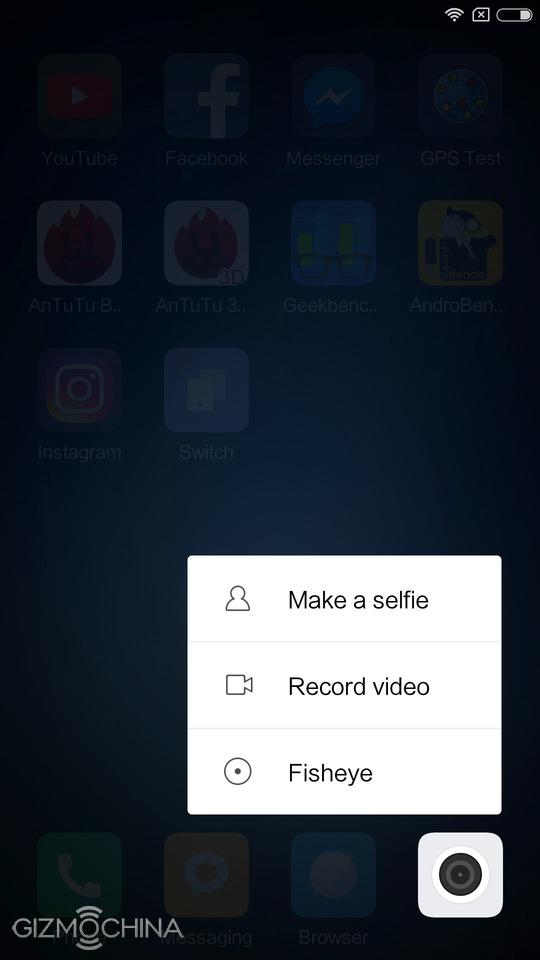
The Xiaomi Mi5s ships with the Android 6.0-based MIUI 8 that we have already seen on other Xiaomi phones.
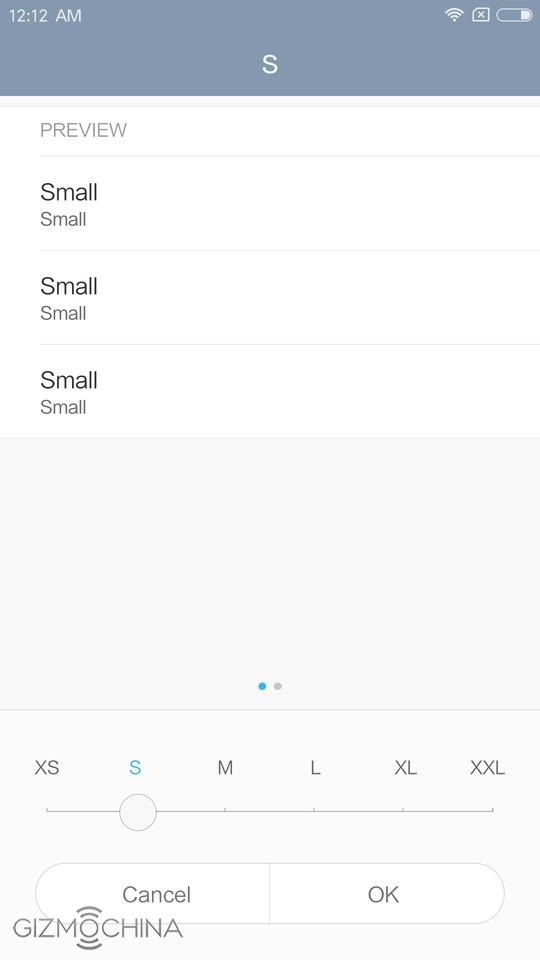
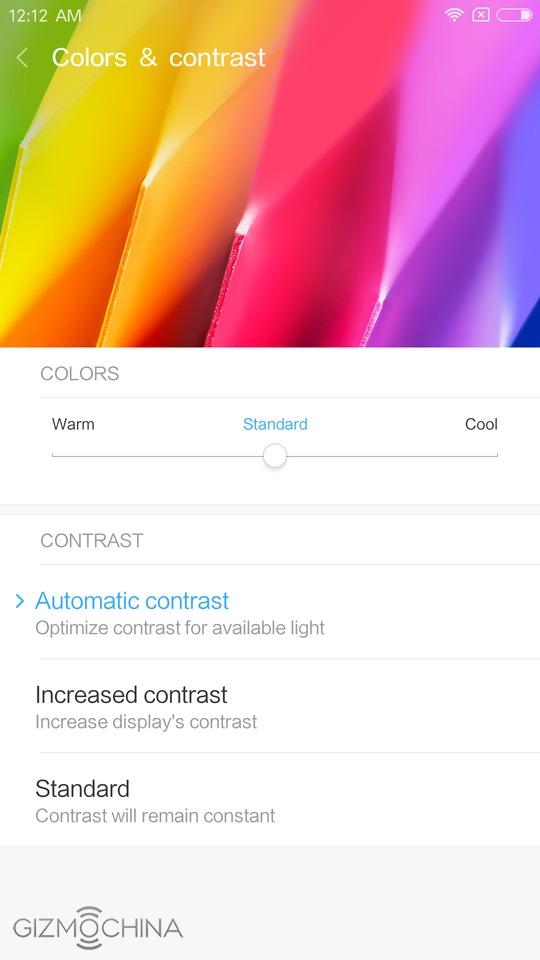
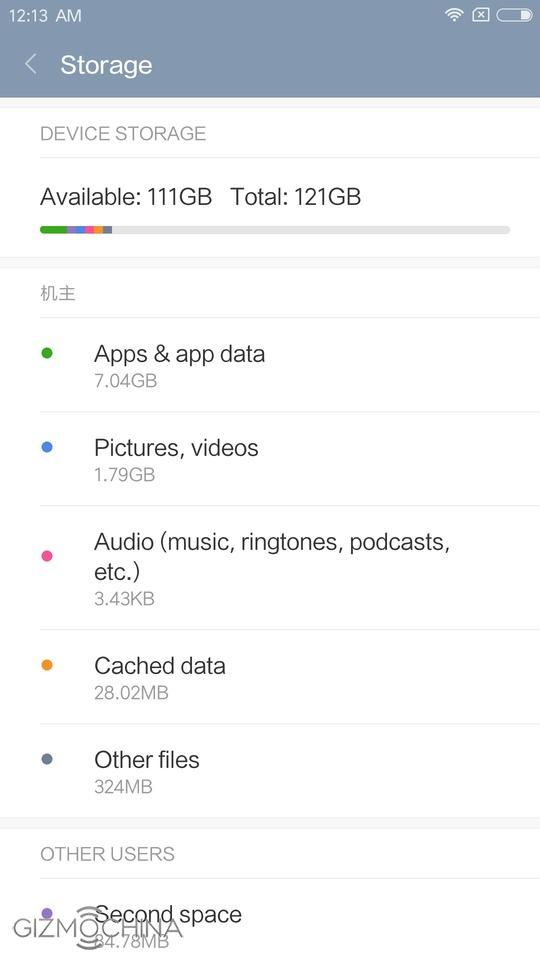
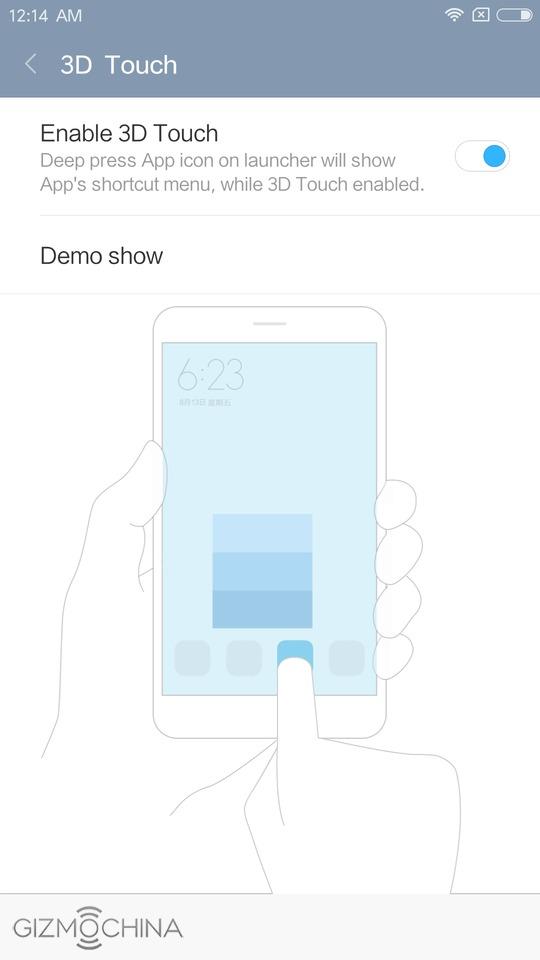
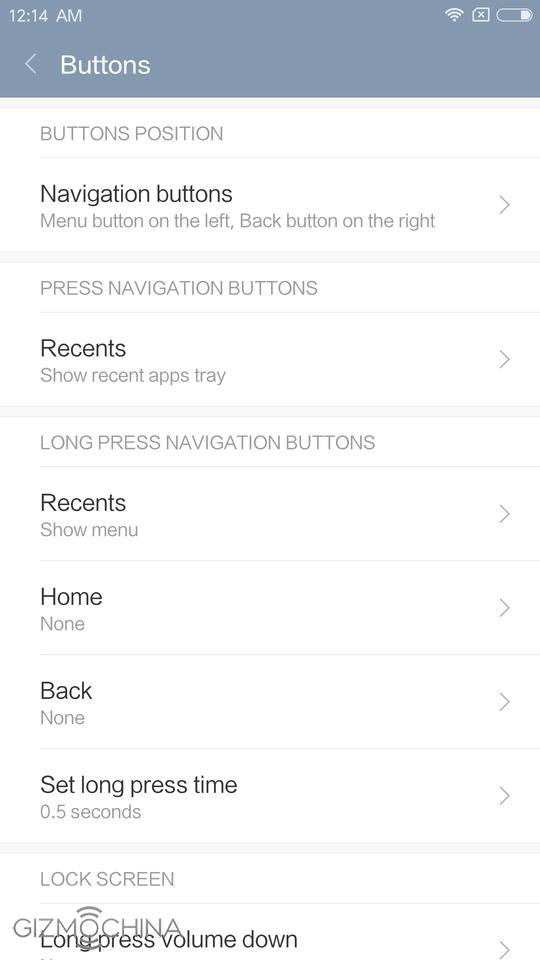
As usual, we have a ton of customization options, various settings, tweaks and little features to make the phone look your own. One of the key features is the pressure-sensitive display, which works great with certain apps. It is not a feature I can’t live without but hey, if you get used to using it, it may increase your productivity.
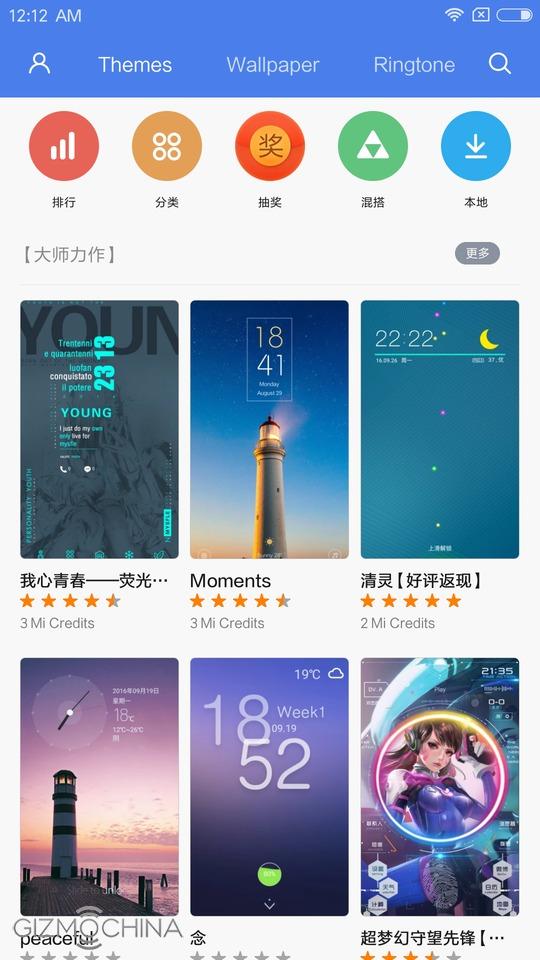
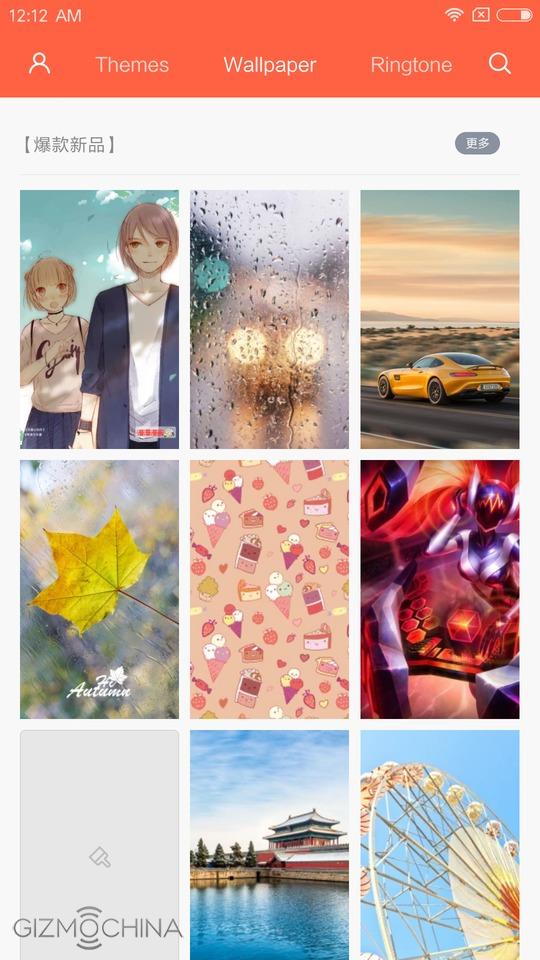
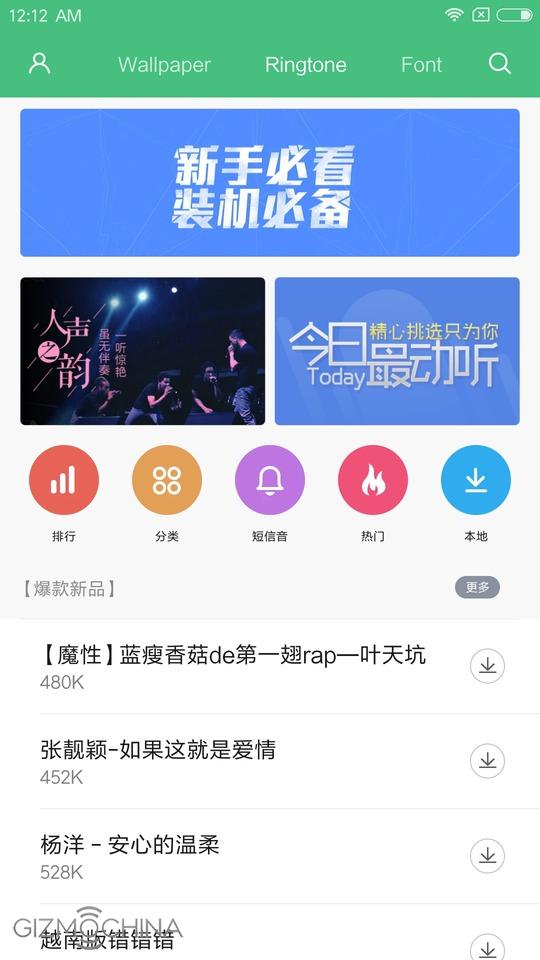
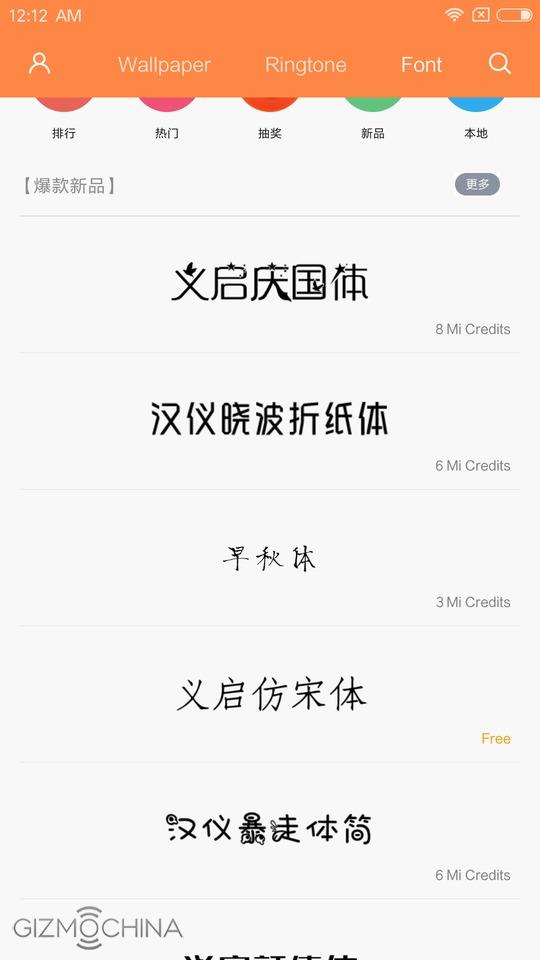
Some of other cool features include a baked-in theming engine, where you can choose from a lot of themes, fonts and wallpapers.
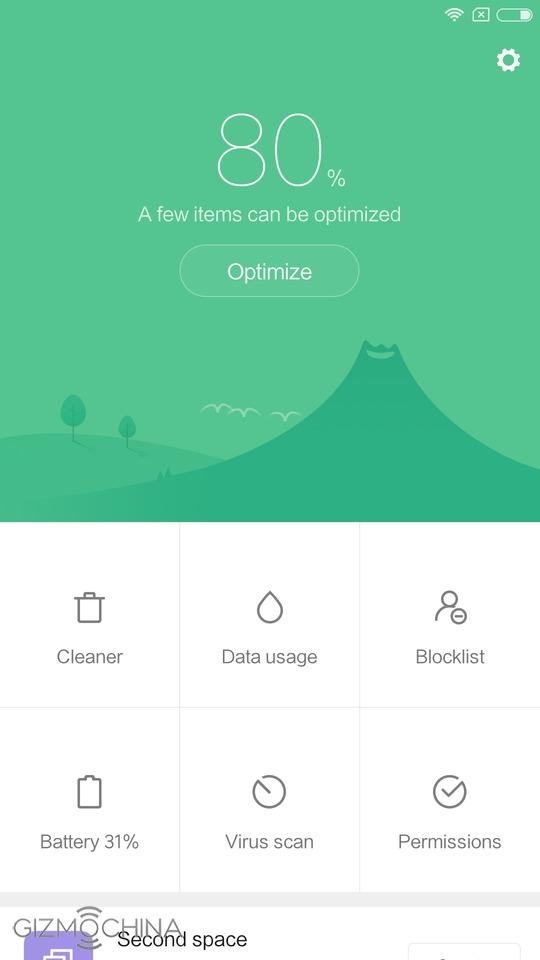
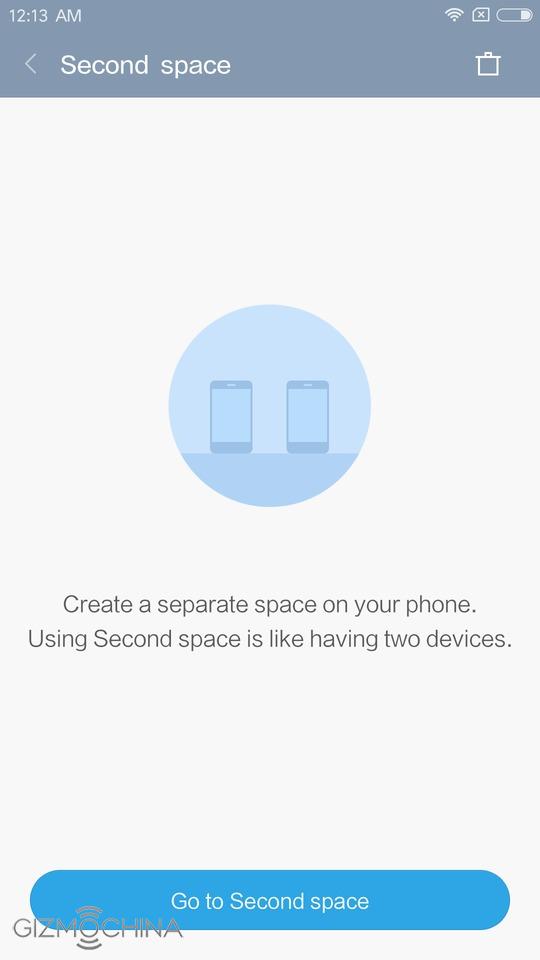
Also, you can go to the so-called second space, which is as Xiaomi says “like having two devices” at the same time.
Finally, I’m fairly impressed with how fast the Mi5s is despite having all those features. The phone is fast, fluid and I didn’t have any hiccups or lag.
Xiaomi Mi5s Review: CAMERA
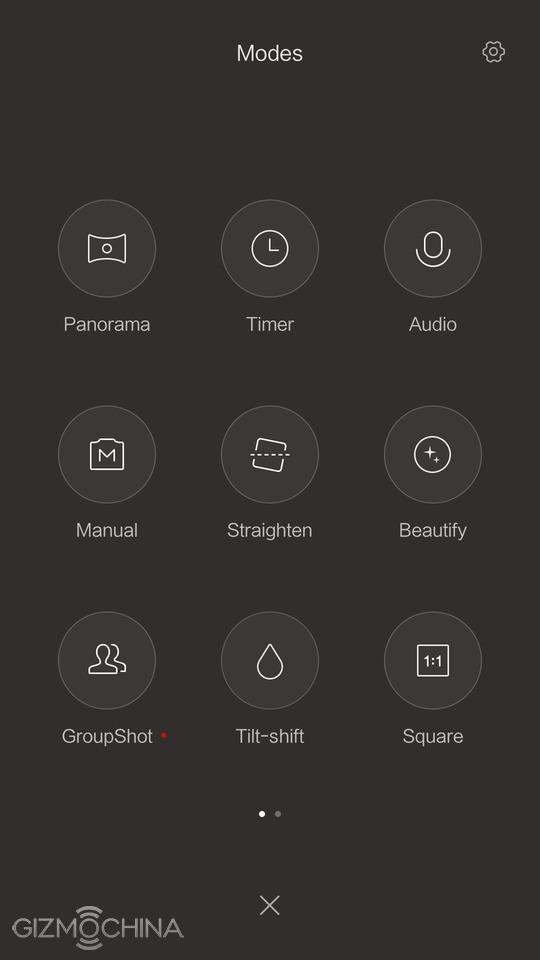
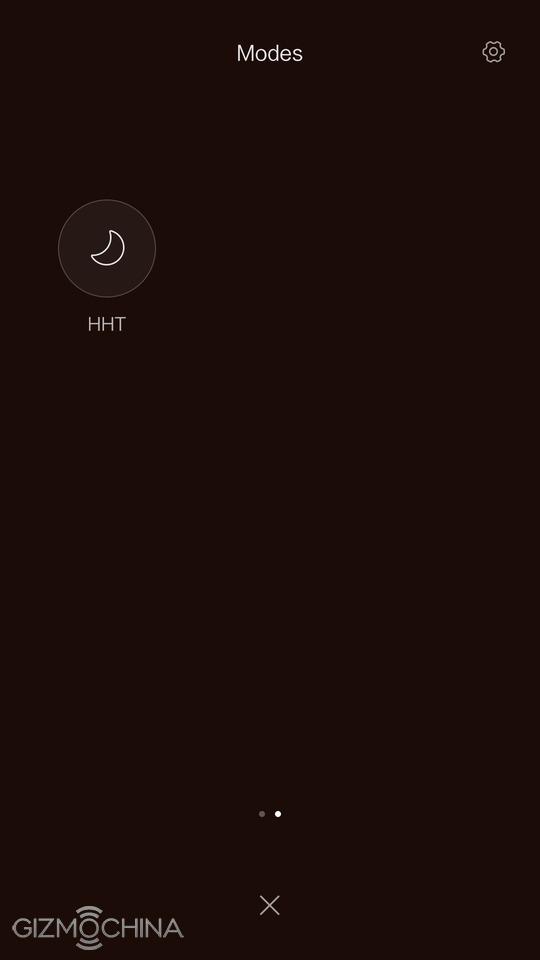
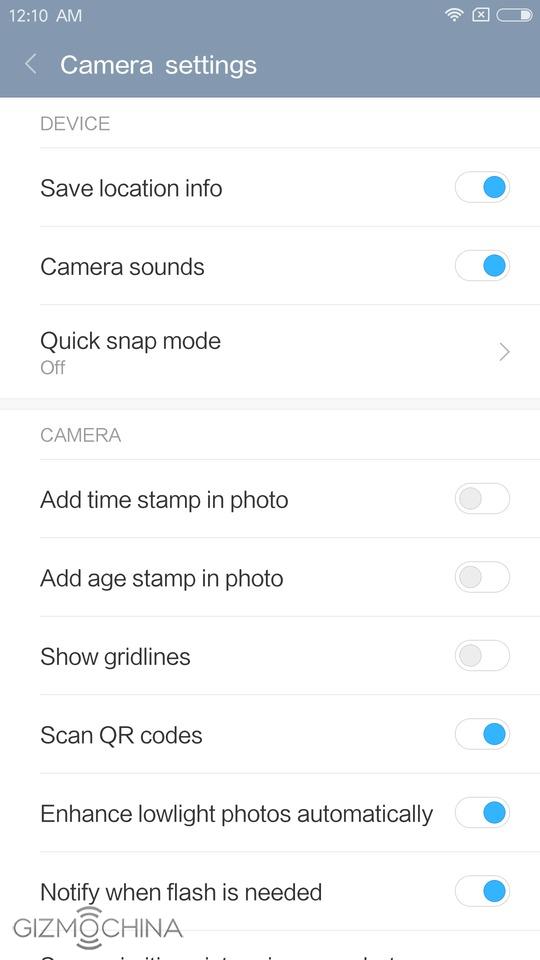
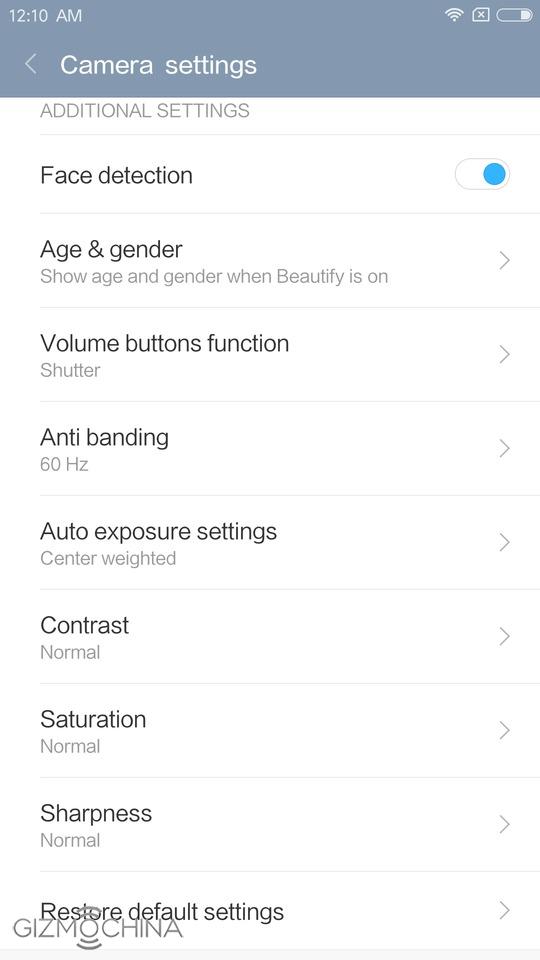
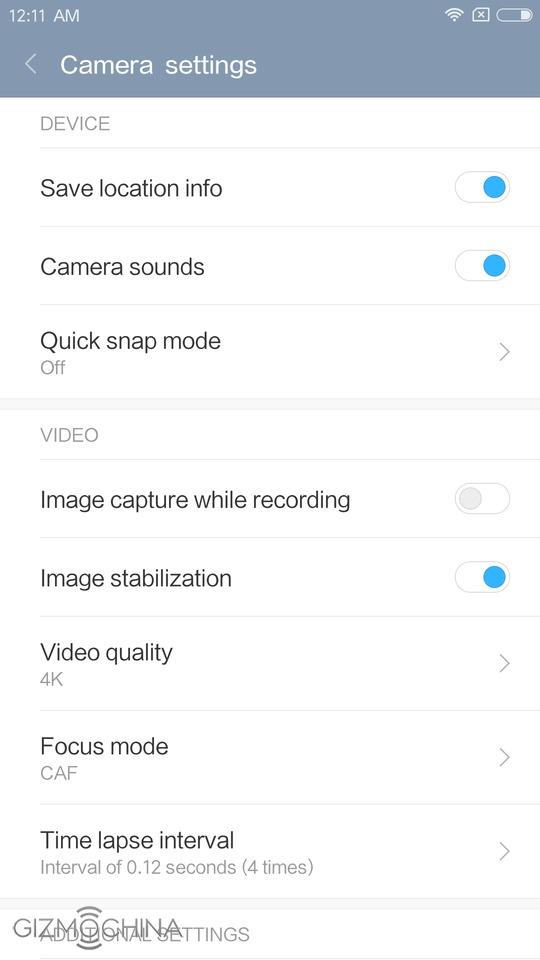
The camera app allows you to take pictures extremely fast. As usual to Xiaomi phones, there are a few shooting modes and settings to play with.
Xiaomi Mi5s Review: IMAGE QUALITY
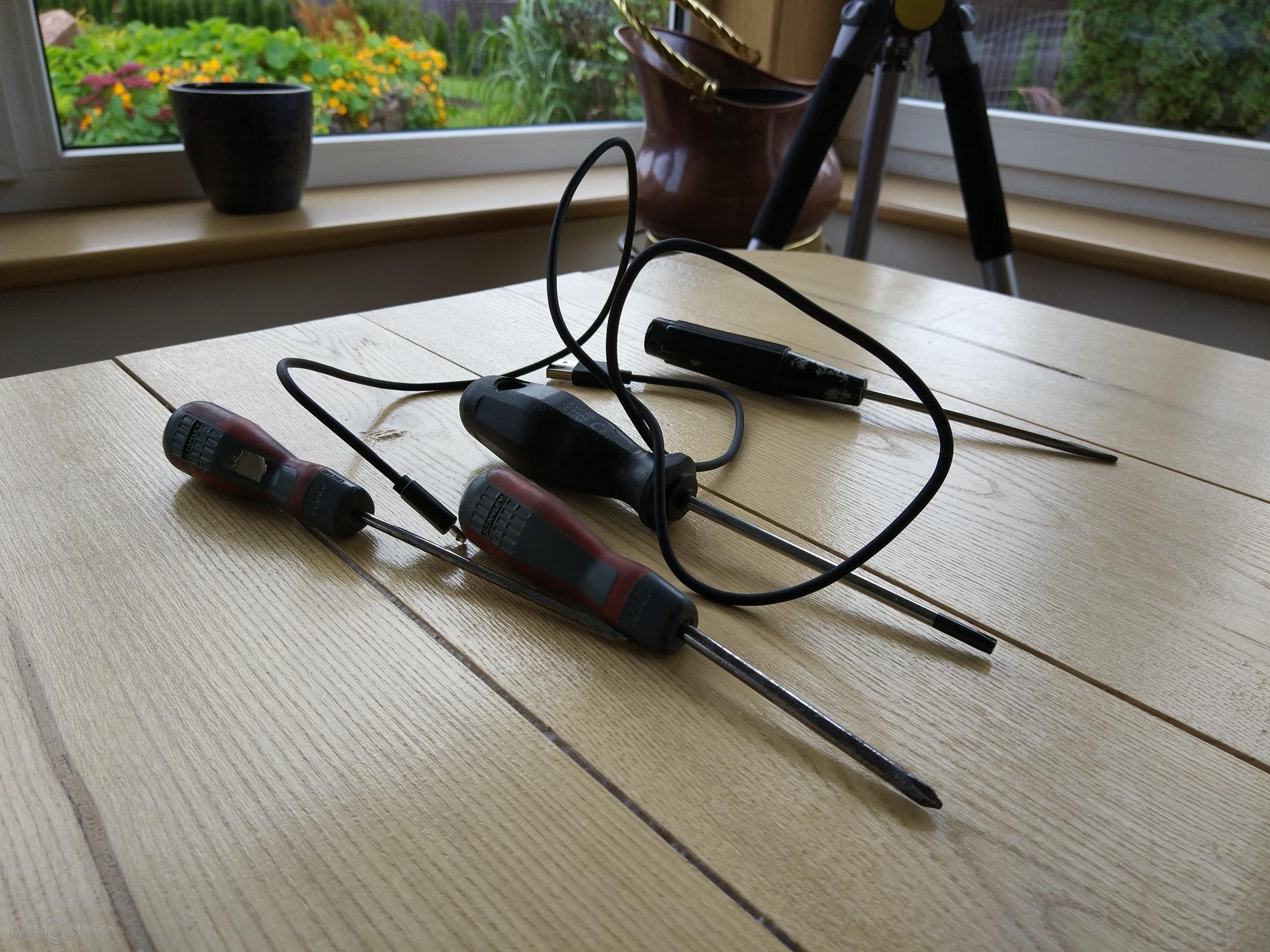
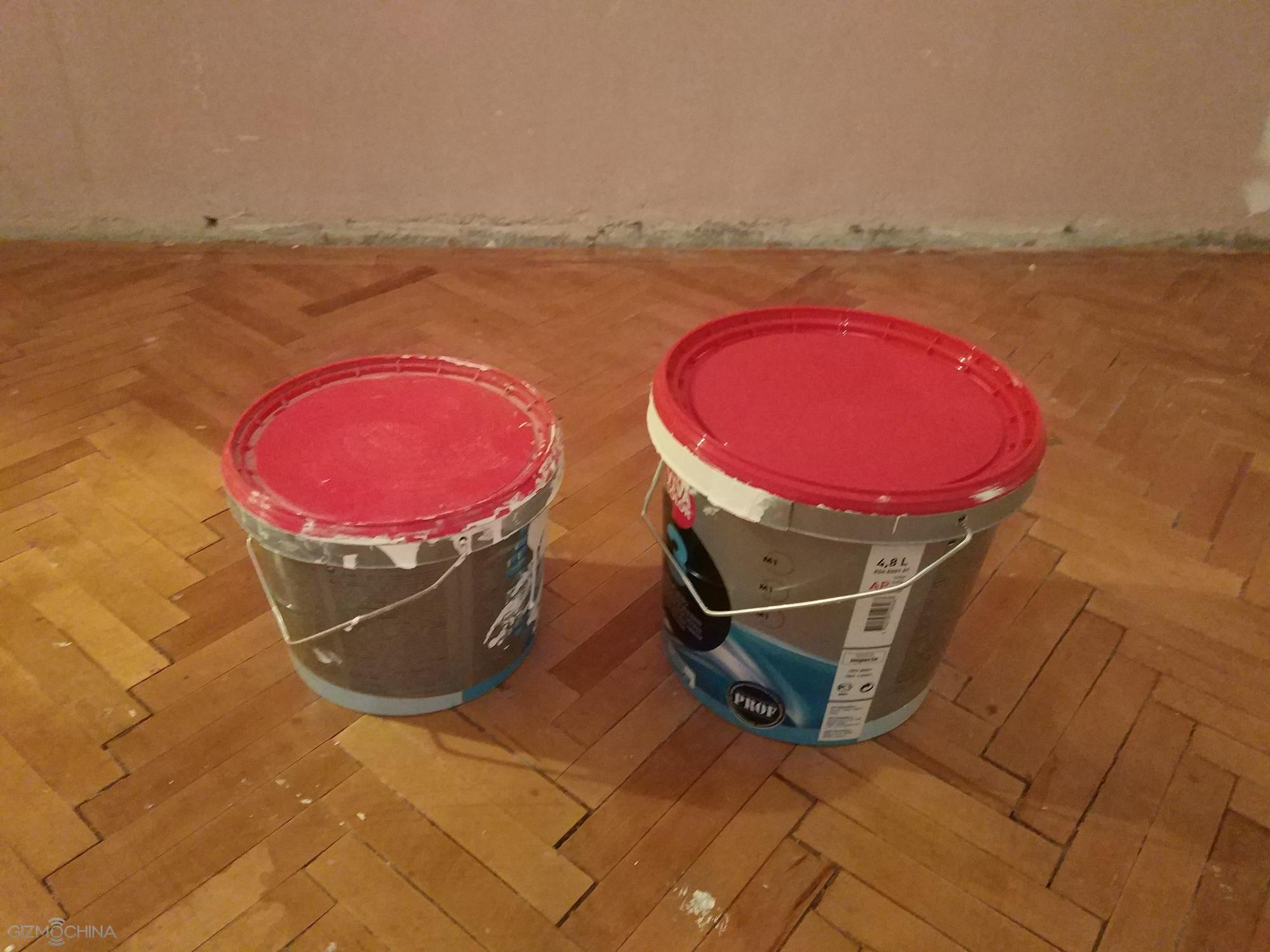
The 12MP camera can produce very nice-looking images even though I took them in the cloudy day.The pictures are sharp, there is plenty of detail and the color reproduction is good. However, I found some of the shots to be underexposed for my taste.
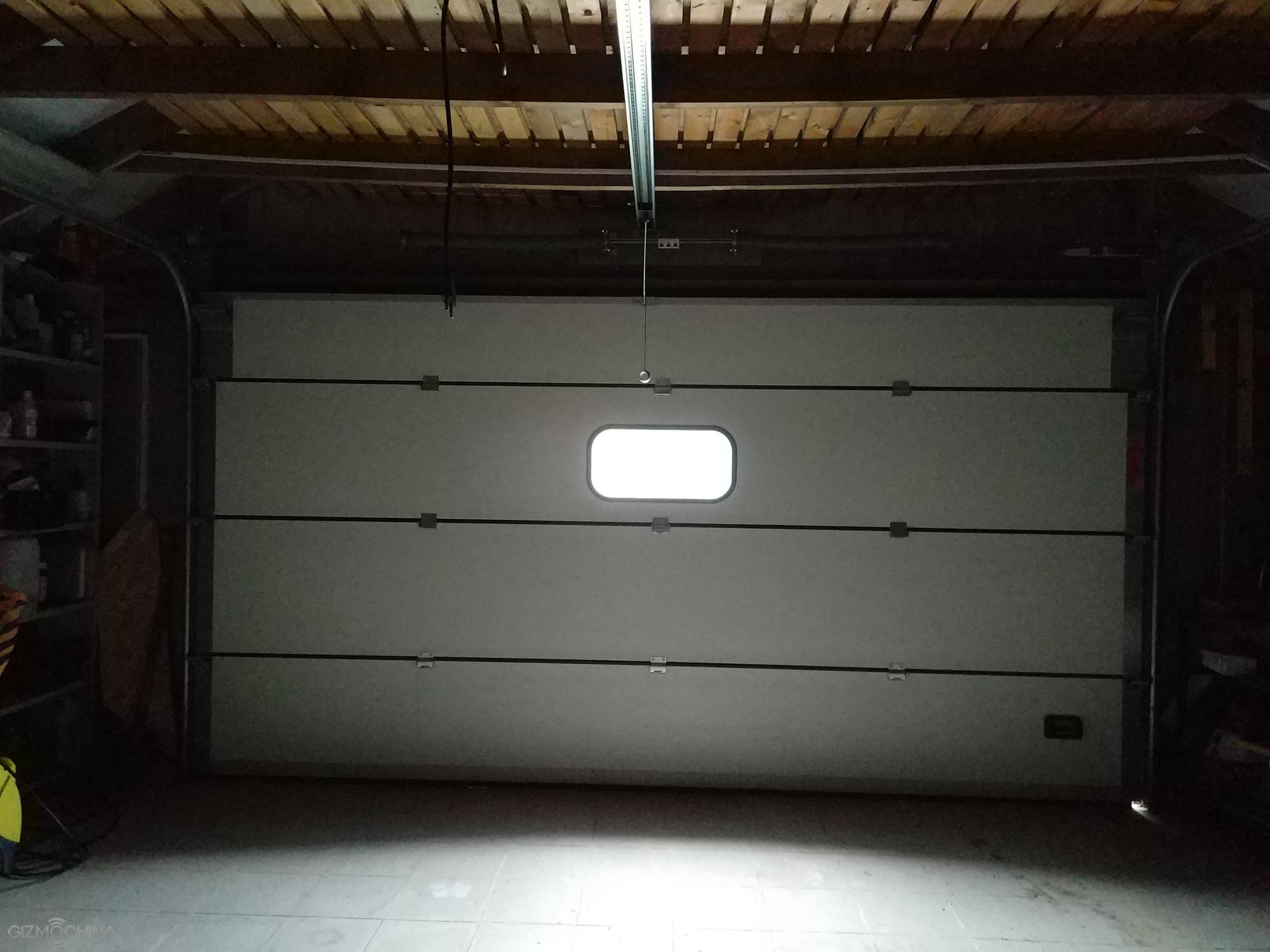
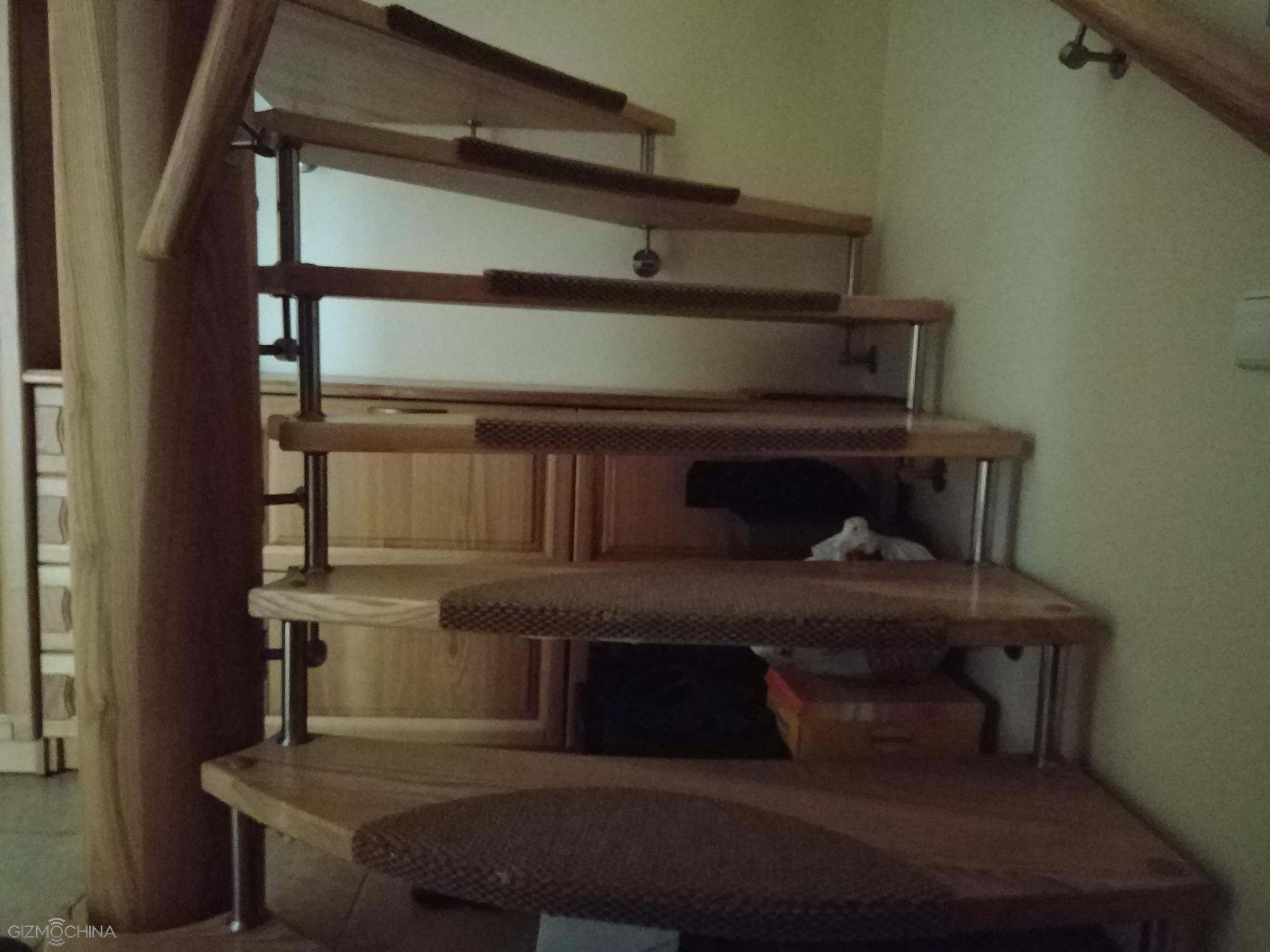
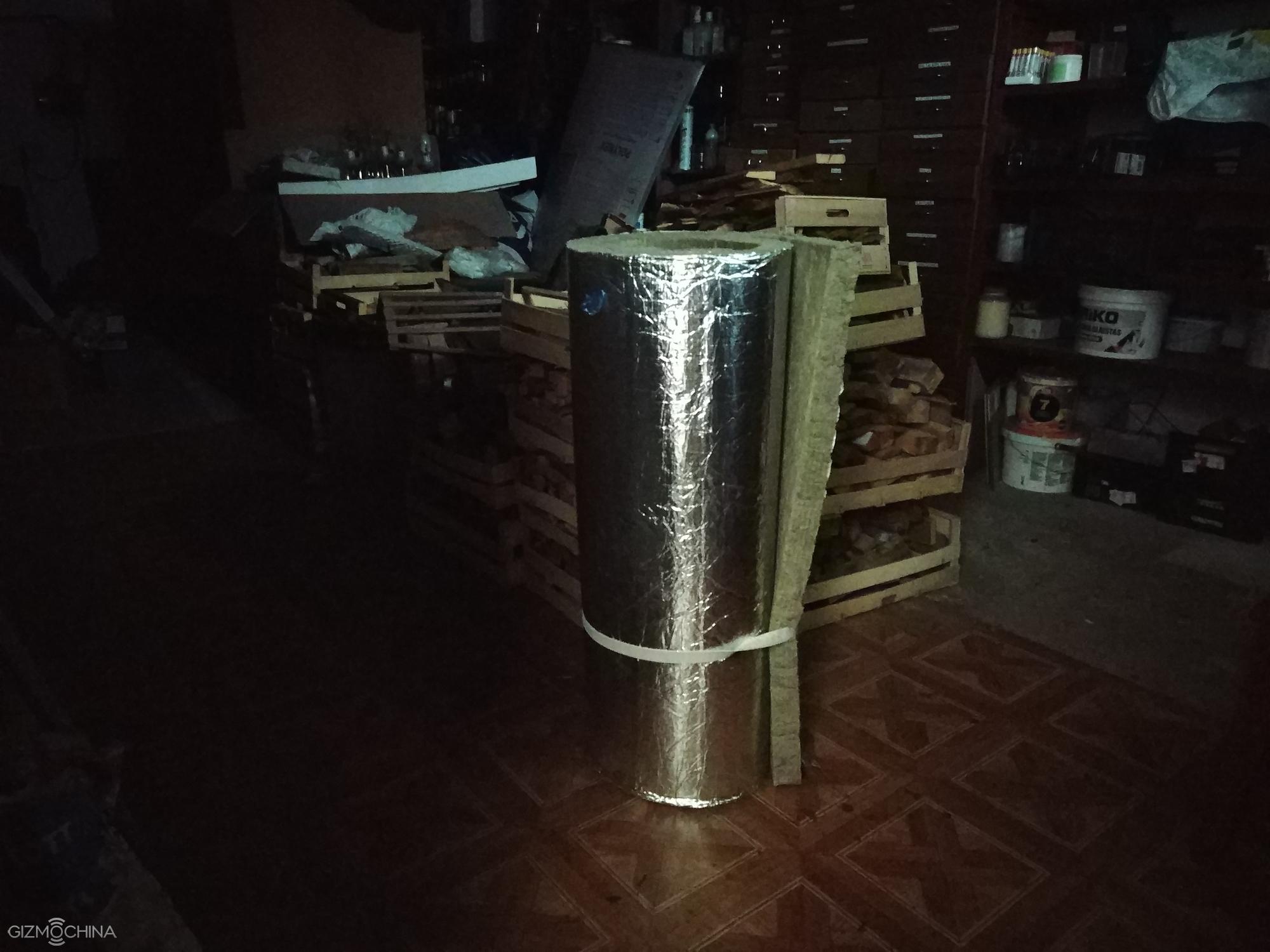
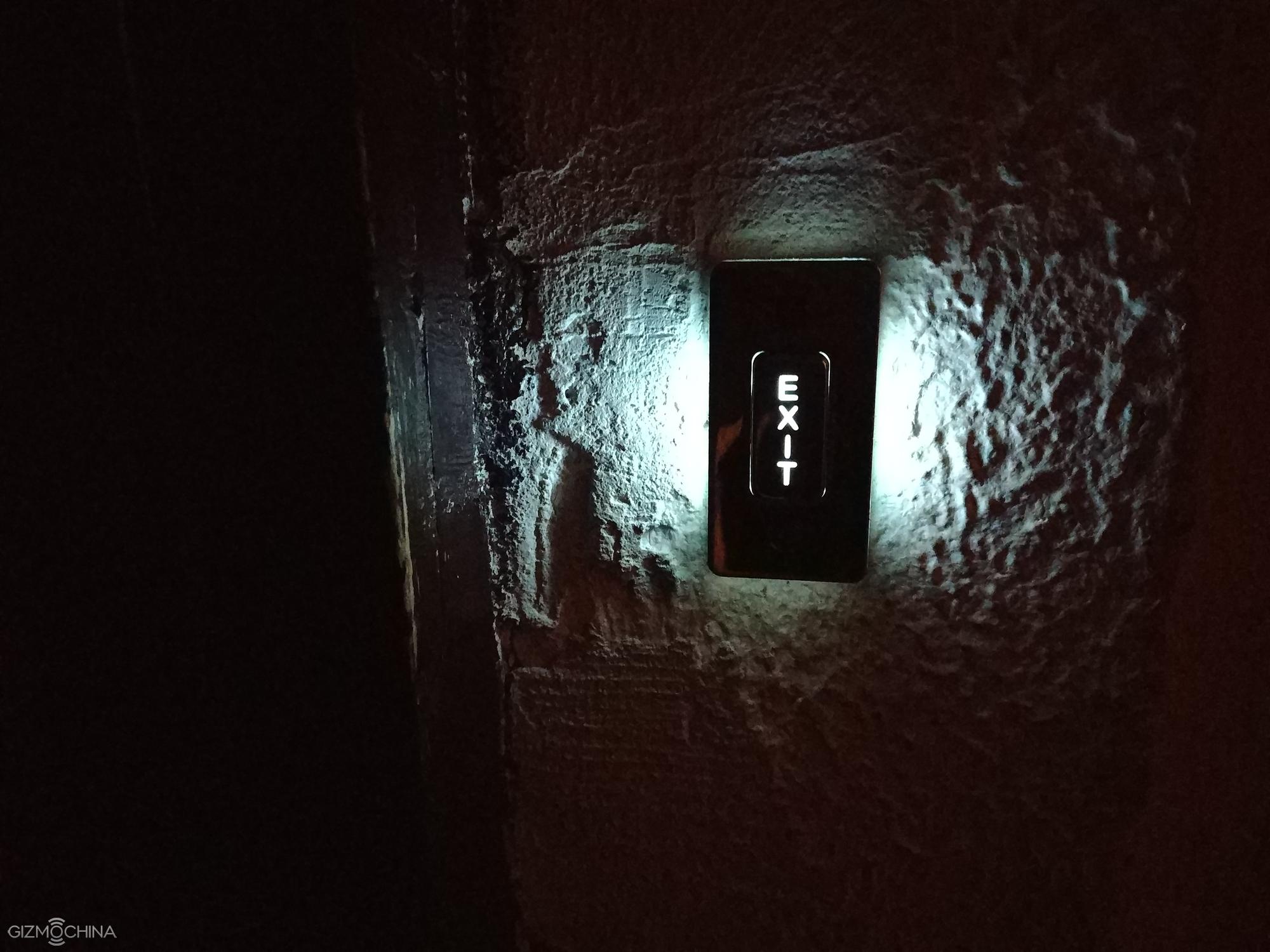
When it comes to the low-light photography, the Mi5s is pretty good yet not perfect. You can take some nice-looking images but most of the shots look grainier than I expected from this device. On the other hand, the dual tone dual-LED flash does a pretty good job illuminating the scene.
The 4MP front camera takes some great selfies for the social media.
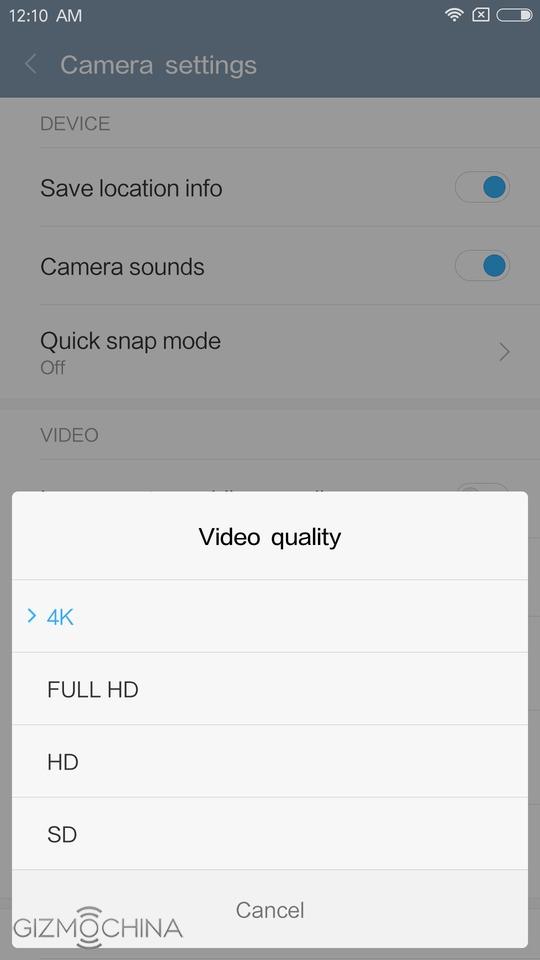
When it comes to video, the phone can shoot in 4K. The quality of footage is great and it is probably the best I’ve seen on a Xiaomi phone yet. The video looks sharp and detailed, the colors look nice and the continuos auto-focus feature works great but it can sometimes be a little jumpy. However, there is quite a bit of noise if you shoot videos in low-light.
I shot the videos with the EIS (electronic image stabilization) feature on. It does not remove the shakiness completely but I have to say that it does a pretty good job reducing it. I also noticed that the sound recording quality is better than e.g. Xiaomi Mi5 I have previously reviewed.
When it comes to the selfie video, the quality of footage is pretty good too.
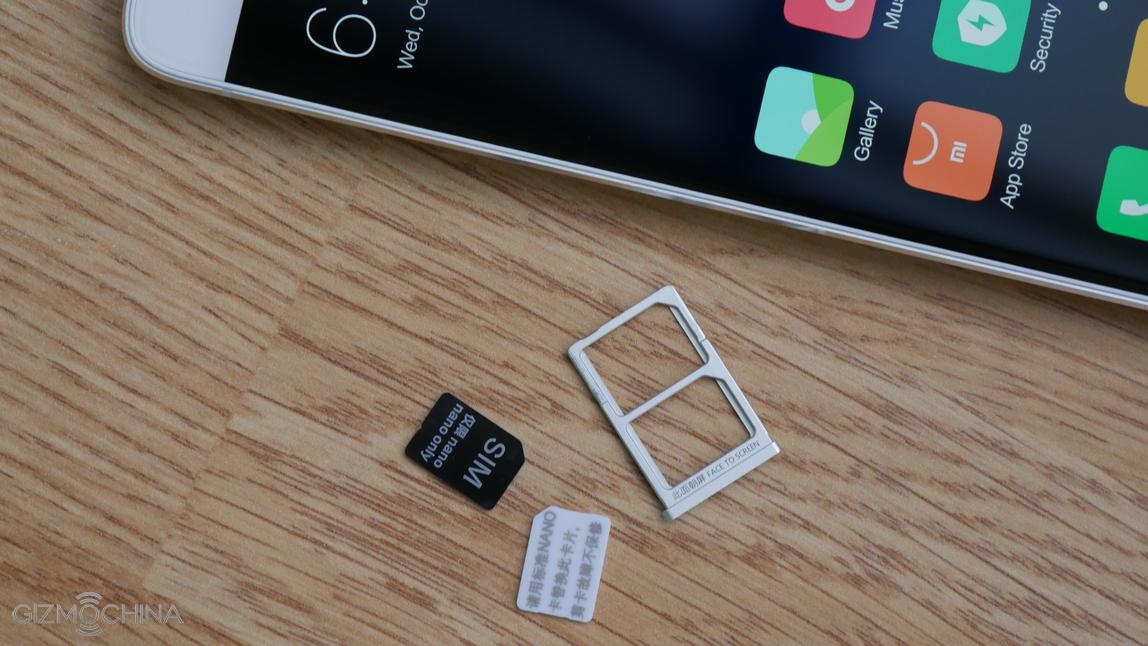
The Mi5s comes with a dual nano SIM card tray but there is no microSD card slot.
When it comes to connectivity, I didn’t have any issues with the call quality, Wifi, Bluetooth or GPS.
Xiaomi Mi5s Review: BATTERY LIFE
The 3100mAh battery supports Quick Charge 3.0 but the phone does not ship with the fast charger.
As for battery life, the phone will get you through the day even if you are a heavy user and you will get at least two full days if you are a light user. That translates to over 6 hours of screen-on time, depending on the usage.
Xiaomi Mi5s Review: CONCLUSIONS
The Xiaomi Mi5s is yet another phone made by the Chinese giant but it is definitely one of the best devices the company has produced.
The phone is well-built, it is compact and it simply looks beautiful. Also, the display is sharp and vibrant, and powerful internals assure a great day-to-day and 3D gaming performance.
Also, you can be rest assured that the phone will take some brilliant photos in good lighting and the battery will probably last you at least two days of moderate usage.
However, some users may be disappointed that there is no microSD card slot for storage expansion. Also, the low-light camera performance could be slightly better and there is no OIS like on the Xiaomi Mi5.
Other than that, the Xiaomi Mi5s is a very solid and oneof the best phones you can buy as the lower-end model can be bought for just under $350.\
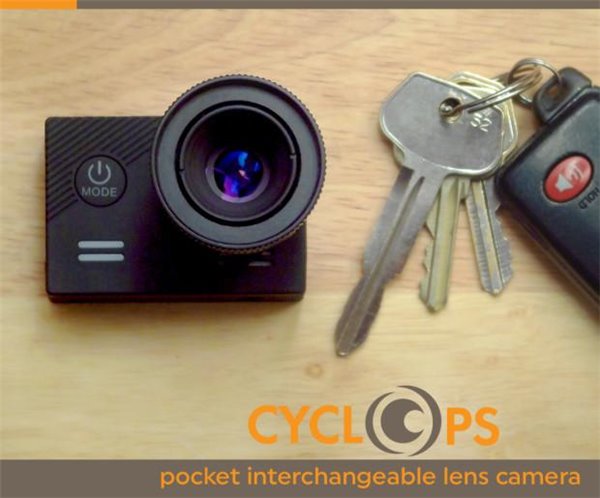
A new, crowdfunded portable camera has been launched and it goes by the name Cyclops pocket camera. The camera adopts a very compact and simple design and coupled with the fact that the device is manufactured by a relatively unknown company, you might be forgiven if you thought this is one of those ordinary camera. Well, you’d be wrong if you thought so, because the Cyclops pocket camera comes in as the smallest 4K action camera in the market presently and added to that, it comes with interchangeable lens.
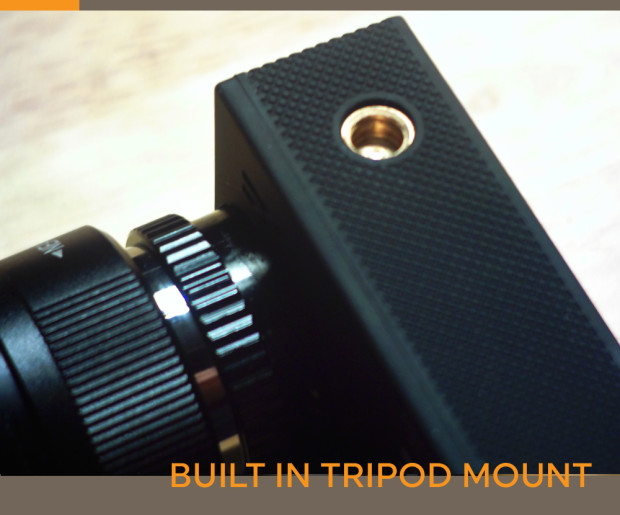
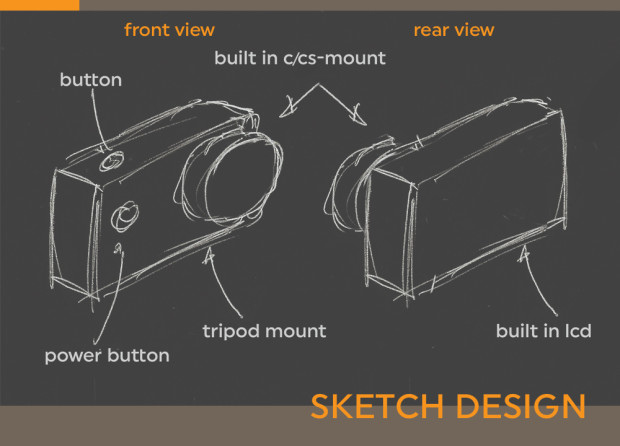
The Cyclops pocket camera can comfortably fit into the pocket making it ideal for vacationers who don’t want to carry bulky load as the camera can sit on any small space on your bag. Despite its compact size, the camera is capable of shooting 4K videos in addition to the built-in mount for interchangeable lens it features. The camera also comes with built-in tripod stand so you can capture beautiful images with the camera comfortably seated on the tripod stand.
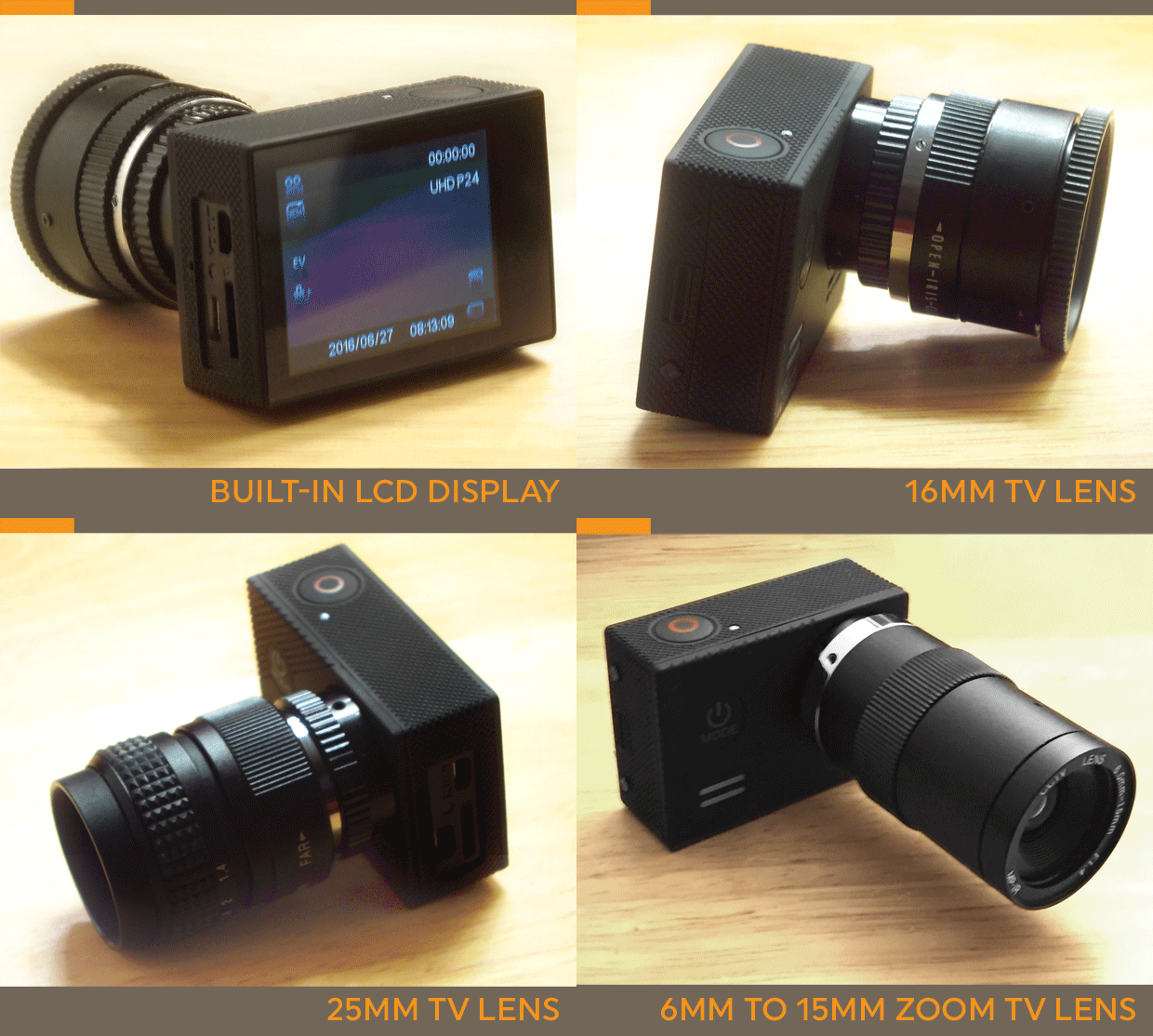
Specs wise, the Cyclops pocket camera features a 12MP Sony sensor which can capture pictures with resolution of up to 4032 x 3024 and 4K/24fps videos. The pocket cam also comes with a wide-angle lens and with a variety of accessories to assist users in achieving a more robust shooting experience. There is also a built-in display and powering the device is a 950mAh Li-ion battery.
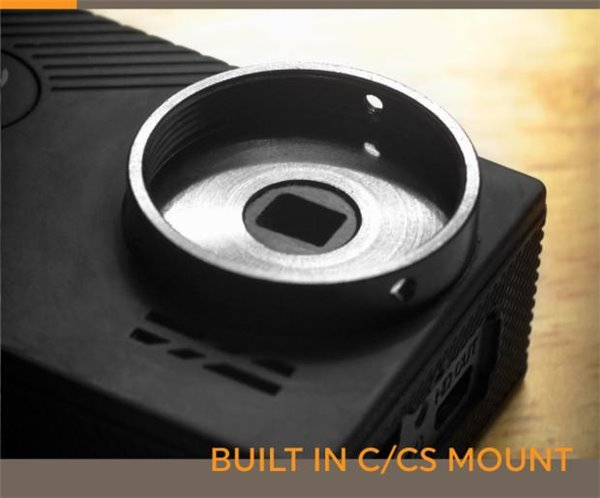
Going further, the Cyclops pocket camera features a slot for microSD card with support of up to 64GB expansion and there is built-in mic and speakers inside the device, as well as a USB port for charging and data transfer. In addition, the pocket camera’s interchangeable lenses involves two lenses, a C-mount lens mount and a CS-mount lens mount. The C-Mount built-in mount can fit 16mm and 25mm lens while the CS-mount takes 6mm to 15mm zoom CS-Mount lens. These interchangeable lenses allow users to shoot objects at close range as well as distant objects and is also capable of creating images with Bokeh effects. No doubt many people go for SLR cameras because of these capabilities but DLSR don’t come cheap and they are also very bulky when compared to the Cyclops pocket camera.
On top of its portability and stunning features, the Cyclops pocket camera carries a price tag of $199 (1328 Yuan) on Indiegogo. The device will start shipping in December. Meanwhile, you should check out more photos of the camera as well as stunning sample images captured by the camera’s lens from down below. You can also watch the cool video highlighting the camera’s features, it’s under.
Nokia’s official Twitter account just tweeted that the company’s CEO and President, Rajeev Suri, will deliver a keynote address at next year’s Mobile World Congress.
The announcement has left people wondering if the former mobile giant will be launching a phone at the electronics trade fair holding in Barcelona, seeing as Nokia’s deal with Microsoft that prevents phones bearing the Nokia name from being released ends this year.
This news continues the chain of events leading to what people are saying is the company’s return. We already have the Nokia D1C which was first seen on GeektBench before showing up on Antutu afterwards.
While the event is still months away (February 27 – March 2, 2017), we are sure more details about a phone launching then will be released before then.
The GSMA has already updated its website to reflect the name of the CEO as one of the speakers. Other CEOs on the list includes that of Niantic, makers of popular augmented reality game, Pokémon Go; CEO of Kaspersky; CEO of Telefonica; CEO of AT&T; CEO of KT Corporation; and the CEO of Vivendi Group.
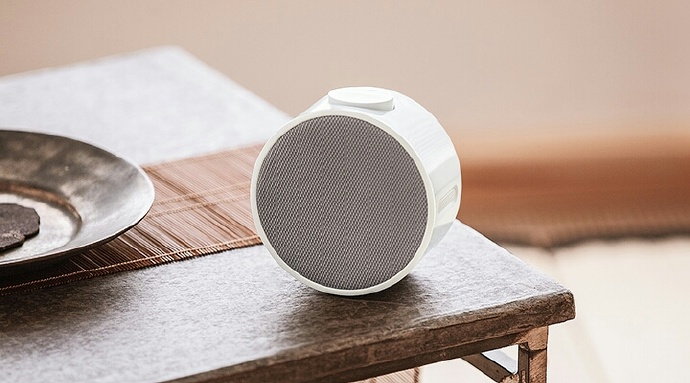
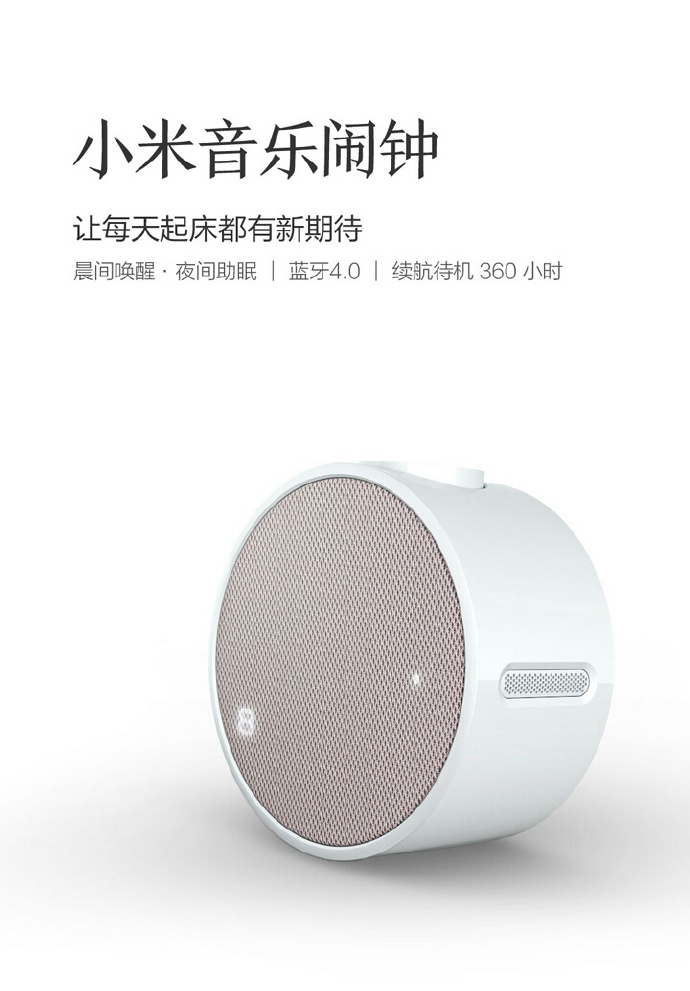
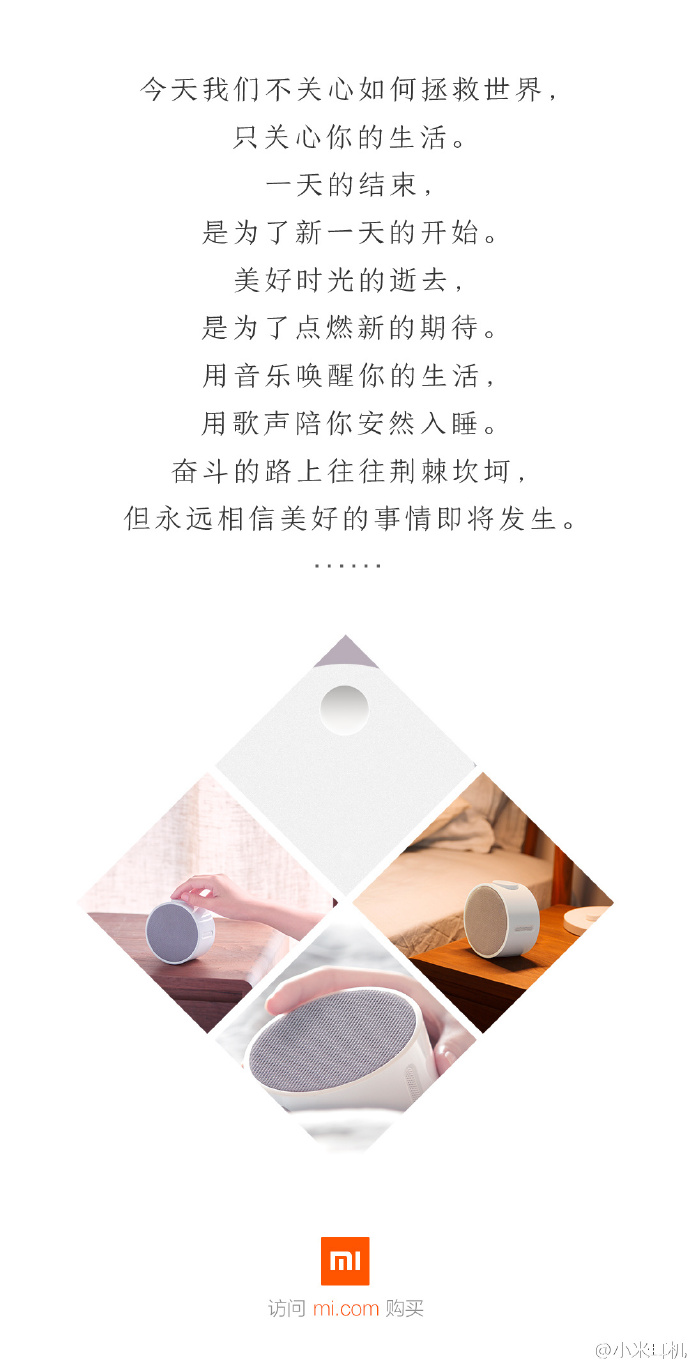
Apart from the power bank launched today, Xiaomi also released an alarm clock dubbed the Mi Alarm Clock, that doubles as a bluetooth speaker or a bluetooth speaker that doubles as an alarm clock, depending on how you see it.
The reason given by Xiaomi for an alarm clock is that waking up the right way plays an important role in one’s mood for the rest of the day. Traditional alarms are noisy and leave the owner startled, causing them to be grumpy. But Xiaomi says it’s Mi Alarm Clock is designed to gradually wake the person from deep sleep using soft tunes.
The new product which shares design similarities to the Mi Canon Bluetooth Speaker has a plastic body instead of metal and is also bigger. The speaker is also covered with fabric and features 12 digital LED lights for hours and 12 LED dots for minutes. There is also a large button on the top that you can push to stop the alarm.
Setting up the Mi Alarm Clock is pretty easy, as all you need is the Mi App. From the app, you can set alarm times and choose your preferred alarm tune. The alarm clock comes with some preset tunes but owners have to leave their phones paired to it if they want to use tunes available on their phone.
Xiaomi says the alarm clock doesn’t only help you wake up, but it also helps you sleep playing what is referred to as zhumian music to help you fall into deep sleep easily.
The company says the alarm clock/speaker is well built such that it doesn’t rattle or vibrate when playing music even at a high volume. This is as a result of its use of symmetric passive vibration absorber design. The Mi Alarm Clock also has a special vibration isolation design that eliminates external vibrations.
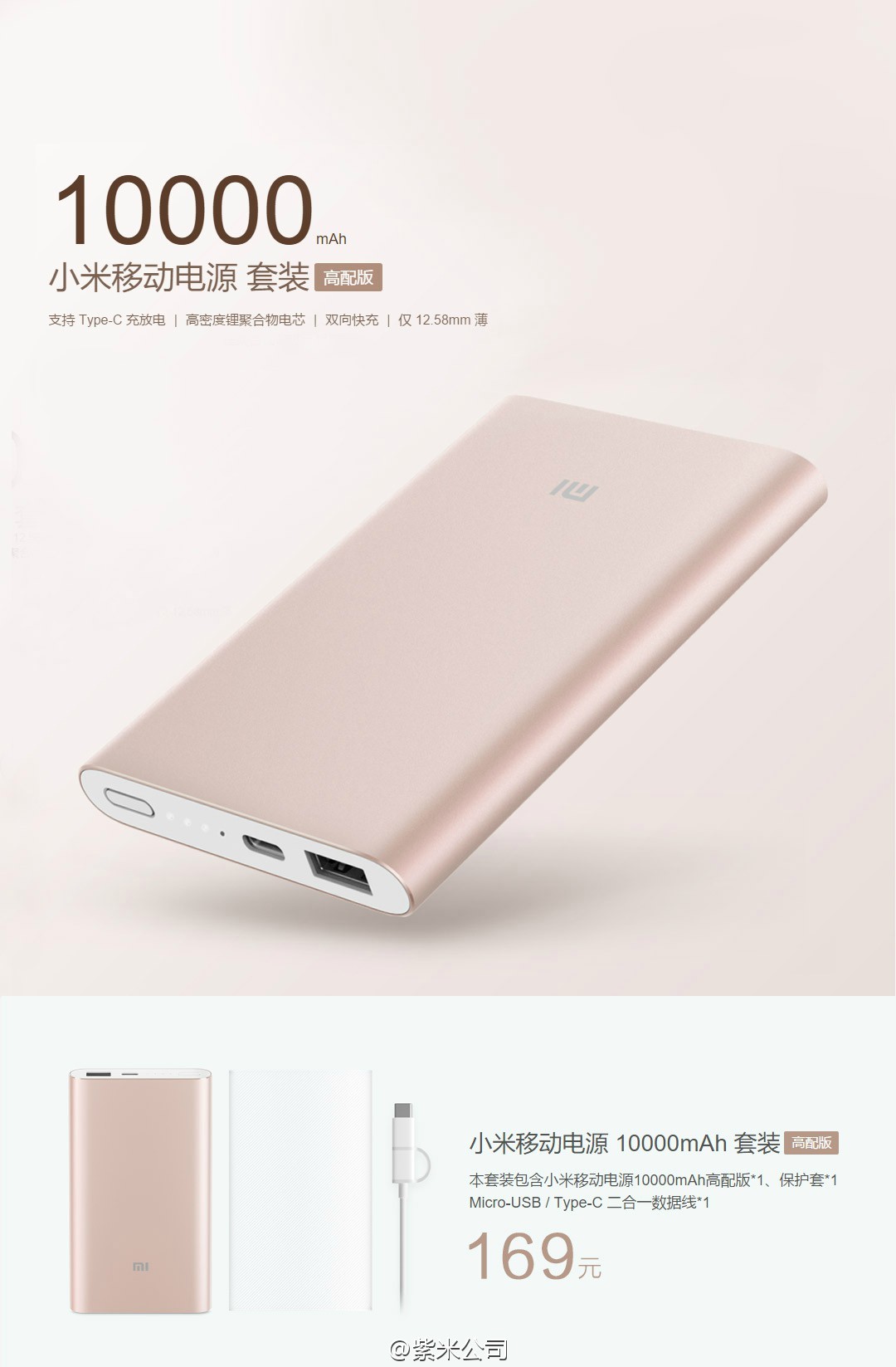
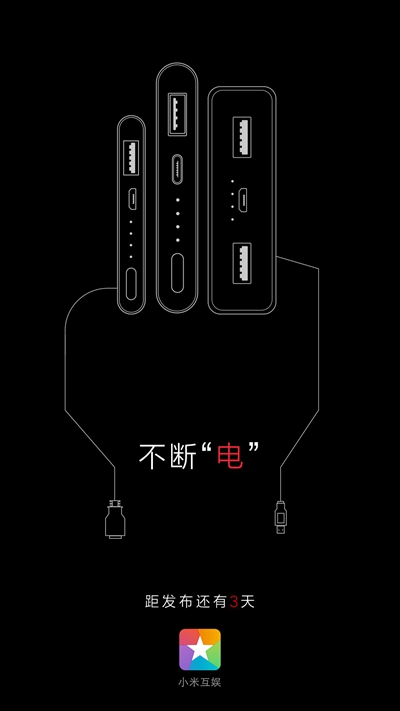
The new (old) Xiaomi power bank still keeps its 1000mAh capacity, Type-C input port and USB 2.0 output port. What Xiaomi is throwing into the package is a soft protective case and a Micro USB Type-C combo cable that has a Micro USB and USB Type-C connector on end and USB 2.0 at the other end. The power bank now sells for 169 yuan ($25) compared to the 149 yuan ($22) price for the version not having any of these accessories.
New Mi Power Bank Pro
The cable will come in handy for those who have devices using USB Type-C ports and still have a device with the micro-USB port, saving them the extra luggage of carrying two separate charging cables.
Teaser for Mi Power Bank Pro
Looking at it now, the image leaked back then was hinting at a cable and not a new power bank.
In the last 2 years or more large screen phones have become mainstream. Even manufacturers like Apple who used to make small screen phones have joined the bandwagon. However, that doesn’t mean there are no small screen phones anymore, it’s just that they seem to be a dying breed. The only small screen phone that comes to mind that was released this year is the iPhone SE with its 4.0 inches screen. Other flagships have decided not to go below 5 inches.
That takes us back the topic. Xiaomi’s flagship phones, the Xiaomi Mi 5 and Xiaomi Mi 5s both have 5.15” screens and they fit nicely when you hold them, allowing for a more comfortable grip and better one-hand use.
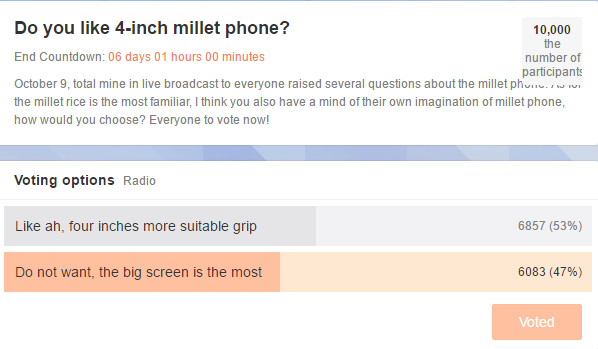
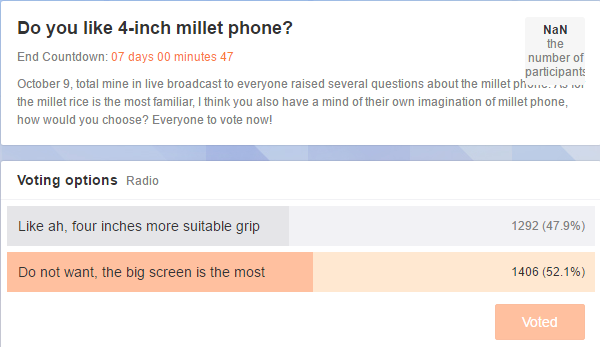
But Xiaomi decided to run a poll to determine if their fans prefer a phone with a 4 inches screen over a large screen phone. While the outcome of the phone favoured the small screen size, the margin wasn’t large 52.3% against 47.7%. The CEO, Lei Jun, then proceeded to post on Weibo that the company really has no plans to make a phone with a screen smaller than 5 inches. So if you were hoping to pick up a Xiaomi phone with a small screen, that will not be happening.
OPPO R9S has already been revealed to launch on October 19 and ahead of that event OPPO seem intent on wetting out throat with constant teasing of the R9S’ features. As we reported, the R9S would have its cameras as the main talking point just as the R9 had its fast charge technology. More details have now emerged on the features of the OPPO R9S.
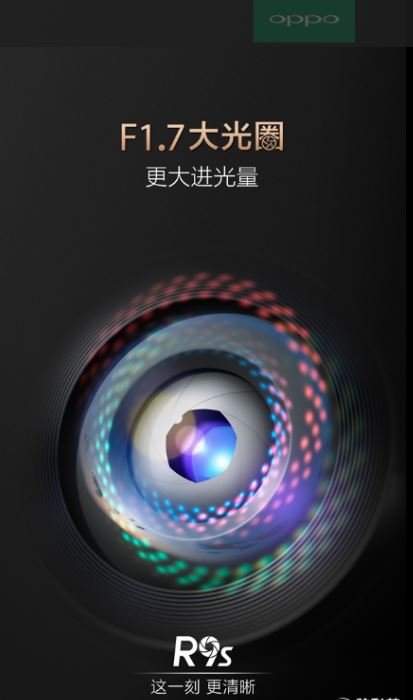
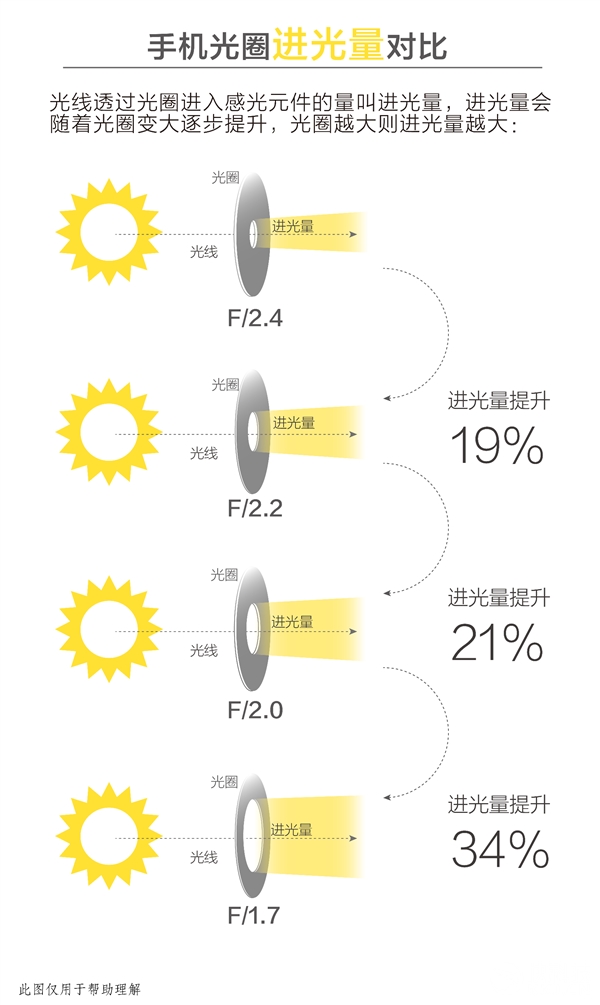
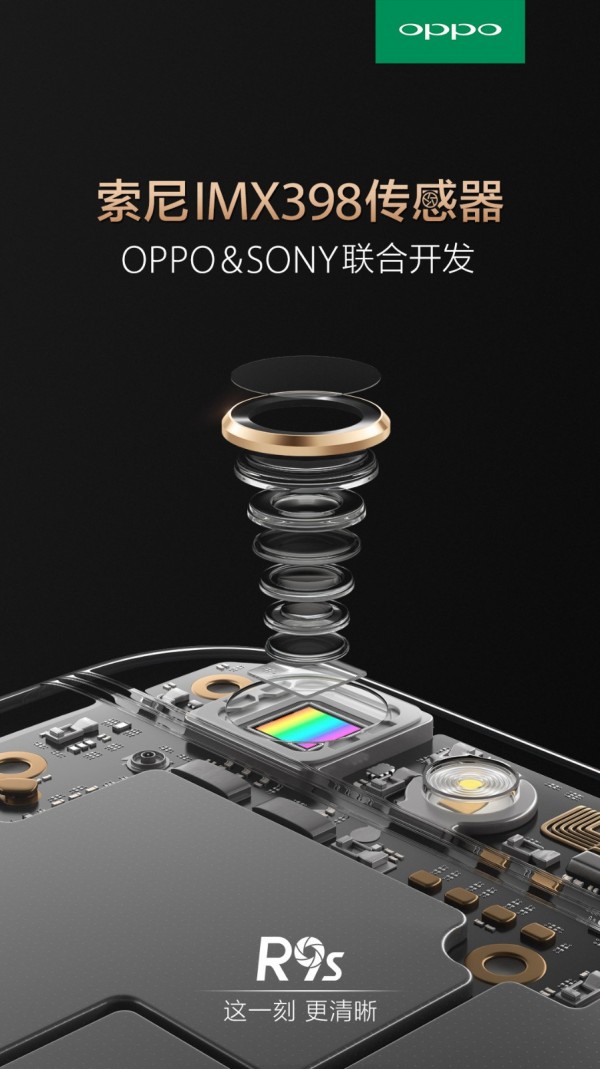
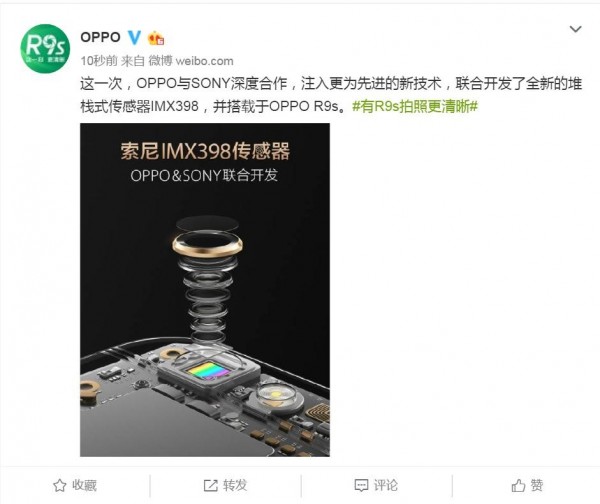
OPPO has officially disclosed that along side the sapphire glass-protected Sony IMX398 sensor, the R9S camera would use an f1.7 large aperture which would allow more light through it, as against the usual f2.2 aperture that is found on most camera. this had earlier been rumored but it is now confirmed and this aperture size comes in handy in dark or low light conditions as it increases the amount of light that passes through bringing brighter and clearer image with less noise. In addition to the f1.7 aperture, the R9S had earlier been revealed to come with full-pixel dual-core auto focus which is said to accelerate focusing speed and provide more accuracy.
Furthermore, OPPO has disclosed that the R9S would feature a 16MP camera at the back and also a 16MP camera up front. We had already seen a leaked image said to be captured by the R9S’ camera and it is beyond stunning.
These features would team up with the already revealed ones like a new antenna band design, Snapdragon 625 SoC, Gorilla Glass 5, 3100mAh battery with VOOC fast charging and lot more. Sure, the OPPO R9S is one device to look forward to and we hope it comes with an amazing price tag as well.
Huawei’s next flagship device Mate 9 is expected to drop next month as the company push harder to meet its set target for the year. However, the launch has not been officially confirmed but changes in the prices of its soon to be predecessor, the Huawei Mate 8, seem to strongly suggest the launch may be very near.
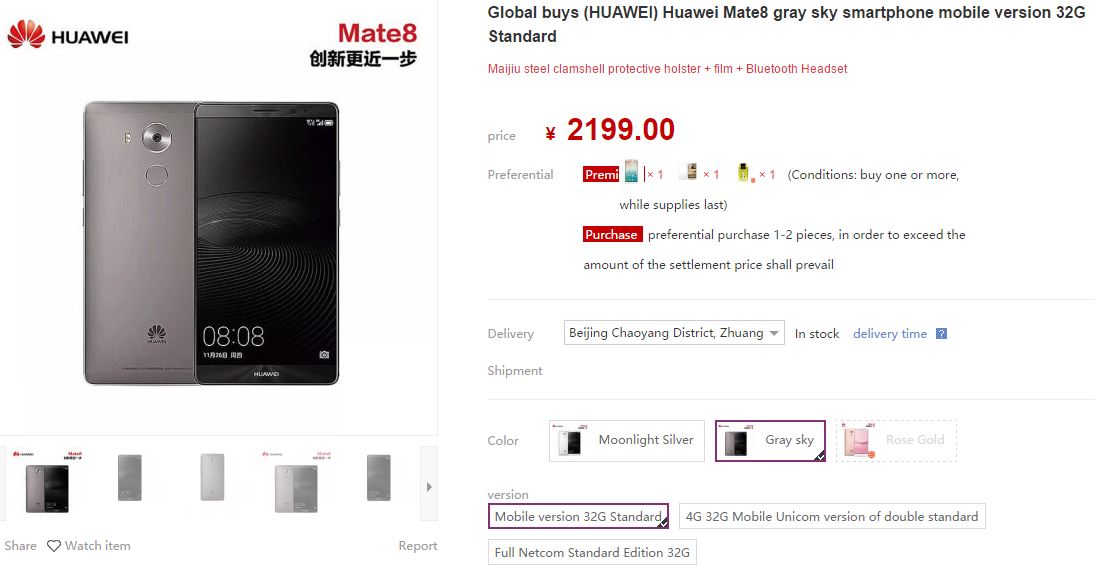
The Huawei Mate 8 initially carried a 2999 Yuan price tag but we had seen that reduced to around 2699 Yuan before the IFA Berlin in September. Now the Mate 8’s price has been reduced further to 2199 Yuan on the Jingdong (JD.com) global buy. This price is for the version with 3GB RAM + 32GB of internal storage. In addition, the dual-SIM 4G version has also seen its price reduced to 2299 Yuan from 2699 Yuan, while the version with Full network options took a slight reduction to 2659 Yuan, down from 2999 Yuan.
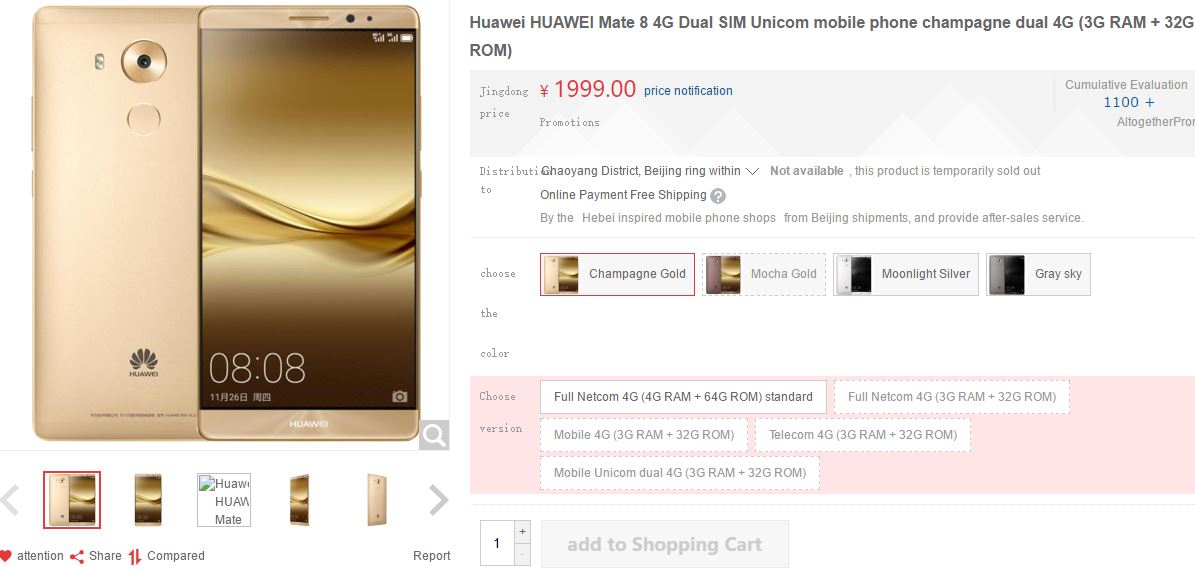
That is not all, the Huawei Mate 8 China Unicom version with 4G, 3GB RAM + 32GB ROM has got the biggest of price cut seen so far, as it is listed with price tags of 1999 Yuan. Of course that is a hot buy and it is already sold out presently.
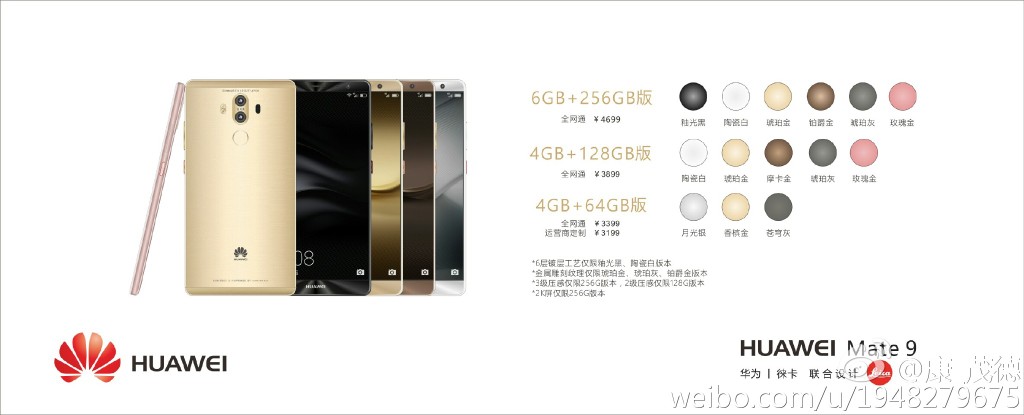
The Huawei Mate 9 is expected to come with Kirin 960 Processor, dual Leica cameras, iris recognition, 4GB RAM and 6GB RAM versions as well. The device is expected in three storage versions of 64GB, 128GB and the top most with 256GB which would only be available on the 6GB RAM version. As for the expected price, the Mate 9 would likely start at 3199 Yuan for the 4GB RAM + 64GB ROM carrier specific version, while the version with entire network support would come in at 3399 yuan. The 4GB RAM + 128GB version with full network support comes in at 3899 Yuan, while the 6GB RAM + 256GB ROM full network version starts at 4699 Yuan.
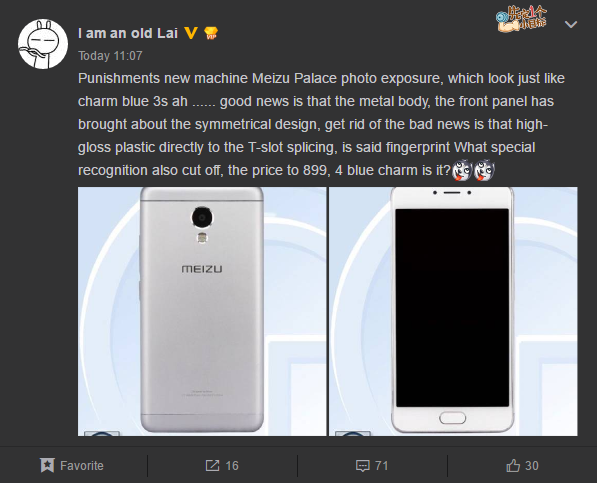
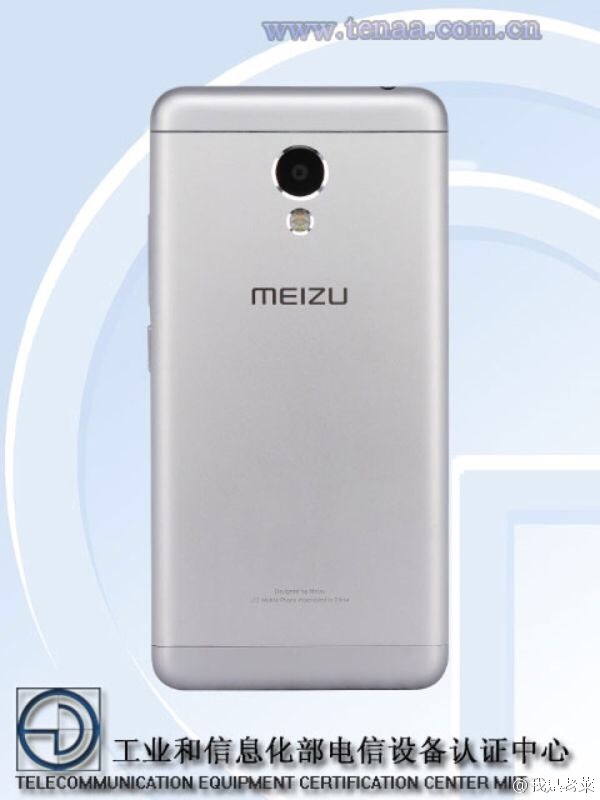
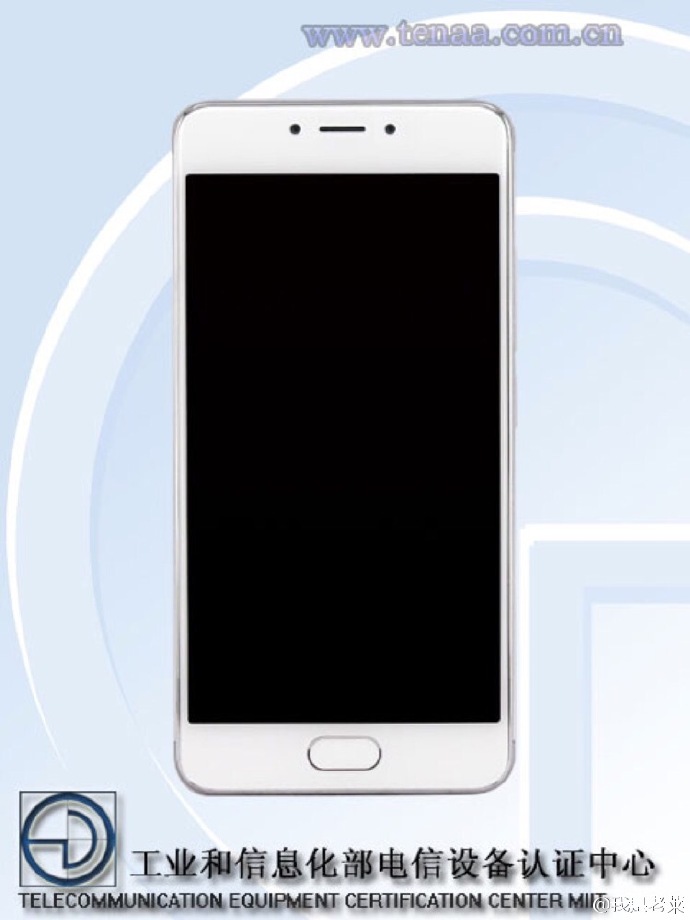
After the release of the Meizu M3 Max last month, we haven’t heard much about the company’s new products. However, earlier today, a weibo user seems to have got hold of a new Meizu handset on TENAA, which is likely a device in the company’s youth-oriented Blue Charm series. While we are not sure of the exact model name of the device, it is said that this new model could be the Meizu M4.
Meizu has a reputation of updating its lineup every few months. The Meizu M3 was announced back in April and later in June, the M3S model was announced. So, it won’t be surprising if we see an update in the lineup in the next few months.
Since we don’t have an official listing of the device on TENAA, we can’t confirm the specs of the device. However, the person who leaked these images adds that the body of the Meizu M4 is made out of metal with some plastic parts and it does not feature fingerprint sensor. Now, we can clearly see a physical home button, so it remains to be seen whether Meizu will remove such an important feature from the device. Further, he adds states that the pricing is 899 Yuan ($134), which is higher than that of the M3S.
OPPO’s R9s is scheduled to launch on October 19 and it’ll be the first phone to feature Sony’s new IMX398 camera.
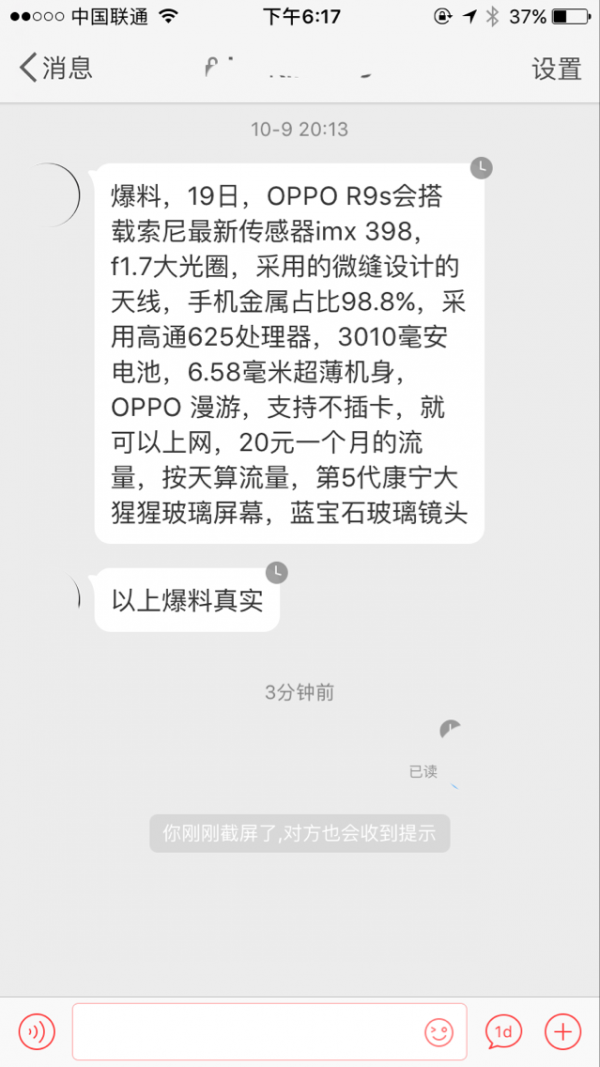
A new leak has revealed that the phone will also have a new antenna design allowing it to achieve an ultra-thin body made of 98.8% metal with a thickness of just 6.58mm.
The leak also adds that the screen of the OPPO R9s will be covered with Gorilla Glass 5 which hopefully someone is going to put to test just like they did with the Galaxy Note 7.
Other details mentioned include a Snapdragon 625 processor, a 3010mAh battery, VOOC fast charging, and an IMX398 camera with a large aperture of f/1.7 protected with sapphire glass.
In addition to that is the mention of OPPO launching a roaming service similar to what Samsung offers with their S Roaming service and Xiaomi’s Mi SIM and Mi Roaming which lets you access the internet without a SIM card.
We’ve had tons of leaks regarding the Mi Note 2 which covered renders, release dates, and even news of it being cancelled. Recent rumours say the launch is now scheduled for November, but there is still no confirmed image of the Xiaomi Mi Note 2.
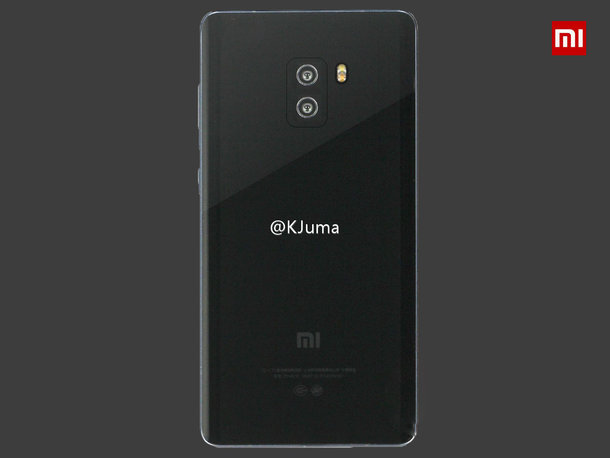
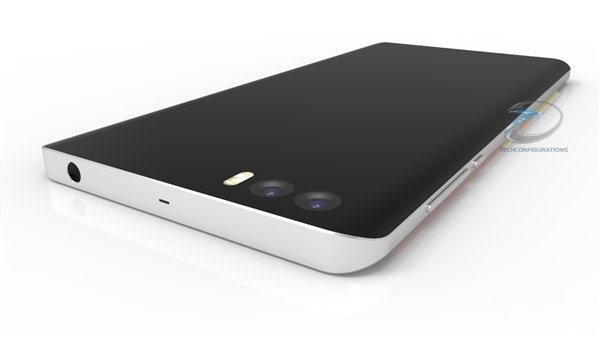
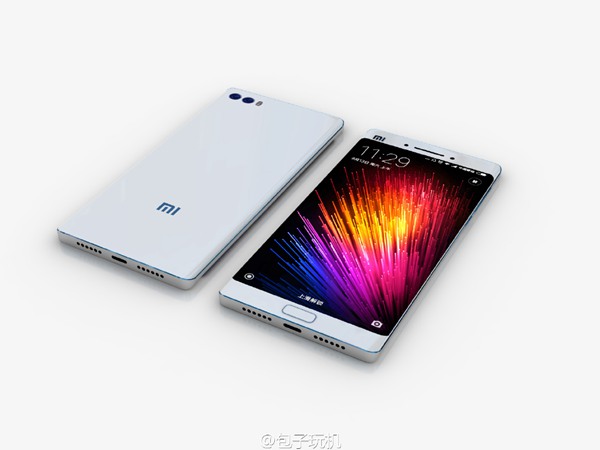
A new picture (more like a render) was released online recently of a phone said to be the Mi Note 2. The image which is of the rear of the phone shows the dual cameras positioned differently from previous leaks. In this image the cameras are positioned in the middle and stacked vertically in a single housing. You also have the LED flash flanking it on the right.
Another thing is the way the body of the phone curves to meet the screen in front hinting at the Note 2 having a dual curved display, but we have also seen some Chinese manufacturers ape that design and not use a curved screen.
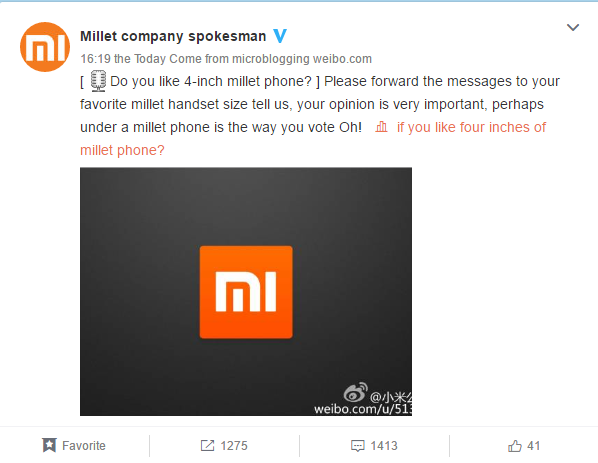
Seems it’s a season of opinion polls for Chinese innovative tech company Xiaomi. In addition to the on-going poll as regards the Mi logo which was absent on the front screen of the Mi 5S and 5S Plus, Xiaomi is sampling opinions about its fans’ take on the 4-inch Xiaomi phone which leaked some time back.
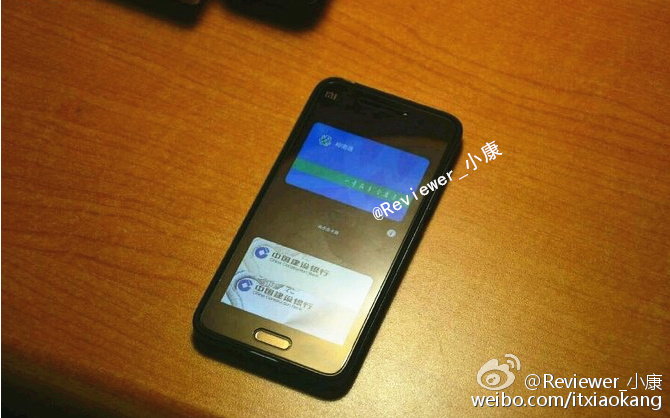
In case you forgot, a 4-inch Xiaomi phone thought to be a smaller version of the Mi 5S made an appearance on Weibo a few weeks back, before the launch of the Mi 5S. No tangible details were leaked alongside the render of the device except that the phone will feature NFC and will support Xiaomi Mi Pay, which was announced about a month back. Now Xiaomi’s spokesman has taken to his official Weibo account to find out from fans what they think about a 4-inch Xiaomi phone. No doubt the company is thinking about the idea of a 4-incher under its kitty but they have tied the fact whether the phone gets out to the outcome of the polls, according to the statement by the spokesman. Already the result is still too close to call even though majority of respondents so far prefer a big display device instead.
The only device expected from Xiaomi this year is perhaps the Mi Note 2 according to the company’s CEO Lei Jun. The Xiaomi CEO also disclosed that he is personally monitoring the design of the Mi Note 2 and that the device will come out with lots of surprises. But from this recent poll, coupled with the earlier leaked render of the 4-inch phone identified as Xiaomi Small, it is likely that the Mi Note 2 isn’t going to be the only surprise we should be expecting from the innovative company. We may be seeing a Xiaomi smartphone with a 4-inch display as well. For the avoidance of doubt, Xiaomi’s current smallest displays are those of the Redmi 1 and Redmi 2 which come in at 4.7 inches.
Of course, you can hop into the Weibo poll and get your opinion to count on this one.
October 18 is a big day for Huawei’s online sub-brand, Honor. The company is having a press conference in Xi’an where it is expected to unveil the new Honor 6X. However, it appears the phone is not the only product going to launch as they have released a teaser image of what appears to be a smartwatch.
The image which is of the face of a clock with the 12 hour markings has S1 written on it. We presume that will be the name of the watch. The Honor S1. There is a nice ring to it. The poster also has a Chinese text which loosely translates to ”See Changes”.
We don’t know know any other thing about the watch except we expect it to have a round face and be waterproof based on the image. And of course be cheaper since this is the Honor brand we are talking about.
This is not Honor’s first wearable. There is the Honor Band Z1 which is also known as the Honor Band Zero released last year.
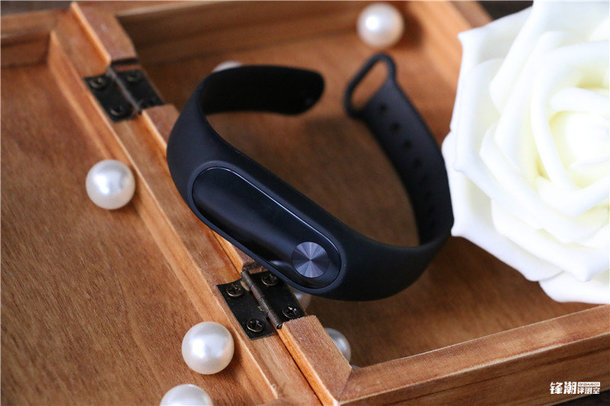
Xiaomi Mi Band 2 is possibly one of the best cheap fitness bands available in the market right now. I personally have been using the wearable for the past two months and it does everything it claims to, pretty well. You can set alarms, count the number of steps taken and calories burnt, measure your heart rate as well as check out the time and do much more, all in one device at a cheap price.
These are just some of the features of the Mi Band 2 and it looks like there could be more features added to the device. The CEO of Huami, the company which manufactures the wearable, recently asked users whether they would like to see new features like skipping (Jump Rope). However, he failed to say which wearable he was talking about. It could be either the newly released Amazfit smartwatch or even the Mi Band 2, as both are capable of getting such a new feature via an OTA update.
So, what do you think? Which feature would you like to see on your Xiaomi wearable?
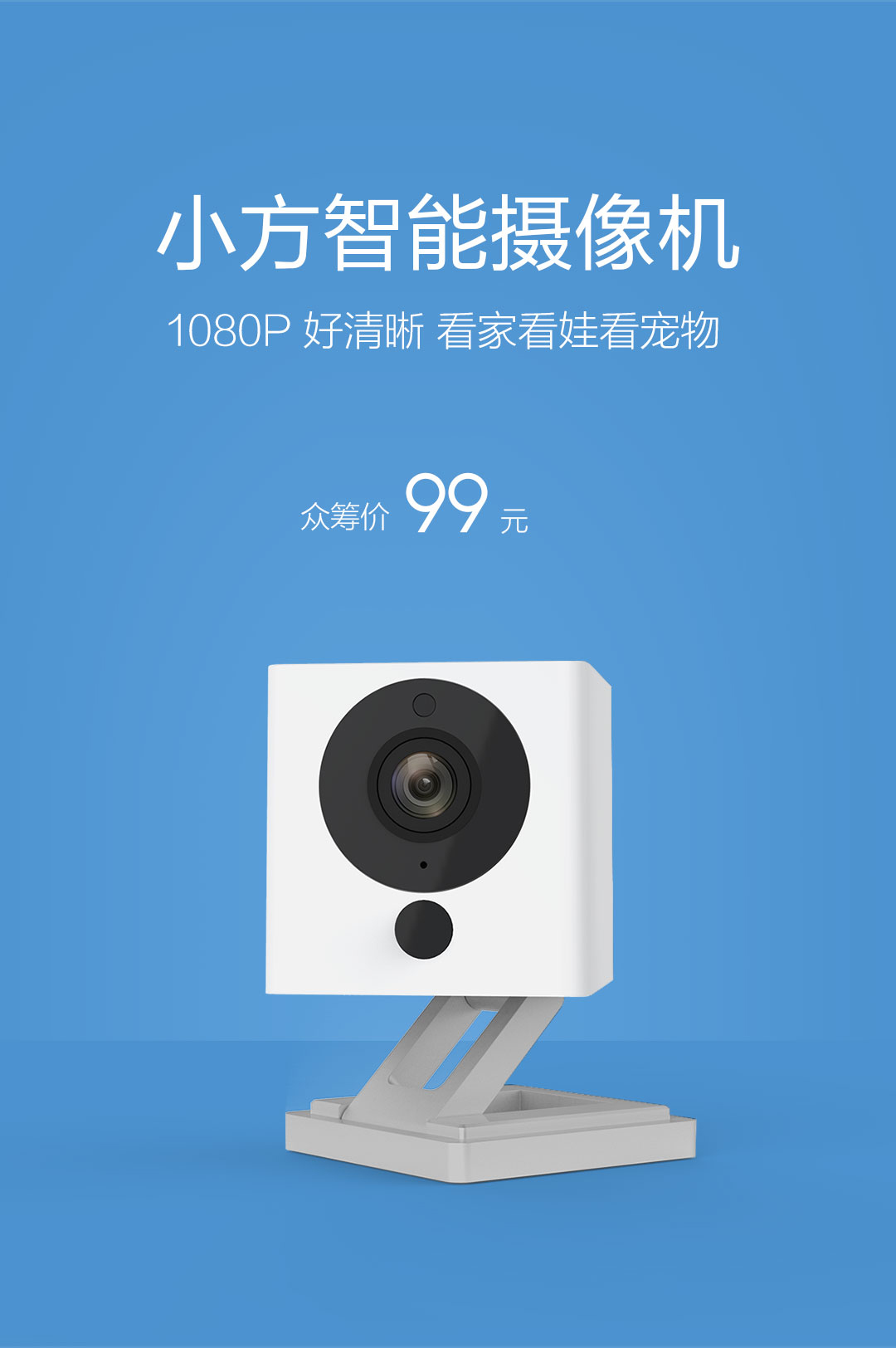
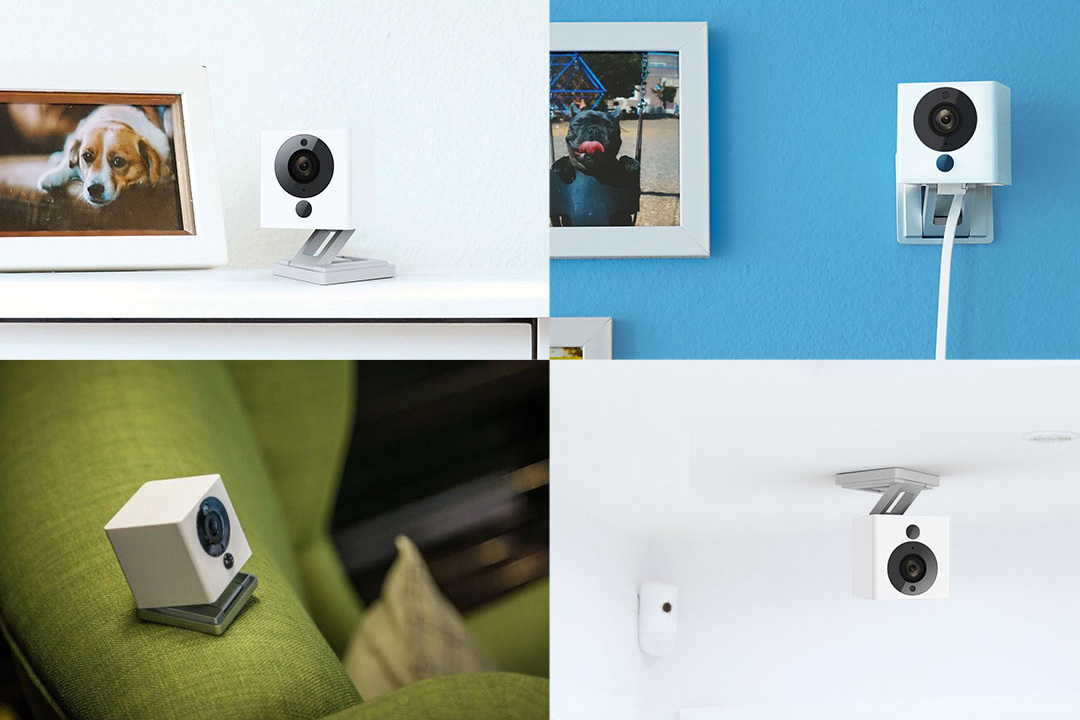
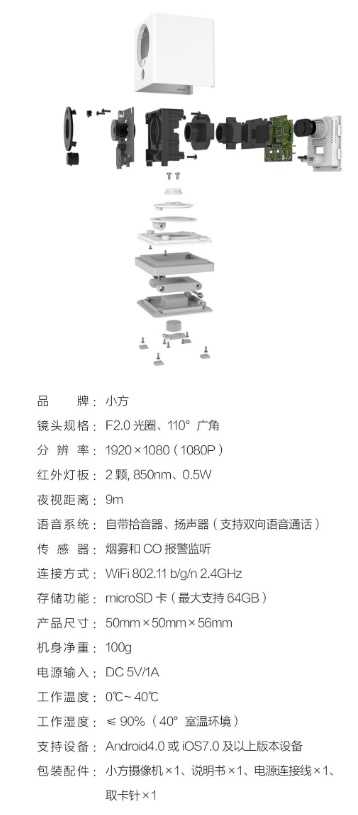
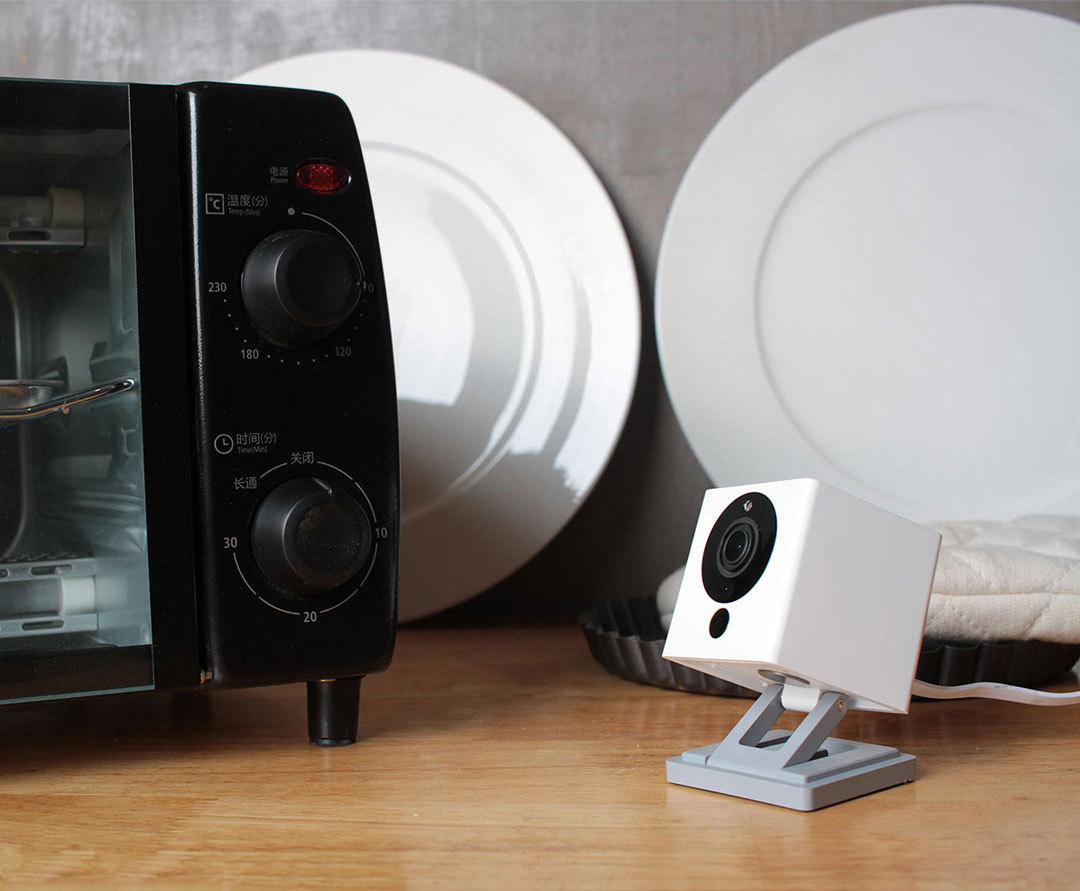
The camera which weighs just 100g is shaped like a cube measuring 5cm on all sides. The camera sits on a base that can be propped up to increase its height or lowered to flush with the body. The base can also be used to attach the cameras to walls and ceilings.
Specifications
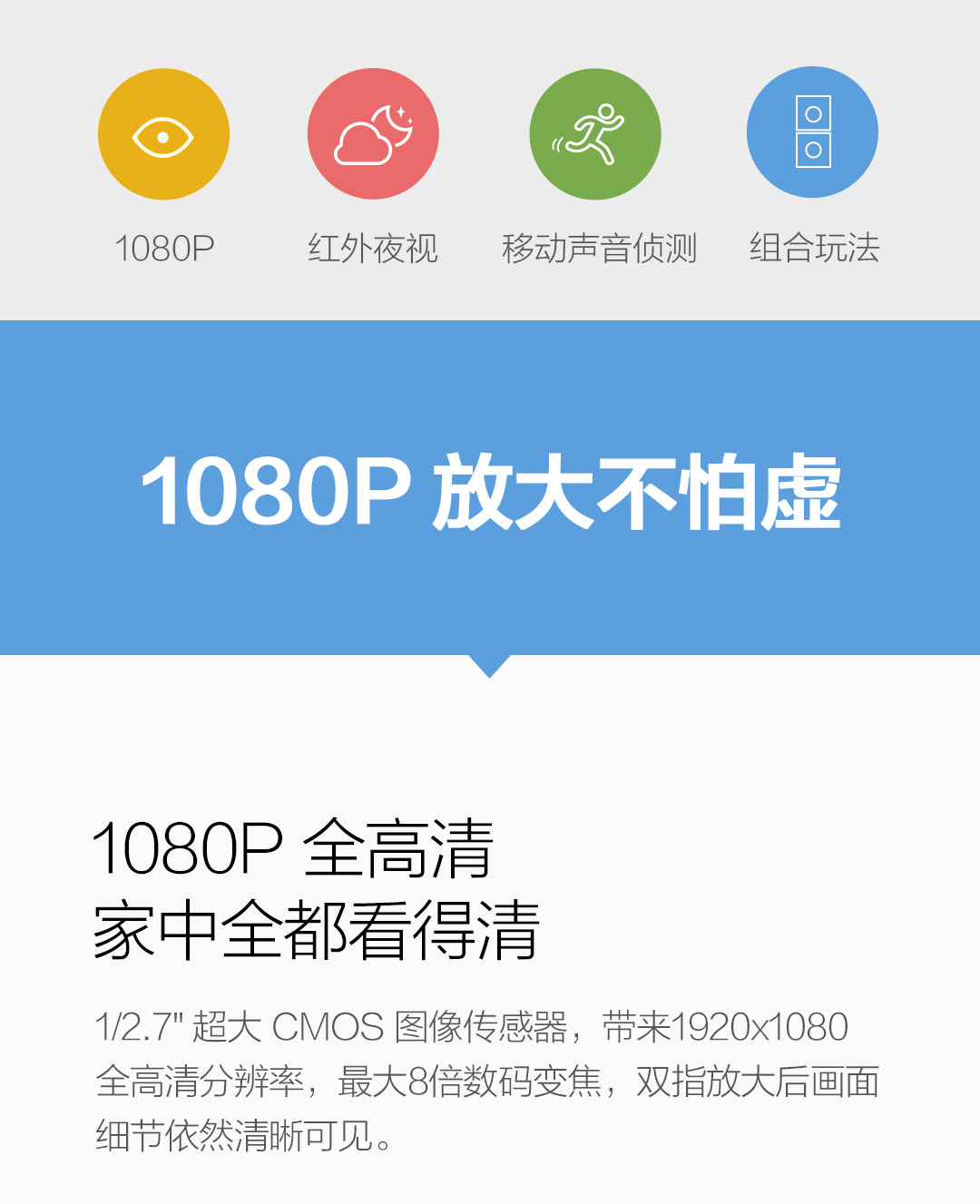
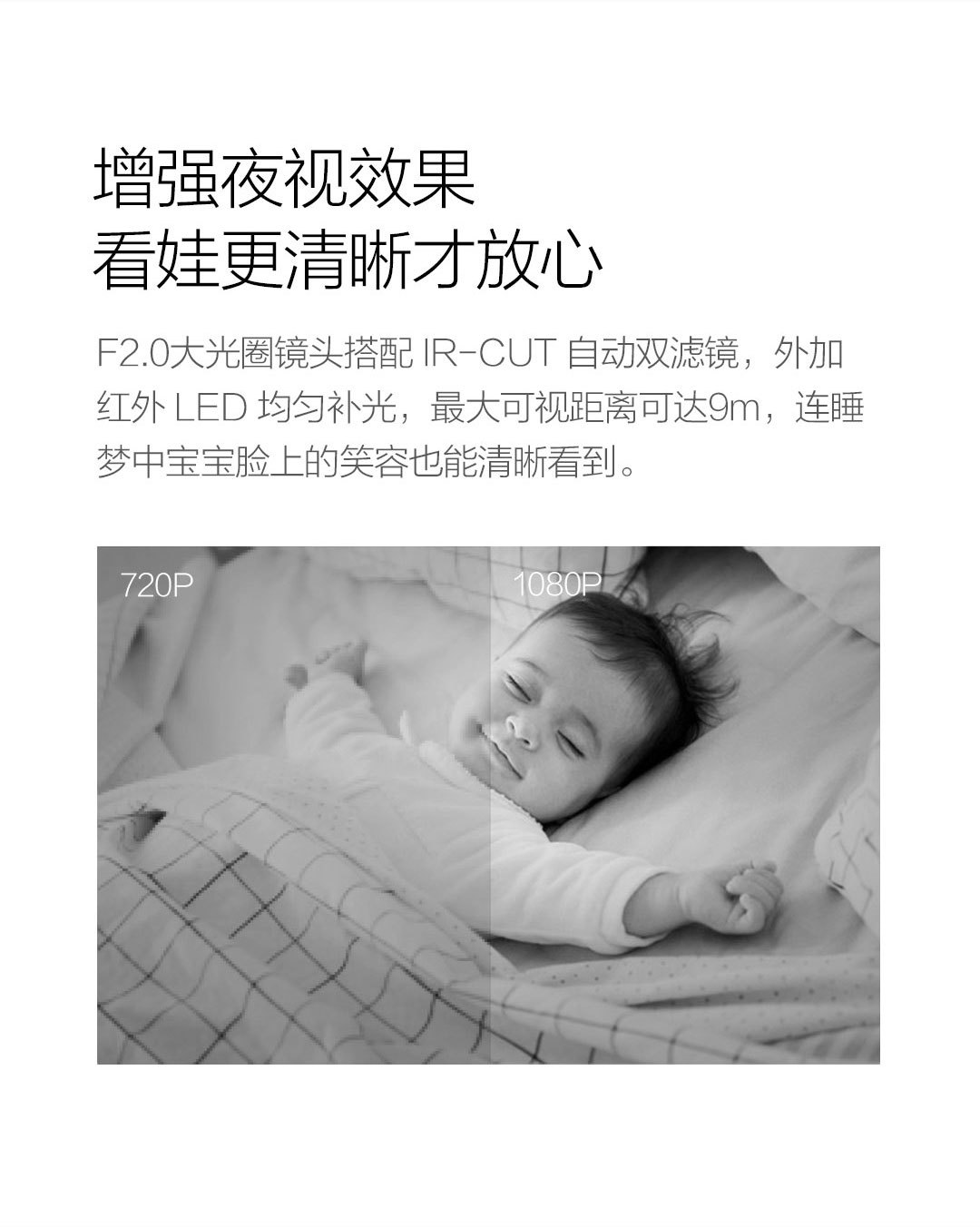
The camera has a 1/2.7” CMOS sensor that records in full HD with support for 8x digital zoom. It also features night vision enhancement technology allowing it to pick up objects up to 9 meters away. The camera sports an IR-Cut dual filters which keeps out disturbing infrared light out of the sensor during the day.
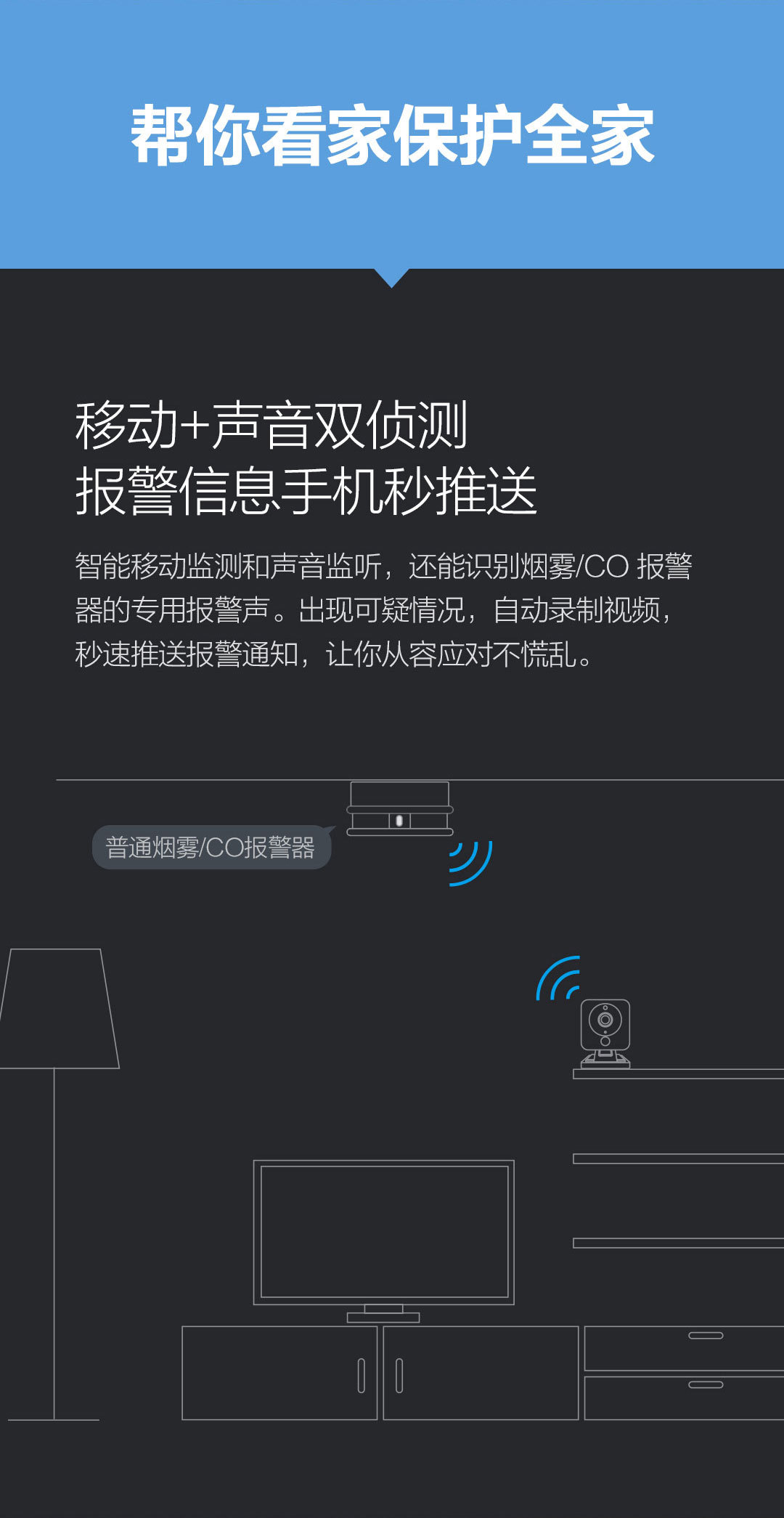
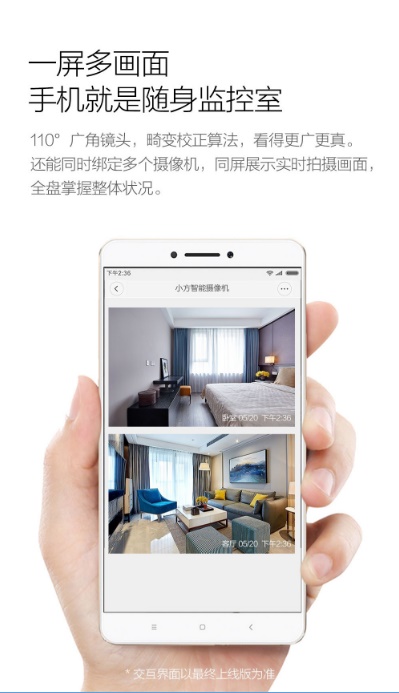
Little Square has a 110° wide-angle lens that can record time-lapse videos. There is also a built-in motion and sound detector. As a part of Xiaomi’s smart home product, it can pair with the smoke and CO detector in the home alerting the owner of the house via a dedicated sound.
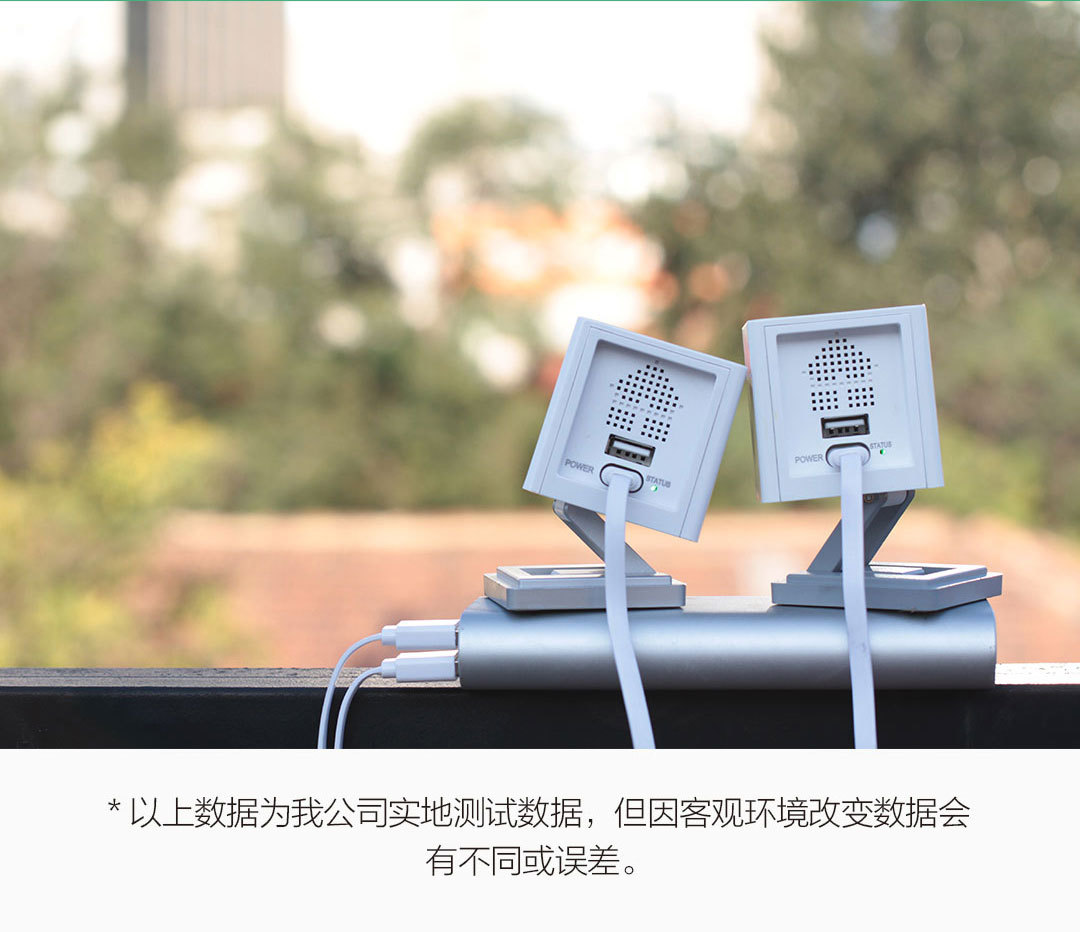
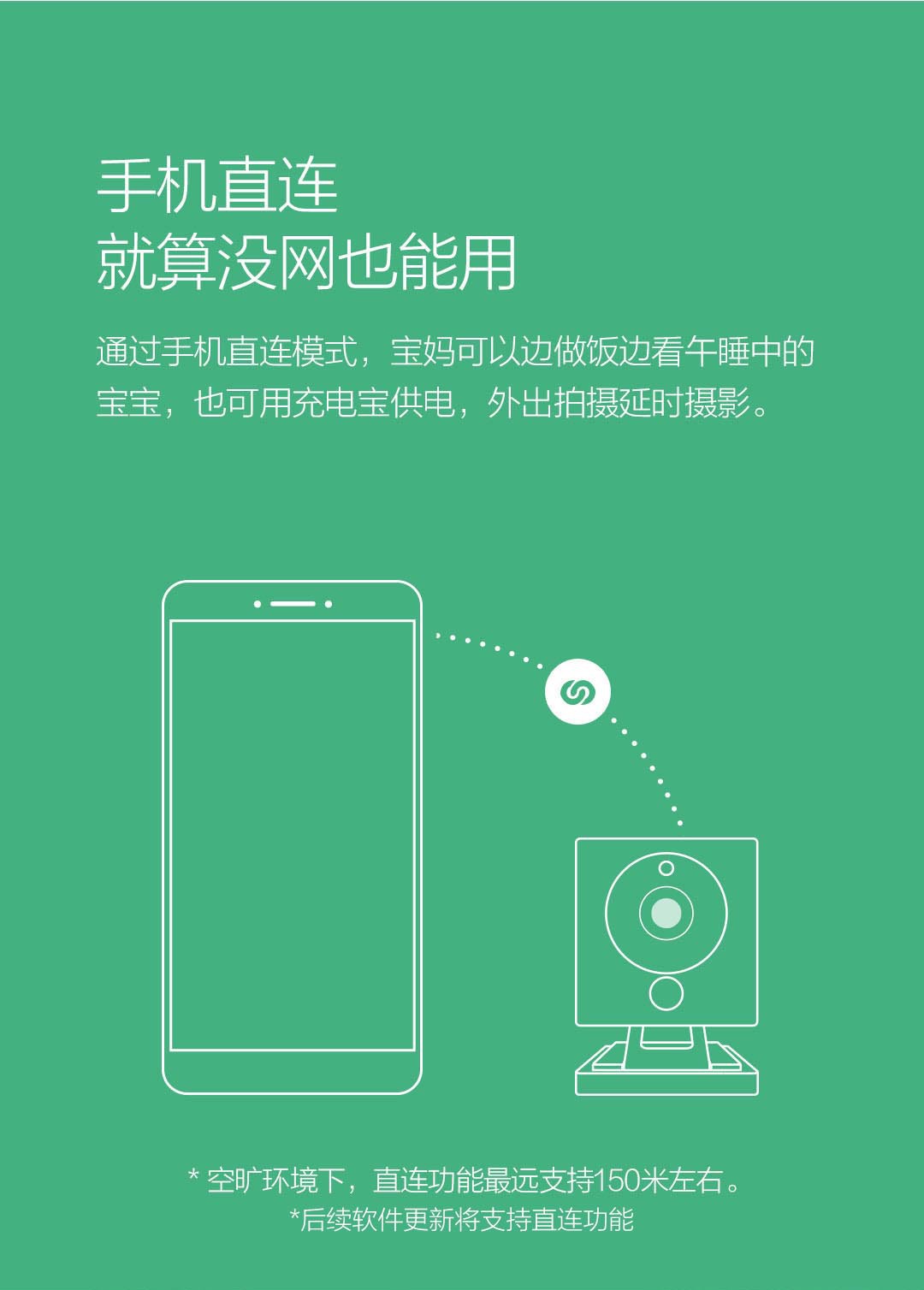
There is a 5V 1A port that powers the camera, and if you happen to have a power bank, you can hook it up to the camera which should provide about 12 hours of power.
The camera supports up to 64GB of expandable storage via a SD card slot and has a full sized USB 2.0 port on the back.
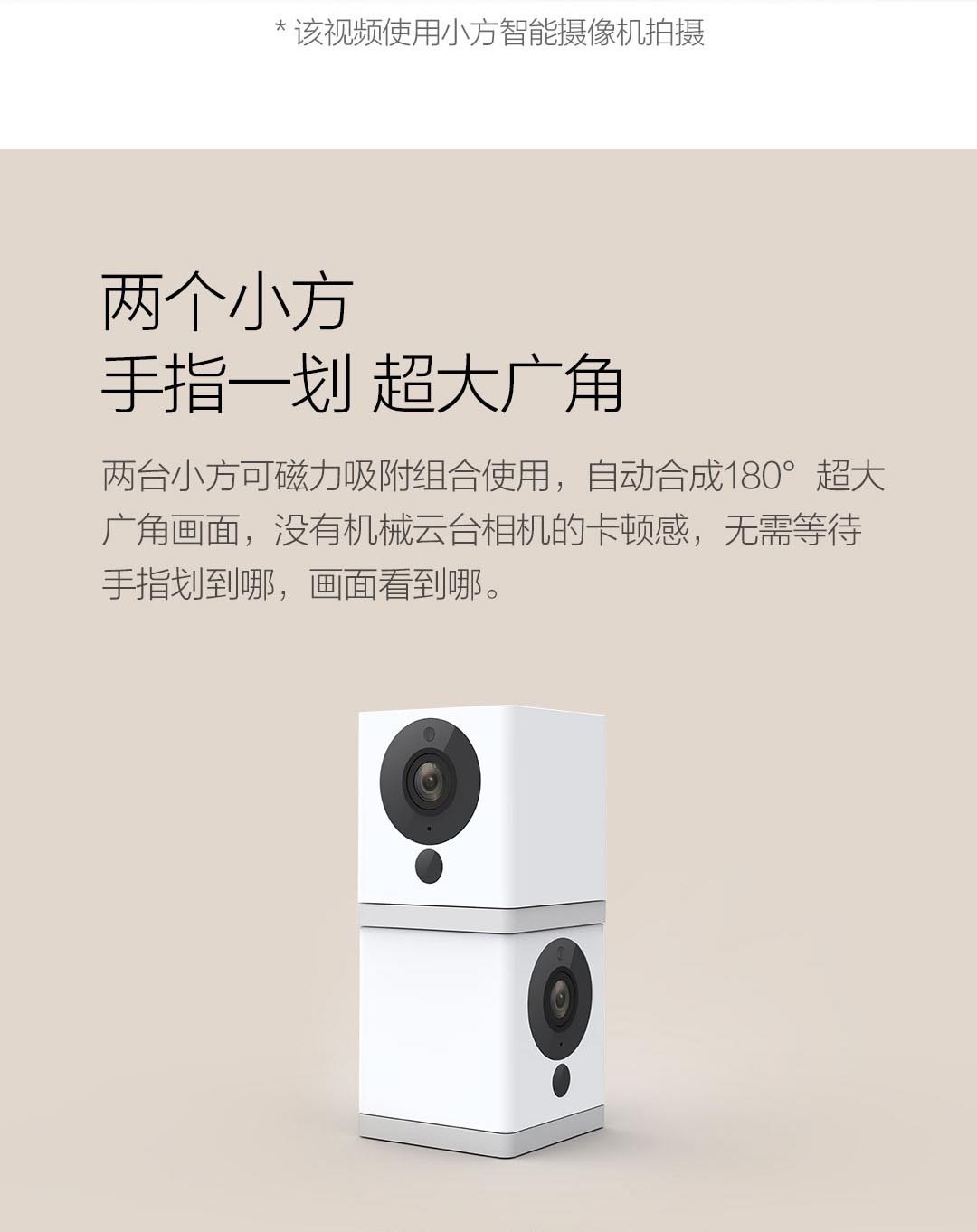
Need Little Square to have a wider viewing angle? That is not an issue as you can stack two units on top of each other via the magnetic base to give you a 180° super-wide viewing angle.
The camera is compatible with phones running Android 4.0 and above and iOS 7.0 and above. The crowdfunding page says shipments are expected to begin on the 22nd of November, so if you are interested, you can head to the crowdfunding page here and pledge your own $15.
One major selling point of OPPO’s highly successful R9 smartphone was the fast charging technology that the company launched the device with. The OPPO R9S which is expected to launch on October 19 has now been identified to have as its own main selling point, its rear camera technology.
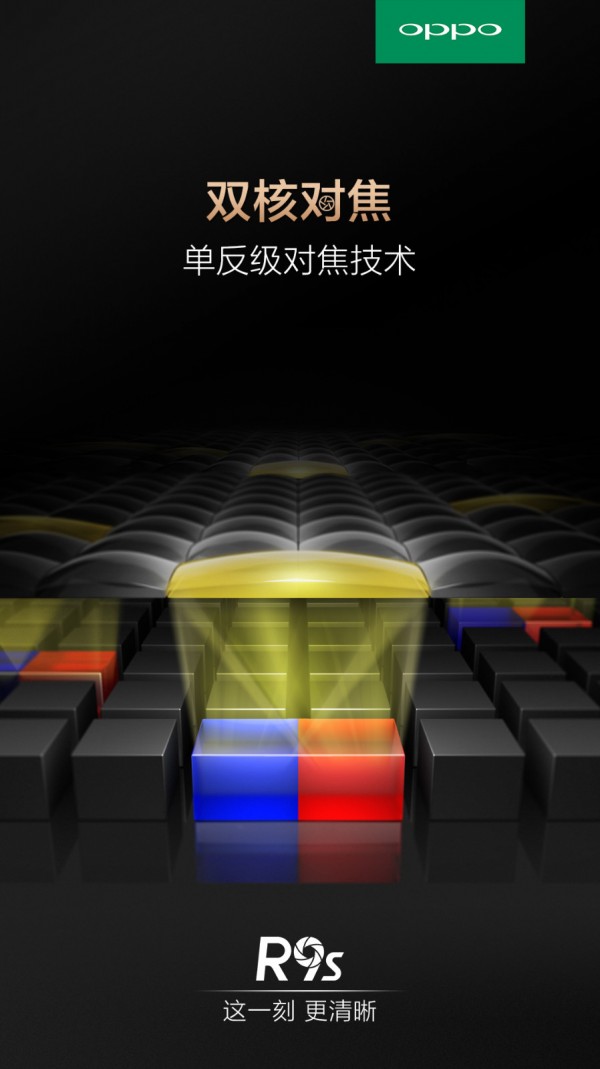
Just recently, it was revealed that the R9S would feature Sony IMX398 sensors at its rear camera and that seem not to be all the camera would carry. It has now been revealed via OPPO’s official Weibo page that the R9S’ rear camera would also feature dual-core focus in addition to having Sony IMX398 sensor. What this means is that the device’s camera would have a great focus as well as high chip rate, and when combined with a powerful sensor, what users can only get is a powerful camera capable of delivering stunning pictures.
The Dual-core auto focus technology is said to be way superior to the phase detection auto focus system that is common in most high-end smartphones. The focus is more accurate and faster and this comes very handy in capturing shots in the dark or at night. It is at night, shooting moving objects or during fast shooting situations that the advantage of the dual-core focus can be well felt. It is predicted that this technology would become the standard on most mobile phones in no distant time and already OPPO is blazing the trail.
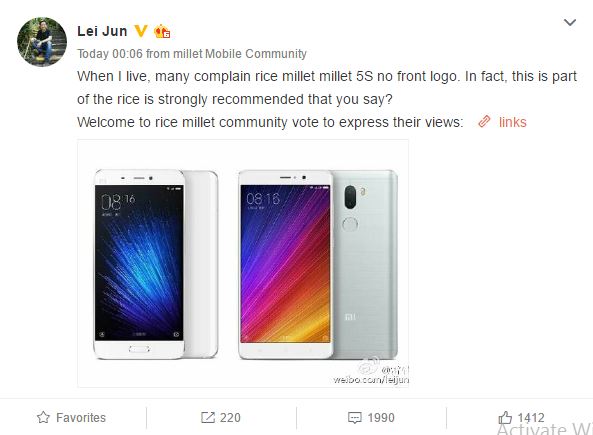
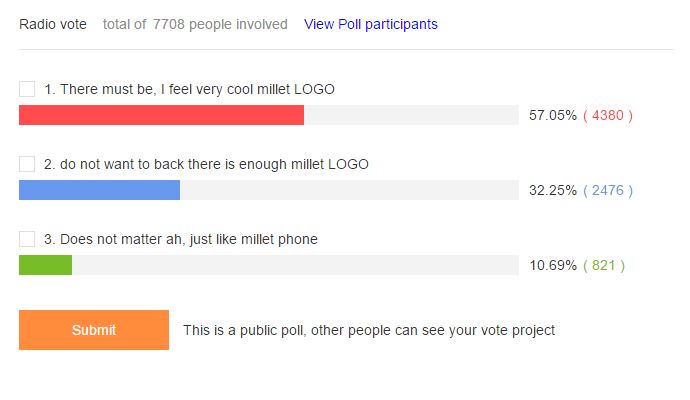
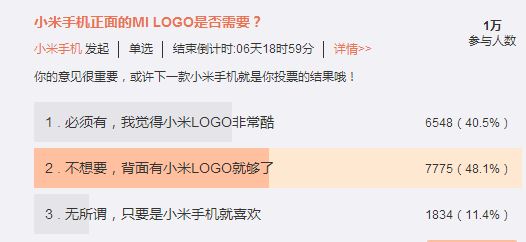
The recently launched Xiaomi Mi 5S and 5S Plus were unveiled without the customary Mi logo at the front which used to be the trademark of Xiaomi. The phones only had the rear Mi logo situated at the bottom of the device. However, a recent survey conducted by Xiaomi seems to suggest that the company may be tinkering about making that permanent but before they do that, they are sampling the opinions of fans.
The survey apparently became necessary because perhaps lots of complaints had so far trailed the removal of the logo that used to be on the front. Xiaomi CEO Lei Jun even weighed in on the matter and enjoined fans to hop into the Mi community forum and vote in the opinion poll.
So far, though, uncertainty has been the word. The poll have seen divergent views with respondents on Weibo toeing a direction different from that of those on the Mi forum. Most of the respondents on Weibo think it doesn’t matter whether the Mi Logo is there up front or not (Weibo pool results down below). On the other hand, a larger percentage of the respondents (57.05% so far) on the Mi Community forum think the Mi logo should remain at the front(Results up above).
The opinion poll is still open for voting and you can as well join in the fray and give your opinion.
For the past few days, we have been reporting about the shortage in stock of the OnePlus 3 flagship. The company seems to be having a hard time keeping up with the demand for its brand new device, and users are reporting delivery times exceed four to five weeks! Given that this phone has been in the market since June, such late delivery period is simply unacceptable.
However, the company seems to be working on a solution to this problem. According to one of our supply chain sources, OnePlus is actually going to stop the production of the current OnePlus 3 flagship. He reveals that this move is necessary to make way for a new model, probably going to be called as the OnePlus 3S (or maybe the OnePlus 3 Plus, we are not sure at the moment). Further, he adds that gray version is already out of stock and only the gold version is available right now.
So, why would the company release a new model when the OnePlus 3 is still one of the best value for money phones in the market? Well, he says that the company plans to change the CPU inside, most likely use the newer and faster Snapdragon 821. Further, another reason for releasing a new model could be to shift from AMOLED to LCD panels, as AMOLED supply shortage seems to be one of the big reasons why OnePlus 3 is unable to keep up the production in tune to the demand.
OnePlus CEO had earlier said that the company wants to focus on just one smartphone this year. But given the supply shortage, it’s possible that the company releases the new OnePlus 3S model and scraps the old one, to make sure that the demand is met timely.
We are not 100% sure about this information, but since it comes from a trusted supply chain source, it’s likely that this information is true. Unfortunately, our source didn’t reveal when the company plans to release this new handset. We will try to get more details soon. Till then, stay tuned to gizmochina for more updates.
We use cookies on our website to give you the most relevant experience by remembering your preferences and repeat visits. By clicking “Accept”, you consent to the use of ALL the cookies.
This website uses cookies to improve your experience while you navigate through the website. Out of these, the cookies that are categorized as necessary are stored on your browser as they are essential for the working of basic functionalities of the website. We also use third-party cookies that help us analyze and understand how you use this website. These cookies will be stored in your browser only with your consent. You also have the option to opt-out of these cookies. But opting out of some of these cookies may affect your browsing experience.
Necessary cookies are absolutely essential for the website to function properly. This category only includes cookies that ensures basic functionalities and security features of the website. These cookies do not store any personal information.
Any cookies that may not be particularly necessary for the website to function and is used specifically to collect user personal data via analytics, ads, other embedded contents are termed as non-necessary cookies. It is mandatory to procure user consent prior to running these cookies on your website.

 However, the display looks stunning with a ultra high color output which is also very sharp and we hope the expected Mi Note 2 would boast of such display quality even though it isn’t expected with a flexible display.