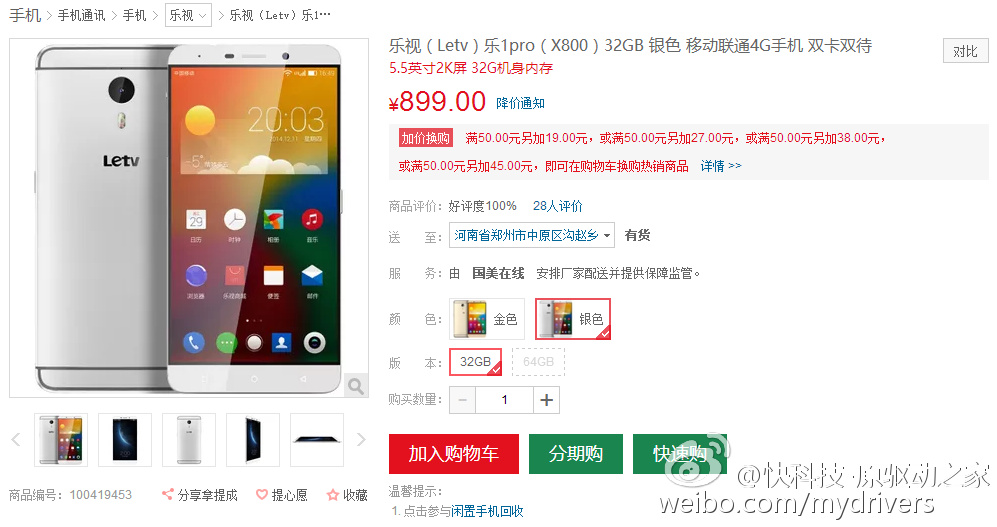
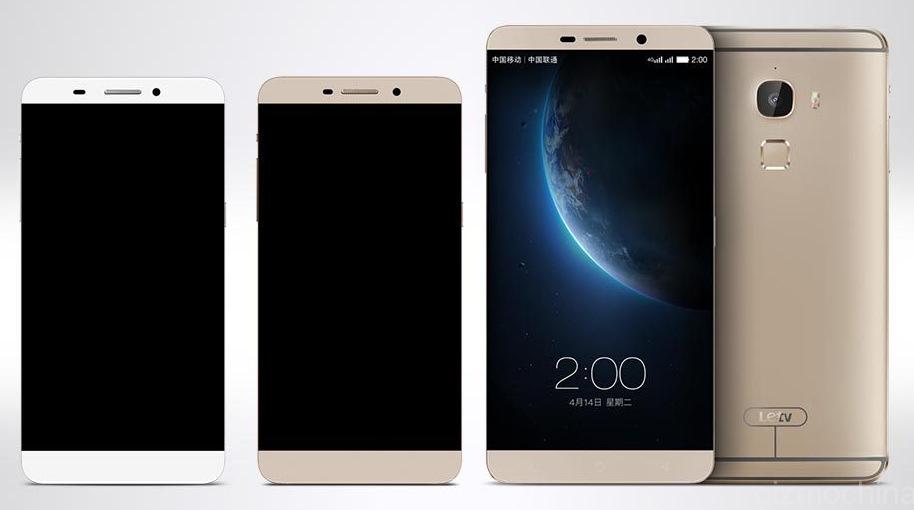
We are in for more surprises as another top rated LeEco smartphone takes a steep nose-dive in its retail price not too long after the Le Max 2‘s price was slashed. This time around, the LeEco Le 1 Pro X800 is said to have been listed online in China with a price tag of 899 Yuan (around $133) for the 32GB, sliver colored variant.
Presently, the lowest we have on a device with flagship SoC is the Lenovo ZUK Z2 with a Snapdragon 820 chip and offered for 1,199 Yuan. Now a device powered by the Snapdragon 810 chipset which is almost as fast as the SD 820 has got a slash as well. The Le 1 Pro sports a beautiful design that looks well crafted and polished with an all metal body and rear mounted fingerprint sensor.
Apart from that, the LeEco Le 1 Pro features a 5.5-inch display with 2K resolution and 4GB of RAM inside. The device also packs 32GB of storage on the version on offer, though there are other higher storage versions. On top of that, there is a 13MP primary camera with LED flash and a 4MP frontal camera. There is also a 3000mAh battery crammed under the hood.
Further, the device features dual SIM slots, dual standby support, USB Type-C interface and fast charging support but unfortunately, it doesn’t support all network. Only the China Unicom network’s 2G, 3G and 4G bands are supported on this one.
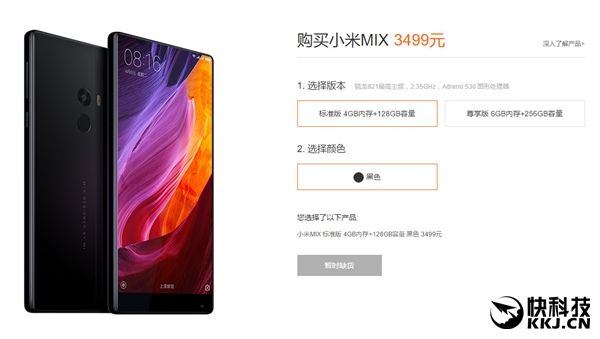
The Xiaomi Mix went up on sale today and just as predicted, the device didn’t even last up to 20 seconds before it was displayed as sold out. Just 10 seconds after Xiaomi‘s official website opened for sales of the device to those who had made reservations, the Mi Mix was listed as out of stock, meaning it had been sold out.
Obviously, the minds of fans remained unwavering despite talks of the display and ceramic body of the Mi Mix cracking easily if the device accidentally drops. The clamor for the device remained high as reflected in the flash sale. The sales happens to be for both the standard version of the Xiaomi Mix with 6GB RAM + 128GB ROM and carrying a hefty 3499 Yuan ($516) price tag and available in black color, as well as for the higher version with 6GB RAM + 256GB ROM, available in black gold color an priced at 3999 Yuan ($590).
Xiaomi is also said to have offline sales of the device available, with reservations opening briefly yesterday on WeChat. Fans with successful reservations can purchase the device from the offline store today and both versions are available for purchase as well.
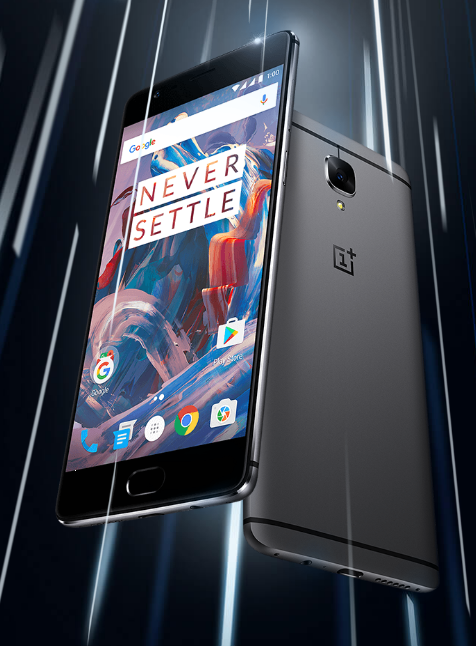
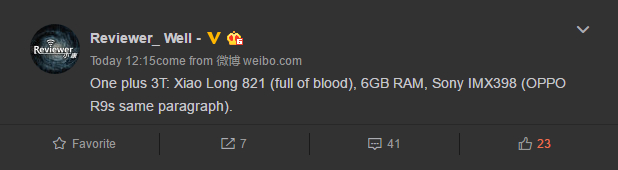
OnePlus 3, that sleek flagship smartphone with a cheap price tag manufactured by Chinese start-up OnePlus, has lately been making the rounds quite regularly in the rumor mills. First we got hint of an upgraded version dubbed OnePlus 3T said to use a Snapdragon 821 chipset, and also packing a more powerful Sony IMX398 sensor. Also, it had emerged from the mouth of popular tipster Evan Bass that the device could be priced $80 more than the current OnePlus 3 pricing.
Now, latest rumor emanating from China says the expected OnePlus 3T will be launched on November 14 which is just about ten days away from today. We cannot verify the authenticity of the rumor but considering that the device has been in the front burner quite frequently of late, there might be some credibility in it.
Moreover, the release of an upgrade for the OnePlus 3 is long overdue because despite its sleek and sturdy features as well as solid performance, more recent smartphones have taken the shine off the flagship. So, the OnePlus 3T is very much needed at this time to keep the steam up until next year when the company would likely release its next flagship, the OnePlus 4.
Specs wise, the OnePlus 3T is expected to sport the same 5.5-inch 1080p Optic AMOLED display that was first seen on the OnePlus 3. The device is also expected to feature two memory versions with 64GB or 128GB of internal storage, but both models are expected to have 6GB of RAM. The major differences from the OnePlus 3 will include an upgrade of the processor to Snapdragon 821, while the rear camera is expected to have the Sony IMX398 sensor that can be found in the OPPO R9s and R9s Plus. Also unlike the OnePlus 3, the upcoming device is expected to have Android 7.0 Nougat pre-installed. Not forgetting also that the price would come around $80 higher than the OnePlus 3, placing it around $480.
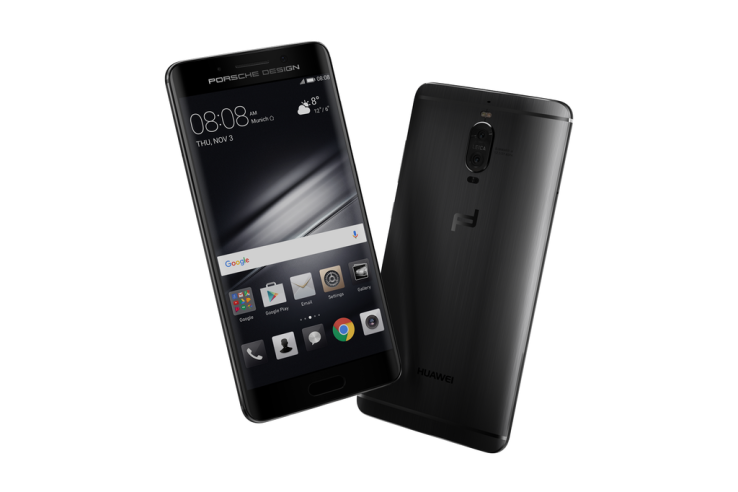
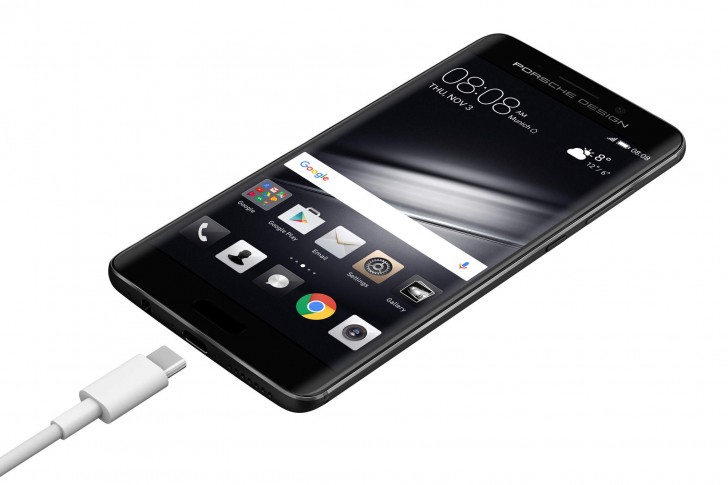
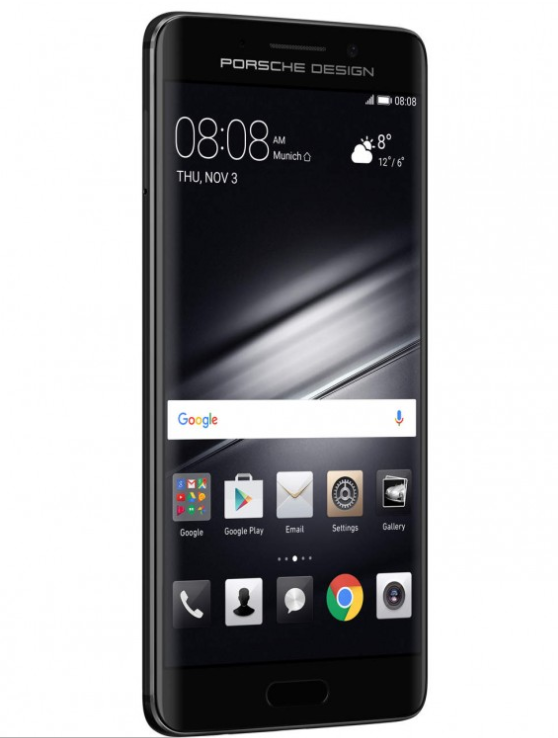
If you have been waiting for a dual curved smartphone from Huawei, then meet the Huawei Mate 9 Porshe Design. Huawei is calling it a limited edition model and there are some features that really make it stand out from the crowd. This is also the first dual curved smartphone from the company, making it special. But will you be willing to spend 1395 Euros for this beast? Yes, you heard it right! That’s the official price tag of the Porshe Design, which translates closely to $1547. So, let’s take a look at what you get at this crazy price.
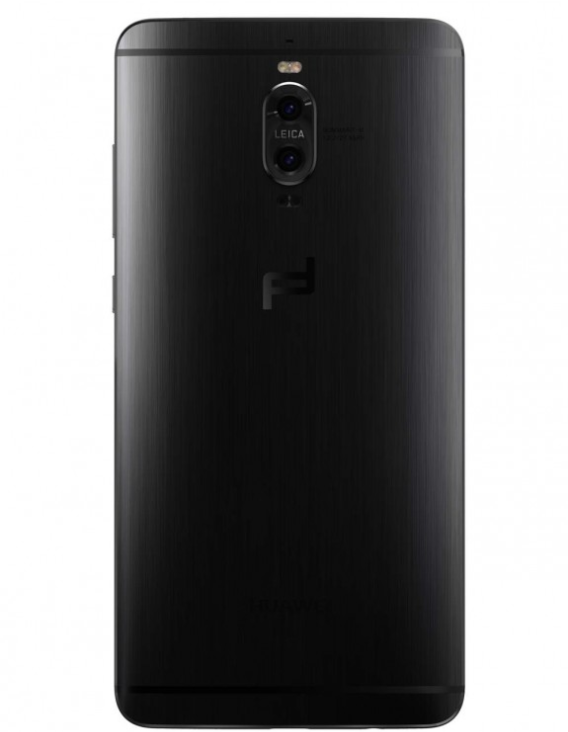
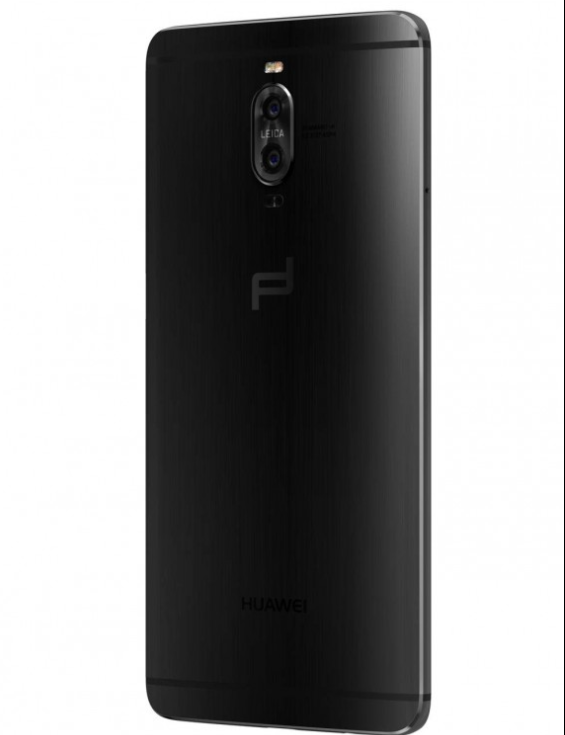
First of all, as you may have guessed already, the Huawei Mate 9 Porsche Design is crafted by the popular Porsche Design studio. You get a dual curved flexible AMOLED display on the front. To make things symmetrical, the back is also curved, taking the minimum thickness of the phone to just 3mm. You get the Porsche Design logo at the back and that’s probably why the company decided to move the fingerprint sensor to the front.
Now, note that this edition comes with a smaller screen of 5.5-inches as compared to the 5.9-inches on the Mate 9 regular edition. But the AMOLED display will look amazing thanks to its 2K resolution. The processor is the same as the regular version — Kirin 960 but the RAM and ROM are upgraded to 6GB and 256GB respectively. The camera is also the same setup as the regular version — 20MP + 12MP with Leica branding. Also, note that the battery is still 4000mAh despite the reduction in screen size.
Overall, this is the most premium Huawei handset that we have seen till date and surely, it’s priced accordingly. Meanwhile, you can check out the Mate 9 launch article here.
So, what are your thoughts about the Huawei Mate 9 Porsche Edition?
After a long set of rumors that emerged in the past few weeks, Huawei has officially announced the Huawei Mate 9 flagship. This is the next generation version of the Mate 8, coming with improved specs and high-end features to take on the likes of iPhone 7 Plus, Google Pixel XL, and even the Galaxy S7 Edge. And yes, there is a dual curved edge version, as expected, however, more on that later. First, let’s take a look at what the regular Mate 9 flagship offers.
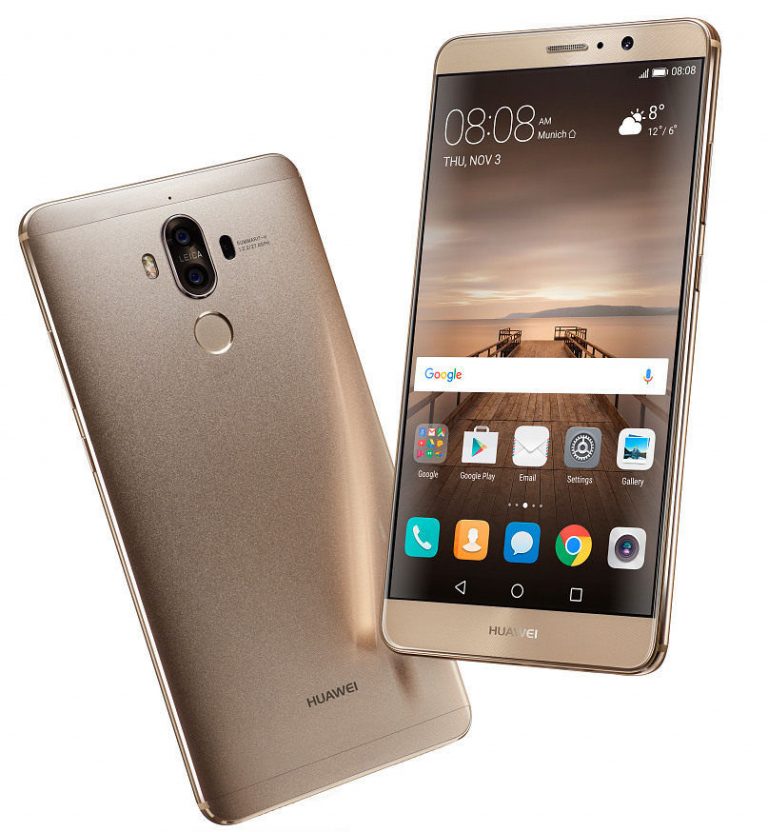
Design wise, Huawei has retained the same polished metal body as the previous generation Mate 8, which is actually a pretty good decision. The metal body looks premium and it comes in multiple colors like Space Gray, Moonlight Silver, Champagne Gold, Mocha Brown and Ceramic White making sure that you have plenty of options to choose from.
While looks may not have received a lot of upgrades, there are a lot of changes in the hardware department. The Mate 9 is powered by the recently released and much more powerful Huawei’s Kirin 960 chipset. To remind you, this chip has 4 x Cortex A73 cores @ 2.5GHz and 4 x Cortex A53 @1.8GHz. For storage, you get 64GB of expandable ROM and 4GB of RAM.
This year, the camera has been the real highlight of Huawei smartphones and the same goes with the Mate 9 as well. The flagship comes with a new 20MP + 12MP dual camera setup at the back, certified by Leica. This is similar to the setup on its other phones, with the 20MP being the monochrome sensor and the 12MP being the color sensor. Other features include laser autofocus, f/2.0 aperture, dual LED flash and OIS. While there is no optical zoom as previously rumored, the phone features what Huawei calls Hybrid zoom.
The Huawei Mate 9 also retains the large 4000mAh battery as its predecessor and the company claims that its ‘SuperCharger’ can charge the phone to 58 percent in just half an hour. As for software, the phone comes with the new Android Nougat 7.0 with an overhauled EMUI version. The new UI seems to be cleaner and faster than before, which is definitely a good sign.
There are a few smart features as well, for example, Huawei claims that the Mate 9 will get faster with time, as opposed to current Android phones which often lags after a few months of usage. The software will observe the way you use the phone and in time, it will smartly allocate the processing power for your essential needs. The company said that the performance could improve as much as 8 percent in over 10,000 hours of simulated usage. That’s a pretty good claim, but we will have to see whether it’s the case in real life.
The Mate 9 seems like a really great phablet, coming with powerful internals, good camera, a large battery that lasts more than a day easily and the latest software. All this for a price tag of 699 Euros or $775.
There’s a Mate 9 Porsche Design Version as well, which is the most premium flagship ever made by Huawei, but it does come at a humongous price! More on that in the next article which is coming your way very soon.
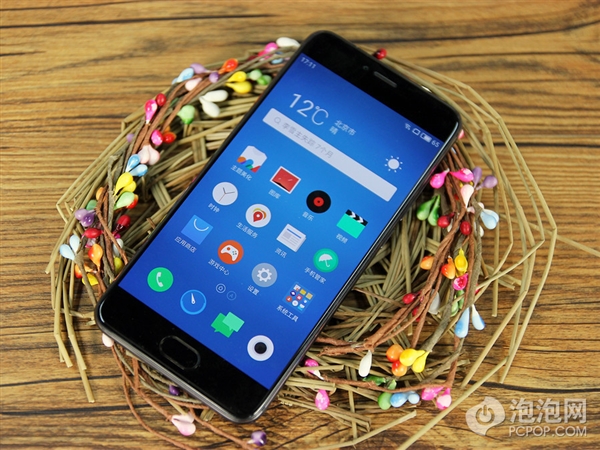
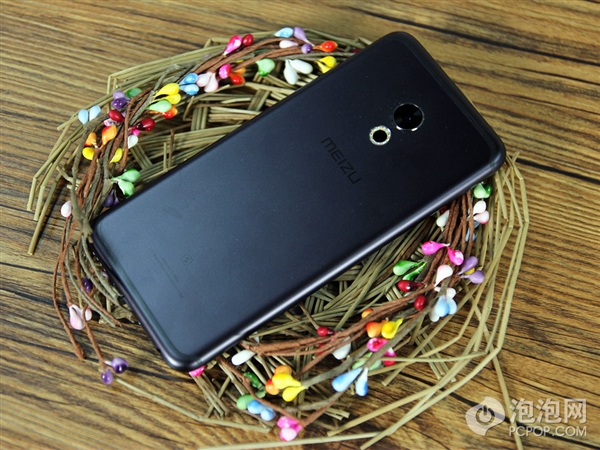
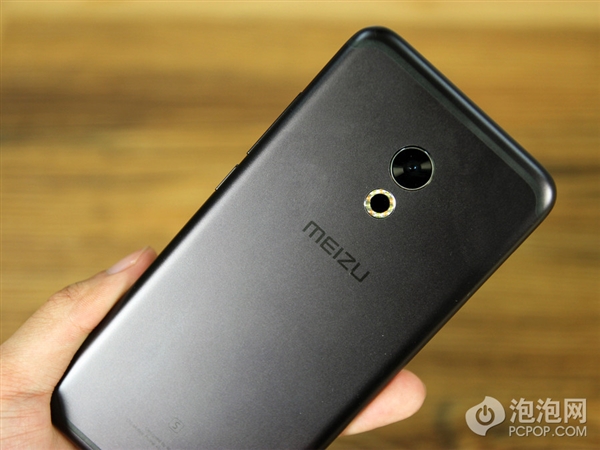
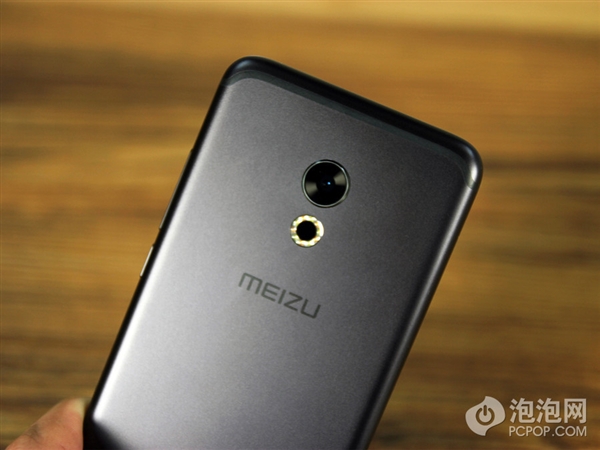
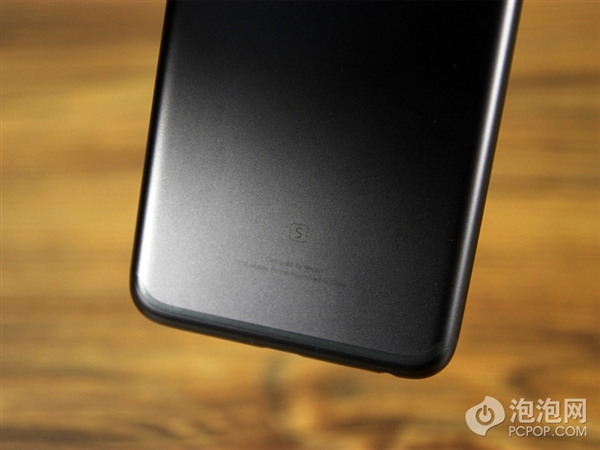
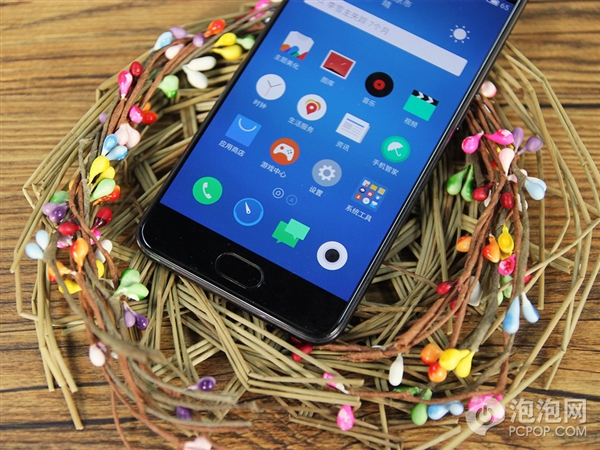
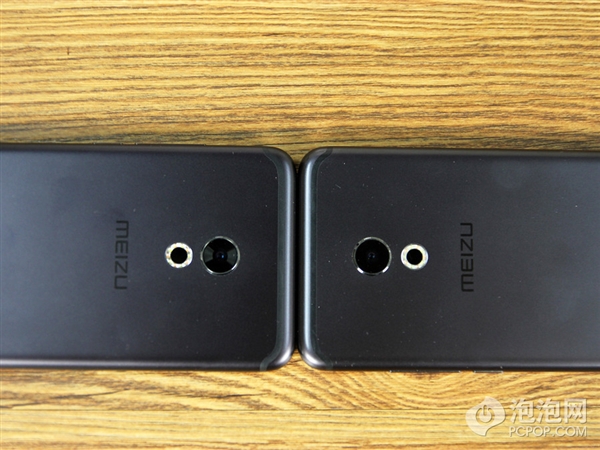
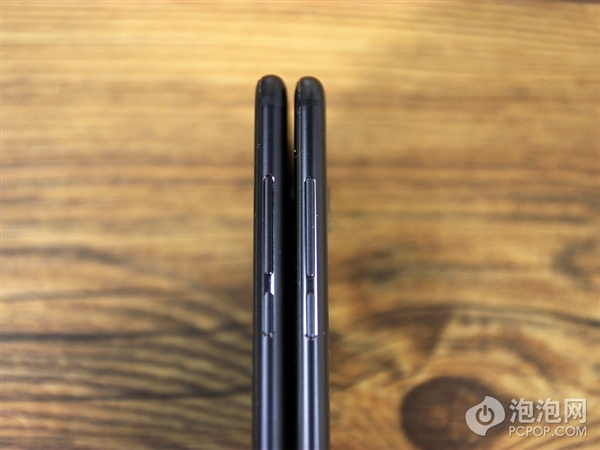
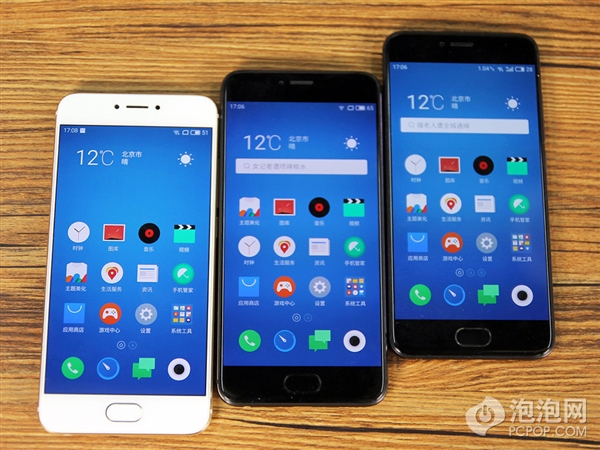
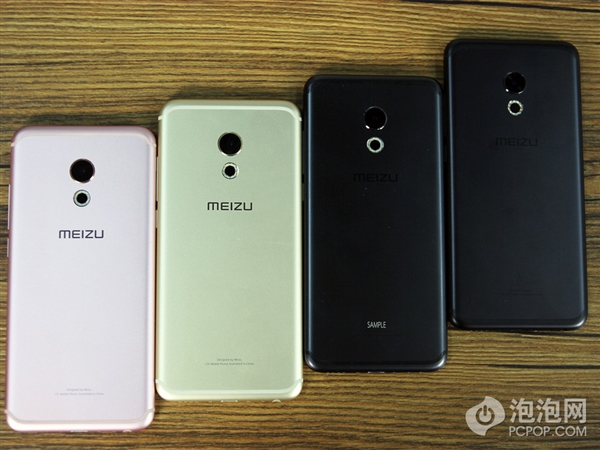
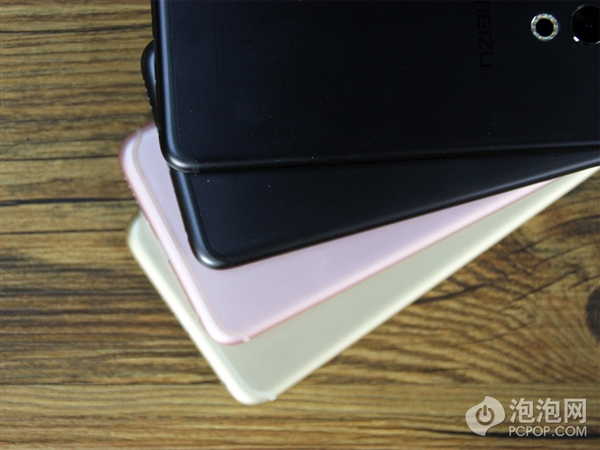
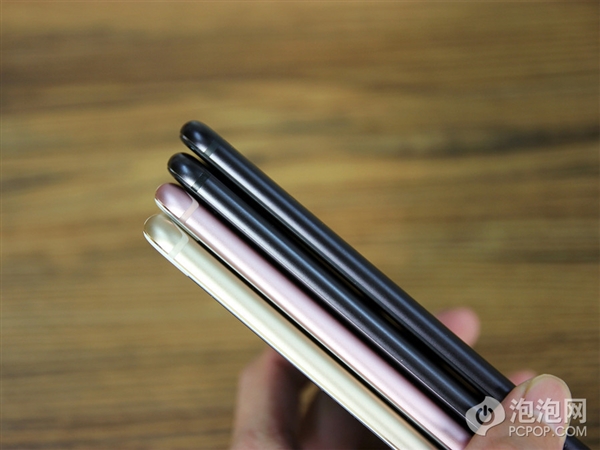
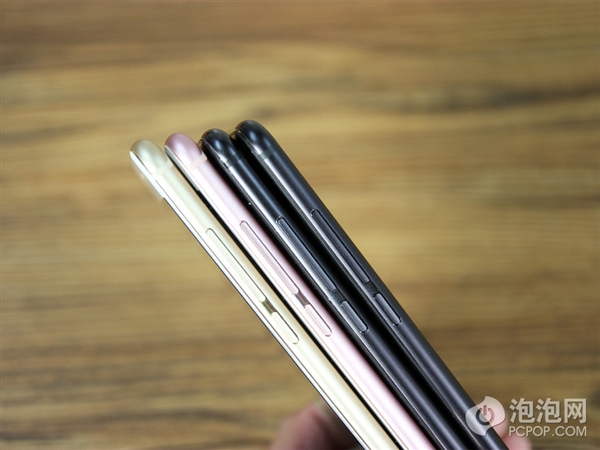
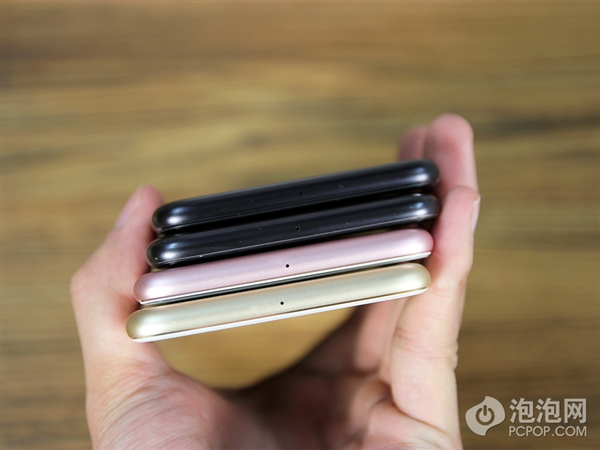
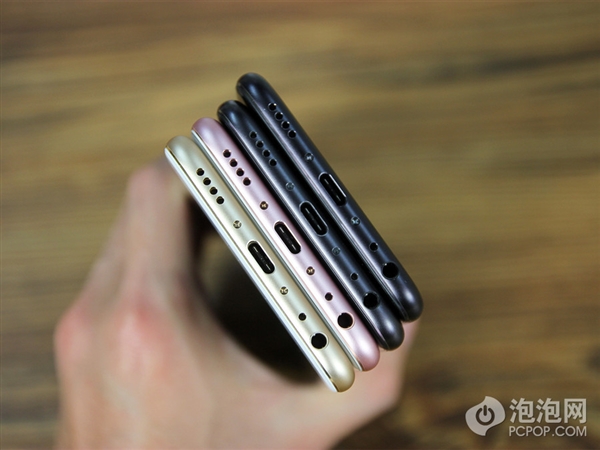
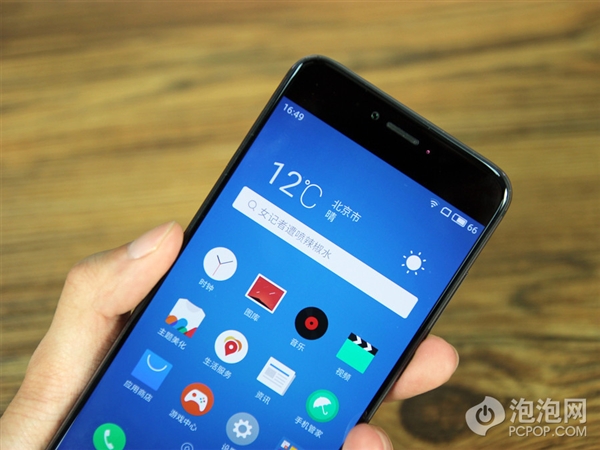
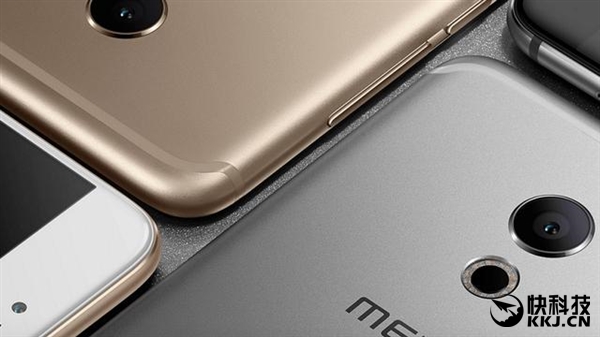
A little over six months after the Meizu Pro 6 was released, Meizu today unveiled the Pro 6S which is more or less an upgrade of the Pro 6. The Meizu Pro 6S looks very similar to the Pro 6 in terms of body design and we have got hands-on images of the device courtesy PCPOP. Let’s take a tour to see if any slight difference exist between the two flagships.
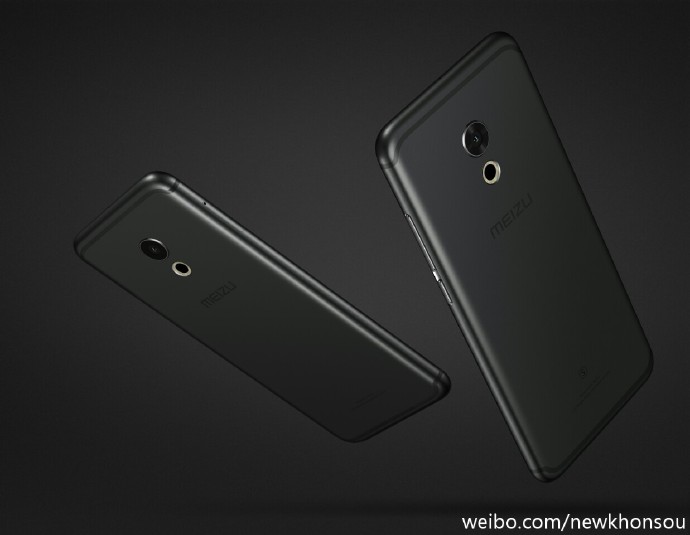
The Pro 6S adopts pretty much the same design as the Pro 6. Both smartphones were even placed side-by-side in some of the snapshots and you just can’t tell which is which just by looking at them. The Pro 6S sports same metal body as the Pro 6 and is available in four colors of rose gold, champagne gold, moonlight silver and sky gray. The Pro 6S also has the same 7.3mm thickness and weighs 163 gram just like the Pro 6. Obviously, the main differences between both devices lie in the hardwares.
On the hardware terrain, one of the major difference between the Pro 6 and Pro 6S is the rear camera sensor. The Meizu Pro 6S packs a more powerful 12MP Sony IMX386 sensor same as on the Meizu MX6, while the Pro 6 features a less powerful Sony IMX230 sensor. The Pro 6S rear camera also comes with 1.25-micron pixel and f/2.0 aperture, custom 6P lens, zero shutter lag, ring flash, PDAF, laser focus and four-axis OIS. The camera also features multiple shooting modes such as manual mode, Pro mode and a new night mode as well.
Another major difference between both the Pro 6 and Pro 6S is the larger 3,060mAh camera crammed under the Pro 6S’ hood with 24W fast charging support, whereas the Pro 6 packs a smaller 2560mAh battery.
Aside those two differences, the Meizu Pro 6S and Pro 6 are very much similar. The Pro 6S uses the same Helio X25 chipset but with a slightly reduced temperature by 3.5 degrees celsius. The Pro 6S equally sports a 5.2-inch FHD AMOLED display with 2.5D glass on top with 10000:1 contrast ratio and 350 nits brightness and support for pressure sensitive touch.
Also worthy of note is that the Pro 6S only comes with a 64GB non-expandable storage whereas the Pro 6 featured a lower 32GB storage version. Another thing is that the Meizu Pro 6S carries a price tag of 2,699 Yuan ($400) which is slightly lower than the price of the 64GB variant of the Pro 6 which retails for 2,799 Yuan ($413). Remember the Pro 6S packs more features, so i’ts a case of getting more for less. Amazing, isn’t it?
Earlier today, we reported that there was a rumor going around saying that Lenovo would integrate its smartphone business into the Moto brand. While it was just a rumor, now it looks like this might turn out to be true. While the company officially didn’t reveal any details about such a move at the meeting in Beijing today, later on, during an interview with the media, Lenovo Group’s President and CEO, Yang Yuanqing revealed some details regarding the future of the company’s smartphone business.
In the interview, the CEO reportedly said that Lenovo’s Mobile business will be fully integrated into the Moto brand. He further said that the integration process will take some time and the position of Lenovo’s Mobile brand will be clearer in the future. Also, commenting about the logo, he said that Lenovo Mobile’s logo will be the same.
Now, there are a lot of questions yet to be answered. For example, when can we expect this integration to happen? And what happens to sub-brands like the ZUK?
Given that the company is yet to officially announce the integration of mobile business under the Moto brand name, we will have to wait for some more time till we get essential details.
A recent rumor said that Lenovo Vibe P2 will be the last Lenovo branded smartphone. We’ll have to wait and see whether it’s indeed the case.
There is a new partnership in town as tech giant Xiaomi is reported to have signed a Joint Venture agreement with Philips lighting which would see both companies designing and developing LED lighting products for Xiaomi’s Smart home ecosystem. In case you have forgotten, the Xiaomi Smart home products fall under the Mijia brand.
This new joint venture agreement encompasses the design and development of connected LED luminaries and lamps. It also covers the development of apps for controlling the lights via Android and iOS-based smartphones. The co-developed products would be sold through the regular retail channels that Xiaomi uses.
Xiaomi had before now been selling several smart LED lighting that were produced by Philips lighting for the tech start-up, one of which is the Eyecare Smart Lamp 2. But this new partnership takes it a step further in that Xiaomi would be financially and technically involved in the products’ development and design. Philip lighting controls 70% of the Joint Venture while Xiaomi holds 30% stake in it but the financial details were not disclosed.
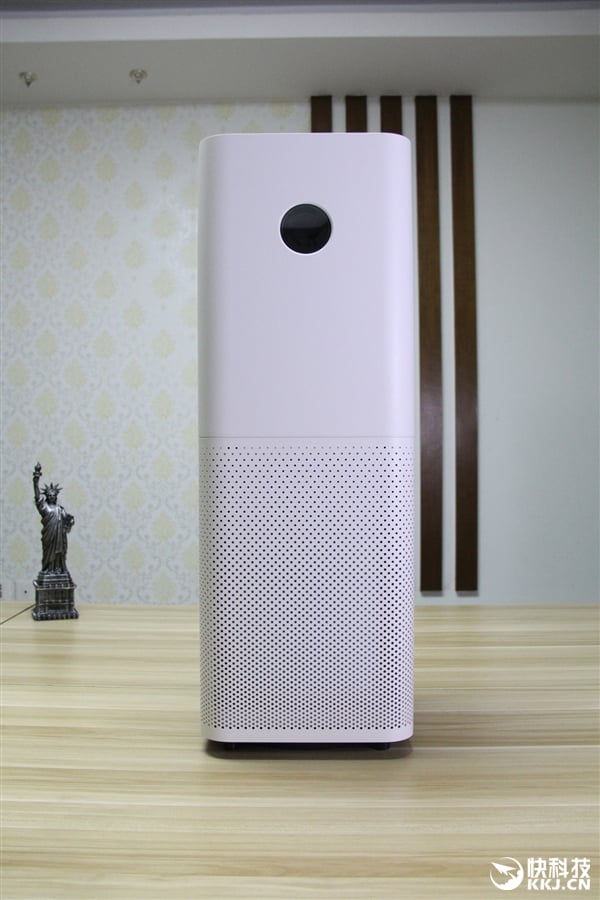
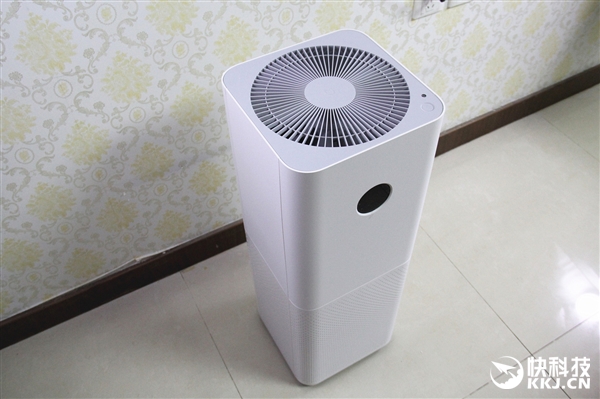
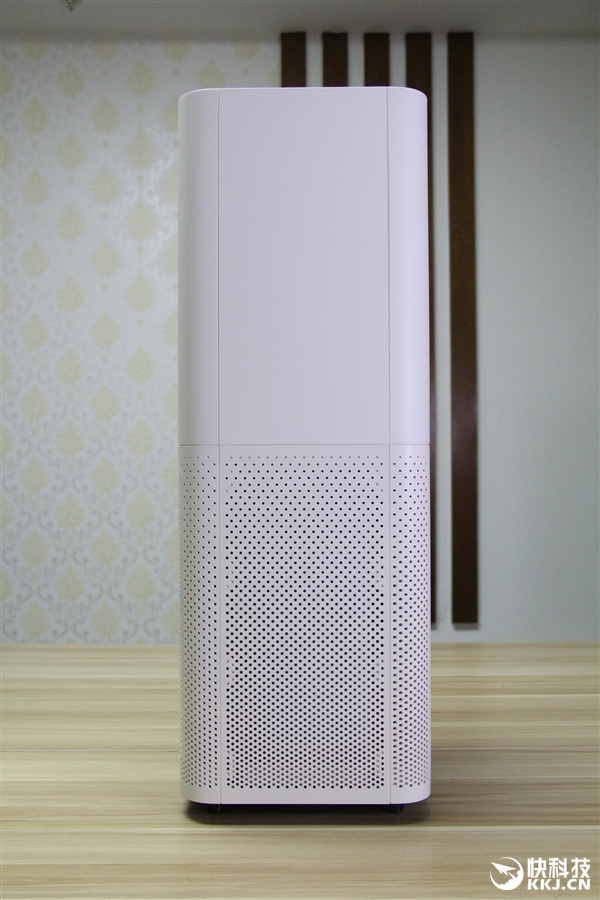
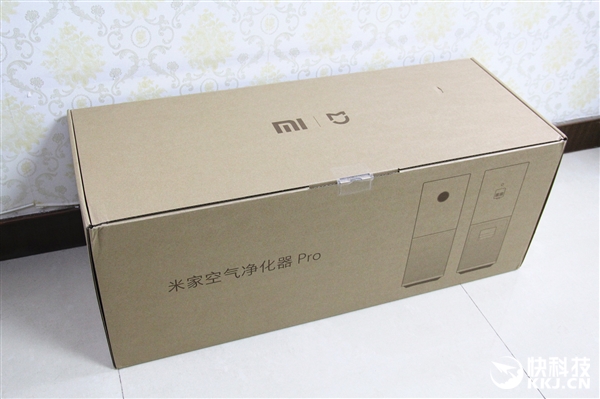
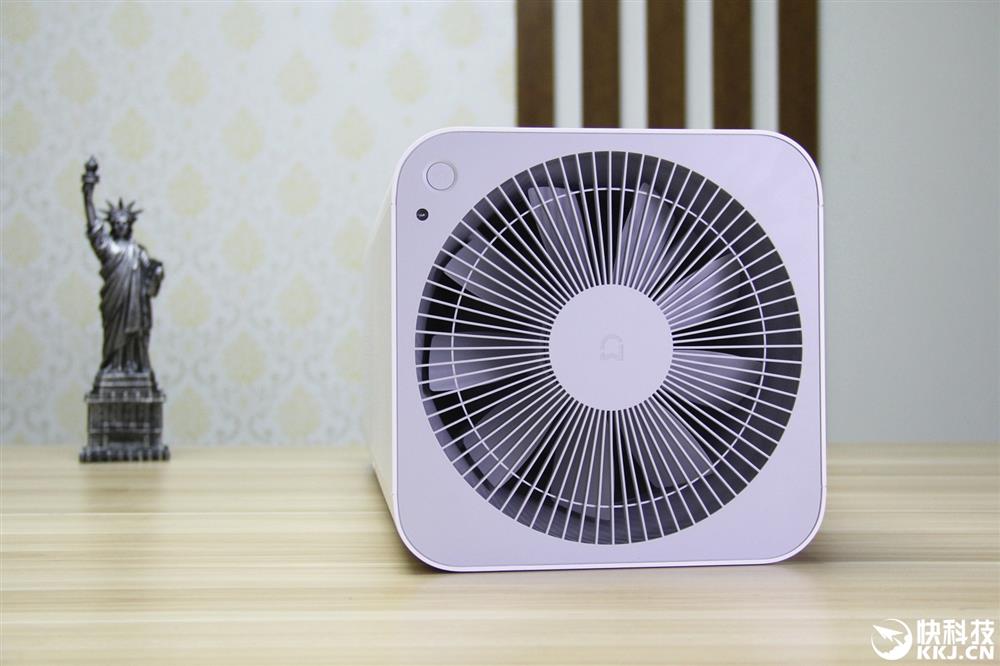
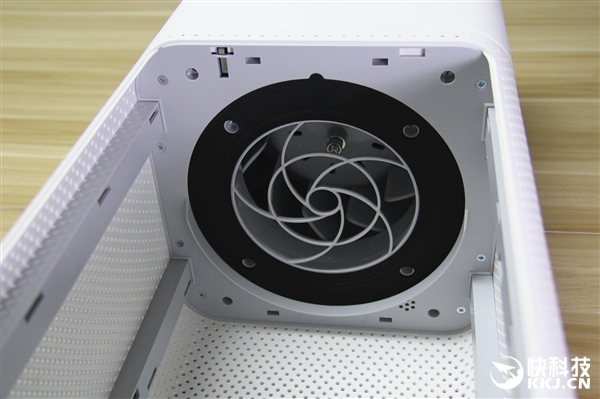
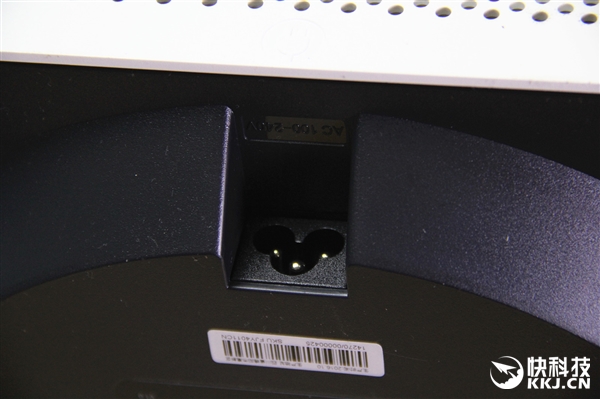
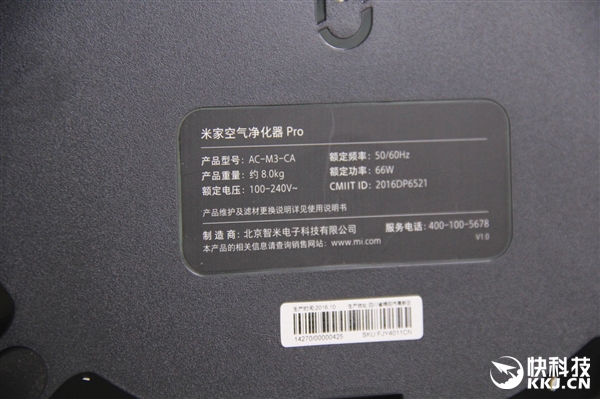
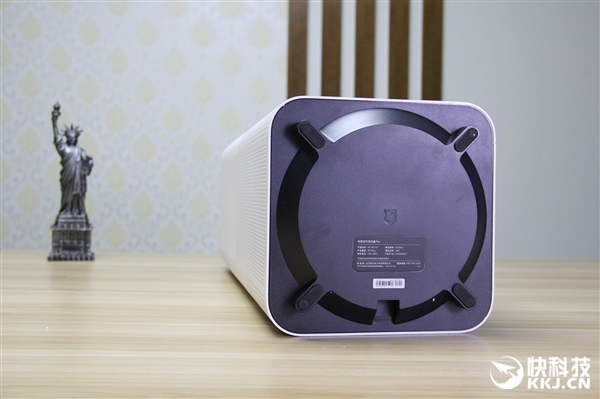
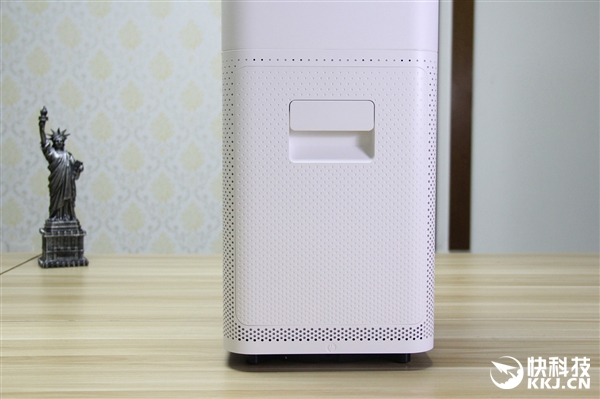
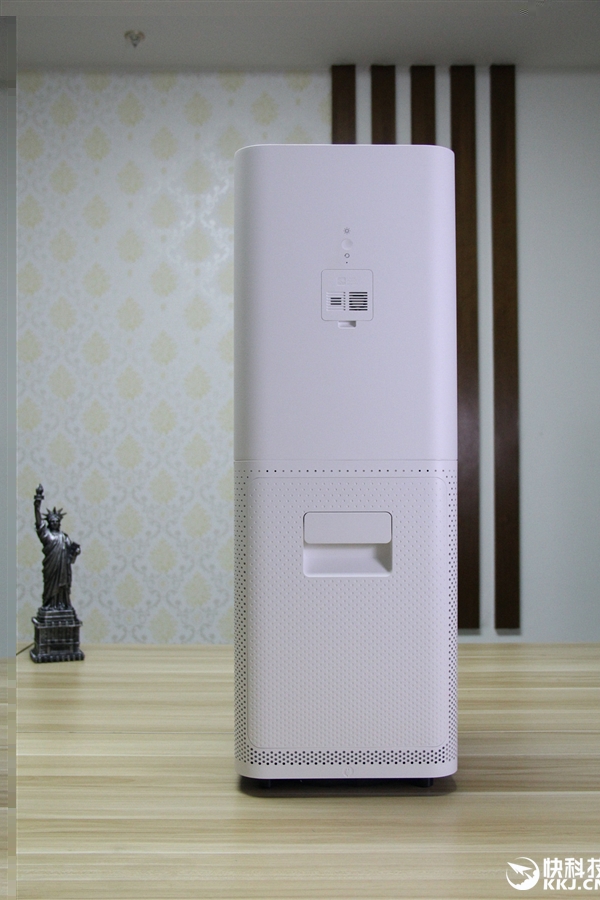
Xiaomi unveiled the latest version of its Air Purifier machine a few days back with an accompanying price tag of 1499 Yuan ($221). The new Xiaomi Mi Air Purifier Pro comes in as a touched-up version of the Mi Air Purifier and Air Purifier 2 which had been in the market for some time running.
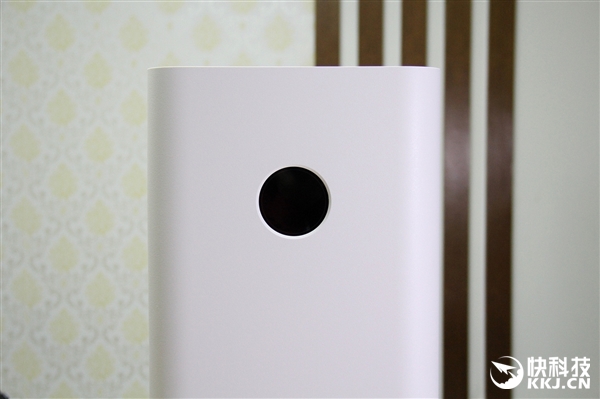
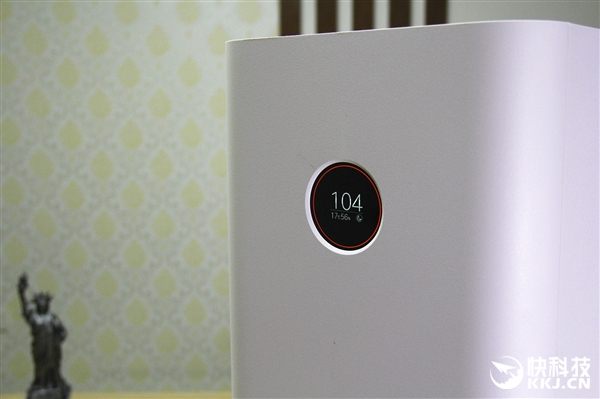
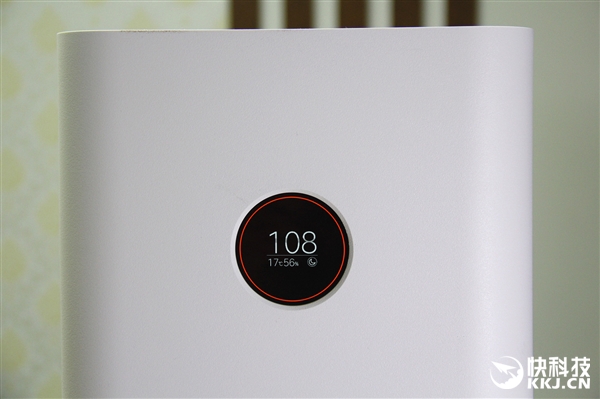
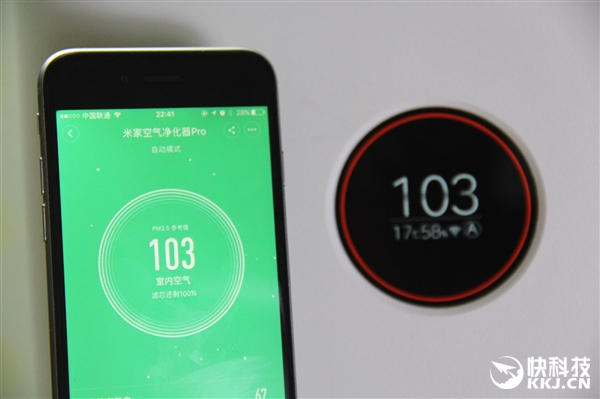
The Smart gadget has got even smarter with the inclusion of an OLED display which displays some parameters about the working condition of the gadget. This ensures users don’t need to connect to the app to check how pure or impure the air around is. The display adjusts its brightness automatically to suit the lighting condition of the surrounding, keeping it bright during the day and dimming the lights at night.
There is a cool LED ring around the display and it LED flashes different colors, depending on the nature of the air in the surrounding. The LED switches from green to orange and to red depending on how clean the air and of course red indicates danger, while the green should be the safety mark.
The Air Purifier Pro can still pair with your smartphones, though, via the Mi Home app so you have an alternative means of checking the air quality and other relevant data via your smartphone.
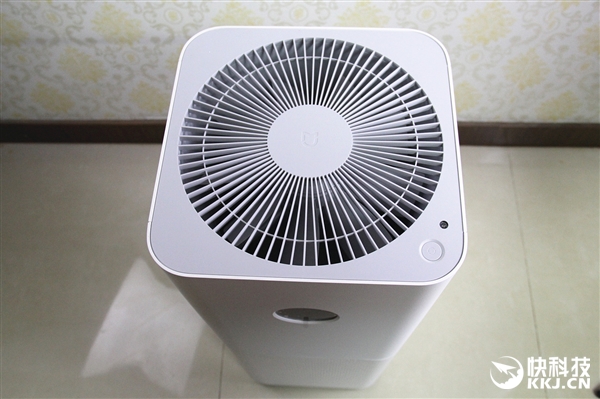
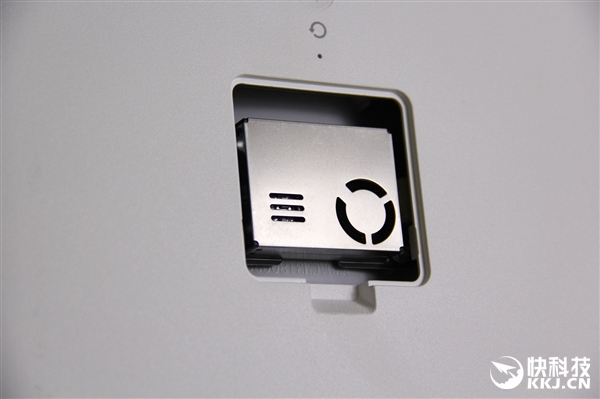
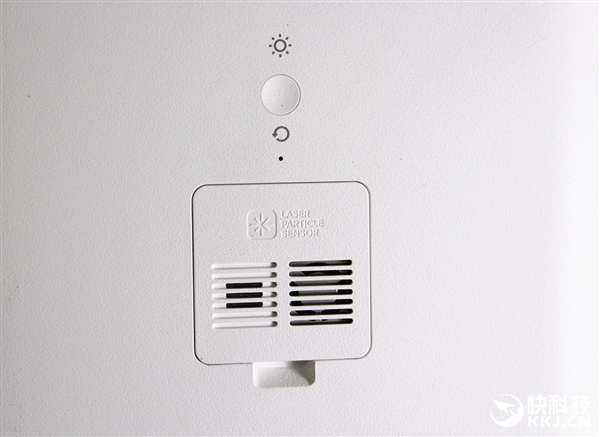
Apart from the display, the Xiaomi Mi Air Purifier Pro features a redesigned air flow path and pressure system. There is an improvement in the device’s Clean Air Delivery Rate (CADR) value from 406m3/h on the previous versions to 500m3/h. The new Air Purifier Pro is also capable of covering an indoor area of 60 square meters, up from a working area of 48 square meters on previous Mi Air Purifiers. Xiaomi says there is a high precision laser sensor built into the device that can accurately detect particles of up to 0.3μm in diameter.
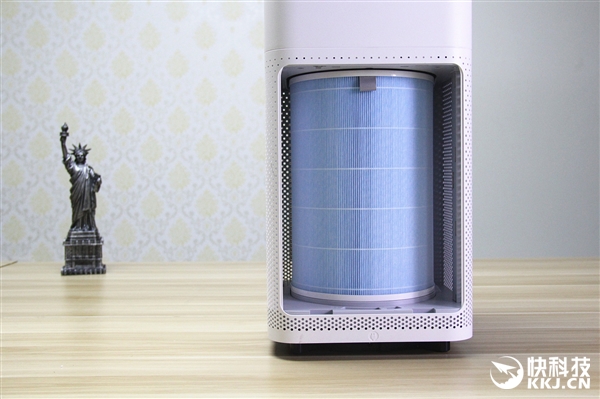
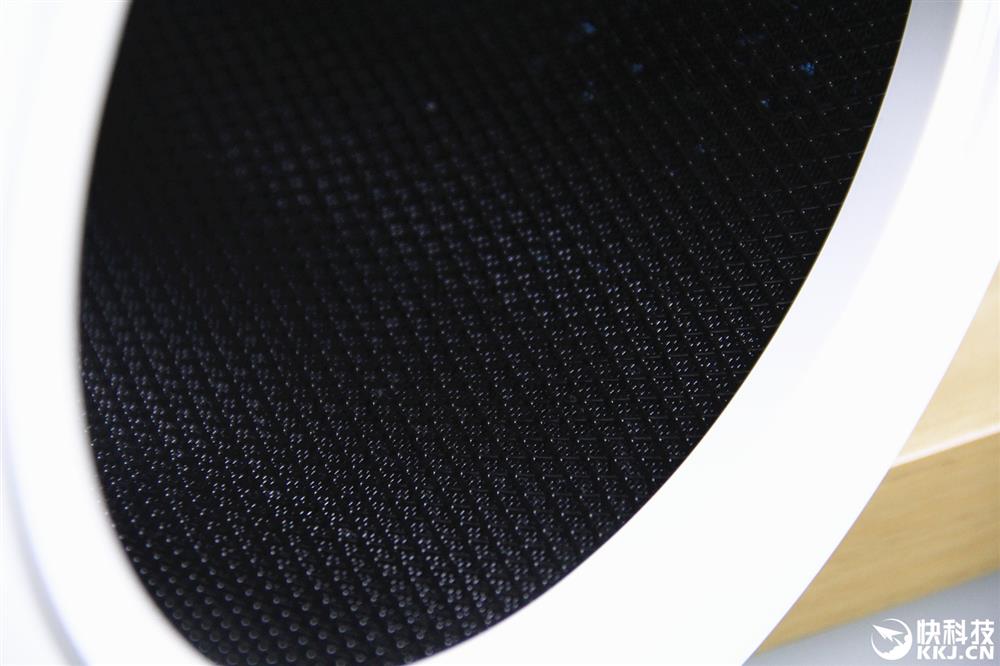
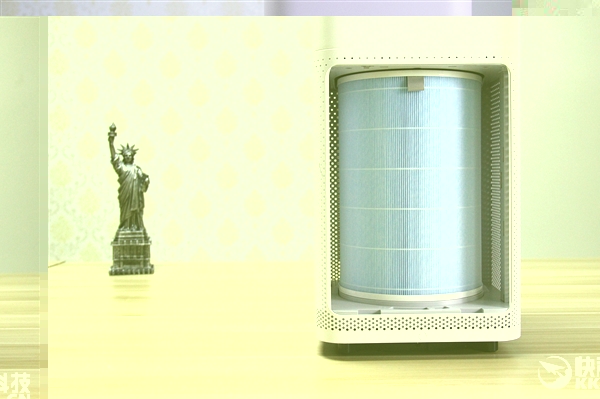
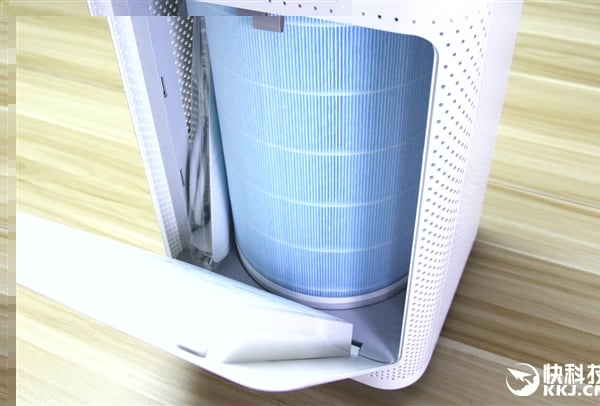
The Air Purifier features a more refined filter that can pick up particles like allergens, animal fur, formaldehyde, dust, pollen and cigarette smoke from the air.
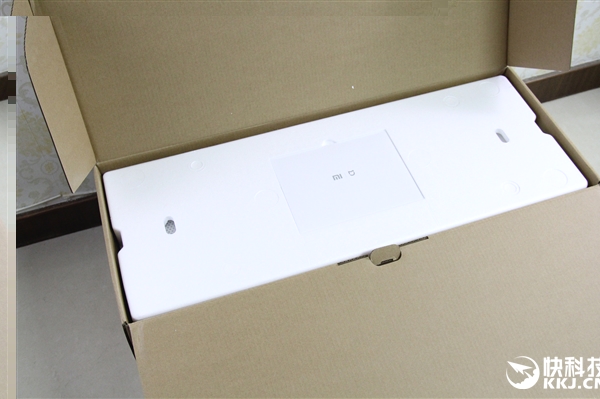
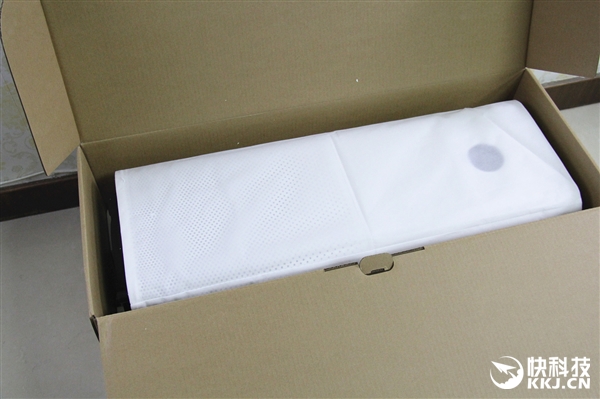
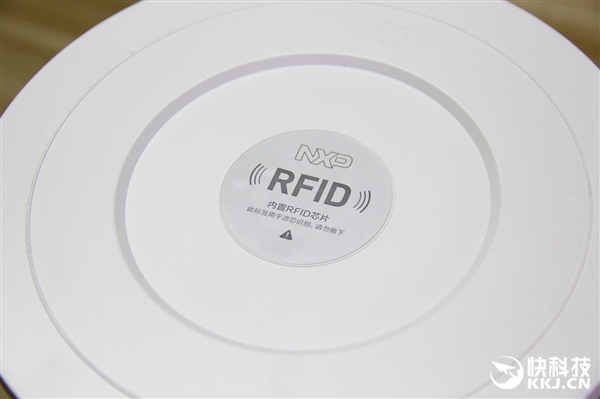
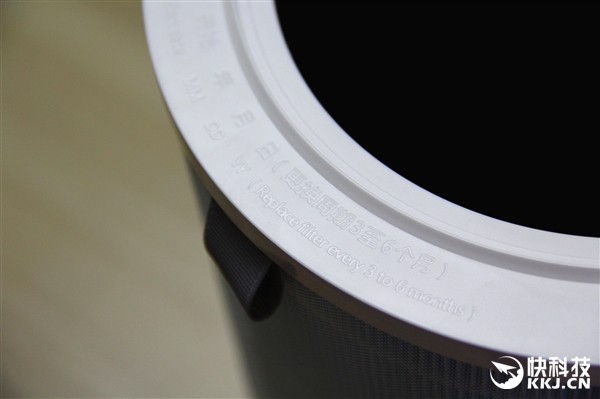
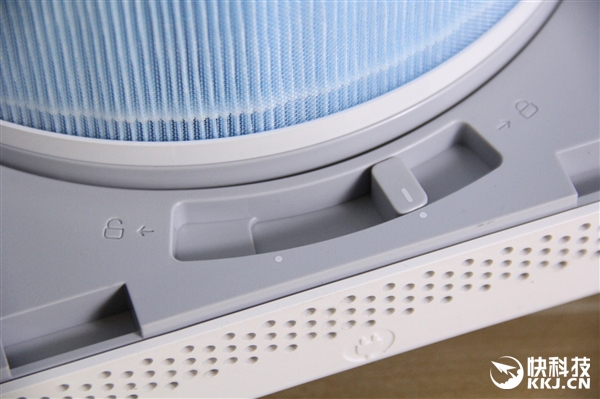
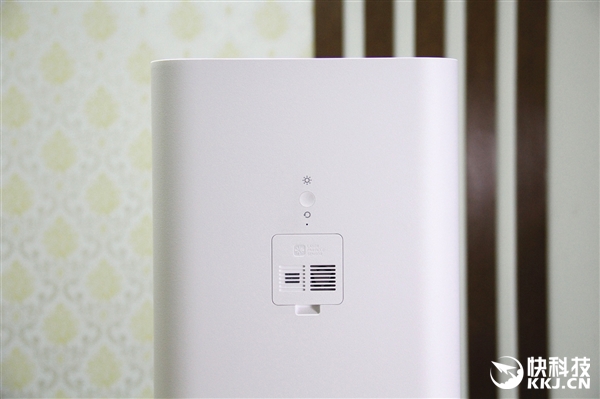
You can check out more unboxing images of the Mi Air Purifier Pro from down below.
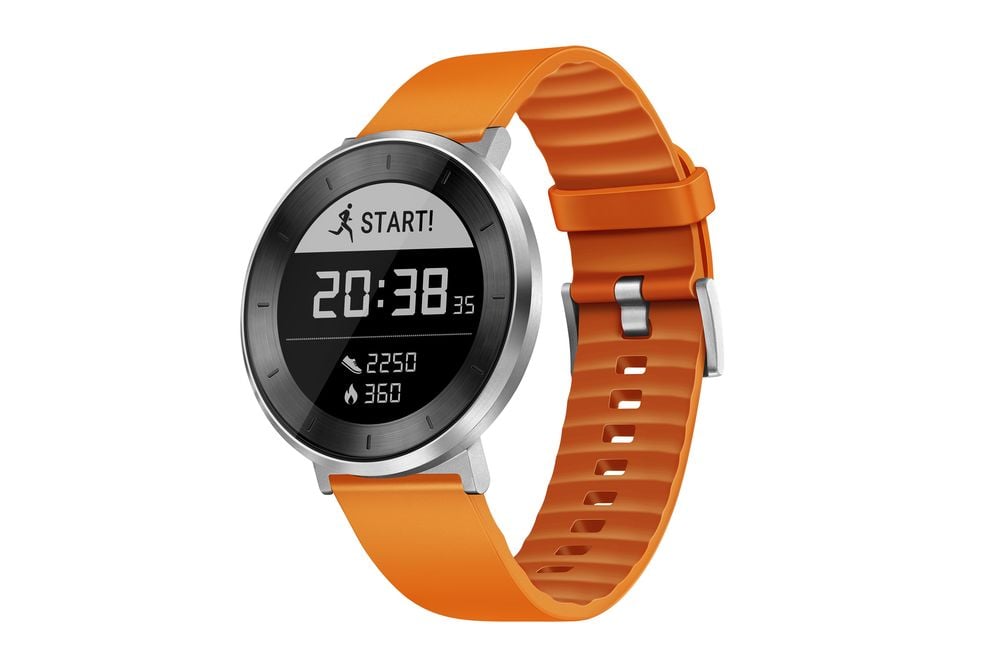
Huawei will be releasing a new fitness tracker today but we are not excited. Why? Because it is the Honor S1 smartband released last month with a new name and a higher price tag. The new fitness tracker is called the Huawei Fit and shares almost all of the same features with the Honor S1.
The Fit has a round monochrome always-on display with a silver or grey finish that displays information recorded when you run, sleep, and walk. It also features 18mm swappable rubber straps (the nylon straps of the S1 should work too) that are available in black, orange, and blue.
The tracker has a built-in pedometer, calorie counter, sleep monitor and heart rate sensor. Apart from the above, it can also display notification alerts for calls and messages when paired to your phone. There is no GPS on board but it can sync with the Huawei Wear App. Huawei also says the fitness tracker has a training guide for 5K, 10K, half marathon,and full marathon runs.
The Huawei Fit’s battery is expected to last for up to 6 days for normal use and up to 30 days when in standby. Charging time is also said to be close to 2 hours.
The Huawei Fit can be said to be the ”International Edition” of the Honor S1 but it also differs from it in some ways. There is no mention of the Fit being waterproof (the S1 has an IP68 certification) or supporting any form of payment too. And the interesting fact is that it sells for a higher price than the S1, $129.99 as against the $104 price of the Honor.
Meizu has been teasing its brand new Meizu Pro 6S flagship for the past few days. Today, at an official event, the company took the wraps off the new device in China. The company has surprising priced the Pro 6S cheaper than the existing Pro 6 flagship, but that’ll probably change in the next couple of days as sellers start discounting the previous generation model.
Design wise, the Meizu Pro 6S is pretty much the same as the Pro 6 handset. It comes with a metal body with CNC, 3D, PBT nano molding and three-dimensional sandblasting anodizing process, with four color options — moonlight silver, rose gold, champagne gold and sky gray. Even in the thickness department, the company has managed to keep it almost the same as the previous gen model, with a 7.3mm thick body and 163 grams weight.
As for the specs, the Meizu Pro 6S comes with the same 5.2-inch FHD AMOLED display with 2.5D glass on top as the previous generation model with 10000:1 contrast ratio and 350 nits brightness. Note that the phone supports pressure sensitive touch.
The real upgrades are in the camera department. The Pro 6S comes with a Sony IMX386 12MP sensor with 1.25-micron pixel and f/2.0 aperture. Other features include custom 6P lens, zero shutter lag, ring flash, PDAF, laser focus and four-axis OIS. There are multiple shooting options such as manual mode, Pro mode and a new night mode as well.
One of the big disappointments with the Meizu Pro 6 was its small 2560mAh battery. That’s changed with the new Meizu Pro 6S as it comes with a larger 3060mAh battery, which should ensure at least a day of battery life with moderate usage. The 24W fast charging will further help in speeding up the process of charging the battery.
This new model also comes with Helio X25 deca-core chipset, but it is said that the temperature of the chipset has been reduced by 3.5 degrees celsius. Other specs include 4GB of LPDDR3 RAM, 64GB of storage which is not expandable, 5MP front camera, voLTE, Flyme 5 OS, dual-band Wi-Fi and Bluetooth 4.1.
As for the pricing, the Meizu Pro 6S is priced at 2699 Yuan ($400). This makes it cheaper than the Pro 6 4GB edition that retails for 2799 Yuan ($413) in China but this price will most likely reduce very soon.
So, what do you think about the Pro 6S? I would personally like to see some real life samples from the new camera with OIS.
While the Pro 6S is a decent flagship, what you really should be looking forward to is the true flagship smartphone that Meizu is reportedly preparing for launch by the end of this year.
Huawei has a big event scheduled to hold later today. It is the official launch of the much awaited Huawei Mate 9 that has been in the news for weeks. After the launch today, we would have confirmed which of the rumours turned out to be true and which were just plain untruths.
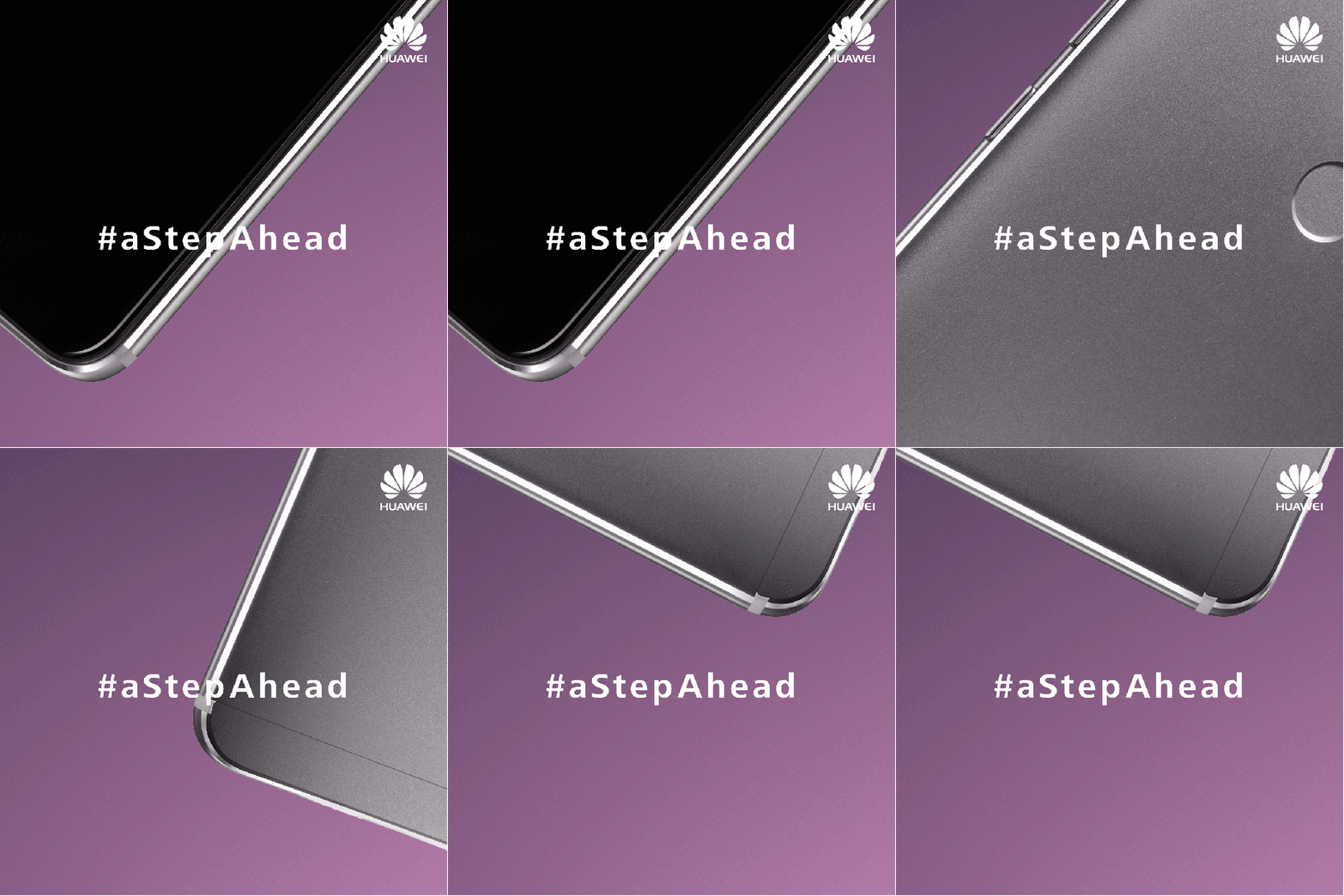
The company’s senior vice president, Yu Chengdong, has posted an image of the upcoming phone on Weibo. The gif image teases parts of the phone such as the frame, a section of the screen, antenna lines, the rear and fingerprint scanner.
We can see that the screen of the Mate 9 has a 2.5D glass covering it and that Huawei has used a nano-injection molding process for the antenna line design. The power button and volume rocker are on the right hand side and the fingerprint scanner sits on the rear.
There is still no official mention of a curved variant of the Mate 9 and nobody has been able to provide leaked images of the device. If Huawei does reveal a curved-screen version tonight, then they have done a good keeping it under wraps.
American semiconductor maker, Qualcomm has released financial results for Q3 2016 which ended on the 25th of September.
Starting with revenue, the company announced that they earned $6.2 billion last quarter which is also their fiscal fourth quarter. This is a 13% increase from what they earned in the fiscal fourth quarter of 2015 ($5.5 billion). The company also disclosed that operating income for the last quarter rose to $1.8 billion, a 58% increase from the $1.1 billion recorded last year.
Since this is the fiscal fourth quarter for the San Diego based company, they have released details for the 2016 fiscal year. Total revenue for the year is $23.6 billion and total operating income comes in at $6.5 billion. Comparing both figures to that of 2015, Qualcomm earned less in terms of revenue; a 7% decrease from 2015’s $25.3 billion. It’s operating income has also seen a 12% increase from 2015’s $5.8 billion.
In addition to the above, the company has released the figures for shipments of smartphone chips which is one of their primary sources of revenue. A total of 211 million chips were shipped last quarter, a 4% increase from what was shipped last year (203 million) in the same quarter and a 5% increase from what was shipped in fiscal Q3 2016.
Rumors emanating from China indicate that Lenovo will soon see a change in its name and could use the Moto brand name in near future. This isn’t the first time we are getting this, with rumors first surfacing around September about a cancellation of the Lenovo Mobile brand abut this latest rumor lends credence to the earlier on and comes with some air of credibility.
According to the source, Lenovo Mobile division of the Lenovo group would no longer release any smartphone under that name. From now on, the mobile phone business of Lenovo will now fall under the Moto brand. The source also hint that the Lenovo P2 which is set to be launched in China on November 8 along with the Moto M, would be the last Lenovo branded phone to be released with that brand name.
Although the rumor has not been confirmed, the move may be unconnected to the faltering fortunes of the Lenovo Mobile division that has refused to fly, even after the acquisition of Motorola and integrating the brand under Lenovo.
It is not clear if the announcement about a rename would be one of the highlight of the November 8 conference where the China debut of the Lenovo (Vibe) P2 would take place and the Motorola Moto M would be launched.
Meizu will finally release the much anticipated Pro 6S smartphone today after up to six months in the works. The Meizu Pro 6S is likely coming with an upgrade just on the camera end and battery life, else the device would be similar to the Pro 6, according to words from Meizu officials.
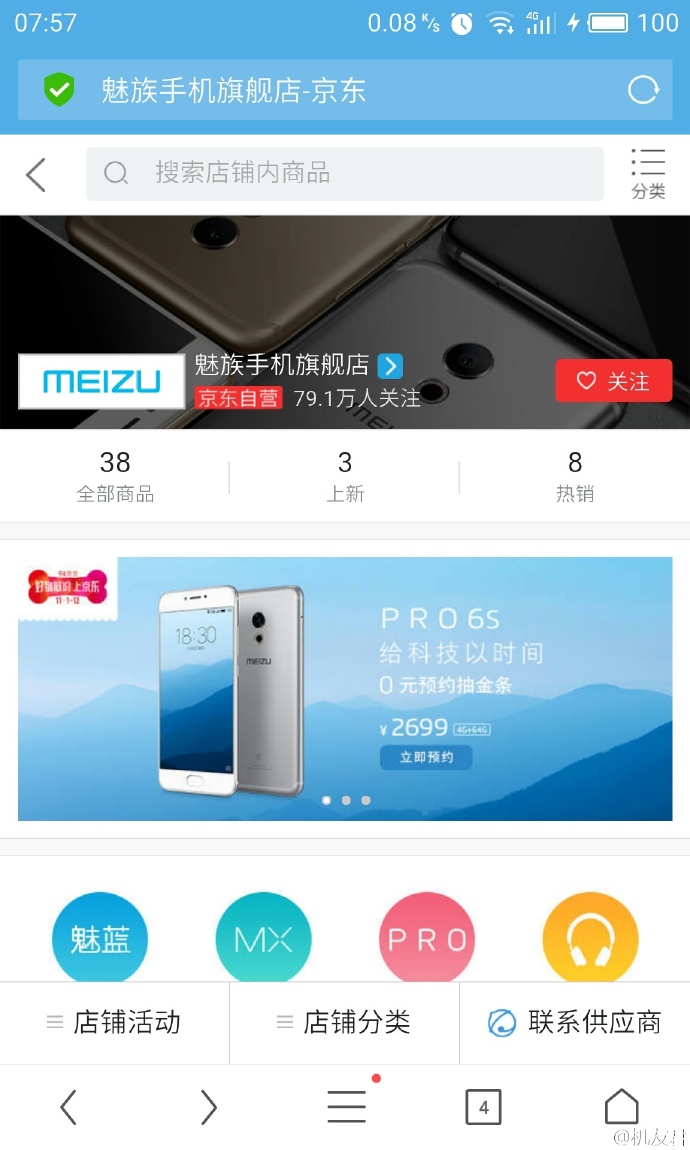
Ahead of the event, the Meizu Pro 6S has already appeared on popular online mall Jingdong (JD.com) where early reservations are already opened for the device. The Pro 6S real image seems to have made its first outing via the reservation poster and it indeed bears a design consistent with the Pro 6. The Pro 6S uses a metal body design with the antenna band on the top and bottom edges. The device is also said to come with entire network support but unfortunately still doesn’t support storage expansion, meaning no microSD slot. The device is also going to be available in various colors.
Since the device will see just a few upgrade from the Pro 6, the price would be the major focus of many. The Jingdong reservation affixed a price tag of 2699 Yuan ($399) on the Pro 6S. The price is for the 4GB RAM + 64GB storage version of the Pro 6S, perhaps the top-end version as there is likely a 32GB ROM version which may likely be cheaper.
On the specs, the Pro 6S features a 5.2-inch display with 1080 pixels resolution and comes equipped with the MediaTek Helio X25 chipset. The phone’s appearance on AnTuTu recently reveals a 21MP rear camera sensor although that may be wrong. The Pro 6S may likely use the same 12MP Sony IMX386 sensor as the Meizu MX6 with support for four axis optical image stabilization. The battery capacity is also increased to 3,060mAh.
The device is said to go on sale on November 7 after today’s launch event. For 2,699 Yuan, would you contemplate buying the Pro 6S?
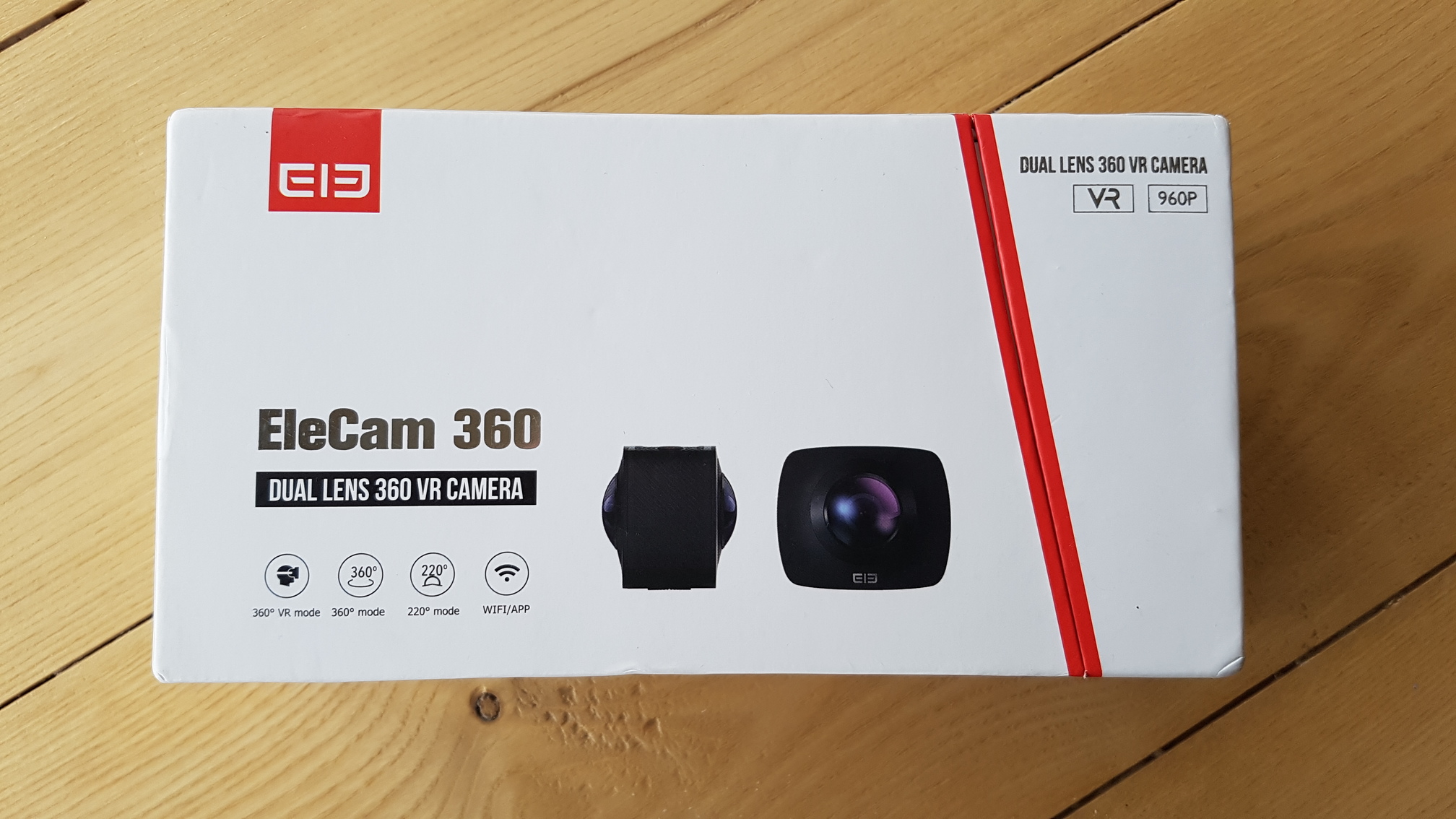
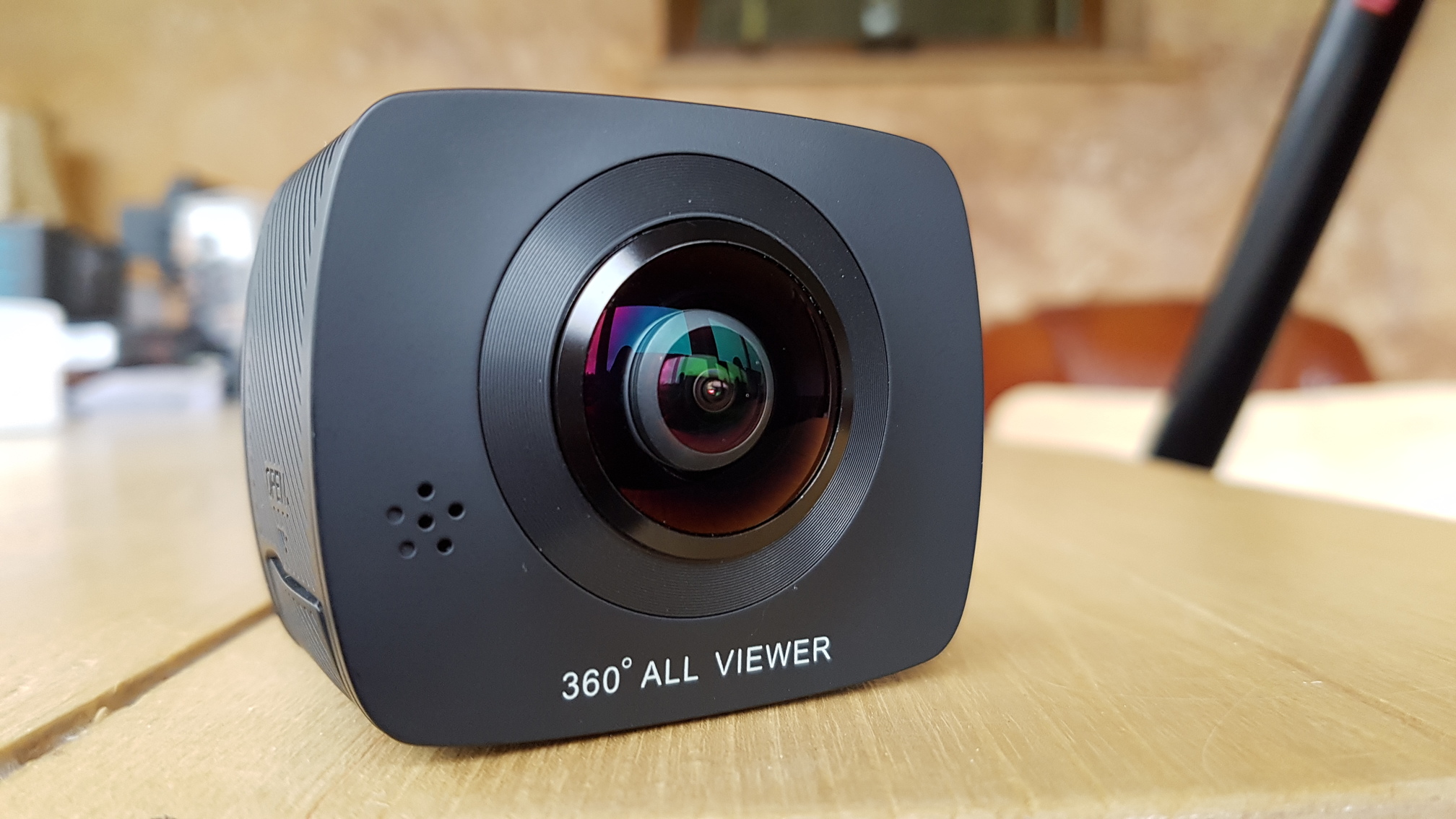
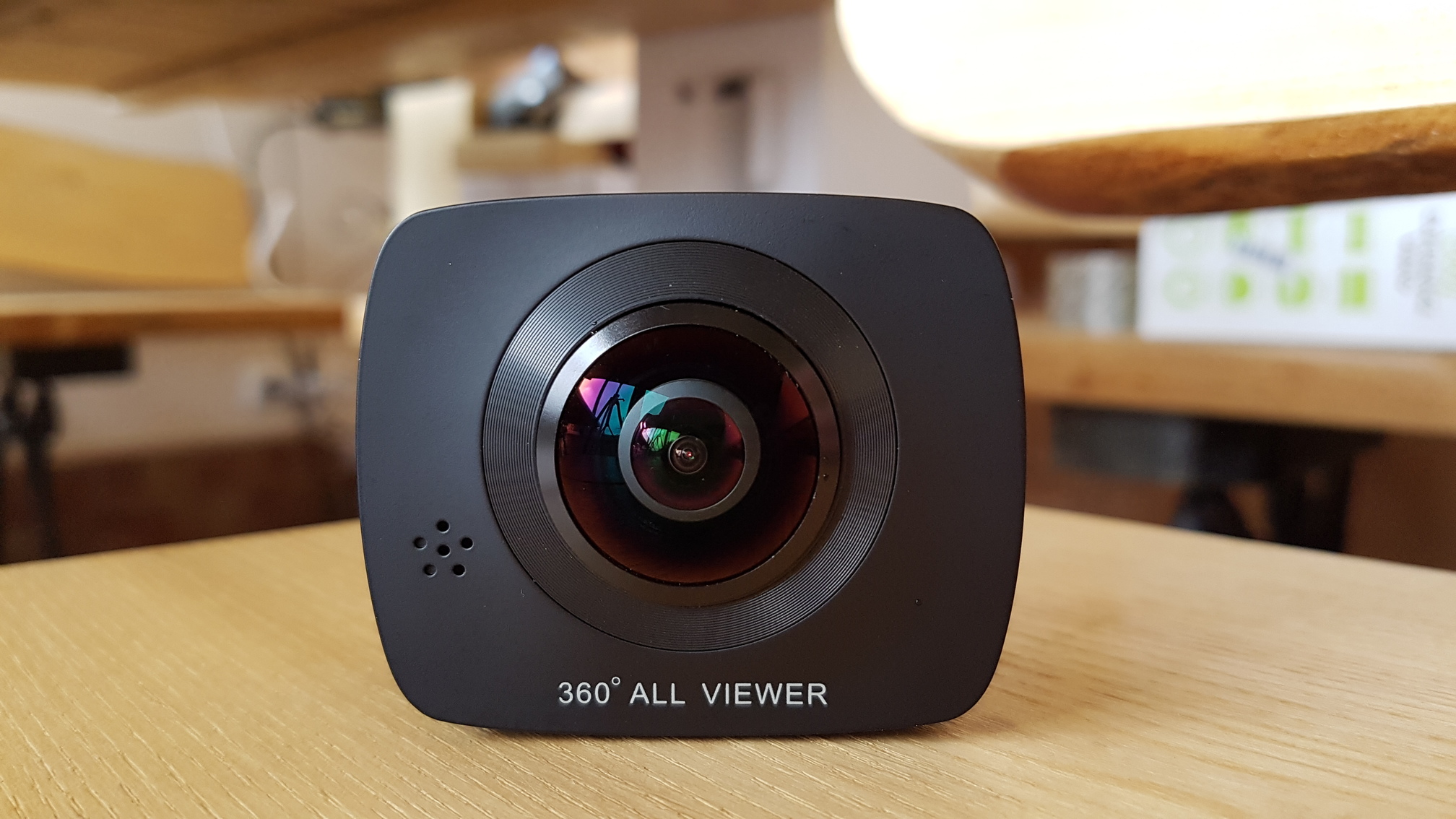
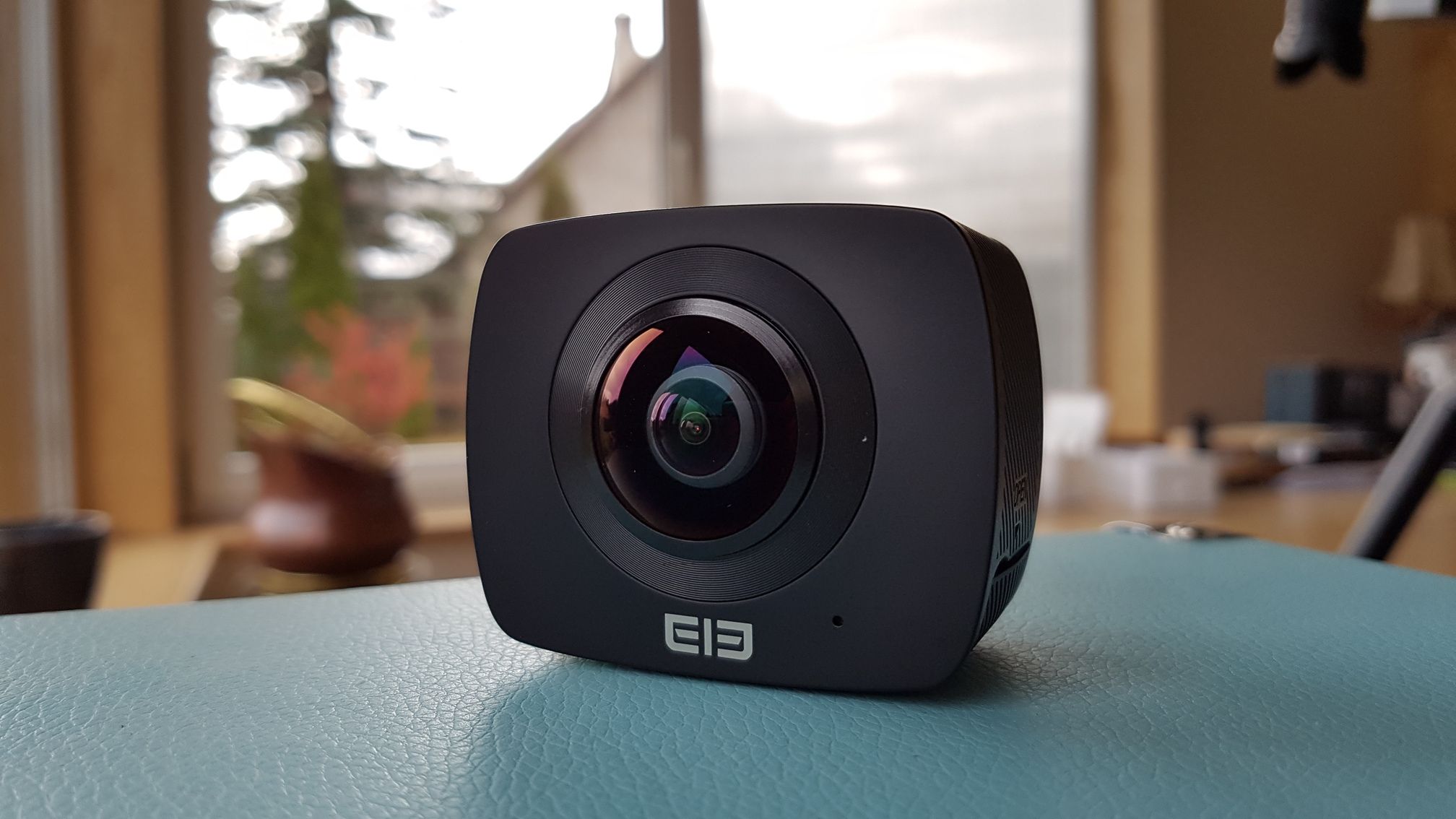
The market of 360 cameras is pretty hectic already as a lot of manufacturers started producing them. I came across the Elephone 360 camera, which offers all the basic features in affordable package that costs just over $140. Learn more in our full review.
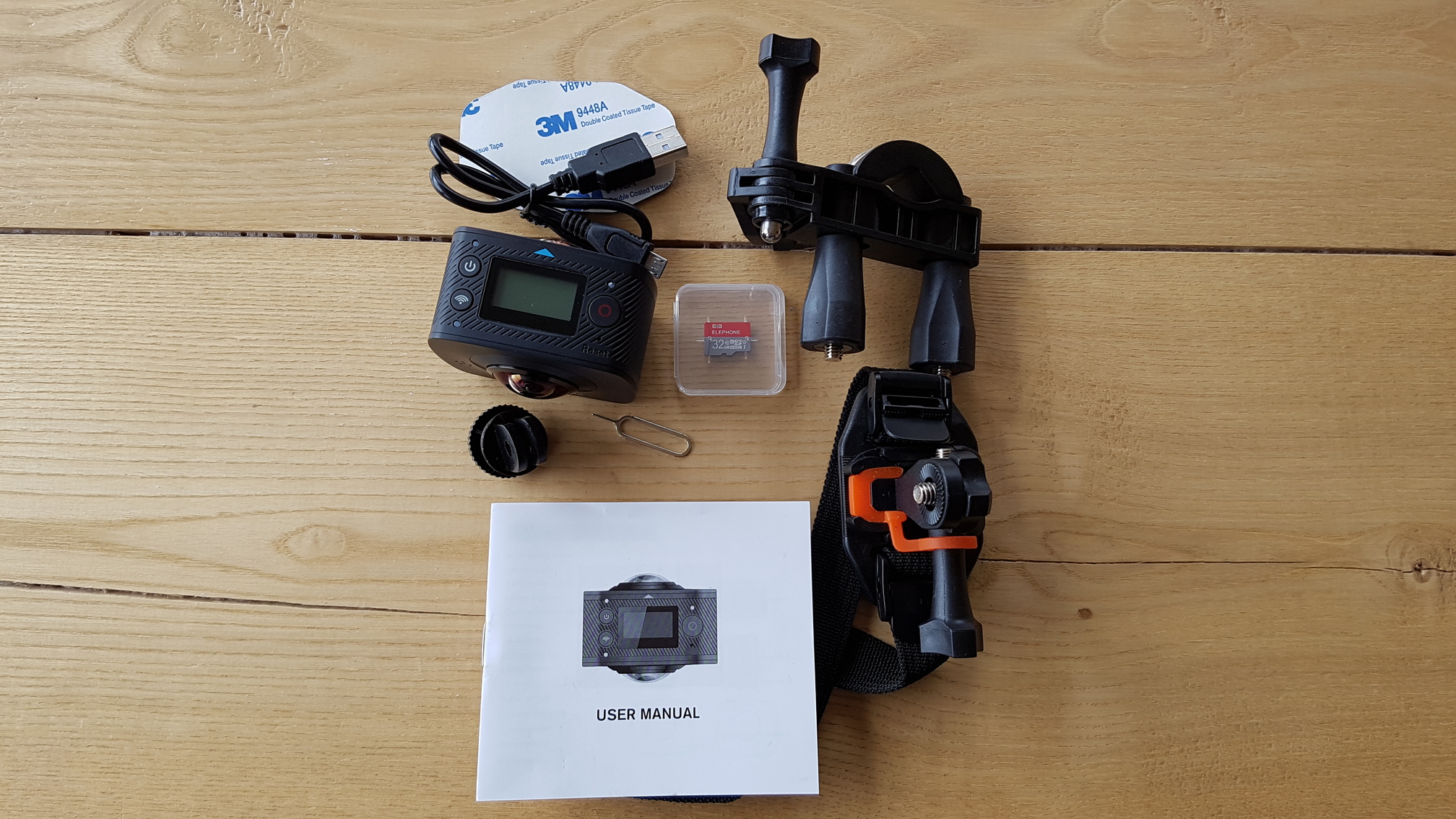
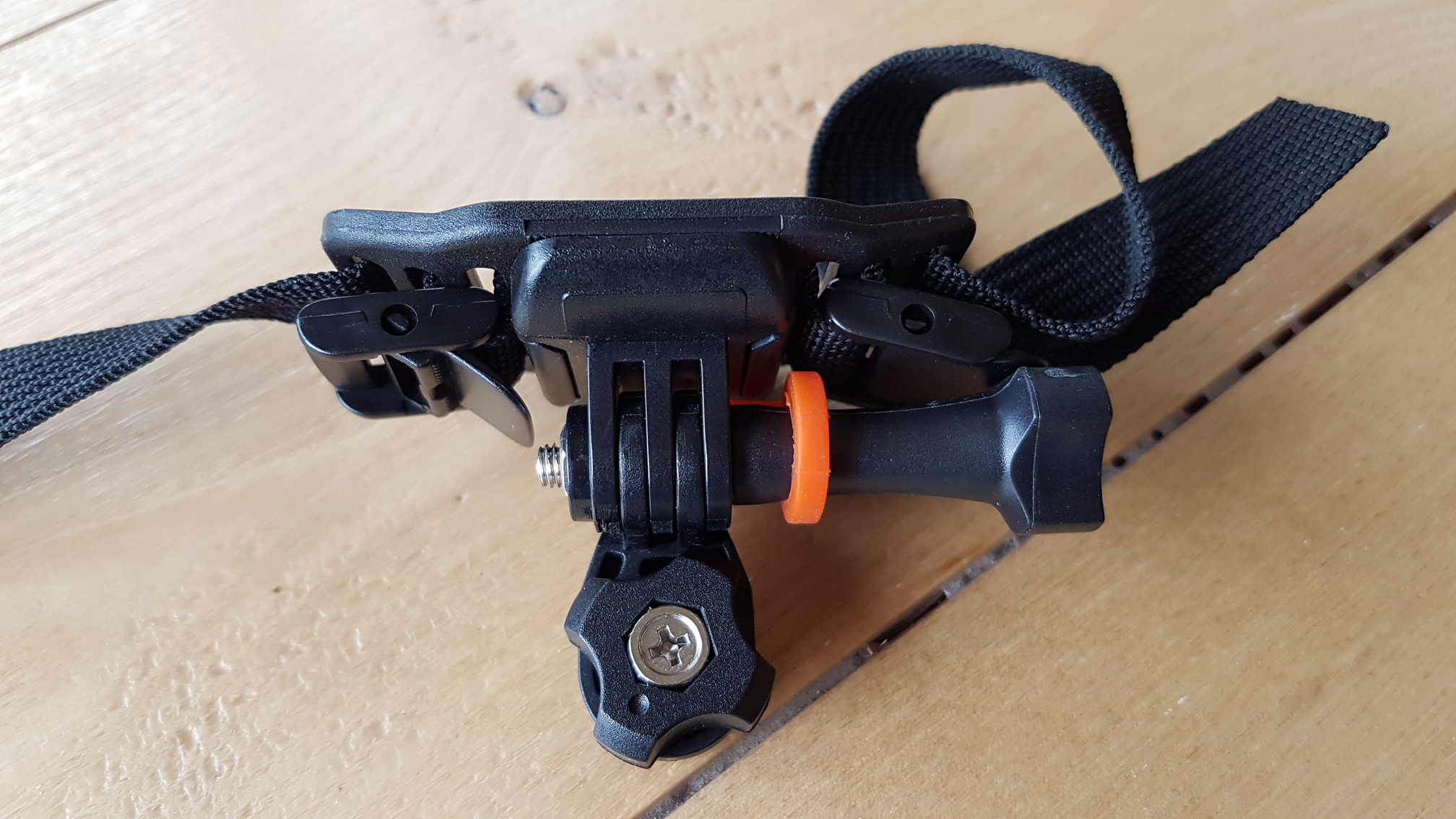
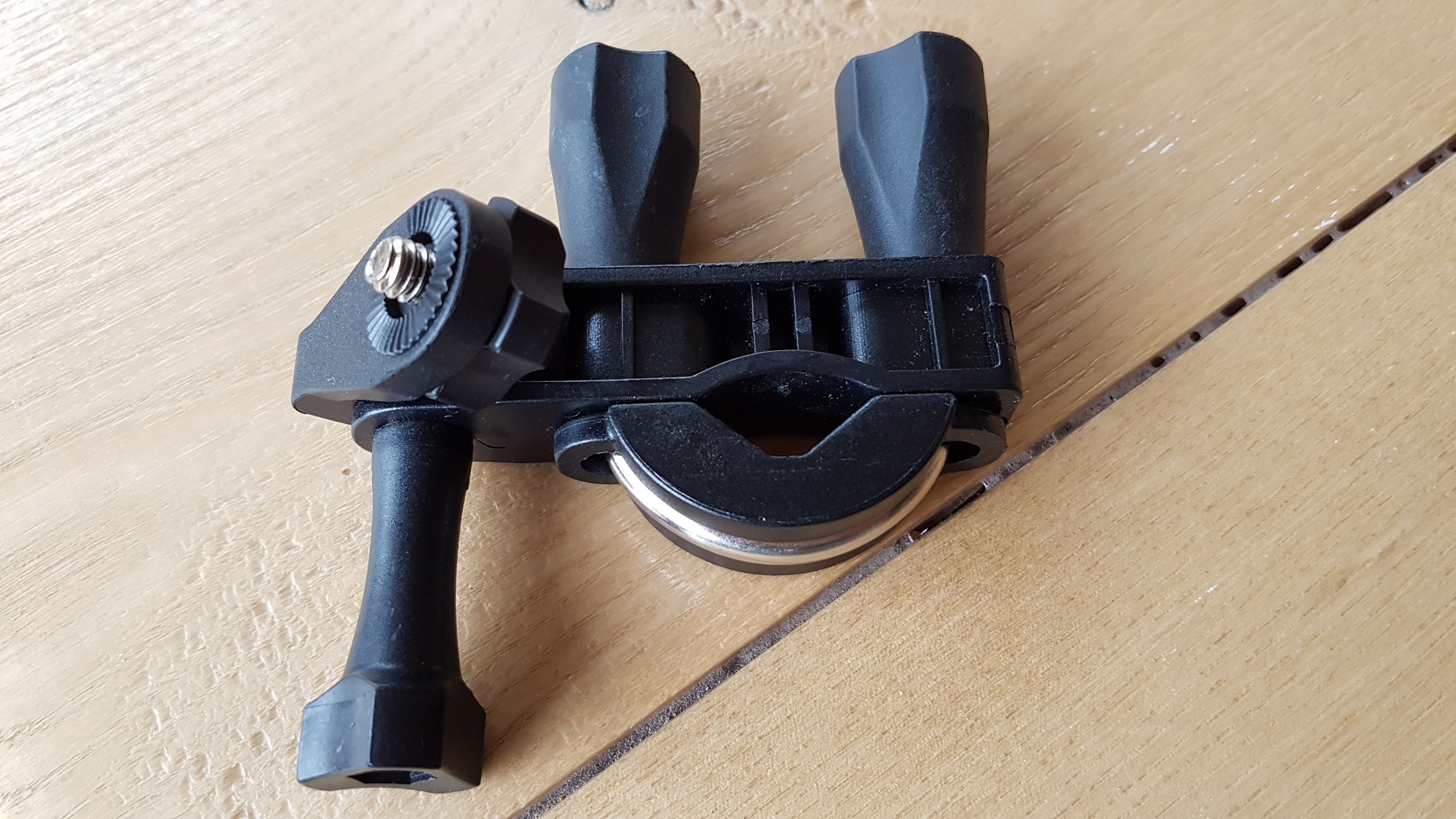
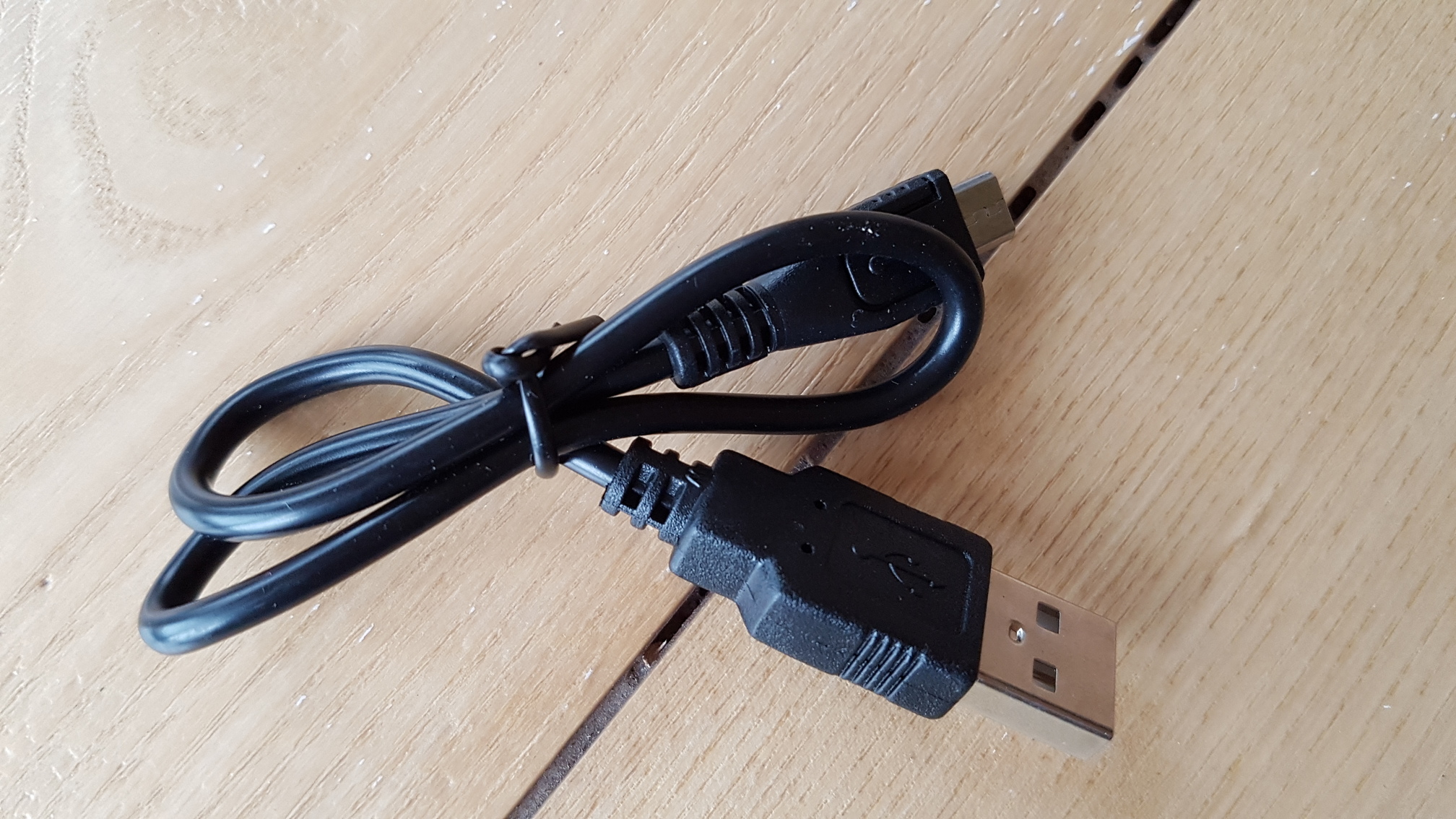
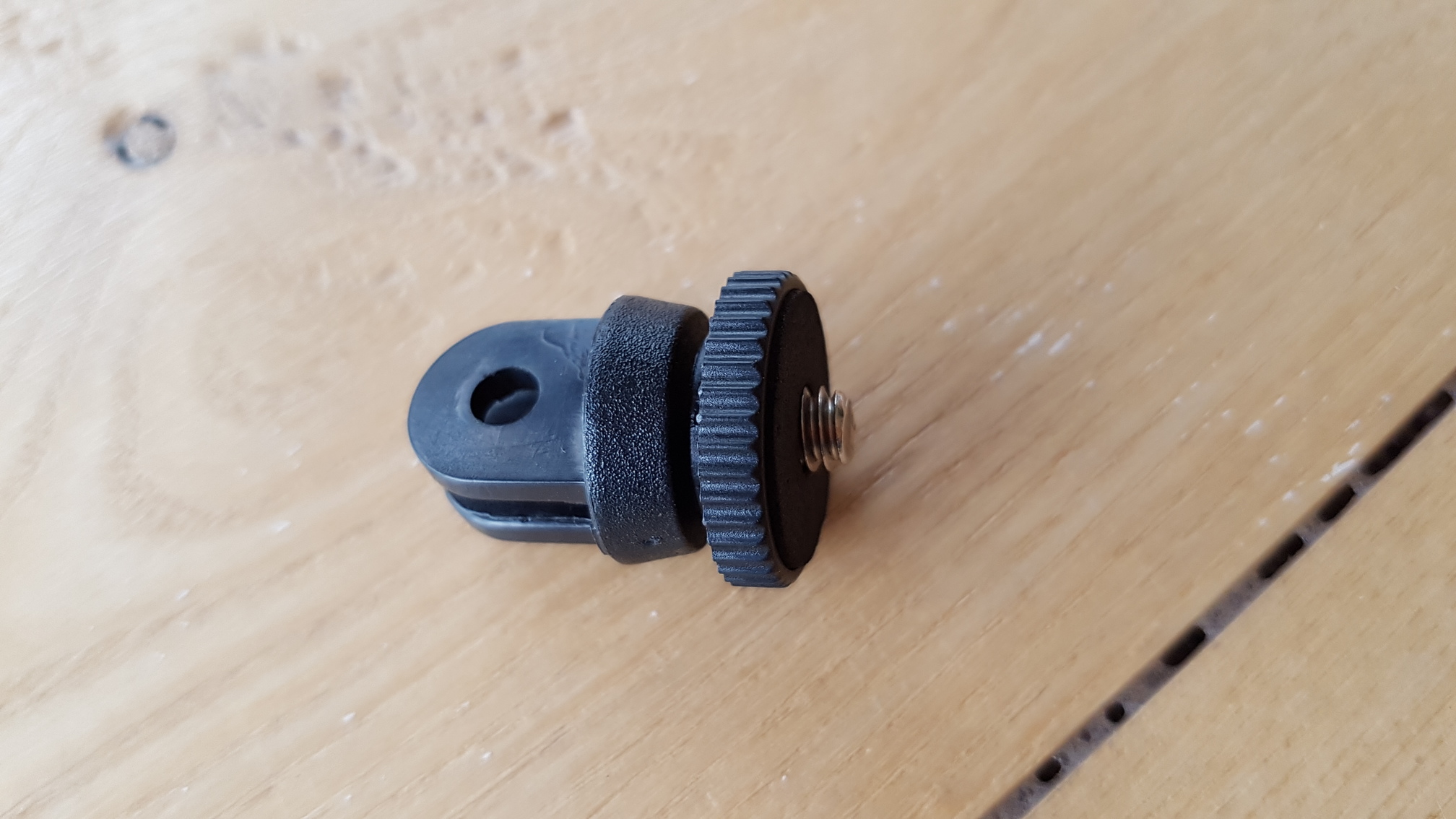
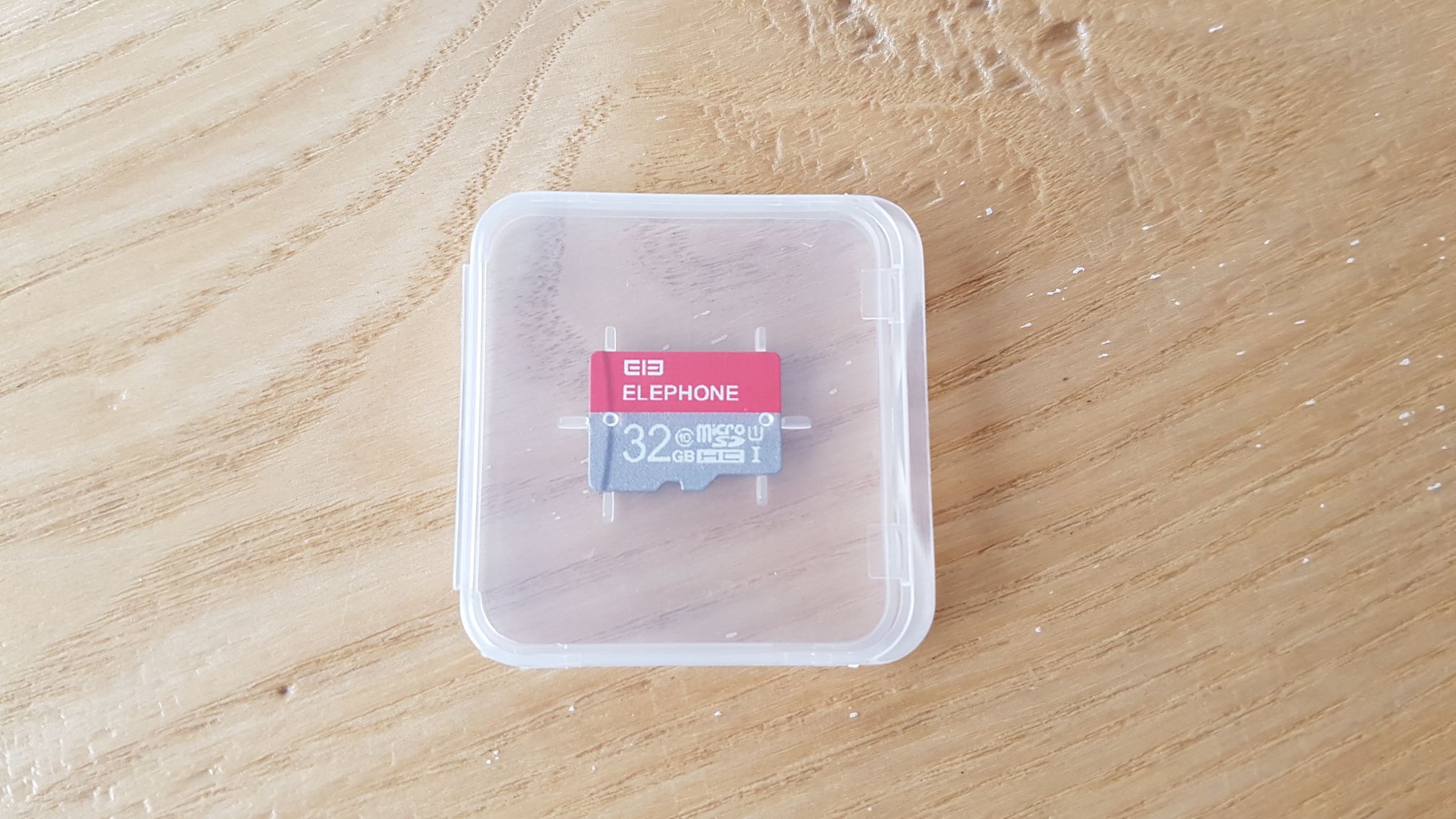
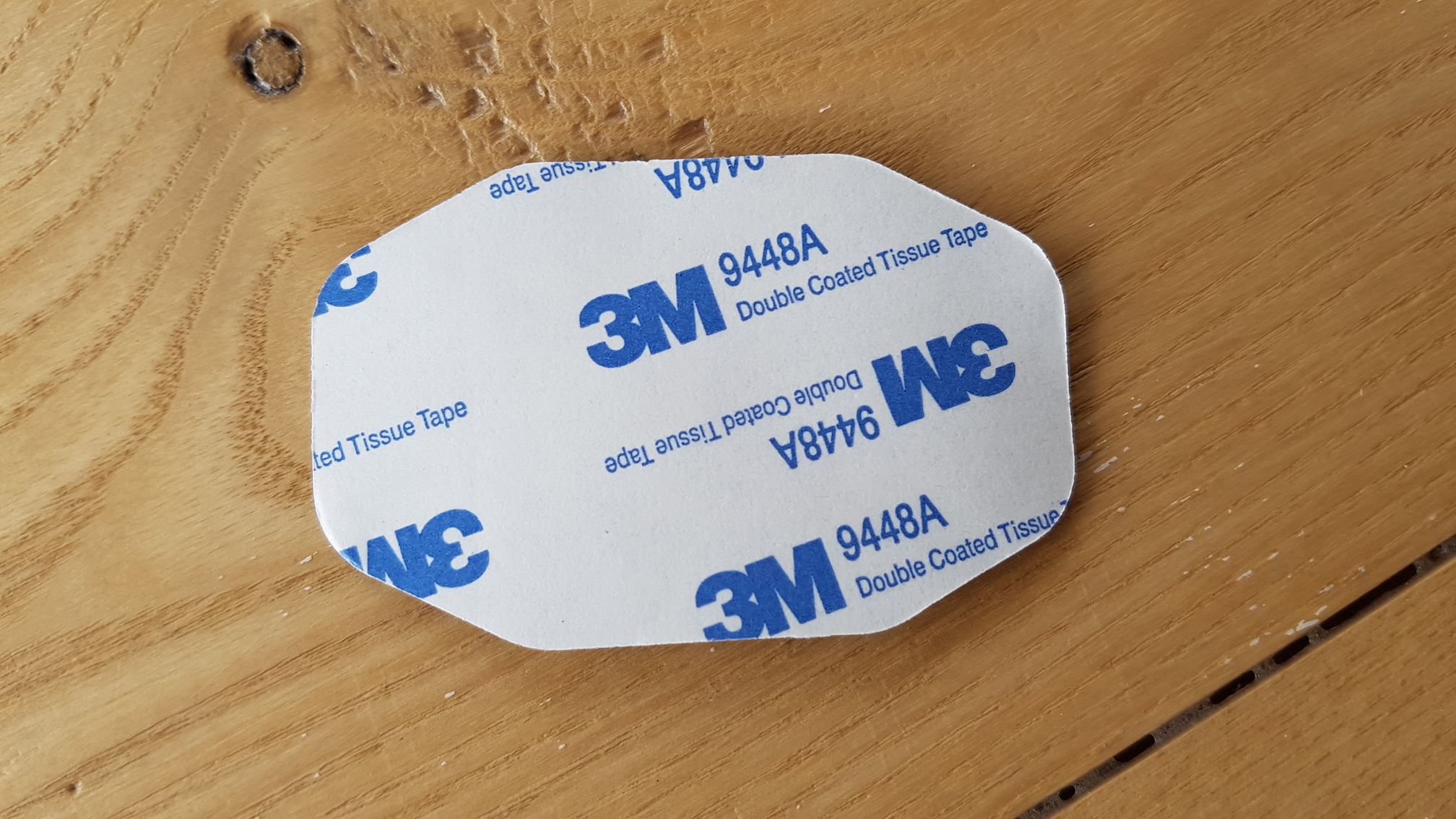
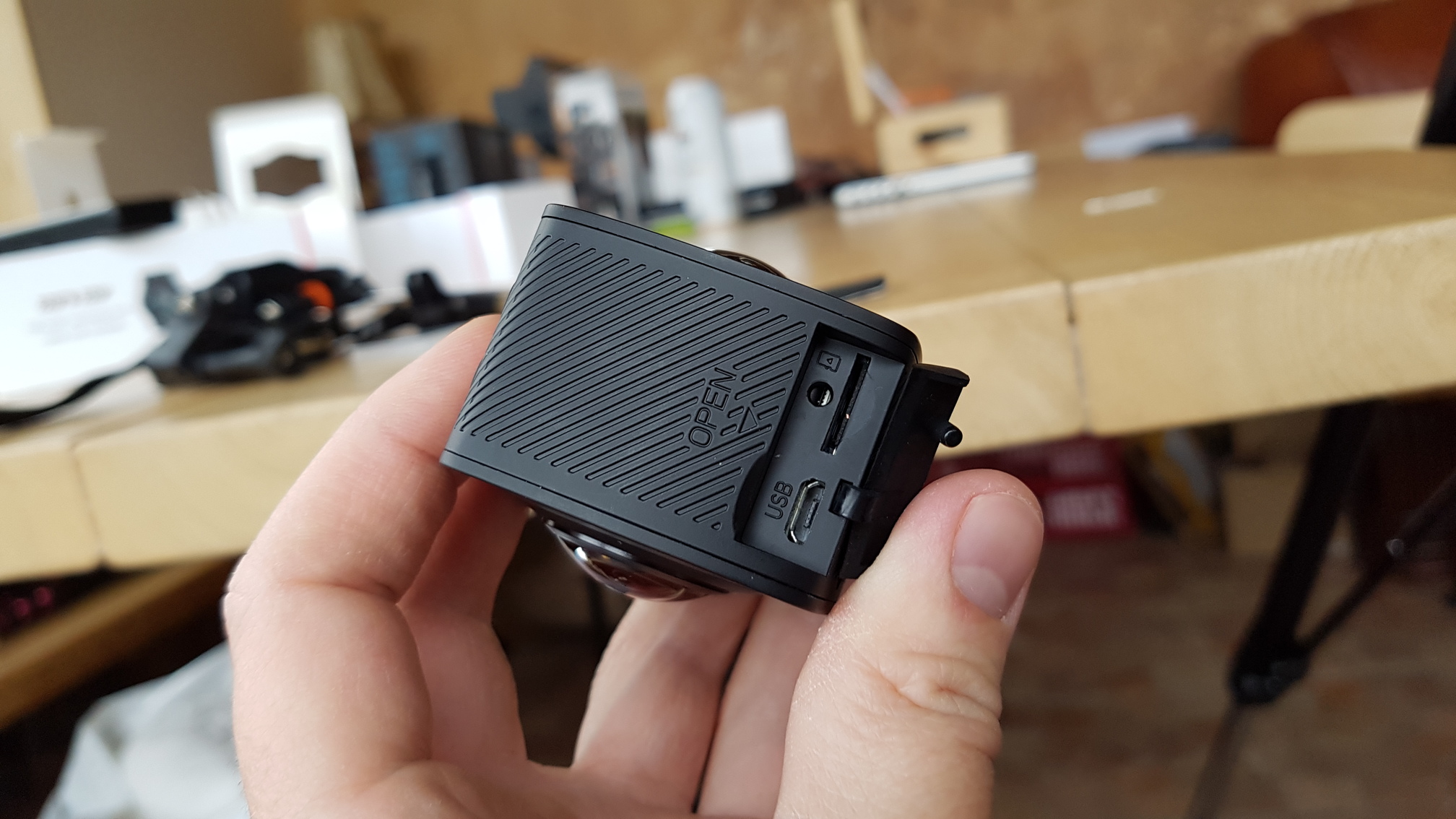
The camera ships with the bike mount and universal mount. Also, there is the USB cable, some adhesive pads and last but not least – a 32GB microSD card.
Elephone 360 Camera Review: DESIGN, FEATURES and FUNCTIONALITY
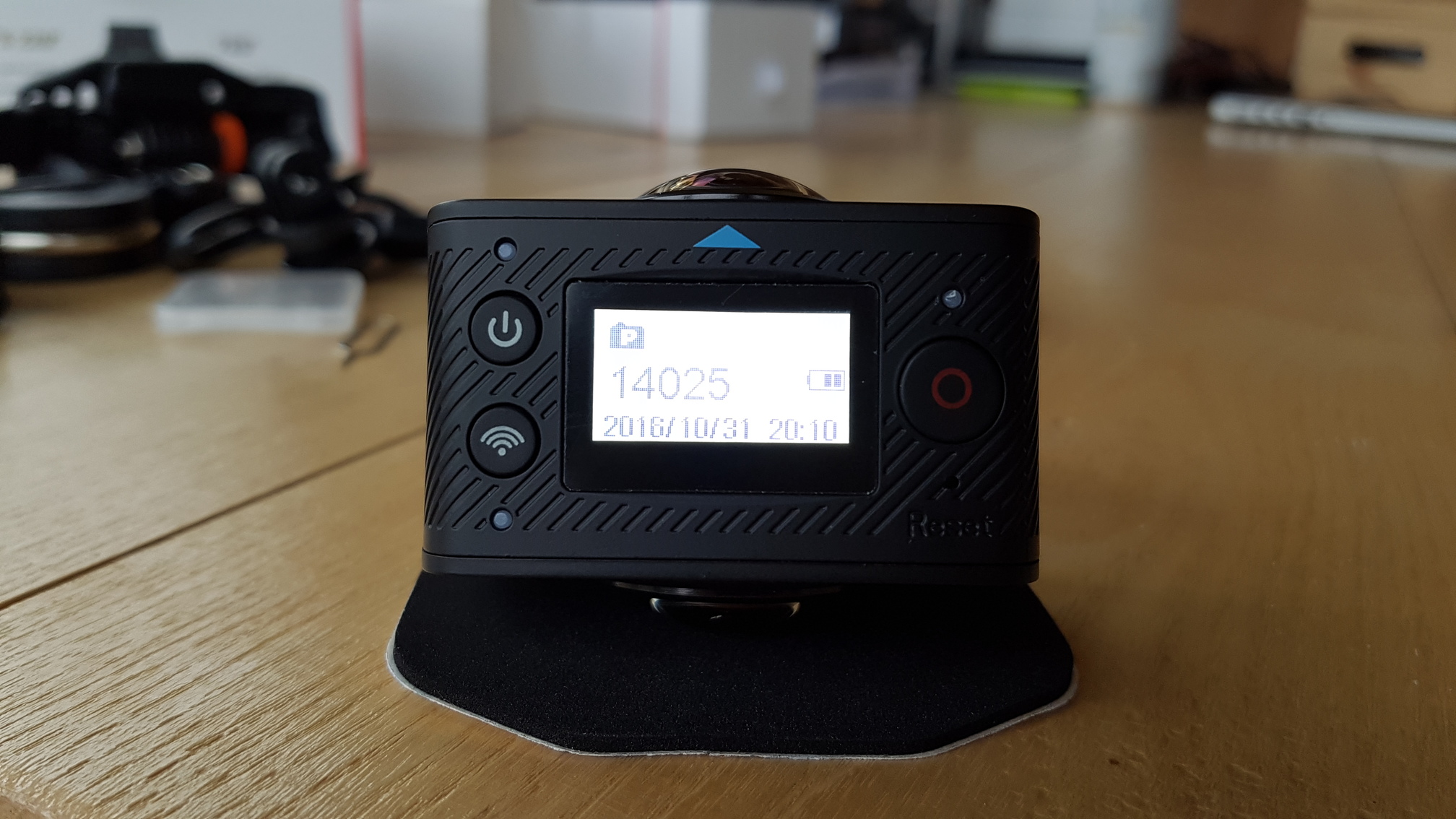
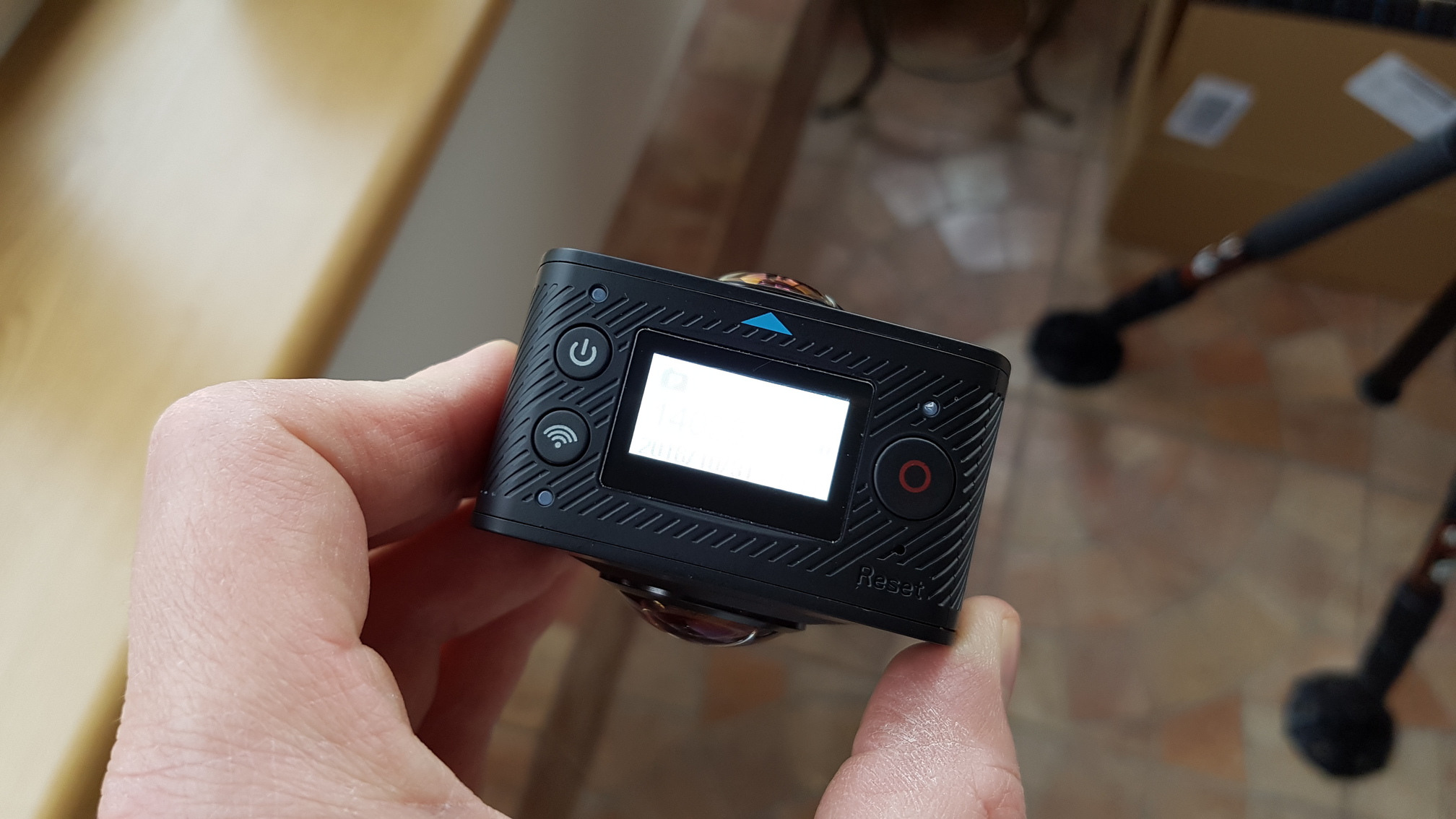
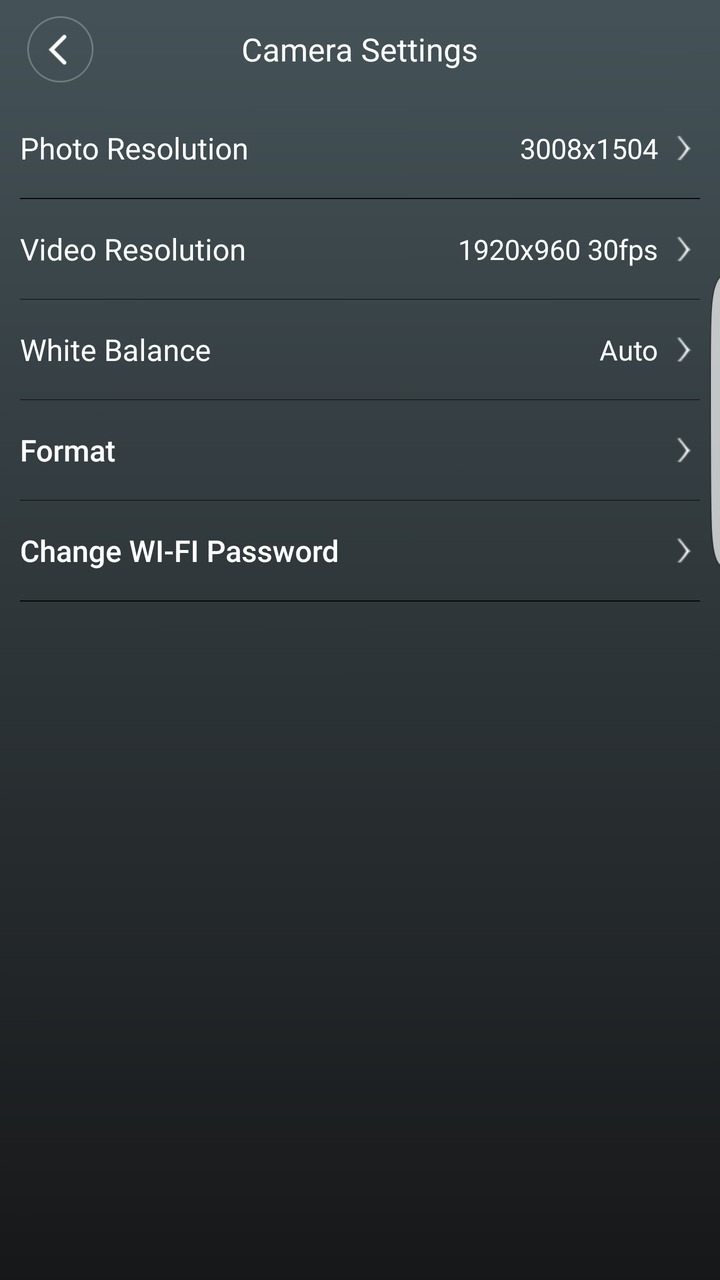
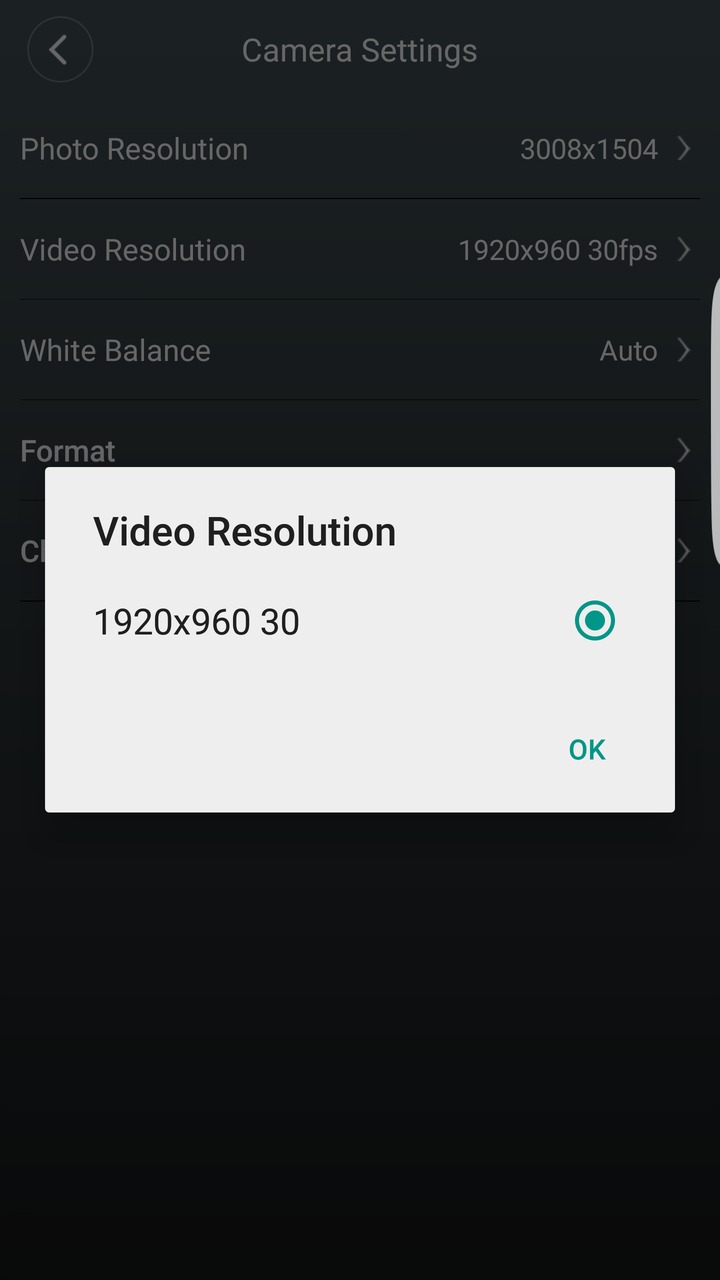
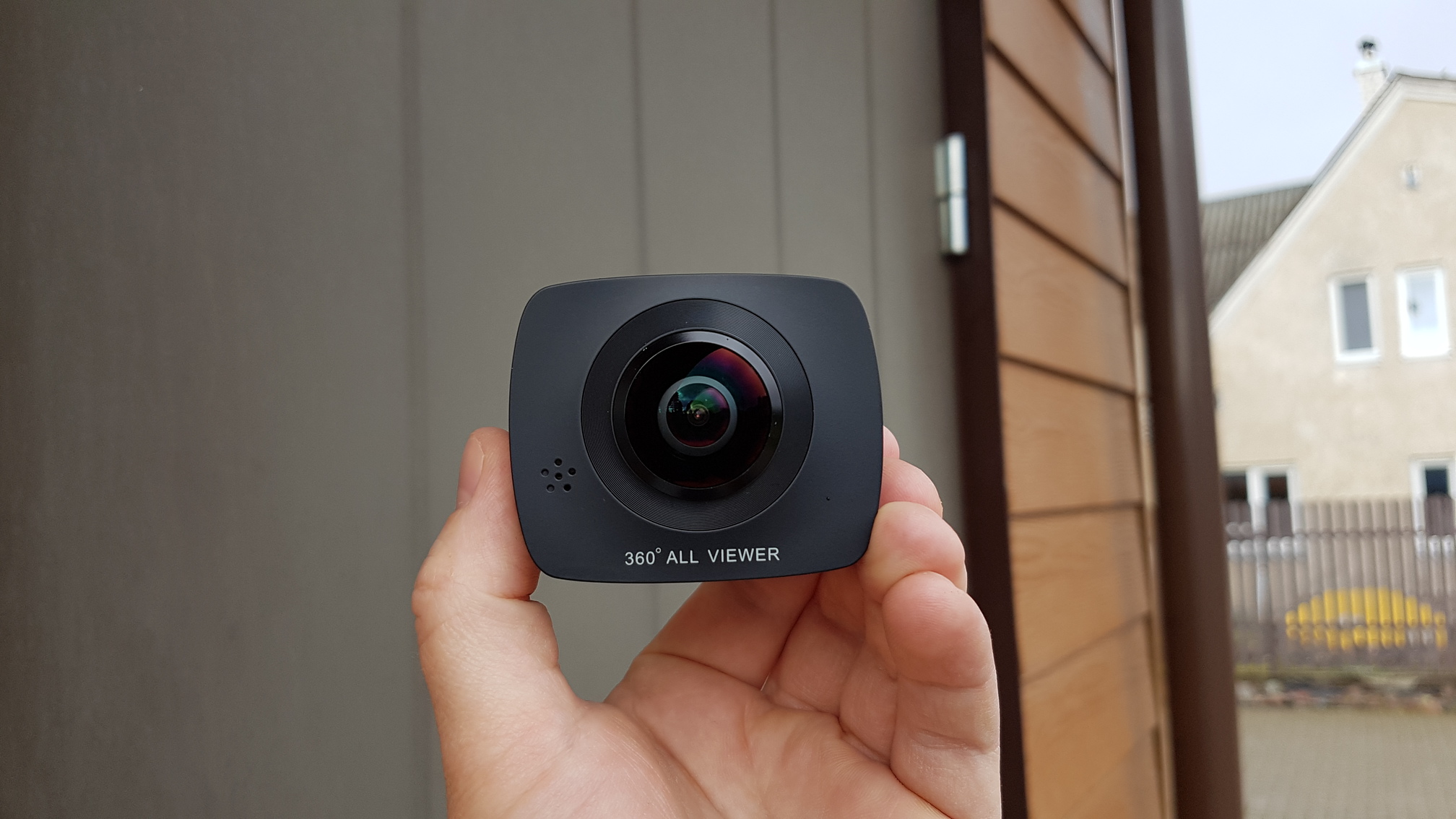
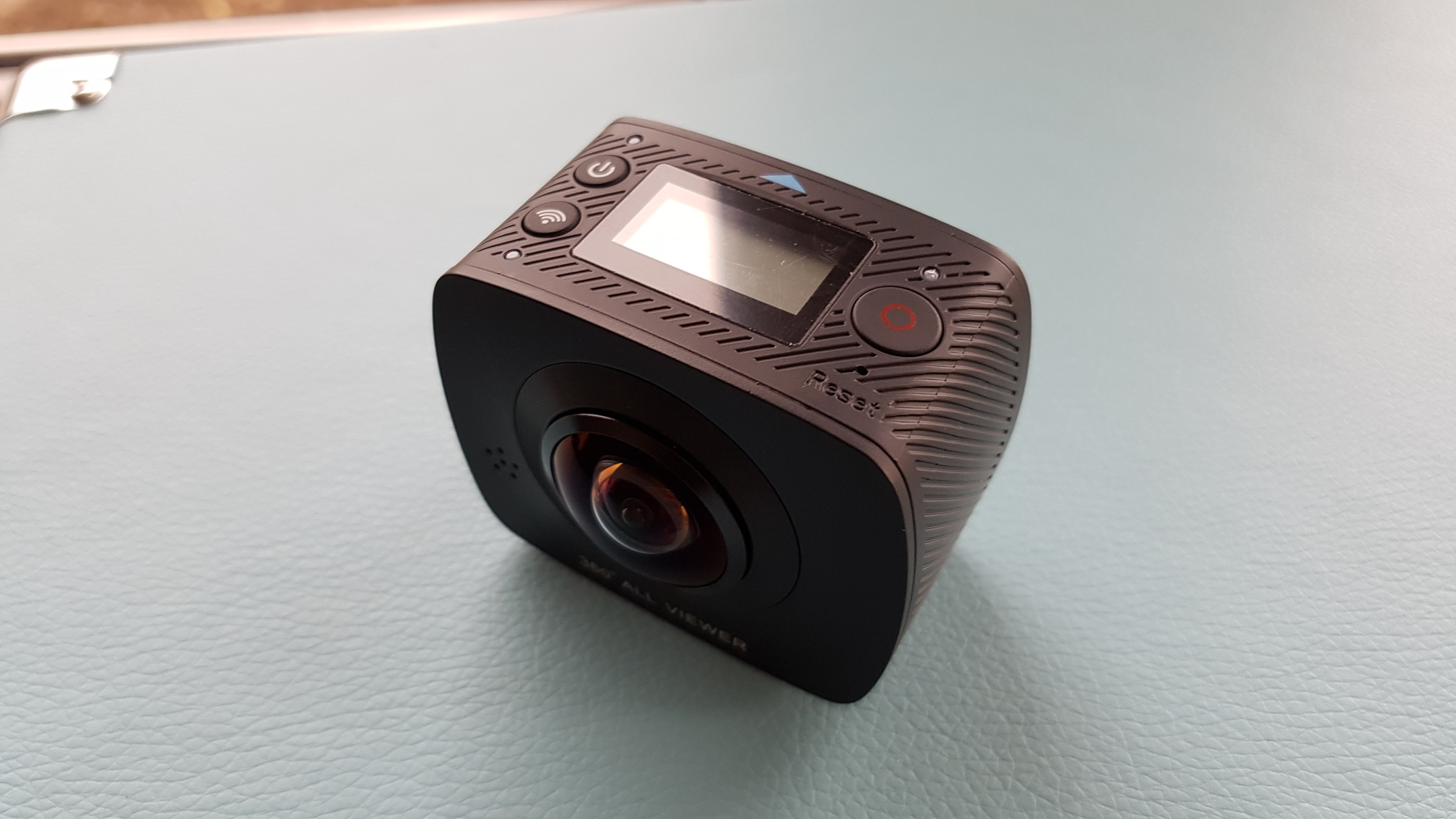
When it comes to the design, we are looking at a nicely-built, sturdy and compact camera that has 2 camera sensors that are capable of producing 960p video, which is just above HD. Also, the camera can take 5MP images.
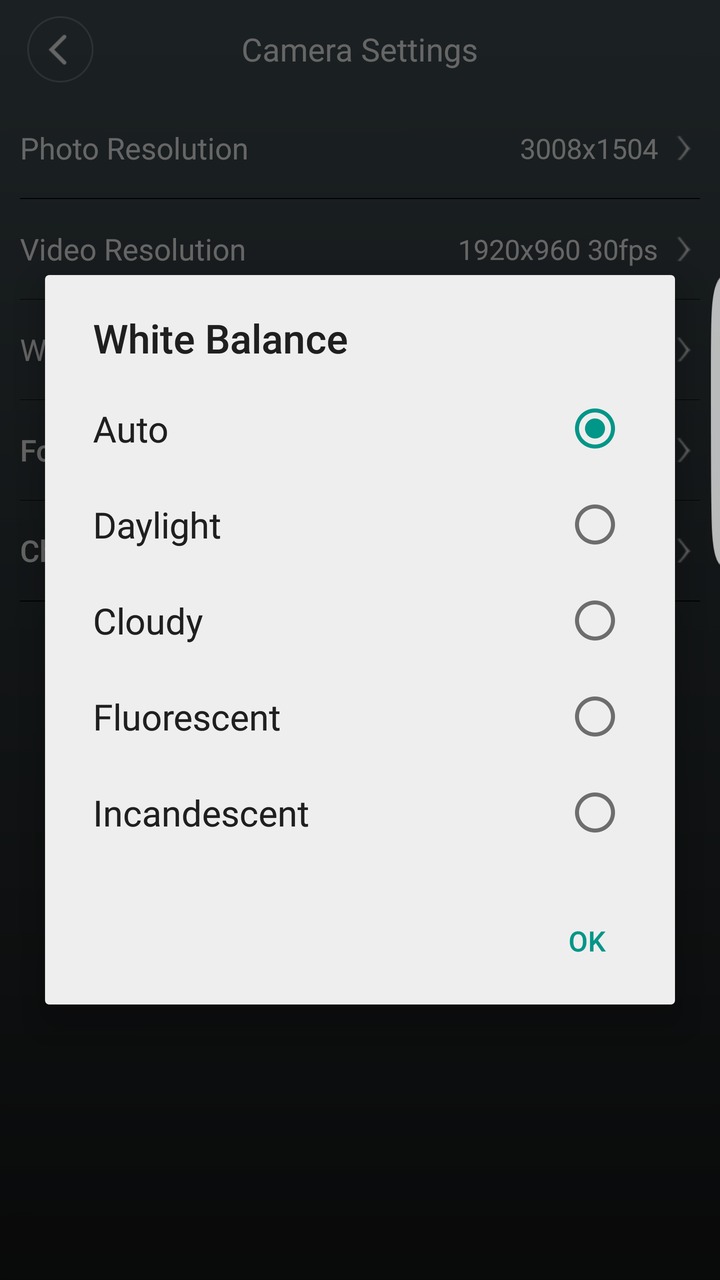
We have a few control buttons and a little LCD monitor that shows all the basic info you need. You can enter a menu mode by pressing and holding the Wifi button to adjust a few settings.
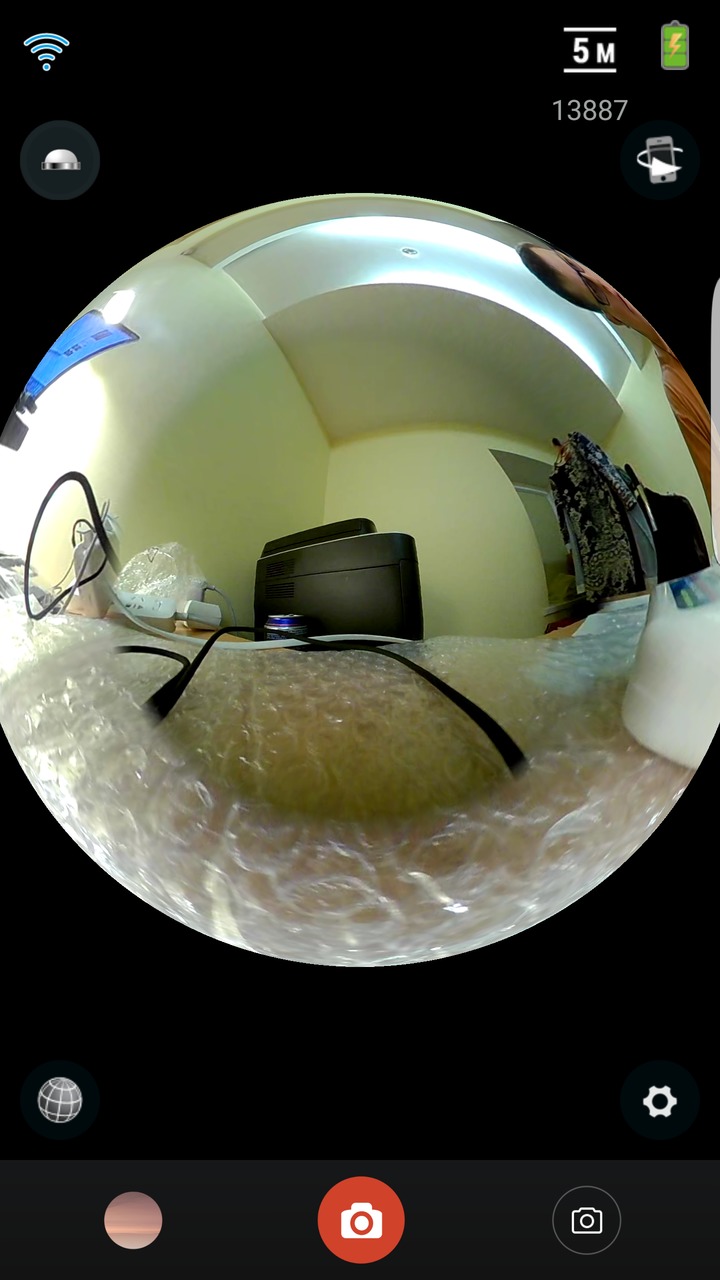
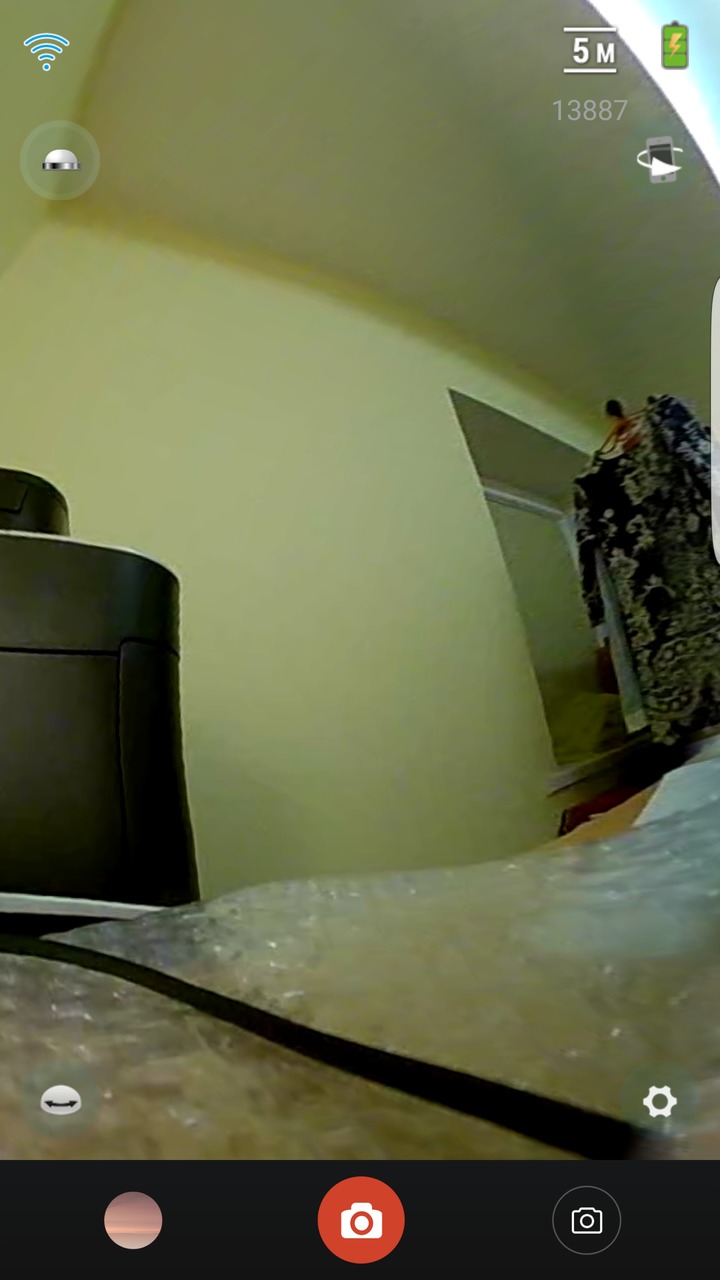
However, if you want to take a full control of the camera, you have to download the EleCam360 app, which is super easy to use. Within the app, you have your shutter button, you can adjust a few settings and view or download the videos you shot straight on your phone. I didn’t have any connectivity issues, so that’s a great thing.
Elephone 360 Camera Review: IMAGE QUALITY
I always prefer watching 360 videos on a mobile device or on a VR headset for the best experience. I have to tell you that the image quality is pretty good when watched on the mobile phone. However, the quality decreases quite significantly if you watch it on a larger display but I would still say that the video looks pretty good for the price of this camera. See the video review for the image quality.
By the way, you would need to download the EleCam 360 Video Converter app to your computer to watch the videos. The 5MP images look worse than videos. Anyway, most of us probably prefer video if we are talking about 360 cameras.
Elephone 360 Camera Review: BATTERY LIFE
The camera sports a 1500mAh Li-ion battery. I was able to get almost 1 hour out of it and I would say it is a pretty good result.
Elephone 360 Camera Review: CONCLUSIONS
In conclusion, Elephone Elecam 360 camera kind of exceeded my expectations as I expected a lot worse results from the camera that costs about $140.
I love how compact and well-made it is, and the fact that the camera comes with a few essential accessories.
The image quality will not blow your mind but you simply can’t expect anything better at this price point.
At the end of the day, the Elephone Elecam 360 may not be the only 360 camera on the market but it is a great starting point for those who want to enter the 360 video world, on a budget.
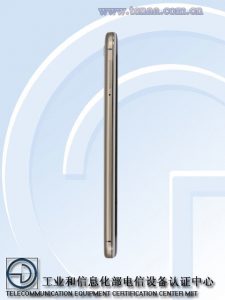
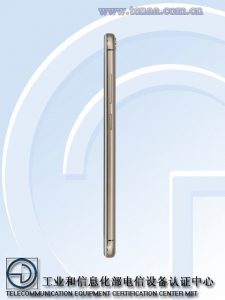
Vivo is clearly coasting home towards its 75 million phone sales target for the year, and what better way to do that than to release smartphones that cater for all the needs of its customers. The Chinese company released its X7 and X7 Plus flagships a couple of months back and it looks like the company is cooking up another cool looking smartphone right now. The device tagged Vivo Y67 recently got the nod from TENAA and as usual, the TENAA listing gifted us some of the specs and a couple of renders of the device.
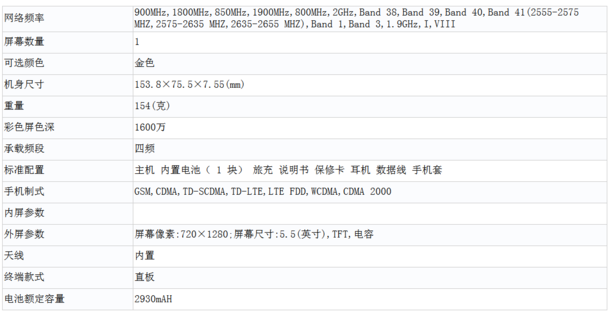
The TENAA renders depict the Vivo Y67with a design that makes it look like a high-end smartphone but is said to be a lower version of the X7 as shown by the processor and other specs listed. The device sports an all-metal body design as well as a thin 7.55mm body. The device is also listed to come with a front fingerprint sensor with fingerprint payment capability and would be available in rose gold, and champagne gold colors.
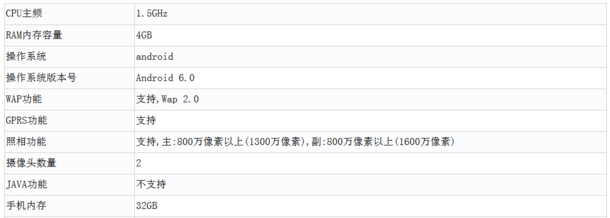
Although a lower version of the X7, the Vivo Y67 also features the same 16MP front-facing cameera sensor with front flash for beautiful selfies. The Vivo Y67 is also listed as packing a 13MP sensor at the rear. Further, the device sports a 5.5-inch TFT HD (720 pixels) display and is powered by an Octa-core MediaTek MTK MT 6750 chipset with a 4GB RAM aiding the processor. The device would run Android 6.0 Marshmallow out-of-the-box.
The device is also listed as having a 32GB storage on board and a 3,000mAh battery to keep the lights on. In addition, the Y67 comes with 4G LTE, entire network support as well as dual SIM/ dual standby support and a host of network options.
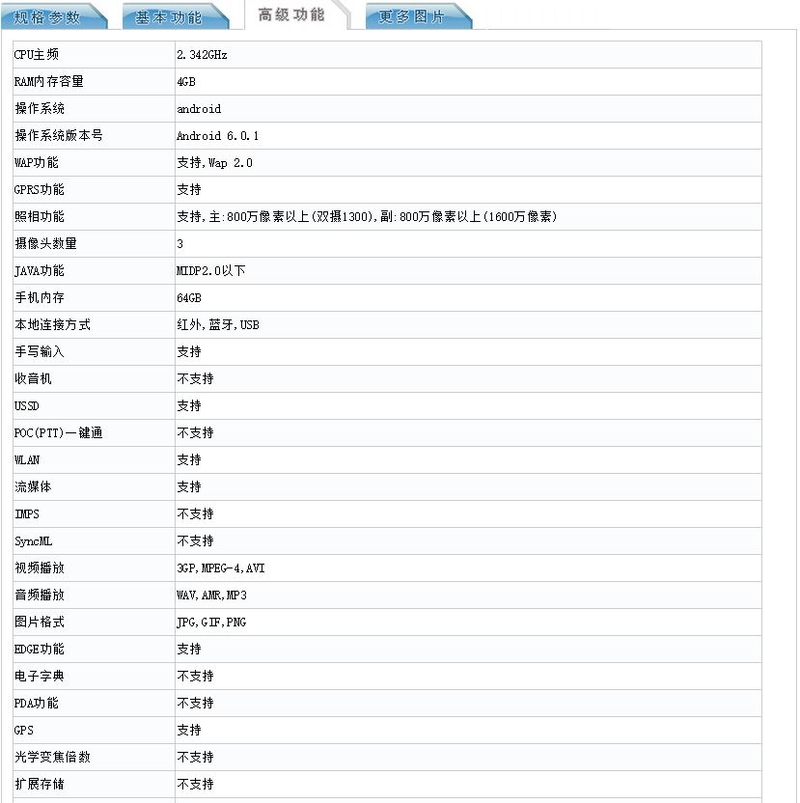
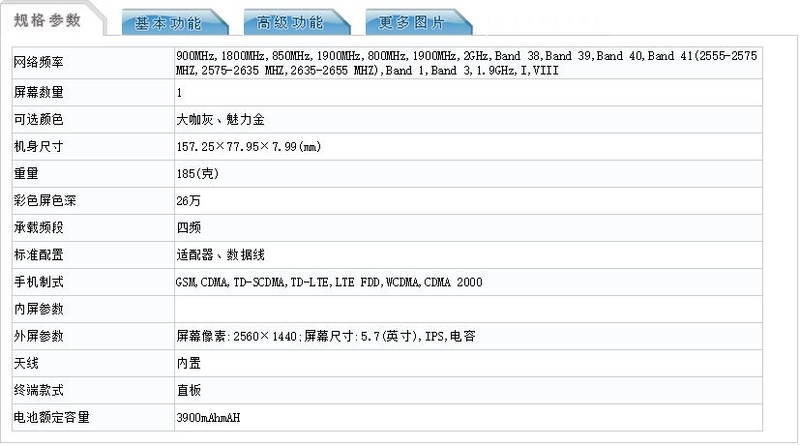
It appears LeEco is not done for the year as a new phone has been spotted online getting its 3C certification. The phone with model number LEX850 sports a 5.7” 2K display, a Snapdragon 821 processor clocked at 2.34GHz, and has dual 13MP rear cameras. There is 4GB of RAM and 64GB of storage on board and a 3900mAh battery to supply power.
Looking at the screen size and the 2K resolution, I won’t be surprised if this is an upgraded version of the Le Max 2 as that is the only phone from LeEco with a 5.7” 2K display.
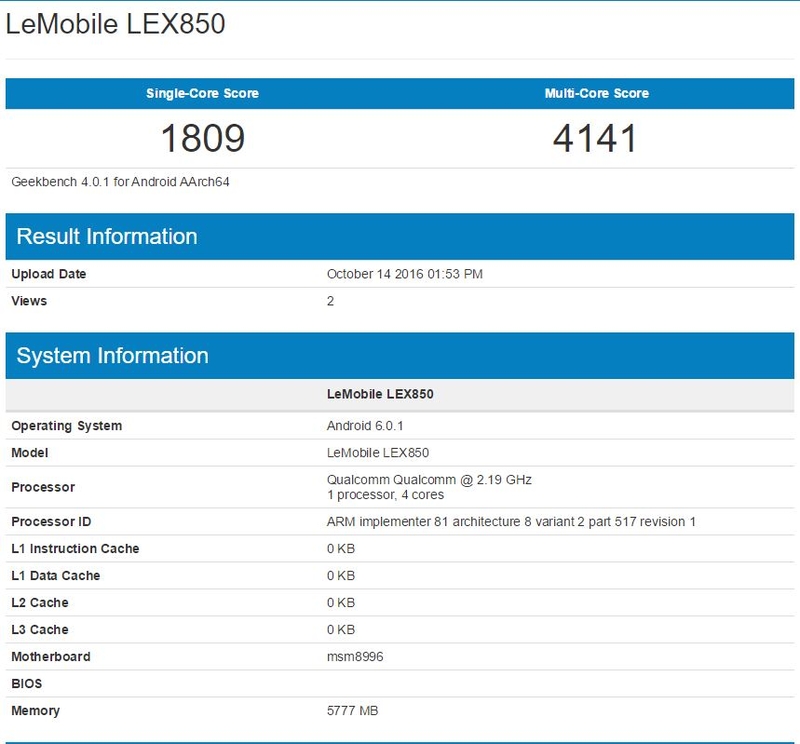
There is also a GeekBench listing of the LeEco LEX850 dated 14th of October showing the phone sporting 6GB of RAM, Android 6.0, and a MSM8996 processor clocked at 2.19GHz. Does it mean there will be a Snapdragon 820 version of this phone? We can not confirm yet.
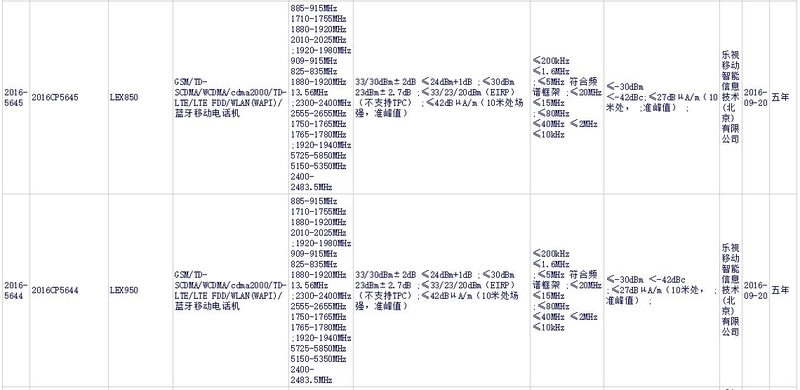
The certificate from the ministry of information also shows another device with model number LEX950 which is expected to be a more powerful variant of the LEX850.
The Huawei Mate 9 will be unveiled in Munich in a little over 24 hours from now, and to whet our appetite sample photos have been released online to give us a glimpse of what Huawei’s second collaboration with Leica can offer.
The Mate 9 is the sixth phone from Huawei this year to sport dual rear cameras. Kicking off the trend with the Huawei P9 (and P9 Plus) which garnered much praise for its wonderful performance, then following it with the Honor V8 and Honor 8. The Mate 9 is expected to be the best of the lot as its rear cameras are a 12MP + 20MP combination, a significant upgrade from the P9 which uses a combination of two 12MP sensors.
The pictures were posted on Weibo by a user with the name @Lee Bruce_Lee and are tagged ”Munich in the morning”. The pictures have gotten positive reviews most especially the first picture.
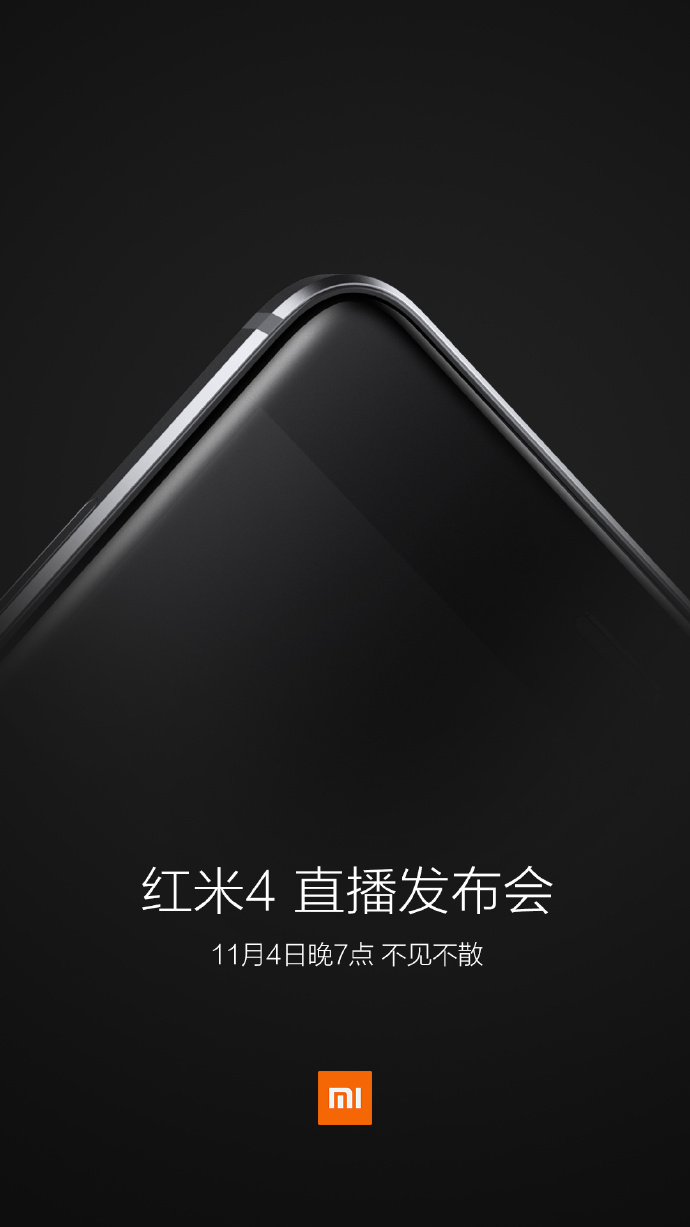
The wait has been long but I don’t want to believe that the only reason Xiaomi delayed the launch of the Redmi 4 was just so it could coincide with the 4th of November.
Xiaomi has announced on Weibo that the successor to the Redmi 3 and it’s several siblings will be unveiled on the 4th of November, two months after an August 25 release rumour.
The Redmi 4 is expected to sport the same 5” screen size that distinguishes it from the Note series but this time it is said to be getting a Full HD resolution which means it will have a higher pixel density than all the other Redmi phones the company has released.
The phone will also get 3GB of RAM and 32GB of storage as default. A Snapdragon 625 SoC will handle processing and the cameras will remain at 13MP and 5MP for the rear and front, however we can’t tell if they will be entirely different sensors or the same as the Redmi 3. The fingerprint scanner will also remain at the back.
We use cookies on our website to give you the most relevant experience by remembering your preferences and repeat visits. By clicking “Accept”, you consent to the use of ALL the cookies.
This website uses cookies to improve your experience while you navigate through the website. Out of these, the cookies that are categorized as necessary are stored on your browser as they are essential for the working of basic functionalities of the website. We also use third-party cookies that help us analyze and understand how you use this website. These cookies will be stored in your browser only with your consent. You also have the option to opt-out of these cookies. But opting out of some of these cookies may affect your browsing experience.
Necessary cookies are absolutely essential for the website to function properly. This category only includes cookies that ensures basic functionalities and security features of the website. These cookies do not store any personal information.
Any cookies that may not be particularly necessary for the website to function and is used specifically to collect user personal data via analytics, ads, other embedded contents are termed as non-necessary cookies. It is mandatory to procure user consent prior to running these cookies on your website.