HTC might not be doing so well in the smartphone market but their HTC Vive VR headset is currently the best device you can get if you are considering getting into PC-connected virtual reality.
HTC first announced the Vive at 2015 edition of MWC, but it wasn’t available for purchase until April of this year. Now it appears that the Taiwanese company might announce the Vive 2 at next year’s Consumer Electronics Show in Las Vegas.
Reports from local media in Taiwan, the HTC Vive 2 will be able to sync wirelessly with compatible PCs out of the box. It will also have its refresh rate bumped from 90Hz to 120Hz and its resolution raised from 1080 x 1200 for each eye to 4K per eye.
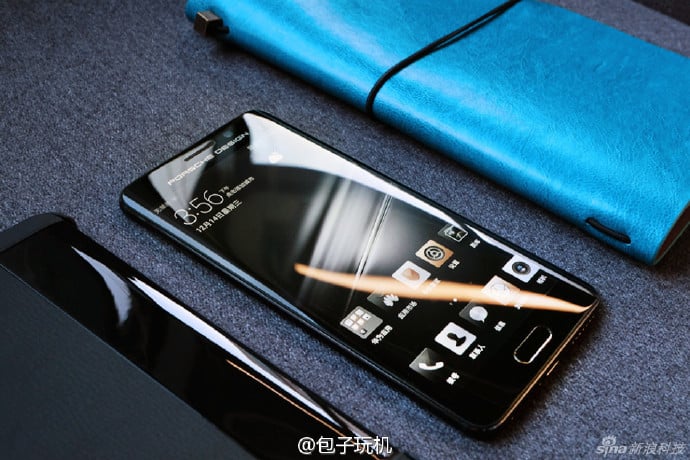
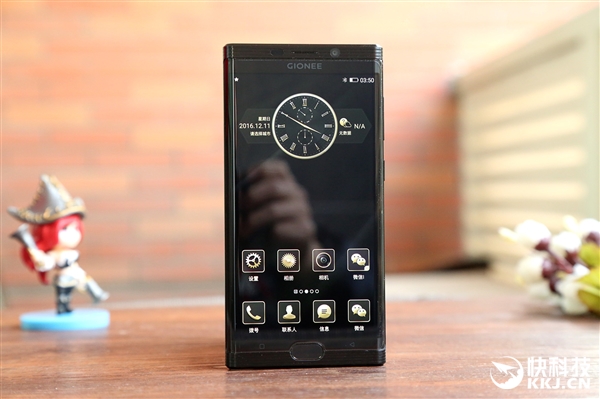
Planning to get a new phone and don’t want to settle for any of the ”cheap phones” in the market like the OnePlus 3T, the Samsung S7 Edge, or even the Google Pixel because any phone less than $1000 is ”cheap” right? Then you might want to narrow down your options to the Huawei Mate 9 Porsche Design or Gionee M2017. We want to help you spend your money decide which one of these two phones is worth your hard-earned money.
Huawei Mate 9 Porsche DesignGionee M2017
Display
We know you’ve got a fat account, so a phone with a large display is what you need to show the world that you like big things.
The Mate 9 Porsche Design has a 5.5-inch 2K AMOLED display which is big enough but if you want bigger, the Gionee M2017 take the display size up to 5.7-inches with the same display type and resolution. Both displays are curved on both sides and should let you see your account balance in bright and vivid colors.
RAM, ROM, and Processor
The Gionee M2017 and Mate 9 Porsche Design both come with 6GB of RAM which is the highest you can get on any phone right now. The difference is in the storage option. Gionee let’s you choose either a 128GB model or a 256GB model, but Huawei on the other hand says its 256GB or nothing. But you want to know what we think? Go big or go home because 128GB is for cheapskates.
The processor is another important specification that we feel you should consider. The Gionee M2017 sports Qualcomm’s new mid-range king, the Snapdragon 653. This chip is synonymous to the Snapdragon 652 just the way the Snapdragon 821 is to the Snapdragon 820. The octa-core processor clocked at 1.95GHz should handle most tasks you throw at it but to be honest, it can’t hold a candle to the Kirin 960 present in the Mate 9. The Kirin 960 apart from having a higher clock speed (2.4GHz) also uses the newer Cortex-A73 CPU core which is more powerful than the Cortex-A72 present in the Gionee.
Camera and Battery
We know you have the money and we believe you should flaunt it. You need to show your friends that your pre-ordered Faraday Future SUV has arrived and you need a good camera that captures the beauty.
Both phones have dual cameras but right now Huawei seems to be the boss when it comes to dual camera phones. The Mate 9 Porsche Design sports a 20MP+12MP combo at the back of the device. The sensors are made in collaboration with German camera manufacturer, Leica. The setup has got OIS, 2x optical zoom, and laser autofocus. Up front is an 8MP shooter for selfies. You can check out camera samples here.
The Gionee M2017 uses a combination of a 12MP and 13MP sensor with 2x optical zoom and you also get an 8MP sensor up front for selfies. The Gionee M2017 just launched a few days ago and there are no sample pictures yet but we doubt if it can measure up to that of the Mate 9.
The M2017 is the champ here even before the fight starts. It packs a 7000mAh battery which dwarfs the 4000mAh battery inside the Huawei. Gionee’s phone has Quick charge 3.0 support while Huawei has equipped the Mate 9 Porsche Design with its own Supercharge feature.
Design and Extra Features
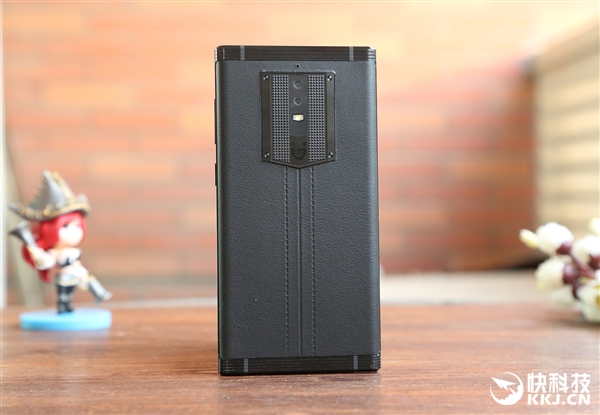
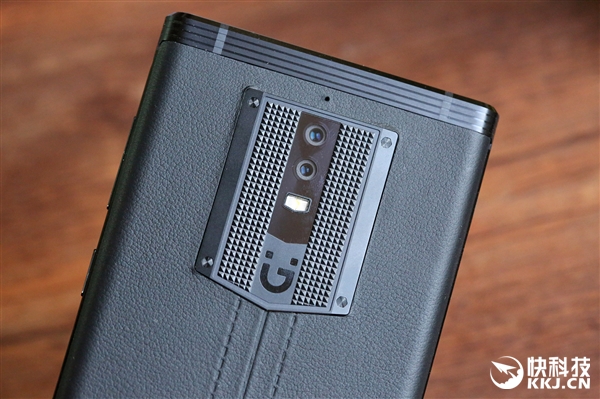
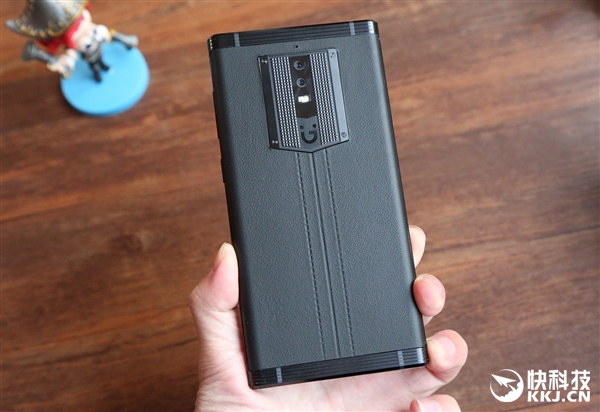
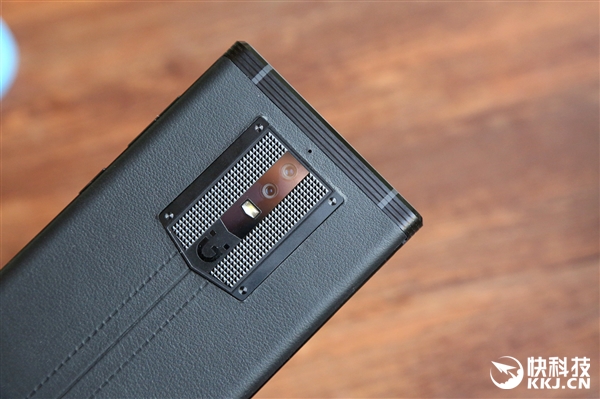
They are both luxury phones and their appearance reflects that. The Gionee sports a mixture of glass, aluminium and leather. The curved display meets the metal frame on one side and the leather back does the same on the other. You get calfskin leather for the 128GB model and crocodile leather for the 256GB version.
The Mate 9 Porsche Design on the other hand is a beauty too. It shares design similarities to the Galaxy Note 7 of blessed memory which was known for its stunning looks. There is no leather on the back but the matte black coating looks really nice on it.
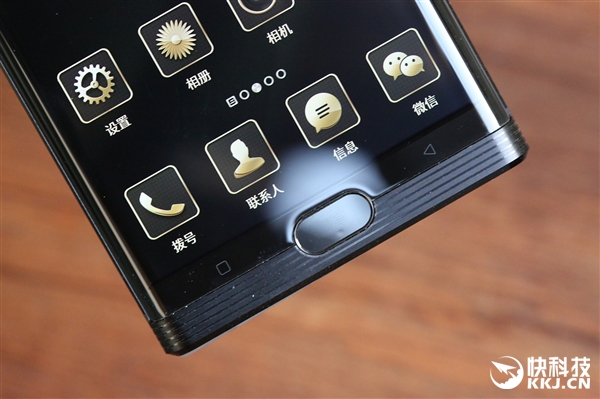
The Gionee M2017 has a security chip that encrypts data but lacks NFC. There is a fingerprint scanner up front but there is no earphone jack. It also comes with Amigo OS 3.5 based on Android 6.0.
The Mate 9 Porsche Edition on the other hand doesn’t have a security chip but has NFC and an IR blaster. It ships with Android 7.0 Nougat, has its fingerprint scanner in front, and an audio jack at the bottom.
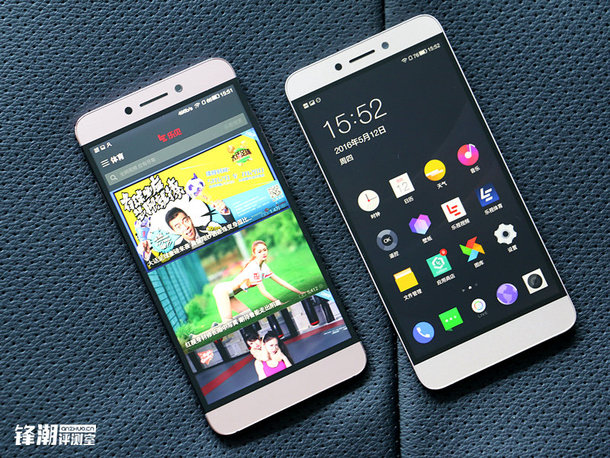
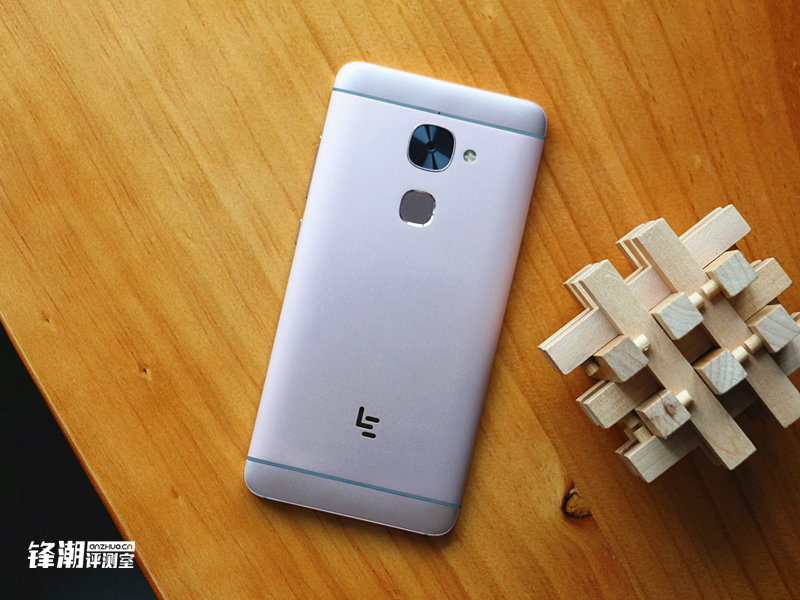
LeEco‘s flagship Le 2 has emerged as the best-selling thousand yuan smartphone in China for the period running from June to November 2017. According to Sino-Data statistical chart, the LeEco Le 2 sold more that 2.6 million units in the period under review to emerge as the most popular thousand yuan flagship and the topmost selling brand in the thousand yuan category in China.
The latest data reviews smartphones sales in China from June to November and apart from the Le 2, another LeEco flagship, the Le 2 Pro also posted some stunning figures in its price category. The data also reveals that a total of 48.6 million units were sold in November alone, representing an 8.7% increase from the previous month’s figures.
Despite the popularity of online sales channels in China, the data shows a total of 12.9 million units were sold via online channels. On the other hand, offline sales still proves more popular with a record 35.6 million of the total sales coming via offline channels between June and November 2017, with most of the sales coming during the festive periods like double 11 shopping carnival and others.
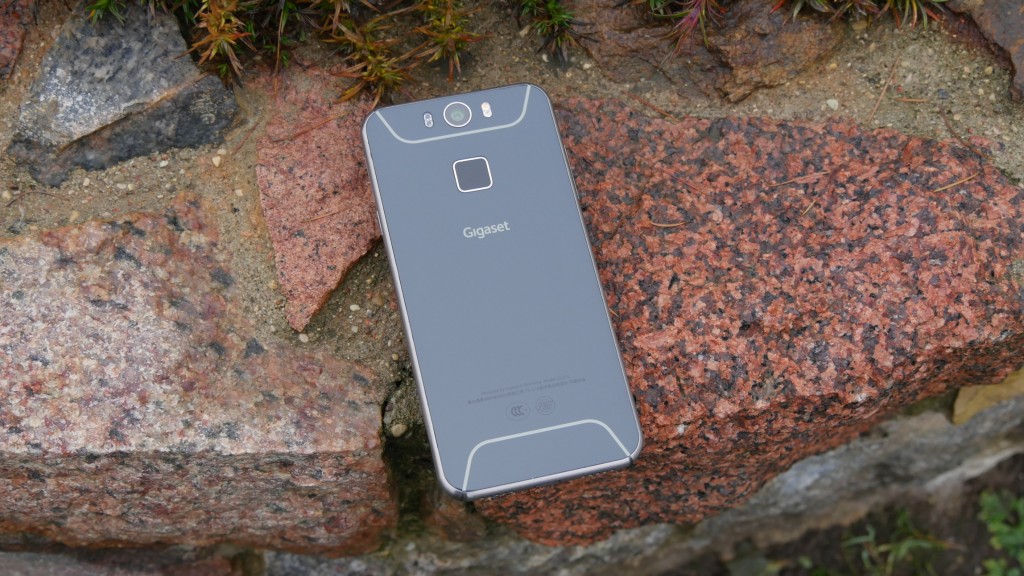
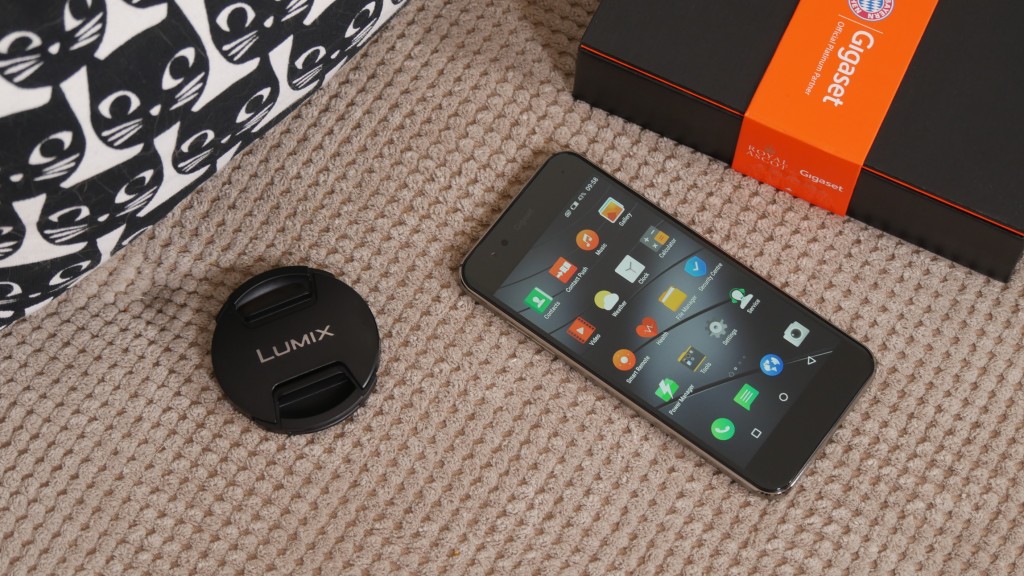
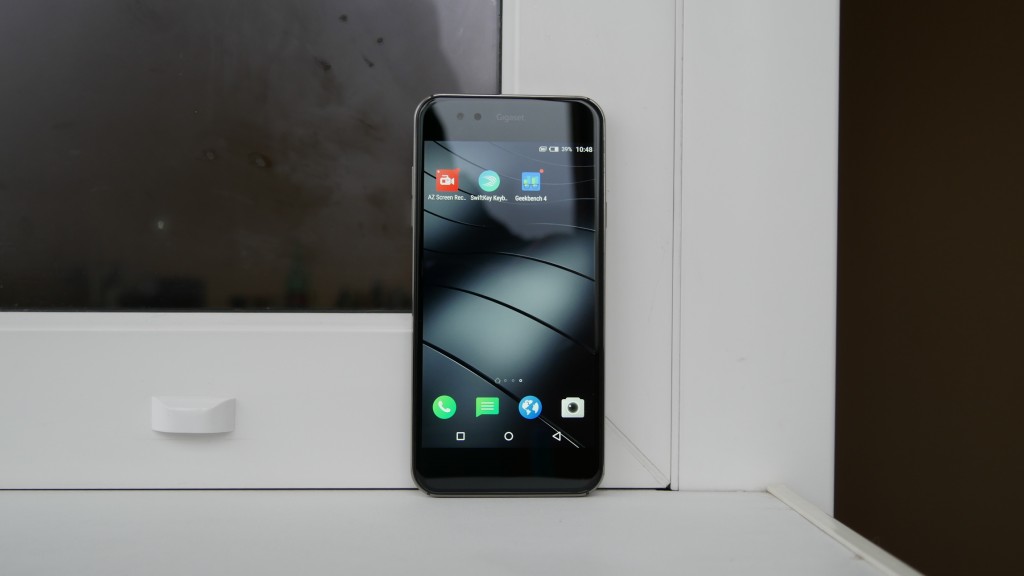
Gigaset is not the first manufacturer name that comes to your mind when you think of buying a new smartphone but I came across a beautiful and powerful Gigaset ME device. It was designed in Germany, it’s an official partner Munchen Bayern football club and the phone costs just $140. In fact, the Gigaset ME used to cost over $500 when it was just released, which was simply too much. Learn more in the full review.
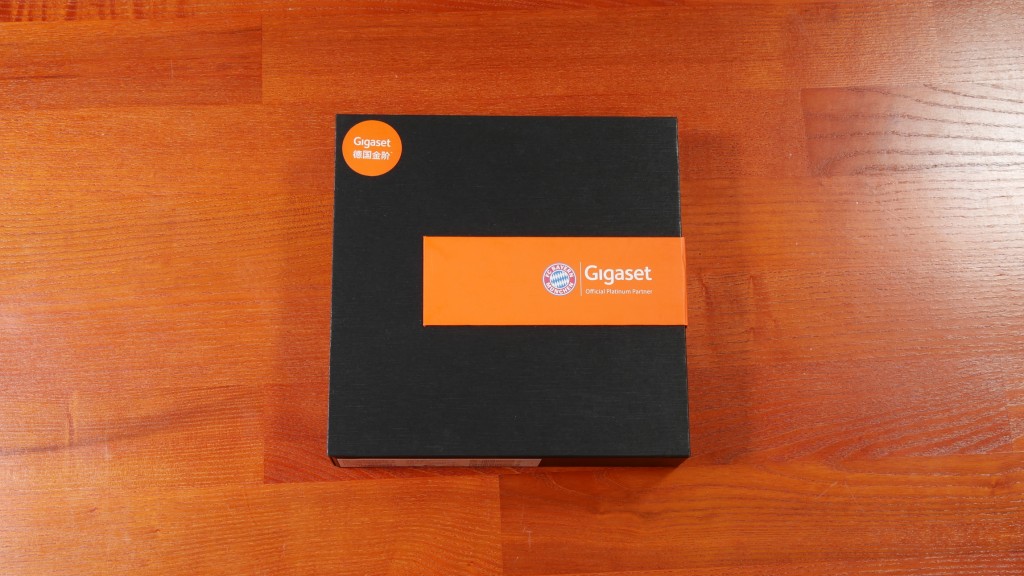
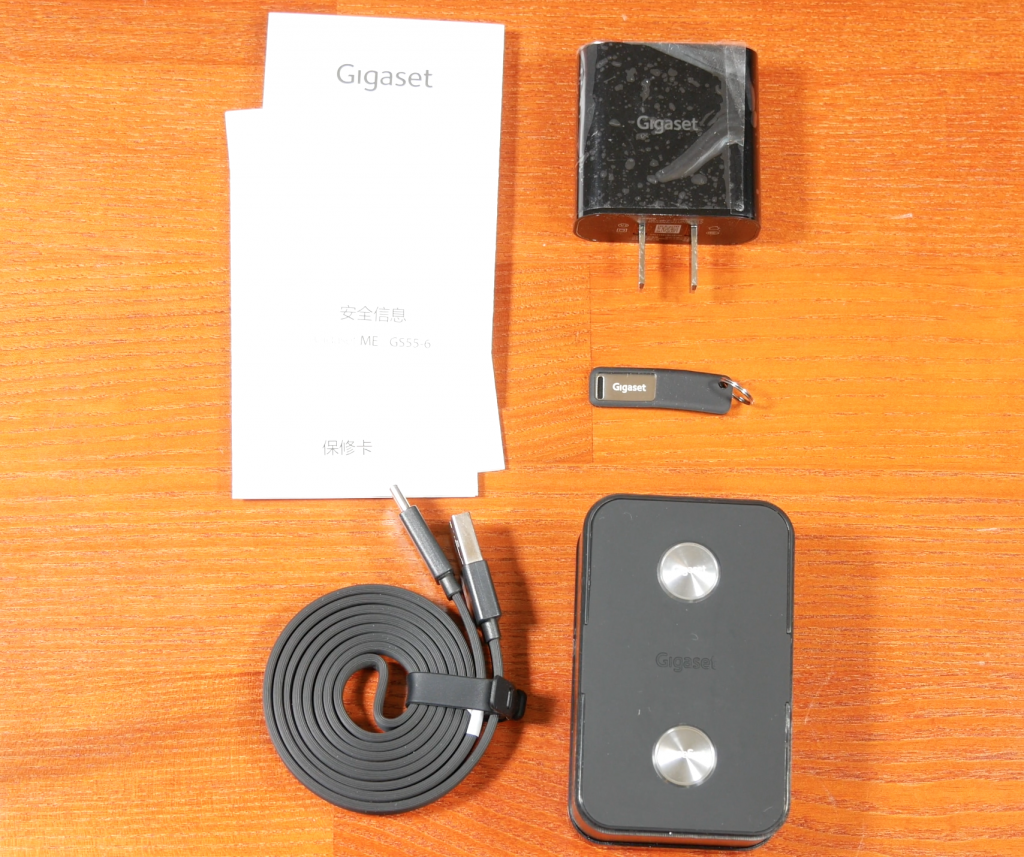
The phone comes in a premium packaging and inside of it, you can find the all the usual stuff. Some extras include a pair of earphones that actually sound pretty good.
Gigaset Me Review: DESIGN and DISPLAY
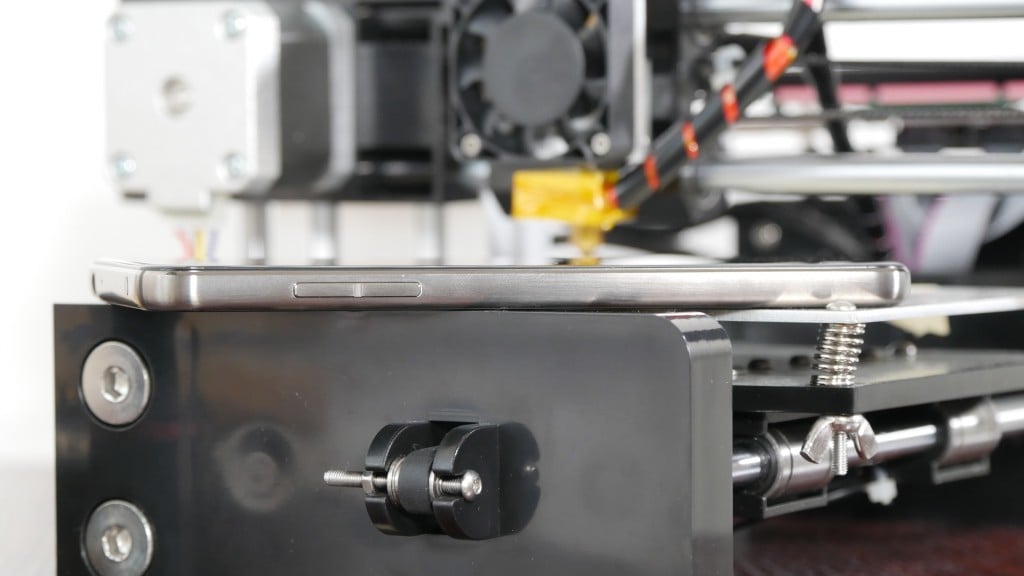
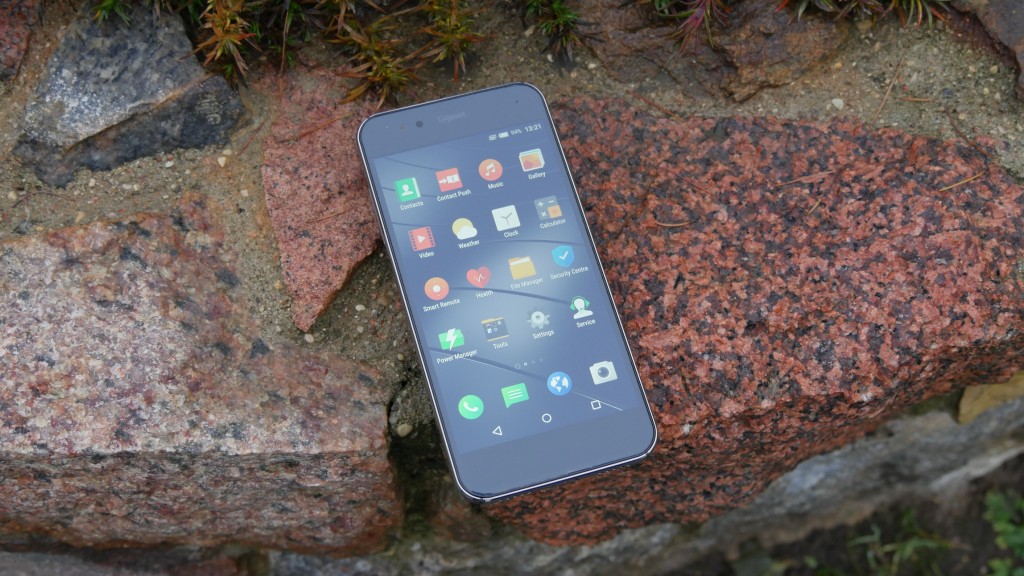
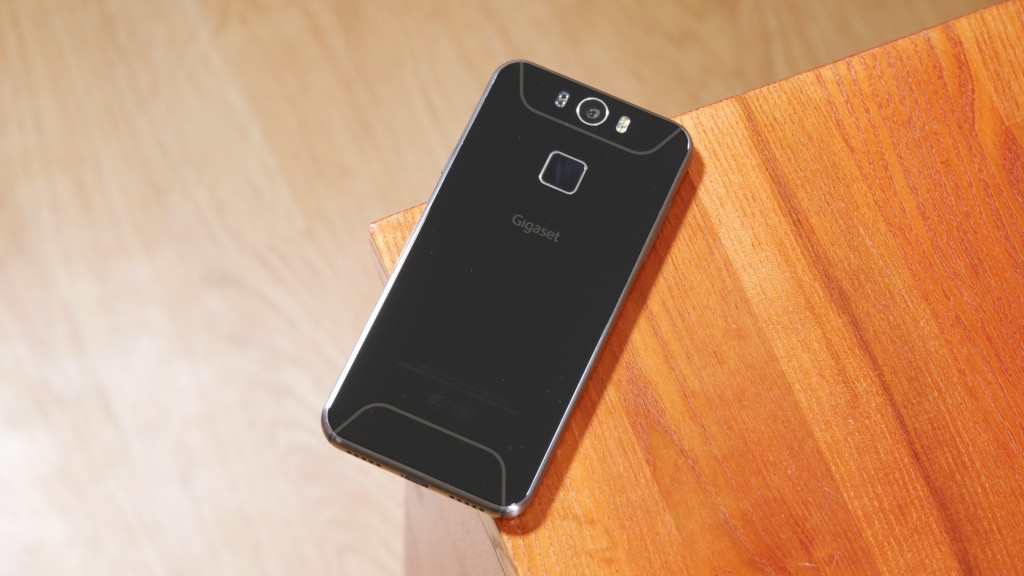
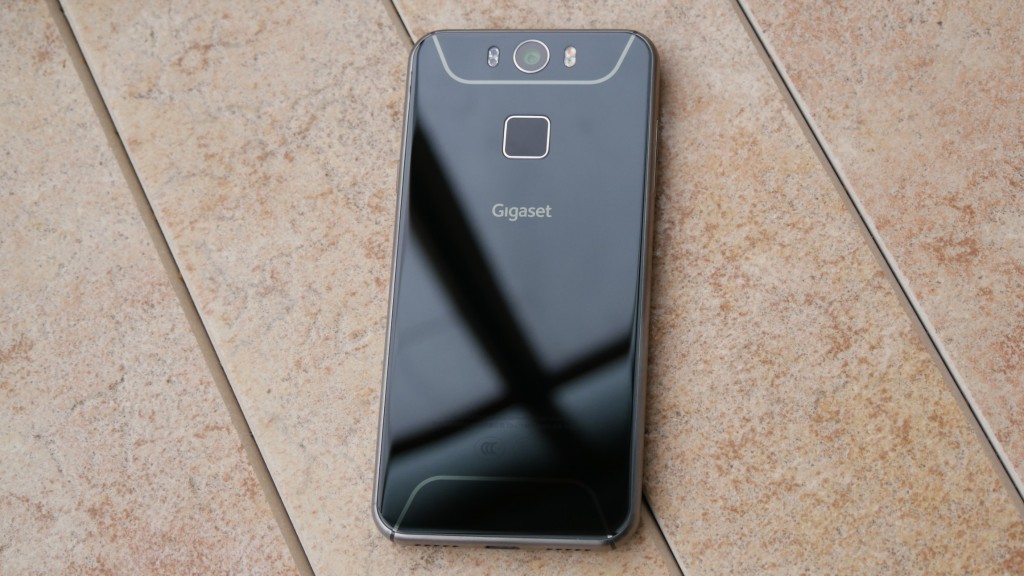
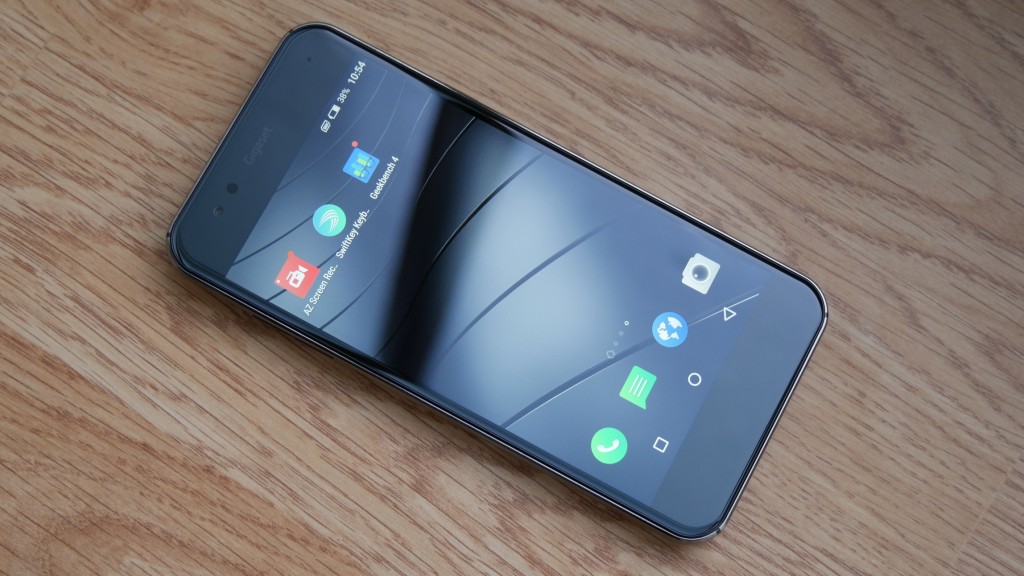
Honestly, the Gigaset Me looks and feels like a much more expensive phone. It uses a high-quality stainless steel chassis, tactile metal buttons and a sheet of Gorilla Glass 3 on the front and rear.
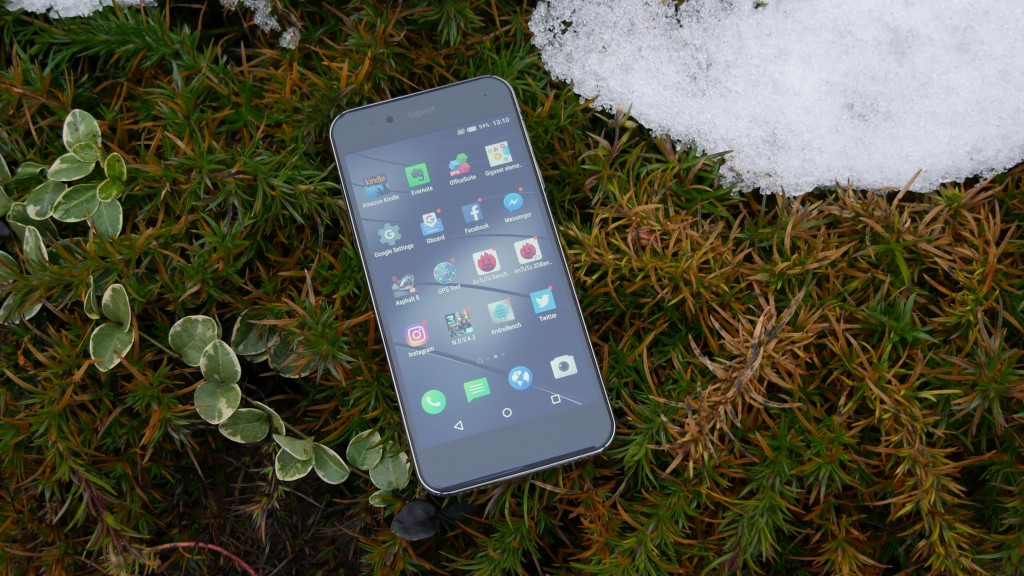
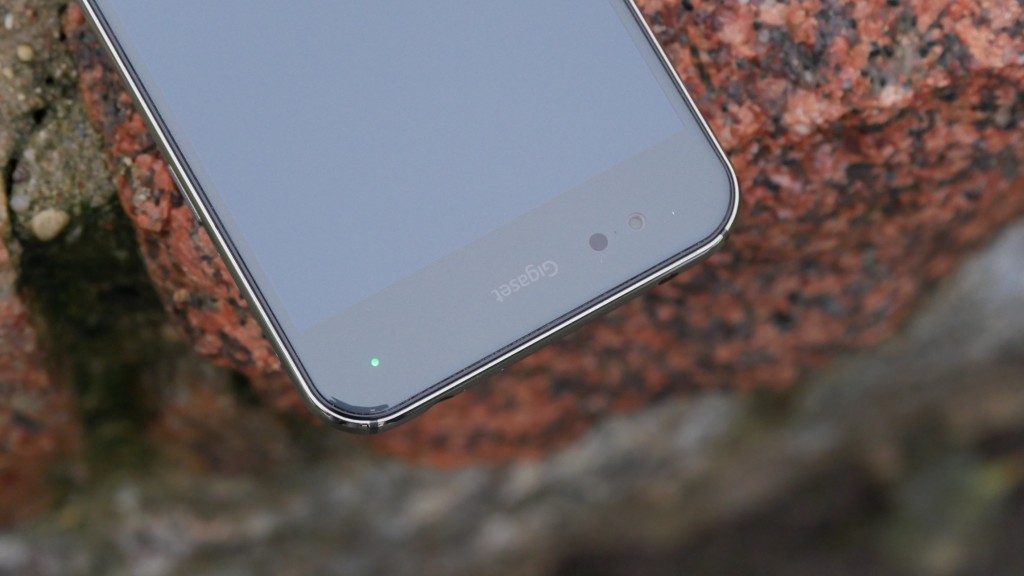
The phone is compact due to it’s 5” 1080p display, which is sharp and vibrant. Just above the display we have an 8MP camera and a notification LED light.
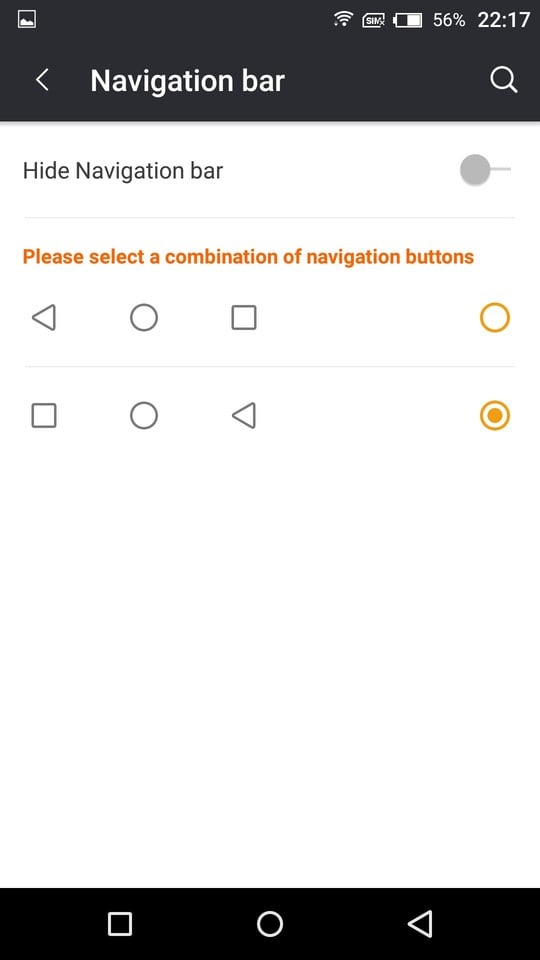
I don’t like the fact that there are only the on-screen navigation keys but at least you can change the position of the buttons.
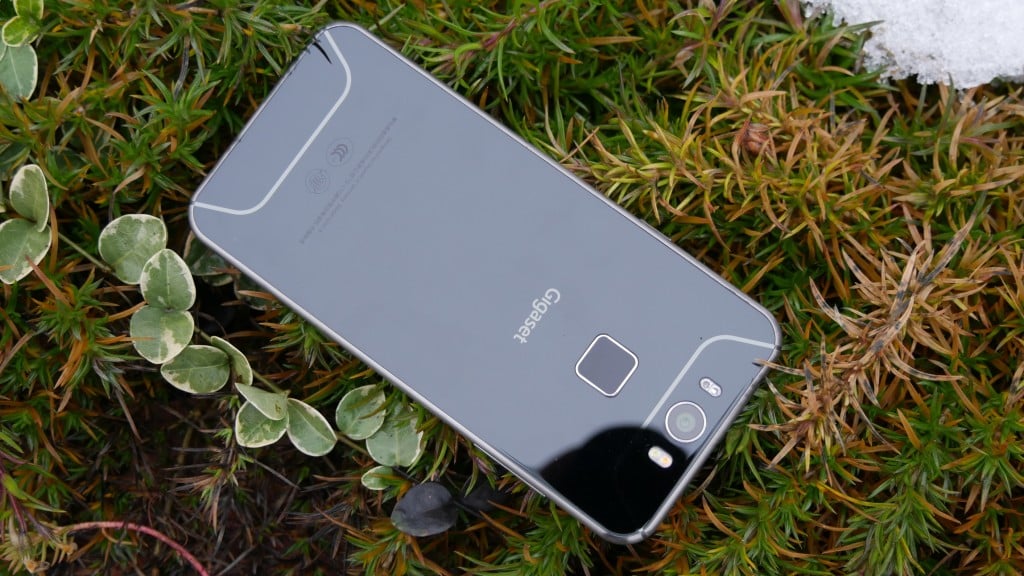
The back looks really nice but obviously, it is a huge fingerprint magnet as most of the glass surfaces, and the phone is quite slippery.
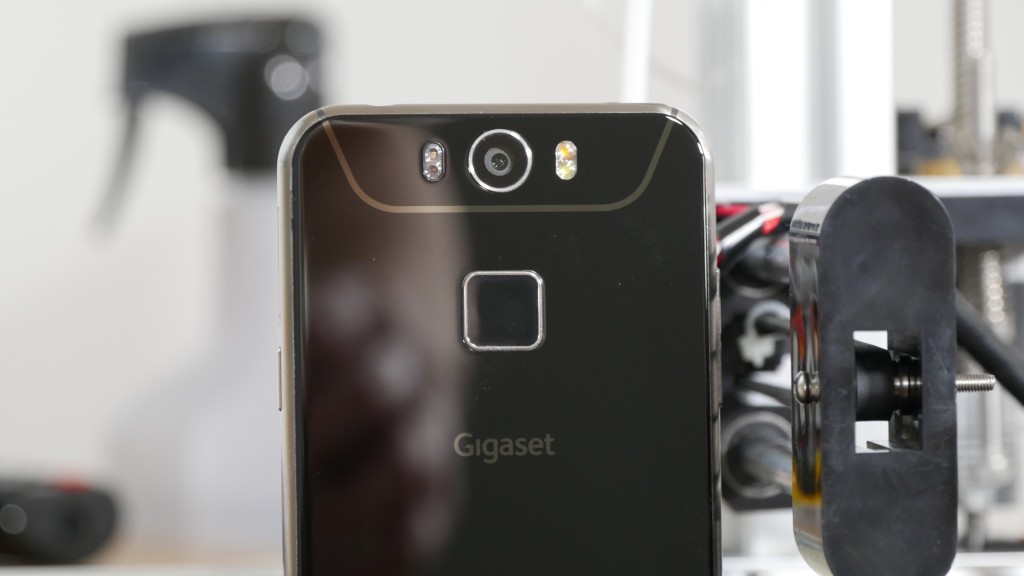
Besides the beefy 16MP camera, dual tone dual-LED flash, you can find some other sensors since the phone has quite a few fitness-oriented features.
You can track your heart rate, check the UV level using a dedicated sensor if you need to, track your steps with the built-in pedometer and once you finish your workout, control devices like TVs with the help of the IR blaster.
The fingerprint scanner is very accurate and it unlocks the phone straight from the standby mode. However, sometimes the display lights up slower than expected.
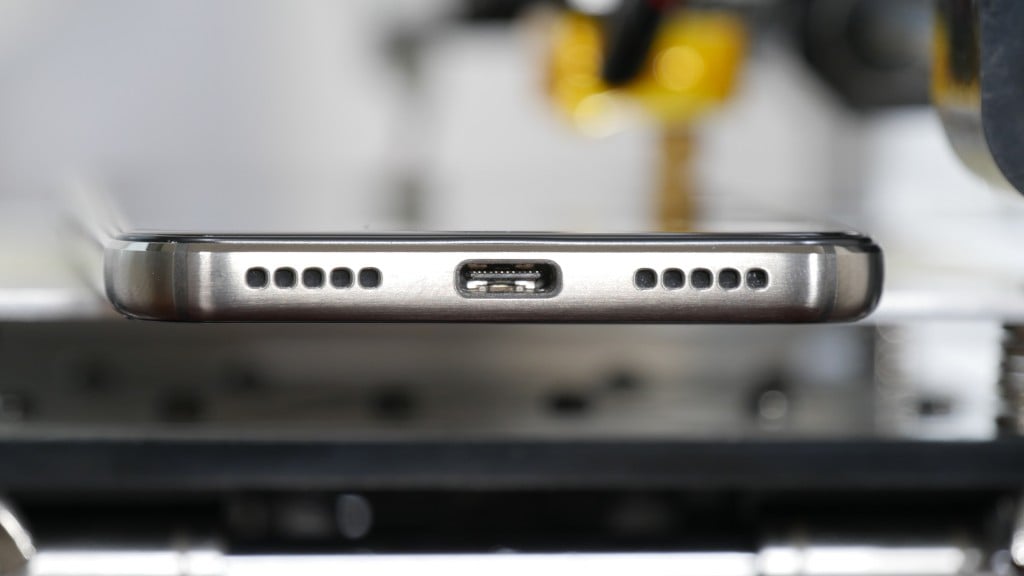
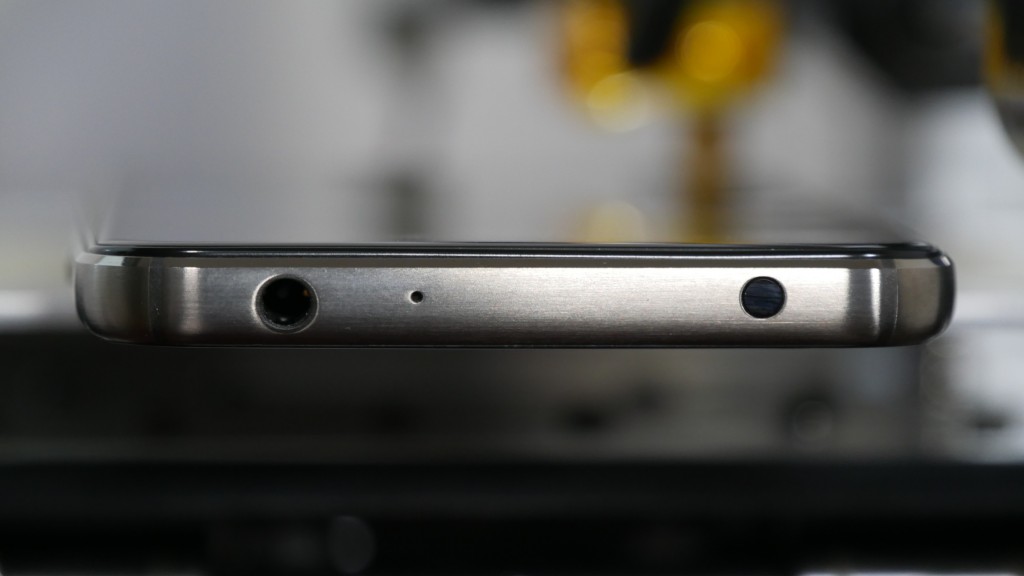
The phone is being advertised for the good sound but I would rate the loudspeaker quality as above average. Also, you will usually end up covering it up if you hold the phone in the landscape mode. The sound via the headset jack is great and I have no complaints here.
Gigaset Me Review: HARDWARE and PERFORMANCE
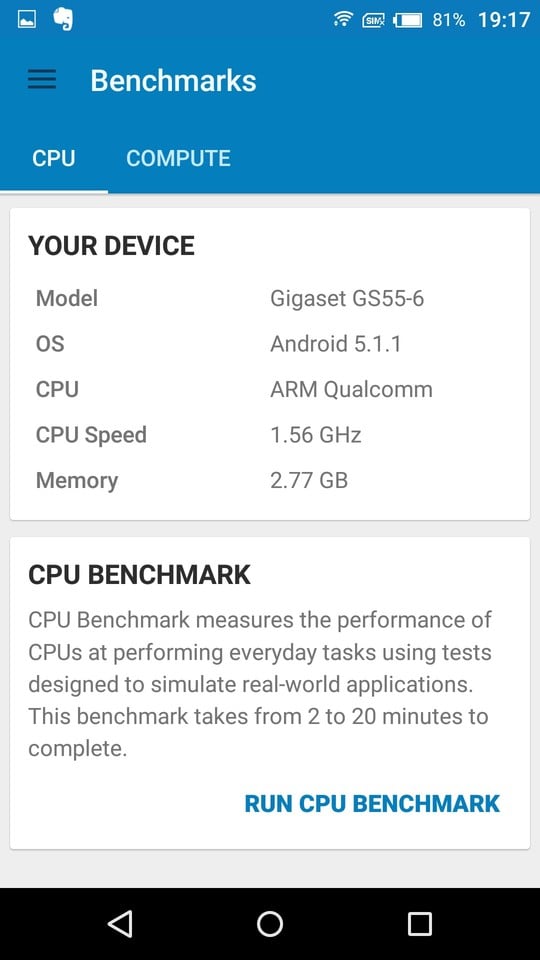
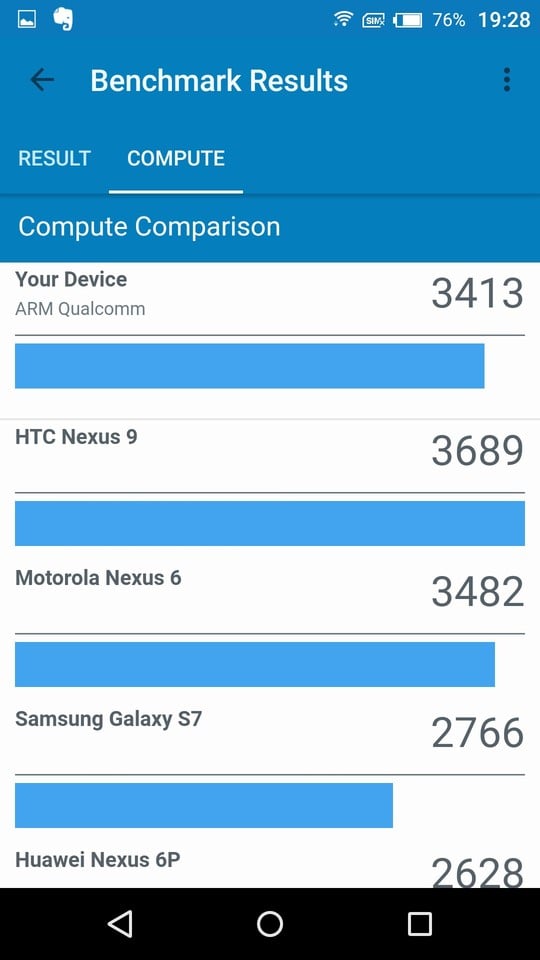
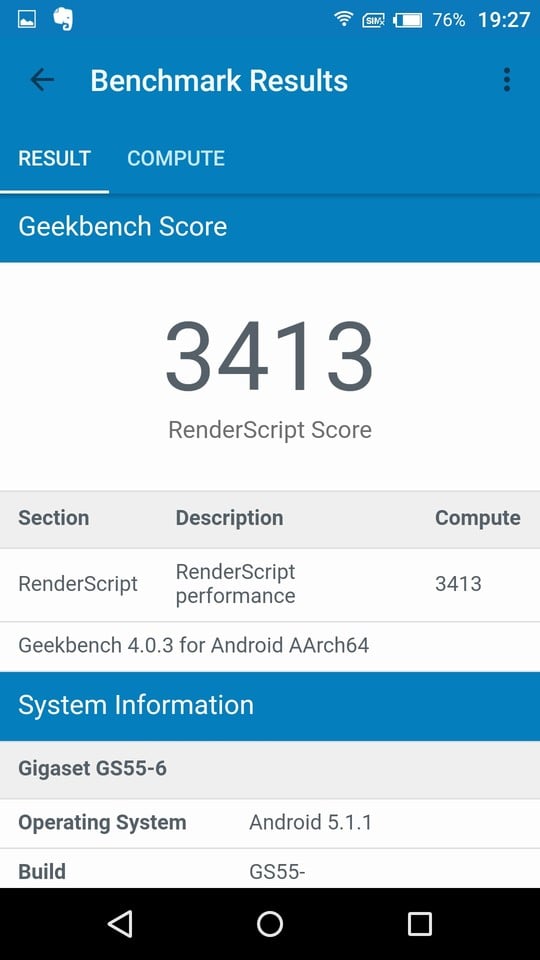
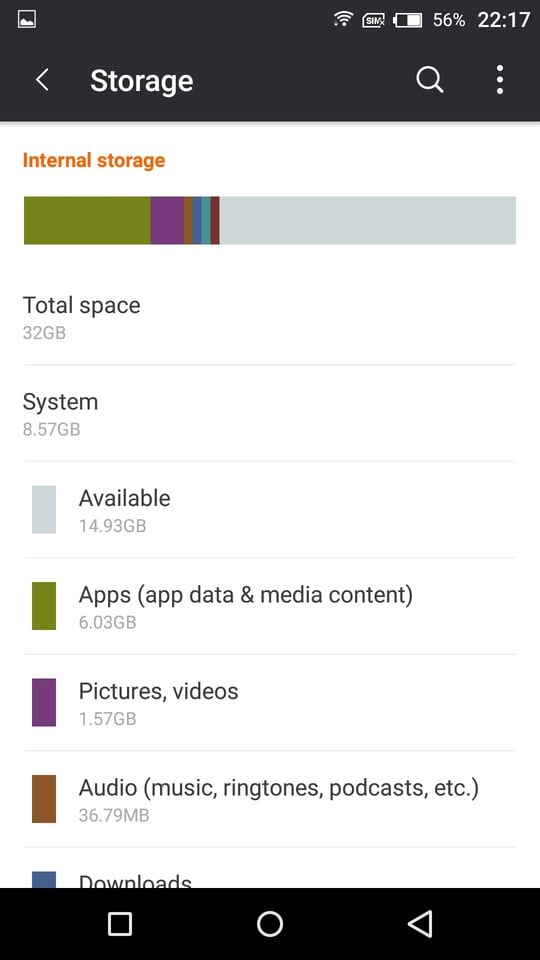
Since the Gigaset ME was released quite while ago, it sports a little outdated but still pretty good specs that include an octa-core Snapdragon 810 chip, 3GB of RAM and 32GB of expandable storage.
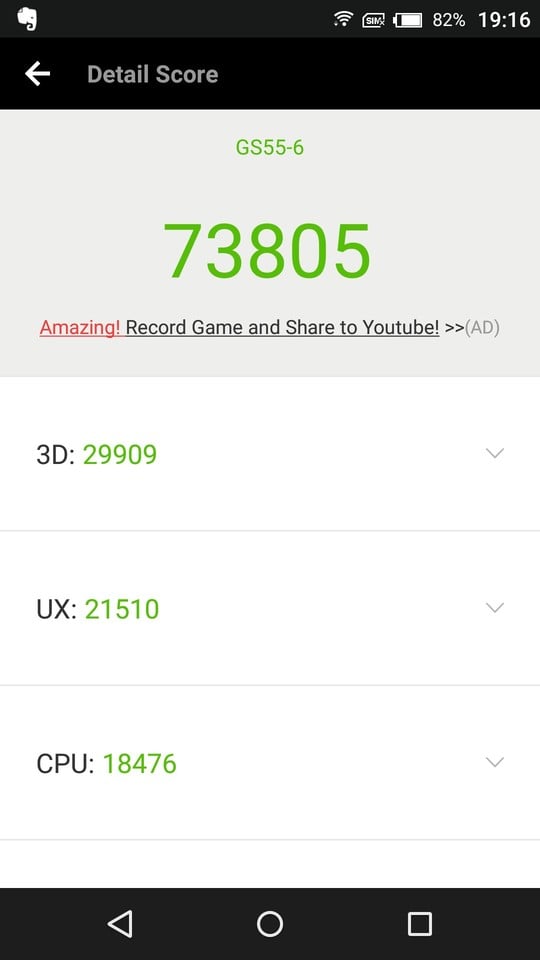
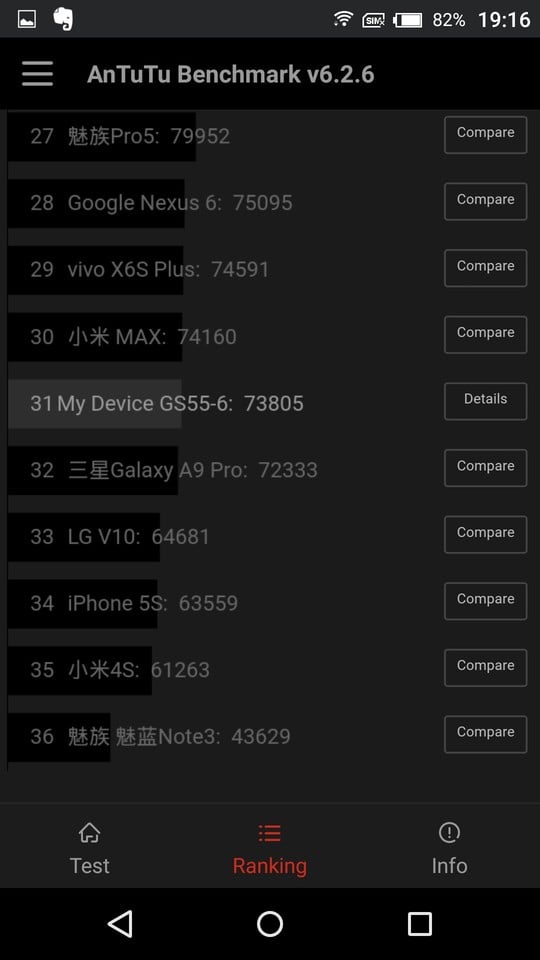
The Snapdragon 810 chip was used in the last year’s flagships for a reason. The phone can handle anything you throw at it without any issues. There is no stutter or skipped frames once you play the most demanding 3D games. Finally, the phone gets quite warm when gaming but it does not overheat.
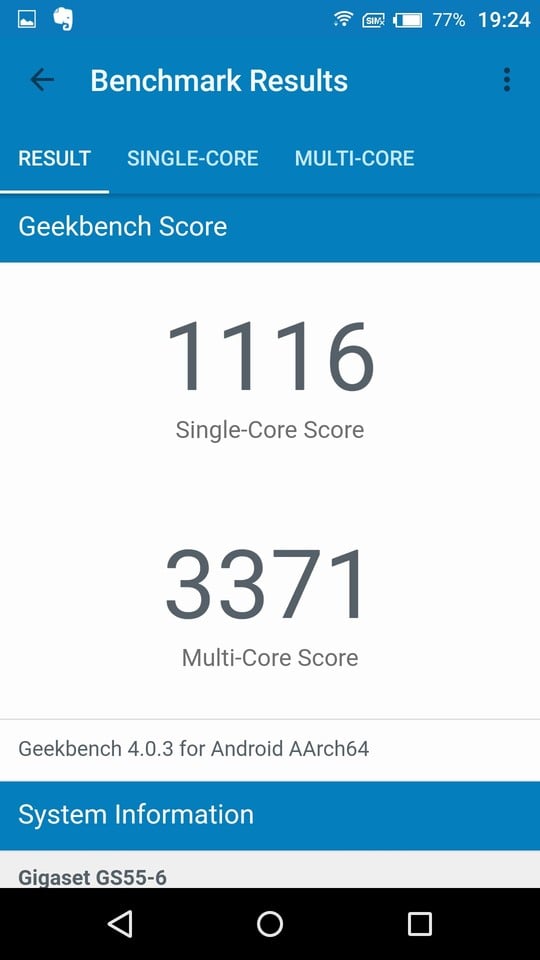
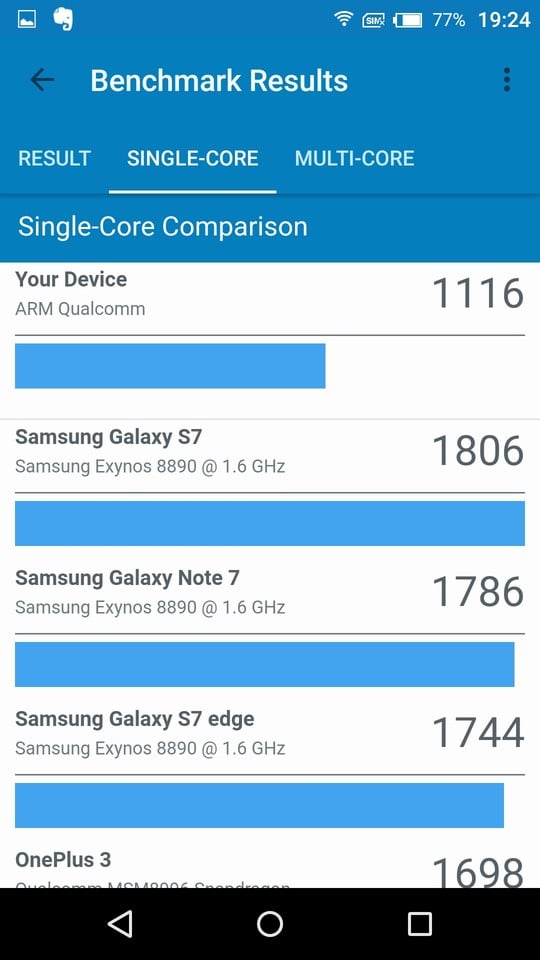
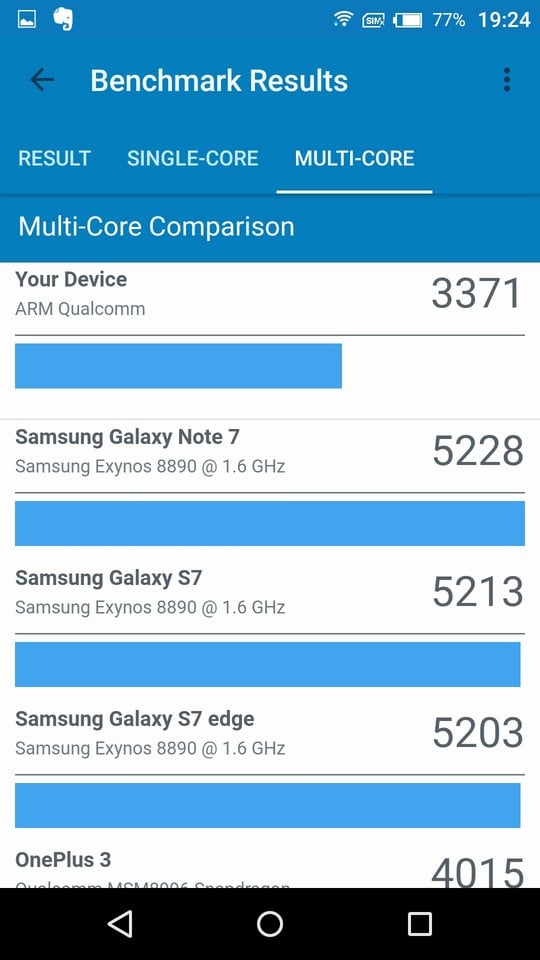
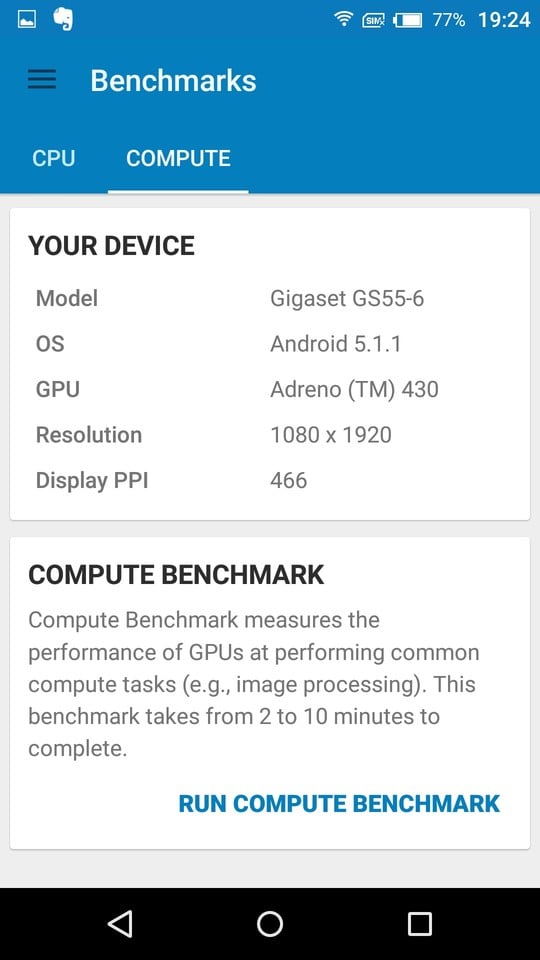
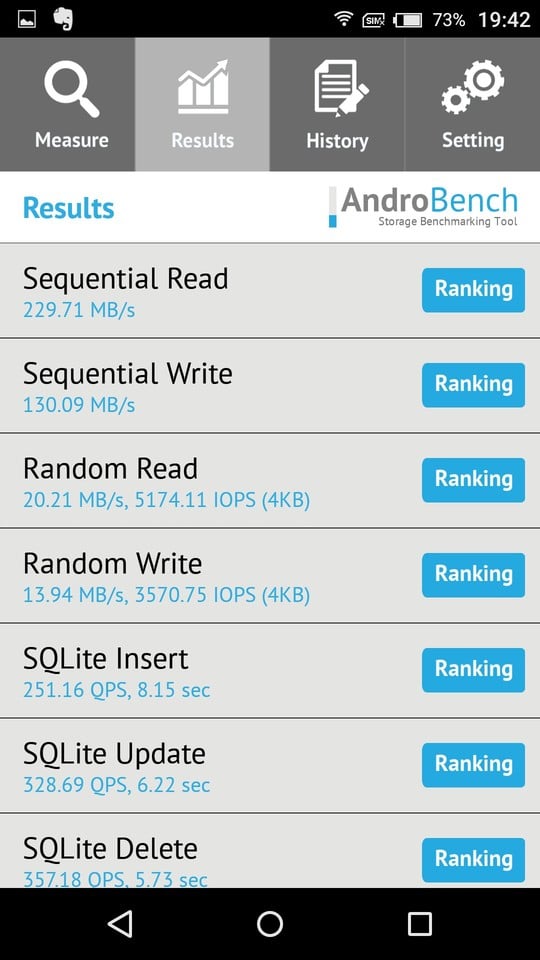
Gigaset Me Review: BENCHMARKS
Gigaset Me Review: USER INTERFACE
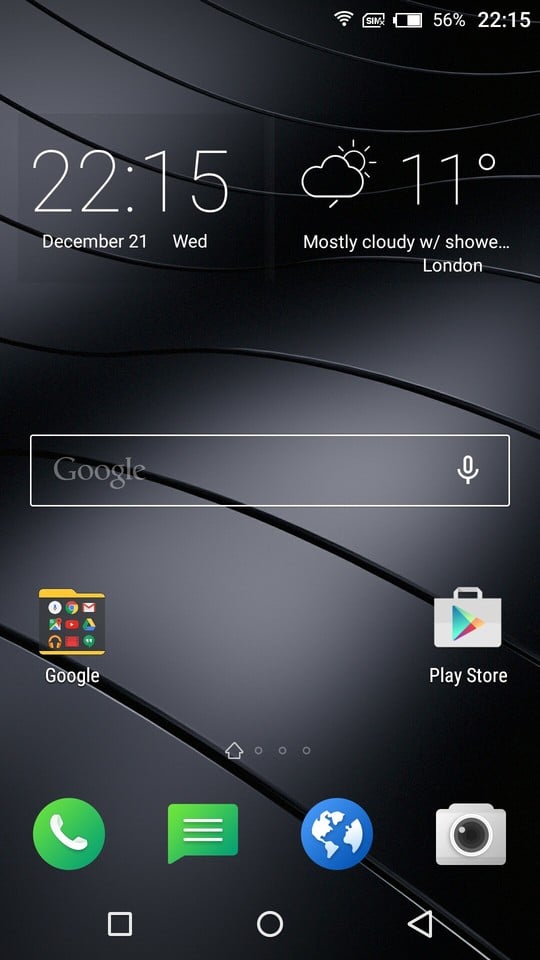
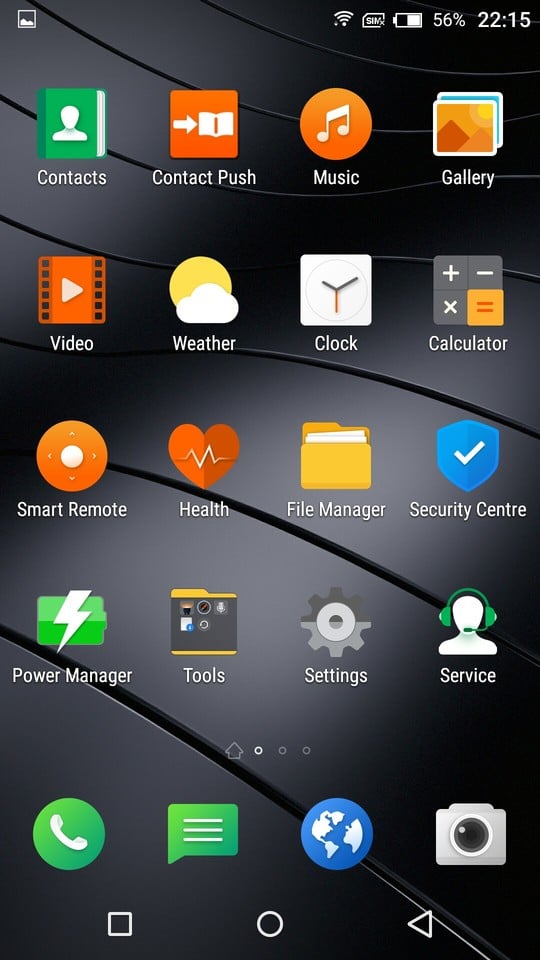
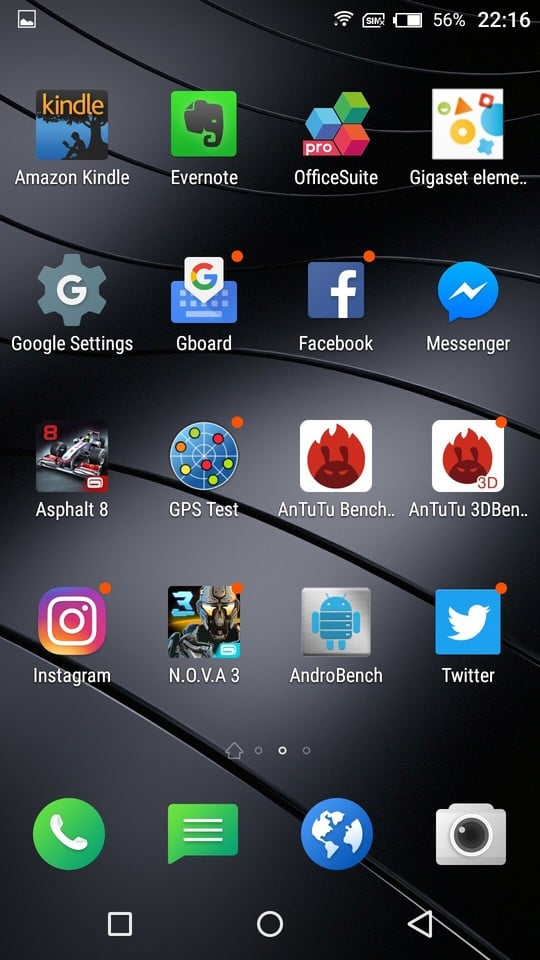
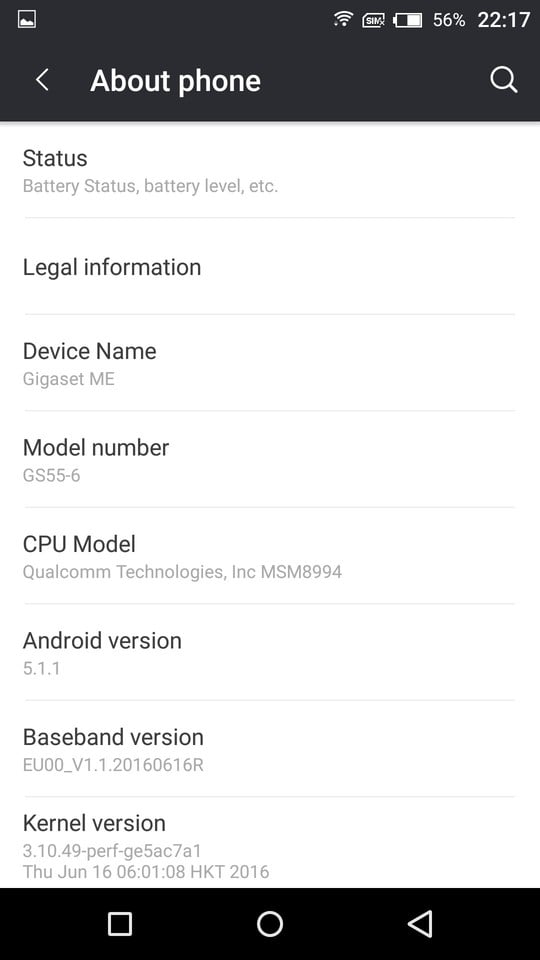
The phone runs on the outdated Android 5.1 with the Gigaset’s skin on top it.
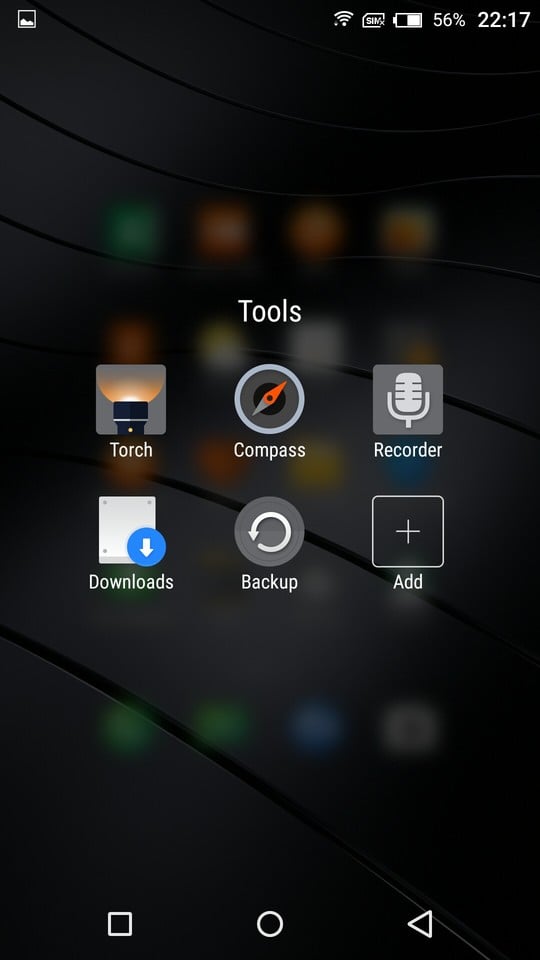
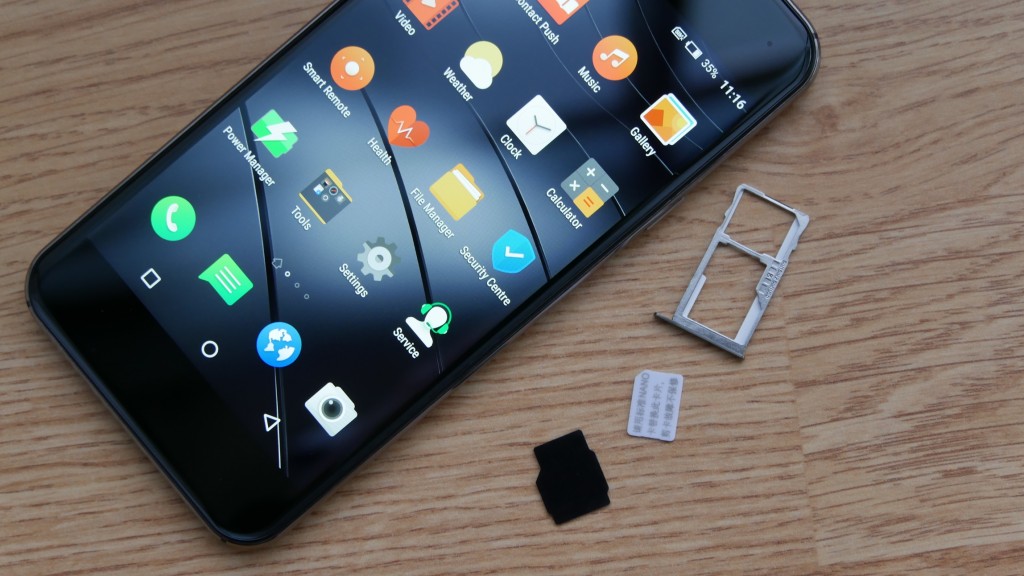
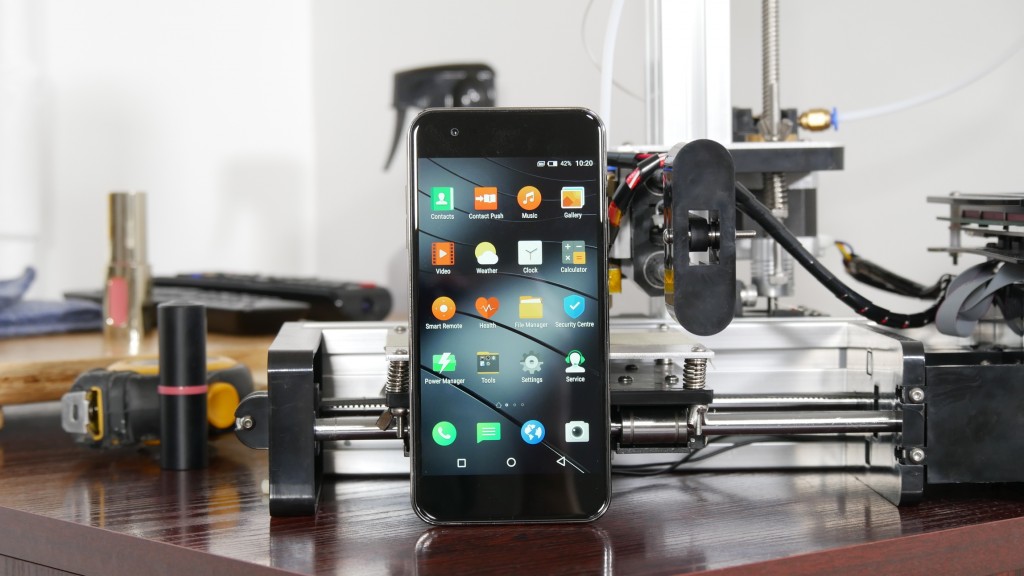
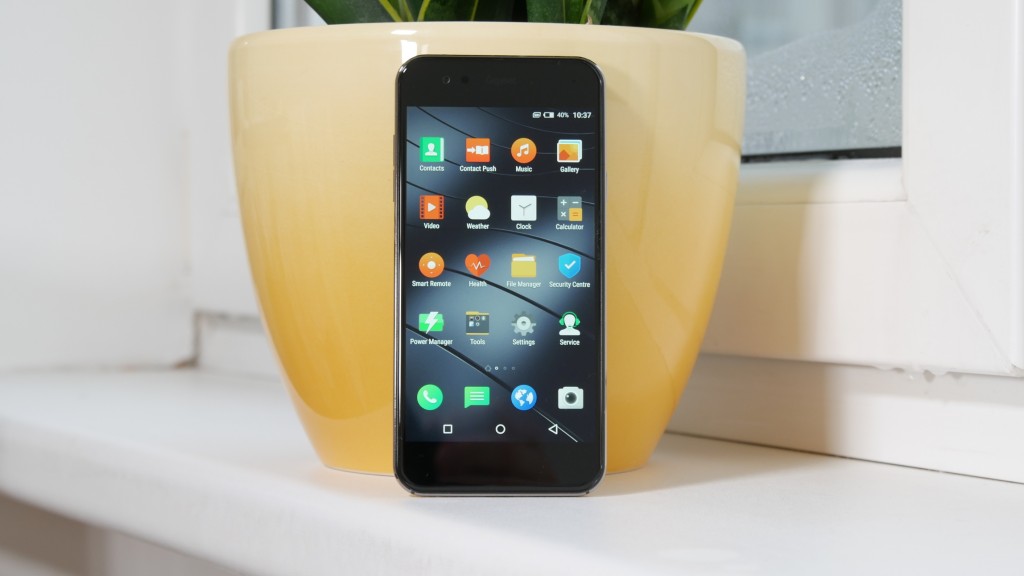
There are not too many features to talk about except for the fact that there are some redesigned icons and the app tray has been removed for some reason.
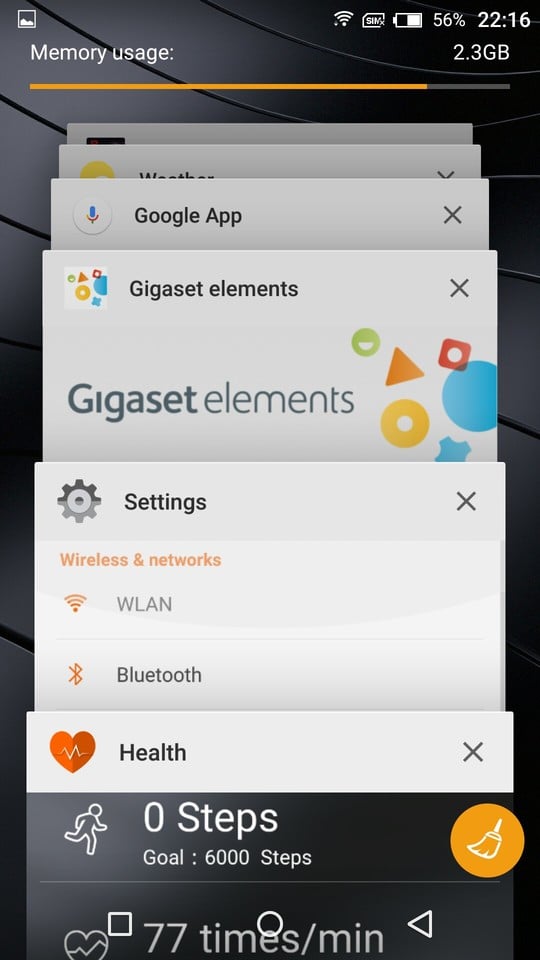
Most importantly, the UI runs fast and I didn’t have any stutter even after installing quite a few apps.
Gigaset Me Review: IMAGE QUALITY
IT IS HIGHLY-RECOMMENDED TO DOWNLOAD FULL RESOLUTION CAMERA SAMPLES TO SEE THE ACTUAL IMAGE QUALITY. THE PICTURES UPLOADED ON THE WEBSITE ARE 50% SMALLER IN RESOLUTION.
When it comes to the image quality, the Gigaset Me is definitely one of the best $150 camera phones you can buy. The images come out sharp, detailed and the color reproduction is accurate even though I took all the daylight pictures during the cloudy and foggy day.
The night photos don’t look that great but you will still be to take some usable images. Obviously, the pictures looks quite grainy buy my biggest complaint is a visible purple tint in most of the shots.
The selfies look kind of mediocre. All the images I took have quite a soft focus.
The phone can shoot videos at the resolution of 2k or 1080p. Either way, the quality of footage is just mediocre. My biggest complaint is a very poor sound recording quality.
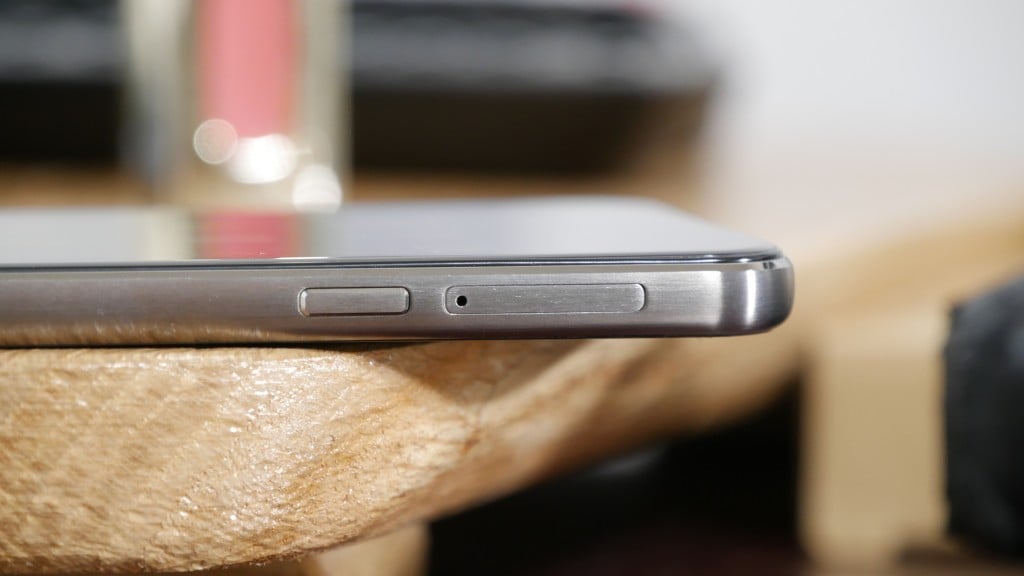
The phone ships with the hybrid SIM card tray where you can either put 2 nano SIM cards or a combo of 1 SIM and the microSD card.
I didn’t have any connectivity issues with this phone except for the fact that the sound quality from the earpiece is kind of mediocre.
Gigaset Me Review: BATTERY LIFE
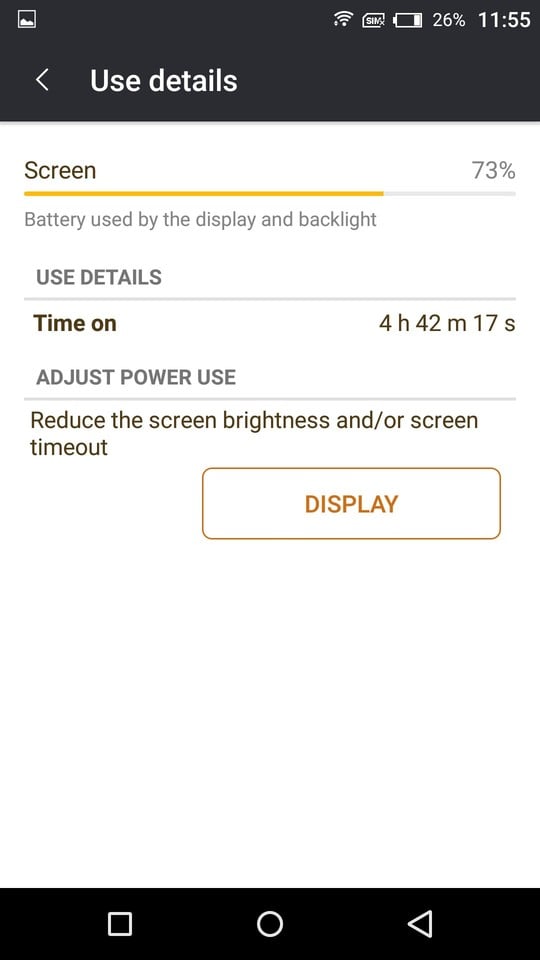
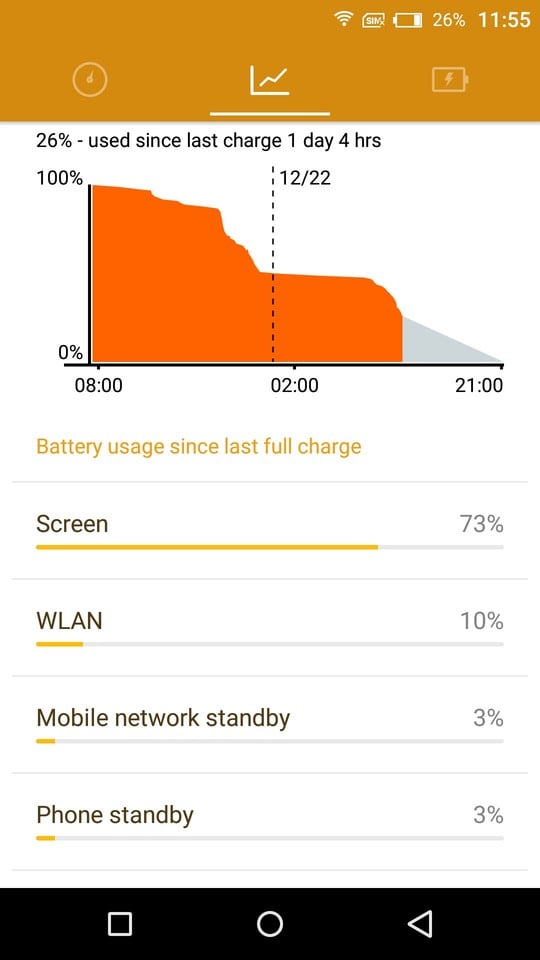
The 3000mAh battery performs great. It will easily get you through the day and that translates to about 5 hours of screen-on time on a mixed use.
Also, the phone supports the Quick Charge 2.0 and you can fully charge the phone in about 1h 30 mins.
Gigaset Me Review: CONCLUSIONS
So, there you have it, the Gigaset ME, the phone you’ve probably never considered buying.
Obviously, it was simply too expensive at the time of the release but for the current price of just $150, I think that it is a pretty good deal.
The phone looks and feels expensive, the display is pretty sharp and vibrant and the Gigaset Me has the specs that can still handle even the most demanding tasks like 3D games.
The camera can take some really nice and sharp pictures in daylight but it struggles in lower-lit situations. Also, the sound quality in the video recording mode is just horrible.
If you decide to buy this phone, you will probably be stuck with the Android 5.1. On the other hand, the day-to-day performance of the UI is good.
Still, the Gigaset ME is definitely worth $140 as it is a solid and nice-looking phone if you don’t mind the previously mentioned shortcomings and the fact that it will attract all the fingerprints and smudges once you use it.
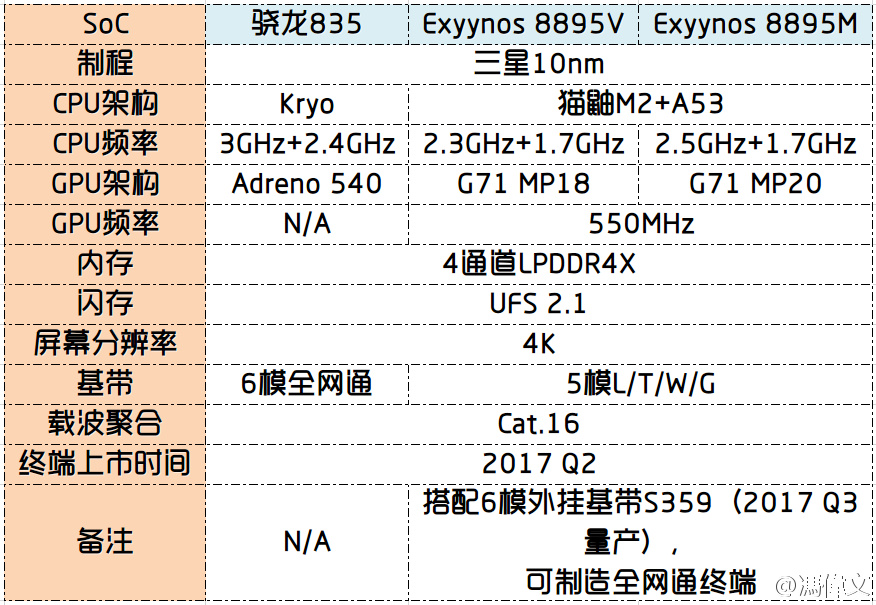
Samsung is known for making processors for companies like Apple and Qualcomm but it also manufactures its own ARM-based SoC under the Exynos line. Samsung is currently manufacturing the Snapdragon 835 for Qualcomm using its own 10nm FinFet process. It’s new chip, the Exynos 8895 is also based on the same 10nm process and more details of the upcoming processor have been released.
The Exynos 8895 will come in two variants – the Exynos 8895M and the Exynos 8895V. The differences between both chips are in the clock speeds and GPUs. The Exynos 8895M will be clocked at 2.5GHz and will use a G71 MP20 GPU, while the Exynos 8895V will be clocked at 2.3GHz and will sport a G71 MP18 GPU.
Both chips will use a combination of Mongoose M2 and Cortex A53 CPU architecture, and will have their GPUs clocked at 550MHz. The Exynos 8895 will have Cat. 12 LTE speeds, support 4K displays, and UFS 2.1 storage but sadly still won’t have CDMA support.
Qualcomm’s new chip is the Snapdragon 835 which will be the SoC present in flagships next year. The chip manufacturer tweeted yesterday that their ”Snapdragon 835 processor will come into focus at CES 2017”. Hinting that more details about the chip will be revealed during the 4-day event. We might not have to wait that long seeing as a new benchmark result for the new chip has surfaced.
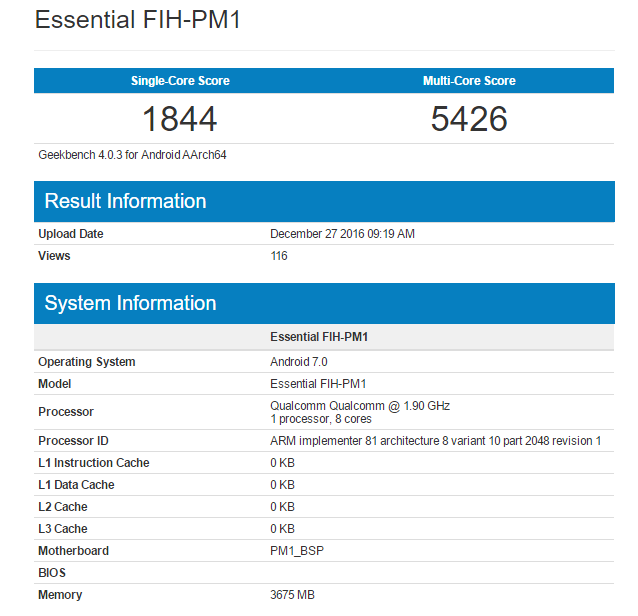
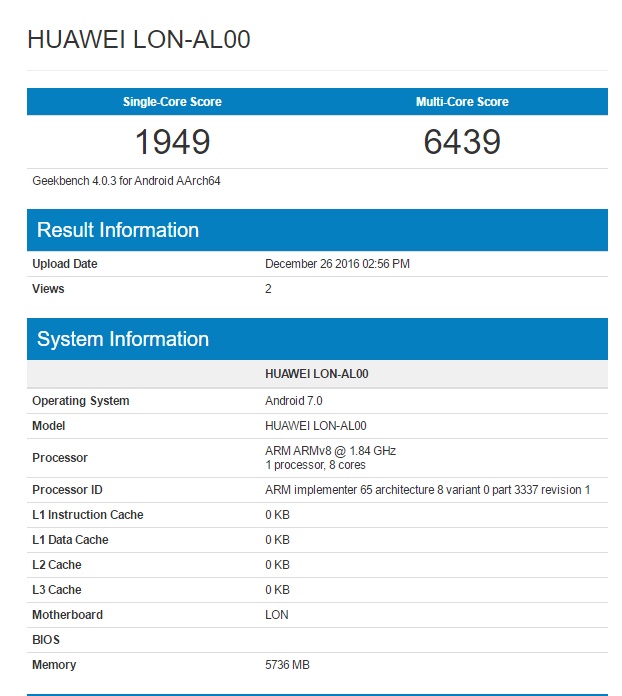
The new benchmark result is from popular benchmarking site, GeekBench. The device used for the test is listed as an ”Essential FIH-PM1” with 4GB of RAM and running Android Nougat 7.0. The device has a Qualcomm octa-core processor clocked at 1.95GHz. You might have noticed that the processor is not specified to be the Snapdragon 835 but the ARM 81 Implementer identification code is unique to the new processor.
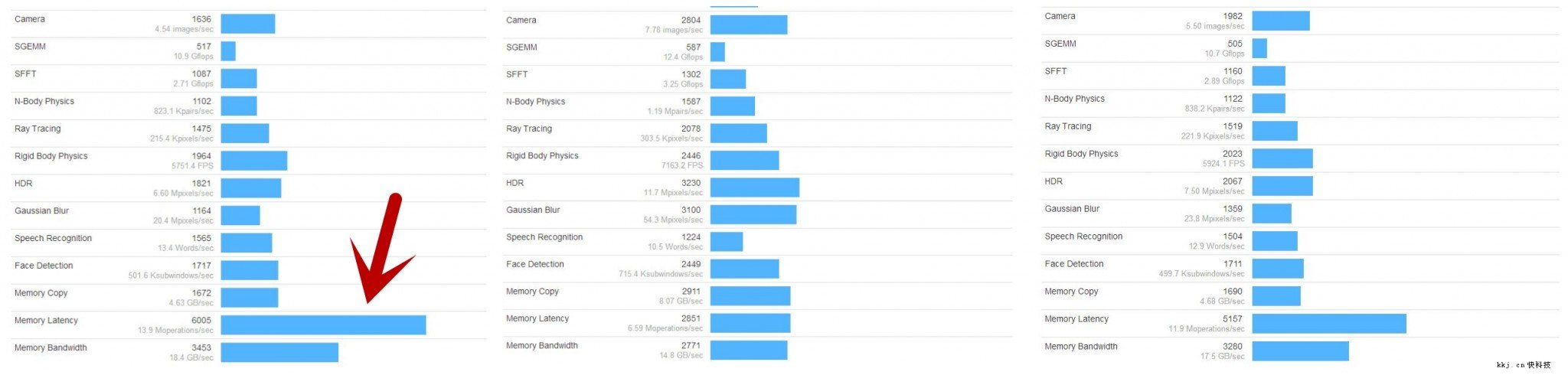
L-R: Snapdragon 835, Snapdragon 821, and Kirin 960
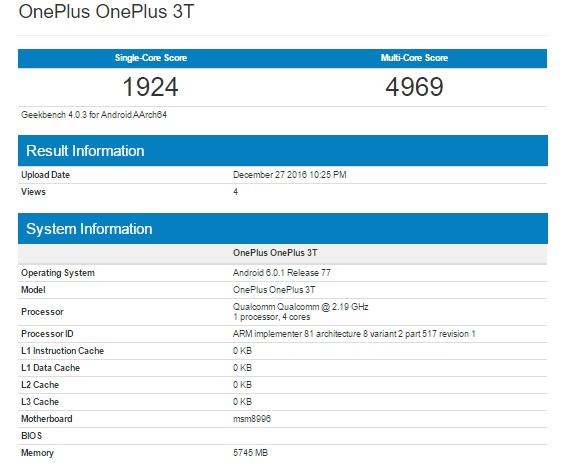
The result of the test shows that the device scored 1844 points in the single-core test and 5426 points in the multi-core test. Comparing the scores to that of the Onelus 3T (snapdragon 821) and Huawei Mate 9 (Kirin 960), they are far from impressive but a comparison of the breakdown of the multi-core performance test of all three devices shows the Snapdragon 835 scoring highest in memory latency and memory bandwidth.
Here at Gizmochina, we are always looking for interesting companies to share their stories with our readers. Although we haven’t been doing this on a regular basis, it is definitely something that we are looking forward to increase in the coming months. So, when we got the opportunity to talk to SpeedX, the most successful Crowdfunded Smart Bike on Kickstarter, it was an easy decision to dig deep into the company’s profile and story.
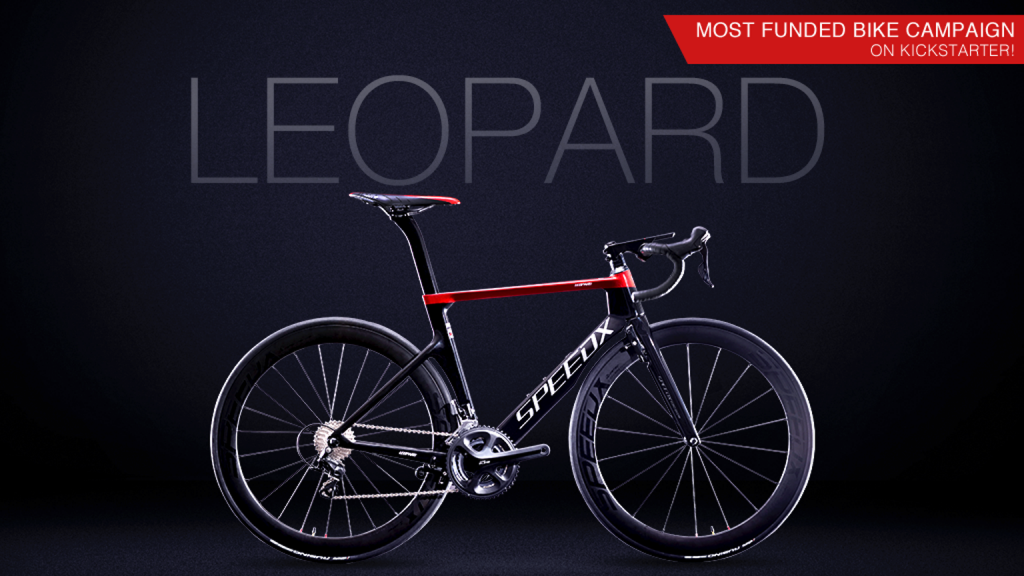
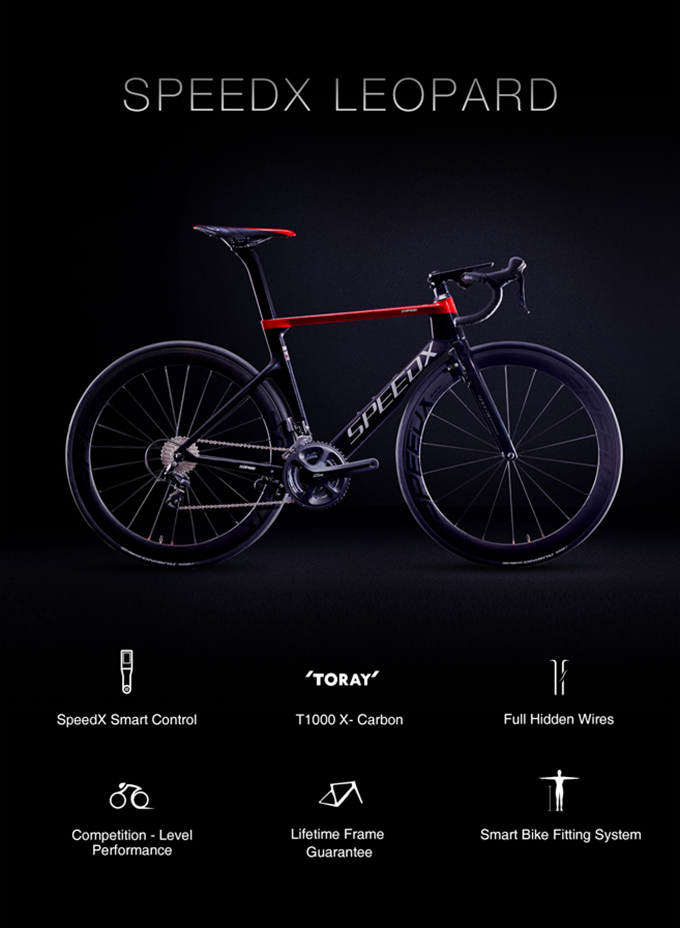
If you are a cyclist (Amateur or Pro), there is a very good chance that you might have already heard the name SpeedX. Founded by two friends with a drive for innovation, Tony Li and Jiayang Gao in December 2014, SpeedX is slowly but steadily changing the way we look at smart bicycles, making them cheaper than ever before. This is exactly why the company’s two smart bikes, the SpeedX Leopard and the SpeedX Leopard Pro turned out to be a huge success on the Kickstarter platform.
While you have heard of many success stories via Kickstarter, it is worth noting that nearly 65% of the projects on the platform fail! So, the ones that come out successful have a team that has worked countless hours preparing an amazing campaign that can be marketed to potential backers successfully. Talking to companies like SpeedX gives us useful insight on the team’s thought process, something that every budding company would be interested in.
So, how successful is SpeedX? Well, the company managed to raise $2,319,876 USD for their first set of smart bikes, the SpeedX Leopard and SpeedX Leopard Pro. 1251 backers supported the project raising this enormous amount, making it the most successful smart bike project on Kickstarter. This brings us to the big question — What Went Right With SpeedX?
1. A Great Idea Backed By A Ready Product
If we had to answer why SpeedX’s campaign was successful in one word, then it would be “Preparation”
‘preparation in crowdfunding is quite essential,’ Raggy Lau, the head of overseas marketing of SpeedX said, ‘we didn’t let excitement get the better of us and after the campaign, we focus on what backers can really get and realized our thoughts which is quite essential to continue the business.’
The company had a great idea as well as a ready product. The latter is one of the most important requirements for a crowdfunding to be successful, as often there are campaigns that make huge promises but fail to deliver them in reality due to multiple constraints.
2. Right Balance Between Price & Performance
SpeedX had to make sure that its Leopard and Leopard Pro bikes offered the best value for performance to be successful among customers. So, it priced the SpeedX Leopard at $1499 and Leopard Pro at $2499, bringing advanced technology at relatively affordable prices. Other established companies in the industry charge much higher premium for similar tech, which is why it was important for SpeedX to price these two bikes aggressively.
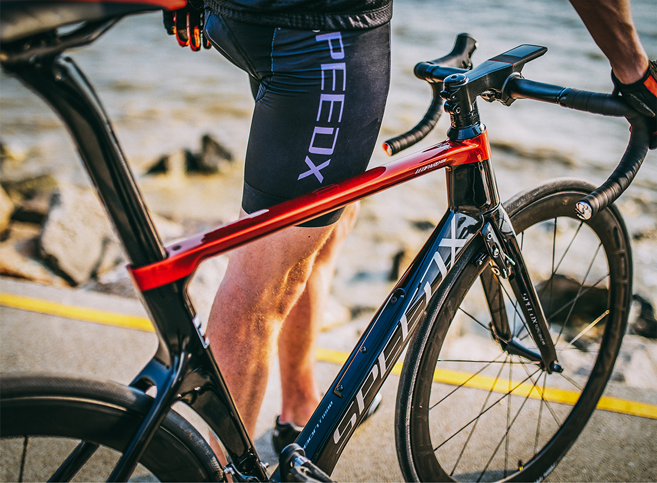
The SpeedX Leopard and Leopard Pro ‘smart’ road bikes featured composite frames with full internal cable routing, full Shimano drivetrains, carbon wheels, and a variation of the SpeedForce stem, called ‘Smart Control’. The Leopard featured Shimano 105 groupset while the Leopard Pro came with the Ultegra Di2 groupset.
3. Getting Essential Feedback From Backers & Making Changes
Crowdfunding is not just an amazing platform to raise money for an innovative product, but also an essential tool to understand the market reaction before physically launching the product. Quite often companies misjudge the demand for a product, but that usually won’t happen with crowdfunded projects because companies get direct feedback for their product from backers.
Getting feedback from backers is just one part, but listening to their comments and actually incorporating essential changes is even more important. So, SpeedX reveals that its backers are not just customers, but also business partners. The company gives supreme importance to the voice of their backers by listening to their feedback via platforms such as Twitter and Facebook and reflecting on them.
4. Expert Logistics
Converting an idea into reality is not an easy process. We often see Kickstarter projects fail to deliver products to their backers on time, and there could be multiple delays in the process. This is exactly why planning the logistics is extremely important. SpeedX revealed to us that they have their own factory for manufacturing the two bikes, making sure that there was minimum delay in delivering their promises.
In this regard, SpeedX has made sure that along with a young crowd, the company also has guidance from industry experts. The company currently has got the General Manager of UCC, Wu (Tony) Yamou, taking care of the global distribution channel. Also, in the SpeedX owned factory, Li Shiqin, with years of experience management in well-known bicycle factory, is taking charge of the manufacturing.
5. Keeping Up With Promised Schedules
This is where most crowdfunded companies disappoint. Even SpeedX faced issues in supply chain due to lack of experience as it couldn’t deliver bikes to every backer by the promised August deadline. But the company reveals that it has sent out bikes to 75% of the backers and it aims to deliver 100% orders before the end of December.
6. Feedback from Customers
Once the product is delivered, a backer converts into a customer and SpeedX has said that it is keeping a track of the positive as well as negative comments from its customers. SpeedX is happy to reveal that customers are happy with the product especially because of its simple and elegant design. But being a first product, there are going to be some issues. The company has found the following issues common among the customers.
Missing perks( could be improved by better shipping inspection)
Scratching on the bike (packaging improvement)
Sensibility of shift gears (shipping inspection)
Connection issue between the cycling computer and cellphone ( software upgrading)
This should give you a basic idea as to what goes behind a successfully crowdfunded company. But a company cannot stop at one product and has to keep innovating to spread its wings far and wide. And thanks to the new rounds of investments (total 4 after the recent Series B financing) including:
Angel investment from Xu Xiaoping, who is founder of ZhenFund (around US$1 million)
Series A investment from Kai-Fu Lee (Innovation Works) (around US$8 million)
Series A+ financing (around US$4.5 million)
Series B financing (around US$22million)
So the total is around US$36 million!
Using the new Series B financing, SpeedX has come up with another interesting product, a road bike called SpeedX Unicorn which will be unveiled at CES 2017.
Unicorn will be on display at CES Unveiled – part of the International Consumer Electronics Show – on 3rd January and you can catch a first glimpse at CES, which runs from 5th to 9th January in Las Vegas. Visit SpeedX at CES, booth 45021.
Definitely an interesting company and if you want to read more, you can check out speedx.com.
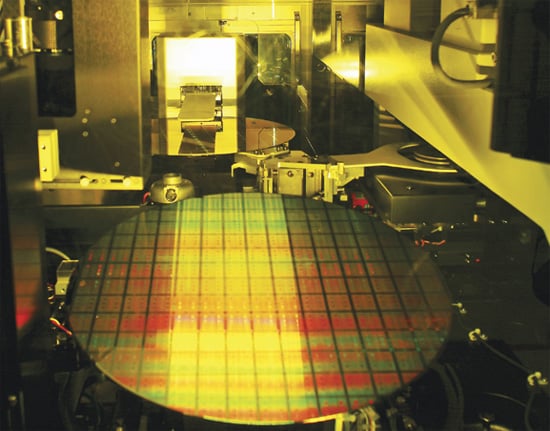
Taiwan Semiconductor Manufacturing Co. (TSMC) has got a whole lot of orders for its 10nm chip on its hands. The company is said to have received orders from Apple, Huawei’s Hisilicon and Mediatek and recent reports from Taiwan had hinted at a low production rate which could affect the timely delivery of these orders. But in a swift reaction, the company has come out to dismiss that report as false.
This was made known by Elizabeth Sun, senior director of Corporate Communications at TSMC. She hinted that its 10nm chip is on schedule and is projected to contribute to sales revenue for the first time in the first quarter of 2017. She revealed that the company’s 10nm node process will account for about one percent of TSMC’s overall revenue in Q1 2017.
This, no doubt, should be cheering news for Meizu fans who would now look forward to an early release date for the expected Meizu MX7 which would come with the Helio X30 10nm chip. Huawei is also said to use TSMC’s 10nm process in the production of its Kirin 970 chip which is also expected in Q2 2017. Apple is also expected to use the TSMC 10nm node process on its A11 chip and that for now is likely TSMC’s topmost priority at the moment. We are still yet to get official words from Samsung confirming or debunking rumors that its Foundry is experiencing delays in delivering Qualcomm’s orders for its 10nm nodes mean’t for the Snapdragon 835.
Huawei shipped well over 100 million smartphones globally, setting a record for the largest shipment by any of the over 300 of China’s phone manufacturers. As a follow up to that successful outing, the company did set a goal of 140 million smartphone shipment for 2016. There are indications that the tech giant has achieved that feat and the year isn’t even over yet.
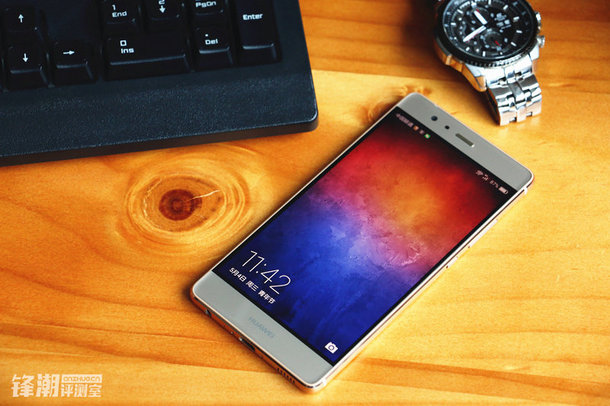
Huawei’s Senior Vice President made this disclosure in an interview recently. Topping the chat among Huawei’s models is the Huawei P9 which was released in April this year. The P9 shipments exceeded 9 million units worldwide as at November 4 and the company expects the P9’s sales life cycle to reach 12 million units in total. The Huawei Mate 8 was also revealed to have sold 7 million units.
The Huawei VP had predicted at the IFA Berlin 2016 that the company is projecting to surpass Apple as the world’s second largest phone manufacturer in 2018, two years from now. If the Chinese company keeps up this current pace, it may as well over run Apple even before 2018. The tech company has got a lot of innovative smartphones like the Mate 9, Mate 9 Pro, Mate 9 Porsche Design that could enable it make in road into high-end market.
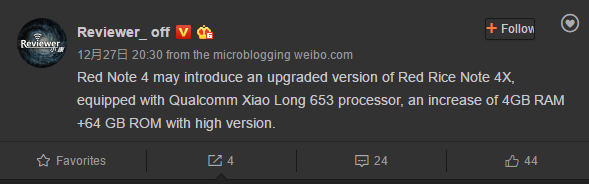
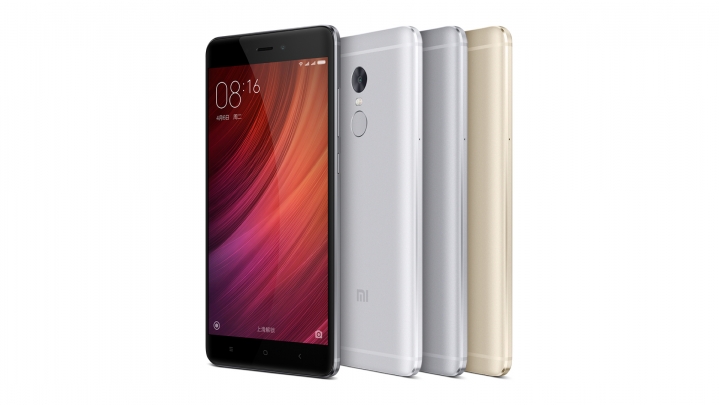
Xiaomi has recently launched two new color editions of Redmi Note 4. Fresh rumors suggest that the Chinese company is now working on a beefed-up edition of Redmi Note 4.
The Redmi Note 4 was announced in August this year in China. The Xiaomi smartphone features MediaTek MT6797 Helio X20 chipset under its hood. Well-known leakster from China, Reviewer has revealed on Weibo that the Redmi Note 4X may arrive as an upgraded version of Redmi Note 4.
Redmi Note 4X Key Specs
The leakster has also revealed its key specs. The rumored device is expected to be powered by Snapdragon 653 chipset. It is pegged to arrive with 4 GB of RAM and 64 GB of RAM.
The Redmi Note 4 is currently available for purchase in China. The Standard version of the phone that is priced at 899 Yuan ($129) features 2 GB of RAM and 16 GB of storage. The High edition of Redmi Note 4 costs 1,199 Yuan ($172). It features 3 GB of RAM and 64 GB of native storage.
Rumors have it that the Redmi Note 4X with 4 GB of RAM and native storage 64 GB will arrive as a rival product for Meizu M5 Note highest configuration model that features 4 GB of RAM and 64 GB of storage.
As far as design is concerned, the Redmi Note 4X may not sport the chassis that is available on Note 4. Like Note 4, the Note 4X may feature 5.5-inch full HD display, Android 6.0 Marshmallow OS with MIUI 8.0, 13-megapixel rear camera, 5-megapixel selfie camera and 4,100 mAh battery.
The Meizu M5 Note comes with a USB Type-C port, a feature that is absent on Redmi Note 4. There is no confirmation on whether the Note 4X would feature a USB Type-C port.
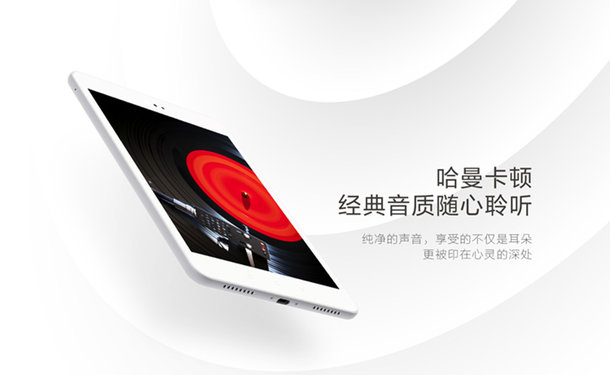
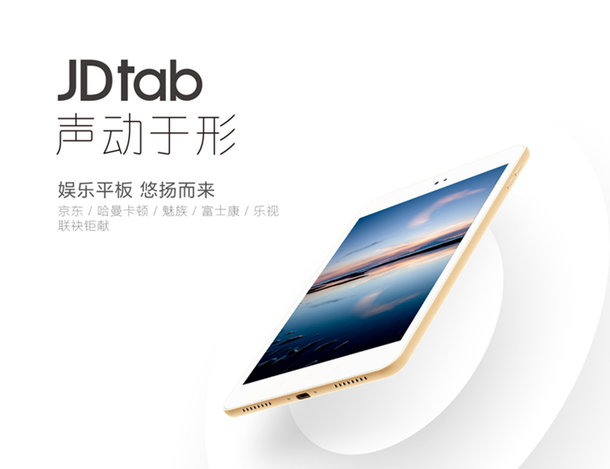
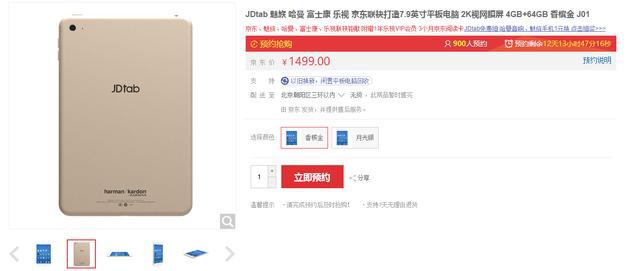
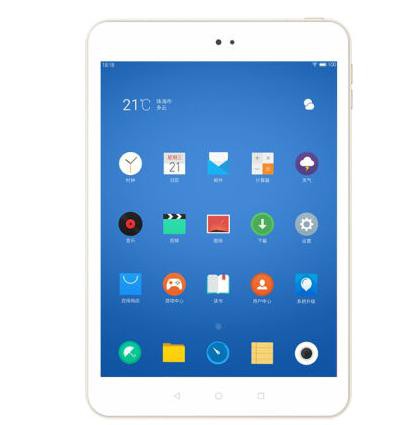
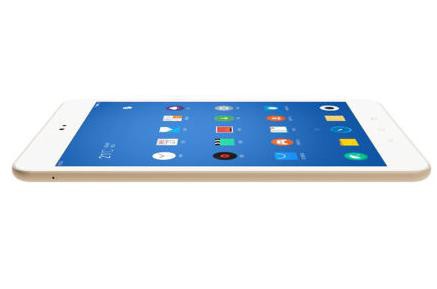
The tablet market seems to be getting edged out by large display sporting smartphones but that has not stopped China’s e-commerce outfit, Jingdong (JD.com) from making its own attempt at producing tablets. Jingdong has officially launched a new tablet called JDtab and it is even up for grabs already on Jingdong mall were reservations have commenced.
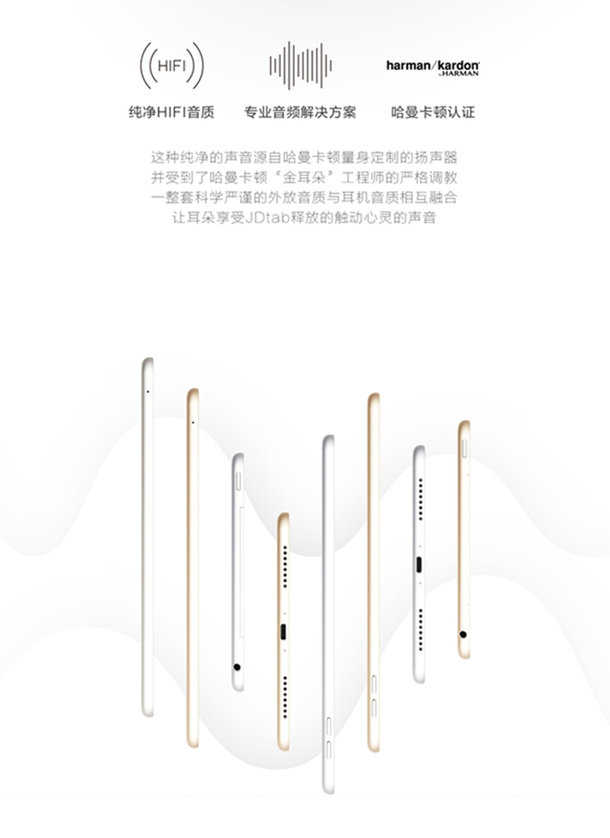
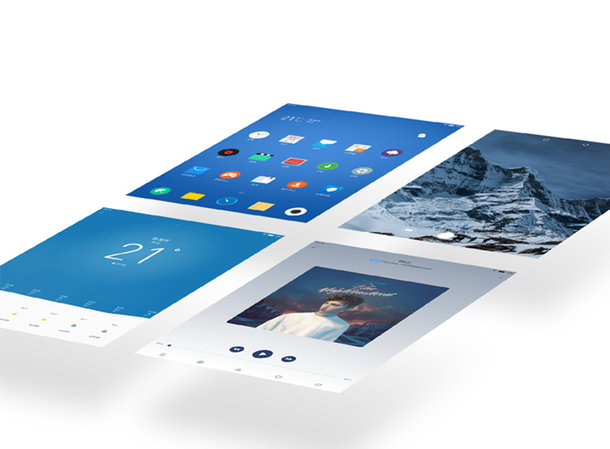
The JDtab is said to be the product of a collaboration between Jingdong, Meizu, Harman Kardon, Foxconn and LeEco. The tablet comes with a very surprising specs lineup that tend to push it away from the mid-budget category even though it carries a mid-budget price tag. The most outstanding features should be the Meizu Flyme OS and built-in Harman Kardon audio speakers it packs.
Specifications & Hardwares
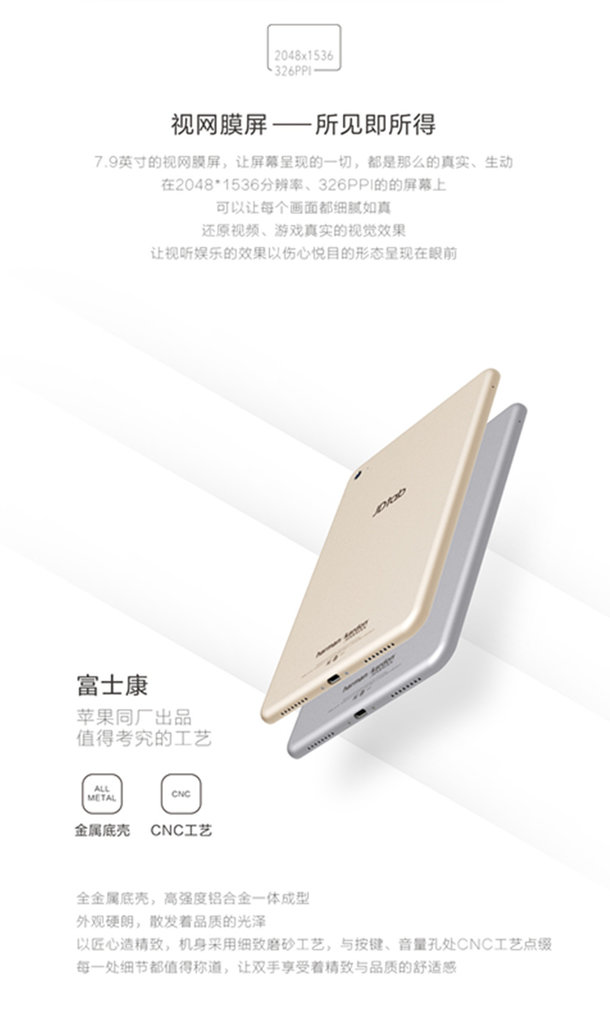
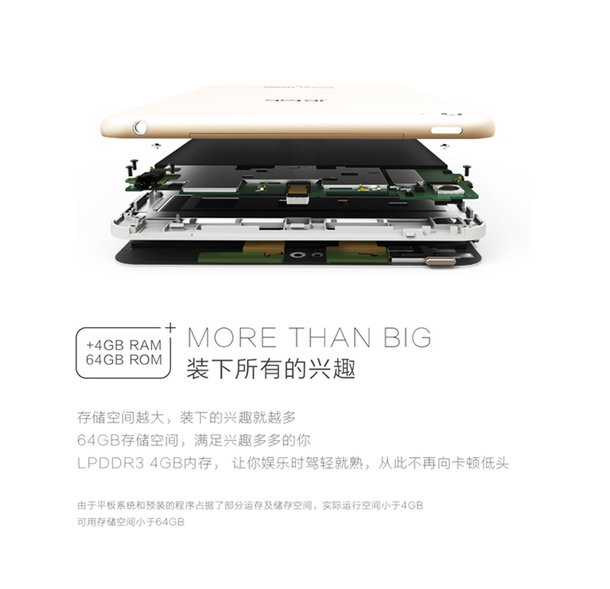
JDtab comes with an all-metal body made of high strength aluminum manufactured using CNC process. Foxconn did the manfacturing so the design of the Jingdong tablet, though simple but it comes out sleek. The tablet also comes with custom Harman Kardon audio speakers which supports Hi-Hi sound quality.
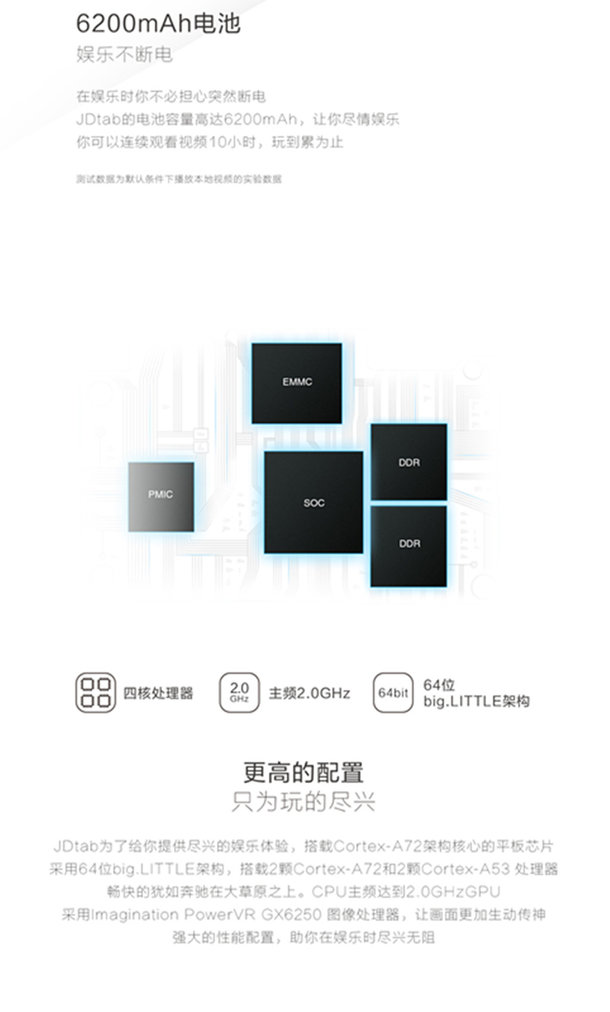
The tablet sports a 7.85-inch display with a resolution of 2048 x 1536 pixels and 325ppi. The sleek tablet is equipped with a 2GHz quad-core processor but the model name is not known presently. The memory on the tablet is combination of 4GB RAM and 64GB of storage.
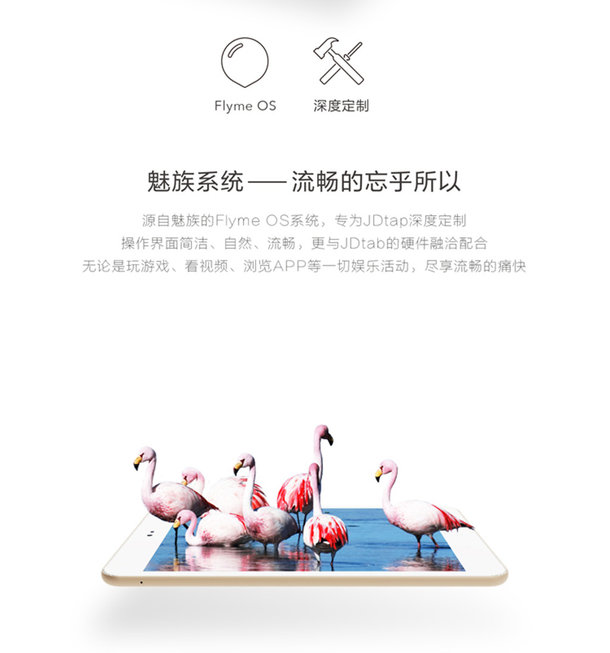
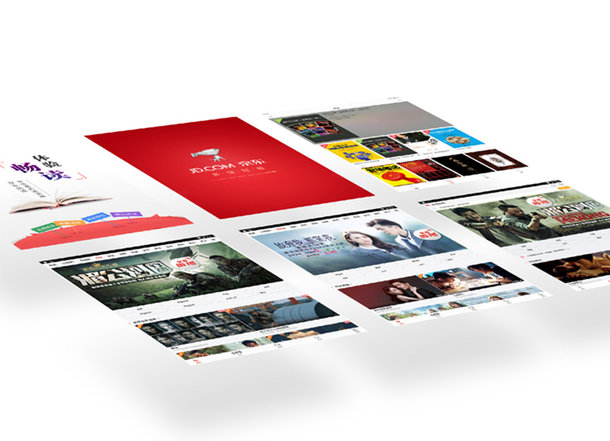
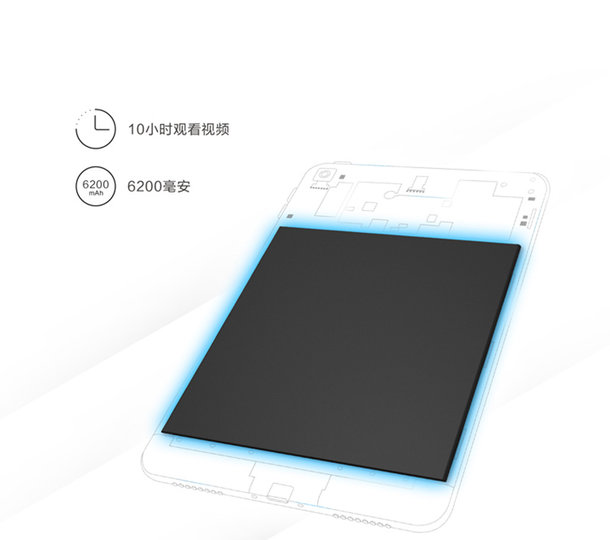
On the camera end, there is a cool 8MP rear camera sensor with LED flash and up front, the JDtab packs a 5MP front-facing camera for decent looking selfies. There is also a large 6200mAh battery crammed under the hood. The tablet also comes with LeEco’s music/video services with free VIP membership for 1 year. And on the software aspect, it runs on Meizu Flyme OS which is based on Android OS.
Pricing
Despite its rich specs lineup, the JDtab carries a modest price tag of 1499 yuan ($215) and is up for pre-orders already on Jingdong Mall.
LG G5 with its modular design and accessories failed to impress buyers. Now, fresh LG G6 3D renders suggest that the LG G6 will not be featuring a modular design.
Well-known leakster, @OnLeaks, has revealed a new set of LG G6 3D renders. The LG G6 render video has been created on the basis of factory CAD images. The leaked renders clearly indicate that the LG G6 will be lacking modular design.
The LG G5 did not attract many buyers mainly because of its hefty price tag. Moreover, customers had to spend additional money to buy different accessories for it. Since the LG G5 is dubbed as a failure by the critics, the South Korean company may not want to commit the same mistake again this year.
Recent rumors have hinted that the LG G6 would be adopting a water-resistant chassis made up of metal and glass. It may not feature a removable battery.
LG G6 Rumors: Specifications, Features
The LG G6 is expected to sport a flat 5.3-inch quad HD display. Like major flagships of 2017, the G6 is also pegged to be powered by Snapdragon 835 SoC. The SoC would be supported by 6 GB of RAM.
The smartphone would be equipped with dual camera system enabled with dual-LED flash on its rear panel. It will come with support for Bokeh effect. The rear panel will house a fingerprint reader that may double up as a power button.
The bottom side of the smartphone may house a USB Type-C and the topside is expected to feature a 3.5 mm audio jack. It may carry support for wireless charging. For added security, it may also include an iris scanner.
The LG G series flagships are one of the major rivals of Samsung’s Galaxy S series flagships. In the past years, Galaxy S series smartphones have always launched earlier than LG G series phones.
The LG G5 that was unveiled in February this year was available for purchase in April in the U.S. However, it seems that the LG G6 would be available for purchase earlier than Galaxy S8.
LG is expected to announce the LG G6 flagship at Mobile World Congress (MWC) 2017 in February and make it available for buying soon after its launch. Rumors have it that the Samsung Galaxy S8 release date has been pushed to April which indicates LG G6 would be available in the market one month prior to S8.
Apparently in a strategic move aimed at leveraging on its large follower-ship in order to boost its withering financial status, Xiaomi has announced the setting up of a bank in the Sichuan province of China. The smartphone giant’s subsidiary Sichuan Yinmi Technology Co., Ltd entered a partnership with some other enterprises based in the province to float a bank back in June and indeed got approval from the China Banking Regulatory Commission.
The Xiaomi Sichuan private bank will focus on serving individual consumers, small and medium-sized companies, as well as those engaged in the agricultural sector. One of the major investors is New Hope Group, China’s largest animal-feed producer and it holds a 30 percent stake in the company while Xiaomi controls a 29.5% stake via its subsidiary.
The business strategy seems to be tied around relying on New Hope’s sprawling agricultural presence and Xiaomi’s roughly 200 million users, which would enable the Xiaomi Sichuan private bank offer better financial services.
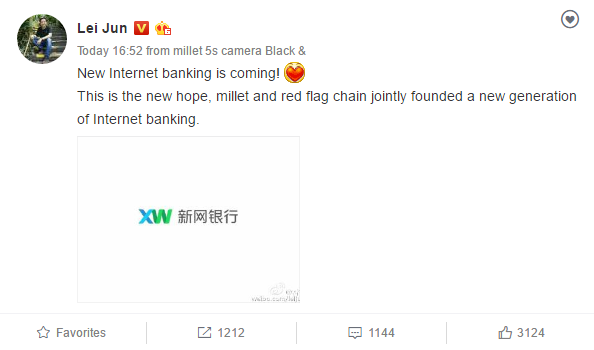
According to a recent Weibo post by Xiaomi’s CEO Lei Jun, the joint venture bank will also offer internet banking services. This could give Xiaomi an edge over its rival in the ever increasing race to offer online financial payment services by China’s mobile phone companies. Xiaomi recently launched the Xiaomi Wallet, an internet money-market fund service and is working on its Mi Pay, a payment platform with a wide range of services.The six-year old innovative start up is also said to be building an ecosystem where internet financial services will play a key role in connecting partners and sustaining users. Internet heavyweight – Alibaba also has its own payment platform – AliPay as well as Tencent with its own TenPay.
Already the bank has got its key officials in place and a board has been put in place with them having their inaugural meeting. This no doubt marks the beginning of a new direction of internet banking. Lei Jun also hints that the bank will be opening its doors to customers soon.
All the big names in the smartphone industry are already queuing up for Qualcomm’s new 10nm chip, the Snapdragon 835. However, it has been reported that production for the new chip is slow, leading a number of manufacturers to push the release dates of their devices forward. Earlier, reports saying Xiaomi had pushed the launch of the Mi 6 to April surfaced online but an analyst has disputed the statement.
Posting on Weibo earlier today, Kevin Wang Diary says that even though the available supply for the Snapdragon 835 is small, it wouldn’t result in the Xiaomi Mi 6 being pushed to a date that late, as Xiaomi has started receiving its own stock of the new chip.
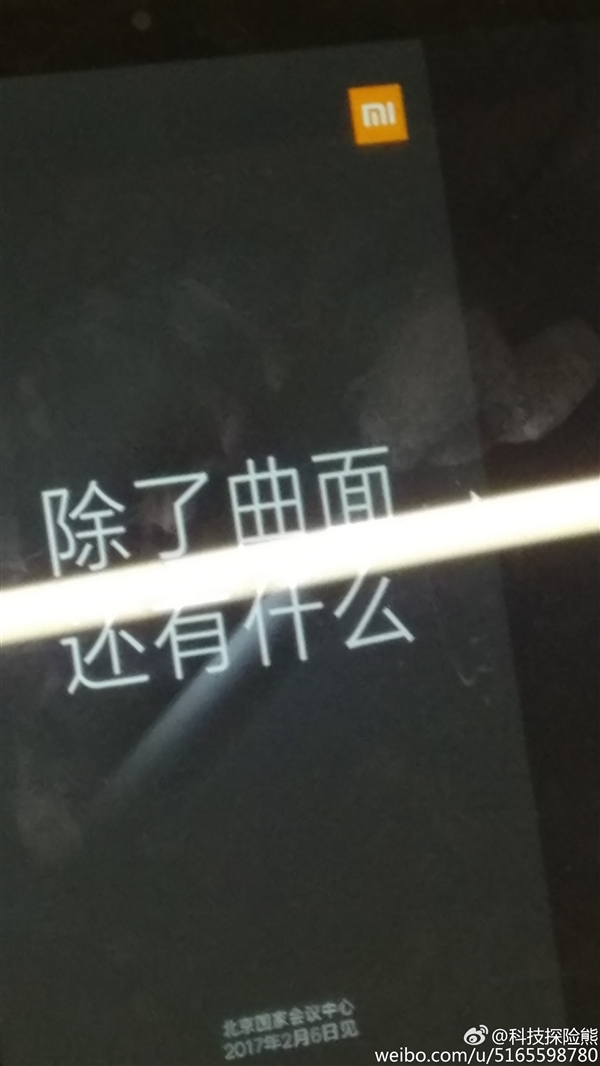
After Kevin’s post on Weibo, a new report on the Xiaomi Mi 6′ launch surfaced, stating that the device will be launched on the 6th of February, 2017. Which is a week earlier than the previous date of Valentine’s. Day reported earlier.
If the Xiaomi Mi 6 does launch on the 6th of February, chances are that it will be the first Snapdragon 835 phone, coming in ahead of Samsung who is usually one of the first to announce its flagship device but is taking its time to perfect the Galaxy S8 and prevent a Note 7 re-occurrence.
Other manufacturers like LeEco might decide to steal the show and release their own flagship ahead of Xiaomi. If you remember they beat Xiaomi to announcing the first domestic phone with a Snapdragon 821 SoC i.e. the Le Pro 3 and they might do just that again. News also has it that LG is planning to release the LG G6 earlier than expected so that it gets a head start against competitors like Samsung and HTC.
Xiaomi has not confirmed the launch date of the Xiaomi Mi 6, so you might want to take this with a pinch of salt.
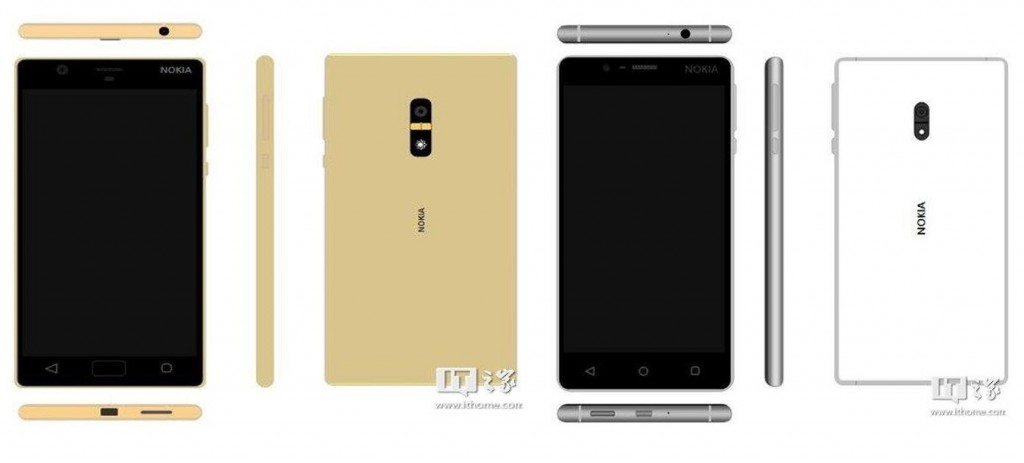
HMD Global is the new company with the license to release phones under the Nokia brand. The company already announced new phones this month, the Nokia 150 and Nokia 150 Dual feature phones. However, the first set of Nokia smartphones under the new company will be announced at The Mobile World Congress in February.
New reports coming in say the company is working with Taiwanese supply chain companies in order to release four new models slated to launch in Q2 and Q3 of next year.
Nokia D1
According to the source,the four new models will have screen sizes falling between 5.0 and 5.7-inches and will sport WQHD or FHD resolutions. The source also says that display suppliers will include LG Display, Century Technology (CTC) and Innolux, while Foxconn subsidiary, FIH Mobile will serve as production partner.
While HMD Global has not confirmed which phones will be launching at MWC, guesses are that one of the two devices will be the Nokia D1C which is rumored to be available in two versions with different display sizes, camera sensors, and memory. The version with the lower specs is said to be called the Nokia E1.
Another device that is expected to surface at the event is the dual-camera sporting Nokia C1. While the Nokia C1 is just basically renders, the Nokia Z2 Plus seems to be a more realistic choice seeing as it already made an appearance on GeekBench.
The Motorola Droid Turbo 2 was released in 2015 as a high-end Android beast available exclusively on US carrier- Verizon’s network. The device wasn’t gifted a successor this year but it seems Motorola is set to unveil a Droid Turbo 3 flagship some time soon, perhaps in 2017.
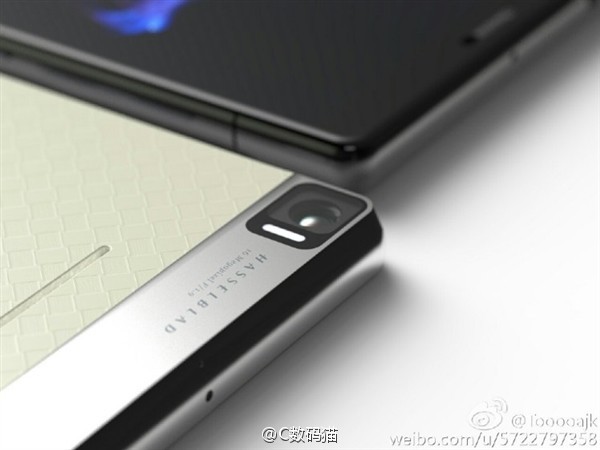
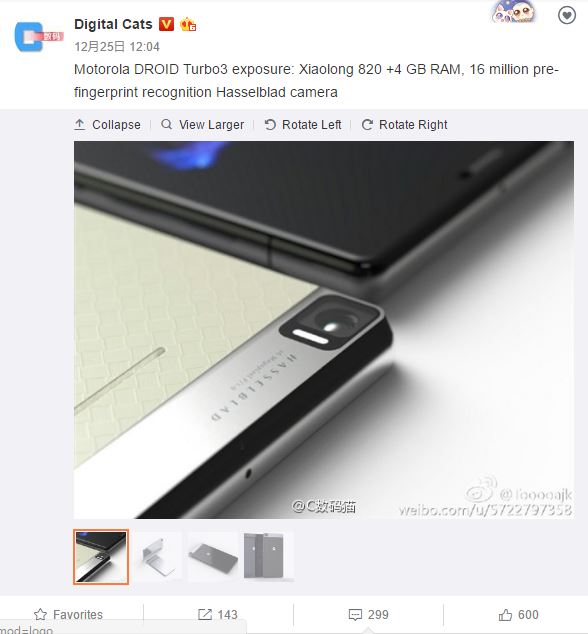
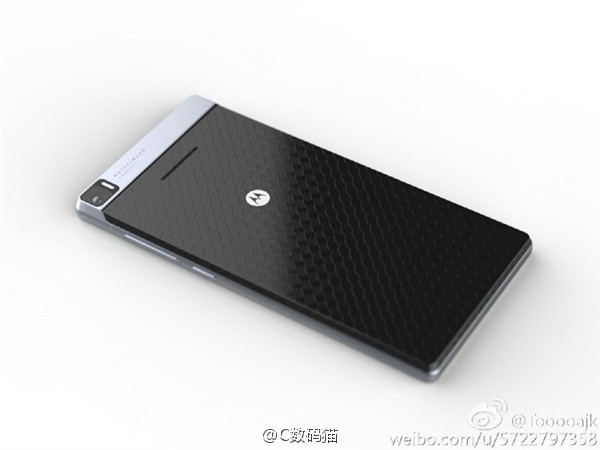
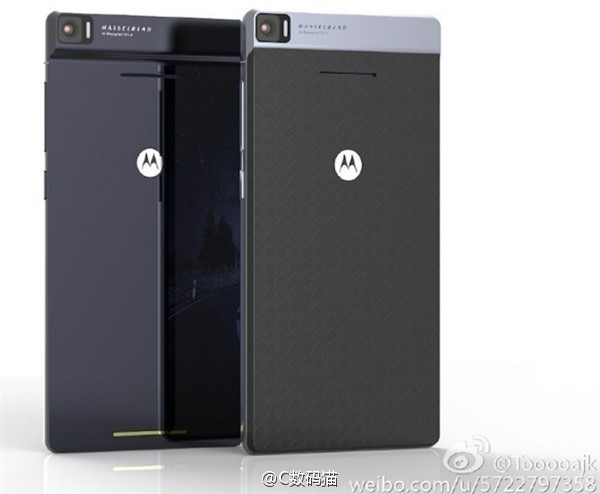
Renders of what is said to be the Motorola Droid Turbo 3 were leaked on Weibo recently accompanied by a couple of specs. Honestly, the renders look more like those of a concept device than a real smartphone, considering the sleek, well designed smartphone they reveal.
The device adopts an entirely different design from the 2015 Droid Turbo 2 and packs a rear camera with Hasselblad cresting by the side, an indication that the Droid Turbo 3’s camera will be manufactured by the Swedish camera manufacturer. In reality though, this is likely the same a concept design of the Turbo 3 by Motorola concept designer Tooooajk.
The leak also went ahead to reveal the Motorola Droid Turbo 3 will be powered by a Qualcomm Snapdragon 820 chip, even when the device will likely launch at a time flagships would have started getting the latest Snapdragon 835 chipsets. Other leaked specs include a 4GB RAM, 16MP rear camera manufactured by Hasselblad, and a front fingerprint sensor.
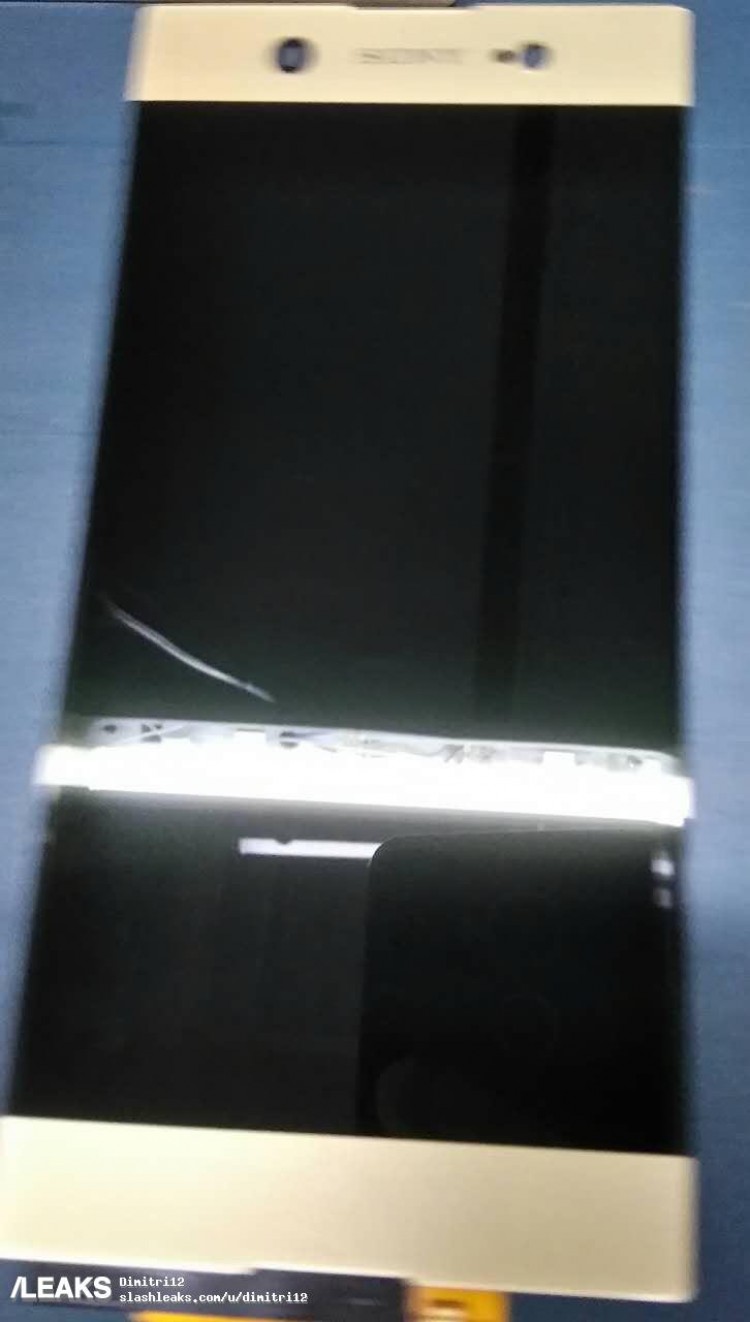
Sony’s next phone is called the Sony Xperia XZ (2017) and a real photo of the front panel has been leaked online. The photo shows the phone will come with a curved display and might have dual speakers judging from the cut-outs at the top and bottom of the panel.
The Xperia XZ is expected to feature a Snapdragon 835 processor and be the first Xperia flagship that breaks the 3GB RAM curse that has plagued Sony phones for years.
Sony has a conference scheduled for the 4th of January at CES 2017 but chances are that the Xperia XZ won’t surface at the event.
The Xperia XZ should come with Sony’ signature feature which is water and dust resistance. We also expect that next year’s model will have a fingerprint scanner on all models as the gripe with this year’s model is the lack of a fingerprint scanner in the US version.
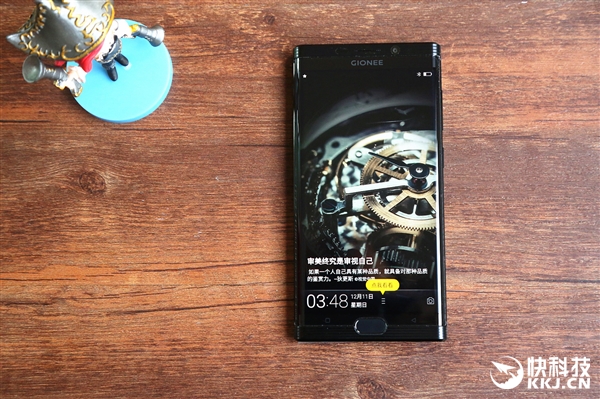
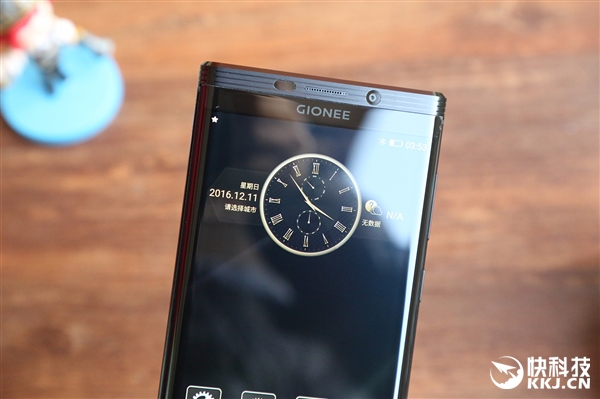
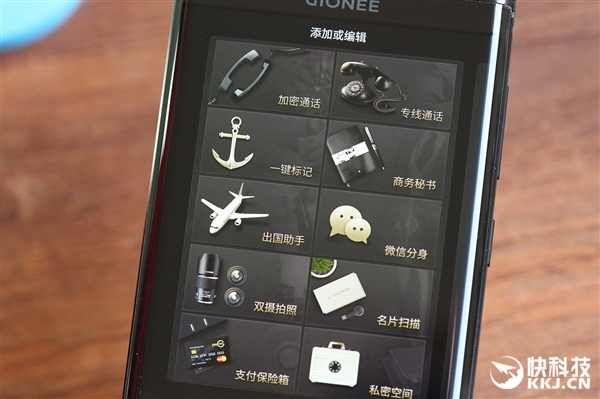
The Gionee M2017 was released last night. The phone which is aimed at the business class due to its luxury build, focus on security, and high price tag features a number of features that are found only in high-end phones and some that shouldn’t be found on a phone with a price tag this high.
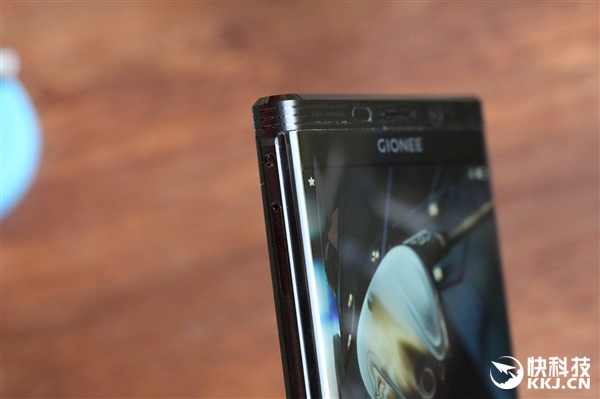
Gionee has gone for a design that clearly stands out. The M2017 will surely turn heads but not as a result of it being attractive. The Gionee M2017 is not an attractive phone. But because its design brings a breath of fresh air into a market that is filled with so many clones and design rip-offs.
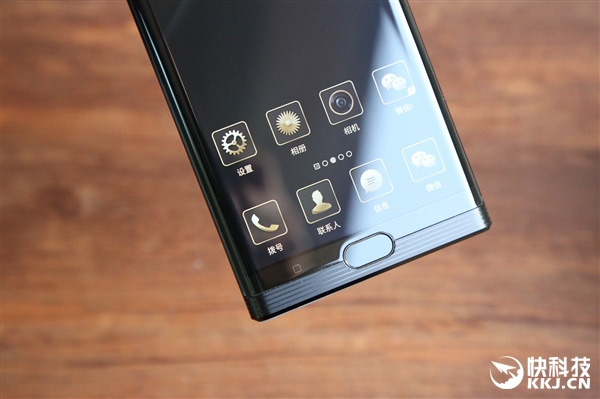
The Gionee M2017 is made of a mixture of aluminium and leather (crocodile/calfskin). Standing tall at 155.2mm and sporting a 5.7” 2K AMOLED display, the phone could be smaller if Gionee settled for on-screen keys, a rear fingerprint scanner and ditched the huge black bezel at the top that does nothing but bear the manufacturer’s name.
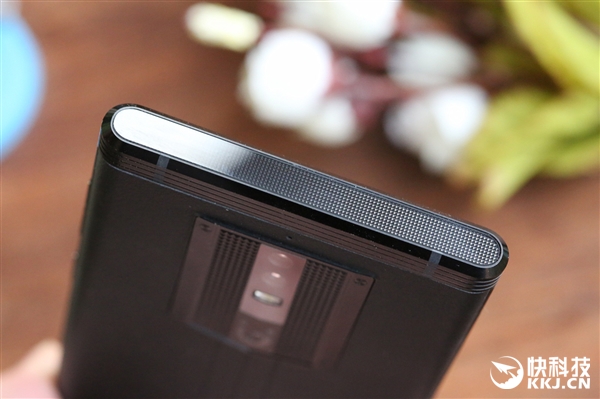
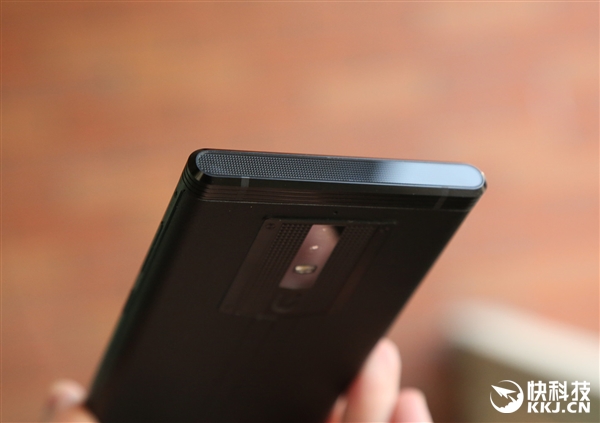
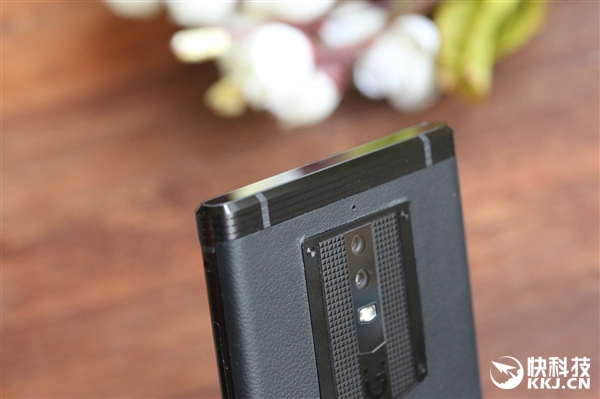
The rear of the phone is not so interesting as well. The antenna lines at the top and bottom stand out against the aluminium frames and the shield-like design that houses the dual-cameras and LED flash doesn’t seem to serve any aesthetic purpose.
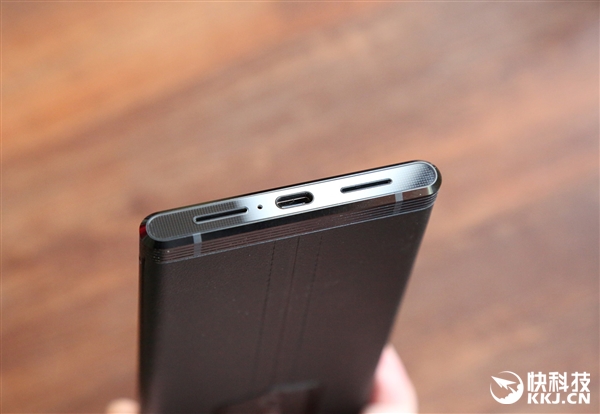
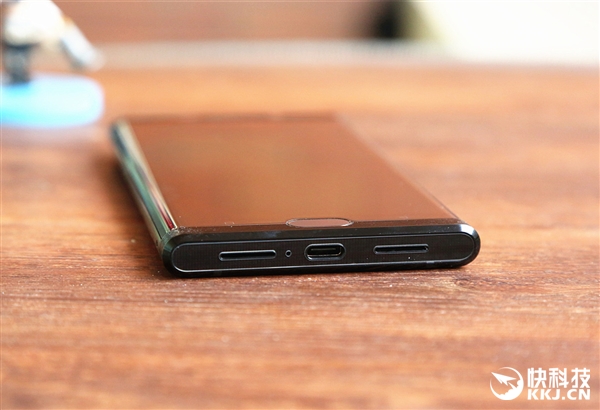
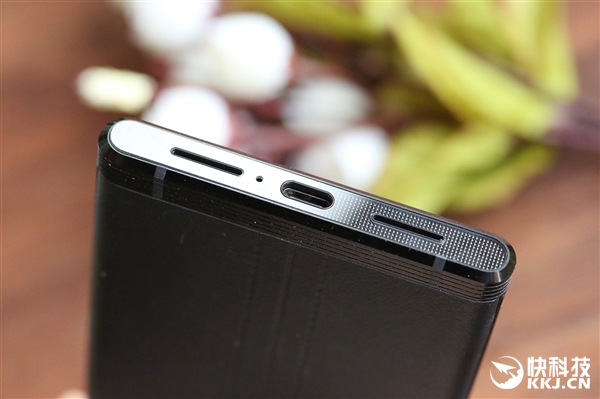
The top of the phone is bare of any ports but the lower part is where the surprise is. A USB Type-C port flanked by cut-outs for the speaker(s) and the primary microphone. That’s all. No audio jack!
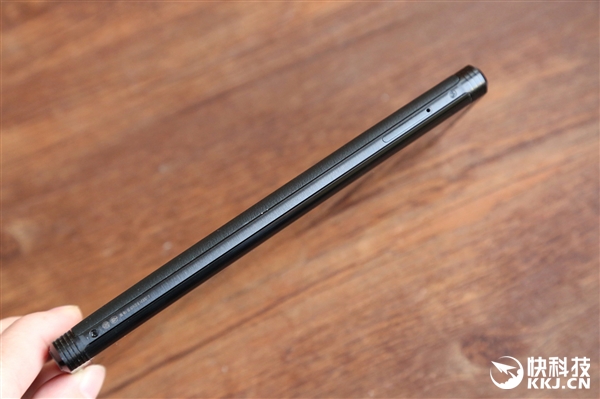
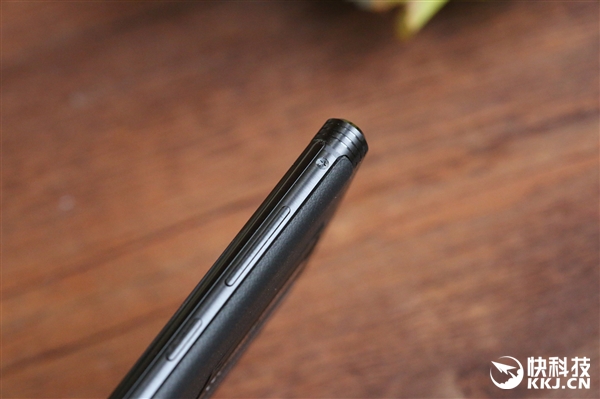
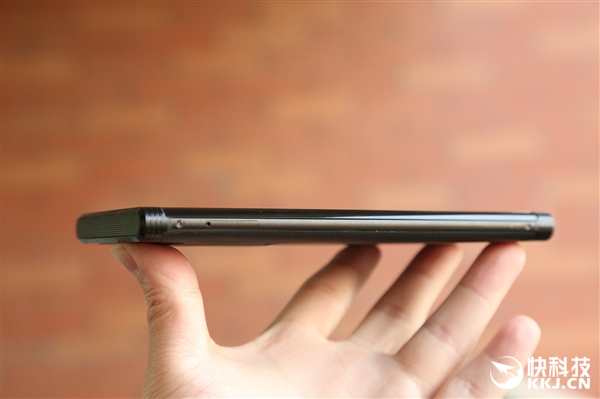
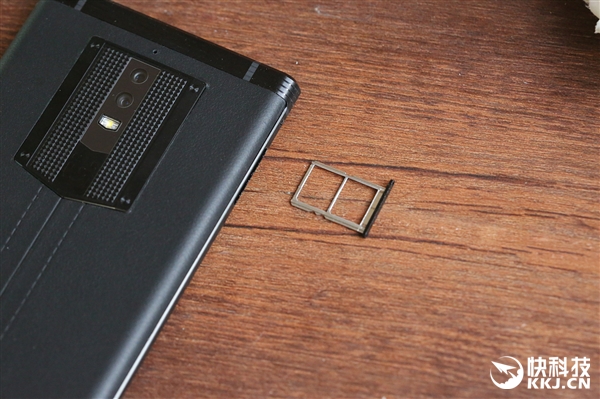
The Gionee M2017 has its SIM tray on the left while the volume rocker and power button are positioned on the left. It is also pretty heavy, weighing over 200g; and thick at 10.78mm, thanks to its 7000mAh built-in battery.
It doesn’t score big on design but specification-wise, it can be classified as a powerful mid-ranger. The Snapdragon 653 processor won’t offer the performance of the Snapdragon 821 but it should handle any task thrown at it. There is 6GB of RAM and either 128GB/256GB of storage depending on your choice and how deep your pocket is. The dual cameras on the rear have optical zoom and the fingerprint scanner uses an infrared system to scan for changes in blood flow allowing it to confirm that the fingerprint is live.
There is quick charge support for the large battery and you can also use the Gionee M2017 to charge your other phones. Gionee has also put a dedicated security chip in the phone to protect your data from hackers.
We have been getting quite a number of leak centered on the Xiaomi Mi 6 very often of late. The Mi 6 is Xiaomi’s expected next generation flagship and it has got a huge task fitting in as a worthy replacement for the highly successful Mi 5 series smartphones which comprise the sleek Mi 5, innovative Mi 5S with its Underglass ultrasonic fingerprint sensor and the dual camera packing Mi 5S Plus.
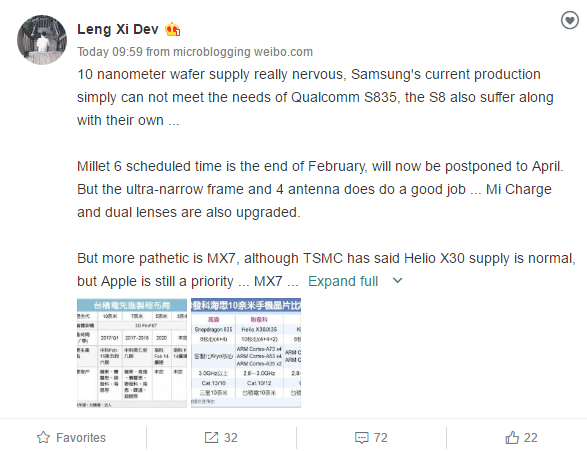
Yesterday, a leaked poster had teased what is thought to be the Mi 6 launch date, pointing at a launch on Valentine’s day (February 14, 2017). Yesterday also, a tipster said to be familiar with the Taiwanese mobile phone industry had revealed that Samsung foundry is experiencing some hitch volume-producing the 10nm chip for Qualcomm’s latest Snapdragon 835 processor. The tipster also revealed that the delay would likely affect the release of the Samsung Galaxy S8 billed for release in February at MWC 2017.
The Mi 6 was hitherto tipped as scheduled for release in February but according to the leakster, the flagship’s launch will now be sometime in April. It remains to be seen if these details are indeed correct as there’s still no word from Xiaomi about the rumored and much acclaimed Mi 6.
Exploding smartphones seem to cut across all brands. Not too long ago, it was the turn of Samsung and now a Xiaomi Redmi device is reported to have recently gone up in flames in China. If you think the exploding Xiaomi Redmi phone was a big enough surprise, wait until you hear what happened next. It was reported that Xiaomi tried to use a confidentiality (non-disclosure) agreement as condition for compensation, in order to make the victim keep mute about the incident.
According to the report, the Xiaomi smartphone was bought on March 1 this year by a mother as a gift for her daughter. On December 21, while the phone was being charged, it suddenly started to feel hot and despite that it was removed from the charging point it still got burn’t. The victim claimed to have been using the original phone charger and data cable to charge the Xiaomi smartphone as at the time of the incident and the phone wasn’t used for purposes it wasn’t made for. On contacting Xiaomi’s customer service, the case was investigated and after negotiations, the company offered her a full refund and an additional 600 yuan as compensation.
However, the offer was tied to a confidentiality agreement which the lady was required to sign. The clauses in the agreement require that she would not reveal the incident in the media, or any other communication or social platform. The lady also alleged that refusal to sign the agreement would have meant she wouldn’t get the compensation, so it was signed. Lawyers have said such clause were invalid and so she isn’t obliged to keep mute. Perhaps that’s why we are getting to hear about it.
You may be wondering why Xiaomi is trying to hide such a serious safety incident that users of the brand deserve to know about? Well, we haven’t got the answer to that as we are at a loss as well over here.
We use cookies on our website to give you the most relevant experience by remembering your preferences and repeat visits. By clicking “Accept”, you consent to the use of ALL the cookies.
This website uses cookies to improve your experience while you navigate through the website. Out of these, the cookies that are categorized as necessary are stored on your browser as they are essential for the working of basic functionalities of the website. We also use third-party cookies that help us analyze and understand how you use this website. These cookies will be stored in your browser only with your consent. You also have the option to opt-out of these cookies. But opting out of some of these cookies may affect your browsing experience.
Necessary cookies are absolutely essential for the website to function properly. This category only includes cookies that ensures basic functionalities and security features of the website. These cookies do not store any personal information.
Any cookies that may not be particularly necessary for the website to function and is used specifically to collect user personal data via analytics, ads, other embedded contents are termed as non-necessary cookies. It is mandatory to procure user consent prior to running these cookies on your website.