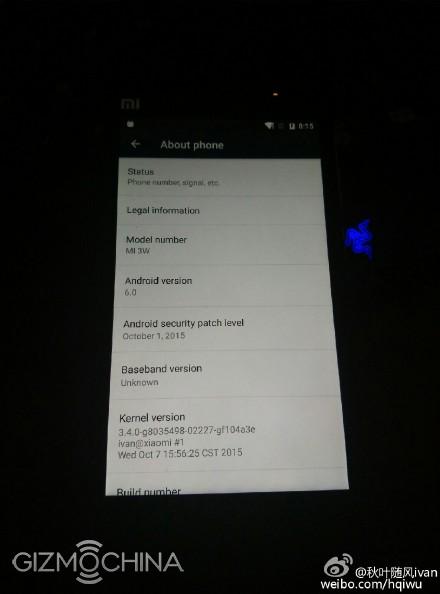
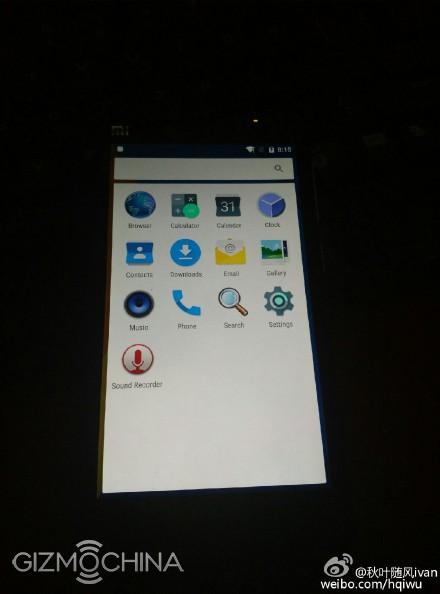
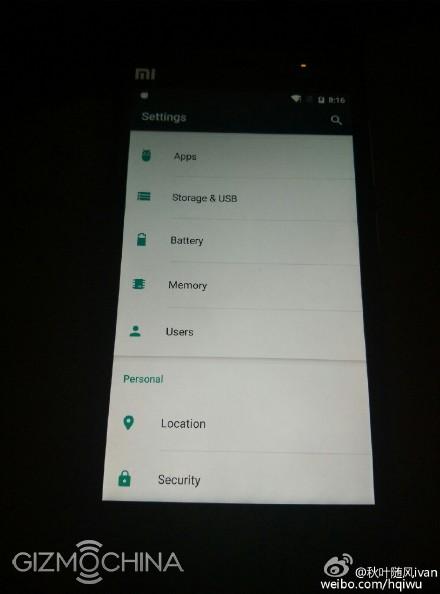
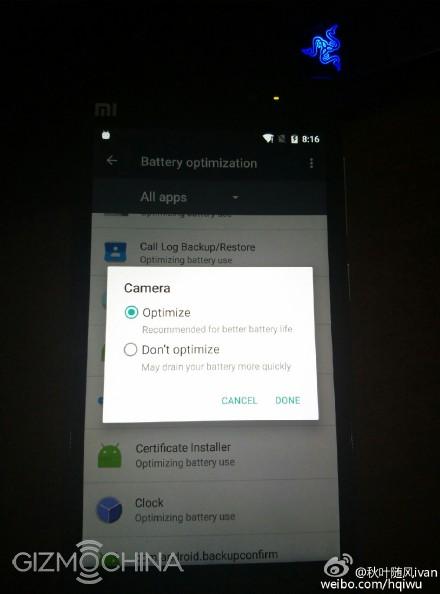
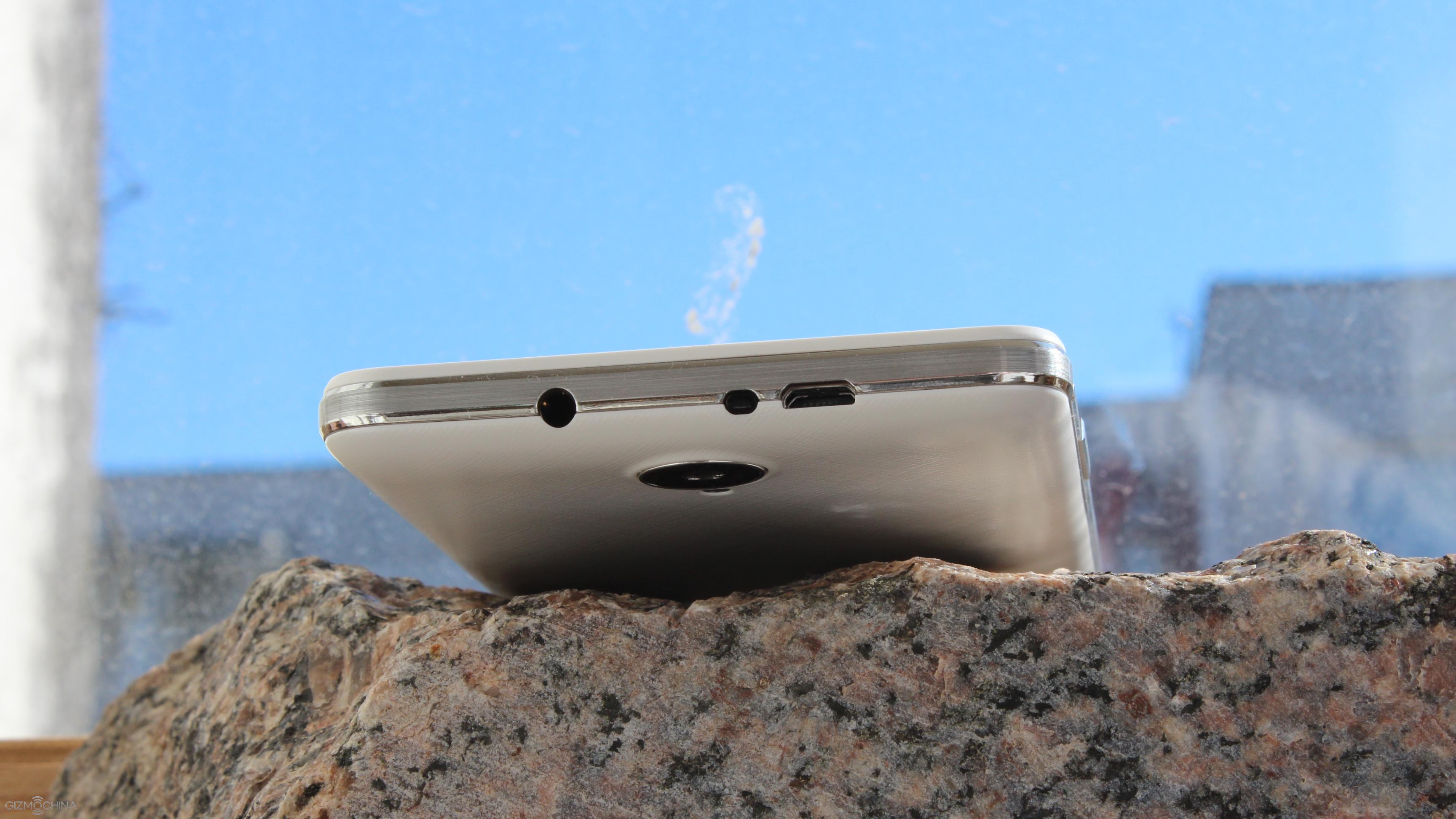
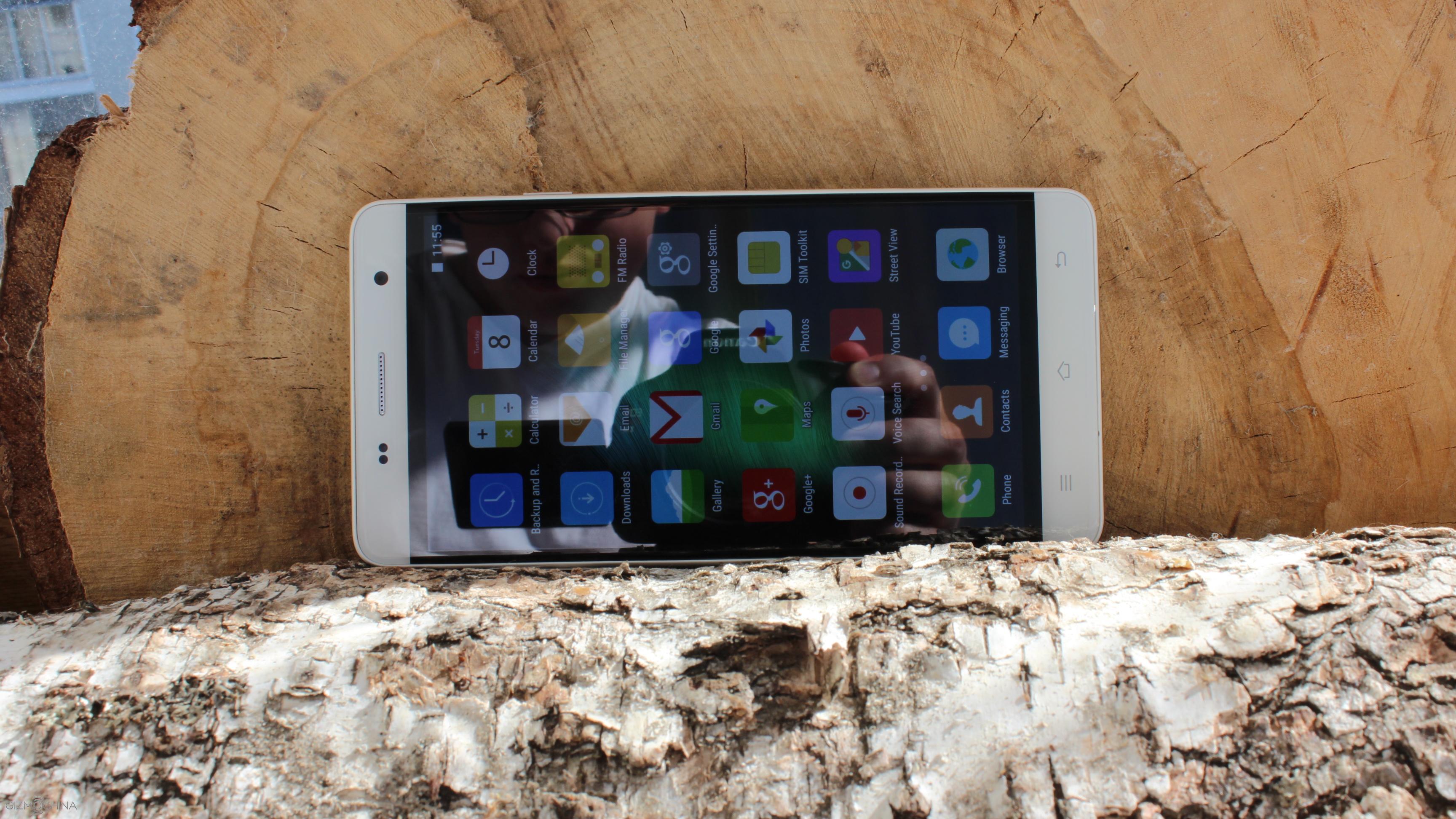
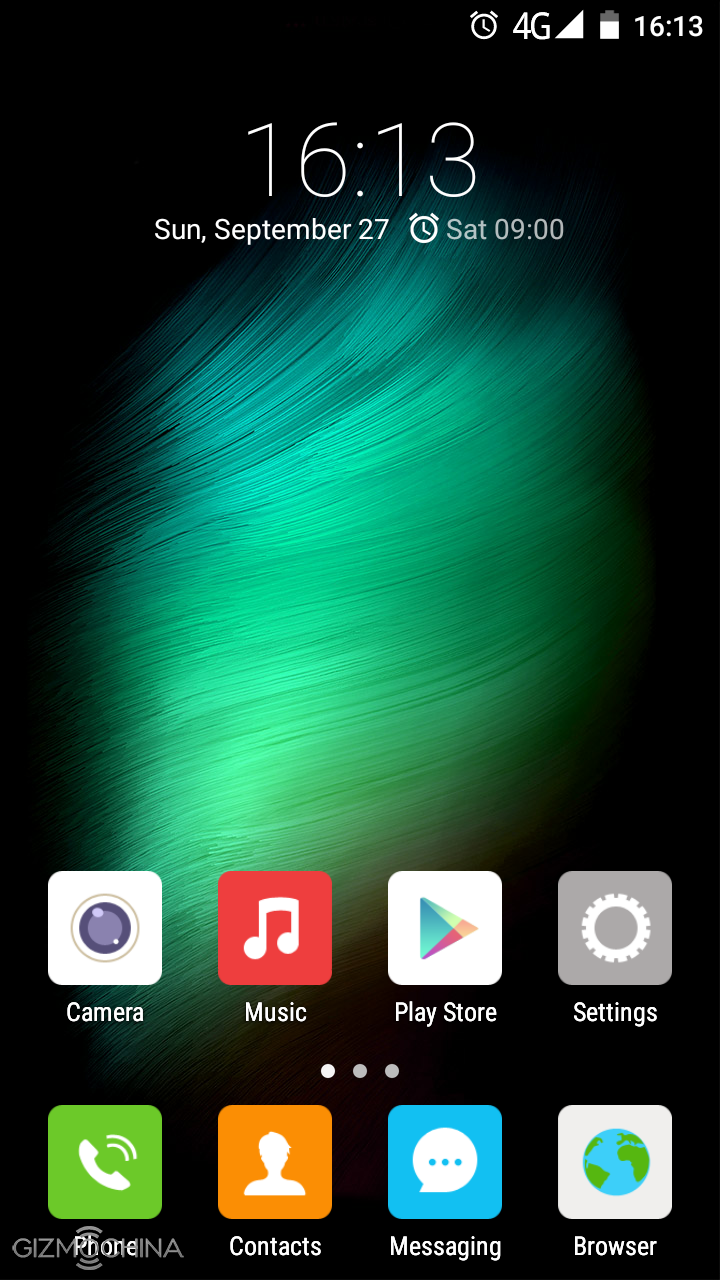
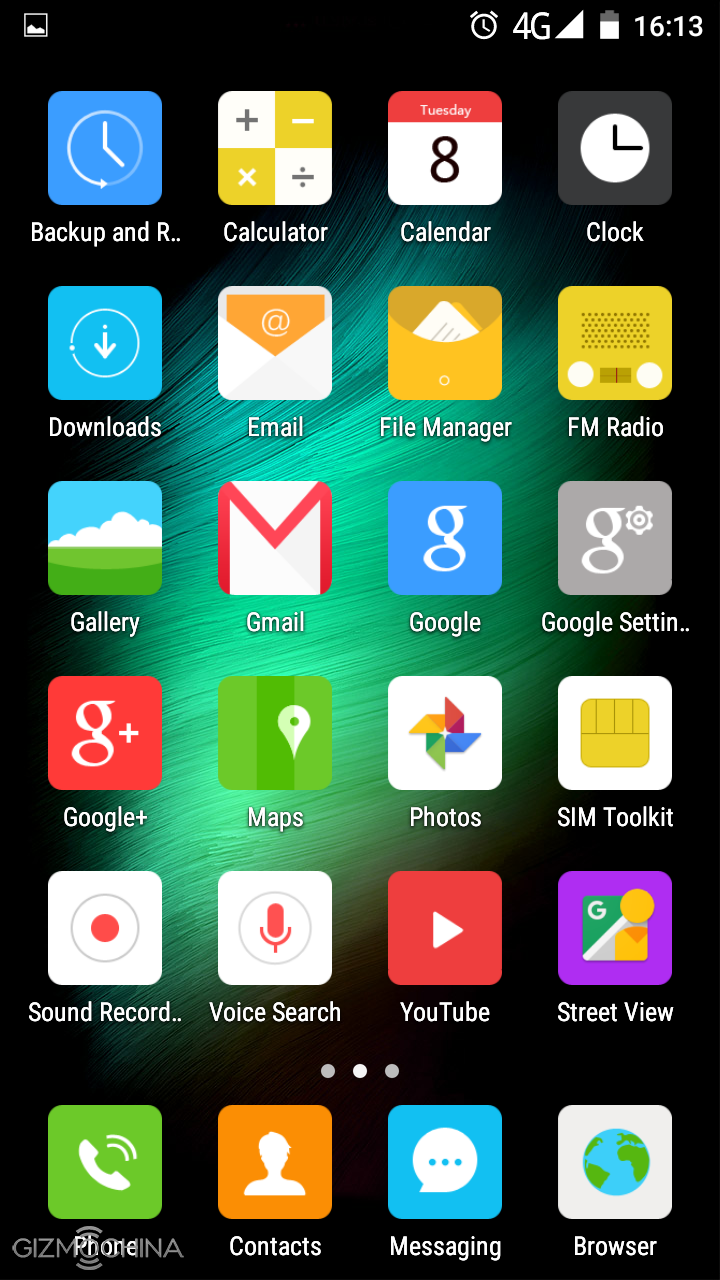
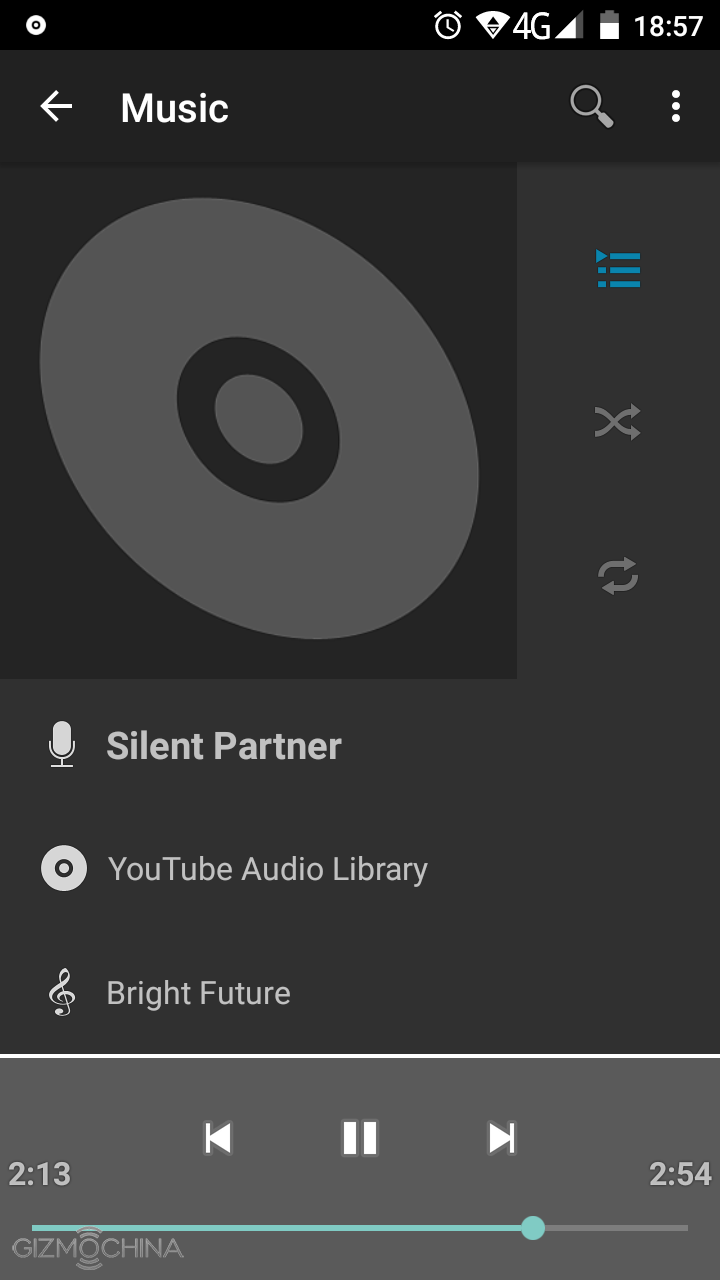
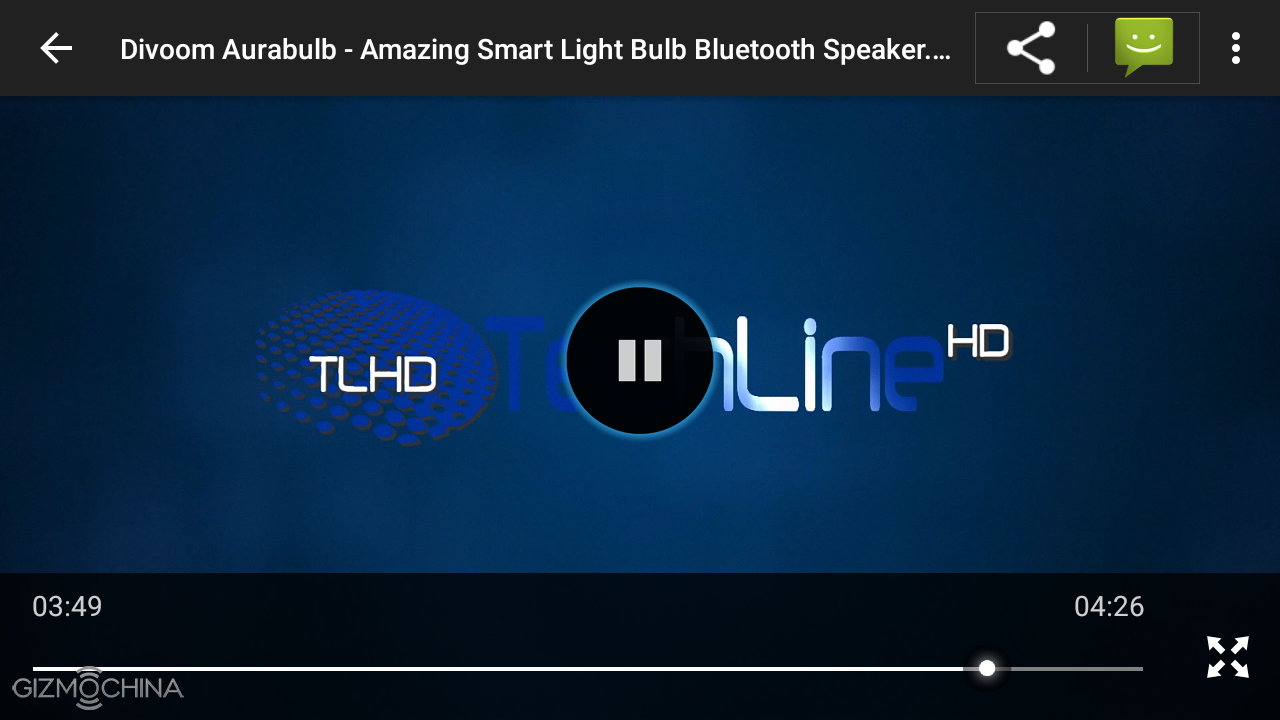
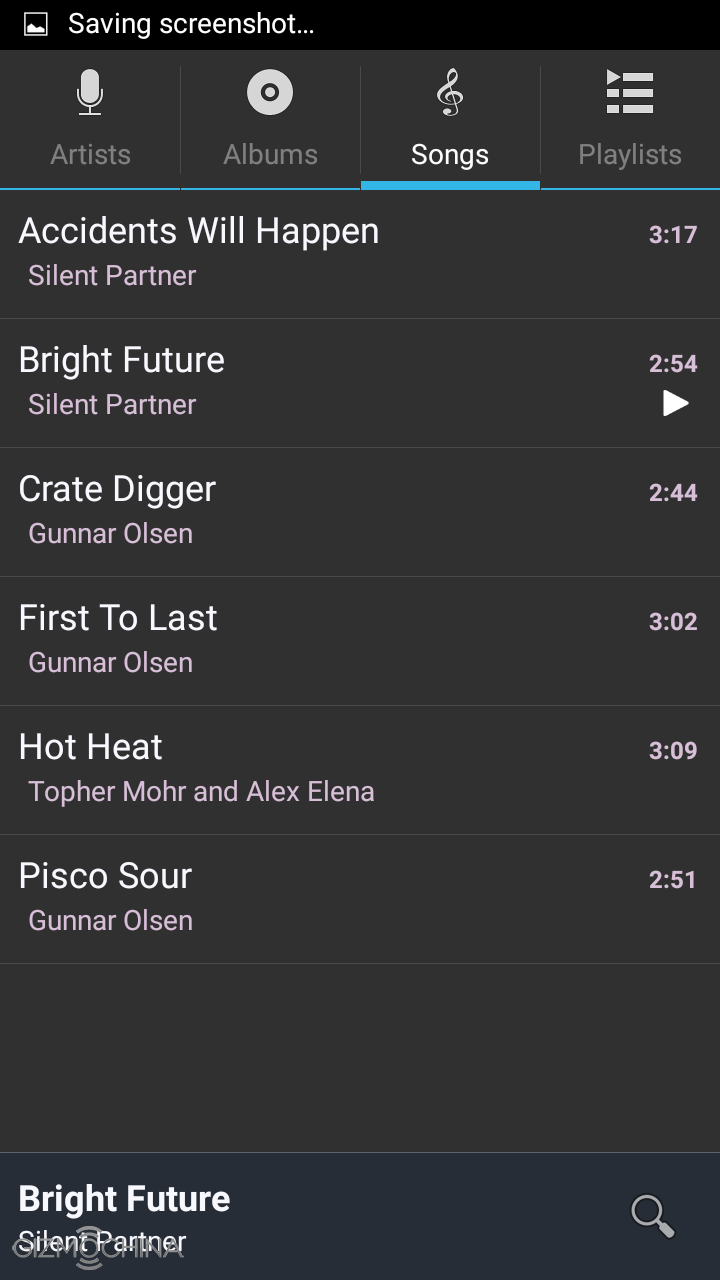
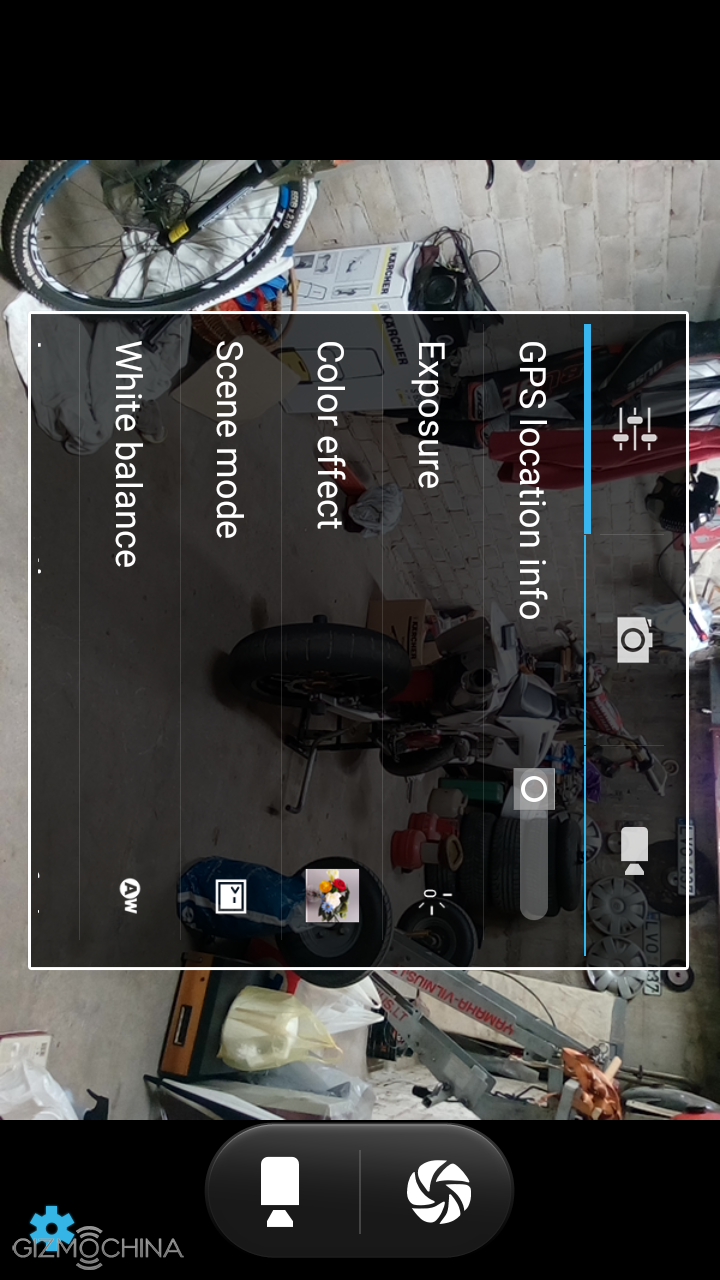
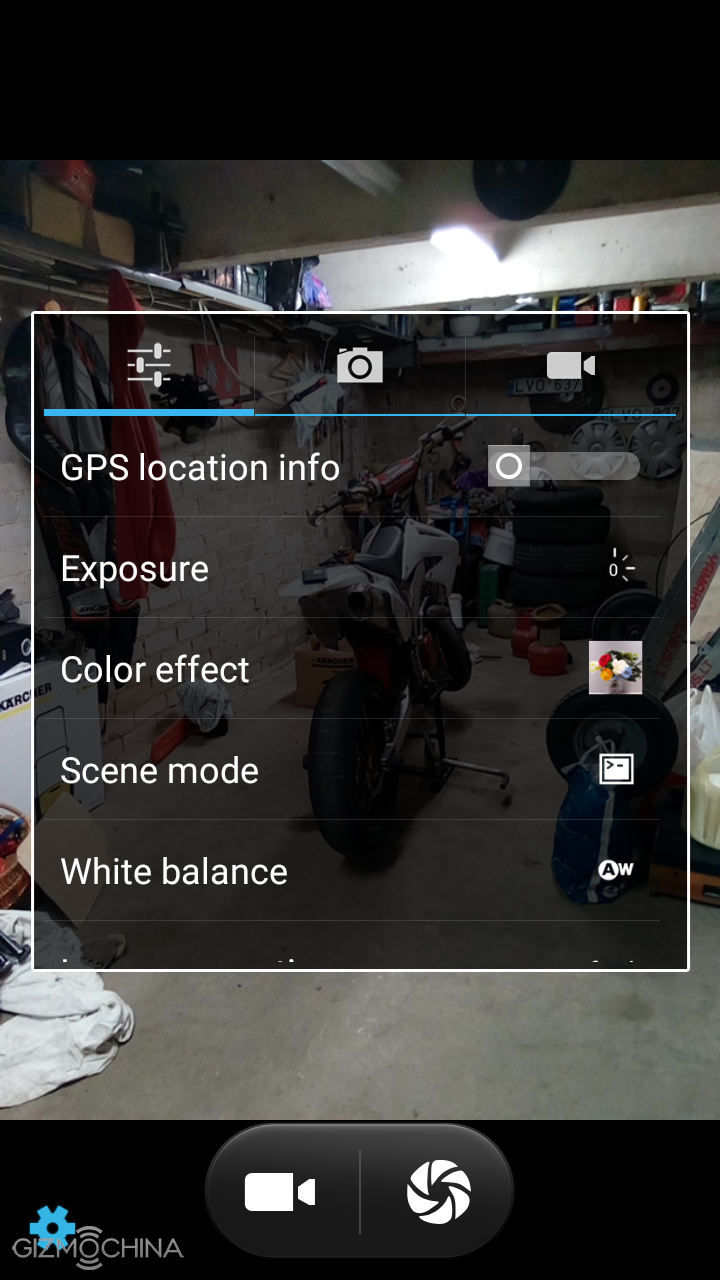
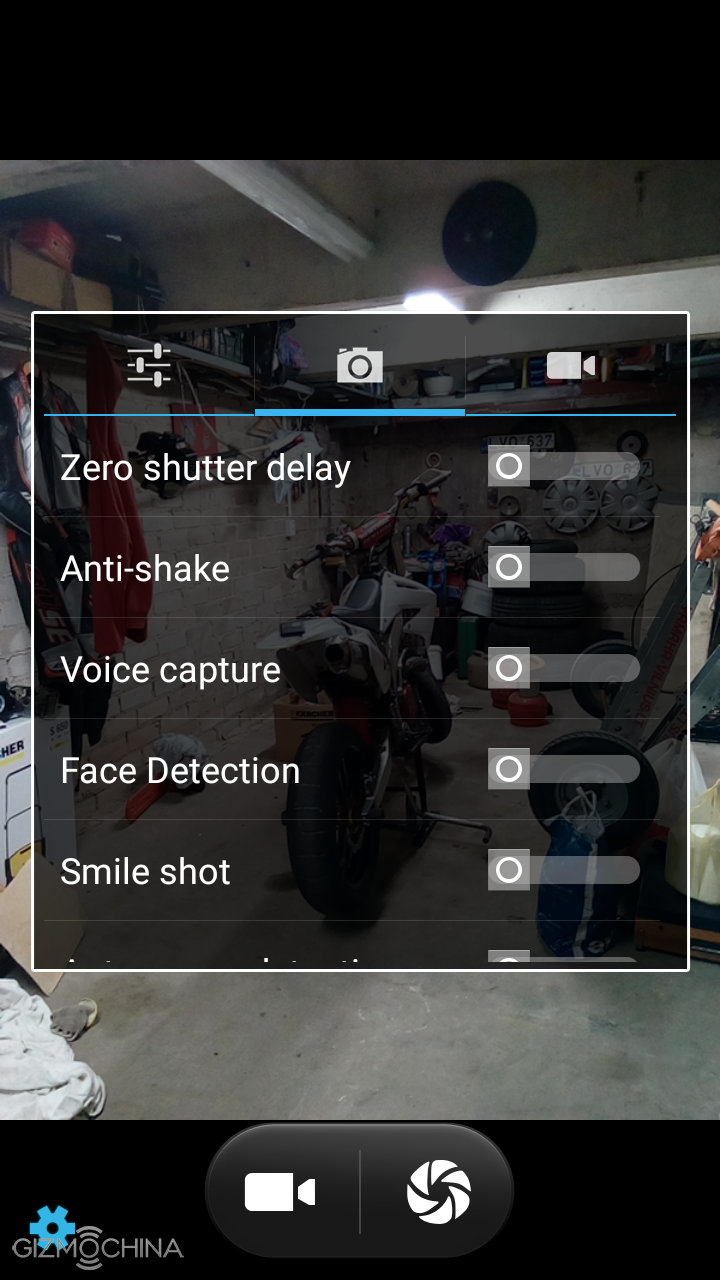
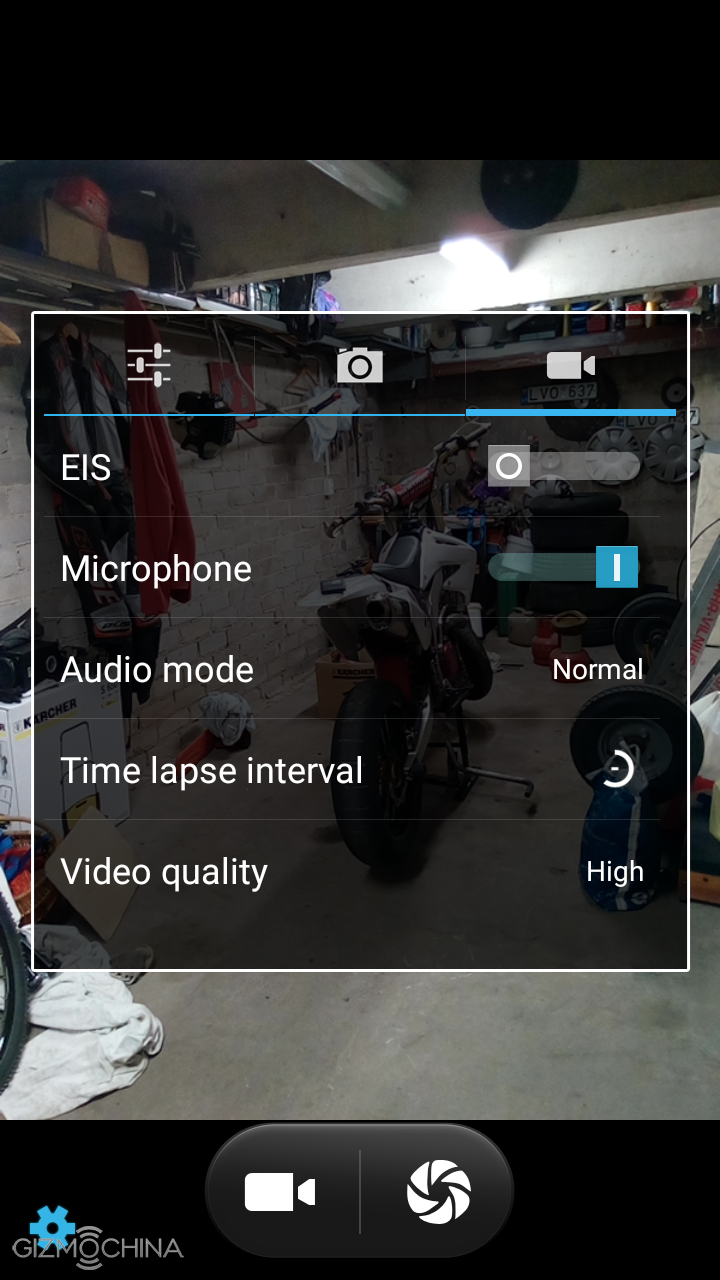
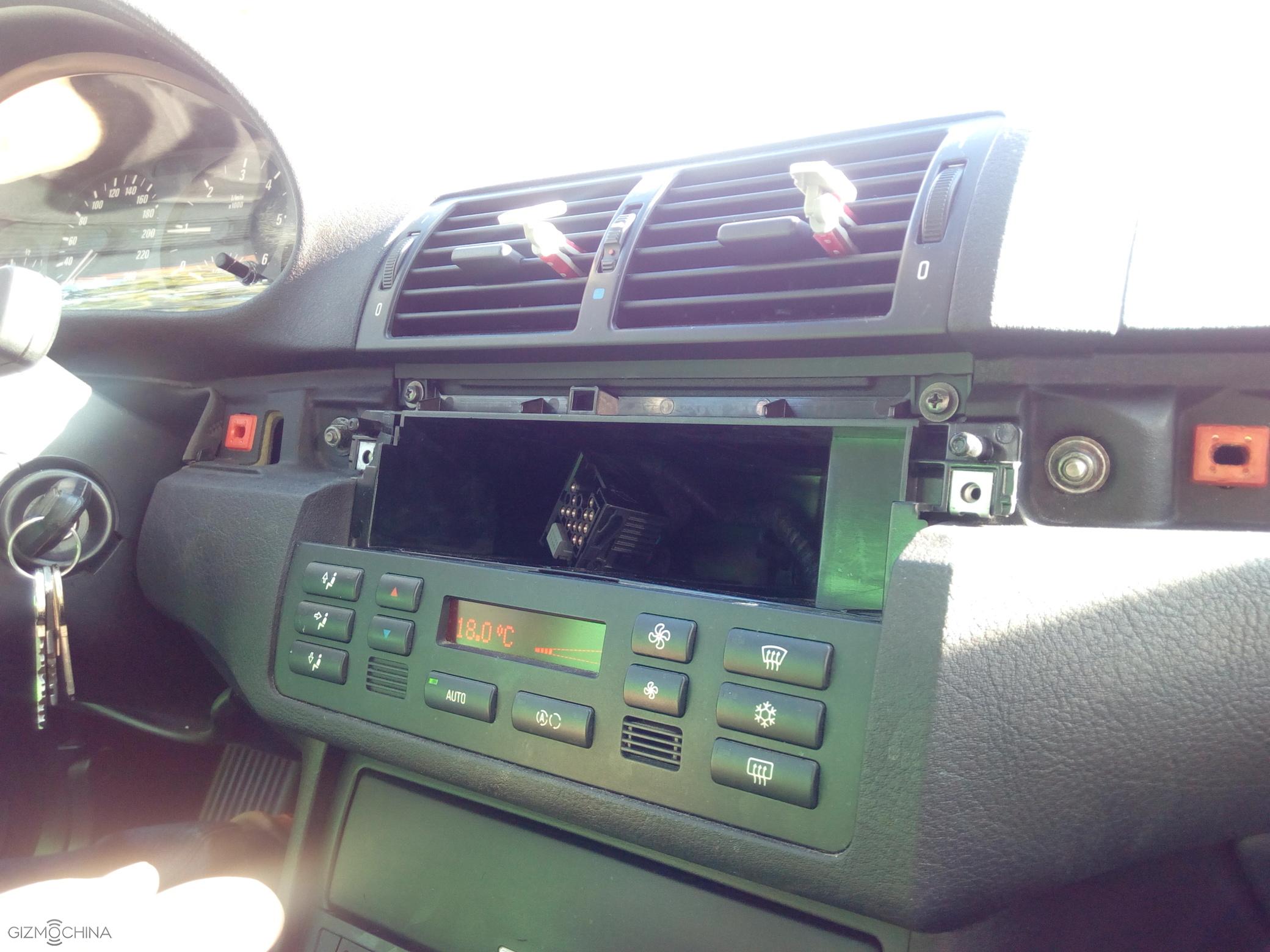
Its been just a few days since Google announced its latest Android 6.0 Marshmallow version. But developers have already started working on the new update for existing devices. According to the new Weibo post from the active Chinese developer, Ivan, we could see the first developer version of Android 6.0 Marshmallow on Xiaomi Mi3 real soon.
Of course, you may have to wait for a few more weeks until the first usable version is available, but its still good to see that thanks to such active developers, you can try out the latest Marshmallow Android update months before the official release.
Ivan notes that he’s still fixing bugs on the his Xiaomi Mi3. And once he’s done with the Xiaomi Mi3 model, he will move on to the flagship Xiaomi Mi4. So, Mi4 users also have something to cheer about. Further, he adds that he will also try to install it on the three year old Xiaomi Mi2 model as well (if possible) and finally move on the the Xiaomi Mi Note standard edition.
You can check out the few screenshots of Android 6.0 Marshmallow running on Xiaomi Mi3 from down below.
Xiaomi unveiled its mid-range flagship, the Xiaomi Mi 4C a couple of weeks back. The phone came with pretty good specs for a great price tag — under $230. This makes it one of the most sought out phones in the market right now. Unfortunately, Xiaomi is selling the device only in China at the moment. Those who would like to get their hands on this model will have to rely on retailers like giztop.
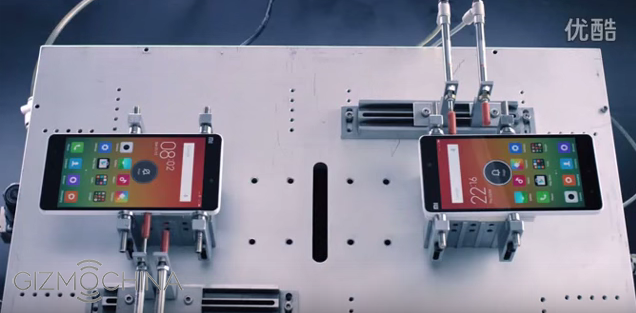
Despite being a value for money device, it looks like Xiaomi has put in a lot of efforts in manufacturing it. The company recently released a video in China showcasing the manufacturing process of the Xiaomi Mi 4C in the factory. The later part of the video also shows us how the company tests the device for various kinds of damages from factors such as shocks, scratches and water.
You can check out the video from Xiaomi below.
In case, Youku isn’t working for you, we also found the same video on YouTube, so you can check that out from down below.
Thanks to a report last month from the Times of India, we kind of knew that LeTV was planning to extend its presence to the Indian shores in the coming months. Now, the company has further confirmed its plans by launching its official LeTV India Facebook page and LeTV India Twitter account.
In both the accounts, the company is using the hash tag #disruptivefuture, which probably hints at the company’s aim to disrupt the Indian market with its products. Further, it looks like LeTV India’s official mascot is the fierce Royal Bengal Tiger. We can see this majestic animal in almost all of the company’s posts till now.
While we are expecting LeTV to launch their Le series smartphone lineup pretty soon, there might be other products too that could be launched in India. For example, the latest teaser from LeTV India page says a few words about the company’s TV: Not just a TV, but your gateway to the #DisruptiveFuture. Could it mean that the company plans to launch its TV in the country?
Well, it might be too early to say this for sure, but LeTV does seem to be preparing for a launch in India. We still don’t know an exact date for the release, but hopefully it will be in the next few months. Its not easy for a company to just jump and release their products in a new market, so we may have to wait a bit for its launch.
According to a recent release from the company, LeTV plans to sell its streaming services in the country as well. Not surprising, since its basically a content streaming company and it would naturally use its years of experience in the Chinese market in other overseas markets like India.
“Most people in India probably haven’t heard of LeTV yet, but indications are that LeTV would soon build up a presence here to tap into one of the fastest growing markets for smart phones and other smart devices, with plans to start selling its streaming service and devices,”
With a market capitalization of around $12 billion USD on the Shenzhen Stock Exchange and a library of over 1,00,000 TV series and 5,000 movies, LeTV’s entry into the market could further intensify the competition in the already packed Indian market.
Xiaomi has been steadily gaining market share in India, which is currently the world’s third largest smartphone market. For a company which started selling smartphones in India just last year, it has made tremendous progress in the country. Now, Lei Jun, the CEO of Xiaomi while talking to WSJ revealed that the company aims to be the top smartphone brand in India in the coming three years. This means, the company will have to overtake the likes of Samsung and Micromax who currently dominate India’s market.
Xiaomi has used the same business model that worked wonders for the company back in China. Lei Jun adds that the company aims to prove that their model works overseas as well, at least in one market. He further said that online models don’t work everywhere. The company has to be a highly influential player in the country or region in order to monetize. Given the immense size of India’s population, an online model should help the company monetize in various ways once they get a significant part of the market share.
Of course, the road to the top won’t be easy, especially since a lot of new Chinese smartphone makers have entered the country in the past few months. This should further intensify the competition in the budget and mid-range segment making this target even more challenging.
Reaching the top in this highly competitive market won’t be easy, so we will have to wait and see what Xiaomi does to achieve its goal within the next three years.
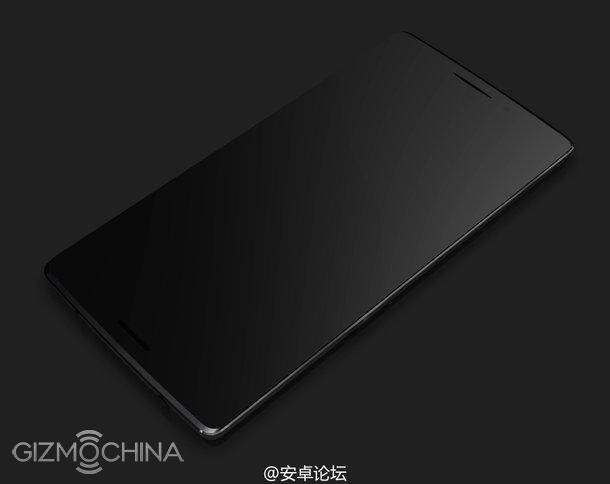
Ever since the launch of the OnePlus 2 flagship, we have been hearing about a second smartphone that will reportedly launch before the end of the year. Most of the leaks, including our sources have said that the phone will be called as the OnePlus X. But now, another new leak has given out almost all of the specs of the device, and it is said that the phone will be called as the OnePlus Mini.
According to a source of gforgames, the OnePlus Mini will come with the Helio X10 chip clocked at 2.2GHz on board instead of the Snapdragon 801 as previously rumored. There will be 2GB of RAM on board along with 32GB of eMMC 5.0 storage. At the back, there will be a 13MP camera unit (Sony IMX258) with f/2.0 aperture and dual tone LED flash. Up front, you can expect a 5MP wide-angle front facing shooter.
The display could be of 5-inches with 1080p resolution and the battery around 3000mAh with support for quick charge. Even NFC and IR blaster are said to be included in the device, which will be a surprise given that the flagship model lacked these features. Finally, there will be a fingerprint sensor at the back along with a 1.2W front-facing speakers. Also, the phone will have an all plastic design with IP67 certification for water and dust resistance.
For all these features, the company is said to price the device at just $250, which is exactly what our source said earlier. Even the specs are more or less the same, except for the chipset inside. While this new report says that you can expect the launch sometime in November- December period, our source had said earlier that it could as soon as October. Since we are already five days into October, lets wait and see if the company releases the device this month.
Let me know your thoughts about the upcoming OnePlus Mini / OnePlus X handset.
Just a few days back the comparison between two affordable Chinese flagships – OnePlus 2 and Letv Le One Pro was made and I decided to make an in-depth camera review, so it would be easier for you guys to decide which device is worth your attention.
I have already told my opinion about each phone’s camera in the full comparison but this time around I wanted you to share your thoughts either in the comments section below this article or under the Youtube video.
Both OnePlus 2 and Letv Le One Pro X800 have similar but at the same time different camera hardware. OnePlus 2 uses a 13MP Omnivision sensor with OIS. It is supplemented with the dual single tone LED flash and a laser auto-focus system for that blazing fast focusing.
The Le 1 Pro is no slouch either as it uses a 13MP Sony IMX214 sensor with OIS and a dual tone dual LED flash. A really awesome thing is that the cameras are not protruding on neither of the devices. Despite lacking laser auto-focus, the Le 1 Pro still has blazing fast focus and capture speeds.
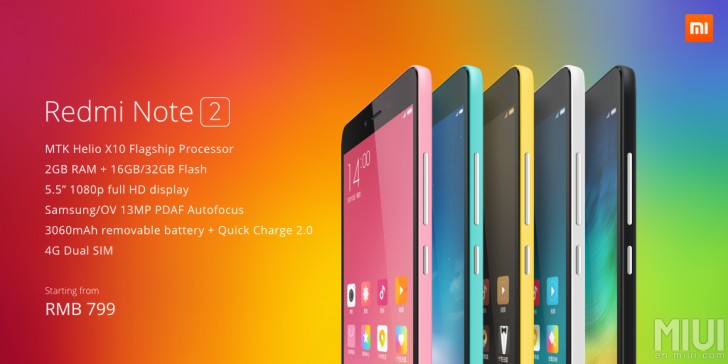
Xiaomi’s Redmi Note 2 is one of the best value for money devices in the market right now. The company managed to pack in the powerful Helio X10 MT6795 chipset inside this sub-1000 Yuan device, making it a popular choice among customers right from the start.
The company announced the Redmi Note 2 model on August 13, and made it available for sale on August 16. On the first day of sale, within 12 hours the company managed to sell about 800,000 units of Redmi Note 2, making a record. Later, in the next update, the company revealed that it sold 1.5 million units in just 15 days. And by the end of 1 month, on September 15, Xiaomi had sold around 2.15 million units.
The company has heavily invested in upgrading its production capacity to satisfy the demands of the customers. Now, Lei Jun claims that with automated production, low price and good quality, the Redmi Note 2 sales may easily exceed 10 million units. While he doesn’t give a time frame for reaching this milestone, from the current pace of sales, we can expect it to happen sometime early 2016.
Its no surprise that Redmi Note 2 is so poplar among customers. Along with the flagship Helio X10 chip, the phone features 2GB of RAM with 16GB/ 32GB of storage options, 13MP camera at the back and a 5MP of shooter up front. Theres a 5.5-inch FHD display with a large 3060mAh battery on board. Finally, the phone comes with latest MIUI 7 OS on board. All this for a price tag of just 799 Yuan which comes to around $126.
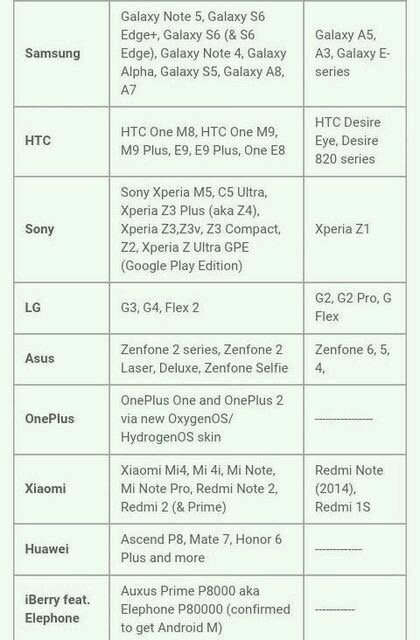
Since Google officially announced the new version of Android 6.0 Marshmallow last week, we are all interested to see which smartphones will be receiving the new OS. However, at present, only a handful of handsets are confirmed to receive the upgrade. From the past experience, we know almost all of this year’s flagship models will be getting the update in the coming months. But now, a recent leak has given us a complete list of possible models from different manufacturers who will get Android 6.0 update.
HTC USA had already confirmed the models which will be receiving the new Android 5.0 update. This list confirms these models once again, which includes HTC One M8, M9, M9 Plus, E9, E9 Plus and One E8. The company has revealed that it will start the Android 6.0 Marshmallow upgrade with M9 & M8 flagships before the end of 2015. HTC’s mid-range series, like HTC Desire Eye and 820 series are also expected to be upgraded to the new version.
As for Samsung, almost all of this year’s models are expected to get the upgrade. The first ones to get the upgrade include, Galaxy Note 5, S6 Edge+, S6 & S6 Edge, Note 4, Alpha, S5, A8 and A7. Even the Galaxy A5, A3 and E series are expected to get the upgrade.
According to the image, OnePlus will upgrade its OnePlus One and the OnePlus 2 models to Android 6.0 via new OxygenOS (international) and HydrogenOS (domestic) versions. As for Huawei, Ascend P8, Mate 7, Honor 6 Plus and more devices will reportedly get the upgrade. However, we will have to wait and see what this “more” represents (Honor 7?).
Xiaomi will naturally upgrade to Android 6.0 Marshmallow with a new version of MIUI. According to this leak, the first ones to get the upgrade will be Xiaomi Mi4, Mi 4i, Mi Note series, Redmi Note 2 and Redmi 2. Even the Redmi Note 4G model and 1S are expected to be upgraded. Finally, the Elephone P8000 is confirmed to receive the Android 6.0 upgrade.
Well, there’s a lot more information that’s provided in the image above. You can check that out to see if your phone manages to get into this list. Of course, most of these update information is still not official. So, we will have to wait for official confirmation from the respective manufacturers.
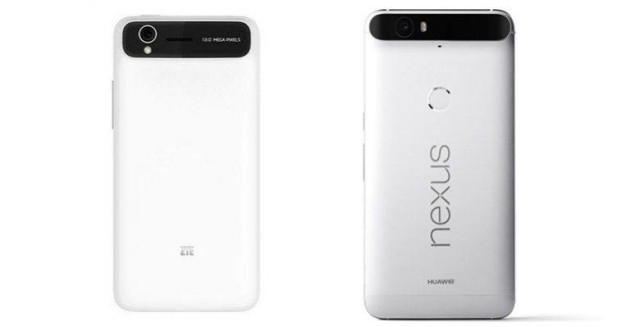
Last week, Google announced two new Nexus devices, one made by its long time partner LG, and the second one, made by Huawei, with better specs. While the LG model came with a basic design, the Huawei Nexus 6P had a peculiar design. The design looks a lot fresher than the ones that we have been seeing recently, but it may not entirely be original.
ZTE’s Marketing Director Lu Qian Hao, recently posted a comment on the new Huawei made Nexus’s design, claiming that the design was actually a ripoff of the ZTE Grand S model that was launched a few years back. Well, he didn’t exactly say it was a copy, but his words suggested that the phone’s design pays heavy tribute to its Grand S model. Moreover, the comment was directed towards the CEO of Huawei, Yu Chengdong.
This definitely makes things interesting, since both Huawei and ZTE are well known smartphone manufacturers in China. Let me remind you that the company has not yet filed a lawsuit in this regard, but we are interested to see if Yu Chengdong responds to this comment in the coming days. While there is some similarity in the design, especially the back, rest of the features are a lot different than the 2013 ZTE flagship. Also, its not like ZTE’s own design is completely original as it does remind us of the Nokia Pureview 808’s that was announced well before the Grand S was made official.
Anyways, we will keep you guys updated with more information in the coming days.
So, what do you think about ZTE’s Marking director’s comment? Do you agree?
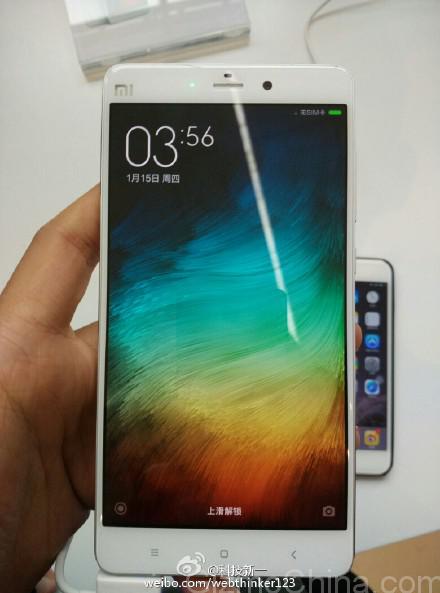
While there’s still time for the Xiaomi Mi Note lineup to complete its one year anniversary, rumors about a second generation model, the Xiaomi Mi Note 2 have already started to surface. According to the latest rumors, the new model will feature high-end specs, which includes a 5.7-inch display with a resolution of 2560 x 1440 pixels, 4GB of RAM, and 32GB of internal storage. The leakster didn’t mention whether there would be a MicroSD card slot.
Like the Xiaomi Mi 5, the Xiaomi Mi Note 2 model is also expected to feature Qualcomm’s Ultrasonic fingerprint scanner. At the back, you can expect a 16MP shooter. Also, for software, you can expect the latest Android 6.0 Marshmallow OS on board. Finally, like all flagships, the phone will support 4G LTE networks.
As for the processor, the Xiaomi Mi Note 2 will reportedly come with Qualcomm’s latest Snapdragon 820 chipset on board. This new chip is supposed to be the company’s savior after the setback it received with its Snapdragon 810 processor. However, since the leak claims that the phone may release as soon as November 5, its likely that there will be multiple versions of the device. The model that we might see in November could be powered by Mediatek’s Helio X20 MT6797. Xiaomi could release a Snapdragon 820 variant sometime later, when the chip becomes available.
Xiaomi Mi Note 2 is also expected to come with an upgraded body. The phone will reportedly ditch the 3D glass design for a metal build.
Anyways, the Mi Note 2 is shaping out to be a powerful smartphone. This isn’t surprising since the Mi Note series is the company’s most powerful lineup right now and we can expect pretty high-end stuff on the device when it releases in the coming months.
OnePlus company “invented” a term “Flagship Killer” once they started a huge OnePlus One marketing campaign and it has become very popular every since. Also, the type of promotion OnePlus did was successful in that way that a lot of other Chinese tech companies used this term and right now it seems that when a new top of the line device from China is released, it can be a flagship killer.
I am talking about the OnePlus 2, which has made a lot of hype second year in a row. But what if we put it against the less known Letv Le 1 Pro? (less known for the mainstream users, of course).
Keep in mind that both phones were retested using the latest firmware as of 2015-10-01. This is really important for OnePlus 2 as it has improved significantly in crucial areas like UI speed and camera performance.
So there you have it, the OnePlus 2 vs. Letv Le 1 Pro. Are both devices capable of being flagship killers? Well, if we look at the significant price difference of these phones and the mainstream flagships, yes.
But the real question here is who is the real flagship killer. First of all, both devices are great choices and you will make no mistake choosing either of them but they have their own pros and cons.
The OnePlus 2 has a more conventional design and you can customise it by buying some fancy looking back covers. Also, it has a more traditional almost stock looking UI, a slightly better camera in some scenarios, a larger battery and a fingerprint scanner.
The Letv Le 1 Pro has a premium all-metal design, smaller footprint and better ergonomics, and thus the phone feels significantly smaller in the hand. Also, it has a higher resolution display, a good camera, a really nice looking LeUI, stellar performance, fast charge feature and one of the best in class audio quality.
Which one should you choose? At the end of the day, it all comes to the personal preference but you have to keep in mind all the pros and cons each device has. Still, you will make no mistake choosing either of them as these phones are great bang for your buck.
OnePlus 2 Old Review (we suggest you watching a comparison with Letv Le 1 Pro review as it was retested with the latest software where many bugs were fixed and improvements were brought)
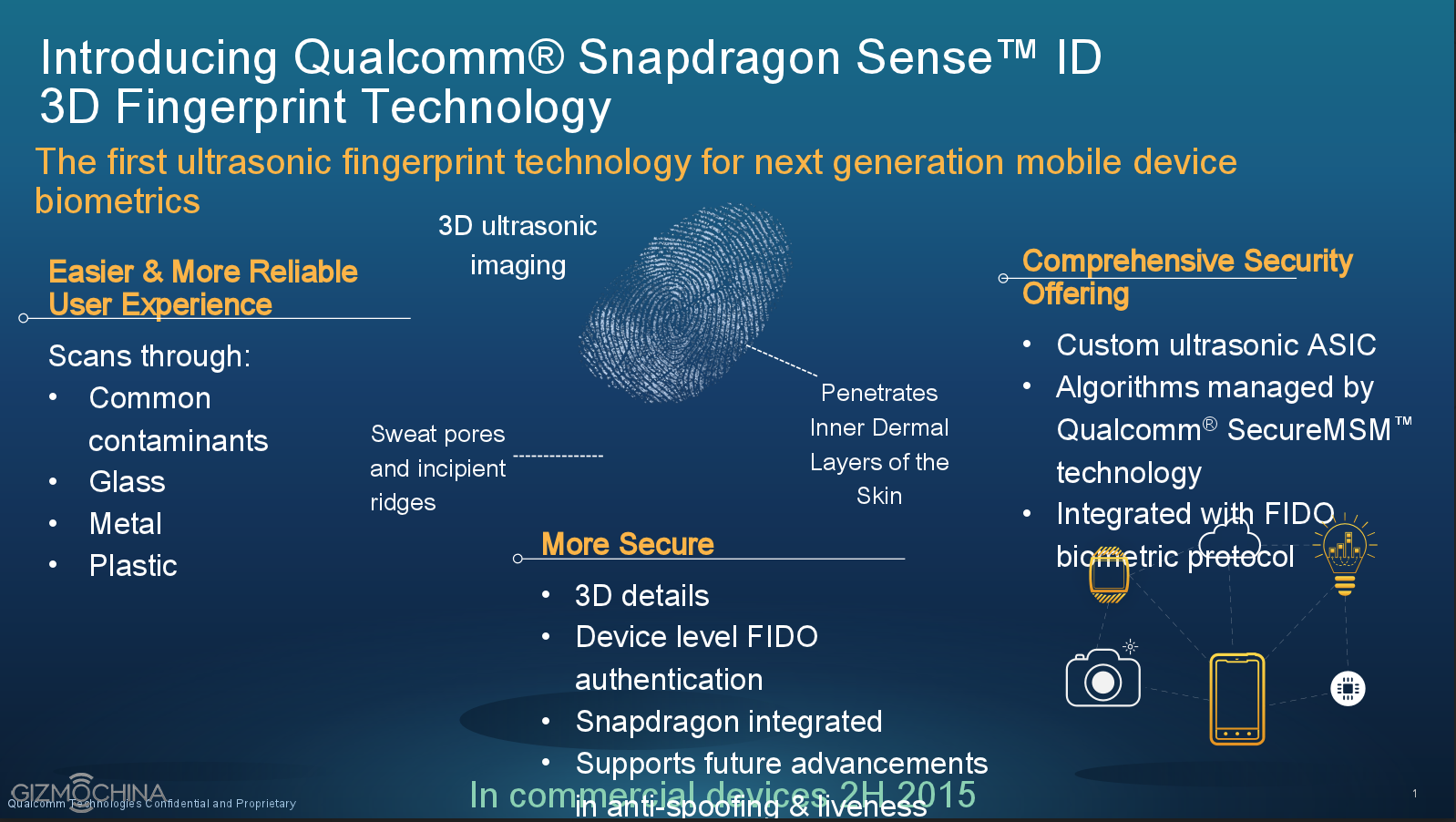
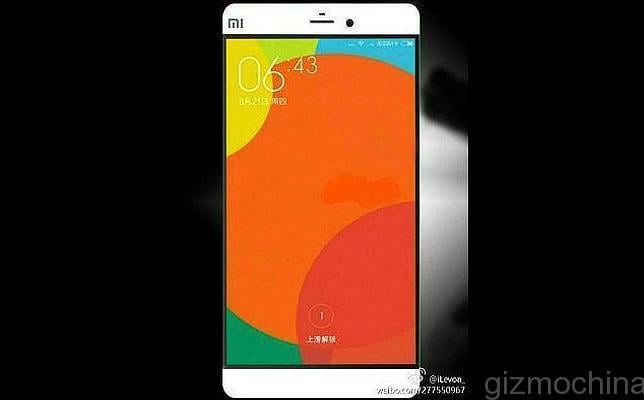
We have been hearing a lot about the upcoming Xiaomi Mi 5 flagship smartphone since early 2015. However, the company is yet to reveal a launch date of the device. According to recent rumors, the phone might launch as soon as November, which is just a month away. Now, the latest news that comes from Weibo reveals that Xiaomi Mi 5 may be the first smartphone to feature Qualcomm’s Ultrasonic Fingerprint Recognition Technology.
Snapdragon 820 powered phones are expected to feature this new-age tech and since Xiaomi Mi 5 is rumored to be one of the first phones to feature Qualcomm’s latest chip, its quite likely that we will see it on the device. The company calls its the Snapdragon Sense 3D Fingerprint technology. This particular tech is better than existing technologies in the sense that its harder to imitate.
The 3D fingerprint technology creates a minute map of the details of your fingerprint, better than existing solutions. So, it becomes harder for anyone to copy your fingerprint to unlock the device, essentially making it much more secure.
Earlier leaked Mi5 render
Moreover, the technology does not need specific capacitive sensor or buttons to work. It can be used on a variety of materials such as plastic, metal or even glass. So, upcoming smartphones may not necessarily have a dedicated area for fingerprint sensor. It can be anywhere in the existing component like the display or even the frame, thereby allowing manufacturers to improve the overall screen proportion.
Since Xiaomi Mi 5 is expected feature pretty high-end specs, like 4GB RAM, 16MP camera and Android 5.1.1, an ultrasonic fingerprint ID would definitely be a great addition to its features.
Well, we may not have to wait too long to see if the phone comes with this new age tech, as the launch could be as soon as November 2015. Stay tuned for more details.
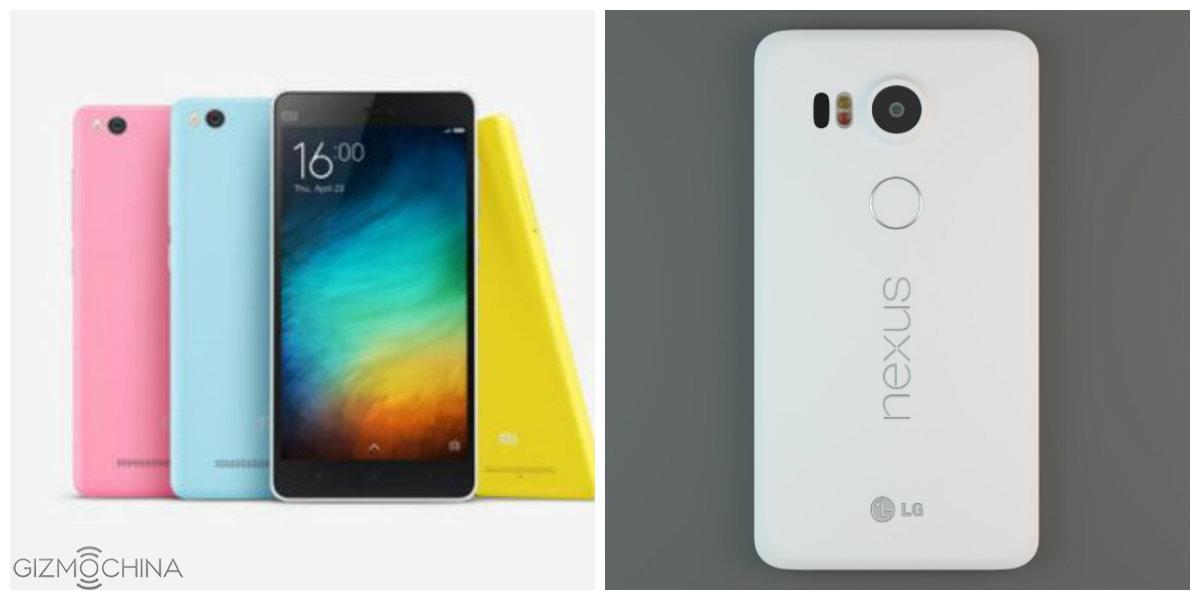
Google announced the LG Nexus 5X handset a couple of days back. After seeing the specifications of the device, we immediately realized that the phone had specs quite similar to Xiaomi’s Mi 4c. Hence, we decided to compare both the devices to see which one comes out as the winner.
One might think the Nexus 5X to be very similar to the Xiaomi Mi 4c, which is true to a certain extent but they have their differences.
BODY & DISPLAY:
If we start from the exterior designs and the displays, the Nexus 5X will have a 5.2 inch Full HD display while that of the Xiaomi 4c is also a Full HD screen but with only a 5 inch size. Dimension wise, the Xiaomi 4c is 7.8mm thick while the Nexus 5X is expected come with a body of around 7.9mm thickness.
Both the devices have very different looks, with Xiaomi aiming for a simple yet elegant design, while LG looking for a soft polycarbonate design much like its predecessor. But both the handsets look quite good. So, we leave it up to you to decide which ones better.
HARDWARE:
In terms of processing hardware, both smartphones are powered by the Qualcomm hexa-core processor Snapdragon 808 with 2GB RAM. The operating systems on both will be Android, Marshmallow version going to the Nexus 5X while the Lollipop version is on the Xiaomi Mi 4c. Like all Nexus devices, you can have a pure Android experience on the 5X. On the other hand, the MIUI 7 on the Mi 4c is also quite feature rich and user friendly.
Both phones come in two models, one having 16GB storage and another version coming with 32GB storage. They are also powered by non-removable Li-Ion batteries but the Nexus 5X will house just 2700 mAh capacity while the Xiaomi Mi 4c will have 3080 mAh battery capacity and boasts quick charging technology QC 2.0.
CAMERA:
A lot of today’s smartphones are being fitted with a 13MP rear camera and 5MP one in the front. The Nexus 5X is going to be fitted with a slightly smaller camera with a resolution of 12.3 MP. However, that doesn’t tell the whole story as the sensor features larger 1.55 microns pixels which should technically be able to capture more light. So, this should translate into better picture quality. The Mi 4c on the other hand will have a regular 13MP camera. Both phones will have a 5MP front facing shooter and are fitted with a dual tone LED flash at the back.
CONNECTIVITY:
On the communication front all the standard LTE, WiFi and Bluetooth connectivity solutions are supported on both phones. However, the Nexus 5X in turn boasts about having a fingerprint sensor and a barometer as exceptional features. The Xiaomi Mi 4c has an FM radio tuner for additional entertainment and an infrared port for supplemental connection but the Nexus 5X supposedly does not support these features.
PRICING:
The Nexus 5X which comes in three cover colors is expected to be sold with a relatively higher price tag of around $380. The Xiaomi Mi 4c which is manufactured with an option of five colors can be bought online for just about $249. That’s a difference of more than $120!
As you can see, except for the fingerprint sensor on board and the camera (expecting it to be better than the 13MP Mi 4c’s sensor), the Xiaomi Mi 4c can be called as the winner here. With a larger battery, infrared port, MIUI 7 and the pricing advantage, the Mi 4c does seem to be the better choice here.
Bluboo is really stepping up its game in the past couple of months. In the low end segment, the company is all set to release the cheapest MT6735 quad-core 64-bit smartphone. Now, we have received new information which states that the earlier rumored Bluboo Xtouch and Bluboo Xtouch Pro are almost finalized with a release sometime later this month.
The company is really trying hard to capture the high-end segment with these two devices. The Bluboo Xtouch will feature the mid-range MT6753 octa-core chip which is ideal for your everyday performance. Under the hood, there will be 3GB of RAM and 16GB of storage. Both the models are aimed at the compact market – those who like 5-inch screens. But it will feature a resolution of FHD 1080p which means the pixel density is going to impressive. As for the camera, at the back, there will be a 13MP Sony IMX214 sensor that can take pretty good shots while up front, there’s a 5MP shooter.
Xtouch Prototype
1 of 4
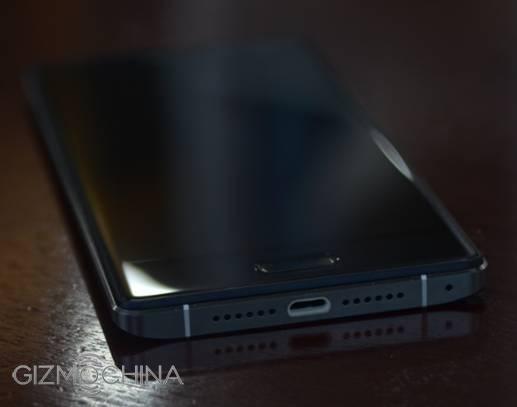
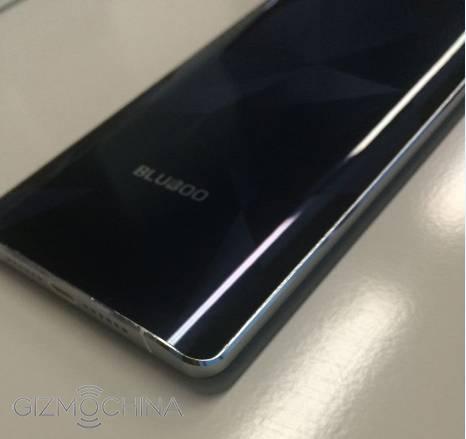
While these specs are pretty good, the real highlight of the phone is going to be its 2.5D glass up front and 3D back cover enhancing the overall looks of the device. Further there’s a front facing fingerprint sensor as well. As for the battery, there’s a decent 3050mAh which should easily last an entire day, thanks to the efficient chip and smaller display.
If you want even better specs, then Bluboo is also going to offer an enhanced version called as the Bluboo Xtouch Pro. This is the same model that was previously called as the Bluboo X500 Pro. Under the hood, the company has upgraded the processor to Helio X10 MT6795 octa-core chip with 4GB of RAM and 64GB of eMMC 5.0 storage. The display remains the same, a 5-inch FHD 1080p made by JDI. However, in the camera department, you get a powerful 20.7MP Sony IMX220 sensor at the back, and an 8MP front facing shooter for selfies. Even this model comes with 2.5D glass at the front and 3D back cover. The battery remains the same, 3050mAh capacity which should be enough for a day’s usage. Even the Pro version features a front facing fingerprint sensor.
It is said that the Bluboo Xtouch will be announced sometime in October this year. However, we still have no idea about the launch time of the Bluboo Xtouch Pro. Also, the pricing of the both the models are still not available.
These are some pretty high-end specs and we really hope that Bluboo manages to keep the price to an acceptable level. The phone looks good, and if priced right, it could sell pretty well.
Meizu announced its Pro 5 flagship last month with the powerful Exynos 7420 octa-core chip on board. With this chip inside, the phone manages to score more than 70K easily, which is why many of us are interested to see how well the Pro 5 flagship manages to dissipate heat.
Snapdragon 810 has a very bad reputation of overheating, despite being a powerful flagship chipset. On the other hand, the 14nm based Exynos 7420 seems to tackle the problem of overheating quite well. So, some folks over at China decided to perform a heating test on the new Meizu Pro 5 under certain circumstances to see how whether it managed to keep the heat levels under control.
TEST I
In the first test, the Meizu Pro 5 was made to run the AnTuTu benchmark test for about 5 minutes. The test takes care of a number of areas like processing power, GPU etc, which should technically heat up the device. It’s like playing a high-end game for about 5 minutes on the device. After the first five minutes of the test, wherein the phone managed to score about 76K points, the maximum temperature at the front was39.5degreeCelsius. At the back, the maximum temperature was just 37.3 degreesCelsius with an average of about 35.8 degrees. The phone managed to keep the temperature under 40 degrees which is quite impressive. Not bad for a flagship with such raw power underneath!
TEST II
In the second test, the phone was made to run a full HD 1080p video for 10 long minutes. After the video playback, the temperatures of both the back and the front were measured. The temperature up front was just 34.6 degrees with the average being 32.4 degrees. As for the back of the device, the maximum temperature was just 34.2 degrees with the average being 33.5 degrees.
Both the tests show that Meizu has done a great job controlling heat on its Pro 5 flagship. This does prove that high-end performance is possible without overheating the device to unacceptable levels.
It seems that a lot of Chinese manufacturers are trying to solve a weak battery life issue by simply producing the phones with enormous size of the batteries. Cubot is no exception here as they have the H1 in their portfolio. But is it any good? Does a large battery alone make the phone a good device to use?
Thanks to Pandawill for supplying us with the Cubot H1 for a review.
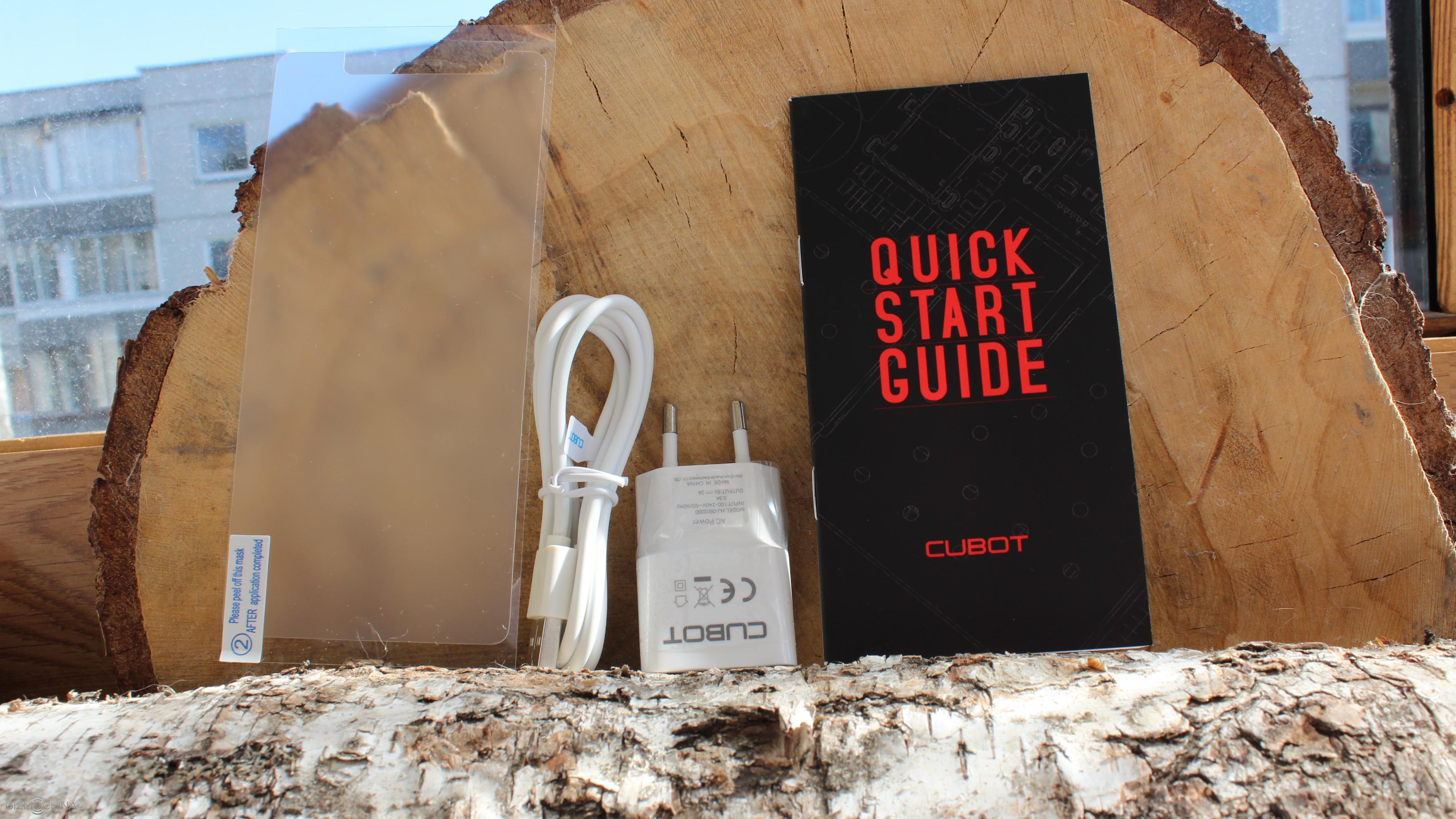
The phone comes with a charging plug, USB cable, documentation and a screen protector.
Cubot H1 Review: DESIGN
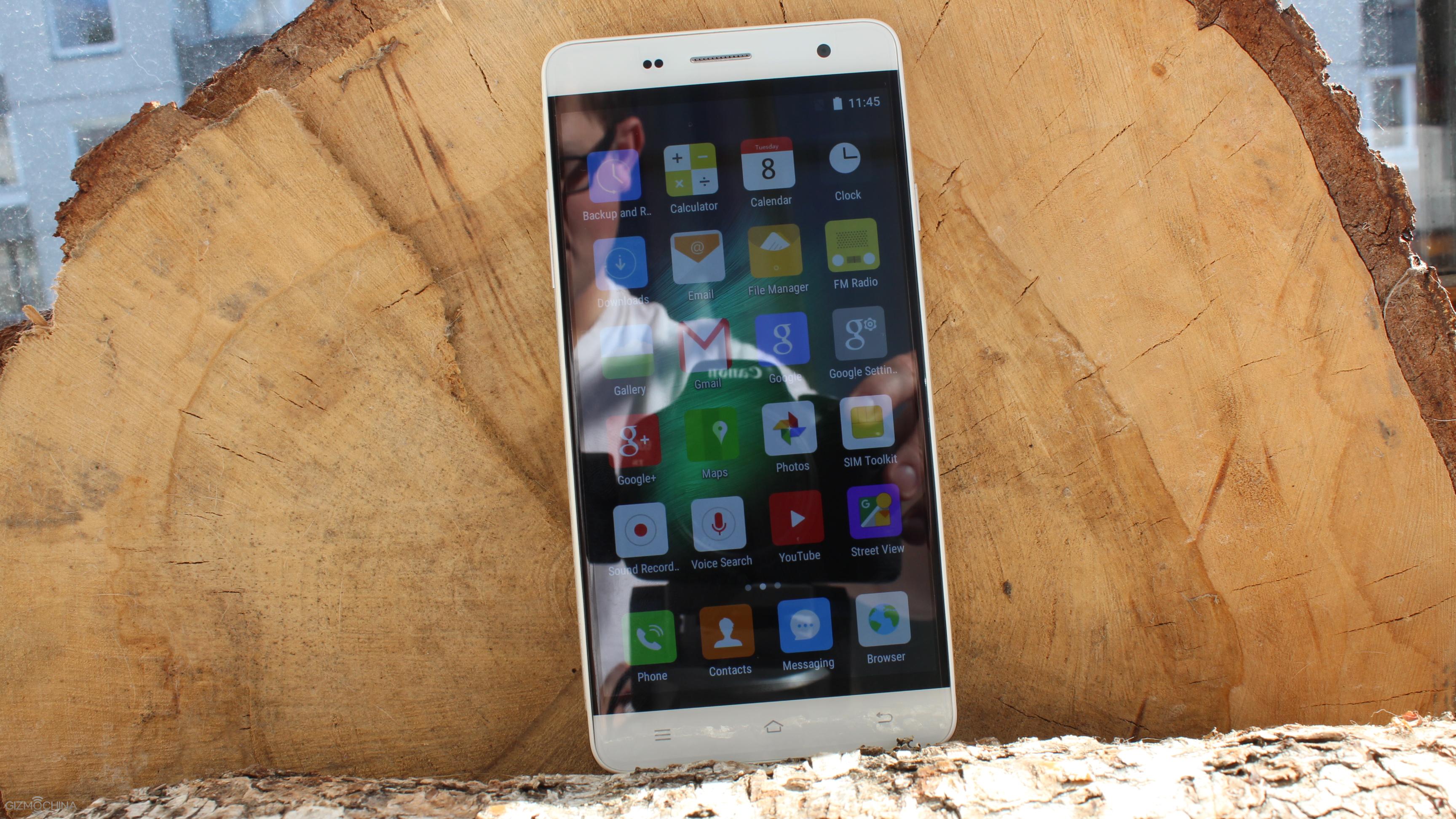
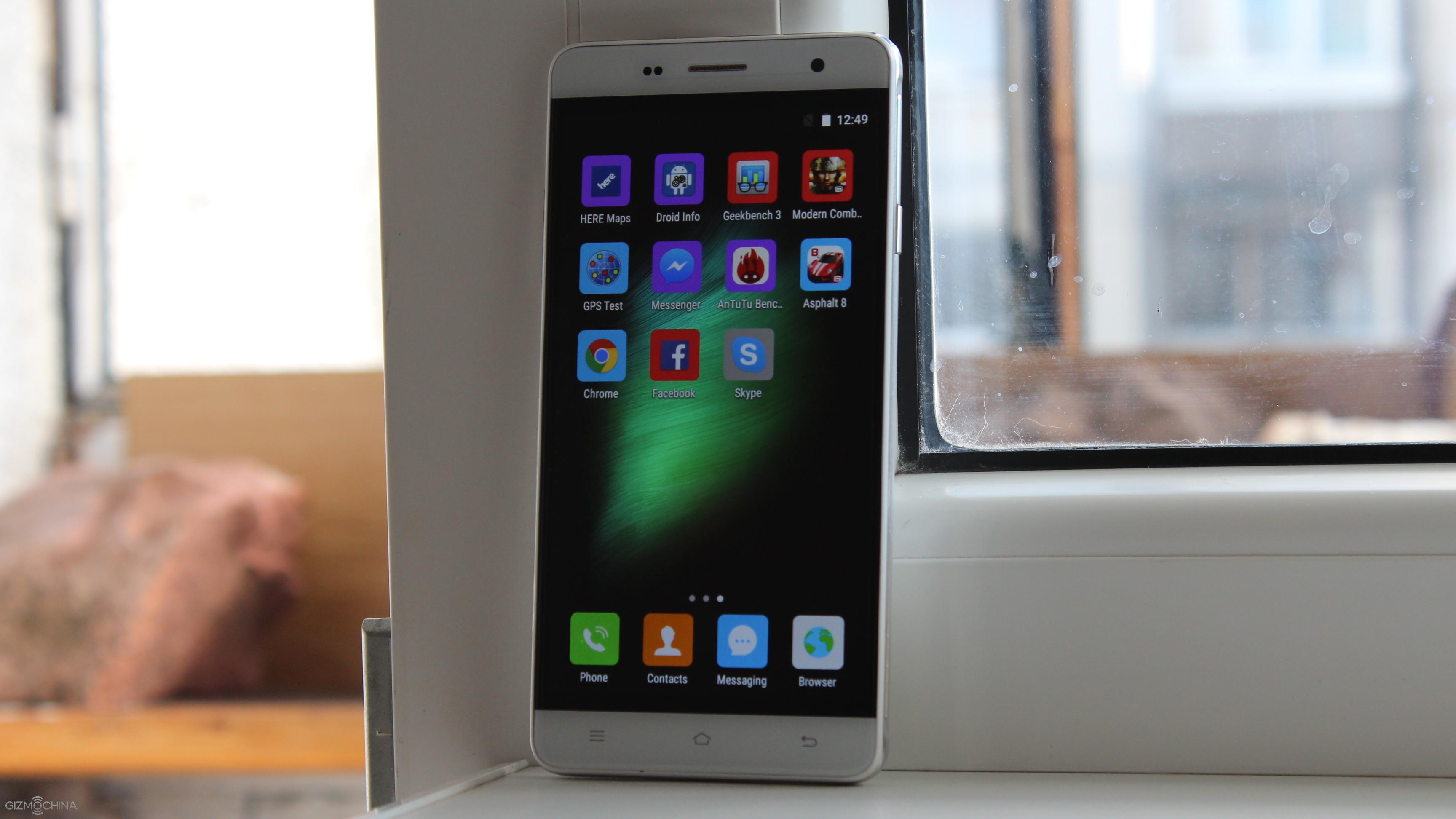
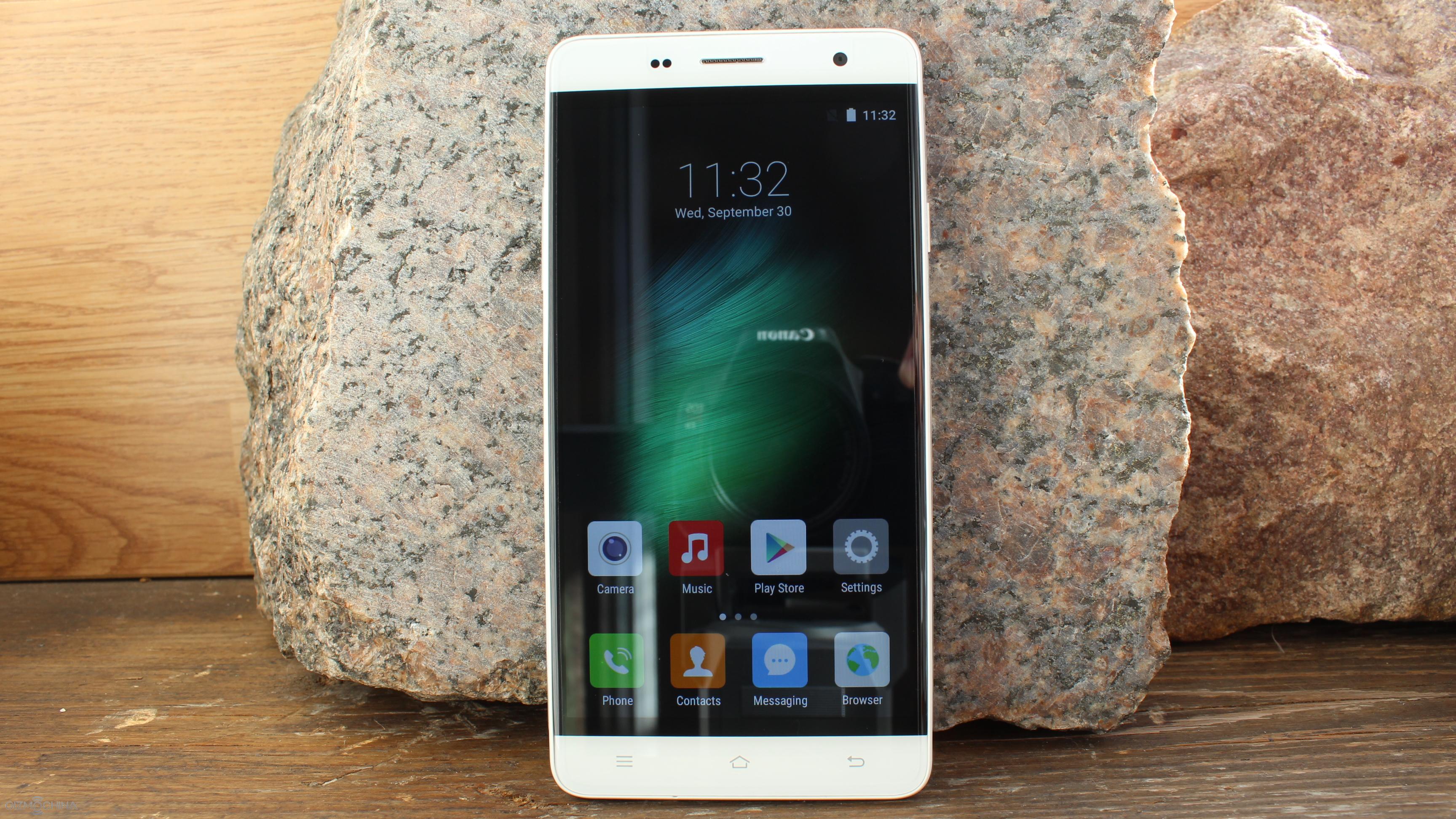
The Cubot H1 is not the smallest phone as it comes with 5.5” display but this is what we need to deal with when it comes to most of the phones nowadays. Nevertheless, the phone sits comfortably in the hand.
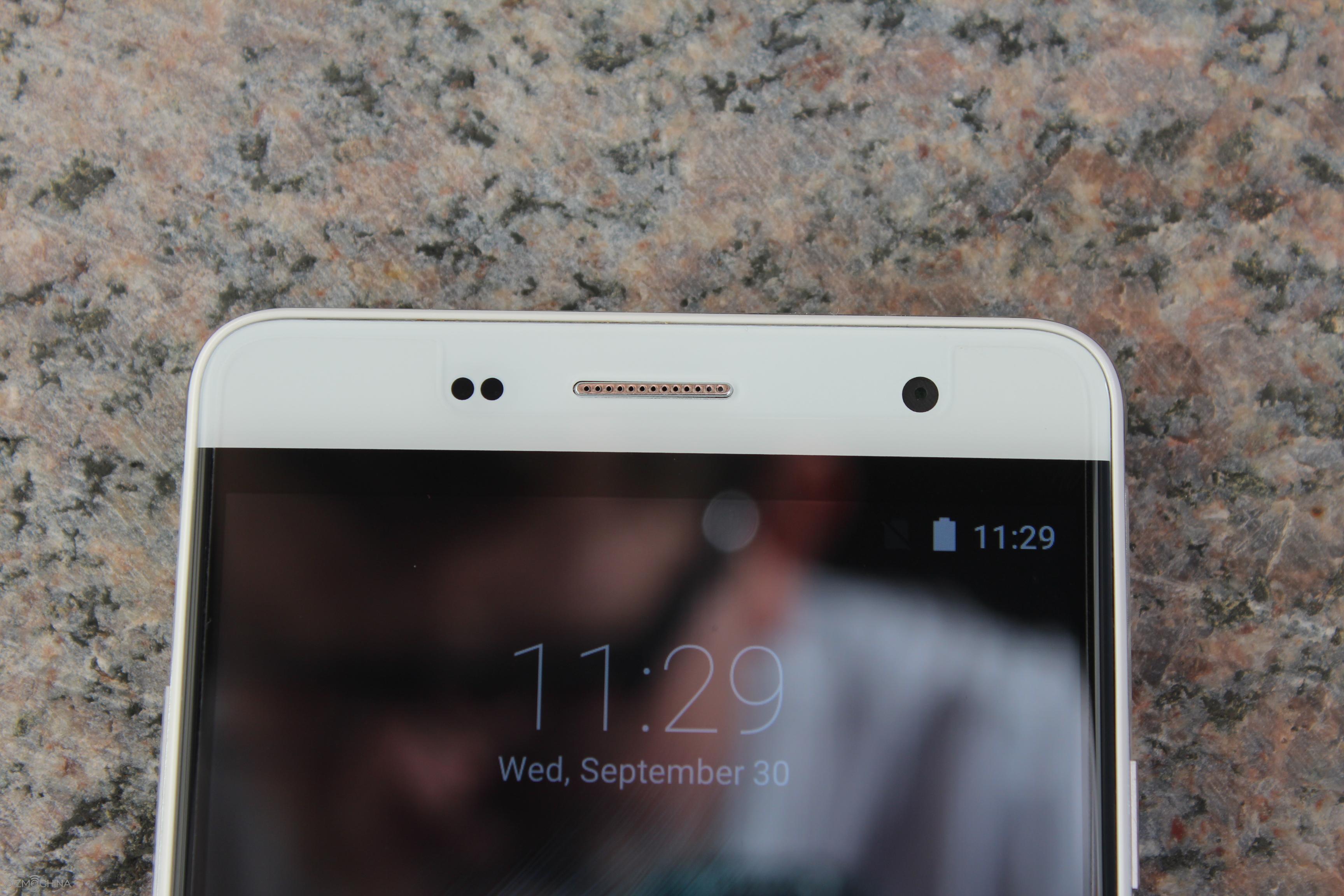
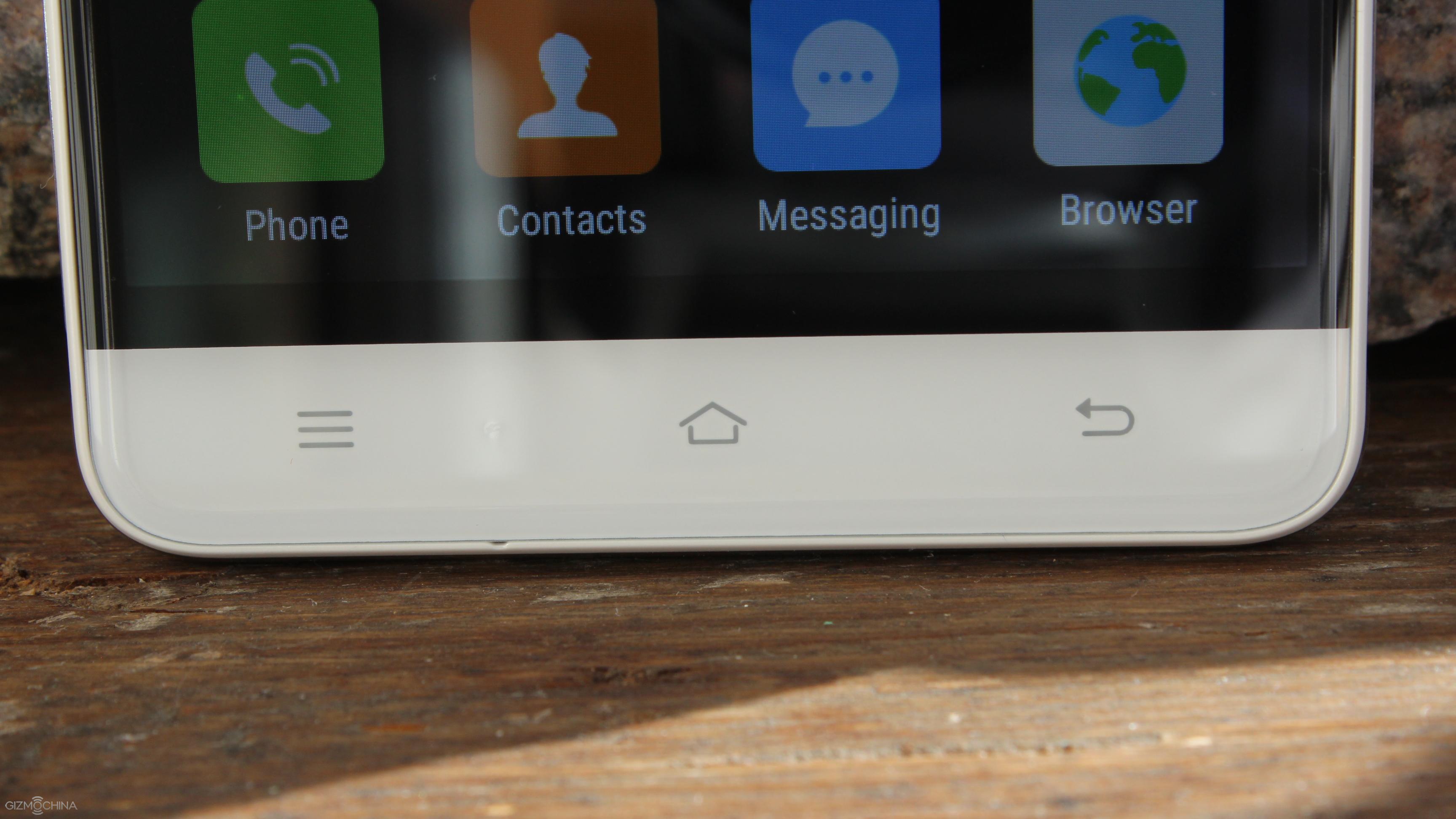
On the top we have sensor lights, earpiece and an 8MP shooter, which is interpolated from 5MP sensor, a non-customisable LED light, which flashes in two colours, and on the bottom there are 3 capacitive keys, which have a really bright backlight that is visible outdoors.
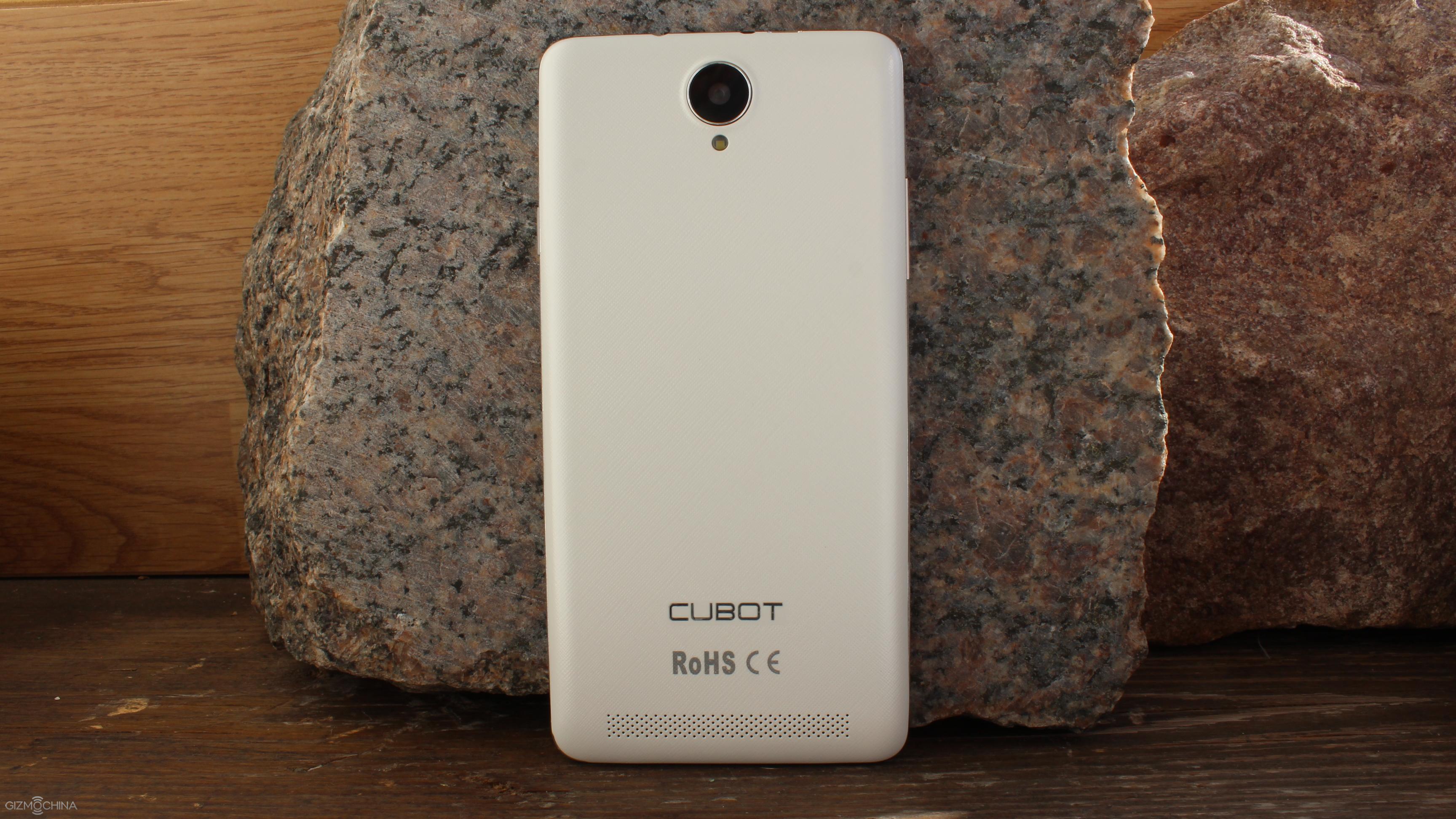
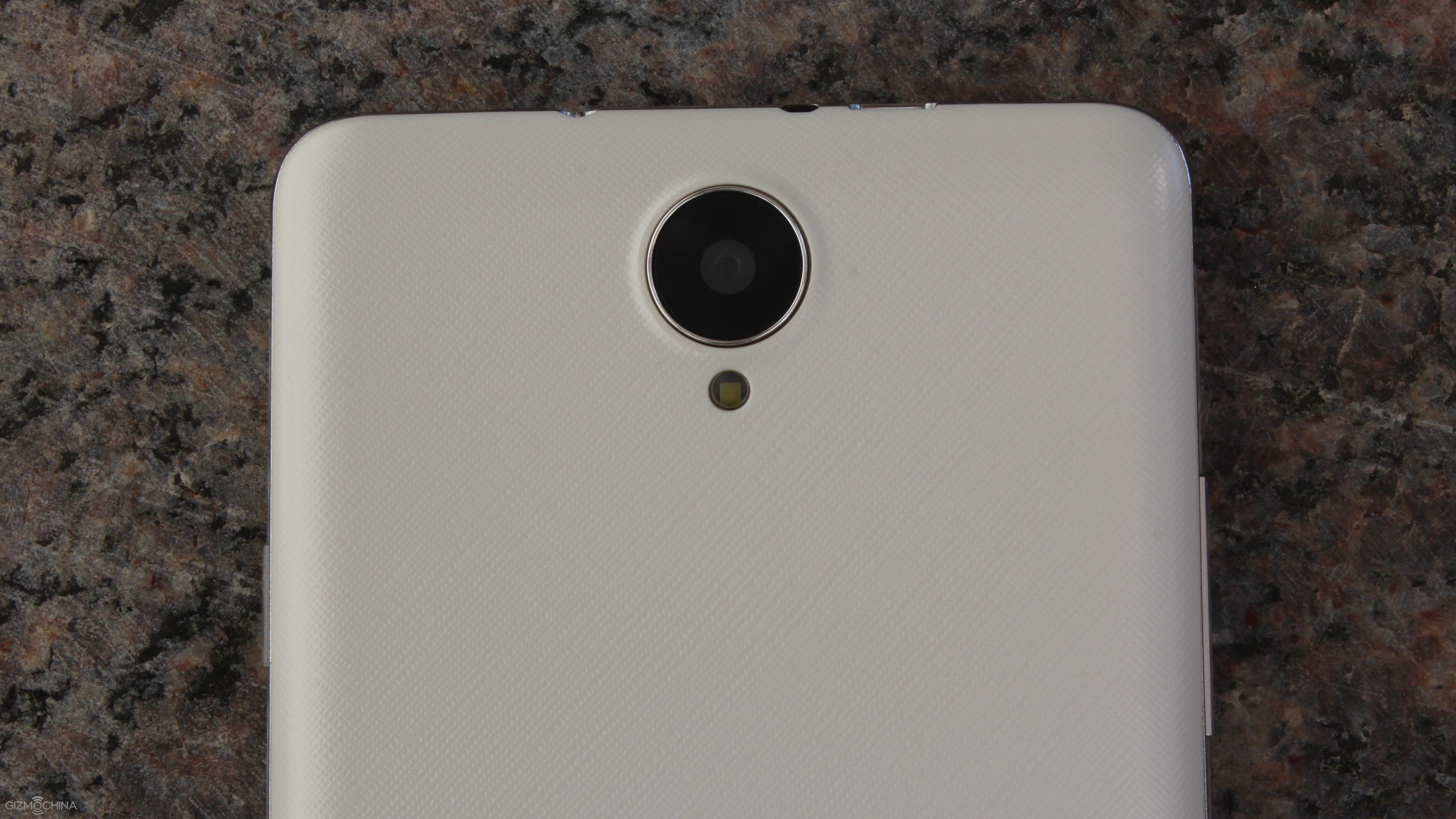
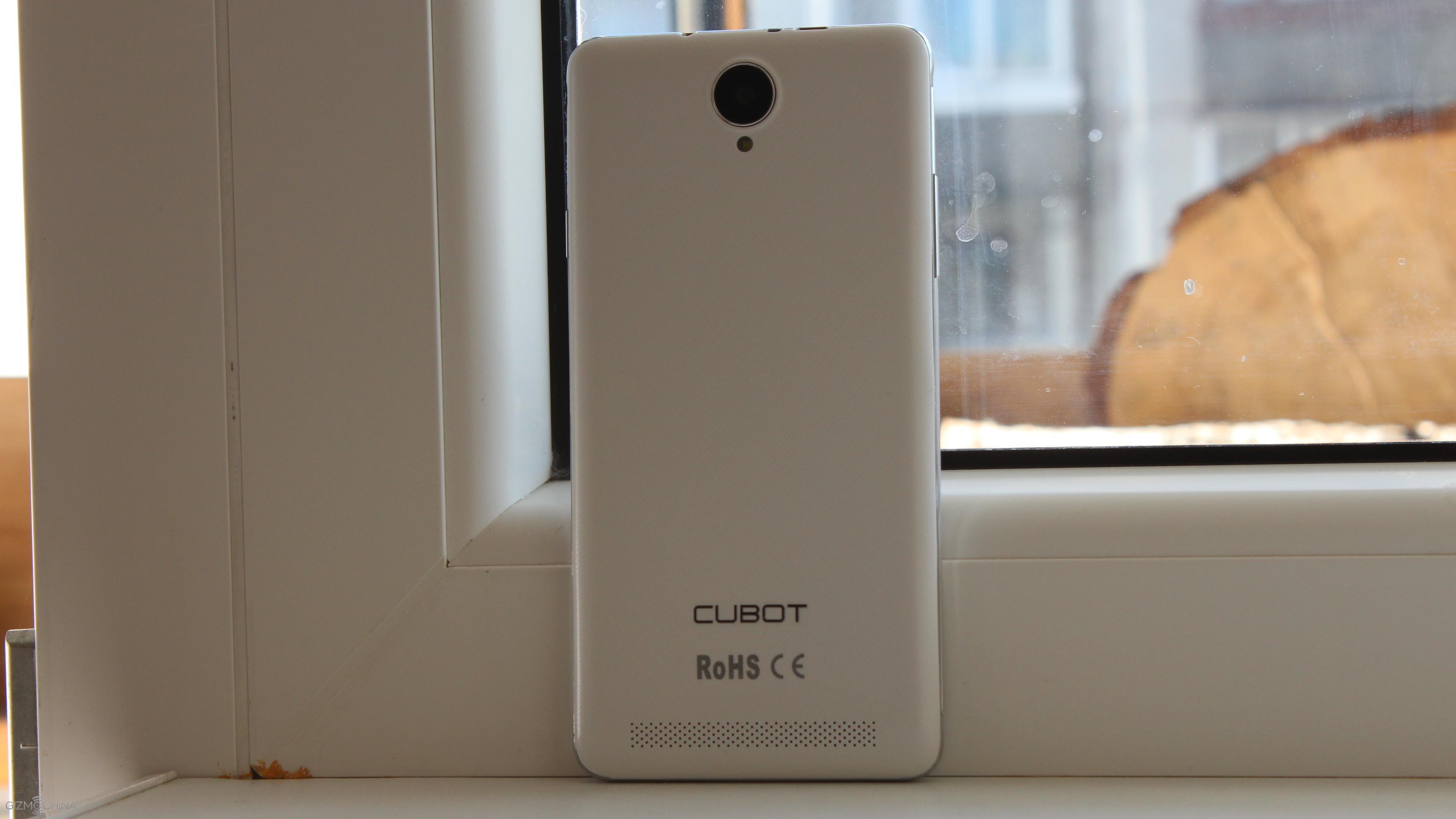
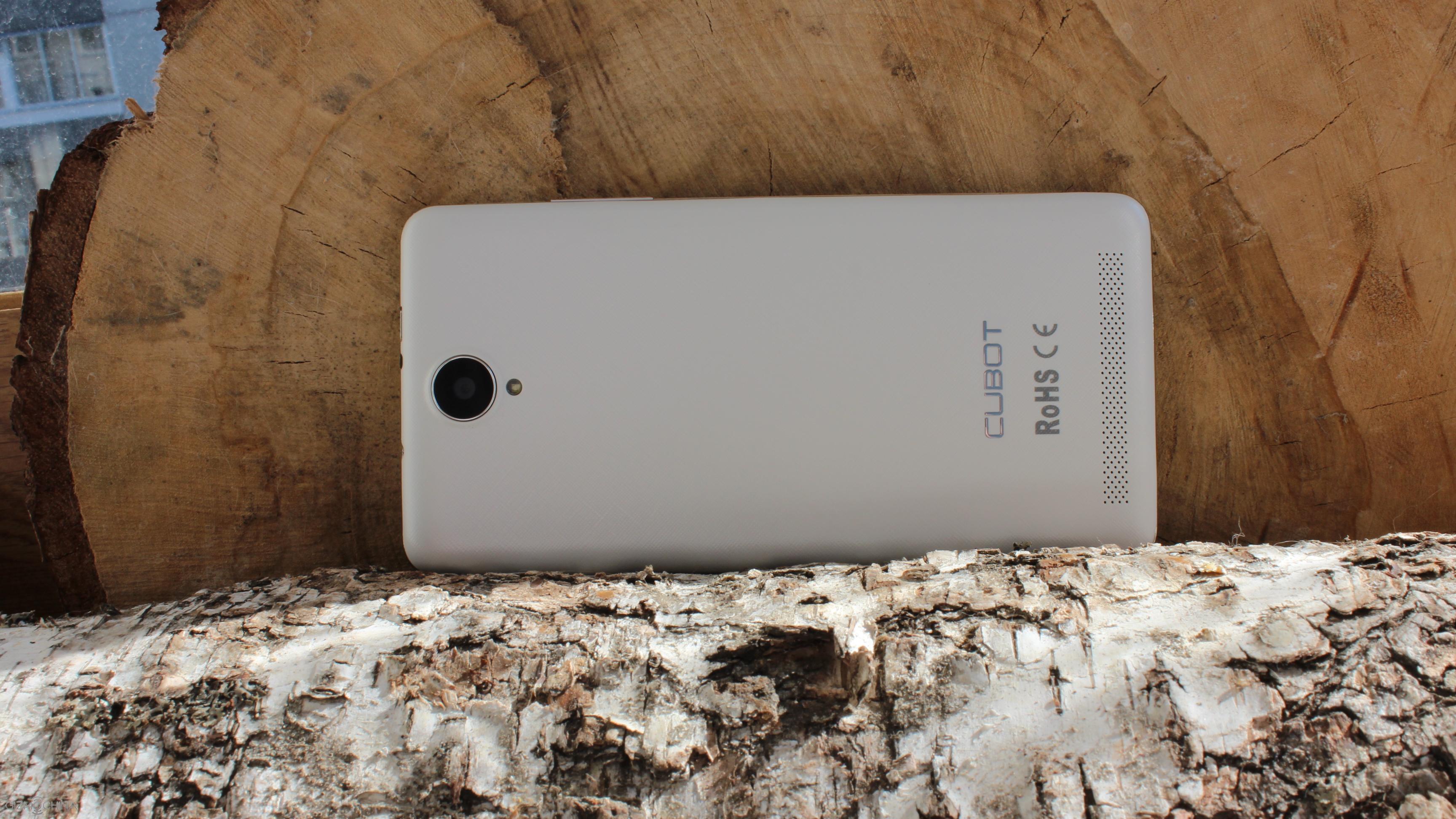
The backplate is made of textured plastic material and here we have the 13MP camera, which is again a result of interpolation from 8MP sensor. Also there is an LED flash.
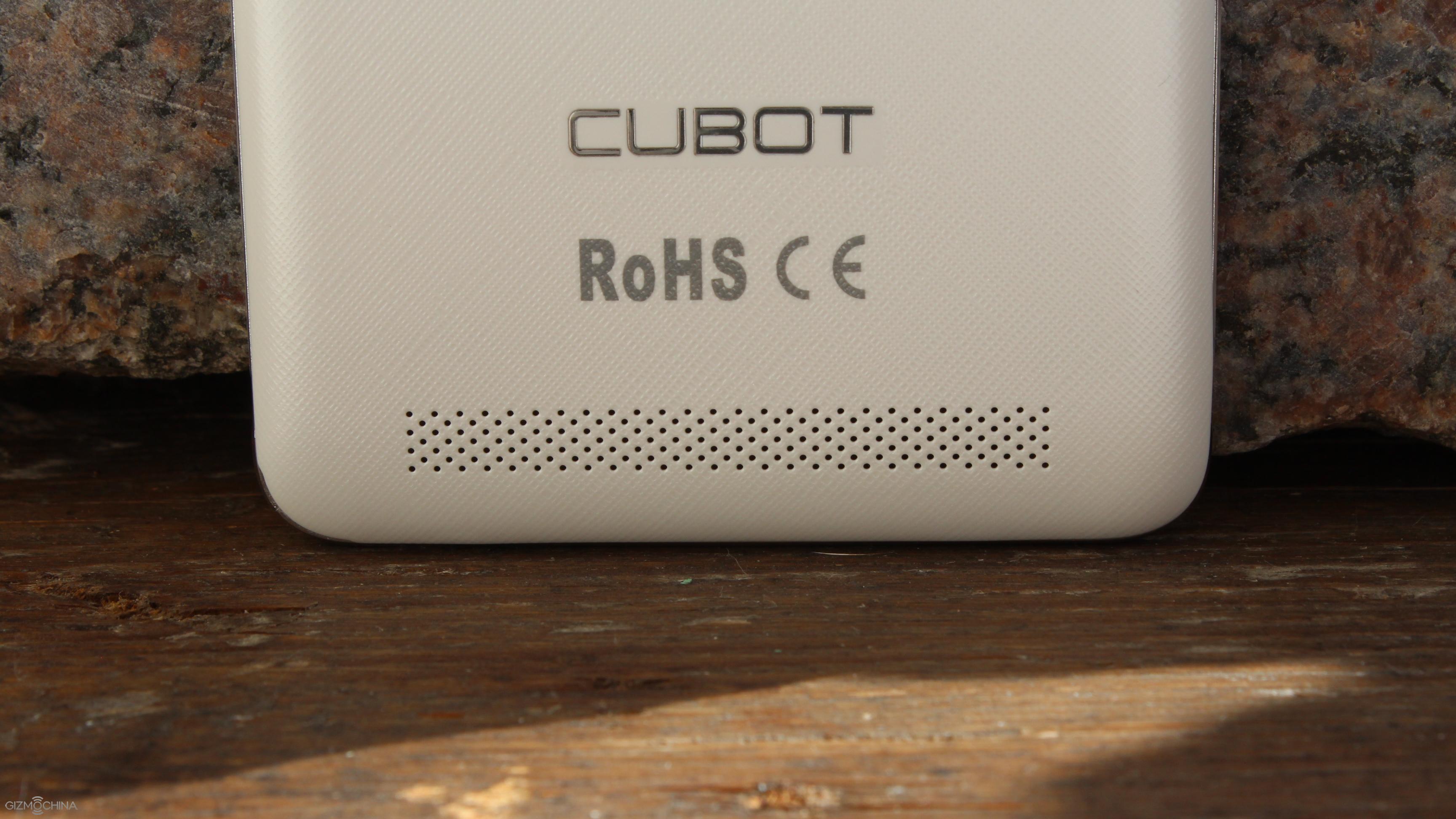
On the bottom we have just a speaker grill.
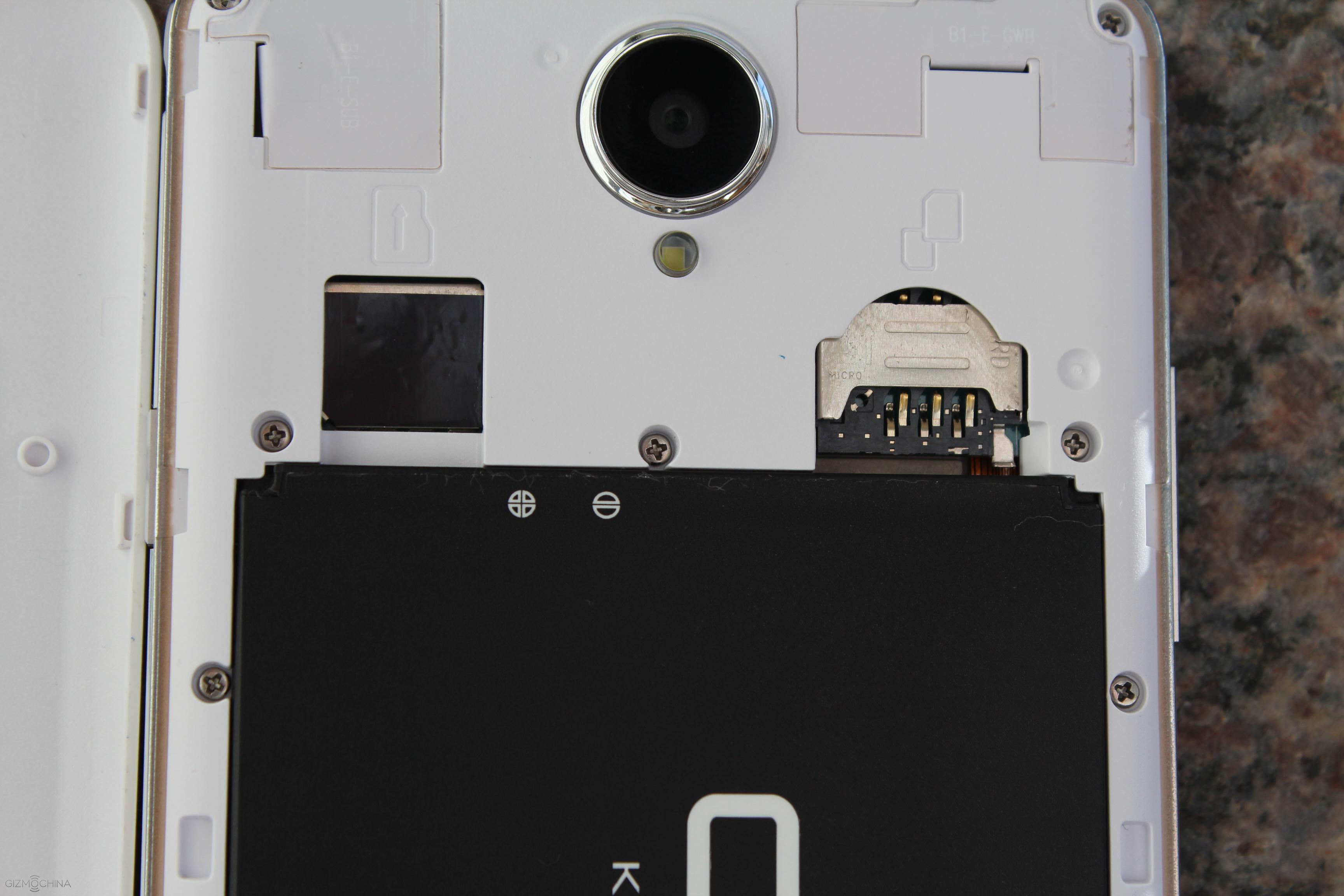
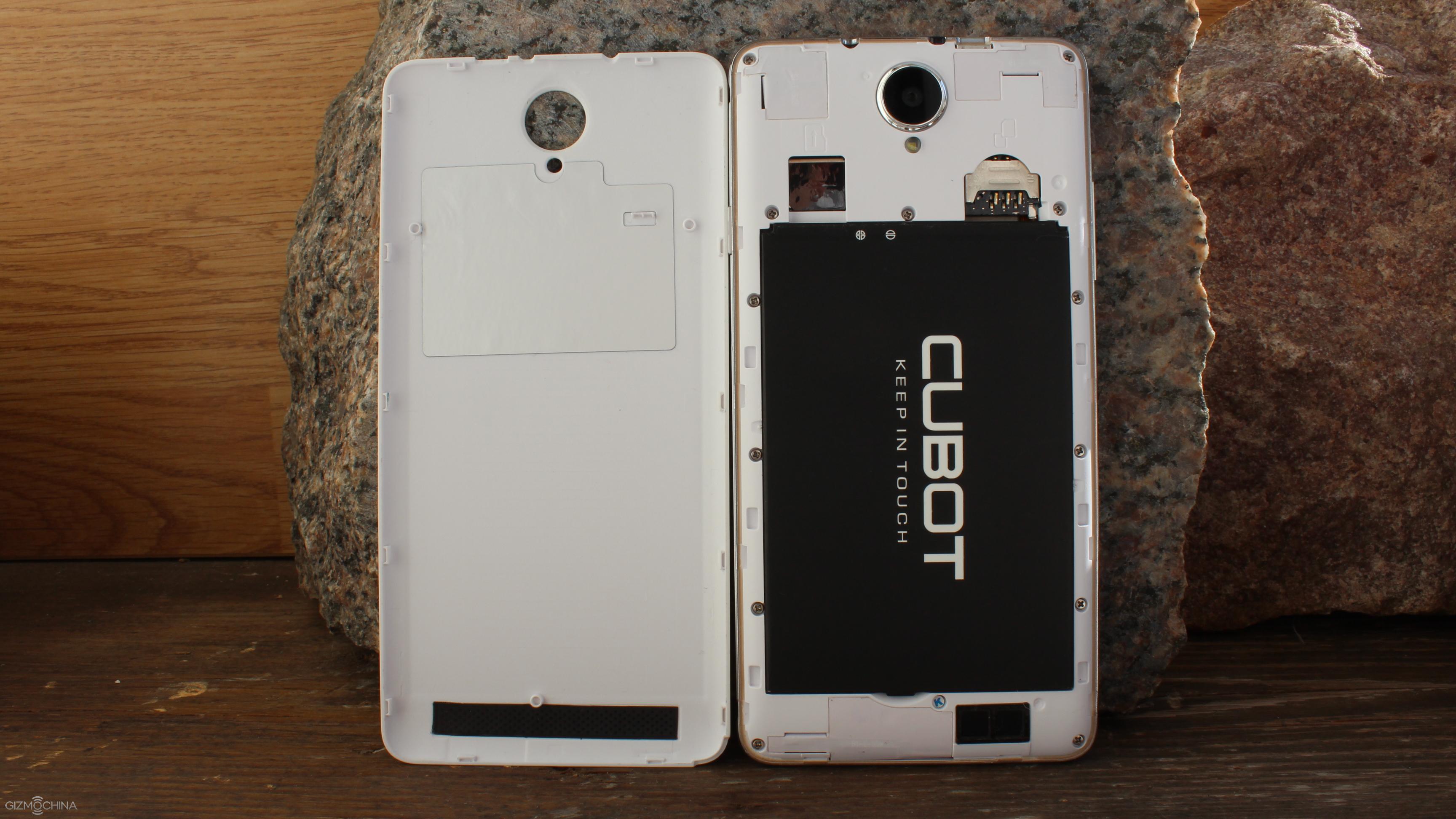
You can remove the back cover and underneath it you can find one full size SIM card slot with the 4G support, a micro SIM card slot for GSM networks and the microSD card slot for storage expansion. The star of the show, however, is a huge removable 5200Ah battery and I will talk about it a bit later.
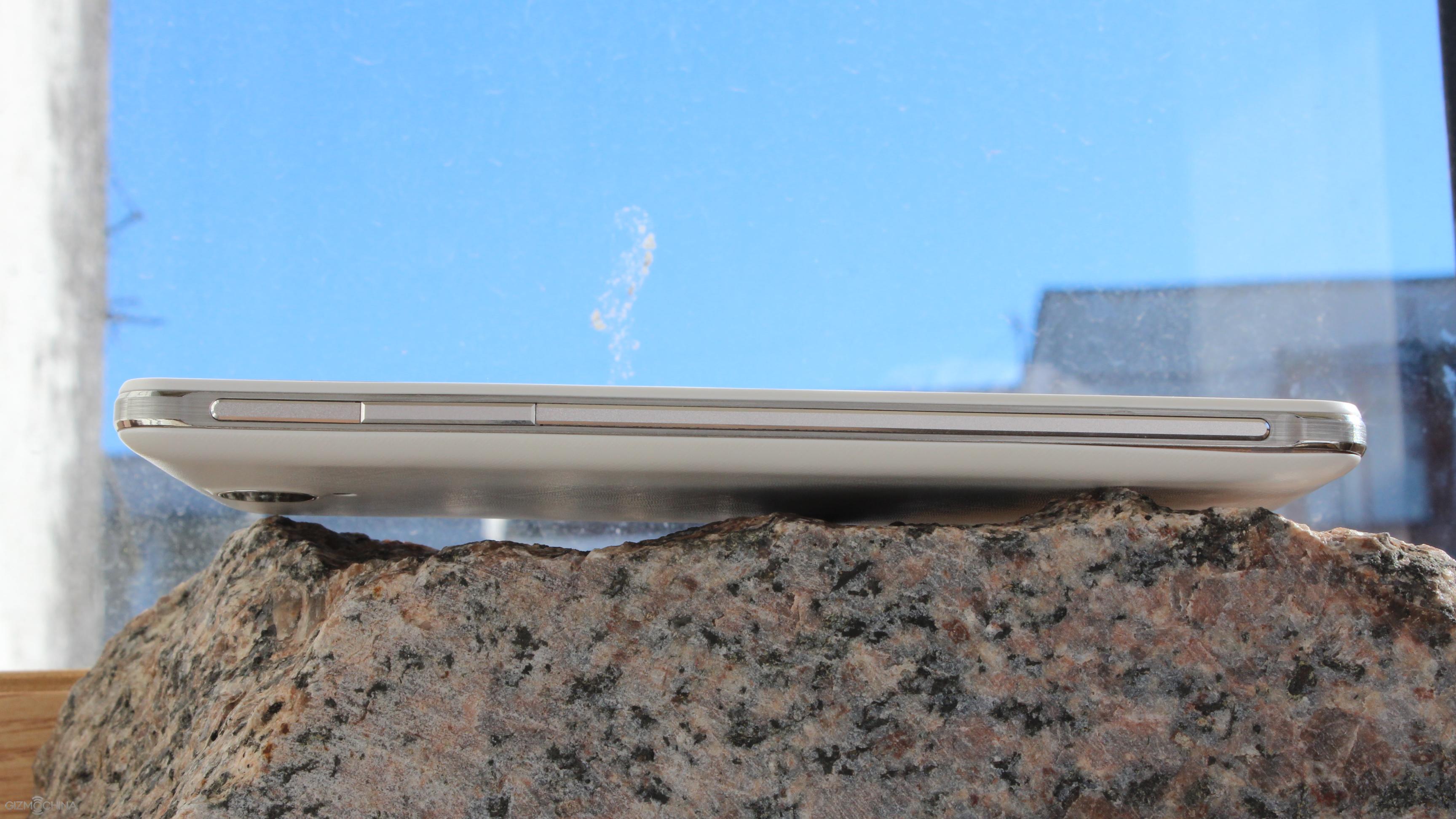
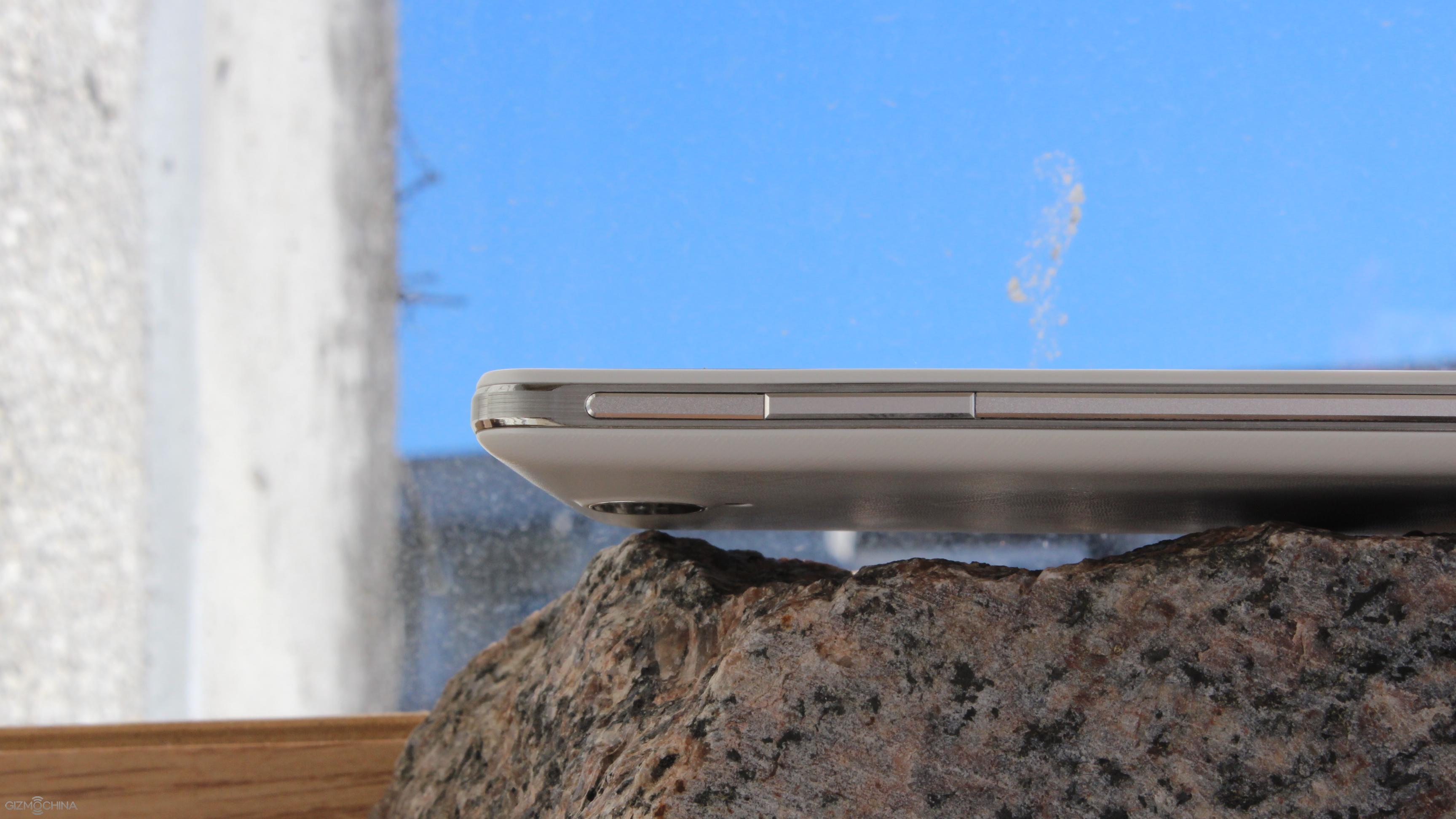
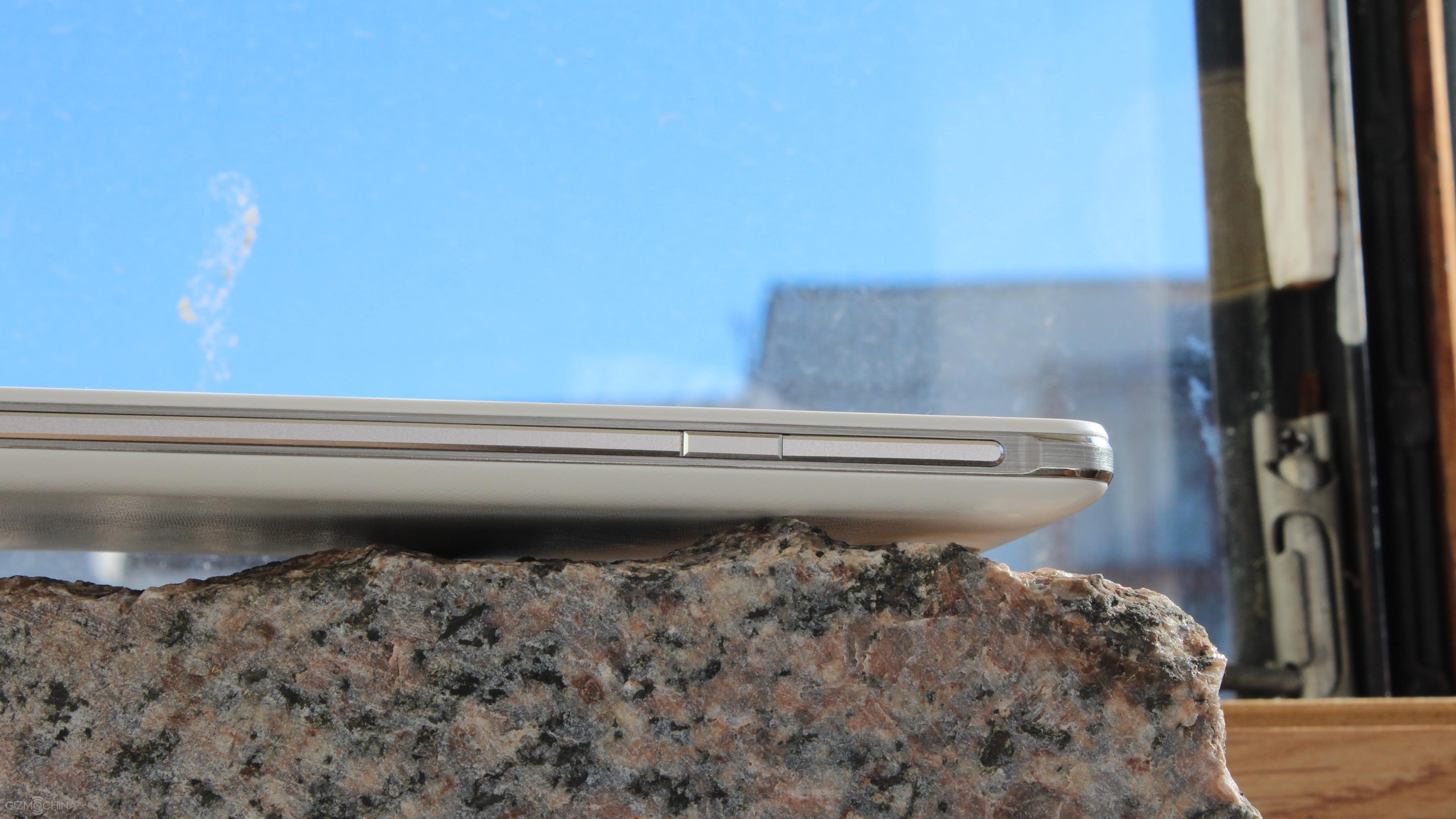
The phone measures at 9.2mm thick due to its large battery. The frame is made of plastic but the sides I believe are metal. Still, they feel plasticky to me.
On the left we have a volume rocker and on the right there is power key.
On the top there is a headset jack, micro USB port and the IR blaster.
Overall, the phone does not really impress when it comes to design. It uses mainly plastic all over the phone and it feels kind of cheap. A good thing is that the build quality is really good.
Cubot H1 Review: DISPLAY
The Cubot H1 comes with 5.5” 720P display, which is slightly curved on the sides to give that 2.5D glass effect. It is an okay panel for a budget phone as it is quite a sharp with decent colour reproduction but we’ve seen better ones.
A disappointing thing is that my review unit came with one dead pixel on the left corner.
Cubot H1 Review: UI
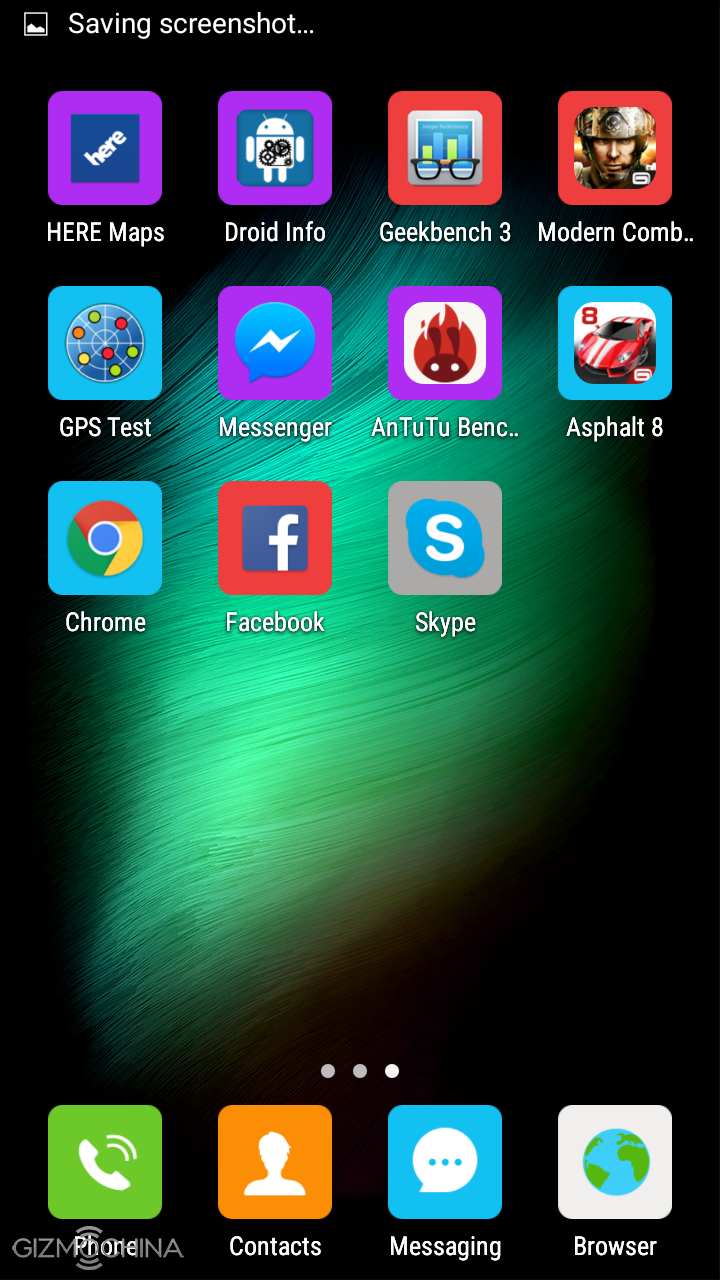
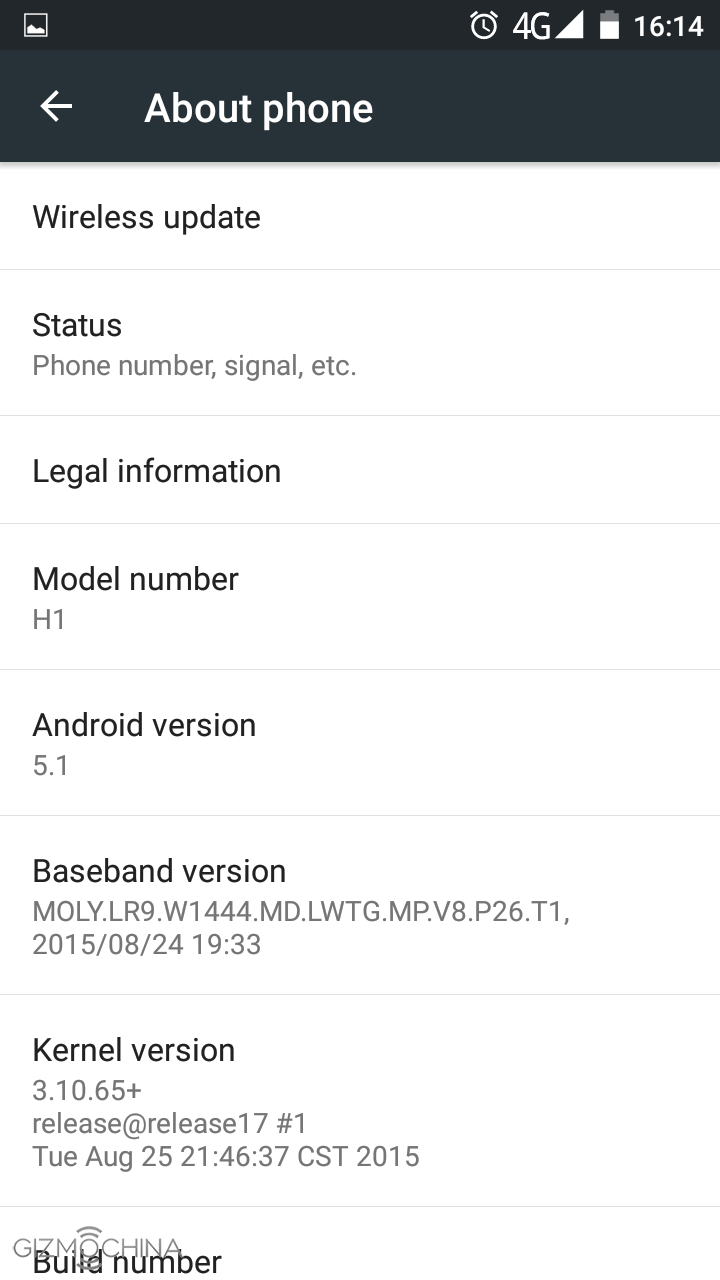
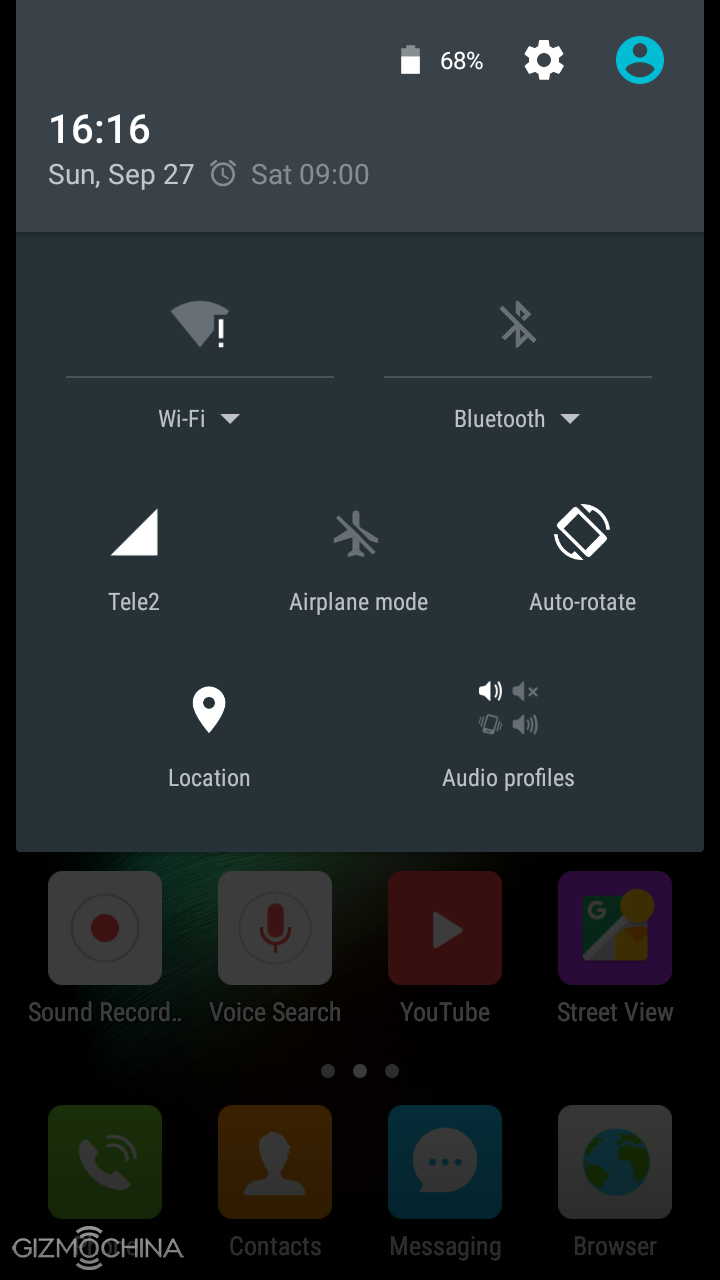
The phone runs on Android 5.1 with a light Cubot’s skin on top of it. It is almost a stock Android build but Cubot removed the app tray and changed the design of the icons.
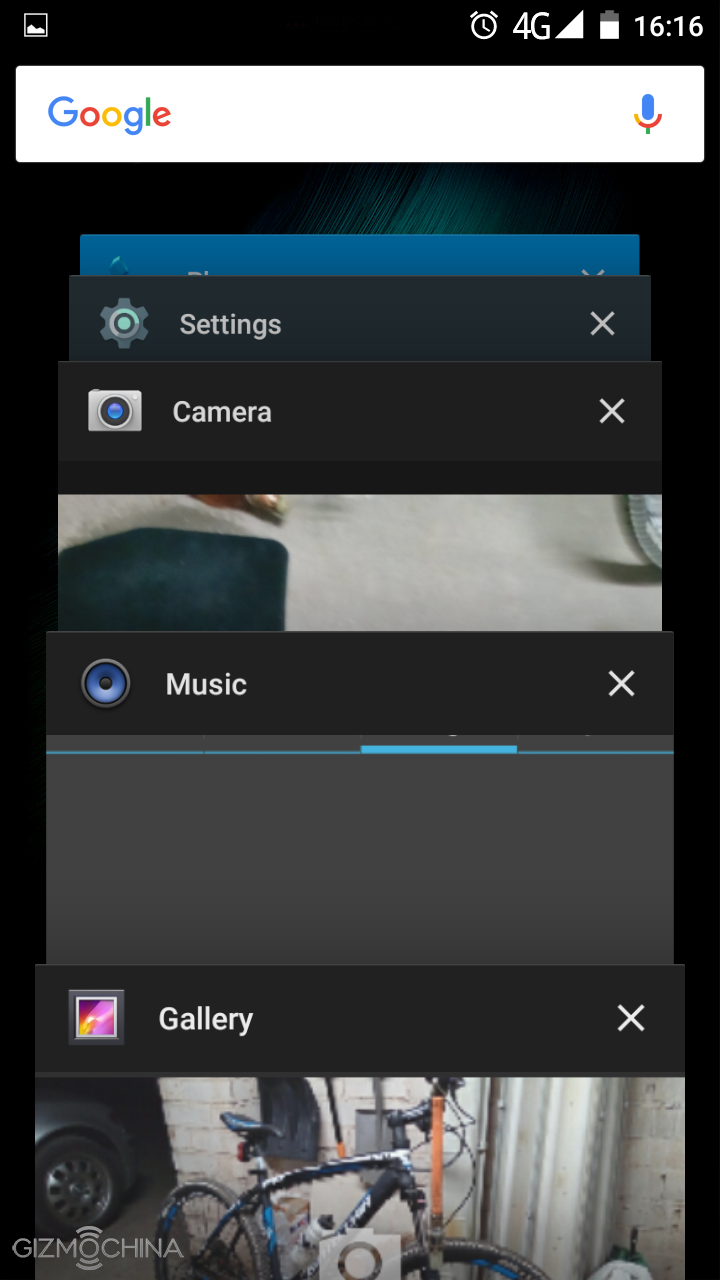
There is no extra functionality like gestures or any customisation options on this phone. Well, let’s say that Cubot went with the “You keep it simple, you keep it fast” philosophy as the UI is running really smoothly all the time even with many apps running in the background.
The only software bug I found is that the backlight under the capacitive keys does not turn off when talking on the phone.
Overall, I’m happy with the fast and smooth UI performance but keep in mind that you are not getting any extra features we usually see on other phones.
Cubot H1 Review: BENCHMARKS
1 of 5
Cubot H1 Review: HARDWARE and PERFORMANCE
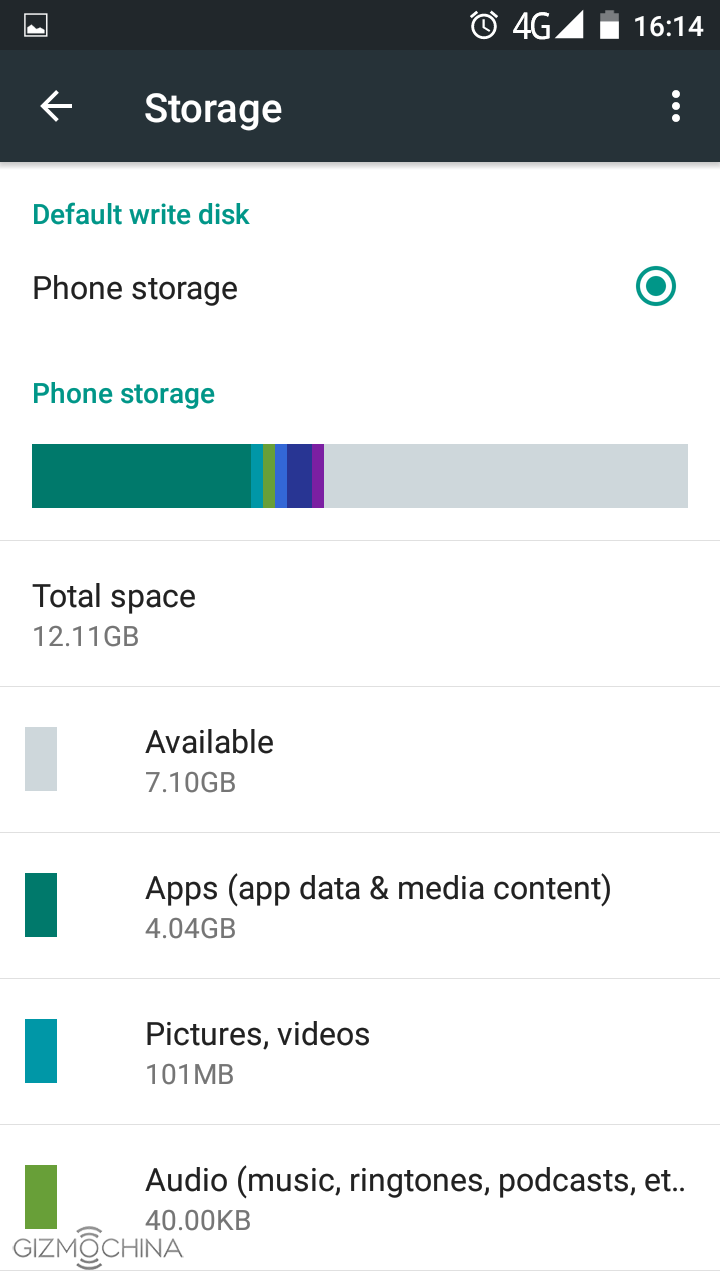
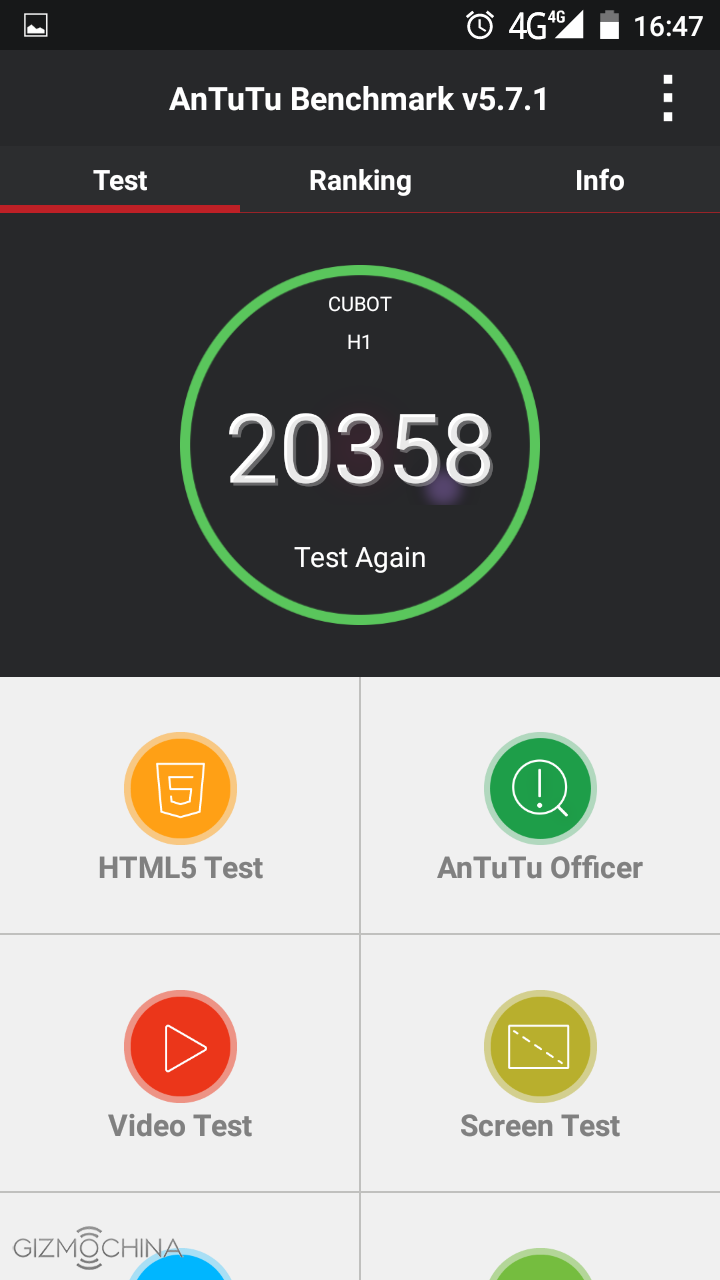
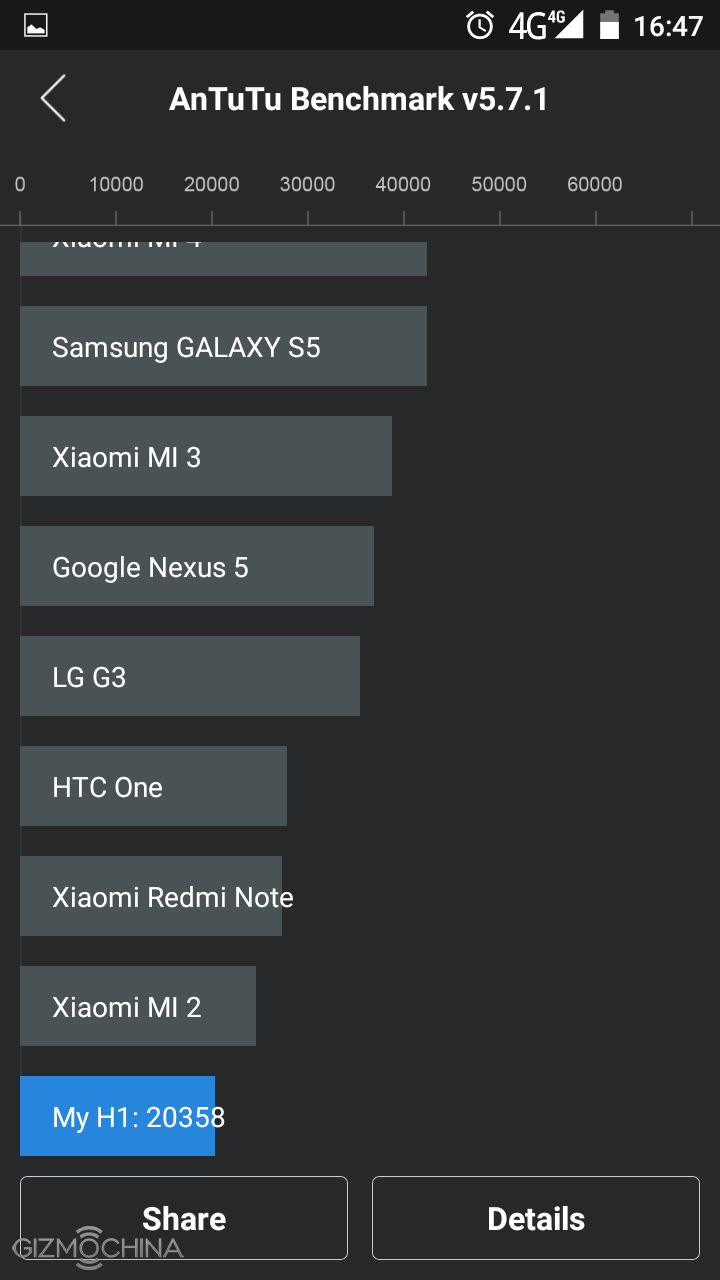
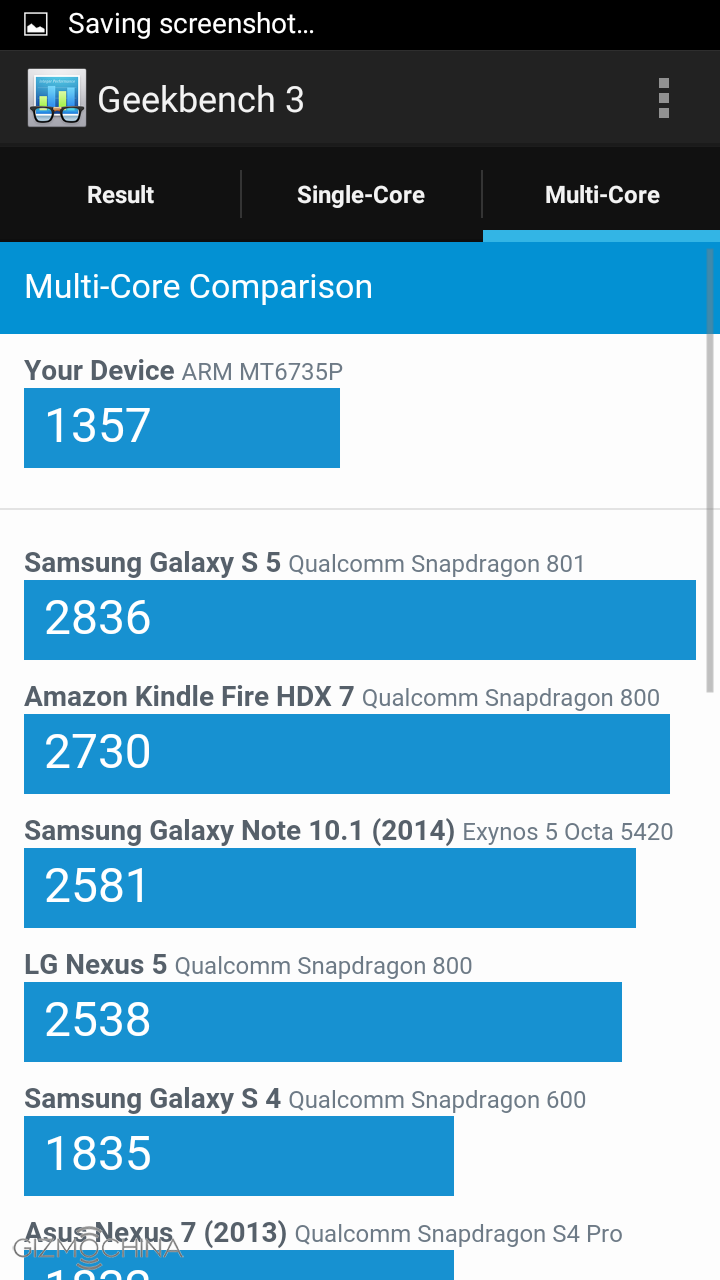
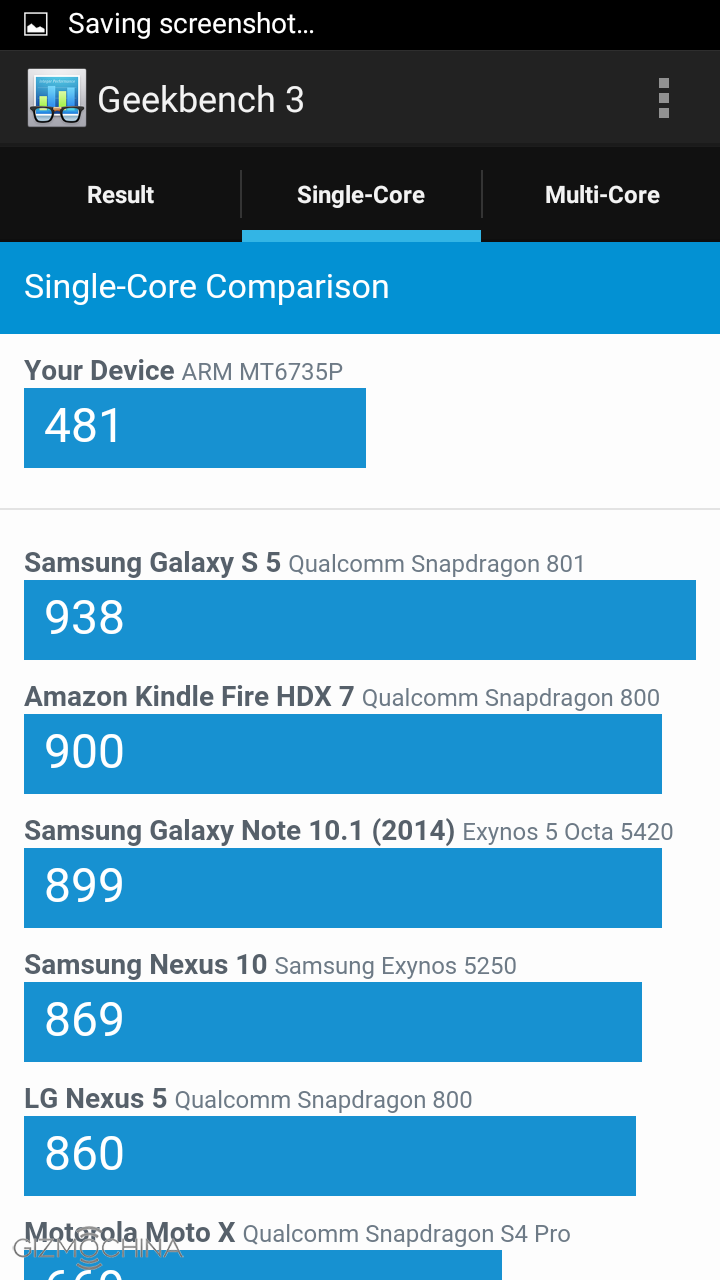
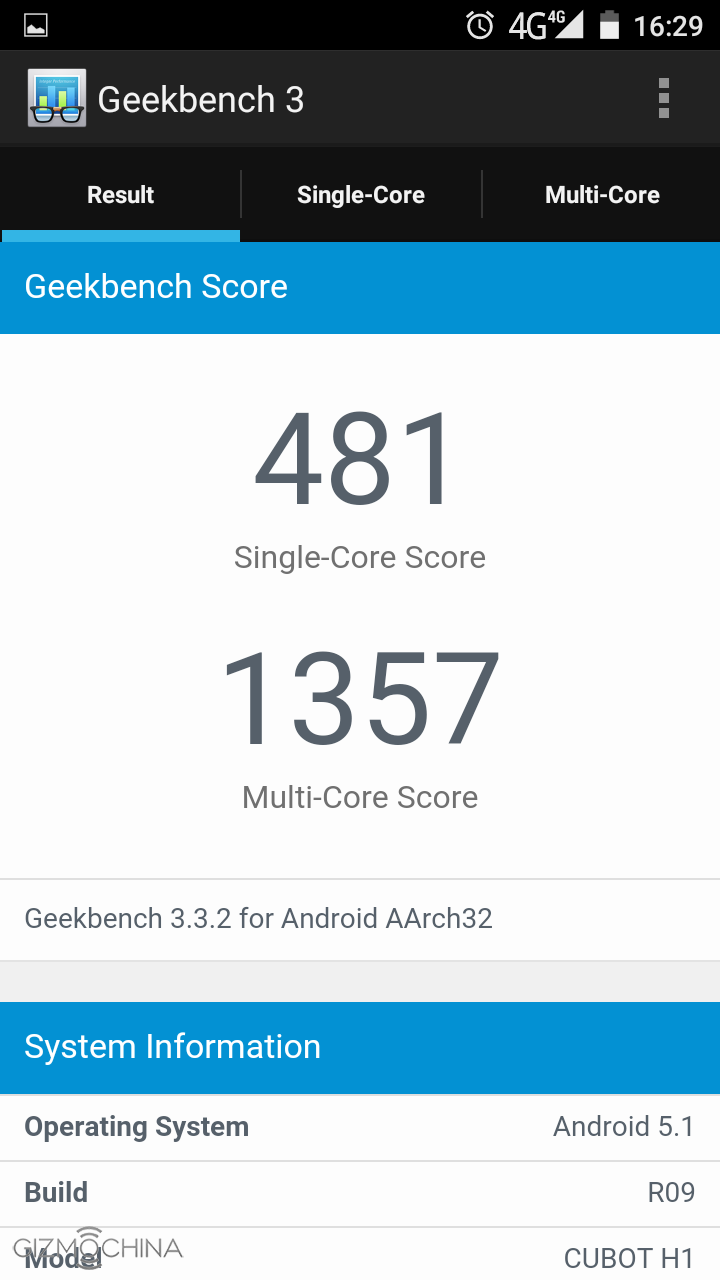
The Cubot H1 has a quad-core 64-bit MTK6735P chip, which is clocked at 1GHz, 2GB of RAM and 16GB of expandable storage.
The specs are not really impressive but given the 720P panel the phone manages to handle 3D games quite well. The graphics do not look stunning, there are some skipped frames but gaming experience can be still enjoyable.
Also, I didn’t notice any severe overheating issues.
Cubot H1 Review: MULTIMEDIA
The Full-HD video playback is smooth and the loudspeaker quality not bad but nothing impressive either. It could be louder but a good thing is that it does not make crackling noises as it is common to some budget phones. However, the sound is tinny and it doesn’t not have much depth in it.
The sound via earphones is nothing to be impressed about but it is not a disaster either.
Cubot H1 Review: CAMERA
We have a stock Mediatek camera app we’ve seen on lots of phones lately and the Cubot H1 is no exception.
Cubot H1 Review: IMAGE QUALITY
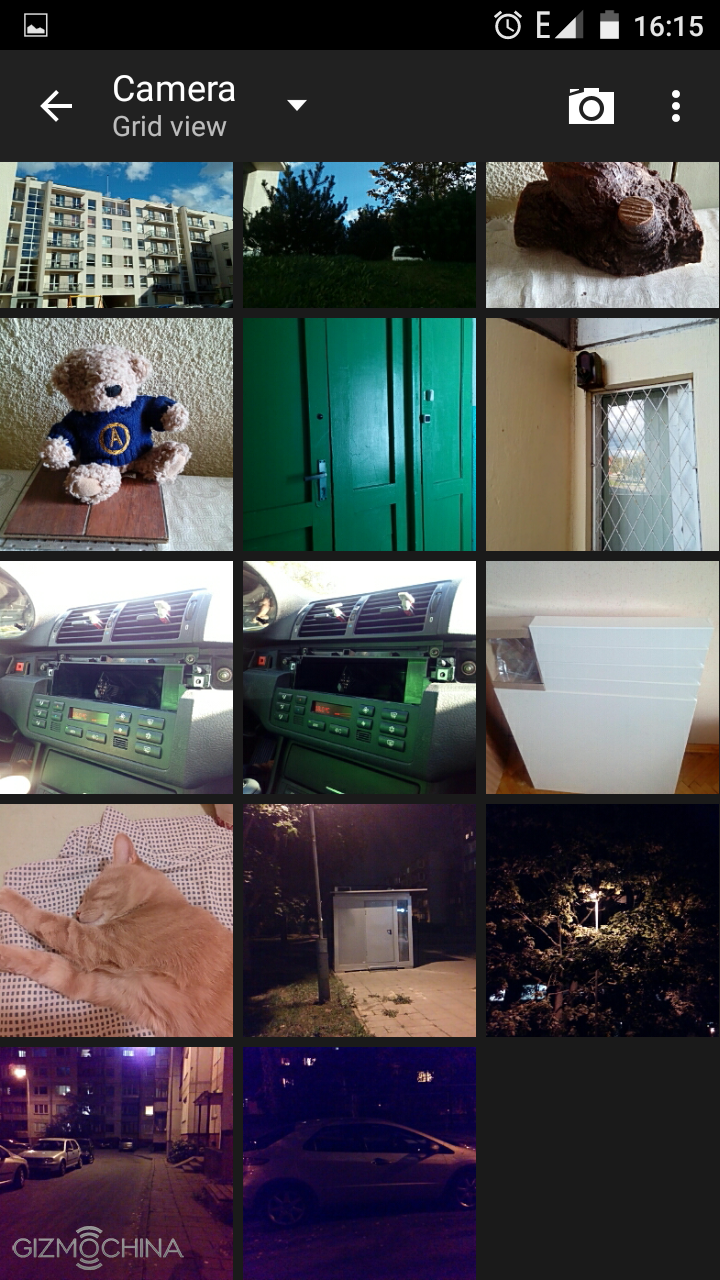
The image quality is not really impressive. Well, you may get some decent looking daylight images and some macro shots in good lighting conditions but these pictures will be a hit or miss. Also, the colour reproduction is not always accurate and the dynamic range is usually off.
When it comes to the low-light shots, they do not impress at all. Usually, there is a noticeable purple tint in each picture. If the object is more illuminated, the purple tint disappears but as expected, the level of details is low and there is plenty of noise.
I took a selfie in the low light. Well, it can serve for Facebook just fine…
I had no issues with any of the connectivity options like wifi, Bluetooth and even GPS was fast to lock and pretty accurate to use for navigation. The call quality is also good.
Cubot H1 Review: BATTERY LIFE
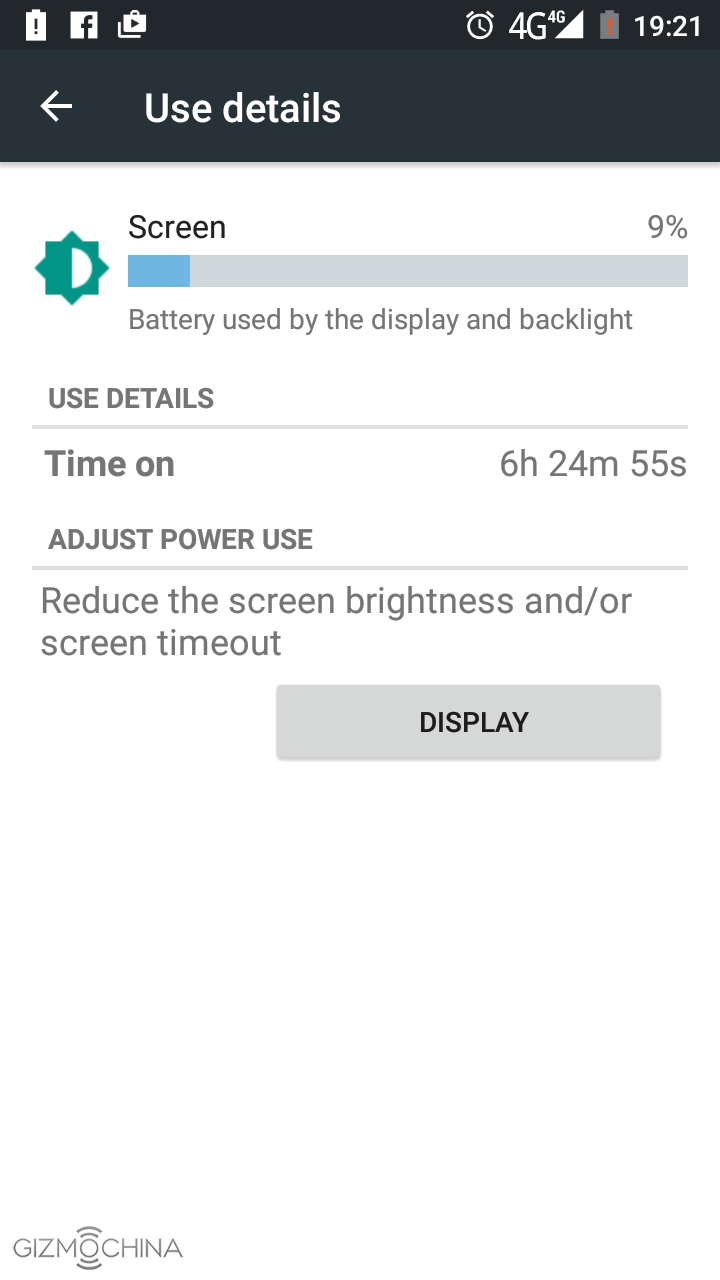
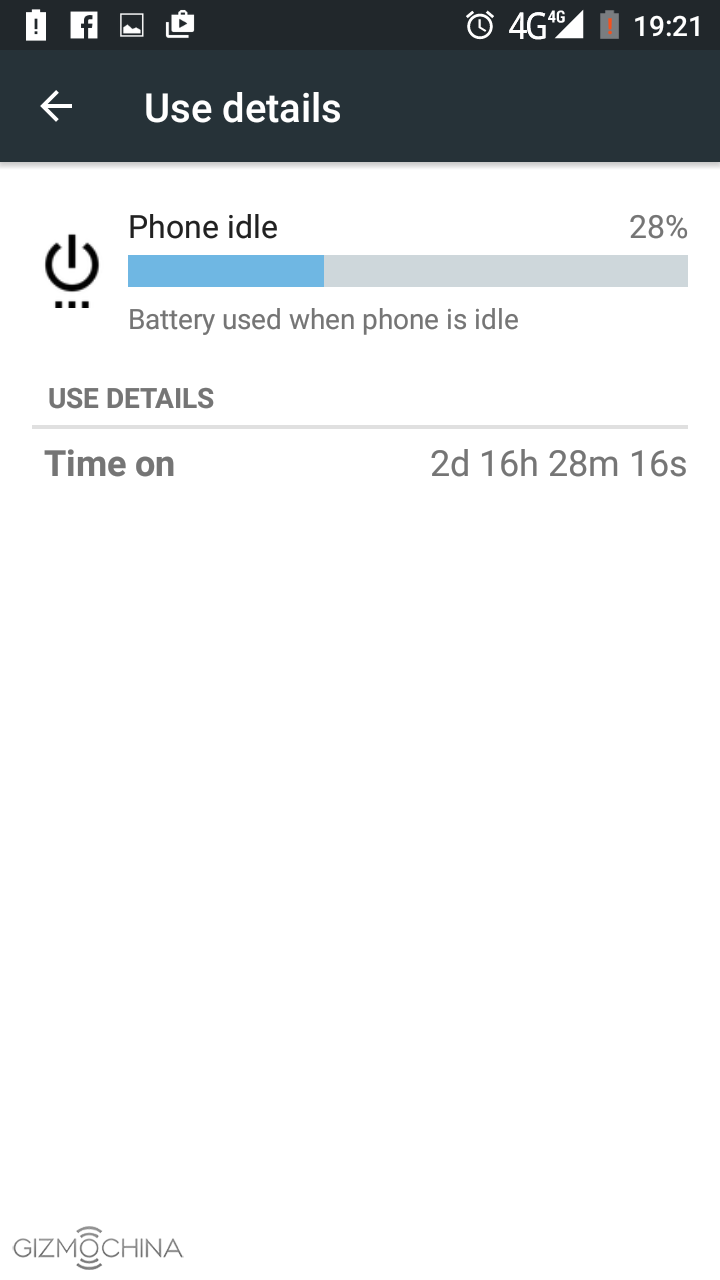
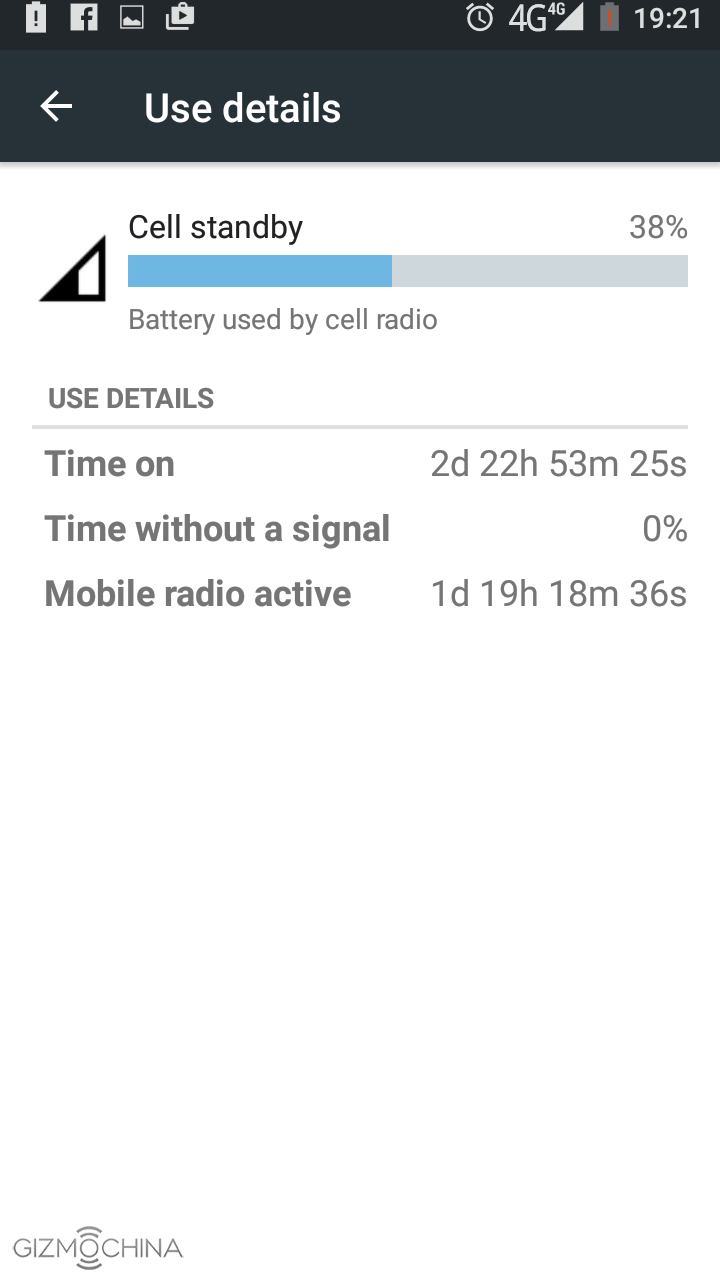
The 5200Ah battery sounds really impressive given the 720P 5.5” panel and I can say it delivers in real life. I could get almost 7 hours and once I got 8 hours of screen-on time on moderate use with the wifi or 4G always on and the auto-brightness setting on. Also, the standby times are very good as the Cubot H1 takes only around 3% of power overnight. In addition, you are getting a fast charge feature on top of that and you can even charge other devices.
Cubot H1 Review: CONCLUSIONS
So here it is, the Cubot H1, the phone that it is designed with a great battery life in mind and it delivers in reality. It may have not the best but a decent screen, a fast UI and even okay gaming performance.
However, the phone’s camera does not impress, UI is just bare bones as it does not have any extra features. Also, the device looks and feels kind of cheap. Yes, it is well made, it does not make any crackling noises when pressed but the choice of plastic is what makes the Cubot H1 look plain and cheap.
If you are looking for the phone that does most of the day to day tasks right and has a killer battery life with a fast charge feature and ability to charge other gadgets, this phone can be for you. However, you have to consider the mentioned shortcomings and decide if they are a deal breaker to you or not and is it worth the price as currently you can get the Cubot H1 for as low as $130 unlocked.
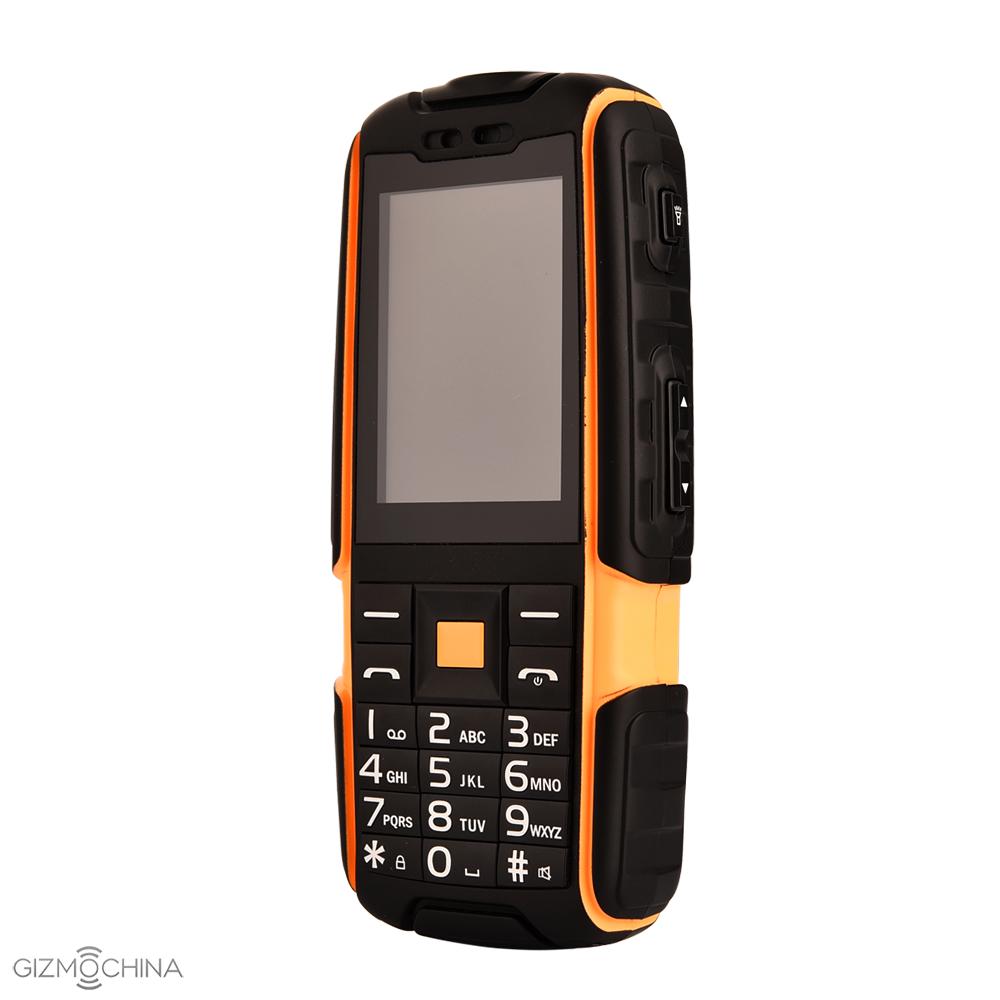
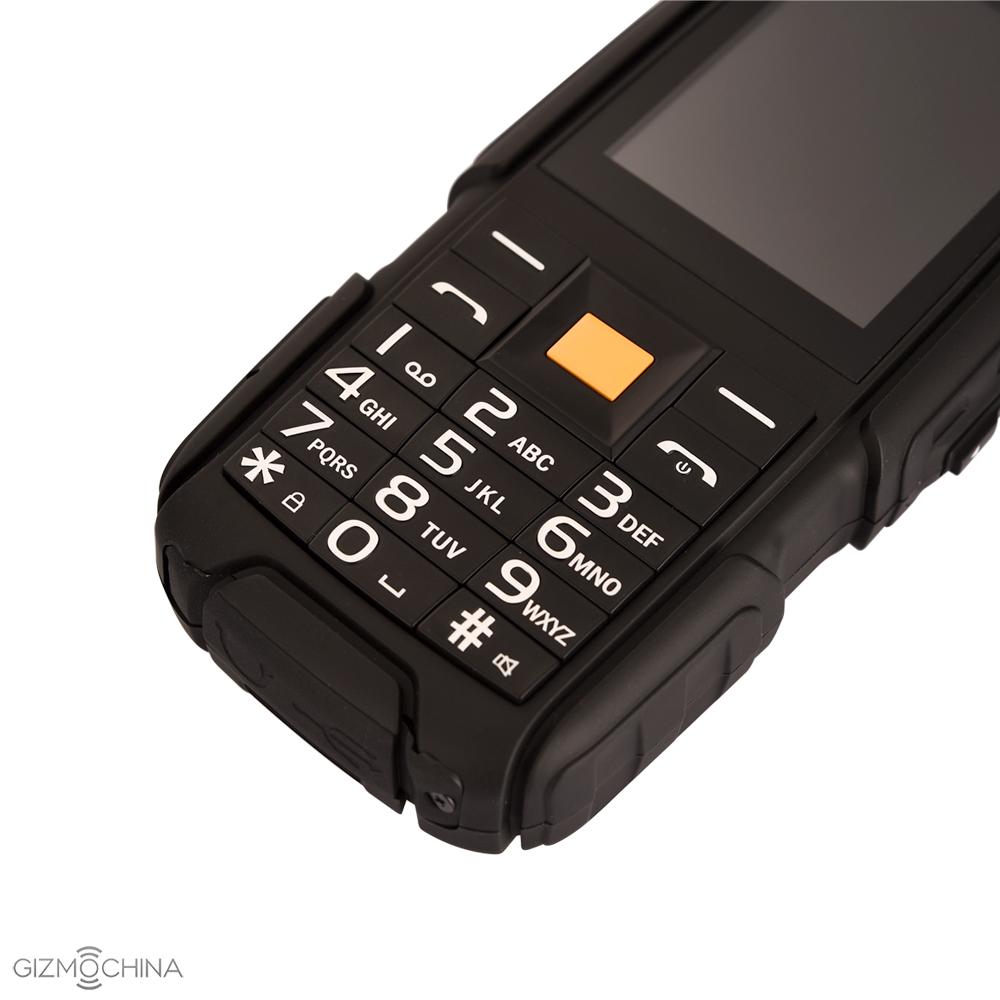
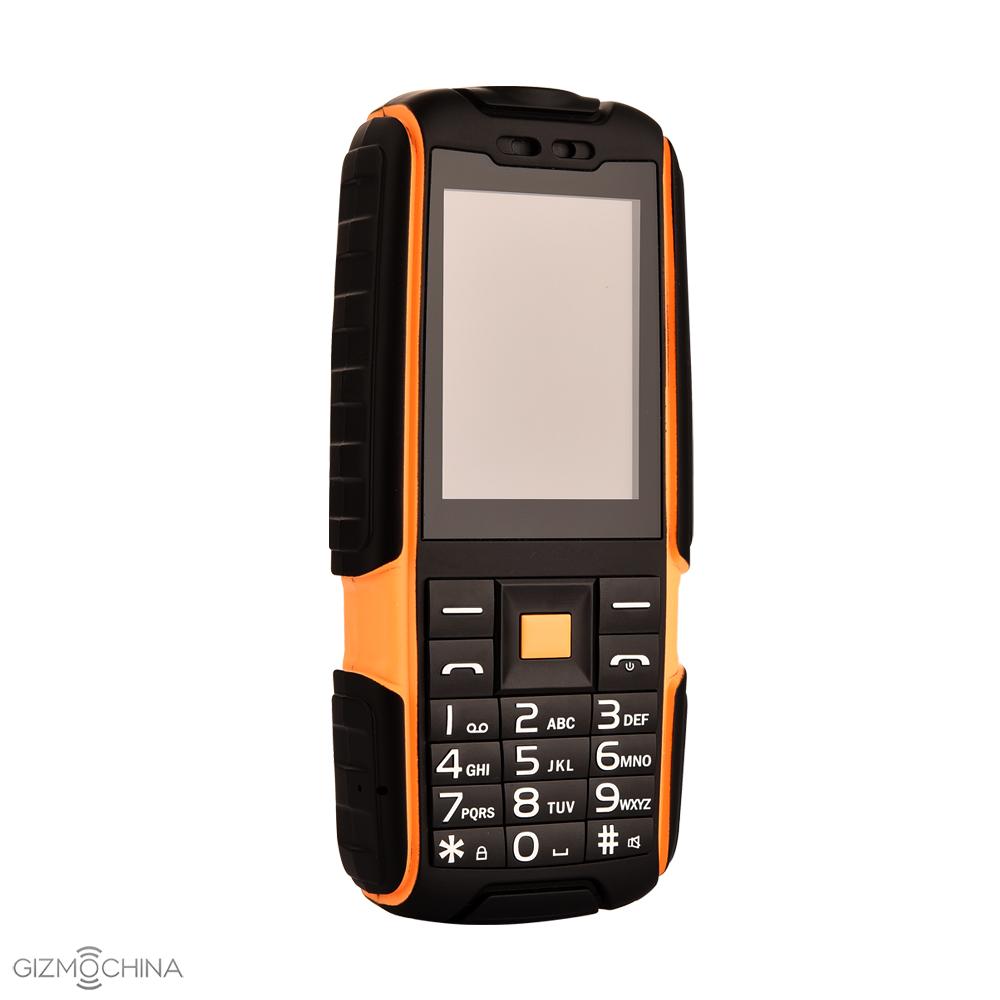
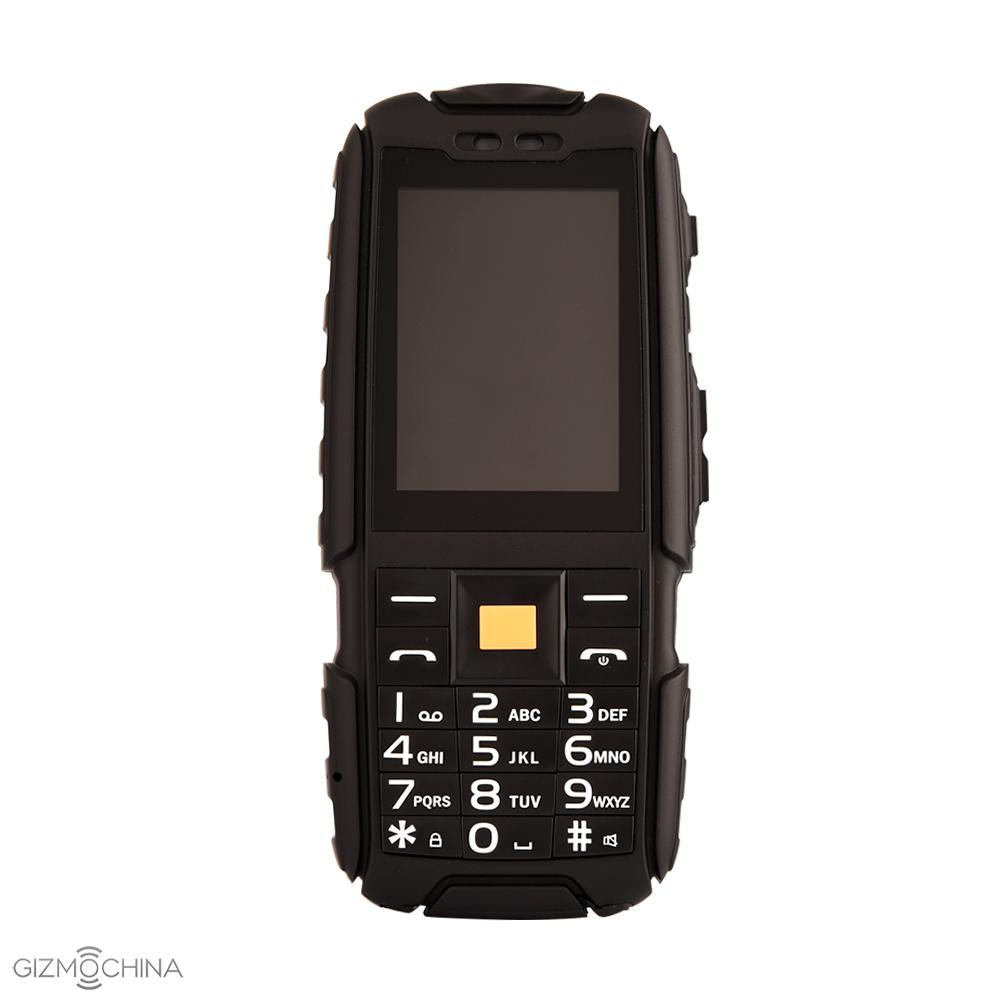
From the number of rugged smartphones released by No.1 this year alone, it looks like the company is trying to specialize in this niche industry. The company’s previous releases like the No.1 X1 and the X2 have been rugged, with a large touchscreen up front. However, this time company has come up with yet another rugged phone, the No.1 A9. As you might have guessed from the different naming scheme, this particular device caters to a whole new segment, those who would like to have a physical keypad on the phone.
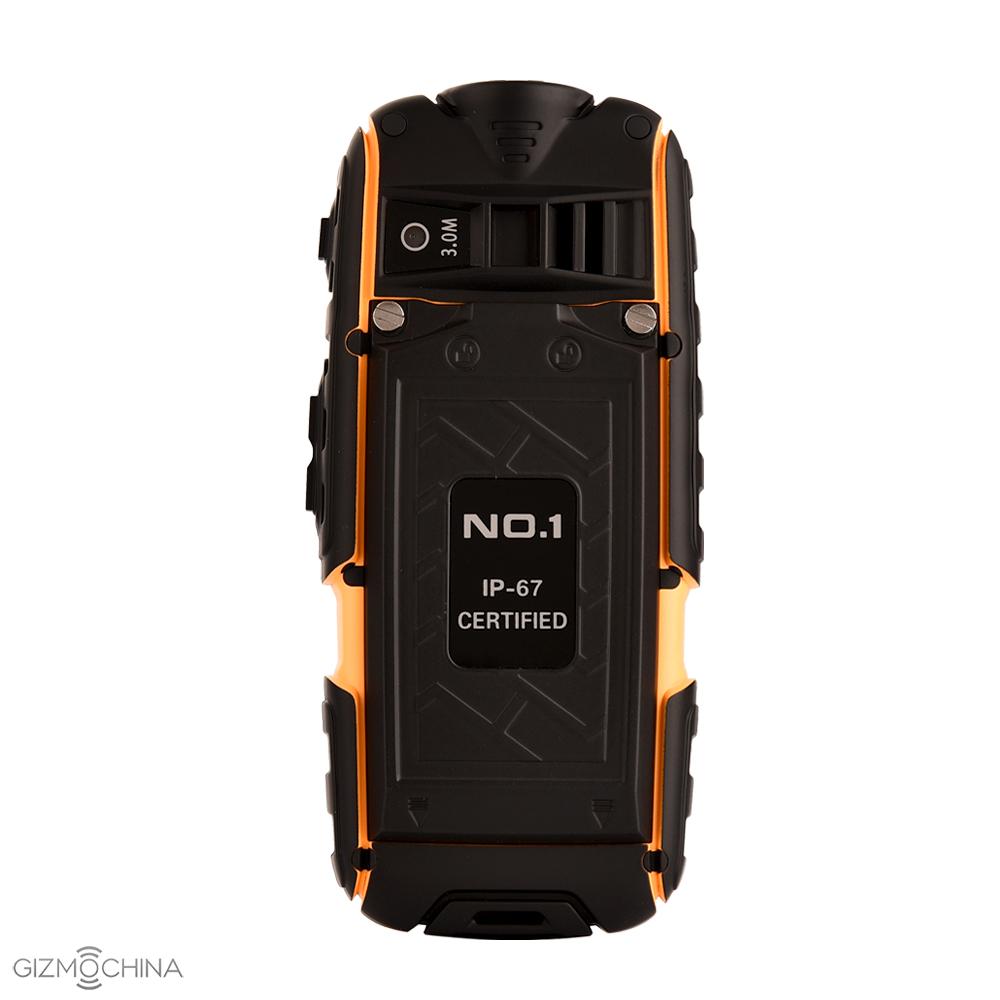
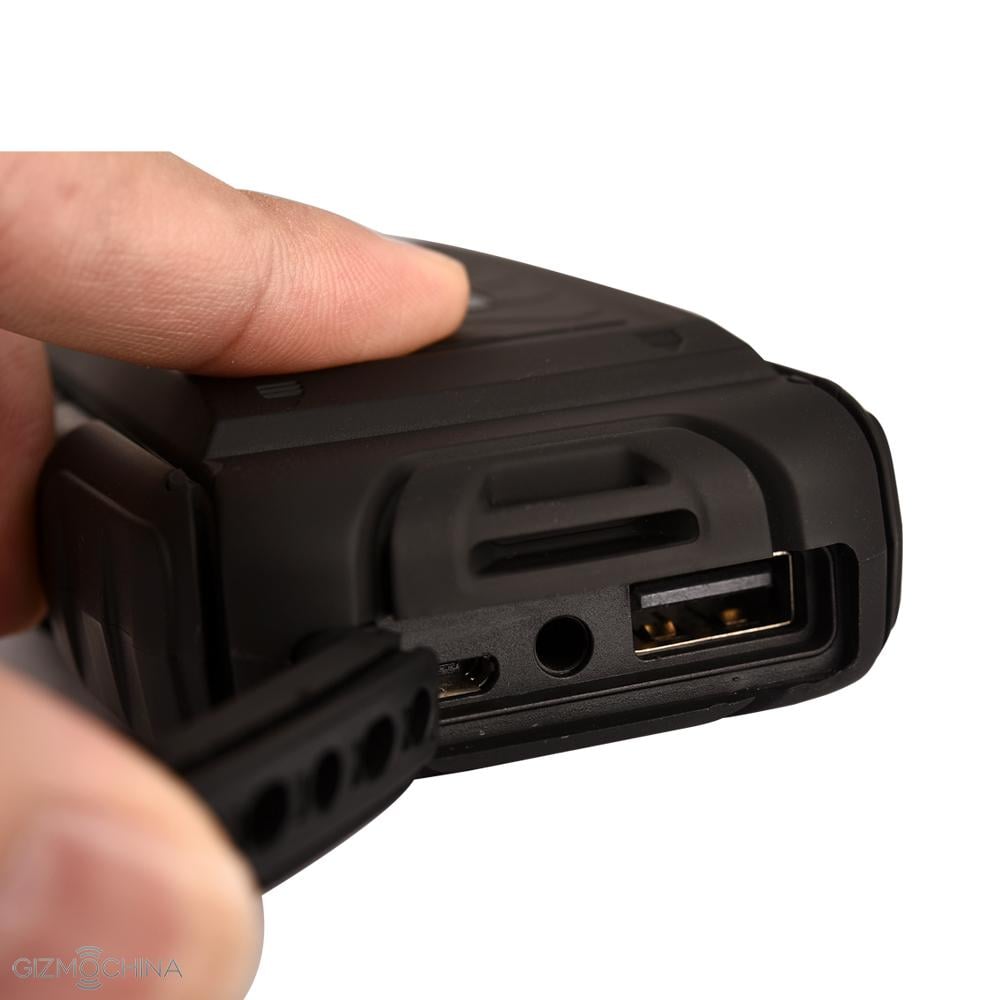
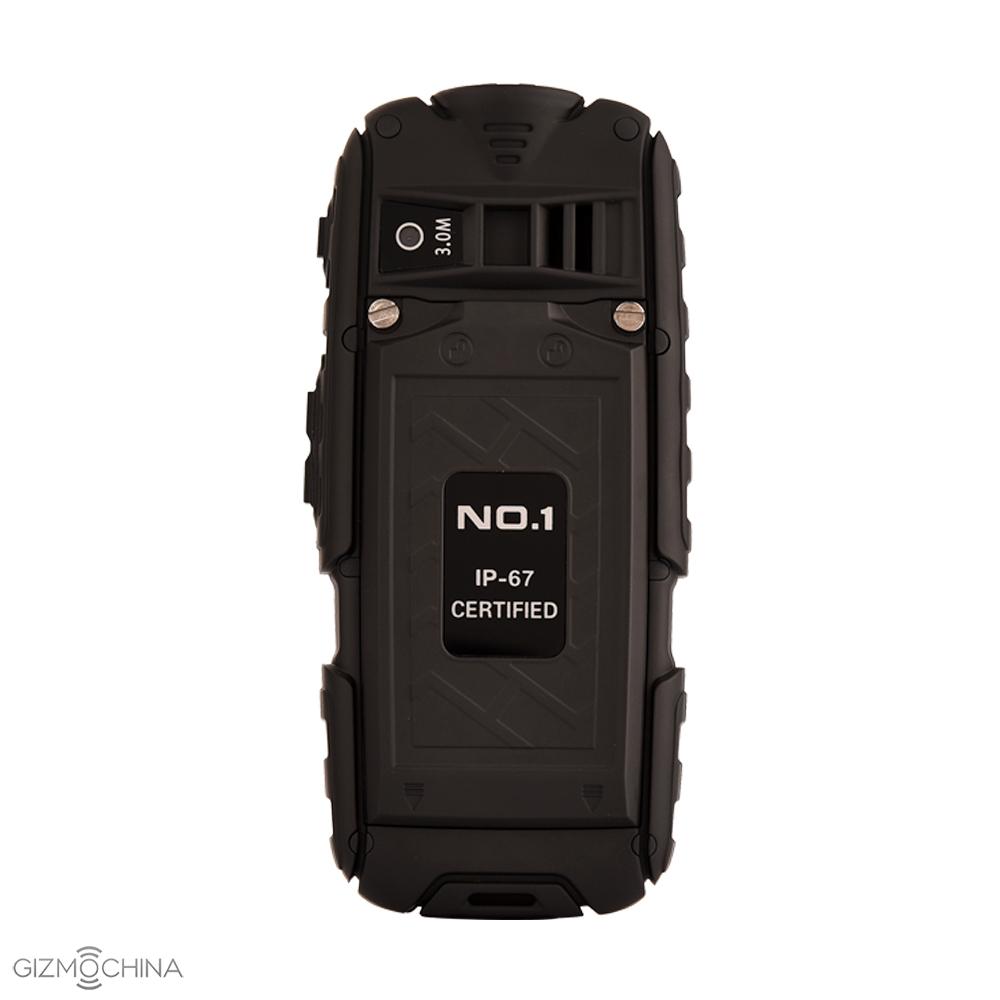
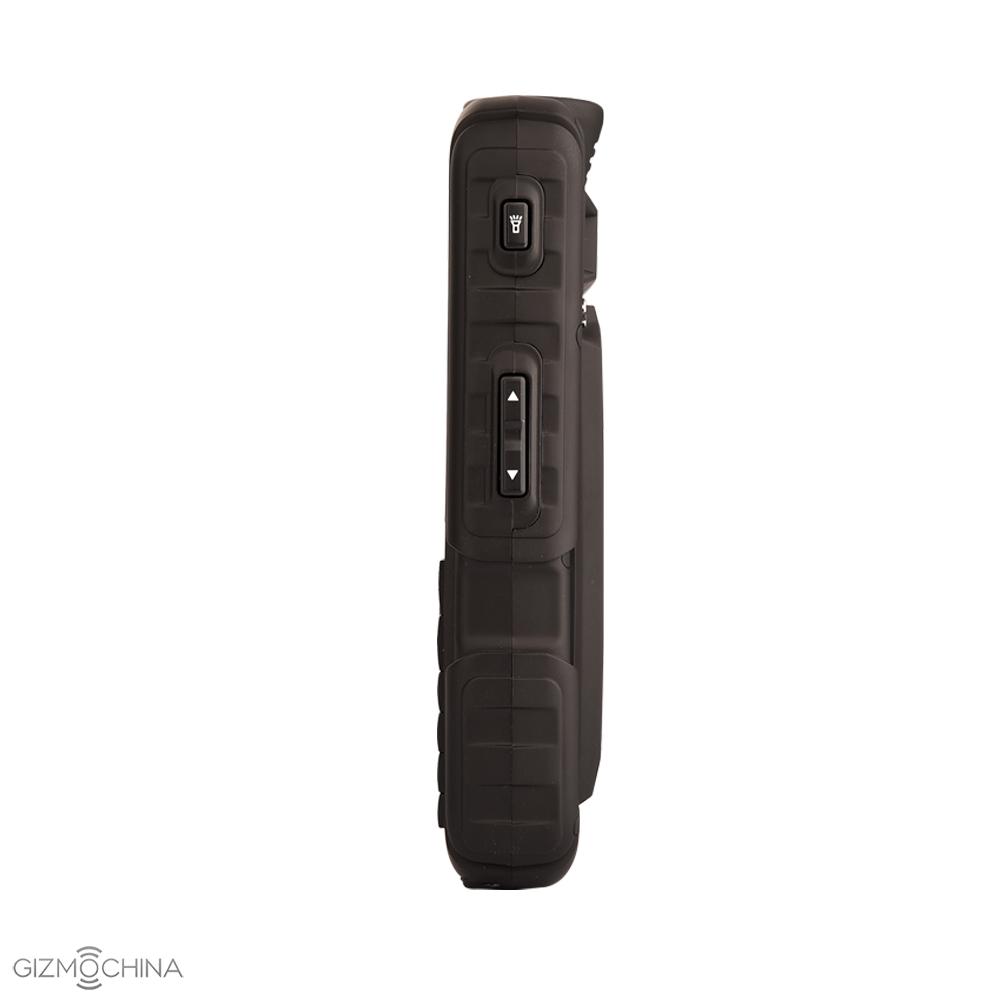
Yes, No.1 A9 brings rugged features to a phone with physical keypad. So, its dustproof, waterproof and even shock proof to a certain extent. This means you don’t have to worry about damaging the device in day to day rough usage. It can take a few hits. Plus all the ports are covered, meaning it can be immersed in water as well.
The phone is targeted at travelers and adventure freaks who are exposed to a harsh environment. The A9 comes with a small 2.4-inch display, with a keypad down below. It brings the old memories of a physical keypad smartphone. The phone is quite thick, measuring nearly 28mm, but you will be happy to hear that it comes with a large 4800mAh battery on board. So, its basically a powerbank as well, an ideal companion for your smartphones and other gadgets during a long trip.
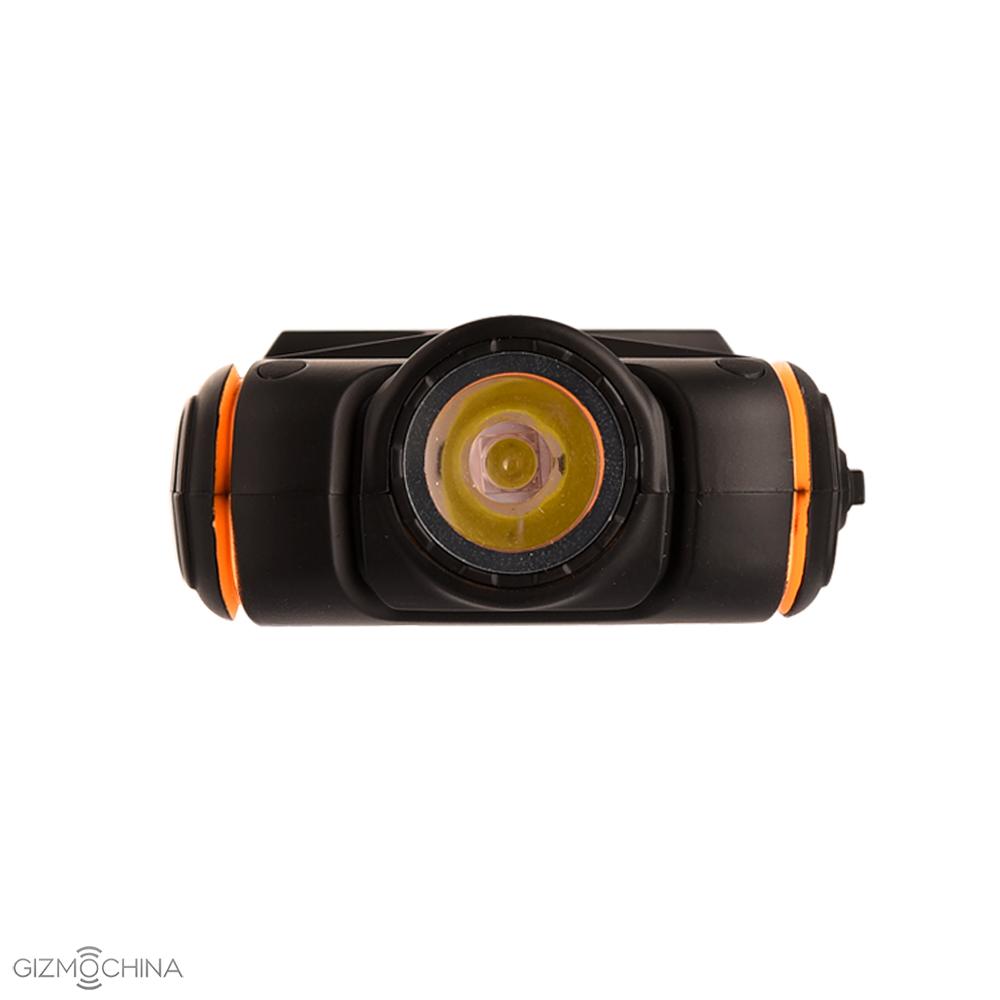
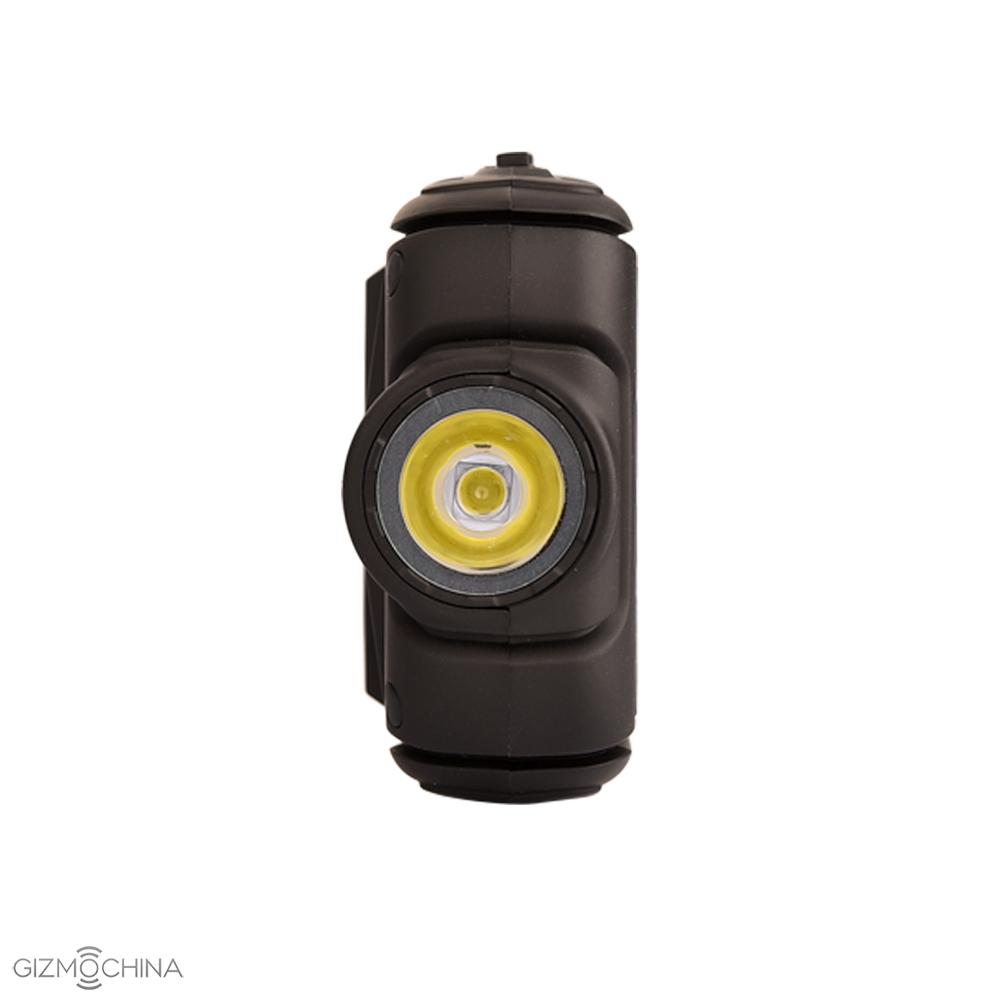
The company boasts that the No.1 A9 sports excellent signal quality. You can use two SIM cards at a time as it supports dual SIM dual standby. Another highlighted feature of the device is that it can play FM radio without headphones. Finally, it features a powerful flash light as well, which can come in handy at night.
As you can see, this is not your everyday smartphone. Instead, its a niche product, ideal for trekkers, adventure enthusiasts and others who like to travel a lot. Its a basic smartphone that you can carry around wherever you want. The lack of Wi-Fi or GPS support is definitely a let down, but this phone will probably be your secondary device, which makes these drawbacks acceptable.
Naturally, being a basic smartphone, you can expect it to be pretty cheap. In fact, according to the latest information, the phone could be priced at just $45. That’s pretty cheap for a rugged smartphone.
So, what do you think about the No.1 A9? Anyone interested in this super cheap rugged phone?
Whilst Apple are launching OS X El Capitan today, other companies are also holding launch events, one such company is Rollei.
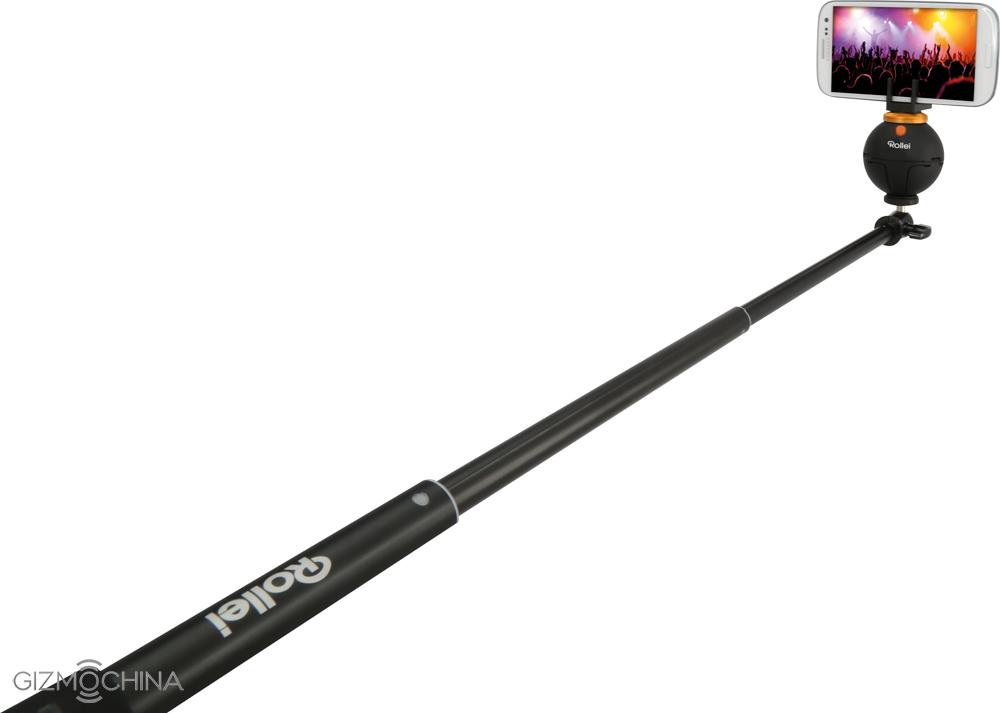
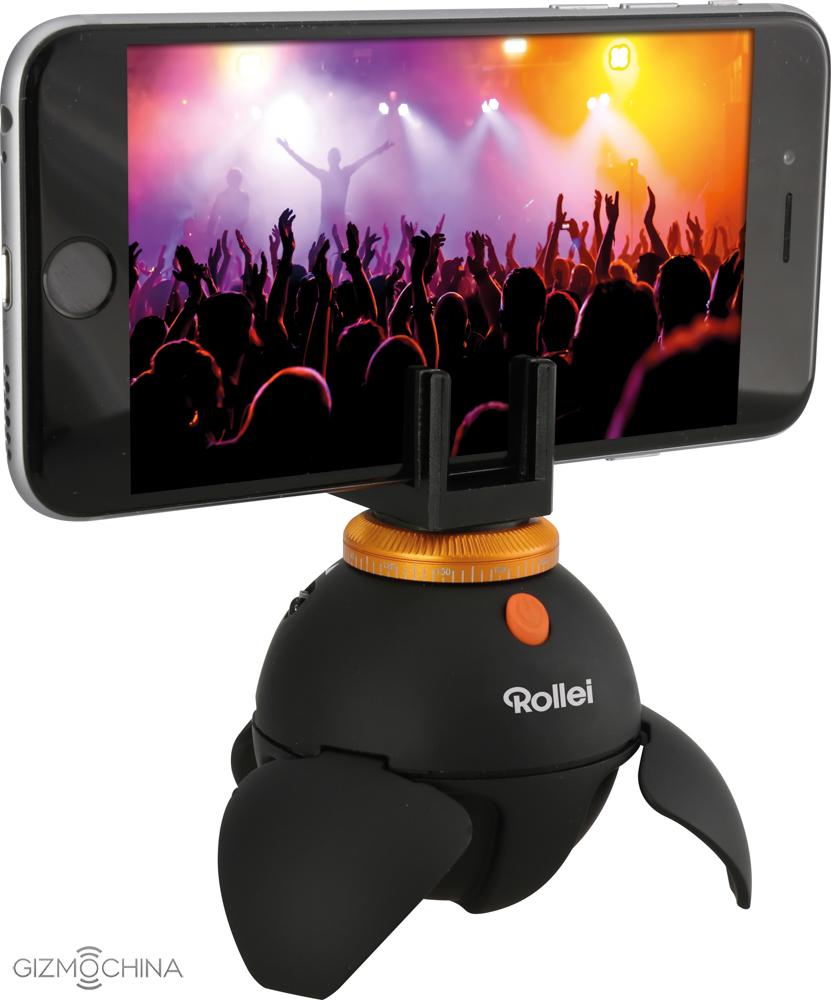
Rollei have today launched their another cool accessory the ePano Selfie, a panoramic head that can be attached to the Rollei Selfie Stick, or placed on a table using the fold out legs to capture sunning 360 degree panoramic shots.
I have used something similar before using a Bubblepod (this is basically a posh wind-up egg timer with a rubber jaw to hold a phone), to be honest the results were not amazing, the wind up motor and manual triggering created more problems than solutions.
Hopefully with the onboard battery powered motor (rated for 3 hours of continual use or 5 hours in standby), will give the ePano Selfie a distinct advantage, due to smooth rotation and the ability to trigger the ePano Selfie from 5 meters with the included IR remote, thus avoiding added vibration and camera blur at the start of the panoramic image.
It is my hope that the ePano Selfie will provide better results than the Bubblepod, I was provided with a Bubblepod by Rightmove (A property portal), to provide 360 panoramic images for houses that were coming to market.
Unfortunately due to the poor build quality of the Bubblepod and also the high failure to properly stitch the panorama via the Bubblepod App, I gave up and went back to standard photos, this was a real shame as the market needs to move forward and interactivity to me is something that people are looking for, my fingers are crossed that the ePano Selfie might be a tool that can get it right.
The ePano Selfie would also make a great addition to your selfie stick, or on the table at a celebration, capturing everyone in an image that can be shared and remembered forever.
Hopefully Rollei will provide a sample for me to try out.
Check out the full press release is below and be sure to leave comments and questions.
London, 30th September: Iconic German camera brand Rollei has put its unique twist on the selfie with the launch of its latest accessory, the ePano Selfie, which provides 360 degree panoramic shots.
Compatible with both smartphones and Actioncams, the Rollei ePano Selfie is an attachable panorama head that can either be fixed to a selfie stick or, using its fold out legs, be used as a rotating table stand. The accessory has adjustable speeds ranging from 2 to 5 rotations per minute. It also comes with an infrared remote control with a range of up to 5m to ensure users can perfectly capture every moment from all angles.
Due to its lightweight and compact design the Rollei ePano Selfie is perfect for travelling or taking to concerts to record your favourite bands. It has a long battery life, lasting up to 3 hours when continuously working or up to 5 hours on standby.
Jeremy Rother, UK Sales Manager at Rollei says: “The Rollei Selfie Stick is one of our best performing products so we wanted to build on this range by providing users new and unique ways to create movies and still images. At Rollei we are dedicated to producing high quality products to suit all photography needs, and we believe the ePano Selfie will appeal to both amateur and professional photographers.”
The Rollei ePano Selfie can be used with smartphones operating on iOS 5 or higher, Android 2.3.6 or higher as well as being equipped with Bluetooth 3.0 and 4.0.
The Rollei ePano Selfie will be available from mid-October and cost 54,99 €
Product Specifications
Weight 100g
Max load 500g
Rotation speed 2-5 r/min
Battery 3 hours continuous working
Battery 5 hours standby
LeTV has really surprised us all with its three new LeTV One series smartphones. The phones were well built, came with good specs and were priced aggressively, which is why it sold so well in the Chinese market. But just nearly six months after the first release of the LeTV phones, the next generation model, the LeTV Max 2 has leaked out. The Max is the top-end model in the Le 1 series, so we can expect some pretty crazy specs on board.
In fact, according to the latest leak, the specs are indeed crazy high-end. The LeTV Max 2 will reportedly come with Snapdragon 820 on board. But that isn’t the highlight, rather, the 6GB RAM (yes, we said 6GB) is probably its USP. The phone will most likely use the latest Samsung 1.5Gb x 4 RAM modules (total 6GB RAM) in the new device. For display, you can expect a 5.7-inch screen with 2K Quad HD resolution.
Finally, the top-end LeTV Max 2 is said to come with Sony’s new IMX300 sensor with 23MP. Other camera specs include f/2.0 aperture, fast focus (0.1 seconds) and 4K video support at 24fps. Also, the Max 2 is expected to feature double sided glass design in a slim body. As for the launch date, the leak says that you can expect it before the end of this year.
So, it looks like LeTV Max 2 will be a super high-end device. But like always, we will advise you to take this news with a pinch of salt. Lets see if we come across some concrete information in the coming days.
We use cookies on our website to give you the most relevant experience by remembering your preferences and repeat visits. By clicking “Accept”, you consent to the use of ALL the cookies.
This website uses cookies to improve your experience while you navigate through the website. Out of these, the cookies that are categorized as necessary are stored on your browser as they are essential for the working of basic functionalities of the website. We also use third-party cookies that help us analyze and understand how you use this website. These cookies will be stored in your browser only with your consent. You also have the option to opt-out of these cookies. But opting out of some of these cookies may affect your browsing experience.
Necessary cookies are absolutely essential for the website to function properly. This category only includes cookies that ensures basic functionalities and security features of the website. These cookies do not store any personal information.
Any cookies that may not be particularly necessary for the website to function and is used specifically to collect user personal data via analytics, ads, other embedded contents are termed as non-necessary cookies. It is mandatory to procure user consent prior to running these cookies on your website.