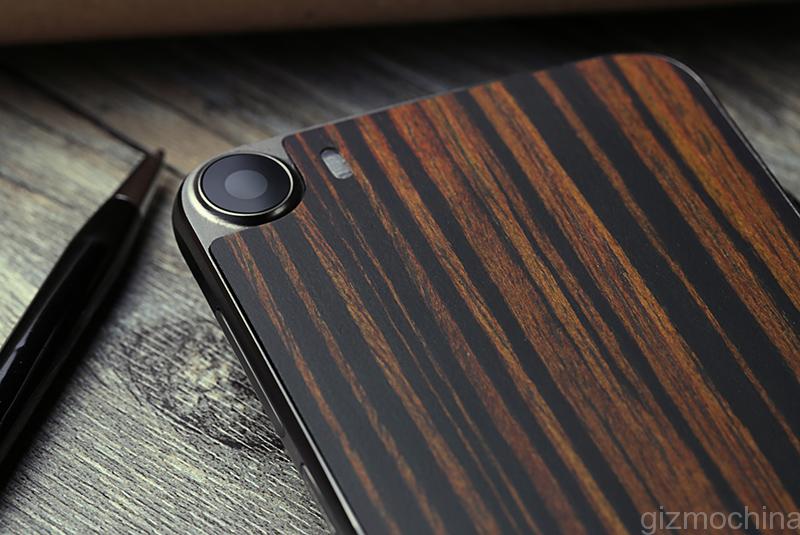
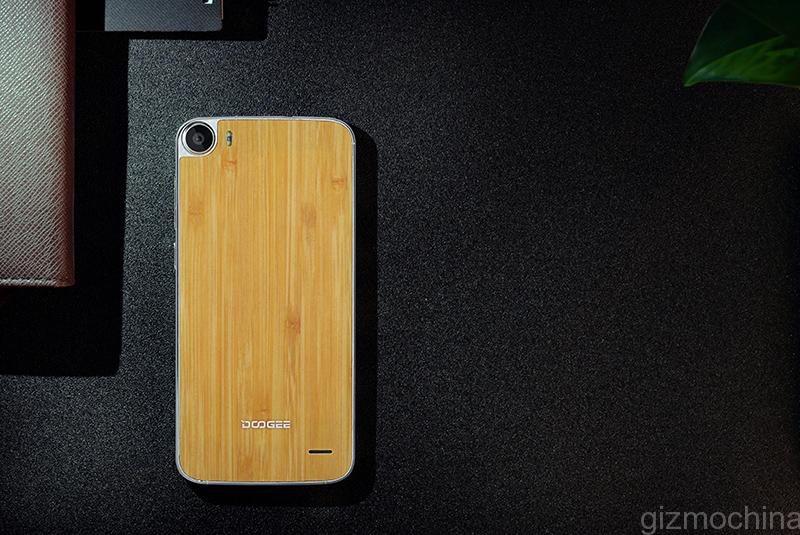
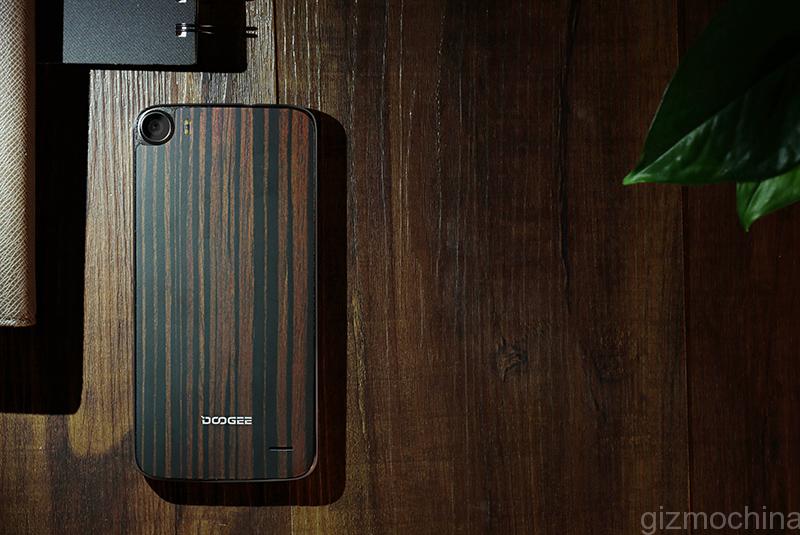
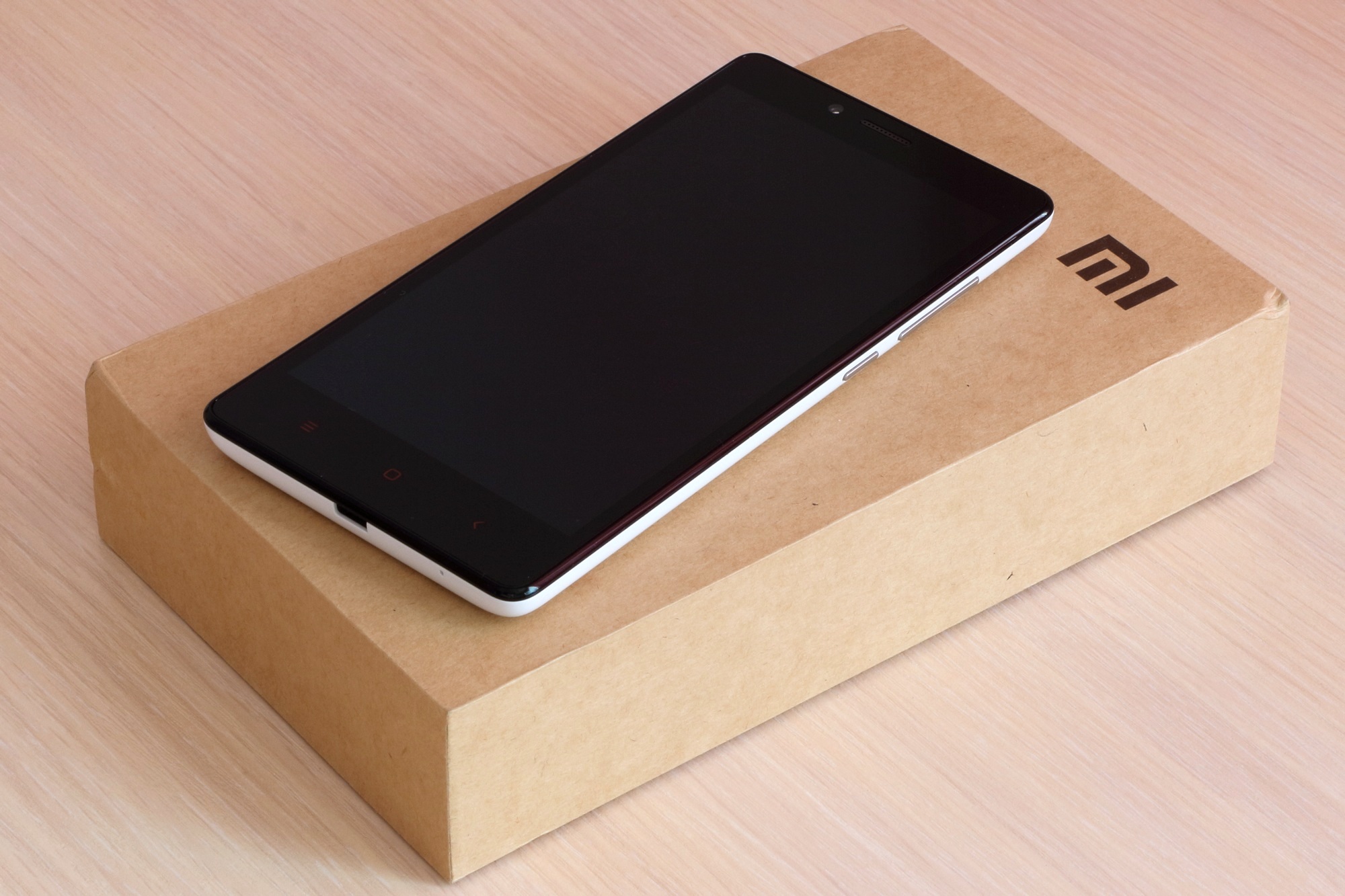
Motorola proved that giving customization options to customers is a neat idea for improving the overall consumer experience. Since then we have seen many phones like Moto X, Nubia Z9 Mini & Xiaomi Mi Note come with such wooden back cover options. Even the OnePlus Two comes with a bunch of style swap covers to make the phone even more personal.
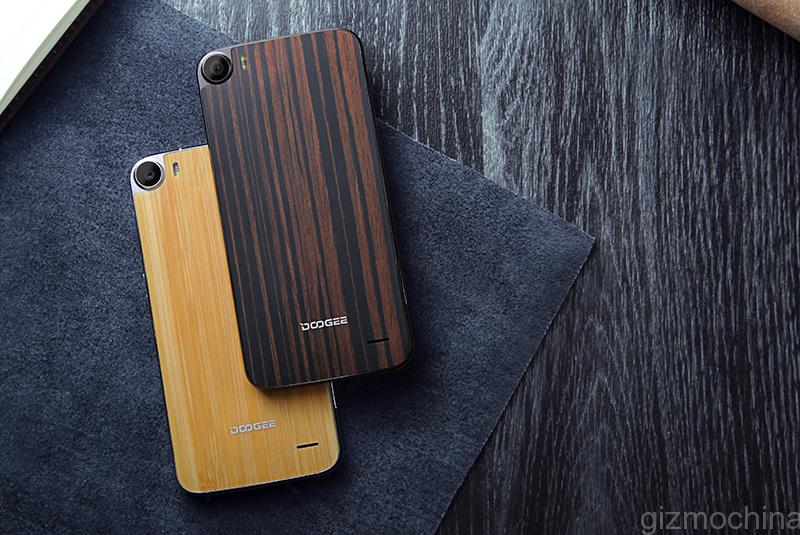
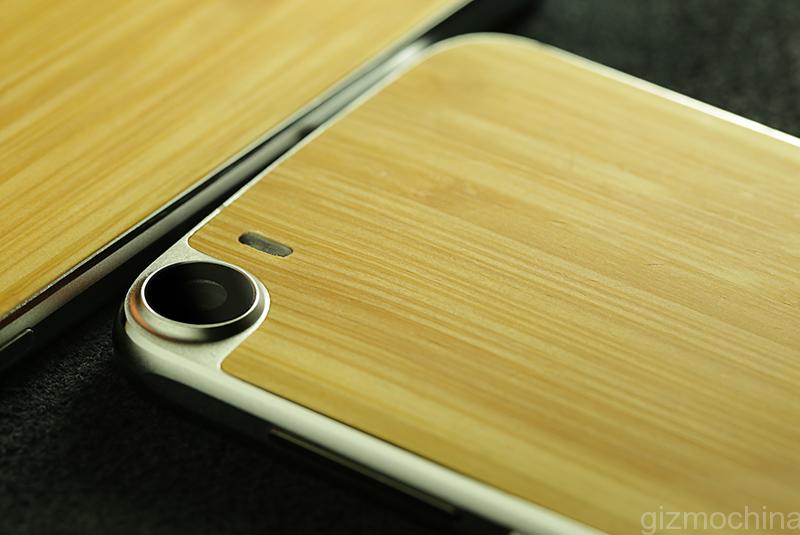
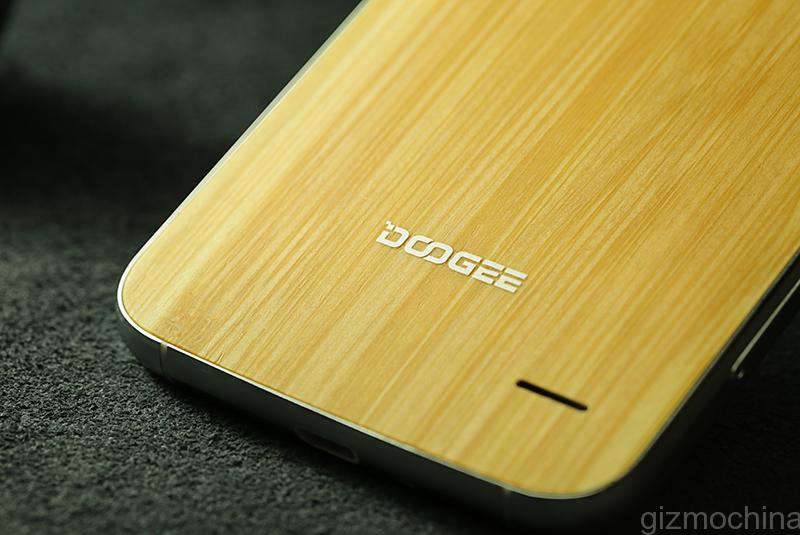
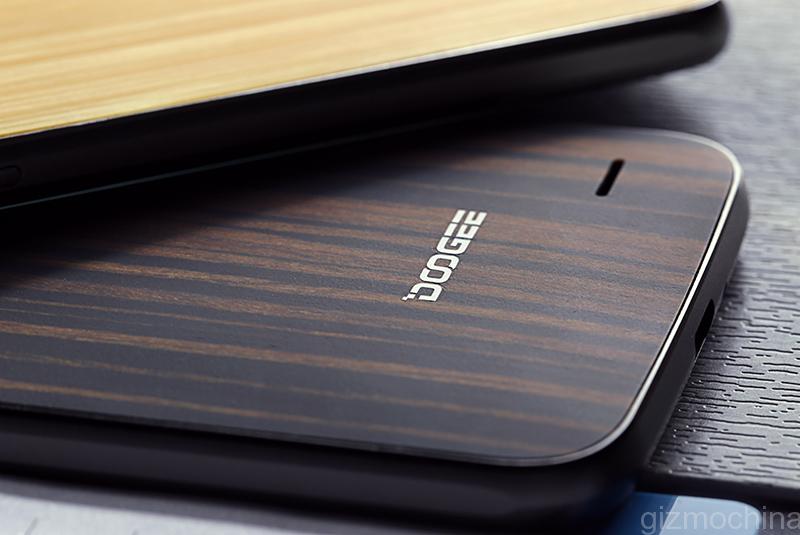
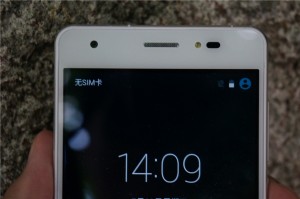
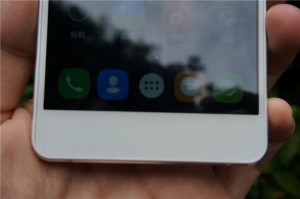
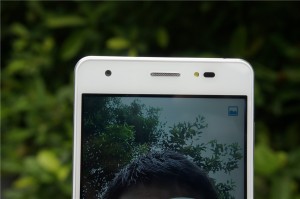
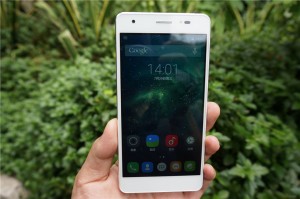
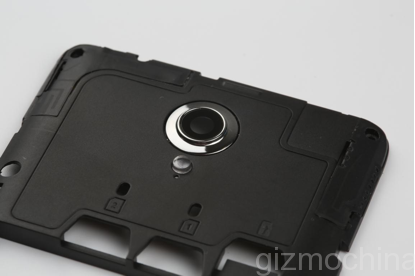
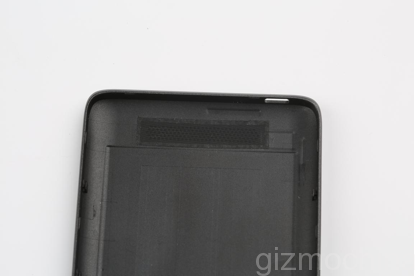
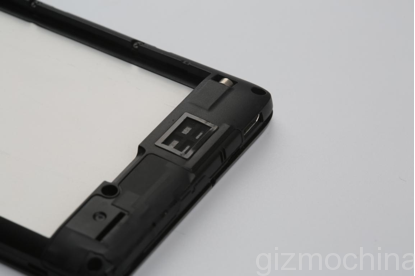
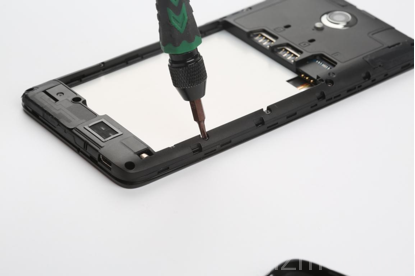
A while back, Doogee had informed us that its latest flagship Doogee F3 was going to come with several back cover options. Now, the company has released a few images as well as details about these special edition models.
1 of 7
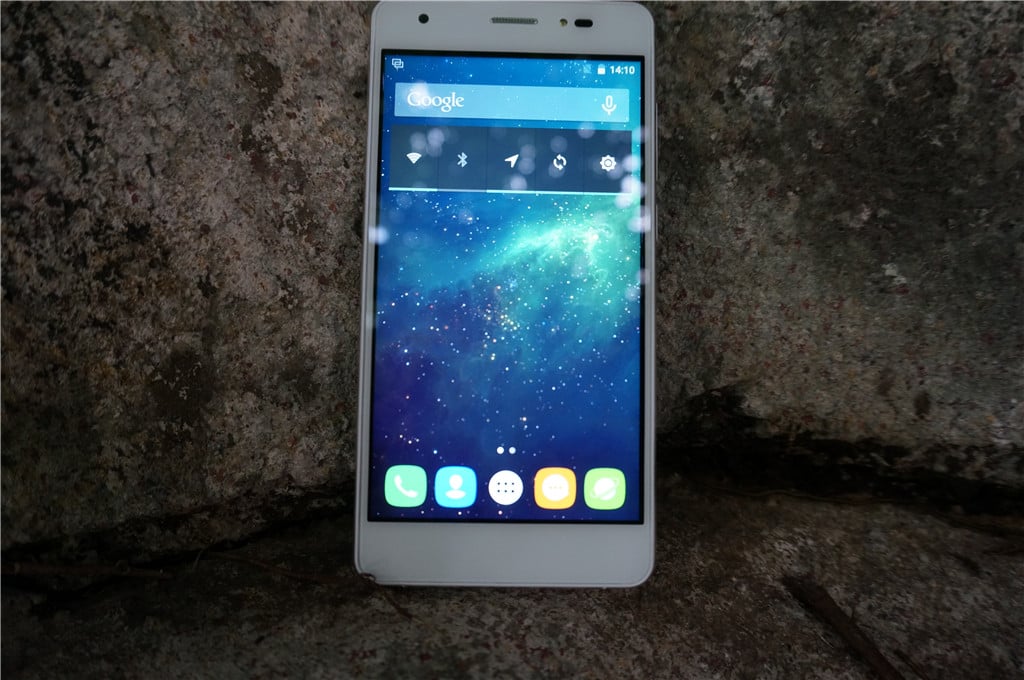
The Doogee F3 will come in four different back cover versions, namely Bamboo, Ebony, and Glass. But in glass, there will be two more options, one white and another black, taking the total to four editions. The company also adds that these back covers are made in the same factory as Oneplus, so users can be assured of their quality. Moreover, even with the cover, the phone will be just 6.8mm thick, much thinner than most flagships in the market.
The Doogee F3 Bamboo and Ebony editions will go on pre-sale for a price tag of $169. That’s a pretty good deal considering you get MT6753 octa-core chip, 2GB RAM for F3 and 3GB for F3 Pro, Smart Voice gestures and a 5-inch display at this price tag. You can read more about the Doogee F3 from here.
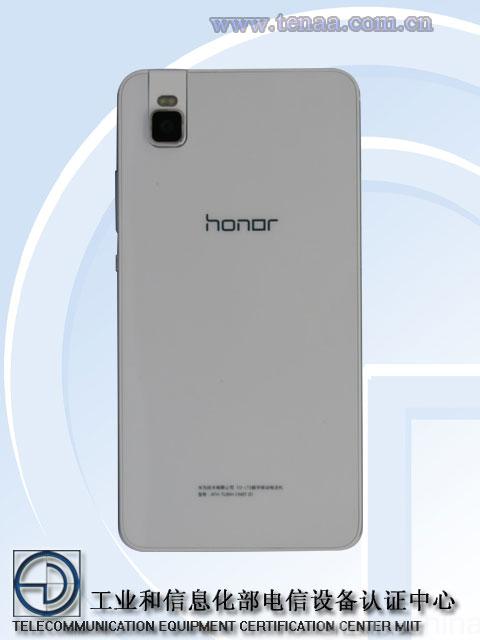
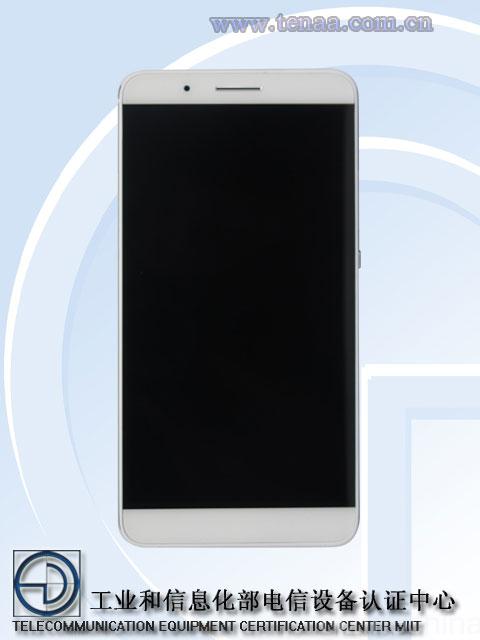
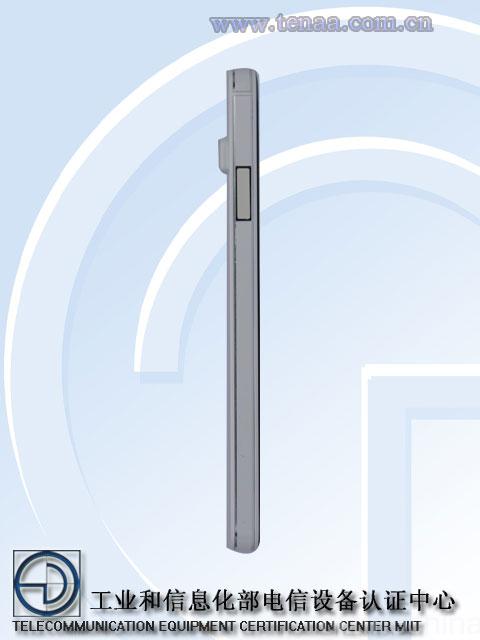
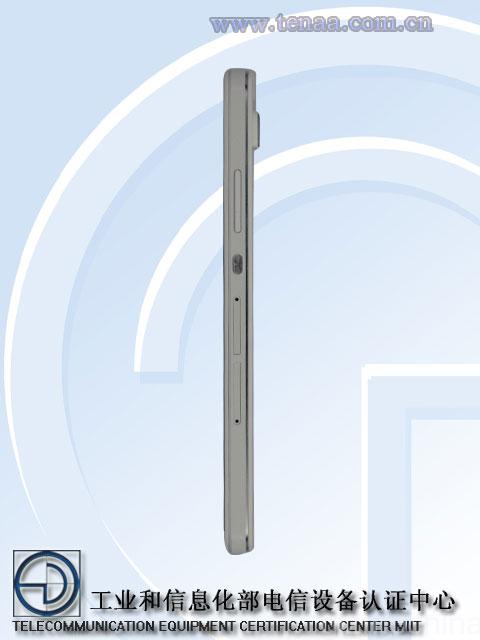
The design is one of the most interesting features of the ATH-AL00. While from the front, the phone looks pretty normal, the back of the device is unique. The rear camera is located on the top left corner, but it looks like the camera unit is designed to pop out of its location. You can see that the camera and the flash lies in a small rectangular box, that stands out from the body. Unlike the OPPO N1 which had a motorized rotating camera unit, this one could be a manual flip camera.
You will also find a dedicated button on the right, probably for the camera. It is also said that the button could incorporate a fingerprint sensor, but we are not sure of that at the moment. Unfortunately, the TENAA listing said nothing about the camera or other spec details.
Actually, there are two versions on TENAA of this model, including an ATH-AL00H variant, which could be the higher-end version. Its almost a tradition by Huawei to release two different versions of a model this year, one standard and the other high-end. So, we could see the same treatment to this ATH-AL00H model.
Anyways, what do you think about its camera design?
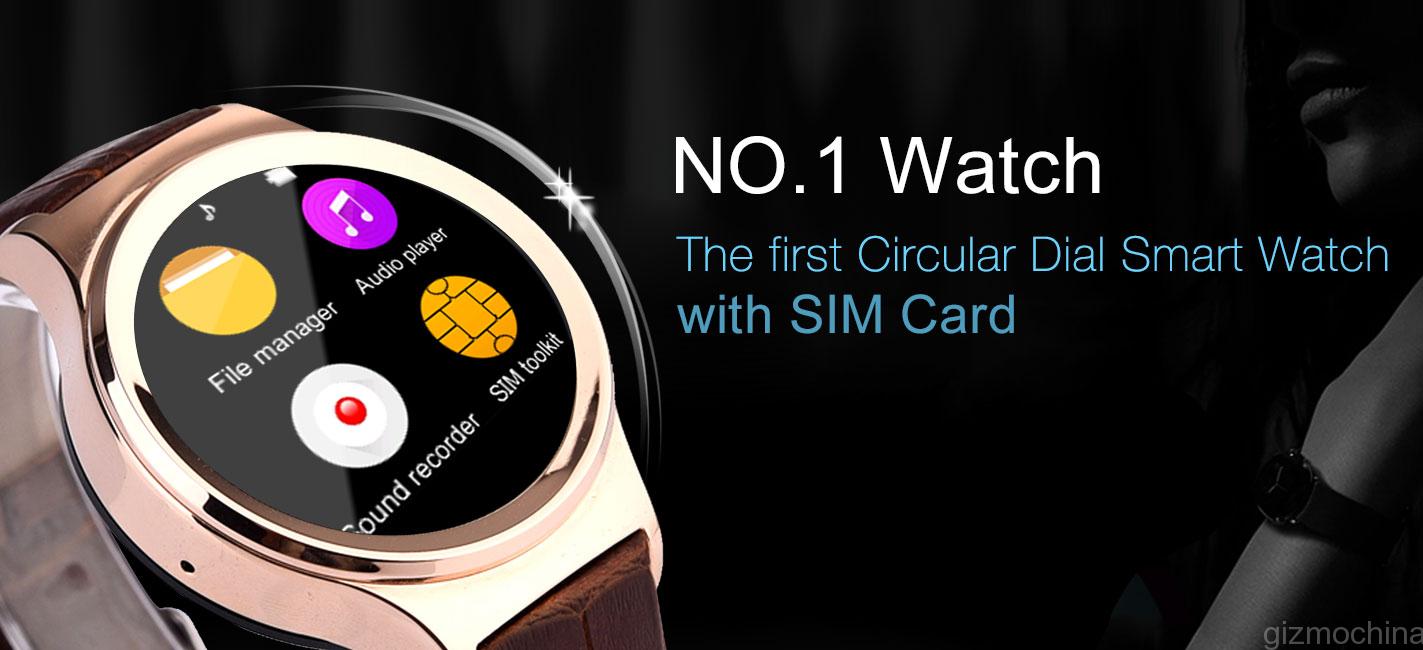
Ever since companies saw the popularity of Moto 360, we have seen a number of circular smartwatches in the market. Even Chinese manufacturers have shown interest in releasing circular watches. Today, No.1 has just announced a new smartwatch in the market called as the No.1 Watch, and guess what, its going to be a circular watch.
No.1 claims that the new No.1 Watch is the first circular watch with a SIM card slot. This means, now you can make calls directly from the smartwatch. However, for many other functions, you will still have to rely on the companion smartphone.
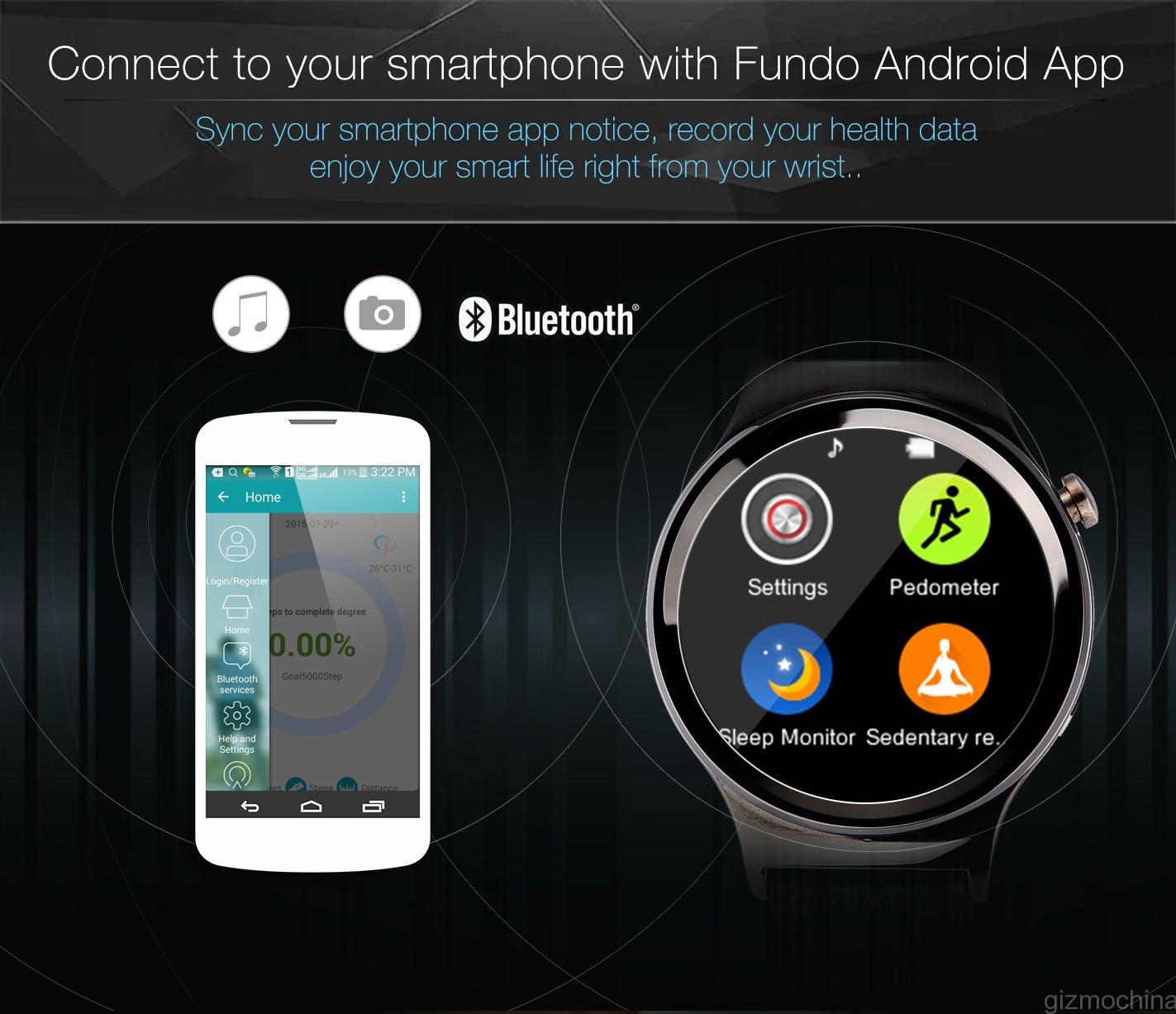
The watch is made from a scratch resistant nano glass screen with a stainless steel case. You can connect to the companion smartphone with Fundo app, which also lets you record your health data, app notifications etc.
The new No.1 Watch comes with a number of standard functions. For example, you get a pedometer which can record the number of steps walked, calories and even reminds if you have been sitting at the same place for a long period. It also comes with a sleep monitor, which shows you how much quality sleep you got last night.
Other functions include remote viewfinder for your camera, anti-lost function, UV level detection, music sync and control. You can even wake up the smartwatch with a flick of a wrist.
As for the specs, the No.1 Watch comes with a 240 x 240 circular display, with MT6260 chip, 64MB RAM and 128MB ROM. You can expand this up to 16GB via MicroSD. For battery, you have a decent 380mAh capacity one inside, which should last you about a day.
Overall, the No.1 Watch looks like a decent offering with a lot of features. We still have no idea about its pricing or availability, but will keep you updated about the same in the coming days.
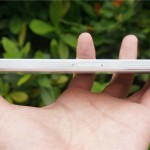
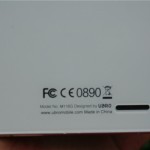
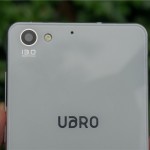
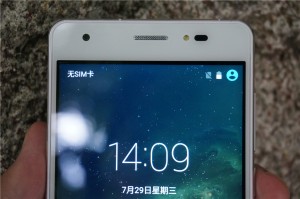
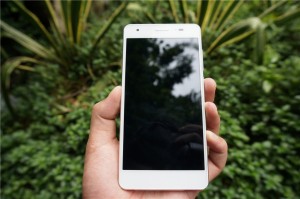
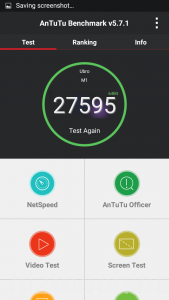
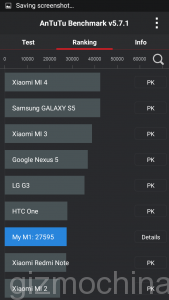
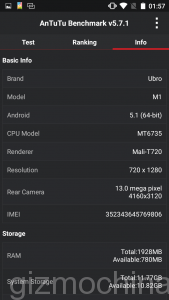
The company Ubro has released a new phone a few days back, the Ubro M1, which is the first smartphone around the globe which will be releasing BOM (Bill Of Material) which shows the total cost of all parts in the manufacturing industry. The purpose of BOM is to rise with technology by providing with a crystal clear data with regards to the cost of manufacturing hardware to the customers. But leaving BOM aside, is Ubro M1 a truly good phone worth your money? Let’s find out:
Build
Having the dimensions of 70 x 142 x 6.9 mm and a 5 inches screen fitted within, the phone offers a decent value of screen-to-body ratio, and tipping the scales at a decent 155g. Moderate, for the most part, but not bad by any means. As for the body aspects, there is nothing notable to mentioned as it features the mainstream 3 capacitive buttons for navigation, volume rockers and power key. The entire phone is made out of smooth plastic, with a dual glass on the back and a metal bezel on the sides which is made out of an aluminum alloy and is CNC machined that are present in many other premium phones. This metal bezel also allows for better holding of the phone overall. However, the glass back may cause it to be more prone to fingerprints.
Ubro m1 paid attention to the build quality of this phone, which earns it a 8.5/10 rating.
Display
The Ubro M1 houses a 5 inch 720 x 1280 pixels IPS screen, that brings it to an average of around ~295 ppi, which is, again mainstream for most smartphones out there. The phone does not disappoint as the images are crisp, vibrant and have a good amount of detail. The IPS screen, as usual, is one of the best ones out that offer excellent color reproduction, viewing angles, and having a higher range of brightness, meaning it can go from very high to very low. For protection, the ubro M1 also equips dual gorilla glass screen that allows some protection against drops and good protection against scratches on the screen.
Overall, the display is impressive, only led down by the 720p resolution. Thus, 7.5/10 is the score here.
Camera
The phone houses a 13 MP back camera that is capable of recording videos at full HD (1920 x 1080) resolution at 30 frames per second and a 5 MP front camera for taking selfies or video calling. Despite the fact that the hardware is good and the camera is certainly better, Ubro had the potential to do more with the camera since phones having a camera with 13 MP resolution can also record videos at 4K, which is 4 times as much clear and quality-rich as a normal full HD camera. Nevertheless, one cannot complain too much since the M1 is supposed to be a budget phone after all.
Overall, these features, and the ones following, certainly made Ubro m1‘s camera score a 9.5/10 rating: Continuous zoom, geotagging, panaroma, HDR, touch focus, face detection, 6 element lens and blue filter glass.
Hardware
Housing a MediaTek MT6735A chipset, which has four cortex A53 cores clocked at 1.3 GHz each, that is based on a 64-bit architecture. While 64-bit architecture is (arguably) better than its 32 bit counterparts, you can be sure of the phone to run MOST things you throw at it. Yes, MOST is the keyword here. While the 1.3 GHz processor is good, and combining it with 2 GB of RAM makes it sweeter, it still brings the infamous heat management problem of MediaTek chips that will not let you play for extended periods of time due to performance stuttering as a result of increased heat. However, a light session of fruit ninja or angry birds will certainly run as expect without any unwanted heat.
In terms of the GPU, you have a Mali T720 MP2 that has two cores clocked at 450 MHz each which is more than enough to run the graphic intensive tasks that your OS and other apps demand.
Overall, the hardware is pretty intense, and earns a sweet 8/10 rating.
Software
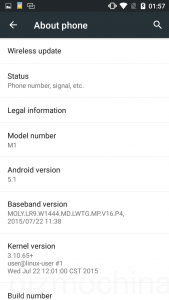
The software is a department where the Ubro M1 shines (brightly) without offering any disappointments. Loaded with the latest android 5.1 lollipop, plus maintaining Google’s stock android interface for the most part, the phone is guaranteed to work smoothly thanks to the optimization in the newest iteration of Android by Google.
Due to keeping it minimalistic and quick, Ubro m1 gets a rating of 8.5/10 in the software department.
Battery
The back of the phone houses a 2350 mAh battery that would at least get you through a day of medium usage.
The battery life of this phone, being average, earns a 7/10 rating.
Connectivity and Other Features:
Ubro m1 does not leave out on the connectivity as well, supporting various band and frequencies, and heck, even 4G LTE. Dual SIM cards with dual standby is also a plus, but for the most part is just a ‘may-or-may not-use’ addition. Bluetooth 4.0 and Wi-Fi+Hotspot are other mandatory additions in a smartphone present in this one too. However, despite being a unibody phone, this one supports microSD, microSDHC and microSDXC cards to expand memory upto 32 GB more, so that you can store more media, games and other apps in the phone. Although we miss NFC, but who makes use of it anyway?
The connectivity of this phone earns a rating of 9/10.
The Verdict
Ubro M1 is an impressive phone, and having a price of ~140$ makes it an even sweeter deal. It has its own set of flaws, such as a 720p display, a slightly smaller battery capacity and then some, but hey, which phone is flawless? If you look for a phone that performs excellent and has some extra features at a price that won’t cause a hole in your pocket, the search stops here.
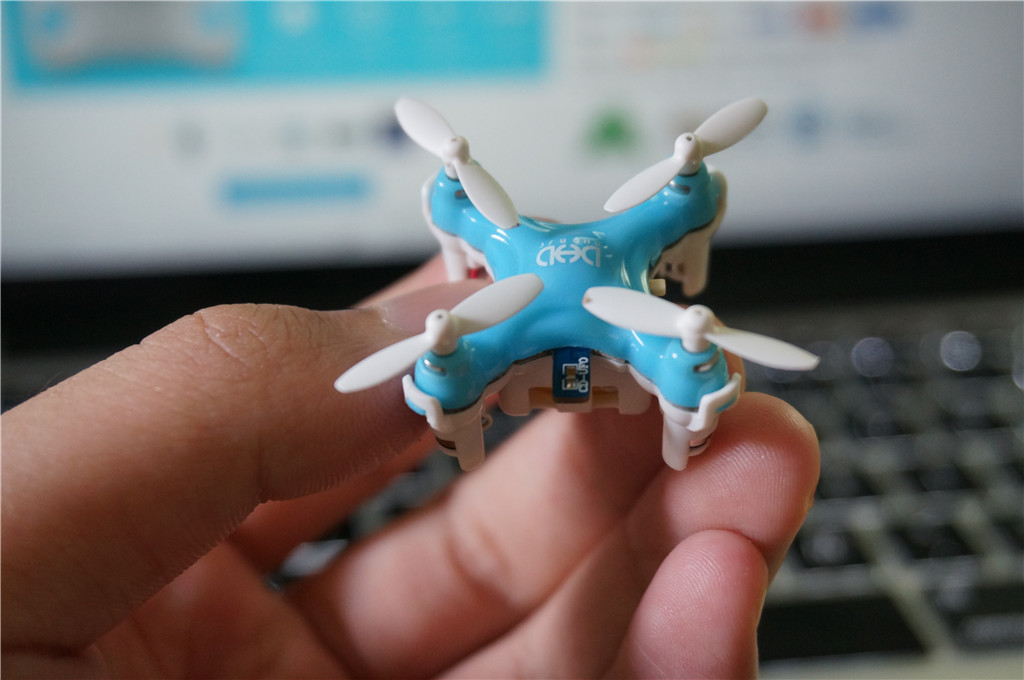
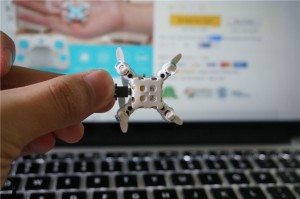
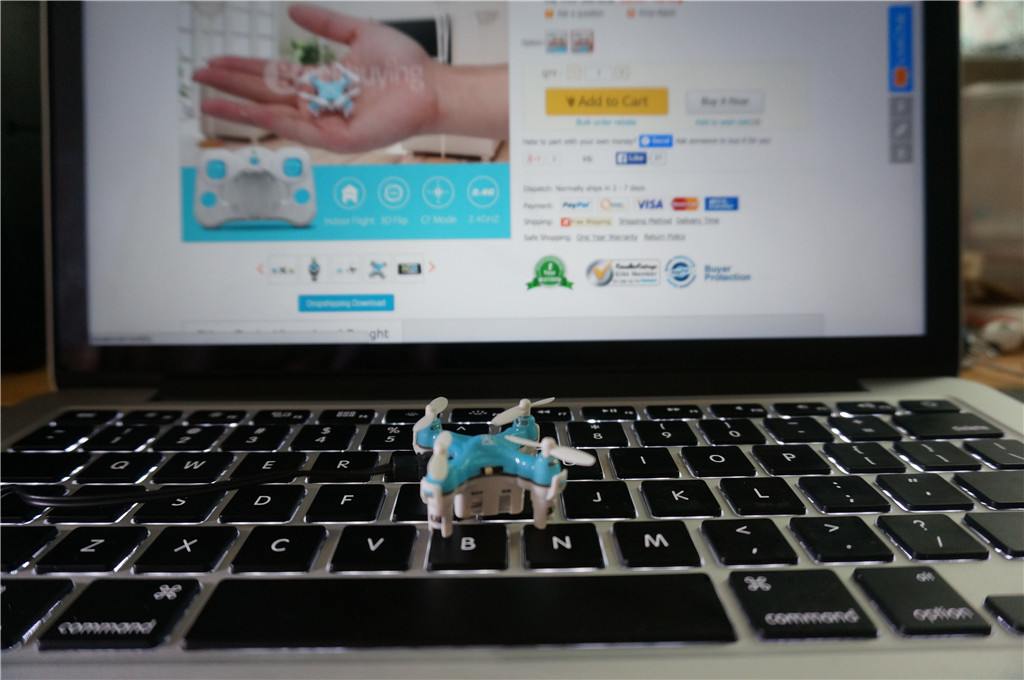
You might have come across the term ‘quadcopter’ and might certainly know what it means. There are many DIY quadcopters available to make in different sizes and different types and there are even some available for sale. But how about I told you that the smallest quadcopter in the whole world is 1.18 inches wide? Yes! DHD D1 is the world’s smallest quadcopter, but is it worth the ~$25 price tag on it? Let’s find out:
Build
The DHD D1 is, for the most part, built out of plastic, with a little bit of metal thrown in here and there. But that does not matter as much as the durability. Though it is a wise choice to use plastic since it has a lighter density and will hence pick up flight much faster, using the same material on a quadcopter of this size will certainly cause a noticeable durability issue. Do not expect it to go further than your lawn without a breeze or two knocking it off course on the road, or worse, near the neighbor’s dog. But that obviously is not why it’s built. Since it’s designed for flight indoors, and there isn’t potentially something that would break the quadcopter after a fall from a medium height, we cannot really complain about anything here.
Hardware
Under the hood, the DHD D1 sports a decent 4-channel Mode 2 transmitter that can operate at a maximum range of 15 meters. The 2.4 GHz radio control ensures maximum control while doing the various movements and maneuvers such as 360 degree flips, flying left and right sideways and the usual four movements (forward, backward, left and right). Overall, the hardware is average, but you cannot expect a premium quadcopter motor to fit or even get optimized for such a small size.
Battery
While the transmitter requires AAA batteries which can be found at each and every hardware store, the 3.7 V 100 mAh rechargeable battery in the quadcopter takes some digging to get hands on. And while we would prefer a removable battery, it isn’t a big deal since most mini quadcopters do not have a removable battery anyways.
Features
The quadcopter and the remote control, despite being small in size, packs in some decent and useful features, some of which are an absolute delight while some which you may or may not make use of. These are:
-USB charging cable: Hence you can charge it via computers or USB power banks.
-Hand Throw: Using transmitter to set your quadcopter in flight is now old school. Just throw your quadcopter in the air lightly and you are good to go as it will come in flight automatically.
-Speed Control: Offering 3 modes of speed (slow, medium, and high), you can easily learn to control it if you are a newbie and then advance to higher speeds as you proceed.
The Verdict
Overall, the DHD D1 is a (very) small package of loads of fun in a price that isn’t too much. In fact, it is a great toy to give to the kids since it involves no harm as the propellers are made of plastic.
The smartphone industry, for the last 2 years, have been booming with devices that offer extreme ‘bang for the buck’ phones. Xiaomi is one name that is synonymous with such devices, and Meizu is another growing company that is getting increasingly popular for the same reason. Today, we put the ‘phablet’ phones of these companies in comparison to one another, the Xiaomi Redmi Note, and the Meizu m2 note.
Build
The curved polycarbonate on the Redmi note is similar to the one on the Meizu m2 note. What sets them apart is a bunch of different factors. With the Meizu m2 note, the different features are a physical home button and a non-removable back.
The Redmi note, on the other hand, offers the same 5.5 inches screen and the standard notification LED sans the physical home button and with the 3 capacitive home, back and menu buttons instead.
While both phones are good in terms of design, the build philosophy of the Meizu note seems, and is copied. While the curved polycarbonate on the side looks much like an iPhone 5c, the front looks a lot like the Samsung Galaxy S6 with a similar-looking home button. Not that it’s bad, but it just doesn’t seem…. original.
Winner: Xiaomi Redmi Note wins this one by a appropriate margin.
Display
While the Meizu m2 note sports a full HD IGZO touchscreen, the older Redmi note is still stuck with the 720p IPS LCD touchscreen. And while it isn’t a factor here since the Redmi note was released a year earlier, it still disappoints with the 720p display which gives a staggeringly low pixel density of 267 ppi while on the same screen size, the Meizu m2 note offers a rather impressive 403 ppi pixel density.
WINNER: Meizu m2 note takes the obvious lead here.
Hardware
Both phones can be considered as performance powerhouses with each phone sporting a MediaTek octa-core processor of different variety. The Redmi Note houses a MediaTek MT6592 chipset which has four Cortex A7 cores clocked at 1.4 GHz and four Cortex A7 cores clocked at 1.7 GHz each.
Meizu m2 Note, on the other hand, has a MT6753 chipset that sports eight cortex A53 cores clocked at 1.3 GHz each. Plus, it is a 64-bit chipset which are (arguably) better than its 32-bit counterparts. In either case, both phones come to draw with the chipset. The 2 GB RAM on the Meizu m2 Note is however better than the 1 GB RAM on the Redmi Note.
Camera
Both phones have a 13 MP back camera that can shoot images and videos at full HD resolution and a 5 MP front camera for selfies and video calls but both are head-to-head with each other on this one as there are nearly no differences in either except for a few features here and there on the Meizu m2 Note such as a dual LED flash.
Meizu m2 Note:
Xiaomi Redmi Note:
Winner: Meizu m2 Note wins this round by a very narrow margin
Battery Life and Others:
There are many other features involved in Xiaomi Redmi Note and Meizu m2 note, but the ones worth mentioning is the newer 5.0 lollipop version of android involved in the Meizu m2 note, whereas the Xiaomi Redmi Note is still stuck with the older Kitkat version of android. However, the flyme OS of the m2 note has much more to learn whereas the MIUI on the Xiaomi Redmi Note is a very good OS, comparable and even better than the most popular OS skins out there such as HTC’s Sense UI.
Winner: Draw.
The Verdict:
Both the competitors have their own sets of pros and cons. But due to the fact that the Meizu m2 note is comparatively new, has new features and is priced nearly the same as Xiaomi Redmi Note, it wins the comparison. That being said, the Xiaomi Redmi Note is still a considerable phone. Buy any at a store, and you will walk out satisfied.
Blackview has just given out a few details about its upcoming flagship offering. The new Blackview smartphone is going to be the best device from the company till date, boasting high-end specs, enough to compete even with flagships from established makers.
The unnamed Blackview smartphone is said to come with a 5.5-inch 2K display. While we have seen a number of phones with such high resolution displays, it will be good to see a small Chinese manufacturer come up with such a powerful device. Under the hood, you will find MT6797 chipset, with enough power to handle any tasks that you throw at it. Also, the RAM is expected to be 4GB.
Camera department haven’t been the plus point of Chinese manufacturers, but that’s changing in the past few months. Even the new Blackview phone is expected to feature the powerful Sony IMX230 21MP sensor at the back. This will ensure that the pictures taken are comparable with other flagships in the market. Unfortunately, we have no clue about the front facing sensor at the moment.
Apart from these high-end specs, the new Blackview smartphone is also going to feature a unique fingerprint ID. Instead of the traditional home button integrated sensor or even a rear mounted one, the new flagship is reportedly using a unique display integrated fingerprint sensor. The company did not elaborate on the tech, but we hope to hear more about it soon.
Finally, the new Blackview flagship is going to release sometime in September. While there’s still a few weeks left before launch, we expect lot more details in the coming days. So, stay tuned.
Meanwhile, what do you think about the device till now? Could this be a flagship killer?
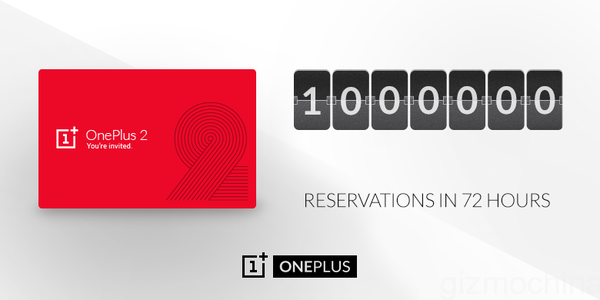
OnePlus has just revealed that over 1 million users have made reservations for an invite, which should be sent in batches in the coming days. The company unveiled the flagship killer a couple of days back and within just 72 hours, many users have shown interest in purchasing the new smartphone.
Its not surprising to see so much reservations for the OnePlus. At $329, you get a powerful smartphone with flagship specs in a neatly built body. Apart from a few drawbacks such as the lack of NFC or fast charging tech, the OnePlus 2 brings real value for the money you pay. Under the hood, you have Snapdragon 810 with 4GB RAM, fingerprint sensor, 3300mAh battery, 5.5-inch 1080p screen and the new Oxygen v2.0 OS based on Android Lollipop. If you can ignore the lack of the above mentioned tech like NFC or fast charge, the phone is really a good deal.
Unfortunately, like last year, the OnePlus 2 will only be available via invites. Which is probably why everyone is so keen to register themselves for an invite which will start rolling out soon. Of course, not all of these 1 million registrants are going to purchase the device. But even if a majority of them actually gets one, the company will be definitely happy. Not to mention that this number is going to increase in the coming days, since its just been 72 hours after launch.
HERE’s A QUICK SUMMARY OF OnePlus 2:
$329 for 16GB and $389 for 64GB.
Snapdragon 810 v2.1
3300mAh battery
Fingerprint sensor
OxygenOS v2.0
1080p 5,5″ screen with newer panel (401 ppi)
16/64GB ROM (No MicroSD)
4GB LPDDR4 RAM
13MP with OIS, 1.35 sensor size and fast laser focus (0.3sec focus time)
5MP front-facing camera
USB Type-C
Dual SIM
Dedicated Action Slider button
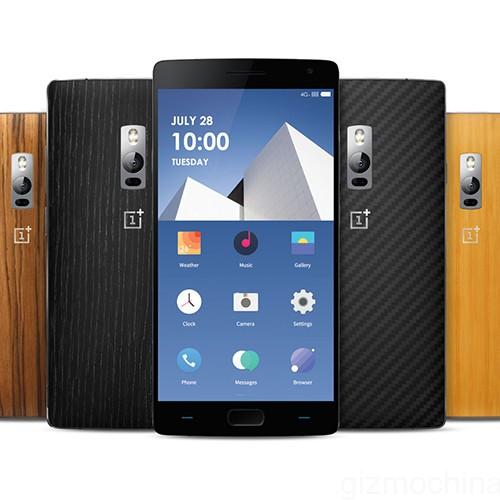
Styleswap Covers – 4 variants:Bamboo, Black Apricot, Rosewood, and Kevlar
Available from August 11th
It looks like Googles next Android OS M will check your operating system and give you warnings on start-up to advise if your operating system is deemed unsafe or if it has code running from an untrusted source.
Whilst this will probably appear on Nexus based Roms first, it is worth noting that with Android M google are really looking to up security levels.
The OS will probably display one of the following warning messages to let you know that there could be a problem with your operating system.
This warning lets you know that your device has a different operating system than the one that originally came on your device, depending on whether you changed the OS (If you aren’t sure, you probably didn’t), if you choose to instal a different Rom you can continue to use your device with that operating system.
If however you did not install the different OS you can still continue to use it but google advise that you may have a better experience with the original OS, they also advise that you can contact the device manufacturers support centre for help restoring to the original OS.
This warning lets you know that your device is in an “unlocked” state, meaning that your operating system can’t be checked to make sure that it’s safe to use.
Depending on whether you changed the OS (If you aren’t sure, you probably didn’t), if you choose to instal a different Rom you can continue to use your device with that operating system.
If you unlocked your boot loader you can continue to use your device, however, you acknowledge that your device may be exposed to security risks.
Google recommend that if you aren’t making changes to the OS regularly, to improve security you should lock the device by running fastboot lock.
This warning lets you know that the operating system on your device has been changed or corrupted and is not safe to use, the device may not work properly and could expose your data to corruption and security risks.
Depending on whether you changed the OS (If you aren’t sure, you probably didn’t), if you choose to instal a different Rom you can continue to use your device, however, you acknowledge that your device may be exposed to security risks.
If you did not change the OS you should not use the device in its current state, Google advise that you should contact the device manufacturers support centre for help restoring to the original OS.
If you choose to ignore the warning messages should go away on their own after about 10 seconds and your device will continue starting up, however if you still see the warning message, you can choose to continue starting up your device by pressing the power button once.
If you’re not comfortable continuing to use the device, you can turn it off by pressing and holding the power button until your device turns off. You can contact the device’s manufacturer for help restoring the original operating system.
What do you think, are you a constant Rom swapper? or do you prefer to stick with original manufacturer roms? is the added security that this may bring worth the annoyance at boot up? or will you be looking for a rom and boot loader for your phone that has been coded to work around this?
Personally I like to try out new roms fairly often and have been impressed with the way rom devs over at XDA have managed to work around Samsungs Knox to enable custom Roms with out flagging up on boot, lets see how they get on with this should it become mainstream with Android M.
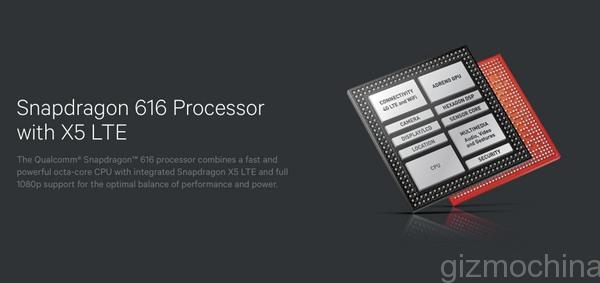
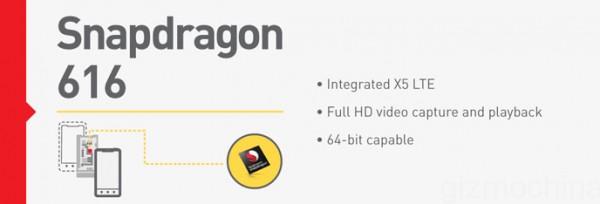
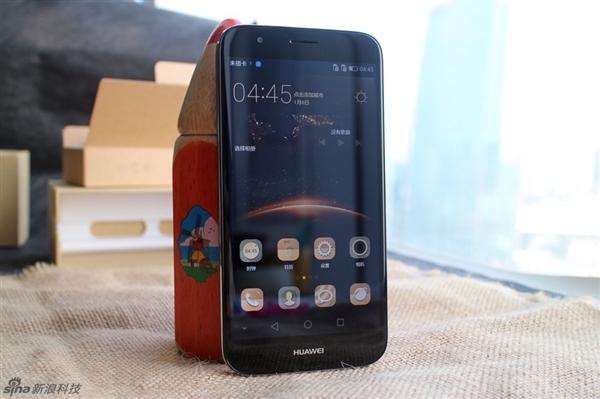
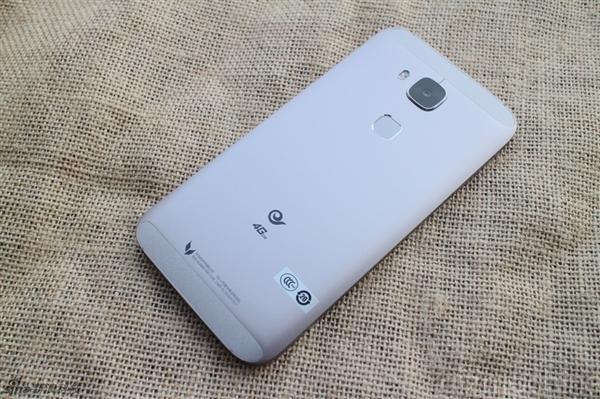
Huawei officially announced the Huawei Maimang 4 in China, which features the same specifications as well as all metal body design as the Huawei G8. However, there’s one minor difference between these two devices: Processor. While the Huawei G8 came with the popular mid-range Snapdragon 615 chipset, the Maimang 4 will feature Snapdragon 616. But before you get too excited, I ll have to let you know that there’s hardly any difference between the two chips.
So, you get the same Cortex A53 cores, four clocked at 1.7GHz while the other four clocked at 1.2GHz. In case of Snapdragon 615, the the combination was of 4 x 1.7GHz + 4 x 1.0Ghz, so theres only a slight increase in the clock speed on the 616. Even the GPU is the same Adreno 405.
However, what’s different in this new Snapdragon 616 chip is the modem. Instead of the 4G LTE World Mode modem, the new chip comes with X5 LTE World Mode modem, which brings additional connectivity options. To be specific, the Snapdragon 616 supports LTE FDD, LTE TDD, WCDMA (3C-HSDPA, DC-HSUPA), CDMA1x, EV-DO, TD-SCDMA and GSM/EDGE. It supports Cat. 4 LTE speeds (up to 150MBps) with LTE Advanced 2x10MHz Carrier Aggregation (CA).
Rest of the specs are the same as Snapdragon 615. So, we can call the new Snapdragon 616 as a variant of the 615, rather than an entirely new chipset.
Other specs are more or less the same on the new Huawei device. So you get a full HD 1080p 5.5-inch display, 2GB + 16GB / 3GB + 32GB storage options, 13MP camera with OIS, 5MP front facing shooter, FPC’s Second generation Fingerprint Sensor, 3000mAh battery and Android 5.1 Lollipop version.
The pricing starts at 2099 Yuan for the 2GB + 16GB version, and goes up to 2499 for the 3GB + 32GB edition.
ZUK Z1 is all set to debut on August 11, next month. And since the past couple of weeks, we have got a number of new renders as well as specs info about the upcoming device. In fact, the Z1 recently hit TENAA revealing the overall design of the phone.
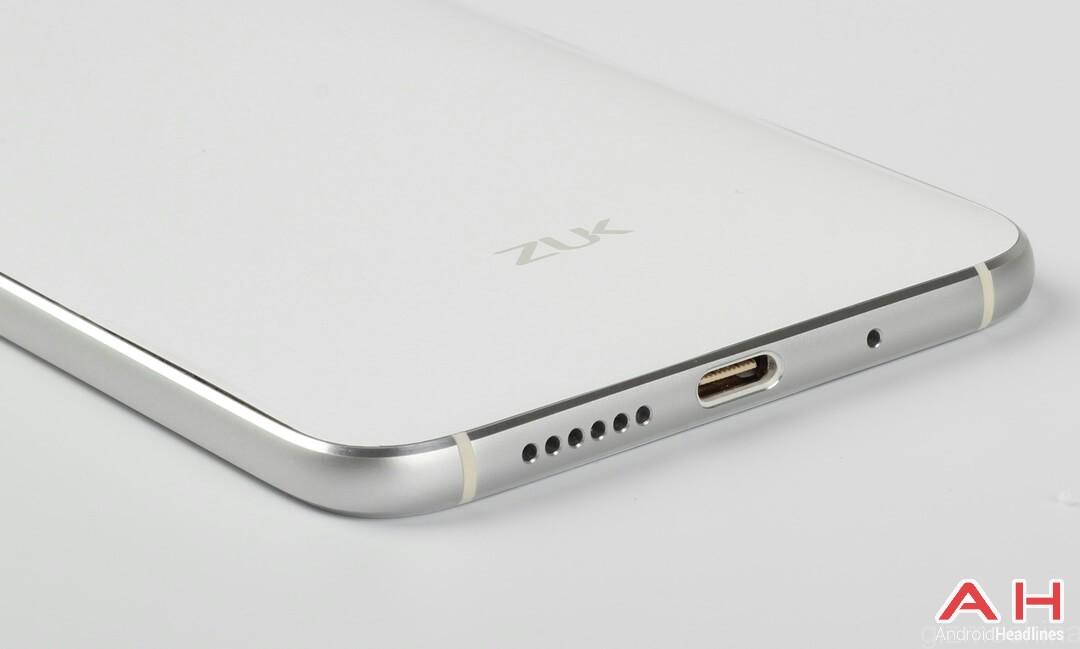
Now, two new pictures of the ZUK Z1 have surfaced online, giving us a closer look at the lower back region. These pictures are super clear and much better than the renders that were released by the CEO a few days back.
In the first image, you can clearly see the USB Type C 3.0 port at the bottom. Besides the port, there’s the speaker grill. And on the right, you can see the single microphone opening. Another important aspect revealed by this image is that beautiful metal frame that goes around the body. Finally, there’s the same ZUK branding on the lower back region as we saw in the previous images.
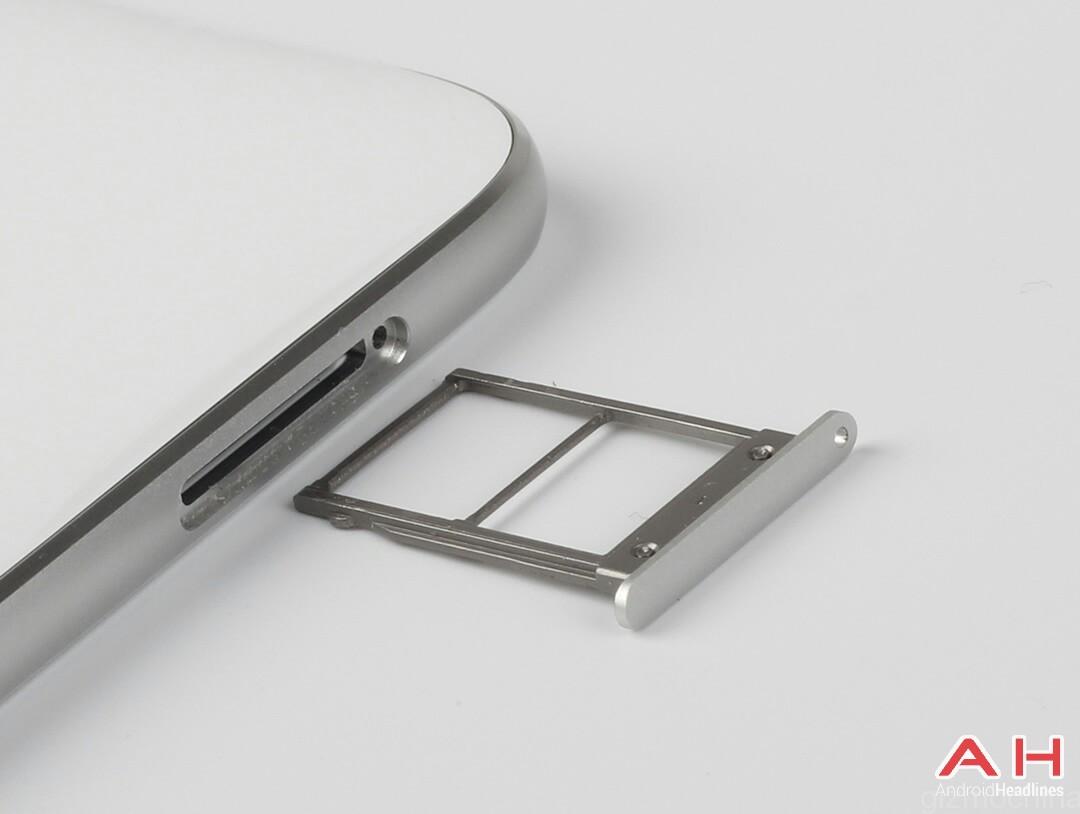
The second image shows us the SIM card tray that can be removed. It looks like the tray can hold two Micro SIMs. But doesn’t look like a MicroSD / SIM card combo tray.
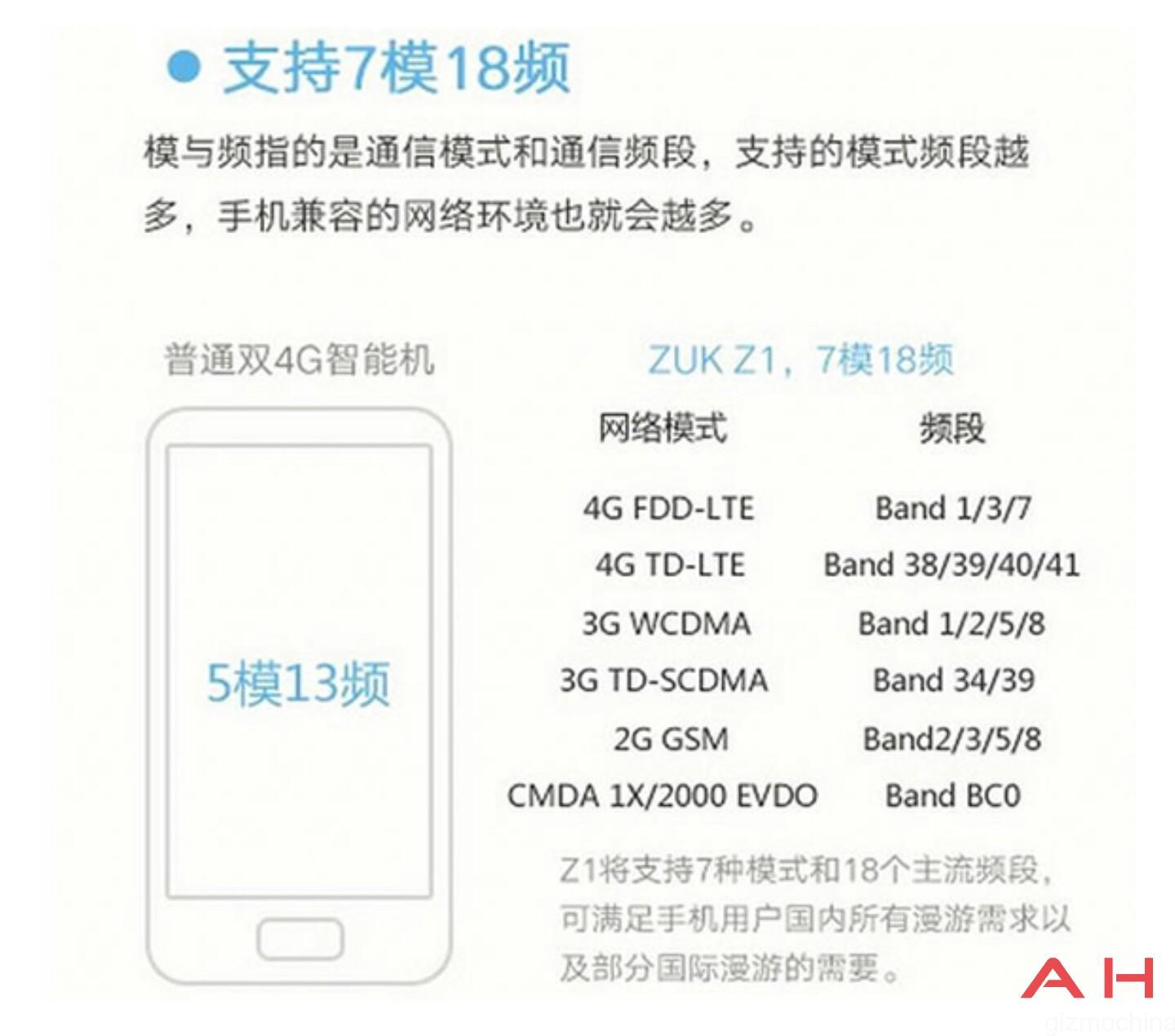
Finally, the third image reveals the 4G LTE connectivity details of the device. So, the phone will support 4G LTE connectivity specifically the following bands: 1, 3, 7, 38, 39, 40 and 41 and both TD-LTE and FDD-LTE networks.
As for the specs, the company has confirmed 3GB of RAM, USB Type C 3.0 port, U-Touch Physical home button with fingerprint ID up front and 4000mAh + battery. What we are unsure about is the processor. ZUK could go with Snapdragon 808 like Motorola did with its recent Moto X Style. Also, we don’t know if there’s a MicroSD card slot on the device, but we sure hope so.
Well, the device is turning out to be a true flagship smartphone in terms of specs as well as design. This makes us all the more excited to see the handset in real, which should be sometime after the launch on August 11.
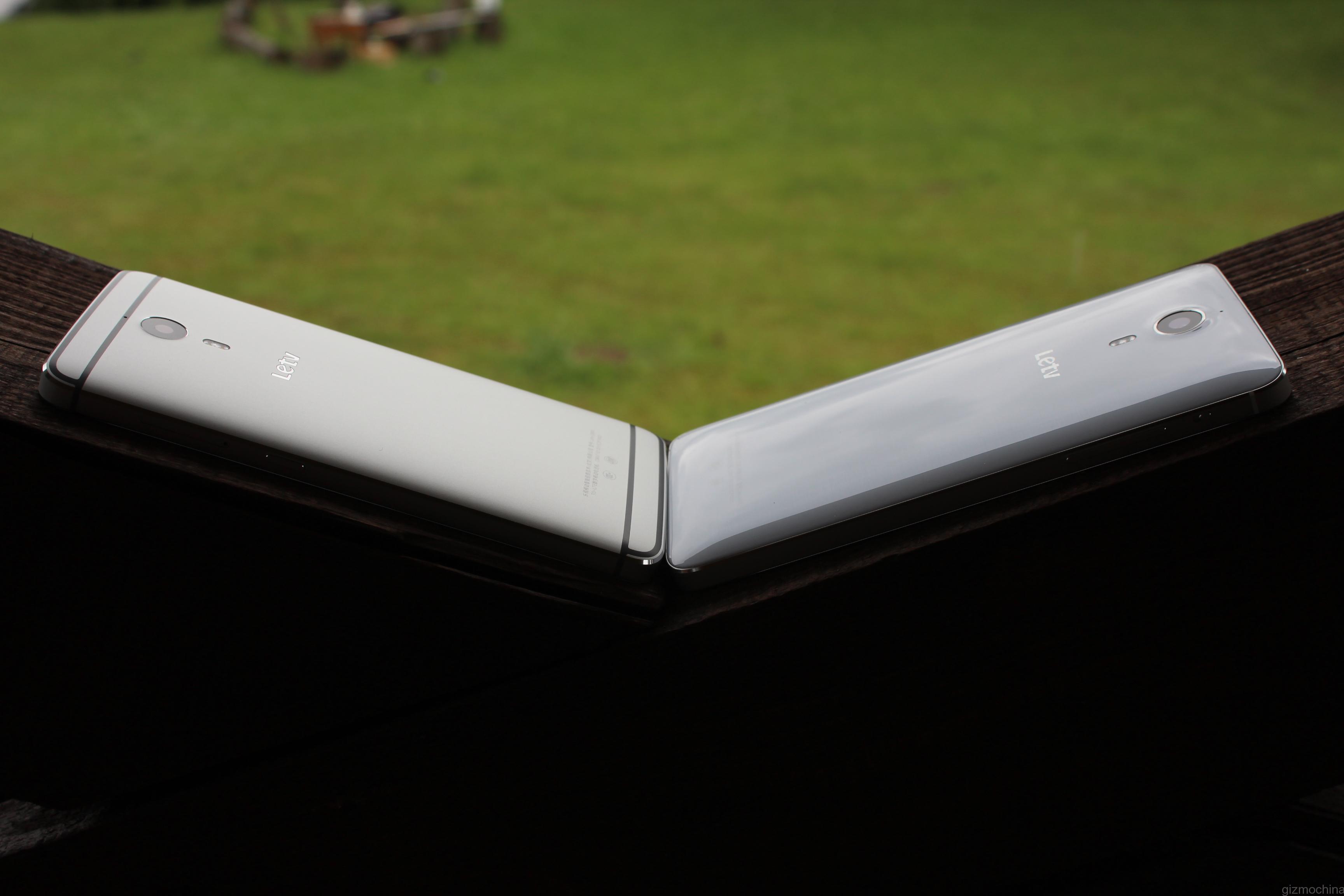
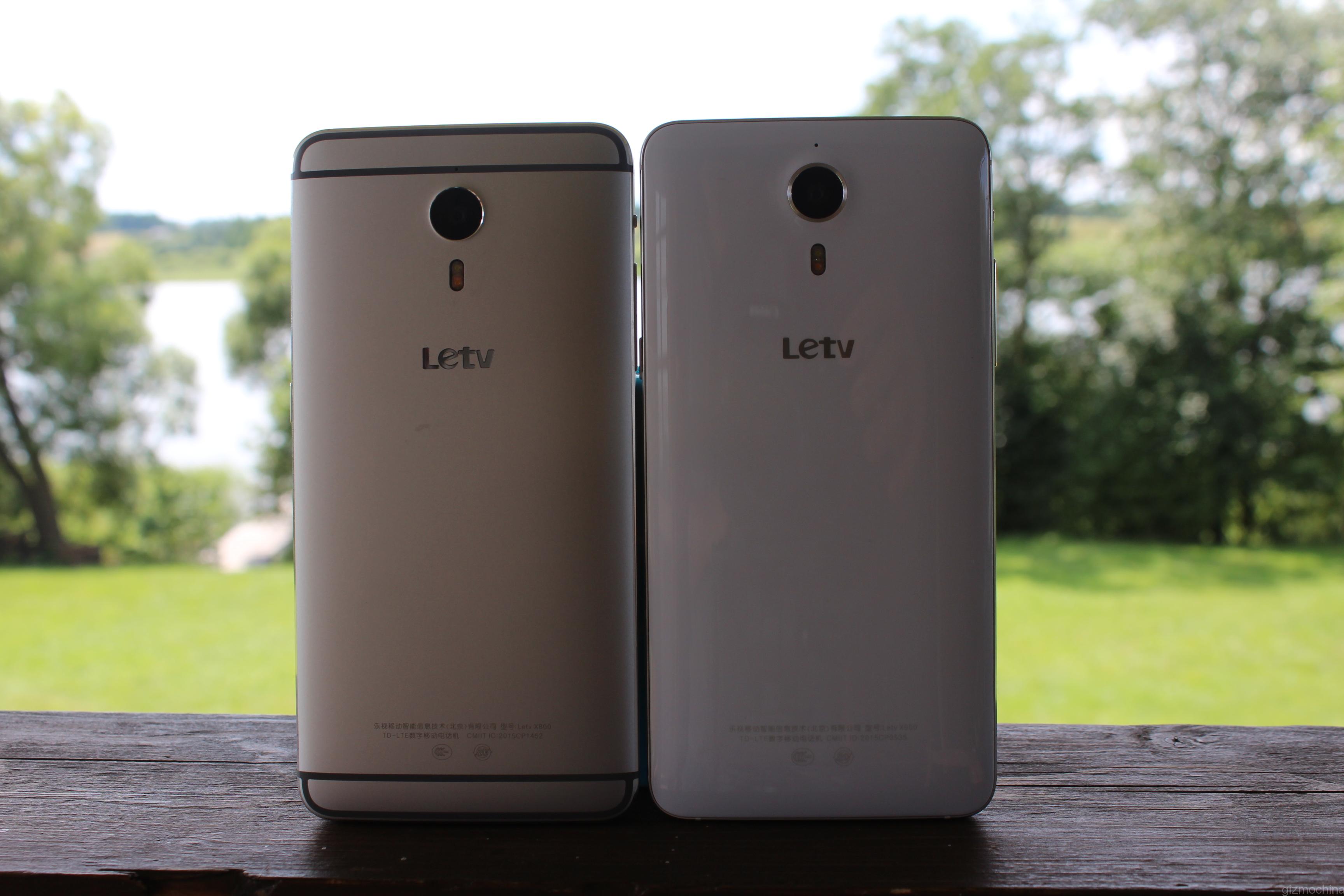
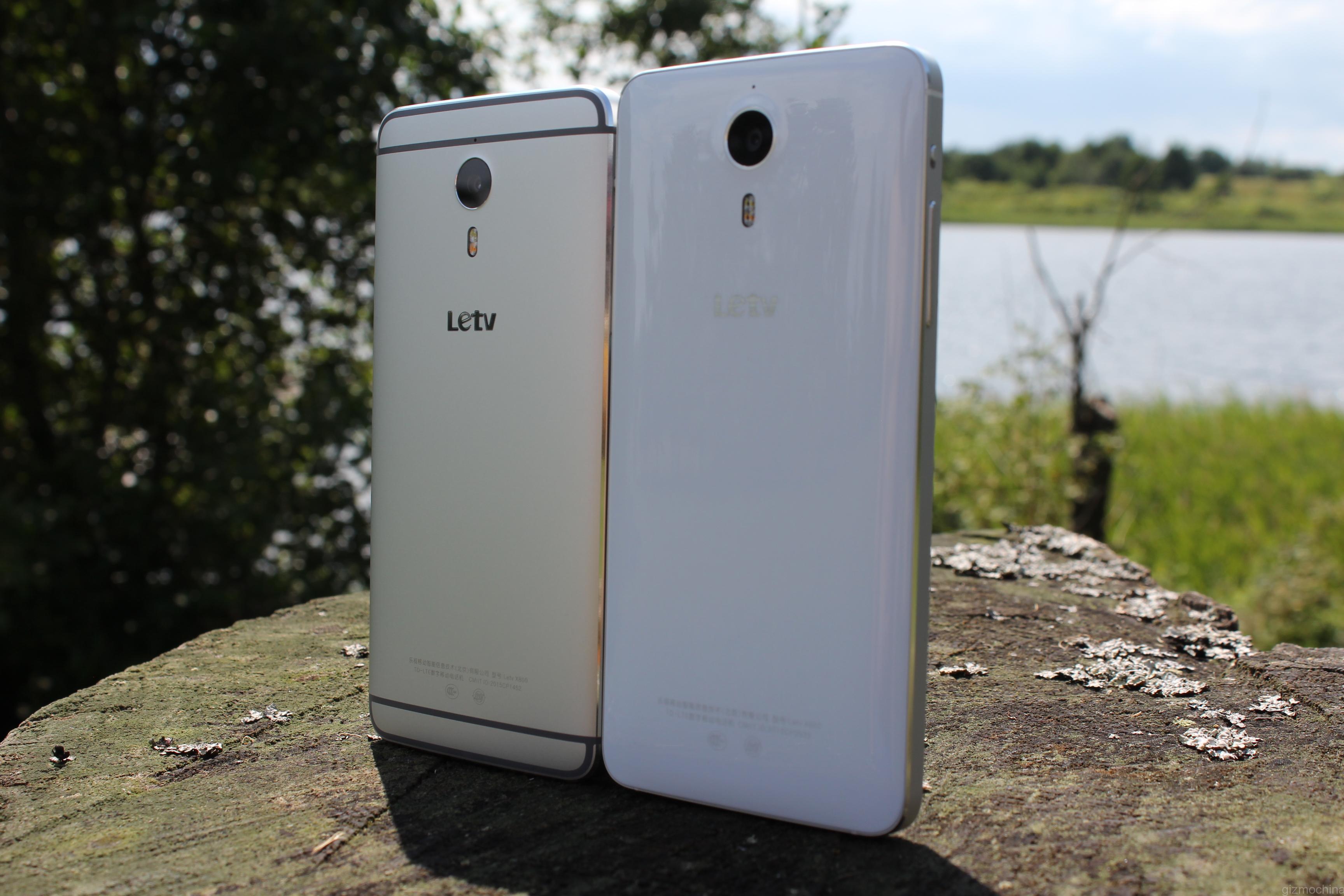
Allright, fellas, the wait is over. It’s been quite a while but this highly anticipated comparison is finally here. I’ve put a lot of my time and effort testing every inch and pixel of each smartphone and I hope you appreciate that. Also, I really hope that this comparison will help you make a decision between choosing the right Letv smartphone (or not choosing a Letv smartphone at all).
If you want to see some more videos coming, I ask you one simple thing:
Letv Le One S1 X600 vs. Letv Le One S1 Pro X800 – The Battle of Le Superphones:
Letv Le 1 vs. Le 1 Pro: CONCLUSIONS
So, there you have it. The battle of Le Superphones is over now.
Both Letv Le 1 and Le 1 Pro are great devices in their respectable price categories. Each smartphone has a great design, but Le 1 Pro is much more premium due to its all-metal build. Also, both smartphones have fantastic displays, but Le 1 Pro has a better sunlight visibility.
As far as UI goes, the experience is identical in day to day use but highly demanding tasks are better handled by the Pro model. Don’t get me wrong, the Le 1 is also a great performer but Le 1 Pro simply has a bit better, I mean the top notch graphics you can possibly think of.
Multimedia experience is great on each smartphone but Le 1 Pro is a clear winner once it comes to listening to music via headphones. In addition, the Pro model is for those, who want to take better looking images with the camera.
The screen-on times are better on the lower-end Le 1 but are similar in day to day use if you are not starring at your phone’s screen all the time.
All in all, you can’t go wrong with either of these devices. It depends on what you really need. If you are looking for a great device that costs under $300 unlocked, go with the Le 1. If you are looking for a really premium looking phone with some bleeding-edge specs and performance, you will make no mistake choosing the Le 1 Pro.
At the beginning of 2015 the original Elephone P6000 was one of the first Chinese smartphones to come with a 64bit SOC, over time it became very popular with buyers, perhaps it was the build quality or more likely the amount of third party ROM support with Roms like CM12.1, VIBE 2.5, ColorOS and Flyme all having made an appearance.
Elephone have upgraded the P6000 with an Octa core World Mode MT6753 SoC and 3GB RAM, the price has remained the same at just $119.99 (£77), have they cut down on quality or components to keep the price the same? Elephone have kindly provided a teardown so lets take a look inside and find out.
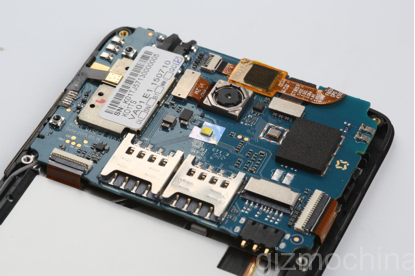
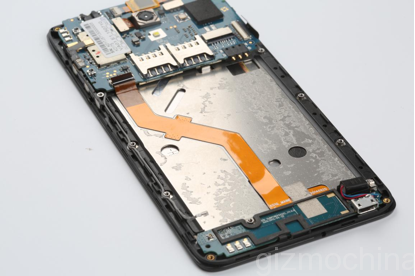
The battery is rated at 2700mAh and takes up more than half of the total space inside the phone (dimensions are 76 x 60 x 5mm) The battery should be able to handle a day of medium to heavy use, possibly more for light users.
The GPS, wifi and Bluetooth integrated antenna are located top left, on the right side is one of the two network antennas, the other network antenna is located at the bottom of the phone.
The SIM card slots and TF card slot are located under the camera.
Dust filters are in place on top of the speaker and another at the bottom of the back cover, its small things like this that help to keep phones in good condition and prevent damage.
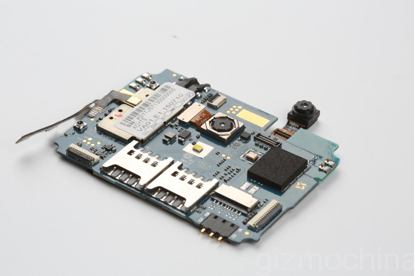
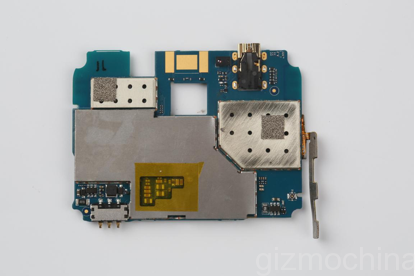
After removing all the screws, we can now see the mother board with all of the integrated chips and cameras.
The parts are neatly organised and a bar code sticker is glued on to the welded metal cover, Elephone have advised that each chip is individual and has its own unique bar code.
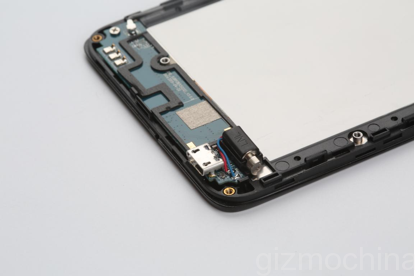
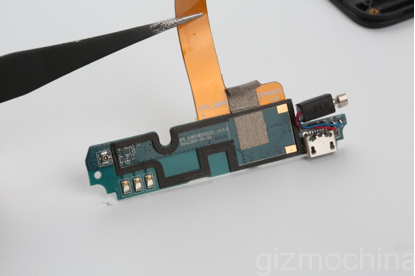
The secondary board has the USB port, microphone and a haptic feedback motor which is soldered on to the board, the board is mounted to the chassis with screws.
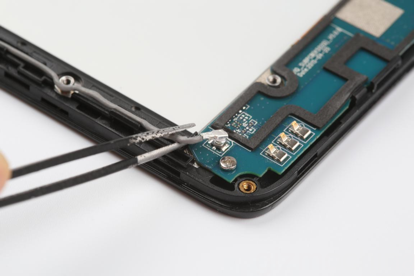
Pull up the 0.8mm diameter copper shaft cable measuring 93.4mm from the board.
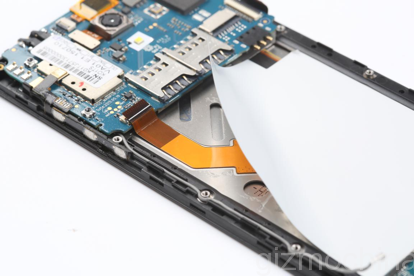
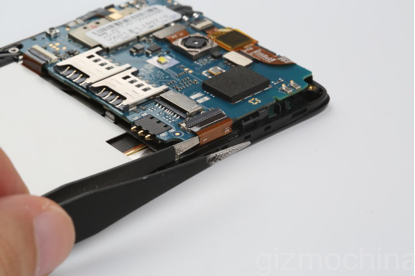
Carefully remove the FPC (Flexible printed circuit) connection on the mother board, and tear apart the protective sticker (part of the FPC connects directly to the secondary board).
The three points at the bottom left are the network antenna connectors. The thickness of the board is 0.6mm.
To remove the mother board, disconnect the FPC connection from the display, it’s located on the right of the board.
Then gently prize up the touch panel connector.
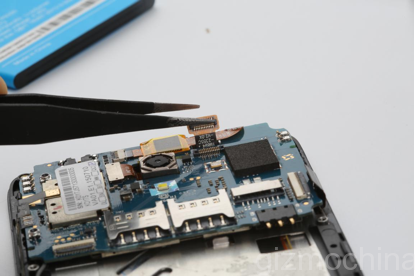
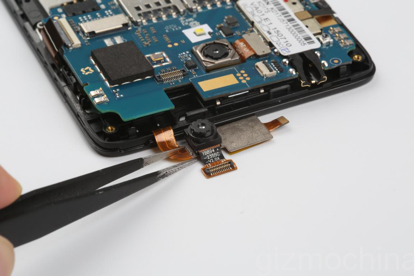
Disconnect the 2MP front camera.
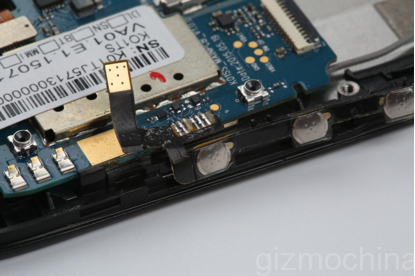
The button FPC is glued tightly on the frame, so prize that up very carefully, we can now take the mother board out.
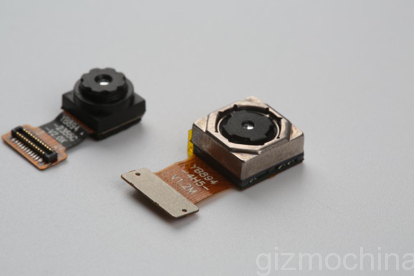
The pictures shows the OmniVision 13MP primary camera and 2MP front camera.
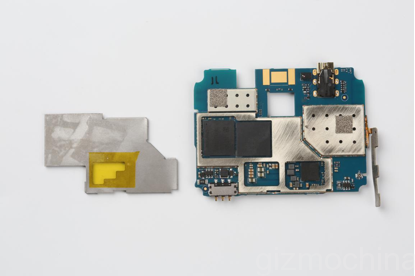
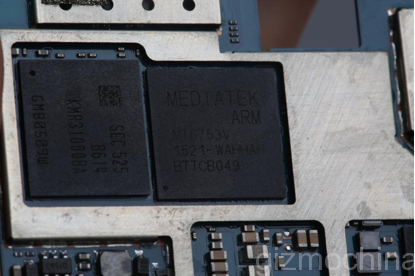
The system chips are all protected by a metal alloy shield on the mother board.
The MT6753V SoC on the right and SEC (Samsung) 525 RAM chip on the left.
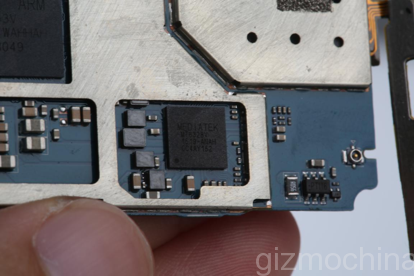
P6000 Pro MT6328V power management chip as found in the Meilan Note2.
The phone contains an additional metal plate for enhanced strength and rigidity.
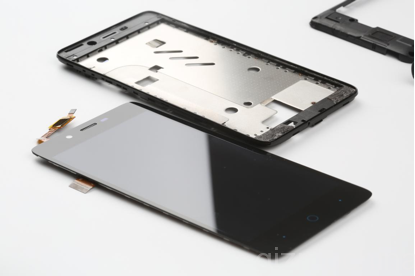
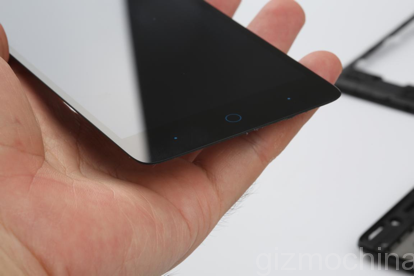
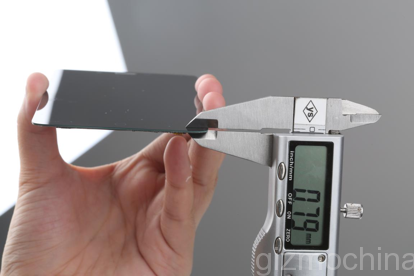
The display is an LG 5.0” unit with OGS and IPS technology, which help make the touch panel just 0.79mm thick, with outstanding viewing angles.
Conclusion
There you have it, based on the quality of the components chosen for the phone, the upgrade to an MT6753 SoC and 3GB RAM, and the apparent build quality the significant upgrade to the MT6753 SoC and 3GB RAM, the P6000 Pro looks like it will be a highly competitive phone in the low end market place.
Elephone have sent over a video showing the first phone from their new sub-brand Trunk.
The phone features a 5″ HD screen, Snapdragon processor (SOC unconfirmed), 2gb Ram, 16gb Rom, Omnivision 13mp camera (the video states 8mp physical so I assume this will be 13mp via interpolation), soft and comfortable hand feeling (will this be some form of rubberised back?), selection of colourful interchangeable back covers, choice of black or white frames.
We have not seen a new Mi Tablet from Xiaomi for quite some time. In fact, due to the lack of any concrete leaks or information many assumed that the company may have discontinued the lineup entirely. We have been increasingly seeing reports about the decline in the tablet sales, so this wasn’t improbable. However, Xiaomi has many a times repeated that it won’t be giving up the lineup.
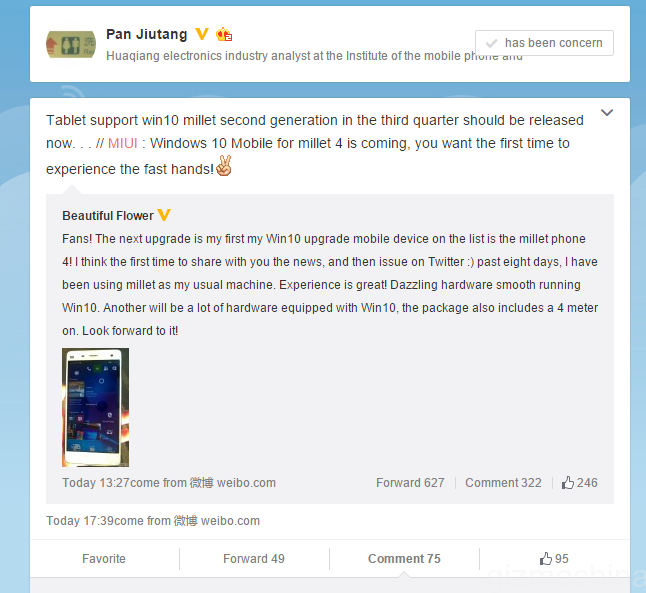
Now, Pan Jiutang, a known Chinese analyst has revealed that Xiaomi is going to release a new Mi tablet in the third quarter of 2015. The device won’t be running on the Android version as its predecessor, instead, it will reportedly run on the new Windows 10 platform from Microsoft. Unfortunately, he failed to mention whether its the standard Windows 10 edition or the Windows 10 mobile edition that’s going to the run on the Mi Tablet.
Xiaomi is usually known to customize its devices to a considerable extent, but that was in case of Android. When it comes to Windows, its not that easy. So, if this news turns out to be true, we will have to see if there are any MIUI like customization on the new device.
Well, we are in the third quarter of 2015, which means the release shouldn’t be far off. We could expect the launch to be on August 16, the time when the company traditionally announces the new MIUI version. So, until then, lets wait for some more concrete details about the new tablet.
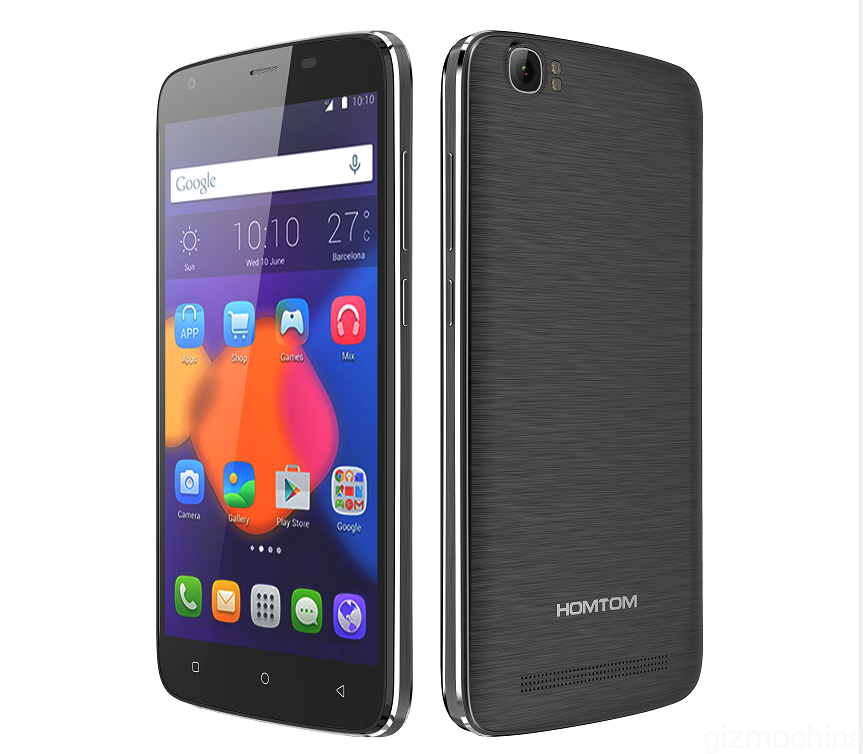
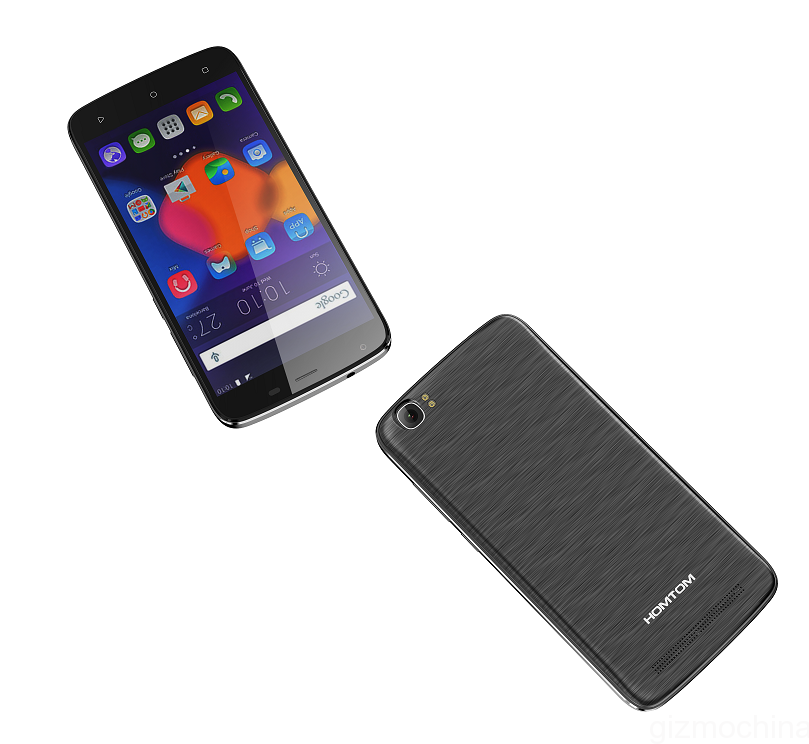
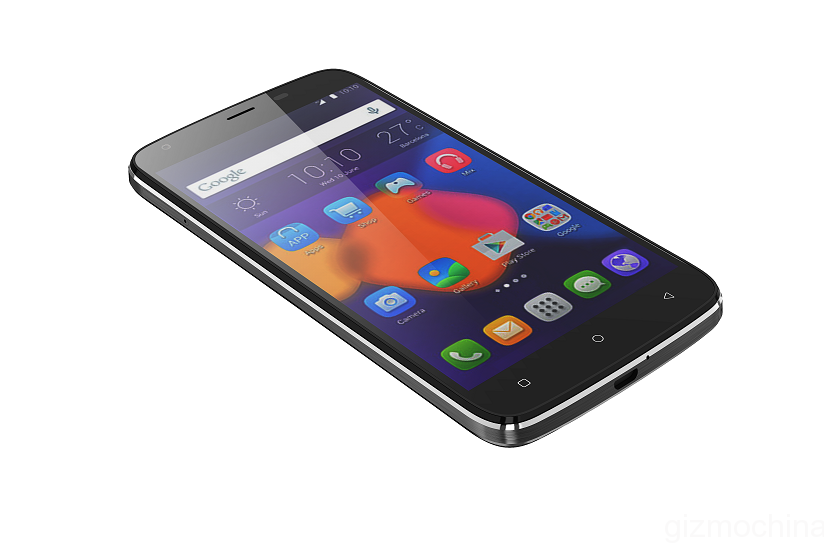
In the past few months alone, we have seen so many smartphones with large batteries. Now, Doogee is all set to unveil a new smartphone brand called as HOMTOM which will bring large batteries in a decently sized body. Battery life have always been a major factor in decision making among customers and looks like the HOMTOM brand will exist to satisfy their needs.
The first HOMTOM smartphone HT6 will feature a large 6250mAh battery in a 9.9mm thin body. Agreed that most smartphones these days are thinner than this, but then you don’t get such a large battery in them. In fact, it will be an achievement for the company if the body is indeed this thin.
The name HOMTOM is a transliteration of the Chinese characters ”heng tong”. ‘Heng’ means lasting, eternal while ‘Tong’ means connection. So, the name HOMTOM represents the company’s aim to produce long-lasting smartphones to connect people and the world. “More power, last longer” is the slogan for HOMTOM.
The HOMTOM brand will debut in September this year, and the first model will be called as the HOMTOM HT6. Apart from a 6250mAh battery in a 9.9mm body, the phone will feature a 5.5-inch 720p HD display. The CNC cut body will feature metal-wire drawing back cover.
Other specs include MT6735 quad-core chip under the hood, 4G LTE connectivity, 16GB ROM, Android 5.1 Lollipop, 13MP Sony Rear camera with dual flash and a 5MP front facing shooter. We still have no idea about the pricing of the device. Another important feature of the phone will be the support for Mediatek’s Pump Express Fast Charge tech. This enables charging up to 75% in around 30 minutes. Given the massive size of the battery, fast charge is a must if you plan to charge it to its full capacity in one single charge.
We hope to receive more information about this new HOMTOM HT6 smartphone in the coming days. So, stay tuned to the website for more updates.
Meizu has been doing well this year. The company managed to sell around 8.9 million units (you can check out this article for the first half sales comparison between Xiaomi, Huawei & Meizu) in the first half alone, which was a tremendous improvement as compared to last year. One of the main reasons for this sales growth was the new Blue Charm series which offered pretty good features for an affordable price tag.
The company has also increased the frequency of launches this year, considering that we have already seen the second generation models in the Blue Charm Meizu M1 series in just 6 months. Both Meizu M2 Note and Meizu M2 have been announced, featuring even better specs and offering more value for money as compared to its previous versions.
However, Meizu VP Li Nan says that the company no longer wants to be a small manufacture. It aims to go big in the coming years and is even expected to break even this year after previous losses. The company has increased its manufacturing capacity, as well as made new partnerships in this regard.
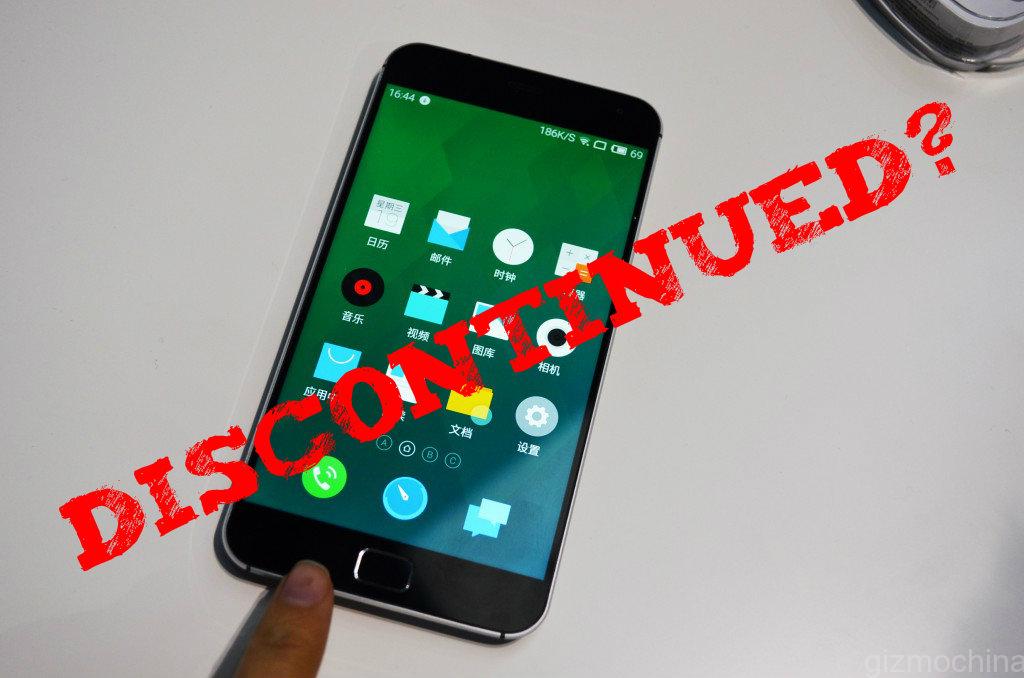
However, it looks like Meizu isn’t planning to release MX5 Pro this year. Li Nan adds that although Meizu considered renewing its 2499 Yuan Pro series this year with a new model (MX5 Pro), the company later decided to abandon it. Instead, Meizu is working on a brand new high-end lineup which is already under development. However, he adds that since a new product requires at least 8 months of development and multiple revisions according to the changing market demands, he can’t say when exactly this new product will be launched.
While I am sure fans will be disappointed to see MX5 Pro series discontinued, we would have to wait and see what Li Nan meant by a high-end lineup. Could it directly rival Xiaomi Mi Note Pro or the ZTE Axon? We will have to wait and watch. Till then, stay tuned for more details.
ZTE manged to impress us all with its powerful ZTE Axon flagship. The overall build quality and specs of the device were top-end which clearly showed that the company was targeting the premium crowd.
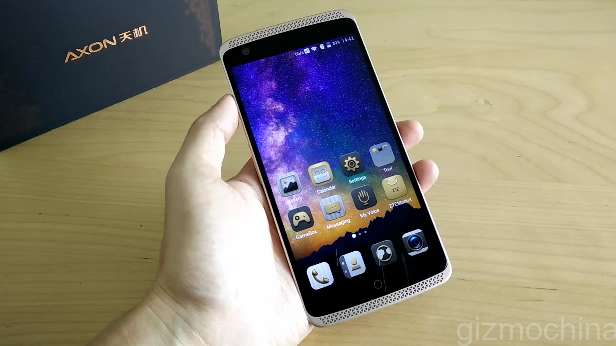
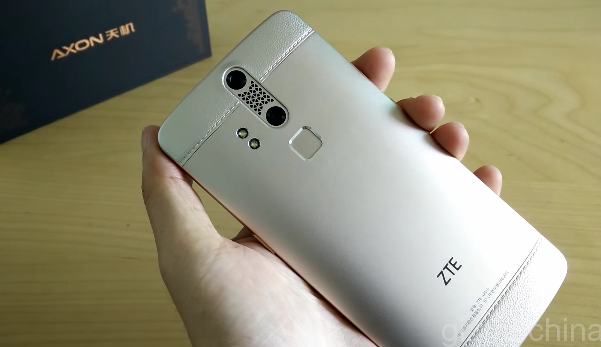
Now we have the device in our hands and its feels just as good as we thought. The all metal build makes the device look premium and solid, giving it an edge over other plastic bodies competitors. The design is also a bit different than traditional offerings, kind of like HTC’s One S. You also get the standard ZTE’s Nubia like circular home button.
One important thing to note is that the ZTE Axon comes with an advanced anti-microbial gorilla glass panel from corning. This makes it the first smartphone with such an anti-microbial glass.
Given that we will be testing this phone thoroughly later, we won’t be talking much about the details. This is just an initial hands on of the device and our initial impressions. The Snapdragon 810 under the hood with 4GB RAM made sure that there were no lag whatsoever.
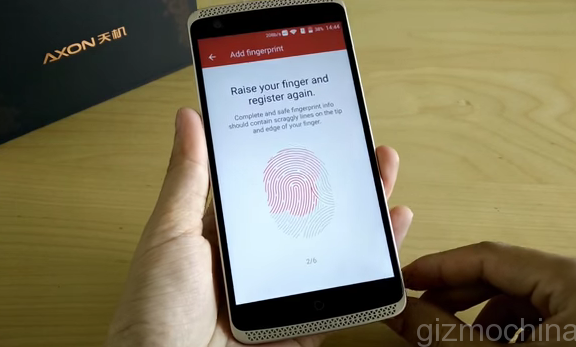
The UI was fluid and everything was responsible and working on the device. Registering your fingerprint would take only about 5-10 seconds and after that you can unlock the phone pretty quickly. On an average, it took around a second for the phone to unlock from the screen off stage using the fingerprint unlock.
Another interesting aspect of the device is going to be its rear cameras. The dual rear cameras (13MP+2MP) was unsurprisingly impressive. There were a lot of options in the manual mode, but even the auto mode worked flawlessly. The pictures captured came out pretty good with natural colors and minimum noise. The focus times were also pretty fast. Overall, we think the Axon comes with a great camera. But for making the right conclusions, we will have to wait for the full review. Just to let you know, the phone even comes with EyePrint ID, eye scanning technology! We need to test that too in our review that will be up next week.
Meanwhile, check out our first hands on with the ZTE Axon from above. Also, if you have any specific question answered or want any feature tested, do let us know in the comments section below. The phone will be in our labs for the next couple of weeks, so we can test it out thoroughly during that time.
Teenagers demand attention. You might have noticed that your teenaged child would love to be the center of everyone’s attention at any cost. This attitude of teenagers is a pretty worrying one for parents and they need to provide proper attention to their kids to avoid any unpleasant results in future. As we all know that no teenager nowadays roams around without a mobile phone by their side, a mobile phone spy software can help parents monitor the activities of their kids at all times.
How does Xnspy work?
Xnspy stays with your child for more time than their own shadow. Within a few minutes this mobile phone spy softwareis installed in your kid’s cell phone and provides you with complete access to all the data that is present inside their cell phone. Without disturbing any feature of your kid’s mobile phone, Xnspy runs quietly inside it and does not let anyone discover about its existence inside their mobile phone.
Compatible phones:
Xnspy is compatible with cell phones from Samsung, LG, hTC, Motorola, Sony, Lenovo, Huawei, Acer and other companies using Android operating systems 2.4 and above. Latest iPhone 6 and iPhone 6 Plus are suitable handsets to be used with Xnspy as well.
Salient Features:
Teenagers love SMS messaging. All they do all day is talking to their friends through SMS messages. With the help of Xnspy, parents get to see all the communications that their children have made with anyone through SMS messaging. All the messages present in the Sent Box, Inbox and Drafts of your kid’s mobile phone are shown to you with the help of this mobile phone spy software. Apart from this, each and every Audio file, Video file and picture stored in the cell phone of your child is shown to you by Xnspy. Parents even get to view all the contact numbers saved in the cell phone of their children.
Easy to use:
To start using Xnspy, you must register for an account with them. Then you need to download this software in your kid’s cell phone. By now you would have received your log-in details. Use the help of those log-in details and gain access to the entire cell phone data of your child with real ease. This mobile phone spy software is really user-friendly and an easy to use software.
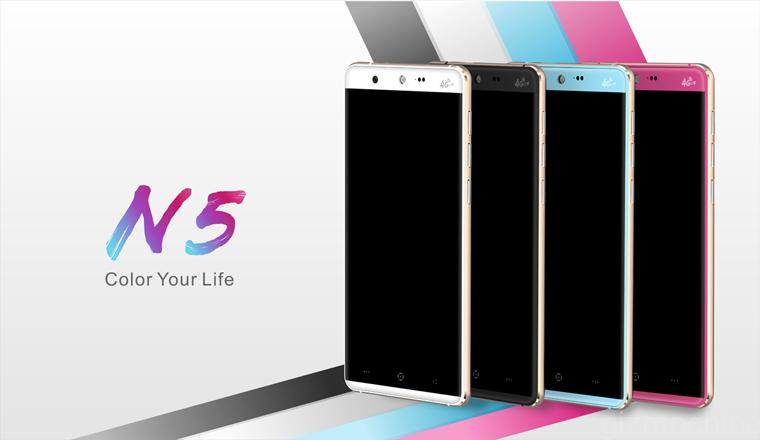
Kingzone isn’t the best known name in the global smartphone industry, but back home in China, it has been creating quite a stir with its latest offering. Kingzone has released theirKingzone N5 smartphone which is already available for pre-order on gearbestat an astounding price. The mere $120 price tag may want to you to conclude that Kingzone N5 is yet another mediocre Chinese smartphone, but look at the specs first.
The budget smartphone may not have the premium look of the Honor 6 or the newly unveiled OnePlus Two, but it definitely has a prominent design and build quality. Packed with the resilient IPS LCD display, Kingzone N5 comes with 5inch screen and a 1280×720 resolution. While it falls short of the Full HD resolution (even Quad HD) that most top grade smartphones boast today, the high brightness ratio and sharp viewing angles should keep the users satisfied.
Kingzone N5 has been confirmed to be empowered by MediaTek MTK6735 CPU, 16GB internal storage and 2GB RAM. The 2600mAh battery should keep the smartphone up and running for 1-2 days on full charge, while the Android Lollipop 5.1 OS will keep processes flowing smoothly. The simple yet effective camera setup is 13MP at the rear and 5MP at the front. Kingzone N5 is a performance driven offering at a menial price, and if you aren’t keen on spending a small fortune on your next smartphone, it might just be the ultimate choice.
We use cookies on our website to give you the most relevant experience by remembering your preferences and repeat visits. By clicking “Accept”, you consent to the use of ALL the cookies.
This website uses cookies to improve your experience while you navigate through the website. Out of these, the cookies that are categorized as necessary are stored on your browser as they are essential for the working of basic functionalities of the website. We also use third-party cookies that help us analyze and understand how you use this website. These cookies will be stored in your browser only with your consent. You also have the option to opt-out of these cookies. But opting out of some of these cookies may affect your browsing experience.
Necessary cookies are absolutely essential for the website to function properly. This category only includes cookies that ensures basic functionalities and security features of the website. These cookies do not store any personal information.
Any cookies that may not be particularly necessary for the website to function and is used specifically to collect user personal data via analytics, ads, other embedded contents are termed as non-necessary cookies. It is mandatory to procure user consent prior to running these cookies on your website.