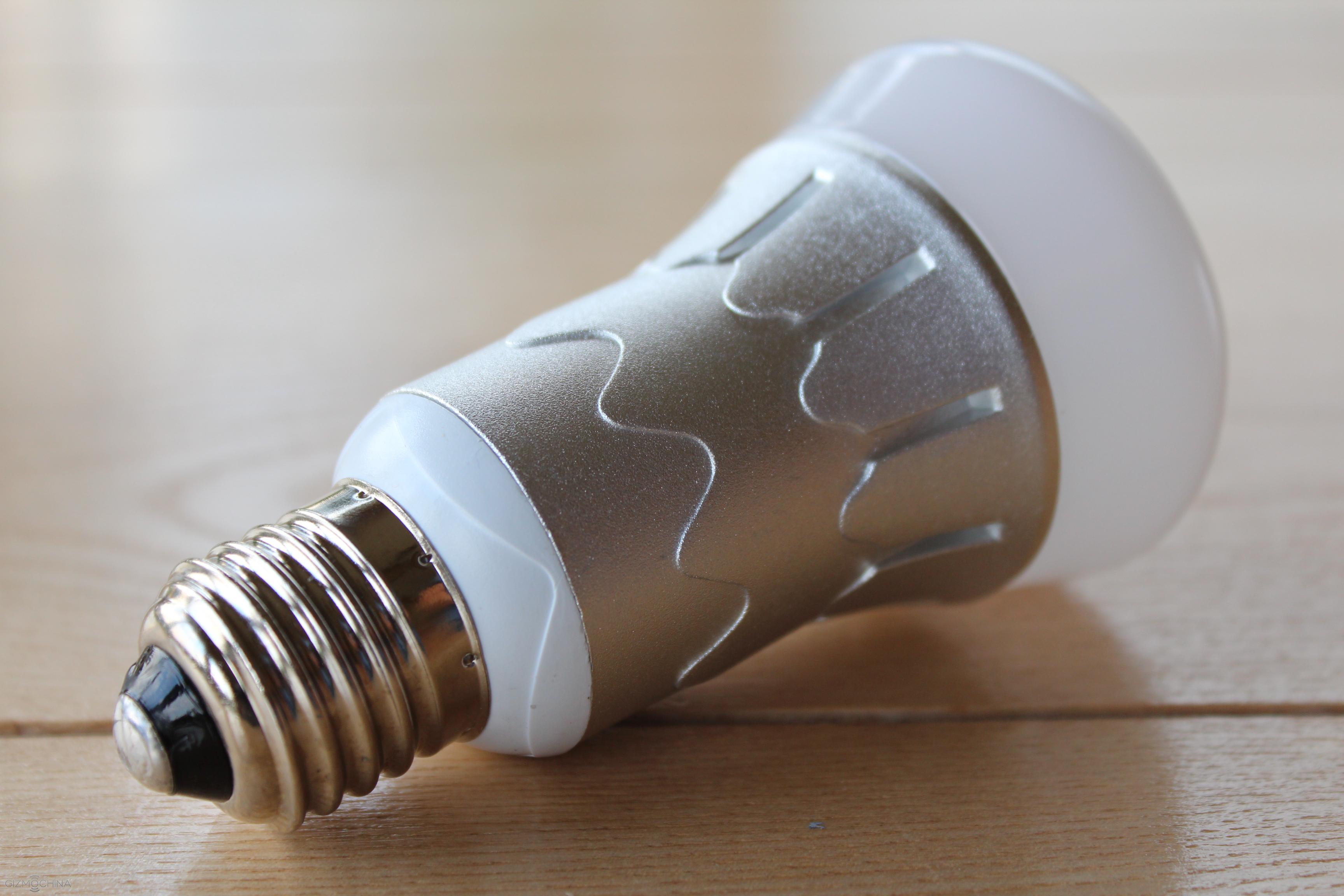
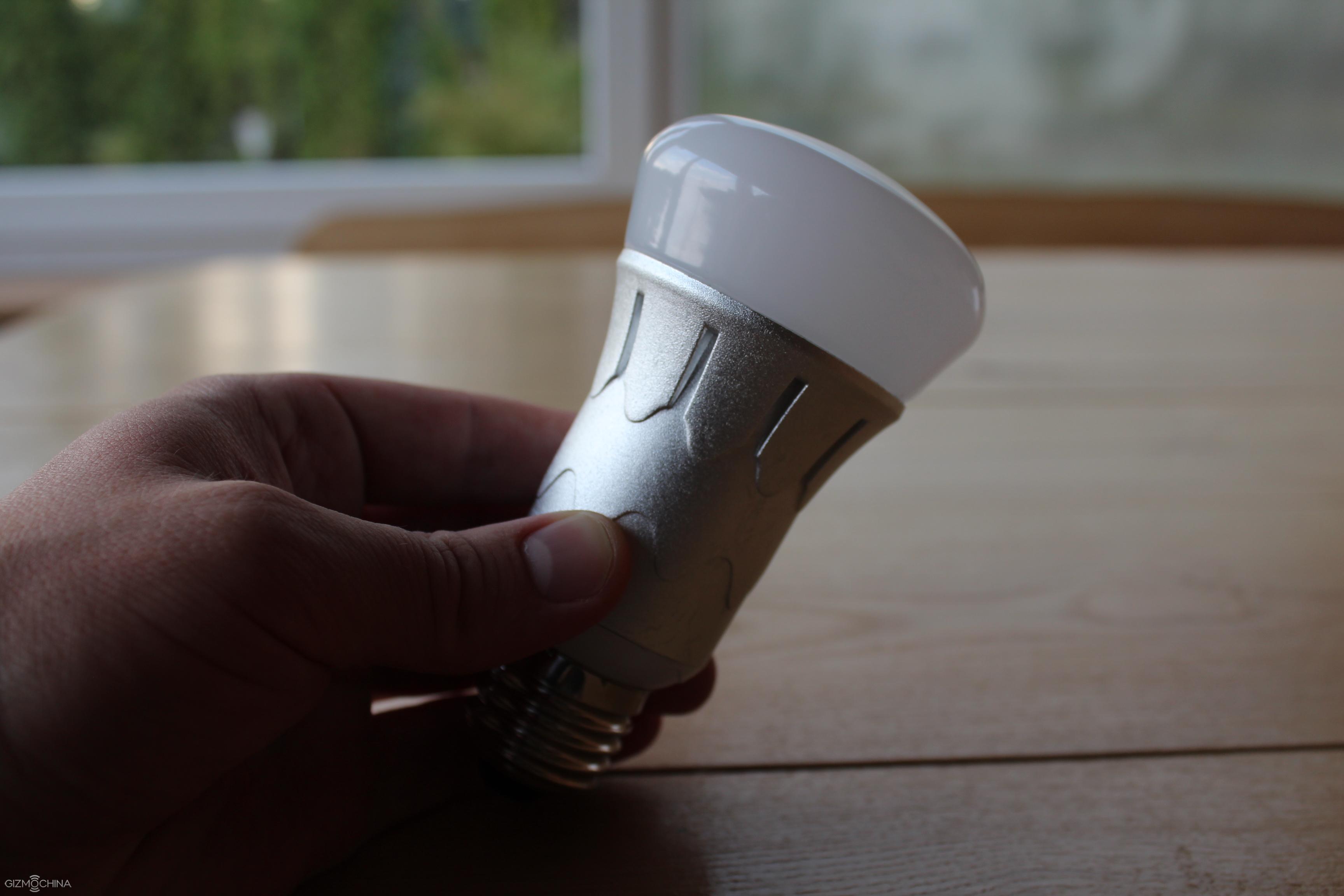
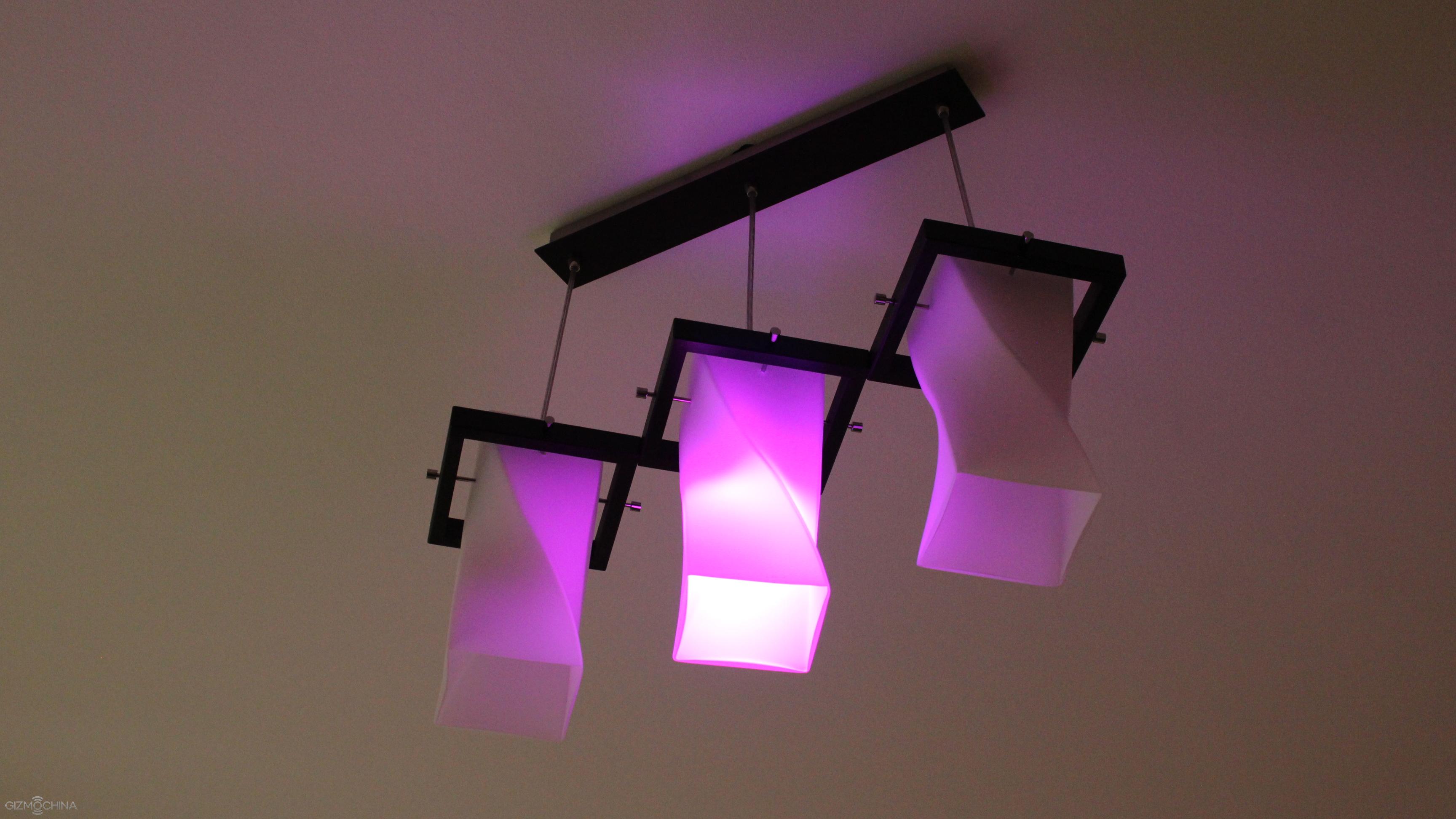
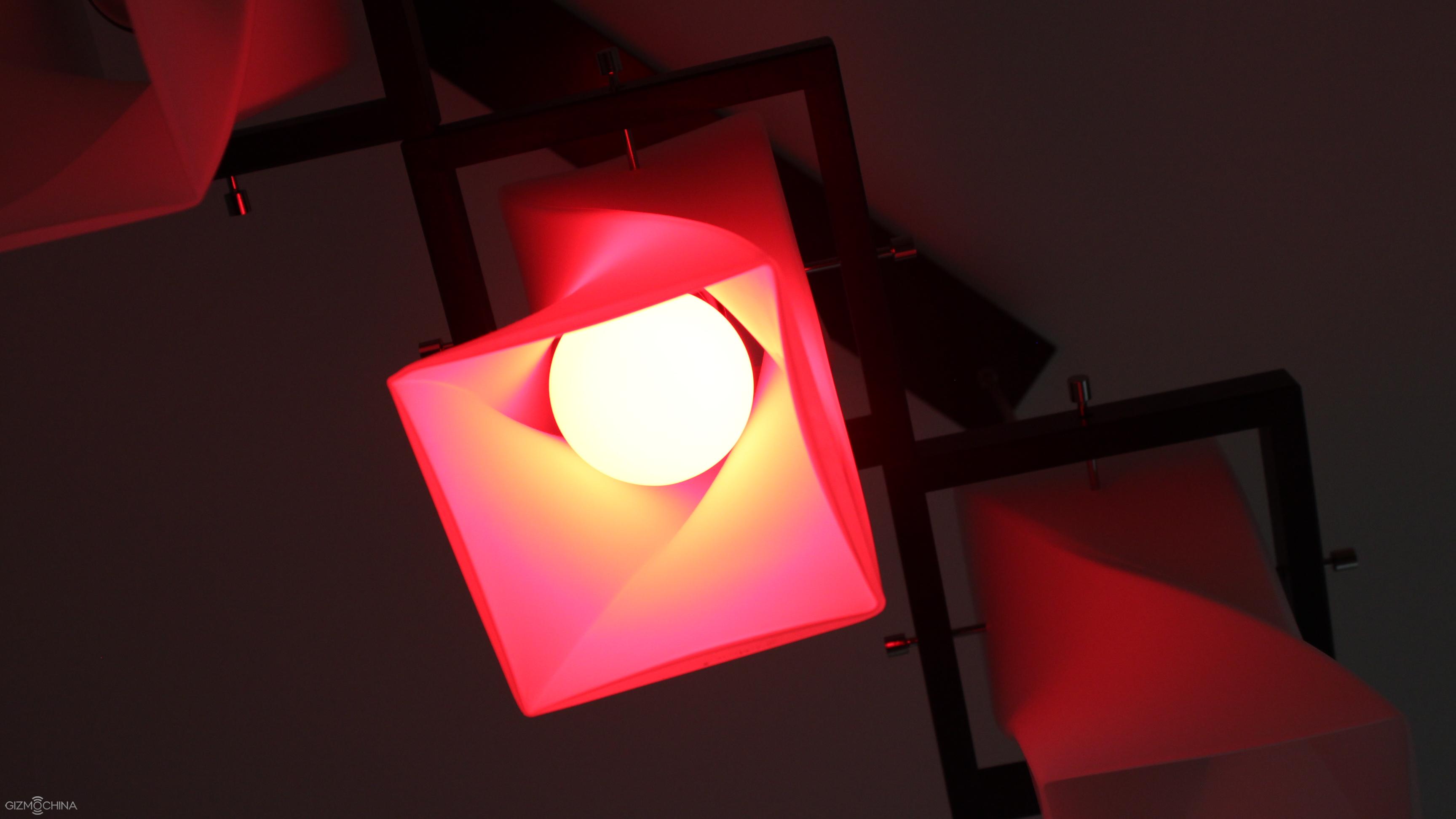
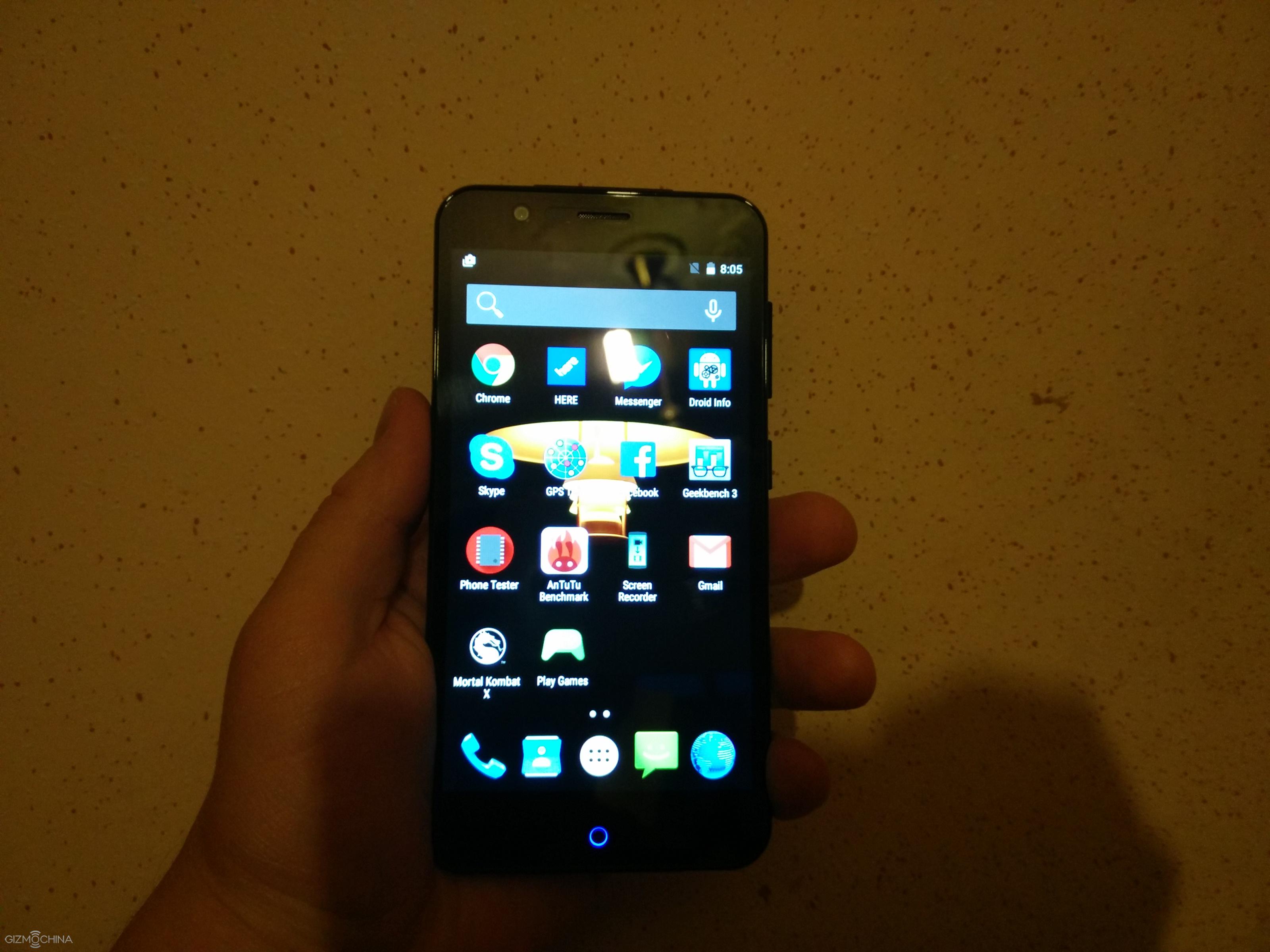
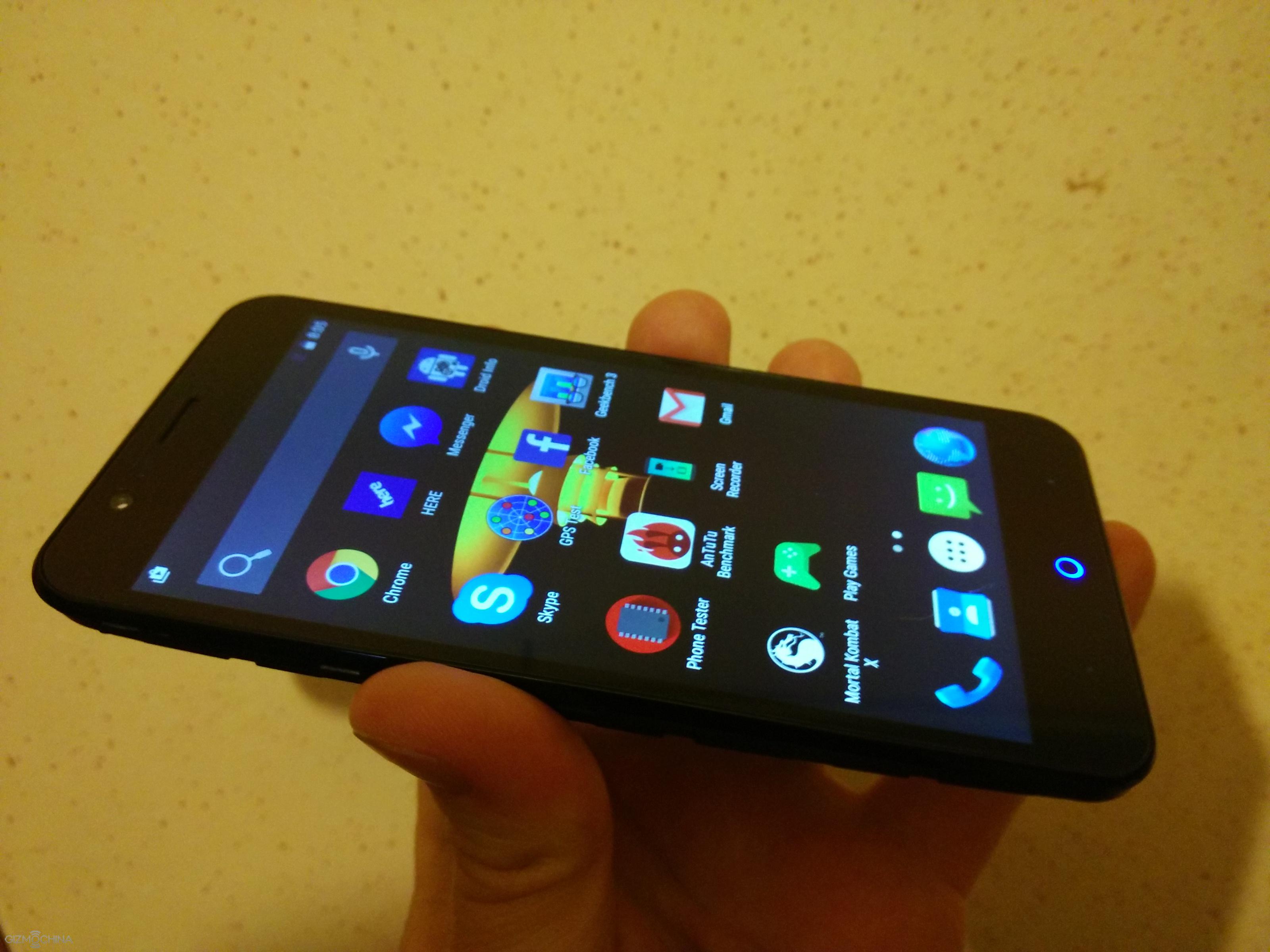
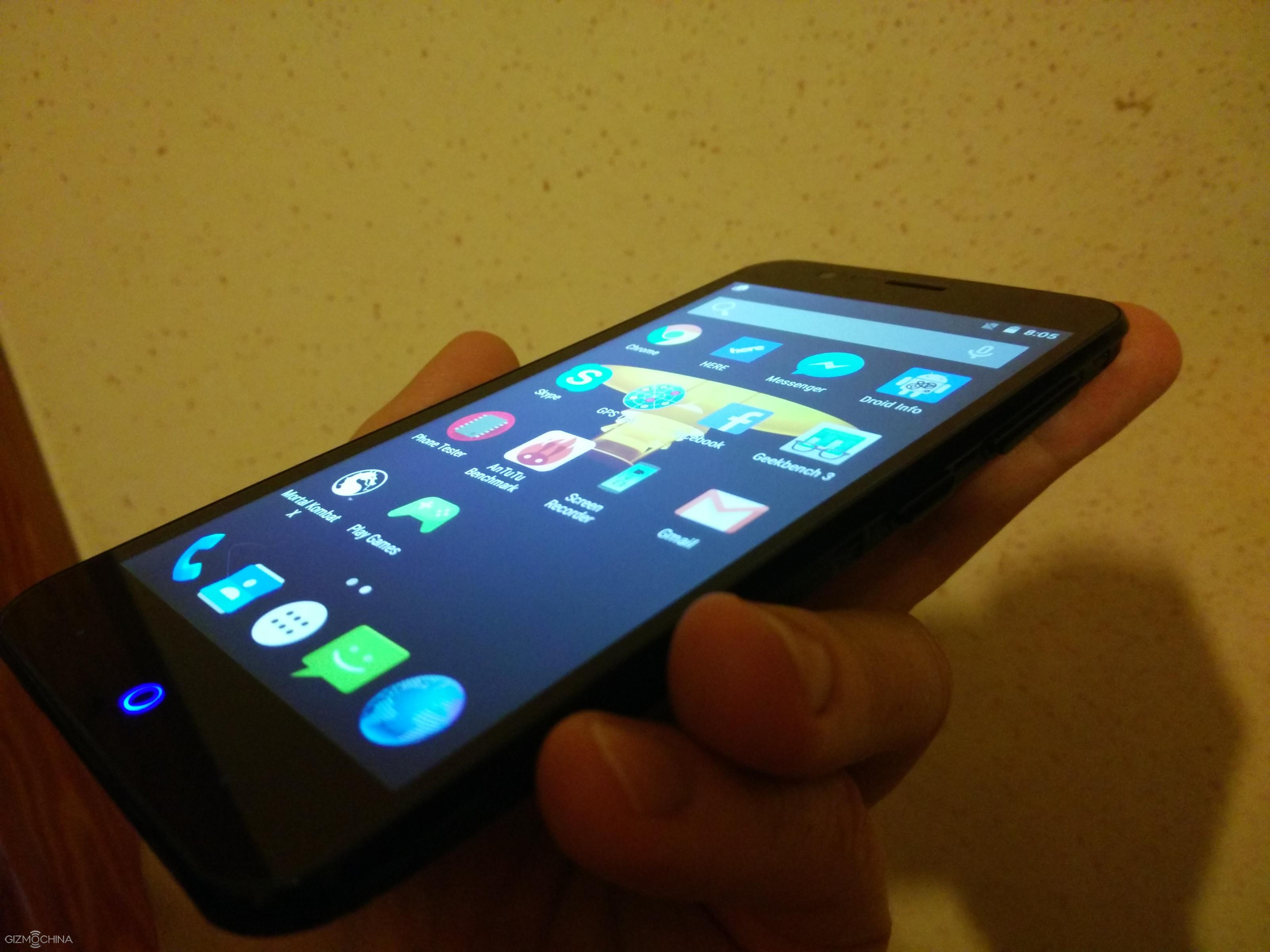
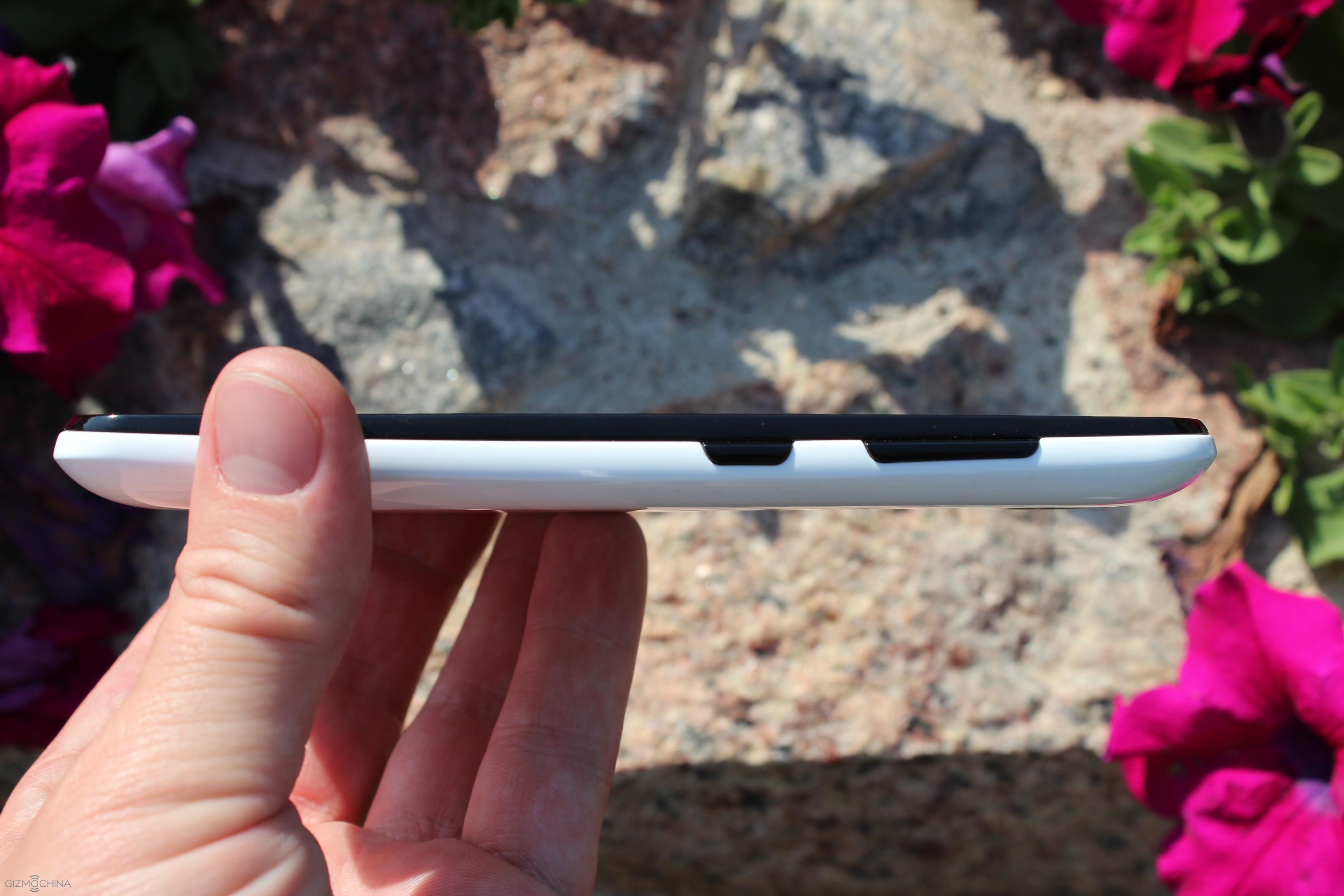
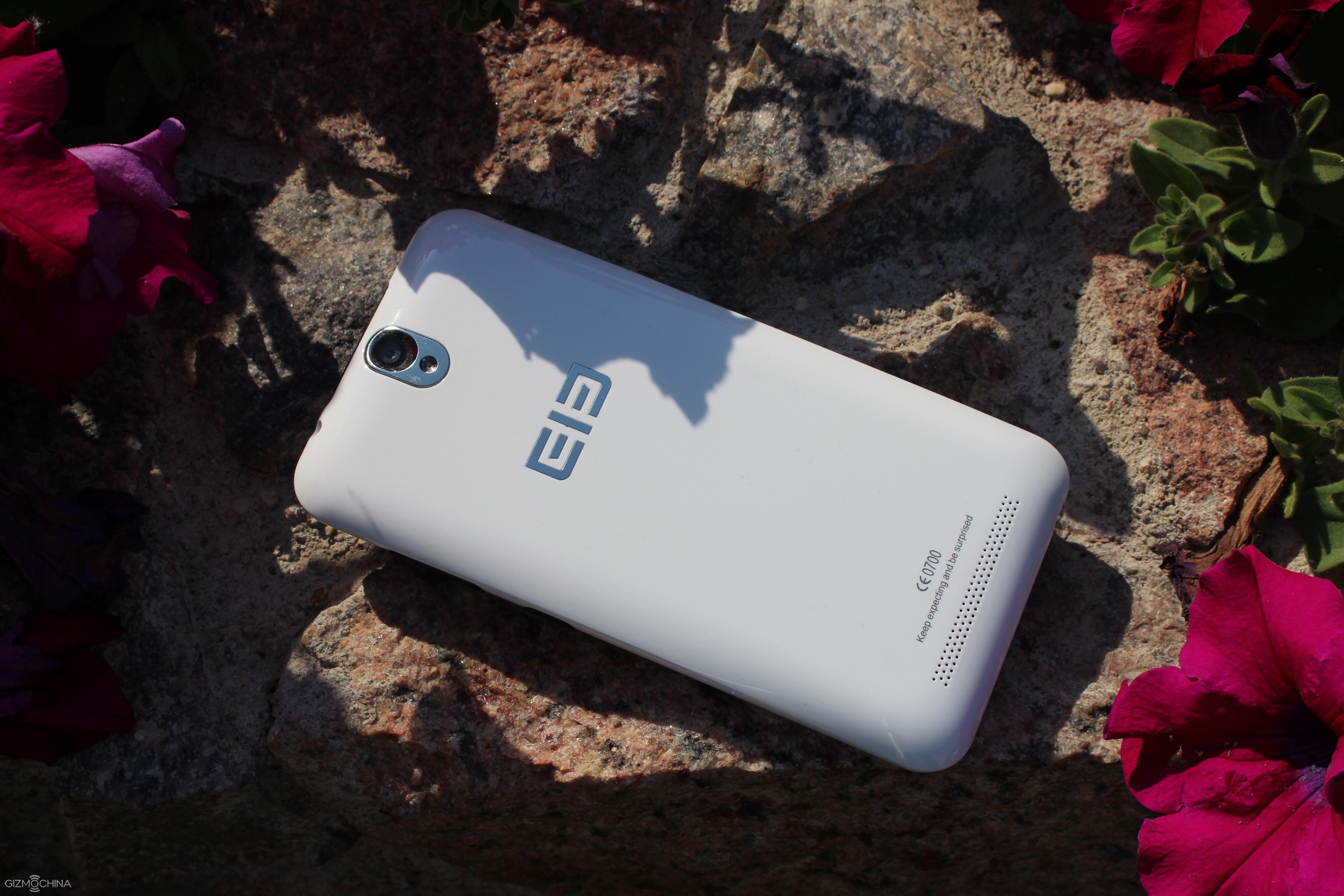
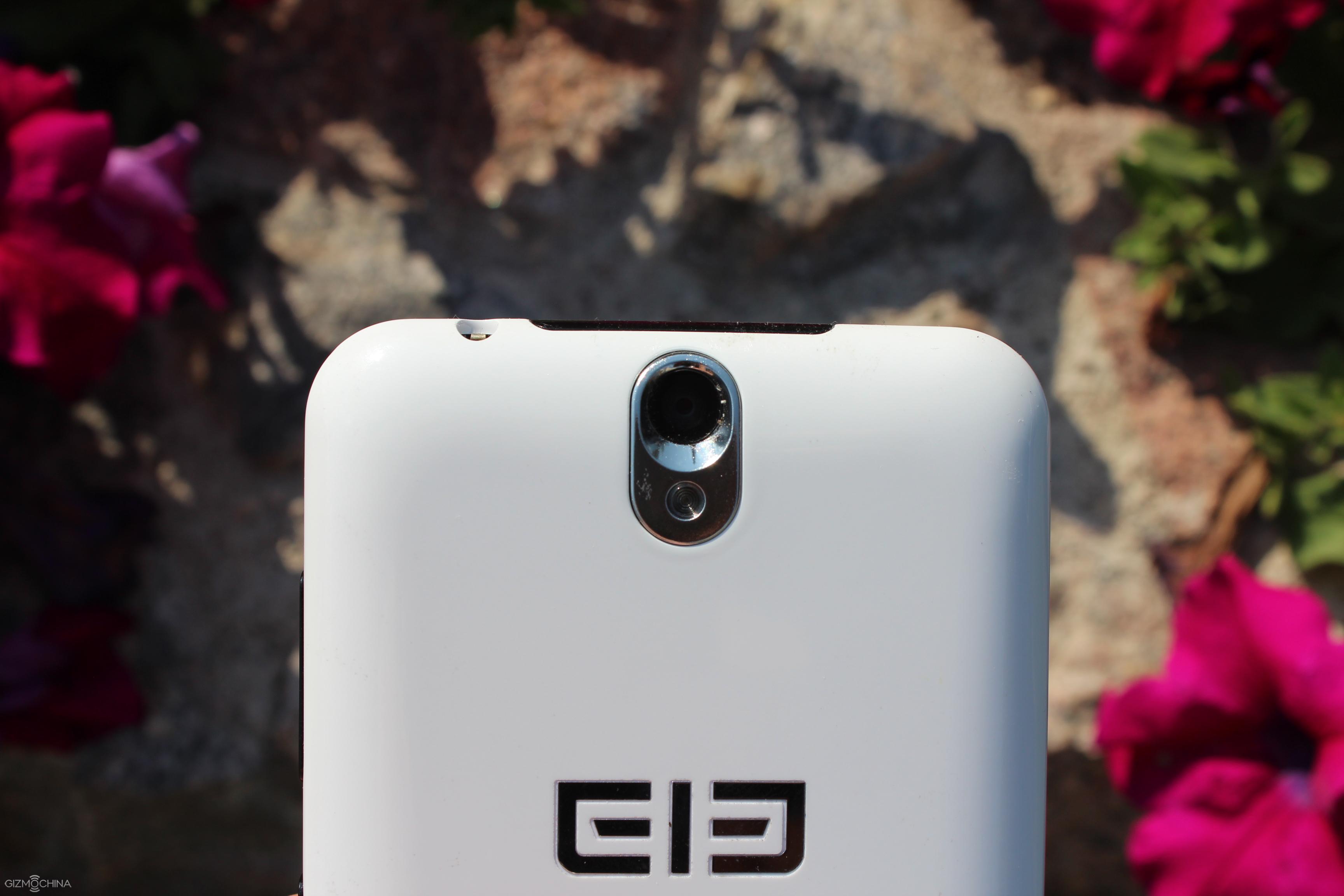
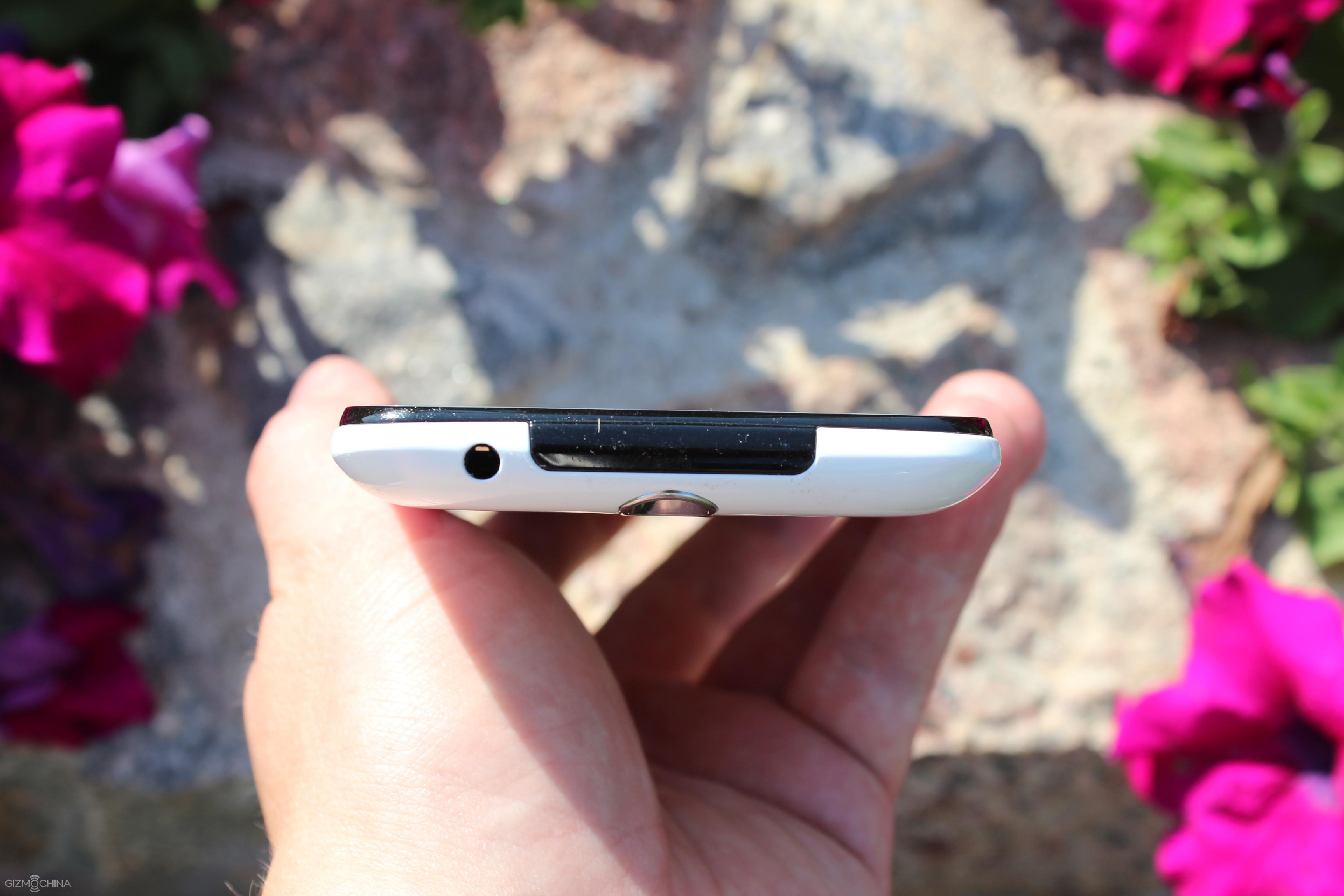
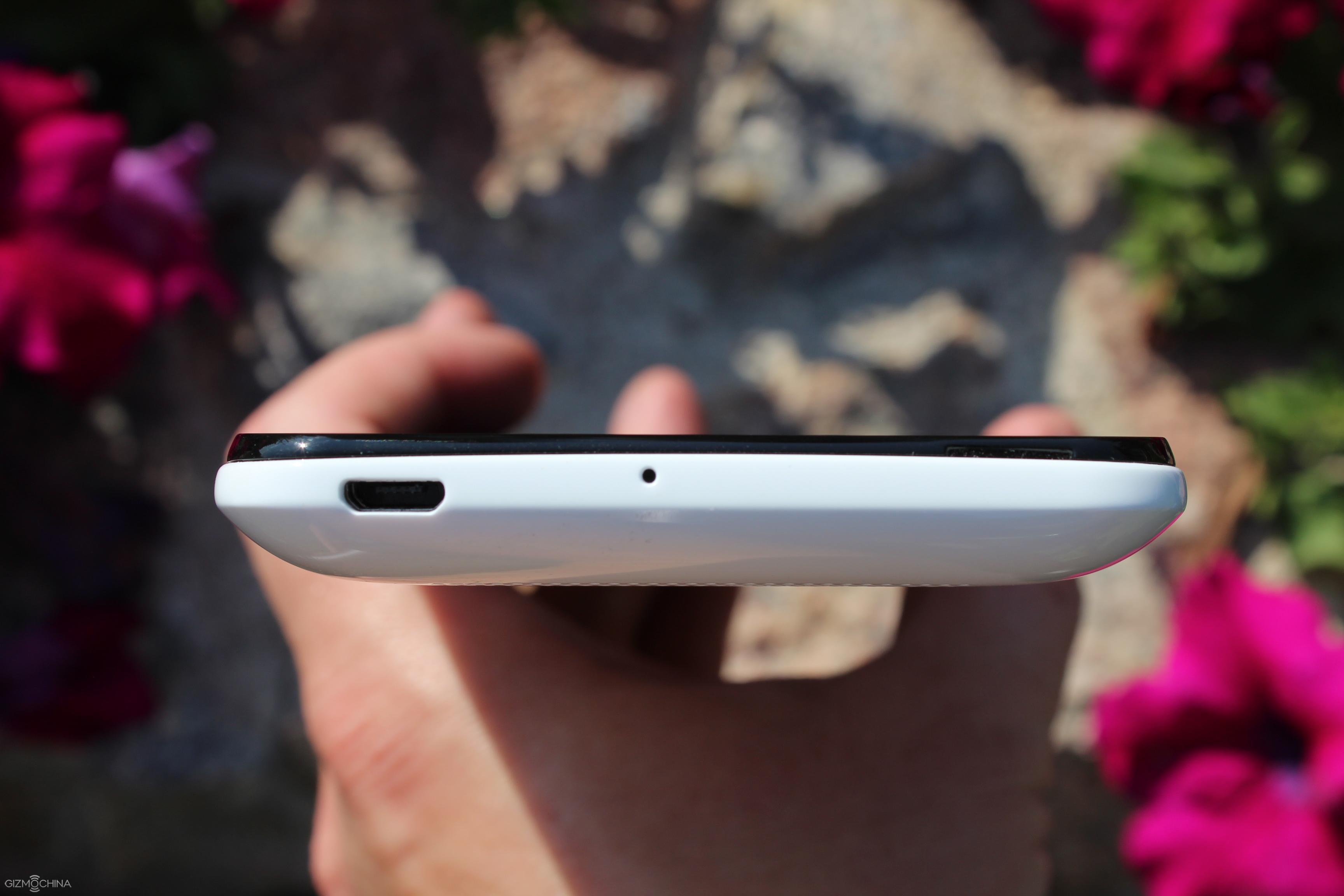
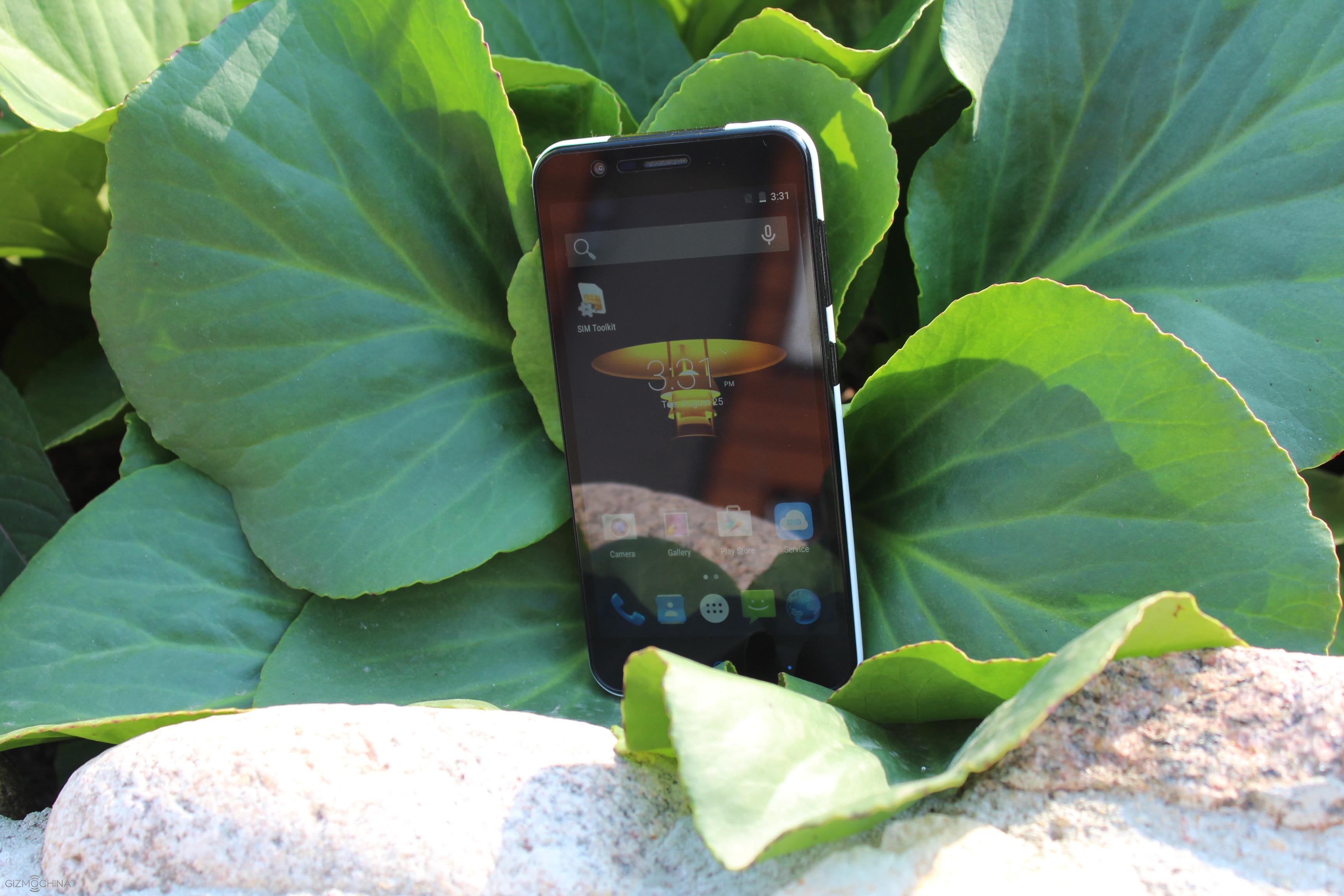
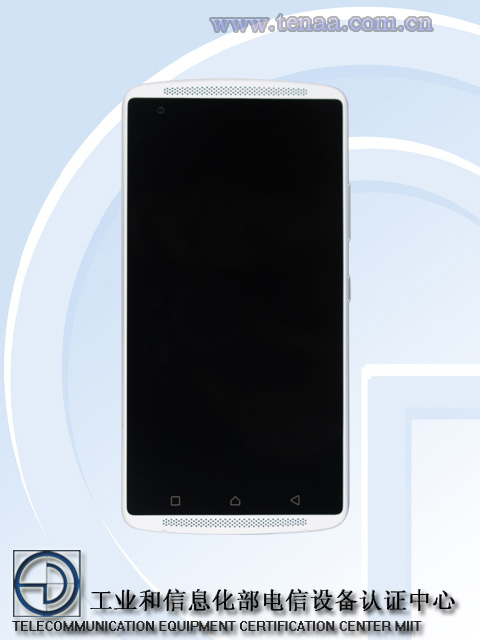
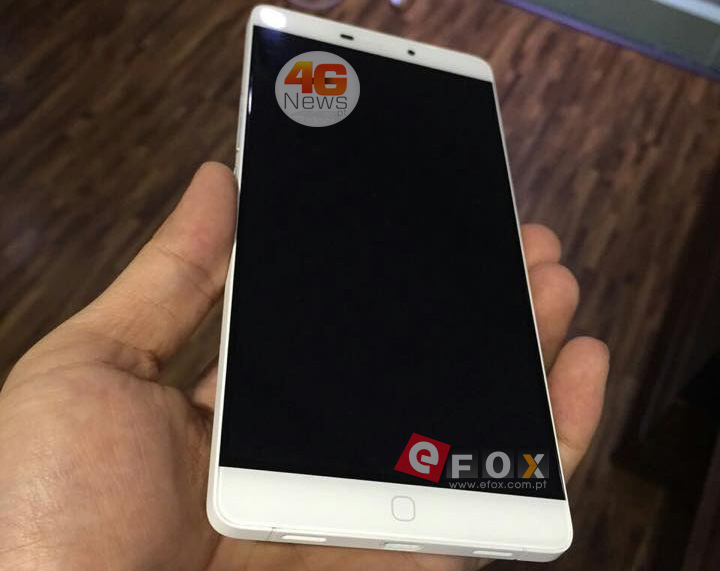
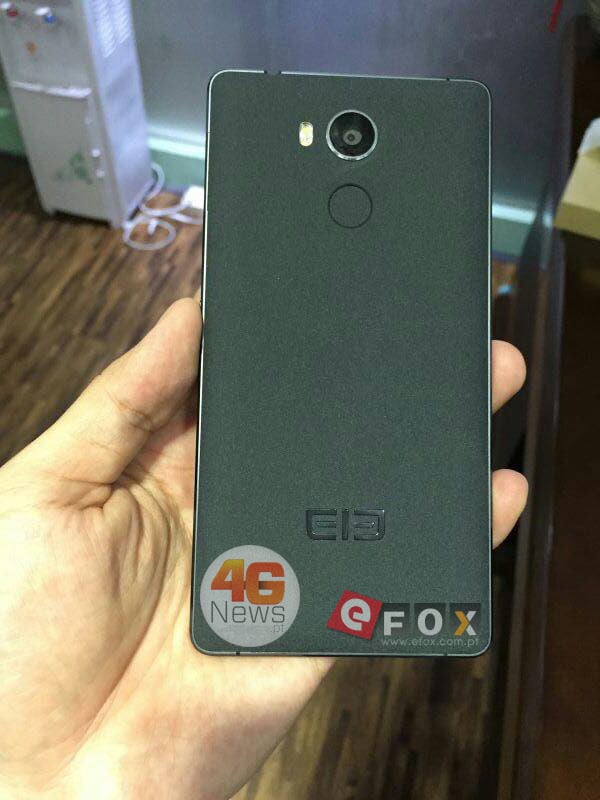
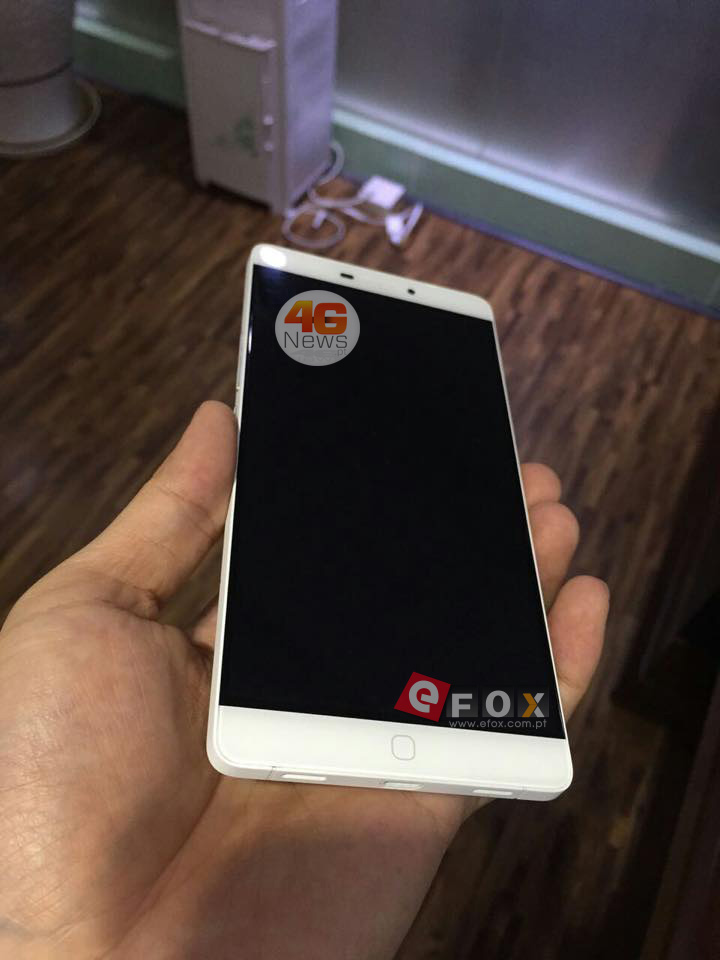
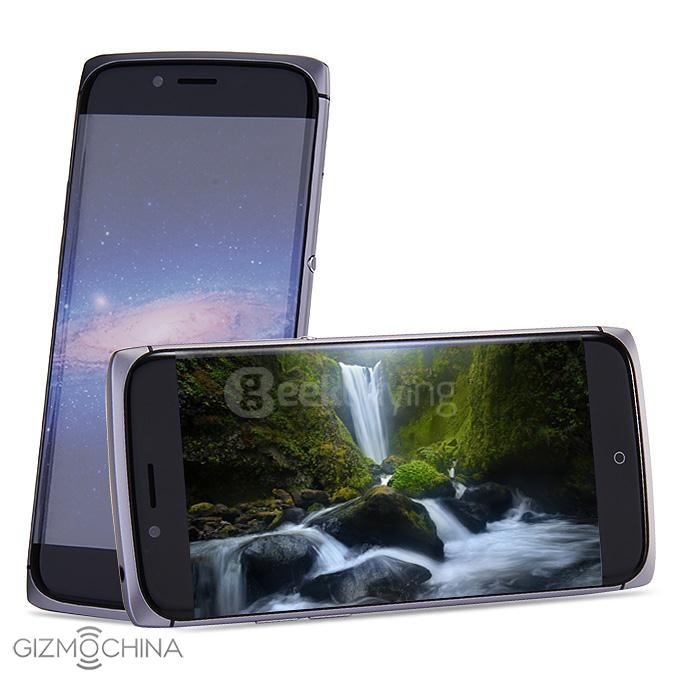
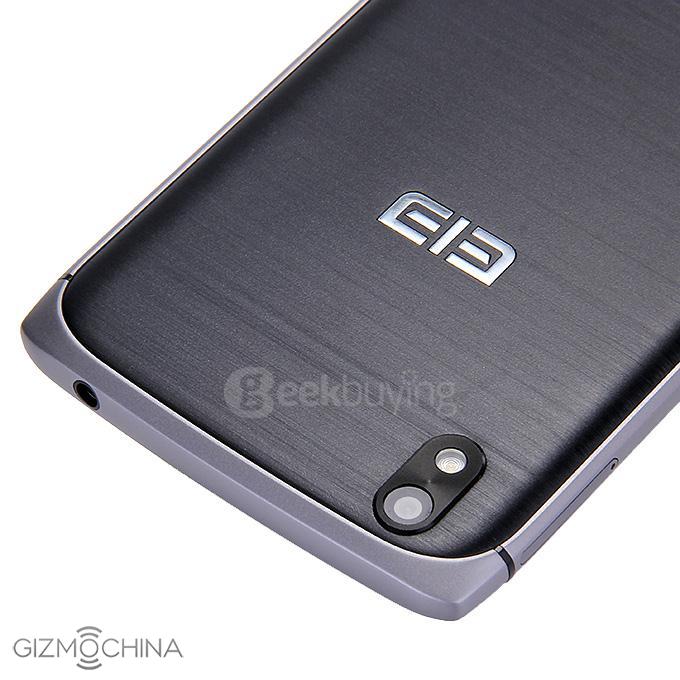
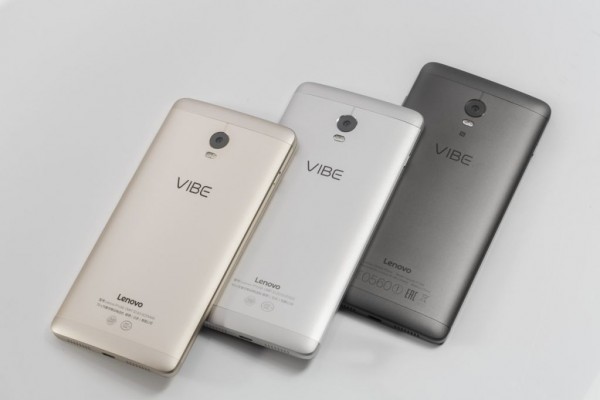
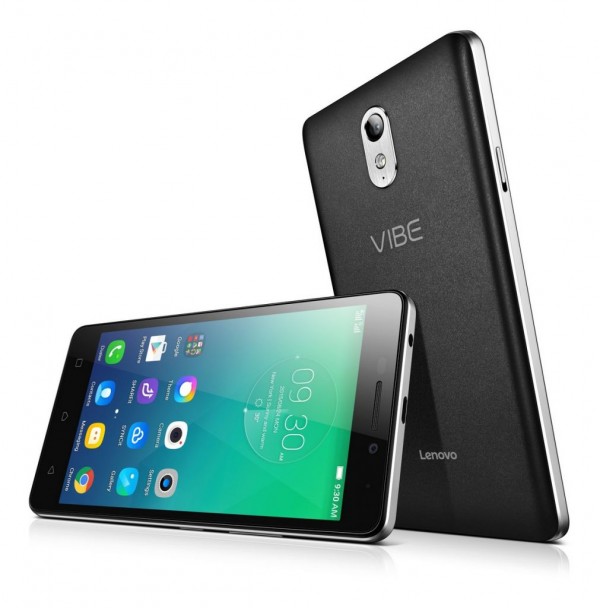
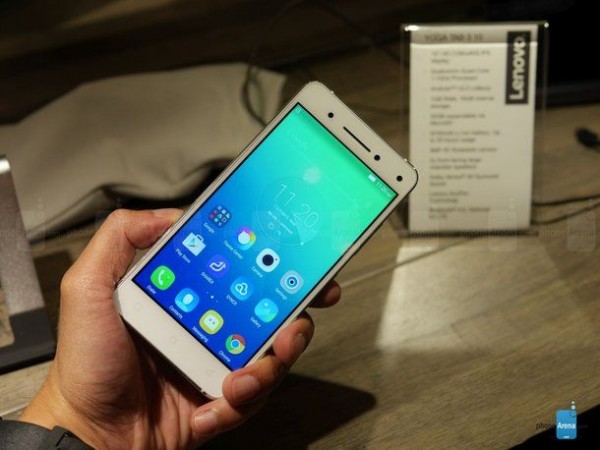
Maybe you are confused about Guophone, it’s a different brand from Goophone, the famous iPhone clone manufacturer. Guophone is phone OEM/ODM factory since 2008, and now, they finally open sale for buyers in this year. Recently, Guophone released a waterproof smartphone: Guophone V5w, the thoughest body with Android.
ZOOZ S5.5 Hands On: Save Money On Redmi Note
Xiaomi Redmi Note is one of hottest octa-core smartphones with MTK MT6592 processor, in China, there is lots of clones. ZOOZ S5.5 maybe is most impressive copy in these filed. If you want to has an affordable phablet, this phone would be your best choice, because the Redmi Note clone only cost half price.
Huawei Mate 3 to have fingerprint recognition feature, comes out in September
An industry insider recently revealed that Huawei’s next phone will use fingerprint recognition technology from Synaptics.
Actually, Huawei’s newest flagship phone is the Huawei D3 (previously called “Jazz”). To be more precise, it is actually called the Mate 3 since it has been reported that Huawei merged the D series and Mate series. Previous reports stated that this phone sports a 6.1-inch touch screen and a built-in Kirin 920 octa-core processor (1.8GHz). However, according to the insider, Huawei hopes to take this phone to another level by improving safety settings by adding a fingerprint recognition feature.
Two versions of the Huawei Mate 3 will be released. Both will use a 6-inch touch screen but one will have 2K resolution while the other will have 1080p resolution. One version will also have 2GB RAM while the other will have 3GB RAM. Both will sport a 5mp/13mp camera and will use the Android 4.4.2 OS. Both support LTE 4G internet and will come with new apps from Huawei.
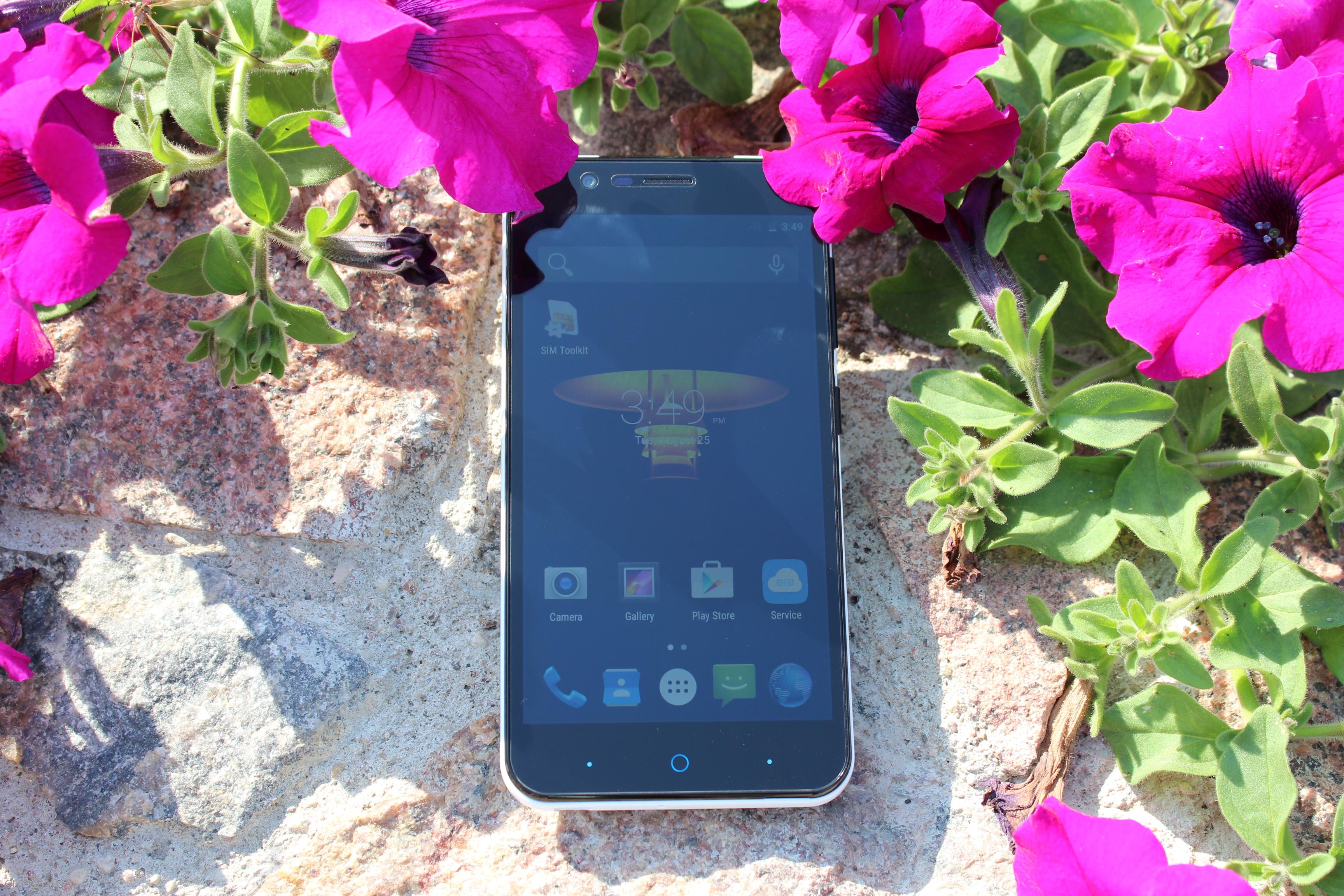
Production on the phone has already started and it is slated for release this September.
Antutu releases information on Coolpad Daguan 5’s hardware, uses Snapdragon 801 and 2K display screen
Today, Antutu released information on the latest phone in Coolpad’s Daguan series, the Daguan 5. Its model number is “Coolpad 9971” and it sports a 2K display screen and the Snapdragon 801 processor.
According to Antutu, the Coopad Daguan 5 uses the 2.5GHz Snapdragon 801 quad-core processor and sports a 5.5-inch display screen with 2560 x 1440 resolution. It also has 3GB RAM, a 5mp front-facing camera, and 13mp main camera. Its operating system is the Android 4.4.2 OS. However, it is also rumoured that the Daguan 5 will actually use a 6-inch display screen and a 20mp camera. It will be a while until we get the truth.
The THL L969 released overseas first, has a 5-inch screen and supports dual-SIM
The difficult conditions faced by the Chinese cell phone market have forced many brands to change their strategy. They would either have to sell their products through below-the-line channels or continue to try selling them abroad. THL follows the latter strategy.
THL will first release the latest instalment of their L series in the international market.
The THL L969 will use the MT6582 quad-core processor (1.3GHz), as well as have a built-in MT6290 LTE modem which supports FDD-LTE/WCDMA/GSM internet. It is also dual-SIM card-supported.
The THL L969’s specs are pretty average. It sports a 5-inch display screen with FWVGA resolution, has 1GB RAM, 4GB ROM, and a 5mp camera. It is also fuelled by a 2700ma battery and its operating system is the Android 4.42. It is available in black and white, and its measurements are 145.4 x 72.9 x 9.1mm.
The L969 is already on sale abroad where it costs about 180 USD (1100 RMB).
Quick Comparison:Mi4 vs OnePlus one vs InFocus M810
In the past one month, the global market has seen the launch of three cutting edge Chinese smartphones. The OnePlus was launched in June, followed by the Xiaomi Mi4 in mid-July. The final launch has been a much anticipated launch of the InFocus M810. This neck to neck competition of the three phones is set to give Smartphone companies a run for their money. With Blackberry a little under the weather for almost three years now, the iPhone way overpriced for the developing markets and middle income spenders, these Chinese brands are sure to take the market by storm. These three phones will also largely eat into the global position of a dwindling Samsung market share. So just in case you are out there shopping for a device to match your gizmo thirst, it would be good to know what to expect from these three movers and shakers. All the features are pretty awesome and will remain relevant for a couple of years.
Display
The Xiaomi Mi4 has a 5 inch display with a staggering 1920 x 1080 resolution. Better than this is the 5.5 Inch FHD 1920 x 1080 screen display from the InFocus M810. OnePlus on the other hand has a larger display of 5.5 inches, and with the same resolution. The pixel count in the InFocus M810 and the OnePlus is definitely lower but for may be worth a gamble depending on the things you use your smartphone for. The Mi4 wins here if you are the busy business guy with only need for compact quality. If however you are the movie guy or ardent gamer, a better screen will do for you. It is all a matter of choice I must say.
Performance
Geeky buyers and a lot of time ordinary heavy users of phones may need to analyze the specifications of each of these top brands to see which one will match their needs. I must be quick to point out though that they all kind of cut in, but let the details do the judging. The Xiaomi Mi4 and the OnePlus both have an apt 2.5Ghz snapdragon 801 processor. This is a quad core and one of the best available at the moment for any smartphone. Interestingly the RAM stands at 3Gb for both phones again, with the ROM ranging from 16Gb to 64Gb. Clearly, there is no much difference when it comes to performance. Both are equal against each other. The story of the InFocus is slightly different though. It comes with a Qualcom S810 processor and a 2.5Ghz processor. The processor is clearly inferior to the snapdragon, but is really good for stability. The InFocus has 2Gb Ram and a fixed 16Gb ROM. The manufacturers however make up for this with a memory card slot for up to 64Gb expansion, depending with the users’ needs. I would say, this is kind of flexible and it leaves you to spend money for the ROM when only you need it. My verdict based on the performance will clearly put OnePlus and Xiaomi ahead but then again, this is all a matter of budget and personal preference.
Camera
The camera feature is one of the most used features of a smartphone device, so it may be necessary to have a look at what the trio have to offer. The OnePlus definitely wins here. All the three devices have a 13Mp main camera at the rear, so that is some sort of an equalizer. However, the Mi4 and the InFocus both have only 5Mp on the front. The OnePlus has 8Mp, so it wins here. If you are skype person, always on the go for business and would love to attend live streamed virtual meetings, then go for the OnePlus. All these models come with some beautiful iCatch image processing engines to help you do basic image manipulation on the go. They also support several modes of shooting including; panorama, night mode and HDR. Don’t forget you can record 1080p HD videos anywhere, so feel free if you are a camera addict. These devices have got you covered!
Battery
There is no much difference on the OnePlus and the Mi4 here. The Mi4 has a 3080mAh while the OnePlus remains 3100mAh. Clearly this is a small difference, but in tech terms, this is enough to let you get one and not the other. The InFocus M810 is a huge disappointment though. It only has 2600mAh of battery capacity. This is a big deal since you need your power bank if you are travelling, or risk being off. The more awful thing though is that the battery is not detachable. It means that you cannot buy extra batteries and store them up. If the battery crashes, your phone is toast too. Now that’s a bad thing. My verdict here is if you are an outdoor person always in the field, just avoid the InFocus altogether. Thank me later.
Operating systems
All the three phones run Android. However, the InFocus uses Android Kitkat 4.4.2 with inlife UI for the interface while the Mi4 use the MIUI V5. The OnePlus on the other hand has CynogenMod 11S. All of these platforms give an equal amount of user satisfaction, and can be upgraded or changed. The InFocus though has an interesting feature. It comes with an inbuilt option for senior citizens. If you are buying a smartphone gift for the aged, and you are shopping for a version that is simpler to use, the InFocus has got you totally covered. Android is a dynamic OS with thousands and thousands of Apps. This makes the OS debate among the three phones lose the essence since all of them are more or less equal. The only thing that will sway buyers in this factor is the blend of the OS. Some people will love KitKat while others really want cutting edge fresh versions. The choice is hard to make though.
Overall
If asked to choose between the three, it may be hard to go for one or the other. However, the price can be a huge decider. With the Mi4 going for $322 in majority of the stores, the InFocus for just $333 and the OnePlus going for $299, the choices begin to get apparent. I would go for the OnePlus purely on price. The InFocus is slightly overpriced though it does have a good value for price ratio. Apart from its 6.9mm thick frame, and the loved 3.5mm ear jack it supports GSM, CDMA and WCDMA among many networks. Despite consumers who may want to ride on the unique features of the InFocus, the rest will have a better choice in Mi4 and OnePlus. Mi4’s price is $322 so with no apparent huge advantage over the OnePlus, I would go for the OnePlus in my verdict.
Xiaomi MiBox Can Only Be Used in Mainland? Xiaomi Once Pledged To Tackled the Problem in March
Recently, net users reflected that MiBox bought in China couldn’t get recognized by iCNTV in foreign countries. It caused its inability in using any Internet related function and performing native playbacks independent from networks. Later on, more net users reflected the problem that both standard and enhanced versions can’t get recognized except in Mainland China.
With some broadband in China being blocked by iCNTV, those users have no access to radio and television serial numbers.
Net users verified and found that, neither newly-bought nor wiped MiBoxes could get recognized by iCNTV except in Mainland China but if apps supporting Launcher (such as VST) was previously installed MiBox can be used after changing default starter. In this way, net users suggest that if you want to use MiBox out of Mainland China, you should get pre-boot authentication in Mainland and install a third party launcher in case of the aforementioned situation and you shouldn’t do the wiping work before using it.
MiBox officially stated since MiBox didn’t start its service overseas, iCNTV hadn’t built a website abroad. Due to that, iCNTV did authorization limits in areas other than China, causing MiBoxes in those regions couldn’t play the content iCNTV provided. Also, it suggested users wait till the limits be cleared.
In reality, backing to March this year, numerous net users consulted Xiaomi similar problems. Xiaomi then responded as above. Yet the problem remains a problem, MiBox gives no explanation.
Can HiSilicon end Qualcomm’s monopoly on China’s 4G market?
Qualcomm remains at the top as 4G race heats up
This year has been a booming year for China’s 4G market as the number of 4G subscribers and cell phones have grown from April to June at a rate of 30%-50%. It is Xiaomi’s most successful year since it was founded with more than 26 million phones sold early this year and making a profit of 33 billion RMB (5.3 billion USD). Such an achievement has turned Xiaomi into the biggest rising star in the Chinese cell phone market. However, in the last several years, many cell phone companies have started releasing 4G phones leaving Xiaomi in the dust.
Thanks to the advantage they have in TD-LTE patents and due to the potential of the massive Chinese market, China has successfully started negociations with Qualcomm which has already promised to temporarily suspend patent fees for three-mode cell phones (TD-LTE/TDSCDMA/GSM). This is a victory for Chinese intellectual property rights. However, this leads to another problem. Right now, most 4G phones in the Chinese market use processors from Qualcomm. It was reported that 80% of processors used by Chinese 4G phones early this year were provided by Qualcomm. From what happened with Xiaomi, we know that a shortage in processors from Qualcomm is inevitable no matter how popular it is. We can also see how important support from Qualcomm is for a brand to grow based on what happened to OPPO. Qualcomm makes money from patent licensing fees and cellphone processor sales. Because China used to have a stronger patent share in LTE, they could require Qualcomm to lower patent fees and charging ratio as well as change their charging methods for FDD, WCDMA, and CDMA. However, Qualcomm insists to hold exclusive talks with each cell phone company, and furthermore, due to monopoly they over the 4G chipset market, cell phone companies have no choice but to begrudgingly ask Qualcomm to lower patent licensing fees.
Can HiSilicon end Qualcomm’s monopoly?
Currently, HiSilicon is the only manufacturer for 4G chipsets besides Qualcomm and MARVELL. Recently, there have been news that Lenovo and Meizu want to start partnerships with HiSilicon. My guess is that HiSilicon and Meizu’s partnership is only a business affair, while more will come out of HiSilicon’s partnership with Lenovo considering how powerful the latter is. According to statistic reports from Digitimes Research, in 2013, Lenovo, whose sales were second to Samsung, had to pay expensive patent licensing fees to Qualcomm. If Lenovo decides to use a HiSilicon chip, then it may set big example for other companies. It is not very common to see rivals like Lenovo and Huawei to work together so Lenovo using a processor from Huawei’s HiSilicon clearly has great significance.
The 4G market in China has gone in full blast with about 14.8 million 4G phones sold in June, but the only Chinese cell phone chipset maker that has a chance against Qualcomm is HiSilicon. HiSilicon must take on the task to end Qualcomm’s monopoly of the 4G market.
Huawei Ascend Mate 3 may be revealed at the 2014 IFA, has 2GB RAM and 6-inch high definition screen
Huawei has already started sending out invitations to the top media outlets in China for the 2014 Internationale Funkausstellung Berlin (IFA) where there is a big chance that they will unveil the Ascend Mate 3 to the world for the first time. In the meantime, rumors and news about Huawei’s latest product have been spreading like a wildfire. In fact, information on the Mate 3’s specifications was released by Antutu early this week.
According to Antutu, the Ascend Mate 3 will have a very narrow frame and sport a 6-inch high-definition display screen and a 5mp front camera and 13mp rear camera. It supports 2GB RAM and 16GB internal memory space and its processor is HiSilicon’s Kirin 920 octa-core chipset. Its operating system is the Android 4.4.2 KitKat OS.
The Dbphone T19 has 1.4GHz MTK processor and 5-inch screen
This year, Dbphone has been releasing new smart phones non-stop. Besides the 4G phone D Play, they will also release a phone with the model number “Dbphone T19.” This phone has a more fashionable design and pretty good specifications becoming one of Dbphone’s best 3G phones so far.
The Dbphone T19’s design is simple and nice and it’s available in black and white.
According to Dbphone, the T19 uses Mediatek’s MT6292M octa-core processor which has a main frequency of 1.4GHz. It has 2GB RAM and 16GB memory. It also sports a 5-inch screen, a front-facing 2 mp camera, and a rear-facing 13 mp camera. It does not have a very powerful battery, only having 1850 ma. It also supports TD-SCDMA and GSM dual-SIM and its operating system is the Android 4.2 OS.
Its quoted price in Dbphone’s official stores is 999 RMB (161.80 USD). If the information about the phone’s specs is true, then this is a pretty good price.
Intki cuts price of E80 to 599 RMB (97.02 USD), has 4.7-inch screen and 1GB RAM
Back in April, Intki made a low-key release for their octa-core phone, the E80, at the price of 999 RMB (161.80 USD). They later lowered it to 799 RMB (129.41 USD), and now, Intki is at it again. This time they lowered the E80’s price to 599 RMB. 
Overall, the specifications of the Intki E80 are very average. This phone runs on the 1.7 GHz MT6592 octa-core chipset. It has 1GB RAM and 8GB ROM and is expansion card-supported. It has a pretty small screen measuring only 4.7 inches with a resolution of 1280 x 720. It also sports a front-facing 5 mp camera and a rear-facing 13 mp camera but according to customer comments, not everyone seems to like them. The E80 is powered by a 1800 ma battery and uses the Android 4.2 OS. It also supports TD-SCDMA and GSM dual-SIM.
Quick Review: InFocus M810 uses 2.5GHz processor, sports a 5.5-inch FHD screen, and only costs 9,988 NTD (332.99 USD)
InFocus releases M810 at the lowest price possible
Today (July 30), InFocus released its new phone as they do every year, the InFocus M810. This device uses the Qualcomm S810 processor (2.5GHz), sports a 5.5-inch FHD IPS display screen, has 16GB ROM, 2GB RAM, and 5mp/13mp camera. It is only 6.9mm thick. Furthermore, in addition to using Taiwan’s LTE network, it also supports CDMA and WCDMA, and so, works with the five main telecommunication operators in Taiwan.
Besides its high specs, the InFocus M810 also boasts a high cost performance ratio. A single phone only costs 9,988 NTD. This phone is set to hit the market on July 31 and will be available in black and gold (the gold version comes out in August).
Sports a sleek metal design with a frame made of aluminium alloy
The InFocus M810 sports an excellent metal design sporting a case made of Gorilla Glass 3 that is covered with anti-fingerprint coating. The rear case is available in black and gold.
The M810 is just 6.99mm thick but because it sports a 5.5-inch screen, it uses a battery that has 2600mAh (undetachable). The phone also uses a frame made of aluminium alloy and the buttons are designed in the way that is similar to Sony’s.
The black version does not let out a very bright flash. Underneath the InFocus logo on the back is an NFC induction zone. Unfortunately, it does not support wireless recharging.
The sides of the phone are made of aluminum alloy and only have a width of 6.99mm.
Right side: These are not SIM card slots. One of them is a microSD memory card slot which can provide up to 64GB.
On the top: Micro USB port, noise-cancelling microphone, and 3.5mm earphone jack.
Left: The volume and power buttons which can be operated by one hand.

5mp/13mp camera
The InFocus M810 uses a Sony Exmor R 5mp/13mp dual camera. The main camera has a F2.2 aperture and can cover a 28mm wide angle. It also has a built-in image processing engine from iCatch. The camera has several features including panorama mode, HDR, etc. It can also record 1080p videos.
The rear-facing camera has 13mp and LED flash.
The front camera has 5mp.
It uses Android KitKat
Regarding the InFocus M810’s software, this phone uses the Android 4.4.2 KitKat for its operating system and the InLife UI for its interface. It can be exchanged for a simpler and more feasible mode for the elderly. Furthermore, this phone has a lot of built in functions. Because it uses the Qualcomm Snapdragon 801 quad-core processor (2.5GHz) and has 2GB RAM, it offers excellent performance, scoring 36583 in the Antutu benchmark exam.

The M810 comes with many third-party apps.
If older users find many of the InFocus M810’s functions too complicated, they could change the interface to simple mode which enlarges the interface’s tabs and font.
InFocus M810: the Xiaomi Mi4 Killer is coming?
Now is a good time to be a Chinese smartphone company; the rest of the world is waking up to the quality products available at incredibly competitive prices. The big names such as Huawei and Oppo are pretty well-known now, but there are a lot of other smaller companies with a surprising amount to offer in terms of imagination and design flair. InFocus is one of these, they’ve just announced the InFocus M810 smartphone and it has a few surprises of its own.
InFocus’s new flagship M810 is thin and sharp, although the black and gold colour scheme isn’t likely to suit everyone’s taste. The slender device measures only 6.99mm thick and made of metal, so no cheap plastic to be found here. The IPS display is large at 5.5inch with a resolution of 1920 x 1080.
It’s certainly a good-looking phone, but its not all about the looks, it has the specs to go with it. The hardware consists of a 2.5GHz Qualcomm Snapdragon 801 processor, there’s 2GB RAM and 16GB of onboard storage which is expandable via MicroSD. The rear camera is 13MP and includes a Sony Exmor R sensor and dual LED flash, quite a beast. The front shooter is a perfectly acceptable 5MP.
The battery is 2600mAh, and non-removable, and the handset is running Android Kitkat 4.4.2. The connectivity options are all present and correct, with Bluetooth 4.0, NFC, wi-fi and LTE supported. It compares very well with other flagship phones and the price is very good for what you get. It is going to be on the market for a reasonable $330, but unfortunately it is only scheduled for release in Taiwan.
The options for those outside Taiwan then are to either wait and hope that the InFocus M810 is made more widely available by InFocus, or to get hold of one through a third party seller, even with the inevitable price increase of getting hold of the phone in this way you’re likely to be getting a bargain. Either way, InFocus are certainly a very capable device manufacturer and one to watch over the next few years. It can’t be long before InFocus join the bigger names if they keep producing devices of this quality.
The Huawei Ascend D3 uses the Kirin 920 octa-core processor
Antutu recently released information on the hardware of Huawei’s Ascend D3 which is set to come out later this year.
According to Antutu, its model number is Z100. In addition three other versions were discovered (Z100-TL10,Z100-CL00, and Z100-UL00). These versions will use three different operators.
It sports a 6.1-inch 1080p display screen and runs on the Kirin 920 octa-core chipset. The low-end version has 2GB RAM while the high-end version has 3GB. It also has a front-facing camera with 5mp and a rear-facing camera with 13mp. Its operating system is the Android 4.4.2.
According to Huawei, the Kirin 920 uses the Mali-T629 GPU, but according its results in the Antutu benchmark tesk, it uses the Mali-T624. The reason for this is unclear. However, it was actually reported that the Mali-T628 is actually a codename for the T624.
Lei Jun: No NFC for Mi4 due to too few users
Xiaomi CEO Lei Jun answered questions from netizens in a Q&A session hosted by digi.ifeng.com. Many of the questions concerned the 4G edition of the Mi4. Leijun explained that the reason that the reason why the Mi4 that is out right now does not support 4G is not because they do not have the technology but that it is matter of releasing it at the right time. There have also been problems with the recently leaked black edition. Some say that there are problems with the paint peeling off. Lei Jun said that he was using the black edition and did not see any problems with the painting.
Xiaomi, which is still a pretty new company, has been made a lot of attempts on developing their products over the years. They even included NFC mode but due to very few users, it was scrapped. They have also implemented infrared mode which will hopefully receive a better response.
Photos of what might be the Meizu MX4’s screen panel and blueprint leaked
With the release of the Xiaomi Mi4, will Meizu’s next flagship phone follow?
Photos what appears to be the Meizu MX4’s display screen panel and its blueprint were recently leaked online. We can see some information about the MX4 in the blueprint. As the photo shows, the MX4’s front screen does not look that different from the MX3’s although the frame is a bit narrower. According to the blueprint, the MX4’s screen might be covered by an AF plate to help prevent fingerprints. Although the blueprint has a lot of measurements, because the photo does not cover the entire blueprint, we can only see that the phone’s frame is 2.2mm (each side is 1.1mm). No other measurements are shown.
Of course, whether or not this is actually the MX4’s blueprint remains to be seen. Even though it definitely has Meizu’s classic style, we cannot rule out the possibility that it is one of at least four new devices that Meizu plans to release this year.
First look at the Coolpad 9971: Has 3GB RAM and 2K screen
Coolpad’s newest phone was recently revealed by Antutu. Its model number is Coolpad 9971. Based on the name, there is no doubt that it is part of the Daguan series.
The Coolpad 9971 does not have a display screen as big as the Daguan 4’s, measuring only 5.5 inches. However, it has greater resolution (2560 x 1440). It uses the Snapdragon 801 processor (2.5GHZ). It also has 3GB RAM and 5MP/13MP cameras. Its operating system is the Android 4.42. Overall, the screen and memory specs are excellent.
From the specs, everyone may think of the Daguan 5 which had its first snapshot leaked online a while ago. However, unlike the 9971, the Daguan 5 is supposed to use the NVIDIA Tegra K1 processor.
If both are the latest devices in the Daguan series, then there should be a gap between the dates they will be launched. We should find out when the 9971 is coming soon as the Daguan 5 is said to come out this September.
Huawei Ascend Mate 3 to face Samsung Galaxy Note 4 this September
Huawei is currently working on their next device. We already know that the Huawei C199 and Huawei Honor H60 have already been listed in the Ministry of Industry and Information Technology’s website, and it looks like the new Ascend Mate 3 will be launched this September.
A giant curtain was lifted over the smart phone market after the release of Samsung’s Galaxy Note series. Huawei has always wanted to compete with the Galaxy Note with their Mate series.
No official news on when the Galaxy Note 4 has been released but rumors say that it should come out in September. Huawei will also launch the Mate 3 in September hoping to crush the Note 4.
According to reports, the Huawei Mate 3 sports a 6-inch display screen with a 1920 x 1080 resolution and uses the HiSilicon Kirin 920 processor. Furthermore, three versions will be released at the same time, and should support the three big mobile operators in China.