Advertisement

Portronics Pico 10 Smart Music LED Projector launched in India

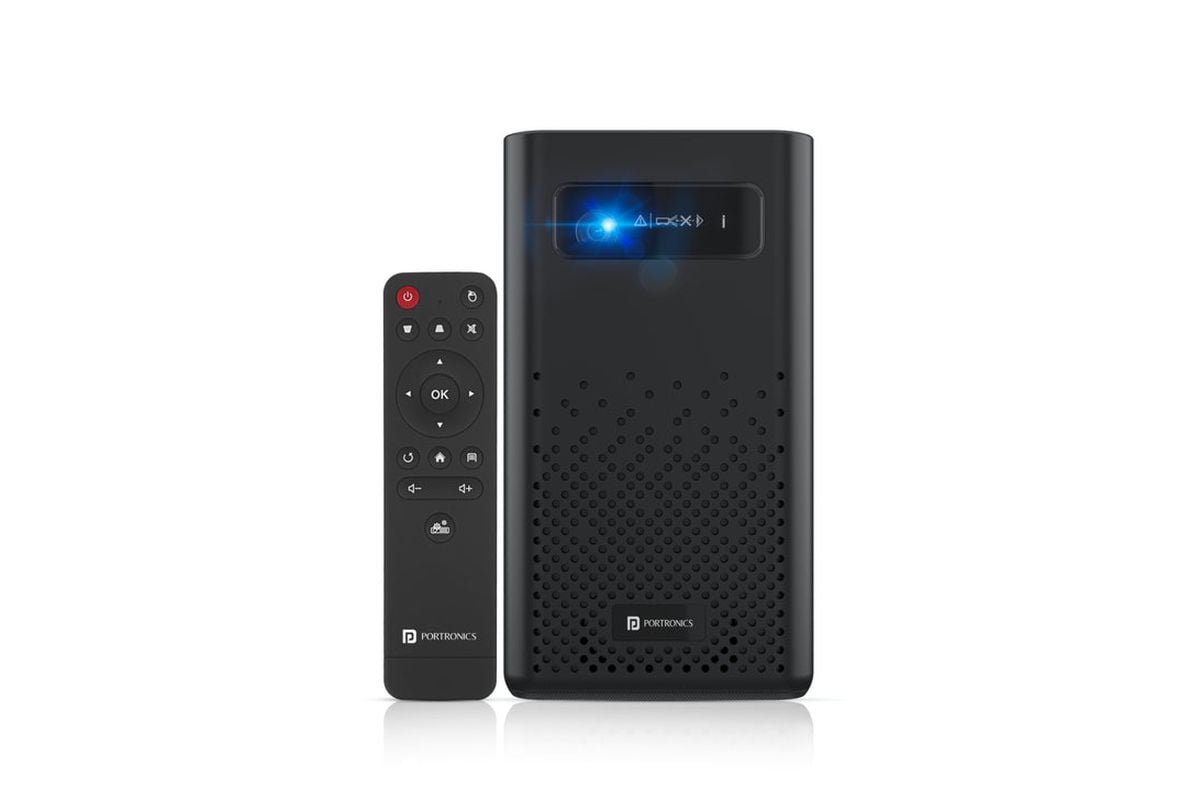
Portronics has unveiled the Pico 10 smart music LED projector in India. The compact device is capable of turning any space into a movie theatre, a gaming zone, or a classroom. Here is all the information on the specs, features, and pricing of the Pico 10.

Portronics Pico 10 Smart Music LED Projector specifications

The Pico 10 comes equipped with 28 lumens LED lamp that can produce a resolution of up to 480 pixels. The company claims that it can produce distortion-free images even after using the electronic zoom function. The mini projector runs on Android 9.0 and carries support for Wi-Fi connectivity. This allows users to watch their favorite content on any OTT platform or YouTube anywhere. It carries support for auto or manual keystone corrections to ensure perfect dimensions while focusing on a wall or screen from different angles.
Portronics Pico 10
Portronics Pico 10

The Pico 10 is packed with a 5,200mAh rechargeable battery. According to the company, it offers 160 minutes of runtime. It can be controlled using the navigational keys available on the top portion on the device. Alternatively, users can make use of an IR remote to control it.

The Pico 10 Portronics smart music LED projector is equipped with multiple connectivity such as Wi-Fi, Bluetooth 5.0, USB, and HDMI. The device is equipped with a pair of 5W speakers for stereo output. Apart from placing the device on a flat surface, it can be used by attaching it to a ceiling stand.

Portronics  Pico 10 Smart Music LED Projector pricing and availability

The Pico 10 Portronics smart music LED projector is priced at Rs 29,990 (~$400) and is available for purchase through Amazon India. It can be also purchased through other Portronics’ official website, leading e-commerce sites and offline stores. The device comes with a 12-month warranty period.

RELATED:

POCO F1, Redmi Note 7 Pro, and 2 more Xiaomi phones now support Android 12-based Paranoid Android Sapphire

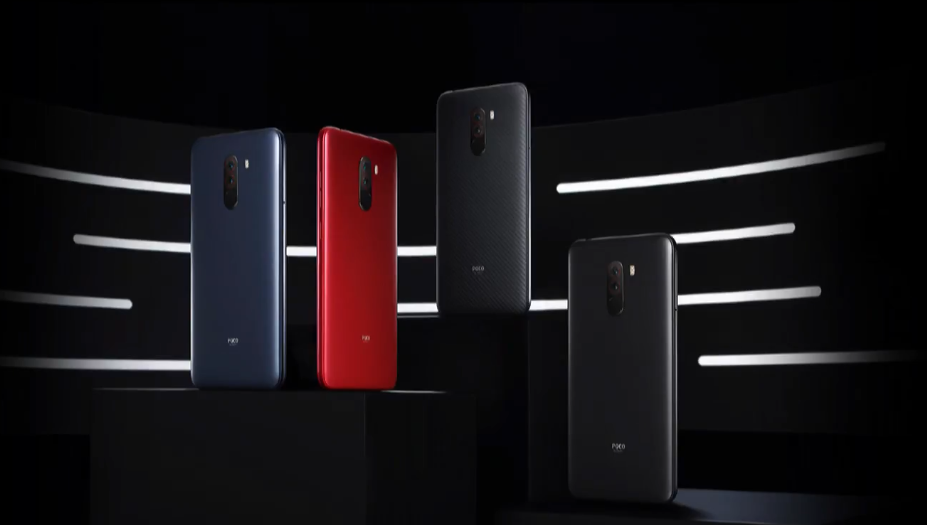
Paranoid Android is one of the popular custom ROMs based on Android. Every new release of the software bears a unique name. The latest release based on Android 12 is called Sapphire. This new version of the custom ROM has now added support for some of the well-known Xiaomi smartphones, including POCO F1.

XIaomi Poco F1 Color Variants
POCO F1

According to XDA Developers, the Android 12-based Paranoid Android Sapphire custom ROM now officially supports the following Xiaomi phones.

All the aforementioned handsets were quite popular when they were released. Because each one of them offered more for their asking price tag. Above all, like any Xiaomi device, they are still well-known in the custom ROM community.

Hence, it is not surprising to learn that they are now officially supported by the Paranoid Android team for the Android 12-based Saphhire release. Currently, all four smartphones have a single alpha build. We expect more builds in the near future.

The POCO F1, Mi 8, and Mi MIX 2S were originally launched with MIUI 9 based on Android Oreo. Currently, the trio runs MIUI 12 based on Android 10. This means they have received three MIUI updates and 2 Android updates over the years. In other words, their official software support from Xiaomi has almost ended. They may now only receive necessary security update if any.

On the other hand, the Redmi Note 7 Pro debuted with MIUI 10 based on Android 9. Unfortunately, it has only got access to a single Android update and two MIUI updates as it currently runs MIUI 12.5 based on Android 10.

Therefore, the only way to experience Android 12 or even Android 11 on these phones is through custom ROMs.


RELATED:


XPeng delivered nearly 13,000 electric vehicles in January 2022

XPeng has just revealed its EV sales results for the first month of this year. The company announced its electric vehicle delivery details, with shipments nearly hitting 13,000 units in January 2022.

Xpeng_P5

The known China based EV maker shared its delivery results earlier today (1st February 2022), which marked a notable rise of 115 percent over the same month last year. In January 2022, the company shipped 12,922 smart EVs that also marked the fifth consecutive month that its monthly shipments crossed more than 10,000 units. Out of the near 13,000 EVs, the P7 smart sports sedans accounted for more than half of the entire shipments, with 6,707 units being shipped.

This also marked an 81 percent year on year rise in popularity for the P7 model. Furthermore, the P5 smart sedan accounted for 4,029 units in January. Similarly, around 2,186 G3 and G3i smart compact SUV models were delivered during the same month. So as of January 31, XPeng has cumulatively shipped more than 150,000 smart electric vehicles.

xpeng-g3-featured

This number is expected to grow even further as the firm is carrying out tech upgrade at its Zhaoqing plant in China. These upgrade would improve production schedules that will help make up for the downtime during the Chinese New Year Holiday. Additionally, the expansion effort would also help XPeng grow its presence in the Chinese market.

RELATED:


OnePlus’s latest trademarks almost sound like the company is splitting into three

OnePlus has a lot going on for itself lately and while its new strategies have been questioned by its fanbase, they actually seem to be paying off. The Chinese company has recorded phenomenal growth in the US and its Nord series is selling better than ever globally. And as if the recent changes weren’t enough, new trademarks imply that there could be more on the way.

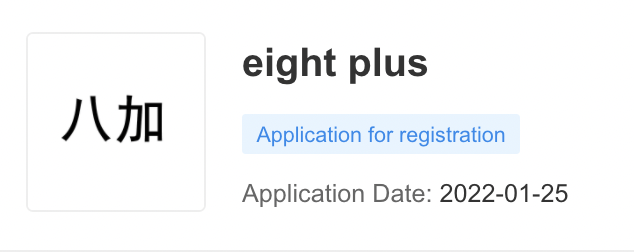
Tipster Mukul Sharma has shared some really cryptic trademark filings by OnePlus and they have got everyone scratching their heads. There’s “two plus” that almost sounds like a sequel to the legendary brand, but it’s also joined by trademarks for “six plus” and “eight plus” names.

Now, OnePlus does have some big plans for 2022 including more mid-range models and even an ‘ultra’ flagship for the first time. There are also talks of a unified OS called ‘H2OOS‘ that appears to be a replacement for ColorOS, OxygenOS, and the Chinese HydrogenOS. Could these changes and the trademark filings together be a part of some new master plan devised by Pete Lau himself? Hard to tell given the lack of official information, to be honest, so all we can do at this point is theorize.

Still, the main purpose of trademarks is to grant security to a company or product name by turning them into intellectual property. Registering one prevents rivals from copying or stealing a brand. Therefore, if not a part of some grand scheme, the new trademarks could simply be OnePlus setting names that sound too similar to itself out of bounds for others — like ‘TwoPlus.’

RELATED:

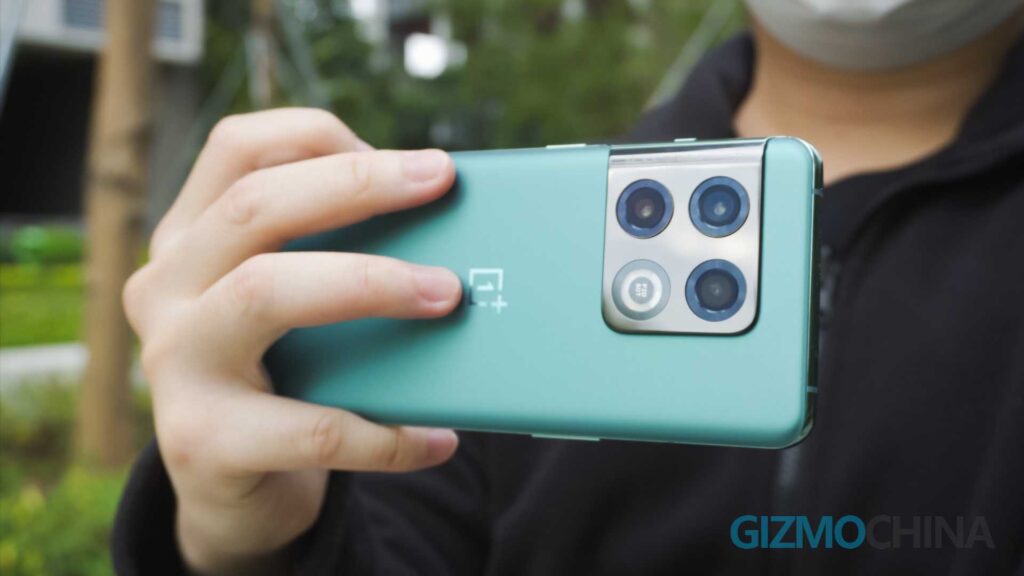
OnePlus 10 Pro tipped to run OxygenOS 12 outside China

The OnePlus 10 Pro made its debut in China in January. Unlike previous generations, it was not accompanied by the vanilla model. The smartphone is said to launch in international markets like India in March. Ahead of that, crucial information about the handset’s software has emerged.

OnePlus 10 Pro hands-on featured 2
OnePlus 10 Pro

According to Yogesh Brar (via 91Mobiles), the unified OS from OPPO and OnePlus has been delayed. Therefore, the global variant of the OnePlus 10 Pro will run OxygenOS 12 based on Android 12.

Last year, OnePlus switched to ColorOS in China with the launch of the OnePlus 9 series. In international markets, it continues to use OxygenOS, however, it is now based on the integrated codebase of ColorOS and OxygenOS.

In the second half of 2021, OnePlus revealed that both OPPO and OnePlus phones will use a new unified operating system starting from 2022. This OS was rumored to debut on the international version of the OnePlus 10 Pro although the official spec sheet released by the brand last month mentions OxygenOs 12.

For those unaware, OnePlus clearly said that the new operating system will be based on the major Android update that will be released in 2022. In other words, whatever OS OPPO and OnePlus are cooking up, it will be based on Android 13 and will most likely go official in the second half of this year.

What are your thoughts on OnePlus’ recent software changes? Do let us know in the comment section below.


RELATED:


Apple macOS 12.3 beta hints at Macs supporting ultra wideband tech

Earlier this week, Apple released the first beta of macOS Monterey 12.3. The latest software brings various new features and has even hinted at new technologies, with internal files revealing possible ultra wideband support for the Mac.

Apple macOS Monterey Logo Featured

According to a 9To5Mac report, the latest beta version of its macOS 12 arrives with frameworks and daemons that are needed to support ultra wideband technology. Furthermore, these same tools are already in used to provide UWB support on iOS devices with the U1 chip. Talking about the technology itself, ultra wideband technology is a short range wireless communication protocol that is utilized for space awareness. Through this, multiple devices that support UWB are able to locate one another.

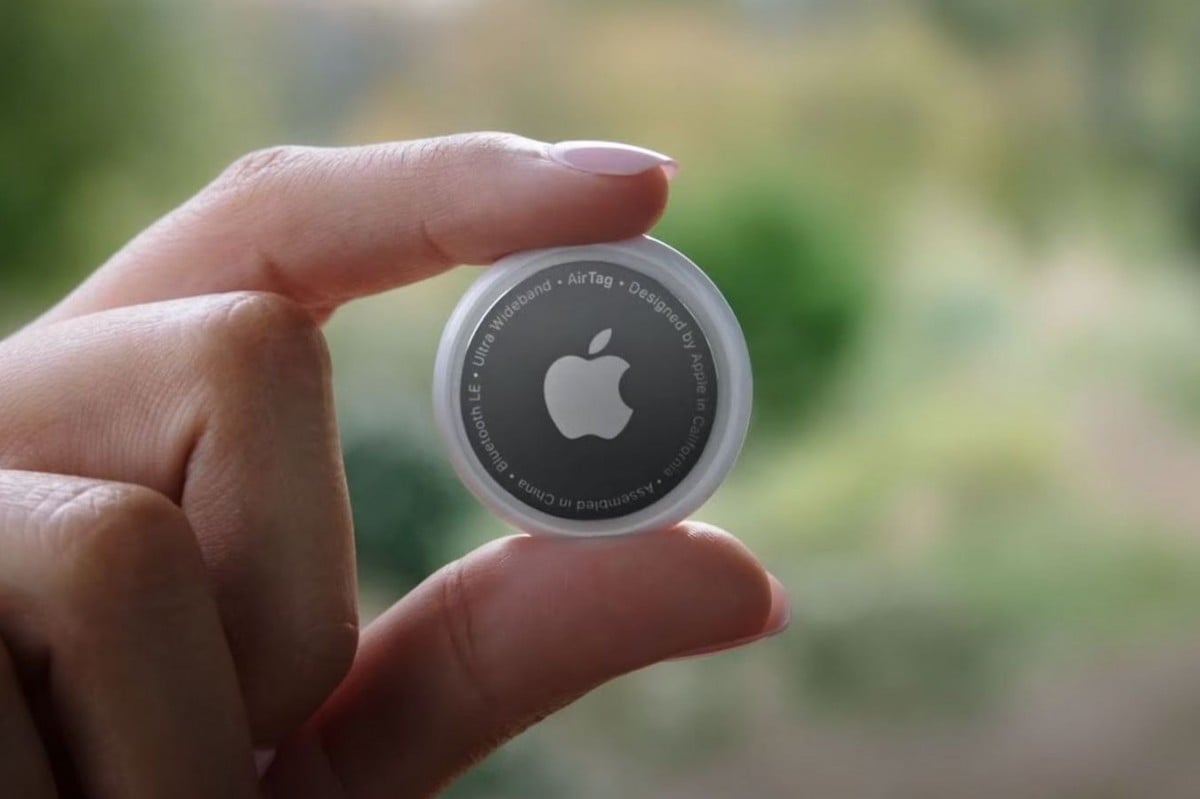
The Cupertino based giant first introduced this technology back in 2019 with the iPhone 11. Soon after, newly launched Apple Watch, HomePod mini, and AirTags also supported this technology. And now, Apple might be bringing this feature to its Macs as well. As of right now, the iPad still does not feature UWB technology, so Macs receiving this feature before an iPad might seem unlikely. But the framework in macOS 12.3 suggests that the brand are at least experimenting on this technology with its PC lineup.

Apple AirTag
AirTags

At the moment, the company is expected to be preparing for a special event in spring. During this event, Apple is likely unveiling new products and technologies, so we might even hear more about its plans with UWB tech in this conference. So stay tuned for more, as we will be providing updates when additional information is available regarding this matter.

RELATED:


Apple M1 iMac Pro with mini LED display to launch this summer: Report

Apple is apparently gearing up to launch a number of new PCs this year. But while the company was expected to launch its new iMac Pro in a spring event, a new rumor has suggested that its release has been delayed to summer.

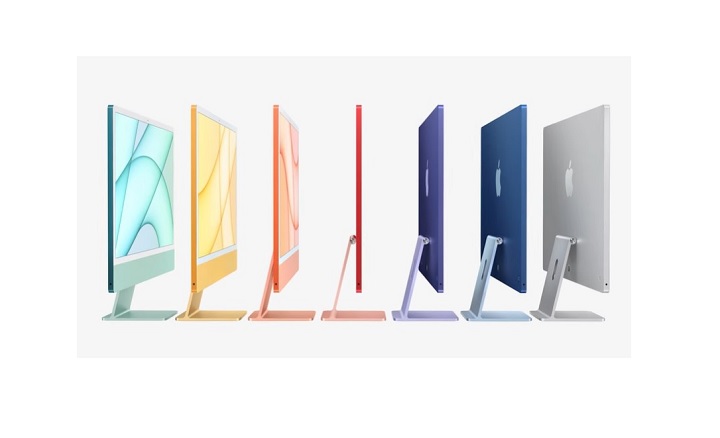
iMac featured

According to Ross Young from Display Supply Chain Consultants, the Cupertino based giant’s latest iMac entry will be arriving sometime in summer of this year. The news arrives after analyzing the supply chain, with other known analysts like Ming-Chi Kuo backing the claim. In his tweet, Ross Young added that the new iMac Pro will be arriving in Summer, rather than Spring, and is expected to sport mini LED display technology.

Although, these panels will house “fewer zones” than the one’s used on the iPad Pro and MacBook Pro. DSCC had also previously reported that the new iMac Pro’s mini LED panel will support ProMotion 120Hz refresh rate as well. Furthermore, the iPhone maker is also gearing up to launch a new redesigned iMac that will feature a 27 inch display. Under the hood, these PCs are believed to run on Apple’s current gen silicon, including the M1 Pro and M1 Max chipset that is available on MacBook Pro models.

Apple

As per 9To5Mac, the upcoming iMac Pro was initially expected to launch sometime in the spring event in March or April 2022. Now, Apple might likely announce the product during its WWDC 2022 event, which will be held sometime in June. The reason for this delay is unclear at the moment, but rising demand of its notebooks and tablets might be a factor, considering they also sport mini LED panels.

RELATED:


Samsung Galaxy S22 Ultra latest marketing images leak confirms multiple specs

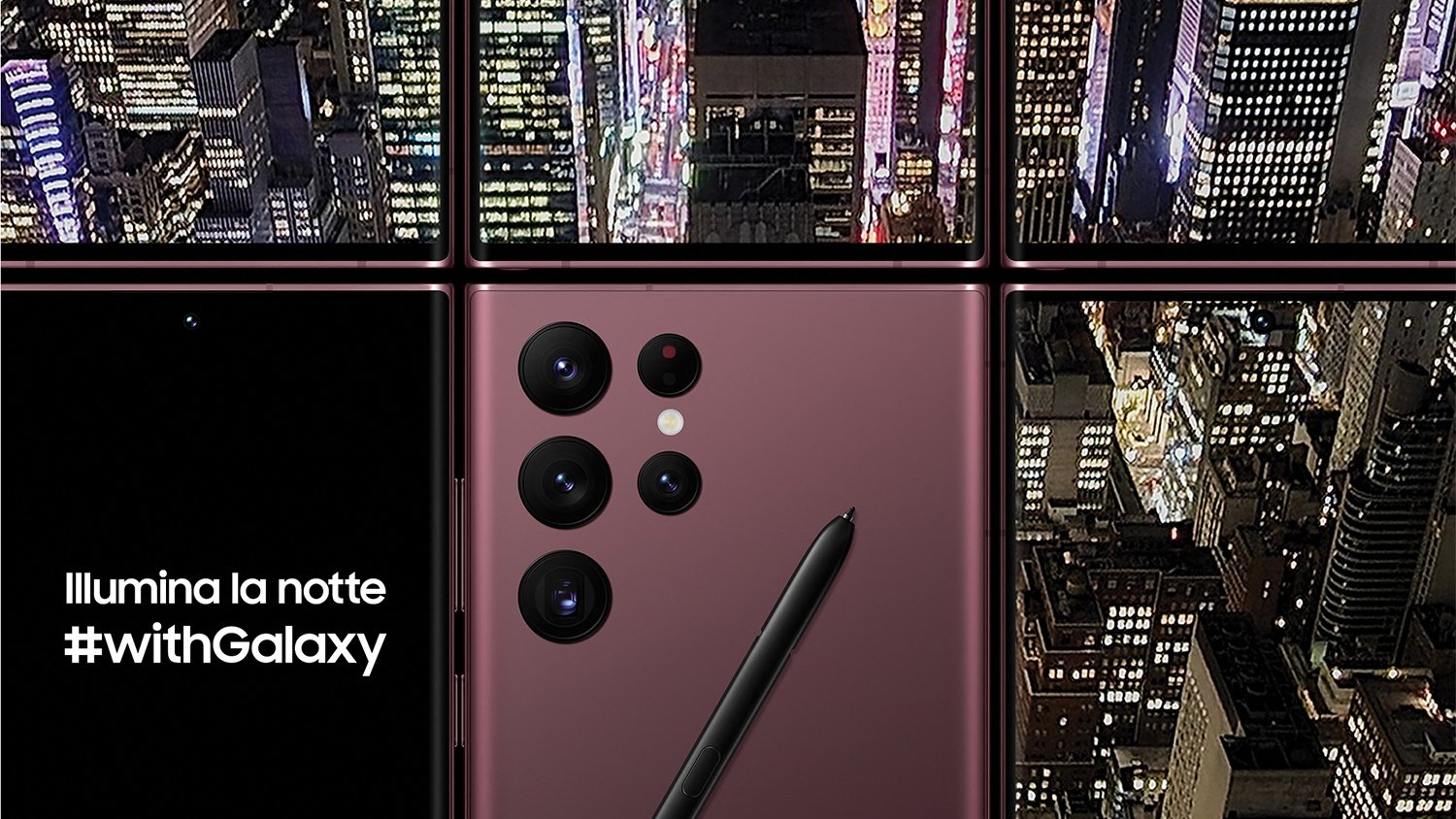
In case you didn’t already hear, the availability of the Samsung Galaxy S22 series has been pushed forward by multiple weeks, thanks to the chip shortage. While the S22 and S22+ models will begin shipping only from March, the S22 Ultra appears to be less affected and will start reaching buyers from February 25th. And if you’re looking to purchase the Ultra, then you will also love these new official marketing images leaked by Evan Blass (via Dohyun Kim).

The set of images provides us perhaps the most detailed look into the flagship model yet. Several specifications of the model have also been mentioned therein concerning its display and camera setup.

Starting off with the front design, the S22 Ultra doesn’t look all that different from the Note 20 Ultra released back in August 2020. And unlike its more affordable siblings, the phone also doesn’t appear to have uniform bezels all around, courtesy of the ever-so-slight chin. Two colors are shown off, namely green and bronze, although the phone will obviously be selling in more options.

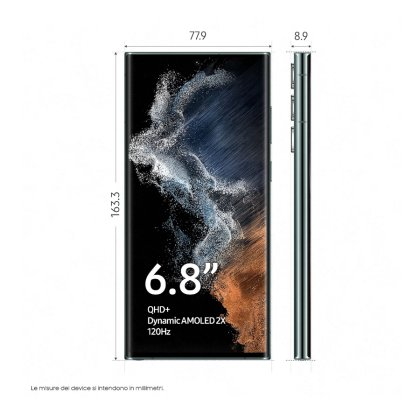
One of the images details the display specifications of the Galaxy S22 Ultra, showing that it be sporting a 6.8″ QHD+ Dynamic AMOLED 2X panel, with support for HDR10+, 120Hz adaptive refresh rate, and 1,750nits peak brightness. The phone measures 163.3 x 77.9 x 8.9mm, which while is nearly the same as the Note 20 Ultra, will likely feel noticeably thicker in hand than the Note’s 8.1mm.

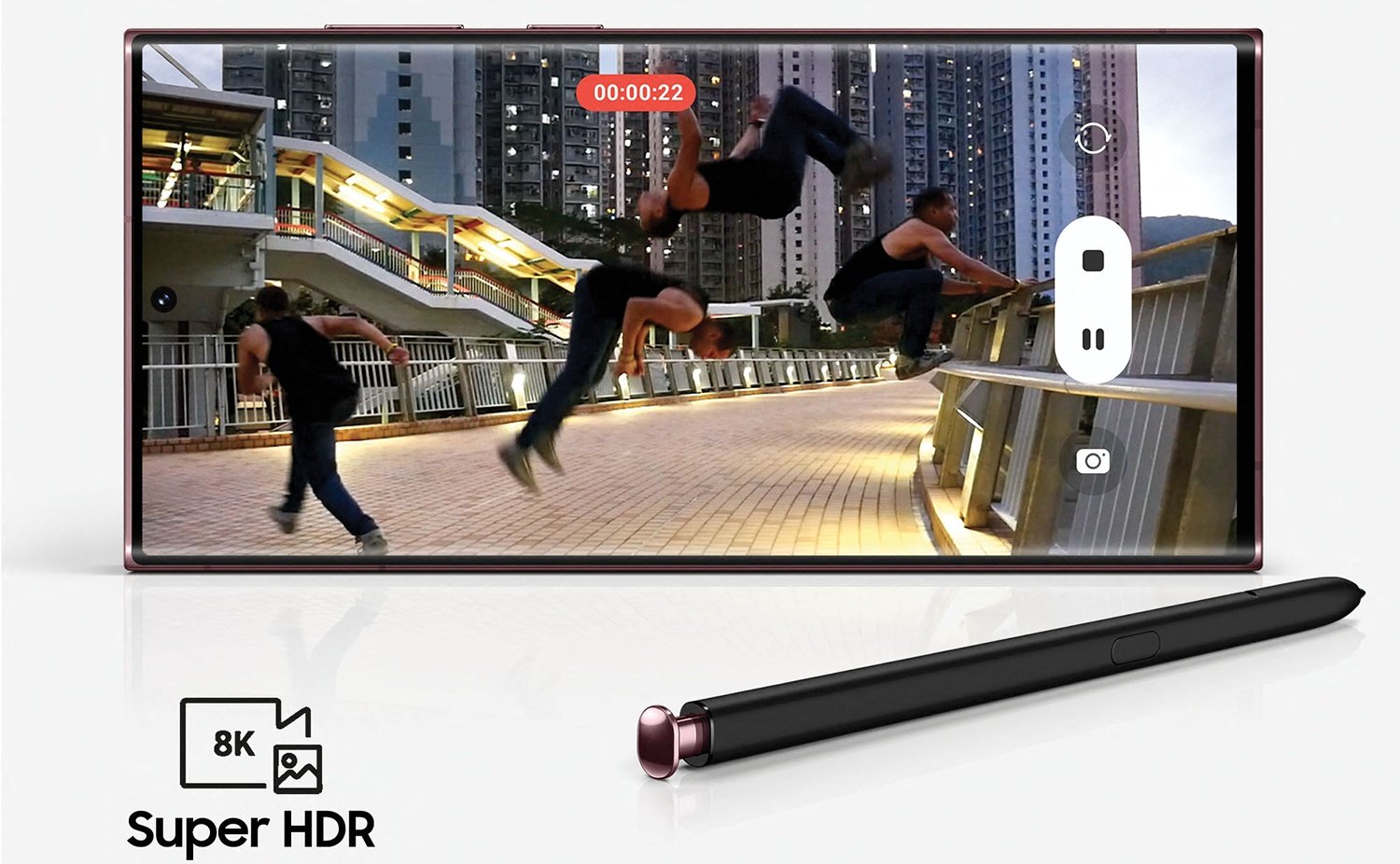
The camera specs have been detailed as well, showing that there’s a 40MP shooter up front with an f/2.2 aperture. The rear quad camera setup is comprised of a 108MP (f/1.8) primary camera, a 12MP (f/2.2) ultrawide camera, and a couple of 10MP telephoto cameras with f/2.4 and f/4.9 apertures. 8K Super HDR video recording will be supported.

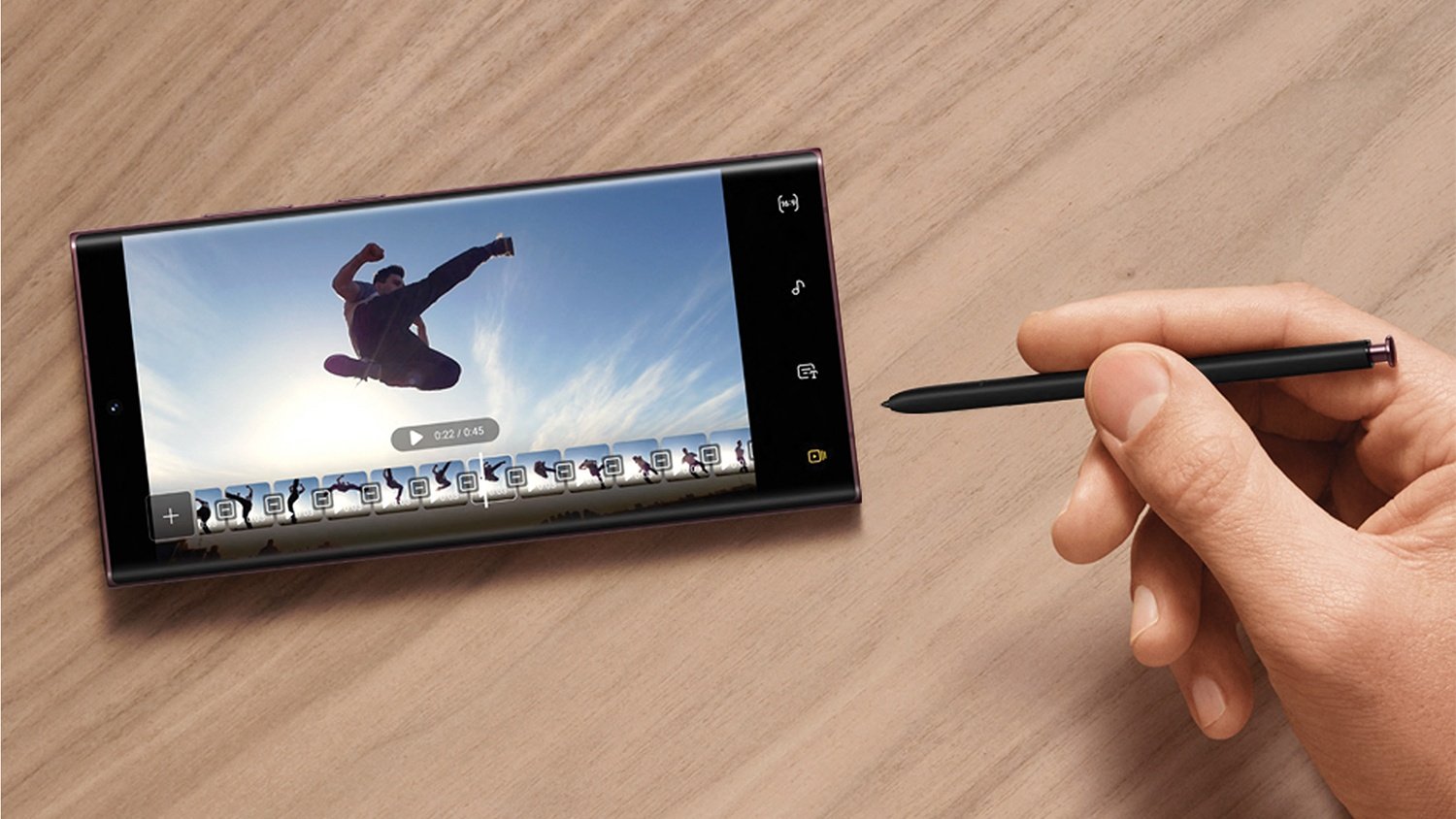
In-box contents have been revealed too, showing that the Galaxy S22 Ultra will be accompanied by an S-Pen, a USB-C to USB-C cable, and a SIM ejection tool. A charger has been given a miss once again so no surprises there, but the S-Pen shipping with the device is something unseen since the Note series.

RELATED:

These OPPO phones will get ColorOS 12 beta in Feb 2022

With the start of February, OPPO has officially disclosed the list of smartphones that will get access to ColorOS 12 based on Android 12 this month. Unfortunately, not a single phone will get a stable release in the second month of 2022. According to the schedule, a total of 6 handsets will receive beta builds.

ColorOS 12 Logo Featured A

The official Twitter account of ColorOS says that OPPO will be rolling out the Android 12-based ColorOS 12 for the following devices in February 2022.

ColorOS 12 Beta Update Plan February 2022

  • From February 22

    • OPPO Reno5 F
    • OPPO Reno4 F
    • OPPO F19 Pro
    • OPPO F17 Pro
  • From February 28

    • OPPO Reno4 Pro
    • OPPO Reno4

Though OPPO is known for providing timelines for beta/stable releases regularly, it mostly never follows them, however, in a good way. The company usually starts seeding the update ahead of the stipulated schedule.

Hence, the ColorOS 12 beta program for the aforementioned smartphones could kickstart earlier than the mentioned dates. We will be posting stories whenever OPPO begins beta or stable rollout of Android 12 for its phones. So stay tuned.

Just a few days back, OPPO also revealed the ‘ColorOS February 2022 Update Plan for China’. According to that, 7 handsets will receive the stable update. At the same time, another set of 7 devices will get the beta update. The stable release list also includes OnPlus 9R, a phone which is yet to receive OxygenOS 12 beta outside the brand’s home country.


RELATED:


Realme 9 Pro+ to feature heart rate sensor, in-display fingerprint sensor

Realme 9 Pro+ and Realme 9 Pro 5G-enabled smartphones are expected to launch by mid-February in India. The company has been gradually teasing the features of the Realme 9 Pro series. Today, Realme CEO Madhav Sheth released a tweet to confirm that the Realme 9 Pro+ 5G will be equipped with a heart rate sensor.

The tweet released by Sheth confirms how the heart rate sensor will work on the Realme 9 Pro+. The handset will come equipped with an in-screen fingerprint scanner. Users will need to open the heart rate measurement tool on the device to keep a finger pressed on the fingerprint scanner until it shows reading on the screen. The history tab on the tool will seemingly keep track of the previously recorded heart rate readings. Probably, this feature could be available exclusively on the Pro+ model and not on the regular Pro variant.

Like the predecessor Realme 8 Pro, the Realme 9 Pro is expected to offer a stellar photography experience. The Realme 9 Pro+ leaks have revealed that it will be equipped with a custom version of the Sony IMX766 lens. In addition, it is expected to debut as the first Realme number series phone with OIS support.

Realme 9 Pro+ specifications

The Realme 9 Pro+ 5G is expected to arrive with a 6.43-inch AMOLED FHD+ display that offers a 90Hz refresh rate. It may feature a 16-megapixel front-facing camera and a 50-megapixel (main) + 8-megapixel (ultrawide) + 2-megapixel (macro) triple camera unit.

The Dimensity 920 chipset will power the Realme 9 Pro+ 5G. The device is likely to arrive in 4 GB RAM + 128 GB storage and 6 GB RAM + 128 GB storage variants in India. Europe may receive a higher variant featuring 8 GB RAM + 256 GB storage. It may house a 4,500mAh battery that supports 65W rapid charging.

RELATED:

Sony acquires Halo and Destiny creator Bungie for $3.6 billion

Sony has just added another popular game developer to its list. The company has acquired Bungie, who are known for creating the original Halo trilogy and the Destiny series as well.

Sony

The news arrives from a joint announcement from both companies early this week. According to Jason Schreier, the Japanese tech giant is buying the game developer for a massive deal that is valued at 3.6 billion US Dollars. Notably, this move comes just two weeks after Microsoft had acquired Activision Blizzard. Although, the latter’s deal was worth a substantial 60 billion US Dollars. But, Bungie has a great track record and titles under its belt as well, and are a known name in the gaming industry.

With the launch of the original Halo, the company had seemingly revolutionized FPS titles for the console. It even introduced mechanics that are staple in games as well. Microsoft had initially bought Bungie and brought Halo as an exclusive flagship title for its Xbox gaming console, however, Bungie became an independent entity after making a few sequels within the Halo franchise. Through this acquisition, the friction between both console makers heat up as they are likely preparing to collide in the next gen gaming market, which may likely include the Metaverse as well.

In a blog post (Via TechCrunch) CEO Pete Parsons stated that “Today, Bungie begins our journey to become a global multi-media entertainment company. We remain in charge of our destiny. We will continue to independently publish and creatively develop our games. With SIE’s support, the most immediate change you will see is an acceleration in hiring talent across the entire studio to support our ambitious vision.”

RELATED:


Huami Amazfit GTR 3 Pro gets Automatic Night Blood Pressure Monitoring feature

Huami, the Xiaomi-backed wearable devices maker has a very successful lineup of smartwatches under the Amazfit branding and is slowly establishing itself in the premium segment with some high-end features.

In line with that, the company has now released a new feature for the Amazfit GTR 3 Pro smartwatch that adds automatic blood pressure monitoring support during the nighttime through the combination of sleep monitoring and blood pressure monitoring.

Amazfit GTR 3 Pro Blood Pressure Monitoring

The Amazfit GTR 3 Pro smartwatch uses PPG high-precision optical sensor for blood pressure health management and can provide continuous monitoring without the user going through discomfort of any kind.

With the help of an algorithm, it can analyze the data collected for the user’s sleep pattern as well as the blood pressure monitoring and can provide results that can be helpful in motoring the user’s health.

A few months ago, the company had released the PumpBeats blood pressure monitoring engine for the Amazift GTR 3 Pro smartwatch that can monitor blood pressure without airbags or cuffs just through a single press of a button.

Amazfit GTR 3 Pro Smartwatch

Apart from sleep monitoring and blood pressure monitoring, the smartwatch also comes with support for 24-hour blood oxygen level monitoring and heart rate monitoring, along with support for more than 150 modes for tracking workouts.

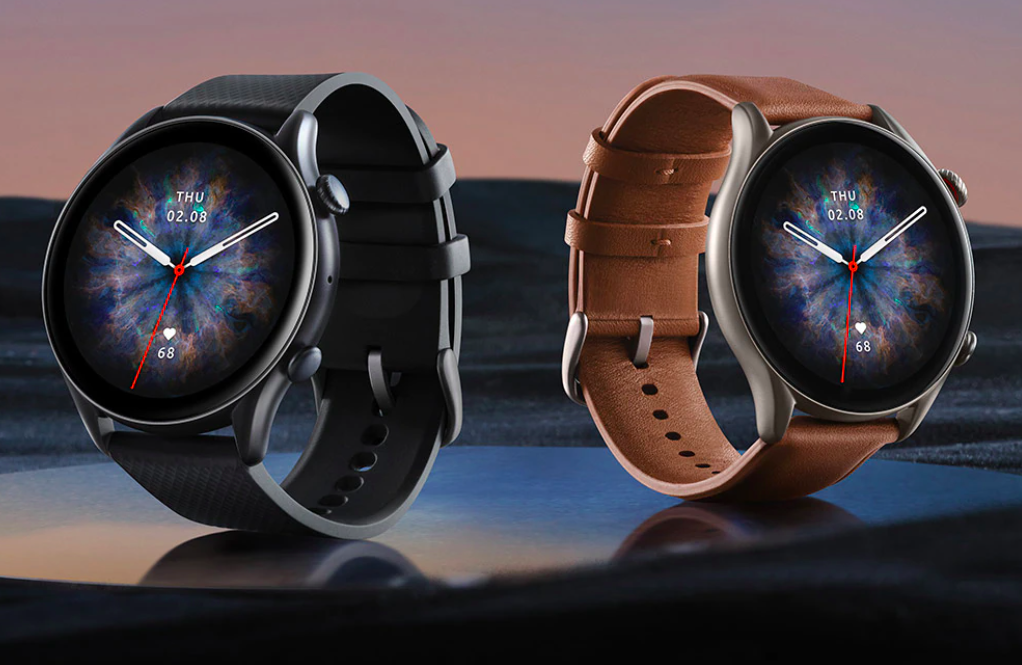
The Amazzfit GTR 3 Pro has a 1.45-inch AMOLED display with a maximum brightness level of 1000 nits. It has support for more than 150 watch faces including 23 editable ones and 15 animated ones. There is a BioTracker PPG 3.0 sensor that can track multiple health metrics at the same time.

It also comes with a speaker for taking calls on the watch over a Bluetooth connection. In the software department, it runs Zepp OS with support for mini-apps and has Alexa built-in and the company has stated its battery life to be up to 12 days in typical usage mode.

RELATED: 

Redmi Note 11, Note 11S confirmed to launch together in India
For the past few days, Redmi India has been teasing the arrival of the Redmi Note 11S. Recent reports have claimed that the company may unveil another Note 11 series phone alongside the Note 11S. An official tweet reveals that the Note 11 and Note 11S will be debuting together on Feb. 9 in India.

The microsite of the Redmi Note 11 series available on Xiaomi India’s website has revealed the design of the Redmi Note 11 and Note 11S. The Feb. 9 event will also see the arrival of the Redmi Smart Band Pro and Redmi Smart TV X43.

As far as the Note 11 and 11S are concerned, these are likely to be the same devices that were recently unveiled in global markets. The Redmi Note 11 Pro 4G and Redmi Note 11 Pro 5G were also made available in the international markets. These devices may go official in the country later this month or in March.

Redmi Note 11, Note 11S specifications

The Redmi Note 11 has a 6.43-inch AMOLED FHD+ display that offers a 90Hz refresh rate. The Note 11S has the same display. Both phones have a 13-megapixel camera for capturing selfies. The Note 11S has a 108-megapixel (main) + 8-megapixel (ultrawide) + 2-megapixel (depth) + 2-megapixel (macro) quad-camera unit. The Note 11’s quad-camera unit will have a 50-megapixel primary camera and the same auxiliary snappers available on the Note 11S.

Redmi Note 11
Redmi Note 11

The Note 11 gets Snapdragon 680, whereas the Helio G96 fuels the Note 11S. Both models come with LPPDR4x RAM and UFS 2.2 storage. They are packed with a 5,000mAh battery that supports 33W rapid charging. These devices are preinstalled with Android 11 OS, which comes with MIUI 13 on top.

RELATED:

Infinix Zero 5G smartphone powered by Dimensity 900 SoC to launch in India on February 8

Infinix is set to launch its first 5G smartphone — Infinix Zero 5G and the company has already teased the device getting launched in the Indian market. Now, more details about the smartphone have surfaced online.

A new report coming from tipster Abhishek Yadav confirms that the Infinix Zero 5G will be officially launched in the Indian market on 8th February. It seems quite possible given that the company has been teasing the new device.

Infinix Zero 5G India Launch Date Teaser

Apart from the launch date, some of the key specifications and features of the Infinix Zero 5G smartphone have also been leaked. The phone is said to come with support for 13 5G bands for connectivity in India.

Further, the device will come powered by the MediaTek Dimensity 900 chipset, coupled with LPDDR5 RAM and UFS 3.1 internal storage. As for the screen, the phone is said to have a 6.67-inch Full HD+ AMOLED display with a 120Hz refresh rate.

In the camera department, there will be a 48-megapixel primary sensor in the triple-camera setup that has Artificial Intelligence-backed features. There will also be a fingerprint sensor embedded into the power button.

The smartphone will be running the Android 11 operating system out-of-the-box with the company’s own XOS on top. It will be powered by a 5,000mAh battery and is likely to support 33W fast charging.

Based on the renders leaked so far, the Infinix Zero 5G will come in at least two color options — Orange and Black. To know for sure about the phone’s specs, features, models, pricing, and availability, we will have to wait for the official launch in a few days.

RELATED: 

Vivo T1 pricing, chipset tipped, may rival Realme 9 Pro 5G, Redmi Note 11 Pro 5G

Vivo announced the Vivo T1 and T1xl smartphones in November 2021 in China. Now, it has started teasing the arrival of the T1 in India. Fresh information reveals that the T1 heading to India could be different from its Chinese edition.

China was treated with the Snapdragon 778G variant of the Vivo T1. According to a report by India Today Tech, the T1 will be equipped with Snapdragon 695 mobile platform.. The official teaser of the phone also shows that its rear design will be different from the Chinese variant. Probably, it will be packed with tweaked specs.

Vivo T1 5G
Vivo T1 5G teaser

The T-series will be replacing the existing Y-lineup in the country. It will include performance-driven phones, which will be sold online. Vivo has a strong presence in the official market in India. With the T-lineup, the company aims to rival the likes of Xiaomi and other brands that have dominated the online market. Vivo’s X-series will continue to offer flagship devices, whereas its V-lineup will include mid-range models.

The report also mentions that the Vivo T1 will be priced under Rs 20,000 (~$268). The Realme 9 Pro 5G debuting later this month in India will be equipped with the Snapdragon 695 SoC. This device is likely to be priced at Rs 17,999 (~$242). Xiaomi is expected to launch the Snapdragon 695 powered Redmi Note 11 Pro 5G in India later this month or in March. Hence, it appears that the Vivo T1 will be in fierce competition from Realme 9 Pro 5G and Redmi Note 11 Pro 5G.


The Vivo T1’s landing pages are now live on Vivo India’s website and Flipkart. These pages will be confirming some of the key specs of the phone in the next few days before the launch. The Vivo T1 will be launching on Feb. 9 in the country.

RELATED:

OPPO Reno7 Pro in India to offer Dimensity 1200 Max SoC and 65W charging
OPPO is gearing up to launch the Reno7 series smartphones in the Indian market on 4th February and as the official launch date for the devices nears, more details about the smartphones are surfacing online.

Unlike the OPPO Reno7 series already launched in the Chinese market, some models of this lineup in the Indian market will come with a different set of specifications. However, the OPPO Reno7 Pro will remain the same, as confirmed by the company in a press release.

OPPO Reno7 Pro Review SPECS

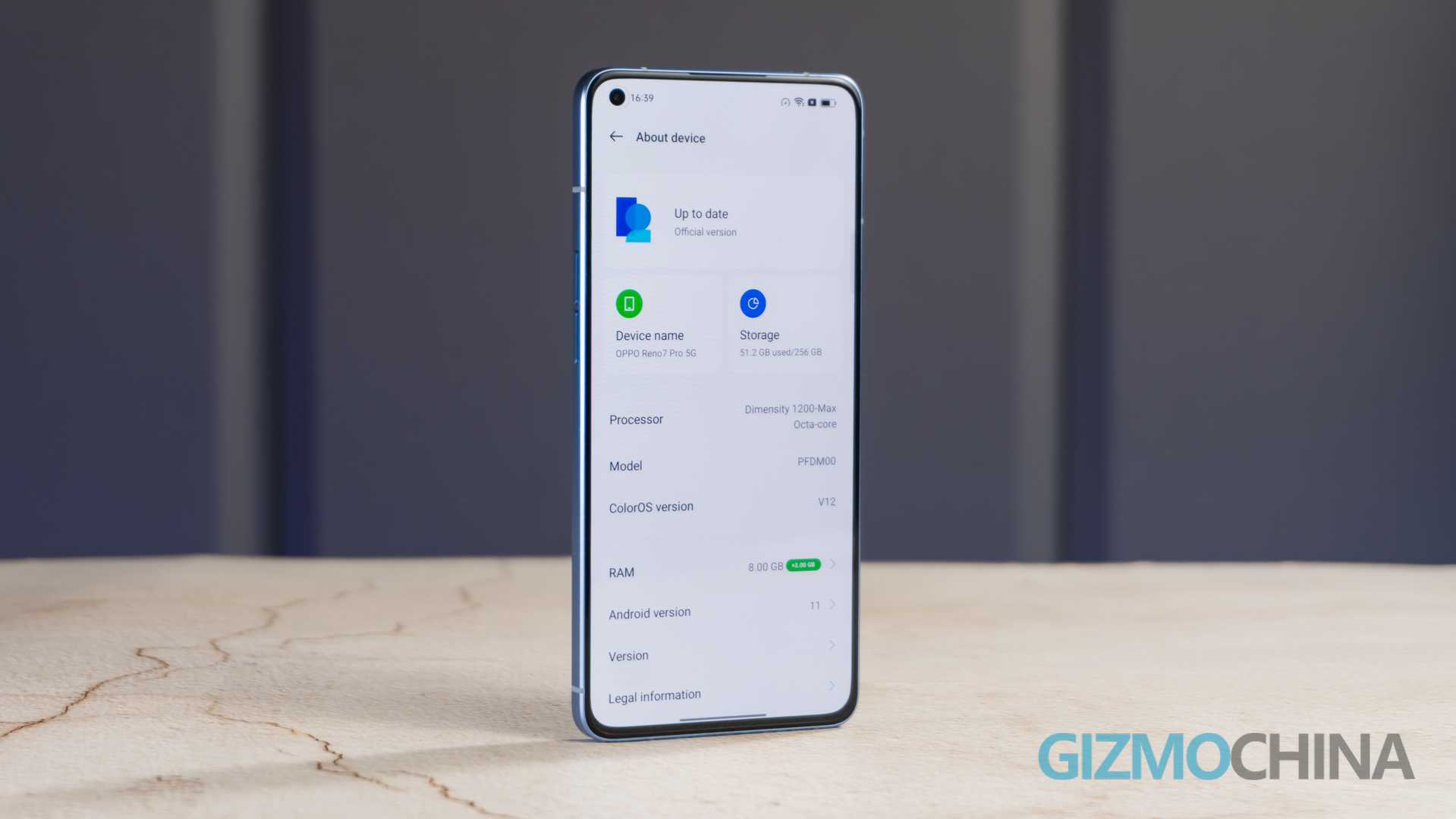
OPPO confirms that the Reno7 Pro will come powered by the MediaTek Dimensity 1200 MAX processor. As the name indicates, it is an enhanced version of the Dimensity 1200 and the Chinese company says that it collaborated with MediaTek to customize it for offering better display and imaging capabilities.

The smartphone features a 6.55-inch AMOLED Full HD+ display which is protected by a layer of Corning Gorilla Glass 5. It comes packed with up to 12GB of RAM and 256GB of internal storage, as well as support for 7GB of virtual RAM.

In the camera department, the phone has a triple-camera setup that consists of a 50-megapixel primary sensor, an 8-megapixel ultrawide sensor, and a 2-megapixel macro lens. On the front side, there’s a 32-megapixel for taking selfies and video calling.

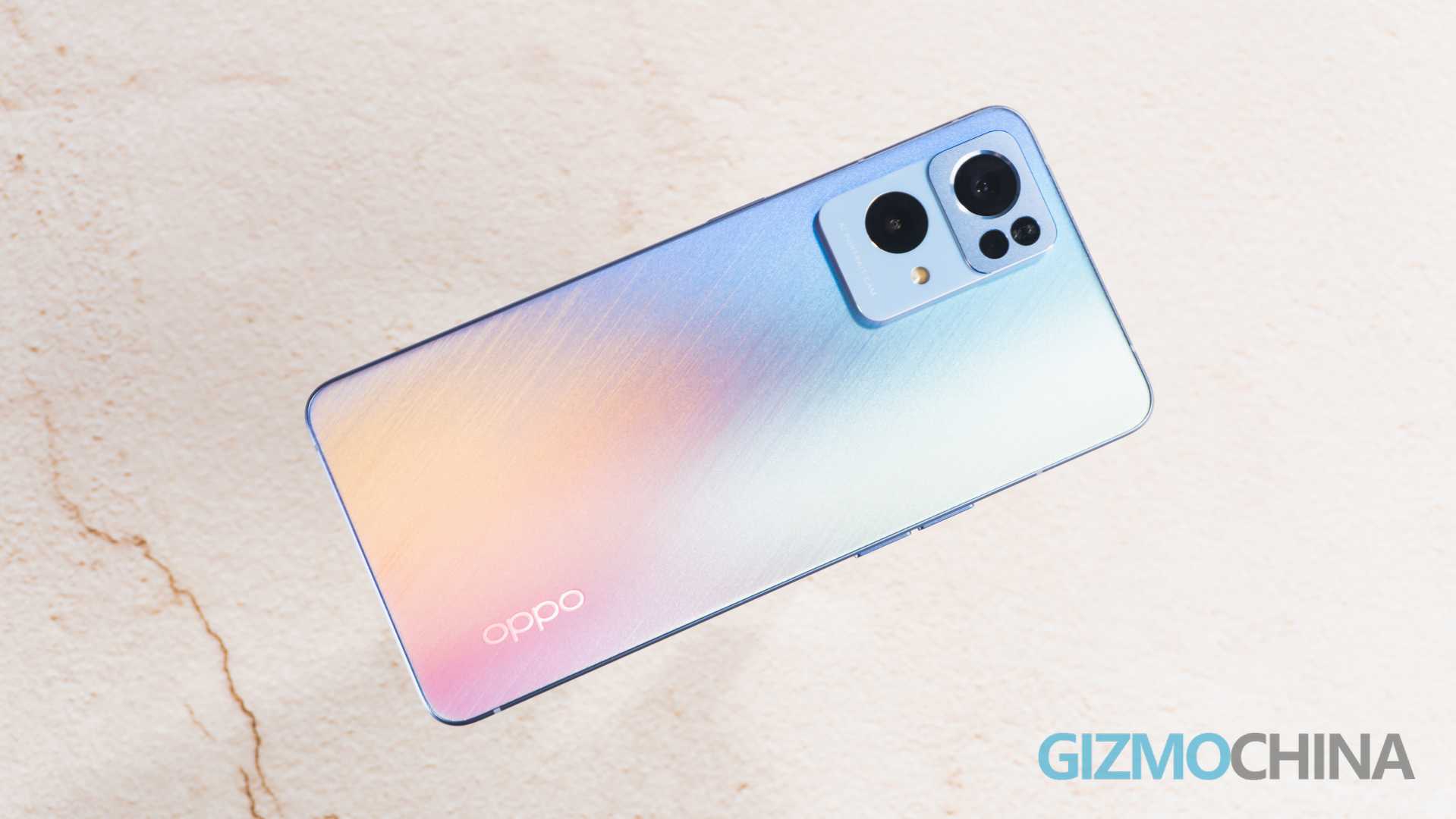
OPPO Reno7 Pro

As for the software, the smartphone is said to be running the Android 12-based ColorOS 12 out-of-the-box. The device will come powered by a 4,500mAh battery along with support for 65W fast charging technology.

The OPPO Reno7 Pro will be offered in three color options in India — Blue, Black, and Gold. While the pricing details for the device isn’t known yet, reports indicate it could be priced around ₹42,000, which is about $563 and could go on sale through Flipkart as well as the company’s own website and offline stores.

Recent reports have indicated that the OPPO Reno7 launching in India is a rebranded version of the Reno7 SE from China and is expected to cost around ₹31,490 (approximately $422) for the 8GB RAM and 128GB internal storage model.

RELATED: 

Honor smartphone with model number LGE-AN00 passes 3C certification

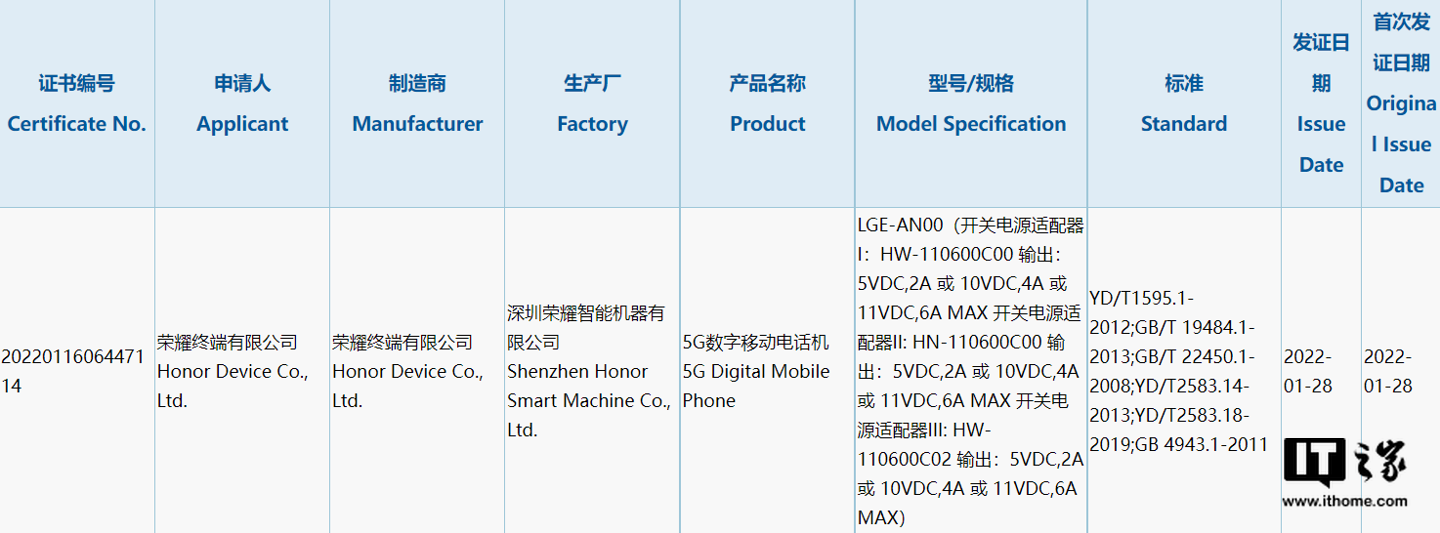
Honor is working on a new smartphone with model number LGE-AN00 and the device has now passed through the 3C certification process in China which has revealed some information related to the phone.

The 3C certification process has revealed that the smartphone, which will have 5G communication support, will come equipped with 66W charger.

Honor LGE-AN00 3C Certification

The certificate listing confirms Honor as the manufacturer of the upcoming smartphone as well as applicant for the process and reveals LGE-AN00 as the model number but the name of the device remains unknown.

It remains to be see which smartphone this new model ends up being after the Honor 60 series, Honor X30, and the Honor Magic V foldable smartphone, all of which have been launched in the past few months.

Recently, another Honor smartphone with model number GIA-AN00 appeared on Geekbench, which is believed to the upcoming Honor 60 SE but similar to this new model getting 3C certified, not much is known about this phone as well.

The company has confirmed that it will be attending the Mobile World Congress in Barcelona, Spain and is hosting Honor Global Product Launch event on 28th February to unveil Magic series devices for the global markets.

RELATED: 

Redmi K50 Gaming to launch first, K50 Pro+ with Dimensity 9000 will launch later: Report

Xiaomi‘s sub-brand Redmi is preparing to launch its upcoming flagship devices dubbed the Redmi K50 series. The K50 series is rumored to debut with four devices- the Redmi K50, the K50 Pro, the K50 Pro+ and the K50 Gaming. They are powered by Dimensity 8000, Snapdragon 870, Dimensity 9000, and Snapdragon 8 Gen 1, respectively.

And now, a new report from SparrosNews has revealed that the K50 Pro+ will be released after the K50 Gaming edition.

Redmi K50 Pro+ Dimensity 9000

Redmi GM Lu Weibing took to Weibo to tease the upcoming press conference at which the company is poised to launch its next flagship line of devices. Under his blogpost, a Weibo user asked when the company will release the Dimensity 9000 variant of the smartphone to which Lu Weibing replied that it will be released “A little later than Snapdragon 8.” A recent leak has revealed that the Redmi K50 Gaming Edition will be coming with the Snapdragon 8 Gen 1 chipset while the Redmi K50 Pro+ will feature the unreleased MediaTek Dimensity 9000 SoC.

So it appears that the Redmi K50 Gaming Edition will indeed debut before the Redmi K50 Pro+. And as per a previous leak, the device might even be the first phone to be released in the K50 lineup.

Redmi K50 Gaming Edition specs (rumored)

Redmi K50 Gaming

So far, leaks have revealed that the Redmi K50 Gaming Edition will measure 162 x 76.8 x 8.45mm and weigh 210 grams. It houses a 6.67-inch display, which appears to be an OLED curved edge panel that supports a Full HD+ resolution. The screen will have Gorilla Glass Victus protection.

For photography, it will feature a 16-megapixel front camera and a 64-megapixel (main) + 13-megapixel + 2-megapixel triple camera unit.

The device will feature a Snapdragon 8 Gen 1 SoC with dual VC liquid cooling which is a premium heat-dissipation system to help keep the temperatures down during intensive gaming. It is also expected to feature a 4,700mAh battery with 120W fast charging which can fill up the battery in just 17 minutes. Additionally, the device will also come equipped with gaming shoulder trigger keys and a side-mounted fingerprint scanner.

Redmi has already announced that the K50 series will debut in February 2022. And going by Lu Weibing’s recent Weibo post, we can expect the launch to occur in the second week of February.

RELATED:


OnePlus patent may have revealed the OnePlus 10 Ultra design

OnePlus recently unveiled the OnePlus 10 Pro in China with the global launch still in the loop. While that is yet to happen, there are already rumors of a OnePlus 10 Ultra which is expected to have a spectacular camera setup. OnePlus 10 Ultra

We may have just spotted a sketch of the 10 Ultra via a recent patent which the Chinese company secured in September 2021. The device bears a close semblance with the OnePlus 10 Pro but the camera layout is noticeably different.

The patent image which was spotted by tipster @TechInsider shows a rectangular camera that indicates a mirror-aided periscope camera. This will be a first in the OnePlus lineup if it pans out as the patent suggests. That is because the company had only used telephoto lenses on previous models but since its merger with OPPO, we expect such radical changes. It was recently rumored that the company was planning to merge the OxygenOS and HydrogenOS custom ROM to one known as H2OOS.

The OnePls 10 Ultra is also expected to come with a few other changes from the 10 Pro, one of which could be an in-house MariSilicon NPU that will further improve the imaging capabilities of the phone’s camera.

The 10 Ultra is tipped to arrive in the second half of the year which is still a long time away. Thus, we expect further details to emerge before then.

RELATED:


Chromebook shipments down by 63.6% in Q4 2021: Report

Virtual learning and work-from-home situations caused by the ongoing pandemic have massively benefited the Chromebook segment as an easy choice for online classes and work. The devices saw a 13.5% increase in total shipping volume, with 37 million Chromebook shipments in 2021. However, it looks like this rapid growth might now be on a decline.

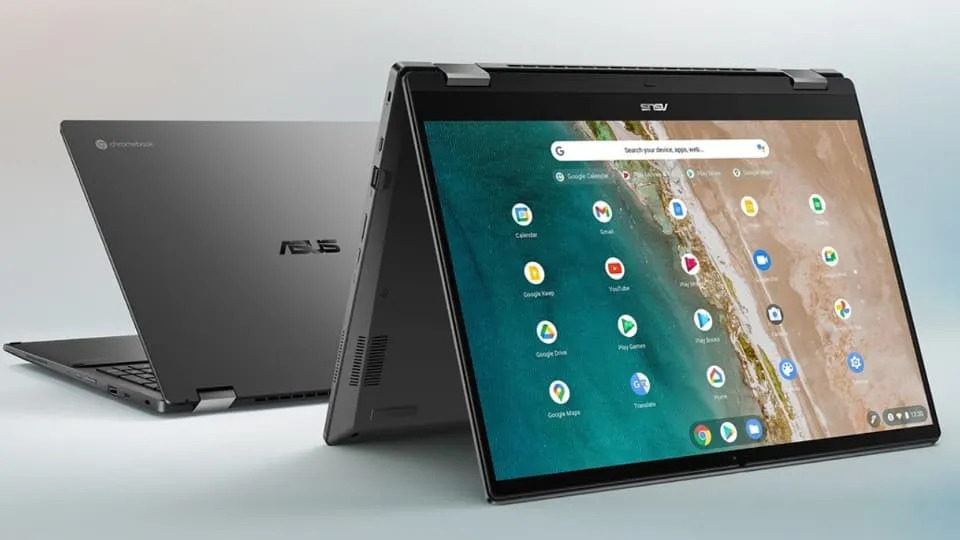
ASUS Chromebook Flip CX5 16-inch

A recent International Data Corporation (IDC) report revealed the shipment volume of Chromebooks by the top five companies in which it was observed that the Year-0ver-Year growth was down by 63.6%.

Chromebooks Q4 2021

Acer came out on top in Q4 2021 with 1.3 million shipments and enjoyed a 26.3% share of the Chromebook market. The brand however was down by 43.3% when compared to their 2.2 million Chromebook shippings in the fourth quarter of 2020.

Dell came in at second with 1 million shipments and commanded a 20.3% share in the Chromebook segment, however, the brand was down 63.6% compared to their 2.7 million Chromebook shipments in Q4 2020.

With a 16.1% market share, Lenovo secured the third position shipping 800,000 Chromebooks in Q4 2021. This is a 73.5% decline in shipments by the brand that shipped 2.7 million Chromebooks between October and December 2020.

In the fourth position, we have Samsung with 600,000 Chromebook shipments in Q4 2021. The brand was down by 22.4% compared to their Q4 2020 shipments.

Surprisingly, HP came in at fifth position with just 500,000 Chromebook shipments in Q4 2021 compared to their 3.5 million shipments in Q4 2020. This marked an 86.7% decrease in shipments year-over-year.

Jitesh Ubrani, a research manager with IDC stated that this drop in shipments of Chromebooks in Q4 2021 is due to “much of the initial demand for Chromebooks has been satiated in primary markets like the U.S. and Europe and this has led to a slowdown in overall shipments.”

He added, “Supply has also been unusually tight for Chromebooks as component shortages have led vendors to prioritize Windows machines due to their higher price tags, further suppressing Chromebook shipments on a global scale.”

Though Chromebook demand in emerging markets has seen continued growth in the past year and is expected to grow throughout the pandemic.


RELATED: